The Dreamer Who Changed the World
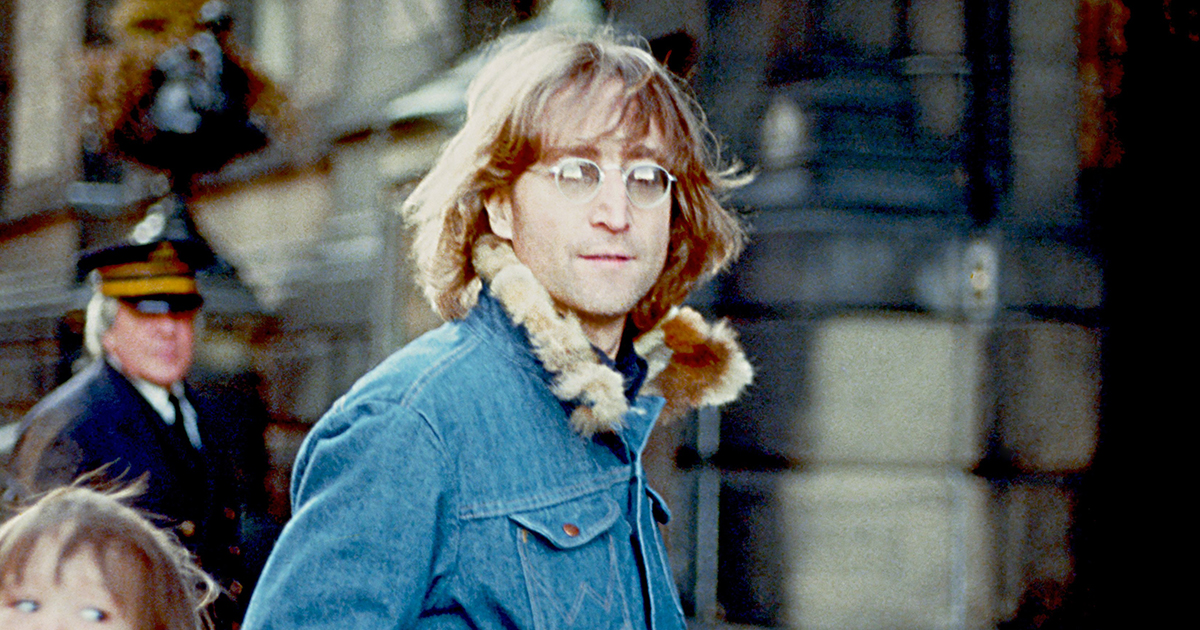
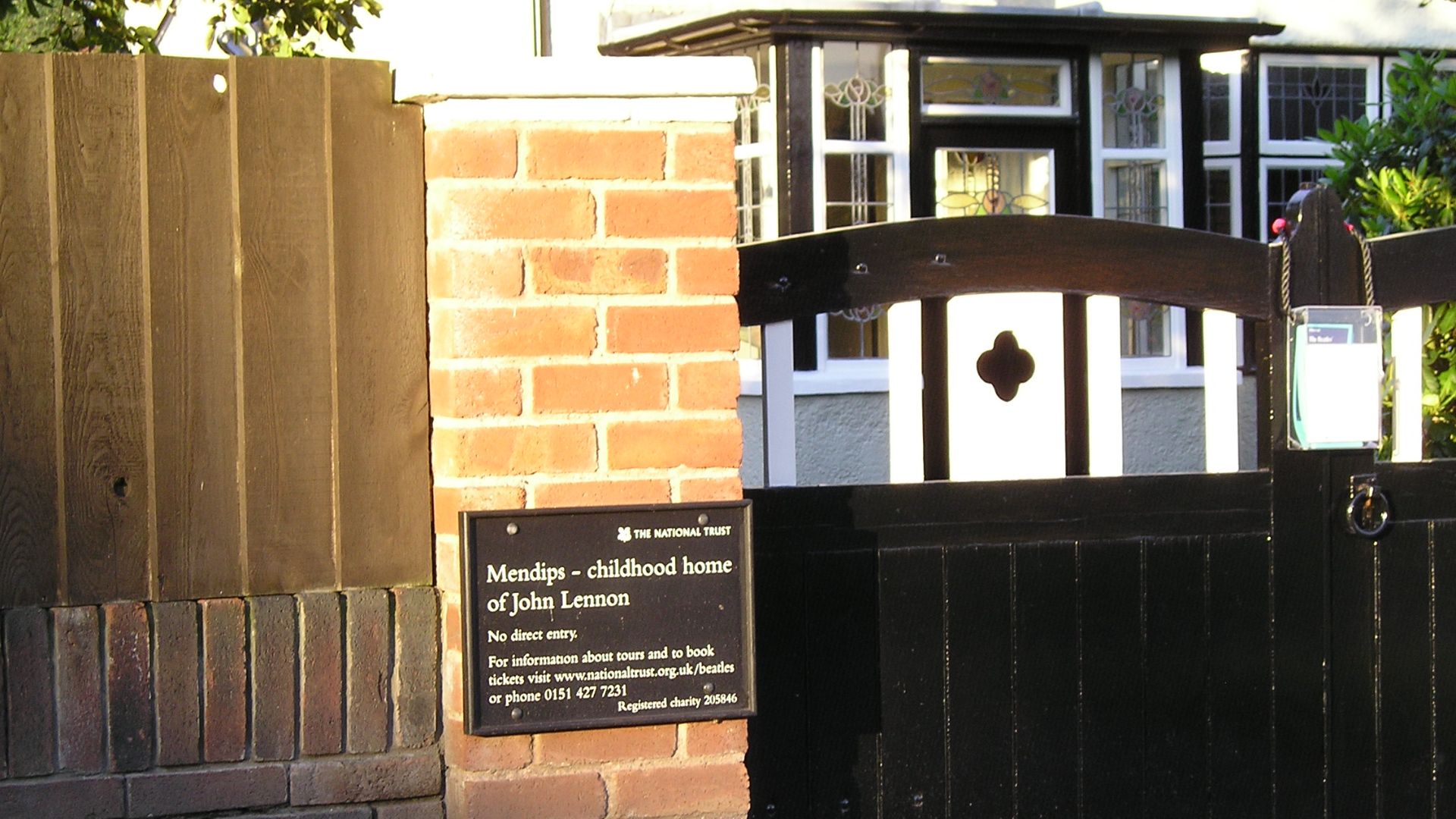
John Winston Lennon was born on October 9, 1940, in Liverpool, England — during a German air raid in World War II. Raised mostly by his Aunt Mimi after his parents separated, young John grew up rebellious and sharp-witted. He was clever, sarcastic, and restless — a kid destined for something big. “I used to think I was mad,” he later said. “Then I found out everyone else was.”
Discovering Music and a Voice
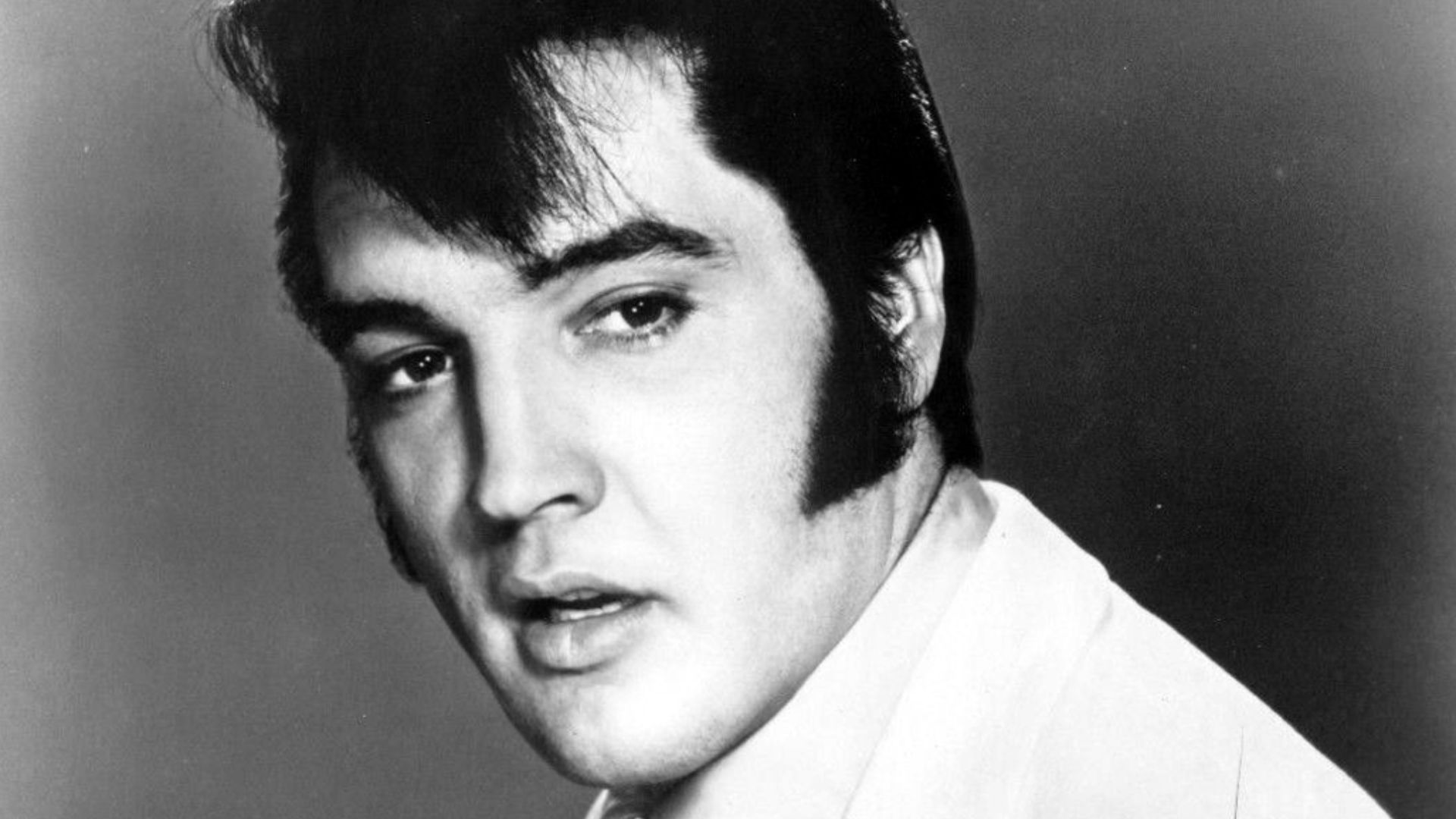
John’s first love was rock ’n’ roll. He idolized Elvis Presley and Chuck Berry, mimicking their swagger with his school band, The Quarrymen. When a teenage Paul McCartney joined, a partnership began that would rewrite music history. “He looked like he’d been born with a guitar,” John said of Paul. “That was enough for me.”
The Beatles Take Flight
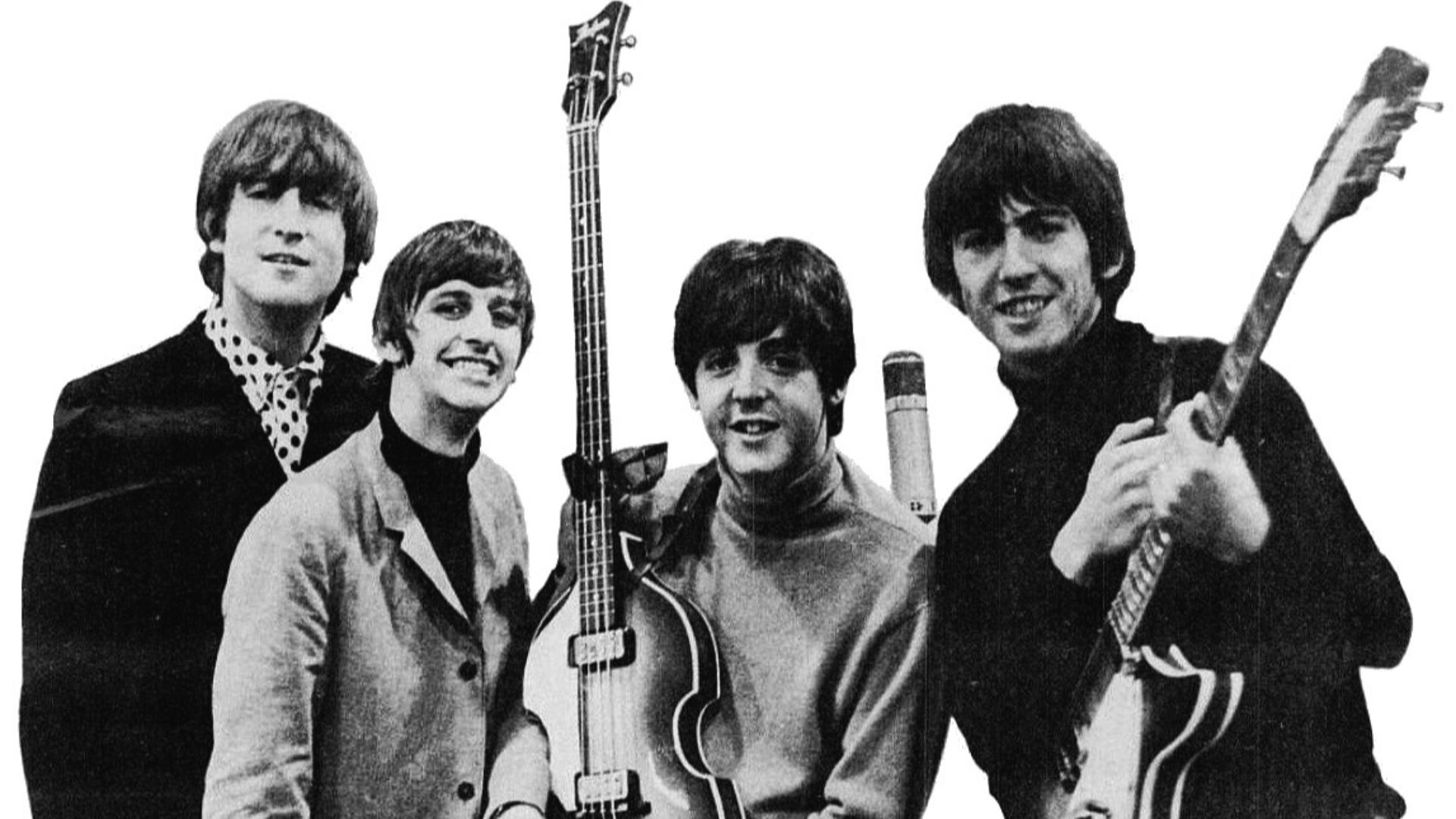
By the early 1960s, The Beatles had become a global phenomenon. With Lennon’s edge and McCartney’s polish, they created an unstoppable force. Their songwriting partnership produced classics like Help!, A Hard Day’s Night, and Ticket to Ride. “We weren’t just writing songs,” John once said. “We were writing life.”
The Wit That Captured the World
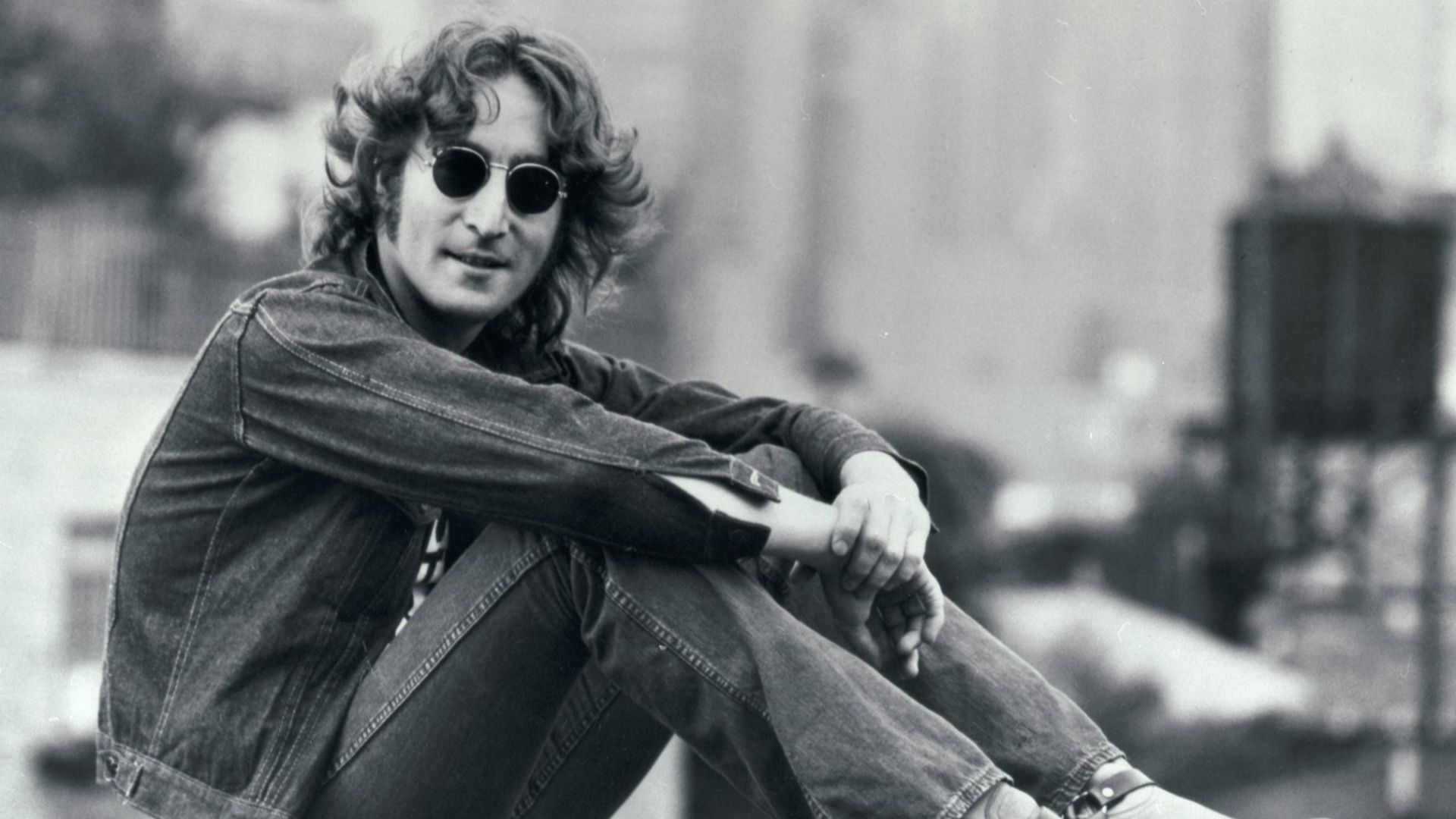
Lennon’s humor became as iconic as his music. At press conferences, he could silence a room with one line. Asked if Ringo was the best drummer in the world, he famously joked, “He’s not even the best drummer in The Beatles.” Beneath the wit, though, was a man who used humor to hide pain.
 Bob Gruen; Distributed by Capitol Records, Wikimedia Commons
Love and Loss
John’s mother, Julia, remained a profound influence even after her tragic death when he was just 17. “It was the worst thing that ever happened to me,” he said. That loss deepened his emotional intensity — the yearning you can hear in Julia and Mother. His songs were therapy long before the world called it that.
Meeting Yoko Ono
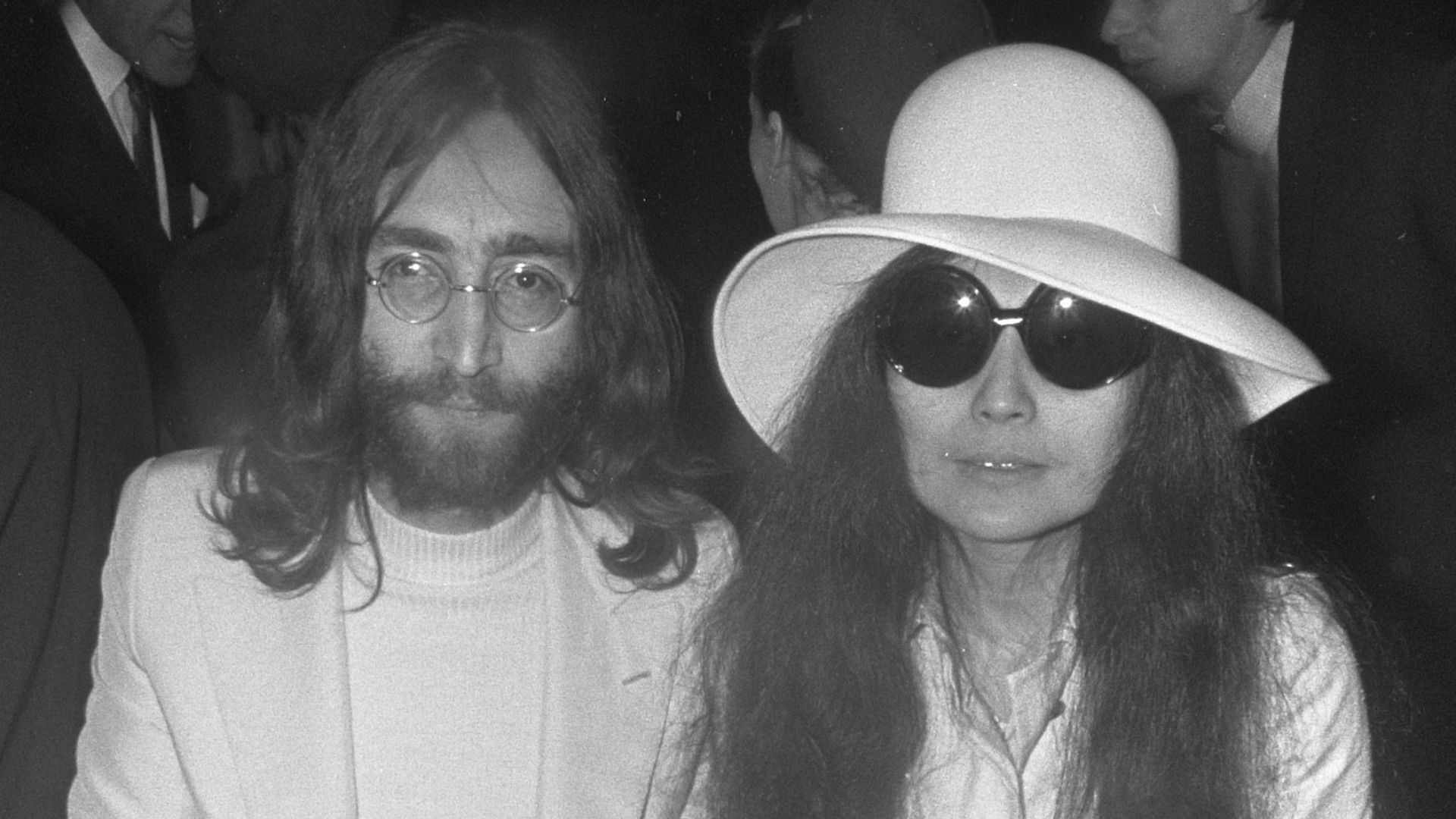
In 1966, John met avant-garde artist Yoko Ono at a London art gallery. “She was the first person who ever really listened to me,” he said. Their connection was instant, electric, and controversial. The world may not have understood them, but John didn’t care. “Yoko and I are one,” he told reporters. “We’re not separate. We’re together.”
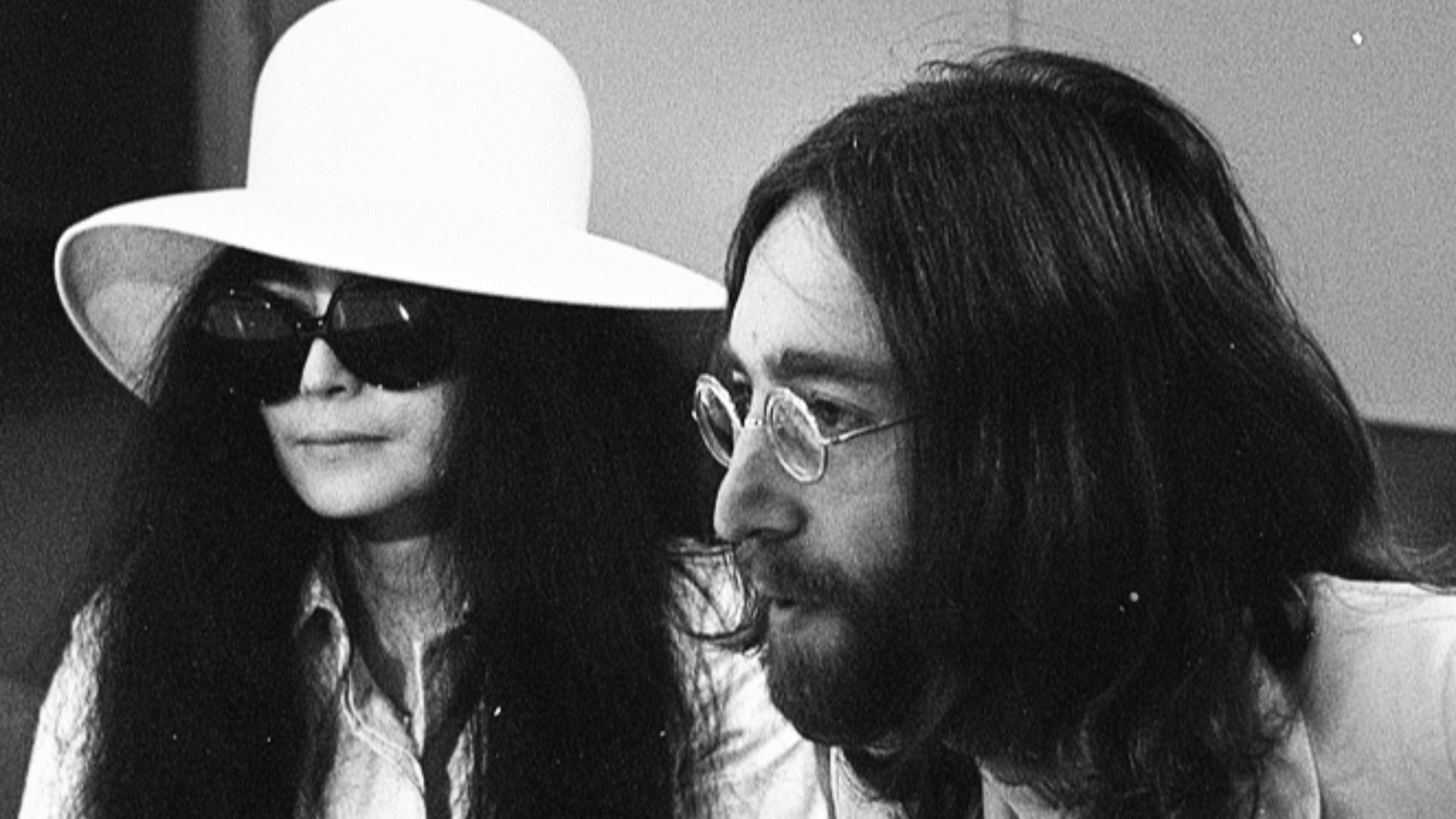 Joost Evers / Anefo, Wikimedia Commons
The End of The Beatles
By 1970, tension, fame, and personal growth pulled The Beatles apart. “It was like a divorce,” Lennon admitted. But he didn’t regret it. “You have to break the mold sometimes.” His first solo album, John Lennon/Plastic Ono Band, was raw and revolutionary — filled with pain, truth, and freedom.
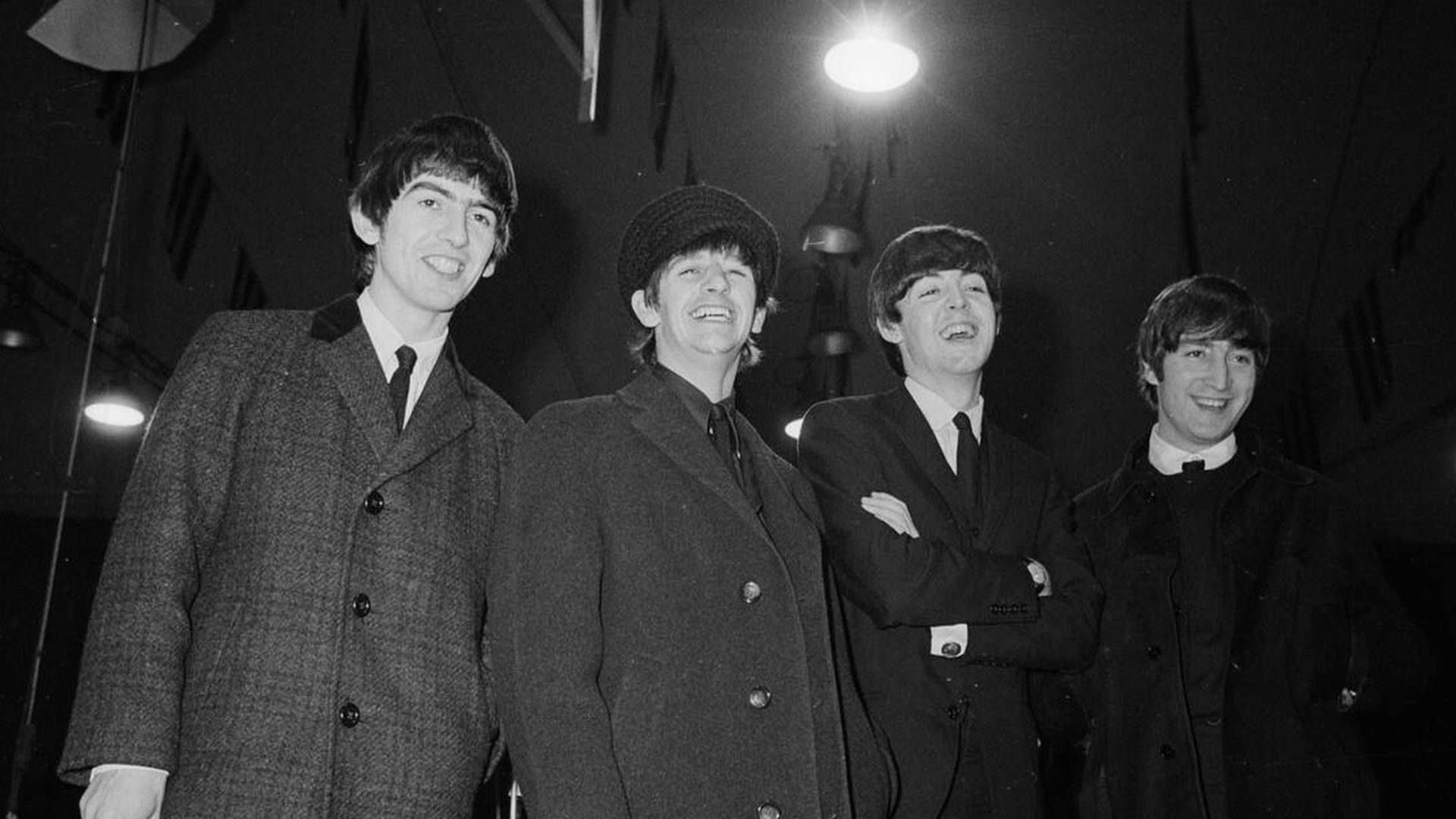 United Press International, Wikimedia Commons
Give Peace a Chance
John’s activism became as famous as his music. Alongside Yoko, he staged “bed-ins for peace,” released protest songs like Give Peace a Chance and Happy Xmas (War Is Over), and used his platform to speak against war and injustice. “We’re all in this together,” he said. “Peace isn’t a dream — it’s a choice.”
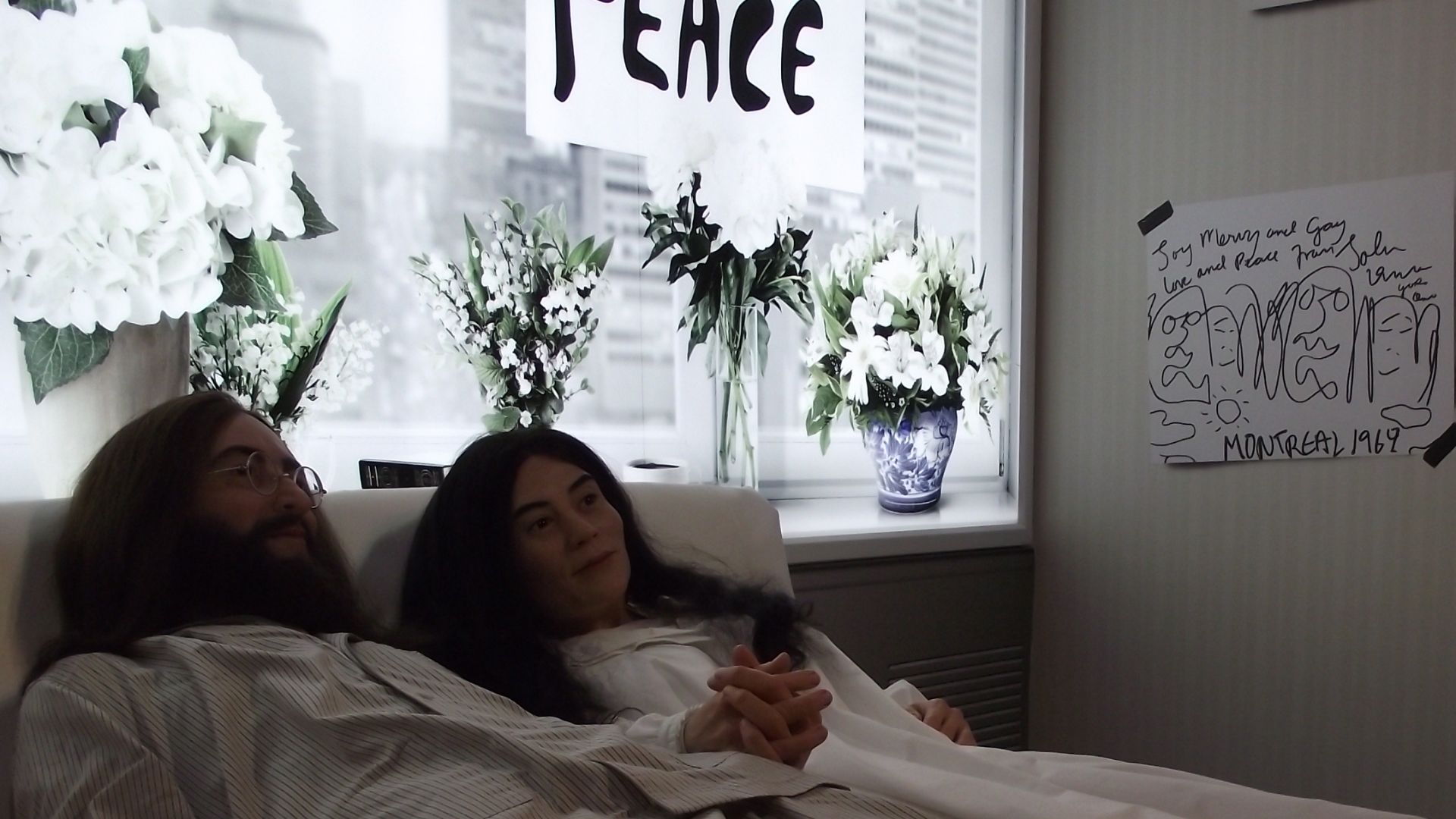
The New York Years
In the 1970s, John and Yoko moved to New York City, where he found something he’d been missing — anonymity. “It’s where I could be John, not Beatle John,” he said. He loved walking Central Park, feeding pigeons, and exploring record shops with Yoko and their son, Sean. “This,” he said once, “is home.”
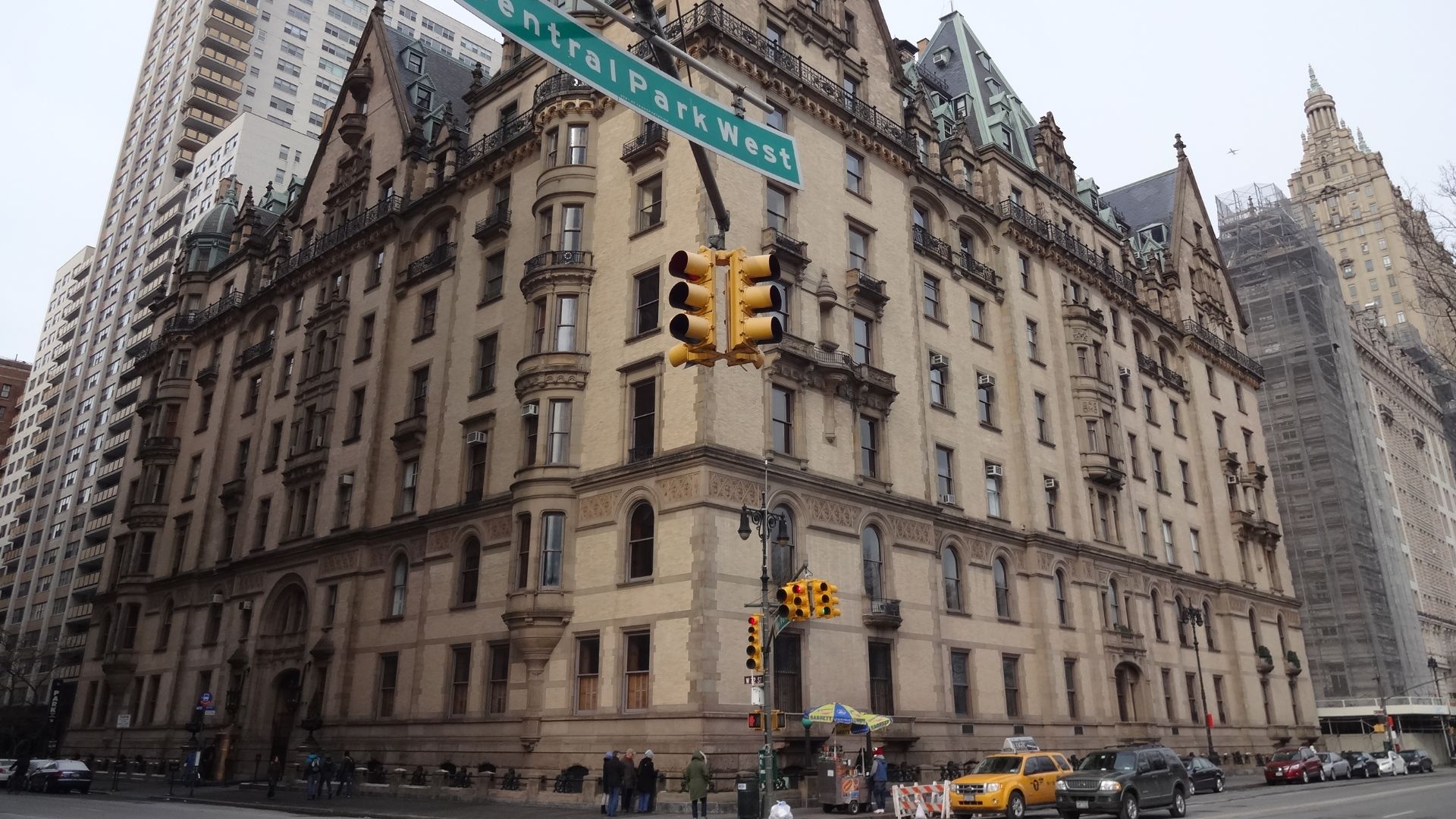
Becoming a Father Again
When Sean Lennon was born in 1975, John stepped away from fame to be a stay-at-home dad. “I didn’t want to miss a moment,” he said. He cooked, sang lullabies, and even changed diapers proudly. “It’s the best thing I’ve ever done,” he told Rolling Stone. “Better than any song.”
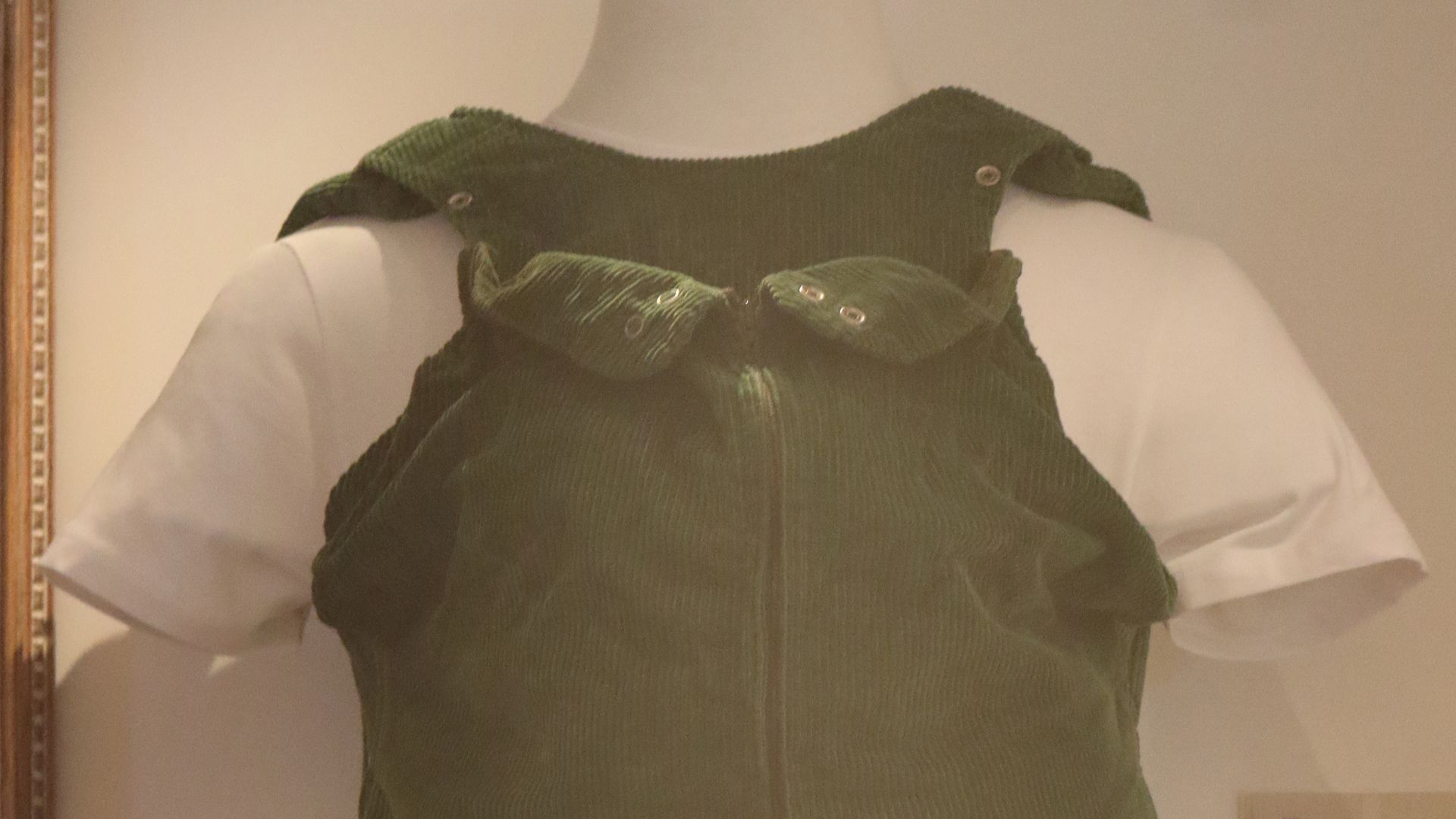 Rodhullandemu, Wikimedia Commons
A Quiet Comeback
After five years out of the spotlight, John returned to music with Double Fantasy in 1980 — a joint album with Yoko. Songs like Woman and (Just Like) Starting Over reflected a man at peace. “It’s about life beginning again,” he said. The album was a love letter to the family and world he had rediscovered.
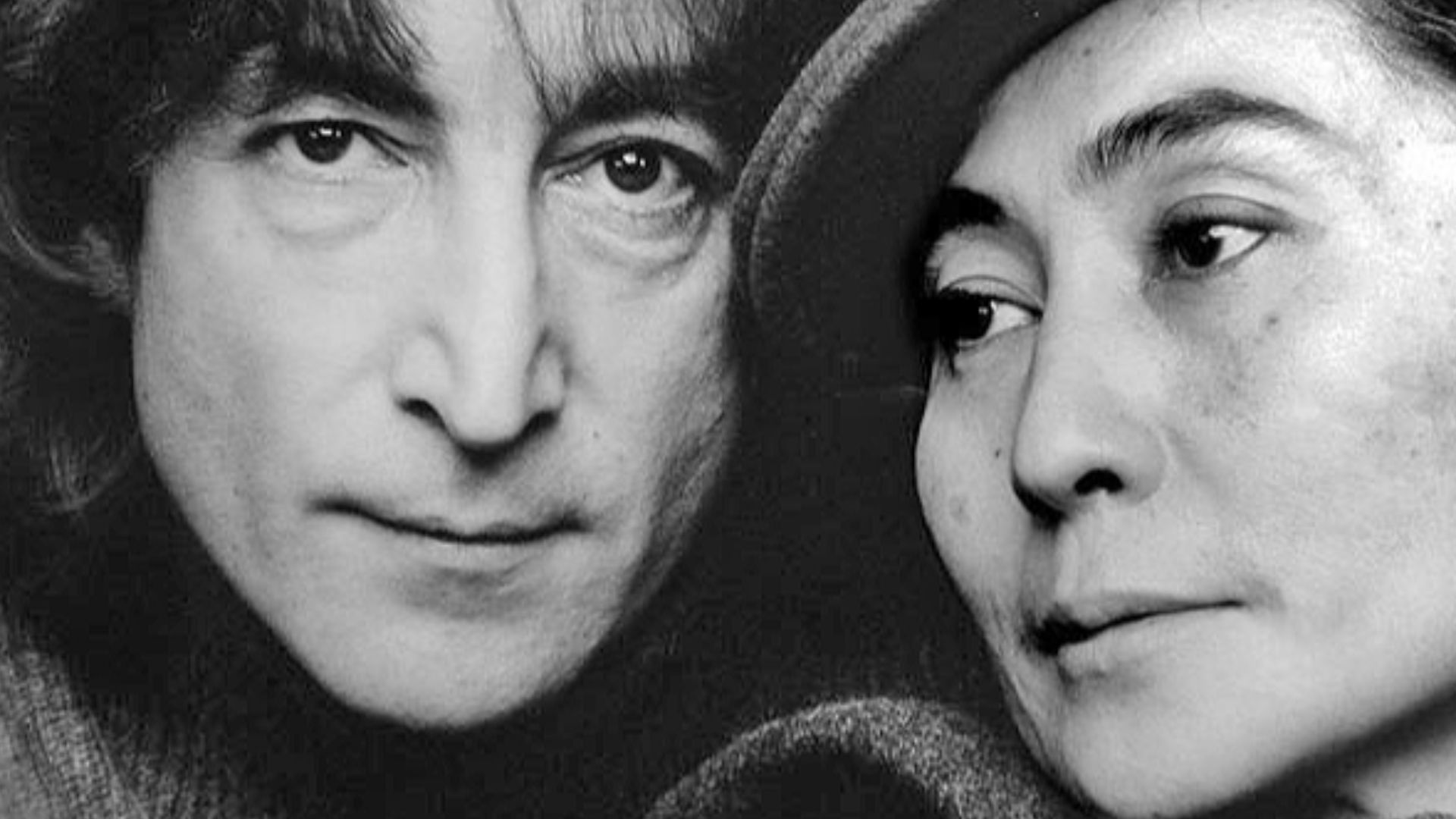 Jack Mitchell, Wikimedia Commons
The Philosopher of Pop
More than a musician, John was a thinker — unafraid to challenge the world. “Reality leaves a lot to the imagination,” he said. He questioned religion, politics, and even fame itself. His honesty wasn’t always easy to hear, but it was real. “I’m not here to please people,” he said. “I’m here to tell the truth.”
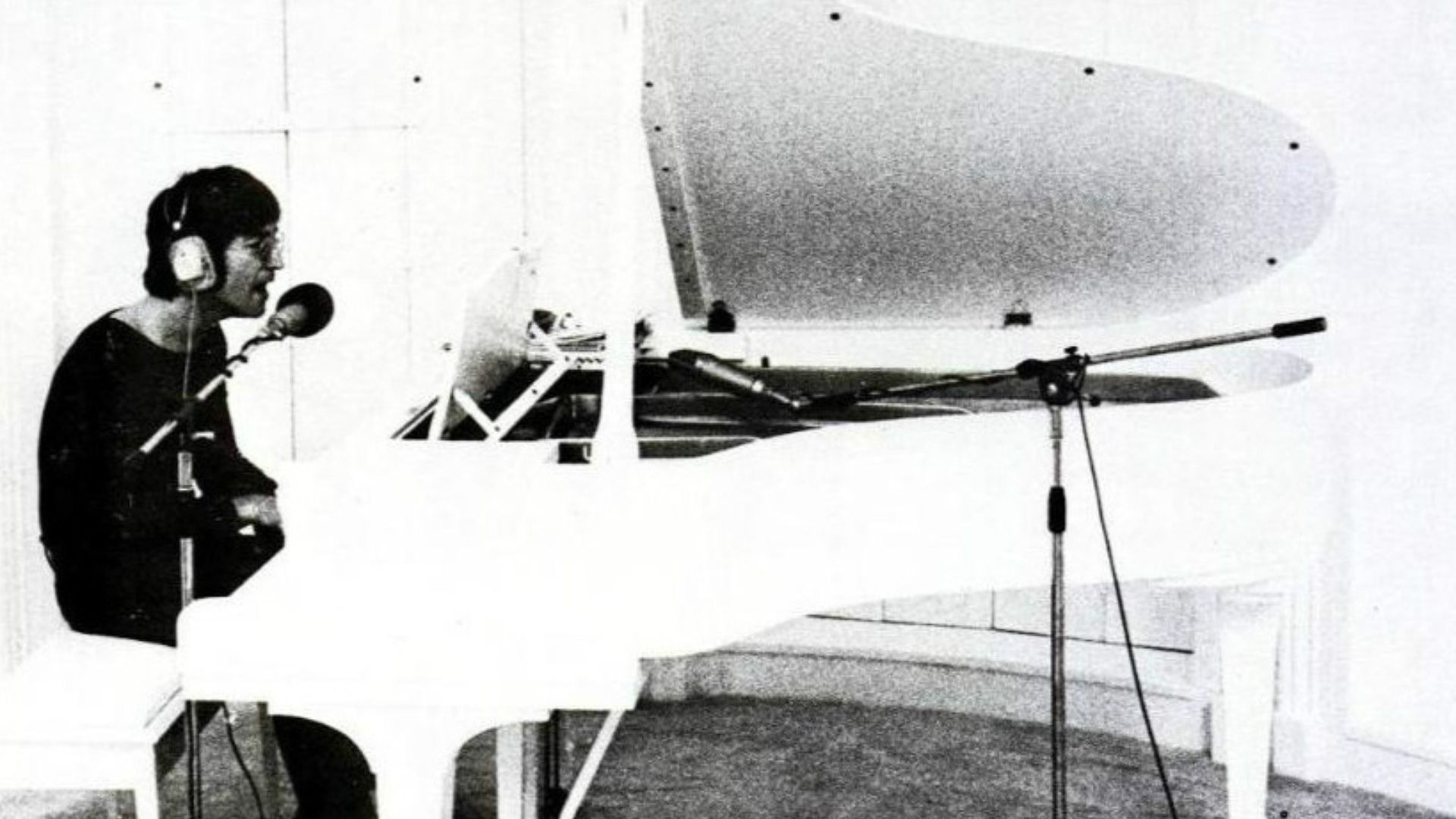 Apple Records, Wikimedia Commons
The Artist Who Evolved
Unlike many of his peers, John’s art grew as he did. From the cheeky pop of Please Please Me to the emotional depth of Imagine, he never stood still. “You change or you die,” he said. Imagine became his anthem — a song of hope, empathy, and endless possibility.
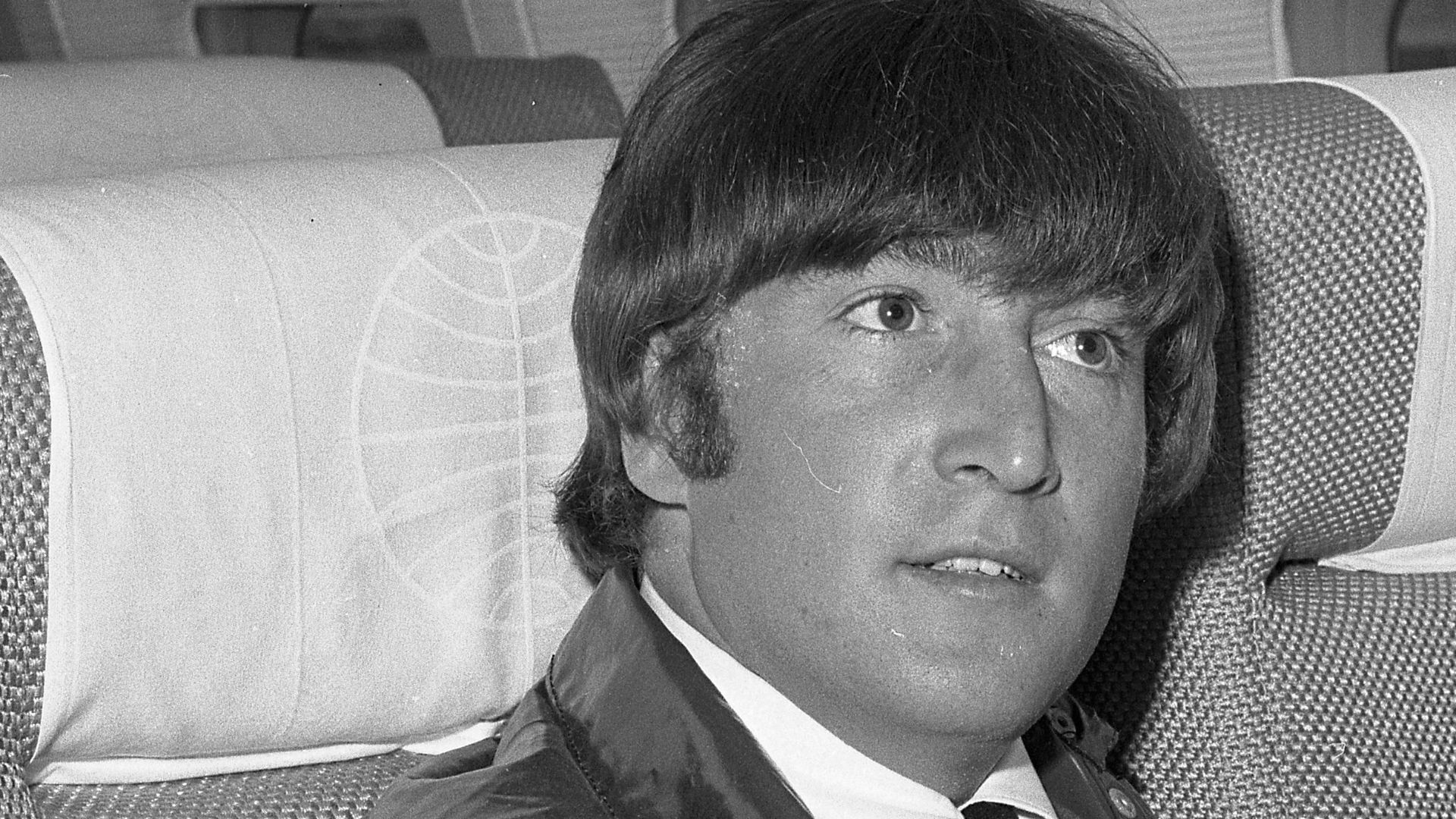 Los Angeles Times, Wikimedia Commons
Yoko and the Dream They Shared
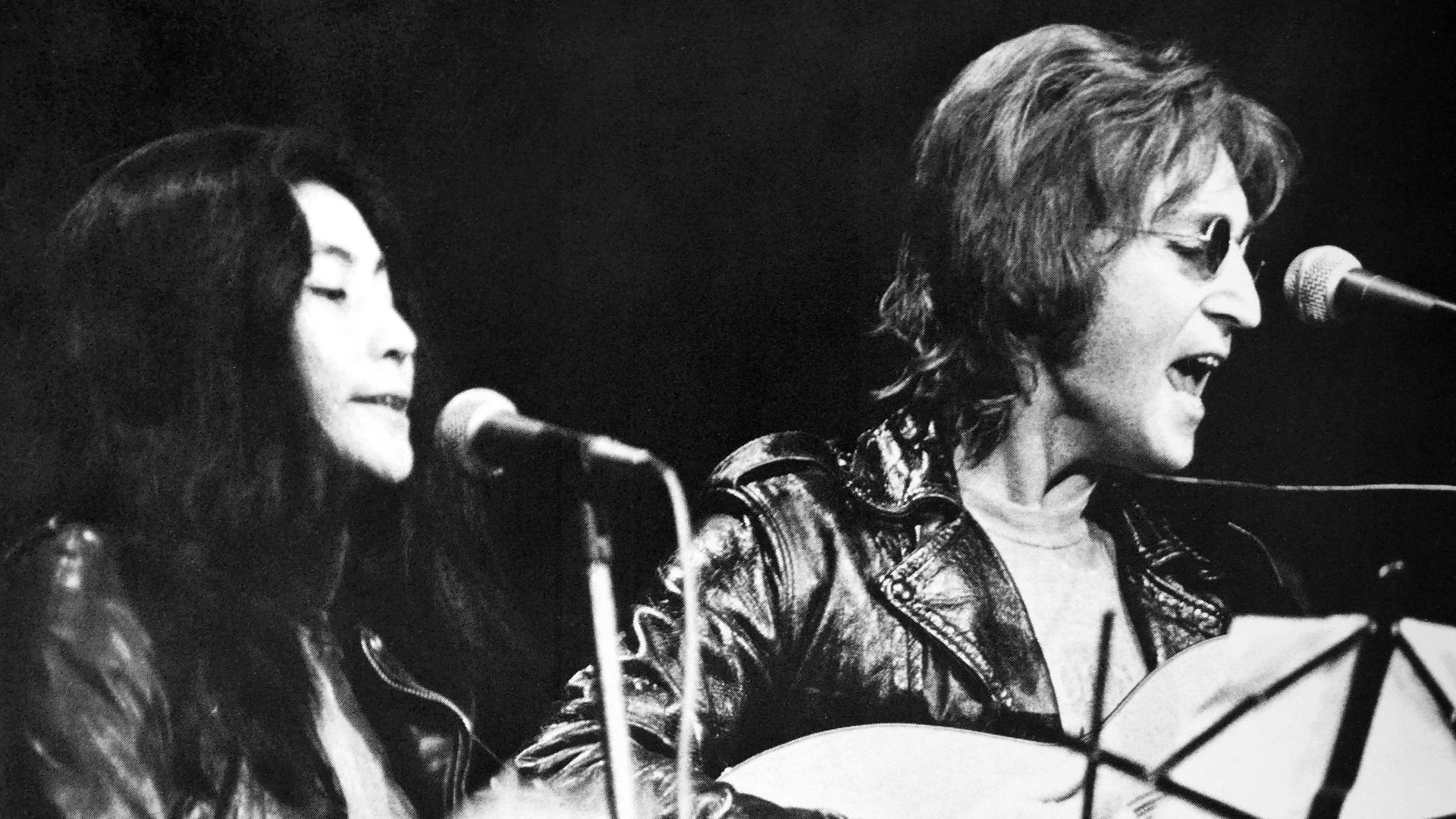
Though critics once mocked their love, Yoko and John proved enduring partners in art and life. Together they turned their relationship into a statement — one of unity and rebellion. “We’re all artists,” Yoko said later. “But John made love his masterpiece.”
A Voice for Peace
Even as fame faded, John never lost his idealism. “I still believe in love and peace,” he said in his final interview. “That’s what all this is about.” His words, both tender and fierce, reflected a man who had fought his demons and come out with hope intact.
 NBC Television, Wikimedia Commons
The Final Morning
On December 8, 1980, John Lennon spent the morning at The Dakota with Yoko, giving interviews about his new album. He spoke about fatherhood, creativity, and his excitement for the future. “I feel reborn,” he told a journalist. “The best is yet to come.”
 Joost Evers / Anefo, Wikimedia Commons
A Tragic Encounter
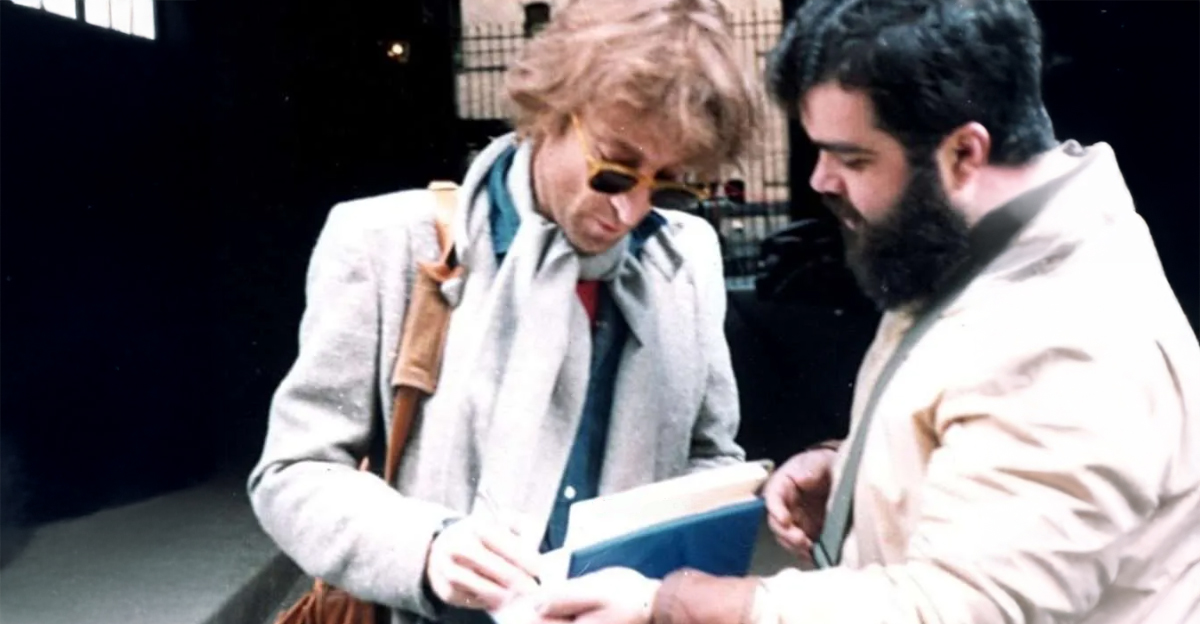
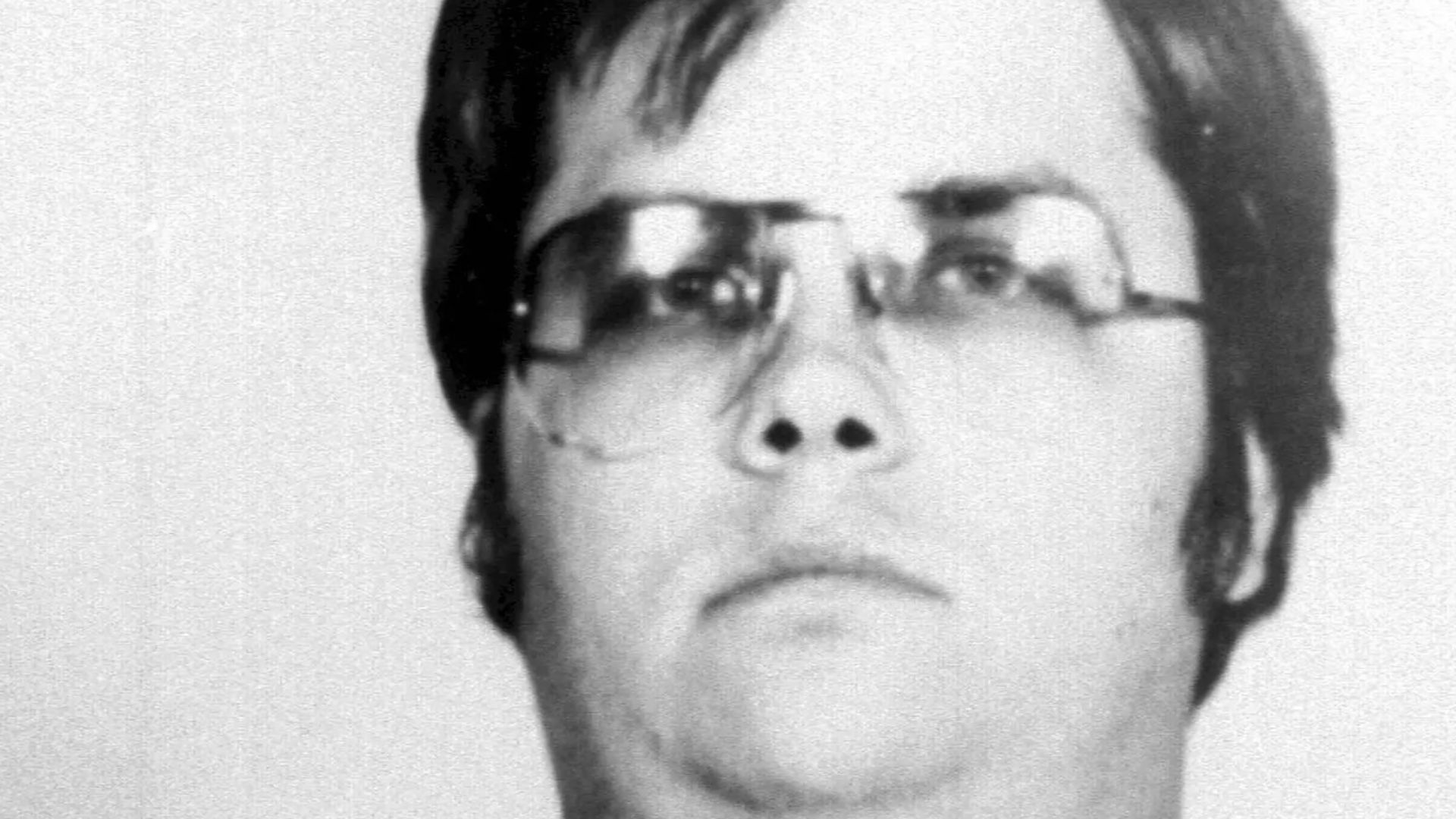
That evening, as he left for a recording session, John signed an autograph for a waiting fan named Mark David Chapman. Photographer Paul Goresh captured the moment. John smiled — unaware that this same man would return later that night, waiting in the shadows.
 New York City Police Department, Wikimedia Commons
The Night the Music Stopped
At 10:50 p.m., outside The Dakota, John Lennon was shot four times by Chapman. He was rushed to Roosevelt Hospital but pronounced dead on arrival. He was 40 years old. The world stood still. Vigils lit up in every country. Fans wept in silence, singing Imagine through tears.
 Bob Gruen; Distributed by Capitol Records, Wikimedia Commons
A Legacy That Lives Forever
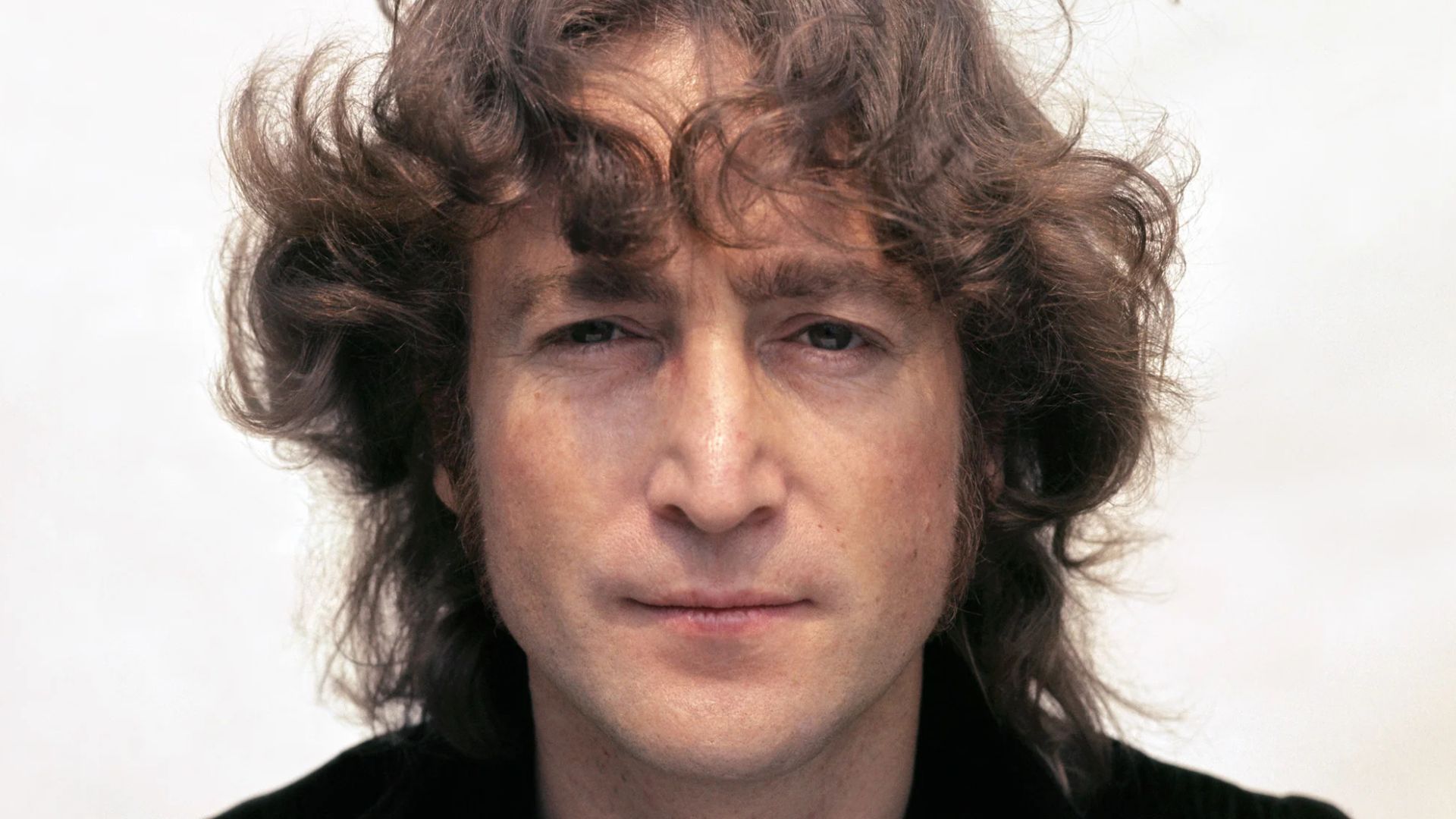
More than four decades later, John Lennon’s music and message remain eternal. From Imagine to Across the Universe, his voice still asks the world to dream of something better. “Love is the answer,” he once said. “And you know that for sure.”
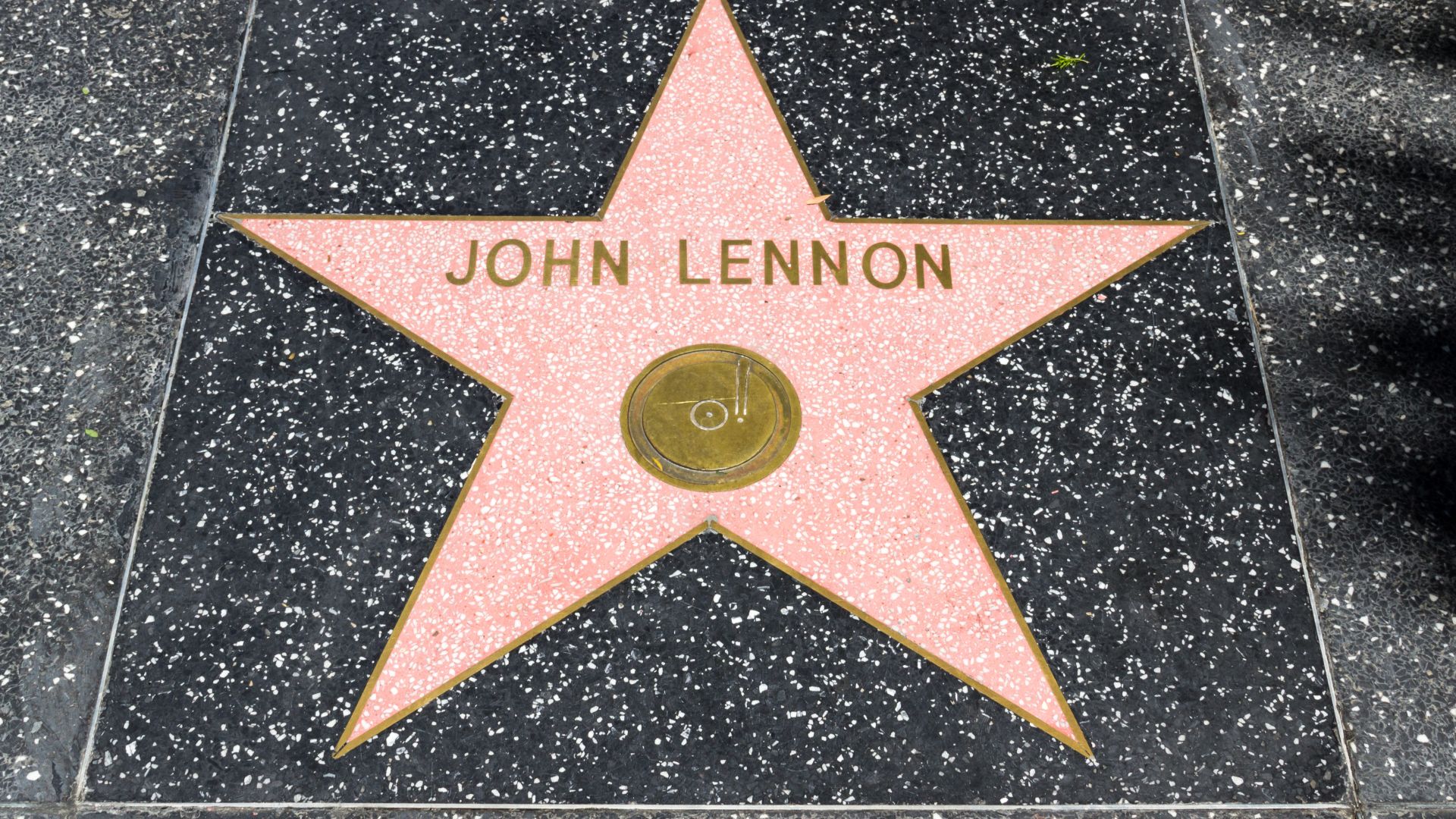 Dietmar Rabich, Wikimedia Commons
You May Also Like: