The Great “What Ifs” Of Music History
Every legendary album we know and love almost didn’t happen. But in some cases, the opposite is true. Some records were fully recorded, nearly finished, or at least carefully planned… and still never made it out into the world. Sometimes bands broke up. Sometimes record labels got nervous. Sometimes the artists themselves scrapped the project and moved on.
The result is a strange parallel universe of music history filled with unfinished masterpieces, shelved recordings, and mysterious lost albums. Fans still talk about these projects decades later, wondering what might have been if they had actually seen the light of day.
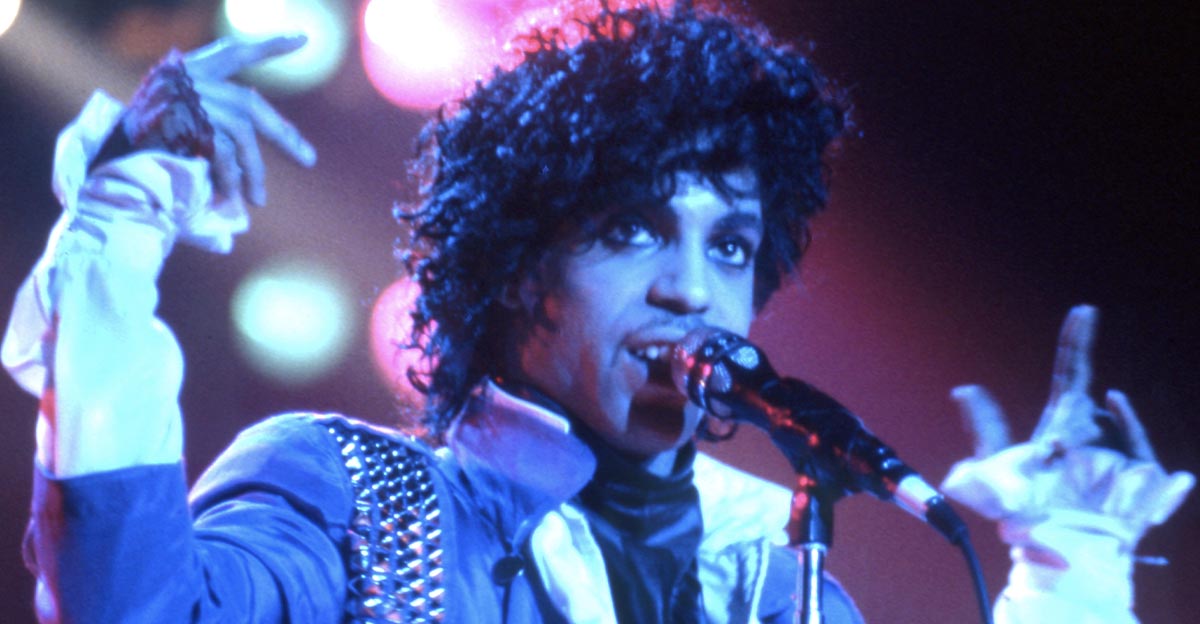
The Rolling Stones – Could You Walk On The Water?
In 1967, the Rolling Stones were preparing the follow-up to Aftermath. The working title was Could You Walk on the Water?, but the band’s label reportedly worried the title might offend religious audiences. The project was ultimately reworked and retitled Between the Buttons. While the music largely survived, the original concept and tone may have been slightly different. It remains an interesting glimpse into how record label pressure sometimes reshaped albums before they ever reached fans.
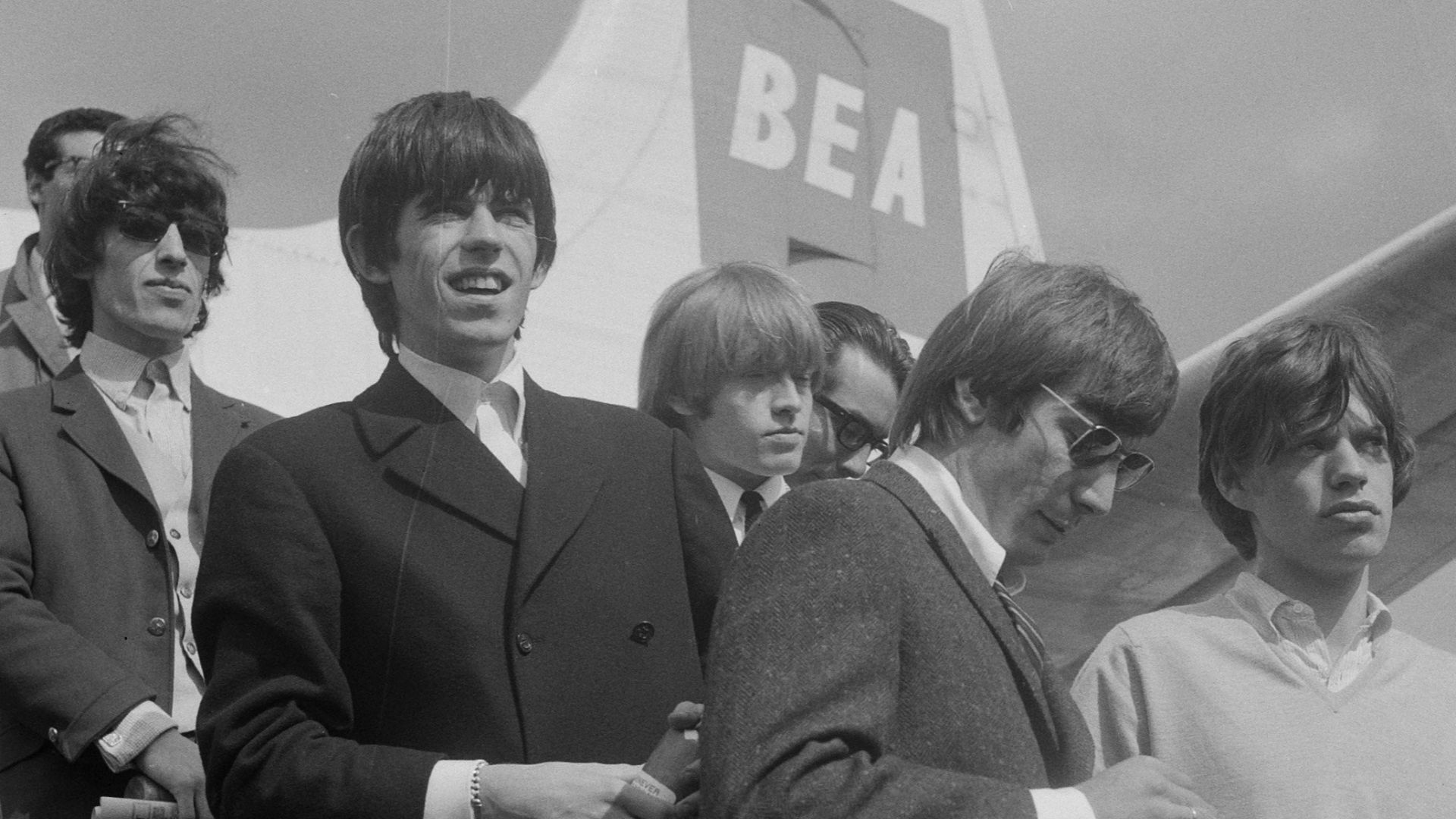 Hugo van Gelderen / Anefo, Wikimedia Commons
Prince And The Revolution – Dream Factory
Dream Factory was intended to be a massive double album released in 1986 by Prince and the Revolution. The project contained a wide mix of funk, pop, and experimental songs, including early versions of tracks like “Sign o’ the Times.” But tensions within the band eventually led Prince to dissolve the Revolution. Much of the material was reshaped into other albums, leaving fans wondering how this ambitious project might have sounded as originally planned.
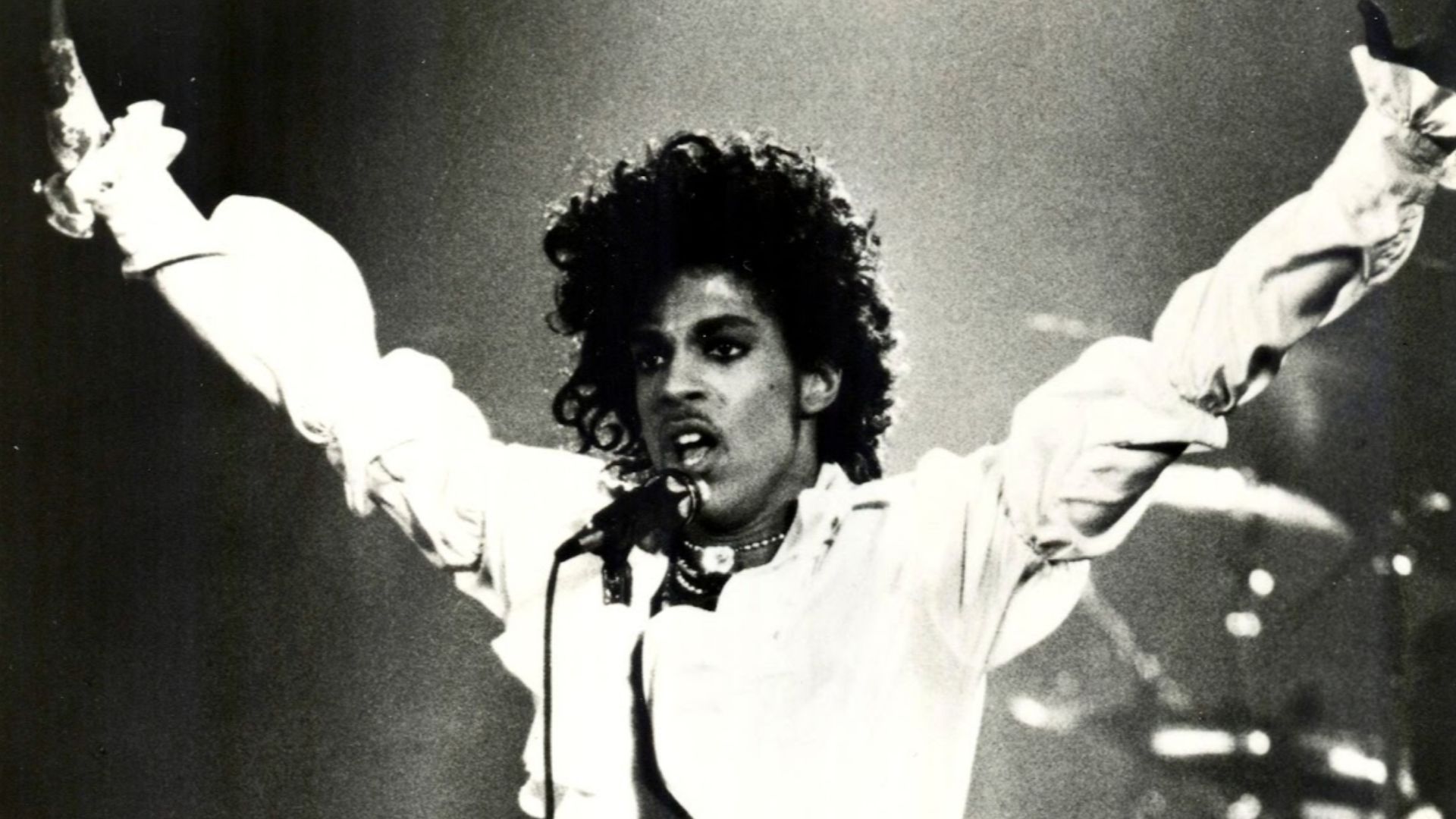 Distributed by Warner Bros., Wikimedia Commons
The Doors – Celebration Of The Lizard
Jim Morrison envisioned Celebration of the Lizard as a sprawling psychedelic performance piece combining poetry, music, and theatrical storytelling. The band attempted to record it for the album Waiting for the Sun, but the sessions proved difficult to capture on tape. Only fragments were officially released, while Morrison later performed the full piece live. Fans still speculate about what a properly recorded studio version might have sounded like.
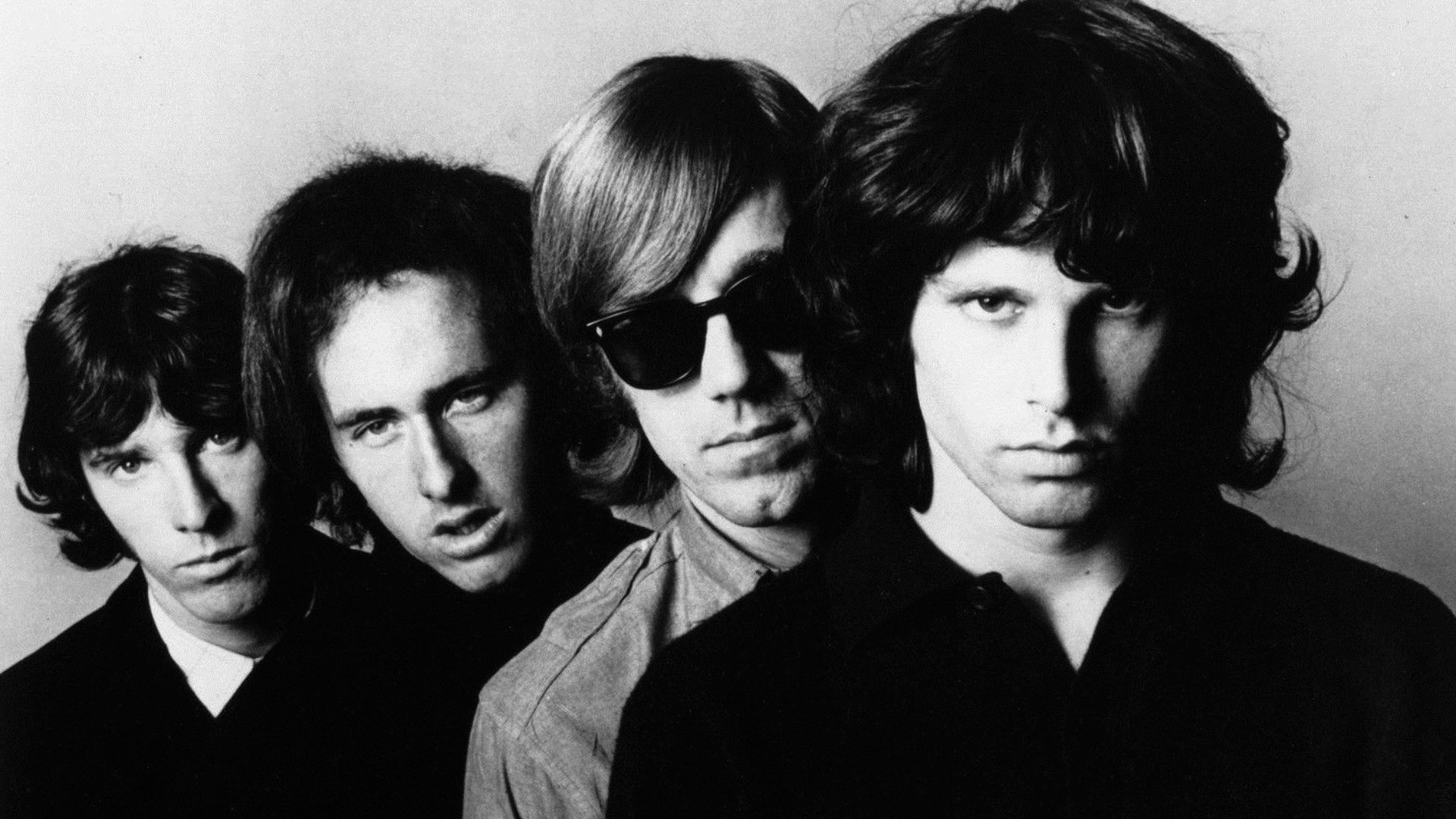 Joel Brodsky; Distributed by Elektra Records, Wikimedia Commons
Nirvana – Sheep
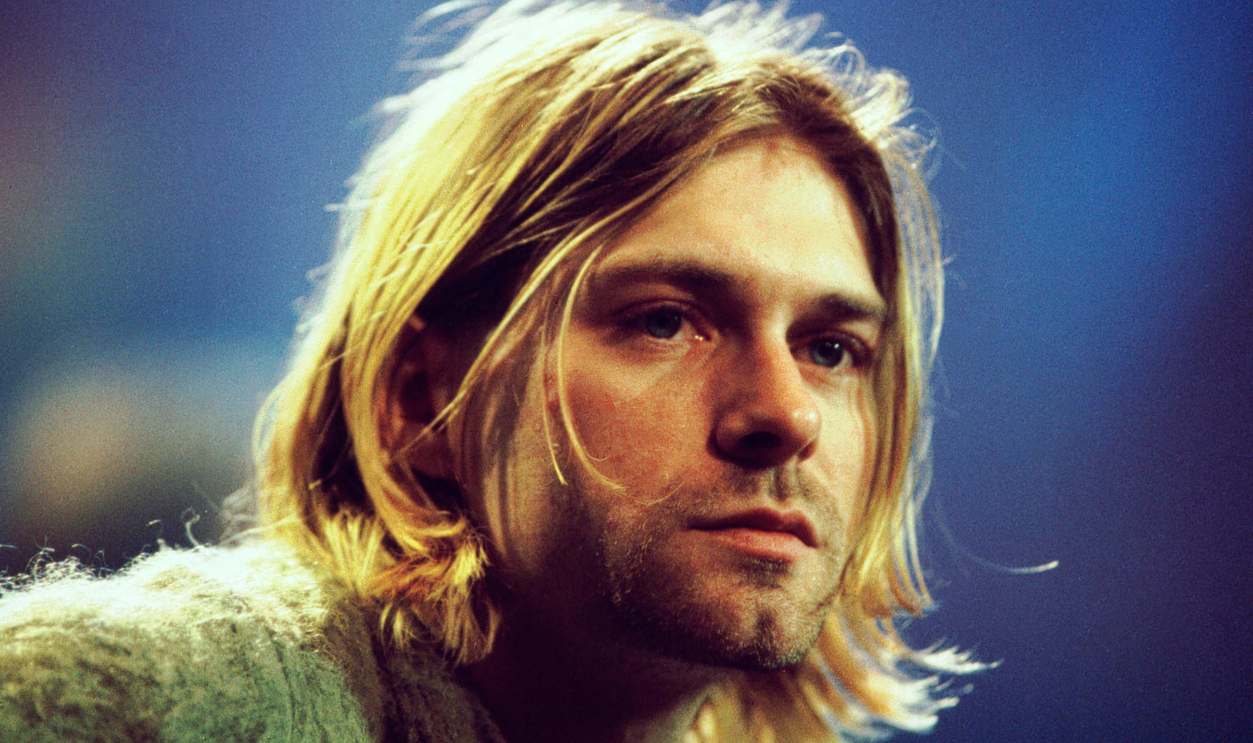
Before In Utero came together, Nirvana briefly considered naming the follow-up to Nevermind Sheep. The title reportedly appeared during early brainstorming sessions while the band was wrestling with the pressure of sudden fame. While the project never truly developed beyond a concept, it reflects the uncertainty Kurt Cobain felt about the band’s future direction after the massive success of Nevermind.
The Who – Lifehouse
Pete Townshend’s Lifehouse was meant to be a massive multimedia rock opera about a dystopian future where music connects isolated people through a universal concert. The concept was incredibly ambitious, involving films, concerts, and an elaborate storyline. Eventually the project collapsed under its own complexity. However, many songs from the abandoned project became part of Who’s Next, one of the band’s most beloved albums.
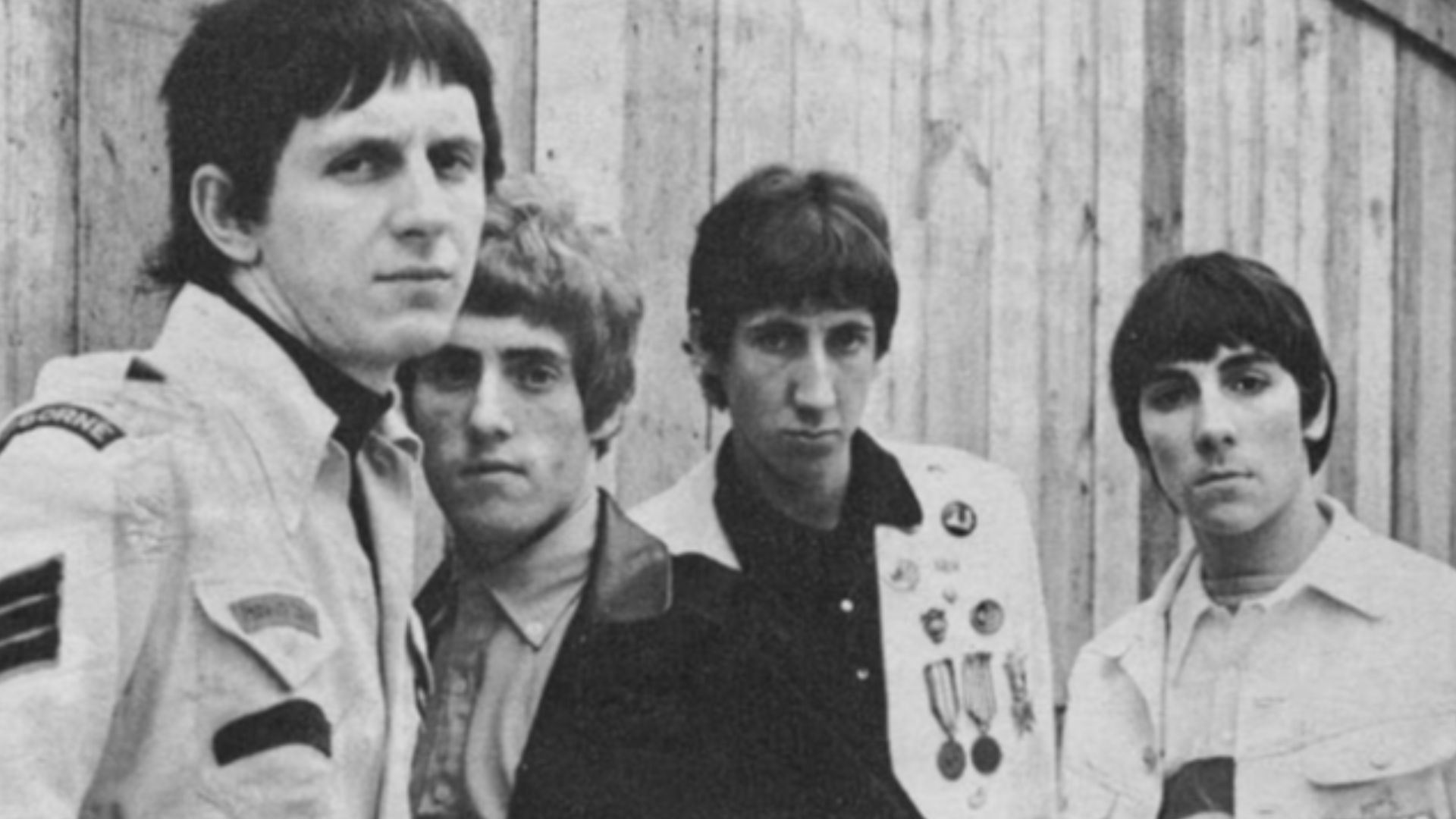 KRLA Beat/Beat Publications, Inc., Wikimedia Commons
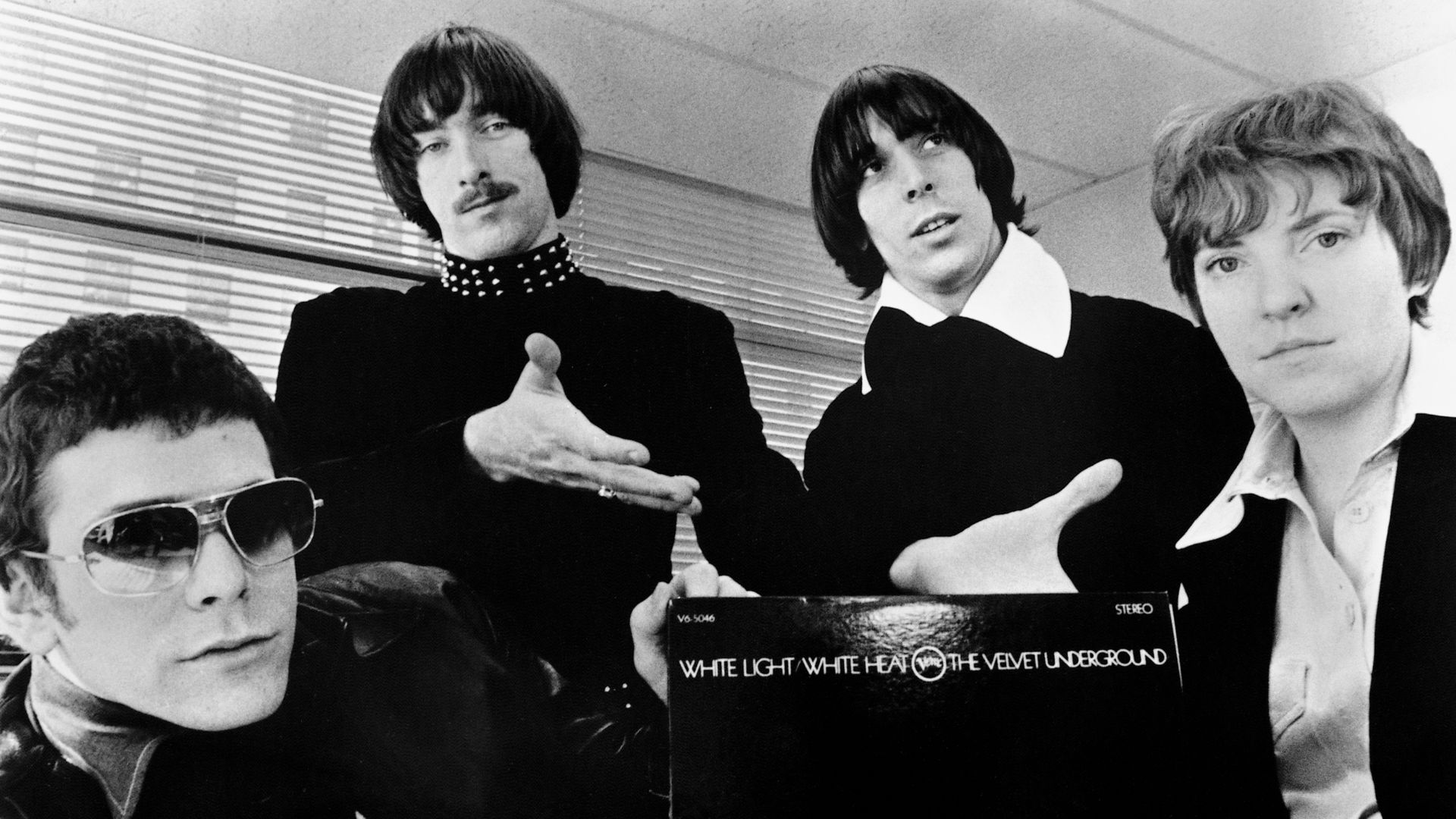
The Velvet Underground – IV
After Lou Reed left the Velvet Underground in 1970, the remaining members continued recording new material. Fans later referred to the unreleased project as VU IV. Songs from those sessions eventually surfaced on later compilation releases, but the album was never formally assembled at the time. The recordings capture a transitional period where the band was trying to redefine itself after Reed’s departure.
Crosby, Stills, Nash & Young – Human Highway
In the early 1970s, Crosby, Stills, Nash & Young began recording music for a project known as Human Highway. The sessions reportedly produced a large amount of material, but personality clashes between the band members prevented the project from moving forward. Some songs were later released on individual members’ solo albums. The abandoned record became another example of how difficult collaboration could be for this famously volatile group.
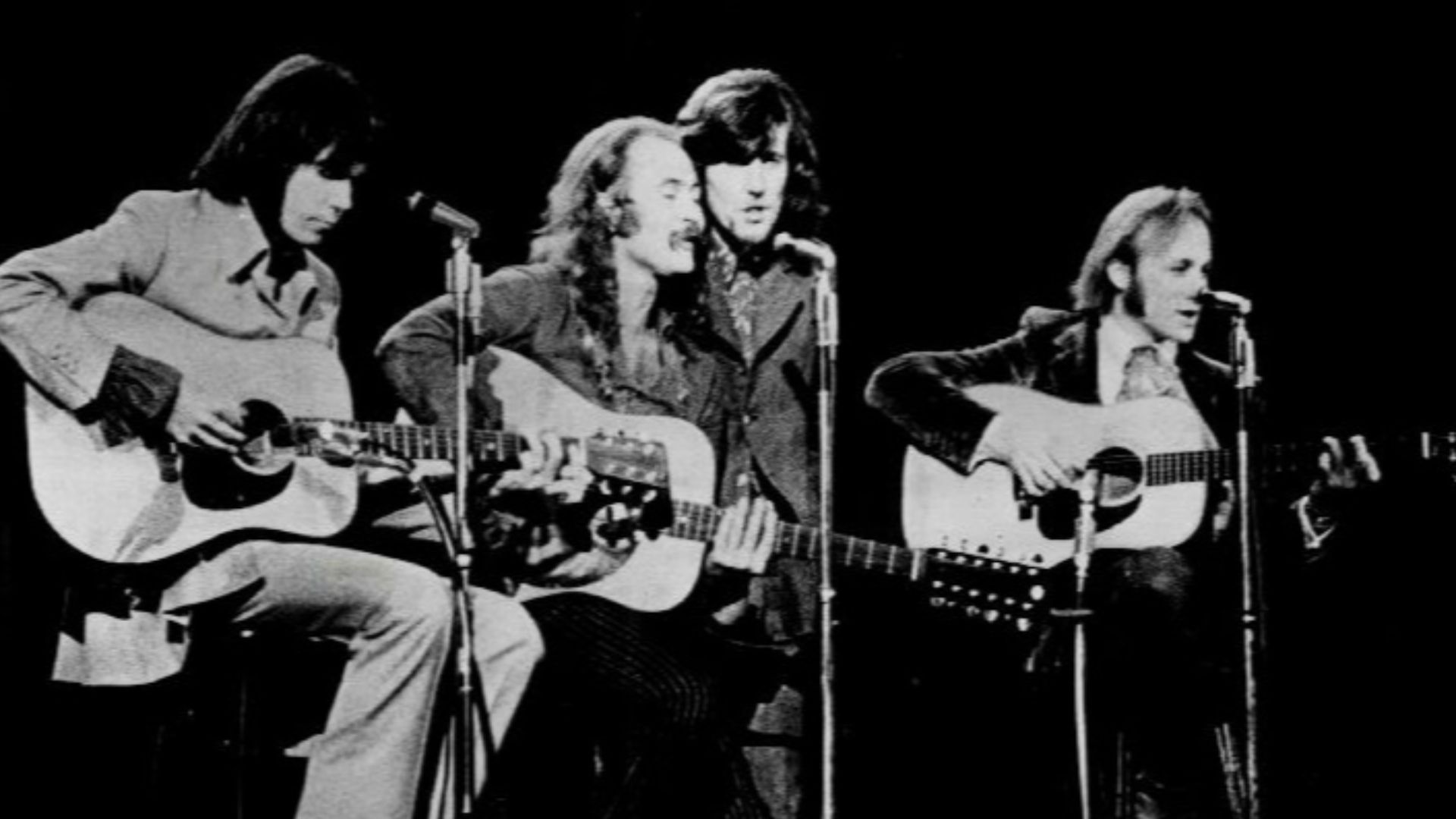 CMA-Creative Management Associates/Atlantic Records, Wikimedia Commons
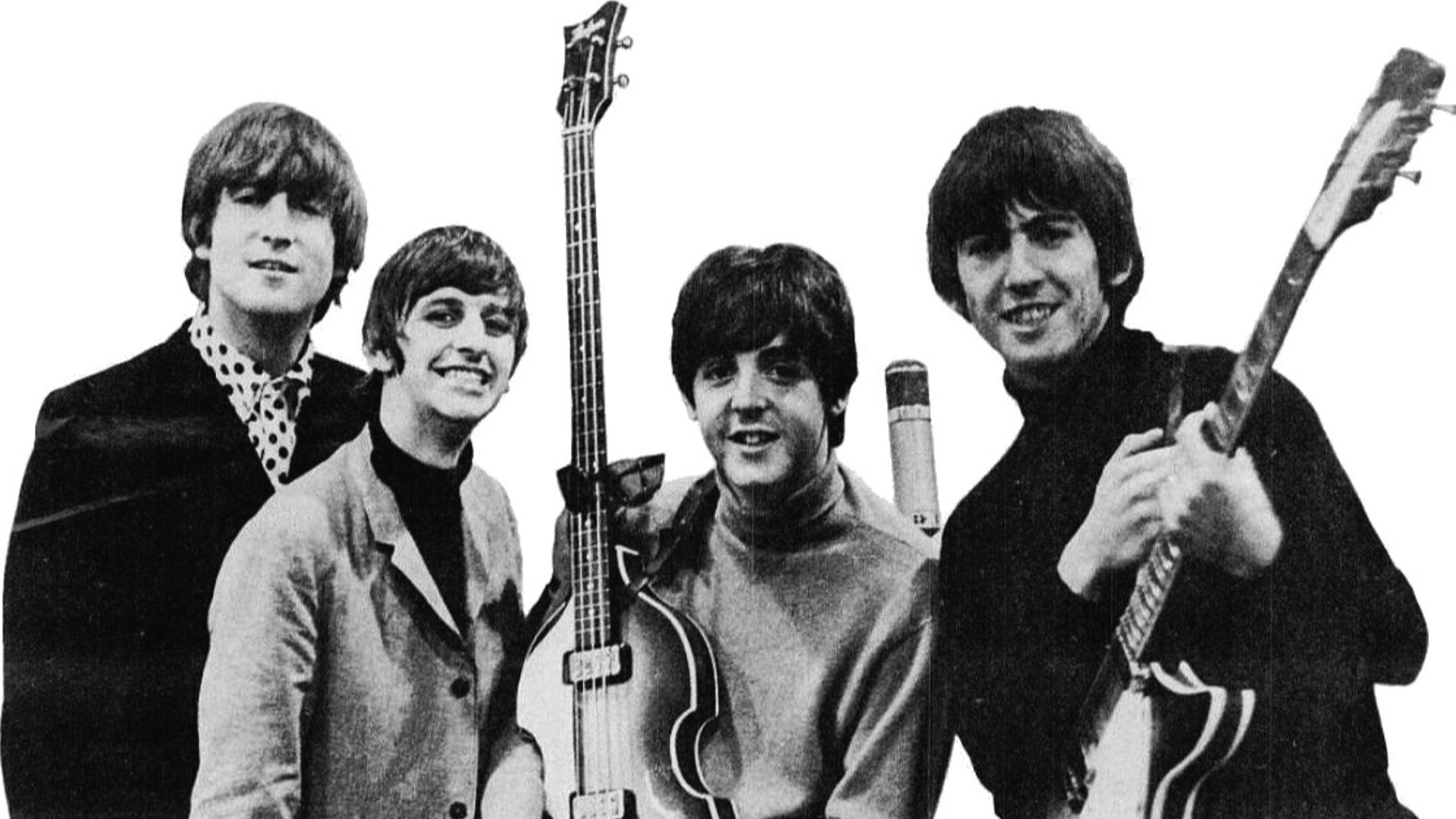
The Beatles – Get Back
The Beatles originally planned Get Back as a back-to-basics album and live performance project. The goal was to record songs with minimal studio tricks and return to the energy of their early years. However, the sessions became tense and chaotic as the band members drifted apart creatively. Producer Phil Spector later reshaped the recordings into what became the Let It Be album.
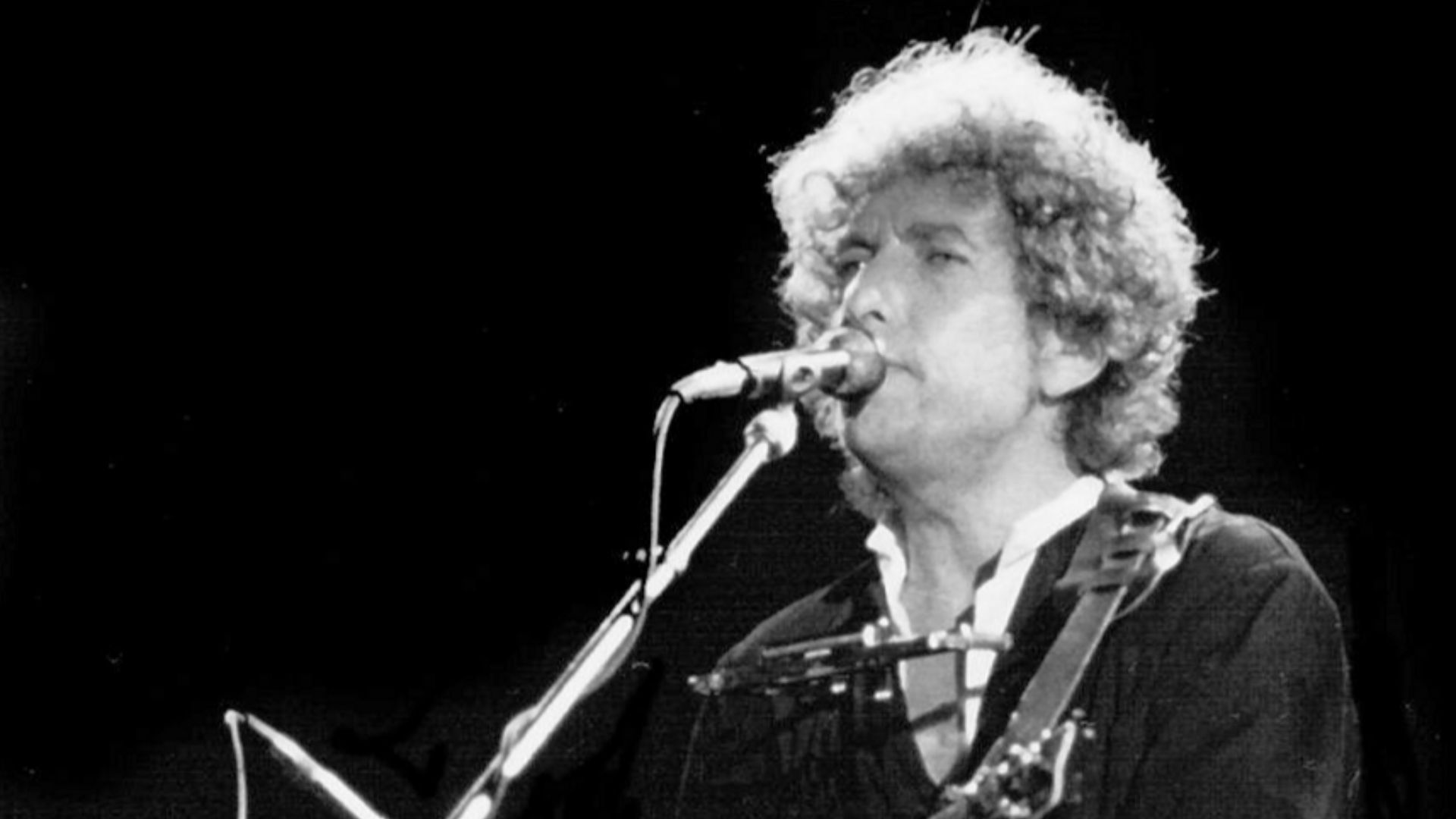
Bob Dylan – Big Pink
During his recovery from a motorcycle accident in 1966, Bob Dylan spent time recording informal sessions with The Band in a house in Woodstock known as Big Pink. These recordings produced dozens of songs, ranging from folk storytelling to surreal humor. For years, fans circulated bootleg versions of the tapes. Eventually they were officially released as The Basement Tapes, though the original idea of a unified album from those sessions never truly existed.
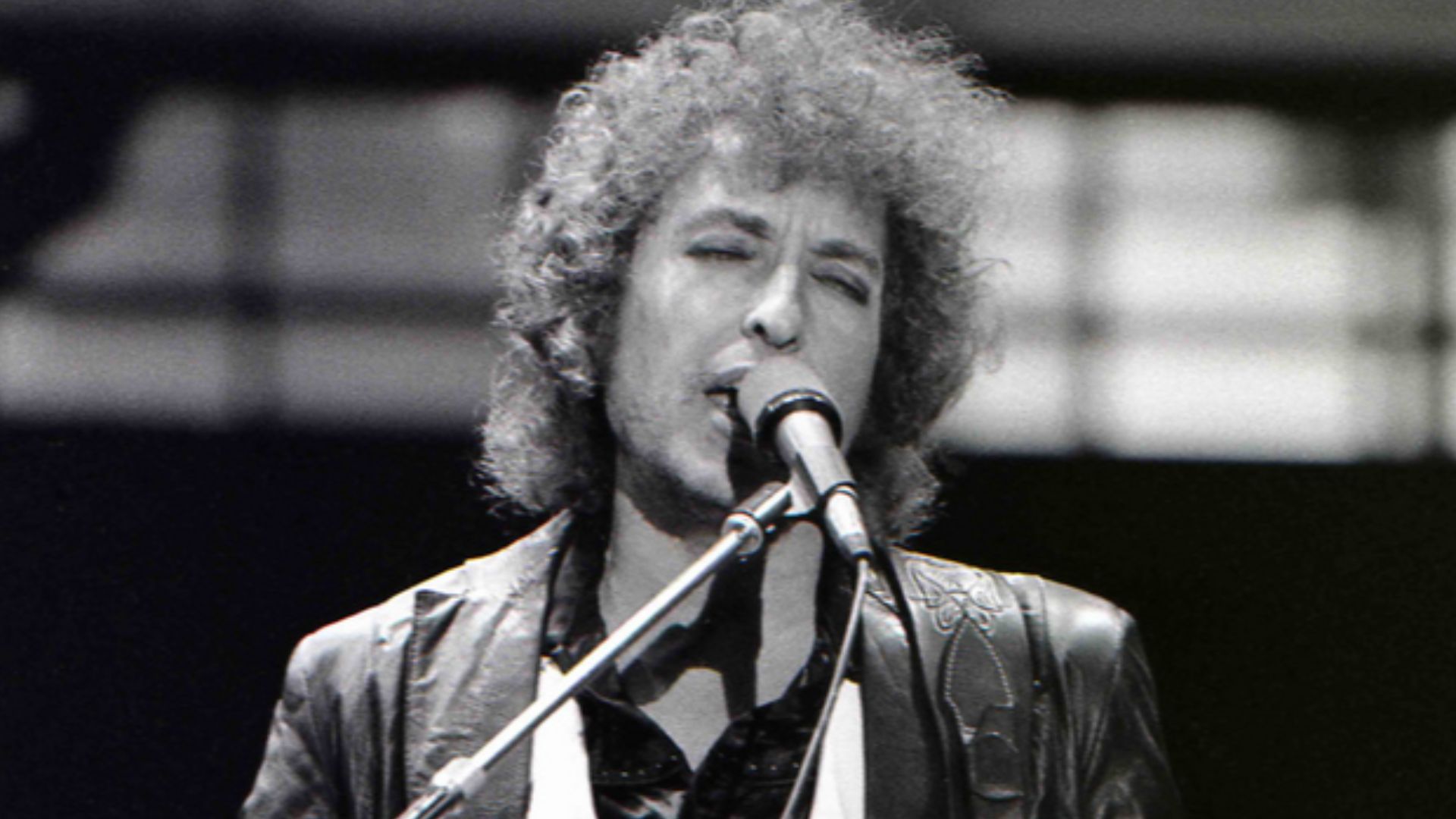 Chris Hakkens, Wikimedia Commons
The Beach Boys – Smile
Smile is often called the most famous unreleased album in music history. Brian Wilson envisioned it as a “teenage symphony to God,” combining psychedelic sounds, complex harmonies, and experimental studio techniques. Unfortunately, mounting pressure, internal band conflict, and Wilson’s mental health struggles led to the project’s collapse in 1967. Portions appeared later on Smiley Smile, but the original vision remained unfinished for decades.
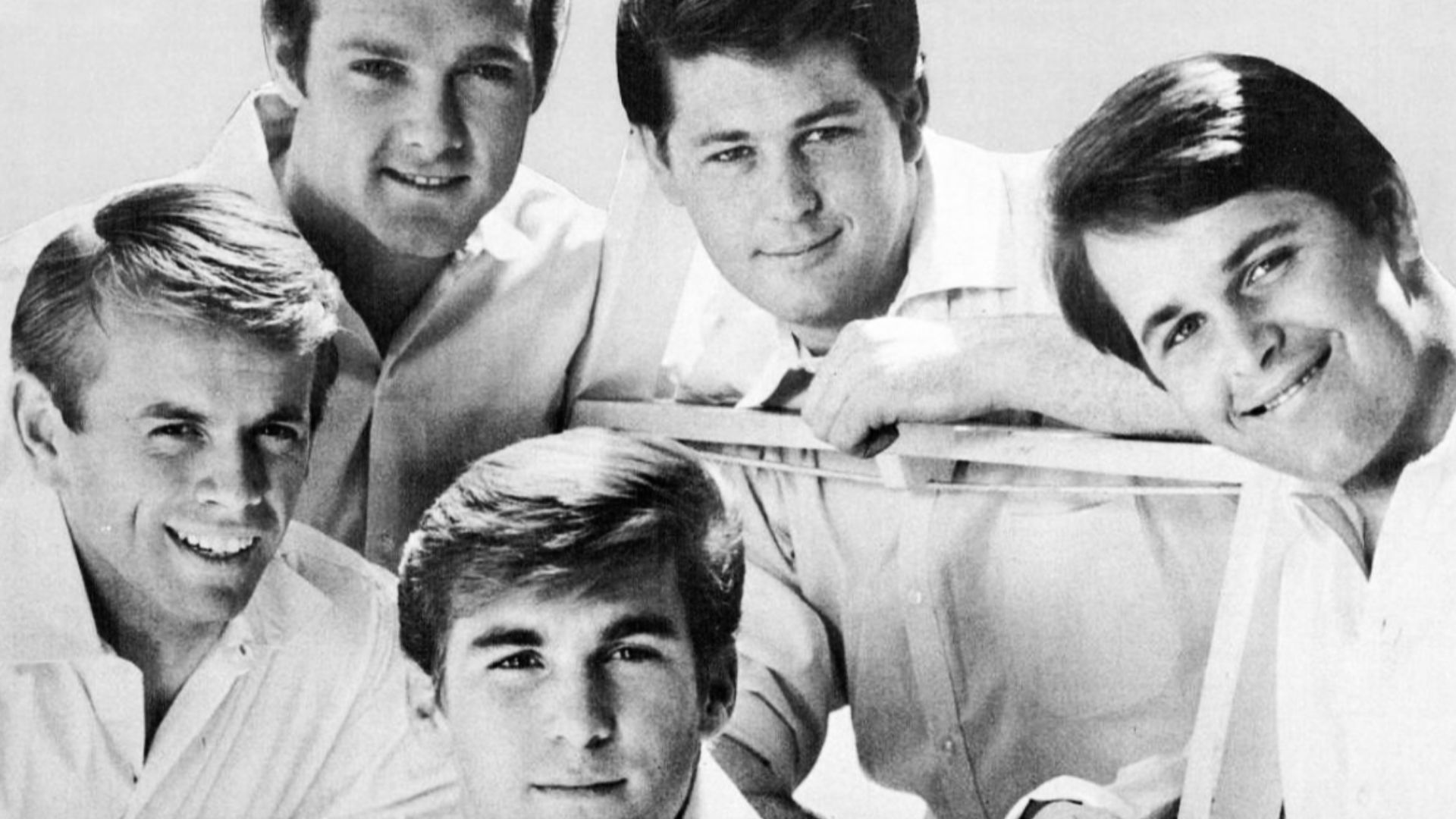 Capitol Records, Wikimedia Commons
Bob Dylan – The Basement Tapes
The recordings known as The Basement Tapes became legendary long before their official release. Dylan and The Band recorded dozens of songs in a relaxed, almost casual environment. These sessions mixed folk traditions, country influences, and playful experimentation. While some of the recordings eventually appeared in official compilations, fans still view the sessions as a lost album that could have reshaped Dylan’s discography at the time.
Jimi Hendrix – First Rays Of The New Rising Sun
Before his death in 1970, Hendrix was working on what would have been his next major studio album. The recordings featured songs like “Freedom,” “Night Bird Flying,” and “Angel.” Unfortunately, the project remained unfinished when Hendrix passed away. Over the years, various producers attempted to reconstruct the album from the available recordings.
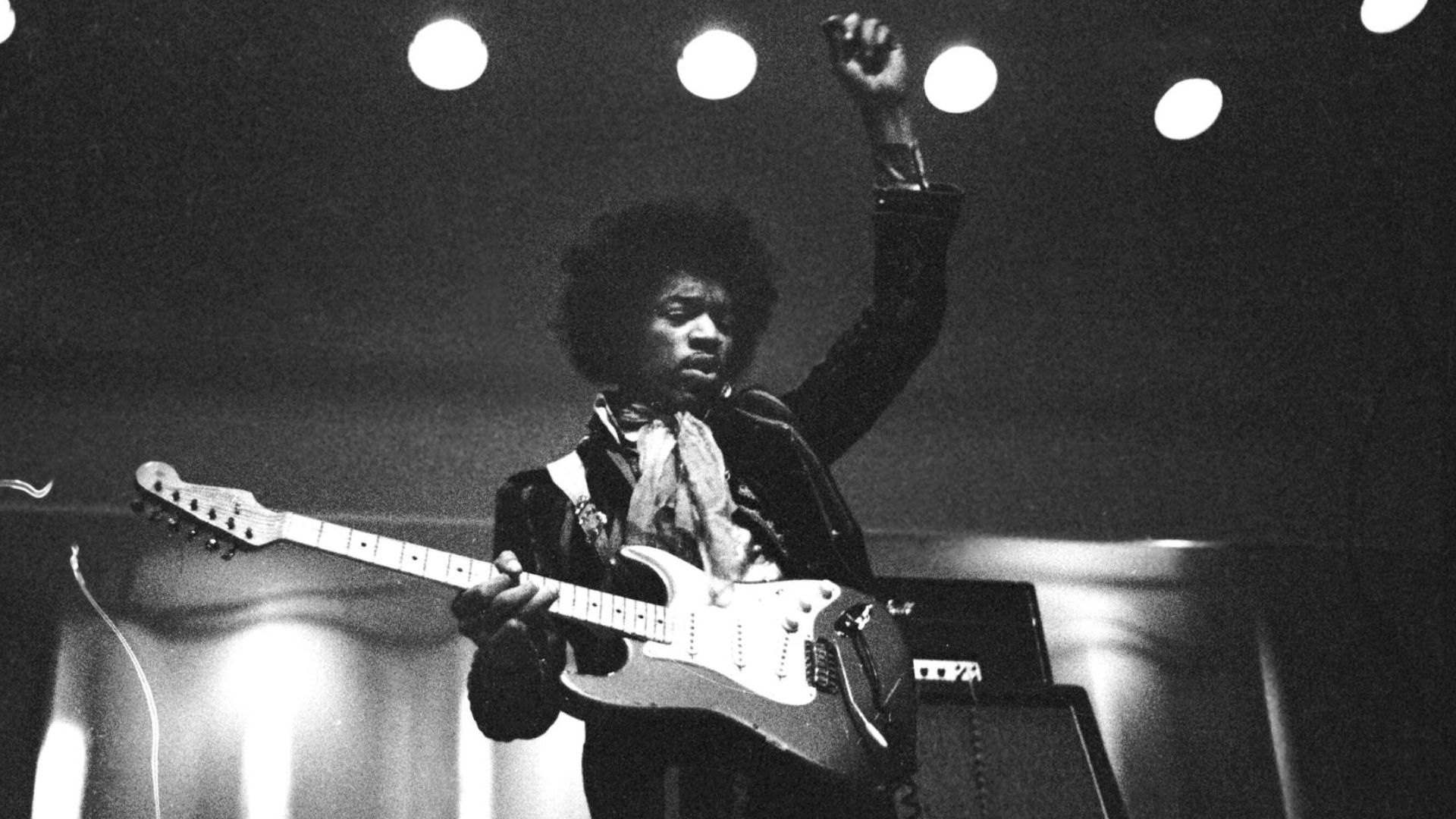 Hannu Lindroos / Lehtikuva, Wikimedia Commons
The Byrds – 1968 Double-LP Concept Album
The Byrds once discussed creating an ambitious double album tracing the evolution of American music throughout the 20th century. The idea was to explore genres such as jazz, blues, folk, and rock within one conceptual project. Although the band recorded some relevant material, the concept ultimately never developed into a complete album.
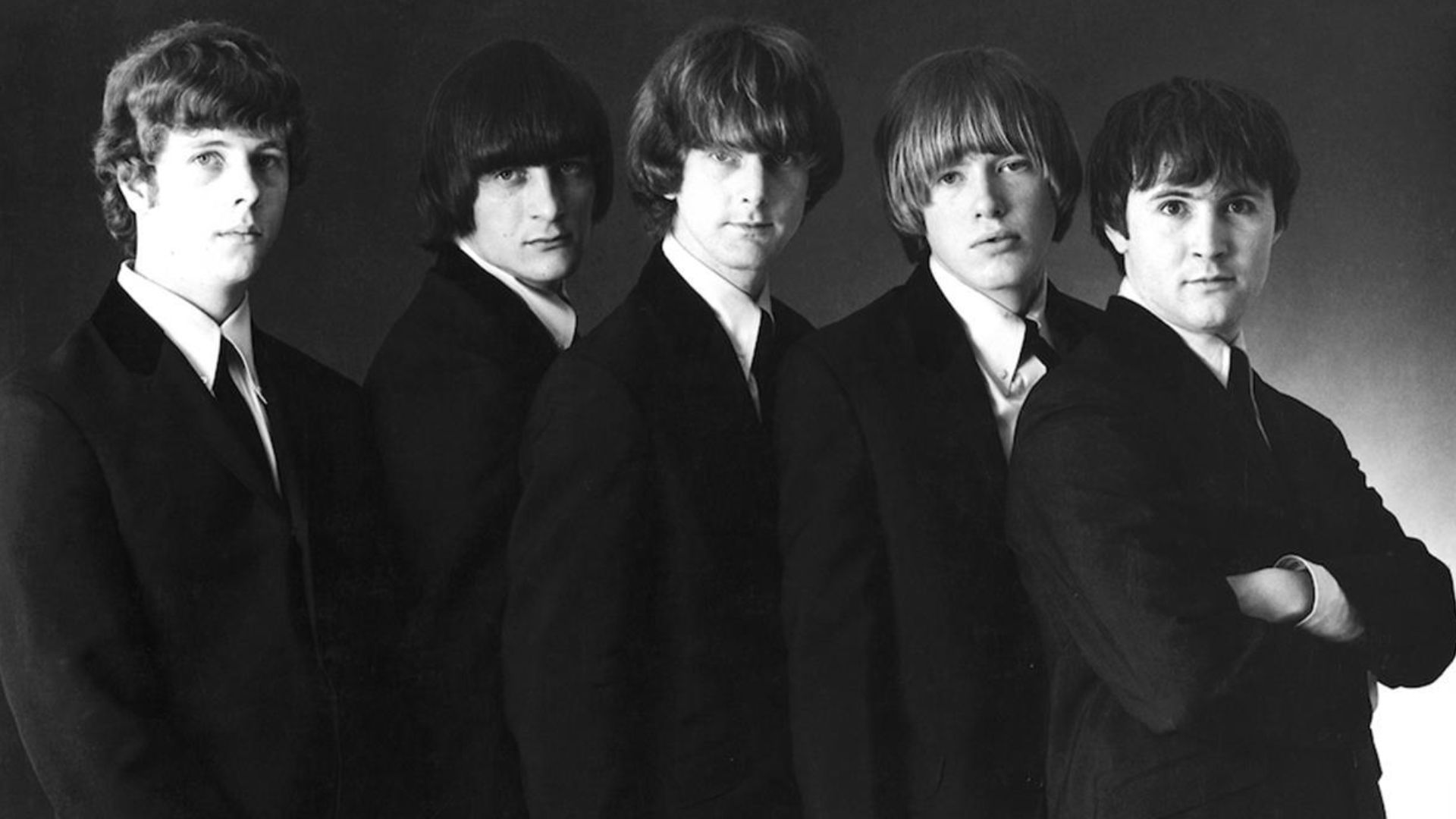 KRLA Beat/Beat Publications, Inc., Wikimedia Commons
Dave Davies – Hidden Treasures
Dave Davies of The Kinks recorded a number of solo songs during the late 1960s while still working with the band. Plans were reportedly made for a solo album titled Hidden Treasures. However, conflicts with the band’s schedule and record label prevented the album from being released at the time. Many of the songs eventually appeared years later on archival compilations.
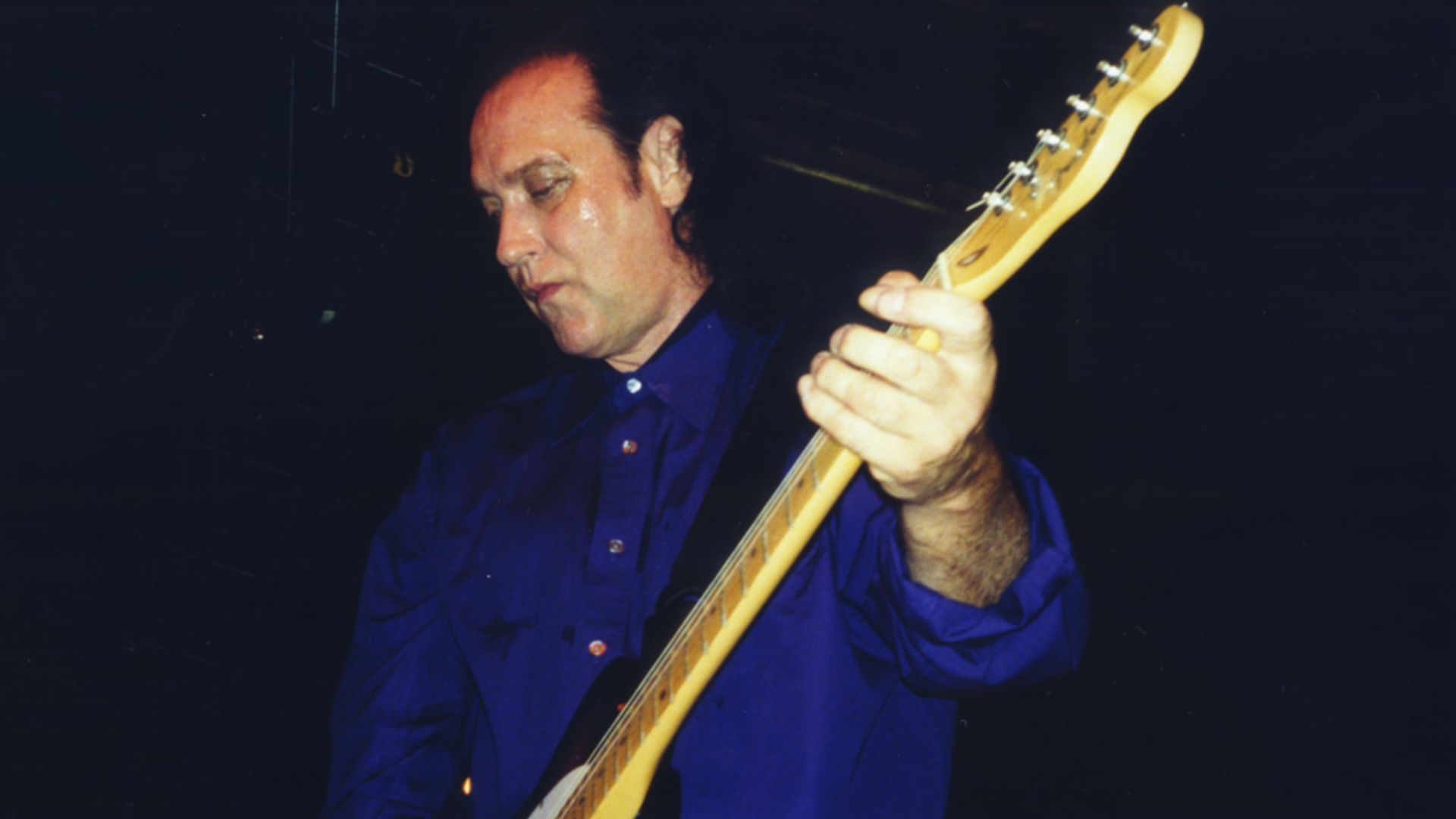 ultomatt (Matt Gibbons, Wikimedia Commons
The Beatles – Carnival Of Light
“Carnival of Light” is one of the most mysterious recordings in Beatles history. The experimental piece was recorded in 1967 for an avant-garde art festival in London. The track reportedly features distorted sounds, improvisation, and spoken words layered together. Despite ongoing interest from fans, the recording has never been officially released.
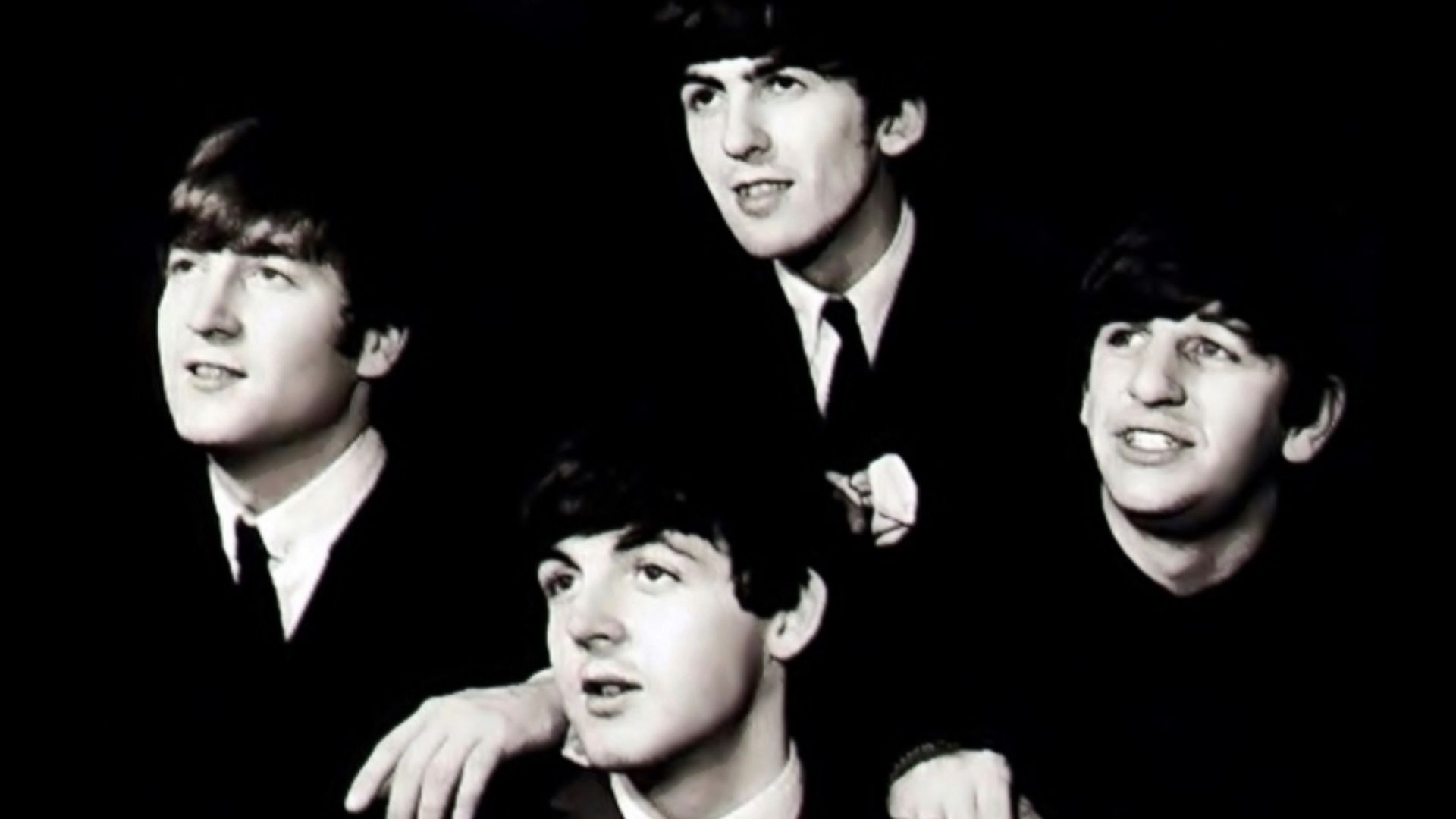
The Beach Boys – Adult/Child
In the late 1970s, the Beach Boys completed an album titled Adult/Child that featured orchestral arrangements and unusual songwriting themes. The record leaned heavily on Brian Wilson’s eccentric creative instincts. However, the band’s label rejected the album, reportedly unsure how to market such an unconventional project.
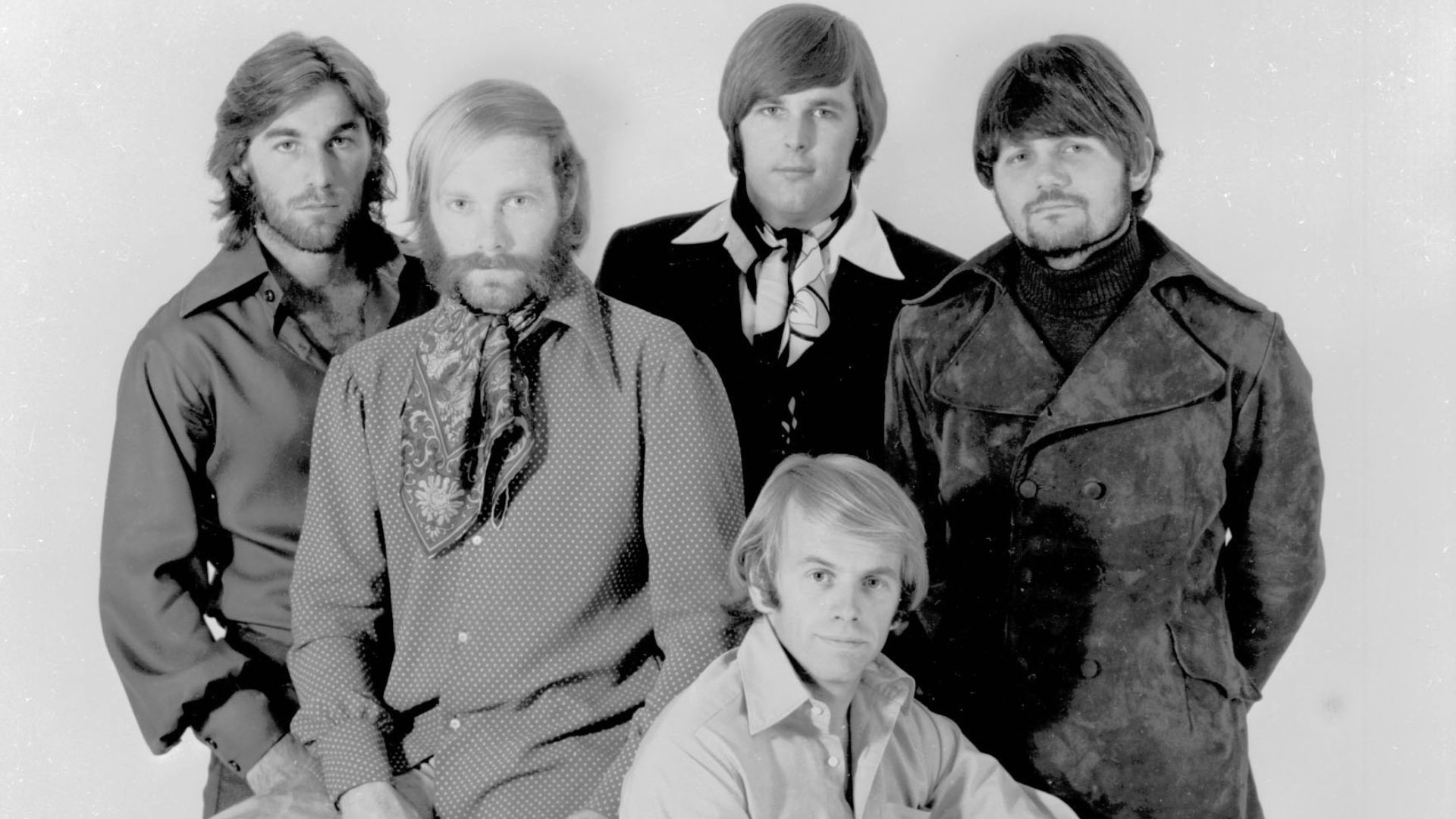 Capitol records, Wikimedia Commons
Bob Dylan – The Never Ending Tour
Bob Dylan’s “Never Ending Tour” began in 1988 and continues to this day, featuring constantly changing arrangements of his classic songs. Over the years, fans have speculated about a definitive live album capturing the evolving performances from this era. While many live recordings exist, a single cohesive album documenting the entire phenomenon has never truly materialized.
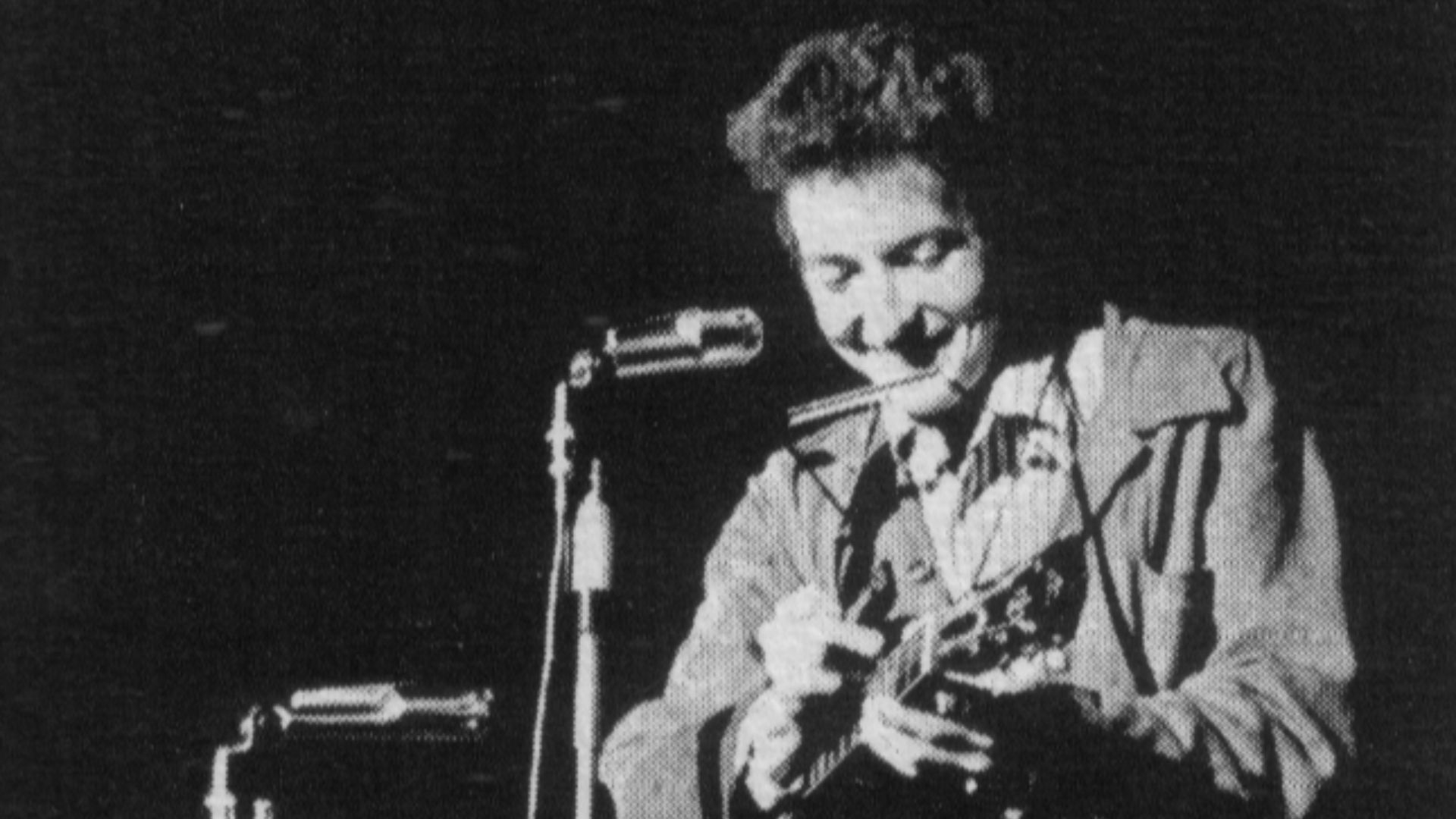 Unknown authorUnknown author, Wikimedia Commons
Neil Young – Tonight’s The Night (The David Briggs Edit)
When Neil Young recorded Tonight’s the Night, the sessions were deeply emotional and raw. Producer David Briggs helped shape the early mixes of the album, which reportedly captured an even darker and looser sound than the final release. The record label initially hesitated to release the album at all.
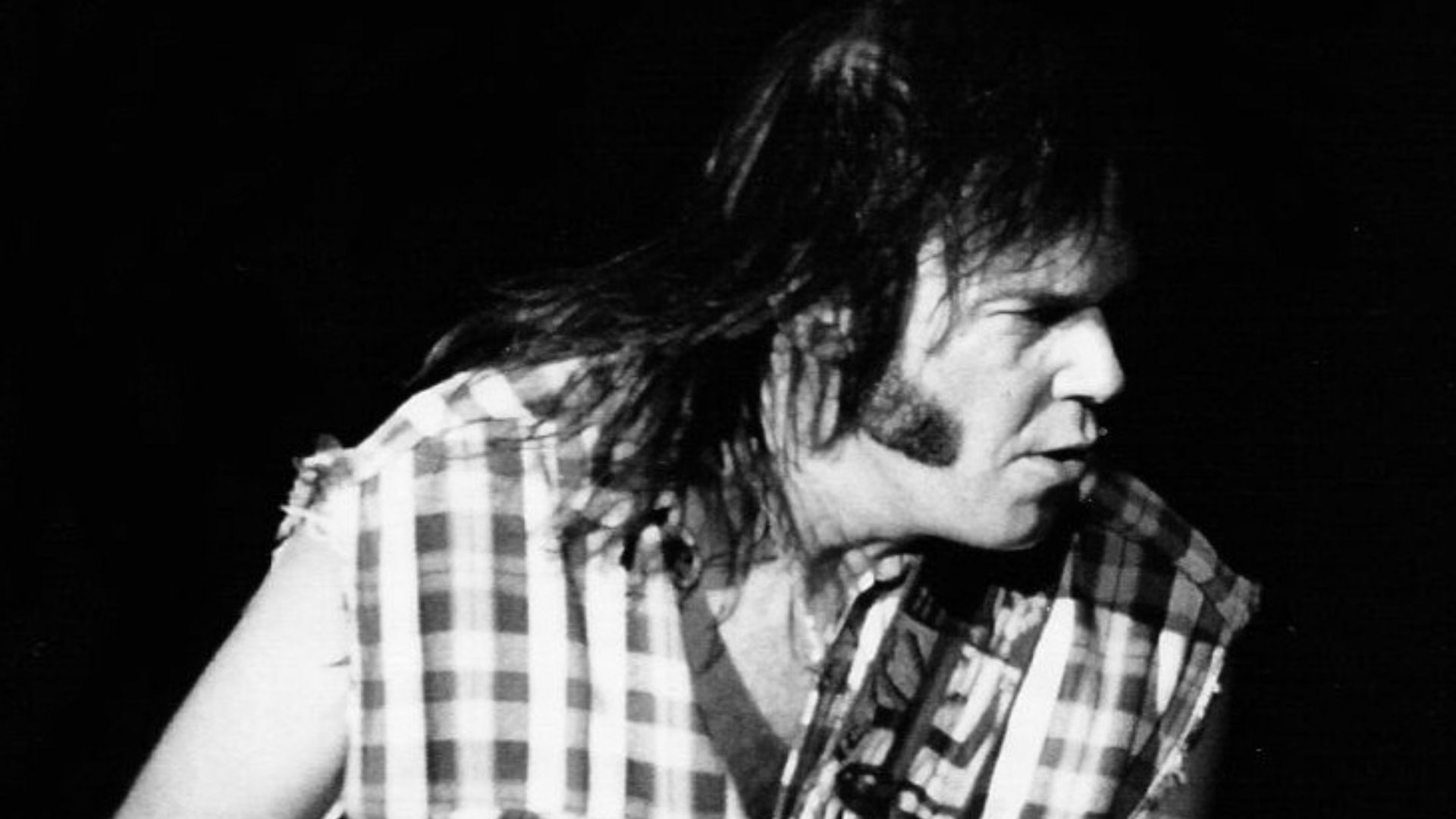 Stoned59, Photographer: F. Antolín Hernandez, Wikimedia Commons
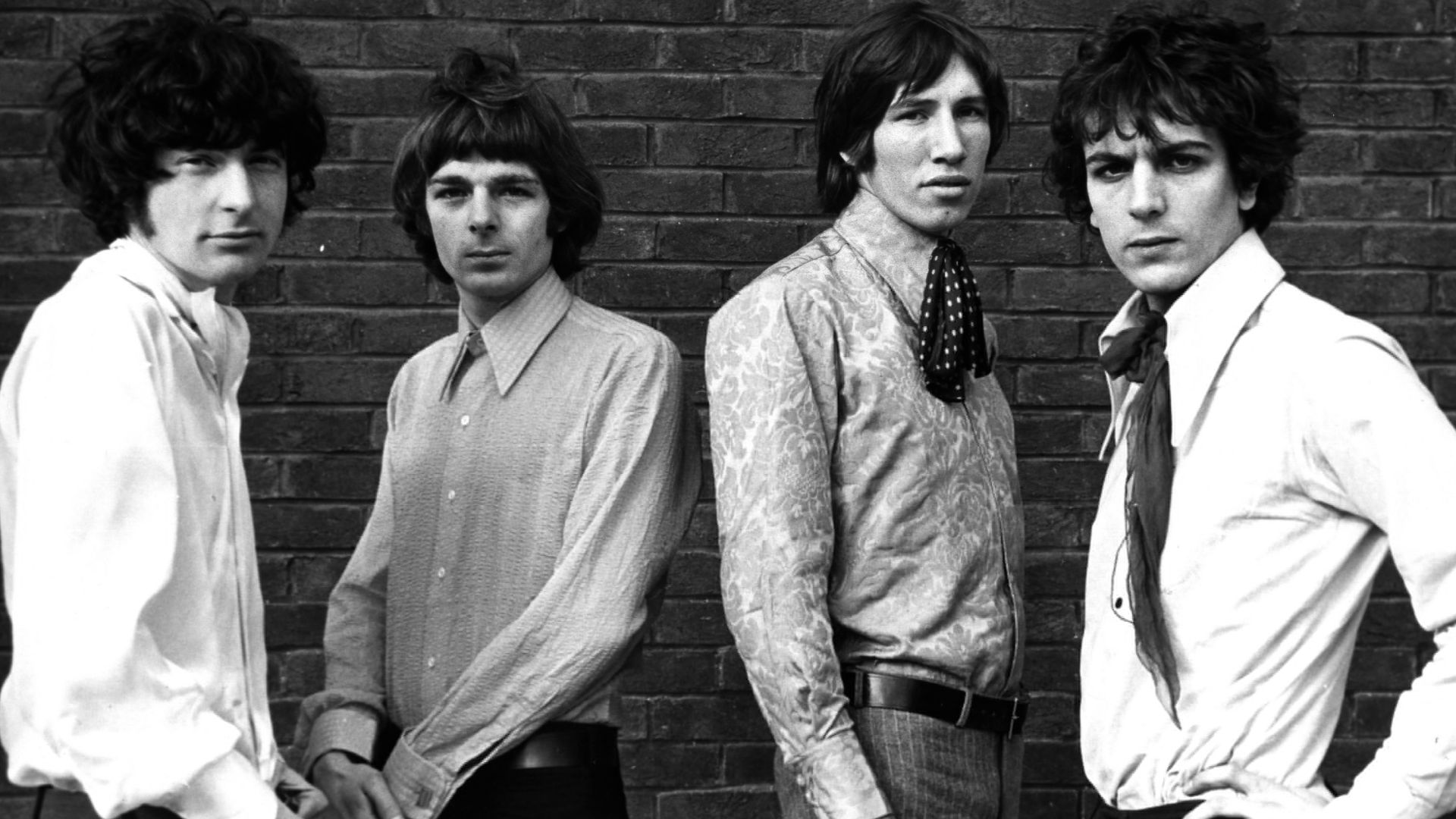
Pink Floyd – Household Objects
In the early 1970s, Pink Floyd briefly considered making an album using only household objects as instruments. The idea involved recording sounds from items like rubber bands, wine glasses, and kitchen appliances. The concept was ultimately abandoned when the band shifted toward the music that became The Dark Side of the Moon.
Jimi Hendrix – Black Gold
Black Gold was a proposed concept album Hendrix recorded as a series of acoustic demo tapes shortly before his death. The recordings reportedly tell a loose narrative and feature Hendrix experimenting with storytelling and stripped-down arrangements. The tapes have rarely been heard publicly, adding to the album’s mystique.
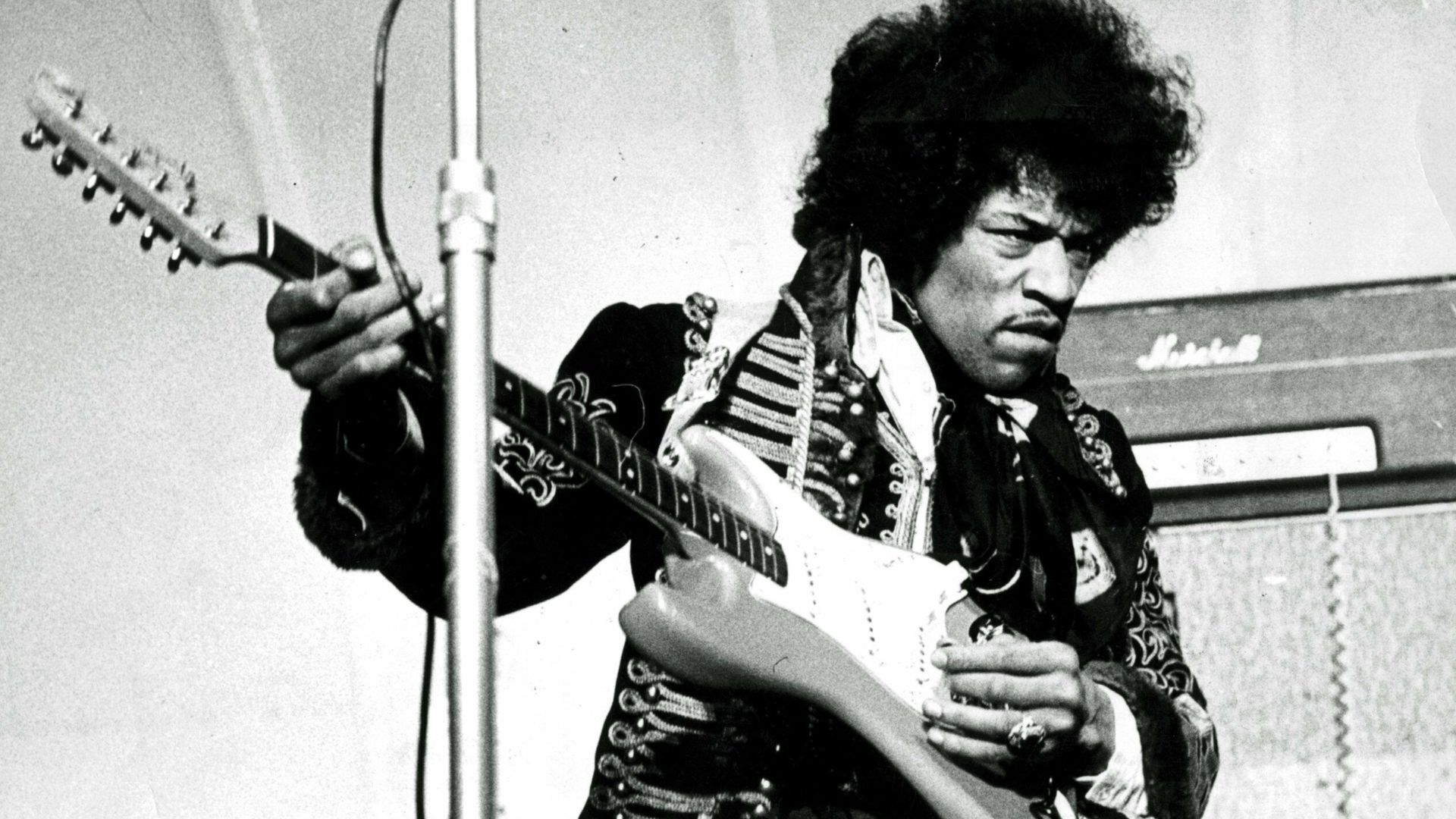 Original photographer unknown, Wikimedia Commons
Bruce Springsteen – The Tunnel Of Love Sessions
During the sessions for Tunnel of Love, Bruce Springsteen recorded a large number of additional songs that were never included on the final album. Some of the material later appeared as B-sides or on archival releases. Fans have long speculated about what a full alternate version of the album might have sounded like if those sessions had been released together.
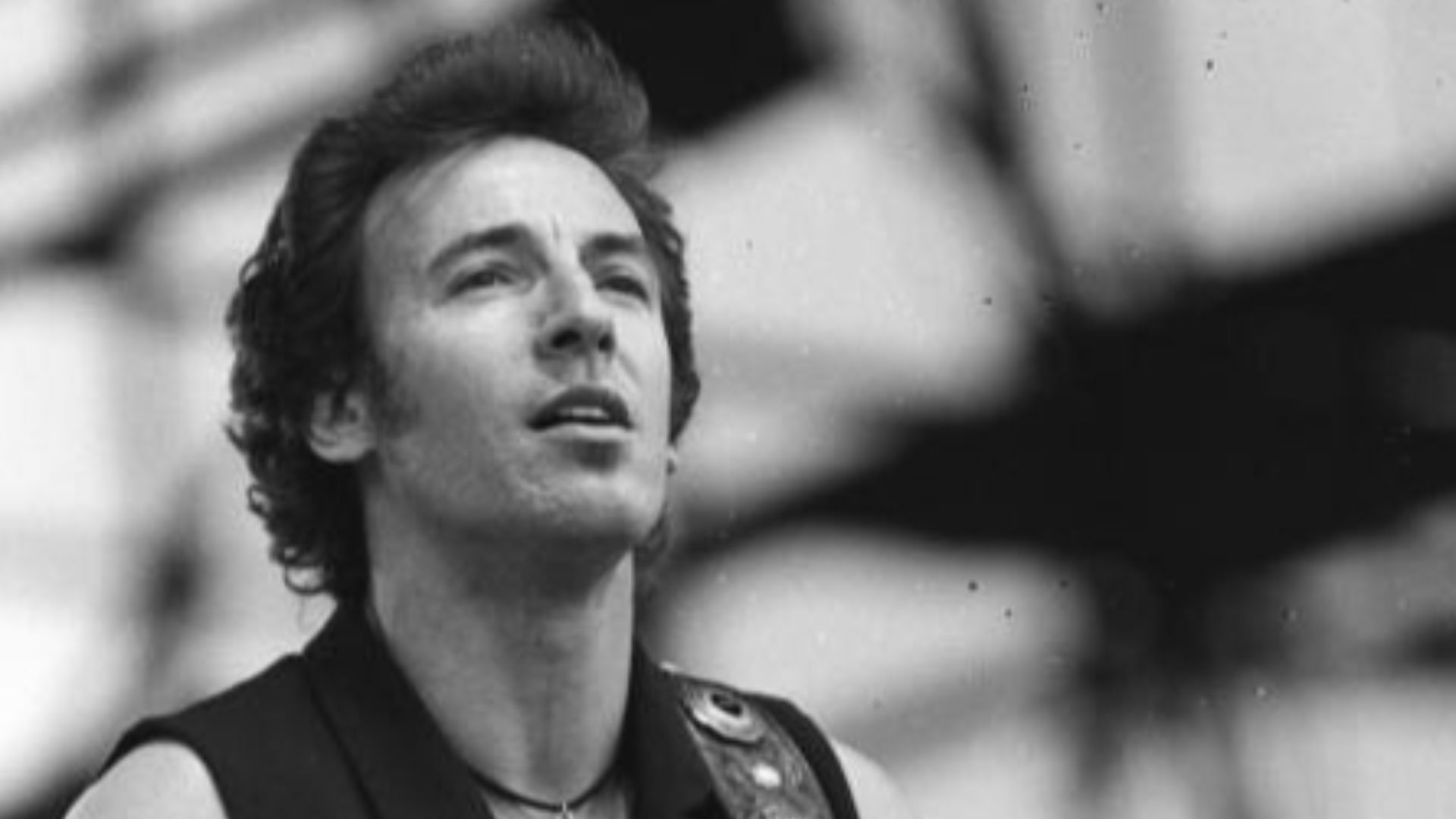 Uhlemann, Thomas, Wikimedia Commons
Prince – The Book Of Prince
Prince was famous for recording far more music than he released, and The Book of Prince was one of the many rumored projects locked away in his legendary vault. The album was reportedly planned in the 1990s during one of Prince’s most prolific periods. Like many of his unreleased projects, the recordings remain largely unheard by the public.
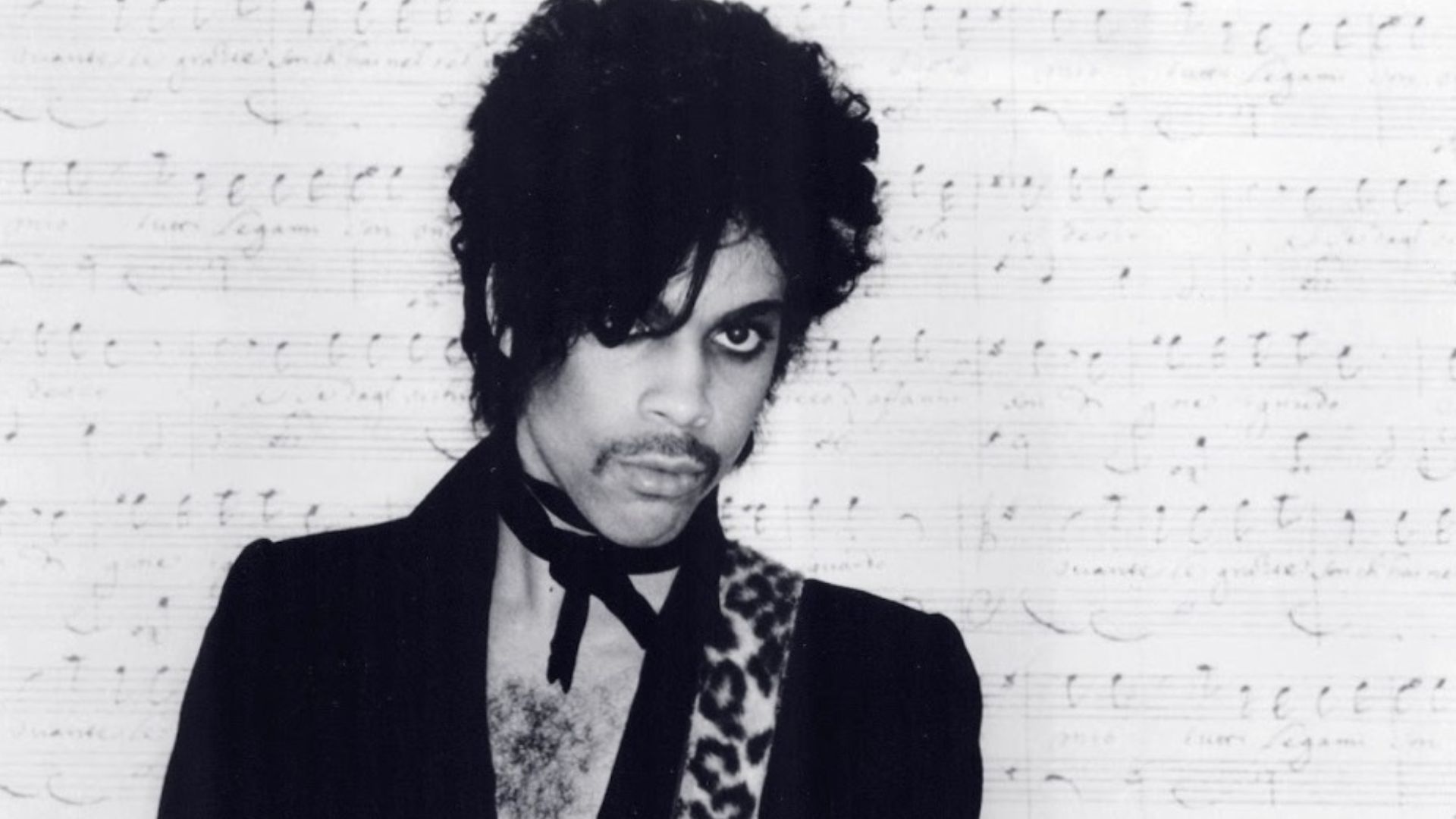 Allen Beaulieu; Distributed by Warner Bros. Records., Wikimedia Commons
You May Also Like:
Iconic Albums That Prove Vinyl Is Still Worth The Hype
Everyone hated these albums at first, but now they’re timeless classics.