When Initial Reactions Completely Missed The Point
Some albums arrive too raw, too strange, too personal, or just too different for their moment. Critics shrug. Fans get confused. Sales disappoint. Then time does its thing. Context changes, tastes shift, and suddenly those same records are hailed as classics, blueprints, or emotional masterpieces. These albums outgrew their first impressions, becoming legendary in the process.
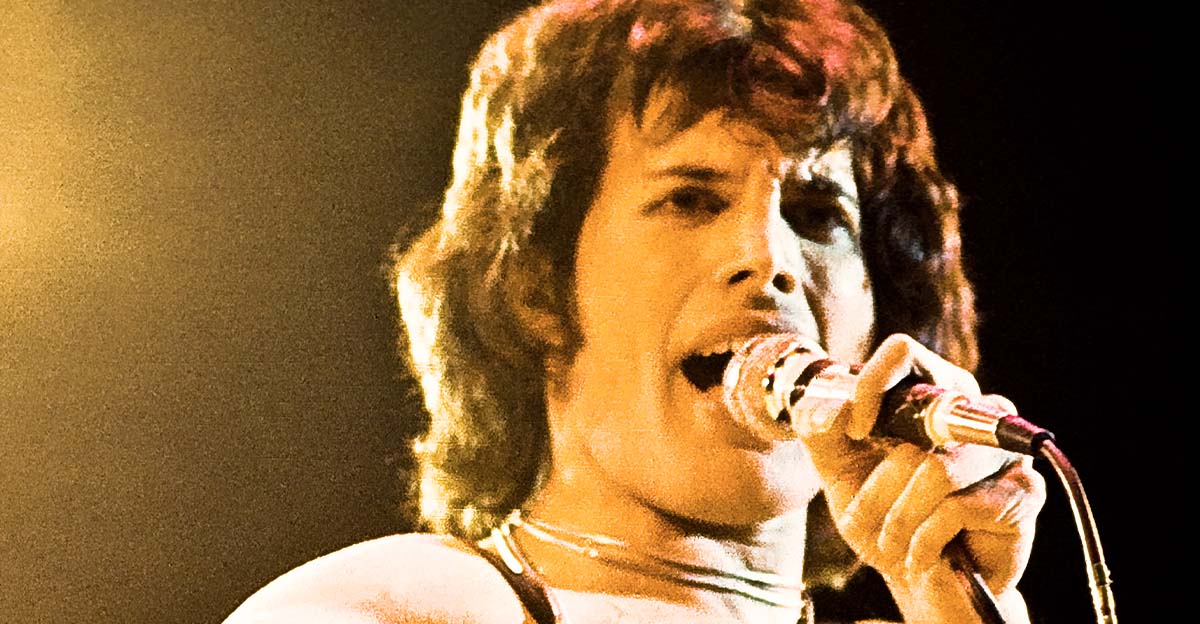
Weezer – Pinkerton (1996)
When Pinkerton came out, it shocked fans who expected another fun, polished power-pop album. Instead they got something brutally confessional, uncomfortable, and messy. Critics called it awkward and indulgent. Over time, that raw honesty became its strength. Today it’s praised for its emotional vulnerability and influence on generations of alternative and emo bands.
 David Lee from Redmond, WA, USA, Wikimedia Commons
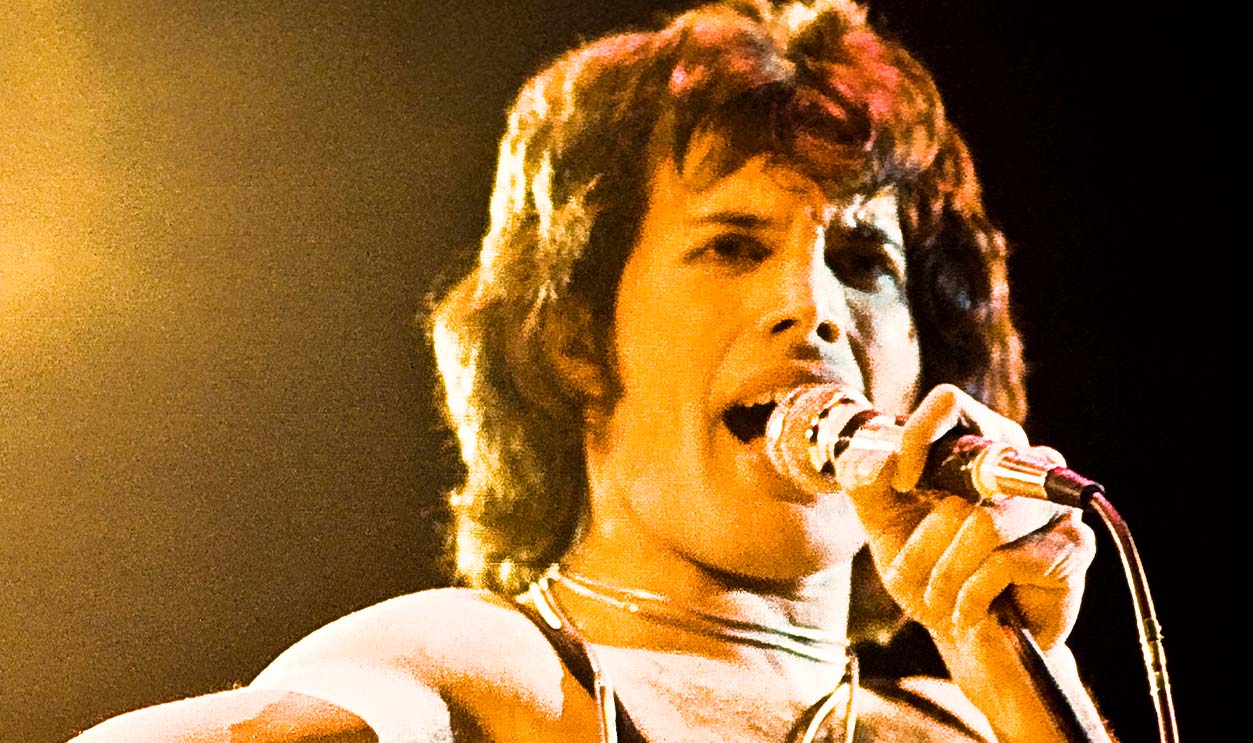
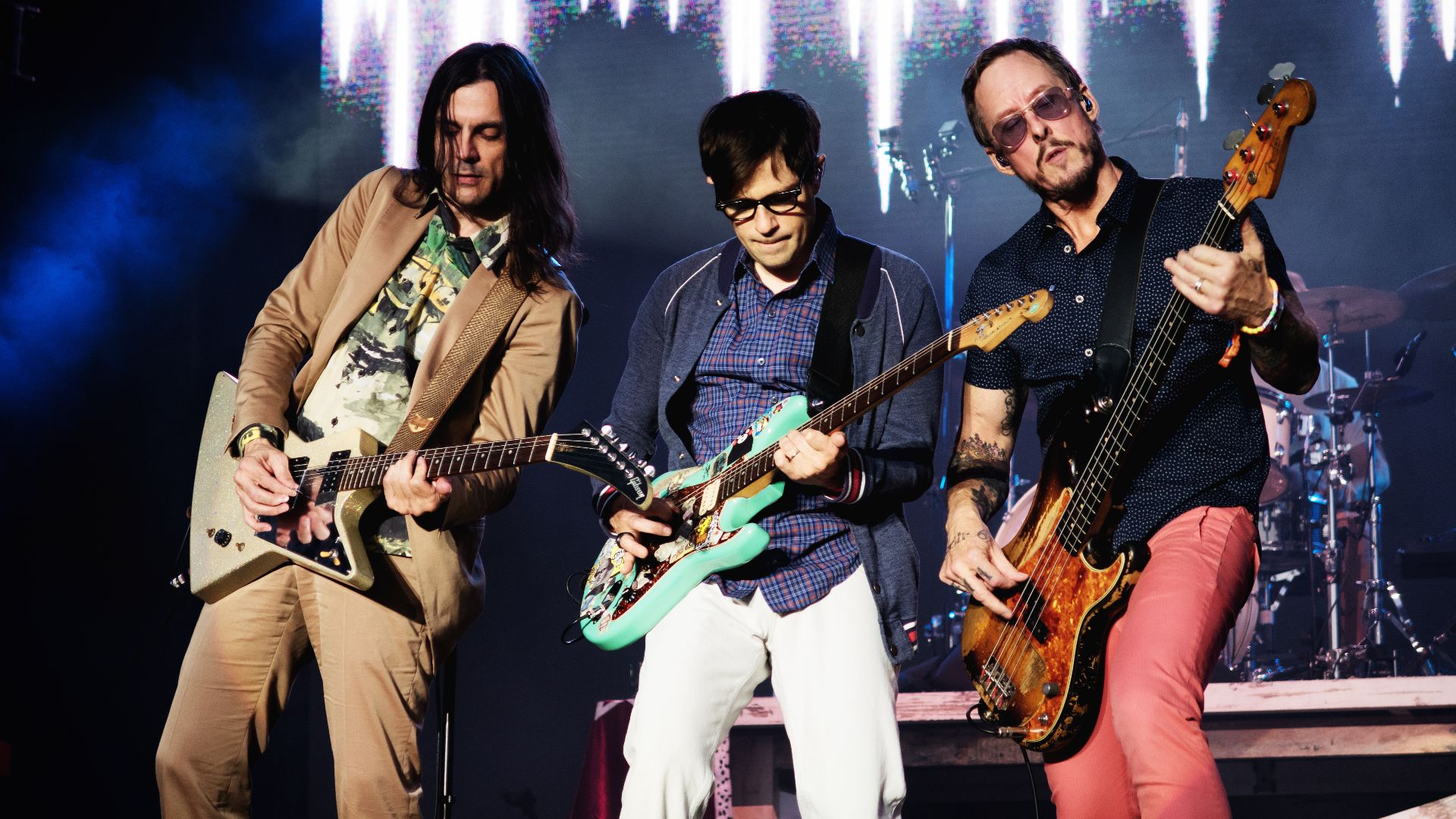
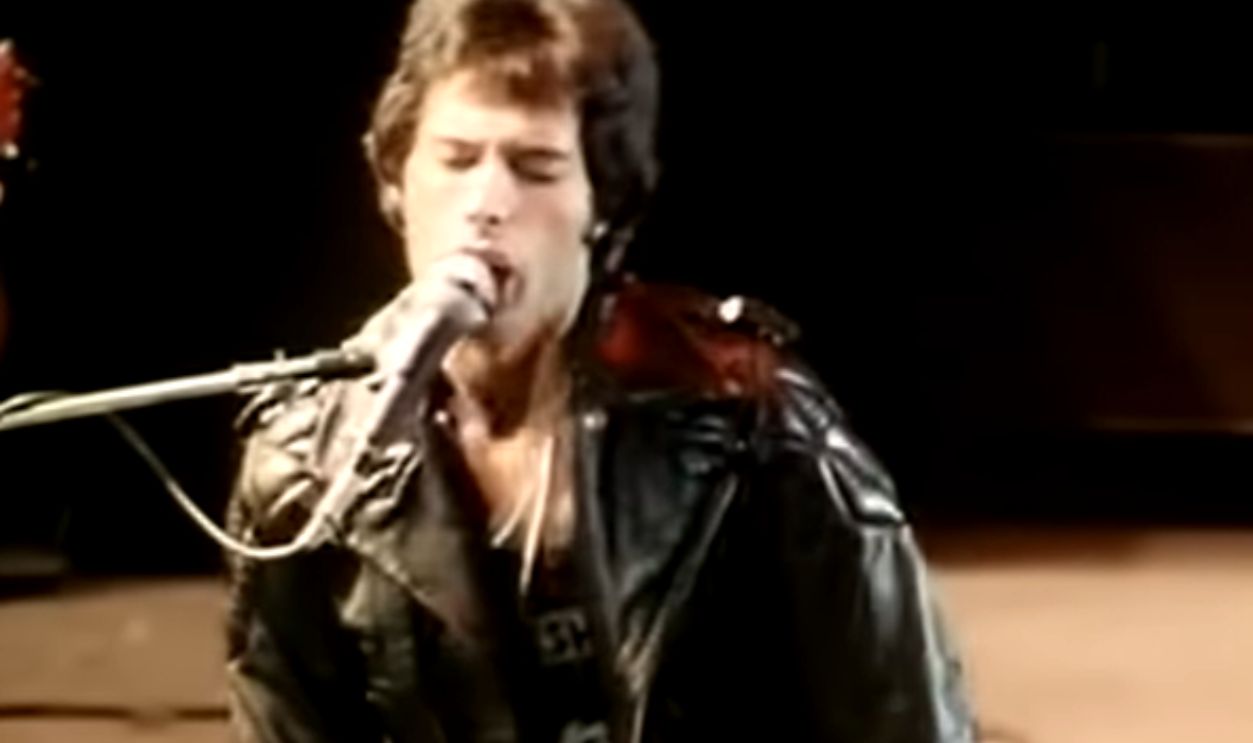
Queen – Jazz (1978)
Jazz confused critics with its stylistic whiplash and unapologetic excess. It felt messy compared to Queen’s earlier work, and reviewers didn’t know what to do with its humor and theatricality. Years later, that unpredictability is exactly what fans love. Tracks like “Don’t Stop Me Now” helped reframe the album as joyful, bold, and unmistakably Queen.
 Screenshot from Don’t Stop Me Now, Elektra Records (1978)
Oasis – (What’s The Story) Morning Glory (1995)
While massively popular with fans, early critical response was mixed, with complaints about repetition and overblown confidence. As Britpop cooled and perspective set in, the album’s staying power became undeniable. Its huge hooks, emotional directness, and cultural impact turned it into one of the defining albums of the 1990s.

Korn – Korn (1994)
Early critics dismissed Korn’s debut as crude, noisy, and overly aggressive. The emotional intensity and stripped-down production felt confrontational. Over time, it became clear the album captured something new and honest, helping shape nu-metal and alternative heavy music. Its influence now outweighs nearly every early complaint.
 Lunchbox LP, Wikimedia Commons
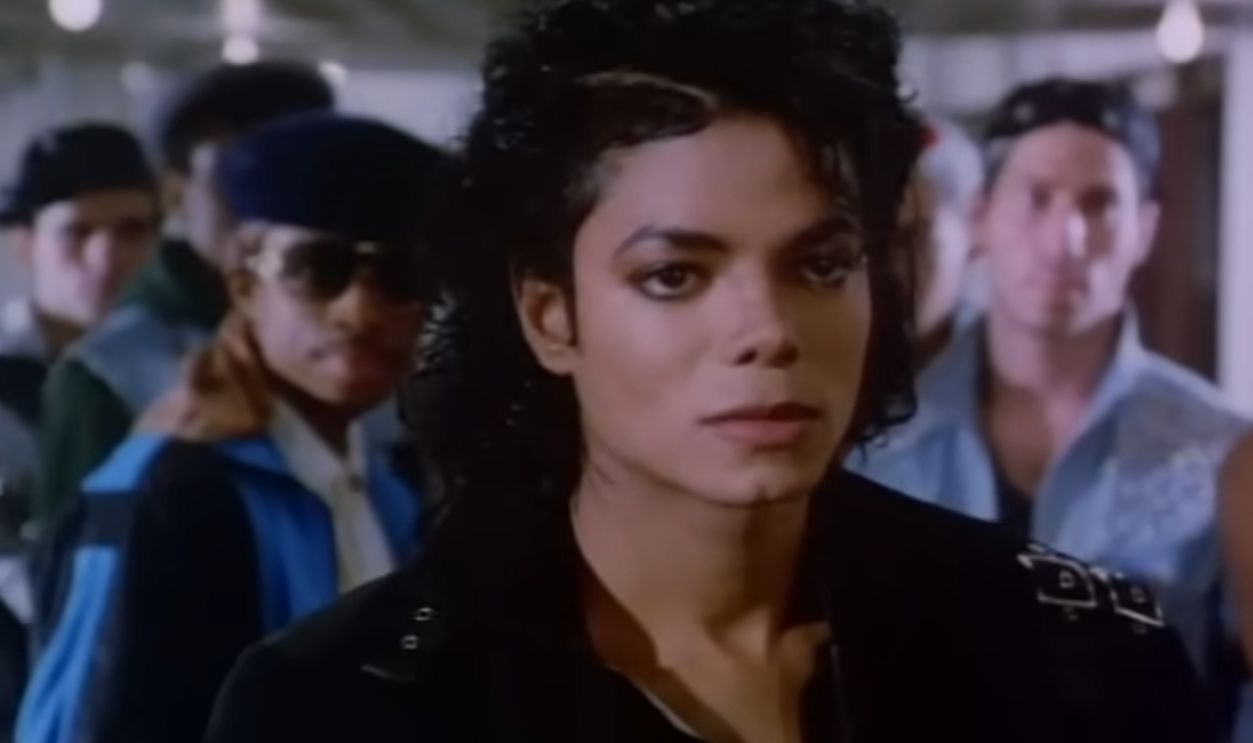
Michael Jackson – Bad (1987)
Coming after Thriller, expectations were impossible. Critics saw Bad as a step down, focusing on what it wasn’t rather than what it was. With distance, the album stands as a confident, stylish evolution, packed with iconic singles and sharper production. It now feels less like a sequel and more like a statement.
 Screenshot from Bad, Epic Records (1987)
Black Sabbath – Black Sabbath (1970)
Early reviews dismissed it as noisy, dark, and musically primitive. At the time, critics didn’t see heaviness as artistic value. Today, that debut is recognized as the birth of heavy metal. Its atmosphere, riffs, and sense of dread changed rock music permanently, regardless of what reviewers initially thought.
 Screenshot from Black Sabbath, Warner Bros. (1970)
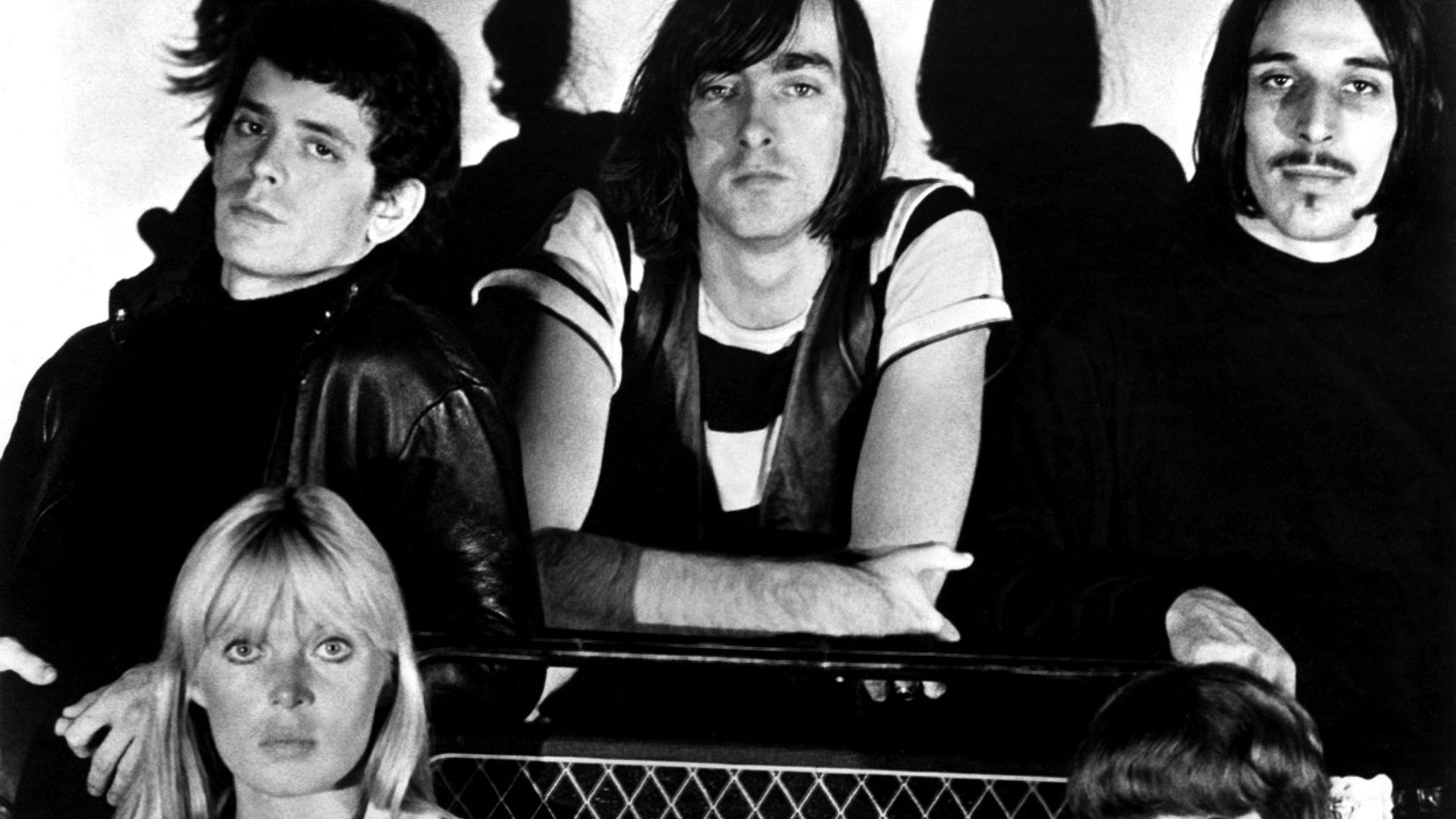
The Velvet Underground – The Velvet Underground & Nico (1967)
Commercially ignored and critically misunderstood, this album barely registered at release. Its raw lyrics, droning sound, and confrontational themes didn’t fit the era. Over time, its influence became legendary. It inspired countless artists and proved that impact doesn’t always show up on the charts.
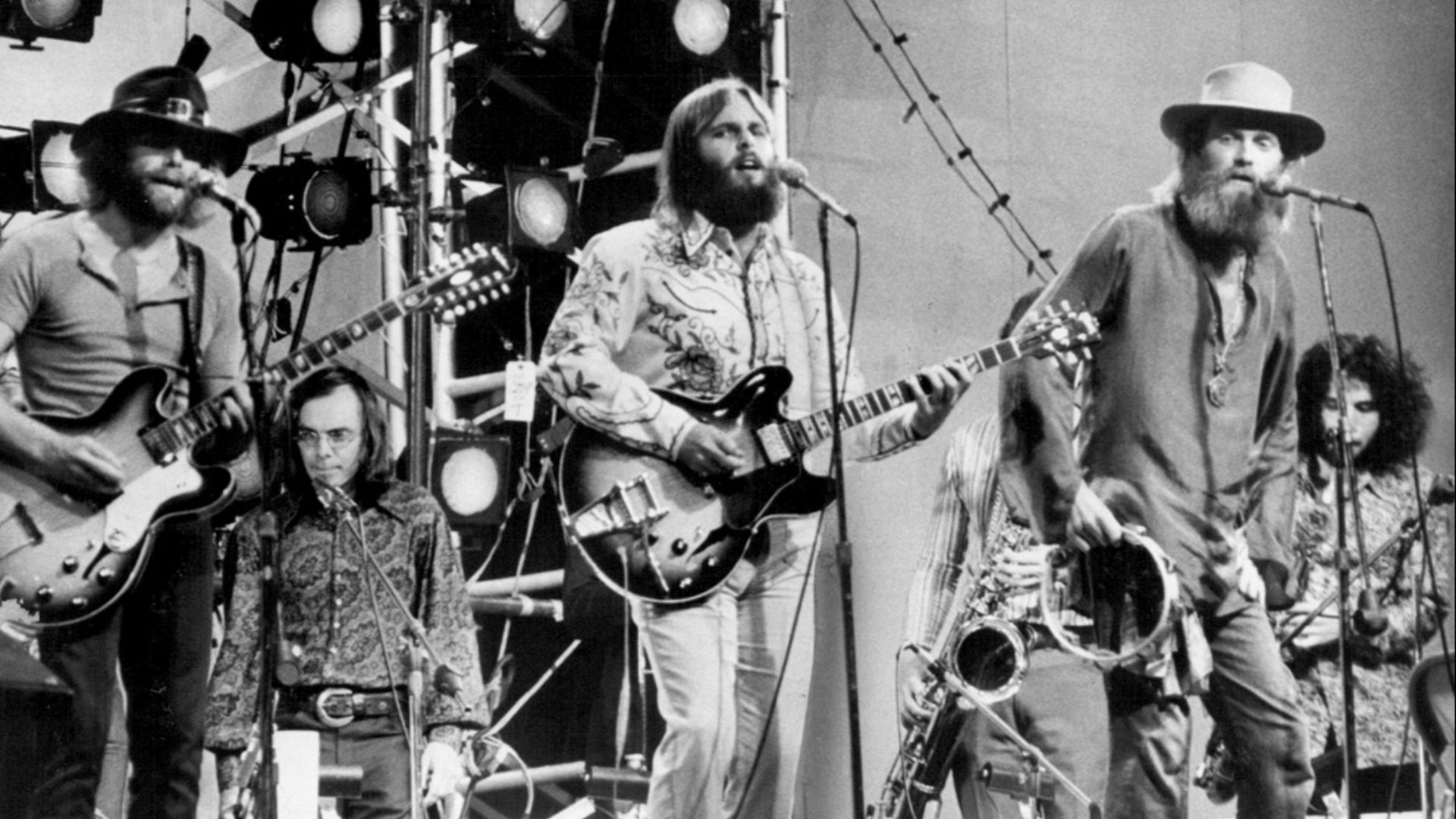
The Beach Boys – Pet Sounds (1966)
Initially seen as overproduced and lacking obvious hits in the US, Pet Sounds confused listeners expecting surf pop. As tastes evolved, its emotional depth and sonic ambition were re-evaluated. It’s now considered one of the most important albums ever made and a turning point for studio experimentation.
 ABC Television, Wikimedia Commons
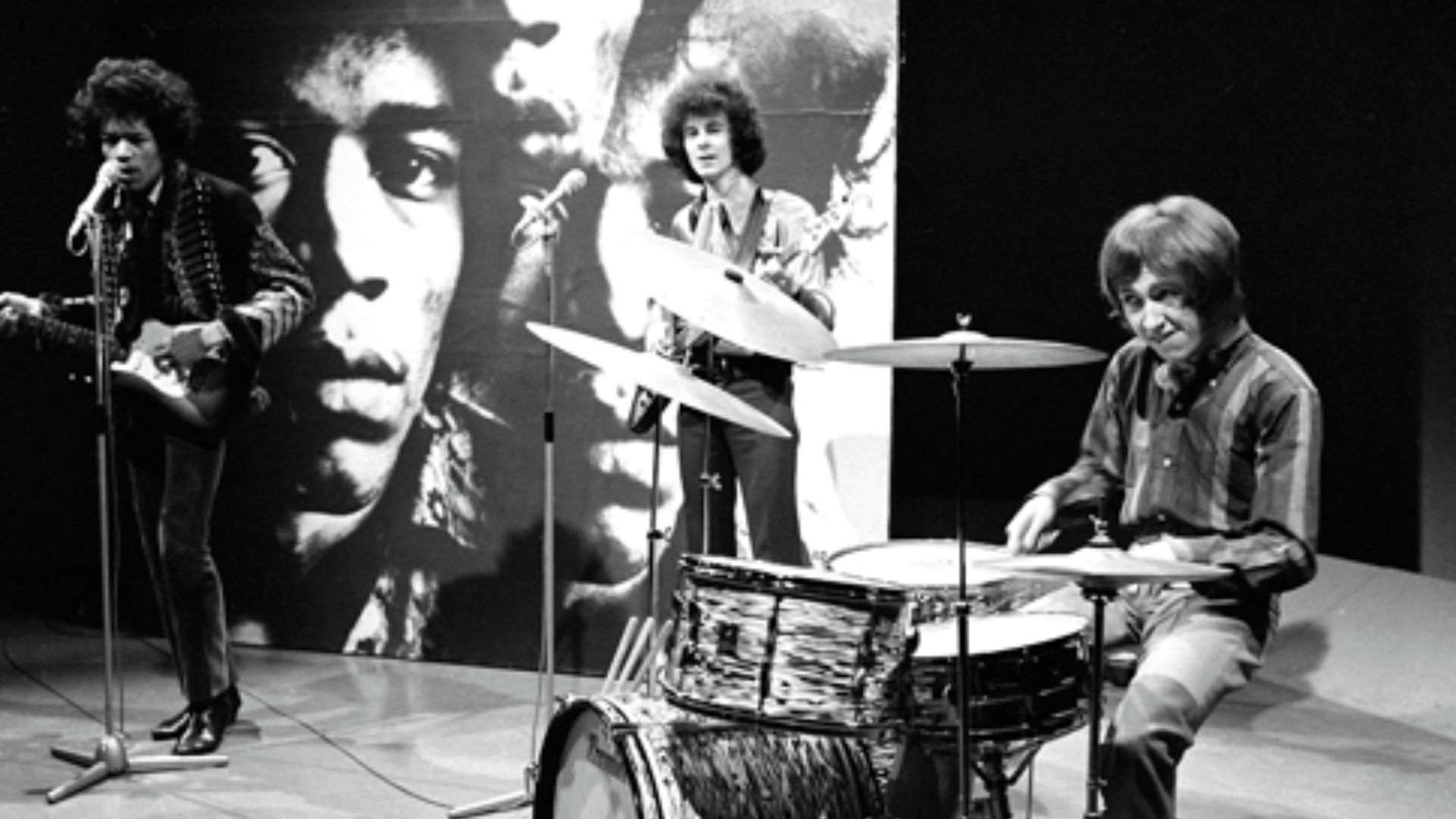
The Jimi Hendrix Experience – Electric Ladyland (1968)
Critics found the album sprawling and unfocused at first, unsure what to make of its length and experimentation. Over time, its ambition became its legacy. Hendrix’s fearless blending of blues, psychedelia, and studio wizardry now defines what a boundary-pushing rock album can be.
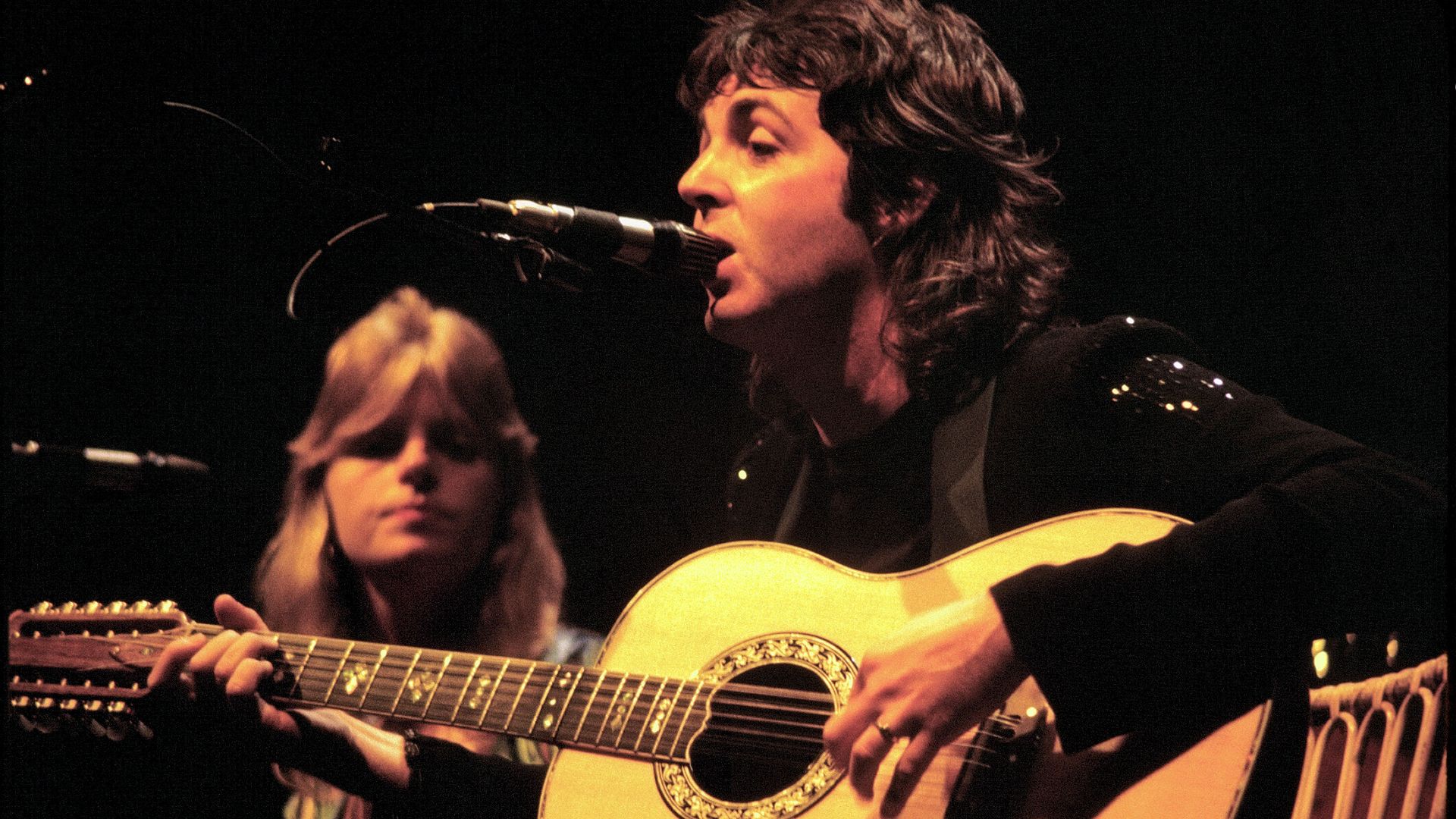
Paul And Linda McCartney – Ram (1971)
Critics were harsh on Ram, calling it lightweight and self-indulgent, especially in the shadow of The Beatles’ breakup. Years later, it’s seen as playful, inventive, and emotionally rich. Its home-grown charm and melodic strength have made it a favorite among fans and musicians alike.
 Jim Summaria, Wikimedia Commons
Radiohead – OK Computer (1997)
While respected on release, some early critics struggled with its bleak tone and fractured structure. As time passed, its themes of alienation and technology felt eerily prophetic. It’s now widely viewed as a defining album of modern music, praised for both its ambition and emotional depth.

Led Zeppelin – Led Zeppelin IV (1971)
Early reviews criticized its lack of a title and dismissed its stylistic range as unfocused. That criticism didn’t age well. With tracks like “Stairway to Heaven,” the album became a rock cornerstone, proving Zeppelin’s ability to blend folk, hard rock, and mysticism into something timeless.
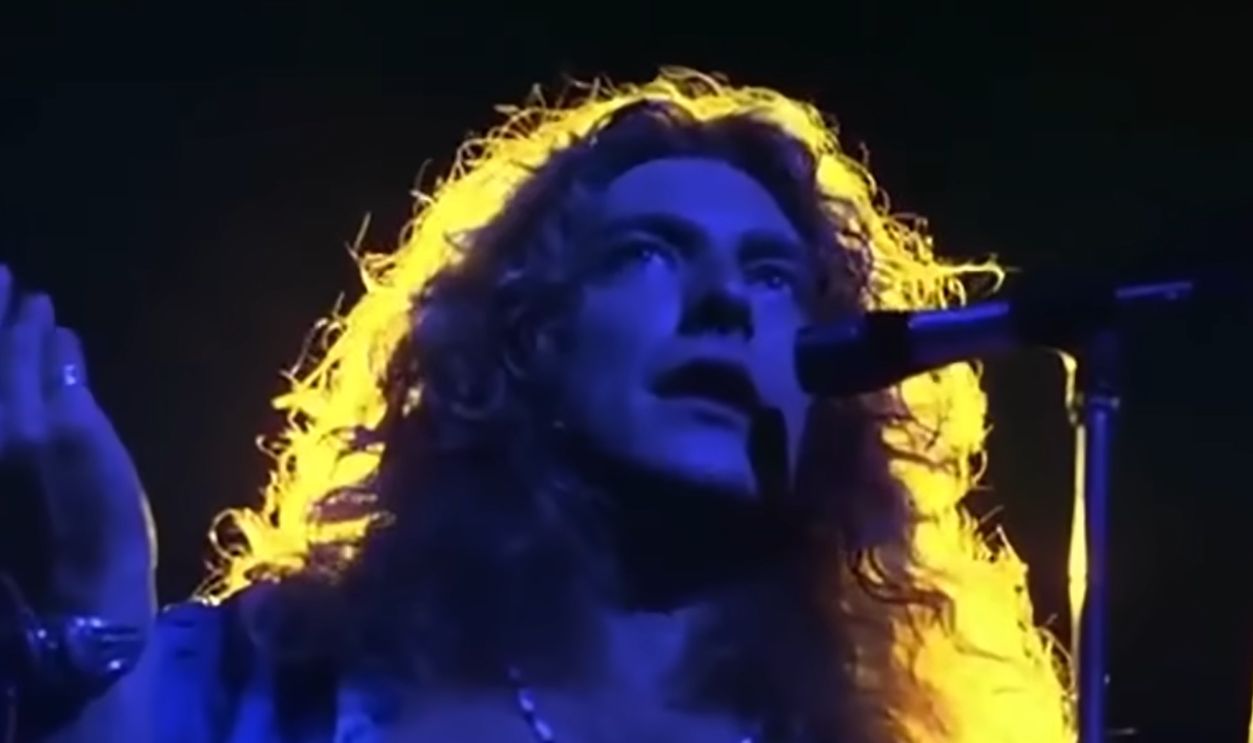 Screenshot from Stairway to Heaven, Atlantic Records (1971)
Pearl Jam – Ten (1991)
At first, some critics lumped Ten in with generic hard rock, missing its emotional nuance. As grunge culture settled, the album’s sincerity and songwriting stood out. It’s now seen as a cornerstone of the early 90s alternative movement and a deeply personal debut.

Beyoncé – Lemonade
Some early reactions focused more on the surrounding spectacle than the music itself. Over time, Lemonade has been re-evaluated as a cohesive, deeply personal body of work that blends genres, storytelling, and cultural commentary. It’s now widely considered one of Beyoncé’s most important artistic statements.
 Screenshot from Lemonade, Columbia Records (2016)
Neil Young – Tonight’s The Night (1975)
Critics found it sloppy, depressing, and unfinished. Young recorded it during a period of grief, and the rawness unsettled listeners. With time, that emotional honesty became its defining strength. It’s now revered as one of the most unfiltered and powerful albums of his career.
 Tobias Akerboom (clownhousethethird), Wikimedia Commons
Miles Davis – On The Corner (1972)
This album baffled jazz critics who expected sophistication and restraint. Instead, Davis leaned into funk, repetition, and street-level energy. Decades later, it’s recognized as wildly ahead of its time, influencing hip-hop, electronic music, and experimental jazz in ways no one anticipated.
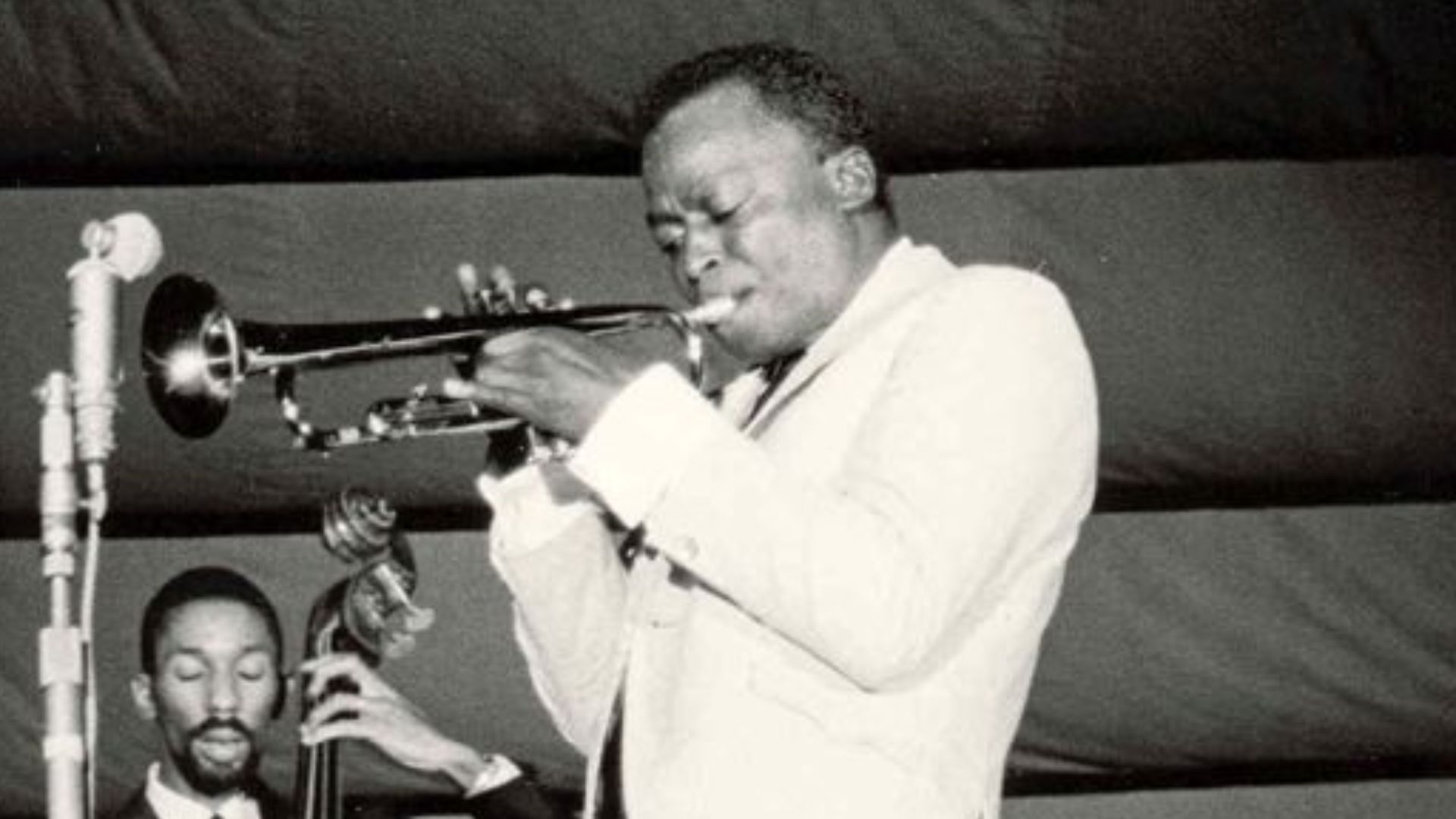 Mallory1180, Wikimedia Commons
The Rolling Stones – Exile On Main St (1972)
Initial reviews criticized the album’s murky production and loose structure. It felt chaotic rather than polished. Over time, that grit became its appeal. Exile is now celebrated as a deep, immersive statement that captures the Stones at their most human and unfiltered.
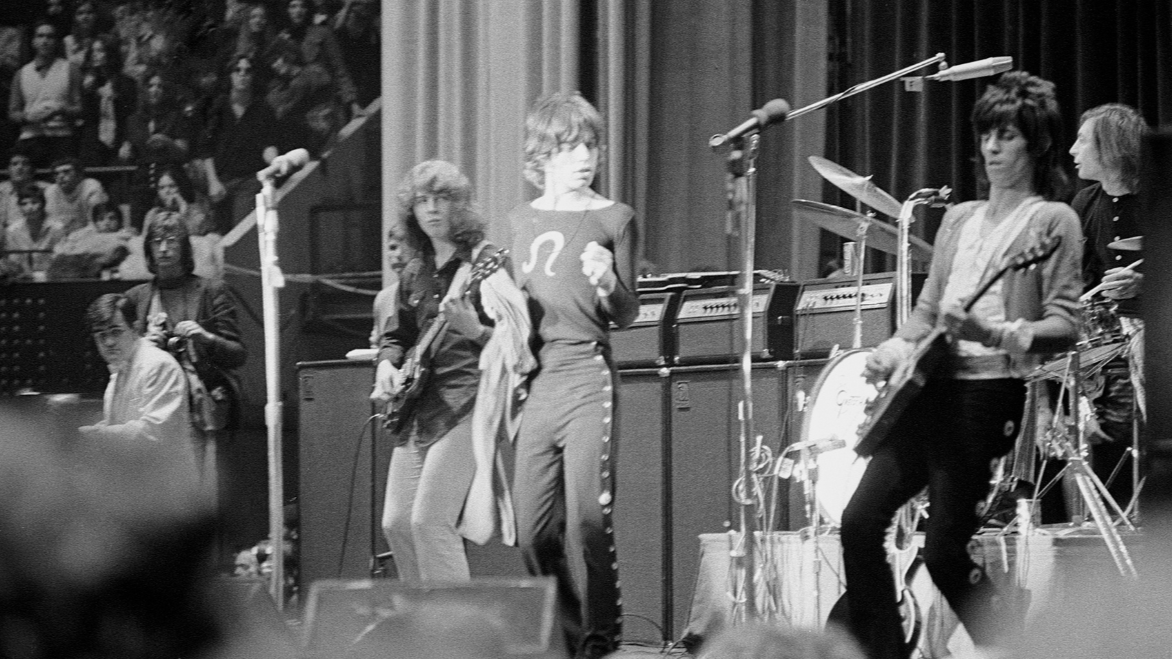 Michael Ochs Archives, Getty Images
Gene Clark – No Other (1974)
Critics didn’t know what to make of its lush production and emotional intensity, and it sold poorly. With hindsight, it’s recognized as a bold, deeply personal work that blends folk, rock, and spirituality. It’s now considered one of the great lost masterpieces of the 1970s.
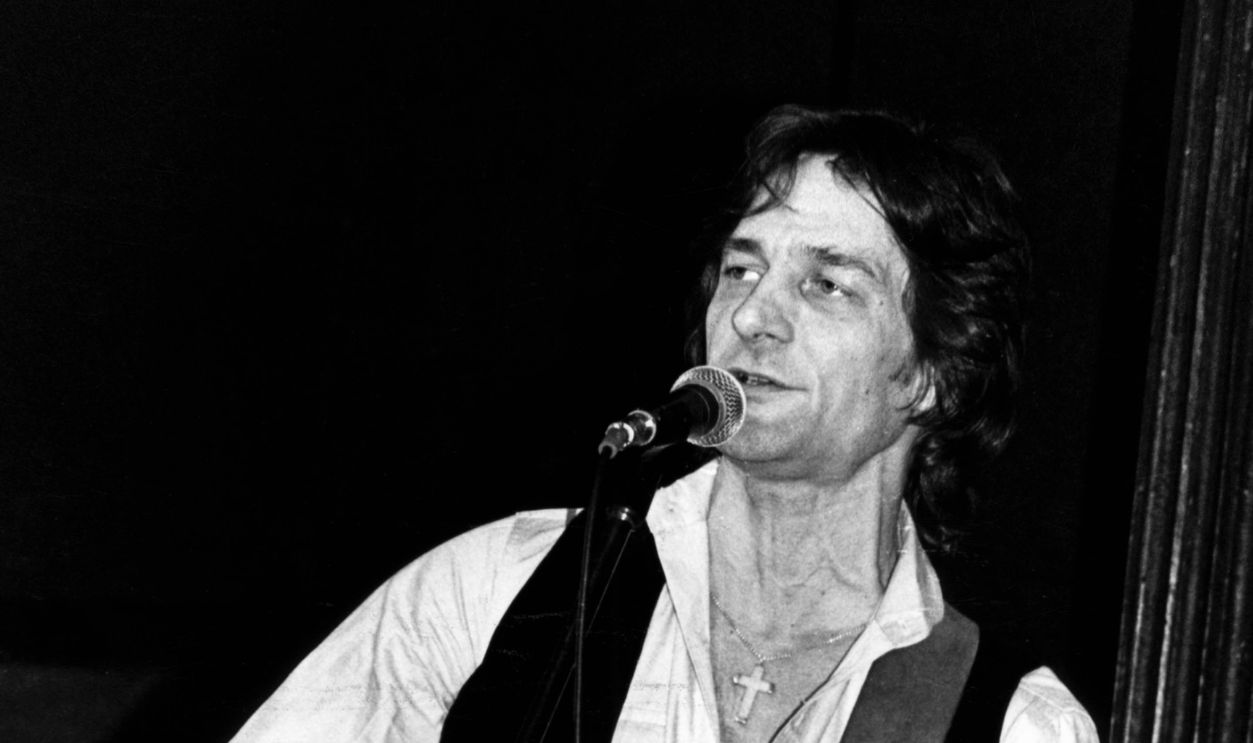
Radiohead – Pablo Honey (1993)
Often dismissed as a one-hit debut anchored by “Creep,” Pablo Honey was long overshadowed by Radiohead’s later work. Recently, it’s been reassessed as a solid, emotionally grounded starting point, showing early signs of the band’s melodic instincts and lyrical sensitivity.
 Screenshot from Creep, Parlophone (1993)
Kanye West – The Life Of Pablo
Its messy rollout and constantly changing tracklist frustrated listeners at first. Critics questioned its cohesion. Over time, the album’s fluid, collage-like approach came to be seen as intentional and forward-thinking. It now feels like a snapshot of an artist wrestling publicly with fame, faith, and creativity.
 Peter Hutchins from DC, Wikimedia Commons
You May Also Like:
Groundbreaking Albums That Mixed Rock, Rap, And Chaos
Bands That Defined The Sound Of The 90s Underground
Are These Really The Best And Worst Albums By The Greatest Rock Bands Ever?