Can You Hear The Obligation?
Not every album comes from a band that’s excited to be in the studio. Sometimes it’s the opposite. They have to make it. They’re expected to make it. Or they’re just trying to get through it. How many of these sound like obligation instead of inspiration?
 Gijsbert Hanekroot, Getty Images
“Let It Be” (The Beatles, 1970)
This is the blueprint for this entire idea. Arguments caught on camera, George Harrison briefly quitting, and a band that clearly didn’t want to function together anymore. And somehow, it still produced Let It Be, Get Back, and Across the Universe.
That’s what makes it fascinating—you’re hearing something iconic come out of a situation that was falling apart in real time.
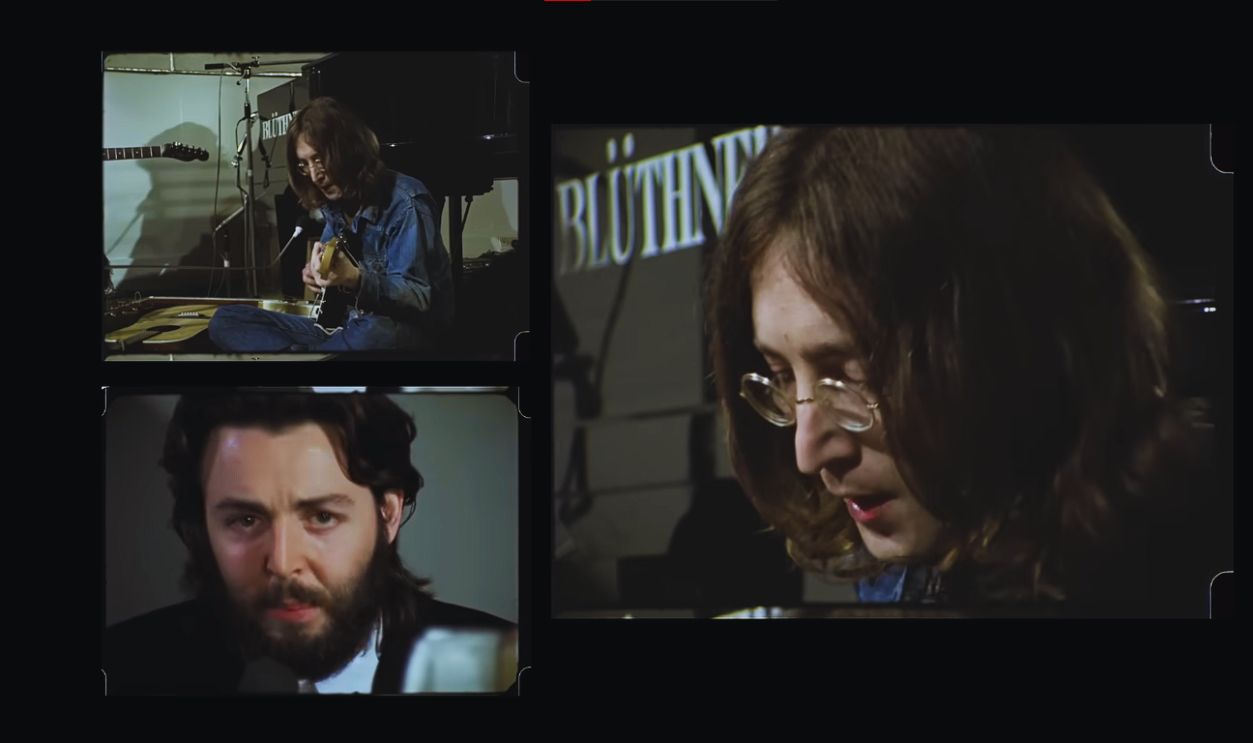 Screenshot from The Beatles – “Let It Be”, Apple Records (1970)
“The Final Cut” (Pink Floyd, 1983)
David Gilmour has said he wasn’t really into it, and it shows. Roger Waters took over, and this feels more like a solo project than a band album. It’s not bad, but it’s not really Pink Floyd as a unit either. You can hear the imbalance the whole way through.
 Screenshot from The Final Cut, Columbia Records (1983), Modified
“St. Anger” (Metallica, 2003)
If you’ve seen Some Kind of Monster, you already know how close this came to not happening at all. Therapy sessions, near breakups, and a band just trying to function long enough to finish something. The raw sound isn’t just a choice, it feels like the result of everything going sideways at once. This isn’t excitement…it’s survival.
 Screenshot from St. Anger, Elektra Records (2003)
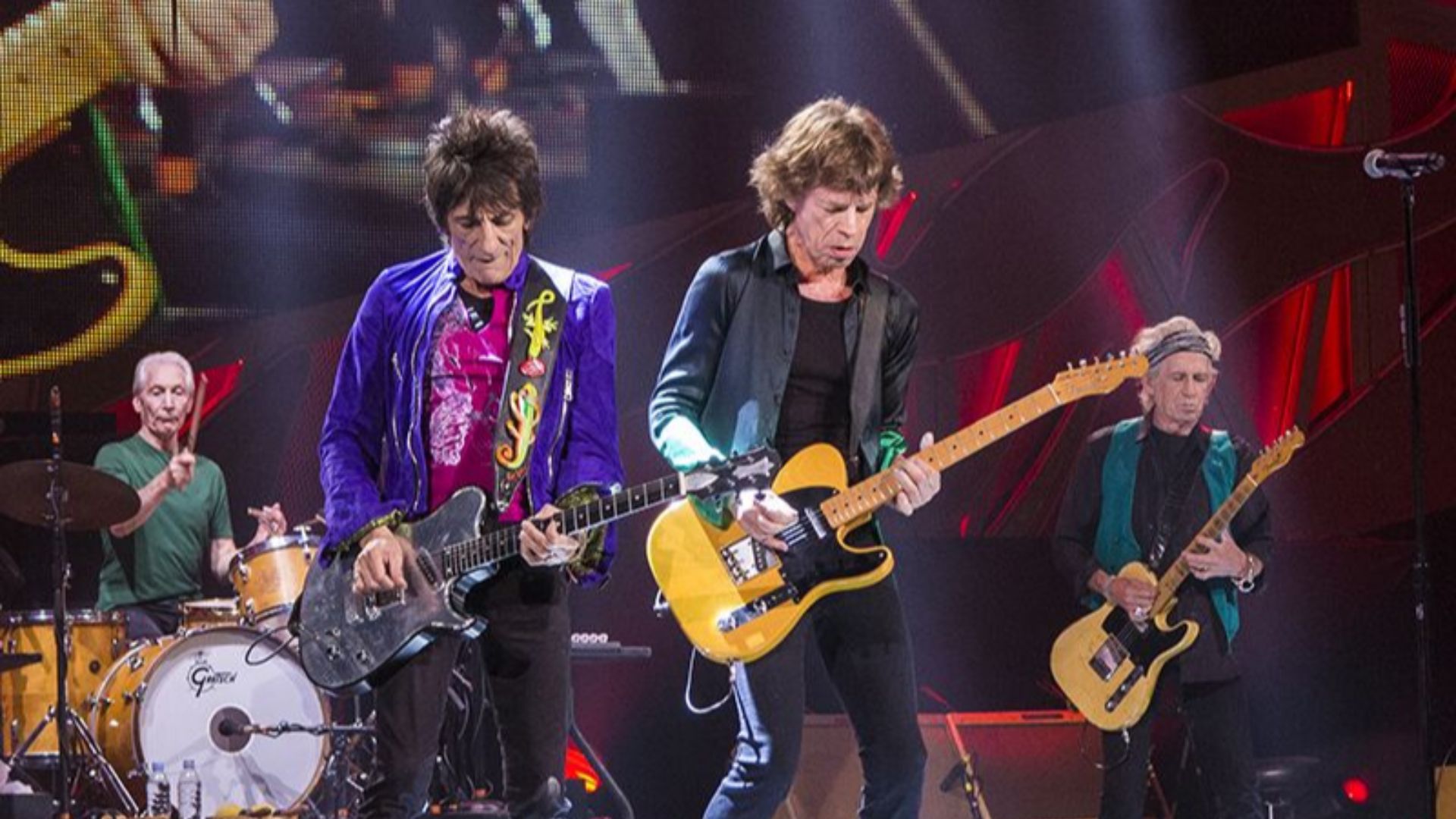
“Dirty Work” (The Rolling Stones, 1986)
Keith Richards said making this felt like doing it under duress, and the album never really shakes that feeling. Mick Jagger was already focused elsewhere, and the chemistry just isn’t there. It’s a rare Stones album that feels like work instead of swagger.
 Jim Pietryga, Wikimedia Commons
“Chinese Democracy” (Guns N’ Roses, 2008)
After years of delays and a revolving door of musicians, this stopped feeling like a band album a long time ago. Axl Rose was fully committed (arguably too committed) but everyone else came and went.
That’s the difference. It doesn’t sound like a group creating together. It sounds like one person chasing something while the band around him keeps changing. There are moments that work, but the dynamic never really feels real.

“Results May Vary” (Limp Bizkit, 2003)
Fred Durst has admitted he wasn’t in a great place during this one, and it shows. Without Wes Borland, the band sounds off balance. It’s not just different, it feels like something’s missing, and nobody’s quite locked in.
 ECarterSterling, Wikimedia Commons
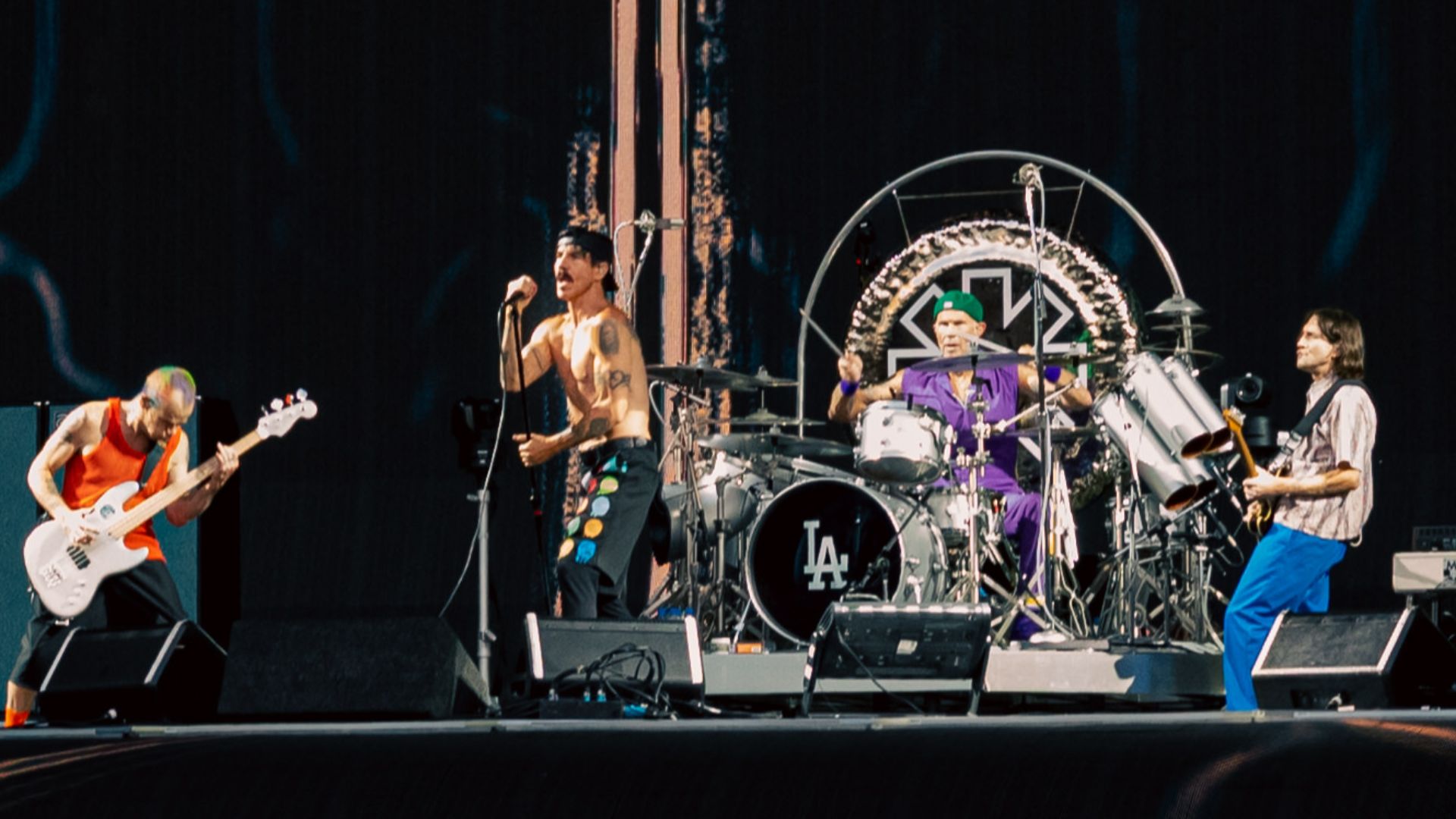
“One Hot Minute” (Red Hot Chili Peppers, 1995)
Dave Navarro never really felt like he belonged, and the rest of the band has said the chemistry wasn’t right. You can hear that disconnect, but there are still strong moments here. It works in parts, even if the band dynamic never fully did.
 Kreepin Deth, Wikimedia Commons
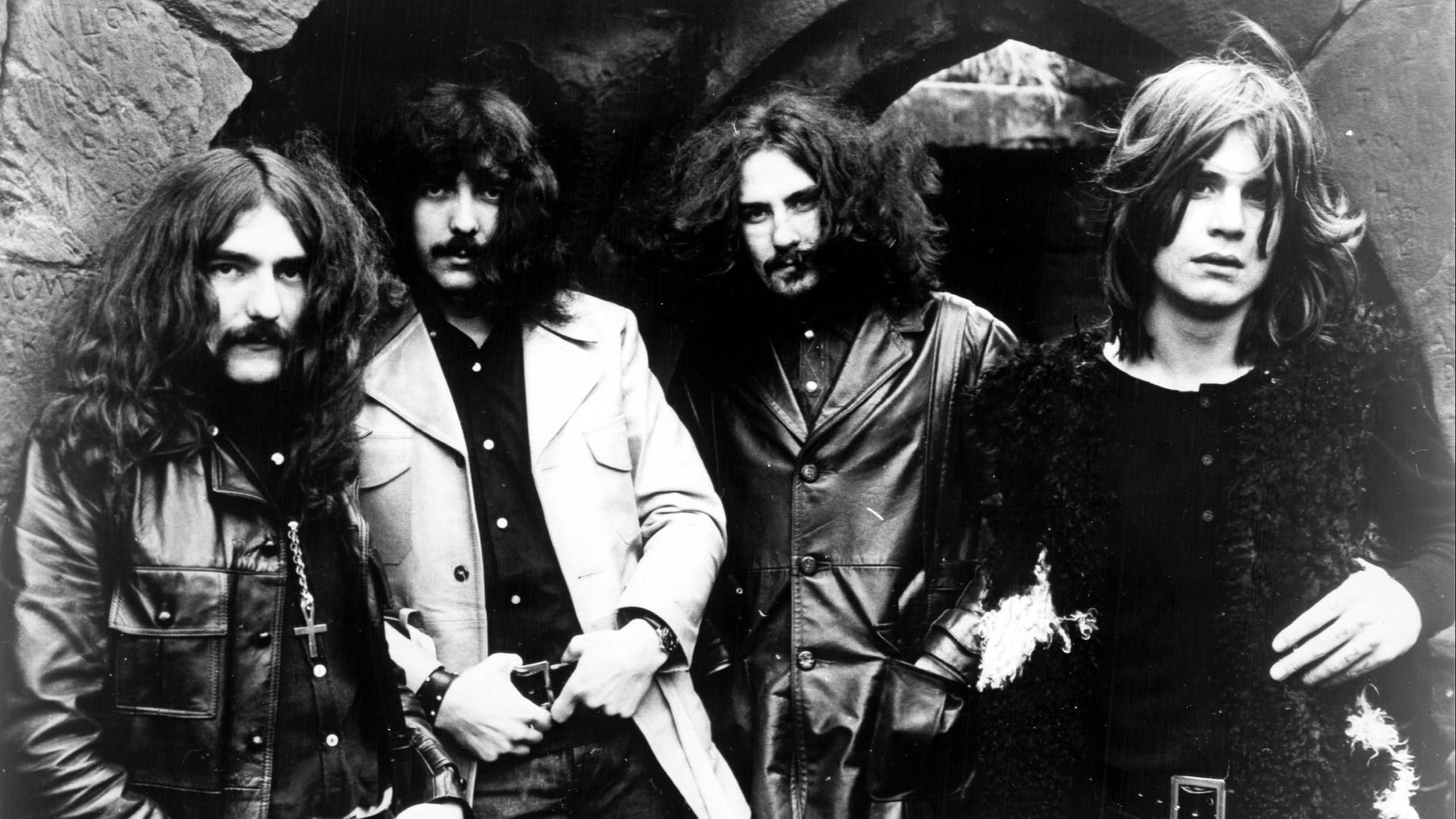
“Never Say Die!” (Black Sabbath, 1978)
Ozzy has said he was checked out and unhappy during the process, and the album reflects that lack of focus. It’s uneven, like a band trying to finish something without being fully invested in it.
 Warner Bros. Records, Wikimedia Commons
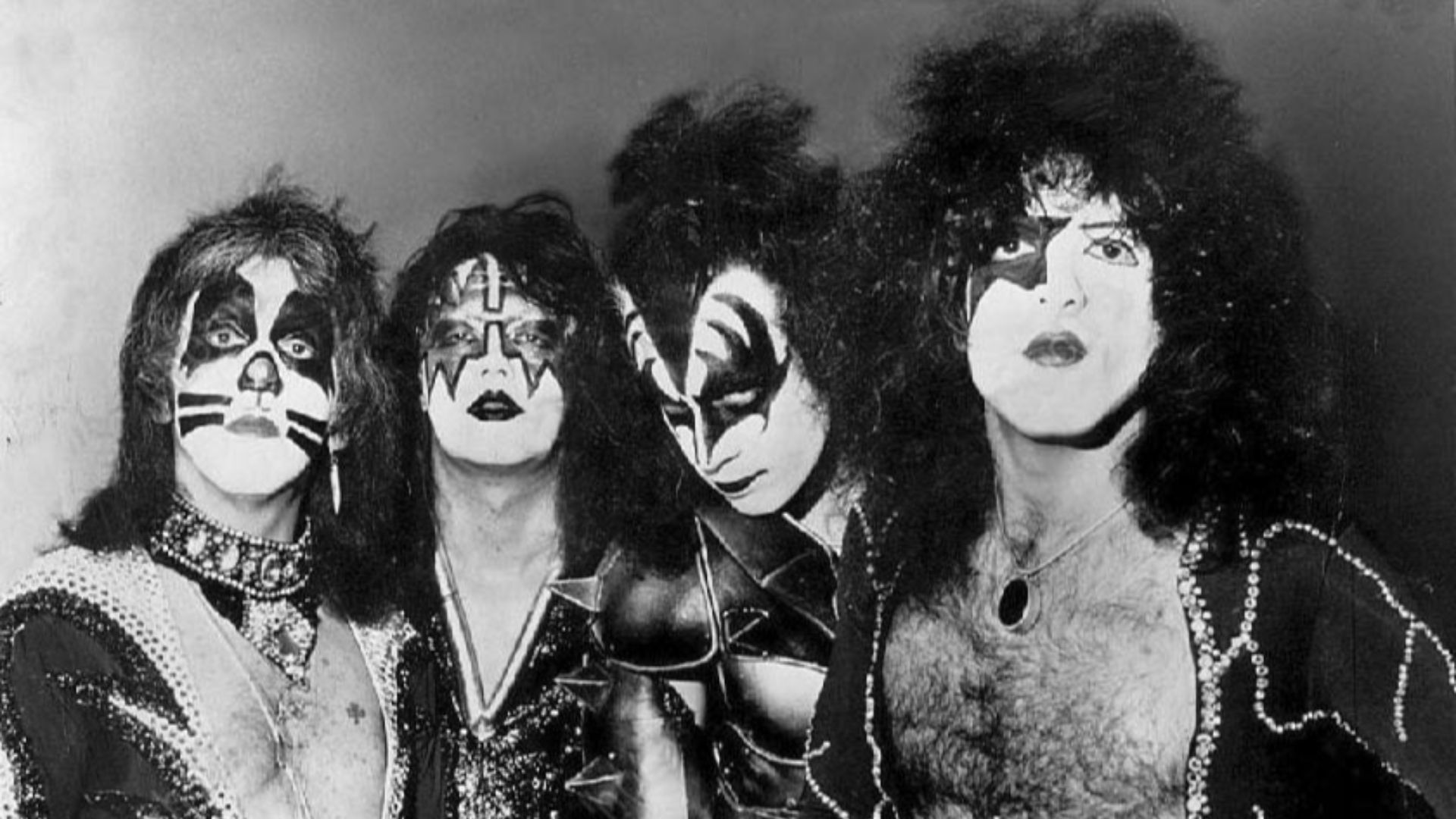
“Music from ‘The Elder’” (KISS, 1981)
The concept shifted mid-process, the direction wasn’t fully agreed on, and the band has admitted they weren’t sure what they were making anymore. It doesn’t sound confident, it sounds forced.
 Casablanca Records, Wikimedia Commons
“Around the Sun” (R.E.M., 2004)
The band has openly said they were disengaged during this period, and that’s exactly how it comes across. It’s not terrible, but it feels like autopilot. Like something that needed to be made, not something they were excited to make.
 Flickr user eastercat, Wikimedia Commons
“Down on the Upside” (Soundgarden, 1996)
Tension was building, and the band was pulling in different directions. And yet this one still works more than you’d expect. There are strong songs here, but it doesn’t feel like a fully unified effort.

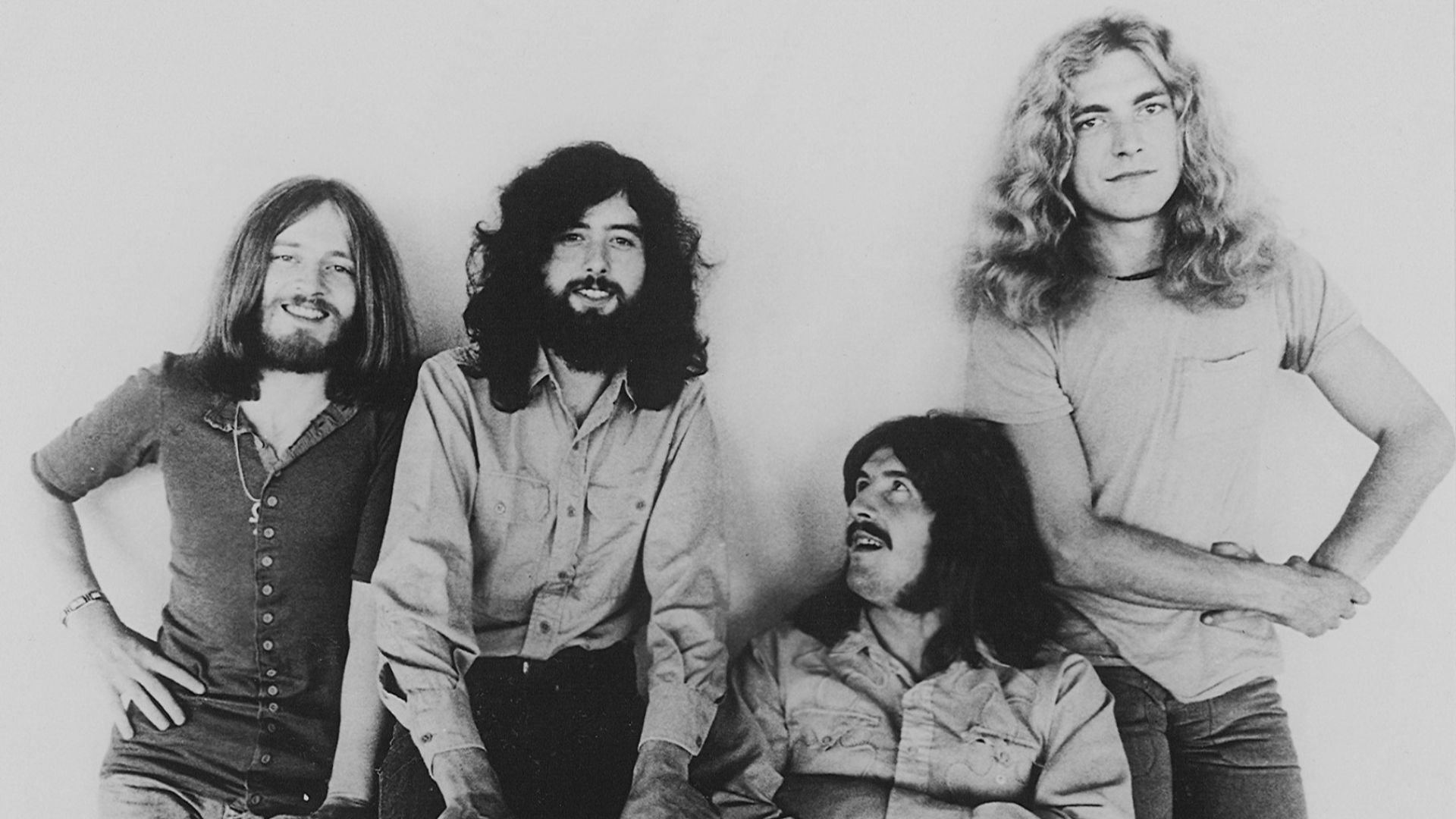
“Presence” (Led Zeppelin, 1976)
Recorded while Robert Plant was recovering from a serious accident, this wasn’t exactly a relaxed environment. Jimmy Page has talked about the pressure and urgency. And still, it works. You can hear the strain, but also how good they still were.
 Atlantic Records, Wikimedia Commons
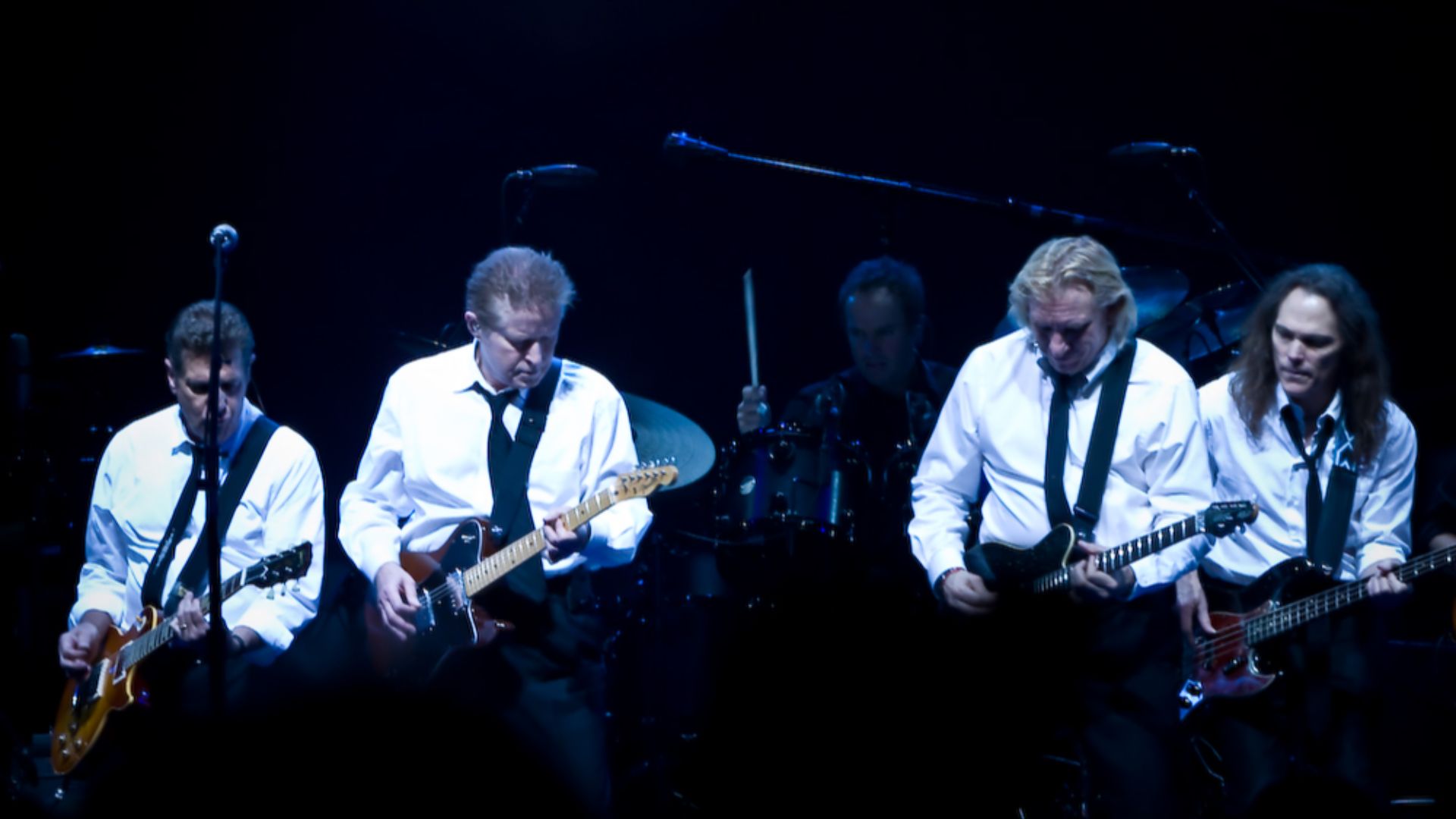
“The Long Run” (Eagles, 1979)
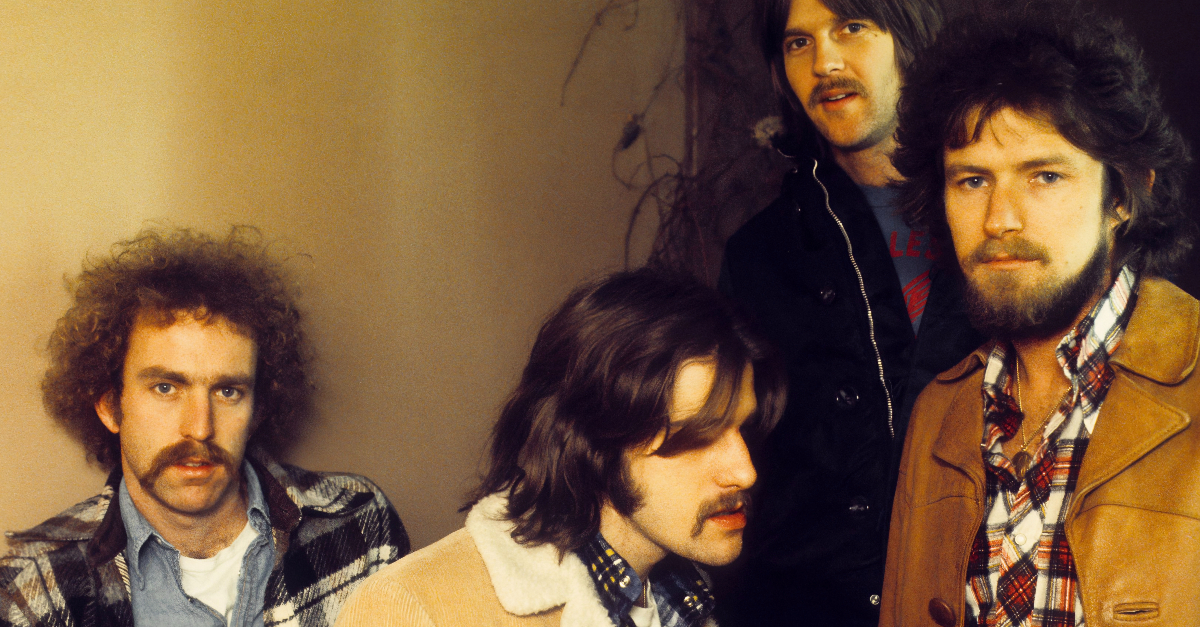
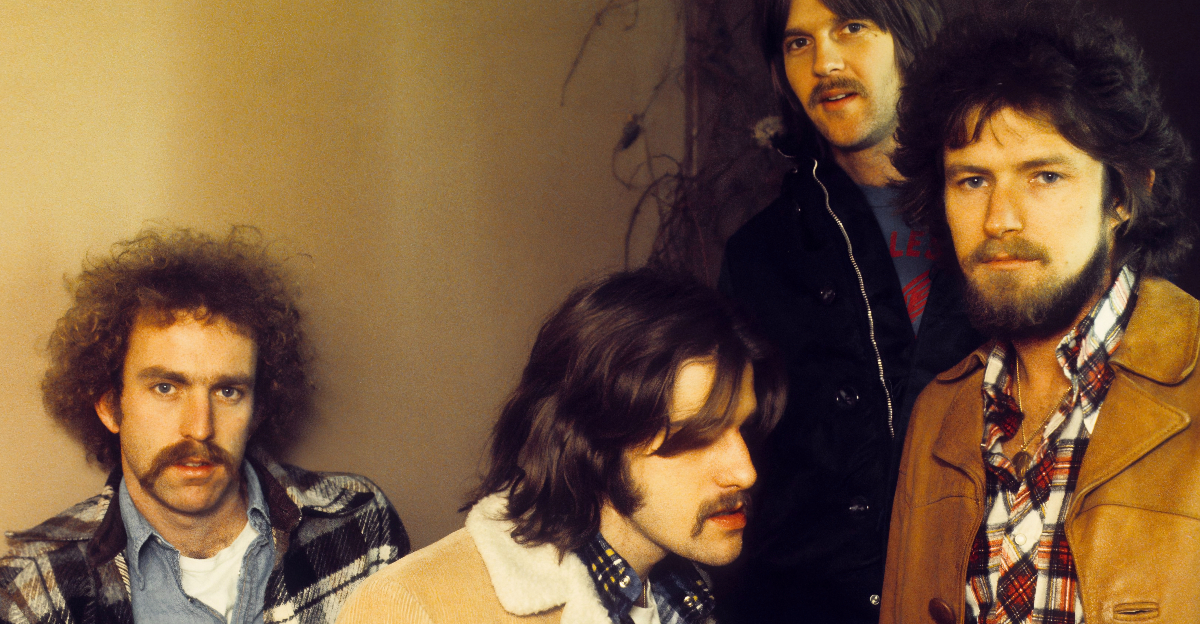
By this point, the band was exhausted and barely holding together. Don Henley and Glenn Frey have both talked about how difficult and drawn-out the process was. It sounds like a band trying to get through the end of something.
 Steve Alexander, Wikimedia Commons
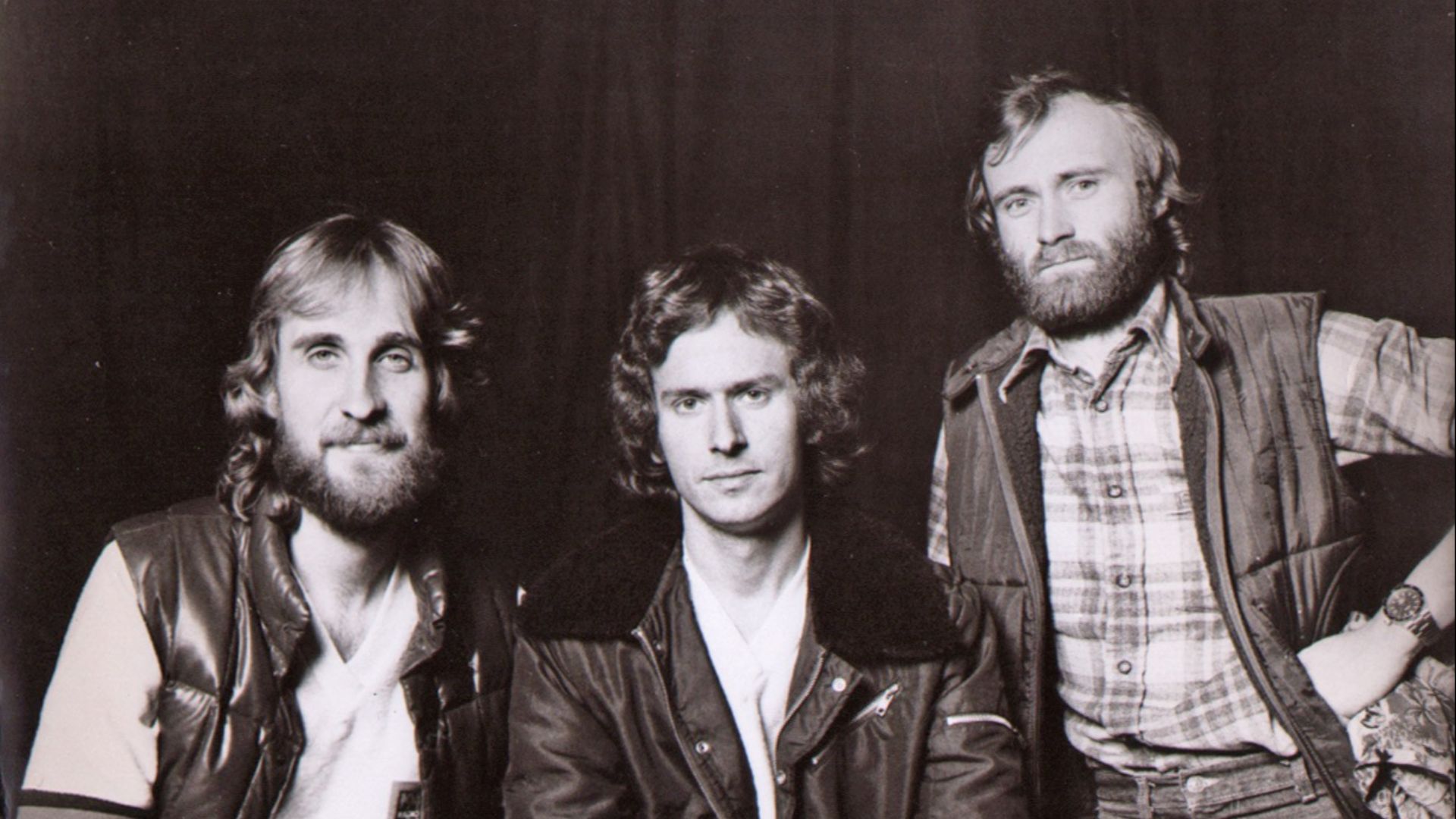
“Calling All Stations” (Genesis, 1997)
After Phil Collins left, the band pushed forward, but even they’ve admitted it didn’t really land. It feels less like a band excited to keep going and more like one trying to prove it still could.
 Distributed by Atlantic Records, Wikimedia Commons
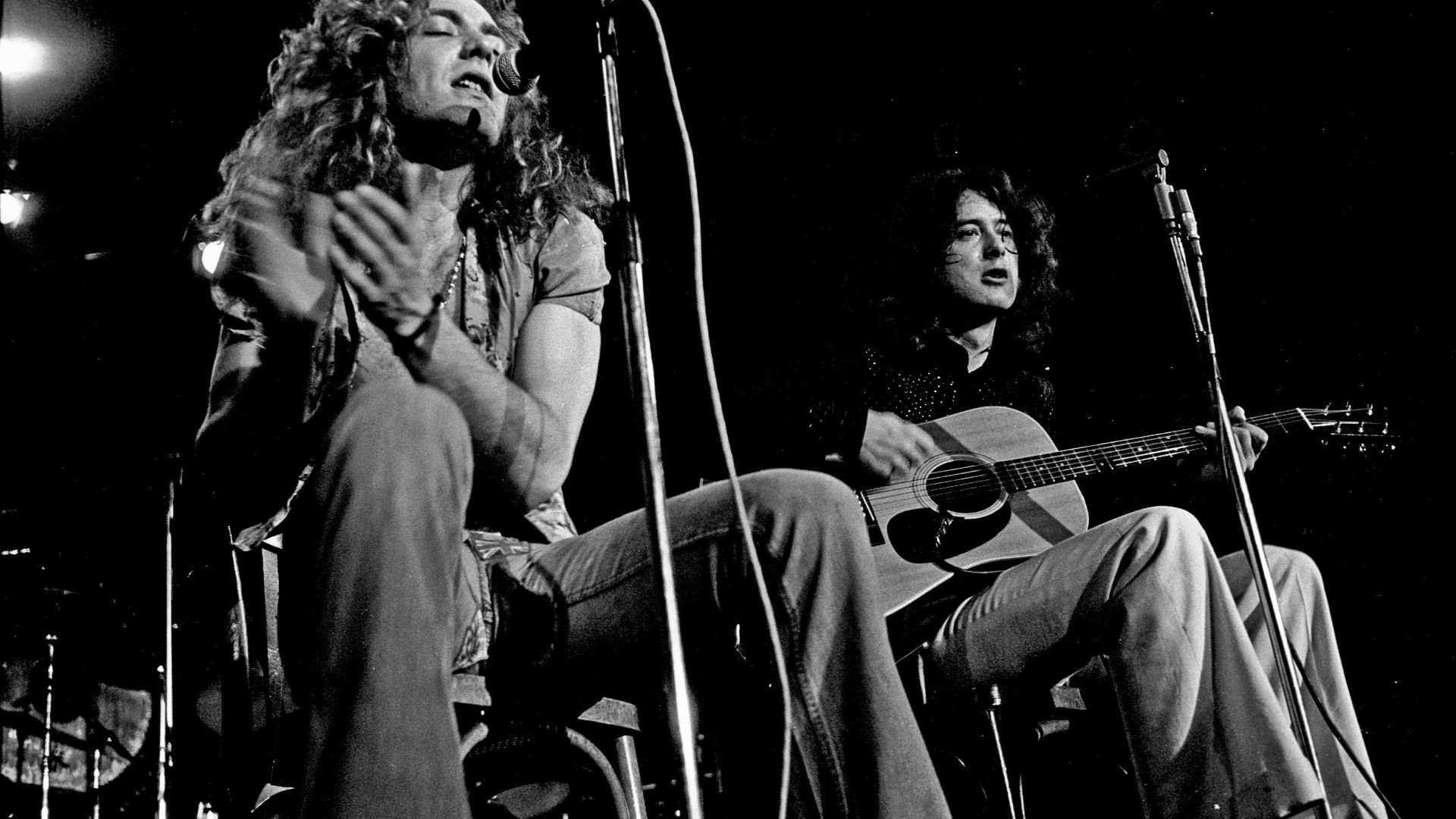
“Coda” (Led Zeppelin, 1982)
A collection of leftover tracks released to fulfill contractual obligations after the band had already ended. It’s not a true album, it’s finishing what still needed to be finished.
 Heinrich Klaffs, Wikimedia Commons
“Tattoo You” (The Rolling Stones, 1981)
Built from older recordings, this wasn’t about starting fresh, it was about putting something together. And somehow, it works. Start Me Up alone carries a lot of weight here.
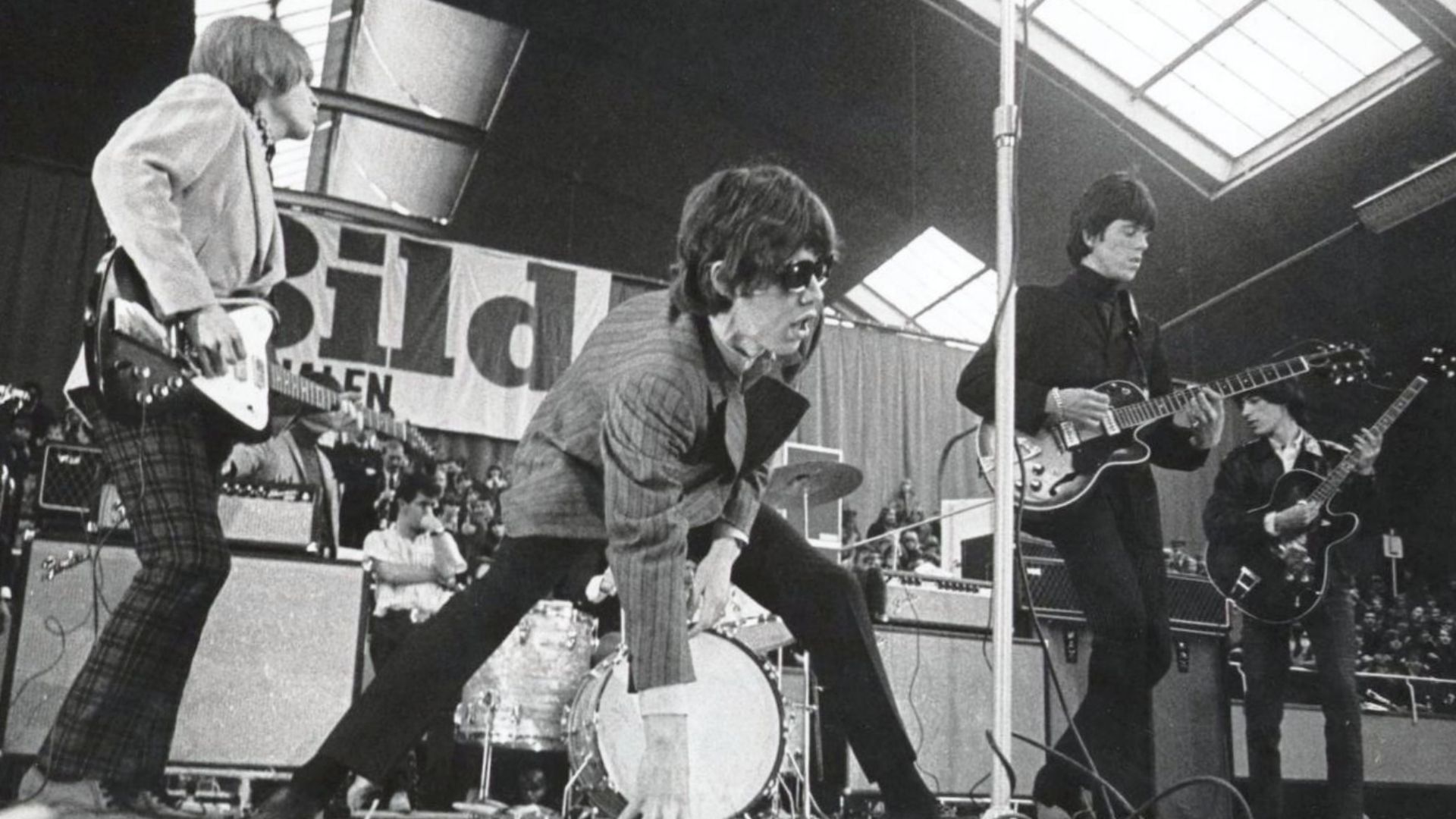 ingen uppgift, Wikimedia Commons
“Incesticide” (Nirvana, 1992)
Kurt Cobain wasn’t thrilled about how this came together, it was pushed to capitalize on Nevermind. The material is strong, but it doesn’t feel like a cohesive album as much as something released because the timing made sense.
When You Can Hear It, You Can’t Unhear It
Not all of these albums are bad. Some are actually pretty good. That’s what makes this kind of list interesting. You’re not just hearing music—you’re hearing everything that was happening around it. The tension, the hesitation, the obligation...Which, usually isn’t a recipe for great art.
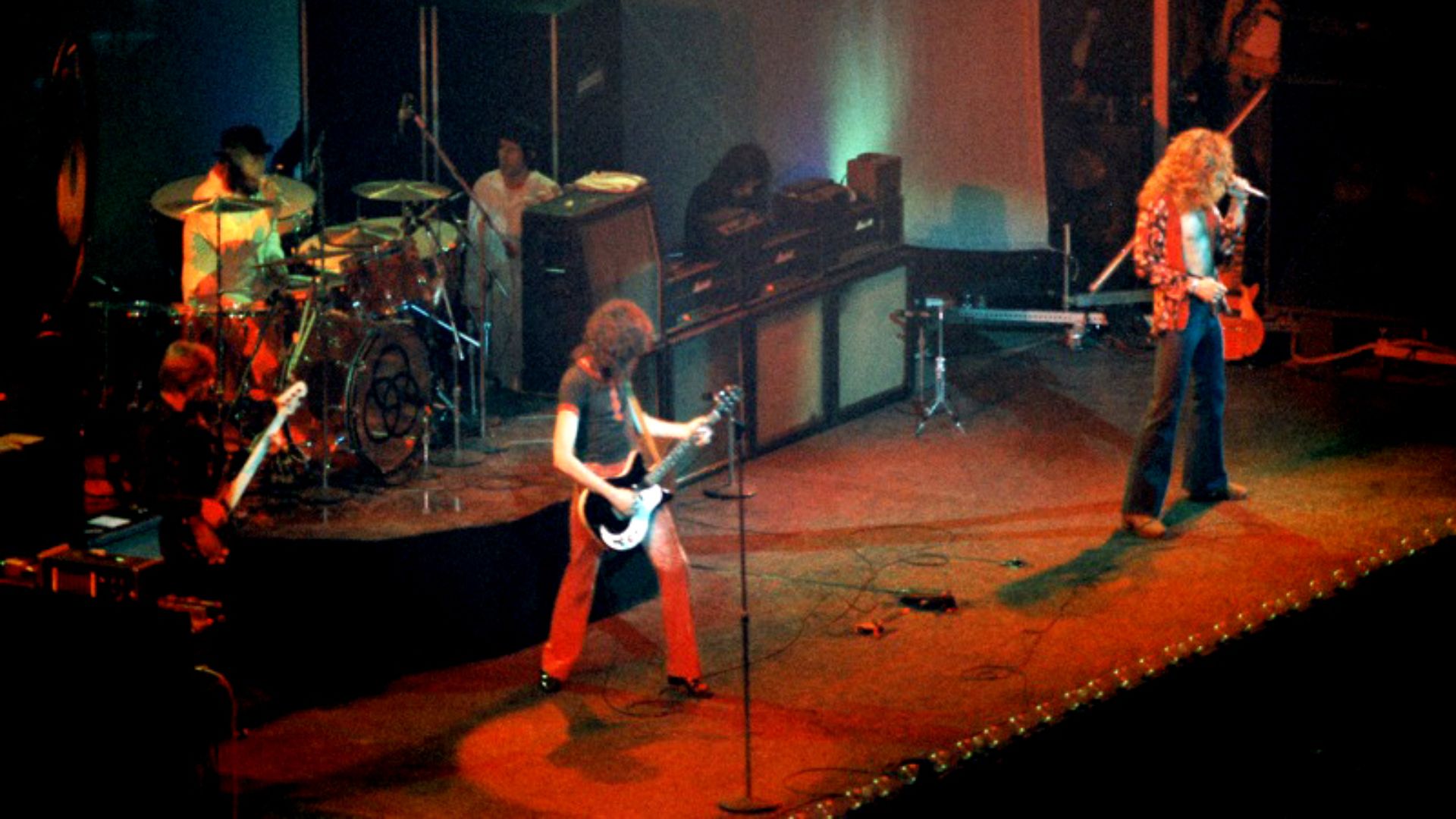 tony morelli, Wikimedia Commons
You Might Also Like:
Ranking The Best Rock Drummers Ever—What Do You Think?
Bands Who Ditched Their Old Sound And Changed Everything