A Meteoric Rise And A Sudden End
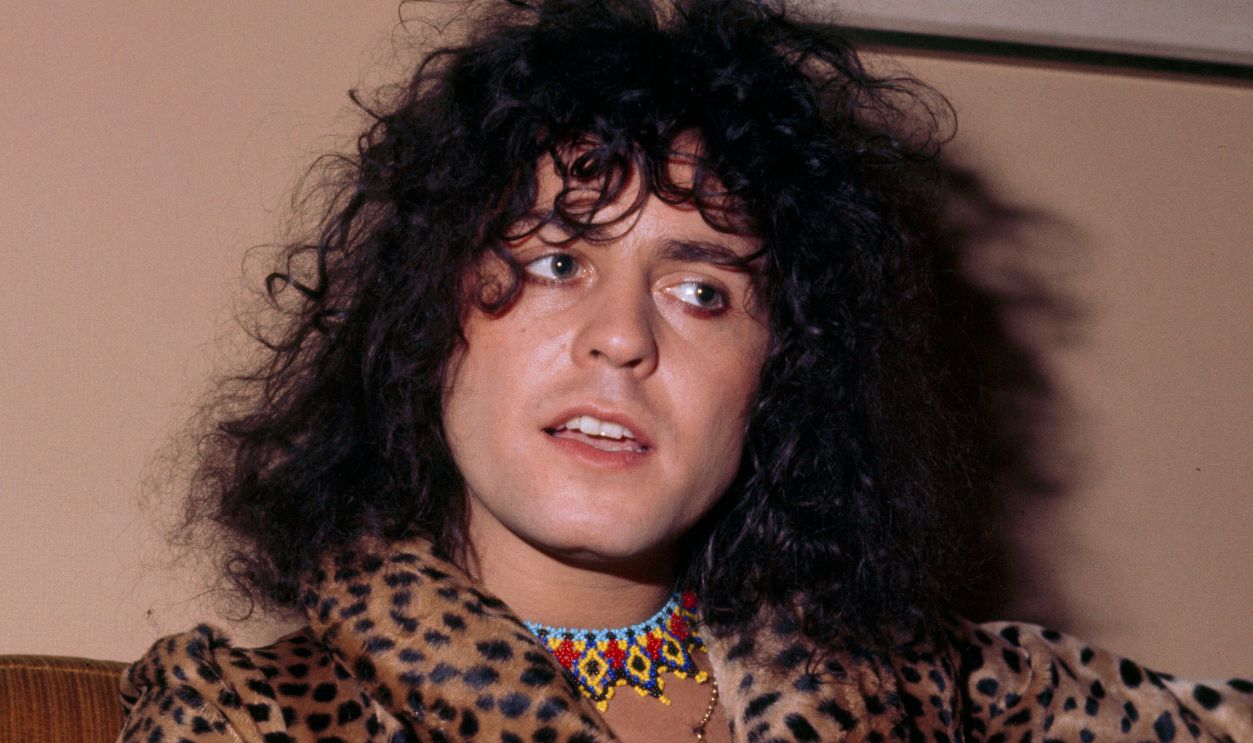
Marc Bolan became one of the most electrifying figures in British rock in the early 70s, transforming from a shy folk performer into the flamboyant face of 70s glam rock. As the leader of T. Rex, he was a long-term resident of the rock charts, while helping to define the look of an era. But the glitter and fame he earned ended in one sudden heartbreaking instant.
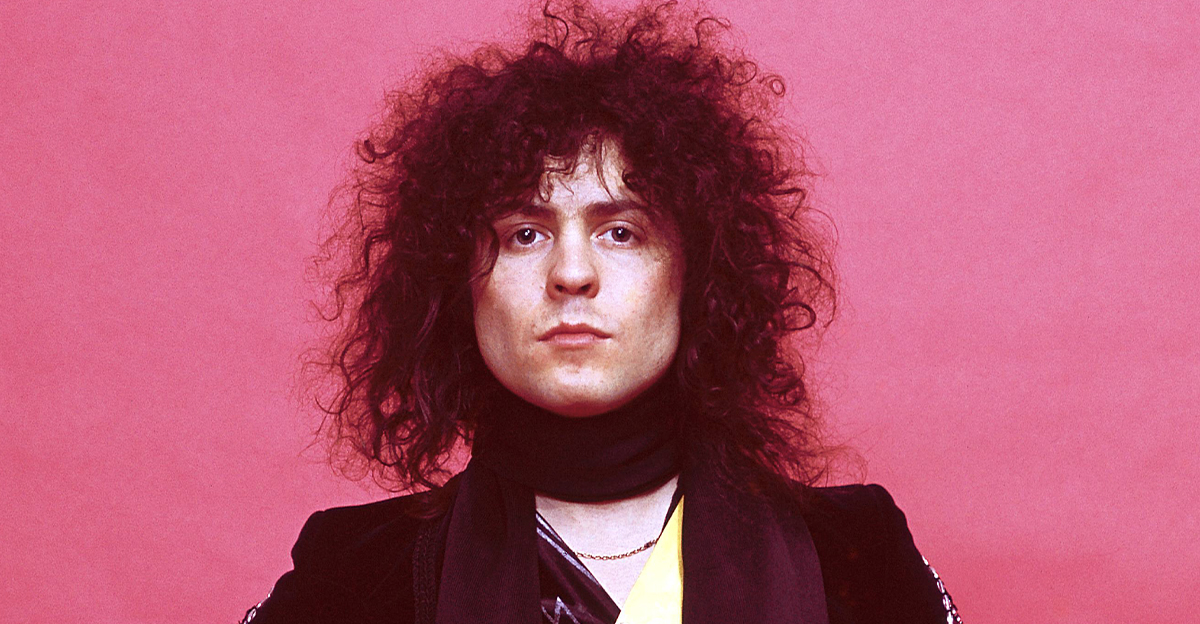 Estate Of Keith Morris/Redferns, Getty Images
London Childhood Full Of Imagination
Born Mark Feld in London in 1947, Bolan grew up in a working class Jewish family in Hackney. From his earliest days, he showed a fascination with music, fashion, and performance. His parents encouraged his creative interests, even as he struggled with his schoolwork and gravitated toward artistic expression instead of academic subjects.

Early Fascination With Rock And Roll
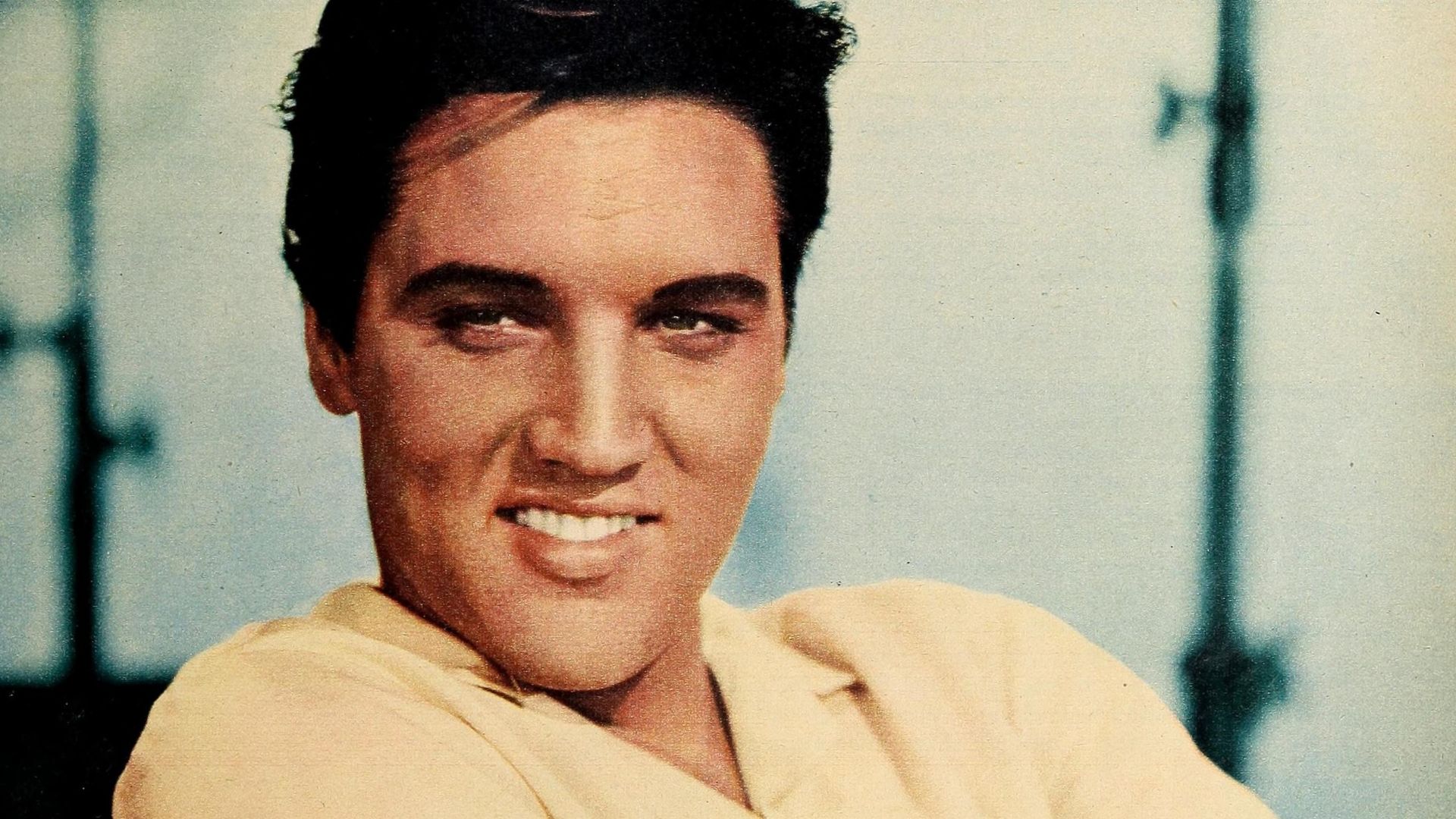
Like so many other teenagers of his era, Bolan became obsessed with early rock'n'roll stars like Elvis Presley and Gene Vincent. He started learning to play the guitar and songwriting, dreaming of carving out his own fame. He already had a distinctive look and personality; his real challenge was to blend his flair for style with his own musical that would later define glam rock.
First Record
Marc Bolan’s first professional recording came in 1964, when he teamed up with his first manager, Geoffrey Delaroy-Hill, to cut a polished, commercially-minded track titled “All at Once.” Backed by session musicians, the song emulated the clean, melodic pop style of Cliff Richard, whom Bolan admired as a teenager. The song sank into obscurity, but it was proof of Bolan’s early determination to make good.
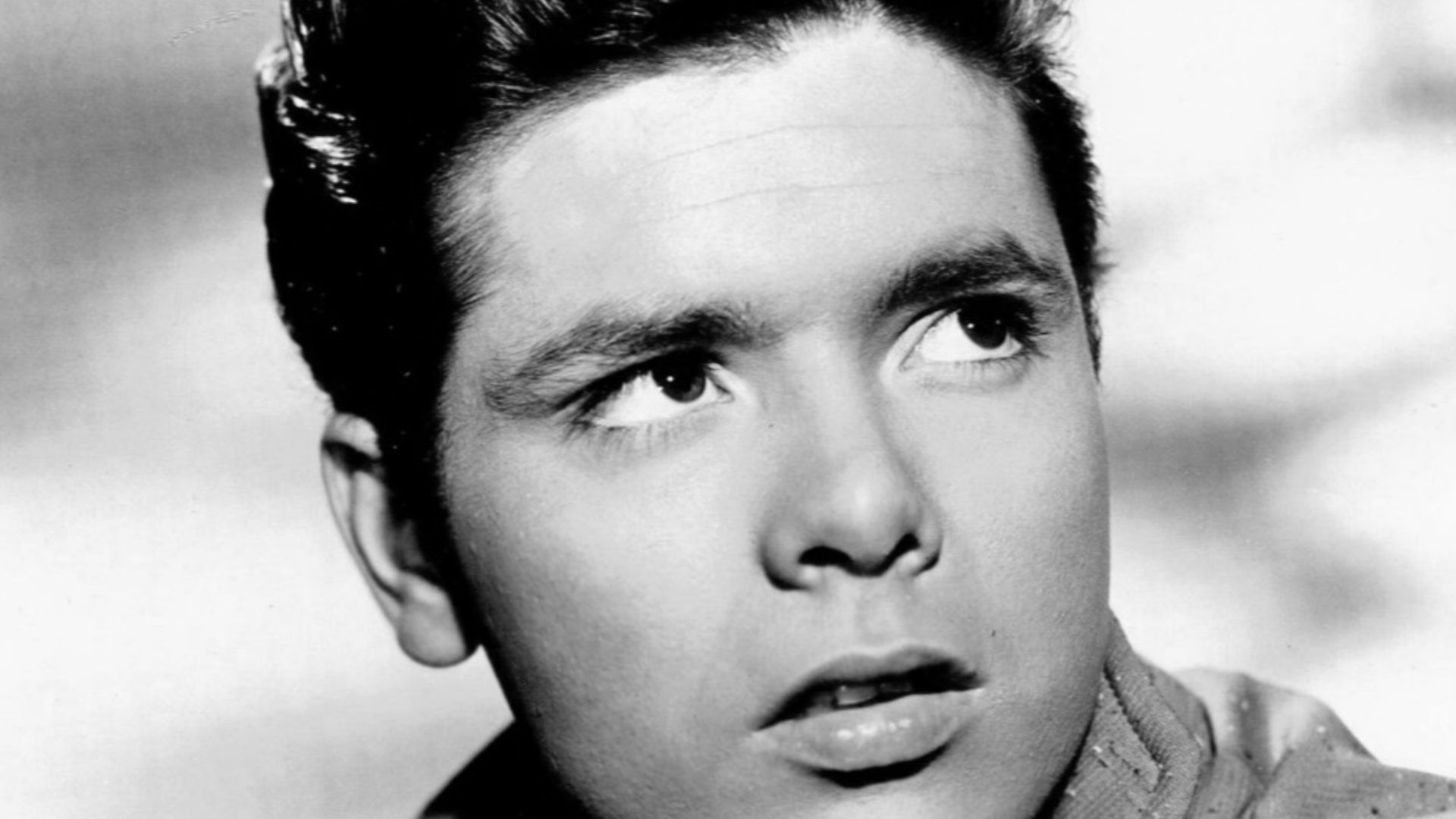 ABC Television, Wikimedia Commons
Dylan Disciple
In these early years, Marc Bolan briefly reinvented himself as a Dylanesque folk troubadour under the stage name Toby Tyler. Living with new manager Allan Warren, he adopted the introspective style and look of Bob Dylan. Warren arranged studio time, leading to Bolan recording covers of “Blowin’ in the Wind” and songs by Dion. Despite these efforts, record labels showed little interest, and Warren sold Tyler’s (Bolan’s) record contract.
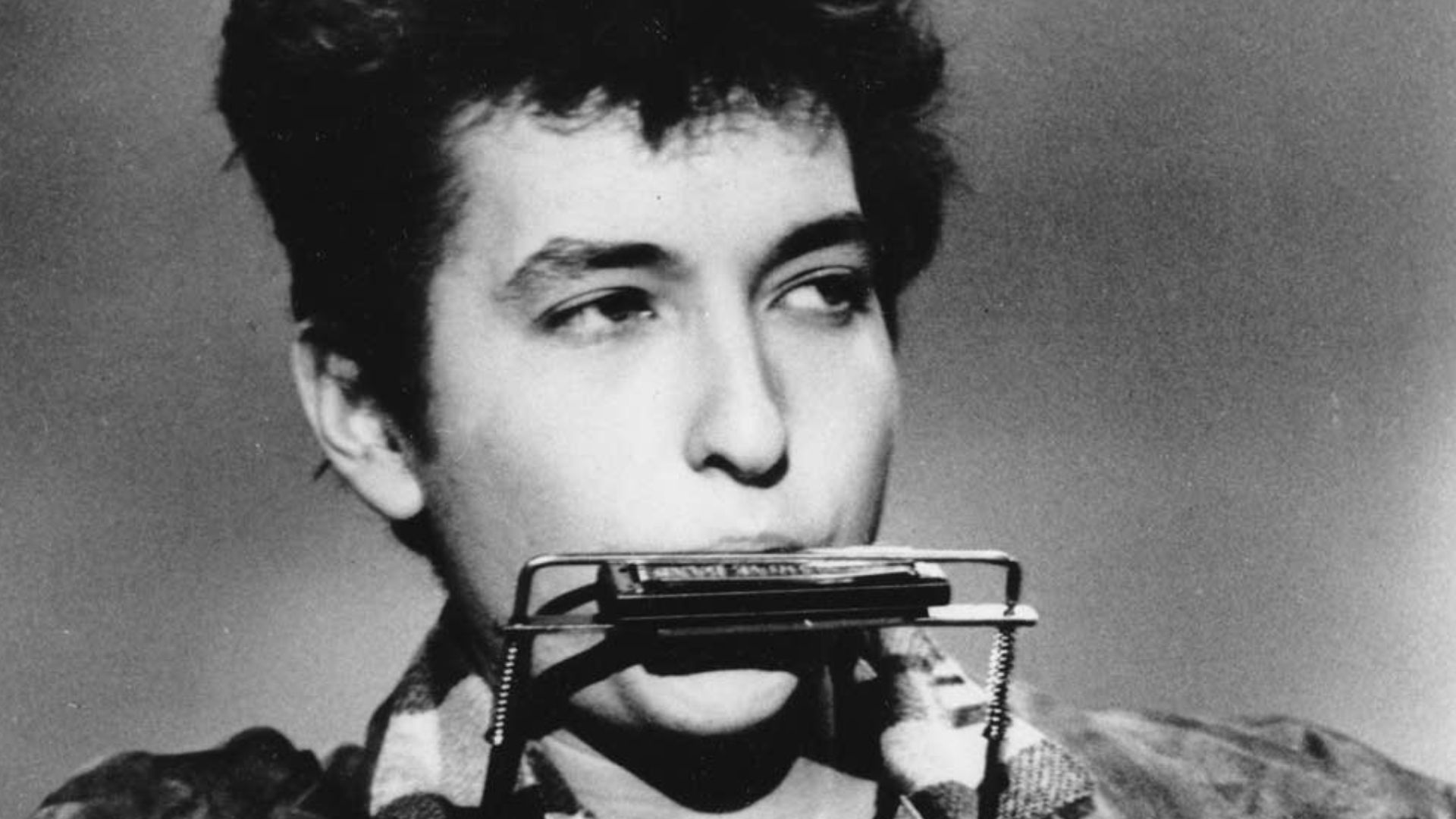 Unknown author, Wikimedia Commons
Record Contract
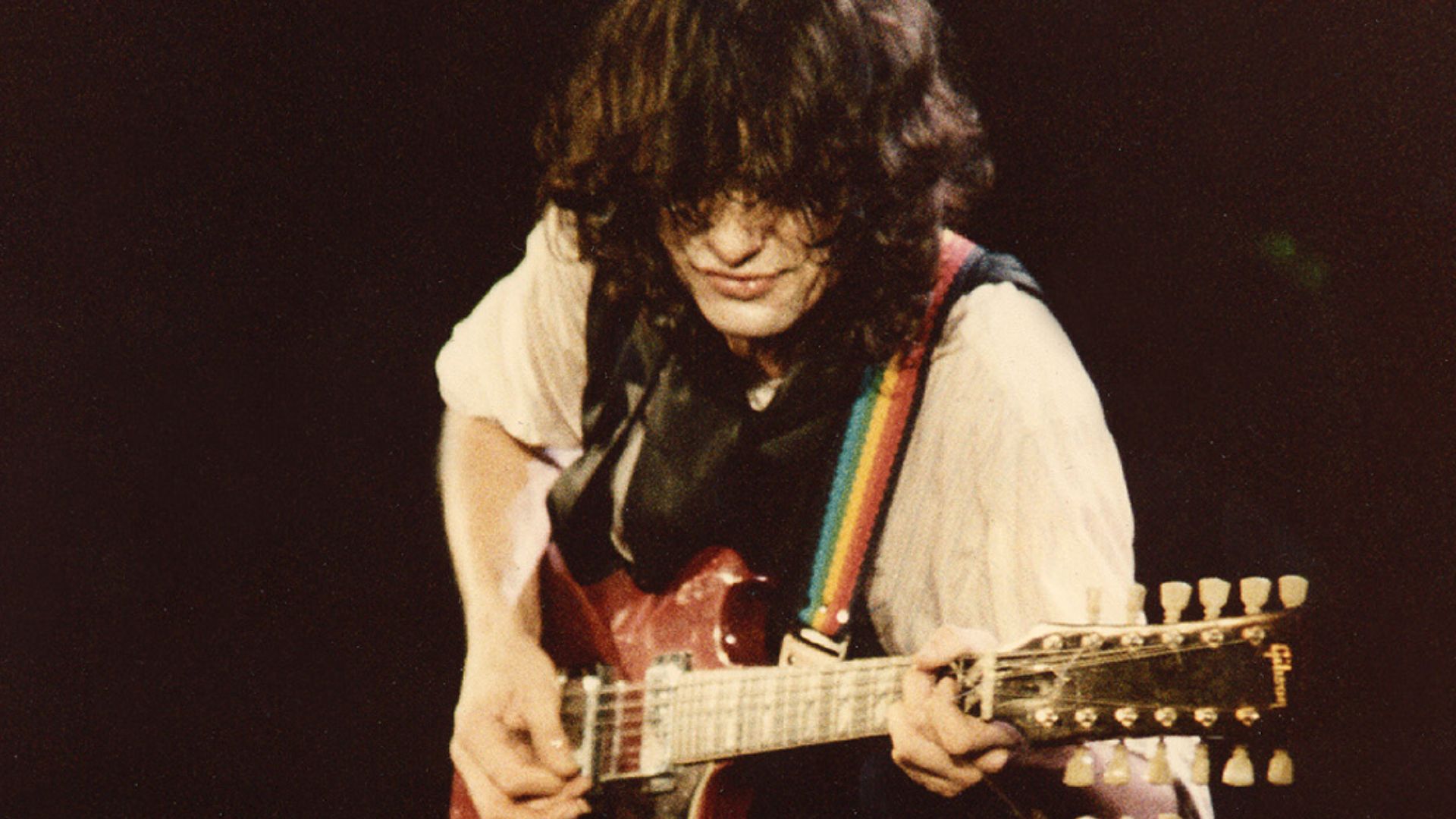
In August 1965, Marc Bolan signed with Decca Records and finally adopted the name that would define his career. His debut single, “The Wizard,” was released that November, featuring backing vocals from the Ladybirds and guitar work by Jimmy Page. Despite solid production and undeniable session talent, the single failed to chart, marking an inauspicious beginning to his recording career. Bolan again set his sights on new opportunities.
 Dana Wullenwaber, Wikimedia Commons
John’s Children
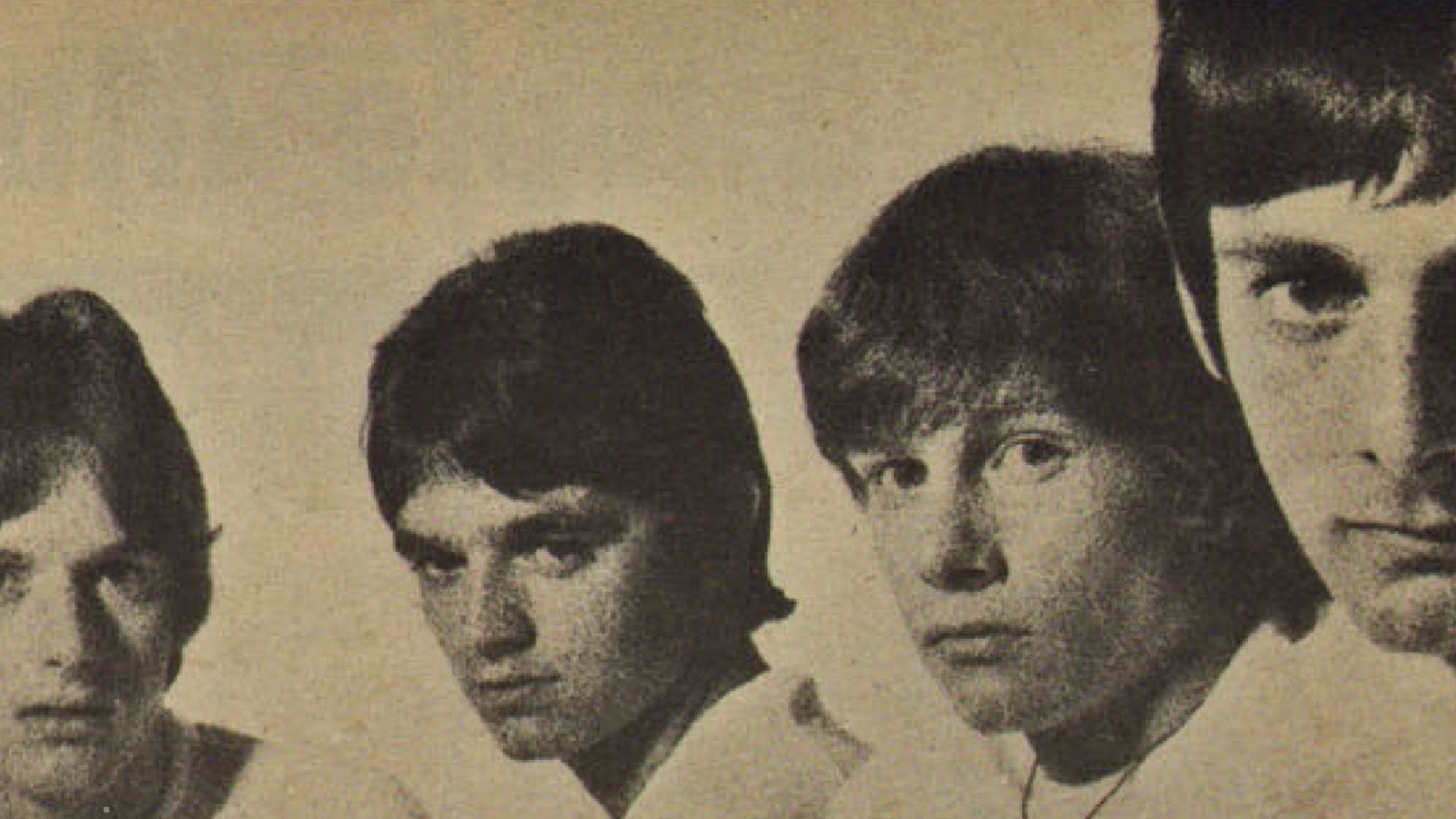
Marc Bolan joined the psychedelic rock band John's Children in 1966, marking his first real direct exposure to the peak chaos of that era’s London music scene. The group gained notoriety for its wild live performances, but the controversy didn’t translate into much commercial success. But Bolan’s imaginative songwriting was now emerging, even as tensions within the band and a lack of direction would soon lead to his departure.
 KRLA Beat/Beat Publications, Inc., Wikimedia Commons
He Reinvented Himself As A Folk Artist
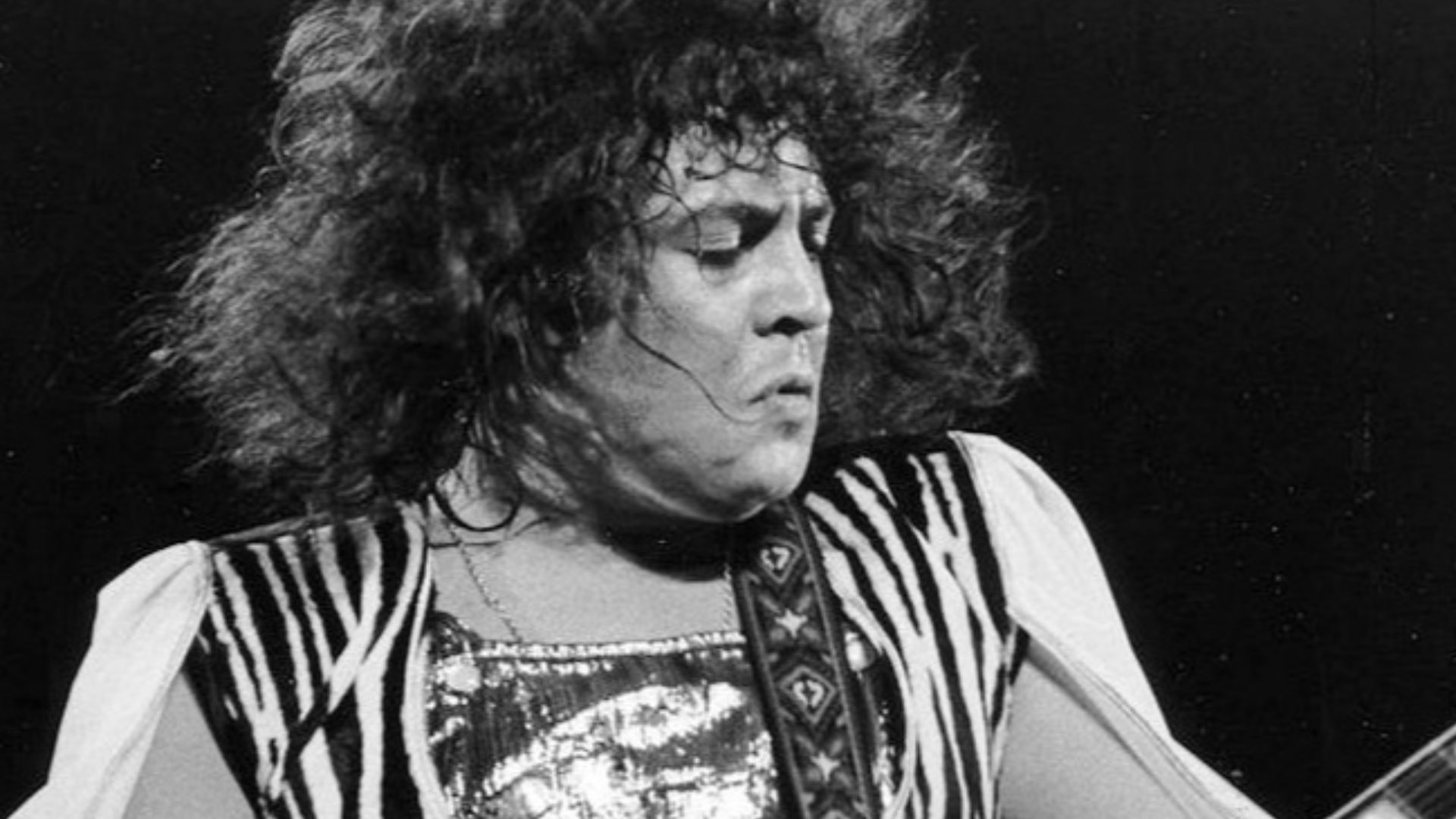
After leaving John’s Children, Bolan shifted his creative direction and embraced a more acoustic folk sound. Performing with simple arrangements and mystical lyrics, he cultivated a niche audience. He wrote prolifically during this time, exploring fantasy themes and developing the foundation for his lyrical identity. But mainstream success remained elusive.
 ABC Television, Wikimedia Commons
Birth Of Tyrannosaurus Rex
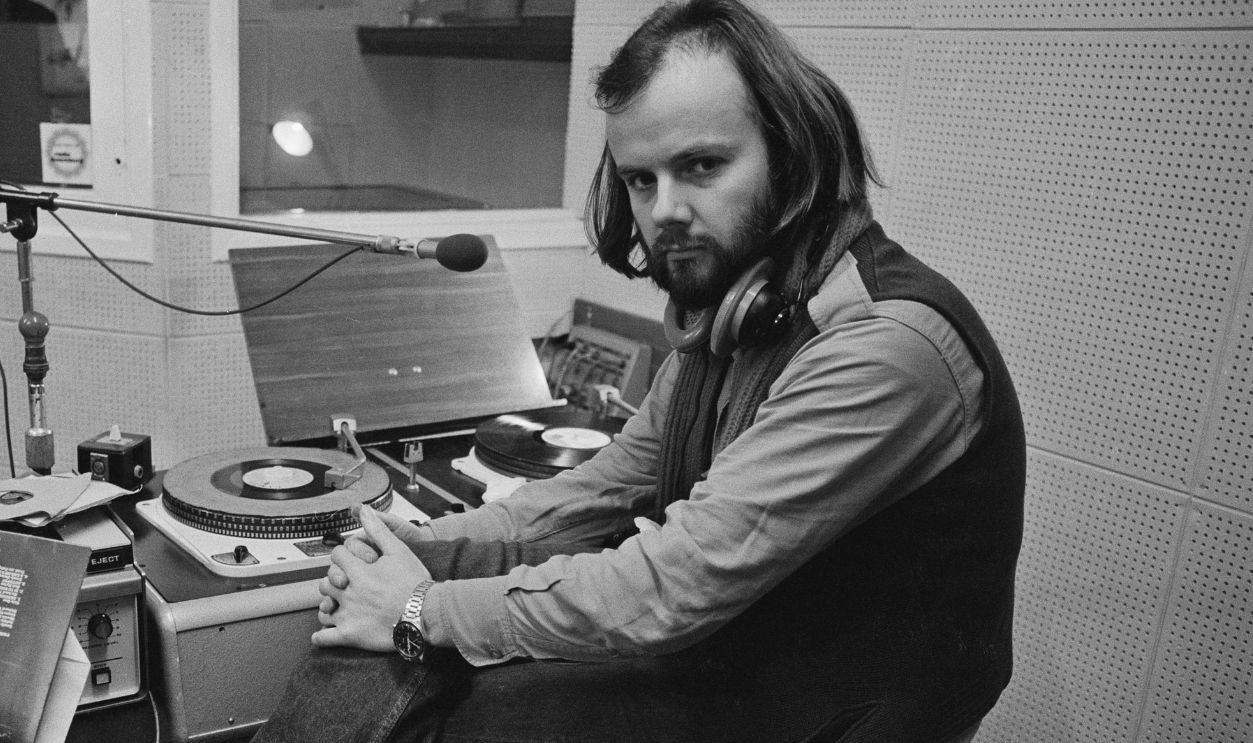
In 1967, Bolan took a bold step when he formed Tyrannosaurus Rex with percussionist Steve Peregrin Took. The duo created an unusual blend of acoustic guitar, bongos, and whimsical storytelling. Their music stood apart from the mainstream rock of the time, earning them a cult following and the support of the influential BBC radio host John Peel.
He Built A Cult Following
Through radio sessions and live performances, Tyrannosaurus Rex built a dedicated audience. Their mystical imagery and unconventional sounds appealed to listeners seeking something different during a dynamic time in the music scene. Though they were by no means chart topping stars, Bolan’s charisma and songwriting was attracting serious attention in the British music scene.
Key Line-Up Change Direction
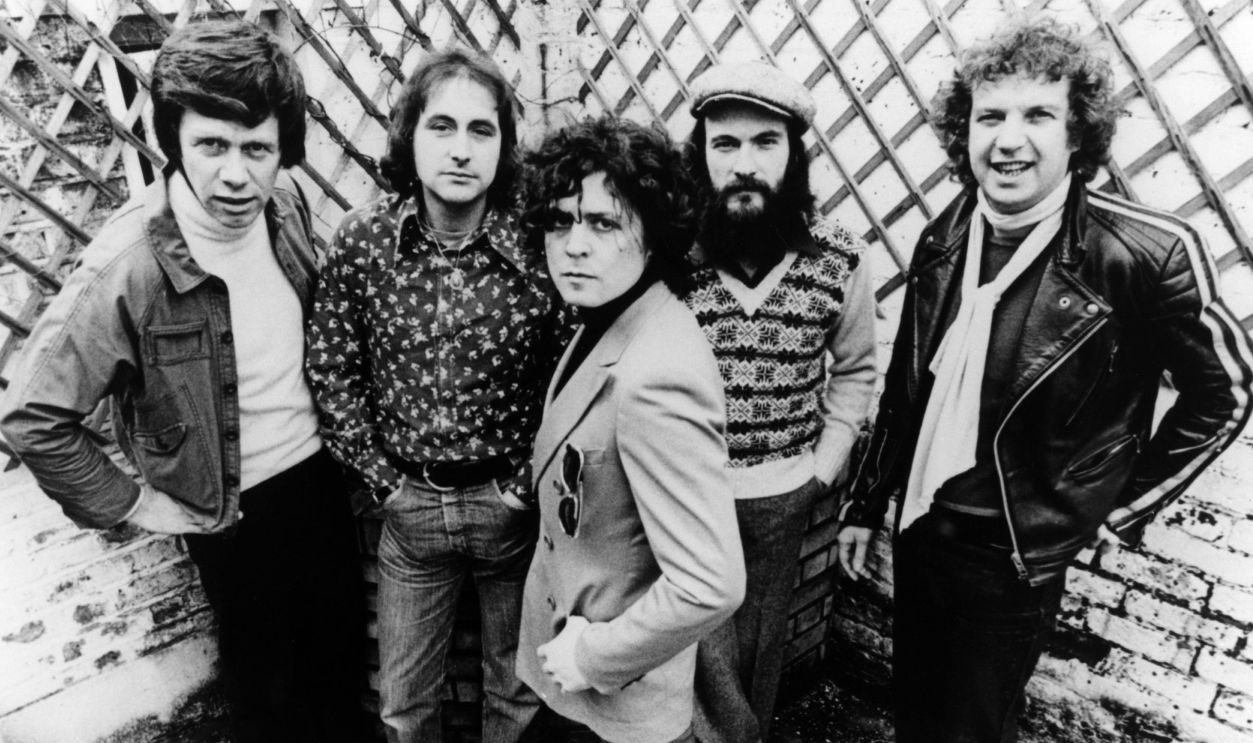
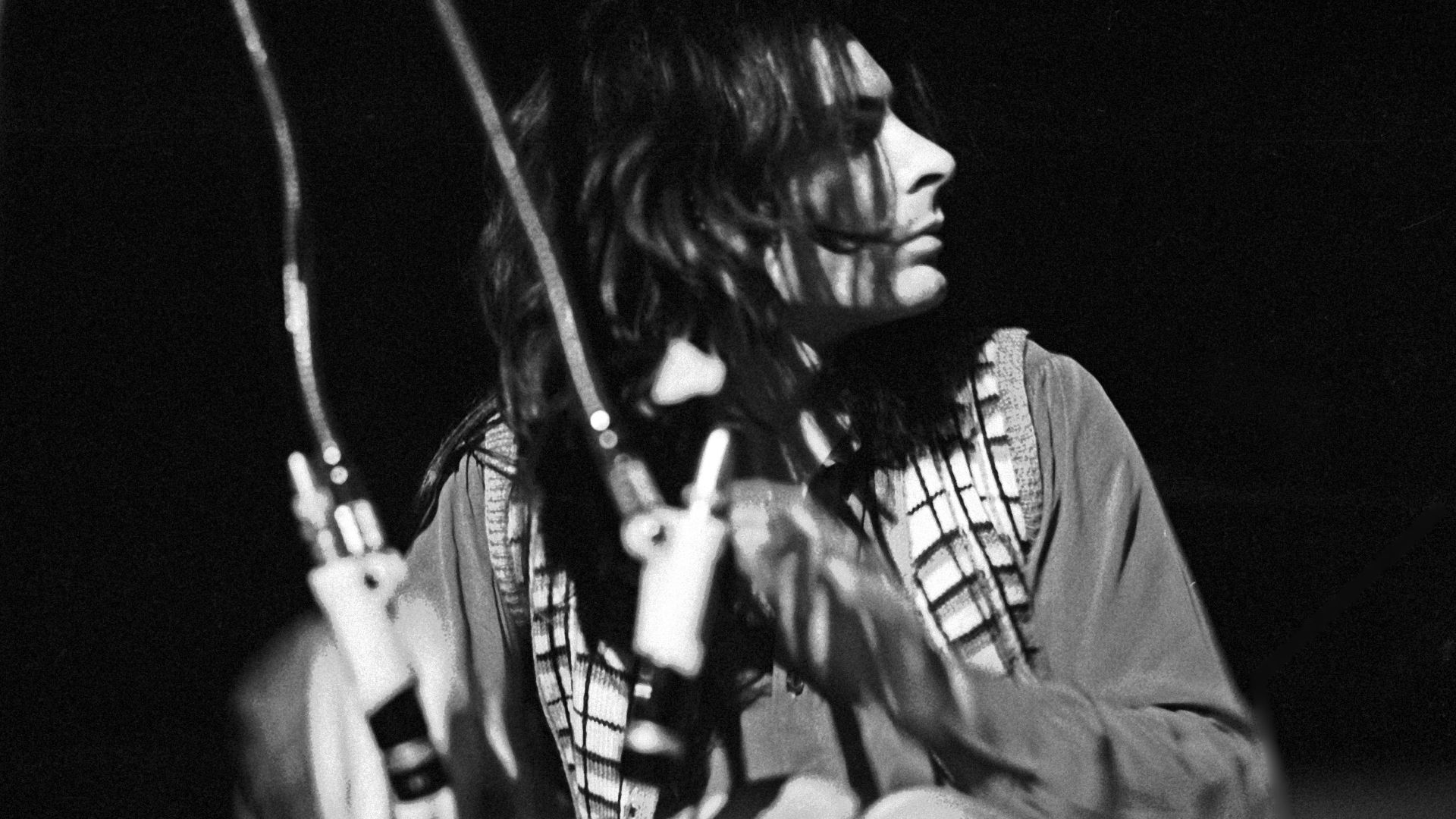
After firing Steven Peregin Took from the band for substance abuse, Bolan teamed up with percussionist Mickey Finn. This partnership proved pivotal. Finn’s presence allowed Bolan to streamline his sound, gradually shifting toward a more rhythmic and accessible style that hinted at the transformation still to come.
 Heinrich Klaffs, Wikimedia Commons
From Acoustic Troubadour To Electric Warrior
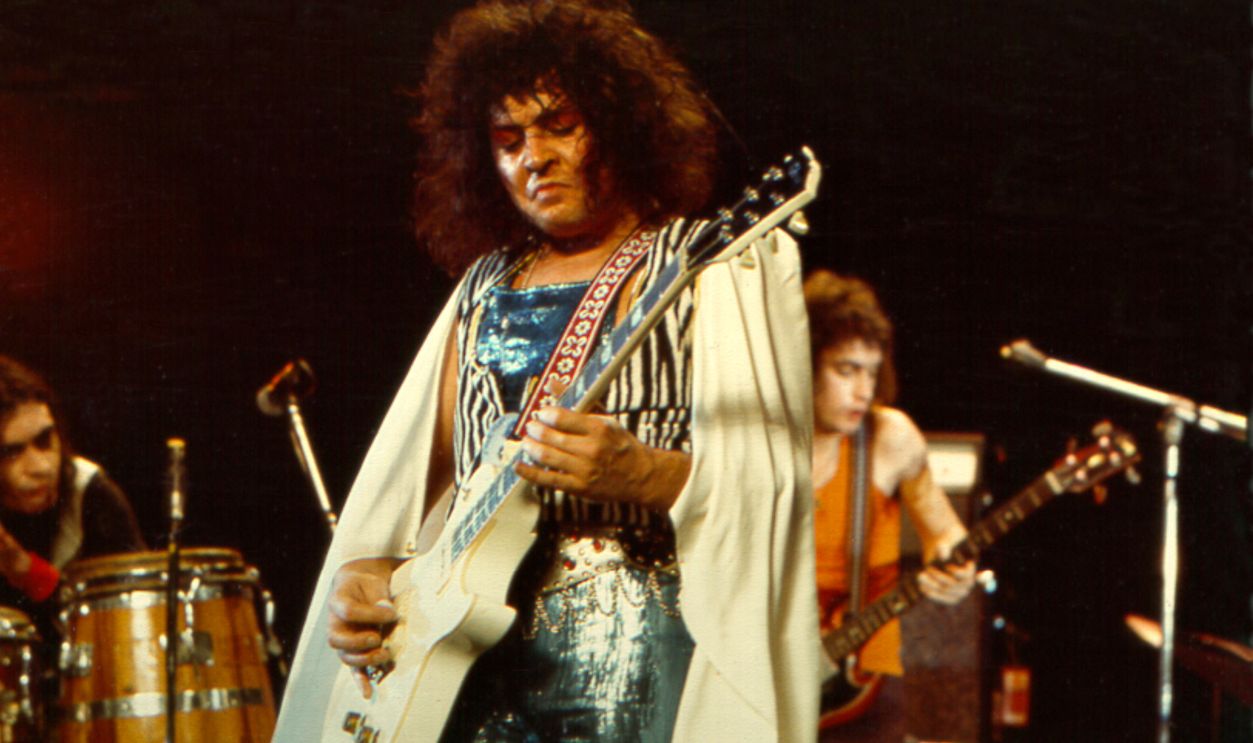
By the end of the 60s, Bolan knew he and Tyrannosaurus Rex needed to do something different. He started incorporating electric instruments and a stronger beat into his music. This transition marked a turning point, as he moved away from the laid-back folk influences and into a louder, more energetic sound that would soon define T. Rex.
 Michael Ochs Archives, Getty Images
Birth Of T. Rex
In 1970, Tyrannosaurus Rex shortened its name to T. Rex, signaling a new musical identity. The band embraced electric guitars, catchy riffs, and a more direct approach to songwriting. This shift positioned Bolan at the forefront of a new movement that would soon sweep across Britain.
Breakthrough With “Ride A White Swan”
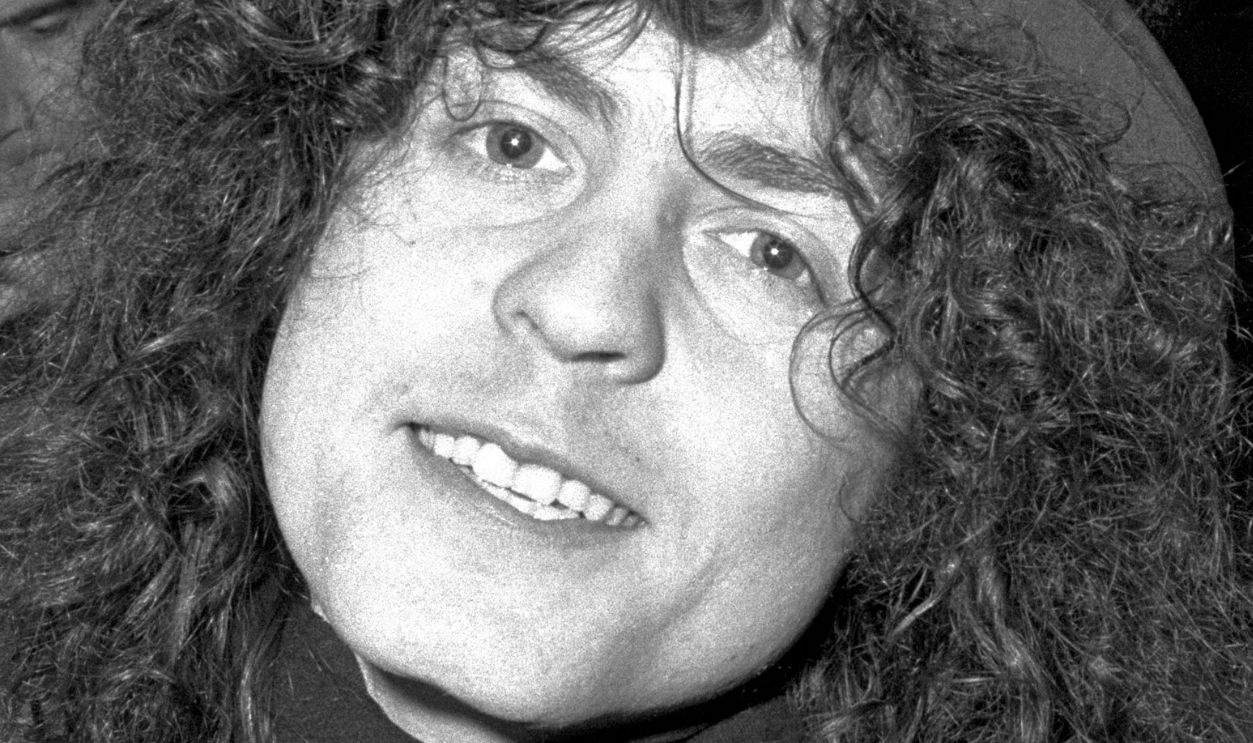
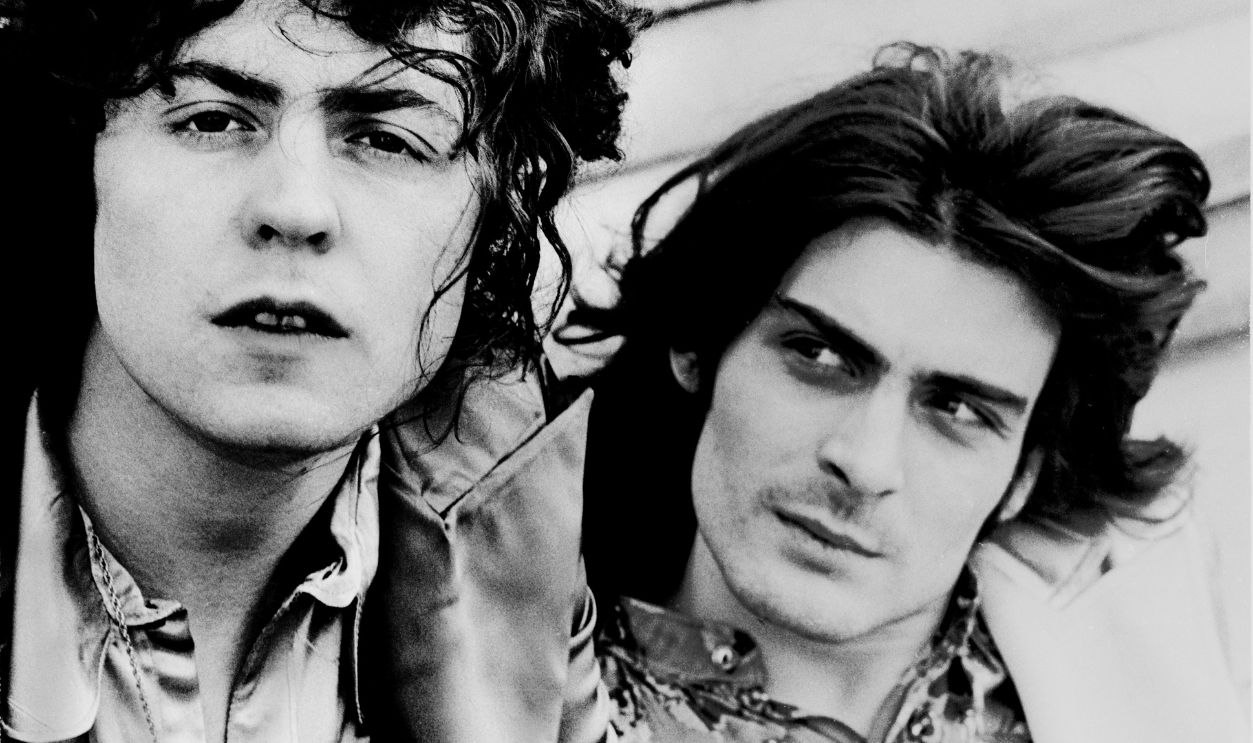
T. Rex achieved major success in October 1970 with the single “Ride a White Swan,” which climbed the charts and introduced Bolan to a mass audience. The song’s unusual blend of simplicity and style marked the beginning of his commercial breakthrough and established him as a rising star.
 Gijsbert Hanekroot, Getty Images
Rise Of Glam Rock
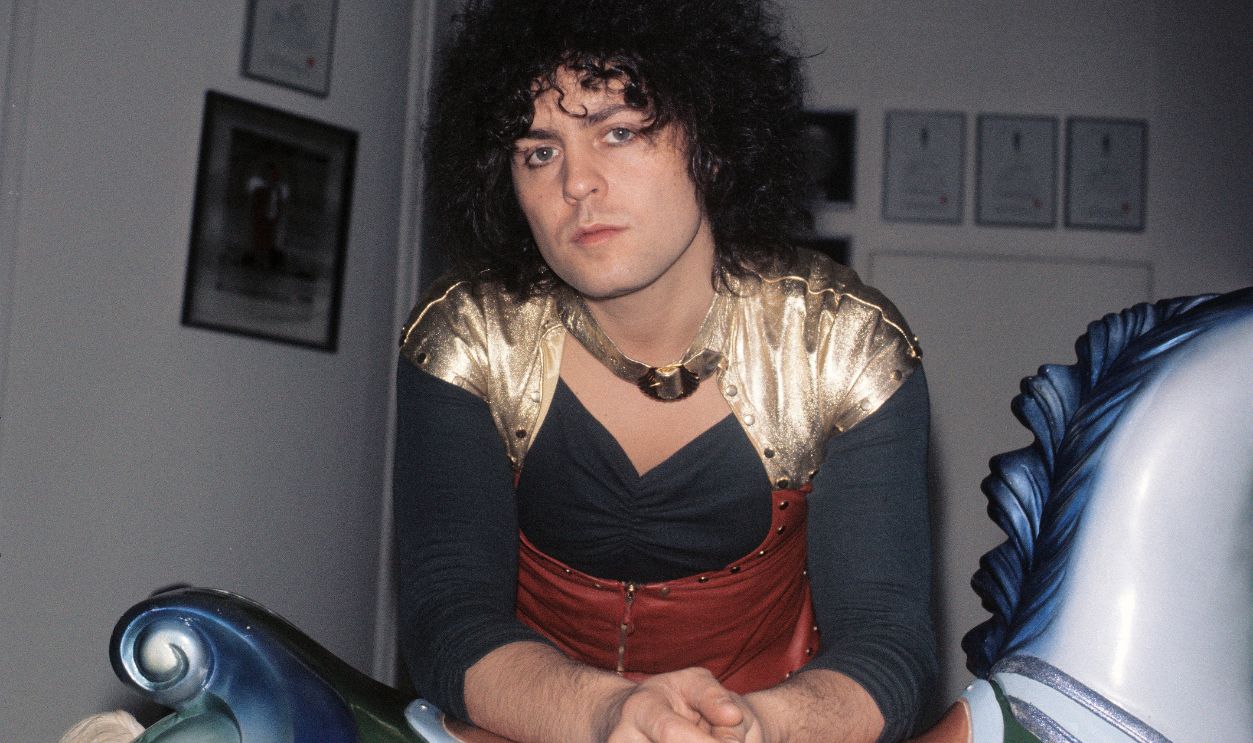
Bolan’s image evolved alongside his music. He adopted glitter, makeup, and flamboyant stage costumes, helping to define the glam rock aesthetic. His performances became theatrical events, and his influence extended beyond music into fashion and youth culture across the United Kingdom. It was a far cry from his Toby Tyler days.
Long Term Chart Stay With T. Rex
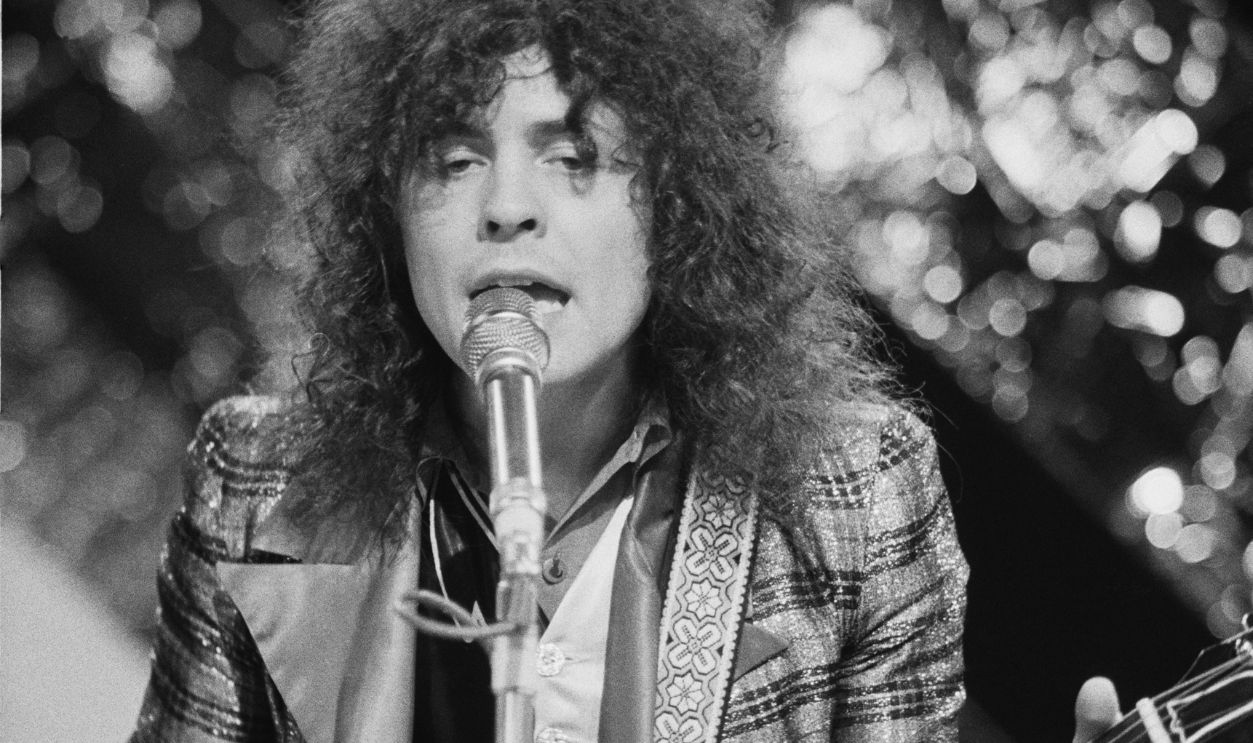
Throughout the early 1970s, T. Rex produced a string of hit singles and albums. Songs like “Hot Love” and “Get It On” rose on the charts and stayed there for months. The 1971 album Electric Warrior cemented Bolan as a household name, and his band stood at the center of a cultural moment blending music, style, and spectacle.
Bolanmania In Britain
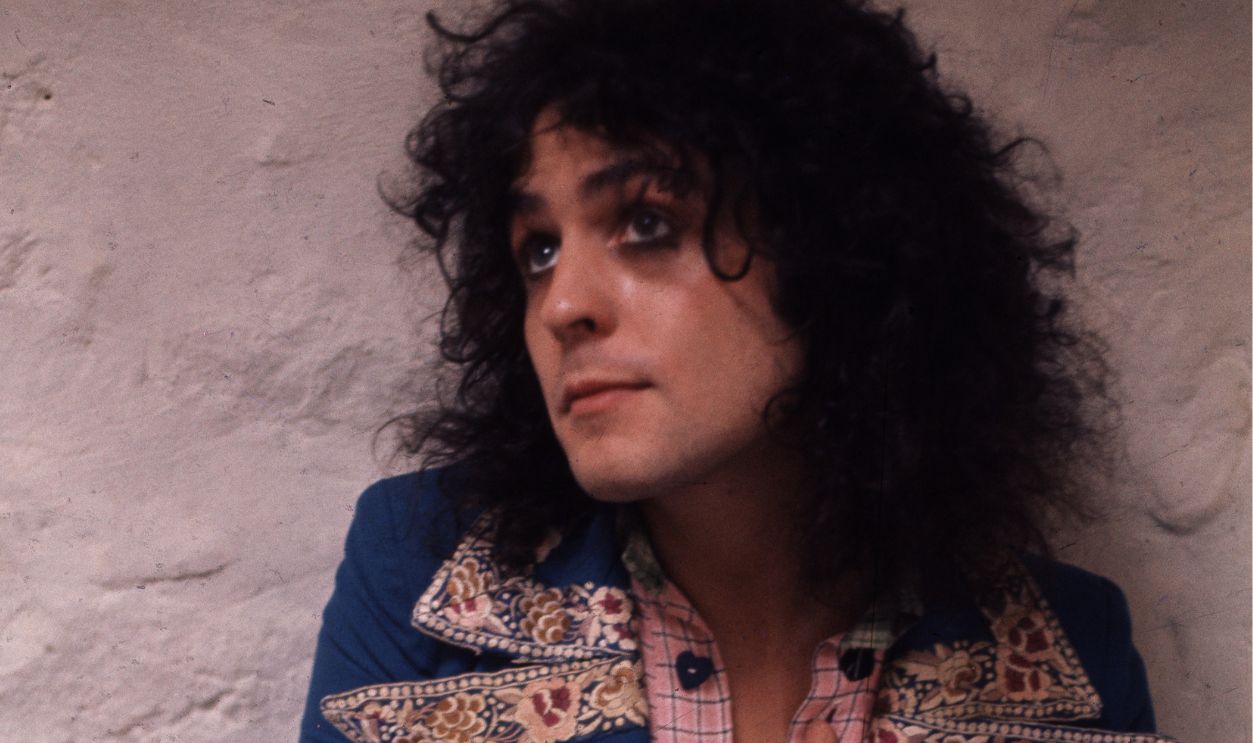
At the peak of his fame, Bolan inspired a wave of fan devotion known as Bolanmania. Concerts were packed with screaming fans, and his image became commonplace. His appeal rivaled that of earlier pop phenomena, signaling his cultural impact in Britain.
Touring And Global Recognition
T. Rex toured relentlessly through the early 70s, bringing their energetic performances to audiences beyond Britain. Bolan’s charisma translated well to international stages, and the band gained recognition in the United States and Europe.
Instant Influence
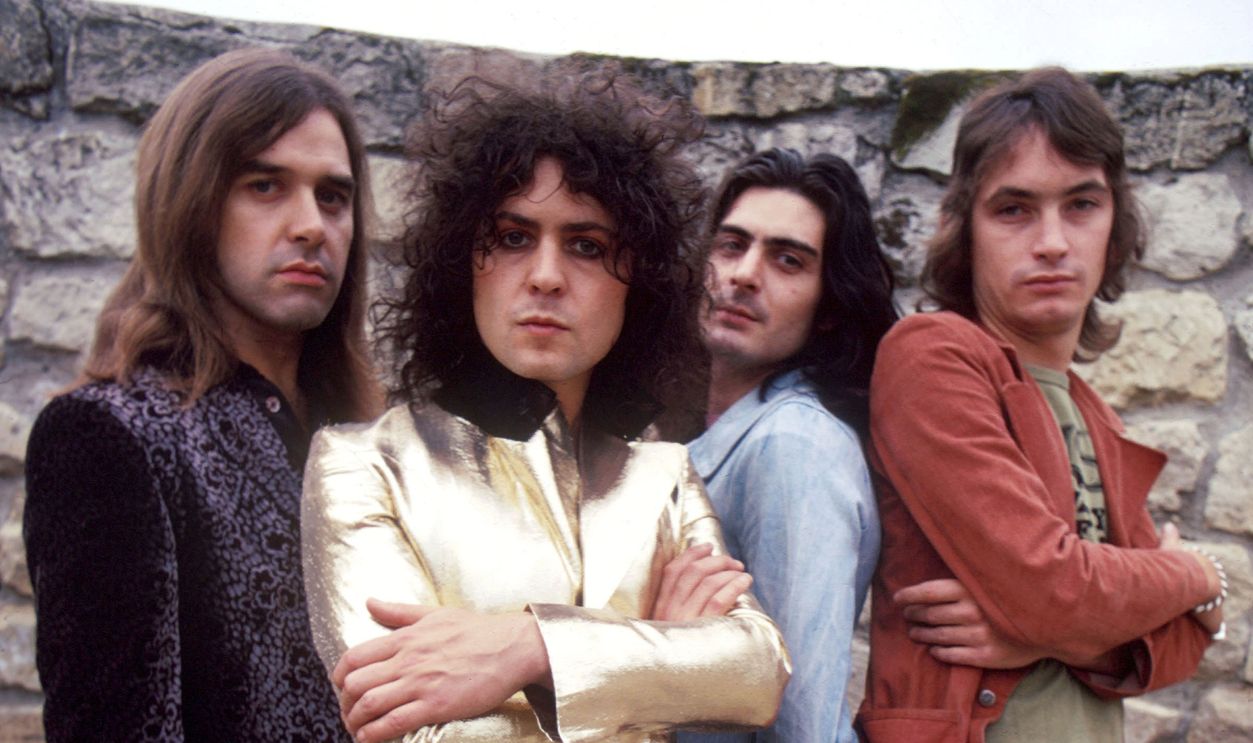
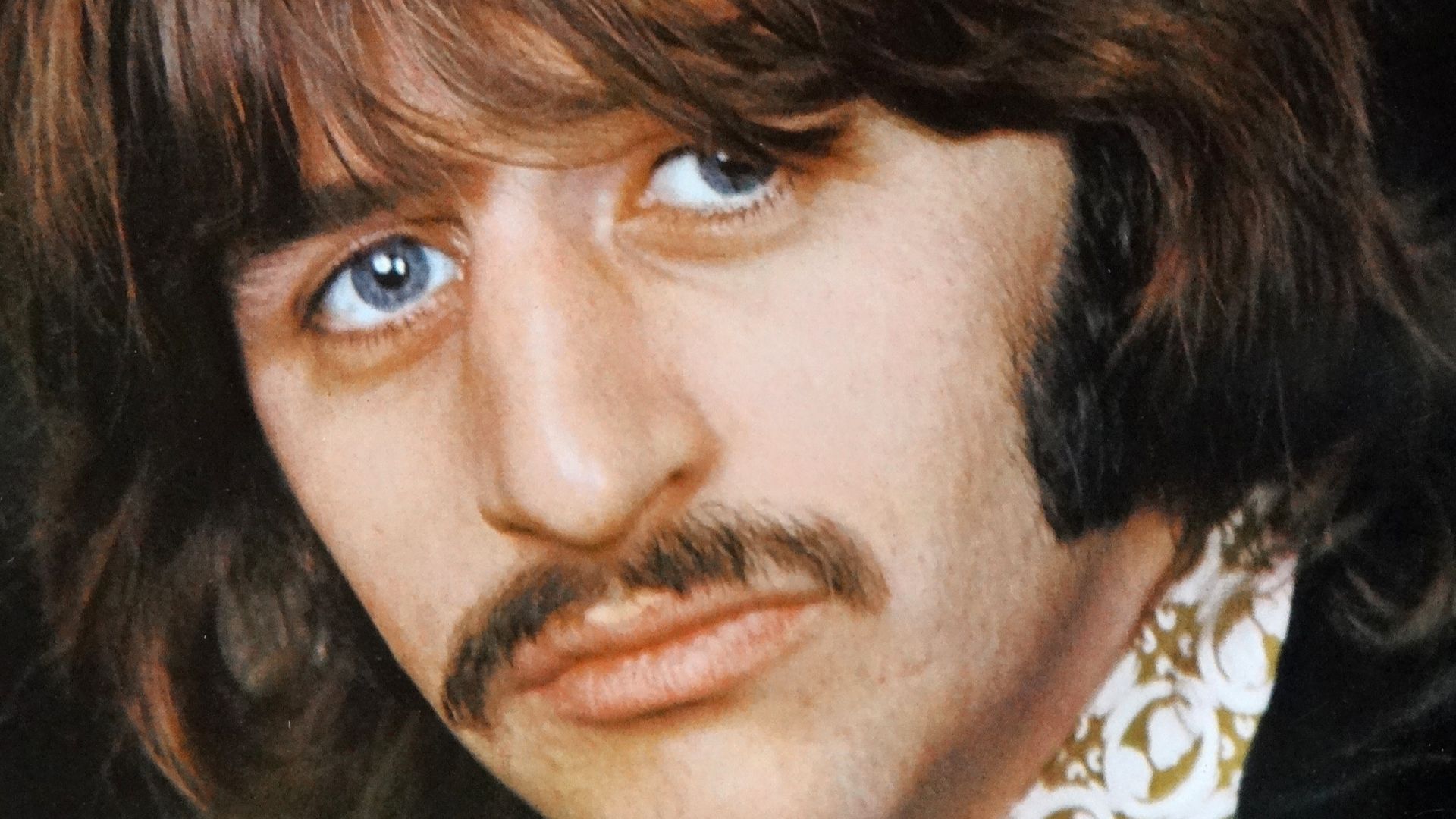
Bolan’s easily identifiable style and sensibility was influential with other artists. David Bowie dedicated his 1971 track “Black Country Rock” to Bolan, even mimicking Bolan’s vocal style. Elton John and Ringo Starr sat in with Bolan in 1972 for a recording of T. Rex’s “Children of the Revolution.” The Bolan sound was irresistible.
Personal Life And Relationships
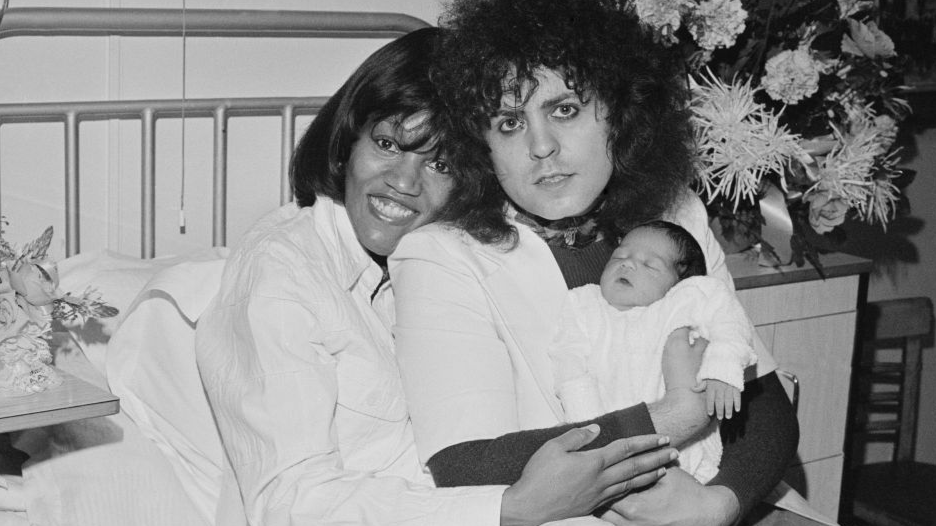
Bolan’s personal life attracted significant attention. He married June Child in 1970, but this marriage ended when Bolan later entered a relationship with singer Gloria Jones, with whom he had a son.
Cooling Off Period
By the mid-70s, Bolan’s popularity began to wane. Changing musical trends and internal challenges with the band affected T. Rex’s commercial success. His struggles with substance use and the always changing levels of public interest made it tough to keep up the dominance he once enjoyed.
Renewed Creative Momentum
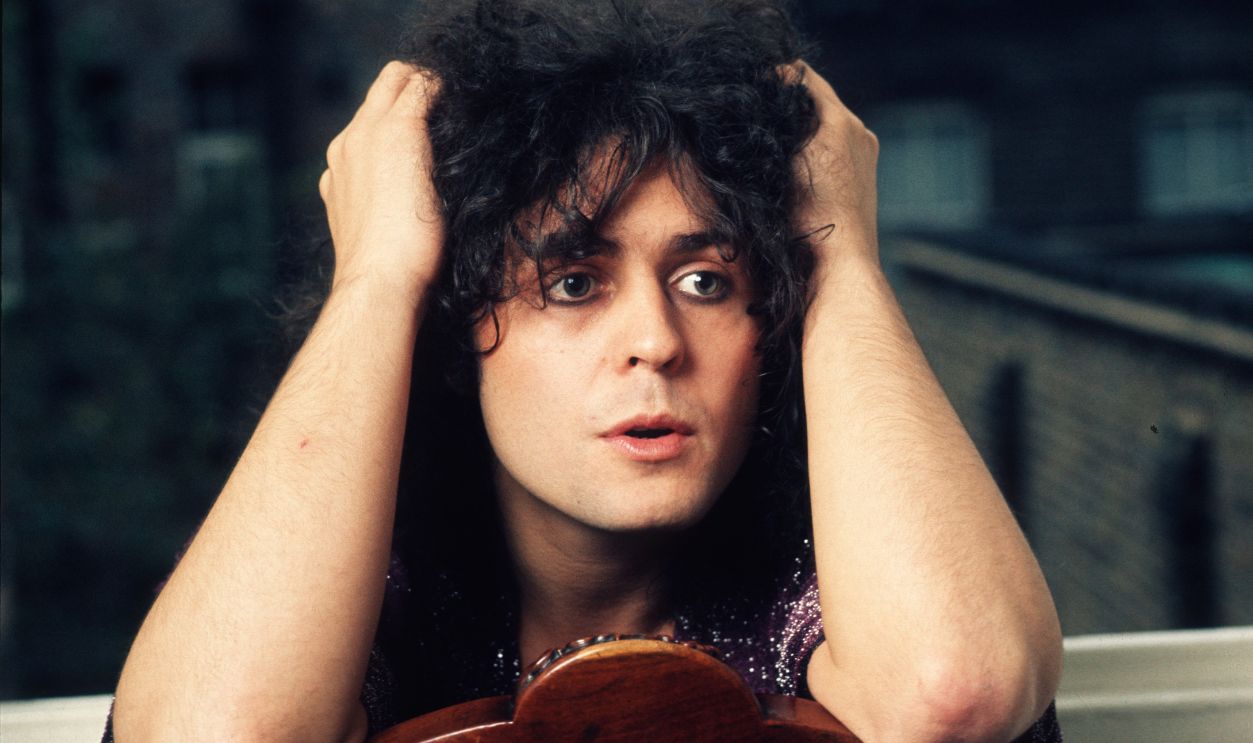
In his final years, Bolan appeared to be rediscovering his artistic direction. He turned out a steady stream of new performances and recordings, including the 1977 album Dandy in the Underworld. All of this positive energy hinted at a major musical resurgence. He was starting to rebuild his reputation, proving that his influence and creativity wasn’t even close to fading despite earlier challenges.
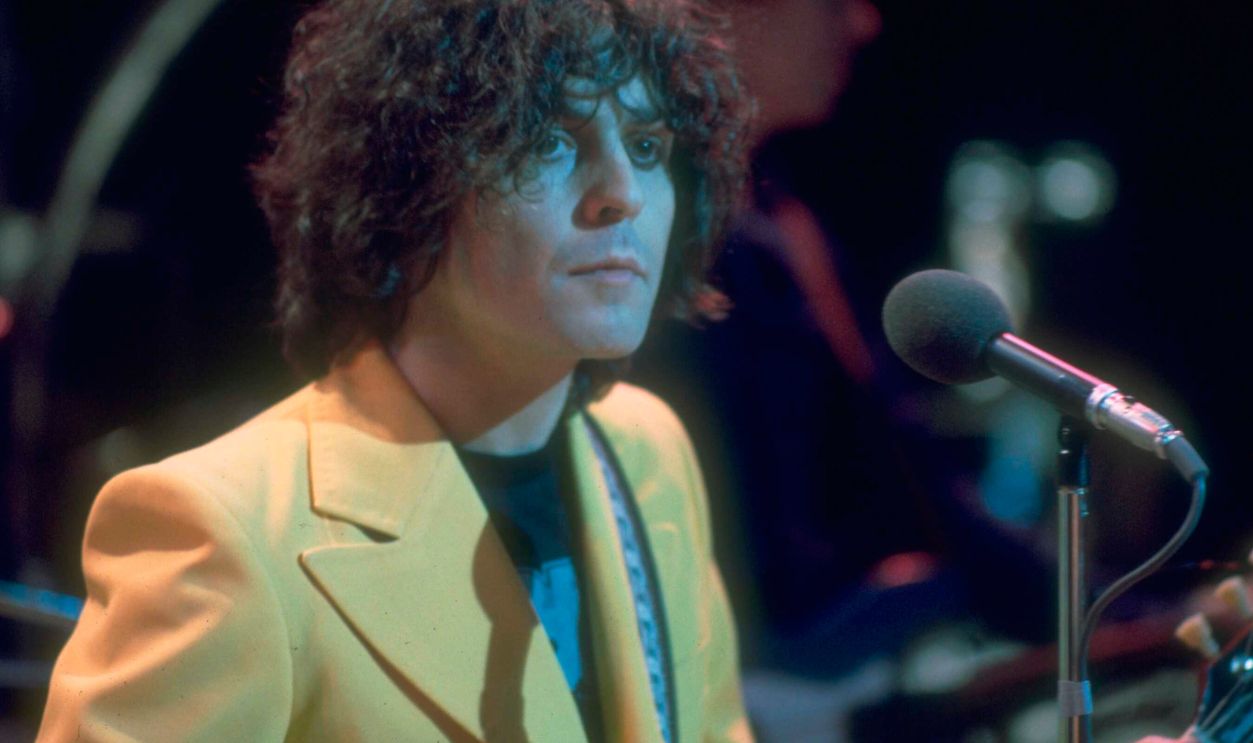
Fateful Night
On September 16, 1977, Bolan was a passenger in a car driven by Gloria Jones. While traveling in London, the vehicle lost control and crashed into a tree. Bolan died at the scene of the accident. The sudden tragedy shocked fans and the music world, marking a devastating turn in his story.
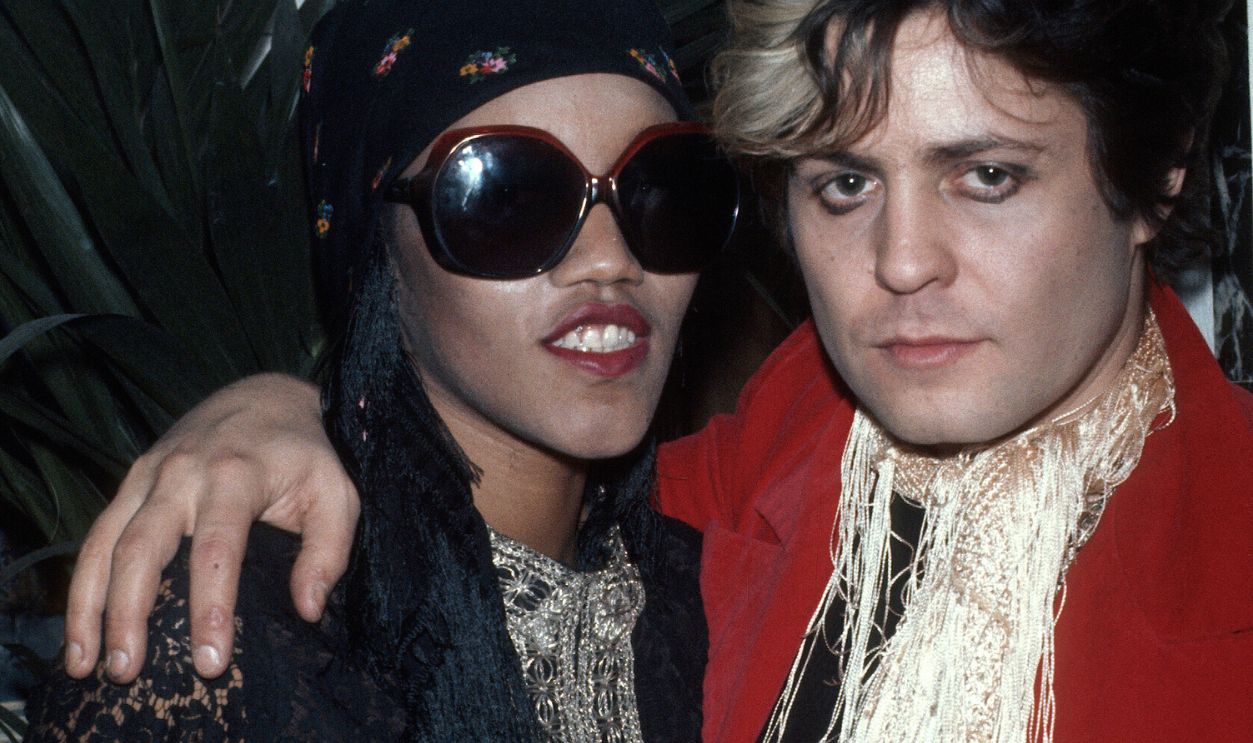
Life Cut Short At Thirty
Bolan died at the age of 29, just days before his 30th birthday. His death brought an abrupt end to a career that had already left a lasting mark on music. The circumstances of the crash added a sense of tragedy to his inspiring story.

Immediate Aftermath And Mourning
Fans and fellow musicians reacted with grief and disbelief. Tributes poured in, recognizing Bolan’s role in shaping glam rock and influencing countless artists. His passing underscored how quickly a life in the spotlight could be extinguished.
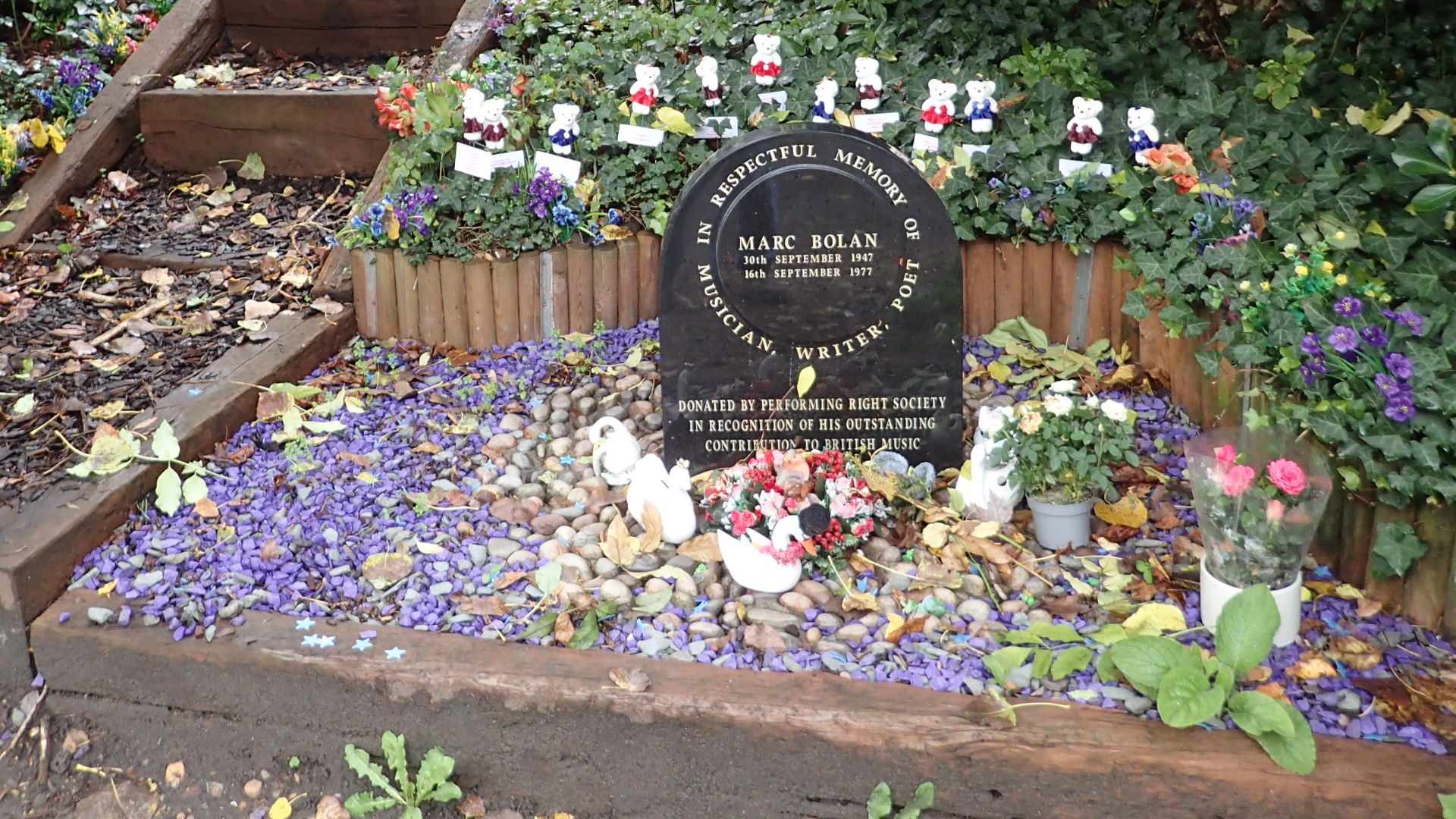
Lasting Influence On Music
Even after his death, Bolan’s impact remained strong, especially in Britain. Artists across genres cited him as an influence, and his work continued to inspire new generations. His blend of style, sound, and personality helped shape the evolution of modern rock music.
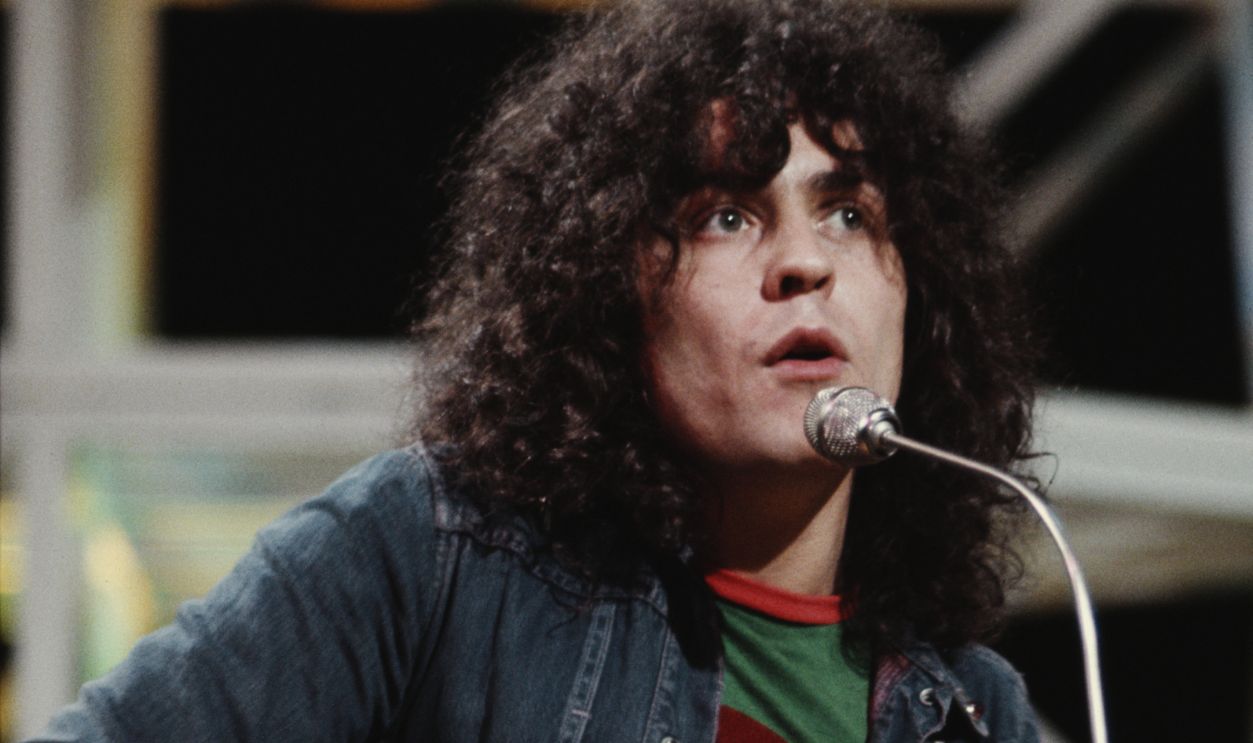
A Glittering Legacy And A Fragile Life
Marc Bolan’s journey from imaginative London youth to glam rock icon was as dazzling as it was brief. He transformed music and culture with T. Rex, leaving behind unforgettable songs and a distinctive image. Yet his life also serves as a reminder of how quickly it can all be taken away.
You May Also Like:
The Rock Legend Of Phil Lynott