When Money Burned Faster Than Fame
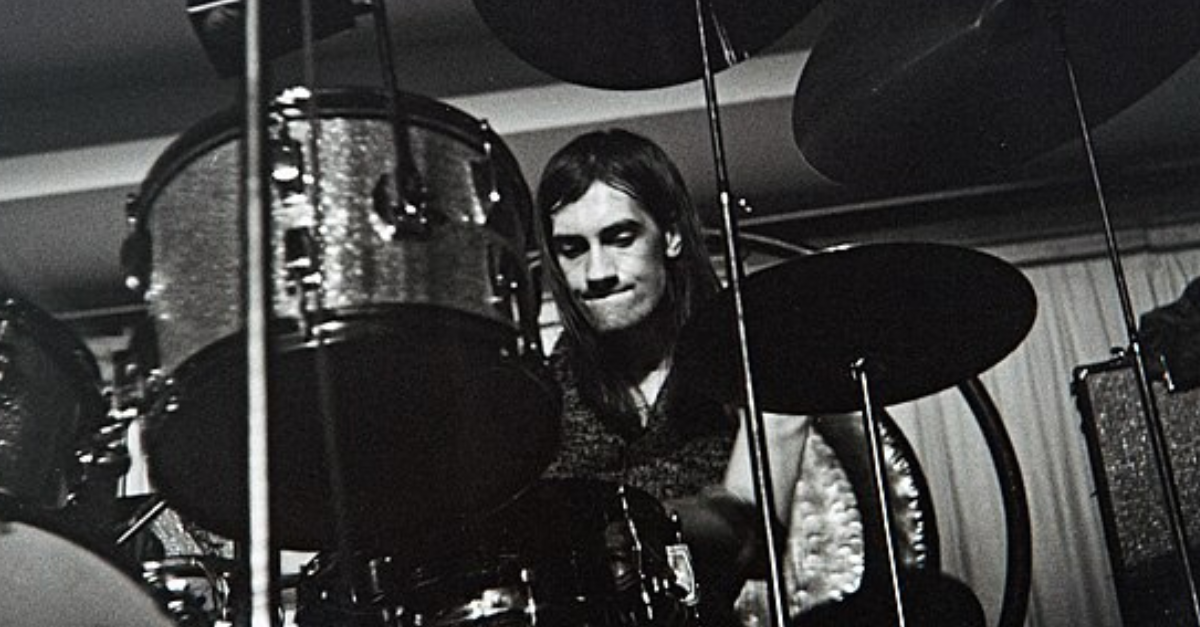
At one point, Mick Fleetwood had everything a rock star was supposed to want: sold-out tours, iconic albums, and a band whose name was permanently etched into music history. And yet, right in the middle of all that success, he did the unthinkable: he went bankrupt. Not quietly struggling, not “cash poor”—fully broke. It was a moment that pulled the curtain back on rock stardom and showed just how messy, reckless, and unsustainable the excess of that era had become.
The Drummer Who Held It All Together
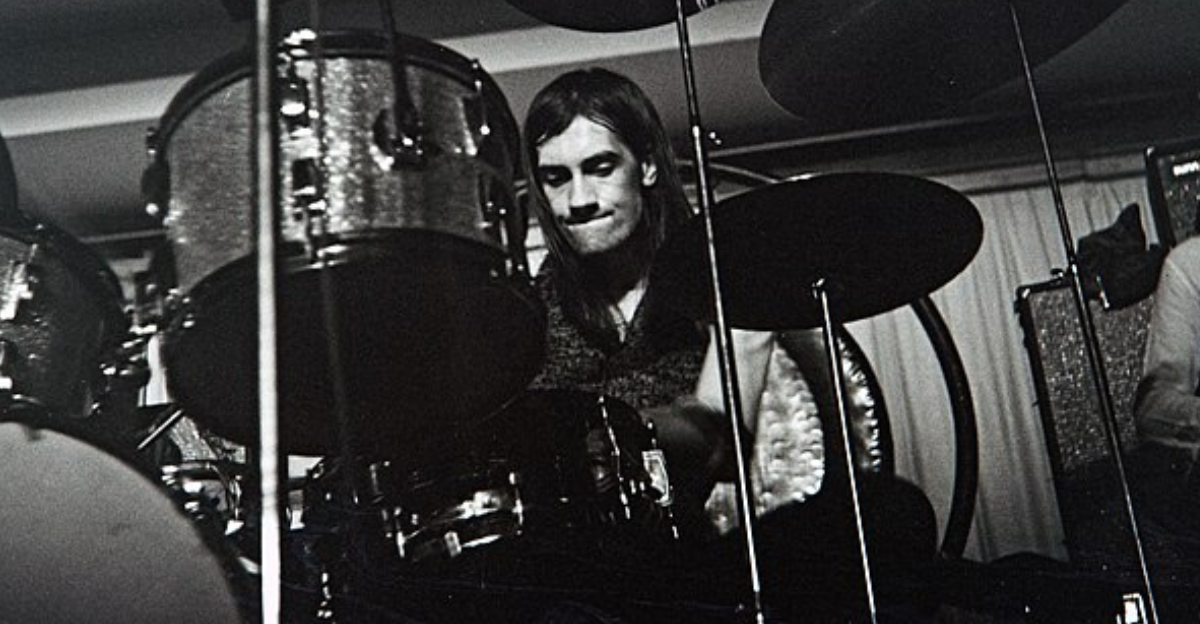
Mick Fleetwood wasn’t just another band member. He was Fleetwood Mac’s backbone. As co-founder and drummer, he anchored the band through endless lineup changes and stylistic shifts. Even when everything else felt unstable, Fleetwood’s presence made the band feel solid.
 Warner Bros. Records, Wikimedia Commons
Early Success Came With Early Chaos
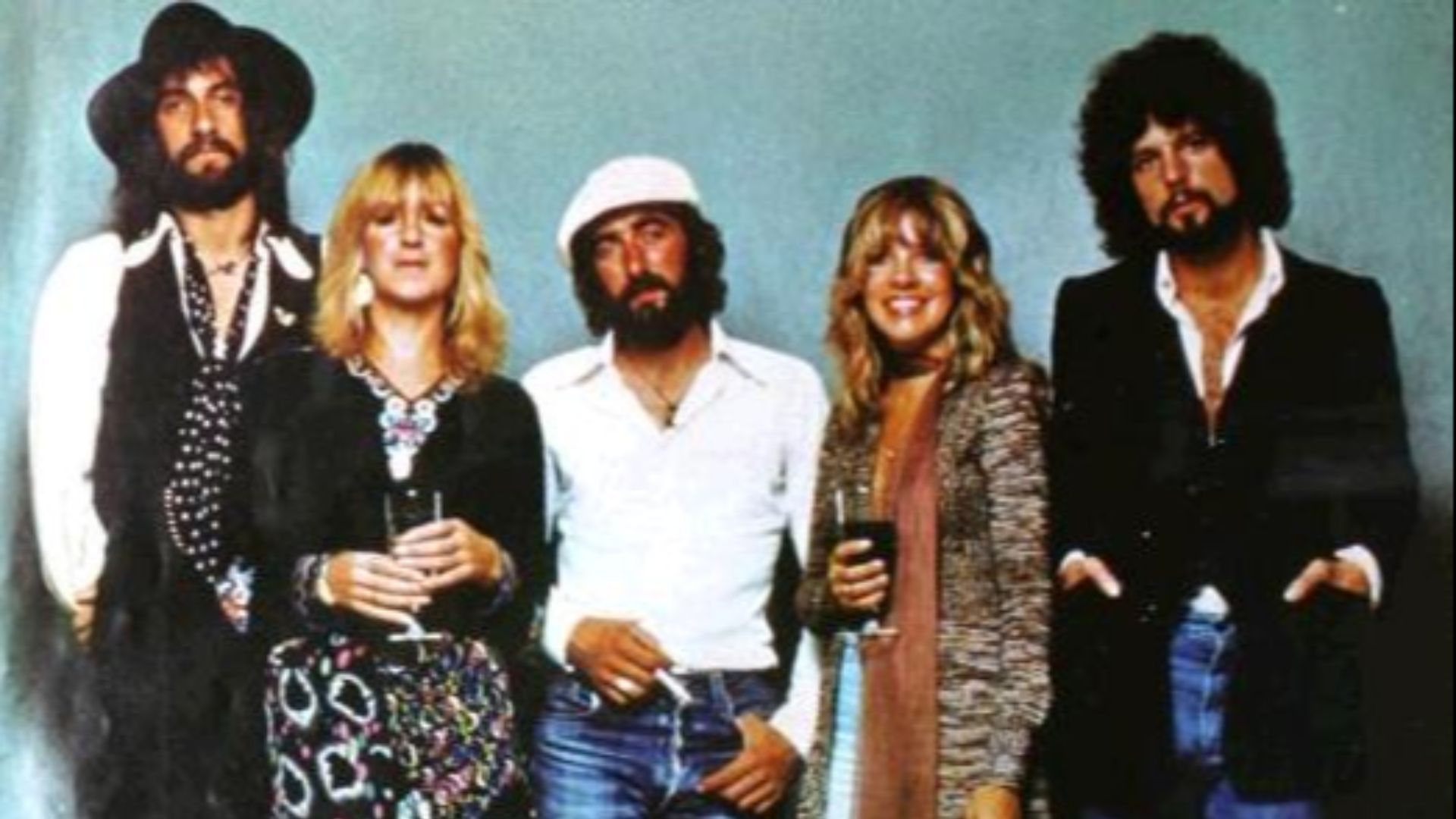
Fleetwood Mac didn’t start as a pop juggernaut—it began as a blues band constantly reinventing itself. Members came and went, and drama was baked into the band’s DNA early on. Looking back, the chaos that later defined their peak years didn’t exactly come out of nowhere.
 Warner Bros. Records, Wikimedia Commons
Fame Hit Faster Than Anyone Was Ready For
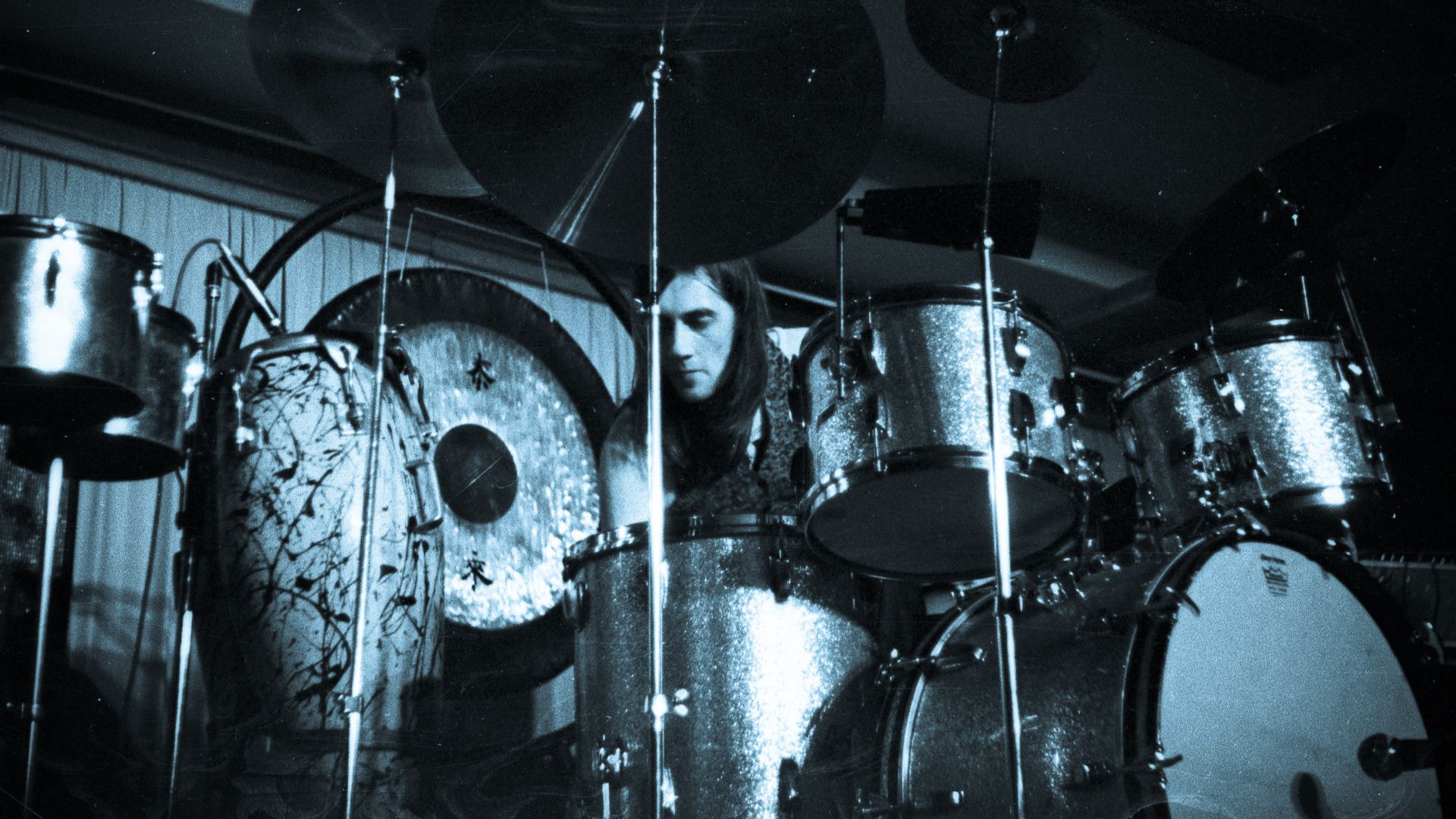
When success finally exploded in the 70s, it happened fast. Suddenly there was real money—more than anyone involved had ever handled before. And no one really stopped to ask basic questions like, “Where is this going?” or “Who’s keeping track of it?”
 W.W.Thaler - H. Weber, Hildesheim, Wikimedia Commons
Rumours Changed Everything
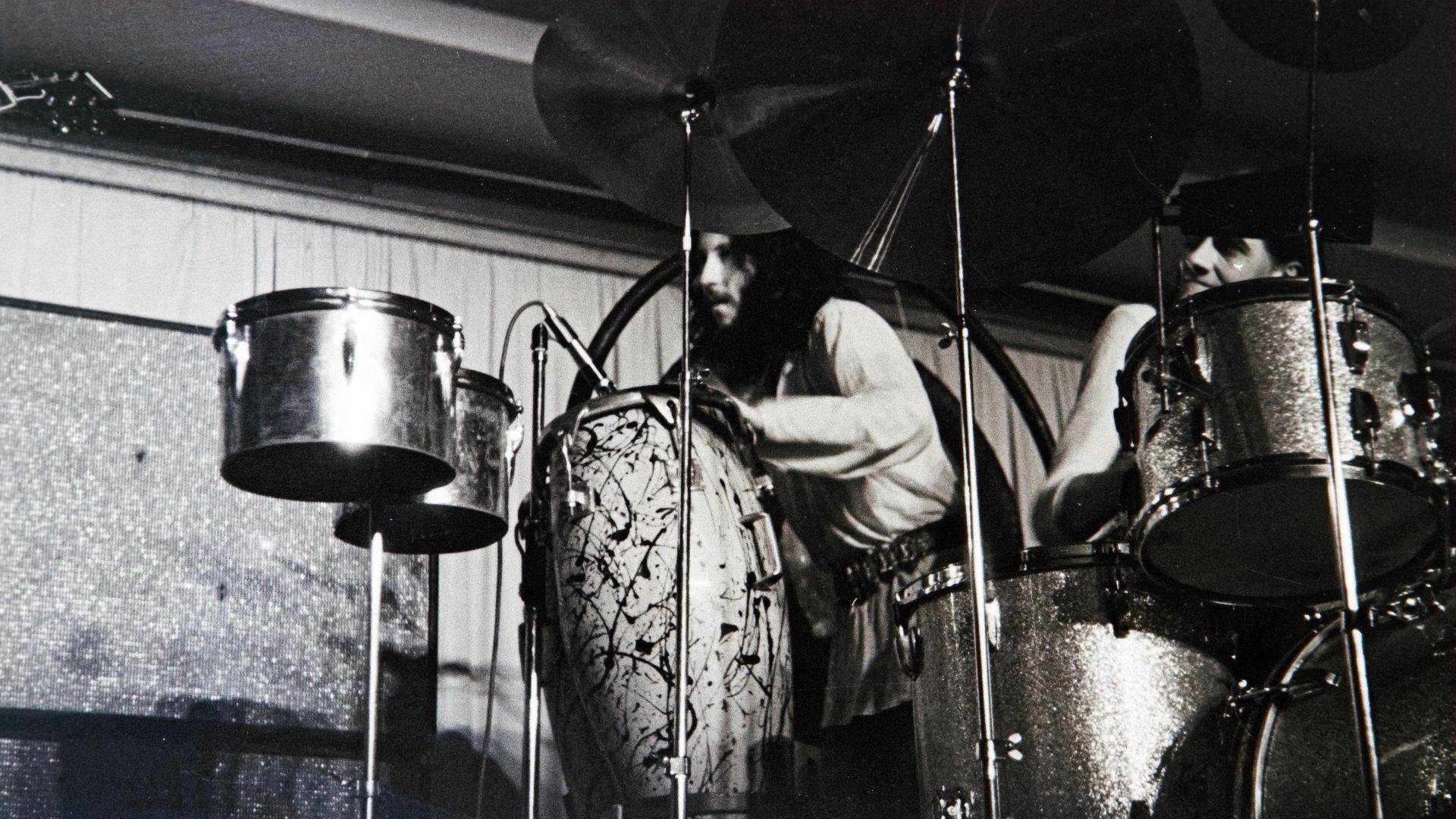
Rumours turned Fleetwood Mac into global superstars. The album was everywhere, the band was unstoppable, and the money was pouring in. But behind the scenes, personal meltdowns and bad decisions were stacking up right alongside the hits.
 Herbert Weber, Hildesheim, Wikimedia Commons
Excess Was Just Part Of The Job
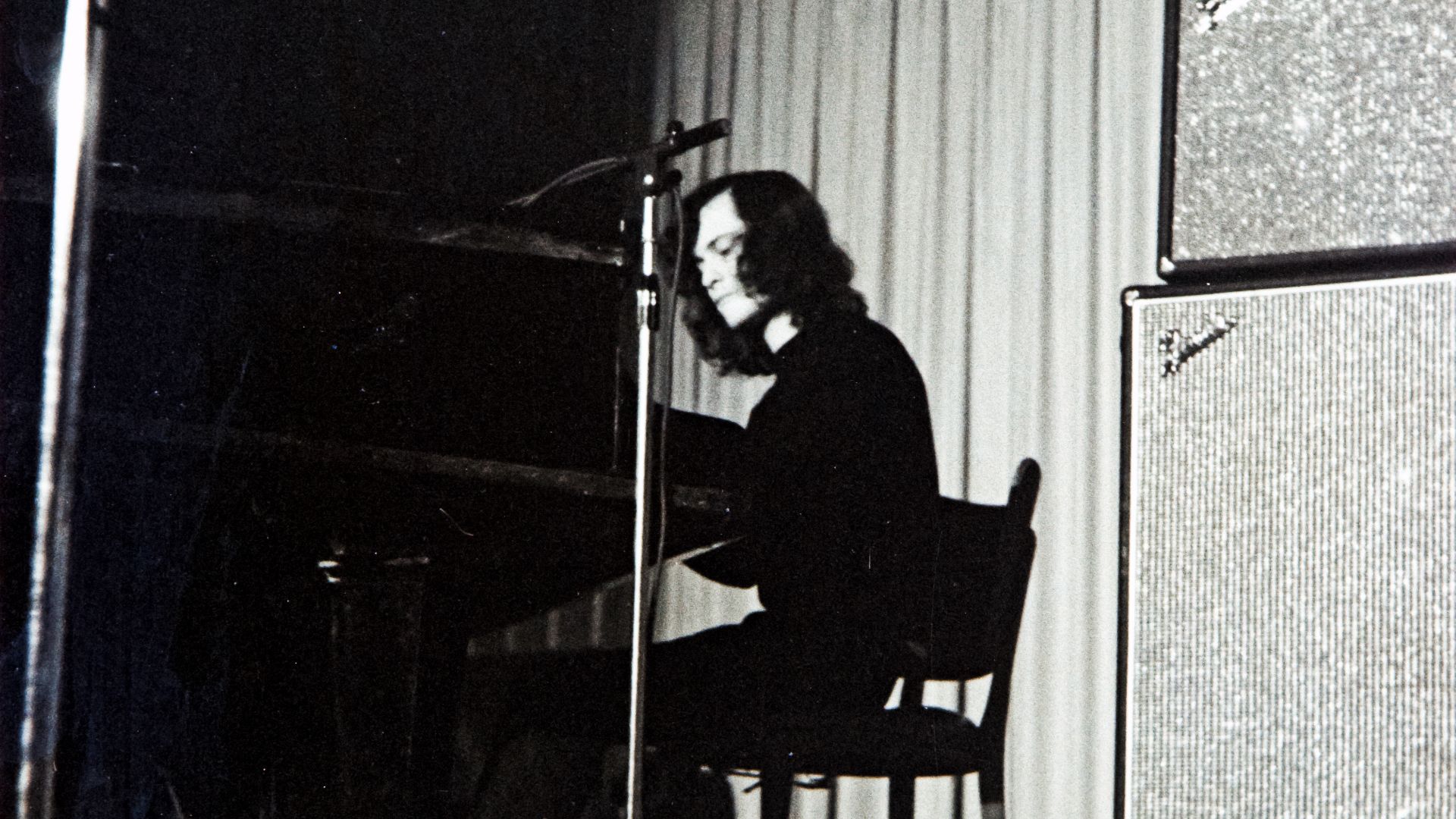
In that era, excess wasn’t seen as a problem—it was practically expected. Substances, parties, expensive habits, and zero limits were the norm. For Fleetwood, indulgence wasn’t an occasional blowout—it was everyday life.
 Herbert Weber, Hildesheim, Wikimedia Commons
Trusting People Who Didn’t Deserve It
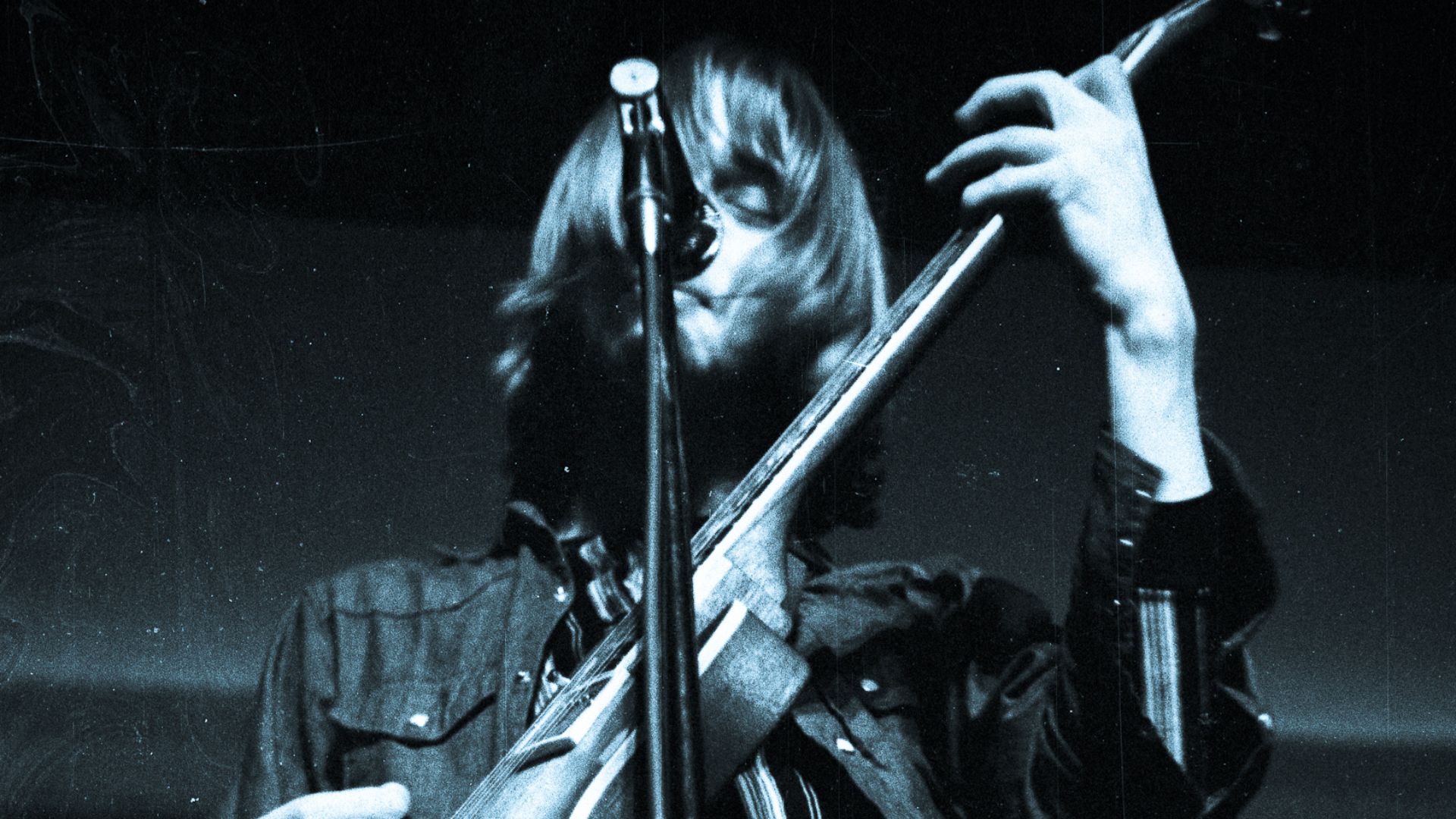
One of Fleetwood’s biggest regrets was trusting the wrong people with his finances. Advisors mishandled his money, and he didn’t keep close tabs on what they were doing. By the time he realized how bad things were, it was already too late.
 W.W.Thaler - H. Weber, Hildesheim, Wikimedia Commons
The Dangerous Myth Of Endless Money
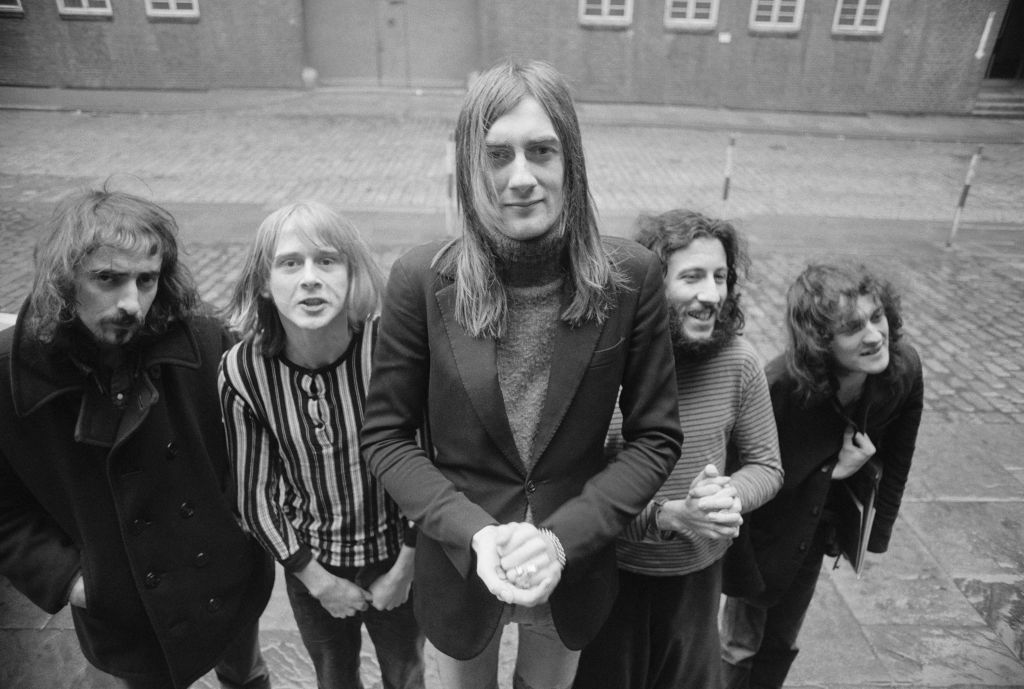
When albums keep selling and tours keep booking, it’s easy to believe the money will never stop. That illusion made reckless spending feel harmless. Why worry, when another paycheck always seemed right around the corner?
 Michael Ochs Archives, Getty Images
Personal Drama Made Things Even Worse
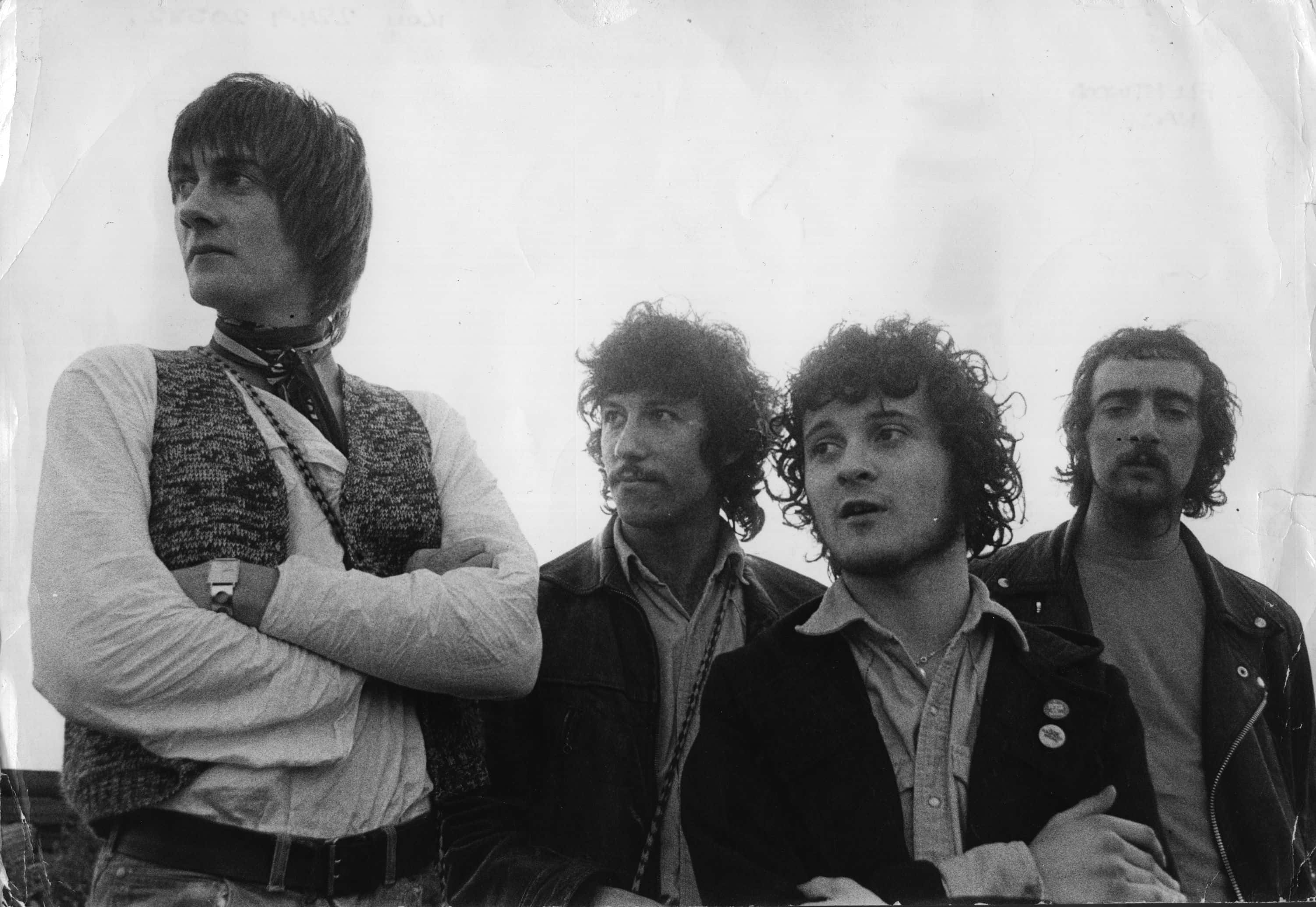
Fleetwood’s personal life was just as turbulent as the band’s. Divorces and legal battles drained his finances fast. The emotional chaos offstage had very real consequences when it came to money.
Drugs Didn’t Just Take A Toll—They Took Cash
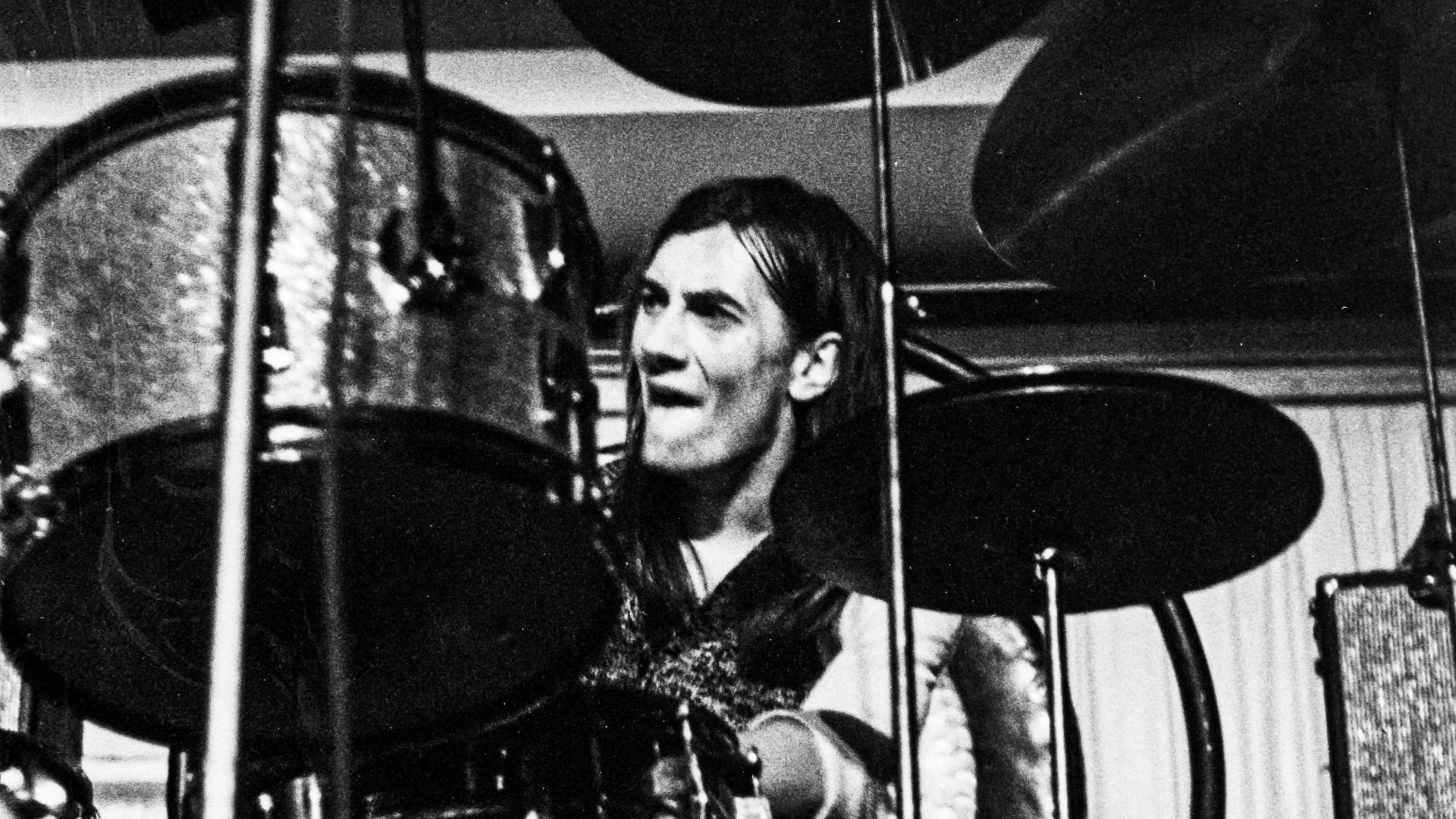
Fleetwood later admitted that his substance habit alone cost him millions. This wasn’t casual use—it was constant and expensive. Addiction didn’t just hurt his health, it wrecked his bank account.
 Herbert Weber, Hildesheim, Wikimedia Commons
Big Homes, Bigger Problems
Luxury homes, cars, and a high-maintenance lifestyle looked great when the money was flowing. But when income slowed—or disappeared—those same symbols of success became massive financial burdens.

Bankruptcy Caught Everyone Off Guard
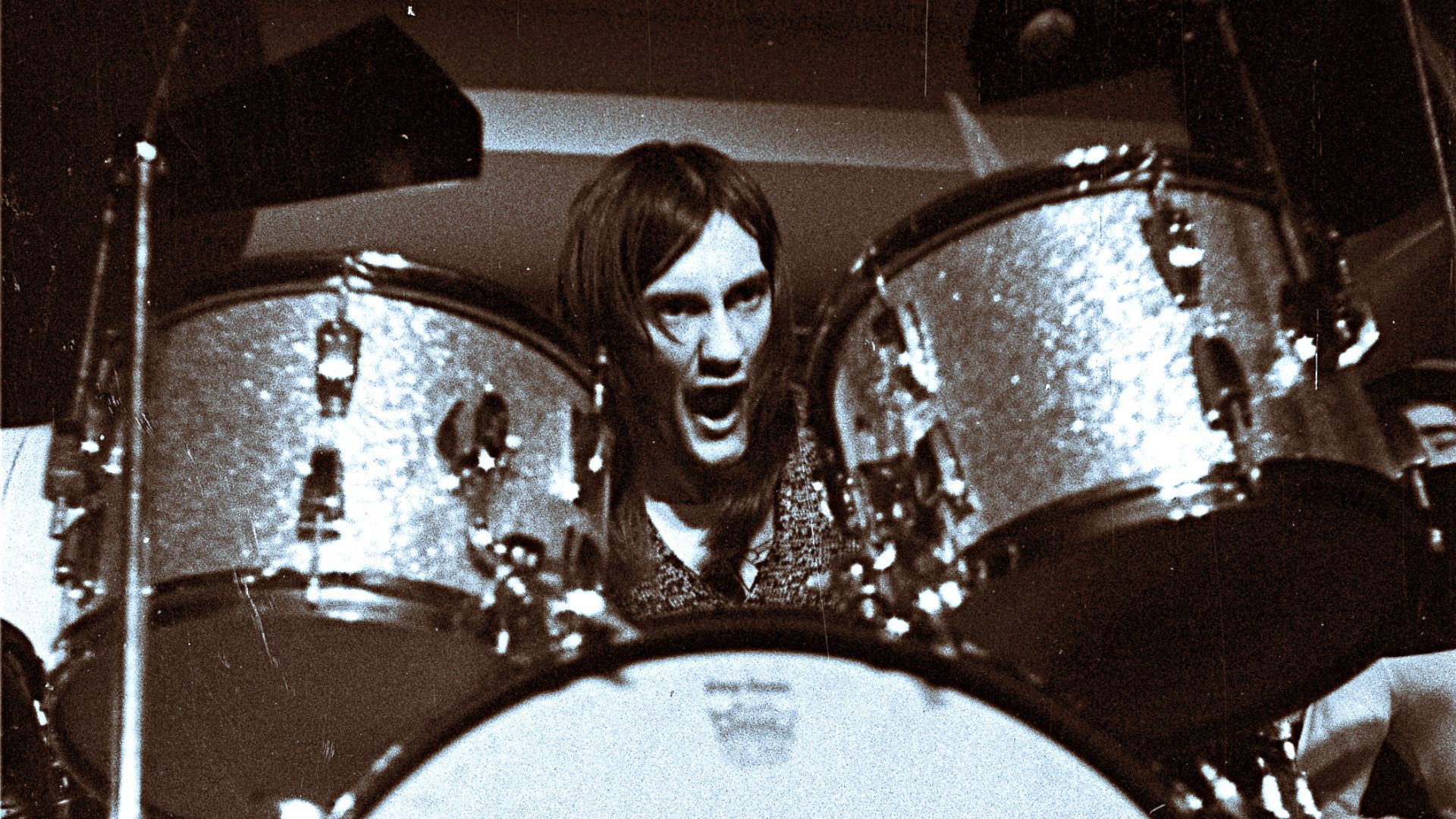
When Fleetwood declared bankruptcy in the 1980s, people were stunned. From the outside, he still looked wildly successful. But the truth was that the money everyone assumed he had was long gone.
 W.W.Thaler - H. Weber, Hildesheim, Wikimedia Commons
Looking Successful Didn’t Mean Being Secure
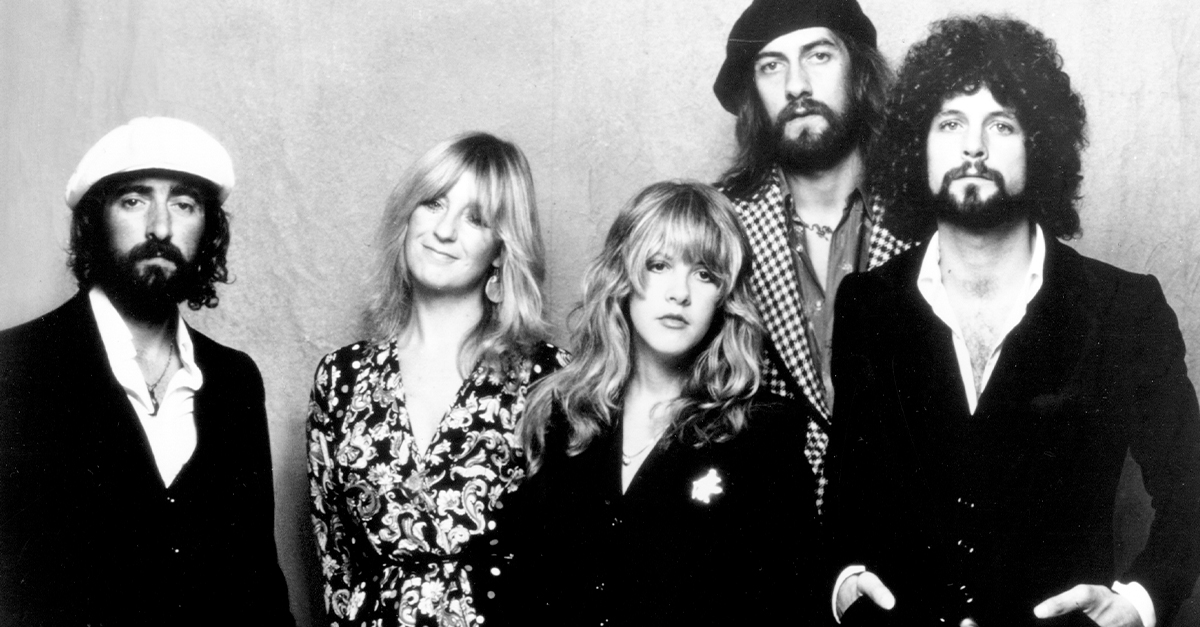
Fleetwood Mac’s name still carried weight, which made the situation even more confusing. The image of success masked the reality of financial disaster.
 Michael s Archives, Getty Images
Never Saying No Came At A Cost
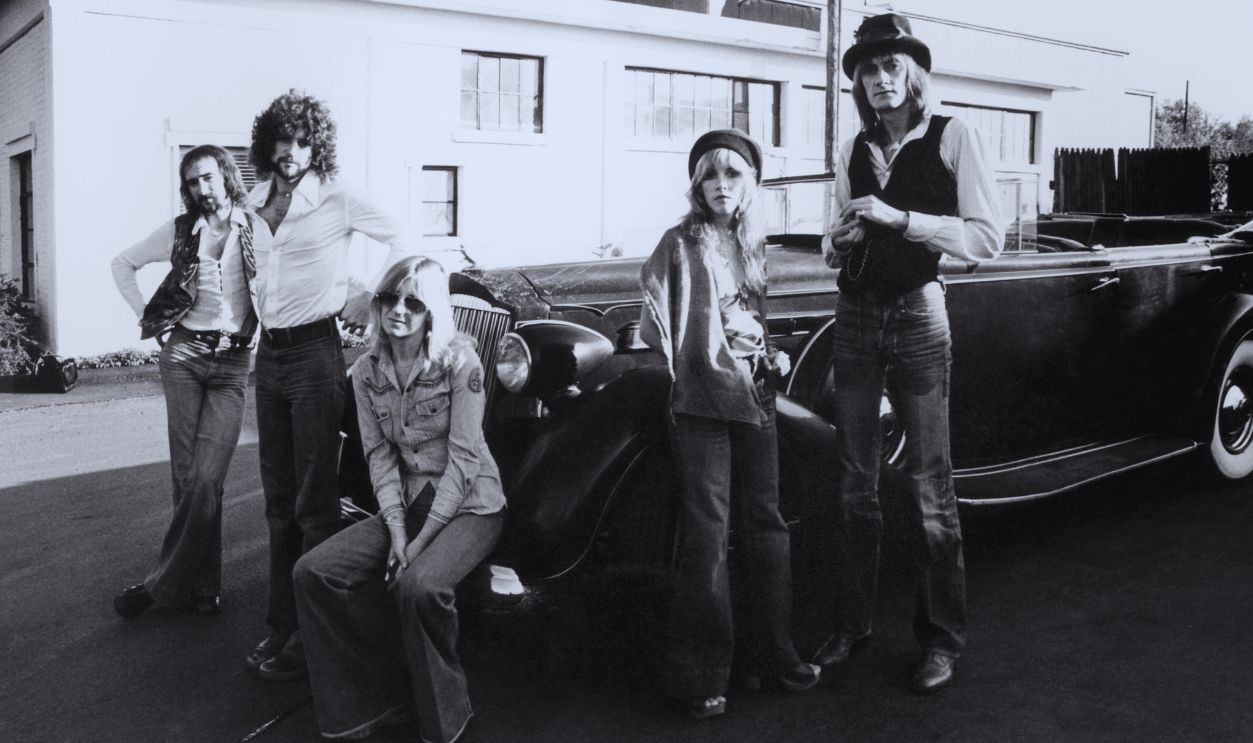
Fleetwood rarely questioned expenses or slowed down. Saying yes was easier, and restraint felt unnecessary—until it wasn’t an option anymore. Eventually, the math stopped working.
Nobody Taught Rock Stars How To Handle Money
Musicians were expected to perform, not budget. Fleetwood’s story highlighted how little financial education artists received. Fame came with no instructions—and no safety net.

Hitting Rock Bottom Forced A Reset
Bankruptcy stripped away the fantasy. Fleetwood had to confront reality in a very public way. It was embarrassing and painful, but it also forced him to finally take control.

Rebuilding Wasn’t Glamorous—But It Worked
Fleetwood didn’t vanish after hitting bottom. He rebuilt slowly, learning how to manage money and live more sustainably. The comeback wasn’t flashy, but it was real.
 Metallica Band, Wikimedia Commons
Owning His Role In The Mess
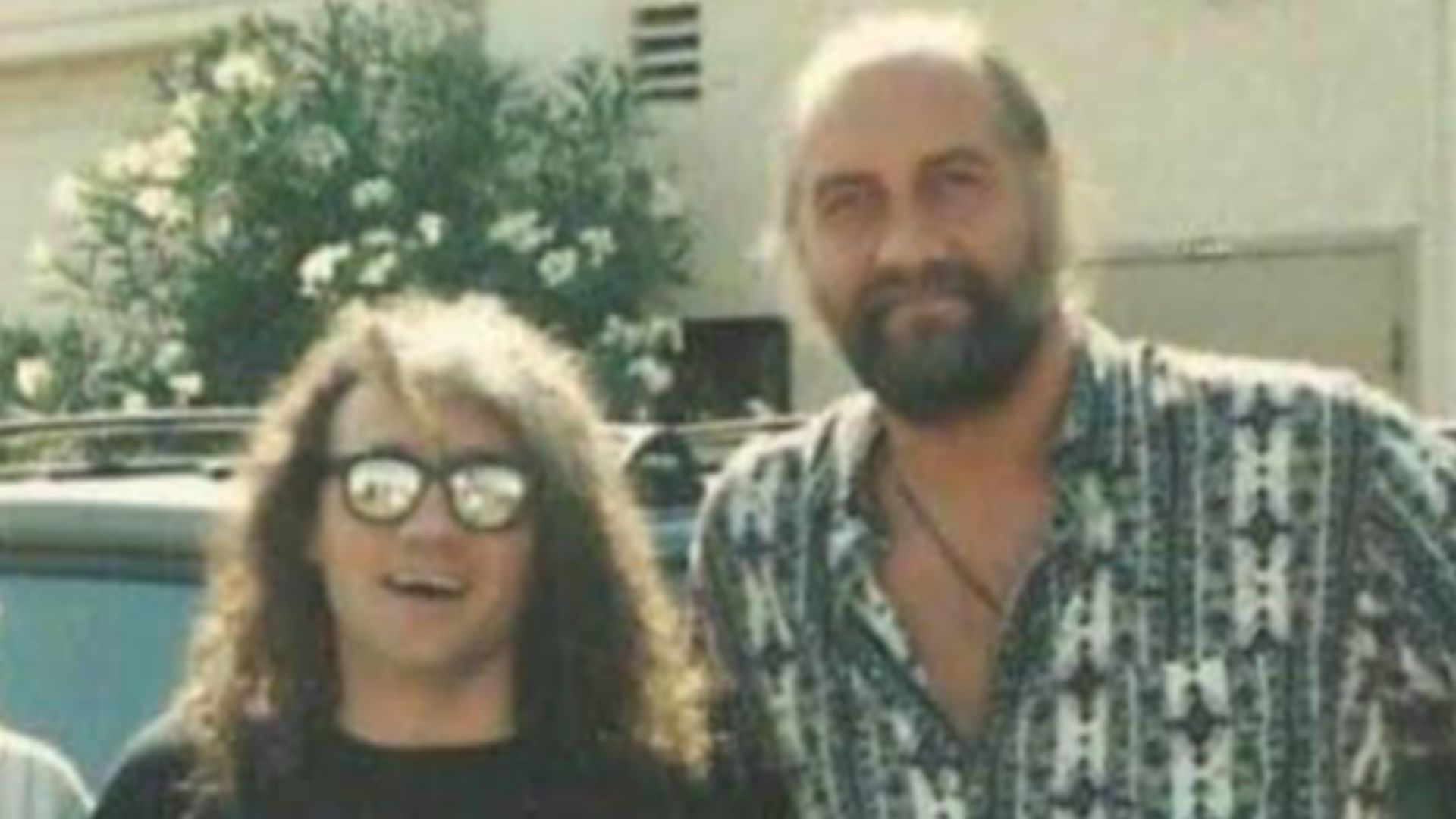
Instead of blaming everyone else, Fleetwood owned his mistakes. He admitted he made bad decisions and ignored warning signs. That honesty made his story resonate even more.
 Horacio Cambeiro, Wikimedia Commons
A Familiar Story In Rock History
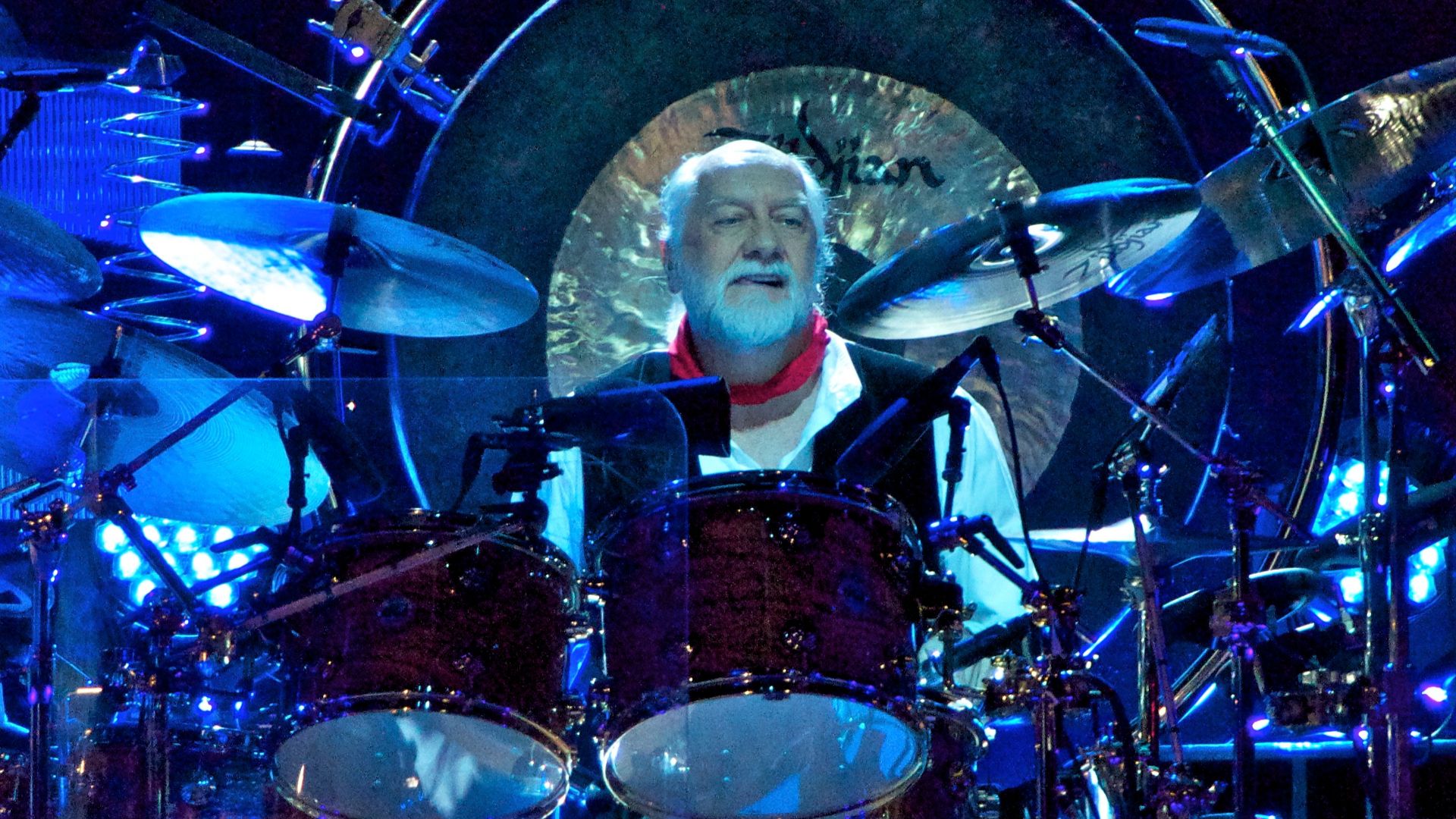
Fleetwood wasn’t alone. Many artists from that era faced similar financial disasters—they just didn’t talk about it. His openness made his story stand out.
 Joe Bielawa, Wikimedia Commons
Fame Didn’t Equal Protection
One of the biggest myths Fleetwood shattered was that success guarantees stability. In reality, fame often magnifies bad habits. Money can disappear shockingly fast when there’s no discipline.
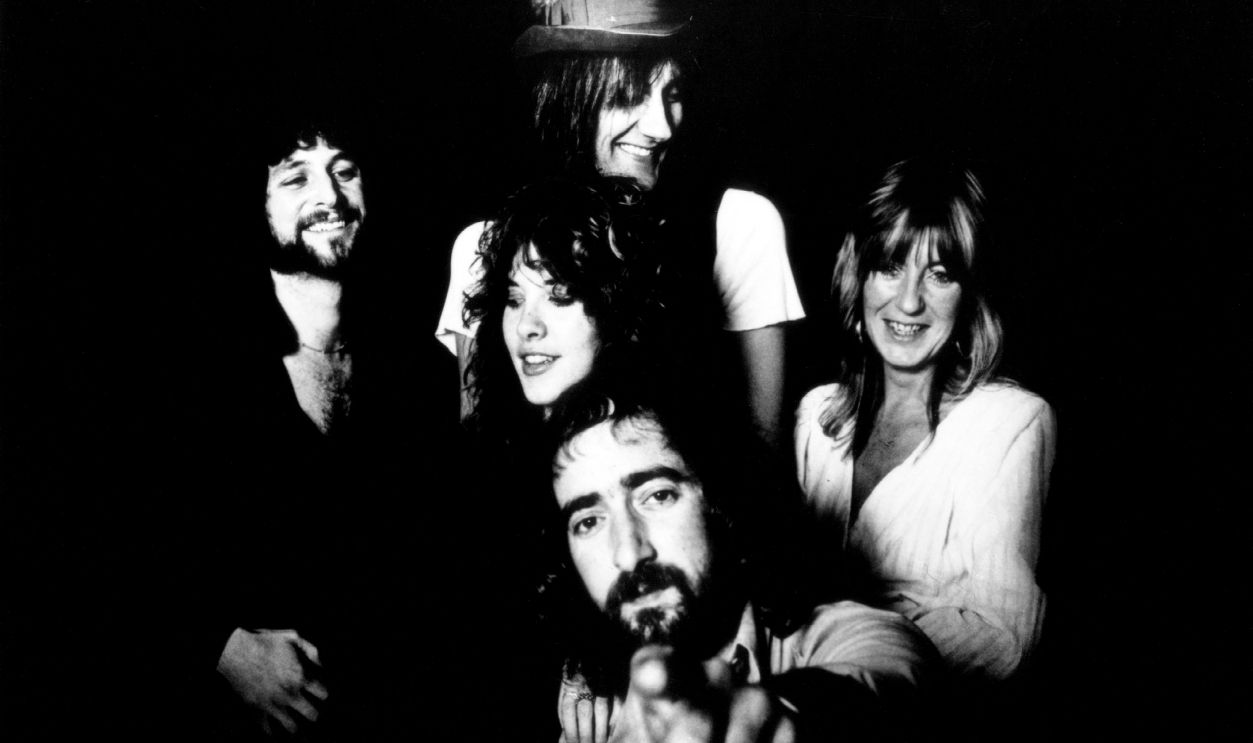 Michael Ochs Archives, Getty Images
The Band Somehow Kept Going
Against all odds, Fleetwood Mac survived. The band endured through personal and financial wreckage, adding another layer to their legend. But it wasn’t without serious scars.
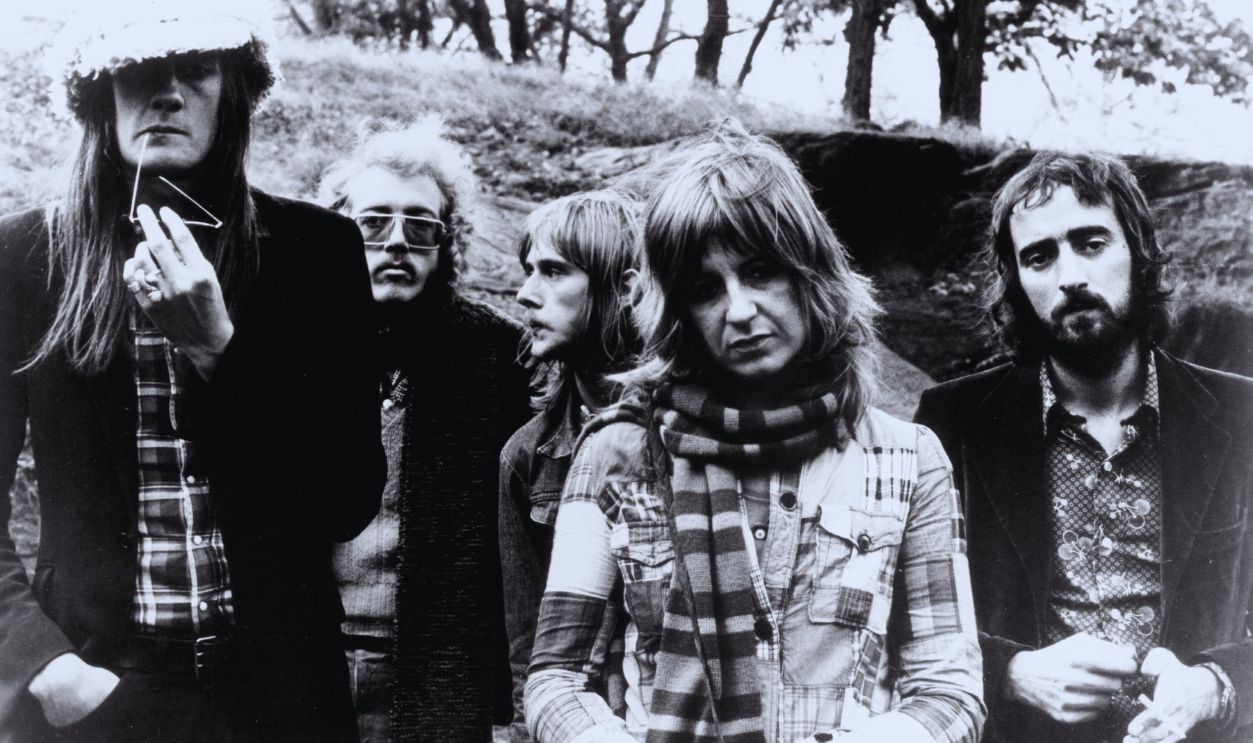 Michael Ochs Archives, Getty Images
Lessons Learned The Hard Way
Fleetwood’s experience became a cautionary tale for younger artists. Talent can open doors, but self-control is what keeps everything from falling apart.
 Brandt Luke Zorn, Wikimedia Commons
When Rock Excess Finally Had Consequences
Mick Fleetwood’s bankruptcy wasn’t just a personal collapse—it was a wake-up call. It showed the real cost of unchecked indulgence and exposed the dark side of rock’s golden era. Behind the music and mythology was a warning that still feels painfully relevant today.
 Raphael Pour-Hashemi, Wikimedia Commons
You May Also Like: