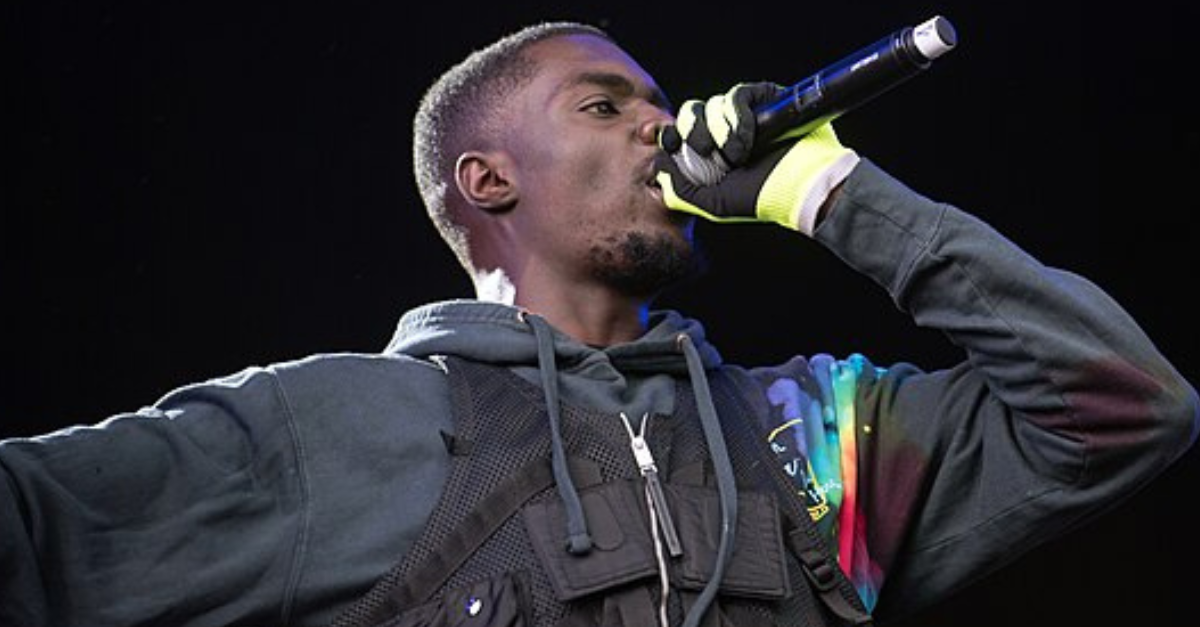
When The Beat Flatlined—And Then Hit Harder Than Ever
At the start of the 2010s, there was quiet chatter that hip hop had peaked. The blog era was fading, radio felt repetitive, and the old guard was either experimenting or coasting. Then the new class showed up—loud, weird, melodic, political, viral, regional, global—and suddenly the genre wasn’t just alive, it was sprinting.
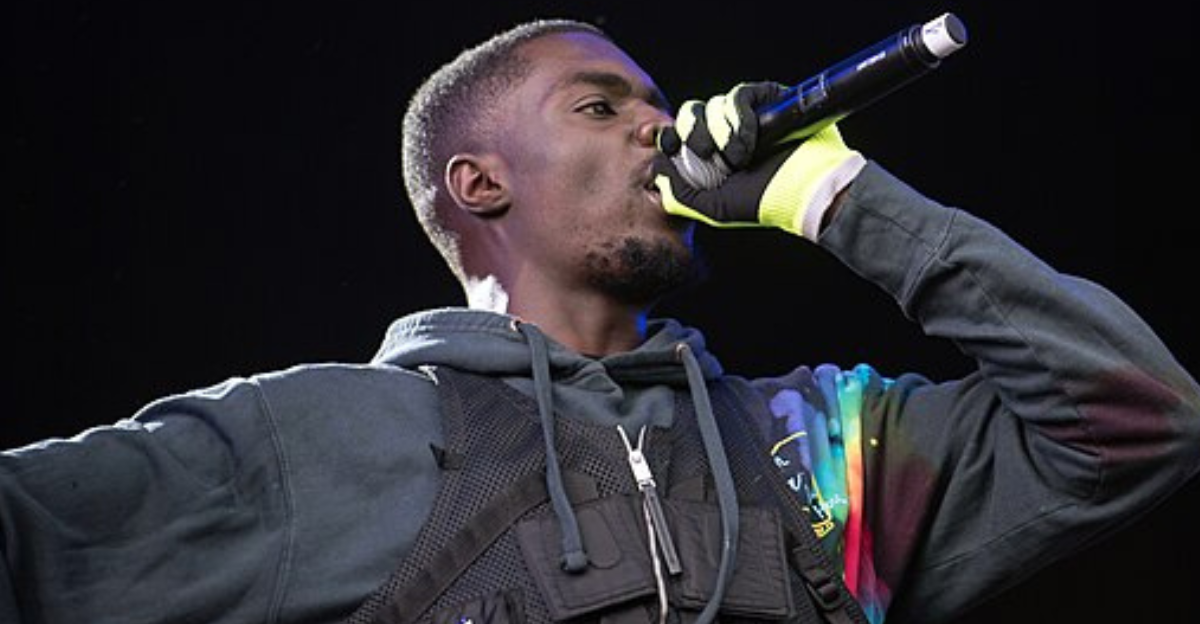
Runaway—Kanye West
Kanye opened the decade with a nine-minute toast to his own flaws, built around a lonely piano key that felt like a warning bell. It was indulgent, self-aware, and impossible to ignore. In a time when singles were getting shorter and safer, he went operatic—and the culture leaned in.
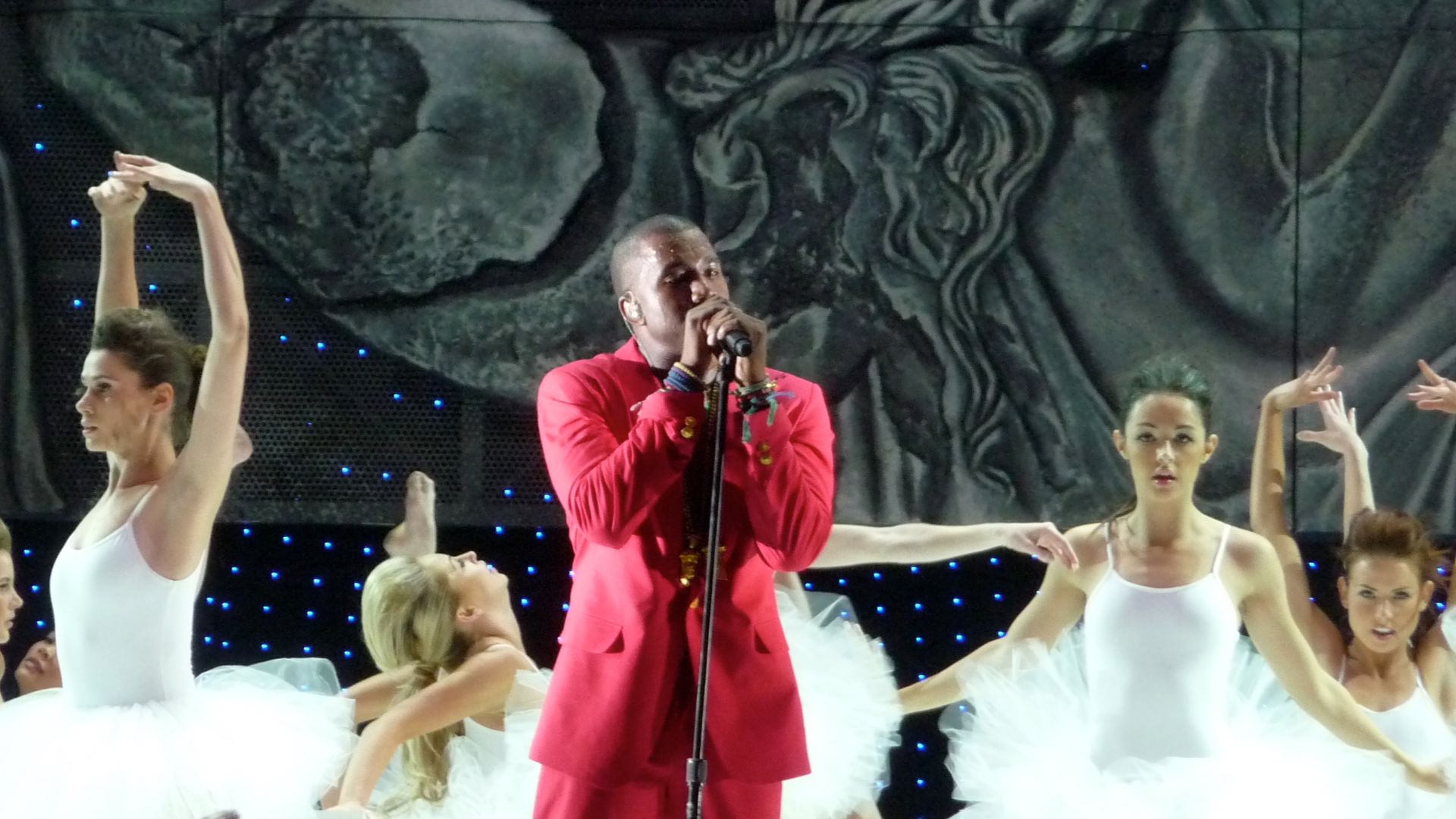
6 Foot 7 Foot—Lil Wayne Featuring Cory Gunz
Lil Wayne started the decade sounding like he had something to prove. The punchlines stacked up like fireworks, each one louder than the last. It was a reminder that technical skill still mattered, even as the soundscape shifted around him.
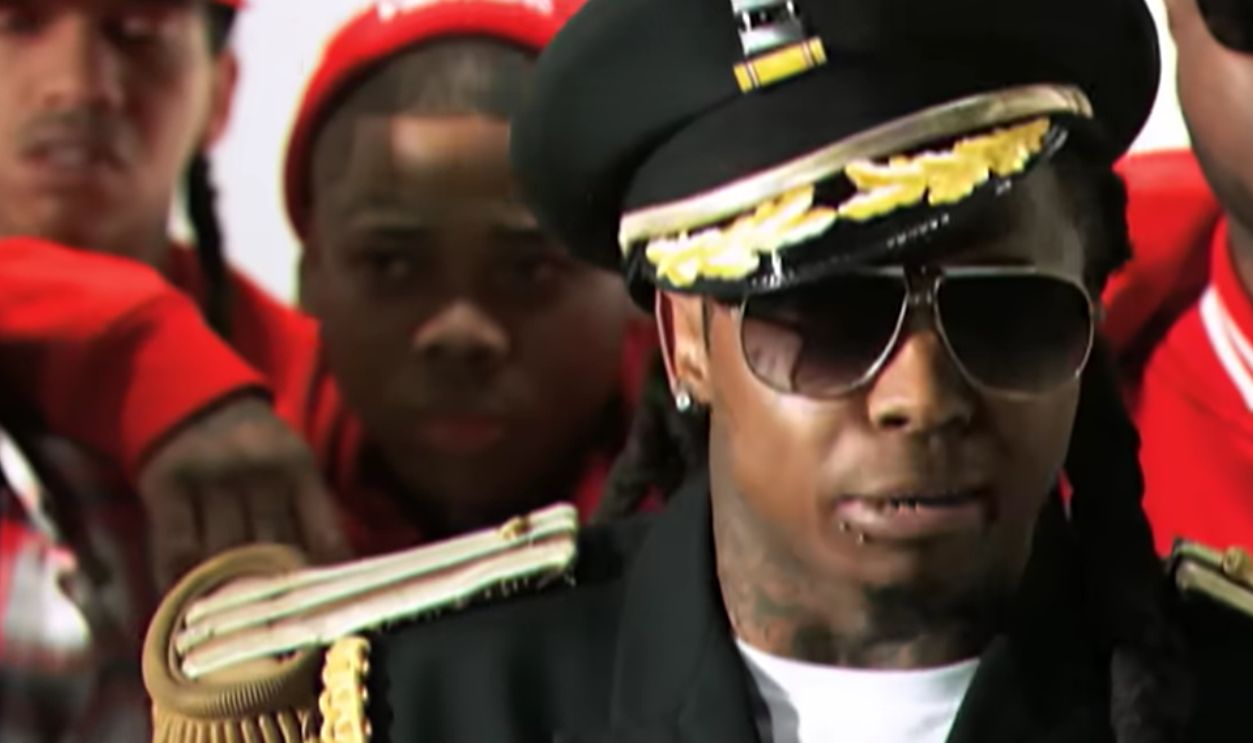 Screenshot from 6 Foot 7 Foot, Universal Music Group (2010)
Rack City—Tyga
Minimalist to the extreme, “Rack City” proved that less could absolutely be more. One icy beat, one hypnotic hook, and suddenly clubs across the country were moving in unison. It helped usher in a West Coast revival that felt sleek and modern.
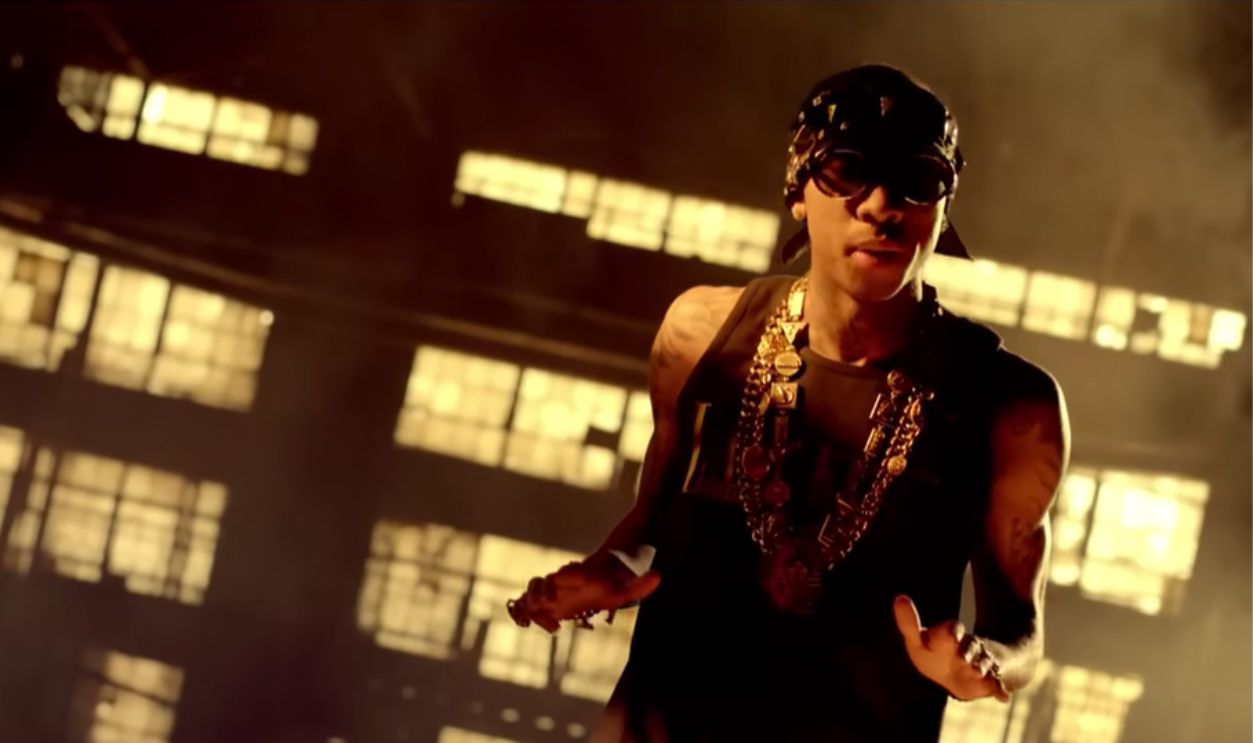 Screenshot from Rack City, Universal Republic Records (2011)
Mercy—Kanye West, Big Sean, Pusha T, 2 Chainz
A posse cut that felt like a victory lap, “Mercy” reintroduced flamboyance to mainstream rap. Each verse was a flex, each ad-lib a wink. It reminded everyone that rap could be competitive and collaborative at the same time.
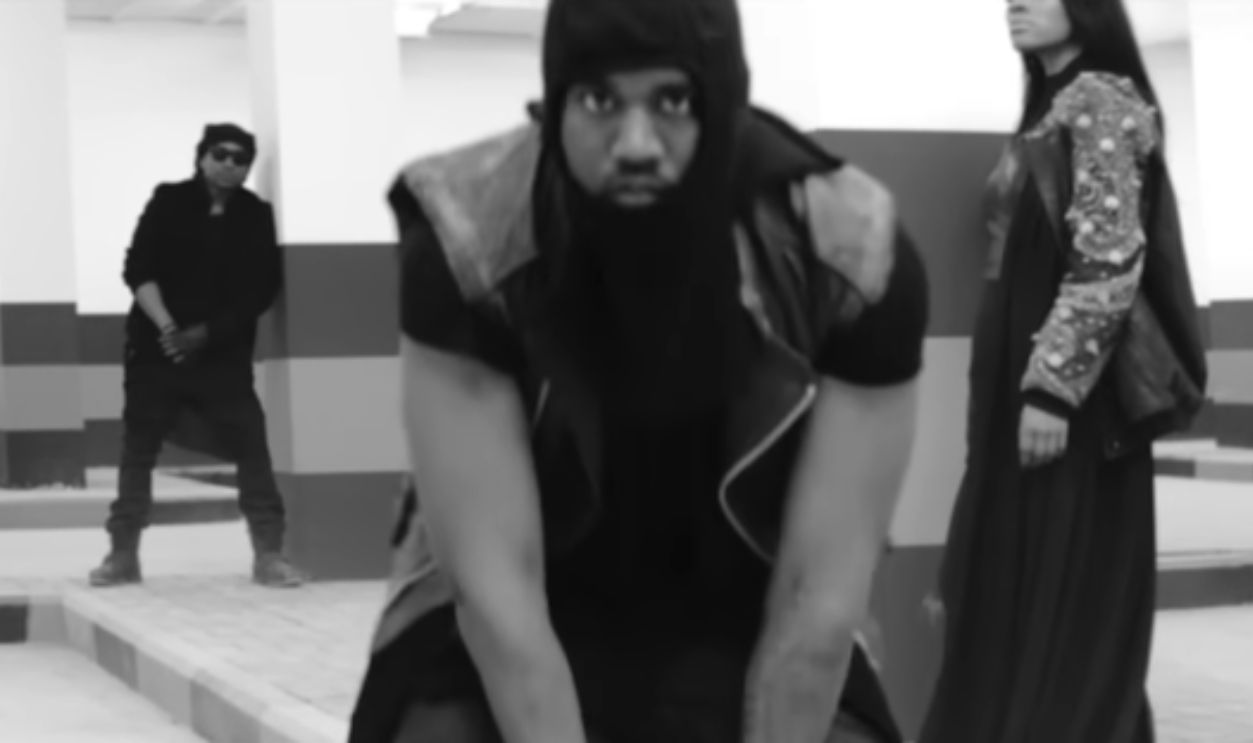 Screenshot from Mercy, Def Jam Recordings (2012)
Started From The Bottom—Drake
Drake mastered the art of the self-mythologizing anthem here. The hook was simple, but it stuck like glue. It transformed vulnerability into a business model, and suddenly emotional transparency was chart-topping material.
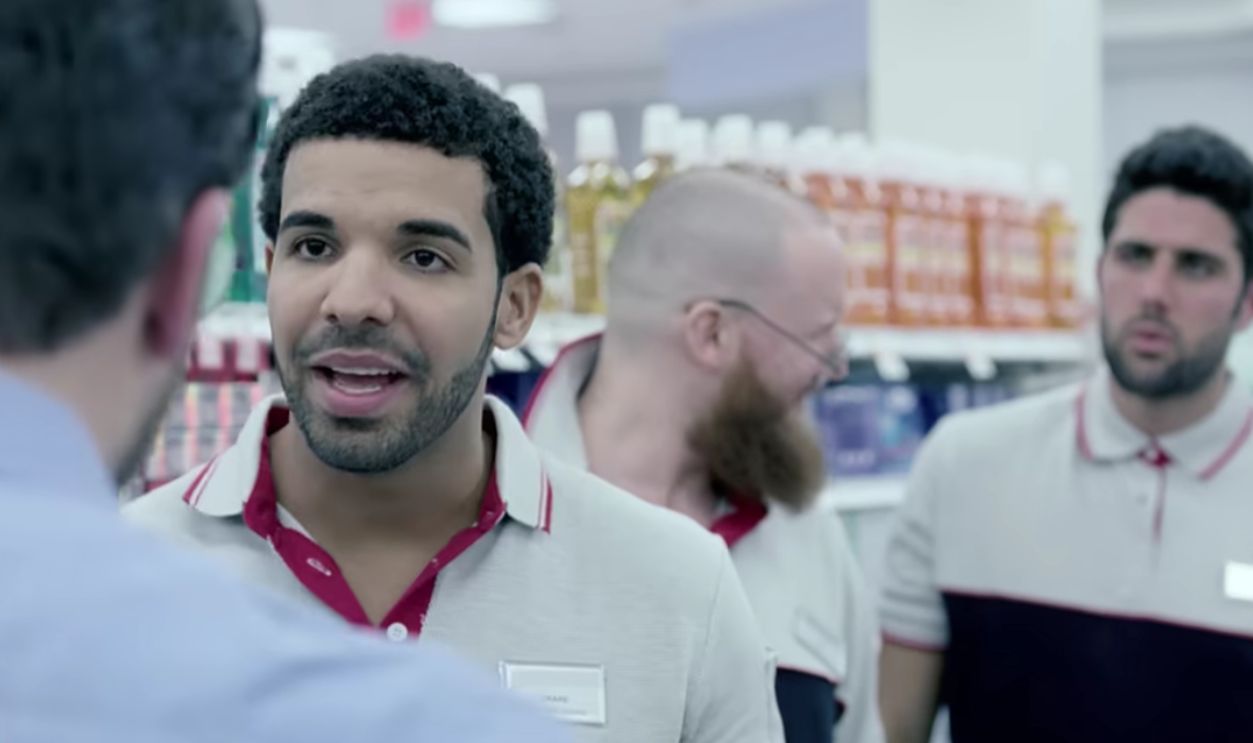 Screenshot from Started From the Bottom, Republic Records (2013)
Control—Big Sean Featuring Kendrick Lamar And Jay Electronica
Kendrick’s verse landed like a thunderclap. He name-dropped peers not out of disrespect, but out of hunger. The message was clear—rap needed competition again, and he was volunteering as tribute.
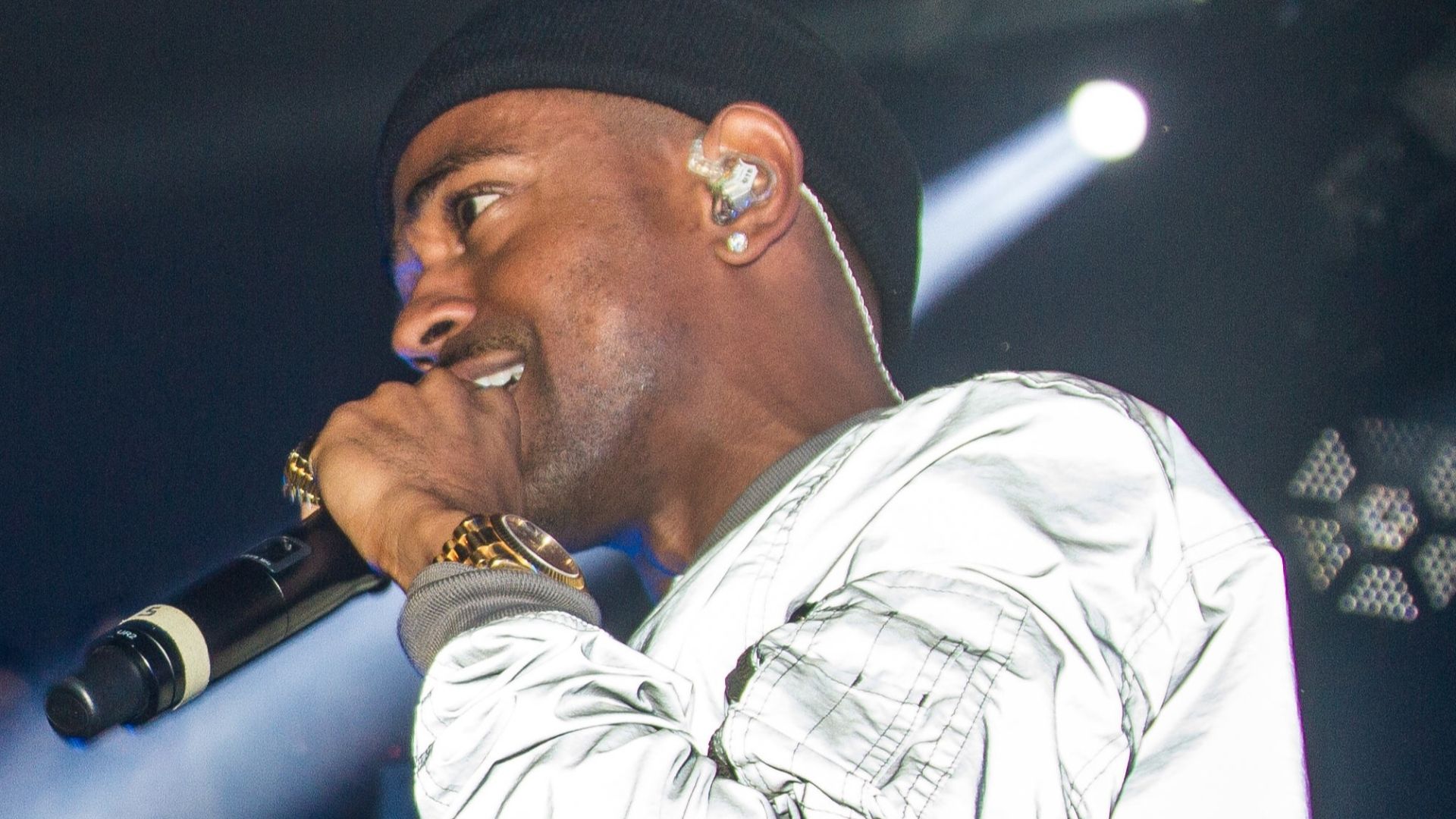 The Come Up Show, Wikimedia Commons
Alright—Kendrick Lamar
Few songs captured a cultural moment the way this one did. It balanced hope and rage without losing rhythm. It became a chant, a banner, and a promise all at once, cementing Kendrick as the conscience of the decade.
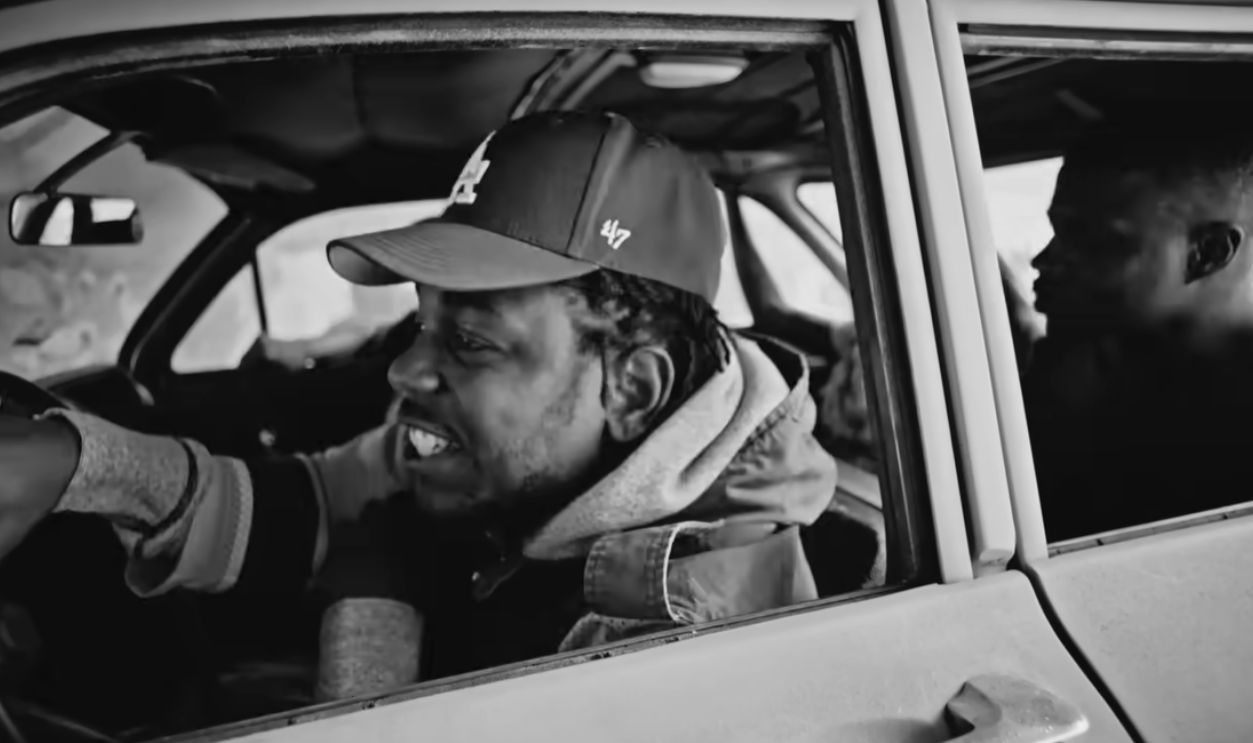 Screenshot from Alright, Interscope Records (2015)
Back To Back—Drake
Rap beef entered the streaming era with this one. Drake didn’t just respond—he strategized. The song was catchy enough for radio but sharp enough to sting, proving that diss tracks could still dominate charts.
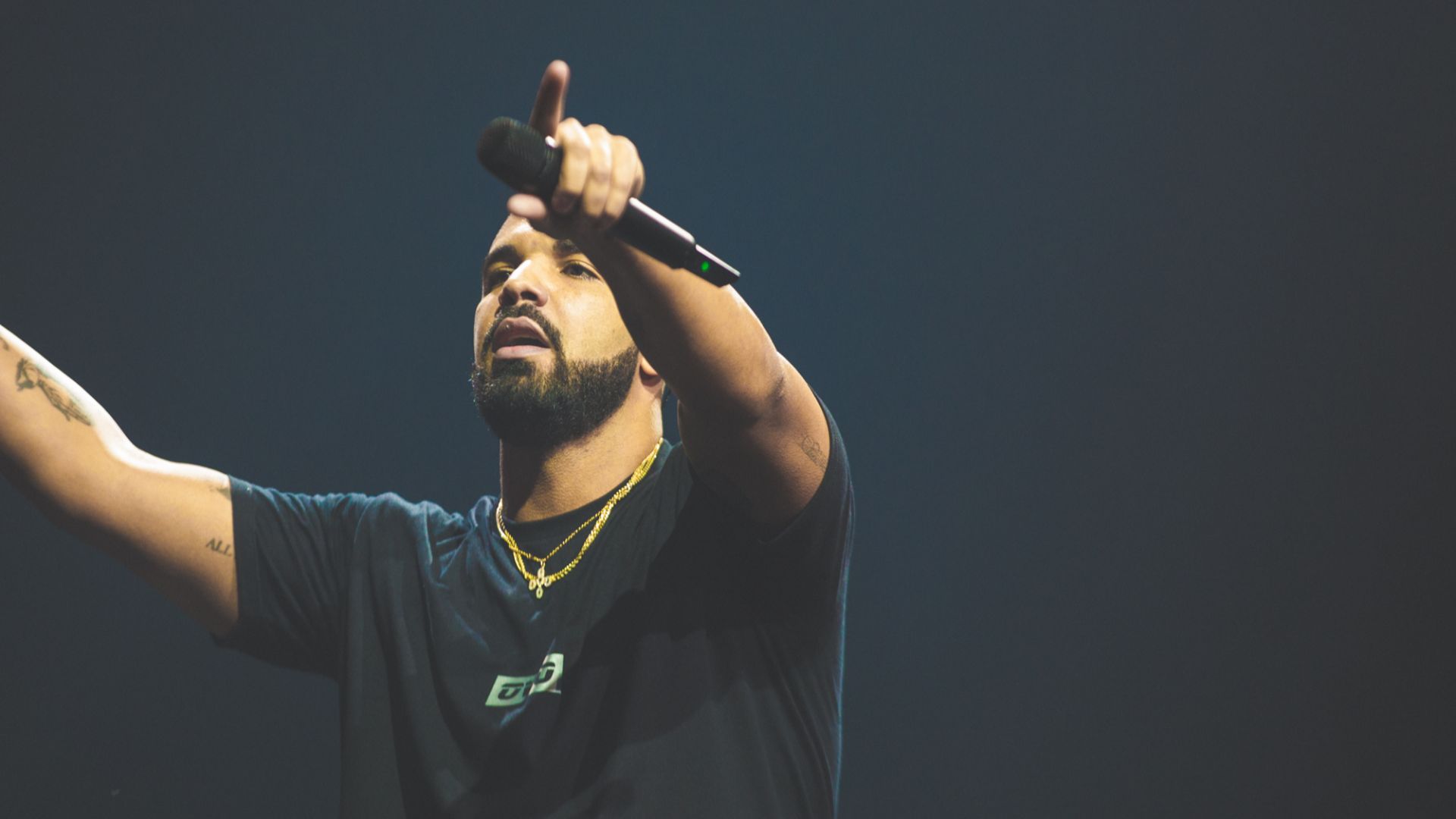 The Come Up Show, Wikimedia Commons
No Role Modelz—J. Cole
Cole’s appeal has always been relatability, and this track leaned fully into that lane. The production was moody but accessible, the lyrics reflective without being preachy. It showed that introspection could headline festivals.
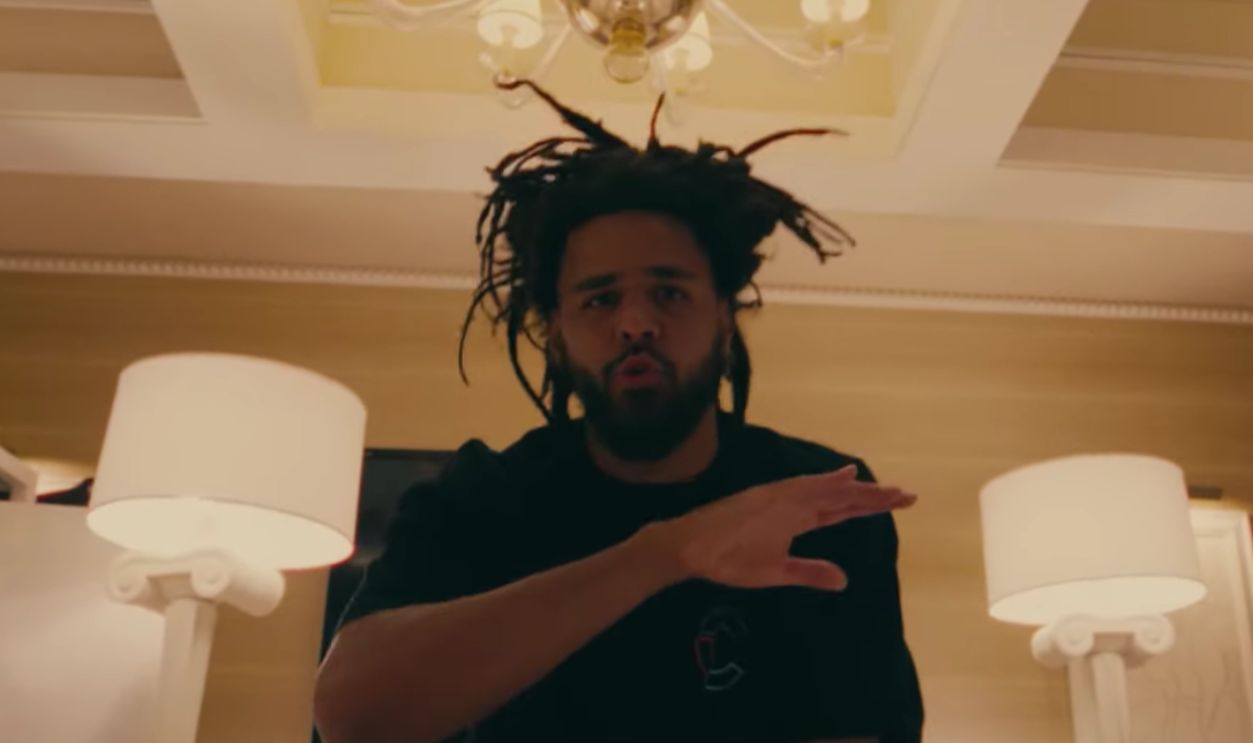 Screenshot from No Role Modelz, Columbia Records (2014)
Bad And Boujee—Migos Featuring Lil Uzi Vert
The triplet flow became unavoidable after this. What started as a viral moment snowballed into a cultural takeover. It didn’t just top charts—it reshaped how rappers rode the beat, making cadence the main attraction.
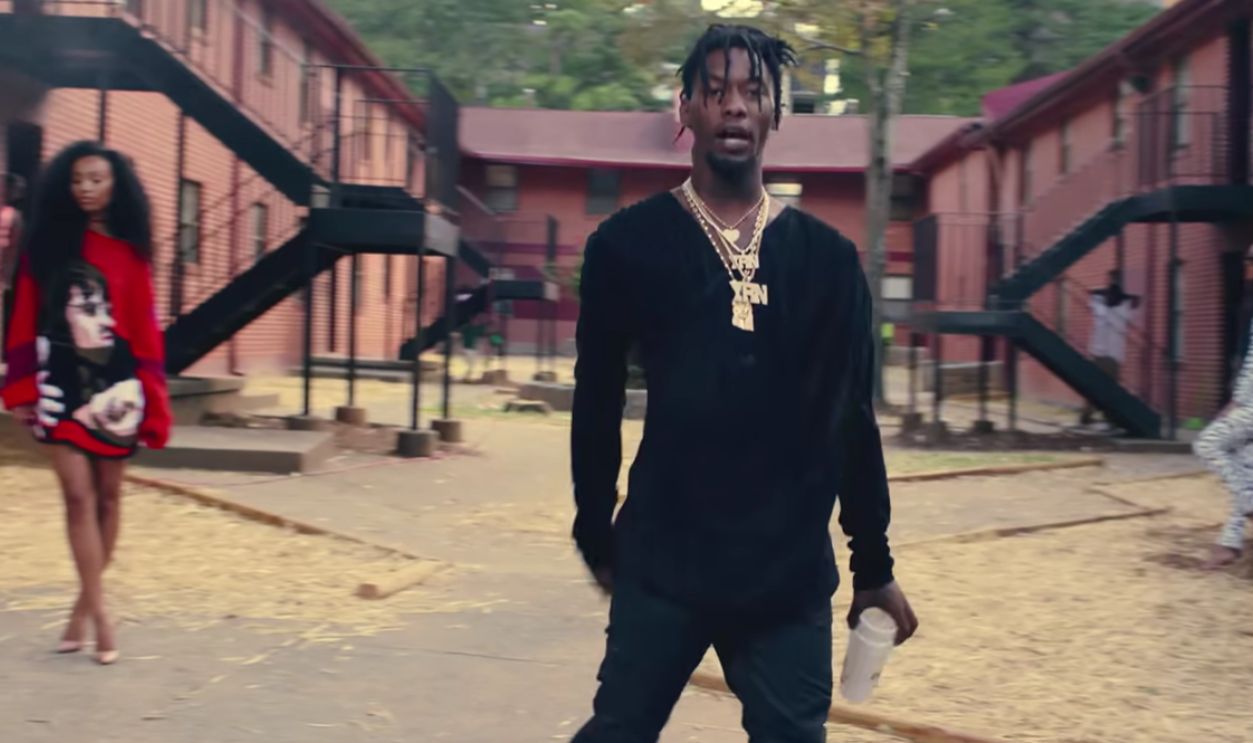 Screenshot from Bad and Boujee, 300 Entertainment (2016)
XO Tour Llif3—Lil Uzi Vert
Melancholy met mosh pit energy here. Uzi blurred the line between rap and emo in a way that felt organic rather than gimmicky. The result was a generation of fans who saw no contradiction between heartbreak and bass.
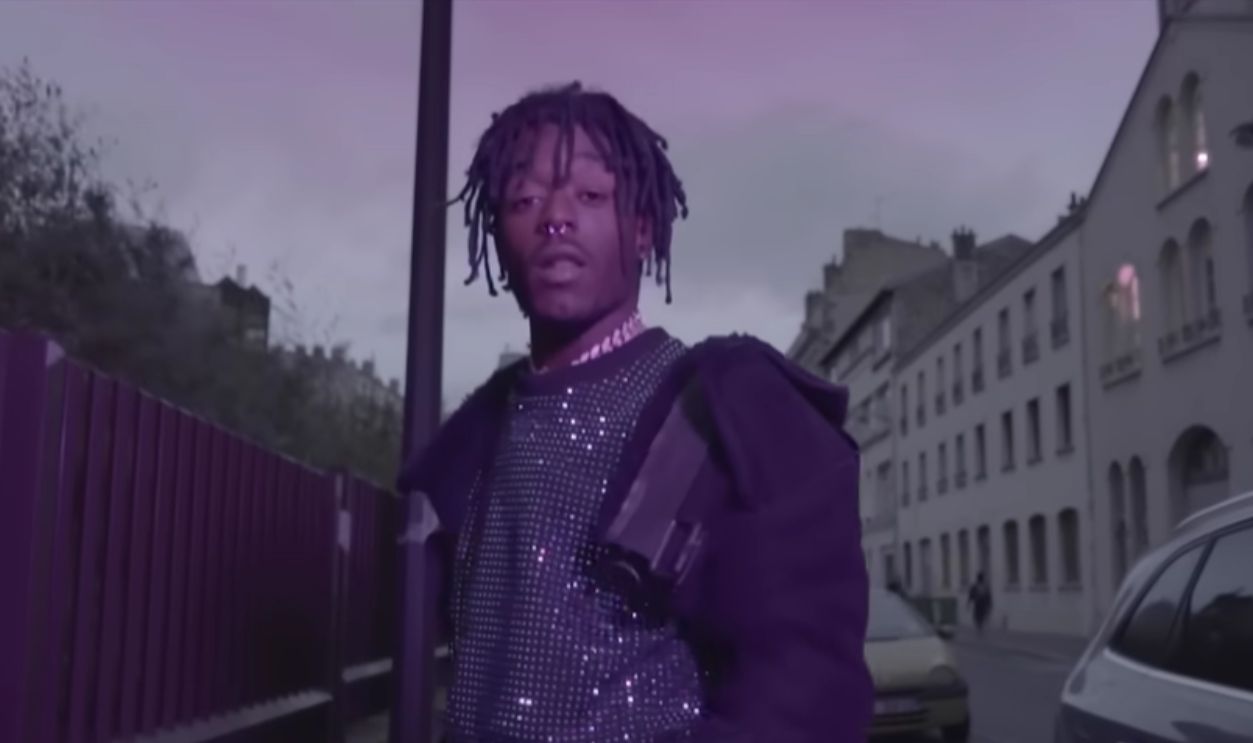 Screenshot from XO Tour Llif3, Atlantic Records (2017)
Bodak Yellow—Cardi B
Cardi’s breakout wasn’t subtle—it was commanding. She delivered her verses with grit and clarity, refusing to play supporting character. The song announced that women weren’t just participating in rap’s revival—they were steering it.
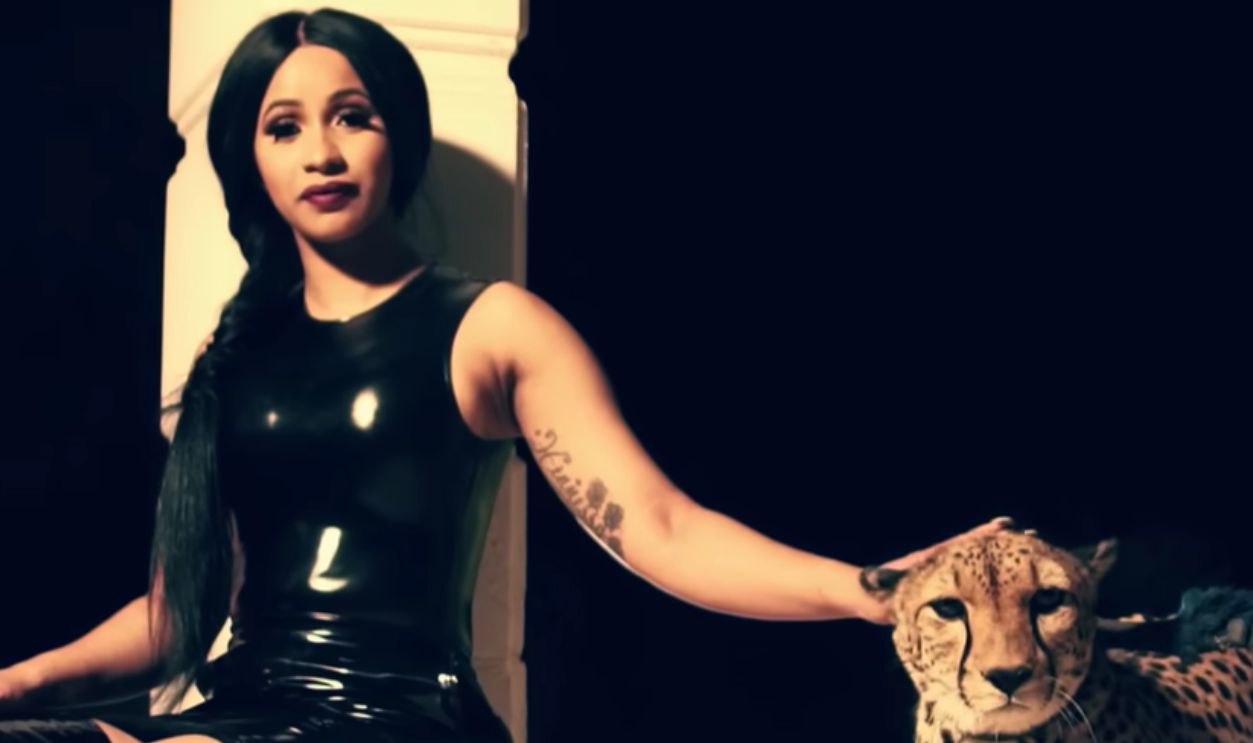 Screenshot from Bodak Yellow, Atlantic Records (2017)
HUMBLE.—Kendrick Lamar
Minimal piano, seismic impact. Kendrick distilled his message into sharp, declarative lines that demanded replay. The restraint in the production made the confidence louder, and suddenly everyone was sitting up straighter.
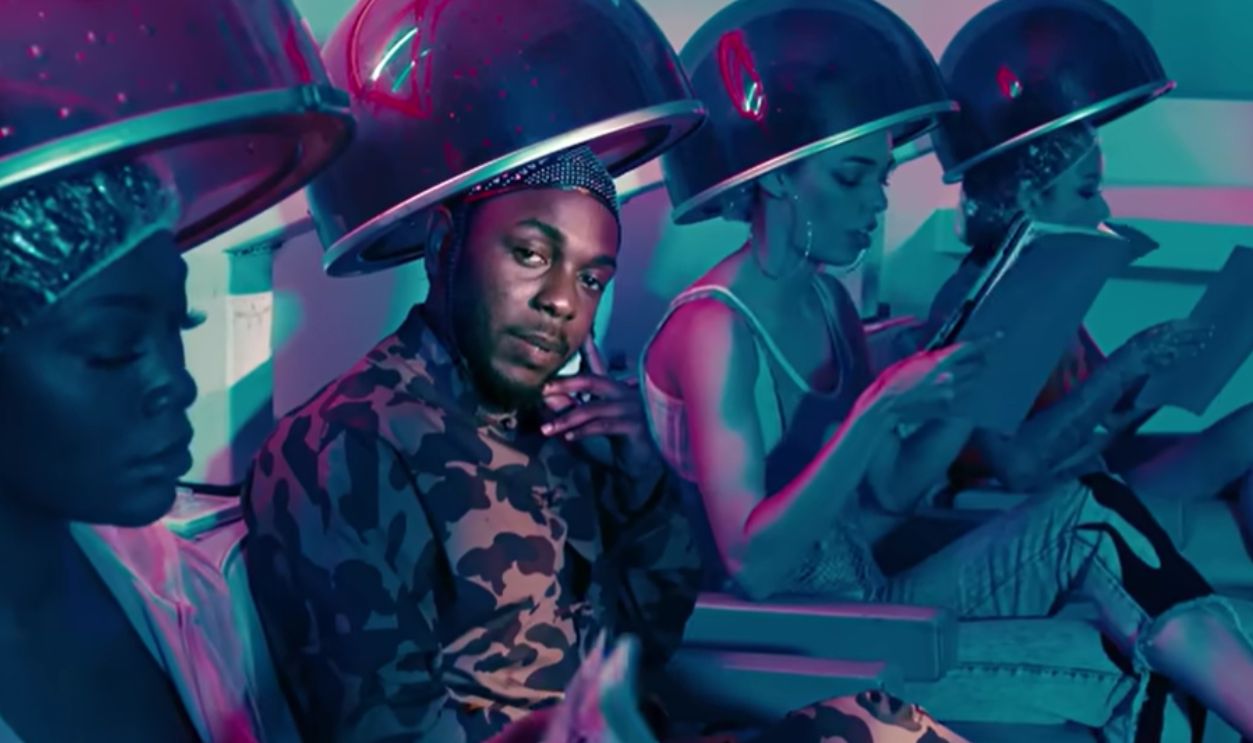 Screenshot from HUMBLE., Interscope Records (2017)
Mask Off—Future
Future turned flute loops into trap gold. The hypnotic production paired with his detached delivery created a vibe that was instantly recognizable. It proved that atmosphere could be just as important as bars.
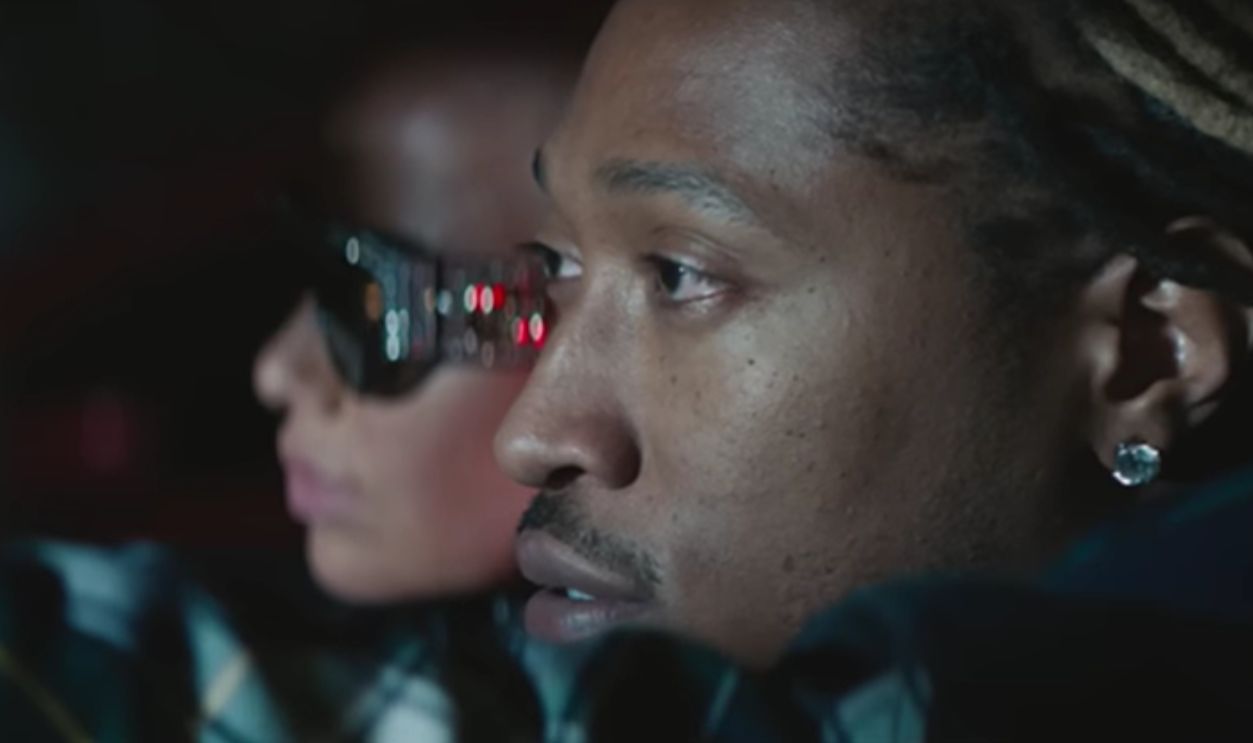 Screenshot from Mask Off, Epic Records (2017)
Rockstar—Post Malone Featuring 21 Savage
Genre lines blurred beyond recognition here. Post Malone leaned into rap aesthetics while pulling from rock’s rebellious streak. The song’s dominance highlighted how fluid hip hop had become in the streaming era.
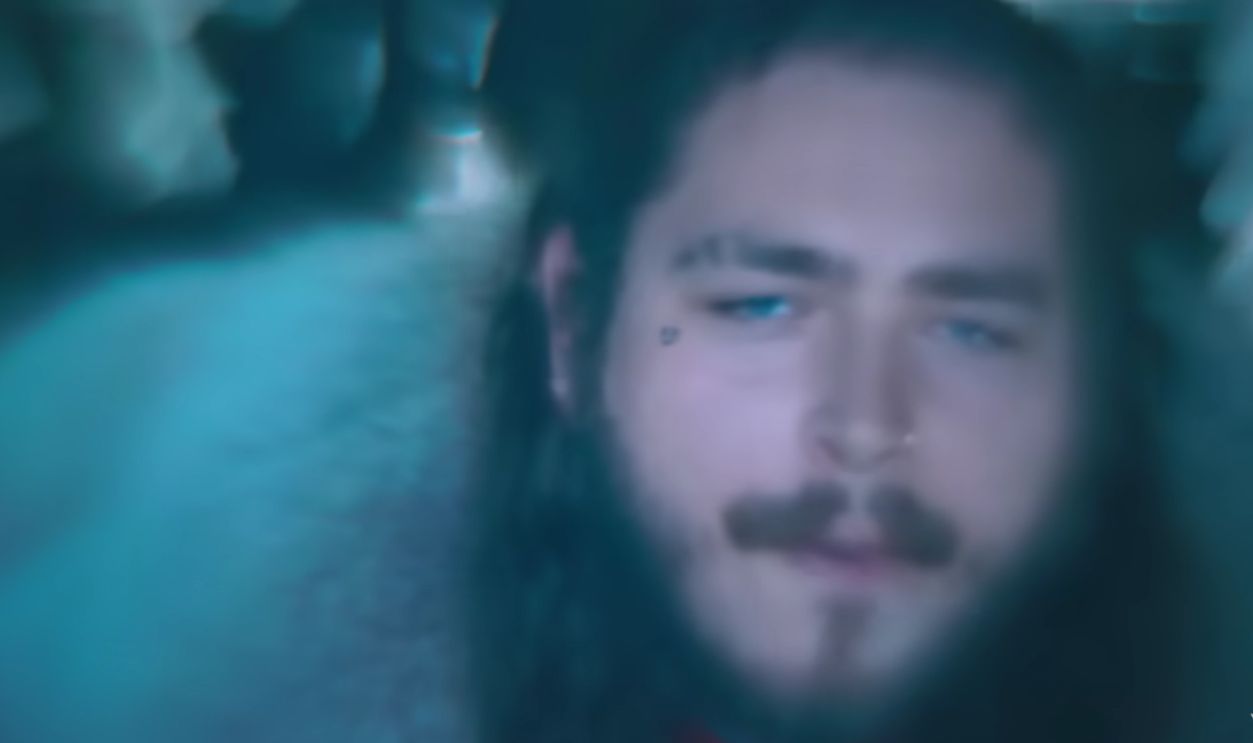 Screenshot from Rockstar, Republic Records (2017)
Sicko Mode—Travis Scott Featuring Drake
Beat switches, tempo changes, surprise entrances—this track refused to sit still. It felt engineered for replay value in the best way possible. Its unpredictability became its superpower, setting a new bar for blockbuster rap singles.
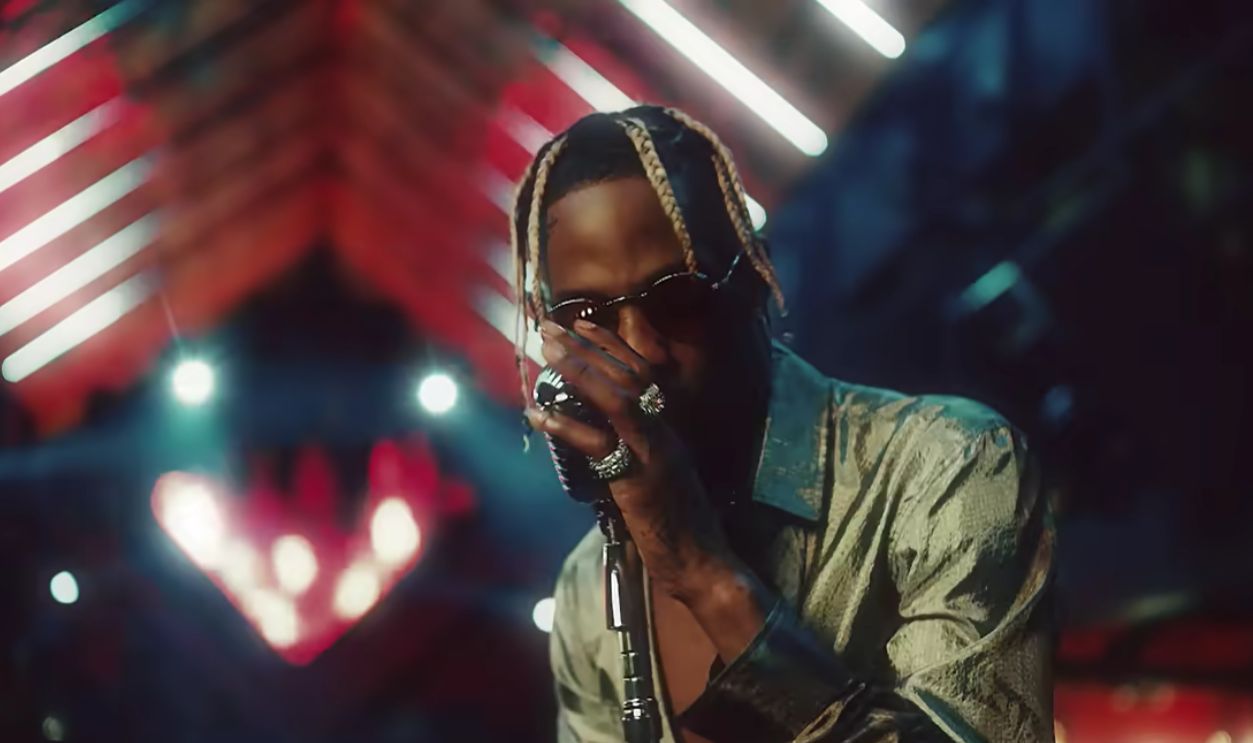 Screenshot from Sicko Mode, Epic Records (2018)
Mo Bamba—Sheck Wes
Raw energy carried this one from dorm rooms to stadiums. The chaotic build made it impossible to ignore in a live setting. It was proof that virality could translate into real-world impact.
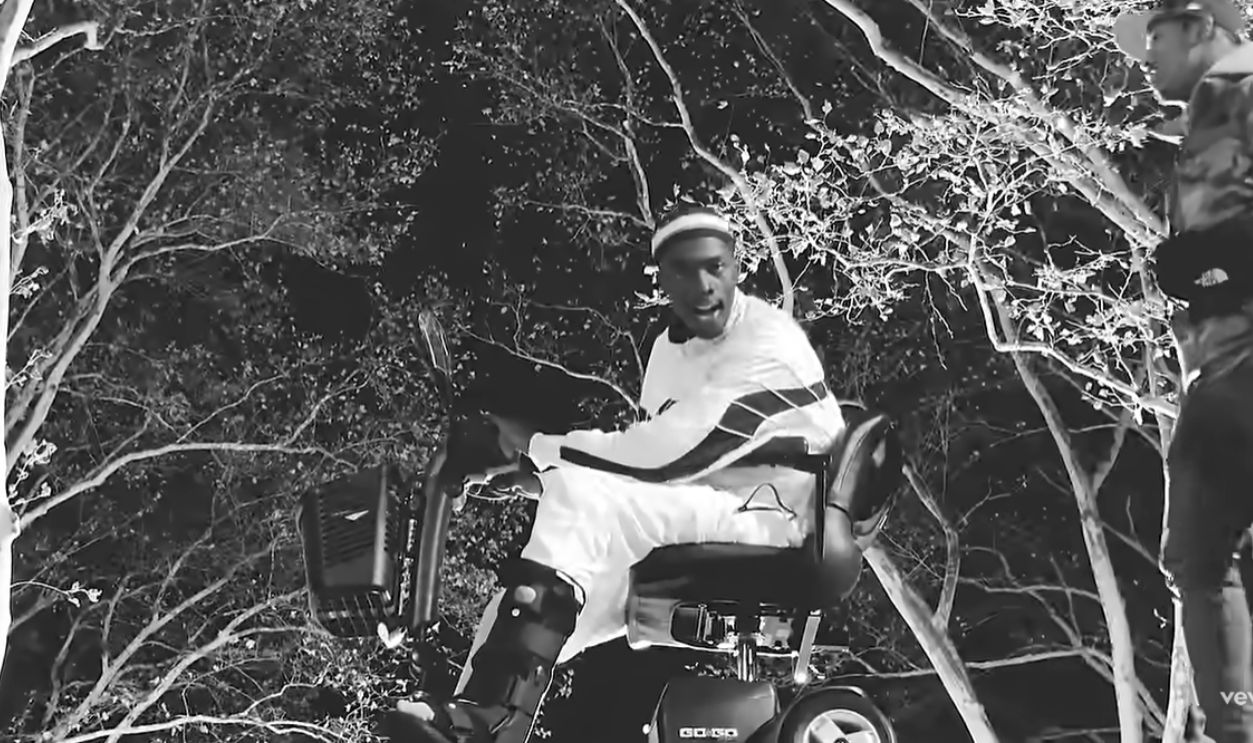 Screenshot from Mo Bamba, Interscope Records (2017)
Old Town Road—Lil Nas X Featuring Billy Ray Cyrus
No one saw this coming. Blending country imagery with trap drums shouldn’t have worked—but it did, spectacularly. The song didn’t just top charts, it sparked debates about genre borders and who gets to define them.
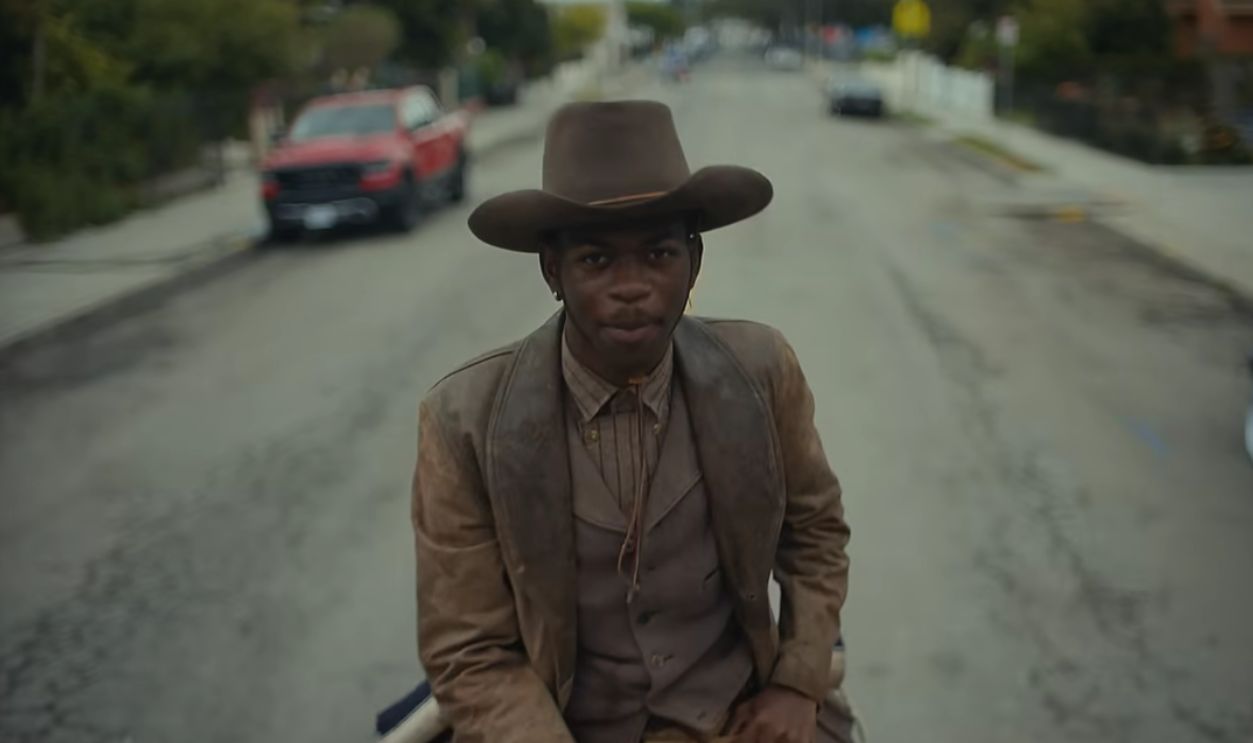 Screenshot from Old Town Road, Columbia Records (2019)
Welcome To The Party—Pop Smoke
Drill exploded into the mainstream with this track’s rumbling bass and commanding delivery. Pop Smoke’s voice cut through the beat like it owned the room. It signaled that New York was recalibrating its sound—and the world was listening.
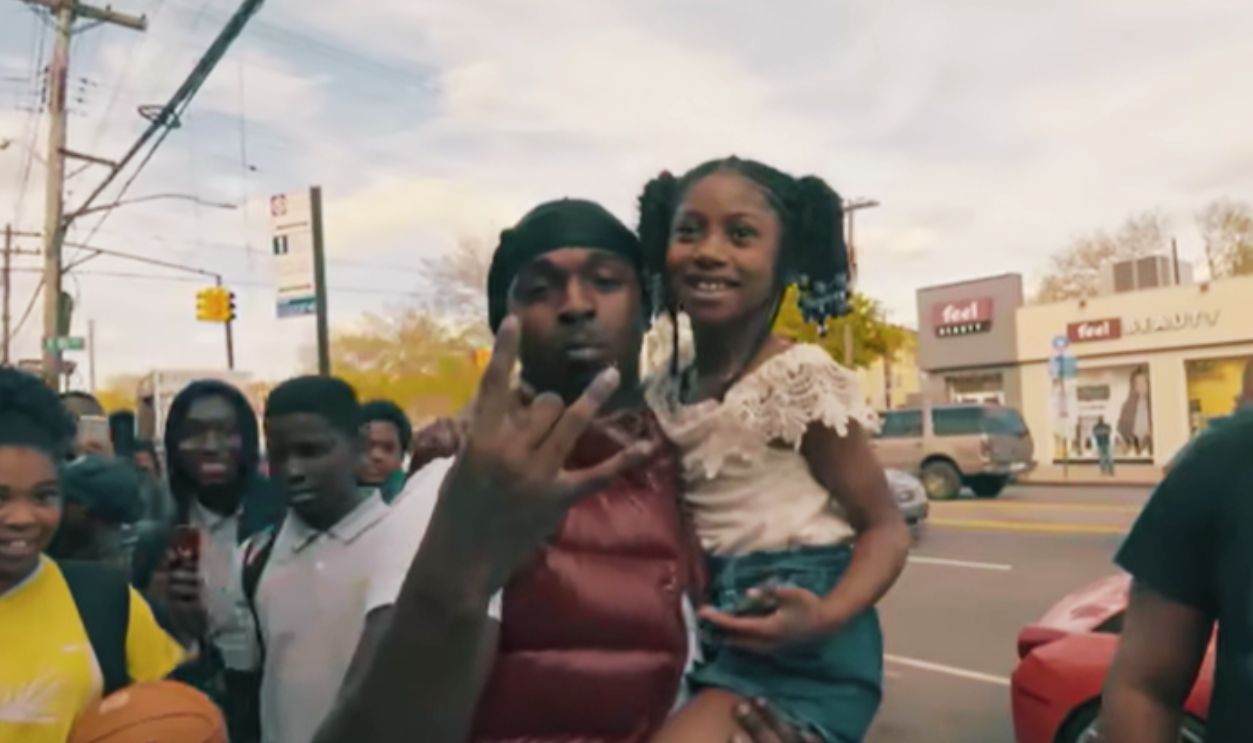 Screenshot from Welcome to the Party, Republic Records (2019)
The Wrap
The 2010s didn’t resurrect hip hop by going backward. They did it by stretching outward—into melody, into activism, into internet chaos, into global experimentation. These songs weren’t just hits. They were proof of life, each one a pulse that grew stronger as the decade rolled on.
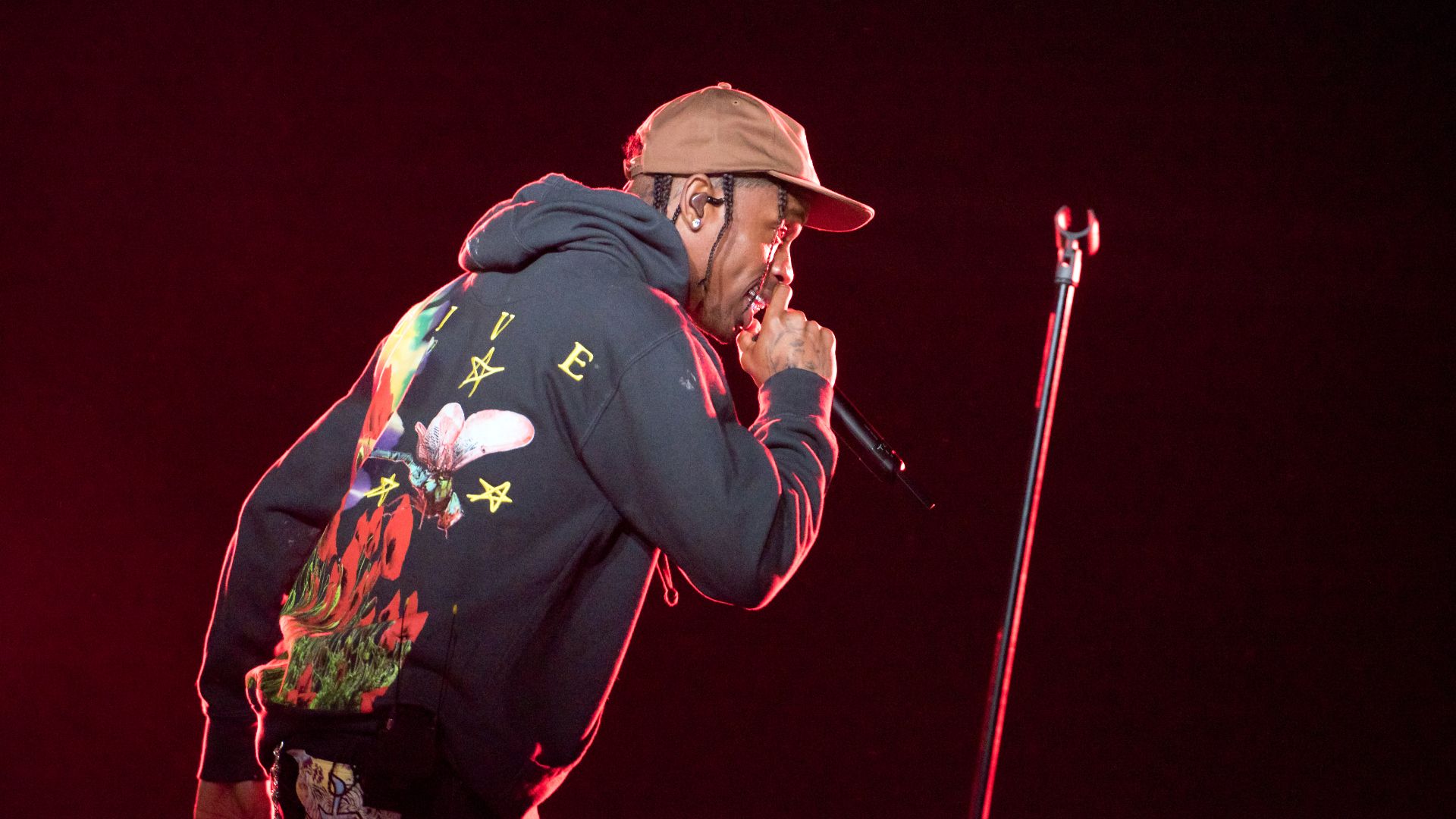 Frank Schwichtenberg, Wikimedia Commons
You May Also Like:
Post-Grunge Songs That Were Actually Good
If You Know These Reggae Songs, Your Music Taste Is Elite
Hilary Duff was America’s favorite teen star—until the world decided she was no longer a child.
Source: 1