Sometimes The Writer Gets Paid
The singer of a smash isn't necessarily the one collecting its songwriting royalties. Writers can continue earning money when other performers record and stream their compositions, sometimes many years later. But most song-by-song earnings are private, so not every outside hit can be proven more profitable than its writer's own recordings.
 Minette Layne, Wikimedia Commons
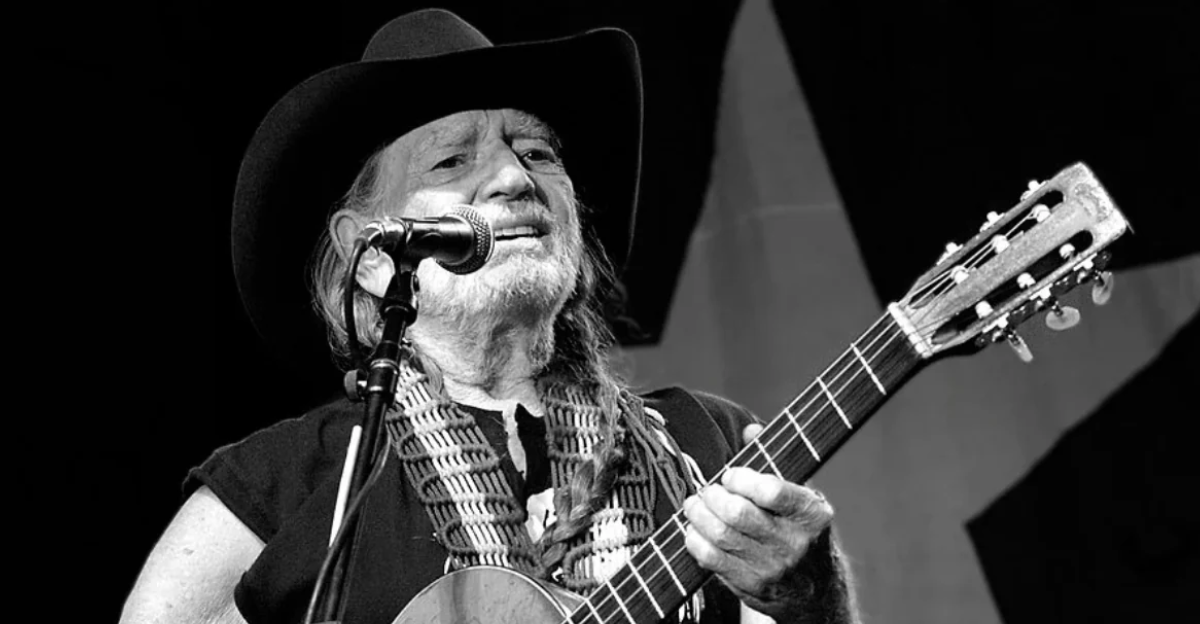
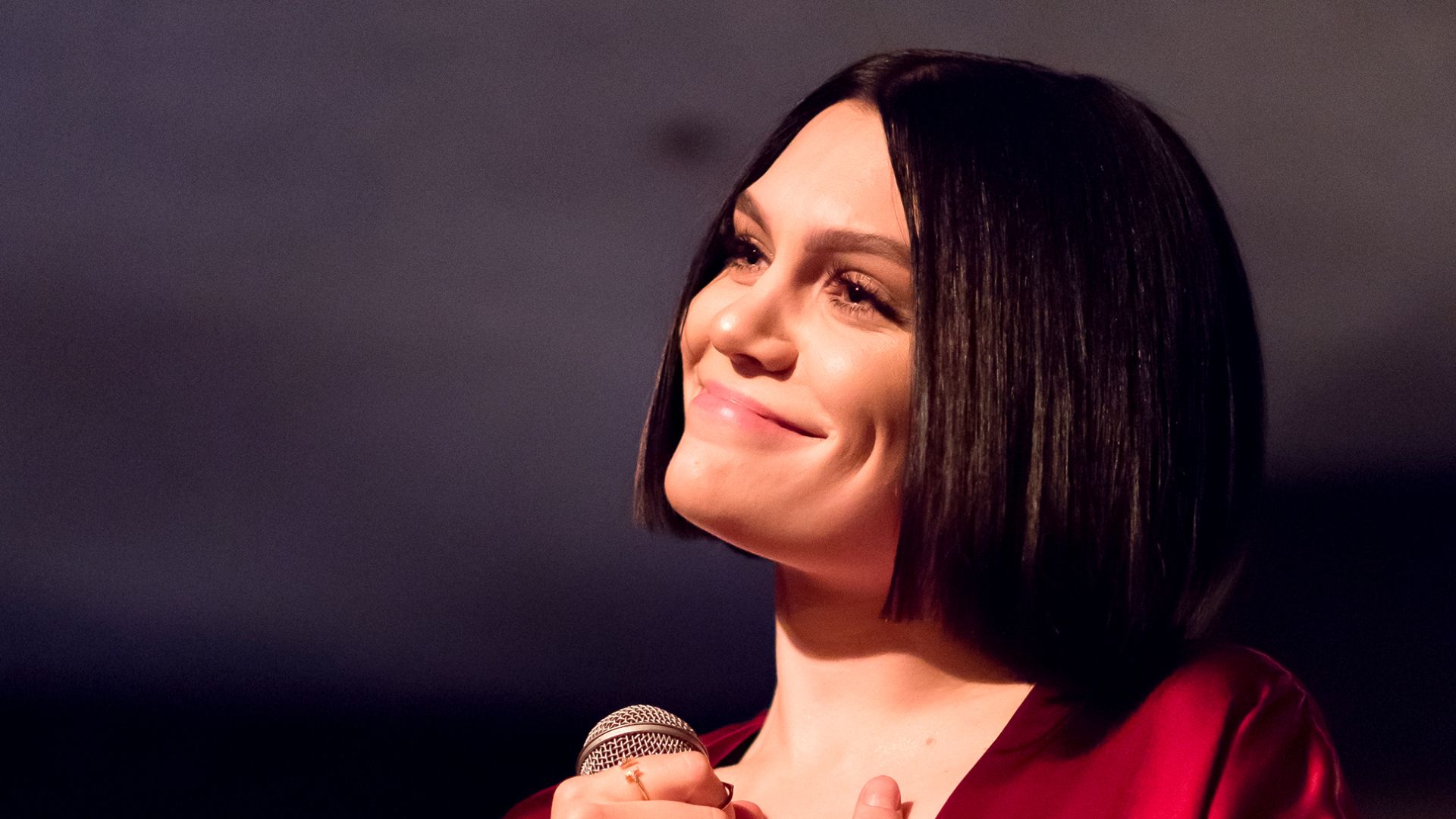
Jessie J's Miley Cyrus Windfall
Jessie J co-wrote Miley Cyrus's 2009 smash “Party in the U.S.A.” In 2014, she said its royalties had paid her rent for more than three years. She called songwriting her main source of income.
 Drew de F Fawkes, Wikimedia Commons
Dolly Parton's Whitney Houston Royalties
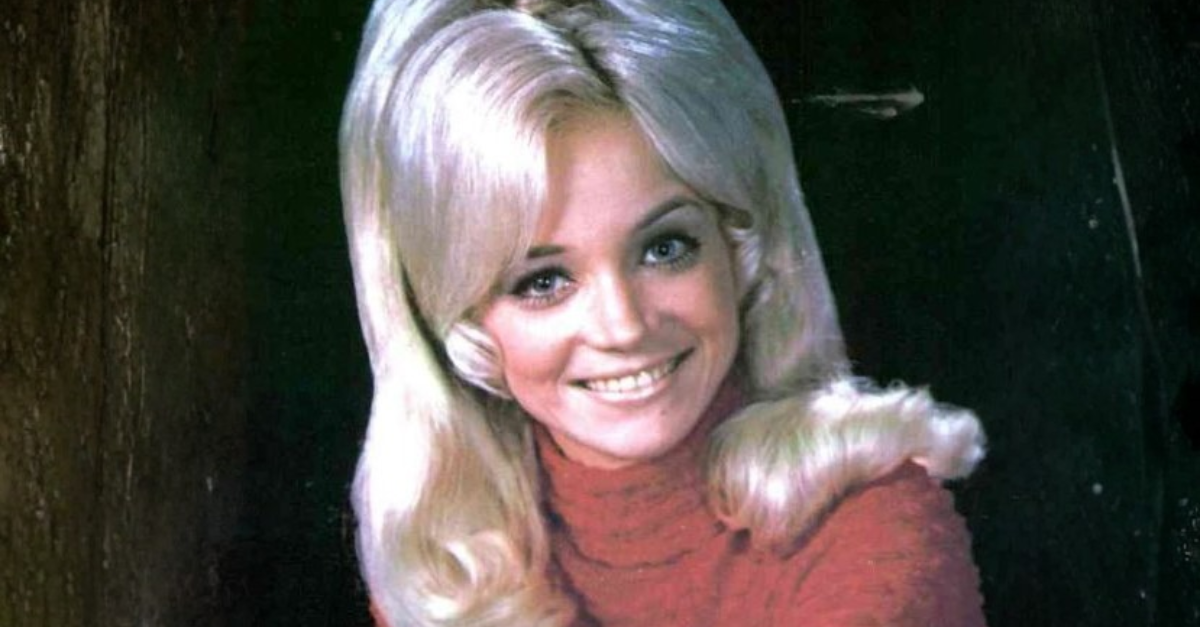
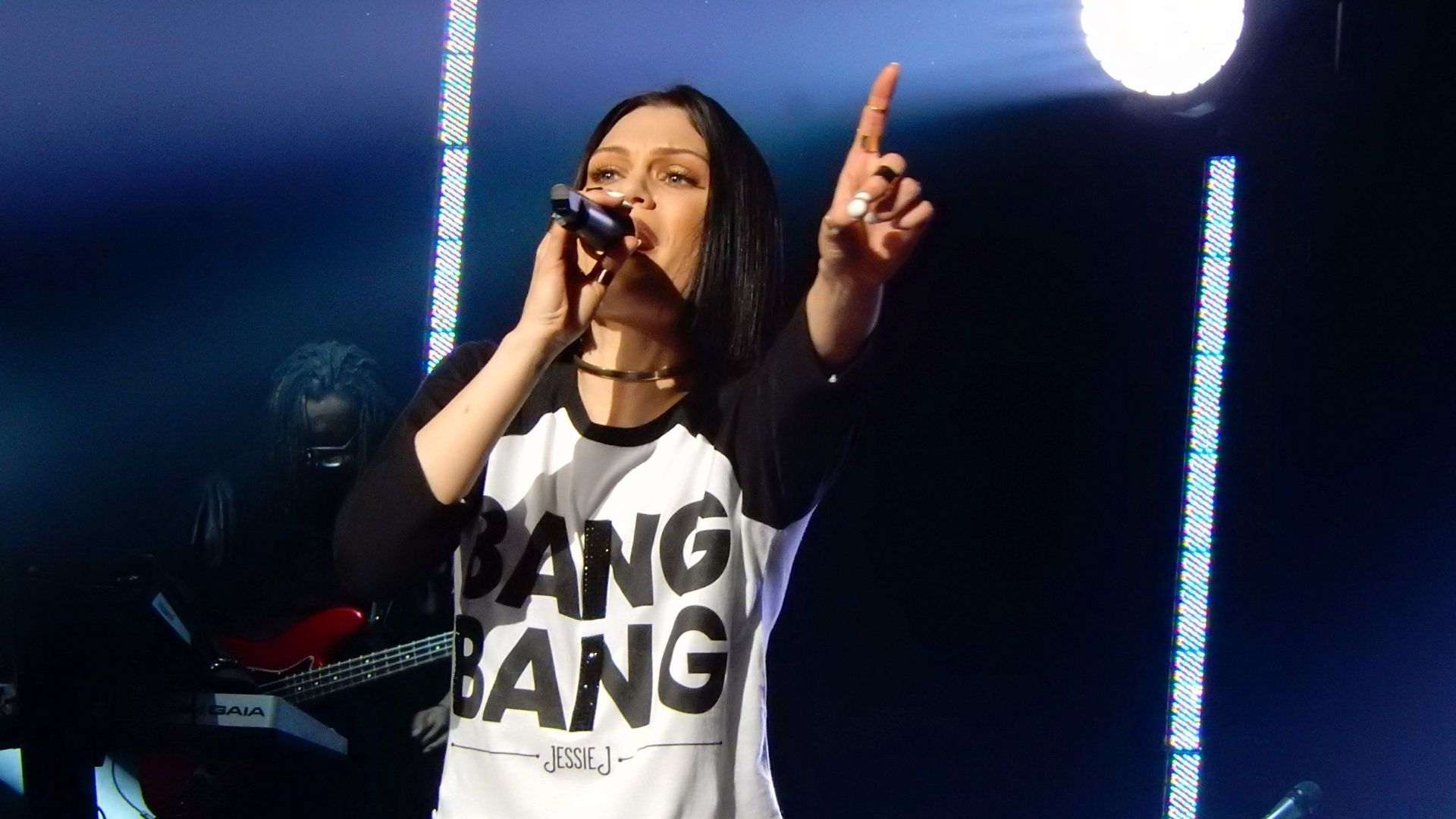
Dolly Parton wrote and recorded “I Will Always Love You,” but Whitney Houston's 1992 version brought fresh fortune. Forbes estimated around $10 million in earnings. Parton invested some royalties in Nashville real estate.
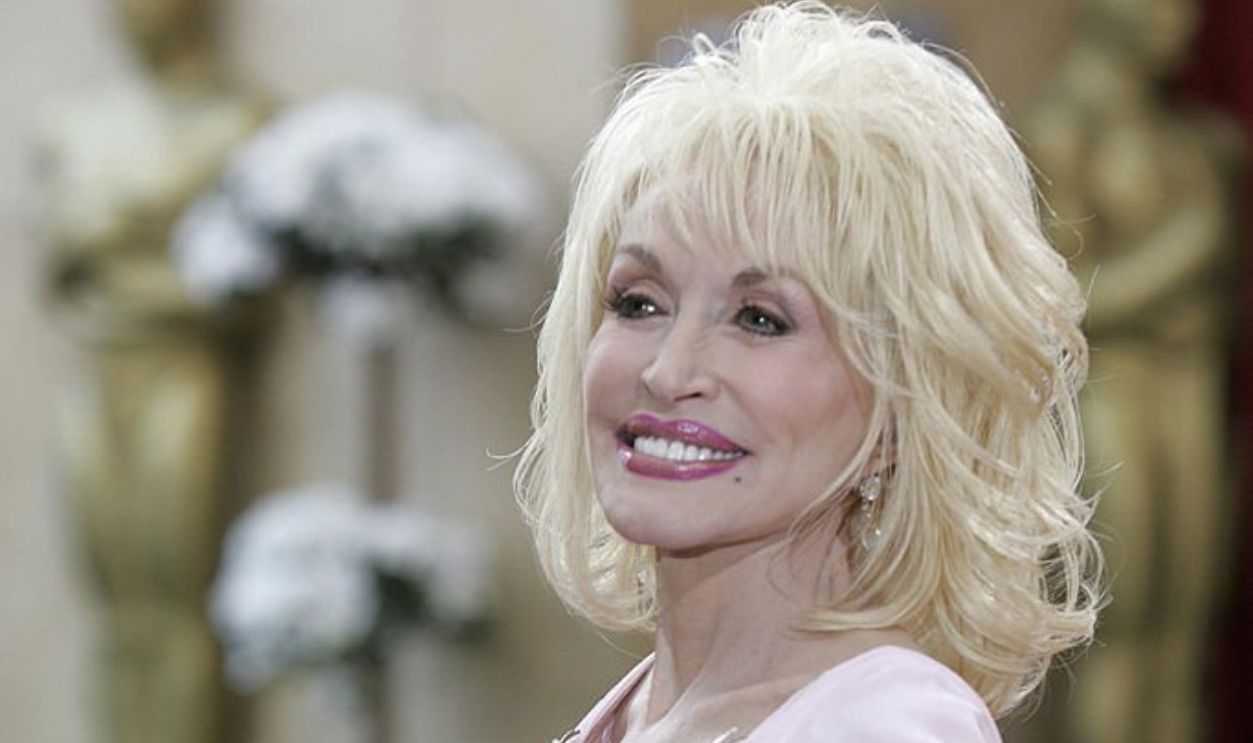
The-Dream's Lucrative Umbrella
The-Dream scored solo hits, but also co-wrote Rihanna's “Umbrella” and Beyoncé's “Single Ladies.” His songwriting catalog proved enormously valuable. In 2018, he sold a 75% interest in 302 songs for $23.25 million.
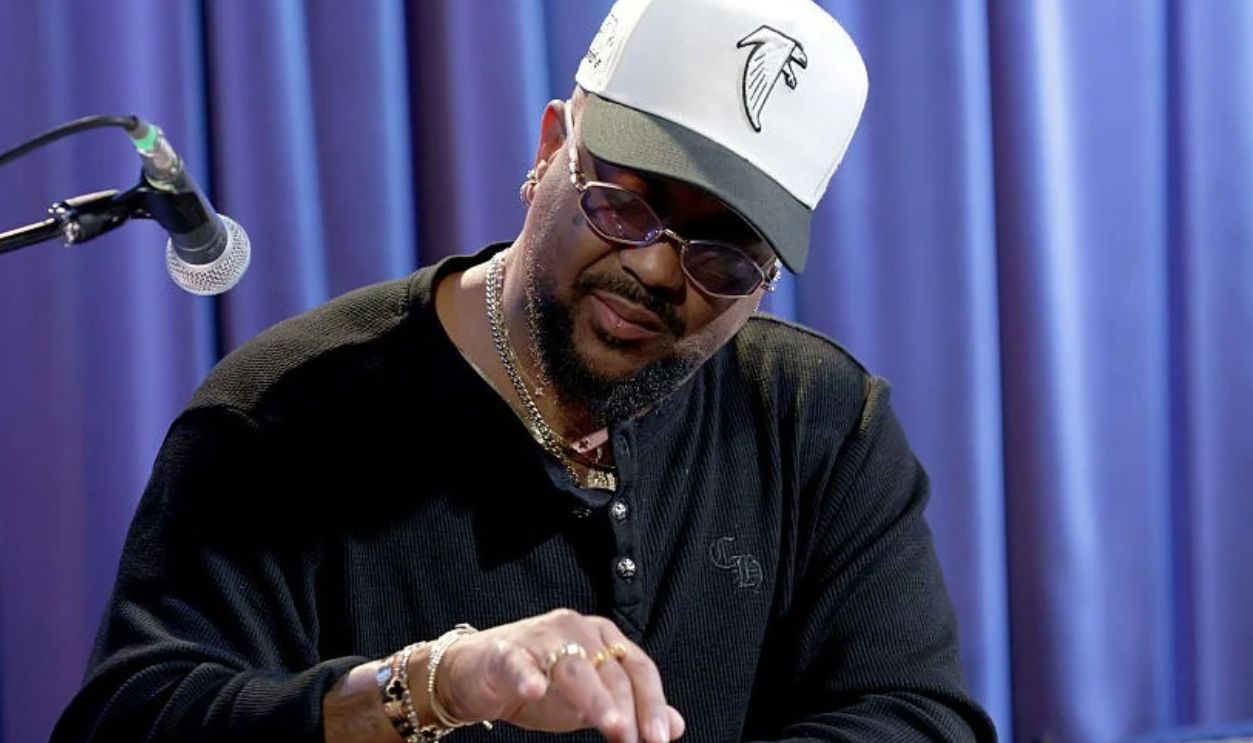
Ryan Tedder's Other Hitmaking Career
OneRepublic made Ryan Tedder famous, but he also co-wrote Leona Lewis's “Bleeding Love” and Beyoncé's “Halo.” In 2021, a deal involving his nearly 500-song catalog was reportedly valued near $200 million. That valuation covered numerous recordings.
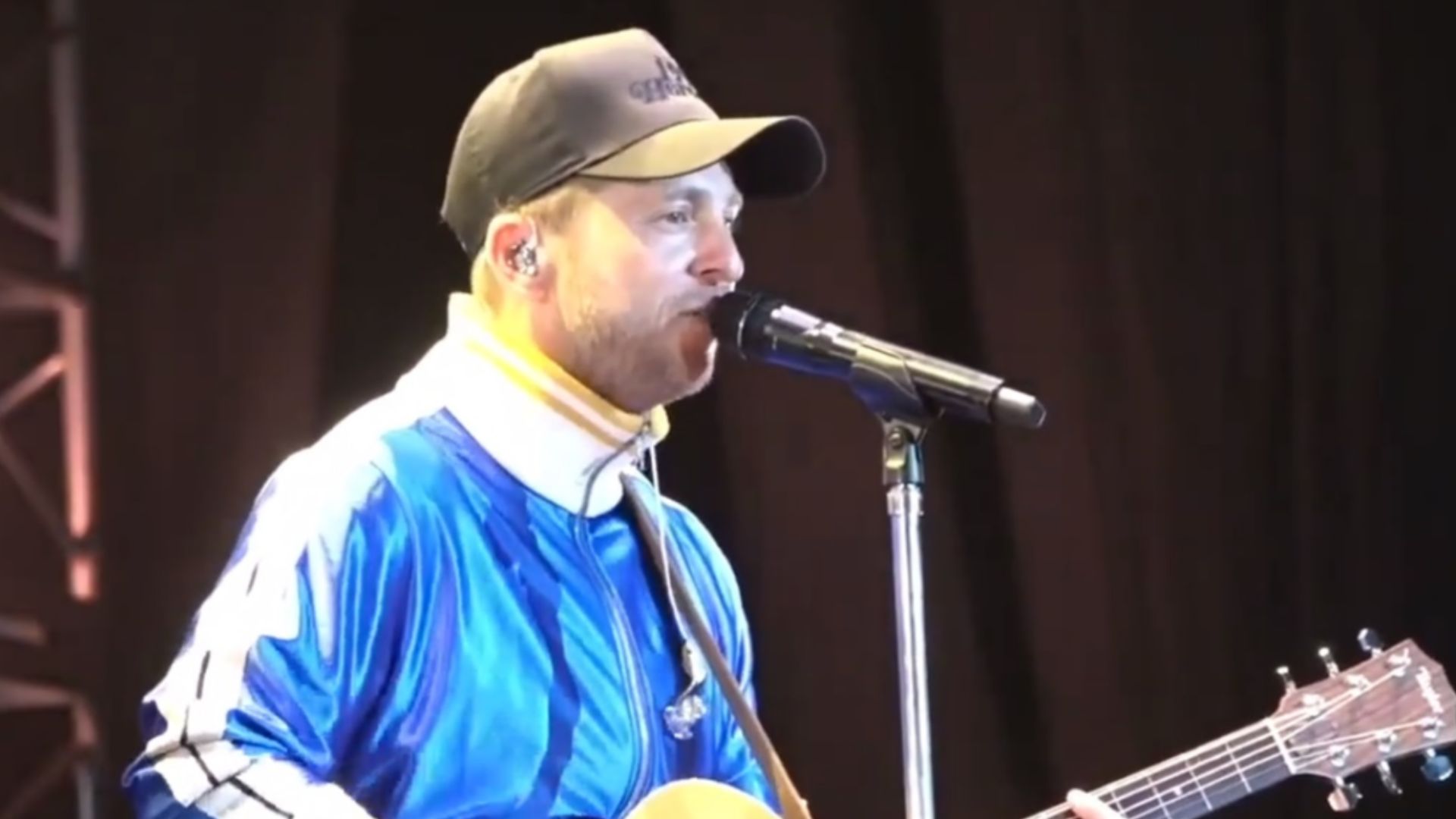
Max Martin's Second Music Career
Max Martin once fronted the Swedish rock band It's Alive. His later songwriting credits included Britney Spears's “…Baby One More Time” and the Backstreet Boys' “I Want It That Way.” His writing career eclipsed his earlier performing career.
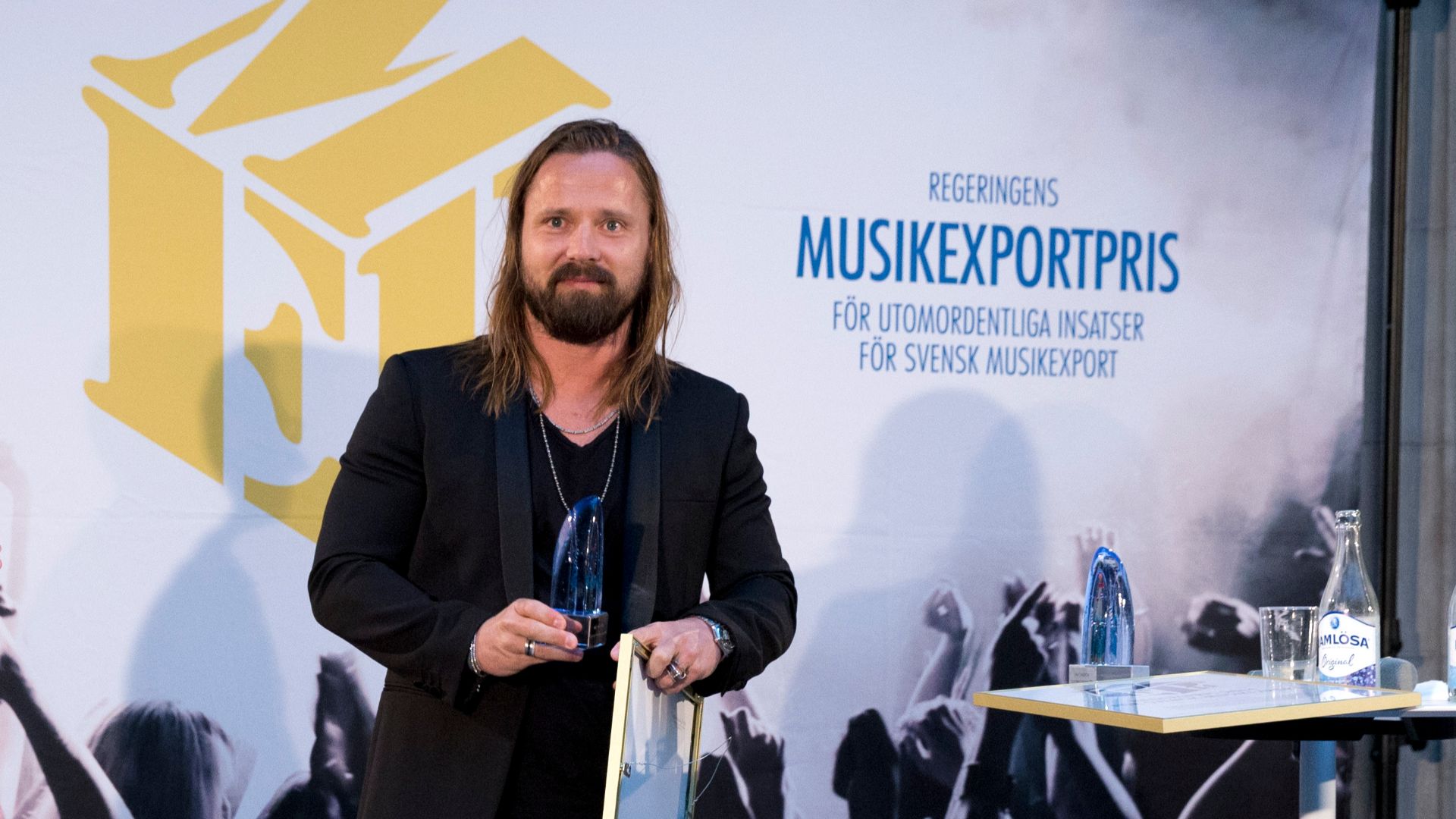 Näringsdepartementet, Wikimedia Commons
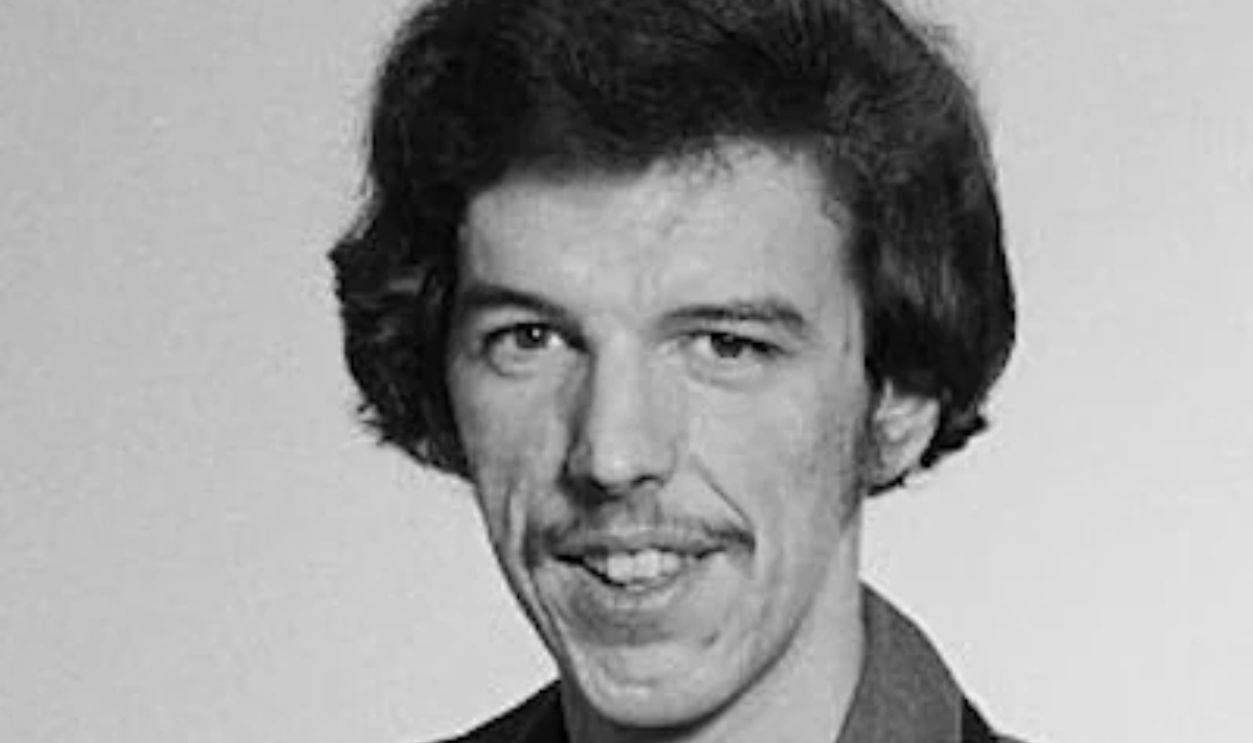
Rod Temperton's Thriller Payday
Rod Temperton performed with Heatwave, known for “Boogie Nights.” But Michael Jackson recorded his compositions “Rock With You” and “Thriller.” Temperton wrote three tracks for Jackson's phenomenally successful Thriller album, including its title song.
 https://www.soulbag.fr/rod-temperton-1949-2016/, Wikimedia Commons
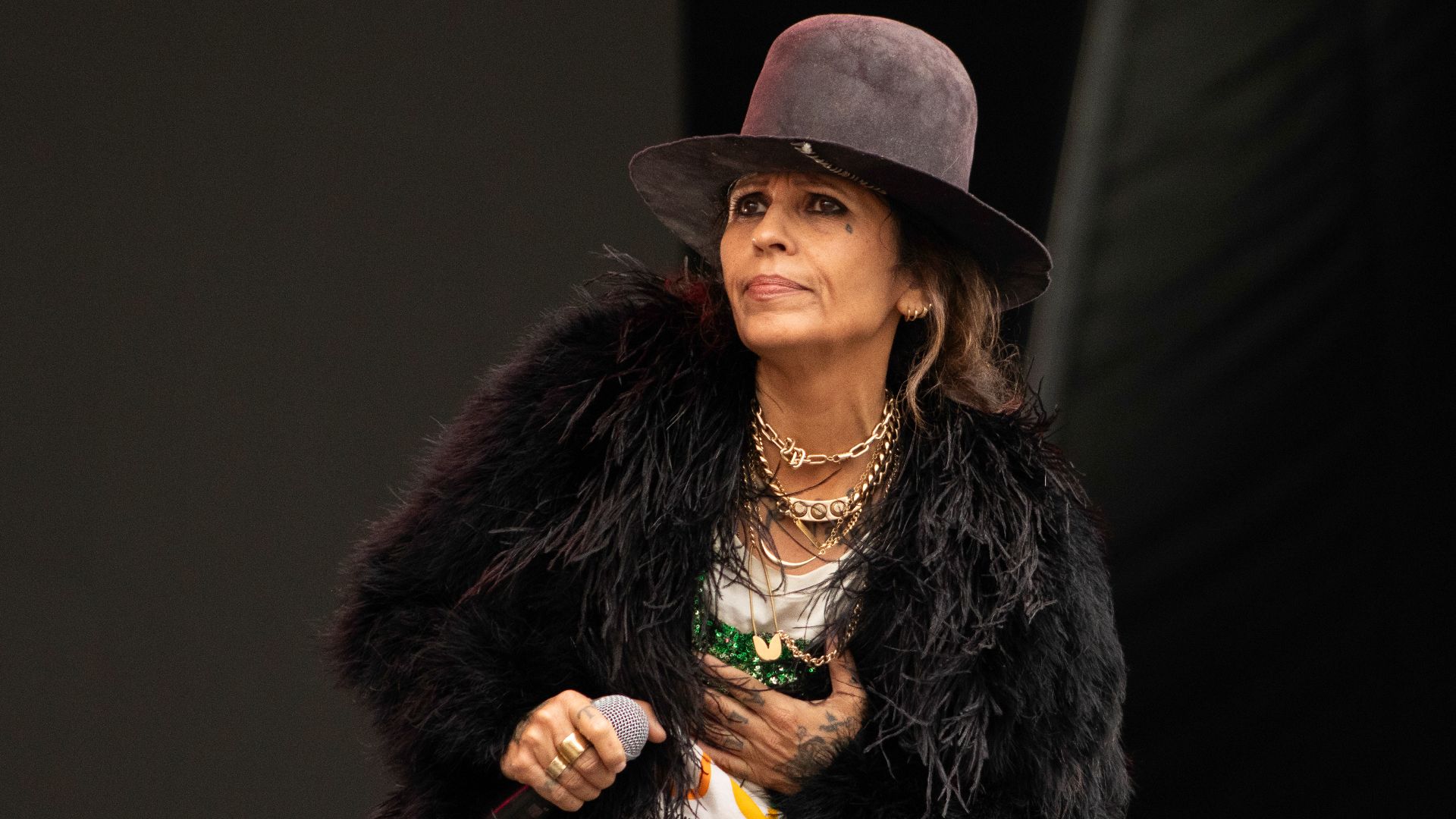
Linda Perry's Pop Reinvention
Linda Perry first found fame singing “What's Up?” with 4 Non Blondes. Then she wrote Pink's “Get the Party Started” and Christina Aguilera's “Beautiful.” Those songs established her as an influential behind-the-scenes collaborator.
 DiegoVigueras, Wikimedia Commons
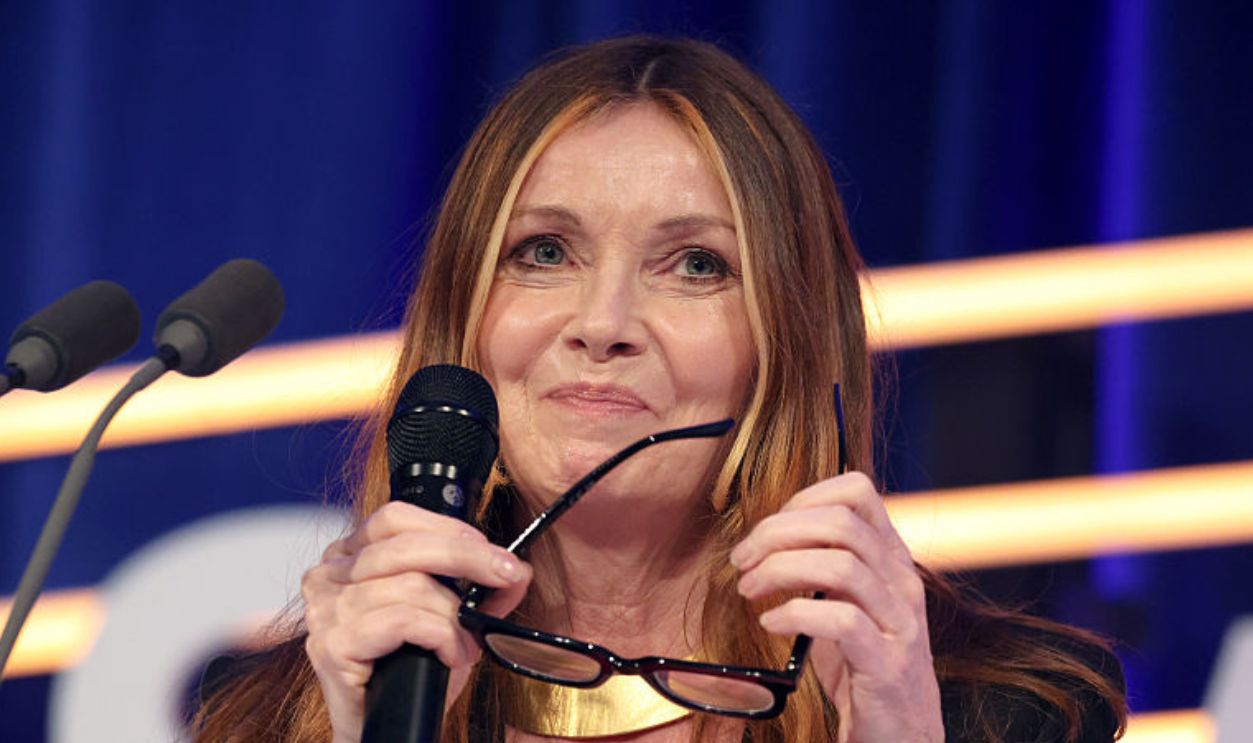
Cathy Dennis's Pop Writing Gold
Cathy Dennis enjoyed solo success with “Touch Me (All Night Long).” She subsequently co-wrote Kylie Minogue's “Can't Get You Out of My Head” and Britney Spears's “Toxic.” Both became defining successes in her songwriting career.
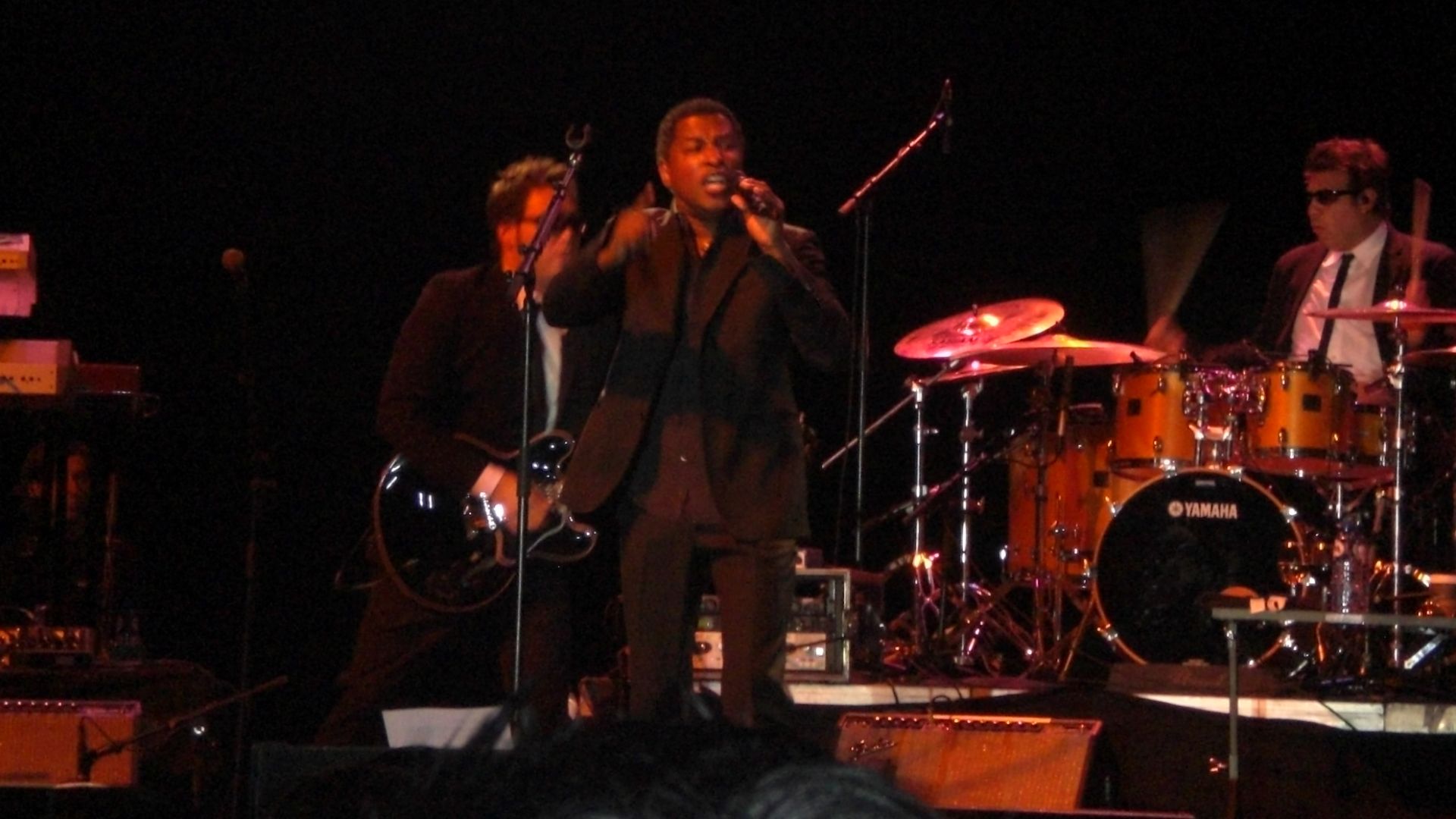
Babyface's Hits For Boyz II Men
Babyface scored hits as a singer, including “Whip Appeal.” He also co-wrote Boyz II Men's “End of the Road,” a 13-week American chart-topper. His “I'll Make Love to You” remained number one for 14 weeks.
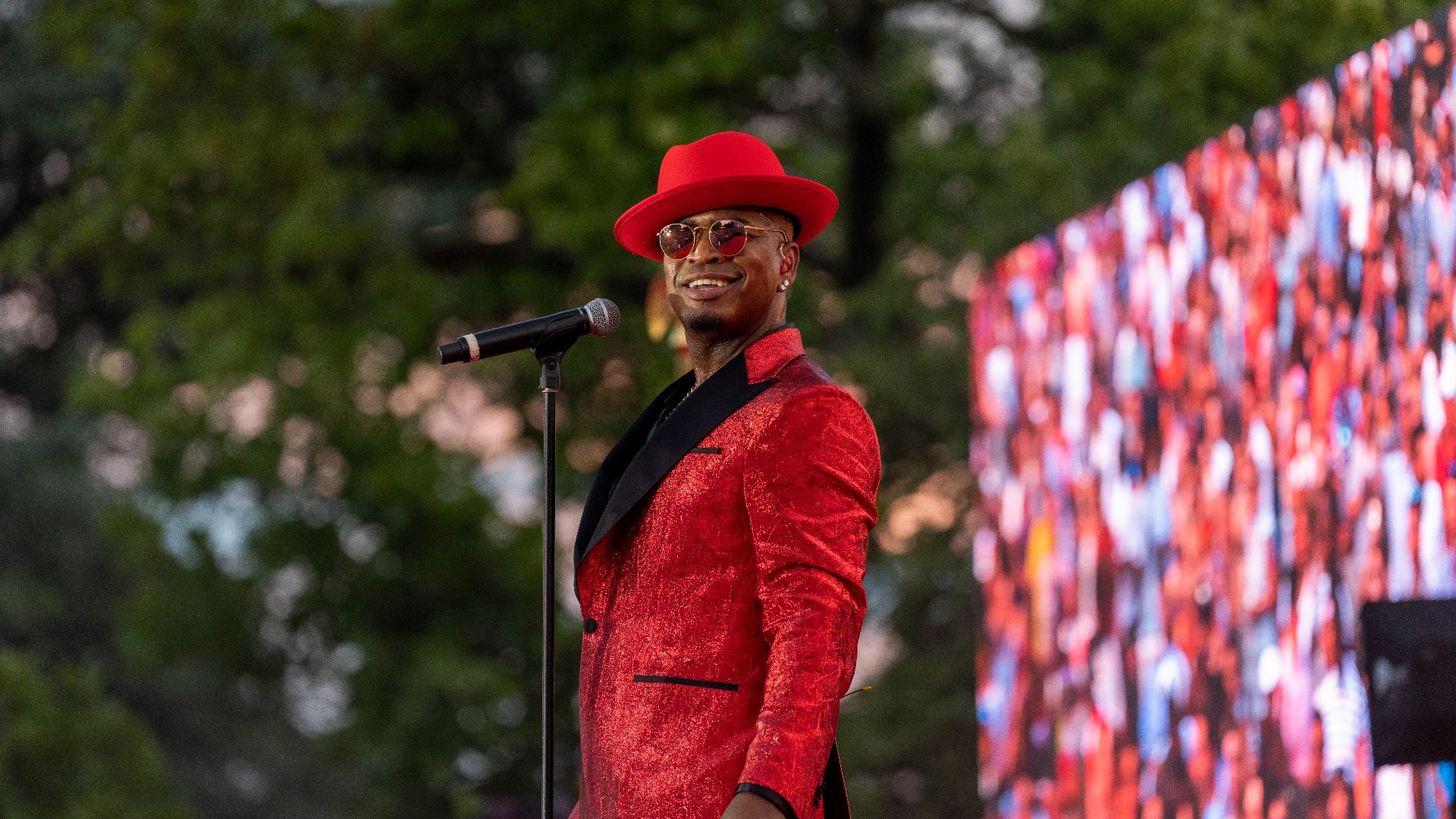
Ne-Yo's Breakthrough For Mario
Before Ne-Yo became a solo star with “So Sick,” he co-wrote Mario's “Let Me Love You.” His outside credits also include Beyoncé's “Irreplaceable” and Rihanna's “Take a Bow.” Those recordings expanded his songwriting catalog.
 The White House, Wikimedia Commons
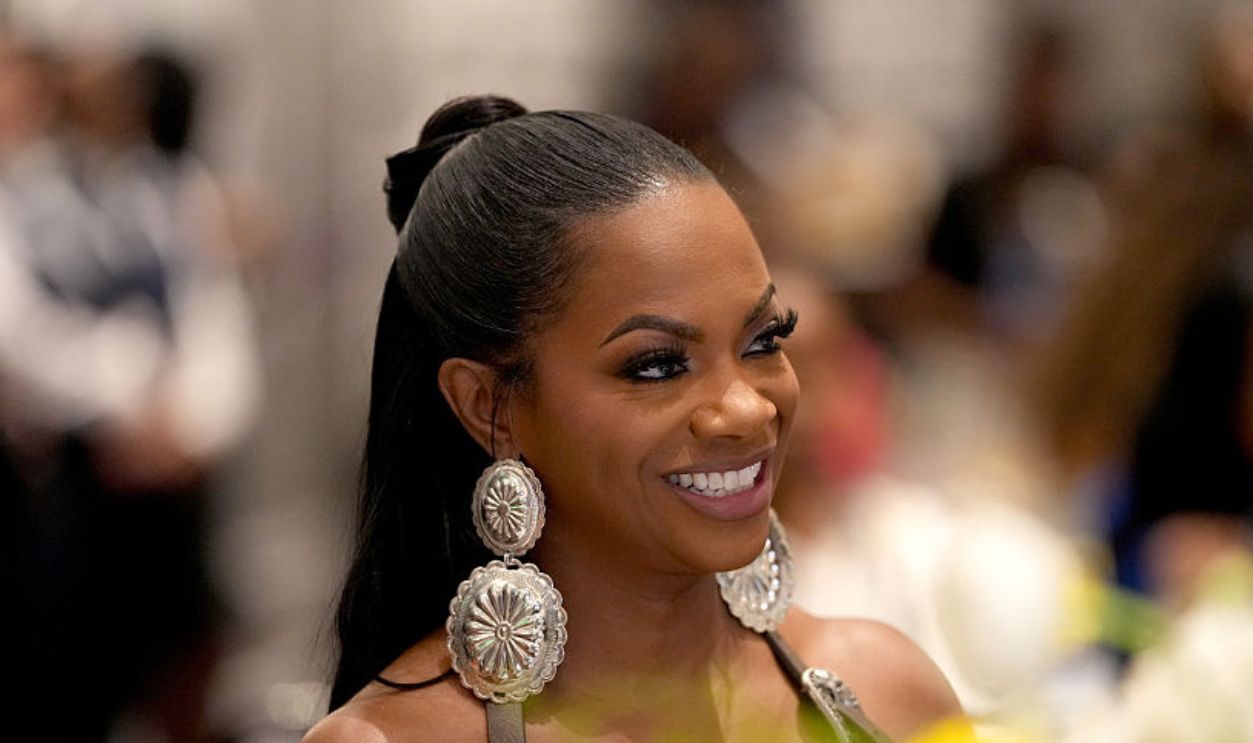
Kandi Burruss's Surprise Royalty Credit
Xscape singer Kandi Burruss co-wrote TLC's “No Scrubs.” In 2017, she gained a writing credit on Ed Sheeran's “Shape of You” because of similarities between the songs. Her earlier composition opened another royalty stream.
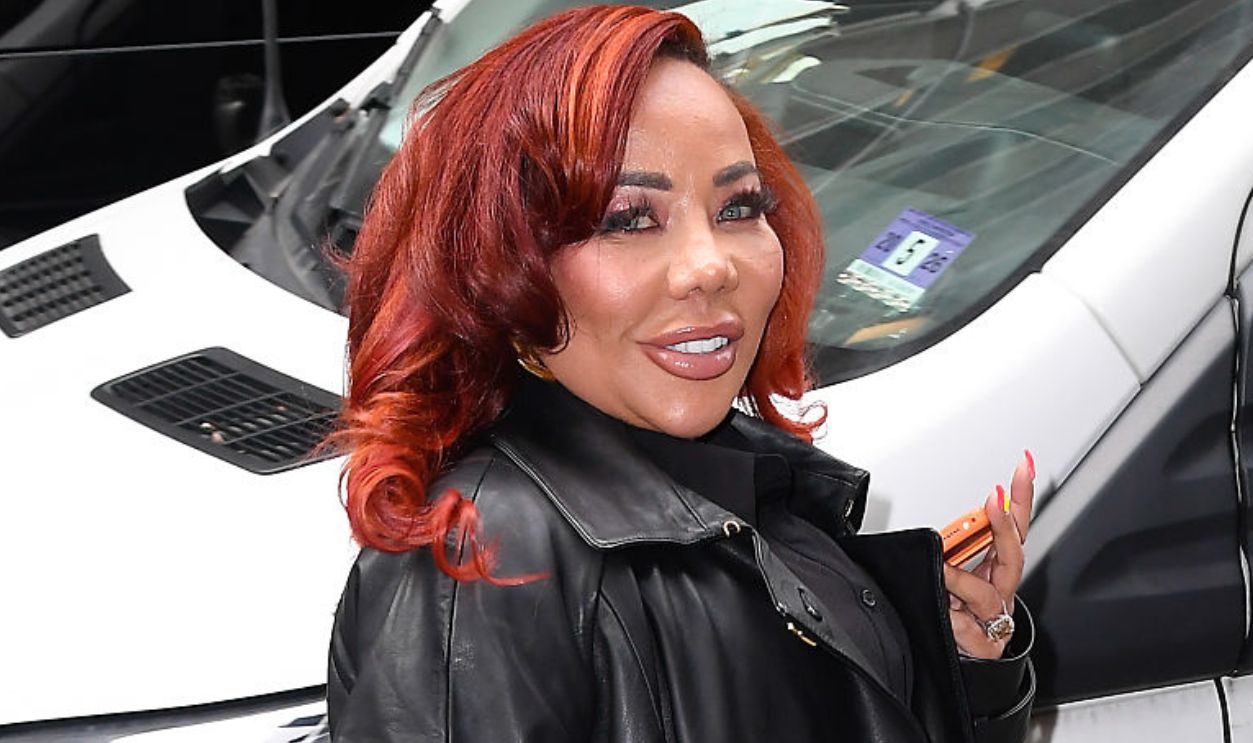
Tiny Harris's Continuing Royalties
Tameka “Tiny” Harris was another Xscape member who co-wrote TLC's “No Scrubs.” She also received a subsequent songwriting credit on Ed Sheeran's “Shape of You.” Her earlier work became connected to another international hit.
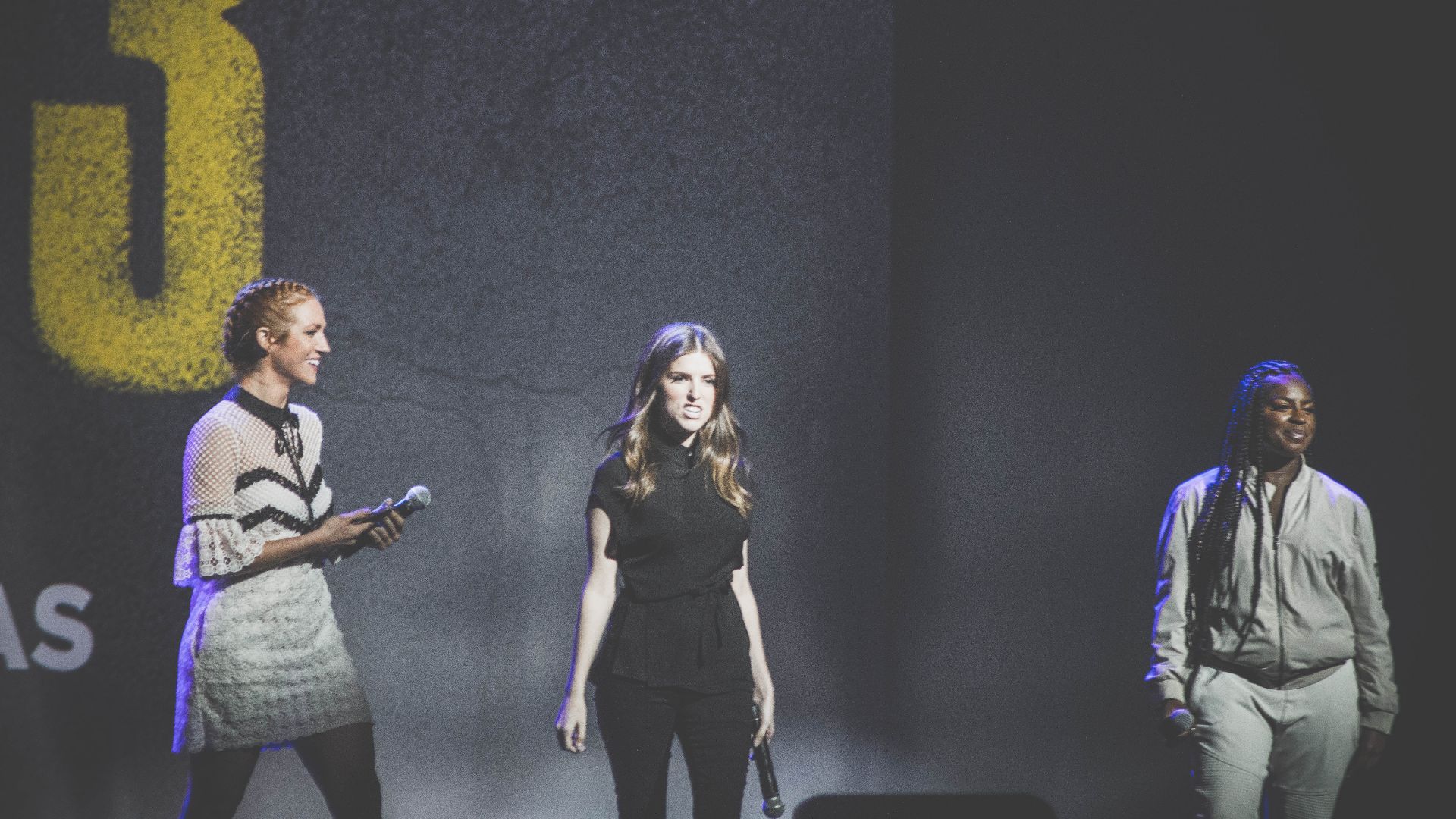
Ester Dean's Firework
Ester Dean released her own music but became especially successful writing for others. She co-wrote Katy Perry's “Firework” and Nicki Minaj's “Super Bass.” Dean has described “Firework” as a composition she particularly treasures.
 jason madrigal, Wikimedia Commons
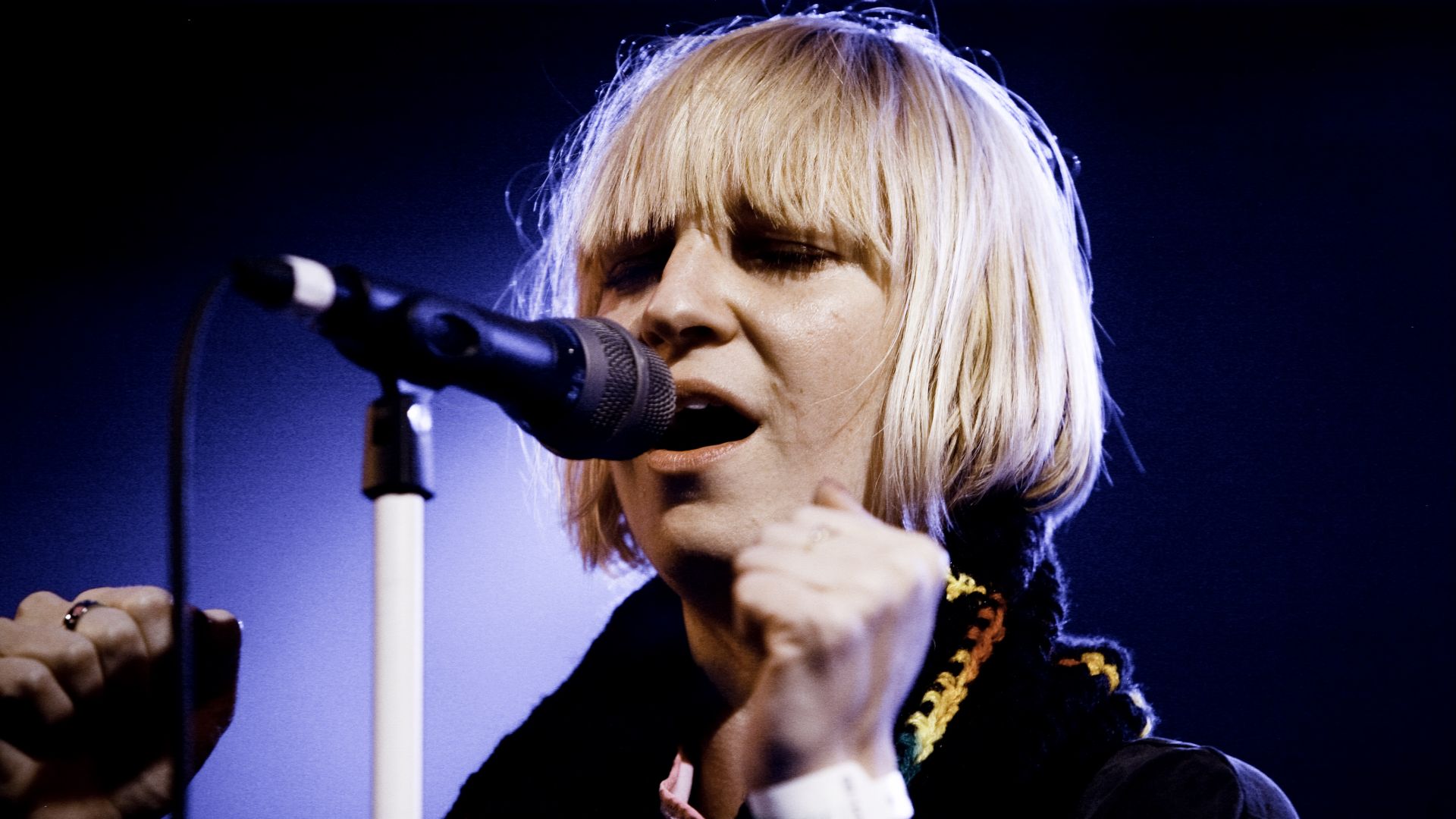
Sia's Rihanna Smash
Before “Chandelier” made Sia a household name, she was writing hits for other singers. Rihanna recorded her “Diamonds,” and Beyoncé released “Pretty Hurts.” Sia publicly described preferring the creative freedom of writing away from celebrity attention.
 Kris Krug at https://www.flickr.com/photos/kk, Wikimedia Commons
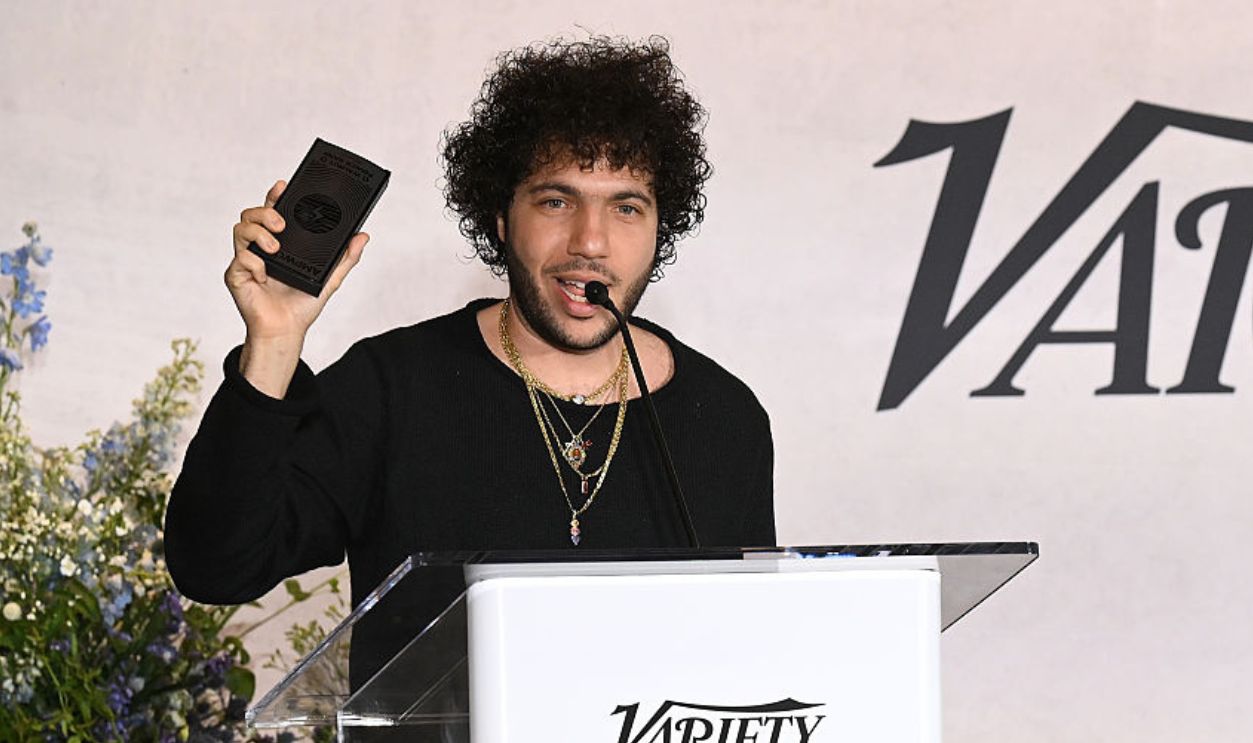
Benny Blanco's Publishing Fortune
Benny Blanco created hits for others before releasing music as a lead artist. His credits include Justin Bieber's “Love Yourself.” In 2019, Hipgnosis acquired his interests in 93 compositions, collectively credited with over 10 billion streams.
Carole King's Aretha Franklin Hit
Carole King was a hit songwriter before her solo triumph Tapestry. With Gerry Goffin, she wrote Aretha Franklin's “(You Make Me Feel Like) A Natural Woman.” Her biography credits more than 1,000 artists with recording her compositions.
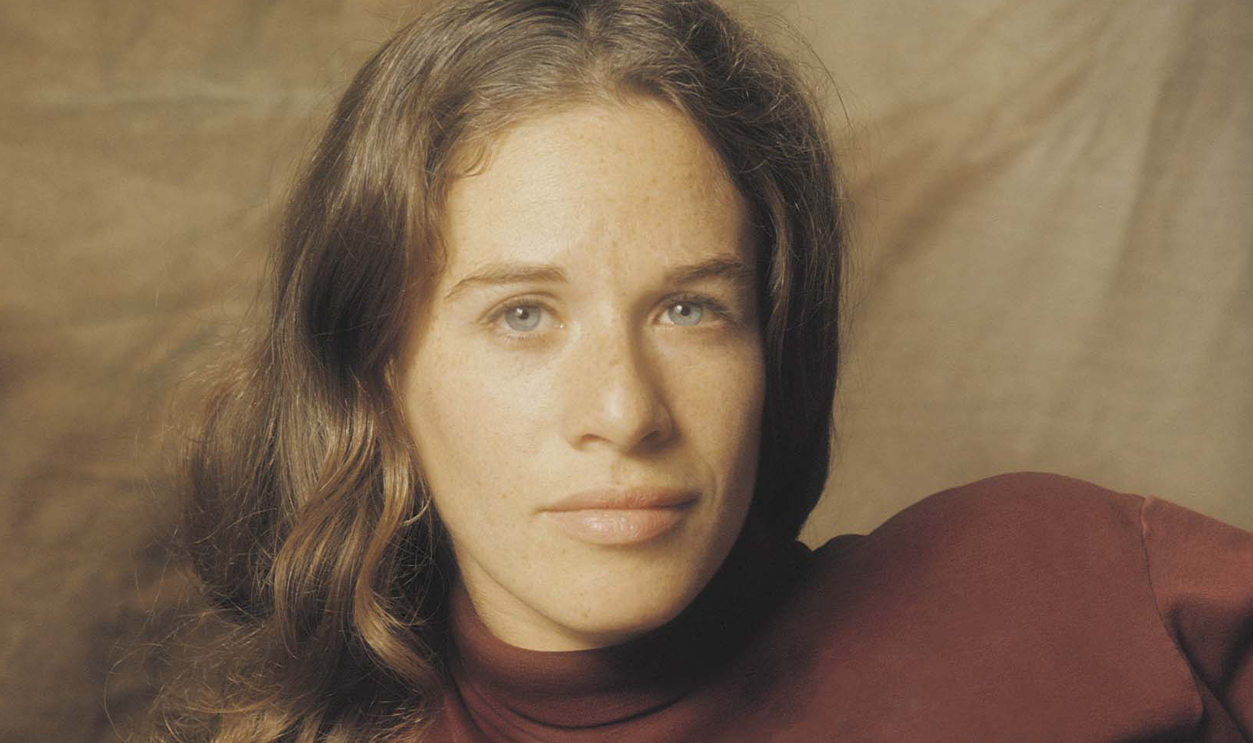 Photo by Jim McCrary/Redferns, Getty Images
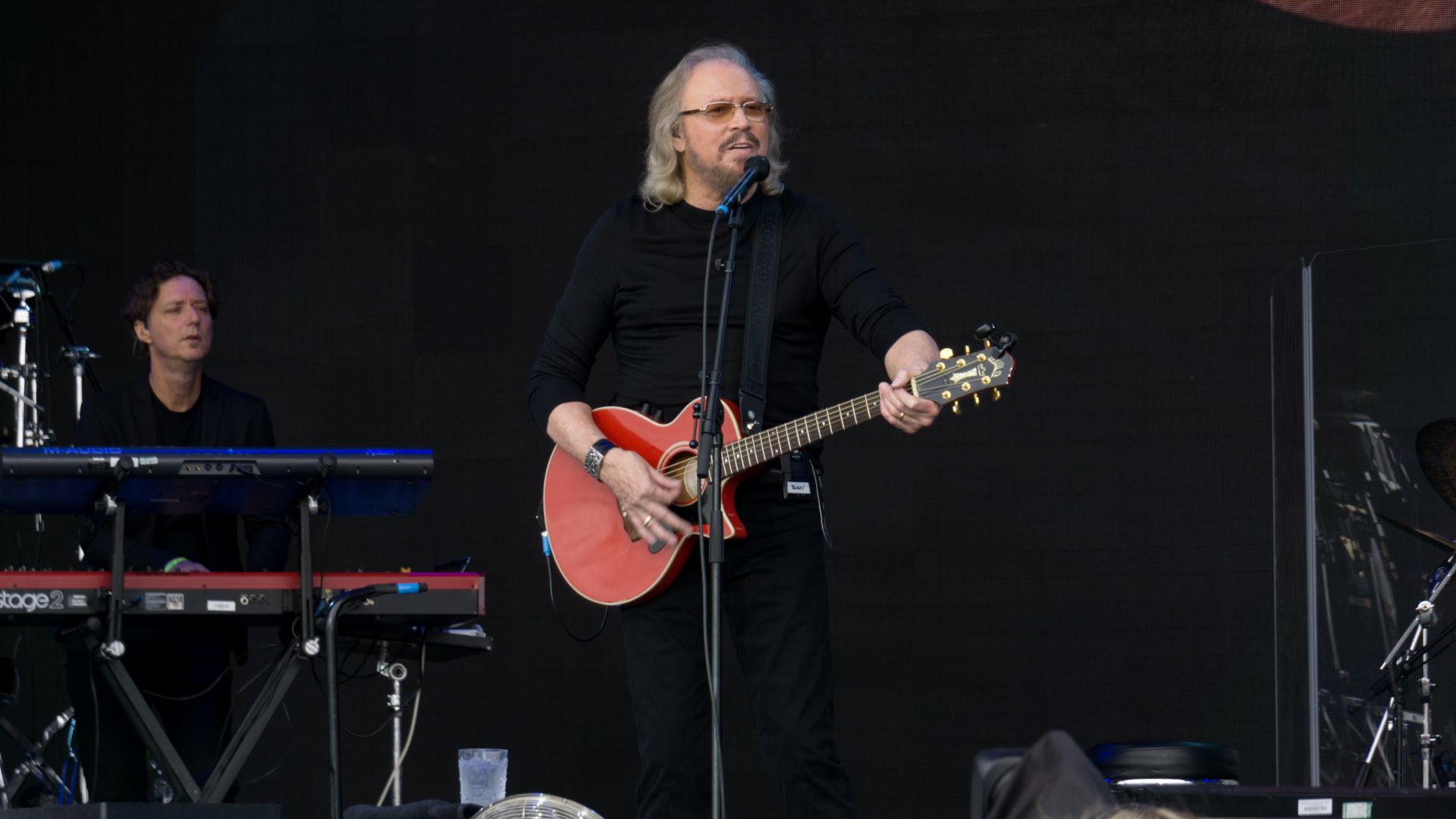
Barry Gibb's Country Crossover
Barry Gibb and his Bee Gees brothers Robin and Maurice wrote “Islands in the Stream.” Kenny Rogers and Dolly Parton recorded the famous duet in 1983. Their version topped America's pop and country singles charts.
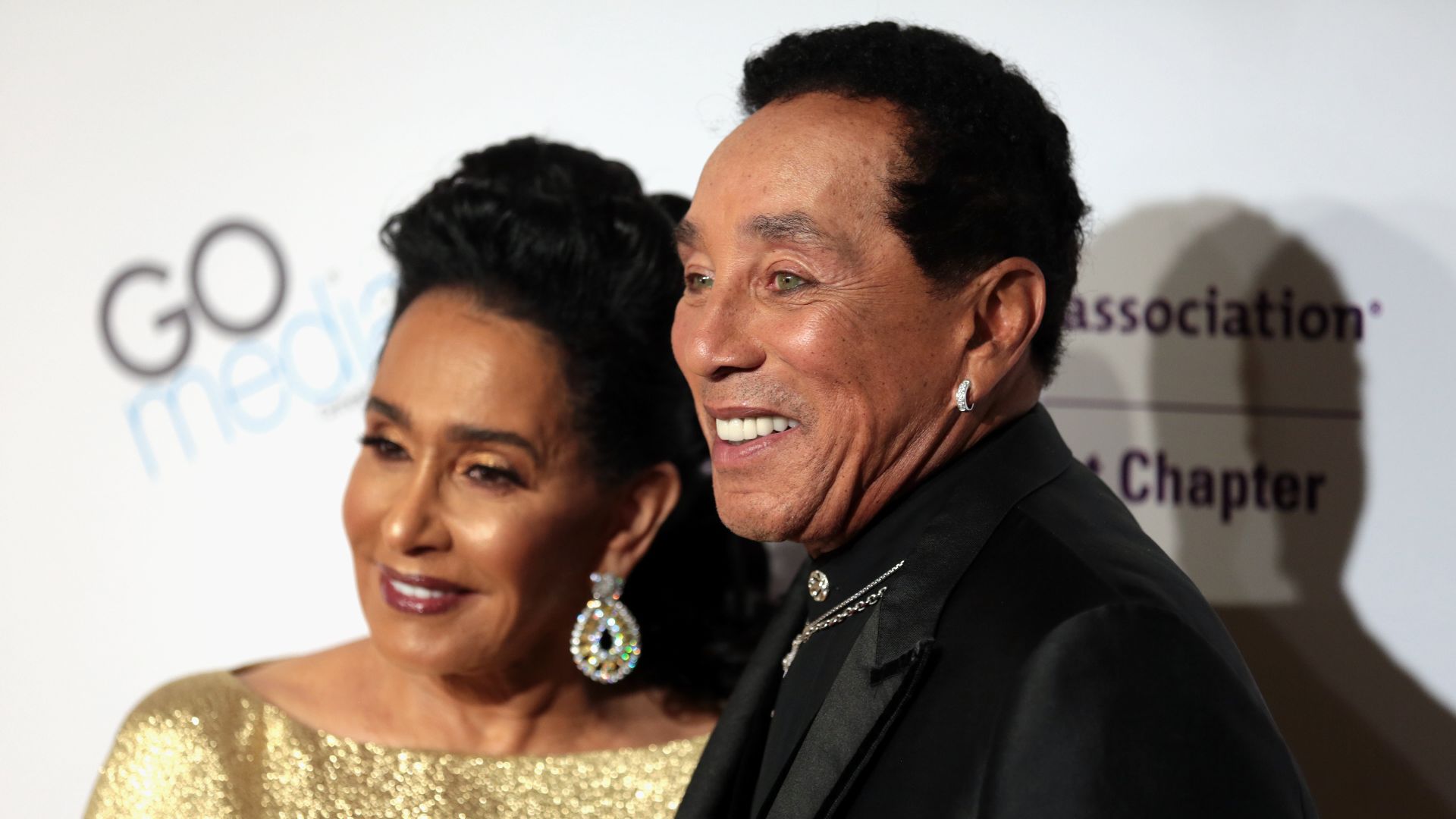
Smokey Robinson's Temptations Classic
Smokey Robinson was a Miracles star when he and Ronald White wrote “My Girl” for the Temptations. Robinson designed the song for David Ruffin's voice. It became the group's first American pop number one.
 Gage Skidmore from Peoria, AZ, United States of America, Wikimedia Commons
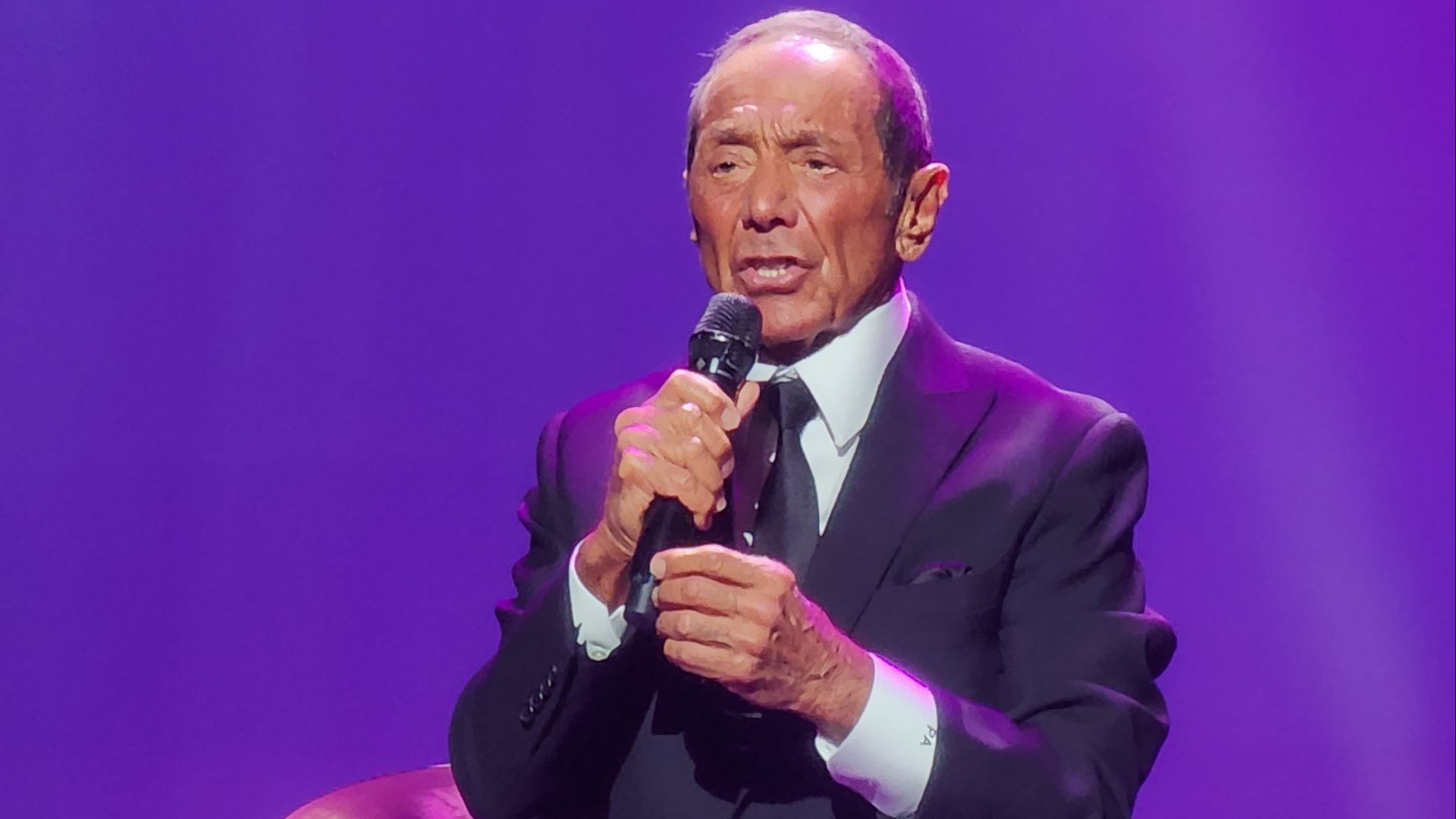
Paul Anka's Sinatra Standard
Paul Anka enjoyed hits including “Diana,” but also supplied Frank Sinatra with “My Way.” He wrote English lyrics for an existing French melody. Sinatra's recording became a signature performance, creating another enduring songwriting credit for Anka.
 Crisco 1492, Wikimedia Commons
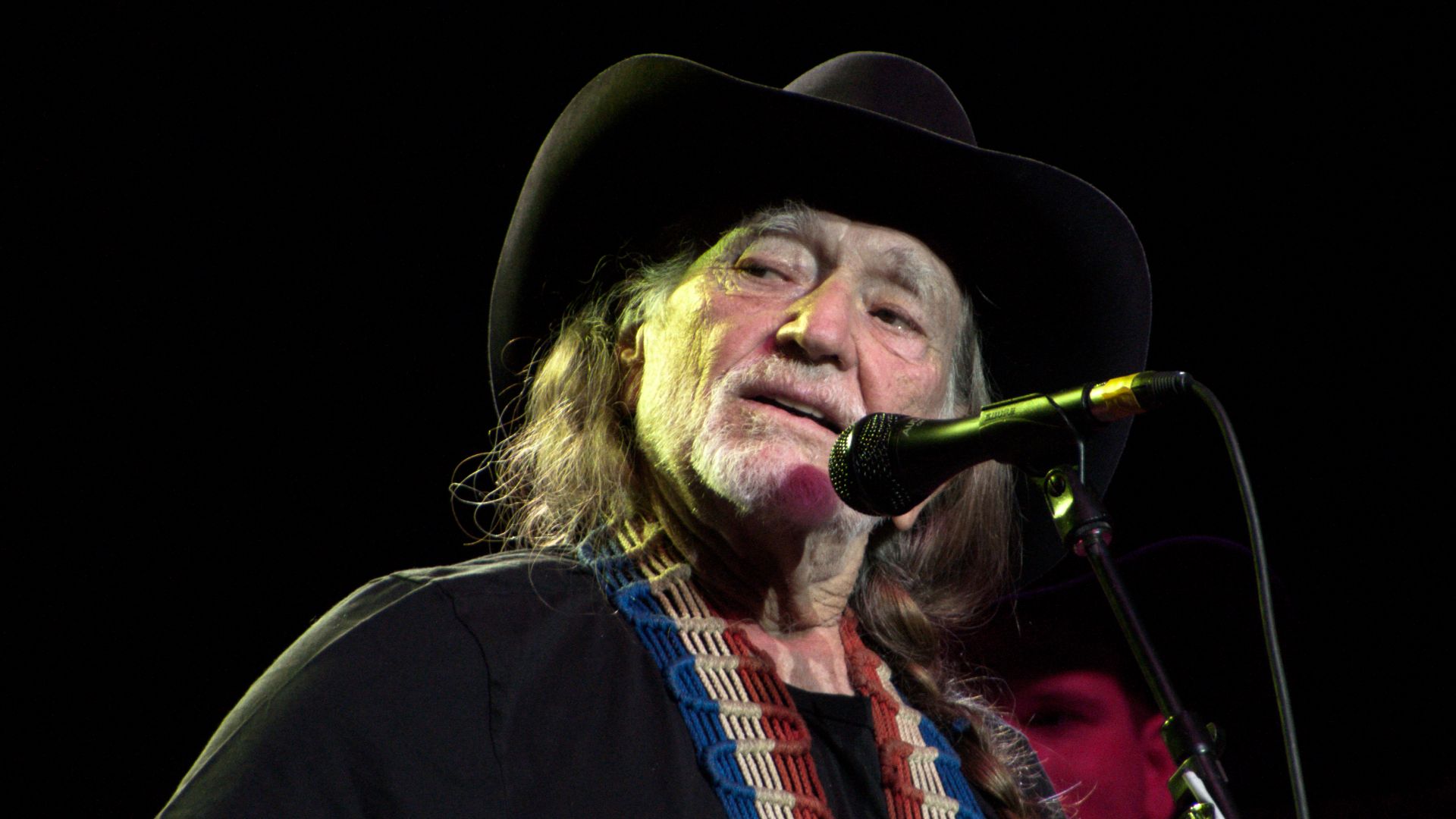
Willie Nelson's Crazy Royalty Stream
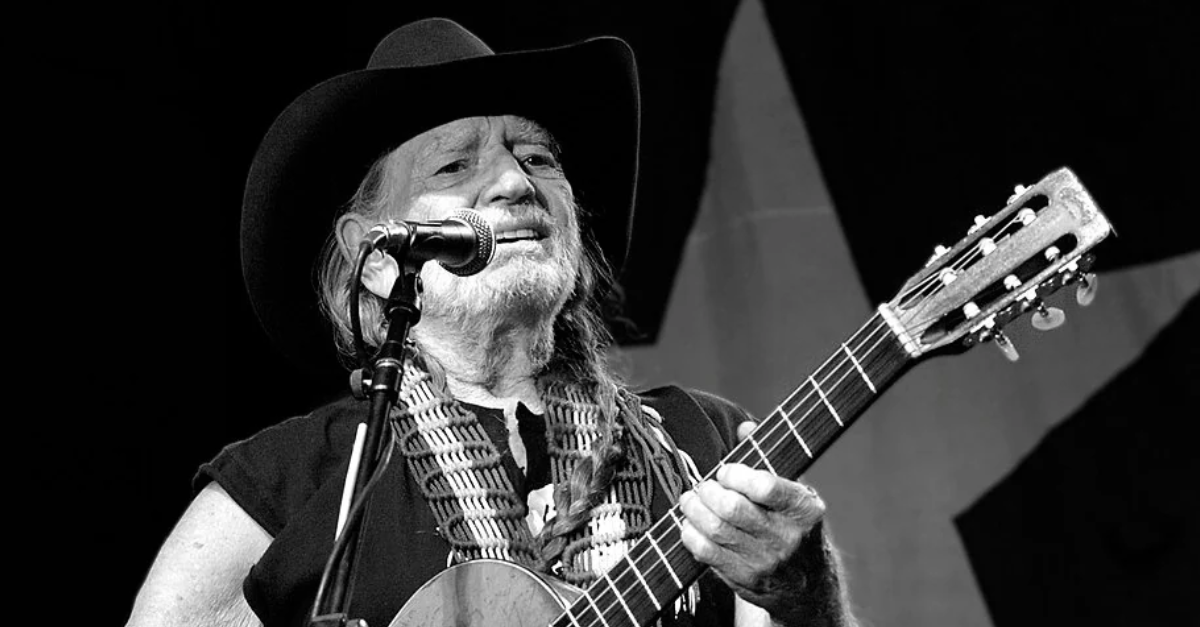
Before Willie Nelson became a country superstar, Patsy Cline recorded his composition “Crazy.” Nelson recalled that her version became a favorite on jukeboxes and earned him money. It helped establish him as a Nashville songwriter.
 Bob Jagendorf from Manalapan, NJ, USA, Wikimedia Commons
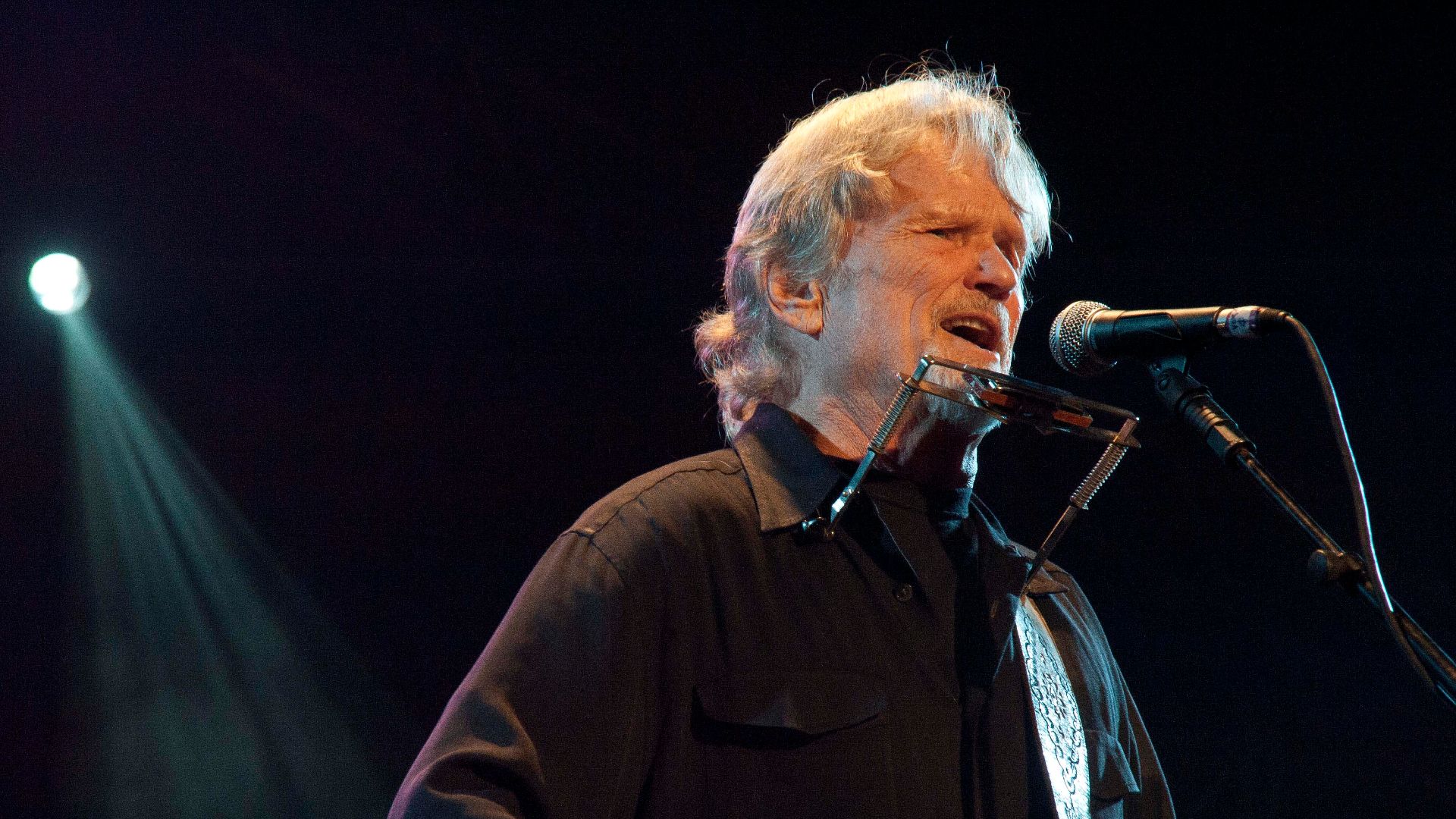
Kris Kristofferson's Number One
Kris Kristofferson became a celebrated singer, but others popularized his songs first. Janis Joplin's “Me and Bobby McGee” reached number one in 1971. Sammi Smith and Johnny Cash also recorded major hits he had written.
 Bryan Ledgard, Wikimedia Commons
Neil Sedaka's Winning Cover
Neil Sedaka had plenty of hits himself, but Captain & Tennille took his “Love Will Keep Us Together” to number one in 1975. Sedaka co-wrote it with Howard Greenfield. Their recording won the Grammy for Record of the Year.
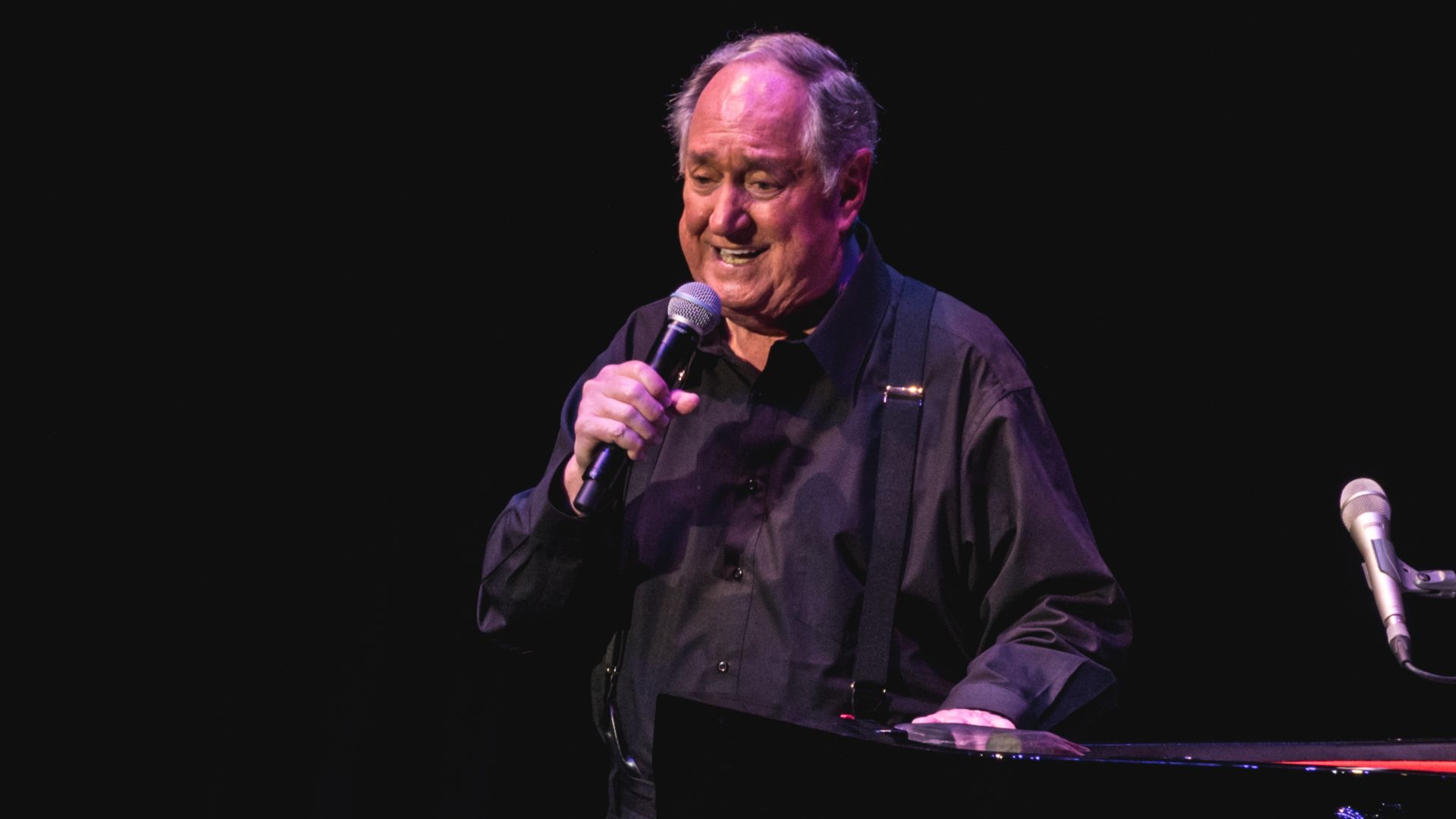
Keri Hilson's Britney Spears Hit
Before “Knock You Down” made Keri Hilson a solo hitmaker, she co-wrote Britney Spears's “Gimme More.” She also wrote for Mary J. Blige and Omarion. Those early collaborations helped establish her career.
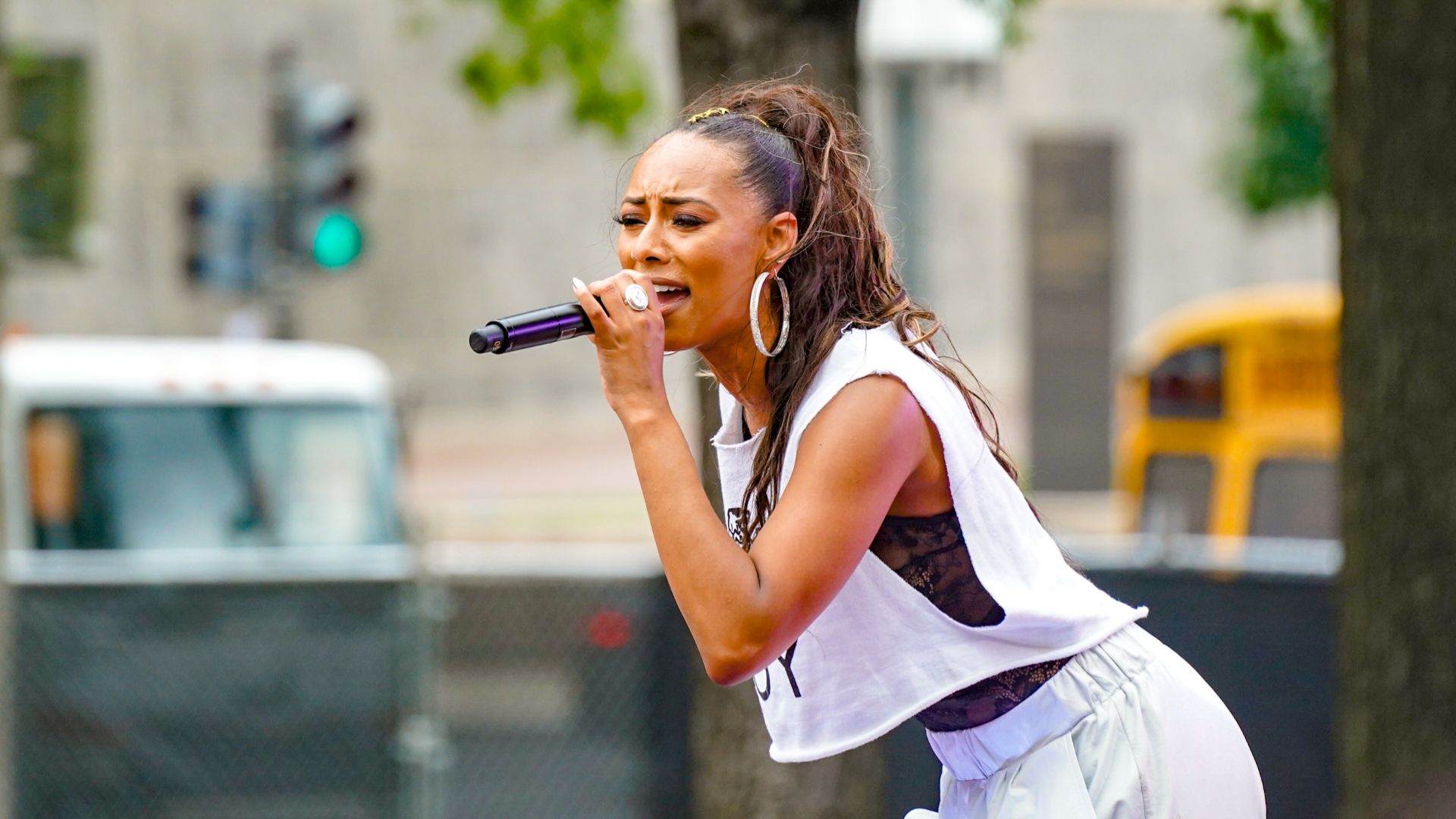
Christina Milian's Bieber Song
Christina Milian recorded hits including “AM to PM” and “Dip It Low.” She also received a songwriting credit on Justin Bieber's “Baby.” She later recalled working on it with The-Dream and watching its popularity endure.
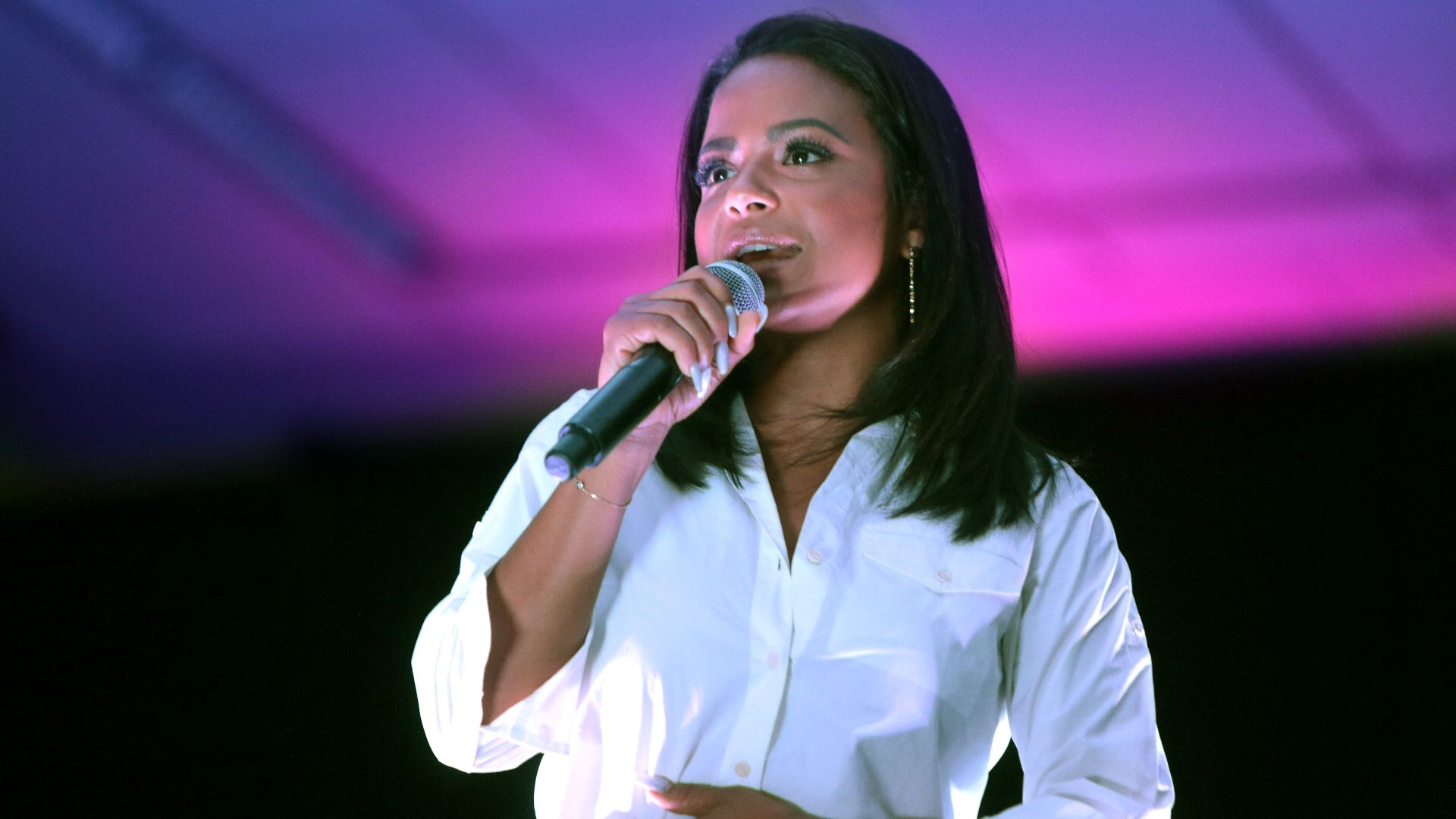 Gage Skidmore from Peoria, AZ, United States of America, Wikimedia Commons
Mark Ronson's Oscar-Winning Song
Mark Ronson is associated with “Uptown Funk,” but he also co-wrote “Shallow” for Lady Gaga and Bradley Cooper. The song won the Oscar for Original Song. Ronson shared its songwriting recognition without singing on the recording.
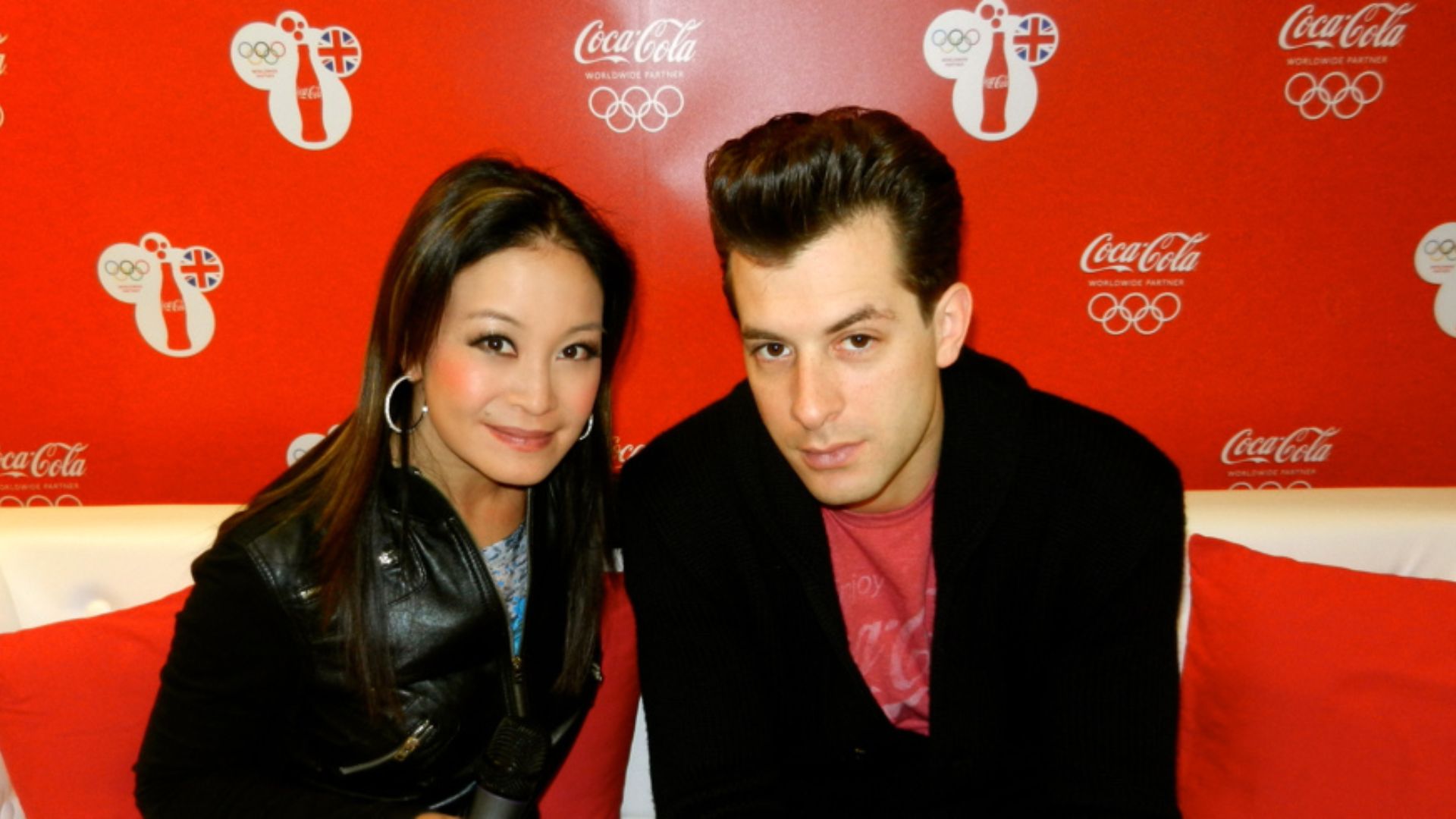 Jennifer Su, Wikimedia Commons
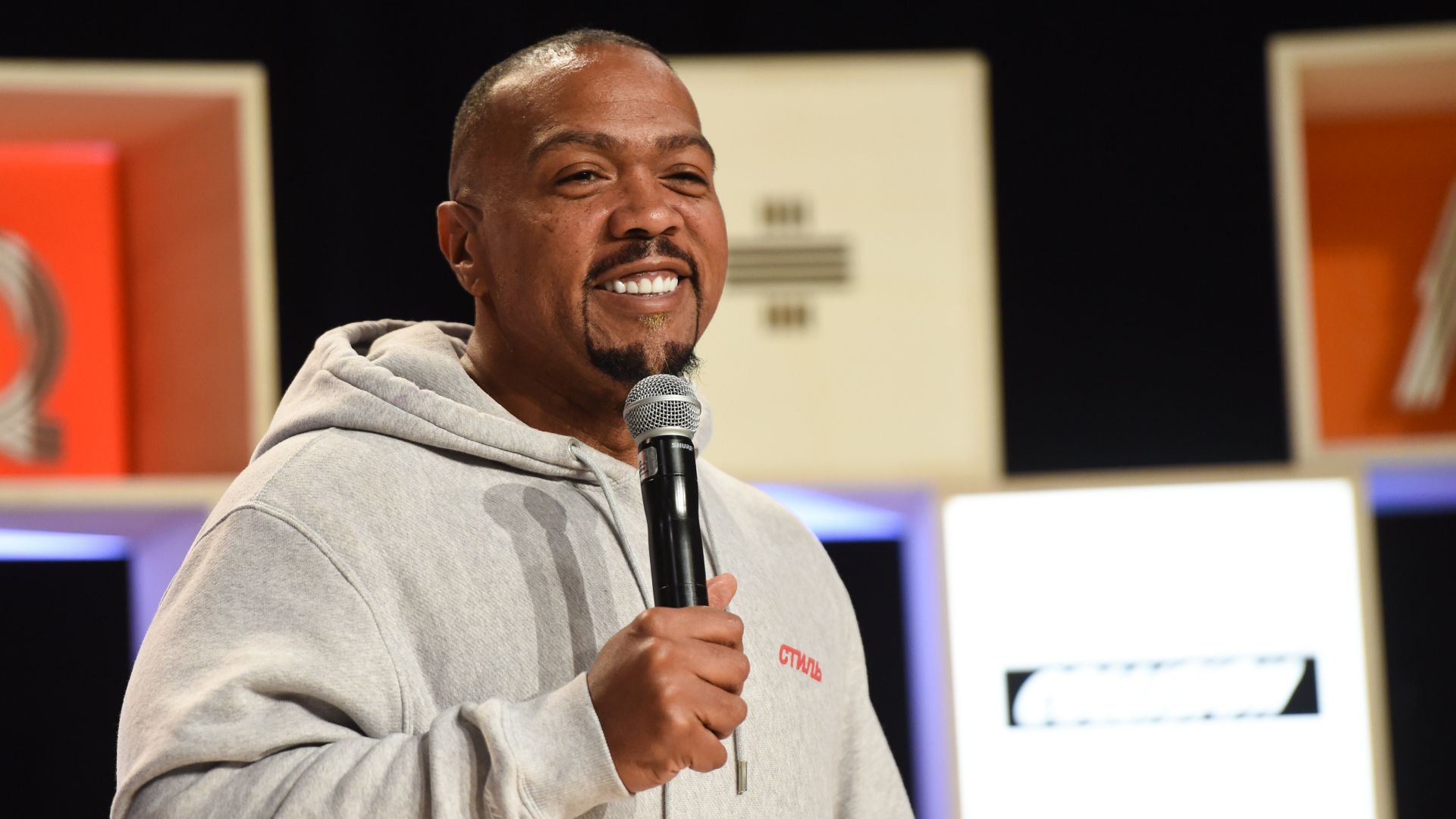
Timbaland's Missy Elliott Success
Timbaland released hits of his own while shaping other stars' recordings. His outside credits include Missy Elliott's “Get Ur Freak On.” He also worked with Aaliyah and Justin Timberlake, building a substantial catalog behind the scenes.
 Collision Conf, Wikimedia Commons
Why Writing Credits Matter
Songwriting royalties can keep growing long after a recording's original chart run. Jessie J's account and major catalog sales reveal the financial possibilities. Yet most personal royalty statements remain private, making universal earnings comparisons impossible without the performers and publishers disclosing their accounts.
 Justin Higuchi, Wikimedia Commons
You May Also Like:
Sources: 1, 2, 3, 4, 5, 6, 7, 8, 9, 10, 11, 12, 13, 14, 15, 16, 17, 18, 19, 20, 21, 22, 23, 24, 25, 26, 27, 28, 29