The Forgotten Side of the 80s
The 80s gave us Thriller, Purple Rain, Born in the U.S.A. and enough blockbuster albums to fill an entire record store. But those same shelves also held plenty of other albums that I’m gonna guess you never picked up—and if you did, you put them right back down.
So, did any of these actually make it into your collection?
Old Wave (Ringo Starr)
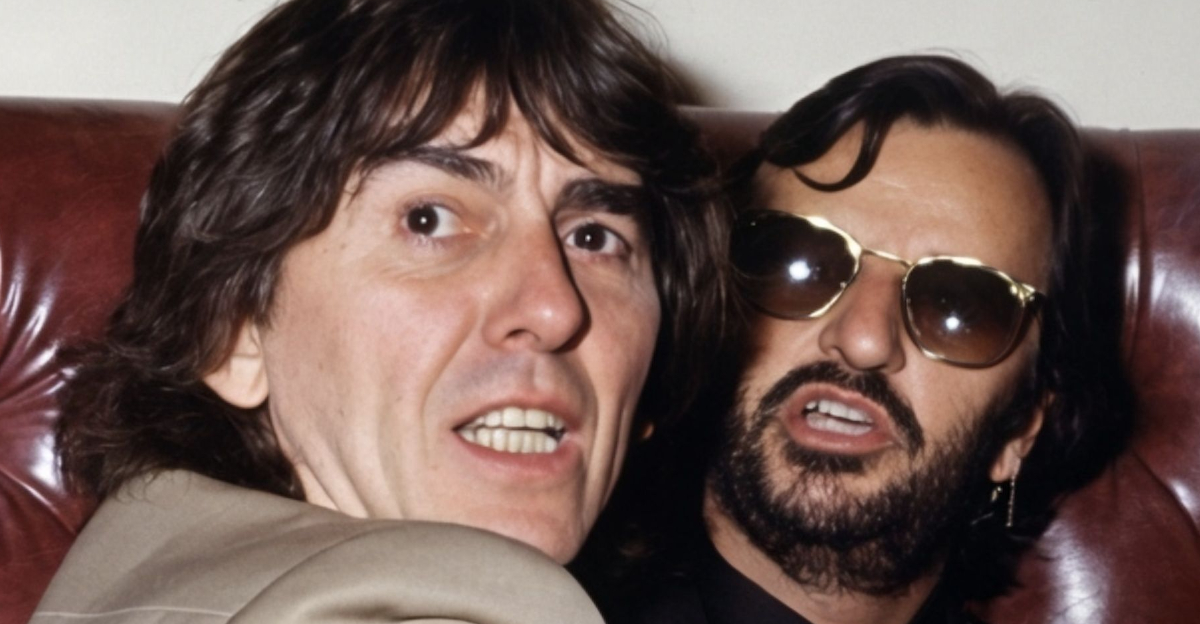
Ringo Starr recruited Joe Walsh to produce Old Wave, but that wasn’t enough to persuade American or British record labels to release it. The 1983 album appeared in only a handful of countries, making it one of the hardest Ringo records to remember—or even find.

All Systems Go (Donna Summer)
Donna Summer was one of the biggest stars of the disco era, but All Systems Go arrived after popular tastes had changed. The 1987 album peaked at just number 122 in America, despite including “Dinner with Gershwin,” which performed considerably better in Britain.
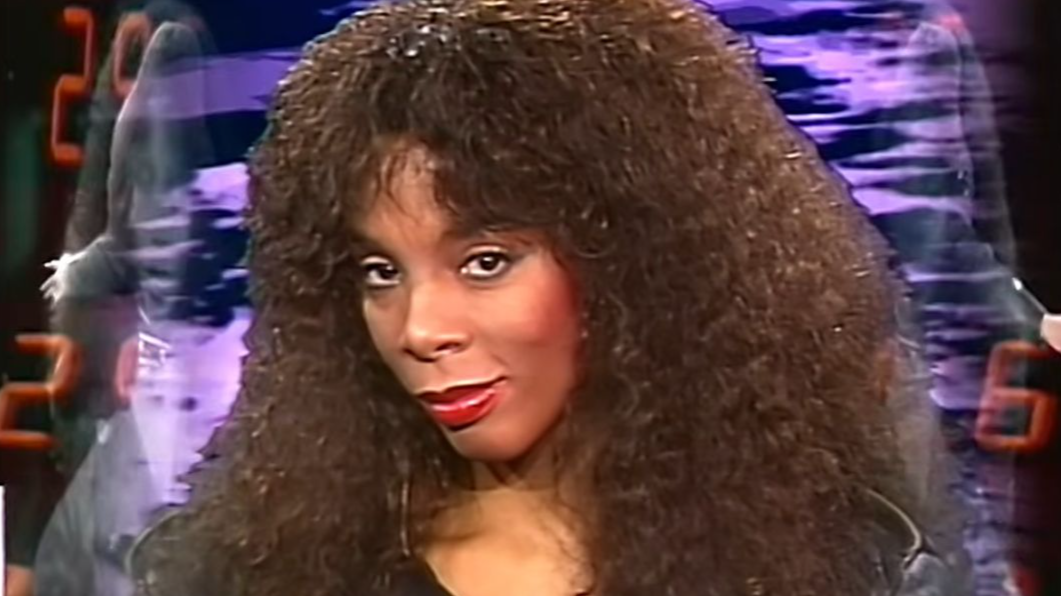 Screenshot from All Systems Go, Geffen Records (1988)
Walking Wild (New England)
New England’s first album produced a Top 40 single, but the momentum was long gone by Walking Wild. Even Todd Rundgren’s production couldn’t rescue the 1981 release, which peaked at number 176. The group broke apart shortly afterward, although several members later formed Alcatrazz.
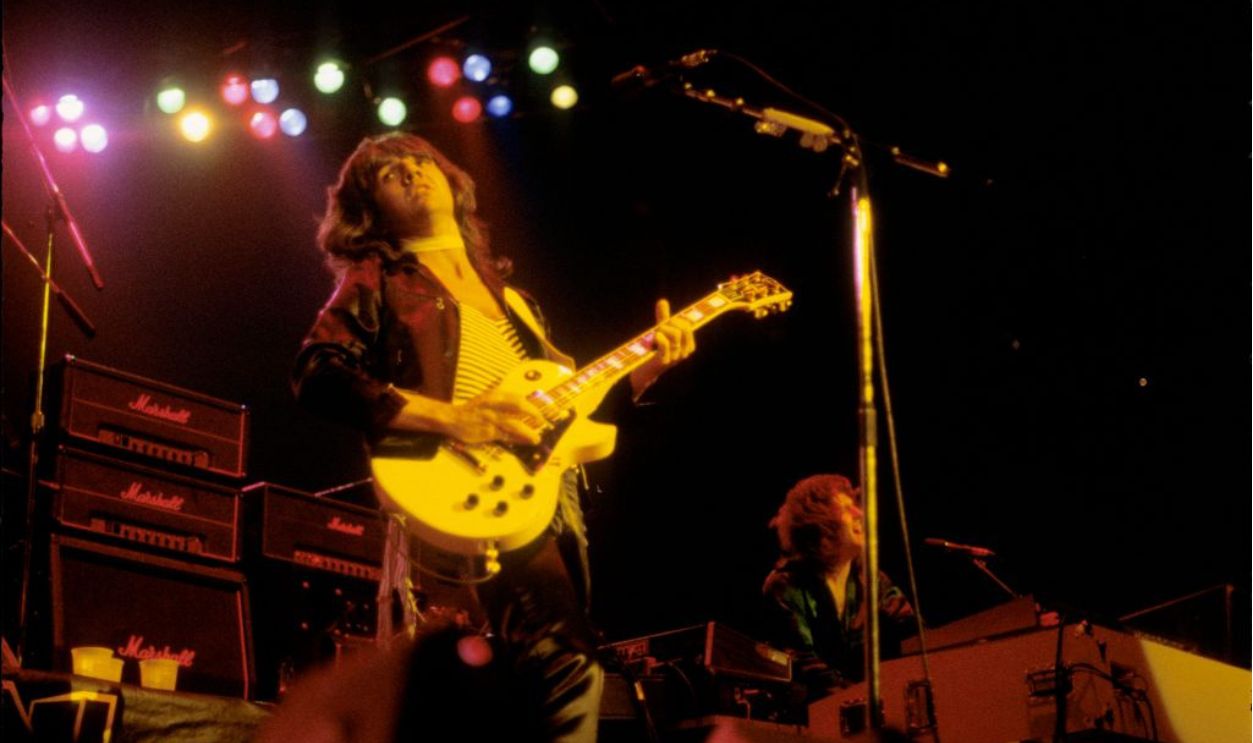 Richard E. Aaron, Getty Images
I Paralyze (Cher)
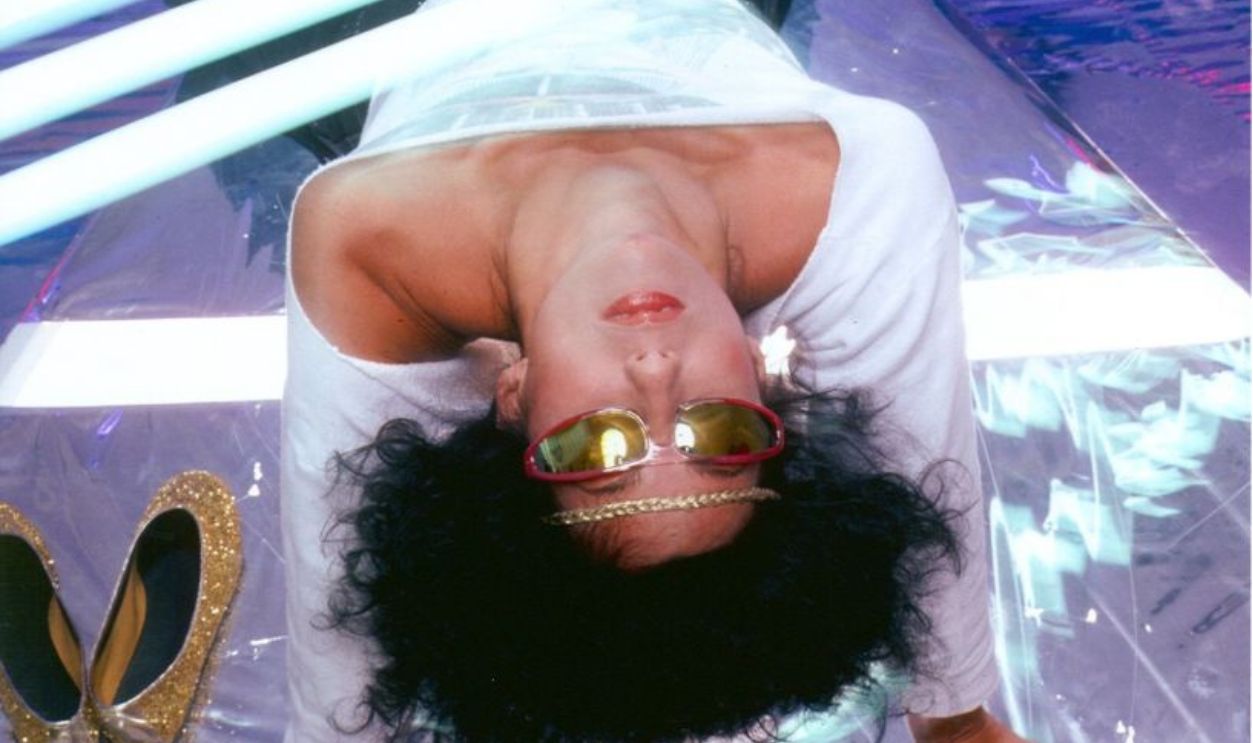
Cher’s only album for Columbia Records was also one of the quietest releases of her career. I Paralyze arrived in 1982 and failed to chart, despite contributions from respected songwriters and musicians. It disappeared years before Cher launched her huge late-80s comeback.
Sleep Convention (Trees)
Trees released Sleep Convention through MCA in 1982, combining new wave guitars with synthesizers, computers and plenty of early-80s experimentation. The record disappeared without reaching the charts. Its first authorized CD reissue didn’t arrive until 2018, which tells you how deeply it had been buried.
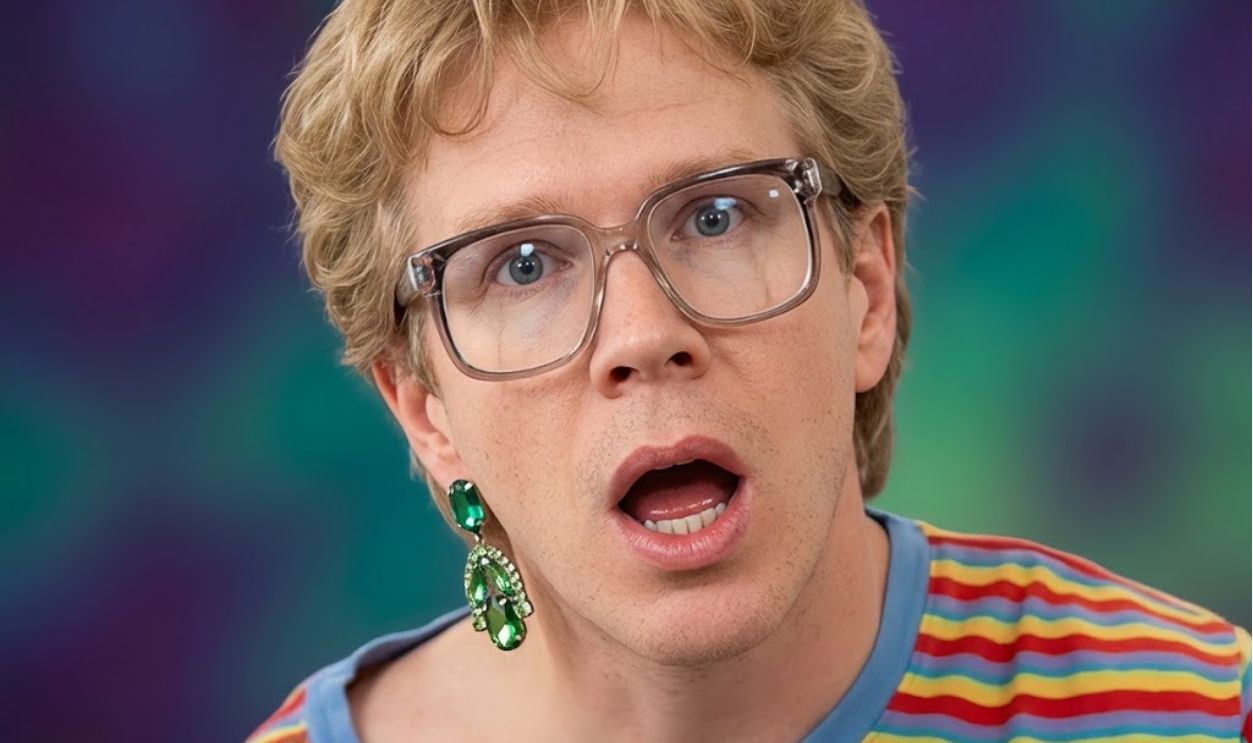 Screenshot from Sleep Convention, MCA Records (1982), Modified
Shine (Frida)
ABBA singer Frida recorded Shine with producer Steve Lillywhite, whose other credits included U2 and Peter Gabriel. The 1984 album reached only number 67 in Britain and became her final English-language studio album. Even many dedicated ABBA fans managed to miss this one.
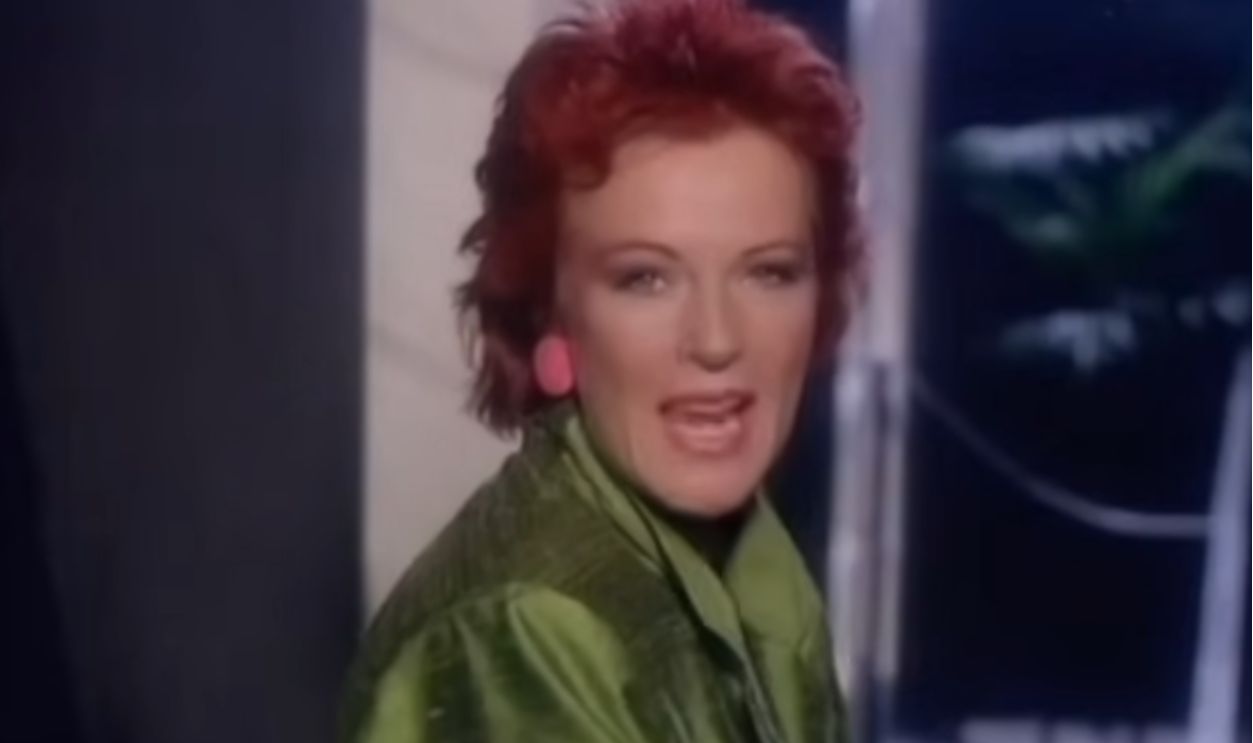 Screenshot from Shine, Polar Music International AB (1984)
The Doctor (Cheap Trick)
Cheap Trick remained a major touring act, but its record sales had cooled considerably by 1986. The Doctor peaked at number 115 in America and produced no major hit singles. Its heavy use of keyboards and electronic production also left longtime fans scratching their heads.
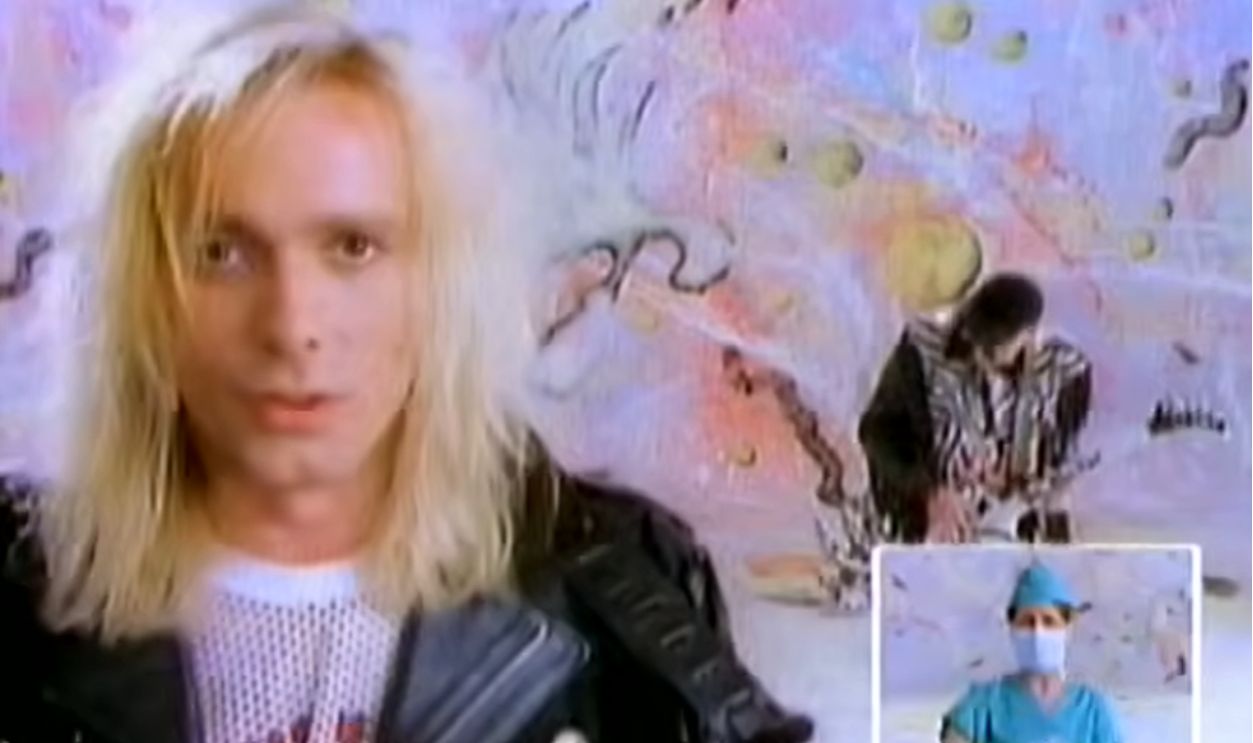 Screenshot from The Doctor, Epic Records (1986)
Workin’ Overtime (Diana Ross)
Diana Ross teamed up with Nile Rodgers for Workin’ Overtime, an attempt to give her music a tougher contemporary sound. Although the title track performed well on the R&B chart, the 1989 album reached only number 116 on the Billboard 200 and quickly slipped from view.
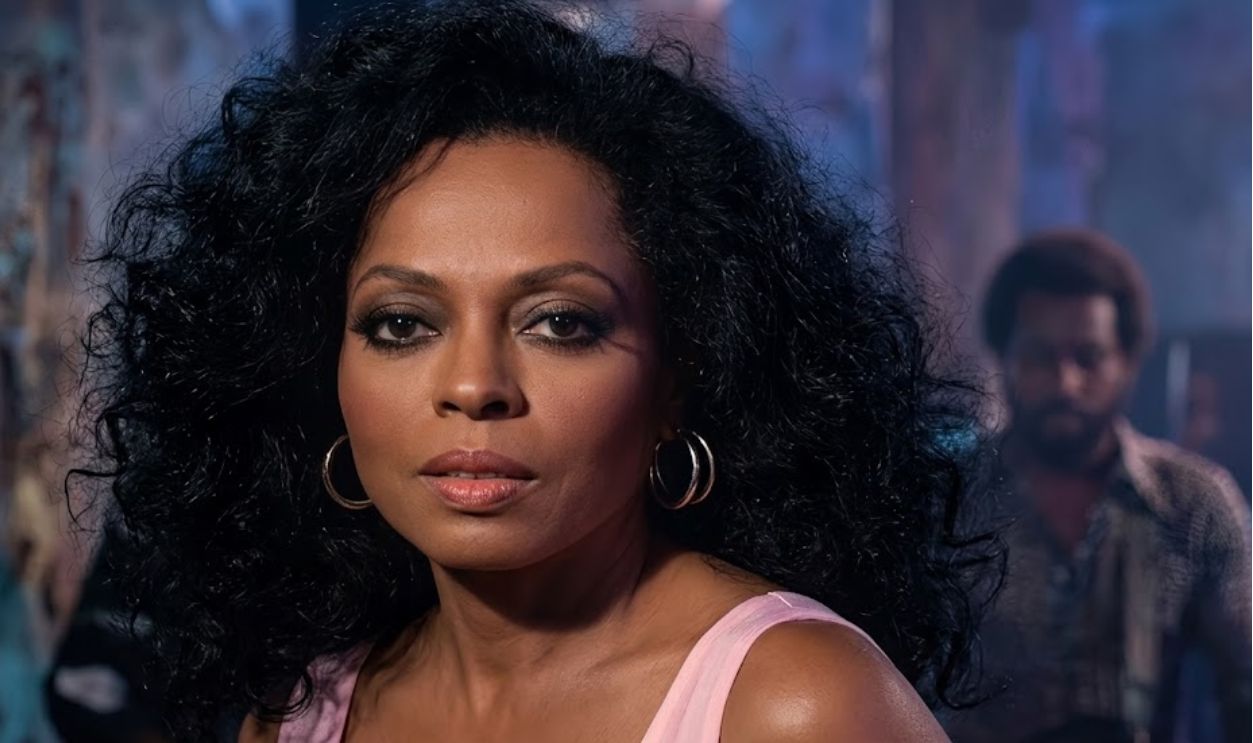 Screenshot from Workin’ Overtime, Motown Records (1989), Modified
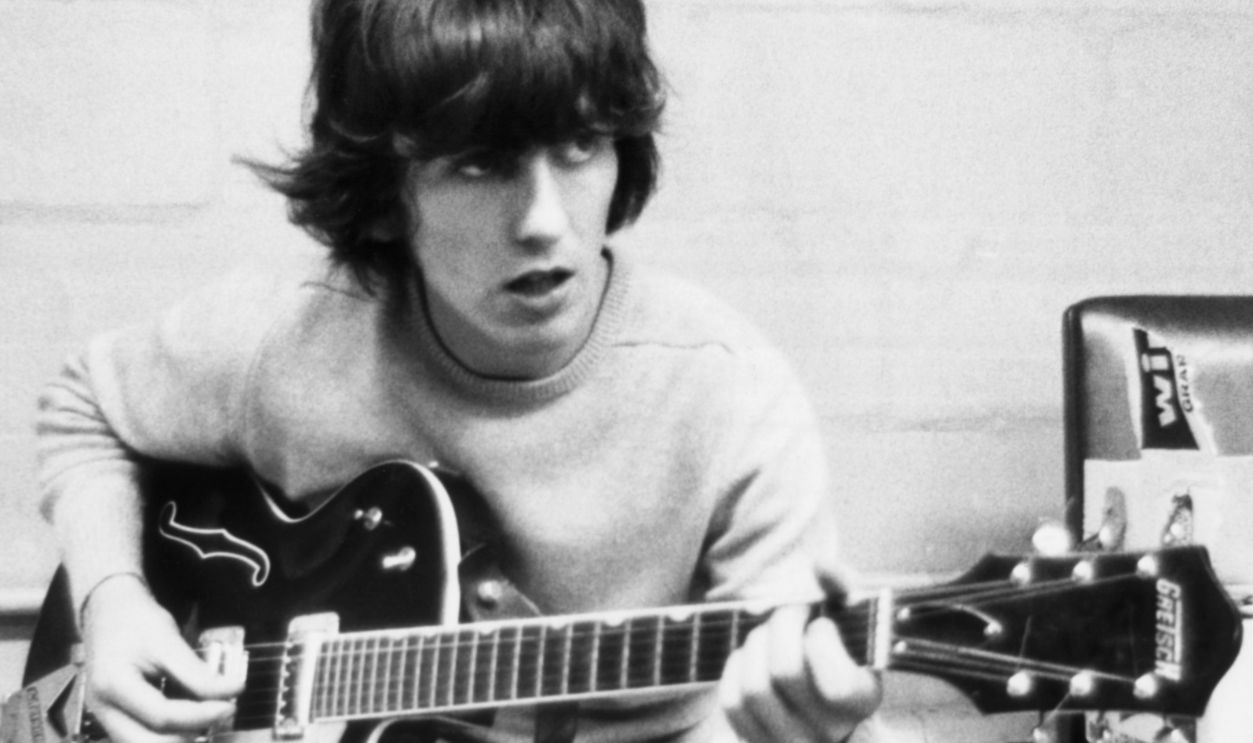
Gone Troppo (George Harrison)
George Harrison was so uninterested in promoting Gone Troppo that even devoted Beatles fans barely noticed its arrival. The 1982 album peaked at number 108 in America and received little support from the record company. Harrison wouldn’t release another studio album for five years.
Renaissance (Village People)
By 1981, disco was fading fast, so Village People traded their famous costumes for a new wave-inspired look. The makeover didn’t help. Renaissance stalled at number 138 in America, and the group soon returned to the outfits everyone actually recognized them for.
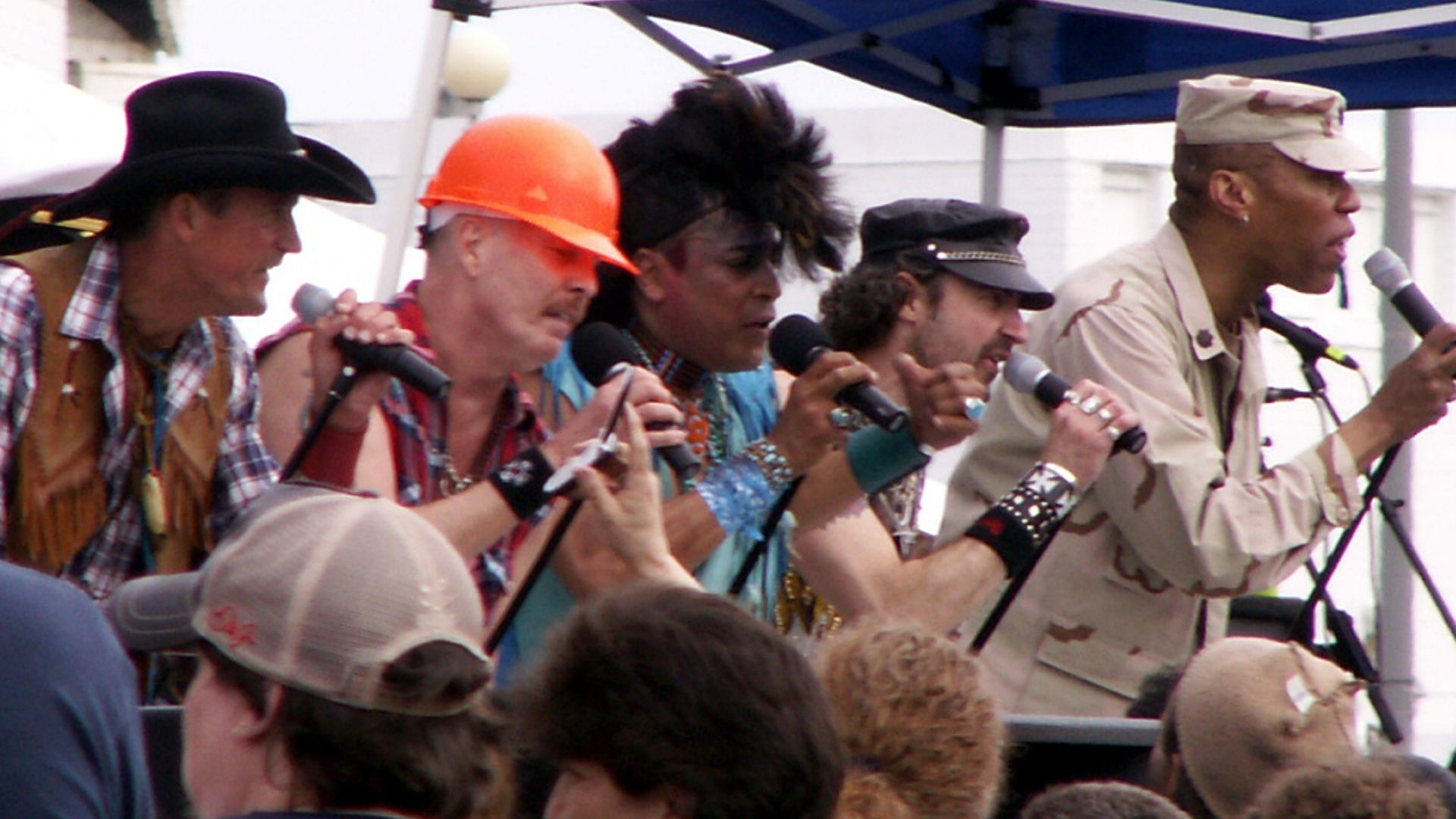 Jackie from Monmouth County, NJ, USA, Wikimedia Commons
Warp (New Musik)
New Musik had scored several British hits by the time Warp arrived in 1982, but the band’s increasingly experimental third album missed the UK chart completely. It became their final record, and singer Tony Mansfield moved behind the scenes to produce acts including A-ha and Captain Sensible.
 Screenshot from Warp, CBS Records (1982)
Everywhere at Once (The Plimsouls)
The Plimsouls are remembered for “A Million Miles Away,” especially after it appeared in Valley Girl. The album containing it was much harder to find in anyone’s collection. Everywhere at Once spent just four weeks on the Billboard 200 and peaked at number 186.
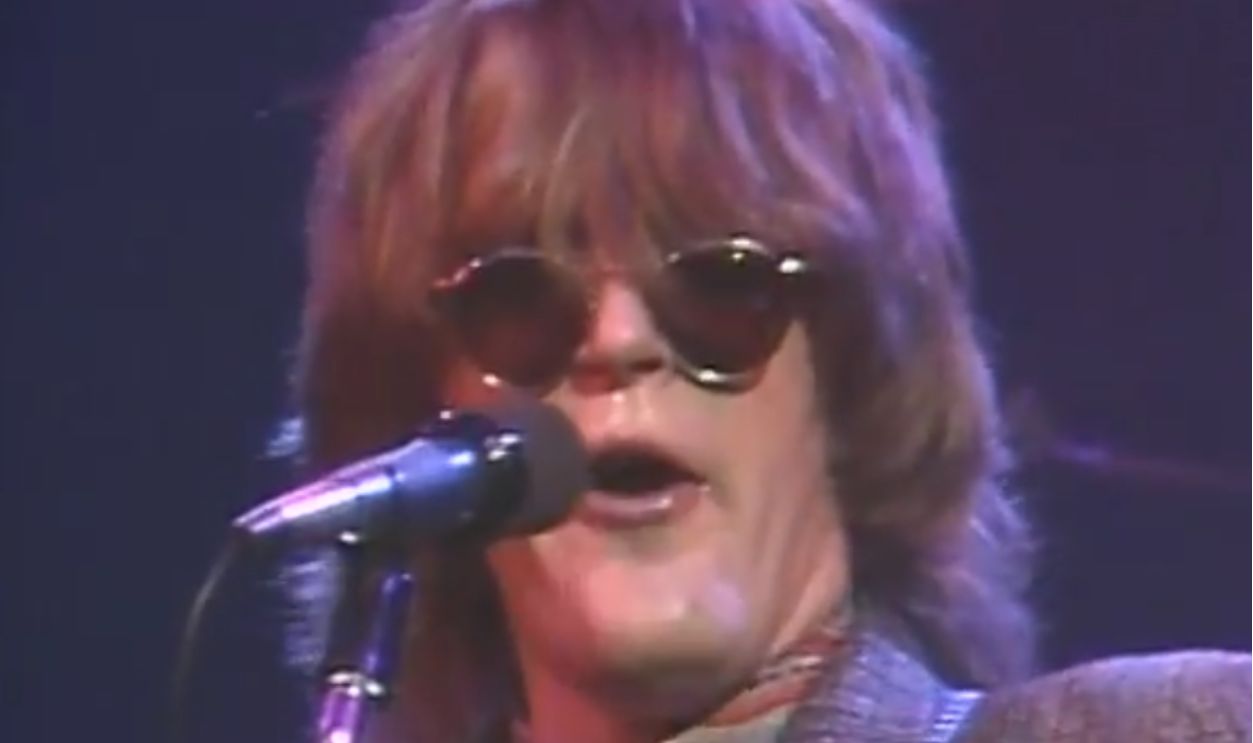 Screenshot from Everywhere at Once, Geffen Records (1983)
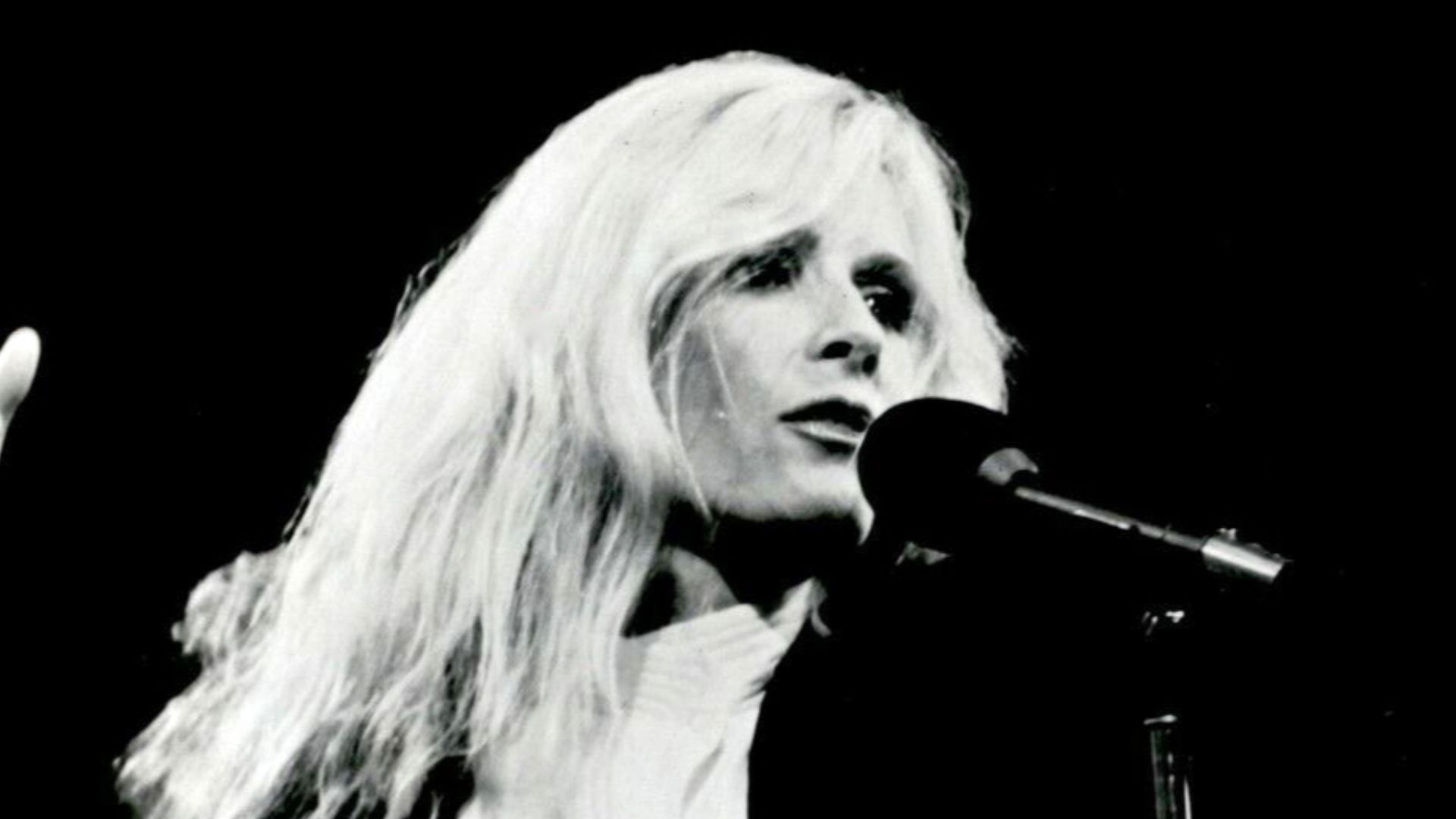
Café Racers (Kim Carnes)
Two years after the enormous success of “Bette Davis Eyes,” Kim Carnes released Café Racers. The 1983 album peaked at number 97, and its biggest single, “Invisible Hands,” barely entered the Top 40. Whatever momentum she had enjoyed was already beginning to disappear.
The Fugitive (Tony Banks)
Genesis keyboard player Tony Banks handled all the lead vocals himself on The Fugitive, something he hadn’t done on his previous solo albums. Released in 1983, the record failed to chart in either Britain or America. Apparently, Genesis fans preferred hearing someone else behind the microphone.
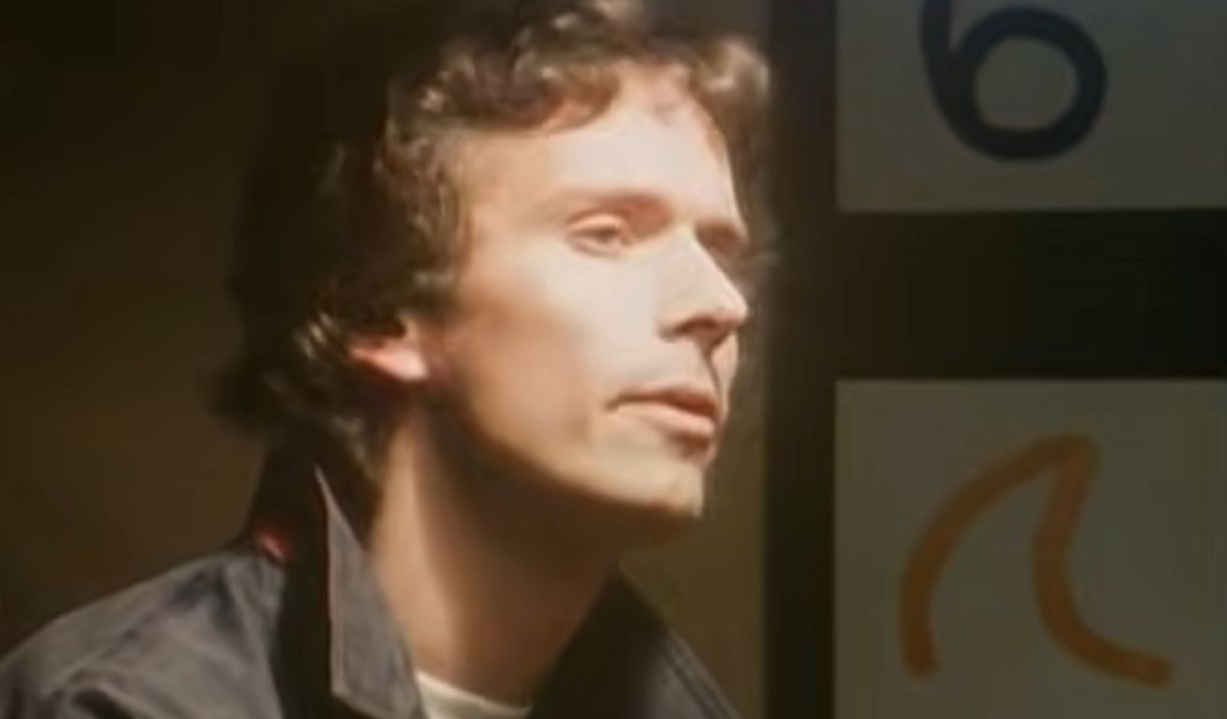 Screenshot from The Fugitive, Charisma Records (1983)
Serious Slammin’ (The Pointer Sisters)
The Pointer Sisters were everywhere during the first half of the 80s, but Serious Slammin’ arrived after their biggest run of hits had ended. The 1988 album peaked at number 152 and became their lowest-charting release in years, despite its wonderfully confident title.
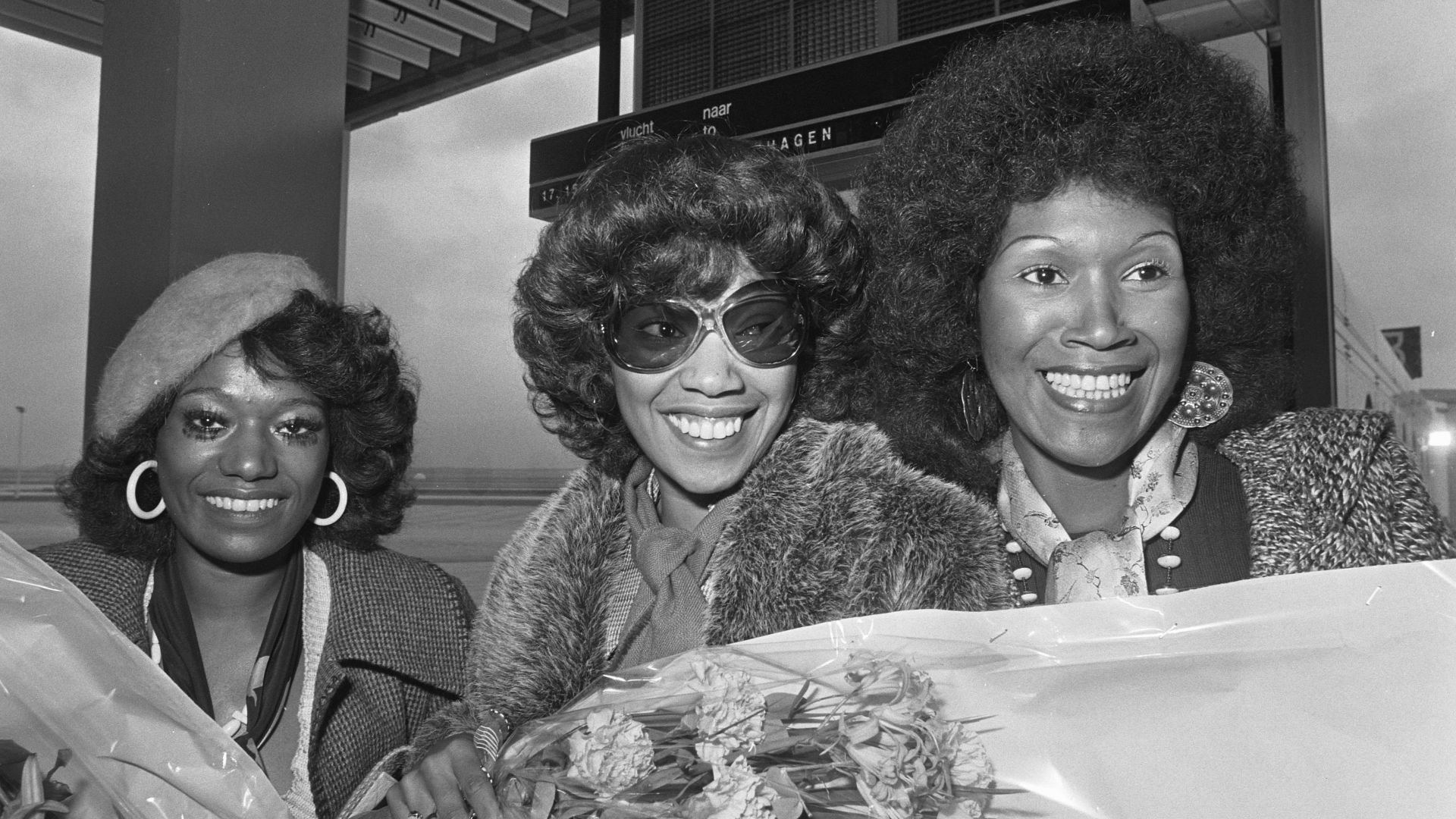 Rob Mieremet / Anefo, Wikimedia Commons
Wild Child (E.G. Daily)
Before becoming the voice of Tommy Pickles on Rugrats, E.G. Daily released Wild Child in 1985. “Say It, Say It” topped the dance chart, but the album itself made little commercial impact. Daily’s acting and voiceover careers ultimately became far more successful than her recording career.
 Screenshot from Wild Child, A&M Records (1985)
Leather Jackets (Elton John)
Elton John has never been particularly kind when discussing Leather Jackets. The 1986 album peaked at number 91 in America and produced no major US hits. Elton later described it as one of his least favorite records, so even he probably wouldn’t blame you for skipping it.
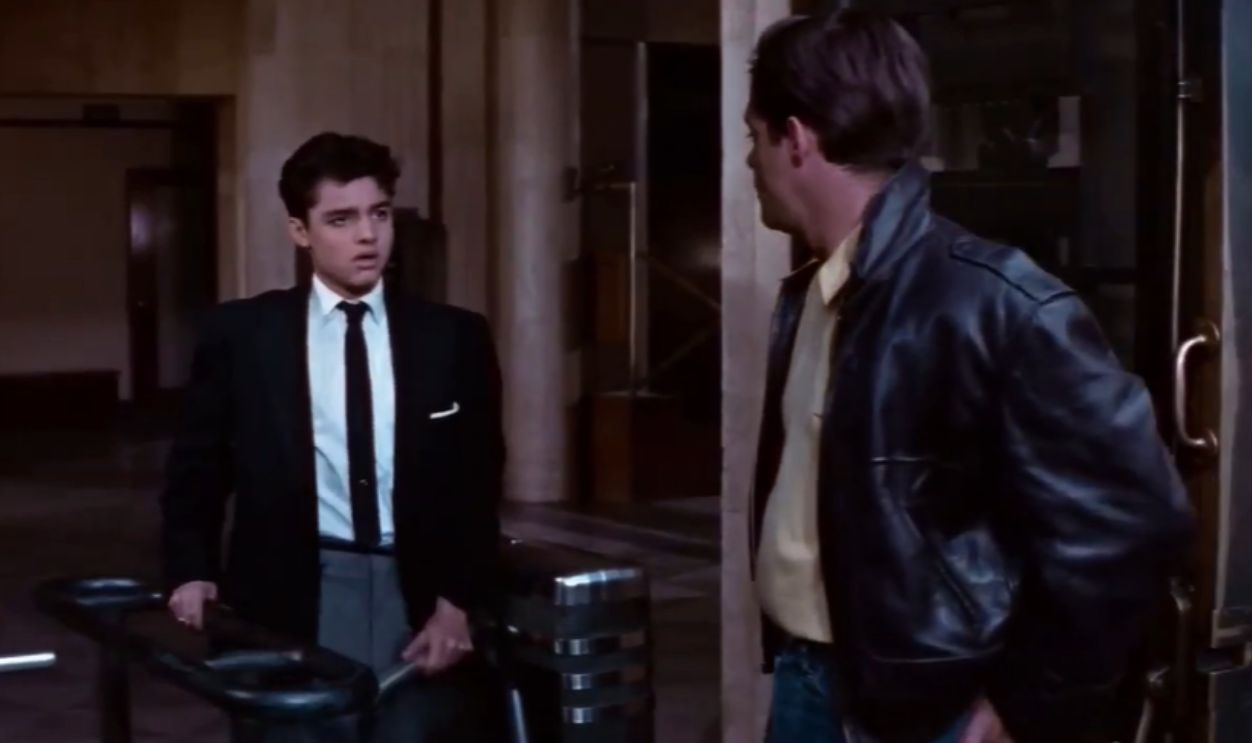 Screenshot from Leather Jackets, Geffen Records (1986)
Tenement Steps (The Motors)
The Motors had already lost two members when they recorded Tenement Steps as a two-man group with session musicians. The 1980 album peaked at number 174, while “Love and Loneliness” barely reached the Hot 100. It became the band’s third and final studio album.
 Screenshot from Tenement Steps, Virgin Records (1980), Modified
Pink World (Planet P Project)
Tony Carey turned the second Planet P Project album into an elaborate double-record science-fiction story about a mysterious child and an approaching disaster. That was a lot to ask of casual listeners in 1984. Pink World spent 14 weeks on the Billboard 200 but peaked at number 121.
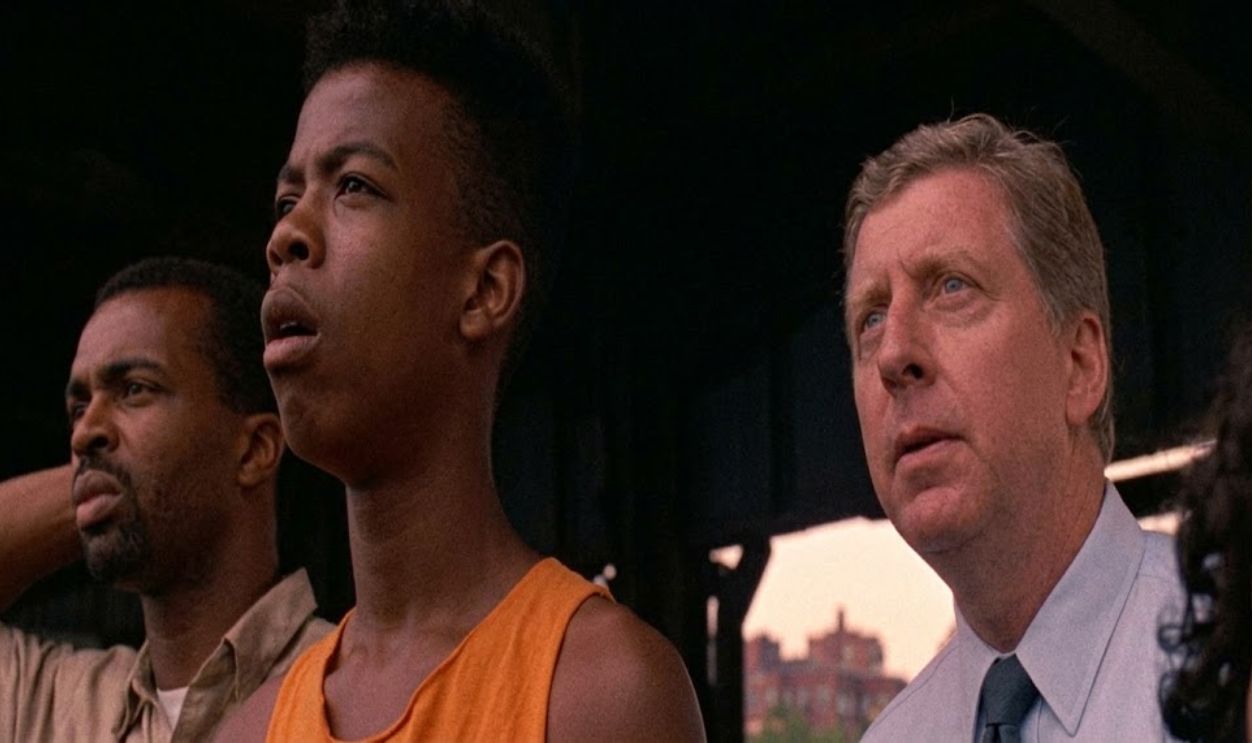 Screenshot from Pink World, MCA Records (1984), Modified
DaDa (Alice Cooper)
Alice Cooper’s DaDa arrived in 1983 with strange artwork, surreal songs and virtually no promotional tour. It also became his final studio album for Warner Bros. The record failed to enter the Billboard 200 and remains one of the least commercially successful albums of his career.
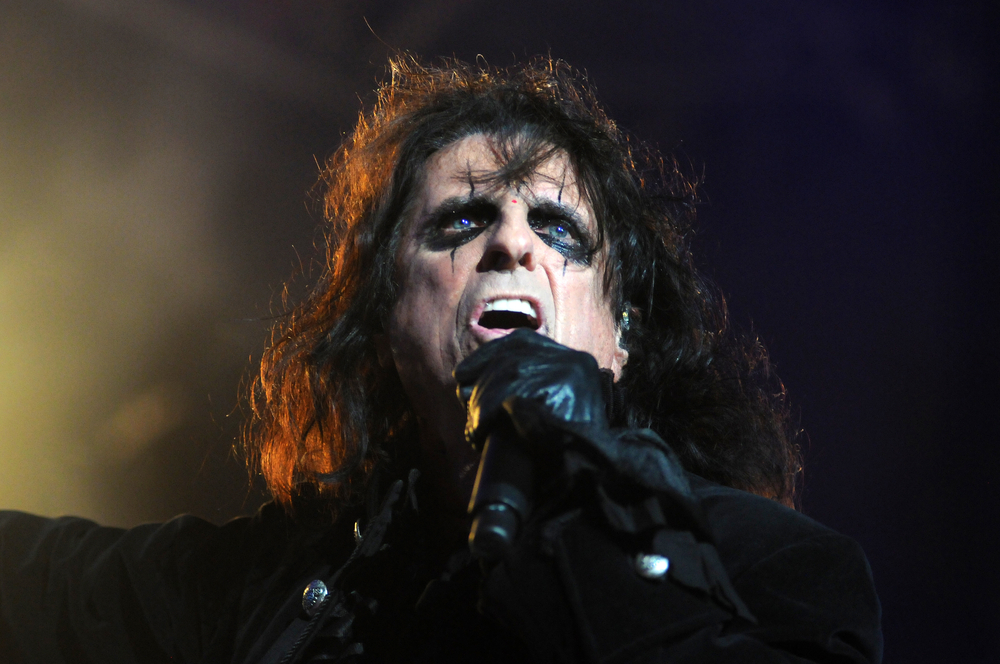
Can’t Wait to See the Movie (Roger Daltrey)
Roger Daltrey embraced glossy electronic production on Can’t Wait to See the Movie, but Who fans didn’t exactly rush to buy it. Released in 1987, the album failed to chart in either Britain or America. Daltrey wouldn’t release another solo studio album until 1992.

CK (Chaka Khan)
Only four years after I Feel for You, Chaka Khan released the surprisingly overlooked CK. It included Stevie Wonder playing harmonica and a Prince collaboration featuring Miles Davis. That lineup sounds impossible to ignore, yet the 1988 album never approached the success of its predecessor.

Doot-Doot (Freur)
Freur’s name originally appeared as an unpronounceable squiggle, which wasn’t exactly helpful when record stores needed to file the album. Doot-Doot arrived in 1983, but its title single reached only number 59 in Britain. Members Karl Hyde and Rick Smith later found success as Underworld.
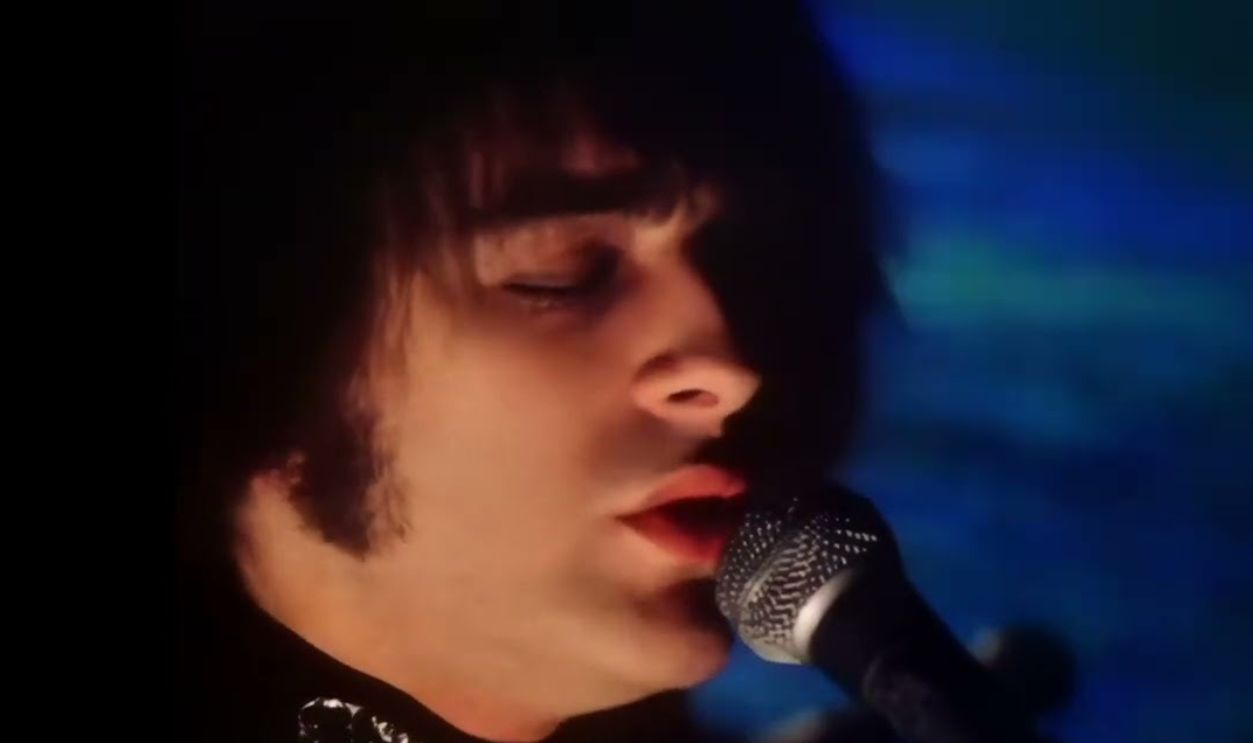 Screenshot from Doot-Doot, CBS Records (1983)
Software (Grace Slick)
Grace Slick leaned heavily into synthesizers and futuristic themes on Software, her fourth and final solo studio album. Released in 1984, it peaked at number 135 in America. Slick soon returned to working with her former Jefferson Airplane bandmates, leaving this electronic experiment behind.

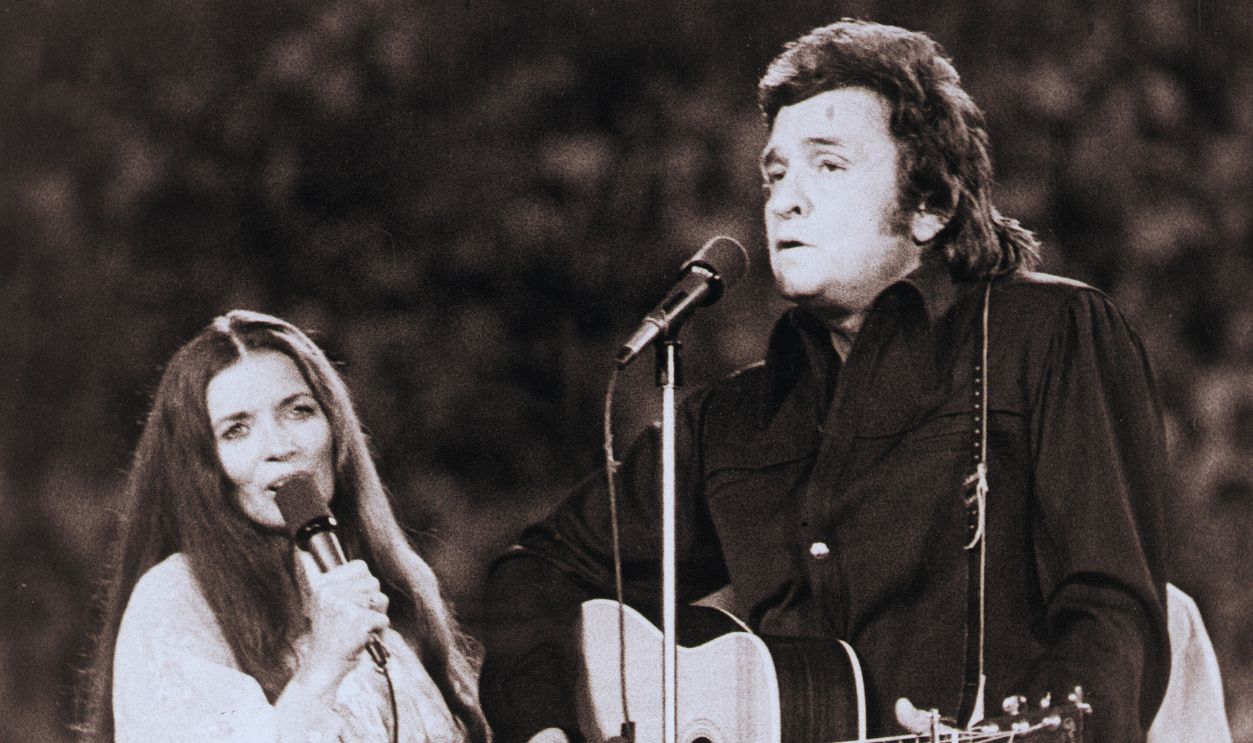
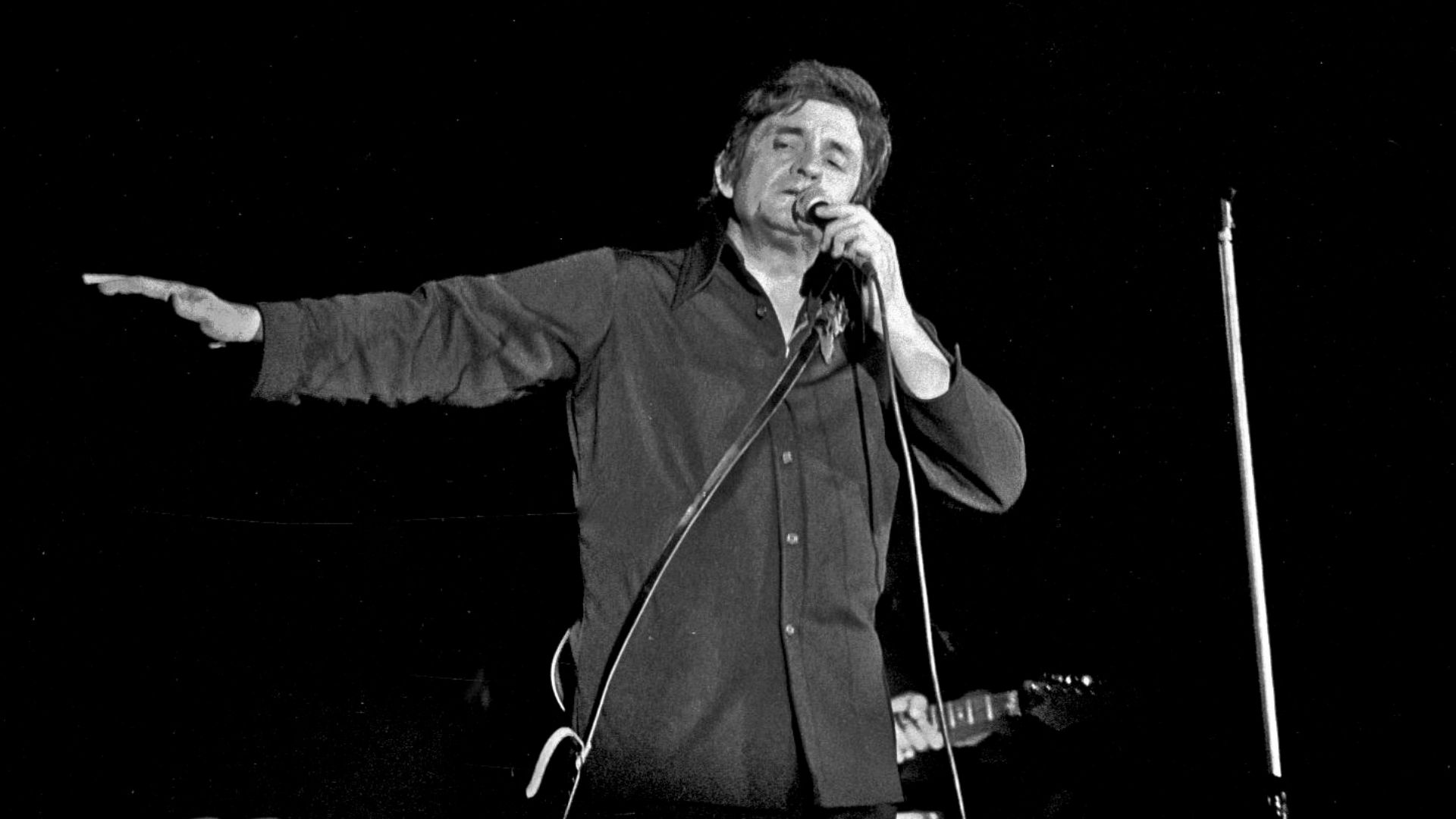
Rainbow (Johnny Cash)
Rainbow marked the end of Johnny Cash’s long relationship with Columbia Records, the label he had joined back in 1958. Released in 1985, the album failed to chart and received little attention. Cash’s major career revival was still nearly a decade away.
The Big Heat (Stan Ridgway)
Former Wall of Voodoo singer Stan Ridgway released his solo debut, The Big Heat, in 1986. “Camouflage” became a major British hit, but American album buyers barely noticed. The record peaked at number 131, leaving Ridgway with an album far less familiar than “Mexican Radio.”
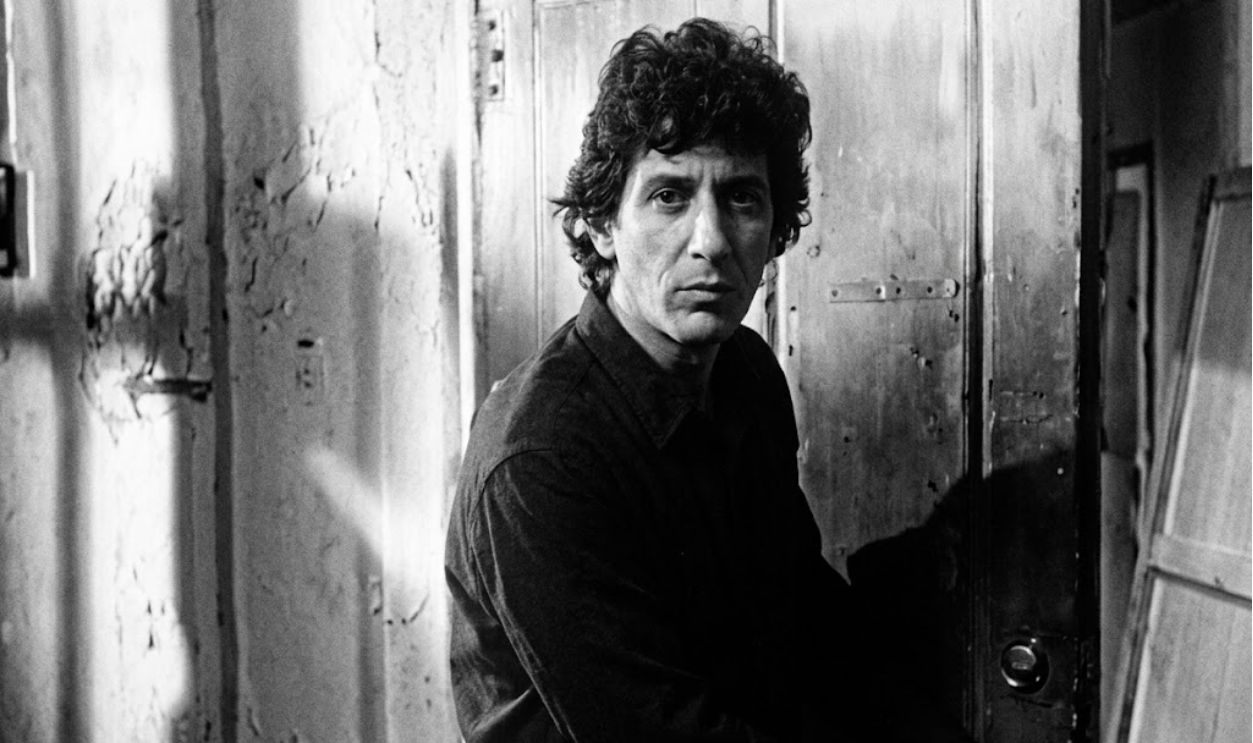 Screenshot from The Big Heat, I.R.S. Records (1986), Modified
Wasp (Shaun Cassidy)
Shaun Cassidy attempted to leave his teen-idol image behind by working with Todd Rundgren on Wasp. The 1980 album included unusual covers of songs by David Bowie, Talking Heads and Ian Hunter. Critics noticed the reinvention, but record buyers mostly stayed away.
 David E. Lucas, Wikimedia Commons
The Lace (Benjamin Orr)
Cars bassist and singer Benjamin Orr released his only solo album, The Lace, in 1986. “Stay the Night” reached number 24, but the album stalled at number 86 despite spending 22 weeks on the chart. Orr never recorded another solo studio album.
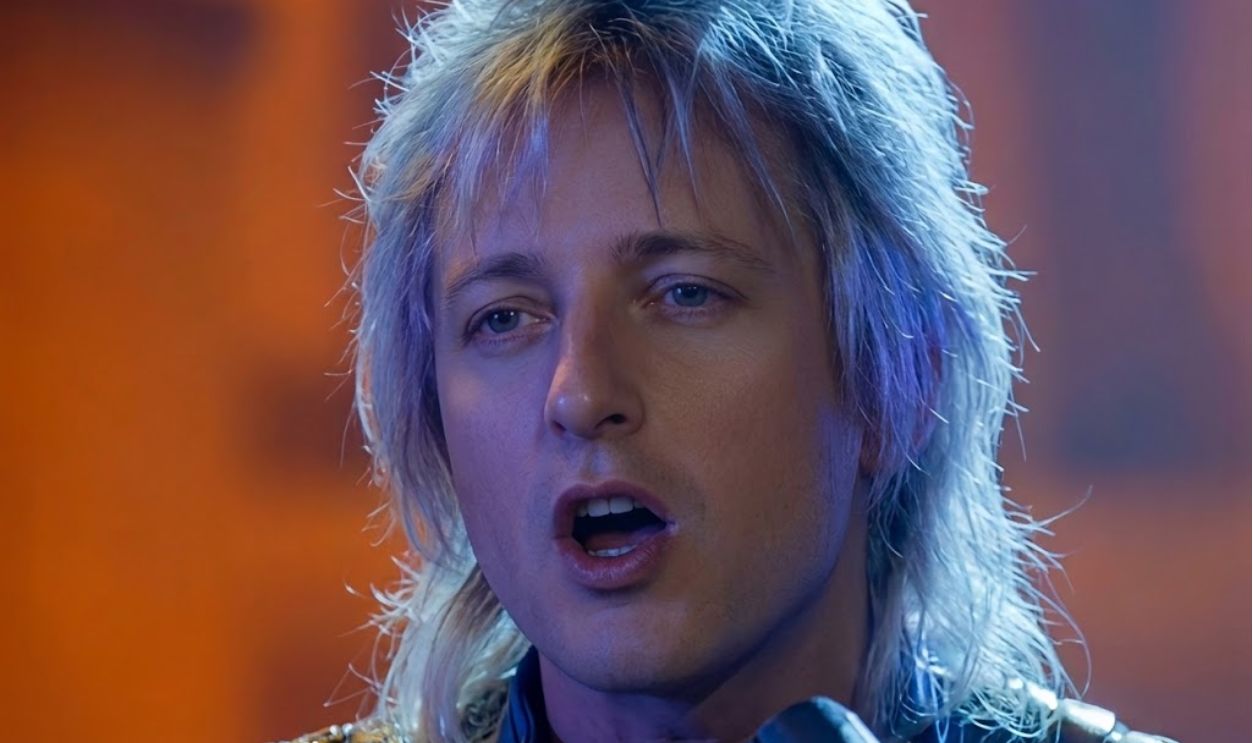 Screenshot from The Lace, Elektra Records (1986), Modified
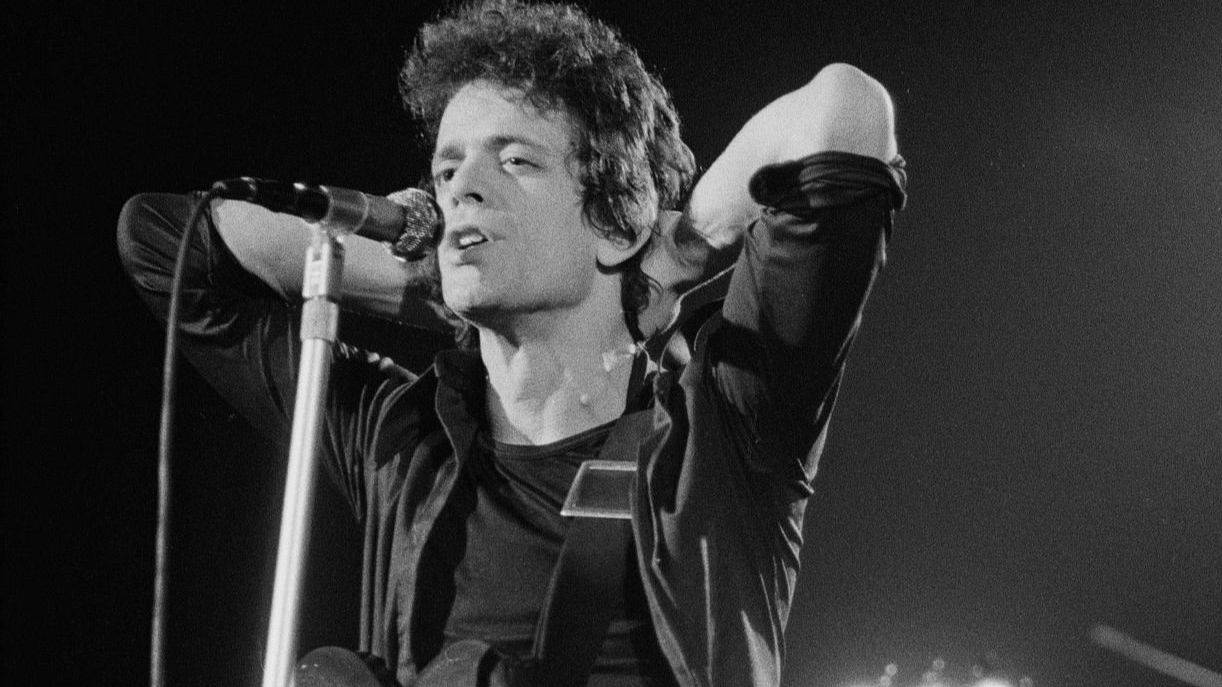
Growing Up in Public (Lou Reed)
Lou Reed recorded Growing Up in Public with Michael Fonfara at George Martin’s AIR Studios in Montserrat. None of that attracted many buyers. The 1980 album peaked at number 158, while its only single, “The Power of Positive Drinking,” failed to chart at all.
Think Visual (The Kinks)
The Kinks began their MCA Records era with Think Visual in 1986. Despite the band’s legendary name and renewed popularity earlier in the decade, the album peaked at number 81 in America and quickly vanished. It would also be their final album to reach the Billboard 200.
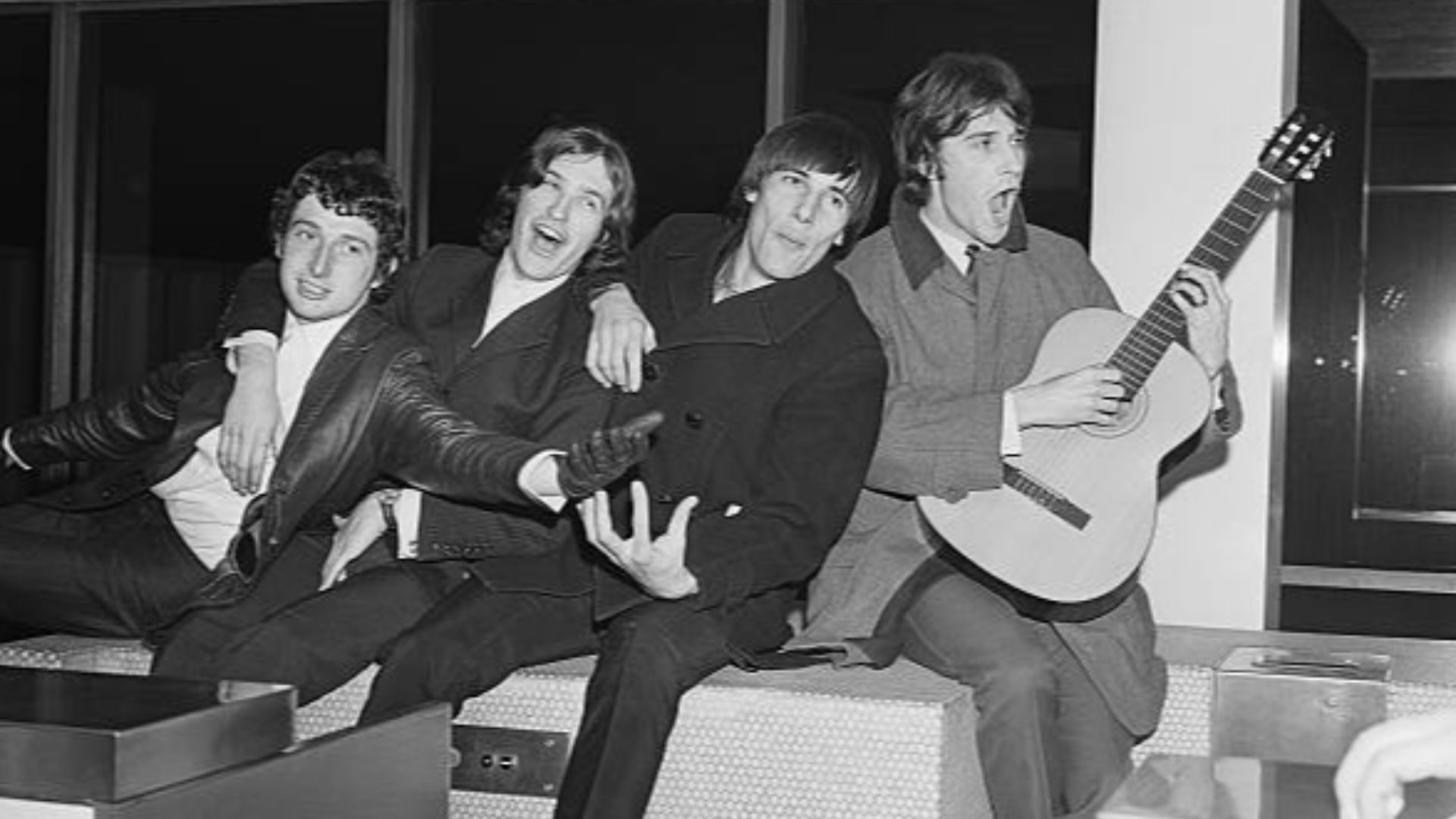 Photographer: Cyrus AndrewsPublisher: Hit Parader magazine, Wikimedia Commons
And That’s 30 Forgotten Albums From the 80s
Some belonged to famous artists having an off year, while others came from bands that disappeared almost as quickly as they arrived.
If you owned even one of these, I’m impressed. If you owned five, you may have been running the record store.
 Heinrich Klaffs, Wikimedia Commons
You Might Also Like:
1960s Songs That Sound Cheerful—Until You Actually Listen To The Lyrics
Timeless Songs About Travel And Adventure That Make The Open Road Feel Impossible To Resist