The Sixties Hid Darkness
The 1960s produced countless songs that sounded irresistible on AM radio, even when their lyrics described the darkest situations possible. Sometimes the contrast was deliberate. Other times, upbeat arrangements simply disguised stories considerably more grim than casual listeners realized.

“Maxwell’s Silver Hammer”—The Beatles
Few songs demonstrate the trick better than “Maxwell’s Silver Hammer” (1969). Paul McCartney wrapped jaunty piano, harmonies, and a ridiculously catchy chorus around the adventures of Maxwell Edison, a serial killer who does away with people with a hammer. The cheerful presentation makes the violence deliberately absurd.
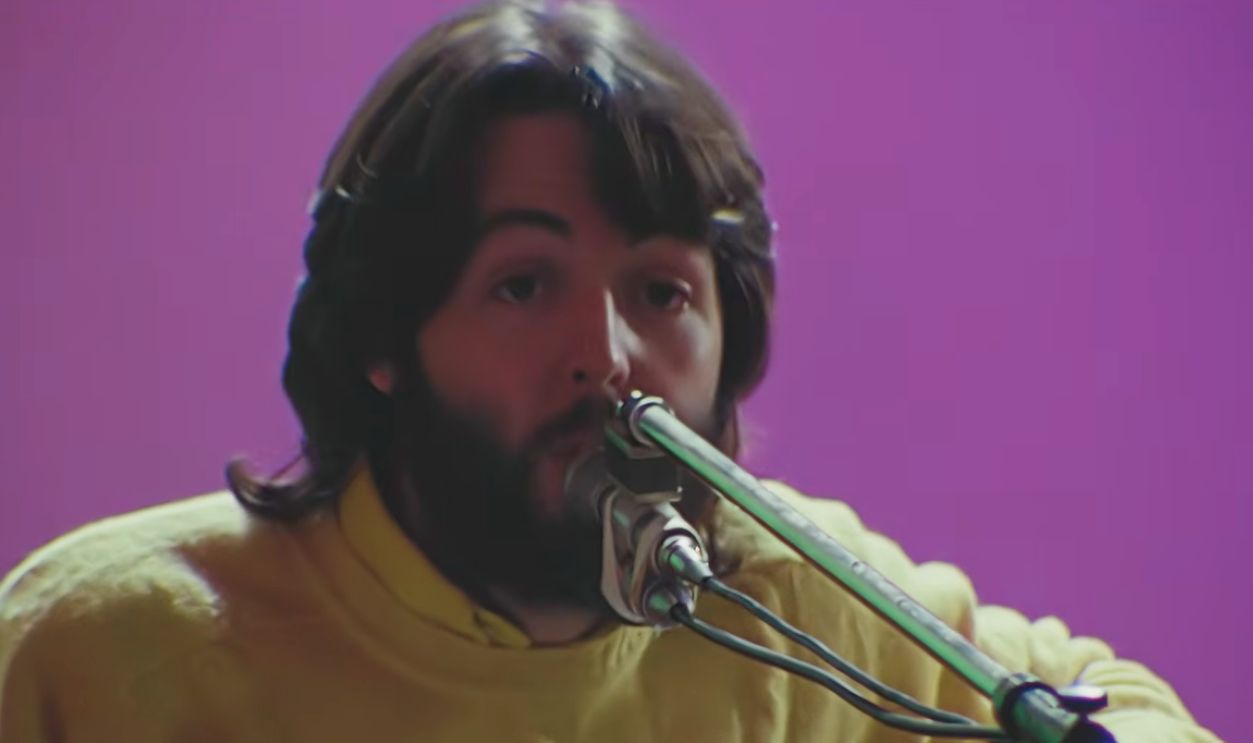 Screenshot from “Maxwell’s Silver Hammer”, Apple Records (1969)
“Last Kiss”—J. Frank Wilson
The melody is sweet enough for a slow dance, but “Last Kiss” became one of the era’s most famous teenage tragedy songs. J. Frank Wilson and the Cavaliers' 1964 hit follows a young driver who crashes his father's car and watches his girlfriend die after their final kiss.

“Leader Of The Pack”—Shangri-Las
Motorcycle sounds, girl-group vocals and teenage melodrama made “Leader of the Pack” (1964) enormously catchy. Its story is brutal. A girl reluctantly ends her relationship with biker Jimmy at her parents' insistence, and he speeds away into the rain before dying in a motorcycle crash.
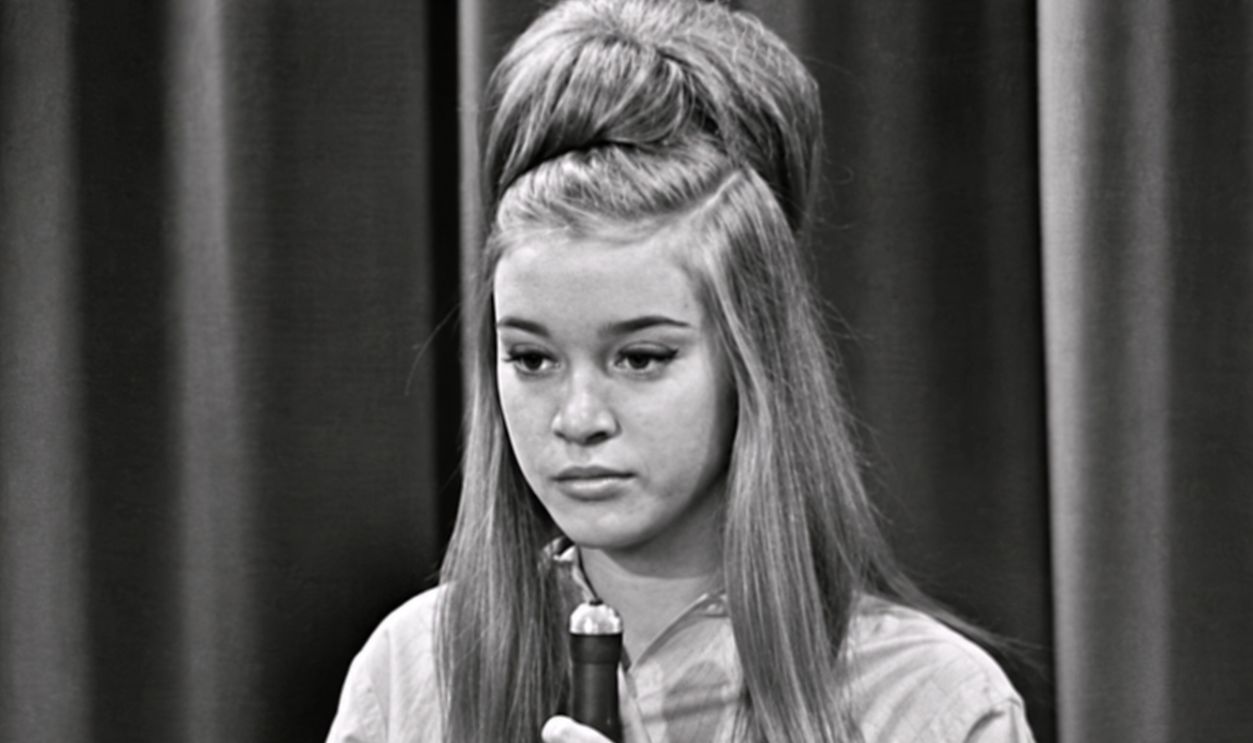 Screenshot from “Leader of the Pack”, Red Bird Records (1964), Modified
“Patches”—Dickey Lee
Dickey Lee's 1962 hit initially resembles a sentimental story about young love across class lines. Then the narrator's wealthy parents force him to abandon poor Patches. She drowns herself, and he ends the song contemplating joining her, turning an easy-listening pop record into something extraordinarily bleak.
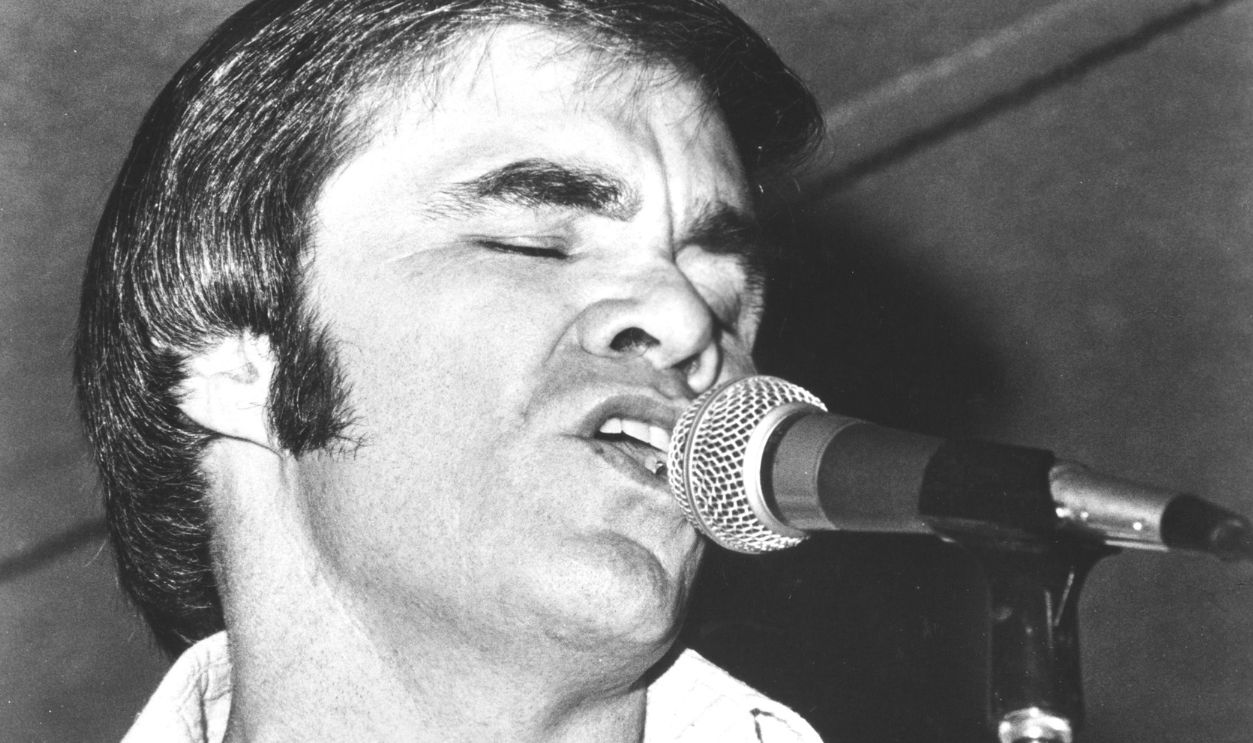 Michael Ochs Archives, Getty Images
“Honey”—Bobby Goldsboro
Bobby Goldsboro's enormous 1968 hit begins with domestic memories involving a tree, a puppy and his wife's endearing habits. Gradually, the narrator reveals why he is remembering everything so intensely. Honey became ill and died while he was away, leaving him alone in their once-happy home.
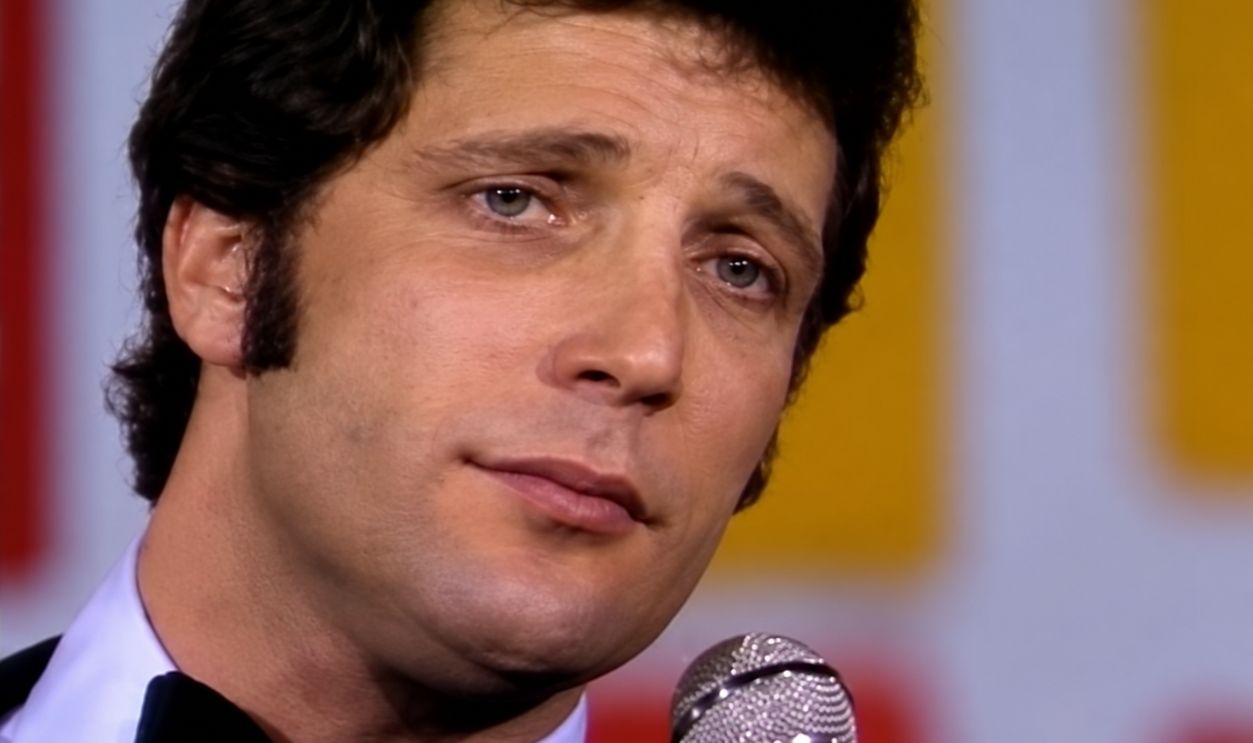
“Green, Green Grass Of Home”—Tom Jones
Tom Jones sounds warmly nostalgic as his narrator returns home to his parents, sweetheart and familiar countryside in “Green, Green Grass of Home” (1966). Then he awakens inside a prison cell. The homecoming was a dream, and at daybreak he will apparently be taken to his execution.
 Screenshot from “Green, Green Grass of Home”, Decca Records (1966), Modified
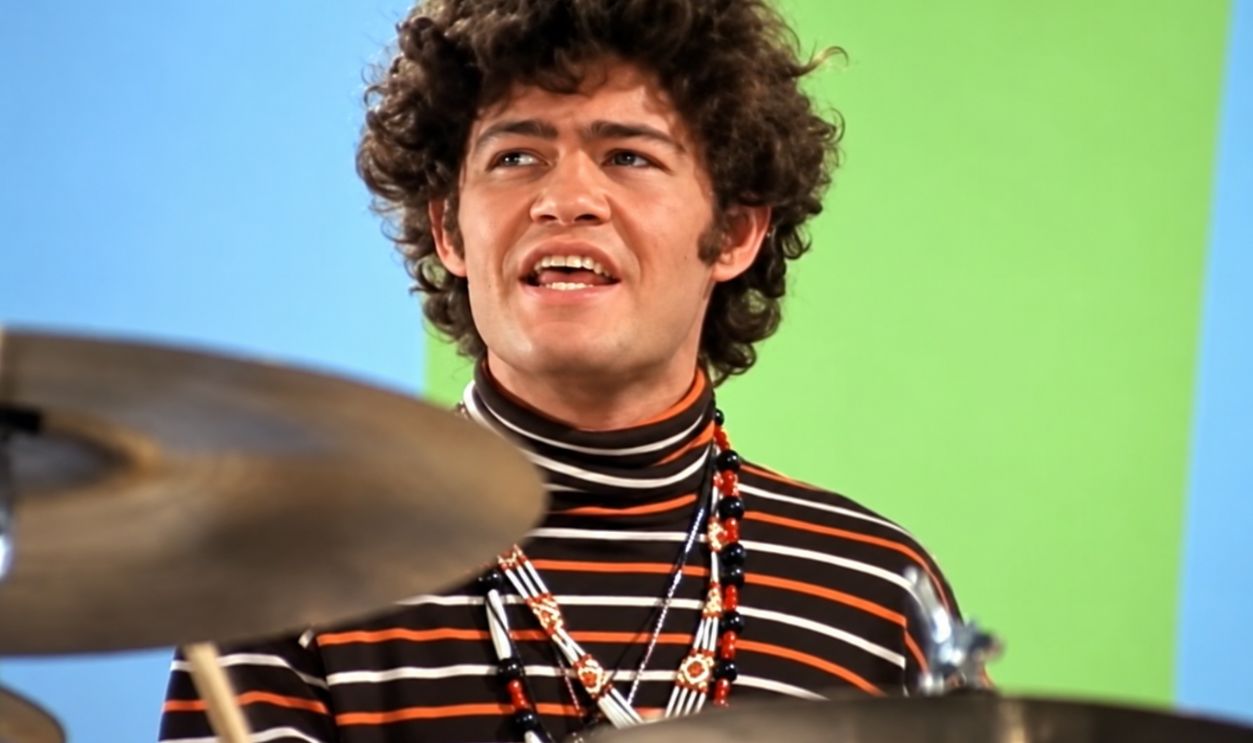
“Pleasant Valley Sunday”—The Monkees
The Monkees turned “Pleasant Valley Sunday” (1967) into bright, exuberant pop. Gerry Goffin and Carole King's lyrics are considerably less sunny. Inspired partly by their own suburban New Jersey surroundings, the song mocks identical houses, conspicuous consumption, status symbols and soul-numbing middle-class conformity.
 Screenshot from “Pleasant Valley Sunday”, RCA Victor (1967), Modified
“Mother’s Little Helper”—Rolling Stones
Its driving rhythm makes “Mother's Little Helper” (1966) immediately catchy, but Mick Jagger and Keith Richards were writing about something uncomfortable: a suburban housewife relying increasingly on prescription tranquilizers to endure domestic life. By the conclusion, her dependence has potentially lethal consequences.
![Collectie / Archief : Fotocollectie Anefo
Reportage / Serie : [ onbekend ]
Beschrijving : Optreden Rolling Stones in het Feijenoordstadion, Rotterdam; Mick Jagger en Keith Richard
Datum : 2 juni 1982
Locatie : Rotterdam, Zuid-Holland
Trefwoorden : popgroe](https://www.factinate.com/storage/app/media/theshot/2026/9/16/17895506756f7ad09ceebf915dd9d5de06102d84aad4df8a1e.jpg) Marcel Antonisse / Anefo, Wikimedia Commons
Marcel Antonisse / Anefo, Wikimedia Commons
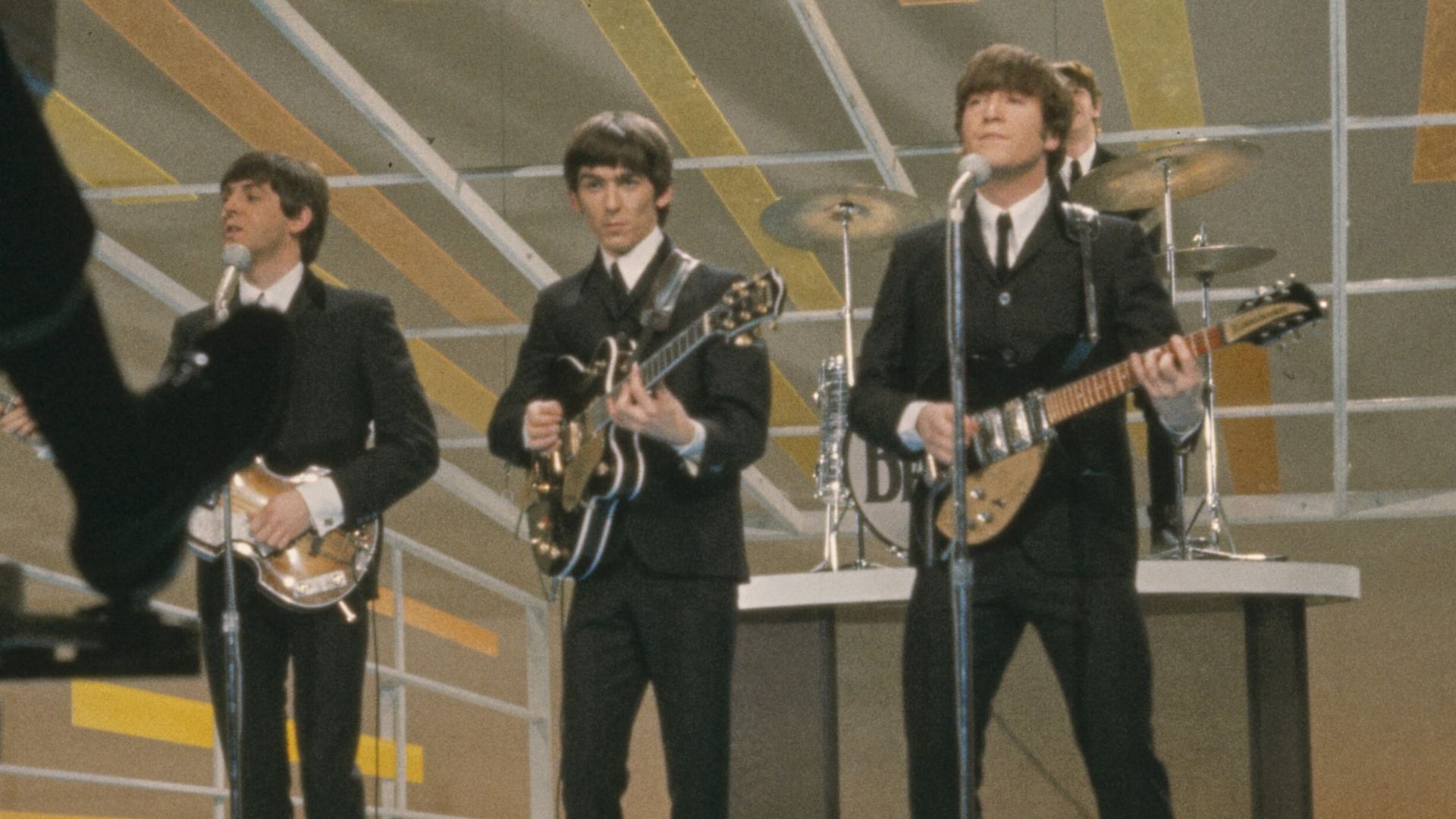
“Run For Your Life”—The Beatles
The brisk country-rock sound makes “Run for Your Life” (1965) surprisingly easy to sing along with. Paying attention makes that considerably harder. John Lennon's narrator threatens a woman's life if she is unfaithful, creating one of the starkest gaps between catchy Beatles music and disturbing lyrics.
 Bernard Gotfryd, Wikimedia Commons
“Semi-Detached Suburban Mr James”—Manfred Mann
Manfred Mann's “Semi-Detached Suburban Mr. James” (1966) bounces along like cheerful British pop while its narrator addresses a former girlfriend about her impending marriage. Beneath the humor, he bitterly imagines her disappearing into conventional suburban respectability with a safe, ordinary husband and predictable domestic existence.
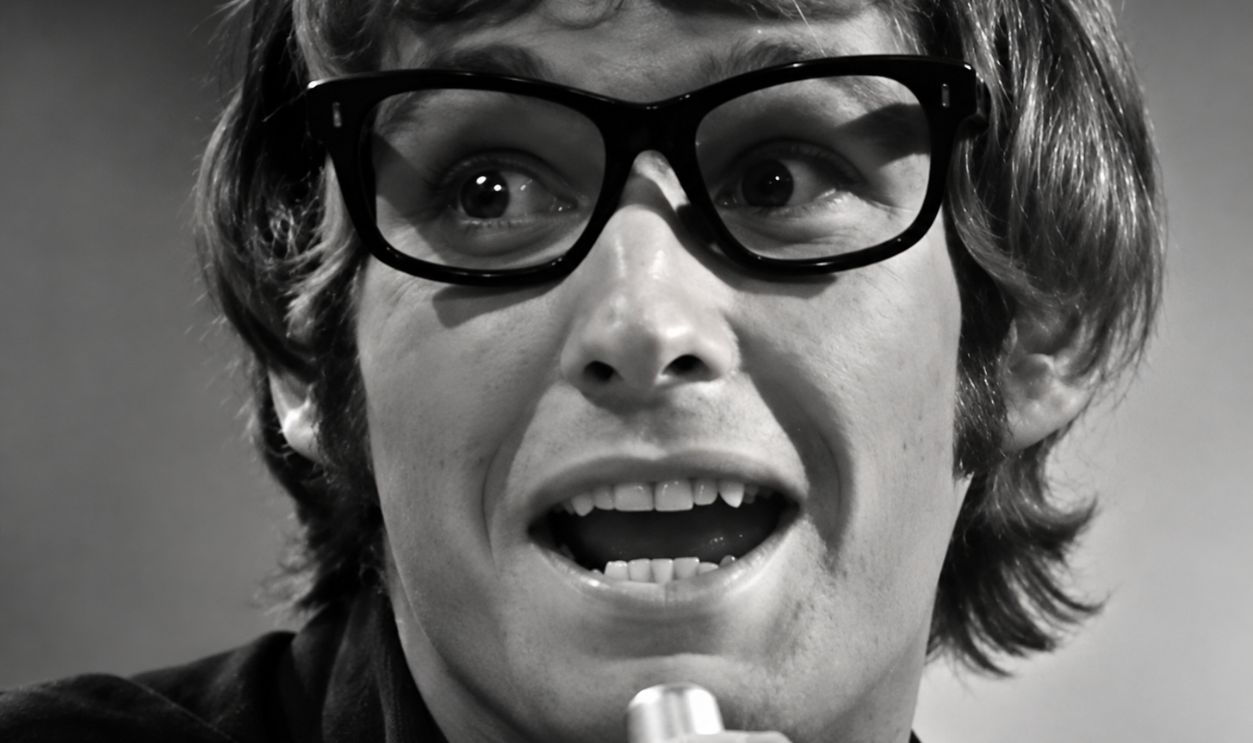 Screenshot from “Semi-Detached Suburban Mr. James”, Fontana Records (1966), Modified
“A Well Respected Man”—The Kinks
Ray Davies gave the Kinks' “A Well Respected Man” (1965) a jaunty music-hall flavor perfectly suited to its seemingly respectable protagonist. Listen closer and that respectable gentleman is a hypocrite surrounded by infidelity, materialism and rigid social convention. The title itself is thoroughly sarcastic.
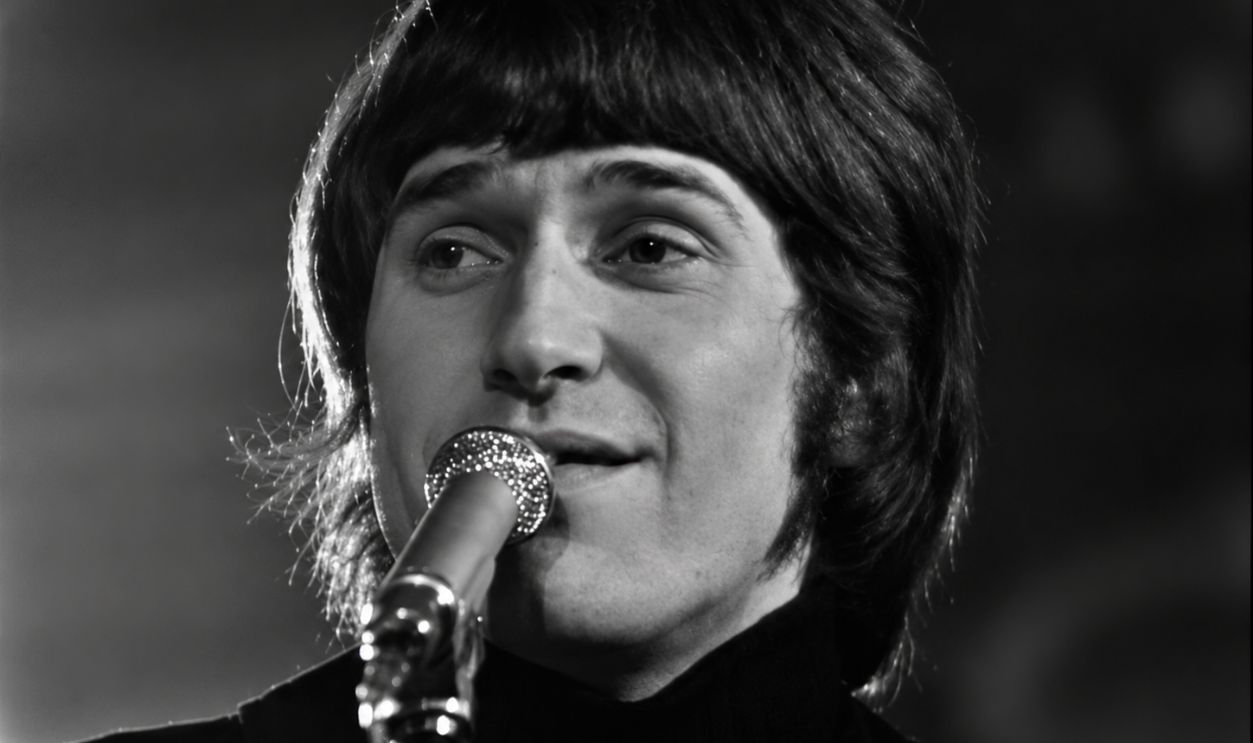 Screenshot from “A Well Respected Man”, Pye Records (1965), Modified
“Dead End Street”—The Kinks
The brass and theatrical arrangement give “Dead End Street” (1966) a lively, almost comic quality. Davies' lyrics describe something much grimmer: unemployment, unpaid bills, cold rooms, leaking sinks and working-class poverty. The inhabitants are trapped economically, making the song's energetic presentation especially deceptive.
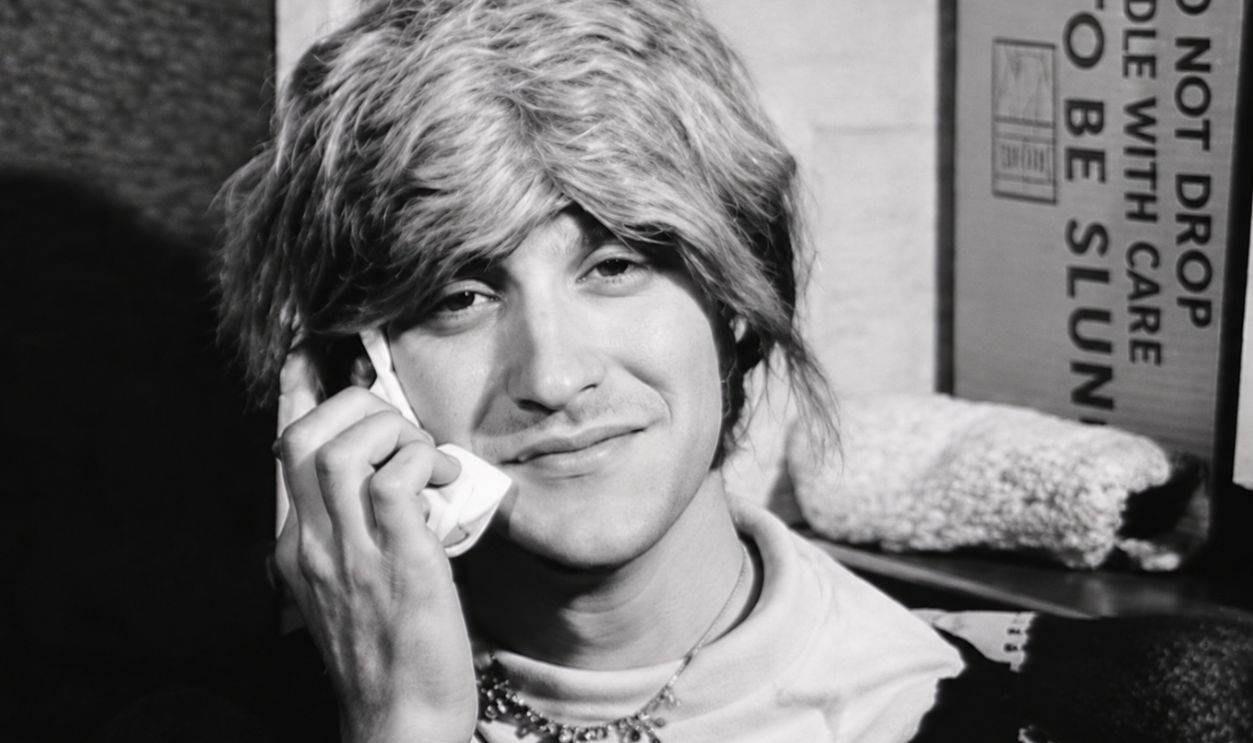 Screenshot from “Dead End Street”, Pye Records (1966), Modified
“Flowers In The Rain”—The Move
The Move's “Flowers in the Rain” (1967) practically explodes with psychedelic color, orchestration and a buoyant chorus. Yet the narrator is isolated, wandering alone while trying to escape troubling thoughts. Even the beautiful flowers and rain become part of a dreamlike retreat from an unhappy reality.
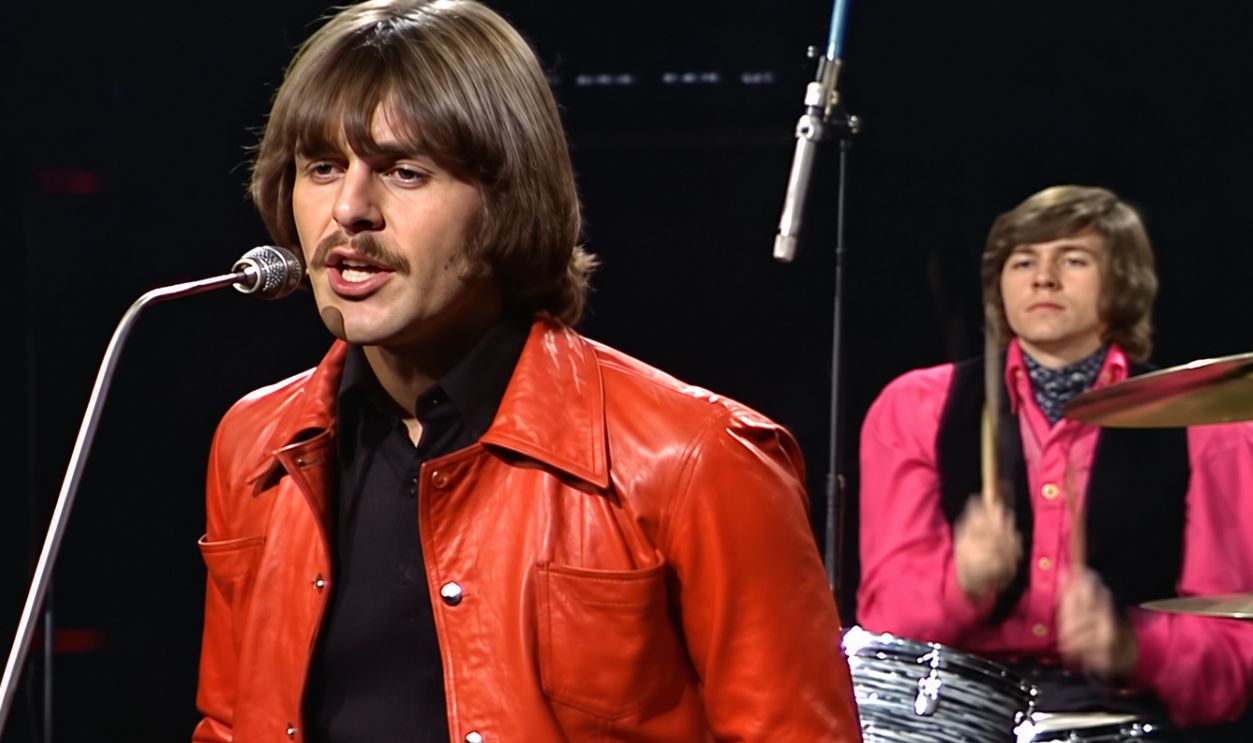 Screenshot from “Flowers in the Rain”, Regal Zonophone Records (1967), Modified
“At The Zoo”—Simon & Garfunkel
“At the Zoo” (1967) initially sounds like Paul Simon has written a charming children's excursion among zoo animals. The joke is that each animal receives distinctly human flaws. Giraffes are insincere, elephants kindly but dull, and hamsters frequently emotional, turning the menagerie into sly social satire.
![Collectie / Archief : Fotocollectie Anefo
Reportage / Serie : [ onbekend ]
Beschrijving : Optreden Simon and Garfunkel (links) in Feijenoordstadion, Rotterdam
Datum : 12 juni 1982
Locatie : Rotterdam, Zuid-Holland
Trefwoorden : musici, muziek, popgroepen,](https://www.factinate.com/storage/app/media/theshot/2026/9/16/1789553271cdb12ff9ad6e40a27f17857a2c3ddda306d39569.jpg) Rob Bogaerts / Anefo, Wikimedia Commons
Rob Bogaerts / Anefo, Wikimedia Commons
“Richard Cory”—Simon & Garfunkel
Simon & Garfunkel's “Richard Cory” (1966) has an infectious folk-rock pulse while describing a factory worker's envy of an extraordinarily wealthy man. Cory seemingly possesses everything. Then, without warning, he takes his own life, while the narrator remains so trapped in his own misery that he still envies him. That's dark.
![circa 1965: American folk rock duo Simon and Garfunkel (Art Garfunkel [L] and Paul Simon) performing on a studio sound stage during a rehearsal. Garfunkel slaps his leg while Simon plays a guitar.](https://www.factinate.com/storage/app/media/factinate/2025/7/30/Untitled%20design%20-%202025-07-30T145701.234.jpg)
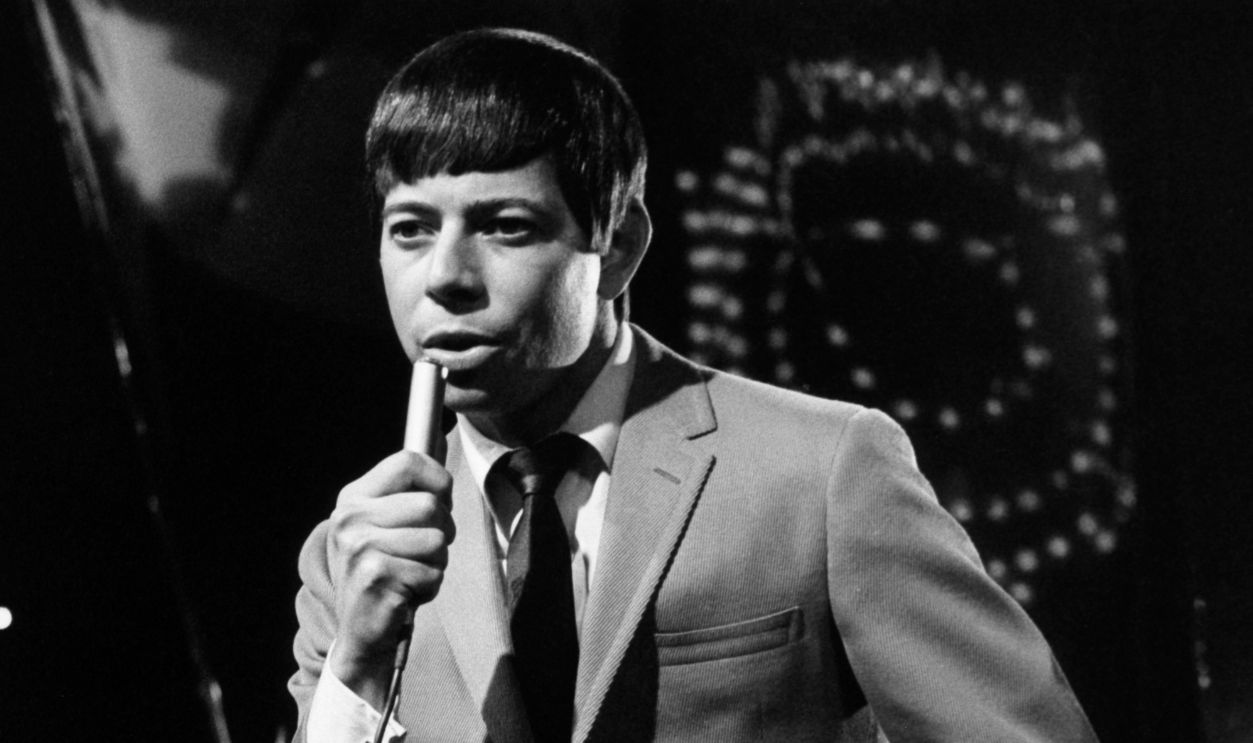
“Elusive Butterfly”—Bob Lind
The gentle, floating arrangement of Bob Lind's “Elusive Butterfly” (1966) sounds almost dreamily romantic. The lyrics are stranger and sadder. Its narrator pursues someone who may barely know he exists, casting himself as a butterfly hunter endlessly chasing an elusive dream of love he may never capture.
 Screenshot from “Elusive Butterfly”, World Pacific Records (1965–1966), Modified
“Little Boxes”—Malvina Reynolds
Malvina Reynolds' “Little Boxes” (1962) sounds almost like a children's singalong, an effect that makes its satire sharper. Those adorable little houses represent conformity. Their occupants attend similar schools, enter similar professions, raise similar children and ultimately emerge as standardized products of suburban American life. Okay, maybe not the darkest subject matter, but not exactly inspirational either.
 Screenshot from “Little Boxes”, Cassandra Records (1962), Modified
“We Gotta Get Out Of This Place”—The Animals
The Animals gave “We Gotta Get Out of This Place” (1965) a chorus practically designed to be shouted by a crowd. The verses describe a much harsher existence. The narrator watches his father deteriorate from labor while desperately hoping he and his girlfriend can escape the same fate.
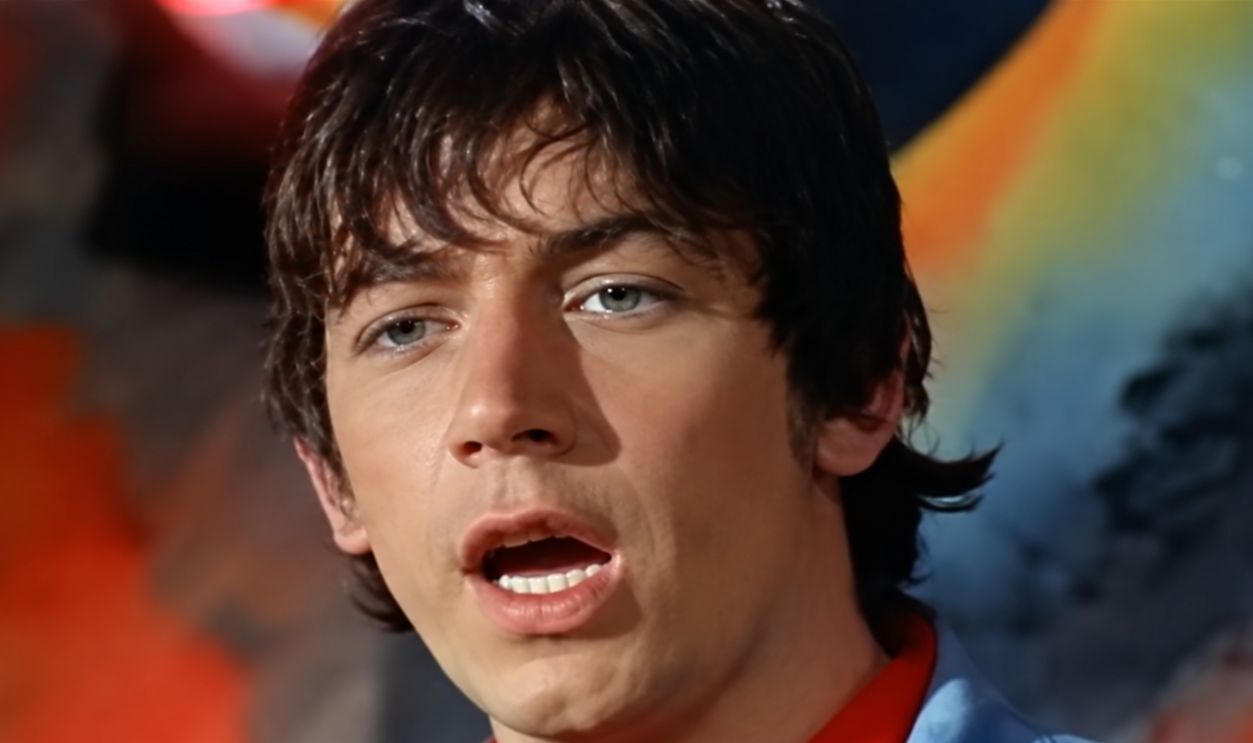 Screenshot from “We Gotta Get Out of This Place, MGM Records (1965), Modified
“Substitute”—The Who
The Who's “Substitute” (1966) charges forward with bright acoustic guitar and swaggering pop energy. Pete Townshend's lyrics are filled with insecurity. The narrator sees himself as an imitation rather than the real thing, repeatedly exposing the gap between outward appearances and the disappointing reality underneath.
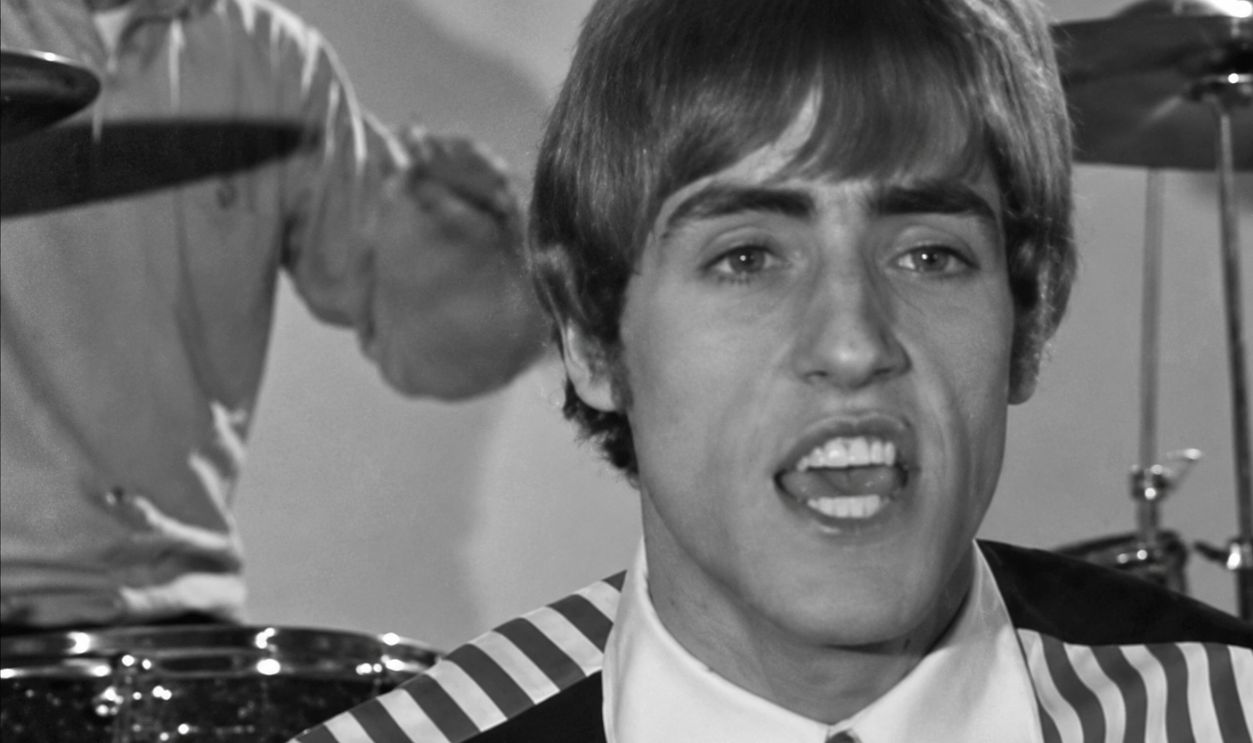 Screenshot from “Substitute”, Atco Records (1966), Modified
“Creeque Alley”—The Mamas & Papas
“Creeque Alley” (1967) sounds like a breezy insider's travelogue through the folk scene that produced the Mamas & the Papas. Underneath the jokes are failed groups, financial struggles, musicians drifting between projects and the precarious existence preceding success. Even fame arrives after considerable frustration.
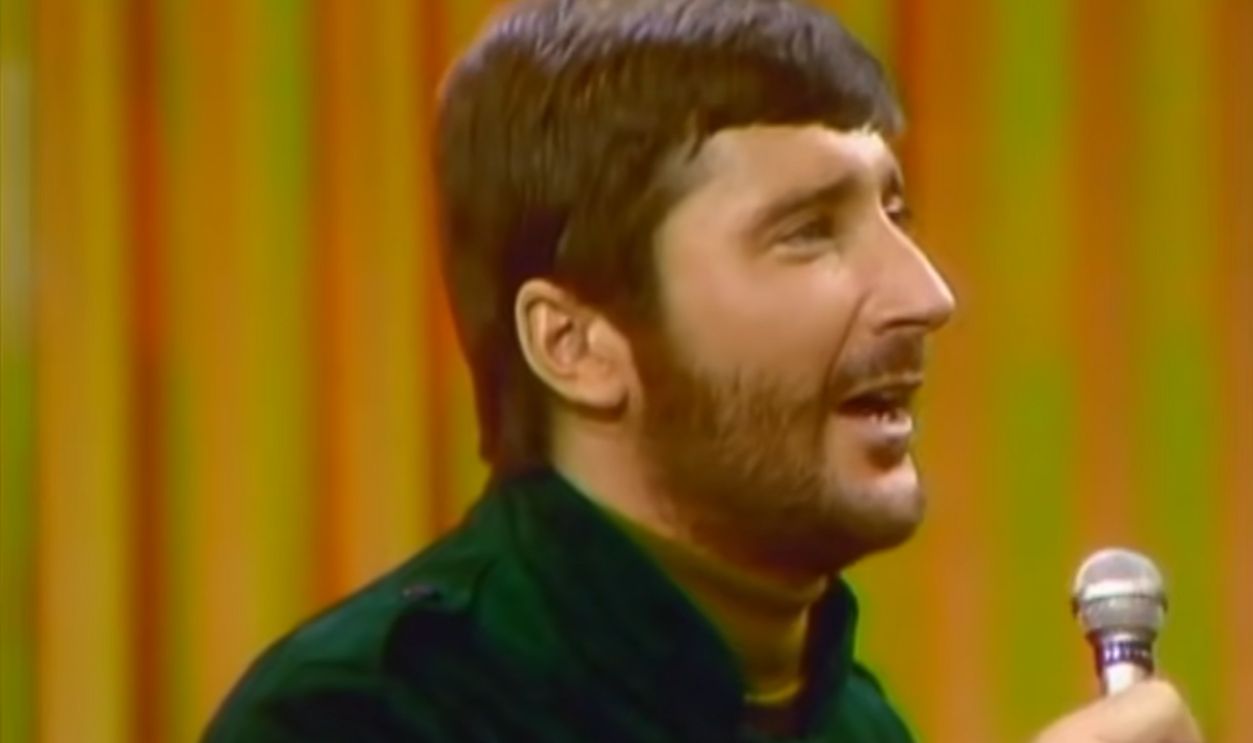 Screenshot from “Creeque Alley”, ABC Records (1967)
“The Ballad Of Bonnie And Clyde”—Georgie Fame
Georgie Fame's “The Ballad of Bonnie and Clyde” (1967) turns two violent criminals into a jaunty, brass-heavy pop spectacle. The song recounts robberies, police pursuit and the ruthless couple's eventual deaths while maintaining an almost vaudevillian bounce, making its subject matter sound bizarrely entertaining.
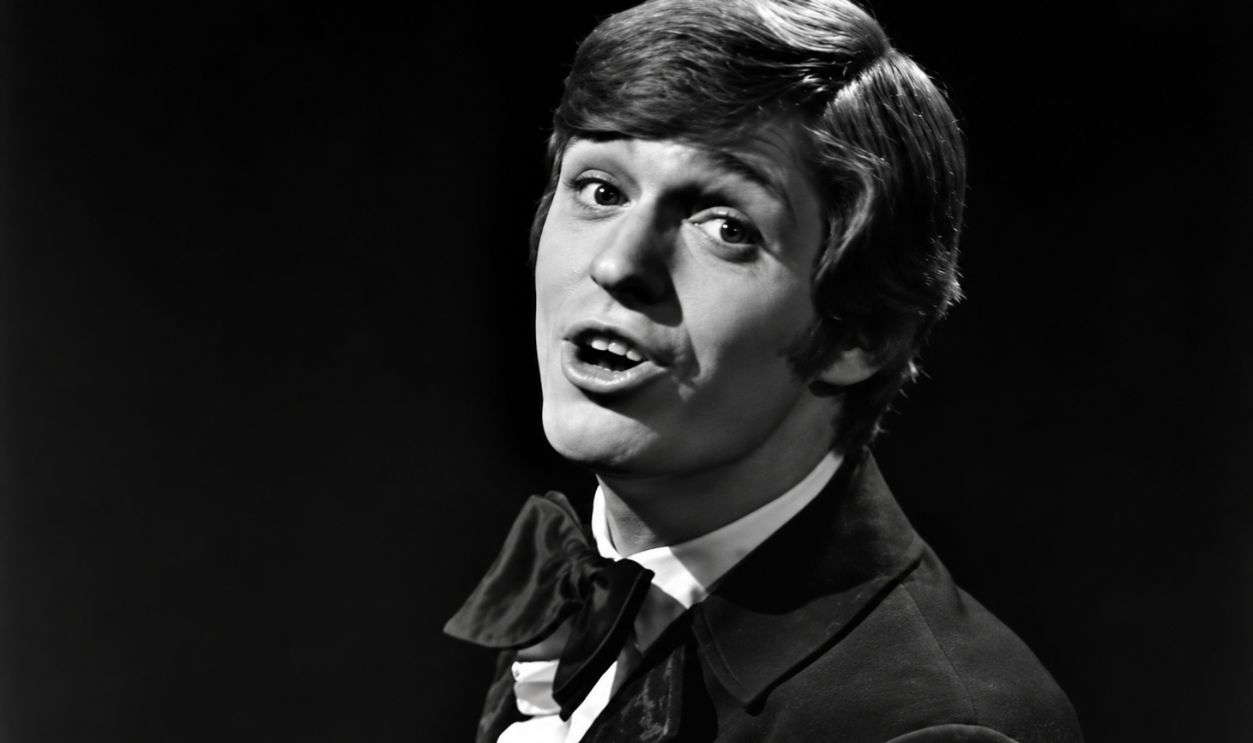 Screenshot from “The Ballad of Bonnie and Clyde”, CBS Records (1967), Modified
“Simon Says”—1910 Fruitgum Company
“Simon Says” (1967) sounds harmless because it deliberately imitates the children's game, complete with bubblegum production and simple instructions. Yet its structure is also about unquestioning obedience. That probably wasn't intended as dark social commentary, but adult ears can make this relentlessly cheerful command-following record sound unexpectedly peculiar.
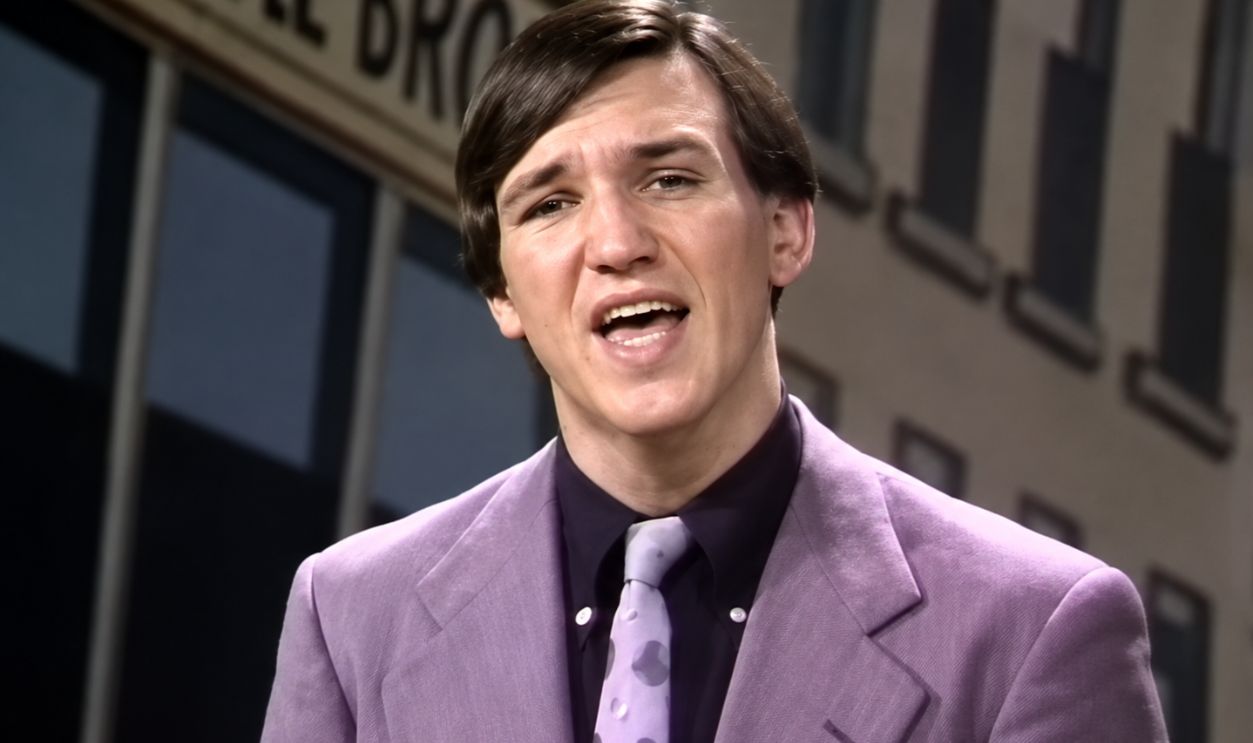 Screenshot from “Simon Says”, Buddah Records (1967), Modified
Cheerfulness Could Be Deceptive
The trick worked because listeners often absorb a record's sound before processing every word. Sixties songwriters exploited that gap brilliantly. Bright harmonies, danceable rhythms and singalong choruses could carry stories about death, addiction, poverty or alienation straight onto pop radio without sacrificing their irresistible hooks.
You May Also Like:
The Collapse Of Paul Simon And Art Garfunkel's Friendship
Harmonious Facts About Denny Doherty, The Papa In The Middle
Devastating Facts About Dennis Wilson, The Beach Boy With A Dark Side