The Star Who Could Do Everything
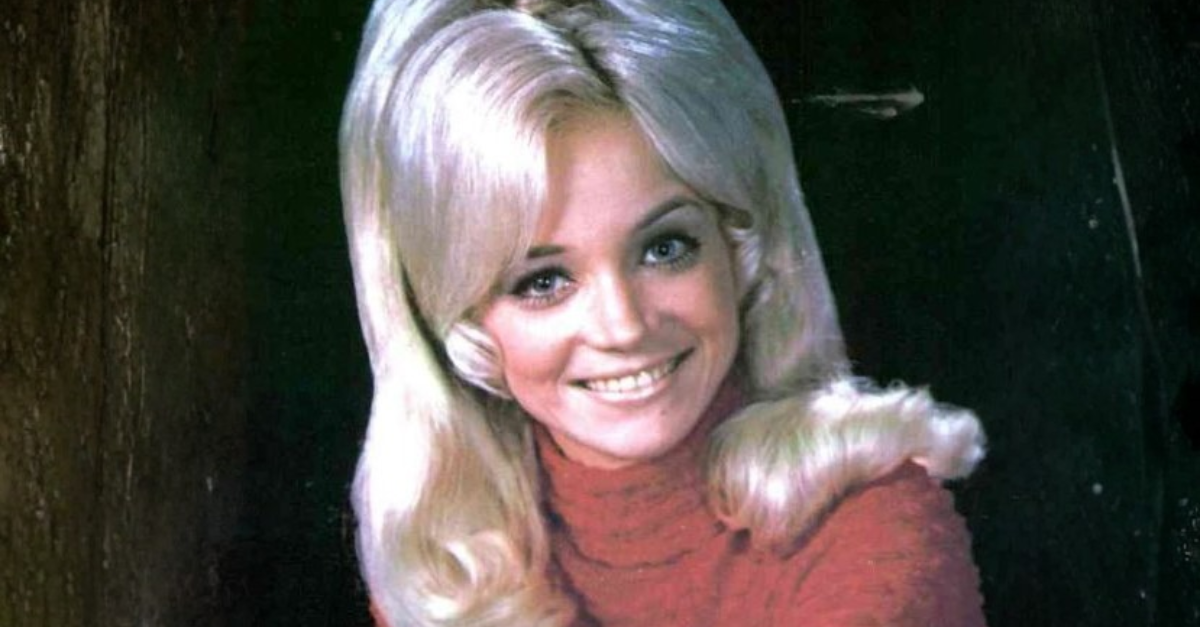
By the early 1980s, Barbara Mandrell seemed unstoppable. She had chart-topping songs, major country awards, and a network television show watched by millions. Then a horrific collision in 1984 changed her life. Survival began her next chapter.
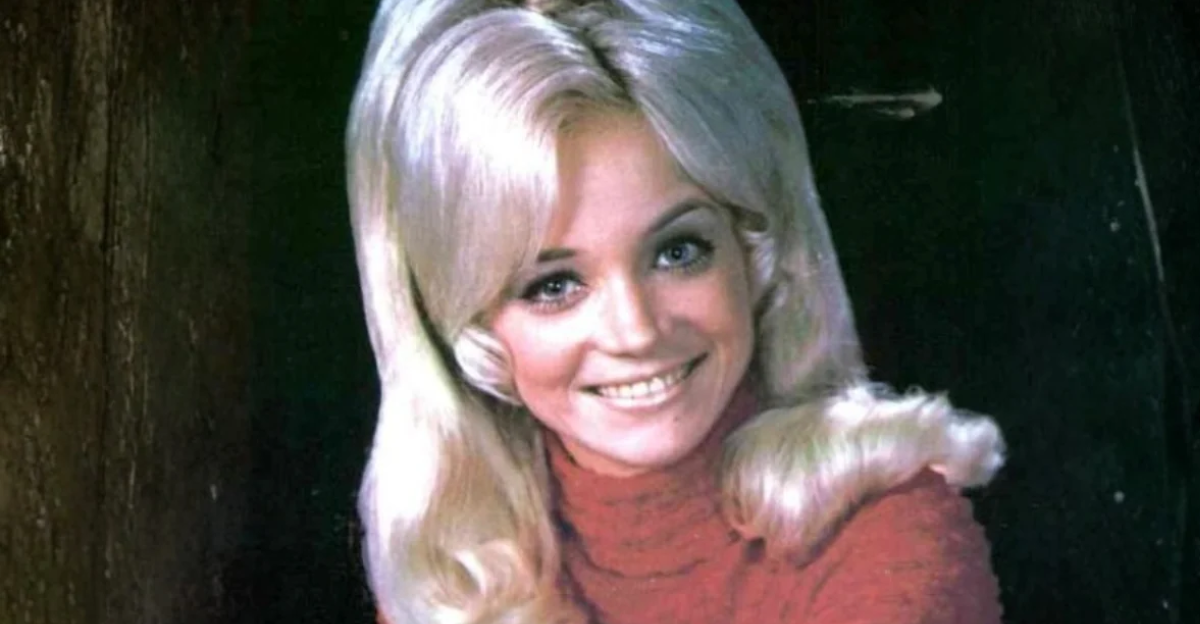 Les Leverett, Beverly LeCroy and Marvin Cartwright, Wikimedia Commons
Music Was In Her Blood
Born in Houston on Christmas Day in 1948, Mandrell grew up surrounded by instruments. Her father, Irby, played guitar, while her mother, Mary, taught music. Barbara learned the accordion before she could read words, well before fame arrived.
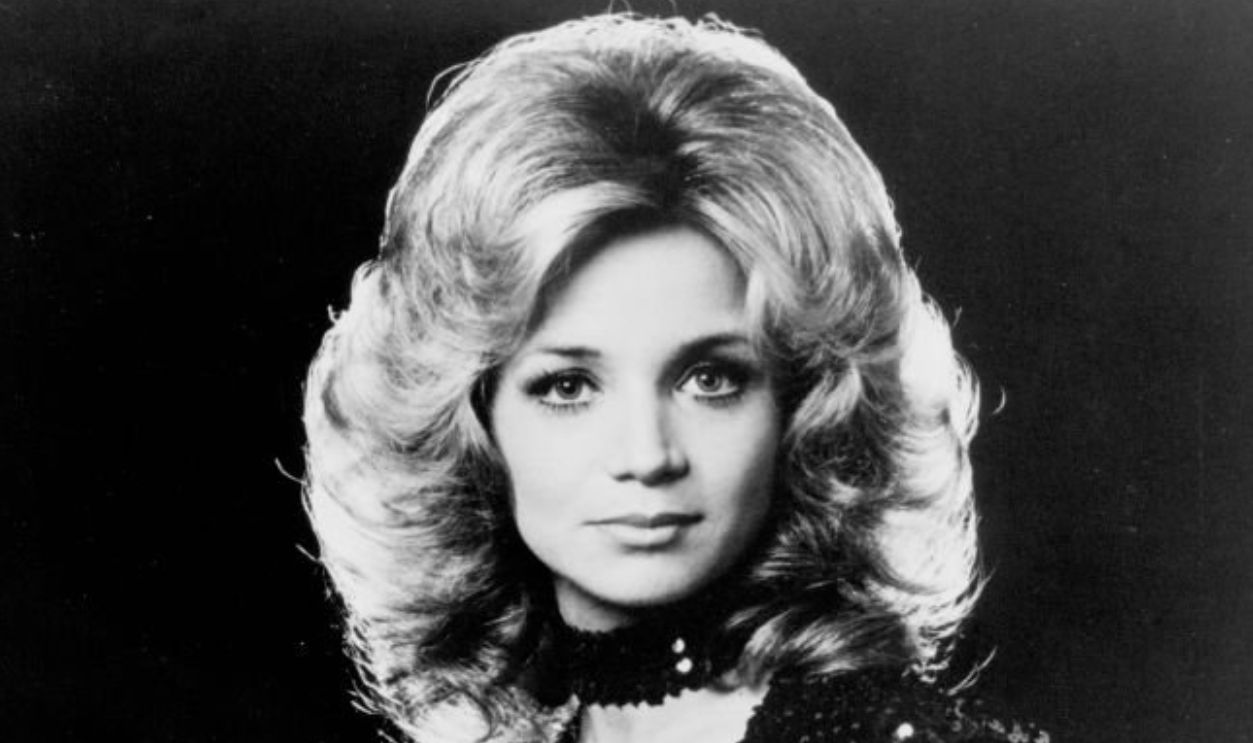 Michael Ochs Archives, Getty Images
A Child Prodigy With A Steel Guitar
At around eleven, she impressed established musicians at a Chicago music trade convention with her steel guitar playing. Country performer Joe Maphis took notice and invited her into his Las Vegas act. She was already a professional.
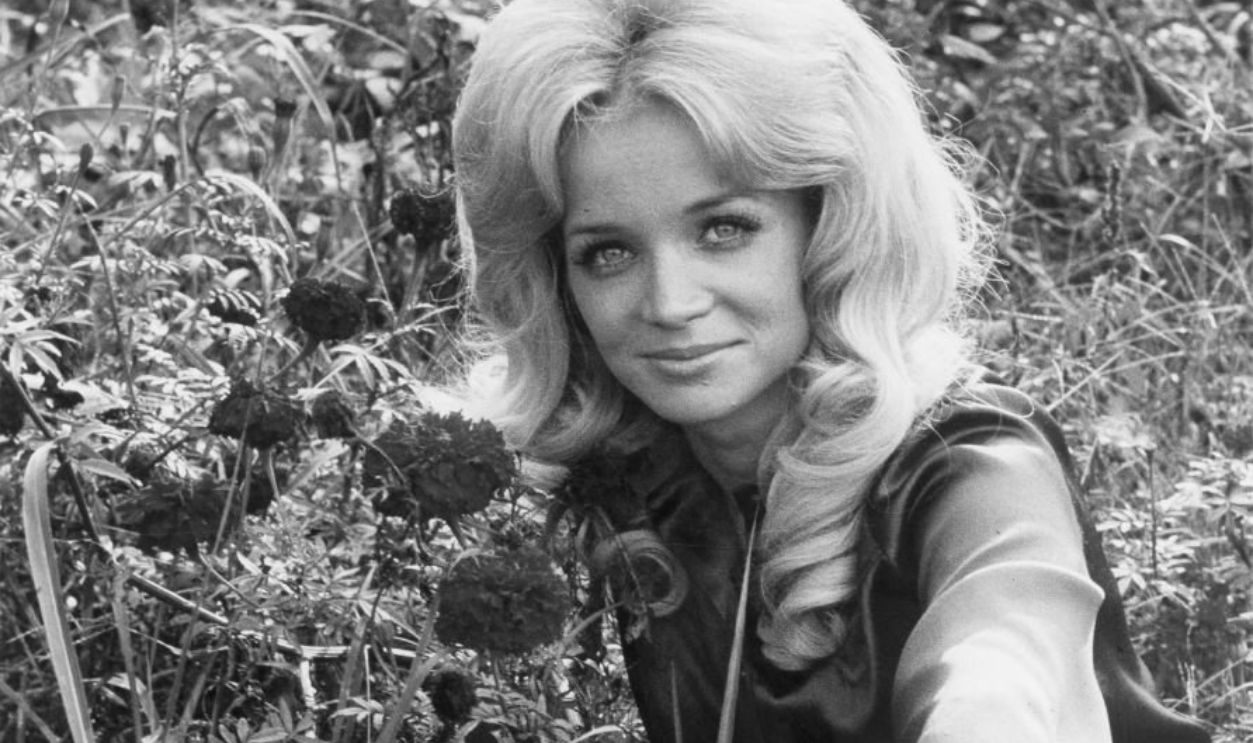 Michael Ochs Archives, Getty Images
The Road Became Her Classroom
As a teenager, Mandrell appeared on California's Town Hall Party and toured with shows featuring Johnny Cash and other country stars. Her father also formed the Mandrell Family Band, which performed for military audiences overseas. Performing became second nature.
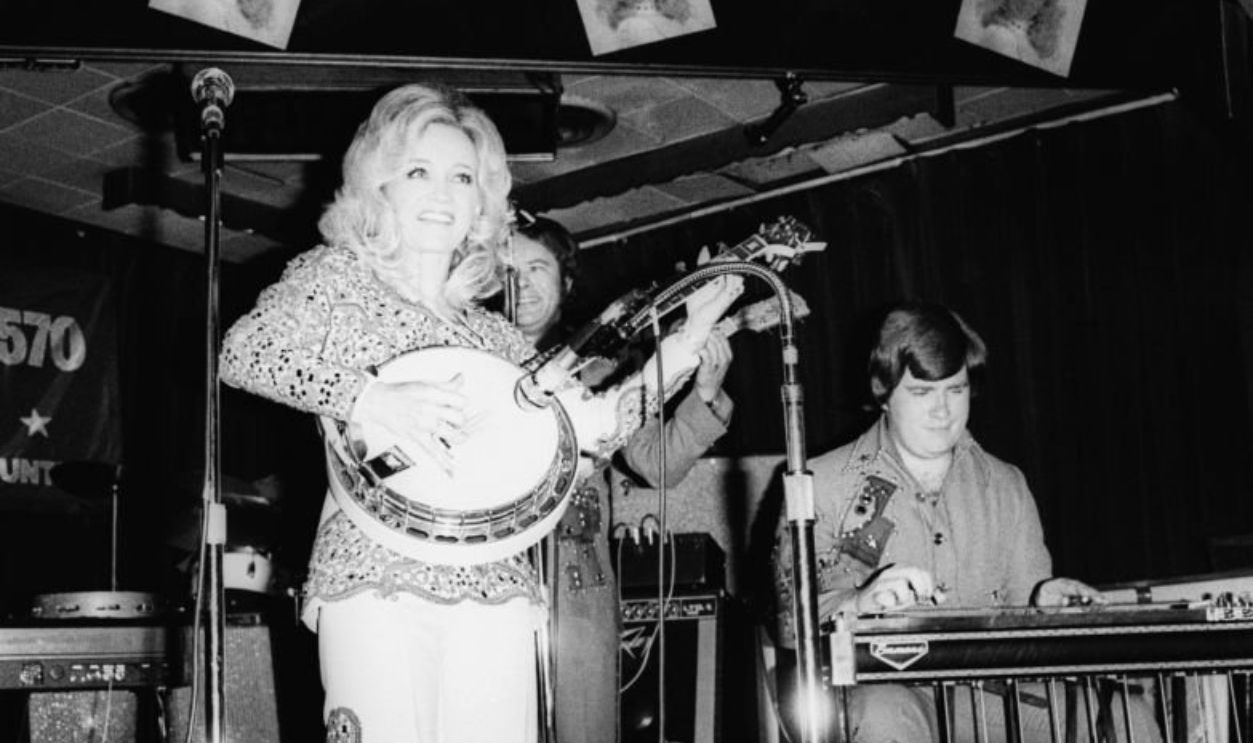 Michael Ochs Archives, Getty Images
She Married The Family Band's Drummer
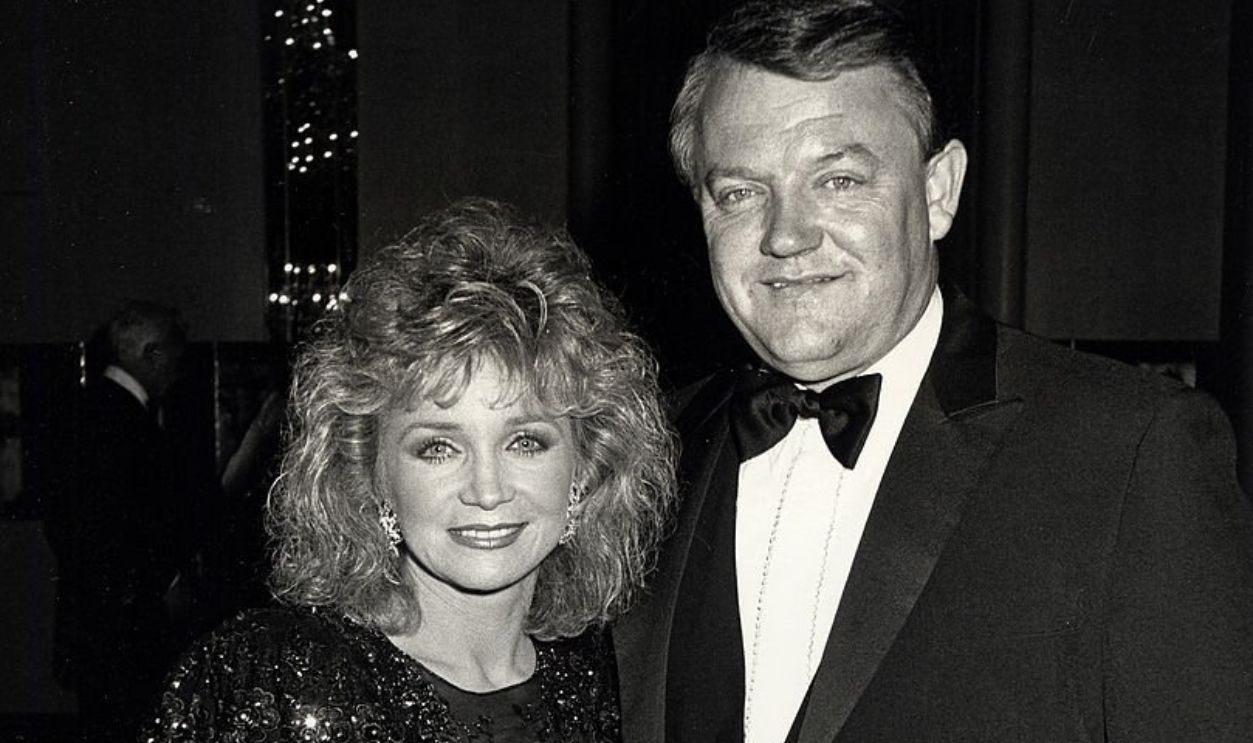
Mandrell married family-band drummer Ken Dudney in 1967 and briefly stopped performing while he served as a Navy pilot. The retirement didn't stick. Their partnership, however, lasted throughout her career.
Nashville Gave Her A Second Beginning
While visiting her parents in Tennessee, Mandrell watched a performance at the Grand Ole Opry and realized how much she missed the stage. She asked her father to manage her return. Soon she was making her own name in Nashville.
 Michael Ochs Archives, Getty Images
The Records Finally Started Climbing
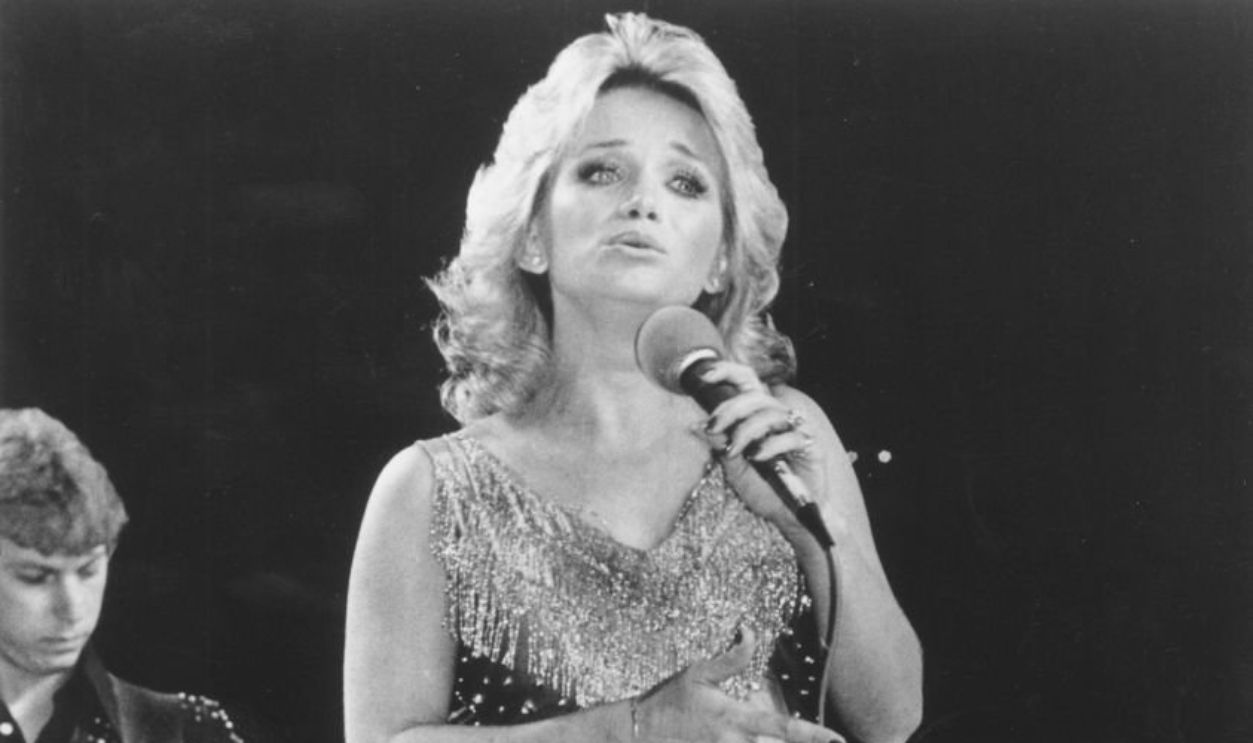
Mandrell signed with Columbia Records in 1969 and found an early chart entry with a cover of Otis Redding's “I've Been Loving You Too Long.” More songs followed, along with her 1972 induction into the Grand Ole Opry. The child musician had become a headliner.
 Michael Ochs Archives, Getty Images
A Number One Changed The Game
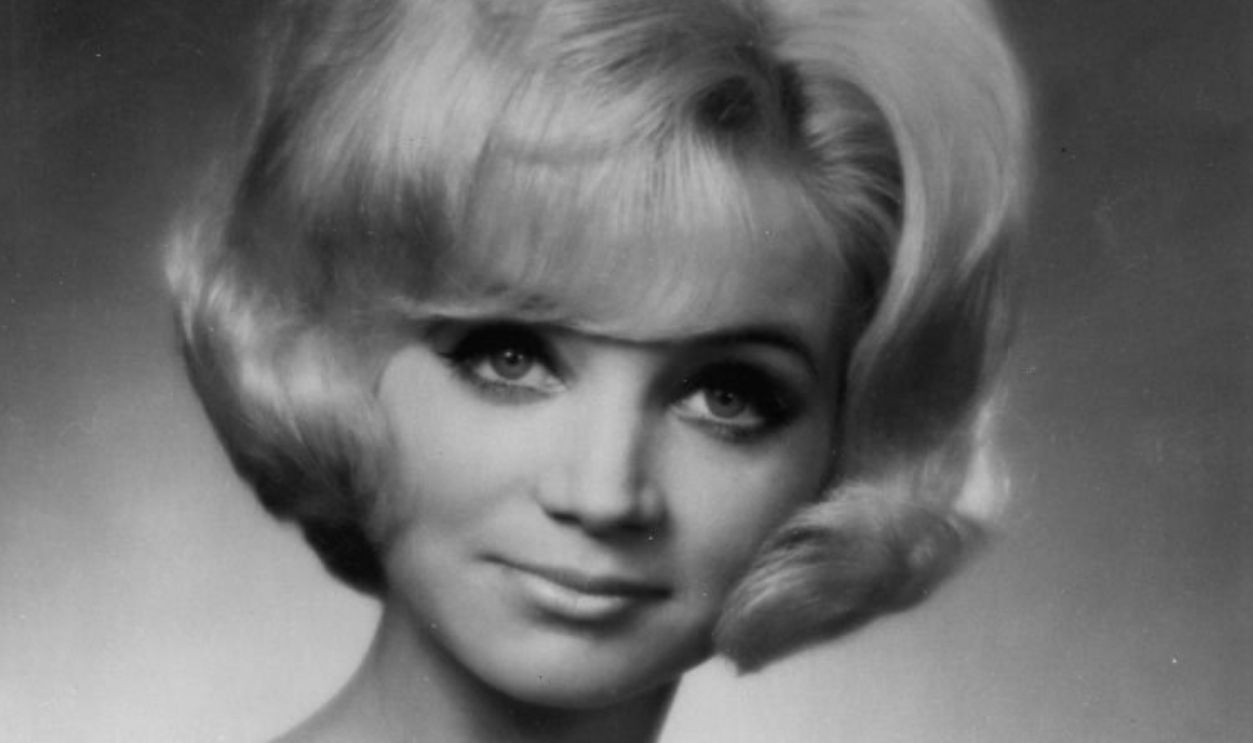
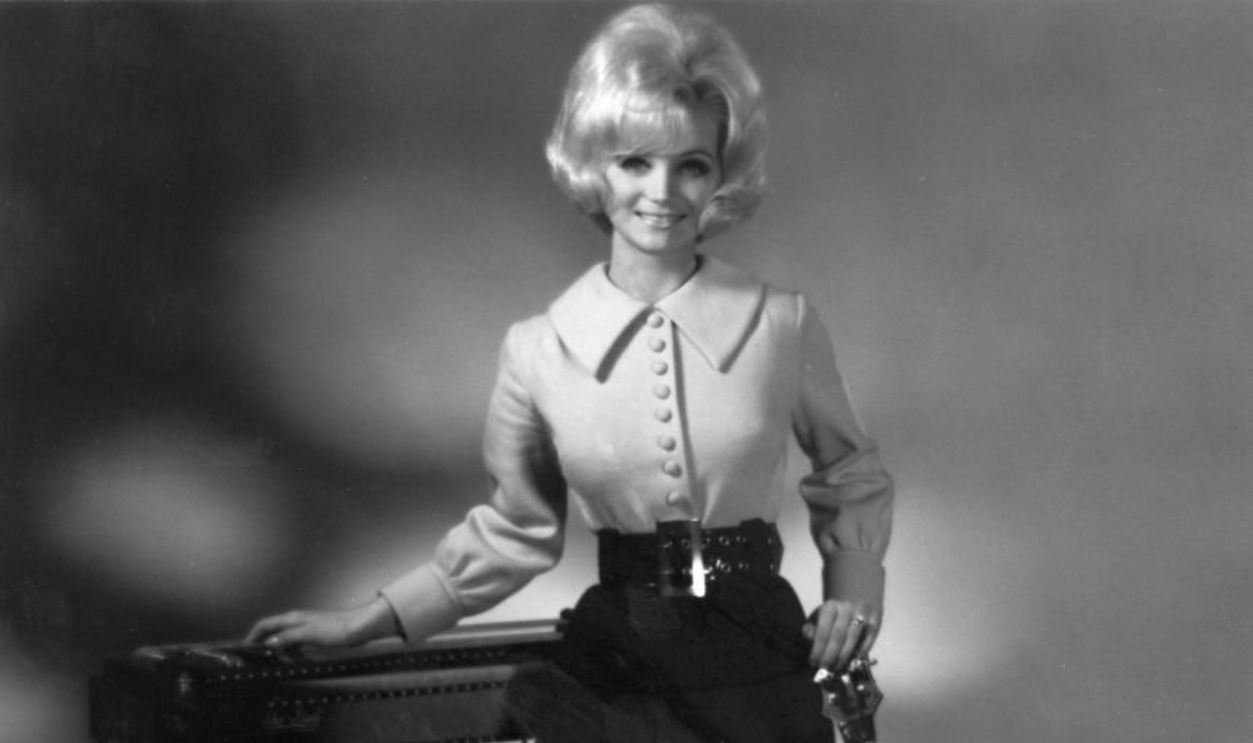
Her first country number one arrived in 1978 with “Sleeping Single in a Double Bed.” Another topped the chart in 1979: “If Loving You Is Wrong (I Don't Want to Be Right).” Her country-and-soul style attracted new listeners, while her records became radio staples.
 Michael Ochs Archives, Getty Images
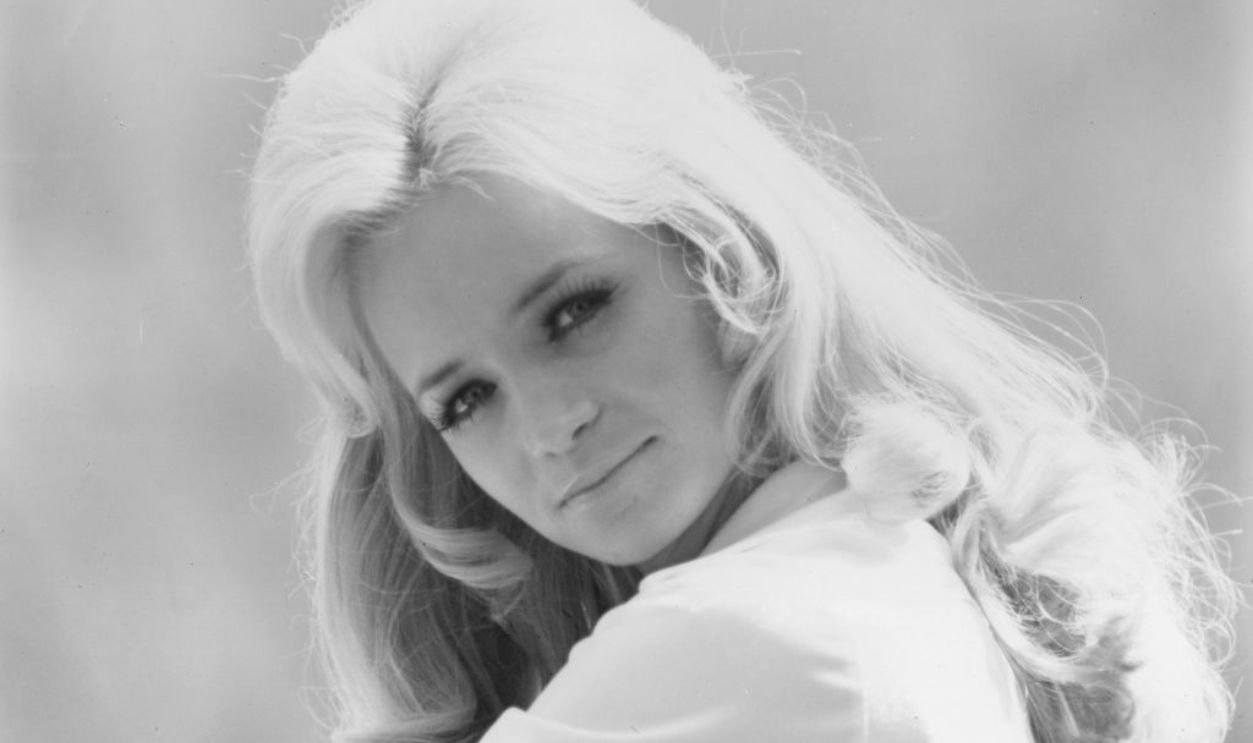
Her Signature Song Said It All
In 1981, Mandrell recorded “I Was Country When Country Wasn't Cool,” with George Jones appearing on the recording. The song celebrated sticking with country music before its wider popularity. She had once faced teasing for loving country music, a fitting reversal.
 Michael Ochs Archives, Getty Images
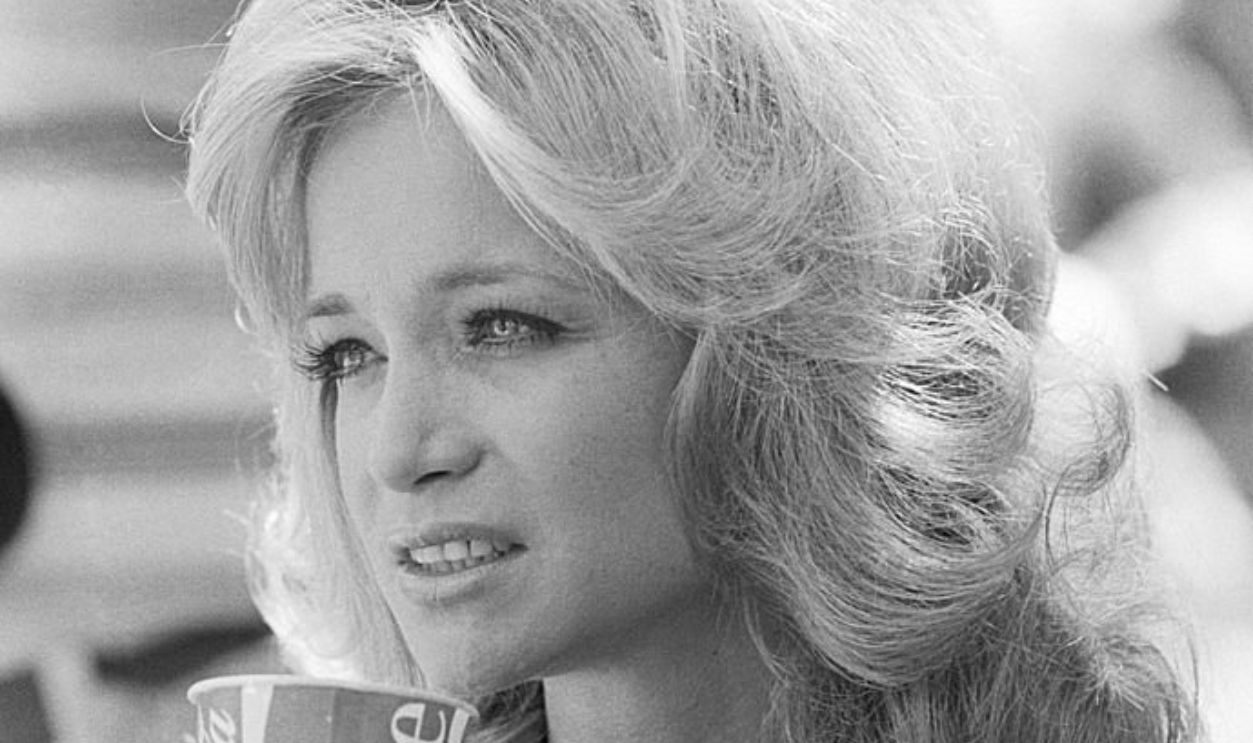
She Made Country Music History
Mandrell won the Country Music Association's Entertainer of the Year award in both 1980 and 1981, becoming the first artist to win consecutively. She also earned Female Vocalist of the Year honors. She was now among Nashville's biggest attractions.
Then NBC Put Her On Television
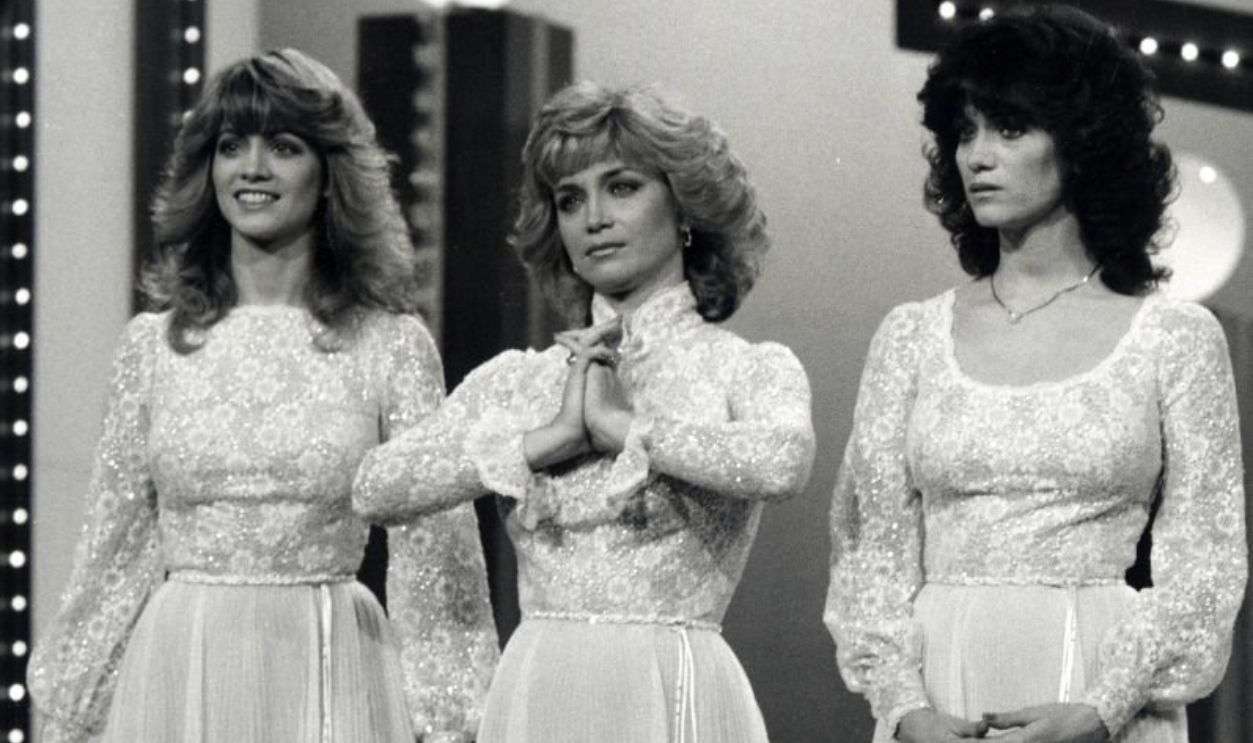
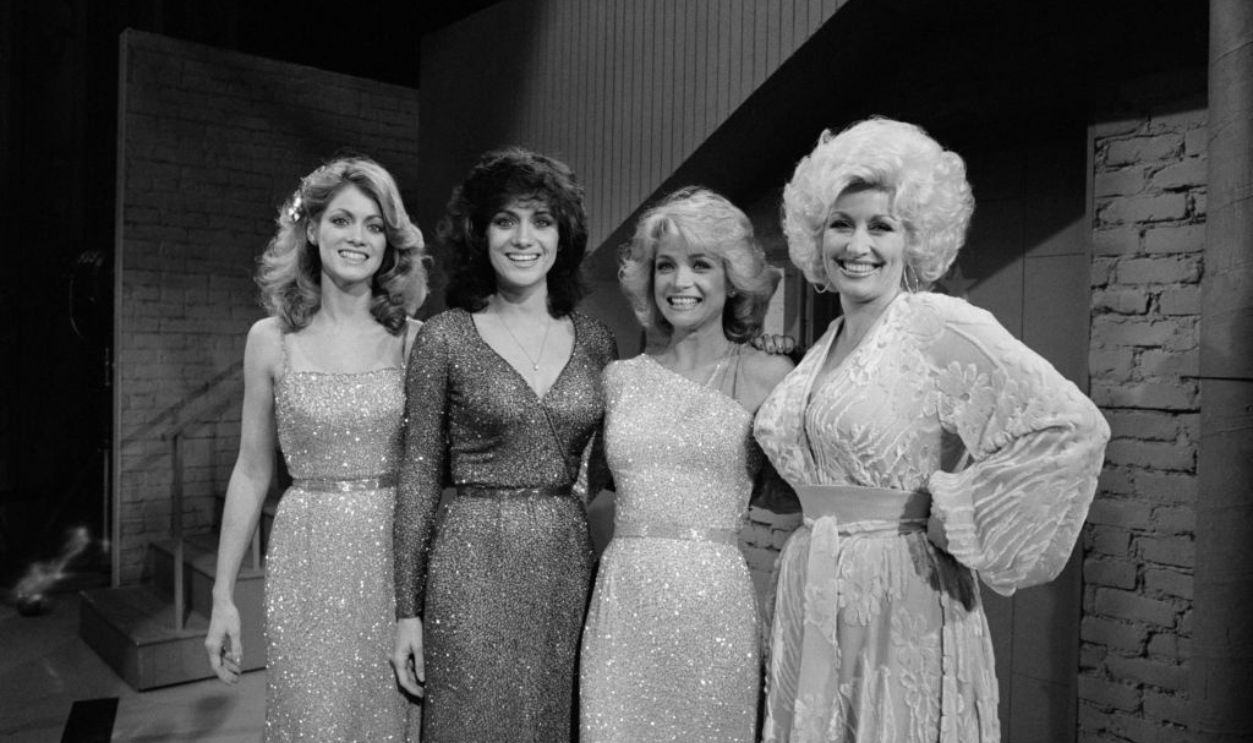
In 1980, NBC premiered Barbara Mandrell and the Mandrell Sisters, an hour-long variety program featuring songs, sketches, dancing, and guest stars. Country music had a weekly network platform. Mandrell's own website says the program drew nearly 40 million viewers a week.
Her Sisters Became Stars Too
Louise and Irlene Mandrell shared the spotlight, bringing comedy and musicianship to the family show. Guests came from country, pop, and other musical traditions, while each episode ended with a gospel performance. Barbara valued introducing new listeners to country.
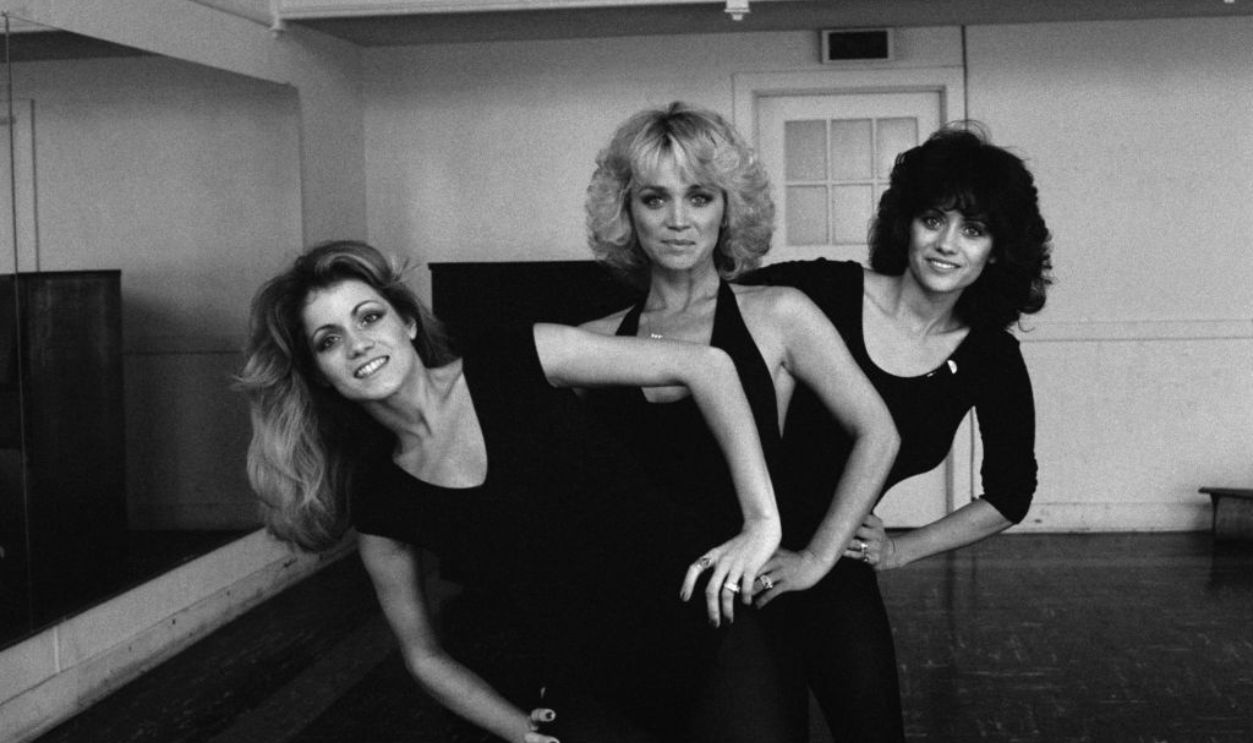
The Show Ended Before The Crash
Here's a detail often lost in retellings: the car crash did not cancel Mandrell's NBC program. It ended in 1982 because her demanding schedule had damaged her voice. Doctors advised her to stop.
She Was Already Planning Her Next Act
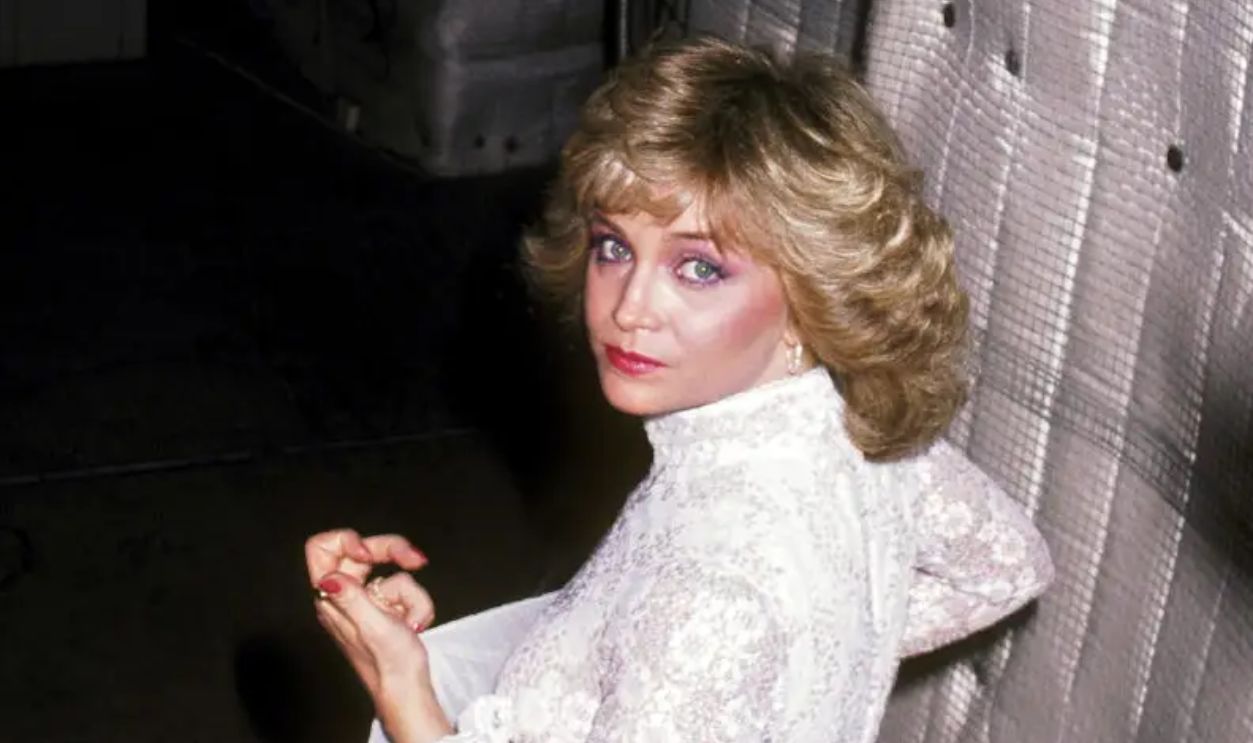
The setback didn't keep Mandrell away for long. In 1983, she returned with The Lady Is a Champ, a Las Vegas production that also became an HBO special. She was performing again. Then came 1984.
September 11, 1984, Changed Everything
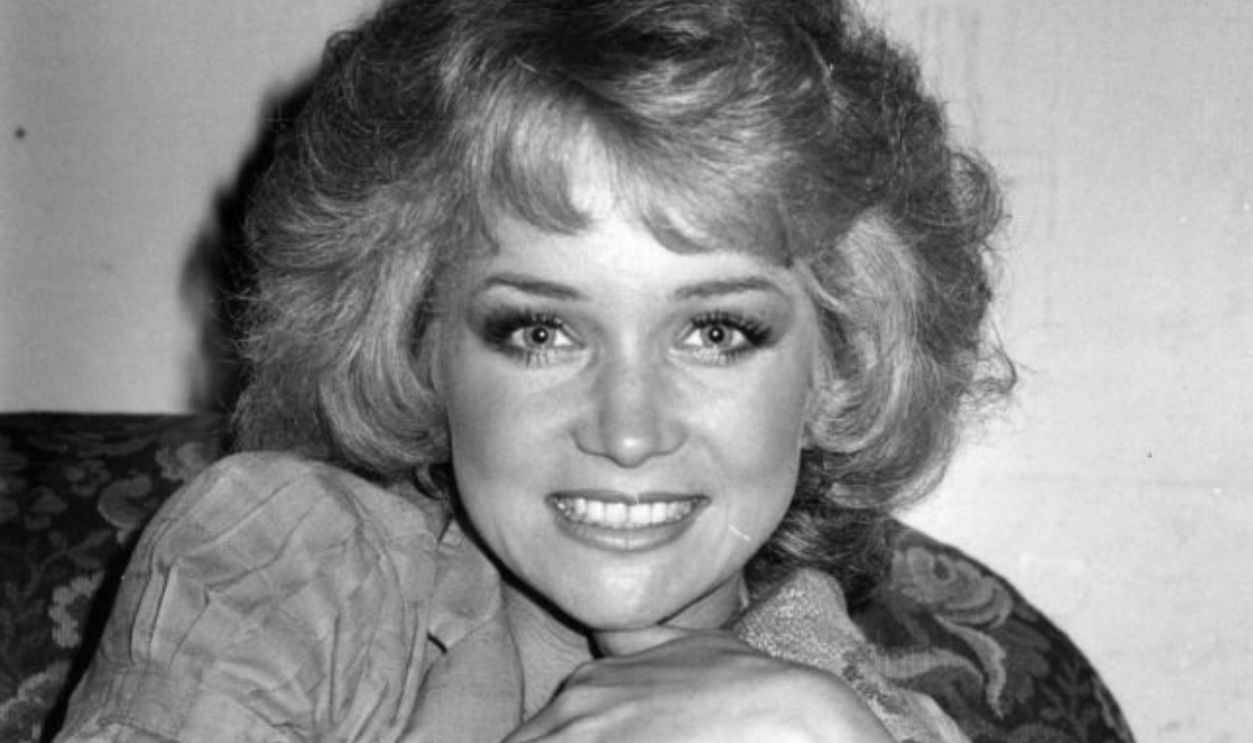
Mandrell was driving her silver Jaguar near Hendersonville, Tennessee, when another vehicle crossed the center line and struck her head-on. In a later interview, she recalled being told survival had seemed unlikely. The collision changed everything.
Her Two Children Were In The Car
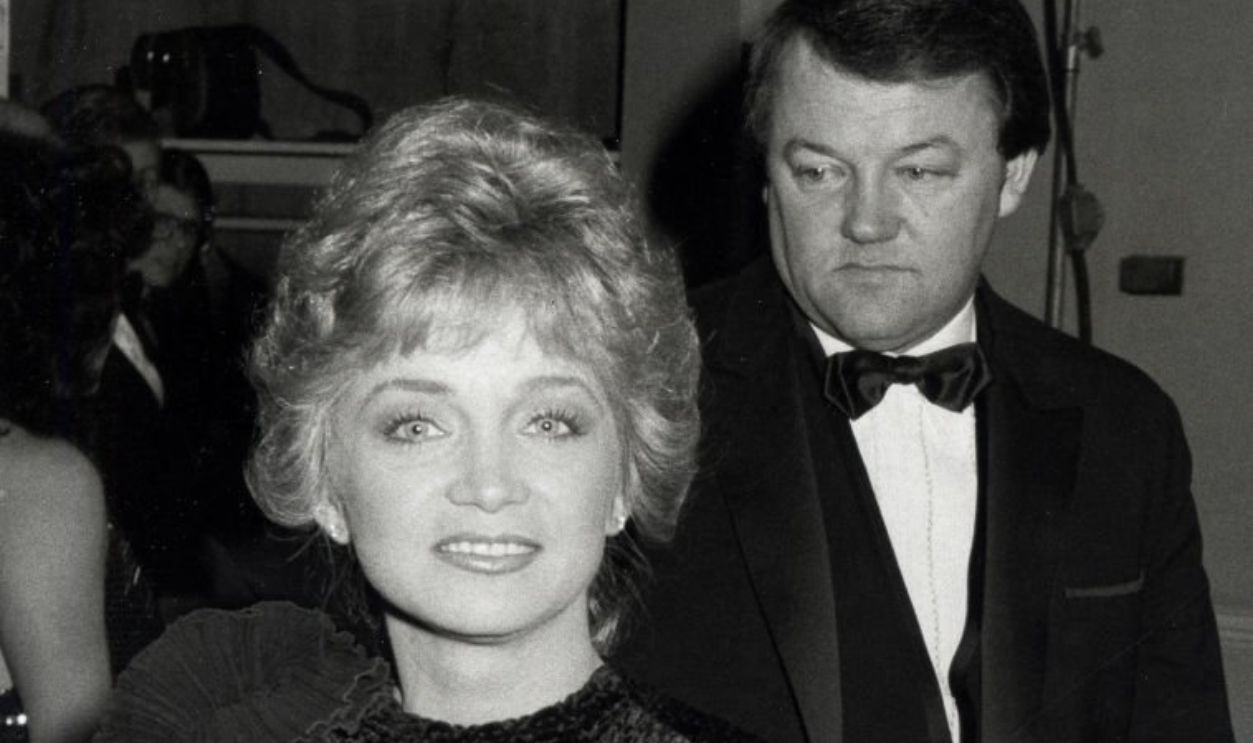
Her son Matthew, fourteen, and daughter Jaime, eight, were traveling with her. Both were hurt, though their injuries were less severe than their mother's. Matthew was taken to a hospital for observation, while Jaime received treatment and was released. The ordeal shook the family.
The Other Driver Lost His Life
The other motorist was nineteen-year-old Mark White, who died in the collision. Reports at the time said his vehicle had entered Mandrell's lane. The tragedy reached far beyond Mandrell's career.
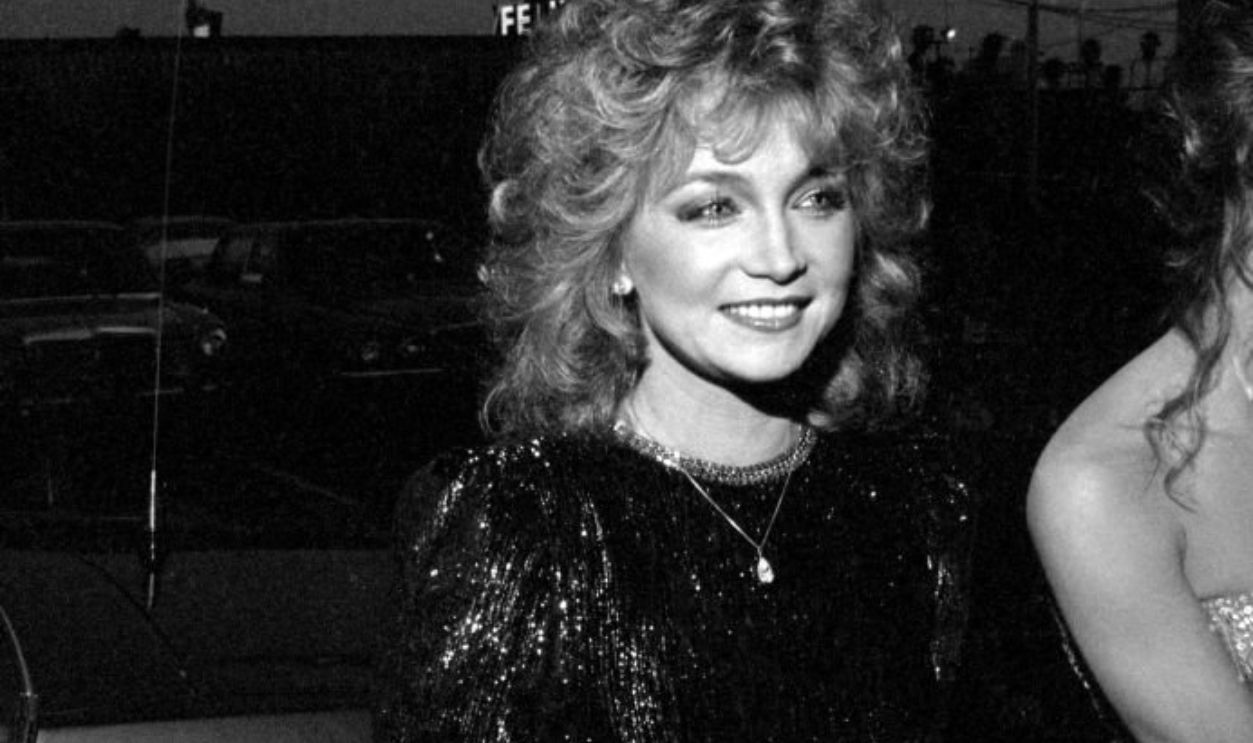
The Physical Injuries Were Extensive
Mandrell suffered a fractured thigh bone, ankle and knee injuries, and cuts. She also sustained a severe concussion. Doctors operated on her leg, and recovery was slow. Her energetic stage career faced serious disruption.
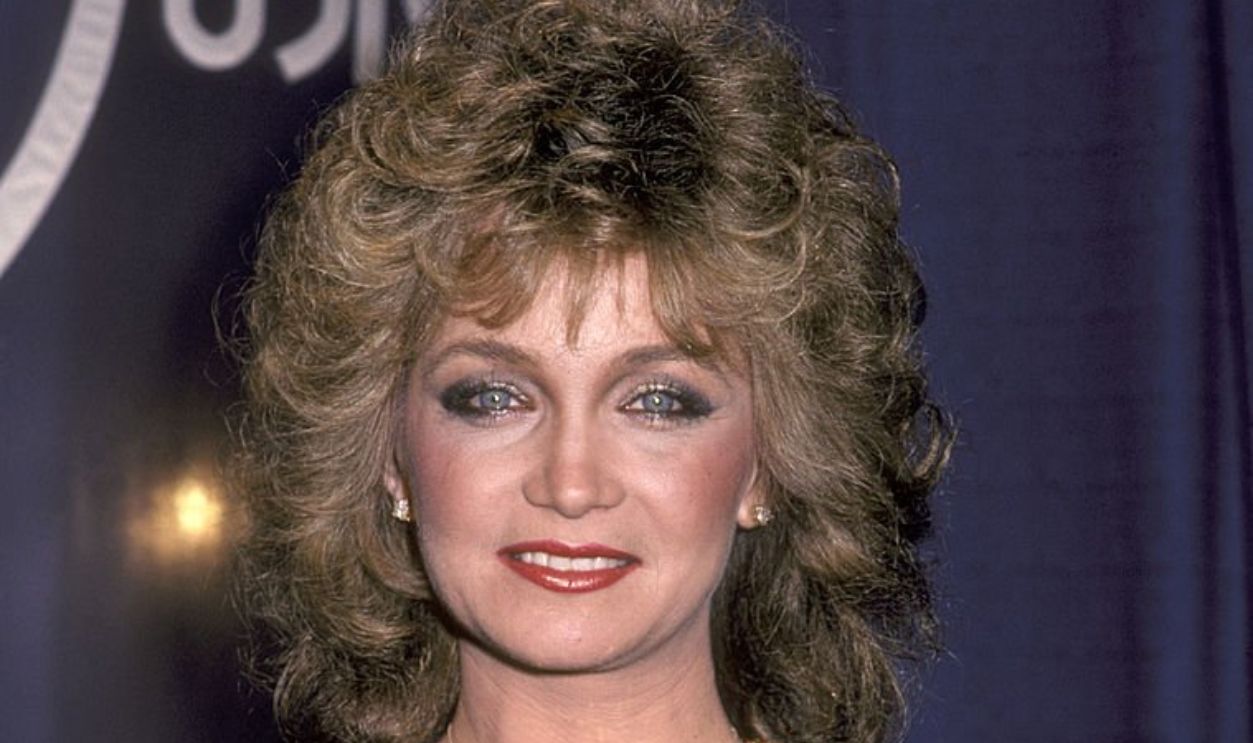
Her Head Injury Changed Daily Life
Years later, Mandrell described changes in her personality after the collision. She recalled referring to her former self as though she were someone else. Confusion and emotional upheaval complicated her recovery. The effects touched her entire family.
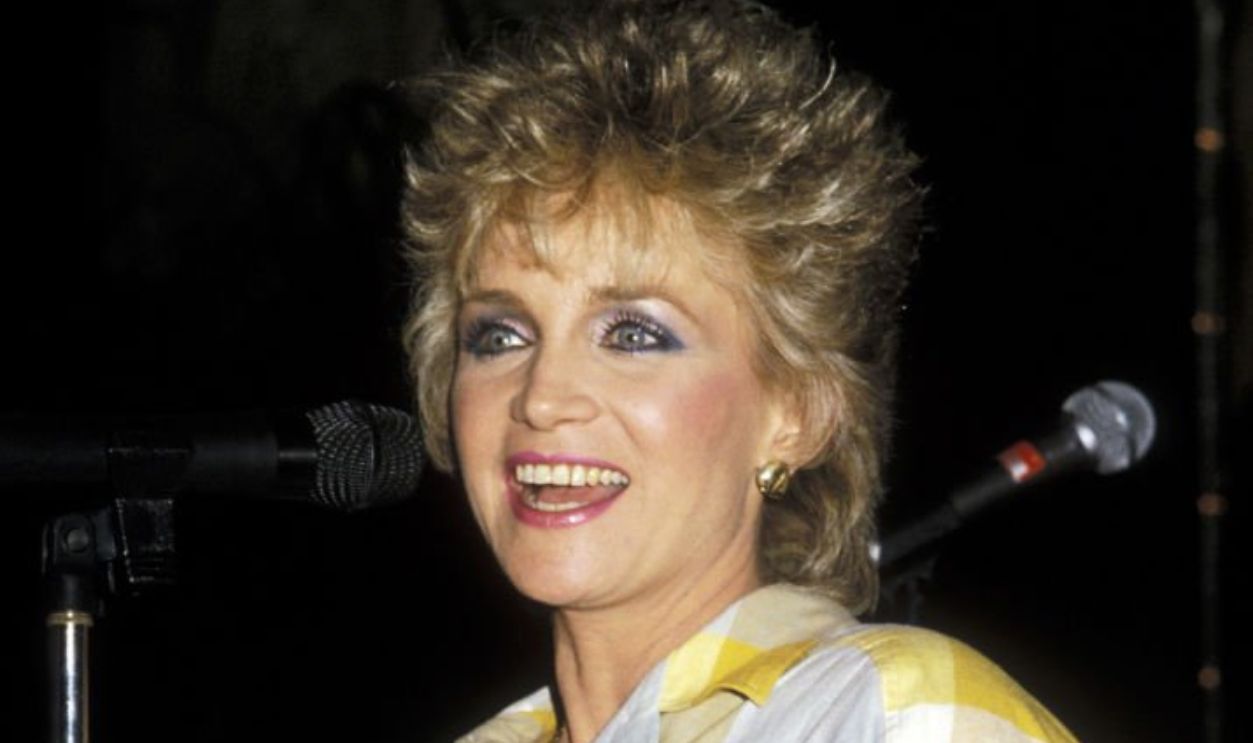
Seat Belts Became A Personal Cause
Mandrell believed seat belts had helped save her and her children. After the collision, she became an outspoken supporter of buckling up. Her message came directly from the family's experience. She later participated in driving-safety efforts.
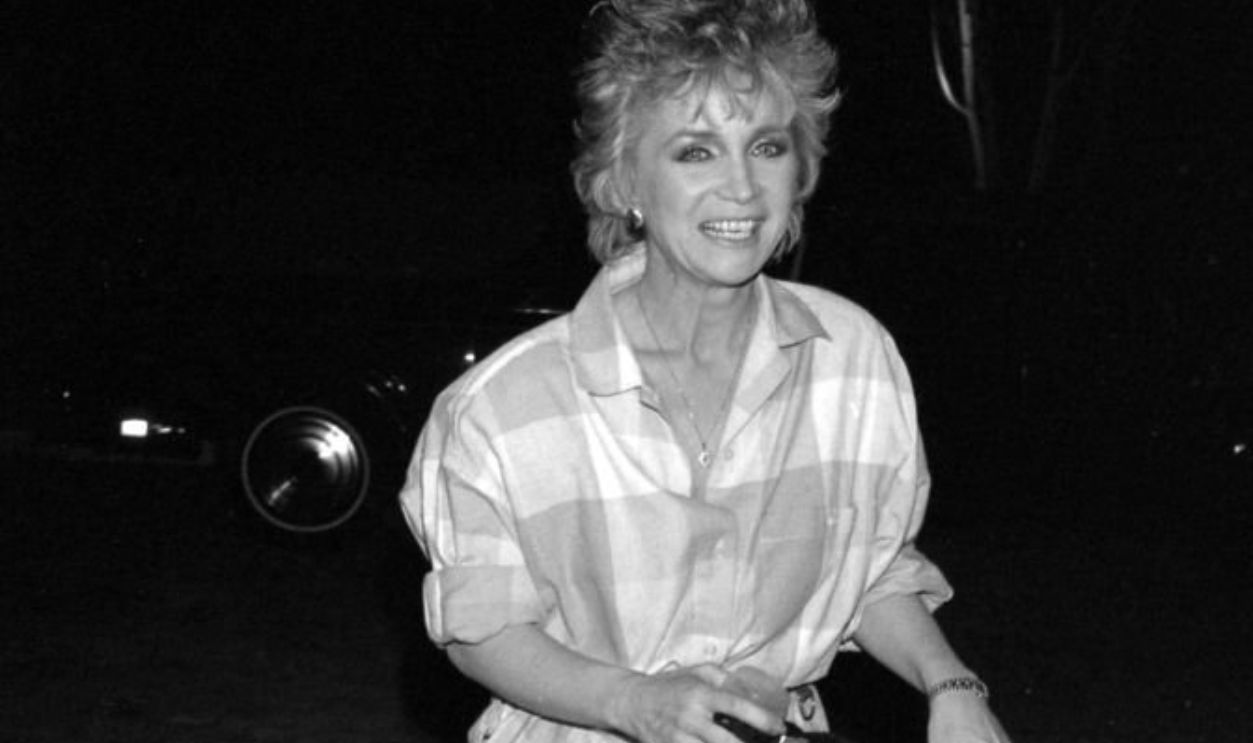
Recovery Brought A New Family Member
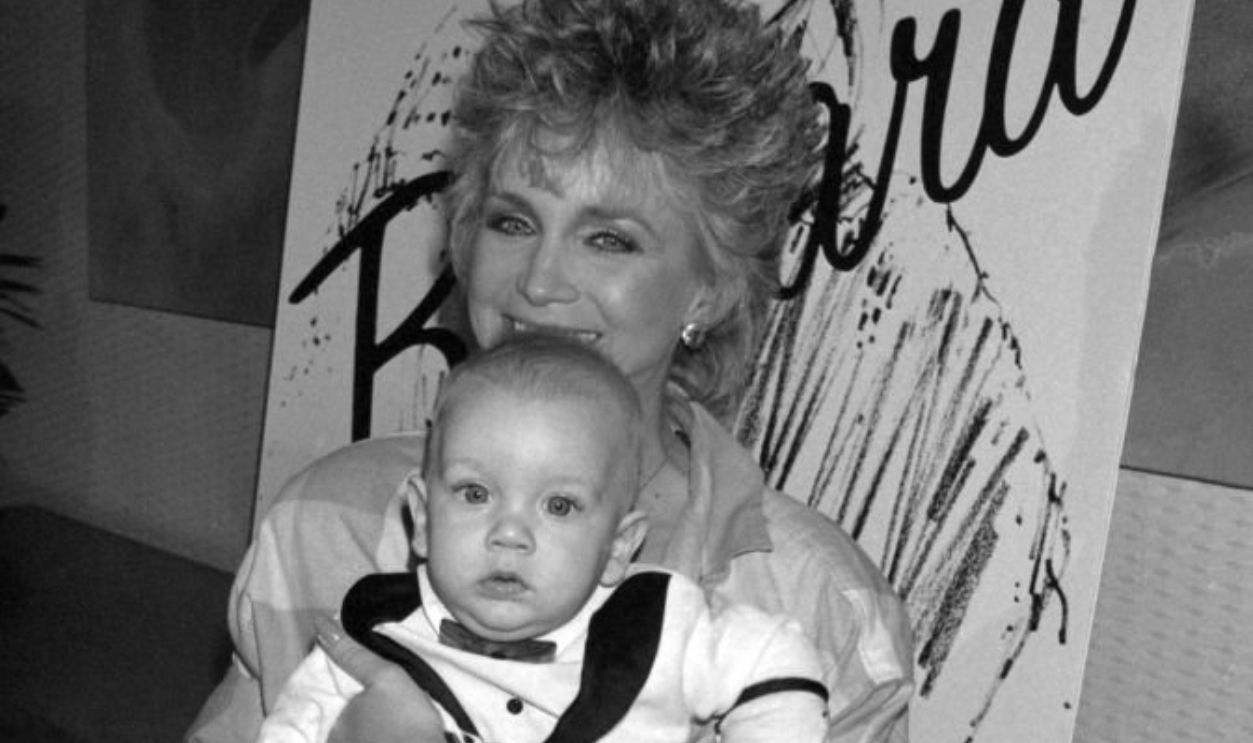
In September 1985, Mandrell and Dudney welcomed their third child, Nathaniel. The arrival came roughly a year after the collision, while she was still recovering. She later called her youngest son a source of joy during a difficult period.
Getting Back Onstage Took Time
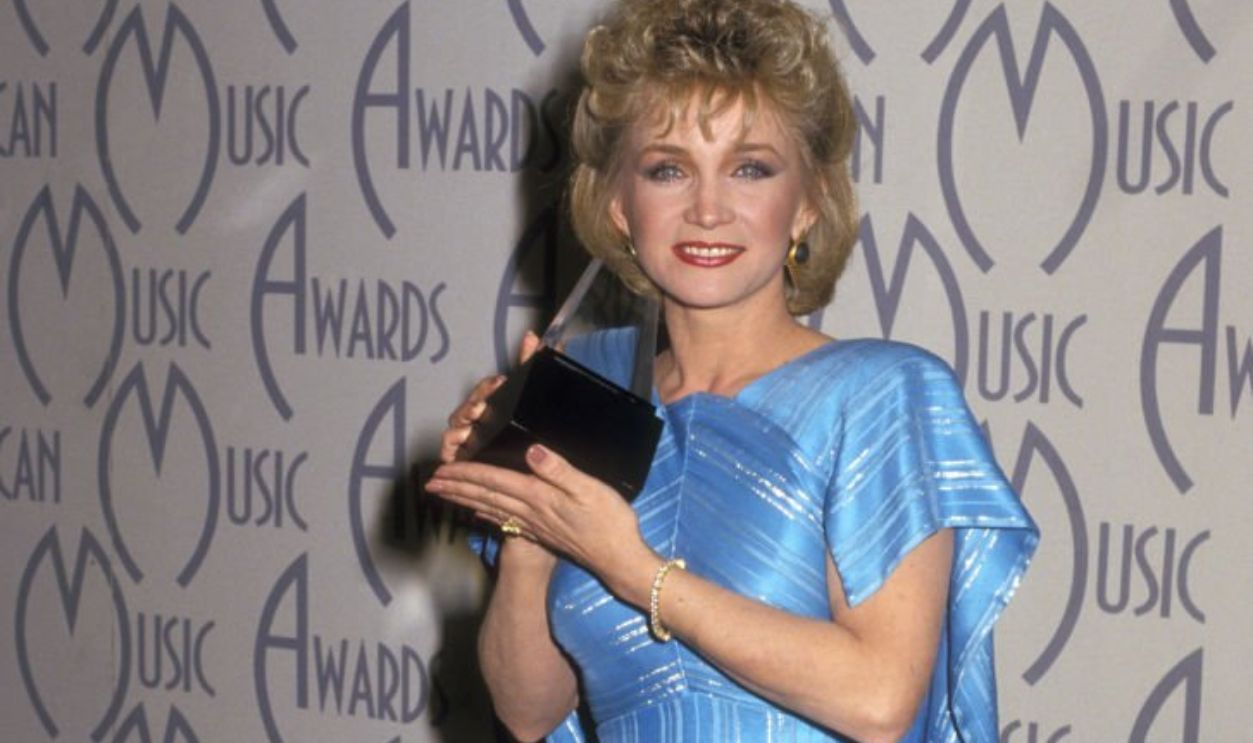
She eventually returned to recording and live shows, but recovery was not a simple return to normal. Accounts describe an extended rehabilitation and a decision to limit some professional commitments. She reconsidered her former pace, with more attention to home and family.
Another Controversy Followed
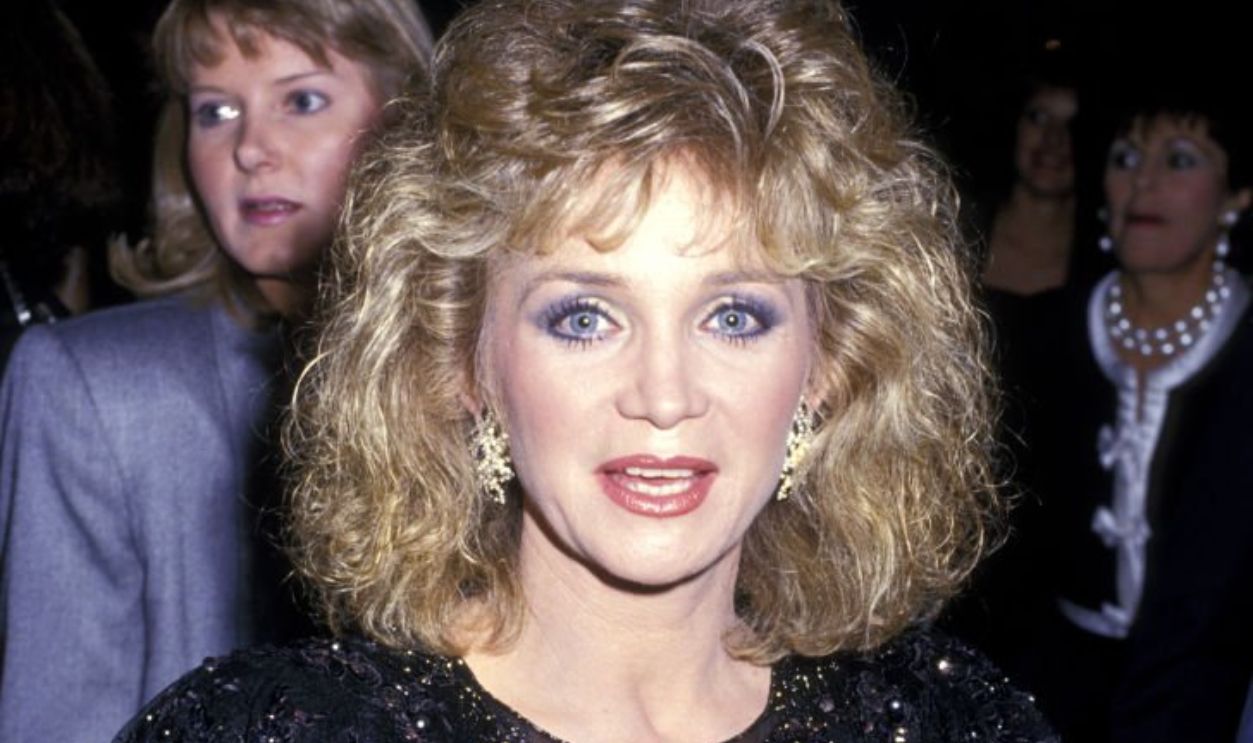
In 1985, Mandrell and her family filed a $10.3 million lawsuit arising from the collision. The filing named insurance companies along with White's estate and father. Her attorney cited an insurance dispute and expressed sympathy for White's family. The filing attracted public attention.
Country Music Was Changing Around Her
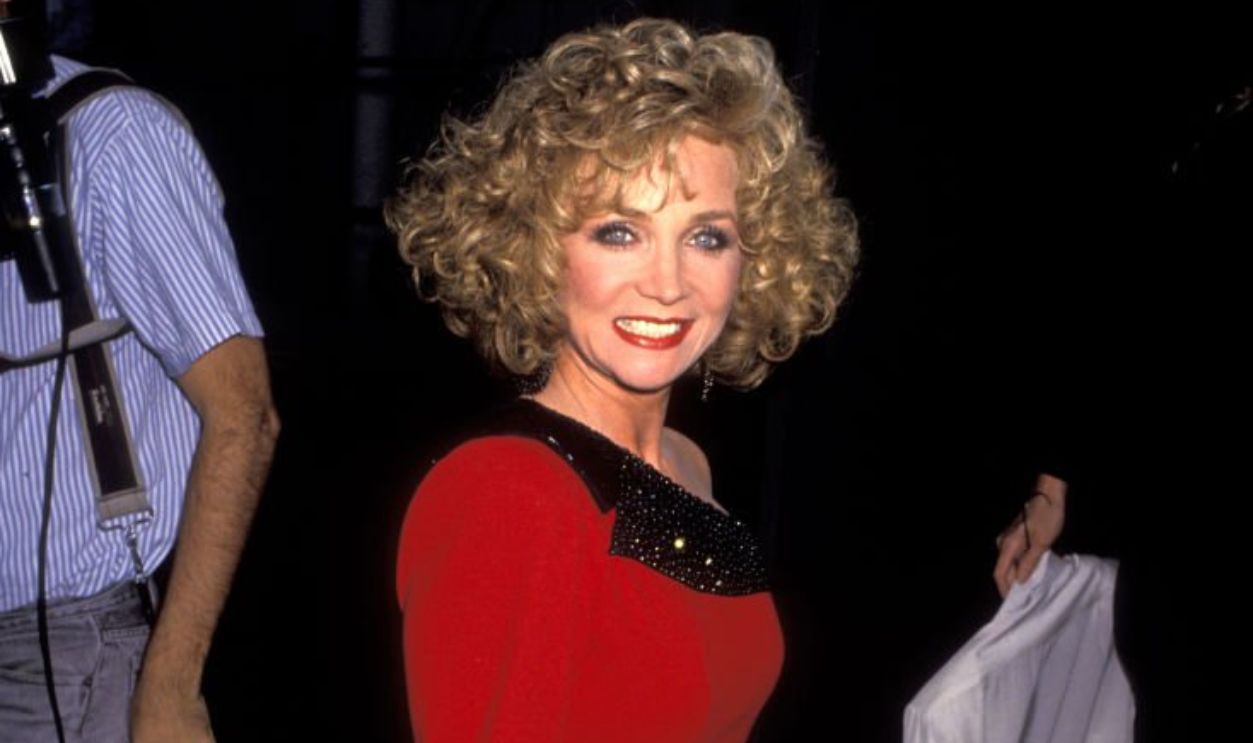
When Mandrell resumed her career, traditional country sounds were becoming more prominent while her polished country-pop style was less fashionable. She continued to tour, record, and act, and published her bestselling autobiography, Get to the Heart: My Story, in 1990. It was a different kind of comeback.
She Decided When To Leave The Stage
In 1997, Mandrell retired from music, closing her performing career with The Last Dance at the Grand Ole Opry House. The concert was filmed for television. She chose family life over more touring, a decision she later described without regret.
Her Legacy Outlived The Spotlight
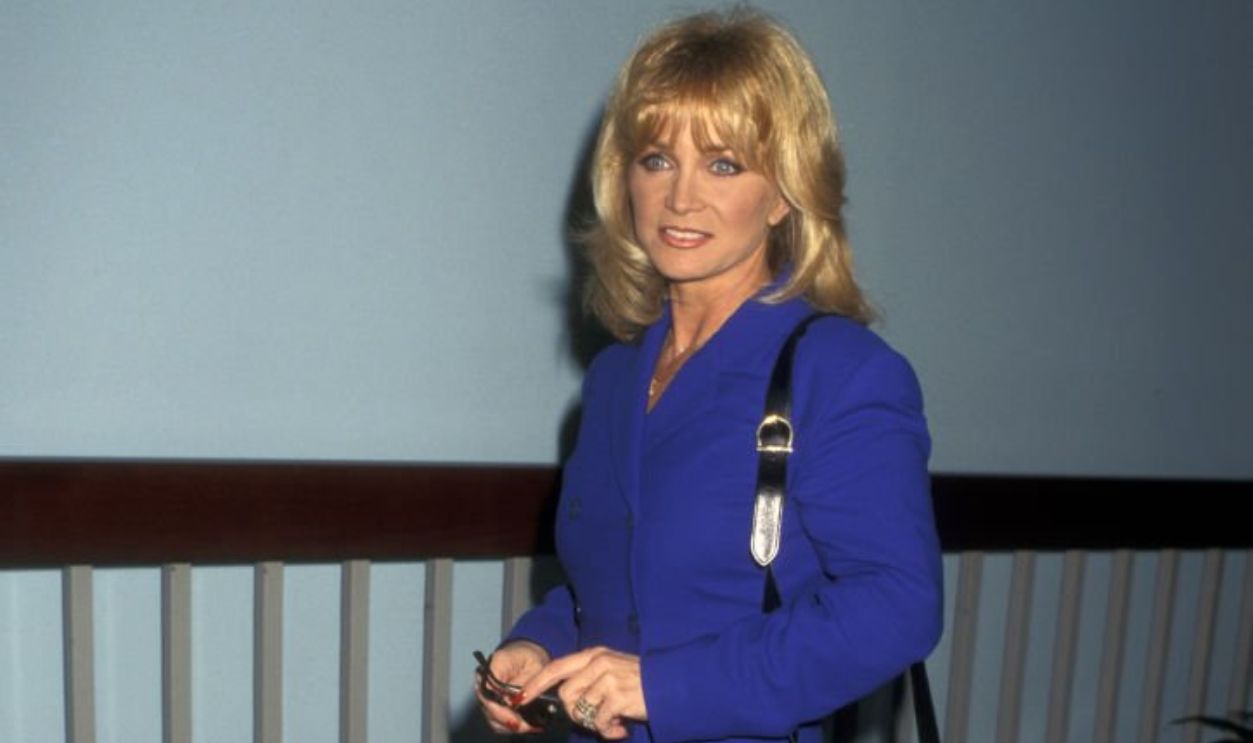
Mandrell entered the Country Music Hall of Fame in 2009. In 2022, she returned to the Opry for her fiftieth membership anniversary, where Carrie Underwood and other performers honored her songs. Her musical influence endured, even after she stopped singing publicly.
You May Also Like:
Classic 1970s Hits That Millennials Only Know From TV Commercials