When Two People Were All A Pop Group Needed
These duos once had songs playing in cars, clubs, shopping malls, and living rooms everywhere. Time hasn't been equally kind to all of them, though. Plenty have been overshadowed since the 1980s, but their songs haven't completely disappeared from memory.
 Fryderyk Gabowicz/picture alliance via Getty Images
Womack & Womack
Husband-and-wife team Cecil and Linda Womack brought serious soul pedigree to the 1980s, but their music never felt stuck in the past. Their biggest hit, “Teardrops,” arrived in 1988 with a warm blend of soul, R&B, and pop that reached Number 3 in Britain. Earlier songs like “Love Wars” had already established their chemistry, but “Teardrops” became the one that followed them everywhere.
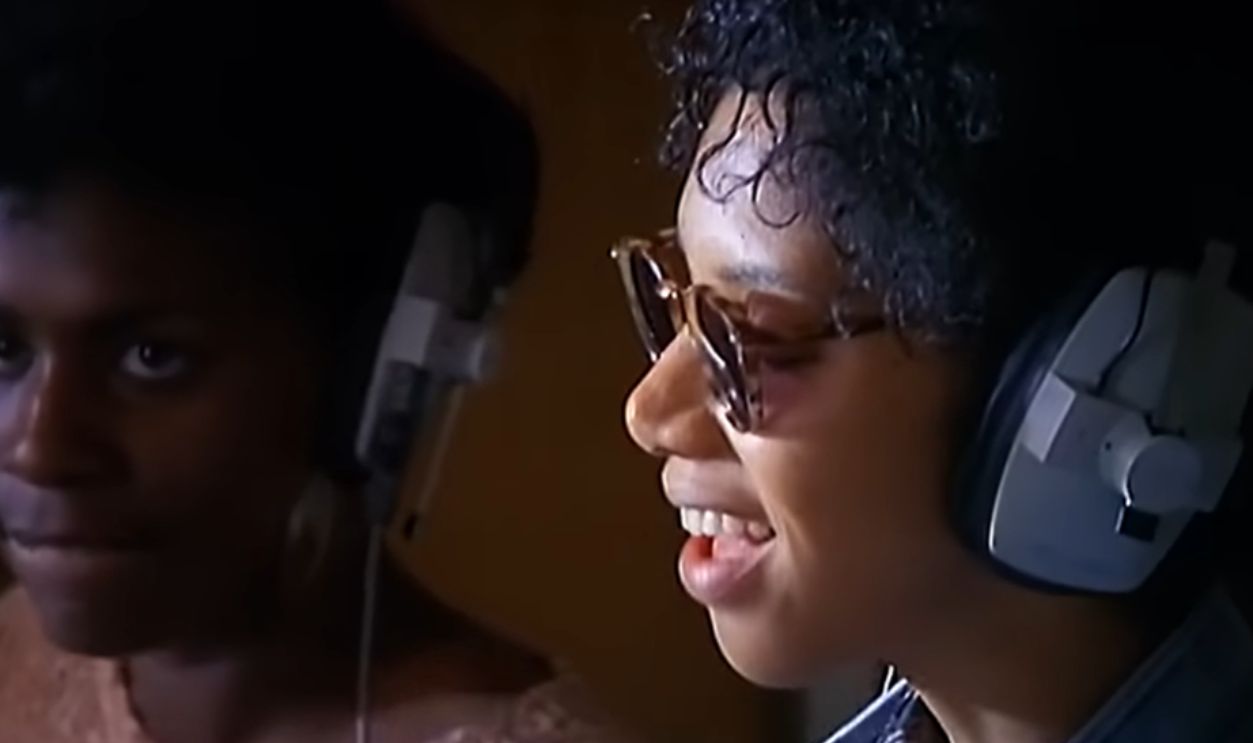 Screenshot from Teardrops, Island (1988)
Communards
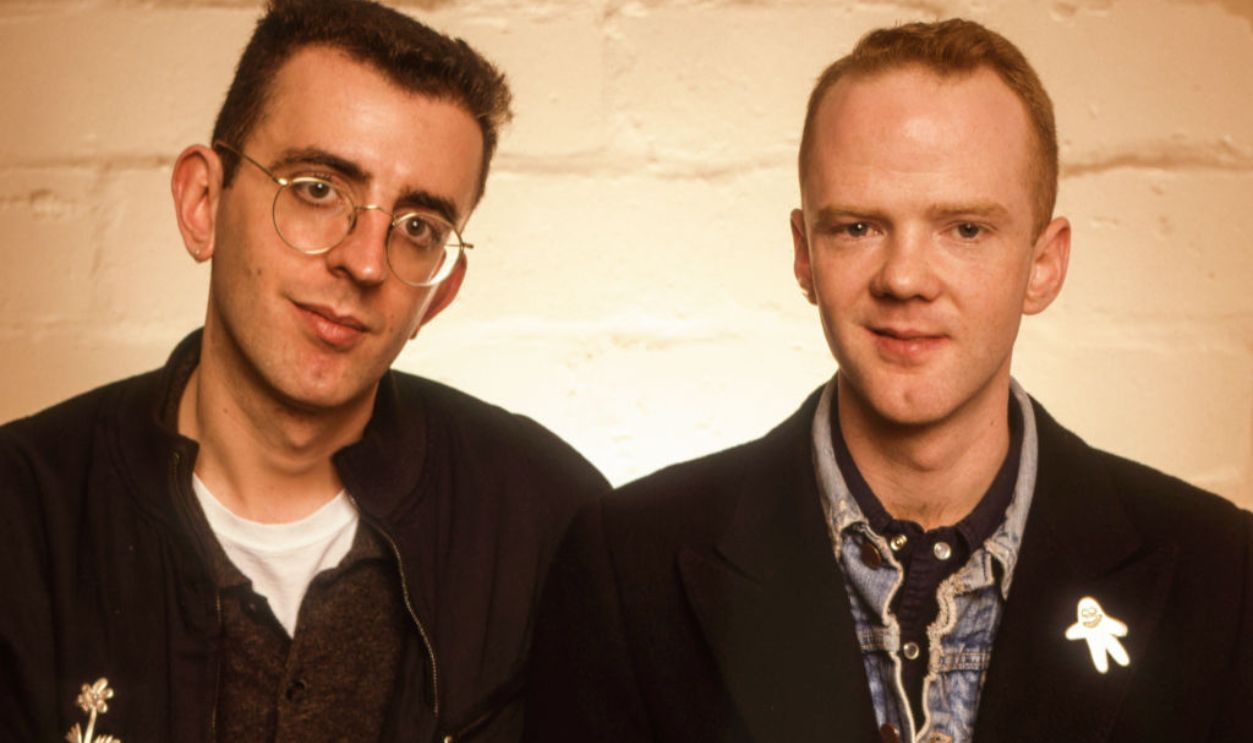
After leaving Bronski Beat, Jimmy Somerville teamed up with Richard Coles and somehow became even more successful. Their enormous 1986 cover of “Don't Leave Me This Way,” featuring Sarah Jane Morris, spent weeks at Number 1 in Britain and turned a disco classic into a Hi-NRG explosion. “Never Can Say Goodbye” followed in 1987, while the moving “For a Friend” showed there was considerably more depth behind the dance-floor hits.
Wham!
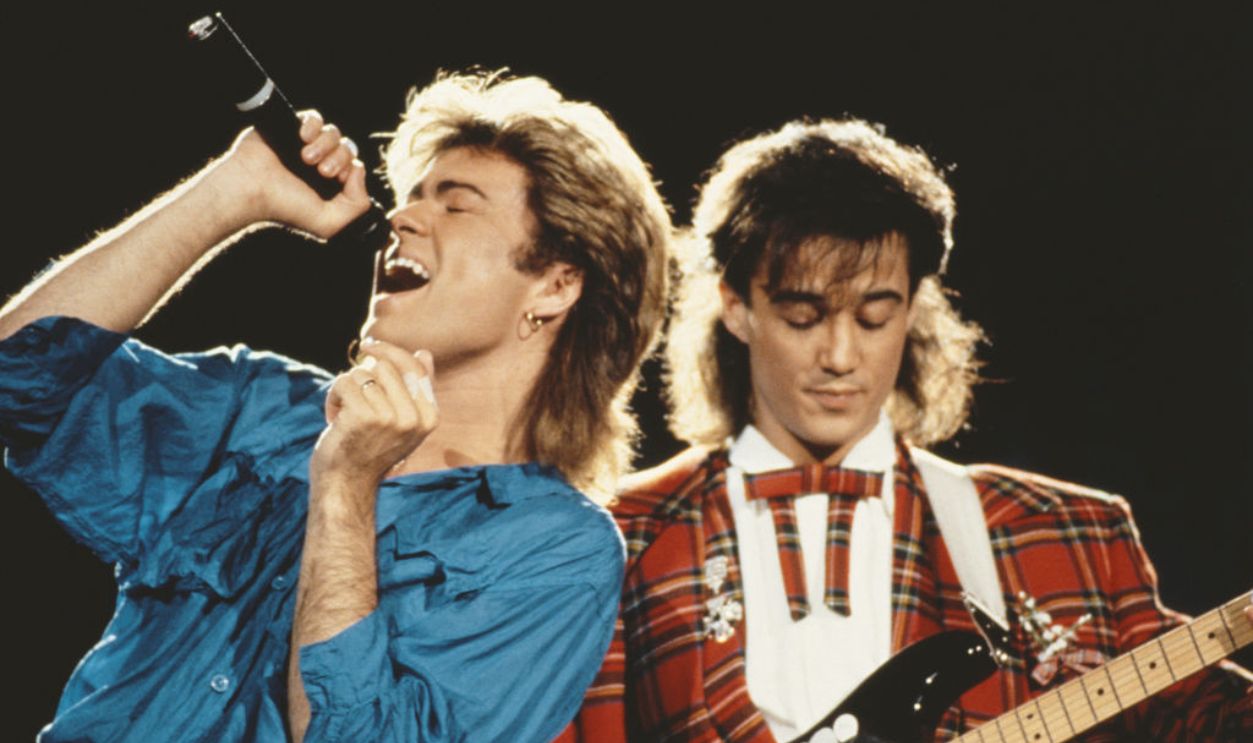
George Michael and Andrew Ridgeley practically defined carefree 80s pop for a few years. Early singles like “Young Guns (Go for It!)” and “Bad Boys” had a cheekier edge, but “Wake Me Up Before You Go-Go” sent them into global superstardom. “Freedom,” “I'm Your Man,” and “Last Christmas” followed, while “Careless Whisper” pointed toward Michael's solo future. By the time Wham! split in 1986, they'd packed an extraordinary number of hits into a very short career.
Eurythmics
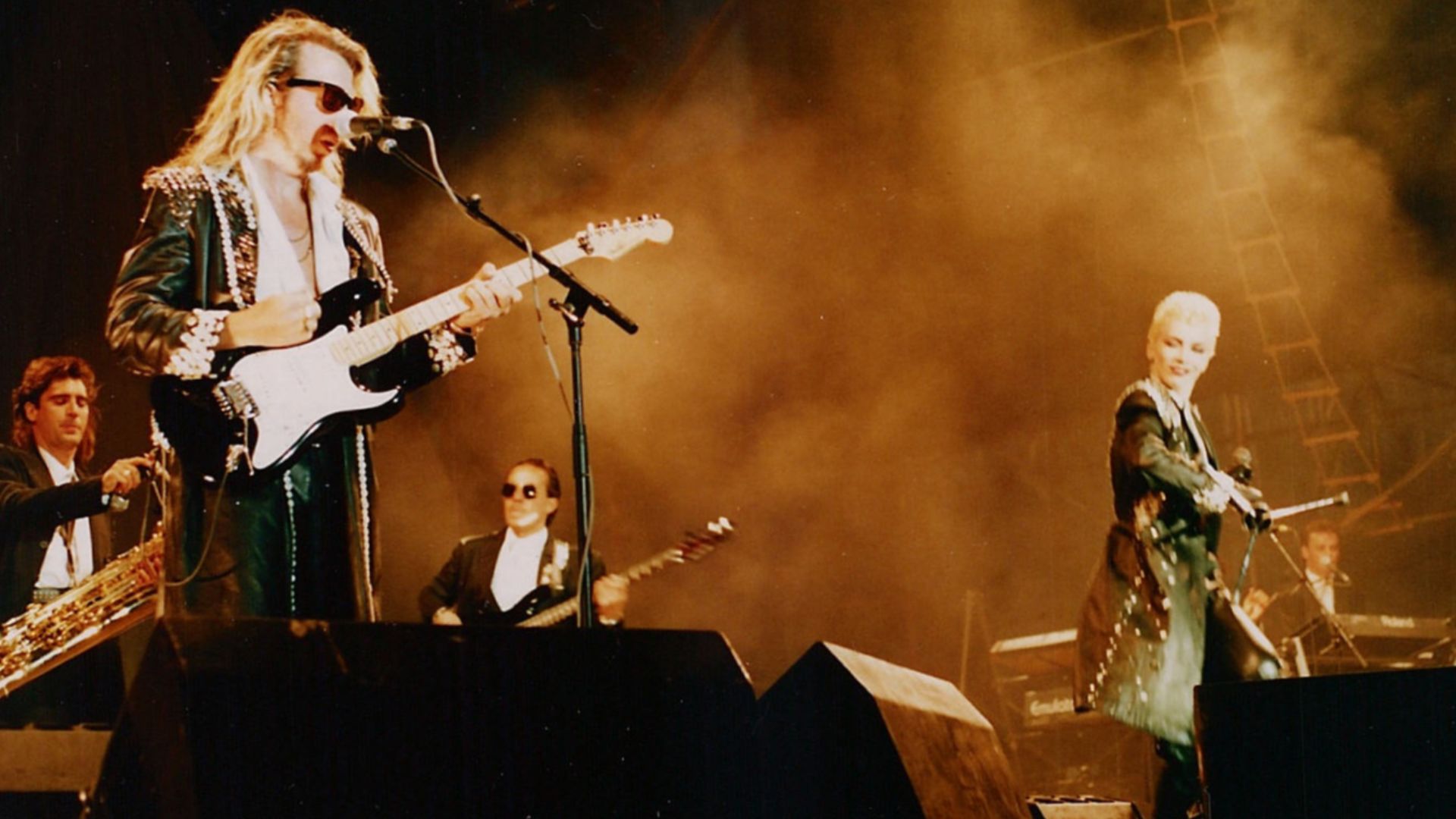
Annie Lennox and Dave Stewart emerged from the breakup of the Tourists and quickly found a much stranger, more compelling identity. “Sweet Dreams (Are Made of This)” became their international breakthrough in 1983, with its icy synthesizer riff and Lennox's commanding performance. “Here Comes the Rain Again,” “Would I Lie to You?” and “Missionary Man” showed how easily they could jump from synth-pop into soul and rock without sounding like a different act.
 Elmar J. Lordemann, Wikimedia Commons
The KLF
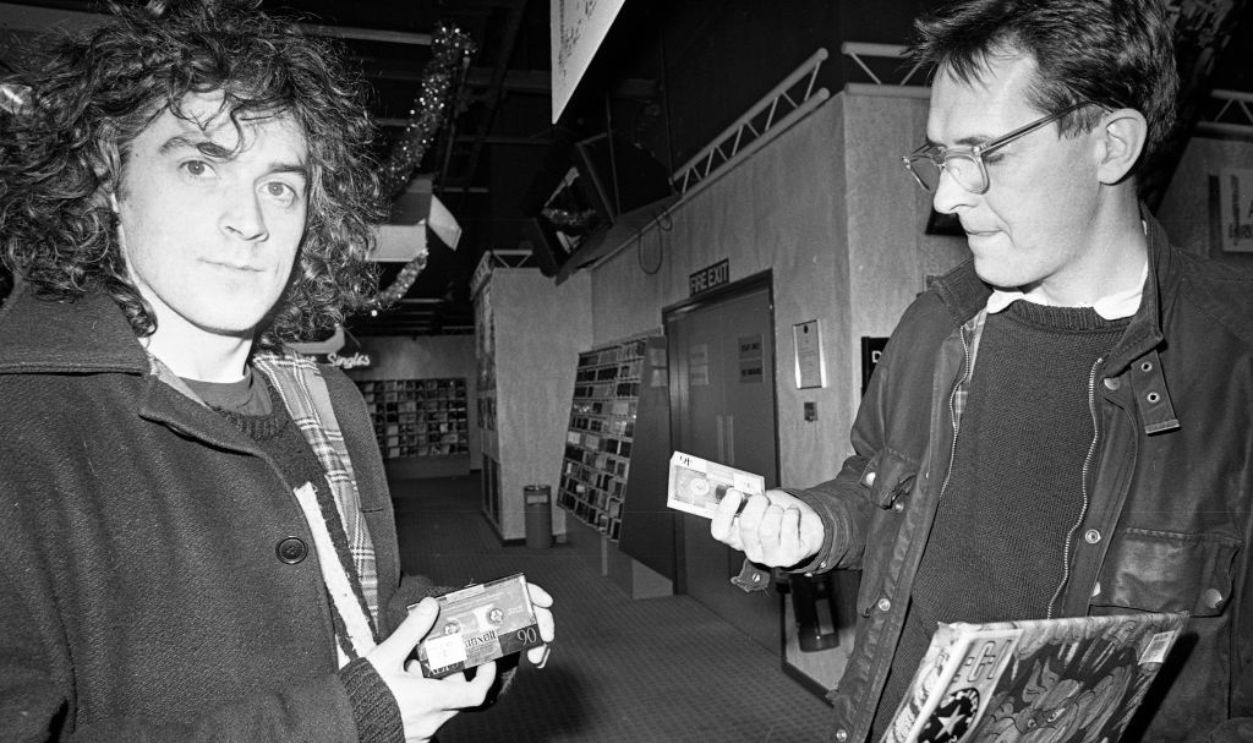
Bill Drummond and Jimmy Cauty were never interested in behaving like ordinary pop stars. Before their huge early-90s records, they spent the late 1980s experimenting with sampling, acid house, and deliberate absurdity. As the Timelords, they scored a 1988 Number 1 with “Doctorin' the Tardis,” while the original 1988 “Pure Trance” version of “What Time Is Love?” laid the groundwork for the KLF sound that soon became unavoidable.
Go West
Peter Cox and Richard Drummie arrived looking and sounding perfectly suited to mid-80s MTV. Their 1985 debut “We Close Our Eyes” reached the UK Top 5, driven by Cox's big soulful vocal and the duo's glossy mix of new wave and pop-rock. “Call Me” and “Goodbye Girl” kept them on the radio, even though their biggest American hit, “King of Wishful Thinking,” wouldn't arrive until 1990.
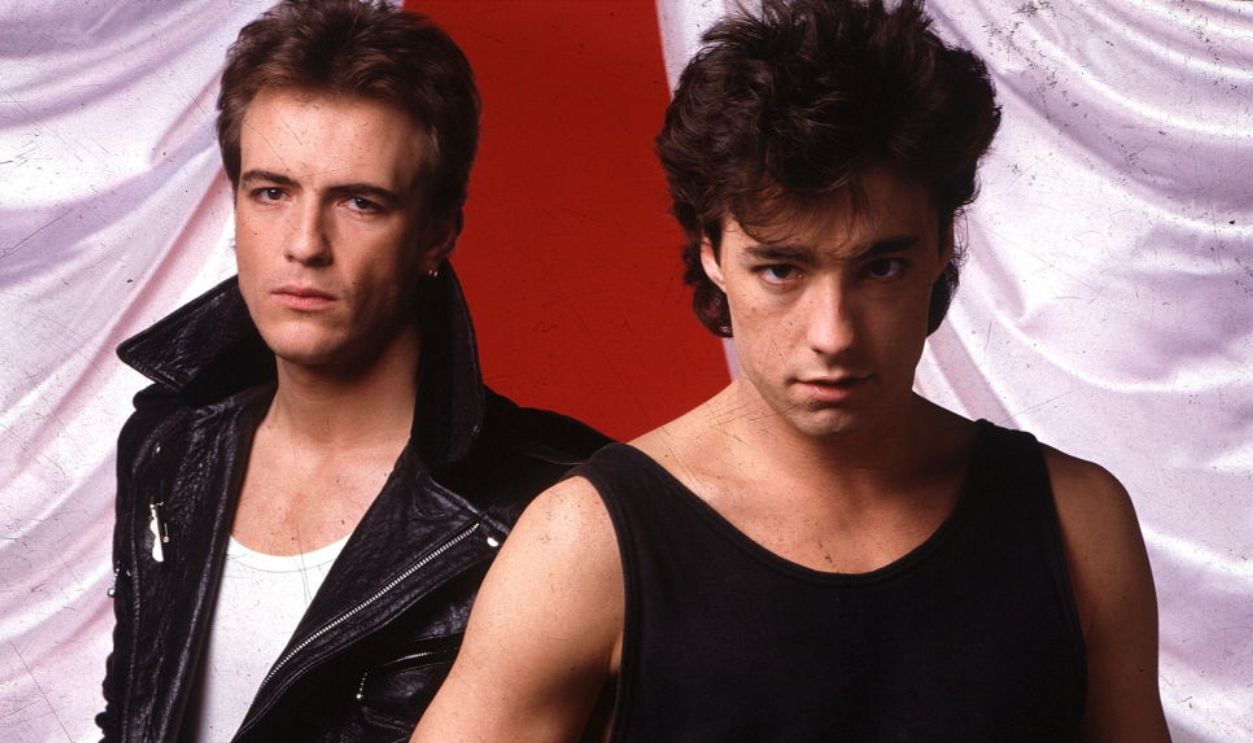
Hue And Cry
Scottish brothers Pat and Greg Kane brought a little jazz, soul, and political bite to the increasingly polished world of late-80s pop. Their signature hit “Labour of Love” reached Number 6 in Britain in 1987, with Pat's expressive vocals riding over Greg's sharp piano-driven arrangement. “Looking for Linda” gave them another sizable hit in 1989, helping establish Hue and Cry as one of sophisti-pop's more distinctive acts.
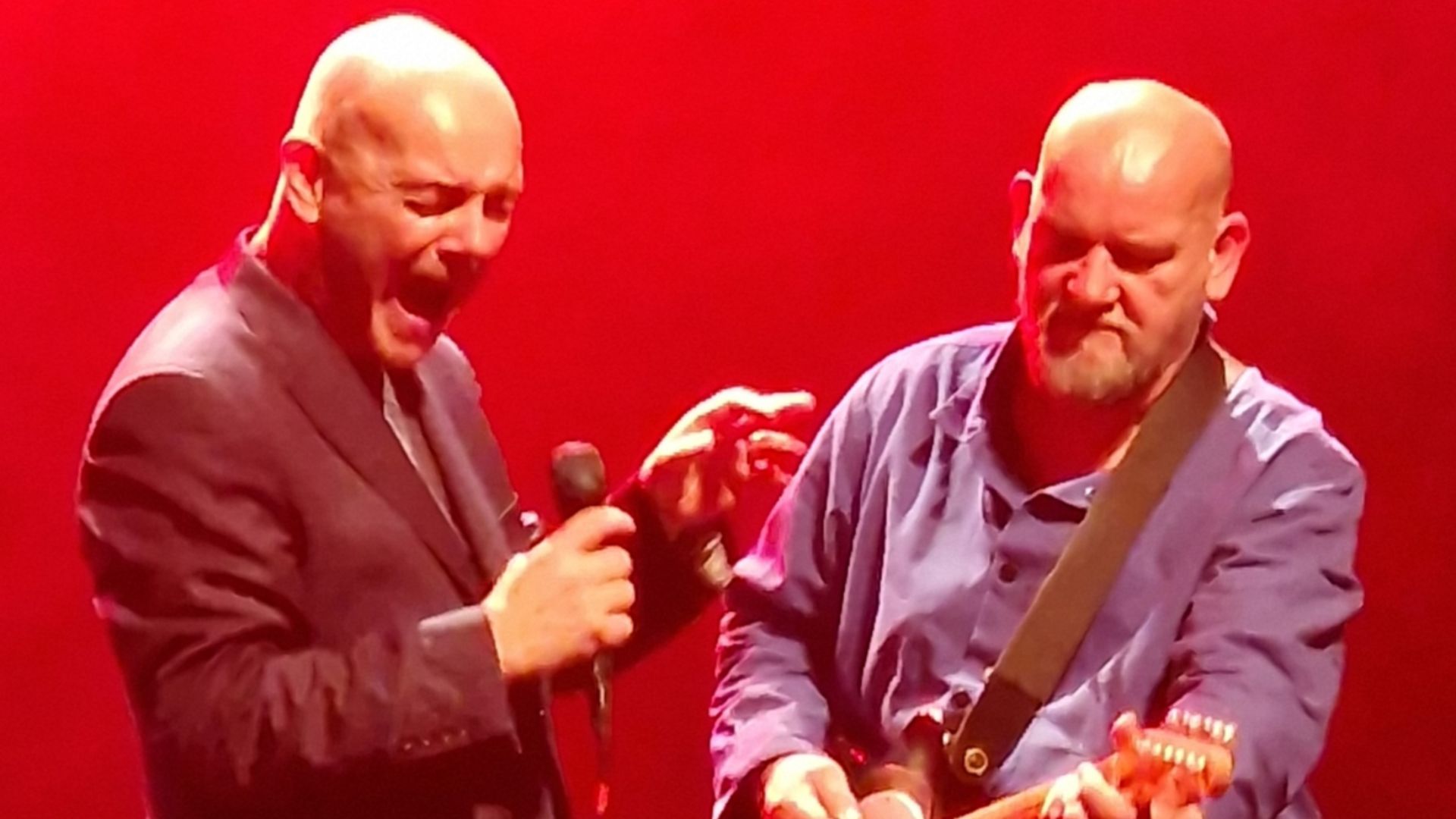 Andrewhurley, Wikimedia Commons
Yello
Swiss duo Boris Blank and Dieter Meier made electronic music that could be funny, cinematic, strange, and ridiculously catchy at the same time. “Oh Yeah” became their most familiar recording after appearing in Ferris Bueller's Day Off and countless other movies and commercials. Their bigger British chart hit was “The Race,” which reached the Top 10 in 1988 and became almost tailor-made for sports broadcasts and television montages.

Tears For Fears
Roland Orzabal and Curt Smith could write giant pop choruses without making their songs feel lightweight. Their early material was much darker, with “Mad World,” “Change,” and “Pale Shelter” exploring anxiety and childhood trauma. Then Songs from the Big Chair sent them into another league. “Shout” and “Everybody Wants to Rule the World” both became American Number 1 hits, while “Head Over Heels” added another enduring favorite.
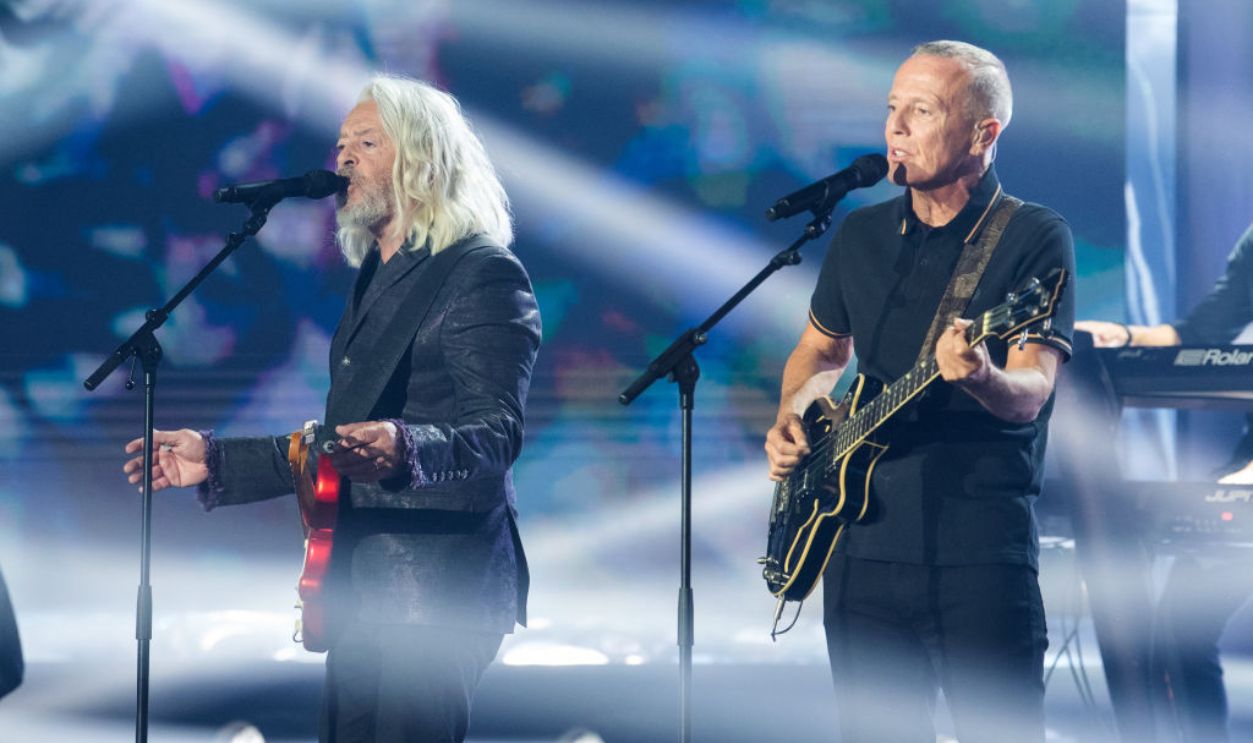 picture alliance, Getty Images
Pet Shop Boys
Neil Tennant and Chris Lowe perfected a kind of pop that could be funny, melancholy, detached, romantic, and quietly devastating all at once. “West End Girls” topped the charts in both Britain and America, but they were only getting started. “It's a Sin,” “What Have I Done to Deserve This?,” “Always on My Mind,” “Heart,” and “Left to My Own Devices” helped make Pet Shop Boys one of the defining duos of the entire decade.
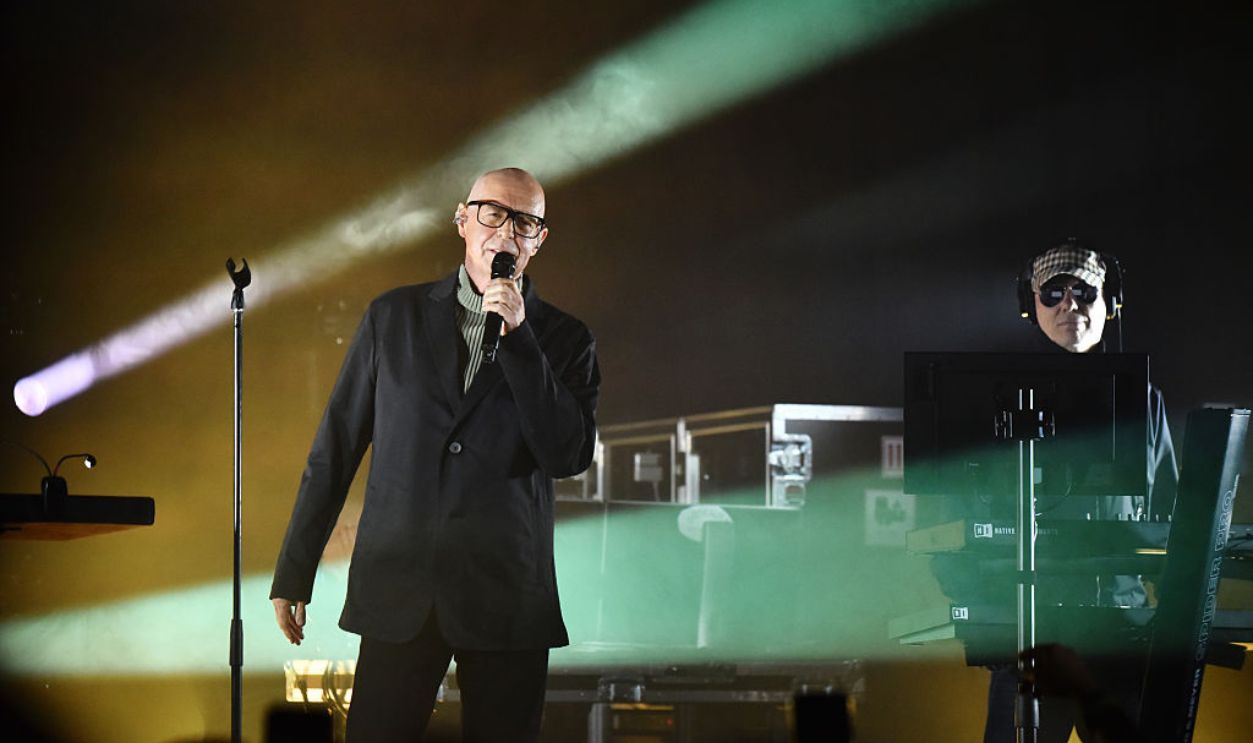
Coldcut
Matt Black and Jonathan More don't always receive the credit they deserve for helping shape British electronic music. Their sample-heavy approach anticipated a huge amount of what DJs and producers would do later. “Doctorin' the House,” featuring Yazz, became a Top 10 hit in 1988, while “People Hold On” introduced many listeners to Lisa Stansfield in 1989. Coldcut were already treating pop like something that could be cut apart and rebuilt.
![Matt Black from British music duo Coldcut during their live performance at Rathaus/Arkadenhof Vienna, Jazz Fest Wien 2006
[1]cookin with coldcut](https://www.factinate.com/storage/app/media/theshot/2026/9/17/1789650858dd8d18f422ed0f827cc78162b11b6007982ab2df.jpg)
Shakespears Sister
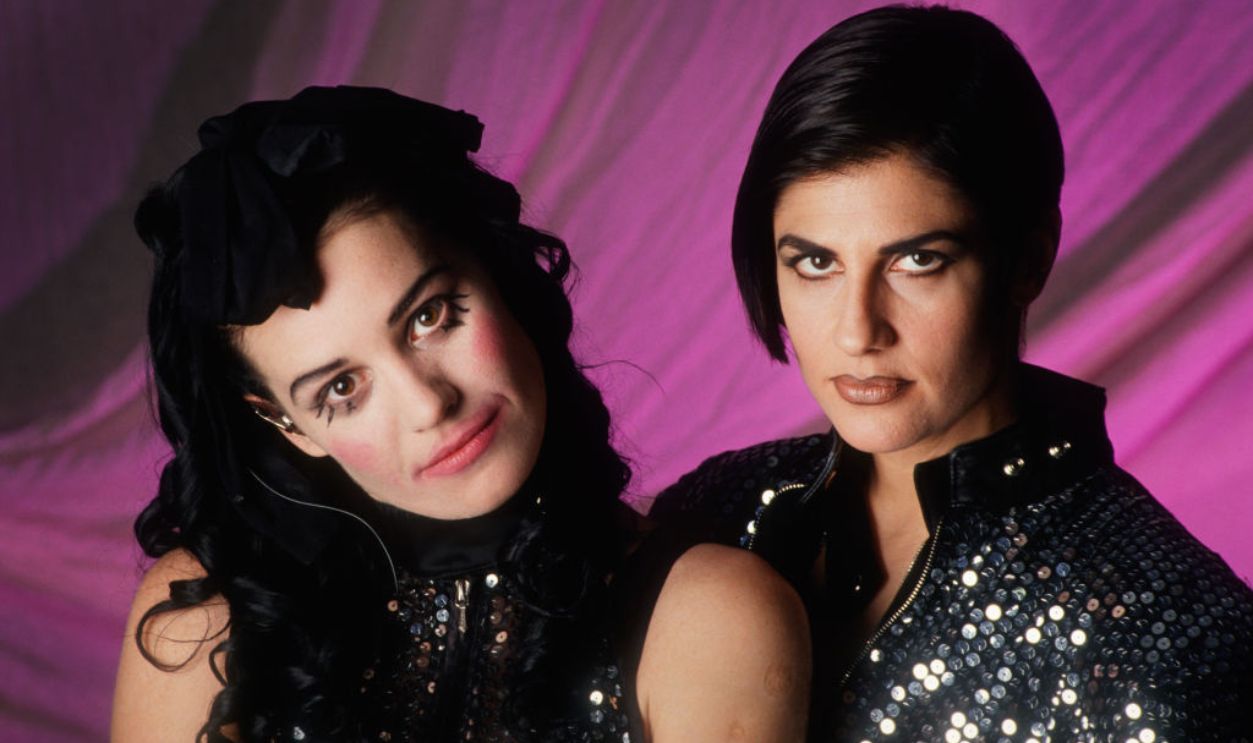
Siobhan Fahey originally conceived Shakespears Sister as a solo project after leaving Bananarama, but Marcella Detroit gradually turned it into a true duo. Their contrasting voices were the whole appeal: Fahey sounded dark and theatrical while Detroit could soar into an almost otherworldly register. “You're History” became their first major hit in 1989, reaching the UK Top 10. Their giant Number 1 “Stay” would follow in the next decade.
Roxette
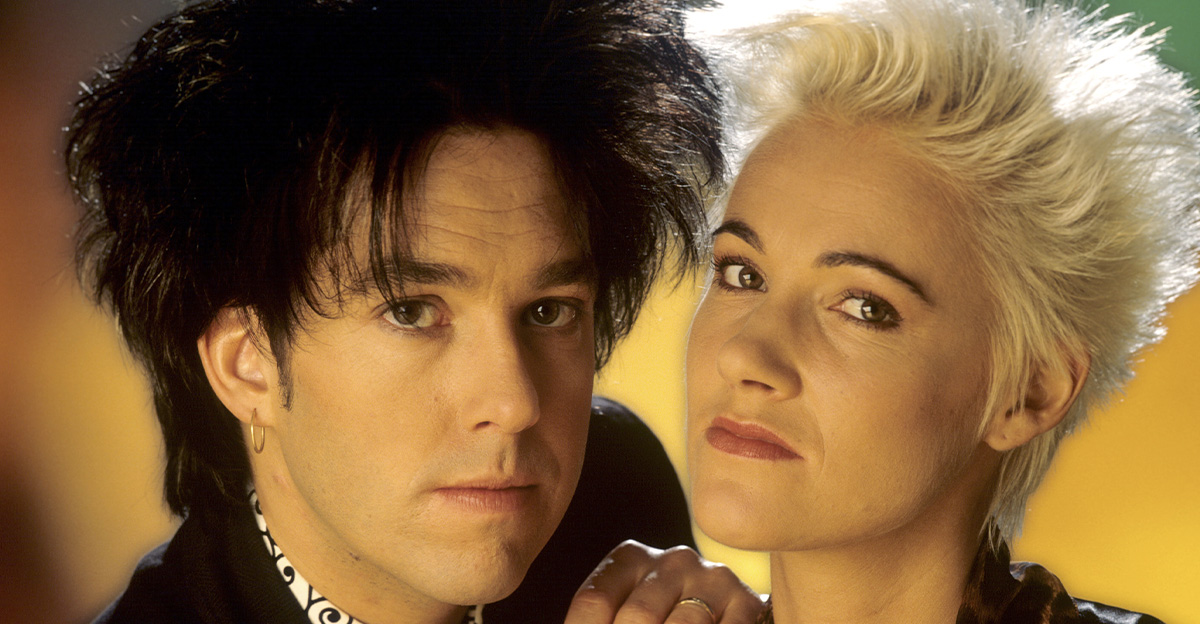
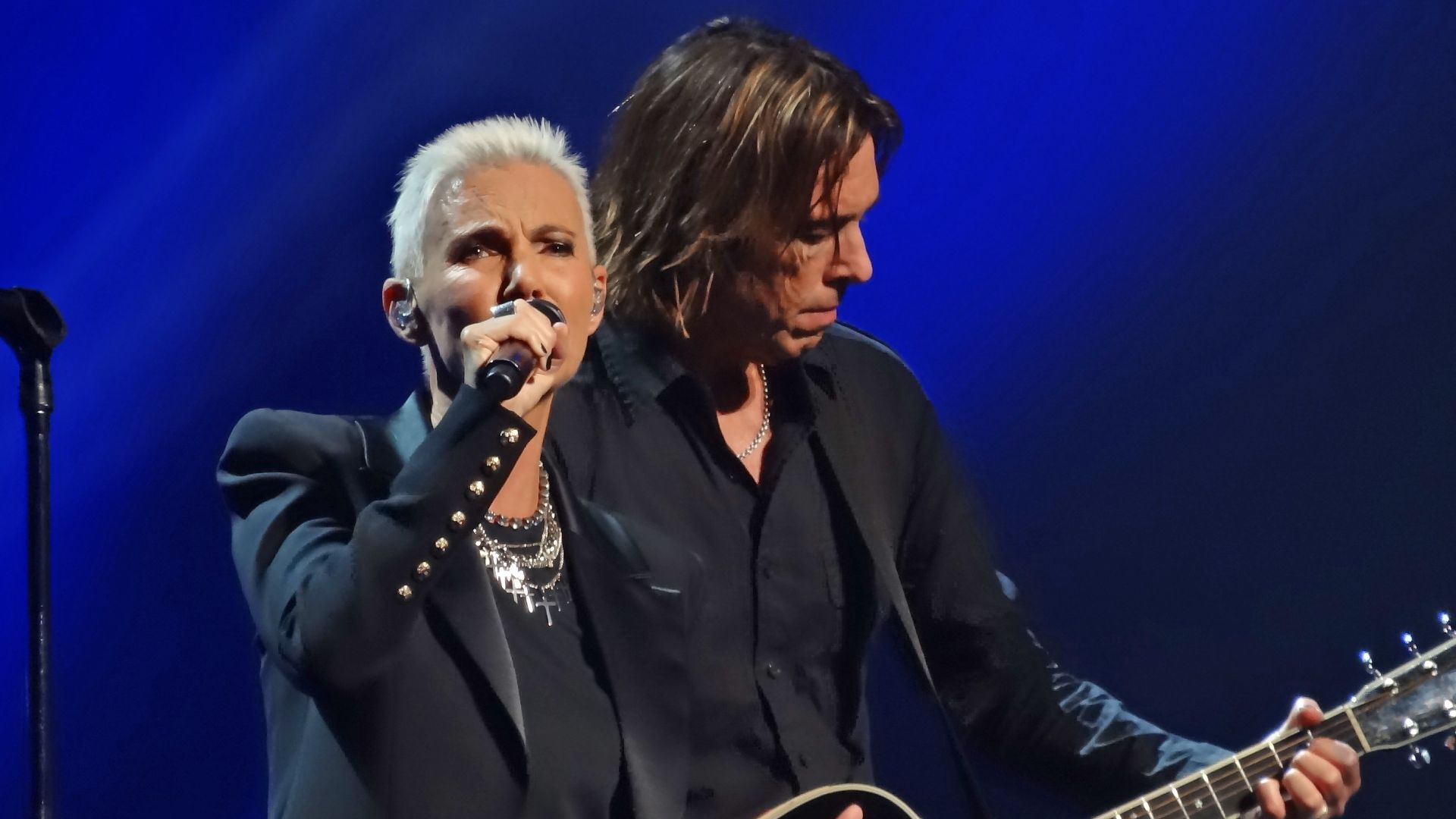
Marie Fredriksson and Per Gessle turned Sweden into a pop powerhouse again at the end of the decade. Roxette exploded internationally in 1989 when “The Look” reached Number 1 in America, followed later that year by the power ballad “Listen to Your Heart,” which also topped the Hot 100. “Dangerous” kept their run going, and their direct approach was summed up perfectly by their later compilation title: Don't Bore Us, Get to the Chorus!
 Dmitry Avdeev, Wikimedia Commons
The Proclaimers
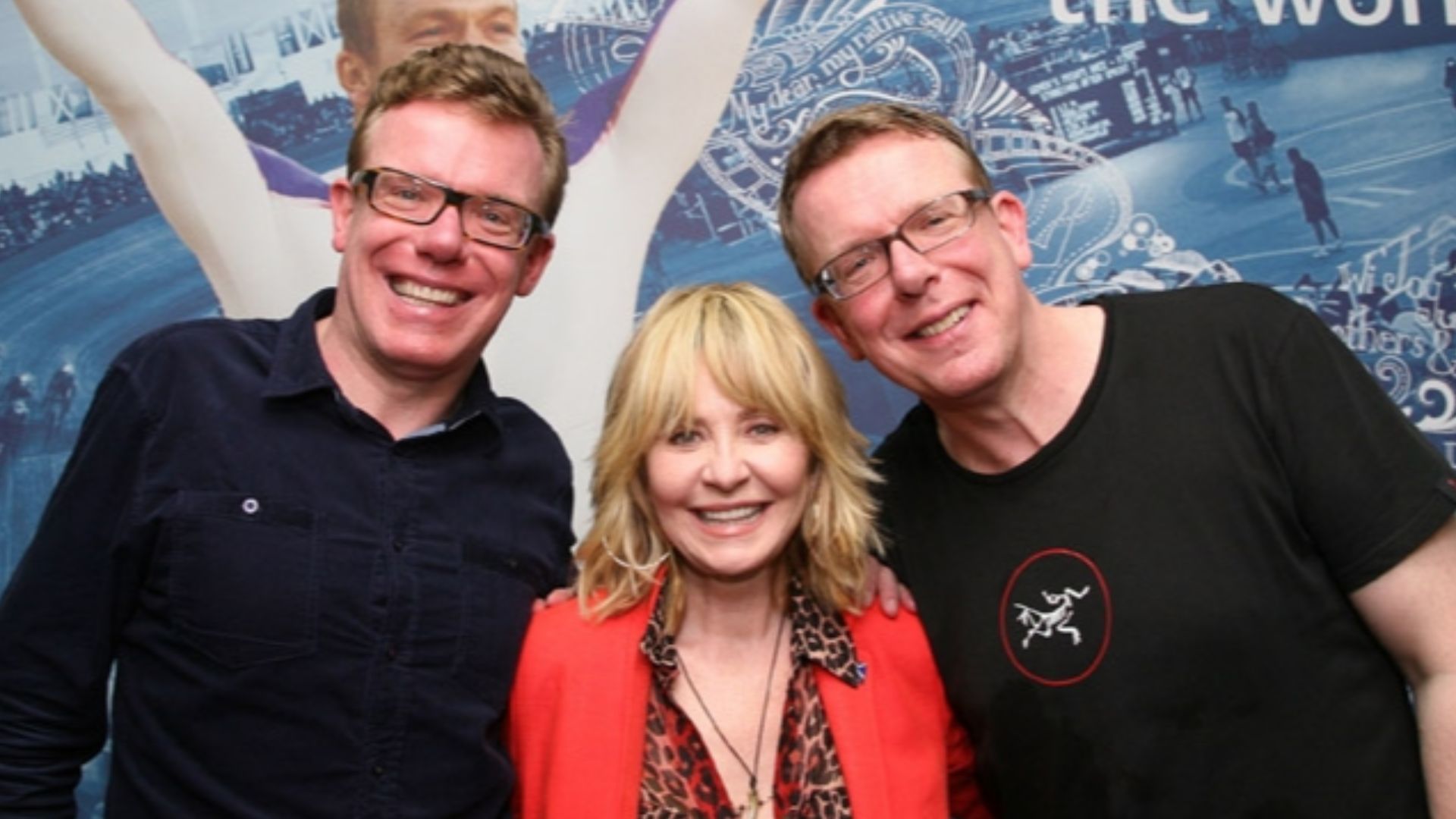
Identical twins Craig and Charlie Reid didn't sound remotely like the sleek synth-pop duos dominating the charts around them, which was exactly the point. They sang in unmistakably Scottish accents and built songs around acoustic guitars, working-class stories, and enormous choruses. “Letter from America” became their first major hit, while 1988's “I'm Gonna Be (500 Miles)” reached Number 11 in Britain before eventually becoming an even bigger international favorite.
 Scottish Government, Wikimedia Commons
Mel And Kim
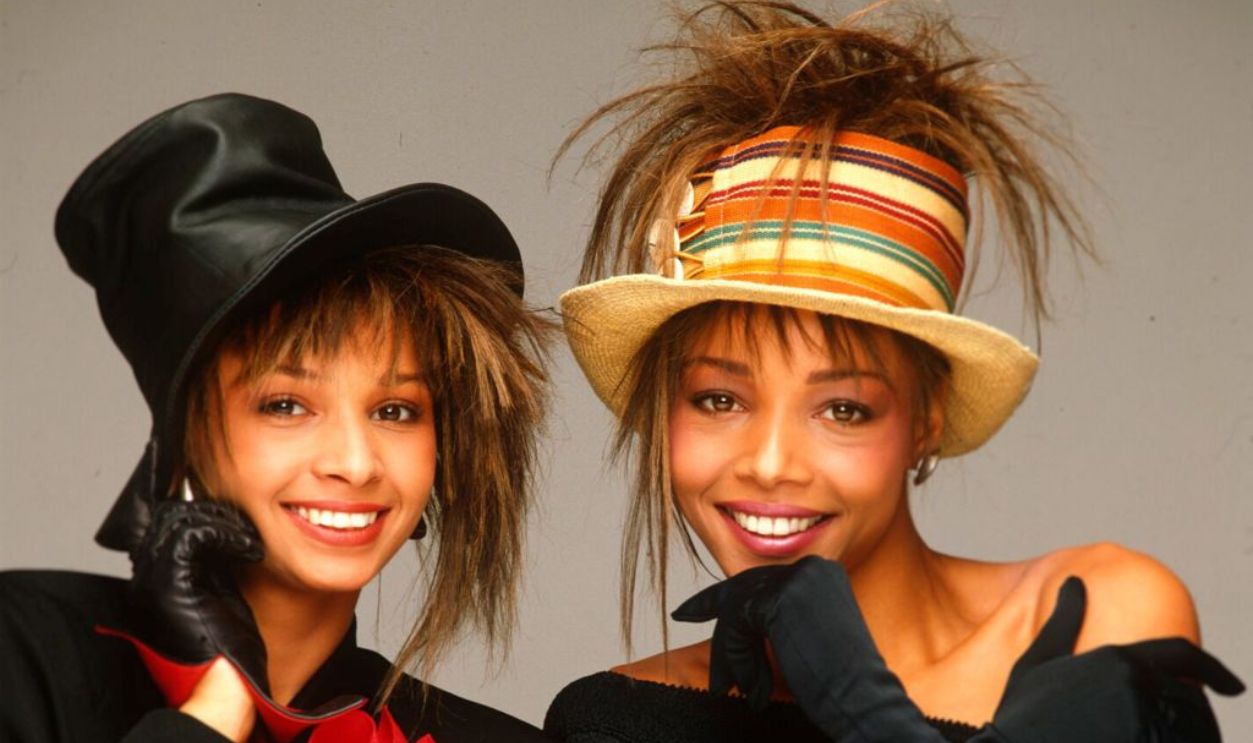
Sisters Mel and Kim Appleby brought personality and genuine chemistry to the Stock Aitken Waterman hit machine. “Showing Out (Get Fresh at the Weekend)” broke them through in 1986, but “Respectable” was the monster, racing to Number 1 in Britain in 1987. “F.L.M". and “That's the Way It Is” followed. Their career was tragically short after Mel became seriously ill, making that brief run of hits feel even more remarkable.
Hall & Oates
Daryl Hall and John Oates were already successful in the 1970s, but the 80s turned them into one of America's most dominant pop acts. “You Make My Dreams,” “Private Eyes,” “I Can't Go for That (No Can Do),” “Maneater,” and “Out of Touch” gave them a staggering run of radio staples. Their mix of soul, rock, pop, and synthesizers adapted perfectly to the decade without sacrificing the harmonies that had made them famous.
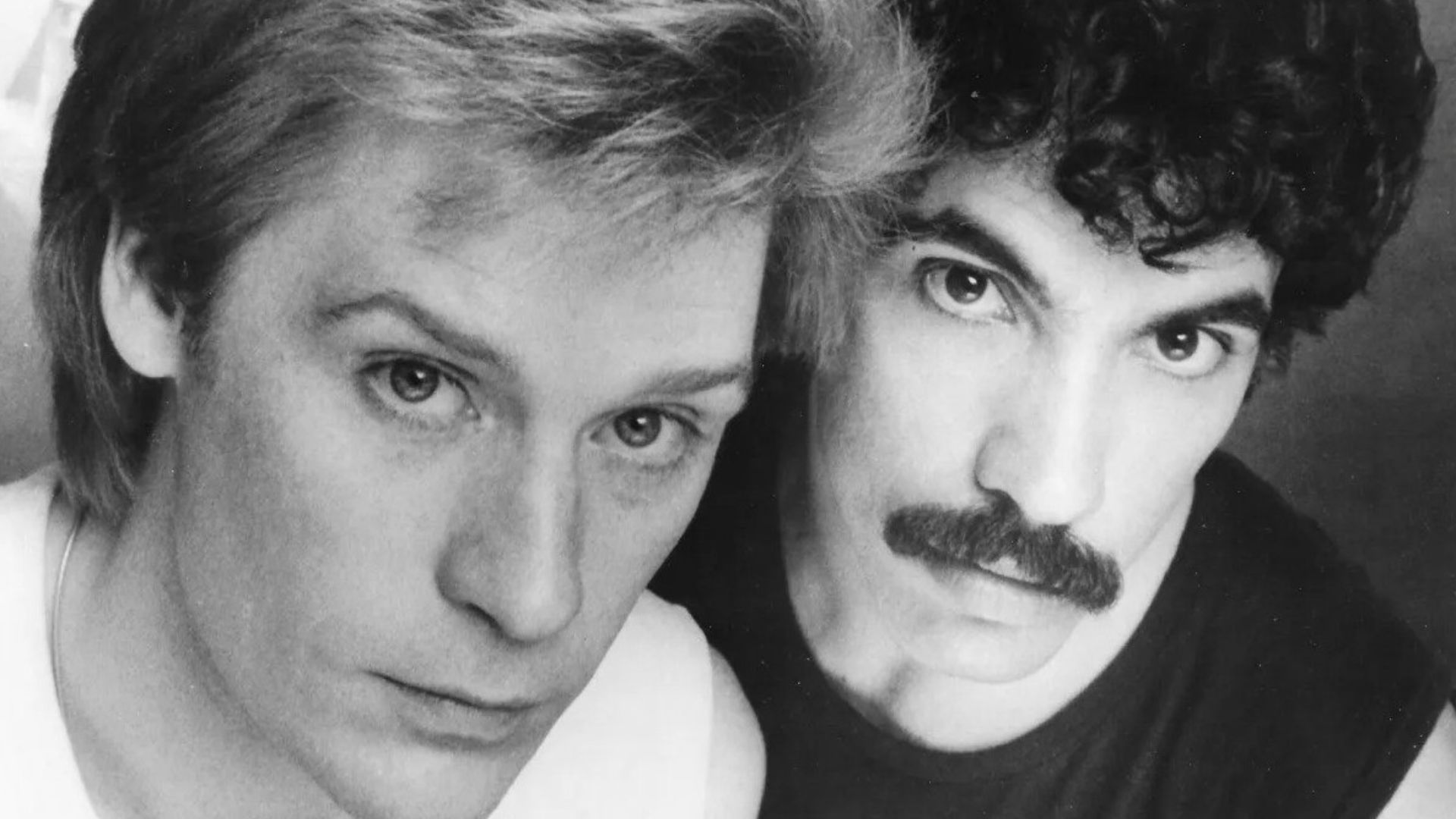 Distributed by RCA Records, Wikimedia Commons
Everything But The Girl
Long before “Missing” turned Everything But the Girl into unlikely dance-pop stars in the 1990s, Tracey Thorn and Ben Watt spent the 80s moving effortlessly between jazz-pop, folk, indie, and sophisticated adult pop. “Each and Every One” introduced them to the UK charts in 1984, while their melancholy 1988 version of “I Don't Want to Talk About It” climbed all the way to Number 3.
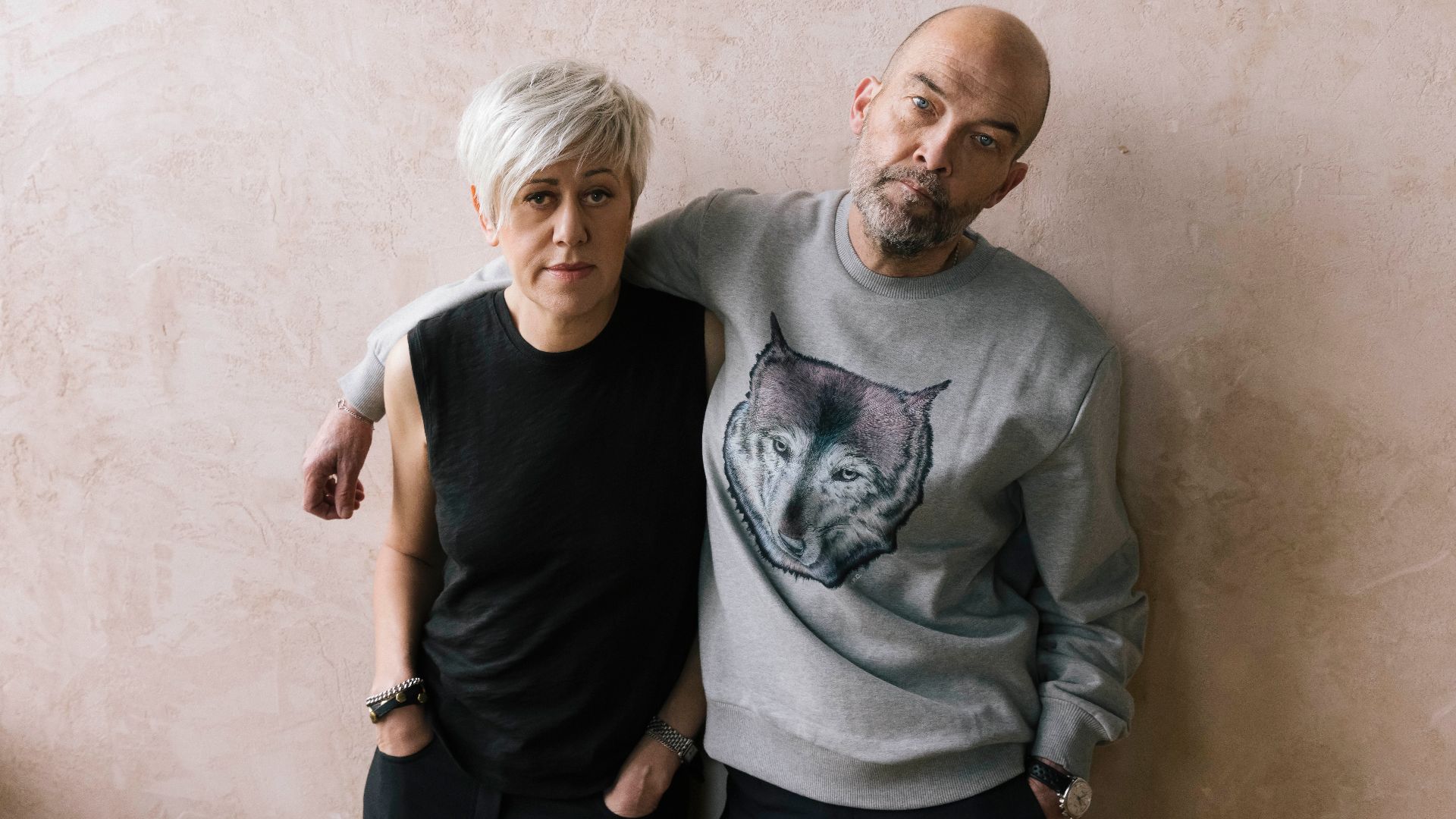 Edwardmbishop, Wikimedia Commons
Soft Cell
Marc Almond and Dave Ball took synthesizer pop somewhere darker, sleazier, and far more theatrical than most of their contemporaries. Their 1981 remake of Gloria Jones' “Tainted Love” became a UK Number 1 and an enormous international hit. But Soft Cell weren't a one-song act. “Bedsitter,” “Say Hello, Wave Goodbye,” “Torch,” and “What!” all reached the British Top 5 during a remarkably concentrated run of success.
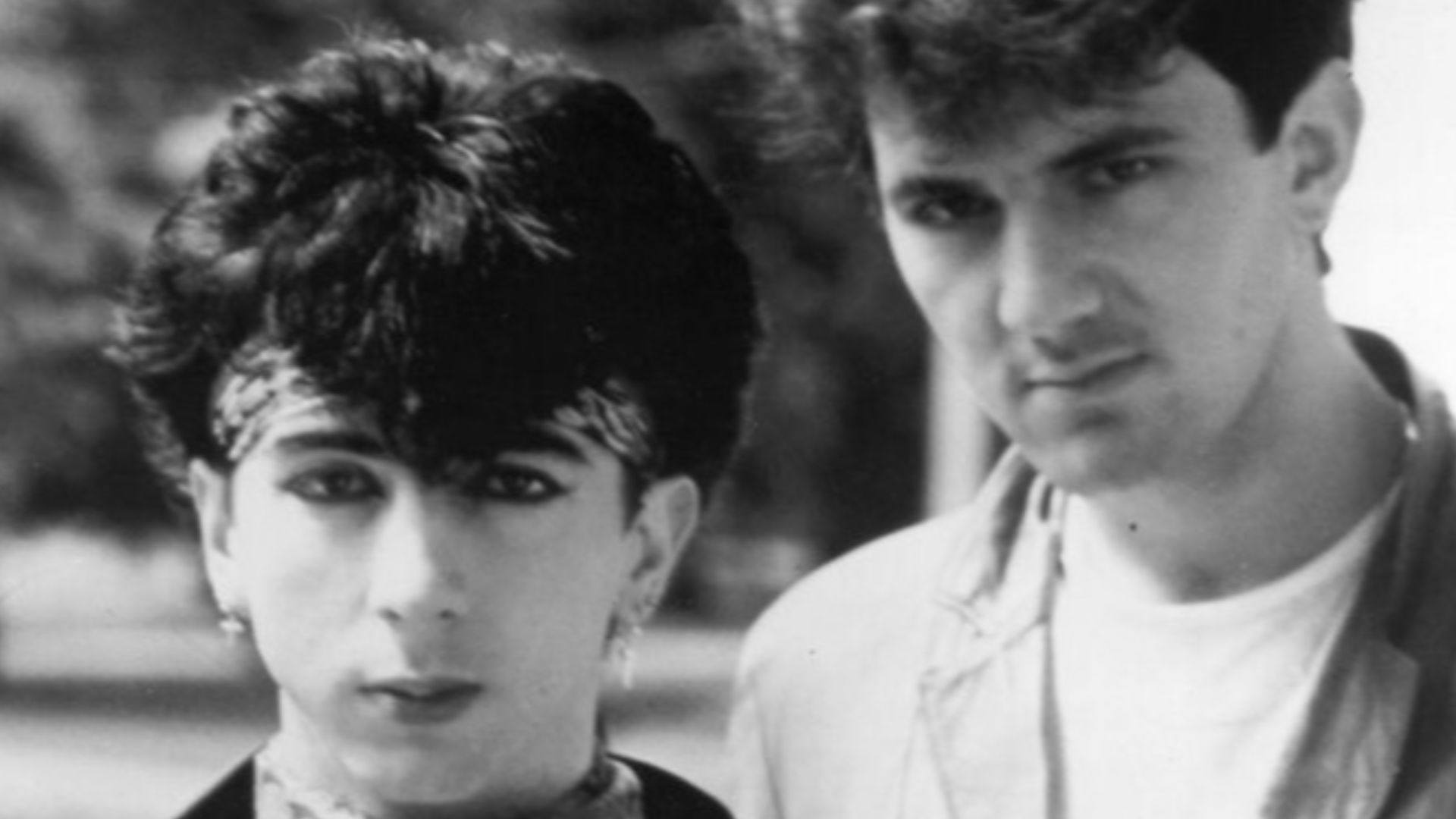 Distributed by Sire Records, Wikimedia Commons
Yazoo
Yazoo lasted barely two years, but Alison Moyet and Vince Clarke squeezed an astonishing amount of influence into that short partnership. Clarke had just left Depeche Mode when he teamed with Moyet, whose enormous bluesy voice created a striking contrast with his sparse electronics. Debut single “Only You” reached Number 2 in Britain, while “Don't Go” became another major hit and later an enduring synth-pop standard.
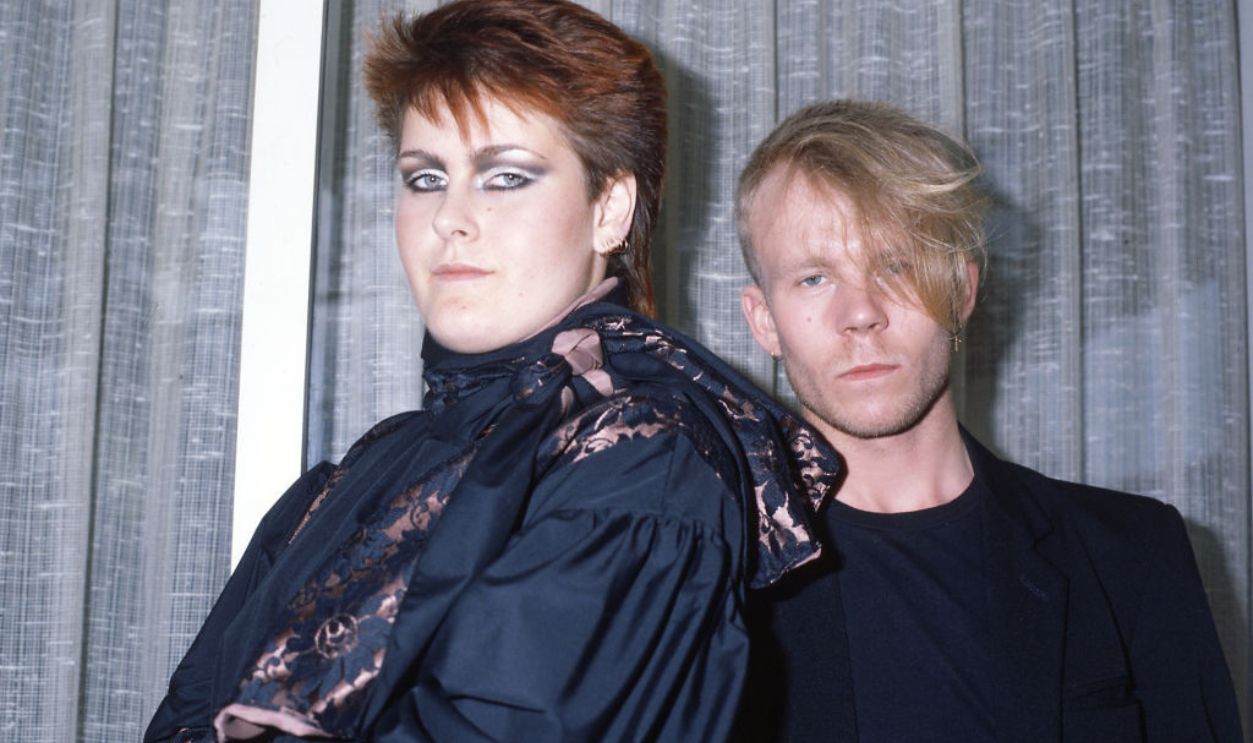 BSR Entertainment, Getty Images
Erasure
Vince Clarke wasn't finished after Depeche Mode and Yazoo. His partnership with singer Andy Bell finally gave him the long-term duo that stuck. Erasure broke through with “Sometimes” in 1986, then became increasingly difficult to avoid. “Victim of Love,” “Ship of Fools,” “Chains of Love,” “Stop!” and especially “A Little Respect” made them one of the most reliable synth-pop acts of the decade.
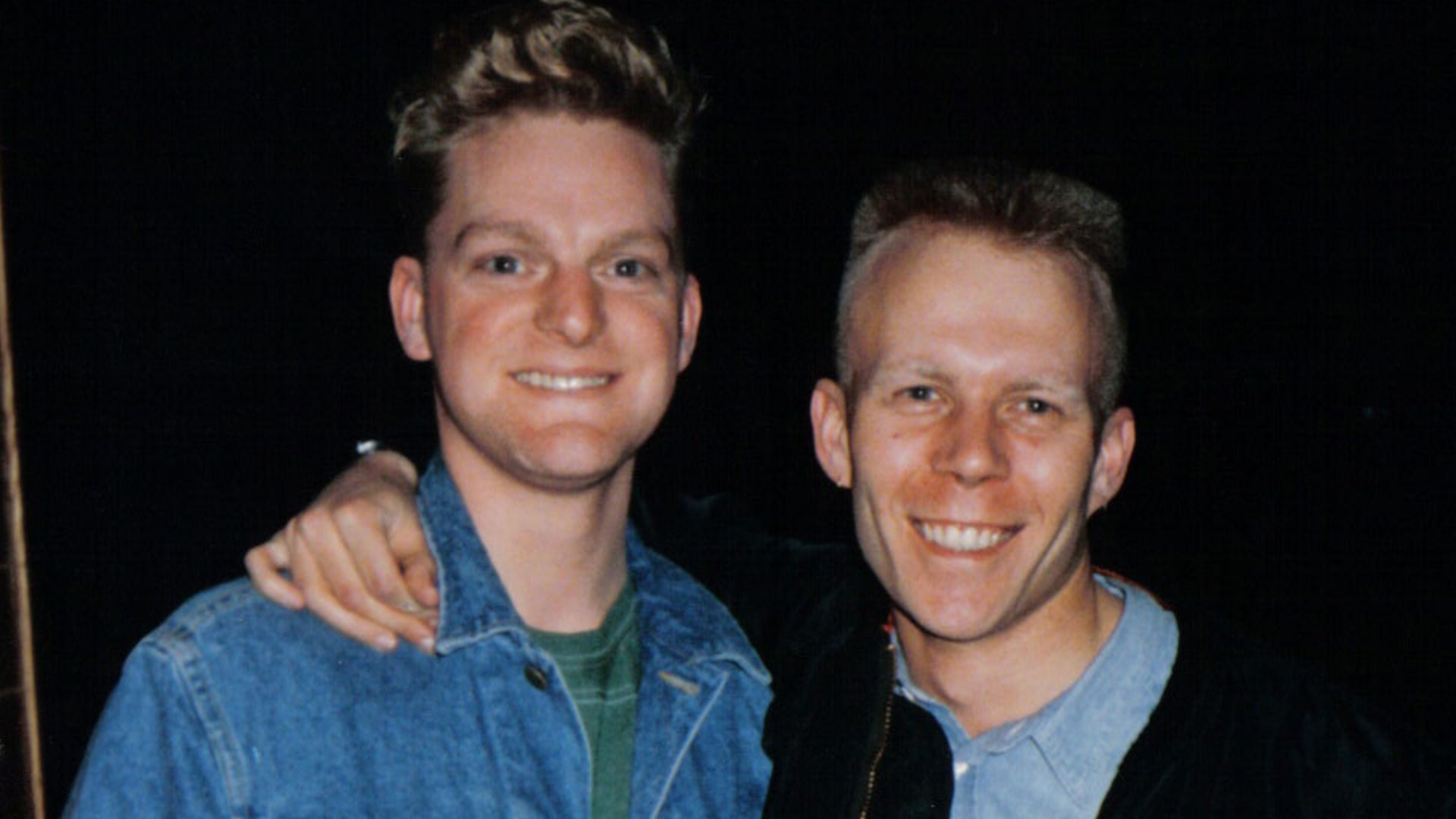 Nancy J Price, Andwhatsnext at en.wikipedia, Wikimedia Commons
You May Also Like:
Forgotten Soft-Rock Duos That Were Everywhere In The 1970s, Then Quietly Faded Away
The Most Legendary Music Collaborations That Never Happened
Hip-Hop Duos That Rewrote The Rules And Changed Music Forever