When Two Voices Ruled The Radio
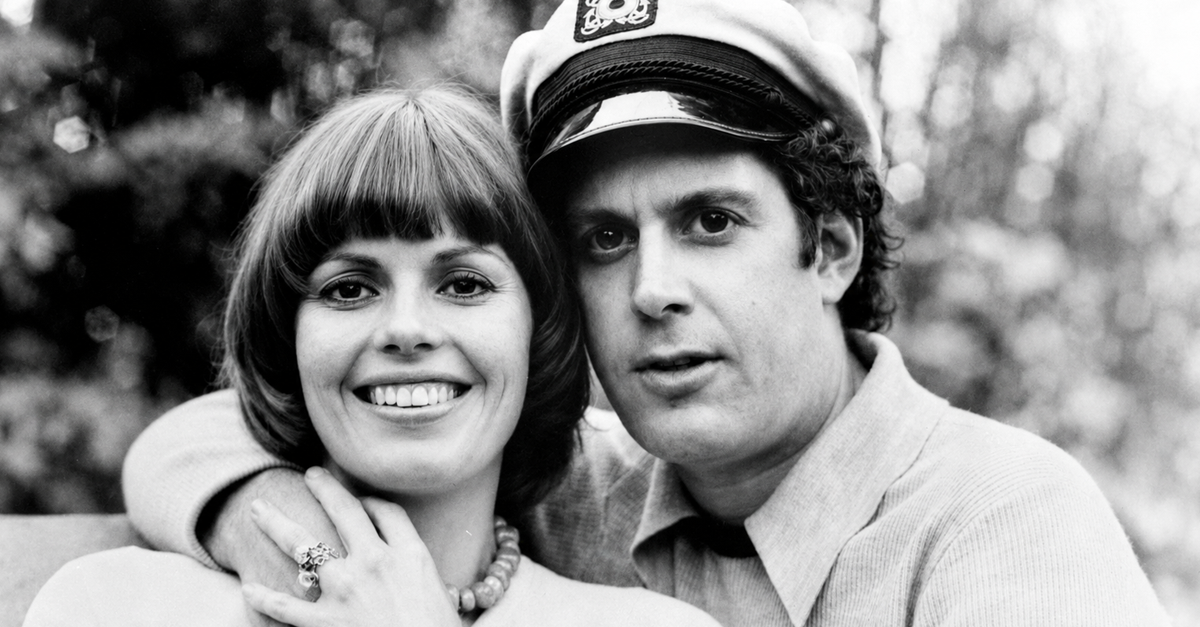
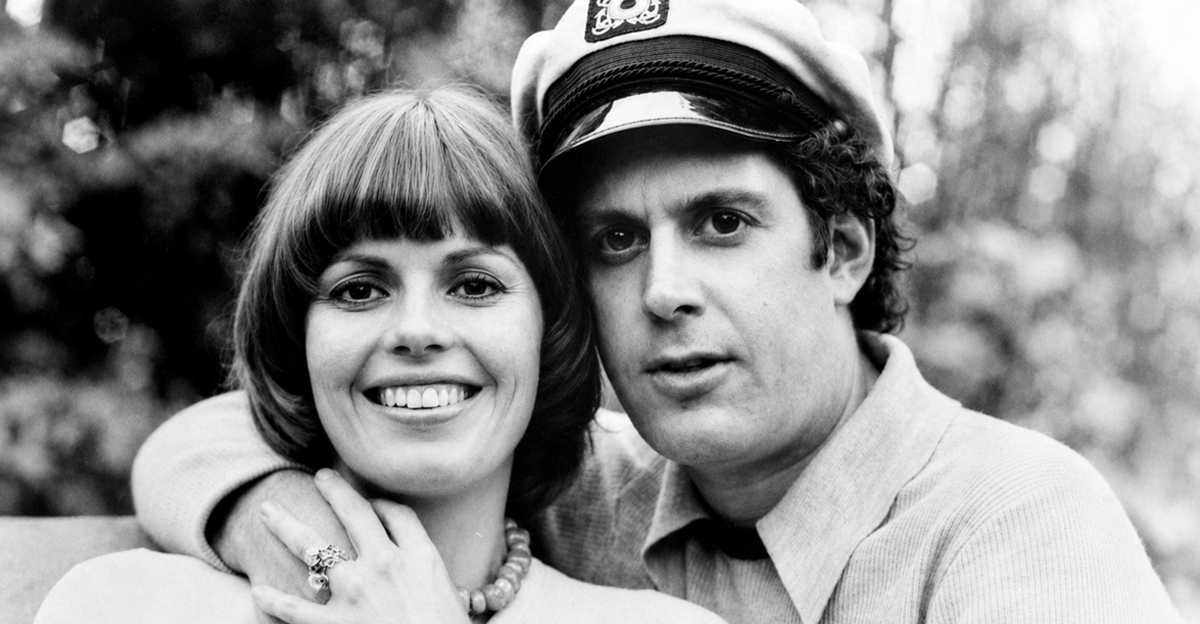
Soft rock ruled 1970s radio with smooth harmonies, polished arrangements, and unforgettable love songs. Duos gave the genre its most intimate sound, blending two distinctive voices into something larger than either singer alone. They once seemed impossible to escape, but breakups, changing tastes, and new career paths eventually pushed many out of the spotlight.
 Michael Ochs Archives, Getty Images
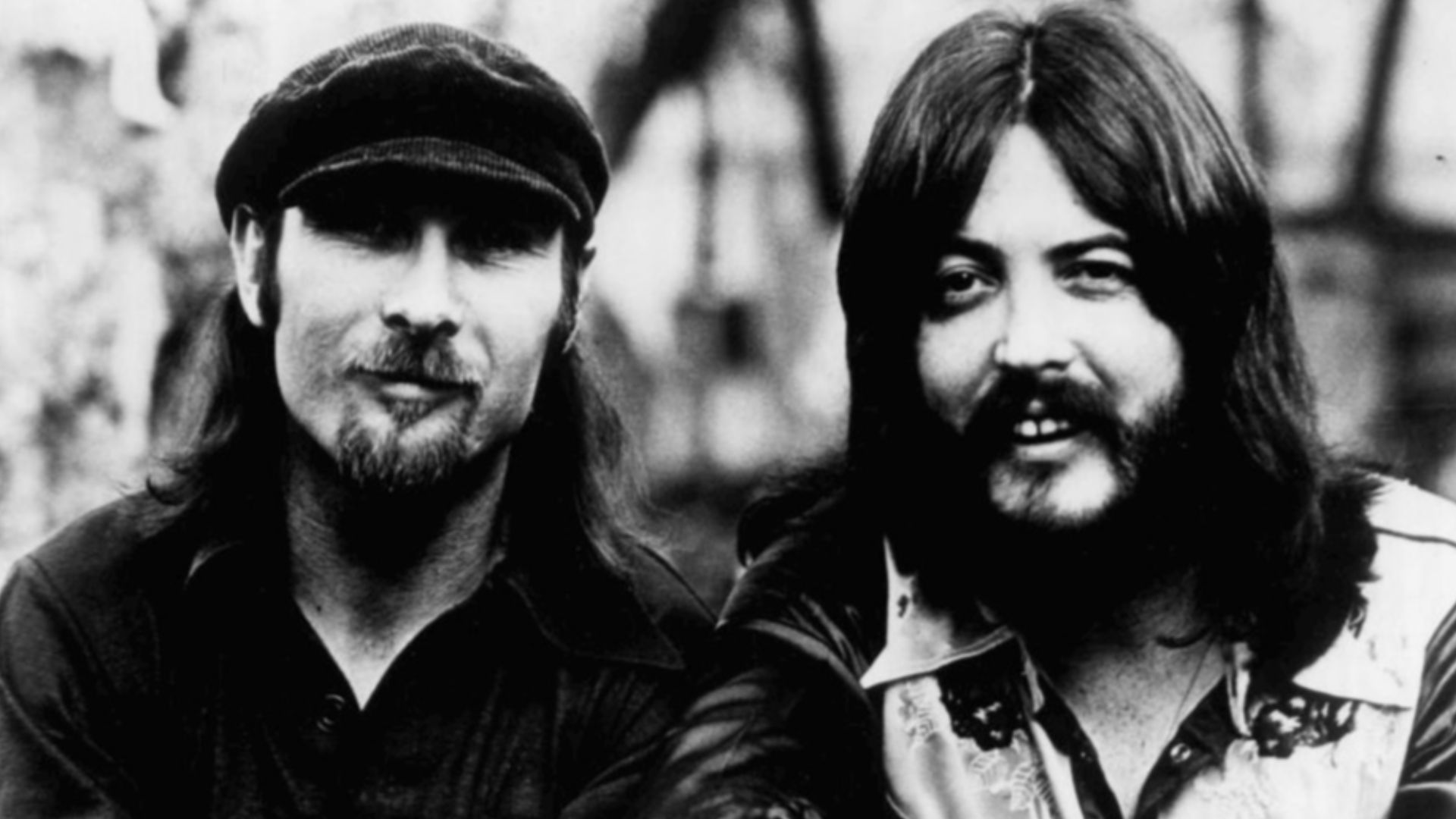
Seals & Crofts
Jim Seals and Dash Crofts had known each other since their teenage years in Texas. Both eventually played in the Champs, the group famous for “Tequila,” before forming Seals & Crofts in the late 1960s. Their blend of folk, pop, country, and jazz became one of the defining sounds of early 1970s soft rock.
 Warner Brothers Records, Wikimedia Commons
Summer Breeze Was Only The Beginning
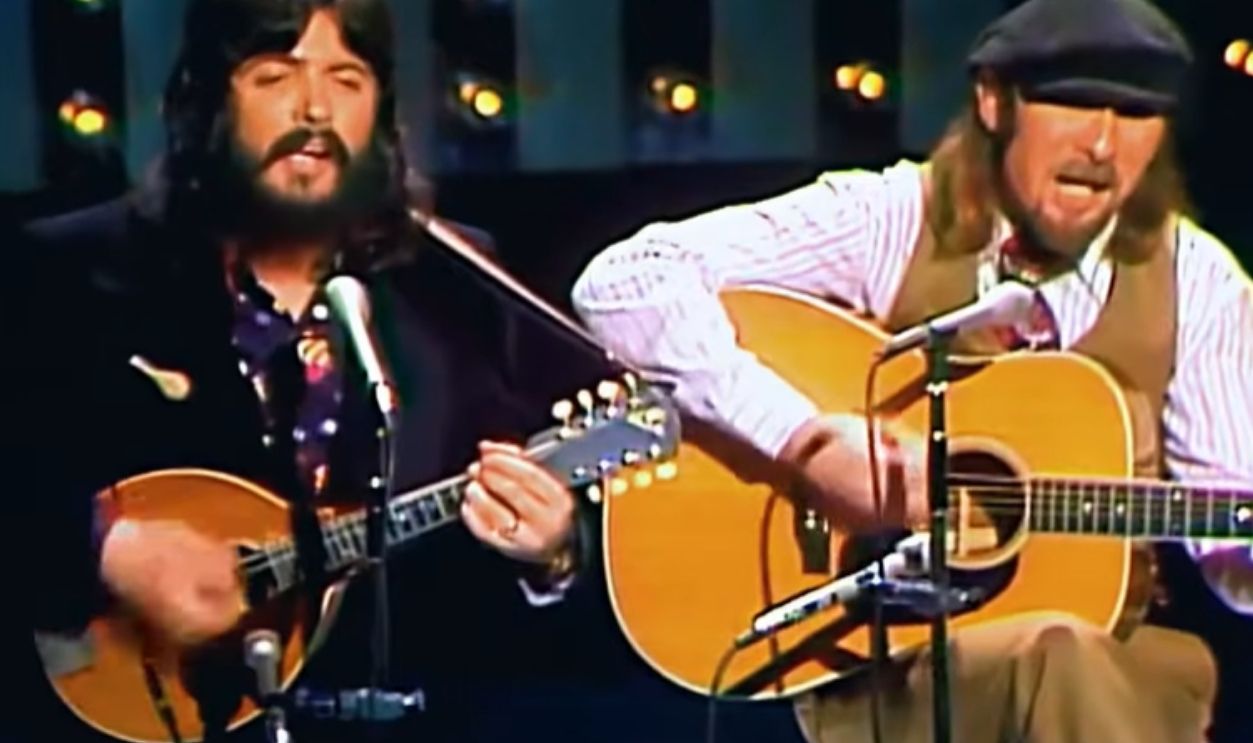
“Summer Breeze” reached No. 6 on the Billboard Hot 100 in 1972 and became the duo’s signature recording. “Diamond Girl” climbed to the same position the following year, proving that their success was no accident. They returned to No. 6 once more with “Get Closer,” which featured guest vocals from Carolyn Willis.
 Screenshot from Summer Breeze, Warner Bros. Records (1972)
Their Exit Was Quieter Than Their Rise
The duo’s 1974 song “Unborn Child” drew controversy and was kept off some radio stations because of its anti-abortion message. Seals & Crofts continued recording, but their commercial momentum gradually slowed before they separated around 1980. They later reunited briefly and released one final album, Traces, in 2004.
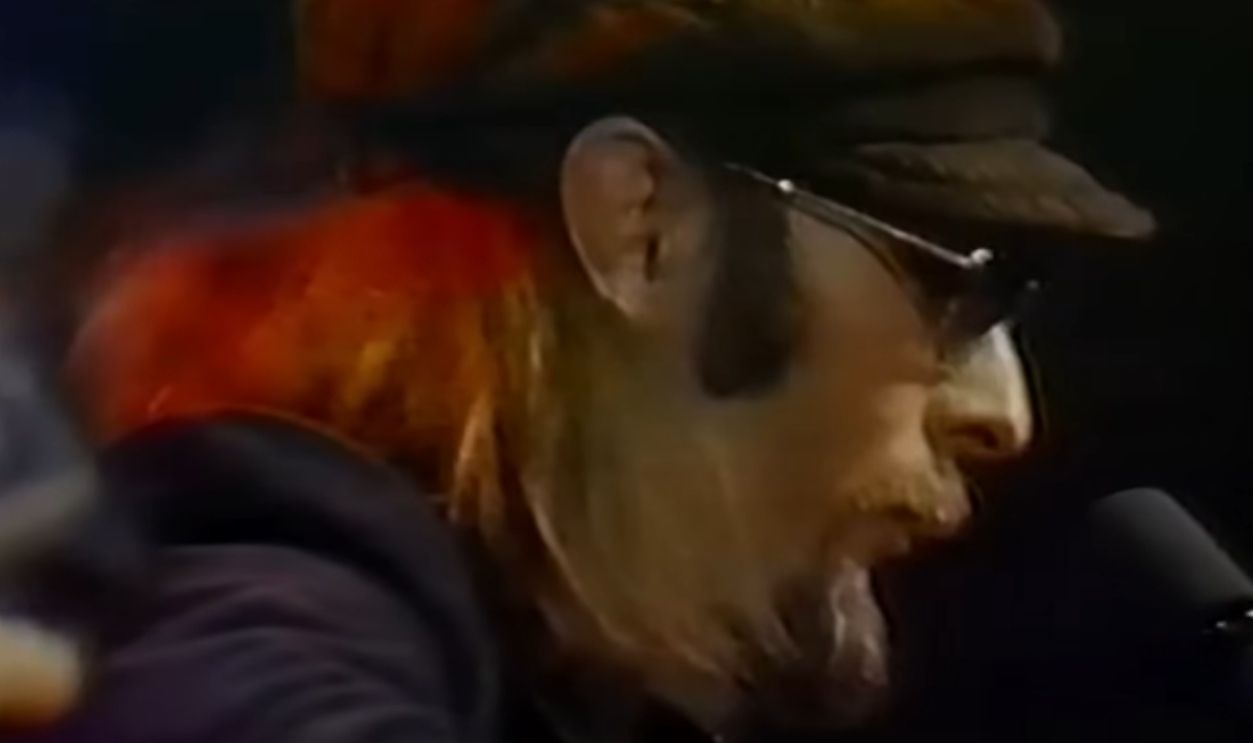 Screenshot from Unborn Child, Warner Bros. Records (1974)
Captain & Tennille
Daryl Dragon had toured as a keyboardist with the Beach Boys before joining forces with singer Toni Tennille. Performing as Captain & Tennille, they recorded Neil Sedaka and Howard Greenfield’s “Love Will Keep Us Together.” The song topped the Billboard Hot 100 in 1975 and won the Grammy for Record of the Year.
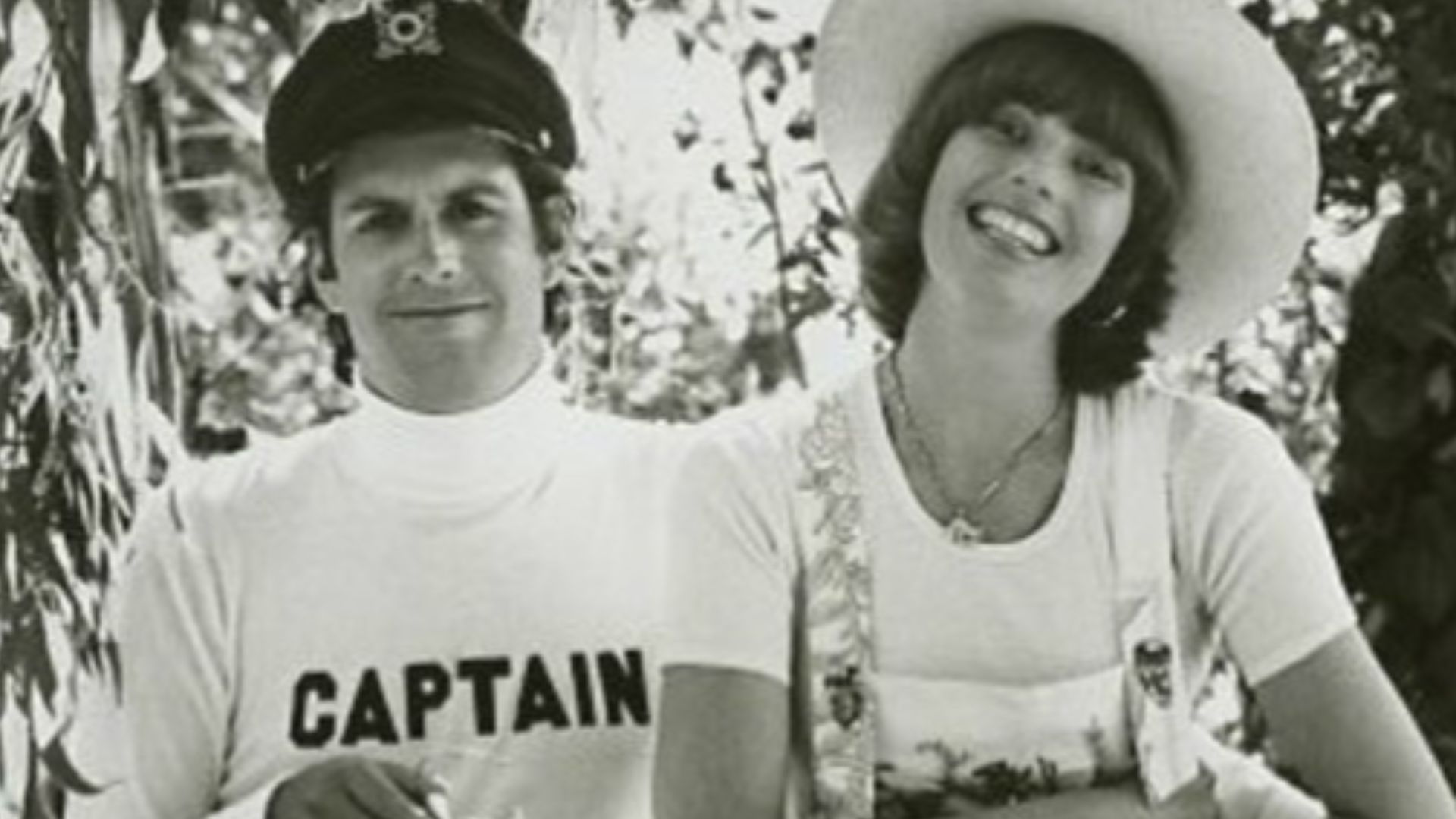 ABC Television, Wikimedia Commons
They Quickly Became Television Stars
Follow-up hits included “The Way I Want to Touch You,” “Lonely Night,” “Shop Around,” and the unusual “Muskrat Love.” Their cheerful image and playful chemistry also led to The Captain and Tennille, an ABC variety series that premiered in 1976. For a brief period, the married duo seemed to be everywhere at once.
 Screenshot from The Way I Want to Touch You, A&M Records (1974)
They Managed One Final Number One
Captain & Tennille returned to the top of the Hot 100 with “Do That to Me One More Time,” which reached No. 1 in early 1980. That success did not launch another long run of major hits, and the duo stopped recording regularly after the album Keeping Our Love Warm. Their marriage ended in 2014, although Tennille remained close to Dragon before his passing in 2019.
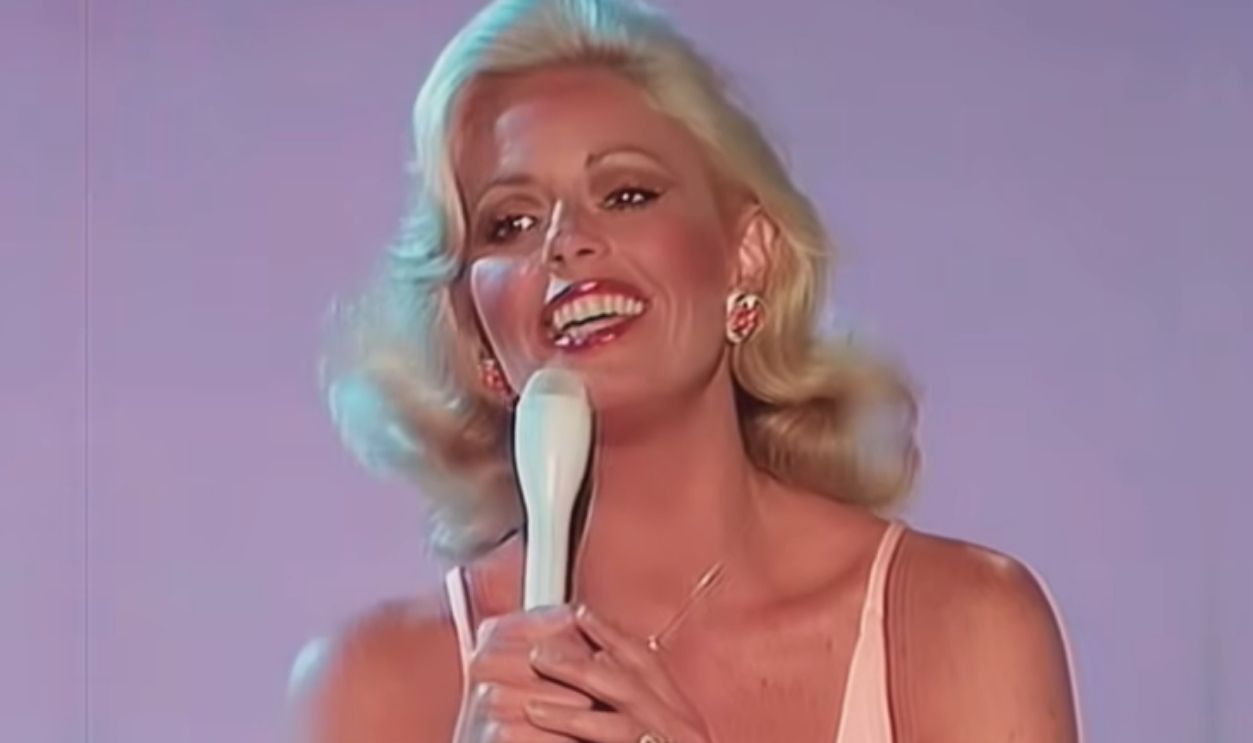 Screenshot from Do That to Me One More Time, Casablanca Records (1979)
Loggins & Messina
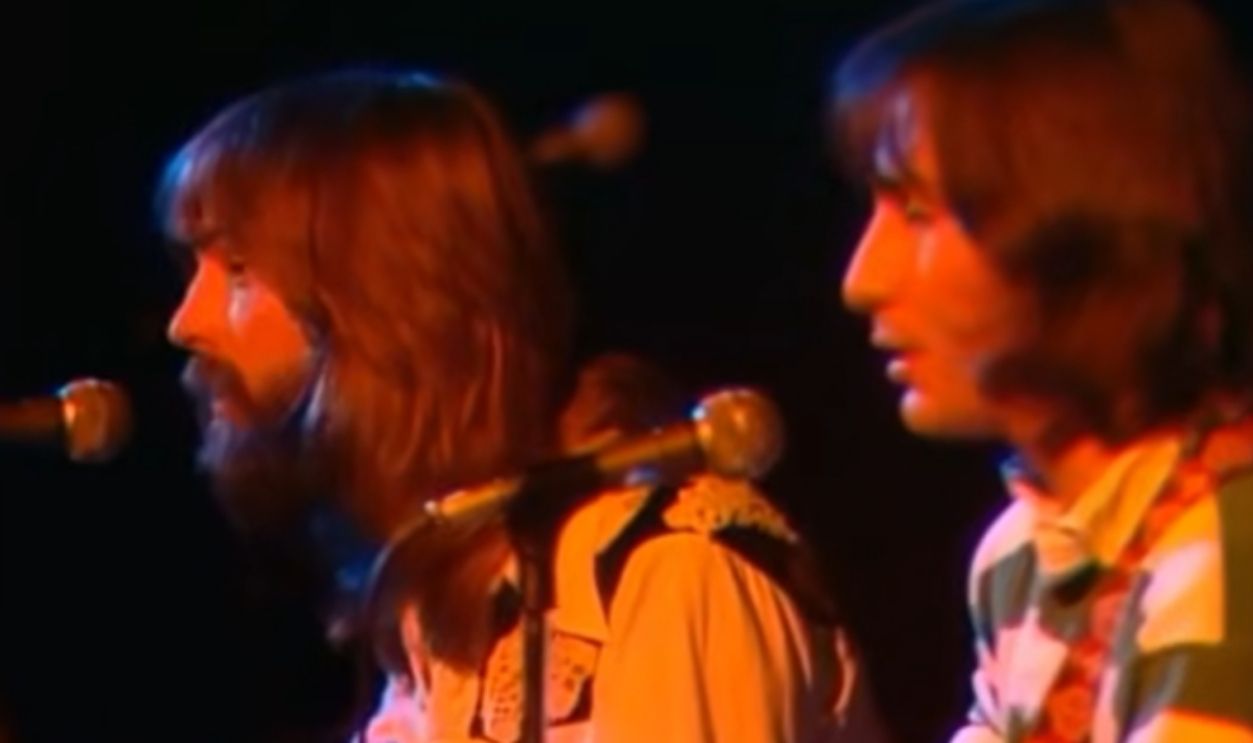
Jim Messina was already known for Buffalo Springfield and Poco when he agreed to help produce an album for an unknown Kenny Loggins. Messina contributed so much writing, singing, and instrumental work that the intended solo project became Kenny Loggins with Jim Messina Sittin’ In. Its success convinced Columbia Records to keep them together as a duo.
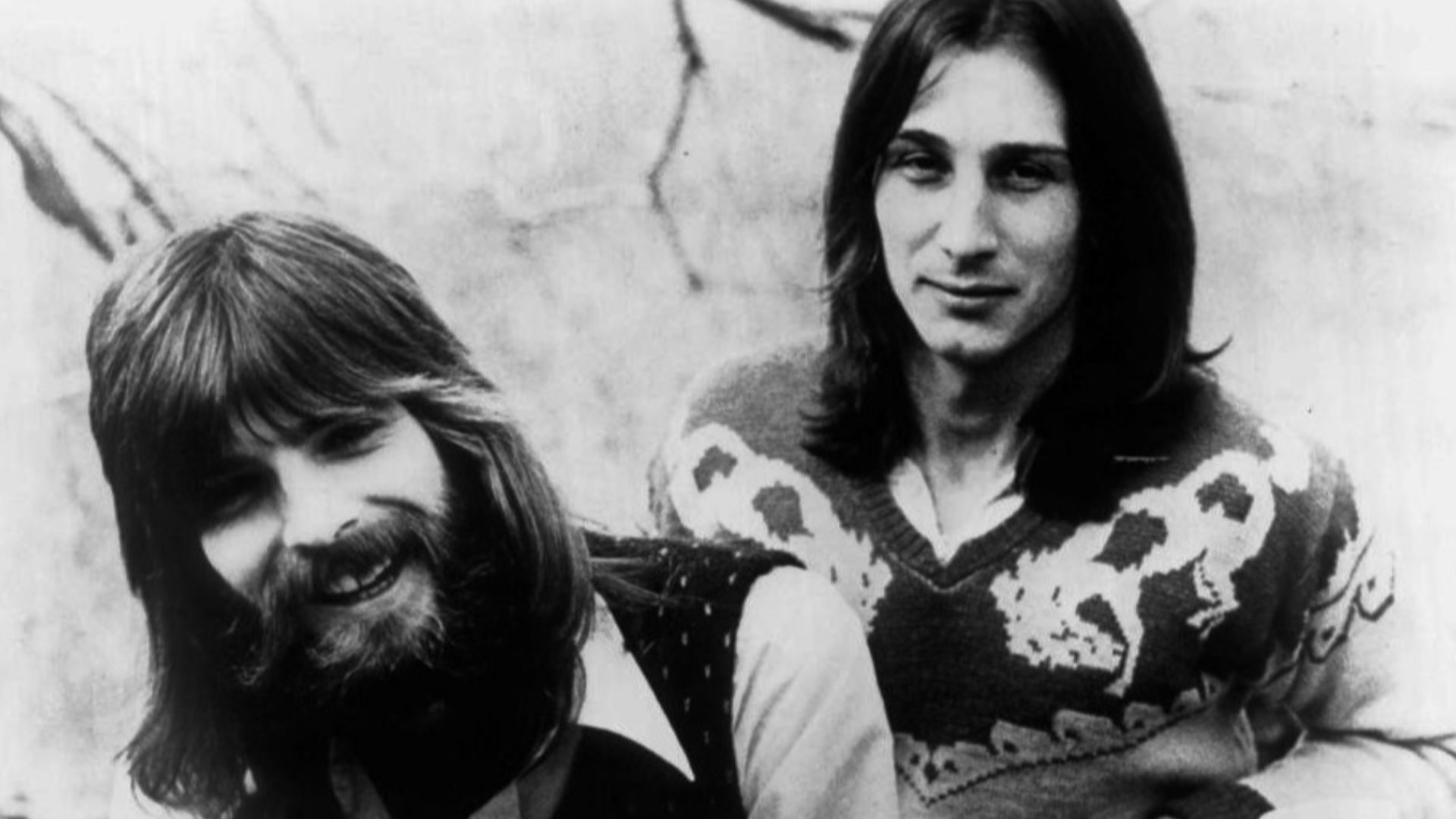 Schiffman and Larson, management, Wikimedia Commons
Their Albums Became Campus Favorites
Loggins and Messina built an audience by performing extensively at colleges during the early 1970s. Songs such as “Danny’s Song,” “House at Pooh Corner,” and “Your Mama Don’t Dance” gave their concerts an easygoing but energetic appeal. Full Sail and Mother Lode both reached the Top 10 on the Billboard album chart.
 Screenshot from Danny's Song, Columbia Records (1971)
They Chose To Leave At The Right Time
Loggins and Messina separated amicably in 1976 after releasing six studio albums together. Loggins became an even bigger solo star, while Messina continued recording, producing, and performing. The pair later reunited for tours in 2005 and 2009, but their original partnership remained firmly associated with the 1970s.
 Screenshot from House at Pooh Corner, Columbia Records (1971)
England Dan & John Ford Coley
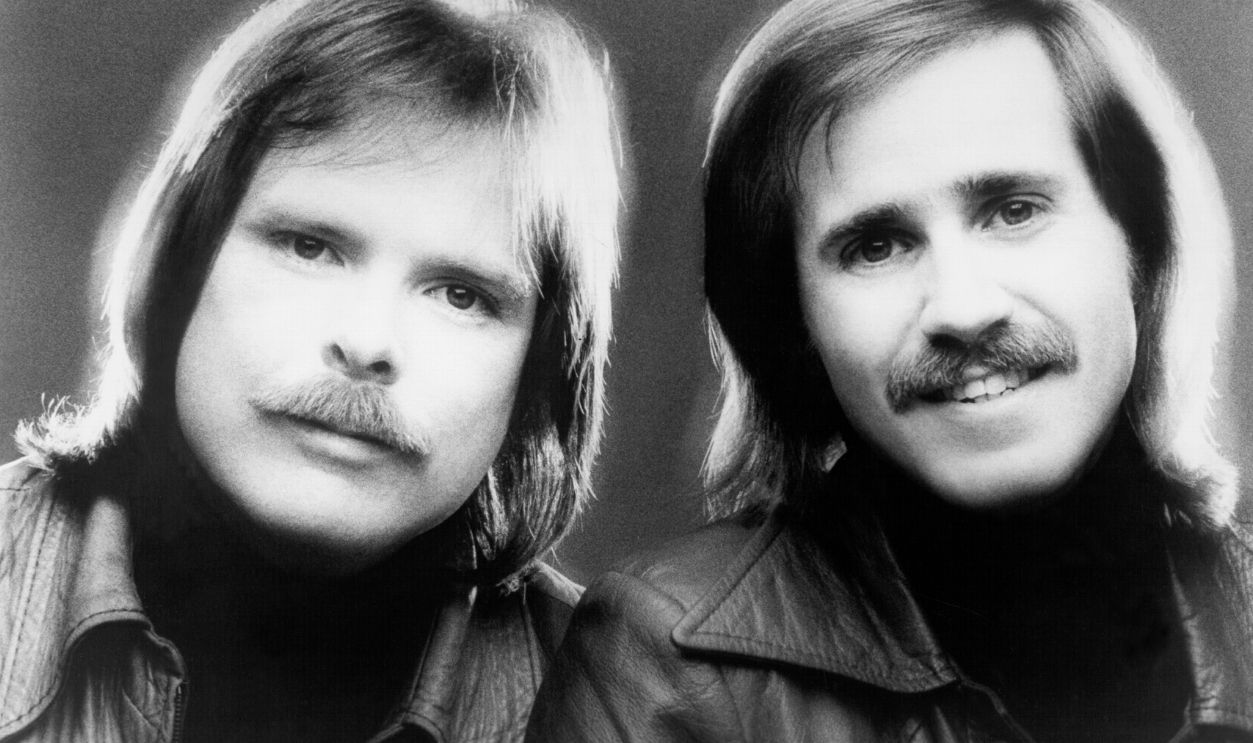
Dan Seals and John Ford Coley met while attending high school in Dallas. They performed together in Southwest F.O.B. before adopting the unusually memorable name England Dan & John Ford Coley. Their first two albums for A&M sold poorly, leaving them without a recording contract for several years.
 Michael Ochs Archives, Getty Images
One Song Changed Everything
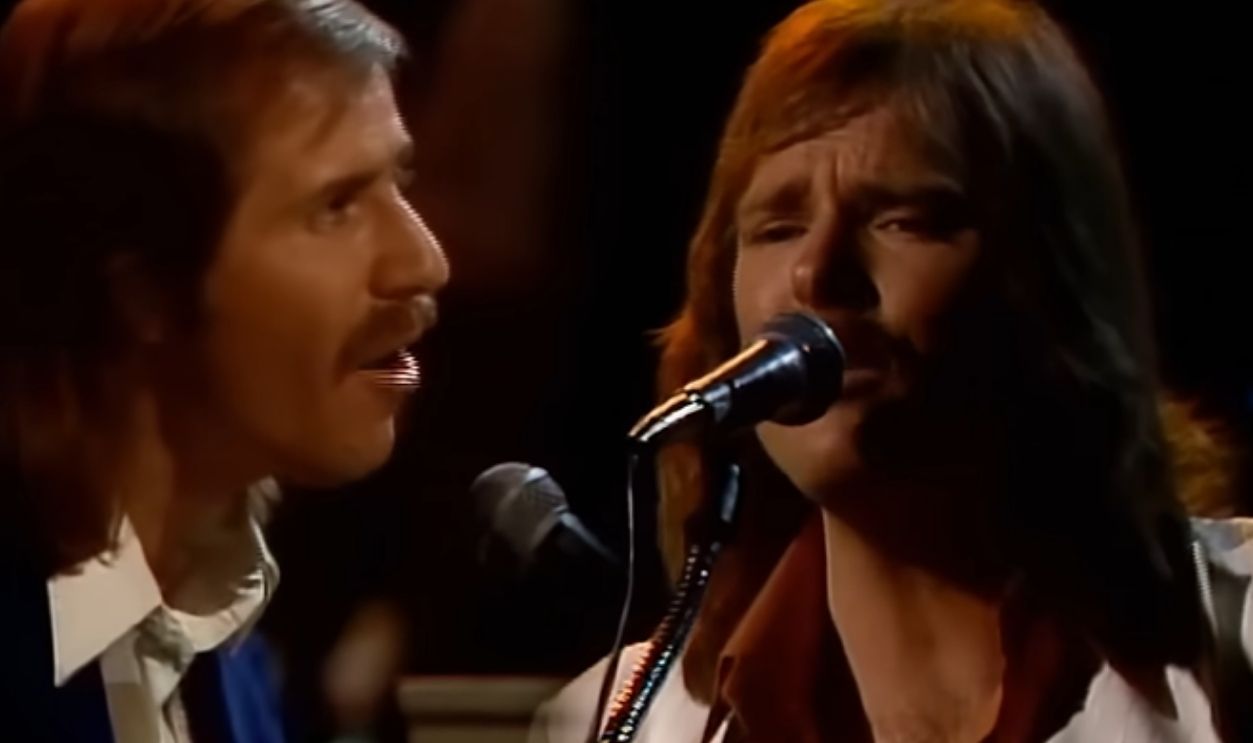
Their comeback began with Parker McGee’s “I’d Really Love to See You Tonight,” which reached No. 2 on the Billboard Hot 100 in 1976. They followed it with “Nights Are Forever Without You,” “We’ll Never Have to Say Goodbye Again,” and Todd Rundgren’s “Love Is the Answer.” In just four years, the duo placed six singles inside the American Top 40.
 Screenshot from I'd Really Love to See You Tonight, Big Tree Records (1976)
Country Music Offered A Second Act
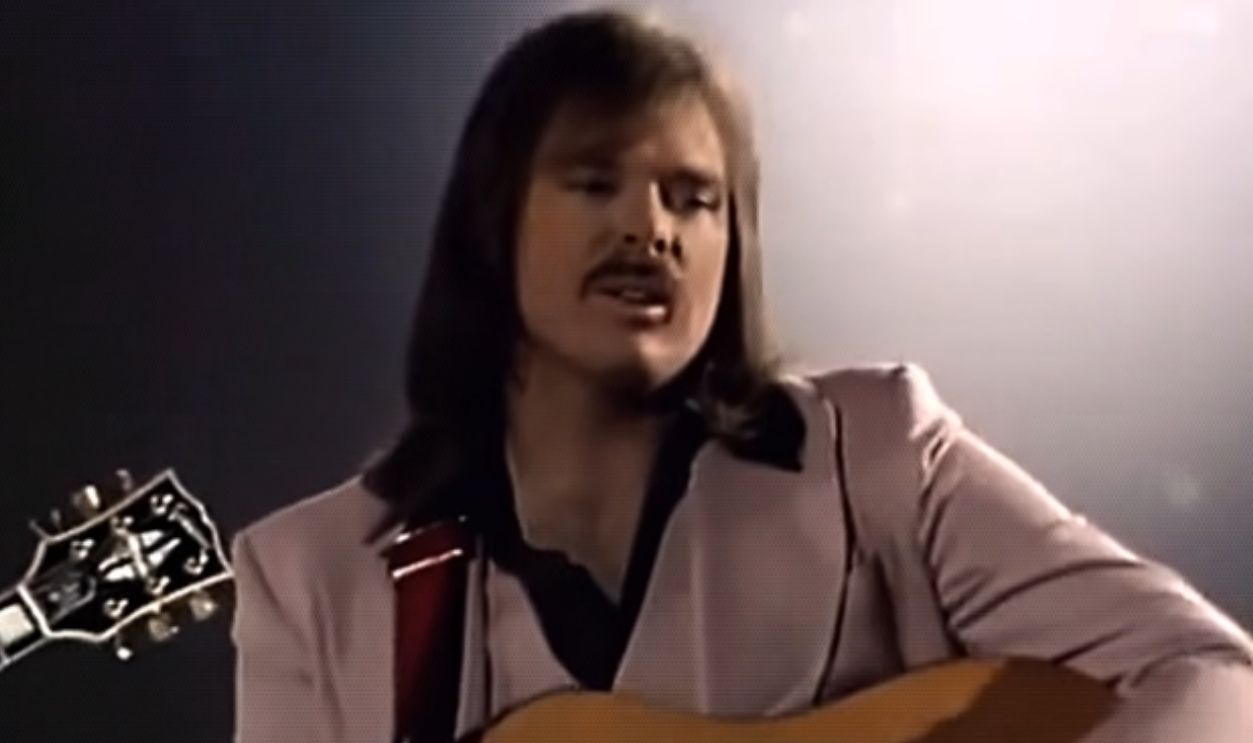
England Dan & John Ford Coley separated in 1980 as their smooth harmony-driven style became harder to place on pop radio. Seals dropped the England Dan name and built a highly successful country career as Dan Seals. Coley eventually returned to touring, but the pair never formally revived the duo before Seals passed away in 2009.
 Screenshot from Nights Are Forever Without You, Big Tree Records (1976)
LeBlanc & Carr
Lenny LeBlanc and Pete Carr met while working as musicians in Muscle Shoals, Alabama. Carr had previously played with Duane and Gregg Allman in Hour Glass before becoming an in-demand session guitarist. He and LeBlanc eventually combined their studio experience as the duo LeBlanc & Carr.

Falling Became A Soft-Rock Favorite
Their breakthrough arrived with “Falling,” a tender ballad from their album Midnight Light. The single reached the American Top 20 in early 1978 and gave the duo its brief moment in the national spotlight. Its smooth production and intimate vocal made it a natural fit for late 1970s soft-rock radio.
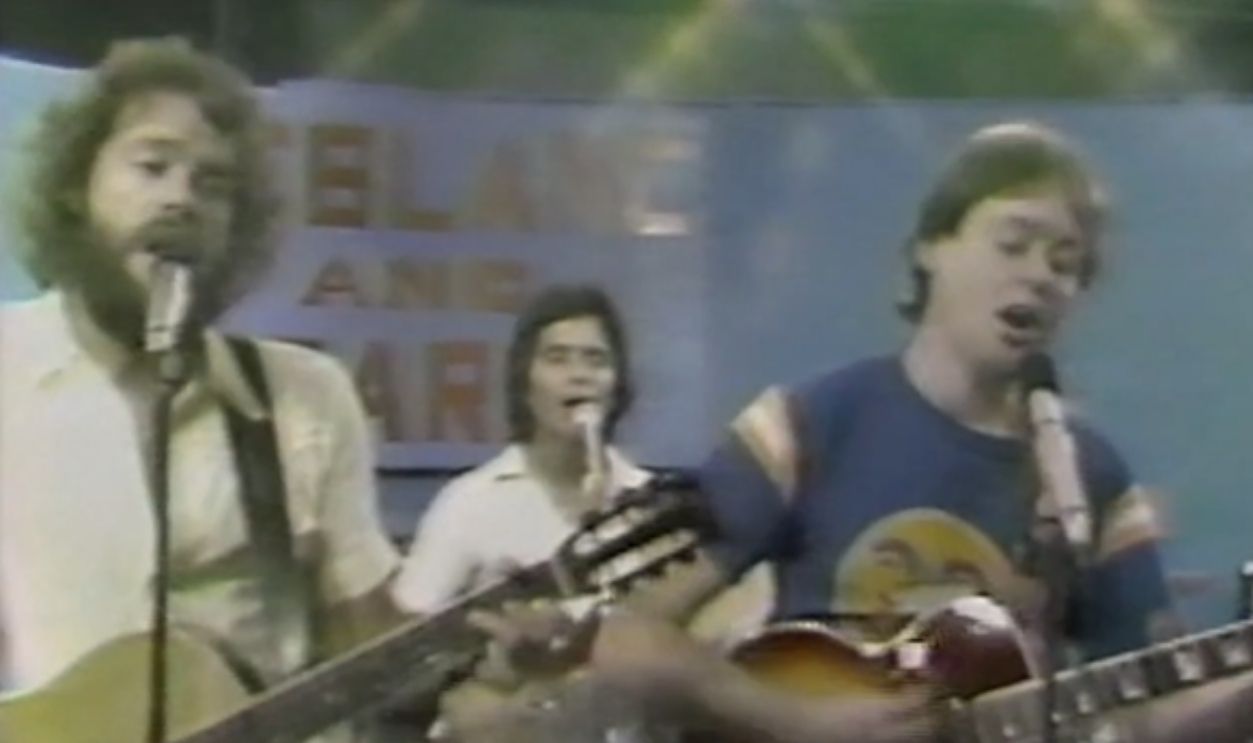 Screenshot from Falling, Big Tree Records (1977)
Their Partnership Ended Almost Immediately
The album’s title track failed to repeat the success of “Falling,” and LeBlanc & Carr quietly separated. Carr returned to session work and later played with artists including Paul Simon, while LeBlanc moved into Christian music. Their entire pop legacy was largely reduced to one polished hit that captured its era perfectly.
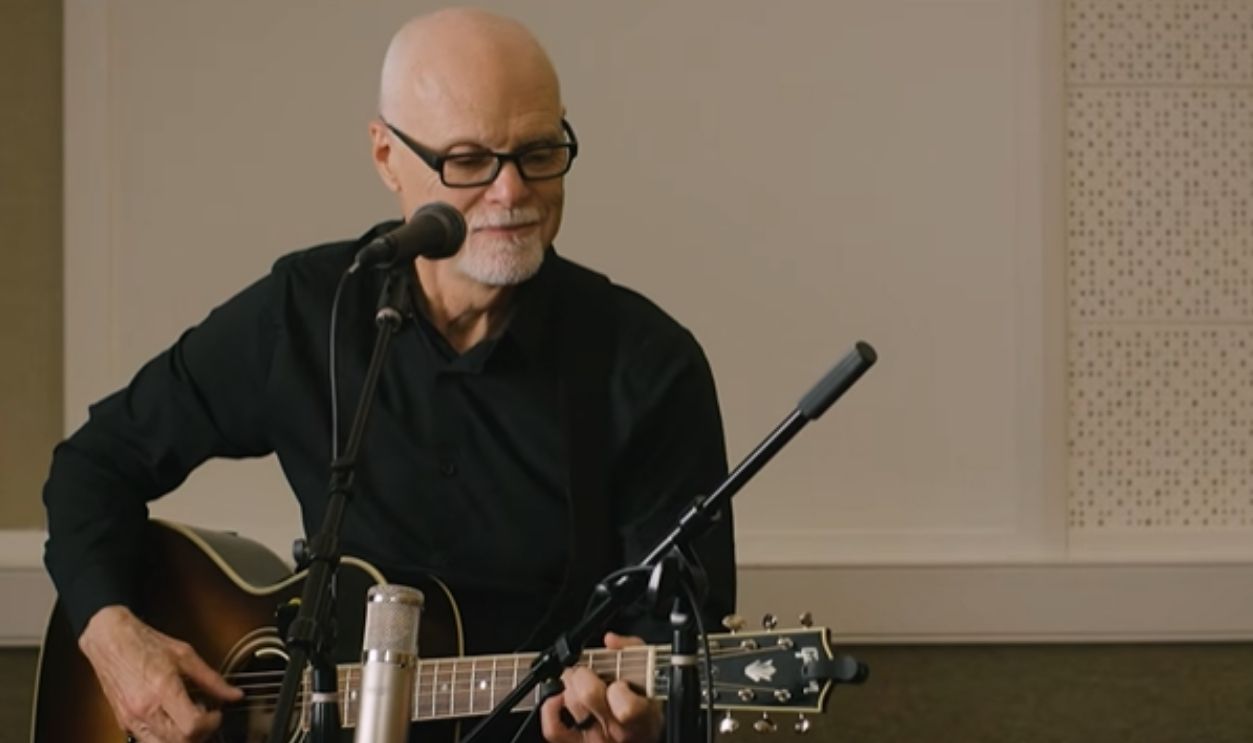 Screenshot from Falling, Big Tree Records (1977)
Brewer & Shipley
Michael Brewer and Tom Shipley met through the folk music circuit before working as songwriters for an A&M Records publishing company. They eventually relocated from Los Angeles to the Kansas City area and developed a relaxed sound rooted in folk, country, and harmony-driven rock. Their biggest hit arrived from a song they originally wrote to amuse themselves.
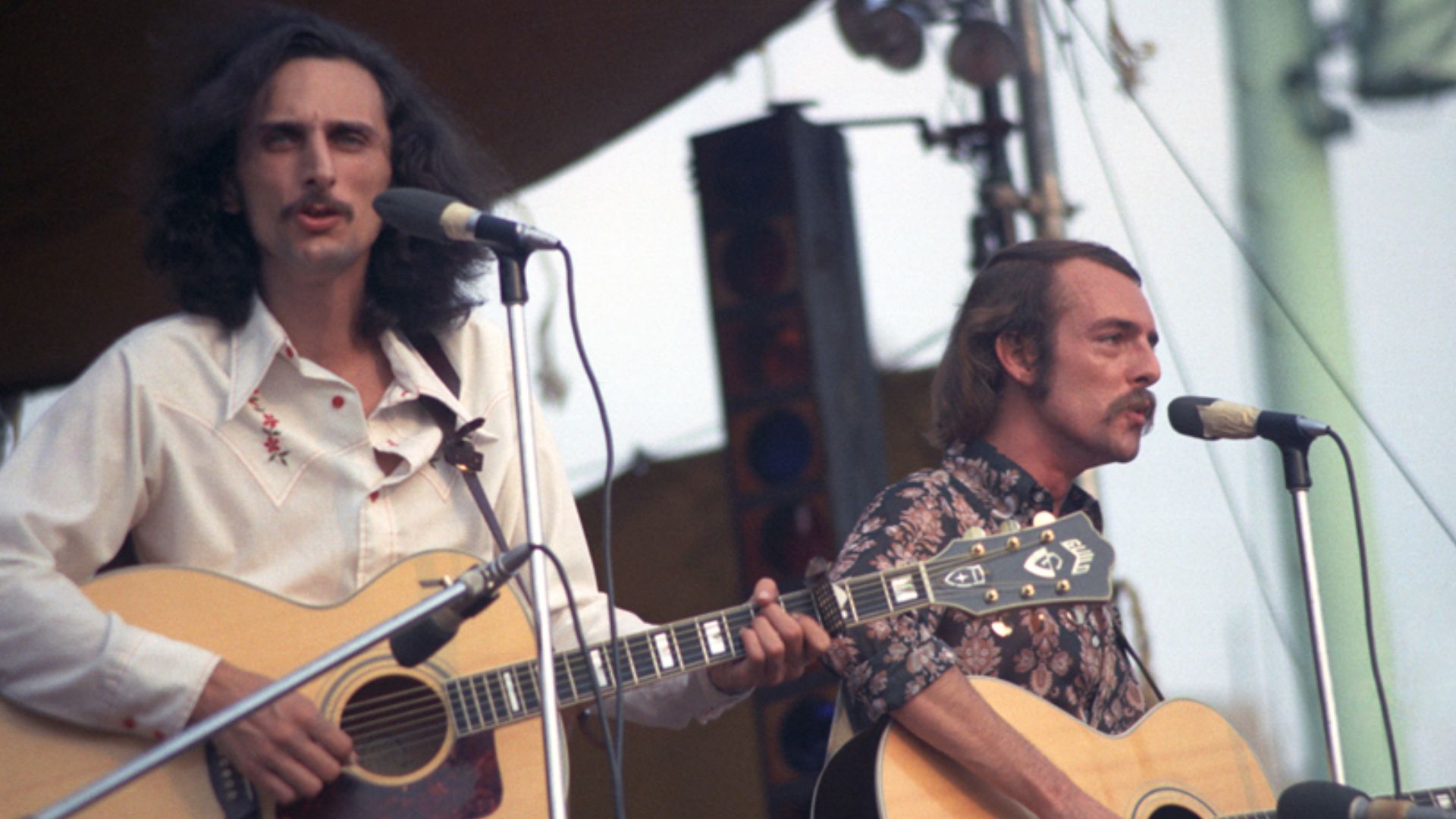 Nick DeWolf, Wikimedia Commons
One Toke Became An Unlikely Smash
“One Toke Over the Line” reached the Billboard Top 10 in 1971 despite its unmistakable counterculture meaning. The song became even more surreal when Gail Farrell and Dick Dale performed it on The Lawrence Welk Show. Welk introduced the composition to his wholesome audience as a modern spiritual.
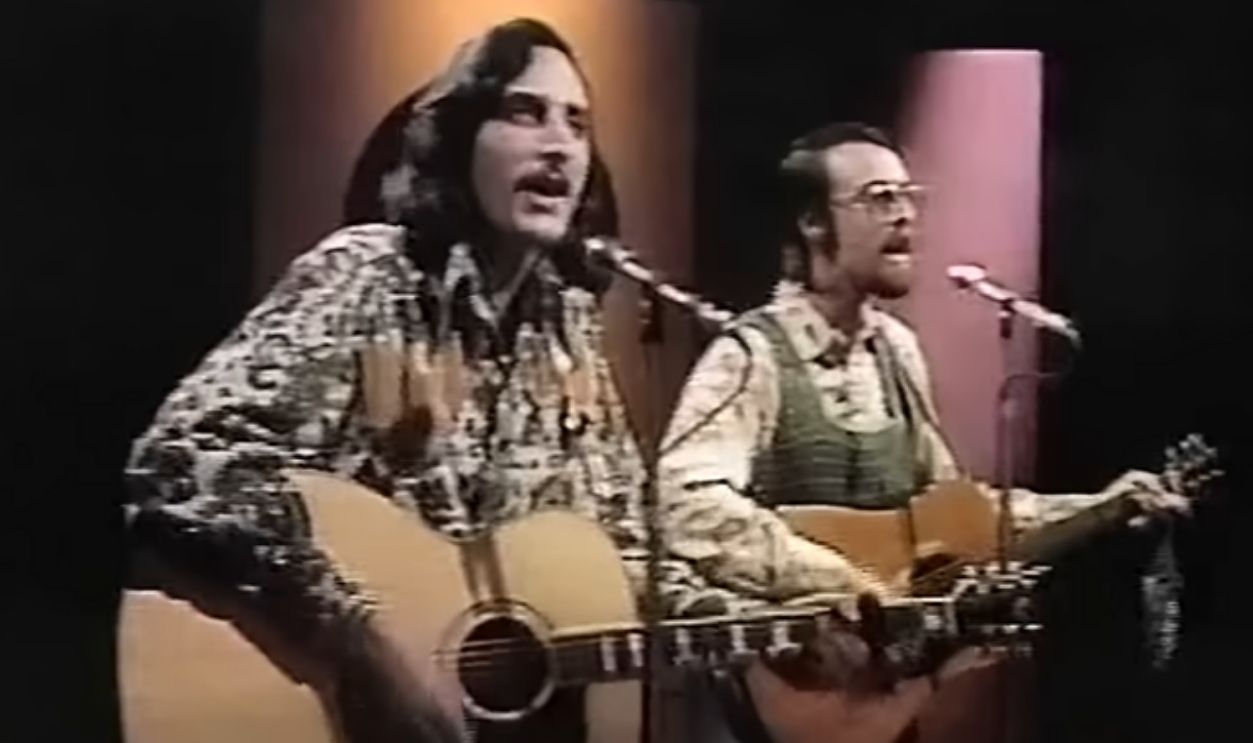 Screenshot from One Toke Over the Line, Kama Sutra Records (1971)
The Follow-Ups Could Not Match It
Brewer & Shipley returned to the Hot 100 with “Tarkio Road” and “Shake Off the Demon,” but neither approached their signature hit. The duo amicably separated in 1980 before reuniting for concerts and occasional recording projects. Their gentle folk-rock sound remained tied to a specific moment when counterculture themes could unexpectedly reach mainstream radio.
 Screenshot from Tarkio Road, Kama Sutra Records (1970)
The Sutherland Brothers
Scottish brothers Iain and Gavin Sutherland began recording together before joining with the backing group Quiver. Gavin wrote “Sailing,” which the brothers recorded years before Rod Stewart turned it into an international anthem. Stewart’s version spent four weeks at No. 1 in Britain in 1975.
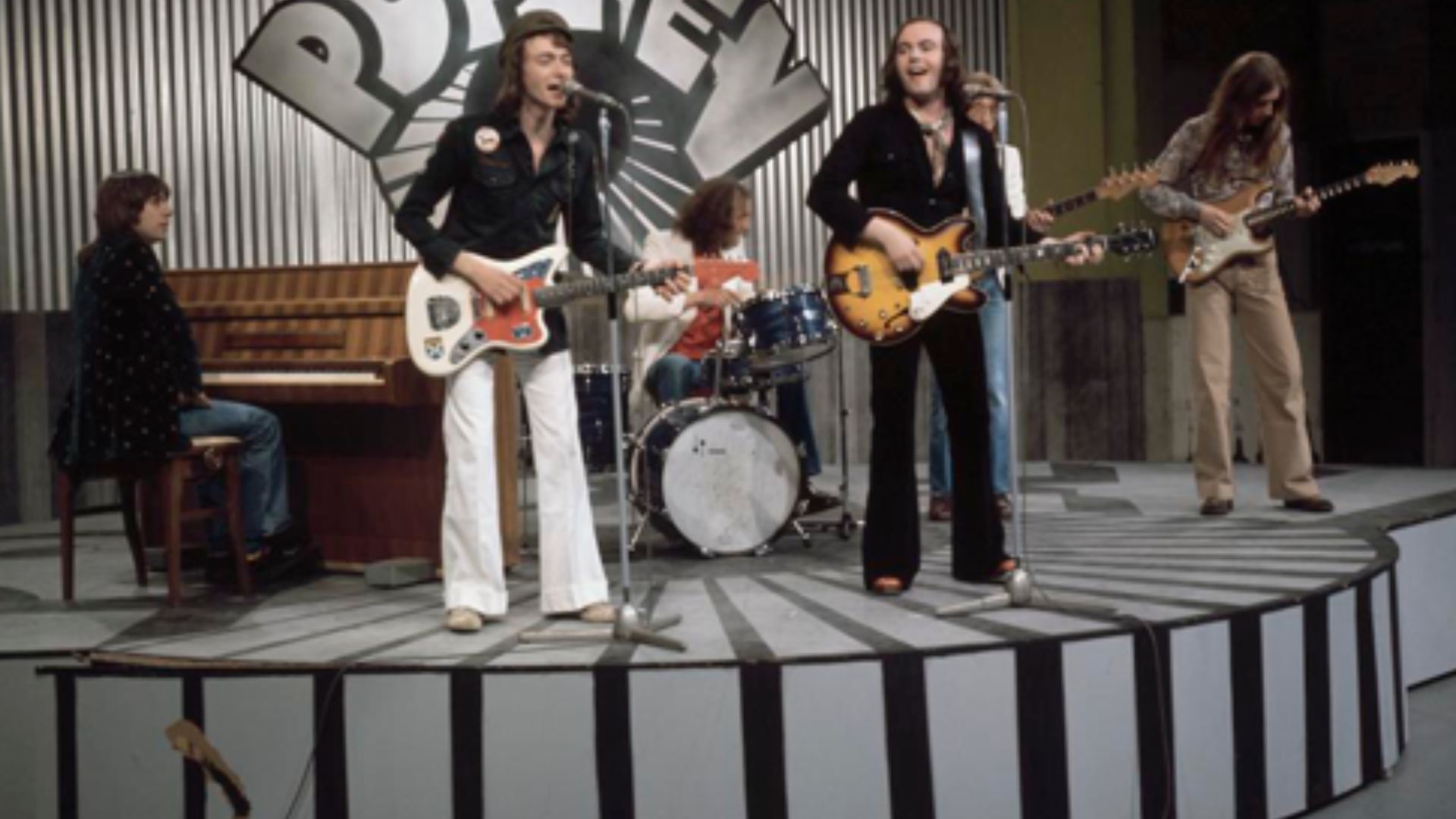
Arms Of Mary Gave Them Their Own Moment
The Sutherland Brothers & Quiver reached No. 5 in Britain with “Arms of Mary” in 1976. Its tender vocal, acoustic foundation, and memorable chorus fit perfectly beside the era’s biggest soft-rock records. The success finally gave the brothers a major hit under their own name.
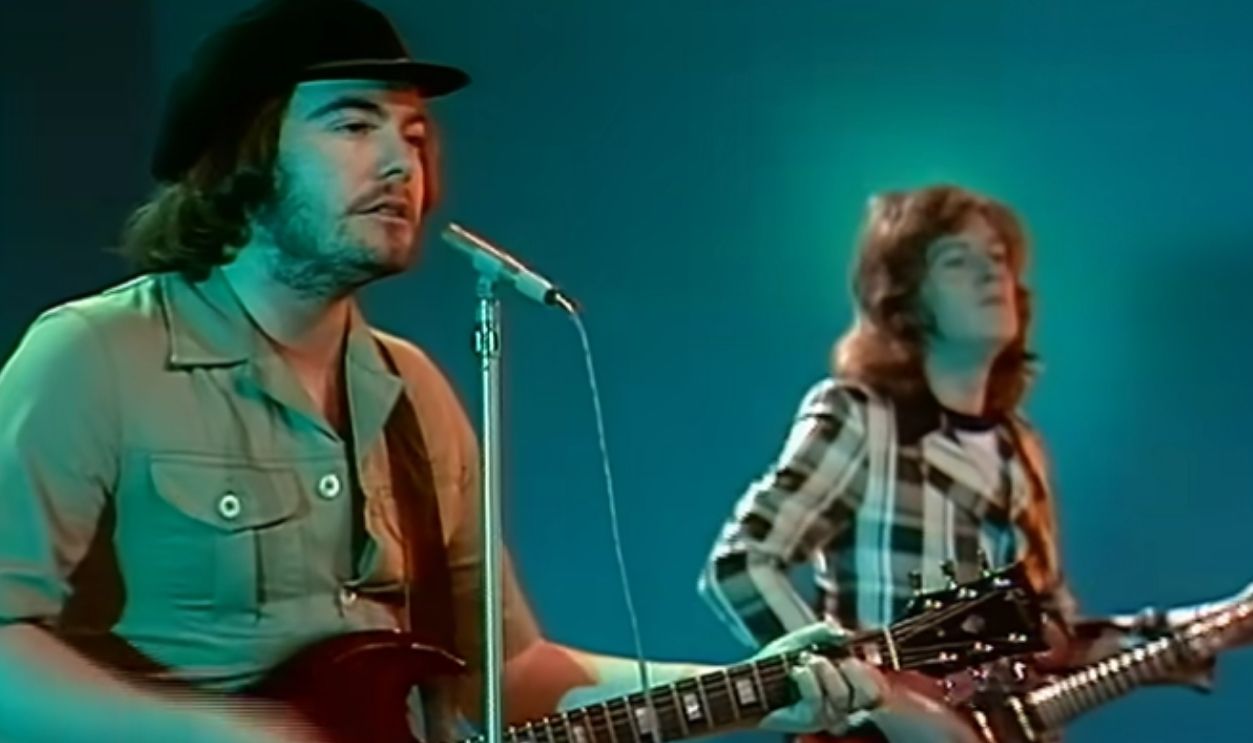 Screenshot from Arms of Mary, CBS Records (1976)
Their Group Slowly Came Apart
Quiver’s lineup changed repeatedly as musicians left for other projects. The Sutherland Brothers continued recording with session players, but later albums could not match the impact of “Arms of Mary.” The remaining group disbanded in 1979, while Iain and Gavin largely concentrated on writing and occasional performances.
The Alessi Brothers
Identical twins Billy and Bobby Alessi grew up on Long Island and developed an unusually close vocal blend. They emerged as a duo during the middle of the decade with a polished sound built around romantic melodies. “Oh Lori” became their defining release.
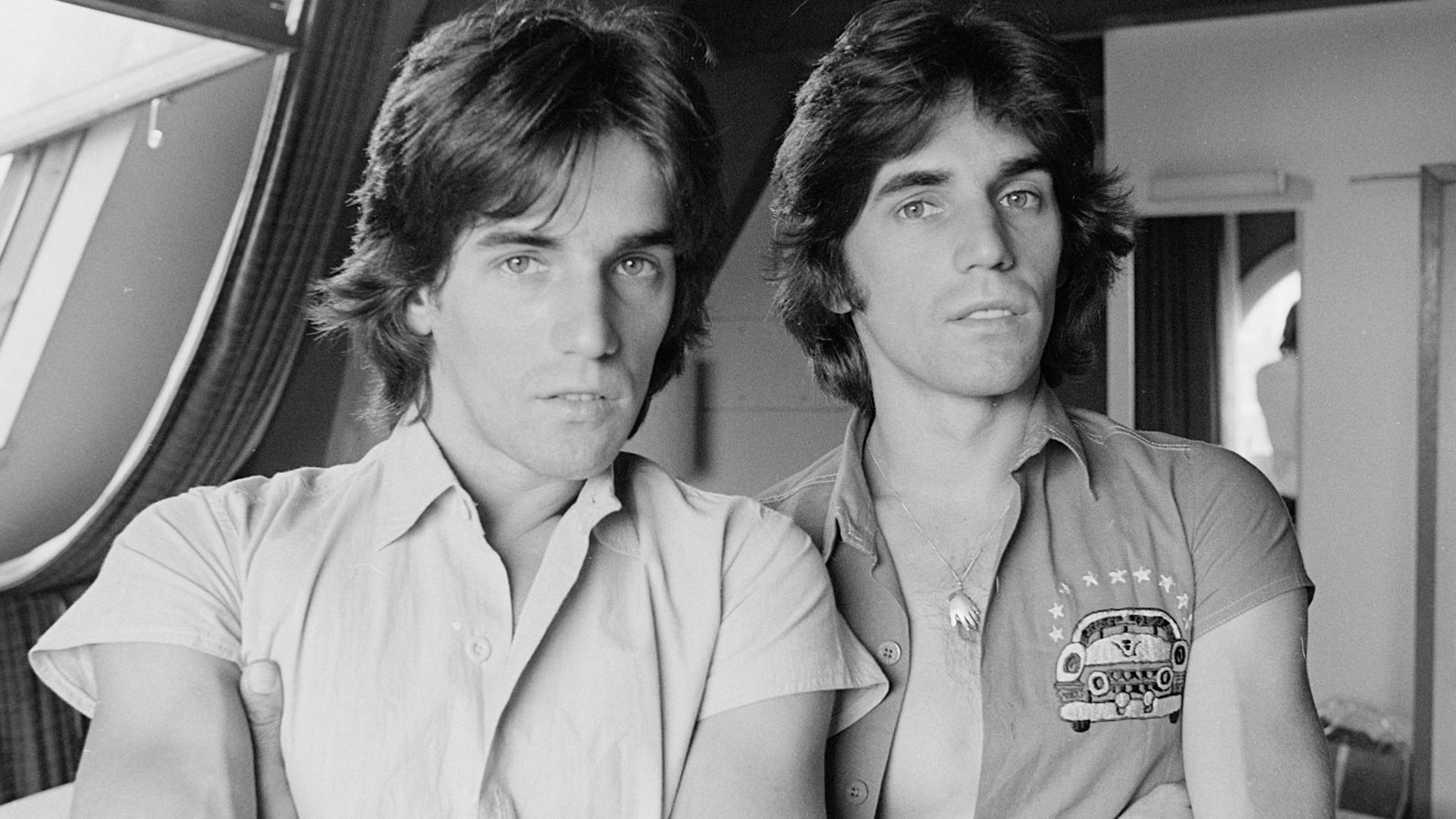 Fotopersbureau De Boer, Wikimedia Commons
Britain Fell Hard For Oh Lori
“Oh Lori” spent 11 weeks on the British chart and reached No. 8 during the summer of 1977. Its smooth harmonies and sunny arrangement sounded perfectly suited to the softer side of late 1970s radio. The song became much bigger in Britain and Europe than it did in the twins’ native United States.
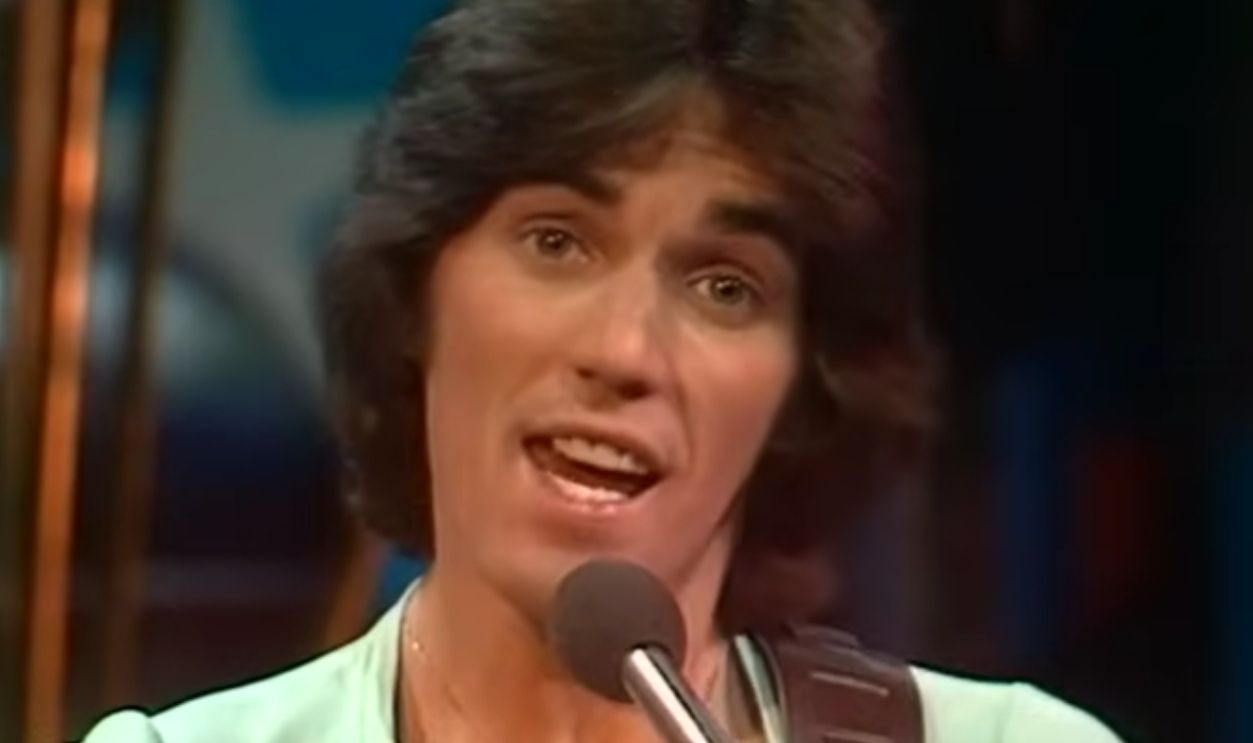 Screenshot from Oh Lori, A&M Records (1976)
Another Hit Arrived Years Later
The Alessi Brothers released the albums All for a Reason, Driftin’, and Words and Music without producing another British hit on the same scale. They finally reached the American Hot 100 with “Put Away Your Love” in 1982, although it peaked at No. 71. The twins continued recording long after their commercial peak, but “Oh Lori” remained the song most listeners remembered.
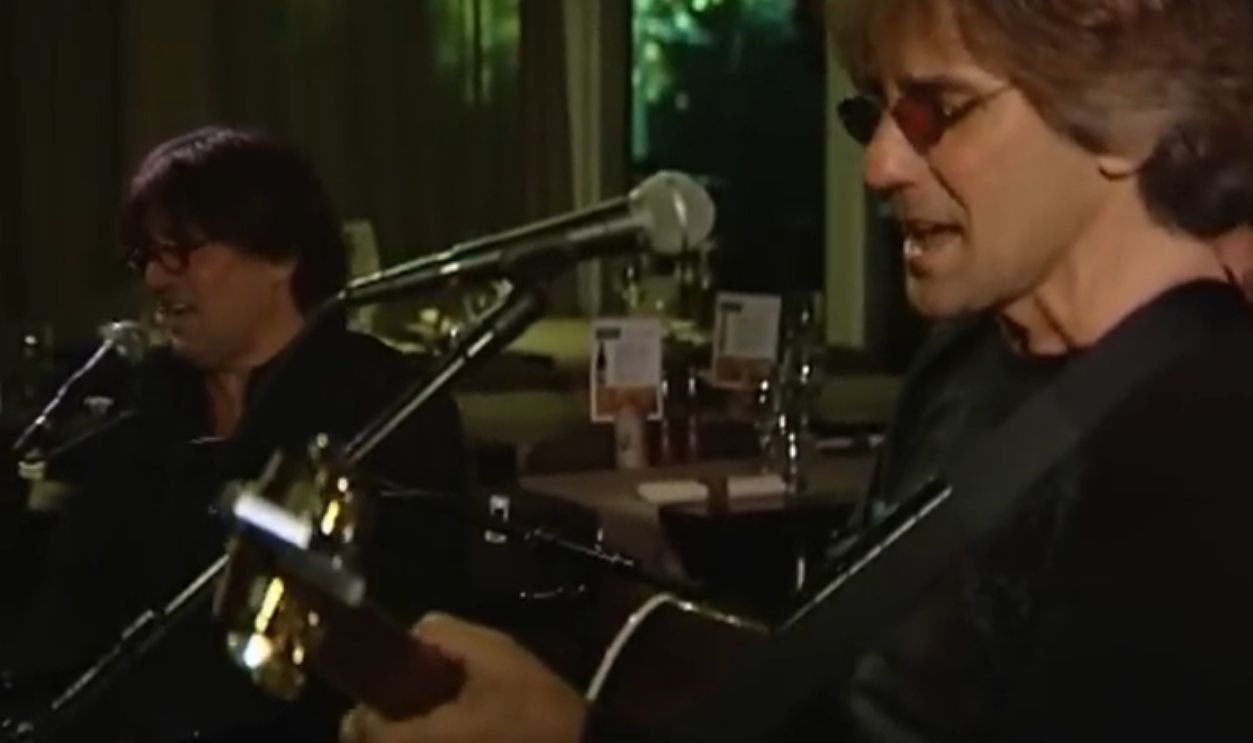 Screenshot from All for a Reason, A&M Records (1978)
Gallagher & Lyle
Benny Gallagher and Graham Lyle moved from Scotland to London and became staff songwriters for the Beatles’ Apple organization. They also joined McGuinness Flint, contributing to the group’s early success before launching Gallagher & Lyle as a separate act. Their first several duo albums attracted attention without immediately turning them into major stars.

Breakaway Finally Brought The Hits
Their fortunes changed with the 1976 album Breakaway. “I Wanna Stay with You” and “Heart on My Sleeve” both reached No. 6 on the British singles chart. Art Garfunkel also recorded the album’s title song, giving their writing an audience beyond the duo’s own records.
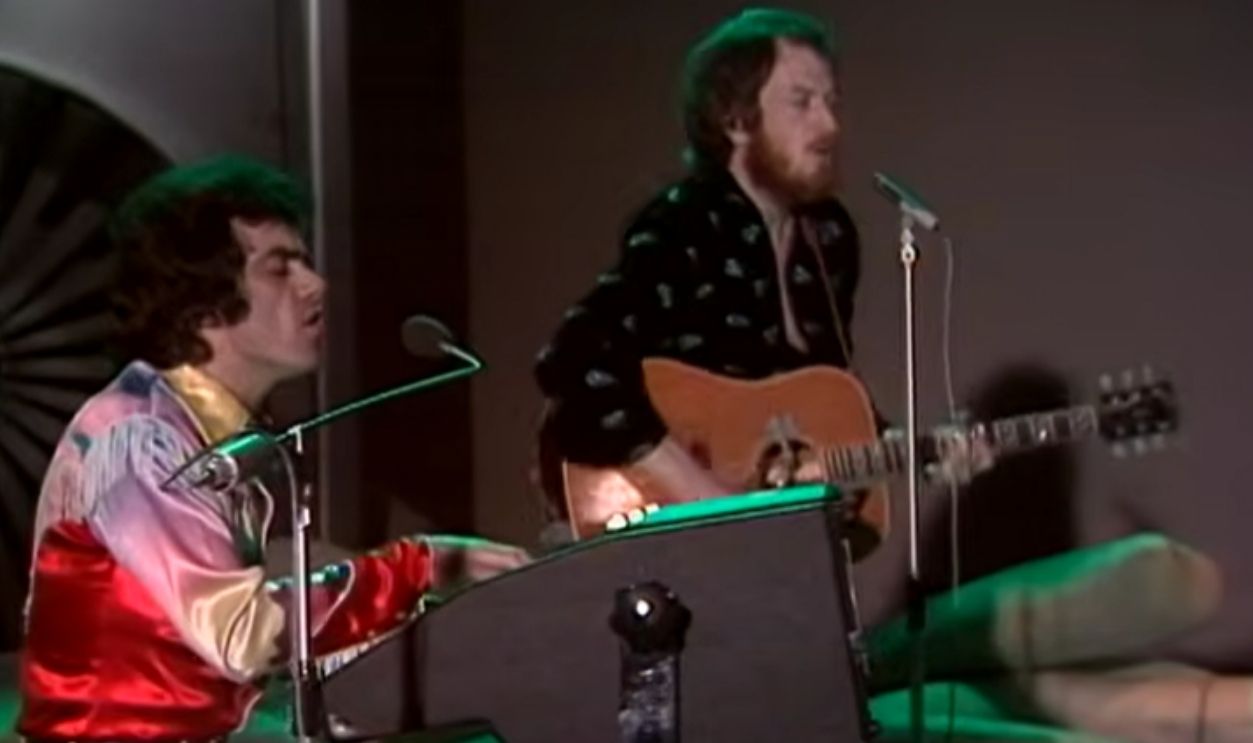 Screenshot from I Wanna Stay with You, A&M Records (1976)
The Songs Outlasted The Spotlight
Gallagher & Lyle separated after touring behind their 1979 album Lonesome No More. Lyle later co-wrote Tina Turner’s “What’s Love Got to Do with It,” while the duo eventually reunited for performances decades later. Their path reflected the fate of soft rock itself, which left the center of pop culture but never completely disappeared from listeners’ lives.
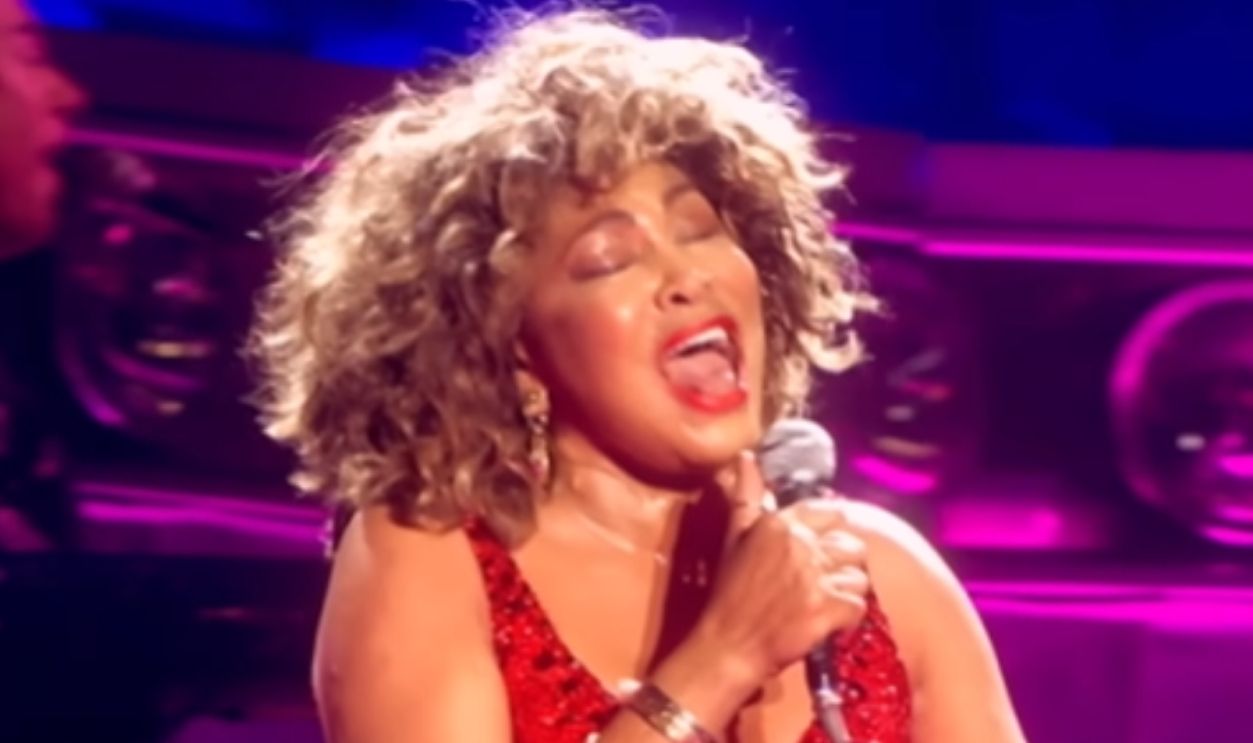 Screenshot from What's Love Got to Do with It, Capitol Records (1984)
The Sound Never Completely Disappeared
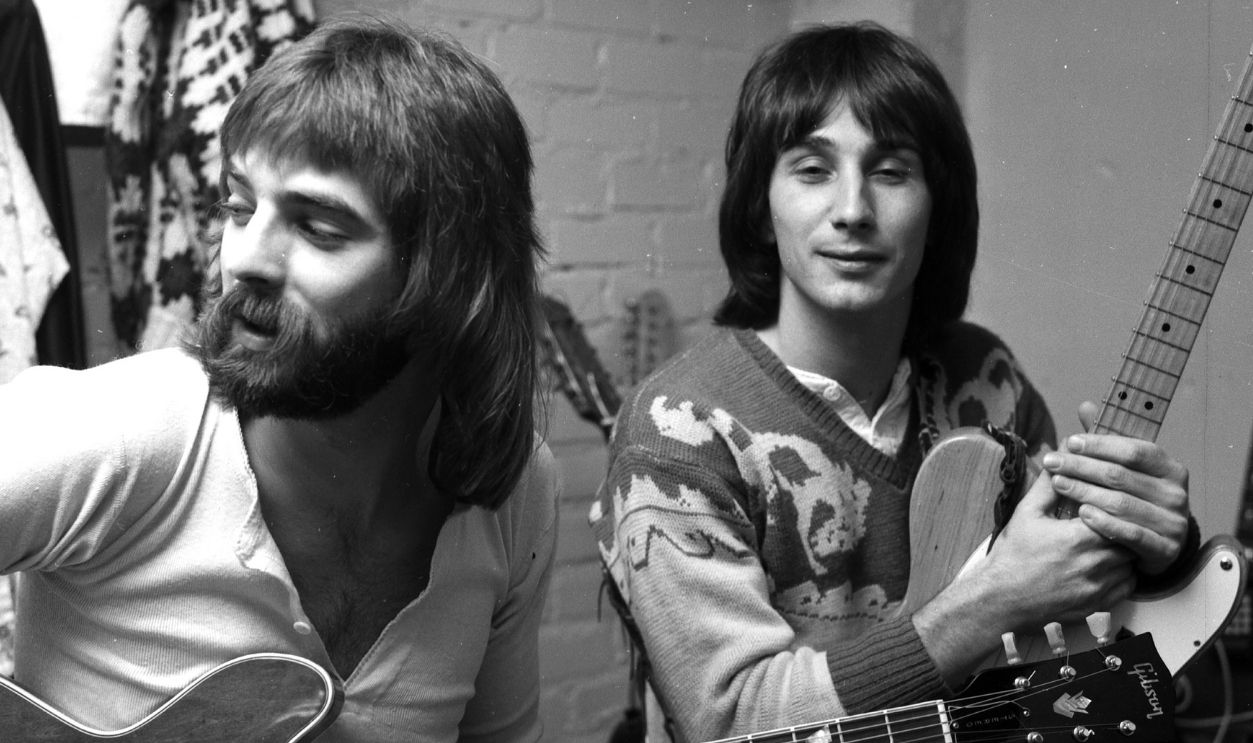
These duos faded for different reasons, but their departures coincided with soft rock losing its hold on mainstream pop. Many of their biggest songs survived on oldies radio, movie soundtracks, and carefully curated playlists. The partnerships may belong to the 1970s, but those gentle harmonies still bring the decade rushing back.
 Michael Ochs Archives, Getty Images
You May Also Like:
Forgotten Soft-Rock Hits From The 1970s That Once Played Everywhere
The Glam Rock Icons Who Turned The 1970s Into A Spectacle
Sources: 1, 2, 3, 4, 5, 6, 7, 8, 9, 10, 11, 12, 13, 14, 15, 16, 17, 18, 19