Glam Rock Made The 1970s Shine
Glam rock arrived when rock music was ready for a bigger mirror ball. It blended hard riffs, pop hooks, theatrical fashion, and fearless showmanship. In Britain especially, it transformed television appearances and concert stages into dazzling displays of music, costume, and character. Here are the glam rock icons who turned the 1970s into an unforgettable spectacle.
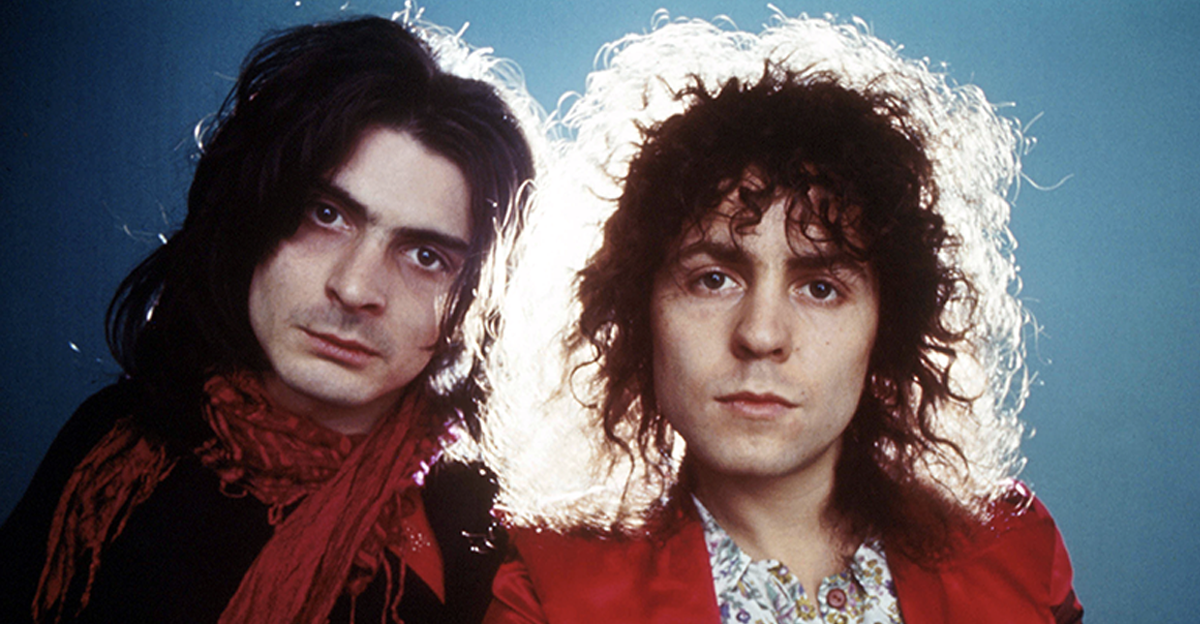
Marc Bolan
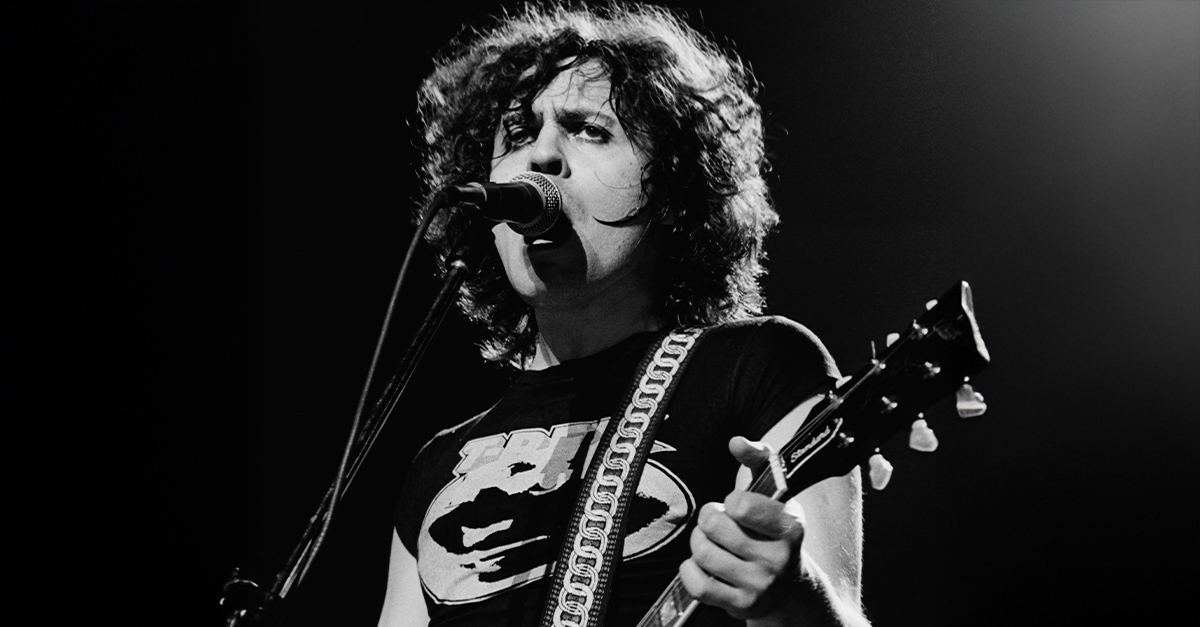
Marc Bolan and T. Rex helped define glam rock before the movement even had a firm name. T. Rex moved from the acoustic folk sound of Tyrannosaurus Rex into electric, glitter-bright rock with songs like “Ride A White Swan” and “Hot Love.” Bolan’s 1971 appearances performing “Hot Love” on Top Of The Pops are widely cited as a key moment in glam’s rise.
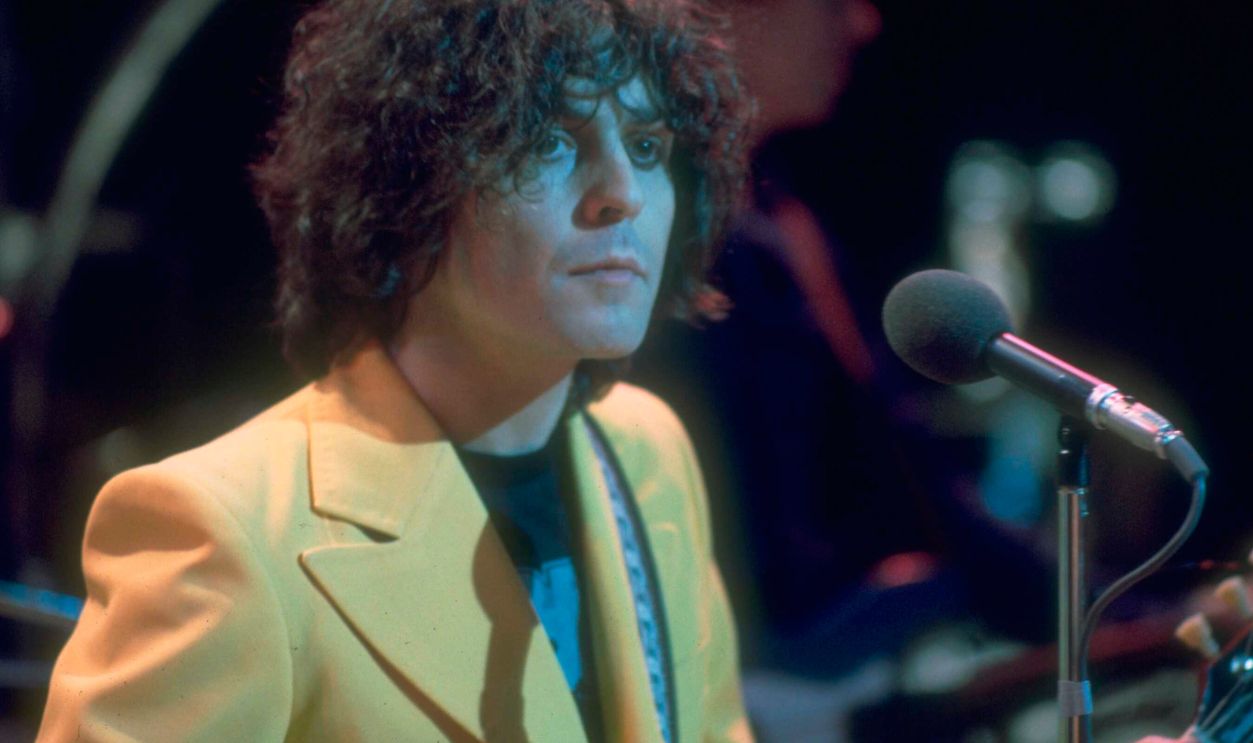
T. Rex
T. Rex made glam feel immediate, catchy, and wildly stylish. Electric Warrior became one of the landmark albums of the movement, while “Get It On,” “Telegram Sam,” and “Metal Guru” helped make Bolan a defining star of early 1970s Britain. His appeal came from the way he made rock feel both playful and mysterious.
David Bowie
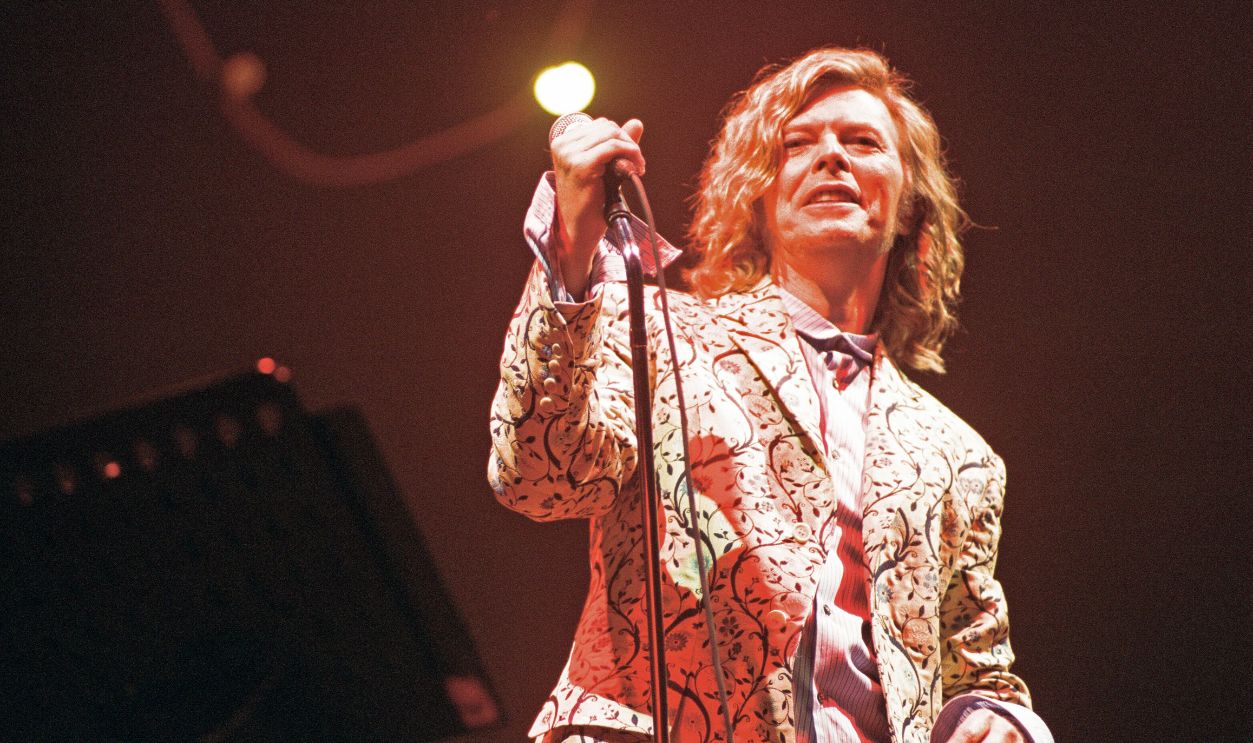
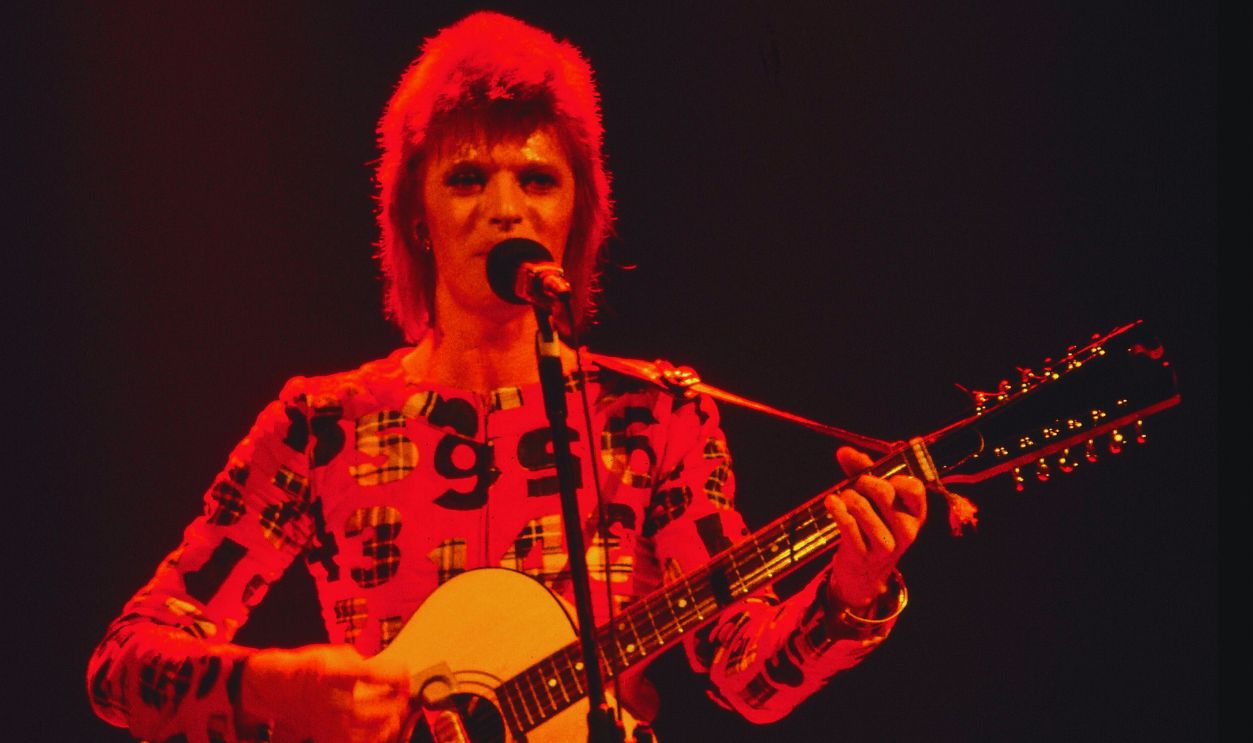
David Bowie did not just join glam rock. He built one of its most unforgettable characters with Ziggy Stardust. The Rise And Fall Of Ziggy Stardust And The Spiders From Mars arrived in 1972 and turned alien imagery, rock mythology, and theatrical identity into one complete pop universe.
Ziggy Stardust
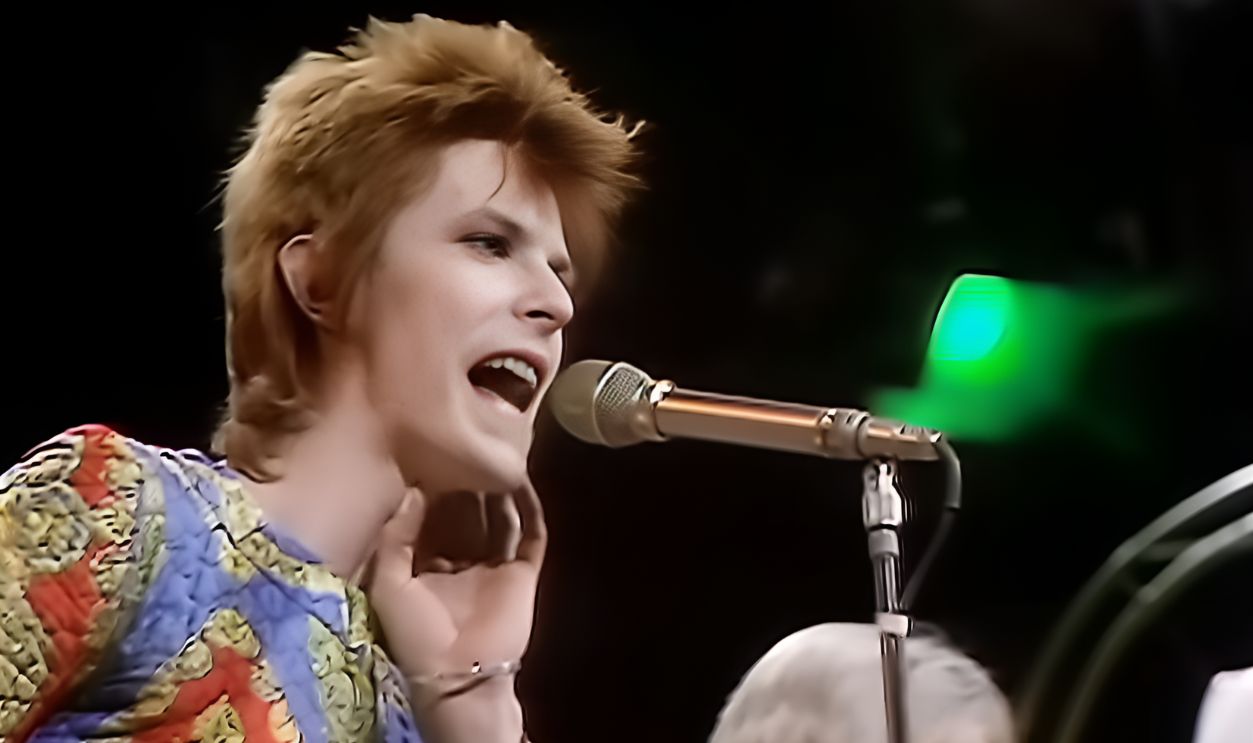
Bowie’s “Starman” performance on Top Of The Pops in July 1972 became one of British music television’s most famous moments. It introduced many viewers to Ziggy’s bright hair, futuristic clothes, and intimate stage presence. The moment helped show that glam rock could feel strange, glamorous, and deeply personal at the same time.
 Screenshot from Starman, RCA Records (1972), Modified
Mick Ronson
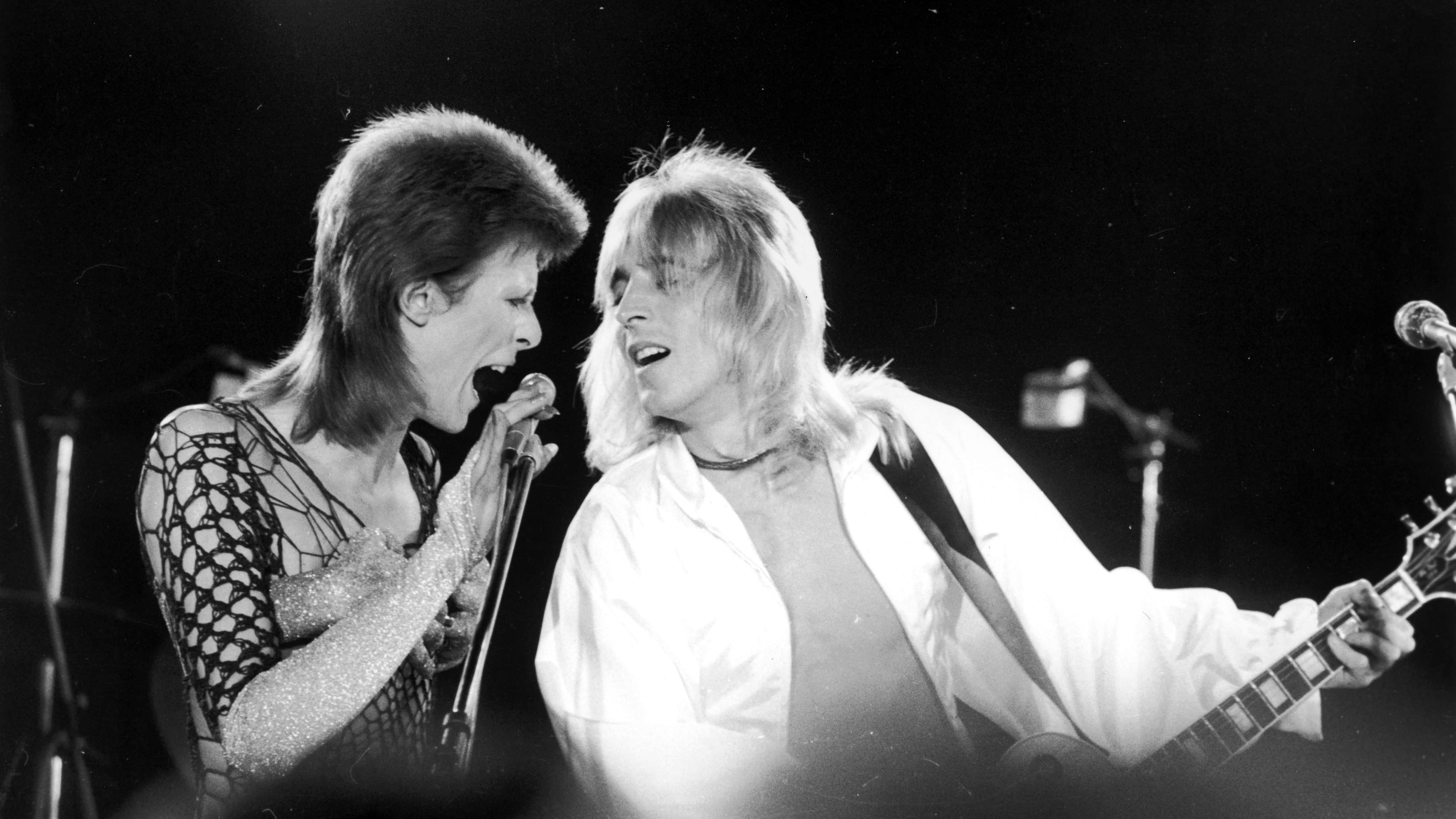
Mick Ronson was essential to Bowie’s glam-era sound. His guitar work and arrangements gave Ziggy Stardust its crunch, drama, and elegance. Ronson also helped shape Lou Reed’s Transformer, proving that glam’s influence could travel beyond one artist or one scene.
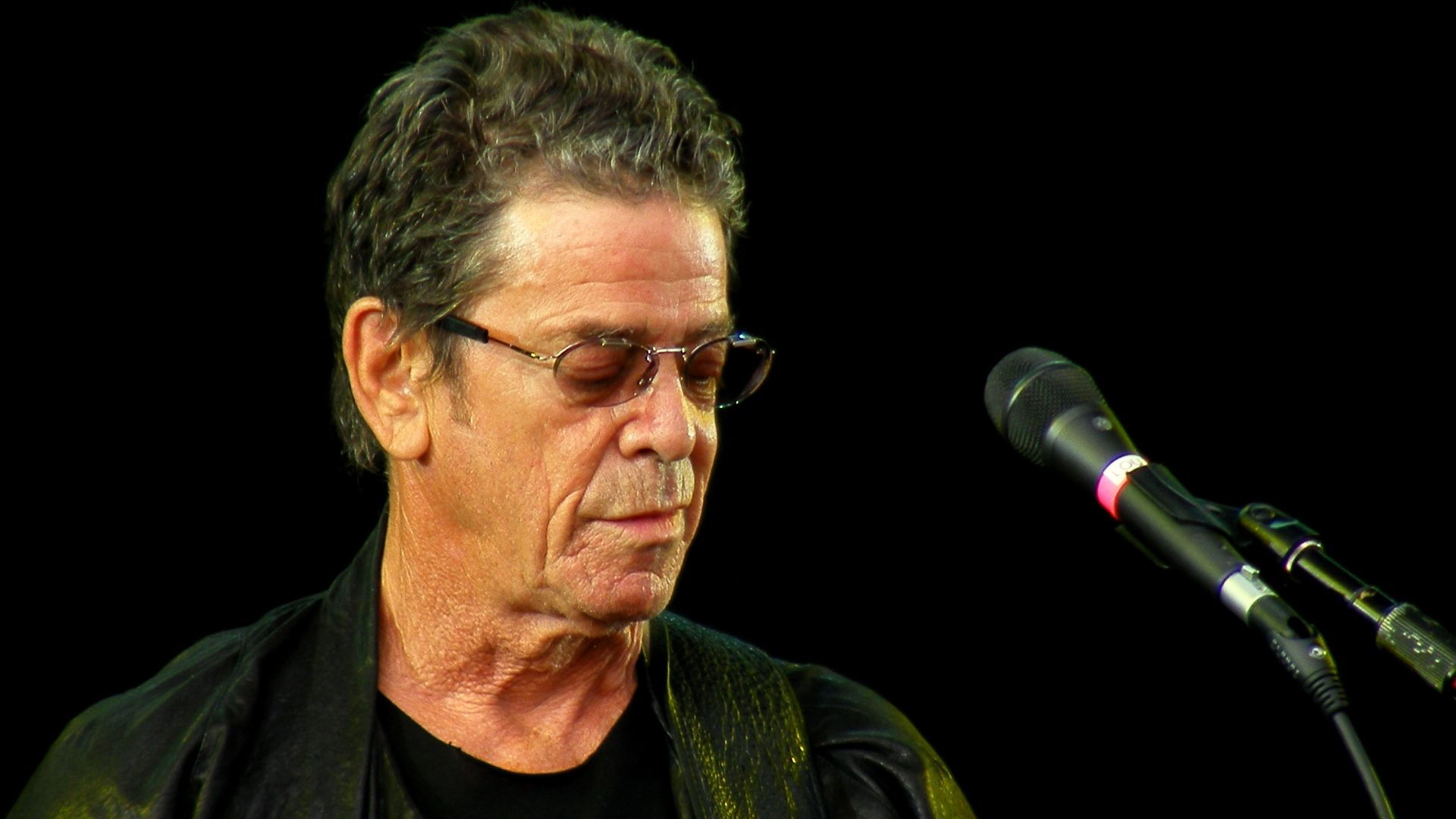
Lou Reed
Lou Reed entered the glam conversation through Transformer, the 1972 album produced by David Bowie and Mick Ronson. The record gave Reed one of his signature solo moments with “Walk On The Wild Side.” It also connected the New York underground with the flashier visual language of British glam.
Roxy Music
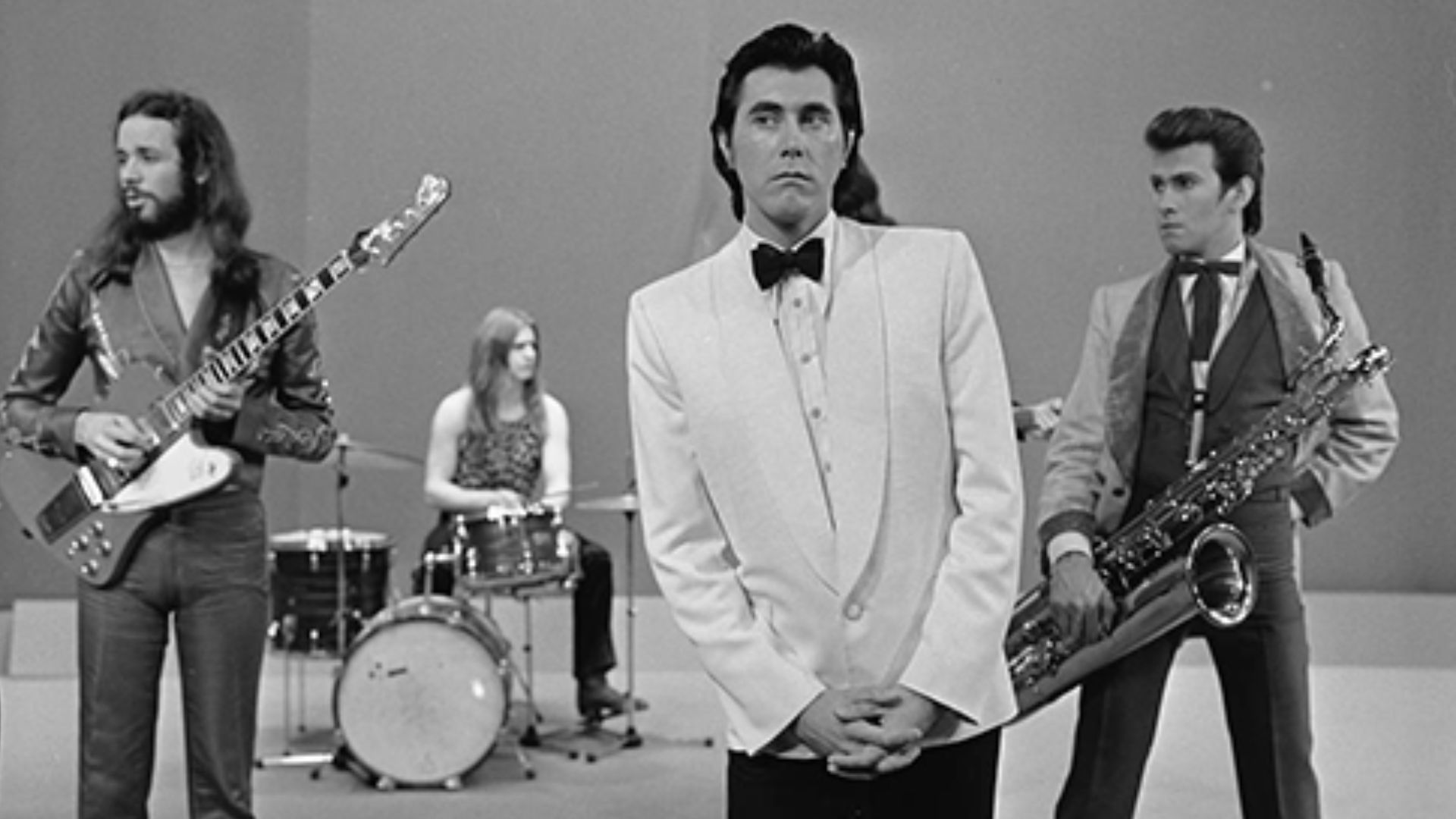
Roxy Music gave glam rock a sleek art-school twist. Bryan Ferry’s croon, Brian Eno’s electronics, and the band’s sharp visual style made them feel different from the stompier side of the movement. Their 1972 single “Virginia Plain” showed that glam could be stylish, experimental, and commercially exciting.
Brian Eno
Brian Eno’s early work with Roxy Music brought electronic texture and visual eccentricity into glam’s orbit. He treated sound and image as part of the same experience. That approach helped point toward art rock, new wave, and the more synthetic pop styles that followed later in the decade.

Slade
Slade brought glam rock down to the pub floor and up to arena size. Noddy Holder’s huge voice, the band’s stomping rhythms, and deliberately misspelled titles made their songs instantly recognizable. Official Charts credits Holder and Jim Lea with writing all six of Slade’s United Kingdom number one singles.
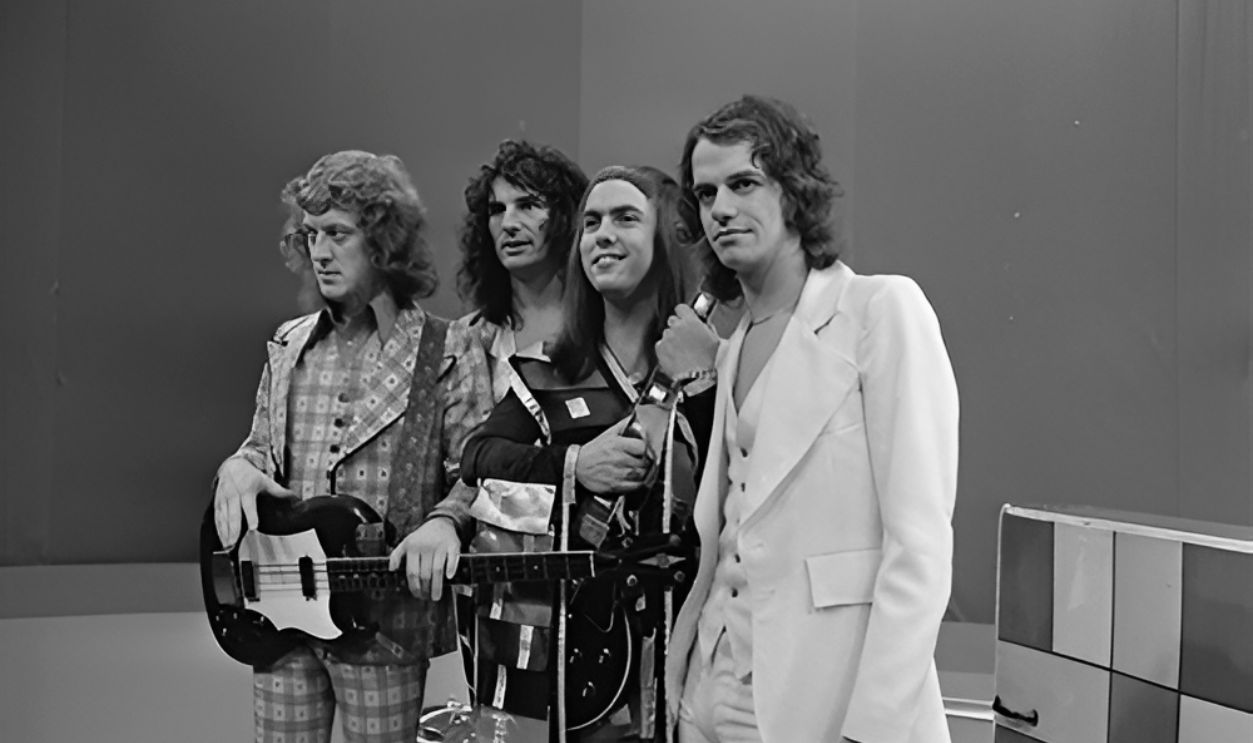 AVRO, CC BY-SA 3.0, Wikimedia Commons, Modified
The Sweet
Sweet brought a shiny, hard-edged punch to glam pop. Songs like “Block Buster!,” “The Ballroom Blitz,” and “Fox On The Run” combined bubblegum melodies with roaring guitars. Their best records made the genre feel like a party that had somehow learned to explode on cue.
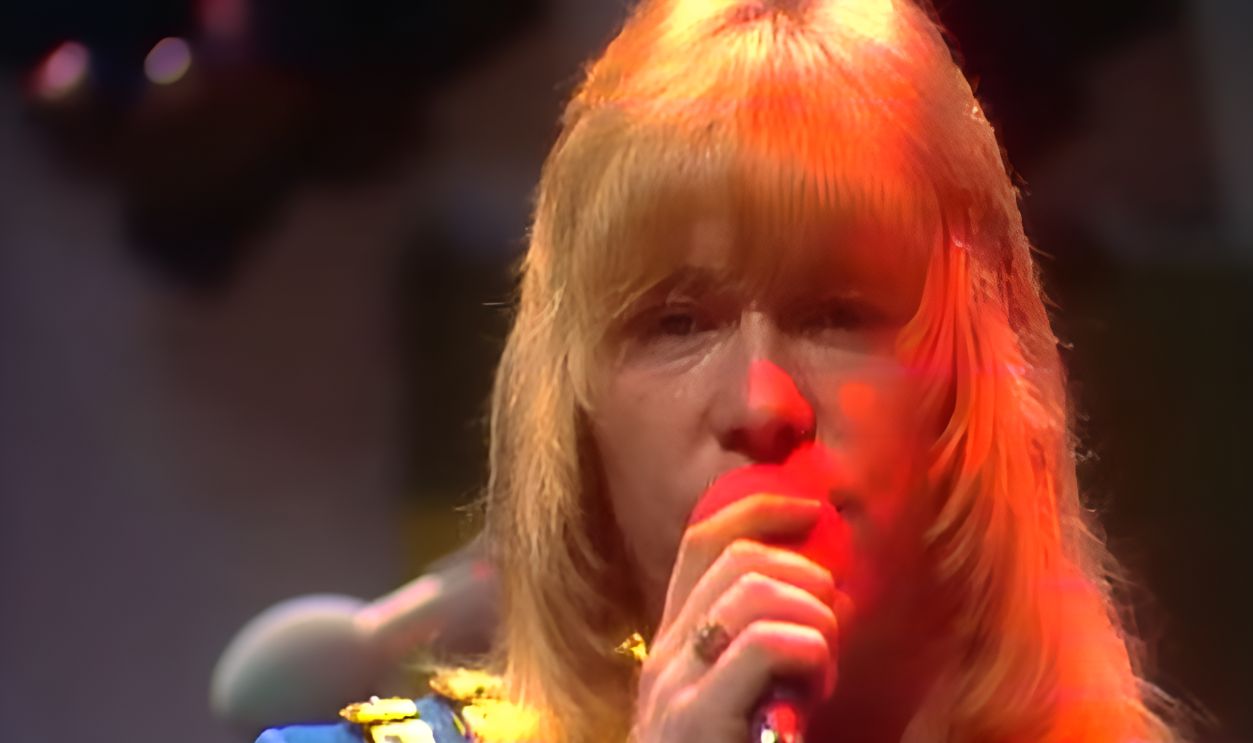 Screenshot from The Ballroom Blitz, RCA Records (1973), Modified
Alvin Stardust
Alvin Stardust emerged as one of Britain's biggest glam stars after reinventing himself in 1973 with a leather-clad, Elvis-inspired image. Hits like "My Coo Ca Choo" and "Jealous Mind" kept glam rock thriving through the mid-1970s. His bold look and charismatic stage presence made him a standout of the era.
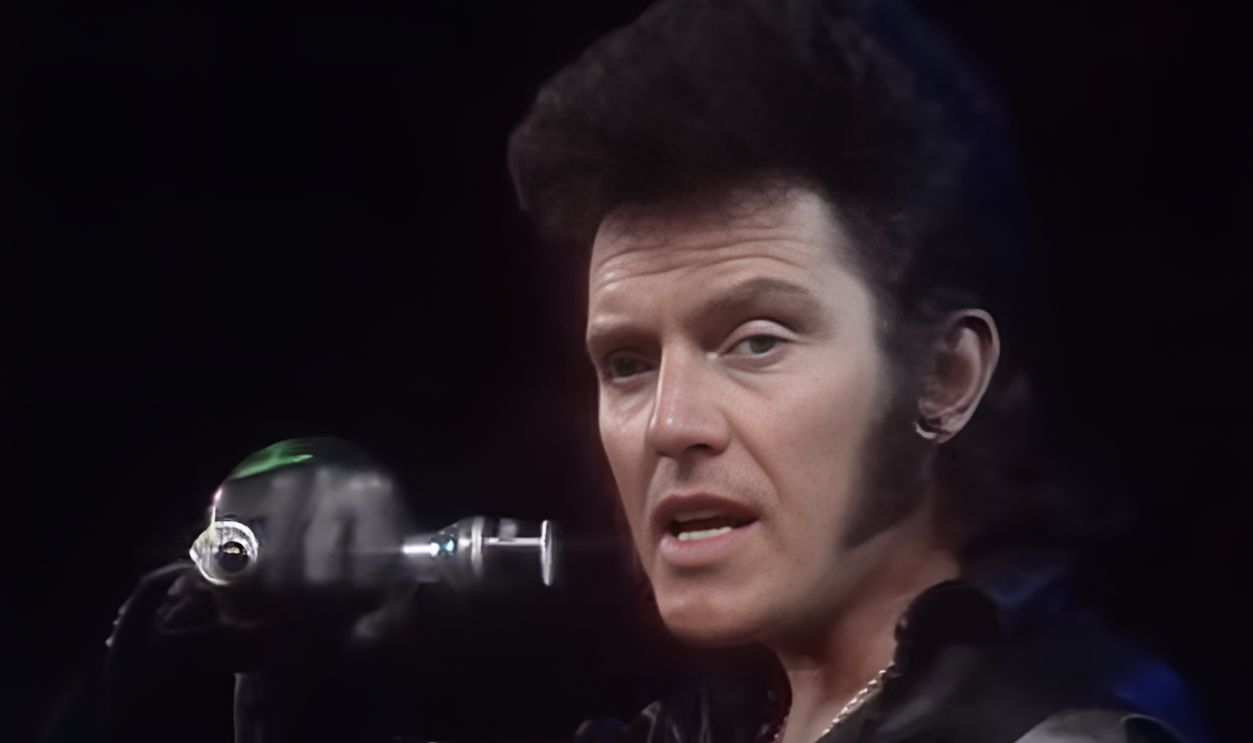 Screenshot from My Coo Ca Choo, Magnet Records (1973), Modified
Suzi Quatro
Suzi Quatro brought leather, bass guitar, and Detroit toughness into the glam era. Her 1973 hit “Can The Can” and 1974 hit “Devil Gate Drive” reached number one in the United Kingdom and found major success in Europe and Australia. She became a crucial figure for women in rock because she performed as a band-leading instrumentalist, not just a pop frontwoman.
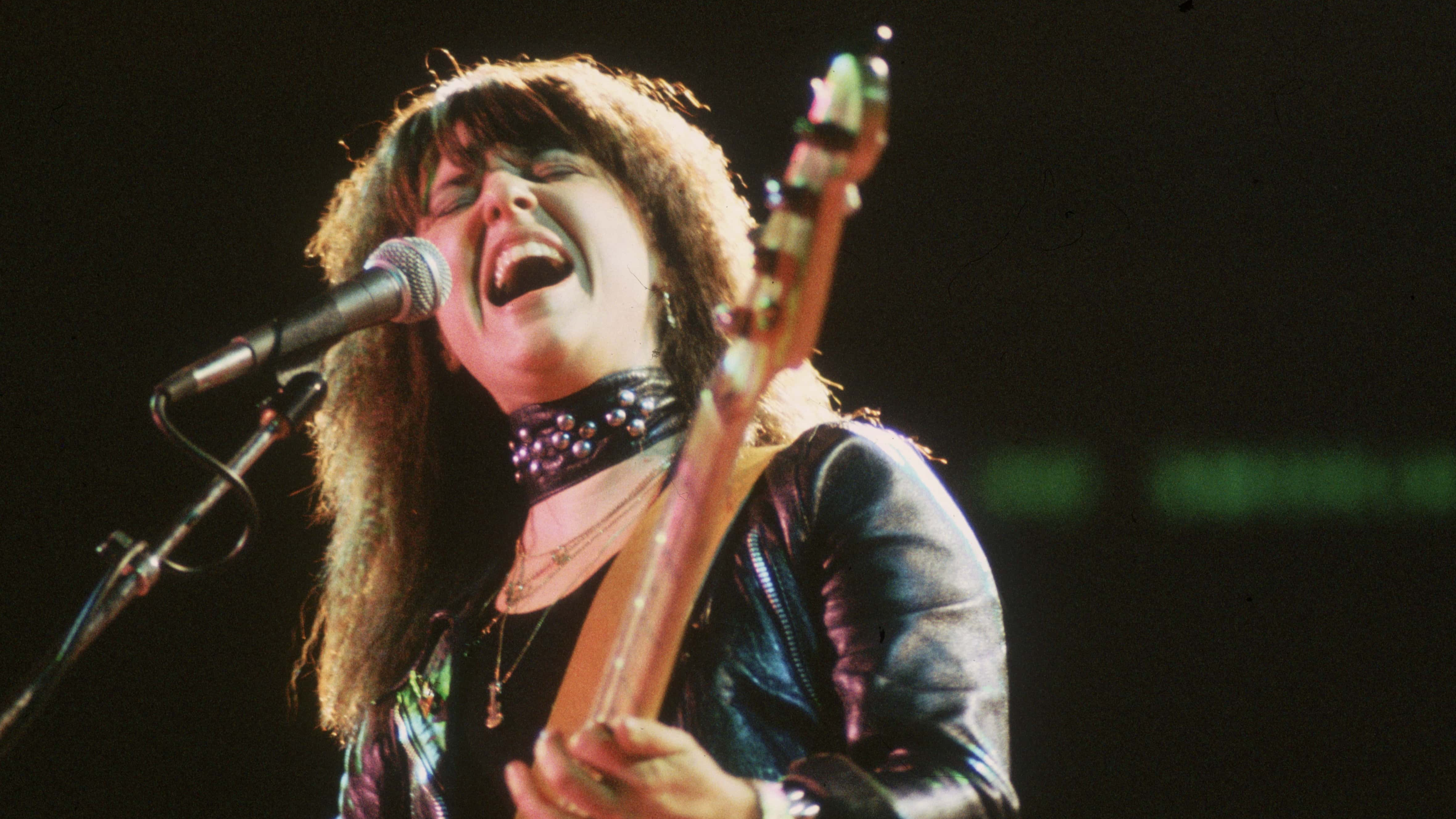
Elton John
Elton John was not strictly a glam rock artist, but his 1970s stage style fit perfectly beside the movement’s love of spectacle. His huge glasses, sequined outfits, platform shoes, and explosive piano performances made showmanship central to his identity. Albums like Goodbye Yellow Brick Road helped make him one of the decade’s defining stars.
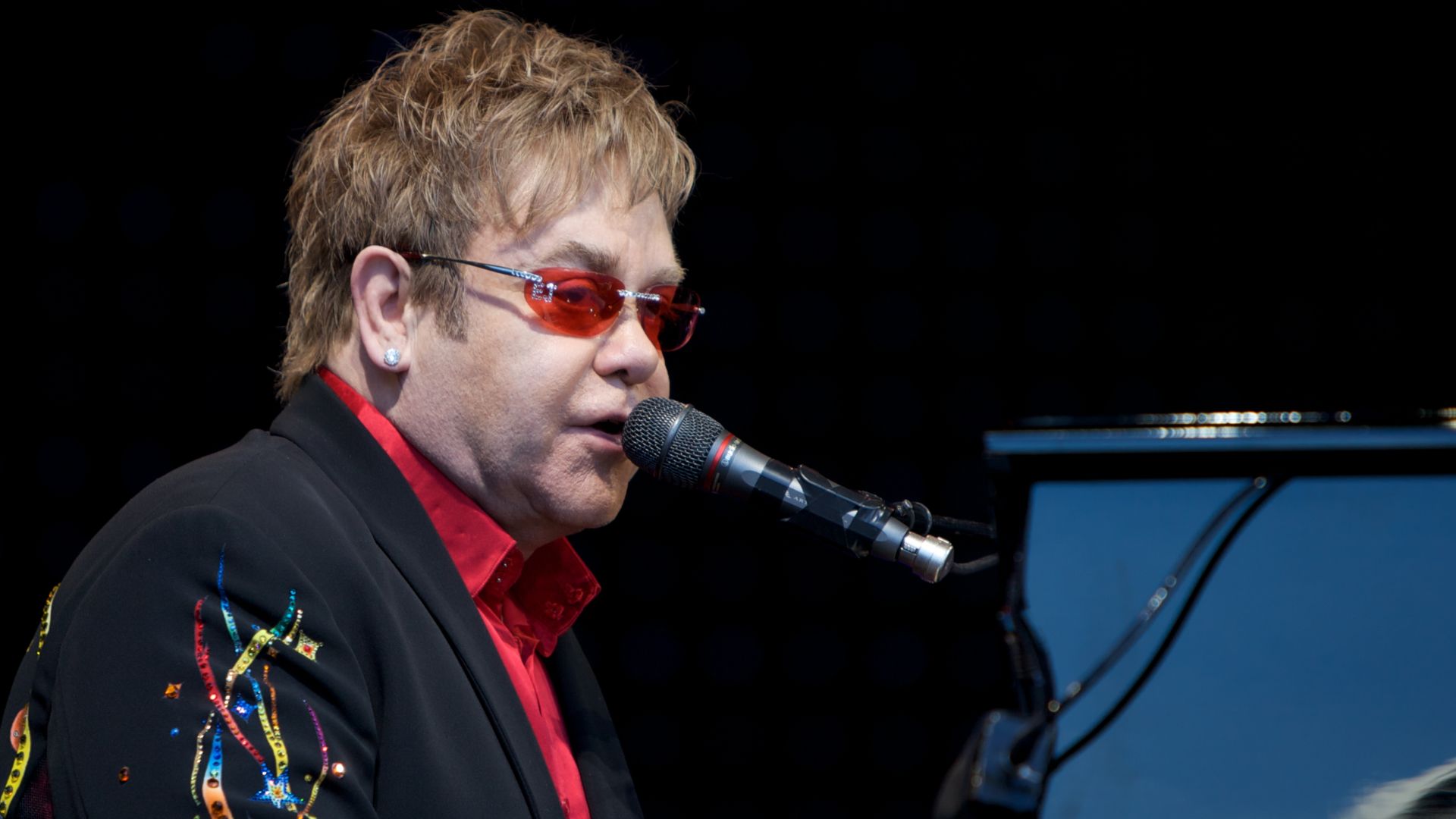 Ernst Vikne, Wikimedia Commons
Queen
Queen began the 1970s with a theatrical visual style and a sound built on stacked harmonies, heavy guitars, and dramatic arrangements. Freddie Mercury’s commanding stage presence made the band feel larger than life from the beginning. By A Night At The Opera and “Bohemian Rhapsody,” Queen had pushed rock theater into a new league.
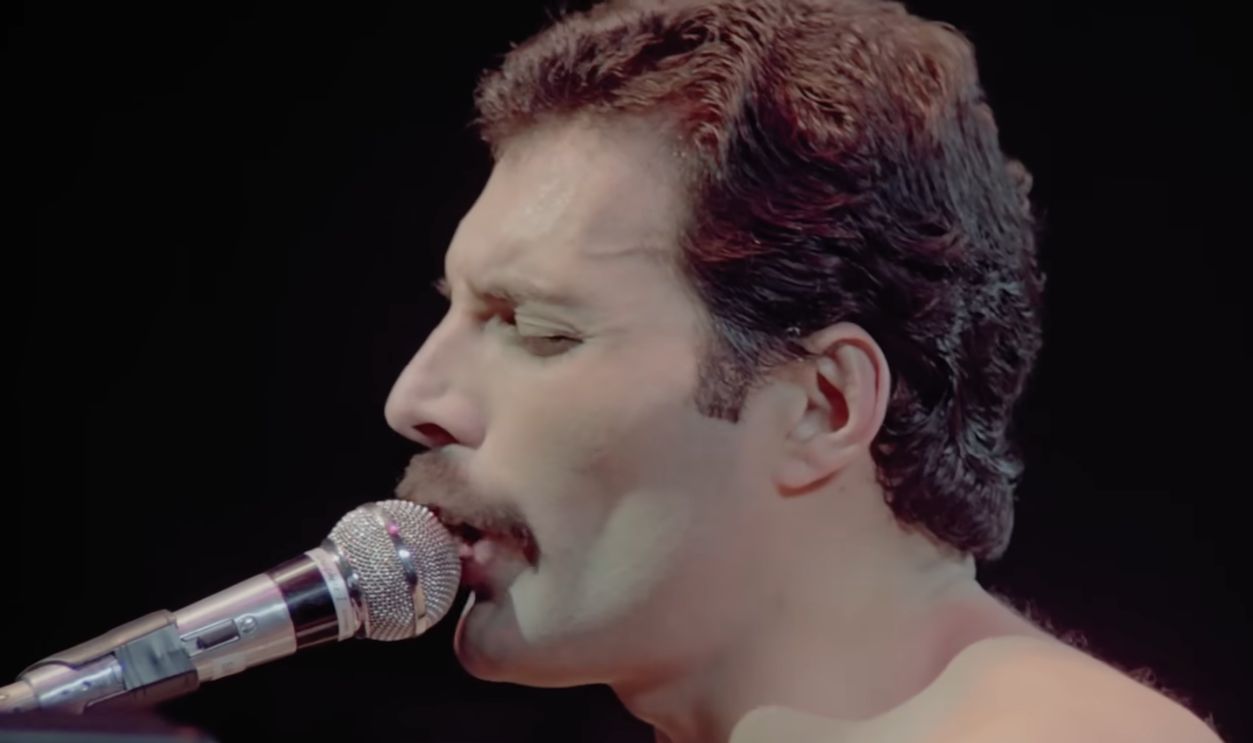 Screenshot from Bohemian Rhapsody, EMI Records (1975)
Freddie Mercury
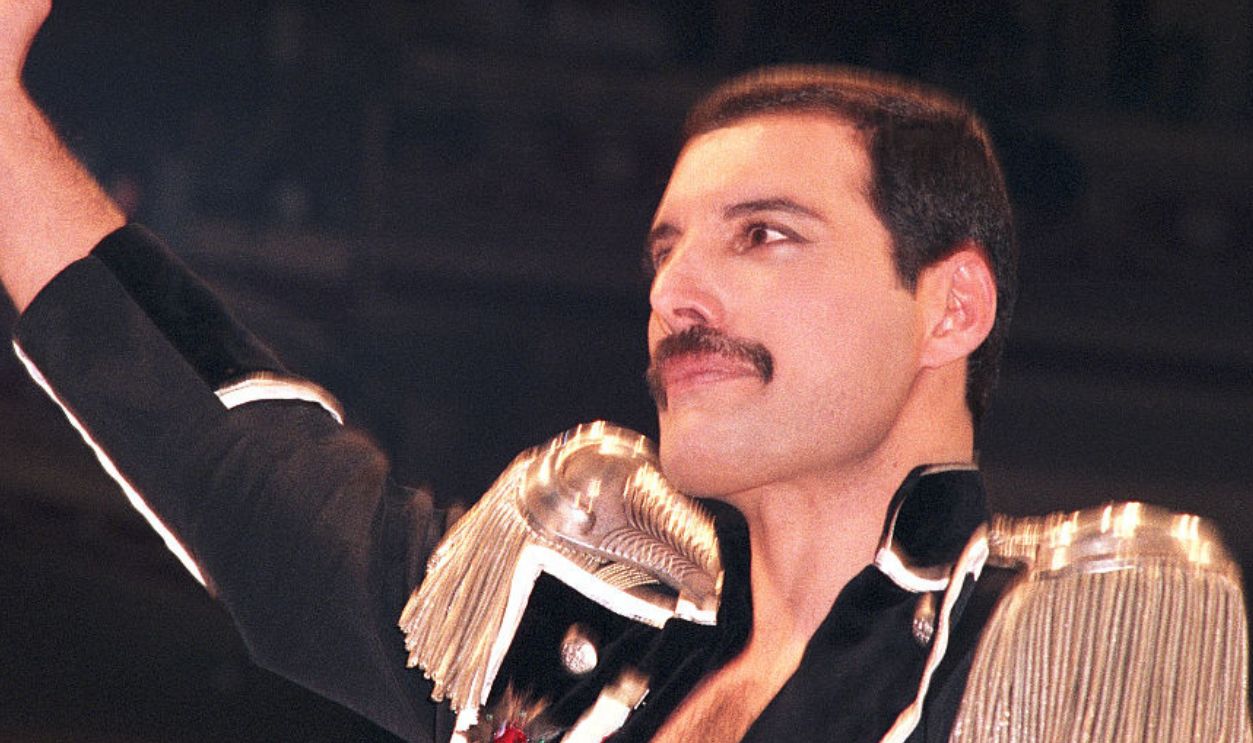
Freddie Mercury treated the stage like a place where personality could become architecture. His costumes, gestures, and vocal range made Queen’s songs feel cinematic even before the band became stadium giants. Glam helped create the environment where that kind of theatrical confidence could thrive.
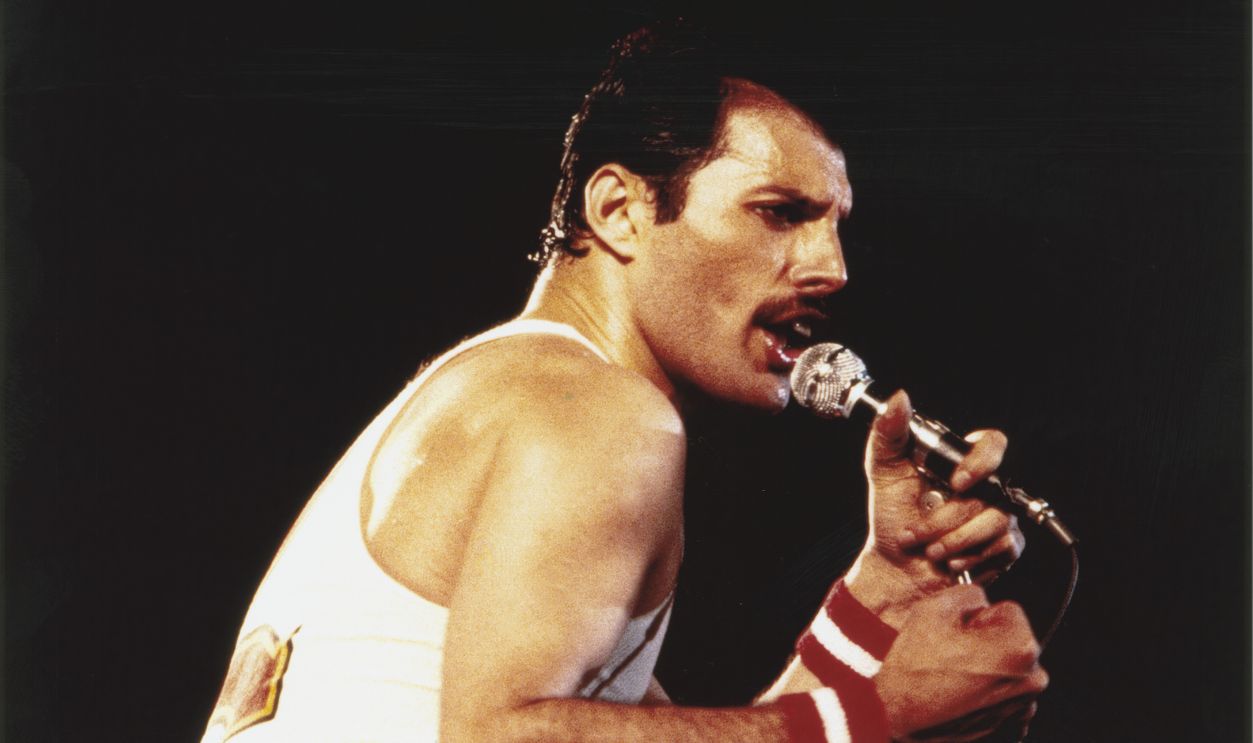 Graham Wiltshire, Getty Images
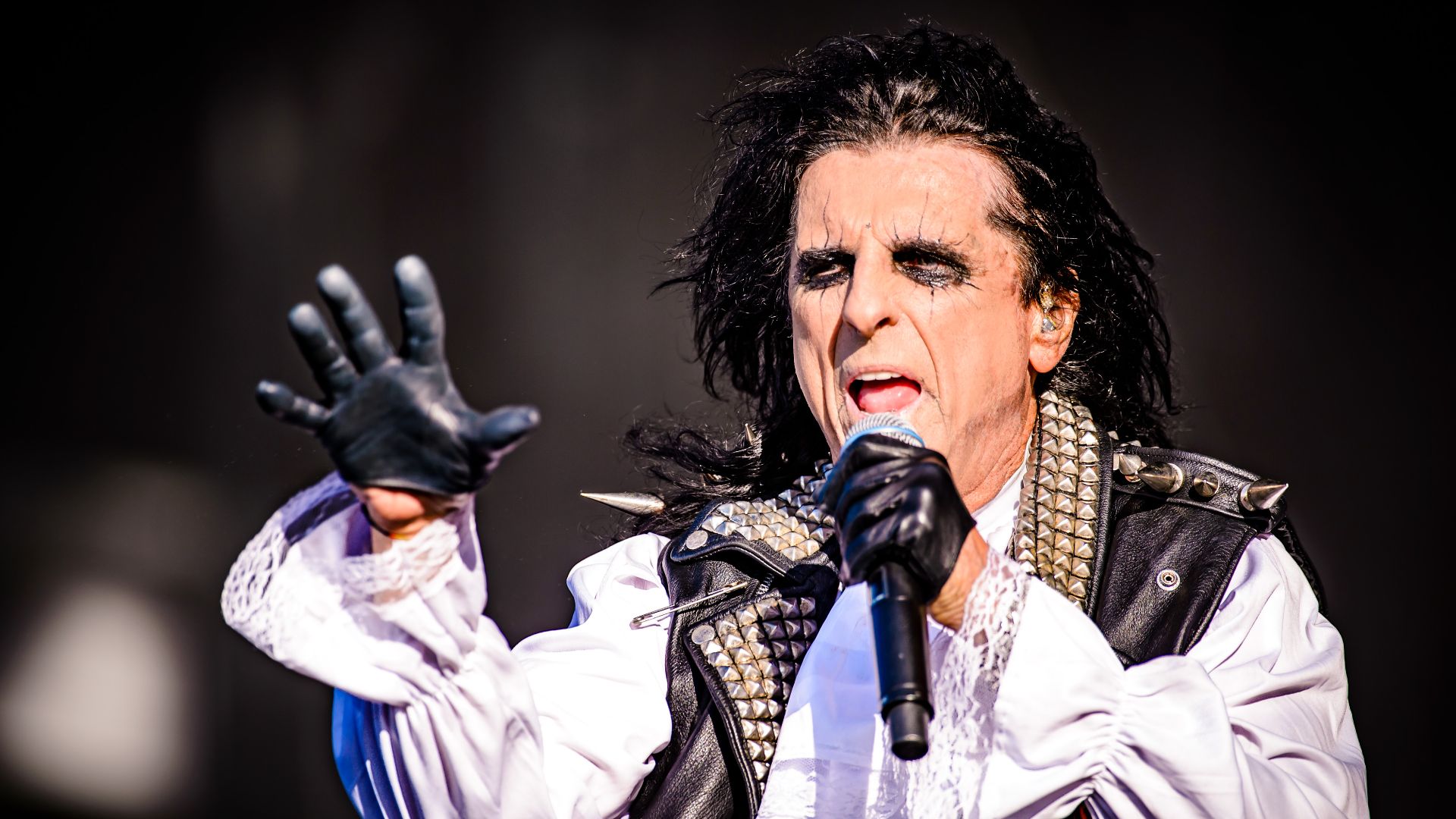
Alice Cooper
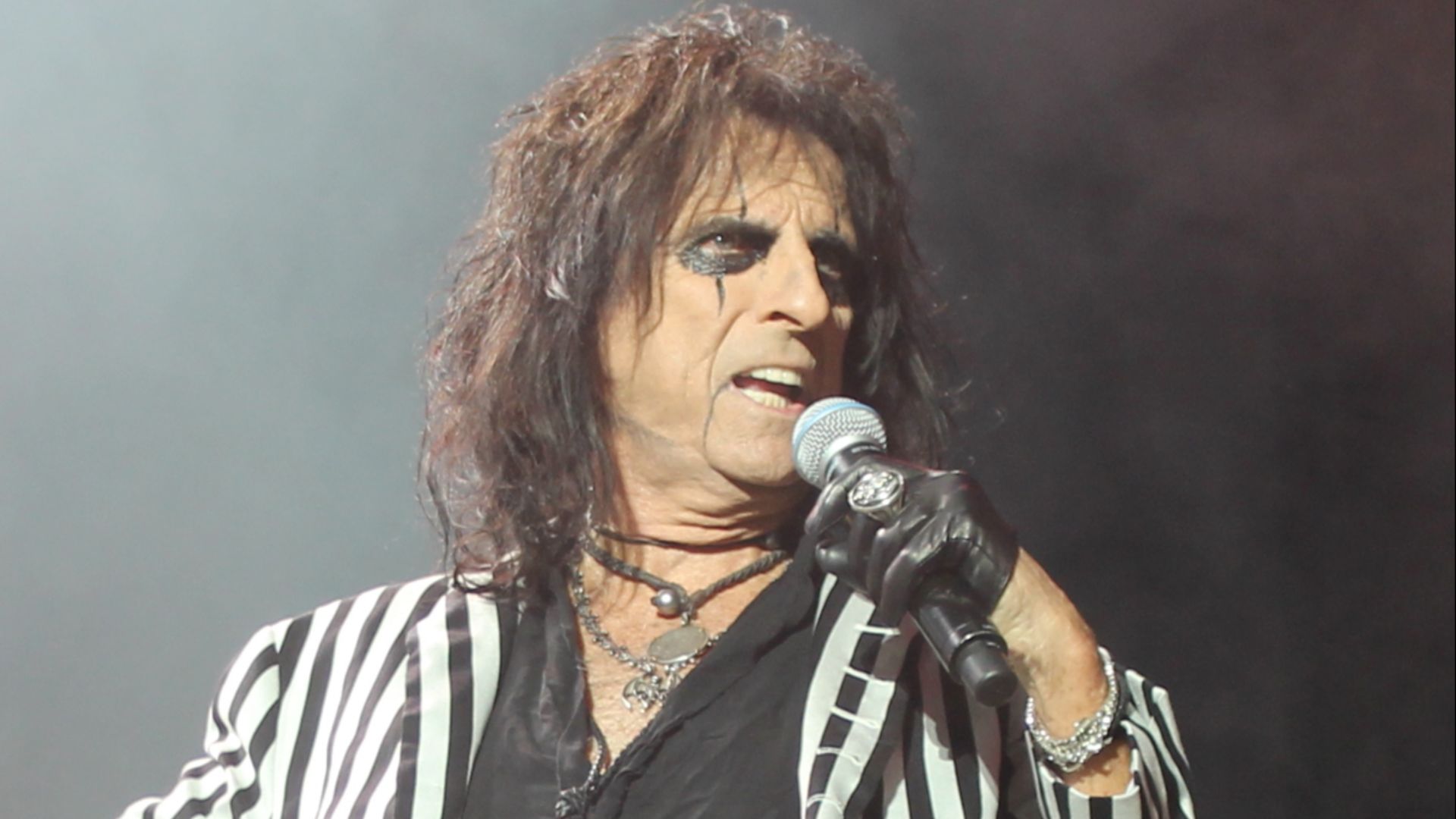
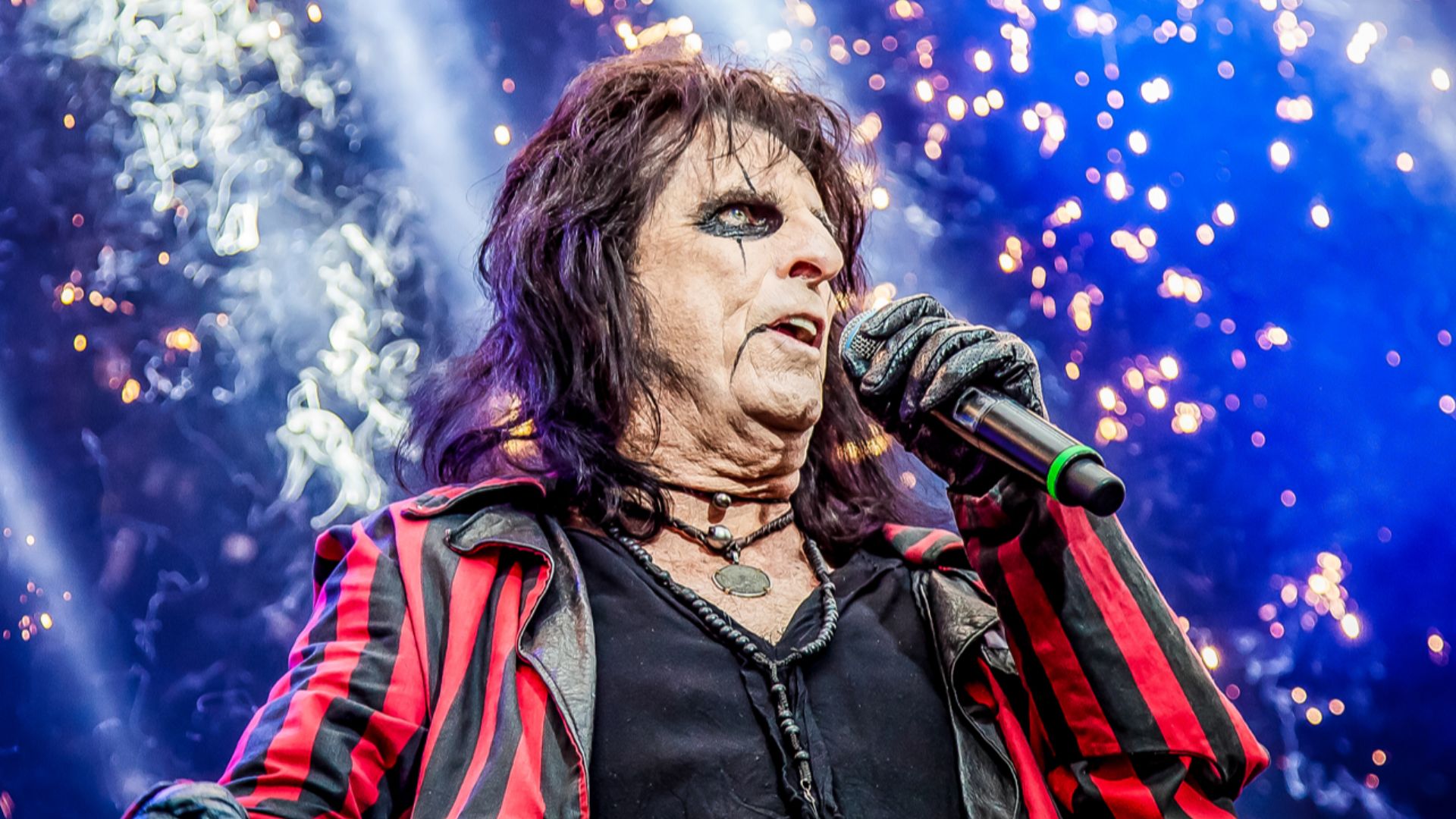
Alice Cooper brought horror, vaudeville, and hard rock together in a way that helped shape glam, metal, and punk. The original Alice Cooper band used props, dark humor, and stage illusions to make concerts feel dangerous and theatrical. “School’s Out” became a major 1972 anthem and helped cement Cooper’s place as rock’s great showman of menace.
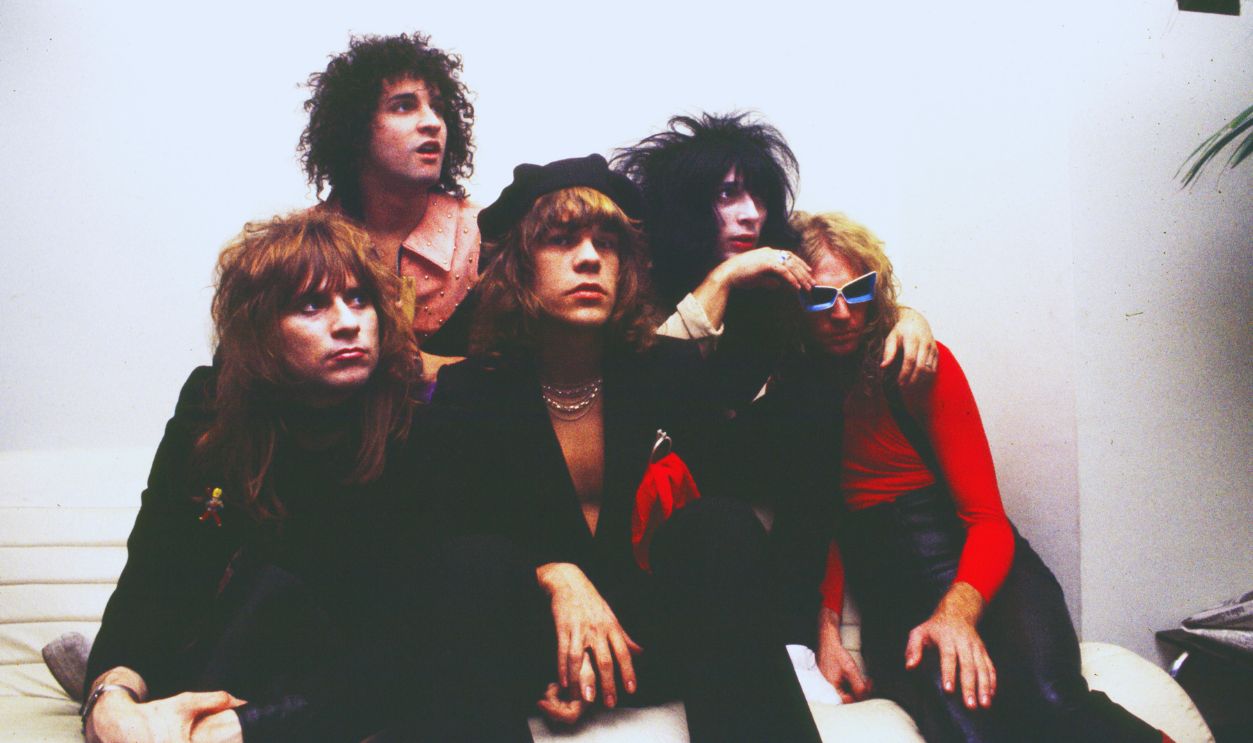
New York Dolls
The New York Dolls gave glam a raw New York snarl. Their 1973 debut album mixed Stones-style swagger, street attitude, makeup, high heels, and chaotic energy. They did not become major chart stars in the 1970s, but their influence on punk and later glam metal became enormous.
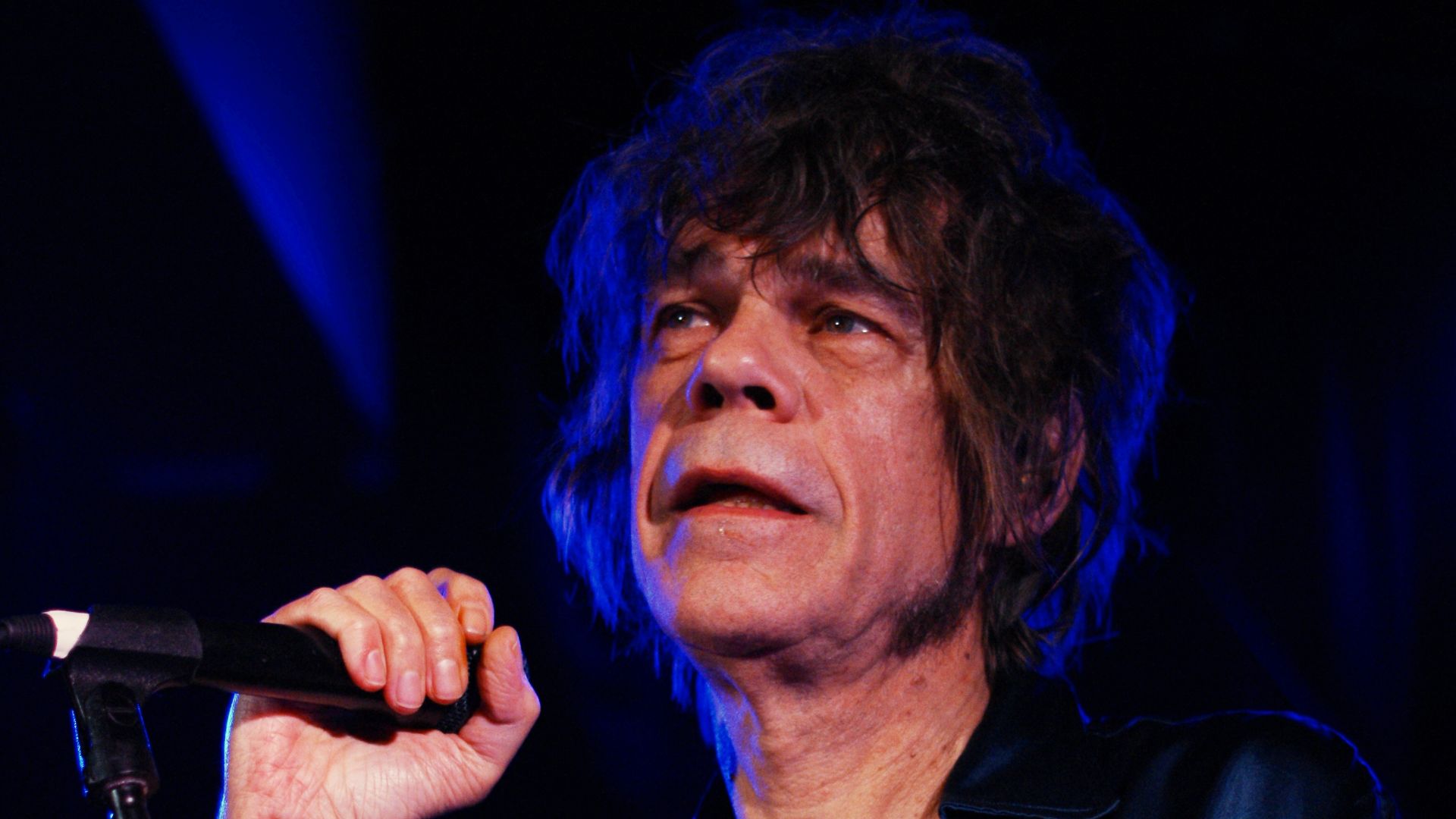
David Johansen
David Johansen fronted the New York Dolls with a grin that made danger look fun. His performance style blended camp, bluesy rock, and downtown attitude. That combination helped the Dolls bridge glam rock and the punk explosion that followed.
Mott The Hoople
Mott The Hoople were struggling before David Bowie wrote “All The Young Dudes” for them. The 1972 single became their signature song and one of glam rock’s great anthems. Bowie also produced the album of the same name, tying the band directly to the movement’s central creative network.
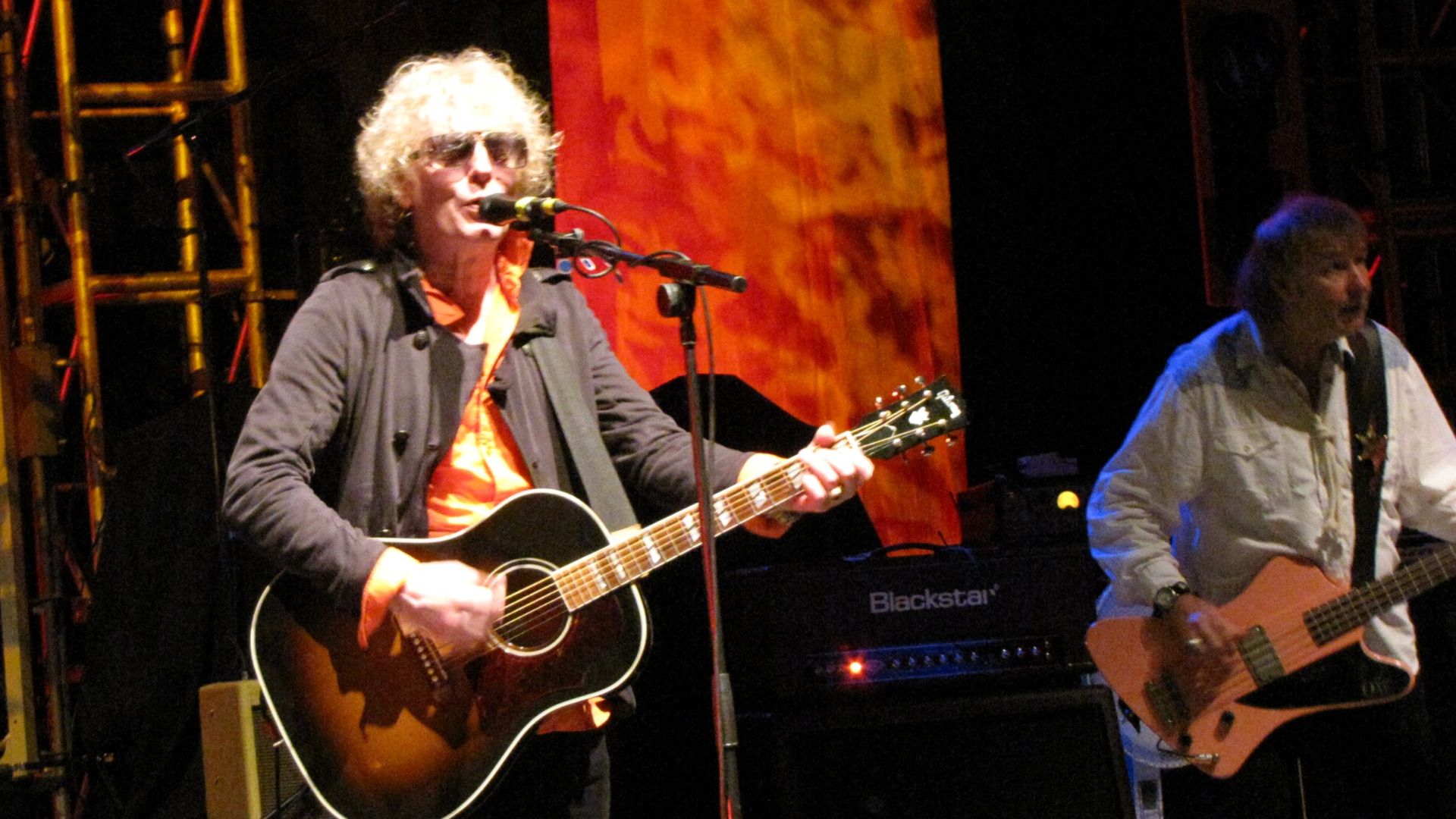
Sparks
Sparks brought wit, falsetto drama, and strange theatrical timing into the glam era. Their 1974 album Kimono My House became their commercial breakthrough in Britain. “This Town Ain’t Big Enough For Both Of Us” reached number two on the United Kingdom singles chart and made the Mael brothers impossible to ignore.
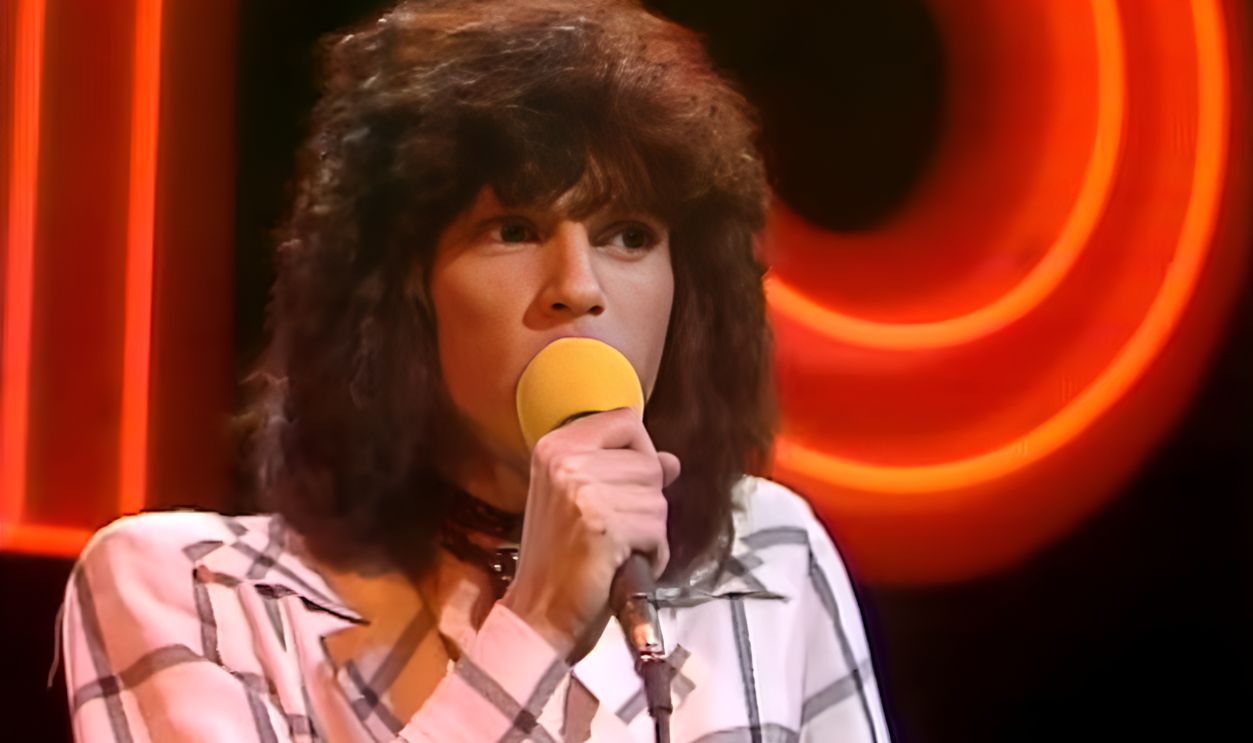 Screenshot from This Town Ain't Big Enough for Both of Us, Island Records (1974), Modified
Kiss
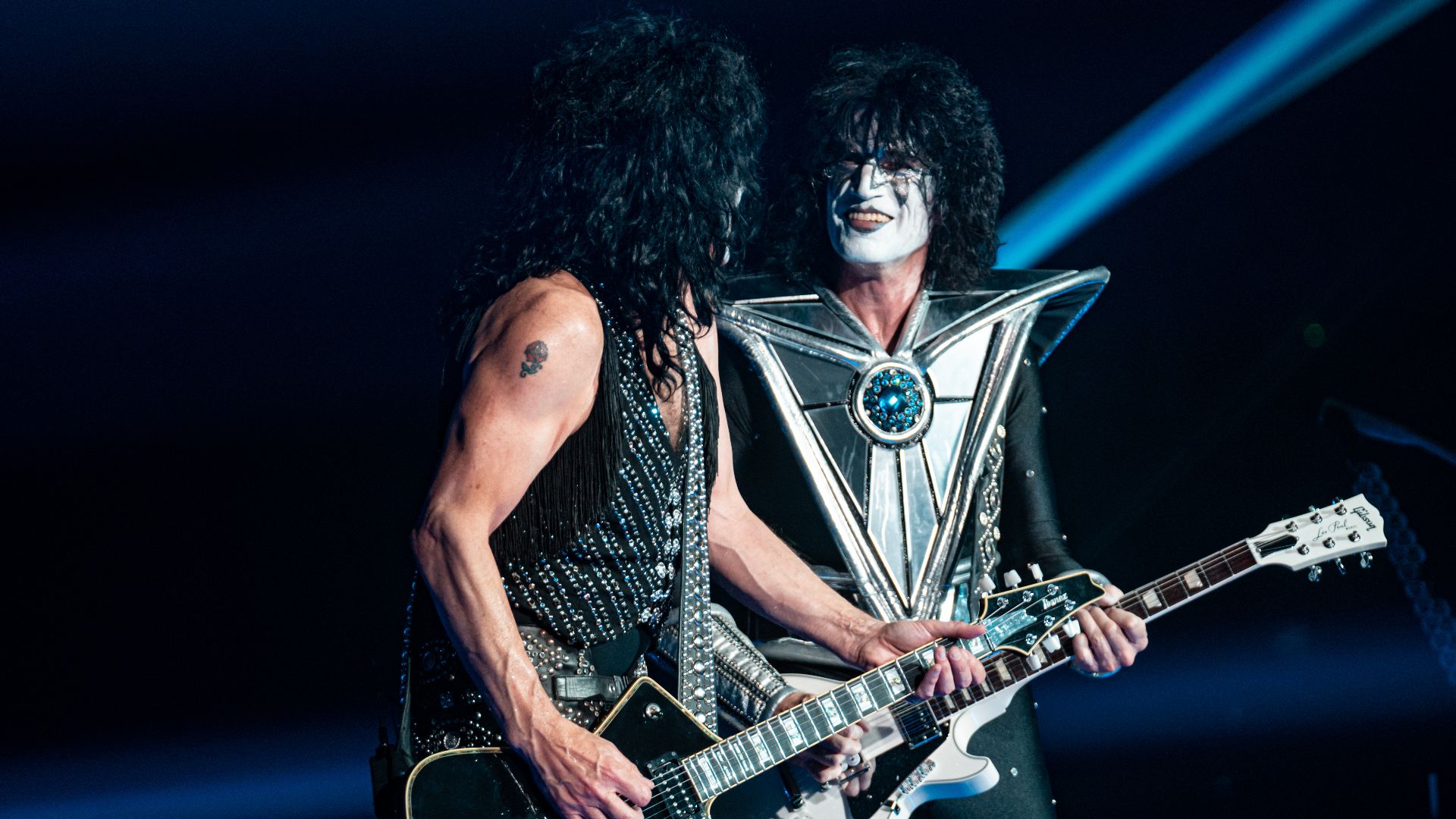
Kiss formed in New York in 1973 and turned makeup, costumes, pyrotechnics, and character into a rock business model. The band drew from glam swagger, comic-book imagery, and hard rock power. By the second half of the decade, Kiss had made spectacle a central part of American arena rock.
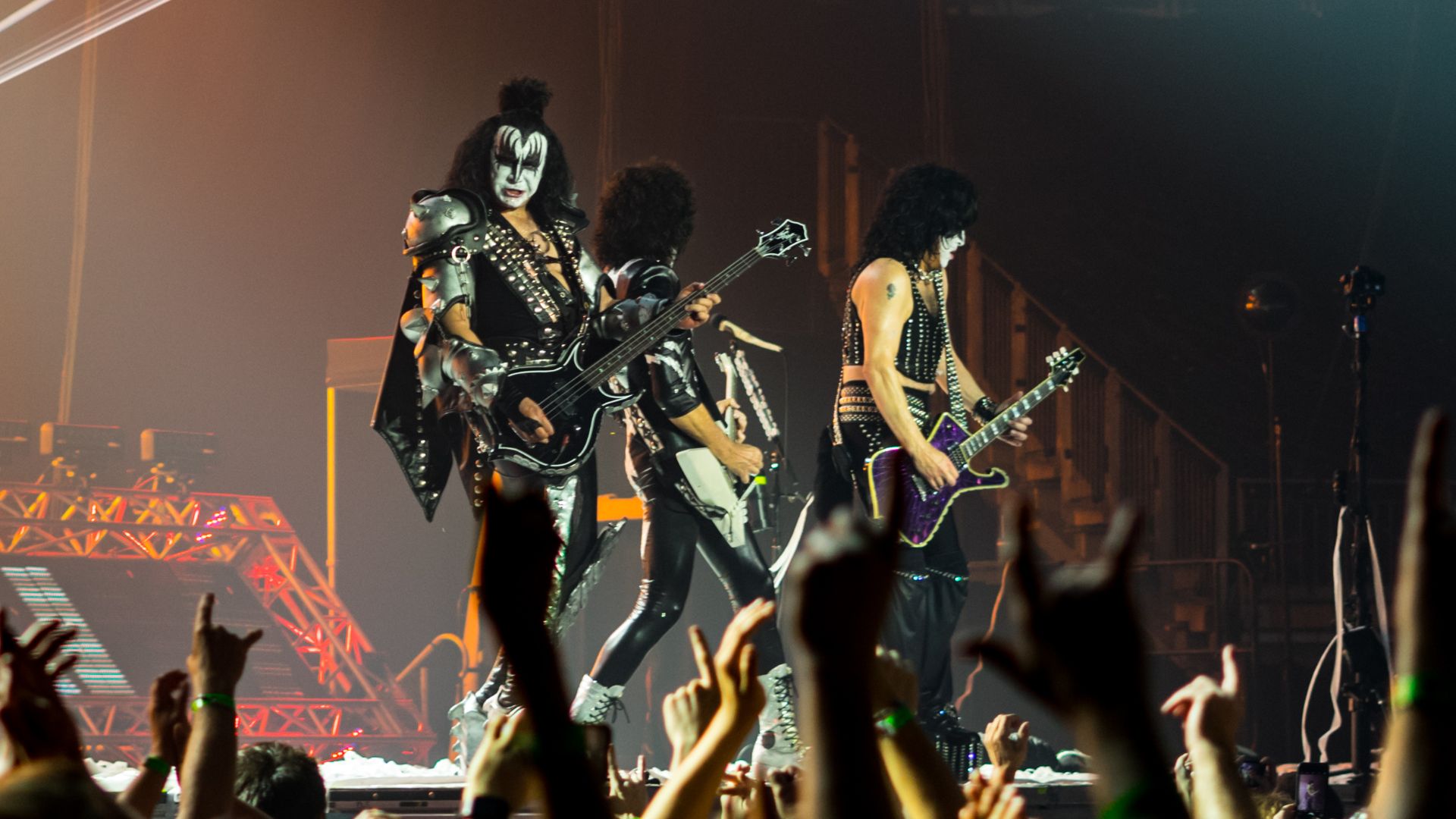
Glam Rock Made Fashion Part Of The Song
Glam rock was never only about sound. Satin, glitter, platform boots, metallic fabrics, bright makeup, and androgynous styling became part of the performance. The visual choices told audiences that rock stars could be invented, reinvented, and exaggerated into living pop art.
Television Helped Glam Explode
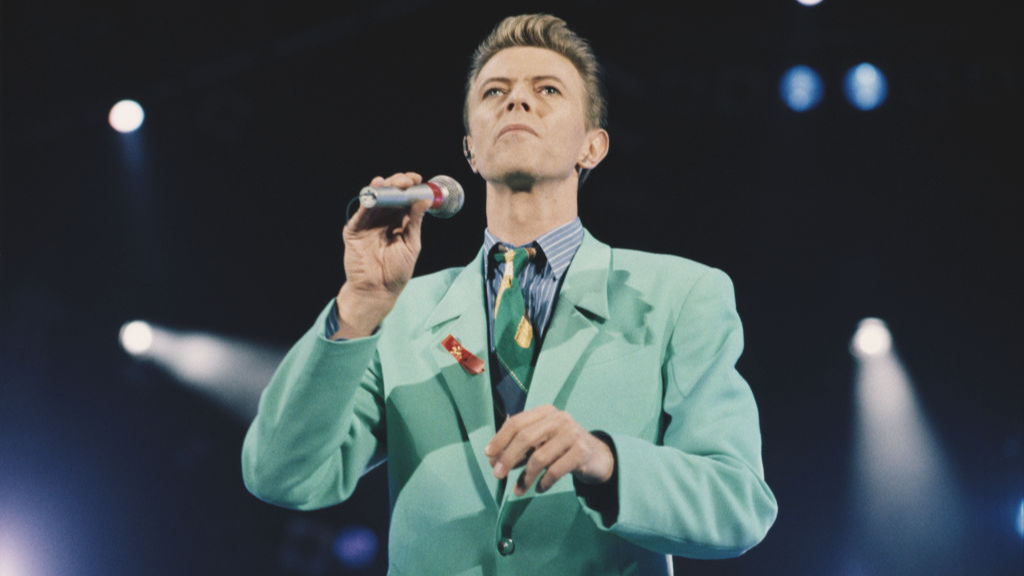
British television gave glam rock a perfect launchpad. Top Of The Pops brought Bolan, Bowie, Roxy Music, Slade, Sweet, and others directly into family living rooms. A three-minute performance could suddenly become a cultural shockwave.
The Songs Were Catchier Than The Costumes
The clothes drew attention, but the songs kept glam alive. “Get It On,” “Starman,” “Virginia Plain,” “Cum On Feel The Noize,” “Ballroom Blitz,” and “All The Young Dudes” all worked because they had strong hooks. Glam proved that spectacle mattered most when the music could survive without the glitter.
Glam Challenged Rock’s Rules
Glam questioned what a rock star was supposed to look like, sound like, and represent. Its stars played with gender presentation, science fiction, camp, horror, and old Hollywood glamour. That freedom helped open doors for punk, new wave, synth-pop, glam metal, and later generations of theatrical pop stars.
The Movement Burned Bright And Fast
Classic glam rock peaked in the early to mid-1970s, especially in Britain. Some artists evolved beyond it, while others struggled as musical tastes shifted toward punk, disco, and heavier arena rock. Even so, glam’s brightest years left behind an unusually vivid record of reinvention.
The Spectacle Never Really Ended
Glam rock’s legacy can still be seen whenever pop stars treat image, character, and staging as part of the art. Bowie, Bolan, Roxy Music, Queen, Suzi Quatro, Alice Cooper, the New York Dolls, and their peers made the 1970s feel like a parade of beautiful disruptions. They proved that rock could be loud, clever, glamorous, strange, and unforgettable all at once.
 © Markus Felix | PushingPixels (contact me), Wikimedia Commons
You May Also Like:
Marc Bolan And The Glam Rock Legend Of T. Rex
Freddie Mercury’s Devastating Final Music Video And Sad End
Sources: 1, 2, 3, 4, 5, 6, 7, 8, 9, 10, 11, 12, 13, 14, 15, 16, 17, 18, 19, 20