A Sound All His Own
Junior Walker never needed a polished voice or an elaborate stage act to get an audience moving. Armed with a screaming tenor saxophone and a rough-edged singing style, he became one of Motown's most distinctive performers. His 1965 smash "Shotgun" helped define the label's harder-driving side, while his unforgettable solo on Foreigner's "Urgent" introduced his sound to another generation of rock fans.
From Arkansas To Indiana
Born Autry DeWalt Mixon Jr. on June 14, 1931, in Blytheville, Arkansas, Walker grew up in South Bend, Indiana. His nickname came from his stepfather's surname, and his musical inspiration came from jazz and jump-blues saxophonists, particularly Louis Jordan. By his teens, Walker was playing saxophone and performing with a group called the Jumping Jacks, developing the powerful, bluesy sound that would eventually make him famous.
 Gilles Petard/Redferns, Getty Images
Building The All-Stars
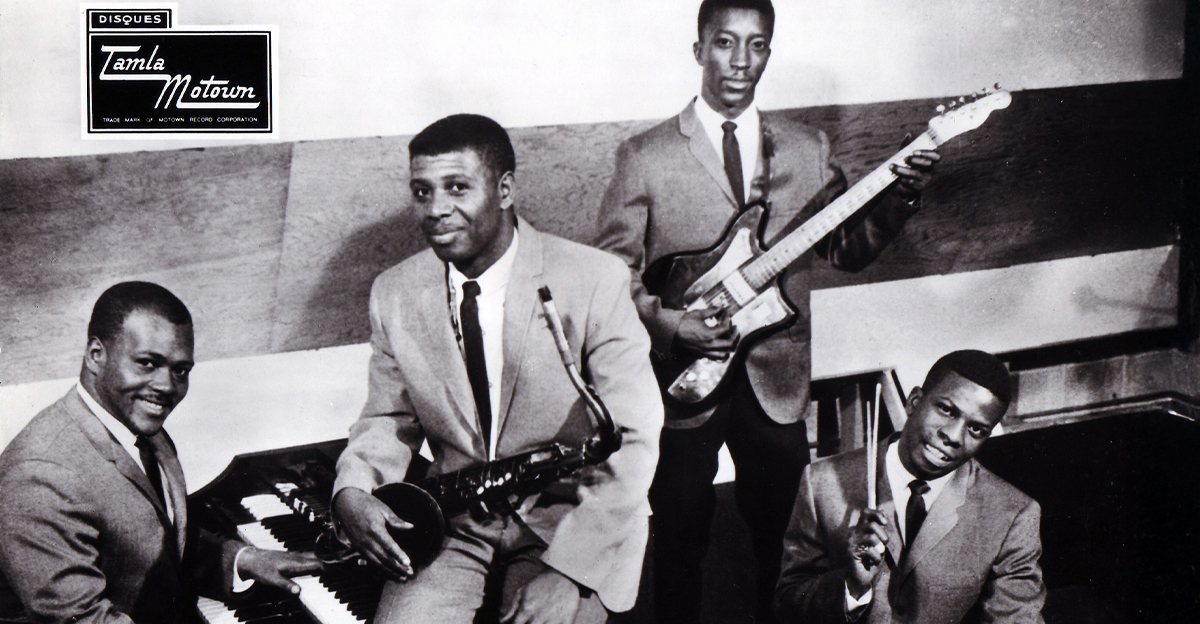
Walker began playing around Indiana and Michigan with drummer Billy "Stix" Nicks and other musicians before establishing Junior Walker and the All-Stars in Battle Creek, Michigan, during the late 1950s. The group's classic Motown lineup featured Walker on saxophone, Willie Woods on guitar, Victor Thomas on keyboards, and James "Jimmy" Graves on drums. Their energetic club performances attracted singer Johnny Bristol, who helped connect them with producer Harvey Fuqua.
A Different Kind Of Motown Sound
Fuqua signed Walker's group to his record operation in the early 1960s, and the All-Stars joined Motown's Soul subsidiary in 1964. While Motown was becoming famous for sophisticated arrangements and smooth vocal harmonies, Walker offered something earthier. His aggressive tenor saxophone borrowed from rhythm and blues, while his gravelly singing sounded more like an excited shout than a conventional soul vocal. That combination became the group's trademark.
 Gilles Petard/Redferns, Getty Images
The Shotgun Breakthrough
Everything changed in 1965 with "Shotgun." Walker had originally expected another singer to handle the vocal, but when that performer failed to appear, he sang it himself. Berry Gordy recognized the record's appeal and kept Walker's performance. The song topped Billboard's R&B chart and reached number four on the pop chart. Its explosive saxophone riffs, pounding rhythm, and irresistible dance beat made Junior Walker and the All-Stars national stars.
More Hits And A Softer Side
Success continued with "Shake and Fingerpop," "I'm a Road Runner," and "How Sweet It Is (To Be Loved by You)." Walker's band became a dependable live attraction, even as personnel changed, including the return of drummer Billy "Stix" Nicks. In 1969, Walker revealed a more romantic side with "What Does It Take (To Win Your Love)," written by Johnny Bristol, Harvey Fuqua, and Vernon Bullock. The song topped the R&B chart and reached number four on the pop chart. It was also nominated for the Grammy Award for Best R&B Instrumental Performance, becoming another Motown classic.
 Motown, Public domain, via Wikimedia Commons
The Changing Sound Of The 70s
Walker remained active throughout the 1970s, releasing albums including Rainbow Funk (1971) and Peace & Understanding Is Hard to Find (1973). As disco became fashionable, he experimented with dance-oriented material, including 1976's "Hot Shot." He later worked with producer Norman Whitfield, but his chart success declined. Live performances remained his strength, and audiences continued turning out to hear his familiar hits and fiery saxophone playing.
A Television Comeback
Walker remained a recognizable entertainer into the 1980s. On April 11, 1981, Junior Walker and the All-Stars appeared as musical guests on Saturday Night Live, performing several Motown favorites. Two years later, he participated in the television special Motown 25: Yesterday, Today, Forever, celebrating the label's extraordinary history. These appearances introduced his energetic performance style to viewers who had missed his original chart success. But a different kind of fame awaited in the 80s.
 Distributed by Atlantic Records, Wikimedia Commons
The Unexpected Foreigner Connection
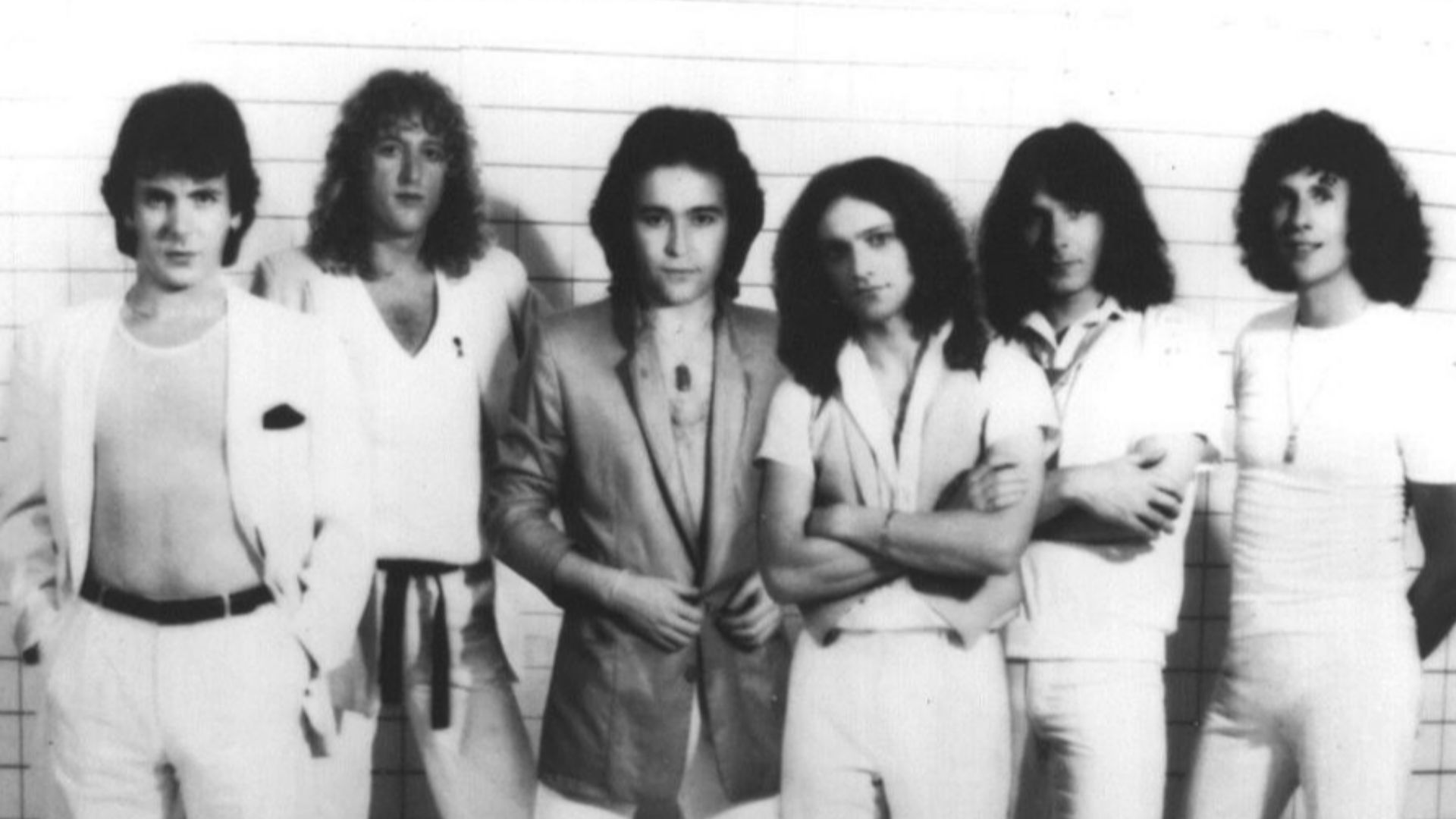
Walker's most surprising comeback arrived through British-American rock band Foreigner. While recording the album 4 (1981), the group brought him in to perform the explosive saxophone solo on "Urgent," a song written by guitarist Mick Jones. Walker's unmistakable playing became one of the record's defining moments, helping propel "Urgent" to number four on the Billboard Hot 100. He had successfully carried his 1960s Motown sound into the MTV era.
A Final Return To Motown
Walker returned to Motown in 1983 and released Blow the House Down, which included his own version of "Urgent." He continued touring, sometimes performing with his son Autry DeWalt III on drums. In 1988, Walker appeared alongside soul singer Sam Moore as the fictional duo the Swanky Modes in the comedy Tapeheads (1988). Although he never enjoyed another major solo hit, his distinctive sound remained instantly recognizable.
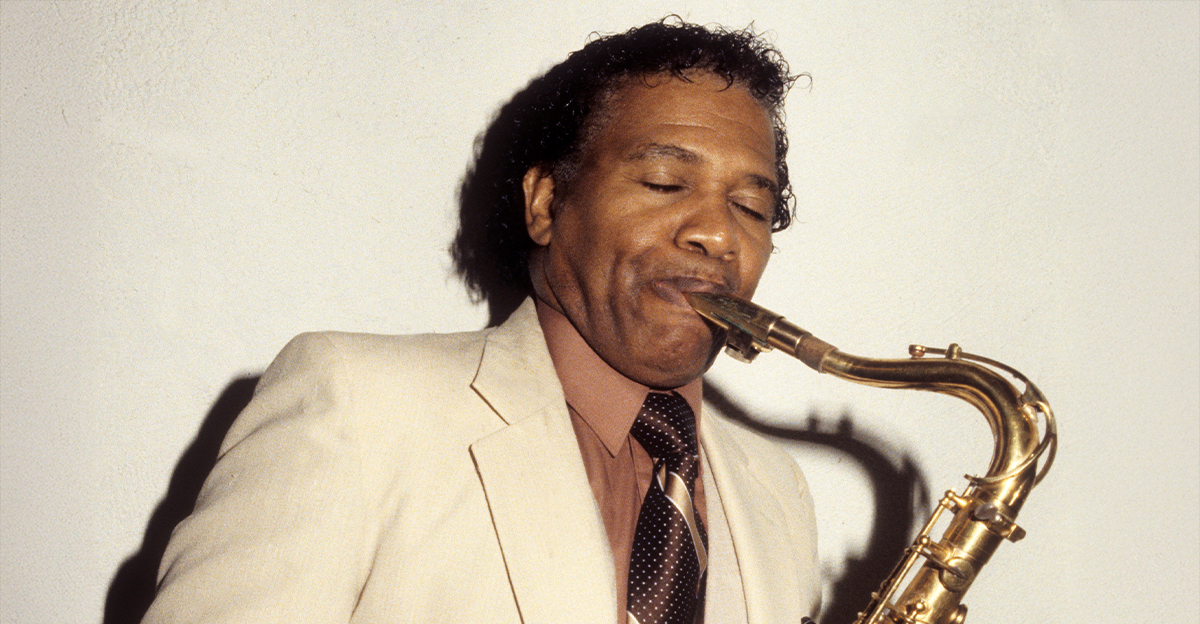 Photo by Clayton Call/Redferns, Getty Images
The Lasting Sound Of Junior Walker
Walker developed cancer in 1993, severely limiting his performances. He died on November 23, 1995, in Battle Creek, Michigan, aged 64. His musical legacy extended far beyond the Motown charts: "Shotgun" became a rock-and-soul standard, "What Does It Take" remained a romantic favorite, and "Urgent" introduced his saxophone to millions of rock listeners. Few musicians could make an instrument sound so unmistakably their own. Junior Walker could do it with a single note.
You May Also Like:
Disruptive Facts About Curtis Mayfield, Music’s Not-So-Gentle Genius