More Than One Look
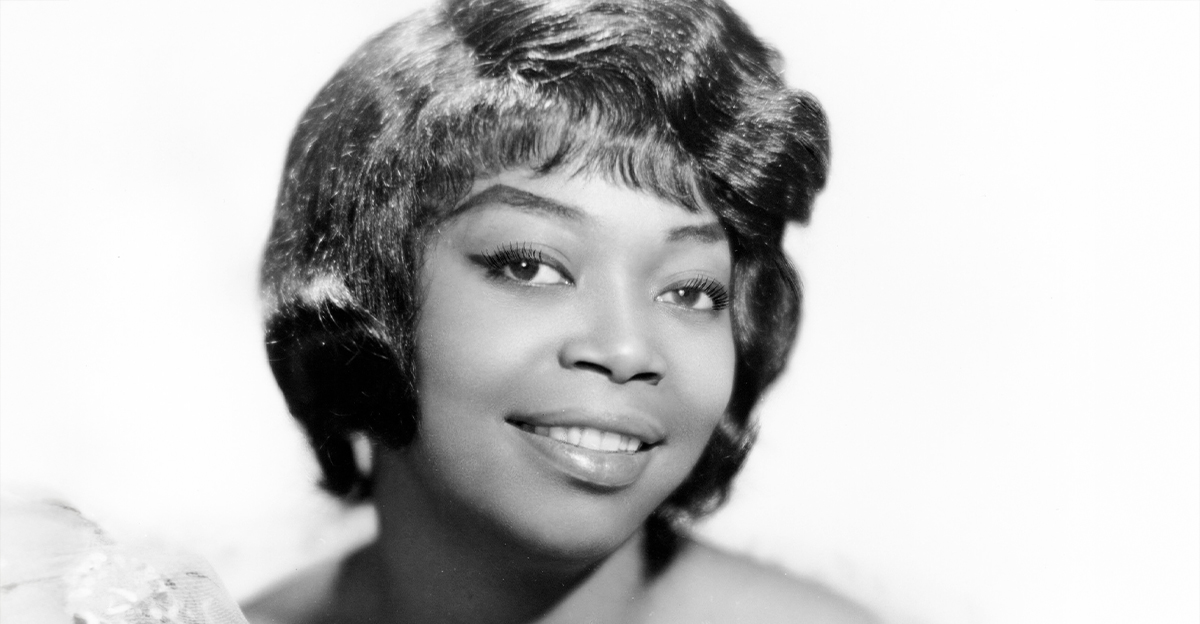
Doris Troy scored one unforgettable American hit with “Just One Look,” but that barely hints at her career. The preacher’s daughter became a songwriter, soul singer and extraordinary backing vocalist whose voice subsequently appeared alongside the Rolling Stones, George Harrison, Carly Simon and Pink Floyd.
 Gilles Petard/Redferns, Getty Images
A Bronx Beginning
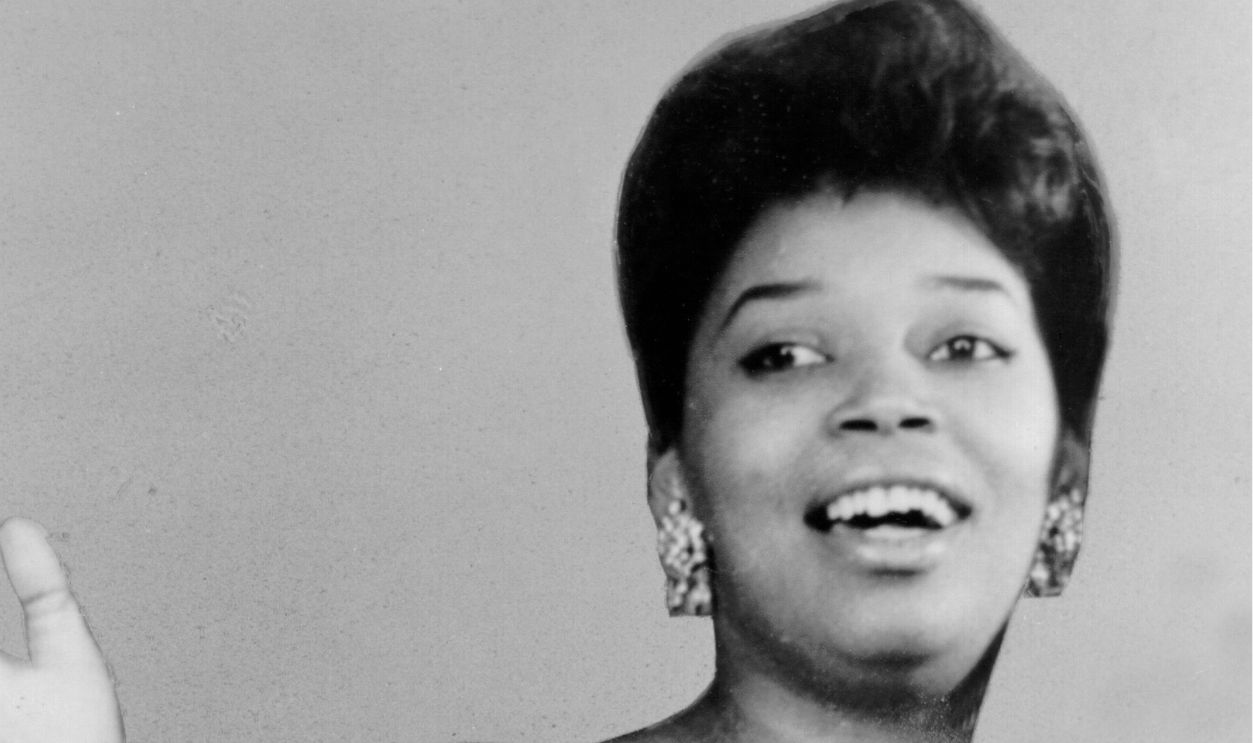
Doris Elaine Higginsen was born in the Bronx on January 6, 1937. Her father was a Pentecostal minister from Barbados, and Doris later adopted her grandmother’s surname, Payne. Long before becoming Doris Troy, she therefore performed and wrote professionally under the name Doris Payne.
Music Came From Church
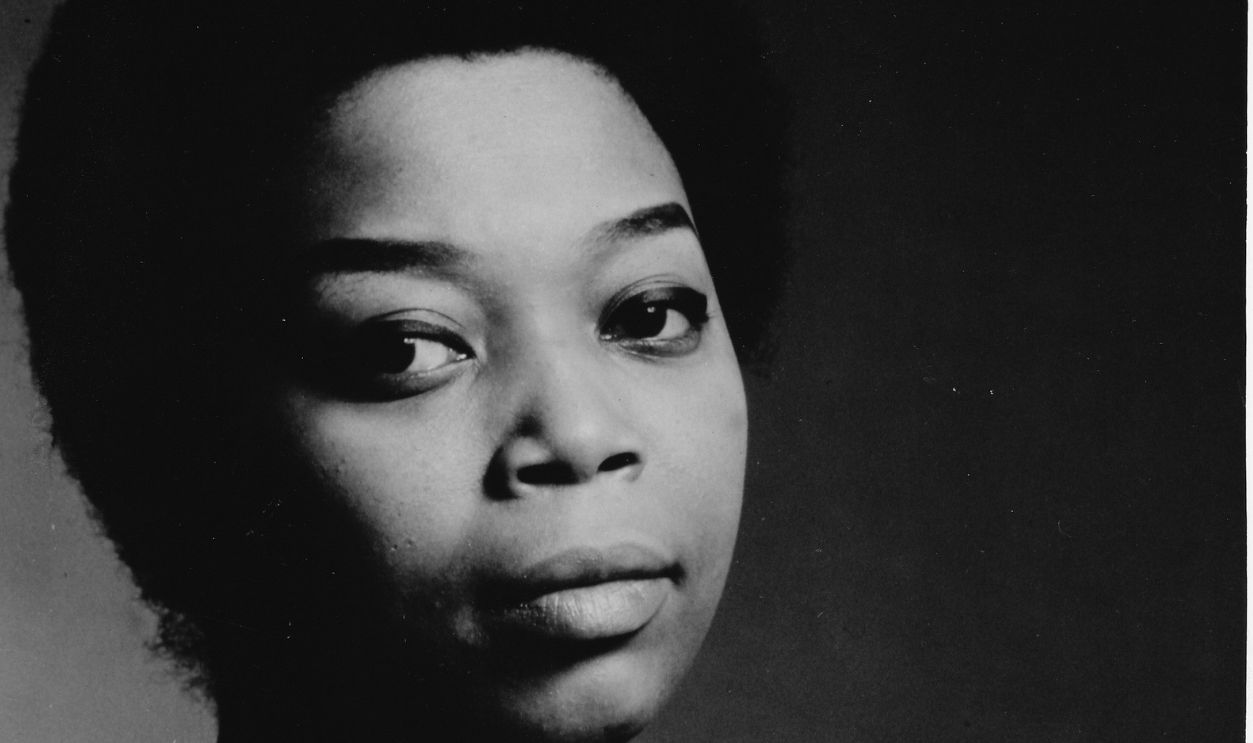
Popular music was not encouraged in the Higginsen household. Her parents considered rhythm and blues and rock and roll inappropriate and even prohibited their children from attending movies. Doris instead developed her powerful, gospel-inflected voice singing in the choir at her father’s church.
 Michael Ochs Archives, Getty Images
The Apollo Opened Doors
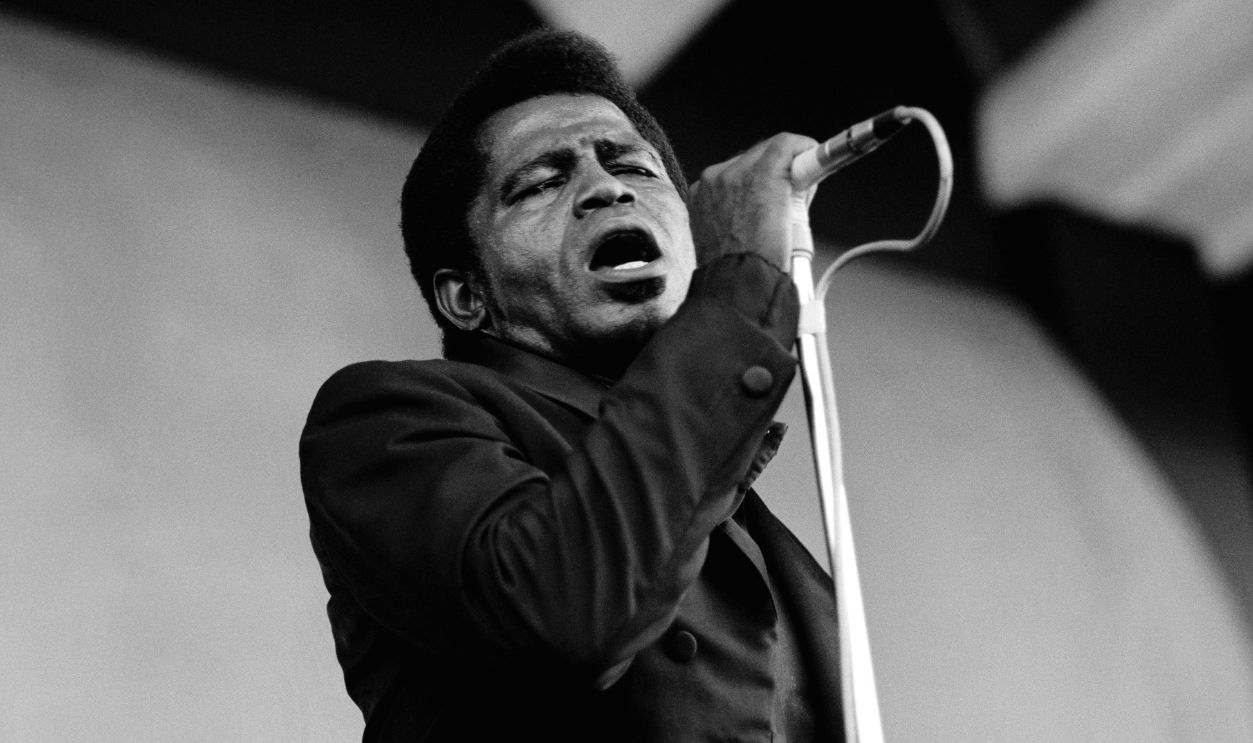
At 16, Troy talked her way into a job as an usherette at Harlem’s legendary Apollo Theater. It gave the aspiring singer an extraordinary education, allowing her to watch leading Black entertainers perform at close range. Accounts of her early career also connect her Apollo years with James Brown.
She Started Writing
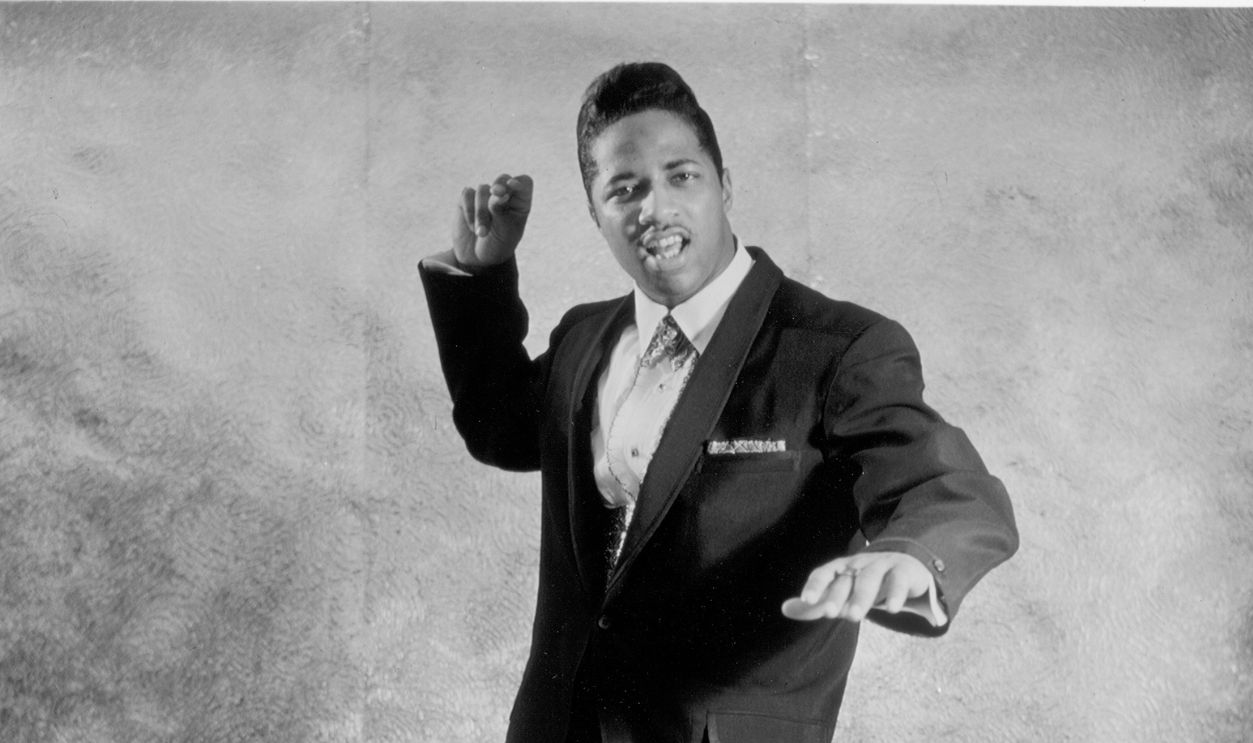
Troy was not content merely to sing other people’s material. Using the name Doris Payne, she began writing songs and received an early break in 1960 when a publisher paid her $100 for “How About That?” Dee Clark recorded the number, giving Troy an important professional songwriting credit.
 Michael Ochs Archives, Getty Images
Her First Groups
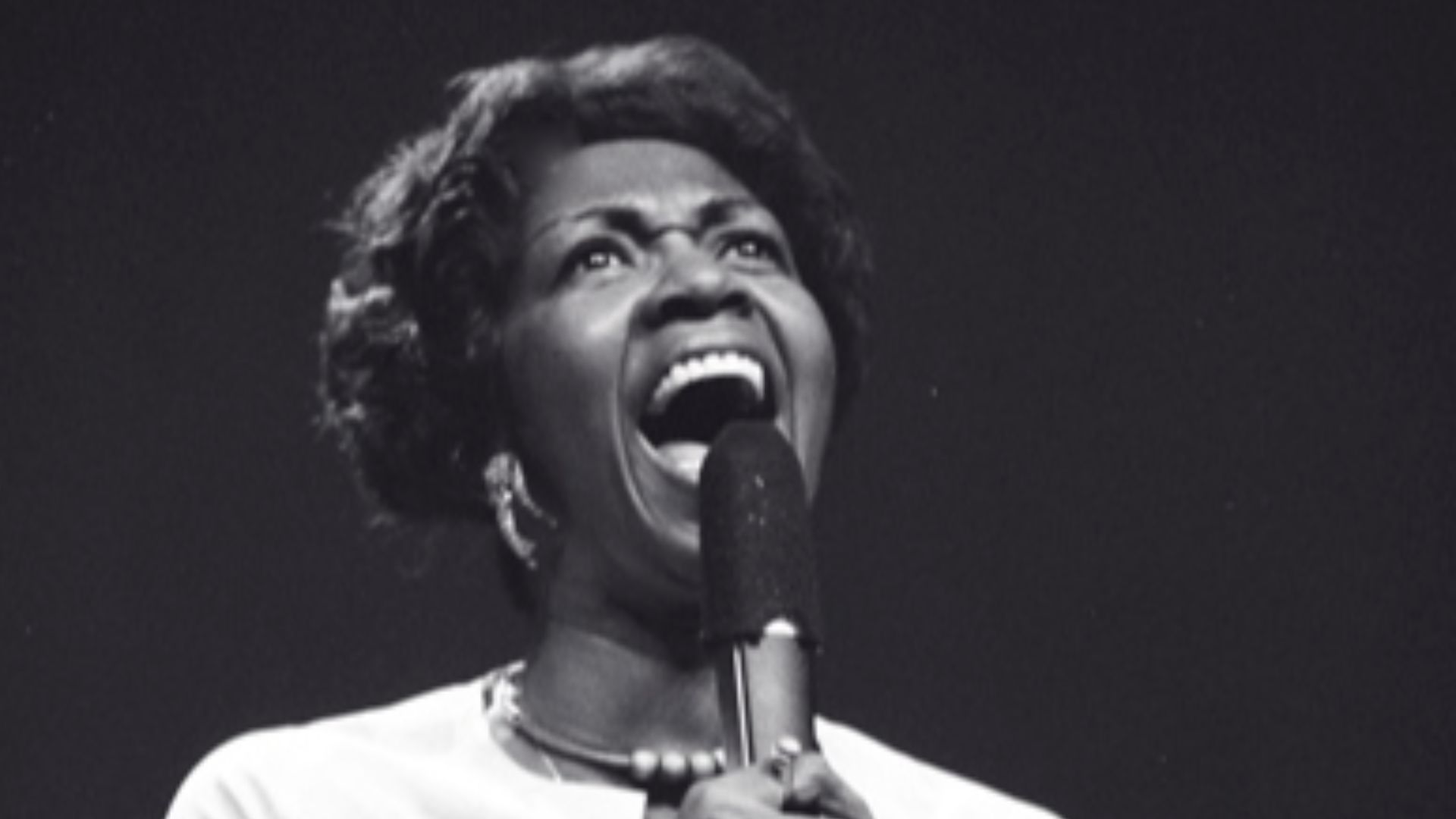
Troy also gained experience singing with other women. She formed a trio called the Halos and became associated with the circle of New York session singers that included Dionne Warwick, Dee Dee Warwick and Cissy Houston. Gospel harmony would become one of Troy’s greatest professional assets.
 Tom Marcello Webster, New York, USA, Wikimedia Commons
Early Records Struggled
A solo career initially proved difficult. Troy made a couple of singles that failed to catch on, convincing her that session singing offered steadier income. She began supplying backing vocals for established performers including Solomon Burke and the Drifters while continuing to develop her own songwriting and recording ambitions.
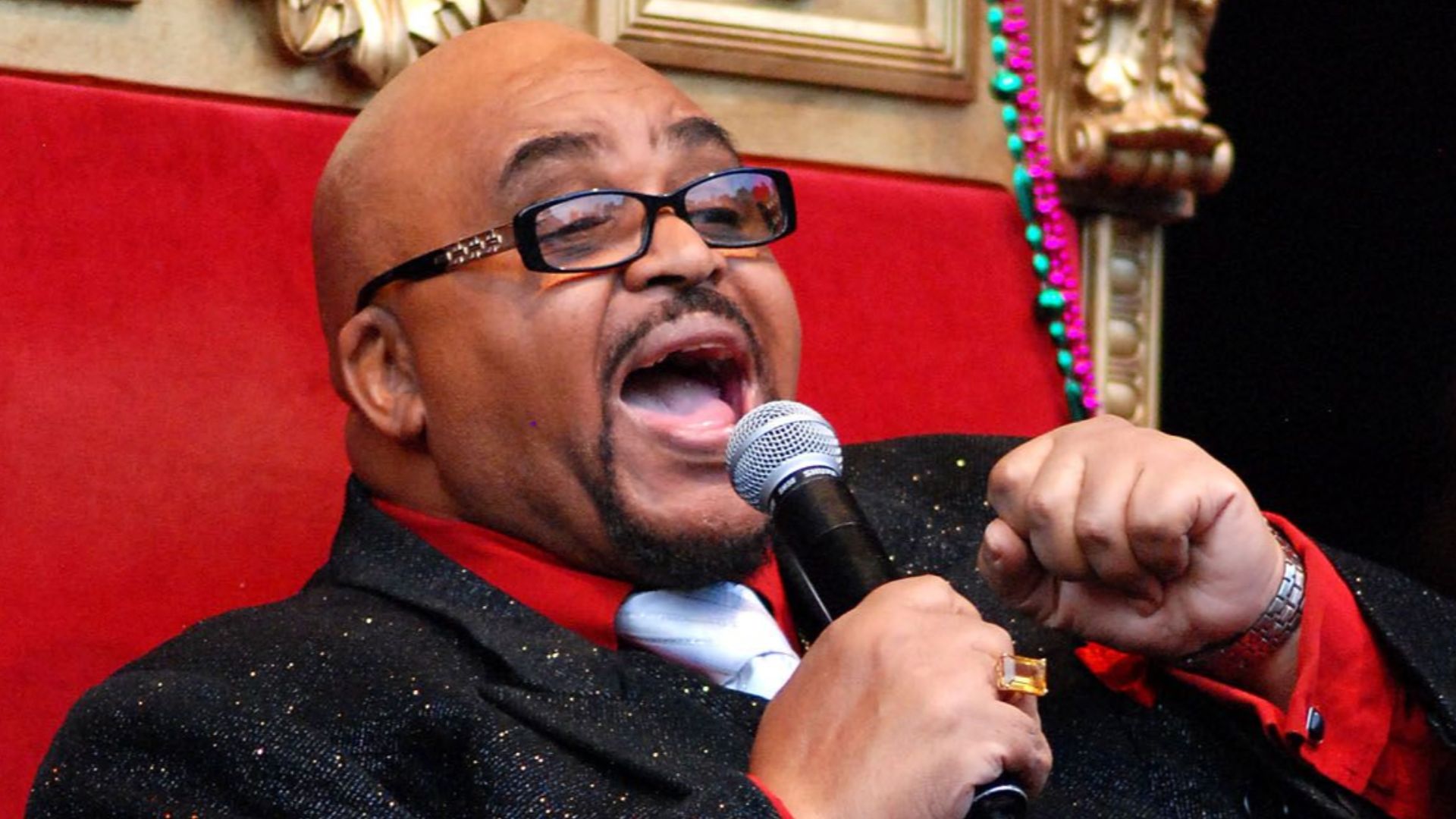
An Extraordinary Vocal Circle
Troy worked alongside Dionne Warwick, Dee Dee Warwick and Cissy Houston, singers connected with the Gospelaires and the group that evolved into the Sweet Inspirations. These women became some of New York’s most sought-after session vocalists, carrying church-trained harmonies directly into mainstream soul and pop records.
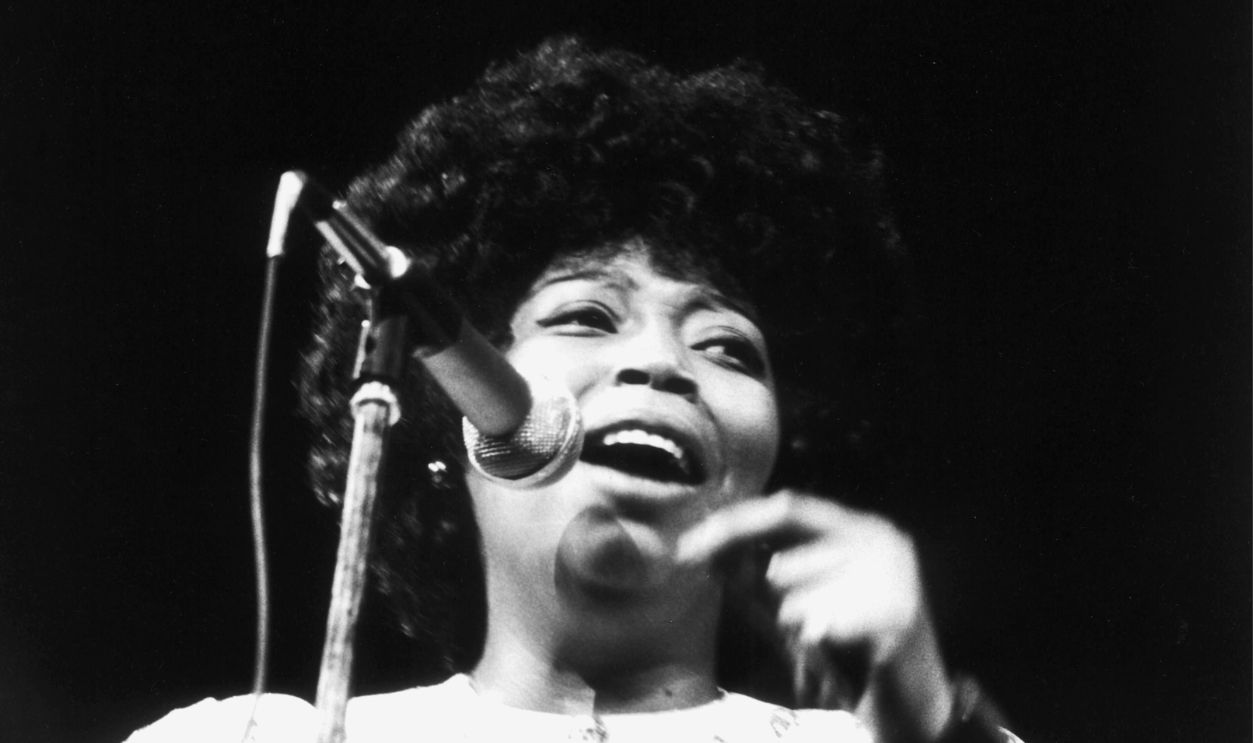
One Demo Changed Everything
Troy and singer-songwriter Gregory Carroll wrote “Just One Look,” then recorded a demonstration of the song. They took it to Atlantic Records executive Jerry Wexler. Instead of demanding a polished new recording, Atlantic recognized that the demo itself already had the necessary magic and released it.
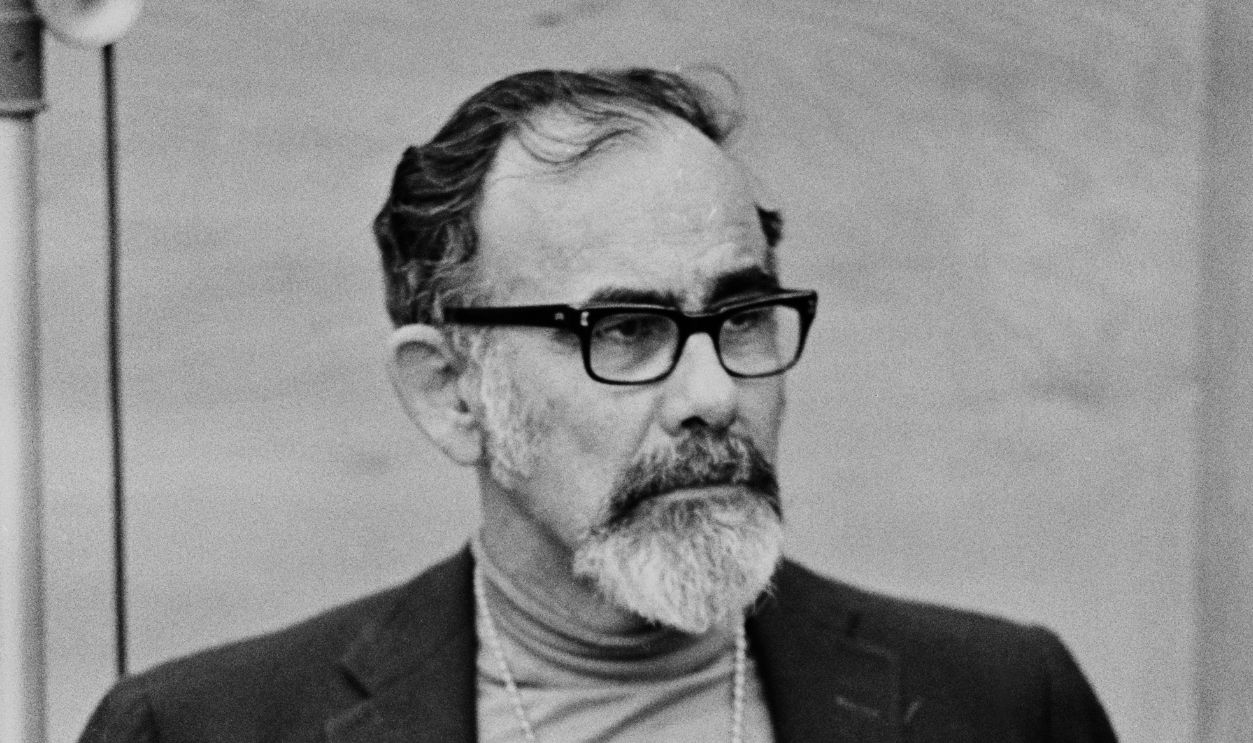 Michael Ochs Archives, Getty Images
Ten Minutes Of Magic
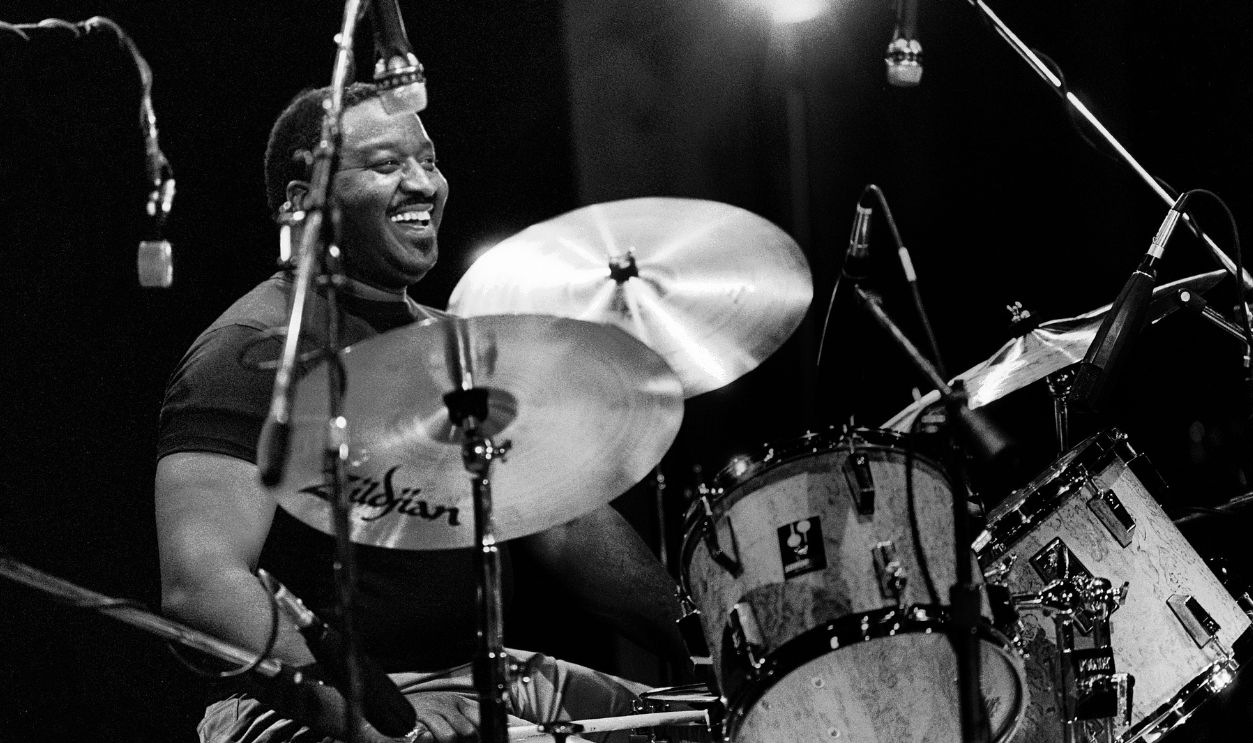
The recording reportedly took only about ten minutes. Bernard “Pretty” Purdie played drums, Wally Richardson guitar, Bob Bushnell bass and Ernie Hayes keyboards. What had essentially been created to demonstrate the composition became the finished master, one of the most enduring soul-pop recordings of 1963.
Doris Troy Was Born
The single also introduced the professional name Doris Troy, while her songwriting credit continued to appear as Doris Payne. According to accounts of her career, “Troy” was inspired by Helen of Troy. The new name quickly became familiar to American record buyers during the summer of 1963.
A Genuine Top Ten
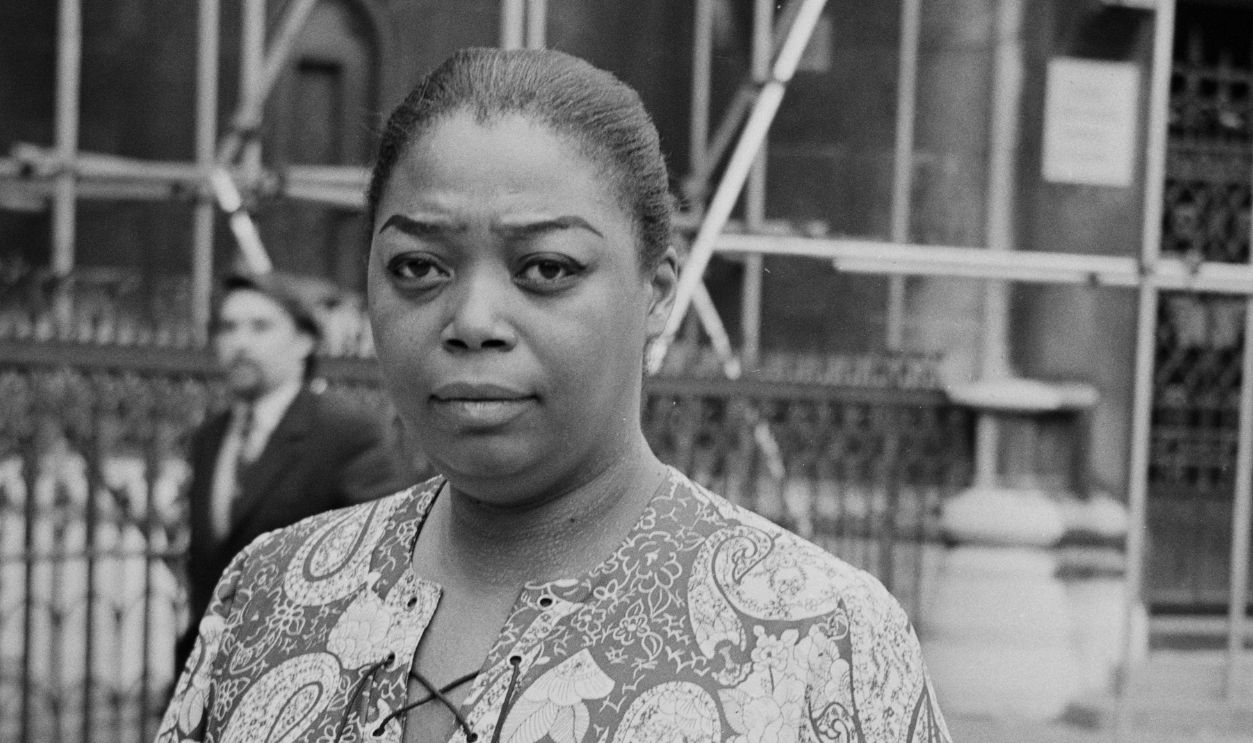
“Just One Look” spent 14 weeks on the Billboard Hot 100 and climbed to No. 10. It performed even better on Billboard’s R&B chart, reaching No. 3. Atlantic quickly released Troy’s debut LP, Just One Look And Other Memorable Selections (1963).
Back At The Apollo
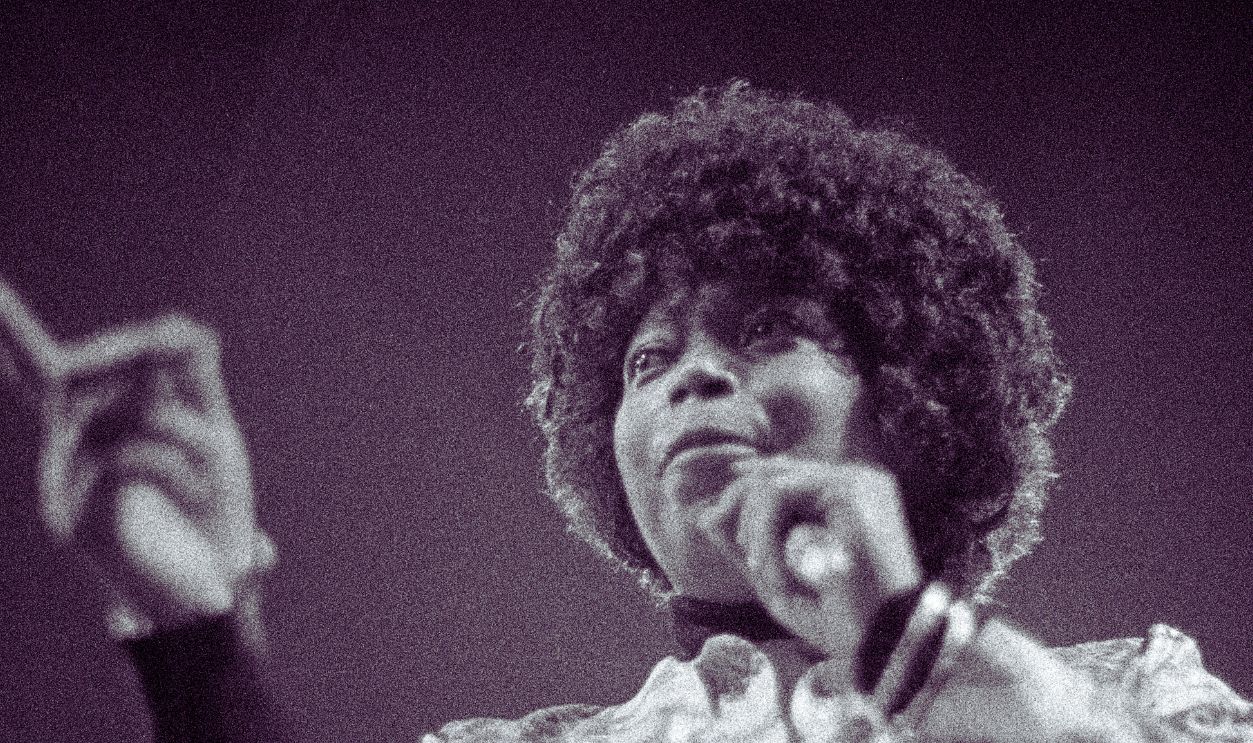
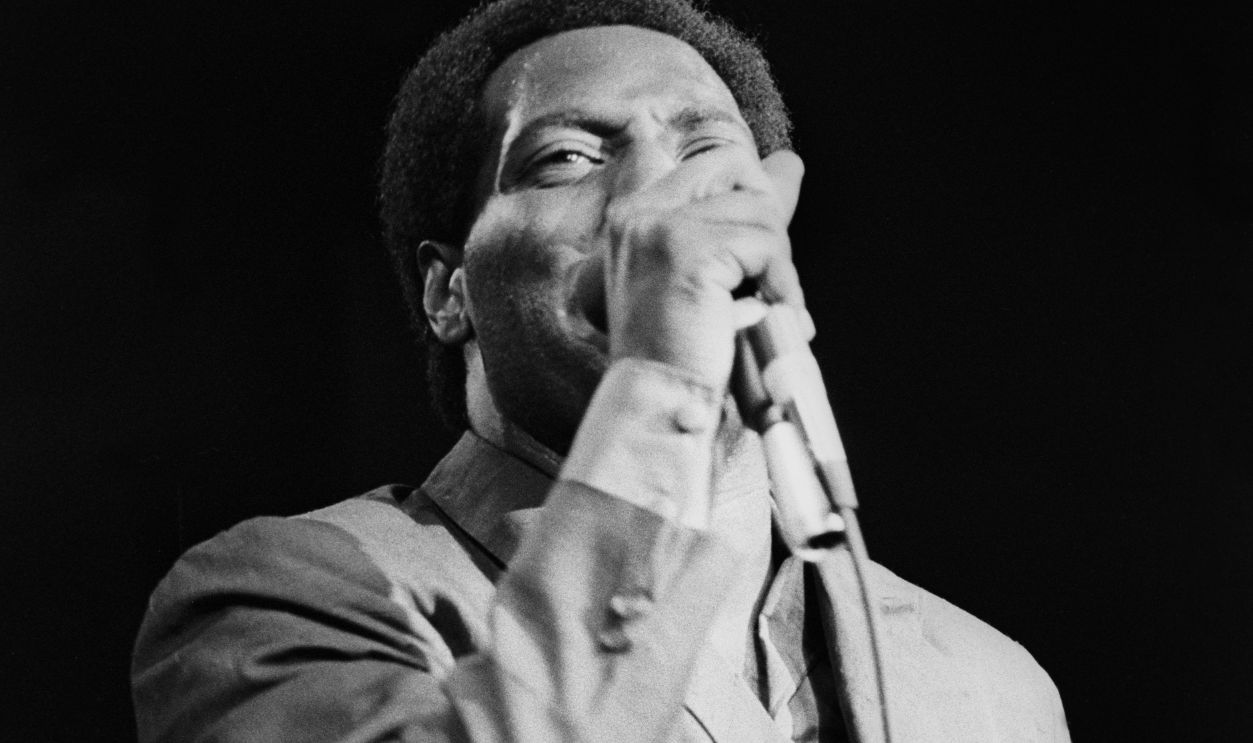
The former Apollo usher returned to the theater under dramatically different circumstances. Troy now appeared on its stage alongside performers including Otis Redding and Rufus Thomas. The teenager who had once watched stars from the aisles had become a nationally successful recording artist in her own right.
 Sherry Rayn Barnett, Getty Images
Everybody Took Another Look
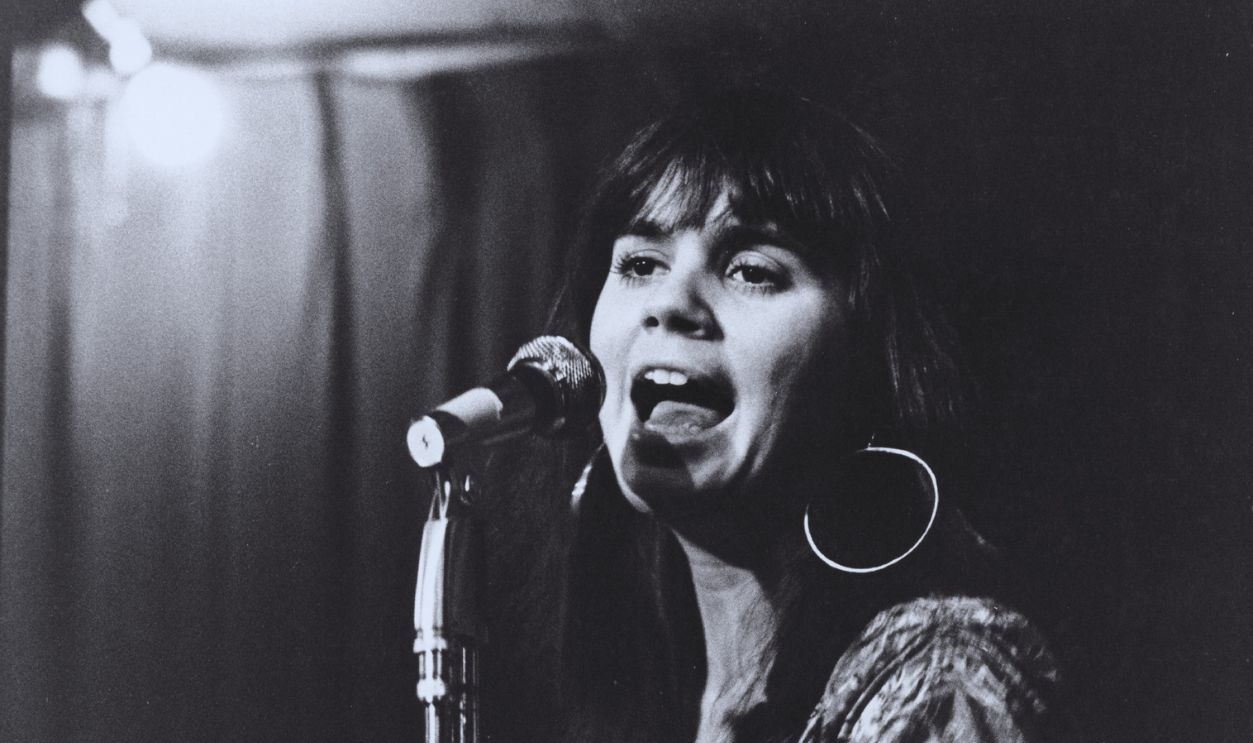
“Just One Look” proved far bigger than its original chart run. The Hollies, Linda Ronstadt, Anne Murray, Faith, Hope & Charity, Major Lance, Lulu, Bryan Ferry, Klaus Nomi and Harry Nilsson were among the performers who recorded versions, helping turn Troy’s composition into a genuine pop standard.
 Michael Ochs Archives, Getty Images
Britain Loved Her
Troy never placed another single on the American Hot 100, but Britain remained receptive. The Hollies took “Just One Look” to No. 2 there in 1964, while Troy’s own “What’cha Gonna Do About It” reached the British Top 40. British audiences eventually nicknamed her “Mama Soul.”
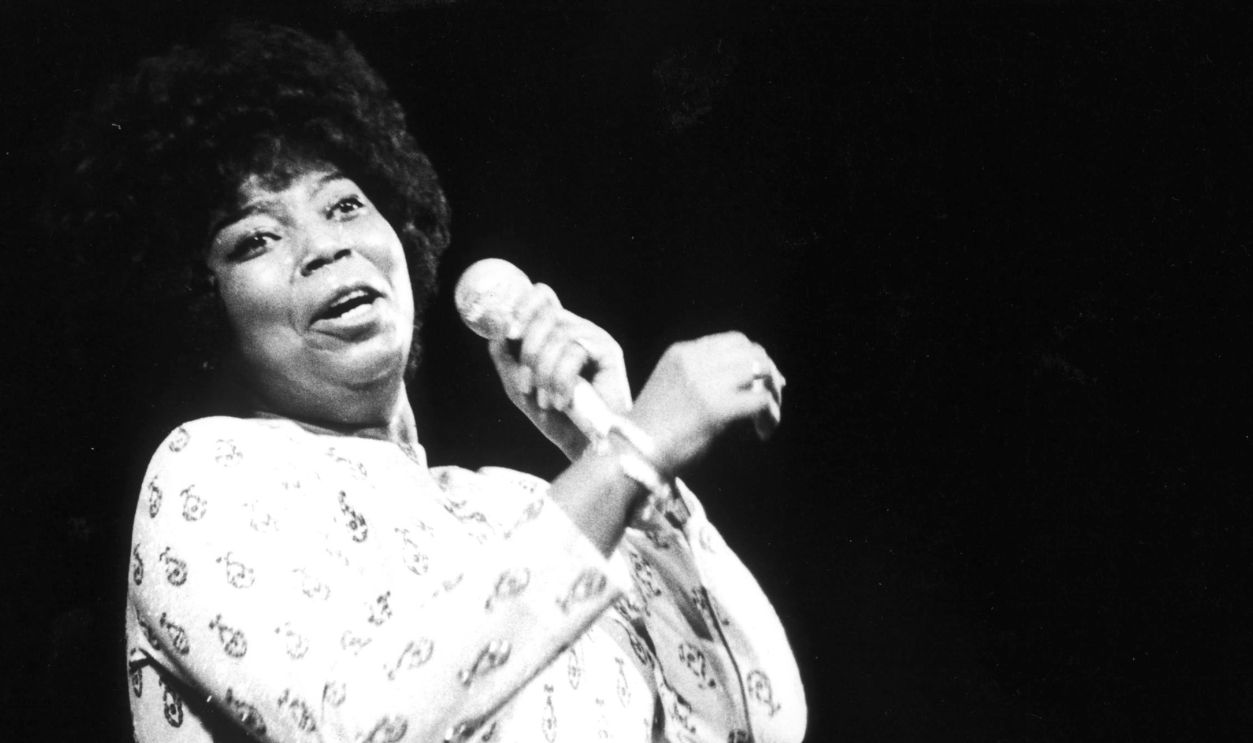
Reg Dwight Backed Her
As Troy increasingly performed in Britain during the later 1960s, an unknown young pianist sometimes accompanied her onstage. His name was Reg Dwight. Before long, he would adopt a more familiar professional name: Elton John. Troy’s “I’ll Do Anything” also became prized by Britain’s Northern Soul audience.
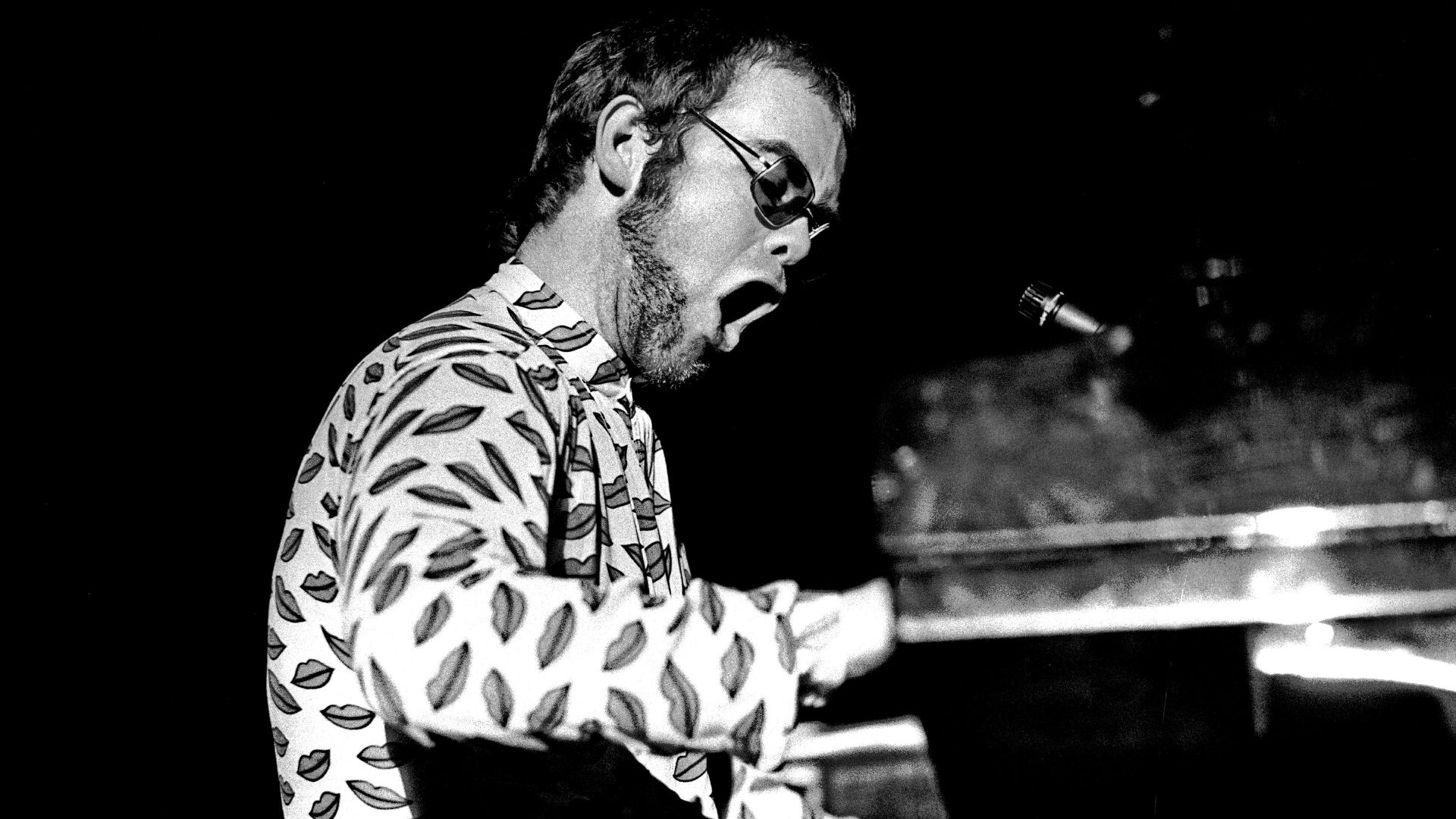 Heinrich Klaffs, Wikimedia Commons
The Stones Called
Troy’s British connections placed her inside rock’s rapidly expanding studio world. She contributed backing vocals to the Rolling Stones’ Let It Bleed (1969), specifically the epic closing track “You Can’t Always Get What You Want,” alongside Madeline Bell and Nanette Newman and the London Bach Choir.
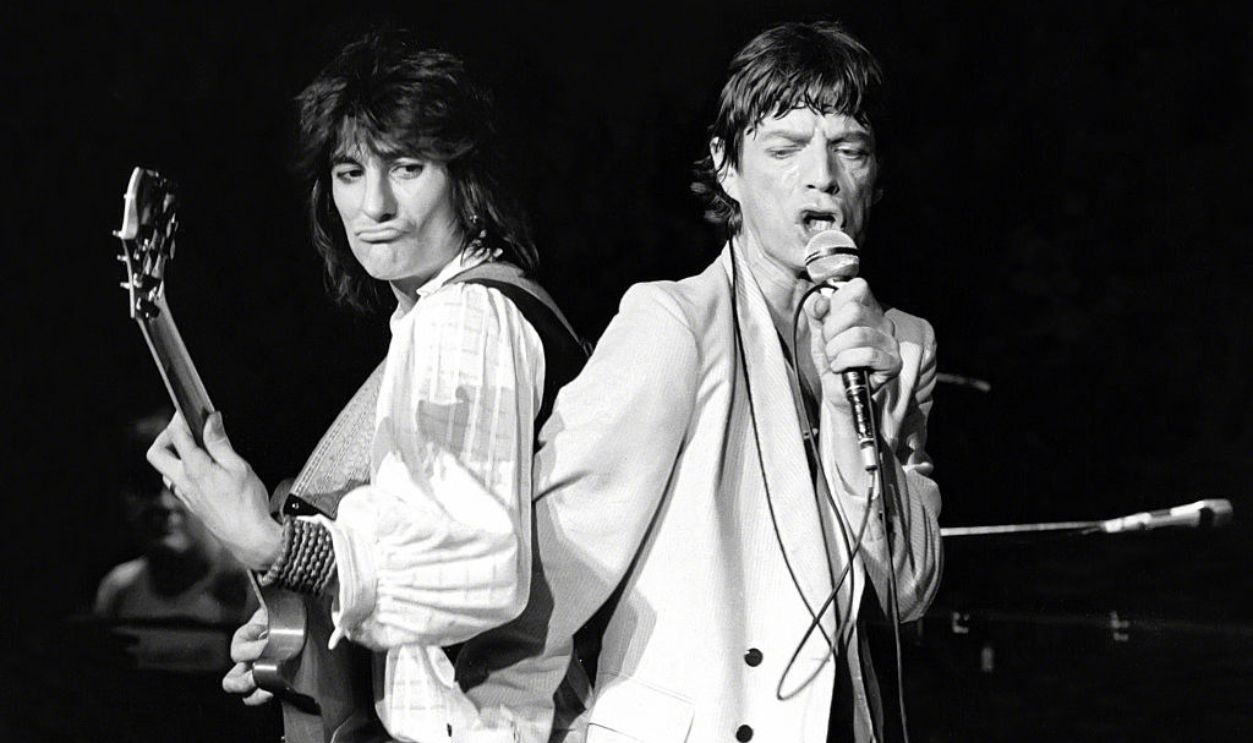
George Harrison Noticed
Troy also contributed to Billy Preston’s Apple project That’s The Way God Planned It (1969), where George Harrison was producing. Harrison recognized what Troy could do and helped facilitate her own contract with the Beatles’ Apple Records, beginning an especially fascinating chapter of her career.
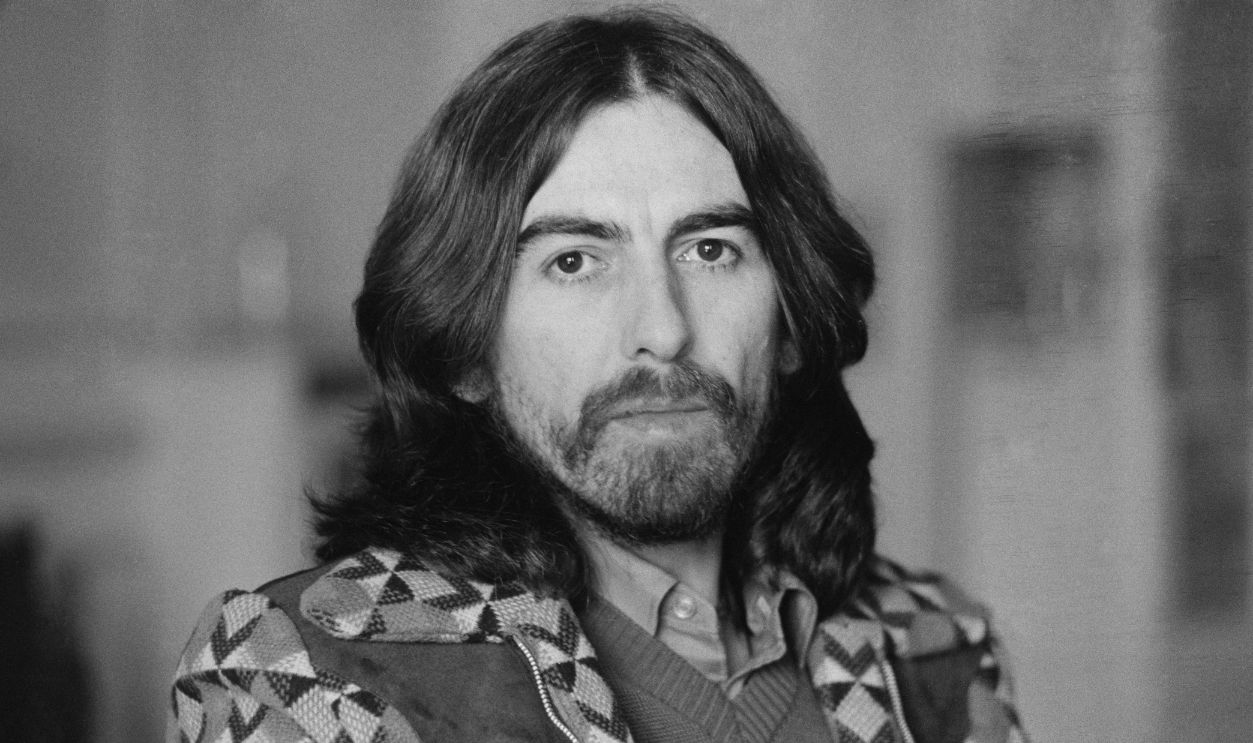
Apple Gave Her Friends
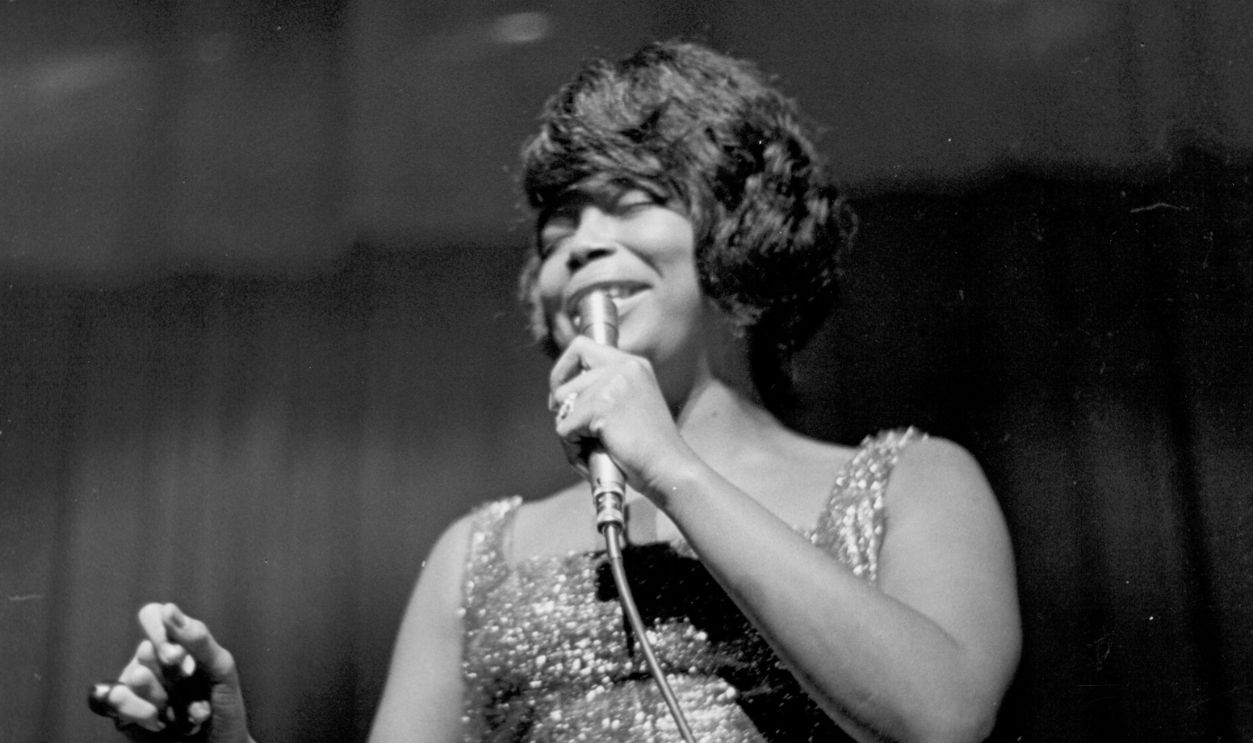
Harrison co-produced Doris Troy (1970) with Troy, and the sessions became an all-star affair. Contributors included Ringo Starr, Eric Clapton, Stephen Stills, Billy Preston, Peter Frampton, Leon Russell and Klaus Voormann. Troy and Harrison also collaborated as songwriters on “Ain’t That Cute.”
 Michael Ochs Archives, Getty Images
Stardom Still Eluded Her
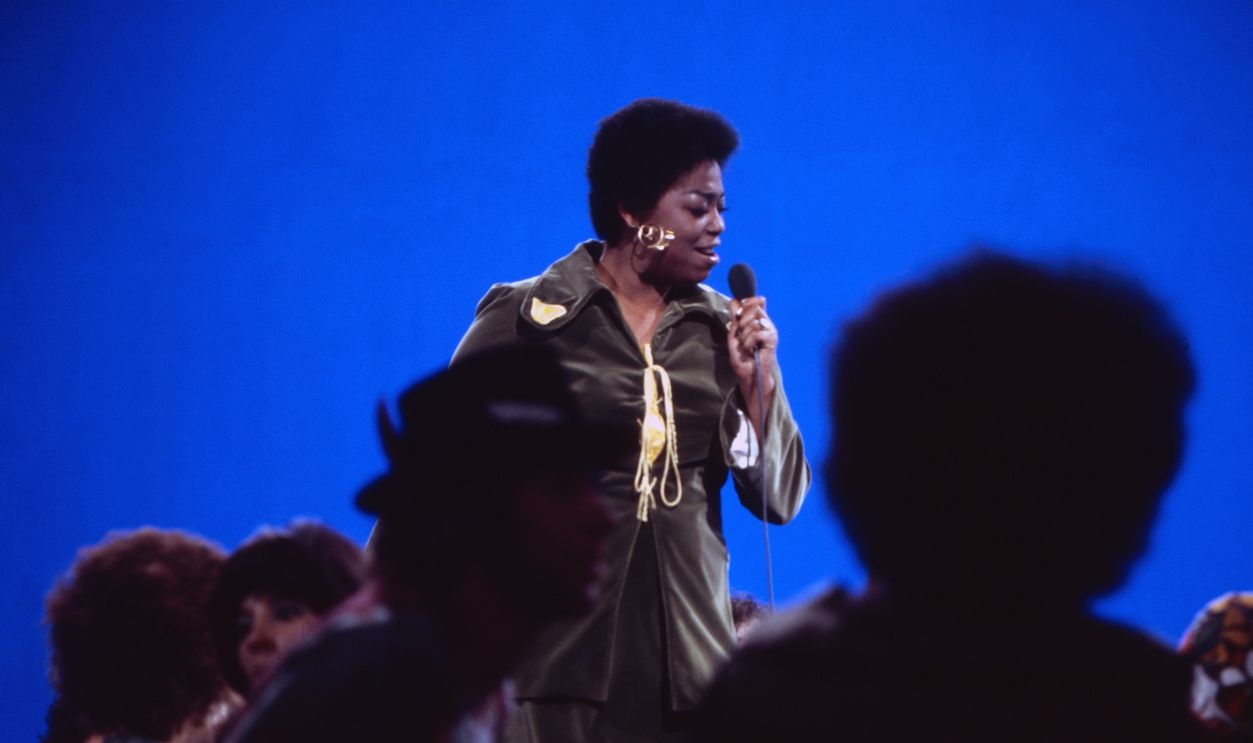
Despite its extraordinary supporting cast, Doris Troy (1970) failed to chart in either Britain or America. Troy nevertheless remained busy. Her subsequent solo albums included Rainbow Testament (1972) and Stretching Out (1974), even as session work increasingly connected her voice with major rock recordings.
Harrison Needed Her Voice
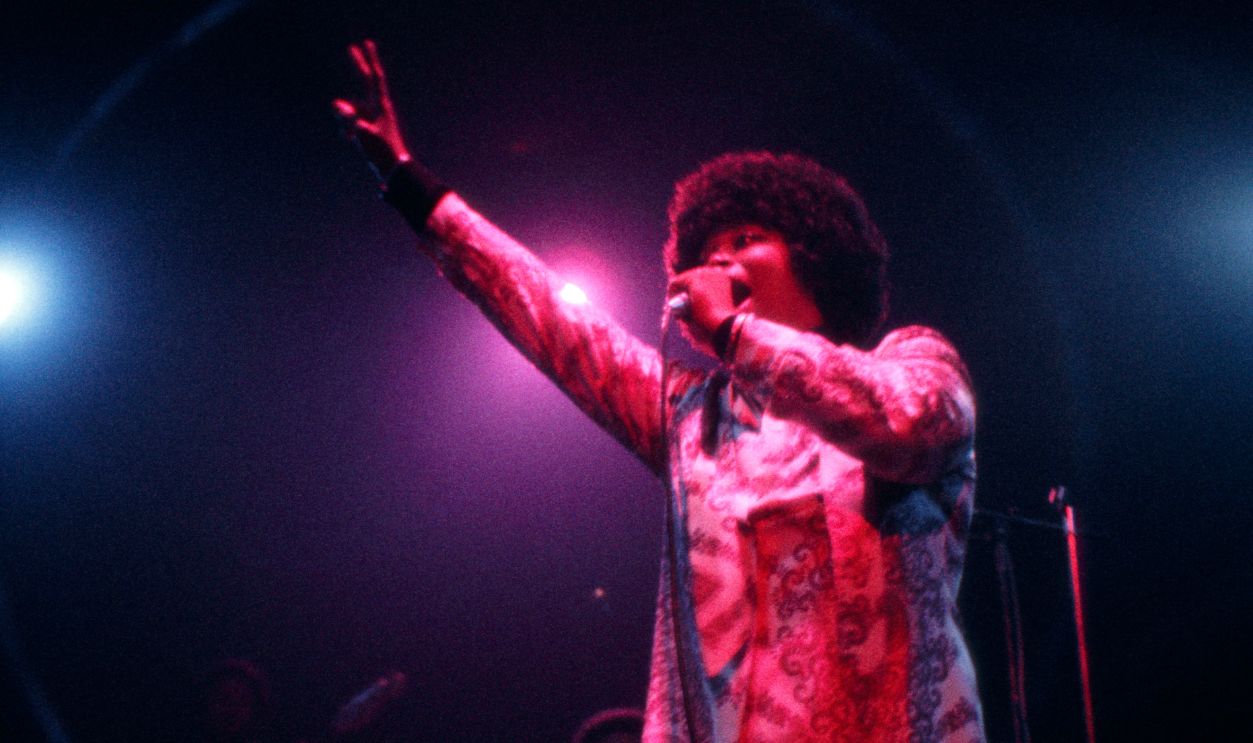
Troy’s association with Harrison extended beyond her own Apple record. She supplied backing vocals for his enormously successful solo work, including “My Sweet Lord.” It was another example of Troy’s unusual career pattern: even when her own records struggled commercially, major musicians continued seeking out her unmistakable gospel-soul voice.
Carly Simon's Superstar Sessions
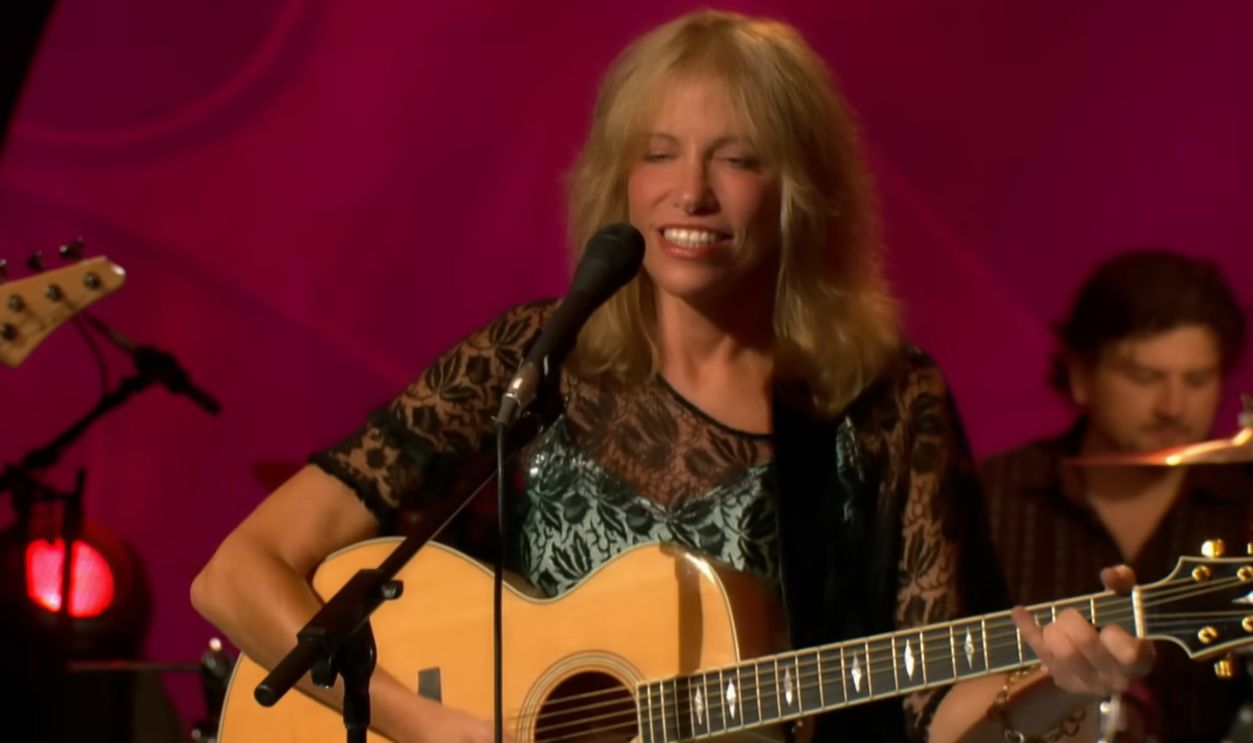
Troy also participated in Carly Simon’s No Secrets (1972), the blockbuster album containing “You’re So Vain.” Troy sang backing vocals on “Night Owl,” where she joined Bonnie Bramlett and Paul and Linda McCartney. Elsewhere on the album, Mick Jagger famously supplied backing vocals on “You’re So Vain.”
 Screenshot from You’re So Vain, Elektra Records (1972)
Pink Floyd Called Next
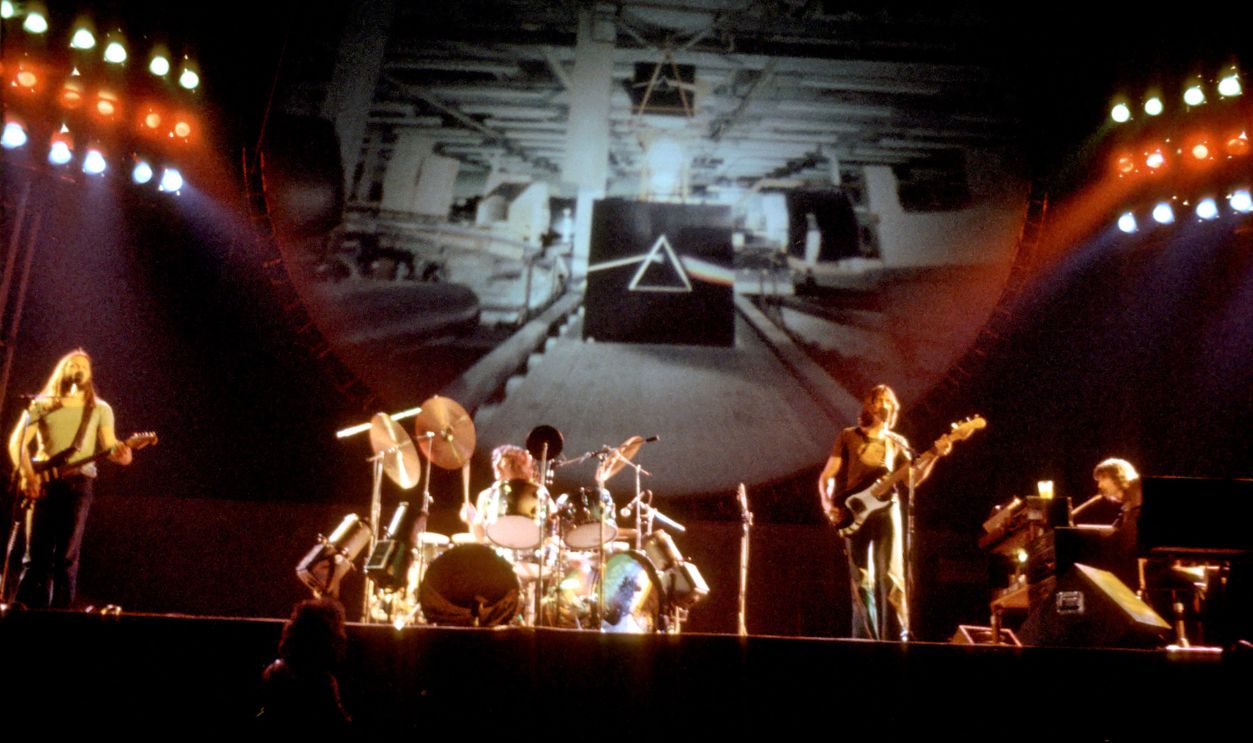
Troy provided backing vocals for Pink Floyd’s The Dark Side Of The Moon (1973), recorded at Abbey Road. She joined Lesley Duncan, Liza Strike and Barry St. John, adding soulful vocal textures to an album that became a landmark of progressive rock.
 Michael Ochs Archives, Getty Images
Nick Drake Called
Troy also entered Nick Drake’s musical world, providing backing vocals with P.P. Arnold on “Poor Boy” from Bryter Layter (1971). Their soulful, almost teasing responses gave the jazzy song a distinctive character. Remarkably, “Poor Boy” was the only track on Drake’s three studio albums to feature backing vocalists.
Her Credits Kept Growing
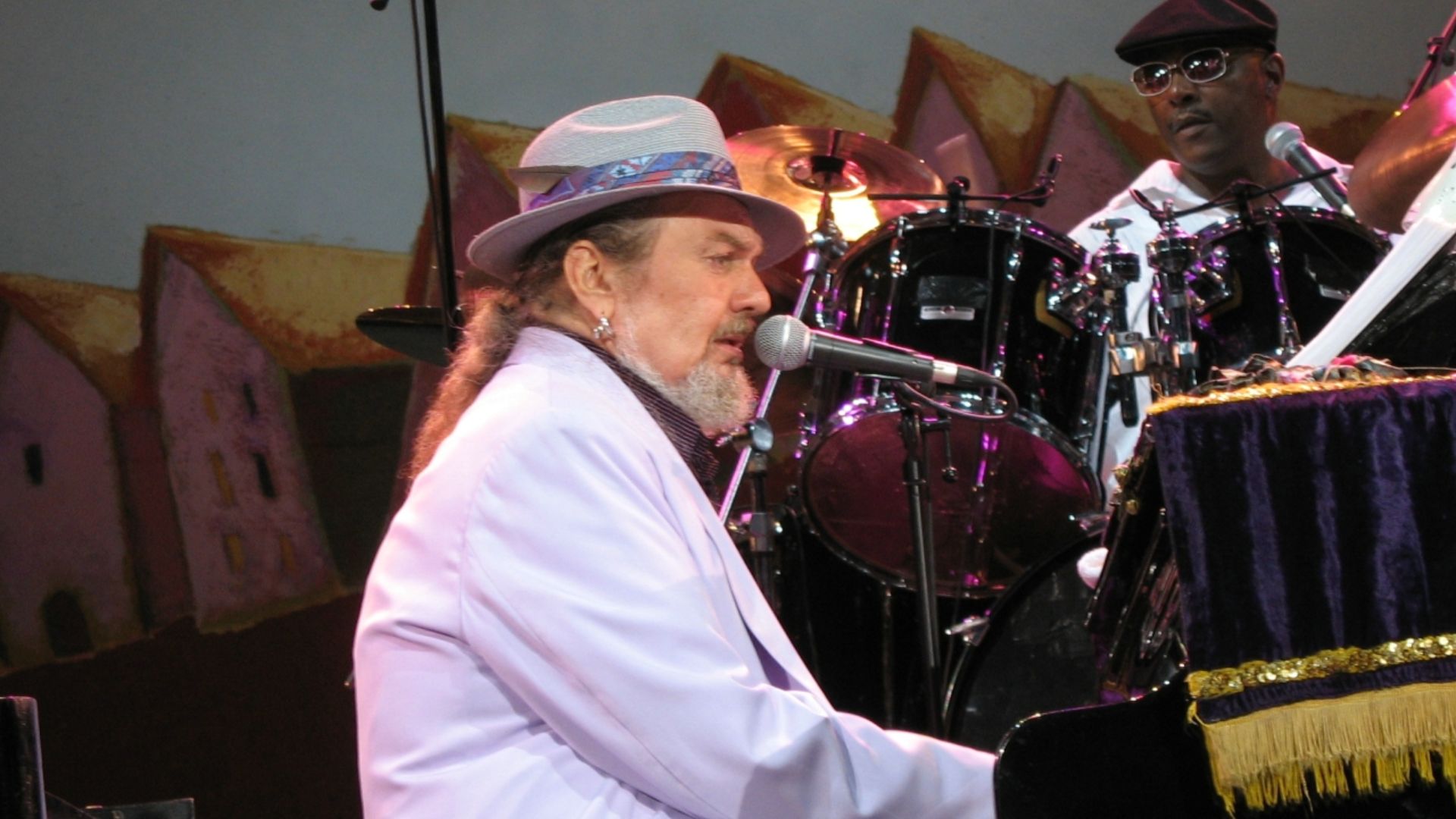
Troy’s 1970s session résumé stretched well beyond those blockbuster albums. She also appeared on recordings associated with Humble Pie, Dr. John, Kevin Ayers, Long John Baldry, Atomic Rooster and others. Her career had effectively crossed from New York soul into the heart of Britain’s rock-session community.
Her Life Became Theater
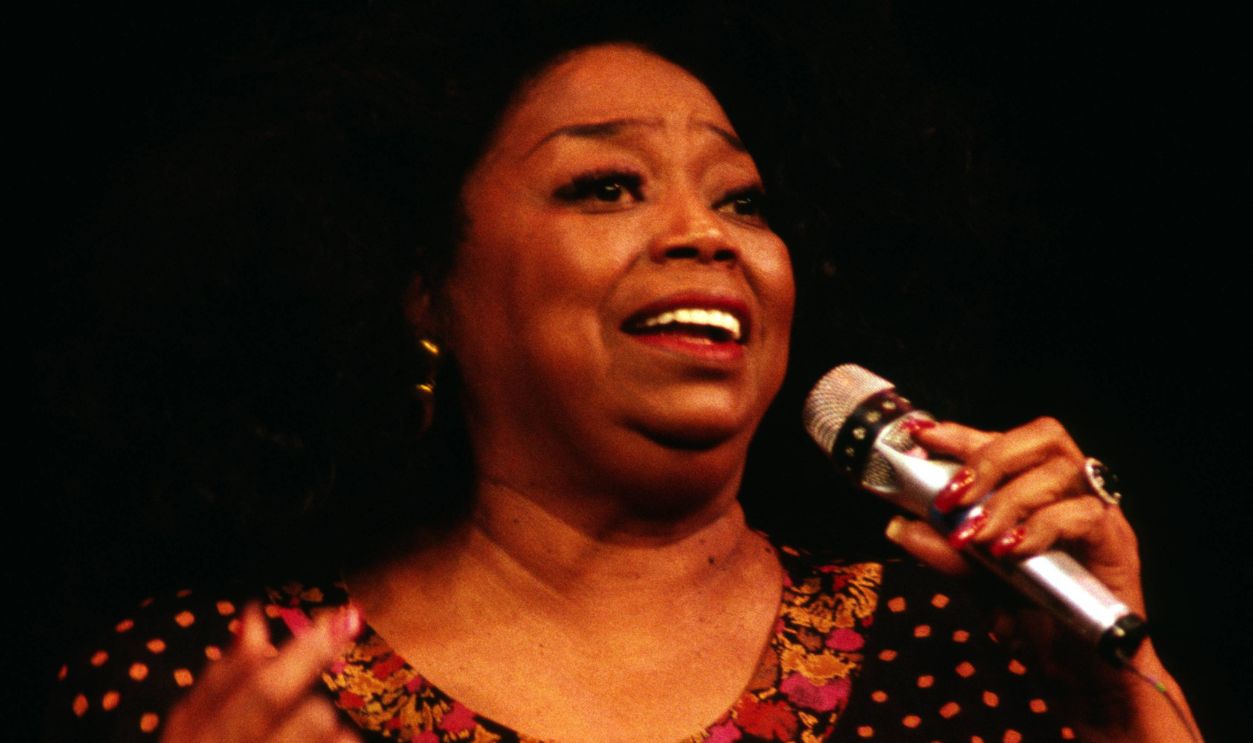
After returning to America in 1974, Troy lived in Los Angeles and later Las Vegas. In 1983, her sister Vy Higginsen and brother-in-law Ken Wydro opened Mama, I Want To Sing!, a musical inspired by Troy’s journey from a minister’s church choir into secular music.
She Played Her Mother
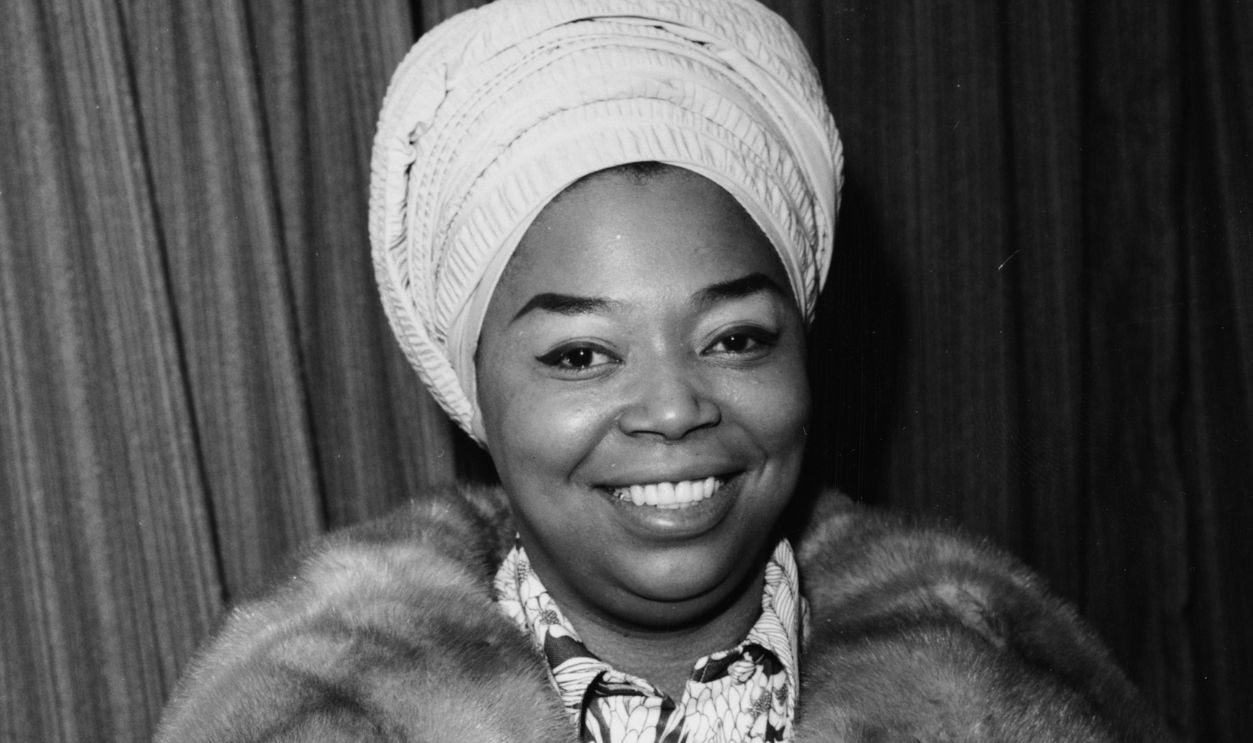
Troy eventually joined Mama, I Want To Sing! herself, but in a wonderfully theatrical twist, she did not play the character based on herself. From 1984 to 2000, she portrayed her mother, Geraldine, while younger performers played the fictionalized Doris. The production toured internationally.
One Look Lasted Forever
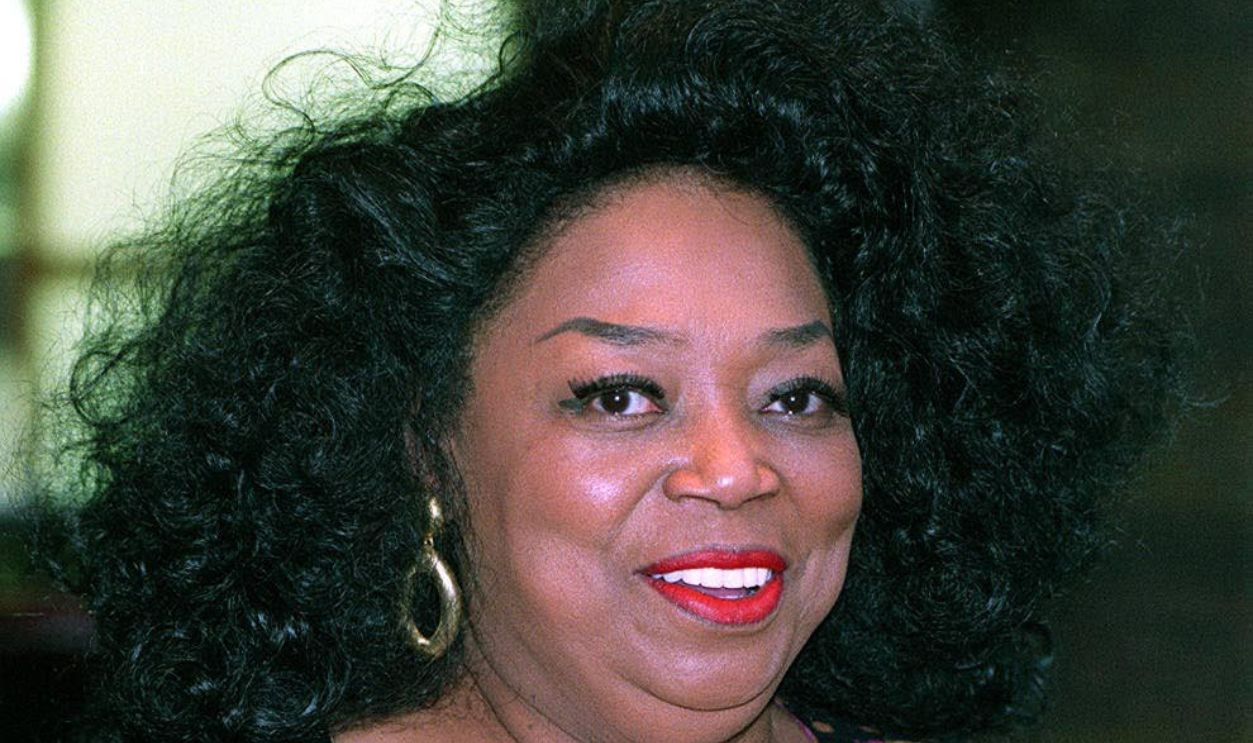
Troy continued performing in Las Vegas before dying from emphysema on February 16, 2004, at 67. Her sister’s musical kept her story alive, while generations of artists kept “Just One Look” alive. Troy once expressed gratitude that royalties from that little New York recording continued to show up in her mailbox decades later.
You May Also Like:
Mystical Facts About Nina Simone, The High Priestess Of Soul