Soul Survivors
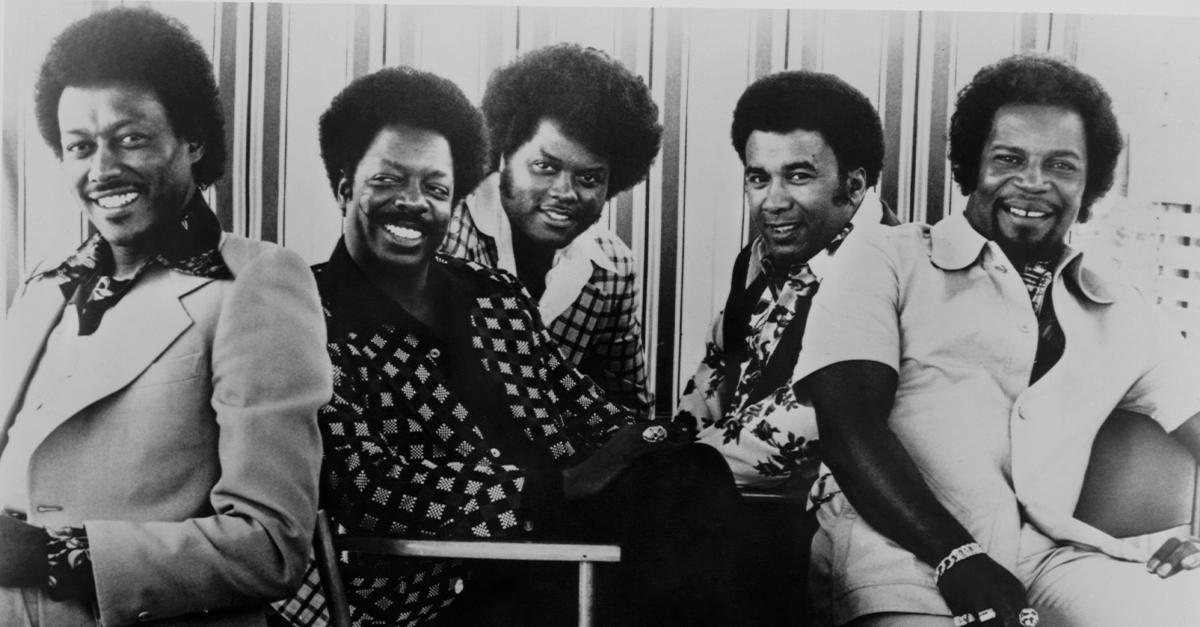
For more than six decades, The Spinners navigated shifting labels, changing lineups, and wildly different eras of American music. Formed in Detroit in the 50s, the group went through years of near-misses before finding success through a reinvention in the 70s. Their story is a lesson in persistence, and a series of pivotal creative turns that finally fell into place.
The Group Forms In Detroit
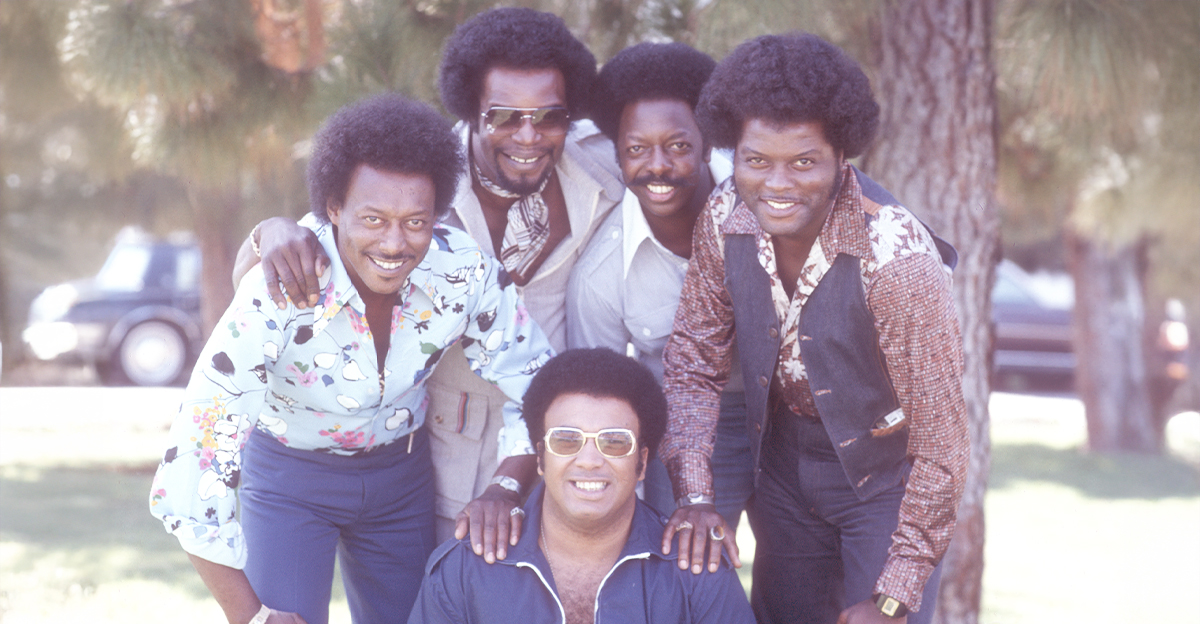
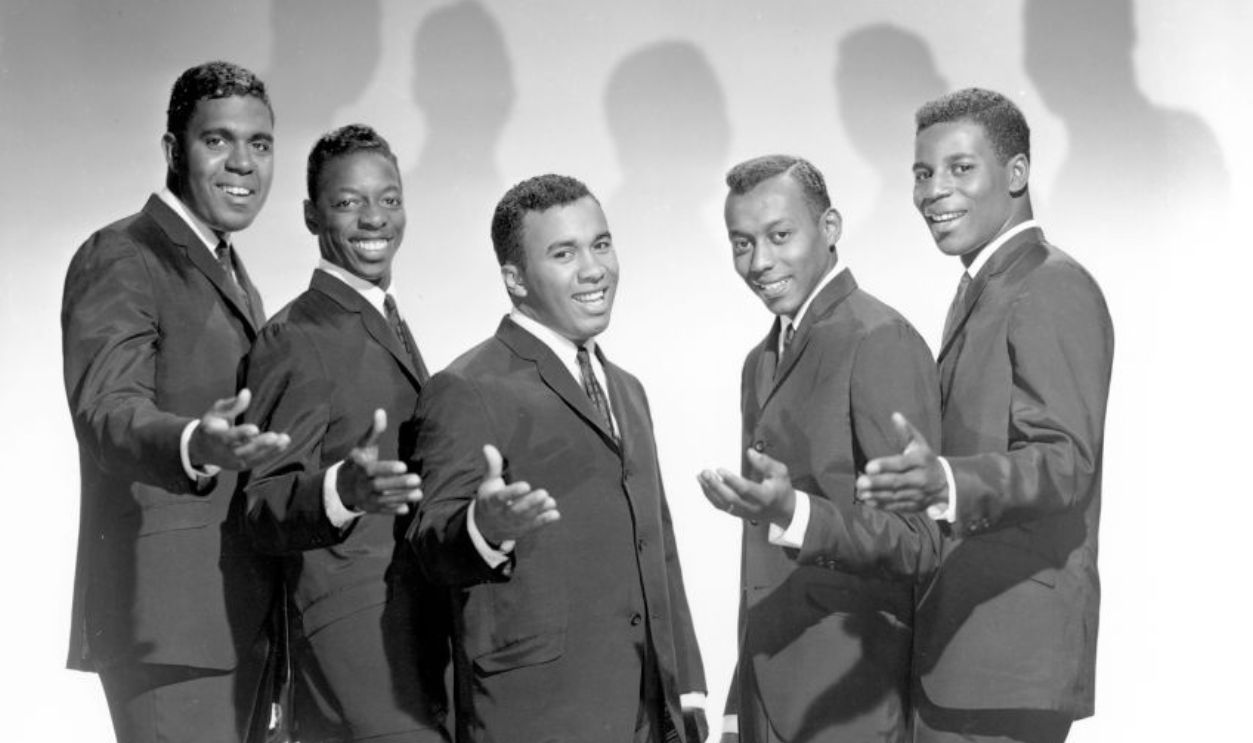
The group that later became The Spinners formed in Detroit in 1954 while its members were still in their teens. Originally called the Domingoes, the lineup consisted of Bobby Smith, Billy Henderson, Henry Fambrough, Pervis Jackson, and C.P. Spencer. Their harmonies fell squarely within Detroit’s booming postwar music scene, which soon pulled them toward Motown.
A Name Change
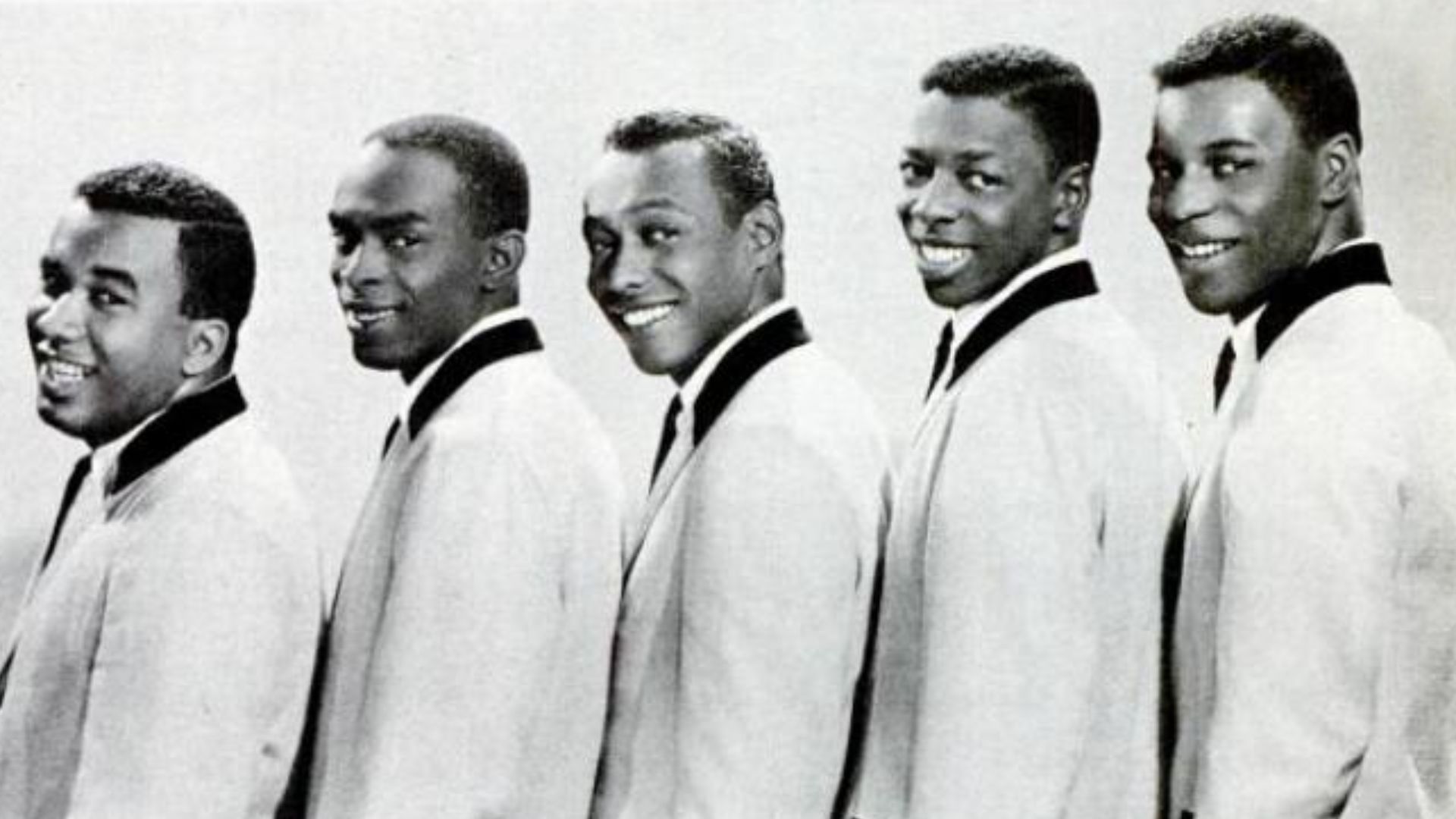
After they found out another group already used the name Domingoes, the singers renamed themselves The Spinners, inspired by a baseball term. The change came as the group was enjoying a growing local recognition in Detroit clubs. As their reputation spread, they caught the attention of Berry Gordy’s growing Motown operation. This is what led to their first major opportunity.

Signing With Motown Records
In 1964, The Spinners signed with Motown Records and were initially billed as the Detroit Spinners to avoid confusion with an identically-named British folk group. Despite joining the most powerful Black-owned label in America, the group had a hard time standing out from Motown’s crowded roster of hitmakers.
Years Of Frustration At Motown
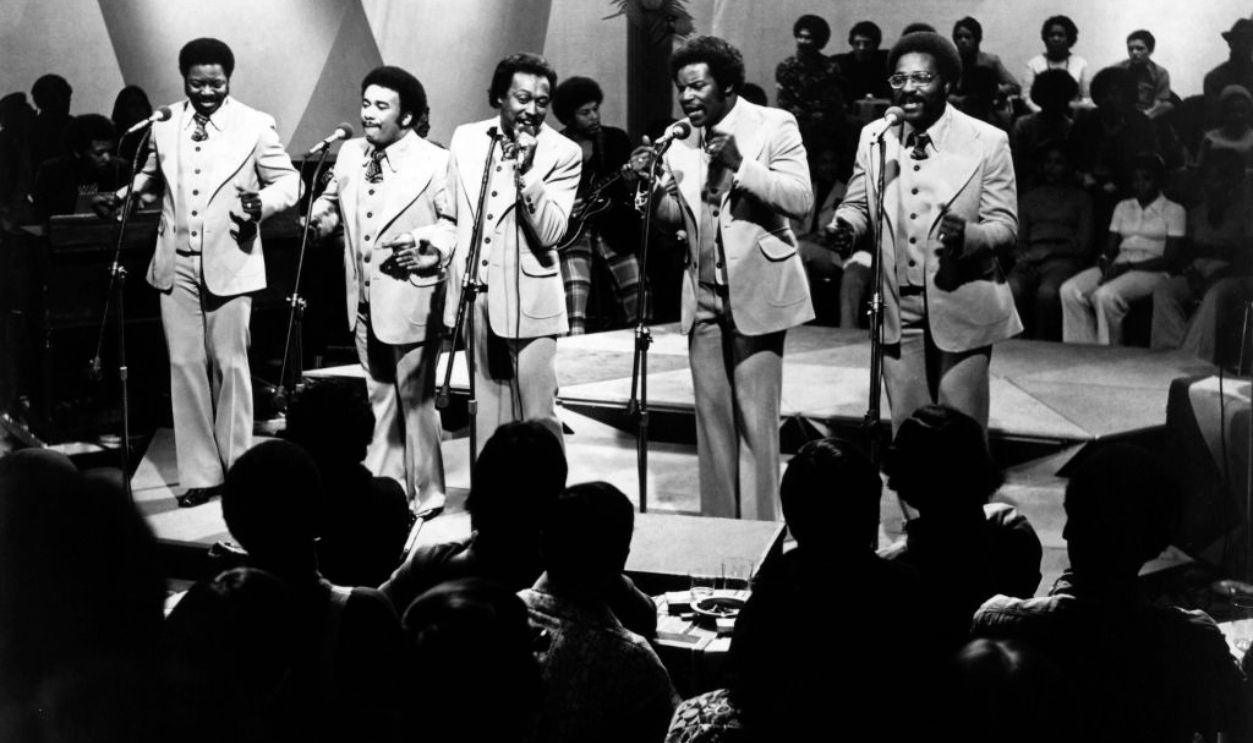
Through the mid-60s, Motown prioritized their flagship acts like The Temptations and The Supremes. The Spinners released singles but failed to score any major hits. While under contract, members also worked factory jobs and other side gigs to put food on the table. Henry Fambrough worked as a chauffeur for Motown president Berry Gordy’s mother. But the group's vocal skills were quietly getting better and better behind the scenes.
 Michael Ochs Archives, Getty Images
G.C. Cameron Joins The Group
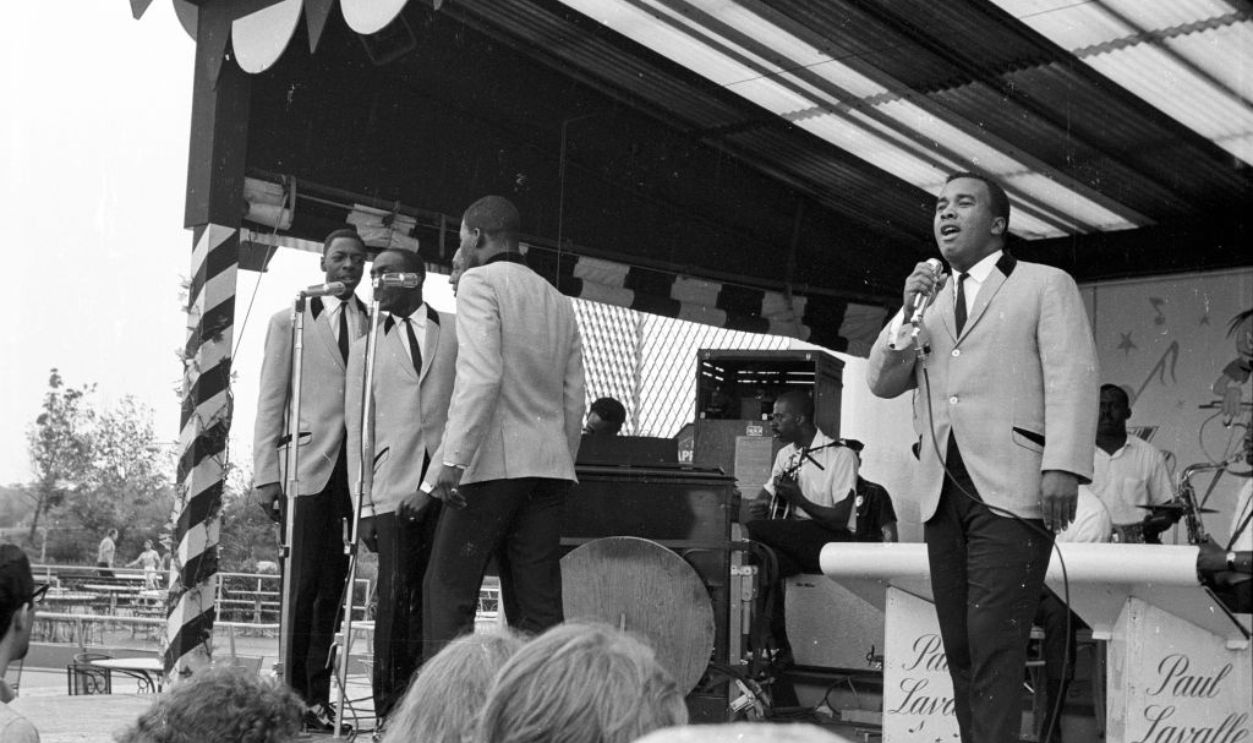
In 1967, vocalist G.C. Cameron joined the lineup, bringing a smoother, more contemporary lead vocal style. His arrival marked a shift in the group’s sound. Cameron’s presence soon proved to be a difference-maker when Motown’s Stevie Wonder took an interest in the group’s potential. The scene was set for the group’s first breakthrough.
 Michael Ochs Archives, Getty Images
Stevie Wonder Helped Out
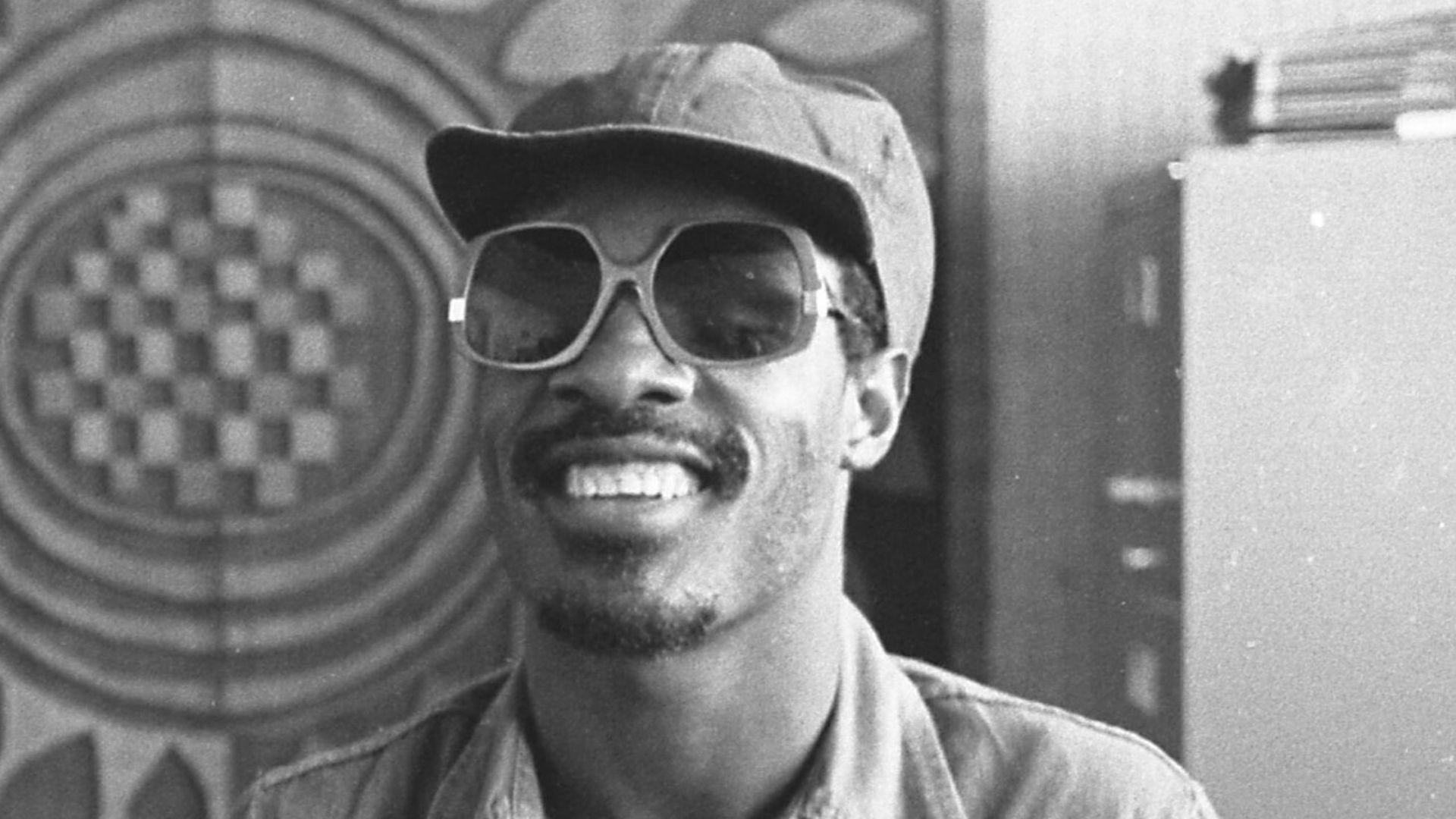
Stevie Wonder co-wrote and produced the song “It’s A Shame” for The Spinners in 1970. The song became their first Top Twenty pop hit, finally validating years of effort they’d put in. Despite this success, Motown failed to capitalize on the momentum. Meanwhile, Cameron’s rising profile would soon impact the group’s future.
 UCLA digital library, Wikimedia Commons
Motown Let The Spinners Slip Away
Even after the encouraging response to “It’s A Shame,” Motown offered very little in the way of follow-up support. Frustrated by years of stalled progress, The Spinners started looking for a new label. As the group pondered the uncertain road ahead, they were determined to gain the creative freedom to make the music they'd always dreamed of. Then they got a welcome piece of advice from an unlikely source.
 Michael Ochs Archives, Getty Images
Encouragement From The Queen Of Soul
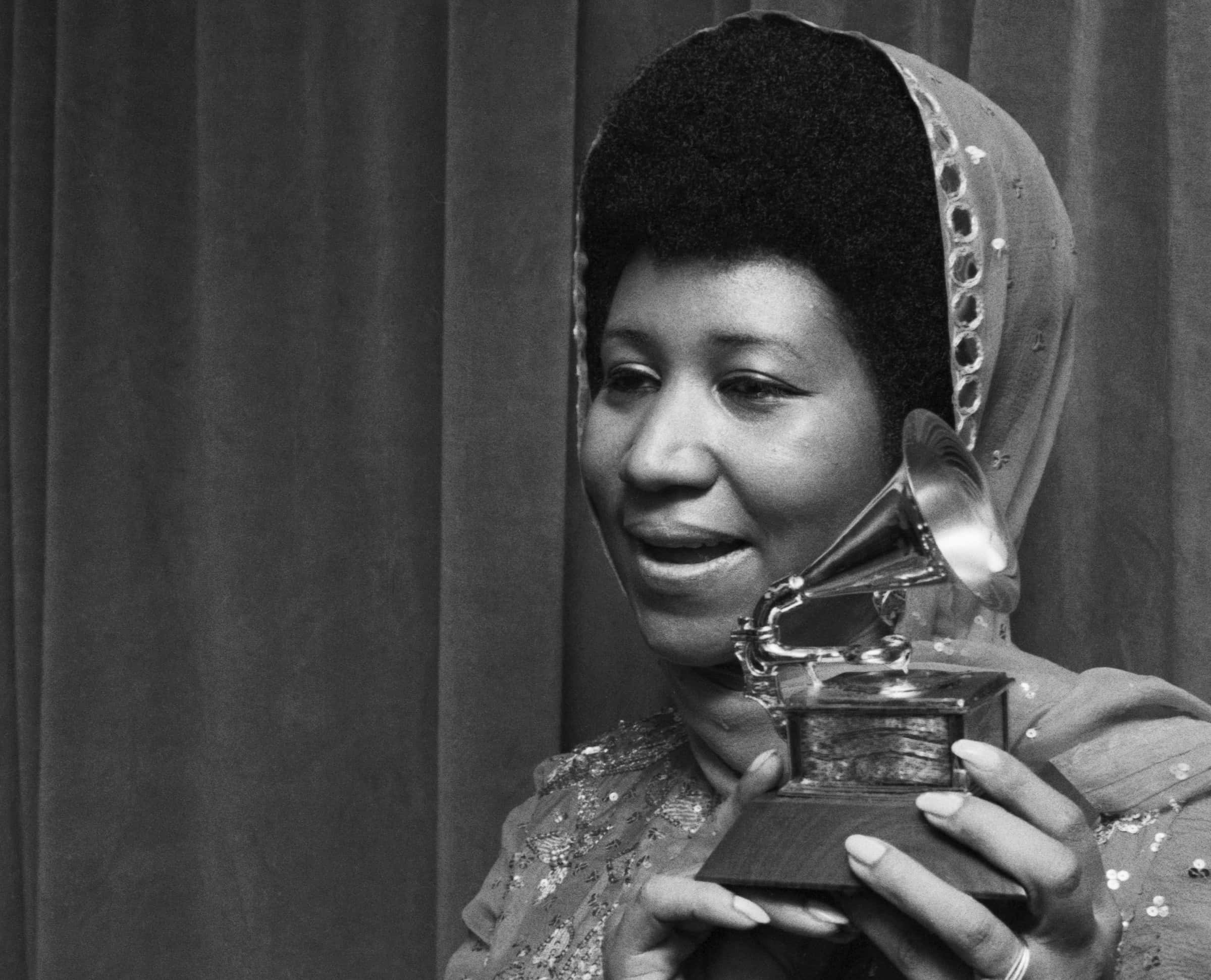
Legend has it that Aretha Franklin was the one who originally put The Spinners on the trail to Atlantic Records, longtime soul innovators, after she had become aware that the group's Motown contract was winding down. The advice turned out to be historic, as it marked the key turnaround that would shape the destiny of The Spinners.
Deal With Atlantic Records
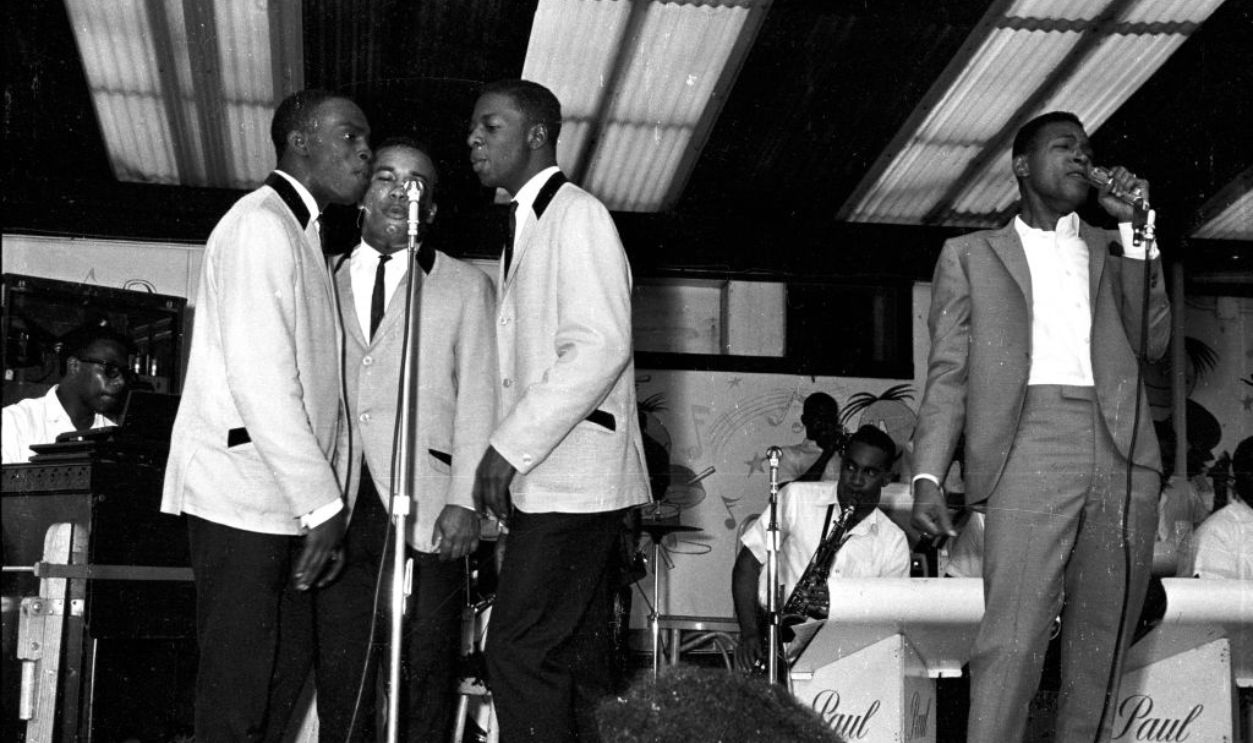
In 1972, The Spinners signed with Atlantic Records under producer Thom Bell. Bell immediately started adapting the group’s vocals to the lush Philadelphia soul sound. It transformed the group’s entire musical direction, beginning the most commercially successful era of their career almost right from the start.
 Michael Ochs Archives, Getty Images
Phil Wynne Becomes Lead Vocalist
Phil Wynne now joined The Spinners in 1972, replacing his cousin G.C. Cameron, who returned to Motown to develop his solo career. Wynne’s elastic tenor and playful delivery shook up the group’s identity. His arrival was a perfect match for Thom Bell’s sophisticated arrangements, helping redefine The Spinners’ sound even further.

Breakthrough: I’ll Be Around
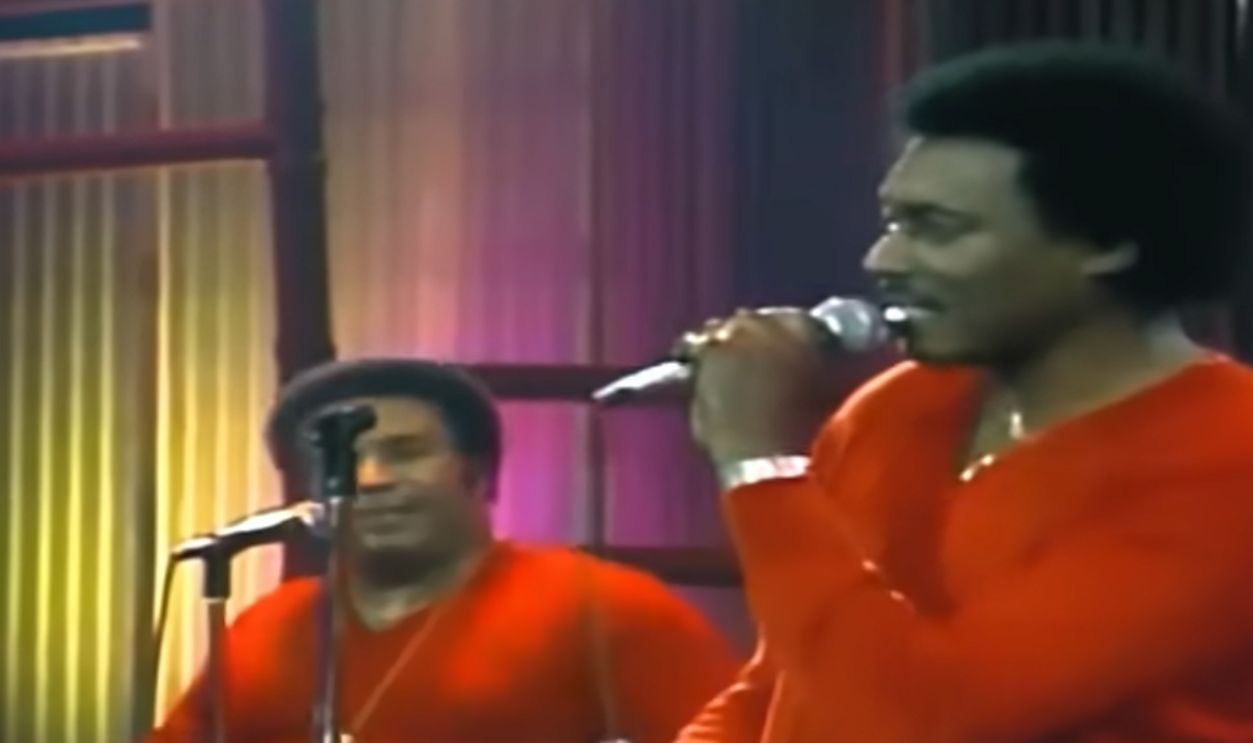
“I’ll Be Around” was released in 1972 and quickly took its place as The Spinners’ signature hit. The song reached all the way to number three on the Billboard Hot 100 and topped the R&B chart. Its rotating lead vocals showcased the group’s natural chemistry and announced their full arrival as major stars.
 Screenshot from I’ll Be Around, Atlantic (1972)
Could It Be I’m Falling In Love
Unlike with their first hit, this time the group made a solid follow-up effort to keep their momentum going. After “I’ll Be Around,” The Spinners released “Could It Be I’m Falling In Love,” another massive hit blending romance with intricate harmonies. The song cemented their status on pop and R&B radio, proving they were no flash in the pan and fully justifying Atlantic’s investment.
 Screenshot from I’ll Be Around, Atlantic (1972)
Rubberband Man Pushes Boundaries
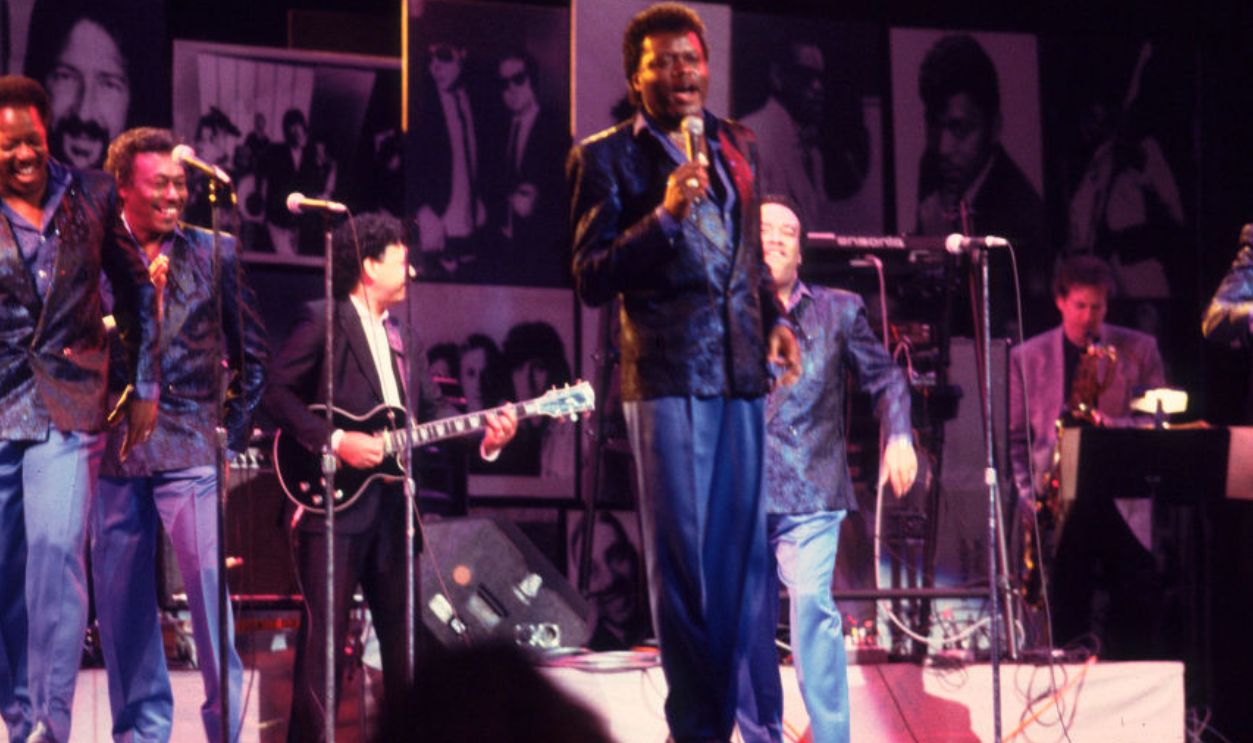
In 1976, “Rubberband Man” showcased a funkier, more playful side of The Spinners. Phil Wynne’s vocals were the driving force that propelled the track straight up into the Top Ten. The song demonstrated the group’s adaptability during a decade when soul music increasingly overlapped with funk and disco influences.
The Classic Atlantic Lineup
By the mid-70s, what fans recognize as the group’s classic lineup: Phil Wynne, Bobby Smith, Henry Fambrough, Billy Henderson, and Pervis Jackson, was firmly established. Each member handled their own specific vocal roles, allowing the group to maintain great harmonic precision while performing demanding arrangements on stage and in the studio.

Touring And Collaborations Expand Their Reach
The Spinners toured extensively during the Atlantic years and shared stages with artists across soul and pop genres. Their polished live shows deepened their reputation as elite vocal performers, kept them from falling off their commercial peak, and influenced younger harmony groups trying to break through in the same era.
They Lost Wynne
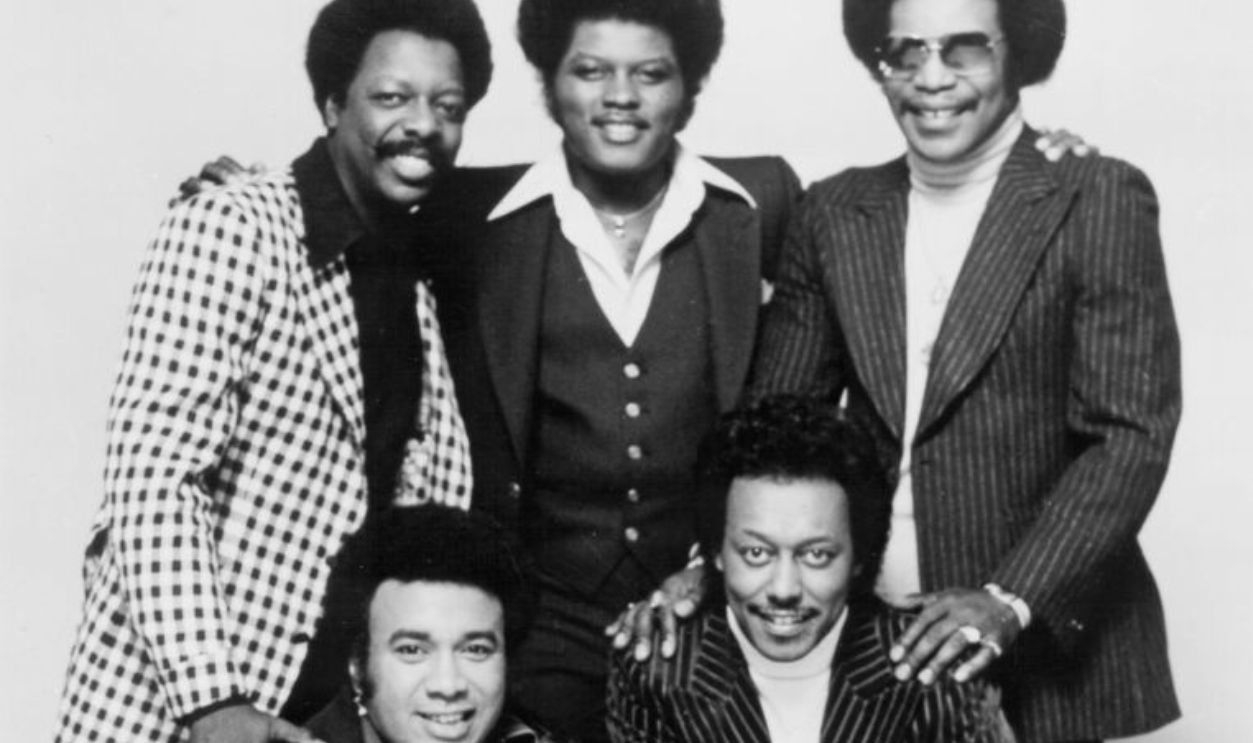
In 1977, Phil Wynne left the group to pursue his own solo projects after the group refused his request to change their name to Phil Wynne and the Spinners. His exit shook up the lineup and marked the end of their most successful period. Although the group continued recording, the chemistry that defined their Atlantic peak turned out to be difficult to replicate.
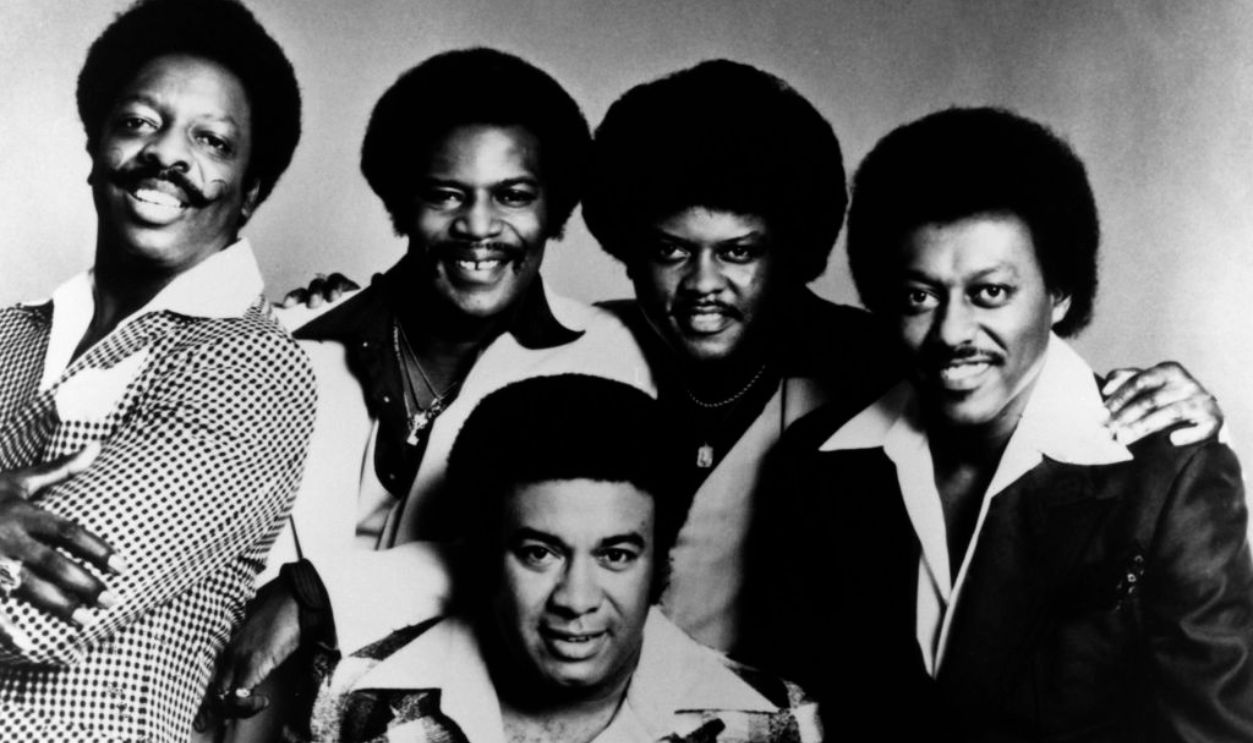
Personnel Changes Continue Through The 80s
The 80s brought a revolving door of different group members and further shifting musical trends. While The Spinners continued to tour and release material, chart success slowed. Their earlier hits had been so solid that it kept them in demand, especially on the nostalgia circuit, where their reputation remained strong.

Later Years Focus On Touring
As radio tastes continued to evolve over the years, The Spinners focused more on more on live performance. Henry Fambrough remained a constant presence, providing continuity across decades as an original group member. The group’s continued popularity with fans reflected the strength of those classic 70s recordings rather than any new chart releases.
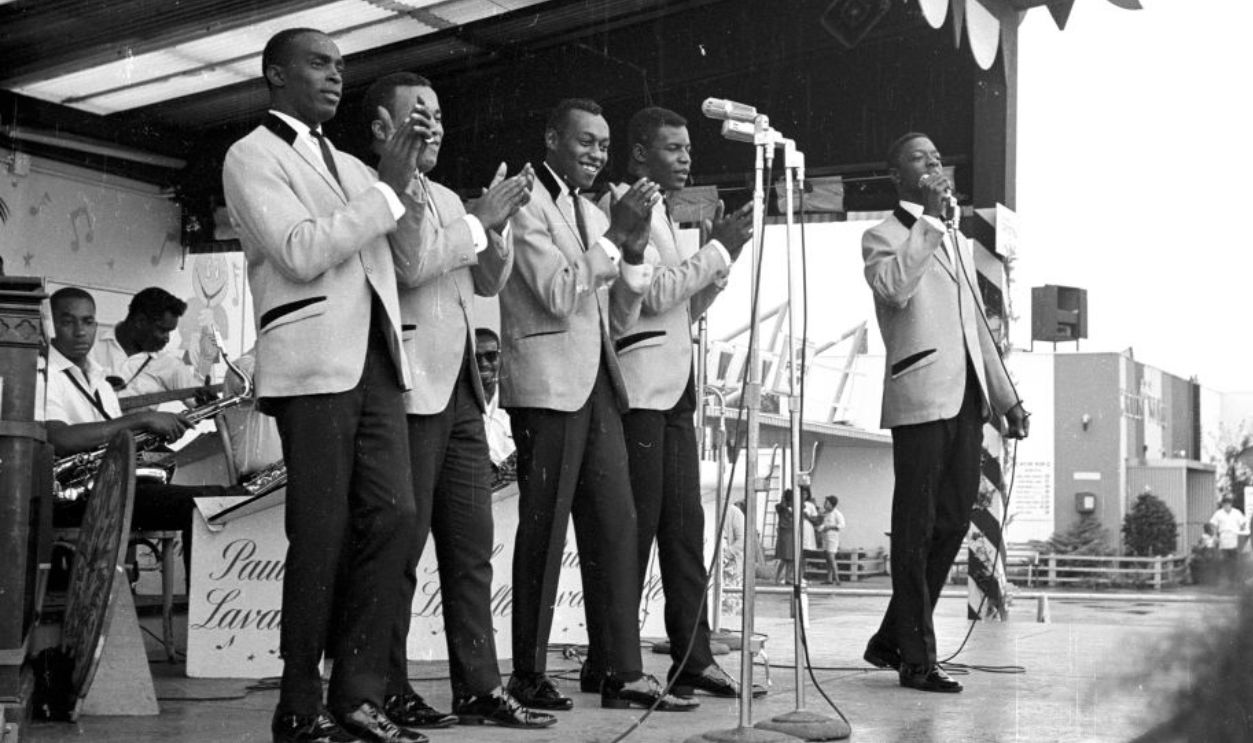 Michael Ochs Archives, Getty Images
Industry Recognition Builds
Over time, The Spinners received growing recognition for their contributions to soul and R&B. Retrospectives and reissues emphasized their Atlantic Records-era work, bringing renewed attention to their complex harmonies and long odyssey through the music business.
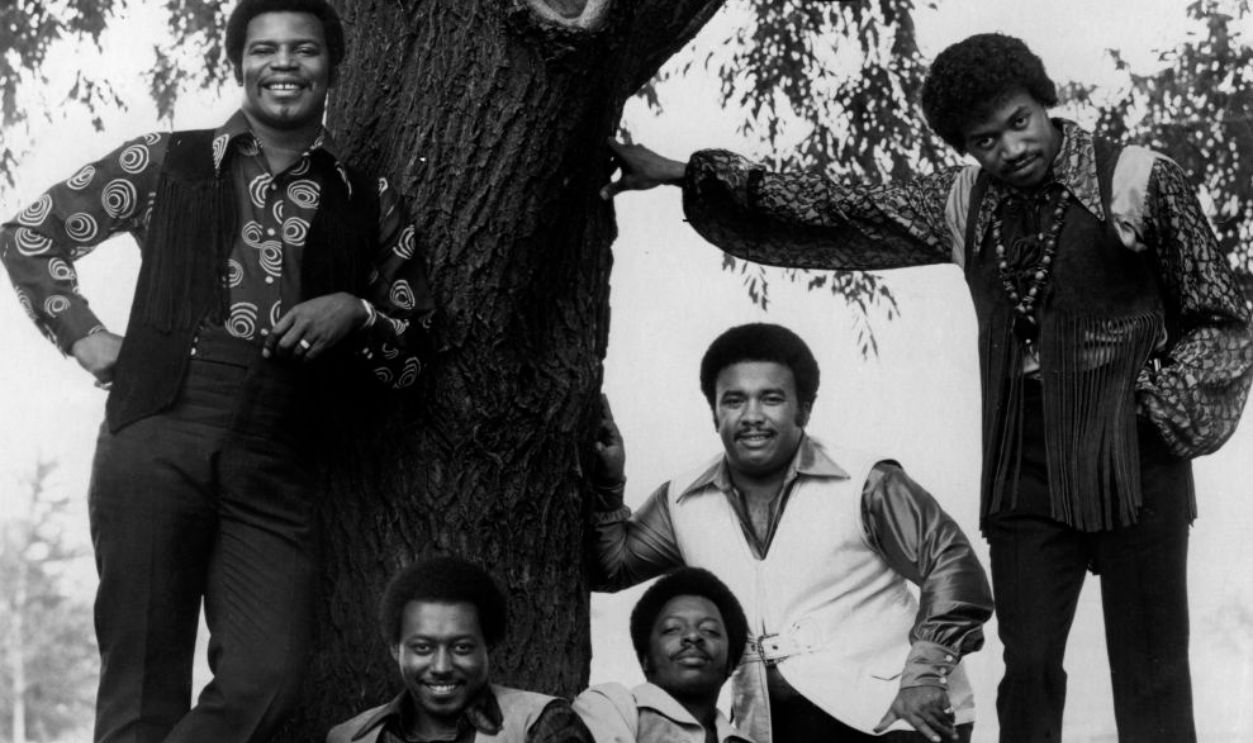
Performing Into Their Senior Years
The four original members of the group continued to perform and tour well into the 2000s when most guys their age have long since retired. Highlights included a guest appearance on the David Letterman Show in which Bobby Smith sang lead while battling the lung cancer that would claim his life in 2013. Billy Henderson passed on in 2007 and Pervis Jackson the year after that.
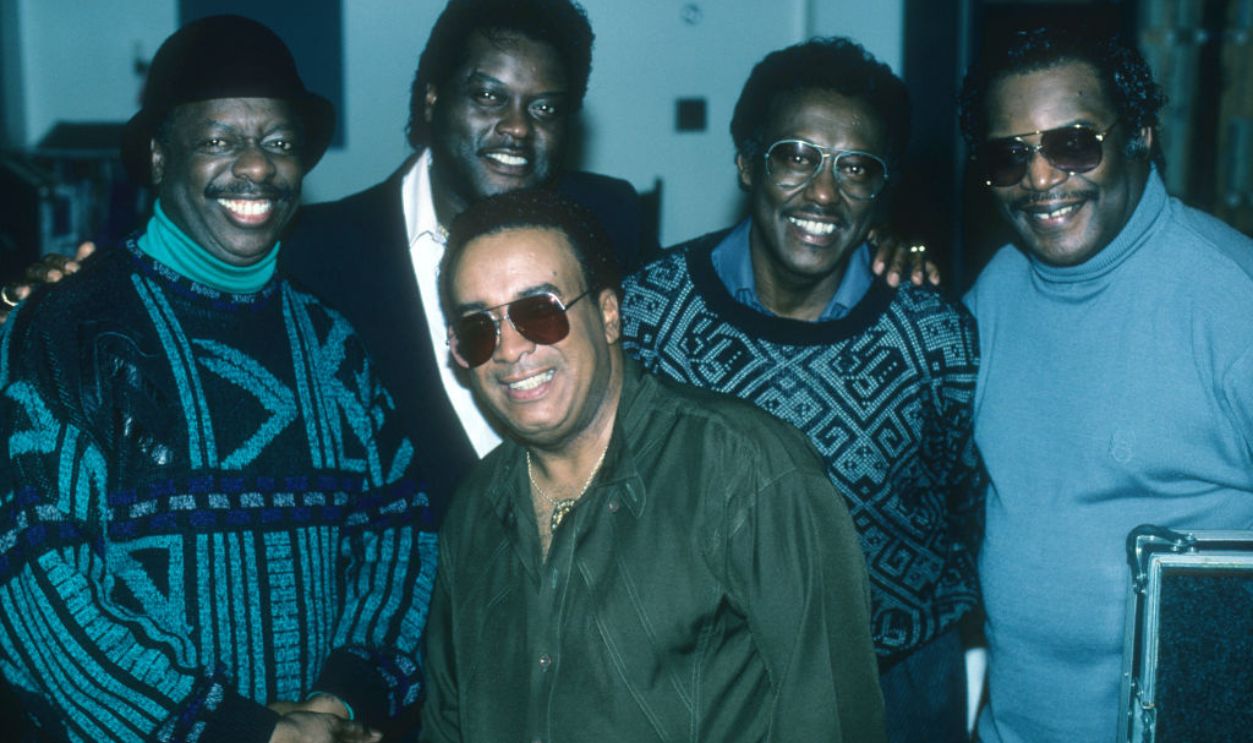
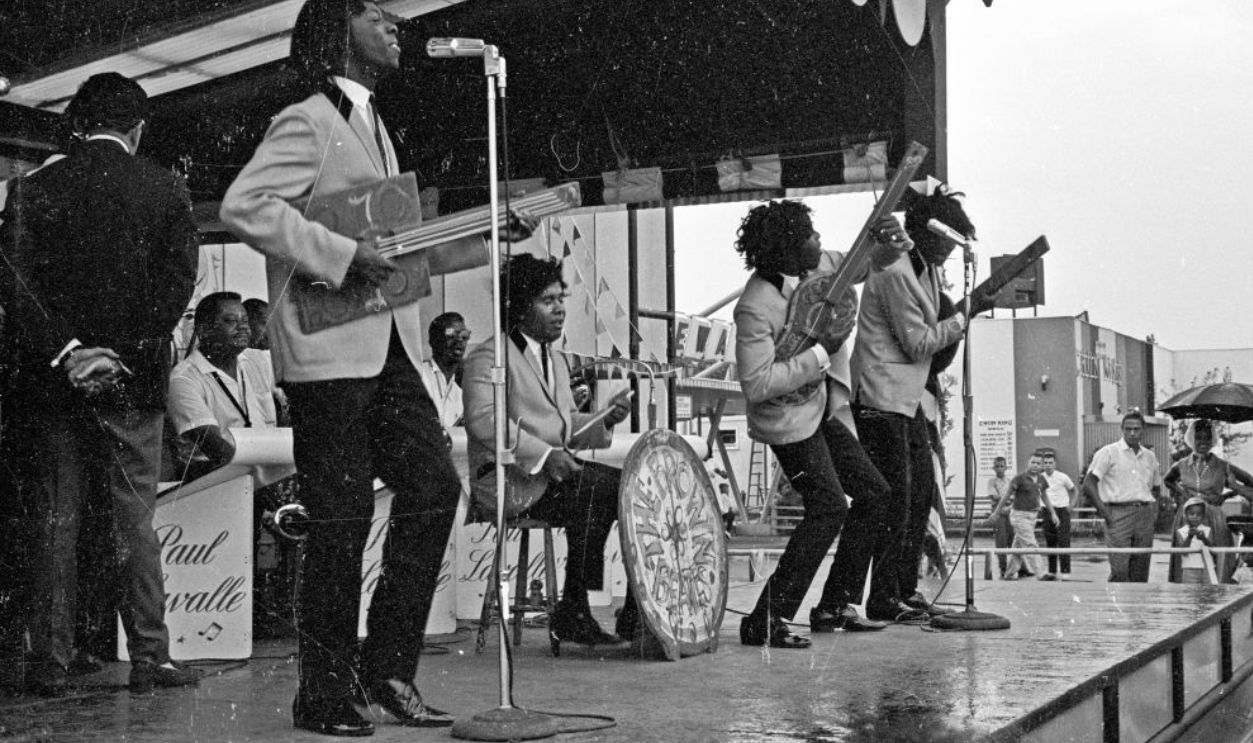
R & B Hall of Fame
The Spinners were recognized by the National Rhythm and Blues Hall of Fame in 2015. It was one item on the growing list of honors extended to the group in celebration of their body of work and staying power.
 Michael Ochs Archives, Getty Images
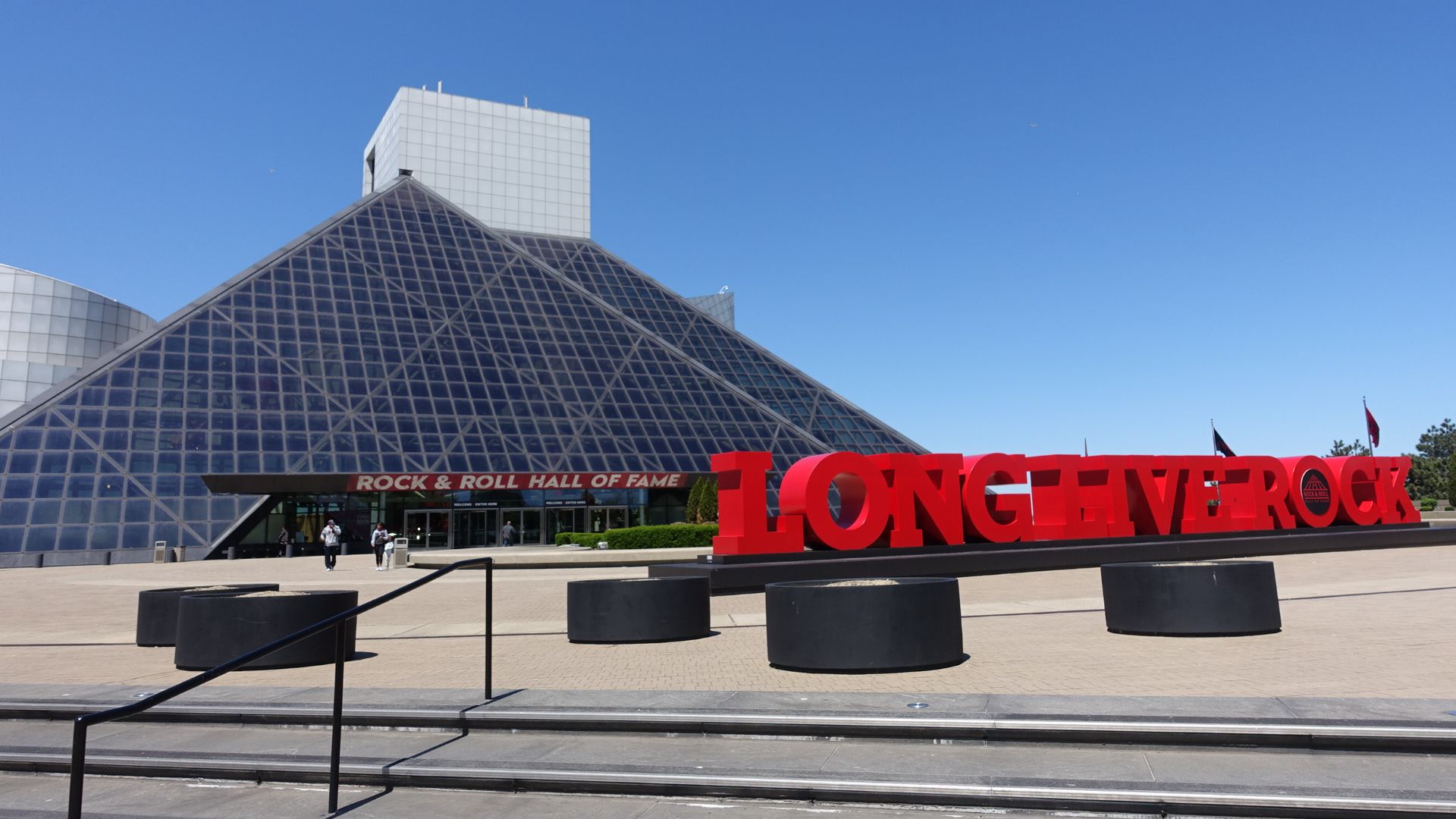
Rock And Roll Hall Of Fame Induction
In 2023, The Spinners were inducted into the Rock and Roll Hall of Fame. The honor acknowledged their decades-long career, landmark recordings, and perseverance through industry setbacks. It was a closing chapter to a story defined by patience, reinvention, and total artistic commitment to great music.
 GordonMakryllos, Wikimedia Commons
In History’s Embrace
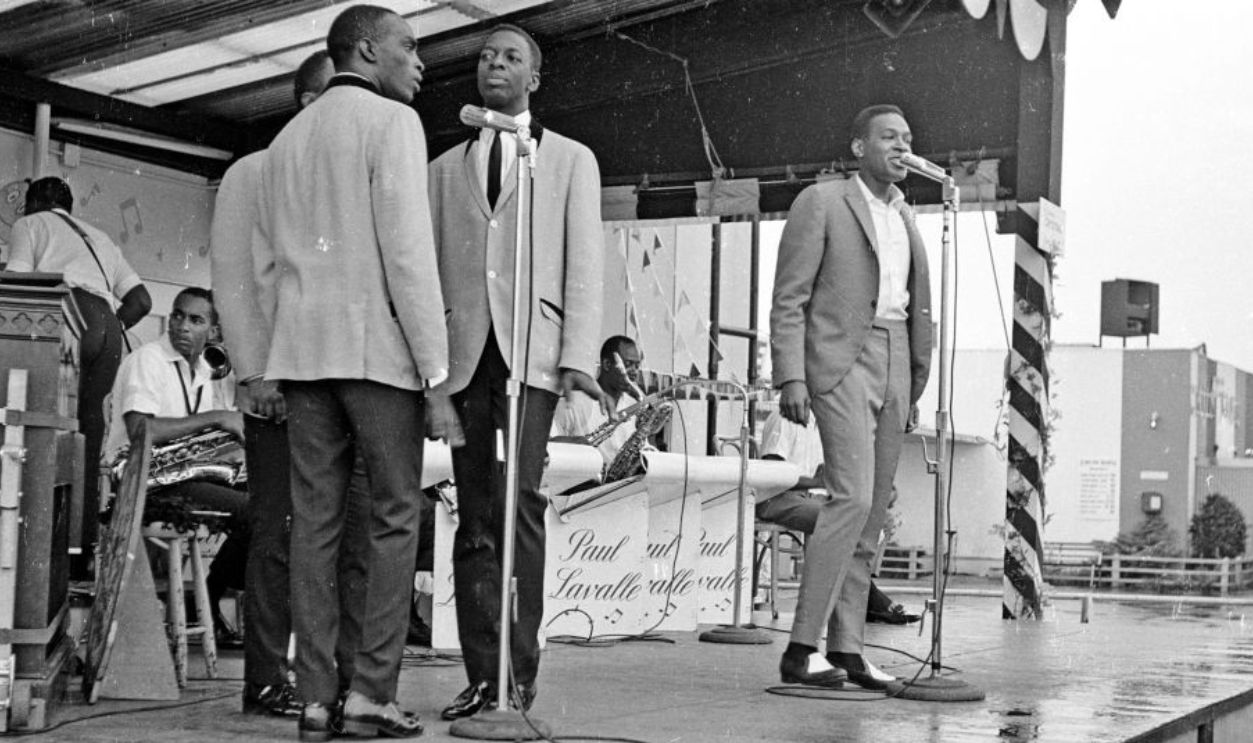
None of the original members of the Spinners are still with us; the most recent loss was that of Henry Fambrough who passed in 2024, a year after retiring from the group he spent nearly seven decades singing with. Phil Wynne had already tragically died in 1984 at the young age of 43. All of the current Spinners have joined the group in 2009 or later.
 Michael Ochs Archives, Getty Images
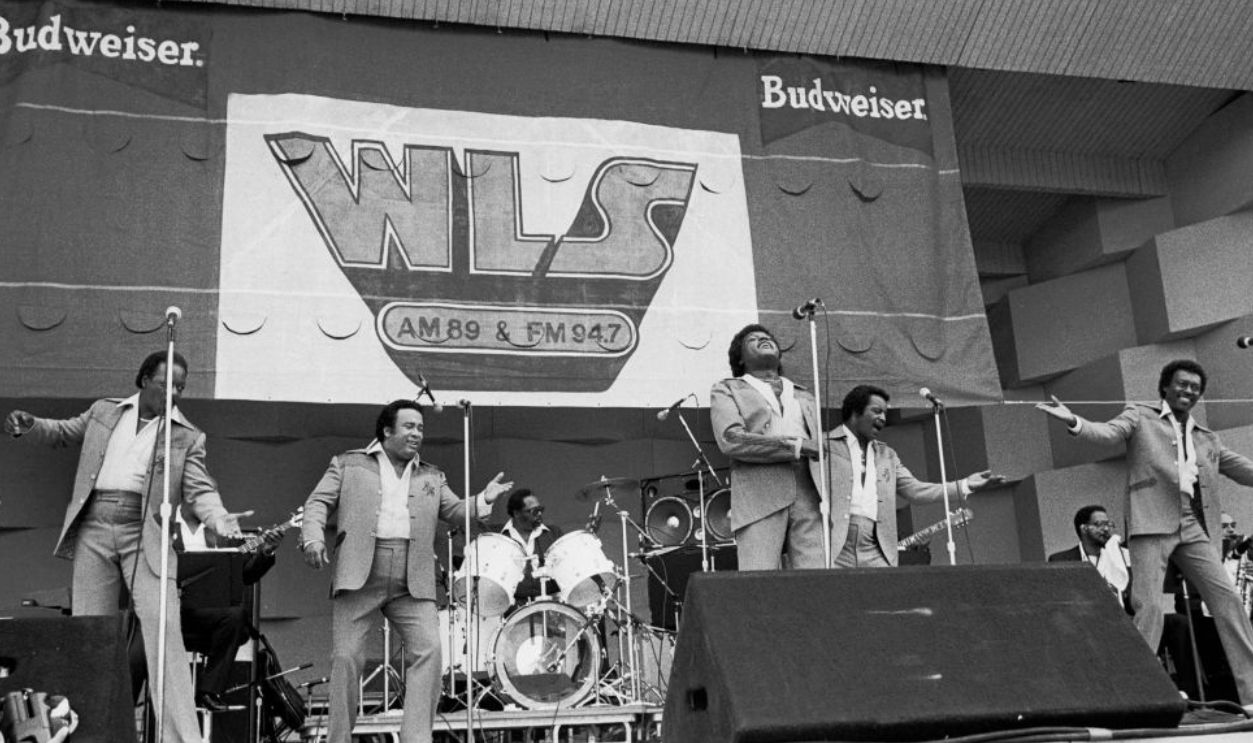
A Career Defined By Persistence
From Detroit streetcorners to Motown disappointment and Atlantic triumph, The Spinners’ history unfolded slowly but decisively with peaks of incredible glory along the way. Each personnel change, hit record, and label shift built upon the last, creating a career shaped by enduring passion rather than instant success.
You May Also Like: