The Women Who Rewrote Rock Music
Rock music was never just a boys' club. Throughout the 1970s, a remarkable group of female performers challenged expectations, reinvented familiar sounds, and influenced entire generations of musicians, often without receiving the recognition their contributions deserved.
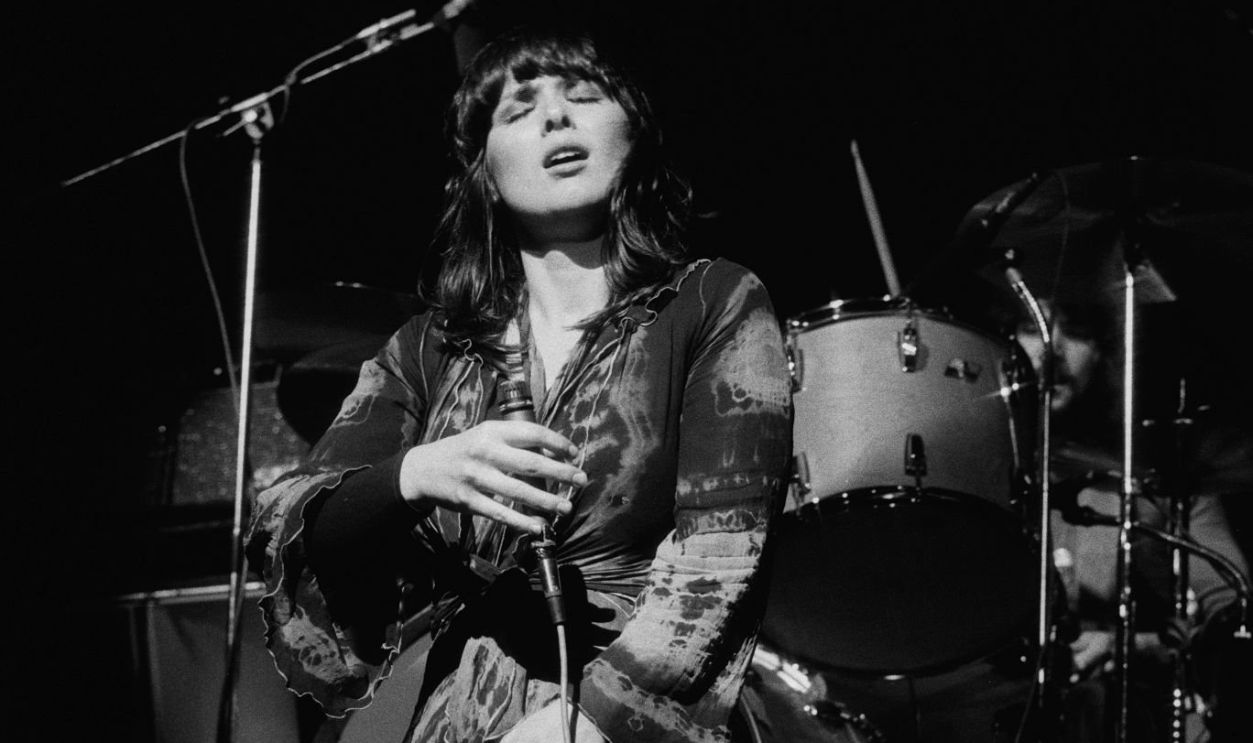
Ann Wilson Proved Women Could Lead Hard Rock Bands
When Heart emerged from the Pacific Northwest during the 1970s, Ann Wilson brought a commanding voice to a musical landscape dominated by male performers. The band's 1975 debut album, Dreamboat Annie, introduced audiences to a combination of powerful hard rock and delicate acoustic arrangements. Songs like "Magic Man" and "Crazy on You" demonstrated that Wilson could deliver enormous vocal intensity without sacrificing melody or emotion.
Heart's Success Changed The Rules
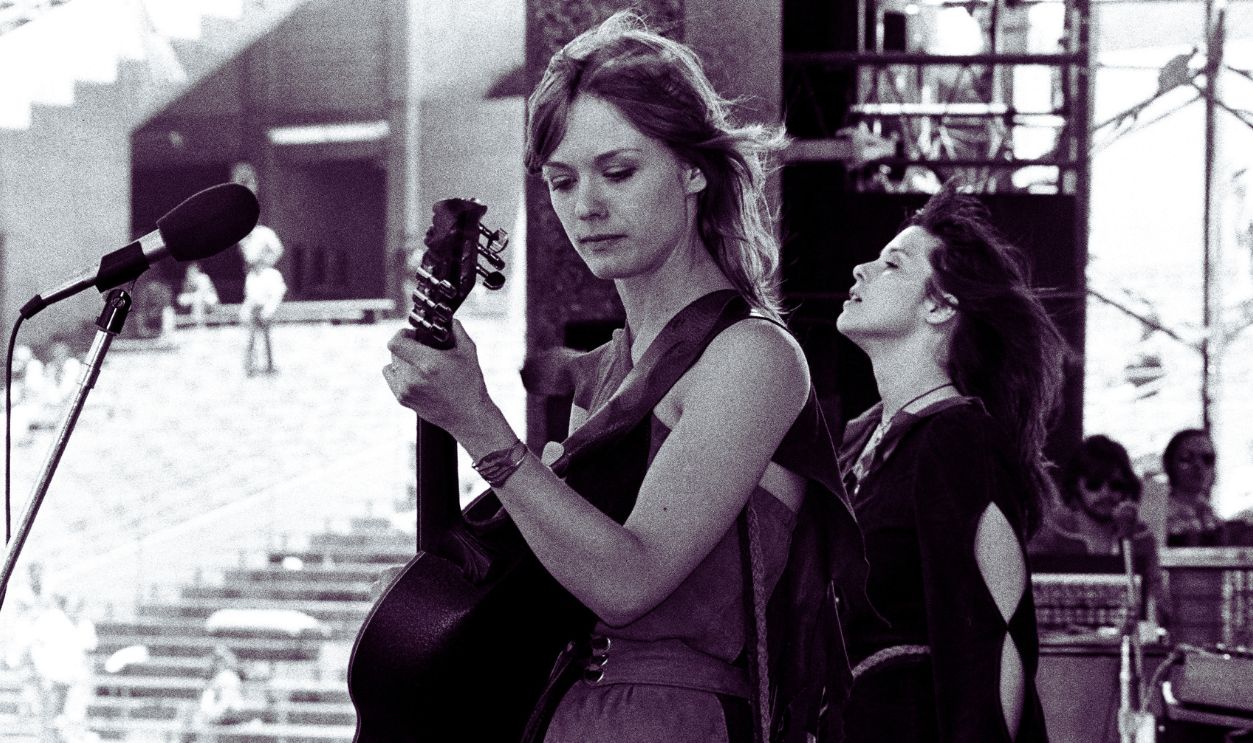
Heart's breakthrough challenged assumptions about who could lead a commercially successful hard rock group. Ann's soaring vocals, combined with sister Nancy Wilson's distinctive guitar playing, became central to the band's identity. Their 1977 album Little Queen included "Barracuda," a fierce recording that remains one of Heart's defining achievements and helped establish the sisters as major figures in rock history.
 Richard McCaffrey, Getty Images
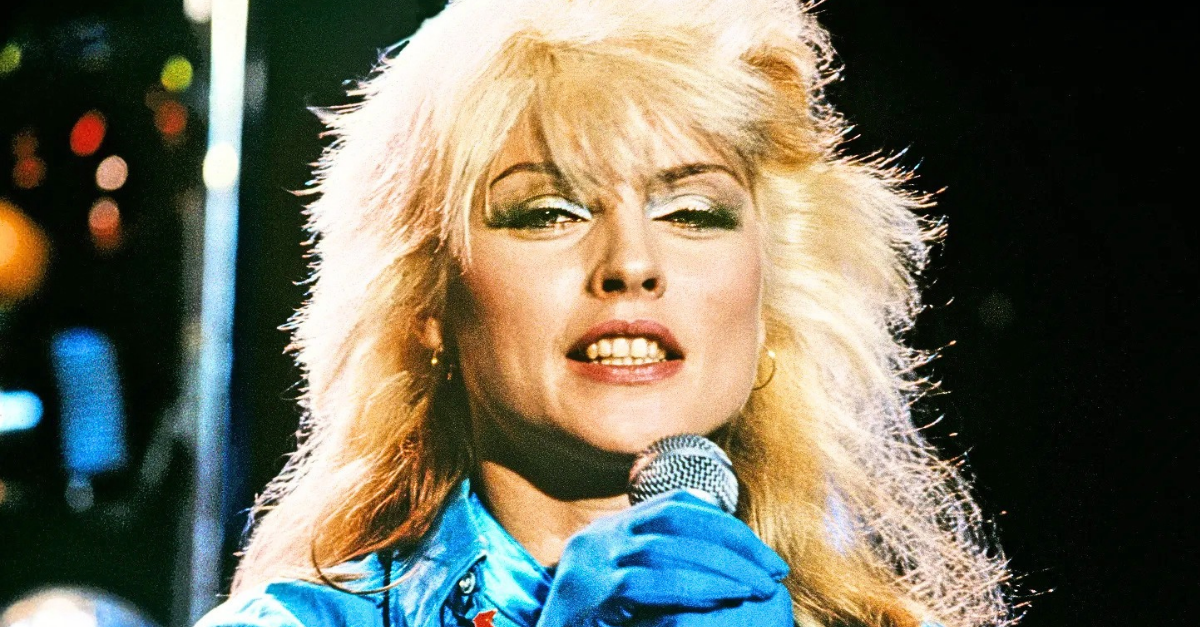
Debbie Harry Turned Underground Rock Into Mainstream Success
Debbie Harry helped transform Blondie from a fixture of New York's underground music scene into one of the most successful groups of the late 1970s. Emerging from the same musical environment that produced numerous punk pioneers, Blondie developed a distinctive sound combining sharp guitars, catchy melodies, and unexpected stylistic influences. Harry's cool vocal delivery and magnetic stage presence made her the recognizable face of a band that refused to fit into one musical category.
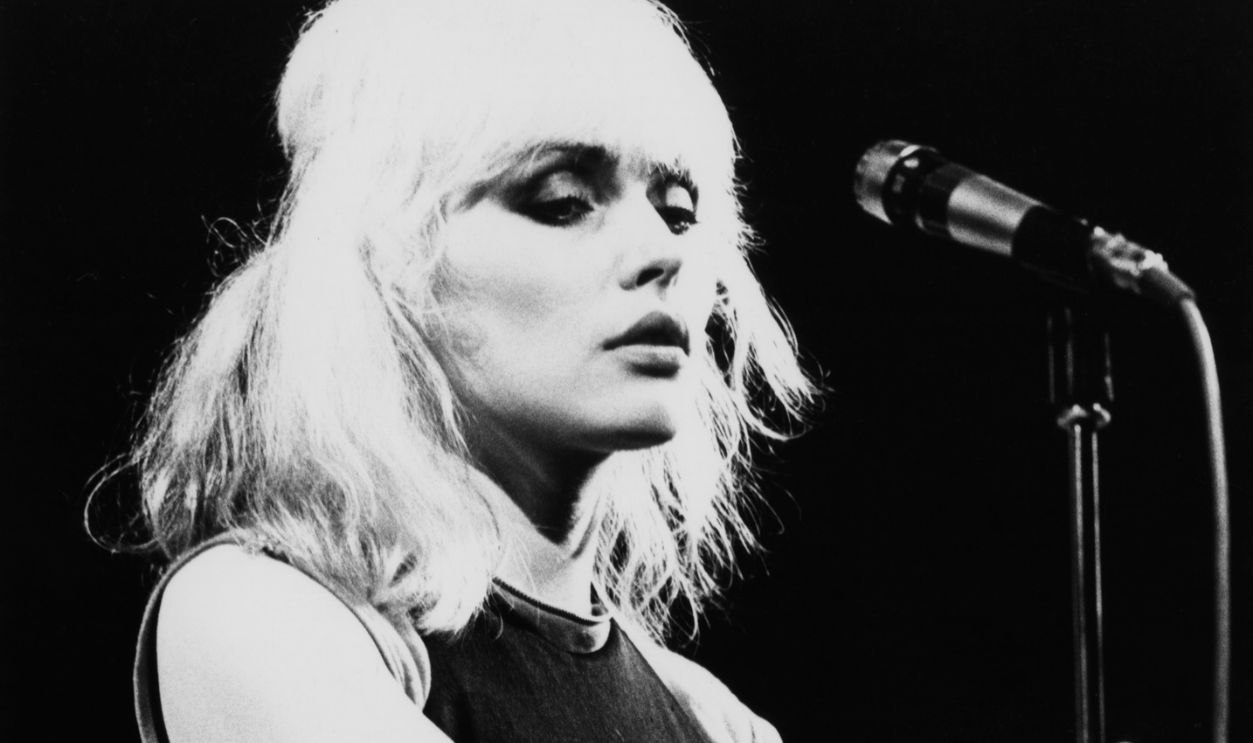
Blondie Refused To Follow The Punk Rulebook
When Blondie released Parallel Lines in 1978, the group demonstrated that punk-influenced musicians could achieve enormous commercial success. Their 1979 American chart-topper "Heart of Glass" blended the band's rock roots with dance music, helping introduce its sound to a much broader audience. Rather than limiting themselves to one style, Harry and her bandmates embraced experimentation that helped shape the future of new wave and pop-rock.
 Private Stock Records, Wikimedia Commons
Patti Smith Made Poetry Sound Like Rock And Roll
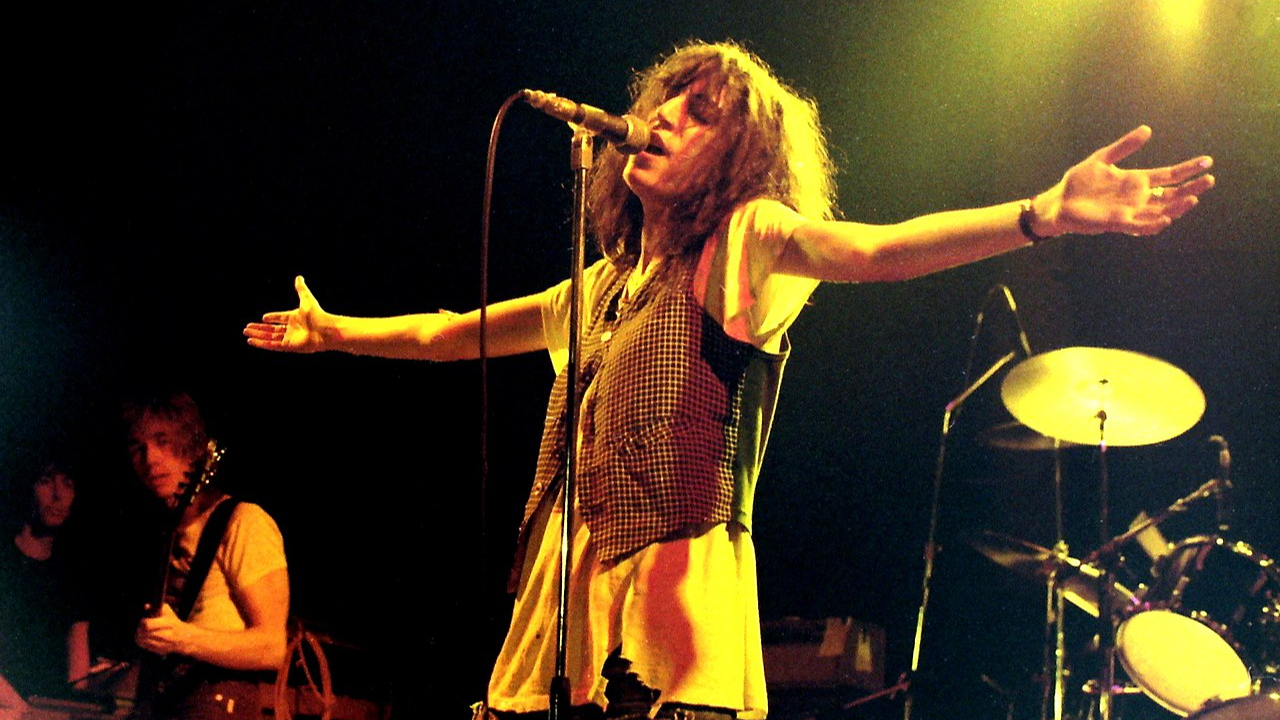
Patti Smith's 1975 debut album, Horses, was unlike almost anything else happening in popular music. Working with guitarist Lenny Kaye and producer John Cale, Smith combined literary imagery, improvisation, and stripped-down rock arrangements into a sound that challenged conventional songwriting. Her intense delivery made the album feel simultaneously like a poetry reading and an explosive rock performance, establishing her as a crucial figure in the development of punk.
 Klaus Hiltscher, CC BY-SA 2.0, Wikimedia Commons
Horses Helped Make Punk Possible
Although punk was already developing in several cities, Horses demonstrated how artists could create powerful rock music without following established commercial formulas. Smith's emphasis on authenticity and uncompromising artistic expression influenced musicians who would shape alternative rock for decades. The Rock & Roll Hall of Fame specifically recognizes her importance in opening new creative possibilities for artists who wanted their music to remain challenging and deeply personal.
 Beni Köhler from Finland (en:User:Skit ineb), Wikimedia Commons
Stevie Nicks Brought A New Voice To Fleetwood Mac
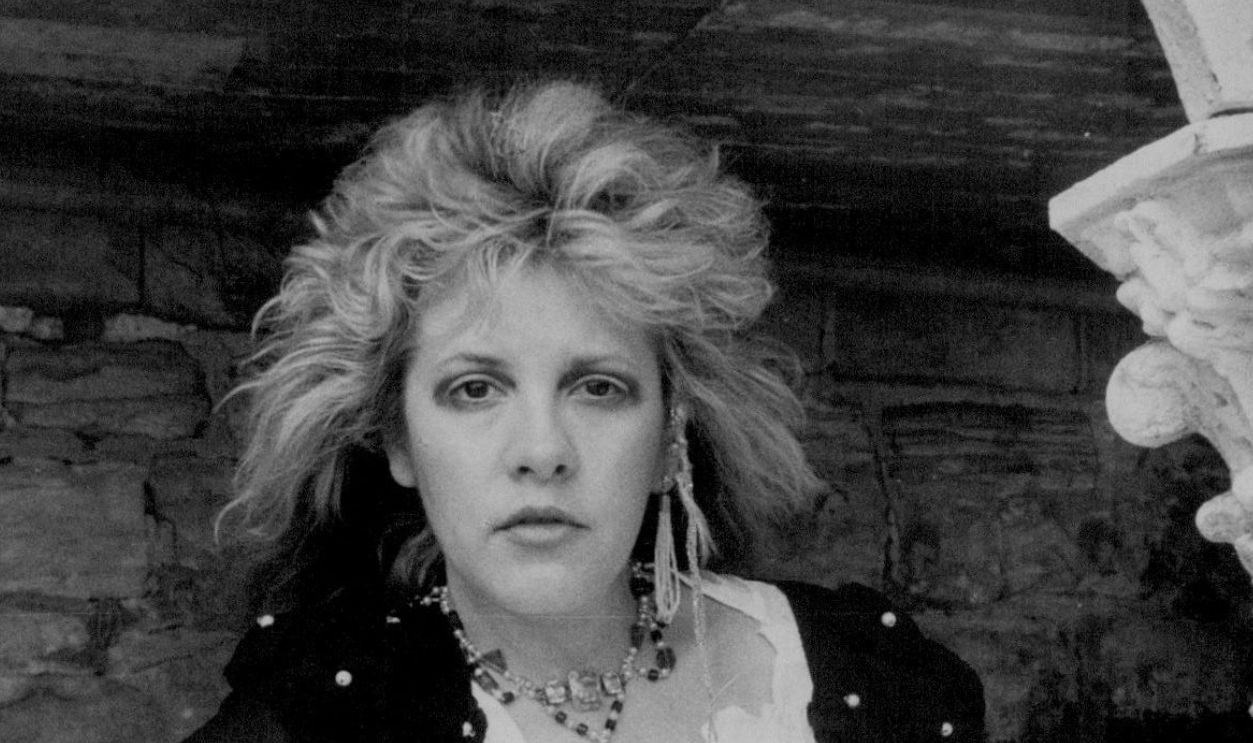
When Stevie Nicks joined Fleetwood Mac alongside Lindsey Buckingham in 1975, the group was preparing for an extraordinary transformation. Her distinctive vocals and deeply personal songwriting became essential parts of the band's increasingly successful sound. Songs like "Rhiannon" and "Landslide" established her as far more than an additional singer, giving Fleetwood Mac a creative identity that helped define mainstream rock during the decade.
 Fairfax Media Archives, Getty Images
Stevie's Songwriting Became Fleetwood Mac's Secret Weapon
Nicks contributed several enduring songs to Fleetwood Mac's enormously successful 1977 album, Rumours, including "Dreams" and "Gold Dust Woman." Her compositions brought an atmosphere of mystery and emotional intensity that contrasted with the approaches of fellow writers Christine McVie and Lindsey Buckingham. "Dreams" became the band's only American number-one single, demonstrating how effectively Nicks could transform personal feelings into universally appealing music.
 Khiltscher, Wikimedia Commons, Modified
Christine McVie Was Fleetwood Mac's Quiet Powerhouse
While Stevie Nicks became famous for her dramatic stage presence, Christine McVie supplied Fleetwood Mac with some of its most accessible and enduring compositions. The keyboardist and singer had joined the group after establishing herself in the British blues scene, bringing a talent for warm melodies and beautifully constructed songs. Her contributions helped steer Fleetwood Mac toward the polished pop-rock sound that would dominate the band's most successful period.

Her Songs Held Rumours Together
McVie wrote or co-wrote several important recordings on Rumours, including "Don't Stop," "You Make Loving Fun," and "Songbird." Each demonstrated a different side of her musical personality, moving from upbeat optimism to intimate piano-based storytelling. Her steady songwriting presence provided an important counterbalance to the band's more dramatic material, making her one of the essential architects of Fleetwood Mac's commercial breakthrough.

Suzi Quatro Made The Bass Guitar A Star
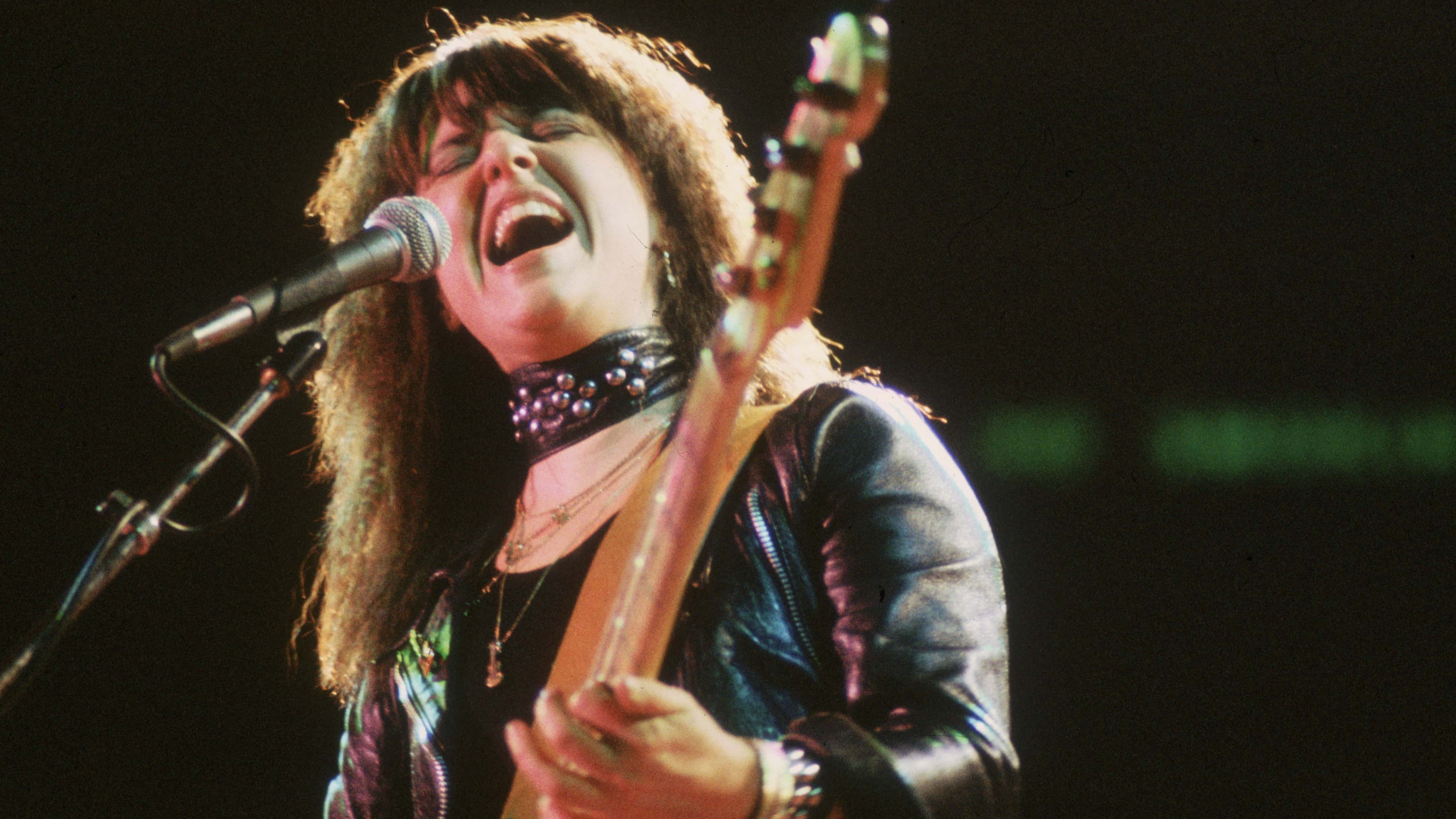
Suzi Quatro emerged as an international rock sensation in 1973 when "Can the Can" became a number-one hit in Britain. Unlike many female performers who were presented primarily as singers, Quatro commanded the stage while playing bass guitar. Her energetic performances and unapologetically tough sound helped establish a different model for women who wanted to lead their own rock bands.
Her Influence Reached Far Beyond Her Record Sales
Quatro's success was particularly significant because she achieved major popularity internationally without enjoying comparable commercial recognition in her native United States. Her recordings and distinctive performance style inspired younger musicians, including Joan Jett, who would help launch another important chapter in female-fronted rock. Quatro's combination of musicianship, confidence, and leadership demonstrated possibilities that future performers could build upon.
Joan Jett Was Already Breaking Barriers As A Teenager
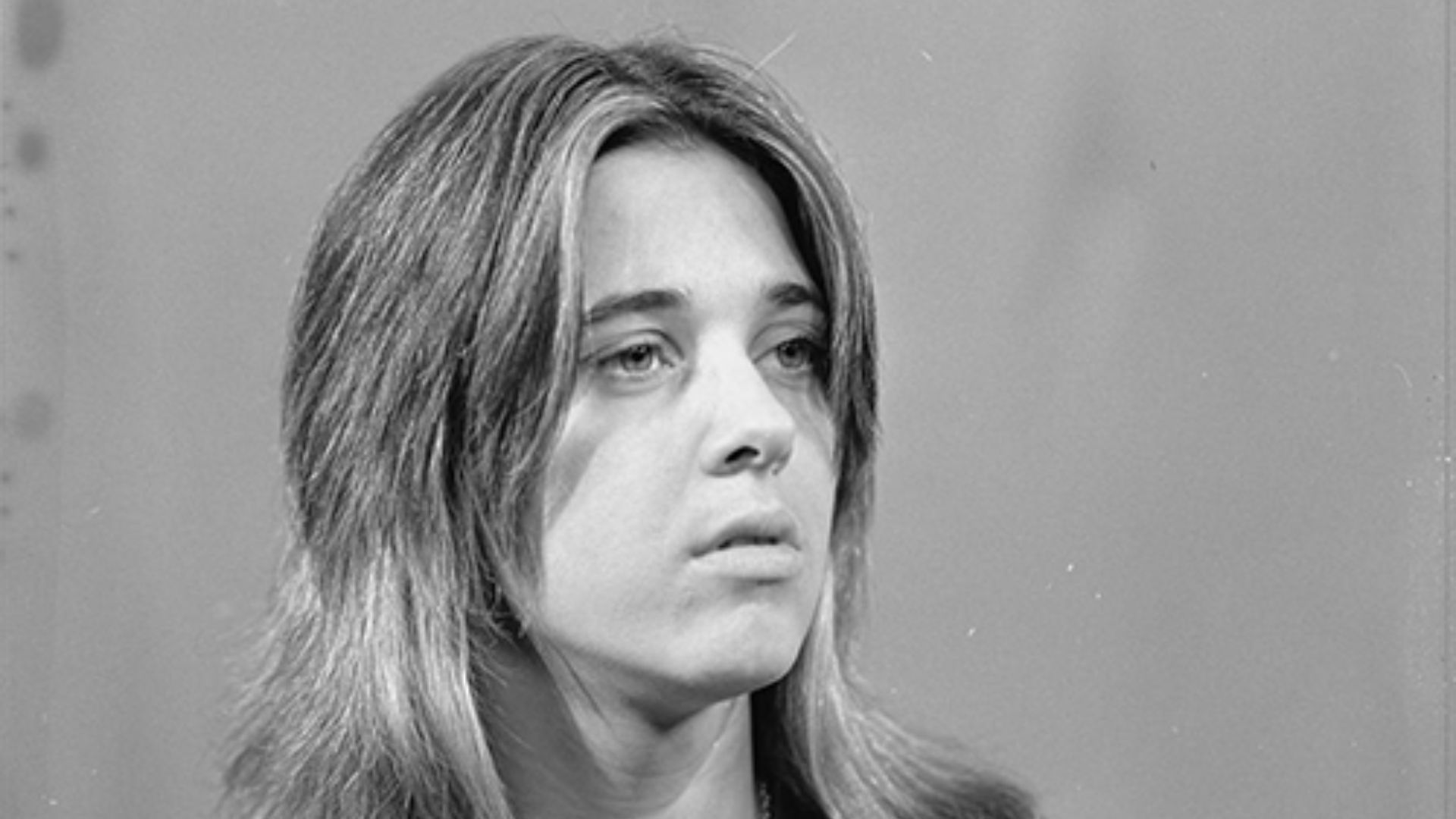
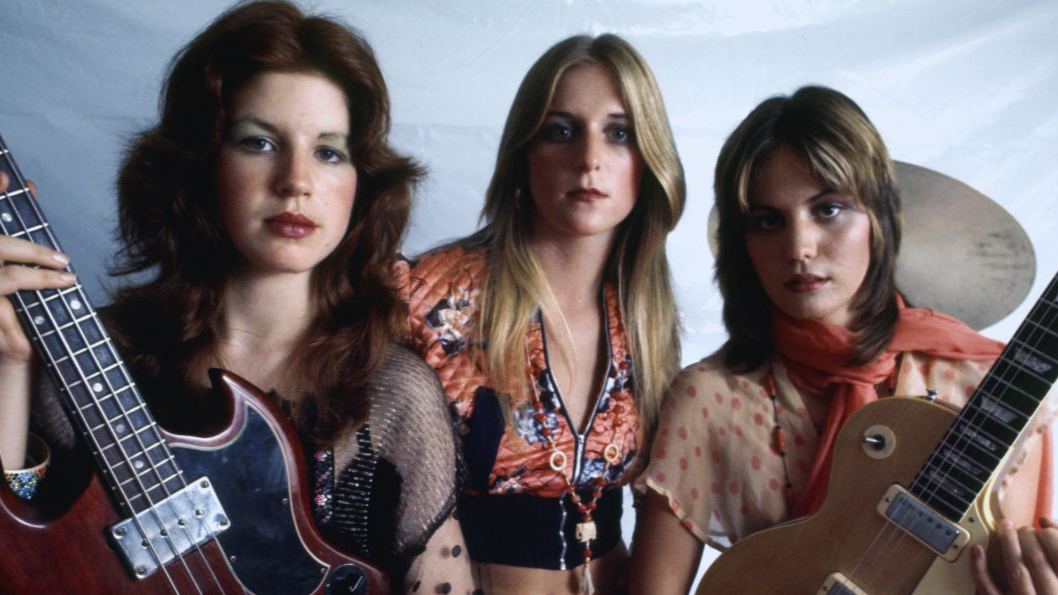
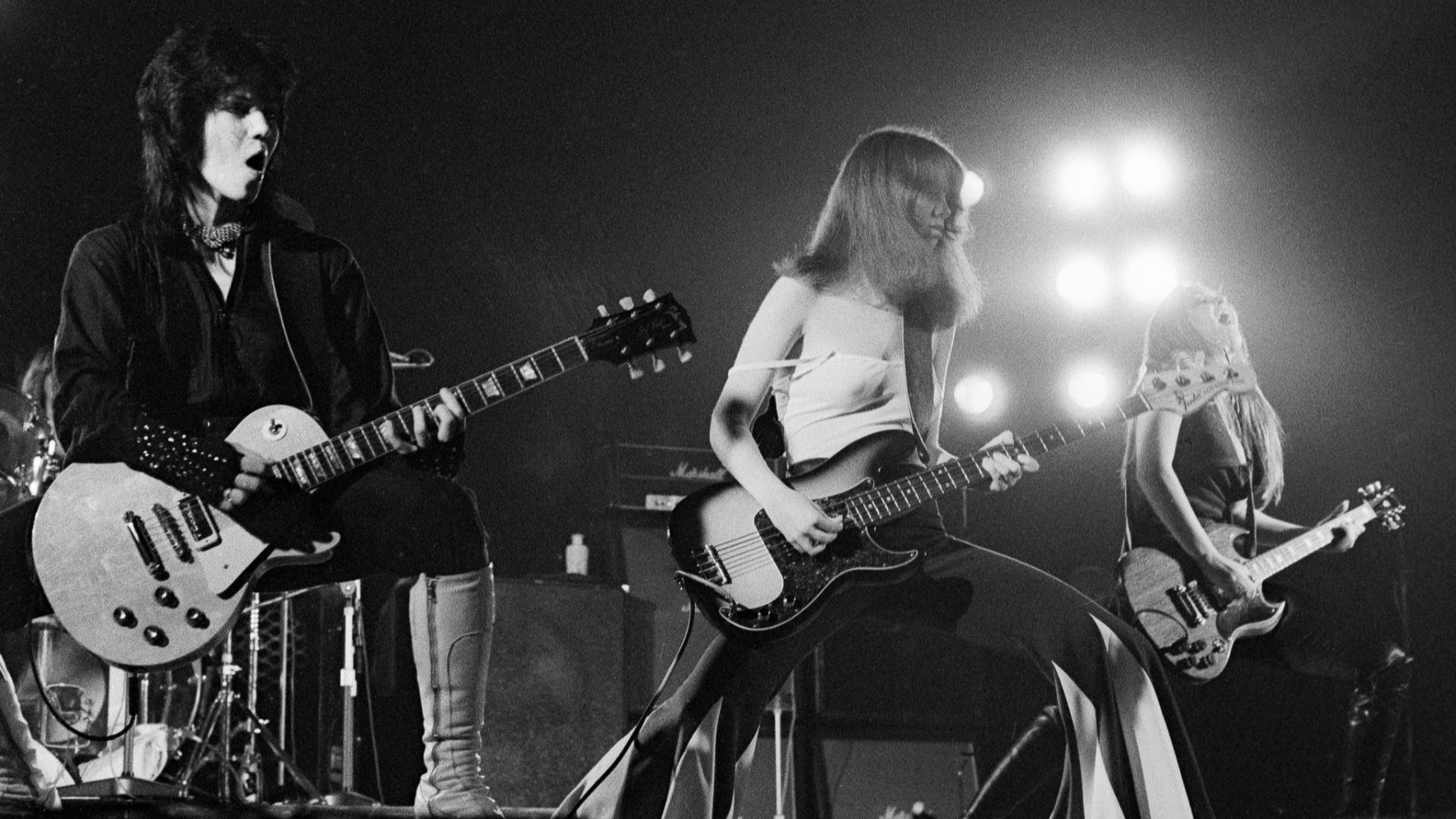
Before becoming an international solo star, Joan Jett helped form the Runaways during the mid-1970s. The teenage guitarist joined drummer Sandy West in developing an all-female rock band built around loud guitars, direct songwriting, and energetic performances. At a time when young women playing aggressive rock music still faced considerable skepticism, Jett was determined to prove that musical ability mattered more than industry expectations.

The Runaways Helped Create A New Rock Tradition
The Runaways released their debut album in 1976, introducing listeners to recordings such as "Cherry Bomb" and "You Drive Me Wild." Although the group struggled to achieve major commercial success in the United States, it attracted substantial attention internationally and developed a lasting reputation among rock musicians. Jett's later success with the Blackhearts would make her a household name, but her pioneering work with the Runaways began much earlier.
 Michael Ochs Archives, Getty Images
Cherie Currie Gave The Runaways Their Explosive Voice
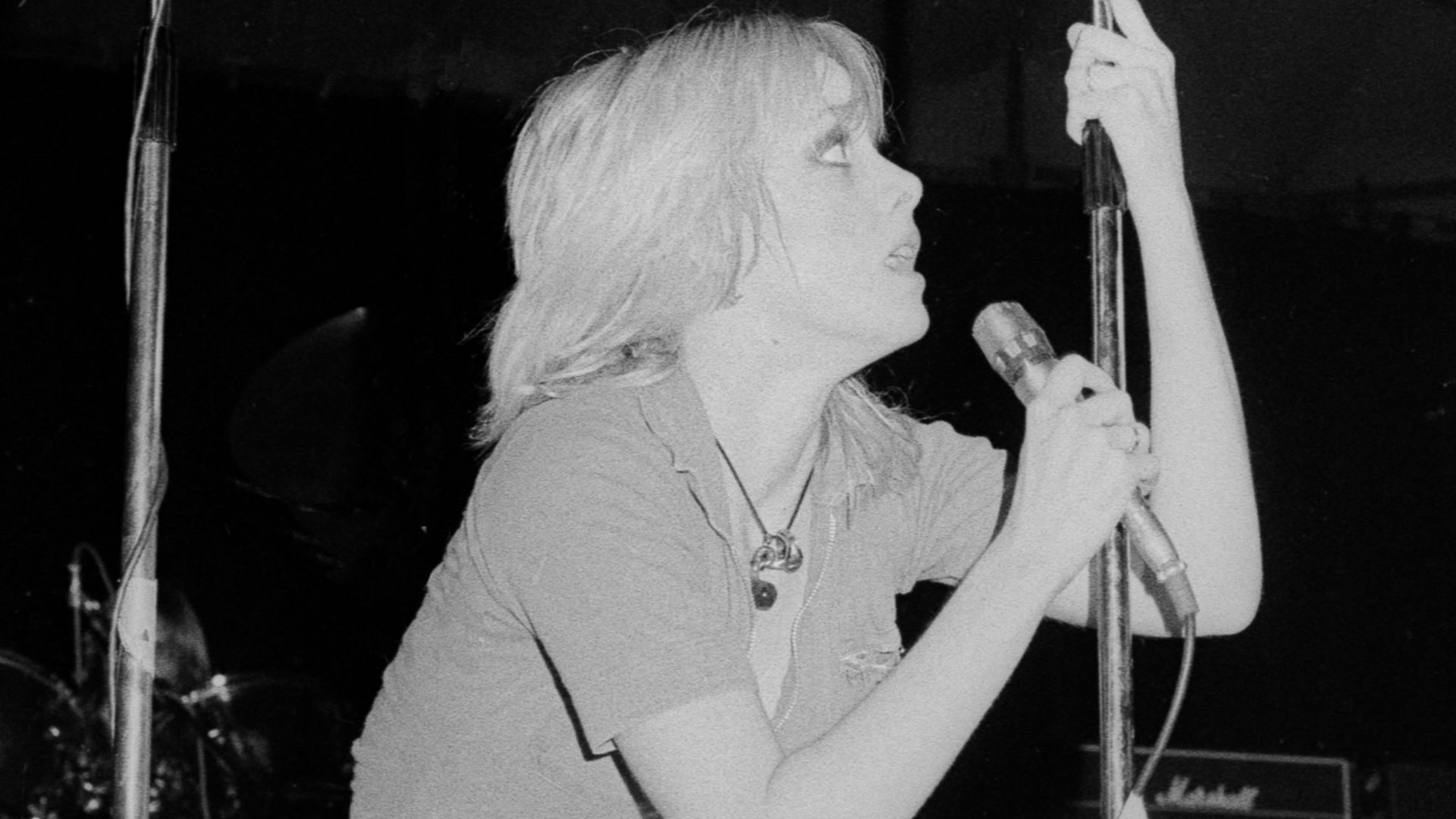
Cherie Currie was only 15 when she joined the Runaways as their lead singer during the band's formative years. Her powerful stage presence became central to the group's identity, particularly on its 1976 breakthrough recording, "Cherry Bomb." Currie's performances helped establish the Runaways as a band capable of delivering the energy and confidence associated with the era's most exciting rock acts.
 David Johnson, Wikimedia Commons
Her Time With The Runaways Changed Expectations
Currie's years with the band were relatively brief, but their influence extended far beyond the group's original recordings. In later interviews, she recalled how seriously the musicians approached their work despite encountering widespread doubts about whether young women could succeed in hard rock. The Runaways' legacy eventually reached new audiences through later generations of musicians and a 2010 feature film about the band's early years.
 David Johnson, Wikimedia Commons
Siouxsie Sioux Helped Invent A Darker Kind Of Rock
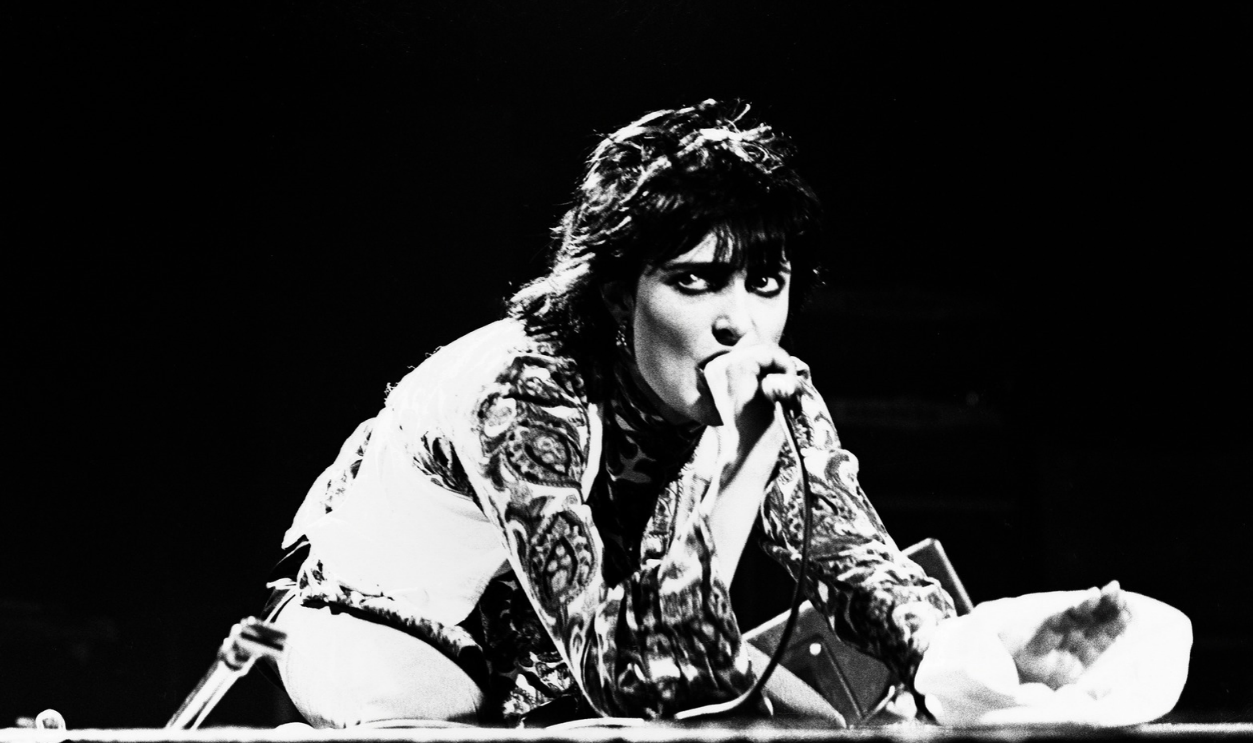
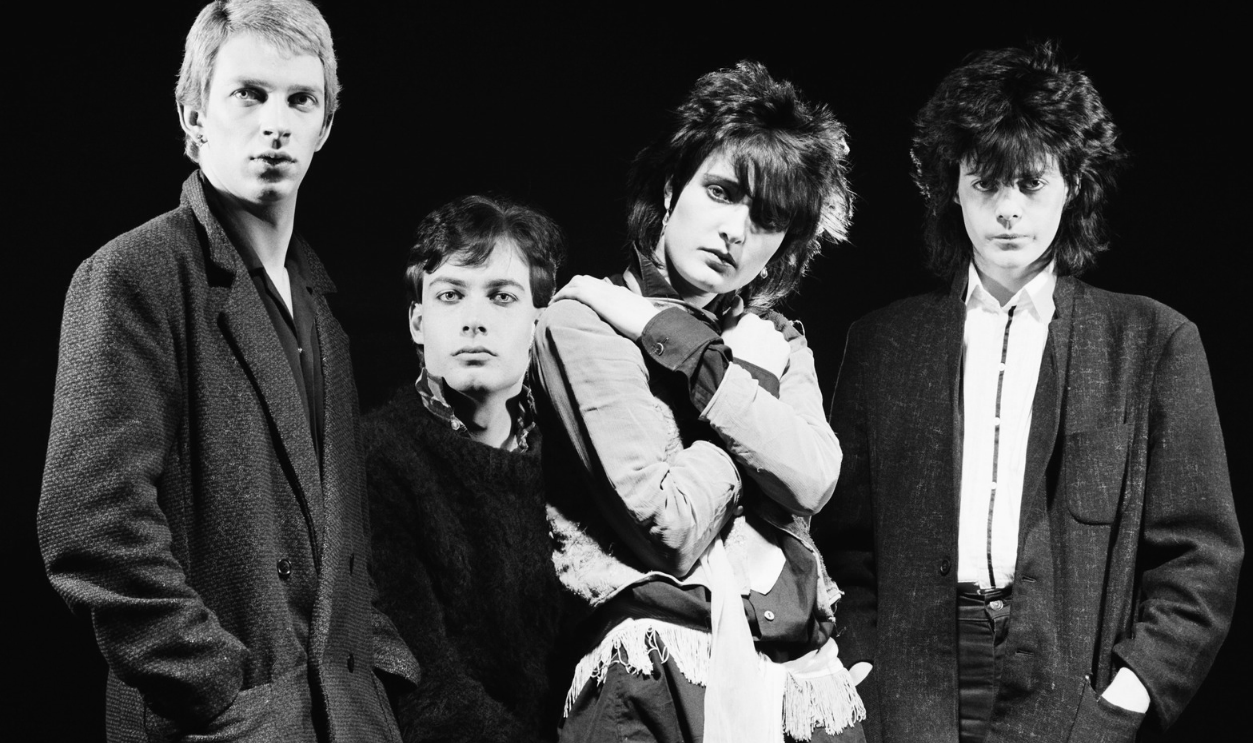
Siouxsie Sioux emerged from London's developing punk scene and helped form Siouxsie and the Banshees in 1976. The group's unsettling atmosphere, unusual arrangements, and Siouxsie's commanding vocals distinguished them from many other punk performers. By the time they released "Hong Kong Garden" in 1978, the Banshees were already developing a distinctive approach that pointed toward the darker musical styles of the following decade.
Hong Kong Garden Pointed Toward The Future
"Hong Kong Garden" reached the British top ten in 1978, introducing a wide audience to the Banshees' inventive musical style. Rather than relying exclusively on familiar punk guitar patterns, the recording incorporated unusual instrumental textures and a memorable melodic arrangement. Their willingness to experiment helped anticipate the emergence of post-punk, making Siouxsie an important influence on musicians who wanted to explore sounds beyond traditional rock.
Poly Styrene Refused To Sound Like Anyone Else
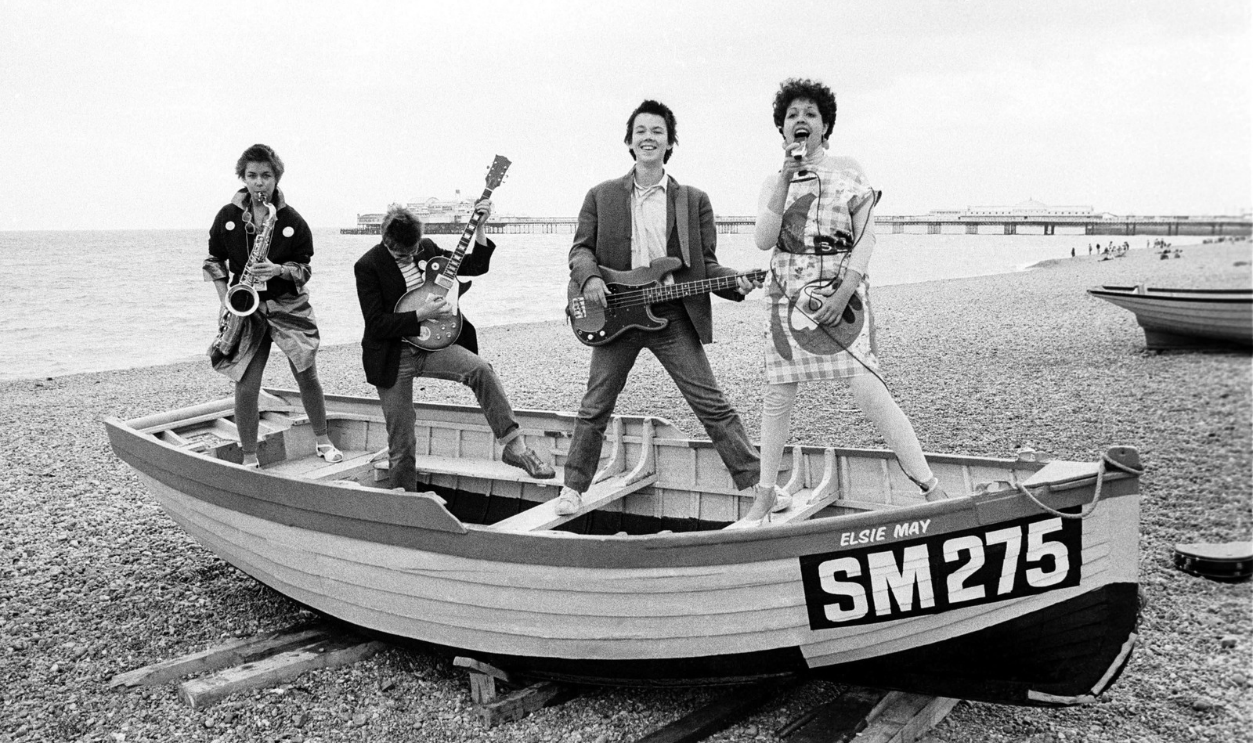
Poly Styrene, the frontwoman of X-Ray Spex, brought an unmistakable voice and a highly original perspective to Britain's late-1970s punk movement. Her songs examined consumer culture, advertising, identity, and the pressures of modern society with a sharpness that distinguished the group from many of its contemporaries. Their 1978 album Germfree Adolescents became an enduring landmark of British punk, combining energetic guitars with unusually thoughtful observations about everyday life.
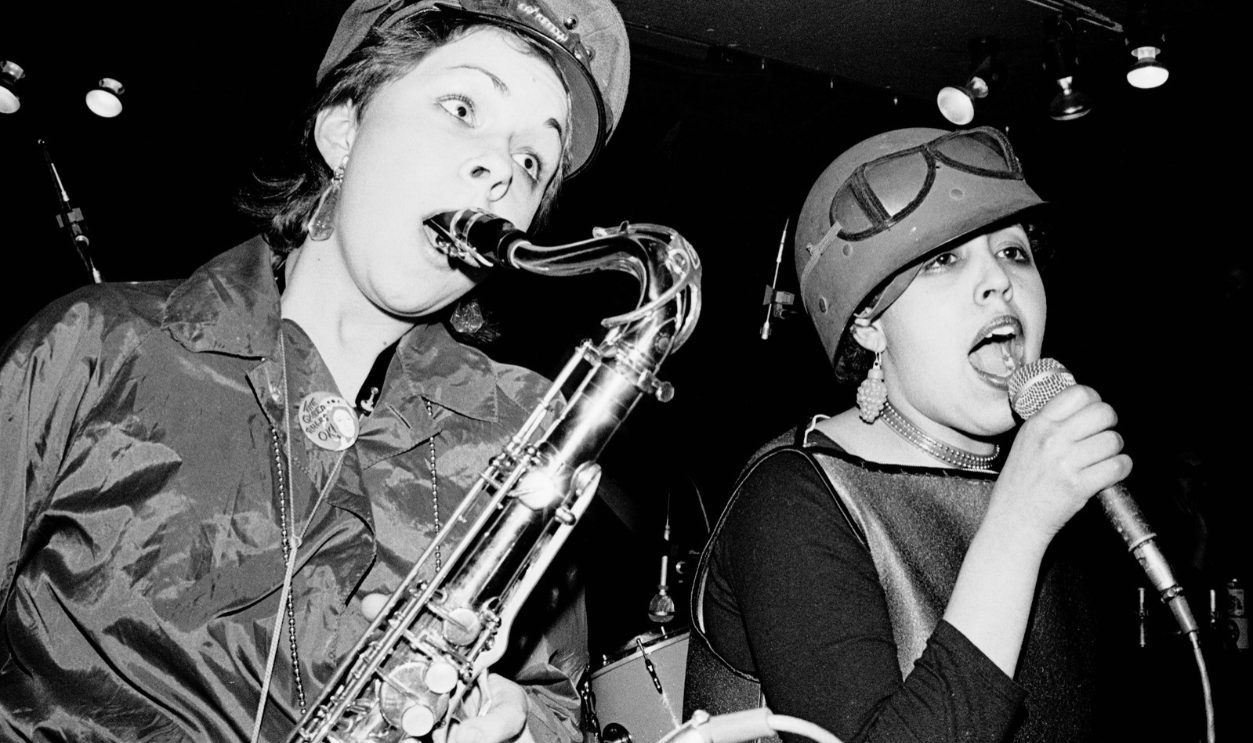
Germfree Adolescents Was Years Ahead Of Its Time
While some punk performers concentrated on simple expressions of rebellion, Poly Styrene explored how consumer products and media messages shaped people's identities. Her colorful personal style and unconventional vocal delivery reinforced the originality of the music without depending on established rock-star conventions. Later musicians, including Kathleen Hanna and Karen O, have recognized her as an important influence, demonstrating how far her ideas traveled beyond X-Ray Spex's original audience.
Chrissie Hynde Brought Songwriting Discipline To Punk
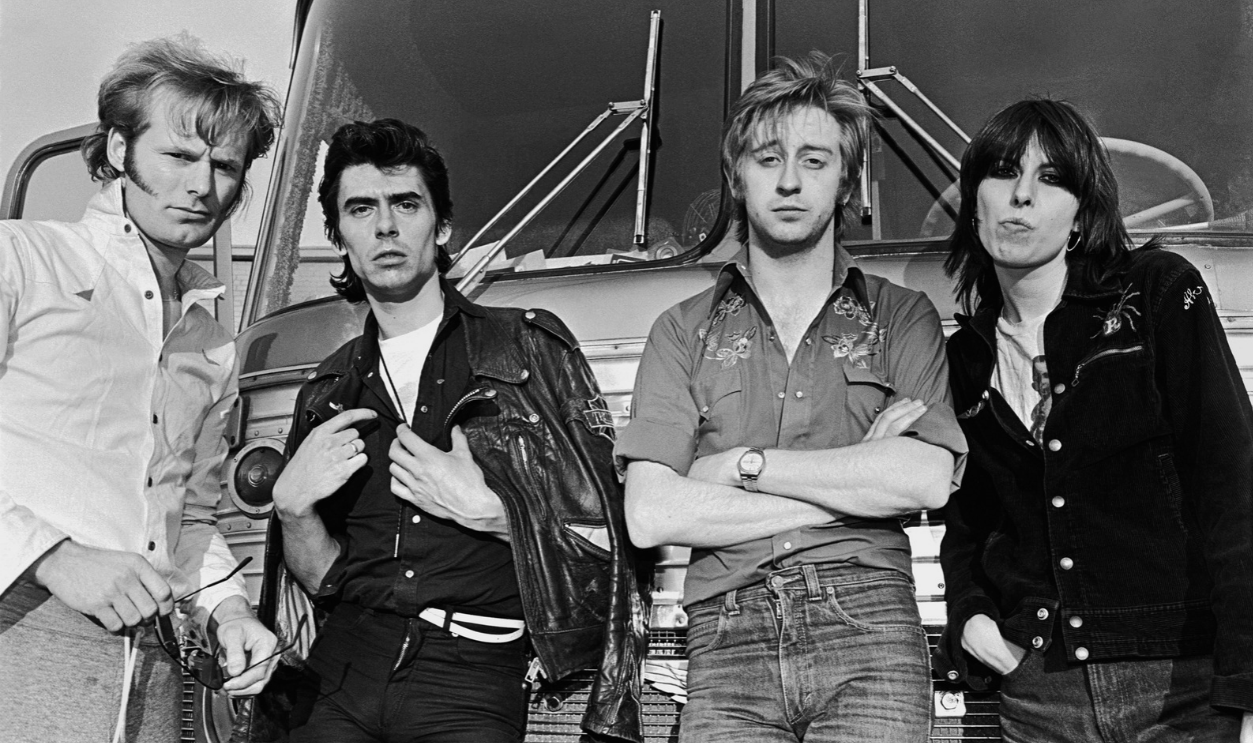
Chrissie Hynde formed the Pretenders in London in 1978 after becoming involved in Britain's emerging punk movement. As the band's lead singer, guitarist, and principal songwriter, she helped develop a distinctive sound that combined punk's urgency with the melodic traditions of earlier rock music. Hynde's approach demonstrated that the rebellious energy of punk could coexist with carefully constructed songs, laying the groundwork for one of the most enduring groups to emerge from the movement.

The Pretenders Connected Two Generations Of Rock
The Pretenders released their debut single, "Stop Your Sobbing," in 1979, followed by "Kid" and "Brass in Pocket." These recordings highlighted Hynde's ability to combine emotional storytelling with powerful guitar arrangements and instantly recognizable melodies. The band's debut album arrived in January 1980, but its musical foundations had already been established during the closing years of the previous decade.
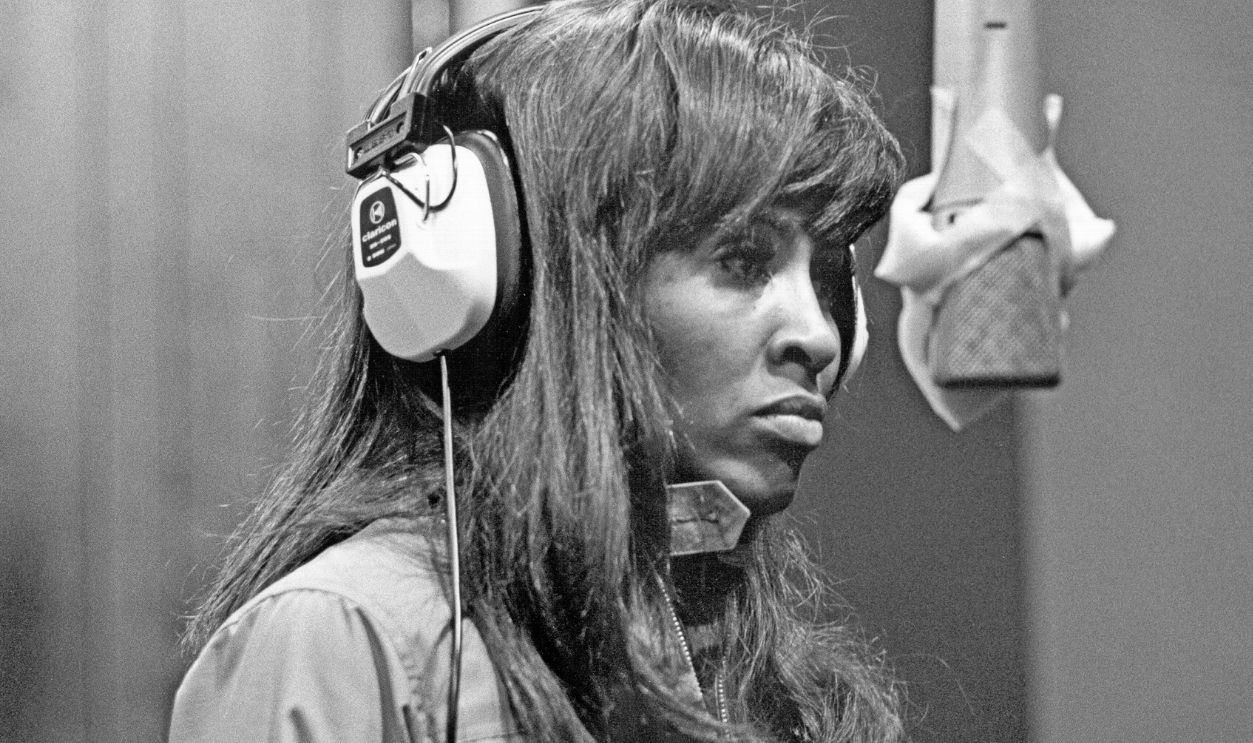
Tina Turner Redefined The Rock Frontwoman
Tina Turner entered the 1970s as an established performer, but her influence on rock music continued to develop through the Ike & Tina Turner Revue. Her explosive stage presence, unmistakable vocal power, and interpretations of rock and soul material challenged the boundaries separating popular musical styles. Their 1971 recording of "Proud Mary" became one of the duo's signature achievements, demonstrating Turner's extraordinary ability to transform a familiar song into something unmistakably her own.
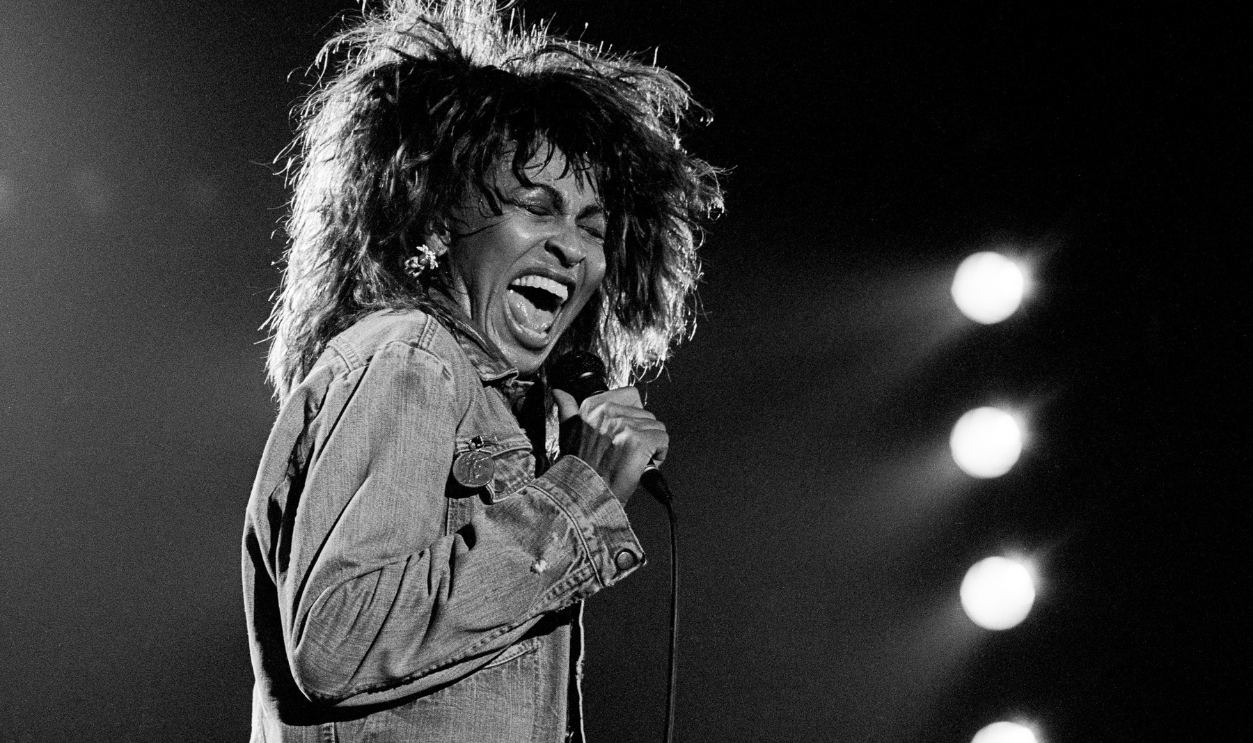
Tina's Influence Went Beyond Her Biggest Hits
Turner's performances established a standard of energy and intensity that subsequent generations of rock singers would admire. After departing the revue in 1976, she continued performing and gradually rebuilt her career, eventually achieving an extraordinary solo breakthrough during the 1980s. Her later international superstardom sometimes overshadows the importance of her earlier work, when she had already helped redefine what a commanding rock frontwoman could sound and look like.
 Michael Ochs Archives, Getty Images
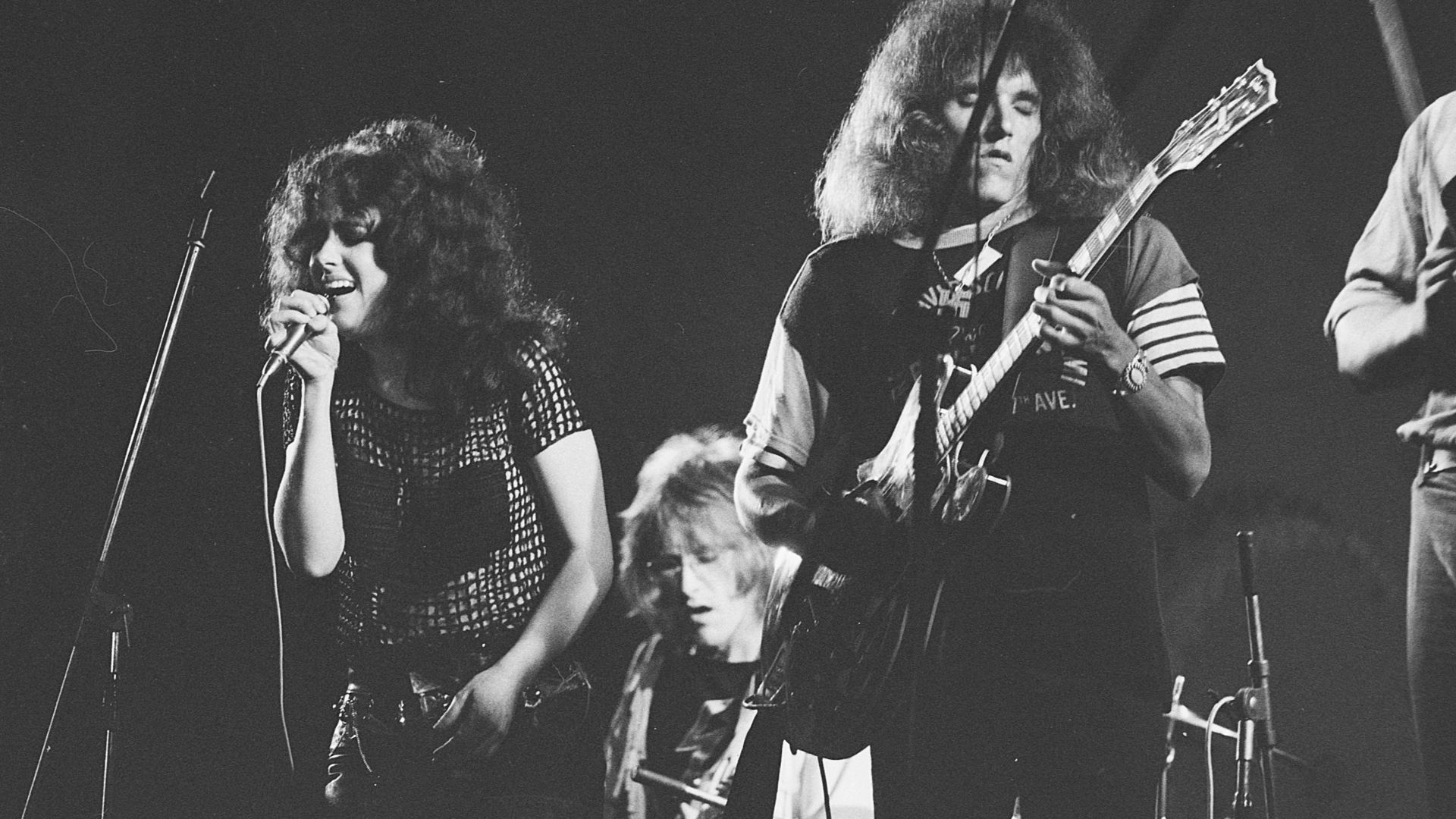
Grace Slick Helped Rock Become More Experimental
Grace Slick was already an influential figure in psychedelic rock when the 1970s began, having achieved fame with Jefferson Airplane during the previous decade. Her powerful voice and adventurous songwriting were essential to recordings including "White Rabbit" and "Somebody to Love," which helped establish the band as leaders of San Francisco's experimental music scene. Her performances demonstrated how rock singers could incorporate unusual melodies, theatrical intensity, and ambitious lyrical ideas without abandoning the genre's fundamental energy.

She Carried That Spirit Into The Next Decade
As Jefferson Airplane evolved during the early 1970s, Slick continued developing her distinctive approach to songwriting and performance. She subsequently became part of Jefferson Starship, which formed in the middle of the decade and found substantial commercial success. Her ability to remain a prominent performer through major changes in musical fashion helped connect the psychedelic innovations of the 1960s with the broader arena-rock audiences of the 1970s.
 Fotoburo De Boer, Wikimedia Commons
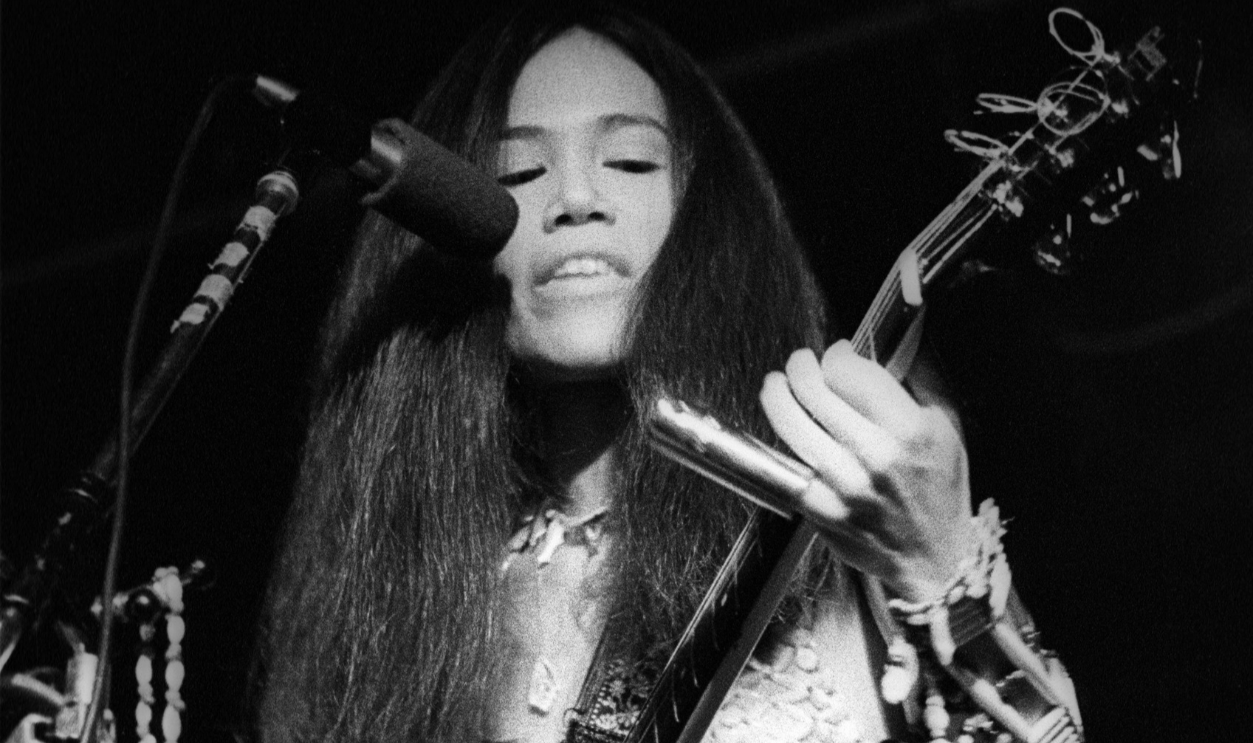
June Millington Helped Make Fanny Rock History
June Millington was a founding member of Fanny, an all-female rock band that released its self-titled debut album on Reprise Records in 1970. Alongside her sister Jean and their bandmates, she helped demonstrate that women could form a complete rock group built around their own instrumental performances and musical ideas. Fanny secured a major-label recording contract and toured with established groups including the Kinks, Procol Harum, and Humble Pie, breaking important ground in an industry that rarely offered comparable opportunities.
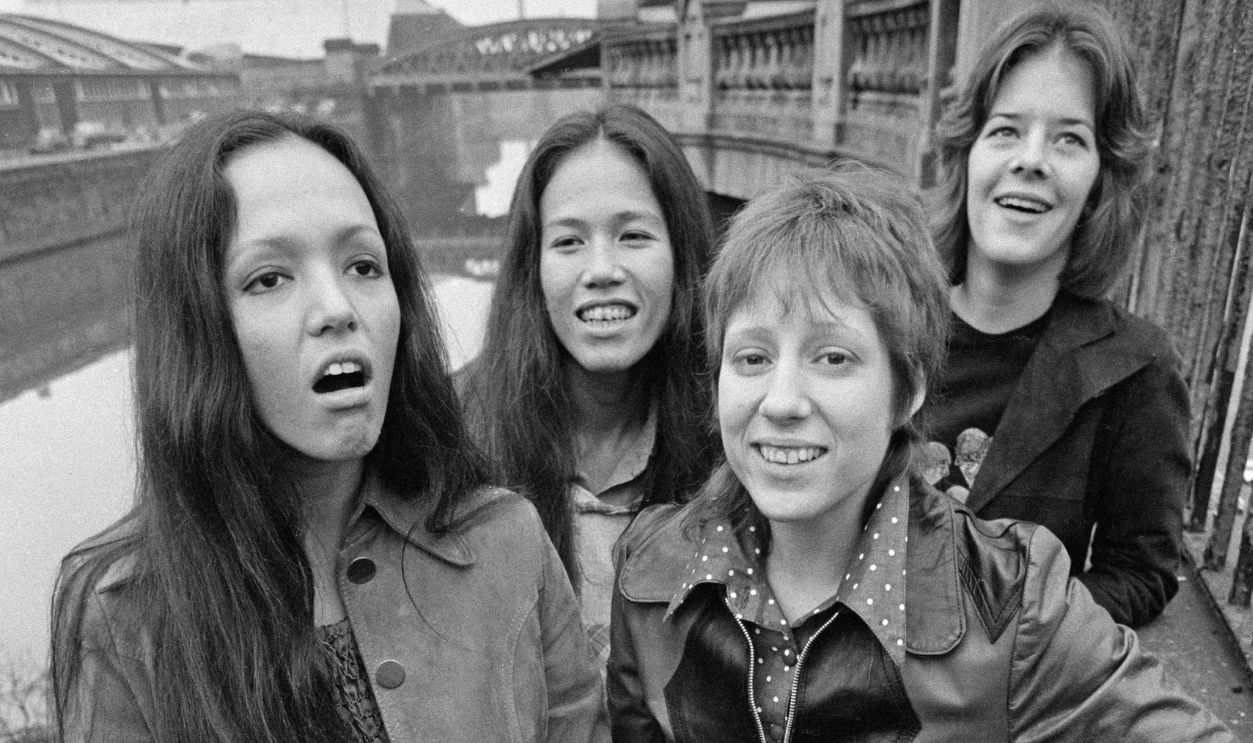
Fanny Deserved Far More Recognition
Despite recording several albums and earning admiration from musicians including David Bowie, Fanny never achieved the widespread recognition enjoyed by many of its contemporaries. June Millington's guitar playing and the band's accomplished musicianship challenged assumptions that all-female rock groups were primarily novelty acts. Millington later continued supporting women in music, establishing the nonprofit Institute for the Musical Arts in 1983 to encourage future generations of performers.
Pat Benatar Arrived Just As Rock Was Changing
Pat Benatar emerged as a major new rock vocalist at the end of the 1970s, releasing her debut album, In the Heat of the Night, in 1979. Her powerful voice and commanding delivery helped distinguish songs such as "Heartbreaker," which introduced audiences to a performer equally comfortable with melodic phrasing and hard-rock intensity. Benatar's collaboration with guitarist Neil Giraldo would become central to her musical identity, developing a sound that bridged the energy of 1970s rock with the polished productions of the following decade.

Pat Benatar Helped Define Rock's Next Era
Although Benatar's greatest commercial success came during the 1980s, the foundations of her influential career were established in 1979. Her partnership with Giraldo created a recognizable combination of soaring vocals, powerful guitar arrangements, and memorable melodies that would soon dominate rock radio. Their eventual induction into the Rock & Roll Hall of Fame recognized a musical collaboration that began as the 1970s ended and helped shape the sound of the decade that followed.

You May Also Like:
The Most Iconic Soundtrack Songs of the 80s
Critics Say These Rock Albums Don’t Have Any Weak Tracks—Do You Agree?
Sources: 1, 2, 3, 4, 5, 6, 7, 8, 9, 10, 11, 12, 13, 14, 15, 16, 17, 18, 19, 20, 21