They Weren't Supposed To Be Hits
Some of classic rock's biggest songs began with musicians fooling around, mocking the music industry, or trying something so ridiculous that nobody expected it to work. Others weren't exactly jokes, but their bizarre origins make their success almost as surprising. From a deliberately terrible love song to a rock anthem invented on a tour bus, these stories reveal just how unpredictable hit-making can be. And in one particularly hilarious case, a band tried to embarrass its record label, only to end up with another smash hit.
 Michael Ochs Archives / Stringer - Getty Images
The Turtles Tried To Fool Their Record Label
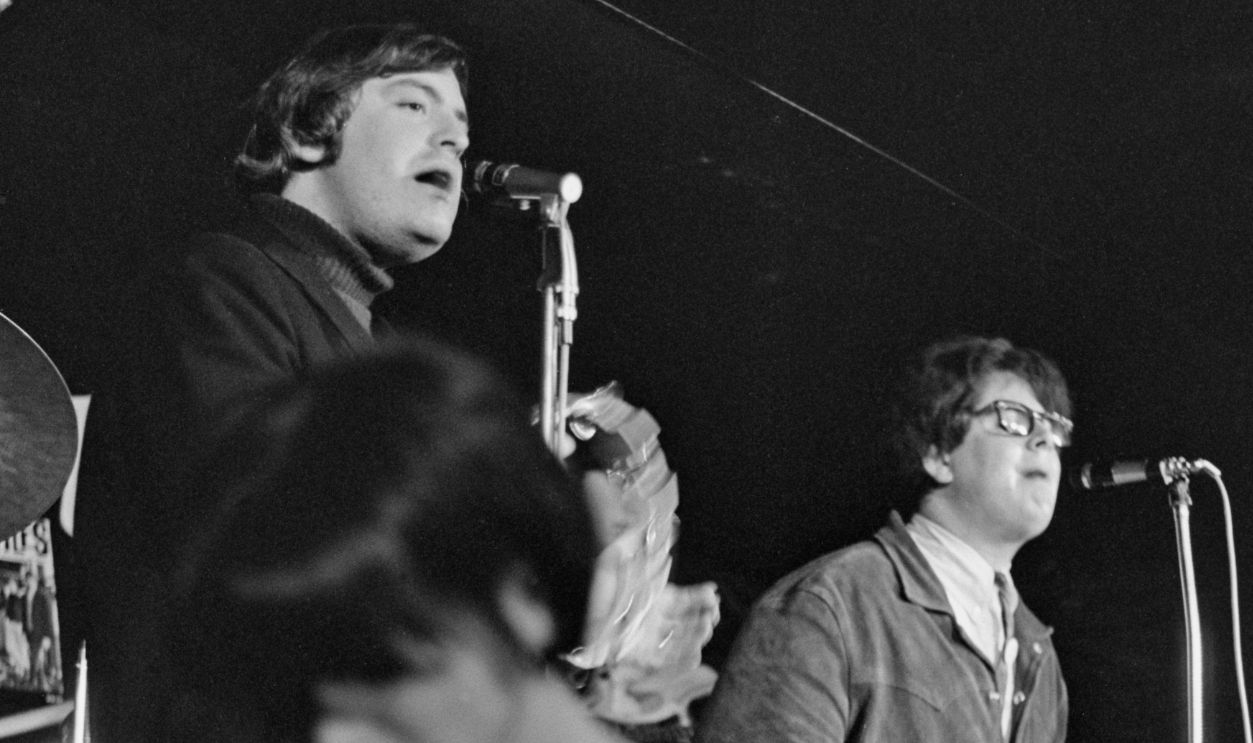
By 1968, The Turtles were growing frustrated with their reputation for cheerful pop songs like "Happy Together." Singer Howard Kaylan decided to write "Elenore," an intentionally exaggerated imitation of the romantic hits their label wanted. He filled it with ridiculous declarations of love, hoping the executives would recognize the parody and finally let the band explore different sounds. Unfortunately for Kaylan, his plan backfired almost immediately.
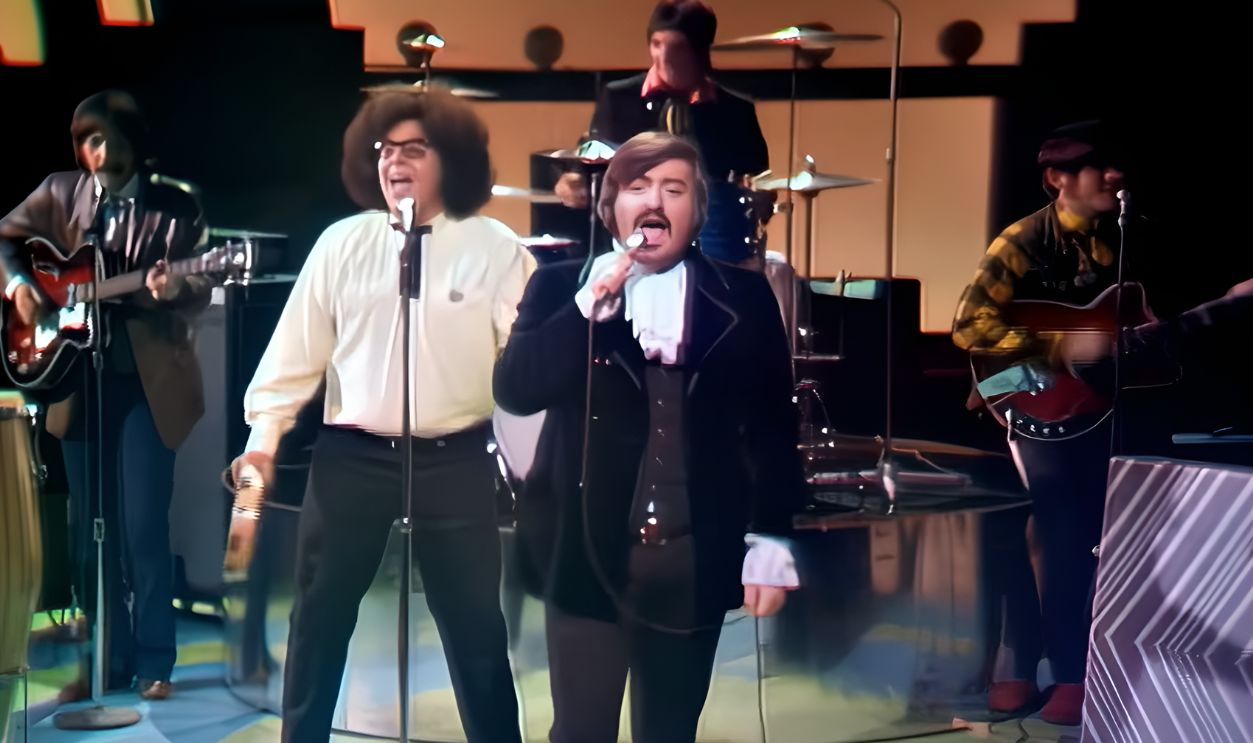 Screenshot from Elenore, White Whale Records (1968), Enhanced
The Joke Went Completely Over Their Heads
When The Turtles presented "Elenore," their record label didn't reject it or even seem to recognize the joke. Kaylan later recalled being baffled that executives genuinely liked lyrics as deliberately silly as "you're my pride and joy, etcetera." The song became a Top 10 American hit, reaching No. 6 on the Billboard Hot 100. The Turtles had tried to mock their own formula, only to prove they were remarkably good at it.
 Michael Ochs Archives, Getty Images
Cheap Trick Wanted To Make A Ridiculous Pop Song
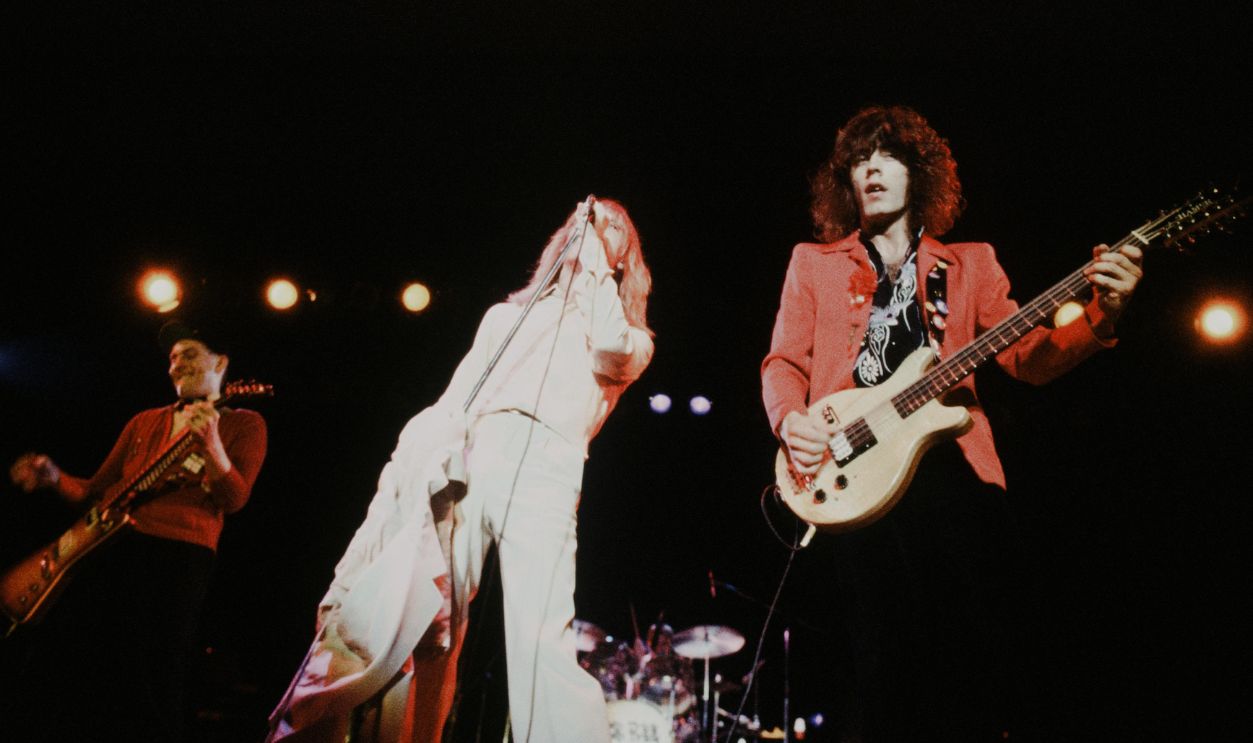
Before Cheap Trick became household names, guitarist Rick Nielsen came up with a song called "I Want You to Want Me." According to bassist Tom Petersson, Nielsen was deliberately poking fun at the exaggerated pop music dominating radio in the 1970s. The idea was to write something almost absurdly commercial, then give it the band's harder-rocking treatment. Nobody could have guessed how valuable that little experiment would become.
 Screenshot from I Want You to Want Me, Epic Records (1977), Enhanced
Their Joke Became Their Breakthrough
Cheap Trick originally released "I Want You to Want Me" on their 1977 album In Color, but it didn't become a major American hit right away. Everything changed when the band performed it for an enthusiastic Japanese audience, capturing the moment on Cheap Trick at Budokan. The live version became a massive American success in 1979, reaching No. 7 on the Billboard Hot 100. Nielsen later joked that he wished he could write something that stupid more often, considering how well it had paid off.
 Koh Hasebe/Shinko Music, Getty Images
Deep Purple Gave Up And Went Drinking
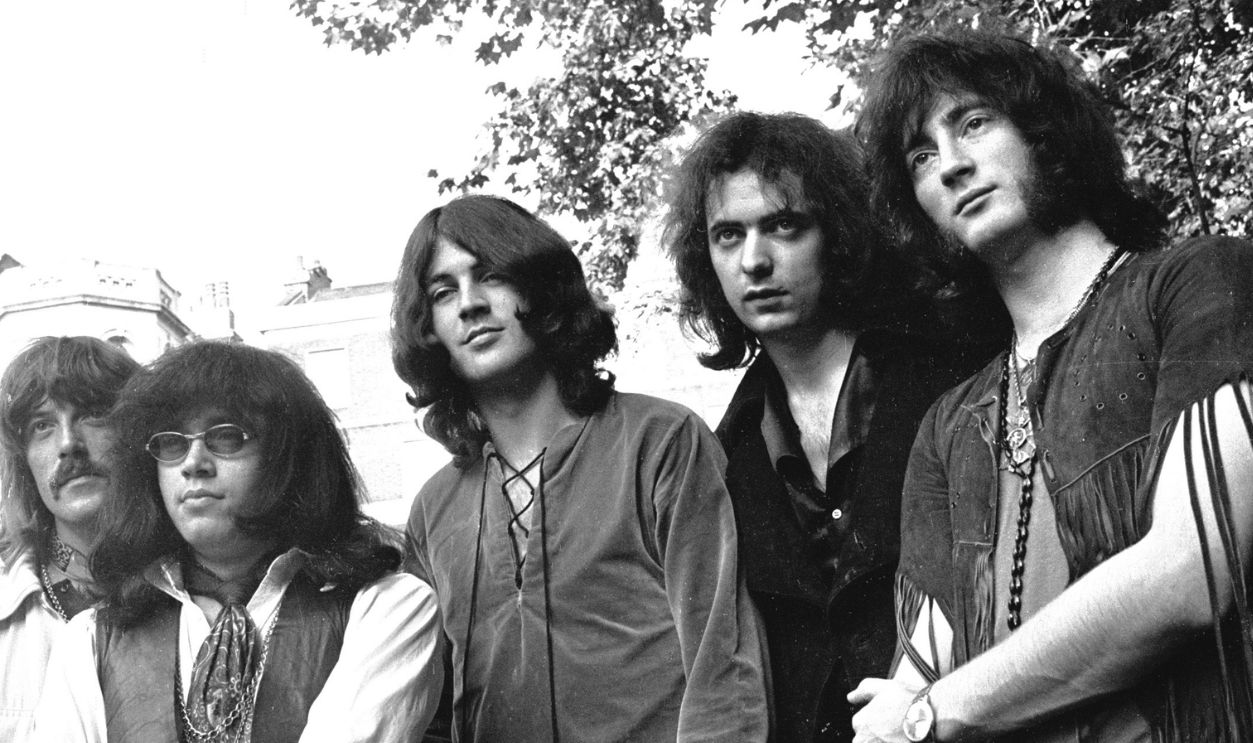
In 1970, Deep Purple were struggling to write a single that would satisfy their management. After repeatedly failing to come up with something convincing, the musicians abandoned the effort and headed to the pub. Bassist Roger Glover later recalled that they returned to the studio drunk and suddenly put together "Black Night." Rather than carefully crafting meaningful lyrics, they decided to make the words as stupid as possible.
Their Stupid Song Became A Smash
Glover admitted that "Black Night" was essentially a joke, and the band assumed nobody would seriously consider releasing it. Instead, the song became one of Deep Purple's biggest early successes, reaching No. 2 on the British singles chart in 1970. Its unforgettable guitar riff and straightforward chorus proved far more effective than their earlier attempts to write a hit. But this wasn't the only time Deep Purple stumbled into something extraordinary while fooling around.
 David Warner Ellis, Getty Images
Deep Purple Invented Another Classic On A Bus
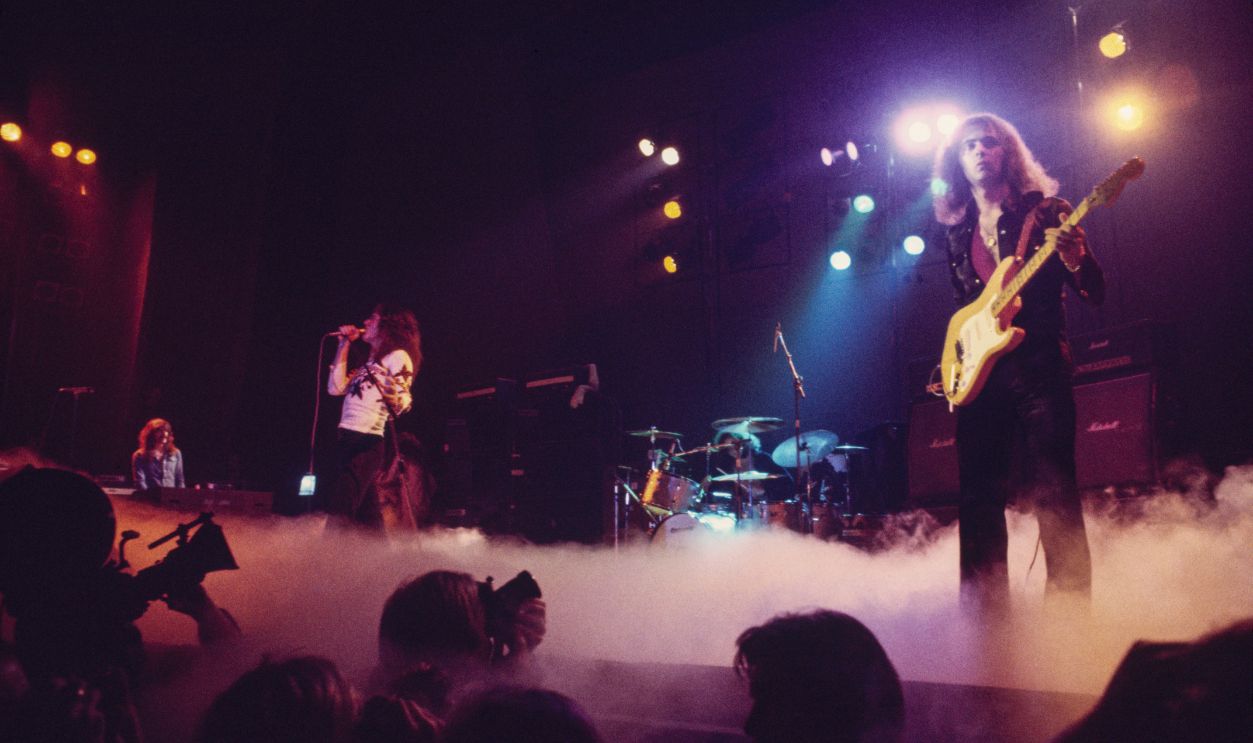
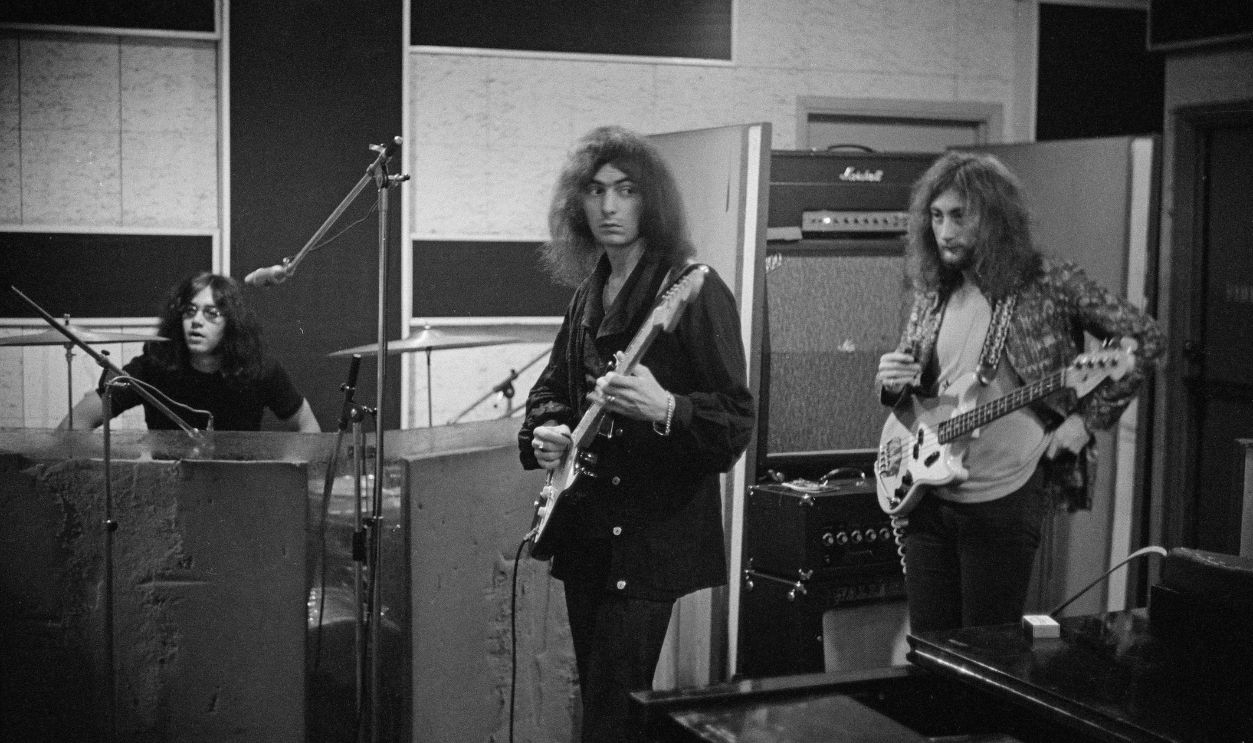
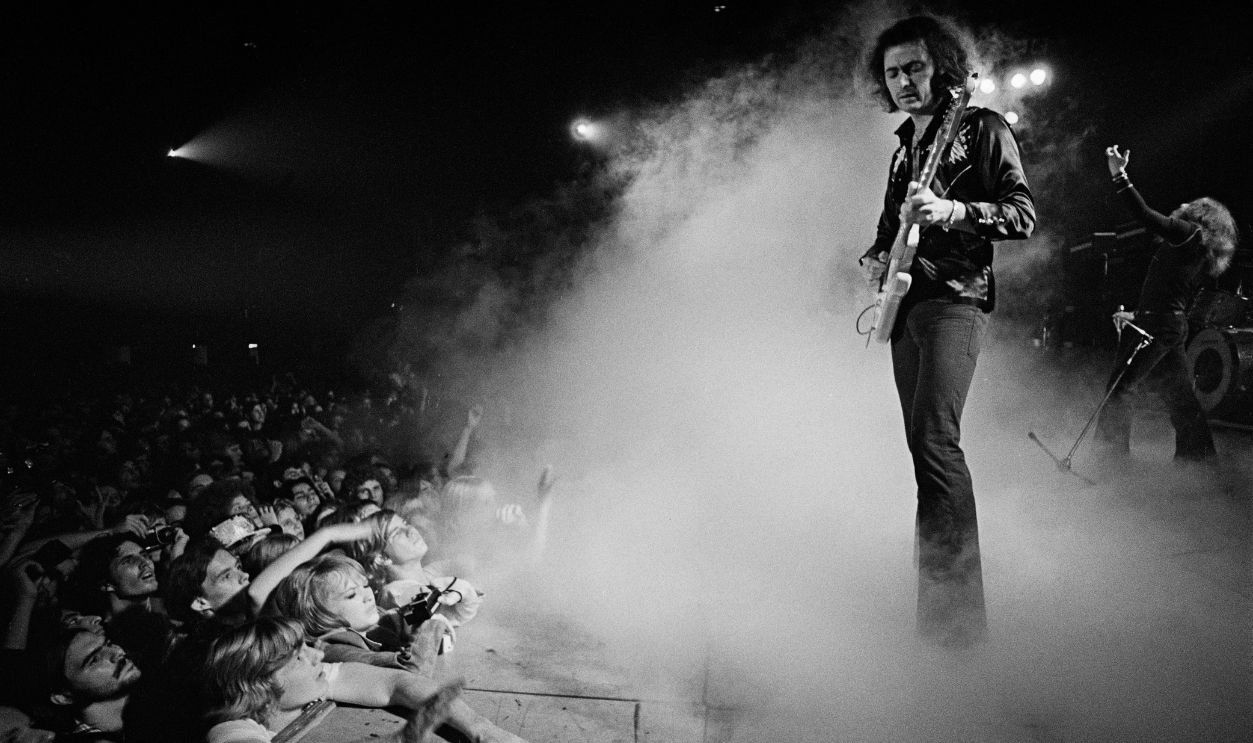
While traveling to a concert in Portsmouth, England, Deep Purple found themselves answering questions from a journalist about their songwriting process. Ritchie Blackmore jokingly picked up a guitar and began playing, while Ian Gillan improvised lyrics about cars. Glover looked out the window, came up with the title "Highway Star," and joined the impromptu songwriting session. What started as a demonstration of how casually the band could create music quickly became something much bigger.
They Played It That Very Night
According to Glover, the musicians put together a rough version of "Highway Star" so quickly that they were able to perform it at their concert that evening. The song eventually appeared on Deep Purple's landmark 1972 album Machine Head. Although it wasn't a major American hit single, it became a lasting concert favorite and one of the band's best-known recordings. A joke made to entertain a journalist had unexpectedly produced a hard-rock classic.
The Who Turned An Accordion Into A Dirty Joke
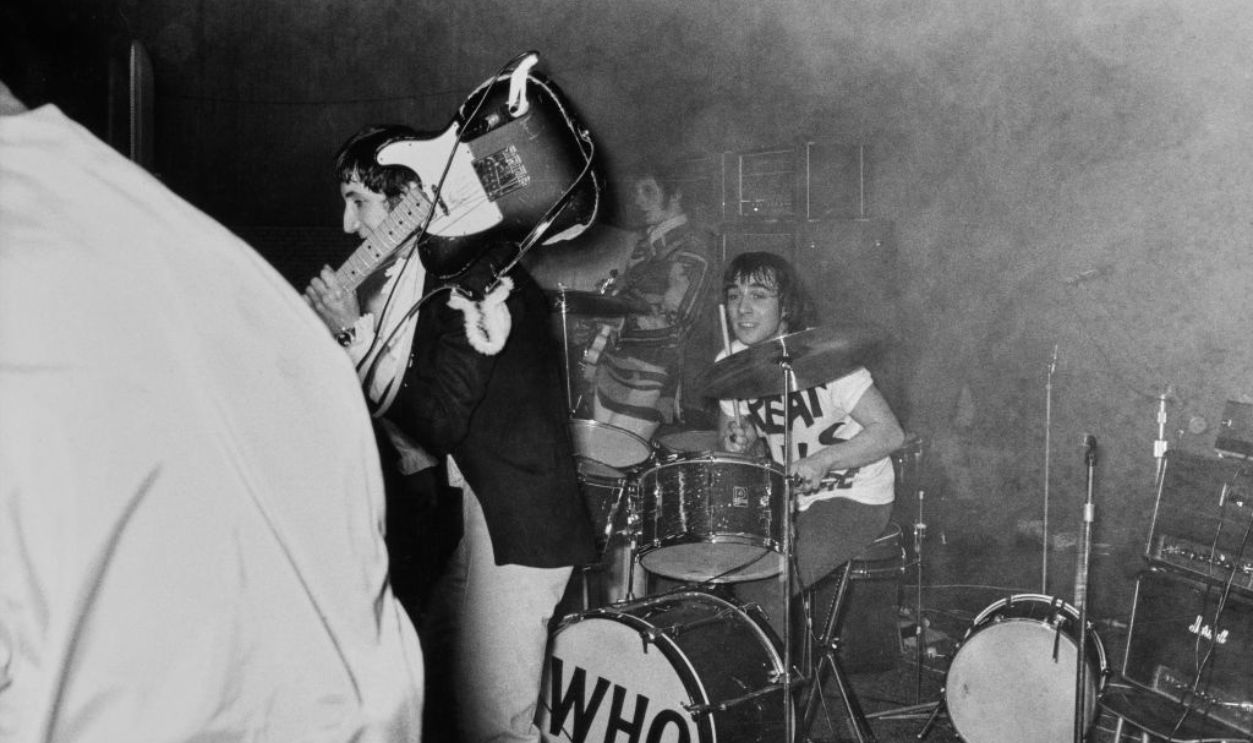
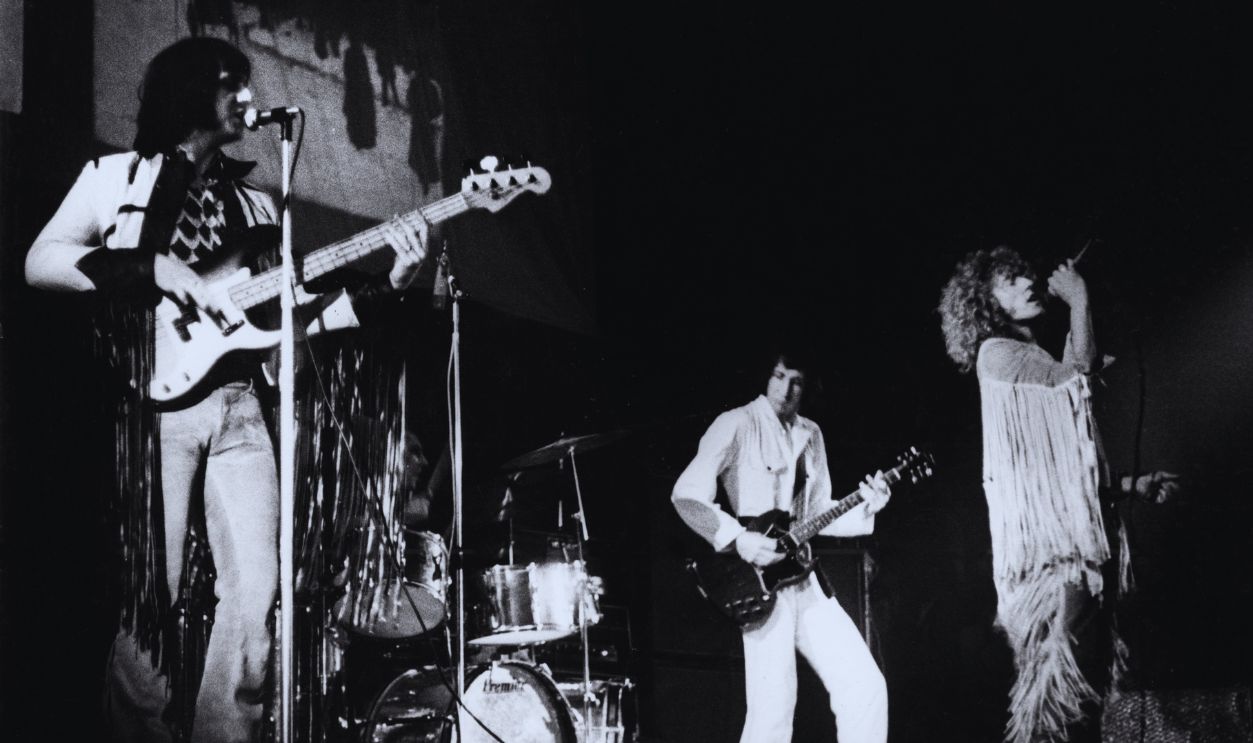
Pete Townshend was experimenting with an accordion when he came up with one of The Who's most unusual hits. The song was "Squeeze Box," a cheerful little number filled with suggestive double meanings that sounded almost comically innocent. Townshend later admitted that it was intended to be funny, inspired partly by hearing someone use the instrument's name as a cheeky reference to a woman's body. For a band famous for smashing instruments and playing explosive rock concerts, it was a surprisingly playful change of pace.
The Joke Became A Radio Favorite
When The Who released "Squeeze Box" in 1975, its bouncy melody and country-flavored arrangement stood out from their heavier material. The lyrics describe a mother who enjoys playing her accordion, although the repeated references to keeping Daddy awake make the joke obvious. Rather than dismissing the song as childish, audiences embraced it, sending it into the American Top 20. Townshend's deliberately silly experiment had become another hit for one of rock's most respected bands.
 Gijsbert Hanekroot, Getty Images
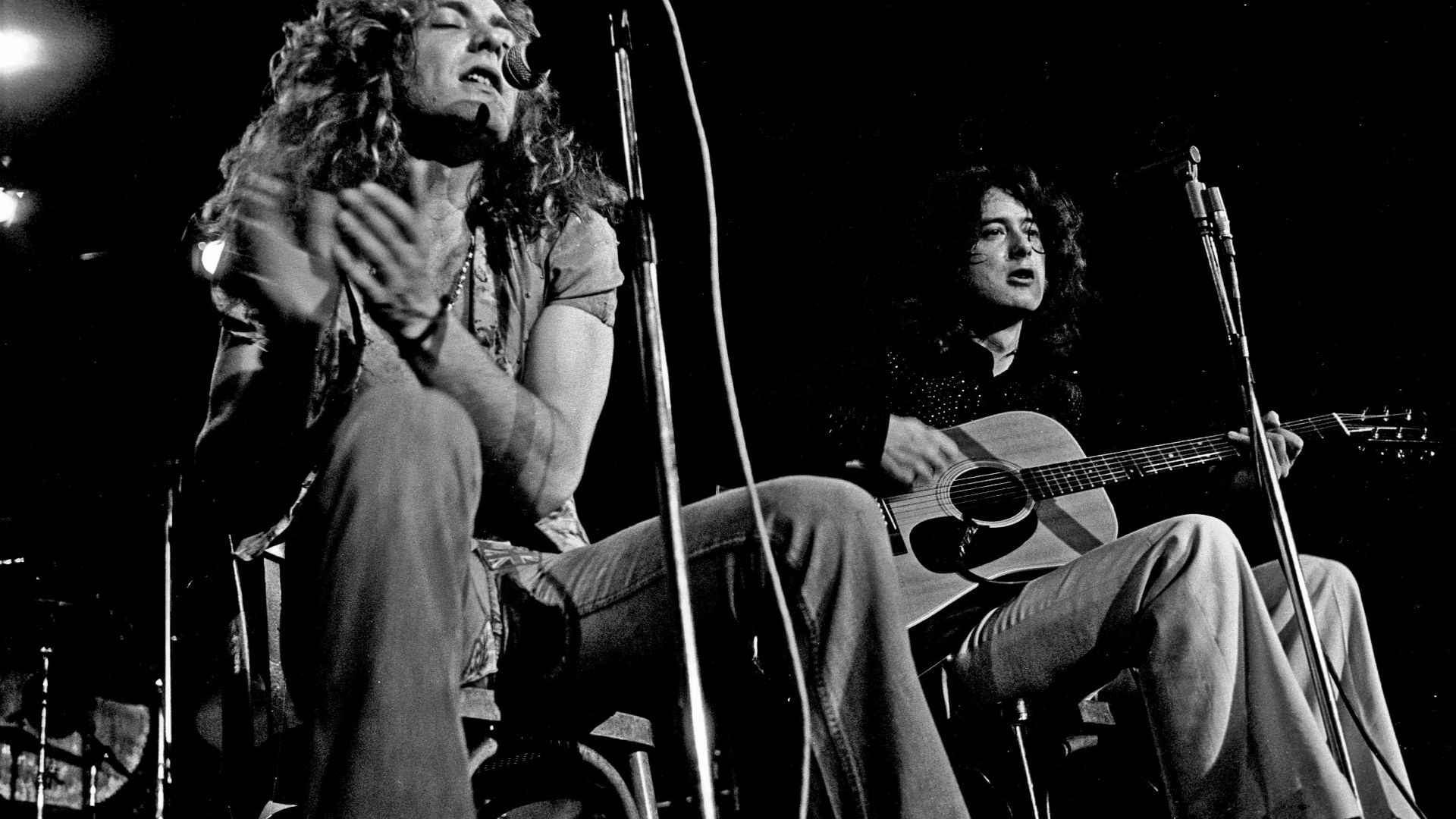
Led Zeppelin Recorded A Song That Divided The Band
Led Zeppelin were hardly known for making novelty records, which made "D'yer Mak'er" an especially strange addition to their 1973 album Houses of the Holy. The song mixed rock with a reggae-influenced rhythm, creating a sound that didn't sit comfortably with everyone in the group. Bassist John Paul Jones was particularly unimpressed, reportedly considering the recording a half-baked joke. Robert Plant, however, believed the unusual track had genuine hit potential.
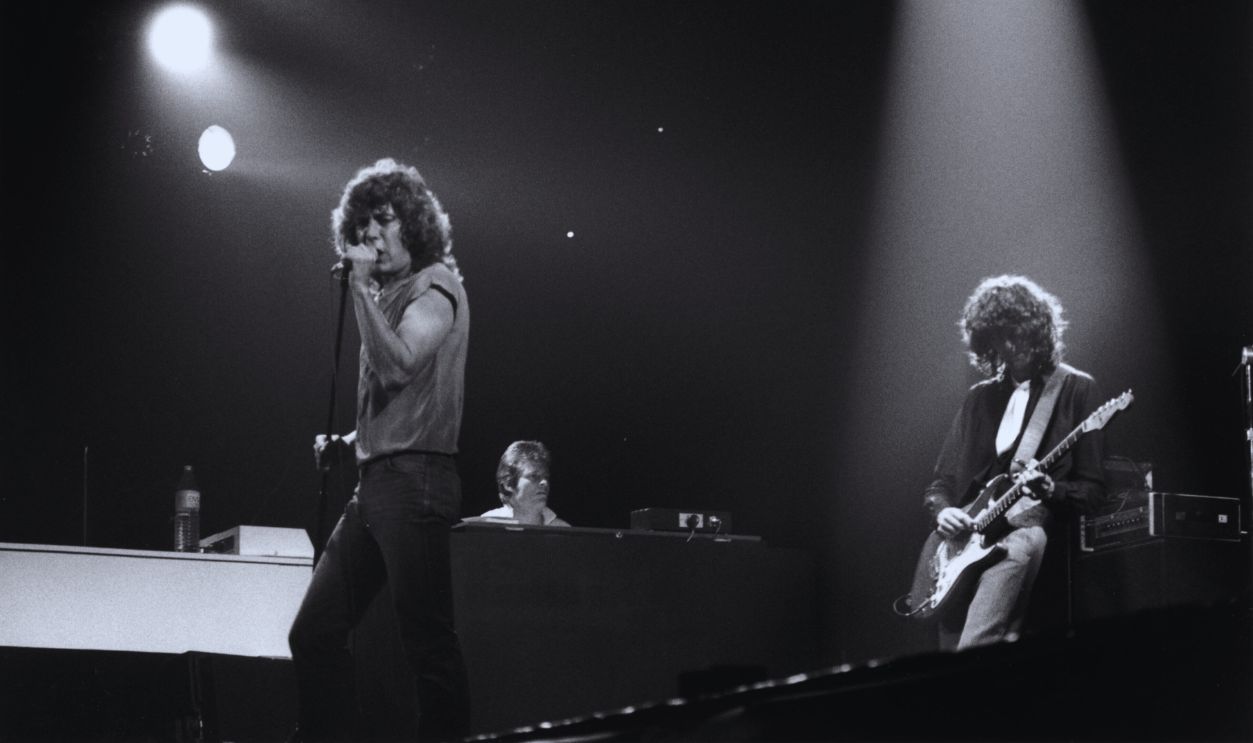
Americans Didn't Even Get The Title
The title "D'yer Mak'er" came from an old British joke involving the pronunciation of Jamaica. In the joke, a man mentions that his wife has gone to the West Indies, prompting someone to ask a question that sounds like "Jamaica?" The punchline is that she went voluntarily, but the humor was largely lost on American listeners unfamiliar with the pronunciation. Nevertheless, the song became a US Top 20 hit, proving that fans didn't need to understand the joke to enjoy the music.
 Heinrich Klaffs, Wikimedia Commons
Alice Cooper Decided To Run For President
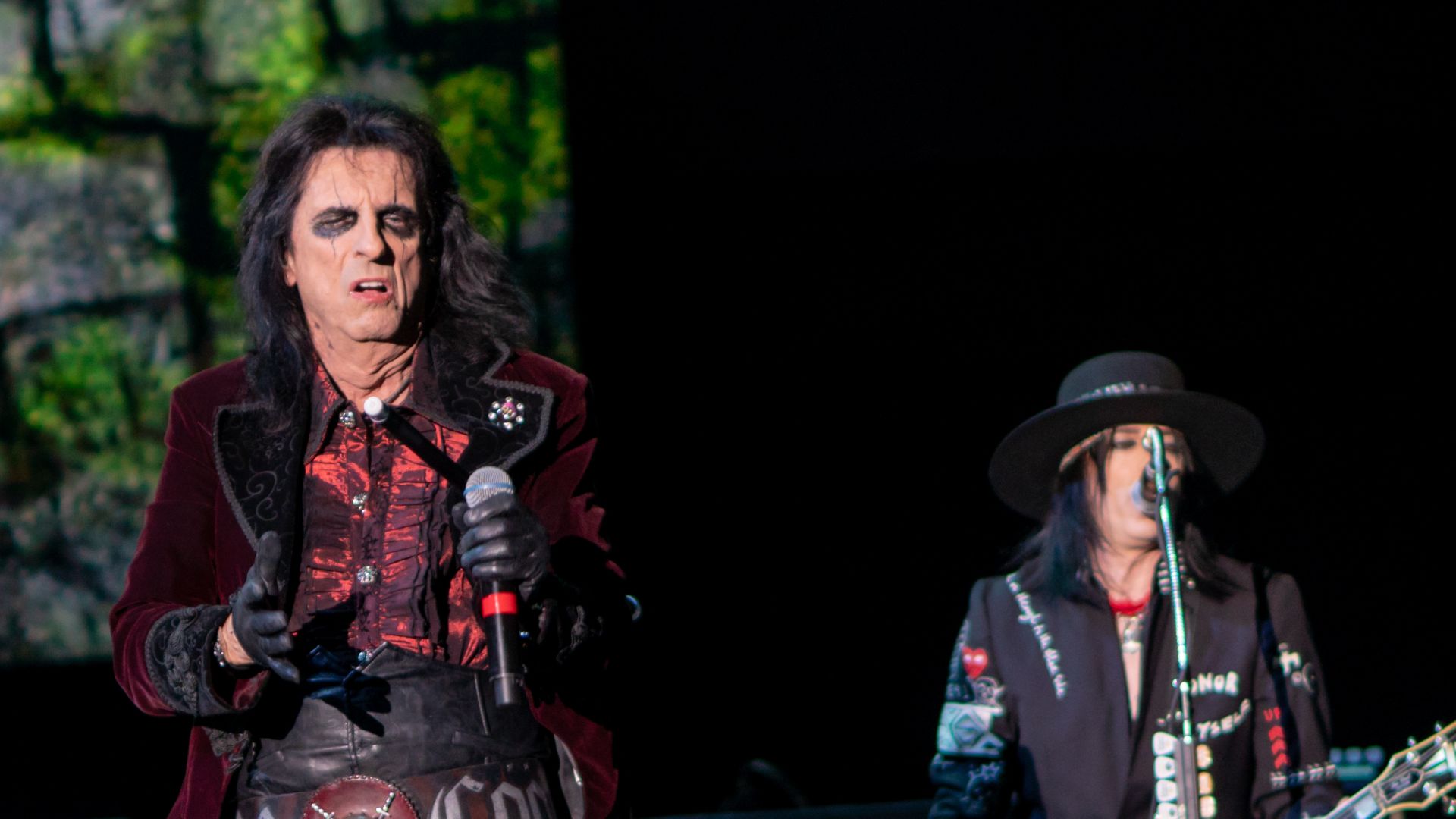
In 1972, Alice Cooper came up with a ridiculous idea: What if his outrageous rock-star persona challenged Richard Nixon for the presidency? Cooper and his collaborators turned the concept into "Elected," a satirical campaign anthem that mocked politicians and their promises. Producer Bob Ezrin later confirmed that the idea of running Alice for president began as a joke. But rather than simply recording a throwaway comedy song, they transformed an older piece of music into something surprisingly powerful.
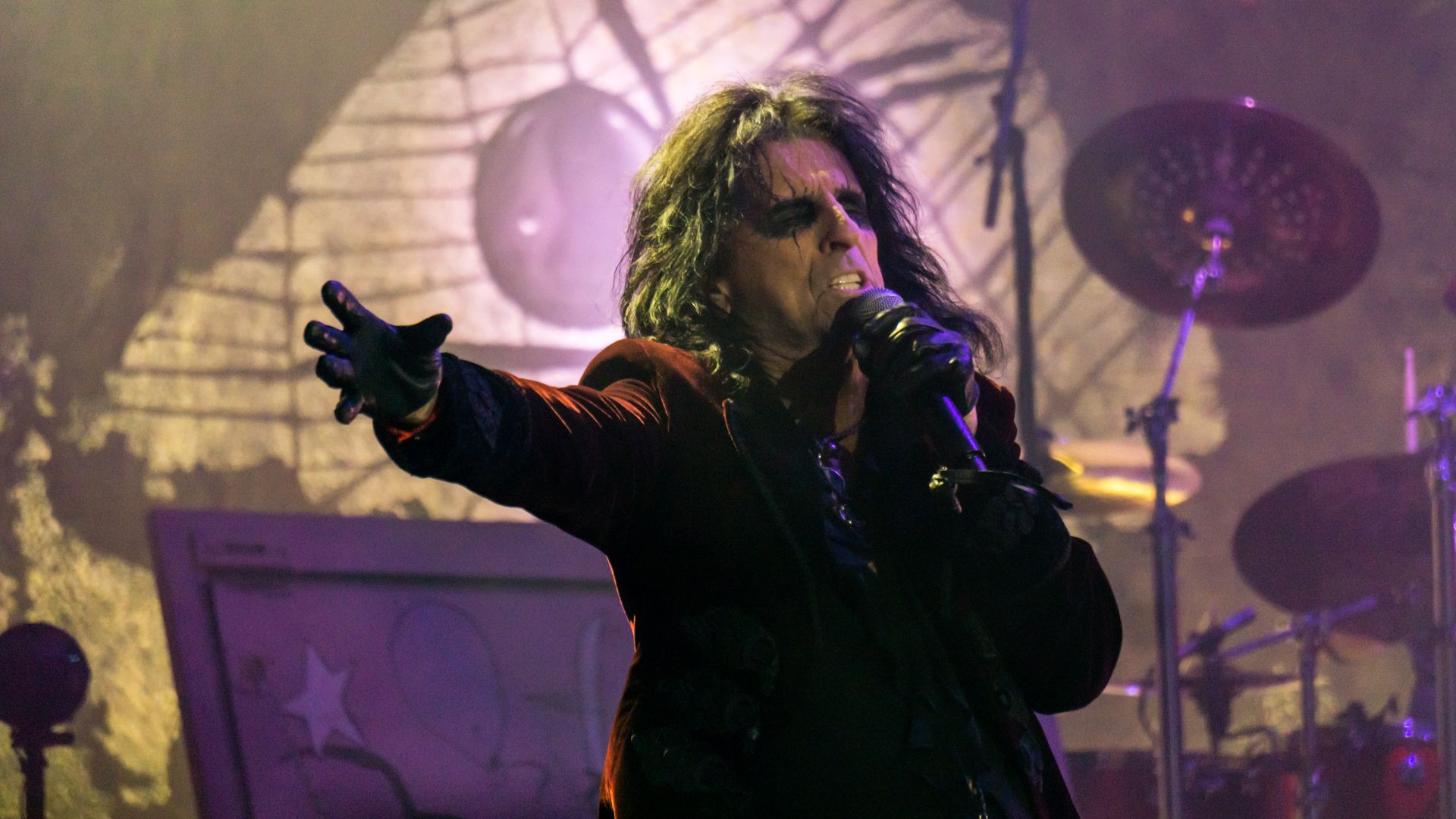
They Recycled A Song From Their Worst Album
The music for "Elected" came from "Reflected," a track on Alice Cooper's 1969 debut album Pretties for You. Cooper later described that early record as the worst album the band had made, but Ezrin recognized that one of its songs contained a promising hook. They rebuilt it around the mock presidential campaign, turning an obscure recording into a theatrical rock anthem. "Elected" became a major British hit and a lasting part of Cooper's catalog, with even John Lennon reportedly appreciating the result.
David Bowie Once Sang With A Garden Gnome
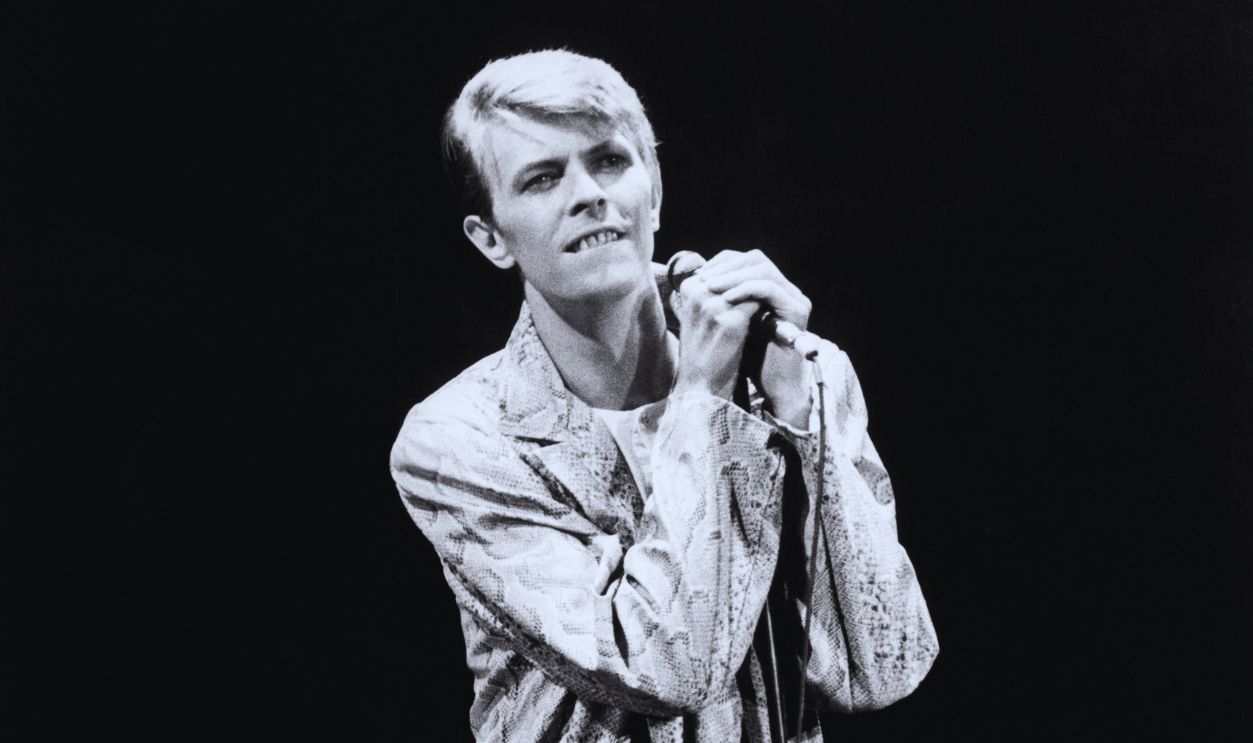
Long before David Bowie became Ziggy Stardust, he released one of the strangest novelty records of the 1960s. "The Laughing Gnome," recorded in 1967, featured Bowie exchanging jokes and silly wordplay with a high-pitched imaginary garden gnome. The deliberately ridiculous song sounded nothing like the ambitious rock music that would eventually make him famous. Unsurprisingly, it attracted little attention when it first appeared, but its story was far from over.
The Gnome Returned At The Worst Possible Time
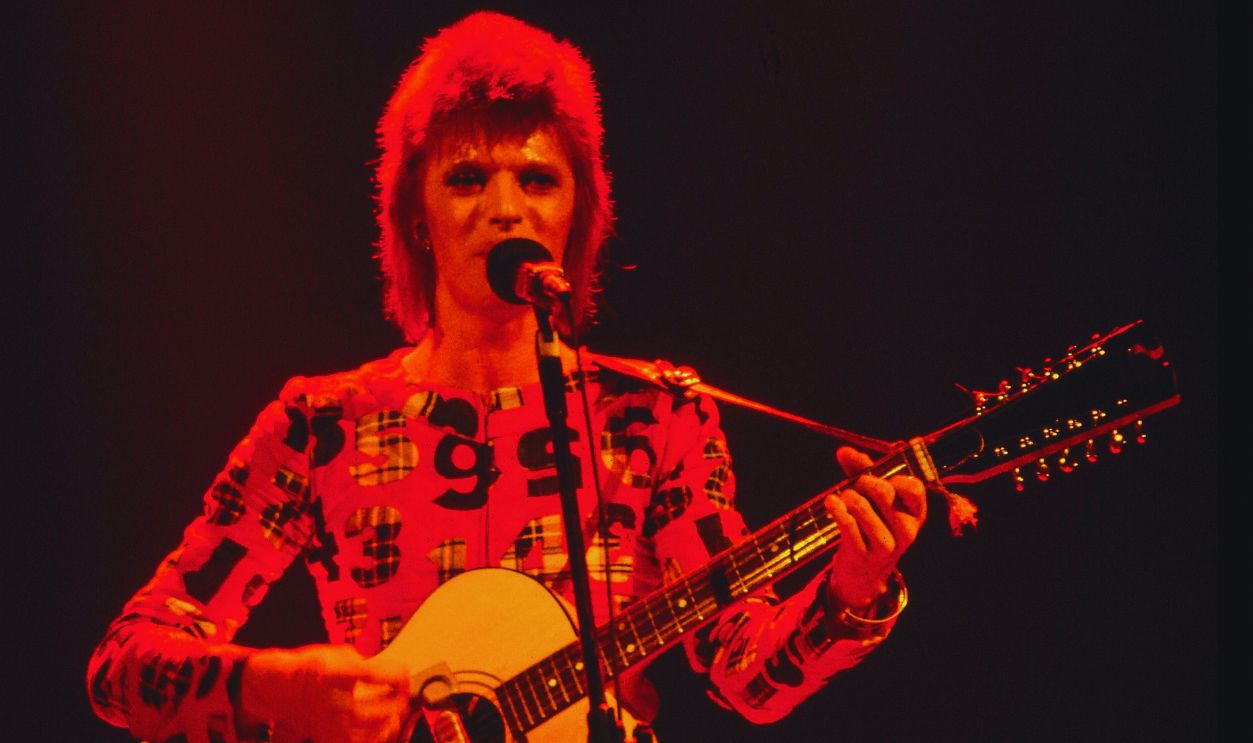
By 1973, Bowie had reinvented himself as one of rock's most exciting and mysterious stars. That made it particularly amusing when "The Laughing Gnome" was reissued and suddenly climbed to No. 6 on the British singles chart. Fans who had discovered Bowie through Ziggy Stardust were now buying a record featuring their idol joking with a squeaky-voiced garden ornament. Bowie later expressed appreciation for the song's unexpected comeback, suggesting he wasn't nearly as embarrassed by it as some listeners might have imagined.
The Beatles Made Their Own Comedy Record
Even The Beatles occasionally abandoned serious songwriting in favor of fooling around. John Lennon came up with "You Know My Name (Look Up the Number)" after noticing a slogan in a telephone directory, and the band eventually turned the simple phrase into an elaborate musical joke. Lennon and Paul McCartney performed exaggerated voices and comic routines while the recording wandered through several musical styles. It was a far cry from the carefully constructed pop masterpieces that had made them famous.
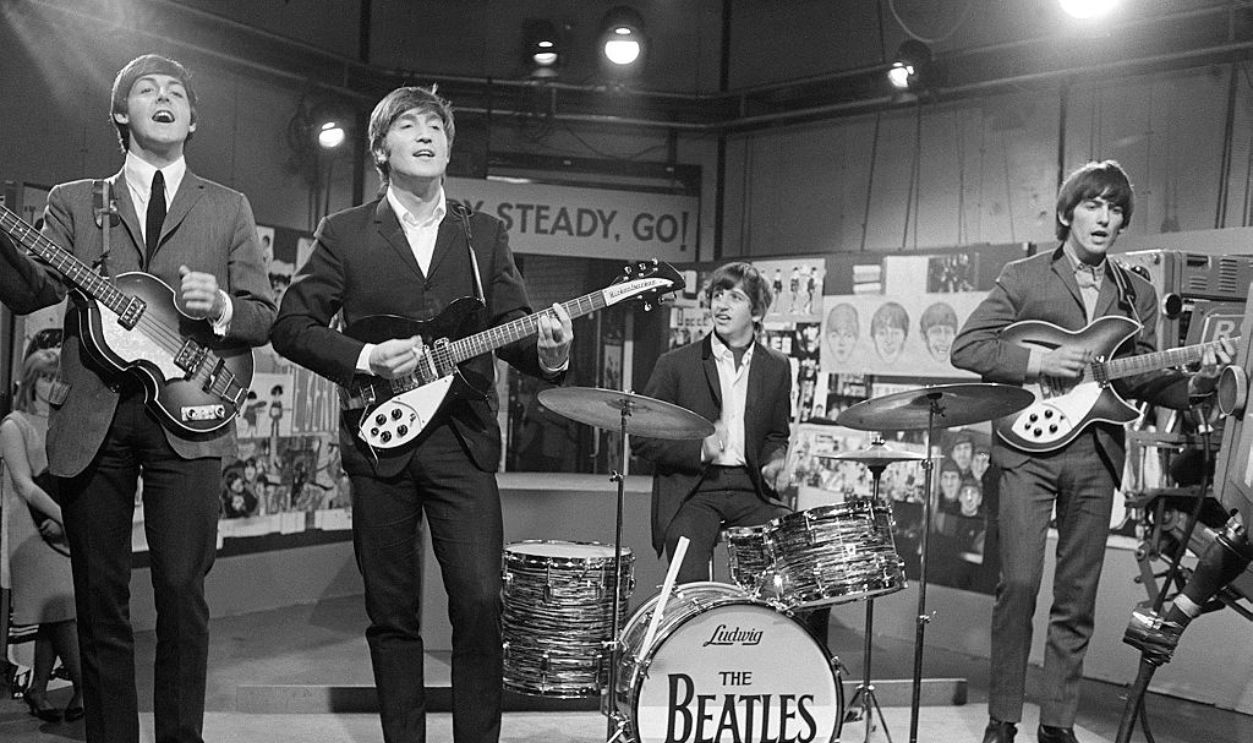 Max Scheler - K & K, Getty Images
Their Strange Joke Ended Up Beside A Masterpiece
The Beatles began recording "You Know My Name" in 1967 but didn't complete it until 1969. Rather than releasing it as a major single, they placed the comedy recording on the B-side of "Let It Be" in March 1970. The song wasn't an independent chart hit, but its association with one of the band's most famous releases gave their private joke an enormous audience. It also featured an unlikely guest appearance from Rolling Stones guitarist Brian Jones, who played saxophone on the recording.
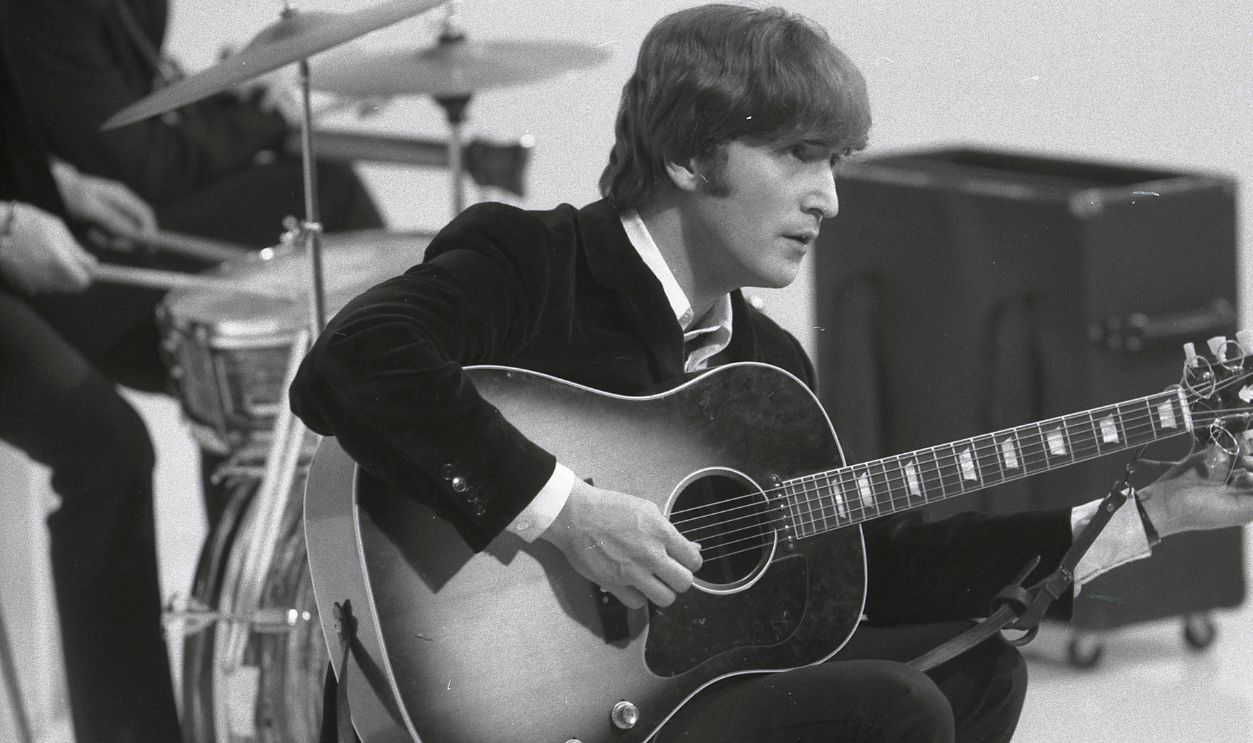 Max Scheler - K & K, Getty Images
Queen Had A Ridiculous Idea For A Rock Anthem
Queen's "We Will Rock You" wasn't written as a joke, but its unusual beginnings belong among rock's strangest experiments. During a 1977 concert in England, Brian May noticed that the audience was singing so enthusiastically that the band could barely compete. Rather than trying to overpower the crowd, May wondered whether Queen could write a song that would turn the audience itself into part of the performance. His solution was so simple that it hardly resembled a conventional rock recording.
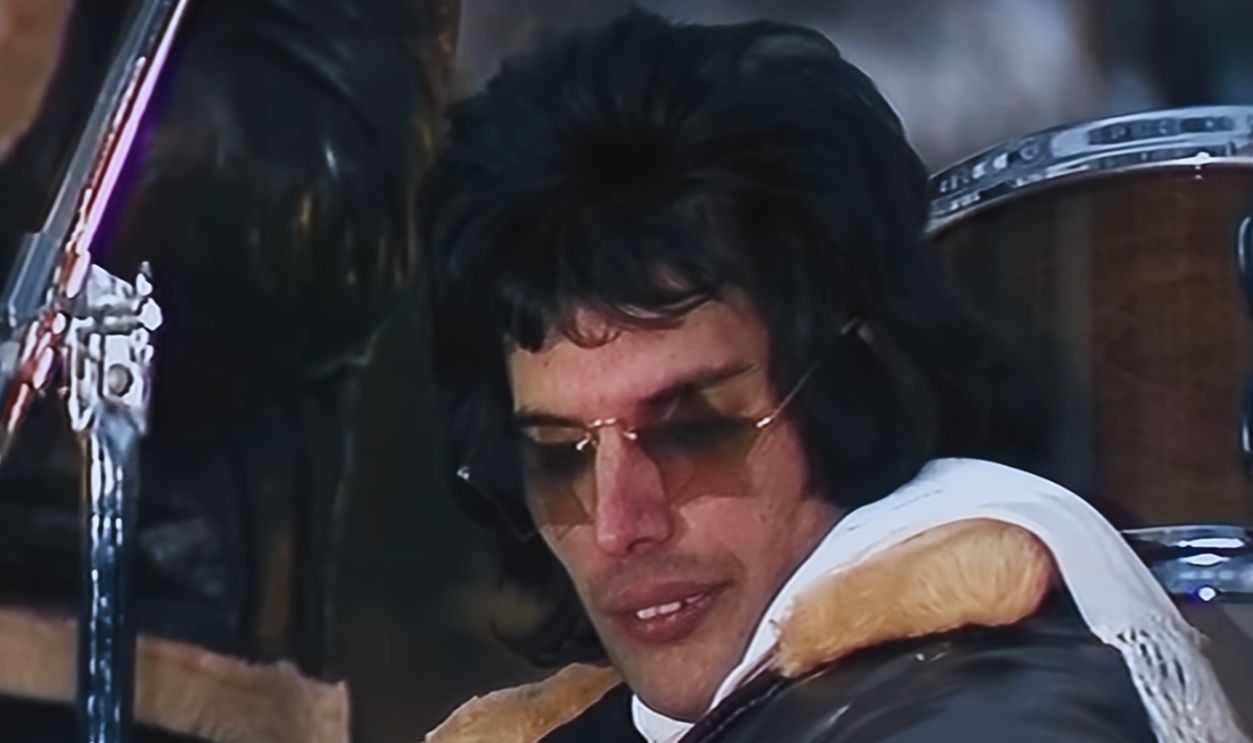 Screenshot from We Will Rock You, EMI Records (1977)
They Barely Needed Instruments
May built "We Will Rock You" around a basic pattern of stomping feet, clapping hands, and shouting. Instead of filling the recording with elaborate instrumentation, Queen relied on the kind of rhythm practically anyone could reproduce in a crowded arena. The song appeared on their 1977 album News of the World and became one of the most recognizable stadium anthems ever recorded. What began as an experiment in audience participation eventually became inseparable from American sporting events.
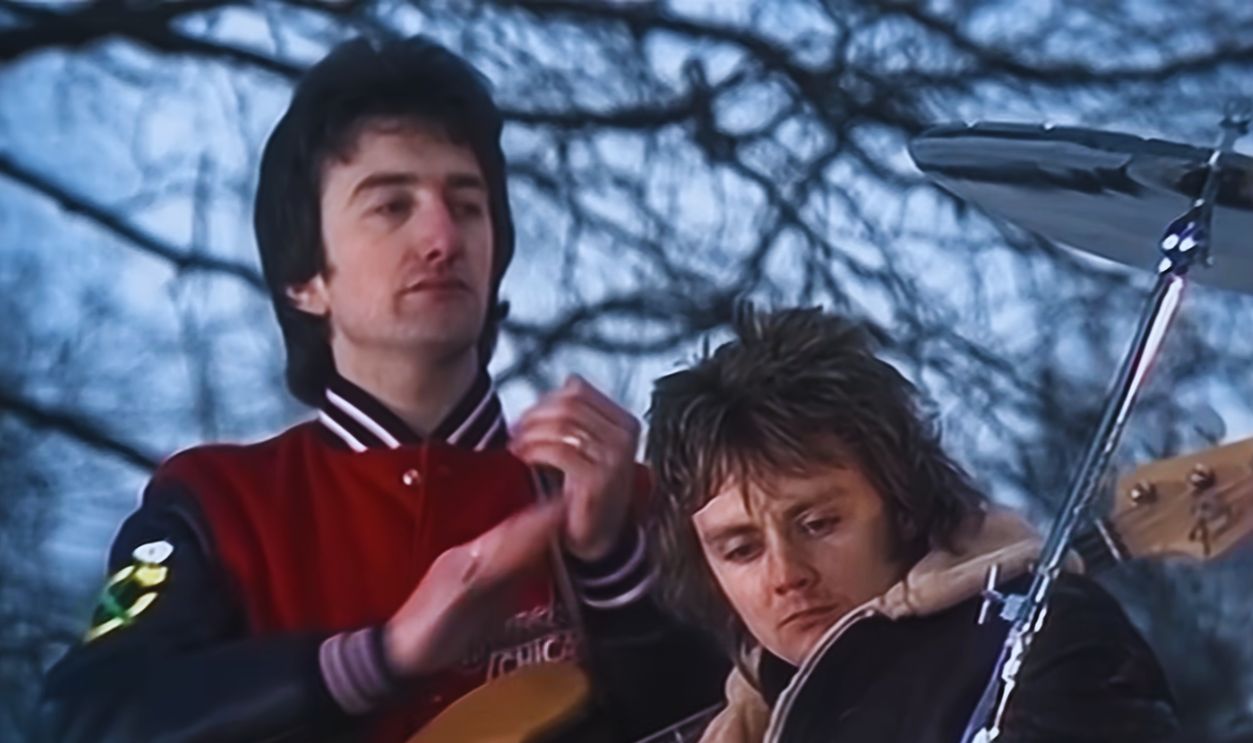 Screenshot from We Will Rock You, EMI Records (1977)
The Kingsmen Recorded A Song For A Cruise Ship
The Kingsmen's "Louie Louie" wasn't originally intended as a joke, but the circumstances behind their famous recording were almost comically humble. In 1963, the Portland band paid just $36 to record a rough version of the song, hoping the tape would help them secure a job performing aboard a cruise ship bound for Australia. They weren't attempting to make a revolutionary rock record or even a national hit. They simply wanted a paying gig, and their audition went spectacularly wrong.
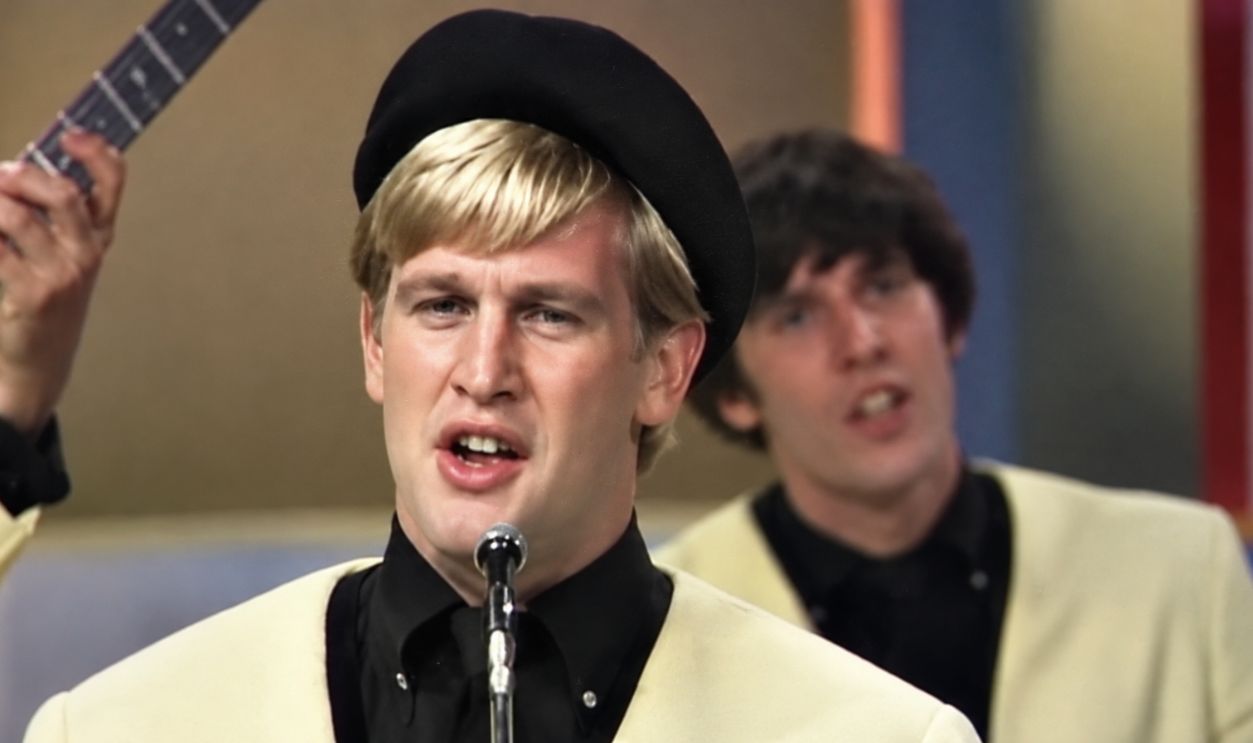 Screenshot from Louie Louie, Wand Records (1963), Enhanced
Their Rejection Became Rock History
The cruise company disliked The Kingsmen's recording and rejected the band, leaving them with a tape that seemed to have little practical value. But a Seattle record producer released it, and the song eventually attracted attention from radio stations on the East Coast. Its muddy vocals helped fuel rumors about supposedly obscene lyrics, adding controversy to a recording that had begun as an ordinary audition. "Louie Louie" became a massive hit and an enduring garage-rock classic, giving The Kingsmen something far more valuable than a cruise-ship job.
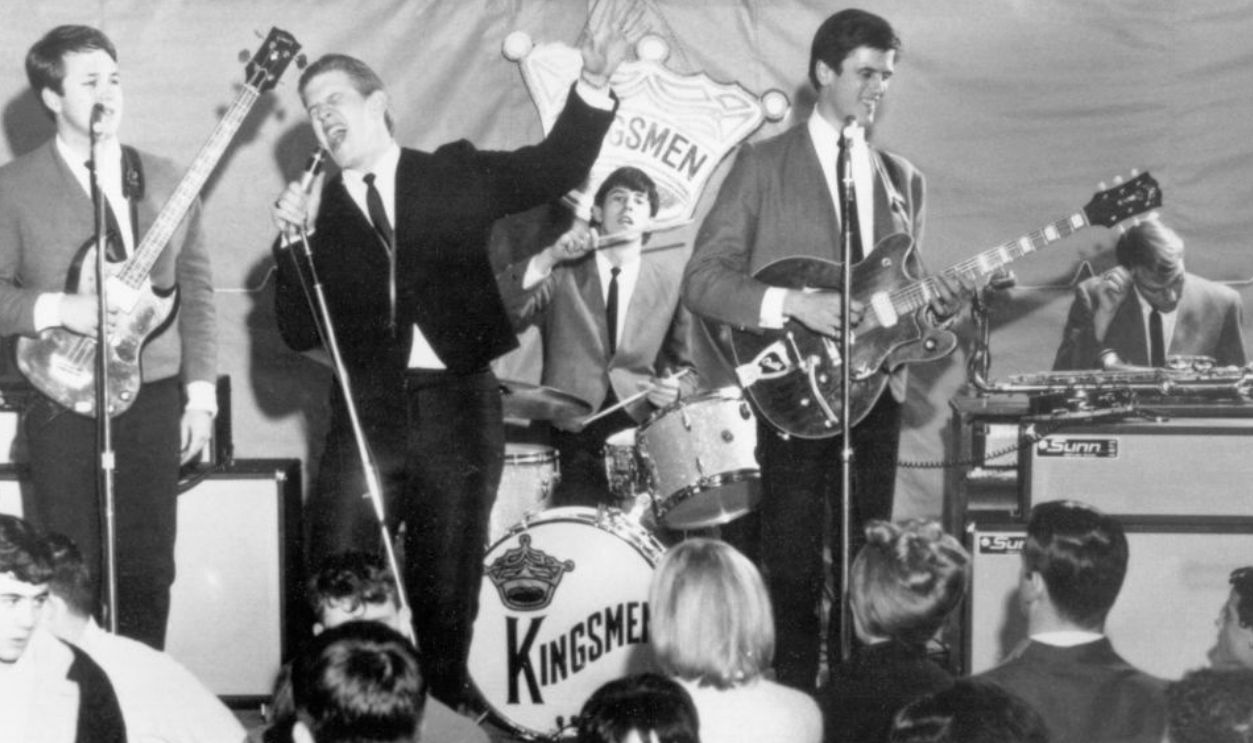 Michael Ochs Archives, Getty Images
Alice Cooper Brought Schoolchildren Into The Studio
Alice Cooper's "School's Out" wasn't conceived as a joke, but producer Bob Ezrin gave the rebellious anthem an unexpectedly playful twist. While working on the recording in 1972, Ezrin decided that the song's bratty attitude would sound even better with actual children singing along. He recruited a group of young performers, whose parents were understandably nervous about sending them into a studio with Alice Cooper's outrageous band. The resulting session was almost as entertaining as the song itself.

The Children Were Terrified Of Alice Cooper
Ezrin later recalled that the children initially felt intimidated by the musicians and their intimidating appearance. Their parents also needed convincing that the recording session was appropriate, given Cooper's reputation for shocking audiences. But once everyone relaxed, the children began laughing and enjoying themselves, helping create one of the song's most memorable moments. "School's Out" became a No. 7 American hit, and the unusual collaboration helped make it a permanent end-of-school anthem.
Blue Öyster Cult Became A Comedy Sketch
Blue Öyster Cult's "(Don't Fear) The Reaper" was a serious rock song when it became a hit in 1976, but its funniest chapter arrived decades later. In 2000, Saturday Night Live aired a sketch featuring Will Ferrell as an absurdly enthusiastic cowbell player and Christopher Walken as a producer demanding more of the instrument. The sketch turned a relatively minor detail from the original recording into one of television's most recognizable musical jokes. Suddenly, fans couldn't hear the song without thinking about that cowbell.
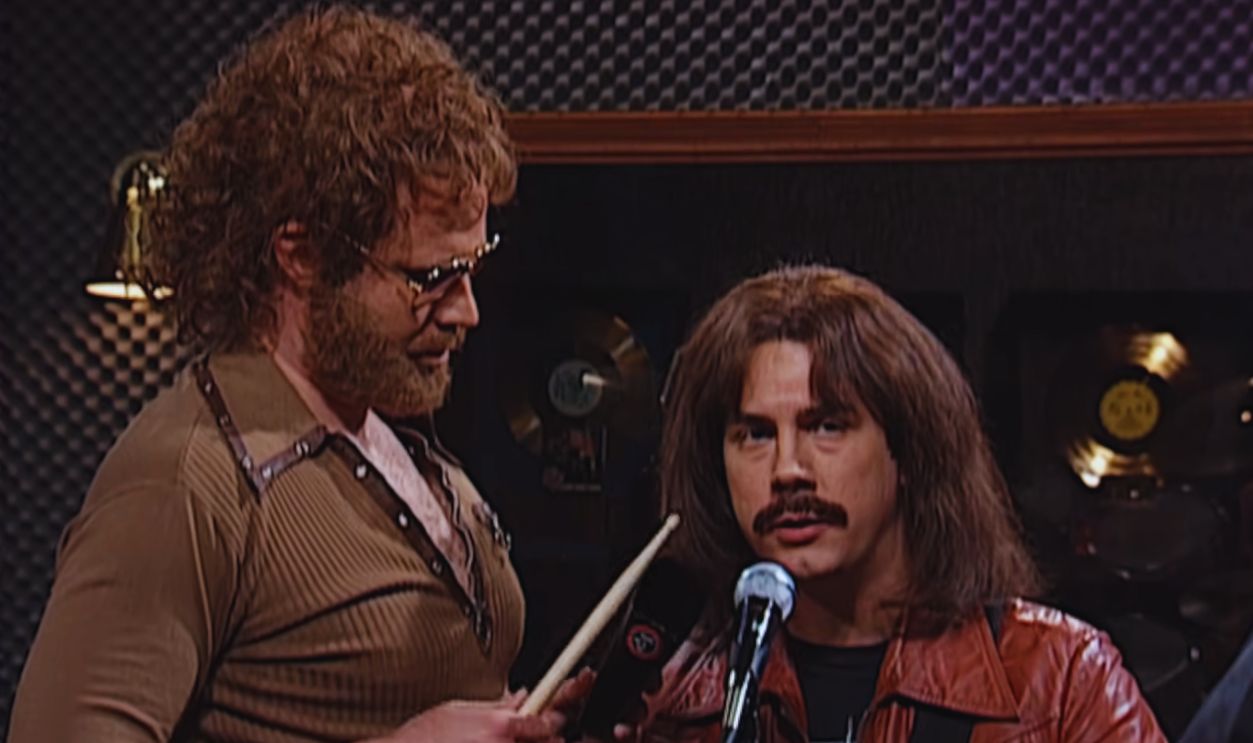 Screenshot from Saturday Night Live, NBC (1975–)
The Joke Actually Changed Their Concerts
Guitarist Buck Dharma later explained that Blue Öyster Cult hadn't normally used the cowbell during live performances of "(Don't Fear) The Reaper." After the sketch became famous, audiences began expecting to hear it, and some fans even started bringing their own cowbells to concerts. The band eventually incorporated the instrument into its performances and had to discourage concertgoers from creating their own percussion sections. Unlike the songs that began as jokes, this classic became the center of one long after its release, proving that rock history sometimes gets funnier with age.
You May Also Like:
Blockbuster Hits Everyone Forgot About
Sources: 1, 2, 3, 4, 5, 6, 7, 8, 9, 10, 11, 12, 13, 14, 15, 16, 17, 18, 19, 20, 21