The Albums That Reward A Full Listen
The 80s charts don’t tell the whole story. Plenty of remarkable rock albums never became mainstream sensations, even though listeners now swear they’re nearly flawless from front to back. A few may even make you wonder how they weren’t bigger.
 Showtime, Courtesy of Getty Images
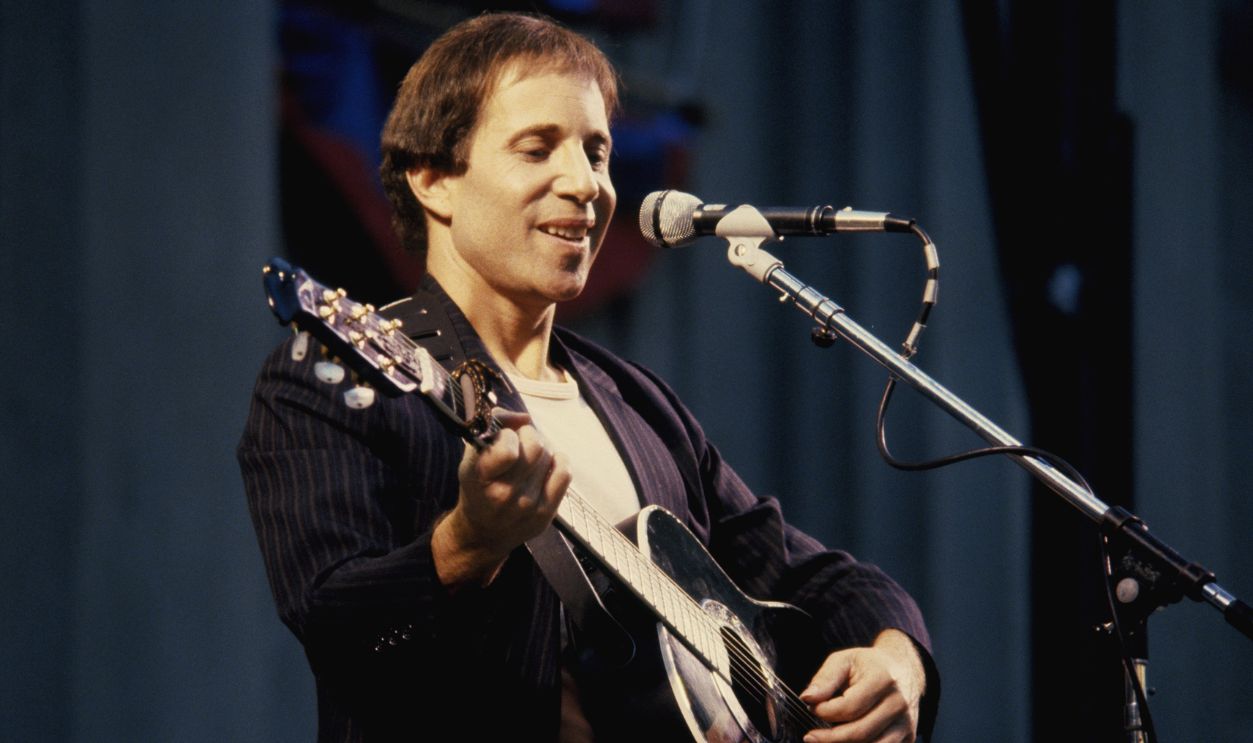
Paul Simon - Graceland (1986)
Graceland revived Paul Simon's career by placing his songwriting alongside South African musicians and styles that many American rock listeners had barely encountered. “You Can Call Me Al” became the obvious hit, but “Diamonds on the Soles of Her Shoes,” “The Boy in the Bubble,” and the title track are just as central. The album was commercially successful from the start, but its unusually varied track list still feels remarkably cohesive.
 Richard McCaffrey, Getty Images
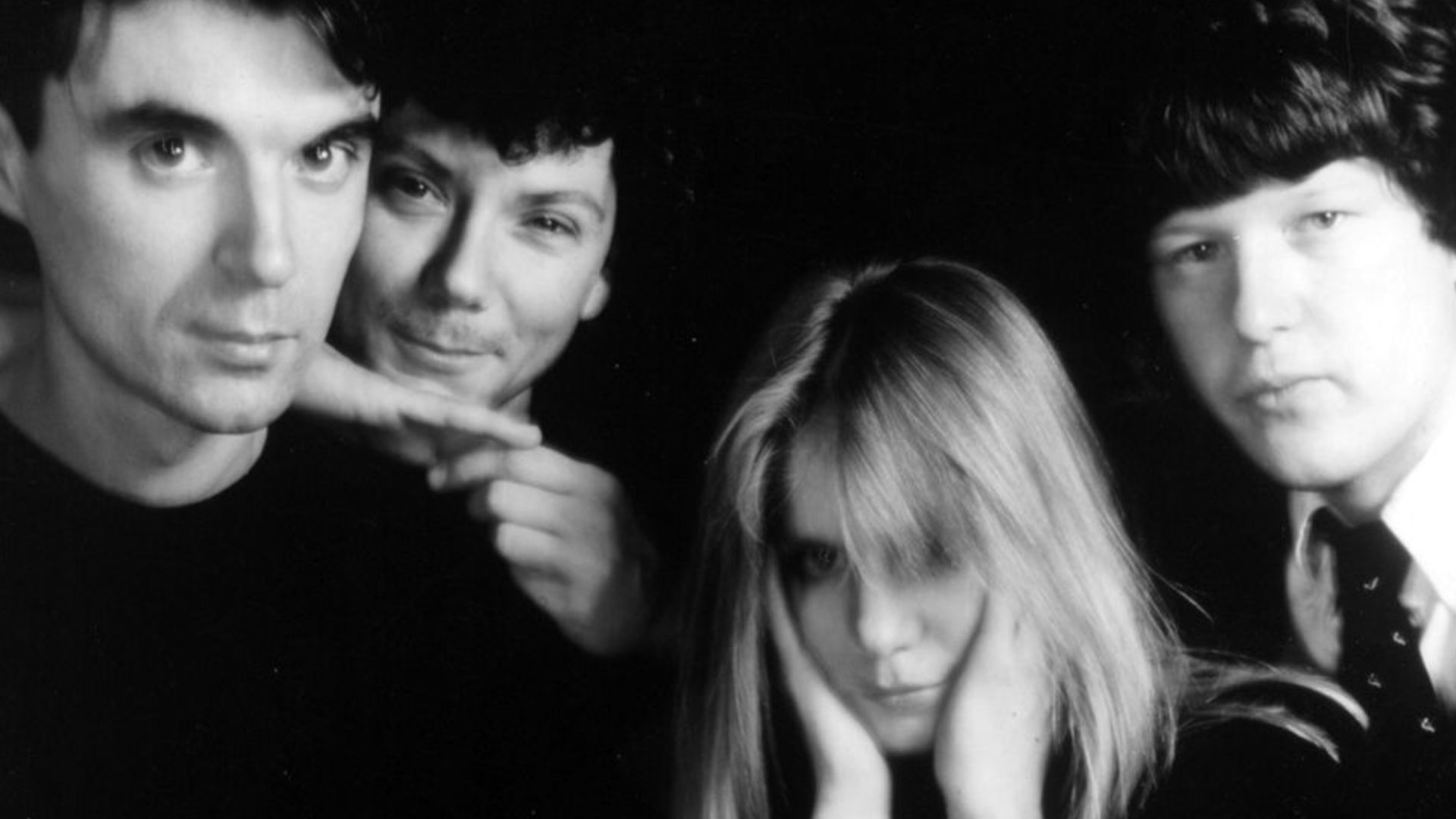
Talking Heads - Remain In Light (1980)
Talking Heads pushed far beyond straightforward new wave on Remain in Light. Working with Brian Eno, the band built songs from interlocking rhythms, repeated guitar figures, layered percussion, and studio experimentation influenced partly by African music. “Once in a Lifetime” became the best-known track, but “Born Under Punches,” “Crosseyed and Painless,” and “The Great Curve” make the album feel like one continuous rhythmic experiment rather than a collection of singles.
 Distributed by Sire Records. Photographer uncredited., Wikimedia Commons
Talking Heads - Speaking In Tongues (1983)
Three years later, Talking Heads made their strange ideas considerably more accessible without sanding away what made them interesting. Speaking in Tongues opens with “Burning Down the House,” their biggest American hit, but the album never depends on it. “Girlfriend Is Better,” “Making Flippy Floppy,” and “This Must Be the Place (Naive Melody)” balance funk, electronics, pop, and David Byrne's wonderfully odd perspective with barely any misspent space.
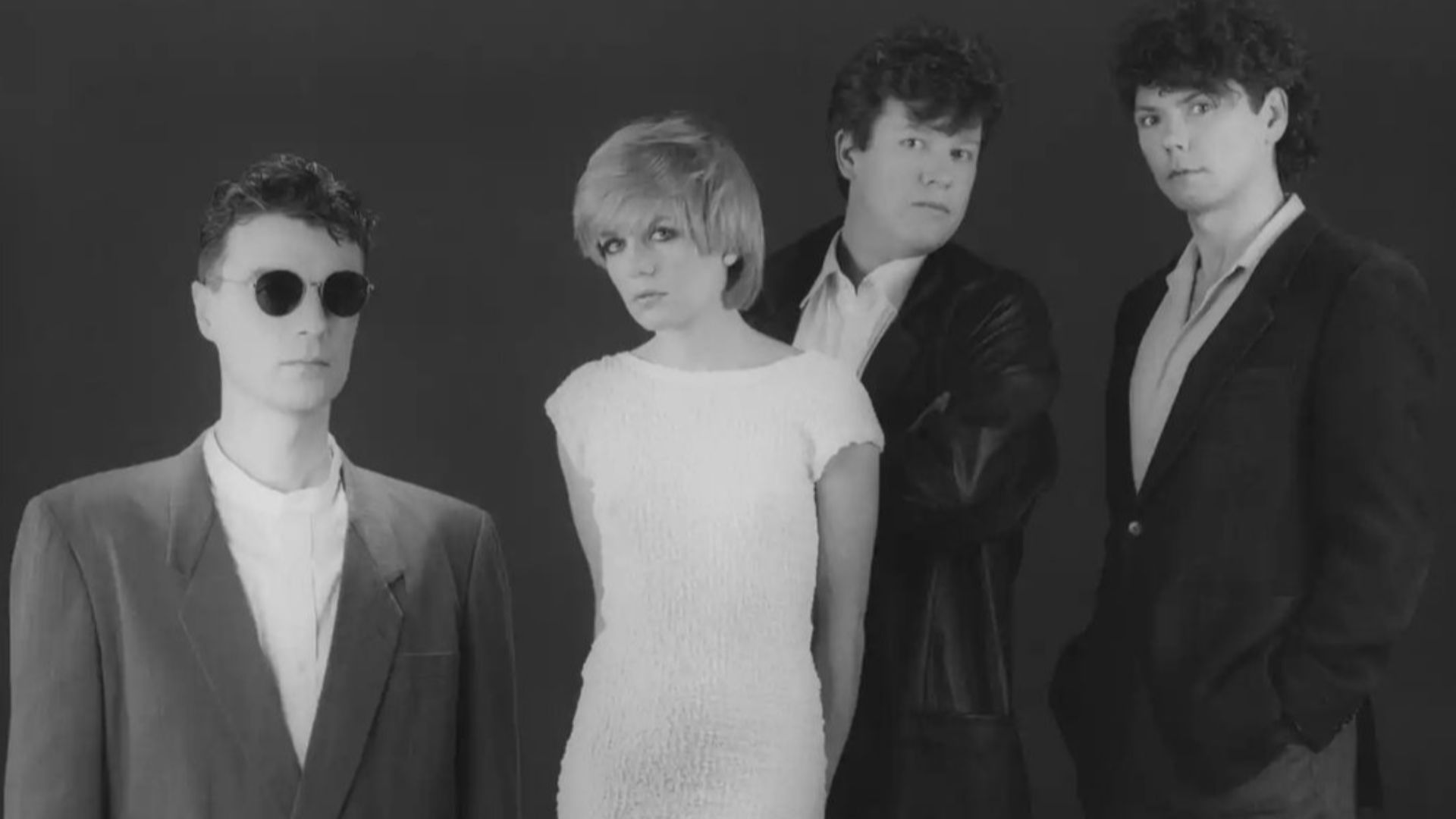 Robert Mapplethorpe; Distributed by Sire Records, Wikimedia Commons
The Smiths - The Queen Is Dead (1986)
The Smiths packed an extraordinary amount into barely 37 minutes on The Queen Is Dead. Johnny Marr moves from the furious title track to the acoustic “Cemetry Gates” and shimmering “There Is a Light That Never Goes Out,” while Morrissey jumps between heartbreak, satire, self-pity, and comedy. Even deliberately silly moments like “Vicar in a Tutu” contribute to an album whose personality depends on its constant swings in mood.
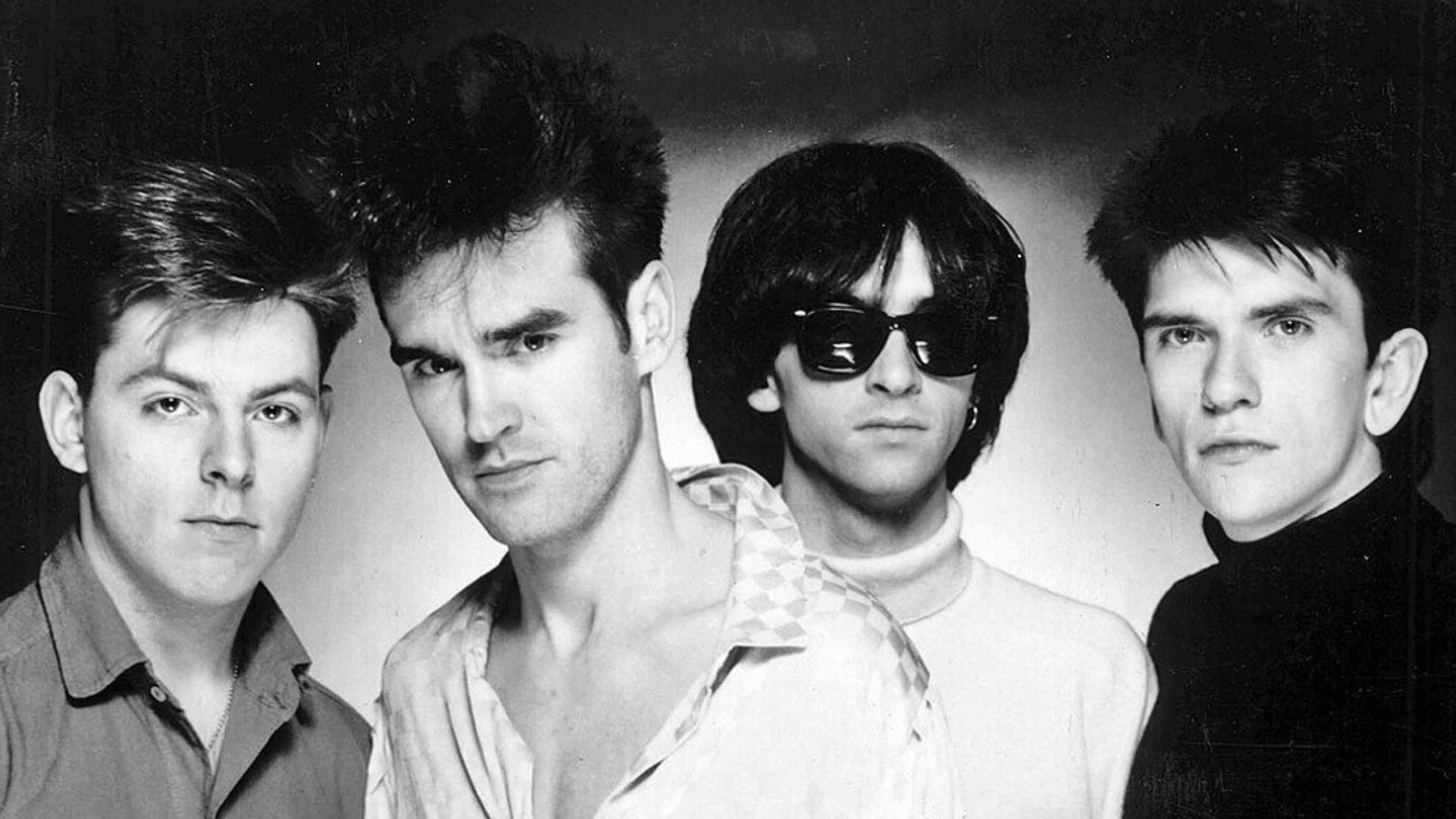 Paul Cox; Distributed by Sire Records, Wikimedia Commons
New Order - Power, Corruption & Lies (1983)
New Order were still figuring out how to move beyond Joy Division when Power, Corruption & Lies suddenly made their new identity clear. “Age of Consent” pairs bright guitars with Bernard Sumner's yearning vocal, while “Your Silent Face” and “586” push further toward electronic dance music. Remarkably, “Blue Monday” wasn't even on the original album. The eight tracks already offered more than enough evidence that the band had found something distinctive.
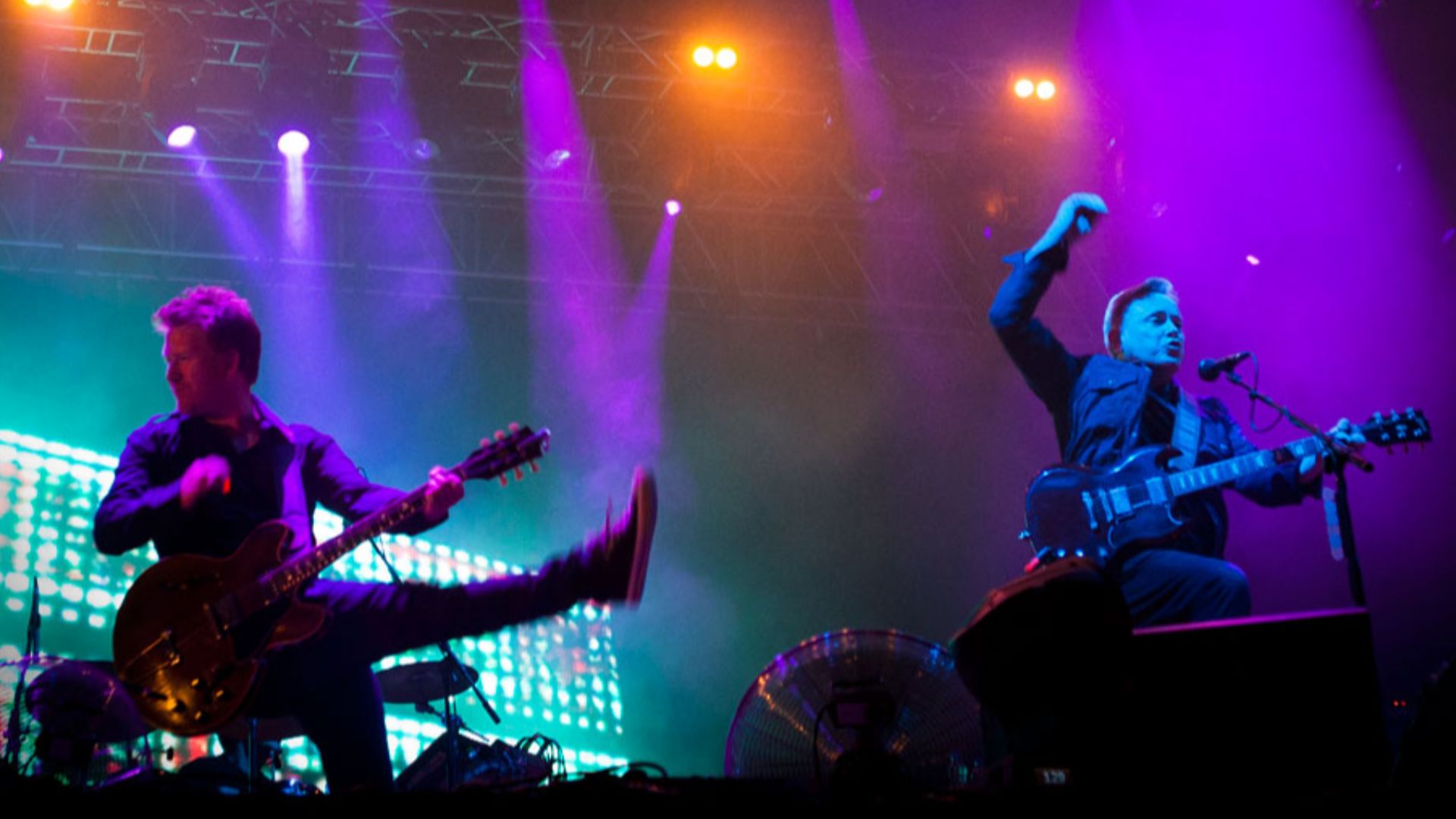 Irma Puskarevic, EXIT Photo Team, Wikimedia Commons
David Bowie - Scary Monsters (And Super Creeps) (1980)
David Bowie entered the 80s by pulling together ideas he'd been exploring throughout the previous decade. Scary Monsters combines jagged guitars, experimental textures, pop hooks, and some of his sharpest writing. “Ashes to Ashes” famously revisits Major Tom, while “Fashion,” “Teenage Wildlife,” and the title track all sound unmistakably Bowie without repeating one another. It became a neat bridge between his adventurous 70s work and the superstardom still ahead.
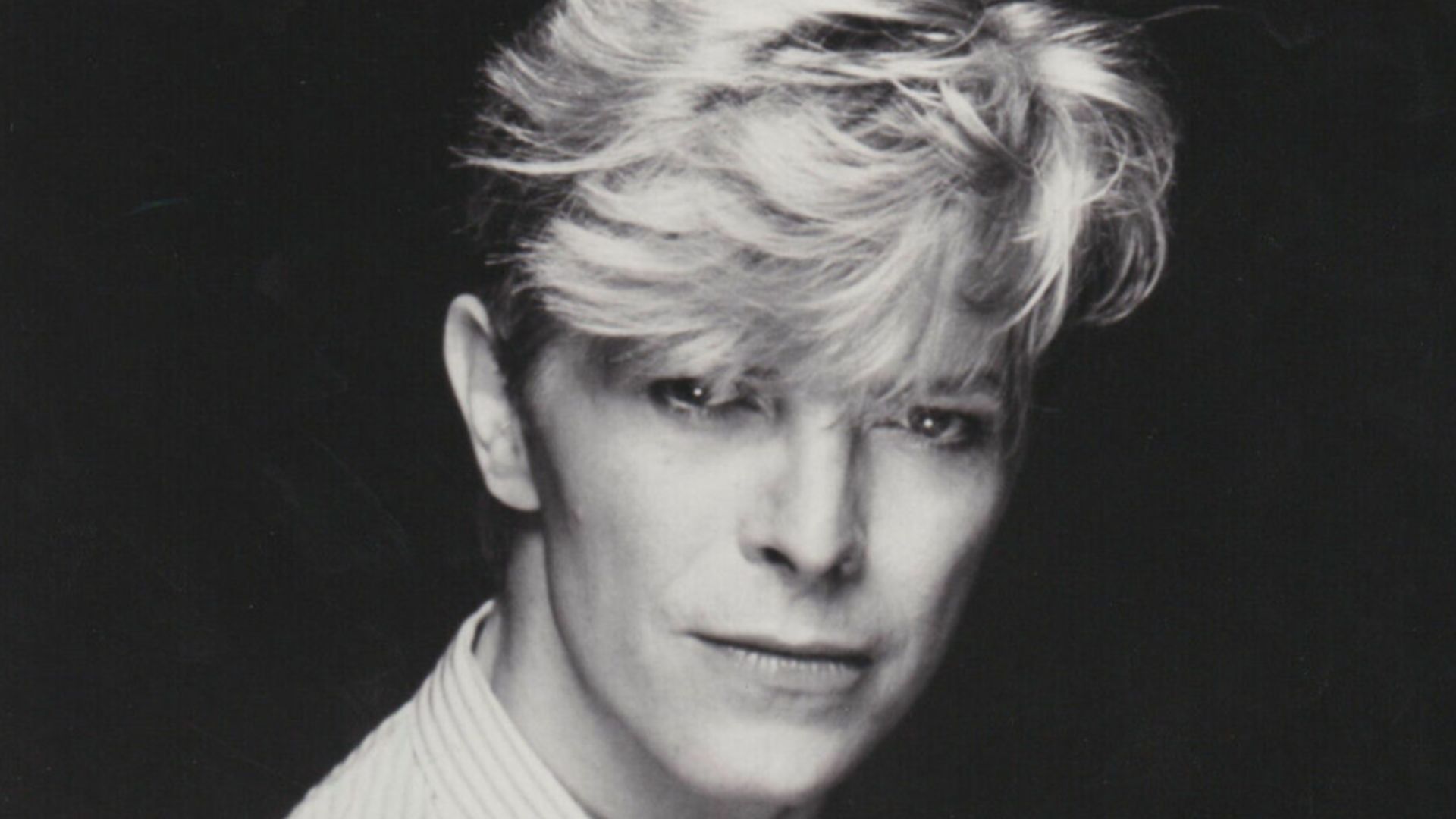 Distributed by EMI America. Photographer is unknown., Wikimedia Commons
Sonic Youth - Daydream Nation (1988)
Daydream Nation gave Sonic Youth enough room to let its songs stretch without losing their shape. Thurston Moore and Lee Ranaldo's alternate guitar tunings create walls of noise that can suddenly reveal surprisingly memorable melodies underneath. “Teen Age Riot” is the gateway, but “Cross the Breeze,” “Candle,” and the sprawling “Trilogy” reward listeners willing to follow the band deeper. The album wasn't a mainstream blockbuster, but its reputation grew enormously.
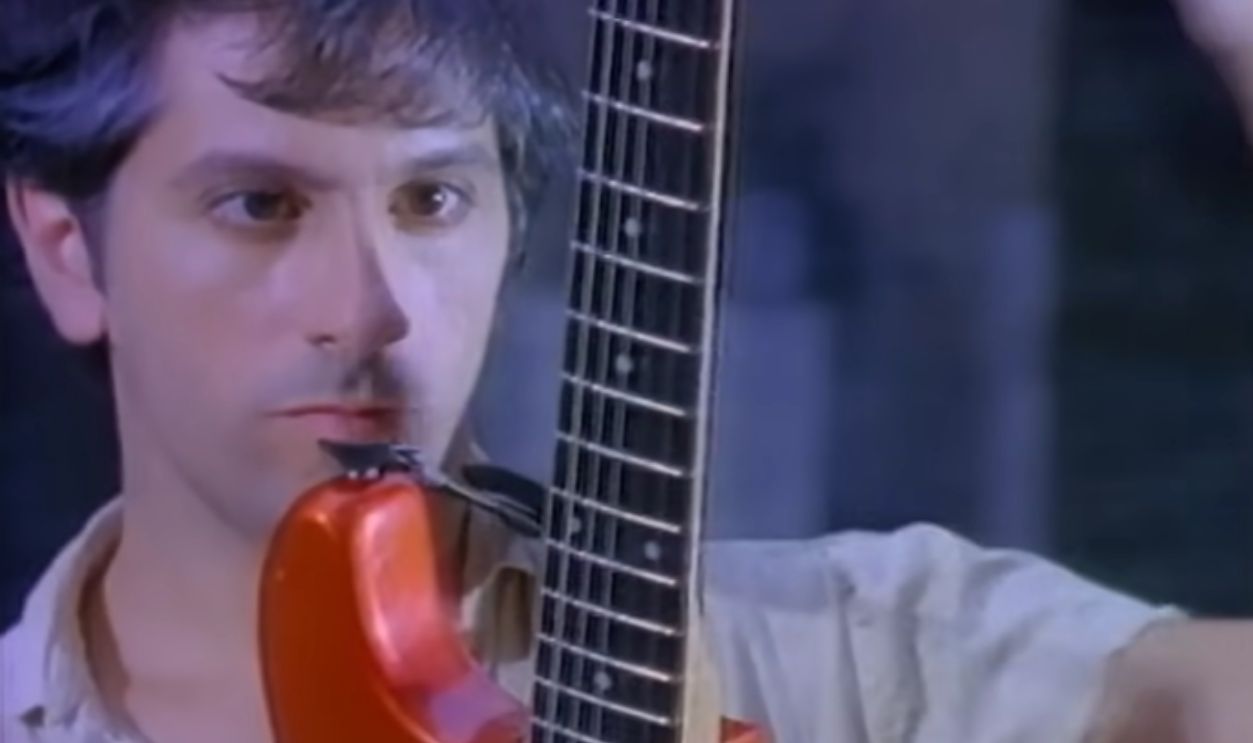 Screenshot from Daydream Nation, Enigma (1988)
Pixies - Doolittle (1989)
Pixies somehow made an album filled with biblical brutality, surrealism, screaming, strange chord changes, and genuinely irresistible pop songs. “Here Comes Your Man” and “Monkey Gone to Heaven” were accessible enough for alternative radio, while “Debaser,” “Tame,” and “Gouge Away” preserved the band's abrasive side. Doolittle didn't make Pixies arena stars, but its quiet-loud dynamics would soon influence bands that did become enormous.
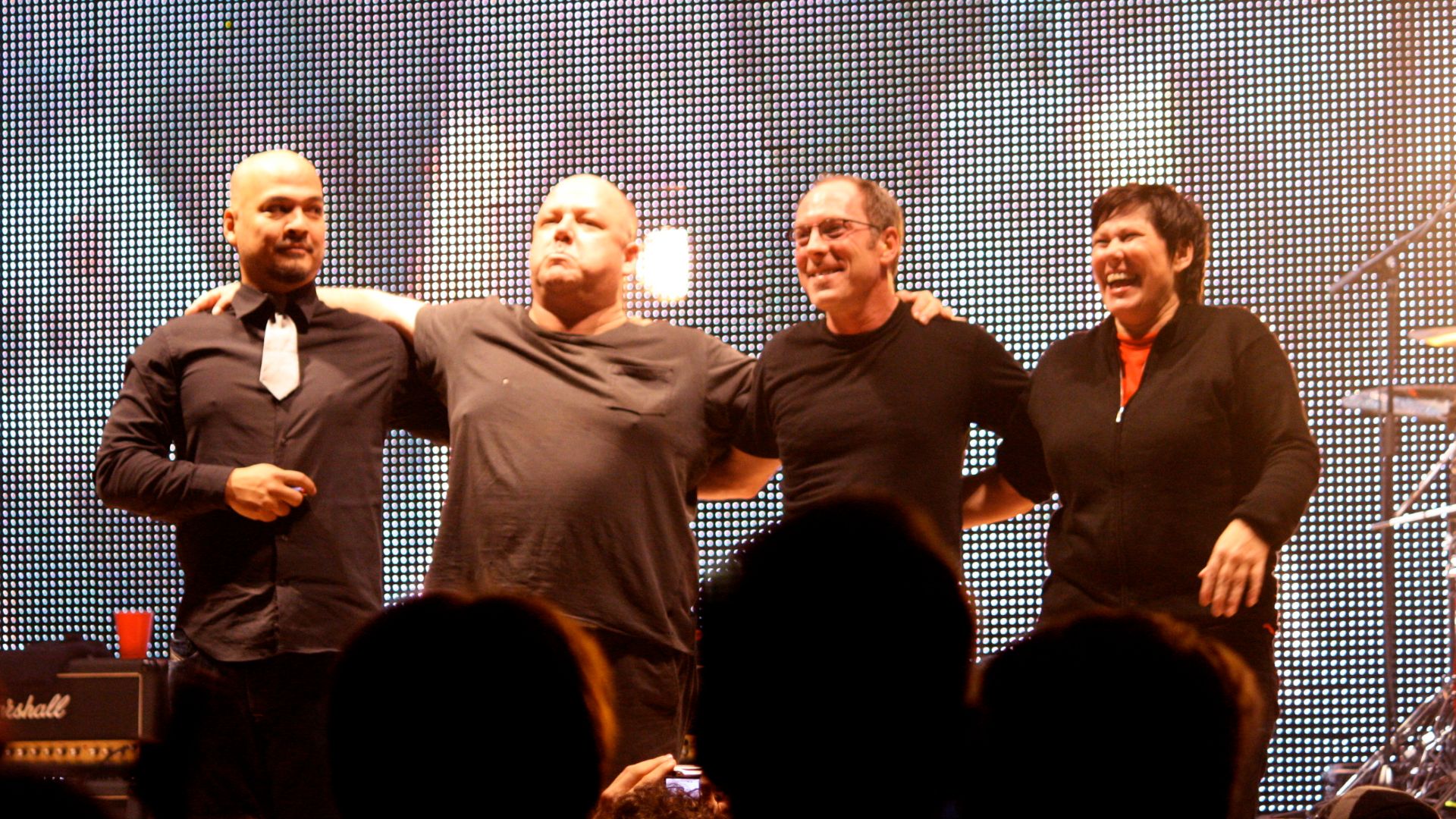 Angie Garrett (smoorenburg), Wikimedia Commons
The Cure - Disintegration (1989)
Robert Smith reportedly worried about aging and the direction of the Cure before making Disintegration, and that anxiety helped produce the band's most immersive album. “Pictures of You,” “Fascination Street,” “Lovesong,” and “Lullaby” unfold inside enormous layers of guitar and synthesizer. The record is long and relentlessly melancholy, yet fans rarely treat that as a drawback. It became both a commercial breakthrough and a defining goth-rock statement.
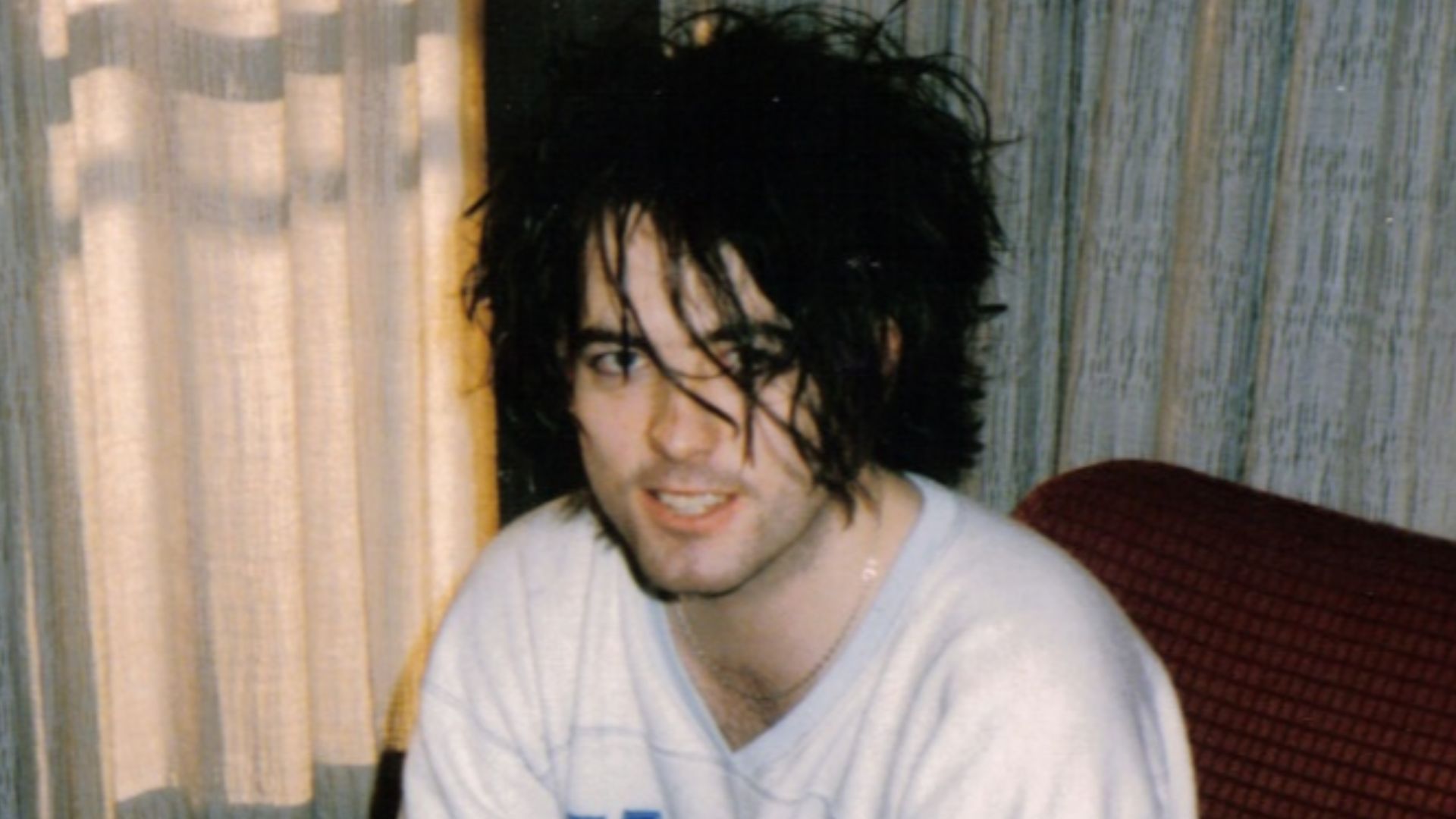 Andwhatsnext at English Wikipedia, Wikimedia Commons
Cocteau Twins - Blue Bell Knoll (1988)
Cocteau Twins weren't interested in making Elizabeth Fraser's lyrics easy to decipher. On Blue Bell Knoll, her voice functions almost like another instrument, floating above Robin Guthrie's shimmering guitars and Simon Raymonde's atmospheric bass. “Carolyn's Fingers” is probably the easiest entry point, but the album works best as an uninterrupted wash of dream pop. Its influence became particularly obvious as shoegaze and atmospheric indie rock expanded in the following decade.

After Dinner - Paradise Of Replica (1989)
Japanese group After Dinner never had anything resembling conventional rock-star fame, which makes Paradise of Replica one of the deeper cuts here. Led by Haco, the record combines art pop, tape manipulation, electronics, unusual acoustic instruments, and found sounds. Tracks such as “Dancing Twins” and the title piece can feel playful and unsettling at once. Decades later, its mixture of experimental technique and melodic warmth has attracted a much larger cult audience.
Aksak Maboul - Un Peu De L'Âme Des Bandits (1980)
Calling this Belgian record overlooked is almost an understatement. Aksak Maboul were connected to the Rock in Opposition movement, and Un Peu De L'Âme Des Bandits freely collides art rock, free jazz, contemporary classical music, electronics, and outright absurdity. “A Modern Lesson” starts with something resembling a simple rock groove before everything around it begins mutating. It's difficult music, but for listeners on its wavelength, every detour feels intentional.

Tom Waits - Swordfishtrombones (1983)
Tom Waits essentially demolished his previous musical identity with Swordfishtrombones. Piano ballads and traditional singer-songwriter arrangements gave way to marimbas, strange percussion, wheezing horns, junkyard rhythms, and characters who sound like they've wandered in from forgotten American back roads. “Underground,” “16 Shells from a Thirty-Ought-Six,” and “In the Neighborhood” barely resemble one another, yet Waits' voice and imagination hold the whole strange world together.
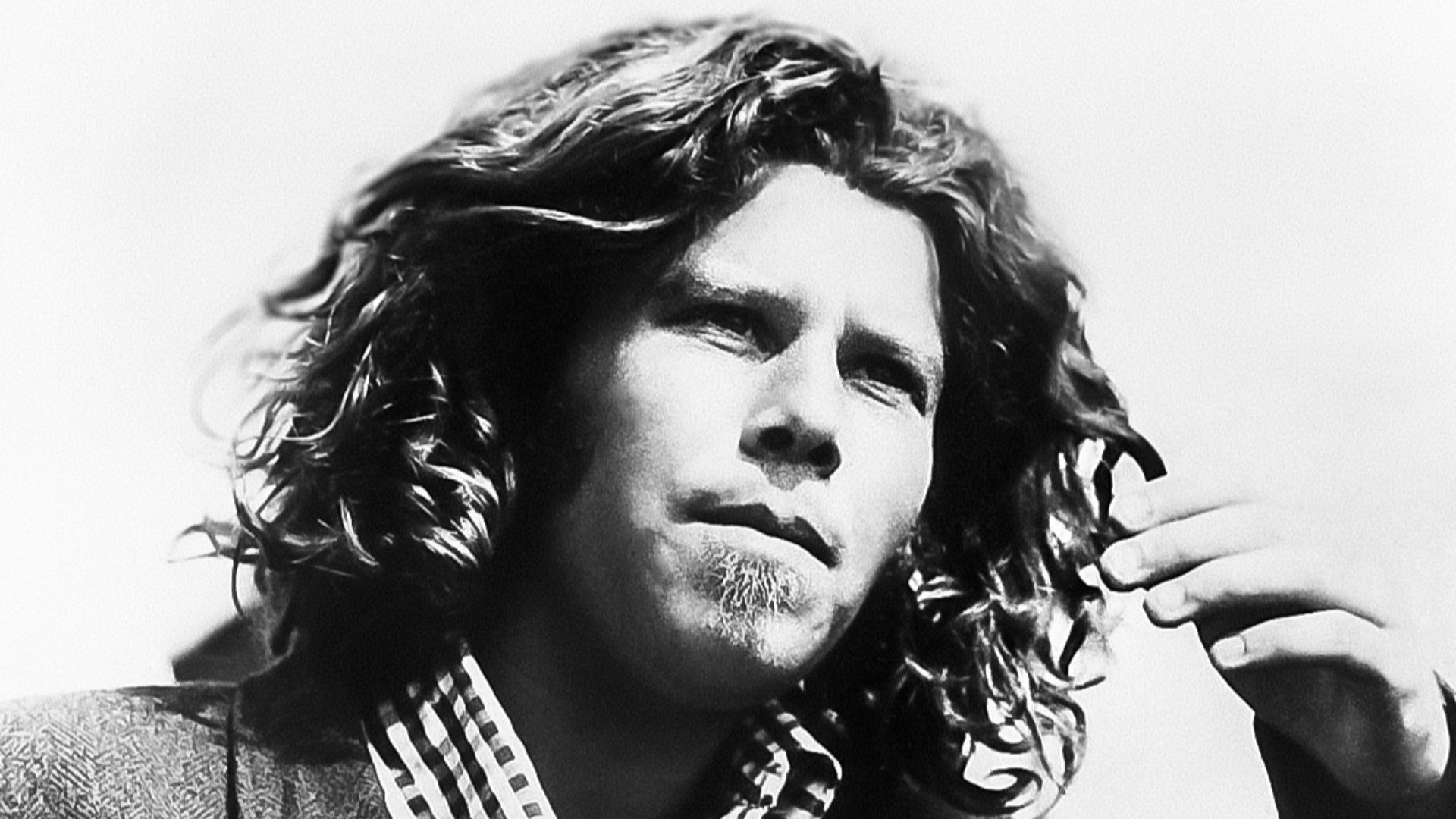 Published by Asylum Records. Photographer uncredited and unknown., Wikimedia Commons
R.E.M. - Green (1988)
Green arrived just as R.E.M. were moving from college-radio heroes toward genuine mainstream success. “Stand” is deliberately catchy, while “Orange Crush” tackles militarism with a much harder edge. Elsewhere, songs like “You Are the Everything” and “World Leader Pretend” reveal the band's quieter side. The album sometimes gets caught between the group's beloved early years and its giant 90s records, but that transitional quality is exactly what makes it interesting.
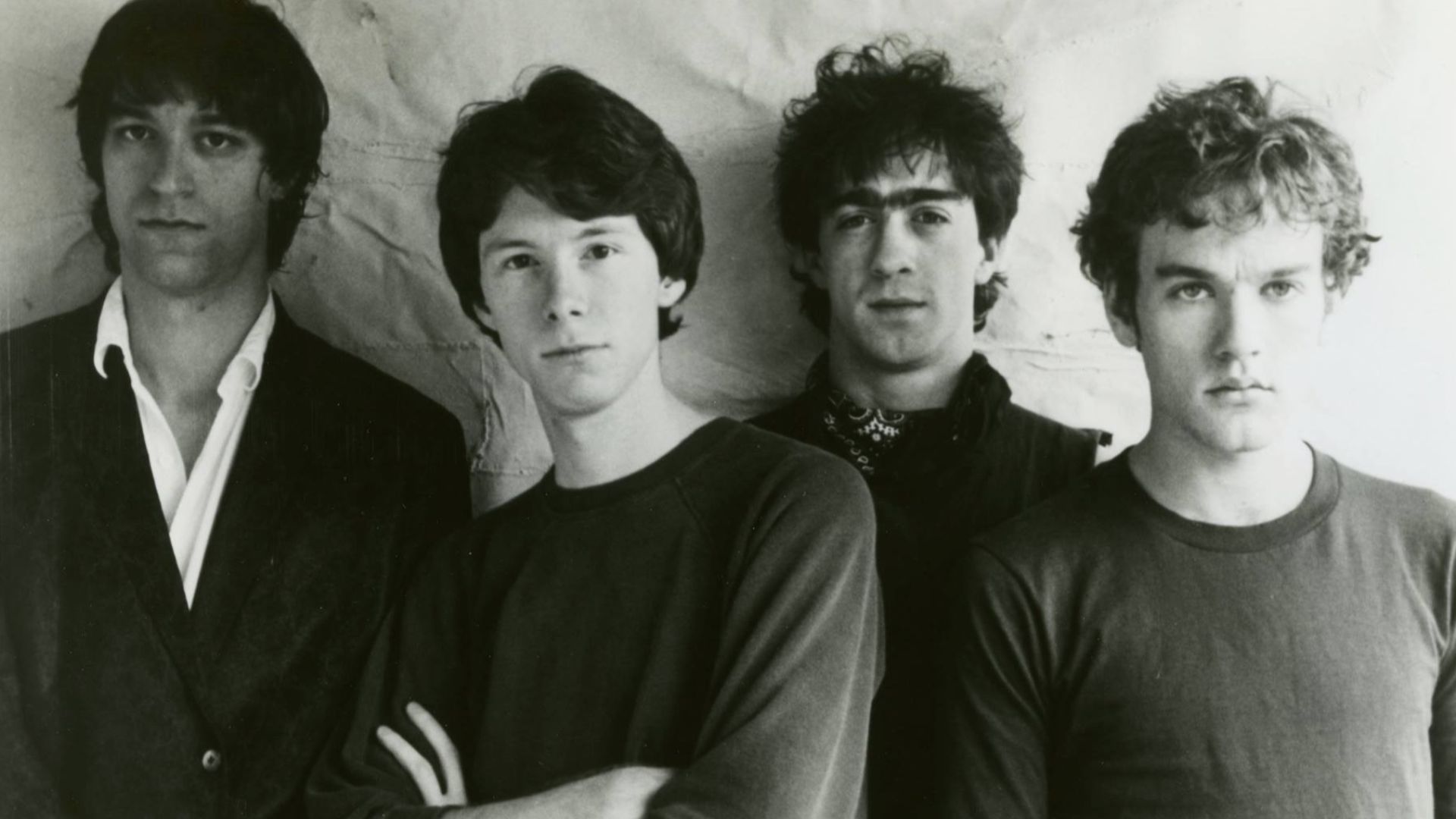 Sandra Lee-Phipps; distributed by I.R.S. Records, Wikimedia Commons
King Crimson - Discipline (1981)
Robert Fripp originally planned to call his new band Discipline before deciding that the chemistry between himself, Adrian Belew, Tony Levin, and Bill Bruford justified reviving King Crimson. The resulting album sounded unlike the band's 70s work. “Elephant Talk” and “Frame by Frame” use interlocking guitar patterns, Chapman Stick, unusual meters, and new-wave sharpness. Its technical complexity never completely overwhelms the groove, which is why the album remains so replayable.
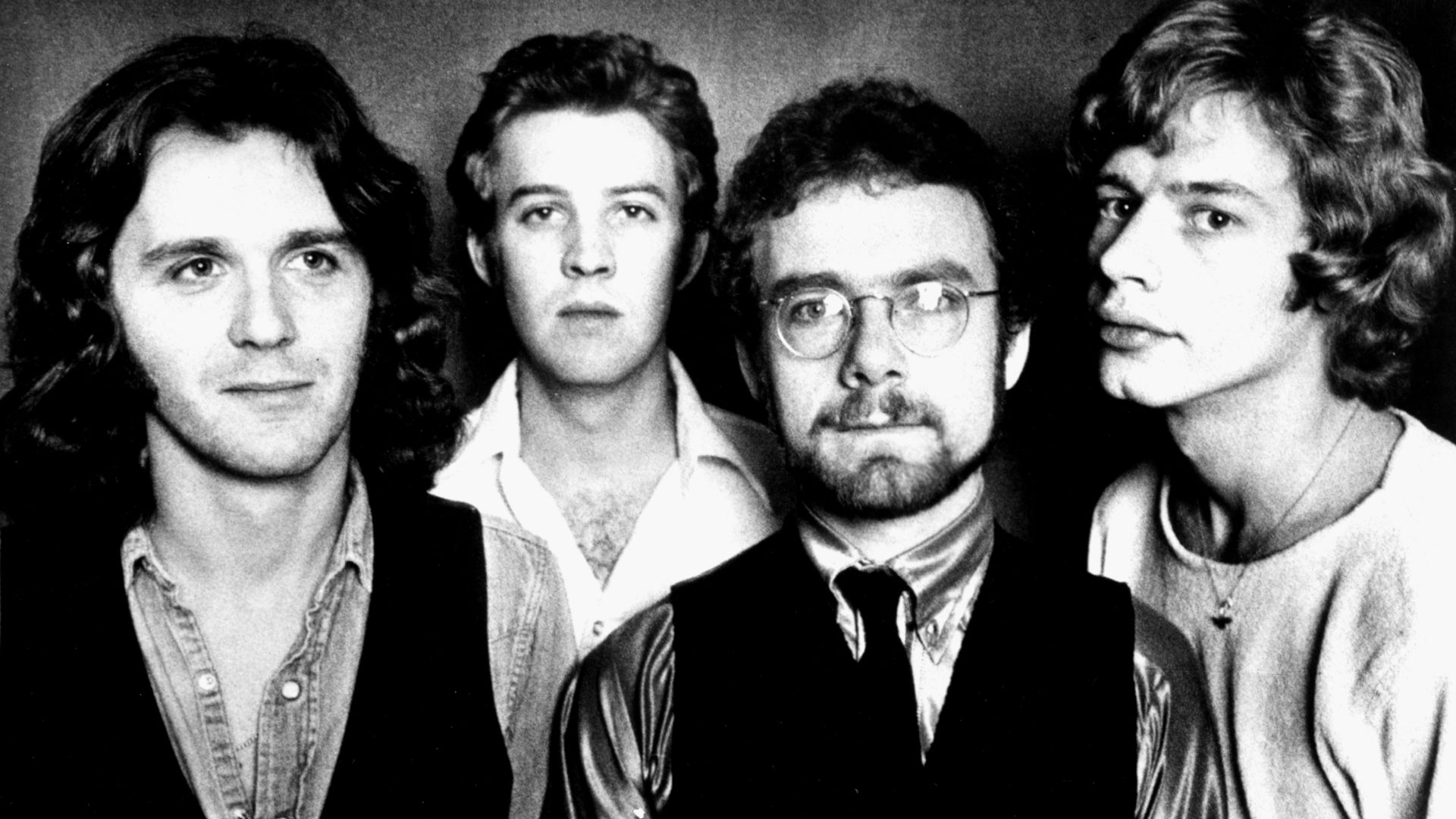 Distributed by Atlantic Records, Wikimedia Commons
They Might Be Giants - Lincoln (1988)
They Might Be Giants made eccentricity feel incredibly catchy on Lincoln. John Linnell and John Flansburgh leap between accordion-driven pop, surreal lyrics, jazz touches, electronic experiments, and tiny musical jokes across 18 tracks. “Ana Ng” and “They'll Need a Crane” are obvious standouts, but the strange little songs surrounding them give the album its personality. It wasn't mainstream rock in any conventional sense, which only helped its cult reputation grow.
 Matthew Jording from Brooklyn, NY, USA, Wikimedia Commons
Rush - Moving Pictures (1981)
Unlike several records here, Moving Pictures absolutely was successful in its own time. Rush managed to compress its progressive-rock instincts into tighter songs without becoming ordinary. “Tom Sawyer,” “Red Barchetta,” “Limelight,” and the instrumental “YYZ” all became staples, leaving only three tracks that could even qualify as deep cuts. For many Rush fans, that's exactly why the seven-song album remains the band's most obvious start-to-finish listen.
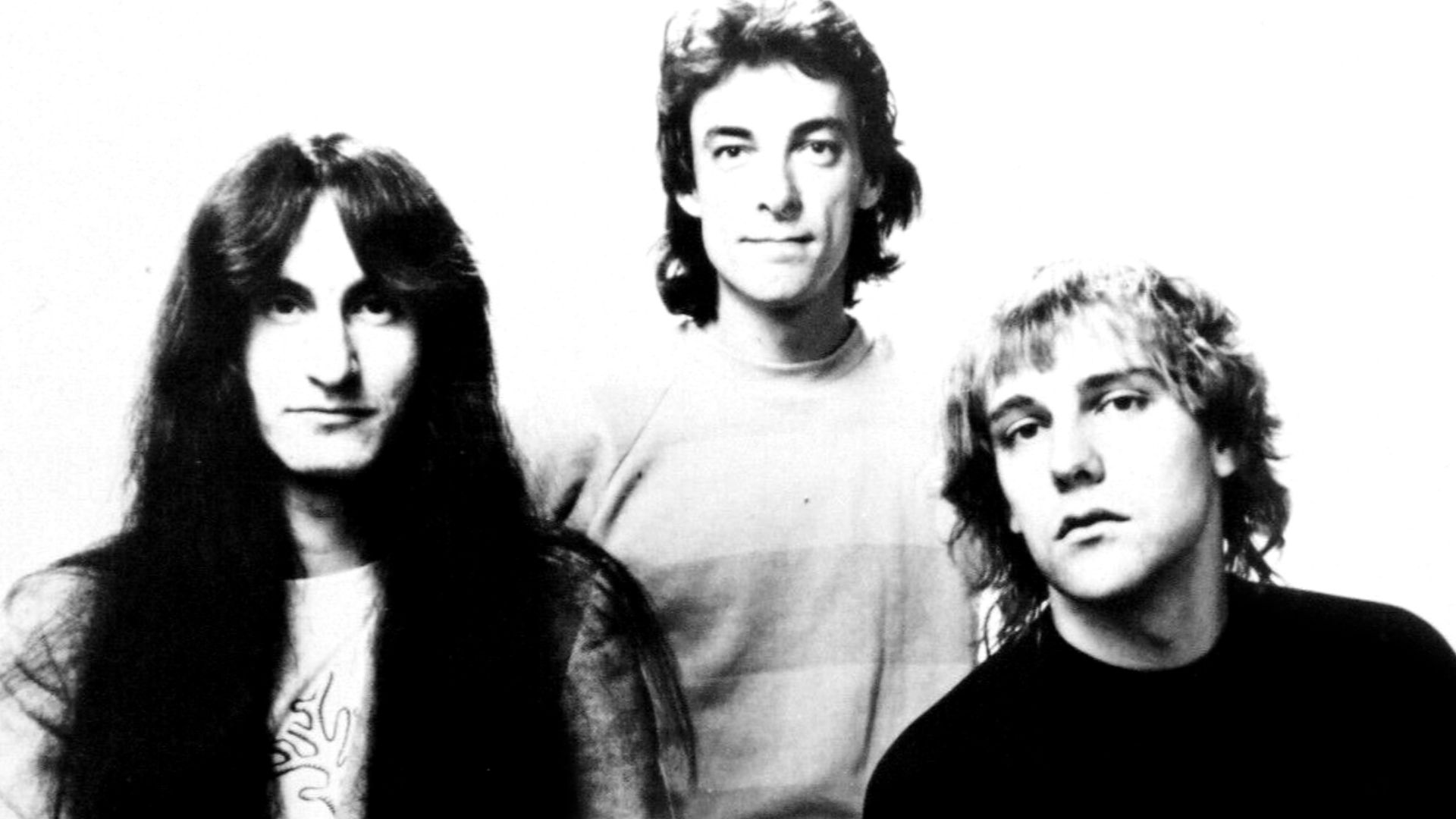
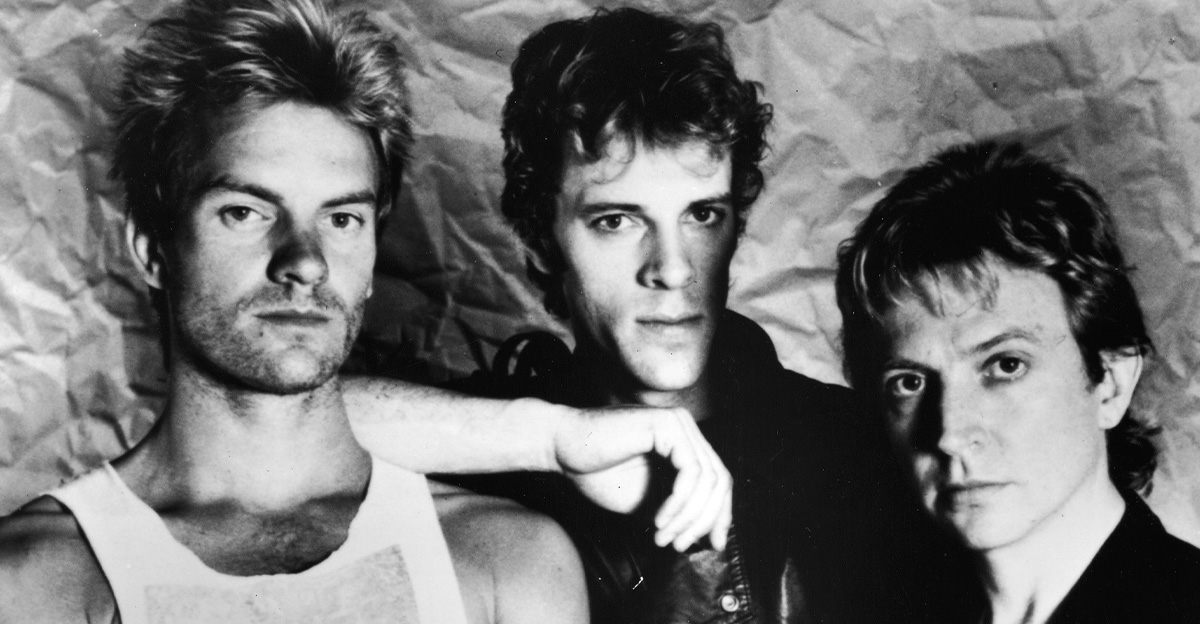
The Police - Synchronicity (1983)
The Police were barely functioning personally by the time they made Synchronicity, yet their final studio album became their biggest. “Every Breath You Take” dominated radio, while “King of Pain,” “Wrapped Around Your Finger,” and “Synchronicity II” demonstrated how much range the trio still had. Even the stranger opening stretch contributes to the tension. It sounds like a band expanding musically at almost the exact moment its members could no longer continue together.
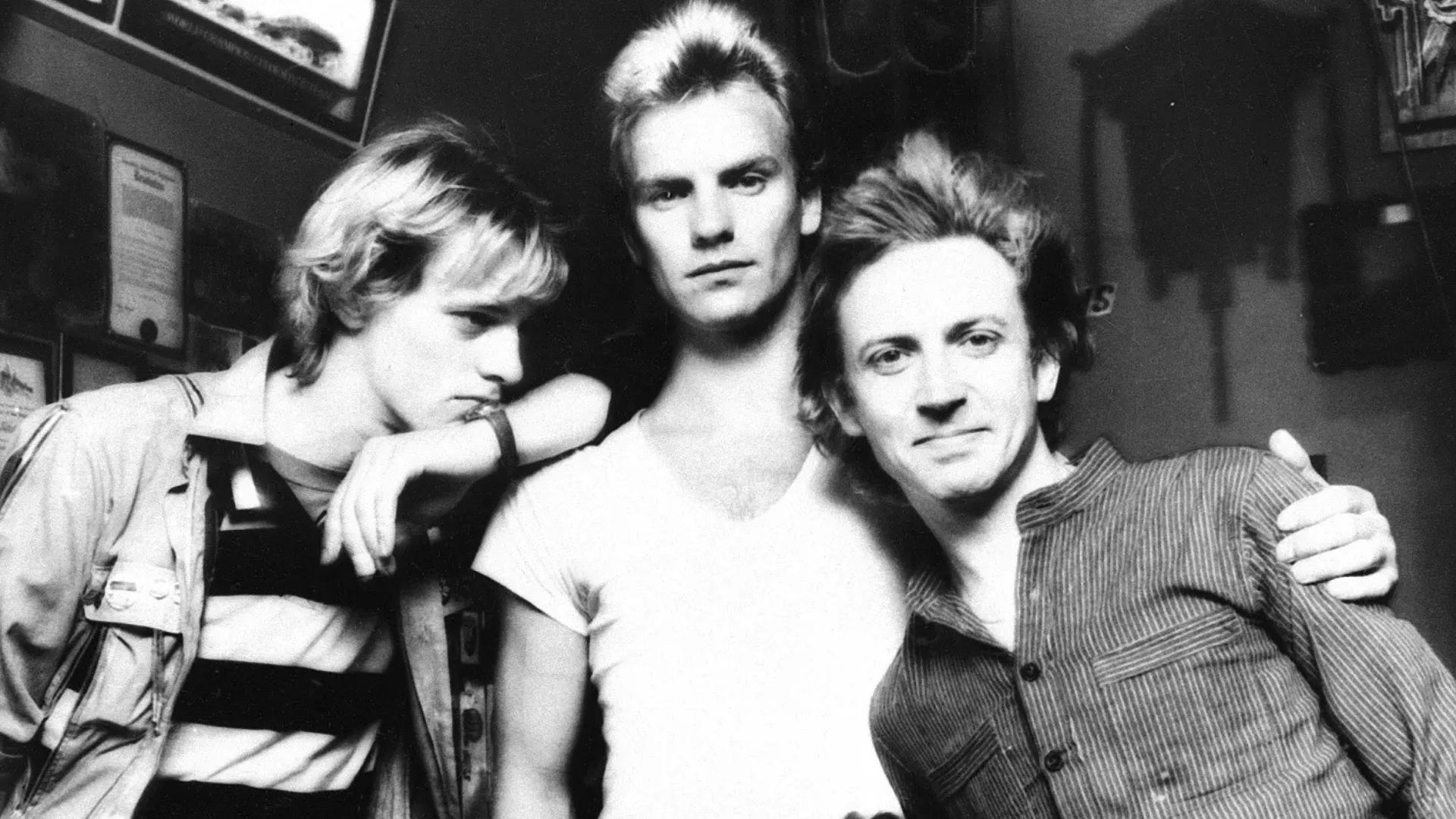 Distributed by A&M Records, Wikimedia Commons
Nine Inch Nails - Pretty Hate Machine (1989)
Pretty Hate Machine didn't explode immediately in 1989. Instead, Trent Reznor's debut gradually spread through word of mouth as alternative and industrial music found larger audiences. “Head Like a Hole,” “Down in It,” and “Sin” combine synthesizers, drum machines, pop melodies, and aggression in ways that didn't fit neatly into rock radio at the time. The album's steady rise eventually made Nine Inch Nails one of the decade's great slow-burn success stories.
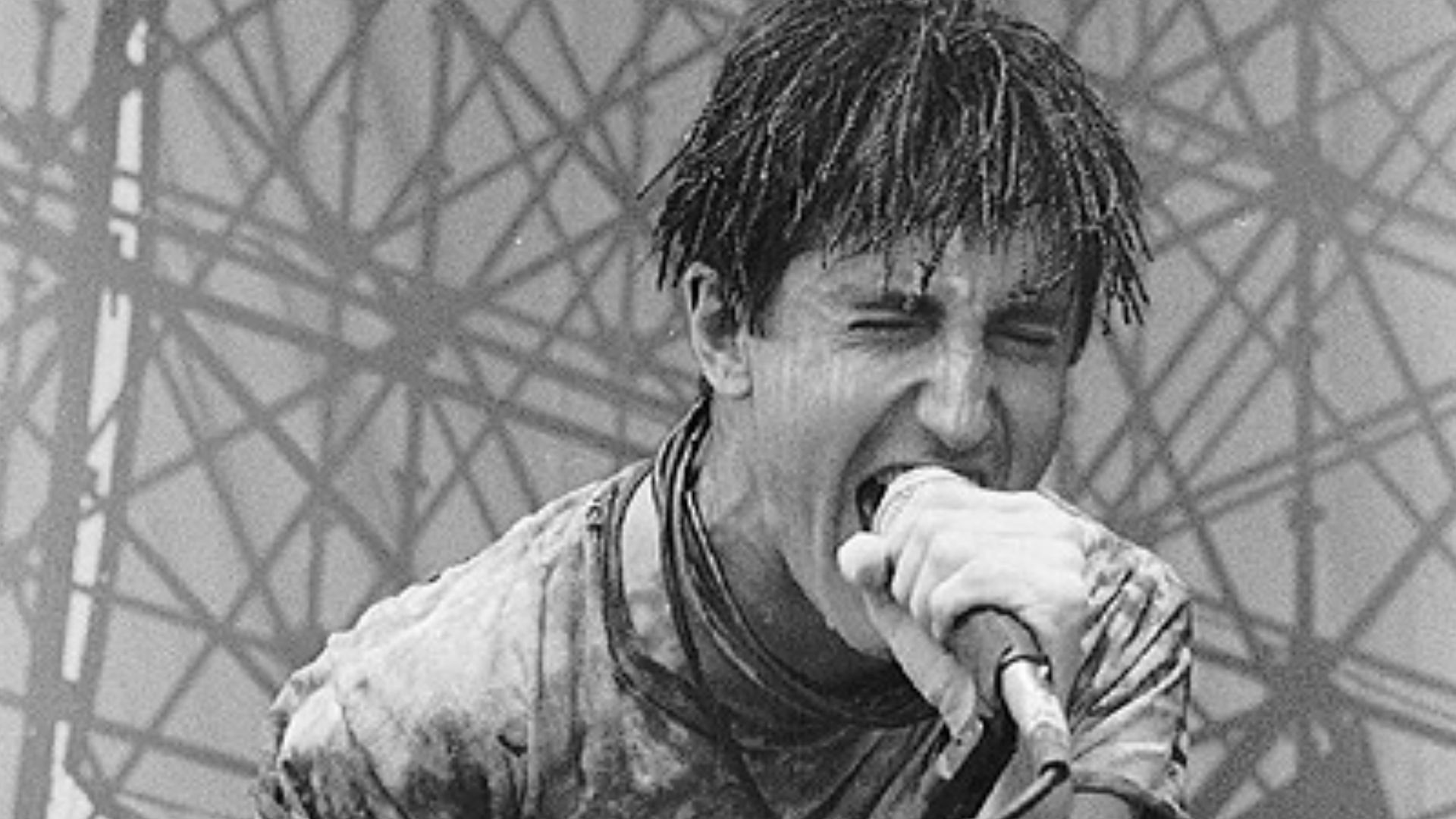 Rik Goldman, Wikimedia Commons
The Replacements - Let It Be (1984)
The Replacements could sound like careless punks one minute and devastating songwriters the next. Let It Be captures both sides beautifully. “I Will Dare” and “Unsatisfied” reveal Paul Westerberg's growing ambition, while “Gary's Got a B*ner” reminds everyone that the band still enjoyed acting ridiculous. There's even a cover of Kiss' “Black Diamond". The record wasn't made like a grand artistic statement, but it gradually became recognized as one.
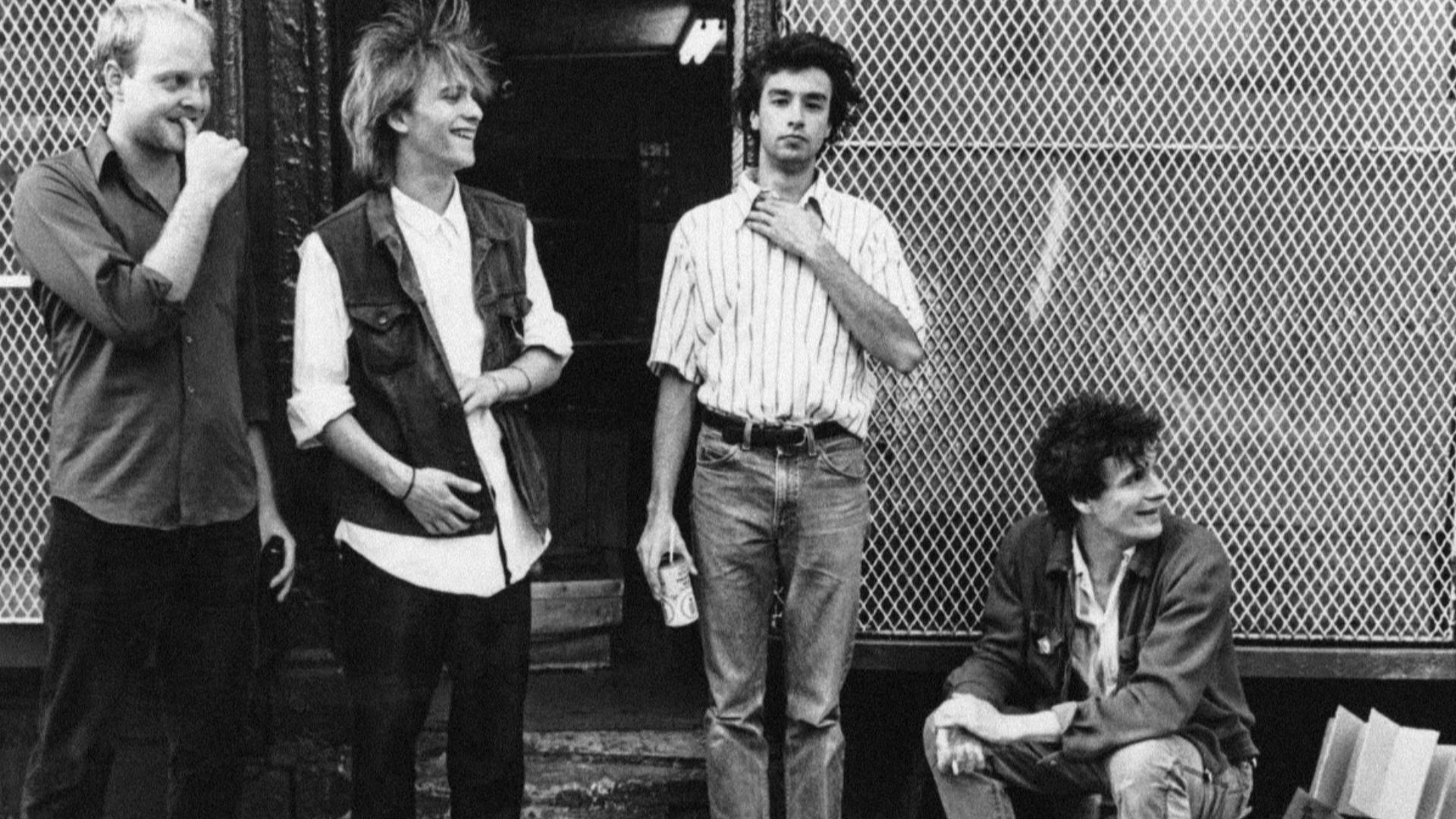 Laura Levine, Wikimedia Commons
Jane's Addiction - Nothing's Shocking (1988)
Jane's Addiction combined hard rock, funk, metal, psychedelia, and alternative music at a time when those worlds weren't supposed to overlap so easily. “Mountain Song” and “Ocean Size” are enormous, while “Jane Says” strips things down to acoustic guitar and steel drums. The album wasn't initially a giant seller, but its adventurousness helped sketch out the alternative-rock landscape that would dominate the early 90s.
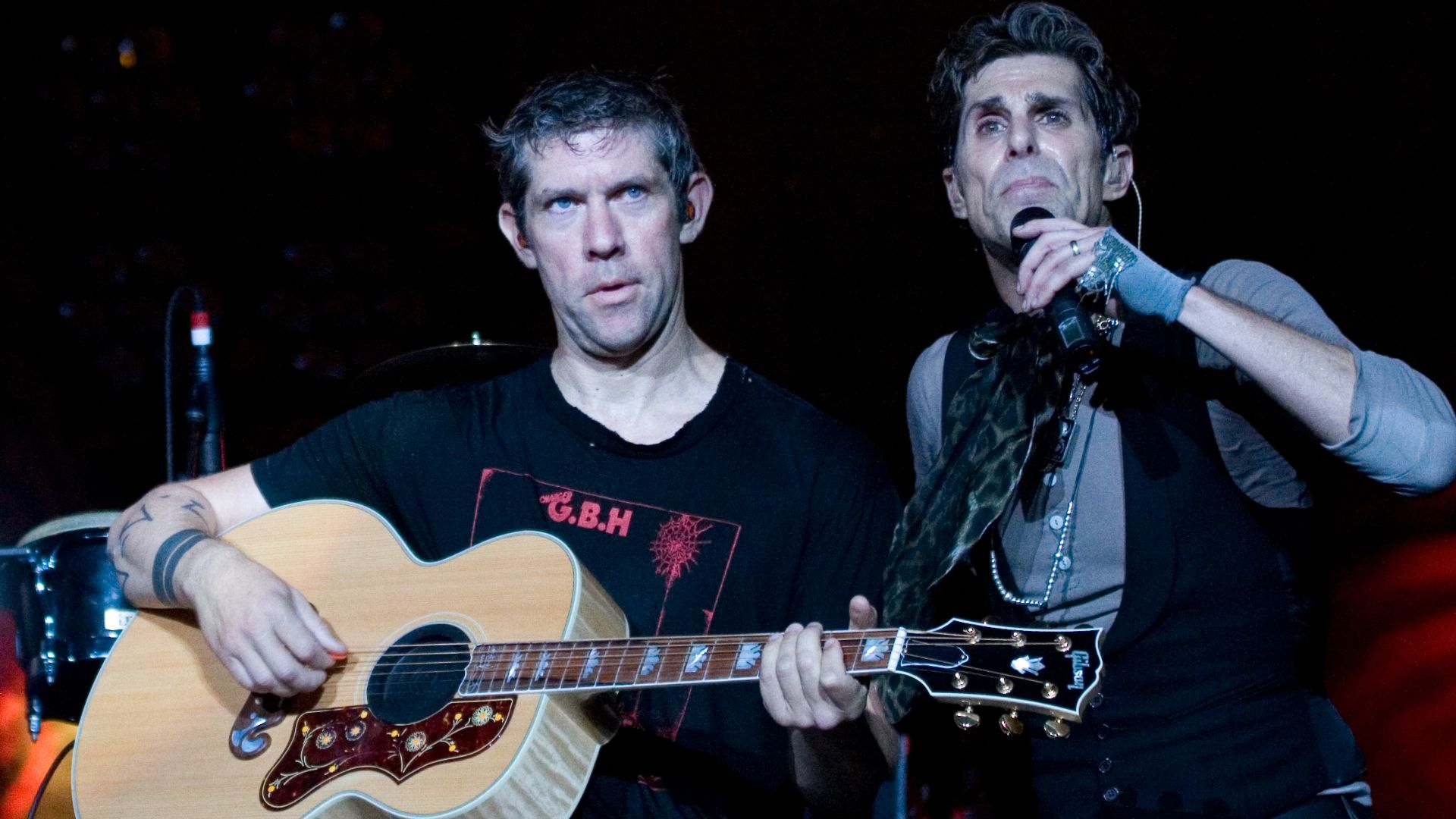
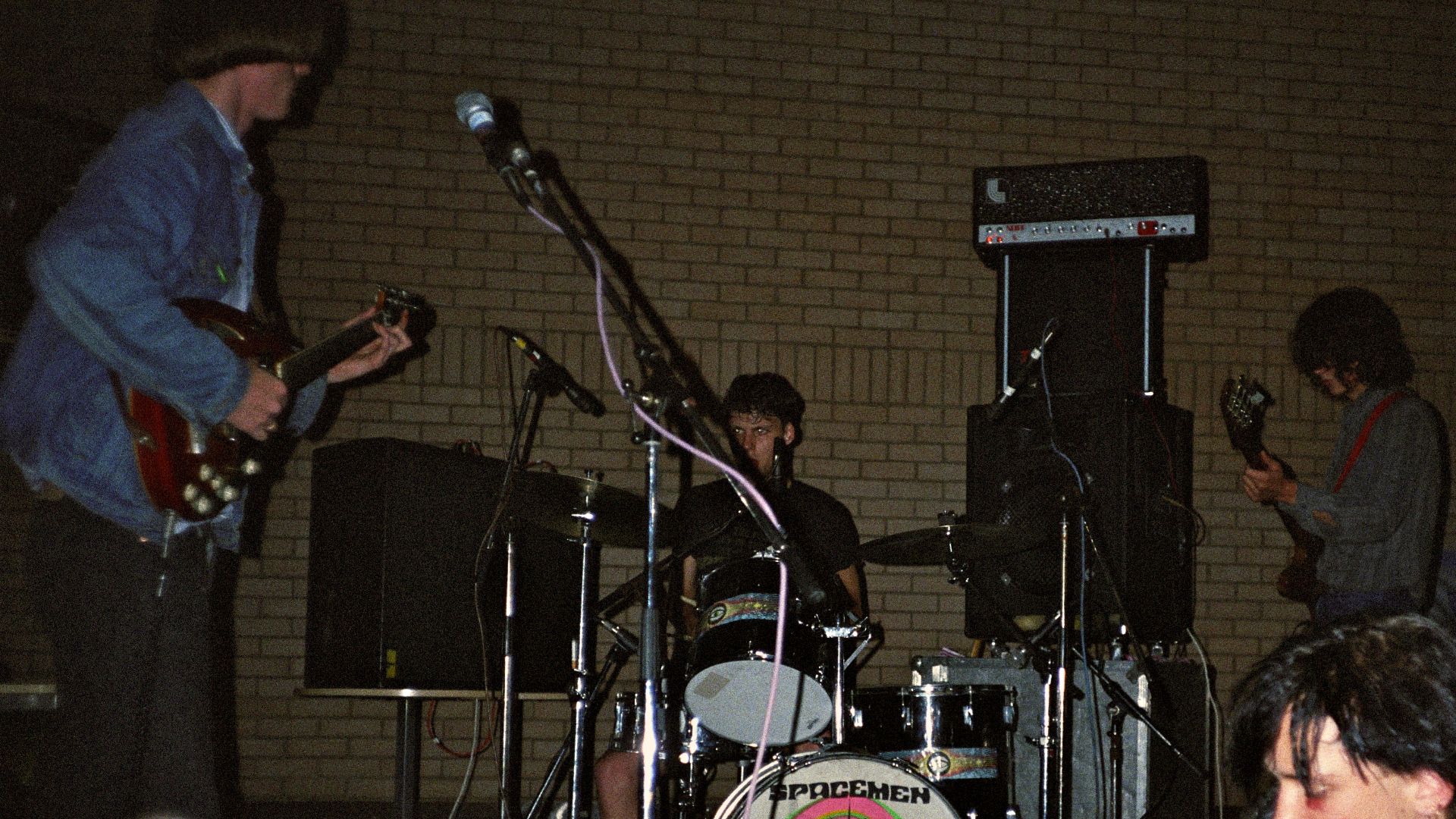
Spacemen 3 - Playing With Fire (1989)
By the time Playing With Fire arrived, the partnership between Pete Kember and Jason Pierce was deteriorating, but their shared obsession with repetition and psychedelia remained remarkably productive. “Revolution” pounds away on a brutally simple idea, while “Honey” and “Come Down Softly to My Soul” drift in the opposite direction. The contrast between distortion and near-weightless minimalism later became hugely influential on space rock, shoegaze, and Pierce's Spiritualized.
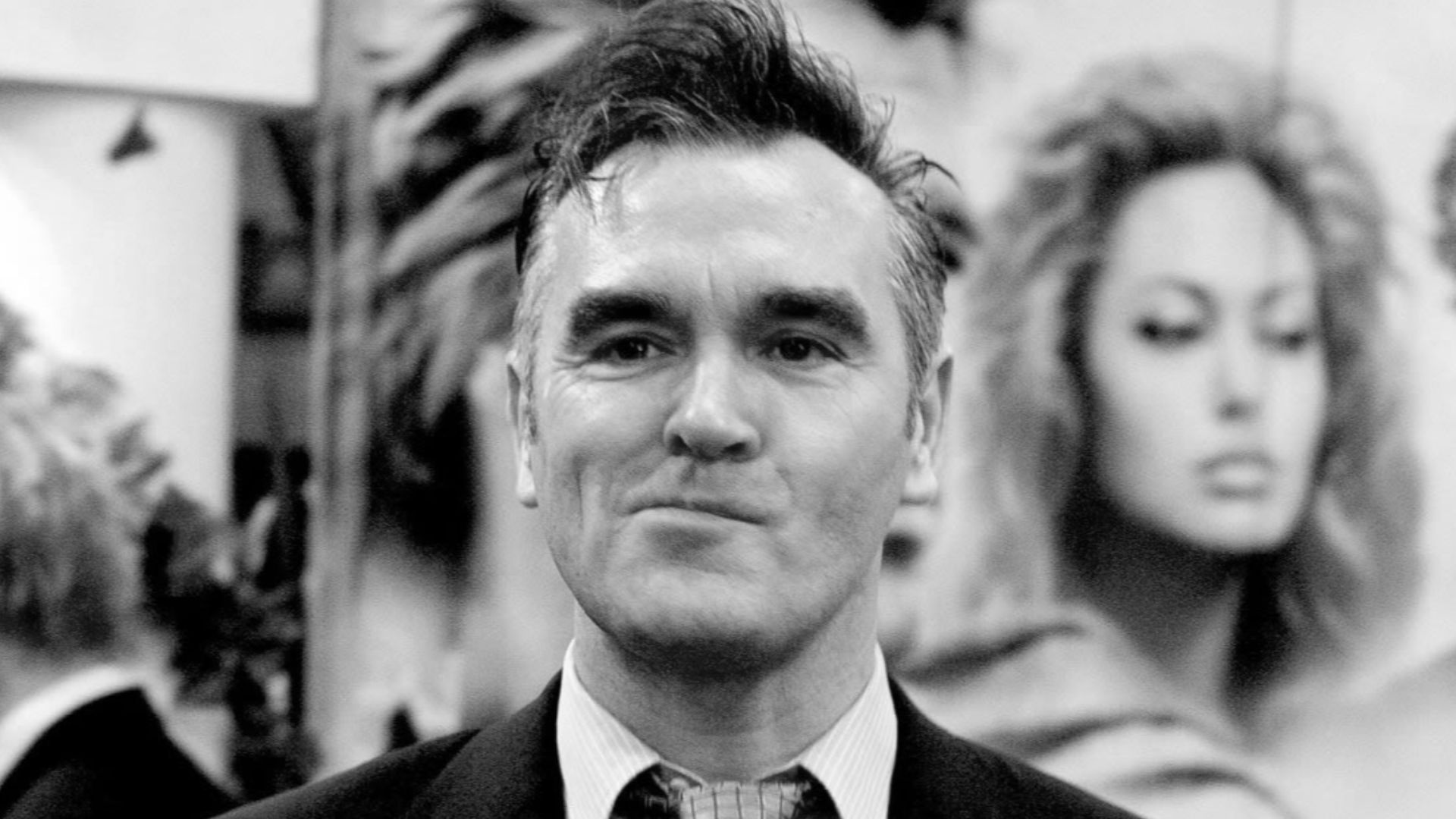
Morrissey - Viva Hate (1988)
Morrissey didn't wait long after the Smiths split before proving he could survive without Johnny Marr. Working with producer Stephen Street and guitarist Vini Reilly, Viva Hate kept some familiar jangle while introducing strings and occasional synthesizers. “Suedehead” and “Everyday Is Like Sunday” became immediate classics, but darker tracks such as “Late Night, Maudlin Street” gave the album enough depth to establish a real solo identity.
 Caligvla sur Wikipedia anglais, Wikimedia Commons
Red Hot Chili Peppers - Mother's Milk (1989)
The passing of guitarist Hillel Slovak left the Red Hot Chili Peppers facing an uncertain future, but Mother's Milk introduced the lineup that would transform the band. John Frusciante and Chad Smith joined Anthony Kiedis and Flea, bringing new power to songs like “Knock Me Down” and their explosive cover of Stevie Wonder's “Higher Ground". The album wasn't yet Blood Sugar Sex Magik, but you can hear that breakthrough beginning to form.
 Warner Bros., Wikimedia Commons
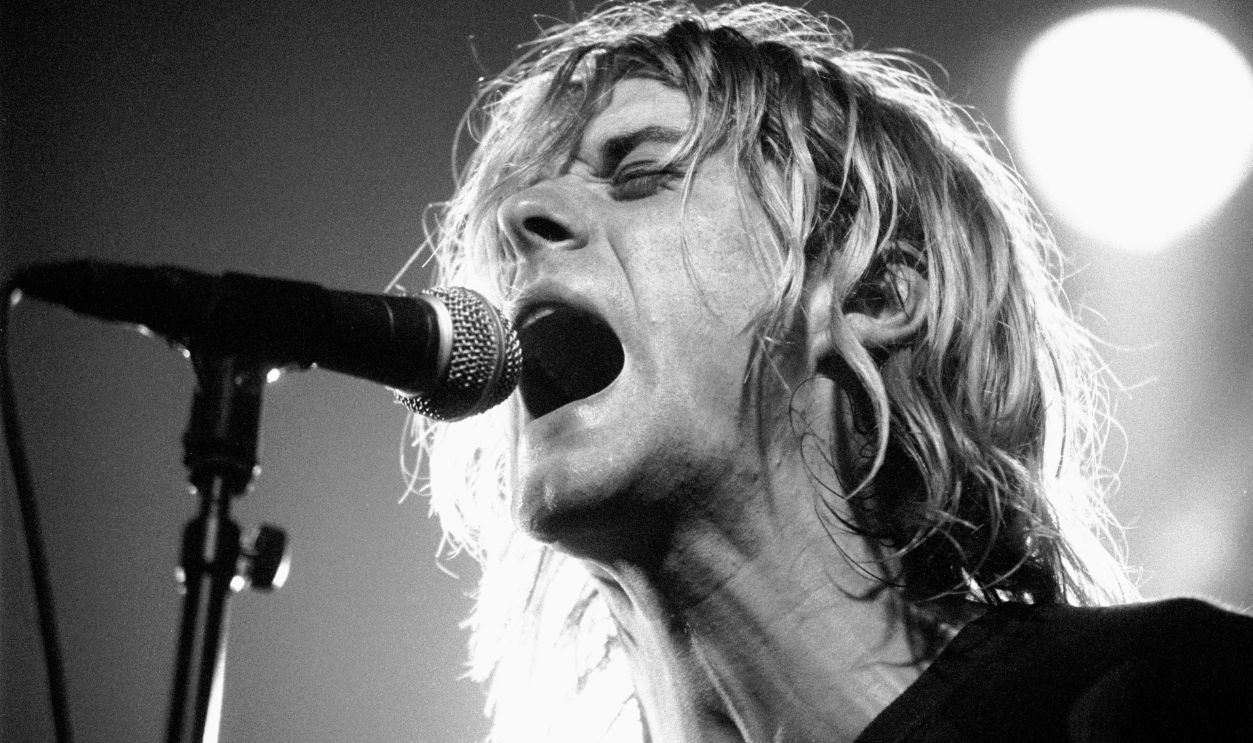
Nirvana - Bleach (1989)
Before Nevermind changed rock, Nirvana sounded much rawer and heavier on Bleach. Recorded cheaply for Sub Pop, the album leans into sludge, punk, and metal on “Blew,” “School,” and “Negative Creep,” while “About a Girl” quietly reveals Kurt Cobain's gift for pop melody. It sold modestly at first, but Nirvana's later explosion sent listeners back to discover a debut that already contained most of the band's essential ingredients.
 Frans Schellekens, Getty Images
You May Also Like:
Forgotten Pop Duos From The 1980s That Once Owned The Radio—How Many Do You Remember?
1980s Love Songs Generation X Can Still Recognize After Hearing Just Three Notes
Does Anyone Else Remember These Albums From The 1980s? I’d Be Amazed If You Owned Even One Of Them.