The Ultimate One-Person Bands
Most great albums are the work of several talented musicians. But some artists decided they didn't need a band at all. Armed with guitars, keyboards, drums, and multitrack recording equipment, they created records that sounded like entire groups performing together. From former Beatles to mysterious alternative-rock acts, these albums prove that sometimes one musician really can do it all.
 Fin Costello/Redferns, Getty Images
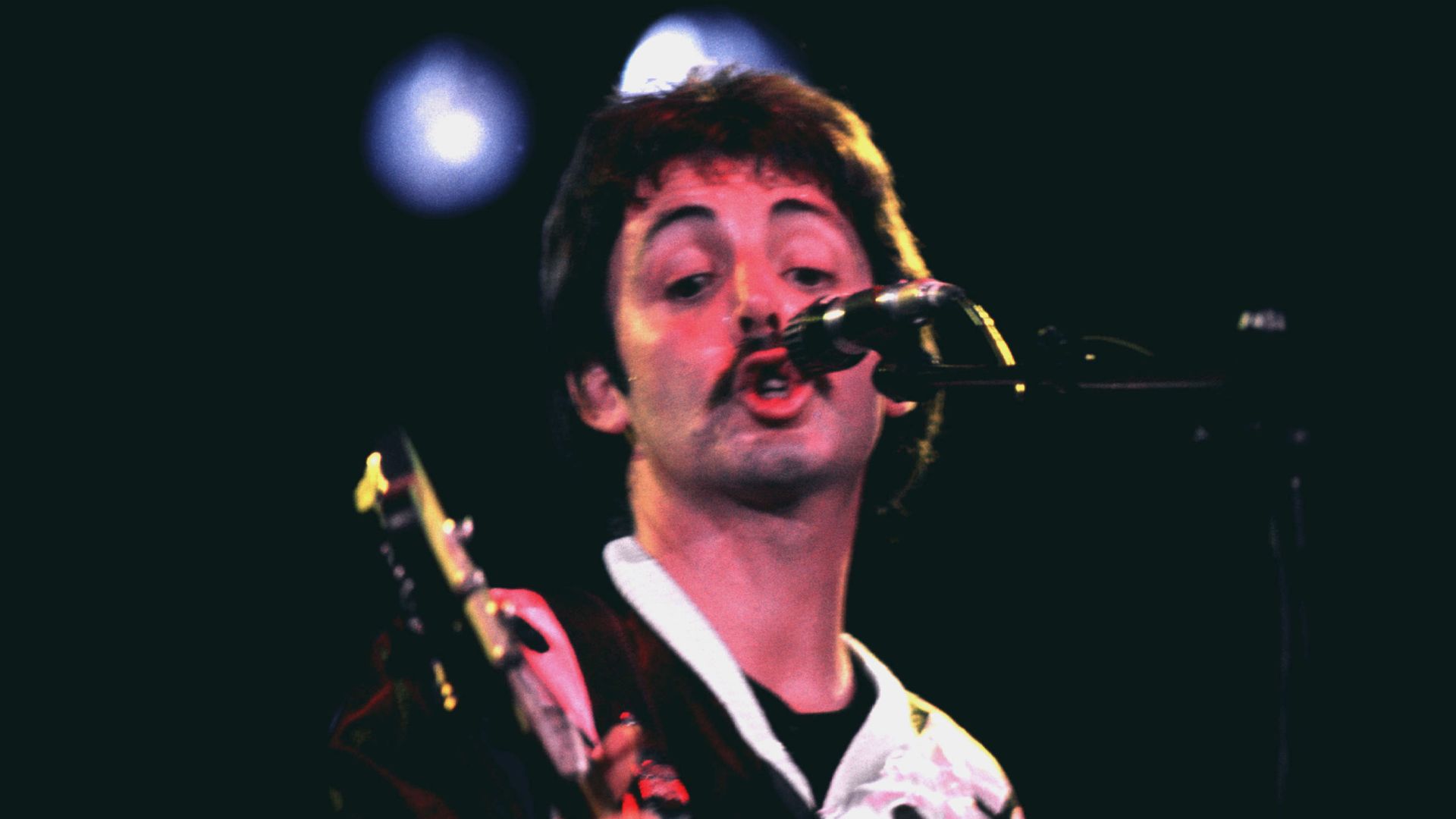
Paul McCartney: McCartney (1970)
When the Beatles broke up, Paul McCartney retreated into home recording and created his first solo album largely by himself. He played bass, guitars, drums, piano, organ, and other instruments, overdubbing the parts onto four-track tape. His wife Linda contributed some backing vocals, but the instrumental performances were Paul's. The album included "Maybe I'm Amazed," which became one of his most beloved solo compositions.
 Gorupdebesanez, Wikimedia Commons
Emitt Rhodes: Emitt Rhodes (1970)
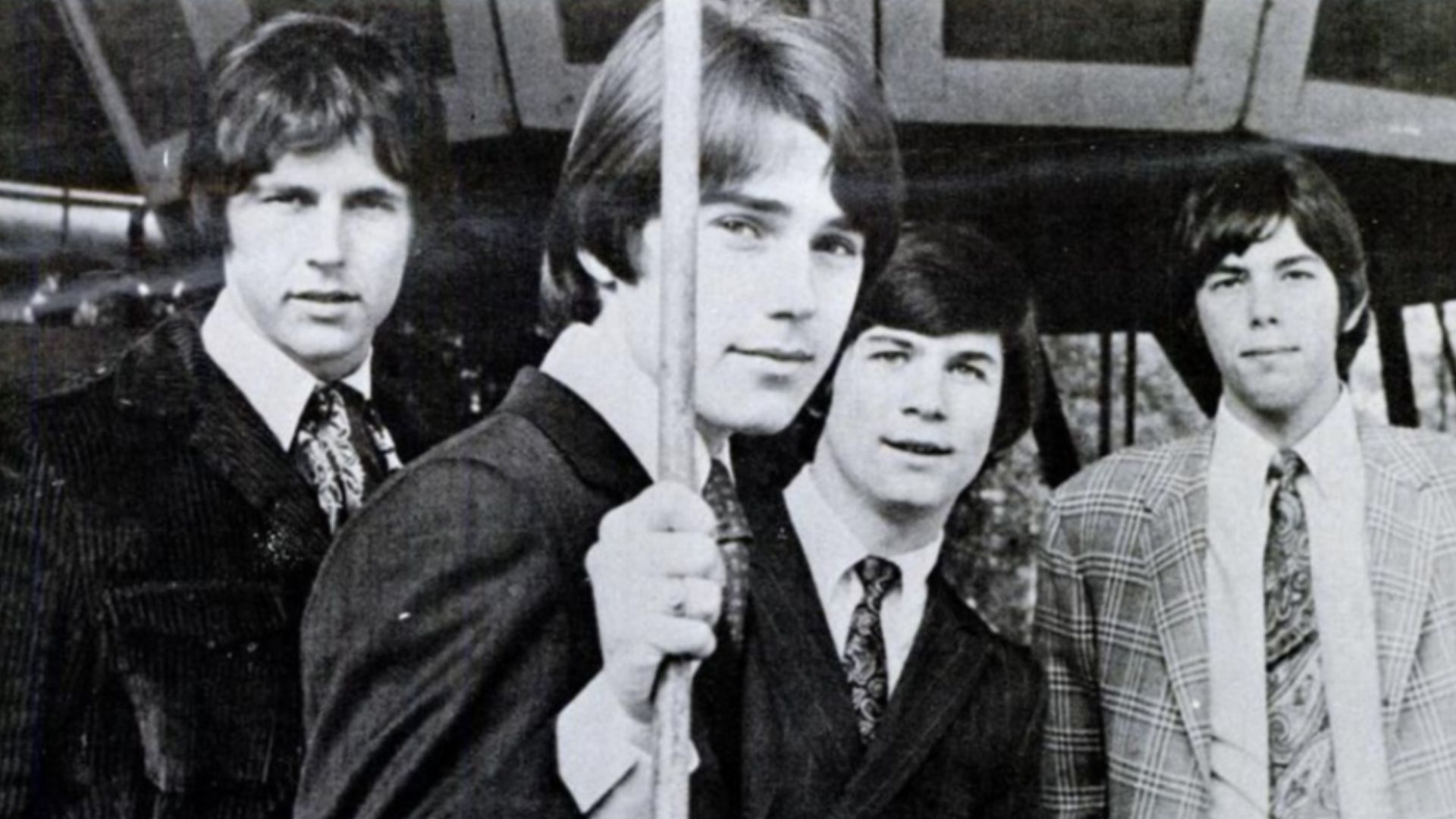
California singer-songwriter Emitt Rhodes sounded so much like Paul McCartney that listeners sometimes assumed he had a full band behind him. In reality, Rhodes played the guitars, bass, drums, and keyboards himself, recording much of the album in his home studio. Songs like "Fresh as a Daisy" showcased his gift for Beatles-inspired pop, although his commercial success never matched his considerable talent.
 A&M Records, Wikimedia Commons
Skip Spence: Oar (1969)
Former Moby Grape guitarist Skip Spence recorded this extraordinary solo album in Nashville following a period of psychiatric hospitalization. Rather than recruit musicians, he played the guitars, bass, drums, and other instruments himself. The resulting record was haunting, eccentric, and unlike anything his former band had released. Initially a commercial failure, Oar eventually became a cult favorite among adventurous rock listeners.
 Michael Ochs Archives, Getty Images
John Fogerty: The Blue Ridge Rangers (1973)
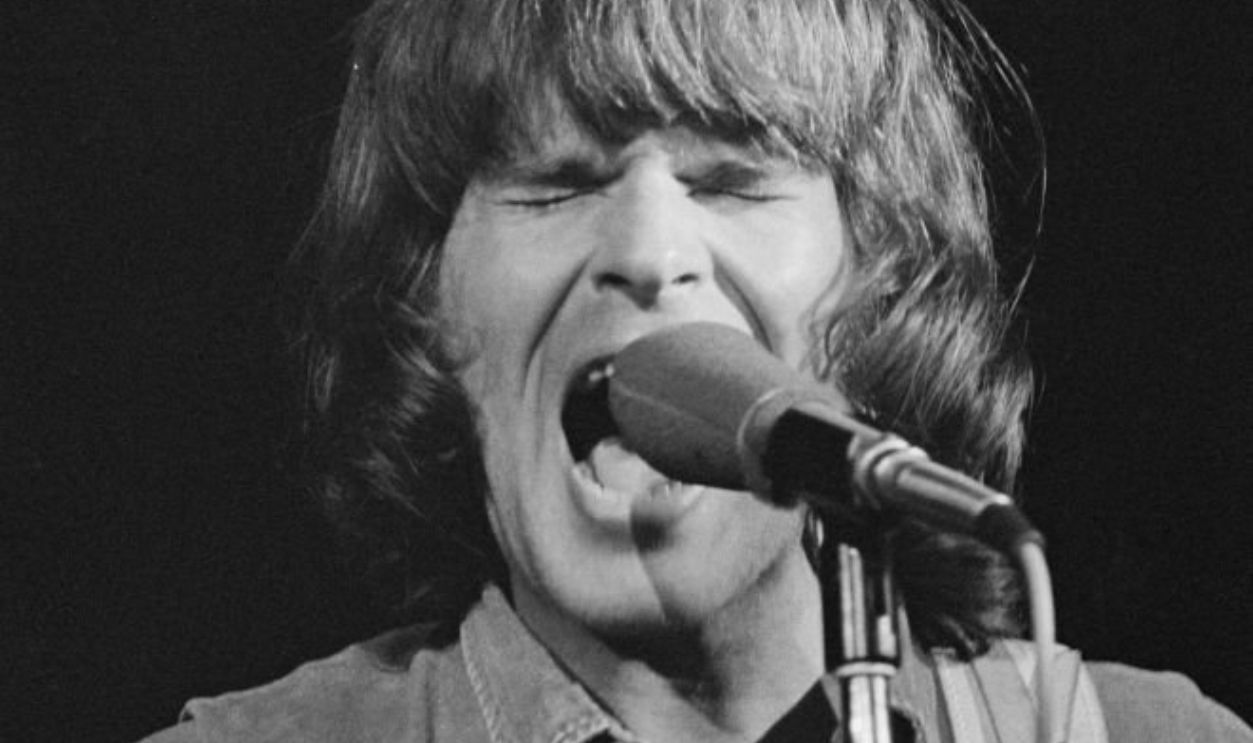
After Creedence Clearwater Revival disbanded, John Fogerty created an imaginary country band called the Blue Ridge Rangers. The album sleeve suggested a group, but Fogerty was the entire ensemble. He played guitars, bass, drums, keyboards, and other instruments while performing country and traditional songs. His version of "Jambalaya (On the Bayou)" became a hit, proving he could make convincing band recordings without his former bandmates.
Roy Wood: Boulders (1973)
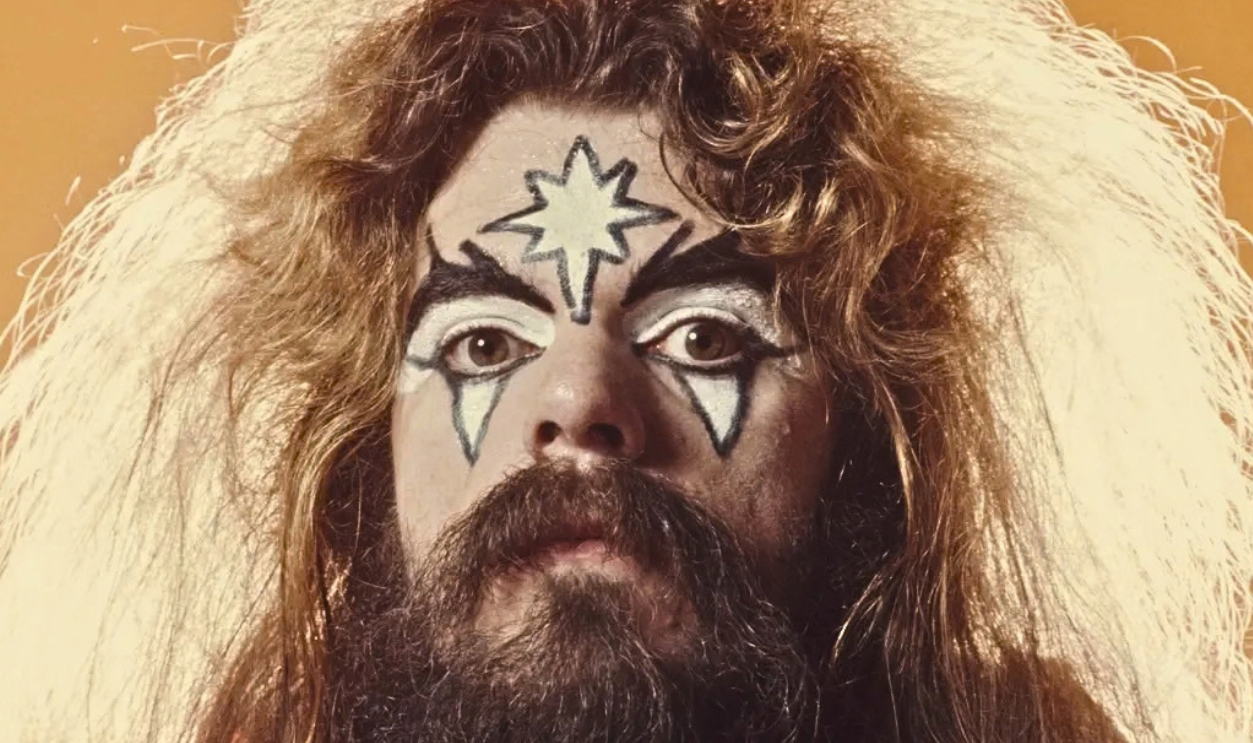
Roy Wood had already helped establish the Move and Electric Light Orchestra when he released this remarkably ambitious solo album. Wood handled virtually the entire instrumental workload, including guitars, bass, drums, keyboards, and various orchestral instruments. The album moved between pop, rock, and elaborate studio experimentation. Wood's ability to build richly layered arrangements made it difficult to believe that so much of the music came from one person.
 Michael Putland / Getty Images
Prince: For You (1978)
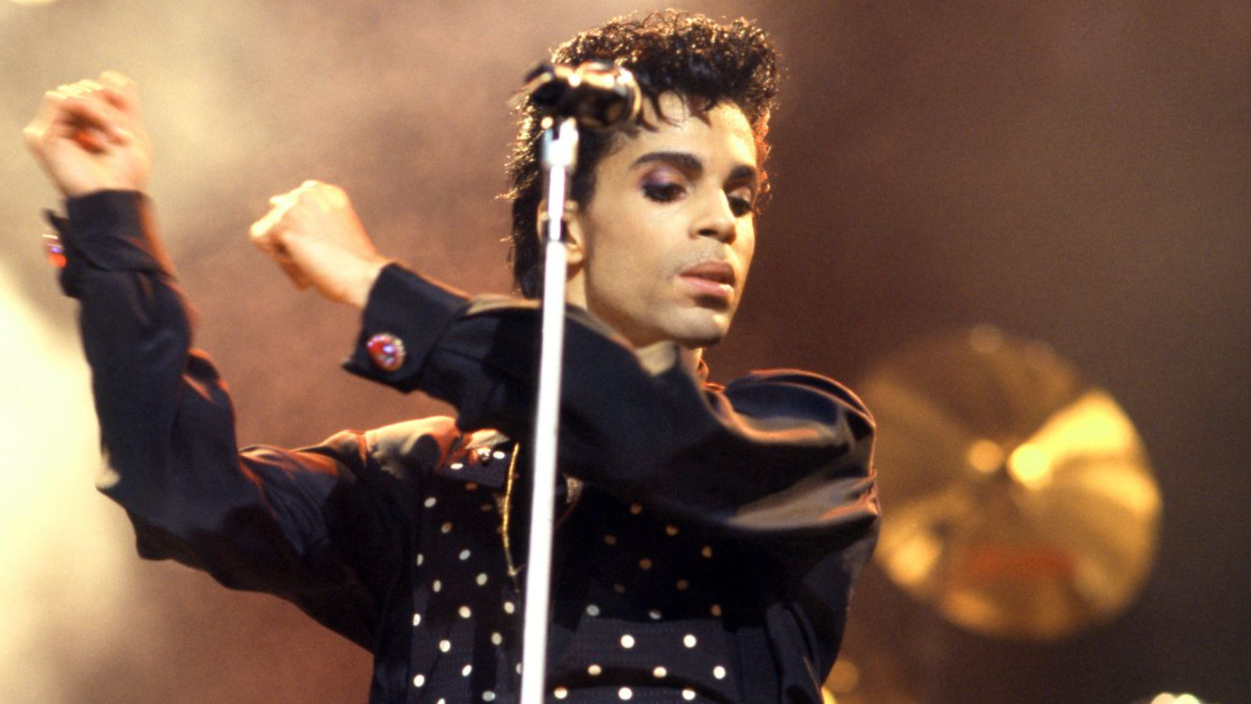
Prince was just 19 when his debut album arrived with the extraordinary sleeve credit: "Produced, Arranged, Composed and Performed by Prince." He played an astonishing range of instruments, including guitars, bass, drums, synthesizers, and keyboards. The album's elaborate arrangements demonstrated his remarkable command of studio recording. Although outside specialists helped with aspects of the production, the instrumental performances established Prince as a genuine one-man band.
Prince: Prince (1979)
Prince's second album sounded even more like a polished funk-rock group, but the young musician continued handling the instrumental work himself. He built the arrangements around his guitar, bass, drums, and keyboards, creating infectious tracks like "I Wanna Be Your Lover" and "Why You Wanna Treat Me So Bad?" The album became his commercial breakthrough and showed how quickly his abilities were developing.
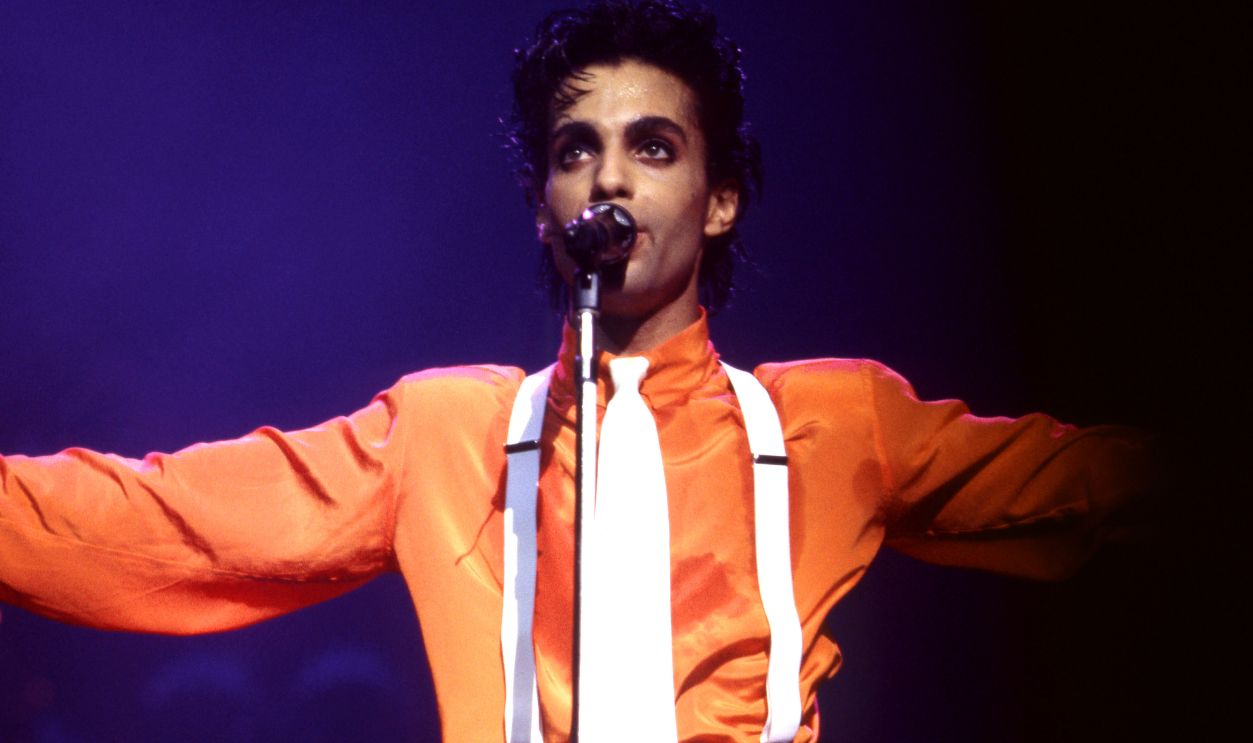
Paul McCartney: McCartney II (1980)
Ten years after his first homemade solo album, McCartney returned to the one-man-band approach with dramatically different results. Instead of Beatles-style pop, he experimented with synthesizers, drum machines, electronic effects, and unconventional arrangements. He performed the instrumental parts himself, producing the eccentric hit "Coming Up" and the atmospheric "Waterfalls." Some listeners were baffled, but the album later earned a reputation as an unexpectedly forward-looking experiment.
 Capitol Records, Wikimedia Commons
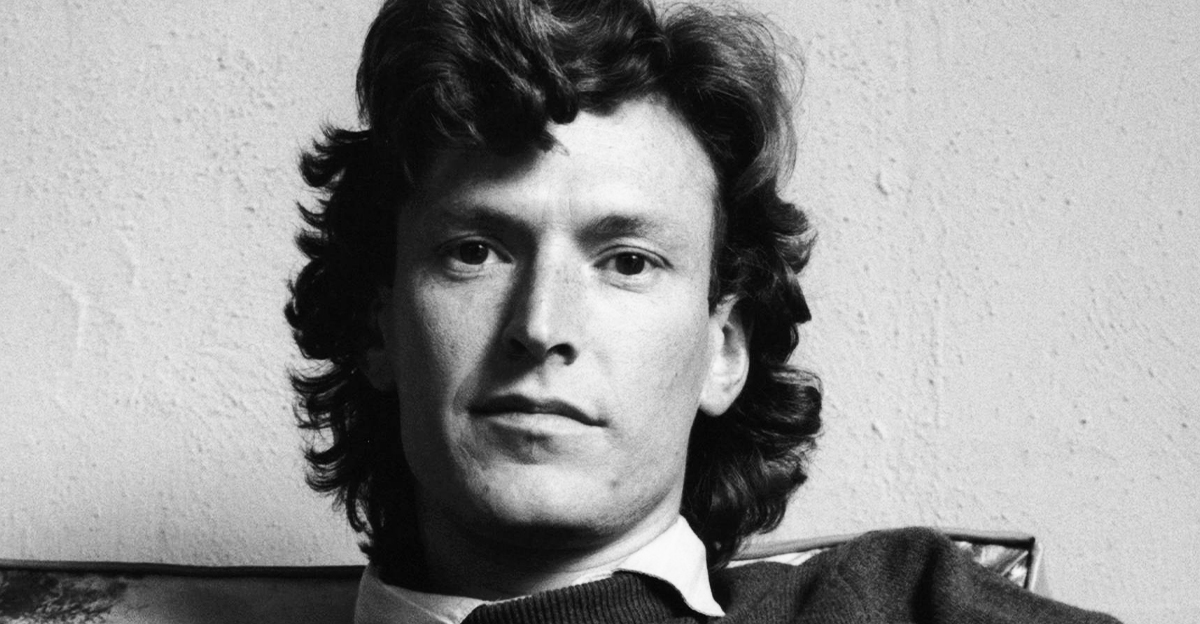
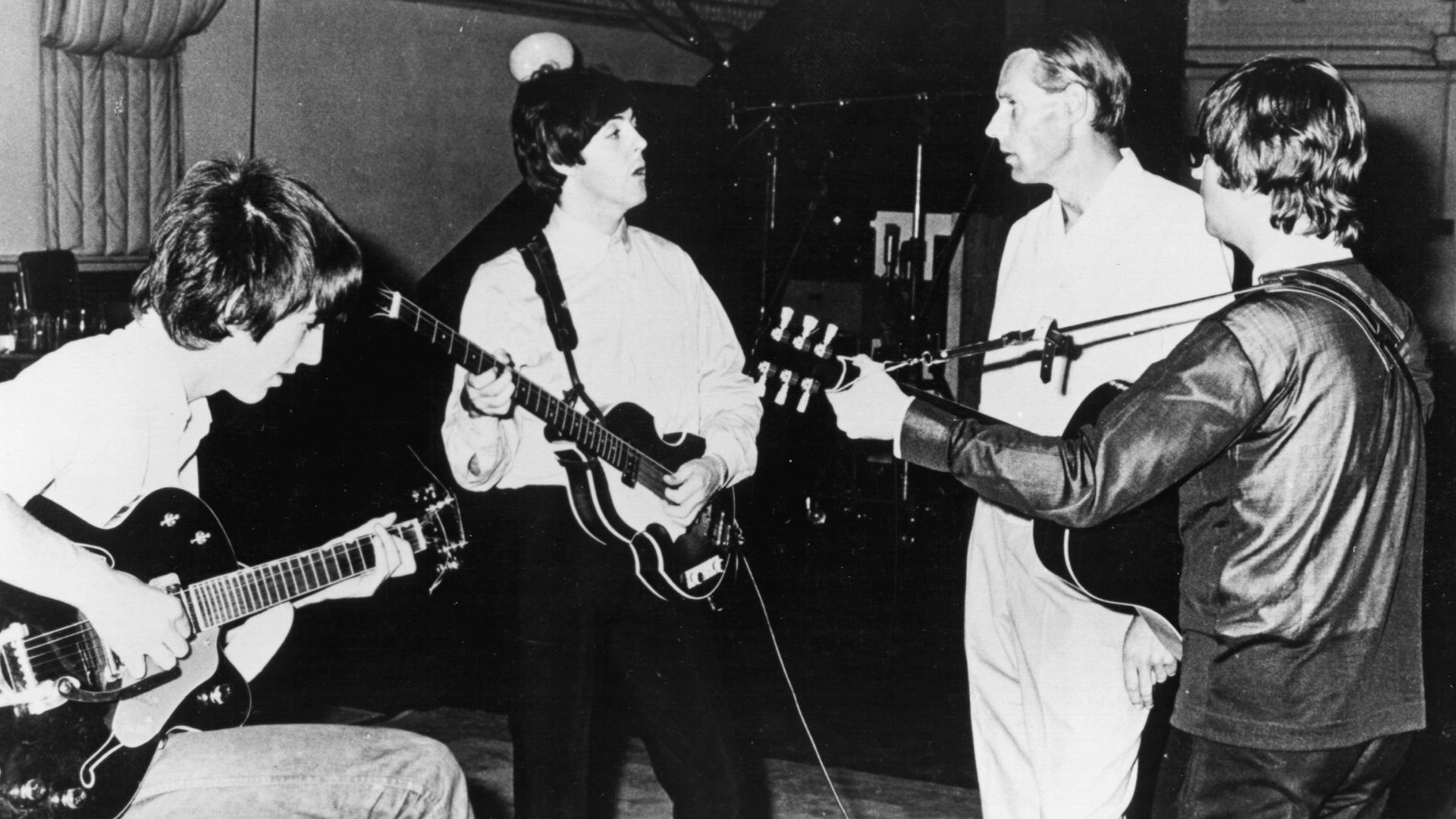
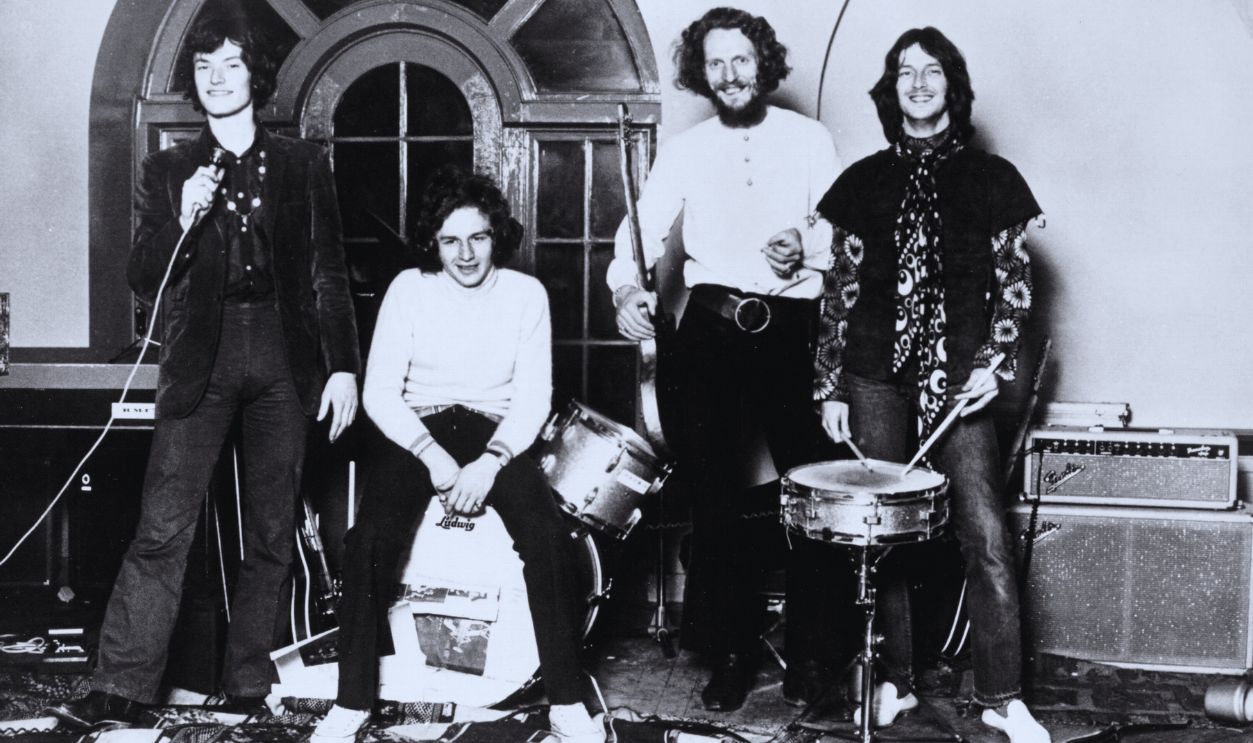
Steve Winwood: Arc of a Diver (1980)
Steve Winwood had already enjoyed success with the Spencer Davis Group, Traffic, and Blind Faith, but this solo album demonstrated just how much he could accomplish without other musicians. Recording in his home studio, Winwood played the instruments himself, including guitars, bass, drums, organ, piano, and synthesizers. He also produced the record, working with technical assistance during the recording process. The hit "While You See a Chance" helped make the album one of his biggest successes.
 Michael Ochs Archives, Getty Images
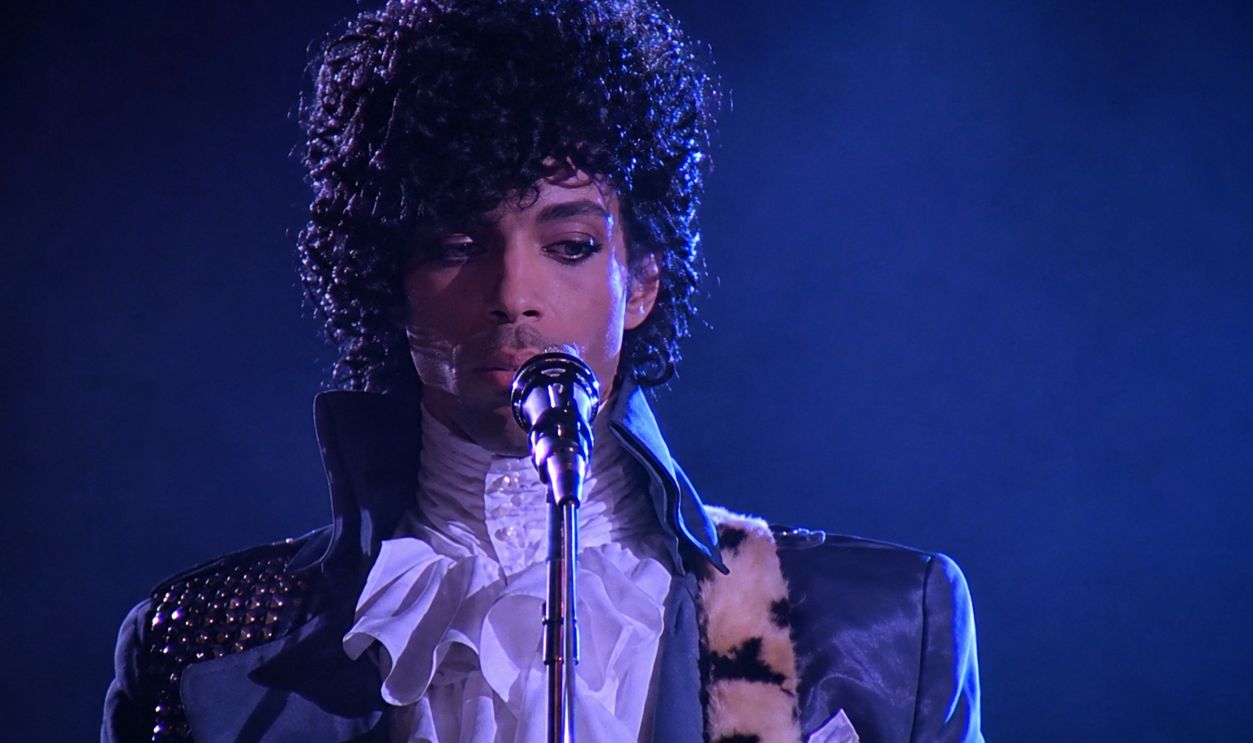
Prince: Controversy (1981)
Prince's fourth album combined new wave, funk, rock, and politically provocative lyrics into an increasingly distinctive sound. Although he played nearly all the instruments himself, the album wasn't entirely a solo instrumental performance. Lisa Coleman and Dr. Fink contributed keyboards, while Bobby Z. played drums. Nevertheless, the record demonstrated Prince's extraordinary versatility and helped establish the provocative image that would soon make him an international superstar.
 Screenshot from Purple Rain, Warner Bros. (1984), Modified
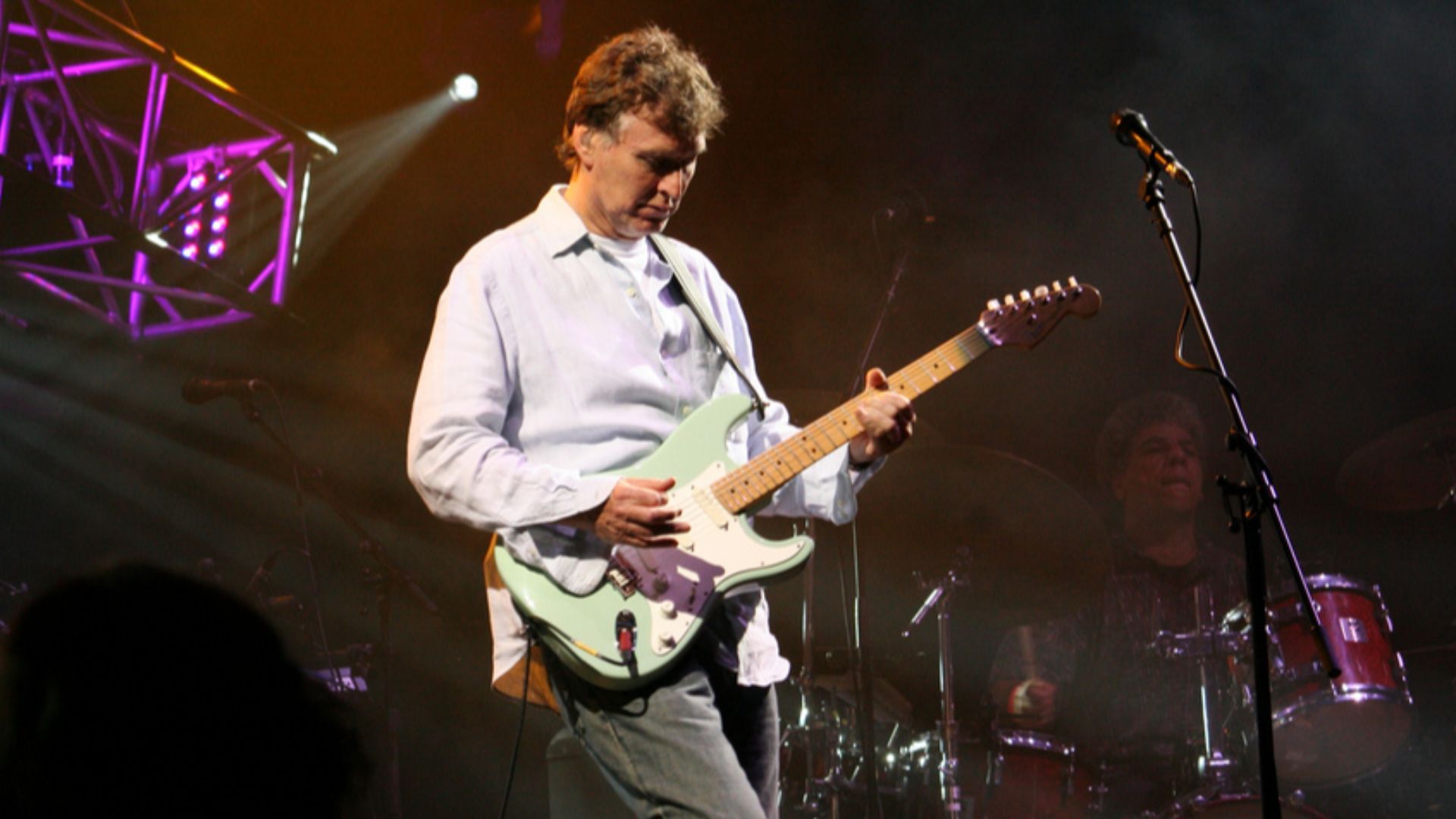
Steve Winwood: Talking Back to the Night (1982)
Winwood followed Arc of a Diver with another largely self-contained studio production. Working in his Gloucestershire home studio, he performed the instrumental parts himself, building songs around keyboards, synthesizers, guitar, bass, and percussion. The original version of "Valerie" appeared here, several years before its remix became a major American hit. The album reinforced Winwood's reputation as one of rock's most accomplished multi-instrumentalists.
 Brian Marks, Wikimedia Commons
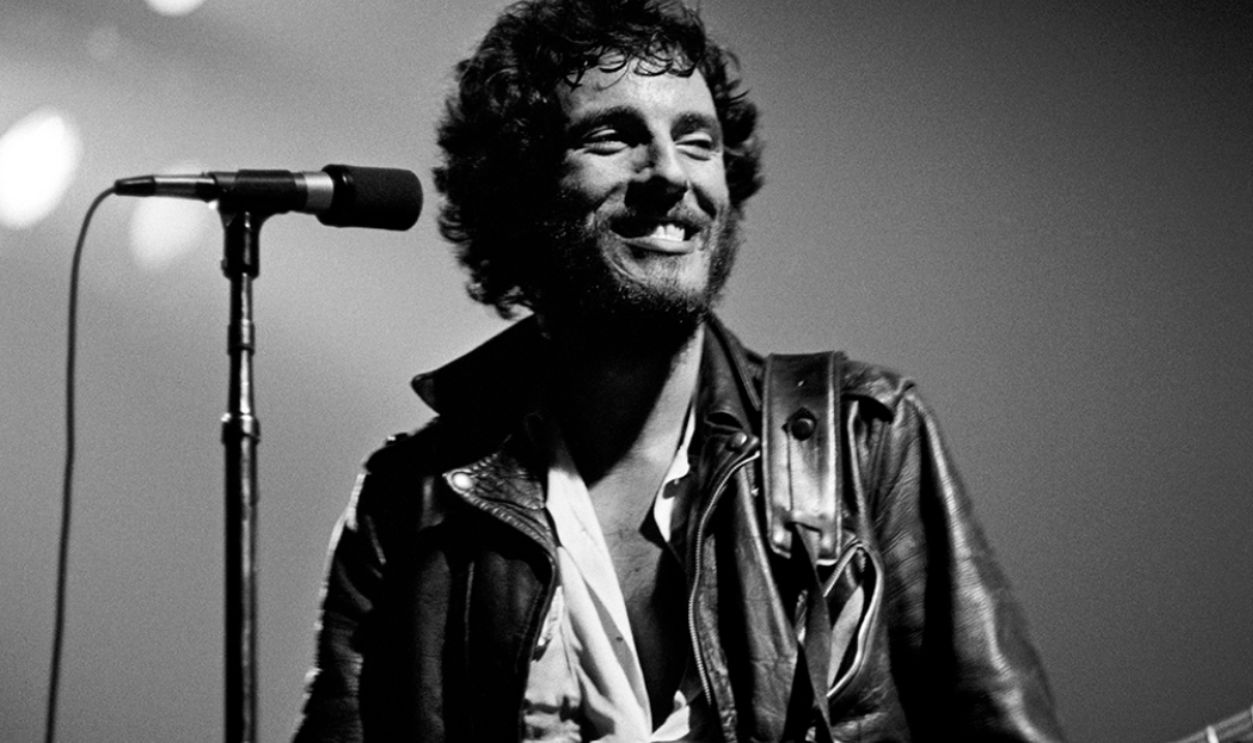
Bruce Springsteen: Nebraska (1982)
Springsteen originally recorded these songs as home demos, intending to develop them with the E Street Band. Instead, he decided their stark, unsettling atmosphere worked better without elaborate arrangements. Using a four-track recorder, he performed the guitar, harmonica, vocals, and occasional additional instrumental parts himself. The result was one of his most acclaimed albums, featuring haunting songs about crime, poverty, and desperation.
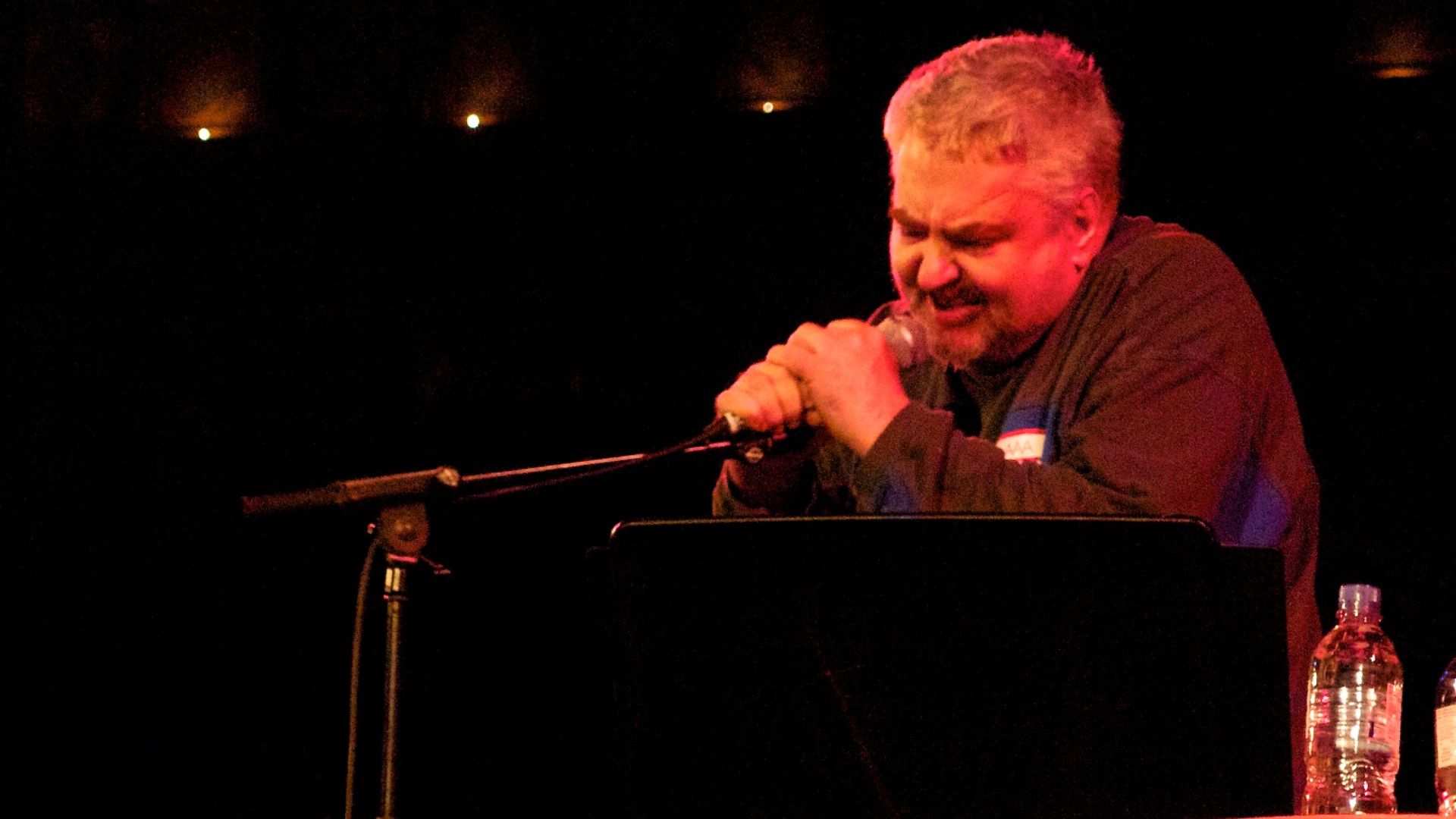
Daniel Johnston: Hi, How Are You (1983)
Texas singer-songwriter Daniel Johnston created this homemade cassette album using simple instruments, including chord organ and piano, alongside his distinctive vocals and tape experiments. There was no conventional backing band or polished studio production. Its fragile, sometimes unsettling songs eventually attracted a devoted following. Johnston's unusual recordings later influenced alternative musicians, including Kurt Cobain, who famously wore a T-shirt featuring the album's frog illustration.
 Paul Hudson from United Kingdom, Wikimedia Commons
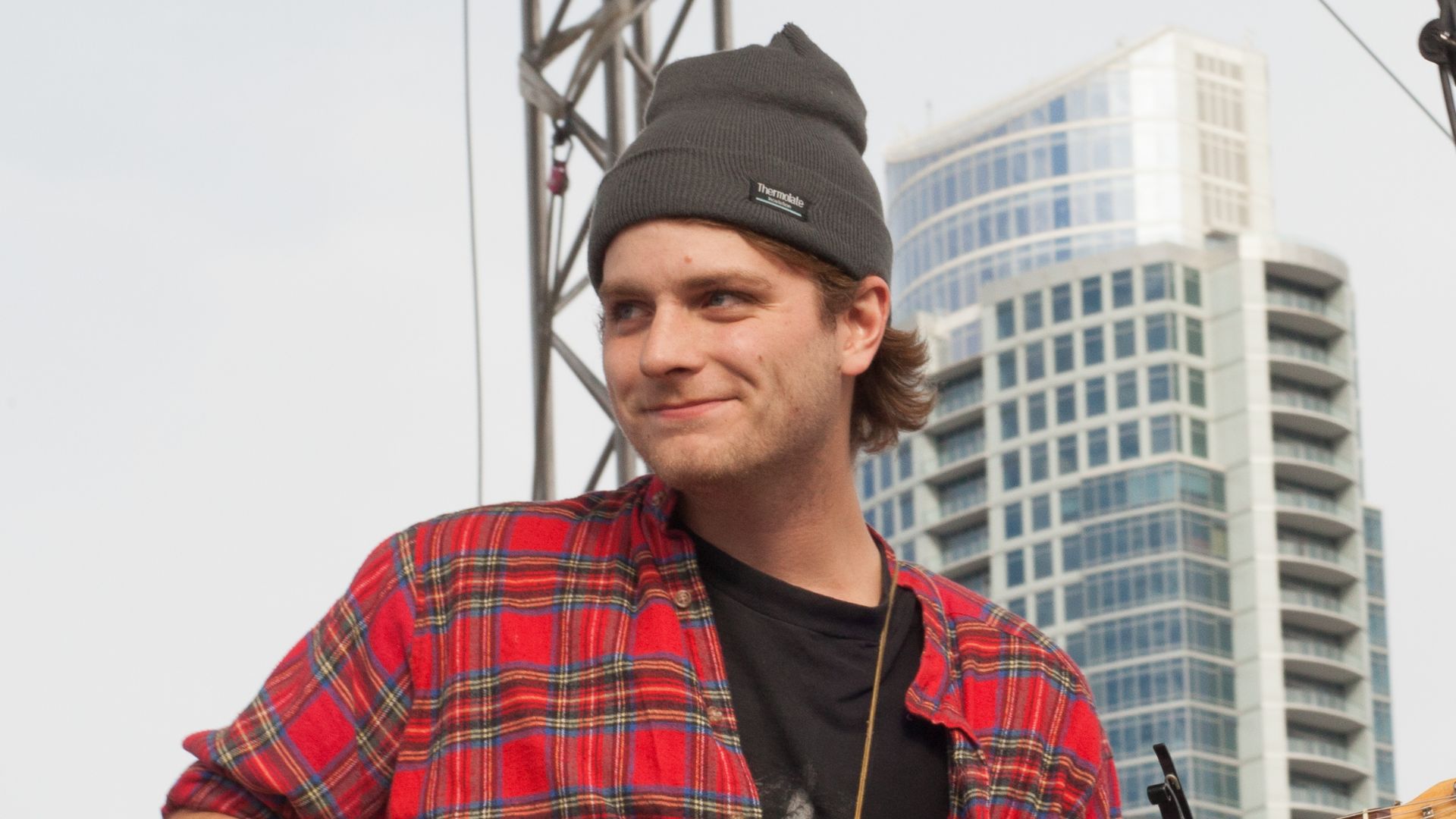
Mac DeMarco: 2 (2012)
Canadian musician Mac DeMarco created his breakthrough album using an unusually relaxed home-recording approach. He played the guitars, bass, drums, and keyboards himself, building deceptively simple songs with a distinctive, slightly warped sound. Tracks like "Ode to Viceroy" and "Freaking Out the Neighborhood" helped establish his reputation. Although DeMarco assembled a touring band, the album's instrumental performances were his own.
 anna Hanks from Austin, Texas, USA, Wikimedia Commons
Elliott Smith: Roman Candle (1994)
Before becoming an acclaimed solo artist, Elliott Smith was a member of the Portland rock band Heatmiser. He recorded Roman Candle at home on four-track equipment, performing the guitars and other instrumental parts himself. His intimate vocals and understated arrangements made the album sound almost painfully personal. Originally conceived as modest home recordings, the songs unexpectedly launched one of alternative rock's most distinctive solo careers.

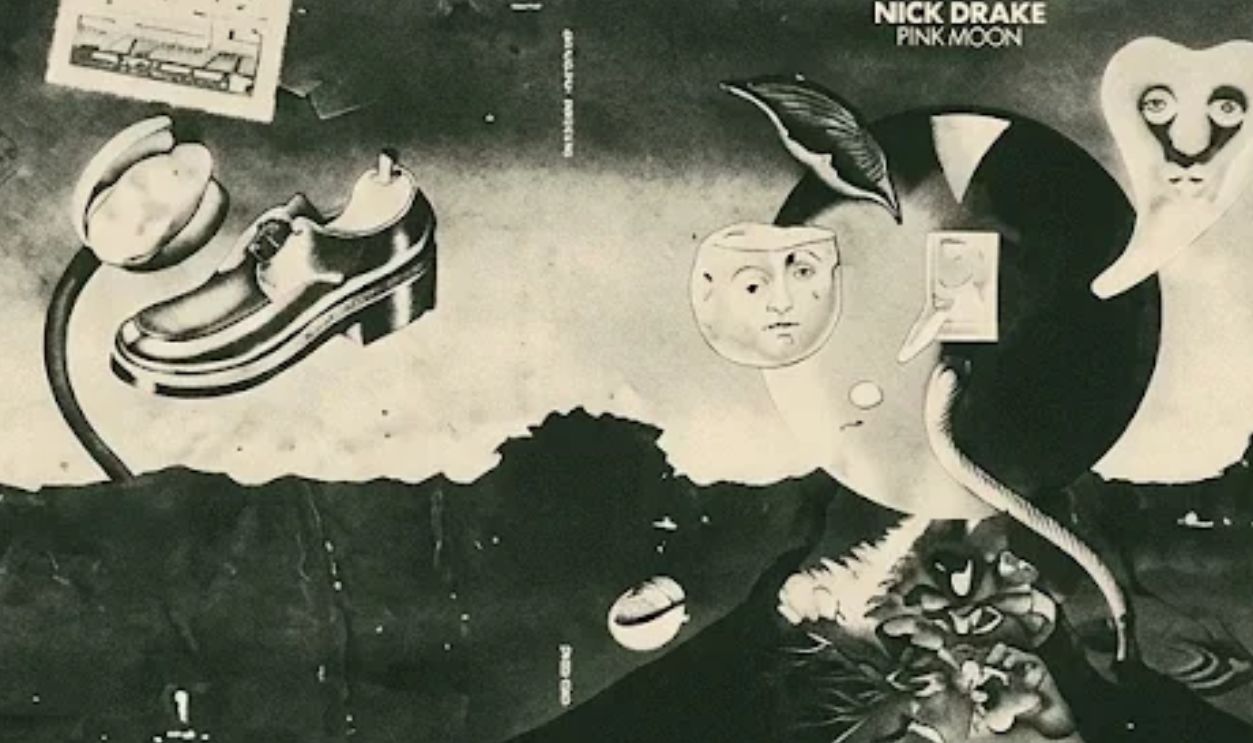
Nick Drake: Pink Moon (1972)
Nick Drake's third and final studio album stripped away the elaborate arrangements of his earlier recordings. He performed the acoustic guitar and vocals himself, adding a brief piano overdub to the title track. There were no session musicians, string sections, or backing bands. At just 28 minutes, the album initially attracted little attention, but its intimate atmosphere eventually made it one of the most admired folk recordings of the 1970s.
 Island Records, Wikimedia Commons
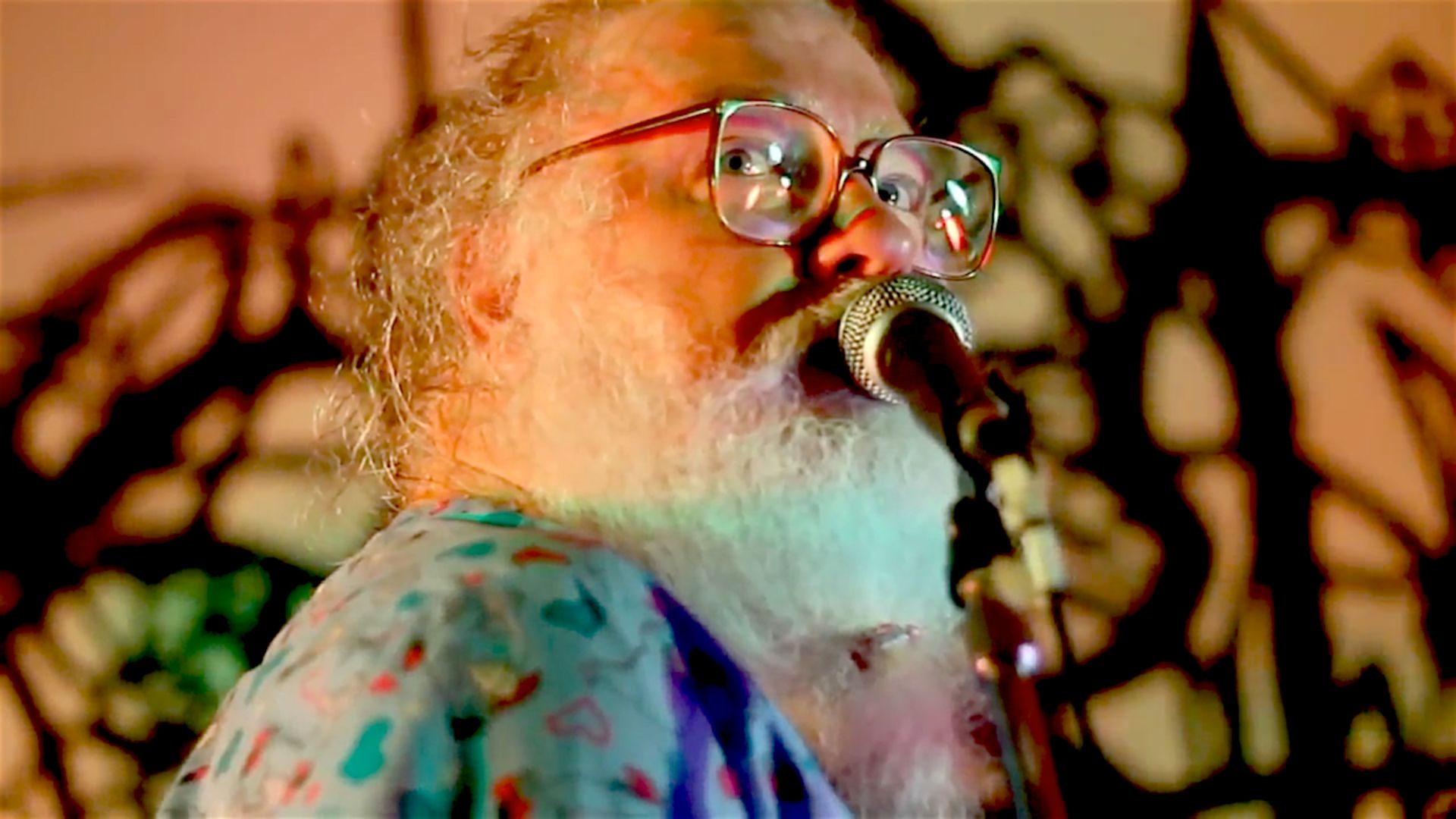
R. Stevie Moore: Phonography (1976)
Long before home recording became commonplace, R. Stevie Moore was creating elaborate pop music using basic tape equipment. His debut album, Phonography, combined homemade rock songs, experimental sound effects, and strange little musical sketches. Moore handled the instrumental performances himself, building the recordings through overdubbing and tape manipulation. Originally issued in a tiny private pressing, the album later became a landmark of independent home-recorded music.
 Matthew Roseman, Wikimedia Commons
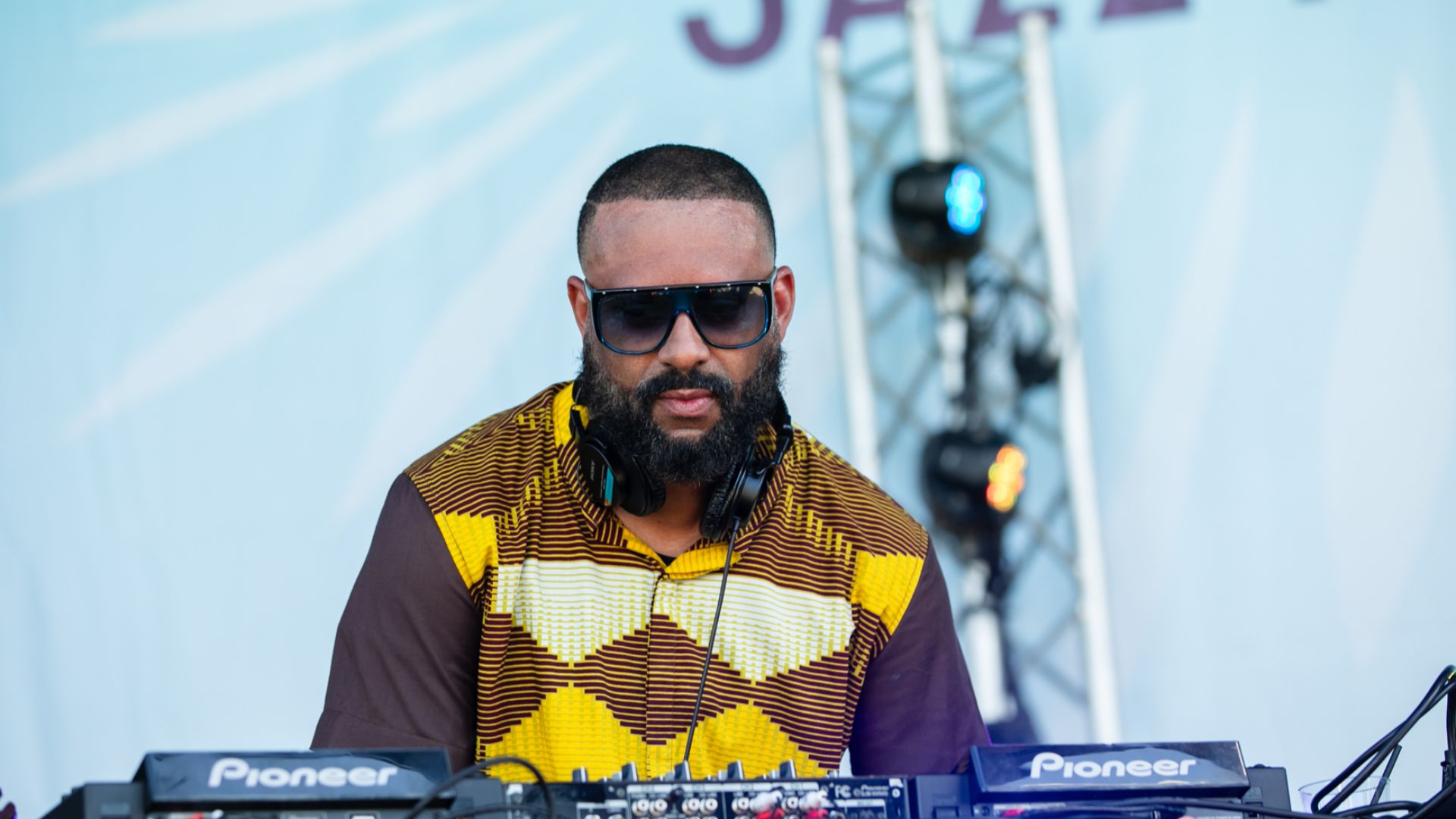
Madlib: Angles Without Edges (2001)
Listeners encountering Yesterday's New Quintet might reasonably have assumed they were hearing five jazz musicians performing together. In fact, the supposed quintet was the creation of producer and multi-instrumentalist Madlib. He invented fictional band members and performed the instrumental parts himself, combining keyboards, drums, bass, and sampled textures. The resulting album blurred the boundaries between jazz, hip-hop production, and an elaborate musical practical joke.
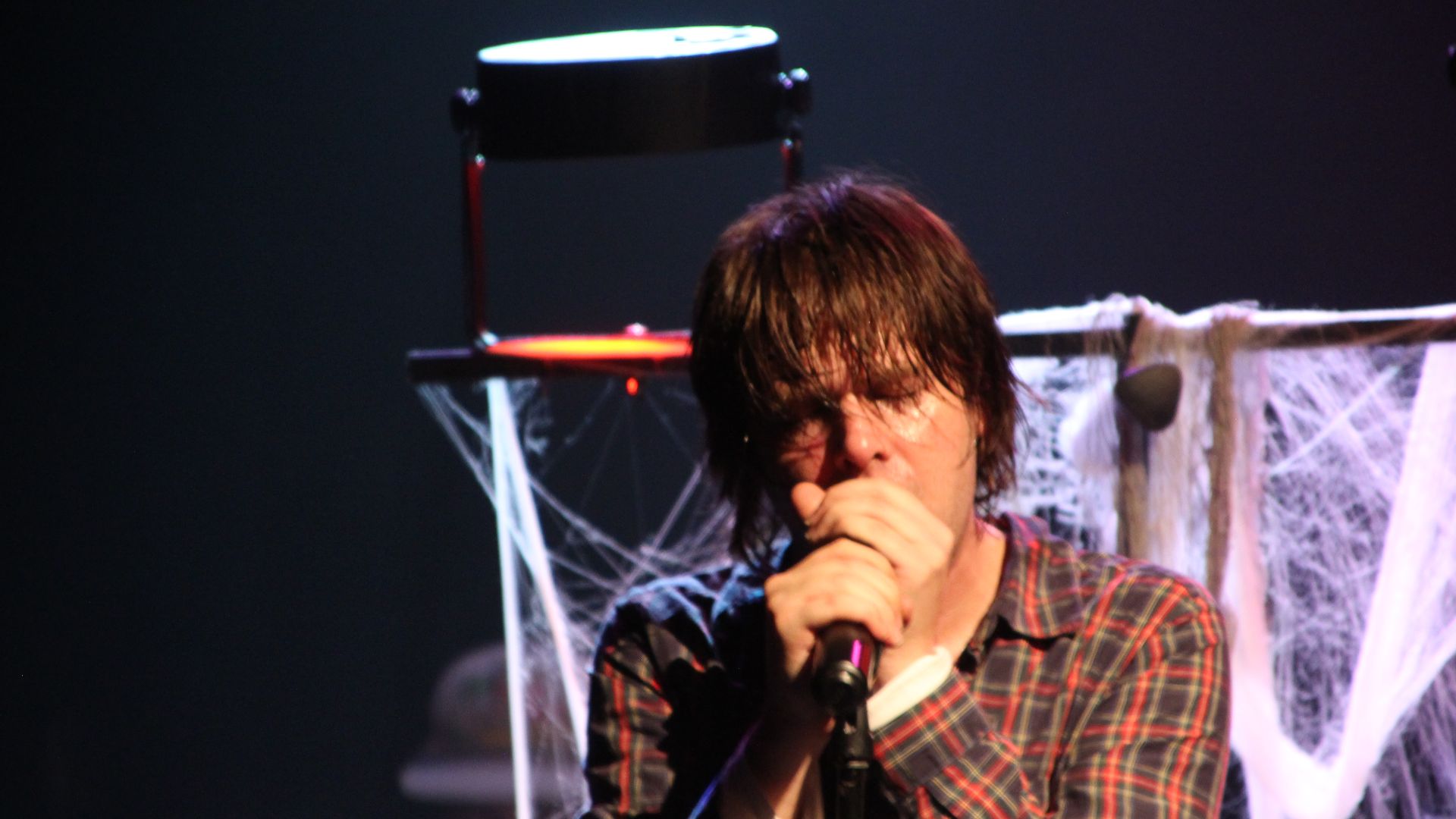
Ariel Pink: The Doldrums (2004)
Ariel Pink created much of this album years before its official release, recording at home on inexpensive equipment. Rather than assemble a conventional band, he layered guitars, keyboards, vocals, and homemade percussion, sometimes imitating drum sounds with his mouth. The result resembled forgotten pop songs drifting through a badly tuned radio. Its strange, nostalgic sound helped establish the lo-fi aesthetic that influenced a generation of independent musicians.
 Julio Enriquez from Denver,CO, USA, Wikimedia Commons
Chad VanGaalen: Infiniheart (2004)
Canadian musician Chad VanGaalen recorded this eccentric debut in his basement, performing the instrumental parts himself and experimenting with homemade recording equipment. The songs moved unpredictably between acoustic folk, electronic effects, distorted guitars, and unusual percussion. Despite its homemade origins, the album attracted considerable critical attention and introduced VanGaalen as an inventive songwriter. It demonstrated how much musical variety one person could create without a conventional studio band.
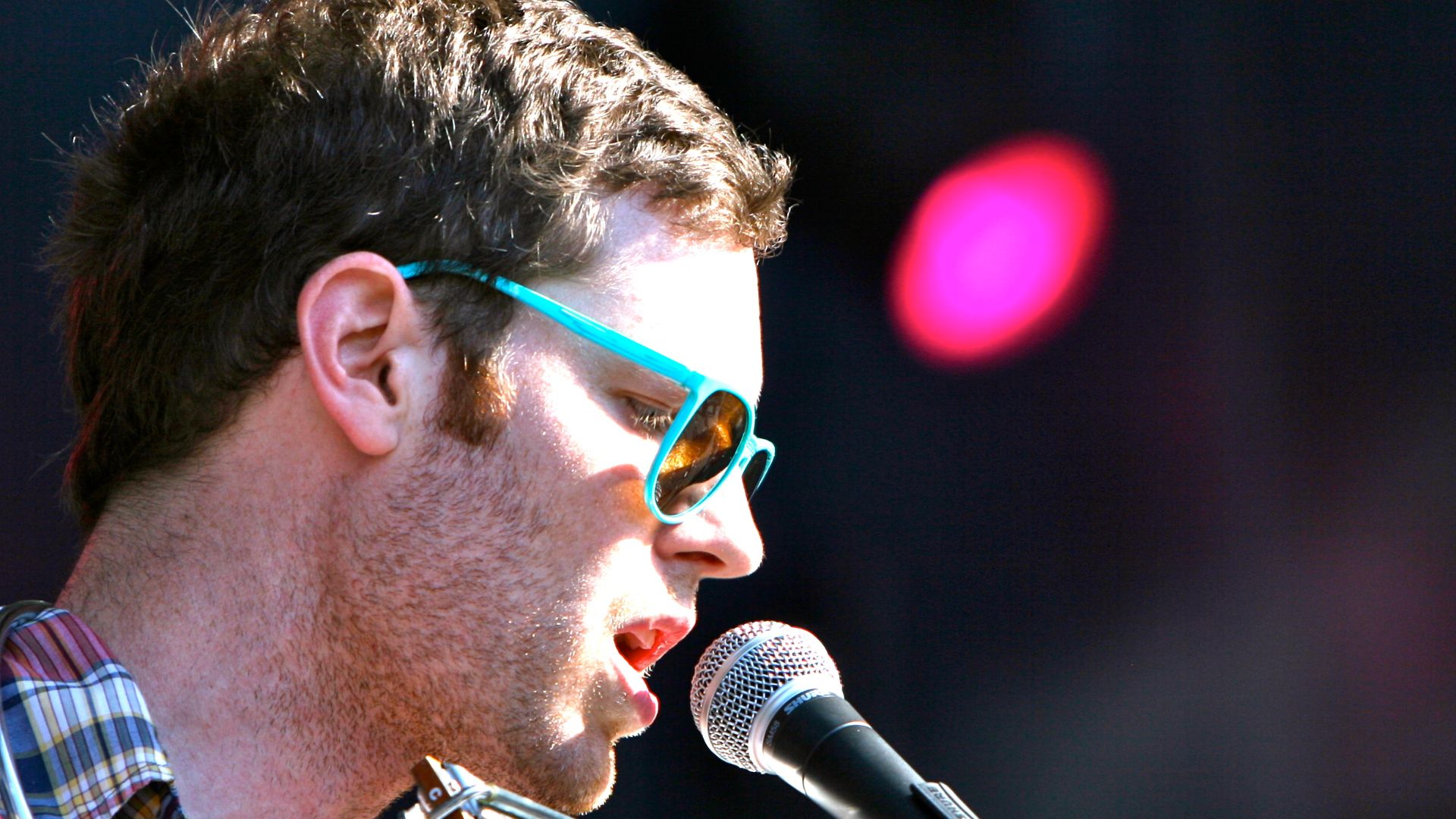
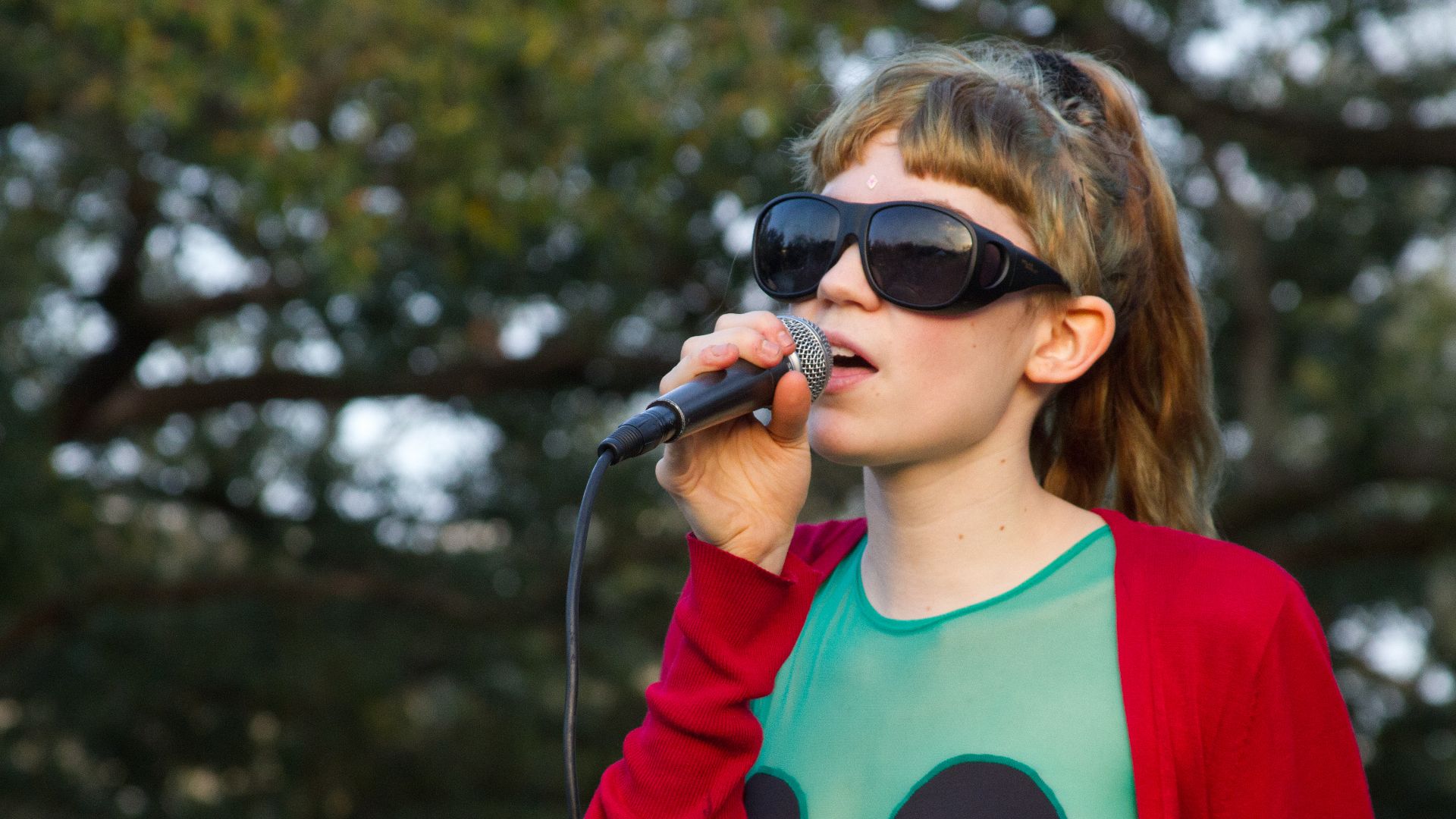
Grimes: Visions (2012)
Canadian musician Grimes created her breakthrough album largely on a computer, using synthesizers, programmed percussion, layered vocals, and digital recording software. Working in Montreal, she developed an electronic-pop sound that seemed far more elaborate than its modest recording circumstances suggested. Songs like "Oblivion" and "Genesis" helped make her an international name. The album demonstrated how modern recording technology could allow a single artist to construct an entire musical universe.
 Caitlyn Ridenour, Wikimedia Commons
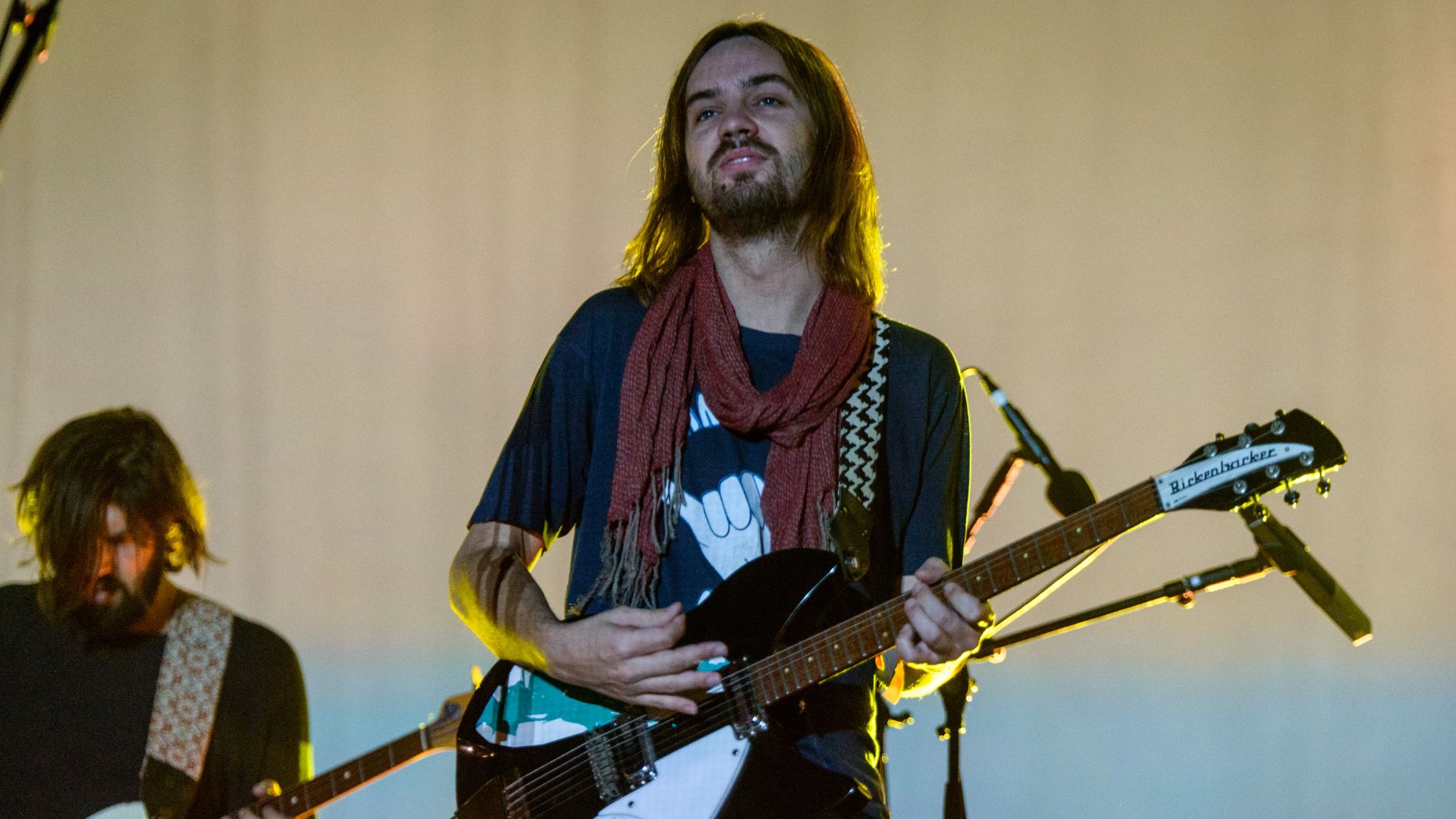
Tame Impala: Innerspeaker (2010)
Tame Impala sounded like a psychedelic rock band straight out of the late 1960s, but its debut album was primarily the creation of Australian musician Kevin Parker. He wrote, produced, and performed most of the music, layering guitars, bass, drums, and effects. However, the recording wasn't entirely a solo effort. Jay Watson contributed drums and guitar, while Dominic Simper added bass, guitar, and effects. Dave Fridmann handled the mixing, helping turn Parker's recordings into an acclaimed psychedelic-rock debut.
 Pistenwolf , Wikimedia Commons
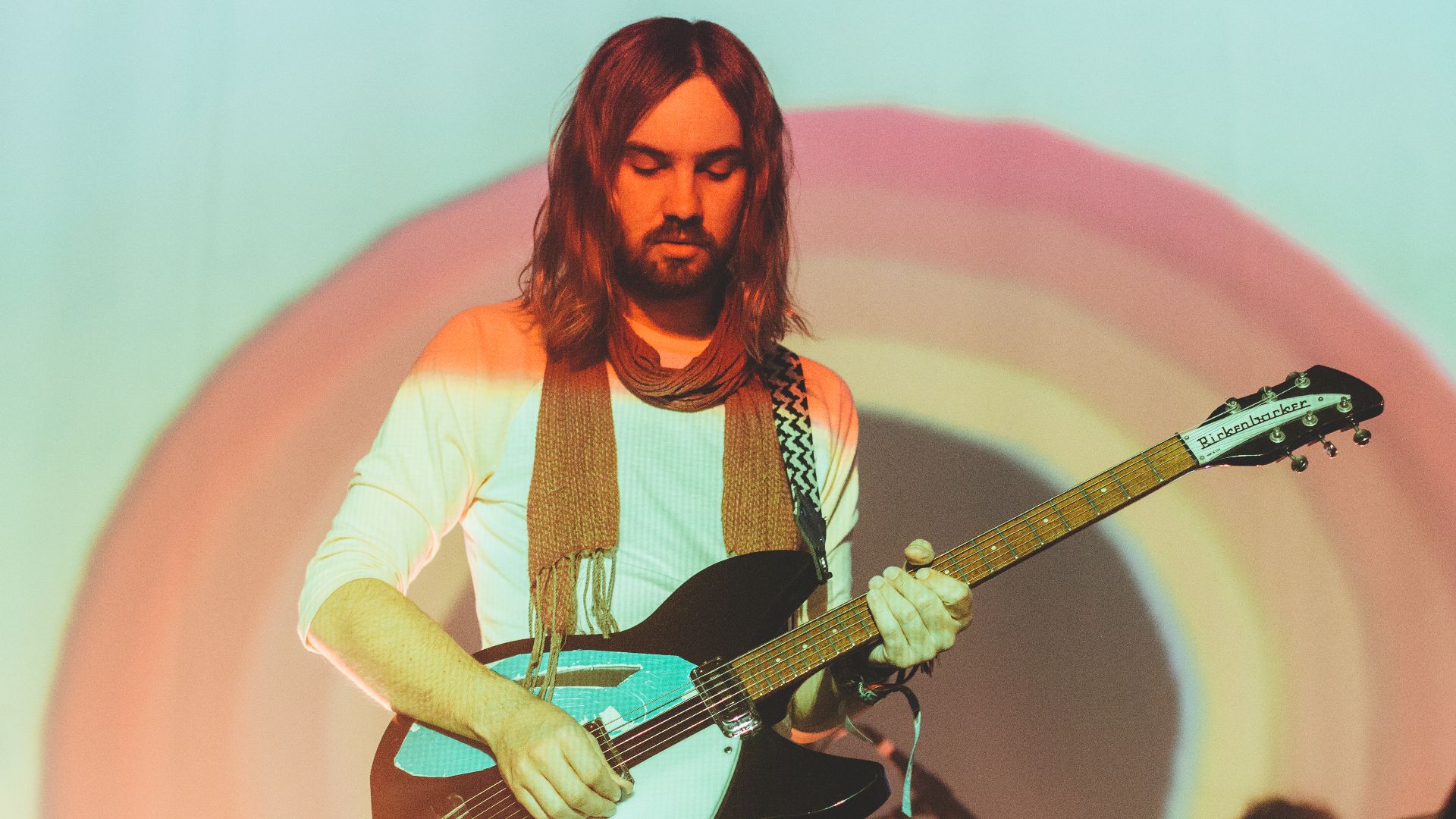
Tame Impala: Lonerism (2012)
Kevin Parker continued his largely self-contained approach on Tame Impala's second album, expanding the sound with synthesizers, elaborate effects, and increasingly adventurous arrangements. Although Parker performed most of the instrumental parts, Jay Watson contributed keyboards and piano, while Melody Prochet provided additional vocals and spoken-word material. The album's psychedelic sound drew comparisons to classic 1960s recordings, even though most of its densely layered music was assembled by one Australian musician working largely alone.
 Abby Gillardi, Wikimedia Commons
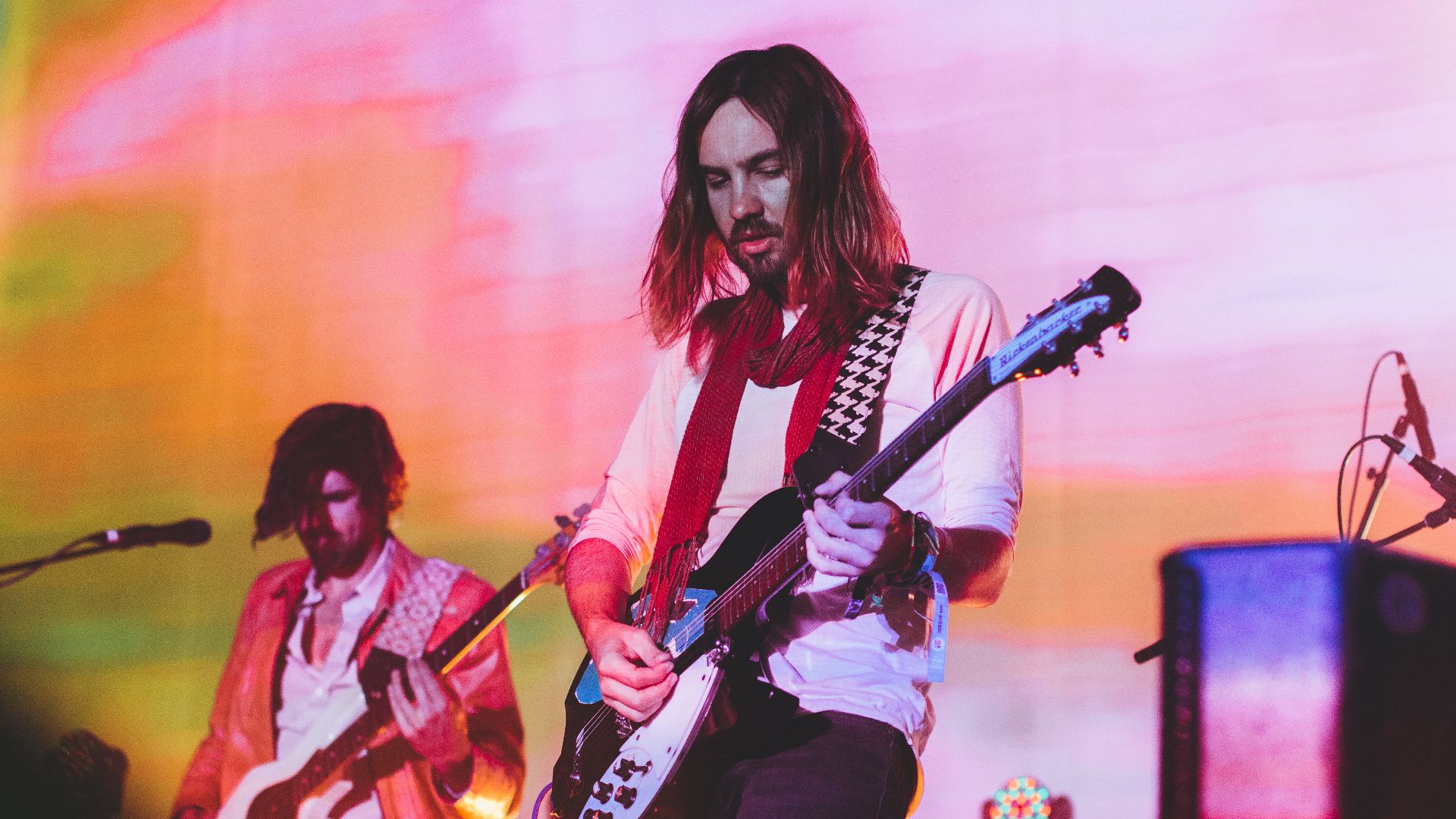
Tame Impala: Currents (2015)
With Currents, Parker transformed Tame Impala from a psychedelic rock project into something closer to electronic pop and dance music. He wrote, performed, recorded, produced, and mixed the album himself. Synthesizers and electronic rhythms increasingly replaced the guitar-heavy arrangements of earlier releases. "The Less I Know the Better" became one of his best-known songs, and the album demonstrated how convincingly a single musician could reinvent the sound of an entire band.
 Abby Gillardi, Wikimedia Commons
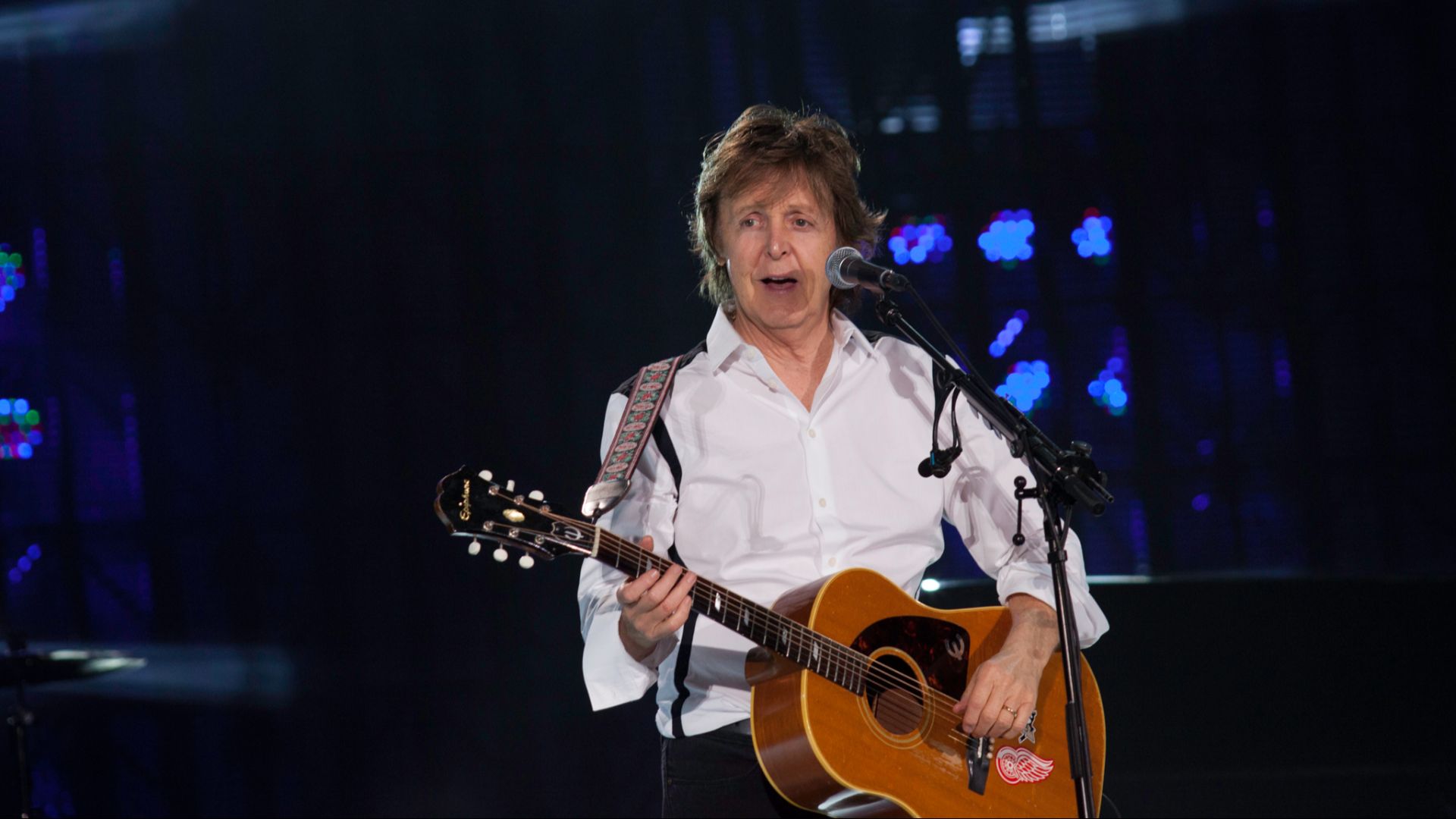
Paul McCartney: McCartney III (2020)
Half a century after his first solo album, McCartney returned to the same basic idea during the COVID-19 lockdowns. Recording at his home studio, he played the instruments himself, experimenting with guitars, bass, drums, keyboards, and assorted effects. The album mixed acoustic songwriting with extended rock performances and unusual studio textures. It completed an informal trilogy of self-performed albums spanning an extraordinary 50 years.
 Jimmy Baikovicius from Montevideo, Uruguay, Wikimedia Commons
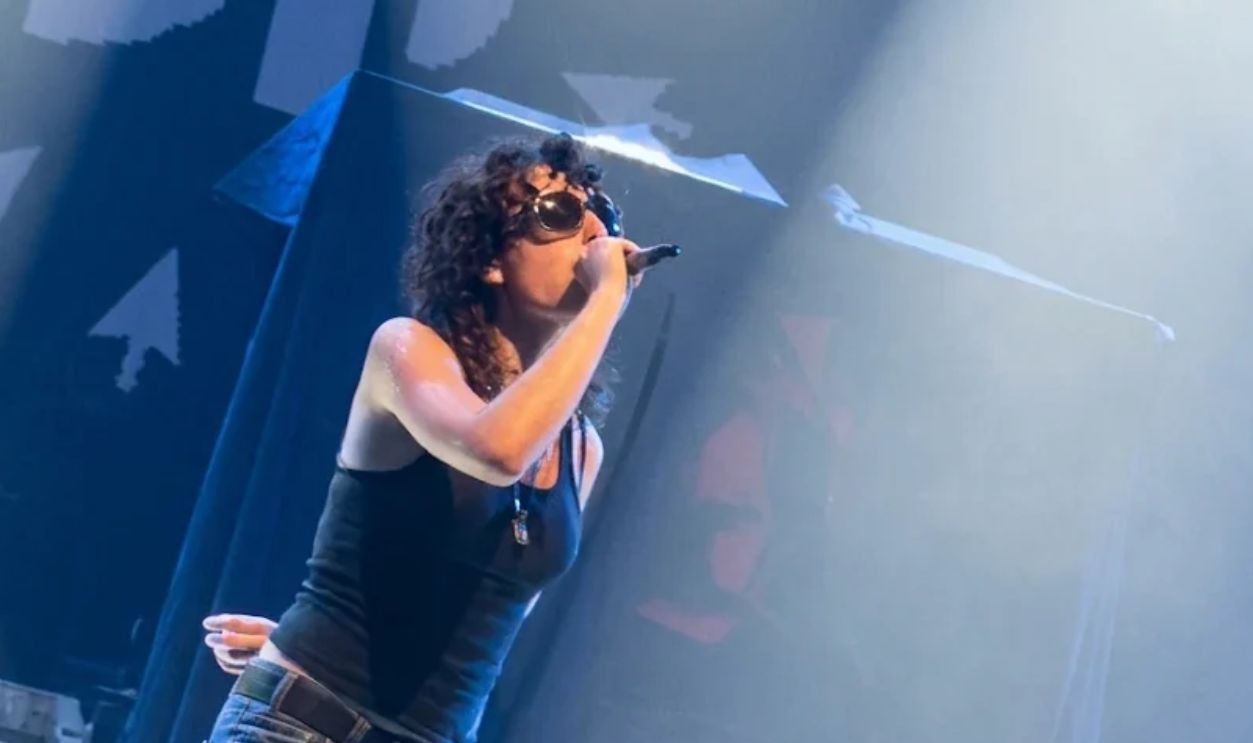
Jane Remover: Frailty (2021)
Jane Remover was still a teenager when she created this adventurous album in her bedroom. Released under her earlier recording name, dltzk, it combined electronic music, distorted guitars, programmed rhythms, and shoegaze-inspired textures. She handled the songwriting, instrumental performances, production, and mixing herself, although Juno and Kmoe contributed backing vocals to the closing track. The album demonstrated how far home recording had progressed since musicians needed expensive tape machines to imitate an entire band.
You May Also Like:
1980s Rock Albums You Definitely Never Owned—Are We Wrong?
Iconic Albums Recorded In Strange Places, And The Stories Behind Them
Albums So Popular You’d Never Guess They Came From Indie Labels