The Voices Behind The Hits
You've heard their voices hundreds of times, but you probably couldn't name most of them. Throughout the 1970s, some of the biggest stars in music relied on extraordinary backing singers whose contributions were rarely recognized. From the Rolling Stones and Stevie Wonder to Pink Floyd and Steely Dan, these hidden talents helped create songs that still dominate classic rock radio.
Here are 27 remarkable singers who deserve far more recognition.
 Gijsbert Hanekroot, Getty Images
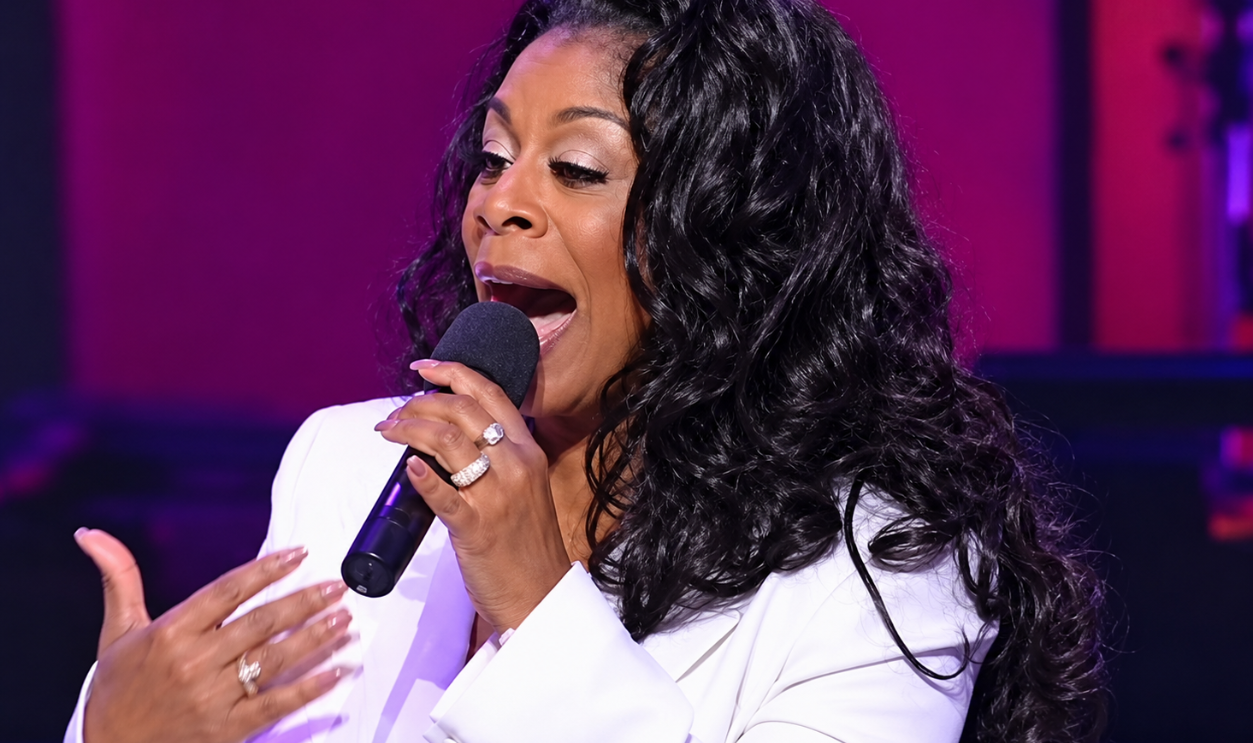
Merry Clayton
When the Rolling Stones recorded "Gimme Shelter" in 1969, Merry Clayton delivered one of rock's most unforgettable backing vocals. Throughout the 1970s, she appeared on Carole King's Tapestry, Ringo Starr's Ringo, and Lynyrd Skynyrd's "Sweet Home Alabama." Despite contributing to some of the era's most recognizable recordings, Clayton remained far less famous than the stars she supported.
 Screenshot from Gimme Shelter, London Records (1969 ), Modified
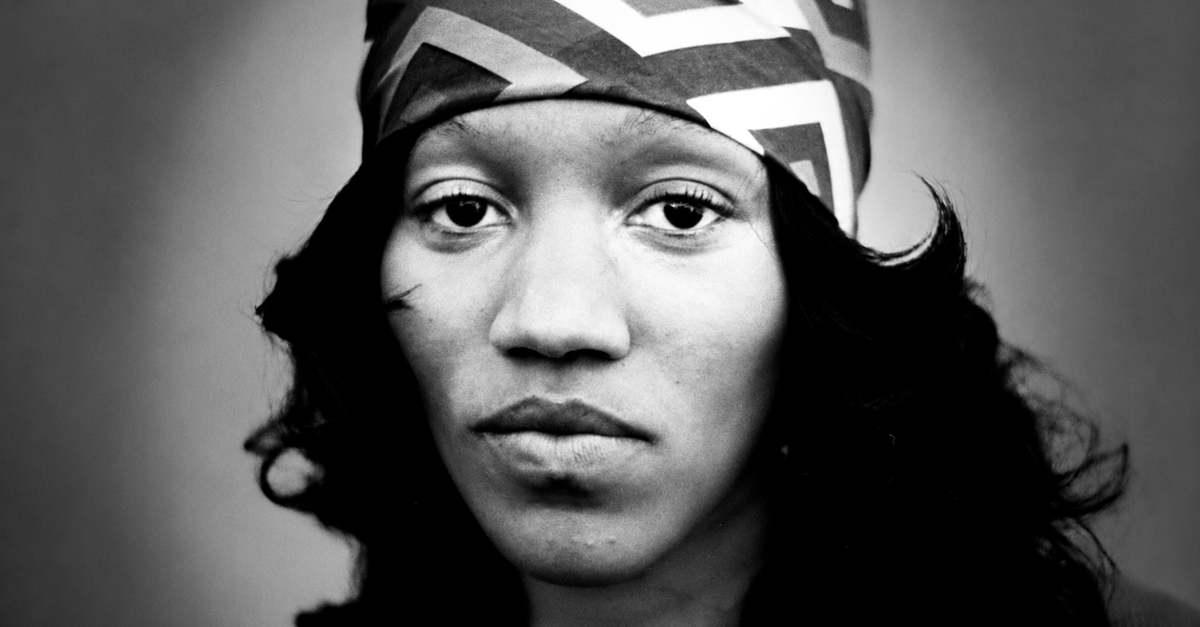
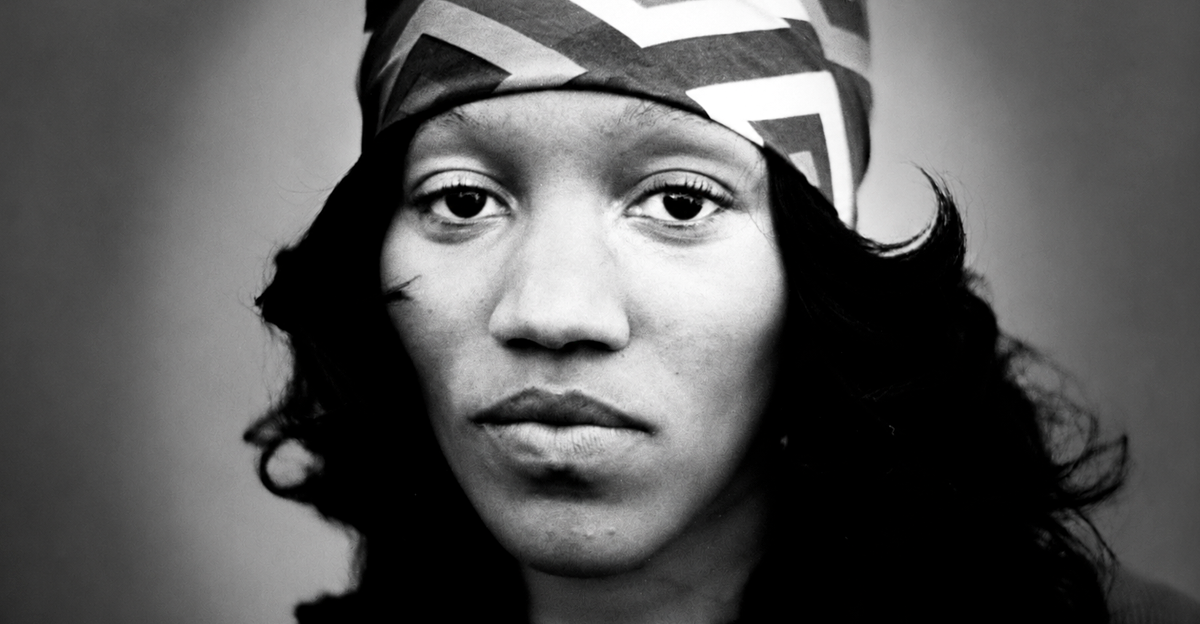
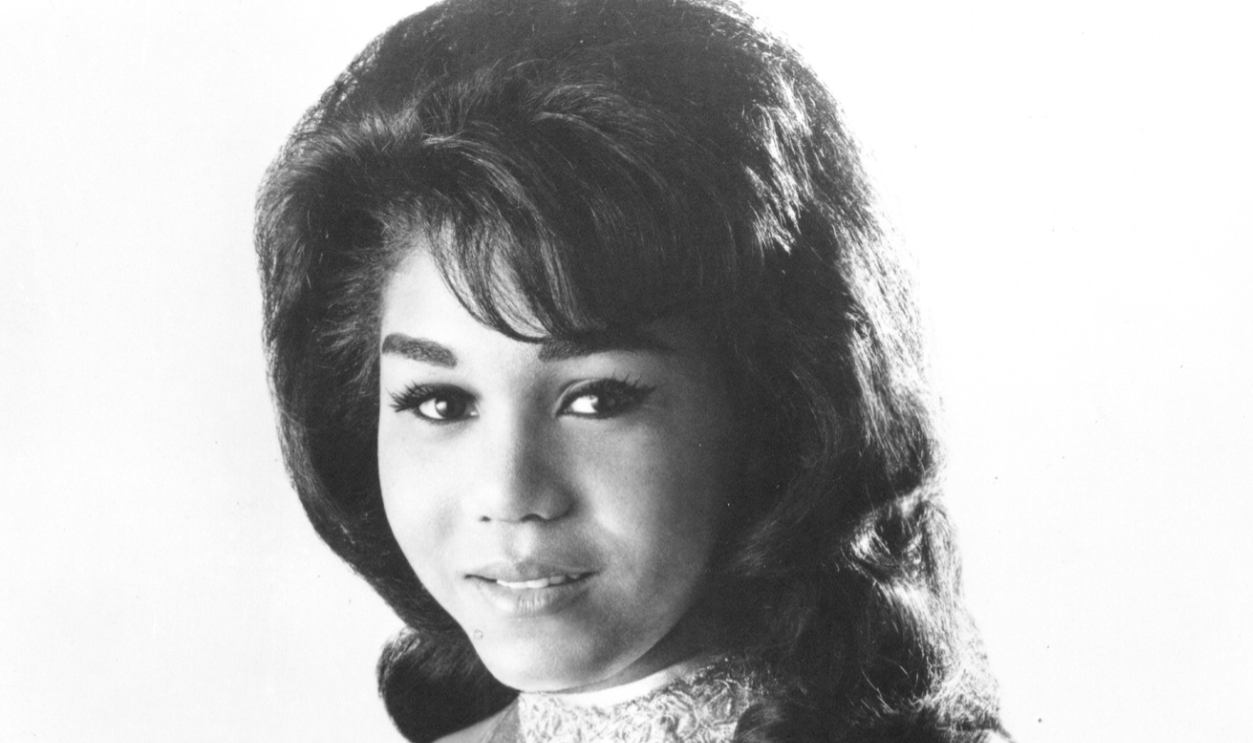
Clydie King
Clydie King's extraordinary voice appeared on recordings by the Rolling Stones, Lynyrd Skynyrd, Elton John, and Linda Ronstadt. She contributed to the Stones' Exile on Main St. and Steely Dan's celebrated albums The Royal Scam and Aja. A former member of Ray Charles' Raelettes, King became one of the most respected session singers in Los Angeles.
 Michael Ochs Archives, Getty images
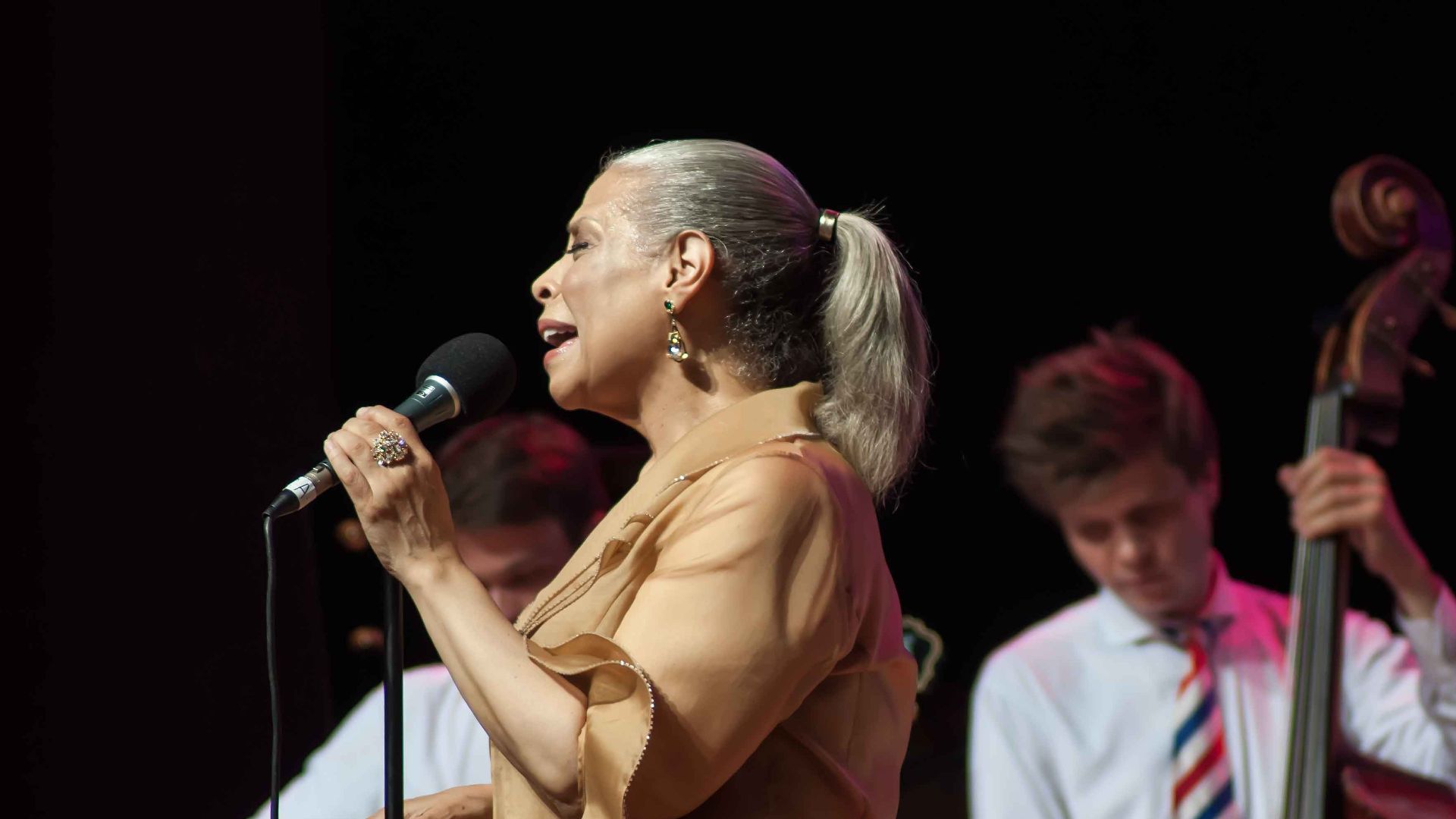
Patti Austin
Before becoming a successful solo artist, Patti Austin was one of the busiest voices in the recording industry. Her 1970s credits included Paul Simon's Still Crazy After All These Years, Billy Joel's The Stranger, and Michael Jackson's Off the Wall, where she sang a duet with Jackson. She also recorded countless advertising jingles, earning a reputation as the "Queen of the Jingles."
Rosemary Butler
Rosemary Butler was one of the busiest backing singers in California's rock scene during the 1970s. Her voice appeared on Jackson Browne's The Pretender and Running on Empty, along with recordings by Bonnie Raitt, Warren Zevon, and the Doobie Brothers. She also contributed to the Doobie Brothers' Minute by Minute, making her a remarkable presence on some of the decade's most celebrated albums.
 Screenshot from Running on Empty, Asylum Records (1977), Modified
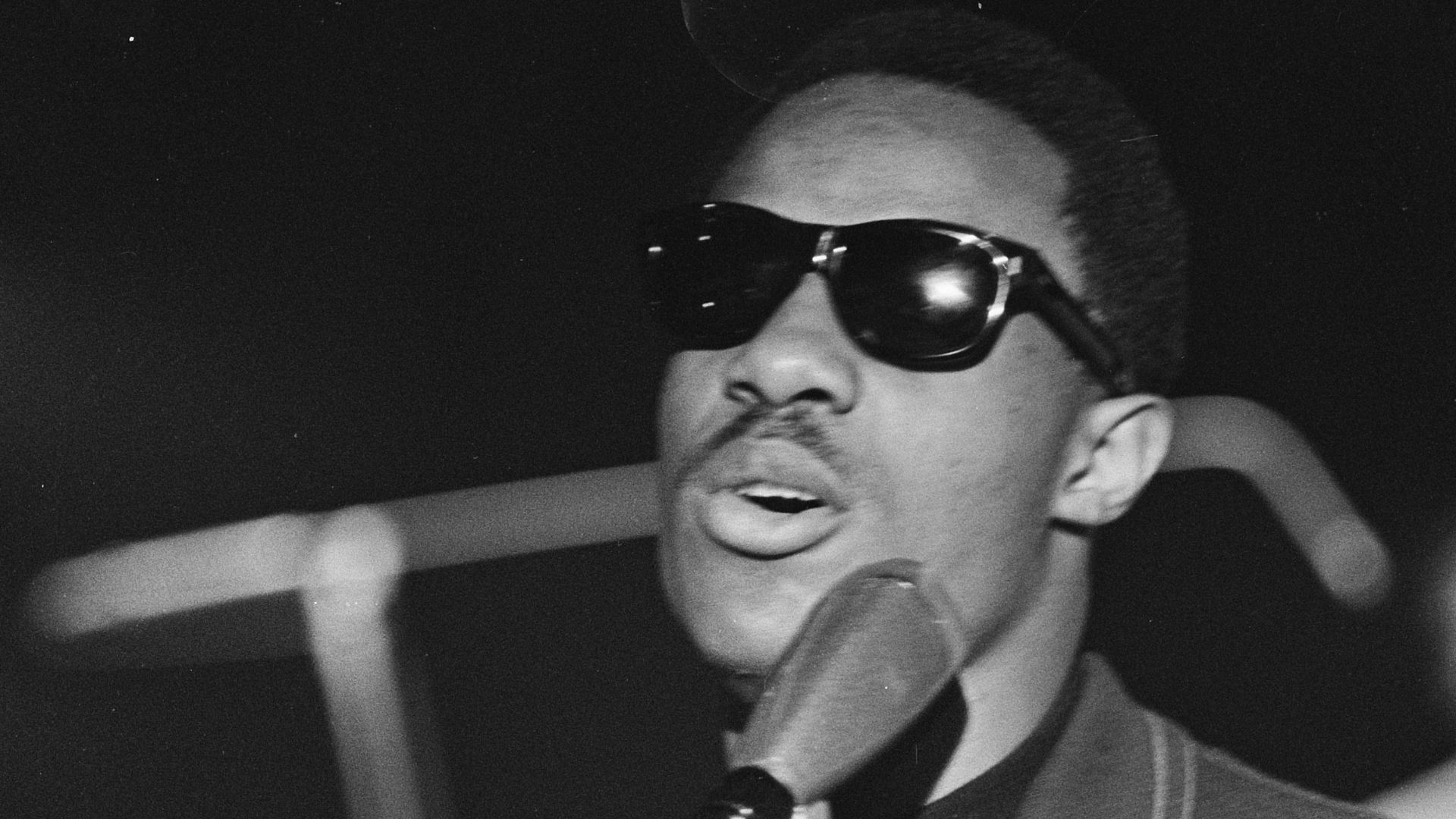
Jim Gilstrap
One of Stevie Wonder's most beloved songs opens with a voice that doesn't belong to Wonder at all. Jim Gilstrap sings the first two lines of 1972's "You Are the Sunshine of My Life," before fellow vocalist Lani Groves takes over. Gilstrap also provided backing vocals on Boz Scaggs' Silk Degrees, including the 1976 hits "Lowdown" and "What Can I Say," making him an important contributor to several pop classics.
 Jack de Nijs for Anefo, Wikimedia Commons
Doris Troy
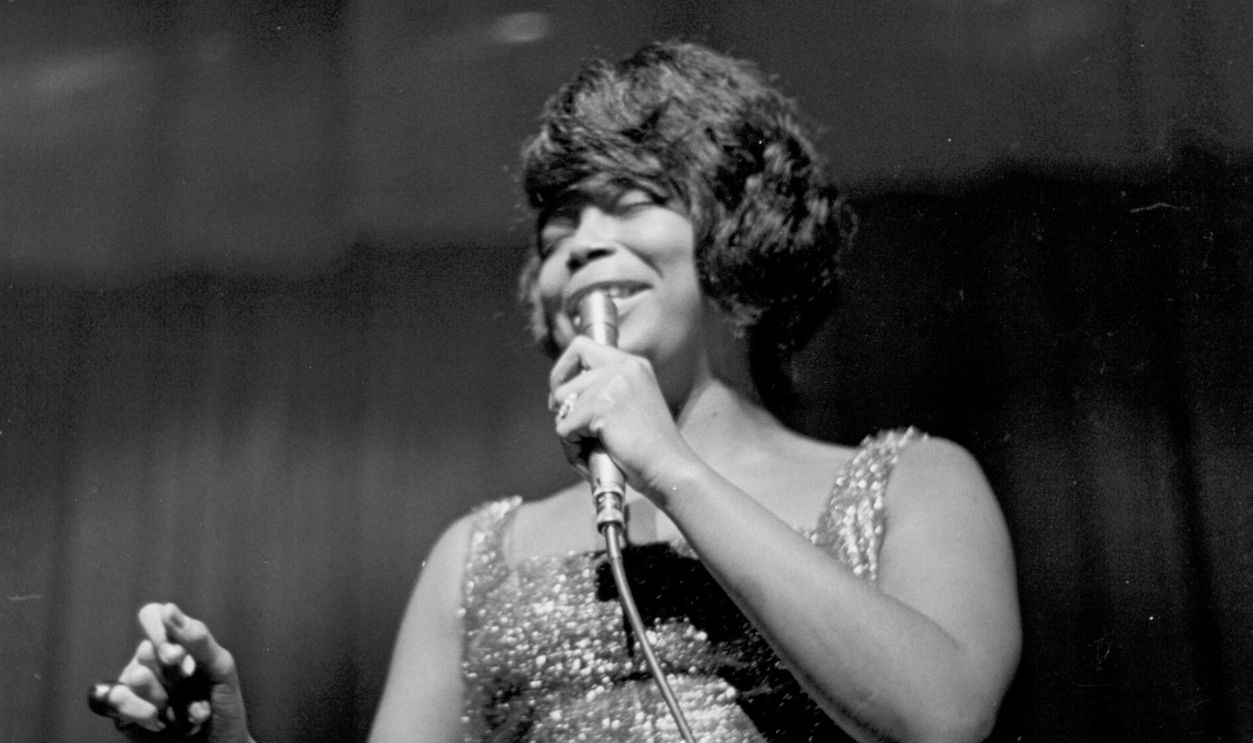
Doris Troy had already scored a hit with "Just One Look" in 1963 before becoming a sought-after backing singer. During the following decade, she contributed to George Harrison's All Things Must Pass and Pink Floyd's landmark 1973 album The Dark Side of the Moon. Her powerful soul vocals helped bridge the worlds of American R&B and British rock.
 Michael Ochs Archives, Getty Images
Venetta Fields
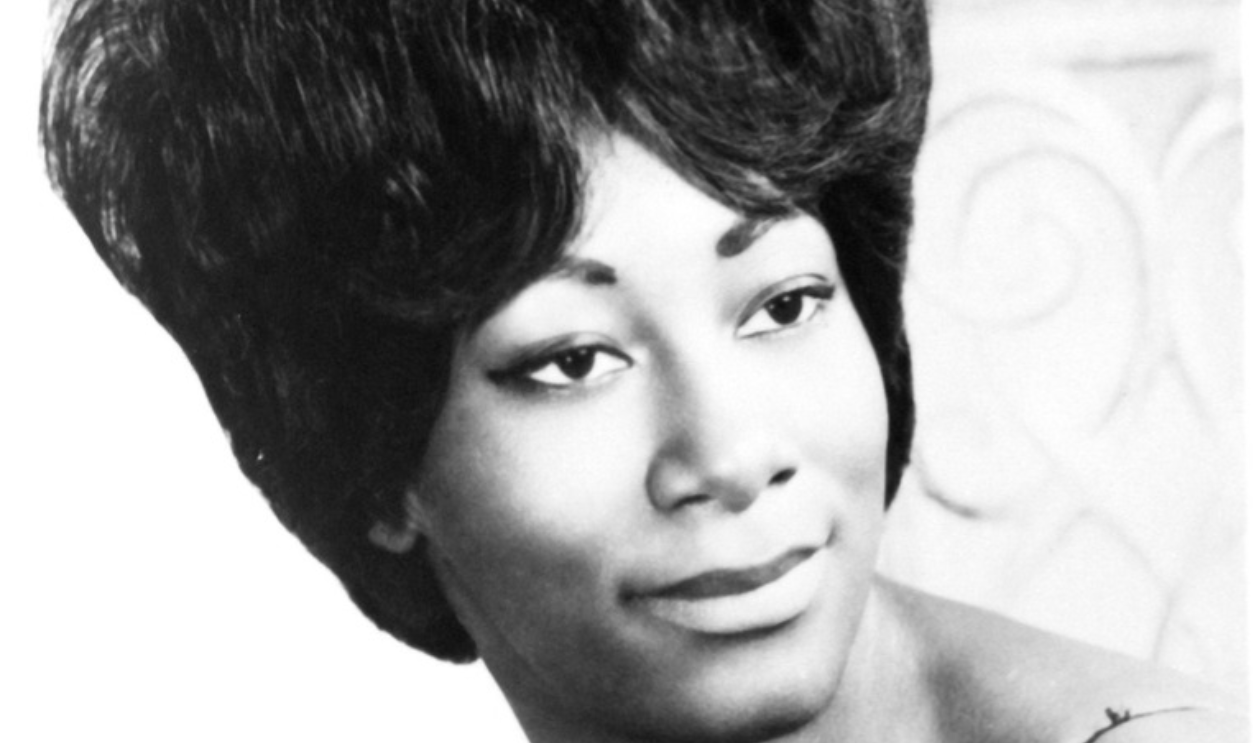
Venetta Fields was a remarkably versatile singer whose credits included the Rolling Stones, Humble Pie, and Steely Dan. She contributed to the Stones' Exile on Main St. and later appeared on Pink Floyd's 1975 masterpiece Wish You Were Here. Her voice also graced Steely Dan's Aja, connecting three of the decade's most celebrated rock albums.
 Michael Ochs Archives, Getty images
Sherlie Matthews
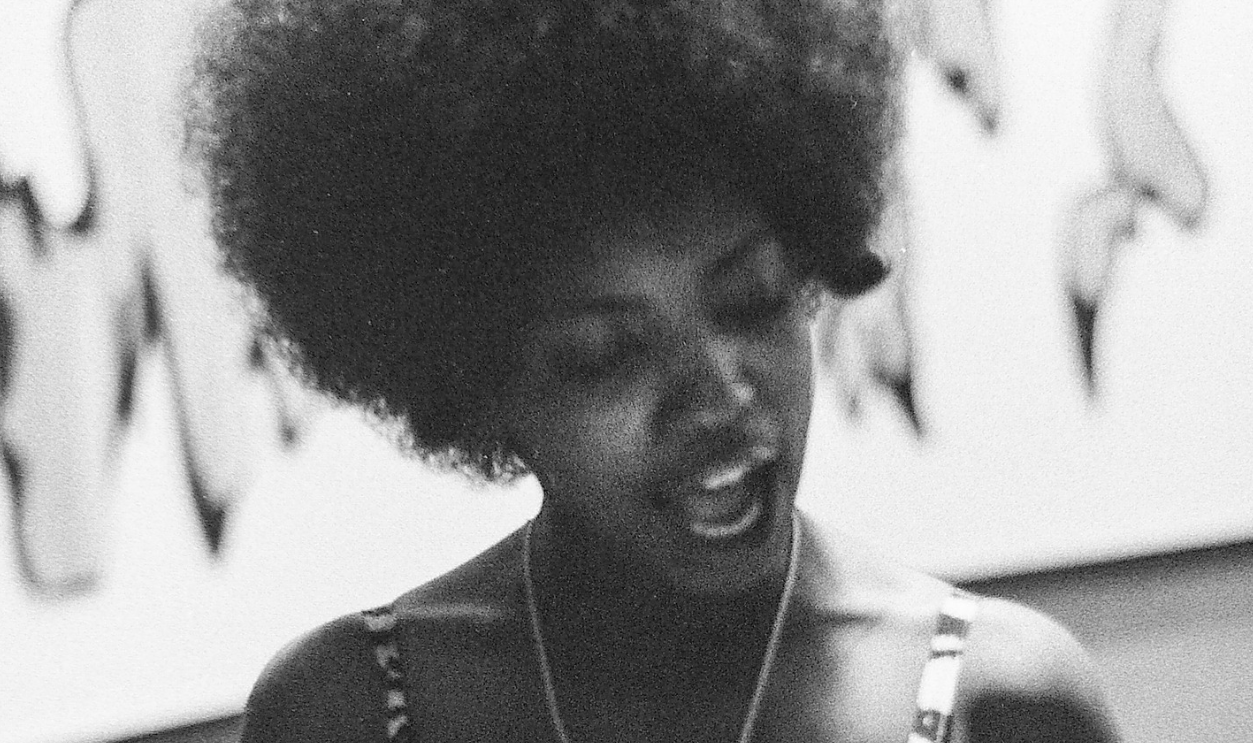
Sherlie Matthews was one of the singers behind Steely Dan's famously polished studio sound. Her backing vocals appeared on several of the band's 1970s albums, including Can't Buy a Thrill, The Royal Scam, and Aja. She contributed to memorable recordings such as "Black Cow" and "Home at Last," although few casual listeners would recognize her name.
Nicolette Larson
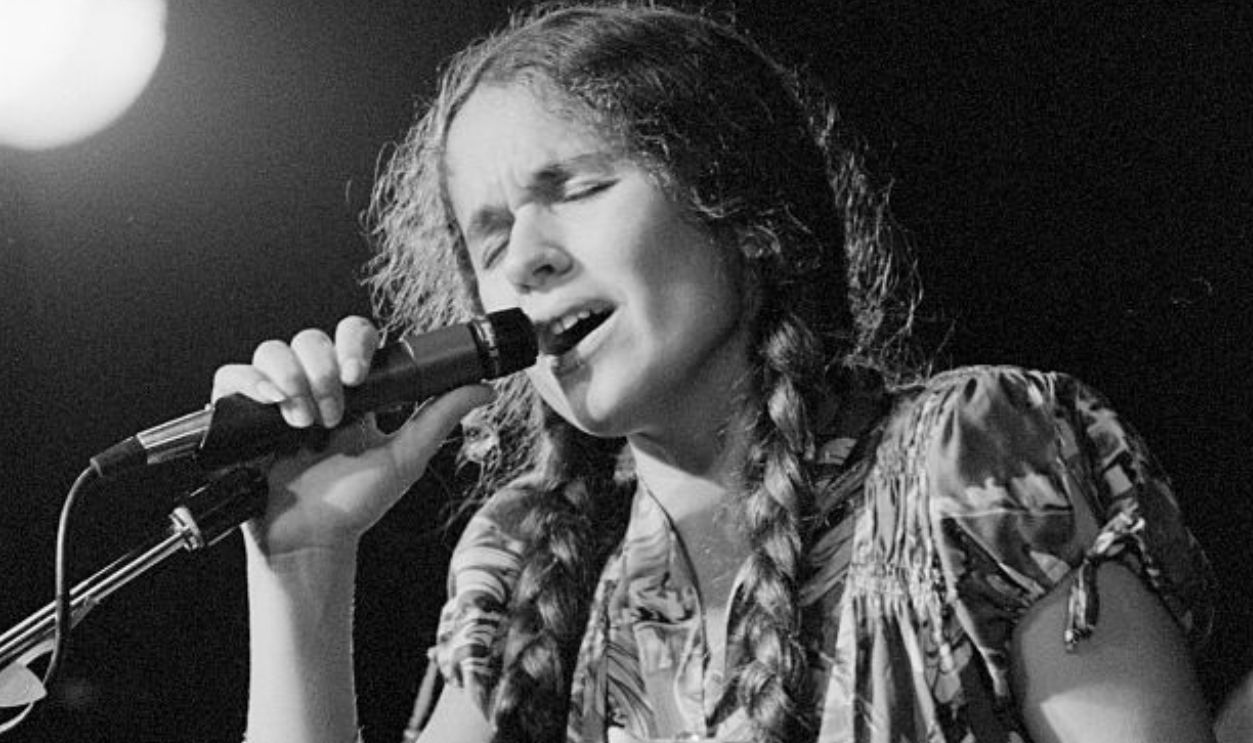
Before scoring her own hit with "Lotta Love" in 1978, Nicolette Larson was a sought-after backing vocalist. She contributed to Neil Young's American Stars 'n Bars and Comes a Time, singing harmonies on songs including "Four Strong Winds." Her impressive credits also included recordings by Emmylou Harris and the Doobie Brothers, making her a familiar voice across country rock and soft rock.
Claudia Lennear
Claudia Lennear began her career with Ike and Tina Turner's Ikettes before joining Joe Cocker's legendary Mad Dogs & Englishmen ensemble. She subsequently appeared on recordings by Stephen Stills, Leon Russell, and Ry Cooder, building an impressive reputation as a backing vocalist. Lennear has also identified herself as an inspiration for songs associated with David Bowie and the Rolling Stones, adding another remarkable dimension to her story.
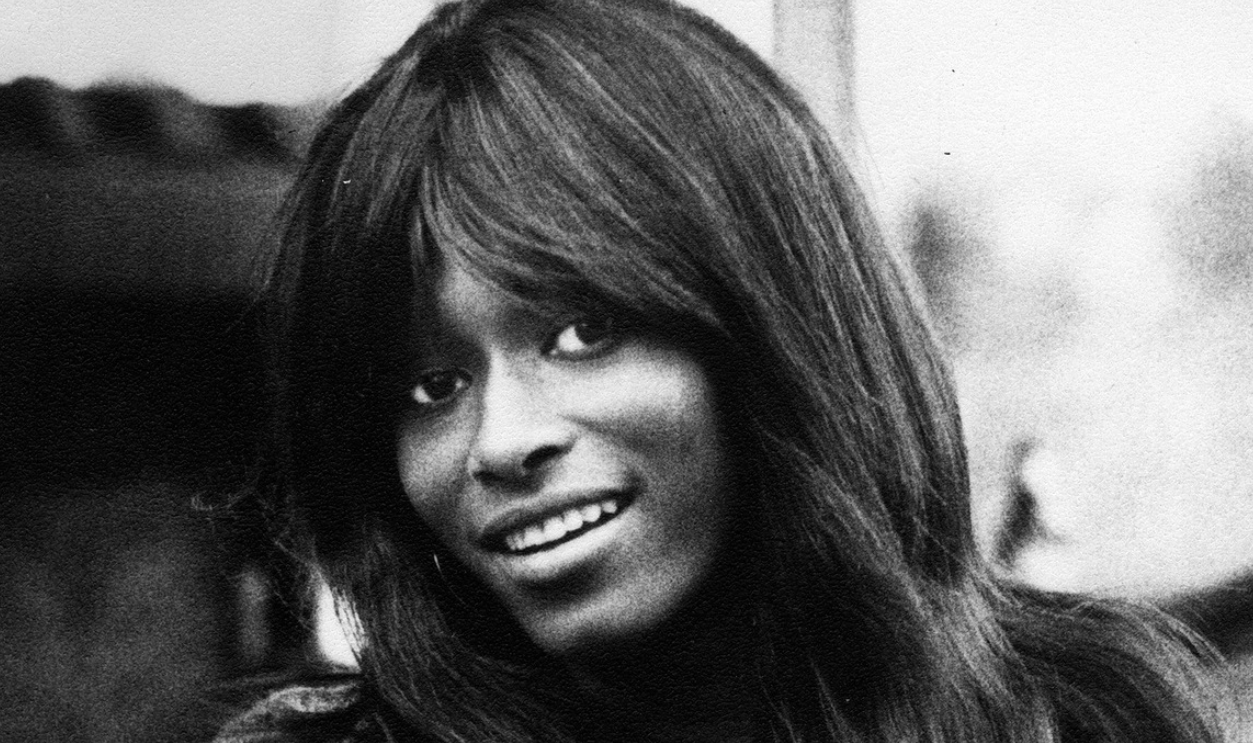 Michael Ochs Archives, Getty images
Madeline Bell
Madeline Bell contributed to some of Britain's biggest rock recordings during the early 1970s. Her credits included Elton John's Tumbleweed Connection and Honky Château, as well as Rod Stewart's Every Picture Tells a Story. She also sang with the group Blue Mink, making her both a successful performer in her own right and a valuable studio vocalist.
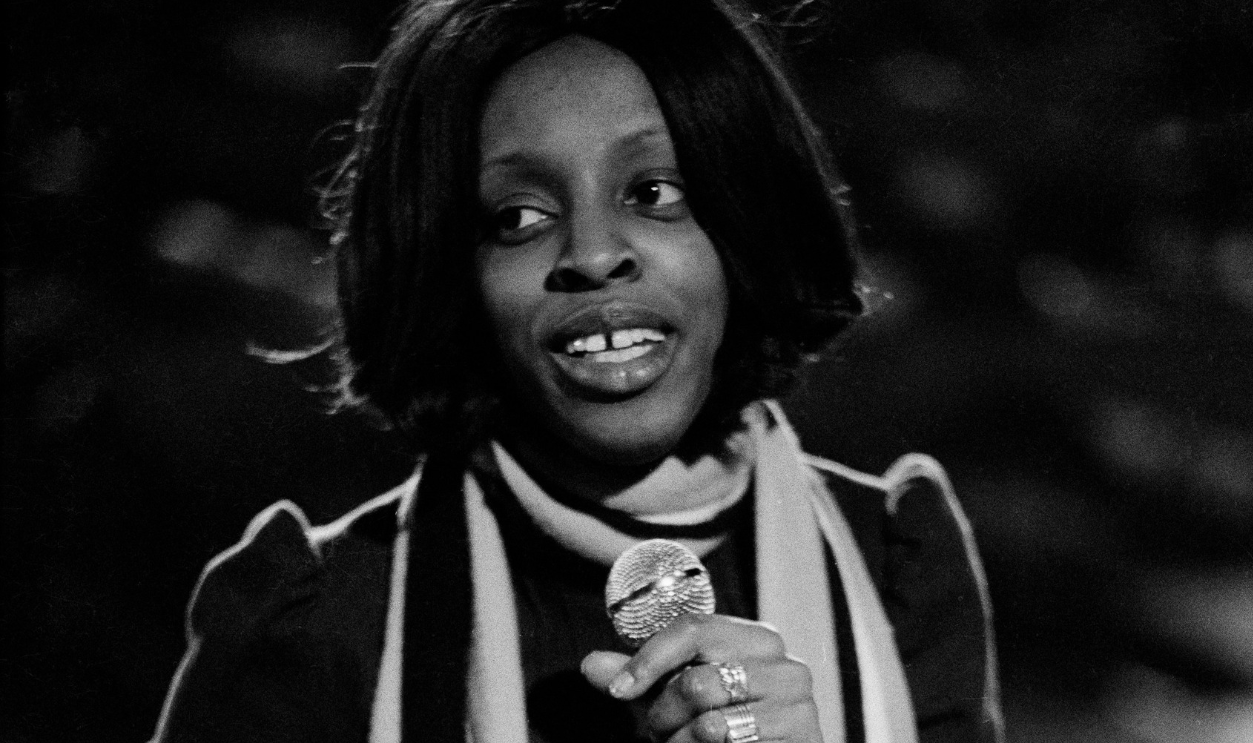
Kathi McDonald
Kathi McDonald possessed a powerful, blues-influenced voice that made her a favorite among major rock musicians. Her credits included the Rolling Stones' Exile on Main St., Leon Russell's Leon Russell and the Shelter People, and Freddie King's Getting Ready.... She also performed with Big Brother and the Holding Company after Janis Joplin's departure, demonstrating her ability to command attention as both a supporting singer and a lead vocalist.
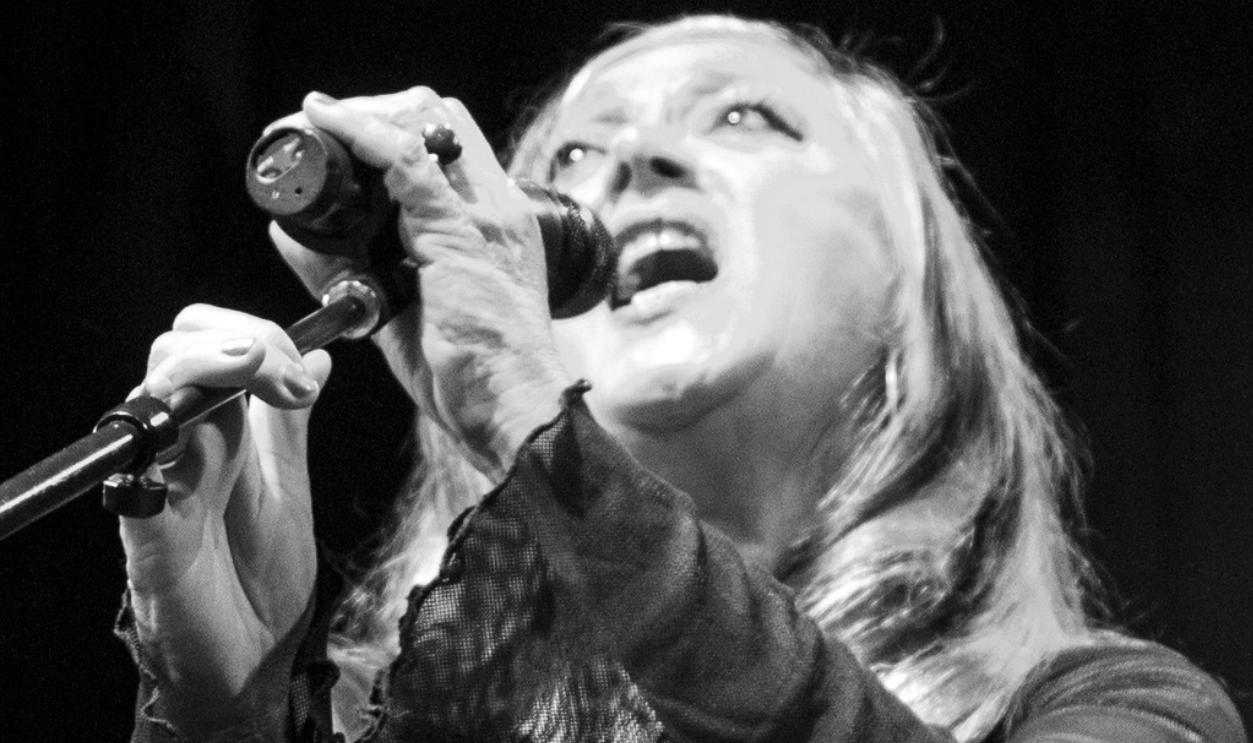
Bonnie Bramlett
Bonnie Bramlett was already an established performer through her musical partnership with Delaney Bramlett when the 1970s began. She sang on Eric Clapton's self-titled 1970 album and performed with musicians who also worked with Joe Cocker and Leon Russell. Her soulful vocals helped define the gospel-influenced sound that became enormously popular among rock musicians during the period.
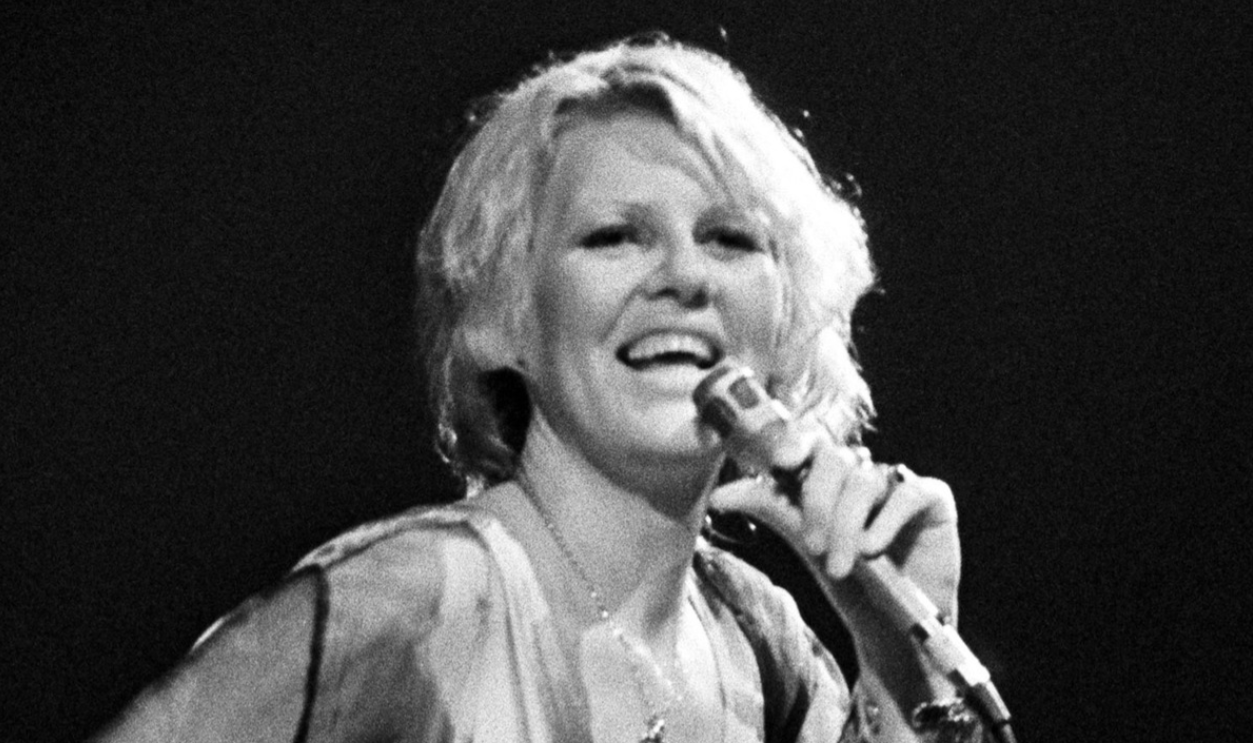
David Lasley
David Lasley was one of the busiest backing singers of the late 1970s, despite remaining virtually unknown to mainstream audiences. He began a long association with James Taylor and sang on Sister Sledge's 1979 anthem "We Are Family," produced by Chic's Nile Rodgers and Bernard Edwards. Lasley also became a successful songwriter, eventually building a catalog of songs recorded by artists ranging from Chaka Khan to Bonnie Raitt.
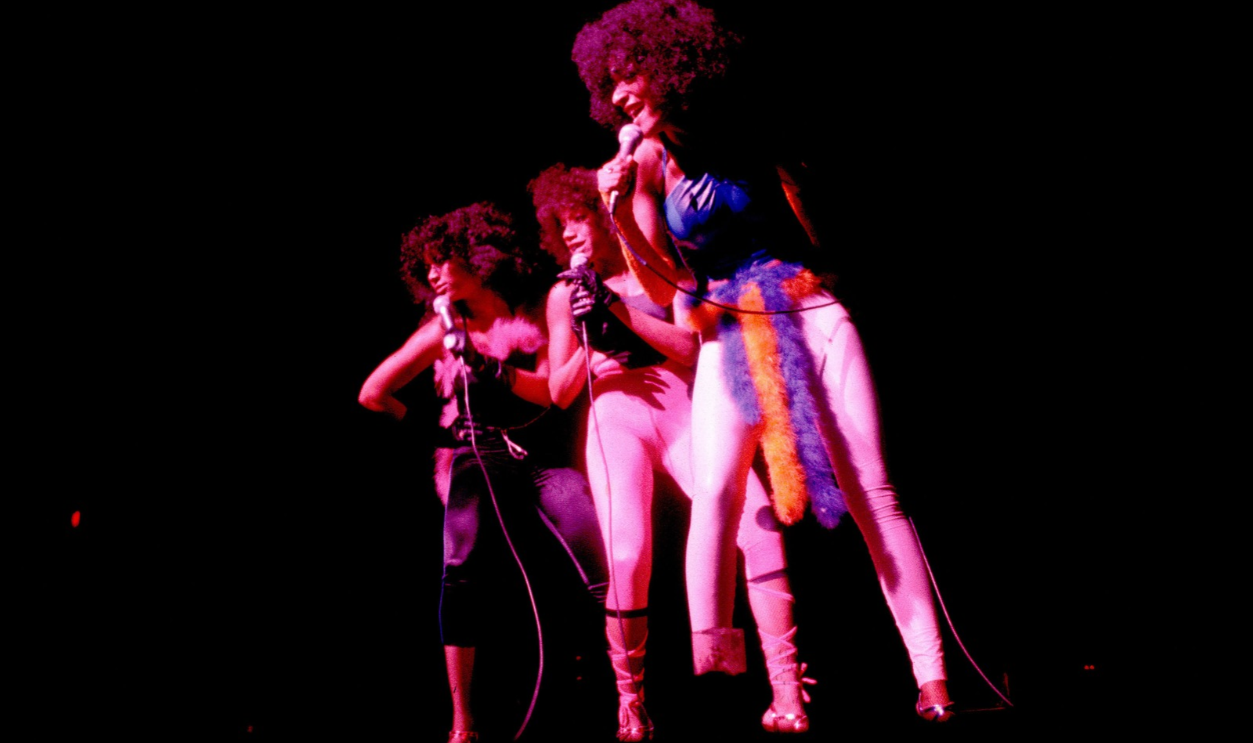
Valerie Carter
Valerie Carter's beautiful, soulful voice made her a favorite among major recording artists during the 1970s. She contributed to Little Feat's The Last Record Album, James Taylor's In the Pocket, and Randy Newman's Born Again. Carter also released two acclaimed solo albums, but her extensive backing-vocal work reached a much larger audience than her own recordings.
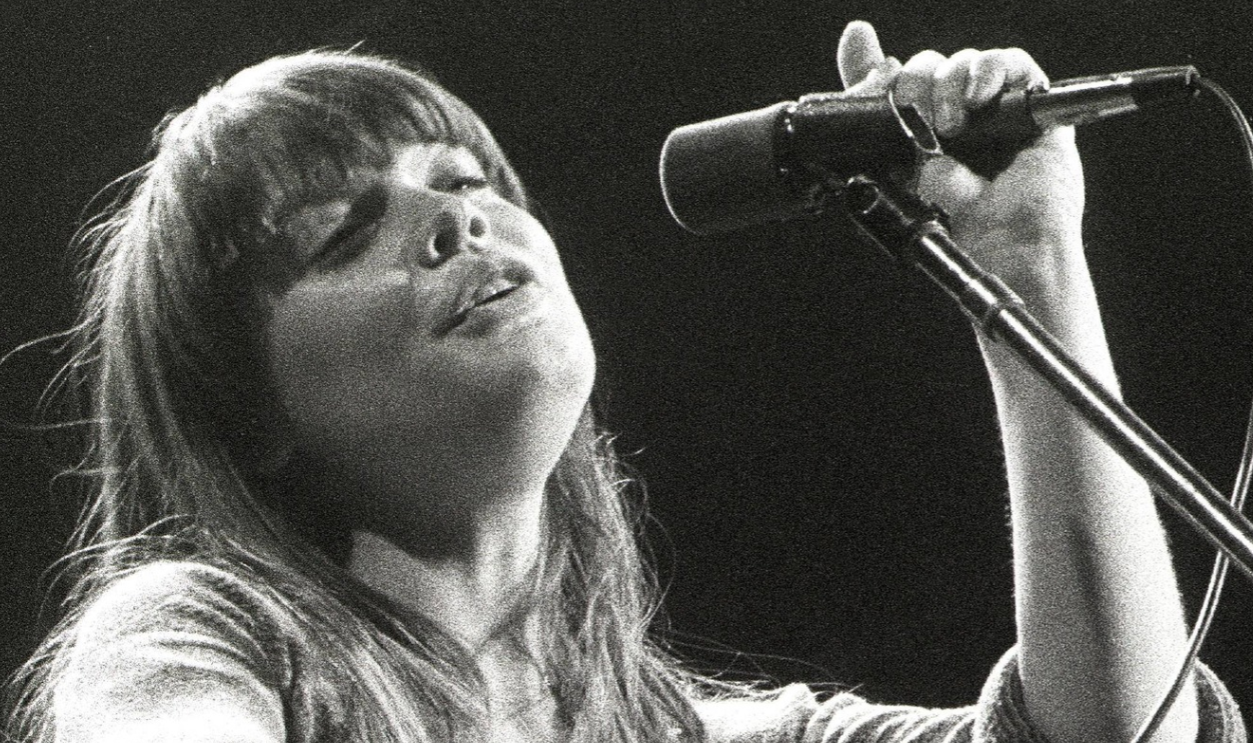
Ava Cherry
Ava Cherry played a significant role in David Bowie's transition toward American soul music during the mid-1970s. She provided backing vocals on his 1975 album Young Americans, alongside Luther Vandross and Robin Clark. Cherry also contributed to Gavin Christopher's 1976 debut album, building a recording career that extended beyond her famous collaboration with Bowie.
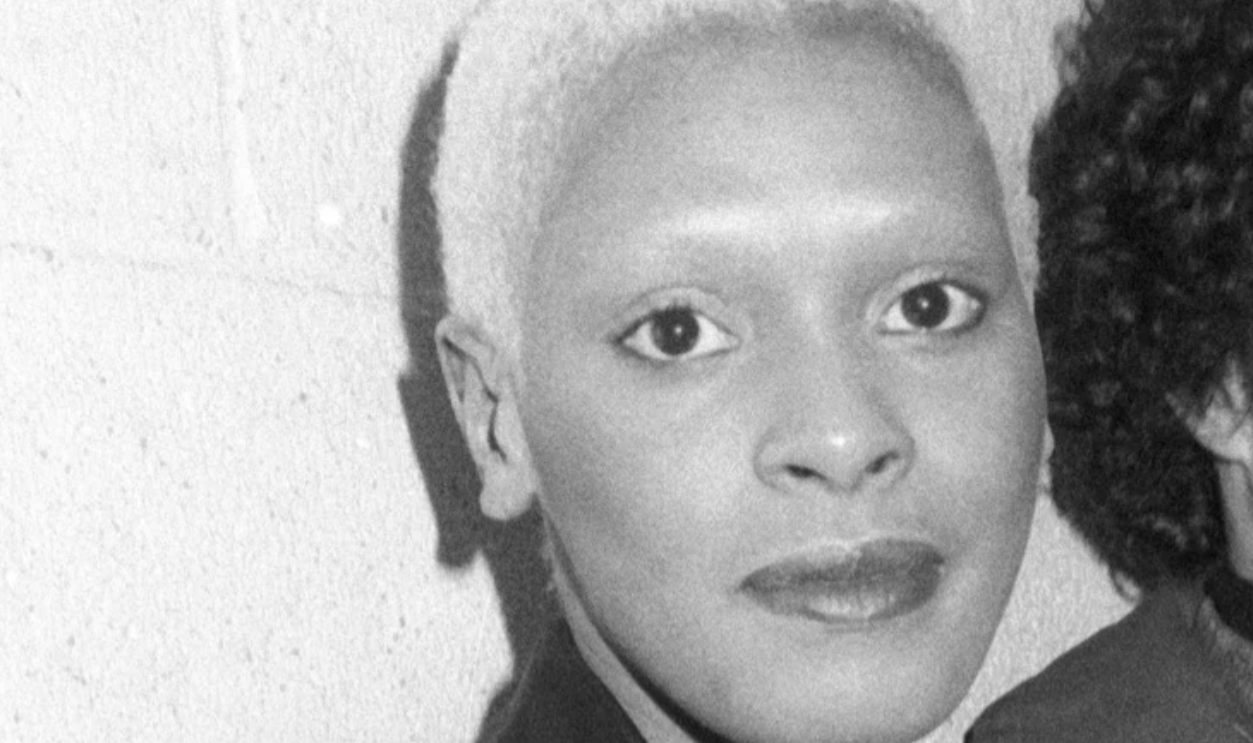
Robin Clark
Robin Clark was another important member of the vocal team behind David Bowie's Young Americans. Her backing vocals appeared on the album's title track, working alongside Ava Cherry and Luther Vandross. She subsequently contributed to recordings by Ringo Starr, the Average White Band, and Chic, establishing herself as a versatile session singer across rock, soul, and disco.
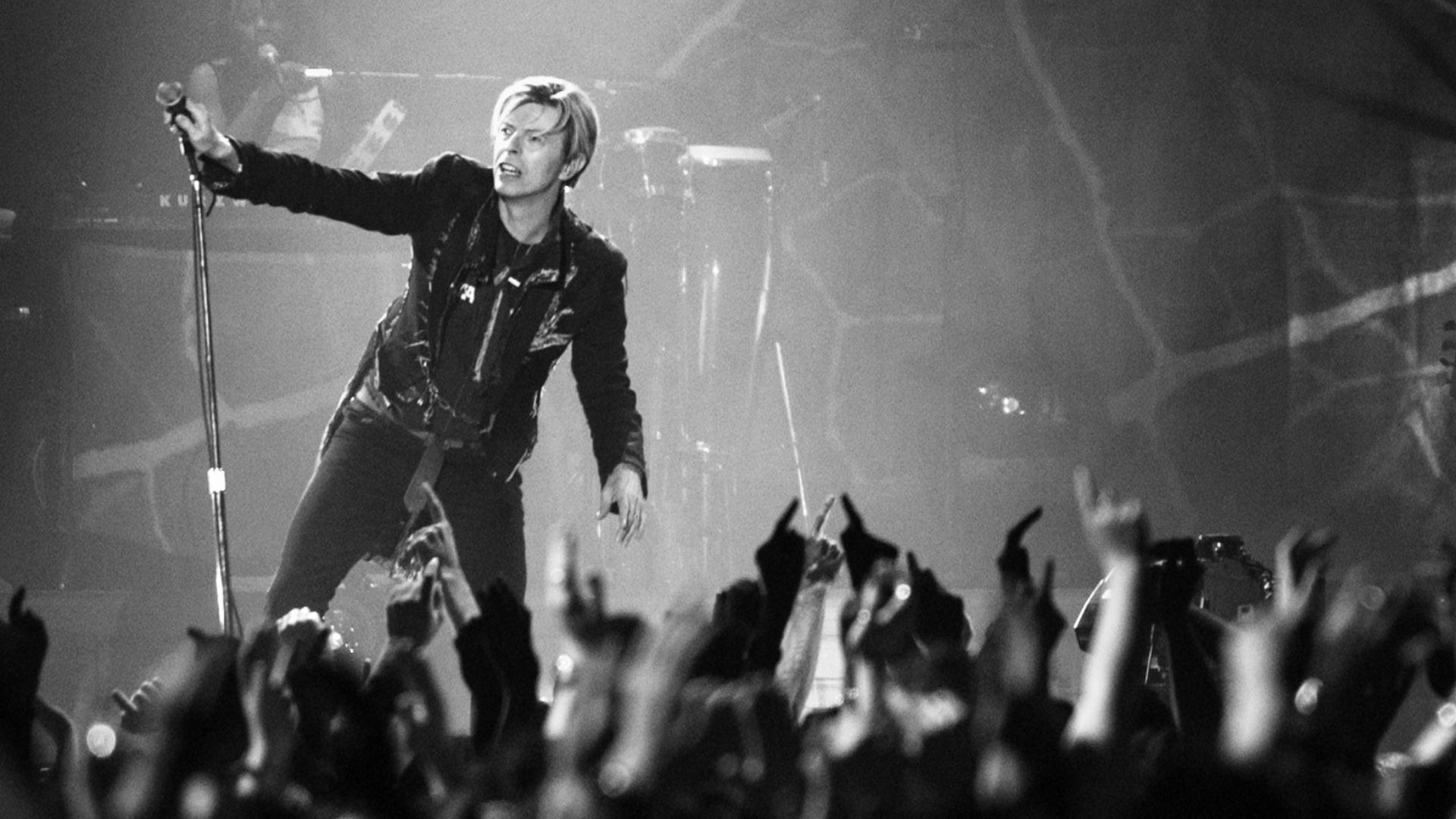 Roger Woolman, Wikimedia Commons
Carlena Williams
Carlena Williams appeared on Pink Floyd's Wish You Were Here, performing alongside fellow backing vocalist Venetta Fields. Her other 1970s recording credits included work with Humble Pie, Van Morrison, and Donna Summer. Williams contributed to Summer's 1977 album Once Upon a Time, demonstrating how comfortably she could move between rock, soul, and disco.
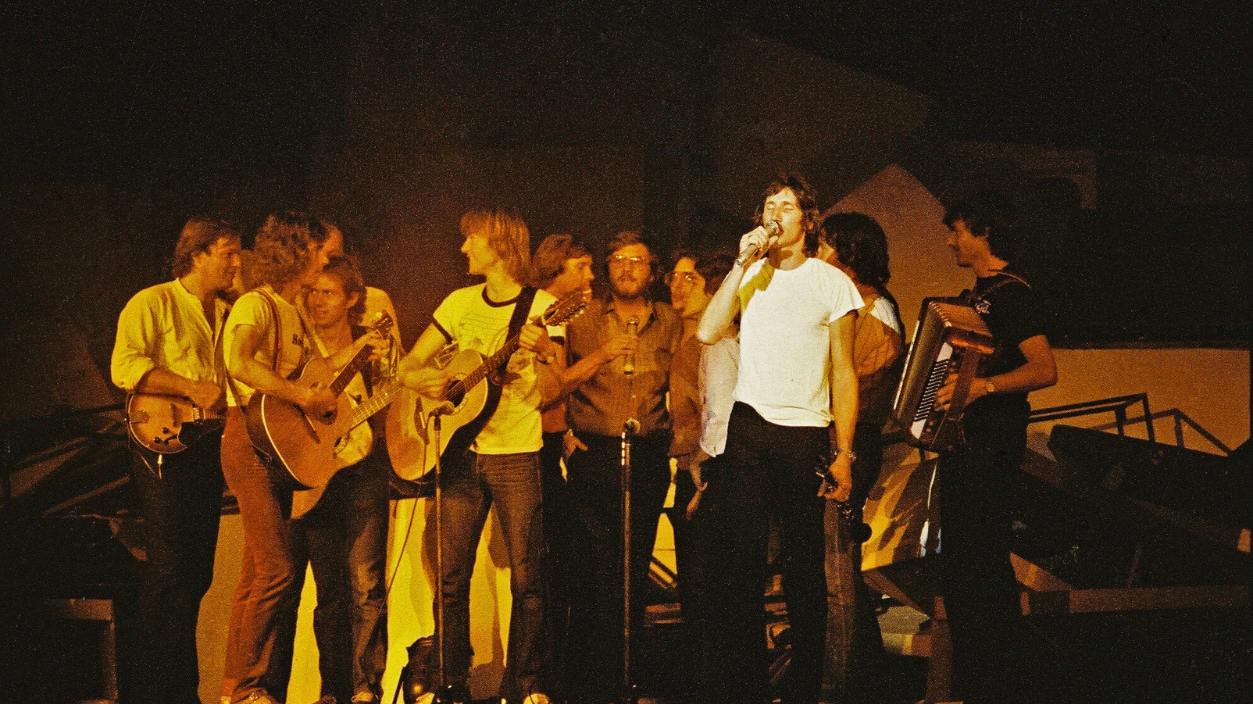
Lesley Duncan
Lesley Duncan was a talented British singer-songwriter whose backing vocals appeared on several major rock albums. She sang on Elton John's "Tiny Dancer" from Madman Across the Water, before contributing to Pink Floyd's The Dark Side of the Moon. Duncan also released her own solo recordings, although her contributions to other artists' music reached a considerably wider audience.
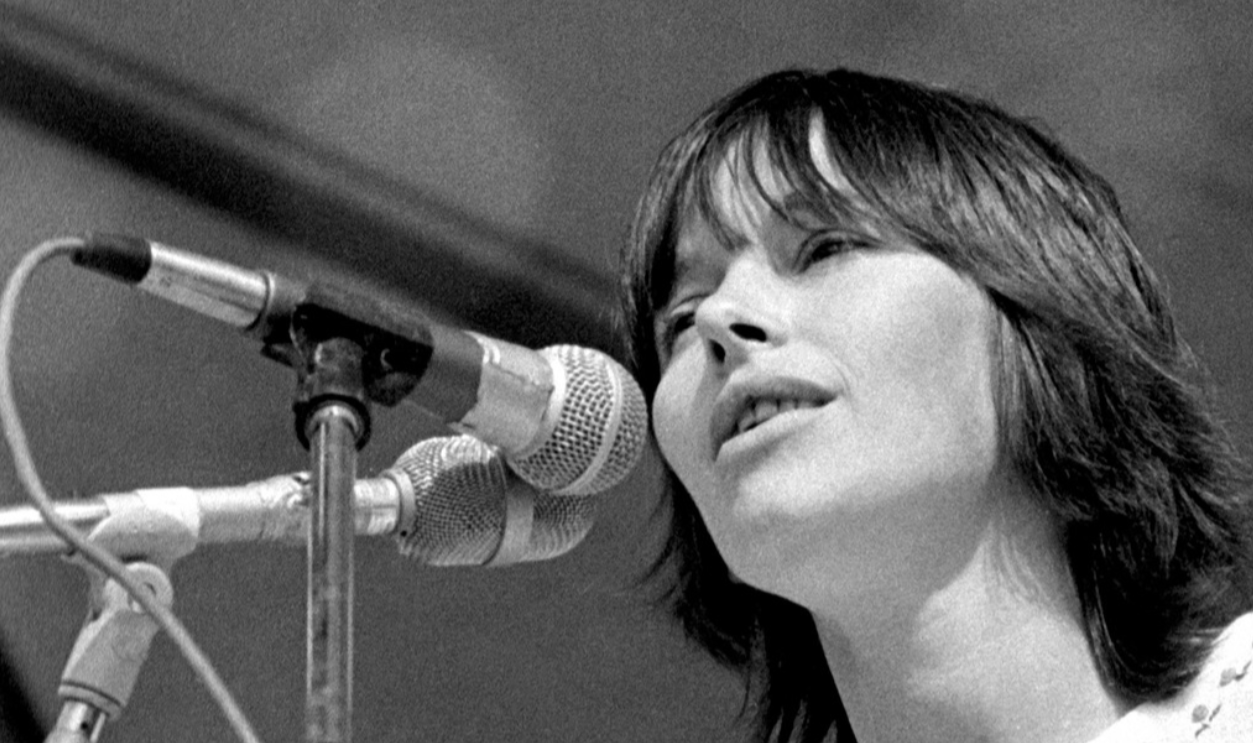
Maxine Waters
Maxine Waters became one of the most accomplished session vocalists in Los Angeles during the 1970s. Alongside her sister Julia, she contributed to recordings by artists including Donna Summer and Yvonne Elliman. The sisters' harmonies later appeared on Michael Jackson's Thriller, extending their impressive influence into another decade.
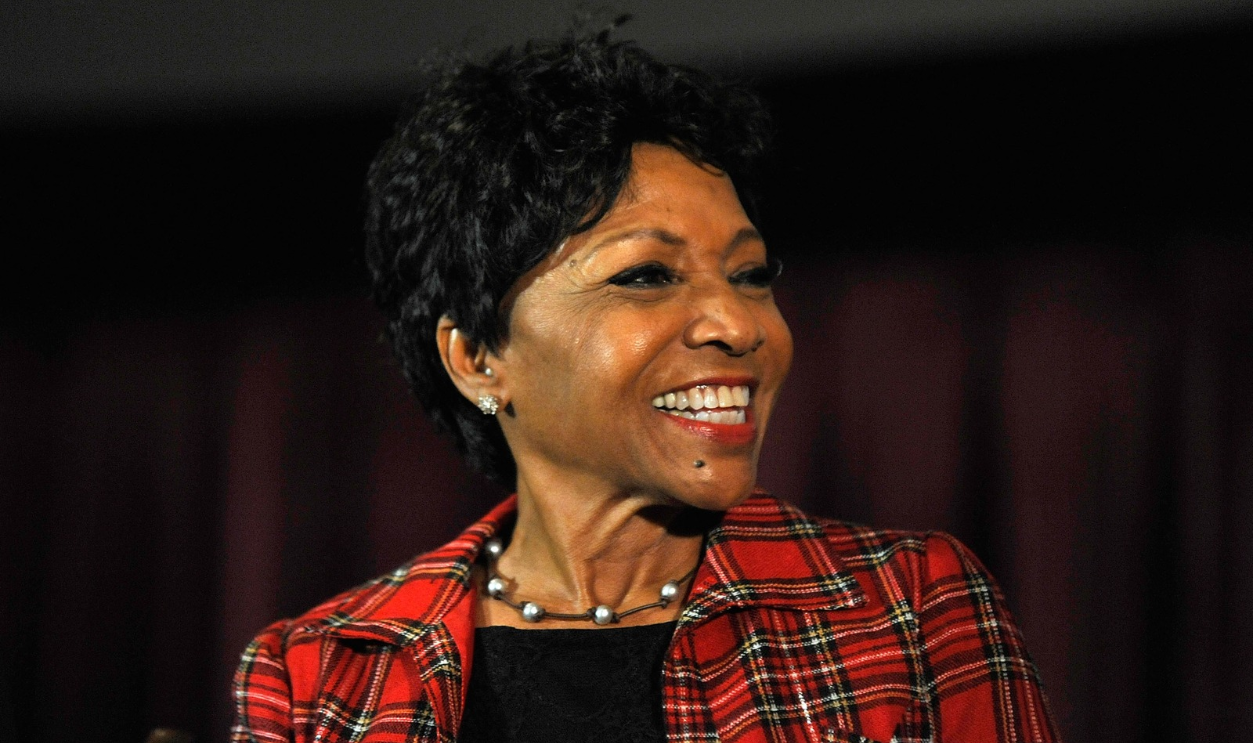 Michael Tullberg, Getty Images
Julia Waters
Julia Tillman Waters was another remarkably prolific session singer whose voice appeared on numerous major recordings. Credited as Julia Tillman, she contributed to Carole King's acclaimed 1971 album Tapestry and later became a familiar presence in disco-era recording sessions. She frequently worked alongside her sister Maxine, and their collective credits eventually included Michael Jackson's Thriller.
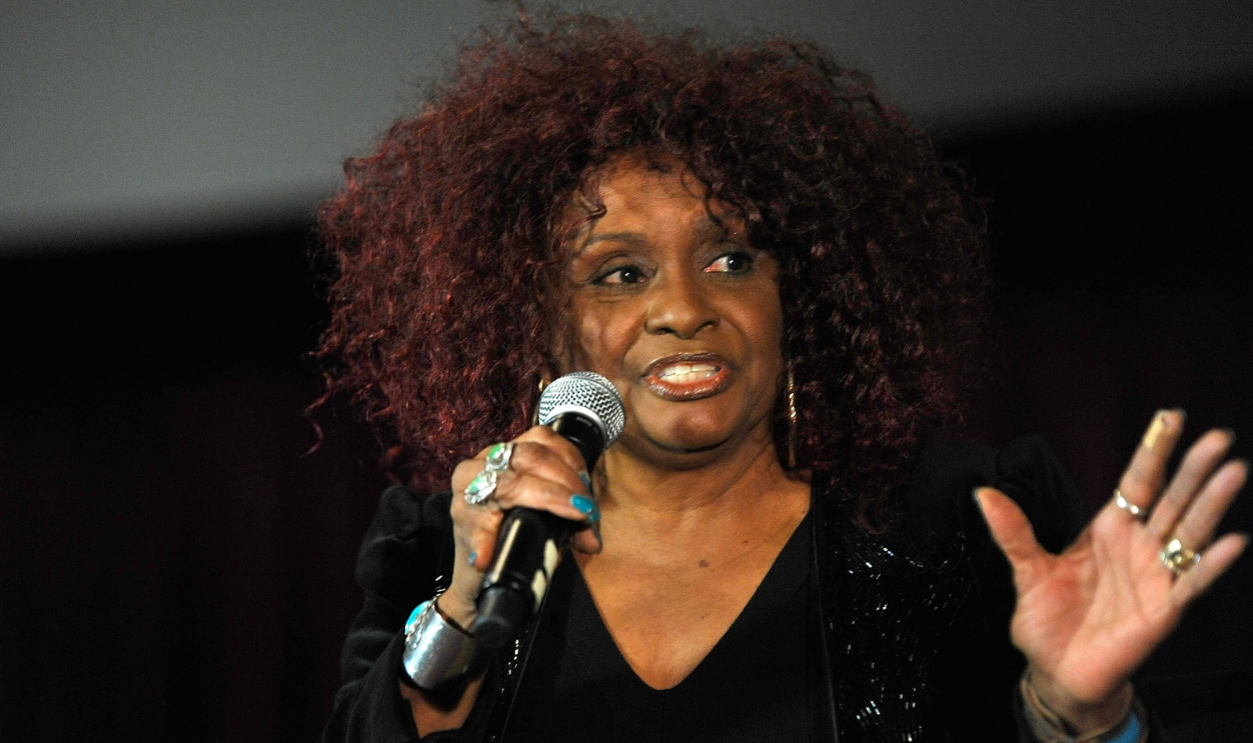 Michael Tullberg, Getty Images
Gwen Guthrie
Before establishing herself as a solo artist, Gwen Guthrie built an impressive career as a session vocalist and songwriter. She contributed backing vocals to Roberta Flack and Donny Hathaway's 1972 album and Aretha Franklin's Let Me in Your Life in 1974. Guthrie also worked on recordings by Ben E. King, Jackie DeShannon, and Blood, Sweat & Tears, making her a versatile presence across soul, pop, and rock.
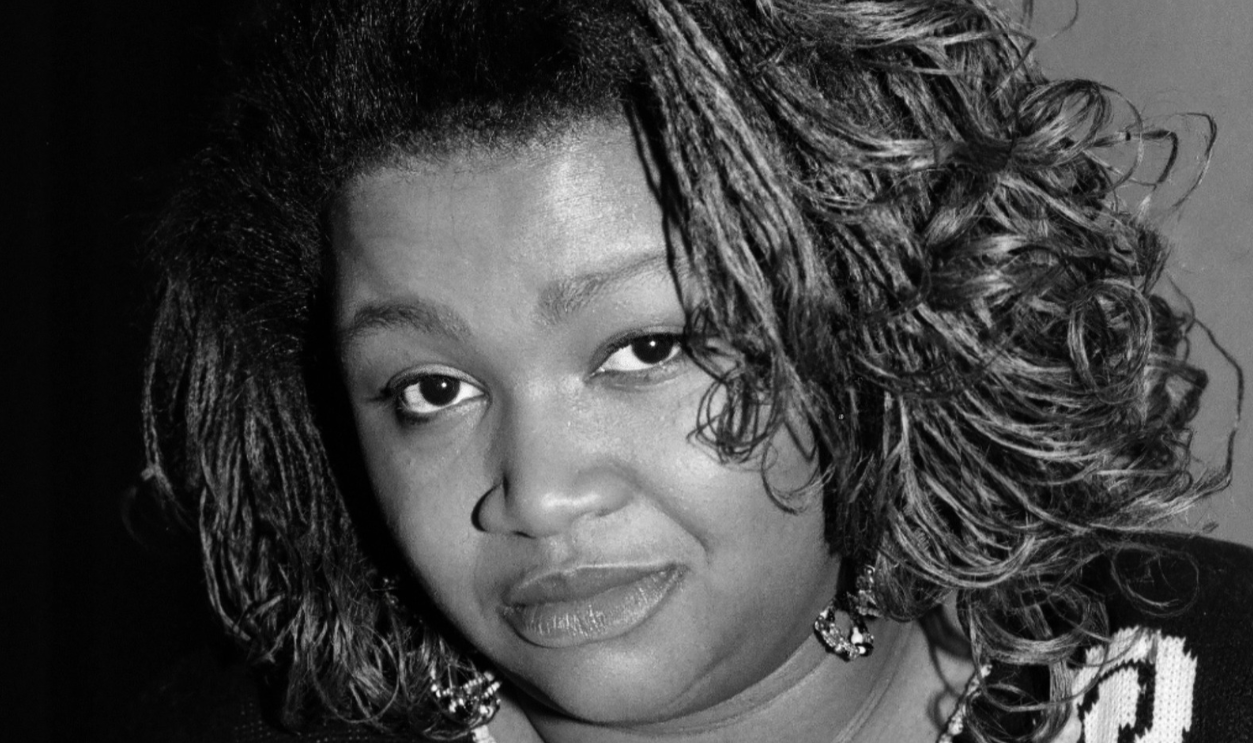
Liza Strike
Liza Strike contributed backing vocals to Pink Floyd's 1973 masterpiece The Dark Side of the Moon, performing alongside Doris Troy, Lesley Duncan, and Barry St. John. She also sang on Elton John's "Tiny Dancer," one of the most beloved songs from his 1971 album Madman Across the Water. Despite contributing to two of the decade's most enduring recordings, Strike remains almost completely unknown to casual music fans.
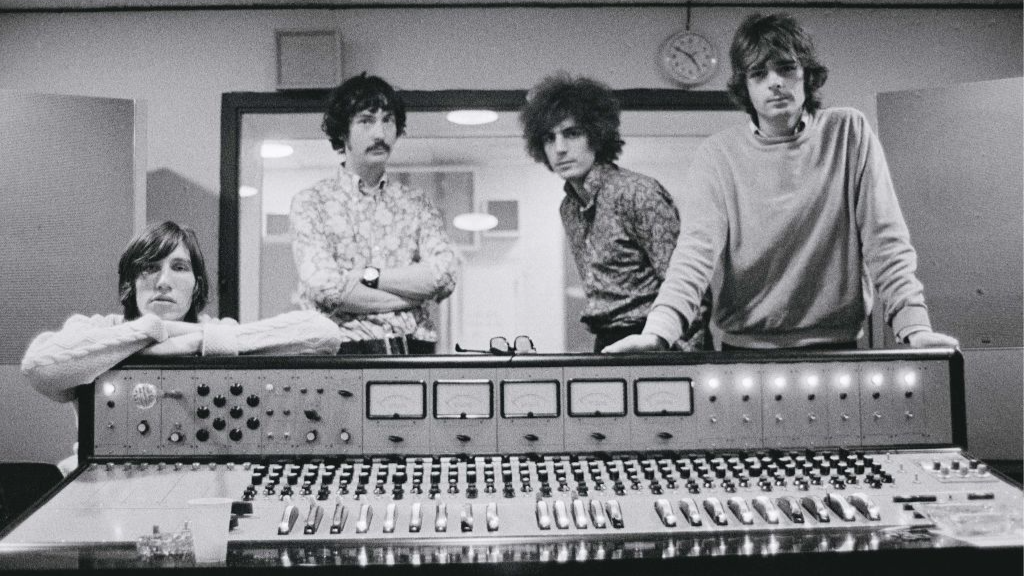
Barry St. John
Scottish singer Barry St. John became a familiar presence in British recording studios during the early 1970s. Her backing vocals appeared on Elton John's "Tiny Dancer" and Pink Floyd's The Dark Side of the Moon. She also contributed to recordings by Gary Wright and Long John Baldry, helping bring soul-influenced harmonies to British rock.
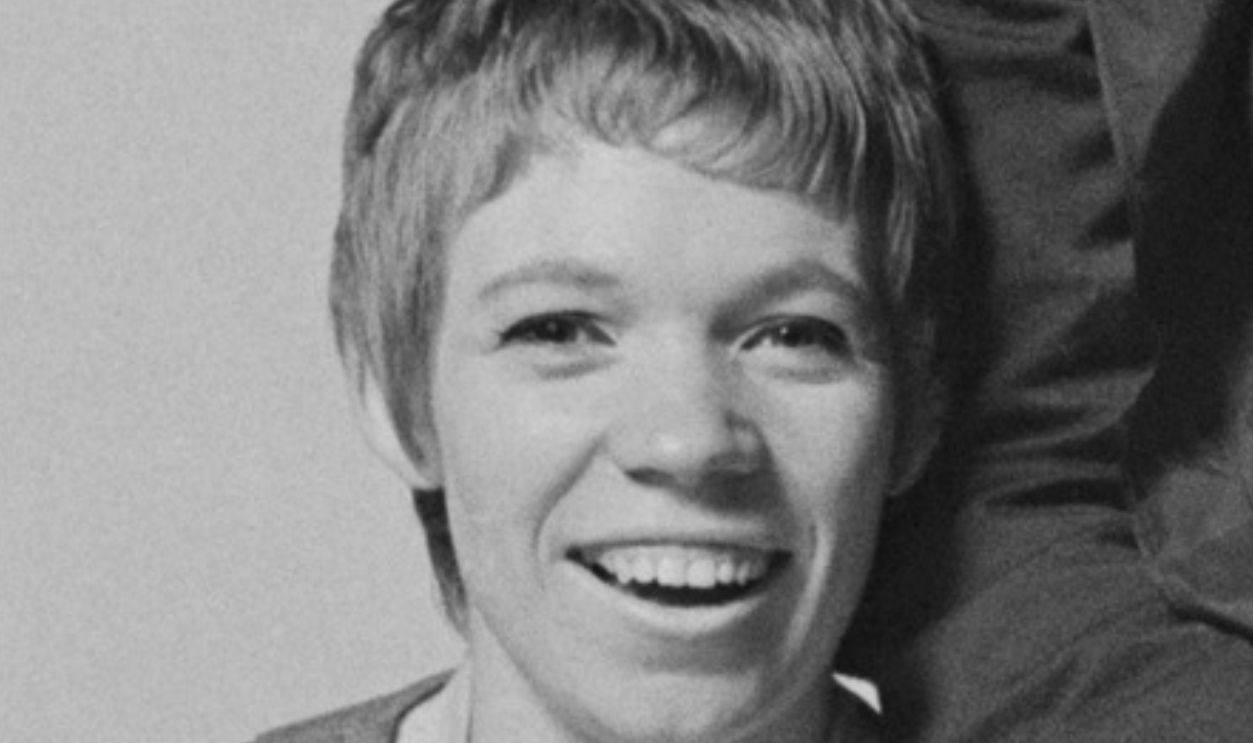
Lani Groves
Lani Groves shared an unusually prominent moment on Stevie Wonder's "You Are the Sunshine of My Life." After Jim Gilstrap delivers the opening two lines, Groves sings the next two before Wonder takes the lead. She also contributed to other recordings on Wonder's Talking Book, including "You've Got It Bad Girl" and "Blame It on the Sun," yet remained largely unknown outside the music industry.
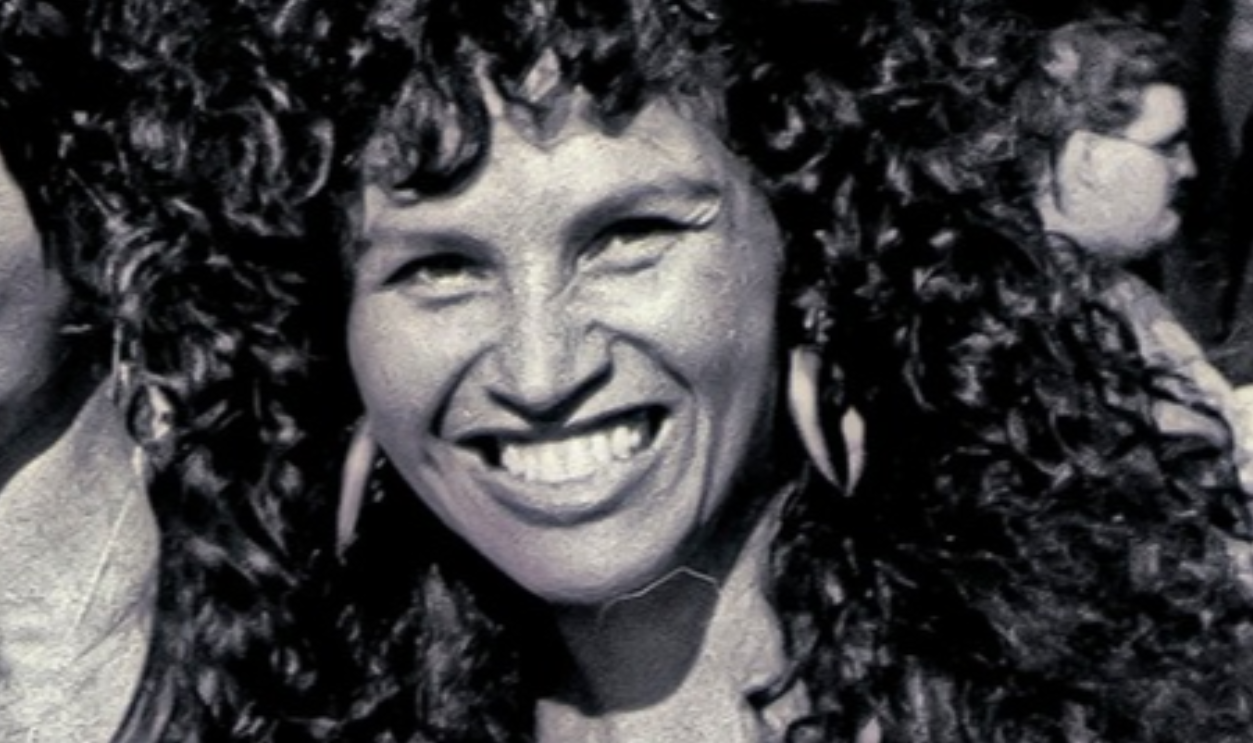 Jack Vartoogian/Getty Images, Getty images
Gloria Jones
Gloria Jones recorded the original version of "Tainted Love" in 1964, long before Soft Cell made the song internationally famous. During the 1970s, she contributed backing vocals to recordings by Ry Cooder, Little Feat, and Marc Bolan's T. Rex, bringing her powerful soul voice to the rock scene. Jones also released her own solo album, Vixen, in 1976, demonstrating that she had considerable talent beyond supporting other performers.
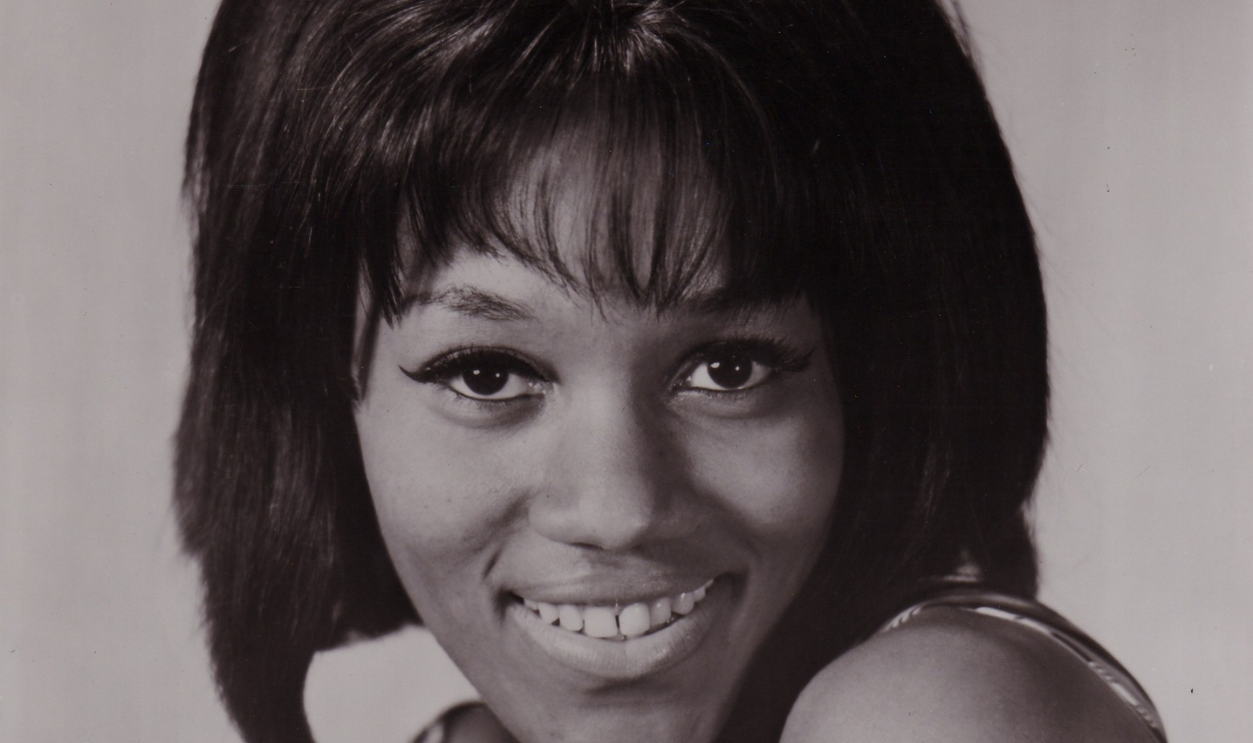
Carolyn Willis
Carolyn Willis helped provide the silky harmonies on Boz Scaggs' 1976 album Silk Degrees. She sang alongside Jim Gilstrap, Marty McCall, and Augie Johnson on "Lowdown" and "What Can I Say," two of the record's most familiar songs. Willis had previously found success with the Honey Cone, but her work with Scaggs introduced her voice to another audience.
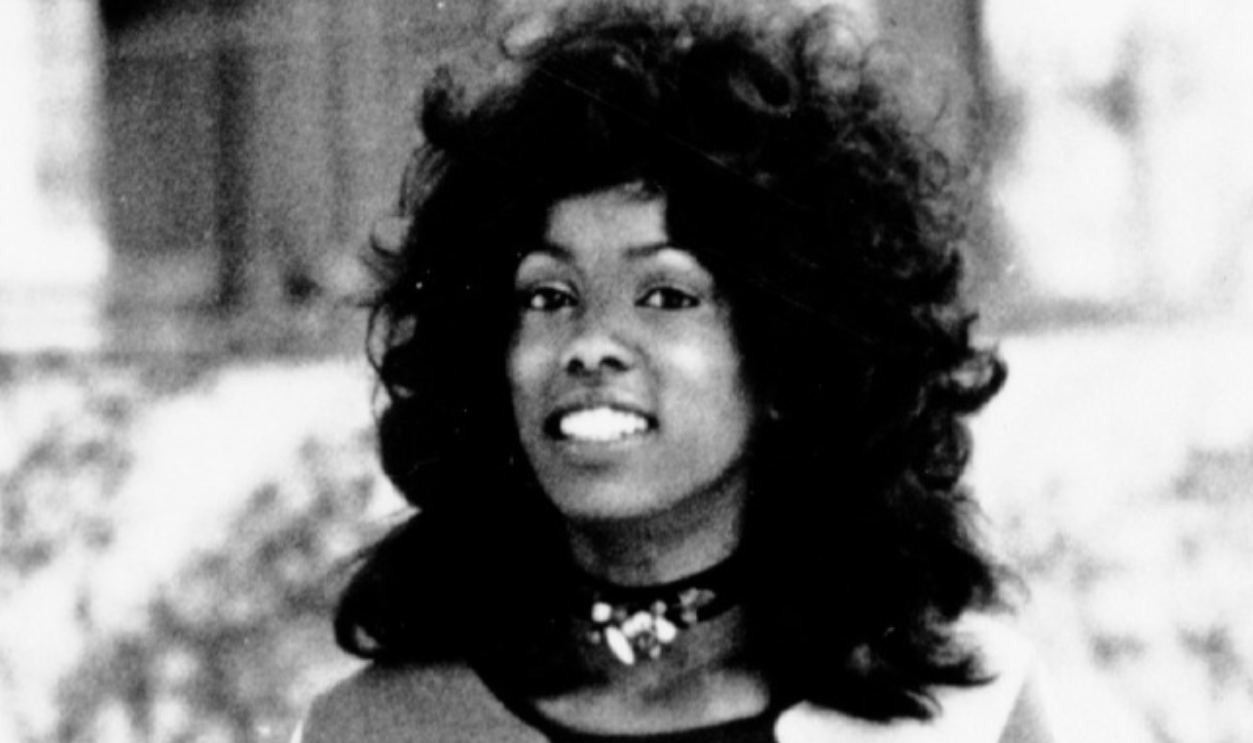 Michael Ochs Archives, Getty images
The Voices That Made The Records
The 1970s produced countless unforgettable recordings, but the stars on the album covers rarely created those sounds alone. Singers like Merry Clayton, Clydie King, and Venetta Fields supplied performances that helped turn great songs into classics, while others eventually became stars themselves. The next time a familiar 1970s hit comes on the radio, listen closely to the voices behind the lead singer. You might recognize the sound, even if you never knew the name.
You May Also Like:
Forgotten Soft-Rock Duos That Were Everywhere In The 1970s, Then Quietly Faded Away
Forgotten Female Rock Singers From The 1980s Who Deserved Careers As Big As The Men