When Two Voices Became One
Some songs were simply better together. Throughout the 1970s, soul music produced unforgettable vocal partnerships that climbed the pop charts, reached audiences far beyond traditional R&B radio, and turned two familiar voices into something extraordinary.
Roberta Flack And Donny Hathaway Found Something Special
Roberta Flack and Donny Hathaway had already established themselves as gifted performers when they began recording together during the early 1970s. Their contrasting vocal styles created a remarkable partnership, with Flack's restrained delivery complementing Hathaway's expressive singing. The combination reached a wider audience through their 1972 album Roberta Flack & Donny Hathaway, which featured one of the decade's most memorable soul collaborations.
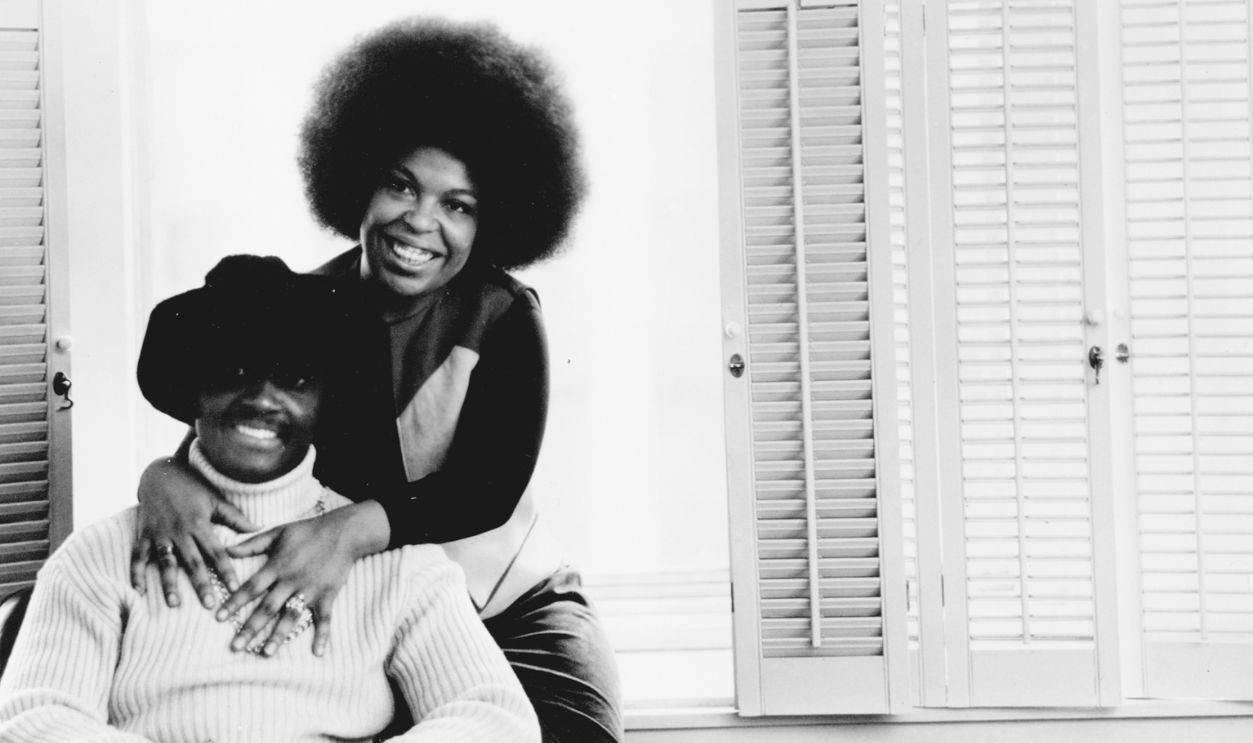 Michael Ochs Archives, Getty Images
Where Is The Love Became A Crossover Sensation
Released in 1972, "Where Is the Love" became the duo's breakthrough hit, reaching number five on the Billboard Hot 100. Its conversational arrangement allowed both singers to communicate the disappointment of a relationship that wasn't meeting their expectations. The recording earned the Grammy Award for Best Pop Vocal Performance by a Duo, Group or Chorus in 1973, proving that their sophisticated soul sound could connect with mainstream pop audiences.
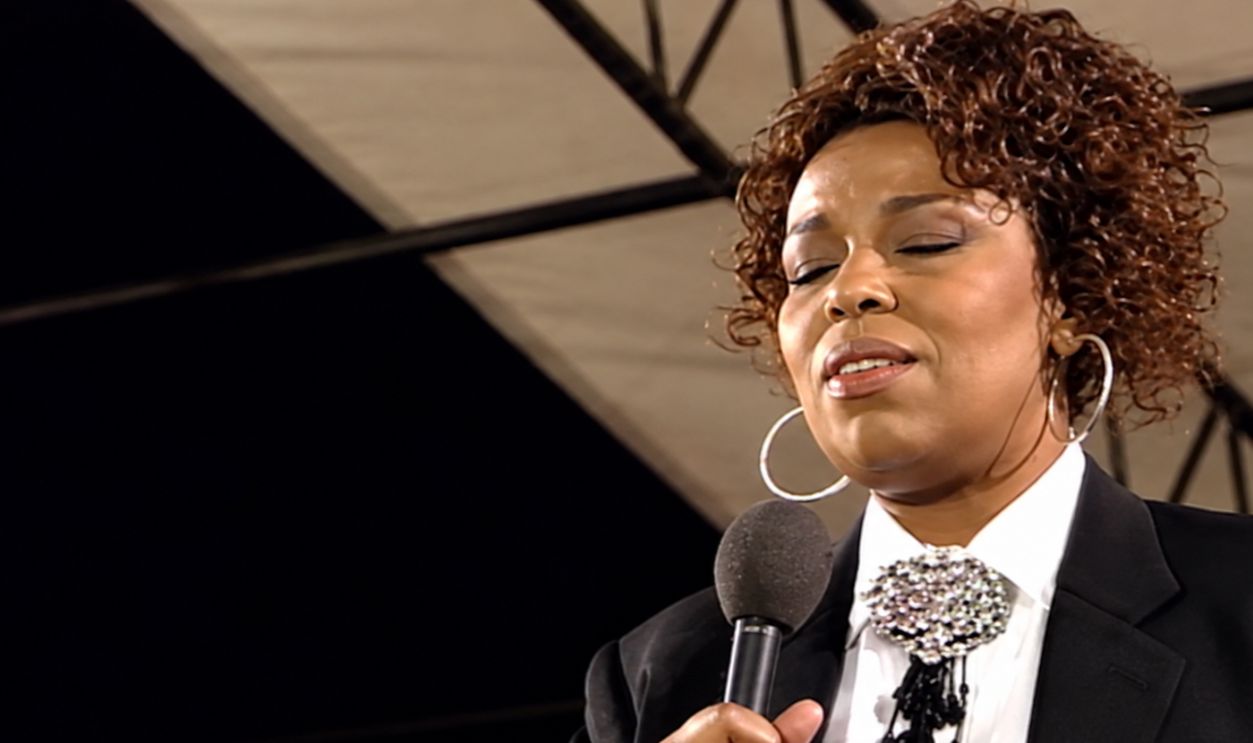 Screenshot from Where Is the Love, Atlantic Records (1972), Enhanced
Their Musical Chemistry Wasn't Finished
Flack and Hathaway reunited for "The Closer I Get to You," a recording released as a single in 1978. The song climbed to number two on the Billboard Hot 100, becoming an even bigger pop hit than their earlier collaboration. Their partnership remains one of the defining vocal pairings of the decade, demonstrating how two distinctive singers could create a sound neither could reproduce alone.
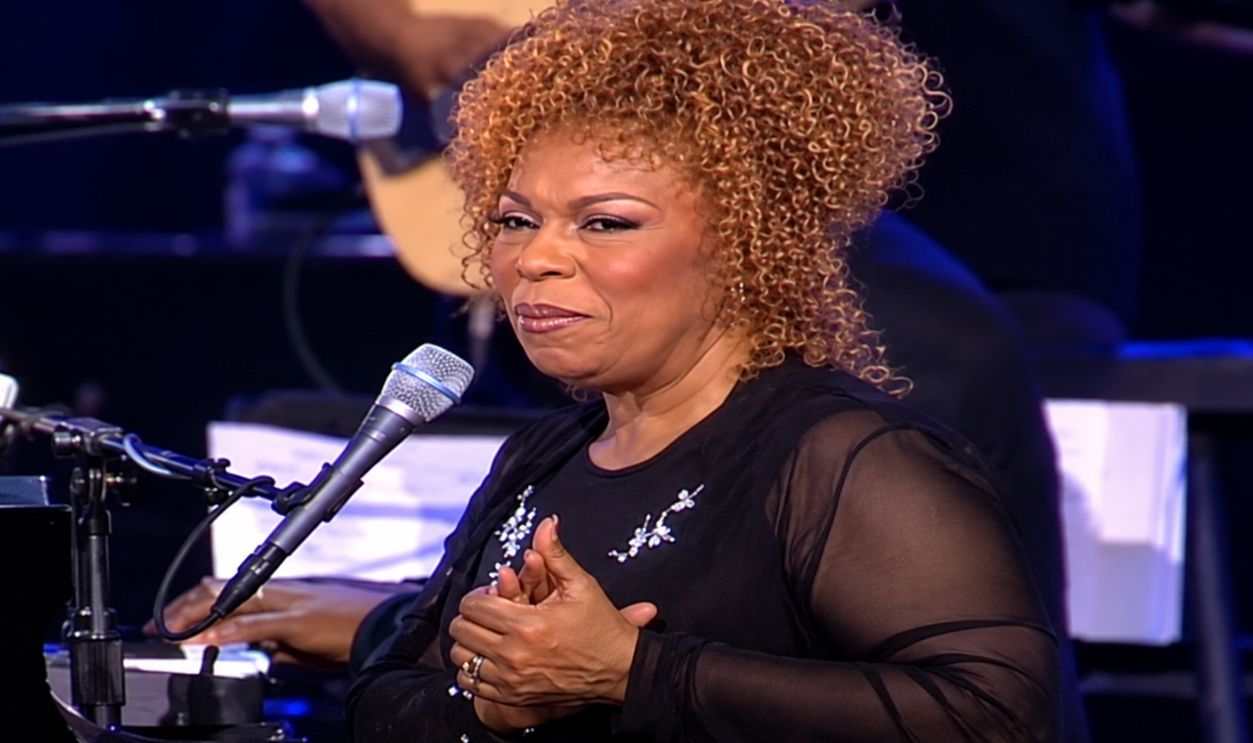 Screenshot from The Closer I Get to You, Atlantic Records (1978), Enhanced
Diana Ross And Marvin Gaye Were Motown Royalty
By 1973, Diana Ross and Marvin Gaye were among the biggest names associated with Motown Records. Ross had become a successful solo performer after leaving the Supremes, while Gaye was exploring new creative directions through increasingly ambitious recordings. Their collaboration on the album Diana & Marvin brought two of the label's most celebrated voices together for a project that attracted considerable attention.
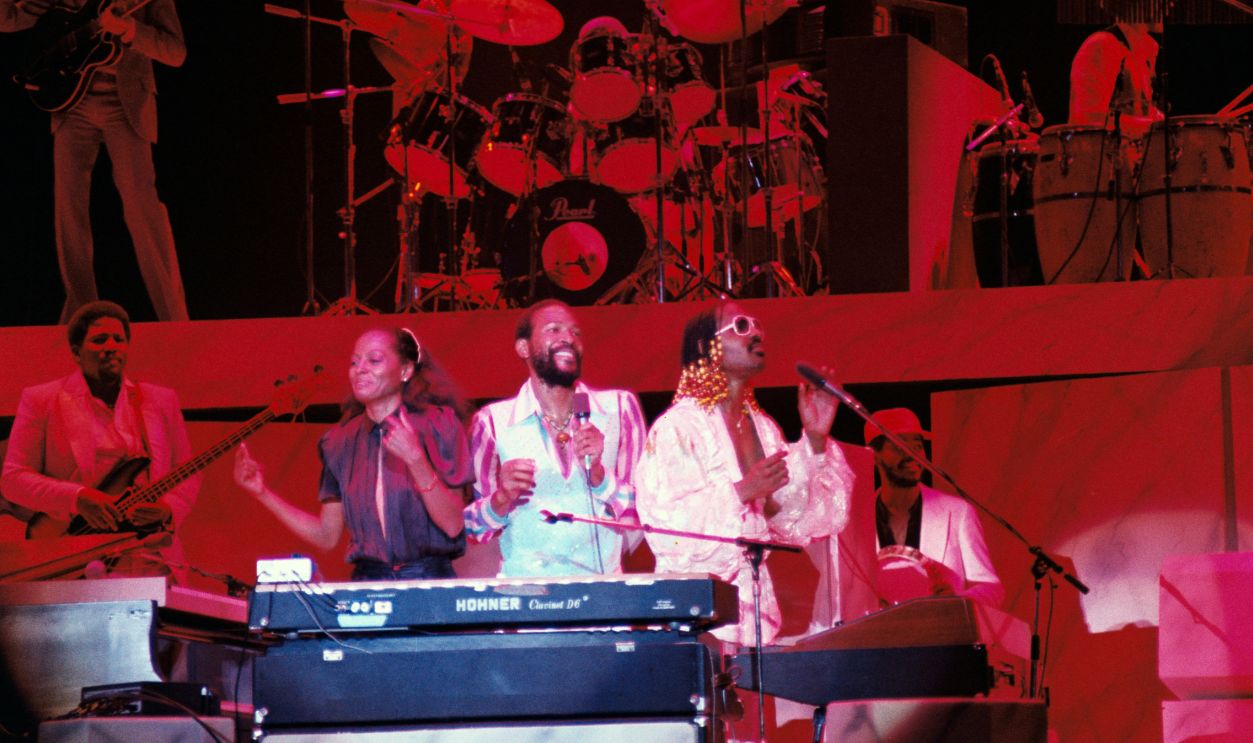
Their Duets Had An Unexpectedly Different Sound
The album featured recordings including "You're a Special Part of Me," "My Mistake (Was to Love You)," and "You Are Everything." Rather than relying entirely on the upbeat Motown arrangements that had helped establish their early careers, the pair explored a smoother, more polished approach to soul music. "You're a Special Part of Me" became a top-20 pop hit in America, demonstrating that the collaboration had considerable commercial appeal.
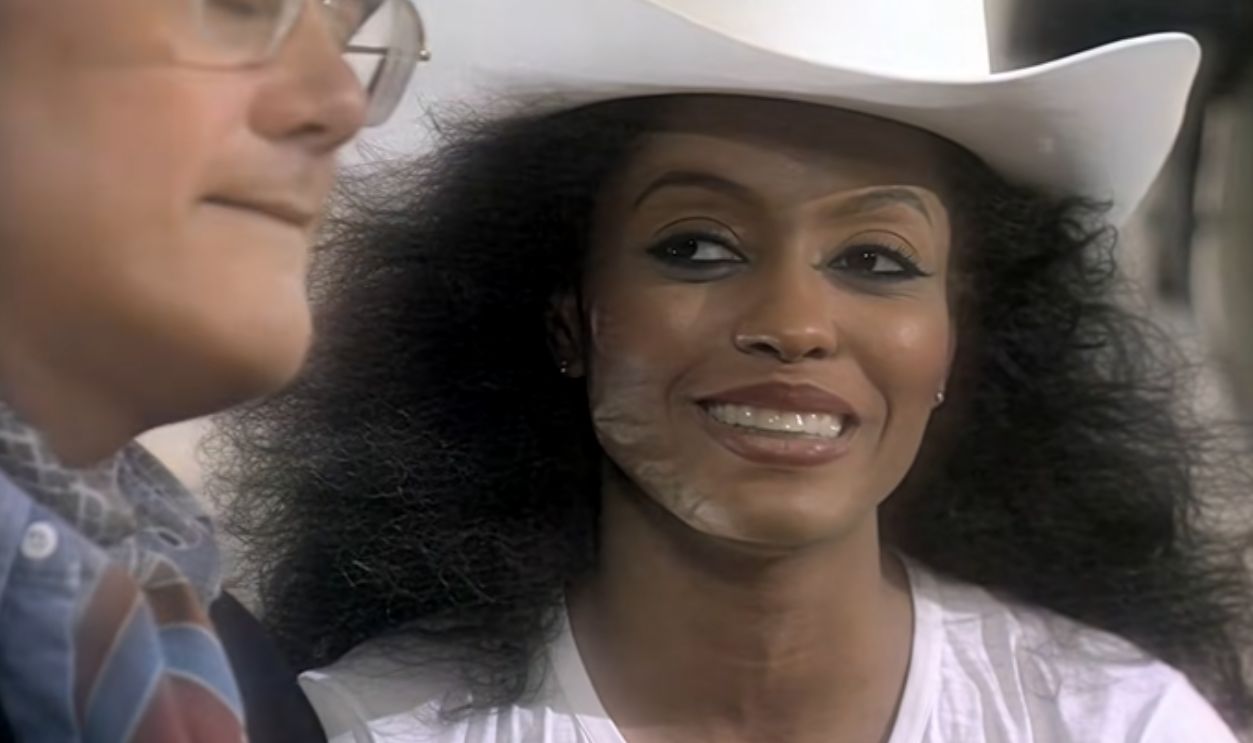 Screenshot from You Are Everything, Tamla Motown (1974)
You Are Everything Found An International Audience
One of the partnership's most enduring recordings was their interpretation of "You Are Everything," originally performed by the Stylistics. Ross and Gaye's version appeared on their 1973 album and subsequently became a major British hit, reaching number five in 1974. Although the two artists pursued separate careers afterward, the album remains a fascinating example of Motown bringing together two established stars rather than introducing a new musical partnership.
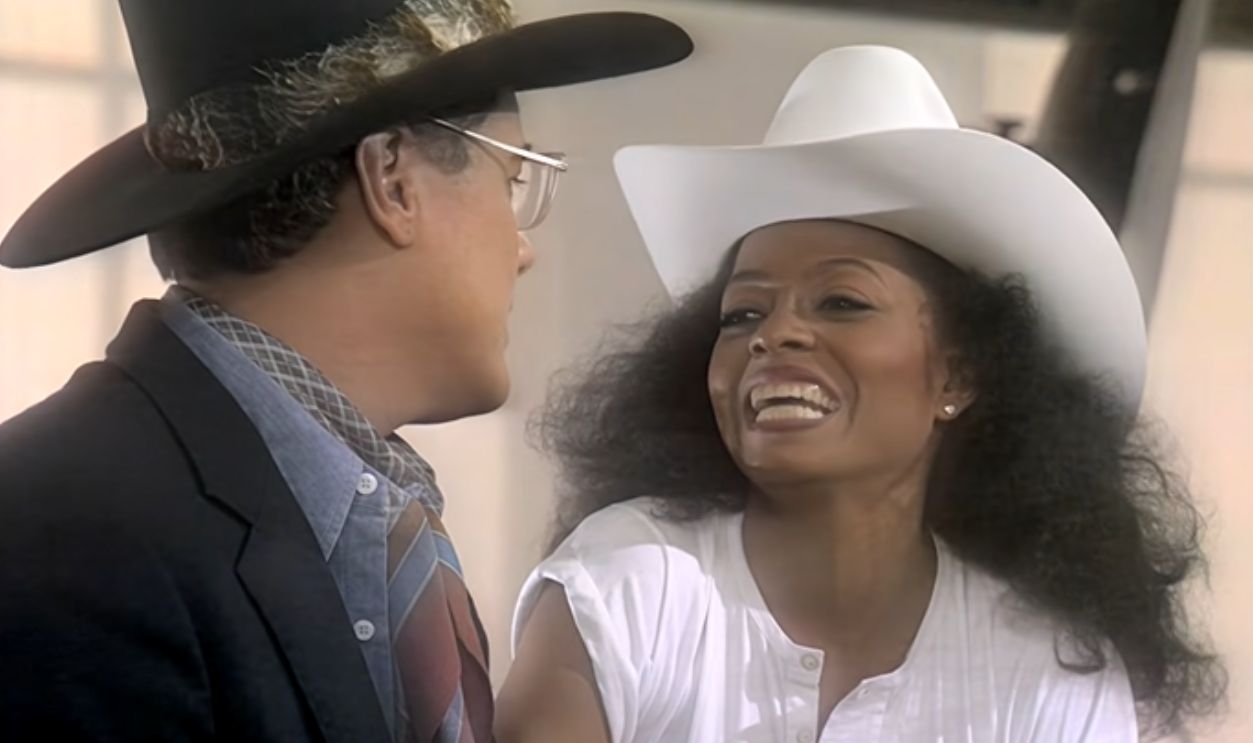 Screenshot from You Are Everything, Tamla Motown (1974)
Dionne Warwick Joined Forces With The Spinners
Dionne Warwick had already enjoyed enormous success with songs written by Burt Bacharach and Hal David when her recording career entered a quieter period during the early 1970s. Meanwhile, the Spinners were establishing themselves as leading performers of the increasingly popular Philadelphia soul sound. Producer Thom Bell recognized that their contrasting approaches might work beautifully together, creating an opportunity neither act had previously explored.
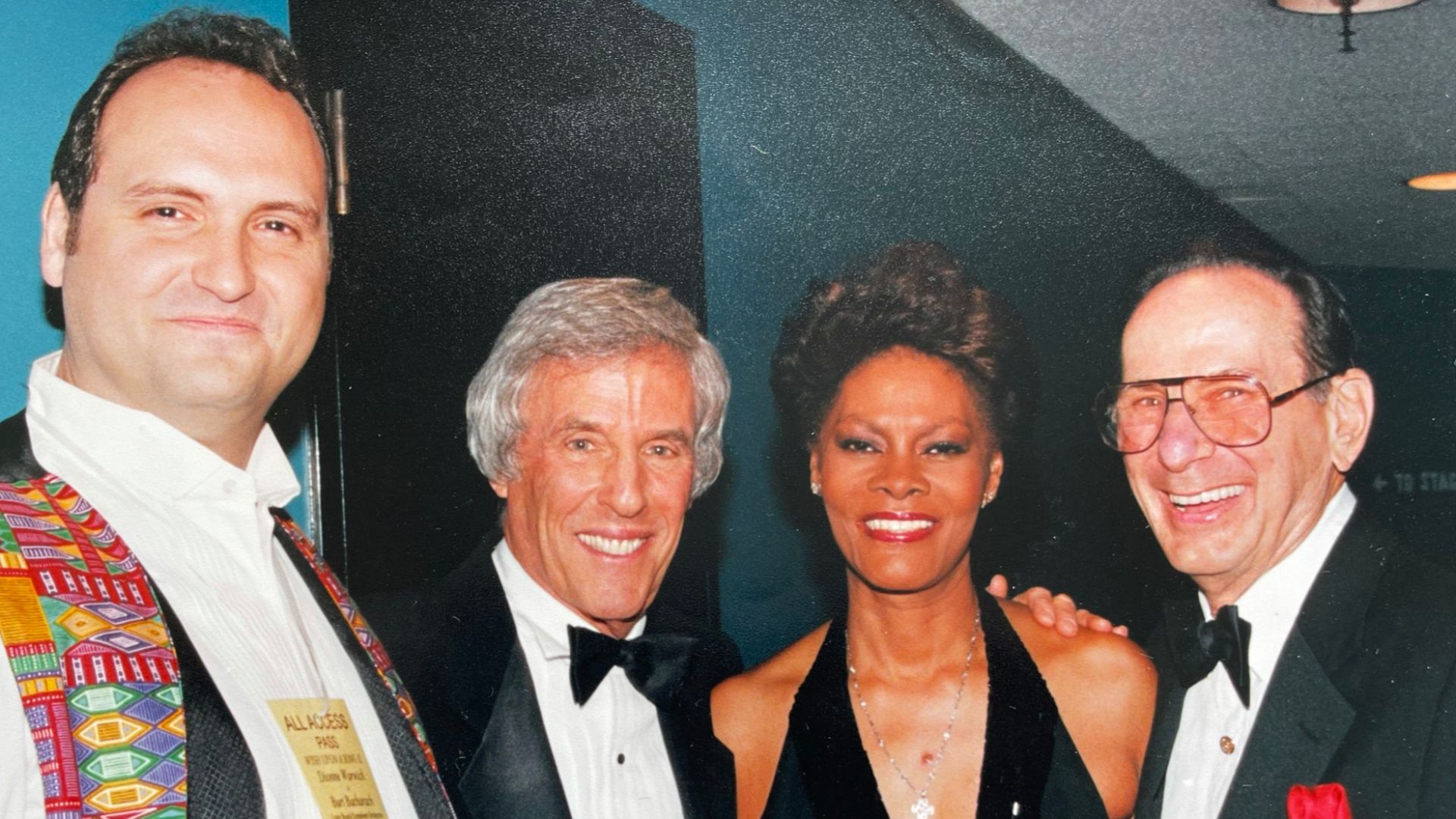
Then Came You Changed Everything
Released in 1974, "Then Came You" combined Warwick's elegant delivery with the Spinners' polished group harmonies and energetic lead vocals. Bell's lush production helped create a recording that appealed to both soul listeners and mainstream pop audiences. On October 26, 1974, the song reached number one on the Billboard Hot 100, giving Warwick and the Spinners their first American pop chart-topper.
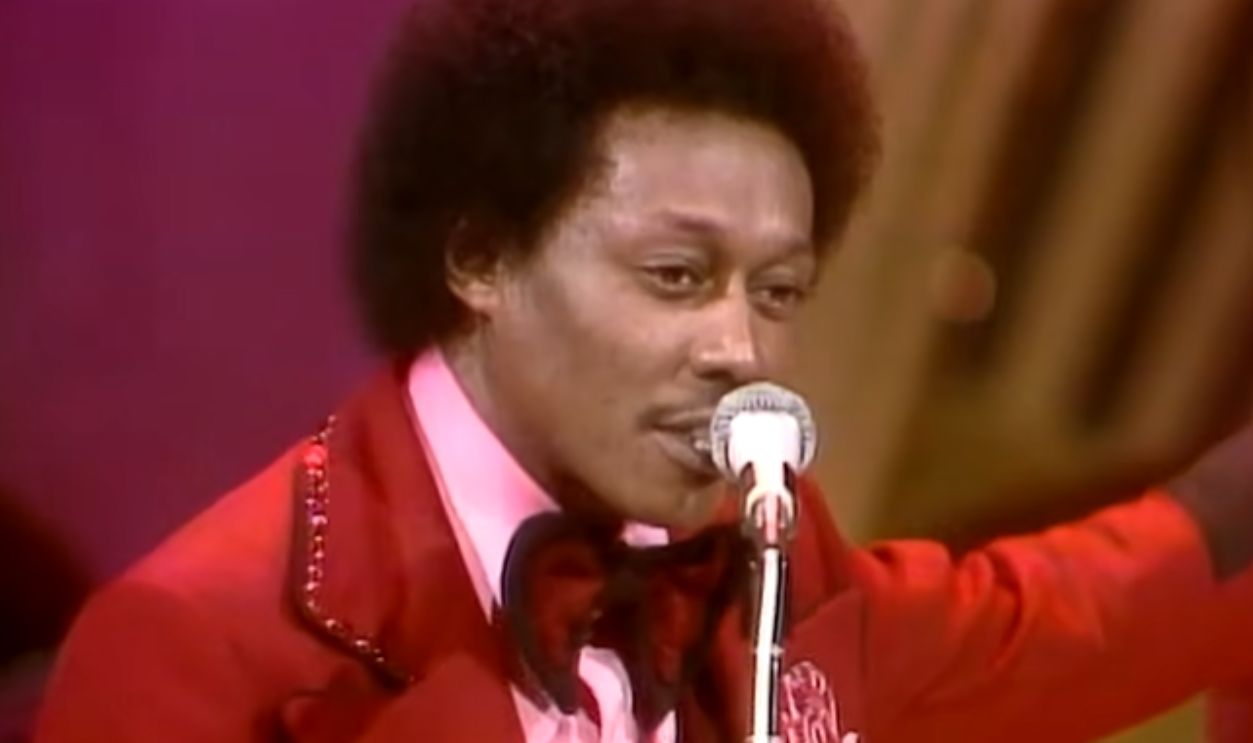 Screenshot from The Midnight Special, NBC (1972-1981)
The Partnership Created A Lasting Classic
Although the collaboration was not the beginning of a permanent new group, "Then Came You" became an important achievement for both acts. Warwick's voice blended naturally with the Spinners' distinctive harmonies, while the recording's rhythmic arrangement anticipated the growing influence of dance music. Its success helped demonstrate how the increasingly sophisticated Philadelphia soul sound could reach a nationwide pop audience.
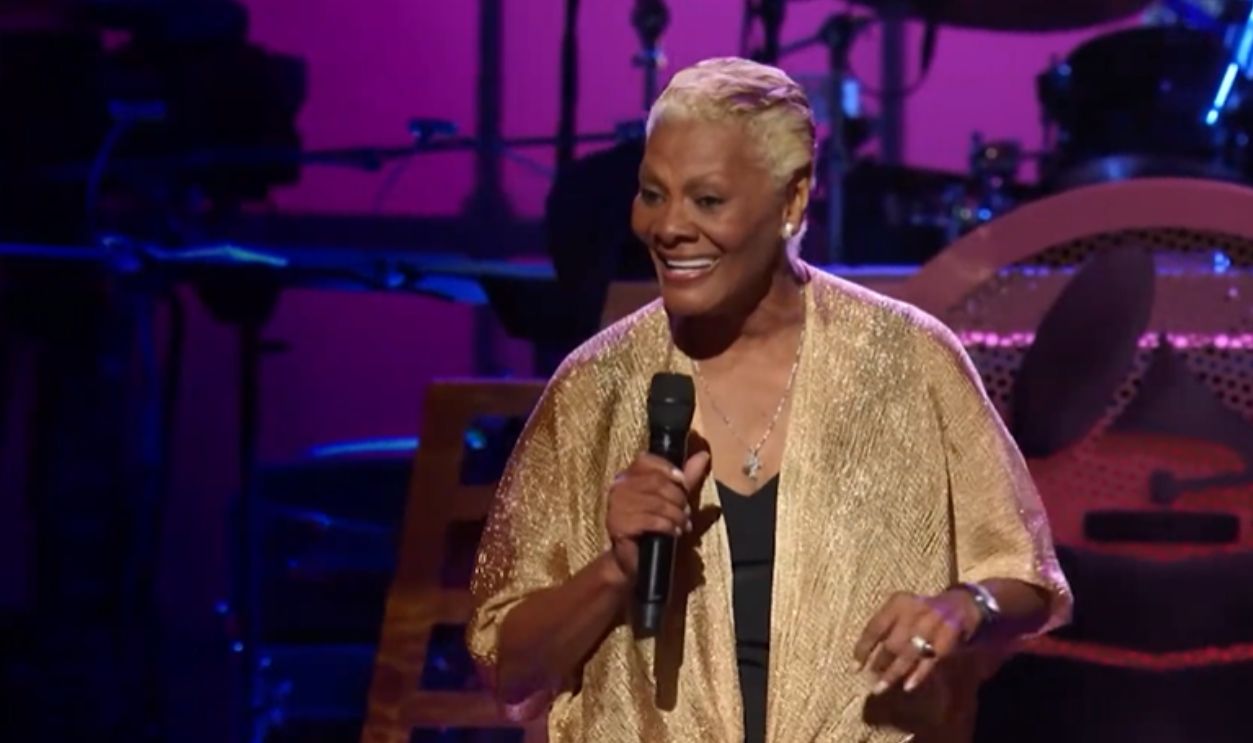 Screenshot from GRAMMY Salute To Music Legends 2017, PBS (2017)
Marilyn McCoo And Billy Davis Jr. Became A Duo
Marilyn McCoo and Billy Davis Jr. had already enjoyed considerable success as members of the 5th Dimension, recording hits including "Up, Up and Away" and "Aquarius/Let the Sunshine In." The married performers eventually decided to leave the group in 1975 and establish a separate recording career. Their new musical direction emphasized the contrast between their individual voices, allowing listeners to hear them in ways their earlier group arrangements hadn't always permitted.
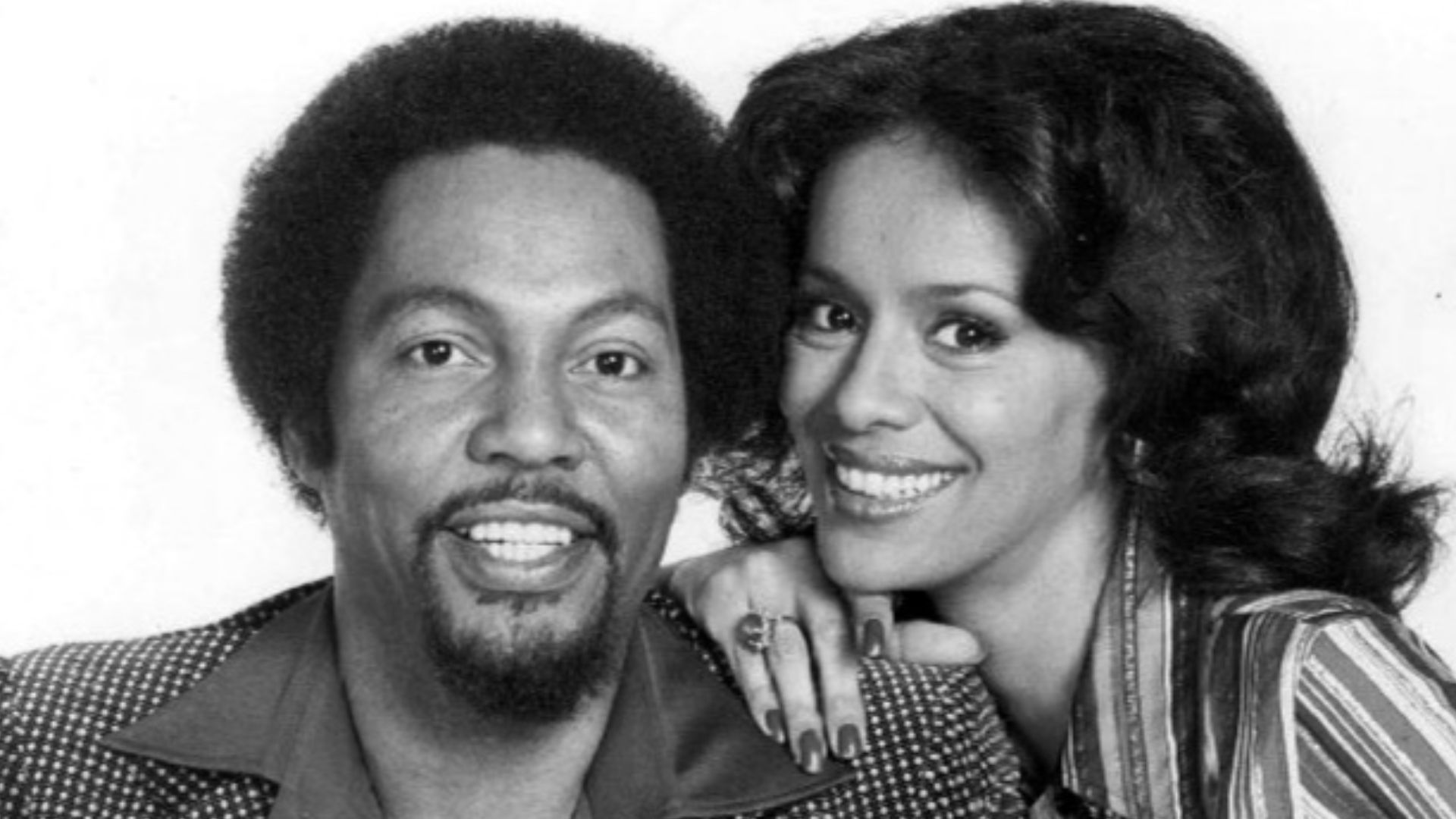 CBS Television, Wikimedia Commons
You Don't Have To Be A Star Became A Huge Hit
The duo's 1976 recording "You Don't Have to Be a Star (To Be in My Show)" brought them immediate commercial success. The song combined a warm message with a polished R&B arrangement, becoming popular on soul radio before crossing over to mainstream audiences. On January 8, 1977, it reached number one on the Billboard Hot 100, proving that the couple could achieve major success outside the 5th Dimension.
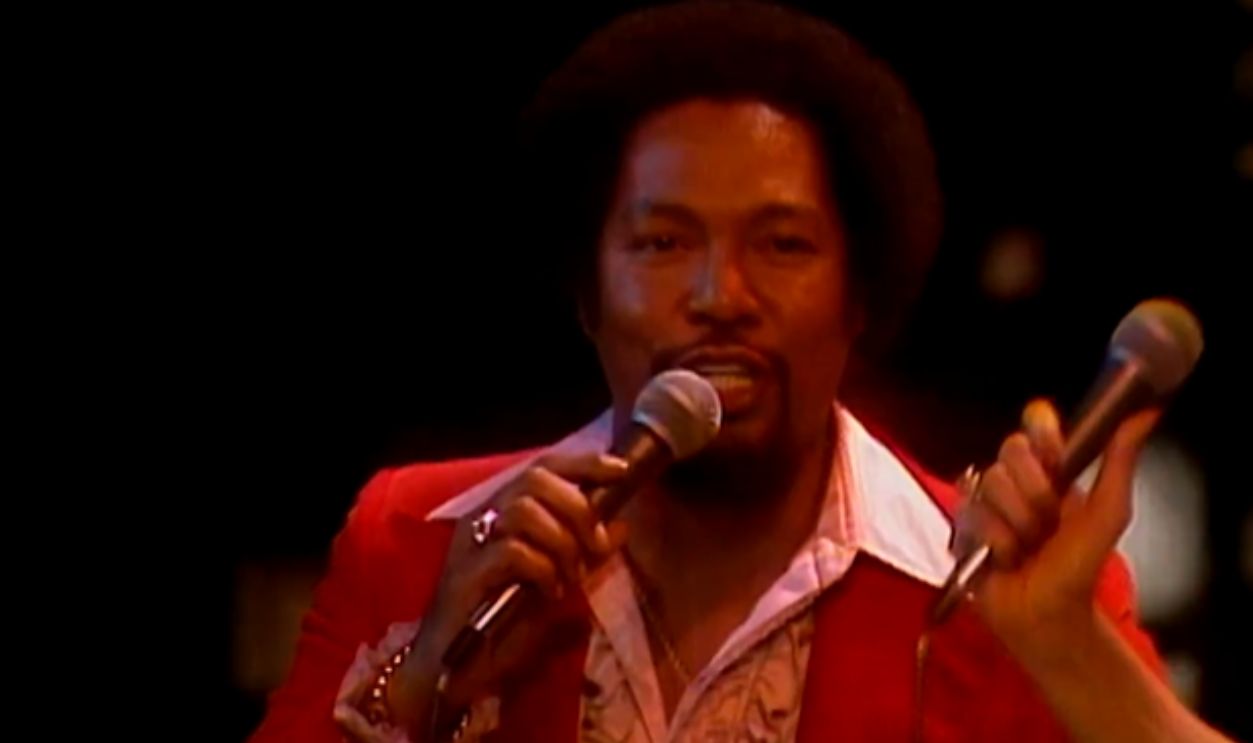 Screenshot from The Midnight Special, NBC (1972-1981)
Their Success Led Straight To Television
The recording earned McCoo and Davis a Grammy Award for Best R&B Vocal Performance by a Duo or Group in 1977. Their growing popularity also attracted the attention of CBS, which launched The Marilyn McCoo & Billy Davis, Jr. Show as a prime-time summer variety series that June. The program brought their musical partnership directly into American homes, turning an already successful recording duo into familiar television personalities.
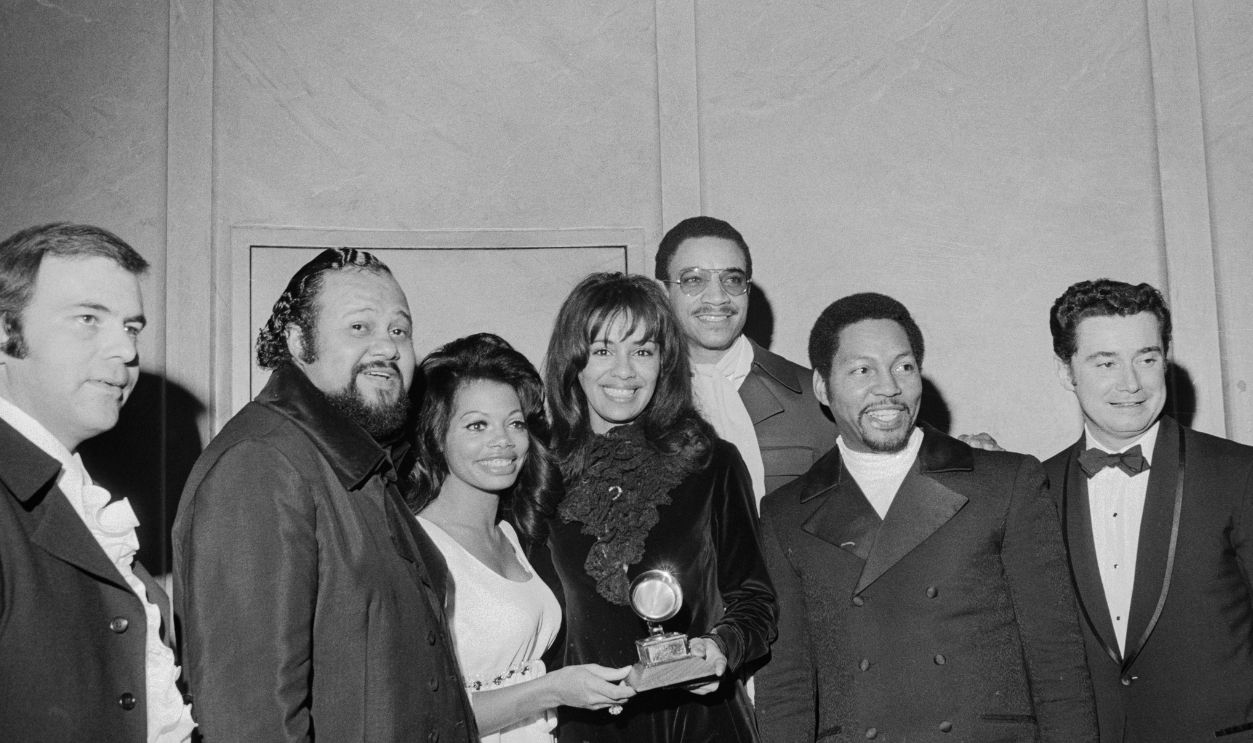
Johnny Mathis Found A New Musical Partner
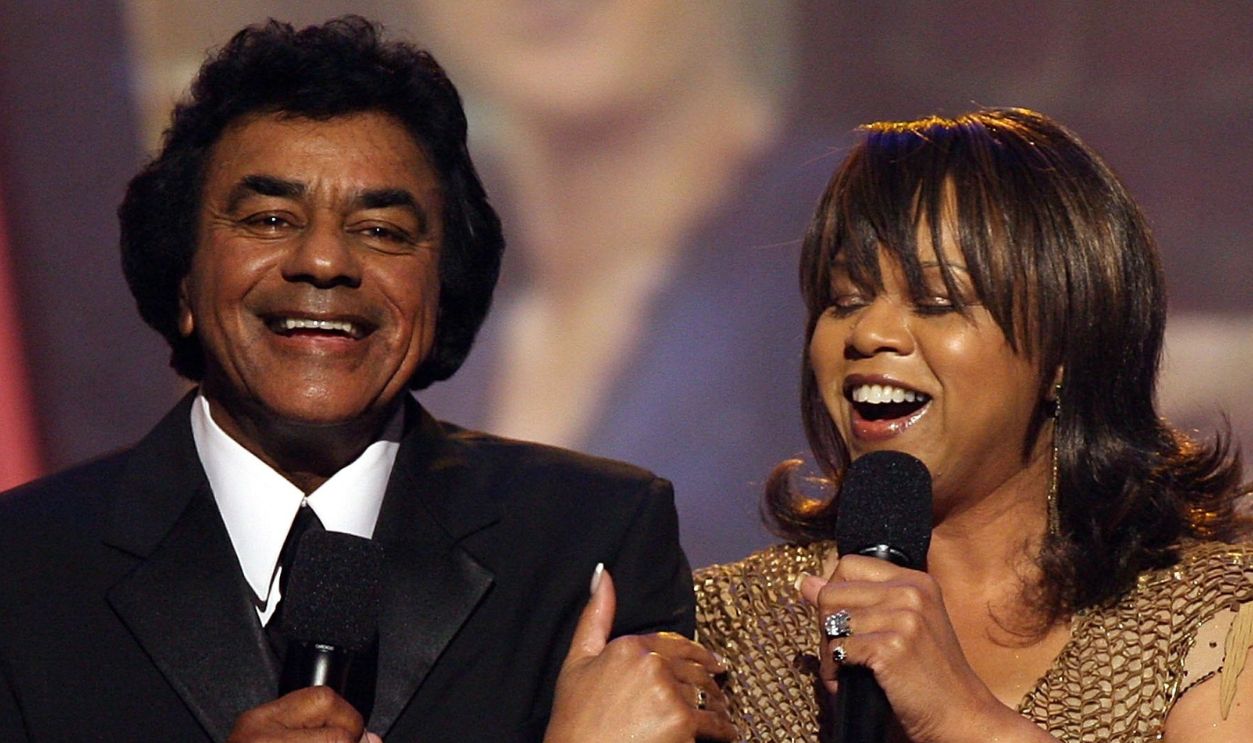
Johnny Mathis had been a major recording star since the 1950s, known for his smooth singing and romantic ballads. By the late 1970s, however, he was working in a musical environment considerably different from the one in which he had first become famous. His collaboration with younger soul singer Deniece Williams created an opportunity to connect his established vocal style with the contemporary R&B sound reaching American radio.
Too Much Too Little Too Late Became A Number One Hit
Released in 1978, "Too Much, Too Little, Too Late" combined Mathis's familiar warmth with Williams's remarkably expressive voice. The song told the story of a couple recognizing that their relationship had reached its conclusion, allowing both singers to deliver their parts with emotional clarity. On June 3, 1978, the recording reached number one on the Billboard Hot 100, giving Mathis his first chart-topper on that particular survey.
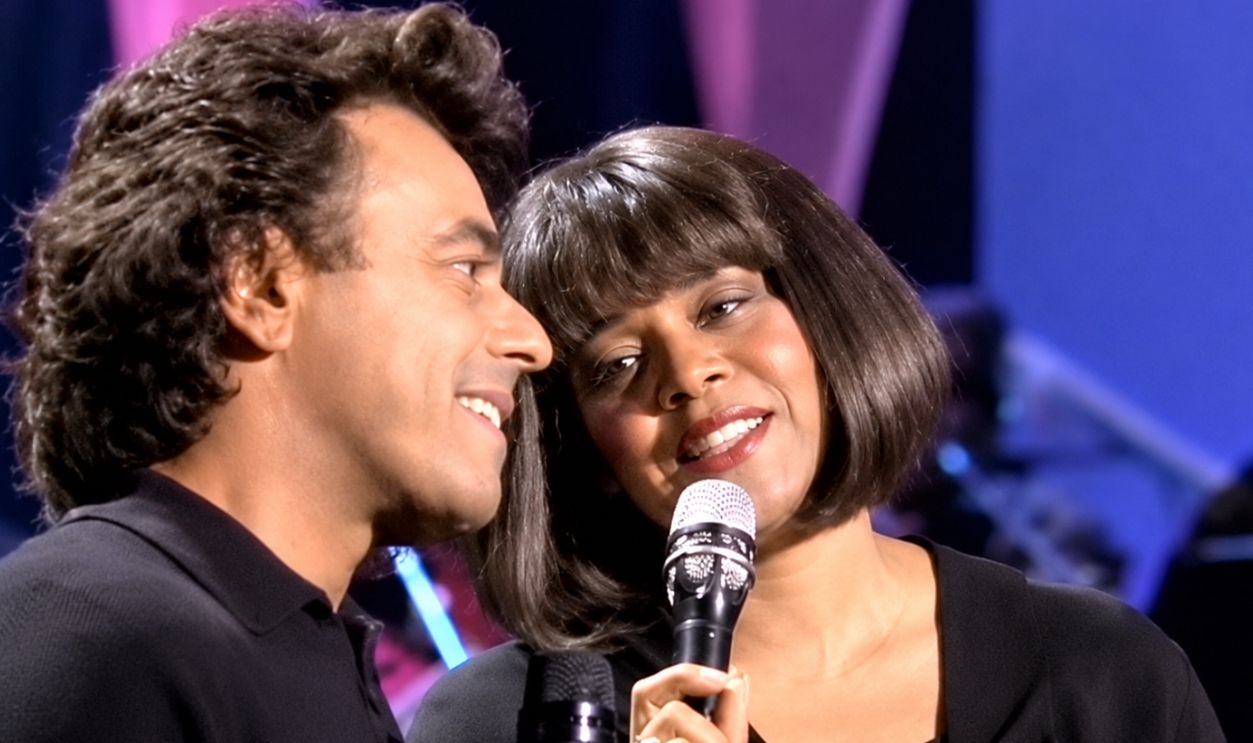 Screenshot from Too Much, Too Little, Too Late, Columbia Records (1978), Enhanced
The Duet Brought Two Generations Together
The recording's success introduced Williams to additional mainstream audiences while returning Mathis to the top of the American pop chart. The pair followed their breakthrough with an album of duets and another collaboration, "You're All I Need to Get By." Their partnership demonstrated that a familiar recording star could discover fresh commercial success by working with a performer from a younger musical generation.
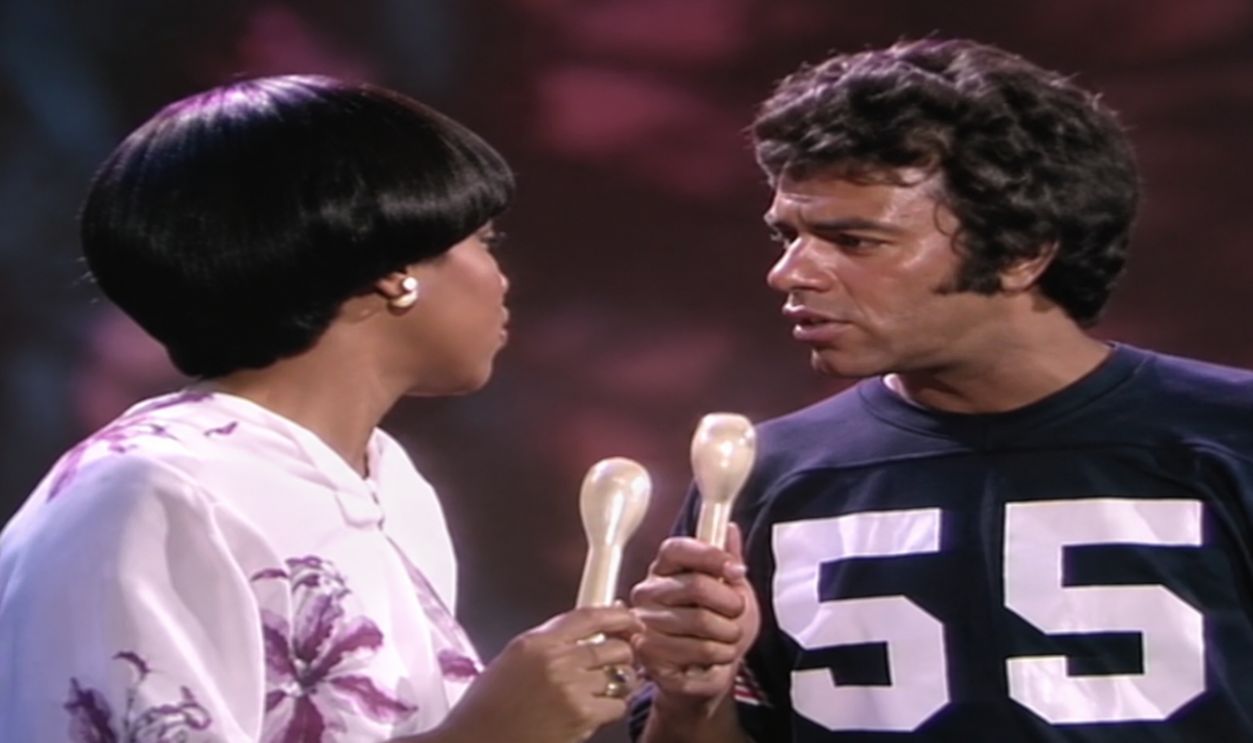 Screenshot from You're All I Need to Get By, Columbia Records (1978), Enhanced
Peaches And Herb Had A Surprising Second Act
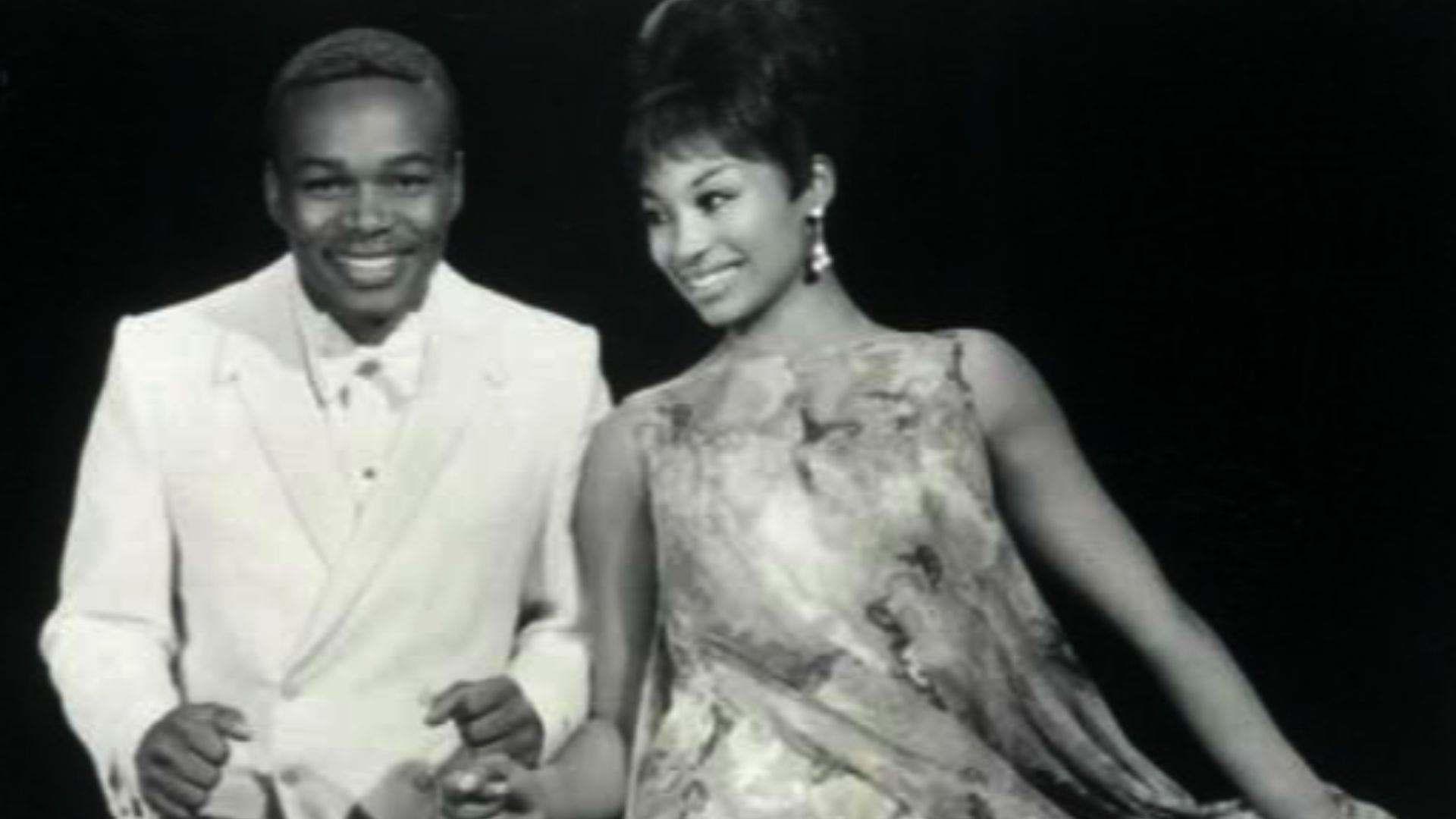
Peaches & Herb had originally found success during the 1960s, recording romantic soul songs including "Close Your Eyes." However, the duo's original partnership eventually changed, and Herb Fame temporarily stepped away from performing. When he returned to music during the 1970s, he began working with singer Linda Greene, who became the new Peaches and helped establish an entirely different chapter in the group's history.
Reunited Became Their Biggest Success
After scoring a major hit with the energetic "Shake Your Groove Thing," Peaches & Herb released "Reunited" in 1979. The recording featured a much gentler arrangement, with Greene and Fame delivering a warm, conversational performance about a couple finding their way back together. On May 5, 1979, the song reached number one on the Billboard Hot 100, beginning a four-week stay at the top.
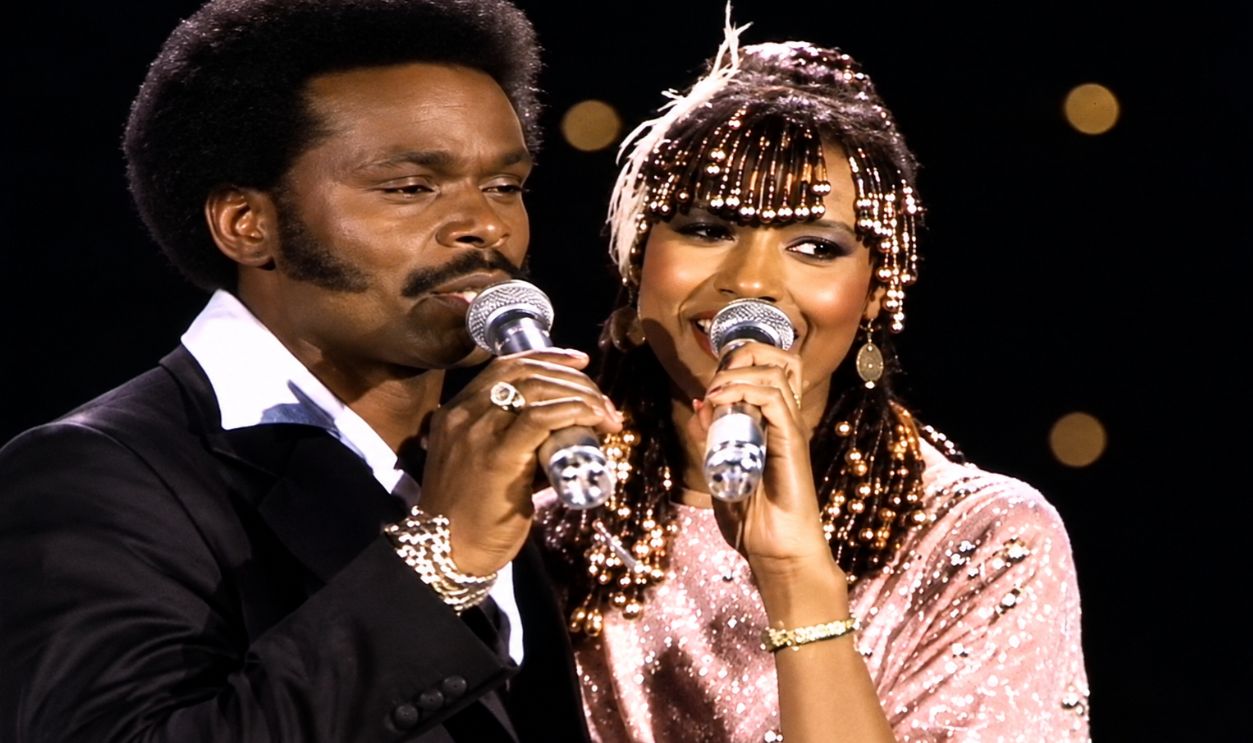 Screenshot from Reunited, Polydor Records (1978), Enhanced
The Song Had An Unexpected Connection To Their Past
The title "Reunited" was particularly fitting because an earlier version of Peaches & Herb had recorded a song called "(We'll Be) United" in 1968. However, the singers on the 1979 hit were not the same original pair, making the apparent reunion something of a musical coincidence. Despite that distinction, "Reunited" became the group's signature recording and one of the decade's most recognizable romantic soul duets.
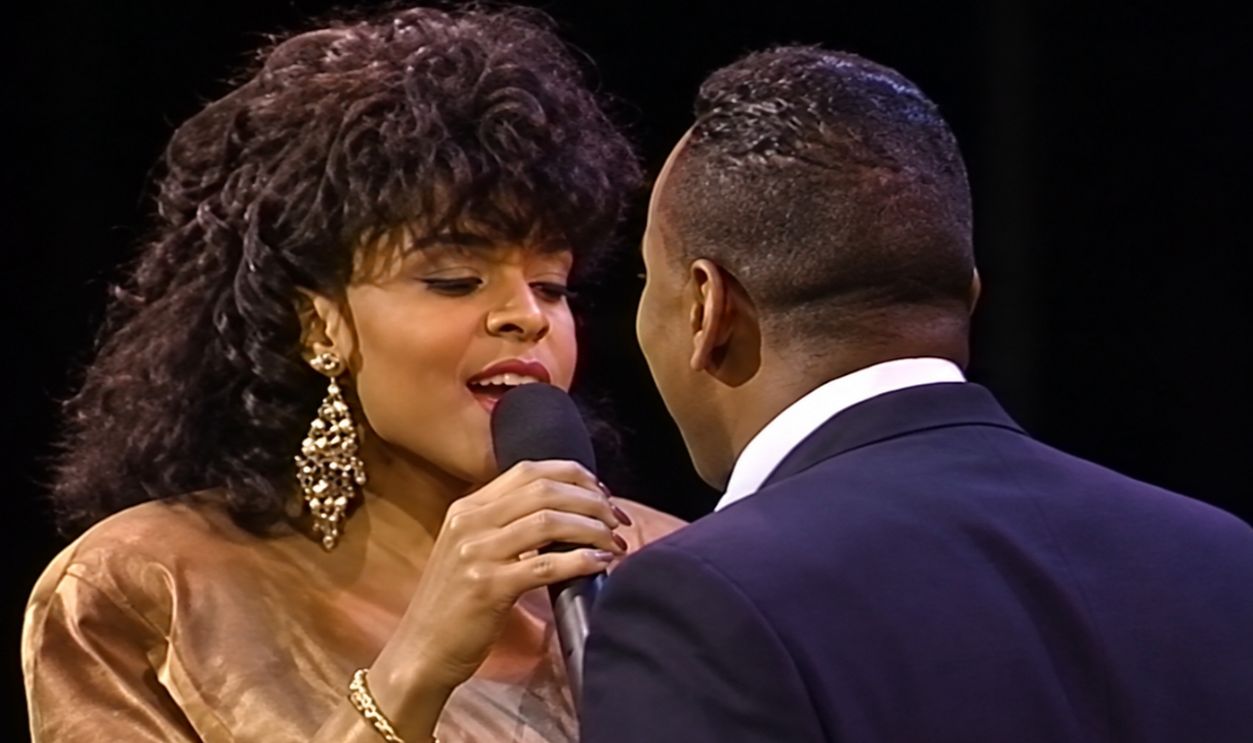 Screenshot from Reunited, Polydor Records (1978), Enhanced
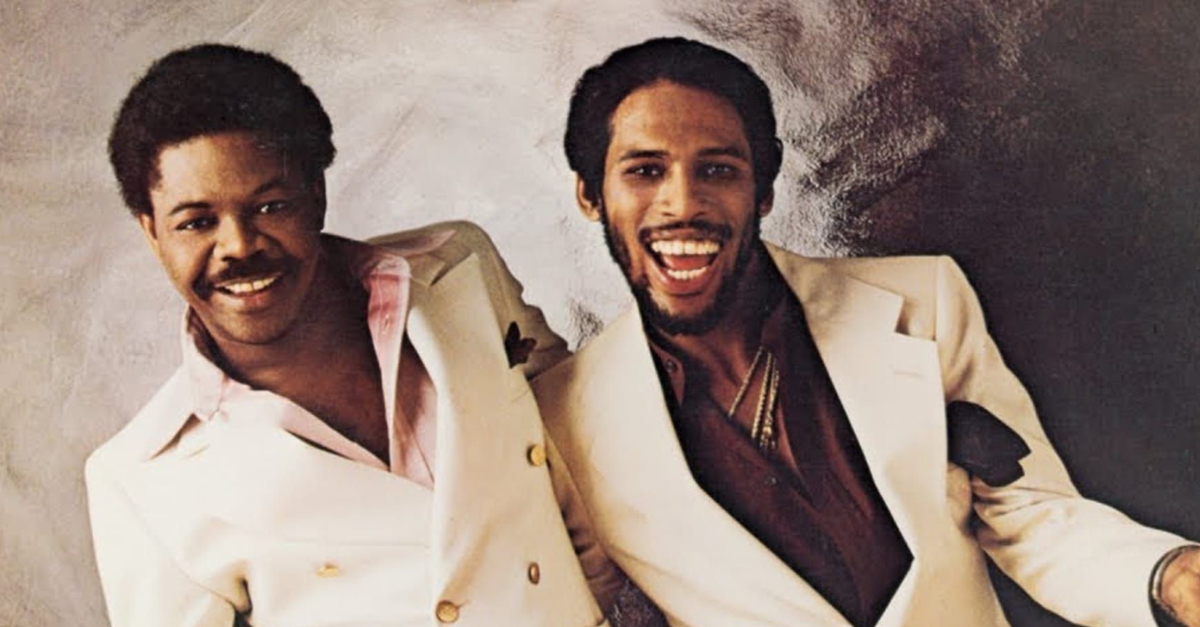
McFadden And Whitehead Had Already Written Major Hits
Gene McFadden and John Whitehead had established themselves as successful songwriters before becoming familiar recording artists in their own right. Working within the Philadelphia soul scene, the duo contributed to the songwriting tradition associated with producers Kenny Gamble and Leon Huff. Their experience helped prepare them for a major breakthrough in 1979, when they recorded a song that would become far more famous than either performer had anticipated.
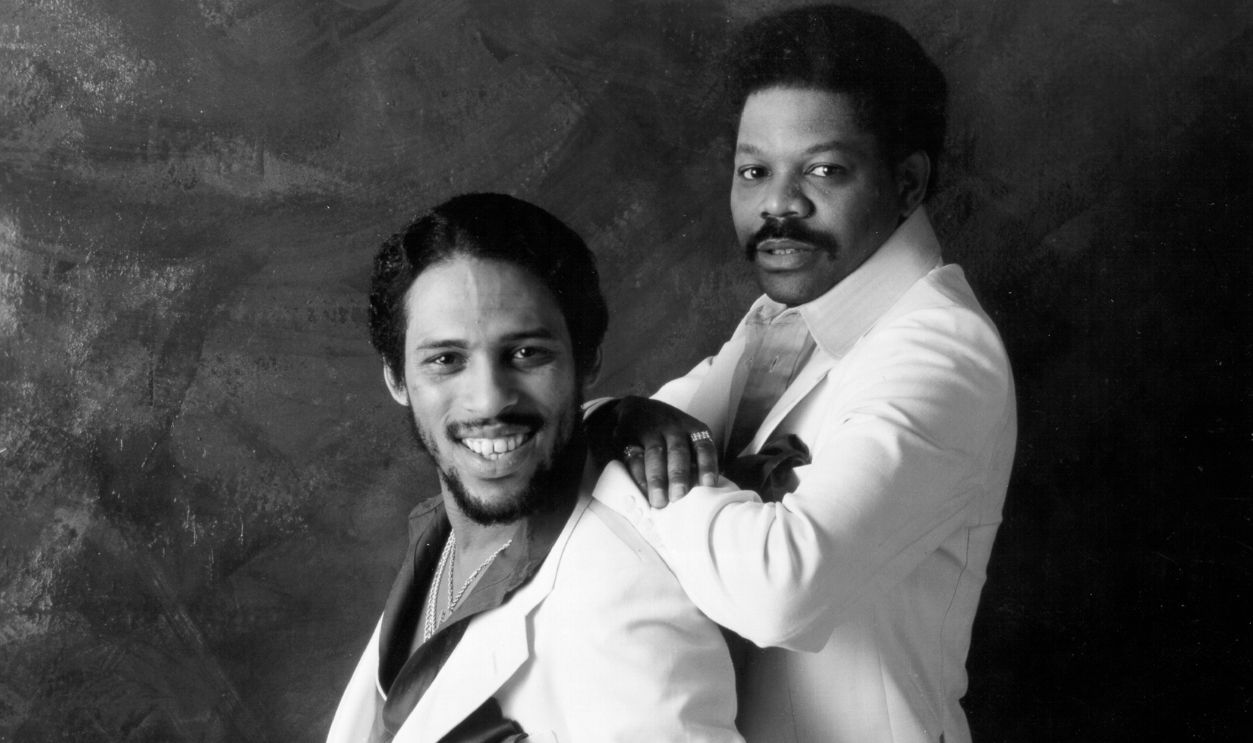 Michael Ochs Archives, Getty Images
Ain't No Stoppin' Us Now Became An Anthem
Released in 1979, "Ain't No Stoppin' Us Now" combined an energetic rhythm with an optimistic message about overcoming obstacles. The recording featured the duo's confident vocals against a polished arrangement associated with the increasingly popular Philadelphia dance sound. It reached number one on Billboard's R&B chart and number 13 on the Hot 100, proving that its appeal extended well beyond traditional soul audiences.
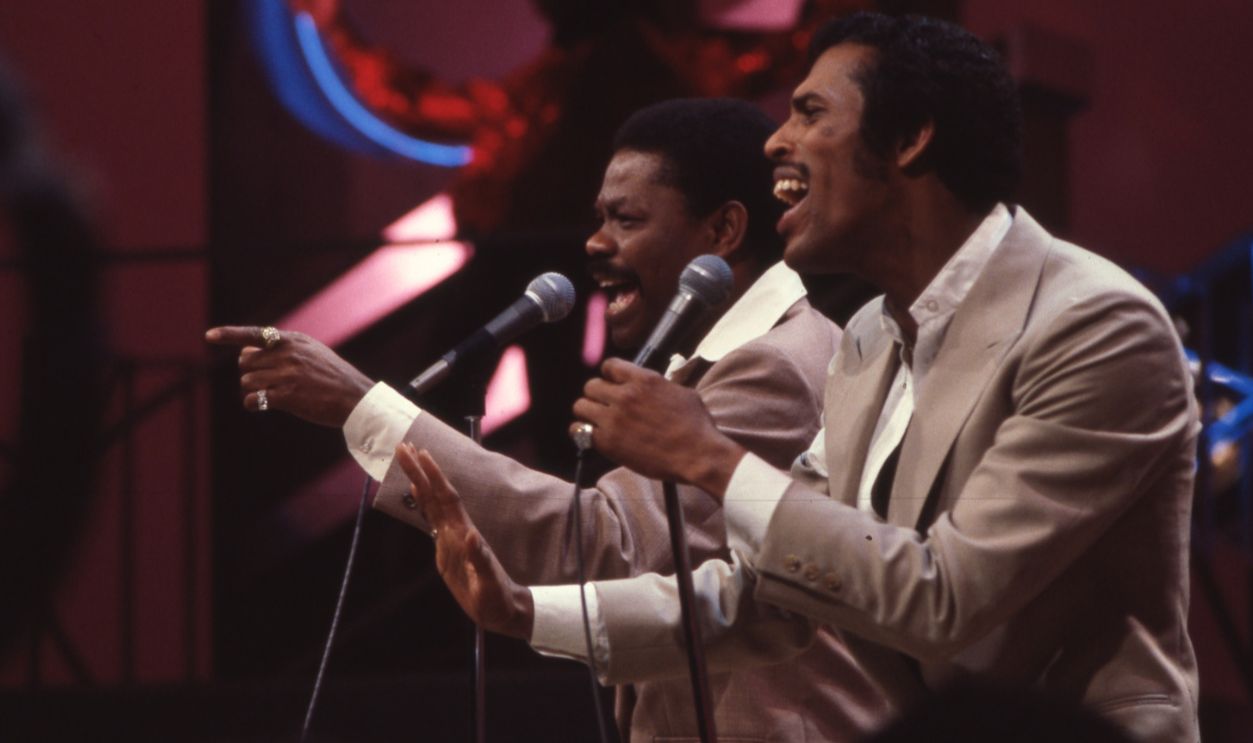
Their Message Reached An International Audience
The recording's popularity wasn't confined to the United States, as it also climbed to number five on the British singles chart. Its memorable chorus and uplifting message made it a natural choice for celebrations, public gatherings, and events centered on collective achievement. Although McFadden and Whitehead were established behind-the-scenes talents, their 1979 breakthrough brought their own voices to listeners who may previously have known only the songs they helped create.
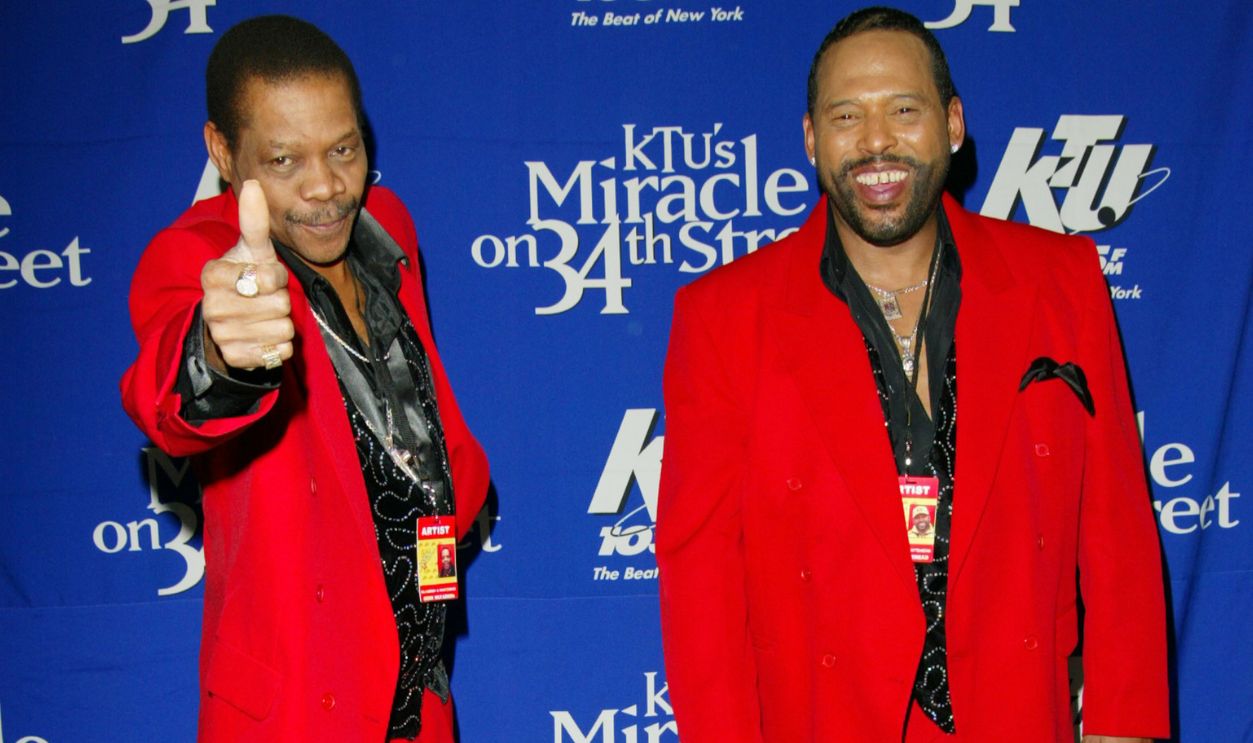
Ashford And Simpson Finally Took Center Stage
Nickolas Ashford and Valerie Simpson were already among soul music's most accomplished songwriting partnerships by the beginning of the 1970s. Their compositions included "Ain't No Mountain High Enough" and "You're All I Need to Get By," which had helped establish Marvin Gaye and Tammi Terrell as a celebrated duo during the previous decade. However, Ashford and Simpson also wanted recognition as performers, eventually establishing their own recording career after years of writing and producing music for others.
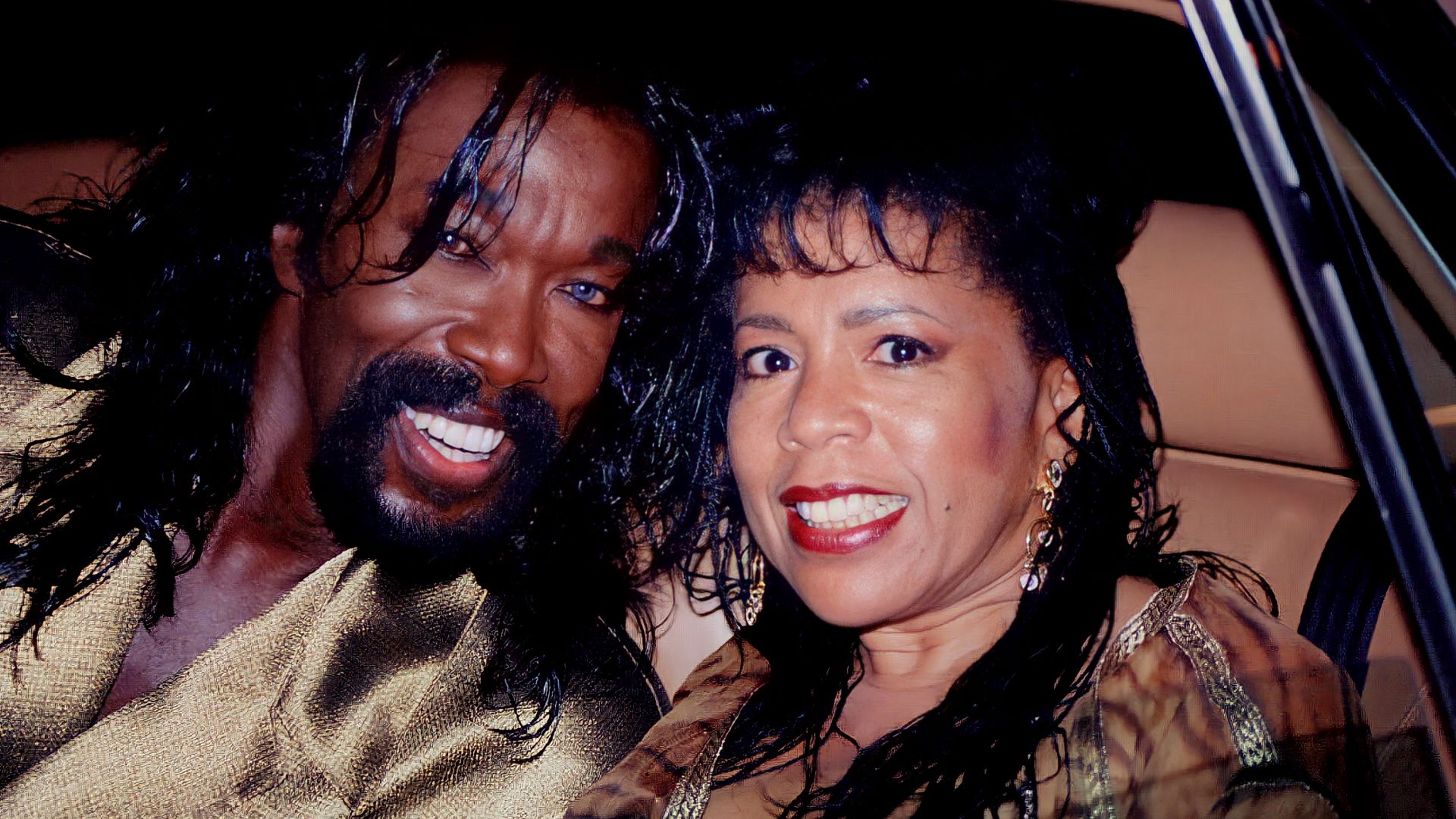 Kingkongphoto & www.celebrity-photos.com from Laurel Maryland, USA, Wikimedia Commons
Found A Cure Became Their Breakthrough
The pair released "Found a Cure" in 1979 as part of their album Stay Free, combining their recognizable songwriting style with a lively dance arrangement. The recording became a major R&B hit and crossed over to the Billboard Hot 100, reaching the pop Top 40. Their success represented an important moment for two musicians who had spent much of their careers helping other performers achieve fame.
 Screenshot from Found a Cure, Warner Bros. Records (1979), Enhanced
Their Own Voices Deserved To Be Heard
Although Ashford and Simpson would enjoy an even larger international hit with "Solid" in 1984, their 1970s recordings had already established them as successful performers. "Found a Cure" demonstrated that their abilities extended far beyond songwriting, allowing audiences to appreciate their distinctive voices and natural musical partnership. Their achievements helped connect the classic Motown songwriting tradition with the increasingly sophisticated dance-oriented soul music of the late 1970s.
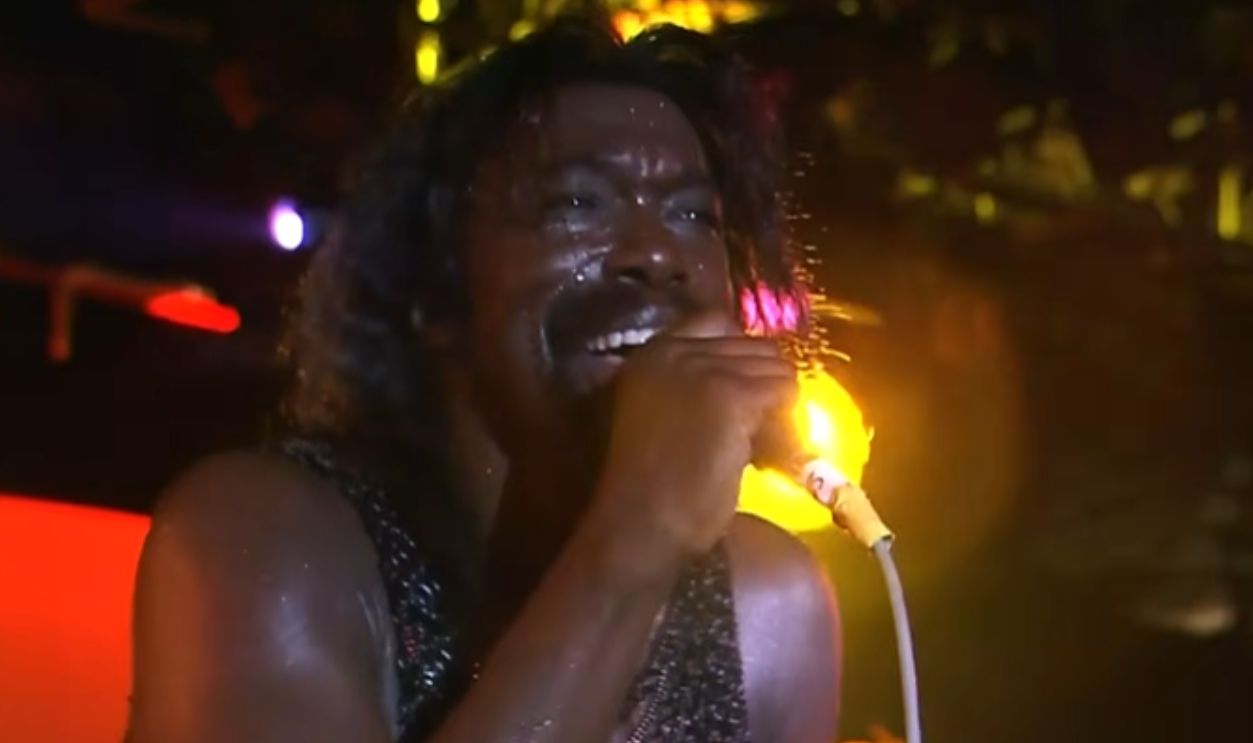 Screenshot from Solid, Capitol Records (1984)
Barbra Streisand And Donna Summer Made An Unlikely Pair
By 1979, Barbra Streisand and Donna Summer were two of America's most recognizable female recording stars, although their musical backgrounds were considerably different. Streisand was known for powerful ballads and musical theater, while Summer had become one of the defining voices of disco. Songwriters Paul Jabara and Bruce Roberts developed a recording that could bring these contrasting talents together, creating a collaboration that immediately attracted attention.
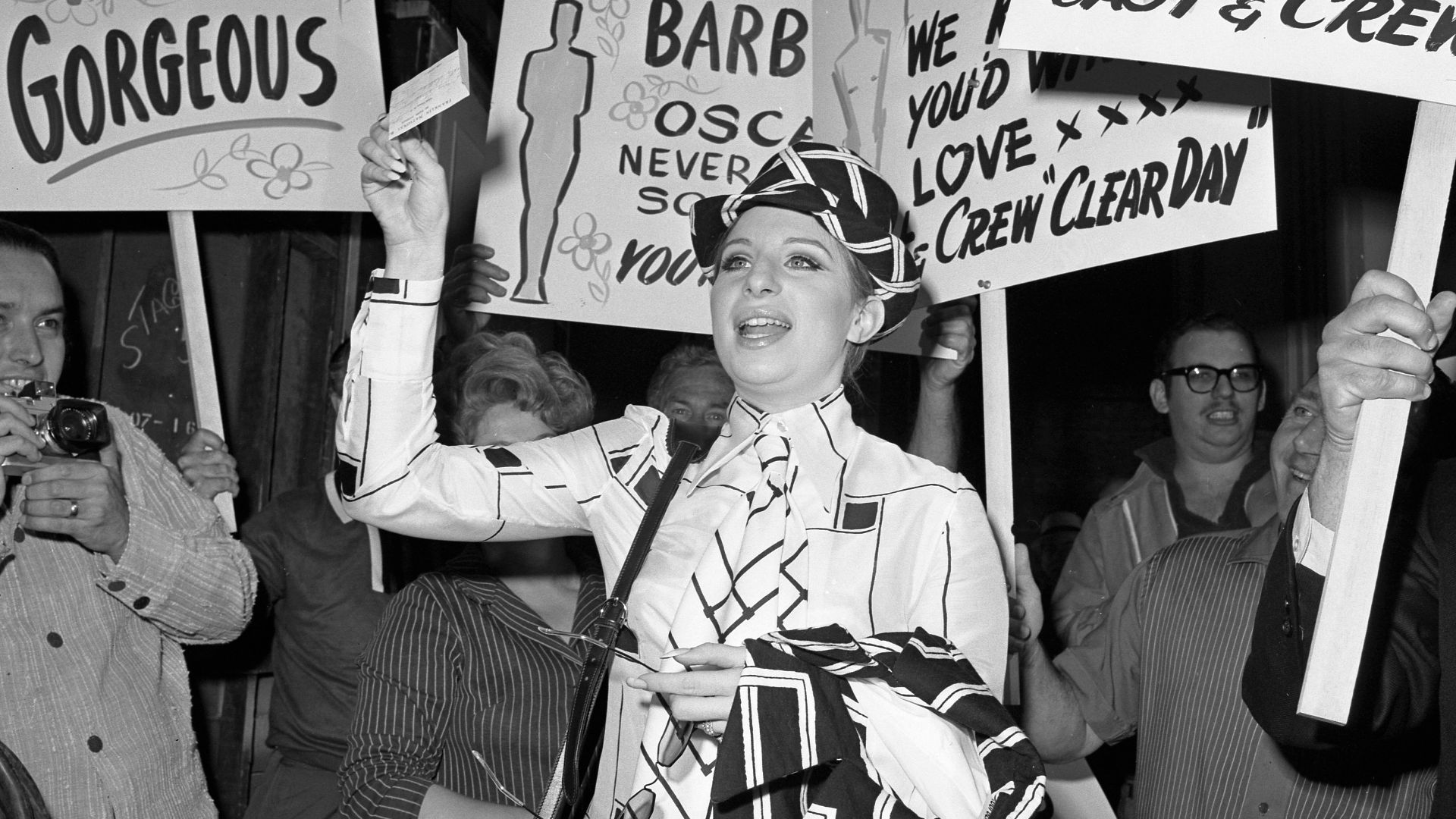 Don Cormier, Los Angeles Times, Wikimedia Commons
No More Tears Became A National Sensation
Their 1979 recording "No More Tears (Enough Is Enough)" began with a restrained introduction before building into an energetic dance performance. As the arrangement developed, the singers exchanged powerful vocal passages, turning their contrasting styles into the recording's greatest strength. On November 24, 1979, the song reached number one on the Billboard Hot 100, beginning a two-week stay at the top.
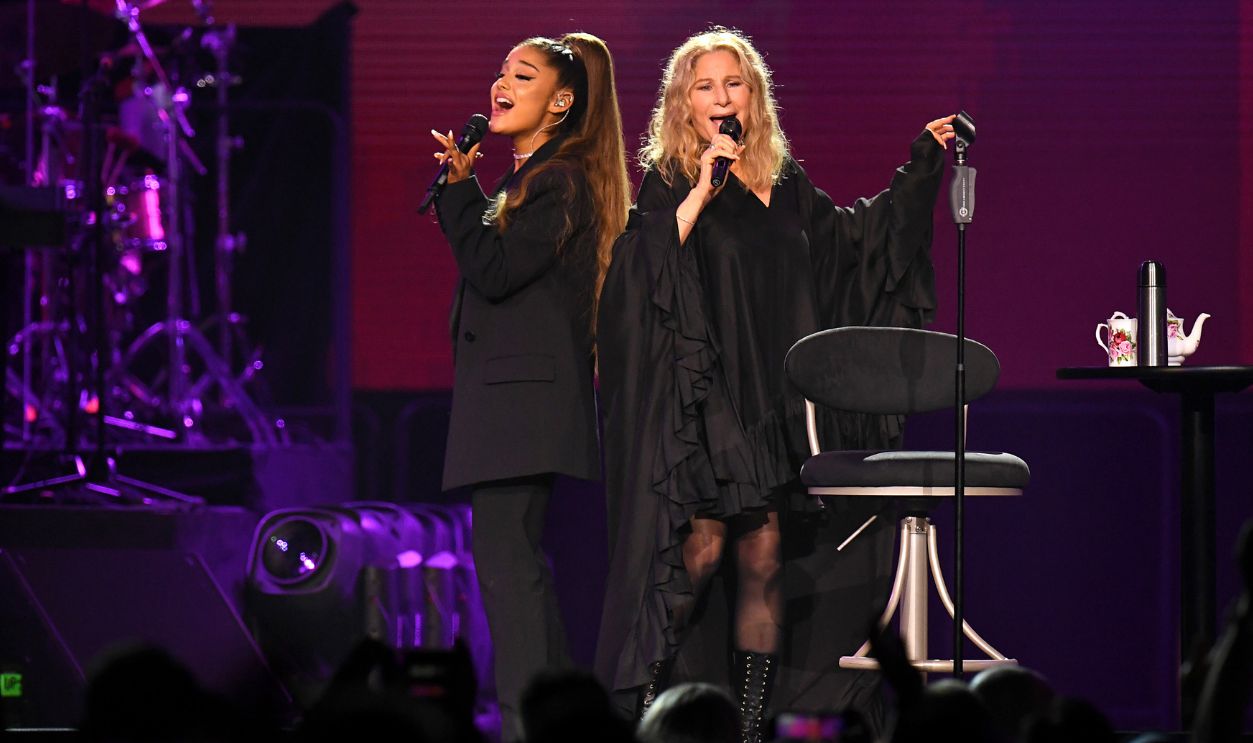
Their Collaboration Was A True Pop Event
The recording appeared in connection with Streisand's Wet album and Summer's On the Radio compilation, giving both performers a major release built around the collaboration. Despite their successful studio partnership, the two singers never performed the recording together onstage after its original release. That unusual distinction only adds to its reputation as one of the decade's most memorable meetings between established musical superstars.
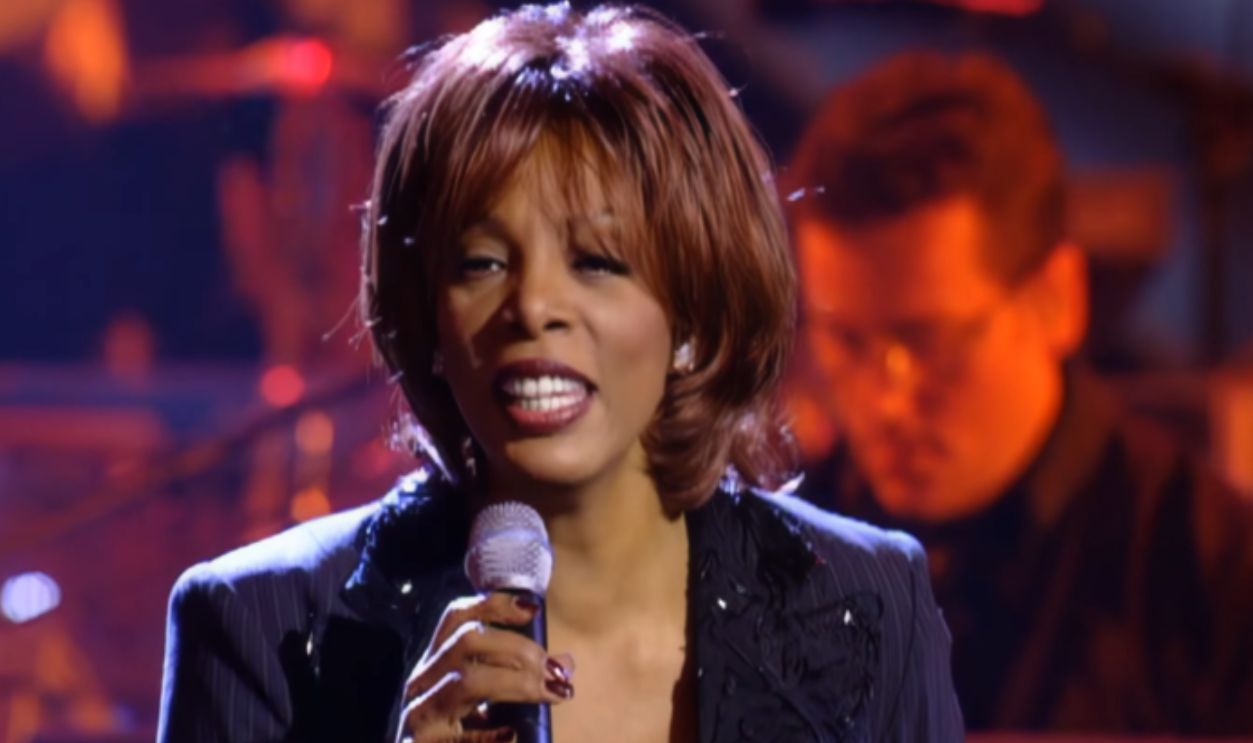 Screenshot from No More Tears (Enough Is Enough), Casablanca Records (1979)
Billy Preston And Syreeta Created A Beautiful Surprise
Billy Preston was already a respected keyboardist and solo performer when he collaborated with singer-songwriter Syreeta Wright during the late 1970s. Their voices came together on "With You I'm Born Again," a romantic ballad recorded for the 1979 basketball film Fast Break. The song brought two established musicians together in a comparatively restrained arrangement, placing the emphasis on their gentle vocal interaction rather than elaborate production.
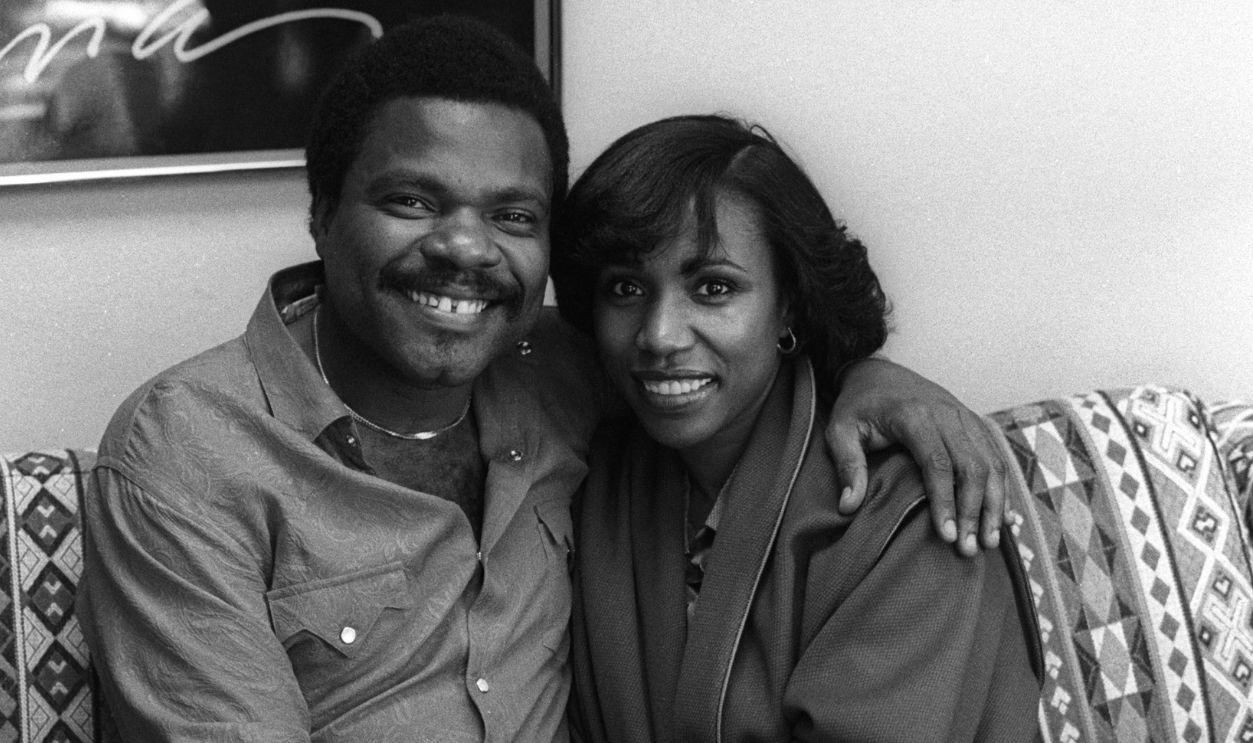 Michael Ochs Archives, Getty Images
With You I'm Born Again Had A Slow Rise
Although the film arrived in theaters during early 1979, the duet didn't immediately become a major pop success. Its commercial breakthrough developed after the recording was released as a single late that year, introducing the song to a much wider audience. By April 1980, it had climbed to number four on the Billboard Hot 100, becoming one of the most recognizable recordings associated with either performer's later career.
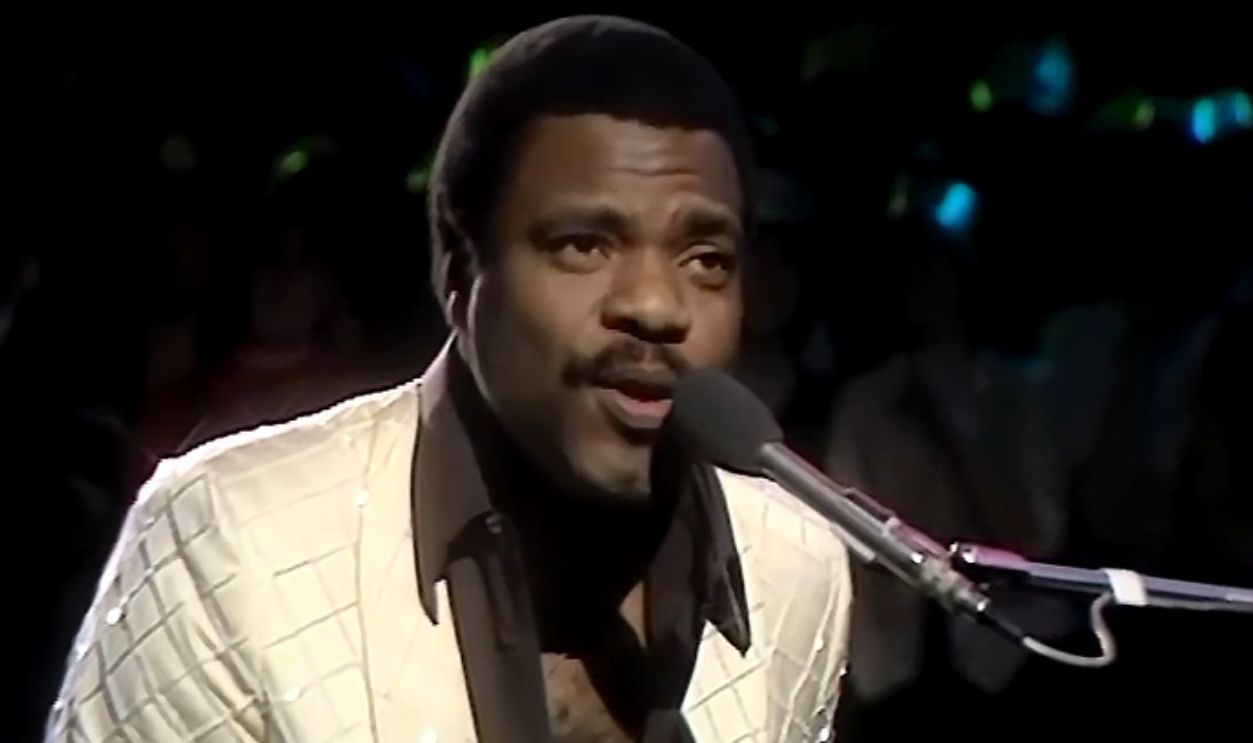 Screenshot from With You I'm Born Again, Motown Records (1979)
Their Duet Closed The Decade On A High Note
"With You I'm Born Again" also reached number two on the British singles chart in January 1980, confirming its appeal beyond American audiences. The recording represented a gentler side of the soul-pop collaborations that had flourished during the previous decade, contrasting with the energetic dance recordings dominating many late-1970s charts. Although its biggest commercial achievements arrived in 1980, the song originated in 1979 and provides a fitting conclusion to a decade when extraordinary vocal partnerships regularly crossed musical boundaries.
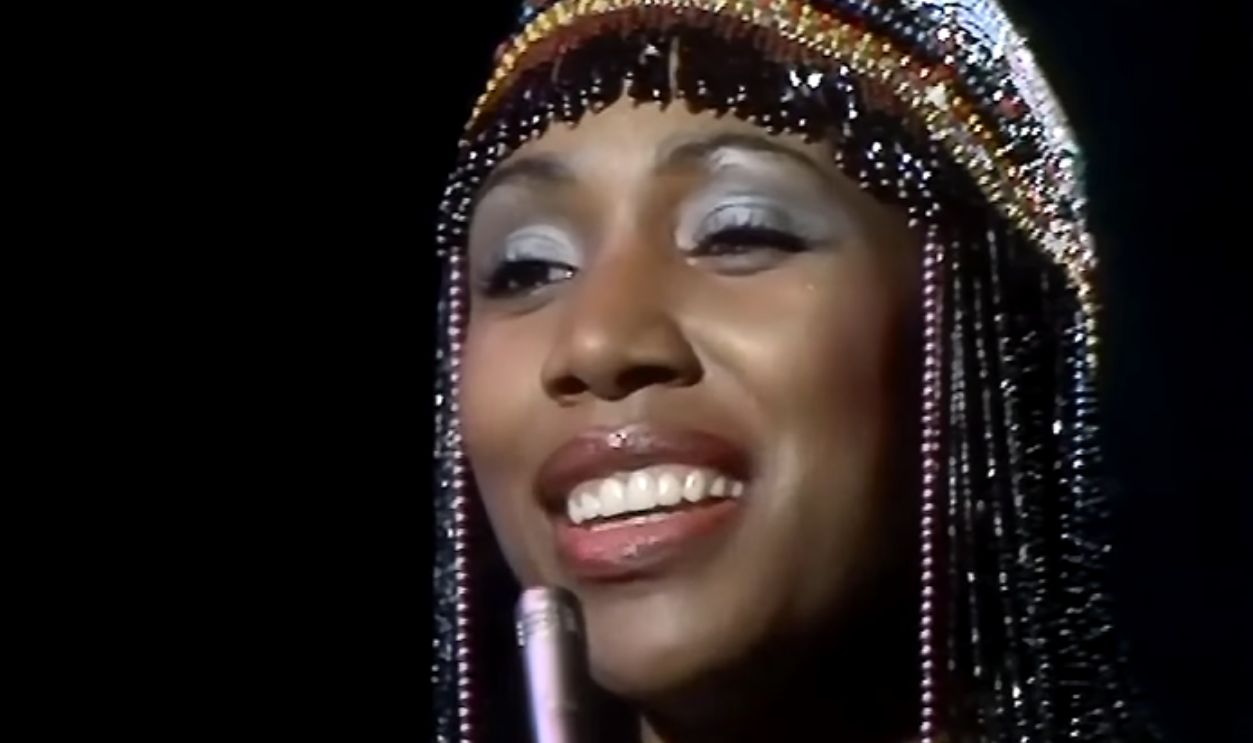 Screenshot from With You I'm Born Again, Motown Records (1979)
You May Also Like:
Forget The Critics: These Are The 50 Greatest Rock Albums Of The 1970s—Do You Agree?
Critics Say These Rock Albums Don’t Have Any Weak Tracks—Do You Agree?
Sources: 1, 2, 3, 4, 5, 6, 7, 8, 9, 10, 11, 12, 13, 14, 15, 16, 17, 18, 19, 20