The First Version Wasn't Good Enough
Some of rock's greatest hits almost disappeared. Before these unforgettable songs became radio staples, they were overlooked, poorly received, or recorded by completely different artists, until someone took another chance and changed music history.
Whitesnake's Biggest Hit Was Already Five Years Old
When Whitesnake released "Here I Go Again" on their 1982 album Saints & Sinners, nobody could have predicted what would happen five years later. Written by David Coverdale and Bernie Marsden, the original featured the band's blues-influenced hard-rock sound and failed to make a major commercial impact. Coverdale eventually decided the song deserved another opportunity, although even he couldn't have anticipated how dramatically its fortunes would change.
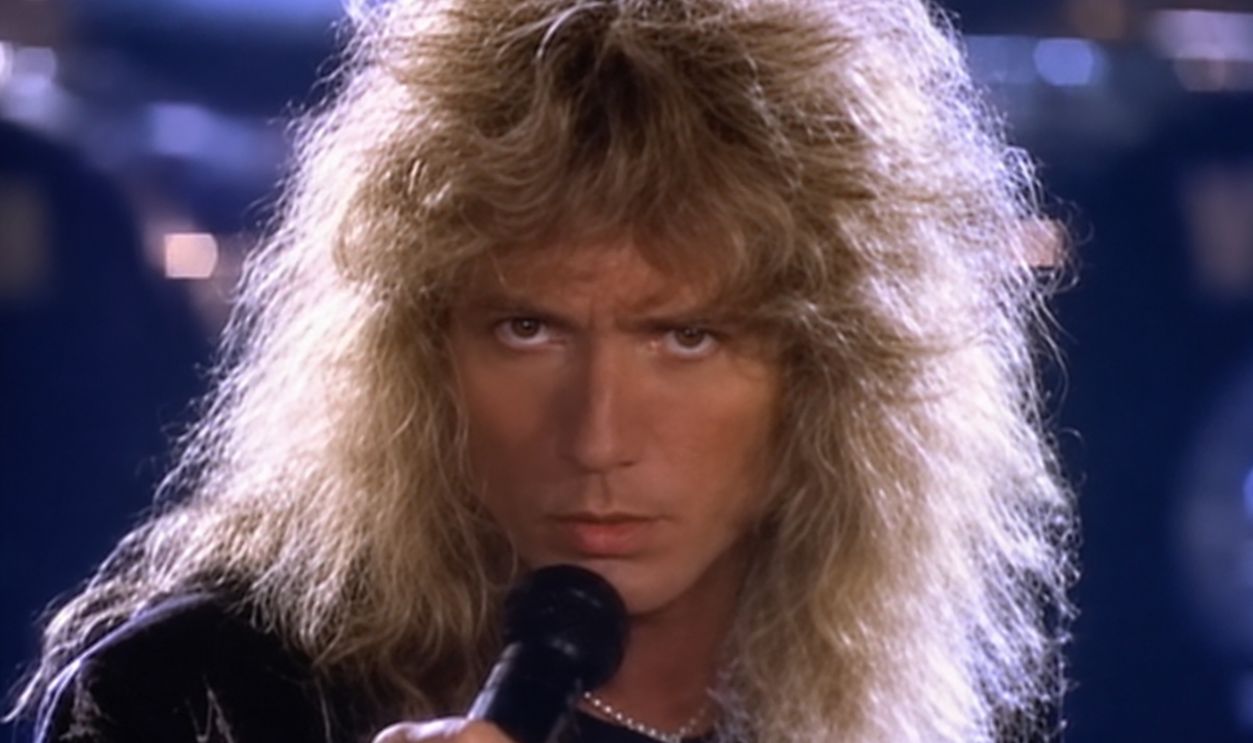 Screenshot from Here I Go Again, Liberty Records (1982), Enhanced
David Coverdale Had To Record It More Than Once
While preparing Whitesnake's self-titled 1987 album, Coverdale agreed to remake "Here I Go Again" after negotiating with his record company over which older songs to revisit. The new recording featured a more polished arrangement, powerful guitar work, and the production style that dominated late-1980s rock. However, Geffen Records executive David Geffen subsequently requested another, more radio-friendly version, meaning Coverdale actually recorded the song multiple times before its biggest success.
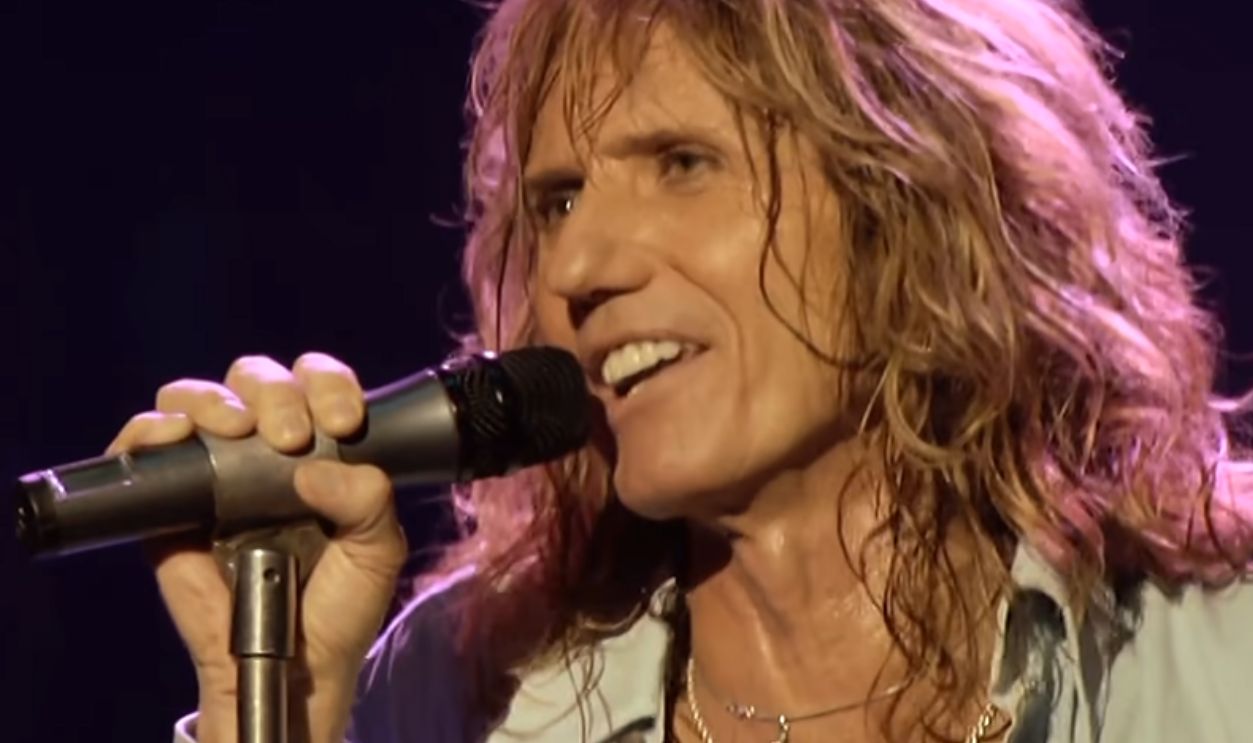 Screenshot from Here I Go Again, Geffen Records (1987)
The Third Chance Made Whitesnake Superstars
The reworked "Here I Go Again" reached number one on the Billboard Hot 100 in October 1987, becoming Whitesnake's biggest American hit. Its popular music video, featuring actress Tawny Kitaen, also helped introduce the band to an enormous new audience through MTV. What began as an overlooked recording from 1982 had become one of the most recognizable rock songs of the decade, proving that a second chance wasn't always enough.
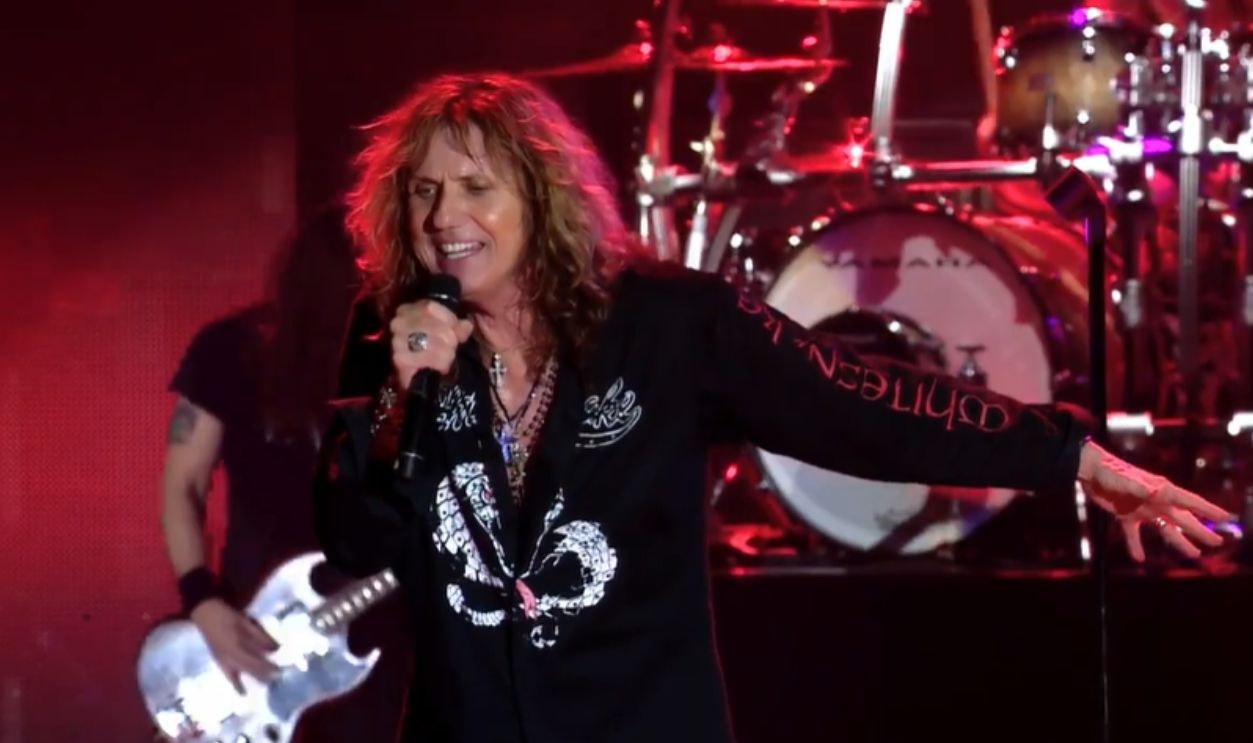 Screenshot from Here I Go Again, Geffen Records (1987)
Cheap Trick's Biggest Hit Originally Went Nowhere
Cheap Trick first recorded "I Want You to Want Me" for their 1977 album In Color, but the song sounded considerably different from the energetic performance audiences recognize today. Producer Tom Werman gave it a polished, almost old-fashioned pop arrangement that didn't fully reflect the band's harder live sound. Despite being released as a single, the recording failed to become a substantial hit in America.
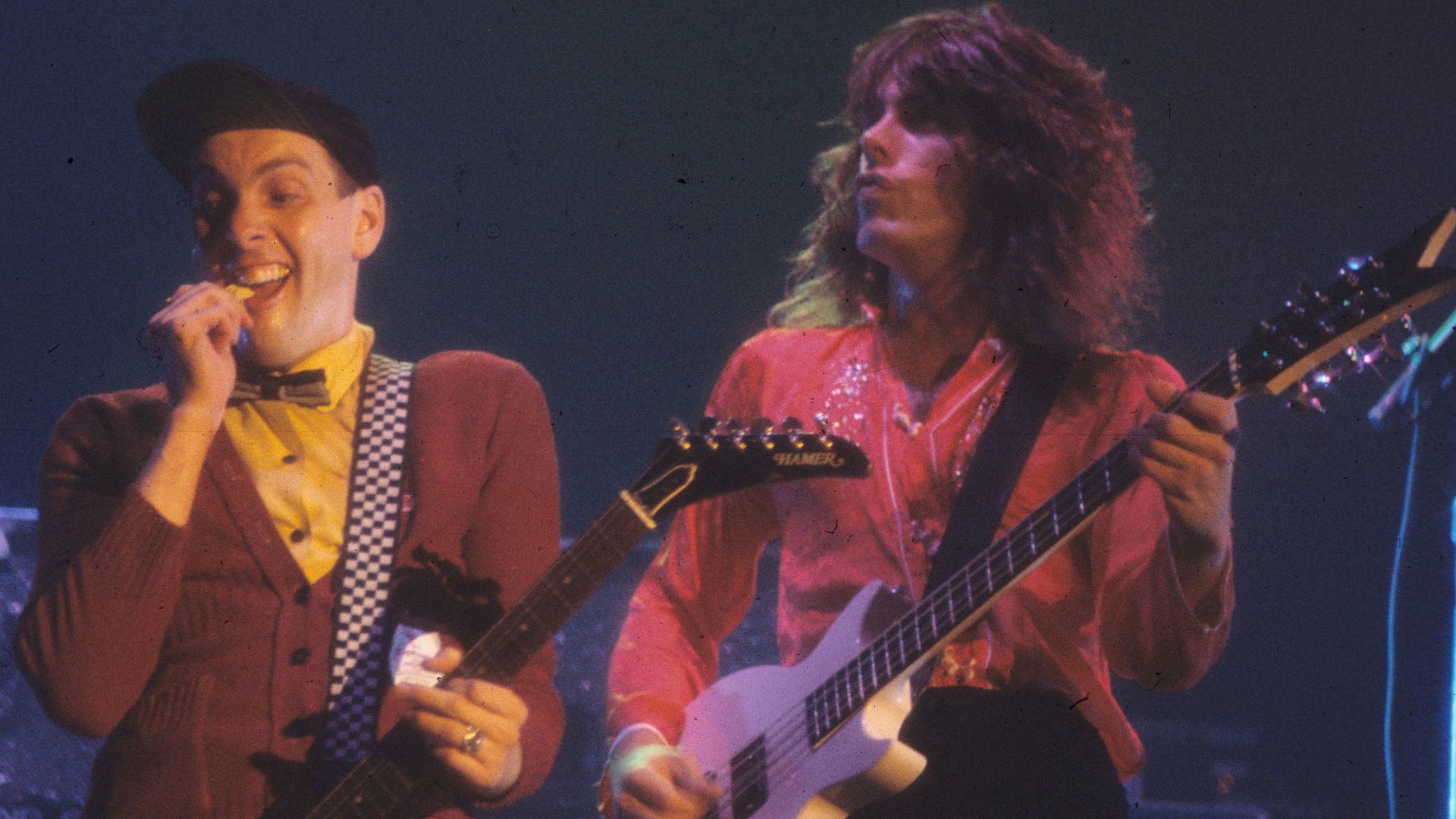 Carl Lender at https://www.flickr.com/photos/clender/, Wikimedia Commons
A Japanese Audience Changed Everything
When Cheap Trick performed at Tokyo's Nippon Budokan in April 1978, "I Want You to Want Me" nearly disappeared from their setlist. Singer Robin Zander later recalled that the song had received an underwhelming response at earlier concerts, but its popularity in Japan encouraged the band to perform it again. The enthusiastic crowd helped transform the recording into an electrifying performance that was preserved for the band's live album.
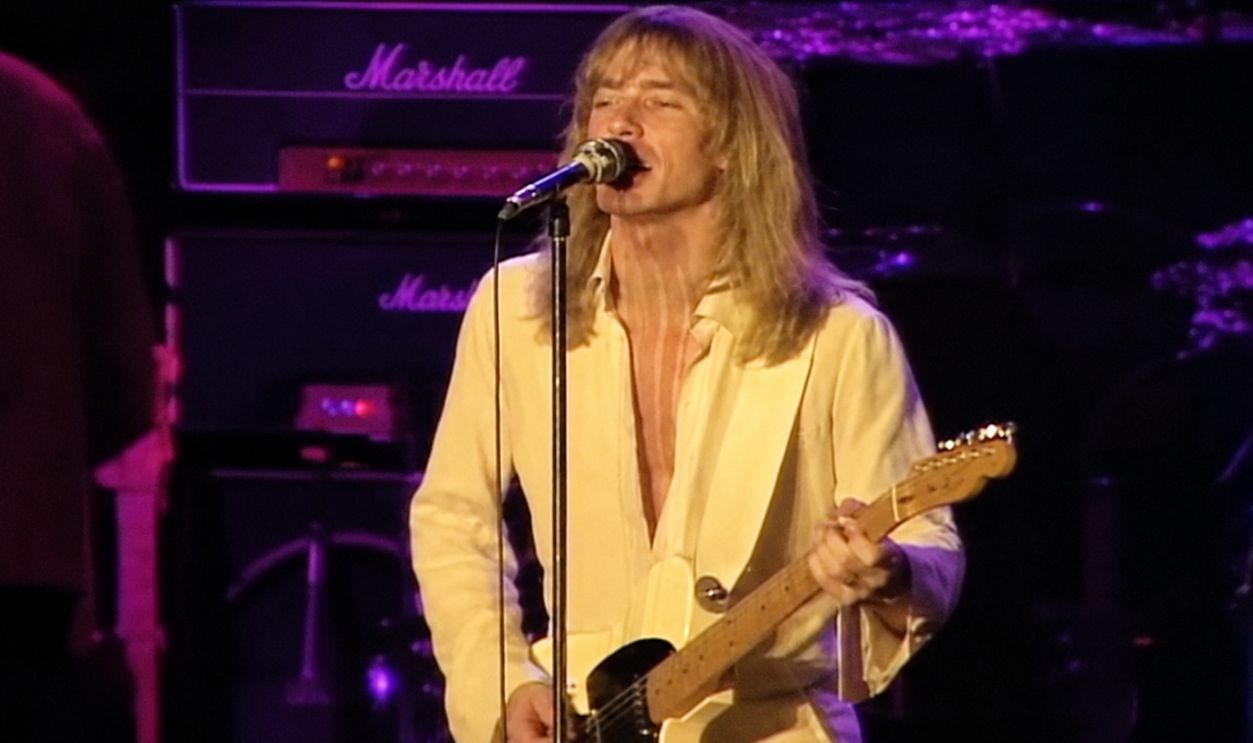 Screenshot from Cheap Trick at Budokan, Epic Records (1979), Enhanced
Their Second Version Became The Breakthrough
The live recording appeared on Cheap Trick at Budokan, which was initially released in Japan before reaching a much wider international audience. Its driving guitars, faster tempo, and excited concert crowd gave "I Want You to Want Me" an energy largely absent from the original studio version. Released as an American single in 1979, it reached number seven on the Billboard Hot 100 and established Cheap Trick as major rock stars.
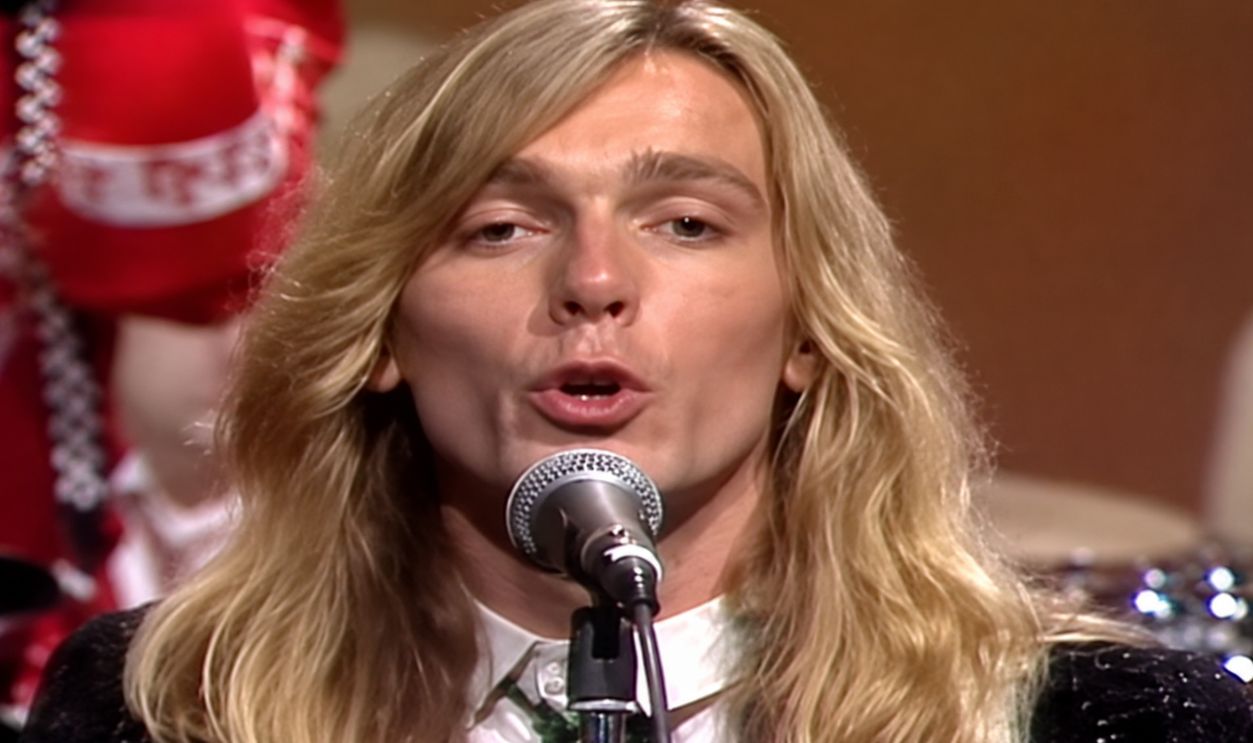 Screenshot from Cheap Trick at Budokan, Epic Records (1979), Enhanced
KISS Couldn't Make Rock And Roll All Nite A Hit
By early 1975, KISS had released two albums without achieving the commercial breakthrough their record company desperately wanted. Casablanca Records president Neil Bogart encouraged the musicians to create an unforgettable anthem, prompting Paul Stanley and Gene Simmons to combine their songwriting ideas into "Rock and Roll All Nite." The resulting recording appeared on the band's third album, Dressed to Kill, but its initial single release delivered only modest chart success.
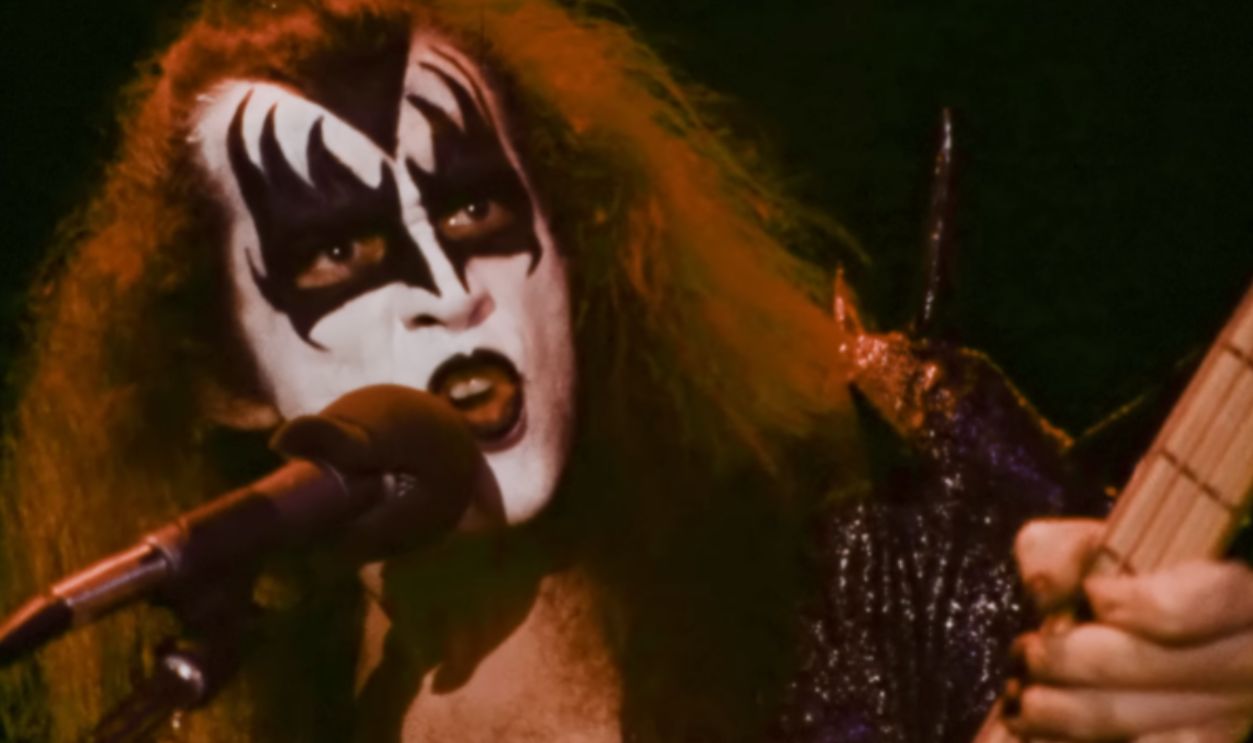 Screenshot from Rock and Roll All Nite, Casablanca Records (1975)
Their Concerts Made The Song Sound Completely Different
KISS had already developed a reputation for spectacular live performances, and their record company decided to capture that excitement on a concert album. Released in September 1975, Alive! featured a much more energetic version of "Rock and Roll All Nite," complete with a lively audience and an expanded guitar solo by Ace Frehley. The difference was considerable, making the familiar studio recording sound restrained compared with the band's explosive concert performance.
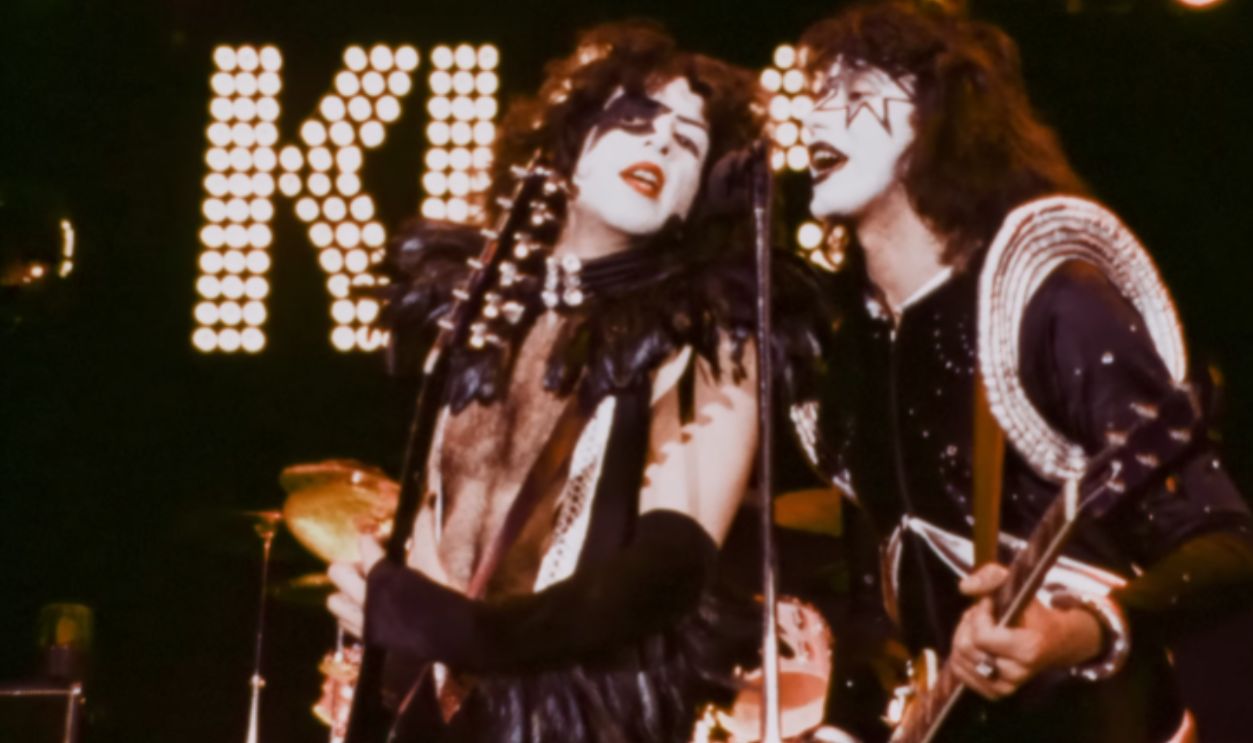 Screenshot from Rock and Roll All Nite, Casablanca Records (1975)
The Live Version Finally Made KISS Famous
When the live recording was released as a single, it climbed to number 12 on the Billboard Hot 100, far surpassing the original version's performance. The success helped transform Alive! into the band's commercial breakthrough and established "Rock and Roll All Nite" as their signature anthem. Although KISS had already recorded the song in a studio, it took the excitement of a live audience to make the recording connect with listeners across America.
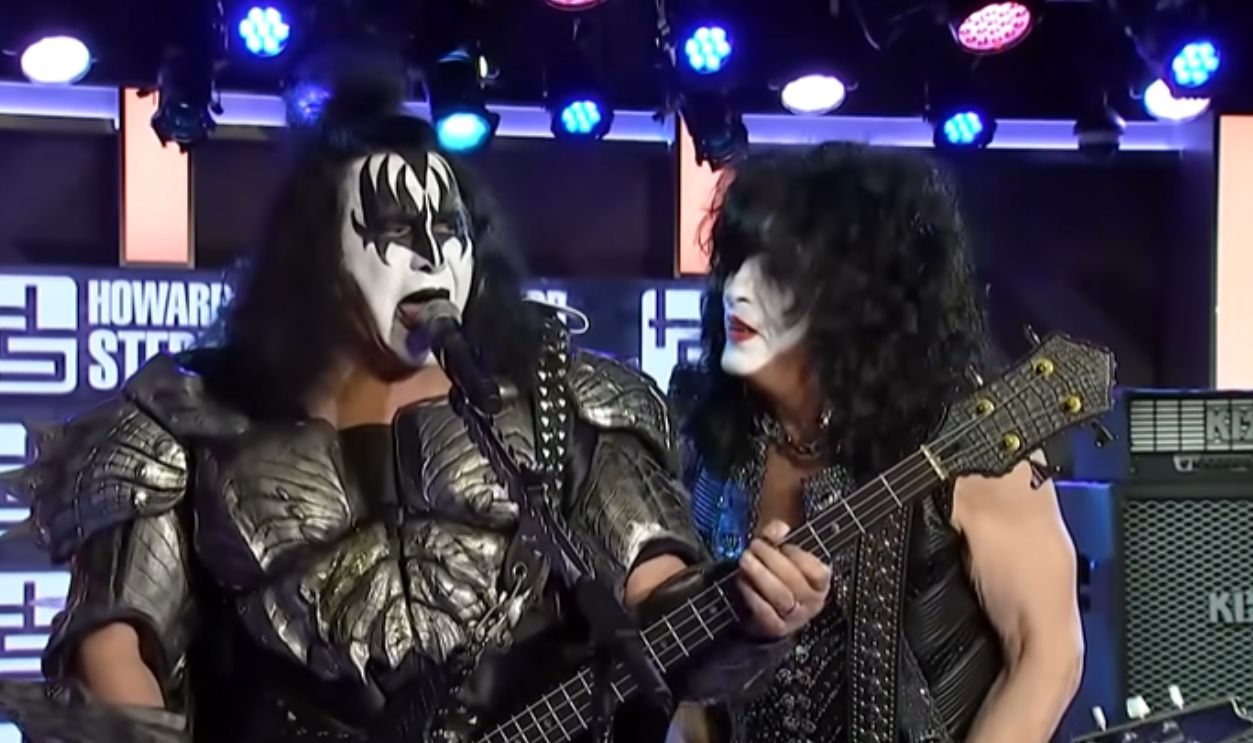 Screenshot from Rock and Roll All Nite, Casablanca Records (1975)
Peter Frampton's Show Me The Way Was Initially Ignored
Peter Frampton included "Show Me the Way" on his 1975 studio album Frampton, demonstrating his melodic songwriting and distinctive guitar playing. The recording featured his signature talk box effect, which allowed him to shape his guitar's sound into something resembling a human voice. Although the song was released as a single, it failed to become a significant American hit, leaving Frampton still searching for his major commercial breakthrough.
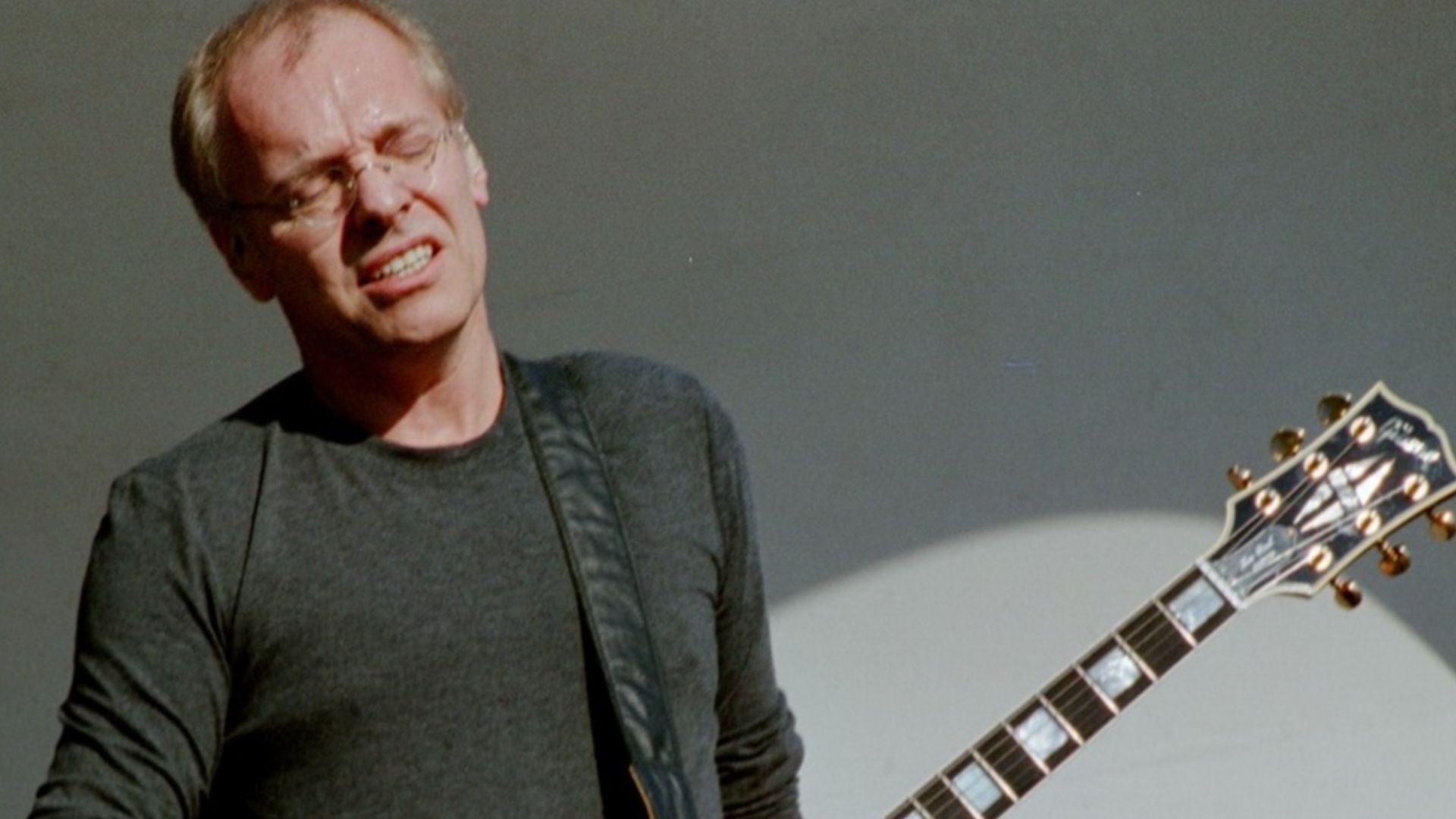 Carl Lender at https://www.flickr.com/photos/clender/, Wikimedia Commons
A Live Album Gave The Song New Life
During his 1975 concert tour, Frampton recorded performances for what would become Frampton Comes Alive!, an ambitious live album released in January 1976. His energetic rendition of "Show Me the Way" captured the excitement of the concert audience while showcasing his unusual guitar effects. The live recording created an entirely different experience from the earlier studio version, drawing listeners into a performance that seemed designed for enormous arenas.
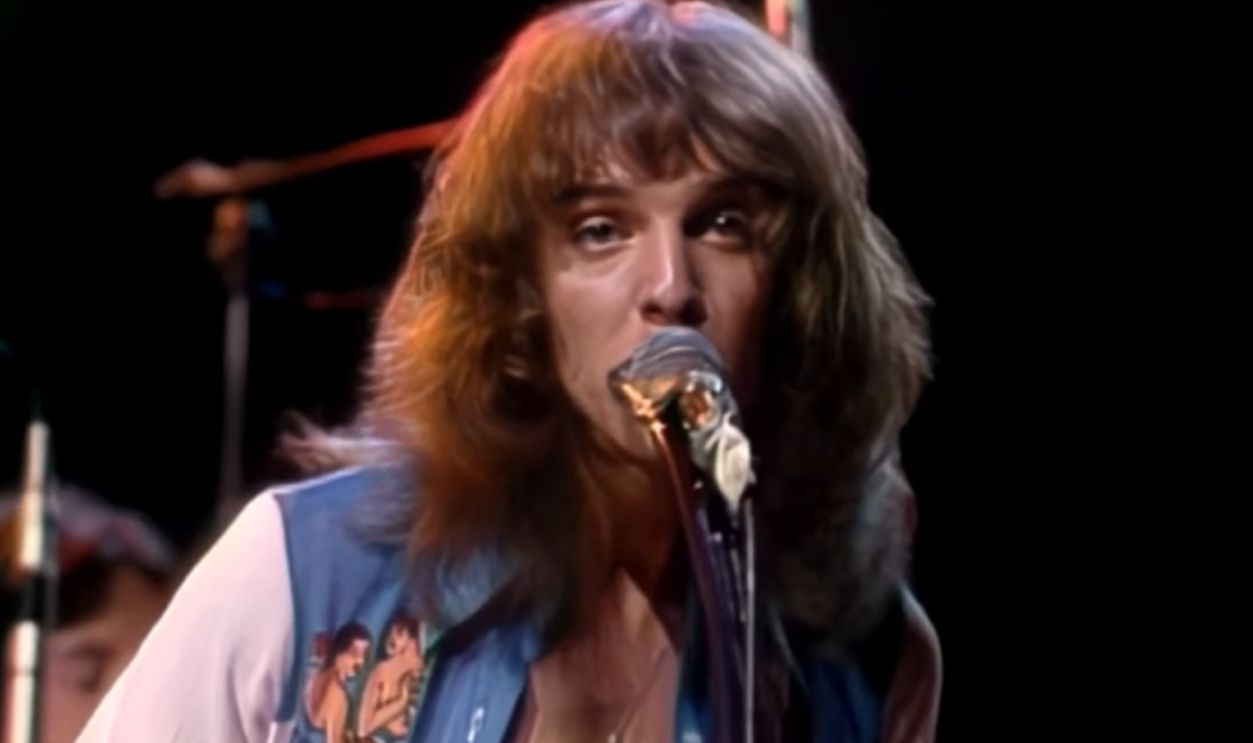 Screenshot from Show Me the Way, A&M Records (1975)
Frampton Became An Overnight Sensation
The live version of "Show Me the Way" reached number six on the Billboard Hot 100 in 1976, becoming Frampton's first major American singles hit. Frampton Comes Alive! subsequently became one of the most commercially successful live albums in rock history, establishing him as an international superstar. Remarkably, the album also transformed earlier recordings like "Baby, I Love Your Way" and "Do You Feel Like We Do" into major hits, demonstrating that several overlooked songs could find success through the same second chance.
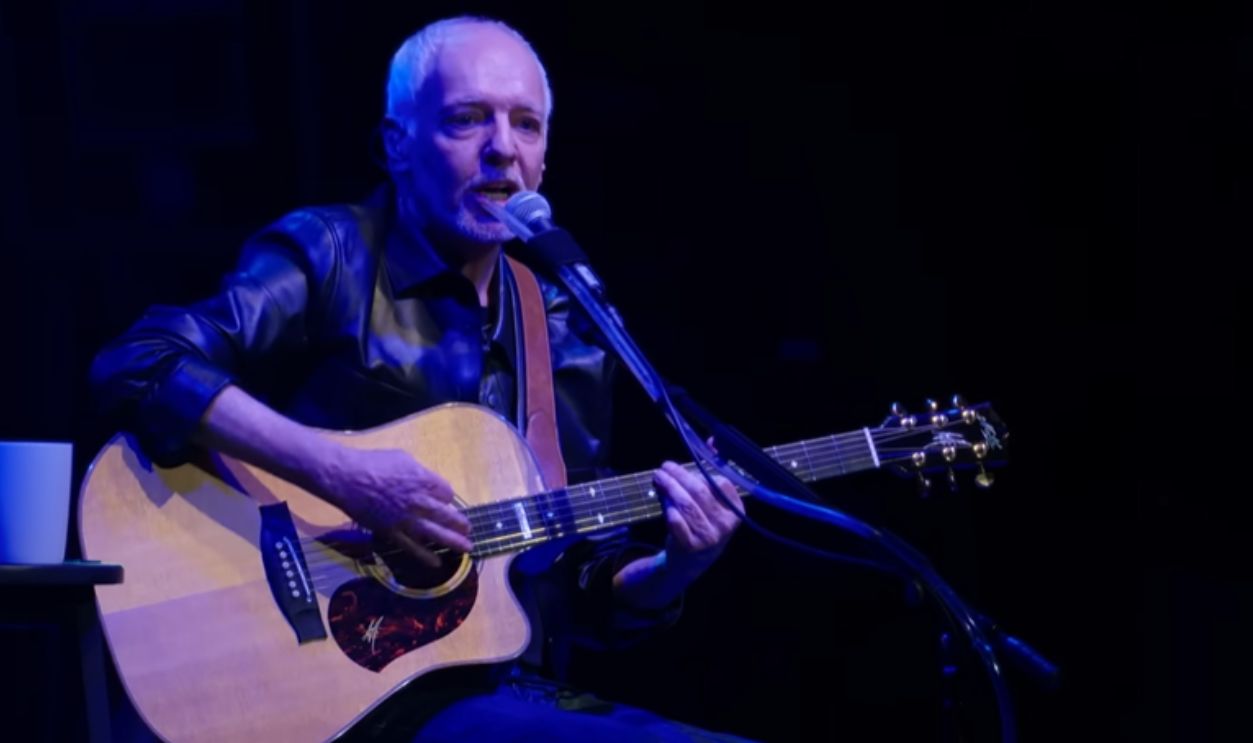 Screenshot from Baby, I Love Your Way, A&M Records (1976)
Paul McCartney Originally Kept Maybe I'm Amazed On An Album
Paul McCartney first released "Maybe I'm Amazed" on his 1970 solo debut, McCartney, shortly after the Beatles' breakup. The recording featured McCartney performing nearly all the instruments himself, creating an intimate and emotional tribute to his wife Linda. Although it became one of the album's most admired tracks, McCartney didn't release the original studio recording as a commercial single.
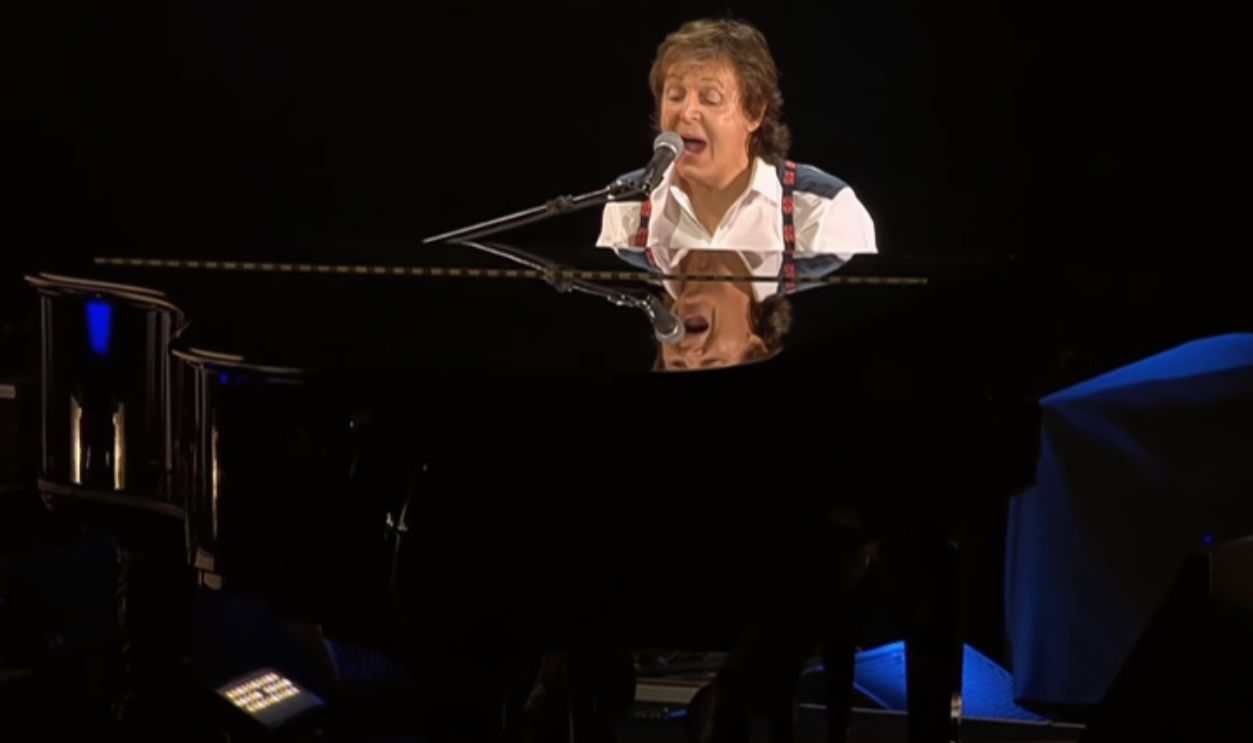 Screenshot from Maybe I'm Amazed, Apple Records (1970)
Wings Gave The Song A Completely Different Sound
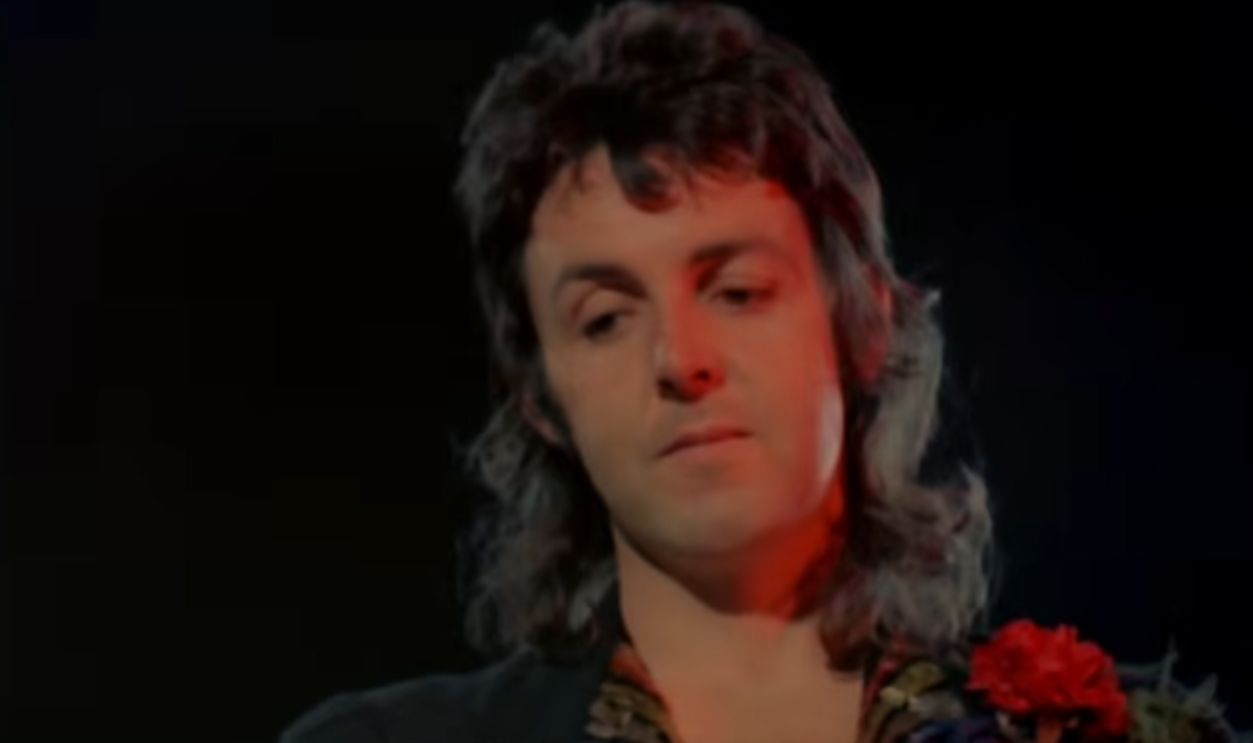
During Wings' successful 1976 American tour, McCartney revisited "Maybe I'm Amazed" with a full touring band. The new arrangement added a powerful live atmosphere, with Jimmy McCulloch's guitar playing and the group's instrumental performances bringing a more expansive sound to the composition. The performance appeared on the triple live album Wings Over America, released in December 1976.
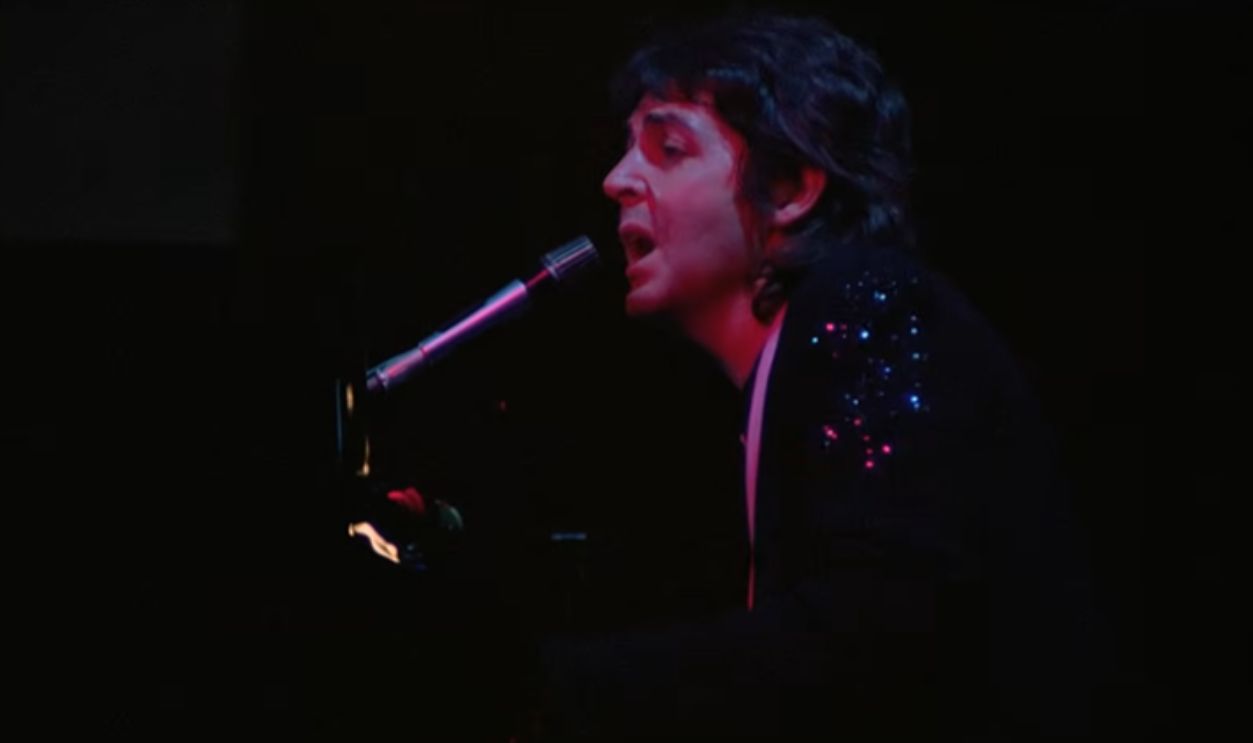 Screenshot from Maybe I'm Amazed, MPL Communications (1977)
Seven Years Later, It Finally Became A Hit Single
In February 1977, Wings released the live version of "Maybe I'm Amazed" as a commercial single, nearly seven years after the original recording appeared. The song climbed to number ten on the Billboard Hot 100, giving McCartney a major hit with material that had previously existed only as an album track. Its success demonstrated how an established composition could reach an entirely new audience when presented through a different recording.
 Screenshot from Maybe I'm Amazed, MPL Communications (1977)
A-Ha Recorded Take On Me Before Anyone Was Listening
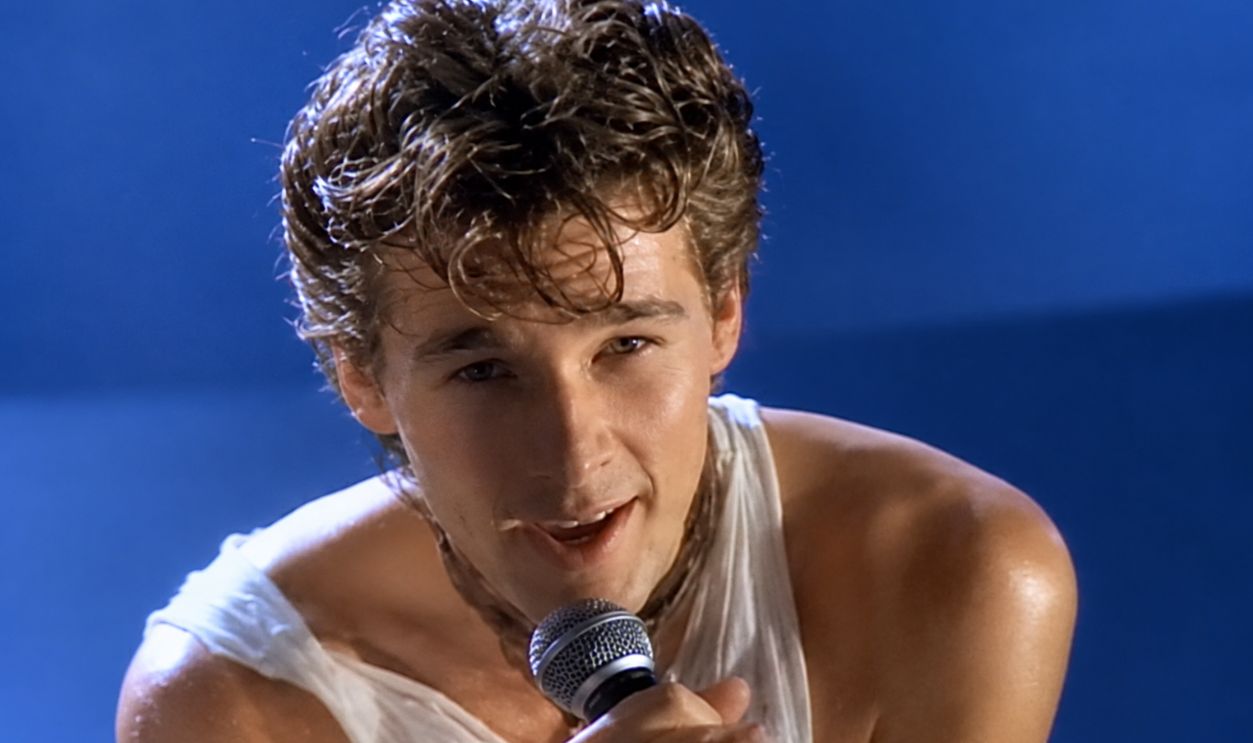
Norwegian trio a-ha first released "Take On Me" in 1984, working with producer Tony Mansfield on an early version of what would become their signature song. Despite its memorable melody and distinctive synthesizer arrangement, the single failed to achieve the commercial success the group hoped for. The disappointing response left the musicians concerned that their record company might abandon them before their career had properly begun.
 Screenshot from Take On Me, Warner Bros. Records (1984), Enhanced
Their Record Company Gave Them Another Chance
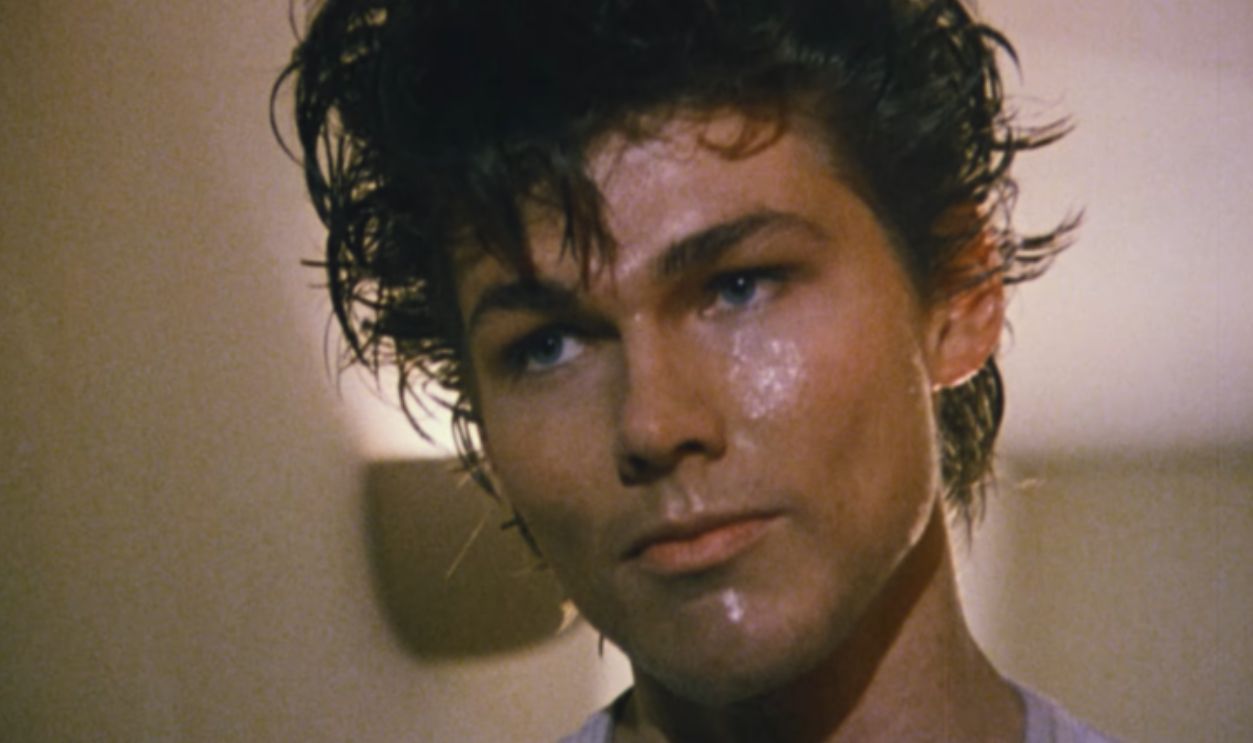
Rather than accepting defeat, the members of a-ha persuaded Warner Bros. to let them record "Take On Me" again with producer Alan Tarney. Guitarist and songwriter Pål Waaktaar-Savoy later recalled that the musicians believed the original production hadn't captured the song's full potential. Tarney revisited their earlier demo and developed the brighter, more energetic arrangement that became familiar to audiences around the world.
 Screenshot from Take On Me, Warner Bros. Records (1985)
An Animated Video Helped Make It Number One
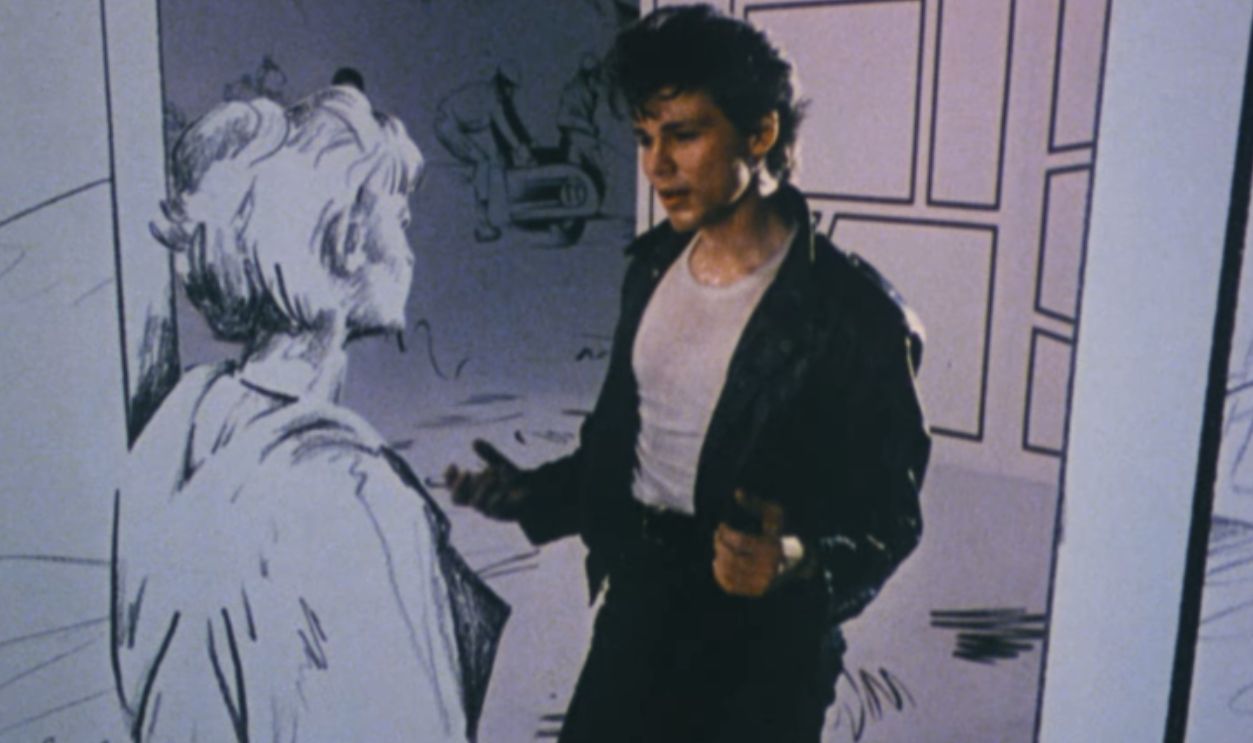
The revised recording was accompanied by an innovative music video directed by Steve Barron, combining live-action footage with pencil-sketch animation. Heavy rotation on MTV brought the relatively unknown Norwegian band to an enormous international audience, transforming their fortunes almost overnight. In October 1985, "Take On Me" reached number one on the Billboard Hot 100, completing one of pop-rock's most remarkable recording comebacks.
 Screenshot from Take On Me, Warner Bros. Records (1985)
Joan Jett Heard A Hit Nobody Else Recognized
While touring Britain with the Runaways during the 1970s, Joan Jett discovered "I Love Rock 'n' Roll," a song originally recorded by the British band the Arrows in 1975. Jett immediately recognized its potential and suggested that the Runaways record their own version, but her bandmates weren't interested. Rather than abandoning the idea, she kept the song in mind while pursuing her next musical opportunities.
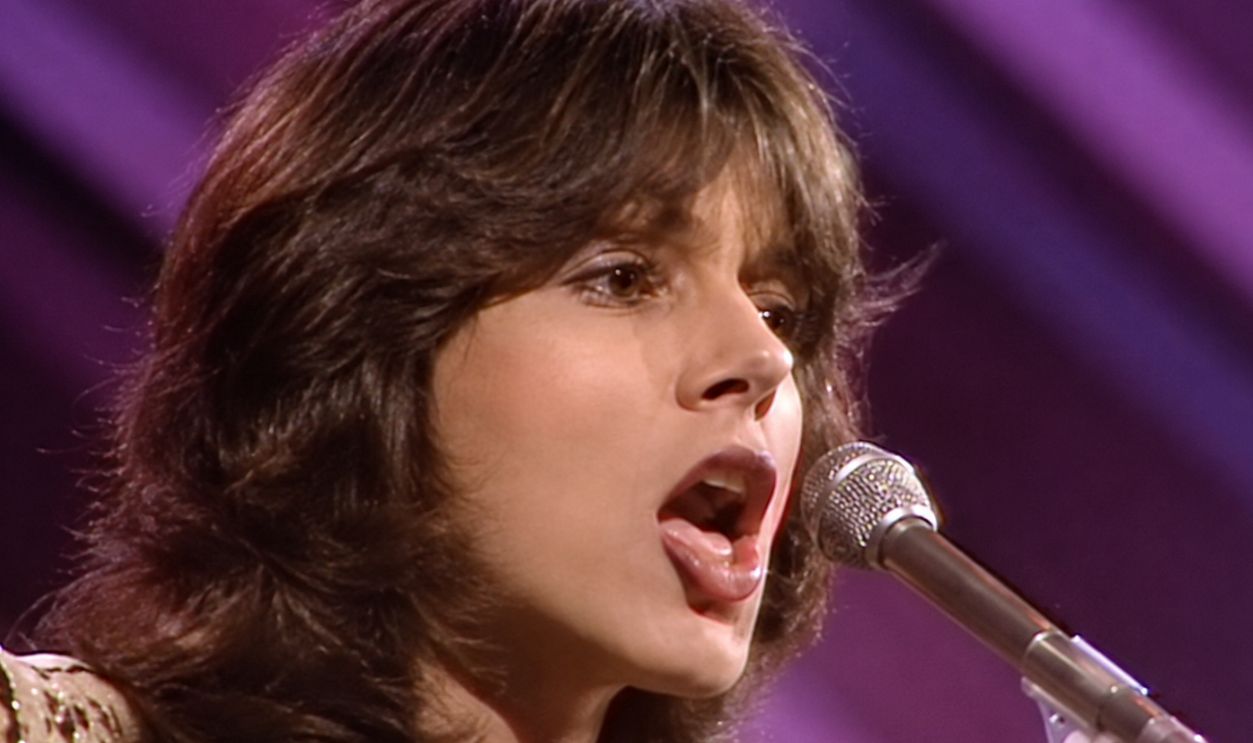 Screenshot from I Love Rock 'n' Roll, RAK Records (1975), Enhanced
Her First Recording Still Didn't Become Famous
After the Runaways disbanded, Jett recorded "I Love Rock 'n' Roll" with former members of the British punk band the Pistols, Paul Cook and Steve Jones, during sessions in England. That early interpretation didn't become a major commercial release, leaving the song without the widespread recognition Jett believed it deserved. She eventually revisited the recording with the Blackhearts, creating the powerful version that would transform her career.
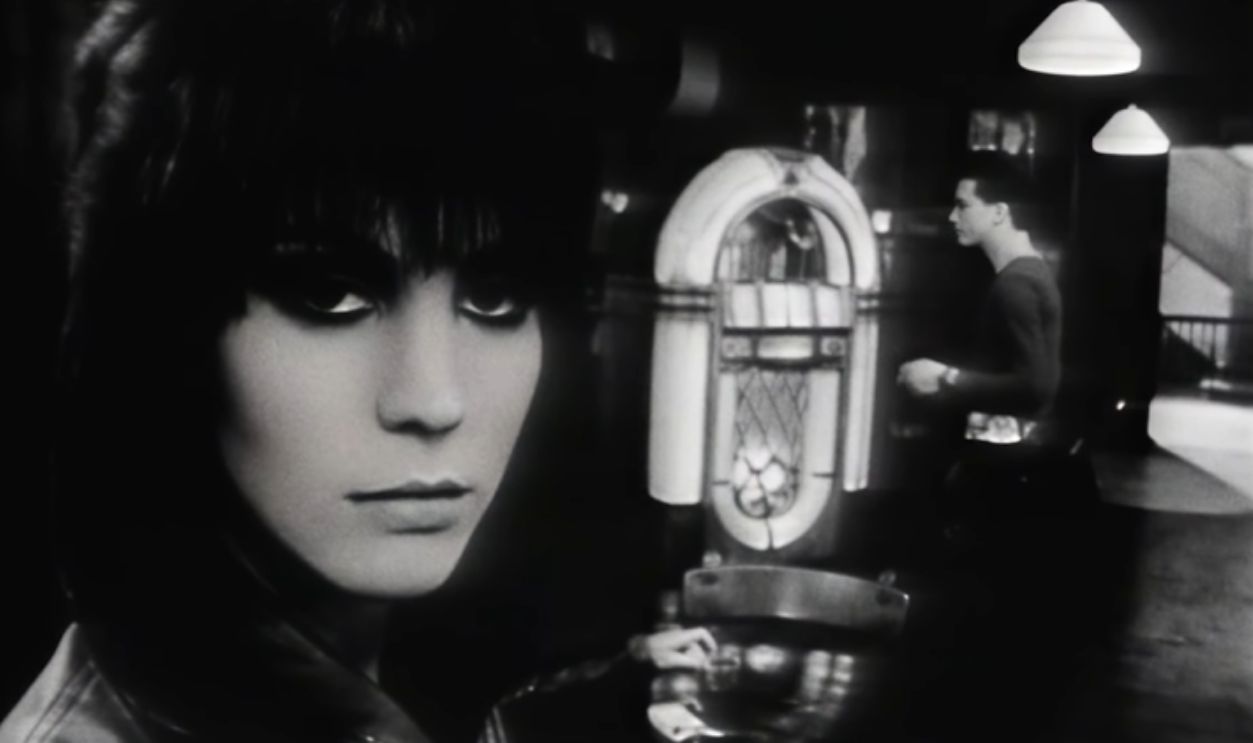 Screenshot from I Love Rock 'n' Roll, Boardwalk Records (1981)
The Blackhearts Made It A Rock Anthem
Jett's new version appeared on her 1981 album I Love Rock 'n Roll and became an enormous commercial success the following year. The recording spent seven consecutive weeks at number one on the Billboard Hot 100, establishing Jett as one of the most recognizable rock performers of the early 1980s. The song's journey from an overlooked British recording to a worldwide hit demonstrated how persistence and the right performance could completely change a composition's fortunes.
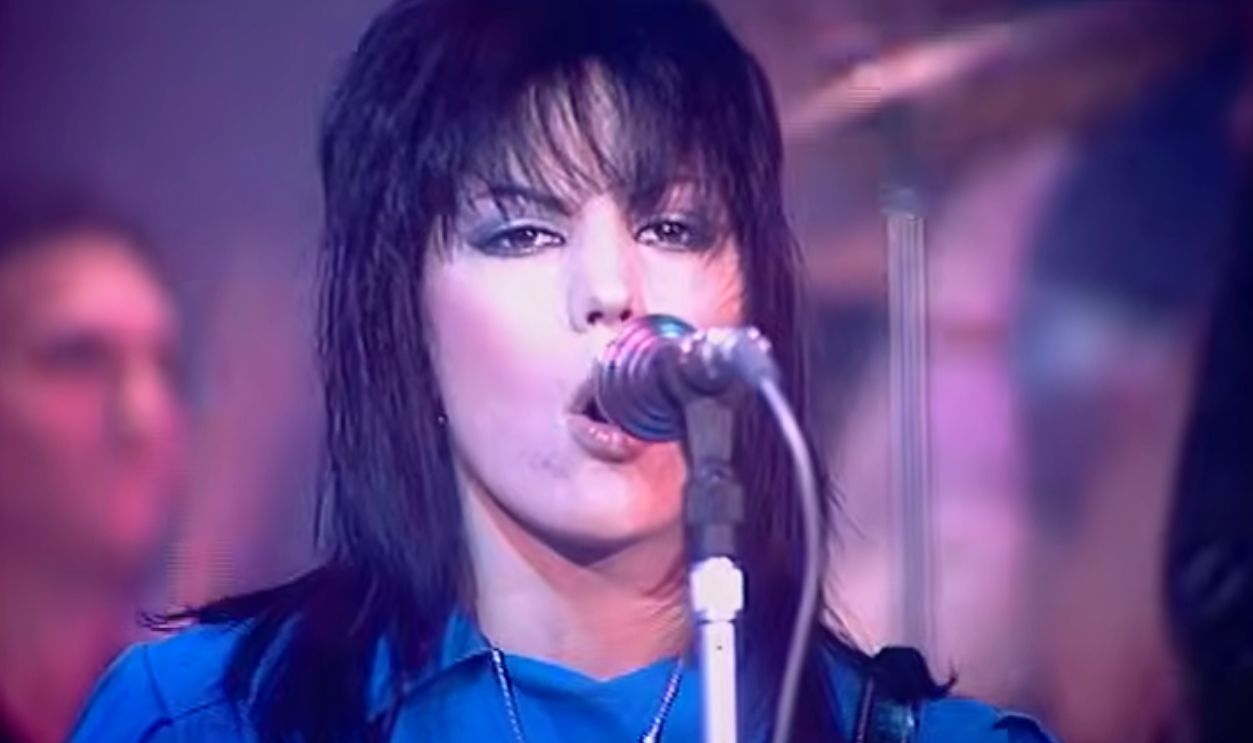 Screenshot from I Love Rock 'n' Roll, Boardwalk Records (1981)
Bruce Springsteen Couldn't Make Blinded By The Light A Hit
Bruce Springsteen introduced "Blinded by the Light" on his debut album, Greetings from Asbury Park, N.J., released in January 1973. Its rapid-fire lyrics, energetic delivery, and unconventional structure showcased the ambitious songwriting style that would eventually make him famous. Columbia Records also released the song as a single, but it failed to enter the Billboard Hot 100, leaving one of Springsteen's earliest compositions largely unnoticed by mainstream listeners.
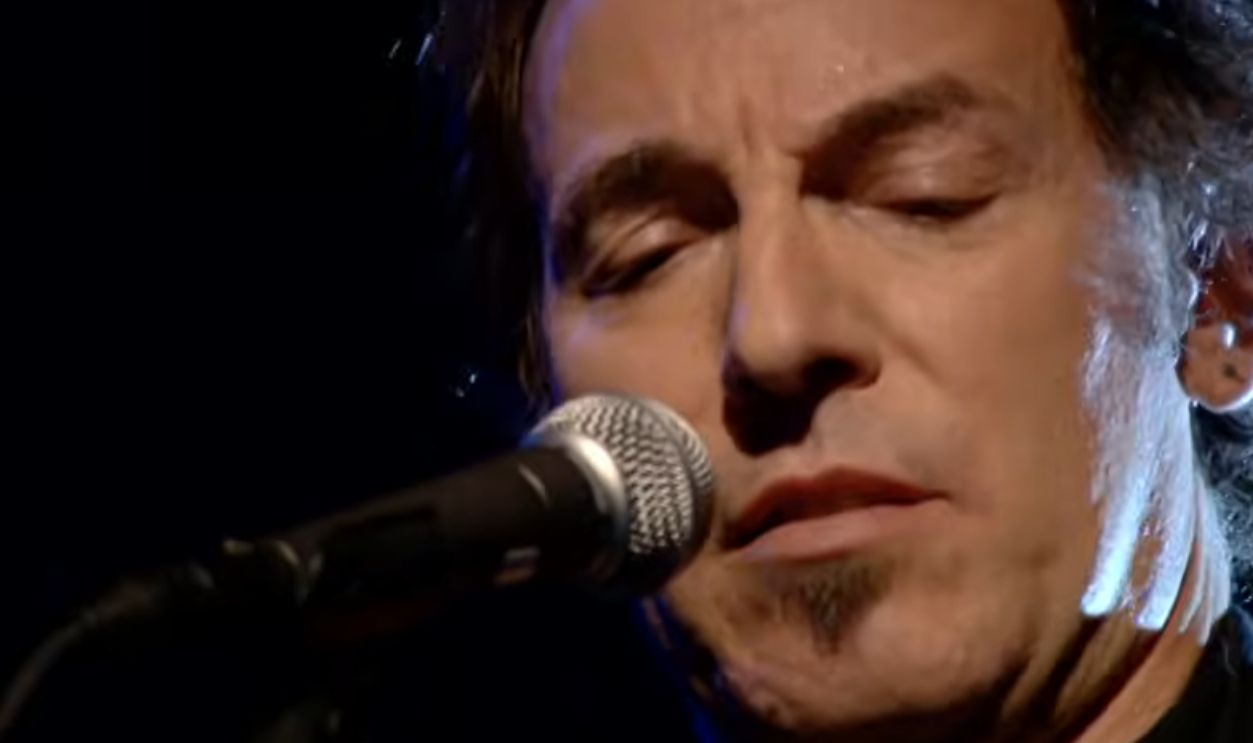 Screenshot from Blinded by the Light, Columbia Records (1973)
Manfred Mann Heard Something Springsteen Had Missed
British keyboardist Manfred Mann and his group, Manfred Mann's Earth Band, decided to record their own interpretation for the 1976 album The Roaring Silence. Their arrangement dramatically reshaped Springsteen's original, adding synthesizers, layered instrumental sections, and a more expansive progressive-rock sound. The result was almost unrecognizable compared with the earlier recording, demonstrating how differently two groups could approach the same song.
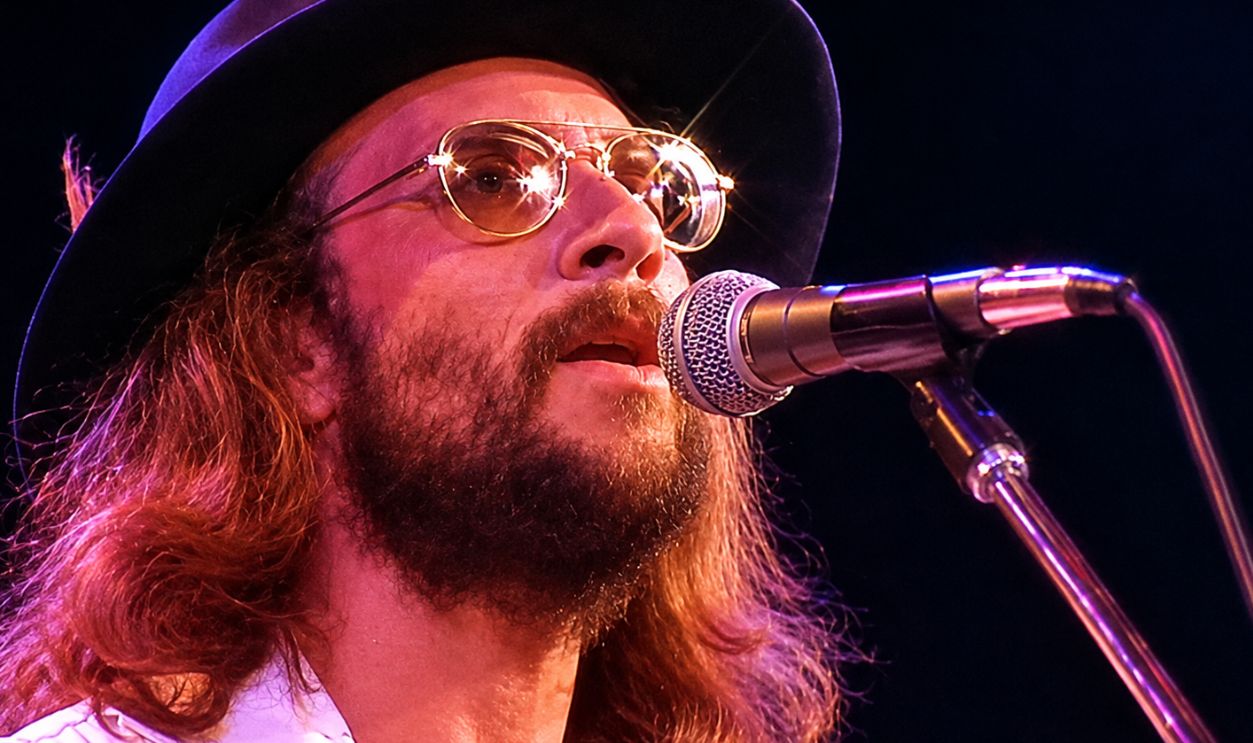 Screenshot from The Midnight Special, NBC (1972-1981), Enhanced
The Cover Became Springsteen's First Number One Composition
Manfred Mann's Earth Band released "Blinded by the Light" as a single in 1976, and it gradually gained popularity on American radio. In February 1977, the recording reached number one on the Billboard Hot 100, giving Springsteen his first chart-topping American composition as a songwriter. Remarkably, Springsteen never achieved a number-one Hot 100 single with his own recordings, making the success of another group's interpretation particularly memorable.
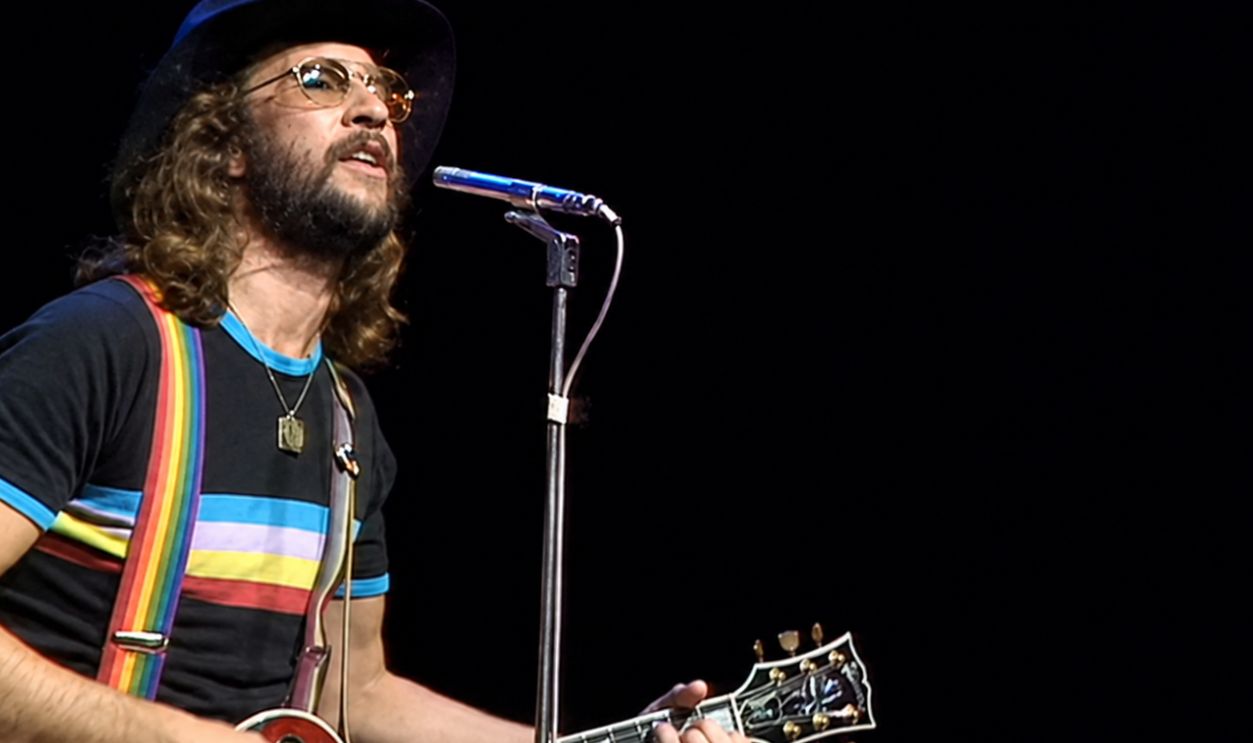 Screenshot from Blinded by the Light, Bronze Records (1976), Enhanced
Love Hurts Was First Recorded In 1960
Long before Nazareth made "Love Hurts" a rock-radio classic, the Everly Brothers recorded the song for their 1960 album A Date with the Everly Brothers. Written by Boudleaux Bryant, the composition originally featured the duo's familiar close harmonies and gentle arrangement. Although the Everly Brothers were already major stars, their version remained an album track rather than becoming one of their famous American singles.
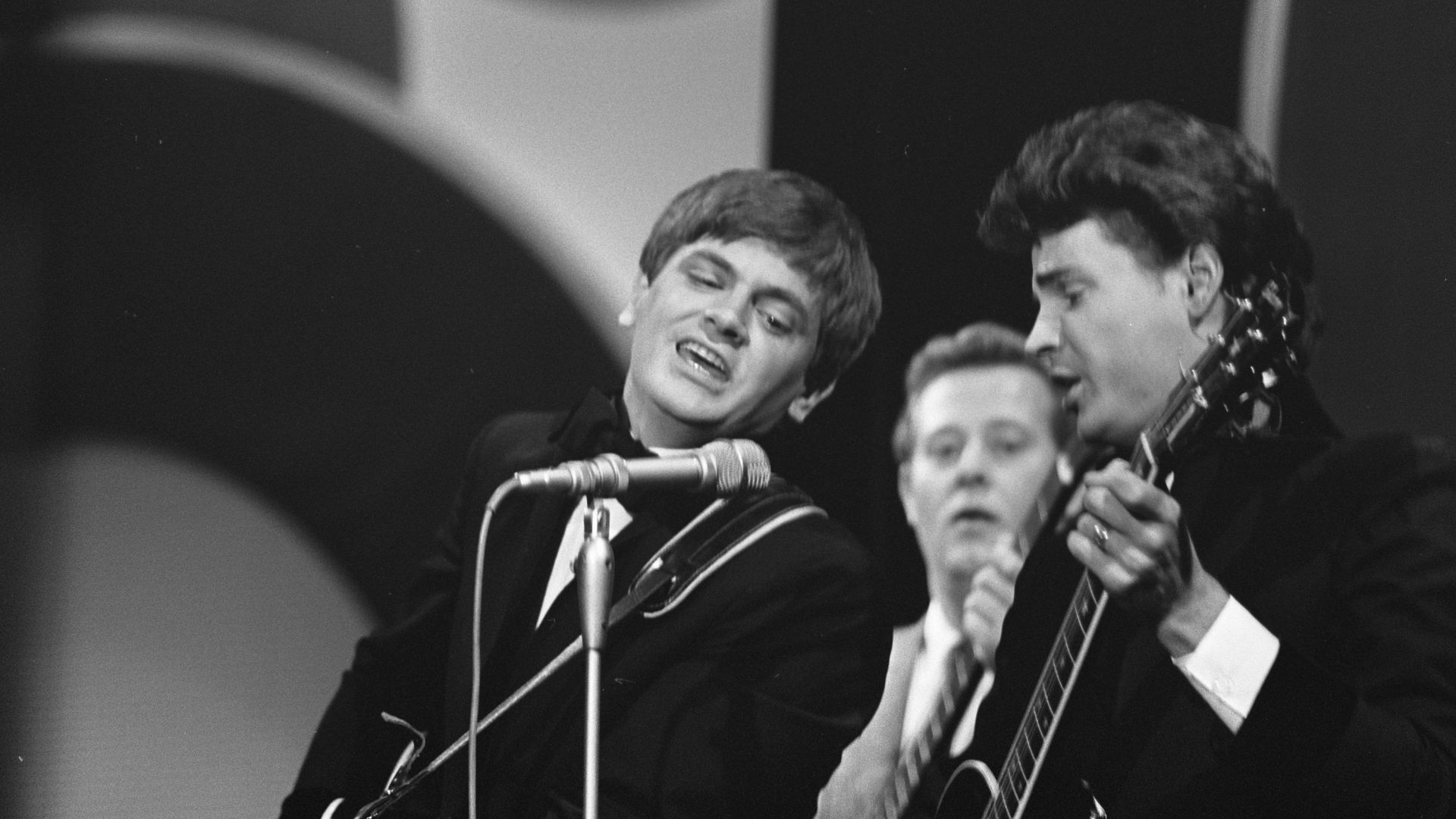 Eric Koch for Anefo, Wikimedia Commons
Nazareth Remembered The Song From Their Early Days
Scottish rock group Nazareth eventually recorded "Love Hurts" for their 1975 album Hair of the Dog, giving the composition a dramatically heavier sound. Singer Dan McCafferty later recalled that the group had performed the song during their early years as a cover band, long before achieving international recognition. His powerful, raspy vocals transformed the gentle original into an emotional hard-rock ballad that sounded completely different from the Everly Brothers' recording.
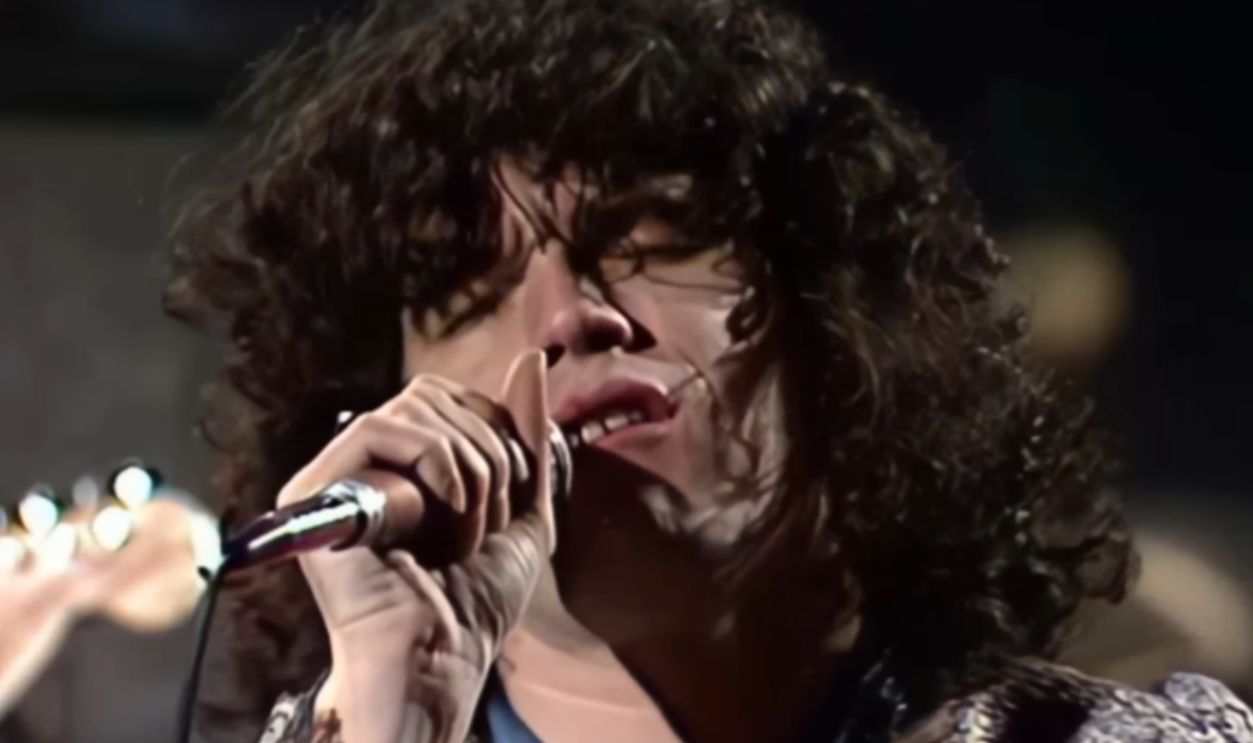 Screenshot from Love Hurts, Mooncrest Records (1974)
Their Version Became An International Success
Nazareth's interpretation reached number eight on the Billboard Hot 100 in 1976, becoming the band's biggest American singles hit. The recording also achieved remarkable international popularity and developed into one of the most recognizable rock ballads of its era. Although other performers had recorded the composition before Nazareth, the Scottish group's emotional delivery gave it an enduring identity among classic-rock listeners.
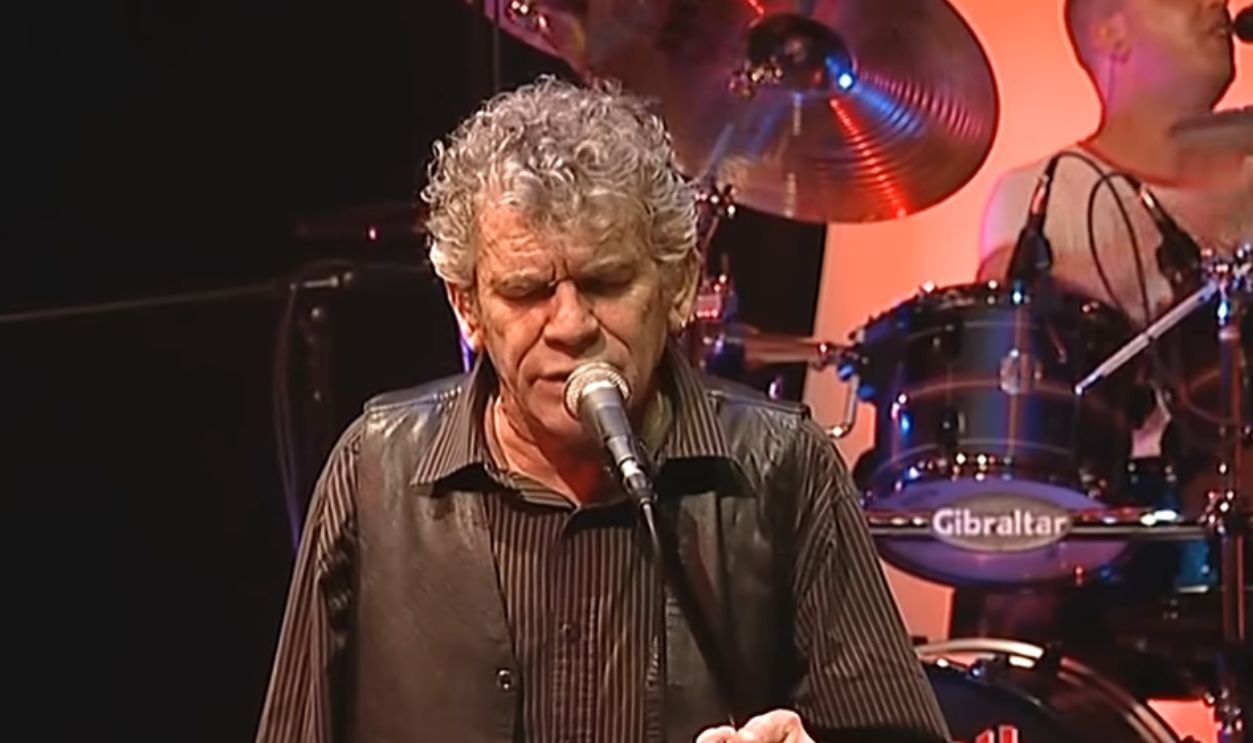 Screenshot from Love Hurts, Mooncrest Records (1974)
Wild Thing Failed With Its Original Band
Songwriter Chip Taylor wrote "Wild Thing" in 1965 for a New York group called the Wild Ones. The band recorded and released the composition, but its version failed to achieve commercial success, leaving Taylor's unusual creation without a significant audience. The song was simple, featuring a repetitive guitar pattern and a direct vocal approach, but its potential had yet to be fully realized.
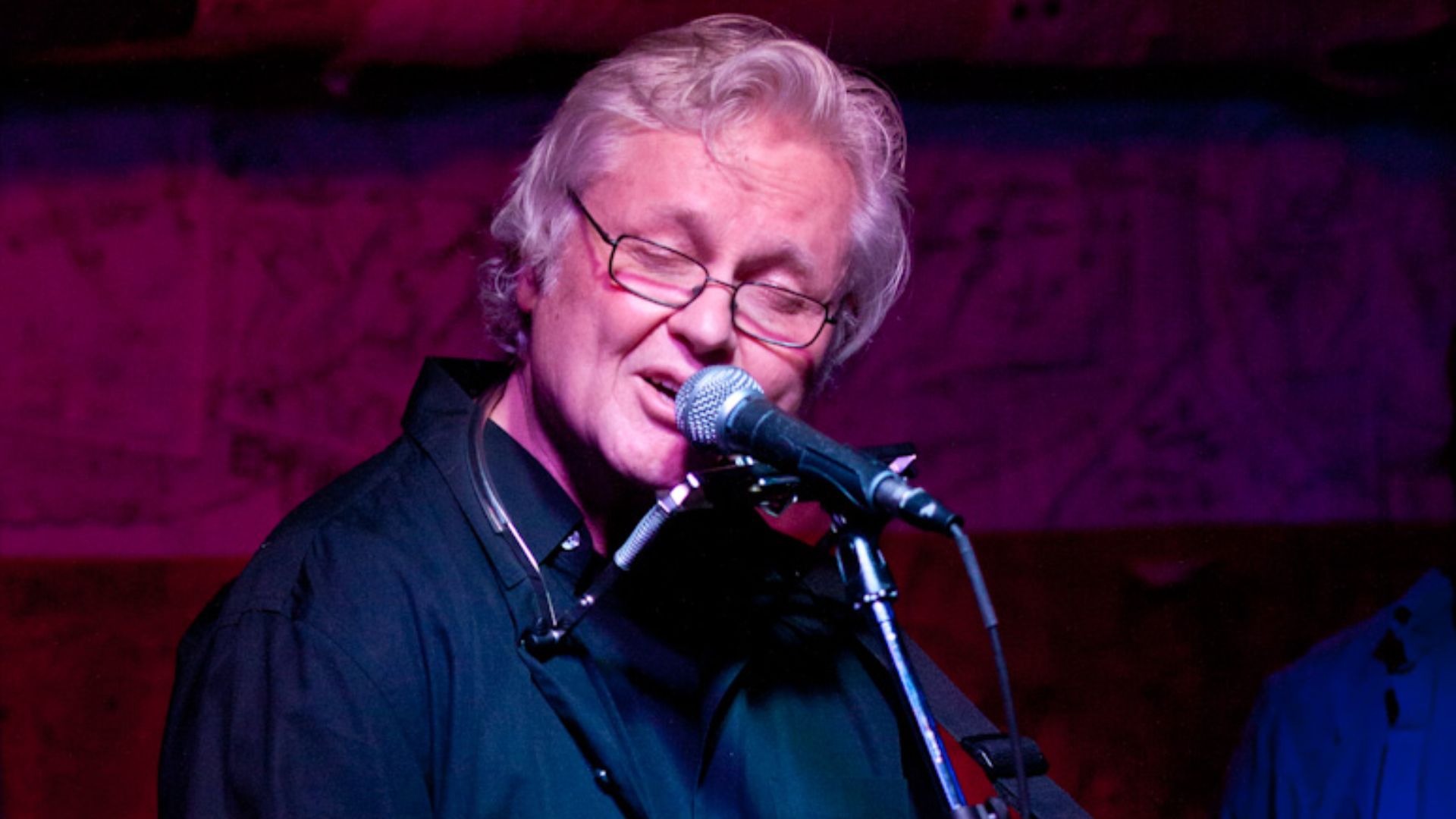 Sachyn Mital, Wikimedia Commons
The Troggs Recorded It In One Take
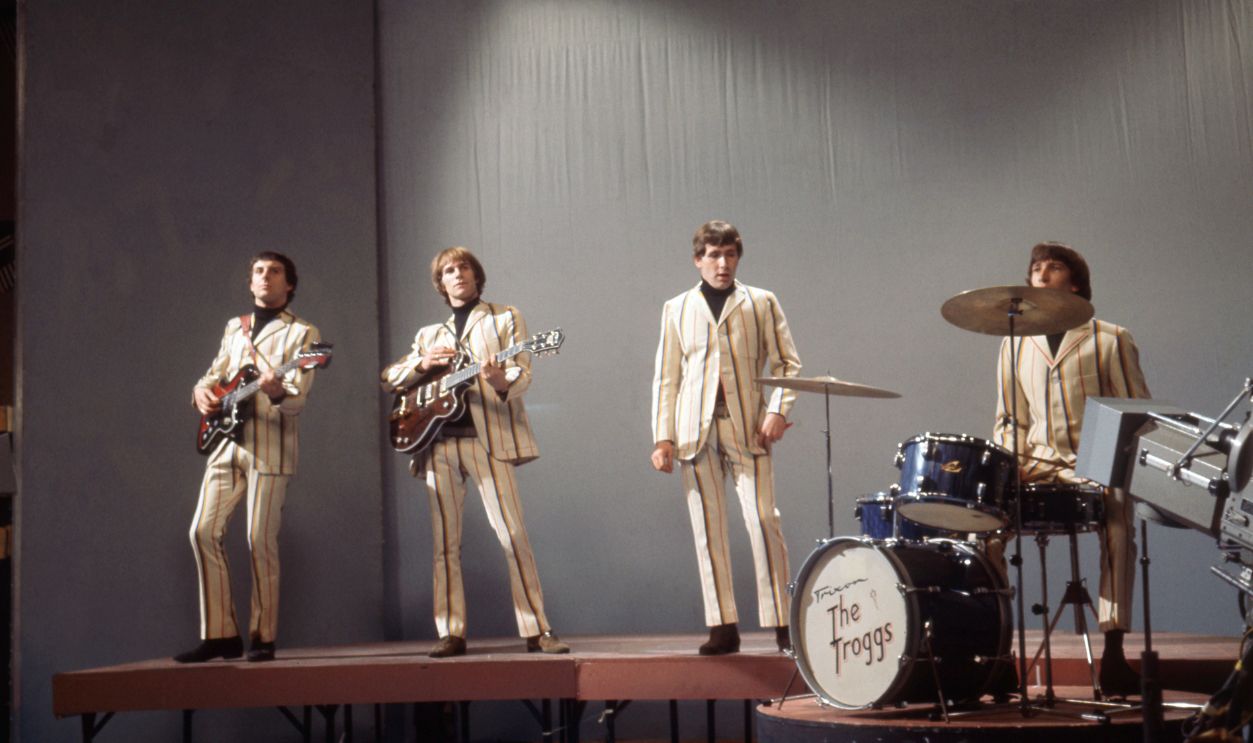
The following year, British group the Troggs discovered Taylor's song and decided to create their own recording. Lead singer Reg Presley reportedly found the composition amusing, but the band's stripped-down guitar sound and forceful performance gave it a completely different personality. According to historical accounts, the Troggs captured their famous version in a single take, preserving the raw energy that would eventually define the song.
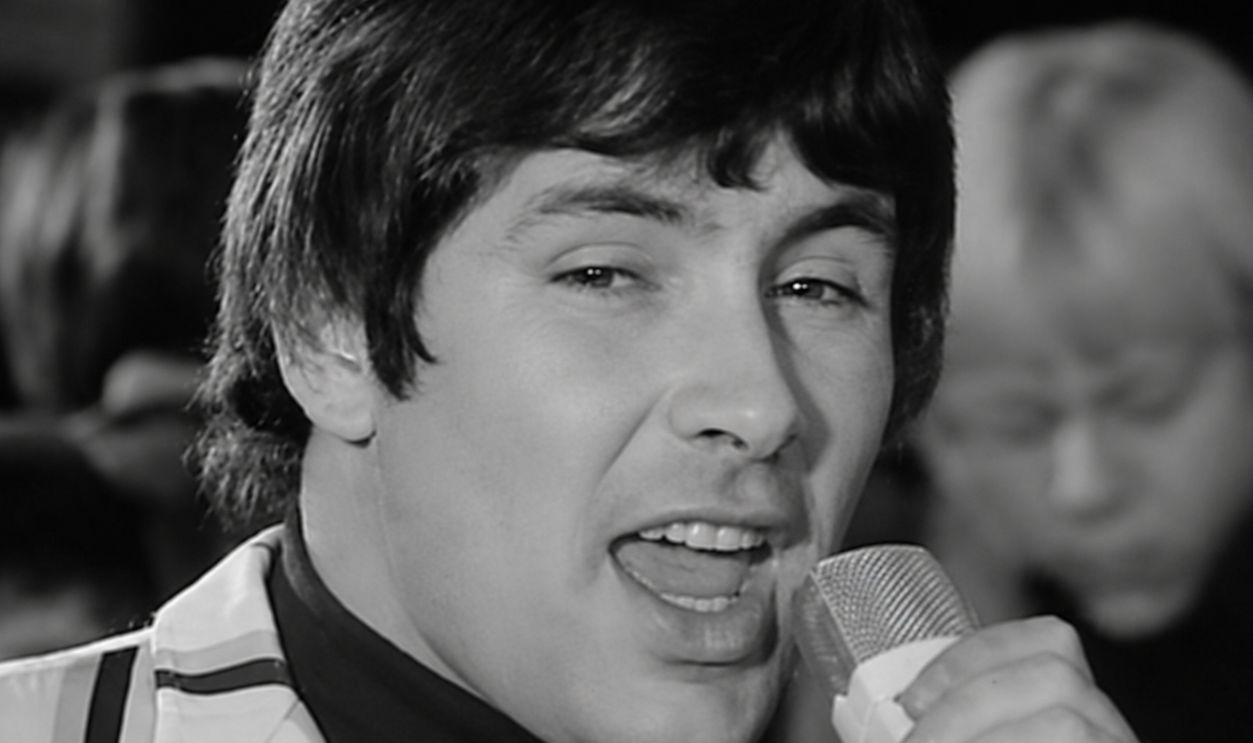 Screenshot from Wild Thing, Fontana Records (1966), Enhanced
Wild Thing Became A Rock And Roll Landmark
On July 30, 1966, the Troggs' version of "Wild Thing" reached number one on the Billboard Hot 100, establishing the band as an international sensation. Its simple arrangement and unmistakable guitar sound subsequently influenced generations of garage-rock and punk musicians, including performers who admired its direct, uncomplicated energy. A recording that had failed to attract attention in its original form had become one of rock music's most recognizable anthems, proving that the right second performance could change everything.
You May Also Like:
Forget The Critics: These Are The 50 Greatest Rock Albums Of The 1970s—Do You Agree?
Critics Say These Rock Albums Don’t Have Any Weak Tracks—Do You Agree?
Sources: 1, 2, 3, 4, 5, 6, 7, 8, 9, 10, 11, 12, 13, 14, 15, 16, 17, 18, 19