The Quiet Man Was Everywhere In The Music
Jimmy Page had the guitar heroics, Robert Plant had the voice, and John Bonham seemed capable of shaking buildings with his drums. John Paul Jones rarely competed for attention, which made it easy to underestimate just how much Led Zeppelin depended on him. But bass was only the beginning. Listen closely to the band's greatest records and Jones keeps turning up in the places that made Zeppelin sound unlike anybody else.
Music Had Been His Life Long Before Zeppelin
Born John Baldwin in 1946, Jones grew up in a musical household and began learning piano at an early age. His father was a professional musician, and Jones learned to read and arrange music long before most future rock stars were thinking about notation. By his teens, he was playing professionally. That formal background would eventually give Led Zeppelin something unusually valuable for a hard-rock group.
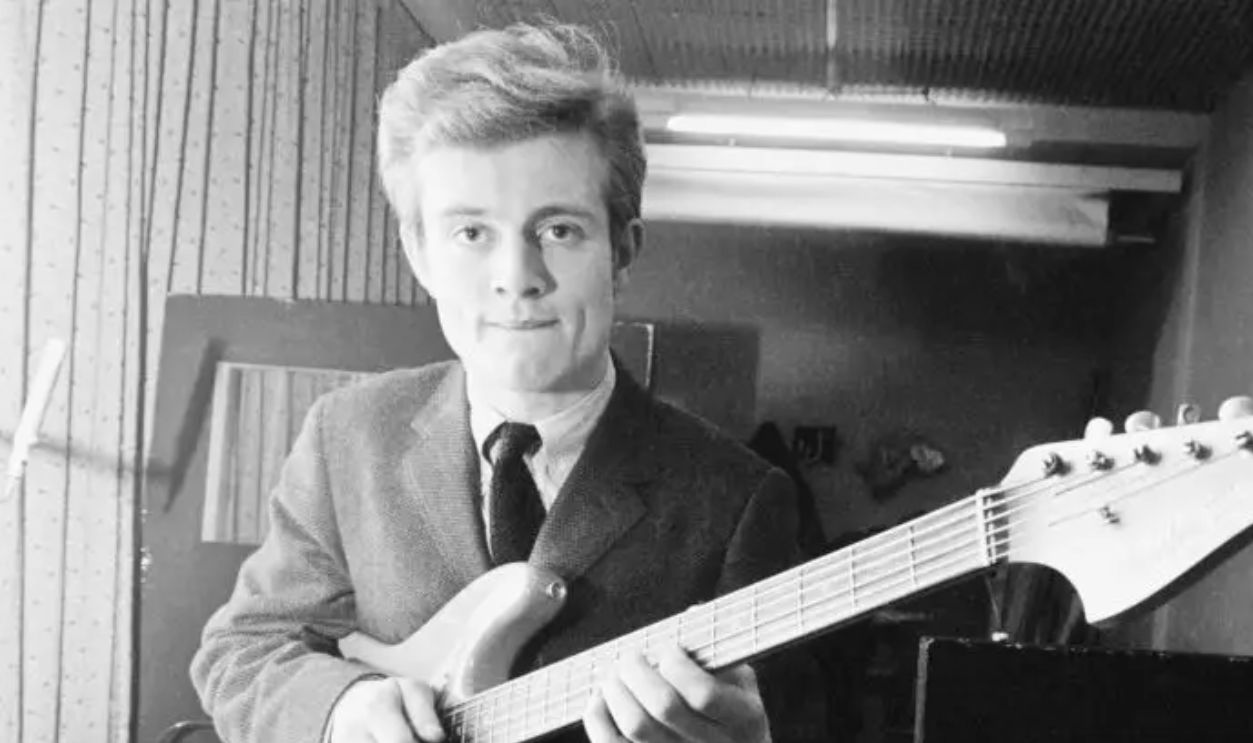 Mark Hayward Archive, Getty Images
He Became A Session Musician Other Musicians Trusted
By the mid-1960s, Jones was one of London's busiest session players. He could walk into a studio, read a chart immediately, invent a bass part, play keyboards, and understand what an arranger wanted without hours of explanation. His résumé included work connected with artists such as Dusty Springfield, Tom Jones, Jeff Beck, the Rolling Stones, Donovan, and many others. He was already a professional's professional before Zeppelin existed.
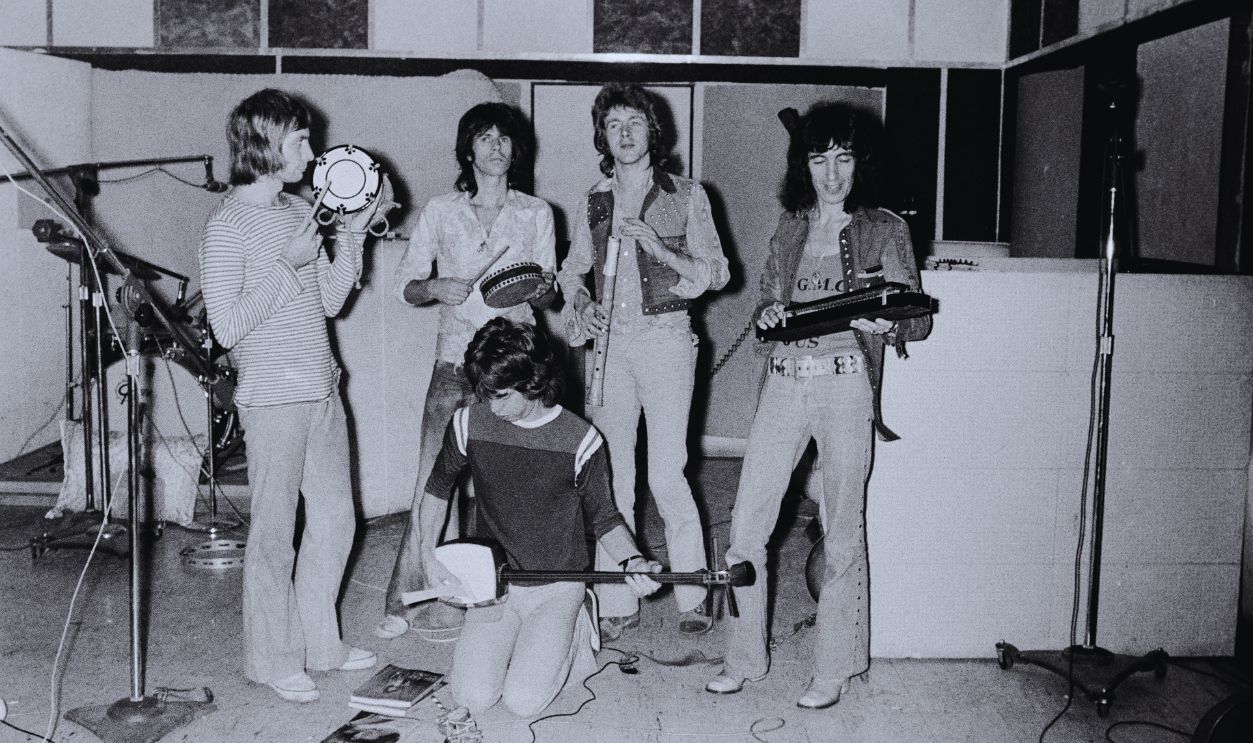 Koh Hasebe/Shinko Music, Getty Images
He Was An Arranger Before He Was A Rock Star
Jones' skills extended well beyond playing bass. He arranged music for artists including Donovan and contributed the string arrangement to the Rolling Stones' "She's a Rainbow". That experience taught him how individual instruments could occupy different parts of an arrangement without cluttering one another. Years later, Led Zeppelin's enormous sound would often depend on exactly that ability: knowing when something needed another layer and when it needed empty space.
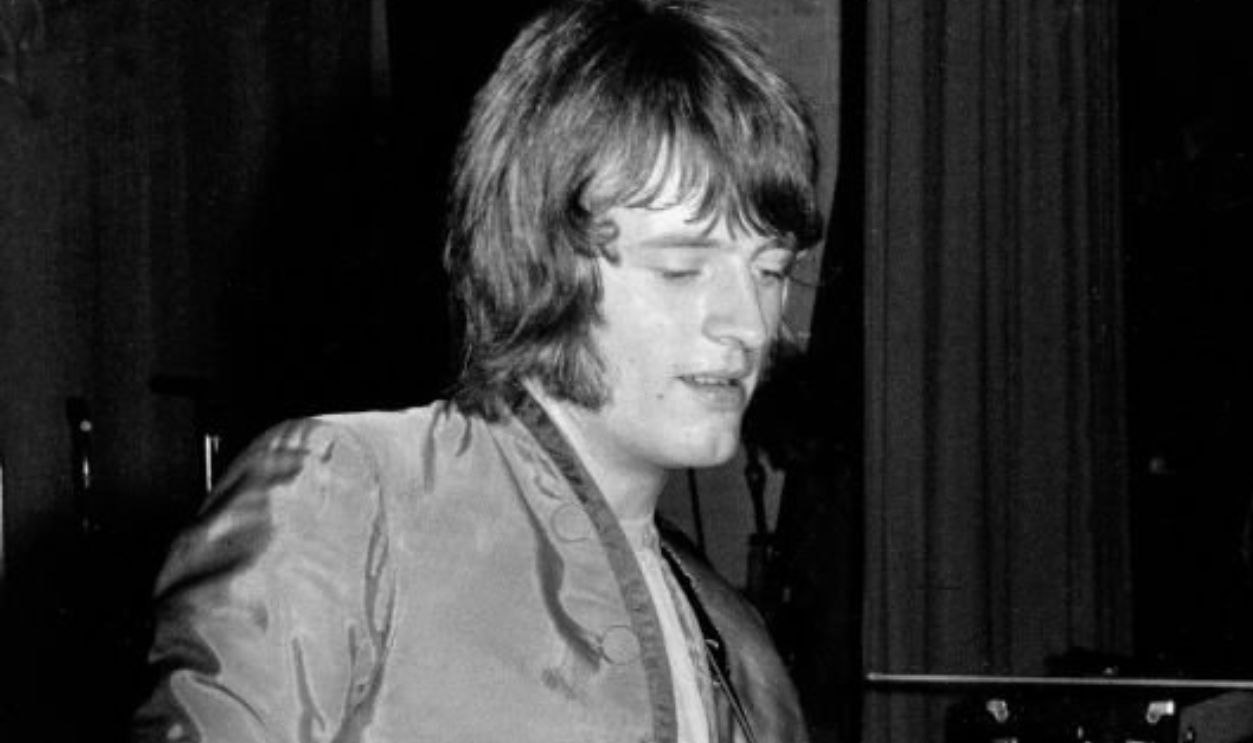
Session Work Eventually Started Feeling Like A Cage
The money was good, but Jones grew tired of being hired simply to execute somebody else's ideas. He later remembered one particularly soul-crushing "muzak" session where he was told to stop making the music interesting because it was supposed to function as background noise. He wanted to create rather than decorate. Conveniently, another accomplished session musician he already knew was trying to start a band.
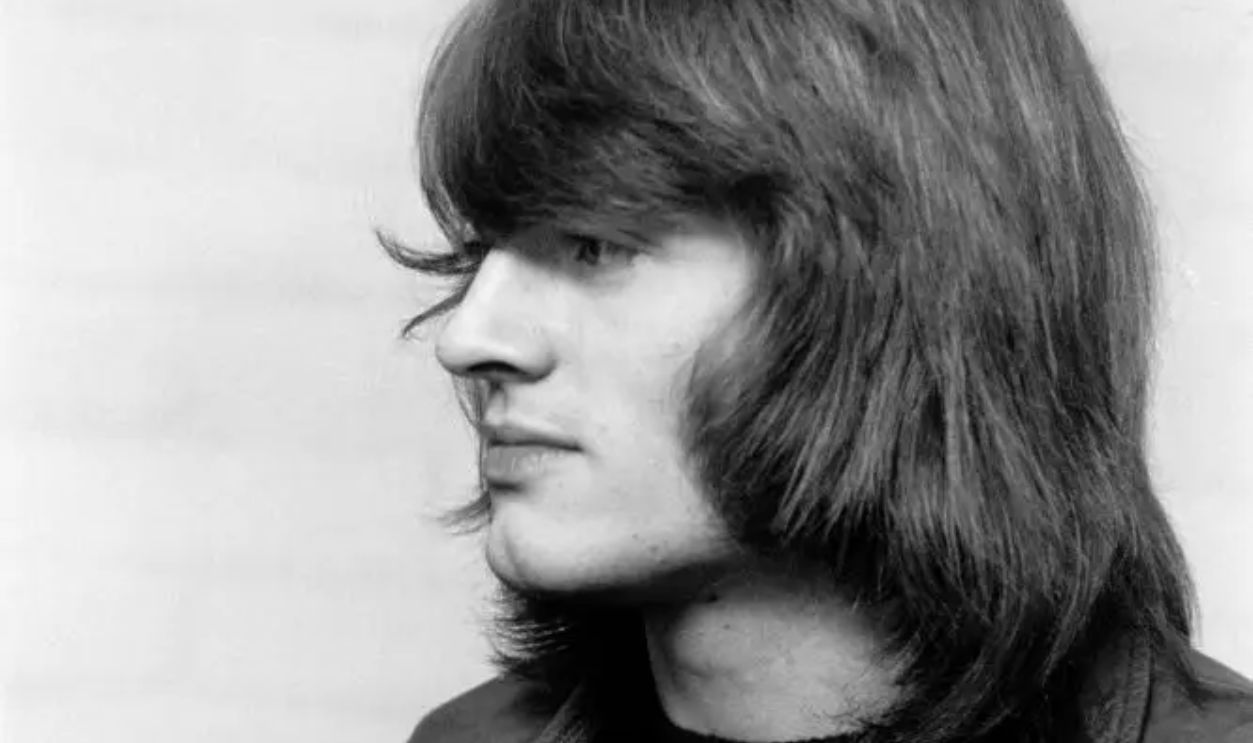
His Wife Nudged Him Toward Jimmy Page
John Paul Jones had crossed paths several times with Jimmy Page during London's session years, but it was Jones' wife who noticed that Page was forming a new group after the Yardbirds collapsed. She reportedly encouraged her restless husband to call him. Jones did, offering himself as a bassist if Page needed one. After Chris Dreja decided against joining, the position was his.
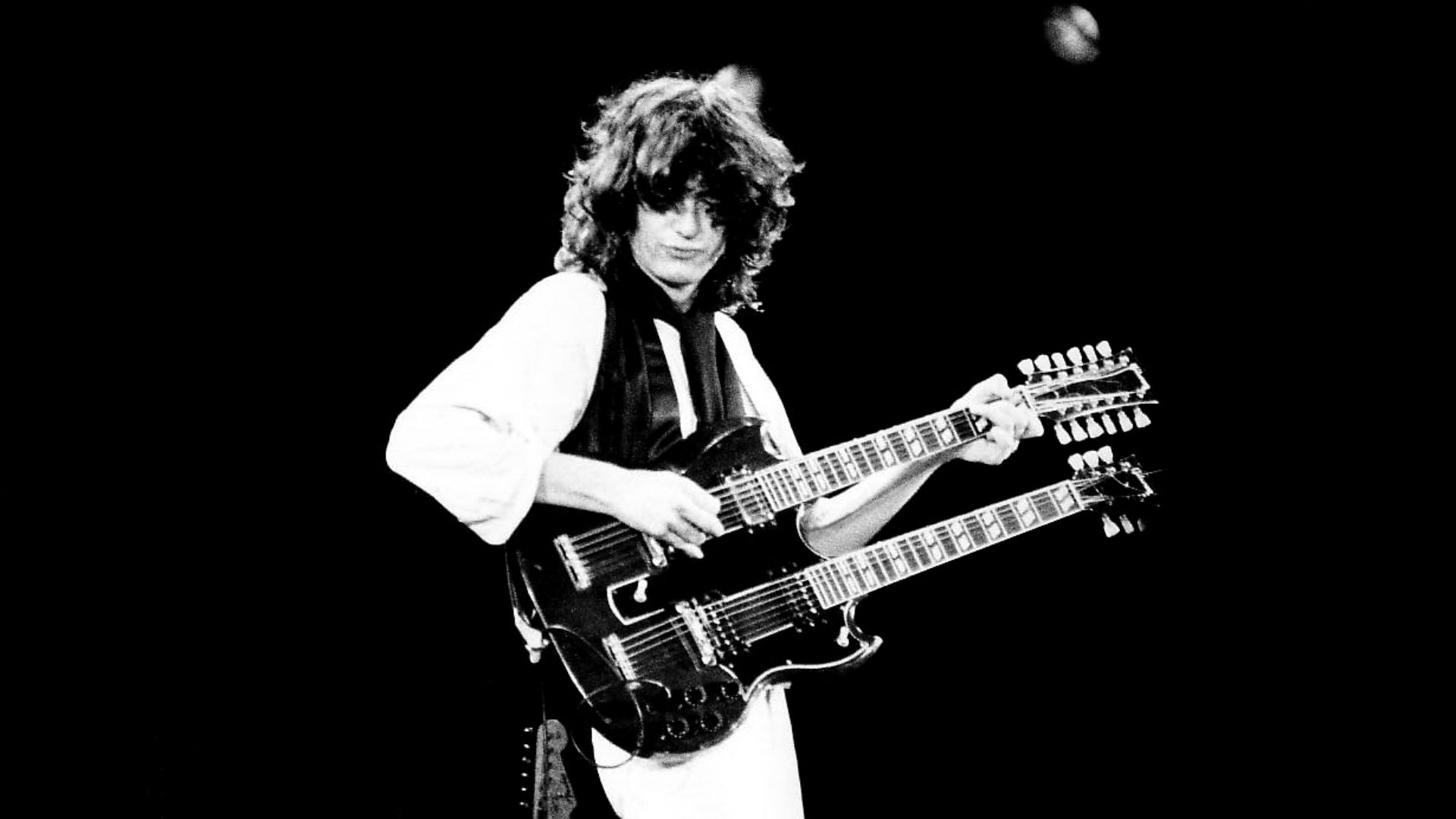 Andrew Smith, Wikimedia Commons
The First Rehearsal Changed Everything
Jones met Robert Plant and John Bonham at the new group's first rehearsal in a cramped London basement in 1968. They launched into "Train Kept a Rollin'," and Jones immediately understood that this wasn't another routine job. He later remembered the room seeming to explode with sound. Most importantly for a bassist, he realized within minutes that Bonham wasn't merely competent. He was the kind of drummer Jones could build an entire musical language around.
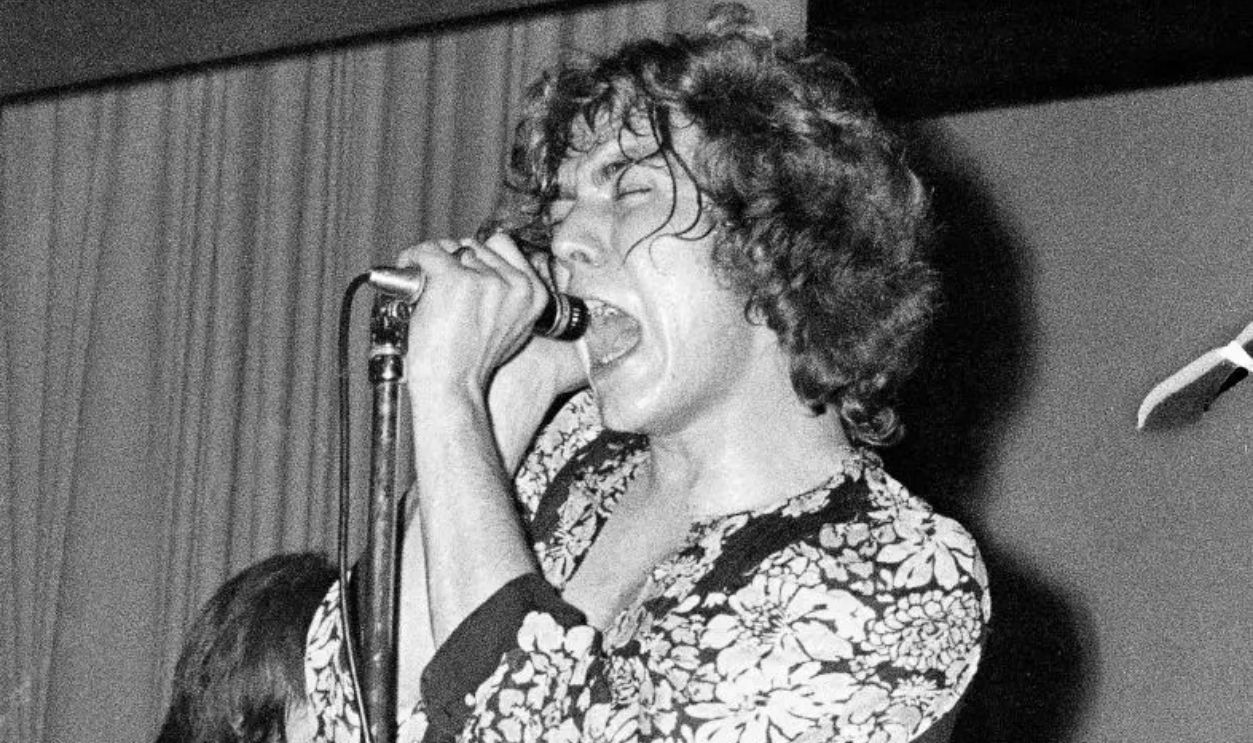
He Never Looked Like Zeppelin's Wildest Member
Once the band became famous, Jones was almost comically understated beside his bandmates. Page cultivated mystery, Plant became one of rock's great frontmen, and Bonham generated increasingly legendary stories offstage. Jones often seemed to be quietly standing somewhere behind them. He later joked that sensational Zeppelin biographies made it look as though he simply arrived after the carnage. That low profile obscured how central he was musically.
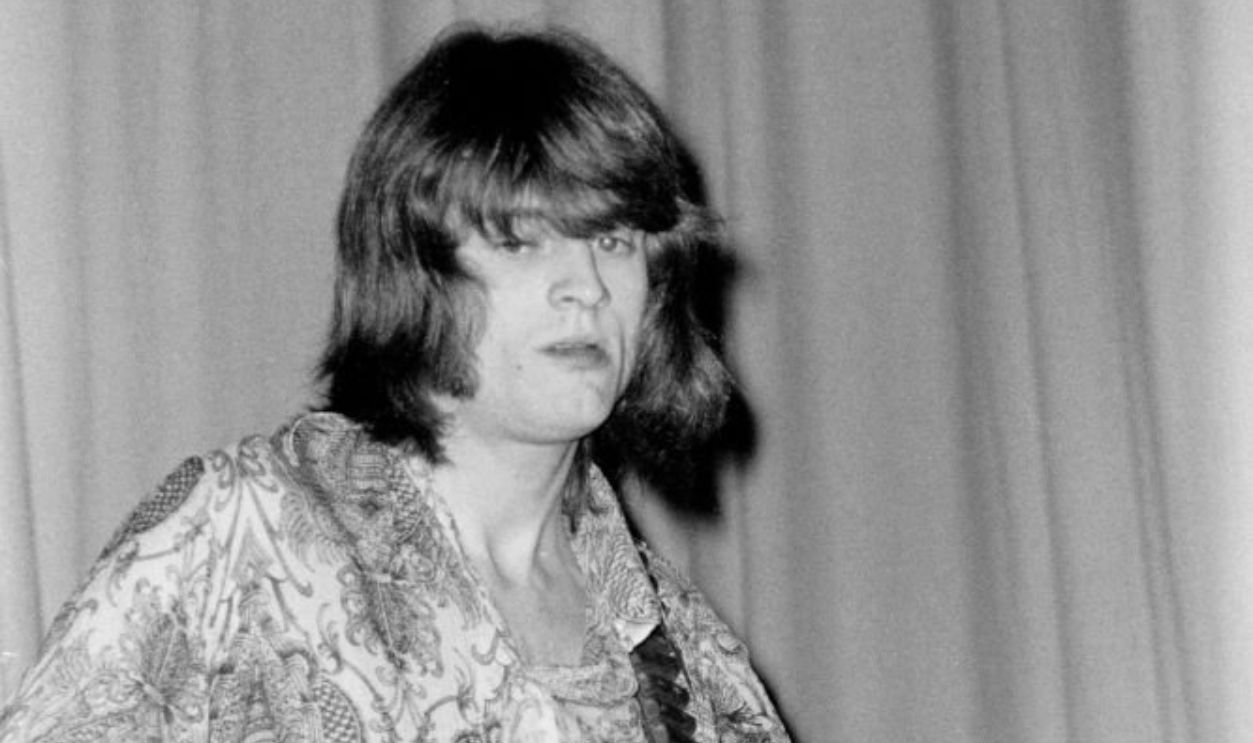
Jones And Bonham Became One Of Rock's Great Rhythm Sections
Jones approached bass as part of a conversation with the drums rather than simply something that followed the guitar. He and Bonham shared a deep love of R&B, soul, Motown, and Stax, and Jones later described them as "great groovers". They could make Zeppelin's heaviest music swing. That mattered enormously. The band wasn't just loud, and even its crushing riffs could move in ways many later hard-rock bands couldn't reproduce.
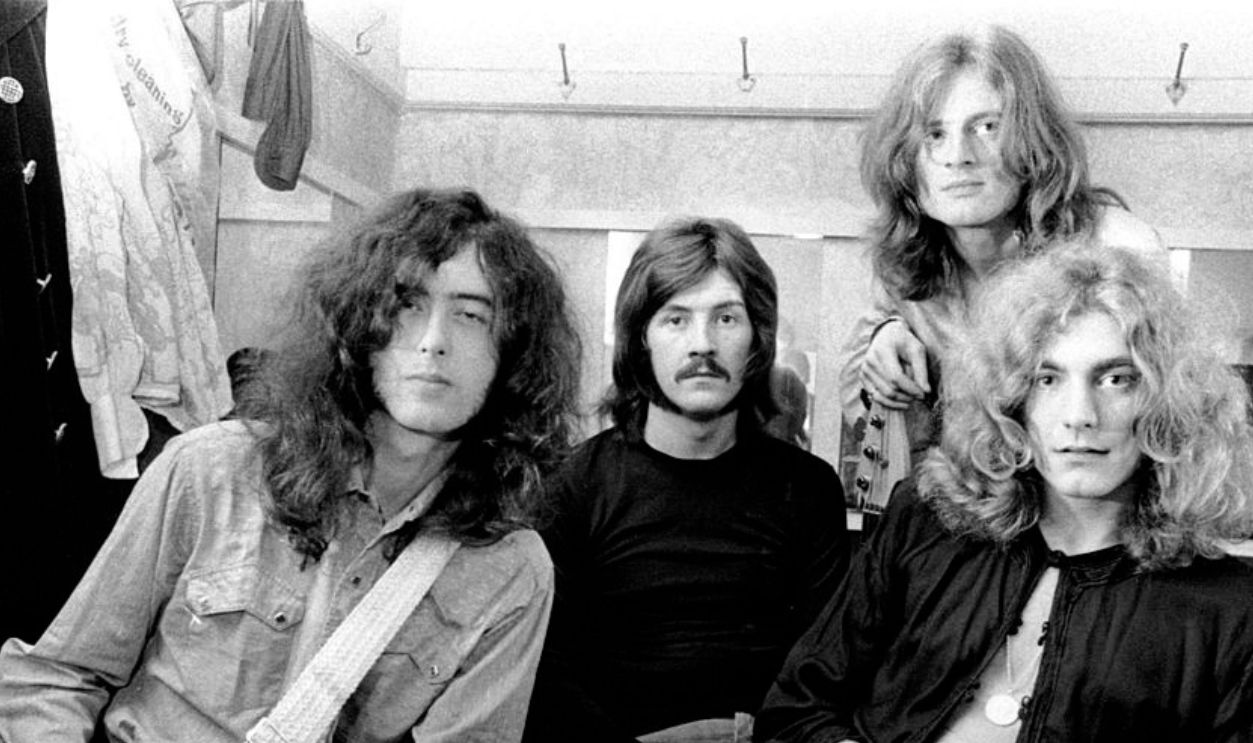
"Good Times Bad Times" Announced Him Immediately
Led Zeppelin's first album opens with "Good Times Bad Times," and within seconds the rhythm section is already demonstrating why this group was different. Bonham's famous bass-drum patterns get much of the attention, but Jones' bass locks tightly around them while still moving melodically. Rather than simply doubling Page, he gives the track another layer of motion. The band's first song was already showing how much space Jones could fill without sounding busy.
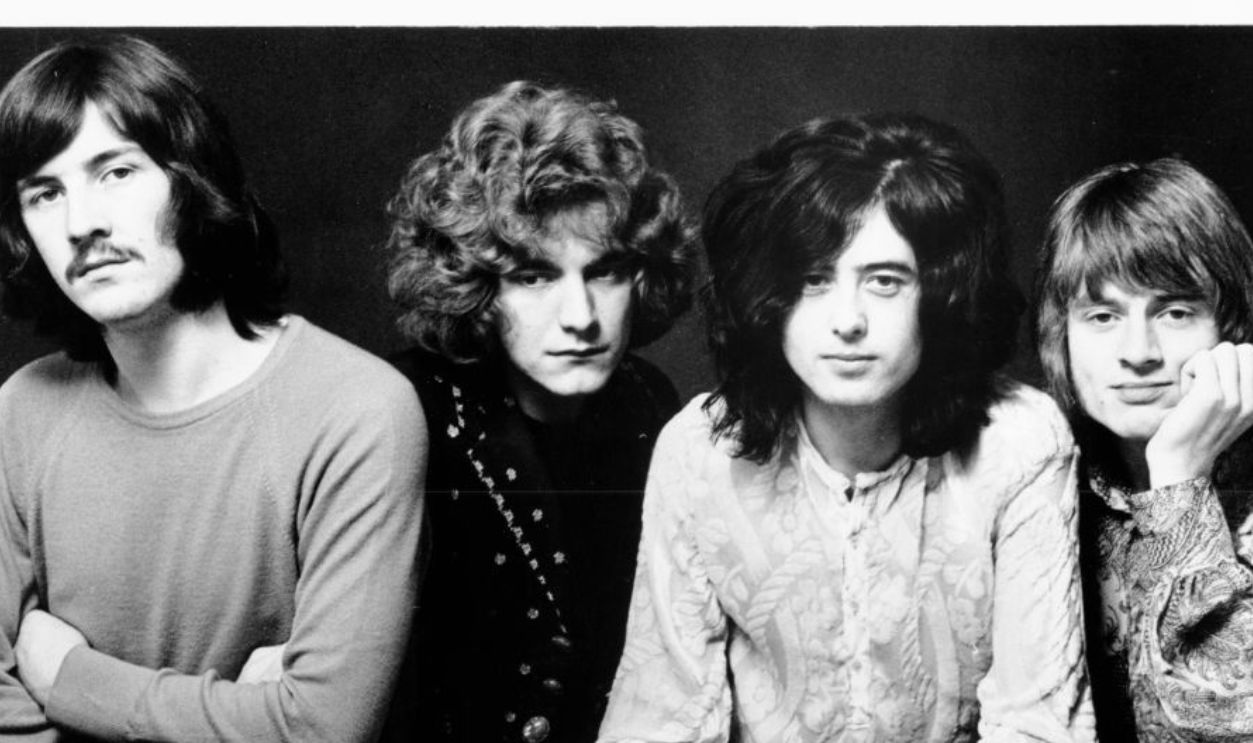 Michael Ochs Archives, Getty Images
"Dazed And Confused" Showed His Other Great Skill
"Dazed and Confused" demonstrated how well Jones could anchor music that was constantly on the brink of drifting into chaos. Page and Plant could stretch the song into long improvisations, especially onstage, while Jones and Bonham kept giving the exploration somewhere to land. Jones later described the ideal rhythm section as behaving like one instrument. On Zeppelin's most unpredictable performances, that partnership prevented experimentation from simply becoming noise.
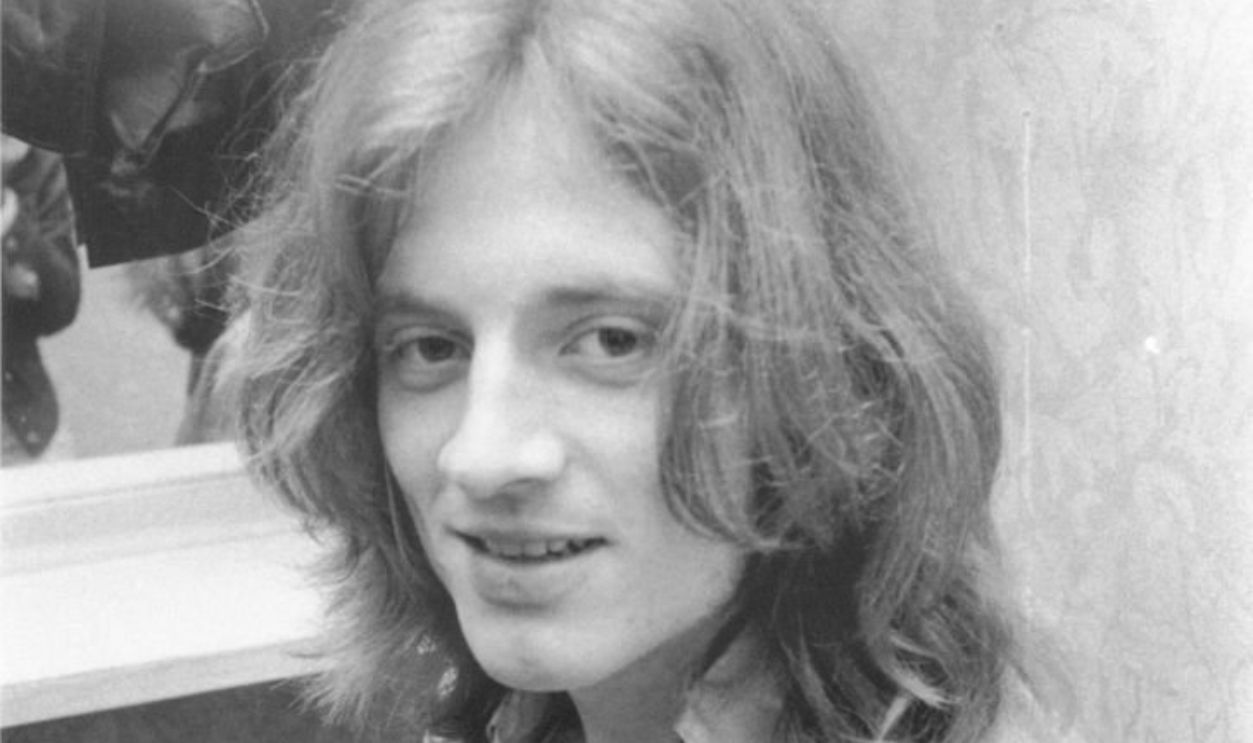
"The Lemon Song" Let His Bass Wander Almost Freely
If someone wants to hear Jones as more than a conventional rock bassist, "The Lemon Song" is one of the clearest examples. His bass line twists around Bonham's drums and Plant's vocal rather than settling into one repetitive pattern. He moves between rhythm, melody, and improvisation almost casually. The result feels spontaneous because much of it was, yet the groove never disappears underneath all that movement.
"Ramble On" Made The Bass A Second Melody
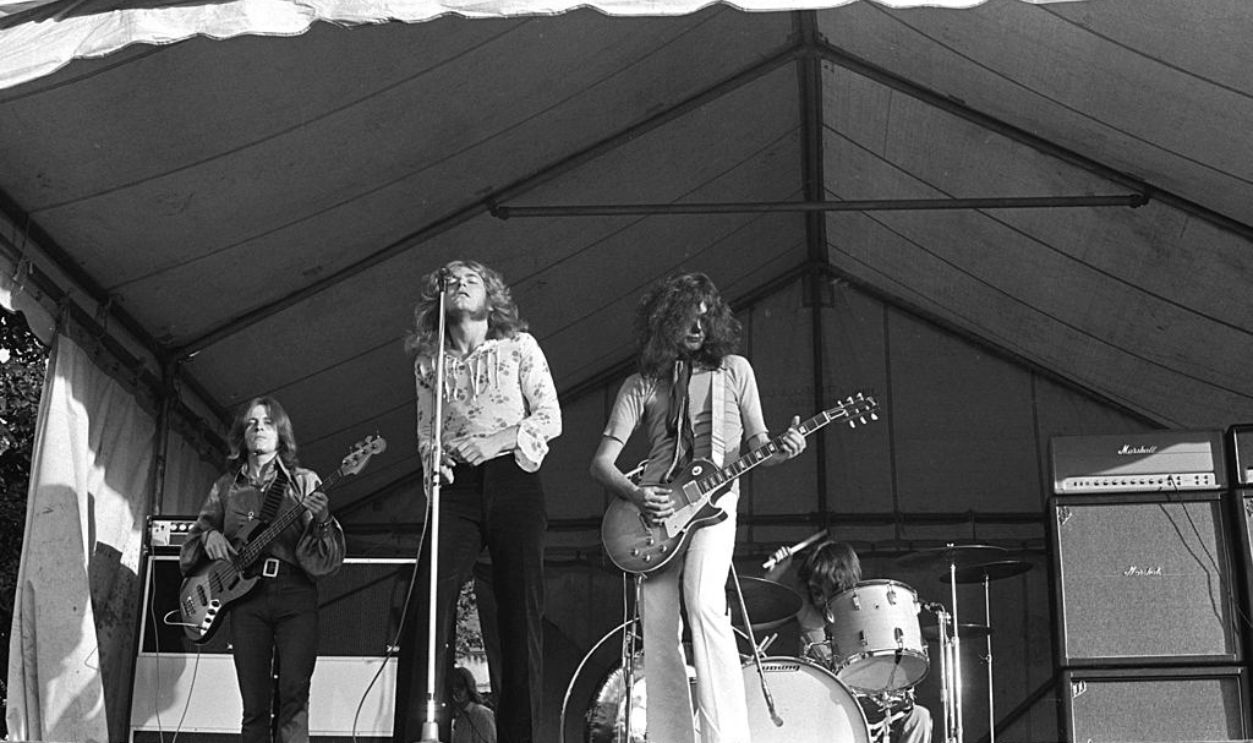
On "Ramble On," Jones does nearly the opposite. Page's guitar leaves enough space for him to create a beautifully melodic bass part that almost behaves like another tune underneath Plant's singing. Jones understood that bass didn't always need to emphasize the obvious root note. When the arrangement allowed it, he could move upward and around the harmony, quietly changing the emotional character of the entire song.
Led Zeppelin III Revealed How Many Jobs He Could Do
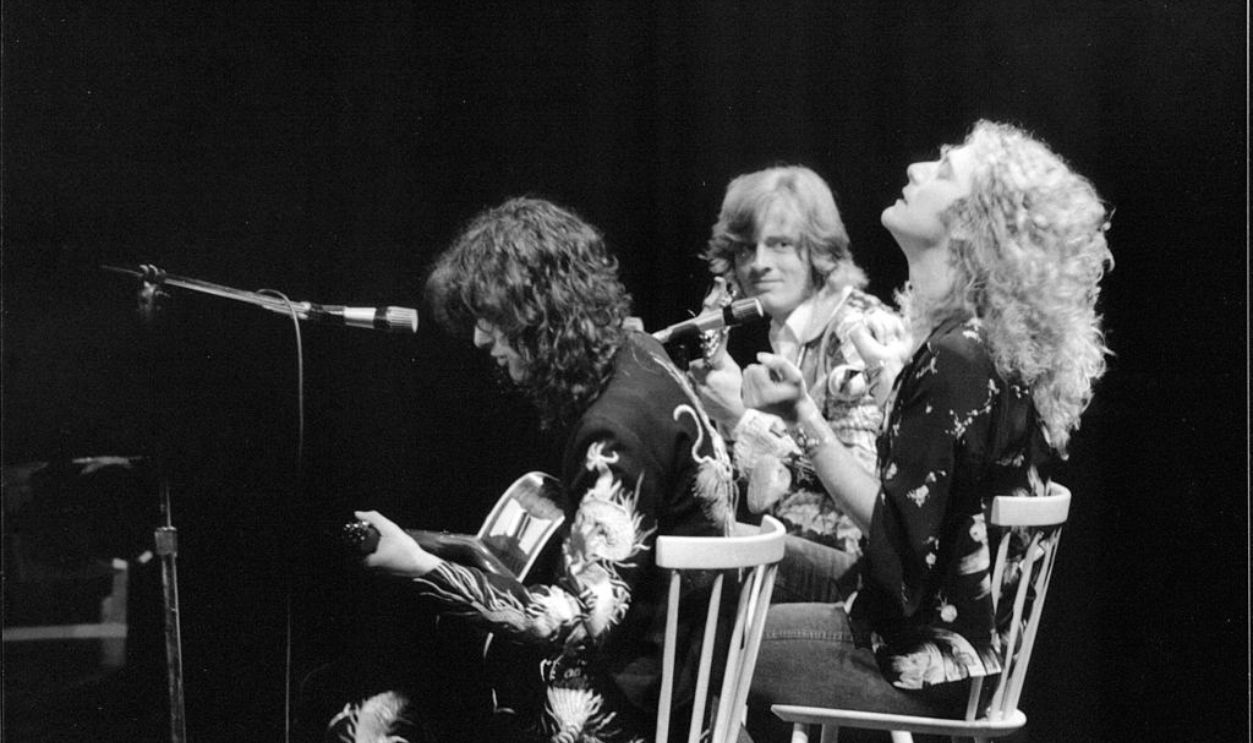
As Zeppelin moved deeper into folk and acoustic music on Led Zeppelin III, Jones' versatility became even more useful. He wasn't trapped behind an electric bass. His knowledge of keyboards, mandolin, acoustic instruments, and arranging helped the group move comfortably between delicate folk passages and enormous electric performances. That flexibility was crucial to Zeppelin's evolution because the band never wanted each album to sound like the one before it.
"Since I've Been Loving You" Needed His Organ
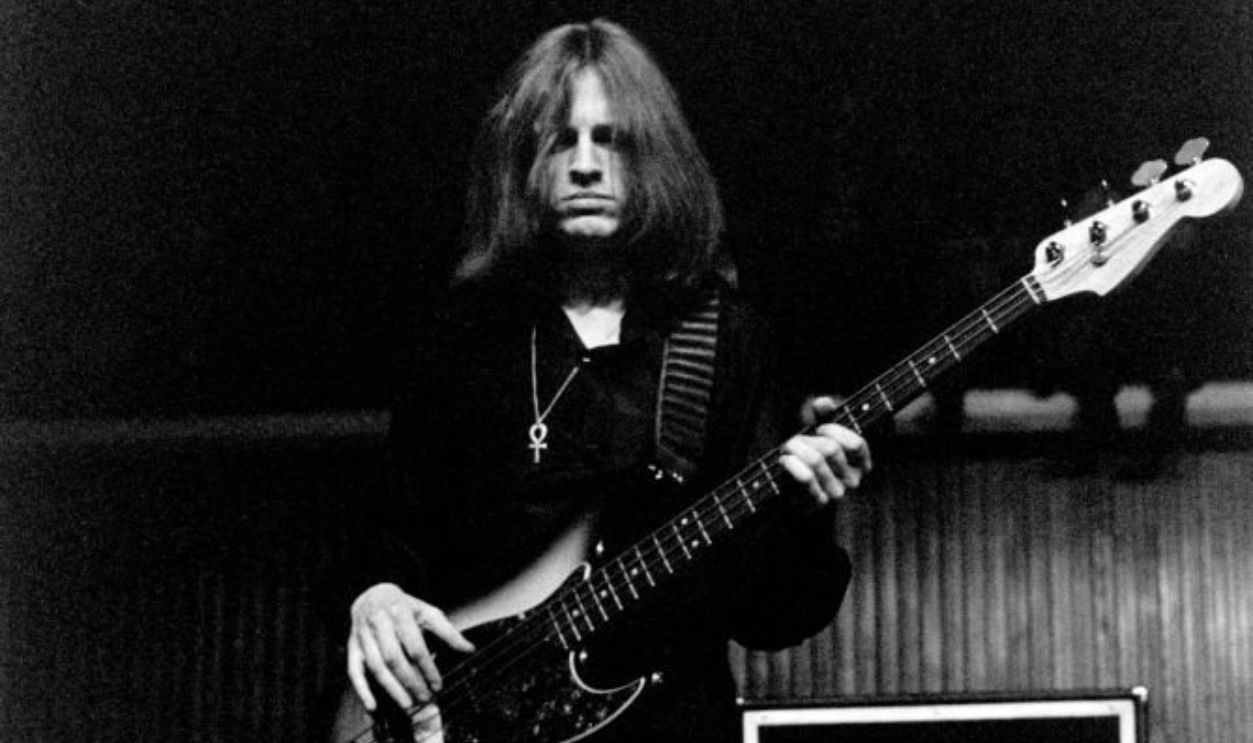
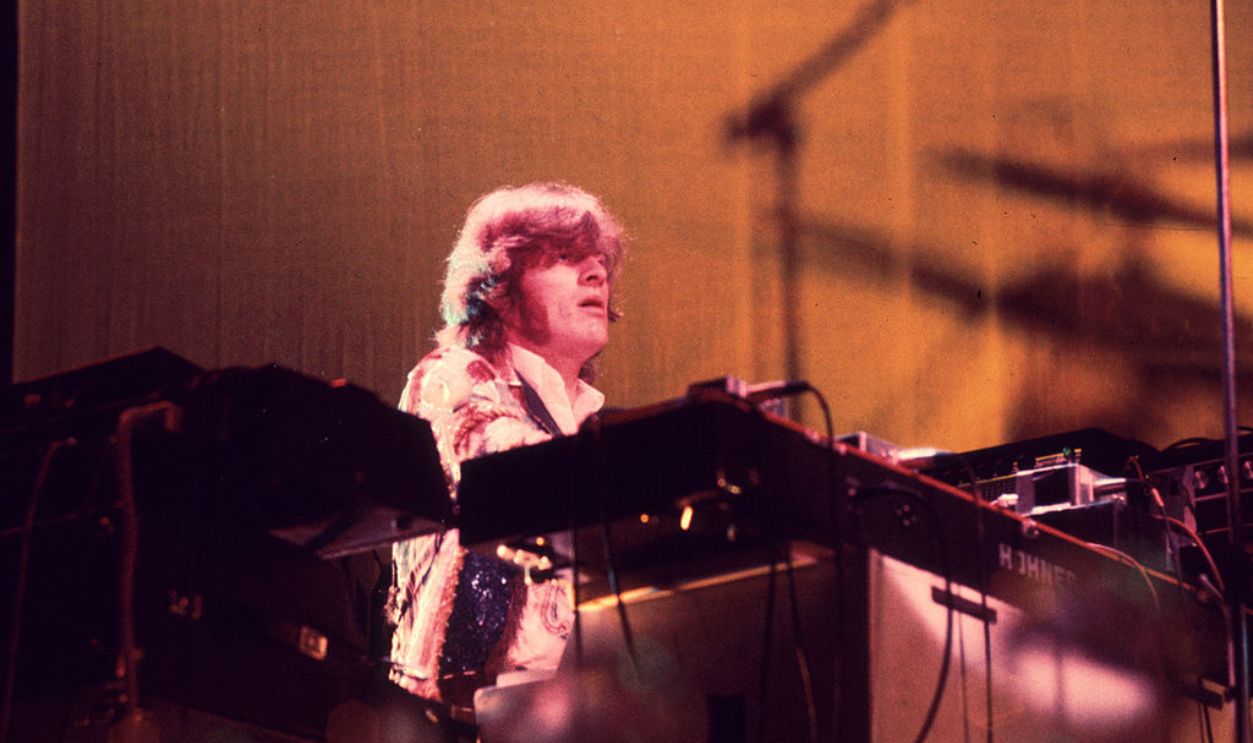
"Since I've Been Loving You" is remembered for Page's anguished guitar solo and Plant's vocal, but Jones' Hammond organ quietly holds the entire recording together. His sustained chords create the dark, church-like atmosphere beneath the blues. It's a perfect example of Jones' philosophy. He doesn't demand attention with constant flourishes. He provides the harmonic environment that lets everybody else's drama sound larger.
"Black Dog" Was Actually Jones' Riff
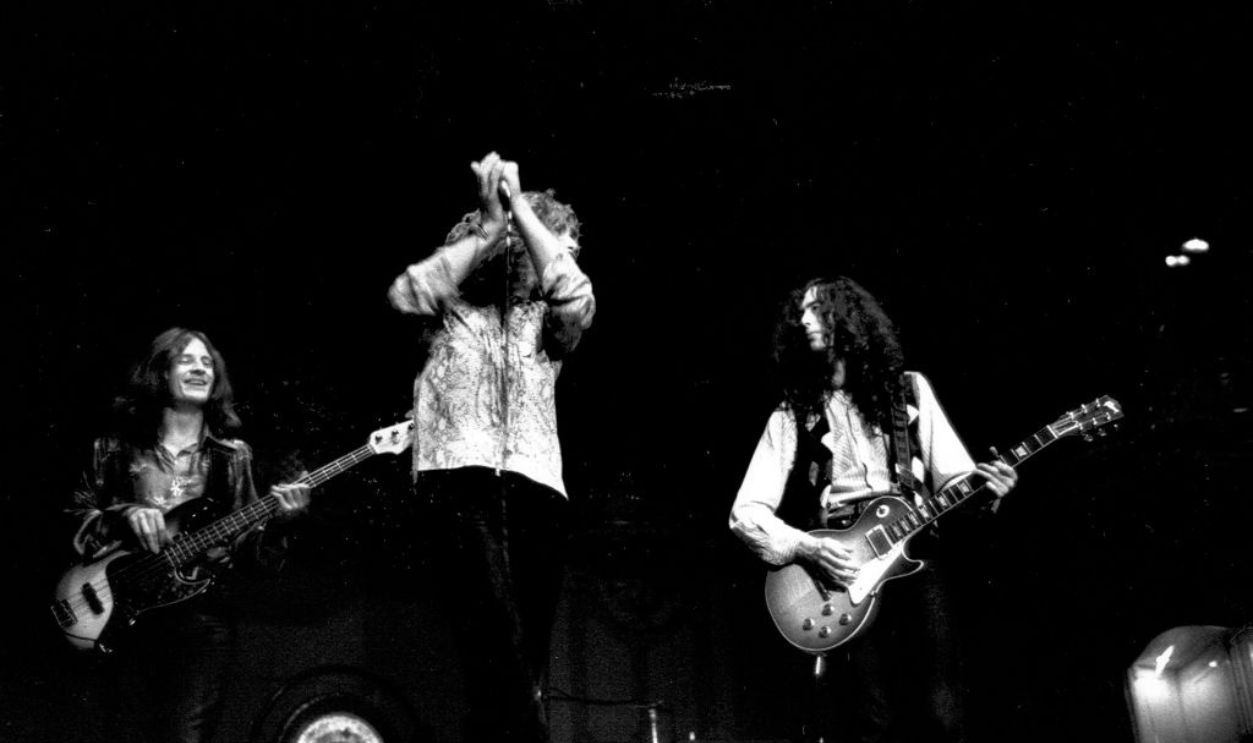
One of Zeppelin's most famous guitar riffs didn't originate with Jimmy Page at all. John Paul Jones wrote the central figure for "Black Dog," inspired by the idea of creating a blues riff that seemed to keep turning back on itself instead of resolving where listeners expected. He scribbled the idea down on the back of a train ticket. The original rhythm was so complicated that the band had to simplify its approach enough to perform it reliably.
 Michael Ochs Archives, Getty Images
Even Bonham Had To Find His Way Through "Black Dog"
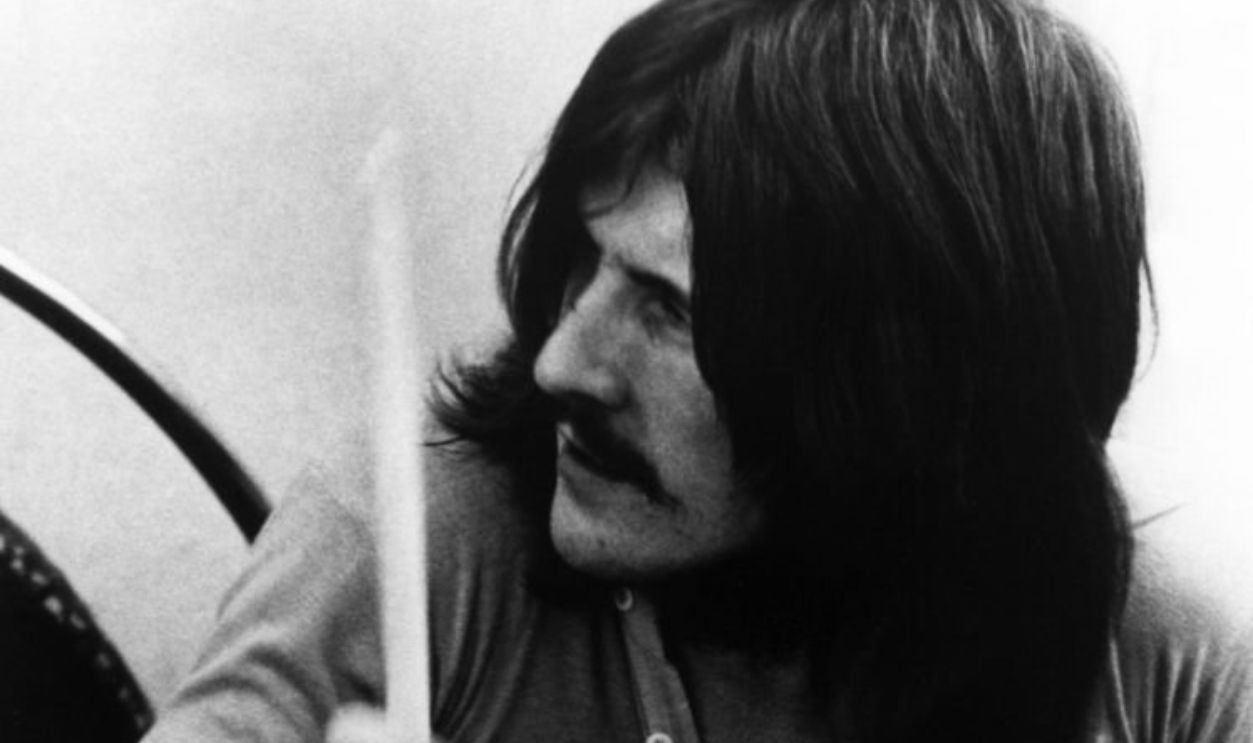
Jones originally conceived the "Black Dog" figure in a rhythm complicated enough to confuse his bandmates. His eventual solution was to have Bonham keep a steady pulse while the riff moved around it, allowing the apparently crooked phrases to eventually reconnect with the beat. Jones later joked about Bonham's expression when he first presented the idea. It's an unusually clear example of Jones contributing actual compositional architecture, not merely a bass part.
 Charlie Gillett Collection, Getty Images
"Stairway To Heaven" Needed More Than Four Rock Instruments
Jones helped make "Stairway to Heaven" feel like it was continuously growing rather than simply getting louder. Among his contributions were the recorder parts that color the song's opening section, giving it an almost pastoral quality before the arrangement gradually expands. Live, reproducing Zeppelin's increasingly layered records became an even bigger challenge, forcing Jones to move between keyboards, bass pedals, and stringed instruments while everyone else largely kept one main job.
"No Quarter" Put Jones At The Center Of The Stage
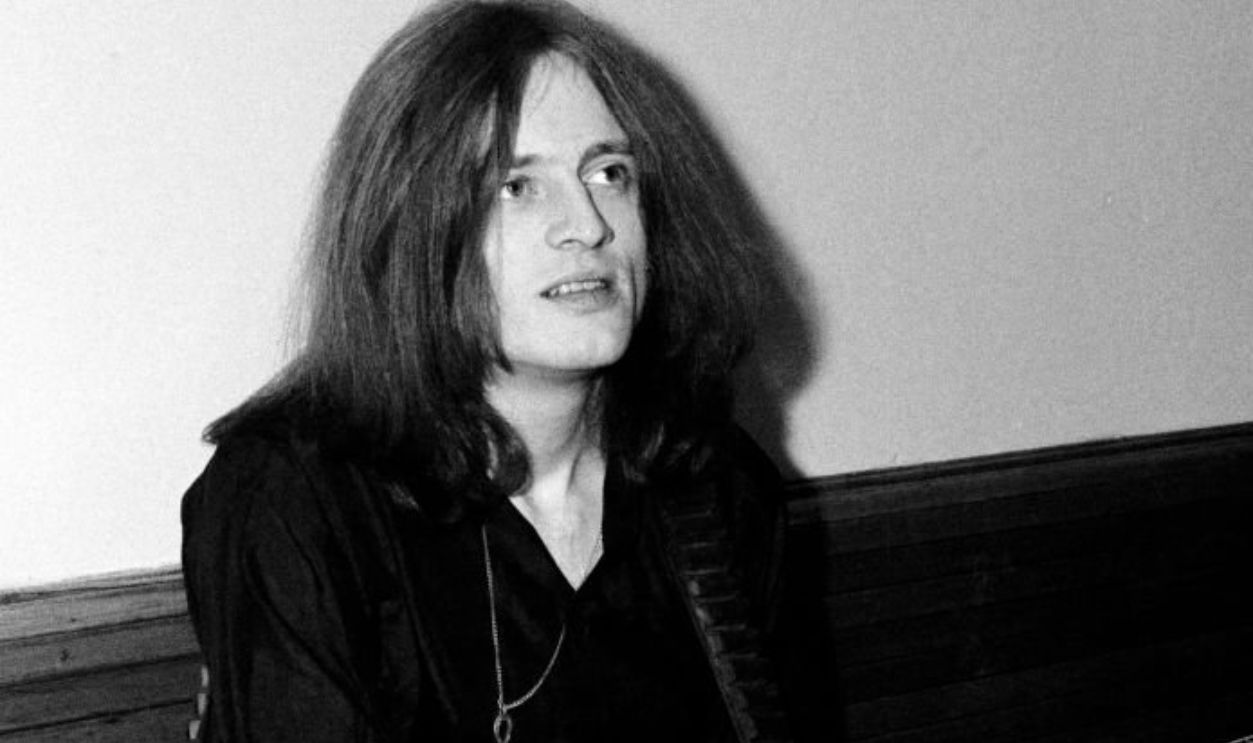
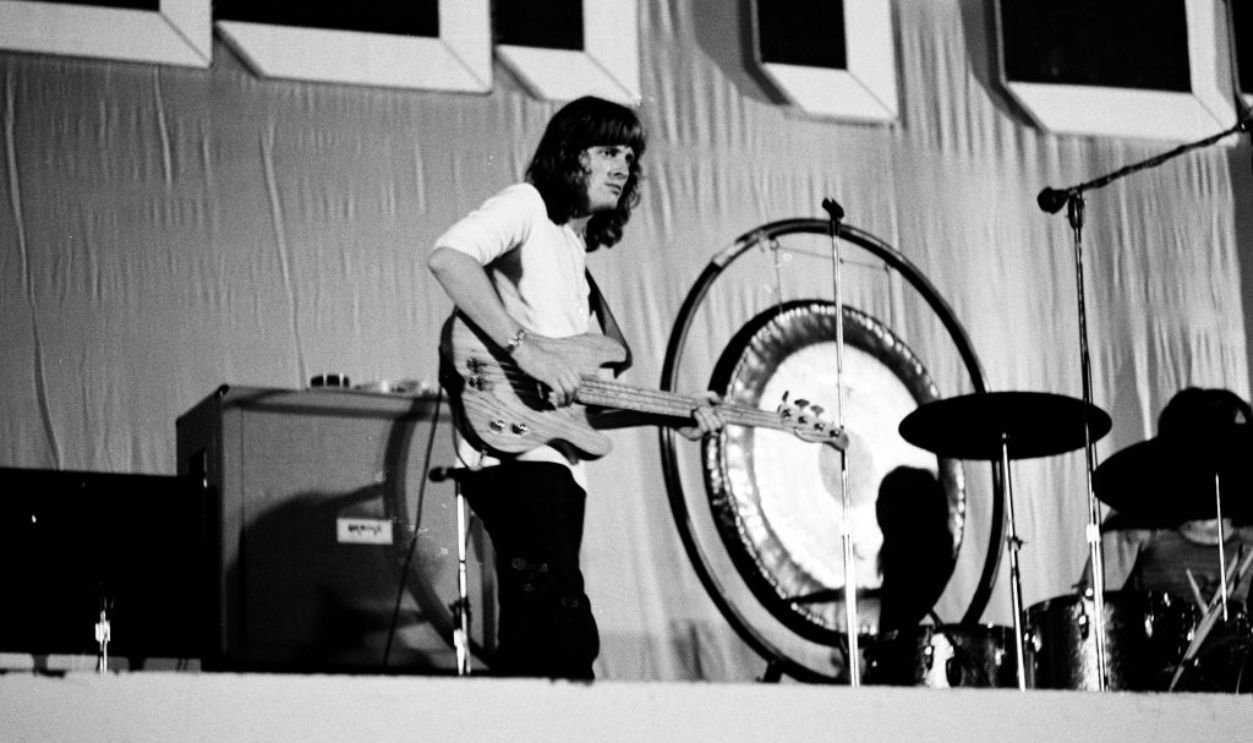
On "No Quarter," John Paul Jones wasn't supporting somebody else's feature. The eerie electric piano and keyboard textures are the identity of the song. Jones used sparse harmony to make the track feel much larger and stranger than the number of notes suggests. In concert, "No Quarter" became his major showcase, sometimes stretching dramatically as he moved from electric piano to grand piano while bass pedals handled the low end beneath him.
 Koh Hasebe/Shinko Music, Getty Images
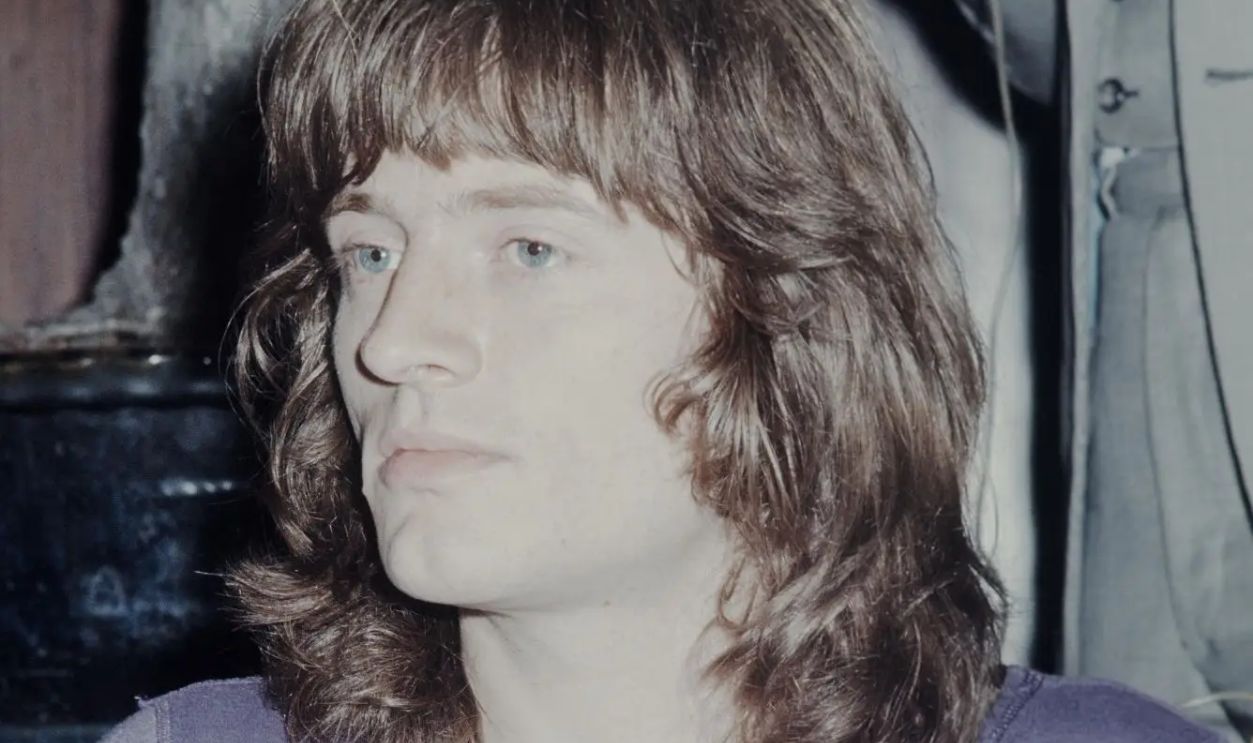
His Funk Background Kept Sneaking Into Zeppelin
Jones' love of soul and R&B gave Led Zeppelin a funkier underside than their reputation as heavy-rock pioneers sometimes suggests. Tracks such as "The Crunge" openly embraced James Brown-style rhythmic playfulness, while even heavier material frequently relied on syncopation rather than simple pounding. Jones and Bonham could make unusual rhythms feel physical instead of academic. That groove became one of the differences between Zeppelin and bands that copied only their volume.
 Koh Hasebe/Shinko Music, Getty Images
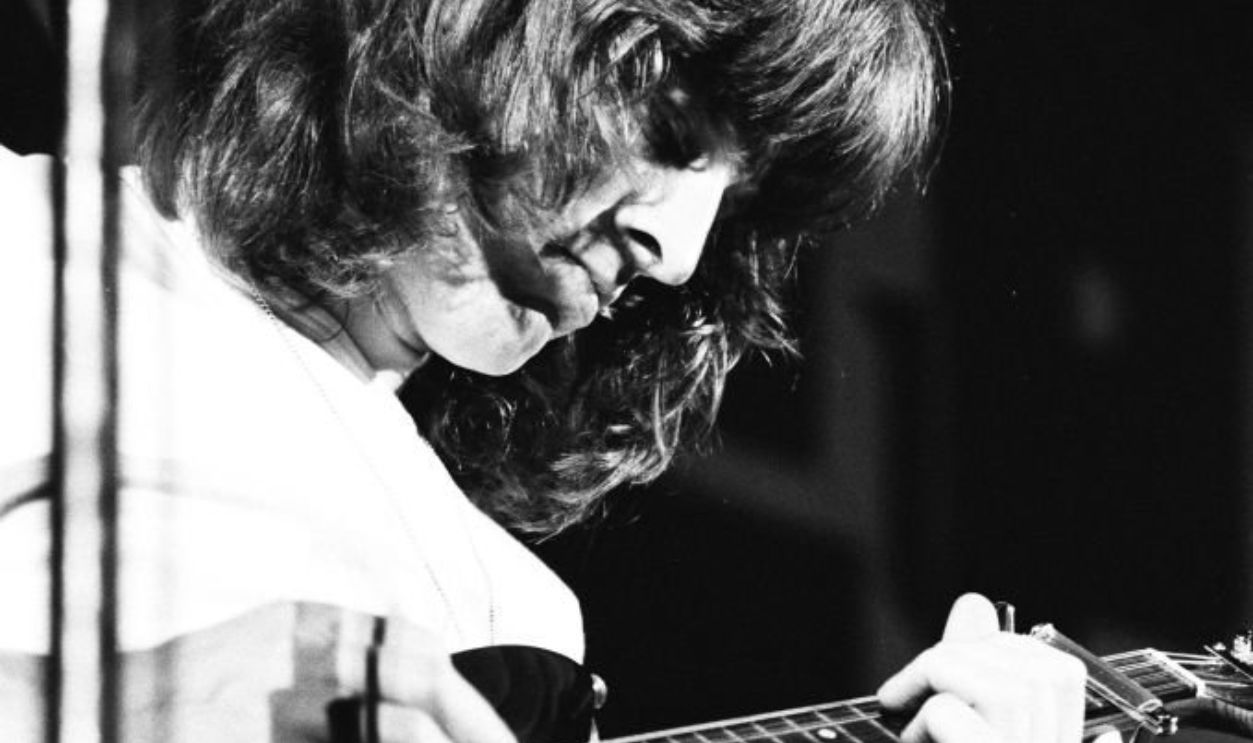
"Trampled Under Foot" Was Built Around His Clavinet
"Trampled Under Foot" may be the clearest example of Jones dragging Zeppelin directly toward funk. His clavinet gives the track its nervous, repetitive pulse, inspired in part by the kind of rhythmic keyboard playing associated with Stevie Wonder. Jones then locked tightly with Bonham rather than filling every available gap. The result is heavy enough for Zeppelin but funky enough that it practically demands movement.
 Koh Hasebe/Shinko Music, Getty Images
"Kashmir" Needed Jones To Become An Orchestra
Page and Bonham developed the basic rhythmic foundation of "Kashmir," but Jones was crucial in turning it into something monumental. He used Mellotron to sketch orchestral textures and arranged the string and brass parts that expanded the song beyond guitar, bass, drums, and voice. The exotic grandeur listeners associate with "Kashmir" didn't come from Page's riff alone. Jones helped give that riff an entire landscape to move through.
 Koh Hasebe/Shinko Music, Getty Images
Physical Graffiti Showed How Wide His Palette Had Become
By Physical Graffiti, Jones could seemingly appear anywhere in an arrangement. He might be supplying bass, piano, clavinet, synthesizer, Mellotron, or orchestral ideas depending on what a track required. That variety helped an enormous double album move from the funk of "Trampled Under Foot" to the scale of "Kashmir" without sounding like completely unrelated bands. Jones' usefulness wasn't simply technical. He connected Zeppelin's different musical personalities.
Presence Proved He Didn't Need Keyboards To Matter
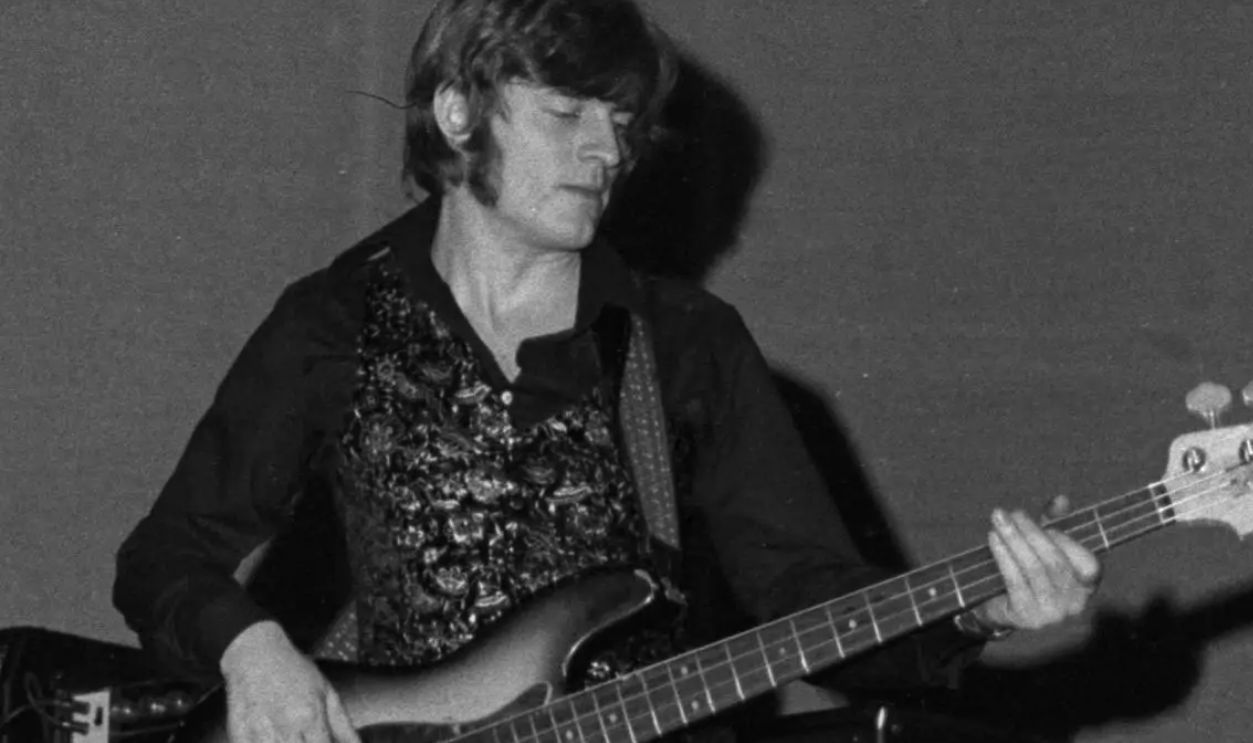
Presence stripped away much of Zeppelin's keyboard-heavy experimentation and returned the focus toward guitar, bass, and drums. That put Jones' rhythm-section work back in the foreground. On "Achilles Last Stand," he used an eight-string bass to give the nearly ten-minute track enormous weight while navigating its shifting rhythmic sections with Bonham. "Nobody's Fault but Mine" similarly depends on the pair creating power underneath Page's guitar.
 Richard E. Aaron, Getty Images
He Nearly Walked Away When Touring Became Too Much
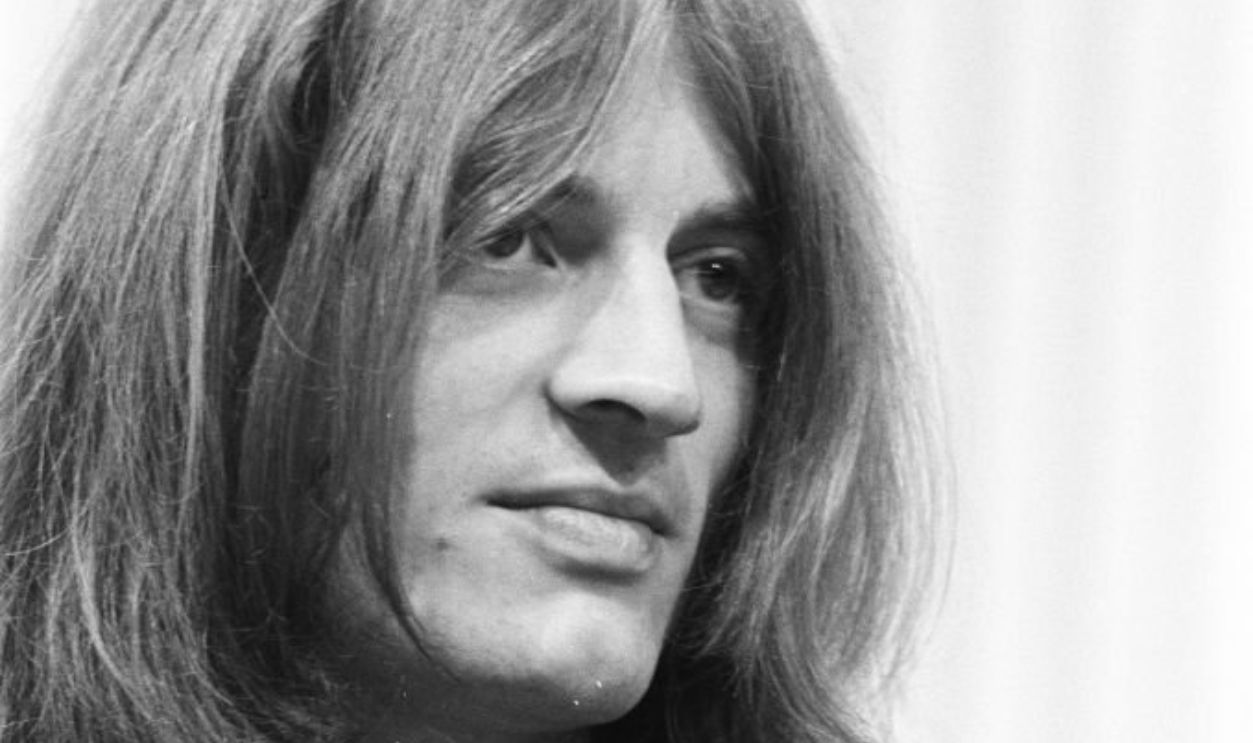
Jones' calm exterior didn't mean he was immune to Zeppelin's exhausting lifestyle. After the band's relentless touring schedule in the early 1970s, he became tired enough to consider leaving. Stories later exaggerated this into Jones wanting to become choirmaster at Winchester Cathedral, but the underlying frustration was real. Manager Peter Grant persuaded him to take time away instead. Jones returned, and some of his most distinctive contributions were still ahead.
 Koh Hasebe/Shinko Music, Getty Images
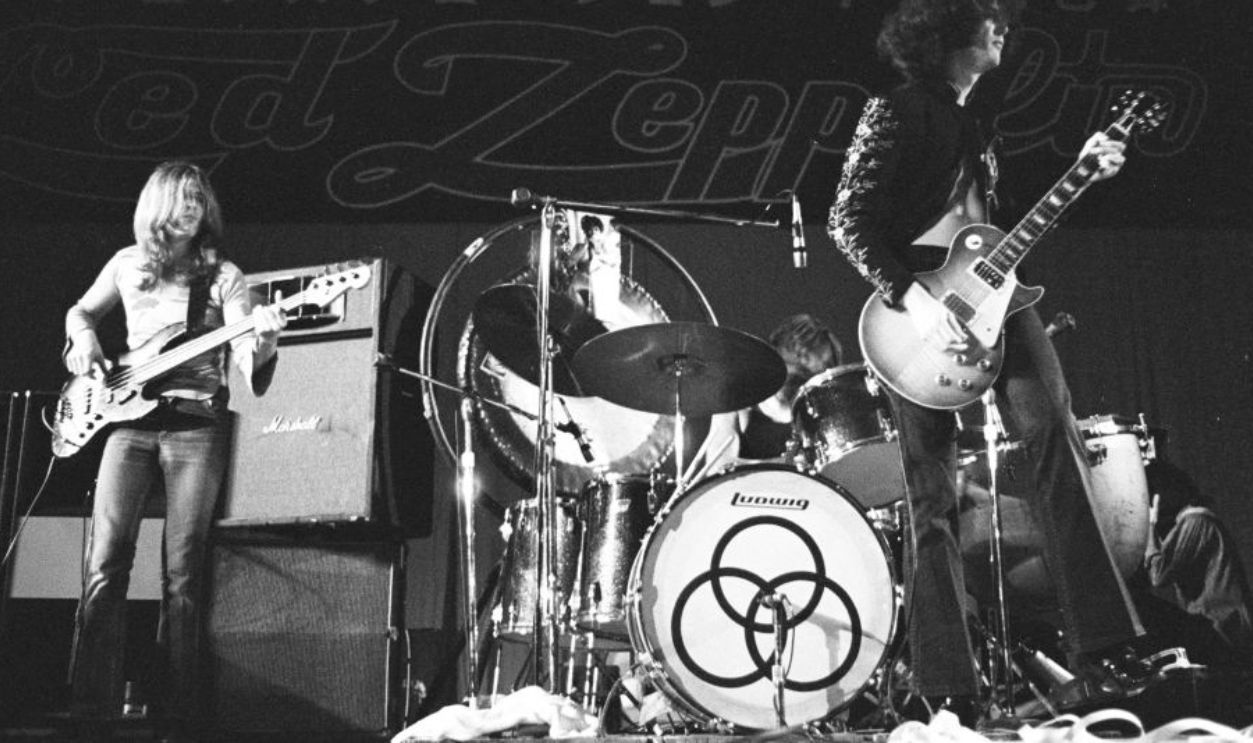
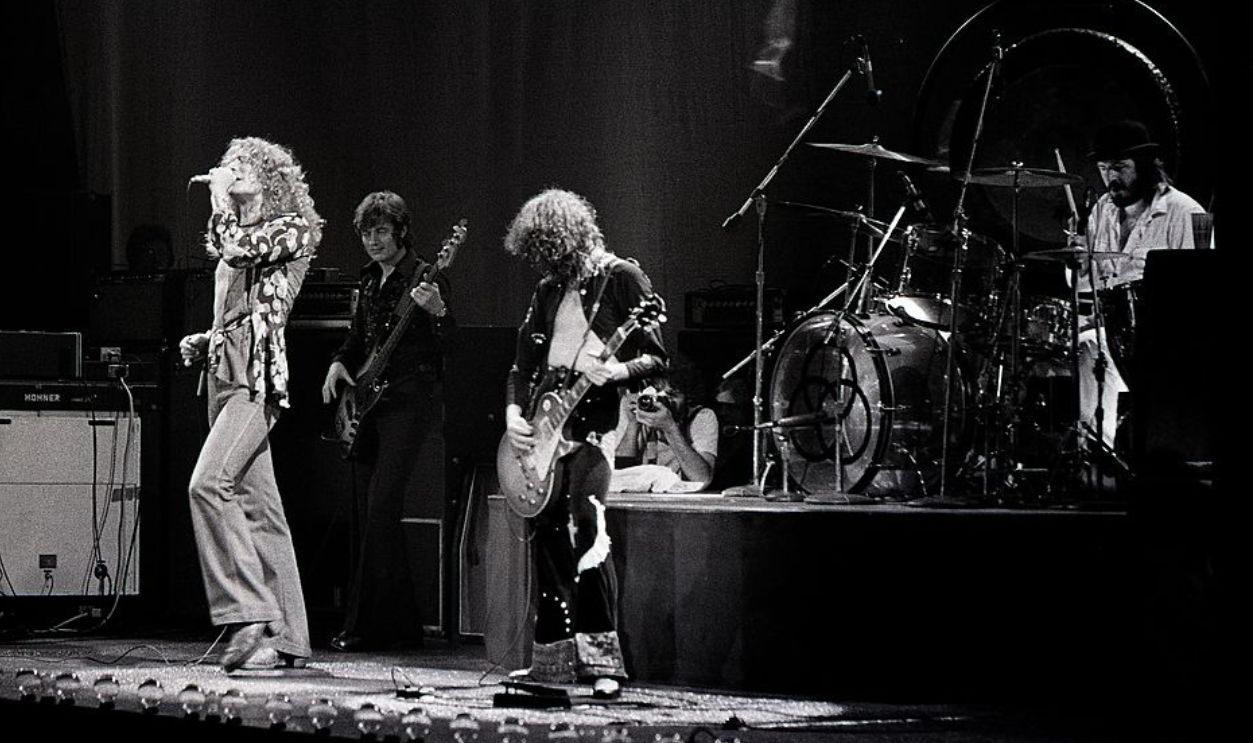
Onstage, He Quietly Became Several Musicians At Once
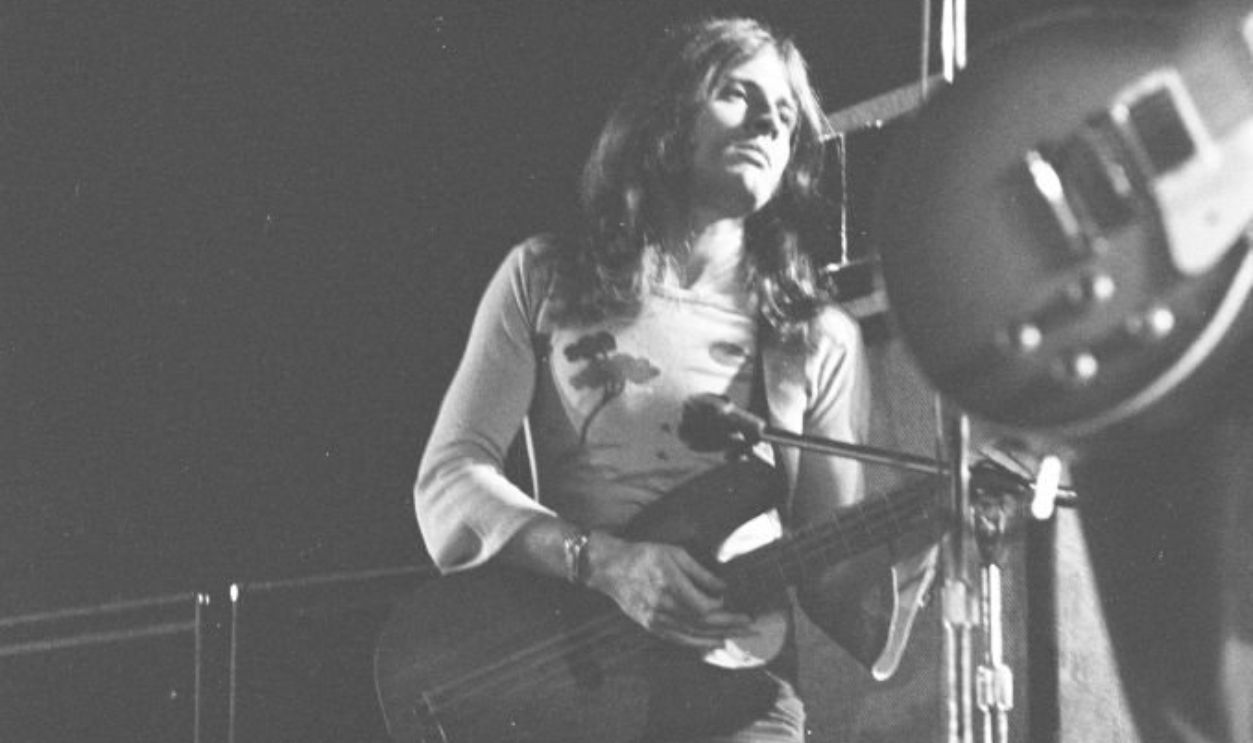
As Zeppelin's records became more elaborate, John Paul Jones faced the problem of recreating them with only four people. His stage setup eventually included multiple keyboards, Mellotron, synthesizers, bass pedals, conventional basses, and multi-neck instruments. During some songs he could play keyboard chords with his hands while operating bass notes with his feet. Plant once joked that the only thing left to ask was whether Jones could sing as well.
 Koh Hasebe/Shinko Music, Getty Images
In Through The Out Door Finally Put His Ideas Up Front
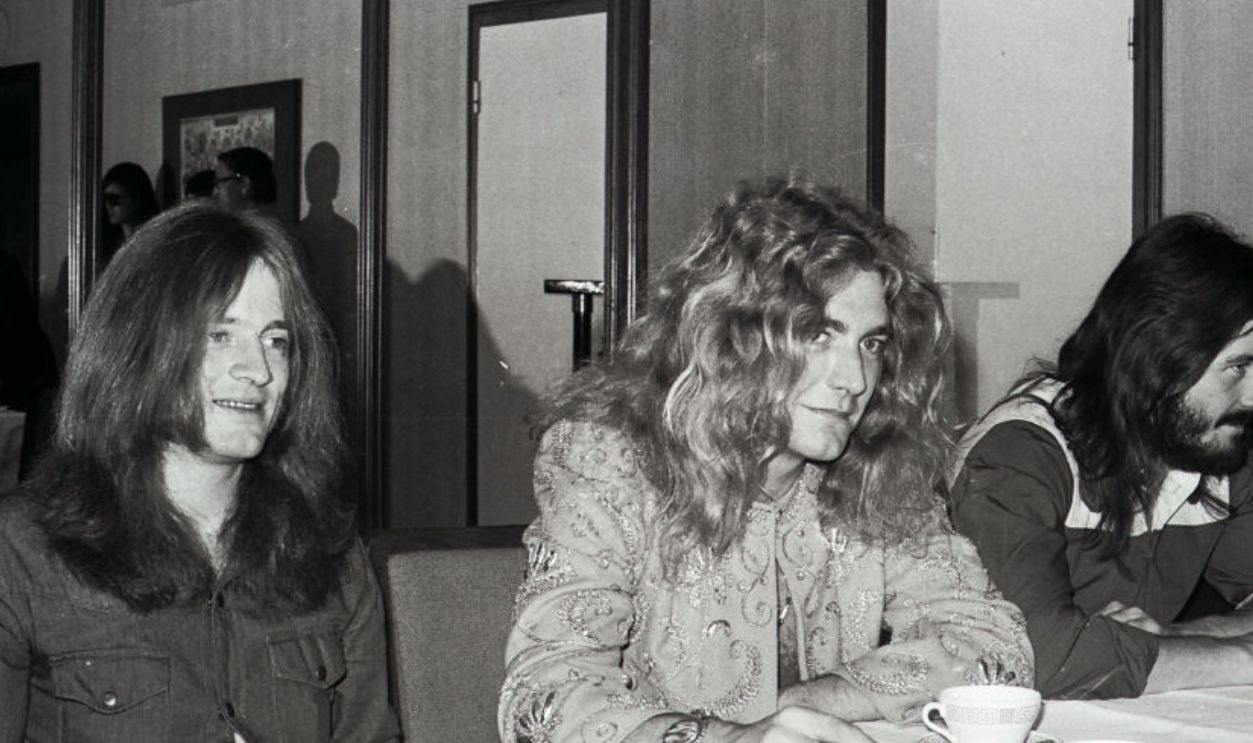
By the time Zeppelin recorded In Through the Out Door, John Paul Jones had acquired a Yamaha GX-1 synthesizer and arrived at rehearsals bursting with new ideas. Jimmy Page later acknowledged that the album became unusually keyboard-driven because Jones was contributing so much material. Jones worked especially closely with Robert Plant, and the album contains more of his compositional fingerprints than any previous Zeppelin record. For once, the quiet member's influence was impossible to hide.
 South China Morning Post, Getty Images
"All My Love" Showed A Different Side Of Zeppelin
Jones co-wrote "All My Love" with Plant and supplied the synthesizer-heavy arrangement, including a prominent solo. The song was deeply personal for Plant, who wrote it in memory of his young son Karac, and Jones resisted the temptation to overpower that emotion. The keyboards give the track a warmer, almost orchestral character far removed from early Zeppelin blues. It suggested musical directions the band might have explored further.
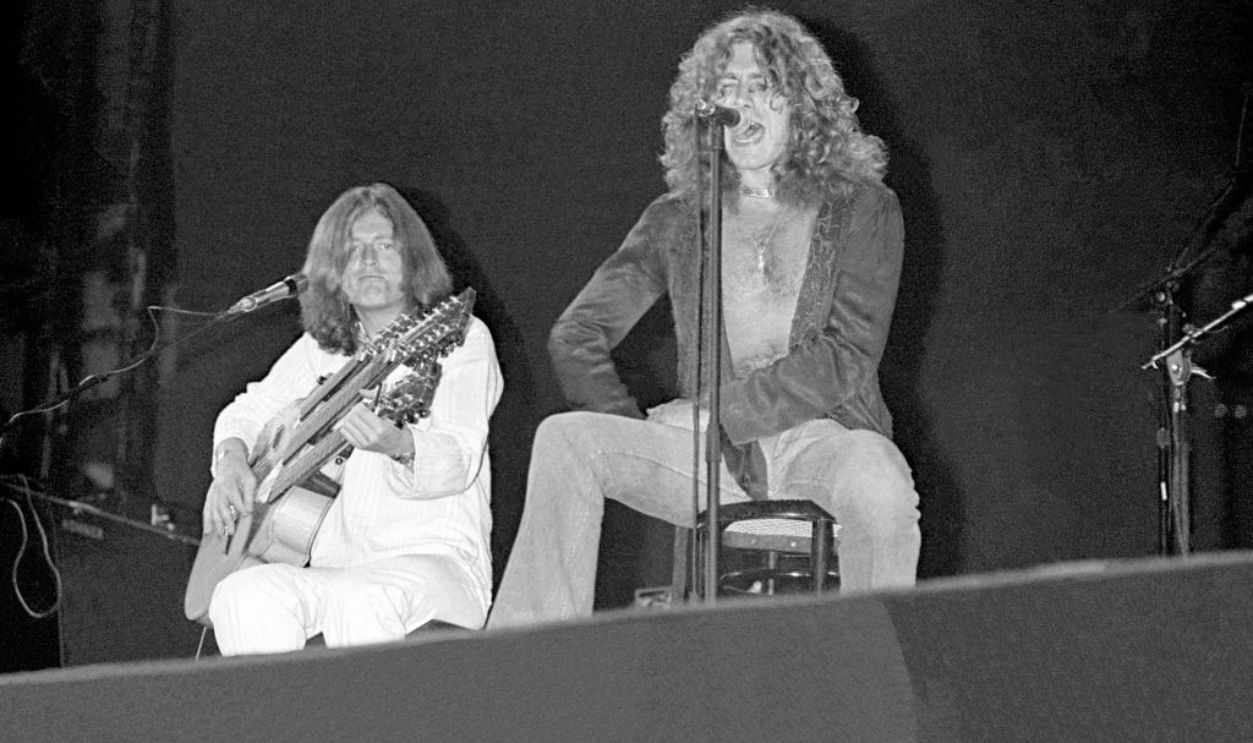
Zeppelin Ended Before Jones Could See Where That Direction Led
John Bonham died in September 1980 while the band was preparing for another American tour. The surviving members decided Led Zeppelin couldn't continue without him. Jones later said the ending came too early. That makes In Through the Out Door especially intriguing because his creative role had just expanded dramatically. The musician who had spent years quietly shaping arrangements was beginning to emerge as one of the band's principal writers when everything stopped.
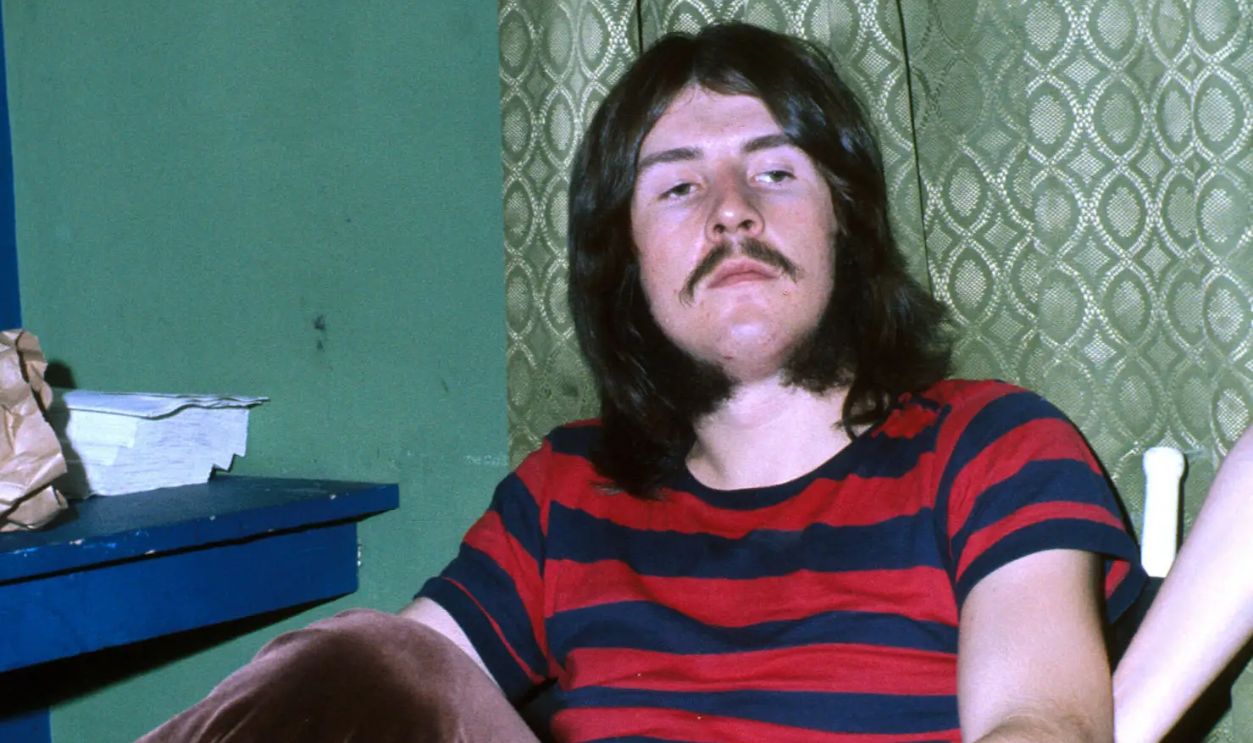
He Went Back Behind The Scenes After Zeppelin
While Page and Plant remained highly visible after Led Zeppelin disbanded, Jones returned naturally to arranging, producing, composing, and selective collaborations. He worked with an eclectic list of musicians rather than trying to recreate Zeppelin. One of his most celebrated later contributions came on R.E.M.'s Automatic for the People, where he arranged strings for "Drive," "Everybody Hurts," "The Sidewinder Sleeps Tonite," and "Nightswimming". Once again, his specialty was making songs bigger without overwhelming them.
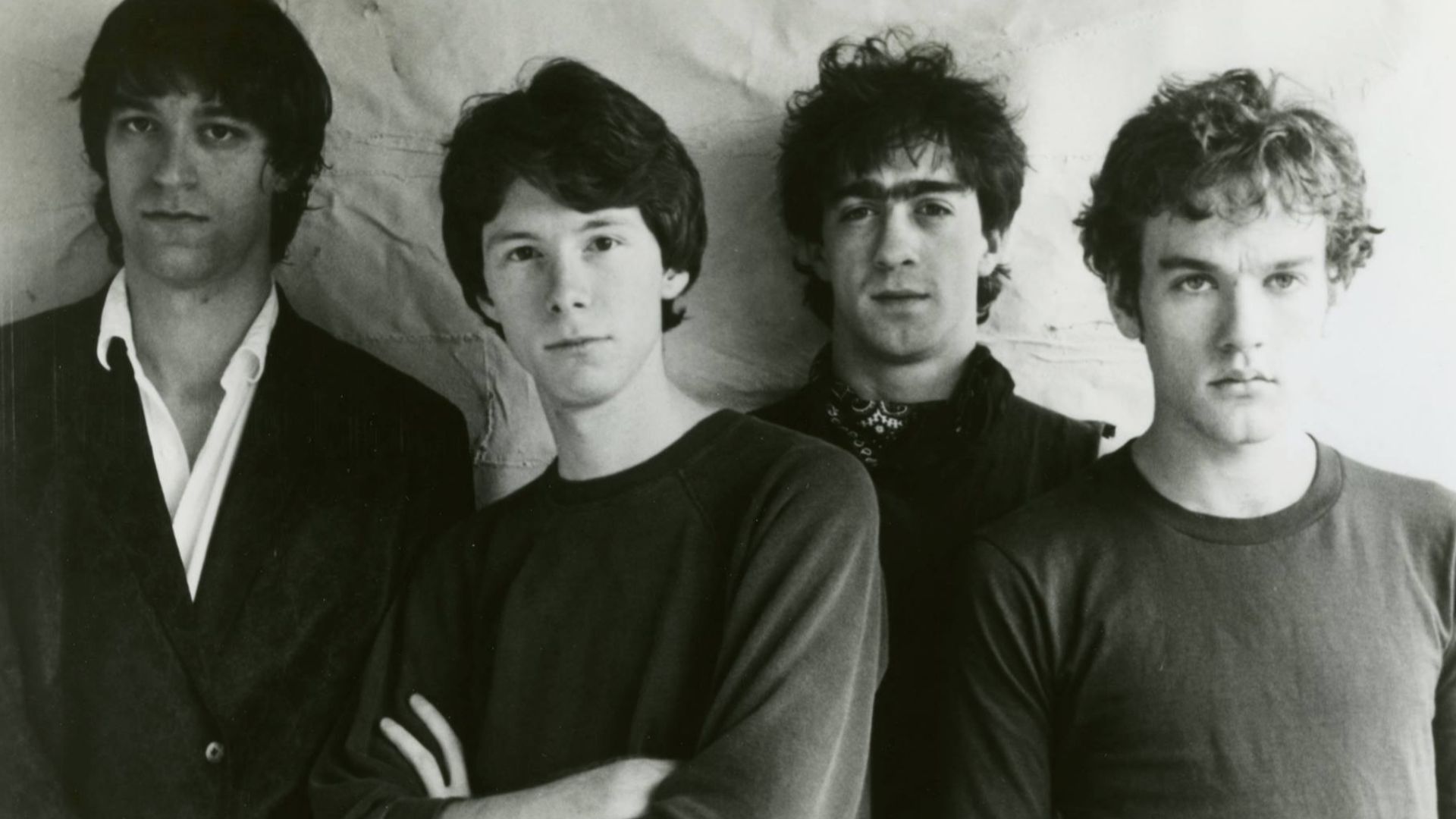 Sandra Lee-Phipps; distributed by I.R.S. Records, Wikimedia Commons
Zooma Finally Put His Own Name On The Cover
John Paul Jones waited until 1999 to release his first full-fledged solo album, Zooma. Rather than chase radio success, he made a largely instrumental record filled with heavy bass, unusual textures, and the kind of musical left turns he'd always enjoyed. The Thunderthief followed in 2001. The albums made something obvious that Zeppelin's fame had sometimes obscured: Jones wasn't simply an excellent bassist. He thought like an arranger and composer first.
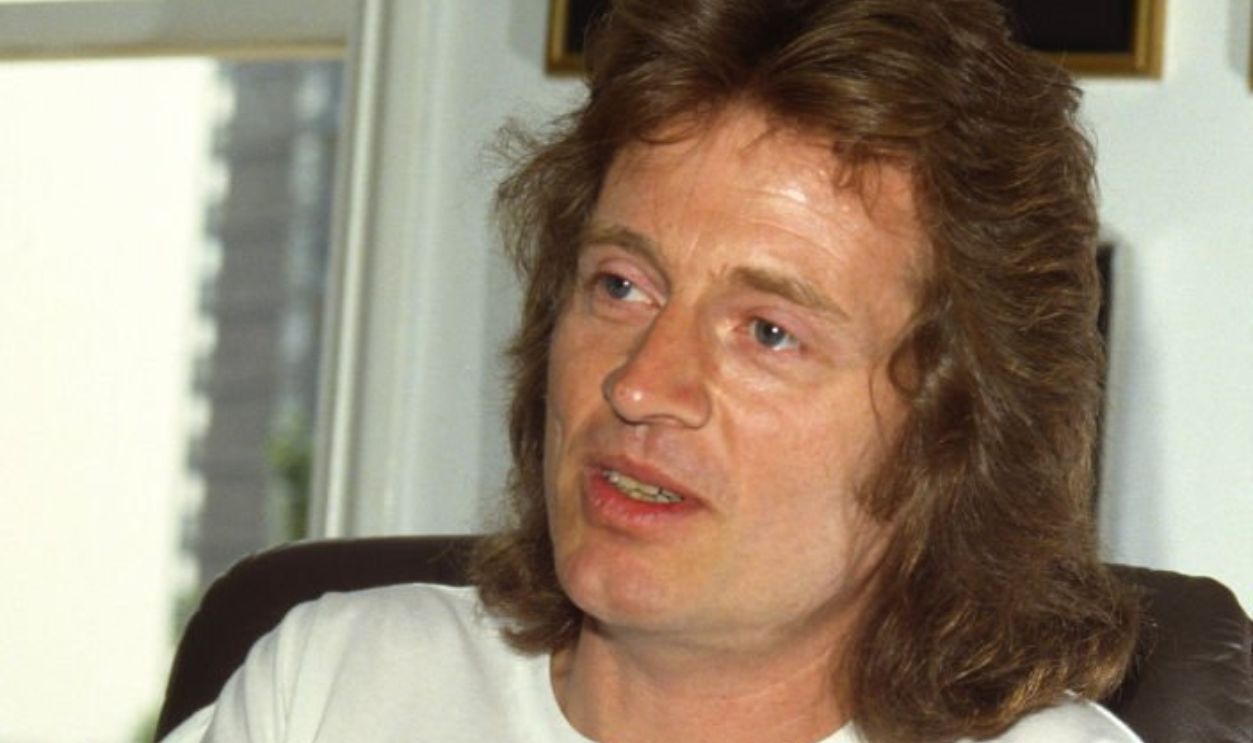
Them Crooked Vultures Proved He Could Still Build A New Rhythm Section
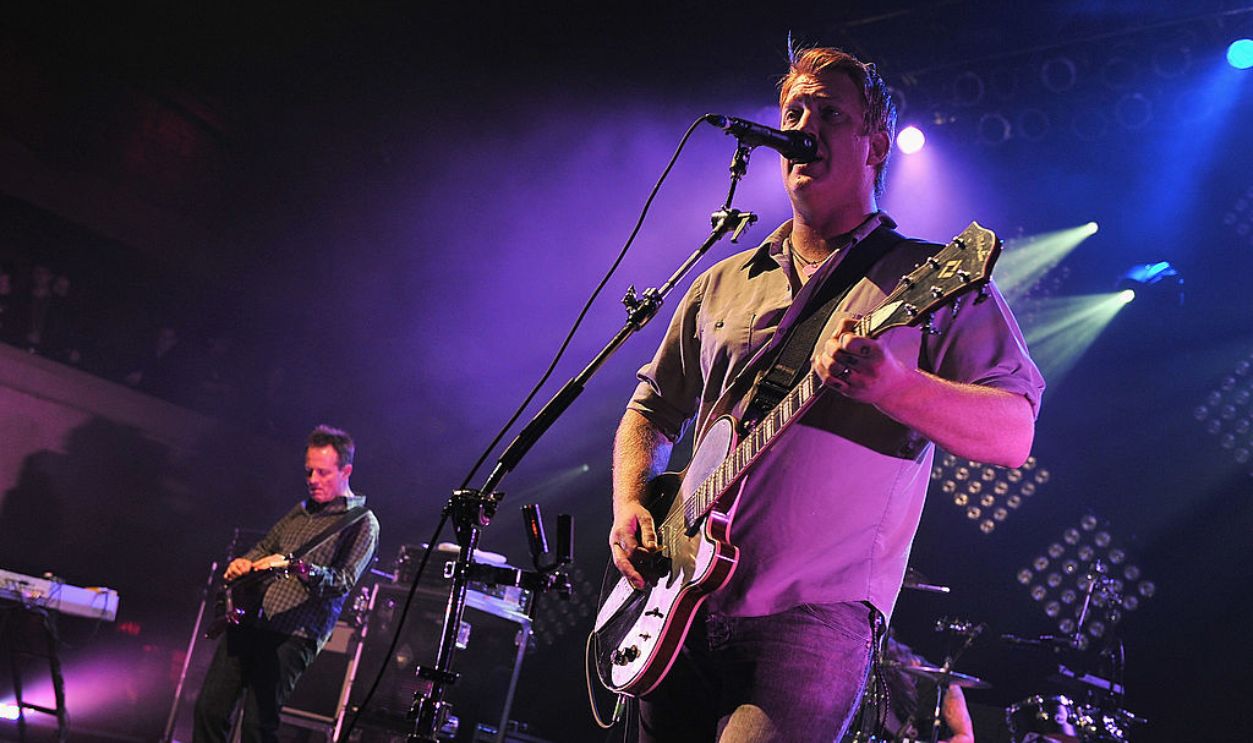
In 2009, Jones joined Josh Homme and Dave Grohl in Them Crooked Vultures. Suddenly, a musician associated with the biggest rock band of the 1970s was building something new with members of Queens of the Stone Age and Foo Fighters. Grohl's drumming gave Jones another powerful rhythmic partner, and their self-titled album let him move between bass, keyboards, and other instruments without having to imitate his old band.
The Spotlight Was Never Really The Point
John Paul Jones returned with Page and Plant for Led Zeppelin's celebrated 2007 O2 Arena performance, with Jason Bonham behind the drums, but he never spent the decades afterward chasing a permanent reunion. That fits his entire career. He rarely seemed interested in being the most visible person onstage. His legacy sits somewhere deeper in the music: the "Black Dog" riff, the bass on "Ramble On," the organ in "Since I've Been Loving You," the keyboards of "No Quarter," the clavinet on "Trampled Under Foot," and the orchestral sweep of "Kashmir". Once you start listening for John Paul Jones, it's difficult to imagine Led Zeppelin without him.
 Henry S. Dziekan III, Getty Images
You May Also Like:
Peter Grant Was The Business Mastermind Behind Led Zeppelin
The Rock 'n' Roll Legacy Of Journey’s Steve Perry