When James Brown Turned Fury Into Discipline
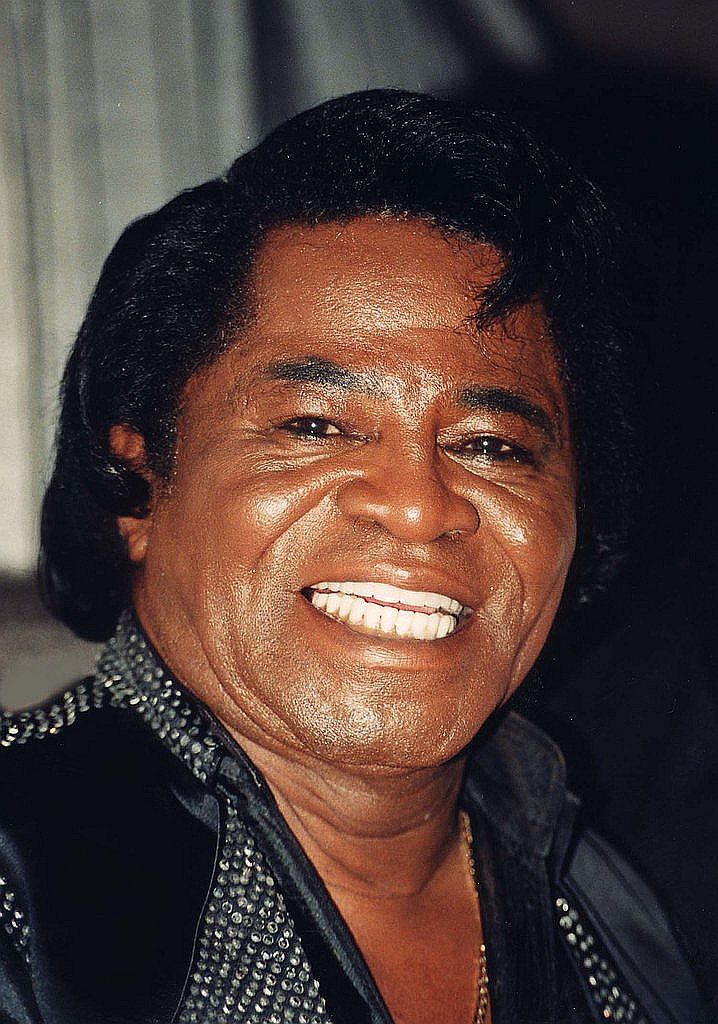
James Brown’s temper was legendary, but it was never random. It was sharpened by hunger, fear, and survival. What the world later called “difficult,” he called discipline—and it made him the hardest working man in show business.
Born Into Instability
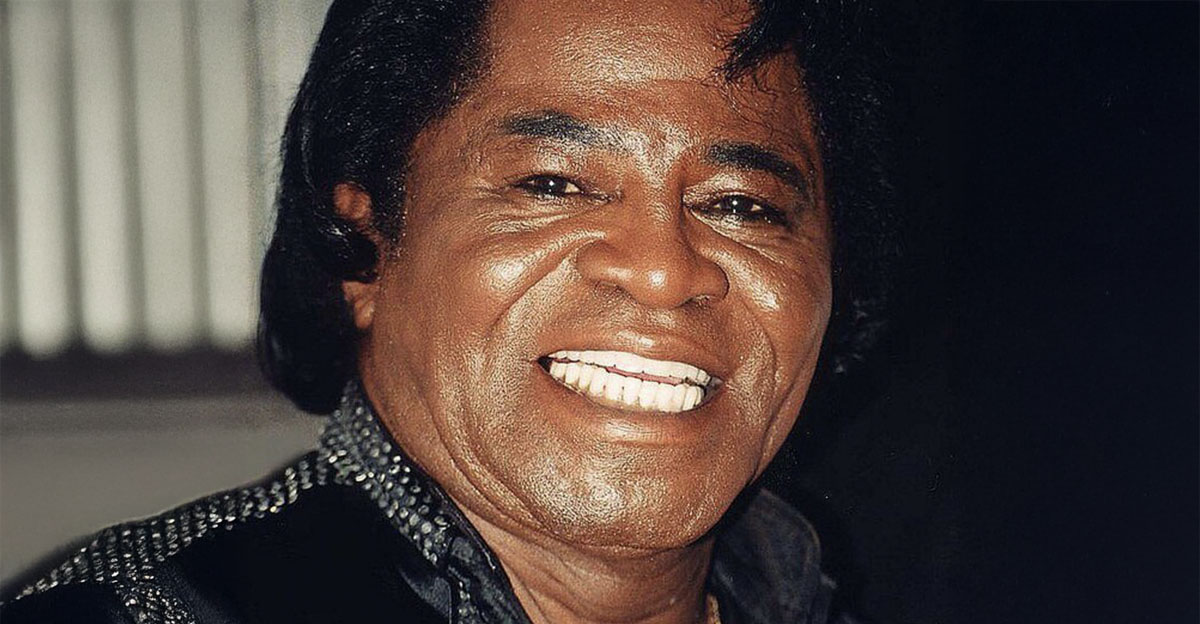
James Joseph Brown was born on May 3, 1933, in a small wooden shack in Barnwell, South Carolina. His parents, Susie Brown and Joe Gardner, were young teenagers living in deep poverty. Their relationship was unstable from the start, and James entered a world where security was rare.
 Evening Standard, Getty Images
A Childhood Split Apart
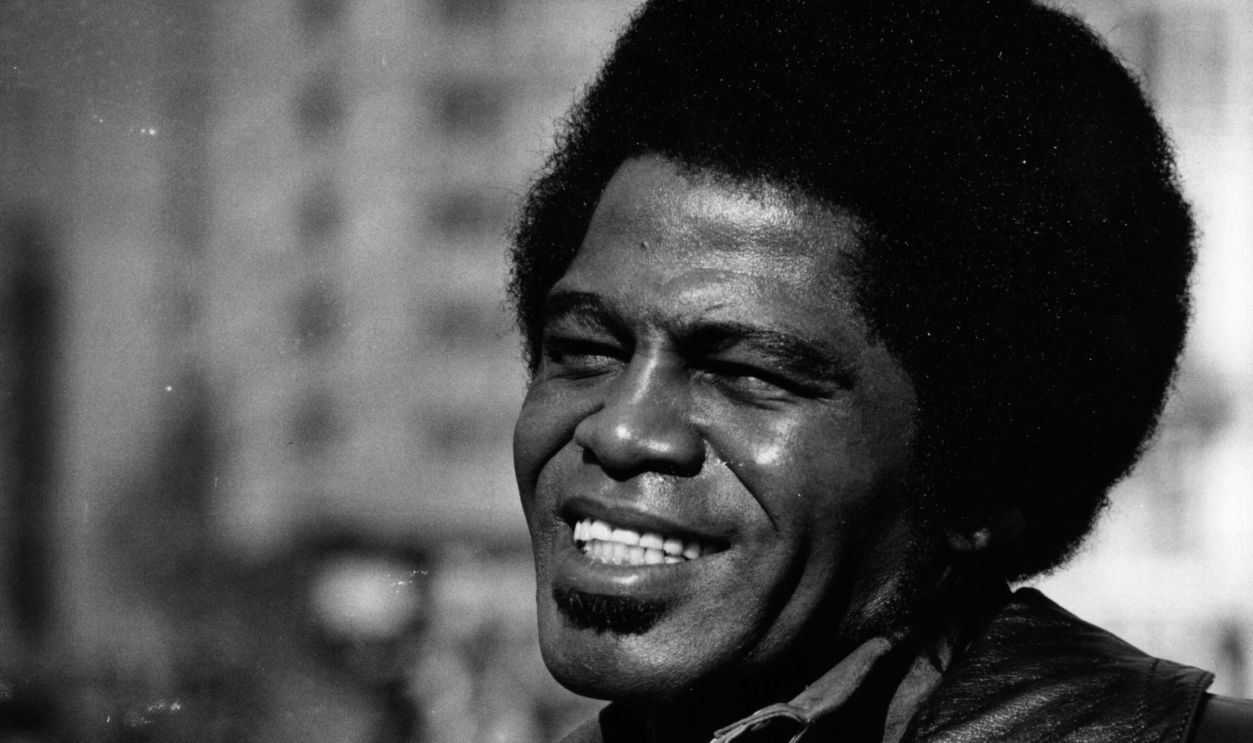
James’s parents separated when he was still young. His mother left the family entirely, and James would later say he rarely saw her again. That abandonment marked him deeply. “I never knew what it felt like to be taken care of,” he later said.
 Michael Ochs Archives, Getty Images
Growing Up With Almost Nothing
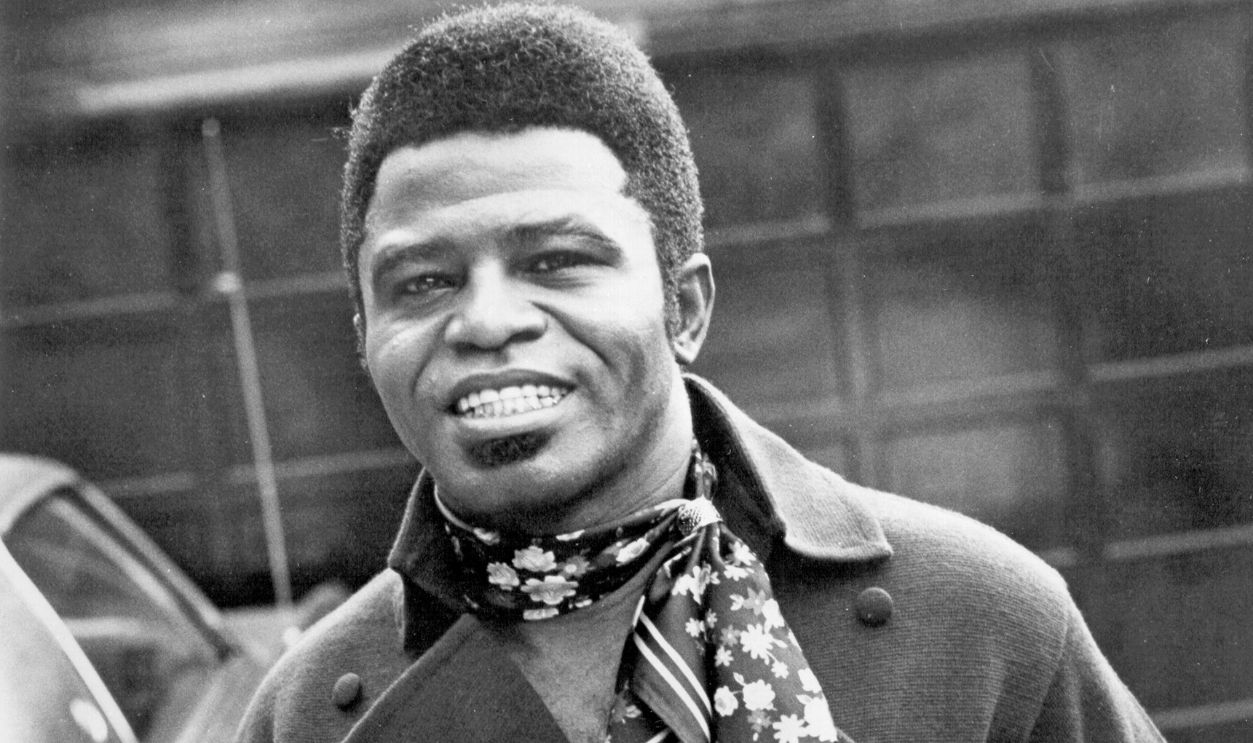
James was raised mostly by his father in Augusta, Georgia, during the Great Depression. They lived in extreme poverty. At times, James slept in abandoned buildings or friends’ homes. Hunger was constant. Stability was not.
Learning Toughness Early
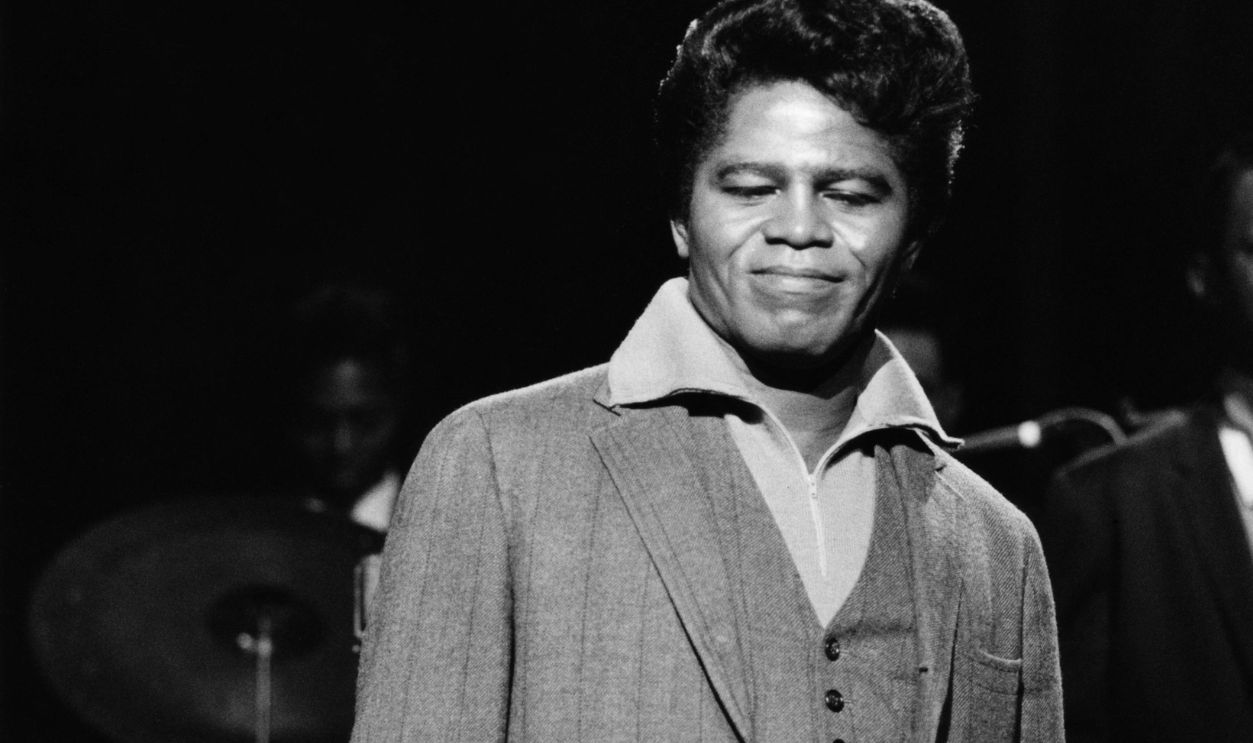
To survive, James learned to fight, hustle, and move fast. He shined shoes, picked cotton, and performed for spare change. The streets taught him that weakness invited danger. Control became his armor.
Trouble Finds Him Young
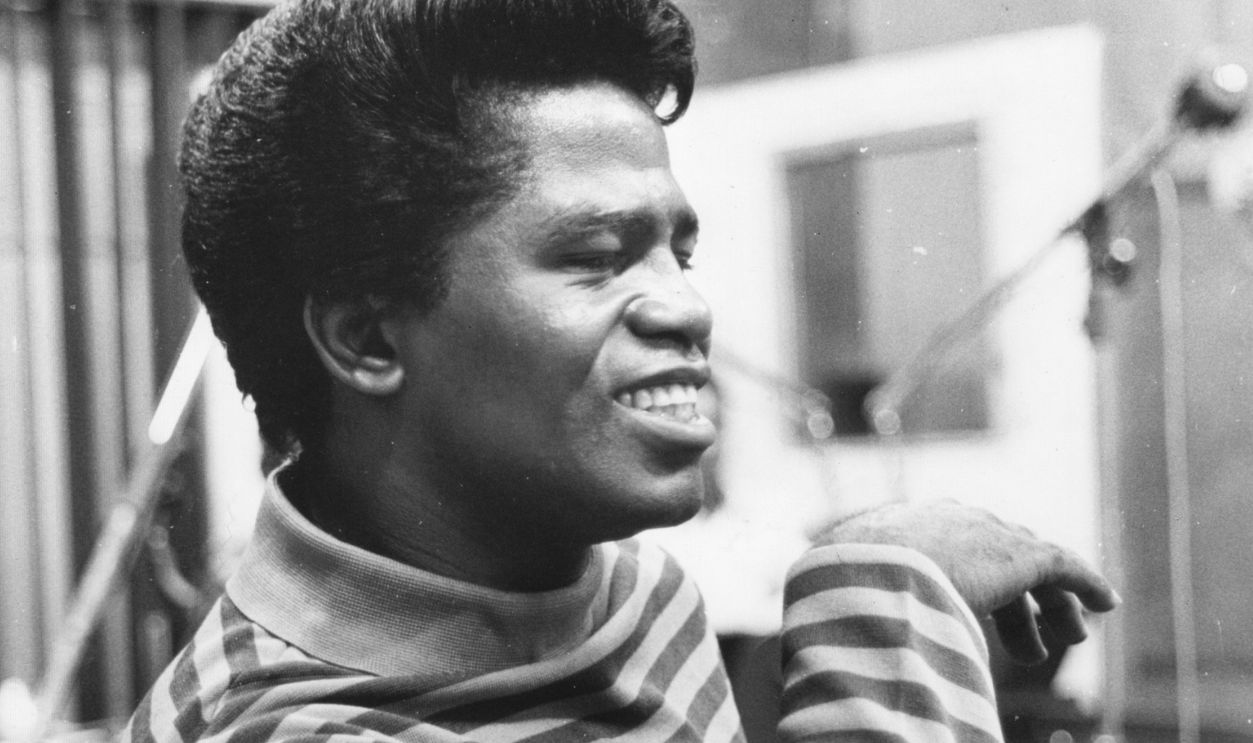
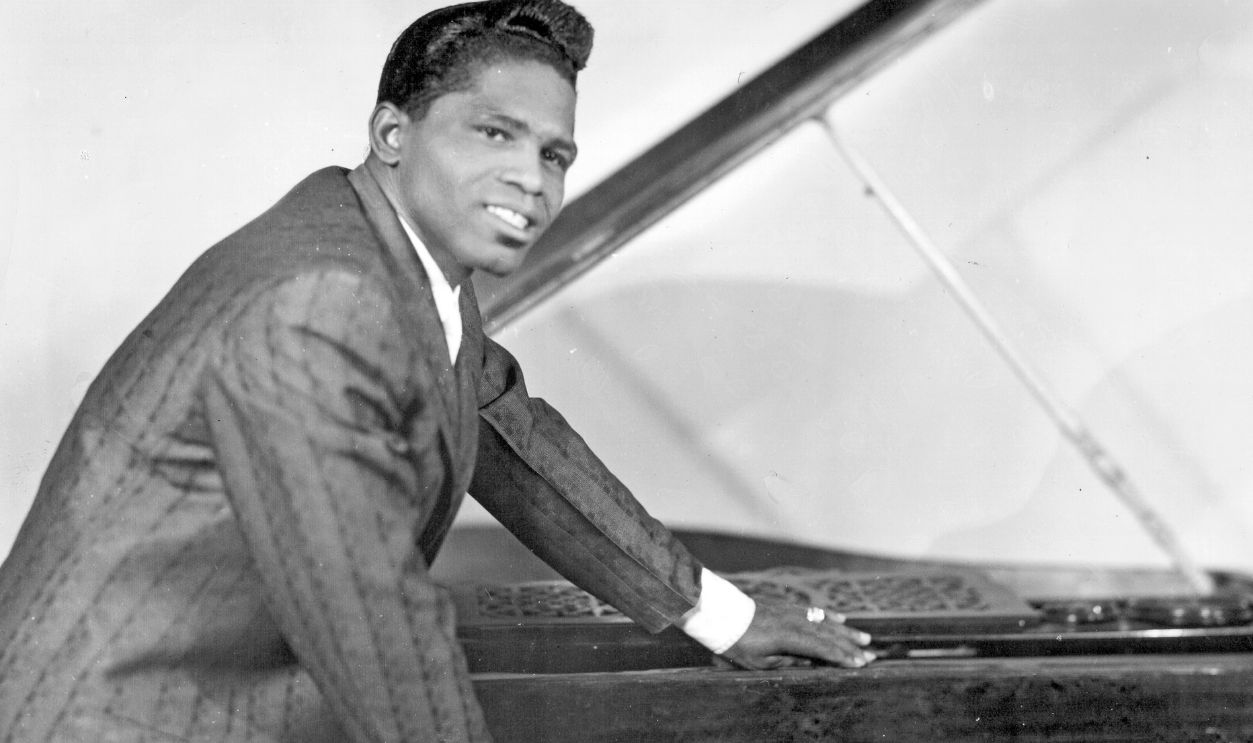
By his early teens, James was stealing and getting into fights. In 1949, at age 16, he was arrested for armed robbery. The crime sent him to a juvenile detention center in Toccoa, Georgia. It would change his life.
 Michael Ochs Archives, Getty Images
Prison Was Brutal—but Clarifying
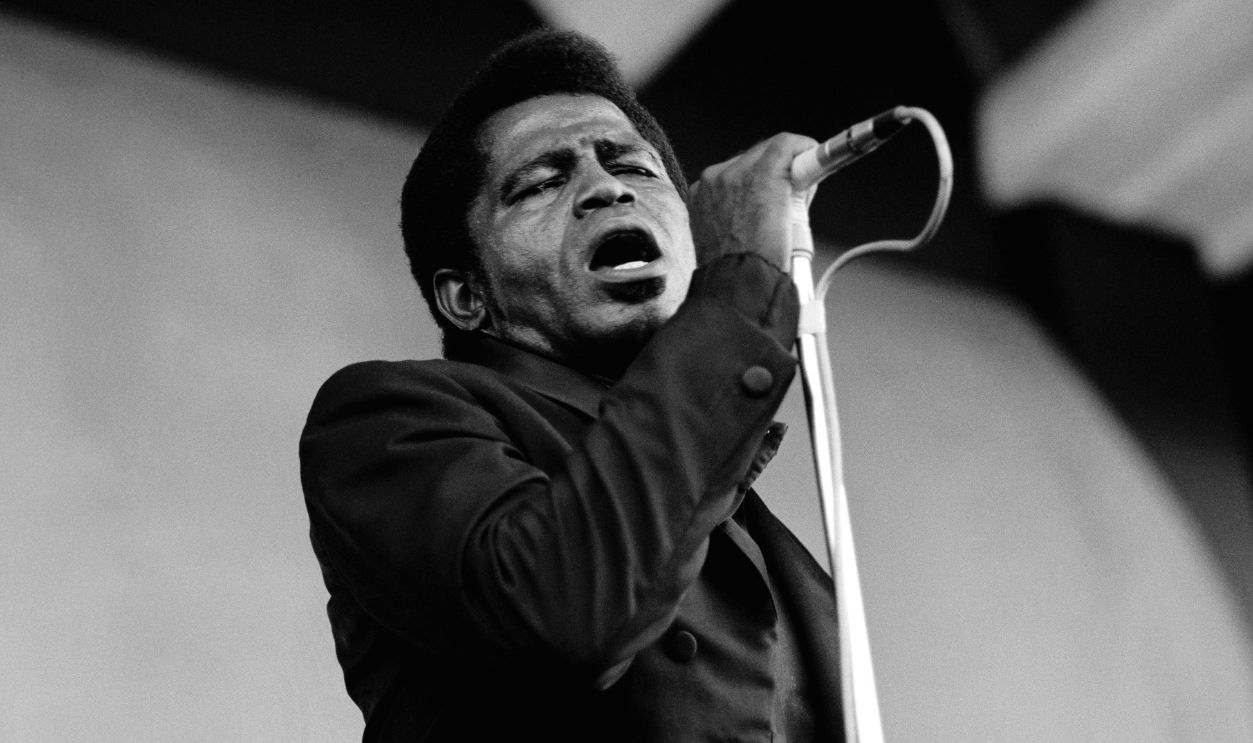
Detention was harsh. James later described it as violent and unforgiving. But it also forced structure on him. He learned routines, repetition, and survival through discipline. That rhythm would follow him forever.
Music Becomes a Lifeline
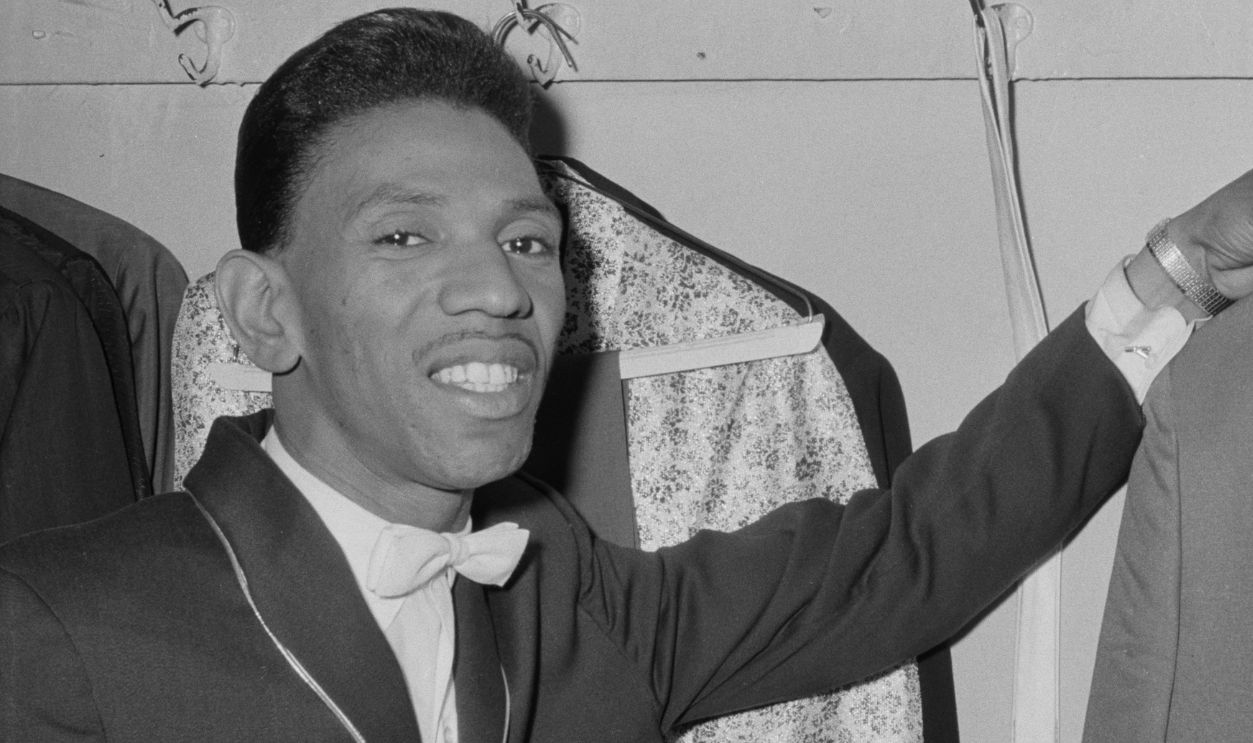
While incarcerated, James joined a gospel group. Music offered something the streets never did: purpose. Fellow inmate Bobby Byrd noticed James’s voice and drive. When James was released in 1952, Byrd’s family helped him get back on his feet.
 Michael Ochs Archives, Getty Images
A New Family Forms
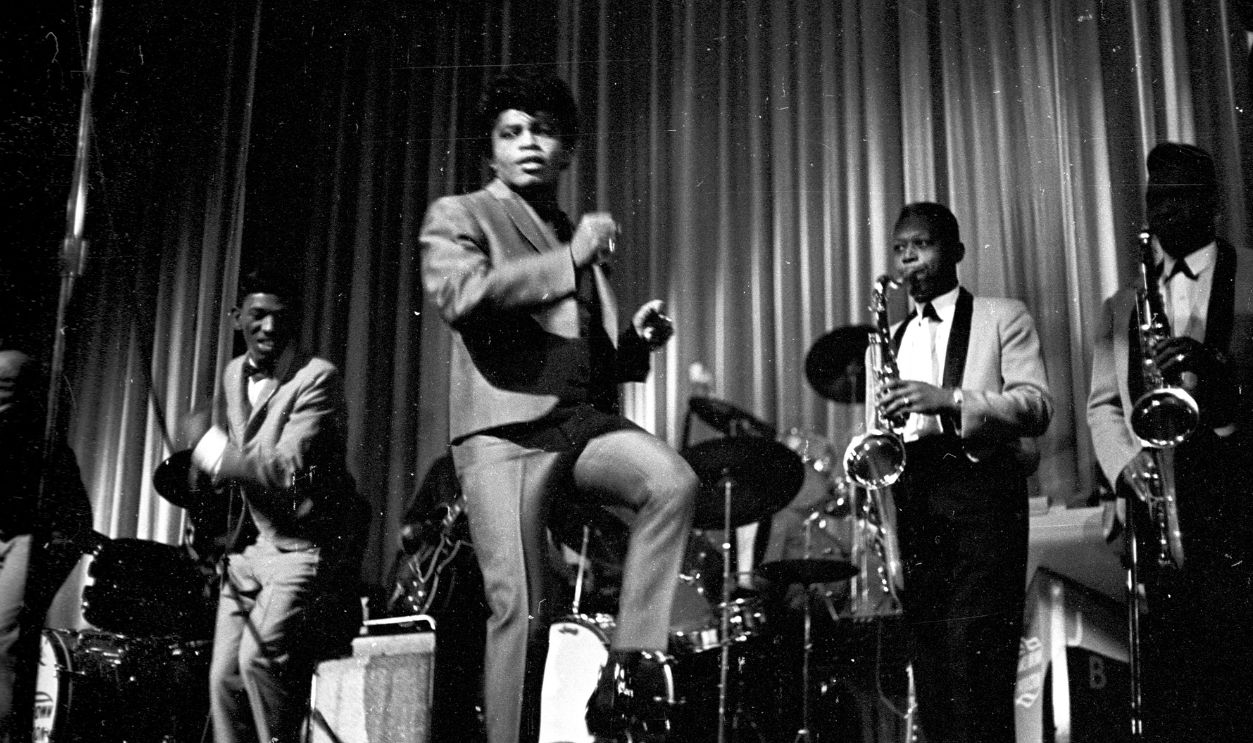
James joined Byrd’s group, which evolved into The Famous Flames. They rehearsed relentlessly. James demanded perfection. “Practice until you get it right,” he told them. That intensity was not optional.
 Michael Ochs Archives, Getty Images
The Fire Behind the Temper
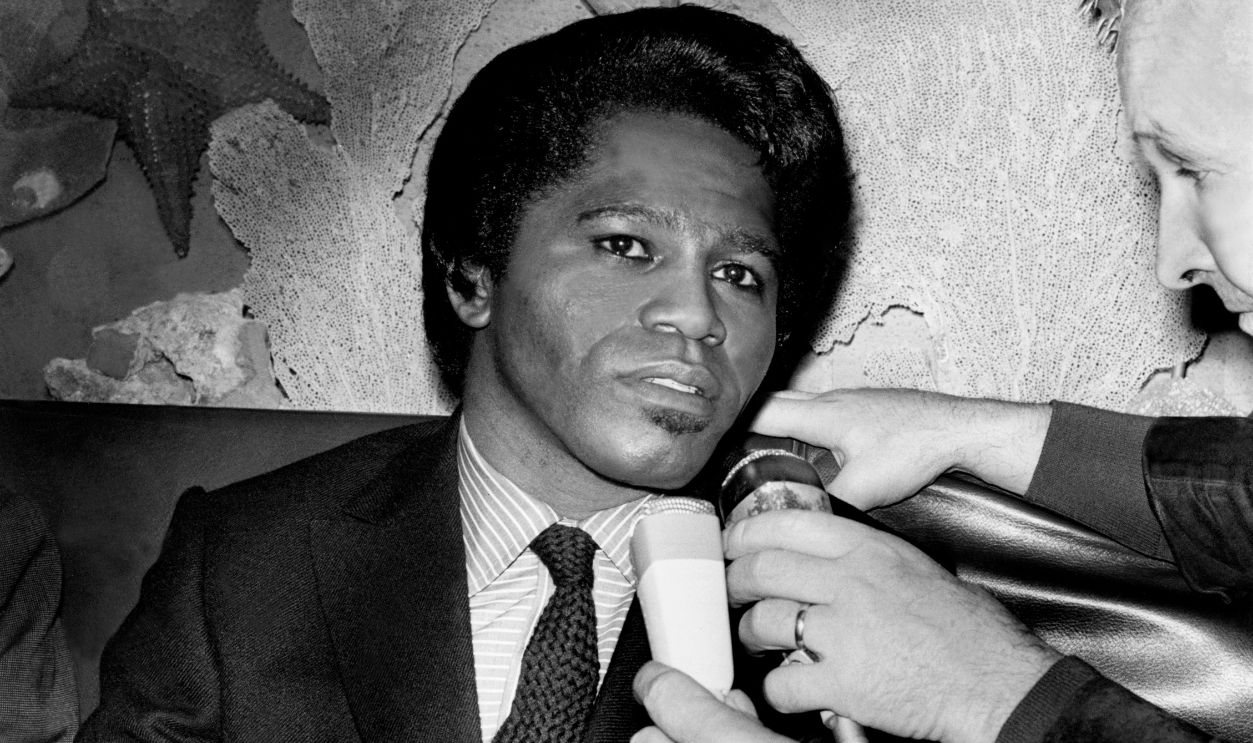
James Brown’s temper grew infamous, but it came from fear of slipping back into poverty. Every mistake felt like a threat. “I worked so hard because I was scared,” he later admitted. “Scared of going back.”
Building a Reputation Through Work
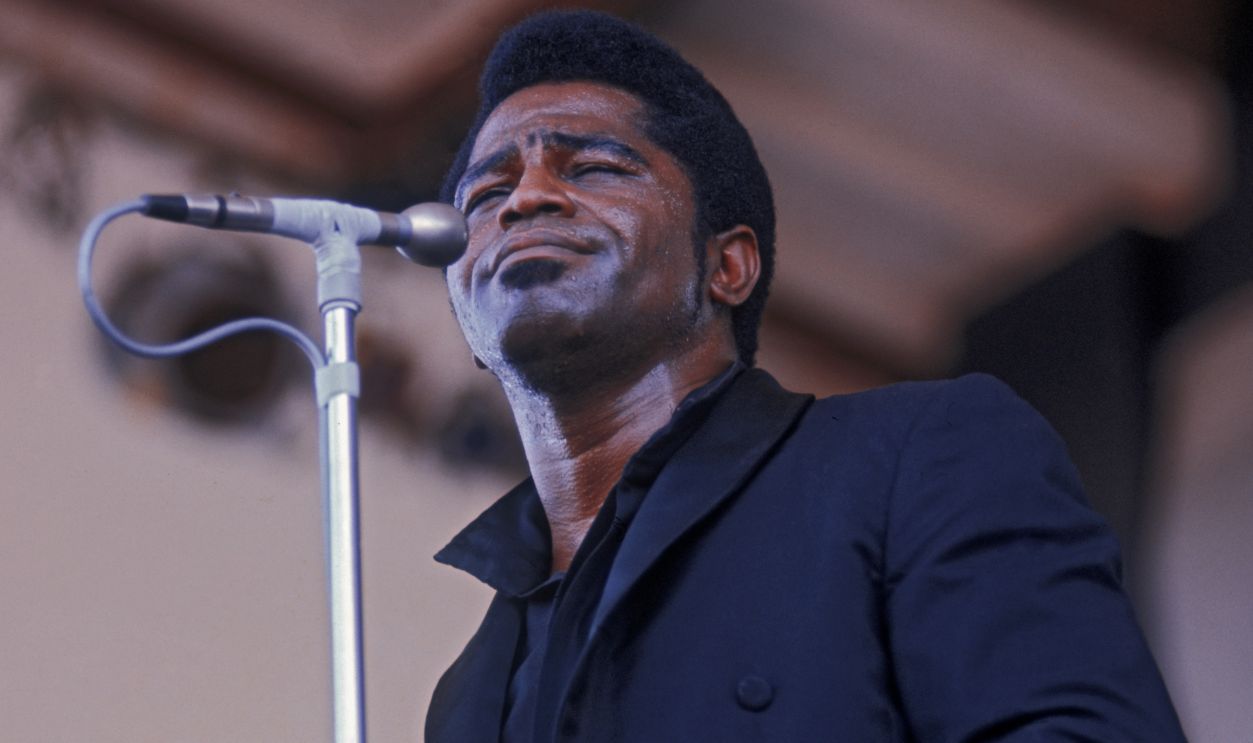
By the late 1950s, James was performing over 300 shows a year. He fined band members for missed cues. He rehearsed endlessly. Musicians feared him—but they also knew the results were undeniable.
A New Sound Takes Shape
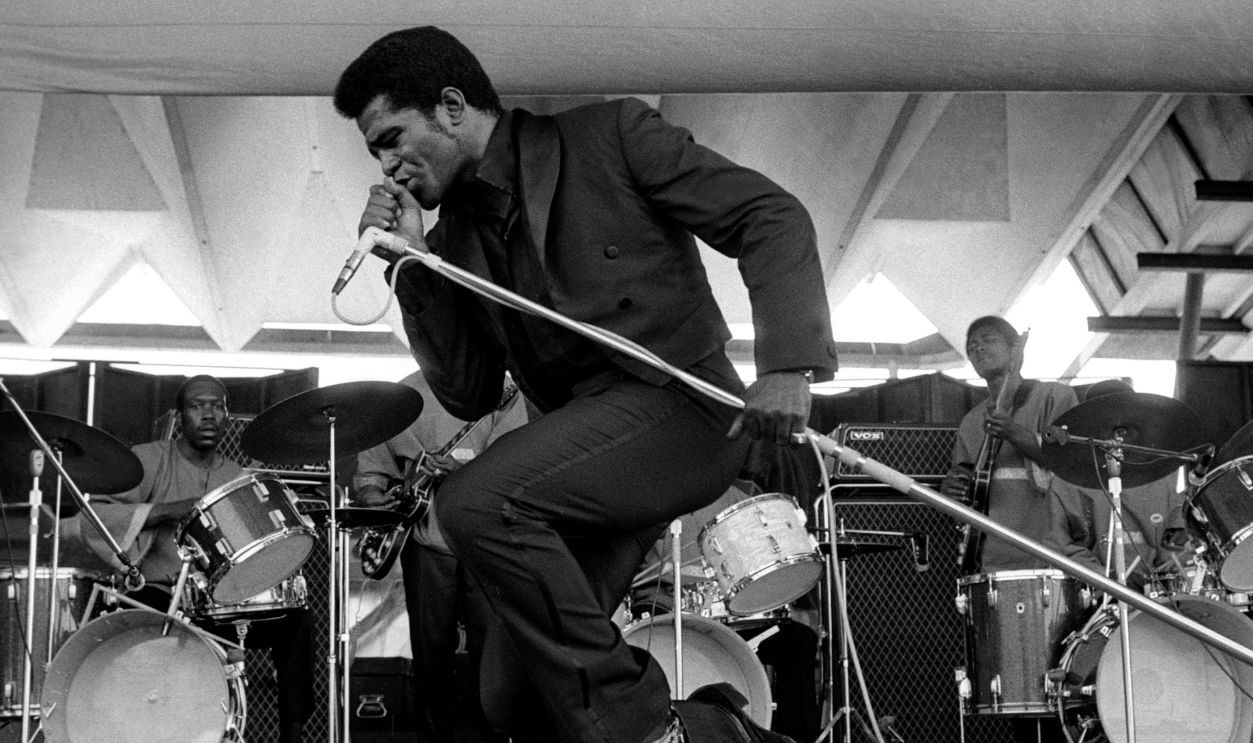
Songs like “Please, Please, Please” and “Try Me” brought success, but James kept pushing. He stripped songs down to rhythm and groove. That innovation would become funk, and it would change music forever.
Respect Earned Through Control
Musicians like Bootsy Collins later said working for James was “terrifying and life-changing.” Collins admitted, “He taught me discipline. He taught me how to be a professional.”
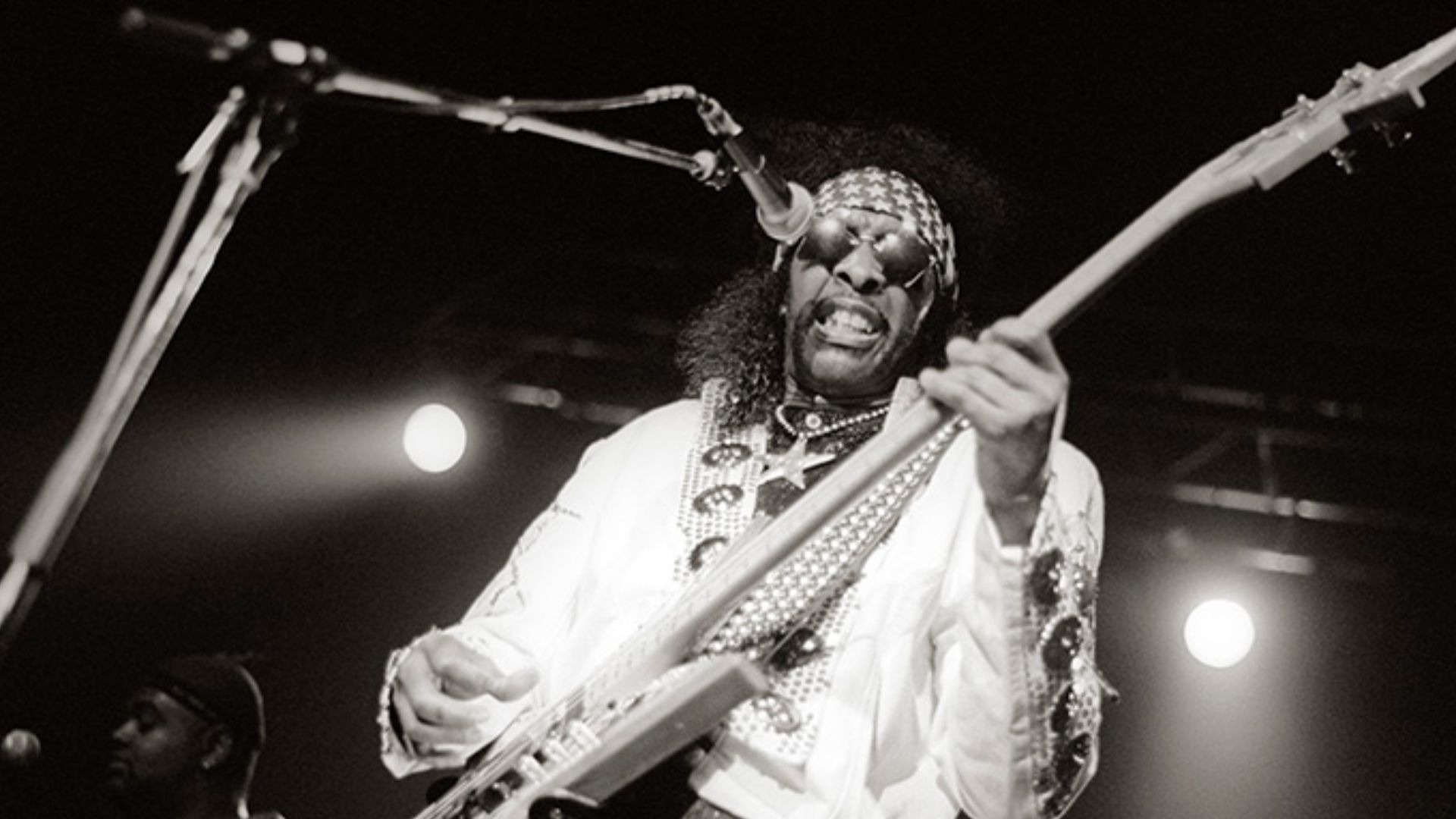
A Black Man Owning His Power
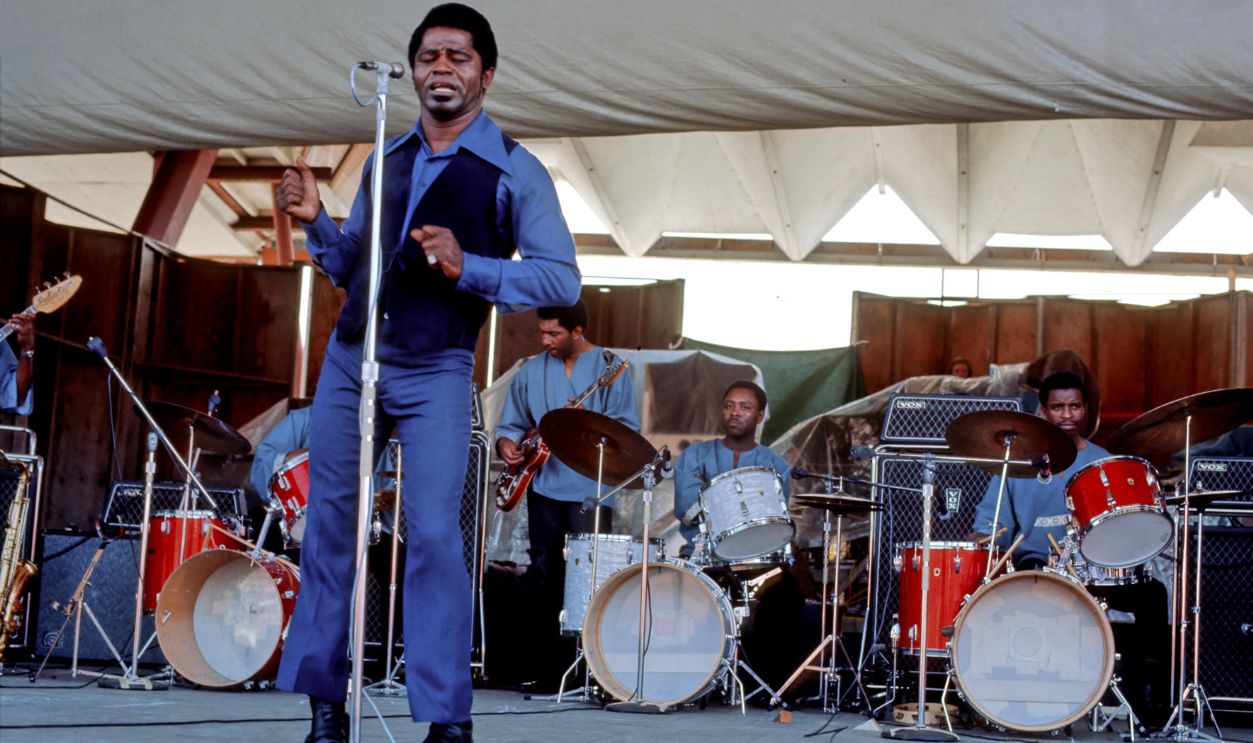
In the 1960s, James Brown took control of his music, business, and image. He owned his masters. He paid his band well. He demanded respect in an industry that rarely gave it to Black artists.
 Michael Ochs Archives, Getty Images
Say It Loud—and Mean It
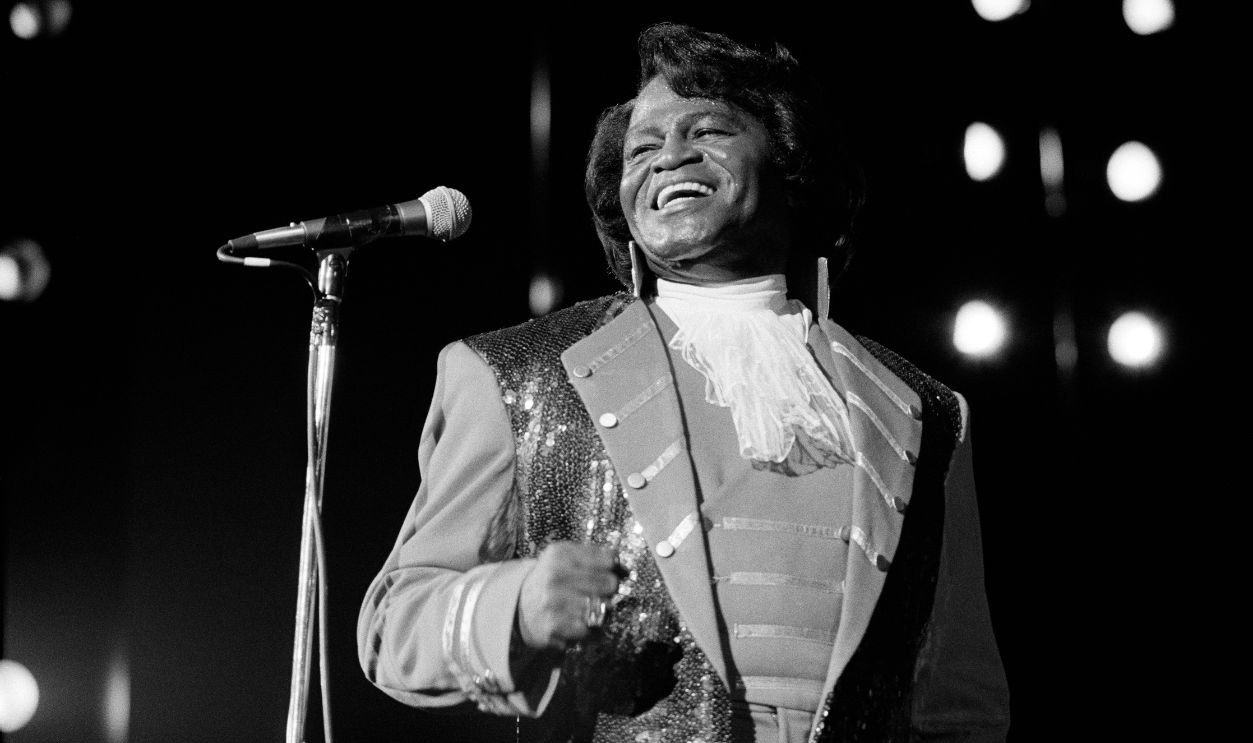
In 1968, James released “Say It Loud – I’m Black and I’m Proud.” It became an anthem during the civil rights era. James was unapologetic. His pride was earned, not decorative.
Anger Still Followed Him
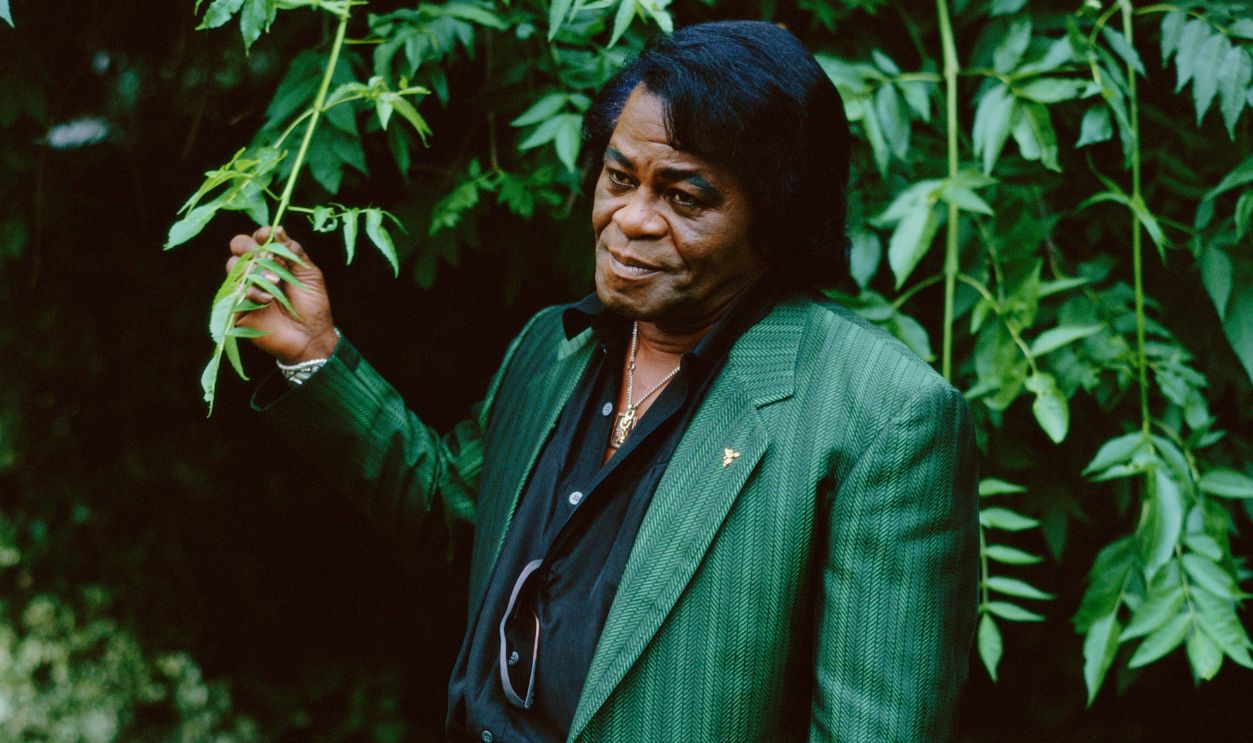
James never fully escaped his anger. It surfaced in relationships, arrests, and confrontations. He struggled with control offstage as much as he mastered it onstage. He never denied those flaws.
Discipline Never Left
Even as fame grew, James maintained rigid routines. He rehearsed like a newcomer. He demanded excellence until the end. “You don’t get tired when you love what you do,” he once said.
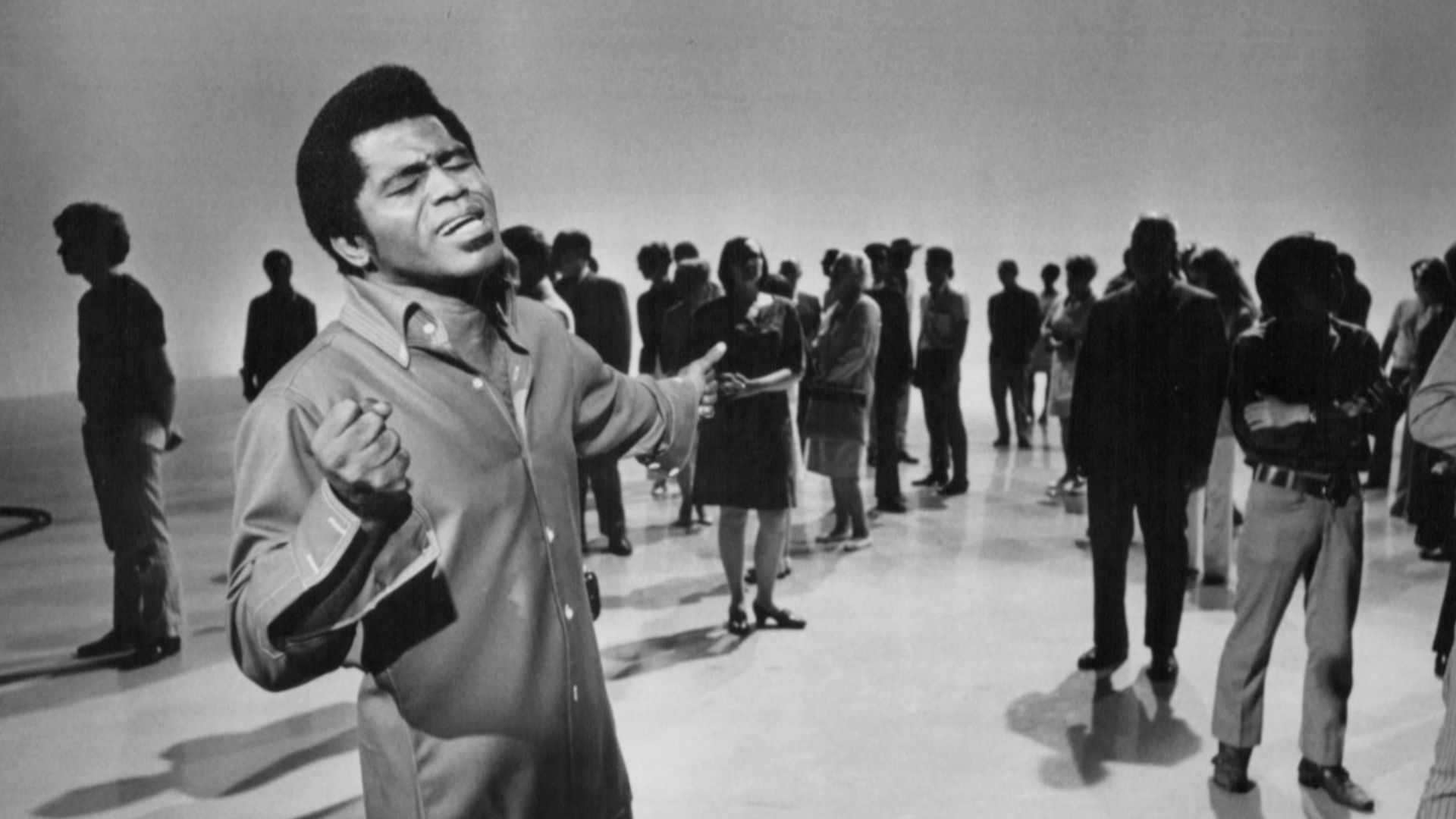 ABC Television, Wikimedia Commons
Influence That Cannot Be Measured
Michael Jackson, Prince, and countless others cited James Brown as foundational. “He was everything,” Jackson said. “The reason I do what I do.”
 Matthew Rolston; Distributed by Epic Records, Wikimedia Commons
A Complicated Legacy
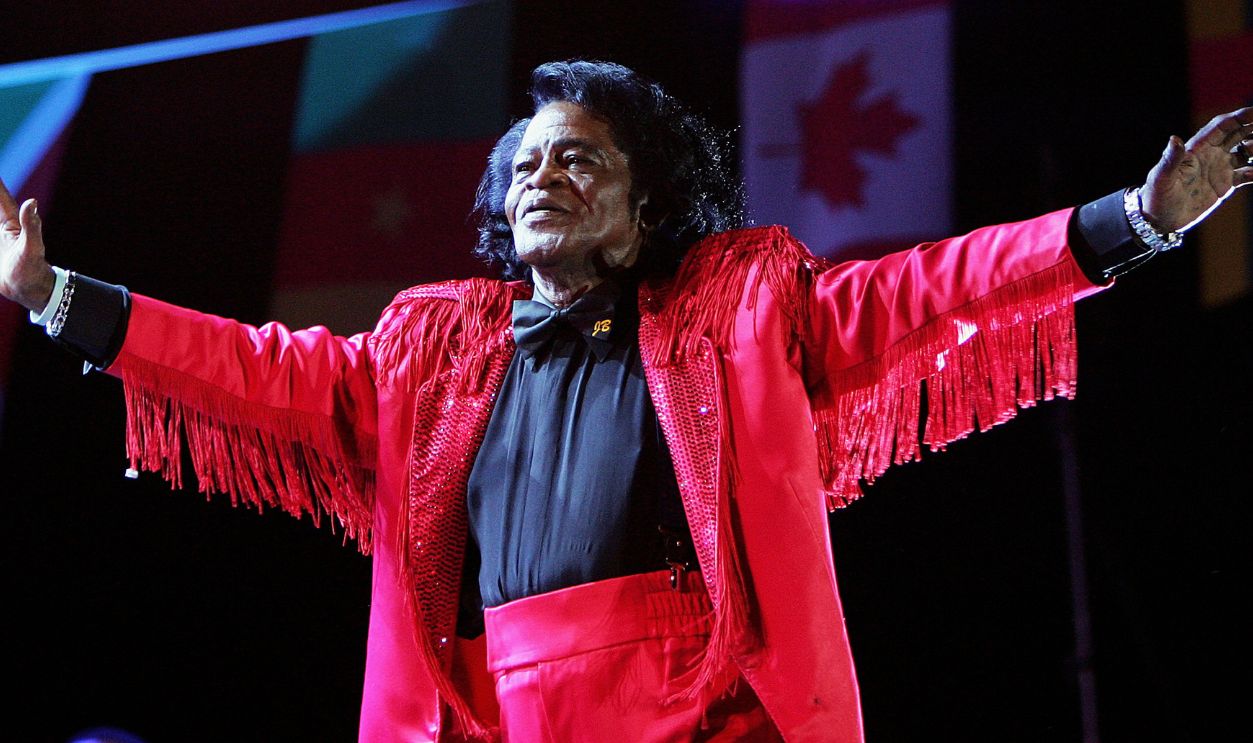
James Brown died on December 25, 2006, at age 73. He left behind contradictions: anger and generosity, fear and pride, control and freedom. All of it lived in his music.
Why His Story Still Matters
James Brown was not born powerful. He built power through discipline when the world offered none. His temper made headlines, but his work ethic made history—and that is why his influence still moves the world.
You May Also Like: