The Queen of Soul
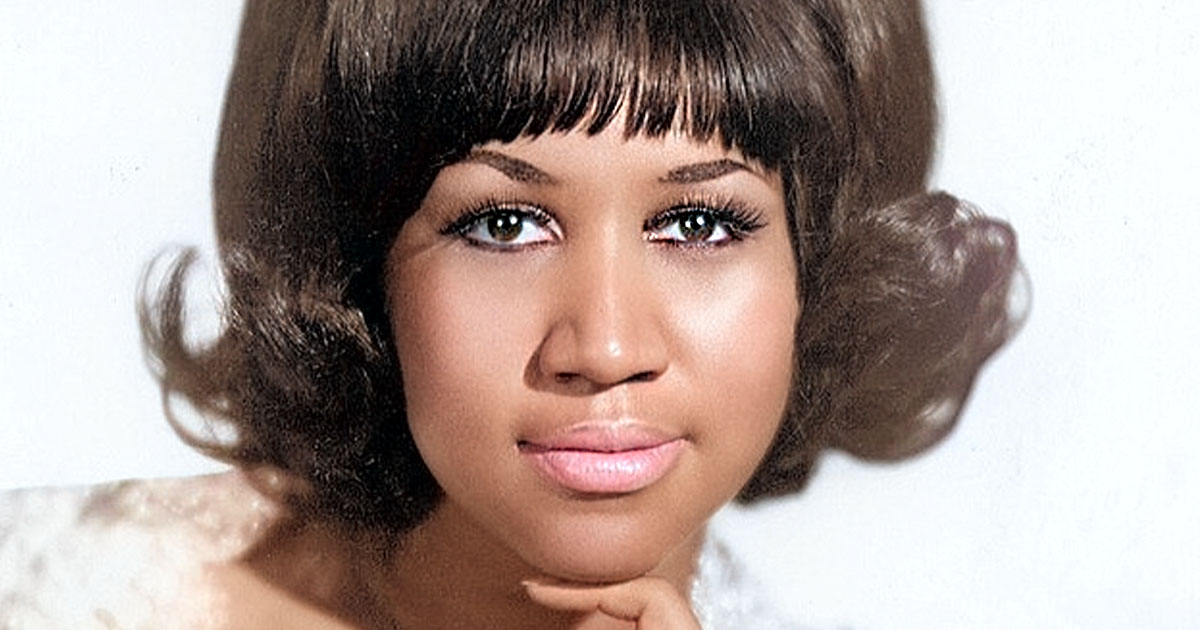
Before “Respect” became a national demand, it was born from a life shaped by loss, silence, and survival. Aretha Franklin did not rise from comfort. She rose from complexity, carrying wounds she rarely spoke about and turning them into a voice that changed America.
Born Into a House Full of Music—and Secrets
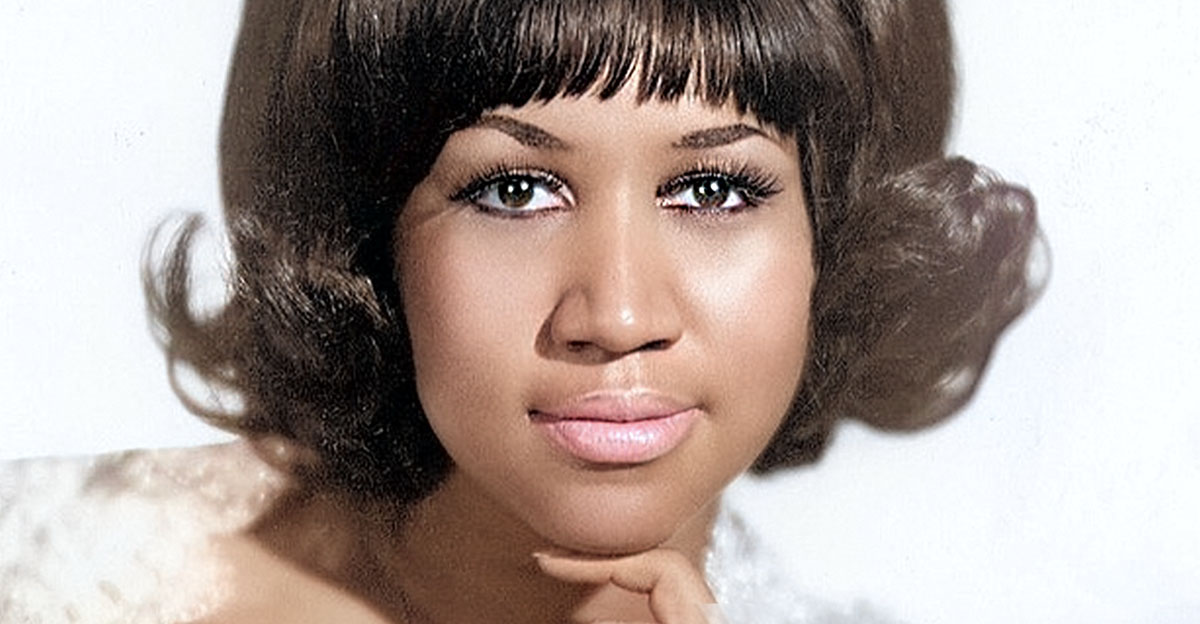
Aretha Louise Franklin was born on March 25, 1942, in Memphis, Tennessee, and raised in Detroit, Michigan. Her father, Reverend Clarence LaVaughn Franklin, was a celebrated Baptist preacher and civil rights figure. Her mother, Barbara Siggers Franklin, was a gospel singer. Their home was filled with music, but not peace.
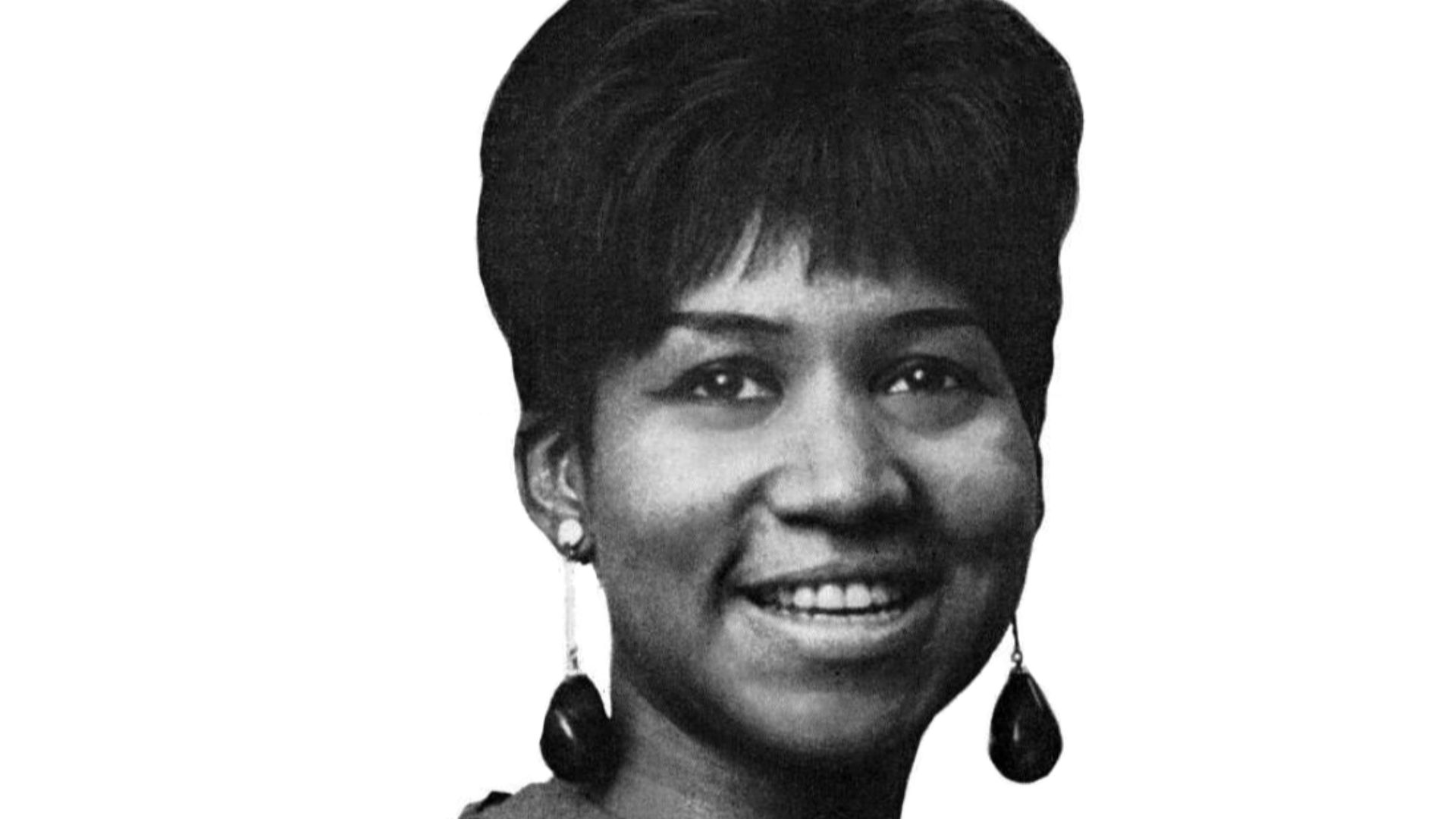 Atlantic Records, Wikimedia Commons
A Family That Was Already Fractured
Aretha was one of five siblings. Her sisters Carolyn and Erma Franklin would later sing backup for her. Her brother Cecil became her manager. But the family also included half-siblings born outside her parents’ marriage, the result of her father’s private life intersecting with his public power.
The Pastor Everyone Trusted
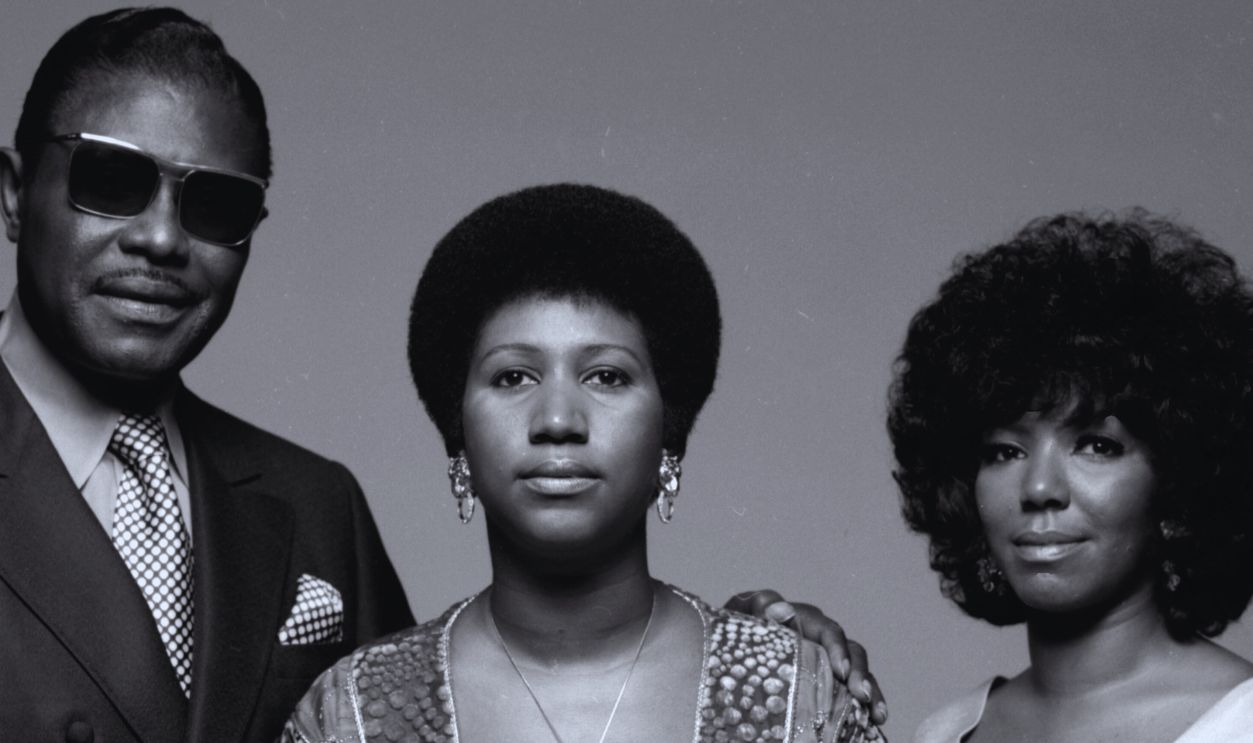
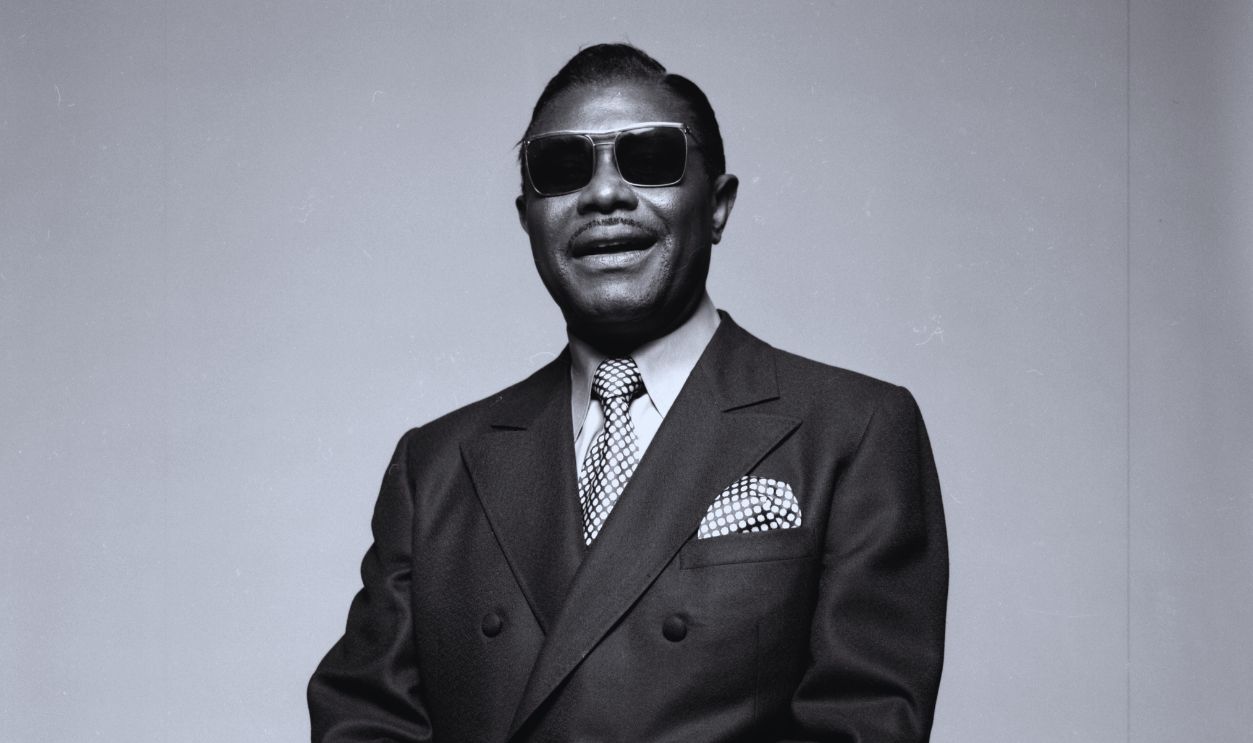
CL Franklin was famous, charismatic, and deeply influential. He preached about justice and dignity while holding enormous authority over his congregation. Behind the scenes, his behavior did not always reflect his sermons. (More on that later).
Those contradictions shaped Aretha’s childhood profoundly.
A Mother Who Left Too Soon
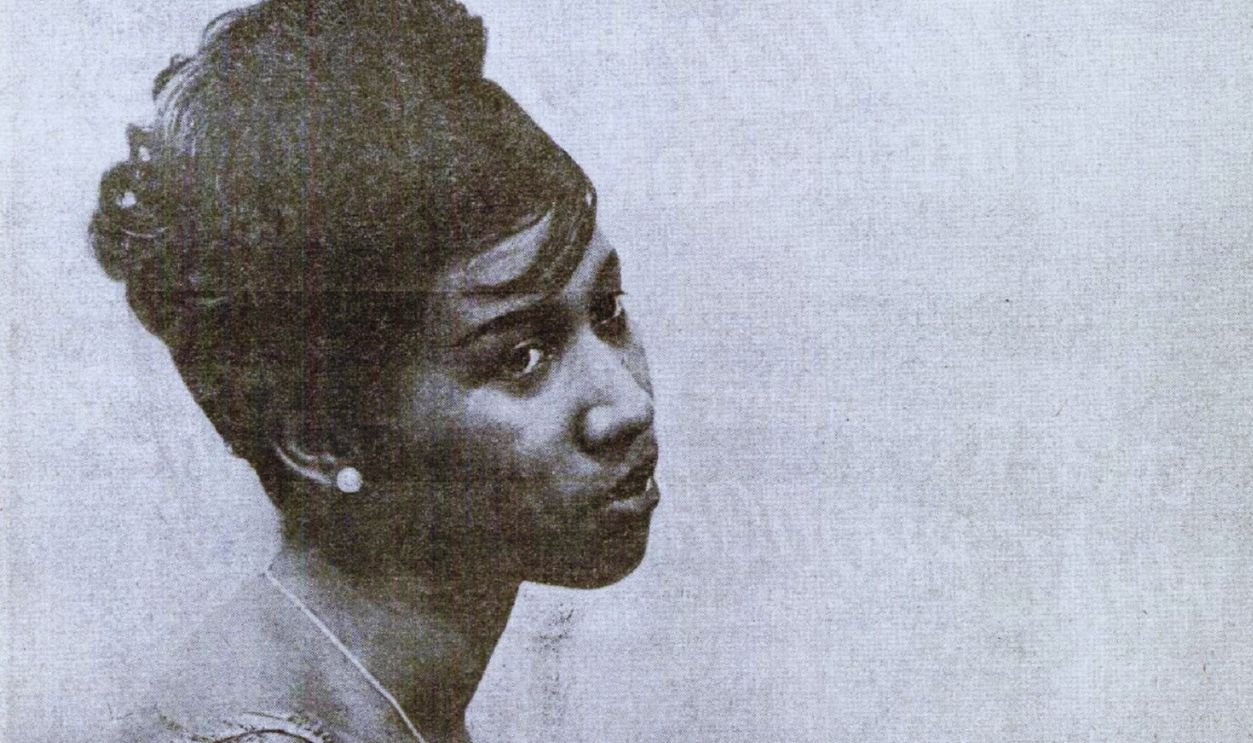
Barbara Franklin left the family when Aretha was young and died in 1952, when Aretha was ten years old. The loss was devastating. Aretha rarely spoke publicly about her mother, but those close to her said the absence never healed.
 Columbia Records, Wikimedia Commons
Childhood Without Protection
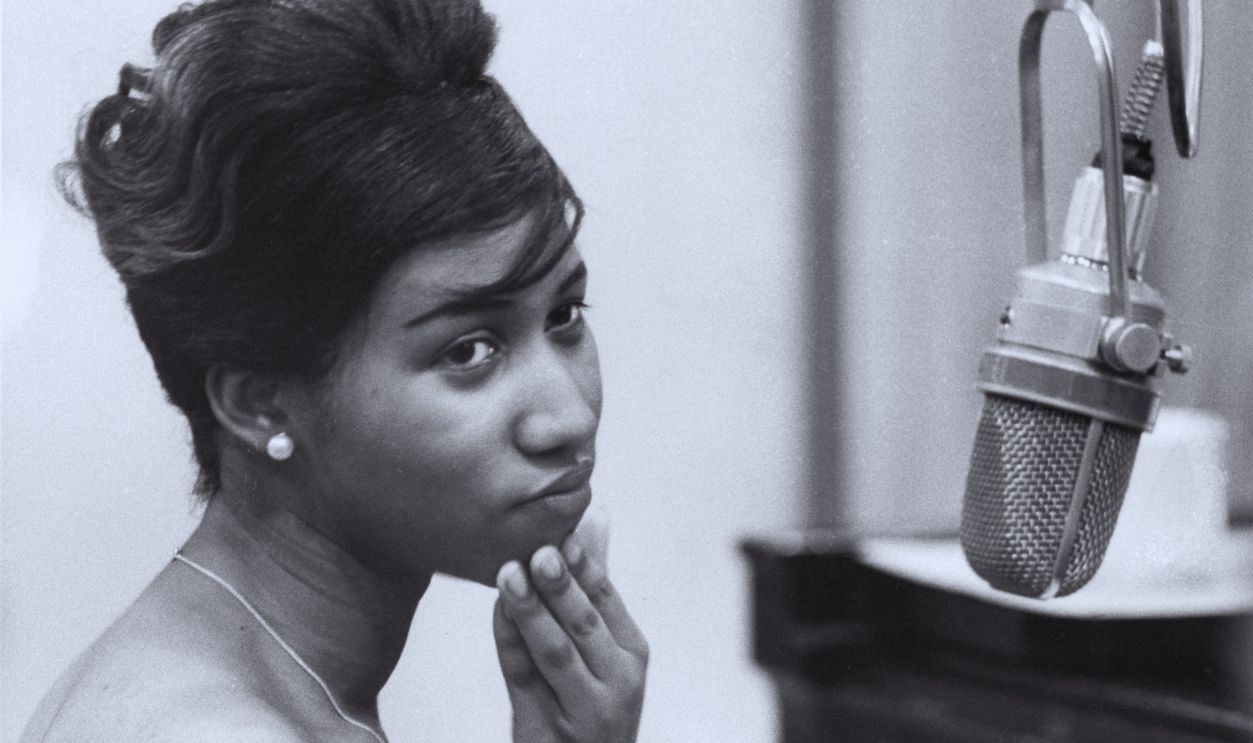
Aretha grew up surrounded by adults, performers, and church members. Boundaries were unclear. Privacy was rare. She later described feeling watched and expected to mature quickly. Childhood, as a safe space, did not last long.
 Donaldson Collection, Getty Images
Pregnant Before She Was a Teen
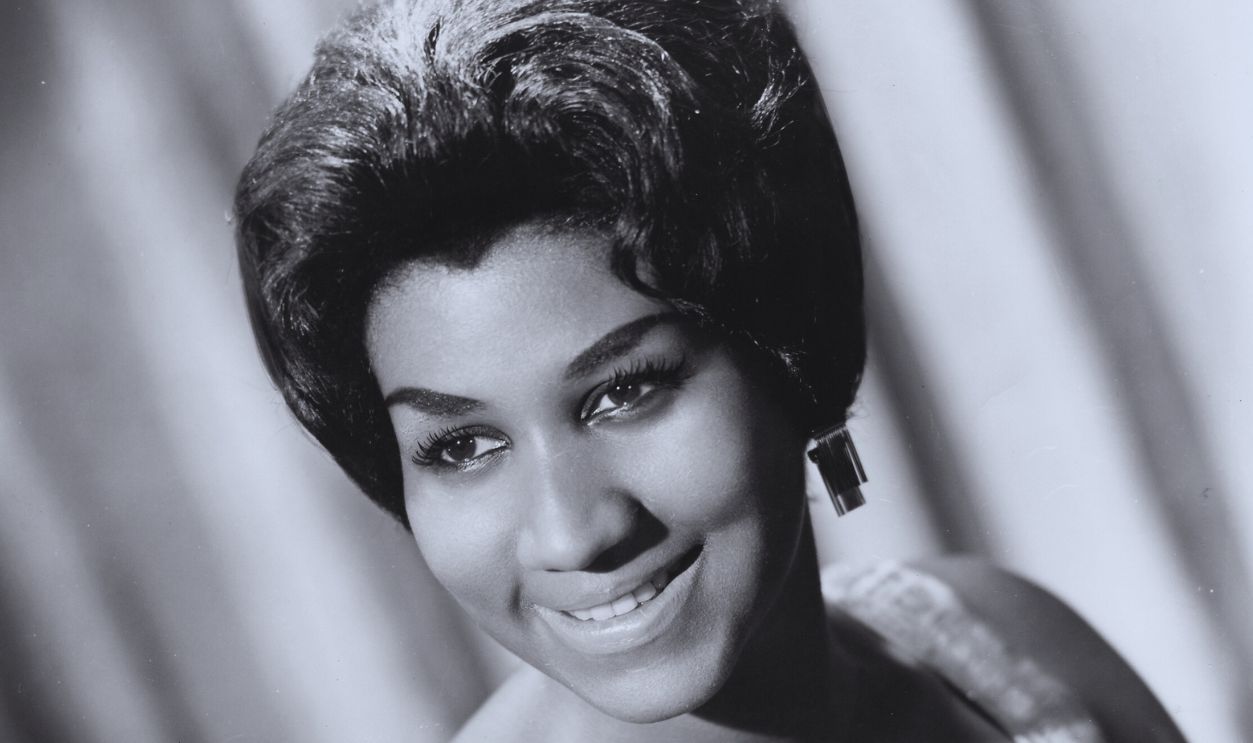
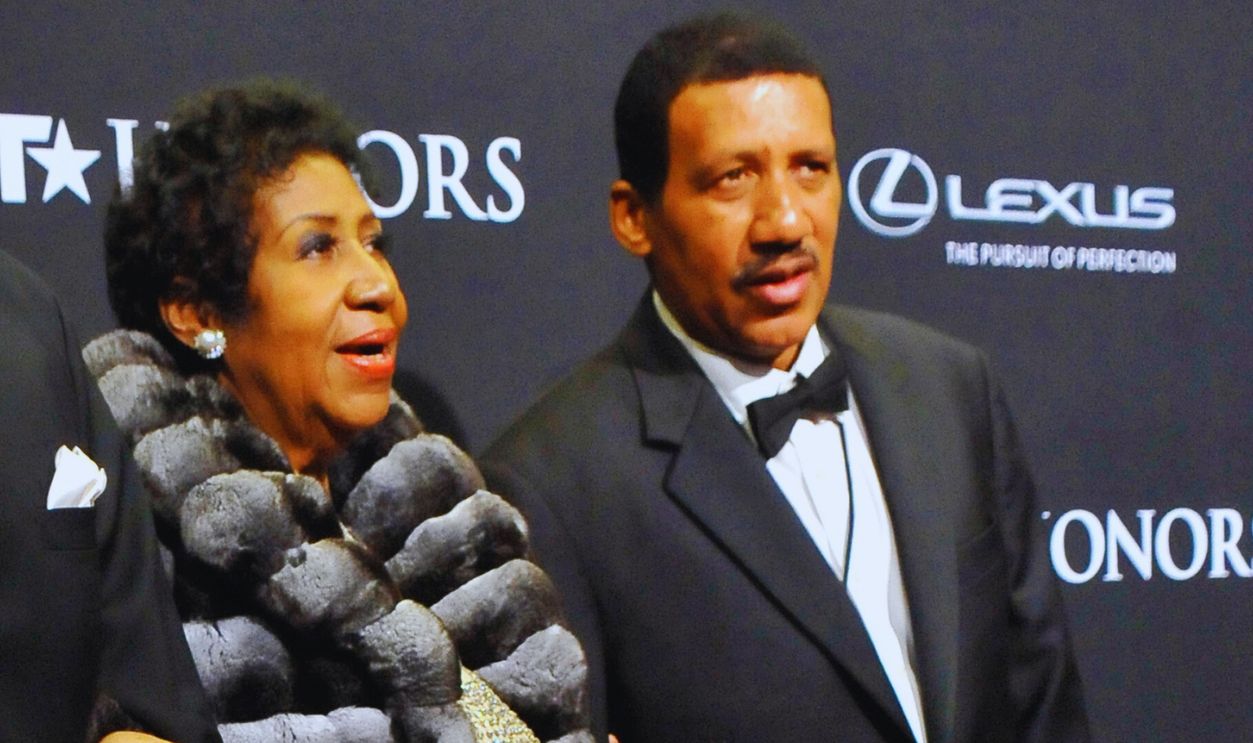
In January 1955, when Aretha was just 12 years old, she gave birth to her first son, Clarence Franklin, named after her father. The circumstances surrounding the pregnancy were never publicly detailed by Aretha herself. She did not speak about it openly, and those close to her respected that silence.
Another Child Before Adulthood
In 1957, at age 14, Aretha became pregnant again and gave birth to her second son, Edward Franklin. By her mid-teens, she was already a mother of two. The weight of that responsibility shaped her emotionally and practically, long before fame arrived.
 Larry French/BET, Getty Images
Music Became Shelter
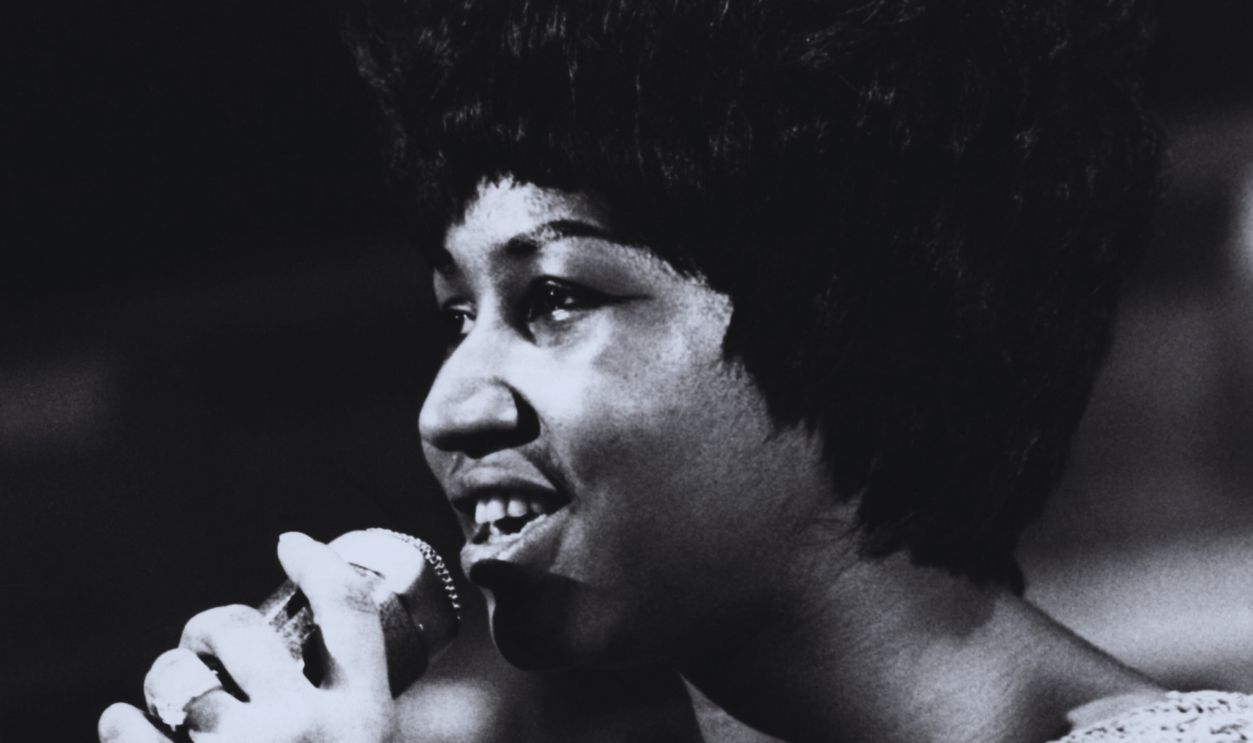
Gospel music became Aretha’s refuge. Touring churches with her father, she learned how to channel emotion into sound. Singing gave her control when life felt uncontrollable. It was where pain could exist without explanation.
 Charlie Gillett Collection, Getty Images
Leaving Home With More Than Talent
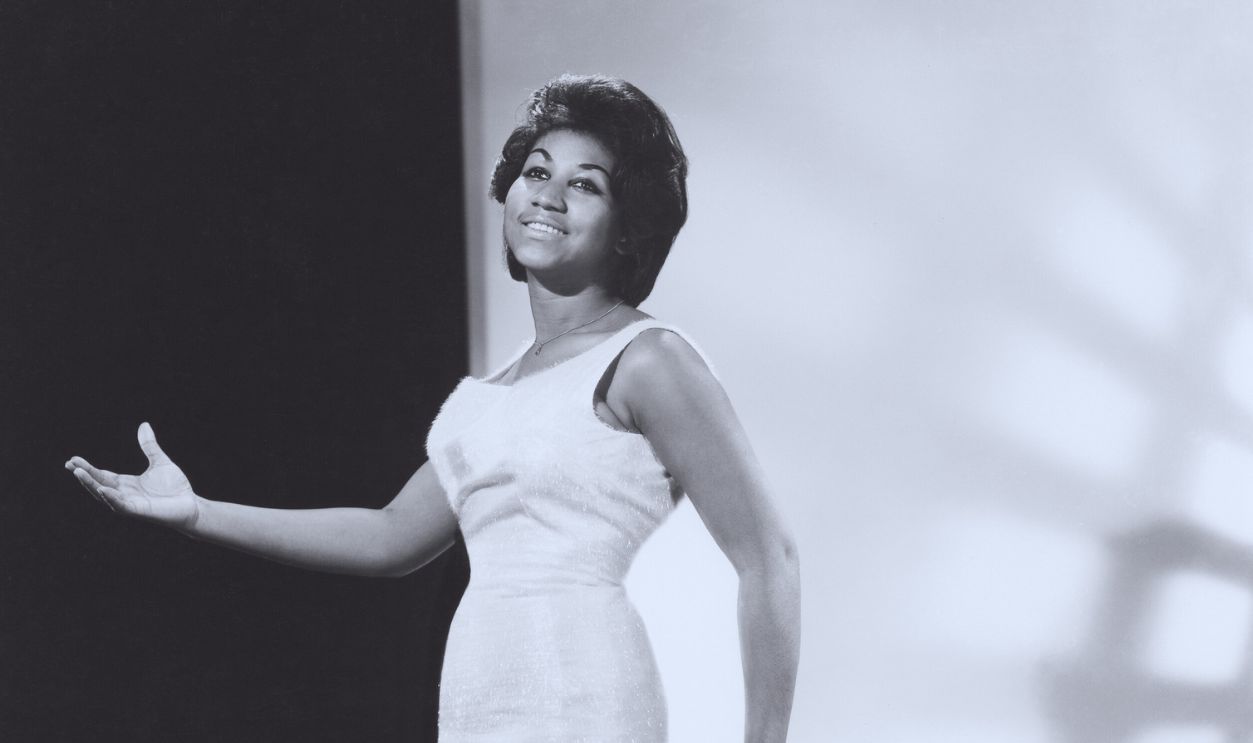
By 18, Aretha moved into the secular music world, signing with Columbia Records in 1960. She was marketed as elegant and composed, but behind the image was a young woman who had already lived through more than most.
Fame Without Freedom
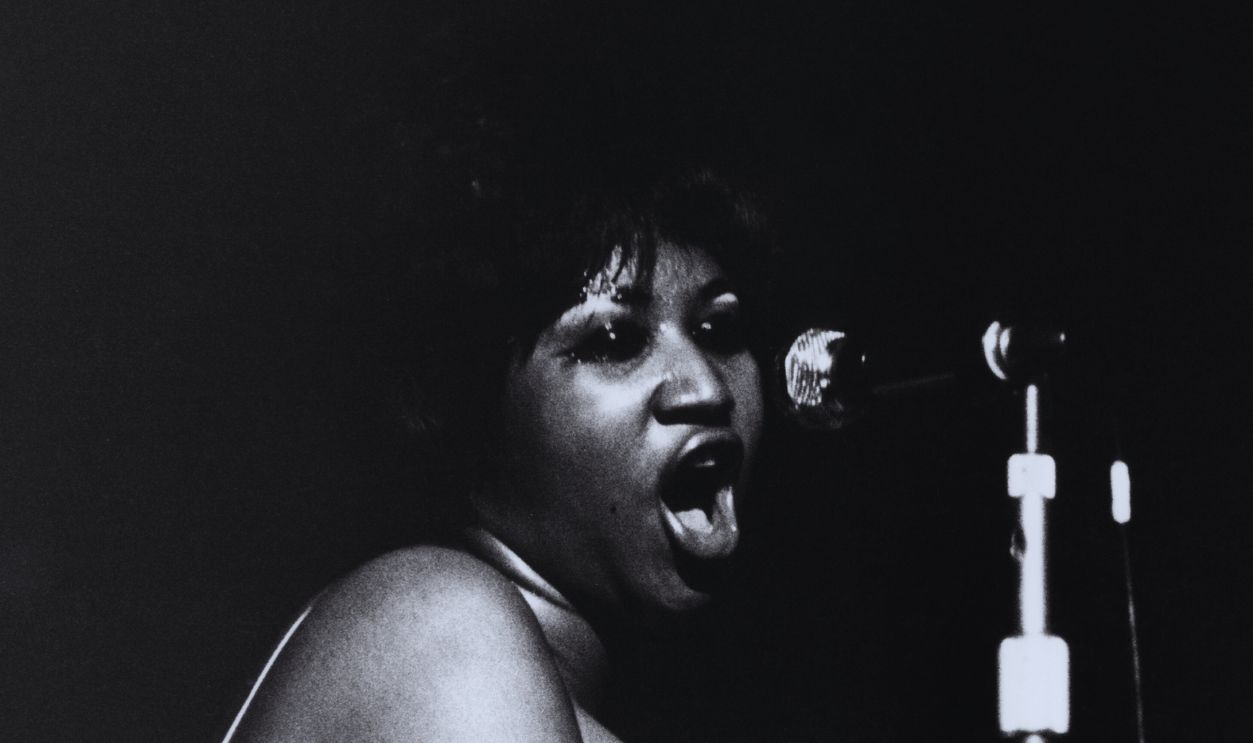
Columbia Records steered Aretha toward jazz standards and pop ballads. Producers dictated arrangements. Her gospel power was restrained. Though she released multiple albums, she later said she felt unheard and creatively boxed in.
 Michael Ochs Archives, Getty Images
Private Struggles Continue
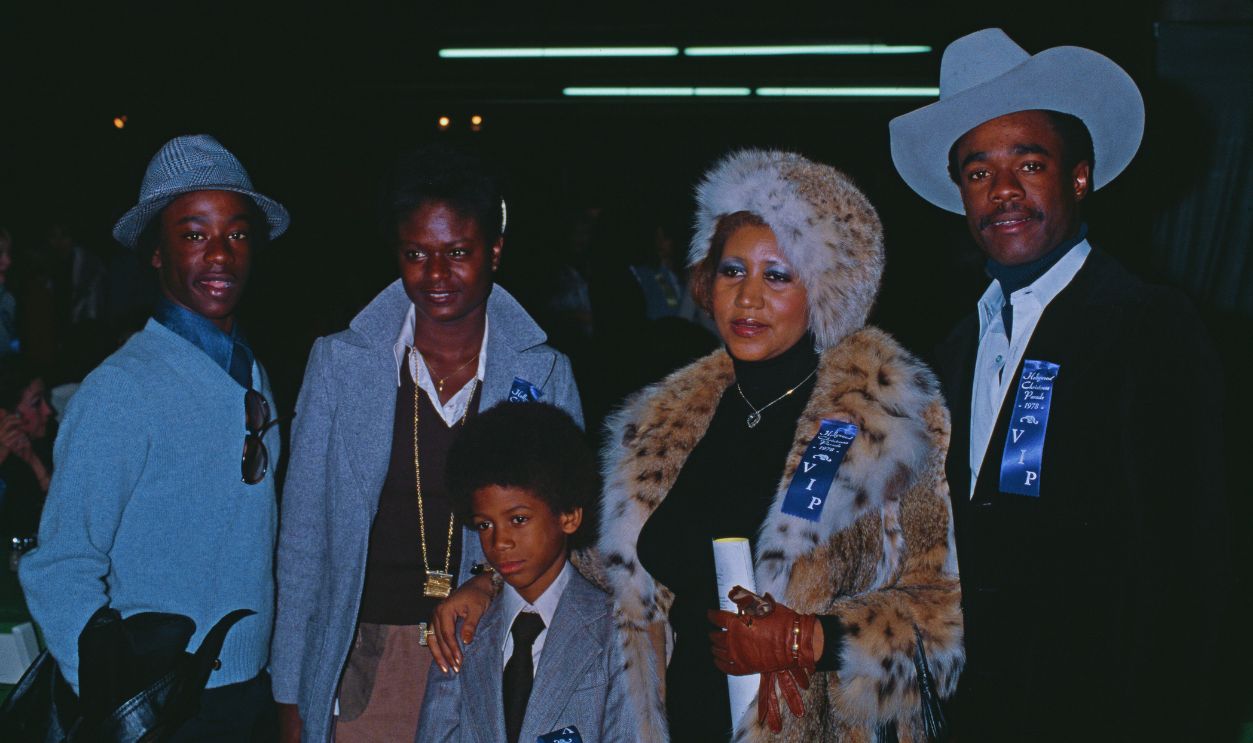
During these years, Aretha’s personal life remained turbulent. She later had two more sons: Teddy Richards in 1964 and Kecalf Cunningham in 1970. She was deeply protective of her children, determined they would not experience the same lack of safety she had known.
 Michael Ochs Archives, Getty Images
Marriage Did Not Bring Safety
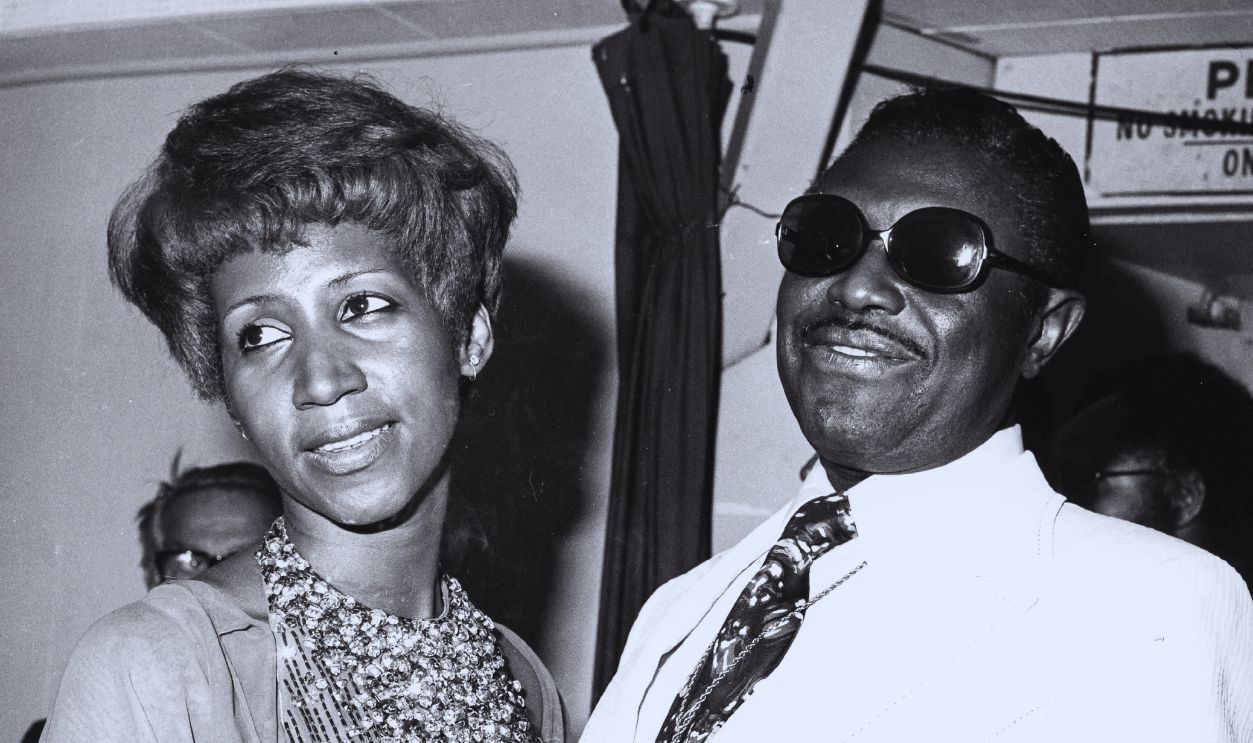
In 1961, Aretha married Ted White, who also became her manager. The relationship was volatile. Years later, Aretha acknowledged mistreatment during the marriage. She described it as controlling and harmful. They divorced in 1969.
 Universal History Archive, Getty Images
Pain With a Voice
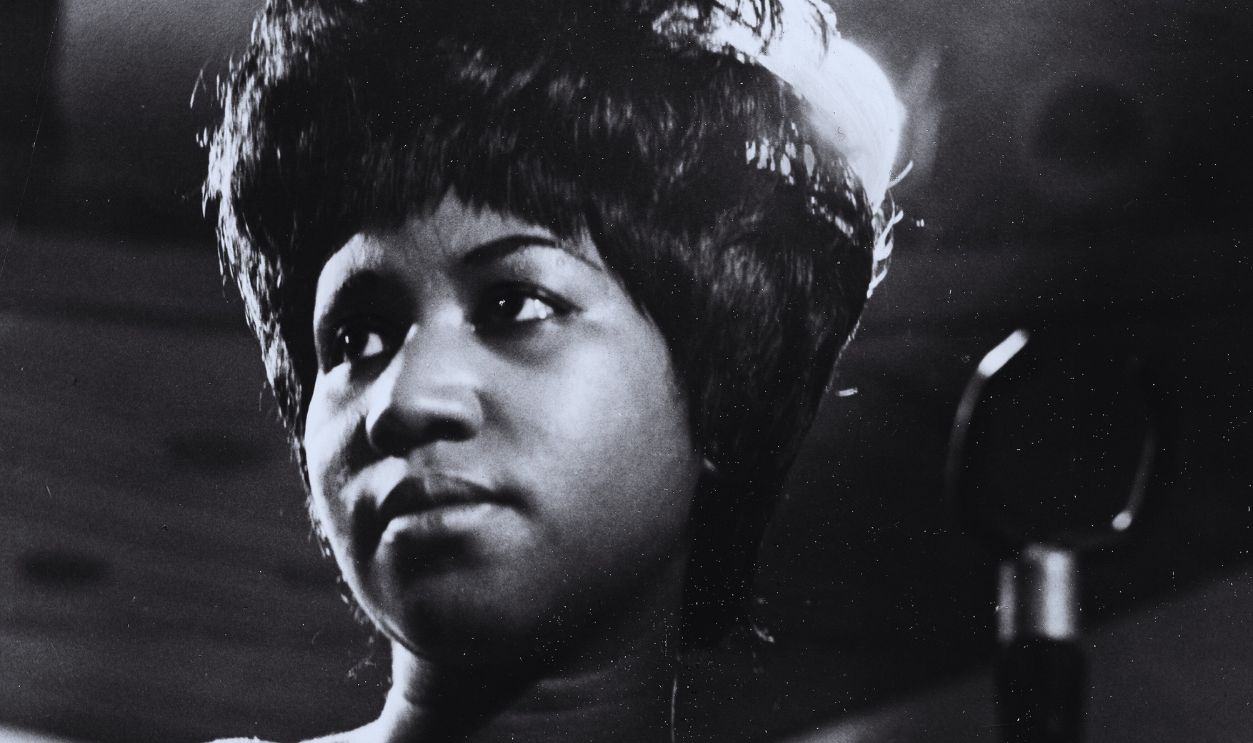
When Aretha left Columbia and signed with Atlantic Records in 1966, producer Jerry Wexler encouraged her to return to her roots. Sessions moved to Muscle Shoals, Alabama. For the first time, Aretha was asked what she wanted.
Finding Power on Her Own Terms
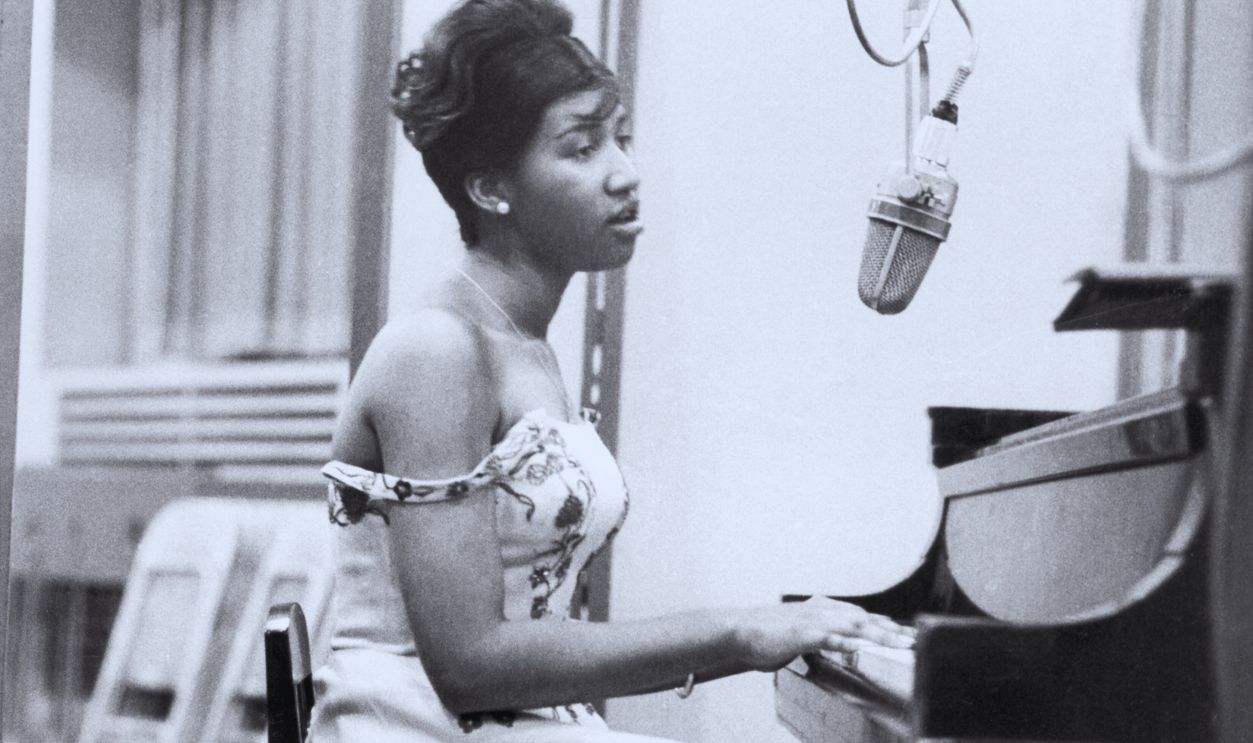
Aretha played piano. She chose the phrasing. Her voice was no longer polished down. It was unleashed. The music finally reflected her inner life, not an industry’s expectations.
 Donaldson Collection, Getty Images
Respect Was Not Just a Song
When Aretha recorded “Respect” in 1967, she transformed Otis Redding’s song into a declaration. It was not subtle. It was deliberate. The demand came from lived experience, not performance.
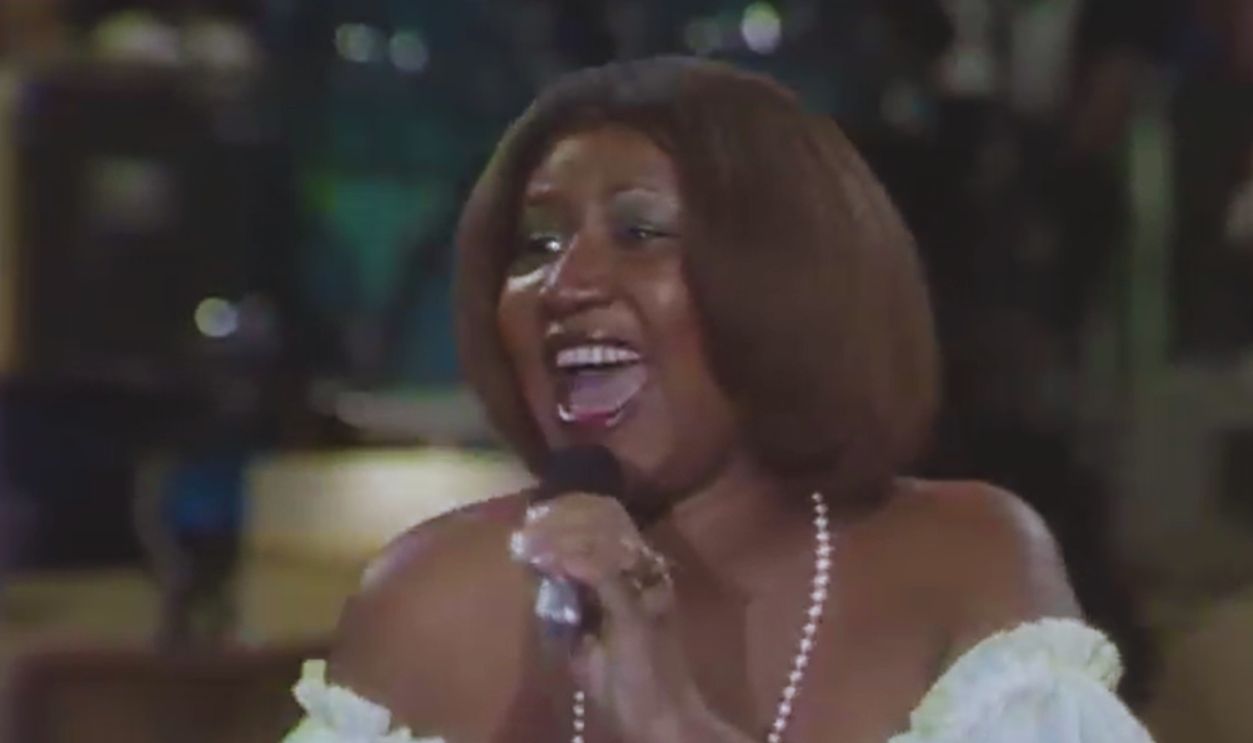 Screenshot from Aretha Franklin performing “Respect” live on the MDA Telethon (1980)
A Black Woman Claiming Space
In the late 1960s, a Black woman demanding respect on mainstream radio was revolutionary. Aretha did not soften the message. She stood firmly in her power, even when it made others uncomfortable.
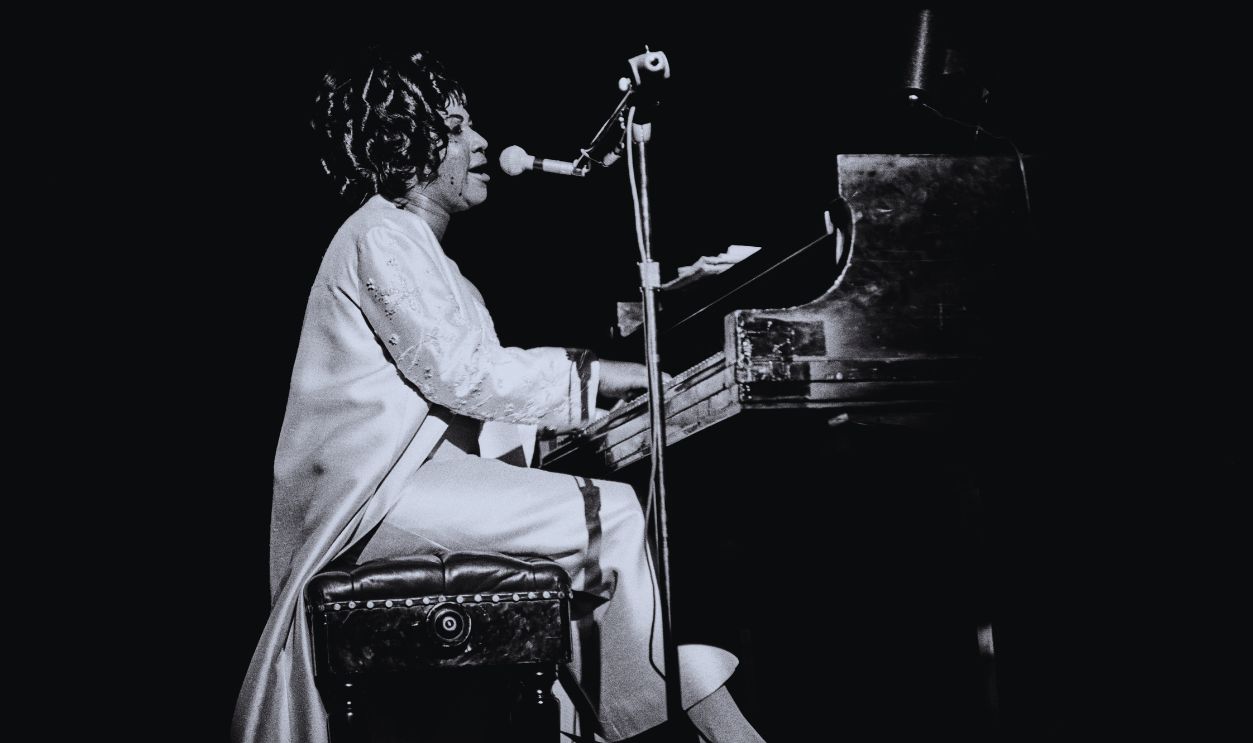 Michael Ochs Archives, Getty Images
A Legacy Built From Survival
Aretha continued to face anxiety, complicated relationships, and personal loss throughout her life. She did not pretend pain disappeared. Instead, she turned it into honesty.
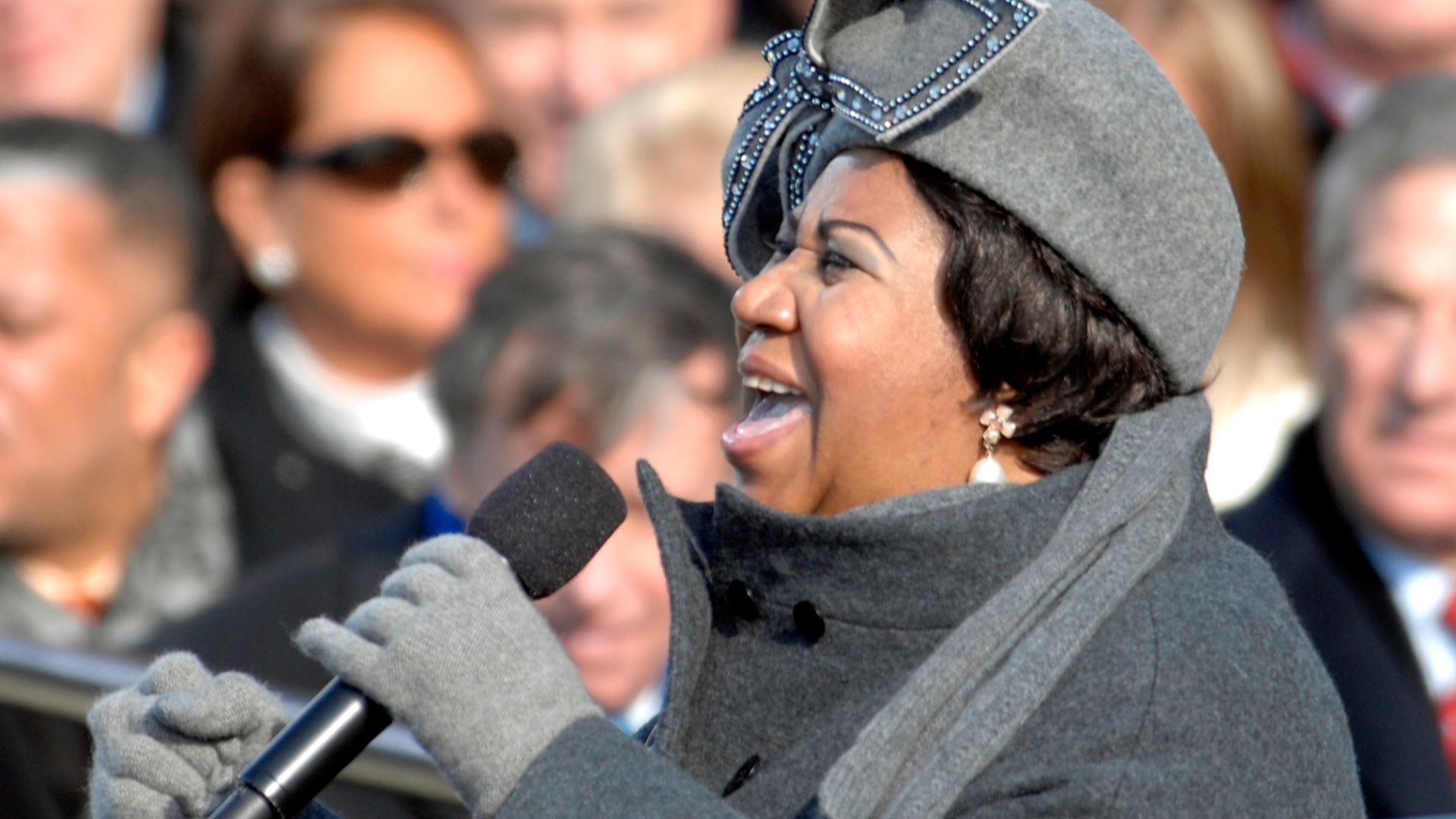 Cecilio Ricardo, U.S. Air Force, Wikimedia Commons
A Complicated Family Truth
Later biographies confirmed that CL Franklin fathered a child with a 12-year-old member of his congregation, an act that reflected a troubling misuse of power. Aretha never publicly condemned her father, but the reality of his behavior adds context to the silence and resilience she carried.
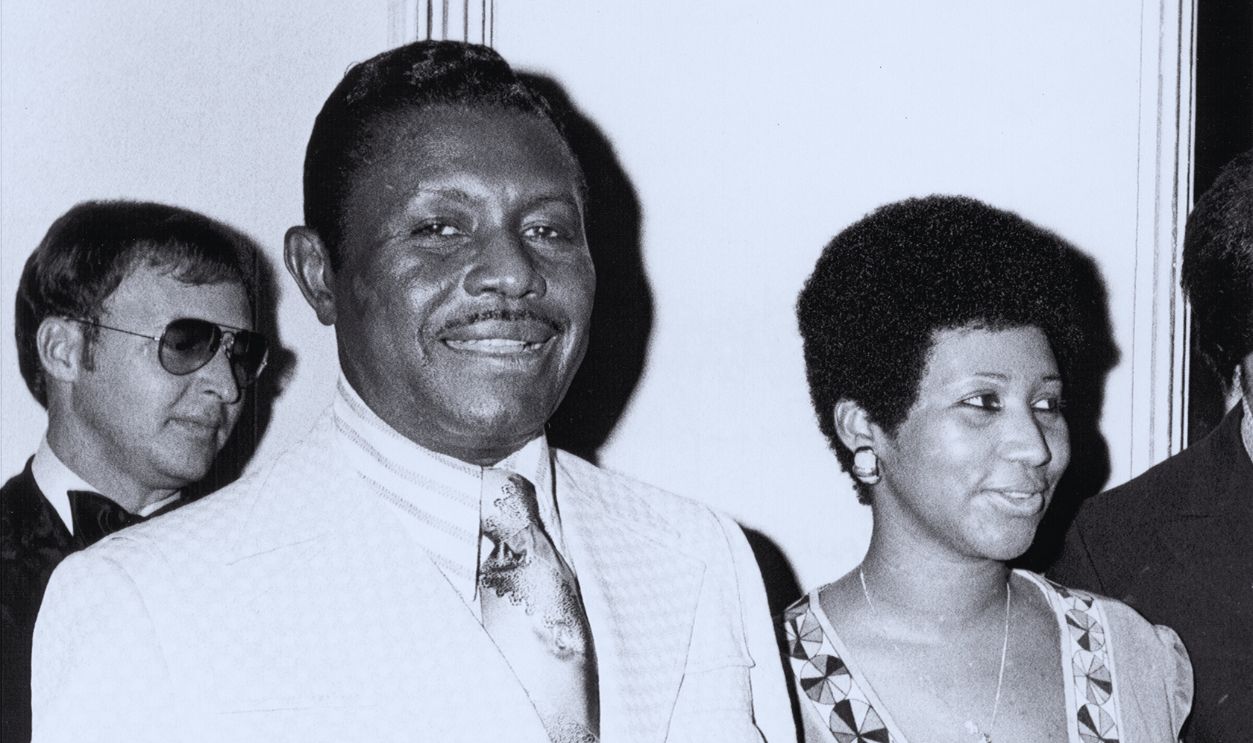 Michael Ochs Archives, Getty Images
Why Respect Still Matters
“Respect” endures because it is rooted in truth. It speaks for those who were not protected, not believed, or not allowed to speak. Aretha gave them a voice.
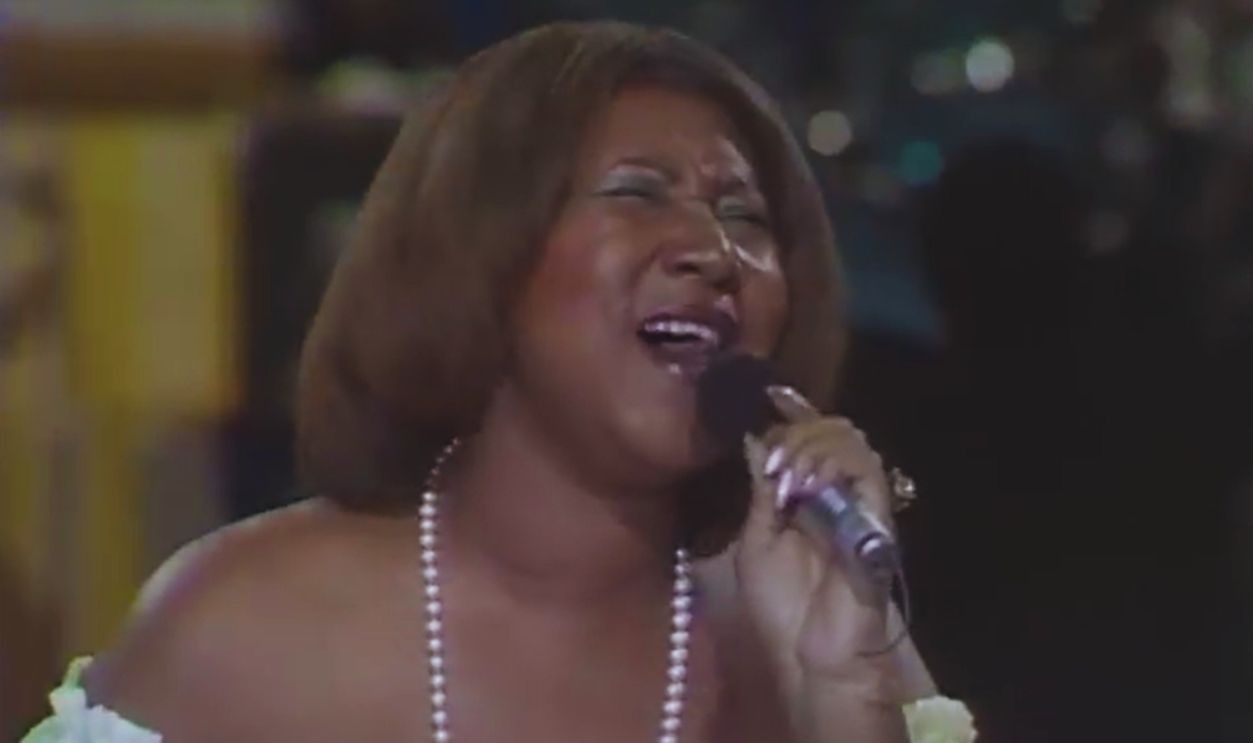 Screenshot from Aretha Franklin performing “Respect” live on the MDA Telethon (1980)
A Woman Who Refused to Be Defined by Harm
Aretha Franklin died on August 16, 2018, at age 76. She left behind music that reshaped culture and a life that showed survival can become strength. She did not erase her pain. She transformed it.
You May Also Like: