When Neil Young Let Crazy Horse Go
For Neil Young, Crazy Horse was never just a backing band. They were a force, a feeling, and sometimes a problem he couldn’t control. When he pushed them aside at different points in his career, it sent his music into chaos. When he brought them back, it often saved him.
A Partnership Born in Los Angeles
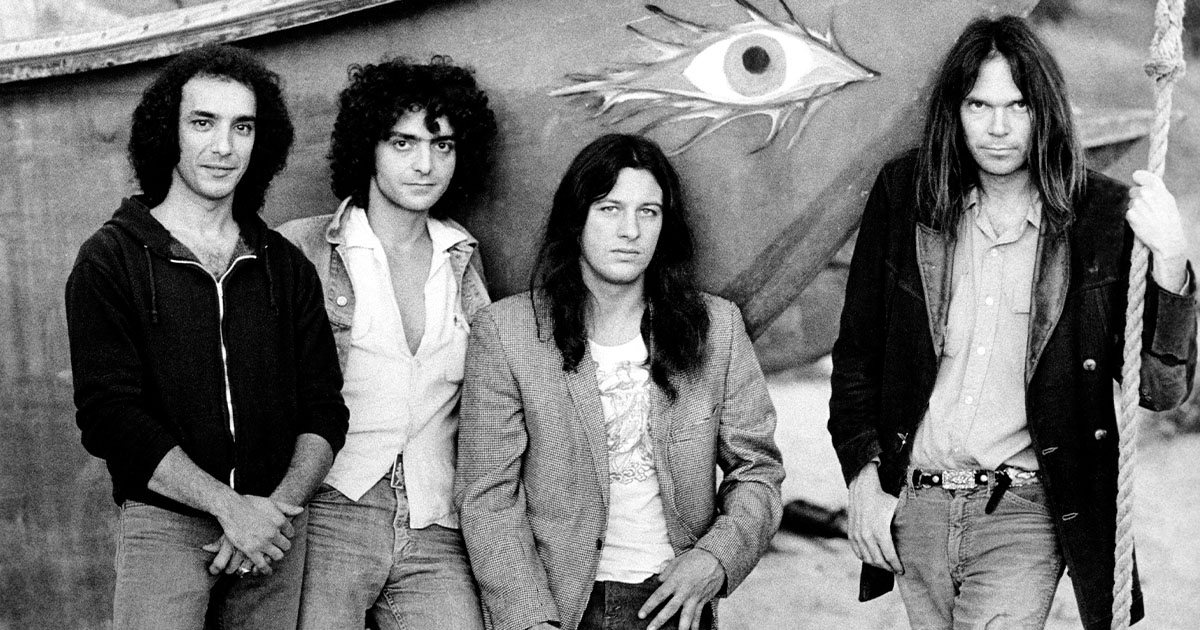
Neil Young first began working with Crazy Horse in 1968, after meeting members Danny Whitten, Billy Talbot, and Ralph Molina in Los Angeles. They had previously played together as The Rockets. From the start, their chemistry was raw and unpolished, but it carried a strange magic that Neil immediately trusted.
 Shane Hirschman, Wikimedia Commons
The Sound That Could Not Be Tamed
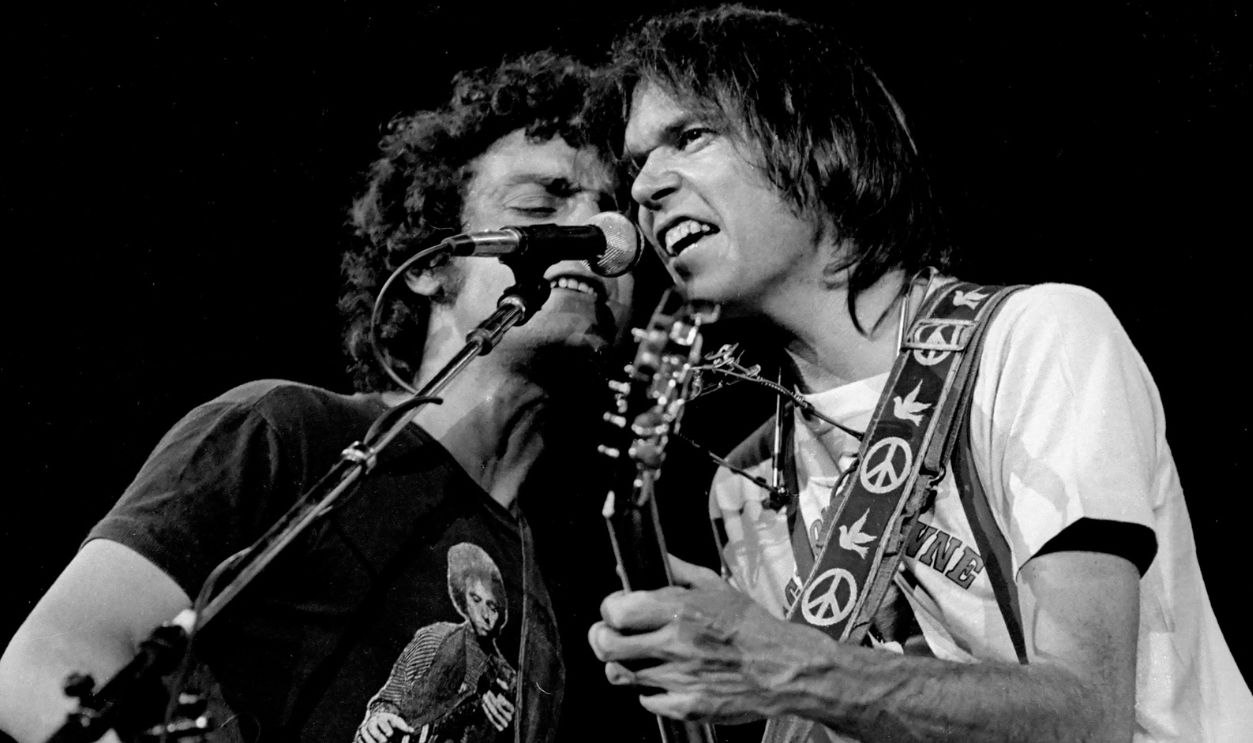
Crazy Horse gave Neil Young a sound that was loud, loose, and emotionally reckless. Albums like Everybody Knows This Is Nowhere in 1969 showed how different Neil sounded with them. The music felt dangerous and alive. Neil once said, “Crazy Horse is the best band I ever had,” but that love came with frustration.
 Richard E. Aaron, Getty Images
Neil’s Restless Nature
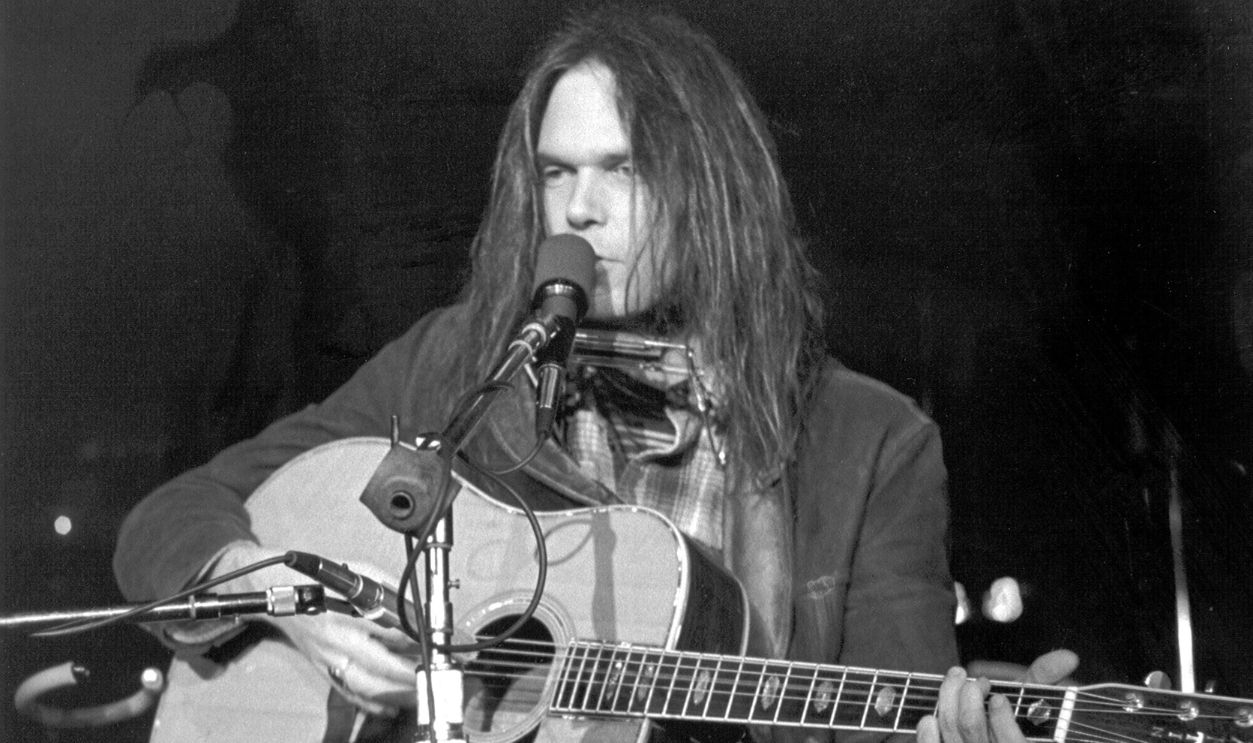
Neil Young has always followed instinct over stability. He rarely stayed in one creative lane for long. That restlessness would eventually clash with Crazy Horse’s identity. While the band thrived on repetition and feel, Neil constantly wanted to move on, even if it meant leaving them behind.
The First Break Comes Quietly
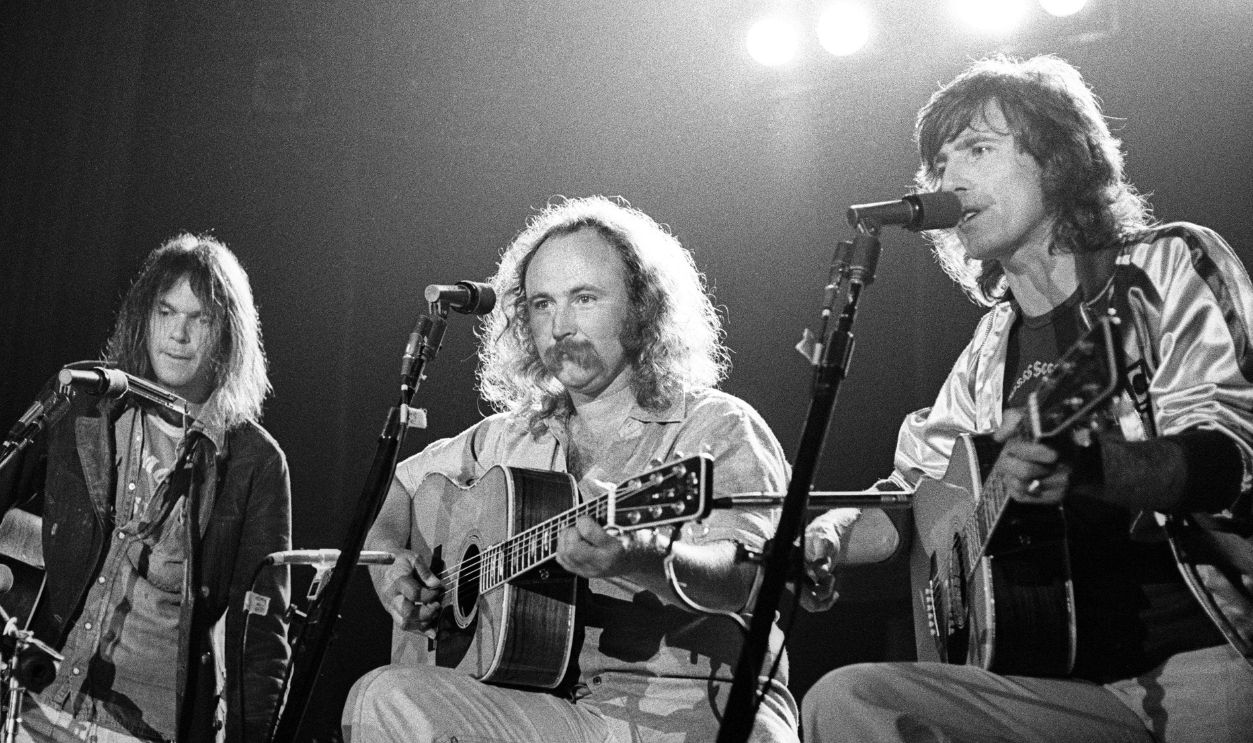
In the early 1970s, Neil began drifting away from Crazy Horse without a dramatic announcement. He worked with other musicians, including members of Crosby, Stills, Nash & Young. Crazy Horse was not officially fired, but they were suddenly not needed. The separation felt confusing and unresolved.
Danny Whitten’s Decline
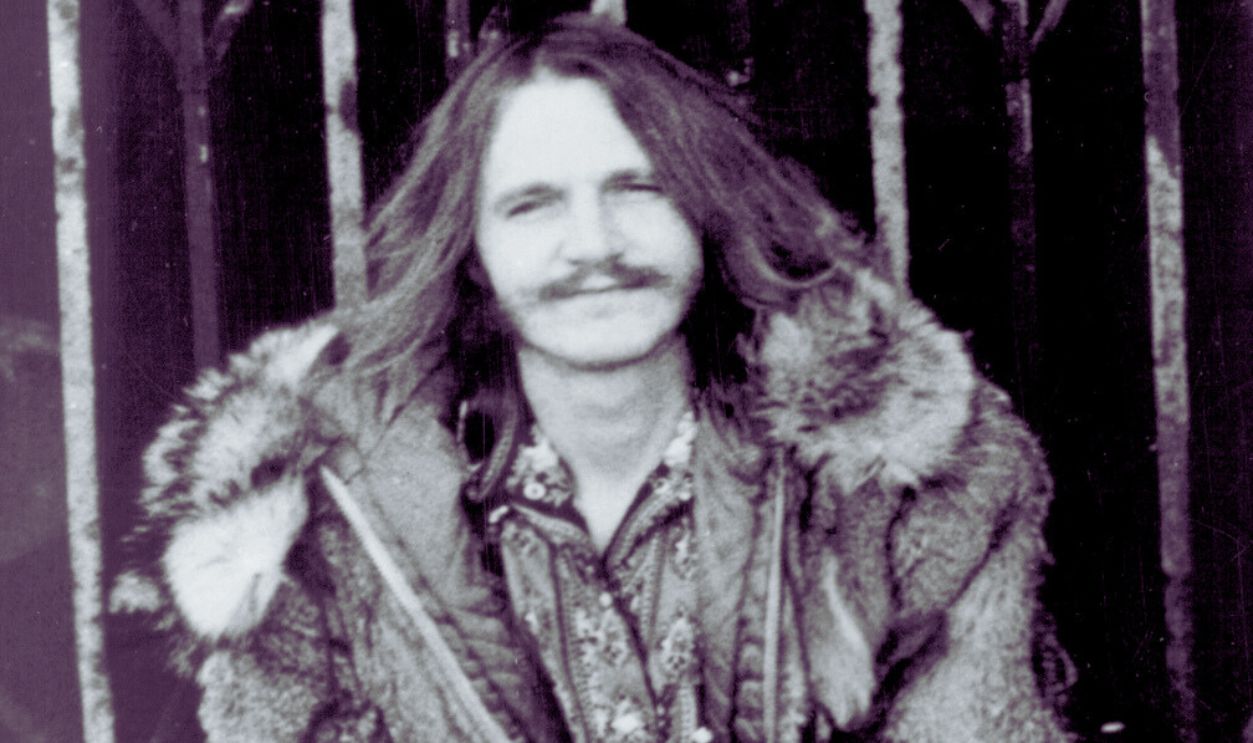
By 1972, things turned tragic. Danny Whitten, Crazy Horse’s guitarist and emotional center, was struggling badly with addiction. Neil wanted him to join the Time Fades Away tour but quickly realized Whitten could not perform reliably. Neil made the painful decision to send him home.
 Michael Ochs Archives, Getty Images
A Decision That Haunted Neil
Neil paid Danny Whitten $50 and put him on a plane back to Los Angeles. Whitten died later that same day after indulging in too many substances. Neil later admitted the guilt never left him. He said, “That was the hardest thing I ever had to do,” and it changed how he viewed responsibility forever.
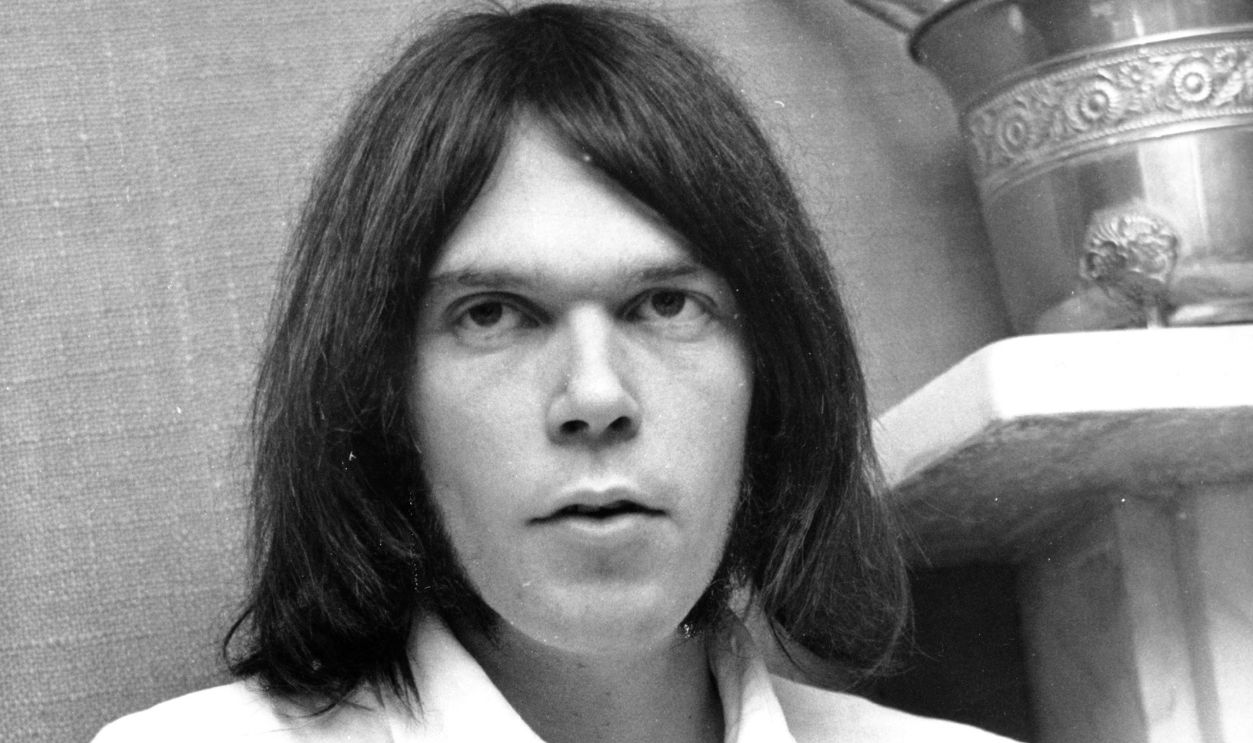
Crazy Horse Without Its Heart
After Whitten’s death, Crazy Horse continued with different guitarists, including Frank “Poncho” Sampedro. The band survived, but something fundamental had shifted. Neil still worked with them, but the trust was fragile. The emotional weight of the past lingered every time they played together.
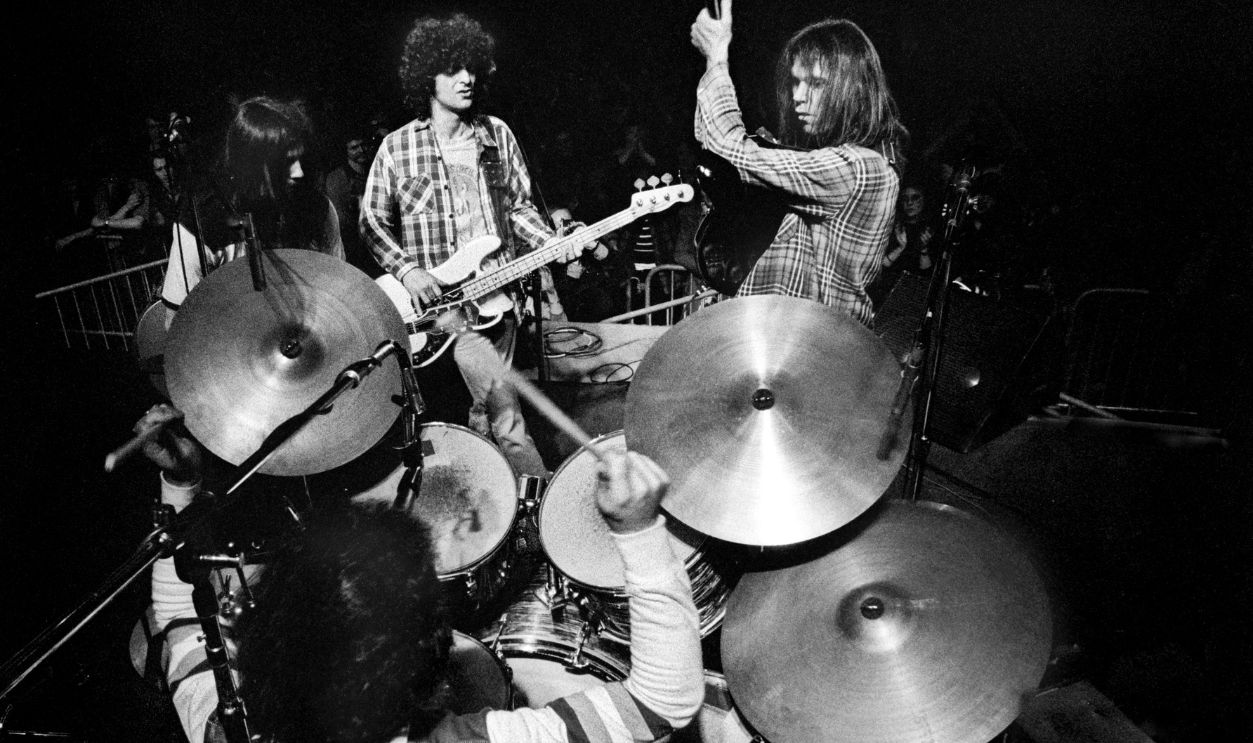 Gijsbert Hanekroot, Getty Images
The 1970s Tug of War
Throughout the late 1970s, Neil repeatedly moved between Crazy Horse and other collaborators. Albums like Zuma in 1975 proved their power together, yet Neil would soon walk away again. He followed inspiration wherever it led, even if it meant leaving people behind.
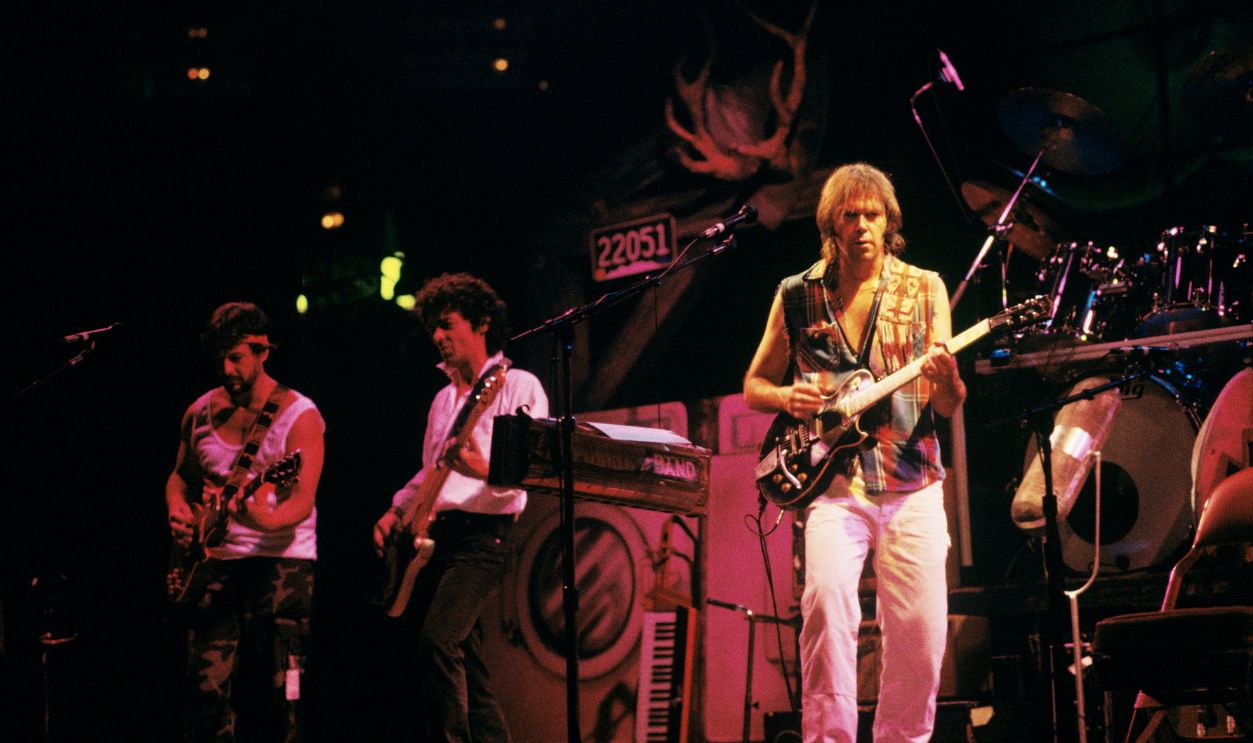
A Sudden Dismissal in the 1980s
In the early 1980s, Neil made one of his most confusing decisions. After releasing Re·ac·tor with Crazy Horse in 1981, he abruptly distanced himself from them. He signed with Geffen Records and began experimenting with synths, rockabilly, and electronic sounds. Crazy Horse was effectively sidelined.
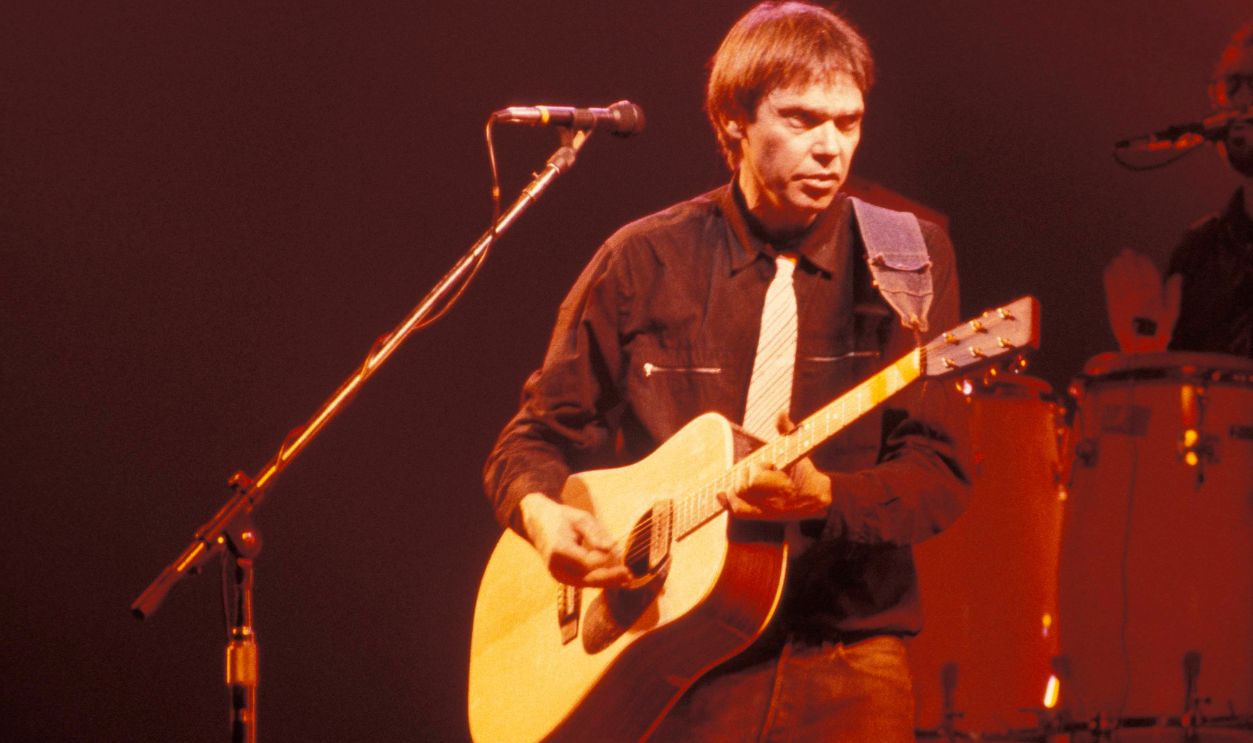
Career Chaos Sets In
The 1980s became a turbulent period for Neil Young. Albums like Trans and Everybody’s Rockin’ confused fans and critics alike. Geffen Records sued him in 1985, claiming his music was “unrepresentative.” Neil later admitted he felt lost during this time.
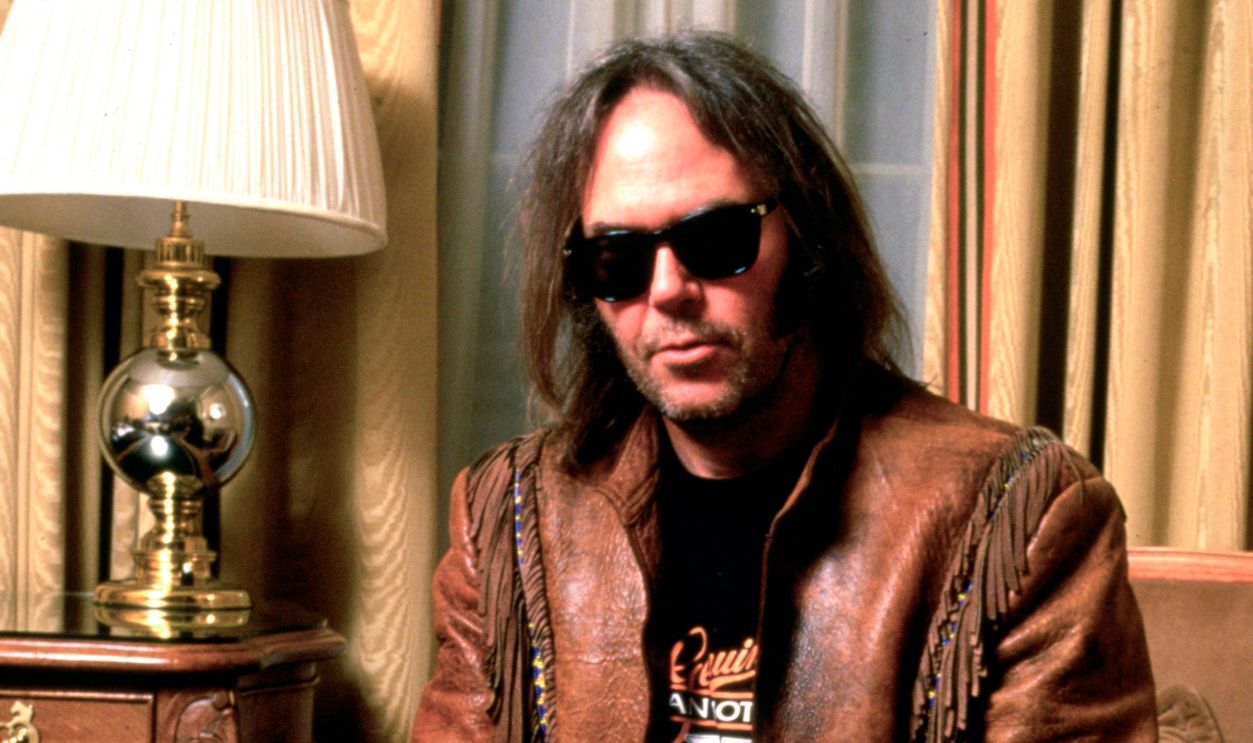
Crazy Horse Watches From the Sidelines
While Neil struggled, Crazy Horse remained largely absent from his work. Billy Talbot and Ralph Molina continued playing, but the band’s connection to Neil felt severed. There was no dramatic breakup statement, just silence and distance.
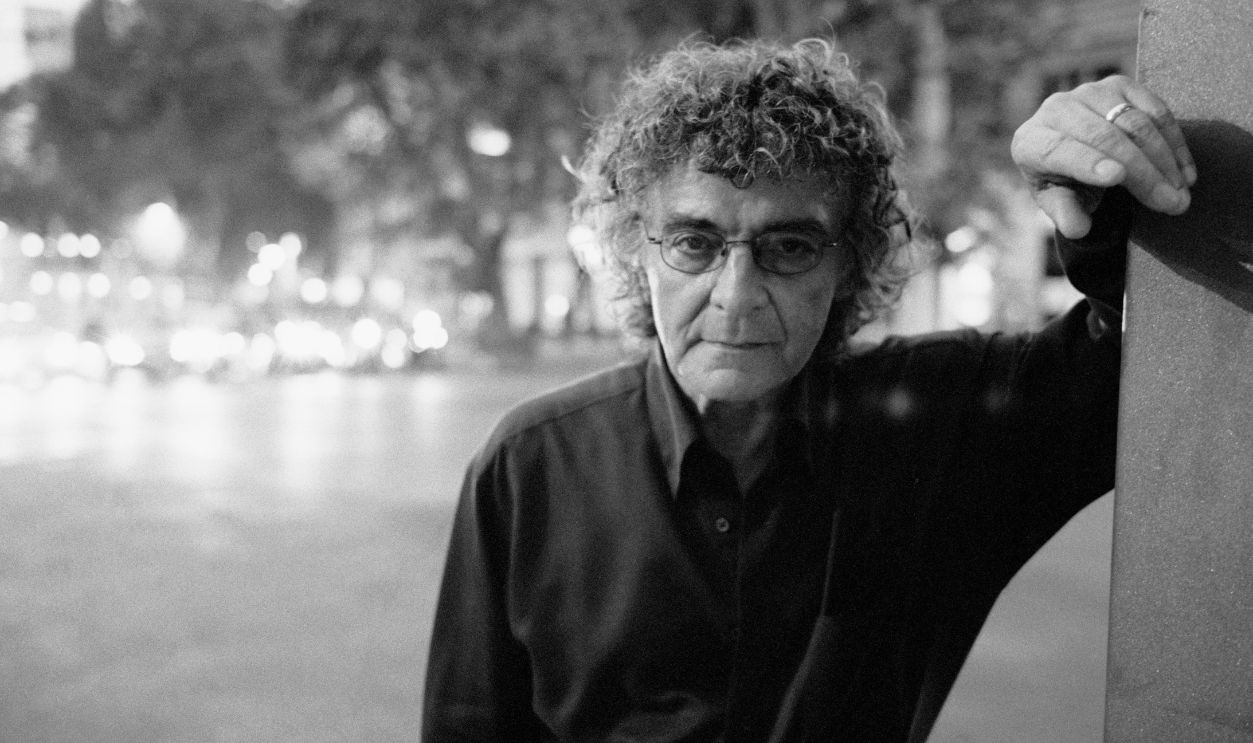
Neil Feels the Absence
By the late 1980s, Neil began to recognize what was missing. He later said that Crazy Horse brought out something primal in him that no other band could. The precision of studio musicians never replaced the wildness Crazy Horse gave him.

The Reunion That Changed Everything
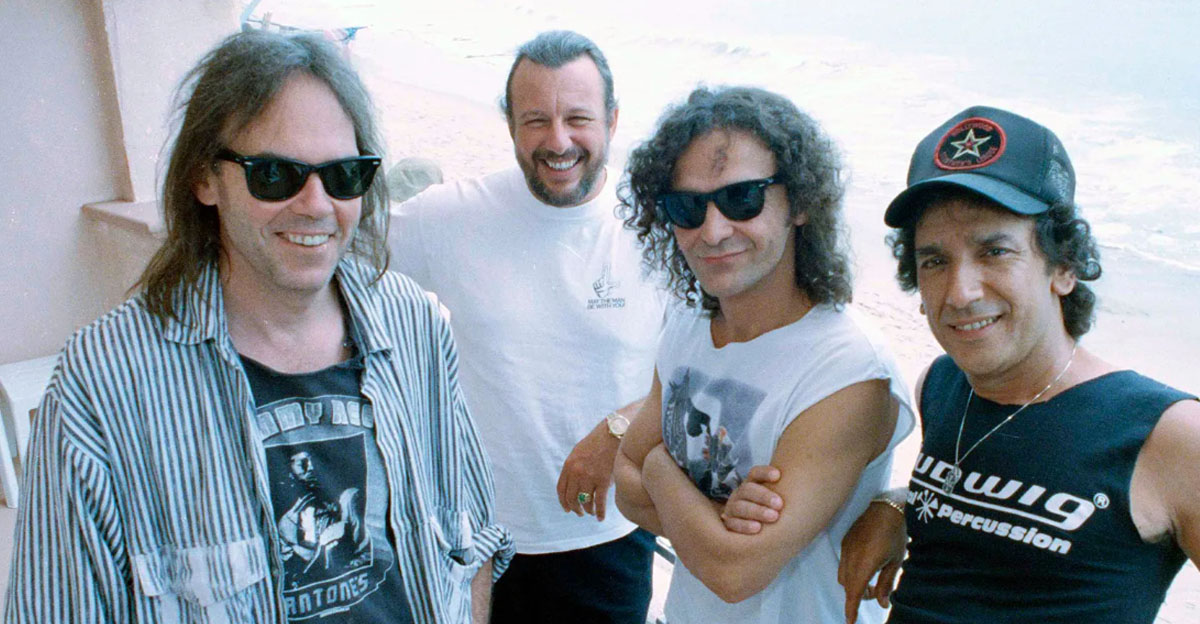
In 1989, Neil reunited with Crazy Horse for the album Ragged Glory. The sessions were loud, messy, and cathartic. Neil called it a return to himself. Critics agreed. The album was seen as a creative rebirth after nearly a decade of uncertainty.
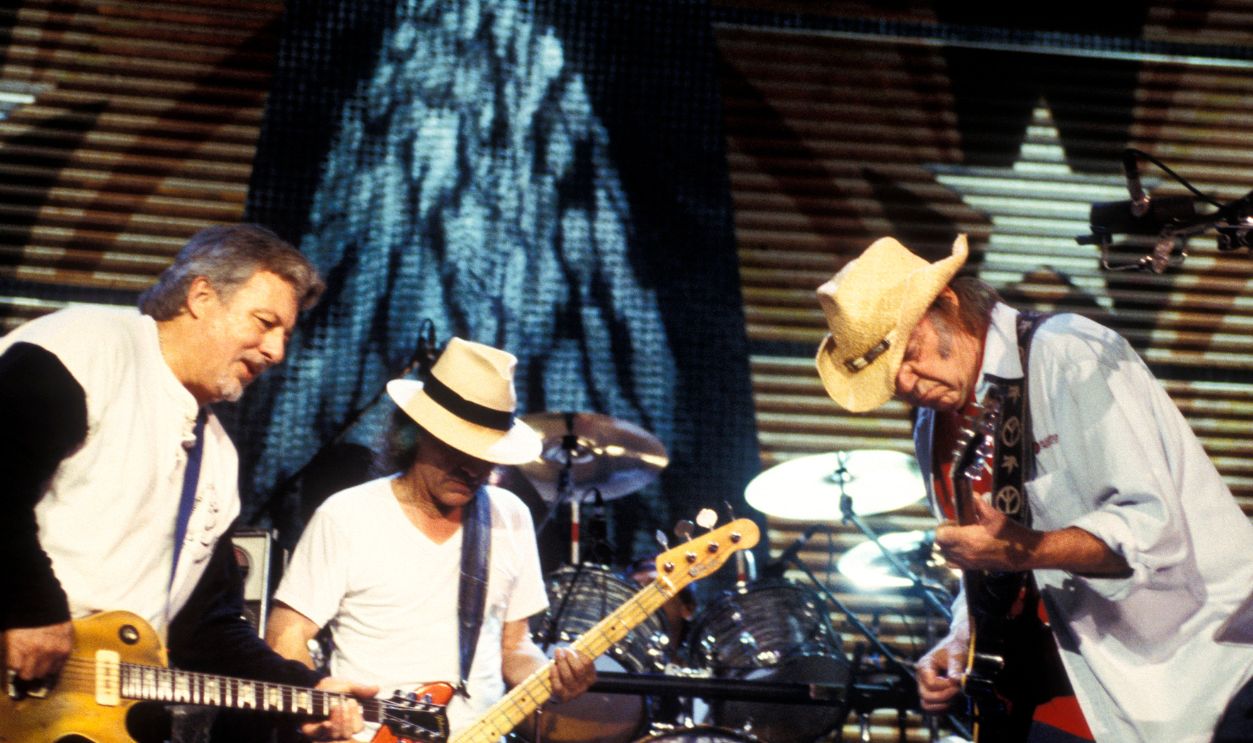
Freedom Restored Through Noise
With Crazy Horse back, Neil sounded fearless again. Songs stretched out, feedback screamed, and emotion ruled over perfection. Neil later said, “Crazy Horse has that thing where you don’t know what’s going to happen next. That’s where I like to live.”
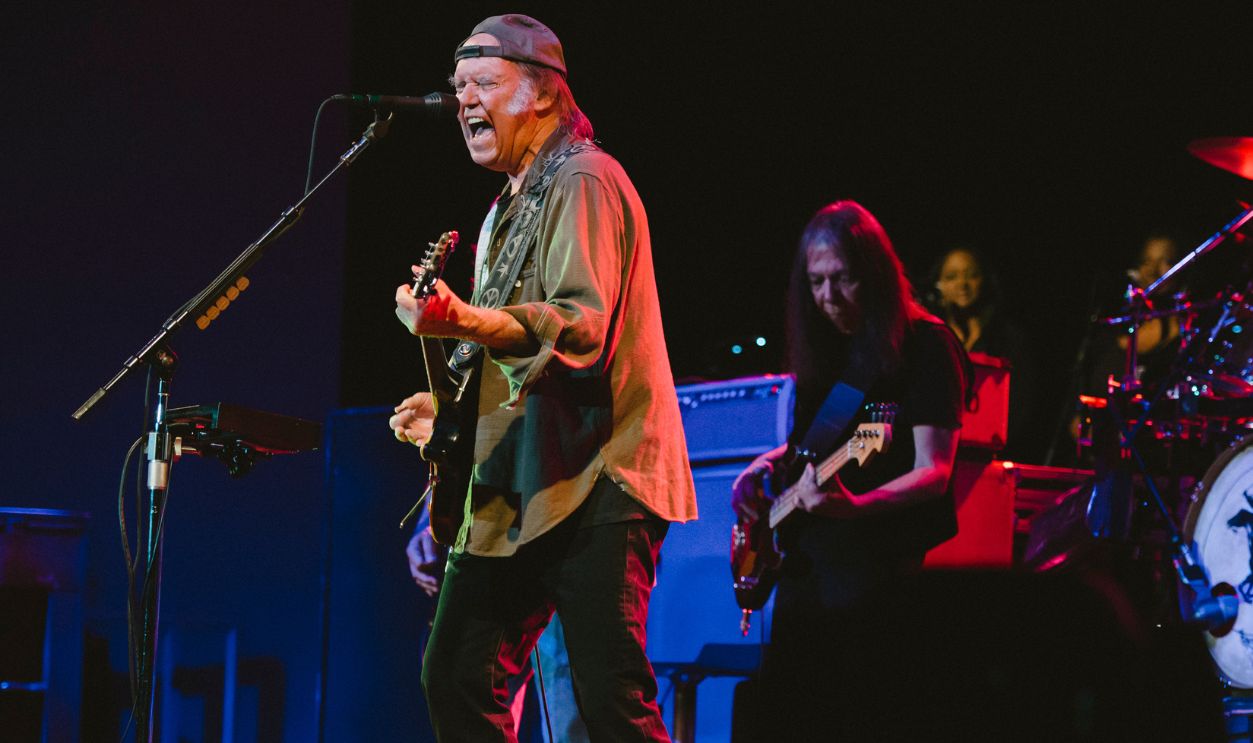
The Band That Forgave Without Forgetting
Crazy Horse never publicly attacked Neil for the times he left them. Billy Talbot once said, “We always knew Neil would come back.” That patience allowed the relationship to survive despite years of separation and hurt.
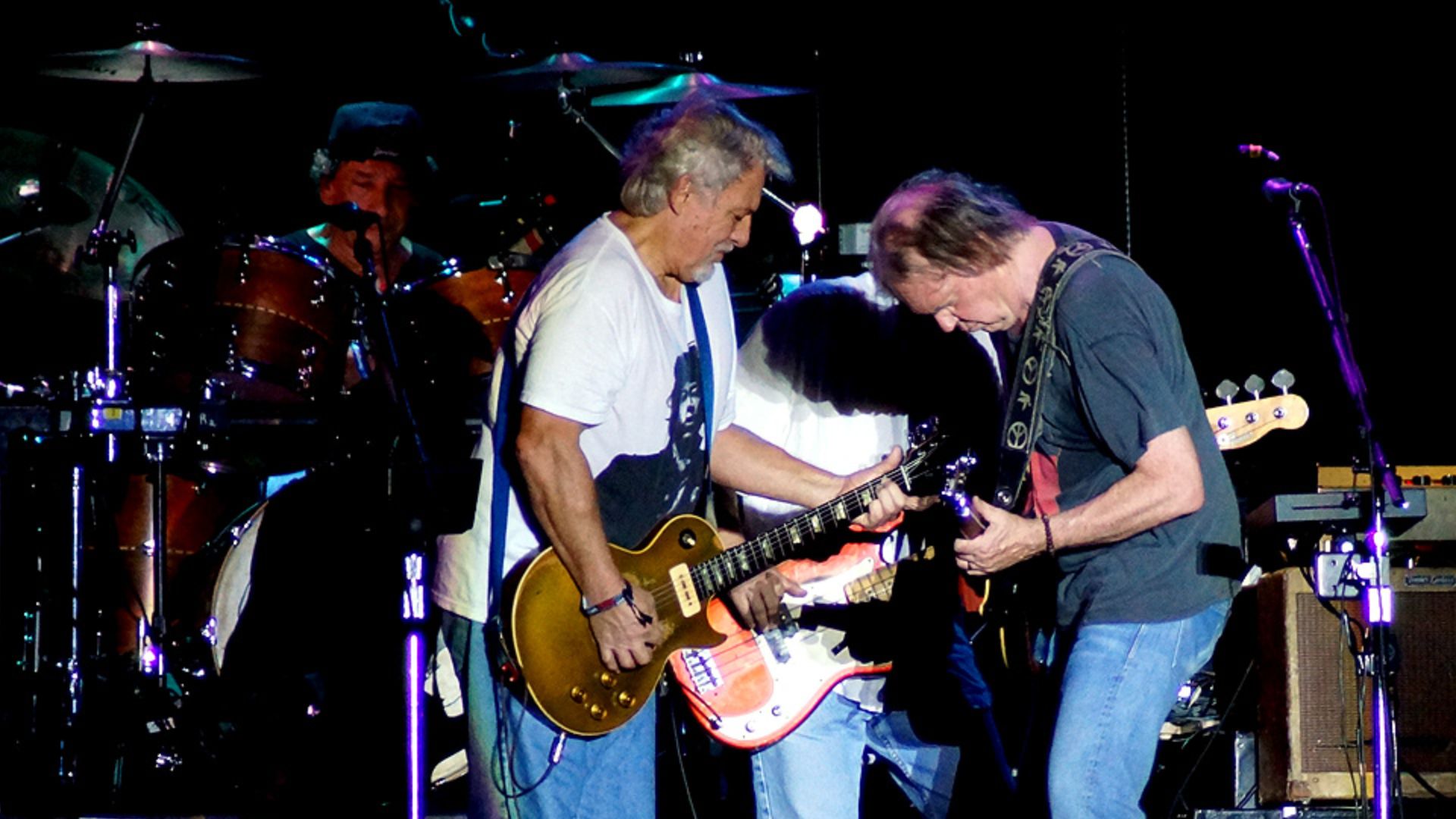 Schane Hirschman (thewaxgrid), CC BY-SA 2.0, Wikimedia Commons
A Pattern That Repeated
Even after their reunion, Neil continued stepping away and returning. Crazy Horse accepted this rhythm. They understood Neil’s nature better than anyone else. Their relationship became less about permanence and more about timing.
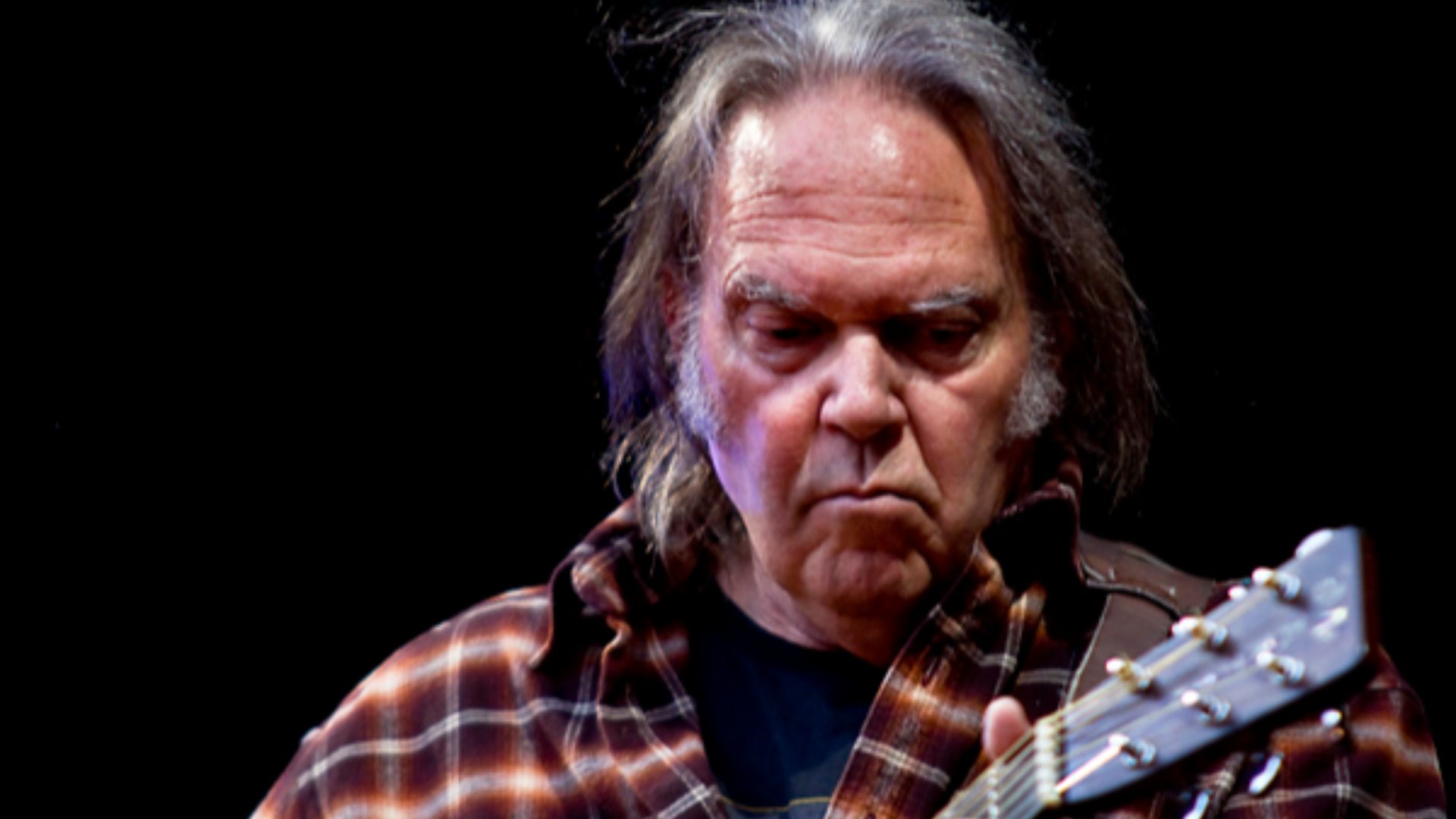 Per Ole Hagen, Wikimedia Commons
Loss and Loyalty
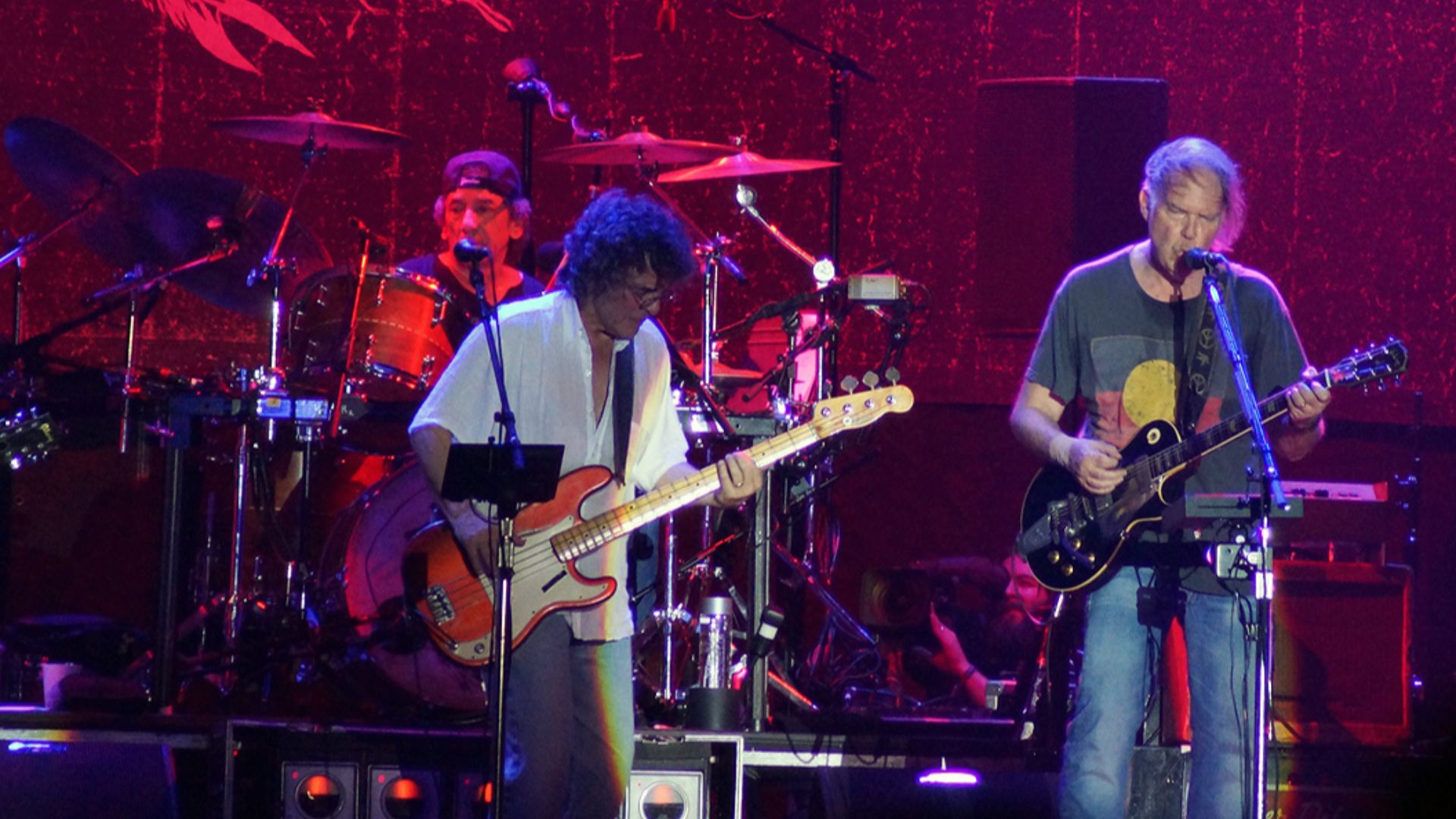
When Crazy Horse guitarist Frank Sampedro left the band in 2014, Neil once again leaned into the group’s legacy rather than replace it recklessly. The bond between Neil, Talbot, and Molina had deepened through decades of turbulence.
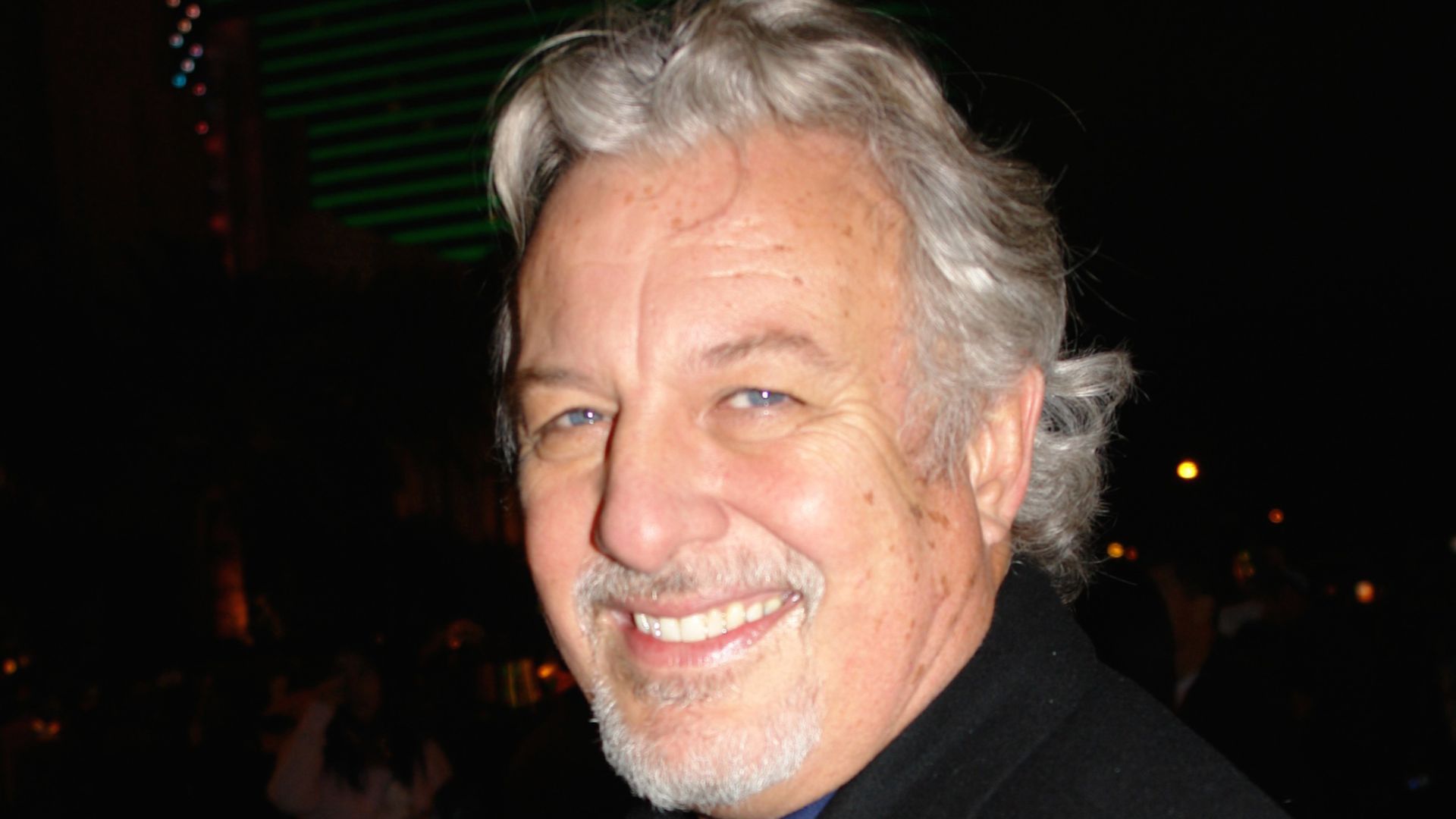 Pappaydaily, Wikimedia Commons
Why Crazy Horse Matters So Much
Crazy Horse was never about technical brilliance. It was about trust, volume, and emotional honesty. They gave Neil permission to be imperfect. Without them, his music often drifted. With them, it roared.
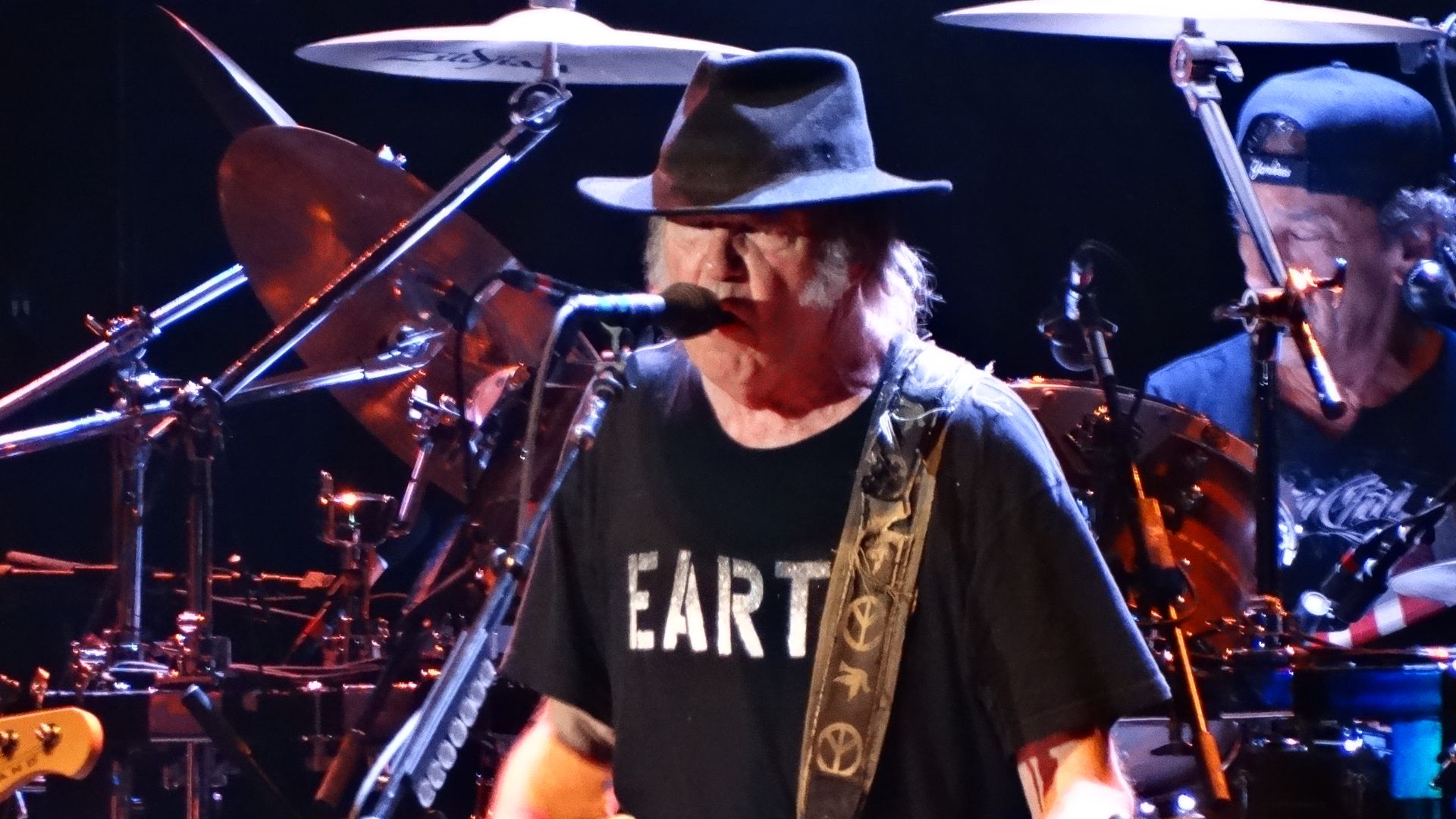 Neil Theasby , Wikimedia Commons
Neil Looks Back With Clarity
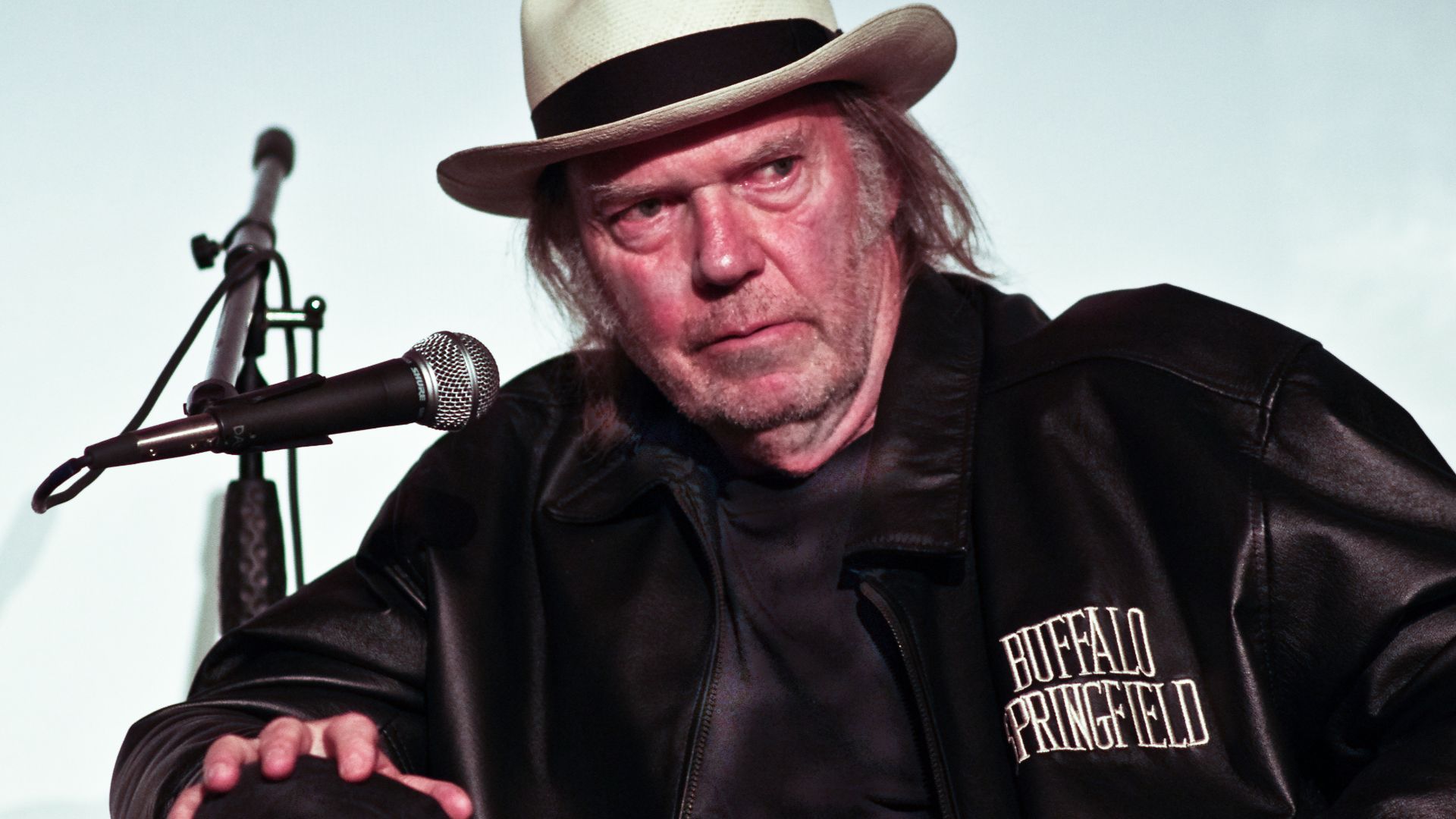
In later interviews, Neil acknowledged that pushing Crazy Horse away often hurt him creatively. He admitted that chaos followed when he ignored the partnership. The lesson came slowly, but it stuck.
 Ross from hamilton on, Canada, Wikimedia Commons
The Fire That Only They Could Ignite
When Neil Young reunited with Crazy Horse, it was never about nostalgia. It was survival. They reminded him who he was when the noise was loud and the feelings were real.

A Relationship Built on Tension and Trust
Neil Young and Crazy Horse endured because neither side pretended the relationship was easy. It was volatile, emotional, and deeply human. That friction became the source of their greatest work.
Legacy of a Complicated Brotherhood
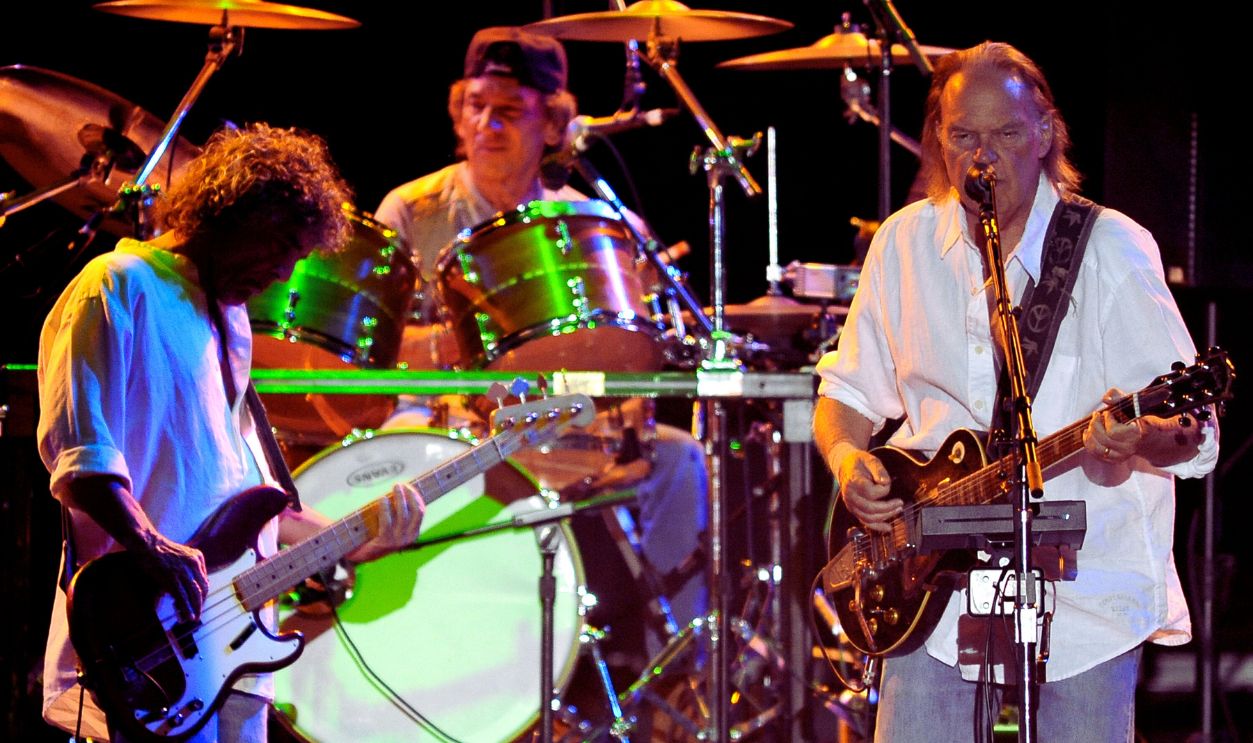
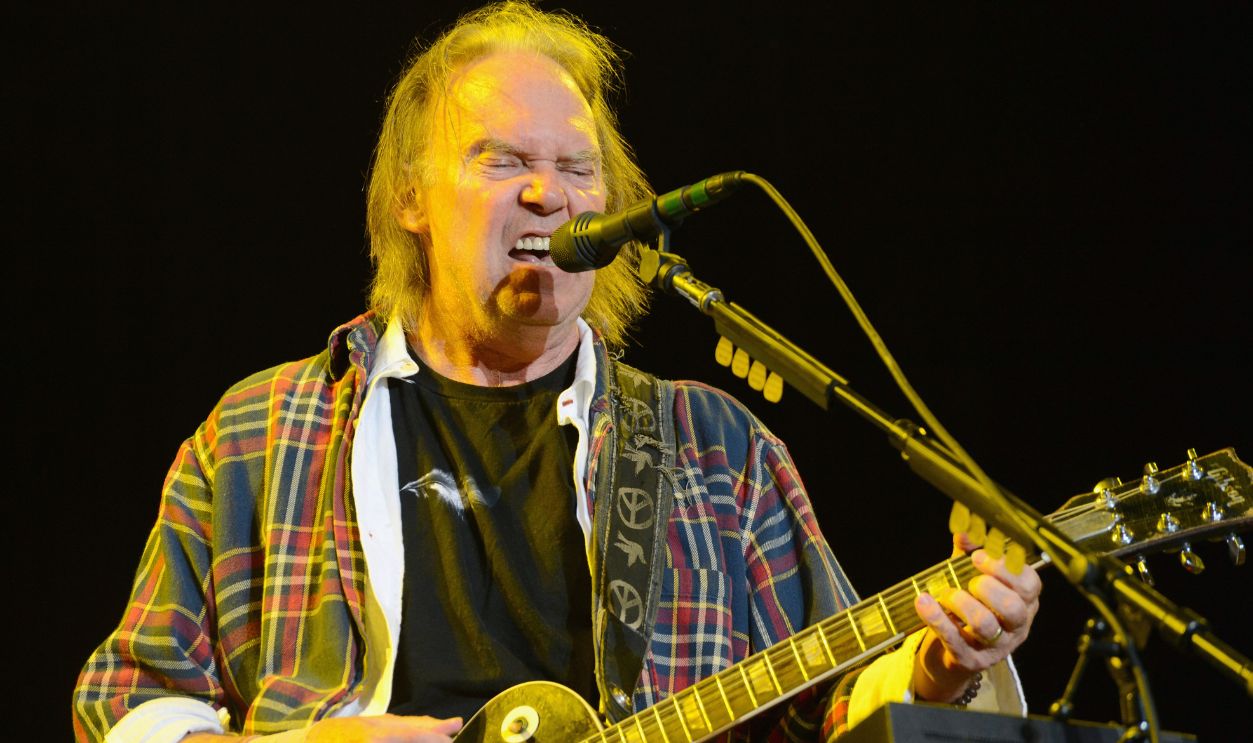
Neil Young’s career proves that firing Crazy Horse never really worked. Every time he let them go, something unraveled. Every time they returned, the music found its pulse again. That cycle became part of his legend.
You May Also Like: