The Man Behind The King
Elvis Presley became the King of Rock and Roll singing some of the most unforgettable songs of the 1950s. But behind hits like "Don't Be Cruel" and "All Shook Up" was a brilliant Black songwriter named Otis Blackwell. His compositions helped transform Elvis into a superstar, yet the two men never met face-to-face. Blackwell's remarkable story reveals just how much of early rock and roll was created by people who rarely received the spotlight.
A Brooklyn Boy With Big Dreams
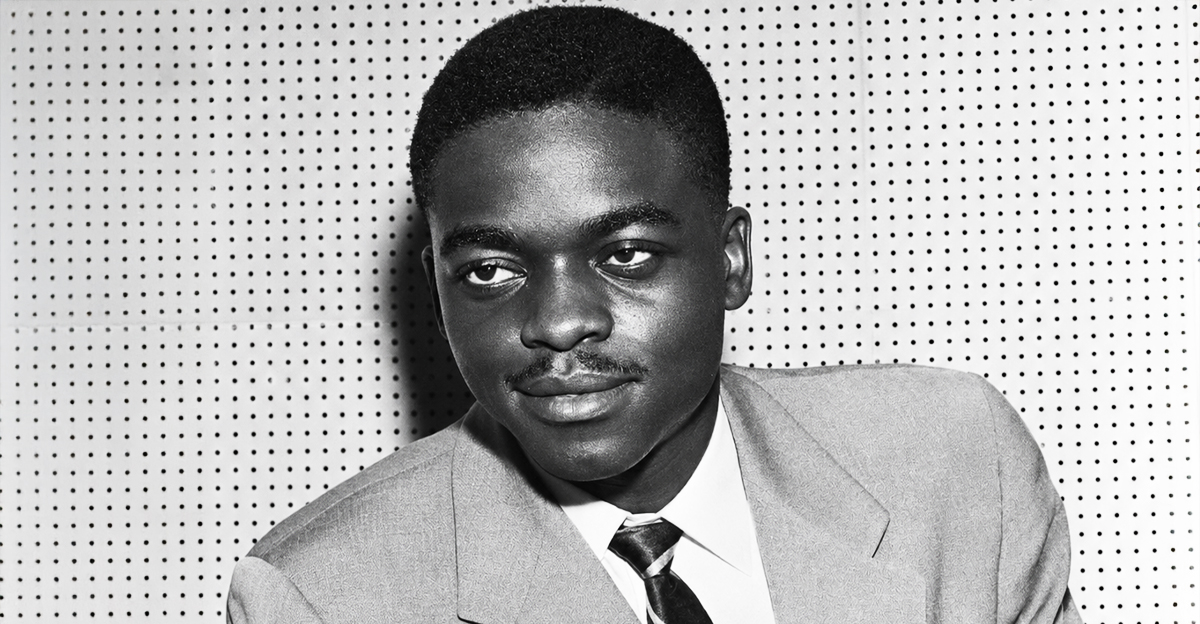
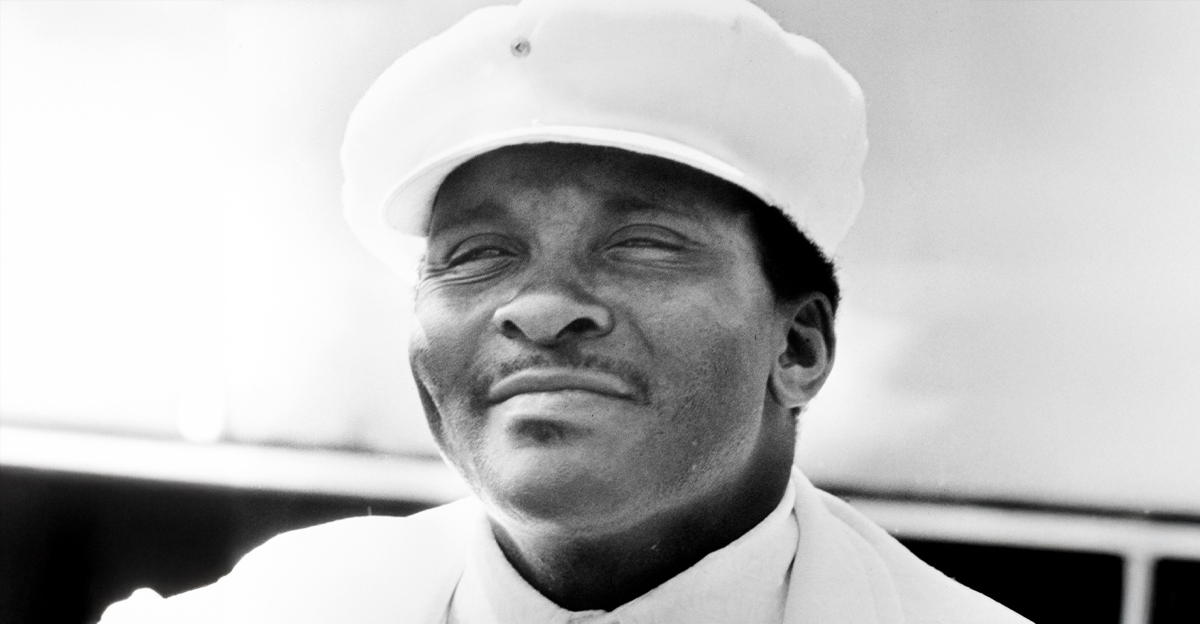
Otis Blackwell was born in Brooklyn, New York, on February 16, 1931, although some sources give his birth year as 1932. Growing up near a movie theater, he became fascinated with singing cowboys, particularly Tex Ritter, whose music influenced his approach to songwriting. He also absorbed gospel and rhythm and blues. This unusual combination of country music and R&B would eventually become central to his songwriting style, making him particularly well suited to the emerging sound of rock and roll.
 Gilles Petard/Redferns, Getty Images (enhanced)
His First Break Came At The Apollo
Around 1952, Blackwell won an amateur talent contest at Harlem's famous Apollo Theater, helping launch his recording career. He signed with RCA Victor before moving to producer Joe Davis's Jay-Dee label, where he recorded "Daddy Rollin' Stone," a modest R&B success later covered by The Who. But Blackwell disliked touring and struggled to establish himself as a recording star. Instead, he returned to pressing clothes in a Brooklyn tailor shop while continuing to write songs that he hoped someone else might record.
Six Songs For $150
On Christmas Eve 1955, Blackwell was struggling financially when he sold six compositions to music publishers for just $150. Among them was a song called "Don't Be Cruel." The transaction would prove life-changing, although Blackwell couldn't possibly have imagined that one of those inexpensive compositions would soon become one of the biggest records in American music history. Within months, Elvis Presley would turn it into an enormous hit, establishing Blackwell as one of rock and roll's most sought-after songwriters.
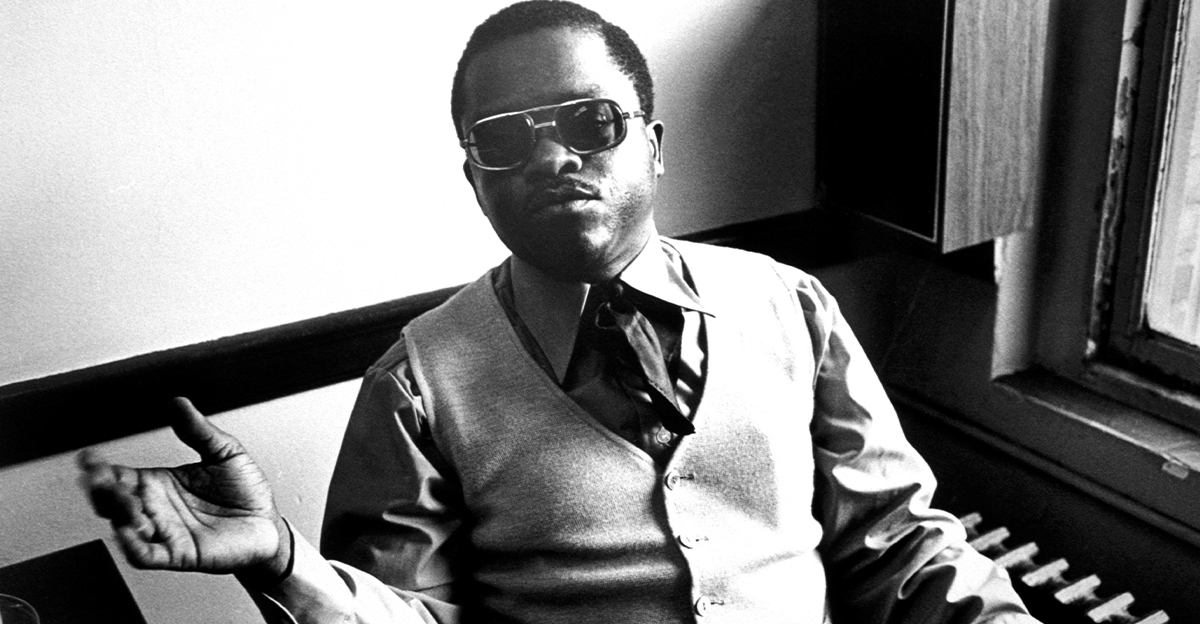 Val Wilmer/Redferns, Getty Images
Elvis Makes Him Famous
In 1956, Elvis Presley recorded "Don't Be Cruel," pairing it with Jerry Leiber and Mike Stoller's "Hound Dog" on a single that became a phenomenal success. The double-sided record spent 11 weeks at number one on Billboard's Best Sellers in Stores chart. Blackwell's playful lyrics and irresistible rhythm were perfectly suited to Presley's energetic delivery. The song helped cement Elvis's position as a national phenomenon, while its songwriter remained largely unknown to the millions of teenagers buying the record.
The Secret Behind Elvis's Sound
Blackwell frequently recorded demonstration versions of his compositions, singing and playing piano to show how he imagined the songs should sound. According to several accounts, Presley studied these recordings and sometimes adopted Blackwell's distinctive vocal phrasing. Although Elvis had already developed his own recognizable style at Sun Records, Blackwell's demos may have influenced his interpretations of particular songs. The extraordinary result was a creative partnership conducted entirely through recordings, publishers, and intermediaries.
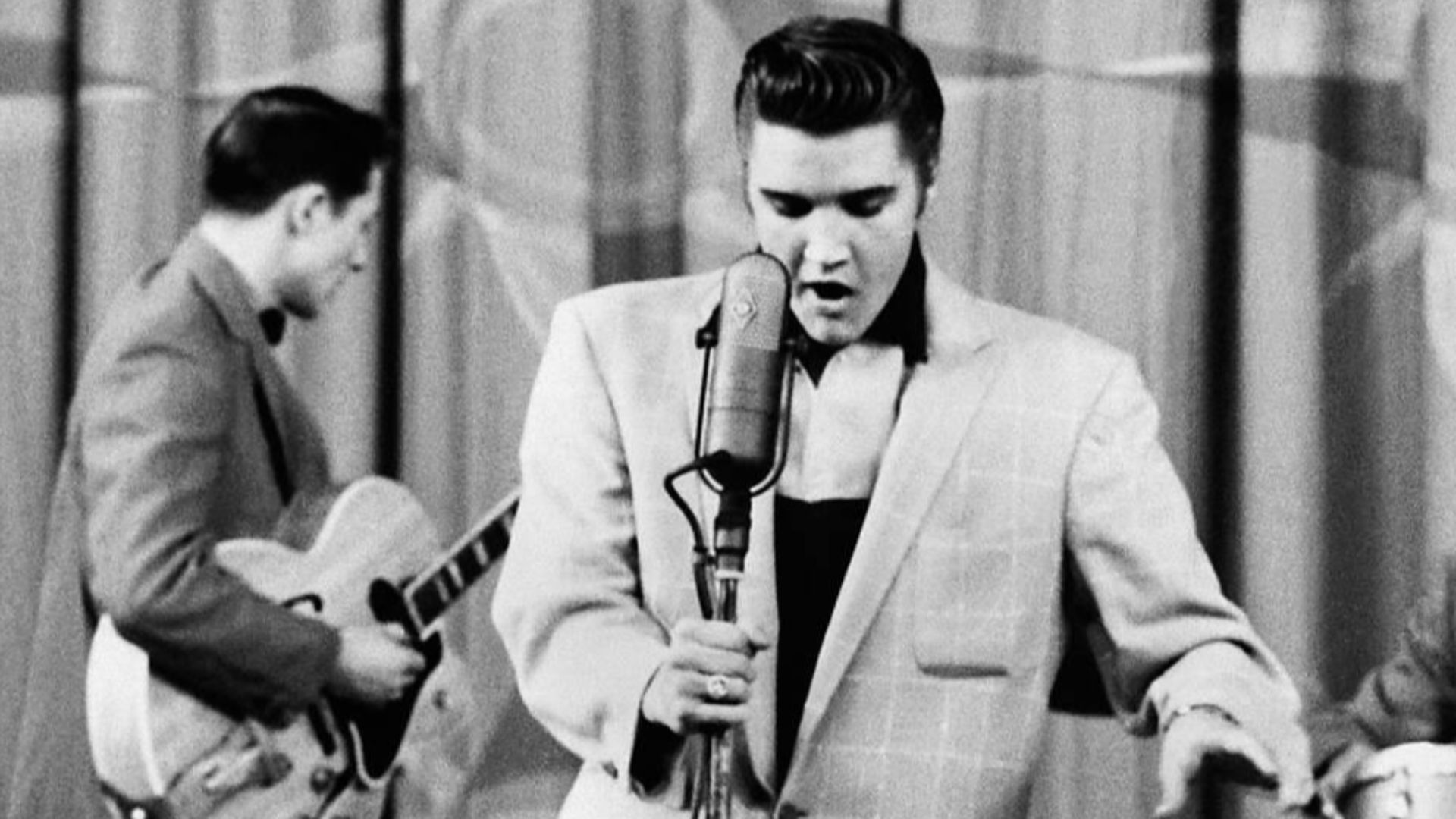 Unknown authorUnknown author, Wikimedia Commons
Another Number One Hit
Blackwell followed his success with "All Shook Up," which Presley turned into a massive hit in 1957, although singer David Hill had recorded the song first. According to a frequently repeated story, the title originated when a music publisher shook a bottle of soda and challenged Blackwell to write something about it. Presley's recording spent eight weeks atop Billboard's pop chart. His later recordings of "Paralyzed," "Return to Sender," and "One Broken Heart for Sale" further demonstrated Blackwell's extraordinary ability to write songs suited to the singer's personality.
Why They Never Met
Despite their extraordinary success together, Blackwell and Presley never met. Blackwell later explained that he had opportunities to visit Elvis but preferred not to interfere with a relationship that was working so well. There was also a complicated financial arrangement behind their collaboration. Presley received co-writing credit on certain Blackwell compositions, reflecting the publishing practices and negotiating power of Elvis's management rather than necessarily his creative contribution. Blackwell initially resisted sharing credit but eventually accepted the arrangement.
 Michael Ochs Archives/Getty Images
His Influence Went Far Beyond Elvis
Blackwell's songwriting talents weren't limited to one superstar. He co-wrote "Fever" with Eddie Cooley, using the pseudonym John Davenport; Little Willie John recorded it in 1956 before Peggy Lee made it a pop standard. Jerry Lee Lewis scored major hits with Blackwell's "Great Balls of Fire," co-written with Jack Hammer, and "Breathless." Dee Clark recorded "Hey Little Girl," while Jimmy Jones popularized "Handy Man," a song Blackwell helped write that was later revived by James Taylor. Blackwell's songs became essential building blocks of early rock and roll.
The Recognition Came Much Later
As musical tastes changed during the 1960s, Blackwell's songwriting career became less prominent. He went back to recording and performing during the 1970s and moved to Nashville in 1988, where he established a record label and publishing company. But a debilitating stroke in 1991 severely affected his health. He entered the Nashville Songwriters Hall of Fame in 1986 and the Songwriters Hall of Fame in 1991. Blackwell died in Nashville on May 6, 2002, aged 71 according to the commonly cited 1931 birth date. He was posthumously inducted into the Rock and Roll Hall of Fame in 2010. His songs reportedly sold approximately 185 million records, an astonishing legacy for a man whose name remained unfamiliar to many of the people who loved his music.
You May Also Like:
Songs Everyone Loved In The 1950s
Twisted Facts About Jerry Lee Lewis, The Wildest Man In Rock
Messed-Up Facts About Elvis Presley, The King Of Rock And Roll