A Disney Classic Hid A Bigger Fight
Peggy Lee’s battle with Disney started with one of the studio’s sweetest animated films. Lady and the Tramp looked like a charming love story about dogs, but behind it was a serious fight over contracts, technology, and artist rights. Decades after the movie premiered, Lee argued that Disney had used her work in a way her original deal did not allow.

Peggy Lee Was Already A Star
Before Disney entered the picture, Peggy Lee had built a major career as a singer, songwriter, and actress. She became famous through hits like “Why Don’t You Do Right?” and later “Fever.” By the 1950s, she had the kind of voice and style that Hollywood wanted.
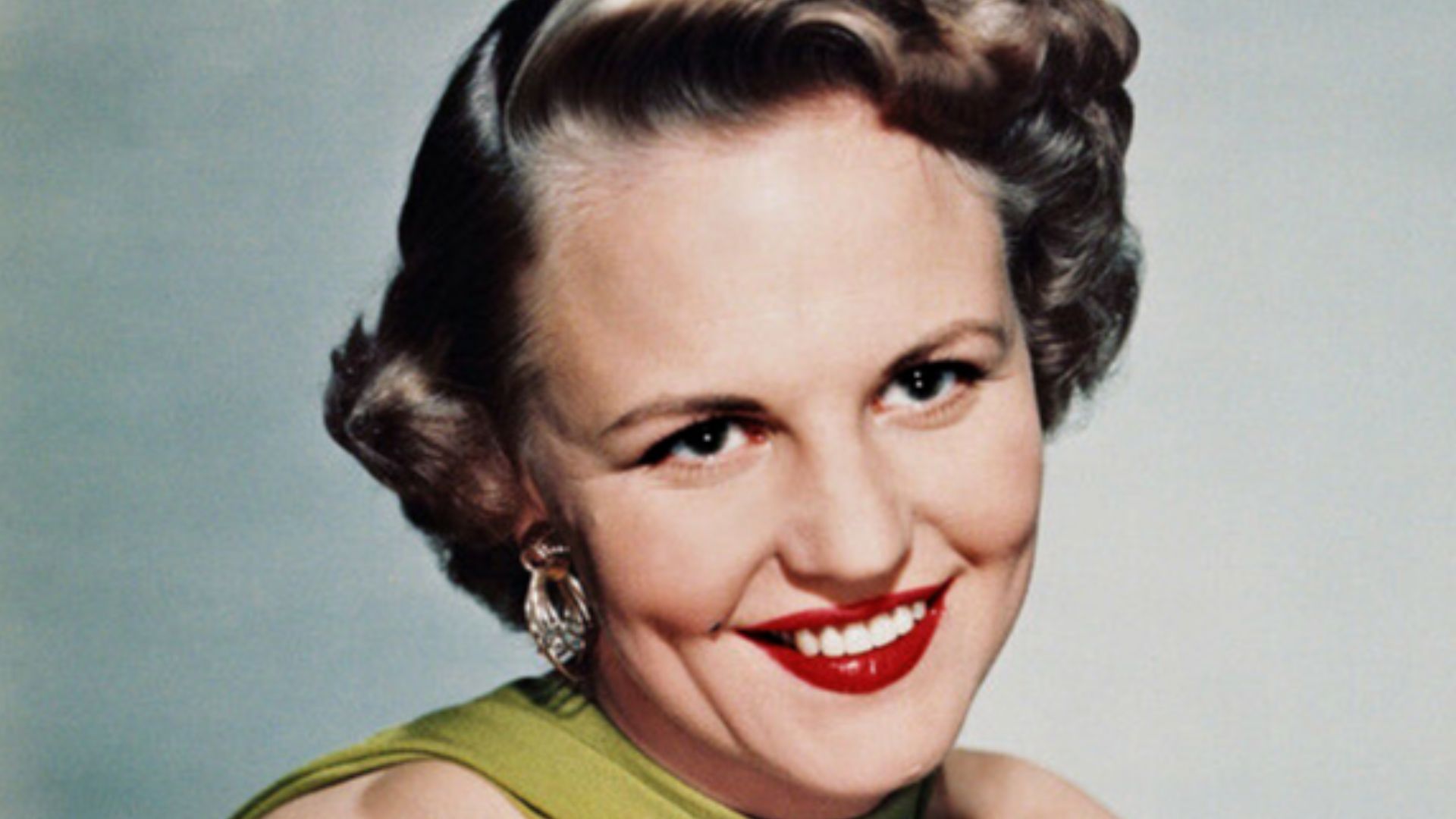 Studio Publicity, Wikimedia Commons
Disney Wanted Her Magic
Walt Disney brought Lee in for Lady and the Tramp, which was released in 1955. She did far more than simply perform one song. Lee gave the film personality, warmth, and a little grown-up nightclub glamour.
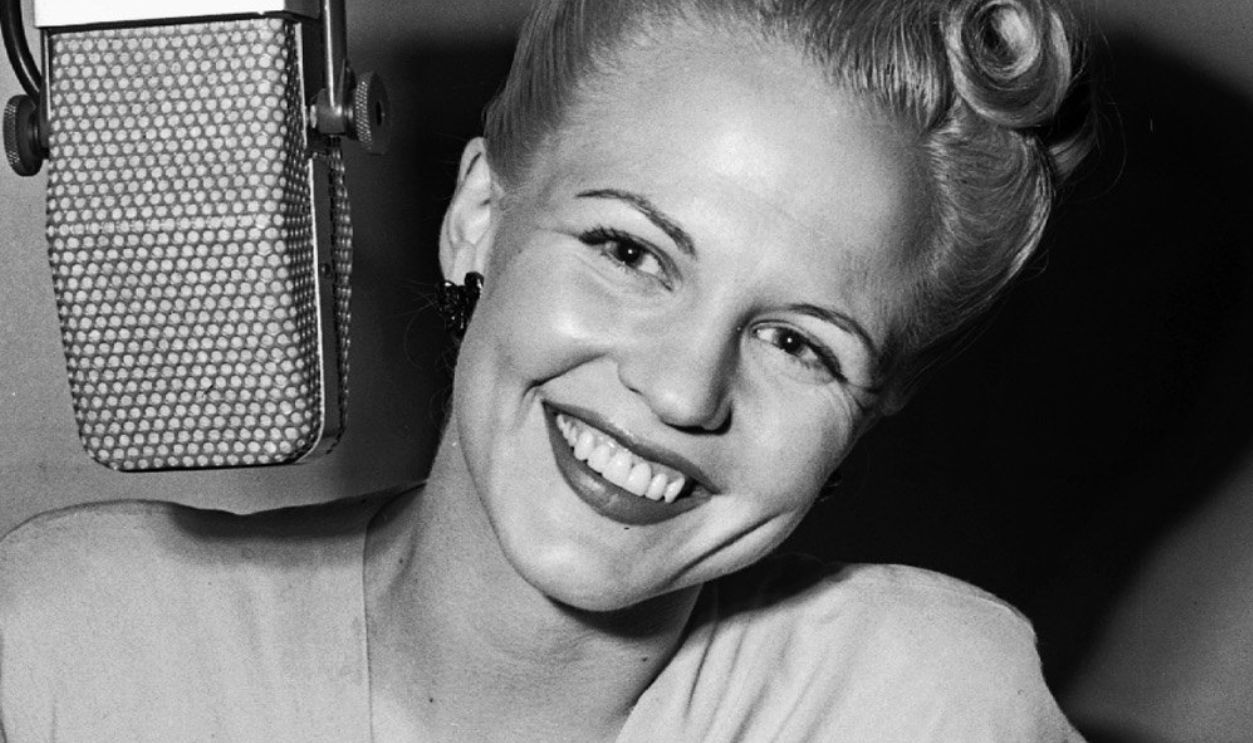 Michael Ochs Archives, Getty Images
She Voiced Several Characters
Lee voiced Darling, the kind owner of Lady. She also voiced Peg, the memorable showgirl-style dog at the pound. On top of that, she performed the voices of the Siamese cats, Si and Am.
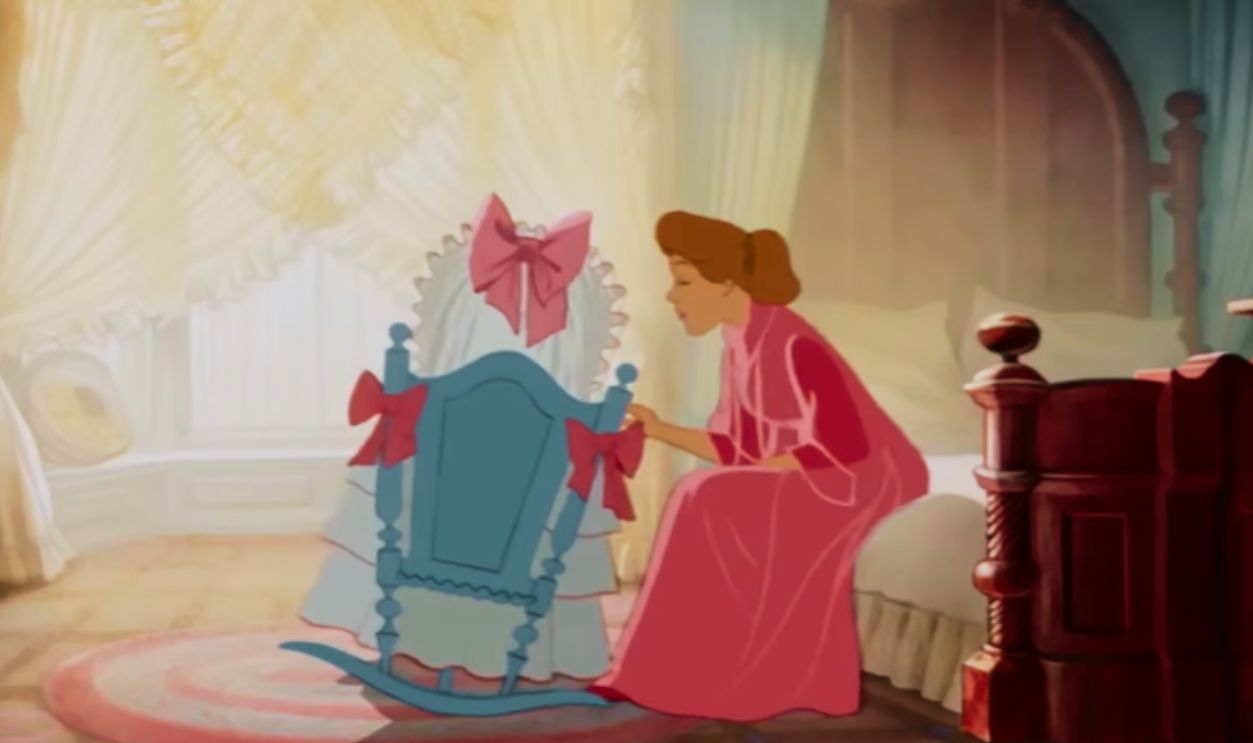 Screenshot from Lady and the Tramp, The Walt Disney Company (1955)
She Helped Shape The Soundtrack
Lee also worked with Sonny Burke on songs for the film. Their contributions included “He’s A Tramp,” “La La Lu,” “The Siamese Cat Song,” and other music tied closely to the movie’s identity. Those songs became part of what made Lady and the Tramp linger in people’s memories.
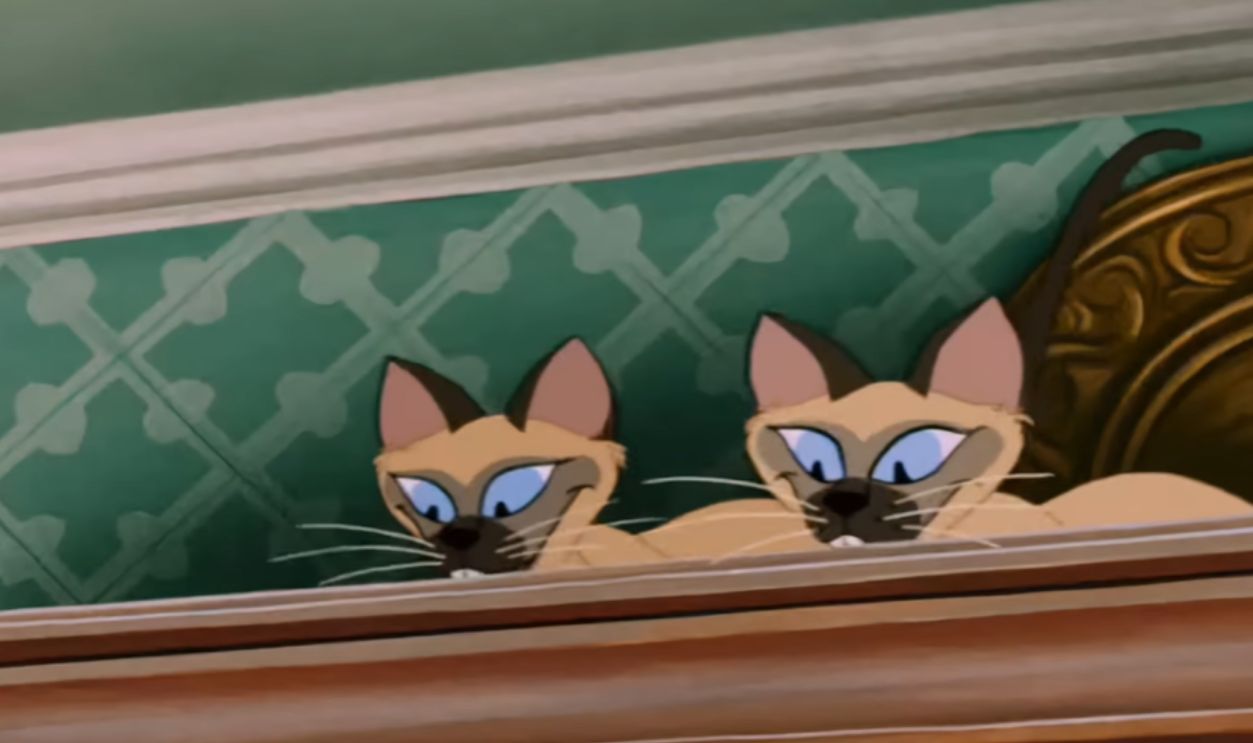 Screenshot from Lady and the Tramp, The Walt Disney Company (1955)
The Deal Was Made In 1952
Lee’s contract with Disney was signed before home video existed as a major business. The agreement covered her work for the film, but it also contained language about phonograph recordings and transcriptions. That wording later became the center of the entire legal fight.
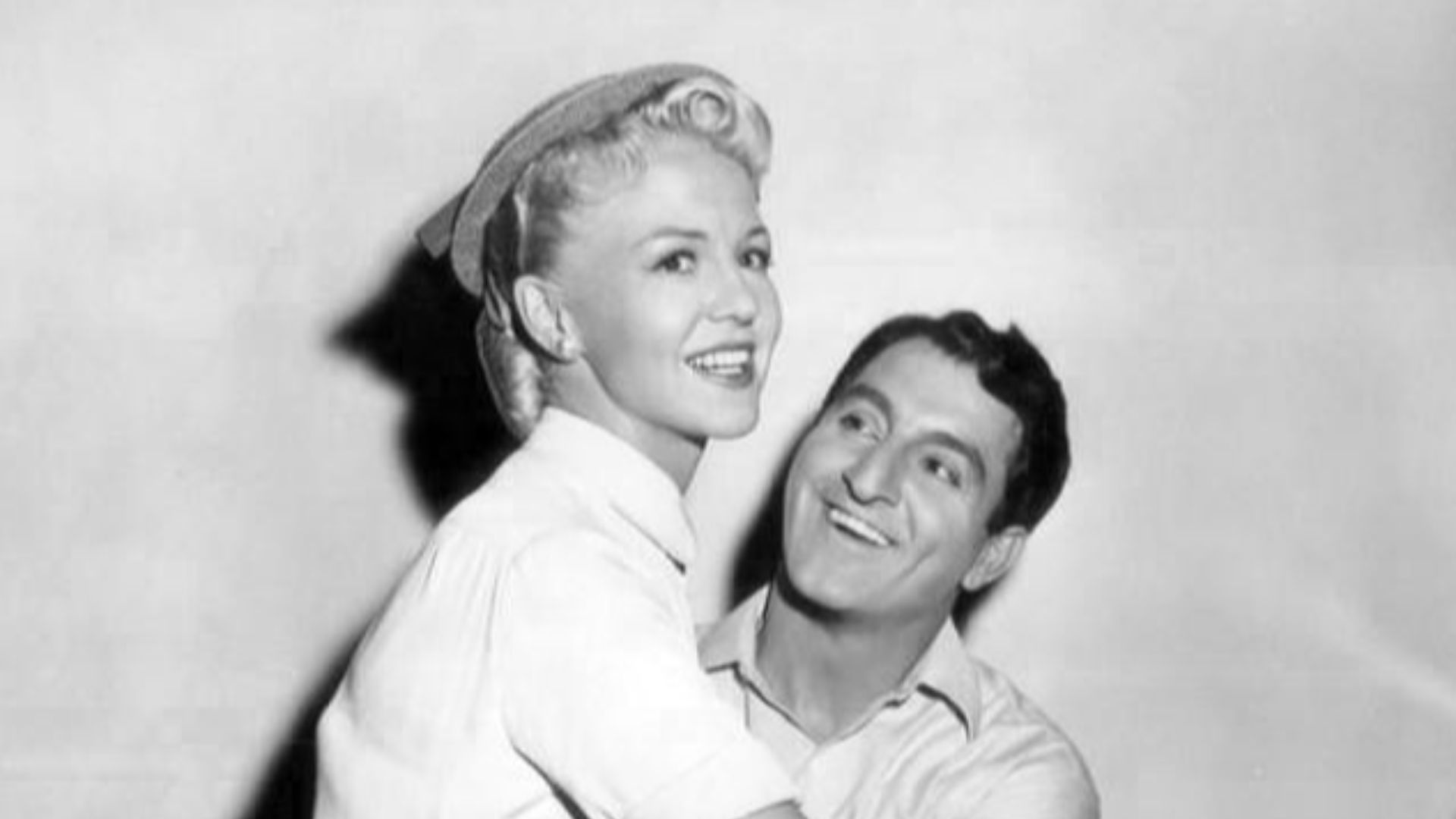 Warner Brothers, Wikimedia Commons
Nobody Was Thinking About VHS
In the early 1950s, studios were focused on theaters, records, radio, and television. Videocassettes were not part of the entertainment business yet. That gap created a problem when Disney later found a new way to sell old movies.
 Boy Scouts of America, Wikimedia Commons
Disney Released The Film On Video
In 1987, Disney released Lady and the Tramp on videocassette. The release became a massive home-video success. For Lee, the issue was not that audiences were rediscovering the movie, but that Disney was earning new money from work she believed required her permission.
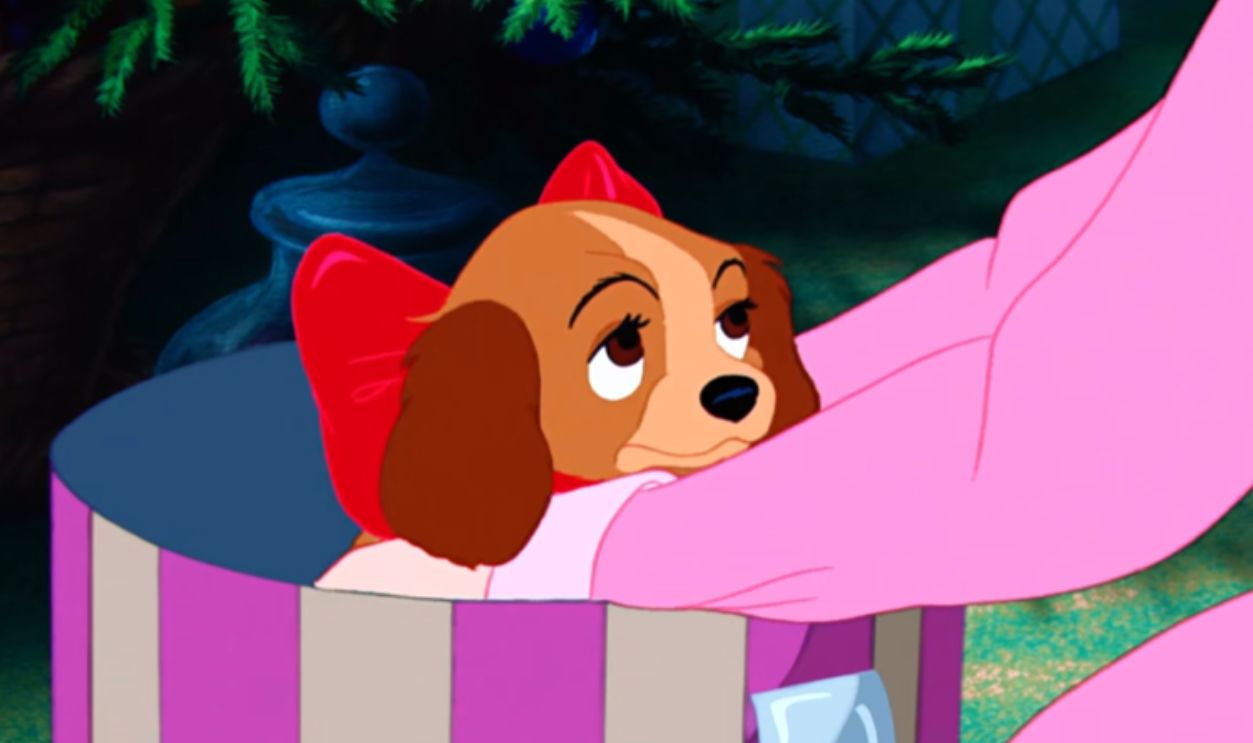 Screenshot from Lady and the Tramp, The Walt Disney Company (1955)
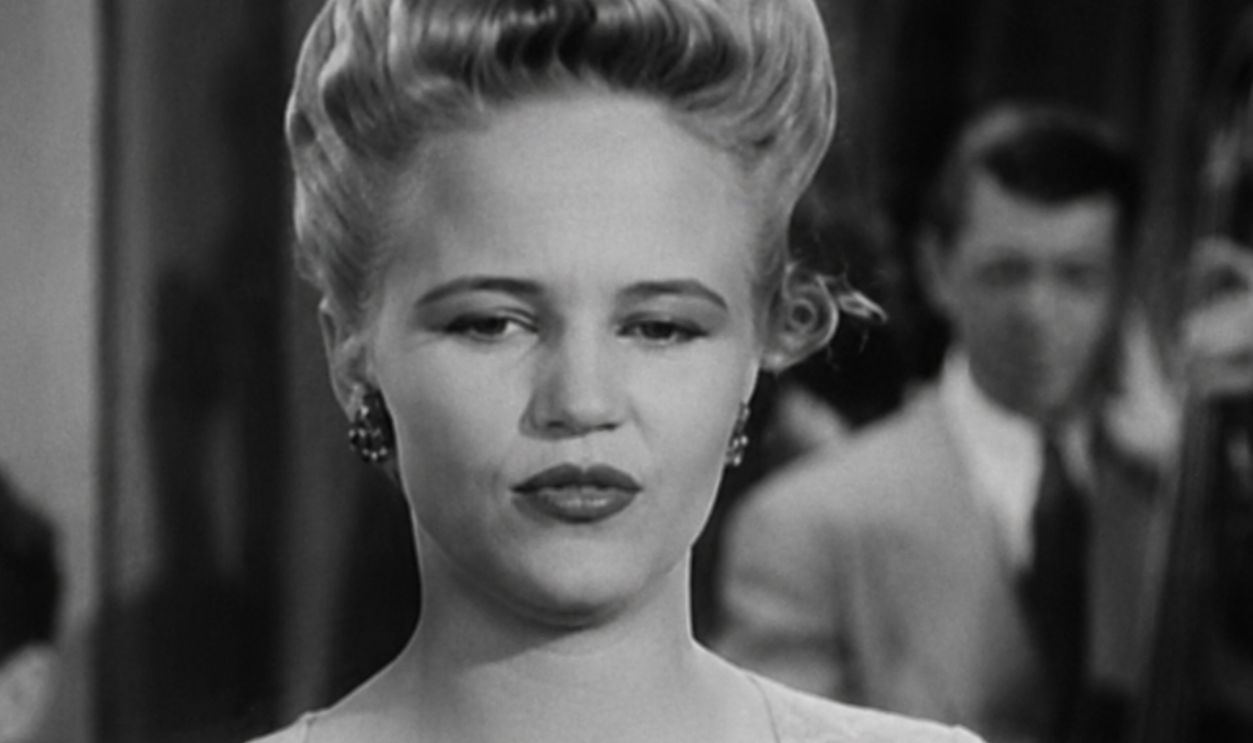
Lee Wanted Her Contract Honored
Lee argued that her agreement did not give Disney the right to sell copies of her performances and songs on videocassette without her approval. Disney disagreed and said the old contract did not apply to the new format. That disagreement turned a beloved cartoon into a major courtroom showdown.
 Film screenshot, Wikimedia Commons, enhanced
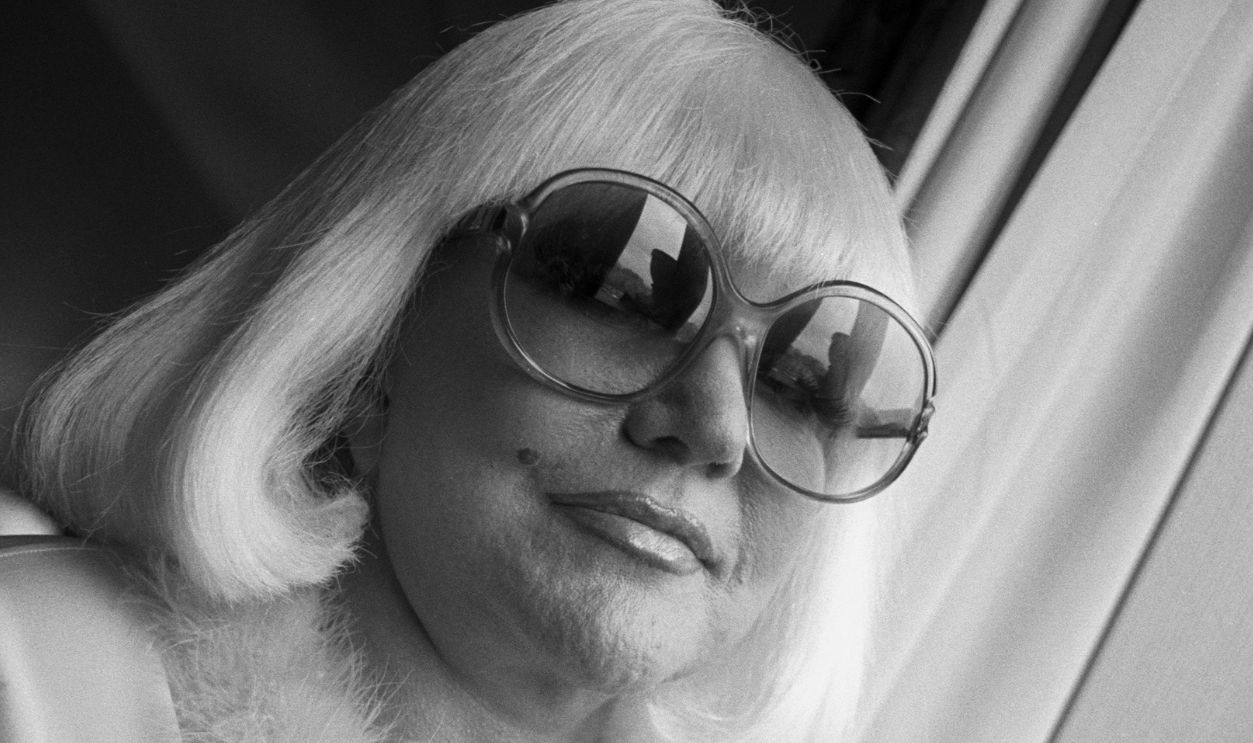
She Sued In 1988
Lee filed suit against Disney in 1988. She accused the company of breaching her contract and profiting from her work without properly compensating her. It was a bold move, especially against a studio famous for protecting its own intellectual property.
 Catherine McGann, Getty Images
The Case Turned On One Word
A major issue was the meaning of “transcriptions.” Lee’s side argued that the word could cover copies of her work, including videocassettes. Disney argued that the term had a narrower meaning tied to older recording technology.
 American Broadcasting-ABC, Wikimedia Commons
Disney Had A Problem
Lee’s legal team found that Disney had used a broad definition of “transcription” in an earlier copyright dispute. That gave Lee’s side a powerful argument. If Disney had once treated the word as meaning a copy, Lee could argue the company could not suddenly define it narrowly.
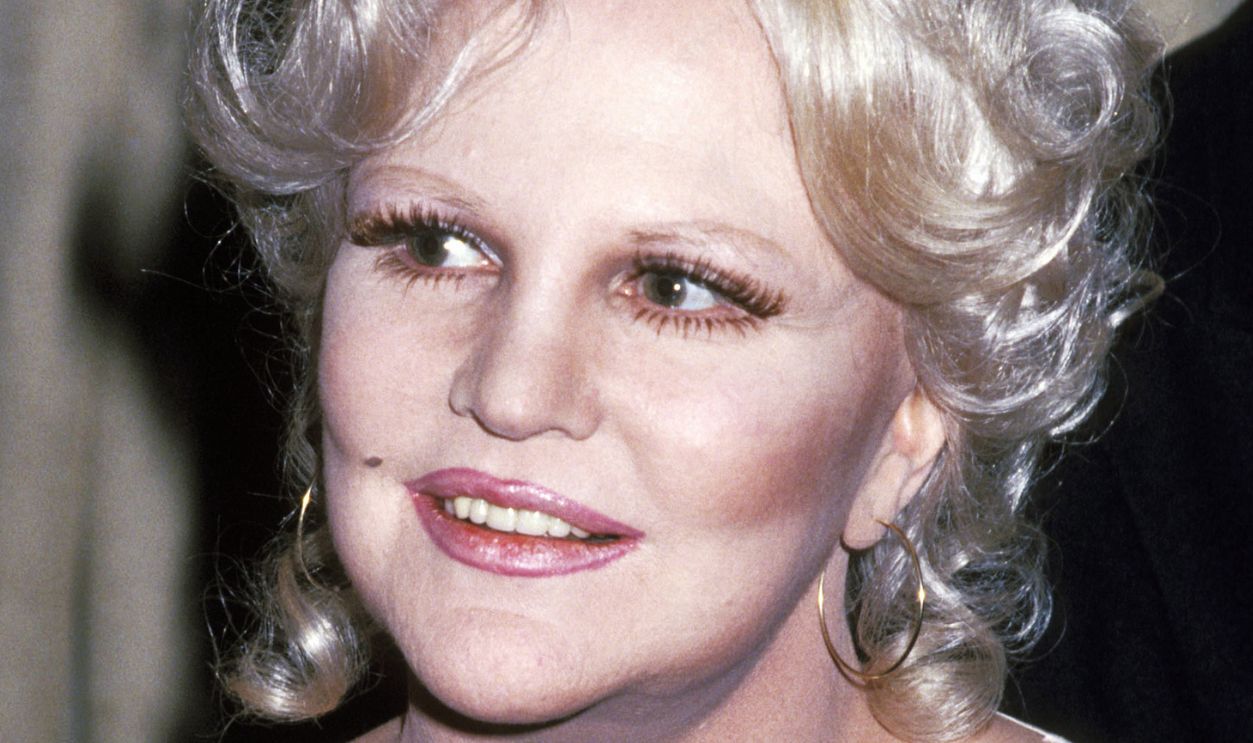
The Court Sided With Lee
A Los Angeles court agreed that Disney had breached Lee’s contract. That did not immediately end the fight, because damages still had to be decided. Still, it was a stunning win for an artist challenging one of the most powerful studios in entertainment.
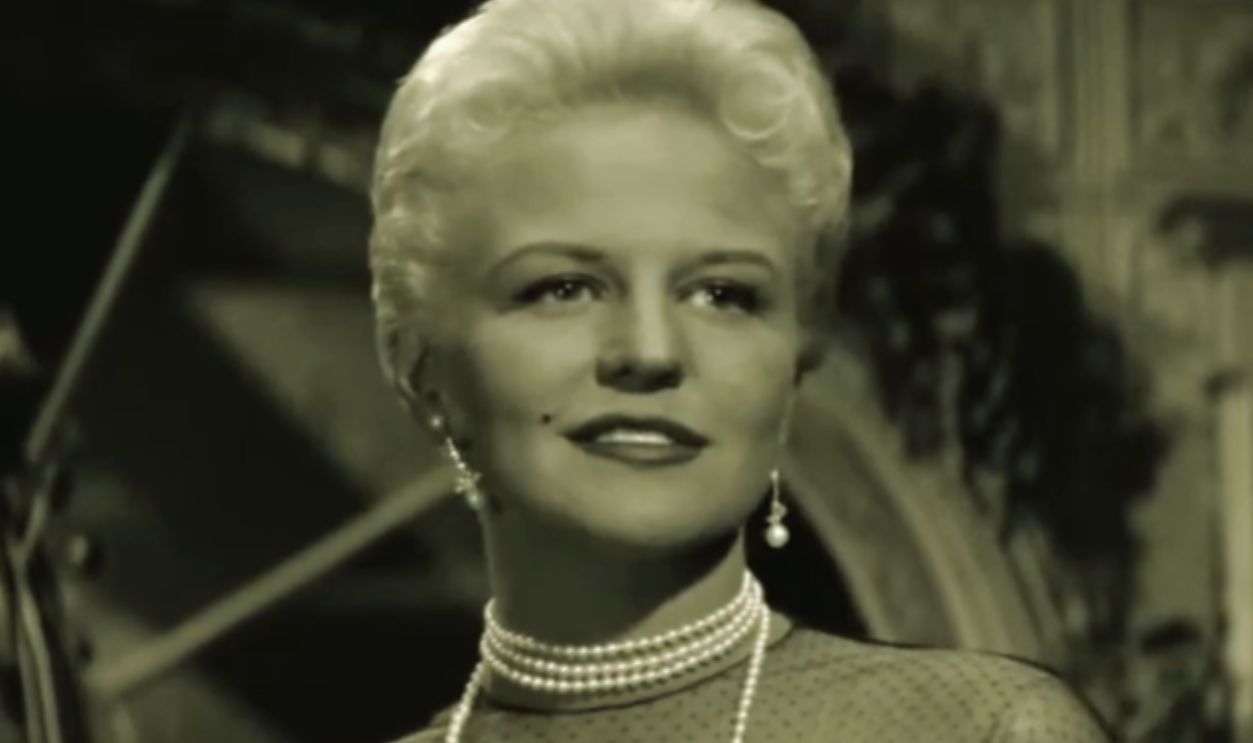 Screenshot from Pete Kelly's Blues, Warner Bros. Discovery (1955)
The Damages Fight Was Huge
Lee sought a much larger award than she ultimately received. Her side pointed to the huge success of the videocassette release and argued that her contributions had helped make that success possible. Disney argued for a much smaller amount.
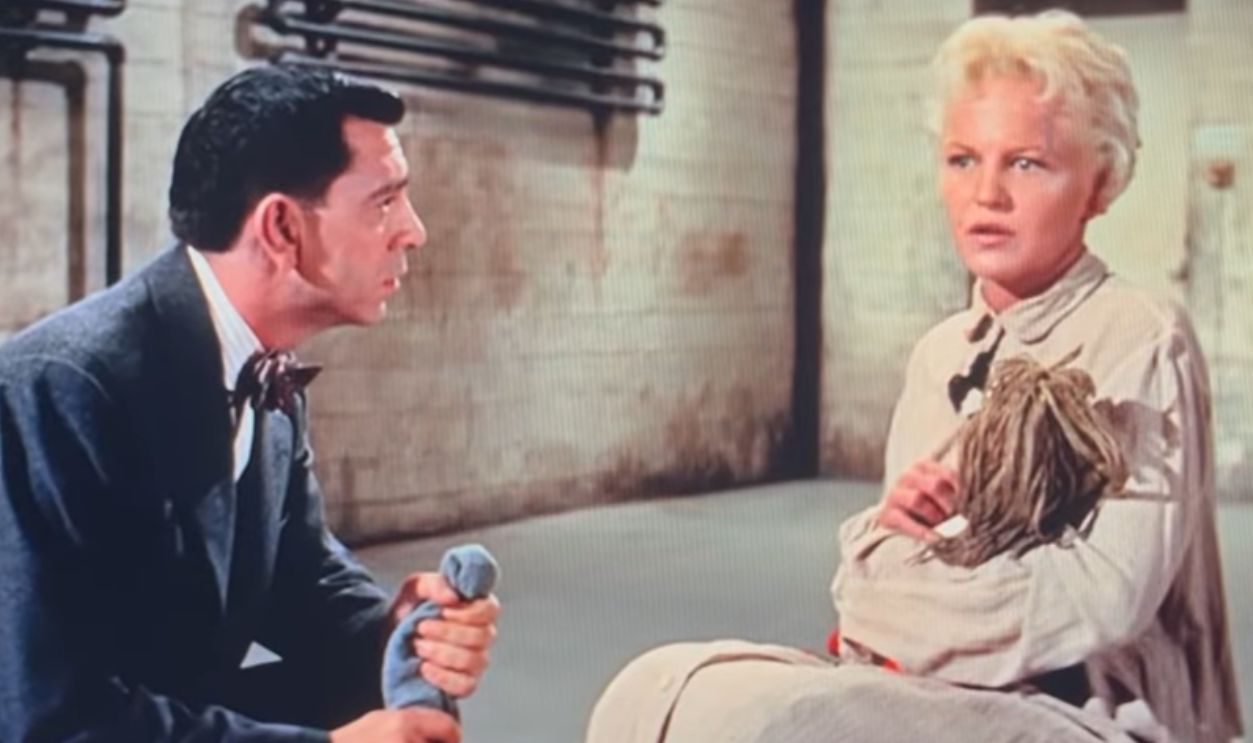 Screenshot from Pete Kelly's Blues, Warner Bros. Discovery (1955)
The Jury Awarded Millions
In 1991, Lee was awarded millions in damages connected to the home-video release. Reports described the award as including damages for breach of contract, unjust enrichment, use of her voice, and use of her name. The exact total was disputed in coverage, but the judgment was a major victory for Lee.
 General Artists Corporation (management), Wikimedia Commons, Modified
Disney Kept Fighting
Disney did not simply accept the result. The company appealed, which kept the battle going. That meant Lee’s win still had to survive another stage before it became secure.

The Appeal Upheld Her Victory
In 1992, a California appeals court upheld the judgment in Lee’s favor. That decision confirmed that Disney had to pay her over the Lady and the Tramp video release. For Lee, it was proof that an old contract still mattered in a new media world.
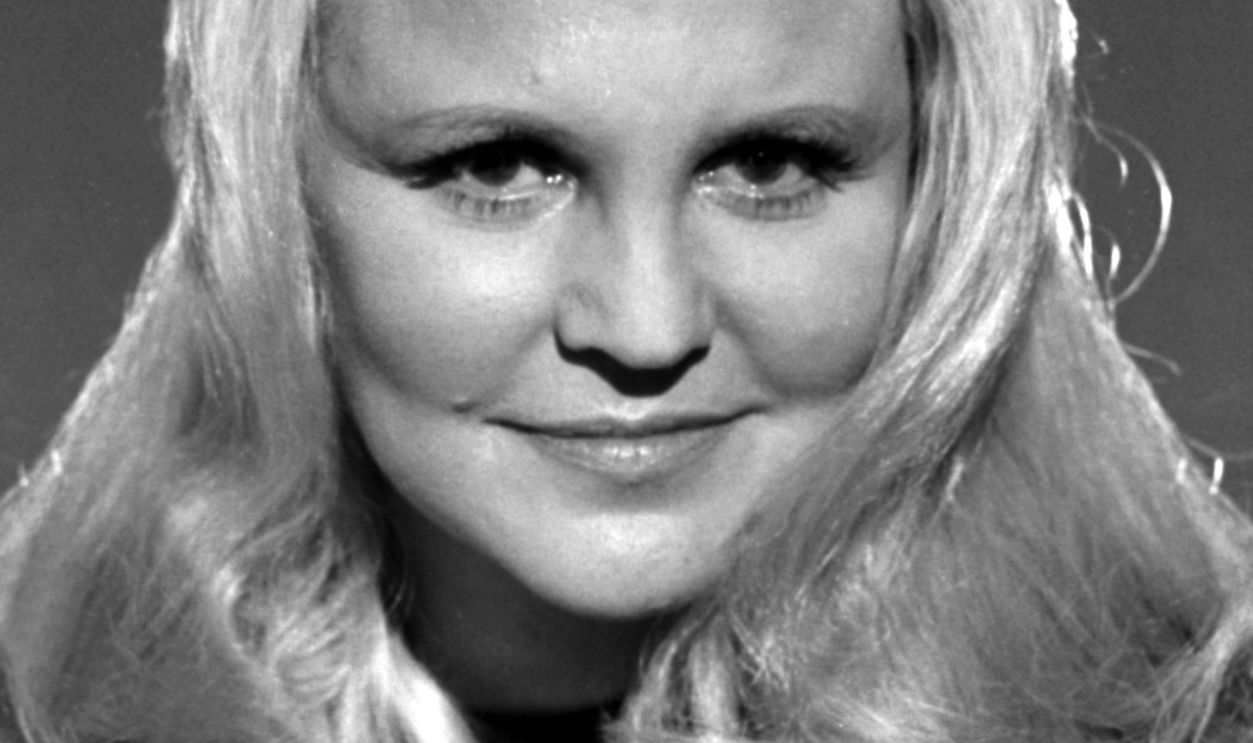
The Case Was Bigger Than One Movie
The lawsuit became important because it showed how older entertainment contracts could collide with new technology. Many performers from earlier eras had signed deals before home video became a gold mine. Lee’s case warned studios that those old agreements could not always be stretched however they wanted.
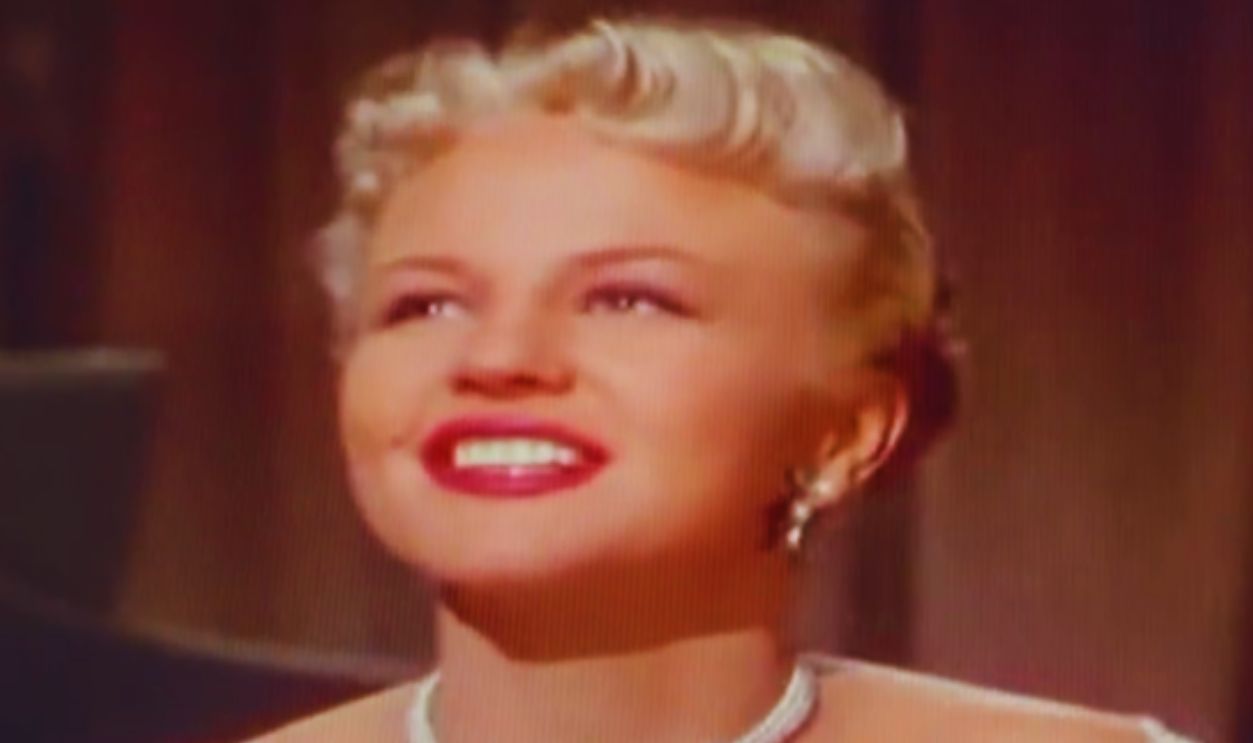 Screenshot from The Jazz Singer, Warner Bros. Discovery (1952)
Artists Saw A New Opening
Lee’s victory gave other performers a reason to look closely at their own contracts. The case suggested that artists might have claims when studios reused older work in formats nobody imagined at the time. It was not just about nostalgia, because it was about who shared in the profits.
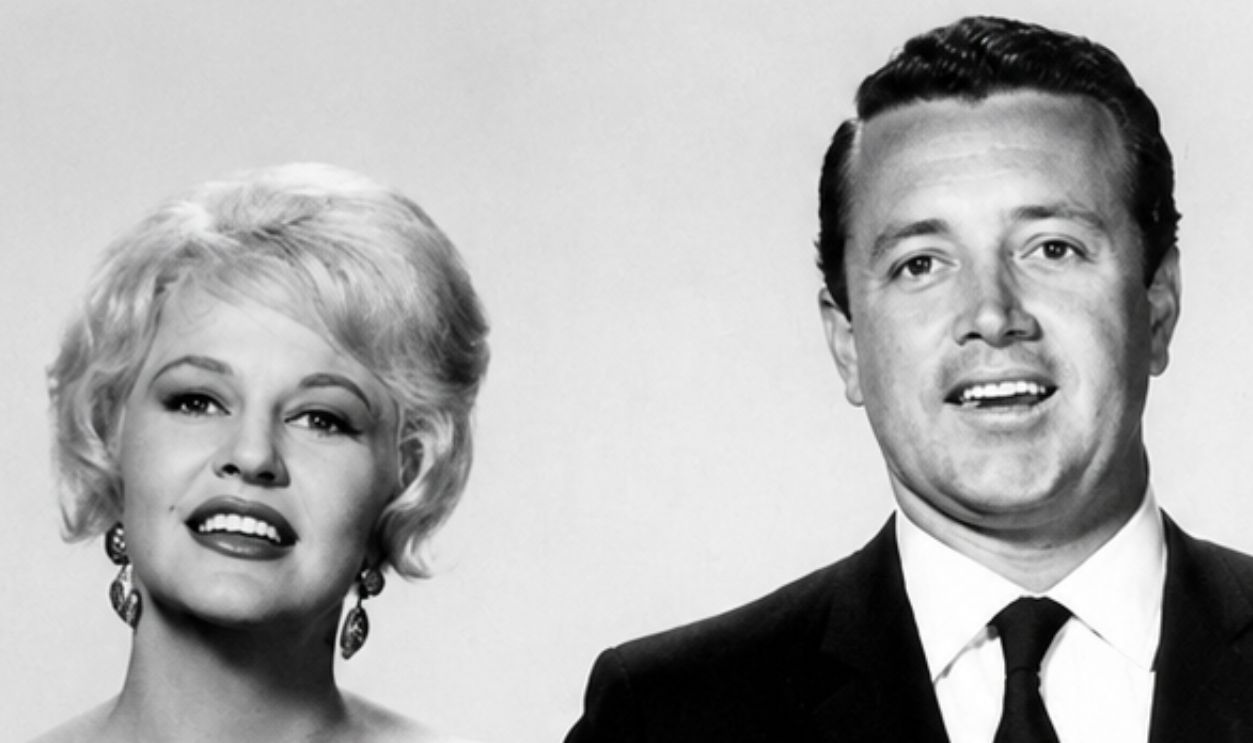 NBC Television, Wikimedia Commons, enhanced
Disney Had Built A Home-Video Empire
By the late 1980s, Disney’s animated classics were extremely valuable on VHS. Families could finally own the films instead of waiting for theatrical re-releases or television broadcasts. That made home video one of the biggest new battlegrounds in Hollywood compensation.
 Screenshot from Pinocchio, The Walt Disney Company (1985)
Peggy Lee Was Not Backing Down
Lee was in poor health during the case, but she remained determined. She framed the fight as a matter of fairness and respect for her work. That made the lawsuit feel personal, not just financial.
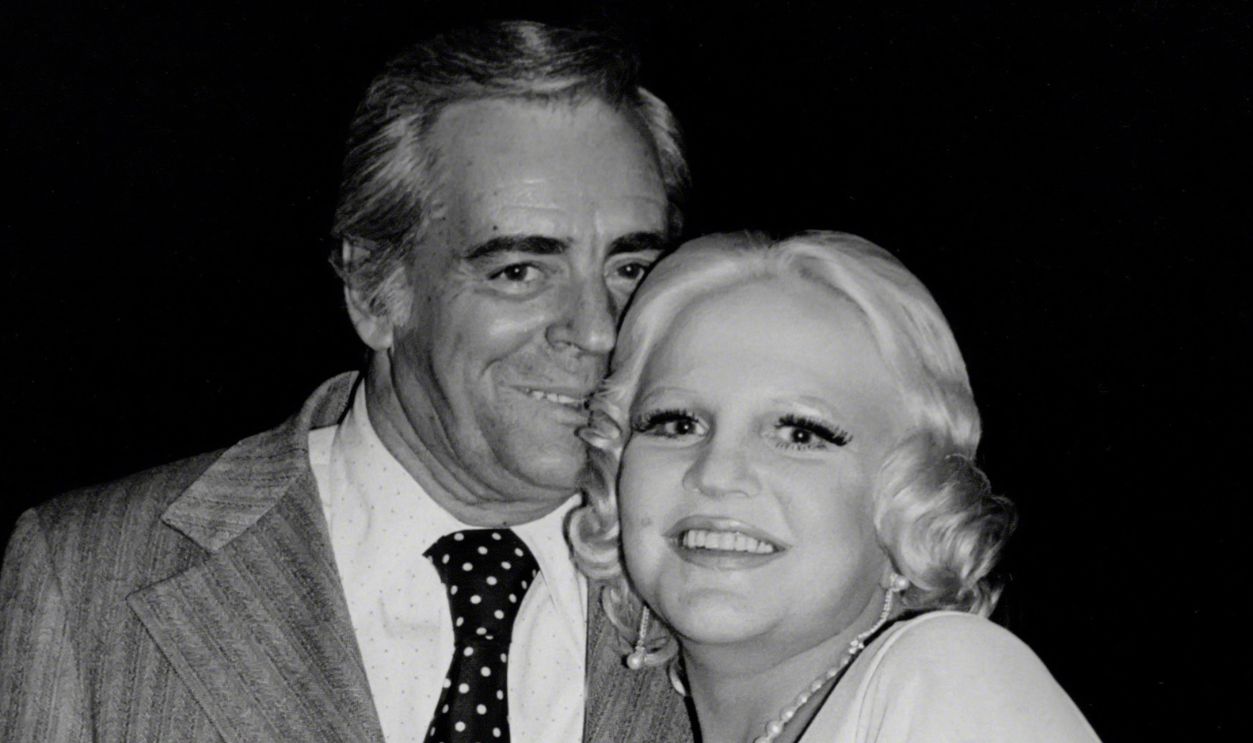
Her Disney Work Had Lasted For Decades
Part of Lee’s argument resonated because her contributions were still recognizable decades later. Peg’s smoky style was unmistakably tied to Lee’s persona. The film’s songs also remained central to the movie’s identity.
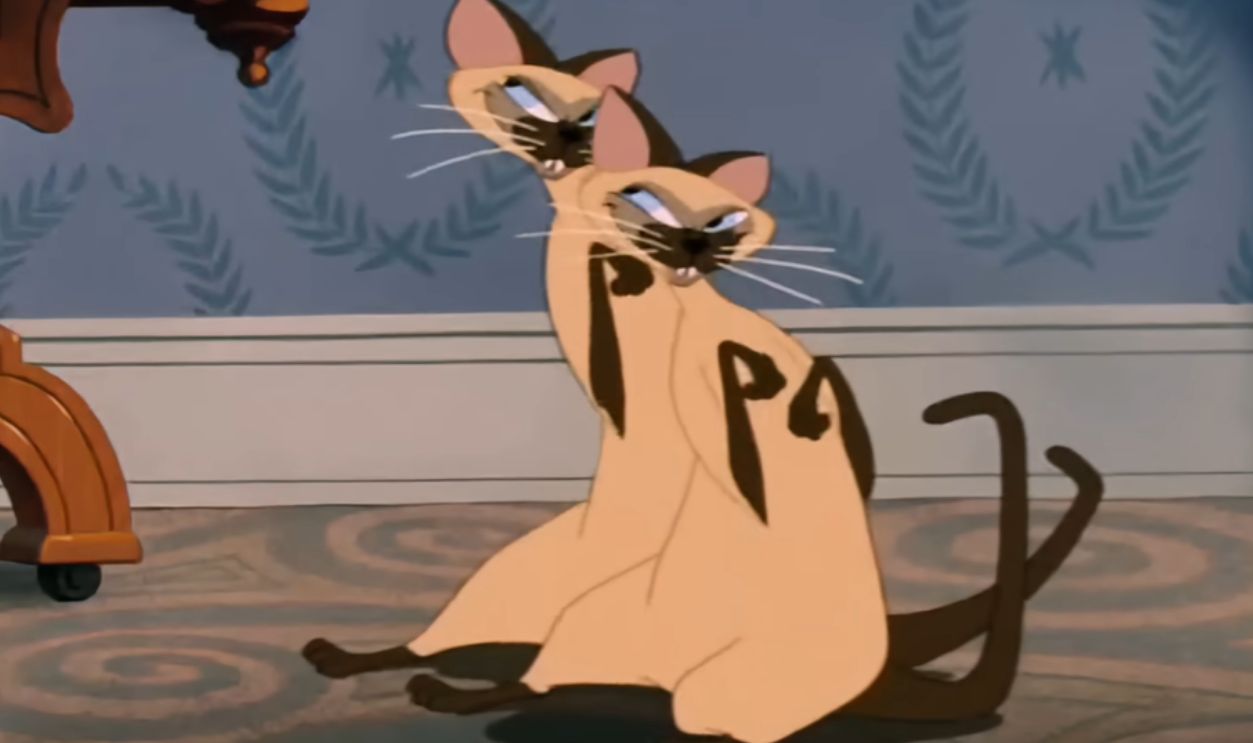 Screenshot from Lady and the Tramp, The Walt Disney Company (1955)
The Win Changed Her Legacy
Peggy Lee was already respected as a performer before the case. Afterward, she was also remembered as an artist who challenged a giant corporation and won. That added a new chapter to a career already filled with music, film, and reinvention.
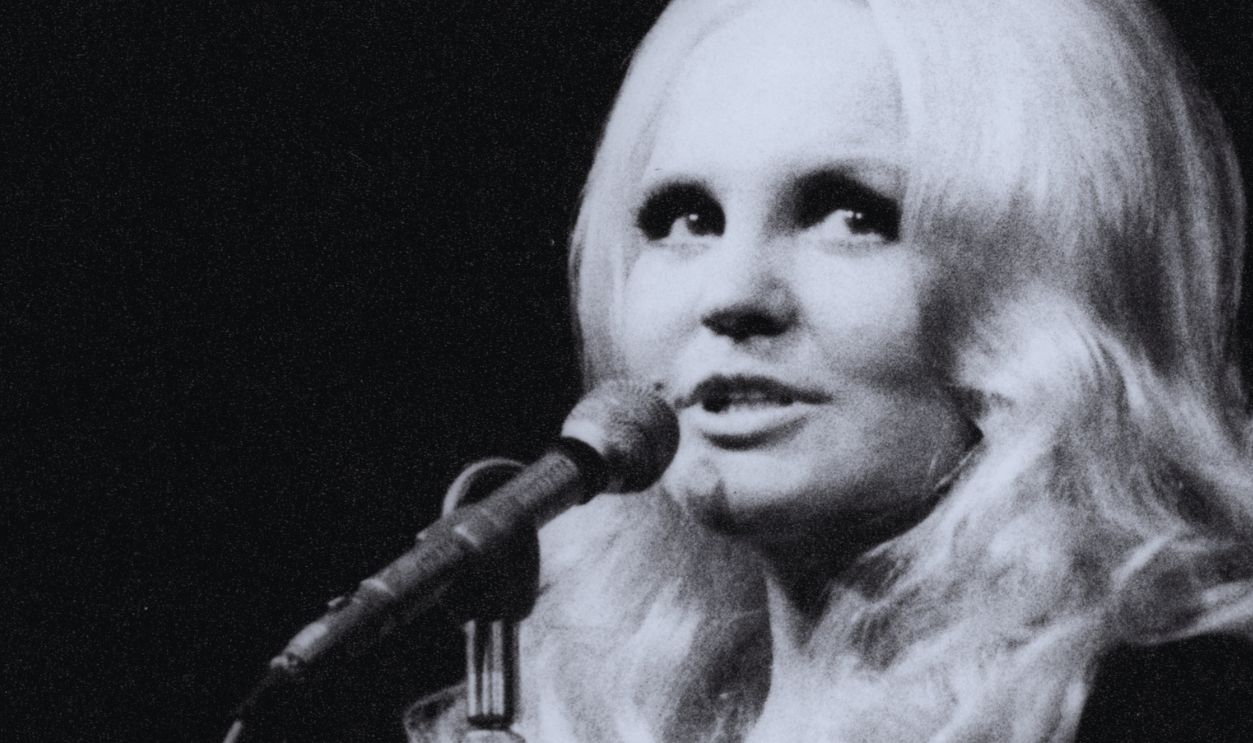
She Remained A Recording Legend
Lee’s broader career remained remarkable. She earned 13 Grammy nominations and won for “Is That All There Is?” She also received a Grammy Lifetime Achievement Award in 1995.
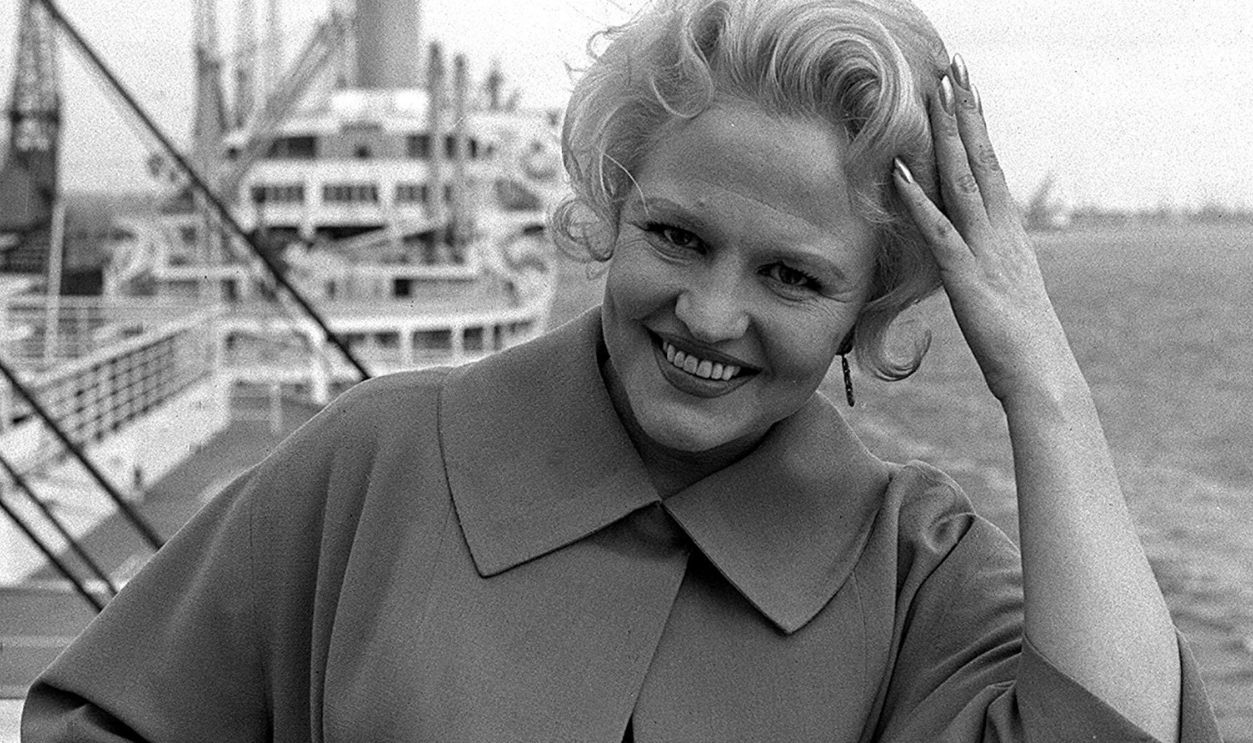
Her Acting Career Also Mattered
Lee was not only a singer. She earned an Academy Award nomination for Pete Kelly’s Blues. That film career helped explain why her Disney performance was not just a side job, but part of a serious screen legacy.
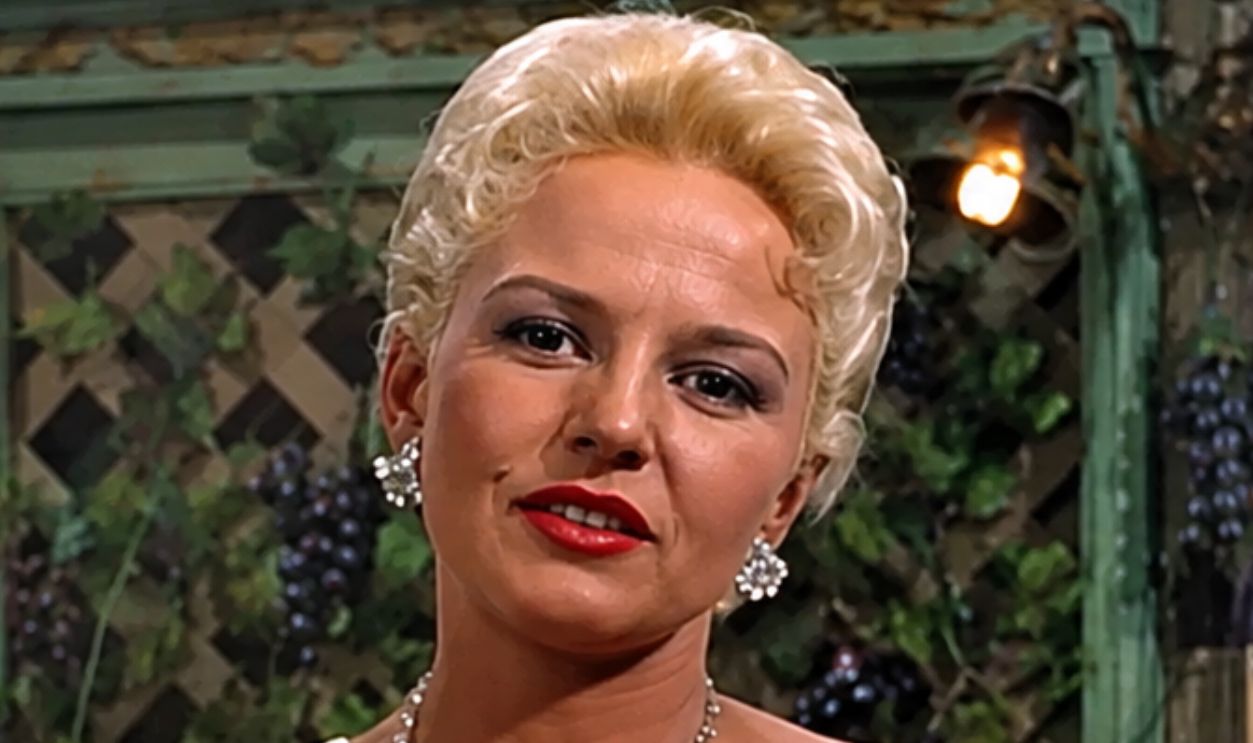 Screenshot from Pete Kelly's Blues, Warner Bros. Discovery (1955), enhanced
The Lawsuit Still Feels Modern
The fight over Lady and the Tramp feels familiar today because technology keeps changing how old work earns new money. VHS was the issue then, but later battles would involve DVDs, streaming, and digital rights. Lee’s case showed that the format may change, but contract language can still carry enormous power.
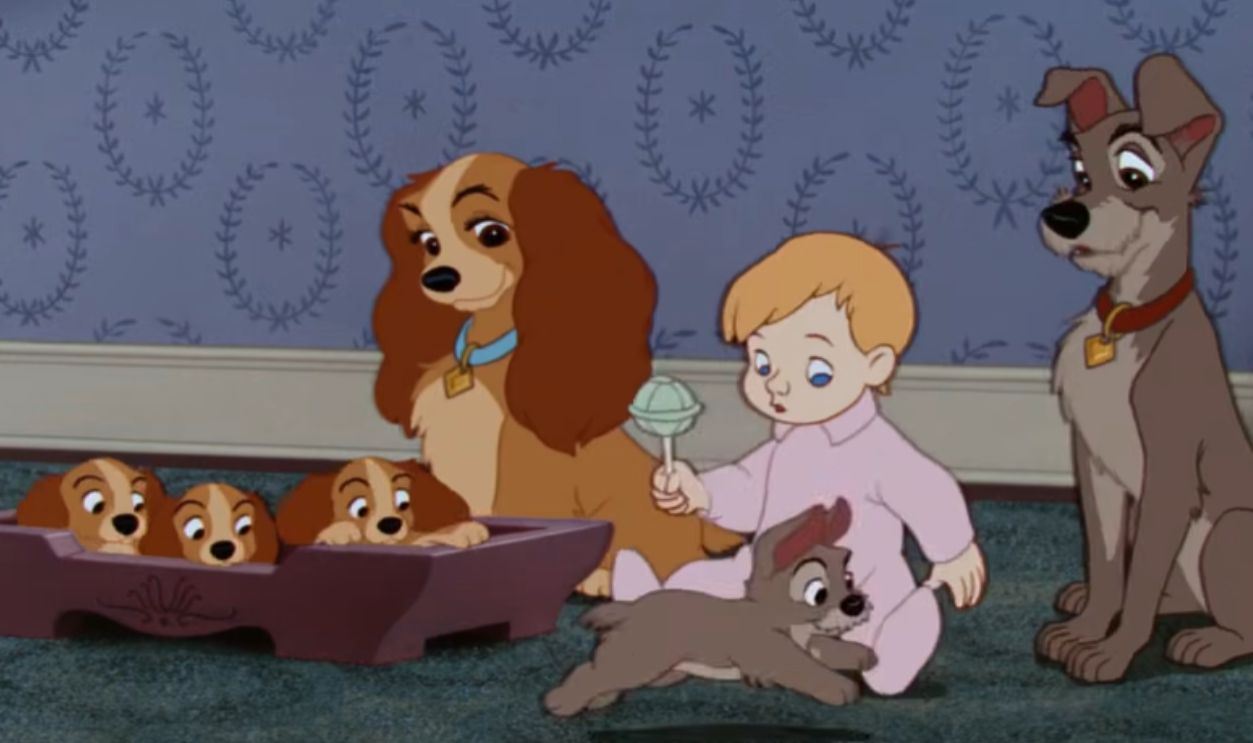 Screenshot from Lady and the Tramp, The Walt Disney Company (1955)
Peggy Lee Proved A Point
Peggy Lee did not beat Disney by being louder than the company. She won because her contract still had force, and the courts agreed that Disney had gone too far. Her victory remains one of Hollywood’s clearest reminders that artists should read the fine print, but studios should honor it too.
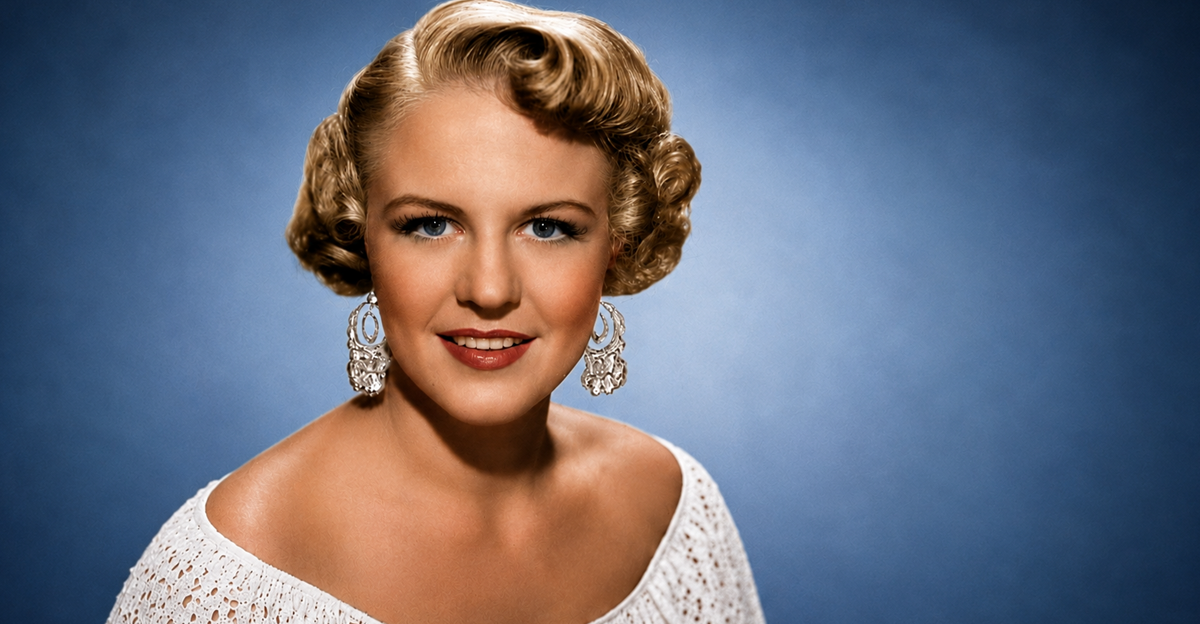 General Artists Corporation (management), Wikimedia Commons, enhanced
You May Also Like:
Famous Songs From The 1970s That Sparked Controversy When They Were Released
Amanda Blake's Greatest Legacy Had Nothing To Do With Gunsmoke
How Peter Graves Built A Television Career That Lasted More Than 50 Years