Television's Ultimate Survivor
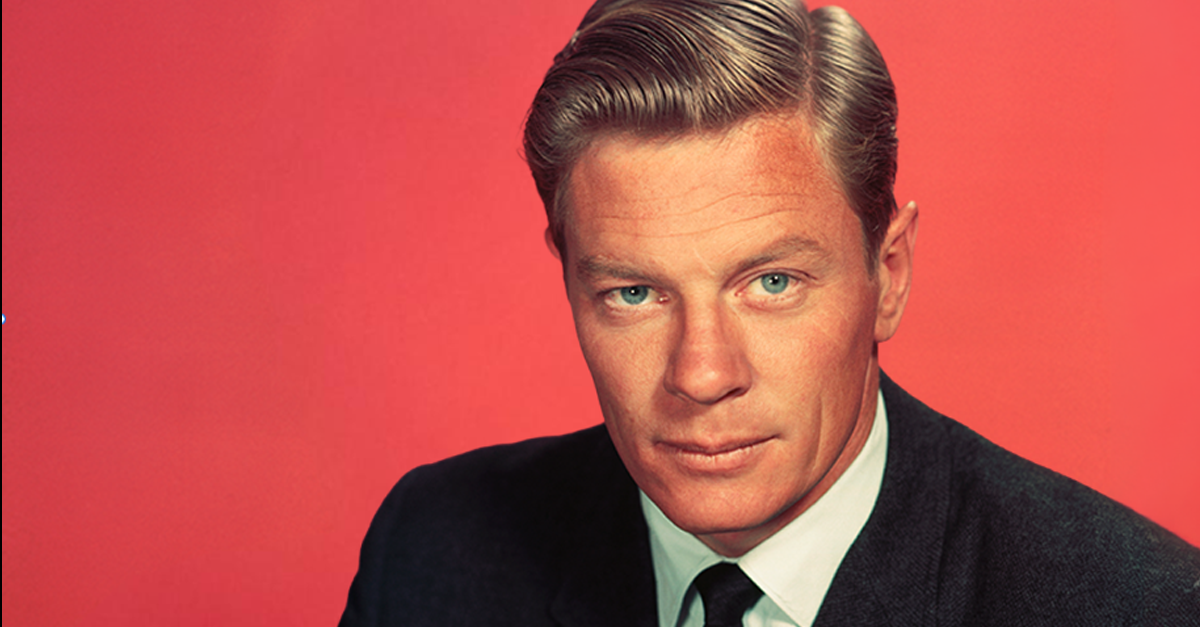
Peter Graves did more than star on television. He survived its biggest changes, from classic network dramas to hit cable documentaries, while keeping audiences hooked. His decades-long career shows how one steady screen presence became a lasting pop culture name.
A Midwestern Beginning
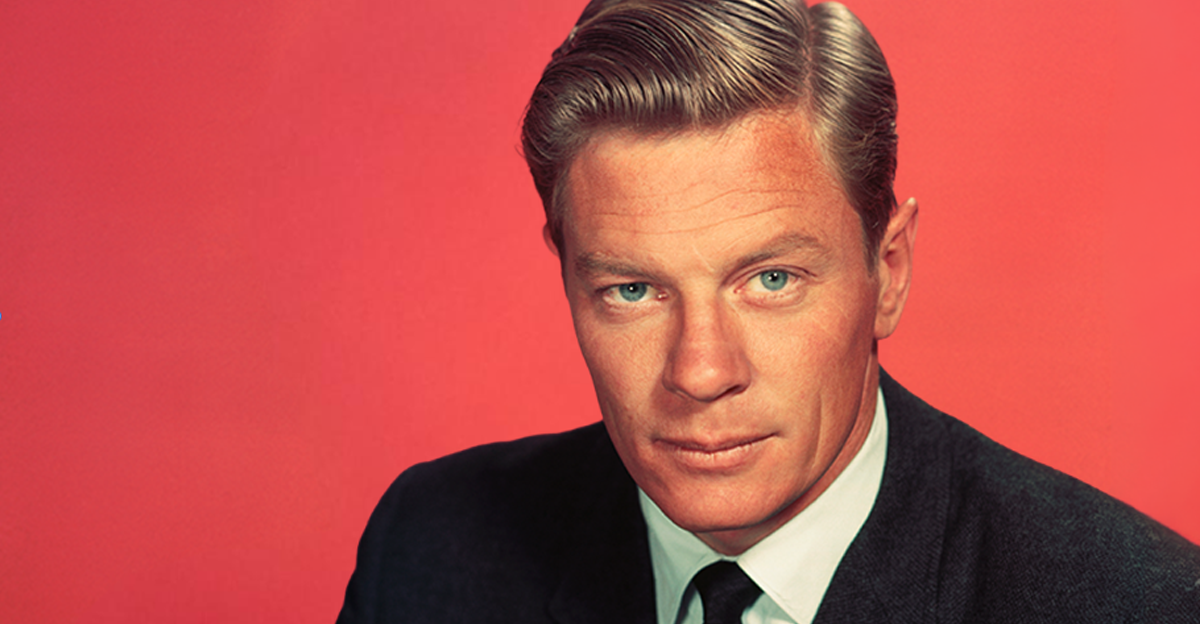
Peter Graves was born Peter Duesler Aurness in Minneapolis, Minnesota, on March 18, 1926. Long before he became a television icon, he developed an interest in broadcasting and performance. His early experiences in radio helped shape the confident voice that later became one of his trademarks. Those skills gave him a strong foundation for a career in entertainment.
Service Before Stardom
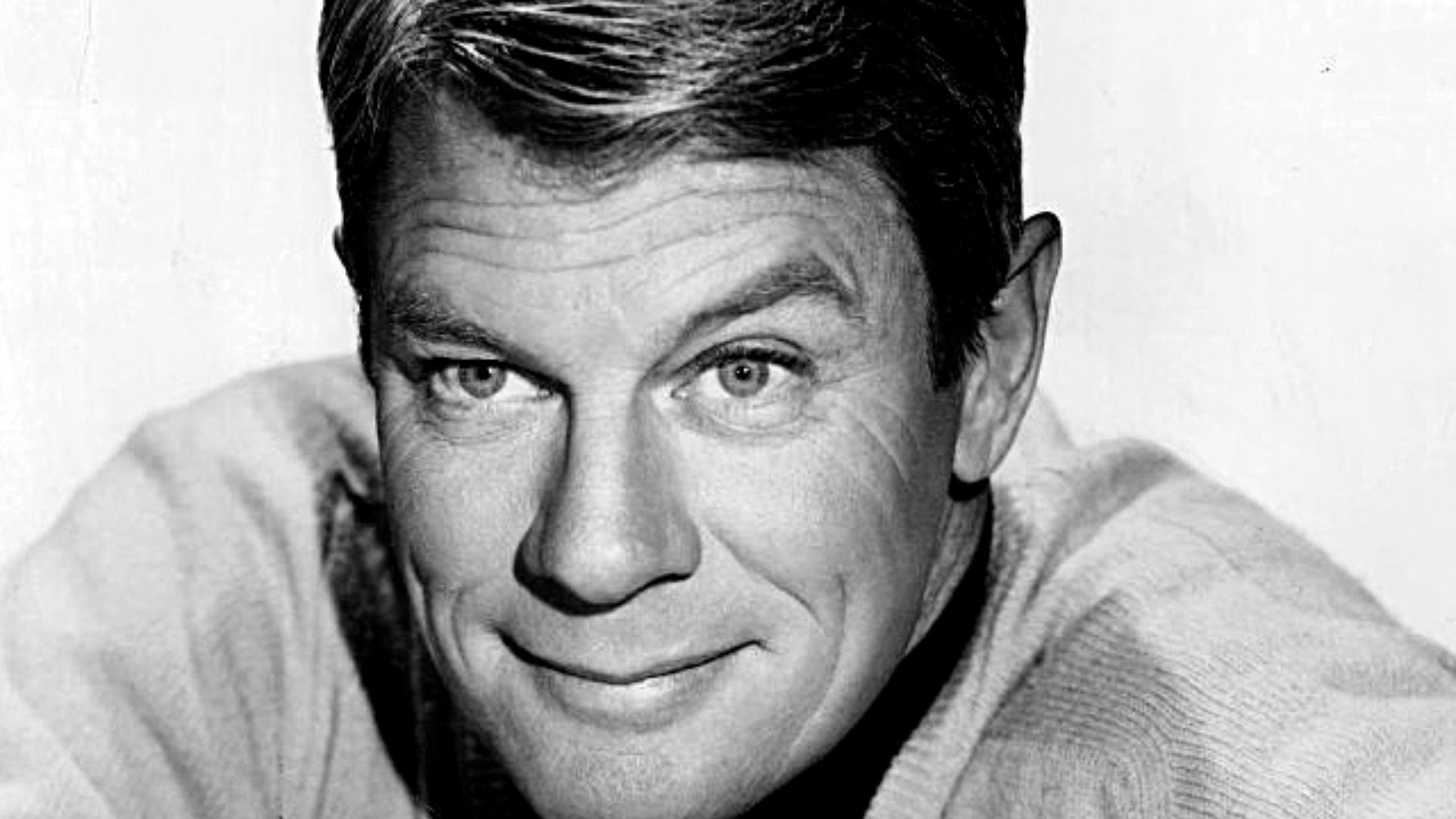
Like many men of his generation, Graves served during World War II. He spent time in the United States Army Air Forces before returning home to pursue higher education. After the war, he attended the University of Minnesota using the GI Bill. His military service and education helped prepare him for the disciplined approach he brought to acting.
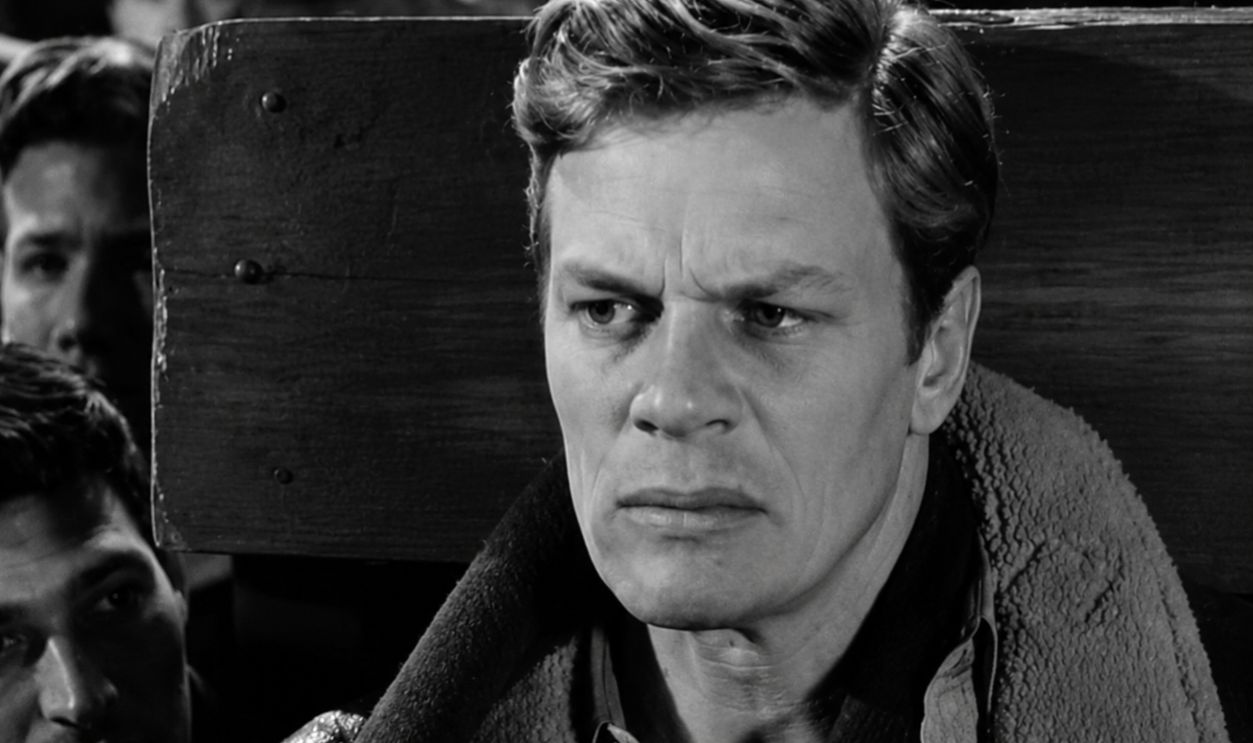 Screenshot from Stalag 17, Paramount Pictures (1953), Enhanced
Finding His Way Into Hollywood
Graves entered the film industry in the early 1950s. His first screen roles came in a variety of movies, including westerns and dramas. He quickly developed a reputation as a dependable performer who could handle many different types of characters. That versatility would become one of the defining traits of his career.
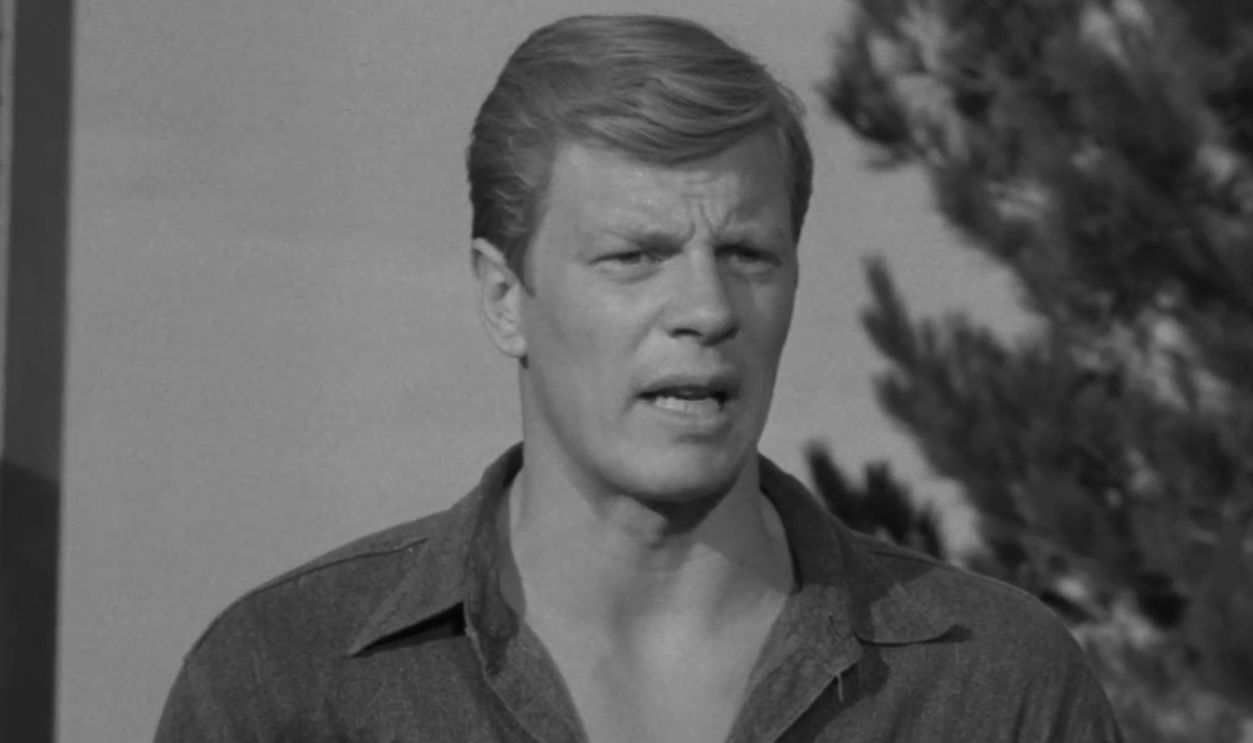 Screenshot from The Night of the Hunter, United Artists (1955), Enhanced
A Memorable Early Film Role
One of Graves' earliest notable appearances came in the 1953 war film Stalag 17. The movie earned critical acclaim and remains a classic of the genre. Although he was still building his reputation, the role helped introduce him to a wider audience. It also showed that he could hold his own alongside established stars.
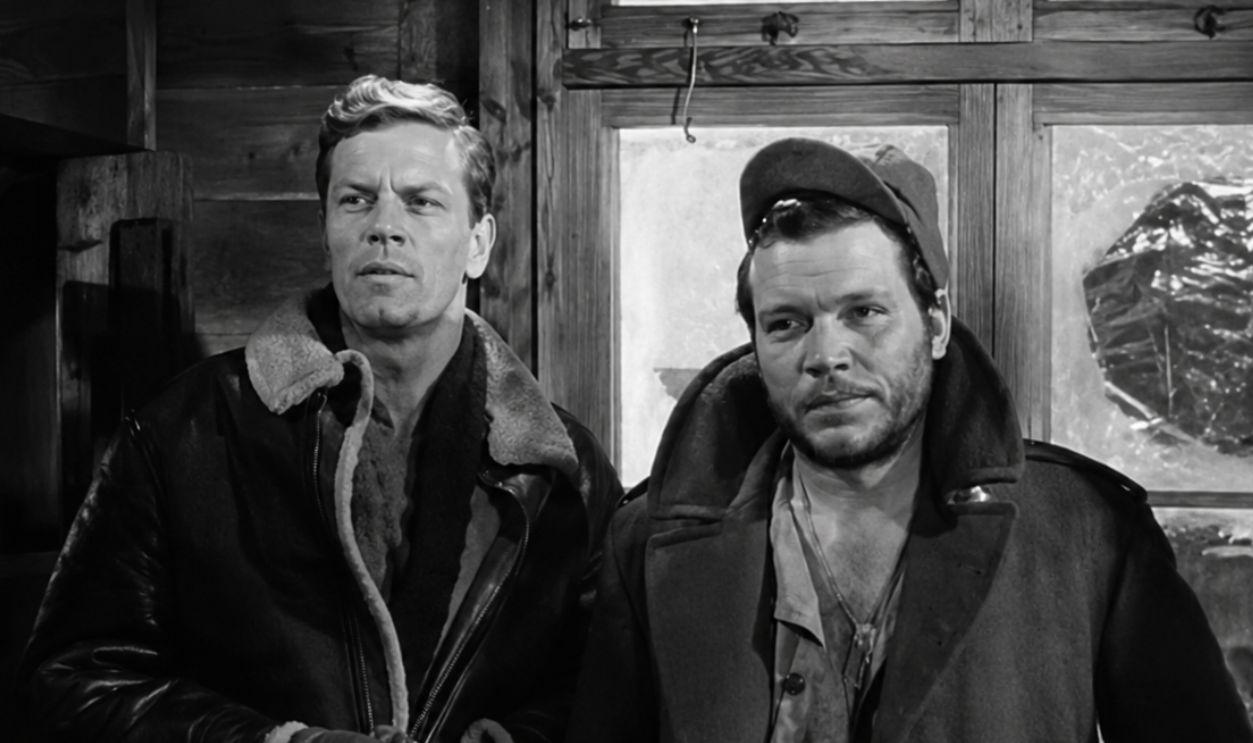 Screenshot from Stalag 17, Paramount Pictures (1953), Enhanced
Television Comes Calling
As television expanded during the 1950s, Graves saw an opportunity. He began appearing regularly on the small screen at a time when the medium was rapidly growing in popularity. Many actors moved between film and television during this era, but Graves embraced television more fully than most. That decision helped shape the rest of his career.
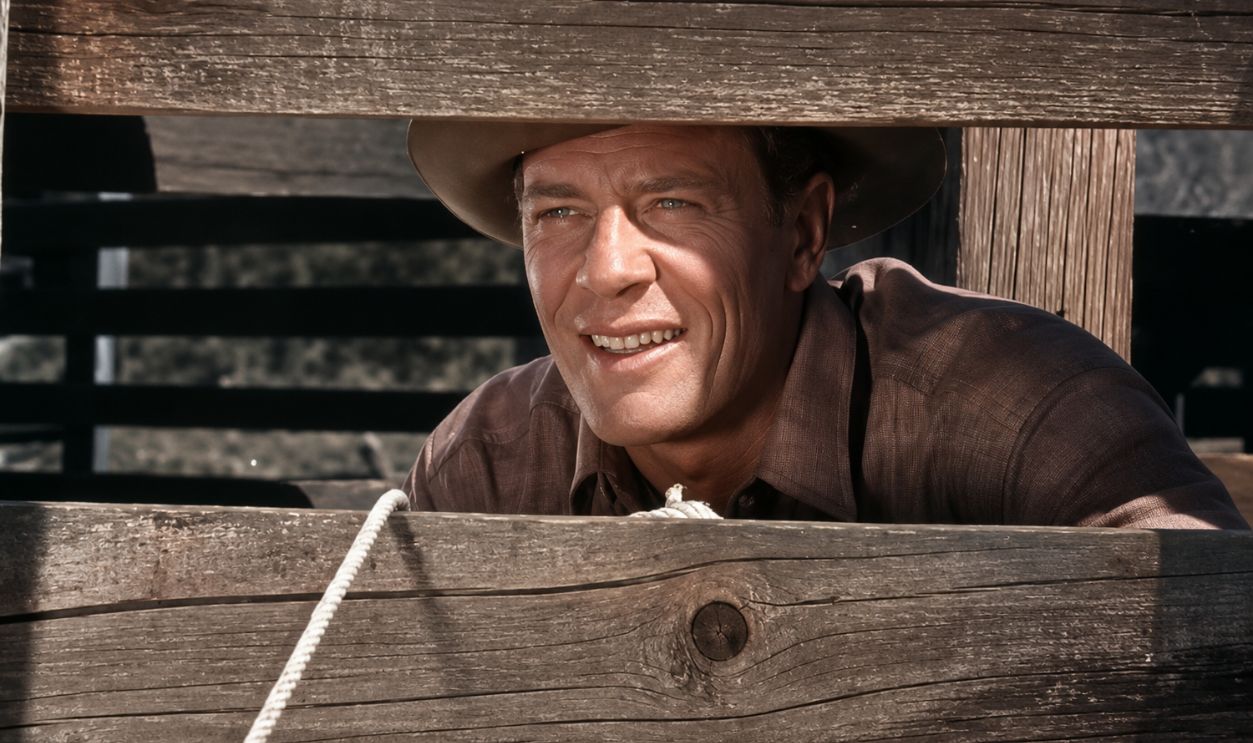 Screenshot from Fury, ITC Entertainment (1955-1960), Enhanced
Becoming The Face Of Fury
In 1955, Graves landed one of his first major television roles on NBC's Fury. He played rancher Jim Newton, the caring guardian of a young boy and owner of the famous horse Fury. The family-friendly series ran for several seasons and made him a familiar face in households across America. It was an important step toward long-term television success.
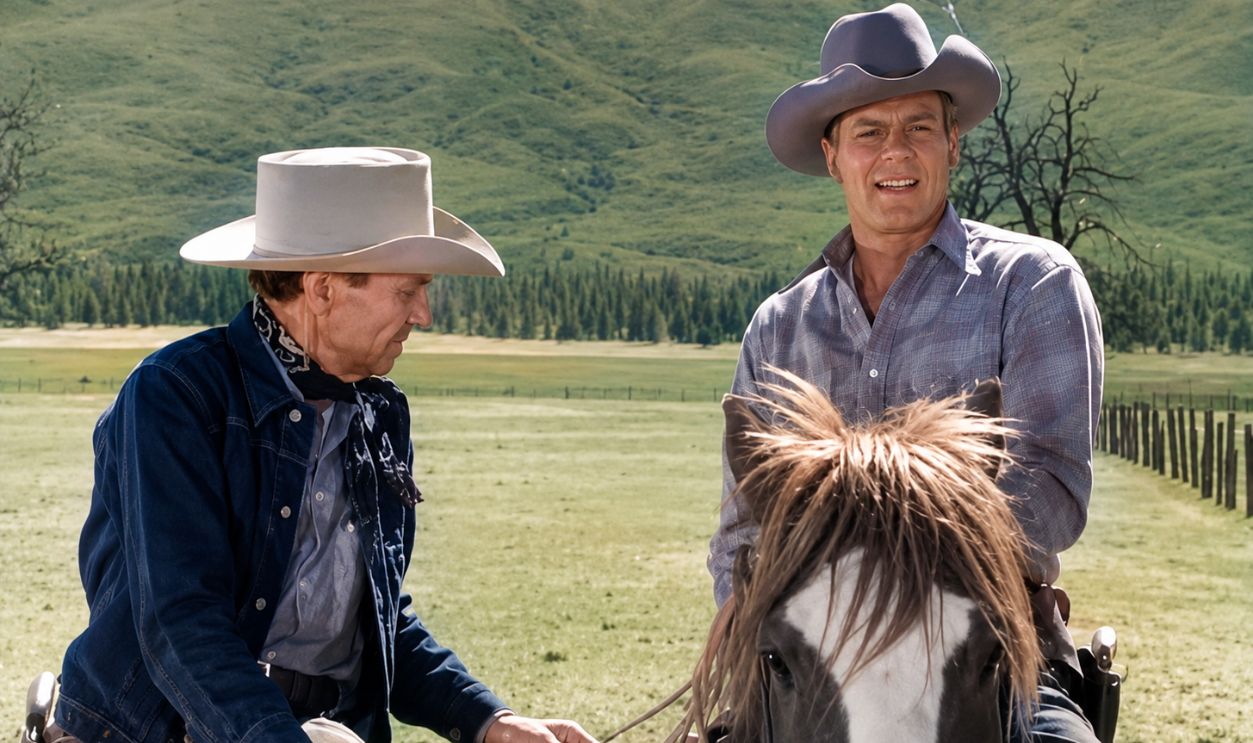 Screenshot from Fury, ITC Entertainment (1955-1960), Enhanced
Expanding His Range
After Fury, Graves avoided becoming trapped in a single type of role. He appeared in a variety of television productions, including dramas, westerns, and anthology series. These projects allowed him to showcase different sides of his acting ability. The steady work also kept him visible during a competitive era of television.
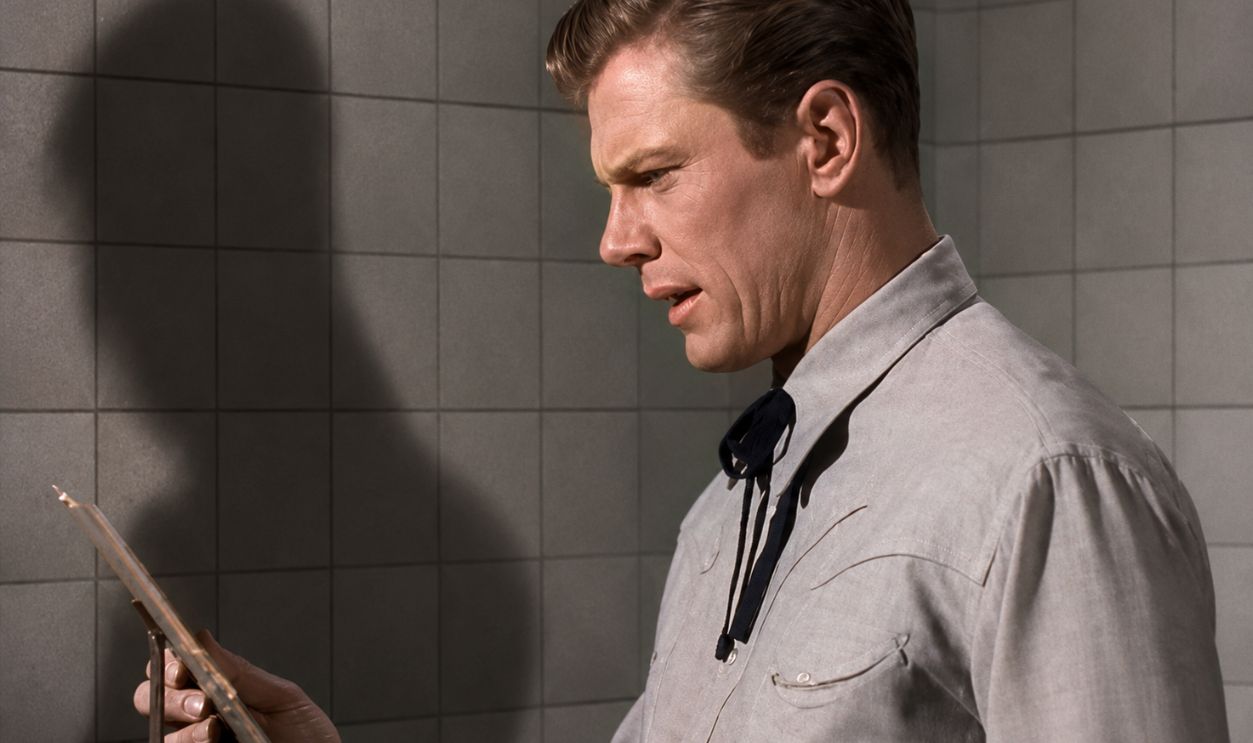 Screenshot from Fury, ITC Entertainment (1955-1960), Enhanced
Taking On International Projects
Graves expanded his career further in 1960 with the television series Whiplash. The British-Australian production gave him an opportunity to work outside the United States. He played Christopher Cobb, an American entrepreneur operating in nineteenth-century Australia. The series demonstrated his willingness to pursue challenging opportunities wherever they appeared.
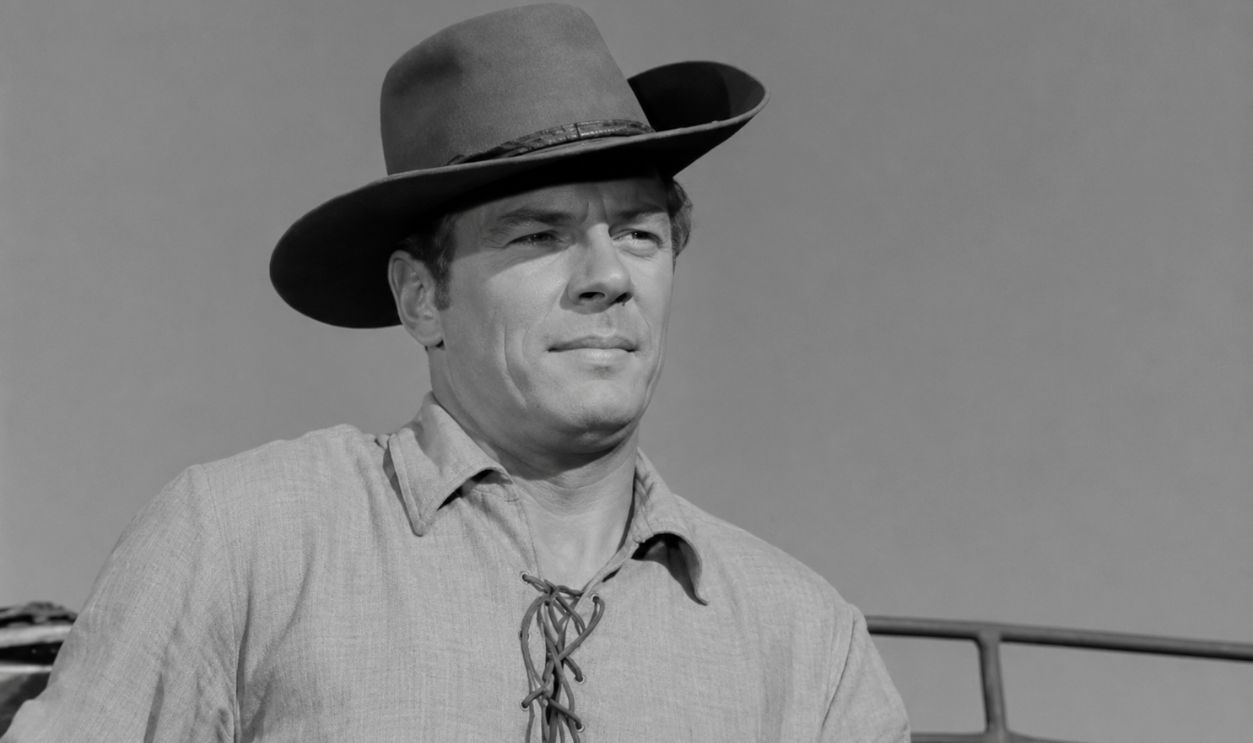 Screenshot from Whiplash, ITC Entertainment (1960-1961), Enhanced
A Familiar Guest Star
Throughout the 1960s, Graves became a frequent guest star on popular television programs. Viewers saw him on series such as Alfred Hitchcock Presents and Route 66. These appearances kept his profile high while introducing him to new audiences. Every guest role helped strengthen his reputation as a dependable performer.
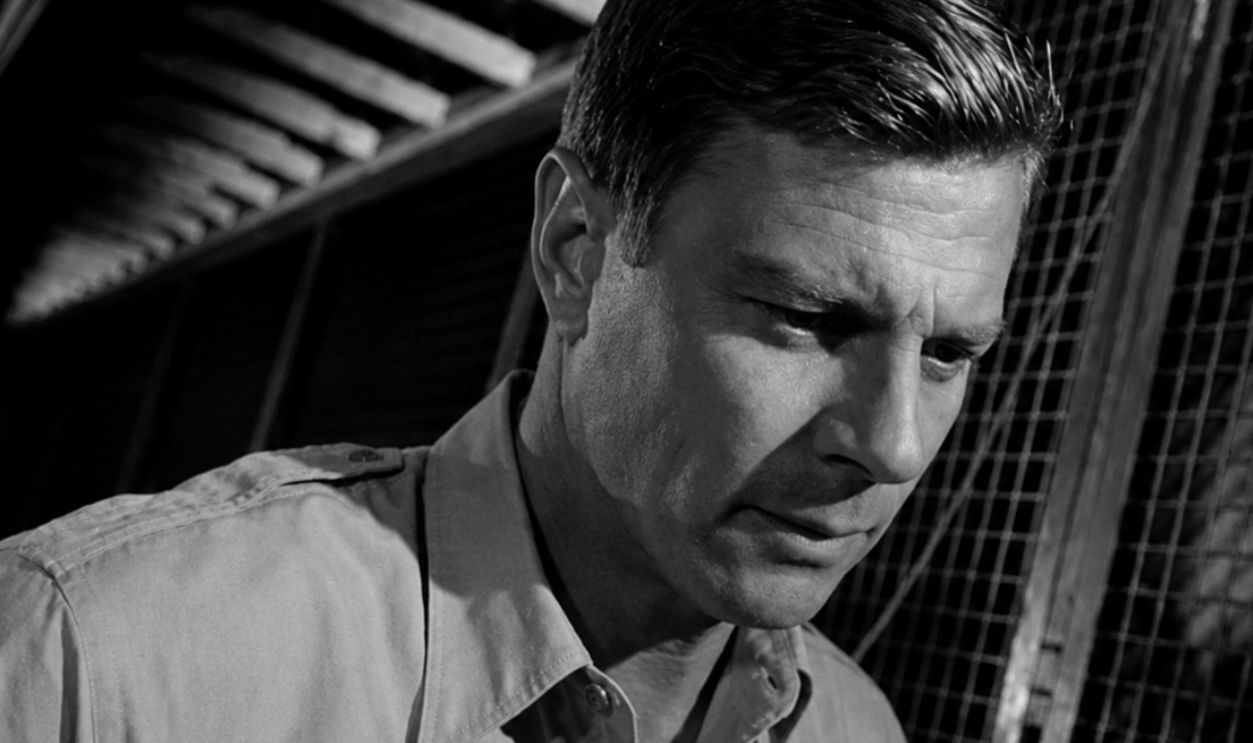 Screenshot from Route 66, CBS (1960-1964), Enhanced
The Opportunity Of A Lifetime
A major turning point arrived in 1967. Graves joined the cast of Mission: Impossible and took over the role of team leader Jim Phelps. The series was already successful, but his arrival helped define its most famous era. It became the role most closely associated with his name.
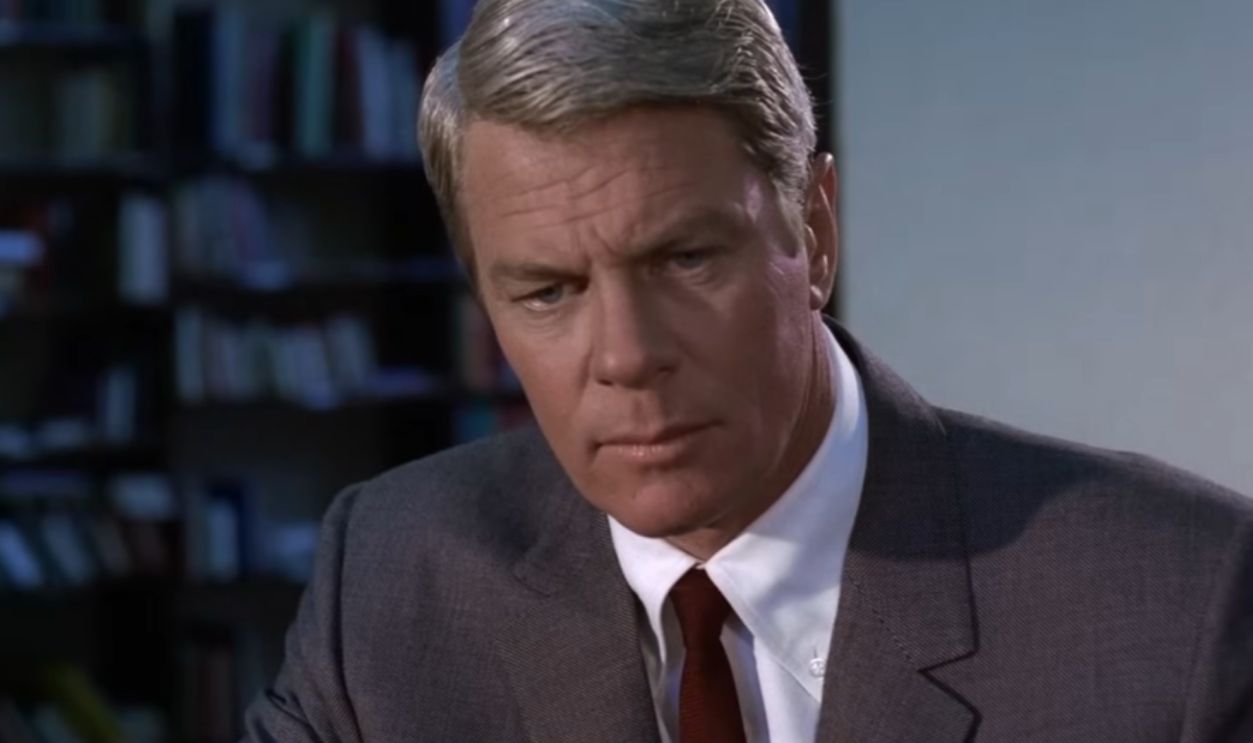 Screenshot from Mission: Impossible, Paramount Television (1966-1973)
Leading The Impossible Missions Force
As Jim Phelps, Graves portrayed the leader of the Impossible Missions Force. The character coordinated elaborate undercover operations and high-stakes missions. His composed leadership style fit the role perfectly. Audiences embraced his performance and helped make the series a television phenomenon.
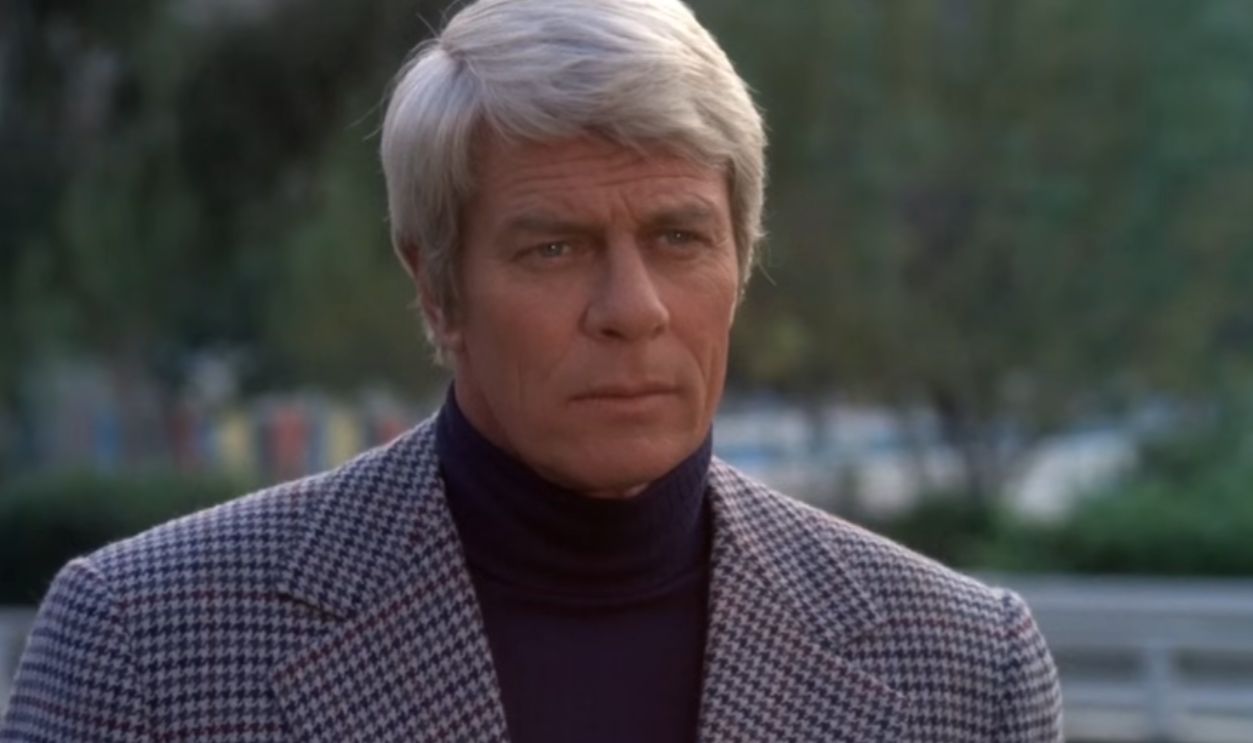 Screenshot from Mission: Impossible, Paramount Television (1966-1973)
Becoming A Household Name
Mission: Impossible elevated Graves from a familiar actor to a genuine television star. The series attracted a loyal audience and received widespread acclaim. Week after week, viewers tuned in to watch increasingly complex missions unfold. Graves became one of the most recognizable faces on television.
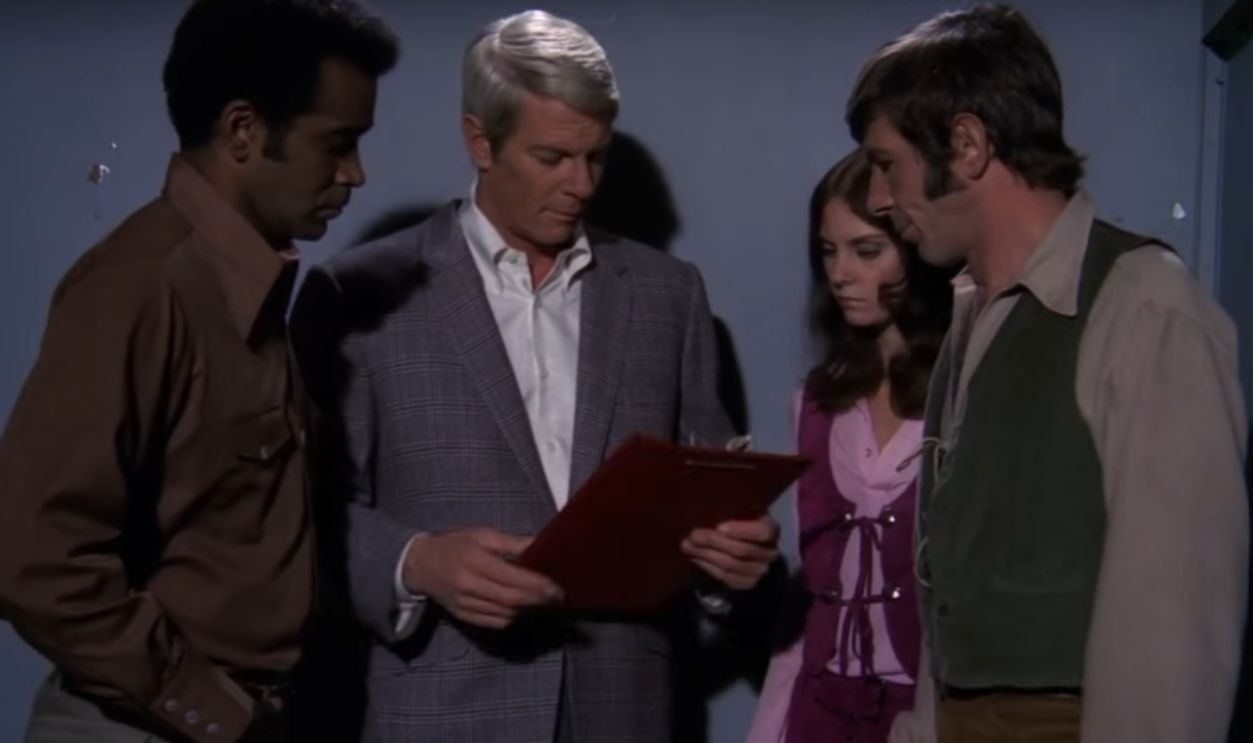 Screenshot from Mission: Impossible, Paramount Television (1966-1973)
Recognition From The Industry
The success of Mission: Impossible brought professional recognition as well. Graves won a Golden Globe Award in 1971 for his portrayal of Jim Phelps. He also earned Emmy recognition during the show's run. The honors reflected the respect he had earned from both viewers and industry professionals.
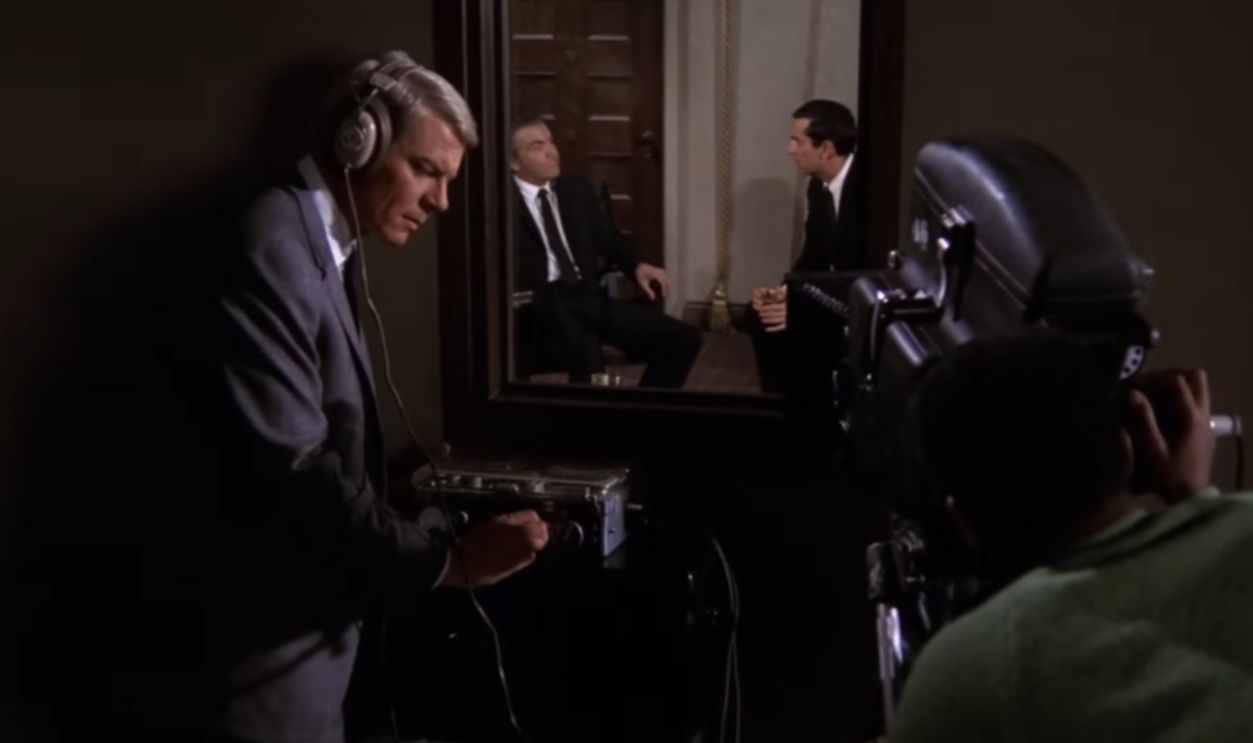 Screenshot from Mission: Impossible, Paramount Television (1966-1973)
Staying With A Hit Series
Many actors leave successful shows in search of new opportunities. Graves remained committed to Mission: Impossible throughout its original run. His presence provided continuity as other cast members came and went. That stability helped keep the series strong for years.
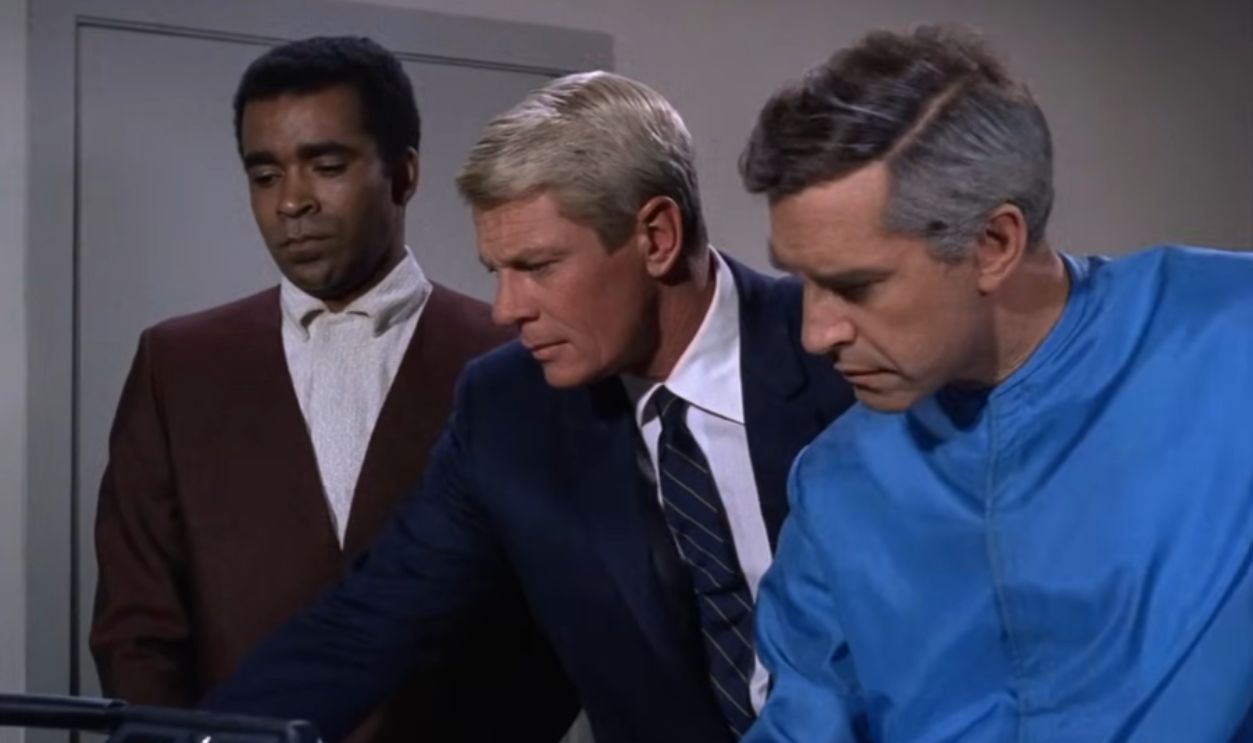 Screenshot from Mission: Impossible, Paramount Television (1966-1973)
Navigating Television Changes
The television industry changed dramatically during the 1970s. New formats, new stars, and new trends emerged. Graves adapted by taking on a variety of projects rather than relying on past successes. His willingness to evolve allowed him to remain relevant.
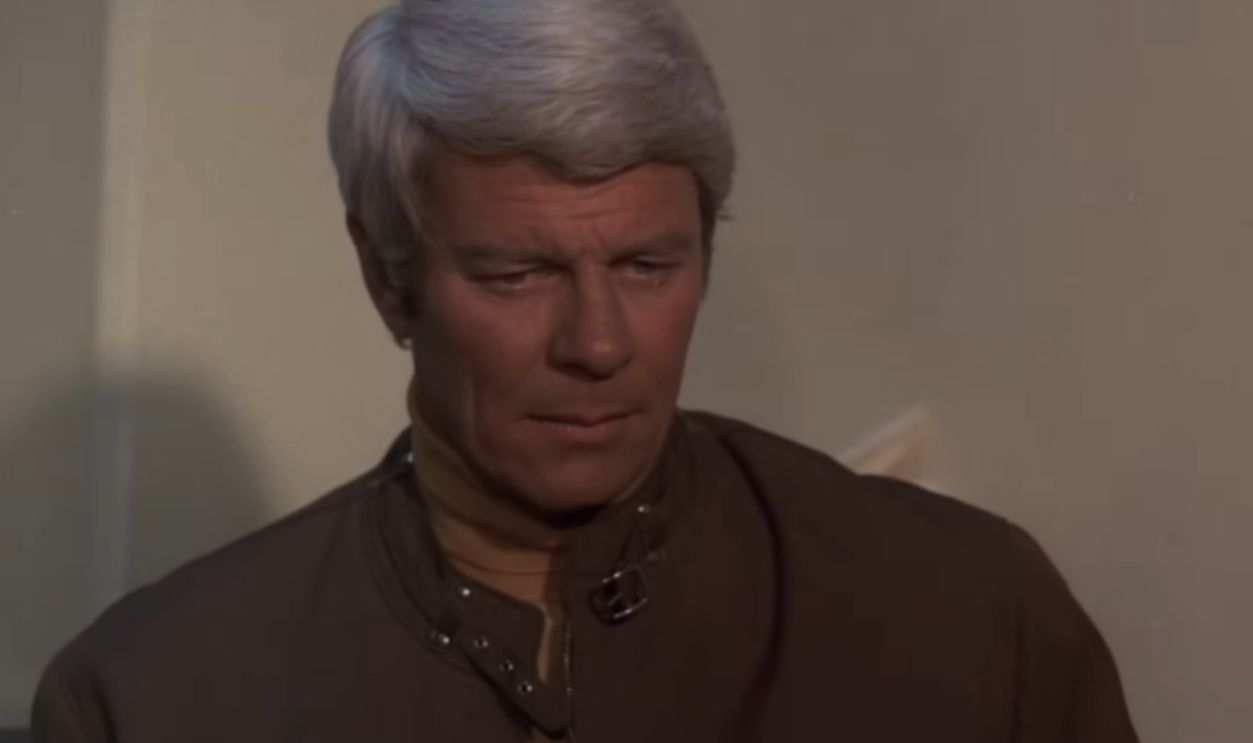 Screenshot from Mission: Impossible, Paramount Television (1966-1973)
Entering The Miniseries Era
In the 1980s, Graves became part of another television milestone. He appeared in the acclaimed ABC miniseries The Winds of War. The production attracted enormous audiences and became one of the most-watched miniseries of its time. His role introduced him to a new generation of viewers.
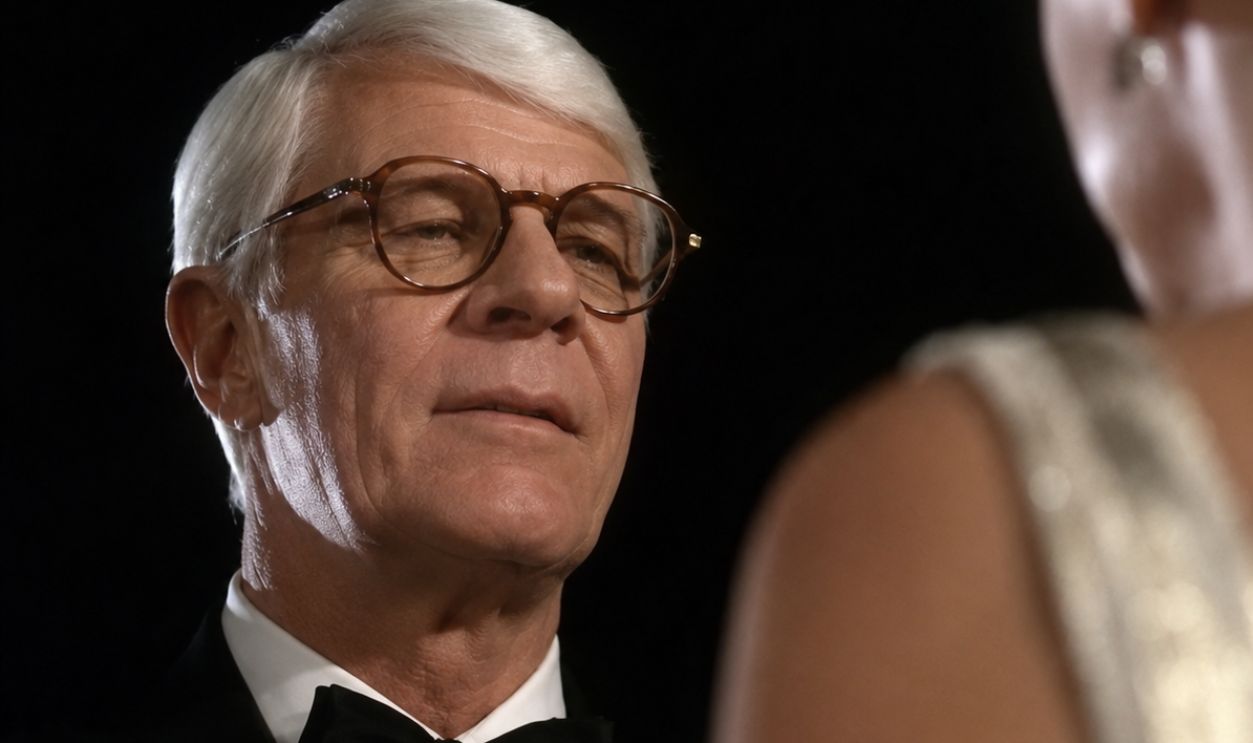 Screenshot from The Winds of War, ABC (1983), Enhanced
Returning For War And Remembrance
Graves later reprised his role in War and Remembrance. The sequel continued the story and earned praise for its ambitious storytelling. Appearing in both productions reinforced his standing as a respected television veteran. It also demonstrated his ability to thrive in prestige television projects.
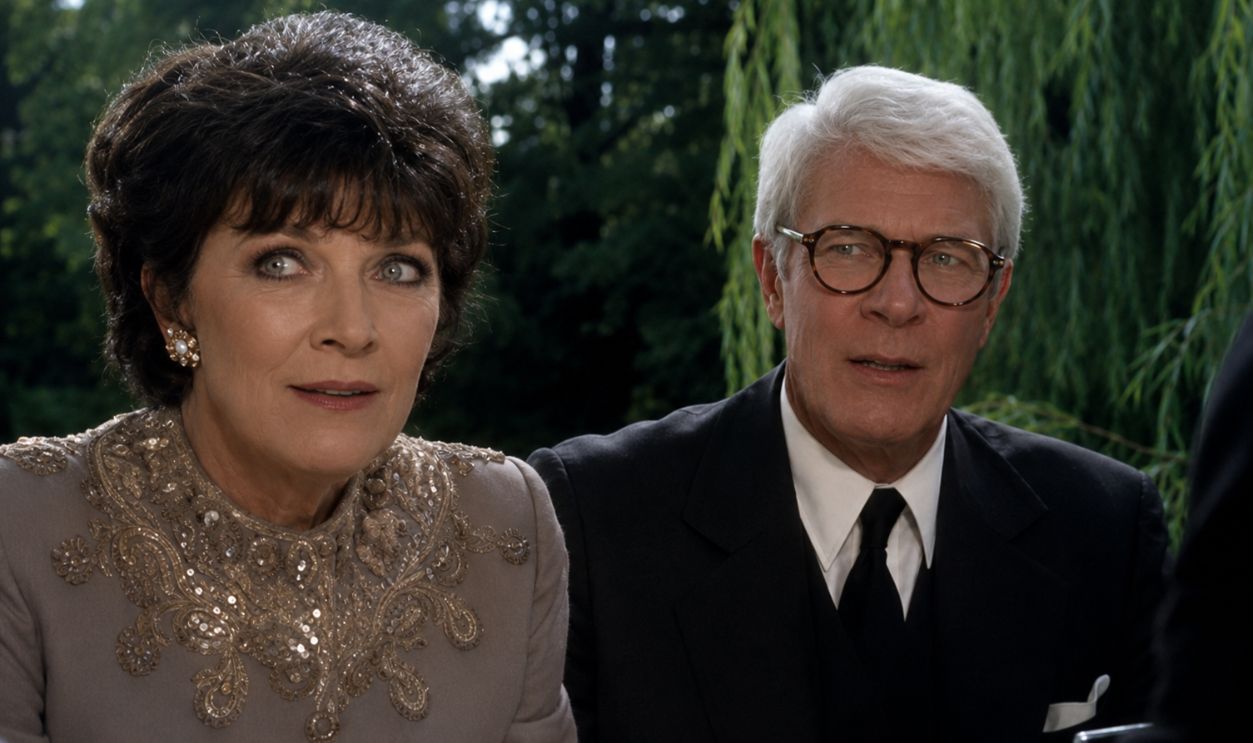 Screenshot from The Winds of War, ABC (1983), Enhanced
Revealing His Comedic Side
Although known for serious roles, Graves surprised audiences with his performance in the 1980 comedy Airplane!. His portrayal of Captain Clarence Oveur became one of the film's most memorable elements. The role showed he possessed strong comedic timing. It also broadened public perceptions of his talent.
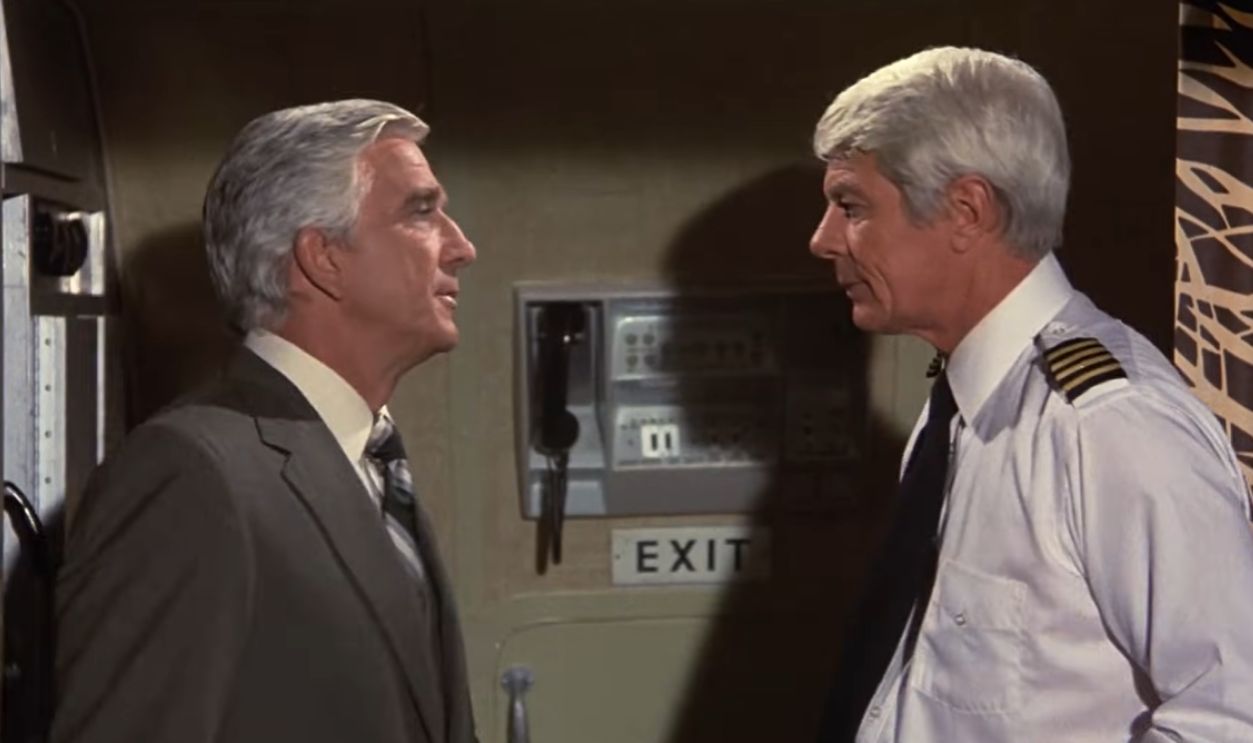 Screenshot from Airplane!, Paramount Pictures (1980)
A Return To His Signature Character
Television audiences welcomed Graves back to Mission: Impossible in 1988. The revival series brought Jim Phelps back into action after many years away. Graves was the only original cast member to return as a regular. His involvement gave the new version credibility and continuity.
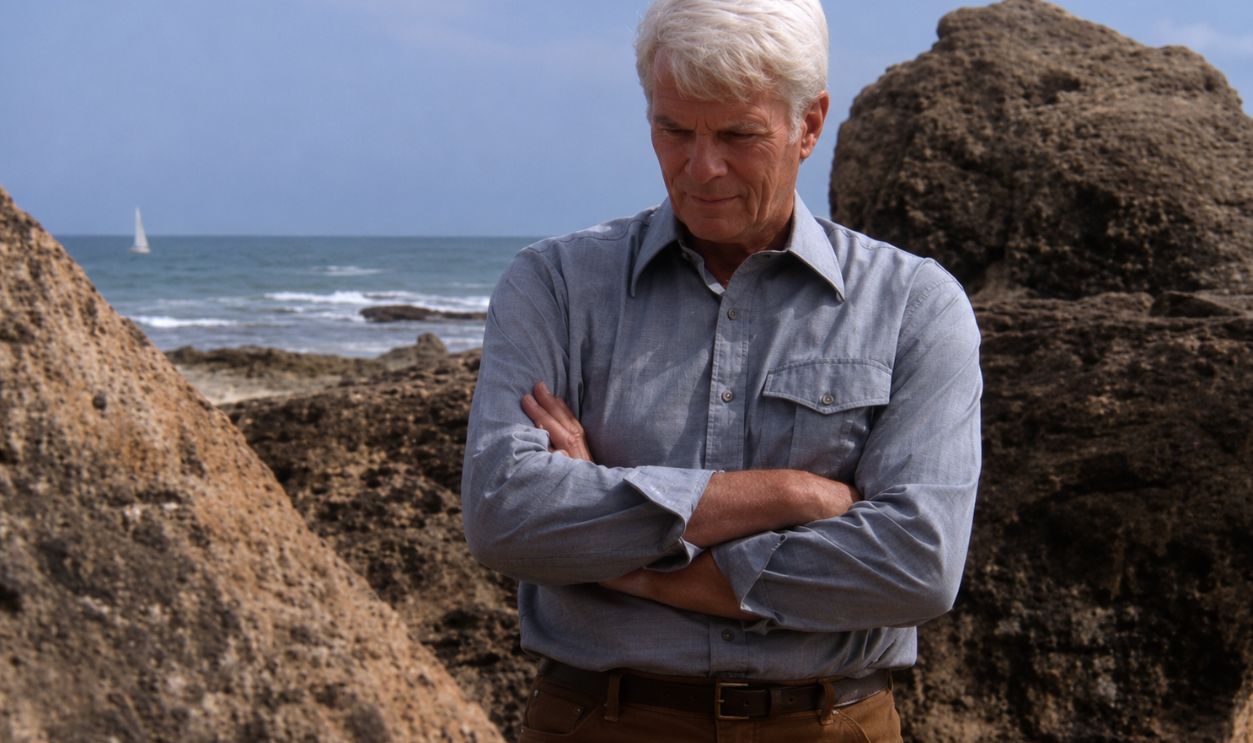 Screenshot from Mission: Impossible, Paramount Domestic Television (1988-1990), Enhanced
Connecting Two Television Eras
The revival allowed Graves to bridge two different generations of television viewers. Fans of the original series enjoyed seeing him return, while younger audiences discovered the character for the first time. Few actors successfully revive a signature role decades later. Graves managed the feat with ease.
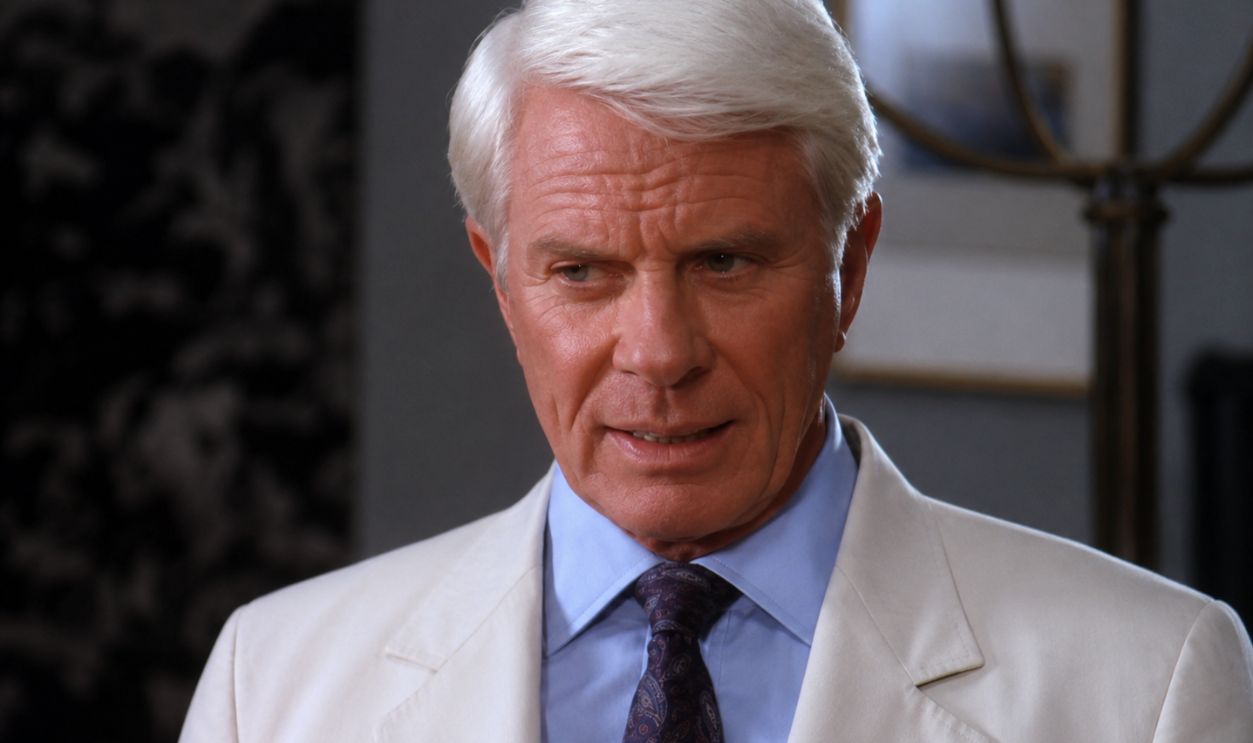 Screenshot from Mission: Impossible, Paramount Domestic Television (1988-1990), Enhanced
Becoming A Respected Host
During the 1990s, Graves found another successful television identity. He became the host and narrator of A&E's Biography. His distinctive voice and trustworthy presence proved ideal for documentary storytelling. The role introduced him to viewers who knew little about his earlier acting work.
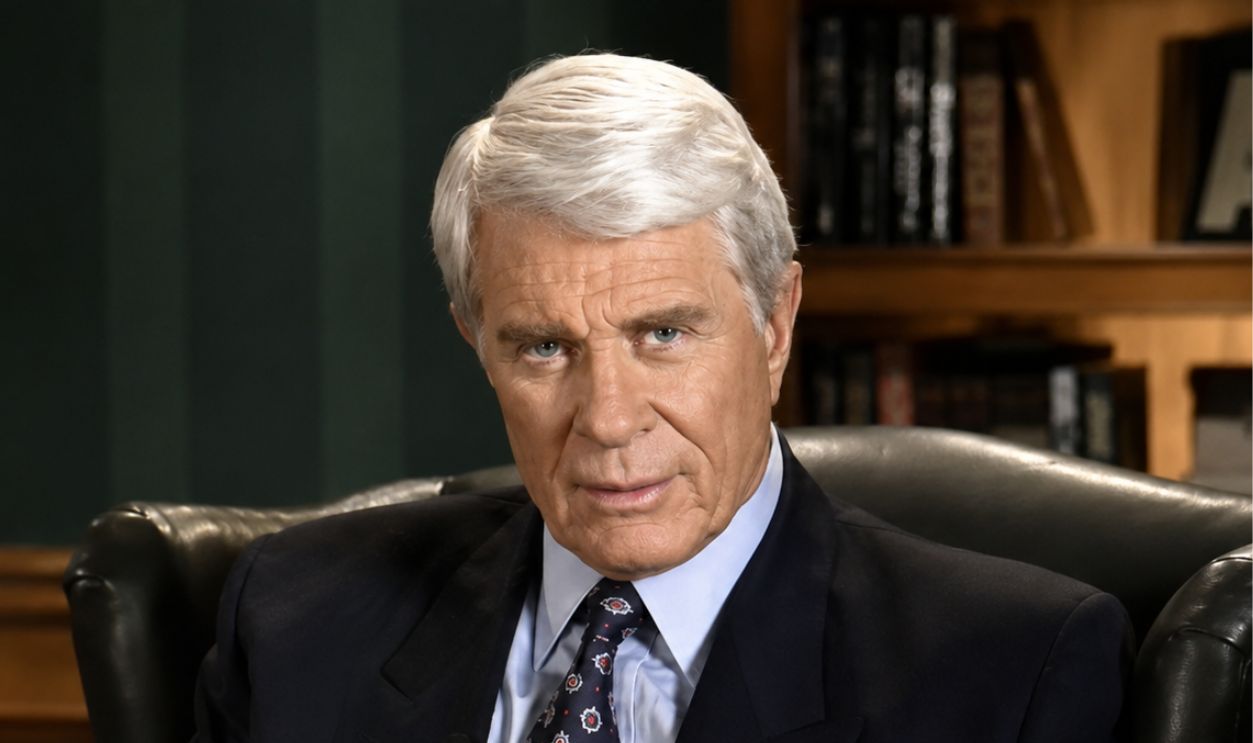 Screenshot from Biography, A&E Networks (1987 to 2006), Enhanced
The Voice Of Biography
For many viewers, Graves became synonymous with Biography. He guided audiences through stories about entertainers, politicians, athletes, and historical figures. His narration style was informative without being overly dramatic. That approach helped make the series a long-running success.
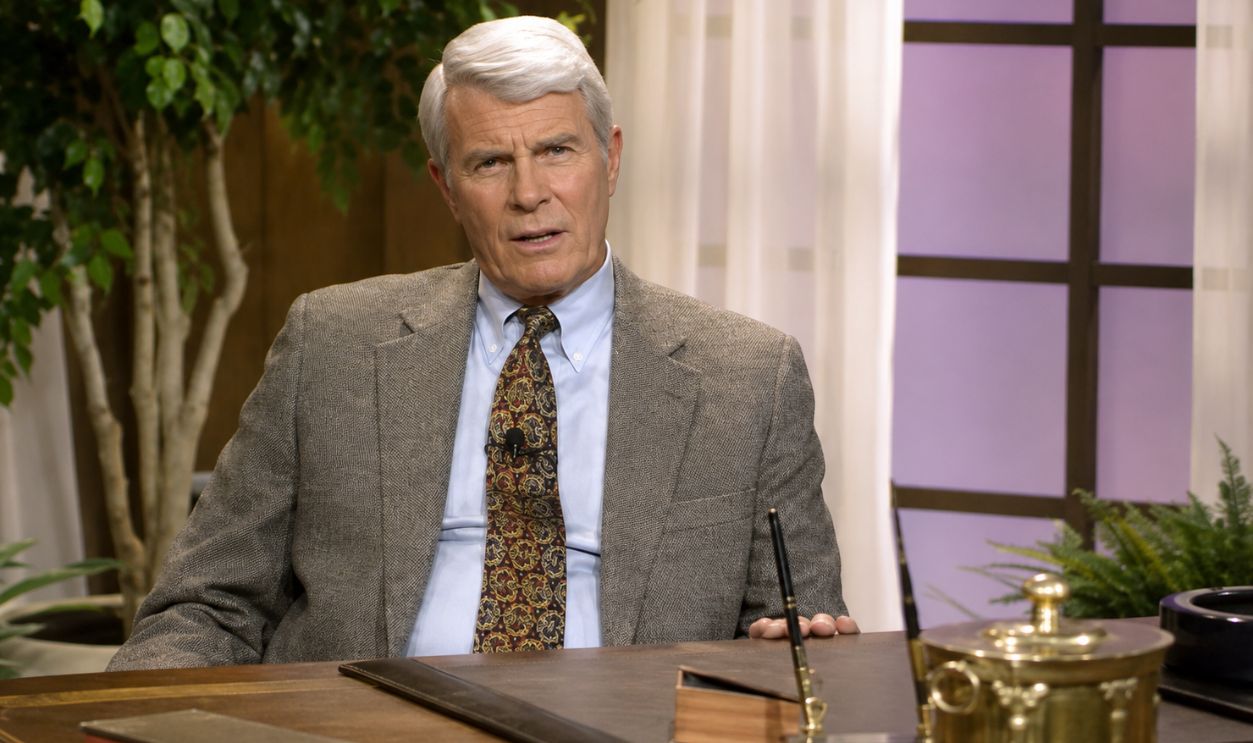 Screenshot from Biography, A&E Networks (1987 to 2006), Enhanced
Winning An Emmy Again
Graves' work on Biography earned major recognition. In 1997, the program won the Primetime Emmy Award for Outstanding Informational Series. The achievement highlighted his ability to succeed in a completely different television format. Decades into his career, he was still collecting major honors.
Remaining Active Late In Life
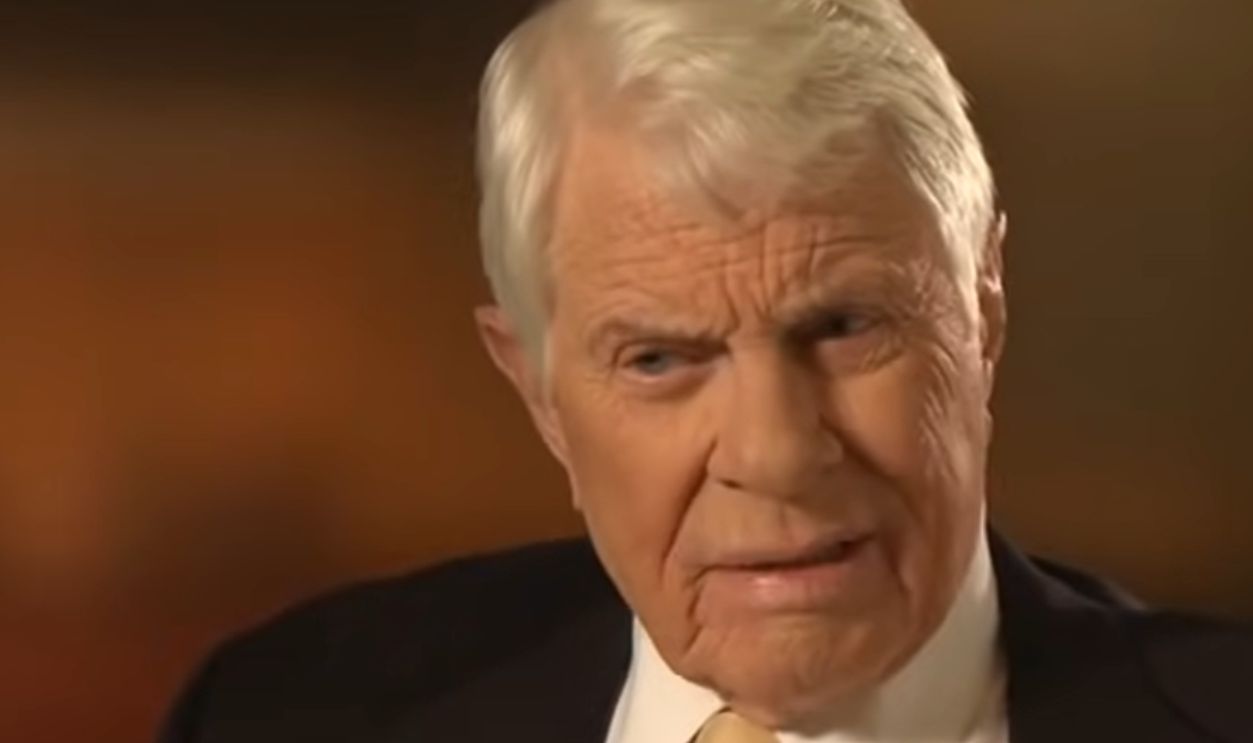
Many performers gradually disappear from the spotlight as they age. Graves remained active in television and film well into his later years. He continued appearing in guest roles and special projects. His steady workload reflected the respect he had earned throughout the industry.
 Screenshot from Biography, A&E Networks (1987 to 2006), Enhanced
Earning Hollywood Recognition
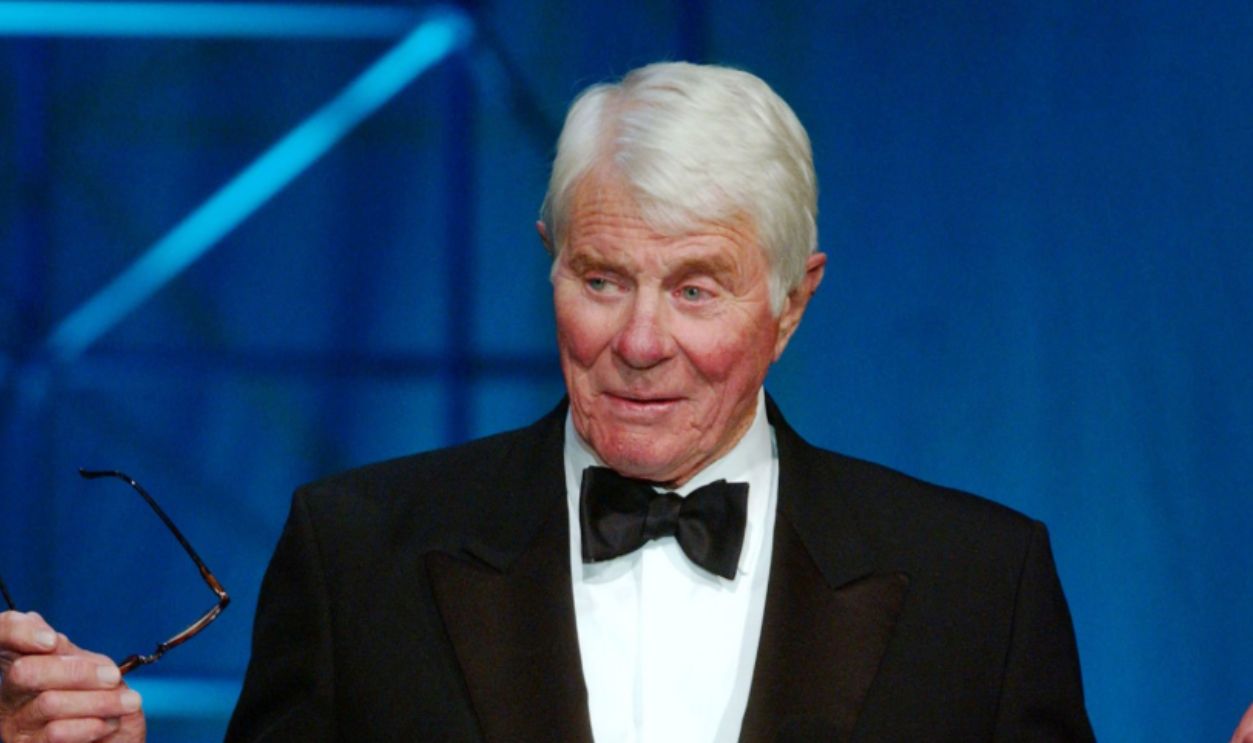
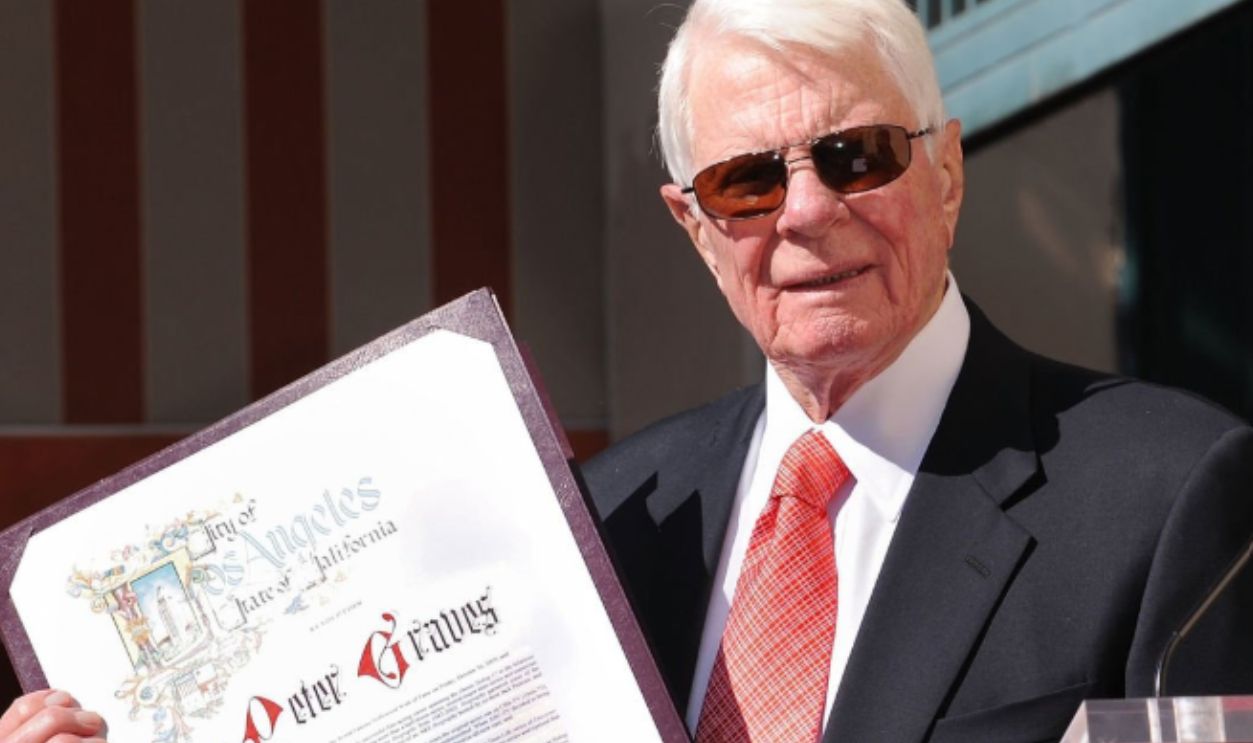
In 2009, Graves received a star on the Hollywood Walk of Fame. The honor celebrated a career that had spanned more than half a century. It recognized both his acting achievements and his broader contributions to television. The ceremony served as a fitting tribute to his enduring popularity.
 Kristian Dowling, Getty Images
A Legacy Built On Consistency
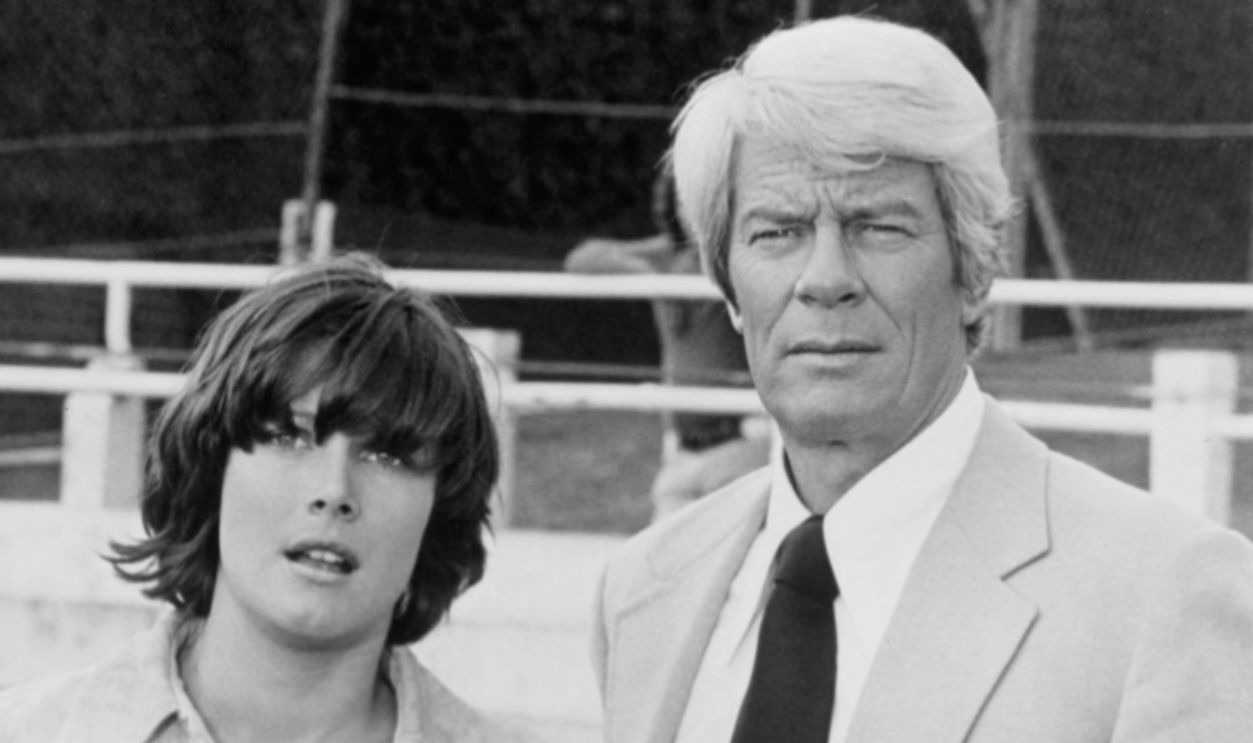
Unlike some stars who relied on a single breakout moment, Graves built his career through consistency. He delivered reliable performances across decades and genres. Producers knew they could count on him, and audiences appreciated his professionalism. That reputation helped sustain his remarkable longevity.
 Michael Ochs Archives, Getty Images
Why Peter Graves Endured
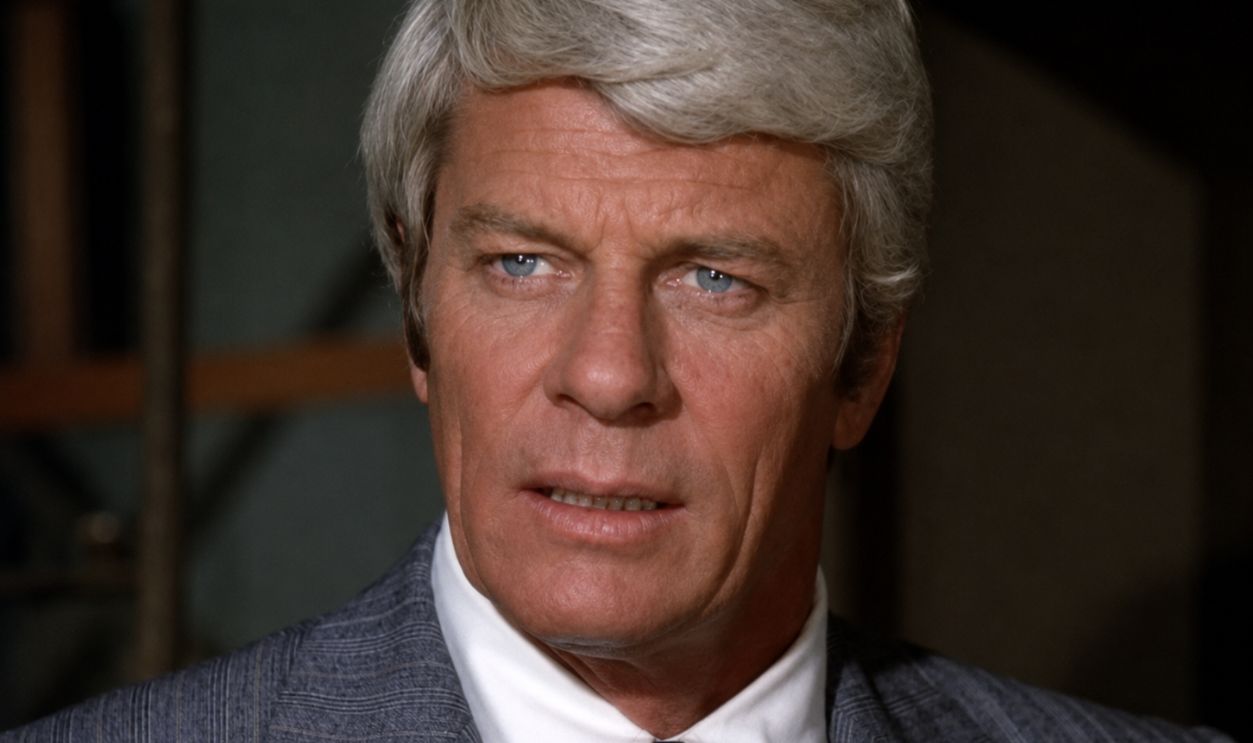
Peter Graves succeeded because he adapted without losing what made him distinctive. He moved from westerns to spy dramas, from comedy to documentaries, and from network television to cable programming. Throughout those changes, he remained a reassuring and recognizable presence. That rare combination allowed him to build a television career that lasted for decades.
 Screenshot from Mission: Impossible, Paramount Television (1966-1973)
You May Also Like:
How Ernest Borgnine Built One of Hollywood's Longest Careers
Whose fault was Frank Sinatra and Ava Gardner's messy divorce?