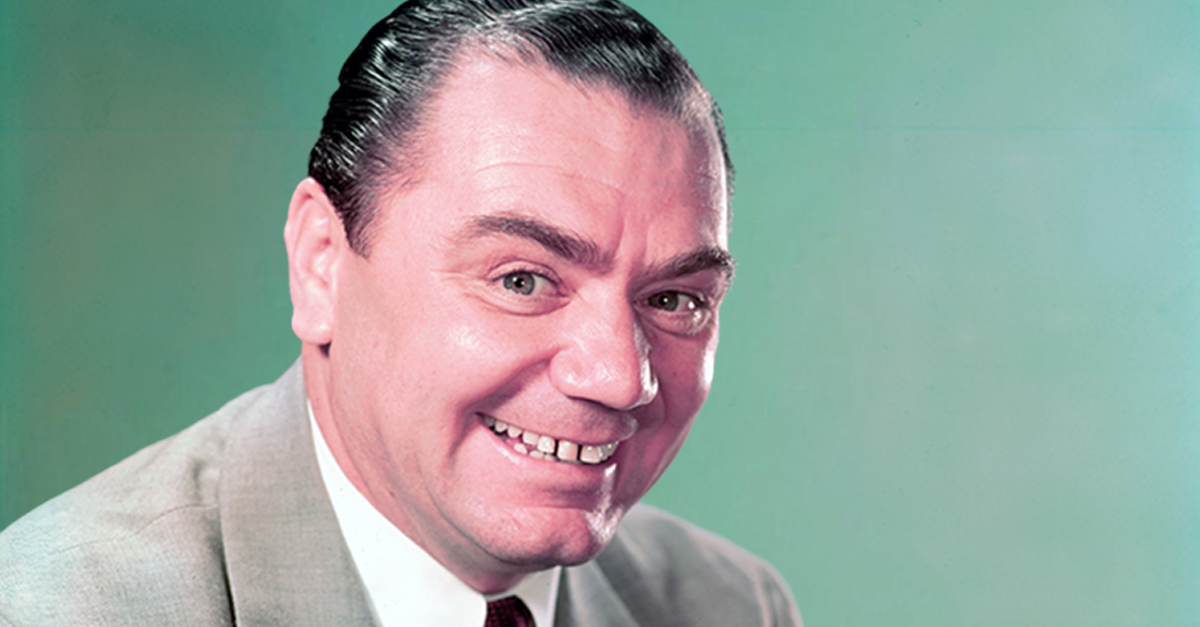
A Career That Refused To Slow Down
Hollywood careers often burn bright and fade fast, but Ernest Borgnine was the exception. For more than six decades, he kept finding new audiences through movies, television, and even animated classics. By the time he died in 2012 at age 95, he had become one of the industry's most beloved and enduring stars.
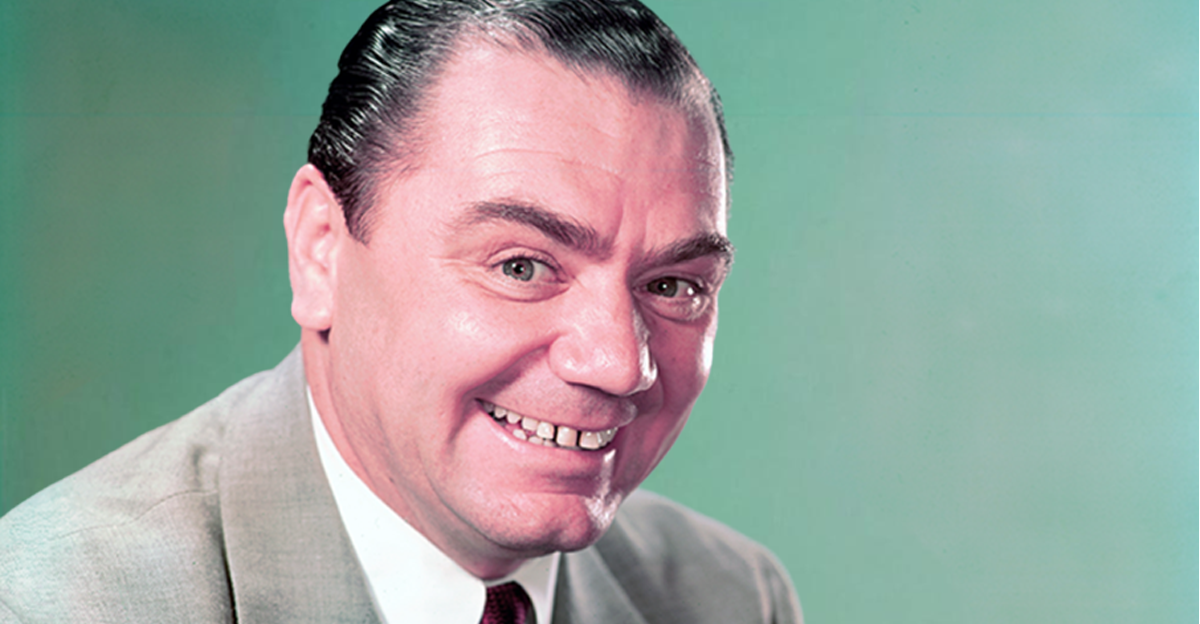 Silver Screen Collection, Getty Images
He Started Far From Hollywood
Borgnine was born Ermes Effron Borgnino on January 24, 1917, in Hamden, Connecticut. His parents were Italian immigrants, and his family later changed its surname to Borgnine. His early life did not point directly toward acting, which makes his later career even more remarkable.
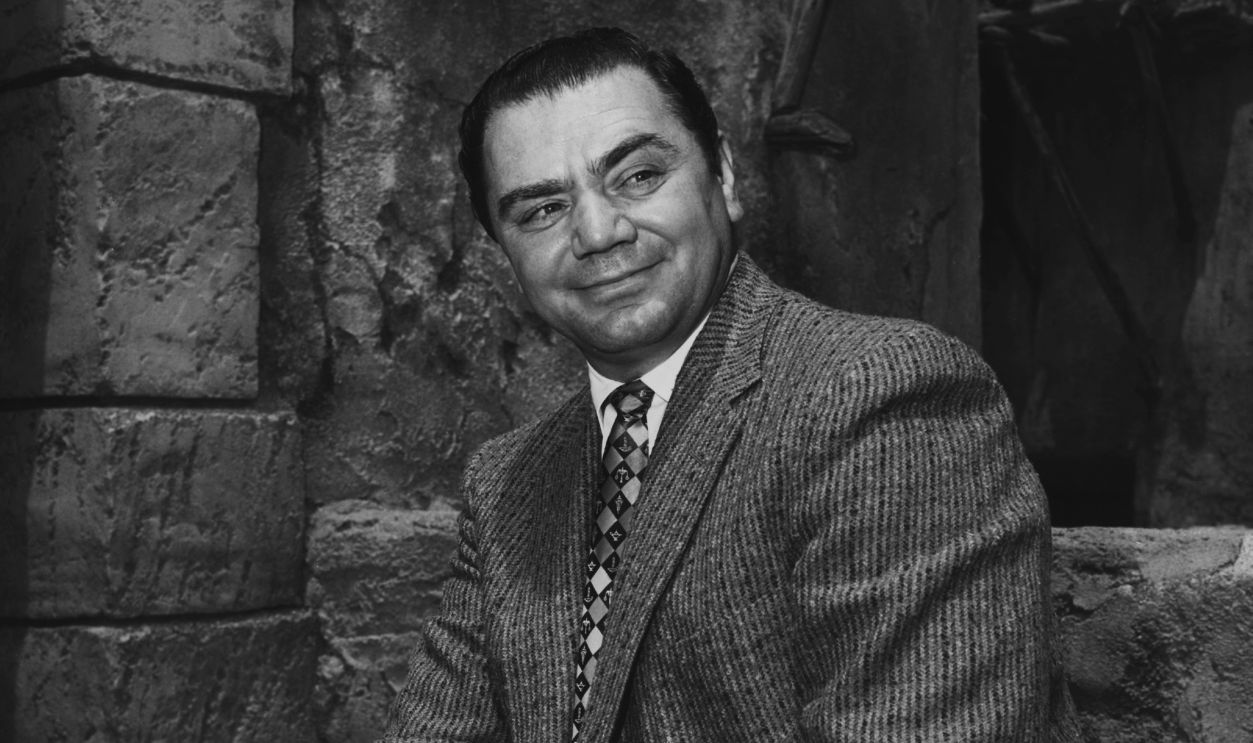 Pictorial Parade, Getty Images
The Navy Shaped His Discipline
After high school, Borgnine joined the United States Navy in 1935. He left the service in 1941, then re-enlisted after the United States entered World War II. By the time he was discharged in 1945, he had risen to gunner’s mate first class.
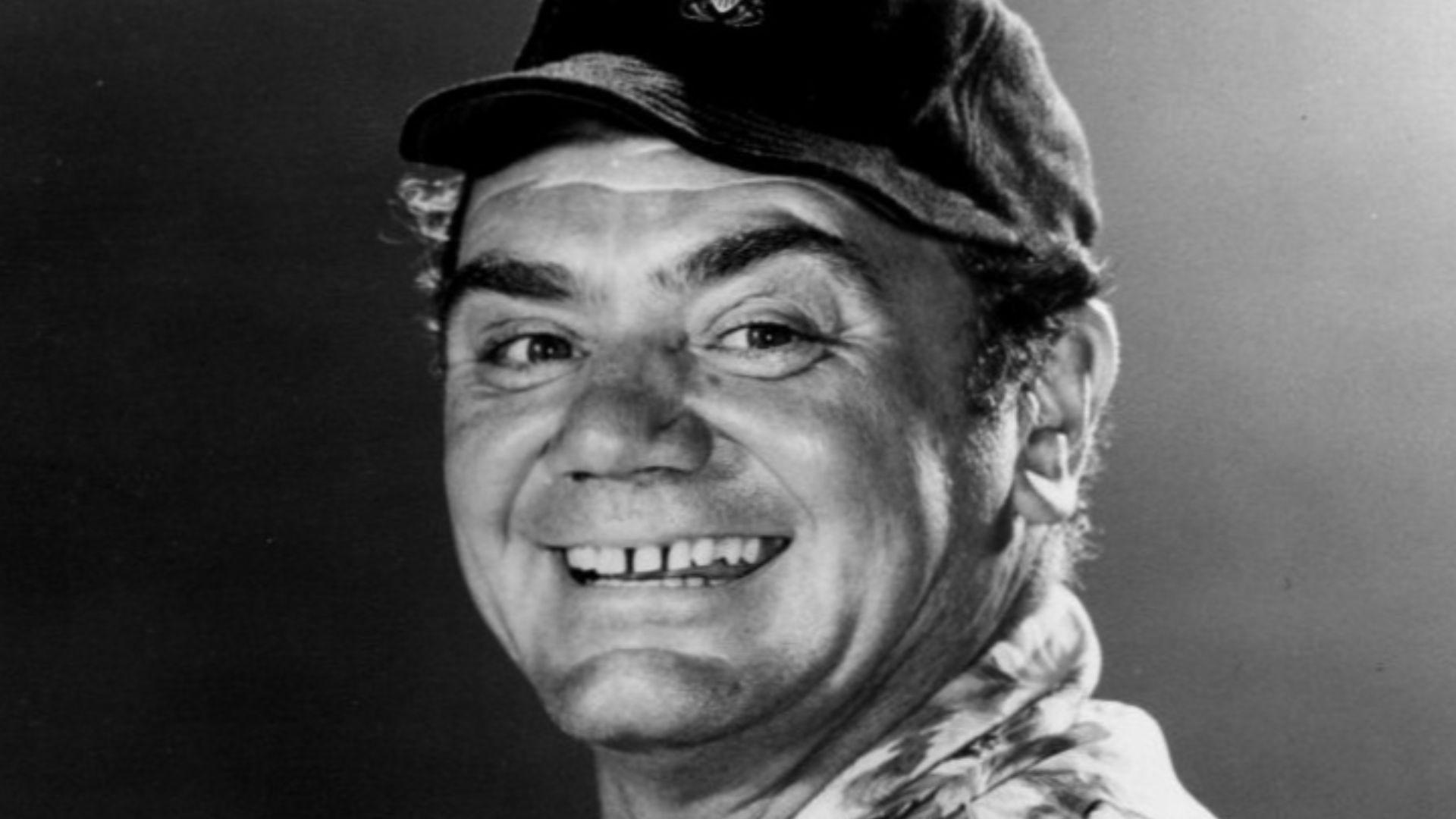 Milburn McCarty, Wikimedia Commons
His Mother Gave Him The Push
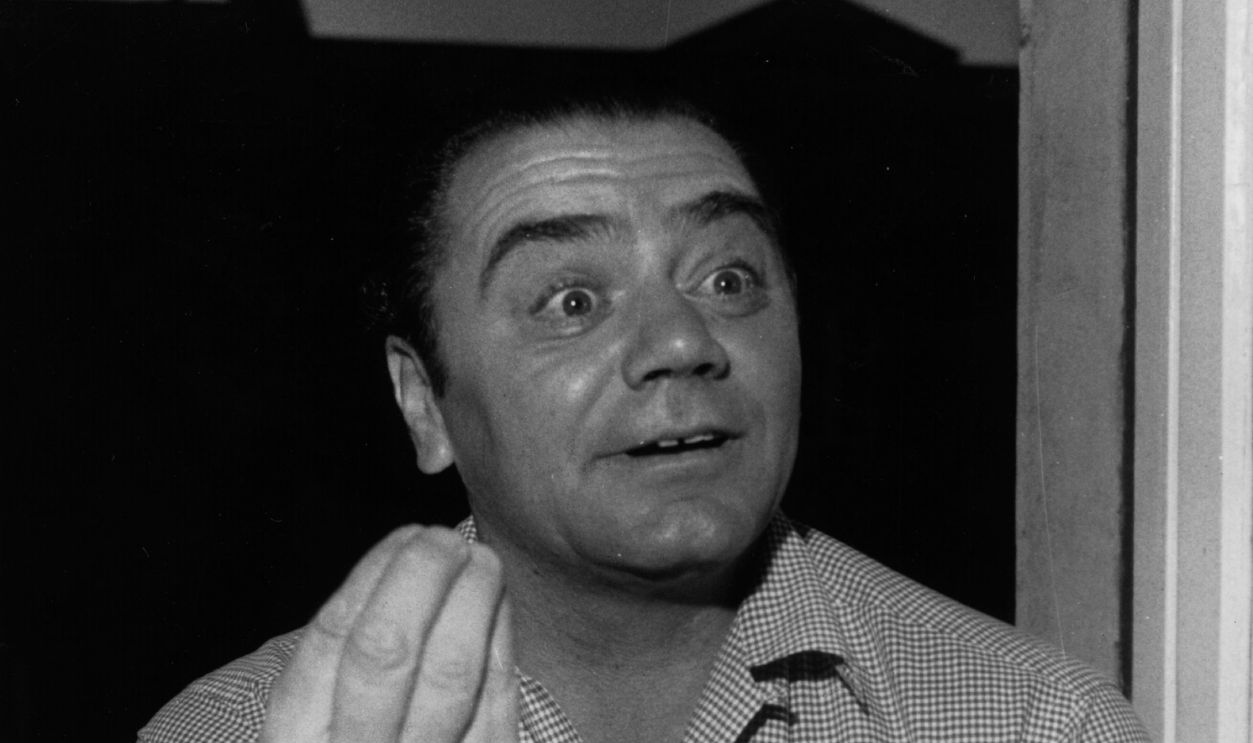
After the war, Borgnine was unsure what to do next. His mother encouraged him to try acting because she believed his personality suited the stage. He used the G.I. Bill to study at the Randall School in Hartford, Connecticut.
The Stage Taught Him Everything
Borgnine joined the Barter Theatre in Abingdon, Virginia, in 1946. He worked backstage before earning roles in stage productions. That practical training helped him become the kind of actor who could make almost any part feel lived-in.
Broadway Opened The Door
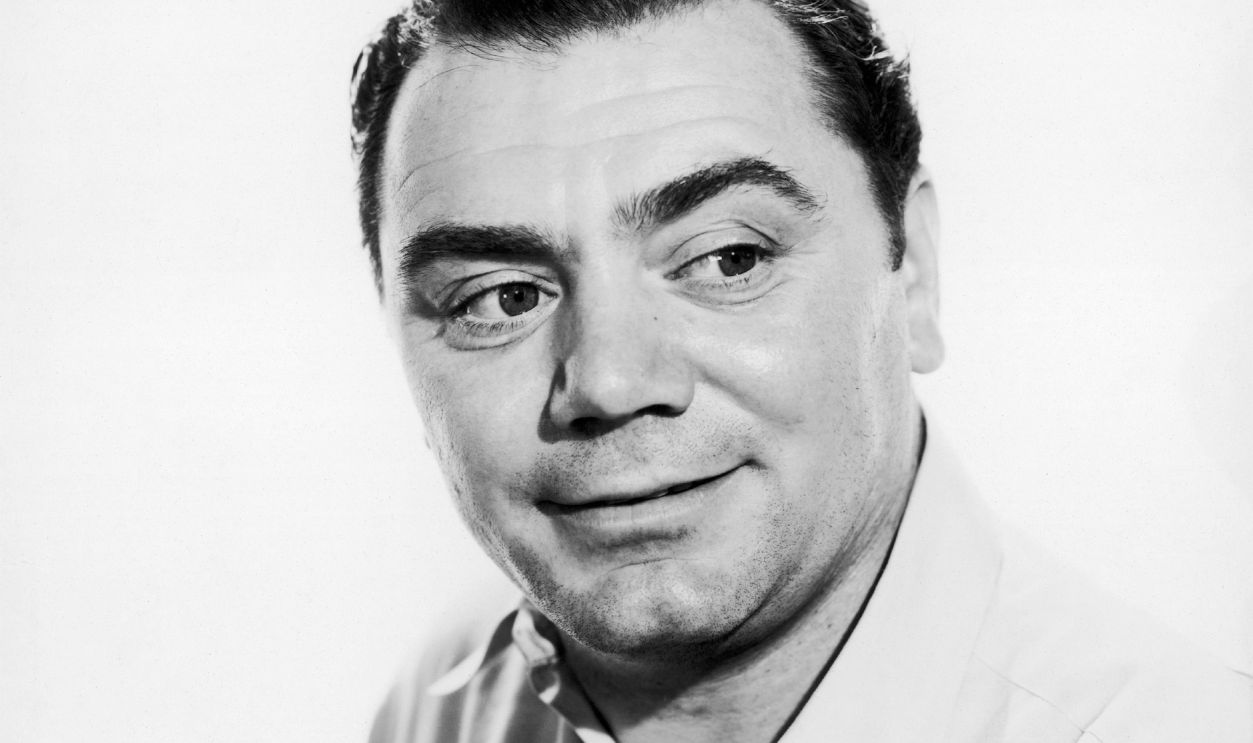
Borgnine eventually made his way to New York where he had his Broadway debut in the role of a nurse in the play Harvey. His stage work gave him credibility before Hollywood fully noticed him. It also trained him to treat every role as real work, whether the part was large or small.
Hollywood First Saw The Heavy
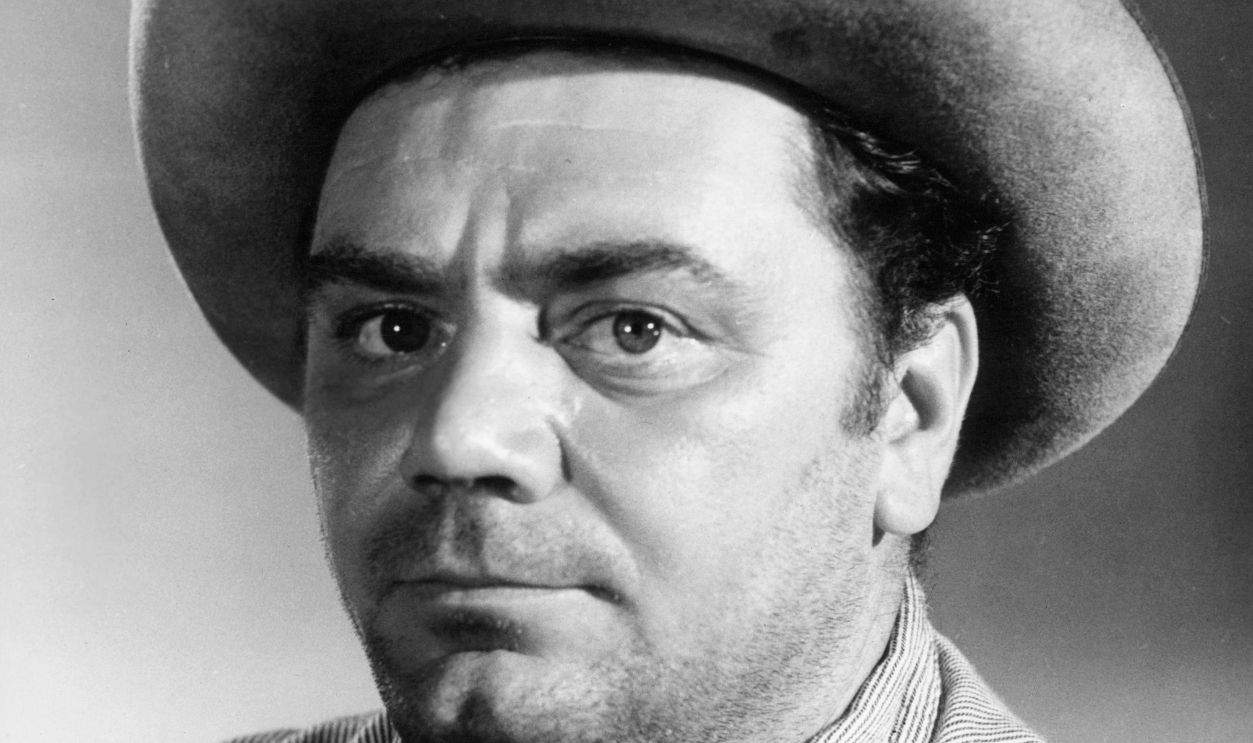
Borgnine’s early film roles often used his imposing look and rough energy. In From Here To Eternity, he played the cruel stockade sergeant Fatso Judson. The role made audiences notice him, even if it also risked typecasting him as a bully.
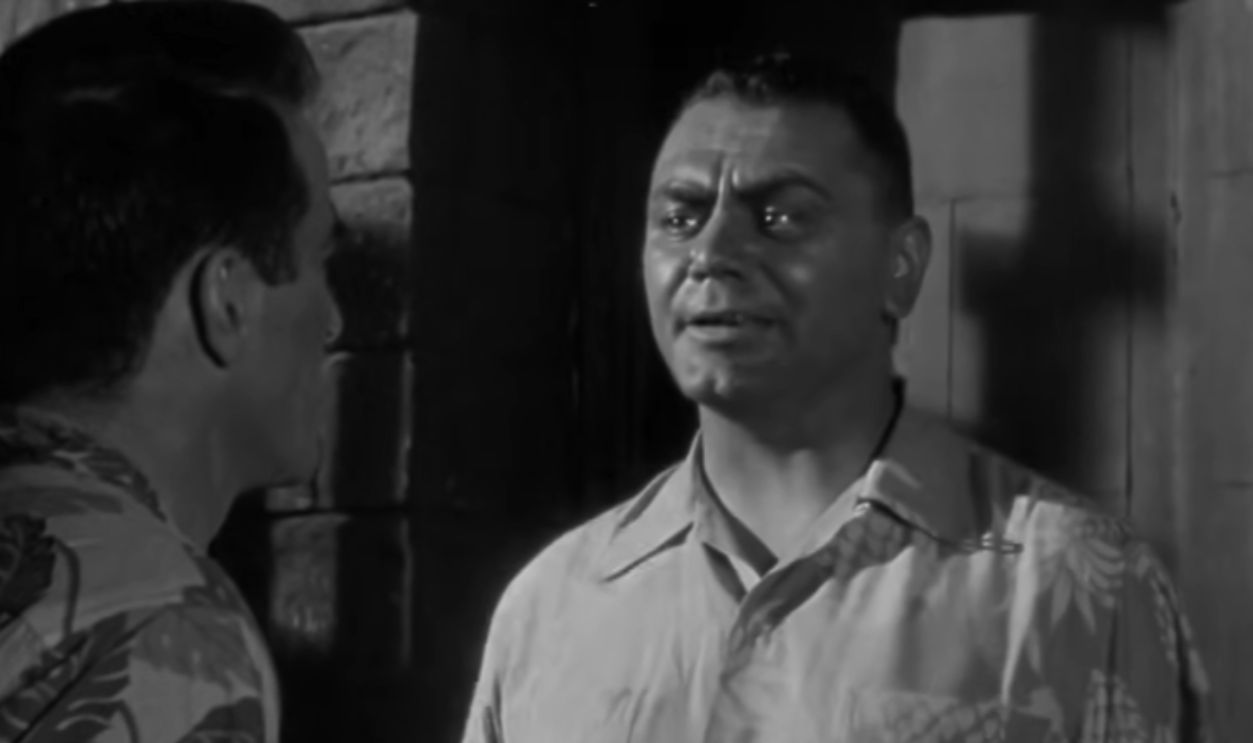 Screenshot from From Here to Eternity, Columbia Pictures (1953)
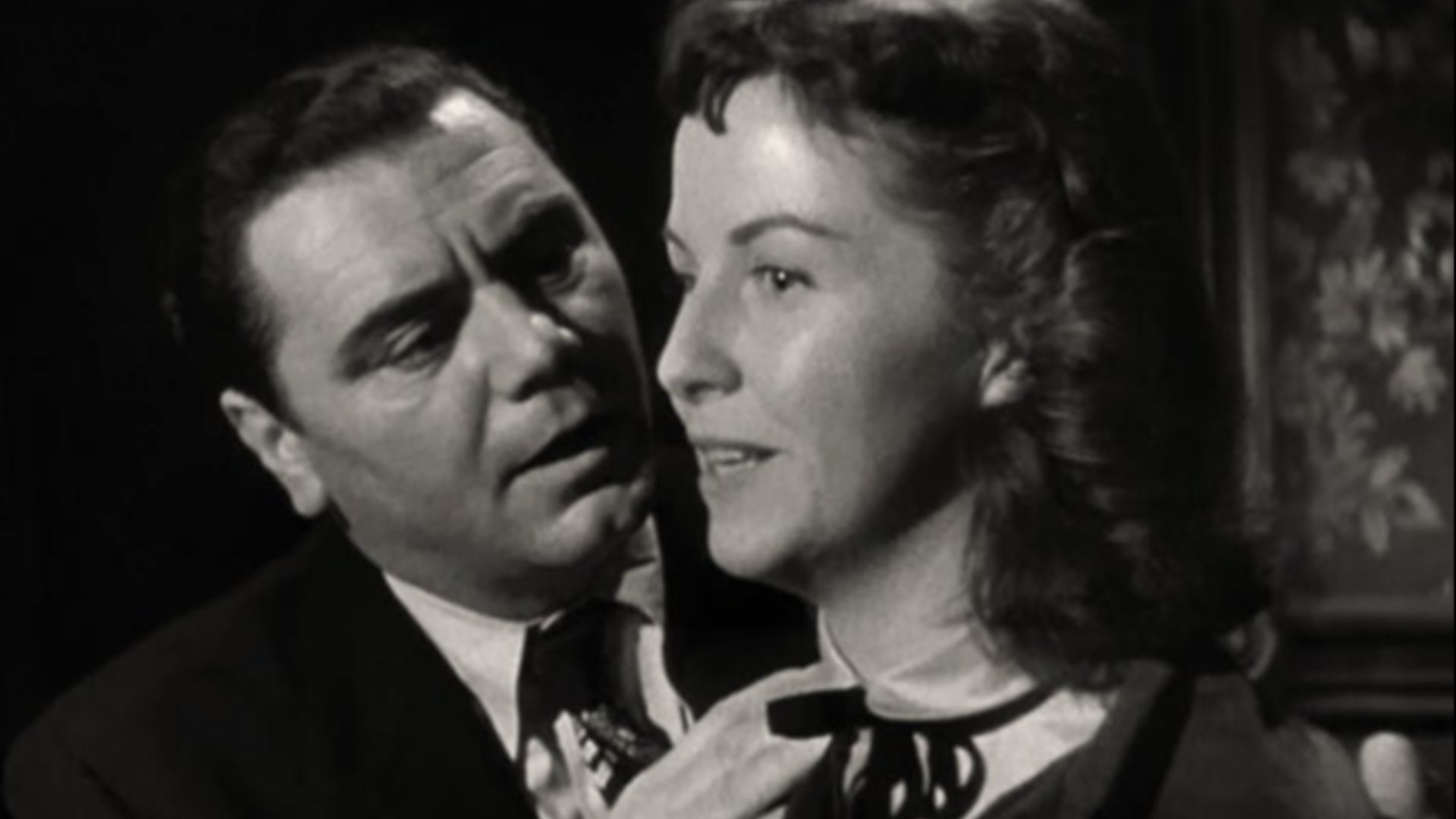
Marty Changed Everything
In 1955, Borgnine starred in Marty as Marty Piletti, a lonely Bronx butcher looking for love. The role showed a tenderness that surprised viewers who knew him mainly from tougher parts. It became the performance that transformed his career.
 trailer screenshot (United Artists), Wikimedia Commons
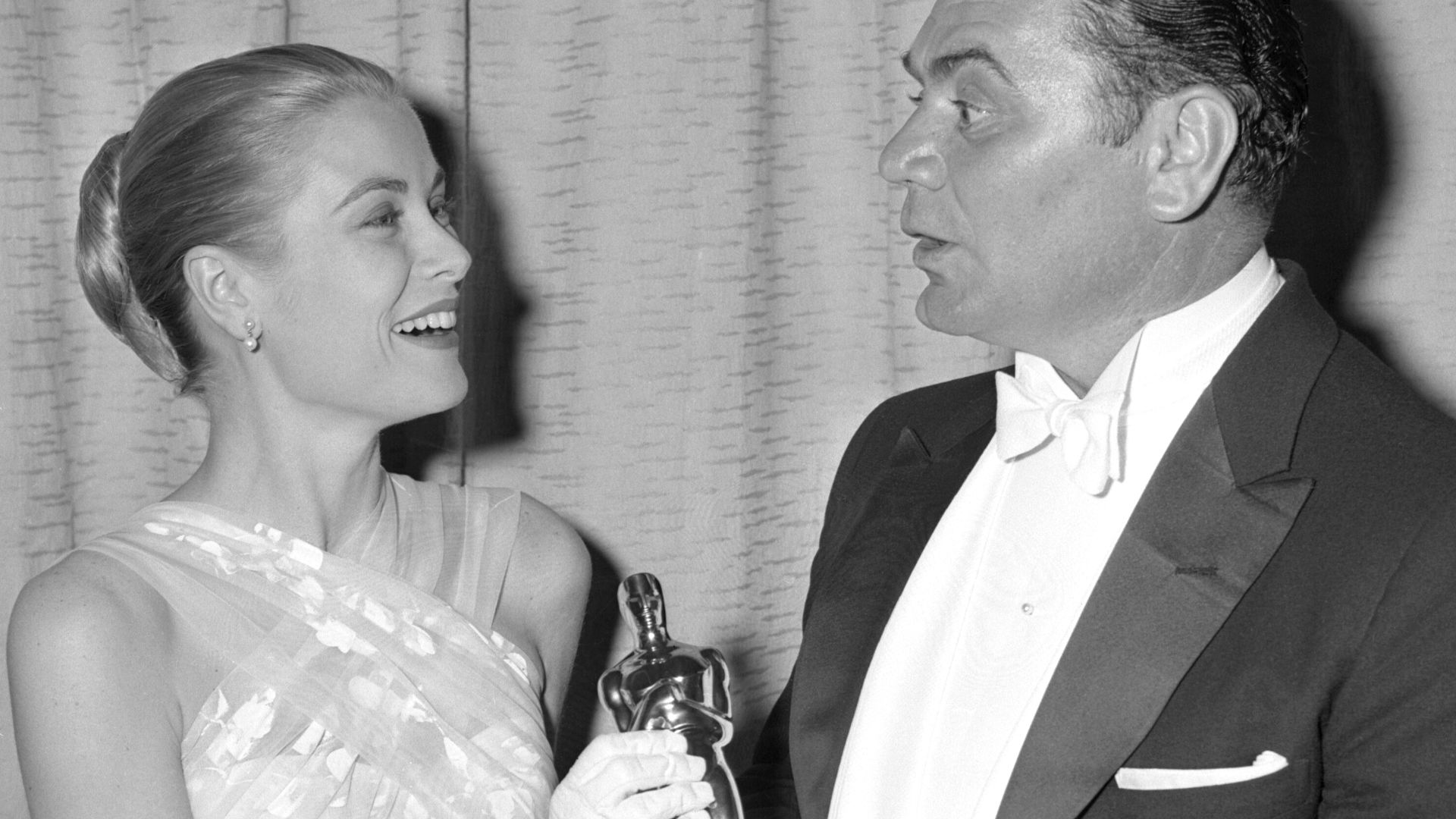
The Oscar Made Him A Star
Borgnine won the Academy Award for Best Actor for Marty. The film also won Best Picture and became one of the rare movies honored by both the Oscars and the Cannes Film Festival. Suddenly, Hollywood understood that Borgnine could play vulnerability as powerfully as menace.
 Los Angeles Times, Wikimedia Commons
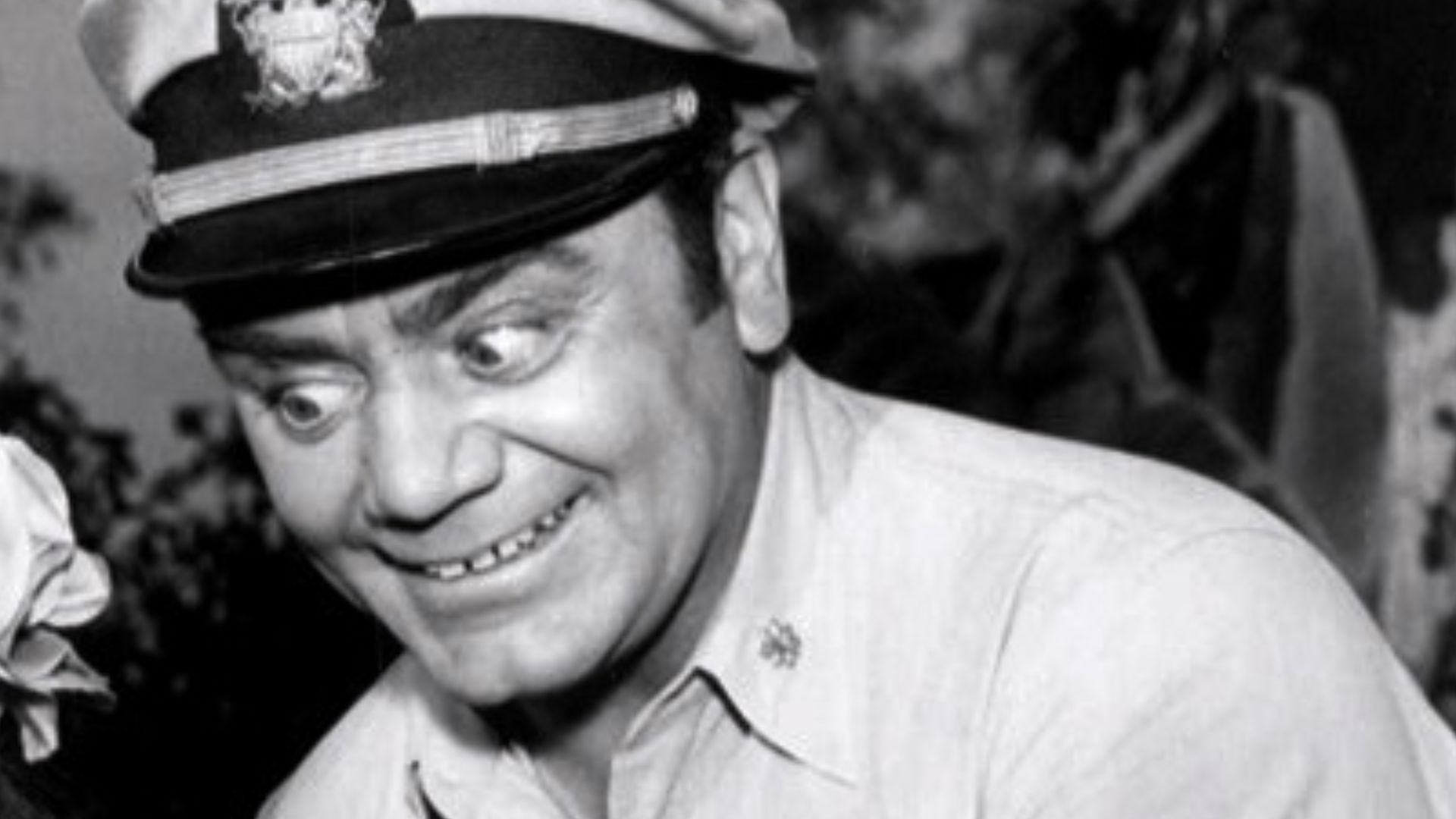
He Never Chased One Image
After Marty, Borgnine did not settle into one narrow screen identity. He could be threatening, funny, wounded, warm, or wildly eccentric. That range helped him keep working while many leading men from his era faded into nostalgia.
 ABC Television, Wikimedia Commons
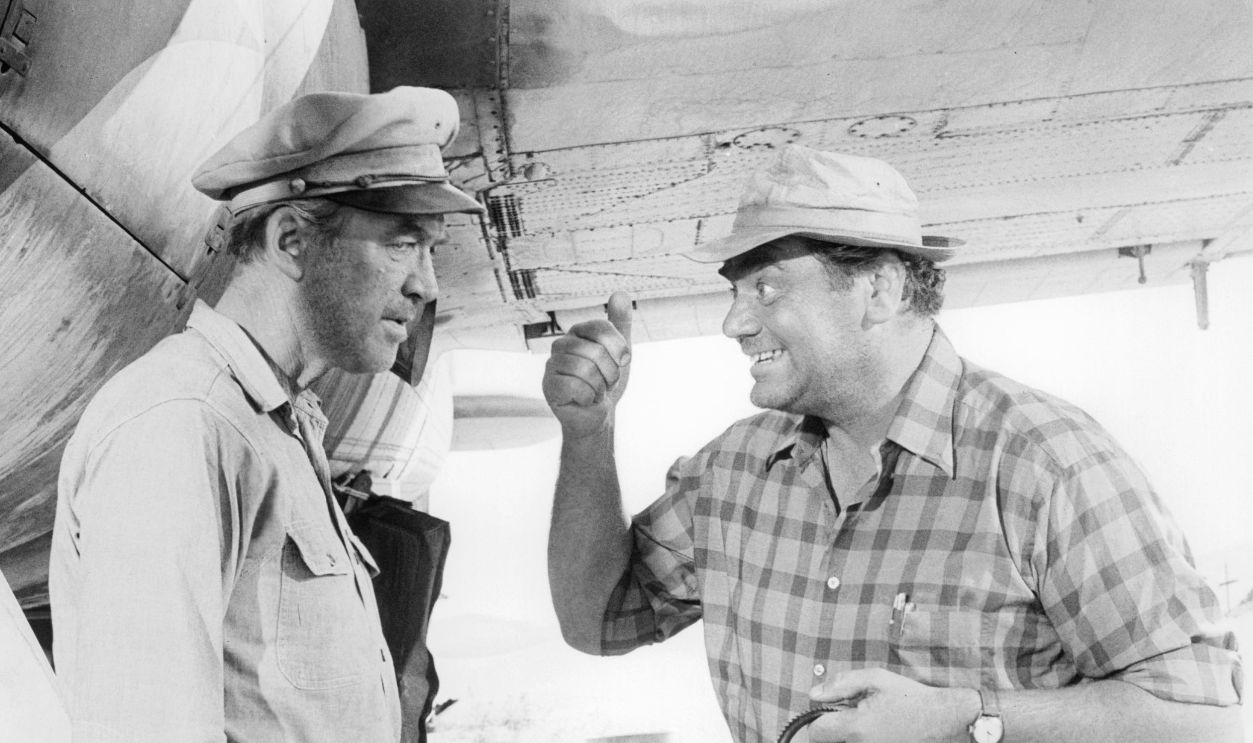
He Became A Reliable Scene Stealer
Borgnine appeared in major films across several decades, including The Flight Of The Phoenix, The Dirty Dozen, The Wild Bunch, The Poseidon Adventure, and Escape From New York. He rarely needed to be the only focus to make an impression. His presence gave ensemble casts extra personality and grit.
Television Gave Him A Second Home
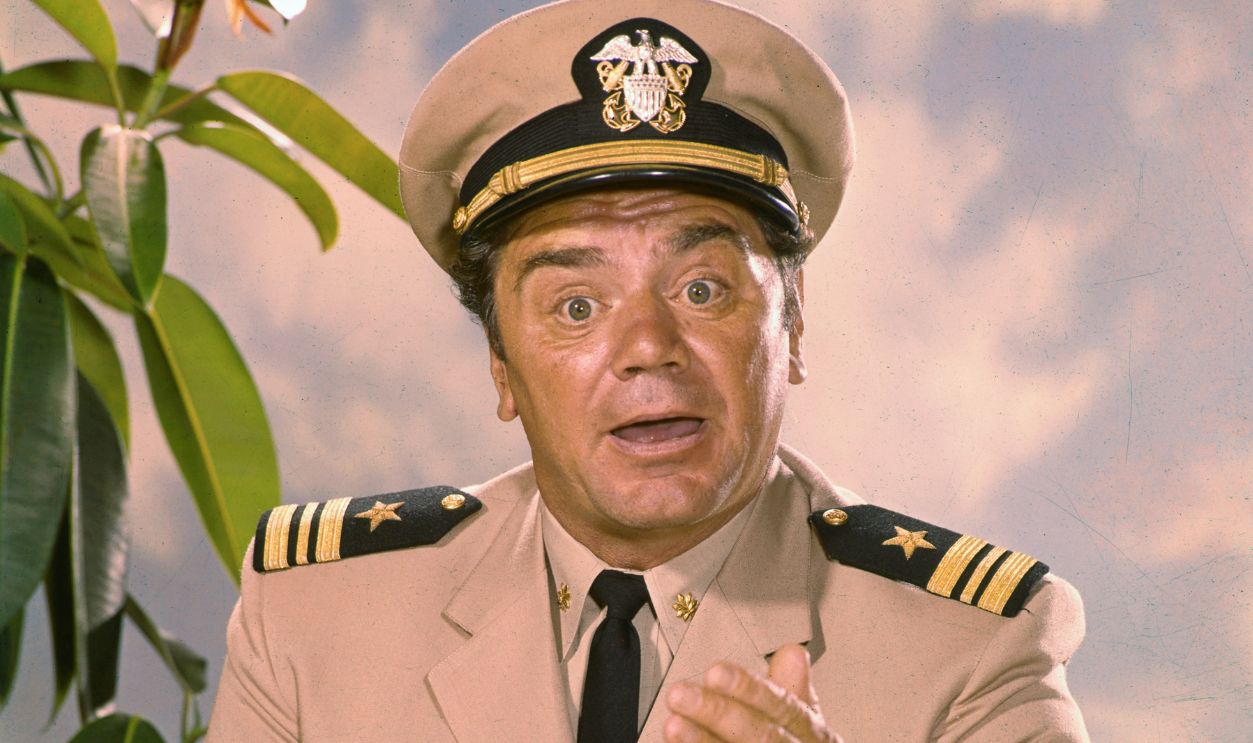
Borgnine also understood television’s power early. In 1962, he began starring as Lieutenant Commander Quinton McHale in McHale’s Navy. The sitcom made him familiar to millions of viewers who may not have known him from his Oscar-winning movie work.
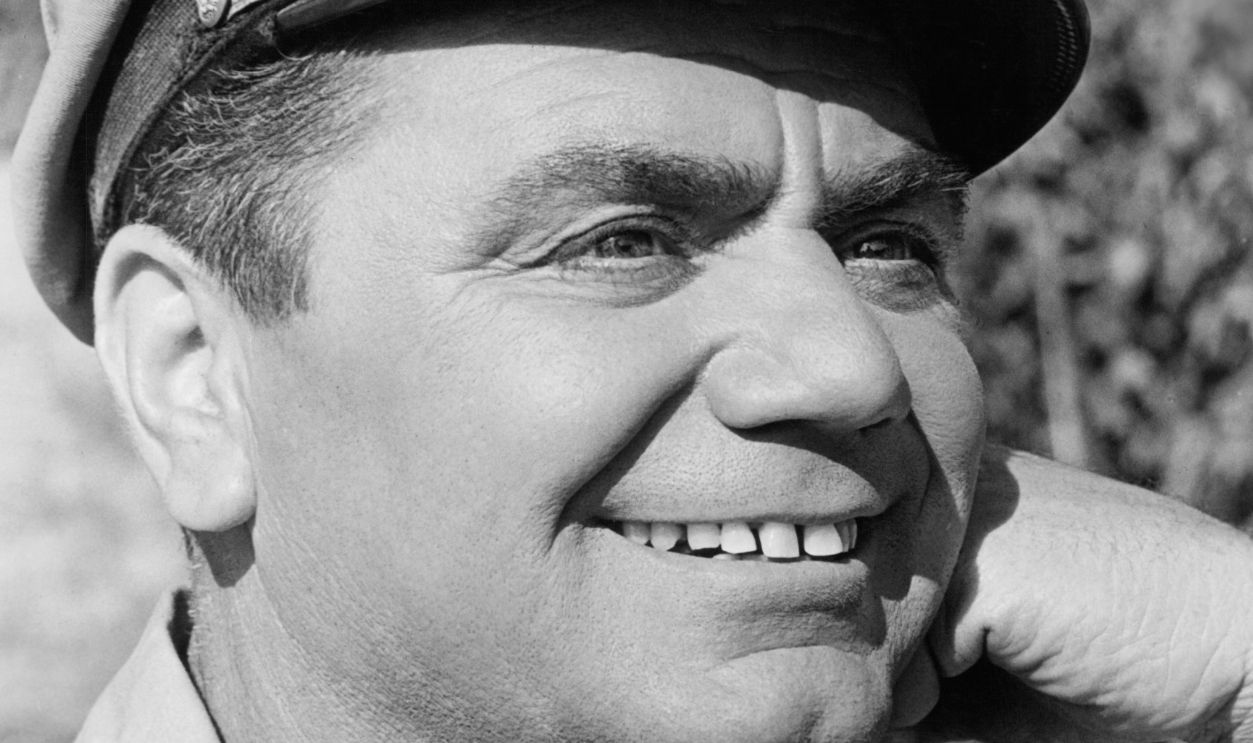 Michael Ochs Archives, Getty Images
McHale’s Navy Showed His Comic Timing
McHale’s Navy allowed Borgnine to loosen up on screen. The show ran during the 1960s and gave him a warm, mischievous TV persona. It also proved that he could lead a comedy after years of being known for dramatic toughness.
Emmy Voters Kept Noticing
Borgnine earned an Emmy nomination for McHale’s Navy in 1963. He later received another nomination for All Quiet On The Western Front in 1980. Decades after that, he earned a 2009 Emmy nomination for his guest role on ER.
 Screenshot from All Quiet on the Western Front, CBS (1980)
He Kept Moving With The Industry
The entertainment business changed dramatically during Borgnine’s lifetime. He worked through the studio era, the rise of television, the New Hollywood years, cable’s expansion, and the modern guest-star economy. Instead of resisting those changes, he kept finding places to fit.
His Face Became His Advantage
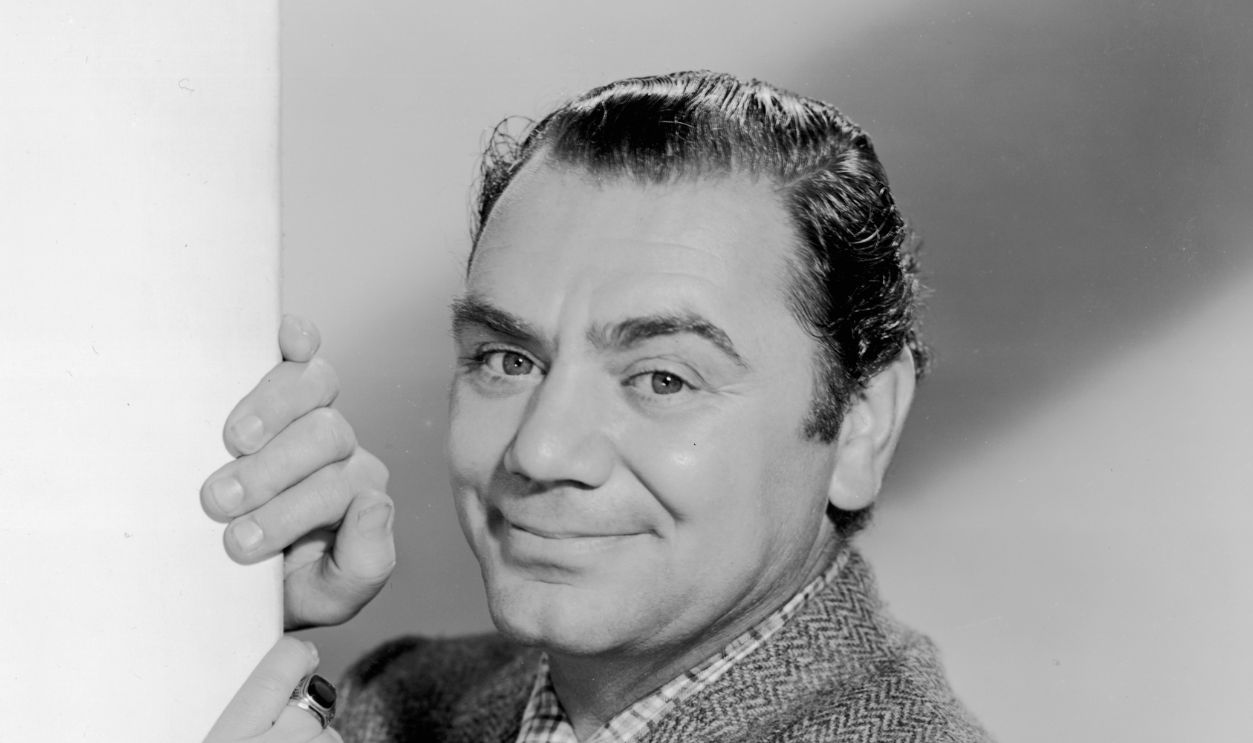
Borgnine did not look like the standard Hollywood leading man of the 1950s. Instead of hiding that, he turned his face, voice, and physical presence into tools. Audiences remembered him because he felt specific, human, and impossible to confuse with anyone else.
Airwolf Introduced Him To Another Generation
In the 1980s, Borgnine co-starred on Airwolf as Dominic Santini. The action series gave him another recognizable television role. For younger viewers, he was not only the man from Marty or McHale’s Navy, but a steady presence in a high-tech adventure show.

He Embraced Guest Roles
Borgnine’s later television work included appearances on shows such as The Single Guy and ER. He did not treat guest roles as a step down. He treated them as another chance to connect with an audience.

SpongeBob Made Him Cool Again
Borgnine voiced Mermaid Man on SpongeBob SquarePants, often alongside Tim Conway as Barnacle Boy. The casting was a brilliant bridge between classic television comedy and modern animation. It introduced Borgnine’s booming comic energy to children and adults watching together.
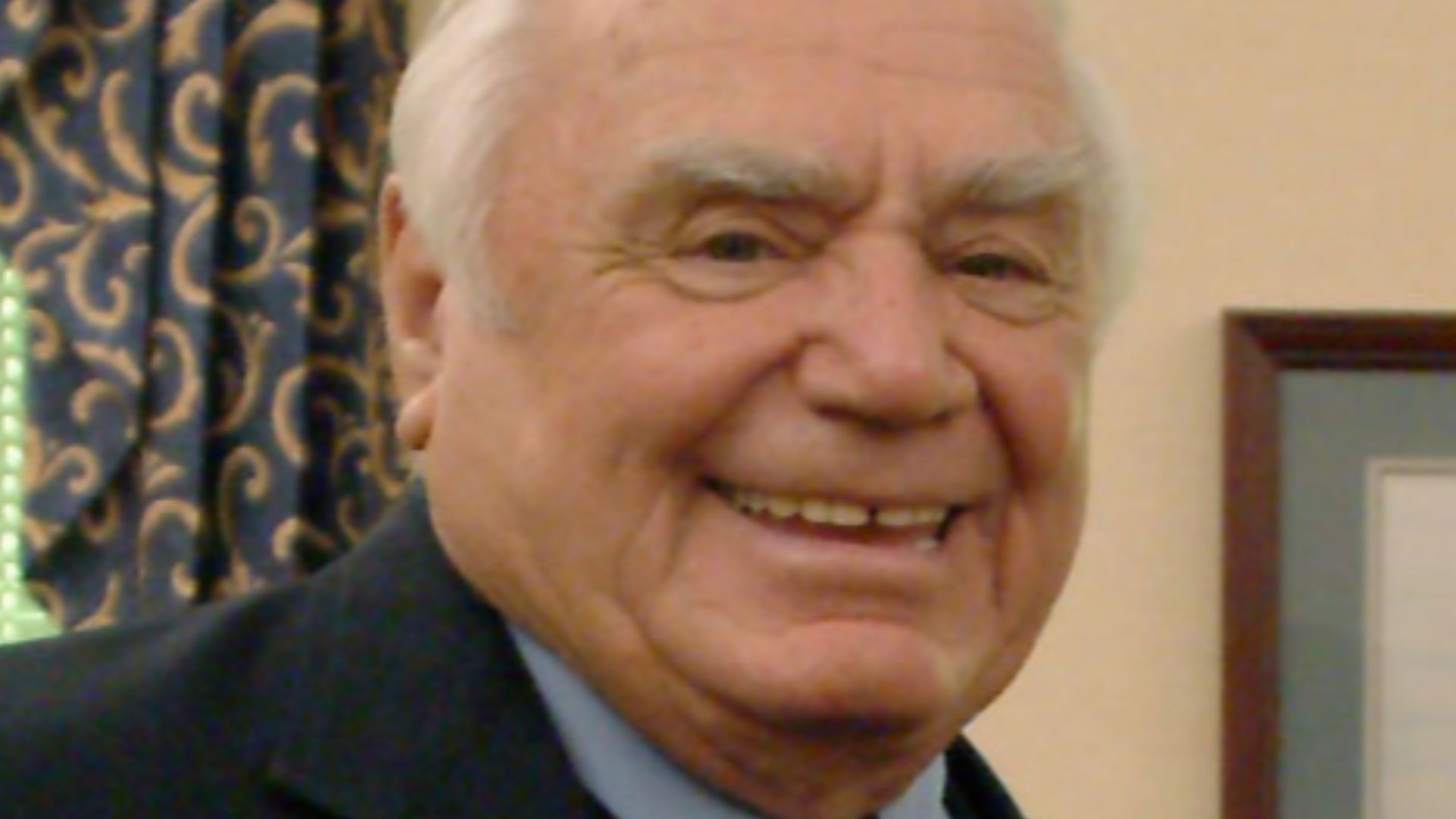
He Worked Because He Liked Working
Borgnine once said he did not care whether a role lasted 10 minutes or two hours. That attitude explains a lot about his longevity. He was not precious about billing, screen time, or image, which made him unusually adaptable.
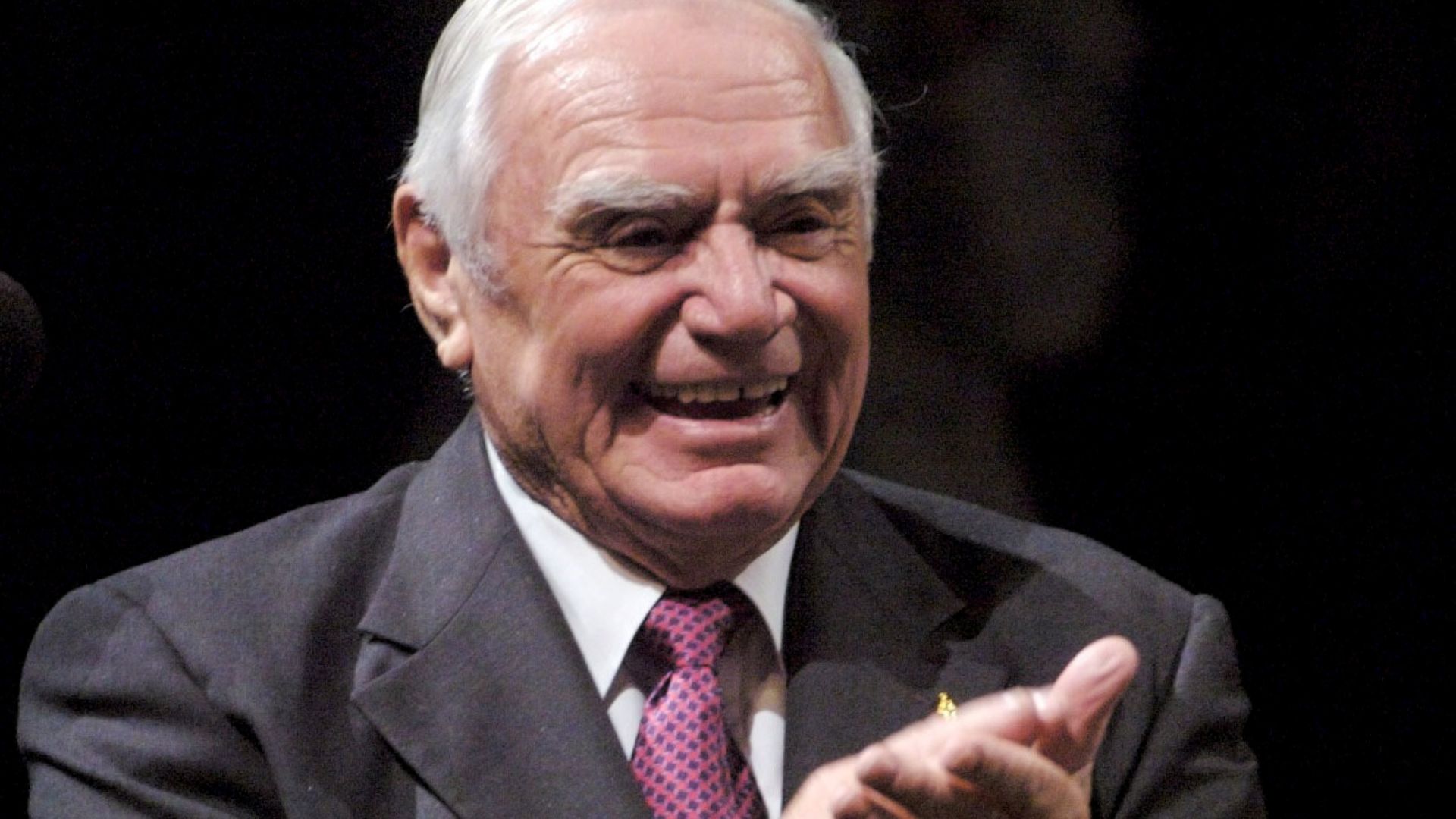 Biscuitman~commonswiki, Wikimedia Commons
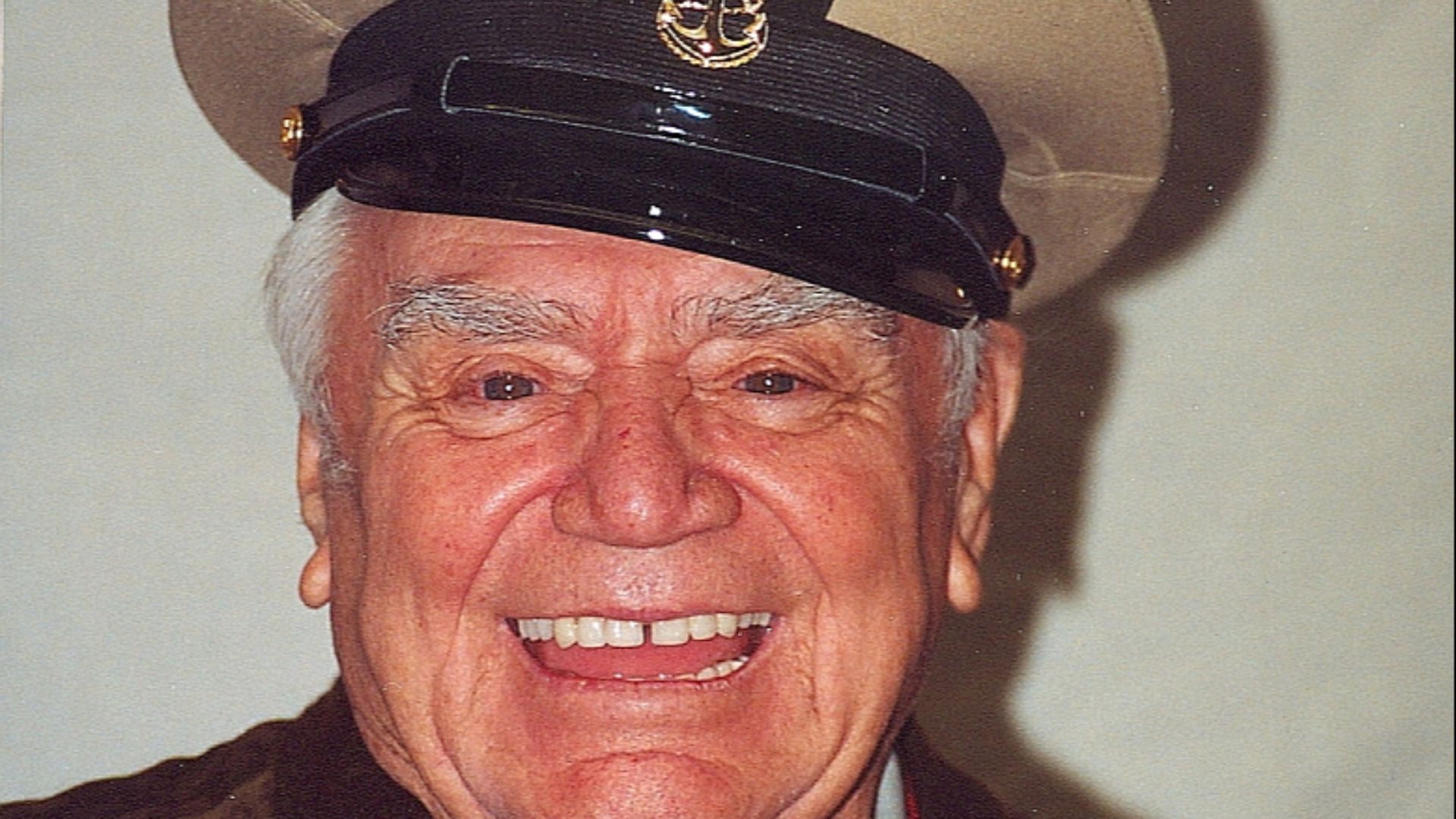
He Carried His Navy Pride With Him
Borgnine remained connected to the Navy long after his acting career took off. In 2004, he received the honorary title of chief petty officer. His military background stayed part of his public identity and added to his reputation for discipline and loyalty.
 Kingkongphoto & www.celebrity-photos.com from Laurel Maryland, USA, Wikimedia Commons
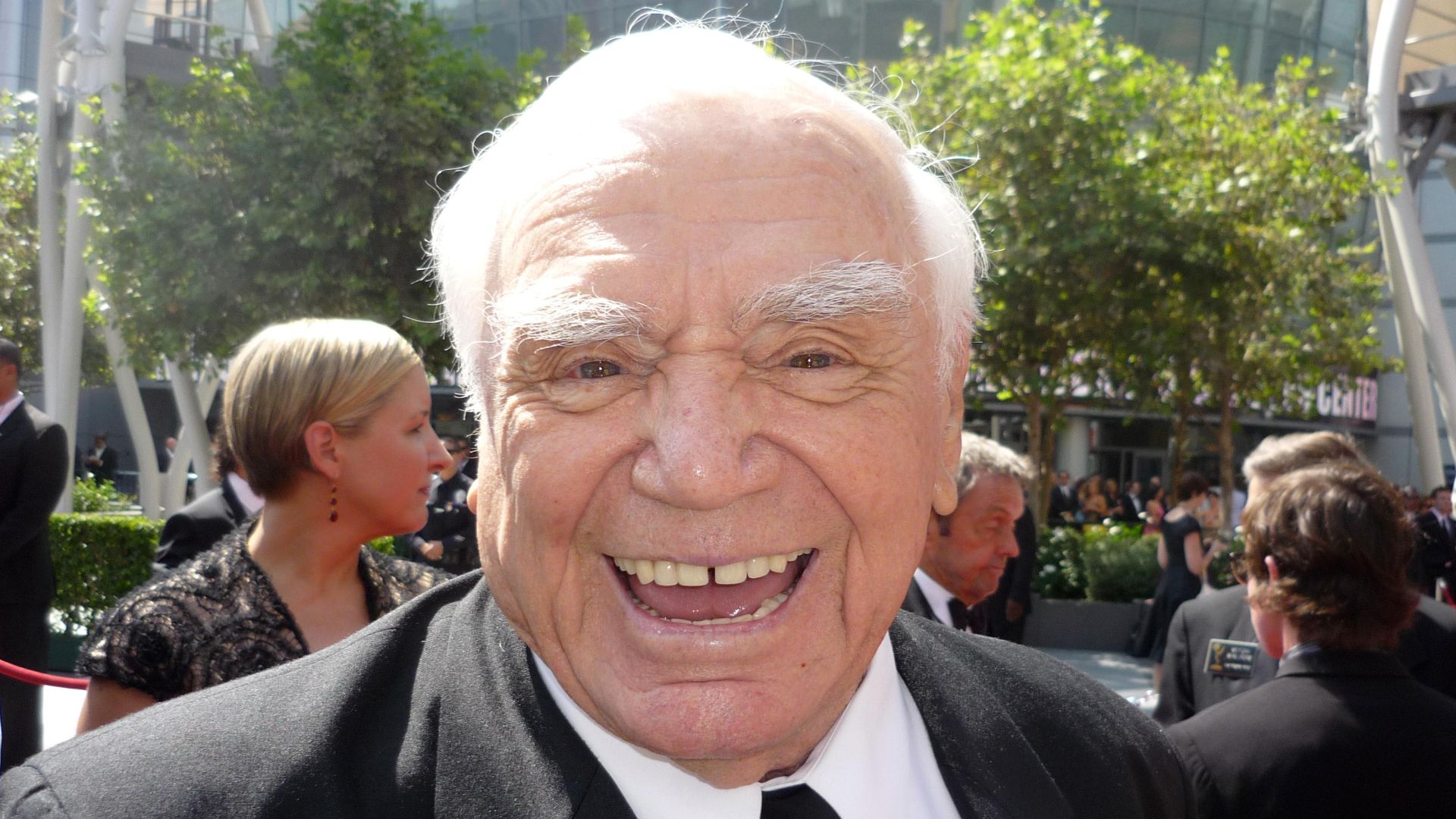
He Stayed Visible Into His Nineties
Borgnine continued appearing on screen deep into old age. His 2009 ER nomination came when he was in his nineties. Few actors remain active and award-recognized that late in life.
 Greg Hernandez (Greg in Hollywood), Wikimedia Commons
A Lifetime of Recognition
In 2011, Borgnine received the Screen Actors Guild Life Achievement Award. He was 94 when he accepted the honor. The award recognized not just one famous role, but a lifetime of steady, varied, and respected work.
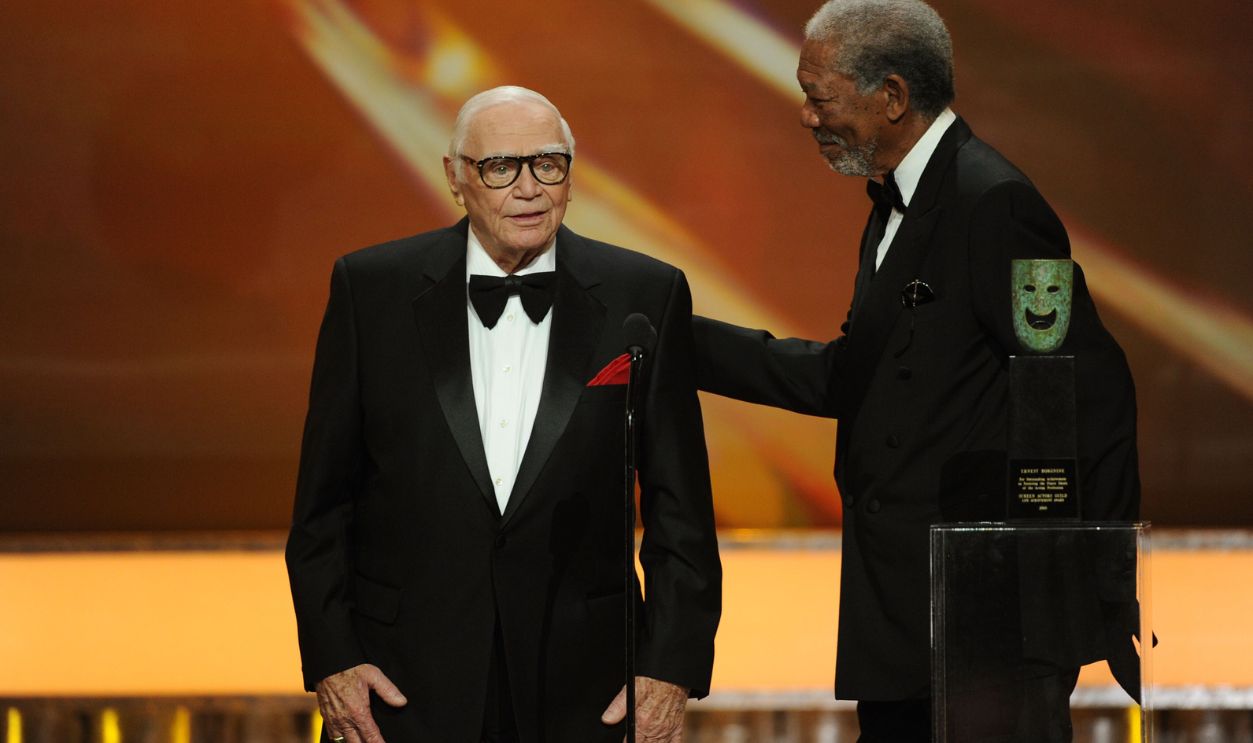
His Secret Was Range And Humility
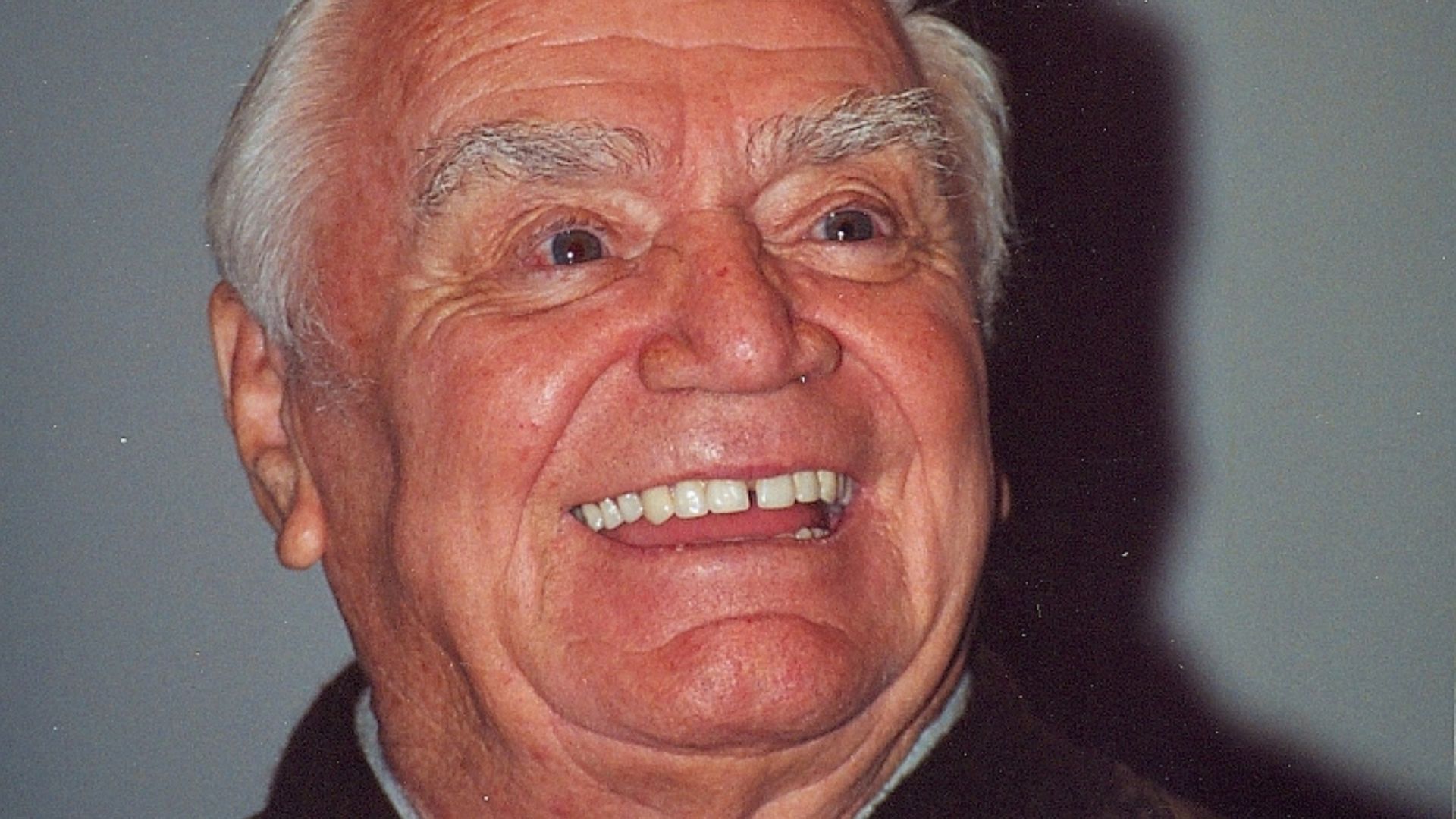
Borgnine’s career lasted because he never acted as though one kind of role was beneath him. He could headline a film, anchor a sitcom, play a villain, voice a cartoon hero, or appear briefly and still make the moment count. That flexibility became his superpower.
 John Mathew Smith & www.celebrity-photos.com from Laurel Maryland, USA, Wikimedia Commons
His Career Became A Hollywood Blueprint
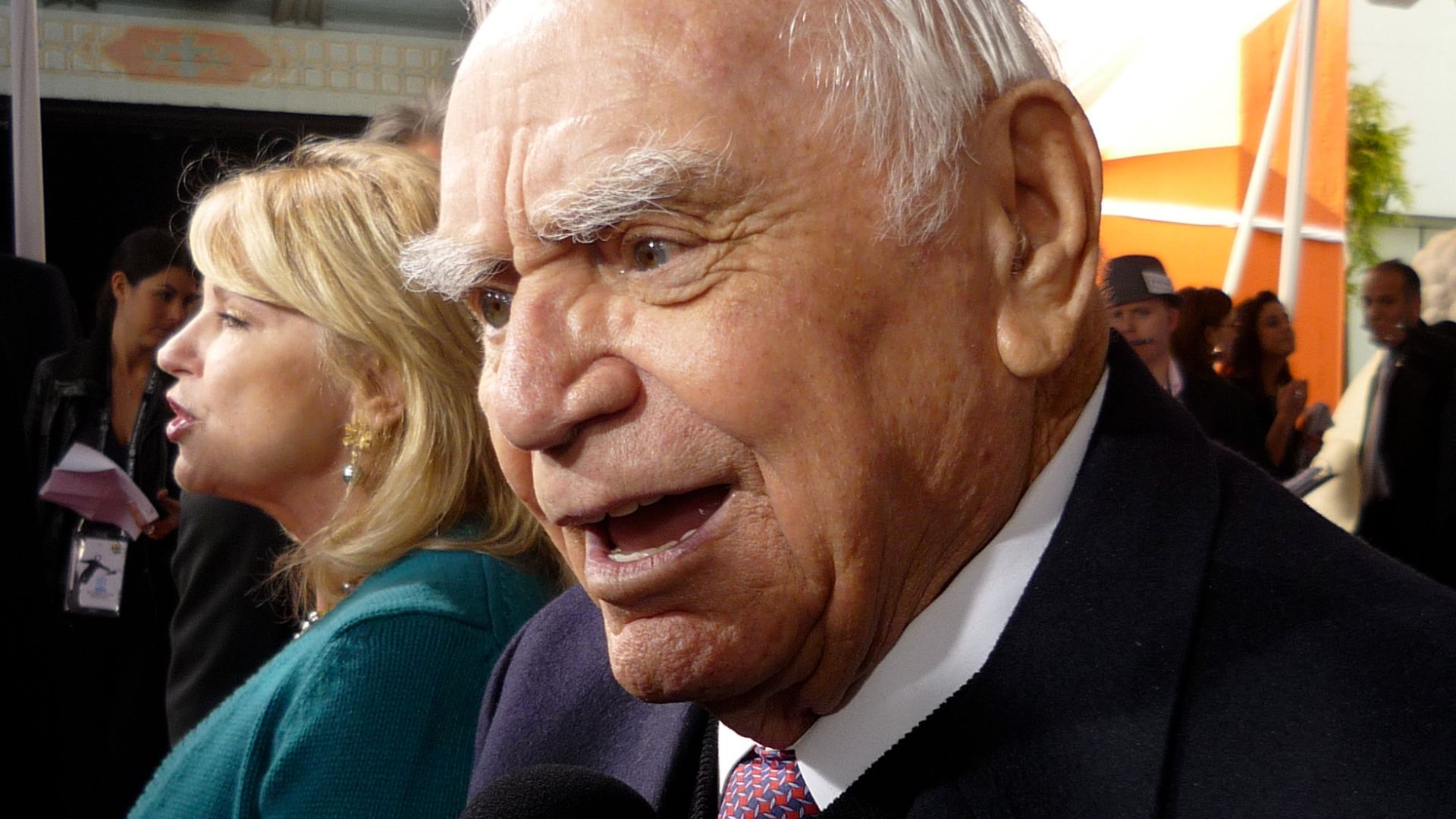
Ernest Borgnine built one of Hollywood’s longest careers by staying open, disciplined, and useful. He never relied only on youth, glamour, or one signature role. He survived by doing the work, respecting the job, and letting each new generation discover him in a different way.
 Greg Hernandez at https://www.flickr.com/photos/greginhollywood/, Wikimedia Commons
You May Also Like:
Why did The Andy Griffith Show star Don Knotts struggle to escape his signature role?
Why did Sanford and Son star Demond Wilson walk away from Hollywood at the height of fame?