Hollywood's Most Explosive Love Story
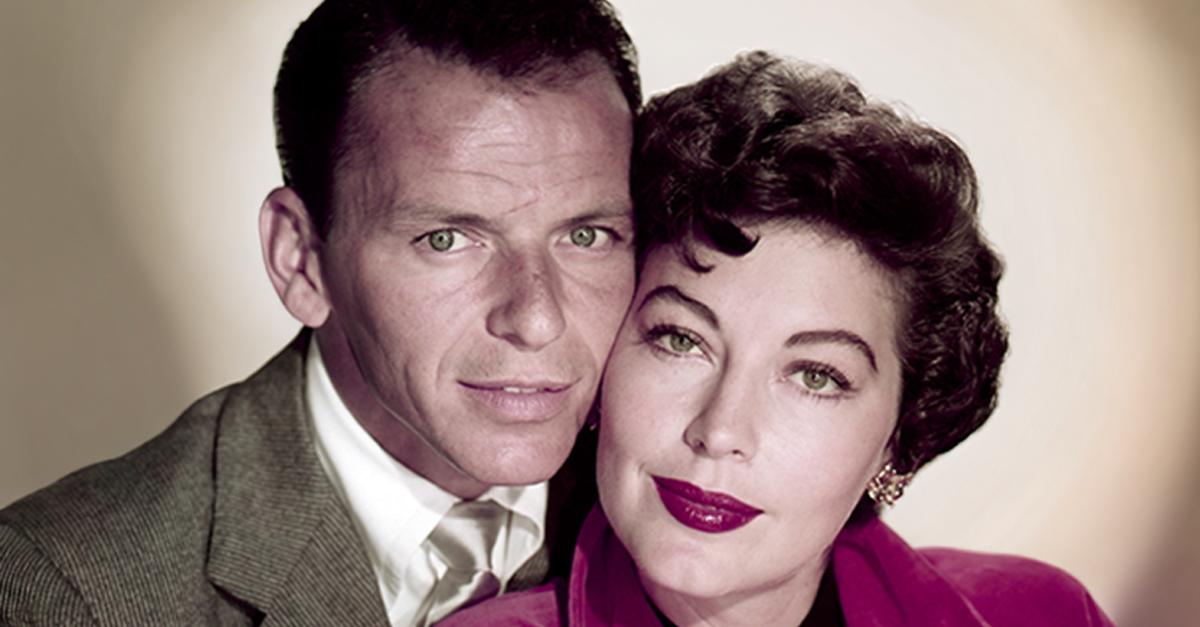
Frank Sinatra and Ava Gardner were one of Hollywood's most glamorous and controversial couples. Their passionate relationship began in scandal, survived intense public scrutiny, and ended in a bitter divorce. Decades later, the question remains: who was really responsible for the collapse of their marriage?
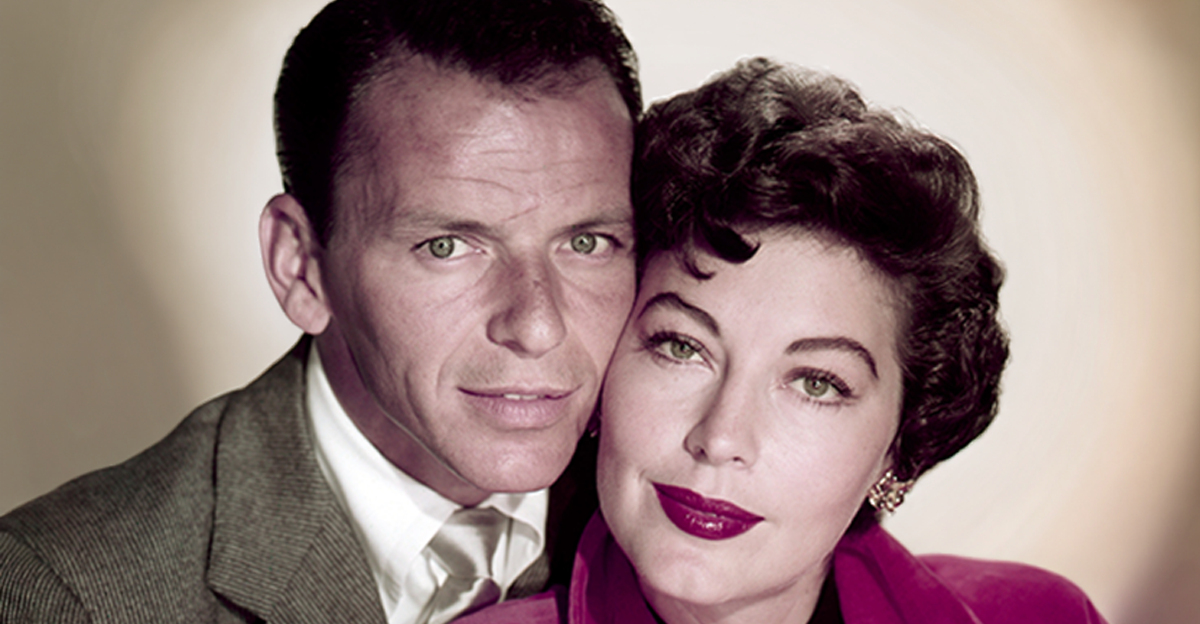 Silver Screen Collection, Getty Images
A Marriage Under The Spotlight
Frank Sinatra and Ava Gardner married on November 7, 1951, shortly after Sinatra's divorce from his first wife, Nancy Barbato Sinatra, became final. Few celebrity weddings attracted more attention at the time, with reporters and gossip columnists closely following the couple's every move. What looked like a Hollywood fairy tale from the outside would soon reveal serious cracks behind the scenes.
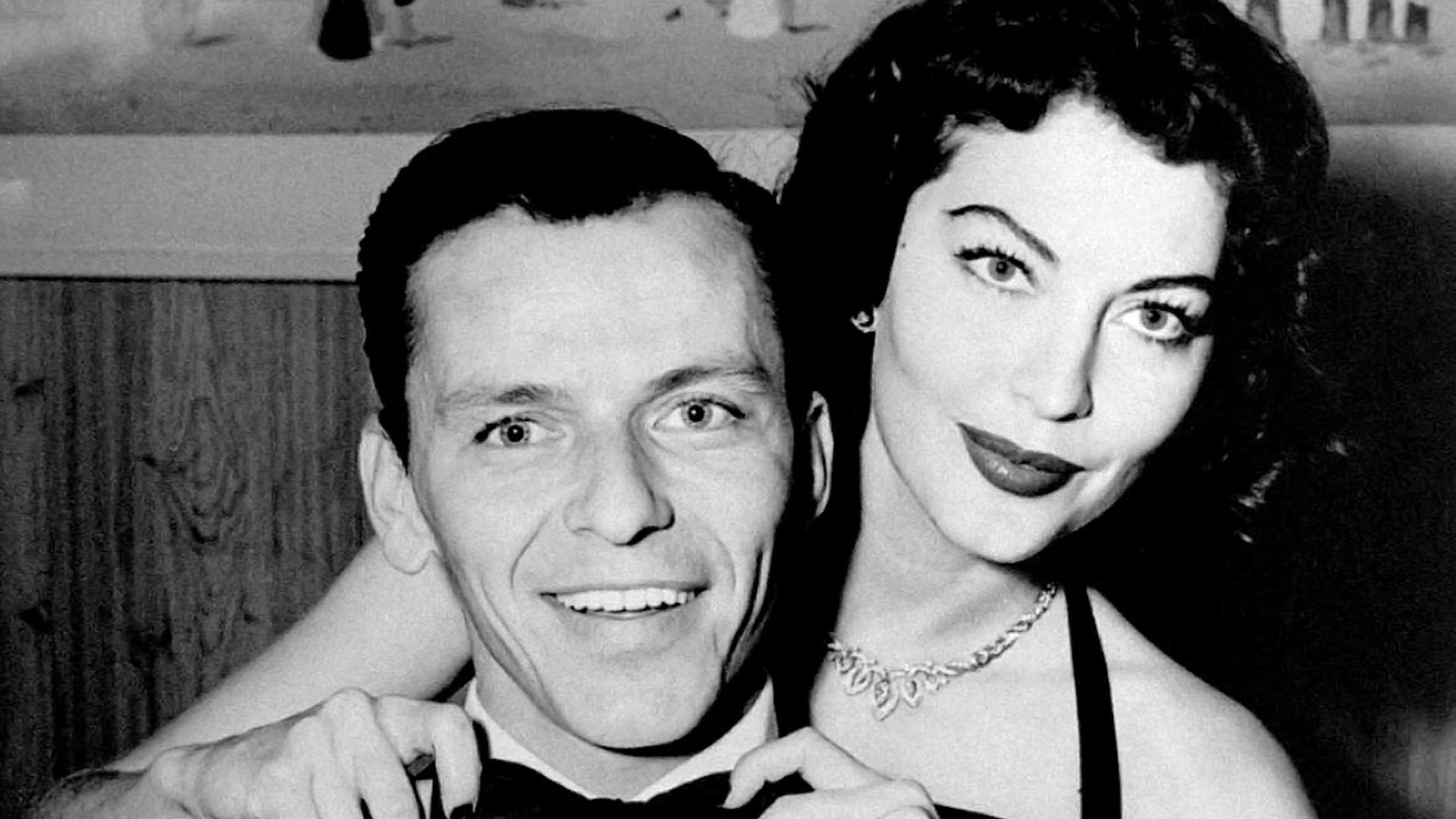 Wide World Photos. Photographer uncredited., Wikimedia Commons
The Answer Is Not That Simple
As their marriage unraveled, both Sinatra and Gardner were blamed for its failure. Sinatra brought jealousy, career panic, and baggage from his previous marriage into the relationship. Gardner brought independence, her own affairs, and no patience for being controlled.
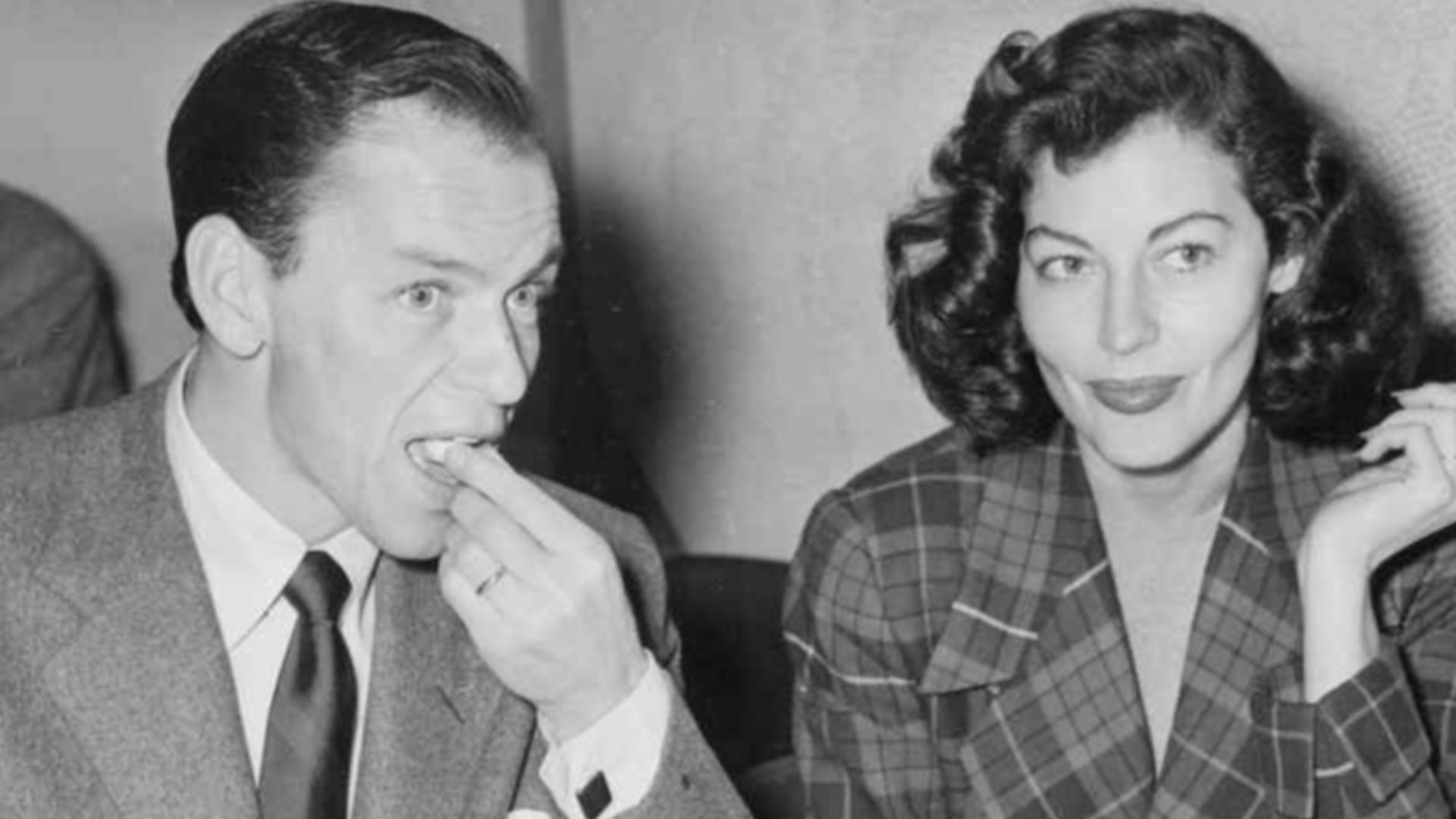
They Started Under A Cloud
Sinatra was still married to Nancy when his relationship with Gardner became serious. Nancy and Frank had three children together, which made the romance a scandal before it became a marriage. That rocky beginning never gave Frank and Ava much room to breathe.
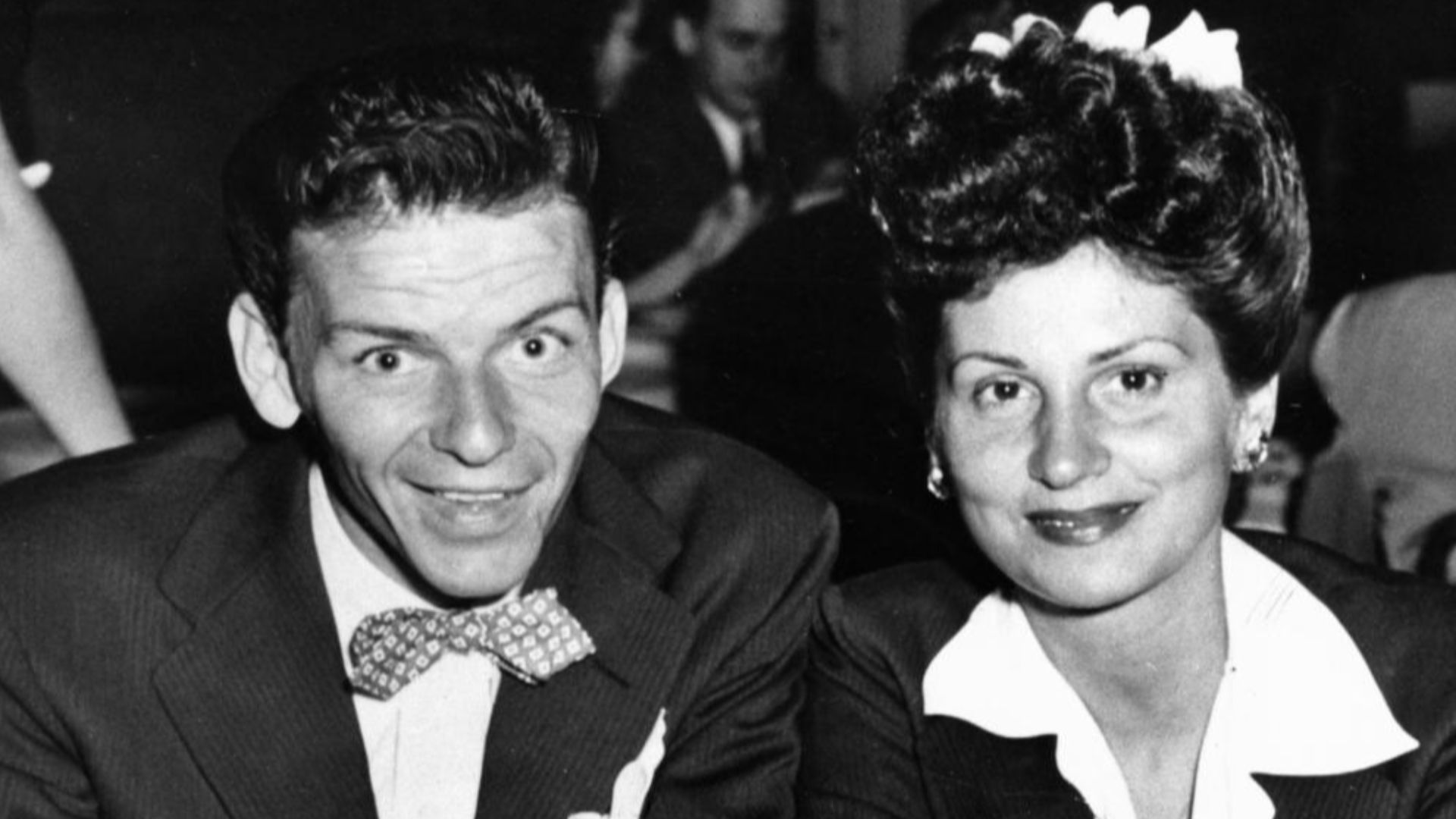 Wide World Photos. Photographer uncredited., Wikimedia Commons
Ava Was Rising As Frank Was Falling
When they married, Gardner’s movie career was climbing. Sinatra’s career was in trouble, with poor record sales, lost work, and damaged public standing. That imbalance fed insecurity inside the marriage.
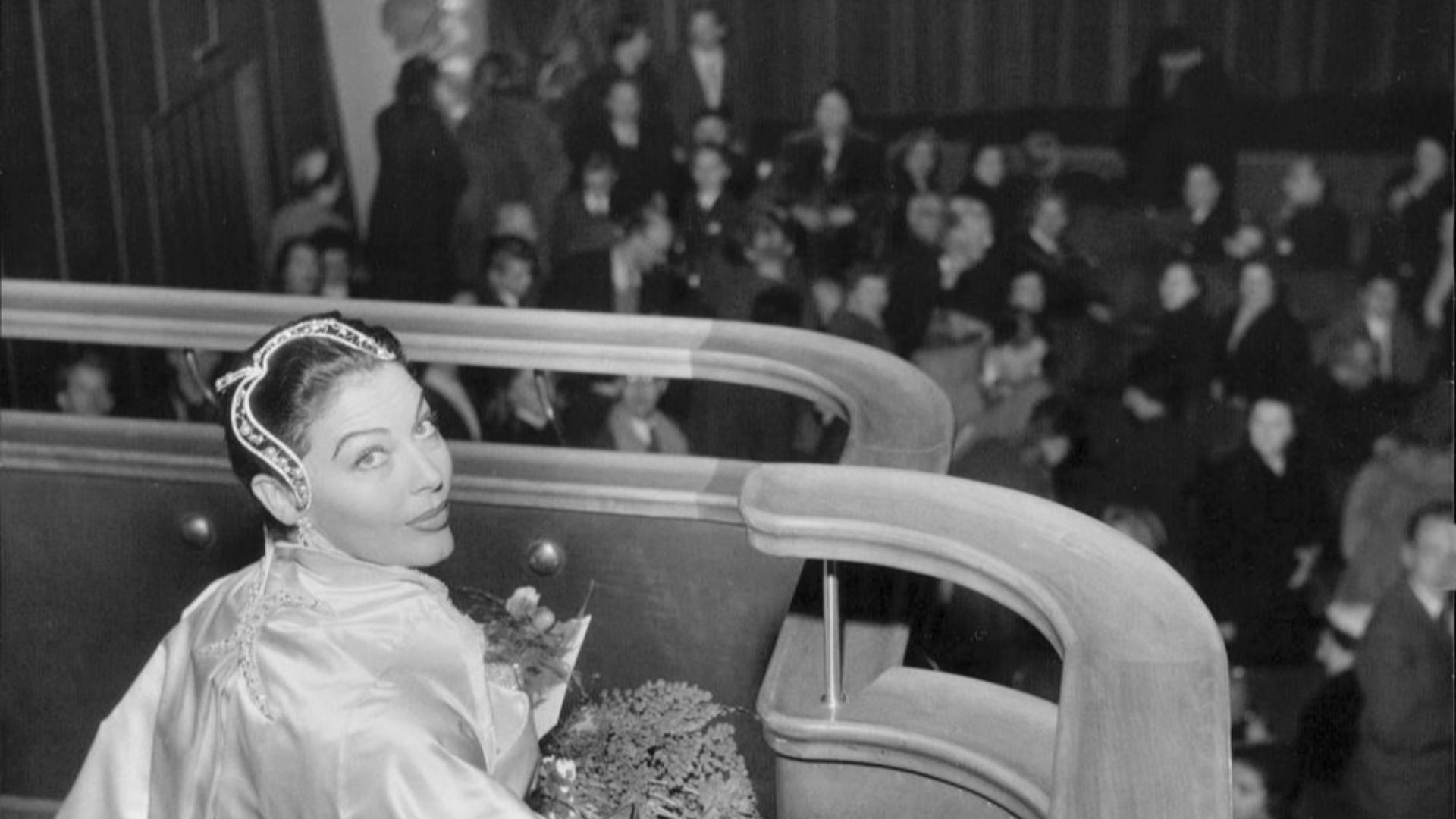 Unknown photographerUnknown photographer, Wikimedia Commons
Frank Needed Ava More Than He Liked
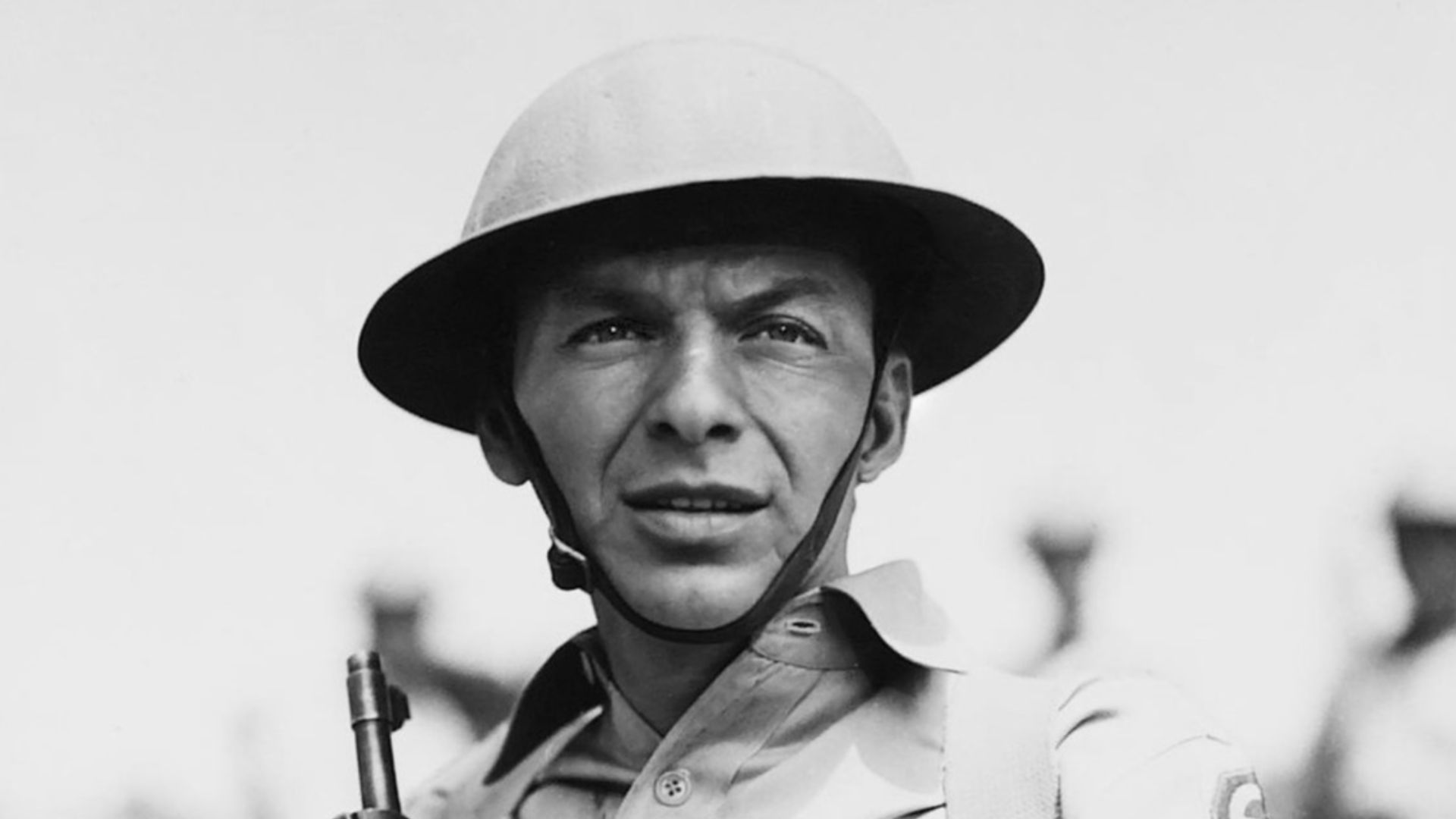
Gardner later described helping pay the bills during Sinatra's career slump. She also encouraged him to pursue a role in From Here to Eternity. That support mattered, but it also complicated the power dynamic between them.
 Columbia Pictures, Wikimedia Commons
The Comeback Changed Everything
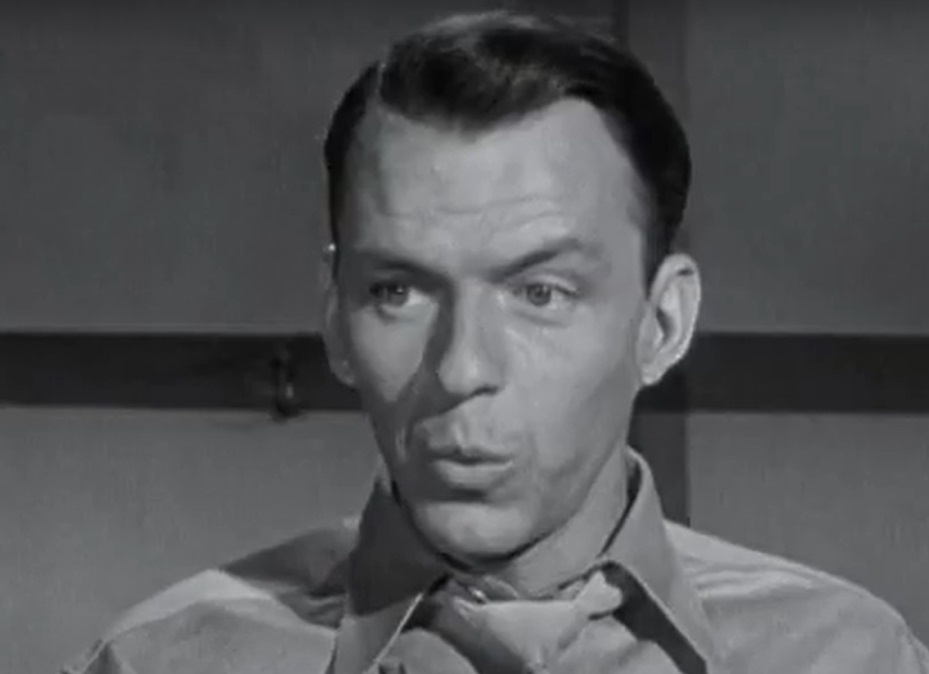
Sinatra won the Oscar for Best Supporting Actor for From Here To Eternity in 1954. The film helped revive his career and public image. By then, the marriage had already been badly damaged.
 Screenshot from From Here to Eternity, Columbia (1953)
Jealousy Became A Third Partner
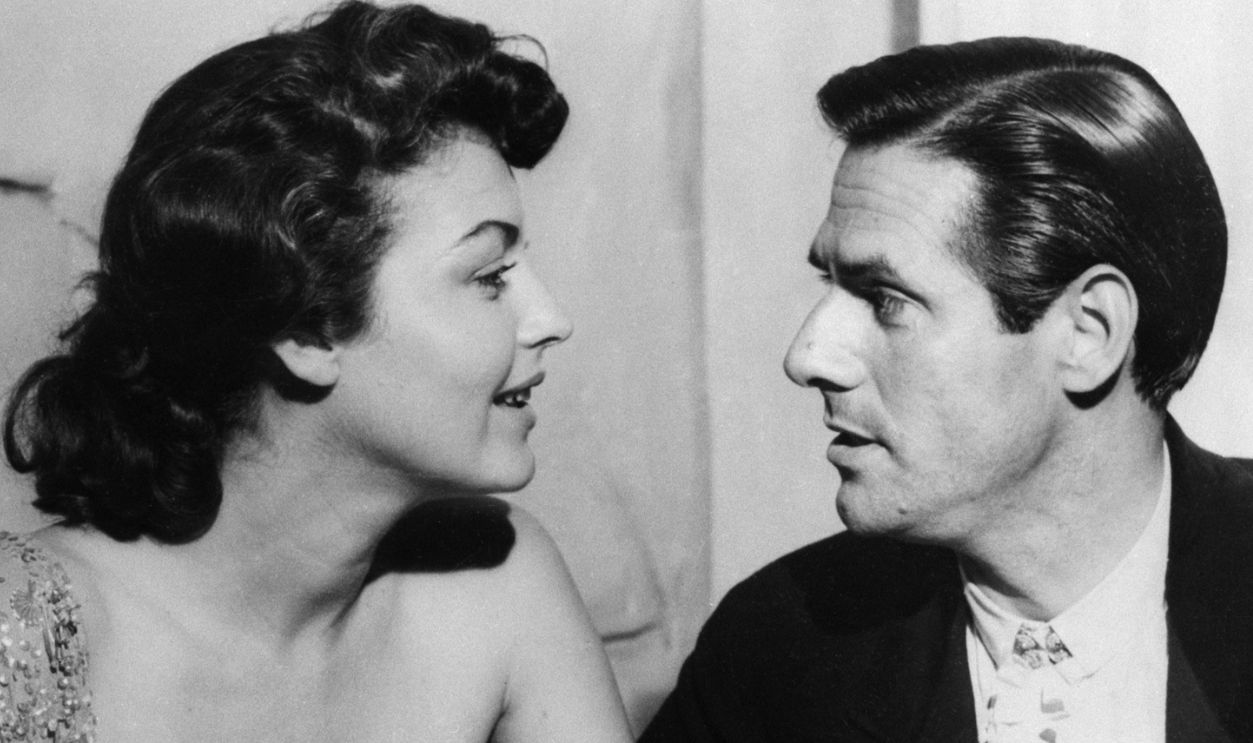
Gardner recalled that Sinatra never forgot her affair with actor Mario Cabré while she was filming in Spain. She said he brought it up during later arguments. That kind of resentment can turn every fight into a replay of the same wound.
Infidelity Was Not One-Sided
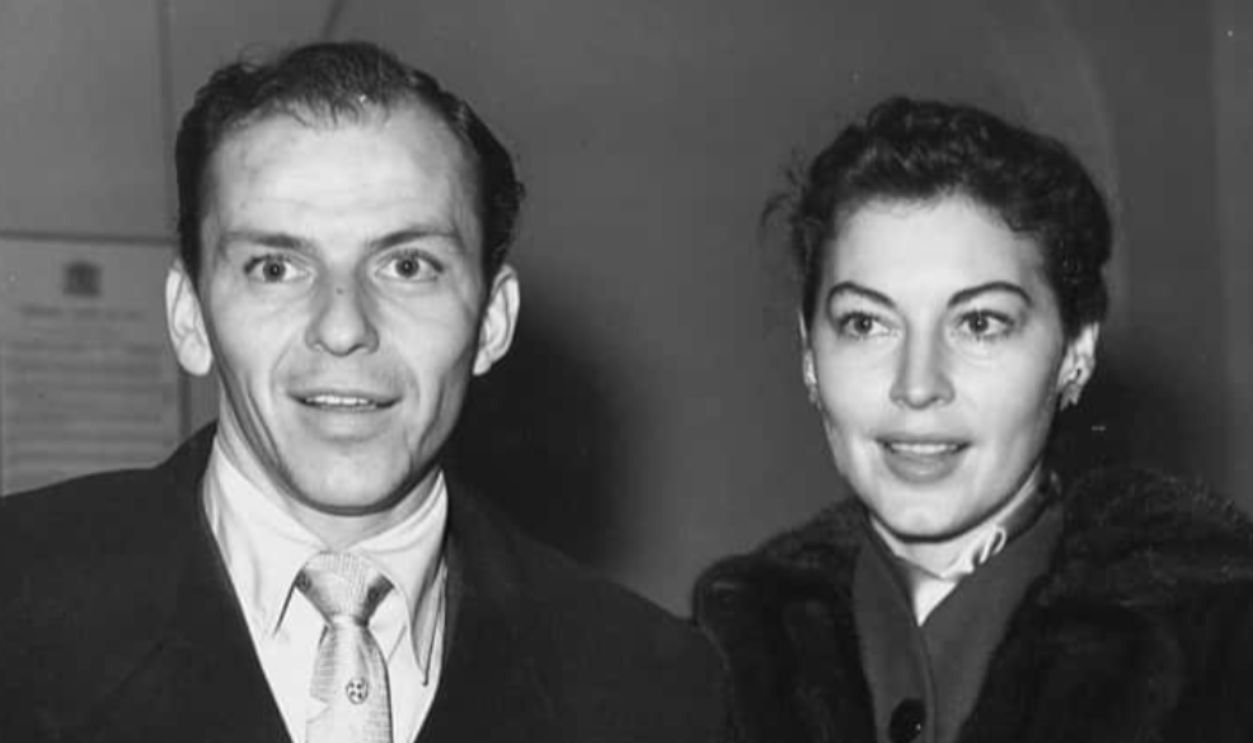
Both Sinatra and Gardner had affairs during the marriage. As trust eroded, neither seemed able to move past the hurt caused by real and perceived betrayals. Their relationship became a loop of suspicion, revenge, and reconciliation.
Their Tempers Matched Too Well
Gardner later said that she and Sinatra were too much alike. That line explains a lot about their chemistry and their fights. They both had big emotions, strong pride, and very little interest in backing down.
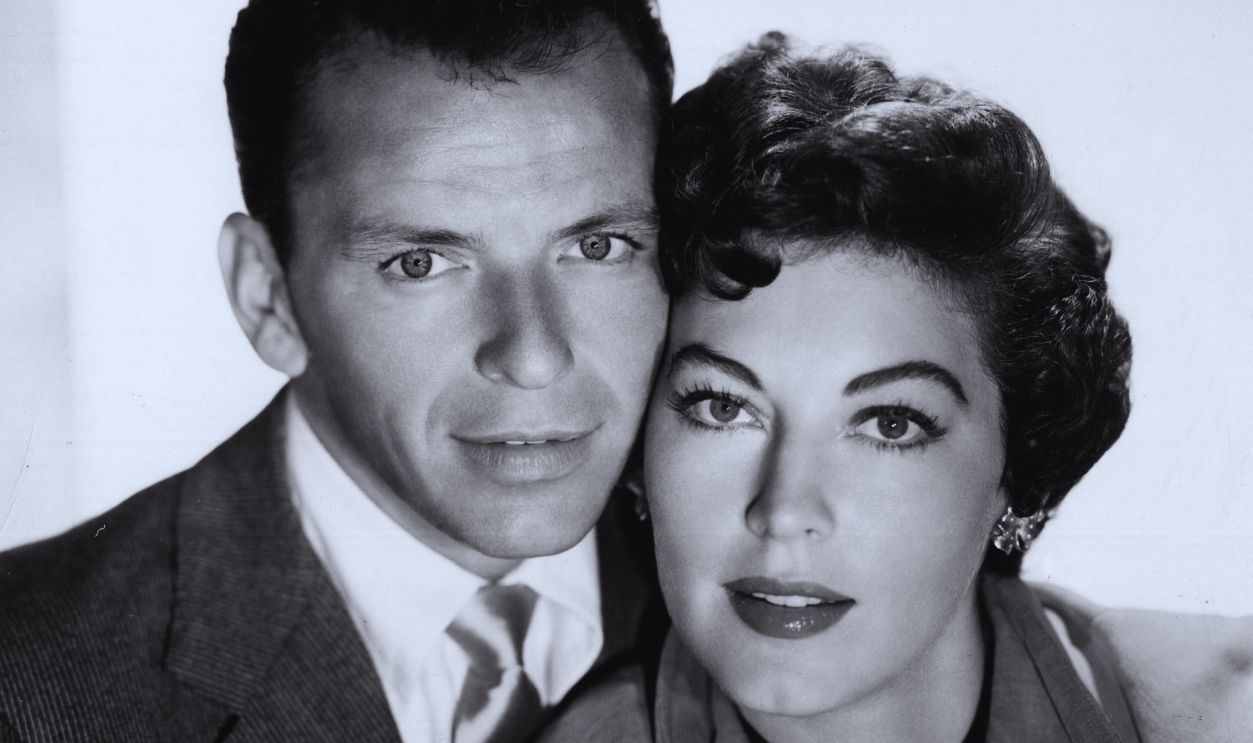 Mondadori Portfolio, Getty Images
Drinking Made The Fights Worse
Gardner described nights of heavy drinking followed by arguments. Those accounts do not make the marriage sound merely dramatic. They make it sound exhausting.
 www.Pixel.la Free Stock Photos, Wikimedia Commons
The Public Pressure Was Brutal
Sinatra took heavy criticism for leaving Nancy and marrying Gardner. The scandal hurt his image with fans, columnists, and moral watchdogs of the era. Gardner also became part of that public storm, even as her own career was thriving.
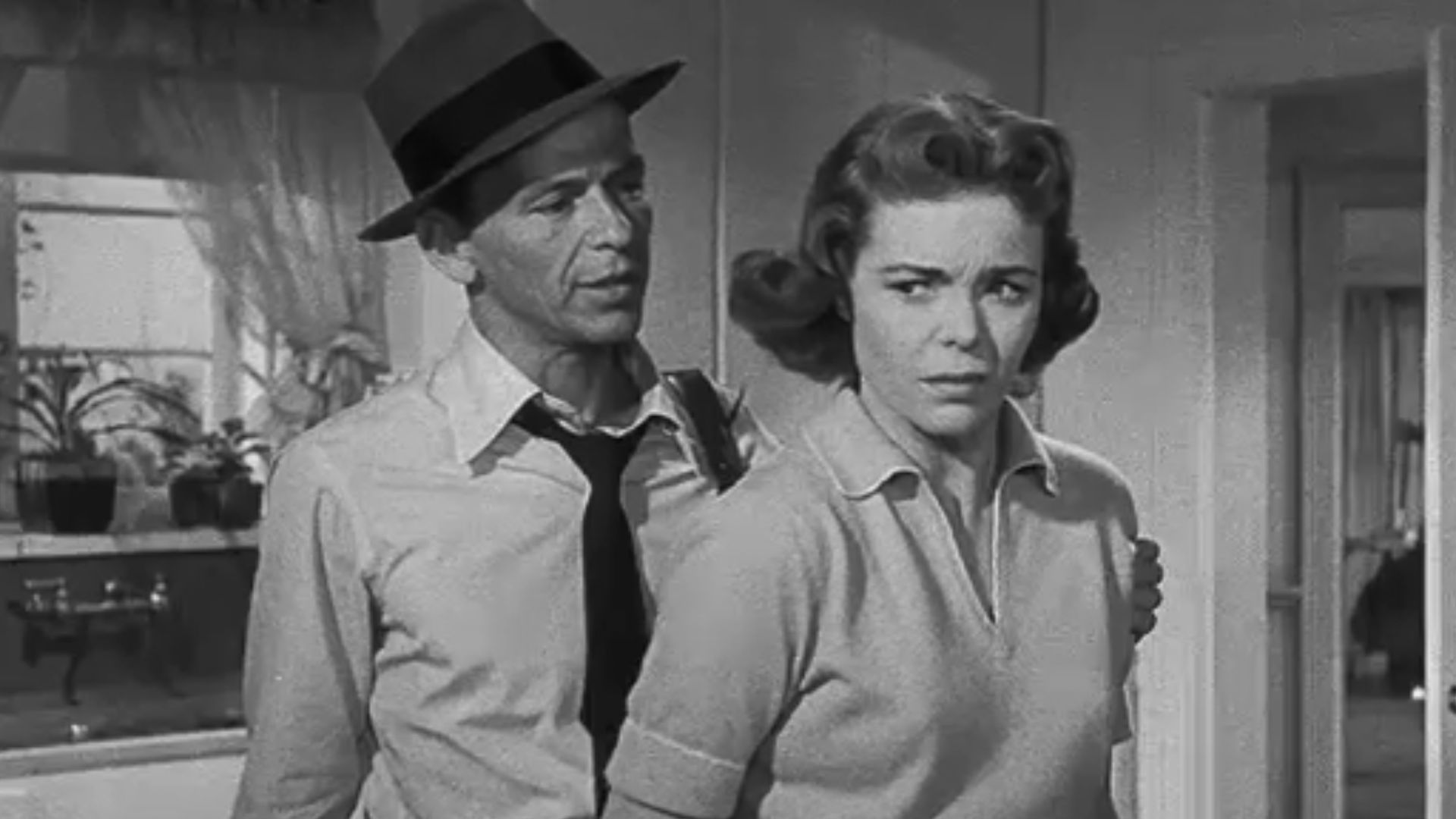 Lewis Allen (director), originally uploaded by Samurai, Wikimedia Commons
Ava Wanted Freedom
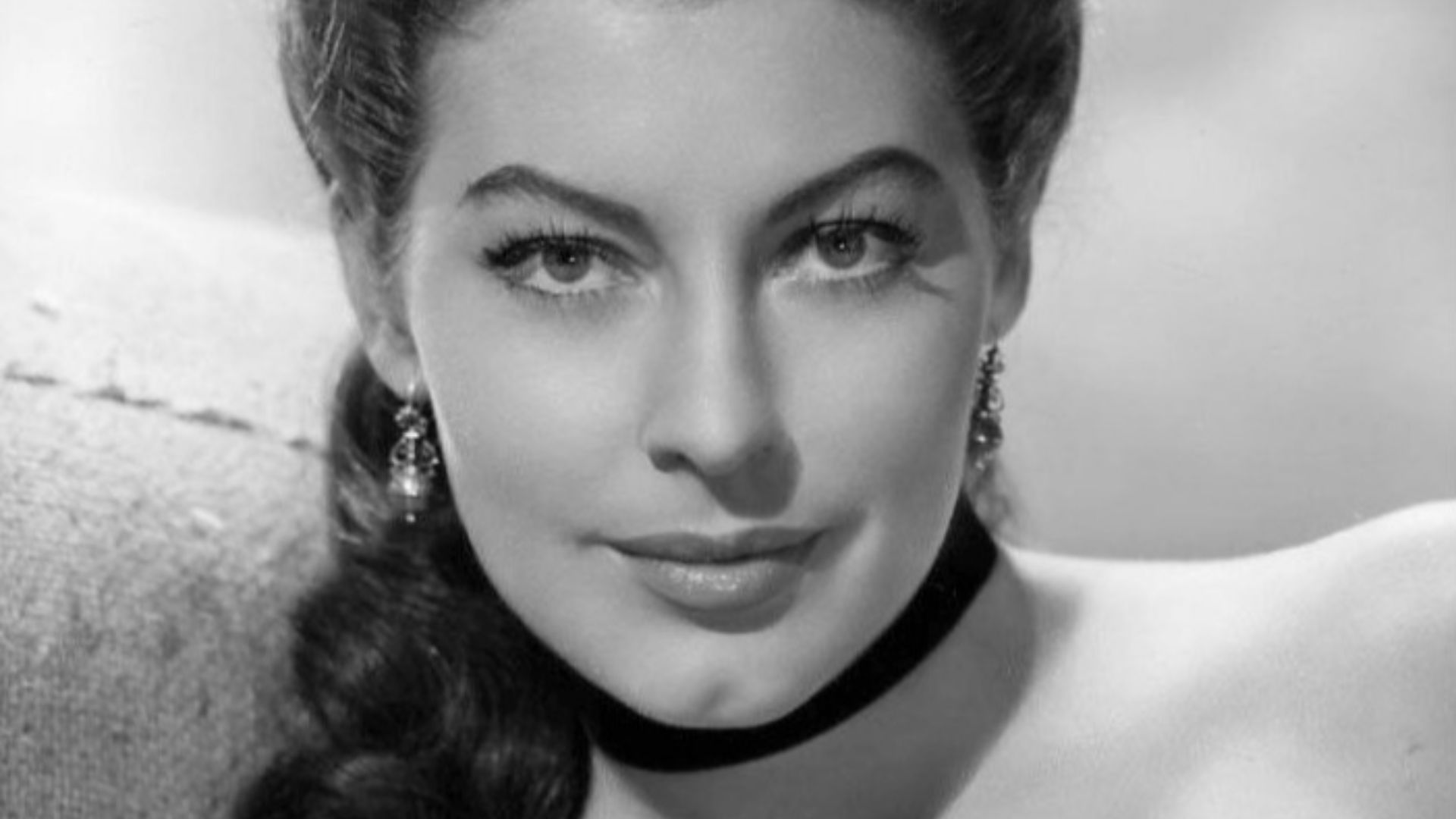
Gardner was never built for a controlled domestic life. She traveled for work, built friendships overseas, and later moved to Spain. Her independence was part of her appeal, but it clashed with Sinatra’s jealousy.
Frank Wanted Devotion
Sinatra’s romantic image was grand, intense, and possessive. In marriage, that intensity could become pressure. Gardner did not respond well to pressure.
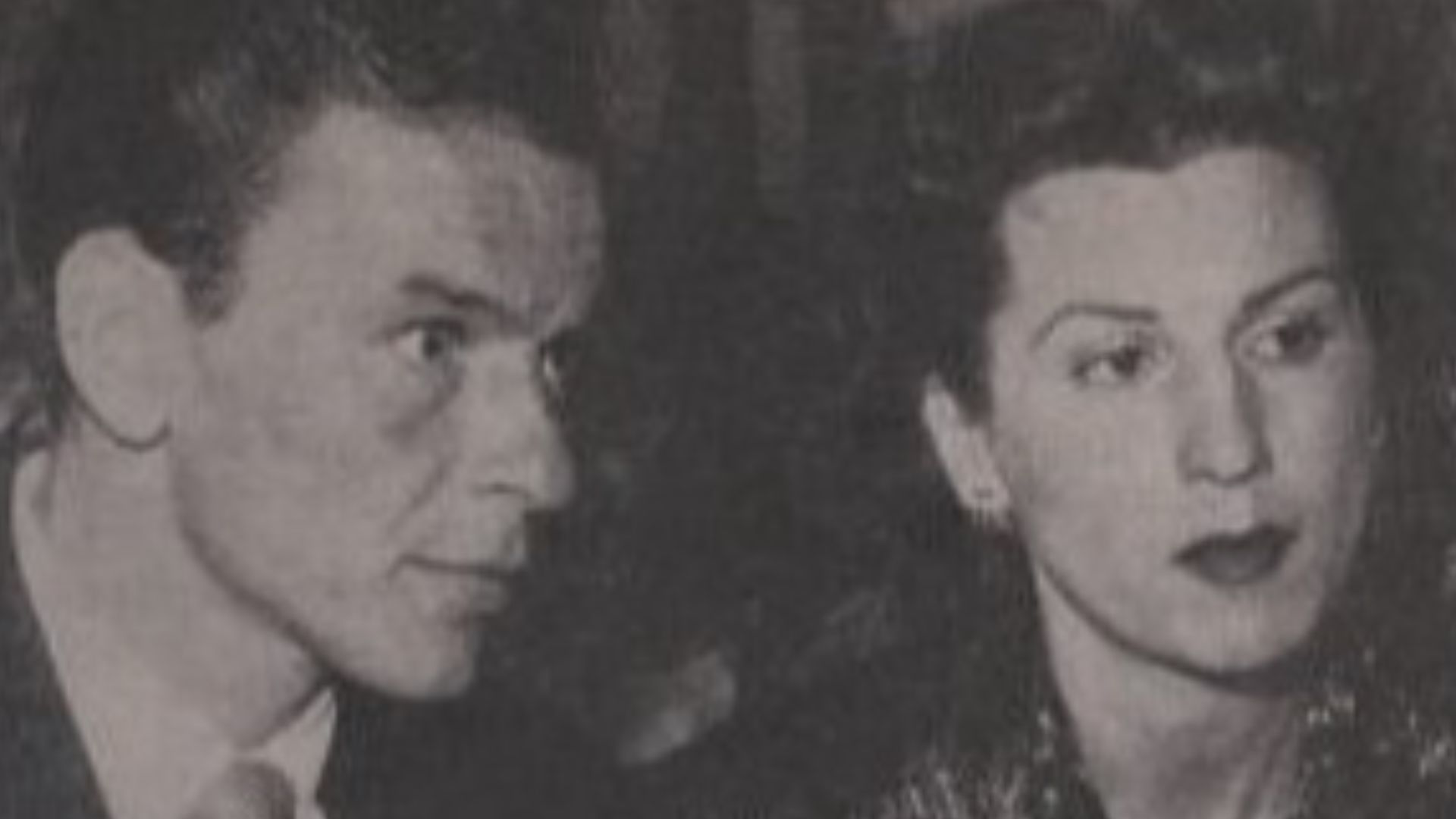 Photographer not credited, Wikimedia Commons
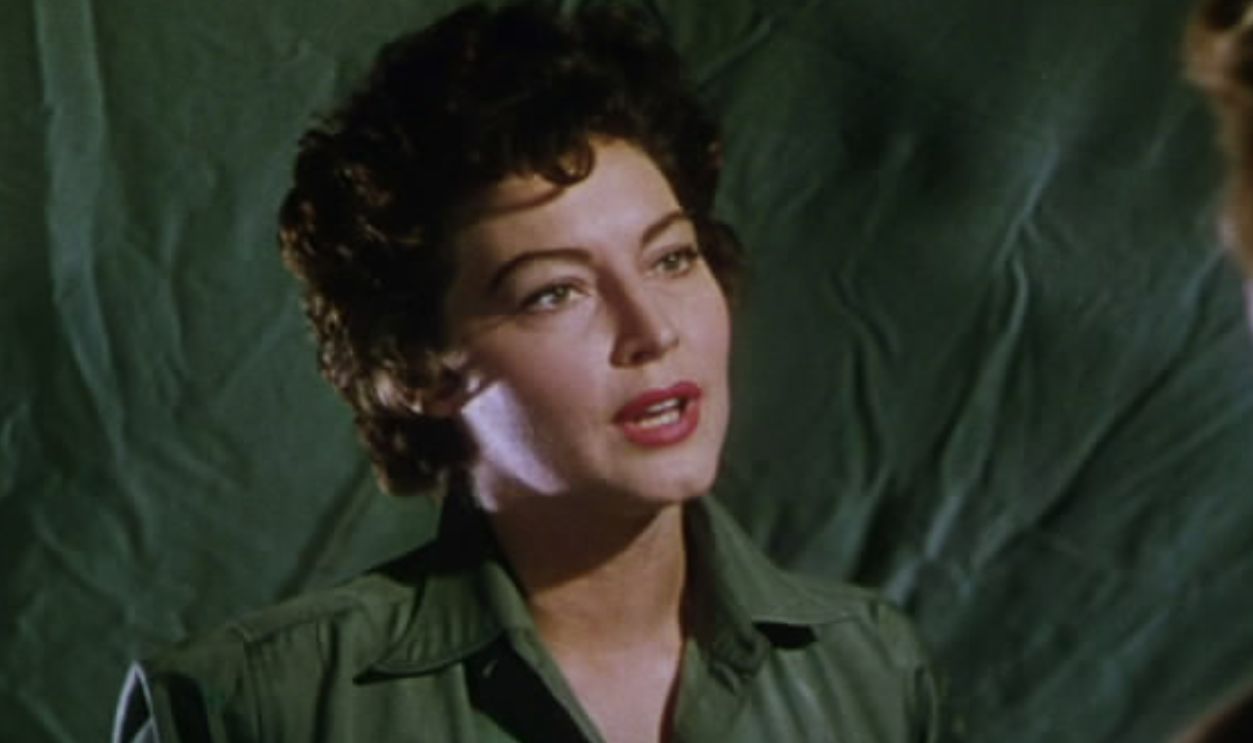
Career Schedules Kept Them Apart
Their work often put them in different places. Gardner filmed internationally, while Sinatra fought to rebuild his music and movie career. Distance gave their problems more room to grow.
 Trailer screenshot, Wikimedia Commons
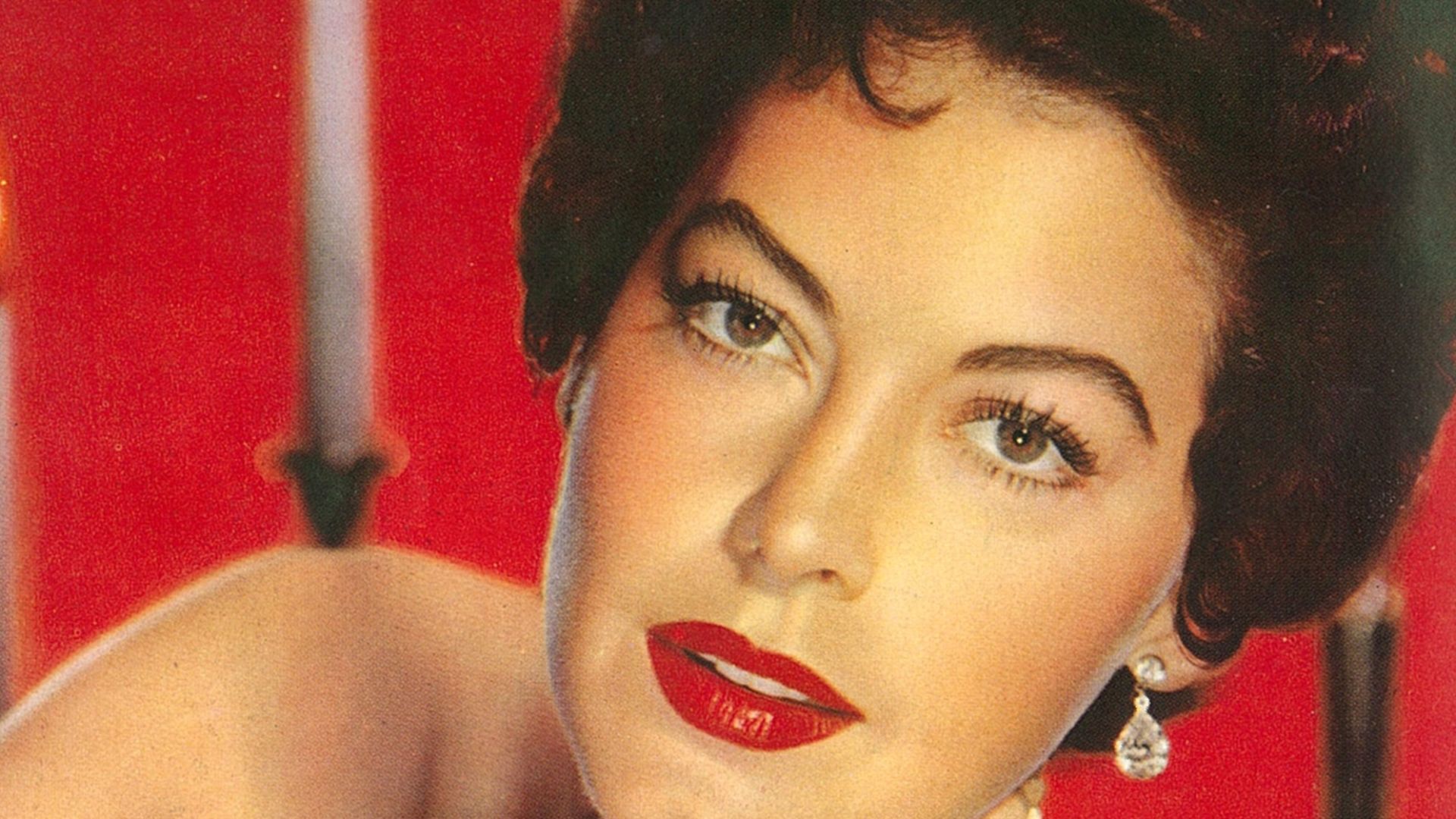
Pregnancy Added More Pain
In her 1990 memoir, Gardner disclosed that she had two abortions while married to Sinatra. She later explained that she wanted a family but doubted Sinatra could provide the stability she needed. That was a deeply personal strain layered on top of an already fragile marriage.
 Eiga no Tomo, Wikimedia Commons
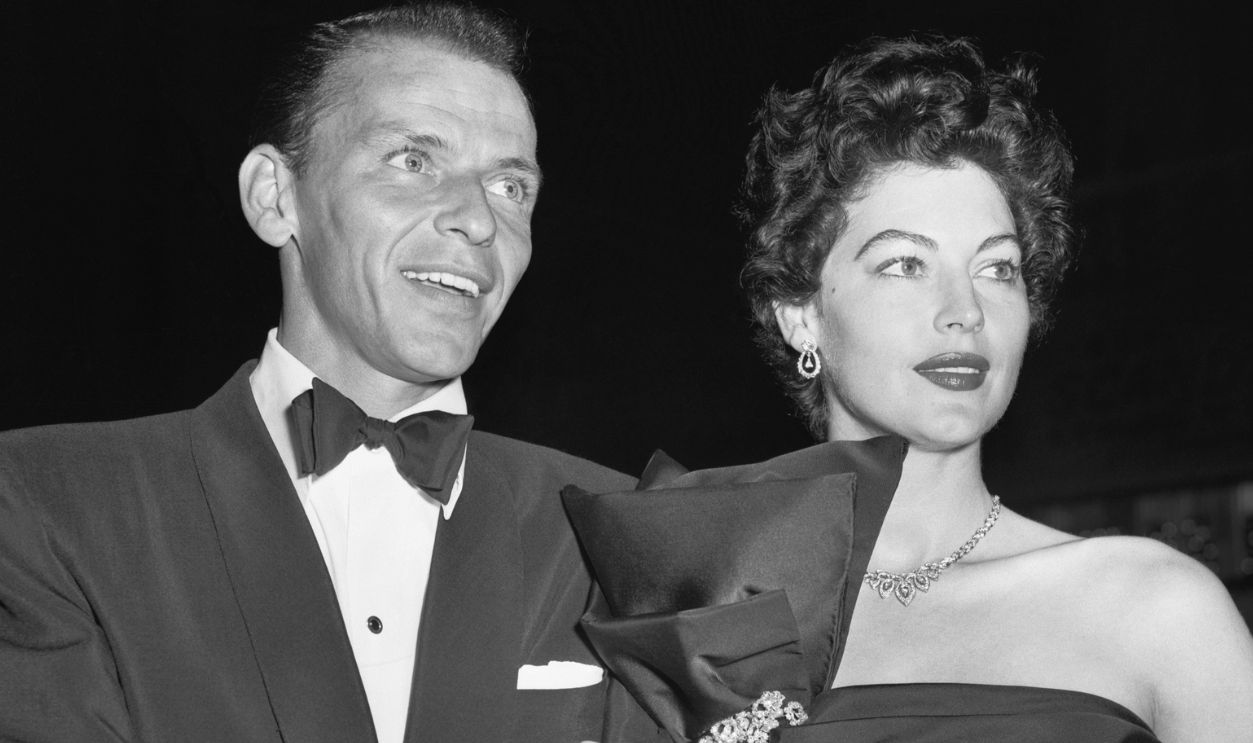
The Marriage Was Cracking By 1953
Sinatra and Gardner separated in 1953. That was less than two years after the wedding. The official divorce took much longer, but the emotional break came early.
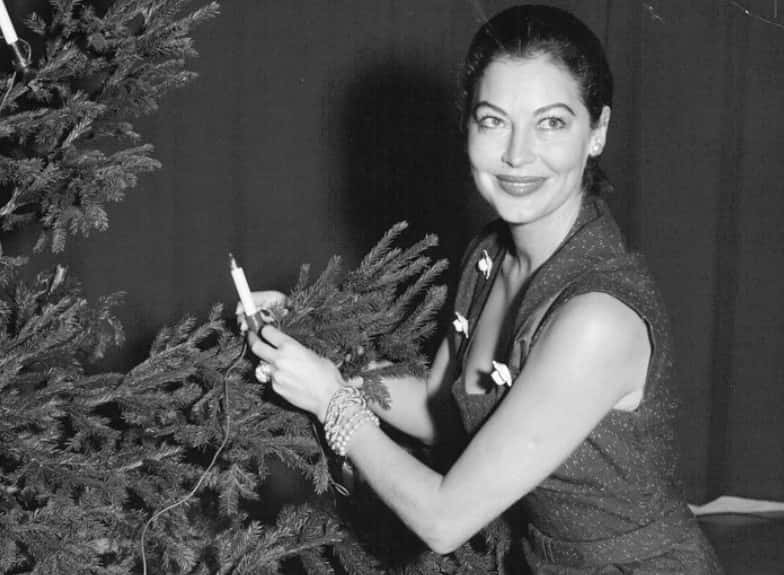
Ava Moved Toward A New Life
By December 1955, the marriage was effectively over, and Gardner had moved to Spain. The divorce was not finalized until July 5, 1957. By then, their relationship had already become more memory than marriage.
 Unknown Author, Wikimedia Commons
Frank Was Not The Only Villain
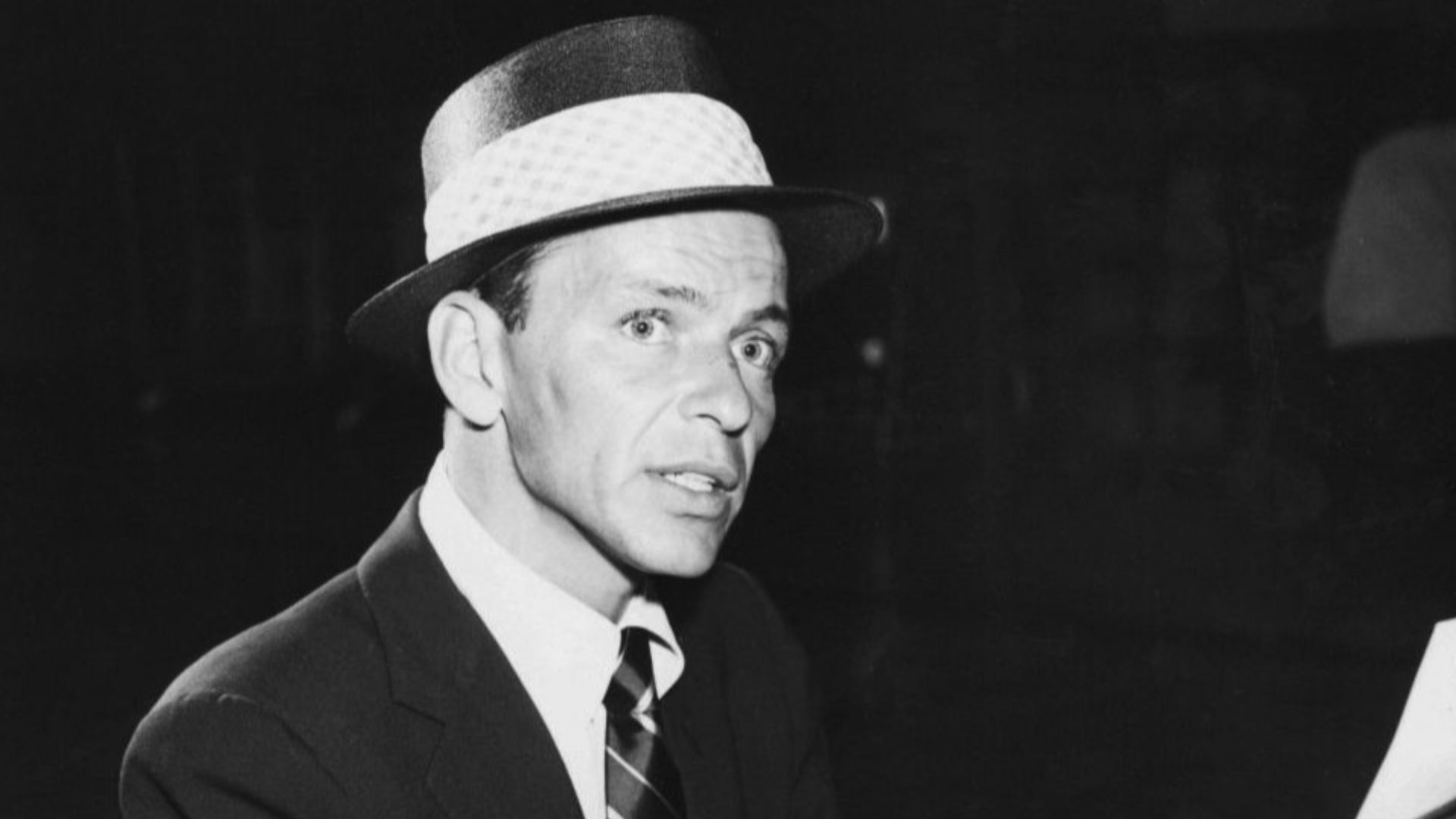
Sinatra’s affair with Gardner helped end his first marriage, and his jealousy damaged the second one. Those facts are hard to ignore. Still, Gardner made choices that hurt the marriage too.
 NBC Television, Wikimedia Commons
Ava Was Not The Only Heartbreaker
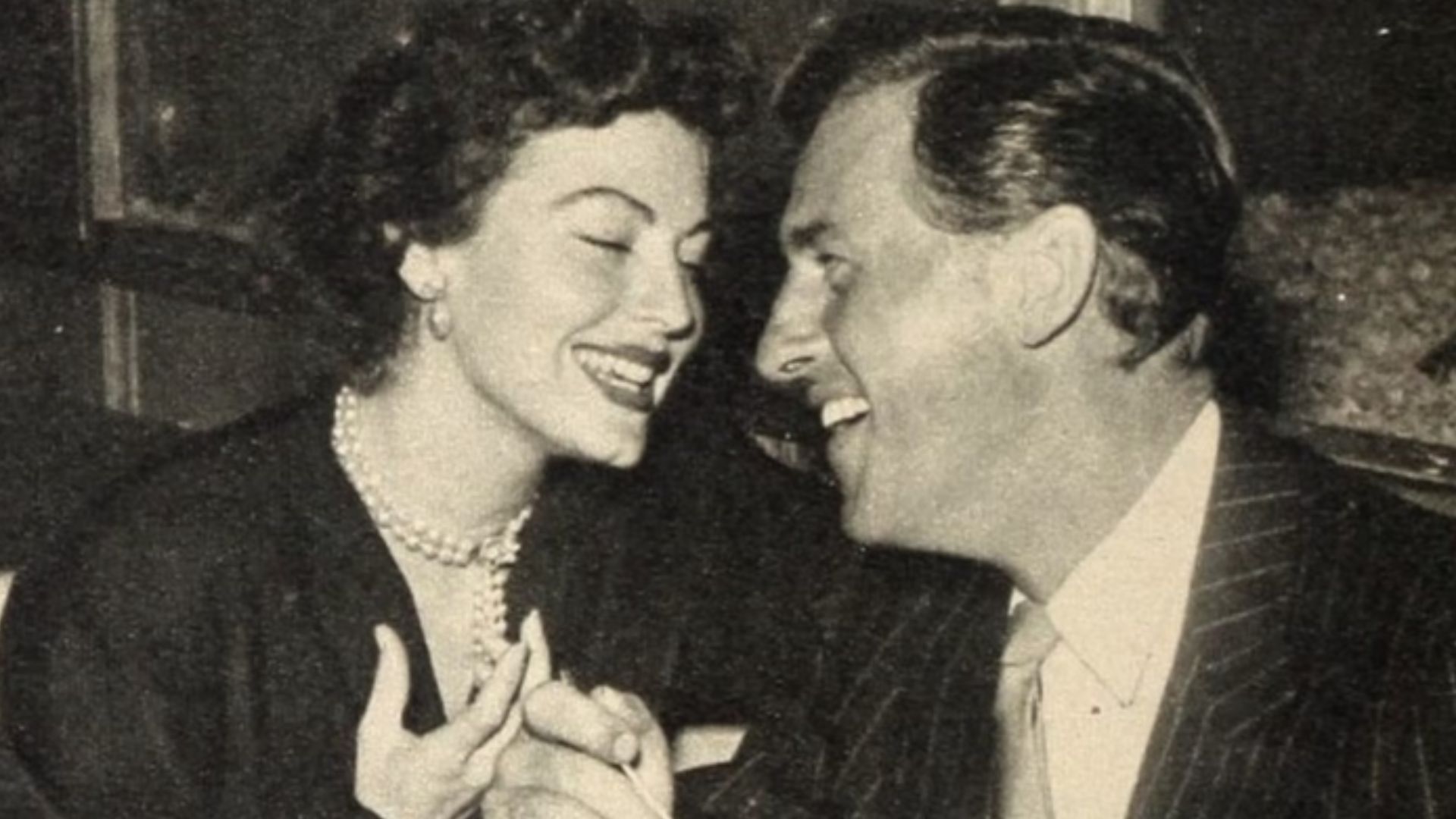
Gardner’s affairs and independence gave Sinatra real reasons to feel hurt. That does not excuse controlling behavior or rage. It does show why this story resists a clean hero-and-villain version.
 Bob Beerman [1], Wikimedia Commons
Love Was Never The Problem
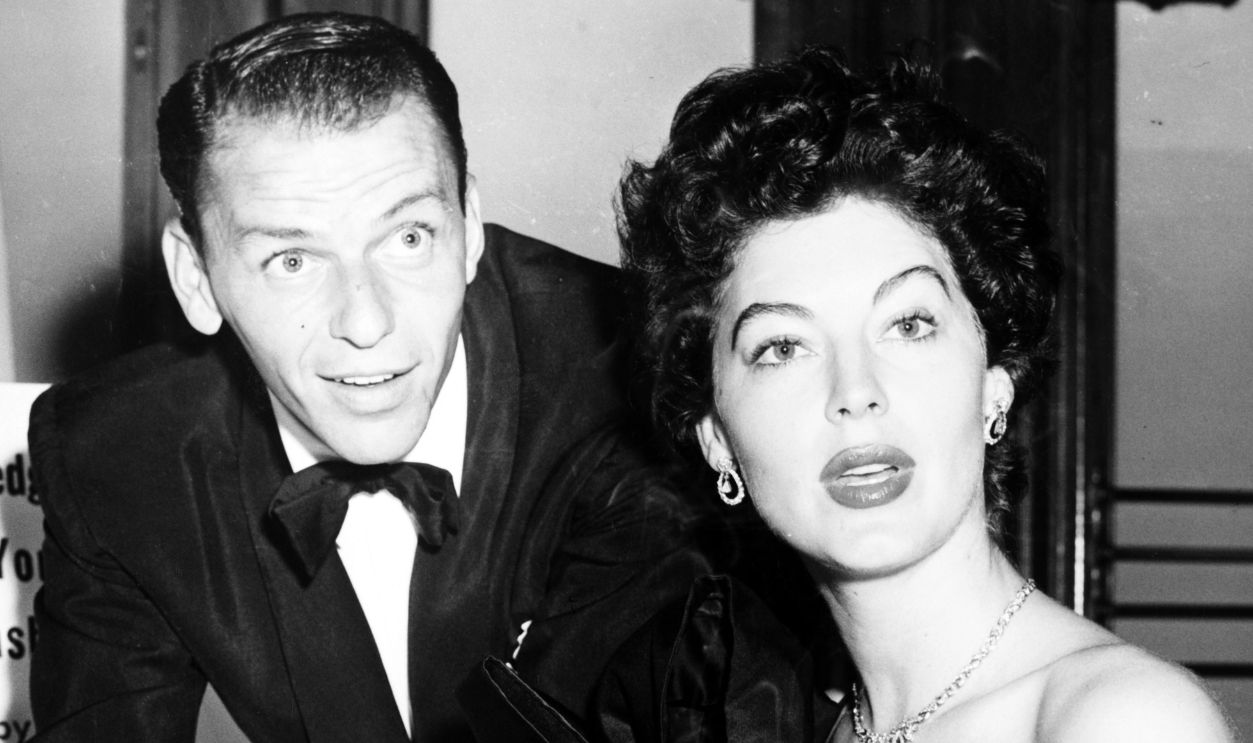
Most accounts agree that Sinatra and Gardner truly loved each other. The issue was whether love could survive jealousy, career stress, public scandal, and repeated betrayals. In their case, it could not.
 Donaldson Collection, Getty Images
The Divorce Was A Shared Collapse
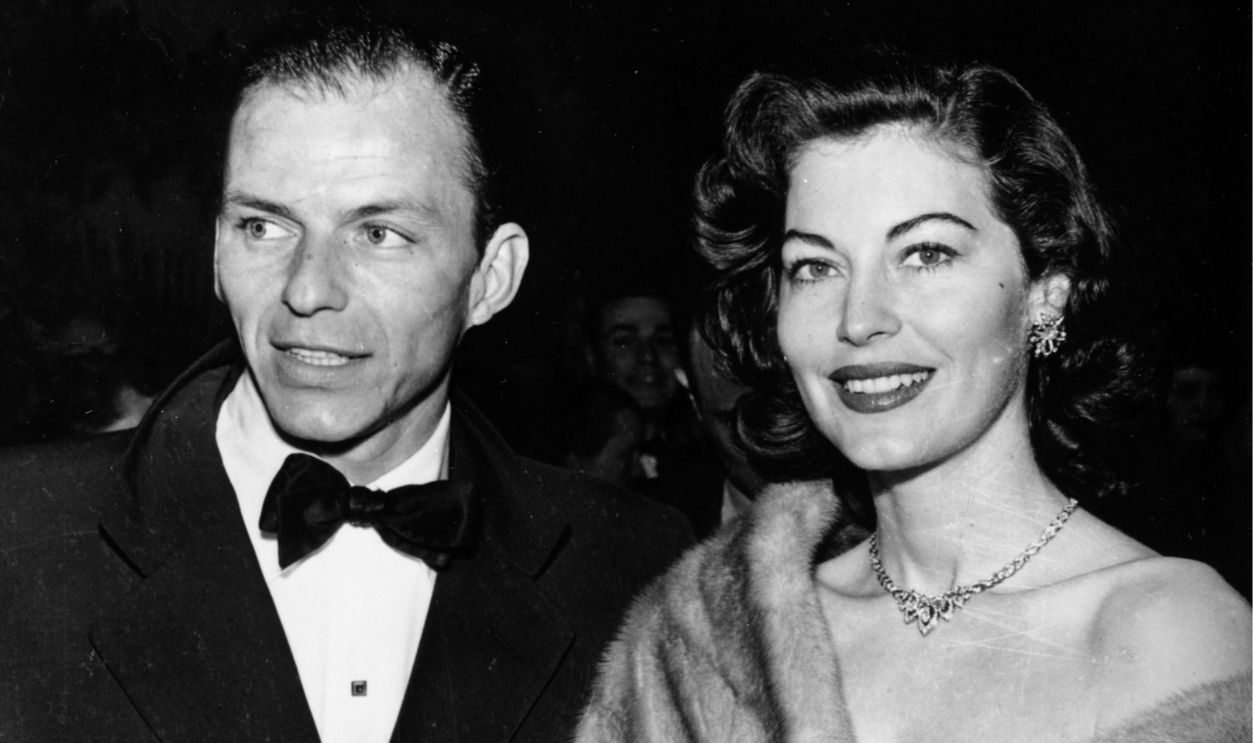
So whose fault was it? Sinatra deserves blame for entering the relationship while married, for his jealousy, and for the instability he brought into the home. Gardner also played a part through affairs, distance, and choices that deepened the break.
The Real Culprit Was The Dynamic
Their marriage failed because the dynamic was toxic, not because one person alone destroyed it. They were passionate, similar, proud, and wounded. That combination made peace almost impossible.
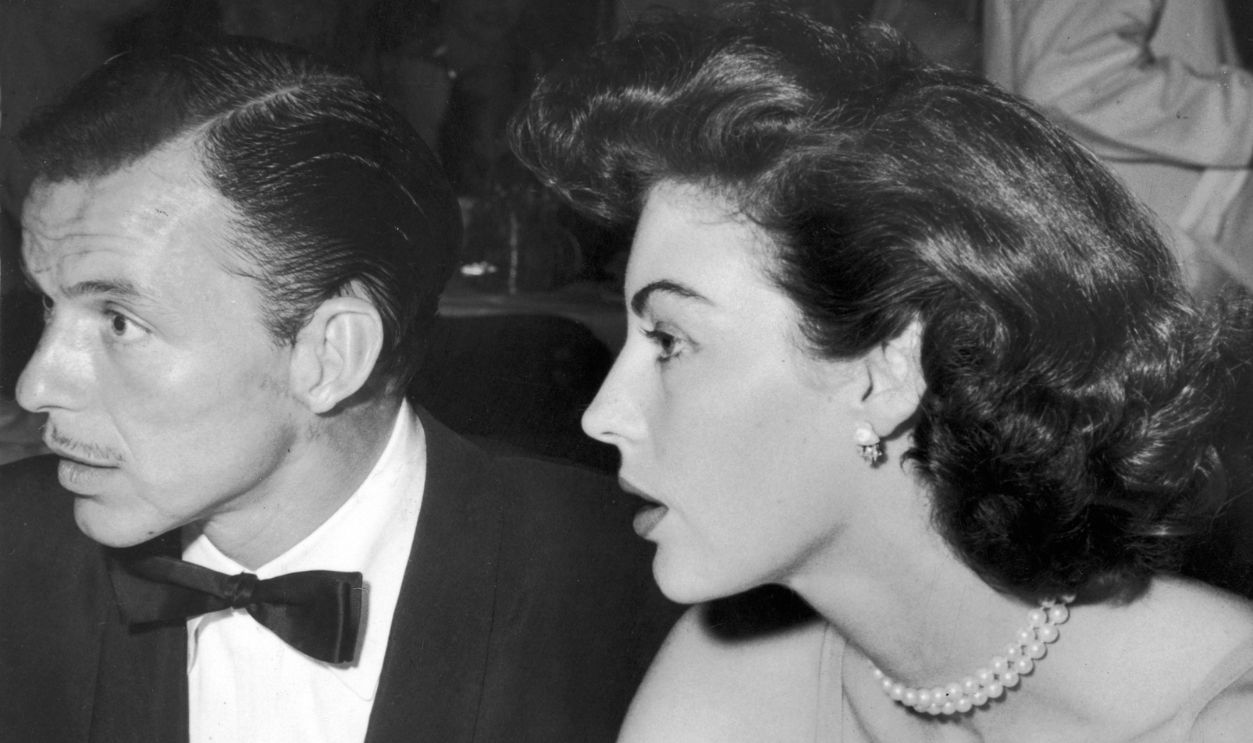
They Stayed Connected Anyway
After the divorce, Gardner never married again. She and Sinatra remained friends until her death in 1990. That ending suggests the love was real, even if the marriage was unworkable.
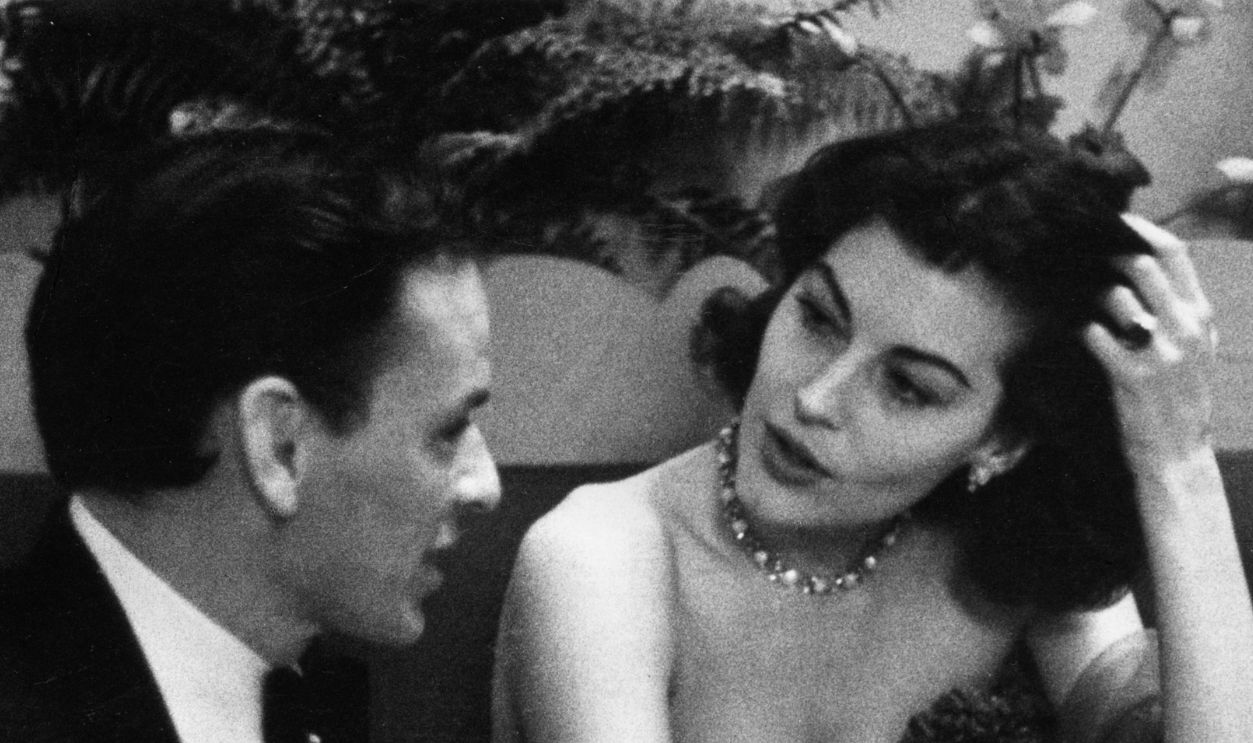
The Verdict Still Feels Human
Frank Sinatra and Ava Gardner’s divorce was not one person’s crime scene. It was a collision of timing, ego, fame, desire, and insecurity. The fairest answer is that both helped make the mess, and neither knew how to clean it up in time.
You May Also Like:
The Love Triangle That Tore The Rat Pack Apart