An Actor Unlike Any Other
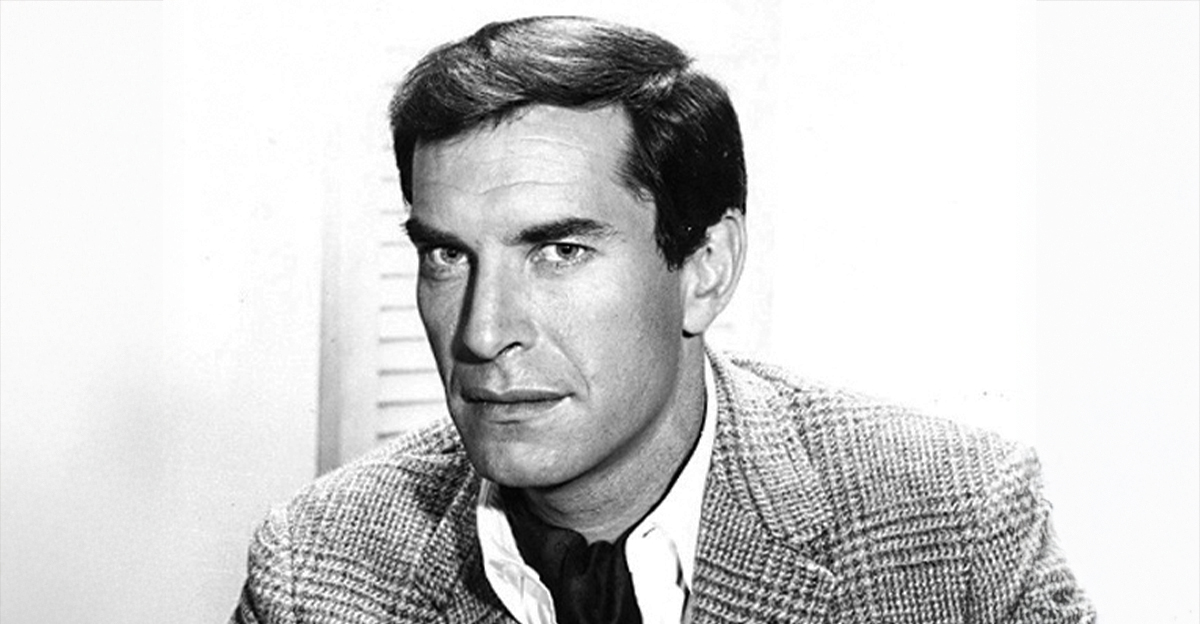
Martin Landau spent more than six decades building one of the most distinctive careers in American entertainment. His journey took him from cartooning and acting classes in New York to television stardom, acclaimed film performances, and an Academy Award. Along the way, he became known as a gifted performer and respected acting teacher.
 NASA/JPL-Caltech, Public domain, via Wikimedia Commons
Brooklyn Beginnings
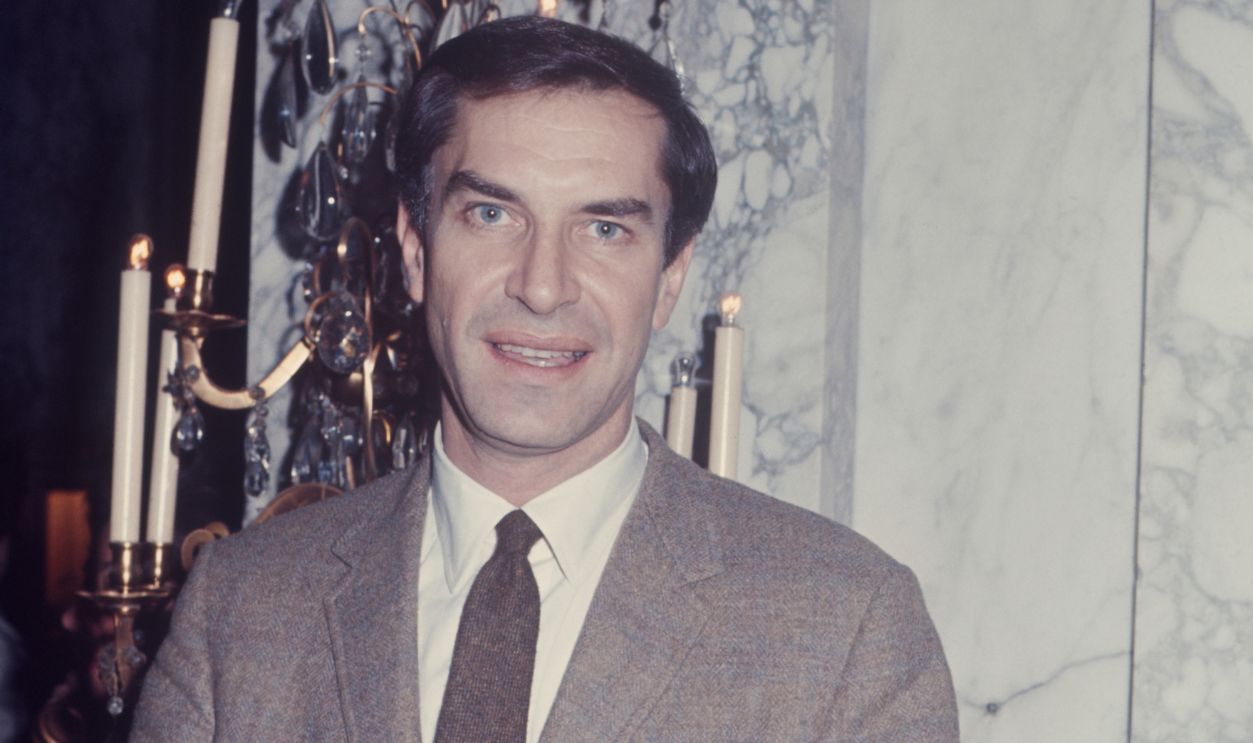
Martin James Landau was born on June 20, 1928, in Brooklyn, New York City. He was the son of Selma and Morris Landau. His father worked as a machinist and later attempted a career in real estate. The family's experiences during difficult economic times helped shape Landau's outlook on life.
Growing Up During Hard Times
Landau grew up during the Great Depression and witnessed major world events as a young man. According to later interviews, these experiences gave him a strong awareness of human behavior and motivation. He would eventually draw on those observations during his long acting career.
A Talented Cartoonist
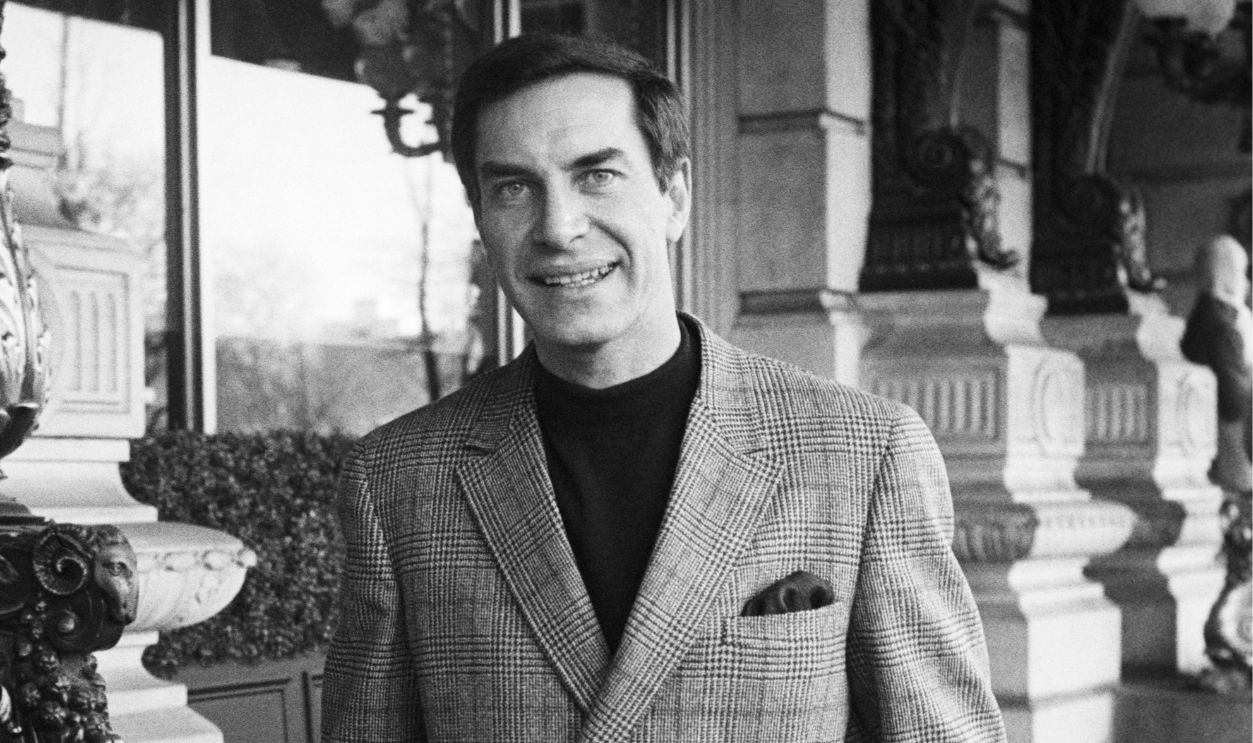
Before becoming an actor, Landau pursued a career in art. He attended the Pratt Institute and worked as a cartoonist for the New York Daily News. Although he found success in that profession, he increasingly felt drawn toward performing and the possibility of becoming an actor.
 Peter Greenberg, Wikimedia Commons
Choosing A New Path
Leaving a stable position to pursue acting was a significant gamble. Landau nevertheless decided to dedicate himself fully to the craft. He immersed himself in acting studies and began seeking opportunities that would allow him to develop his skills and gain professional experience.
The Strasberg Challenge
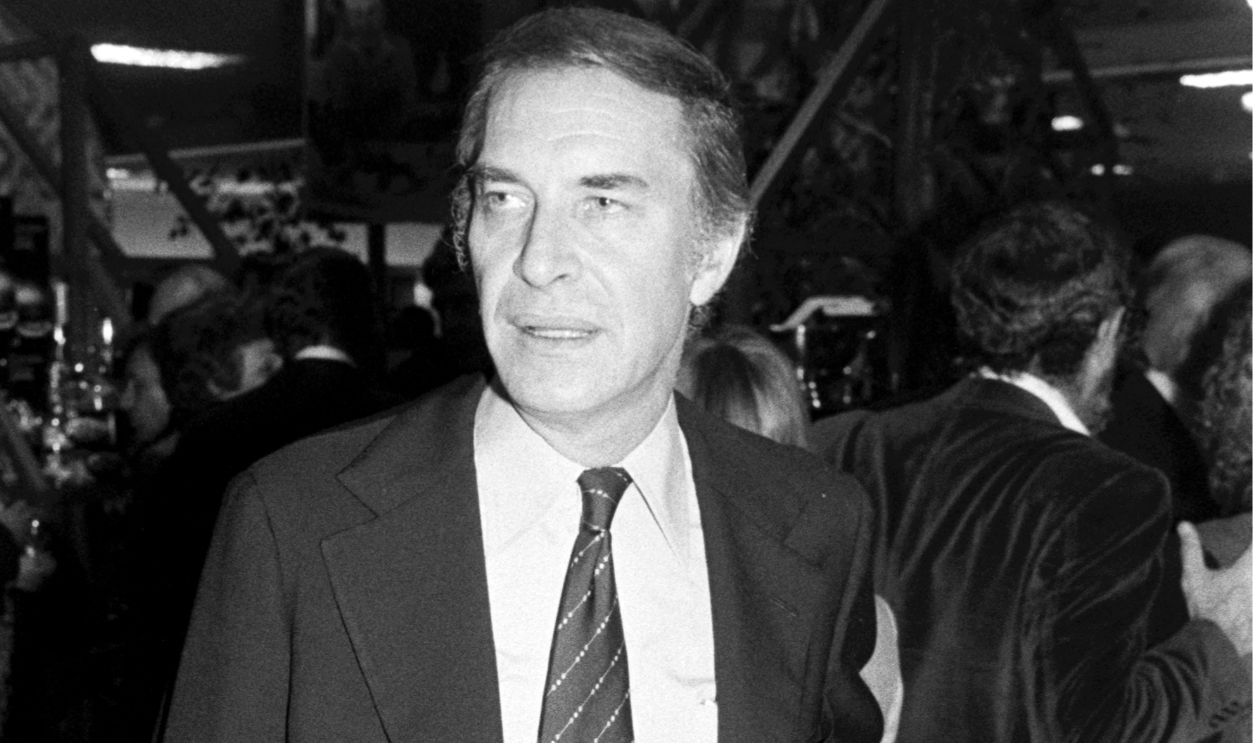
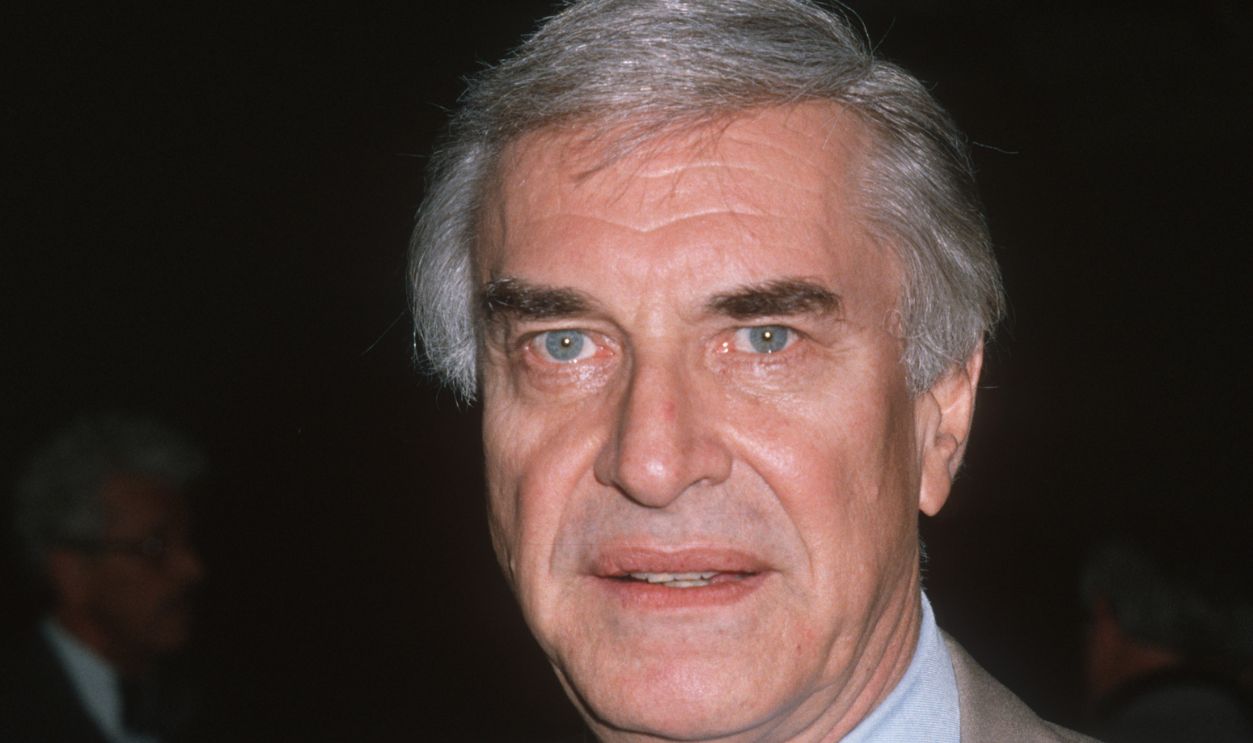
One of the most remarkable moments in Landau's early career came when he auditioned for the Actors Studio. He later recalled that roughly 2,000 applicants tried out. Only two were accepted: Martin Landau and a young aspiring actor named Steve McQueen.
Learning The Method
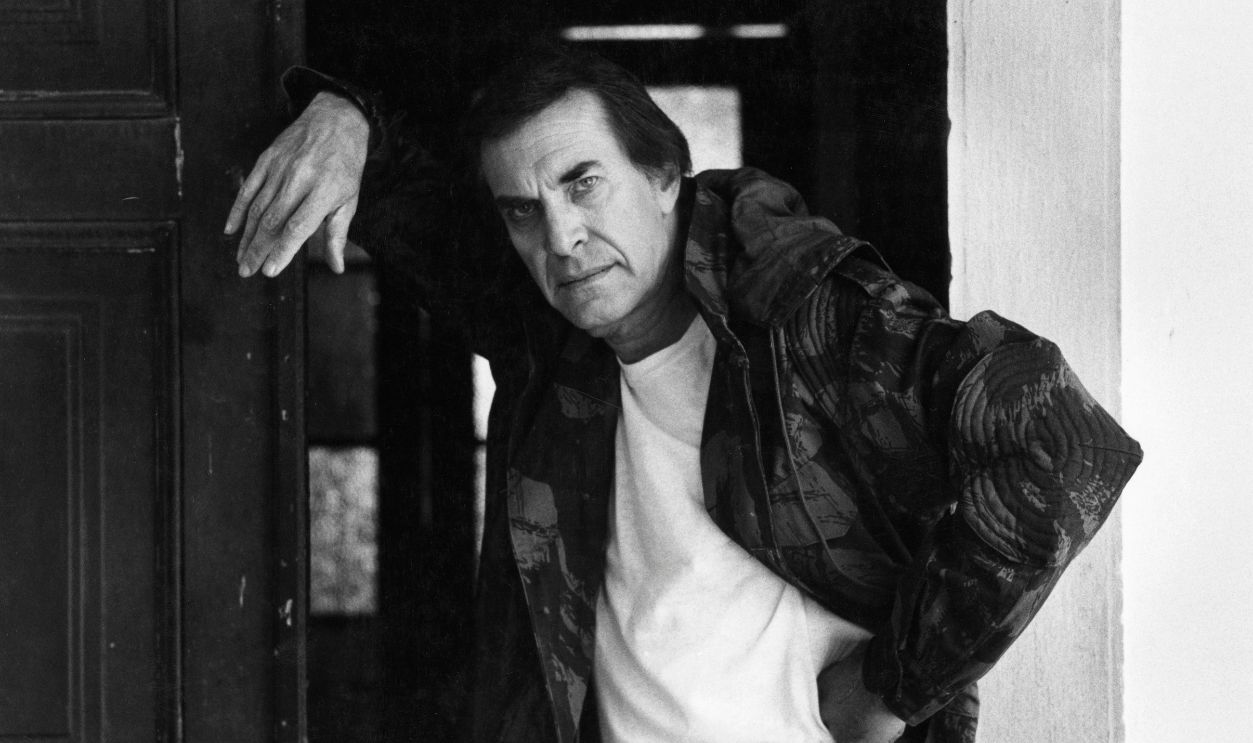
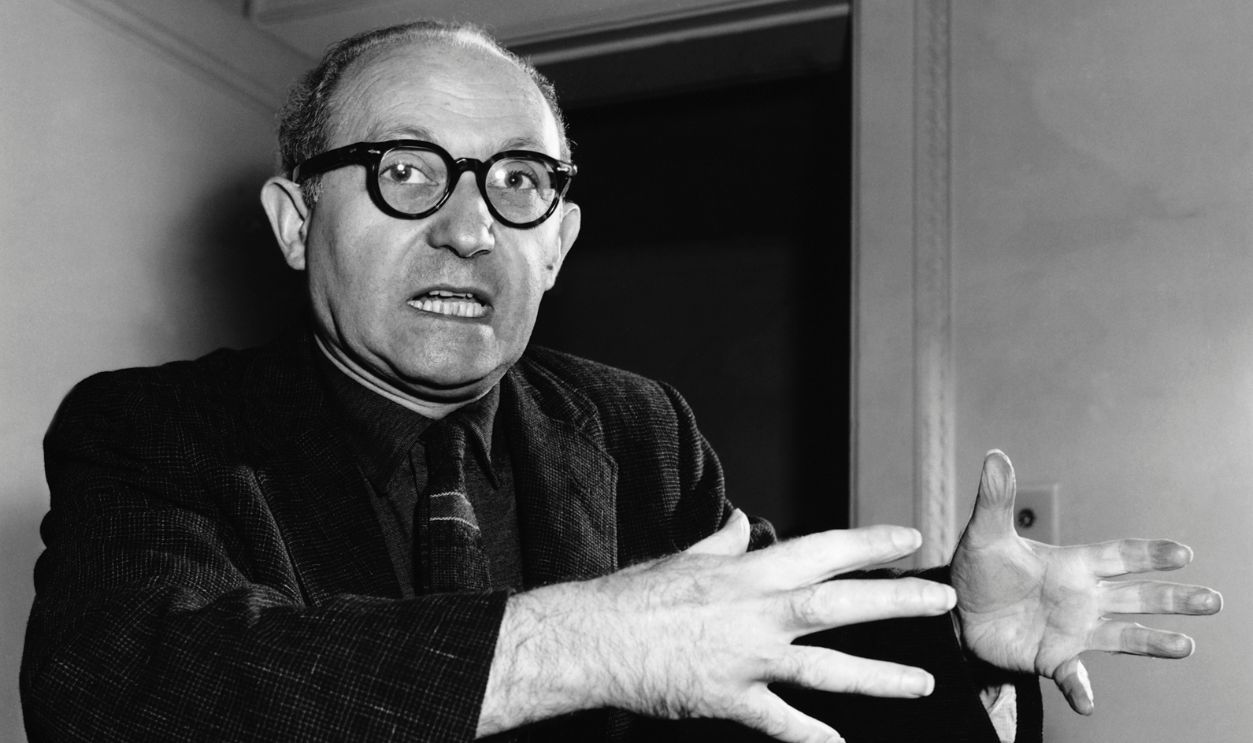
Acceptance into the Actors Studio placed Landau under the guidance of the influential Lee Strasberg. There he studied method acting and refined techniques that emphasized emotional truth and psychological realism. The experience would become the foundation of his entire professional approach to acting.
Becoming A Teacher
Landau impressed the leadership of the Actors Studio with both his talent and dedication. Eventually, he became an instructor himself. Teaching allowed him to deepen his understanding of performance while helping younger actors learn the demanding techniques associated with the Studio.
Teaching Jack Nicholson
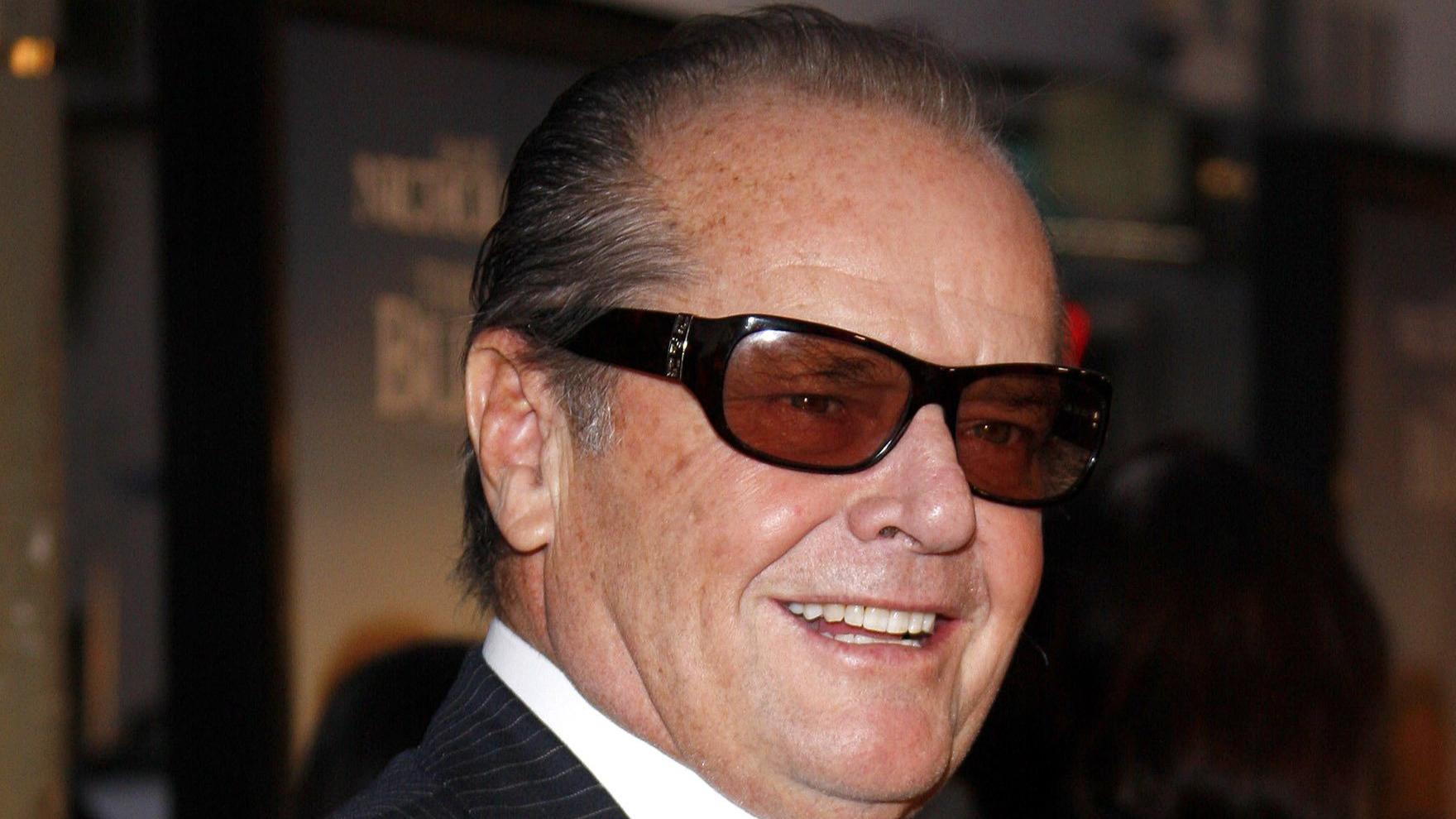
Among the students Landau taught was future Hollywood star Jack Nicholson. At the time, Nicholson was simply one of many aspiring performers studying the craft. Landau later looked back on those years as an important period in both his own development and that of his students.
Early Television Work
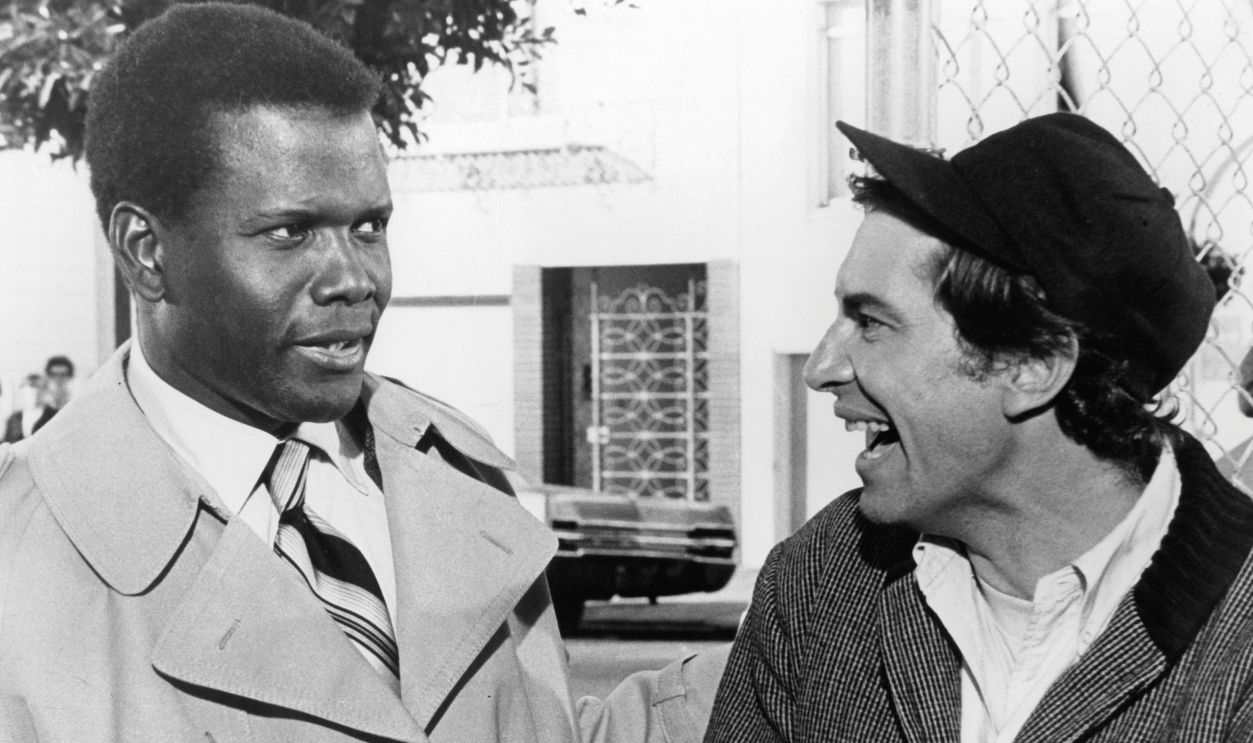
During the 1950s, Landau steadily built his résumé through numerous television appearances. Like many actors of the era, he worked in anthology dramas and episodic programs. These roles provided valuable experience and helped establish him as a reliable and versatile performer.
Breakthrough Film Role
A major breakthrough came when Landau was cast in North by Northwest (1959). Directed by Alfred Hitchcock, the film became one of the most celebrated thrillers of its era and introduced Landau's talents to a significantly larger audience.
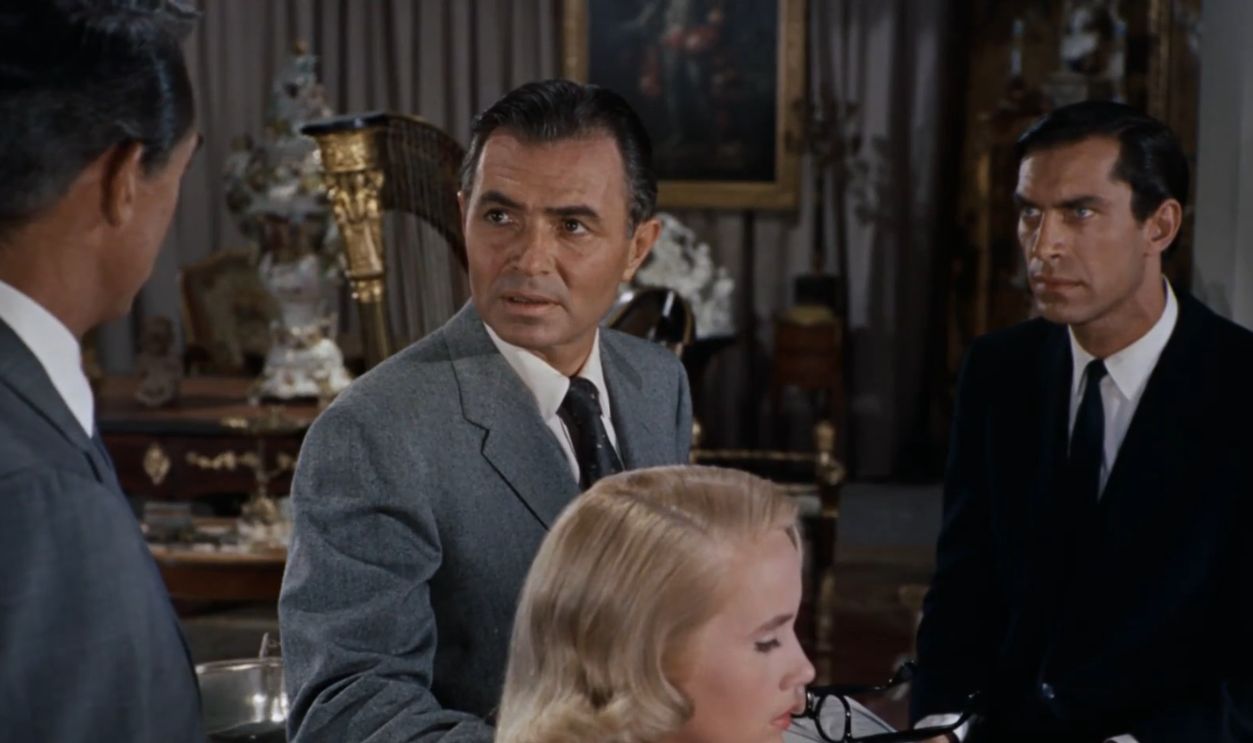 Screenshot from North by Northwest, Metro-Goldwyn-Mayer (1959)
Leonard In The Shadows
In North by Northwest (1959), Landau portrayed Leonard, the trusted lieutenant of the villain played by James Mason. Although not the lead character, Leonard became memorable because of Landau's restrained performance and ability to project quiet menace throughout the story.
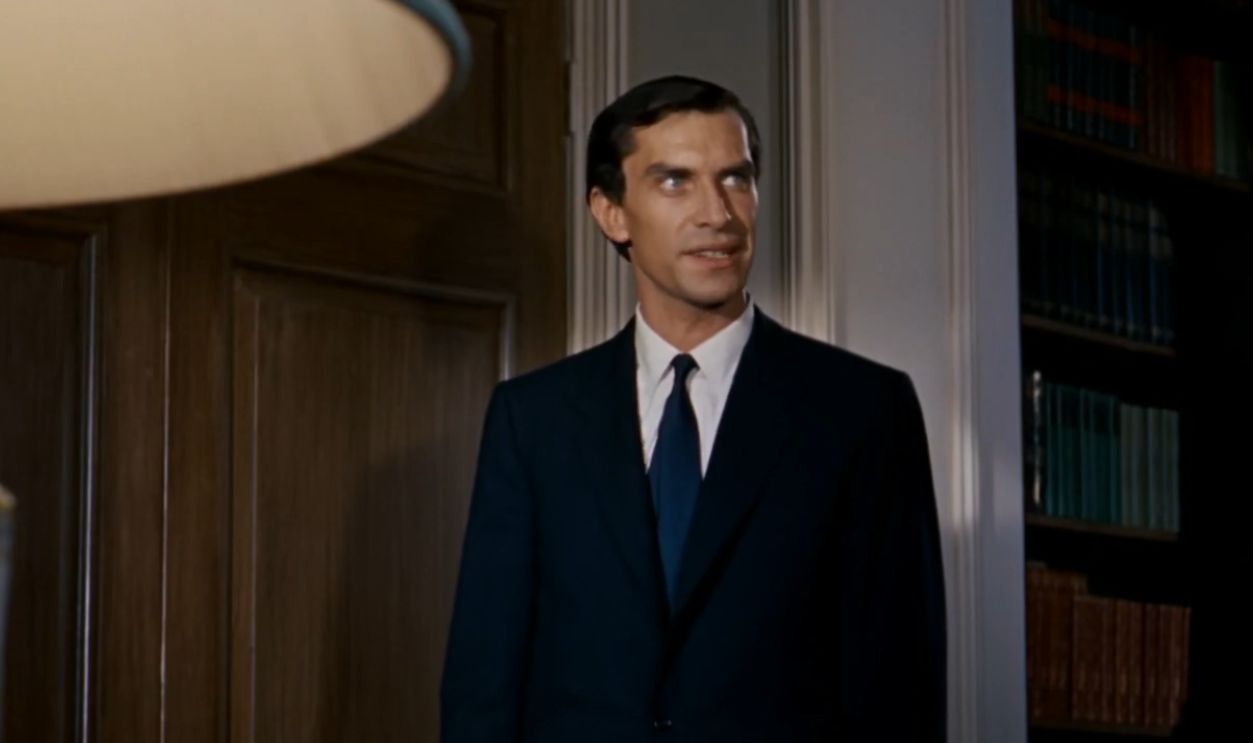 Screenshot from North by Northwest, Metro-Goldwyn-Mayer (1959)
Building A Reputation
Following North by Northwest (1959), Landau continued building a strong reputation in both film and television. Casting directors increasingly recognized his ability to portray intelligent, complex characters. Throughout the early 1960s, he worked steadily and established himself as a respected professional actor.
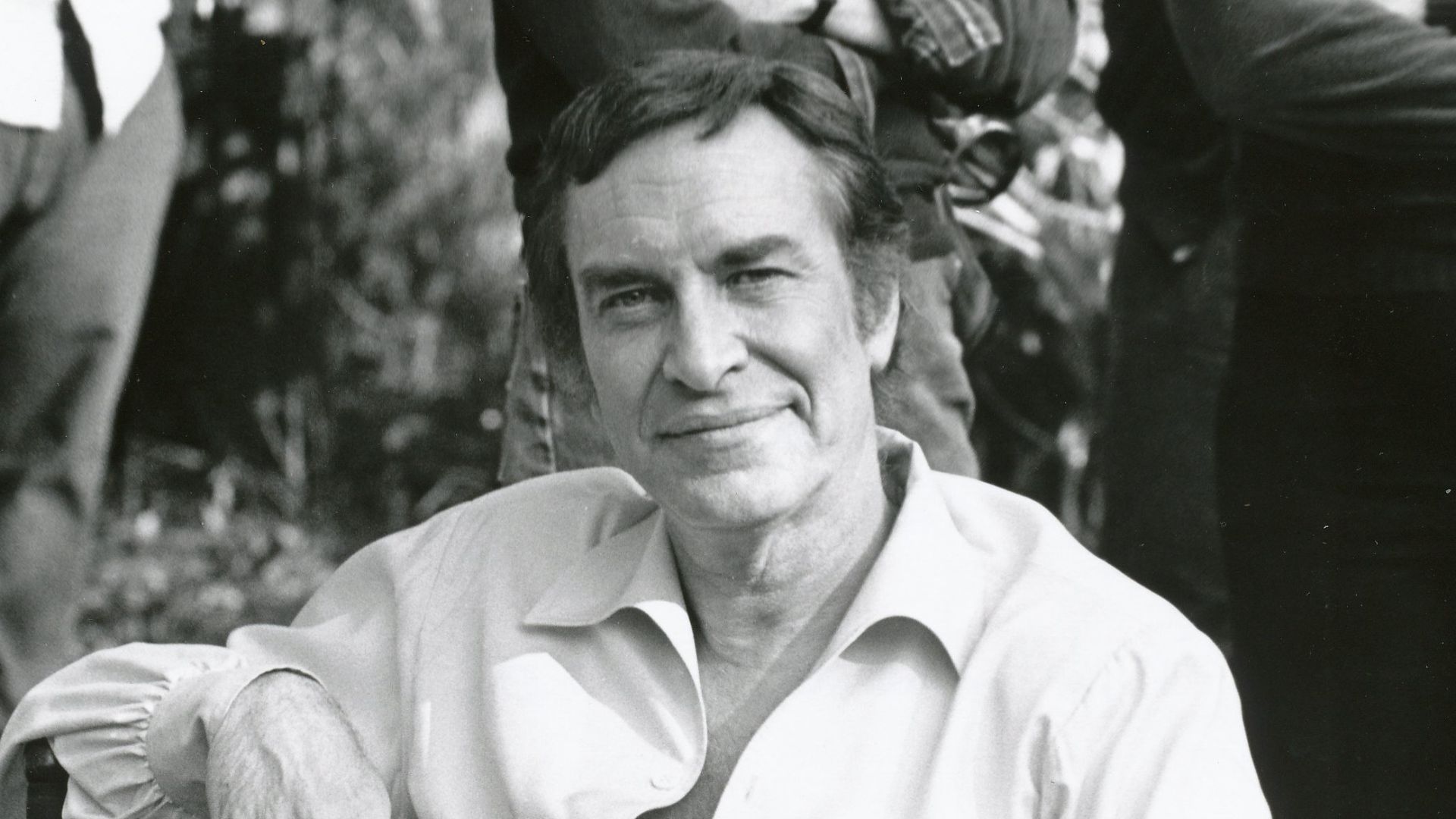 Los Angeles County Arboretum, Wikimedia Commons
A New Television Era
By the mid-1960s, television networks were investing heavily in sophisticated action and espionage programs. Producers sought performers capable of handling intricate plots and dramatic tension. This changing television landscape created the perfect opportunity for Landau's next major career breakthrough.
Joining Mission: Impossible
Landau joined Mission: Impossible (1966) as Rollin Hand, a master of disguise and deception. The series centered on the Impossible Missions Force and its elaborate operations. Rollin quickly became one of the show's most popular characters and helped define its unique style.
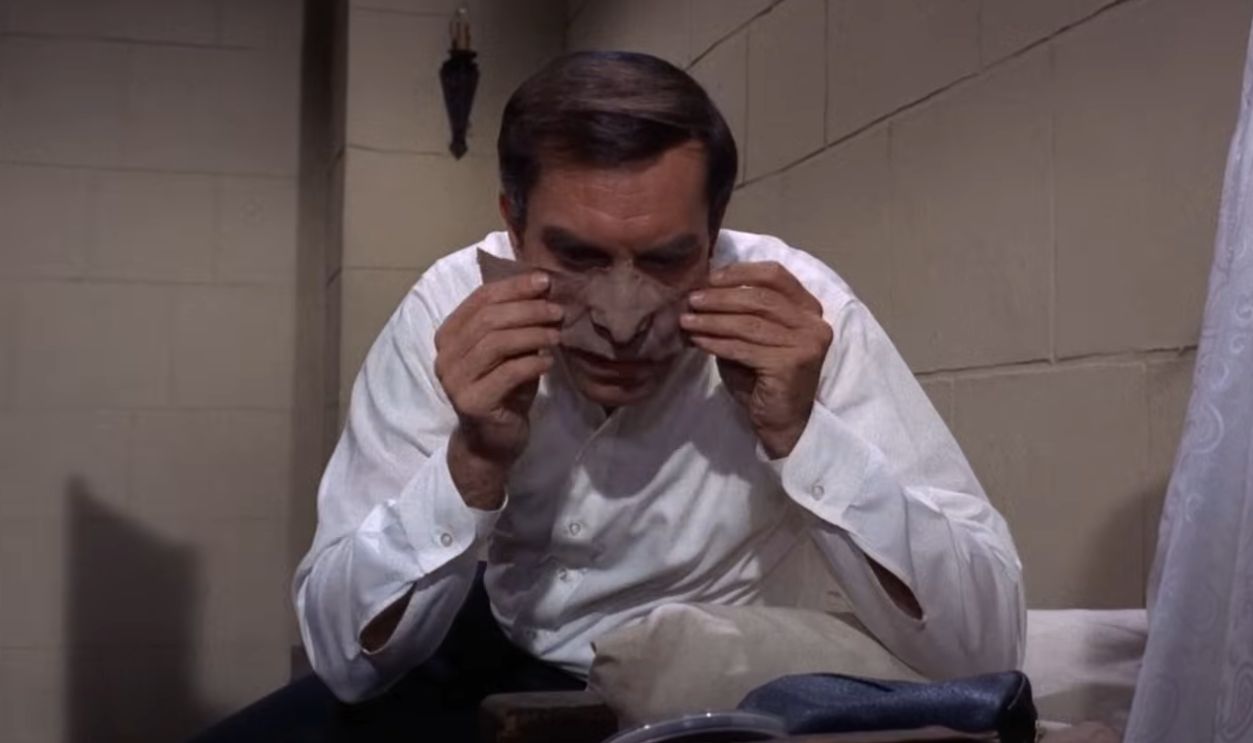 Screenshot from Mission: Impossible, CBS (1966–1973)
The Master Of Disguise
Rollin Hand specialized in impersonation, undercover work, and elaborate trickery. The role allowed Landau to showcase remarkable versatility. Each mission often required him to become a completely different person, giving viewers a chance to see the breadth of his acting abilities.
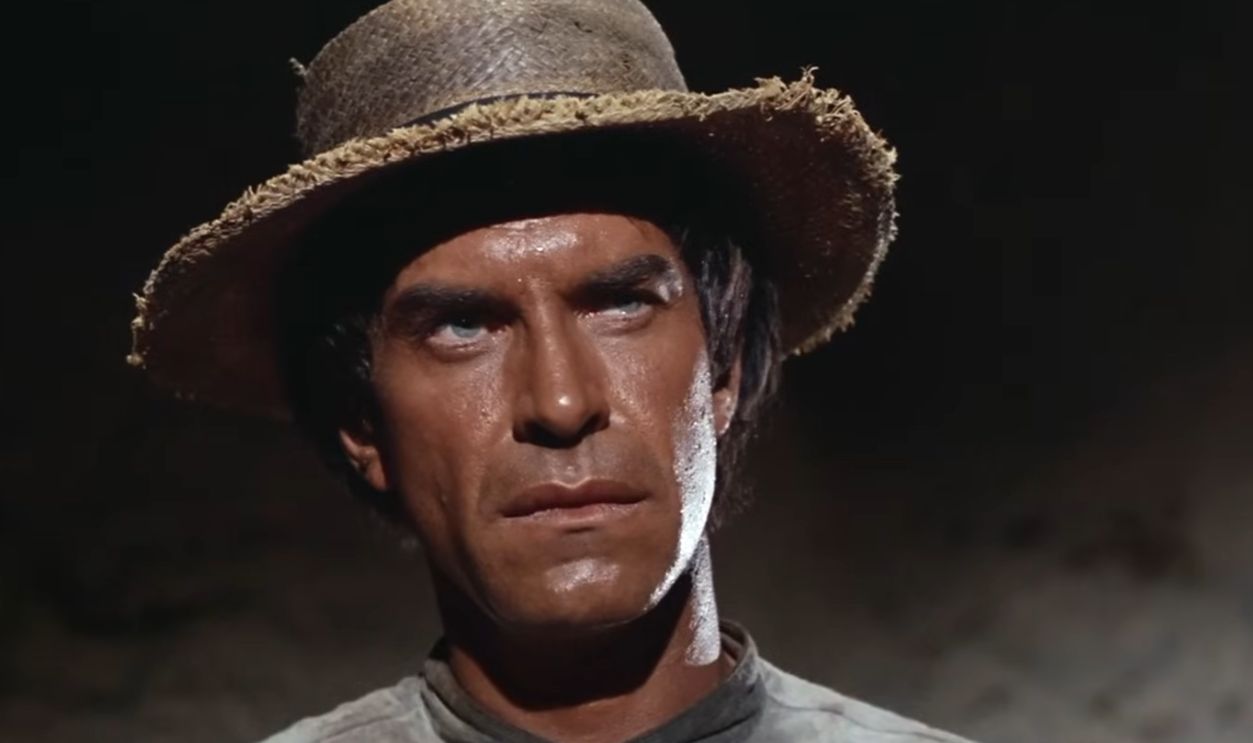 Screenshot from Mission: Impossible, CBS (1966–1973)
Critical Recognition
Landau's performance on Mission: Impossible (1966) earned widespread praise from audiences and critics alike. His work brought him multiple Emmy Award nominations and helped elevate the series into one of the most acclaimed television productions of its era.
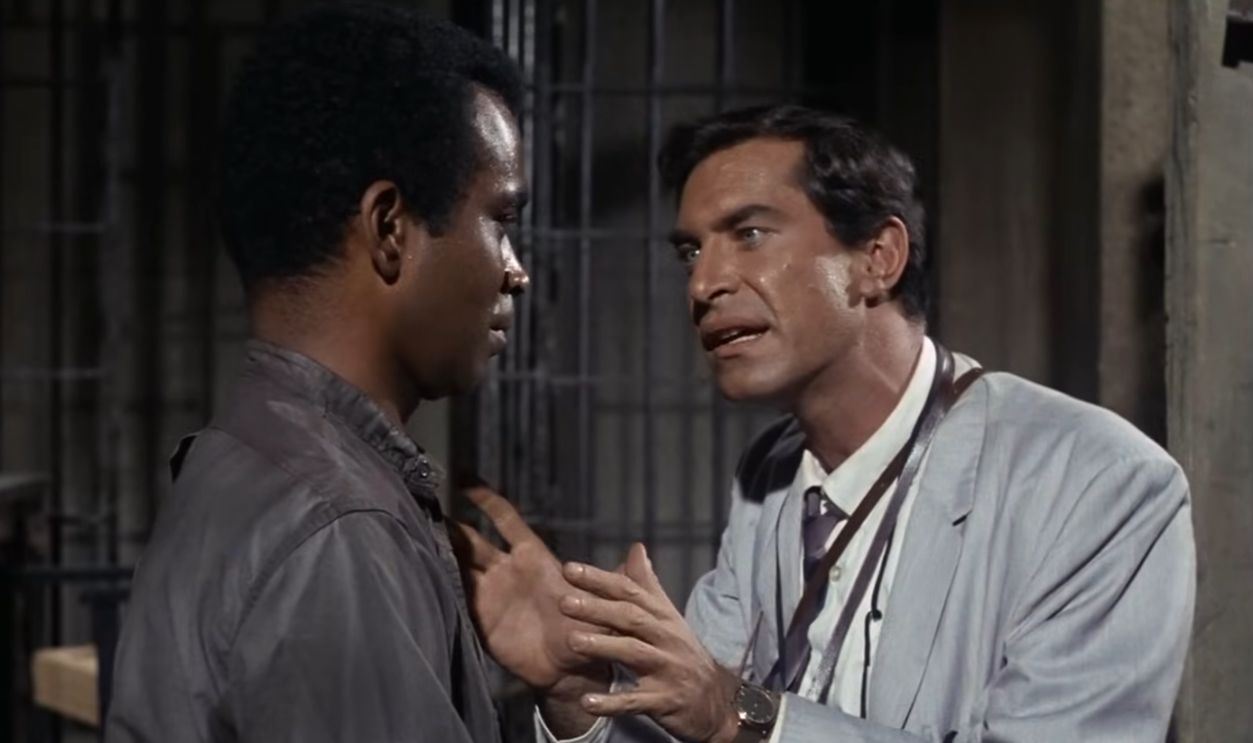 Screenshot from Mission: Impossible, CBS (1966–1973)
Working With Barbara Bain
An important aspect of the show's success was Landau's collaboration with his wife, Barbara Bain. Bain portrayed Cinnamon Carter, another key member of the team. Together they formed one of television's most recognizable and successful acting partnerships during the late 1960s.
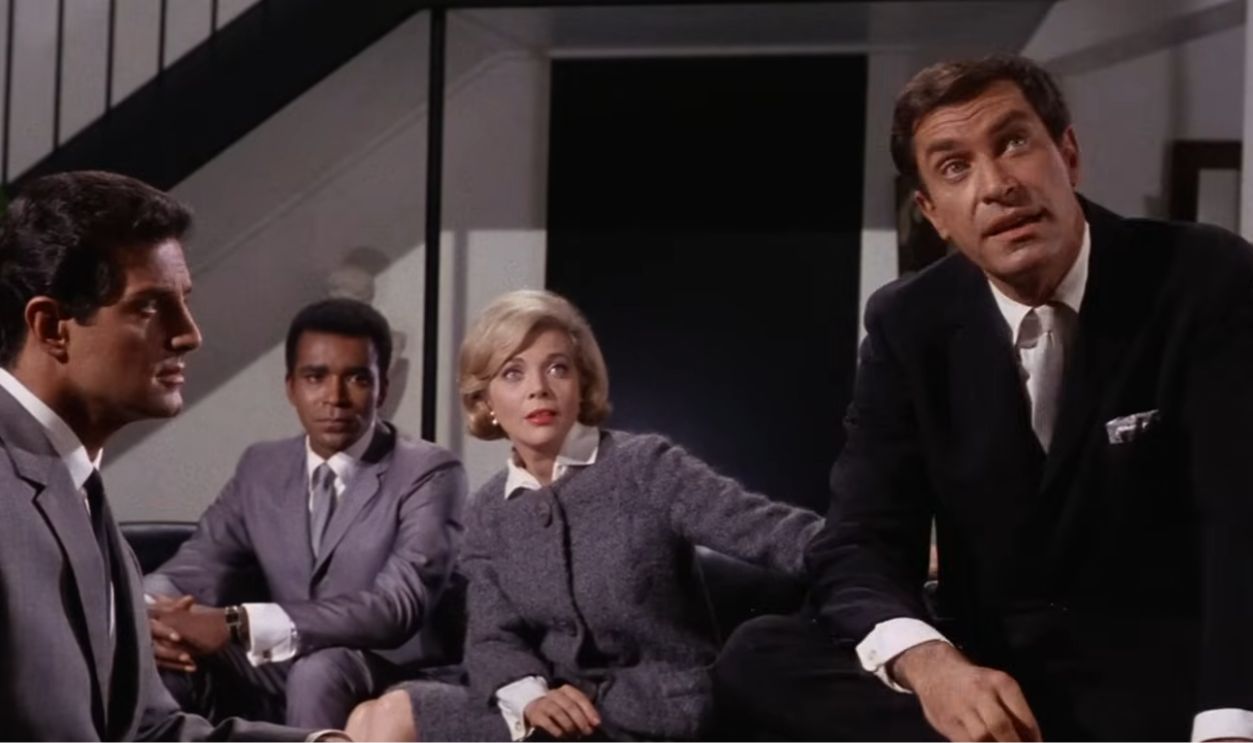 Screenshot from Mission: Impossible, CBS (1966–1973)
Leaving The Series
Landau and Bain departed Mission: Impossible (1966) after the third season. Their exits represented a major change for the program. Although the series continued, many viewers associated its early success with the performances and chemistry provided by the husband-and-wife team.
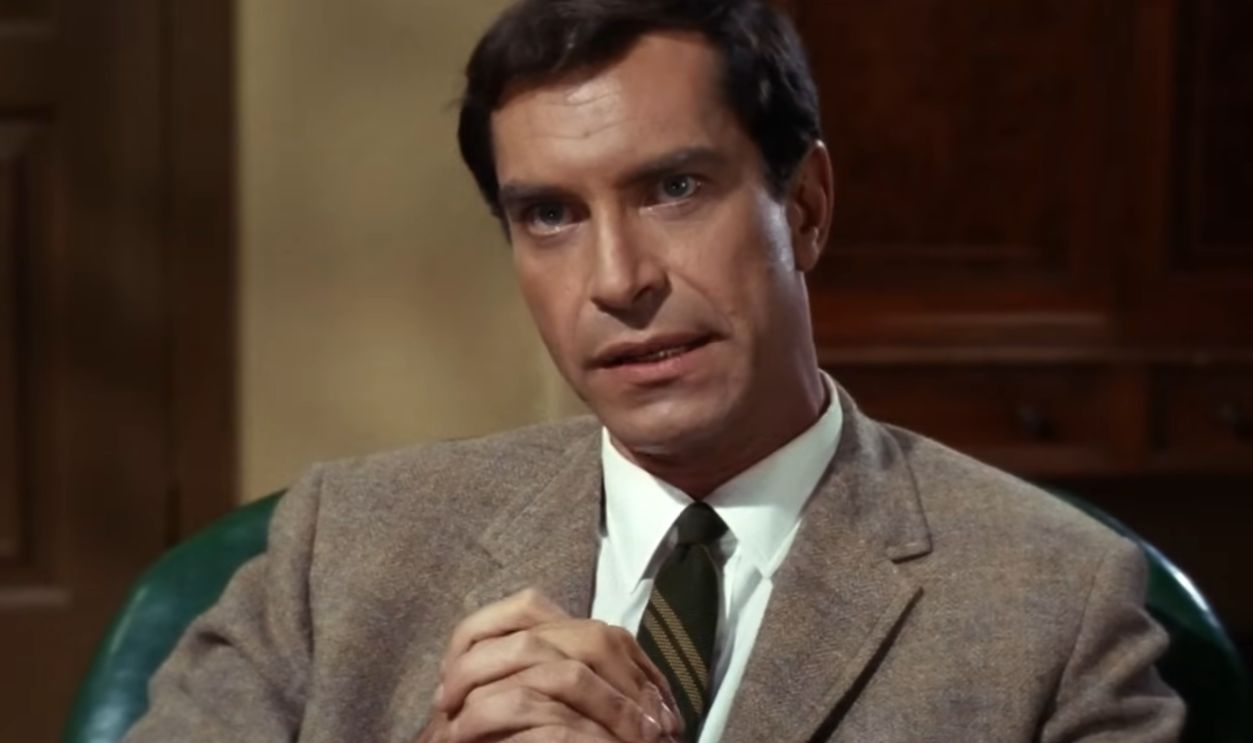 Screenshot from Mission: Impossible, CBS (1966–1973)
A New Science Fiction Adventure
In the mid-1970s, Landau reunited professionally with Bain on Space: 1999 (1975–77). The science-fiction series provided both actors with prominent roles and introduced them to a new audience. The show became an important chapter in Landau's television career.
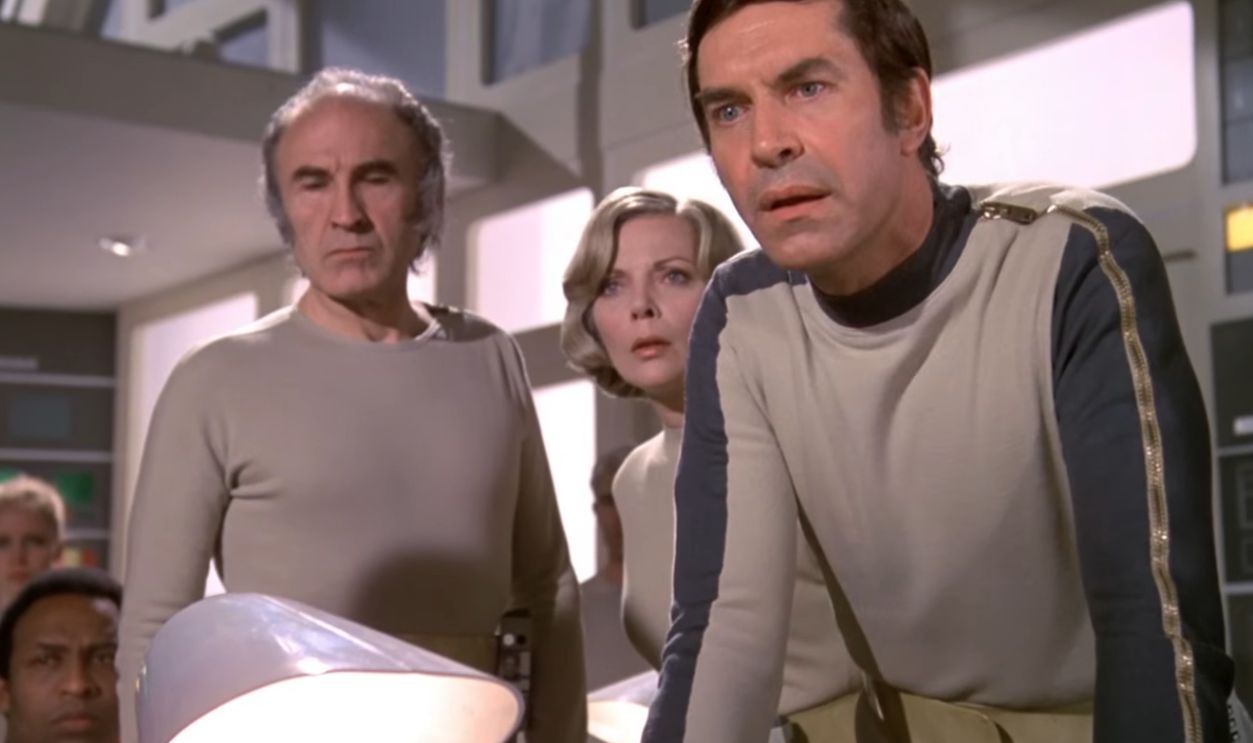 Screenshot from Space: 1999, ITV (1975–1977)
Career Reinvention
After years of television fame, Landau successfully reinvented himself as a character actor in film. Rather than relying solely on his earlier television success, he pursued challenging roles that demonstrated his range and earned renewed critical attention throughout the 1980s.
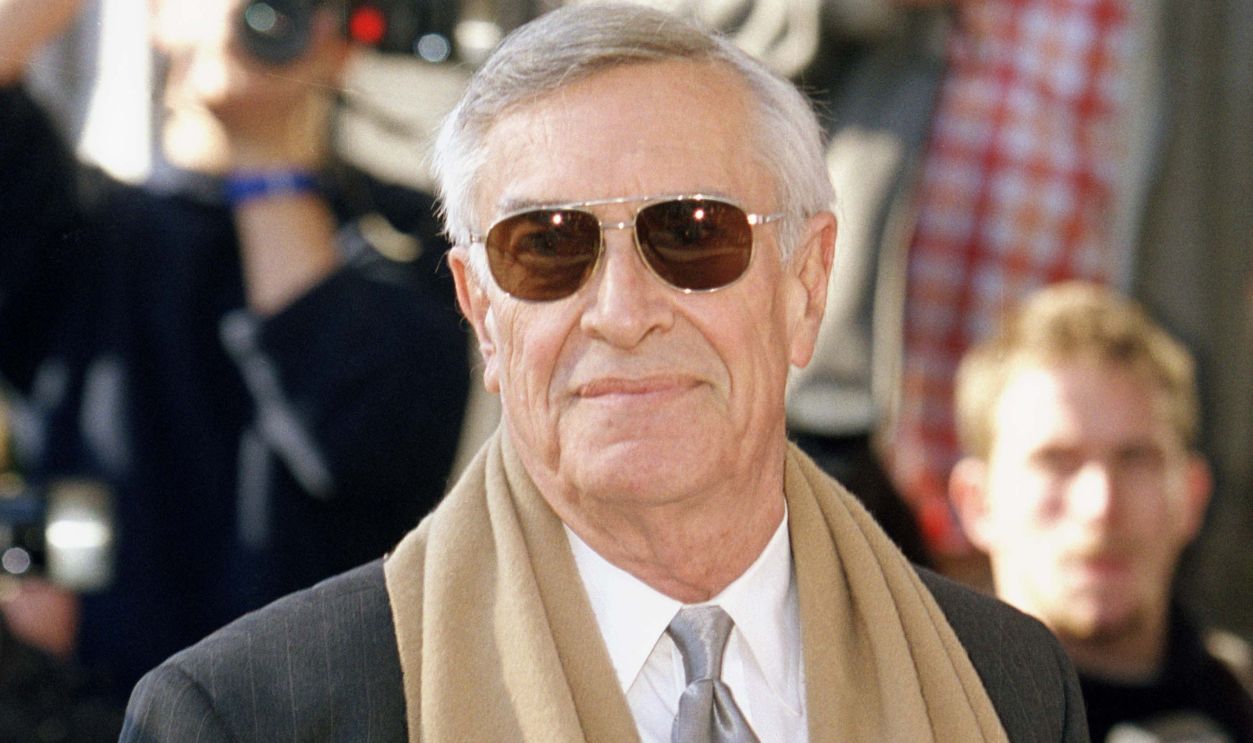 Justin Goff Photos, Getty Images
Tucker's Trusted Ally
One of Landau's most acclaimed performances came in Tucker: The Man and His Dream (1988). His portrayal of Abe Karatz earned widespread praise and showed how effectively he could bring warmth, intelligence, and depth to supporting characters.
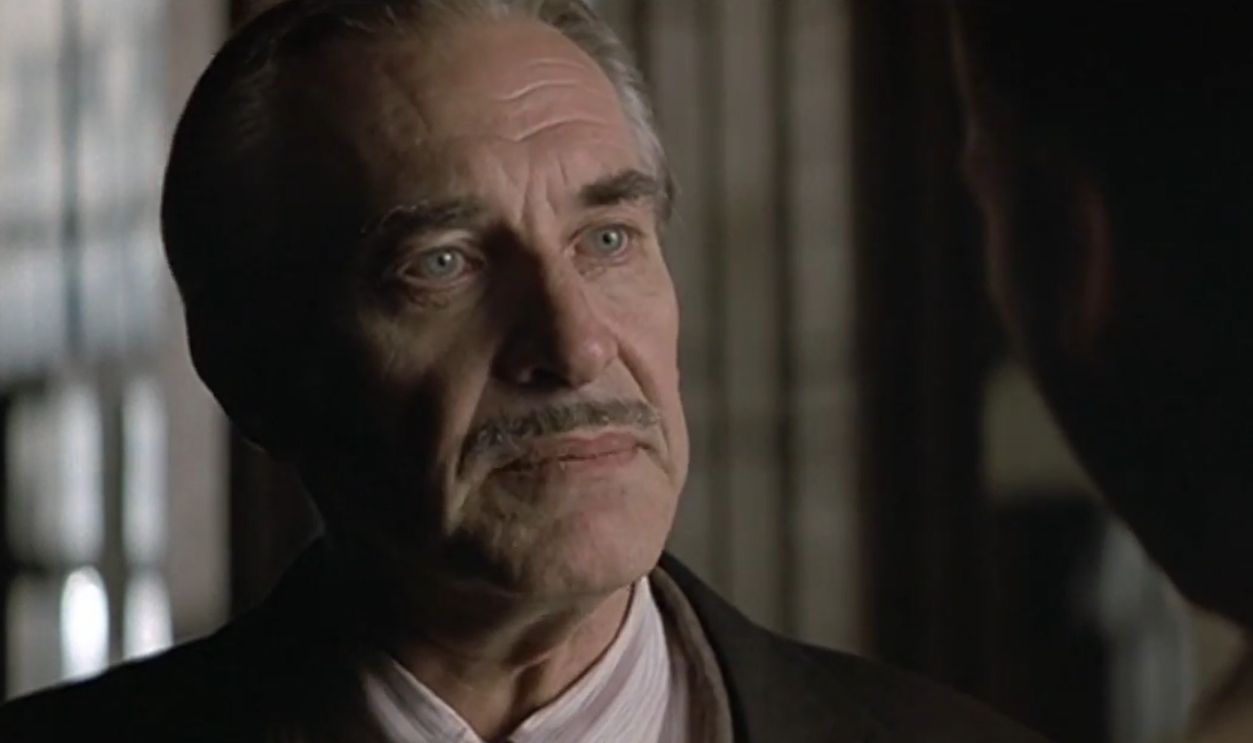 Screenshot from Tucker: The Man and His Dream, Paramount Pictures (1988)
Working With Woody Allen
Landau appeared in Crimes and Misdemeanors (1989), directed by Woody Allen. The role earned him an Academy Award nomination and further strengthened his reputation as one of the finest character actors working in American cinema.
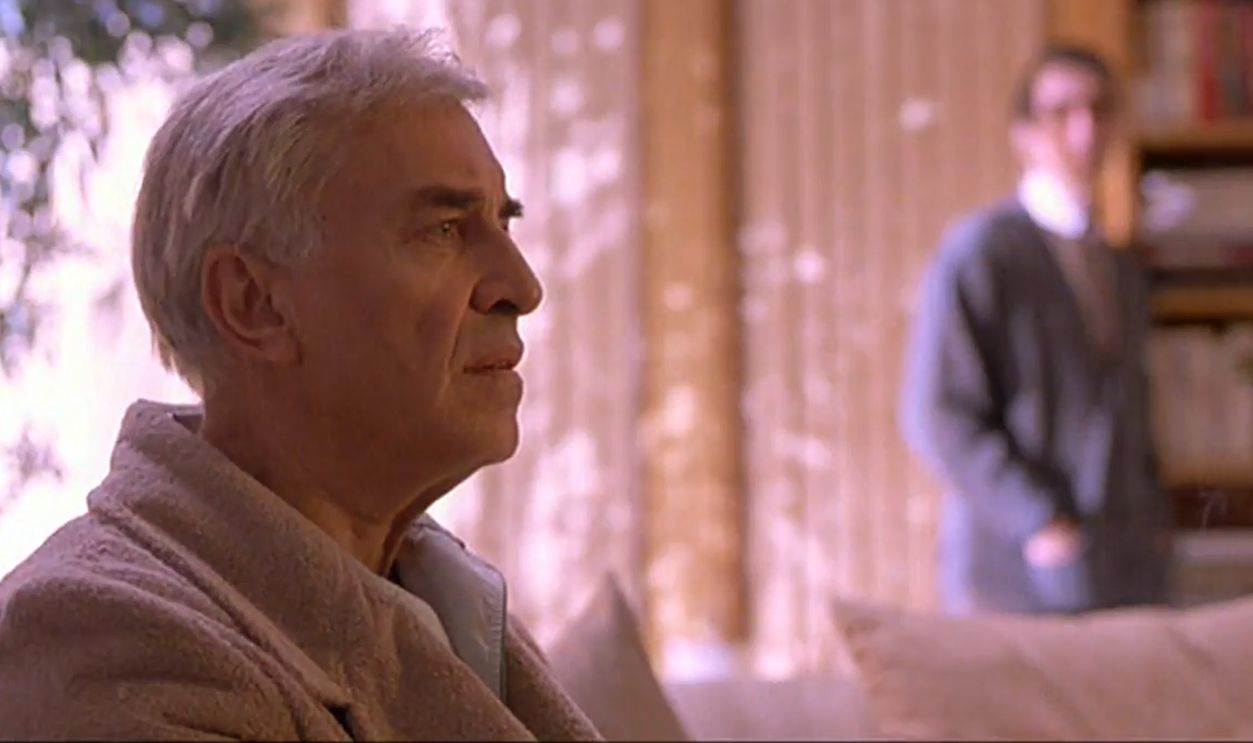 Screenshot from Crimes and Misdemeanors, Orion Pictures (1989)
Woody Allen's Tribute
Woody Allen later praised Landau's abilities, describing him as an extraordinarily skilled performer. Such praise reflected the respect Landau earned from fellow actors, directors, and critics. By this point in his career, he was widely regarded as one of Hollywood's most accomplished craftsmen.
 David Shankbone, Wikimedia Commons
Oscar Glory
Landau reached the pinnacle of his career with Ed Wood (1994). His portrayal of Bela Lugosi earned him the Academy Award for Best Supporting Actor. The performance in the Tim Burton-directed film was celebrated for its humanity, humor, and emotional depth.
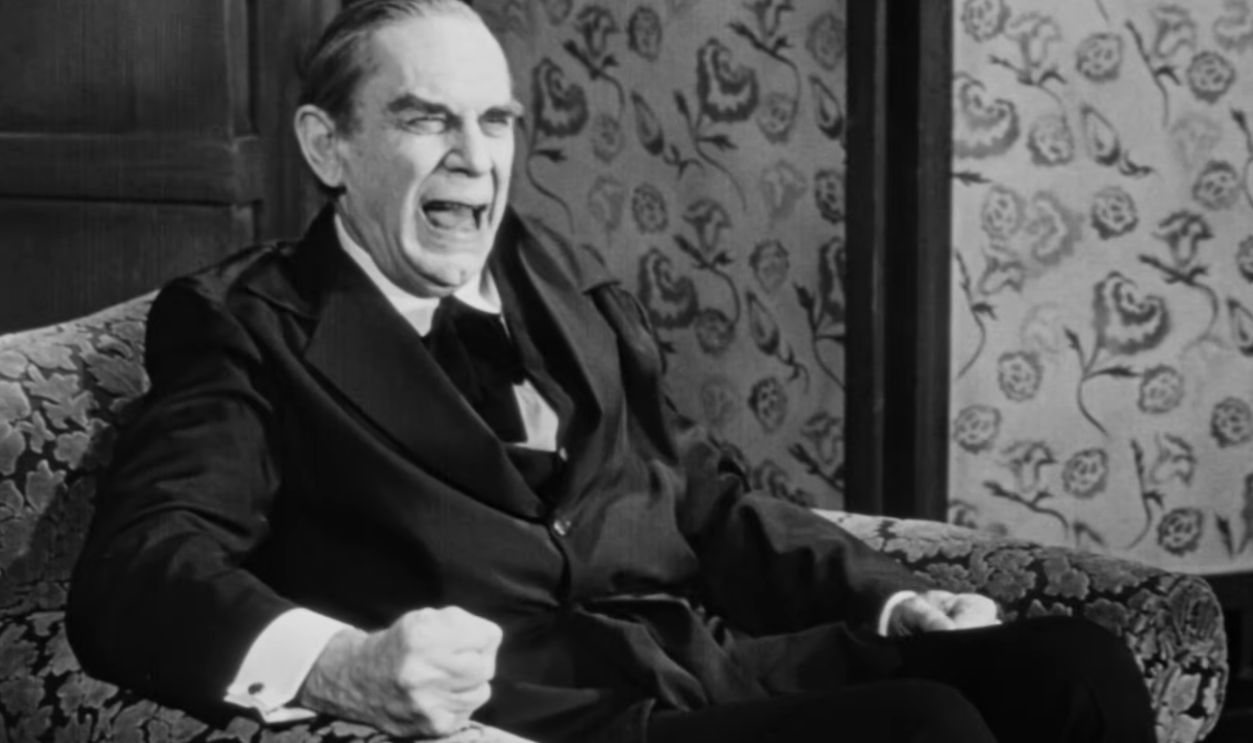 Screenshot from Ed Wood, Touchstone Pictures (1994)
Family And Later Years
Landau and Barbara Bain had two daughters, including actress Juliet Landau. Although their marriage eventually ended in divorce, family remained important to him. He continued acting, teaching, and mentoring younger performers throughout his later years.

Final Years And Legacy
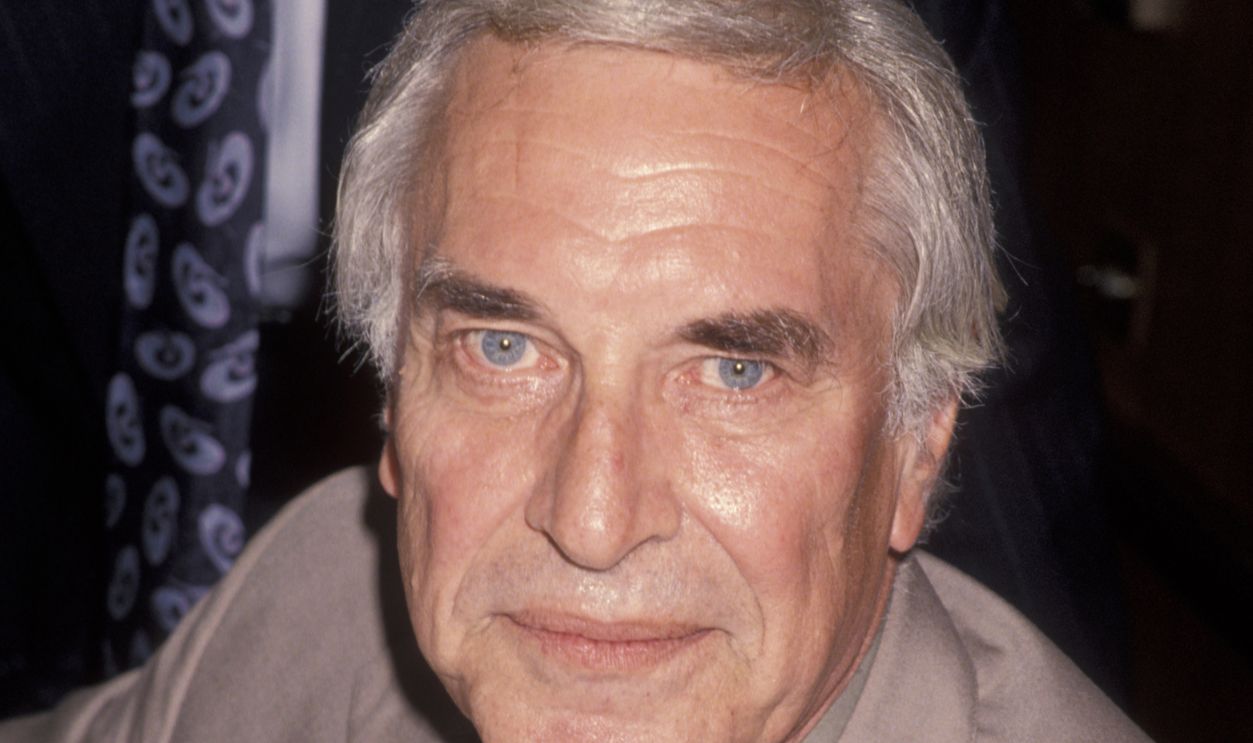
Martin Landau remained active in the entertainment industry almost until his death. He died on July 15, 2017, at the age of 89. Tributes celebrated not only an Academy Award-winning actor, but also a respected teacher whose influence extended across generations of performers.
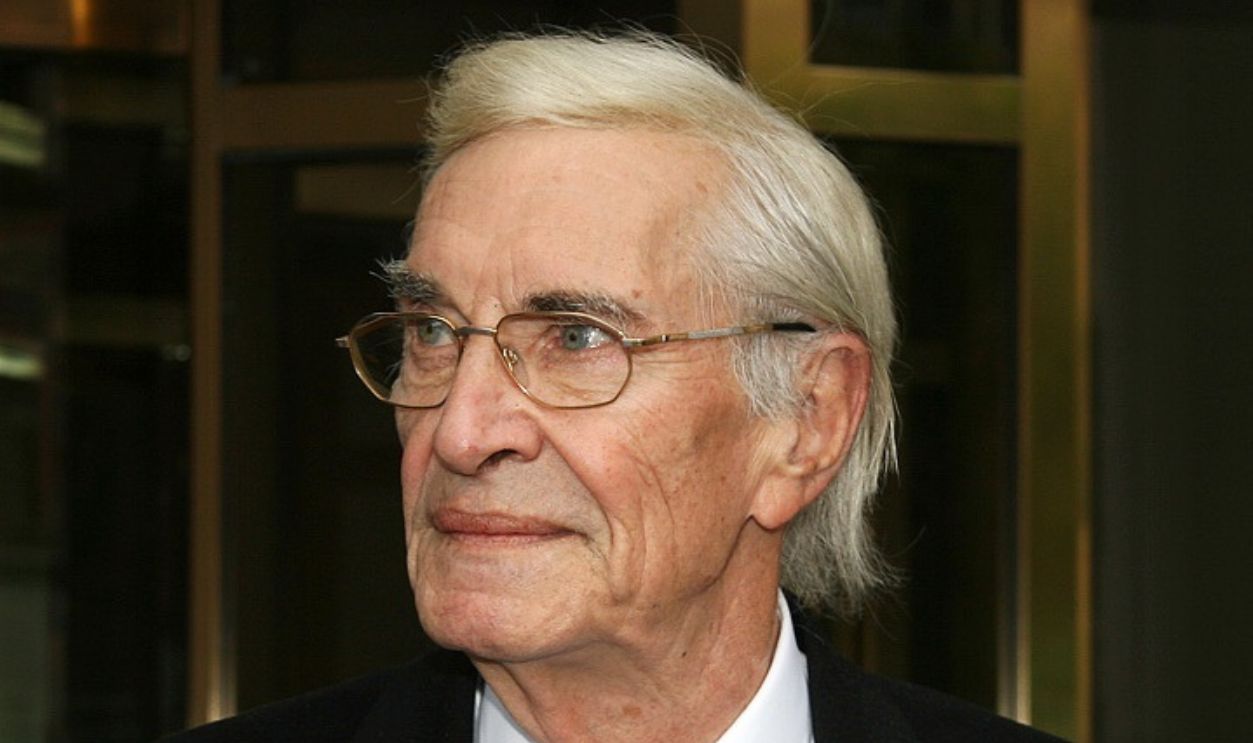 gdcgraphics, CC BY 2.0, Wikimedia Commons
You May Also Like:
Great 60s TV Shows That Were Canceled Way Too Soon—How Many Do You Remember?
Faded 1960s Celebrities Every Baby Boomer Will Remember, But No One Else Would