The Catchphrases Older Generations Still Quote Without Thinking
Before memes and viral videos, TV catchphrases ruled pop culture. If you grew up in the 1960s, these lines weren’t just funny—they were everywhere. Decades later, they still live rent-free in people’s heads.
“And that’s the way it is”
Walter Cronkite closed his nightly broadcasts on CBS Evening News with this phrase, giving it a sense of authority and finality. It became one of the most trusted sign-offs in television history, symbolizing credibility during a time when Americans relied heavily on TV news.
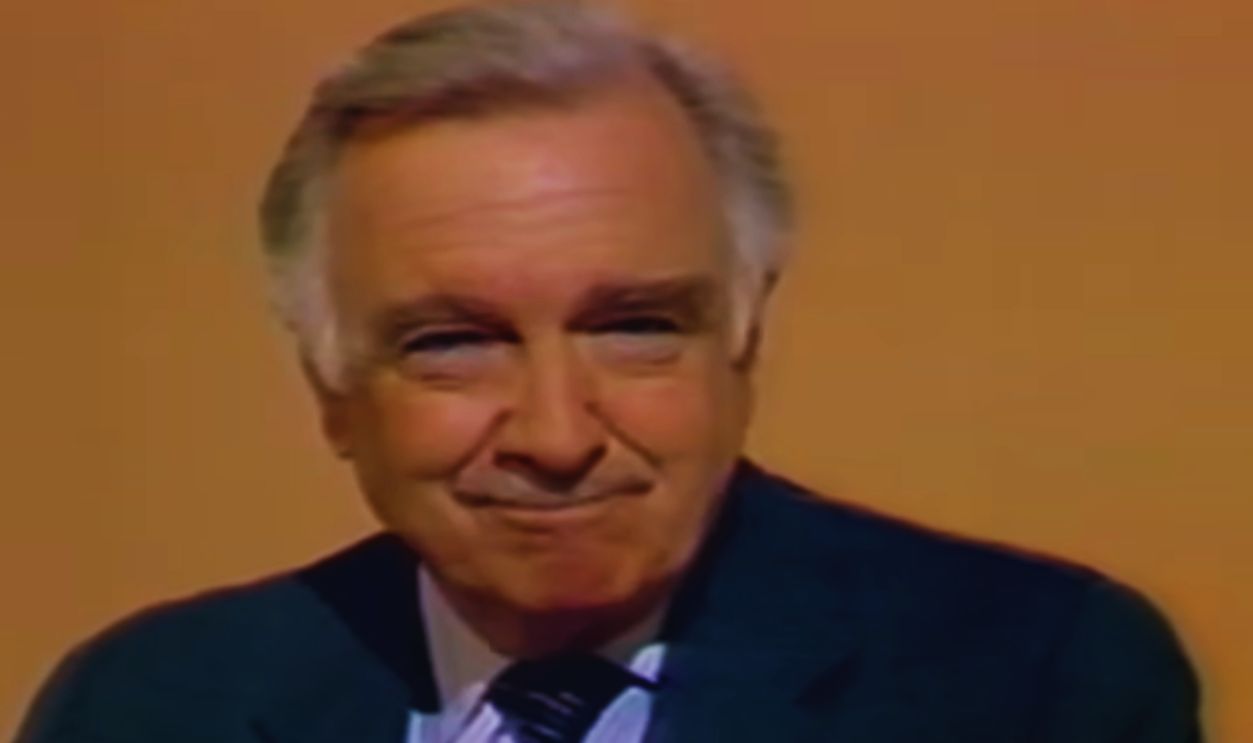 Screenshot from CBS Evening News, CBS News (1948–Present)
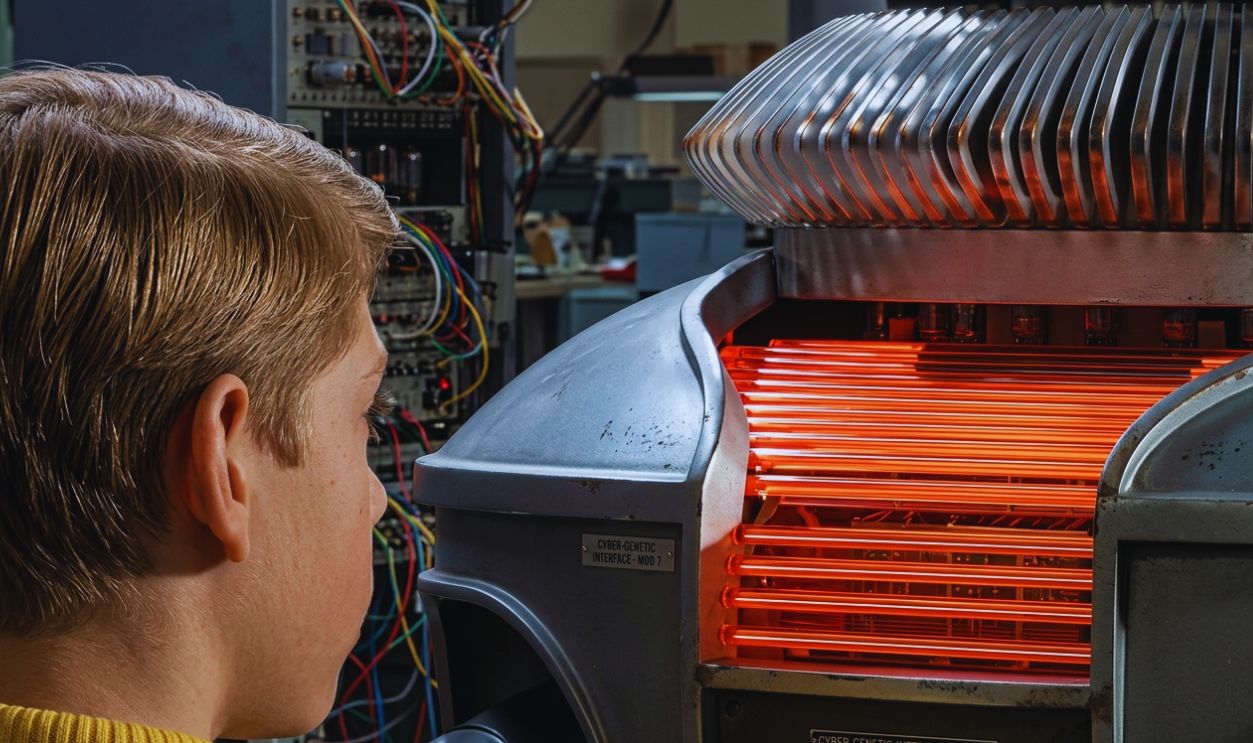
“Danger, Will Robinson!”
From Lost in Space, this warning from the robot became instantly recognizable. It was dramatic, urgent, and often repeated throughout the series. The phrase stuck because of its intensity—and because the robot said it every time something went wrong.
“Book ’em, Danno”
This line from Hawaii Five-O was Steve McGarrett’s go-to command to arrest the bad guy. It became popular because of its confident, no-nonsense delivery, and it perfectly captured the show’s crime-solving energy.
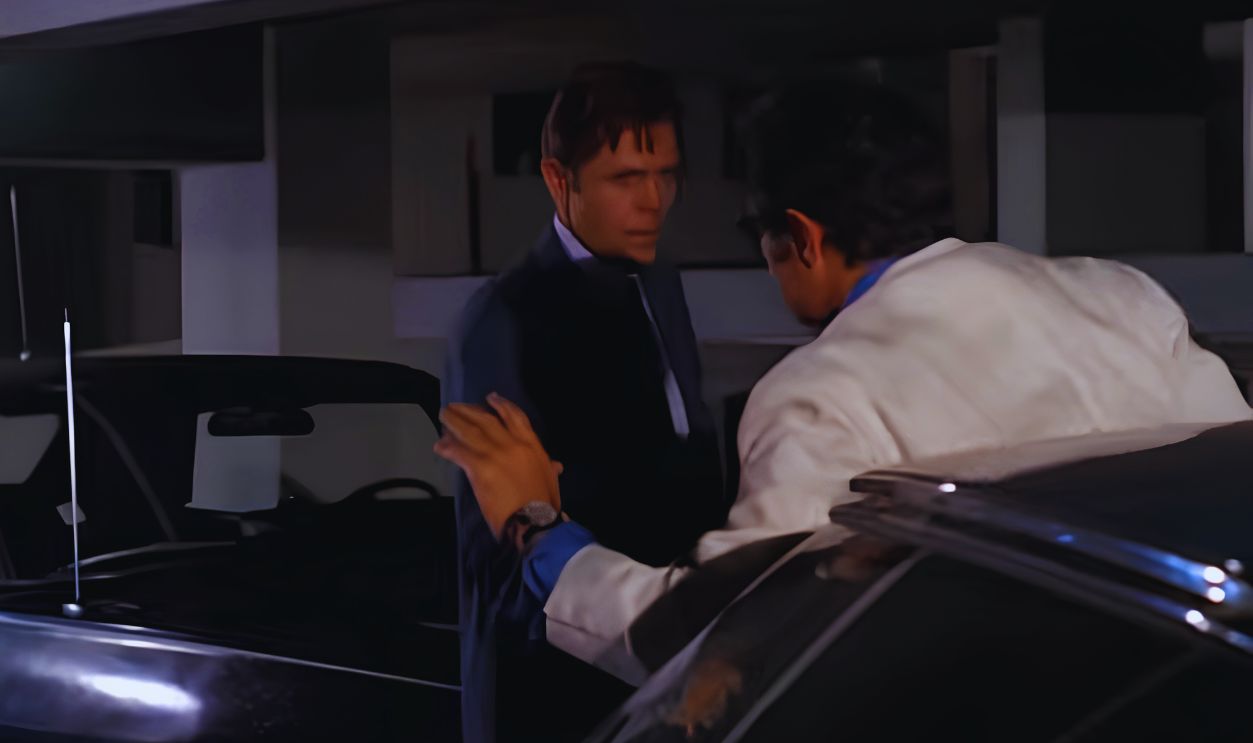 Screenshot from Hawaii Five-O, Leonard Freeman Productions / CBS Productions (1968–1980)
“You rang?”
Lurch from The Addams Family made this simple phrase unforgettable with his deep voice and eerie presence. It was funny because it was so calm and formal, even in bizarre situations.
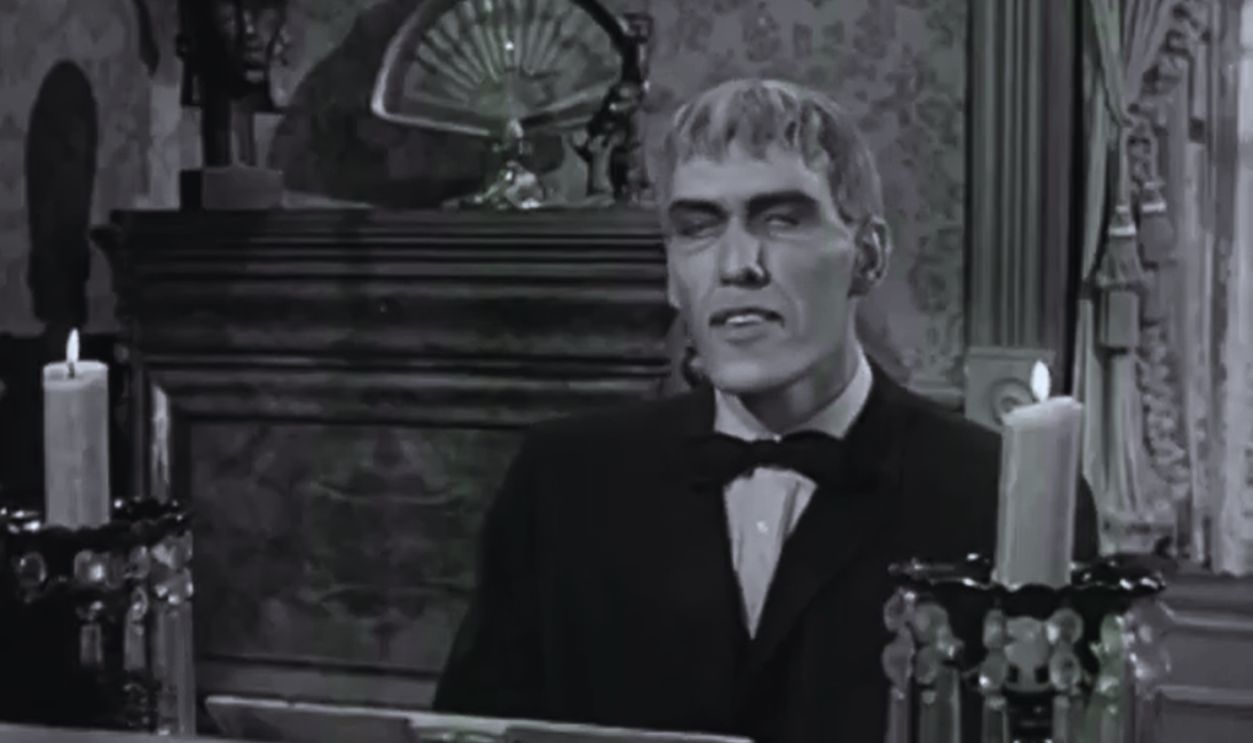 Screenshot from The Addams Family, Filmways Television / MGM Television (1964–1966)
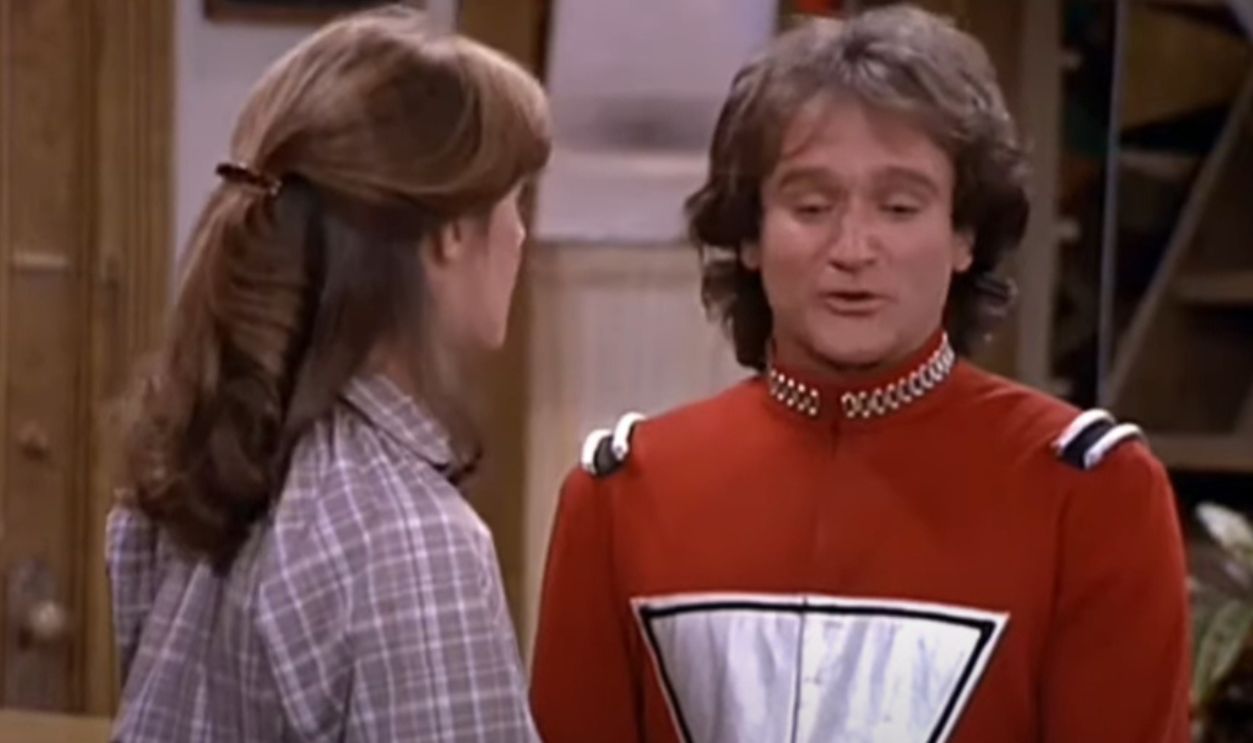
“Nanu Nanu”
From Mork & Mindy, Robin Williams turned this alien greeting into a cultural phenomenon. It was quirky, weird, and completely different—just like his character. People loved repeating it even if they had no idea what it meant.
“Goodnight, John-Boy”
From The Waltons, this phrase closed many episodes as family members said goodnight one by one. It became iconic because it captured a warm, wholesome family moment that viewers connected with emotionally.
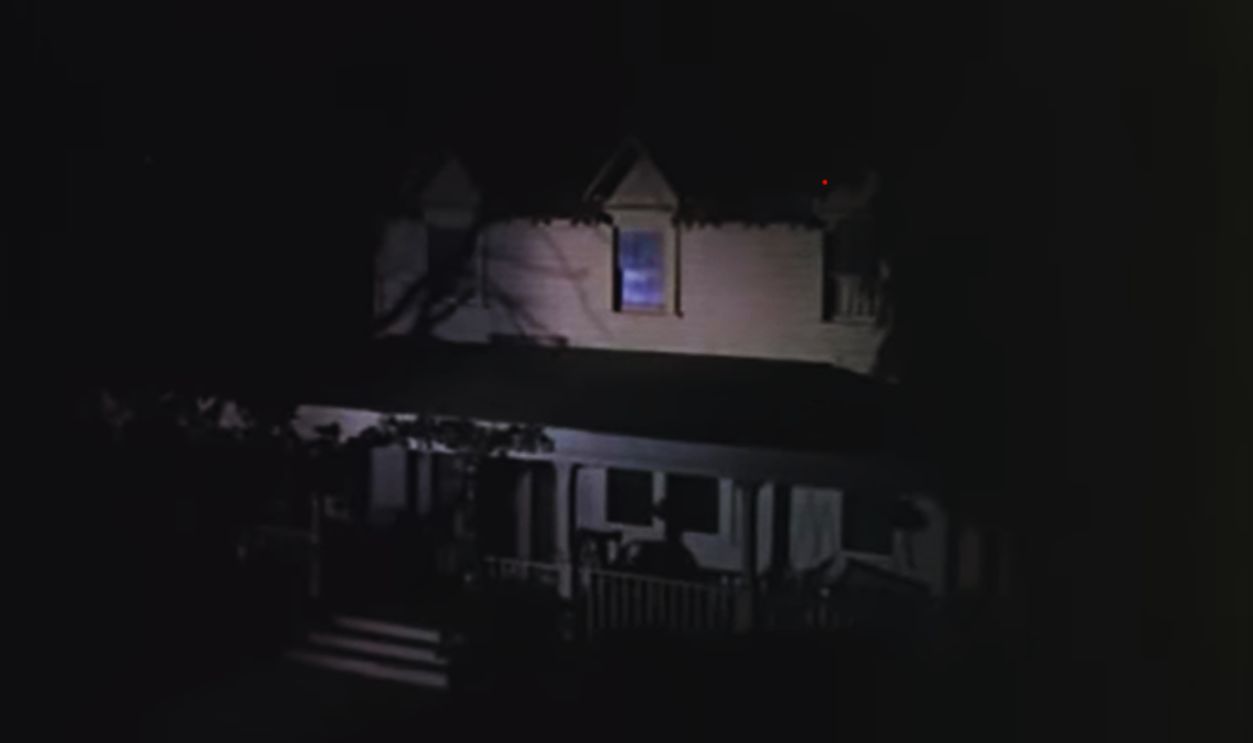 Screenshot from The Waltons, Lorimar Productions / CBS (1972–1981)
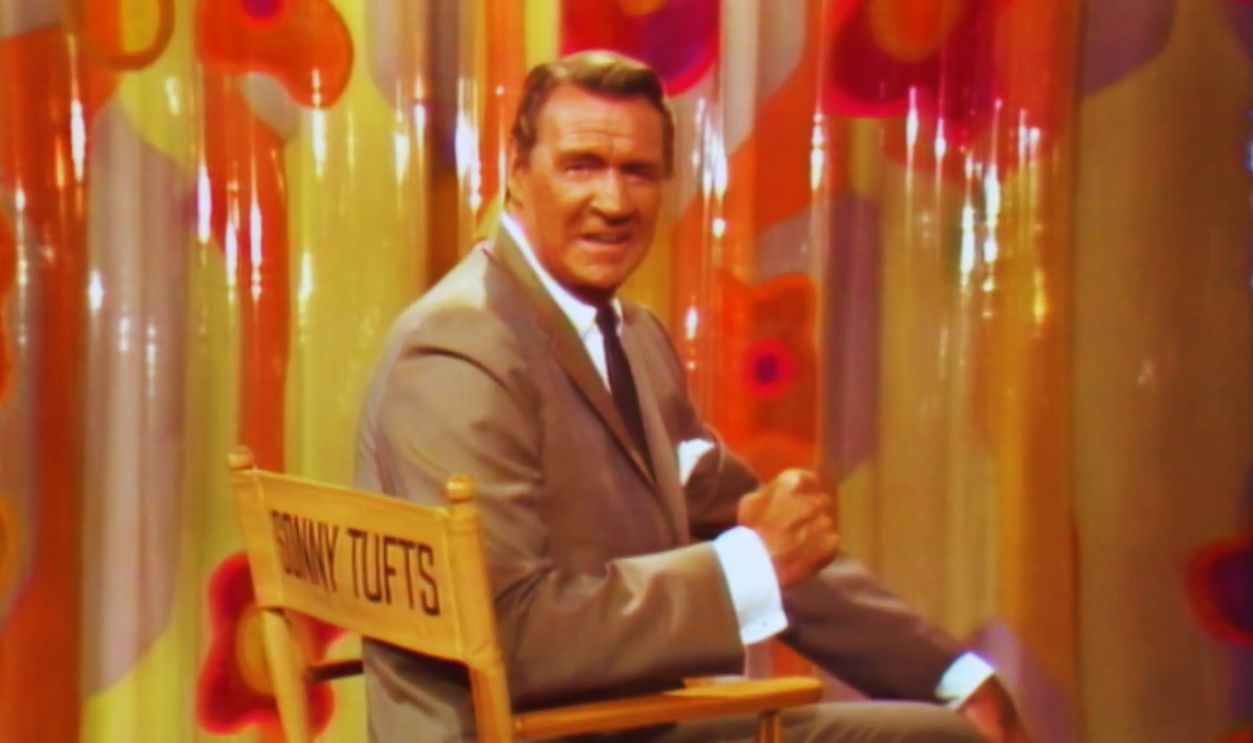
“Sock it to me!”
Popularized by Rowan & Martin’s Laugh-In, this phrase became a playful way to ask for something bold or surprising. It stuck because it was fun to say and perfectly matched the show’s chaotic humor.
“Hey, Hey, Hey!”
Fat Albert’s cheerful greeting in Fat Albert and the Cosby Kids made this phrase instantly recognizable. It stood out because of its upbeat delivery and became a friendly, feel-good expression.
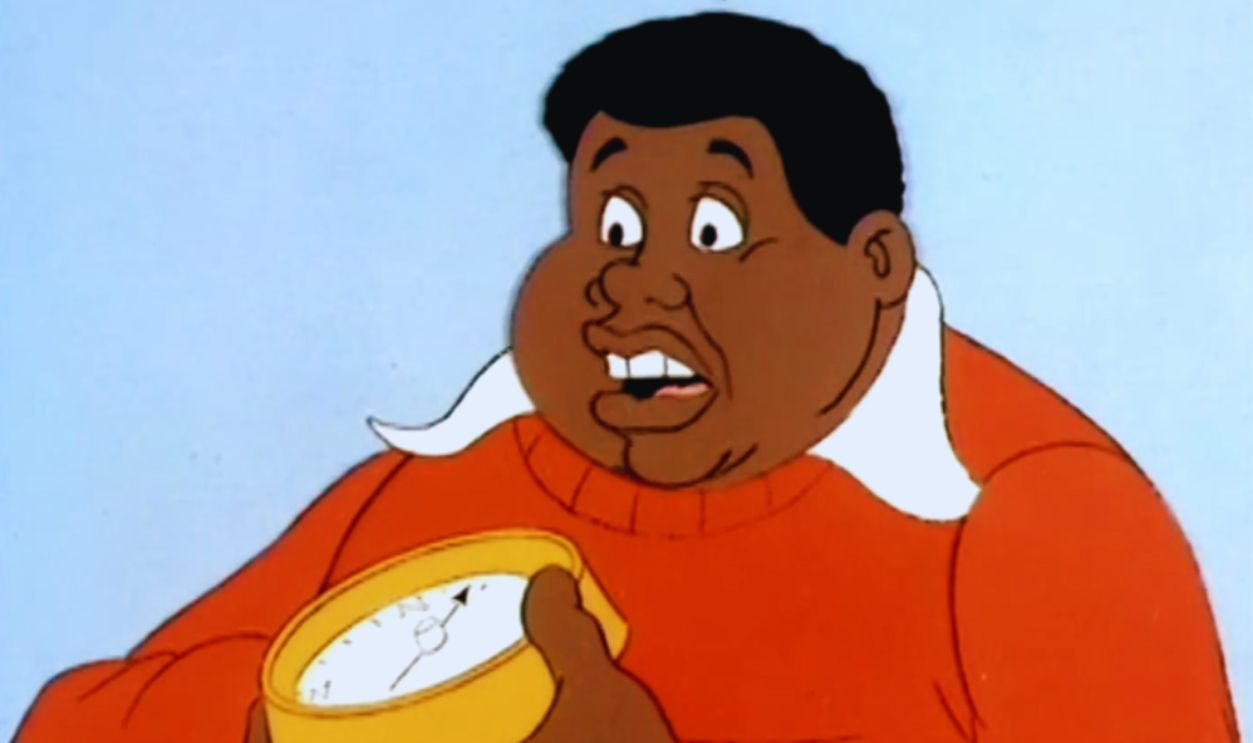 Screenshot from Fat Albert and the Cosby Kids, Filmation Associates (1972–1985)
“Here’s Johnny!”
While made famous later, it originated with Ed McMahon introducing Johnny Carson on The Tonight Show. It became iconic because it kicked off one of the most influential late-night shows in TV history.
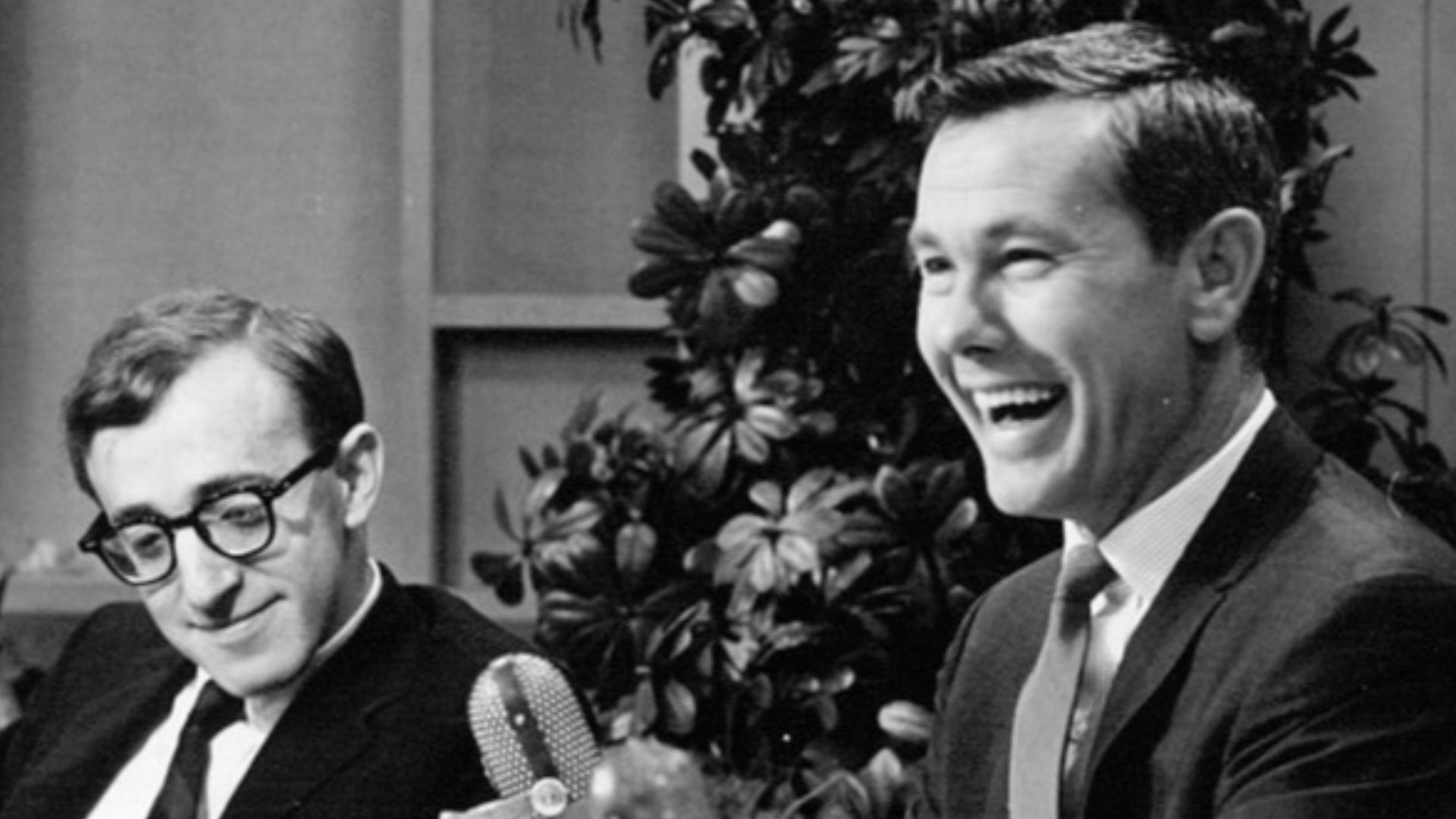 NBC Television, Wikimedia Commons
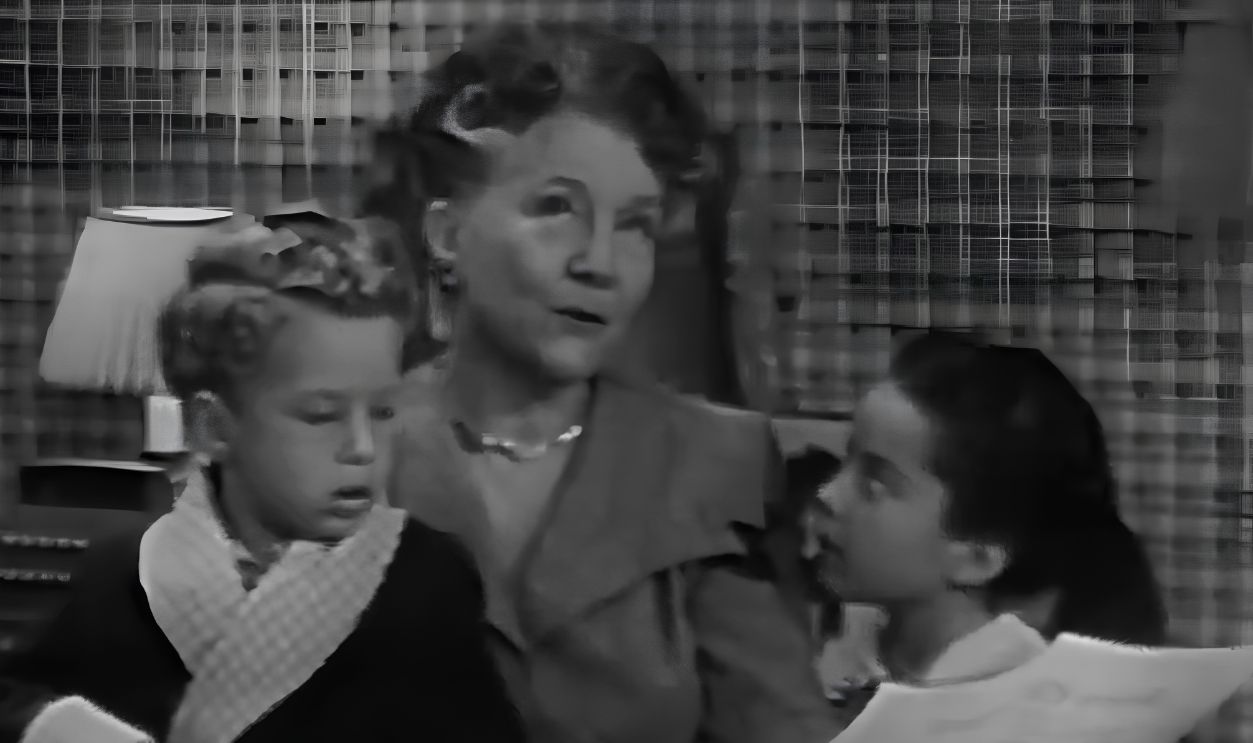
“Make room for Daddy”
The title line from The Danny Thomas Show doubled as a recurring phrase. It stuck because it reflected the show’s humor about family life and fatherhood.
“I’m Batman”
From the 1960s Batman series, this line was delivered with serious tone in a very campy show. That contrast made it memorable and endlessly quotable.
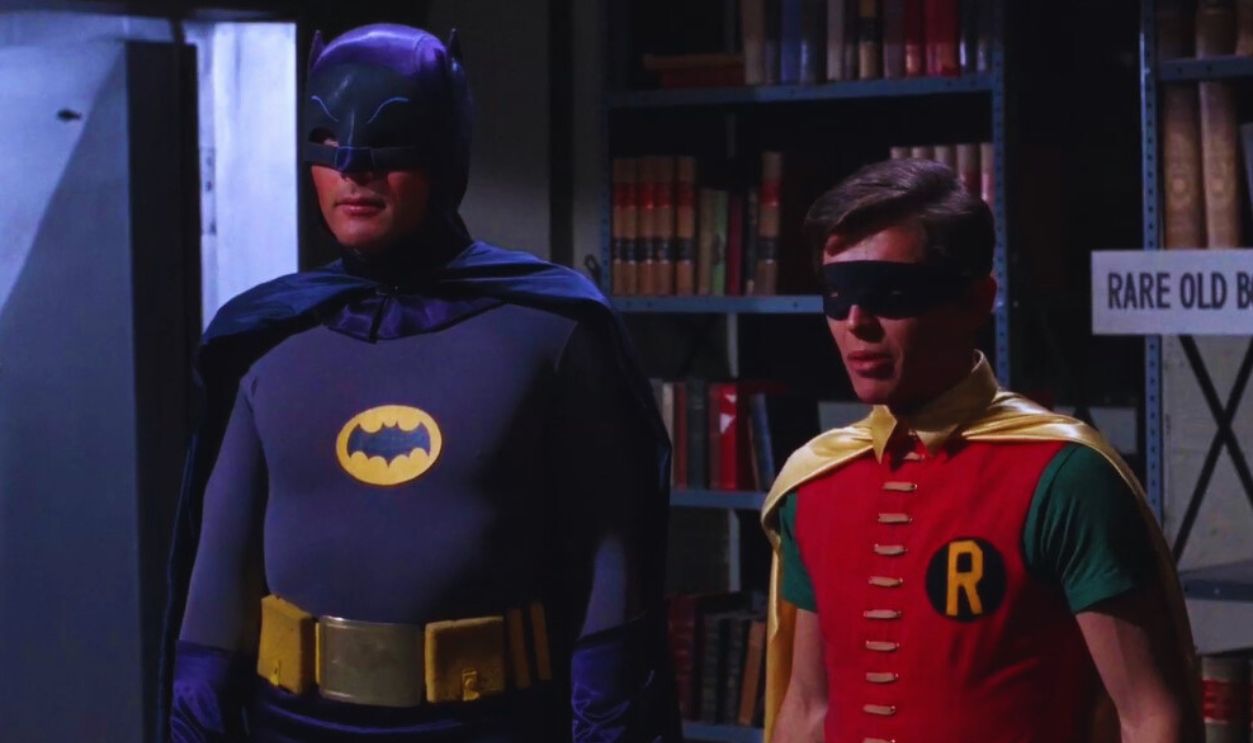 Screenshot from Batman, ABC (1966–1968)
“Holy ___, Batman!”
Robin’s exaggerated reactions became a running gag on Batman. The phrase was funny because it could be customized endlessly, making it one of the most flexible catchphrases of the era.
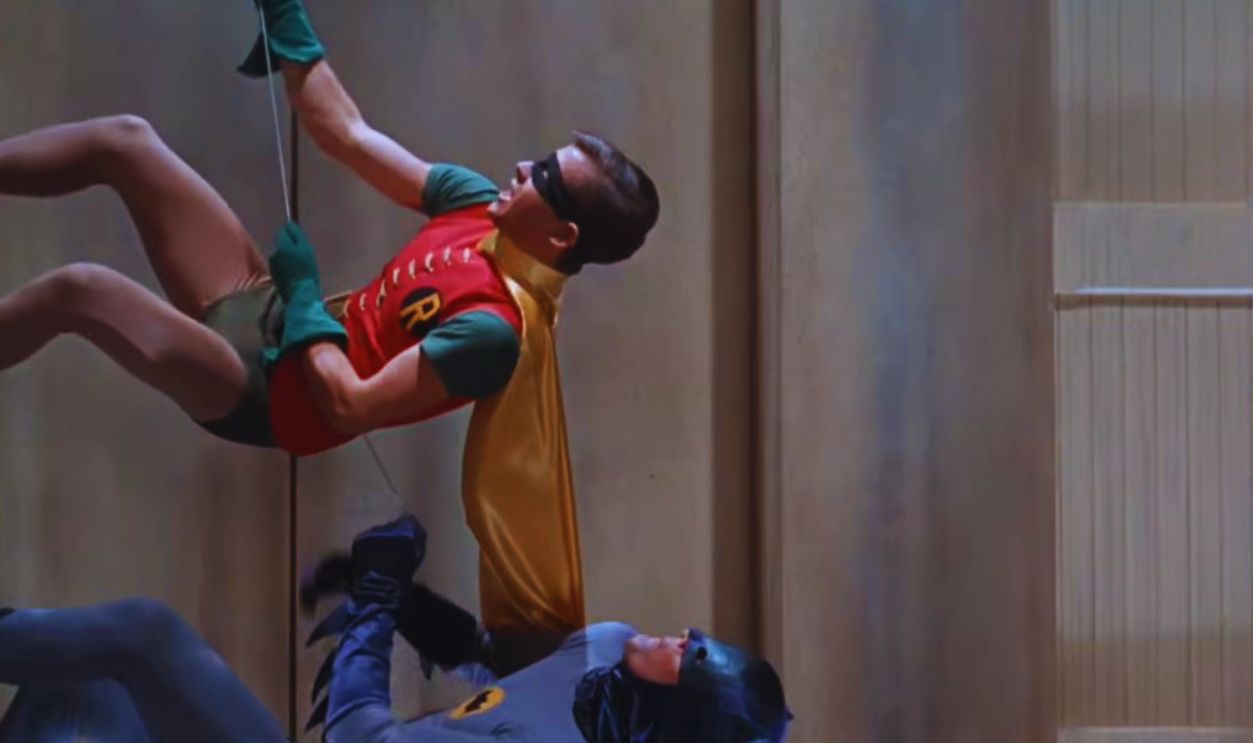 Screenshot from Batman, Greenway Productions / 20th Century Fox Television / ABC (1966–1968)
“Yabba Dabba Doo!”
Fred Flintstone’s celebratory shout from The Flintstones became one of the most recognizable animated catchphrases ever. It was loud, fun, and perfectly captured his personality.
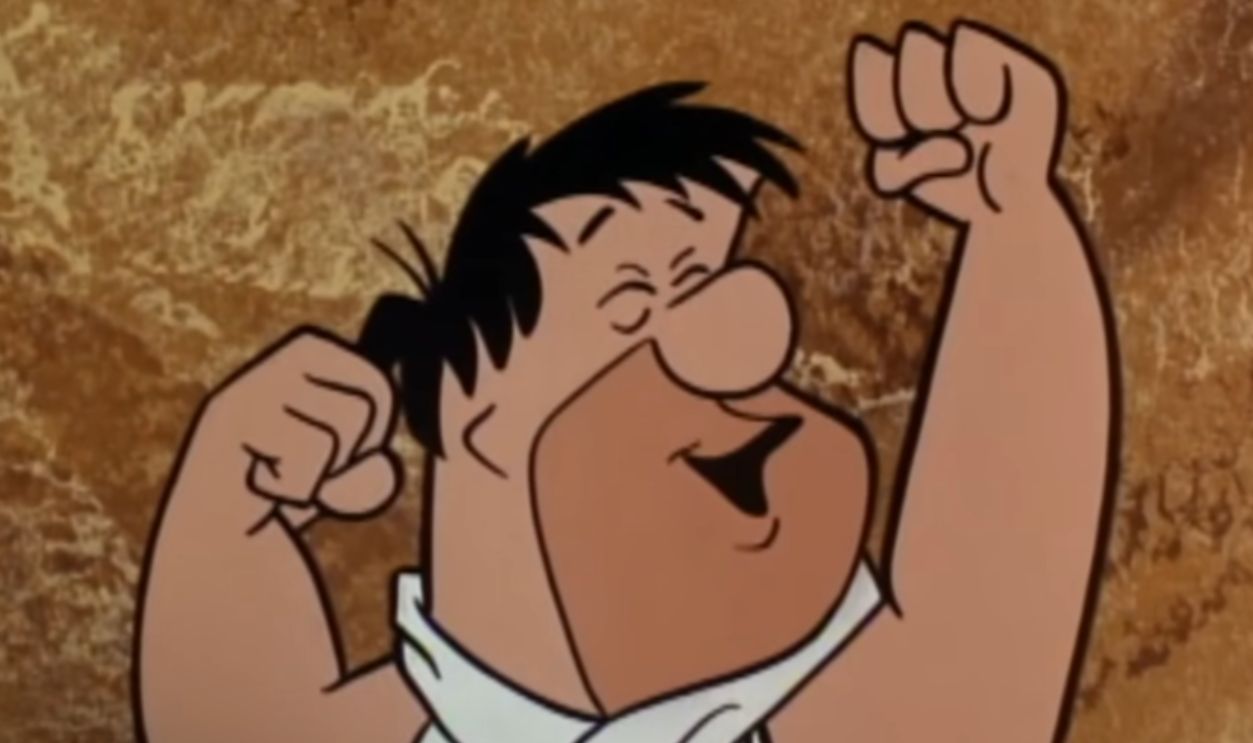 Screenshot from The Flintstones, Hanna-Barbera (1960–1966)
“Wilmaaa!”
Also from The Flintstones, Fred’s drawn-out yell for his wife became iconic. It was relatable, exaggerated, and easy for viewers to imitate.
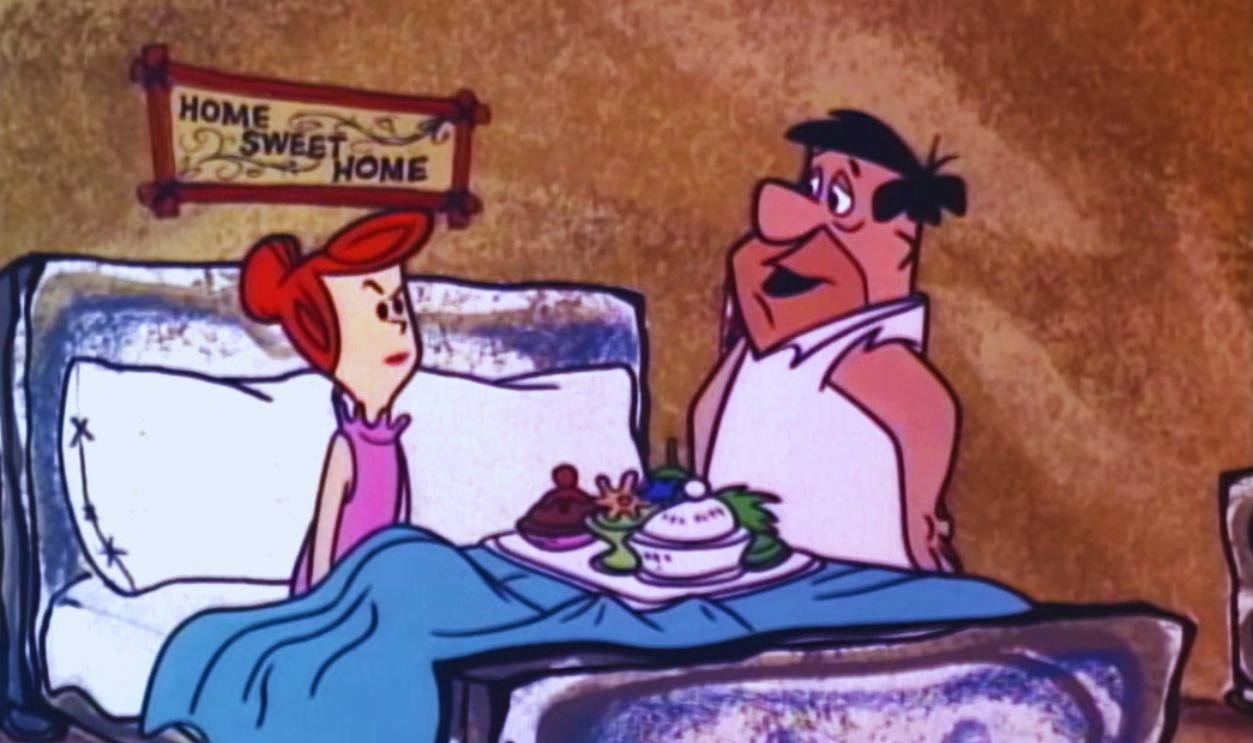 Screenshot from The Flintstones, Hanna-Barbera Productions (1960–1966)
“To the Batmobile!”
From Batman, this phrase kicked off action scenes. It became popular because it signaled excitement and adventure every time it was said.
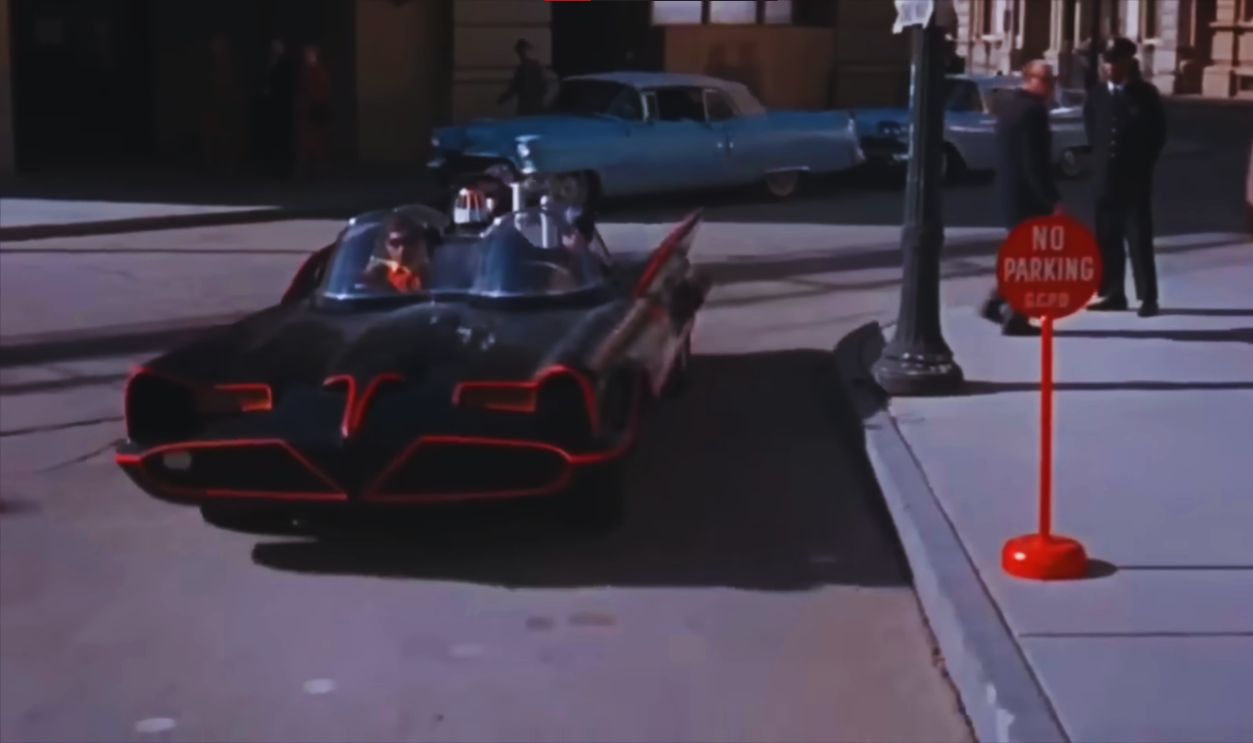 Screenshot from Batman, Greenway Productions / 20th Century Fox Television / ABC (1966–1968)
“The tribe has spoken”
While more modern in popularity, early forms of authoritative phrases like this echoed through shows narrating decisions and outcomes. It stuck because it sounded final and dramatic.
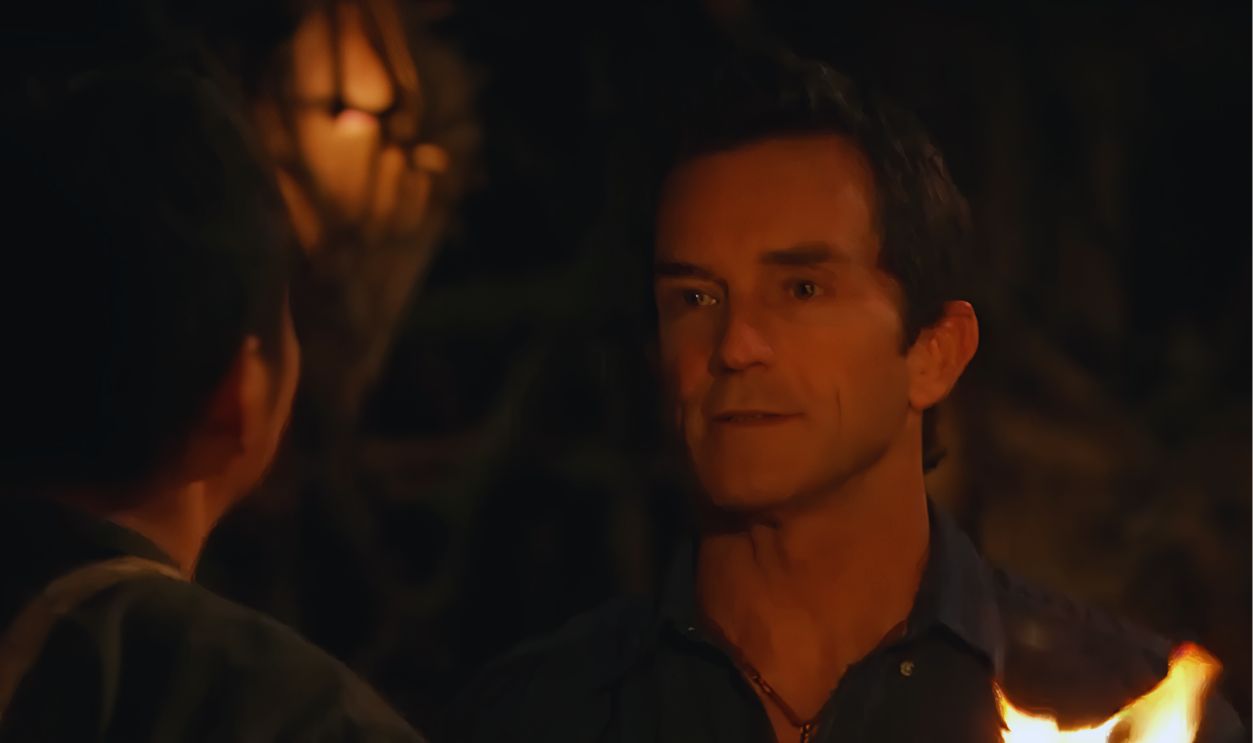
“That’s my boy!”
Frequently heard in family sitcoms of the era, including The Andy Griffith Show, this phrase became a go-to expression of pride. It resonated because of its simplicity and warmth.
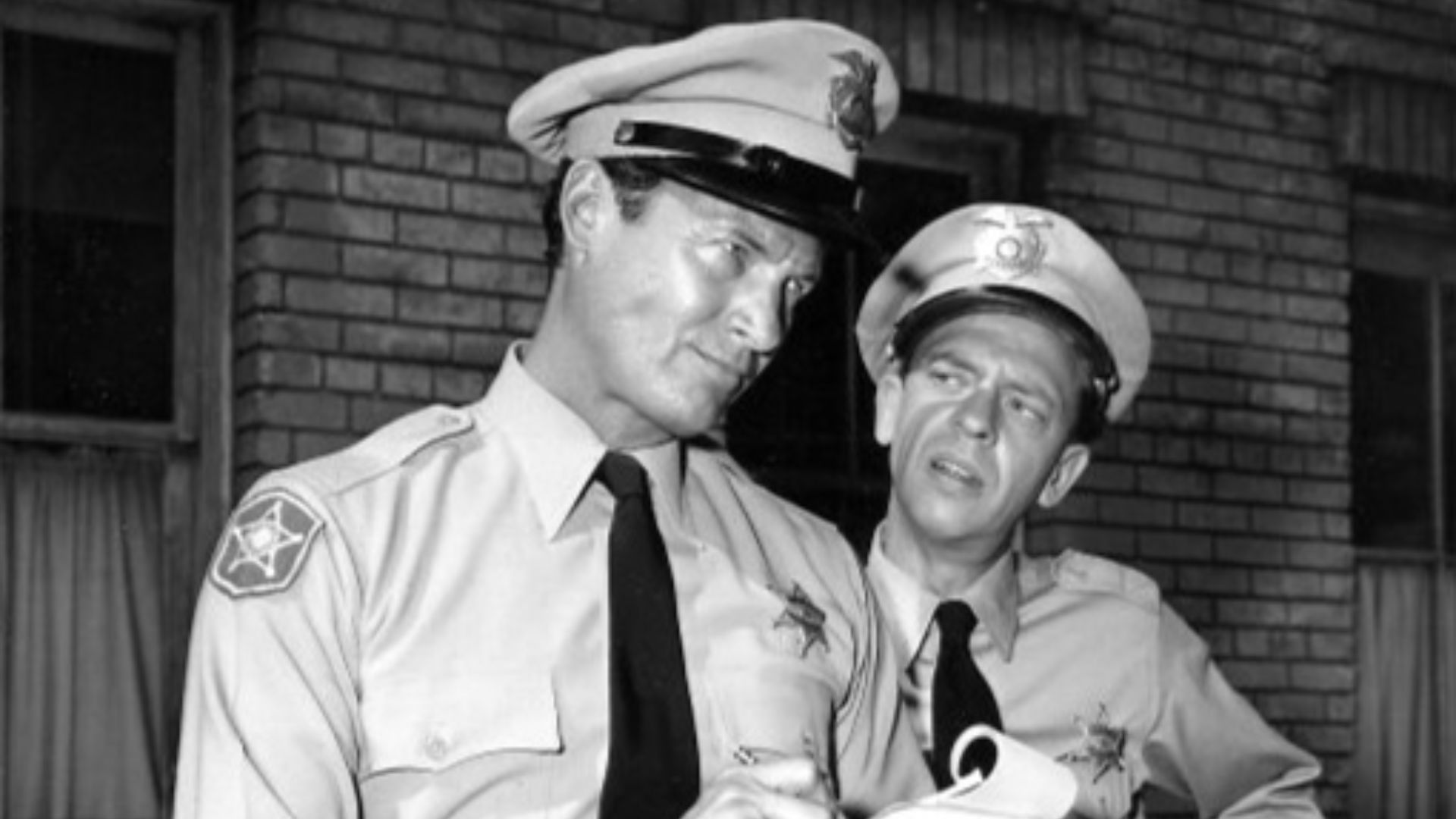 CBS Television, Wikimedia Commons
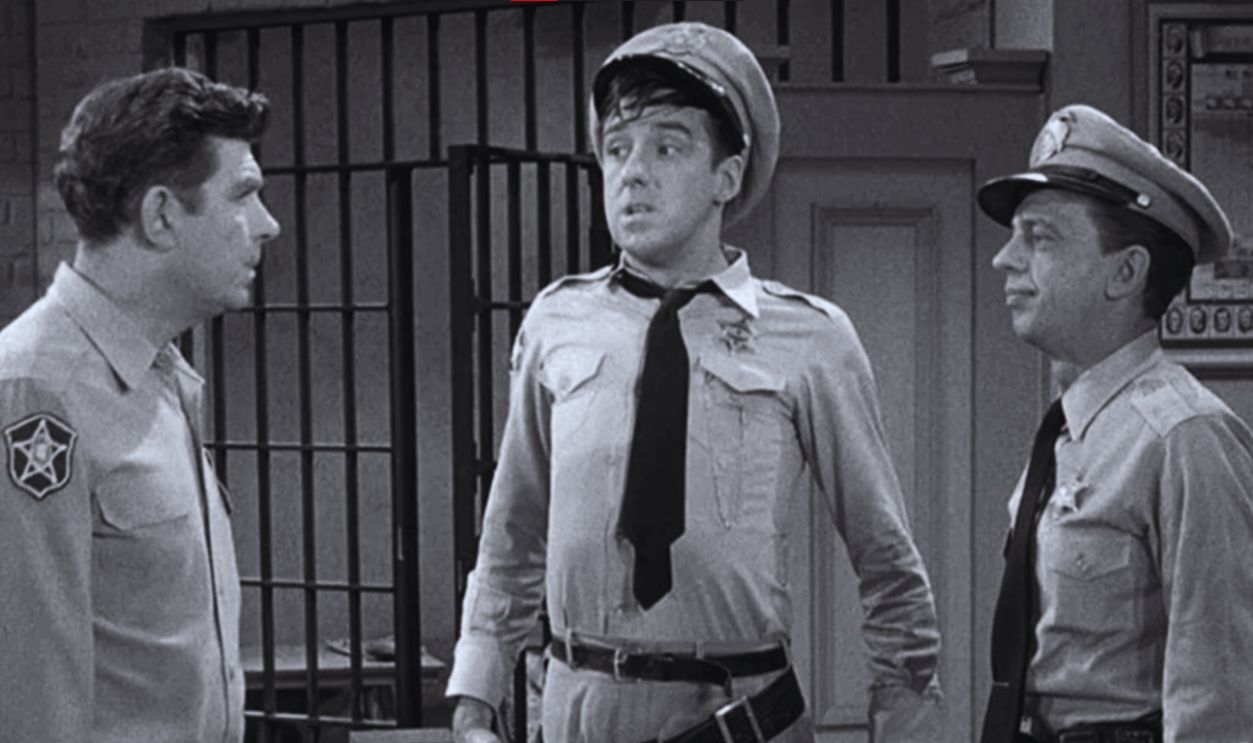
“Gomer, you surprise me”
From The Andy Griffith Show, Sergeant Carter said this line constantly to Gomer Pyle. It became funny because it was repeated so often in similar situations.
“Shazam!”
Though popularized earlier, it appeared frequently in TV and comics of the 1960s. It stuck because it sounded magical and exciting, making it fun for kids to say.
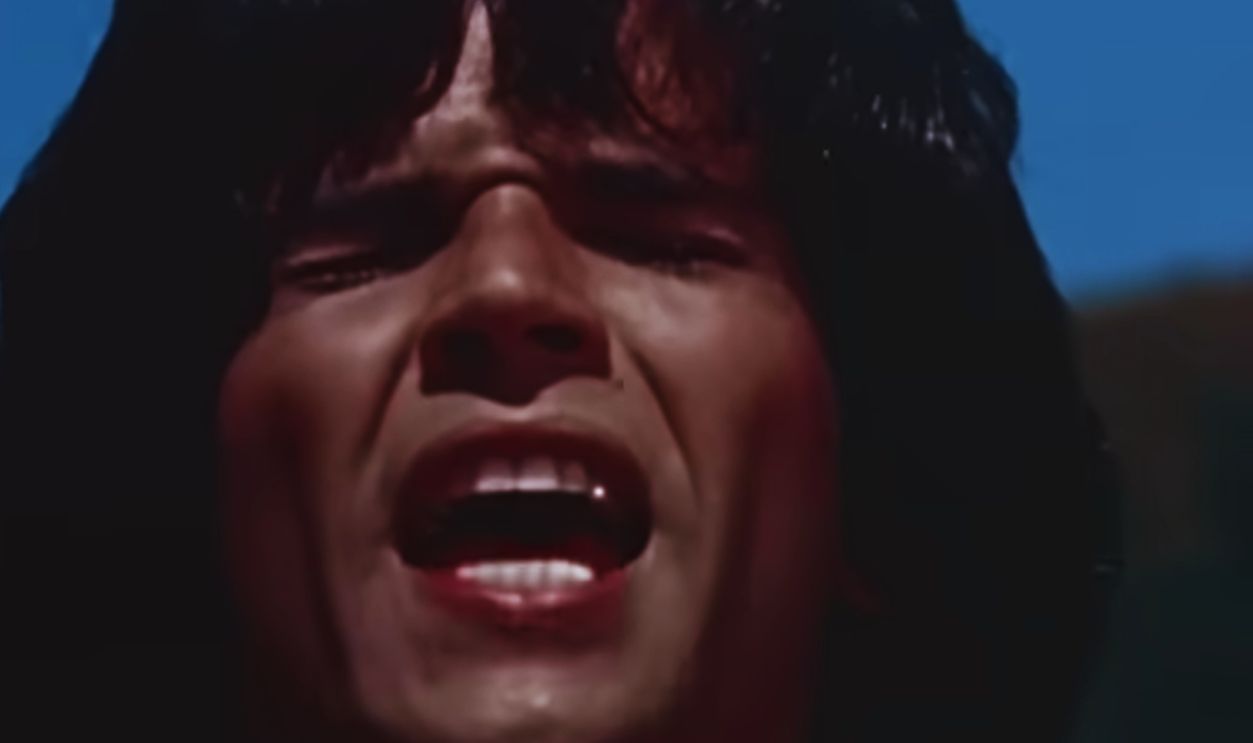 Screenshot from Shazam!, Filmation Associates / DC Comics / CBS (1974–1976)
“Open the pod bay doors… oh wait”
While slightly later in origin, sci-fi dialogue like this reflected the growing popularity of space-themed shows in the late ’60s. These lines stuck because they felt futuristic and dramatic.
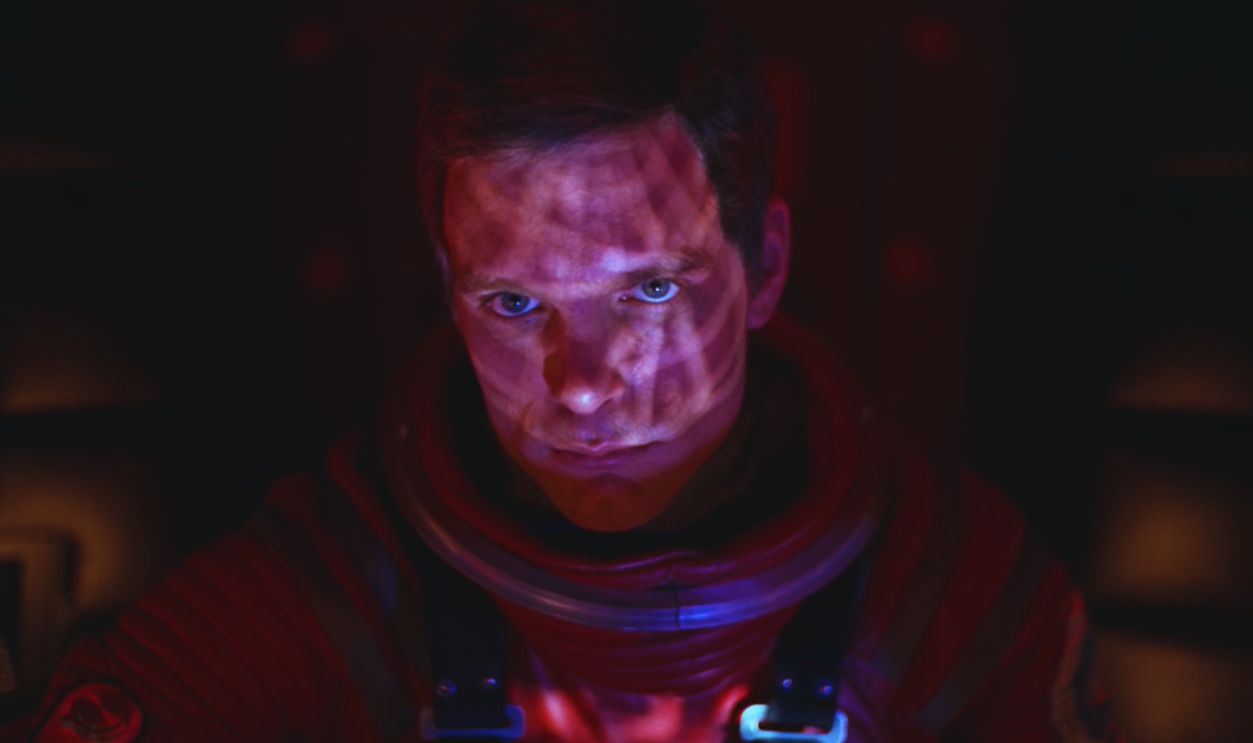 Screenshot from 2001: A Space Odyssey, Metro-Goldwyn-Mayer / Stanley Kubrick Productions (1968)
“Be seeing you”
From The Prisoner, this phrase became a mysterious and slightly eerie sign-off. It stuck because it felt unique and carried deeper meaning within the show.
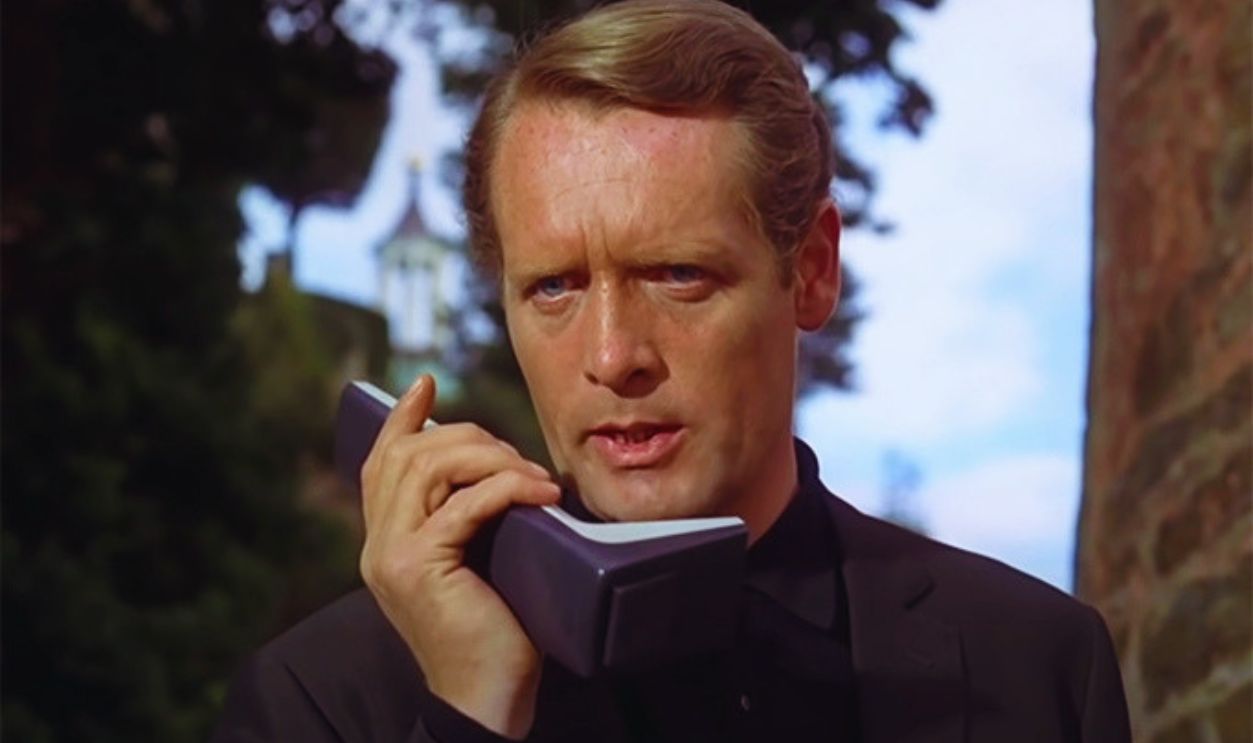 Screenshot from The Prisoner, Everyman Films / ITC Entertainment (1967–1968)
“This tape will self-destruct”
From Mission: Impossible, this line kicked off every mission briefing. It became iconic because of the dramatic countdown and the explosive ending.
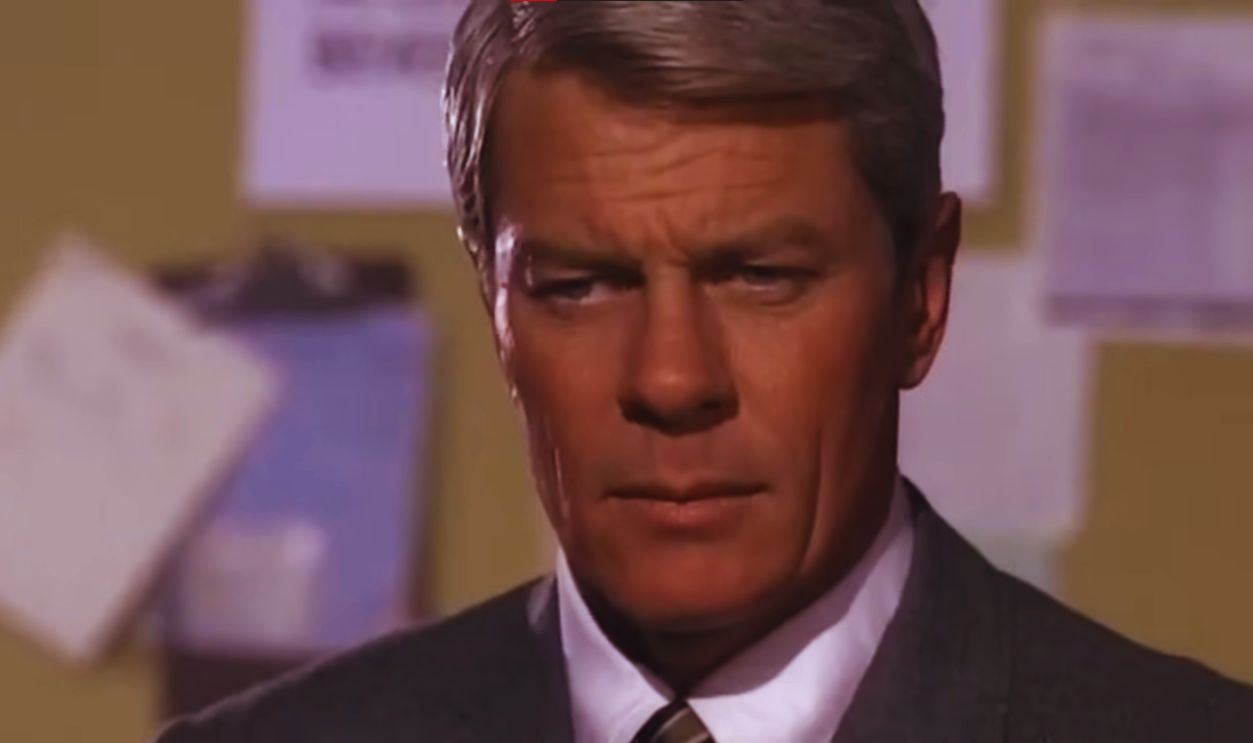 Screenshot from Mission: Impossible, Desilu Productions / Paramount Television / CBS (1966–1973)
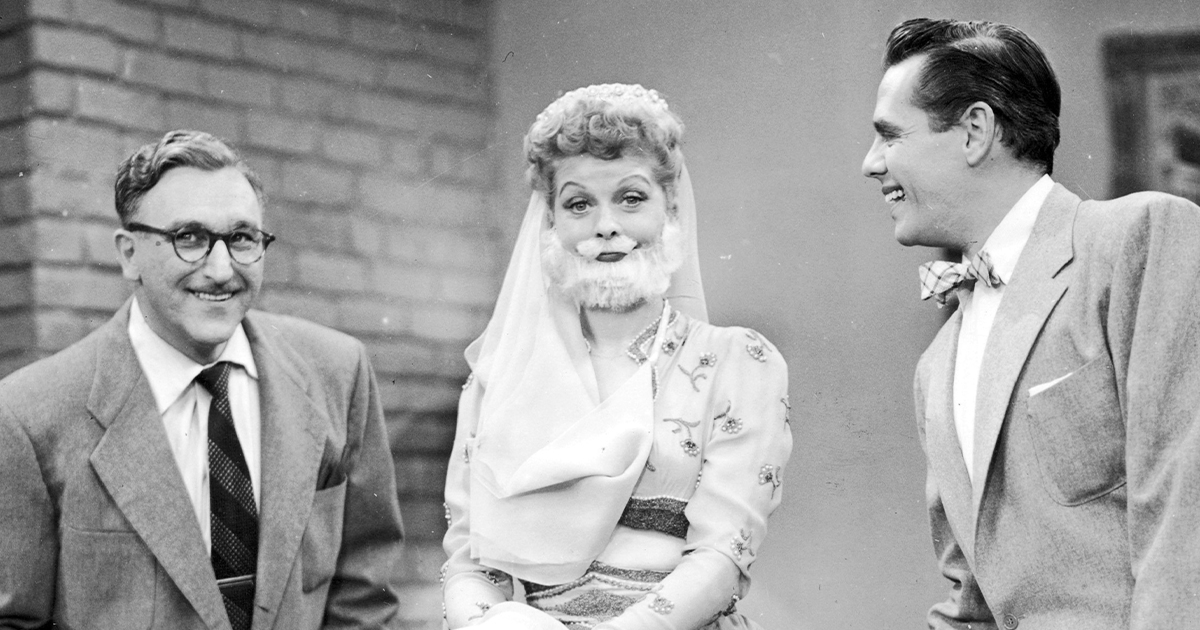
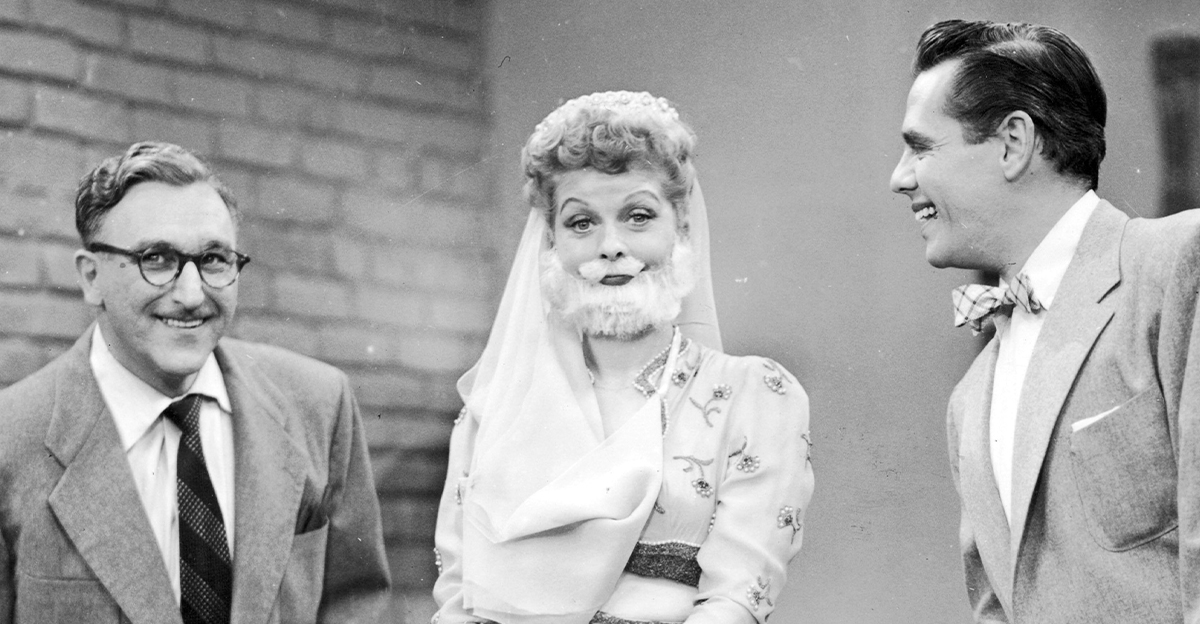
“Lucy, you got some splainin’ to do!”
From I Love Lucy, Ricky Ricardo’s iconic line became a household joke whenever someone got caught doing something questionable. Desi Arnaz delivered it with perfect comedic timing, and it stuck because it felt relatable—Lucy was always up to something.
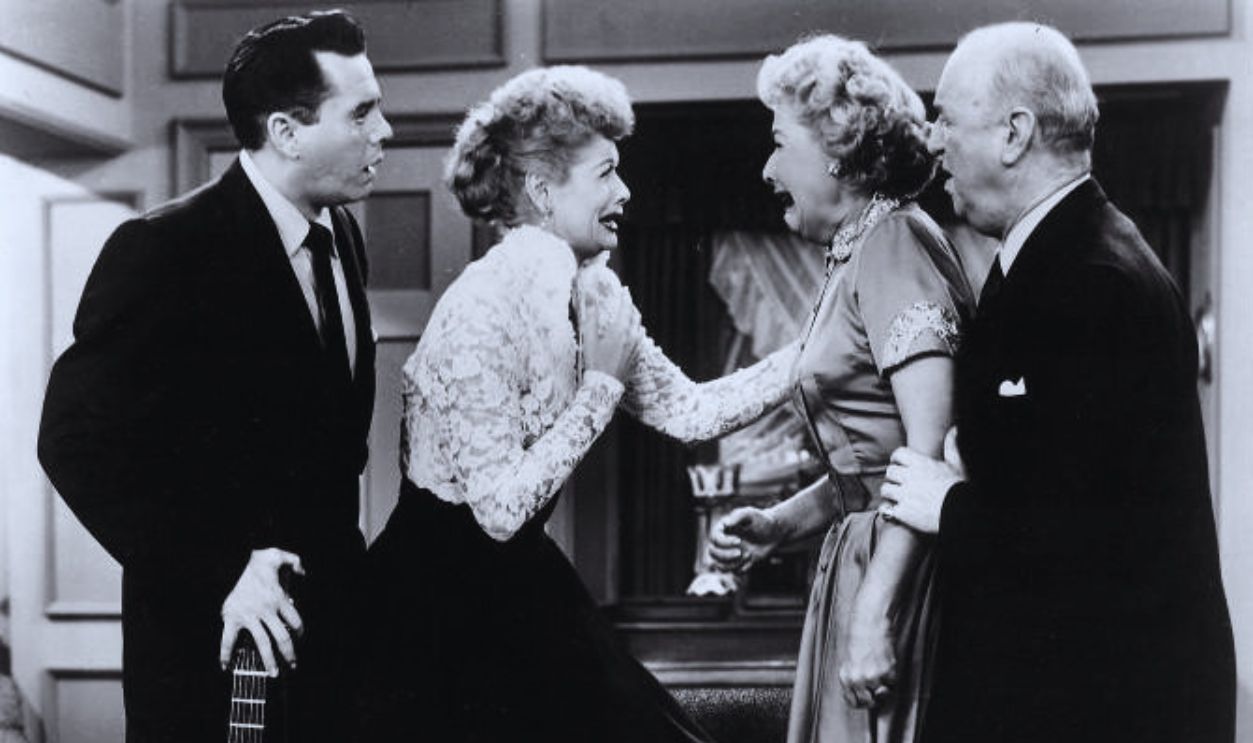 CBS Television In the 1950s and 1960s, Wikimedia Commons
“Who loves ya, baby?”
Though it gained more popularity slightly later, early detective-style shows helped make this kind of phrase memorable. It stuck because it was catchy and full of personality.
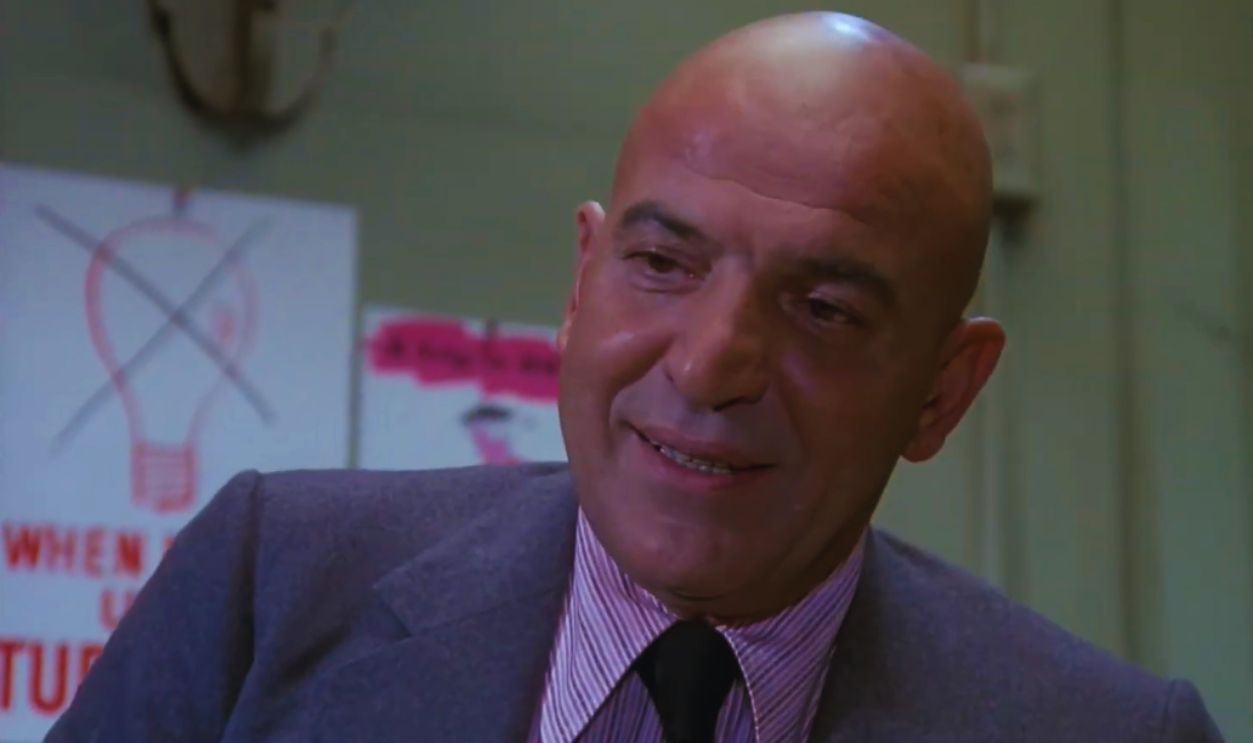 Screenshot from Kojak, Universal Television / CBS (1973–1978)
“Live long and prosper”
From Star Trek, Spock’s calm and thoughtful line became one of the most enduring catchphrases in TV history. It stuck because it represented hope, logic, and a better future.
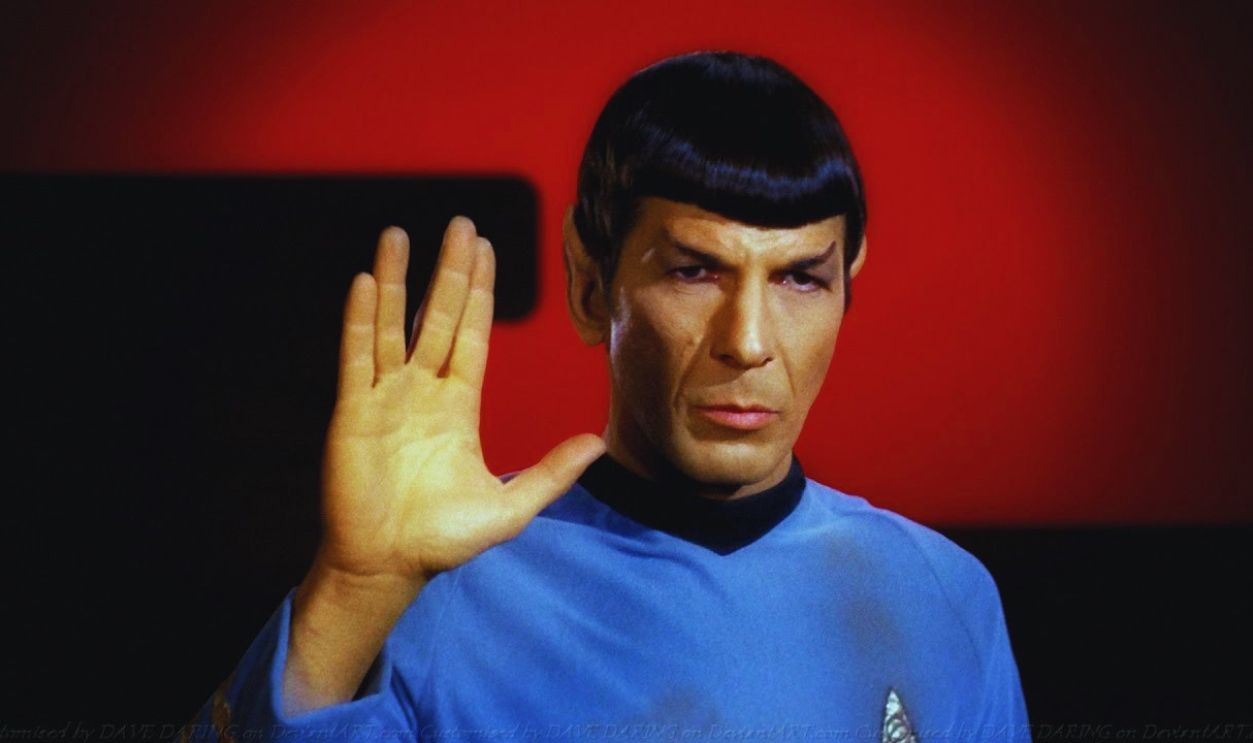 Screenshot from Star Trek, Desilu Productions / Norway Productions / NBC (1966–1969)
Why These Catchphrases Still Stick
These lines weren’t just popular—they were repeated constantly in a time with fewer channels and fewer shows. That repetition, combined with strong characters, made them unforgettable. Even today, hearing one can instantly transport someone back decades.
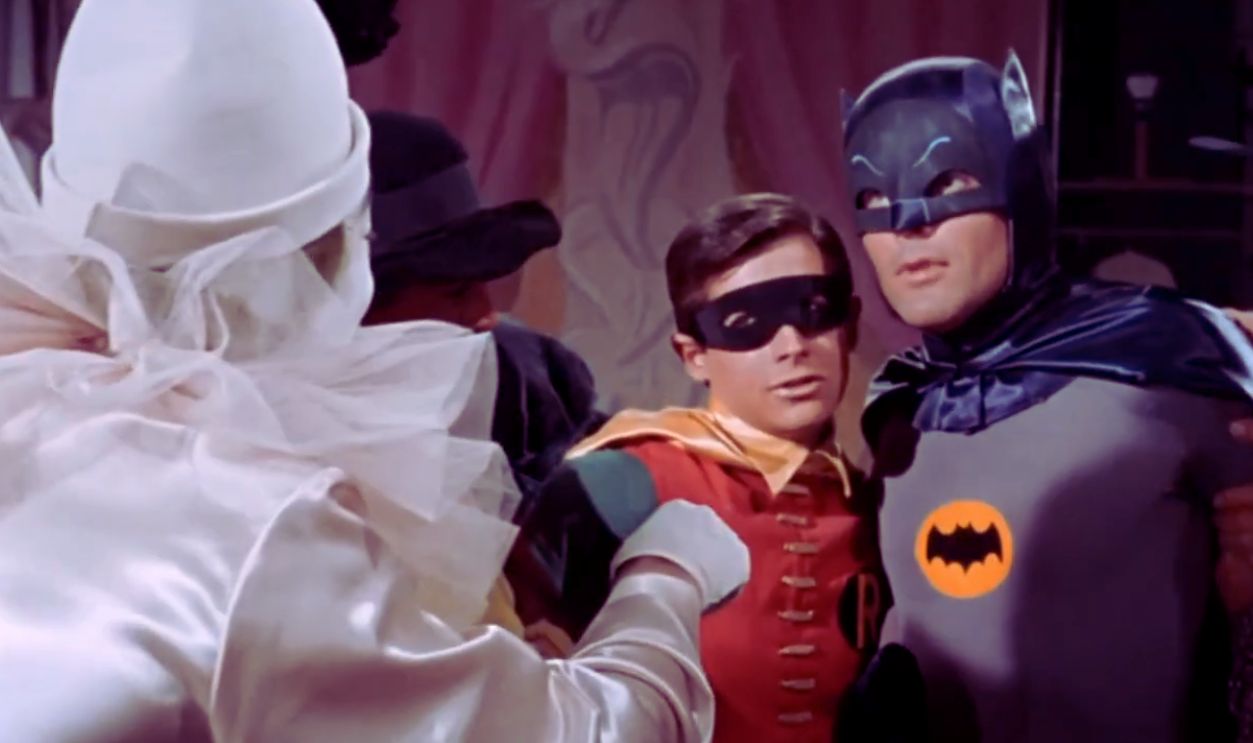 Screenshot from Batman, ABC (1966–1968)
You May Also Like:
TV Shows That Were Huge Abroad—But Never Took Off In The U.S.
20 Years Ago, These Controversial Movies Were Hits—Today They’d Spark Outrage
30 of the Longest-Running TV Shows