The Sixties Spotlight Was Brutal
The 1960s minted celebrities at warp speed, then moved on just as fast. Baby Boomers will remember that these actors and musicians were impossible to ignore in their peak years, but they have all since completely disappeared from pop cultural memory. Their work is still there, even if nobody else remembers them.
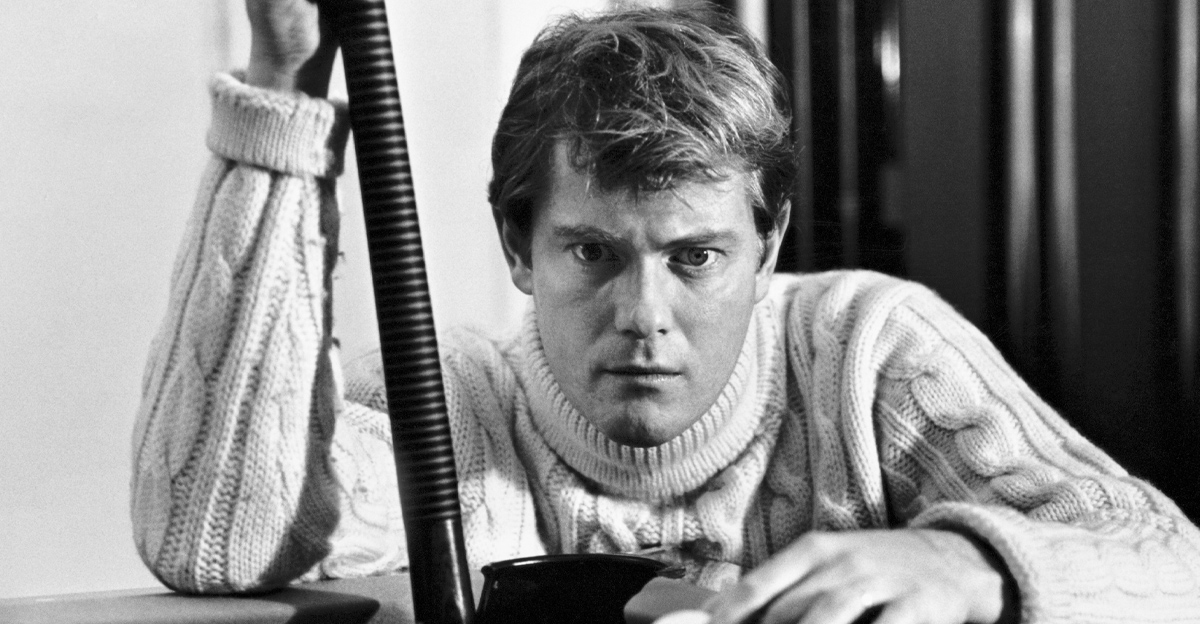
George Lazenby
George Lazenby became James Bond in 1969 for On Her Majesty’s Secret Service. He chose not to continue in the role, and his later film work never matched that single burst of global visibility.
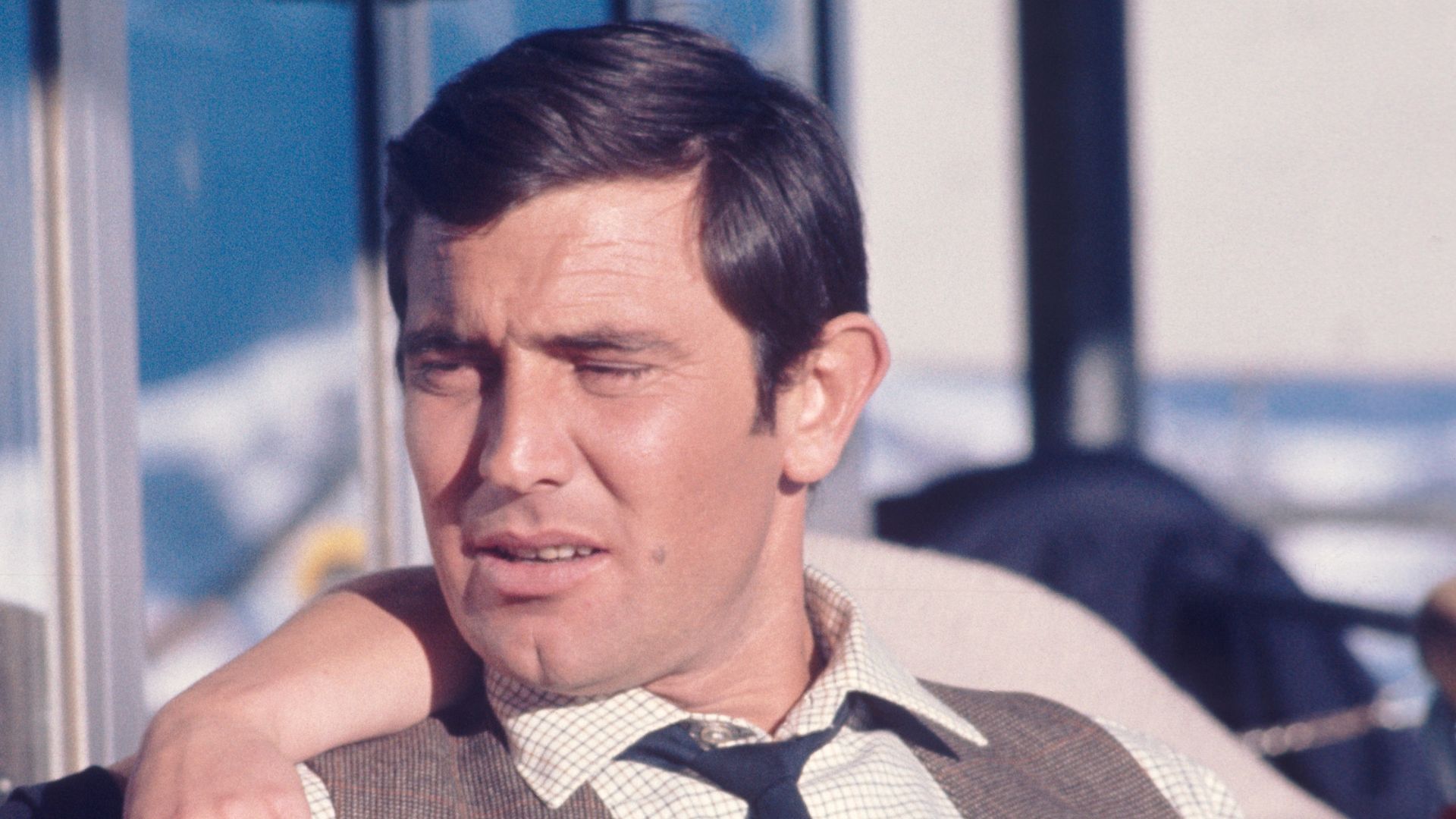 Comet Photo AG (Zurich), Wikimedia Commons
Sue Lyon
Sue Lyon broke out as Dolores Haze in Stanley Kubrick’s Lolita (1962) and won a Golden Globe for Most Promising Newcomer. After her early film run, she did not again appear in major studio movies at the same level of prominence.
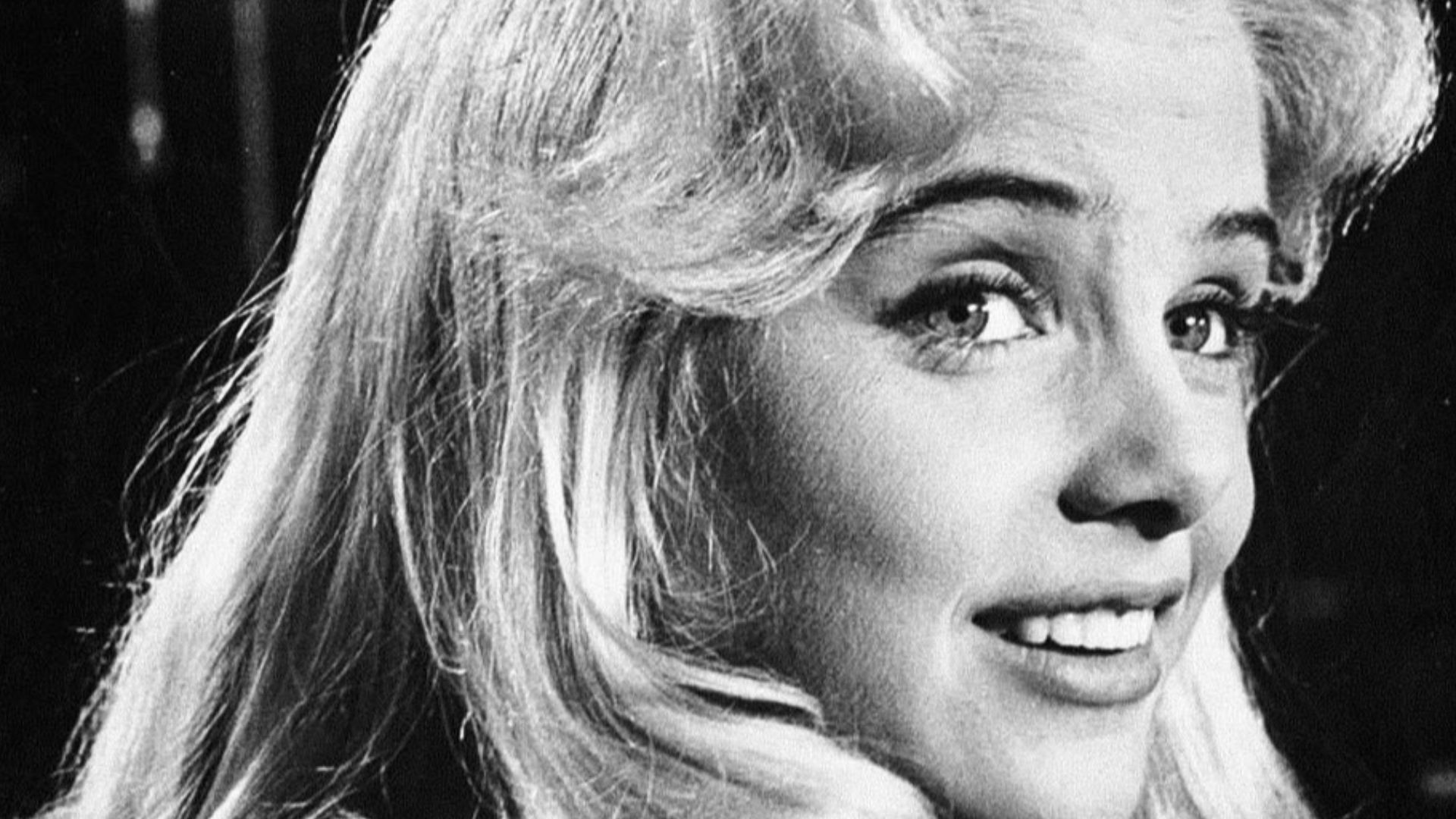 Stanley Kubrick, Wikimedia Commons
Troy Donahue
Troy Donahue was a 1960s heartthrob, best known for A Summer Place and a run of Warner Bros. romances. He continued acting for decades, but the studio-created teen-idol machine that launched him did not stay with him.
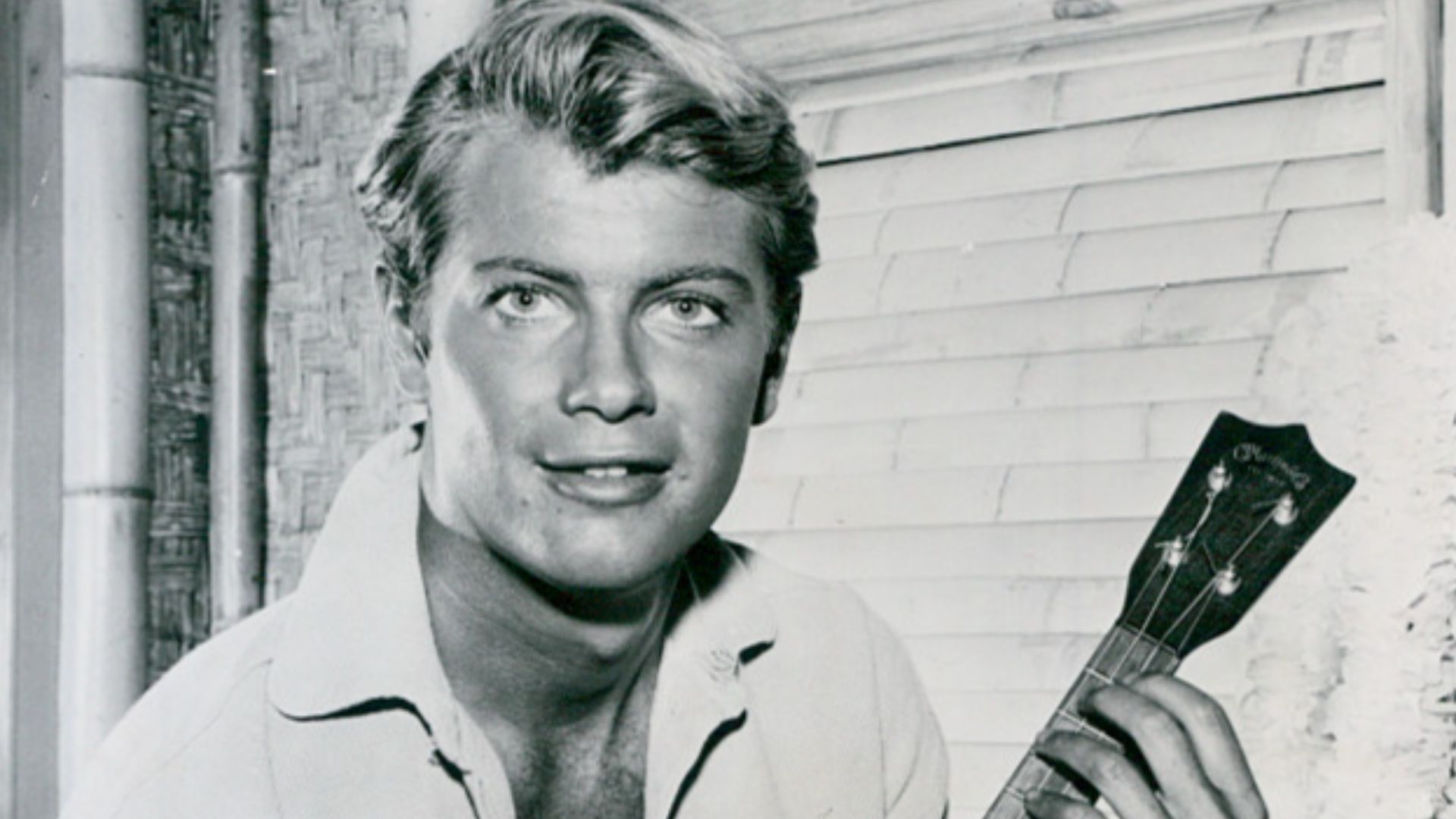 ABC Television, Wikimedia Commons
Connie Stevens
Connie Stevens found wide recognition as Cricket Blake on Hawaiian Eye and scored pop success with “Sixteen Reasons.” She kept working steadily, but the early 1960s teen sensation around her name did not last.
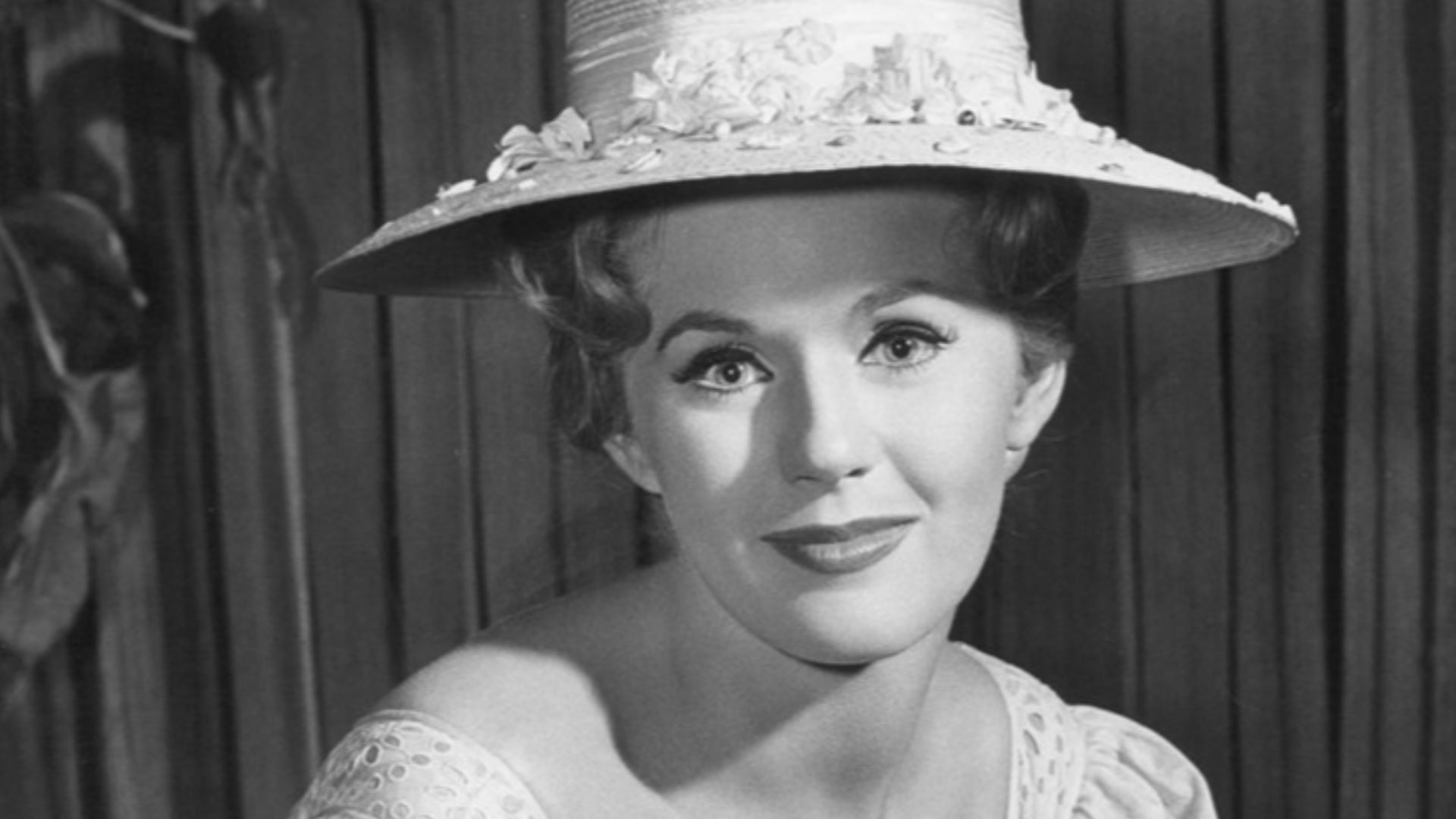 Warner Bros. Studios, Wikimedia Commons
Shelley Fabares
Shelley Fabares became a familiar face as Mary Stone on The Donna Reed Show. Her single “Johnny Angel” hit No. 1 on the Billboard Hot 100 in 1962, but her pop-star moment was brief compared with her long acting career.
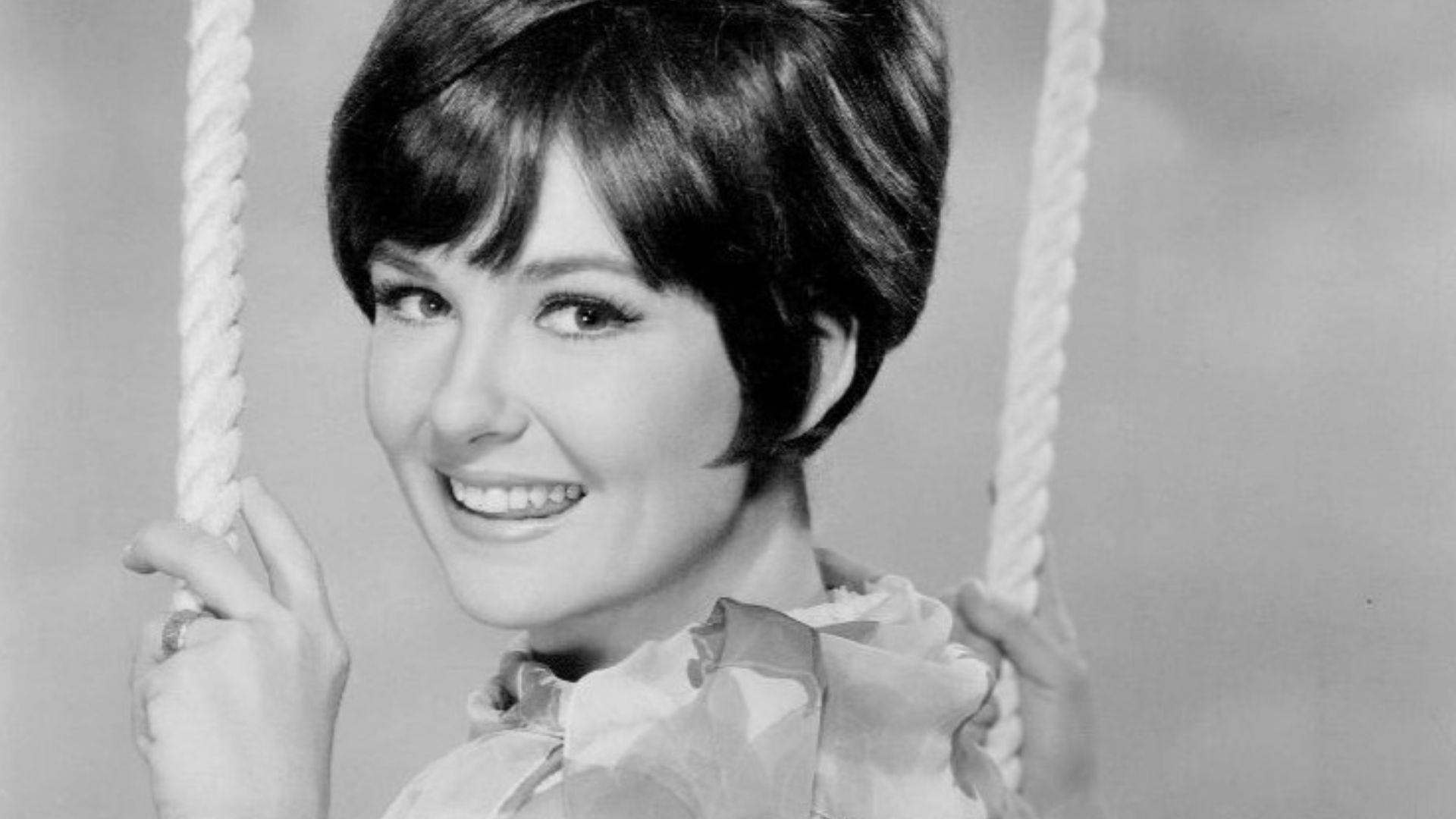 Youth Parade by Churchills, Wikimedia Commons
Patty Duke
Patty Duke won an Academy Award for her performance as Helen Keller in The Miracle Worker (1962). She followed it with The Patty Duke Show, but her later fame was more intermittent than her early-60s breakthrough suggested.
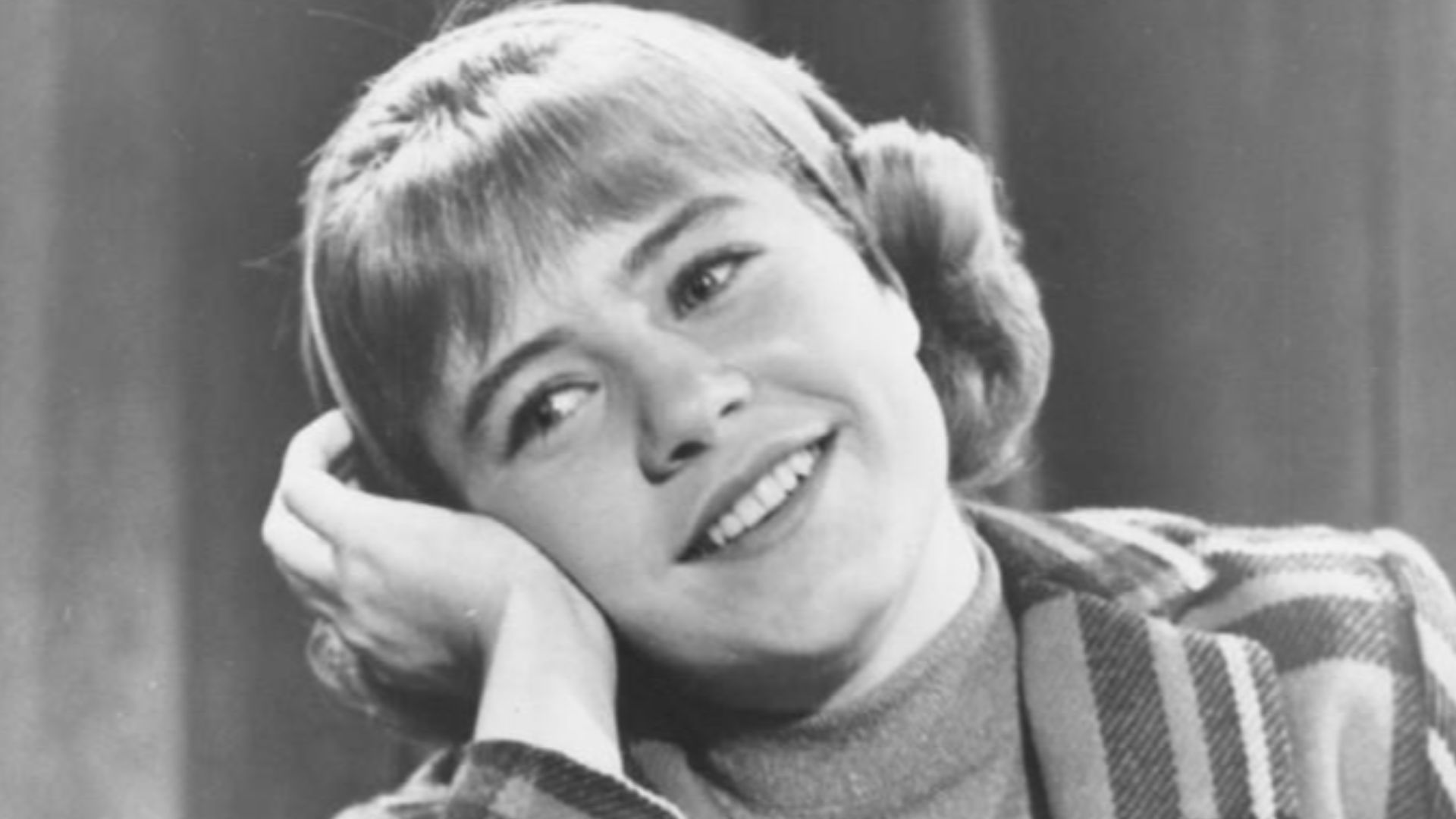 ABC Television, Wikimedia Commons
Joey Heatherton
Joey Heatherton became a 1960s variety-show regular and a frequent performer on Bob Hope’s USO tours. As the variety era faded, her on-screen appearances became less frequent and her celebrity cooled.
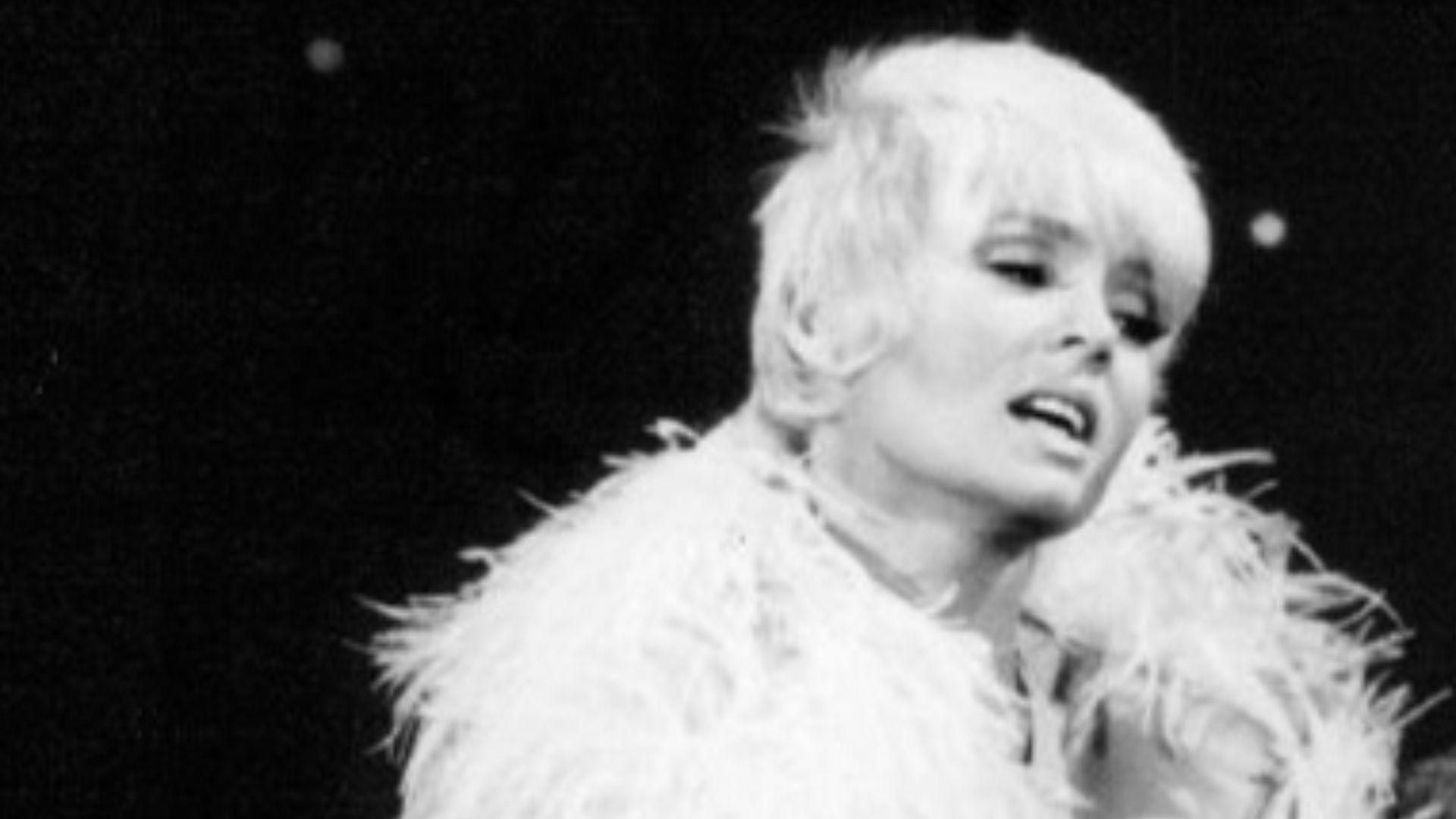 CBS Television, Wikimedia Commons
Yvonne Craig
Yvonne Craig made TV history as Batgirl on Batman in 1967 and 1968. She continued with guest roles on major shows, but the Batgirl season remained her defining pop culture association.
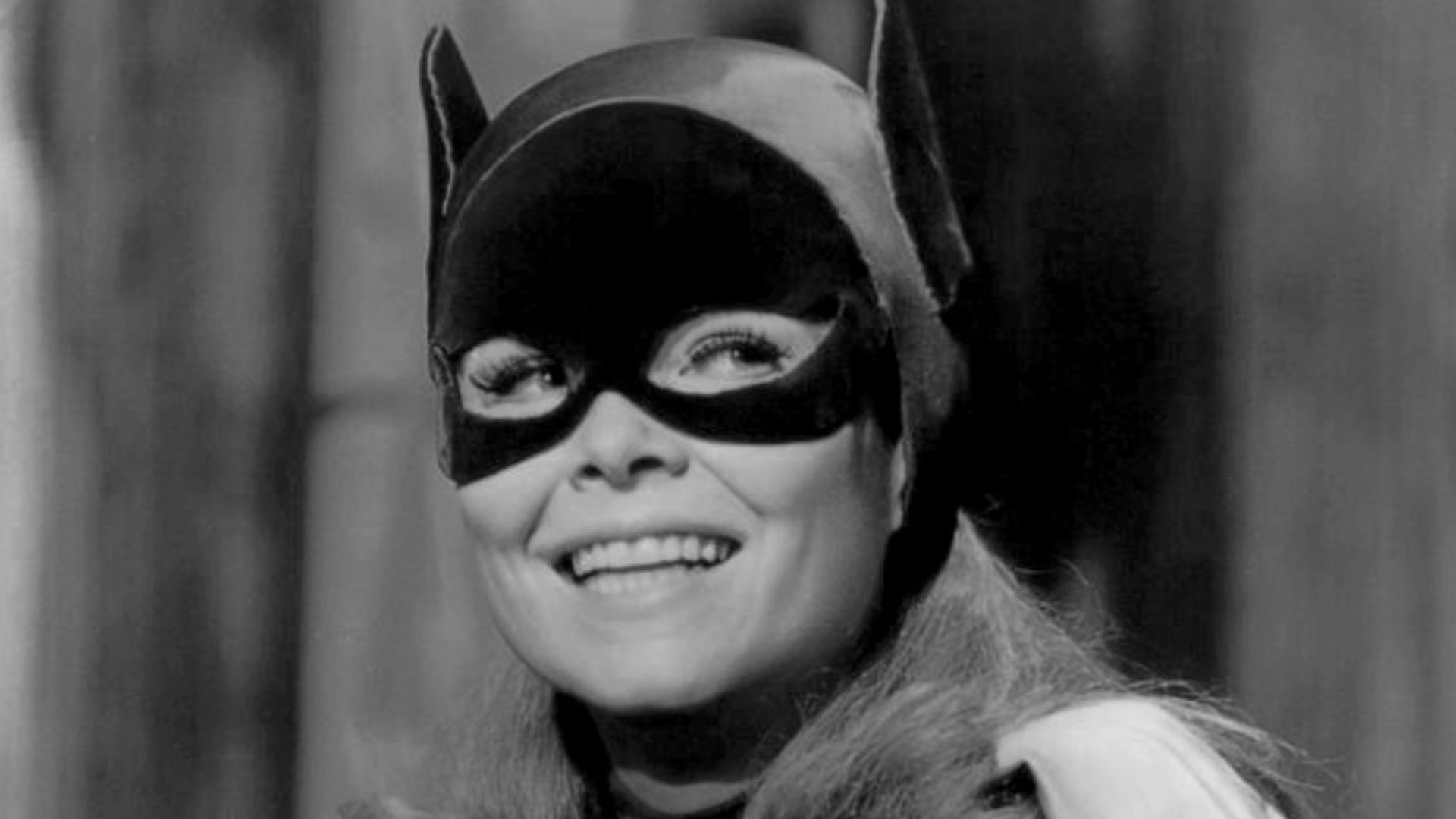 ABC Television, Wikimedia Commons
Burt Ward
Burt Ward played Robin on Batman from 1966 to 1968, turning him into a household name. After the series ended, his screen work continued, but none of it matched the cultural saturation of the camp-TV boom.
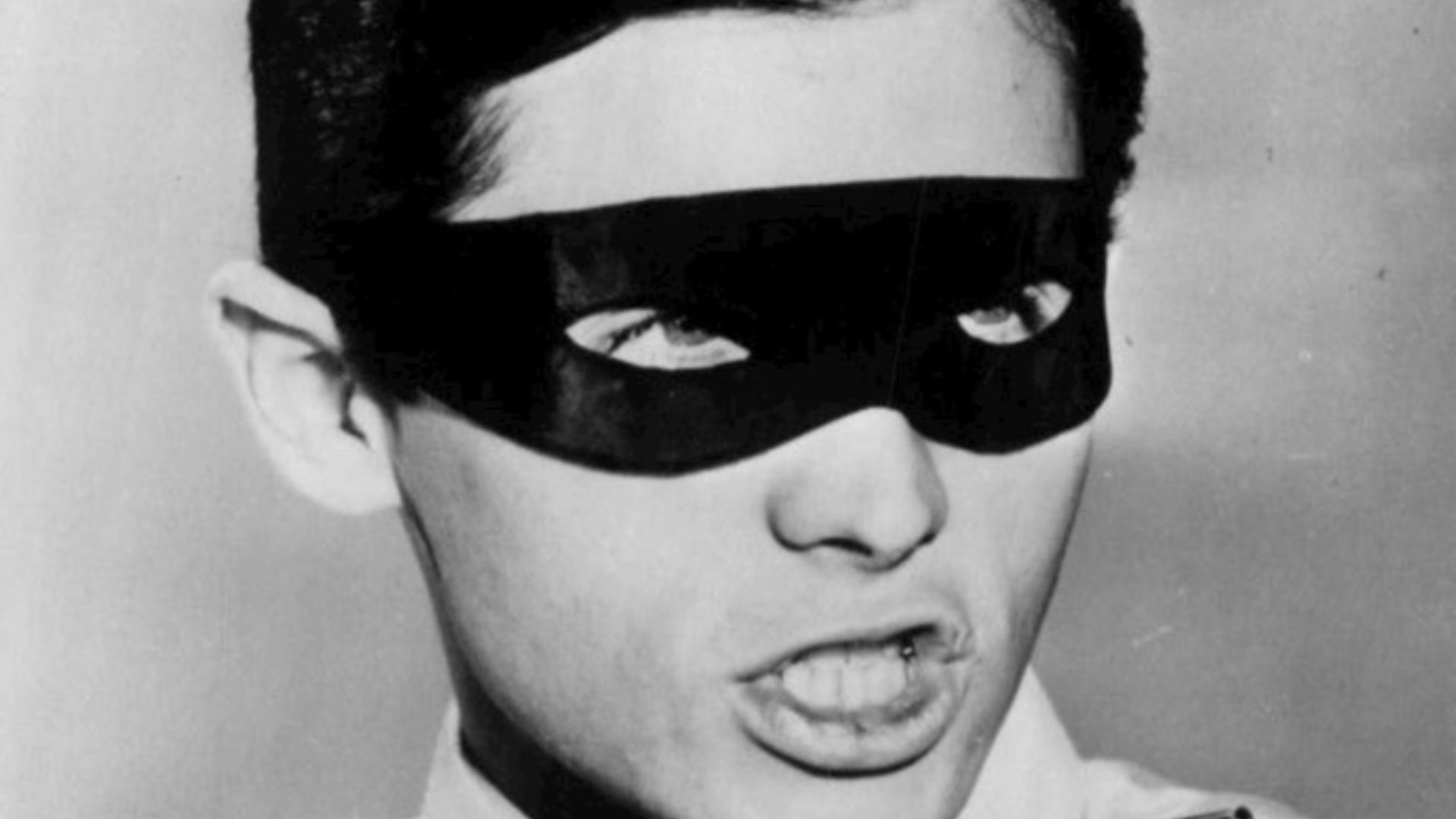 ABC Television, Wikimedia Commons
Edd Byrnes
Edd Byrnes became a national teen sensation as Kookie on 77 Sunset Strip. Typecasting followed, and his later career never again reached that early-TV frenzy, even though he continued acting for decades.
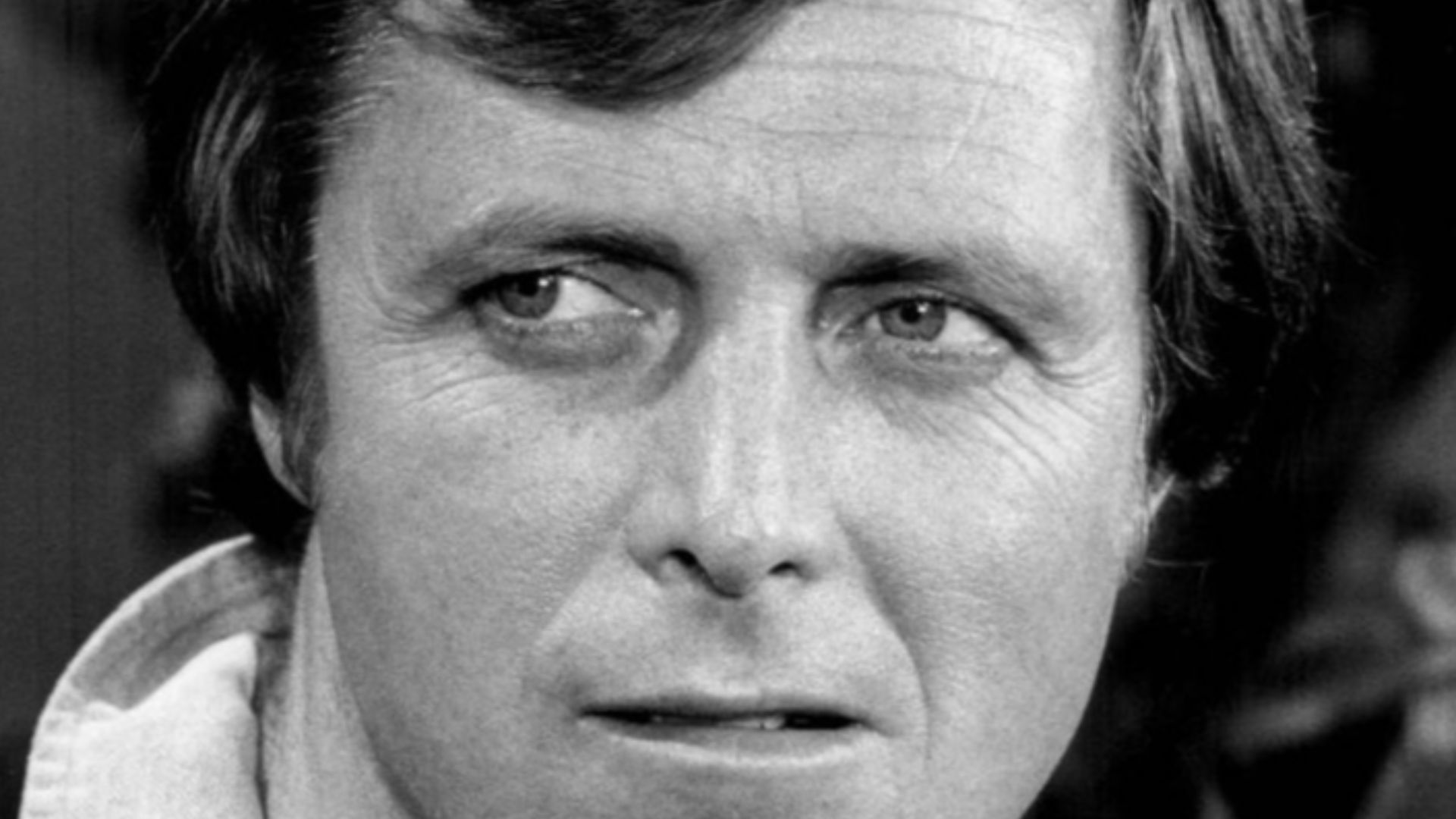 CBS Television, Wikimedia Commons
George Maharis
George Maharis co-starred on Route 66 and earned an Emmy nomination in 1962. He left the show during its run citing health problems, and his career never regained the same level of weekly visibility.
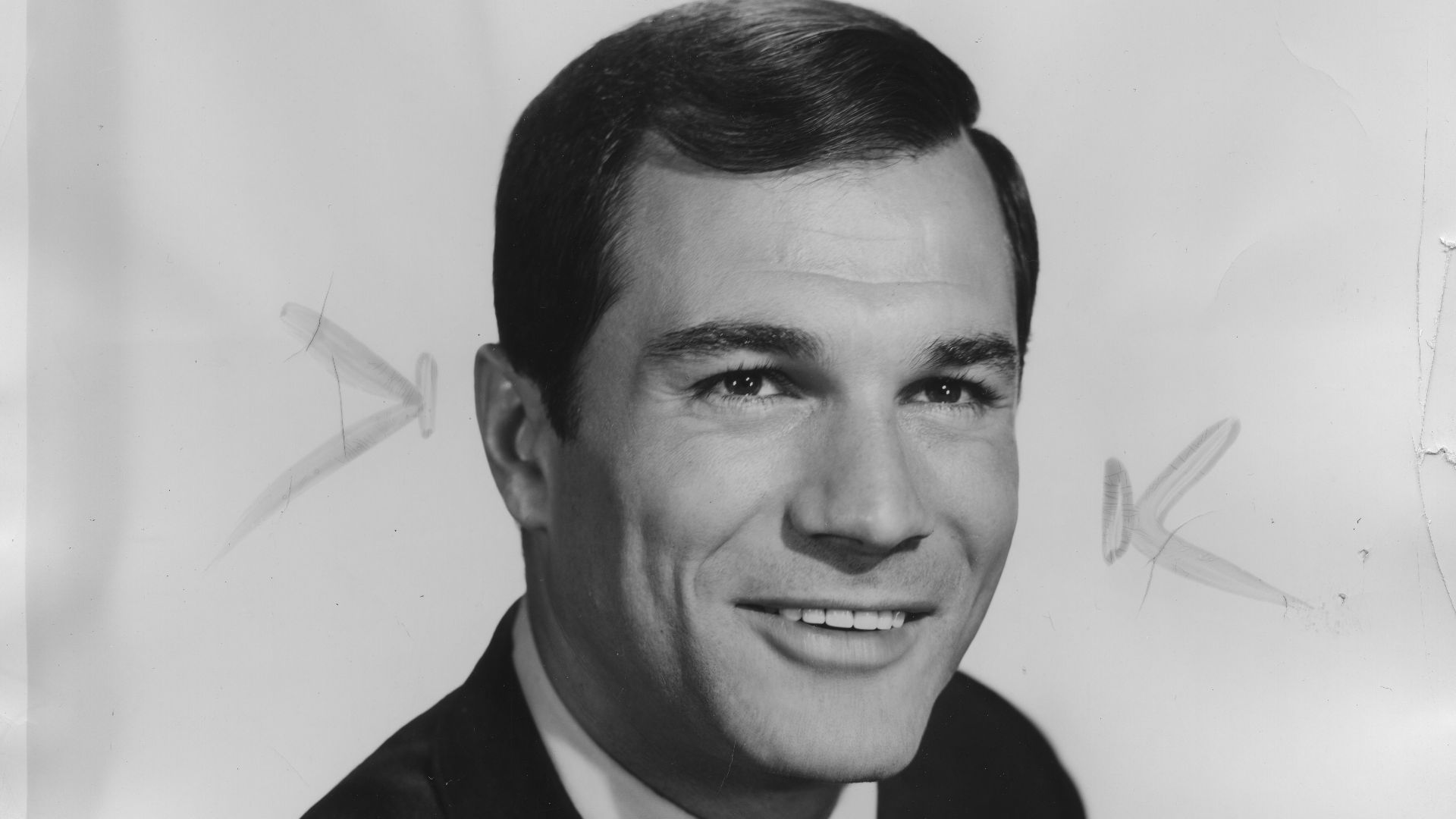 The Pat McDermott Company, Wikimedia Commons
David Janssen
David Janssen anchored The Fugitive from 1963 to 1967 as the wrongly accused Dr. Richard Kimble. He stayed a working star into the 1970s, but The Fugitive remained the moment when he was truly unavoidable.
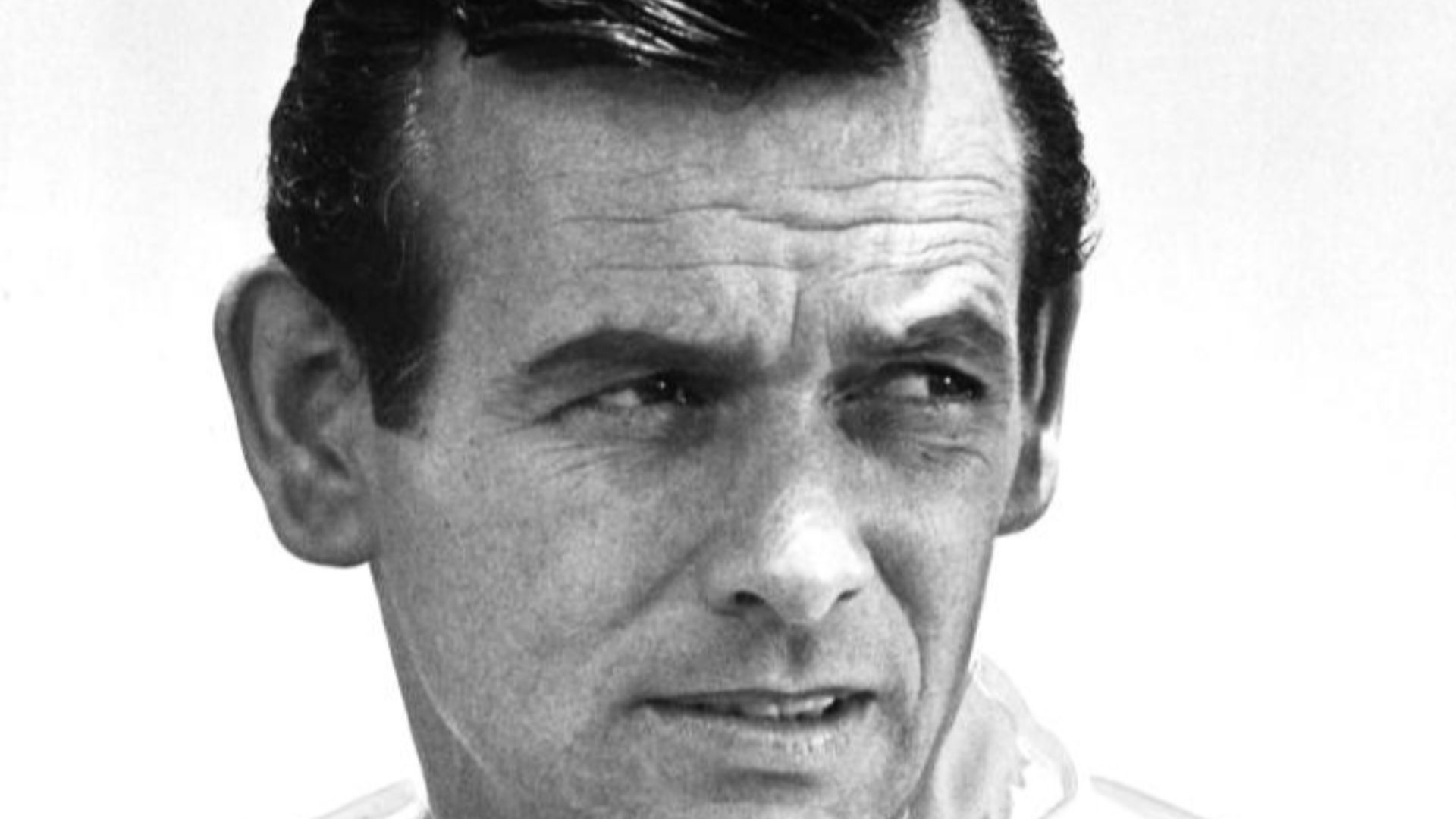 ABC Television, Wikimedia Commons
Robert Conrad
Robert Conrad starred as James T. West on The Wild Wild West from 1965 to 1969. He kept acting for years, but that 60s action series stayed his defining credit in the public imagination.
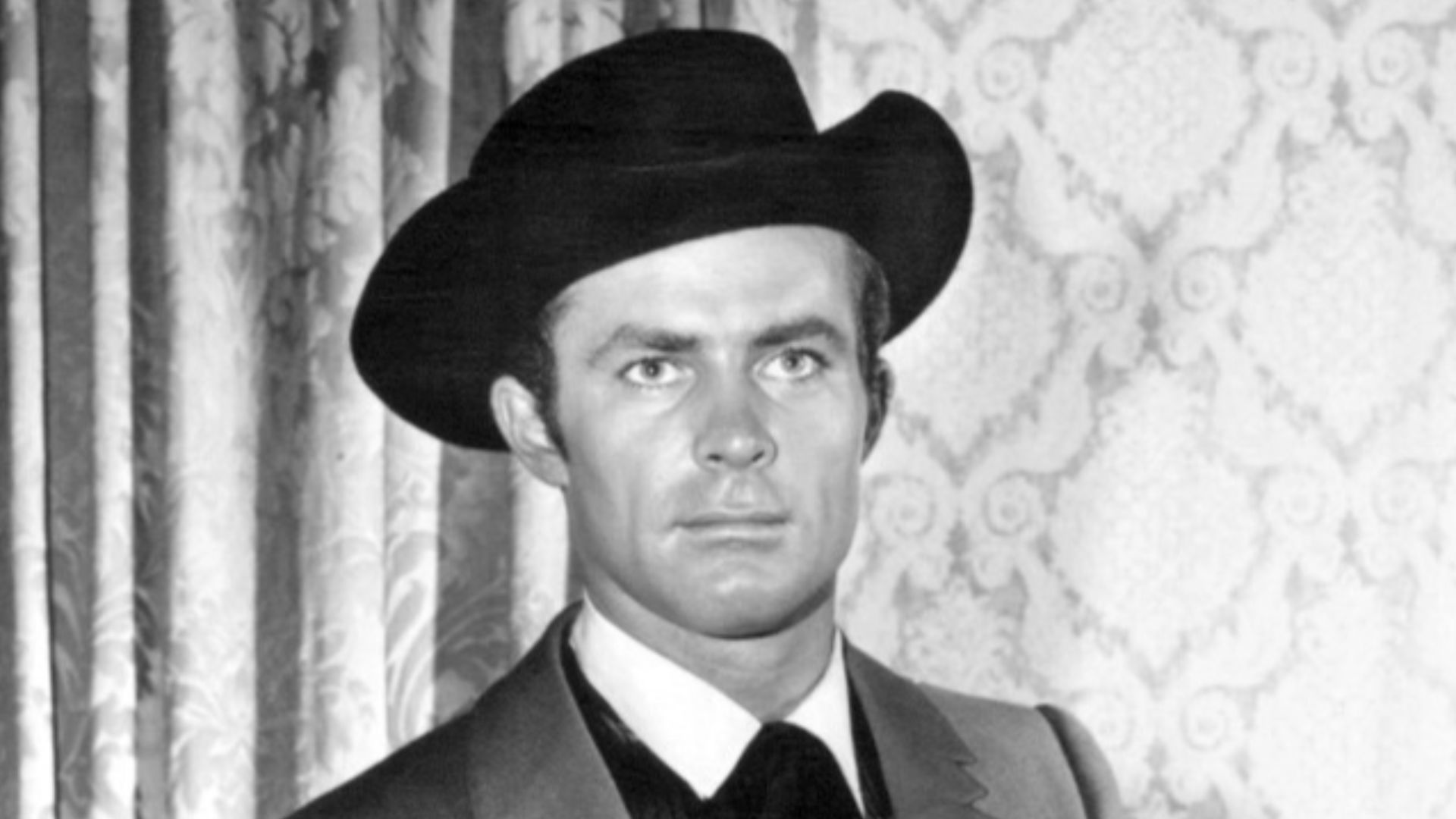 cBS Television, Wikimedia Commons
Vince Edwards
Vince Edwards hit peak stardom as Dr. Ben Casey from 1961 to 1966. He returned to film and other TV projects, but his most durable fame still traces back to that single medical drama.
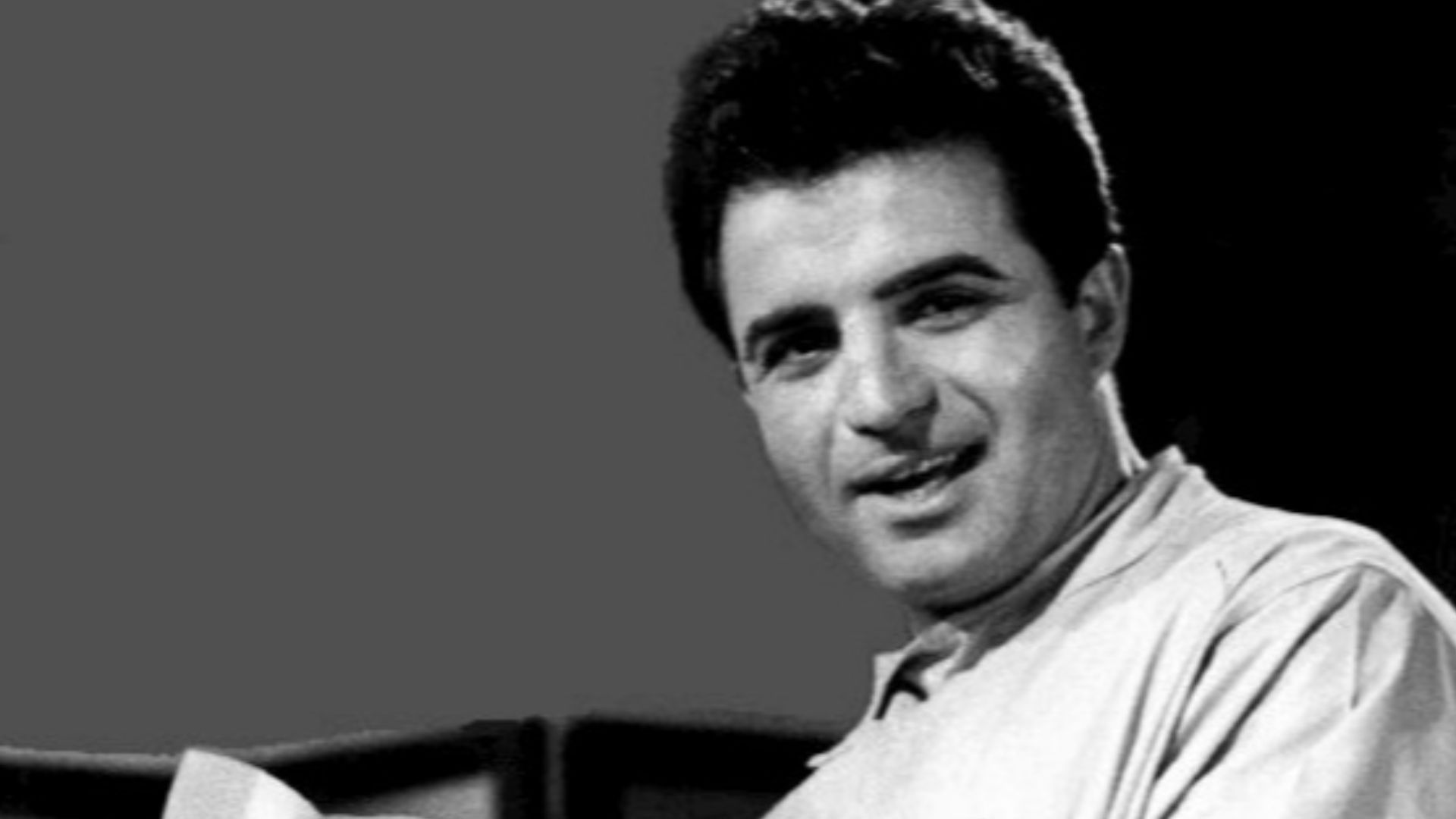 ABC Television-photo by Leigh Wiener, Wikimedia Commons
Fabian Forte
Fabian was one of the era’s biggest teen idols, with chart hits like “Turn Me Loose” and “Tiger.” He acted in major films too, but the teen-pop frenzy that fueled his celebrity cooled quickly as the decade changed.
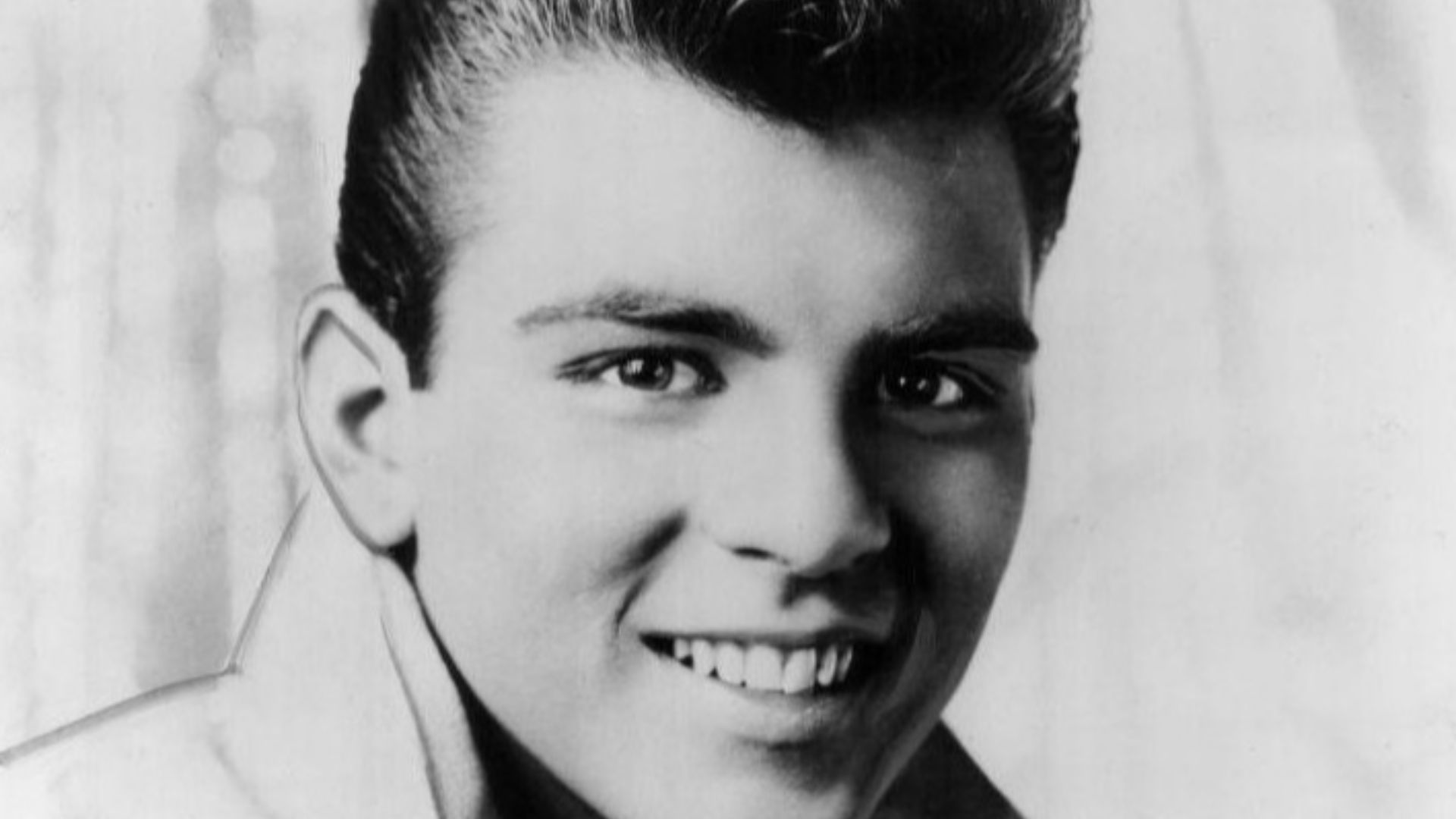 General Artists Corporation (management), Wikimedia Commons
Frankie Avalon
Frankie Avalon had 31 U.S. Billboard charting singles from 1958 to 1962, including No. 1 hits “Venus” and “Why.” He became a beach-movie staple in the 1960s, but the teen-idol mania that powered his rise belongs to that moment in time.
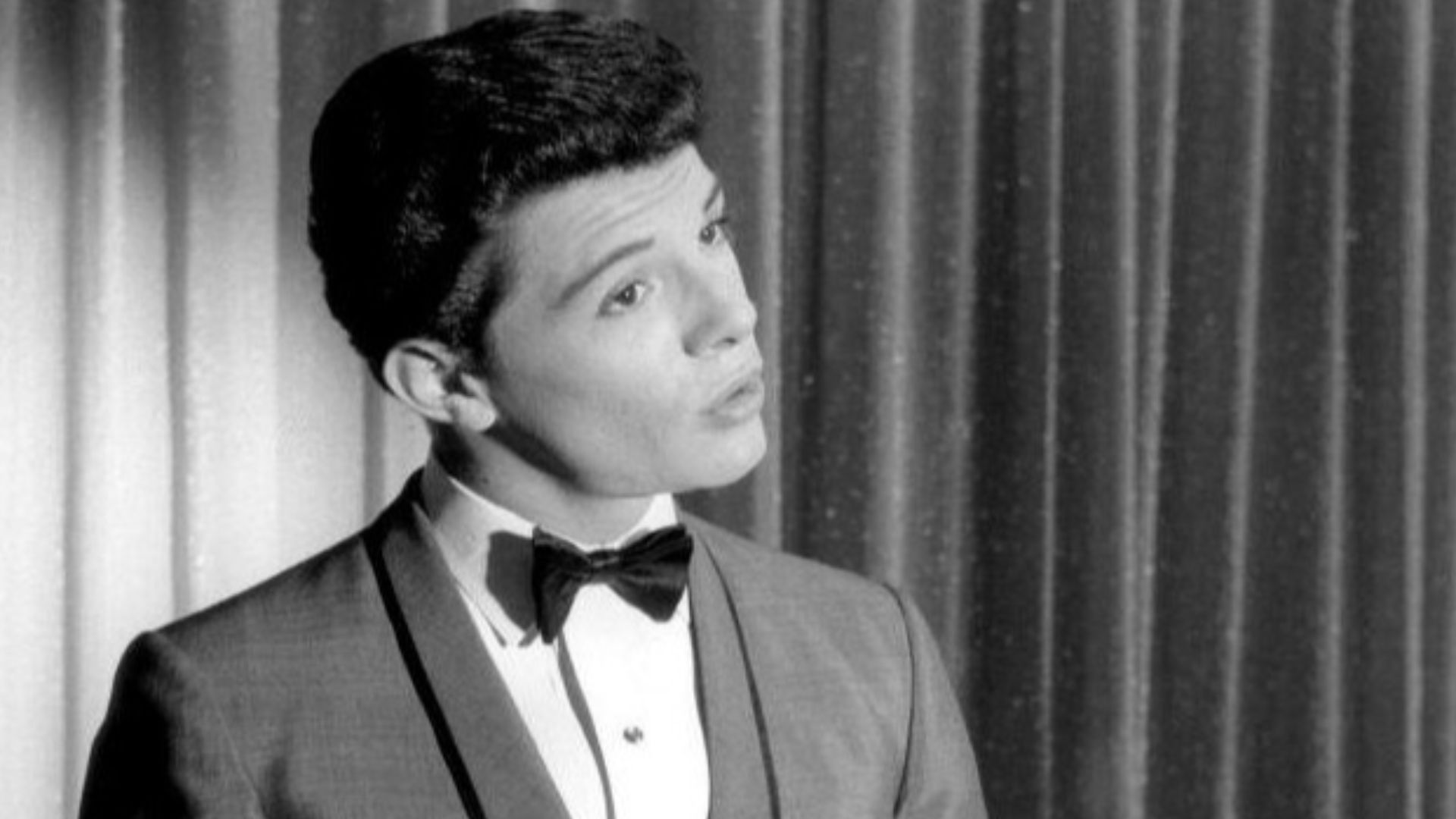 NBC Photo. Stamp is partial-photographer looks like Paul Barnes., Wikimedia Commons
Bobby Vinton
Bobby Vinton took “Blue Velvet” to No. 1 on the Billboard Hot 100 in 1963 and became known as “The Polish Prince.” He remained a steady presence for years, but his biggest wave of pop dominance is firmly tied to the 1960s.
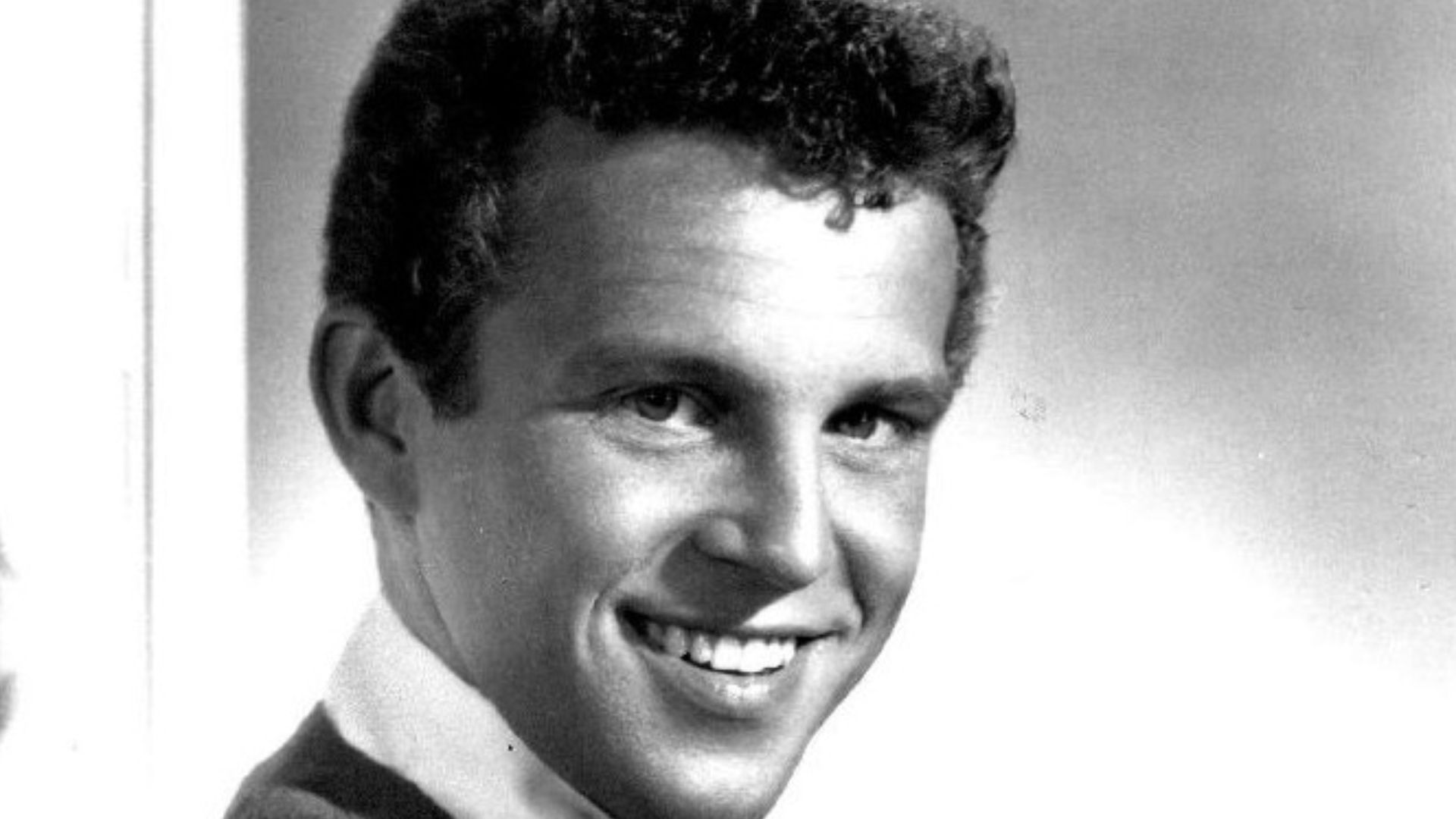 William Morris Agency (managment), Wikimedia Commons
Lesley Gore
Lesley Gore hit No. 1 at age 16 with “It’s My Party” in 1963, then stacked more Top 40 singles soon after. Later she worked in TV and songwriting, but her public image is still anchored to that early-60s hit streak.
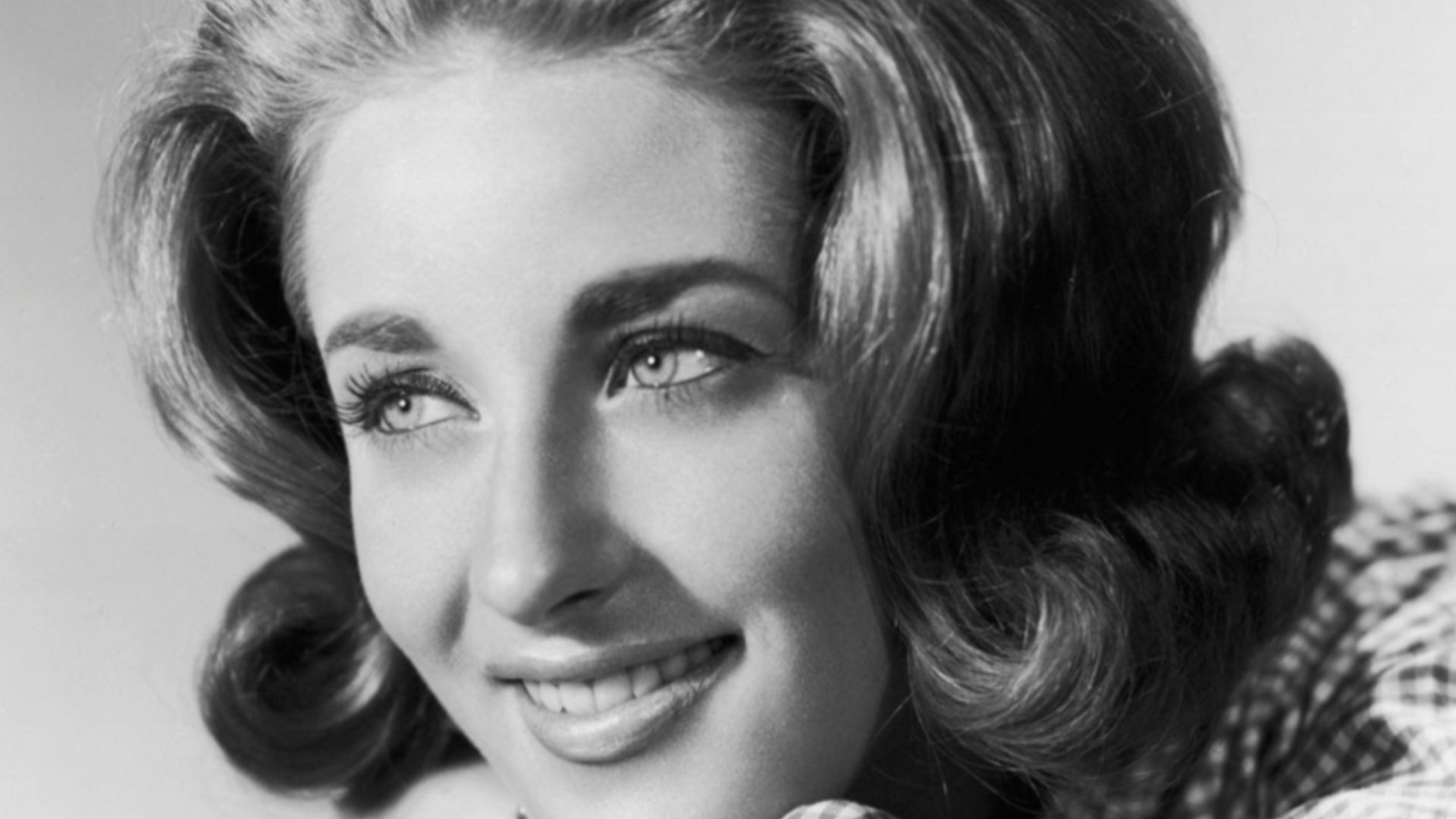 Bruno of Hollywood, Wikimedia Commons
Gary Lewis
Gary Lewis and the Playboys scored a mid-60s run of hits led by the No. 1 “This Diamond Ring” in 1965. As rock tastes hardened in the late 1960s, their clean-cut pop sound faded from the center of the charts.
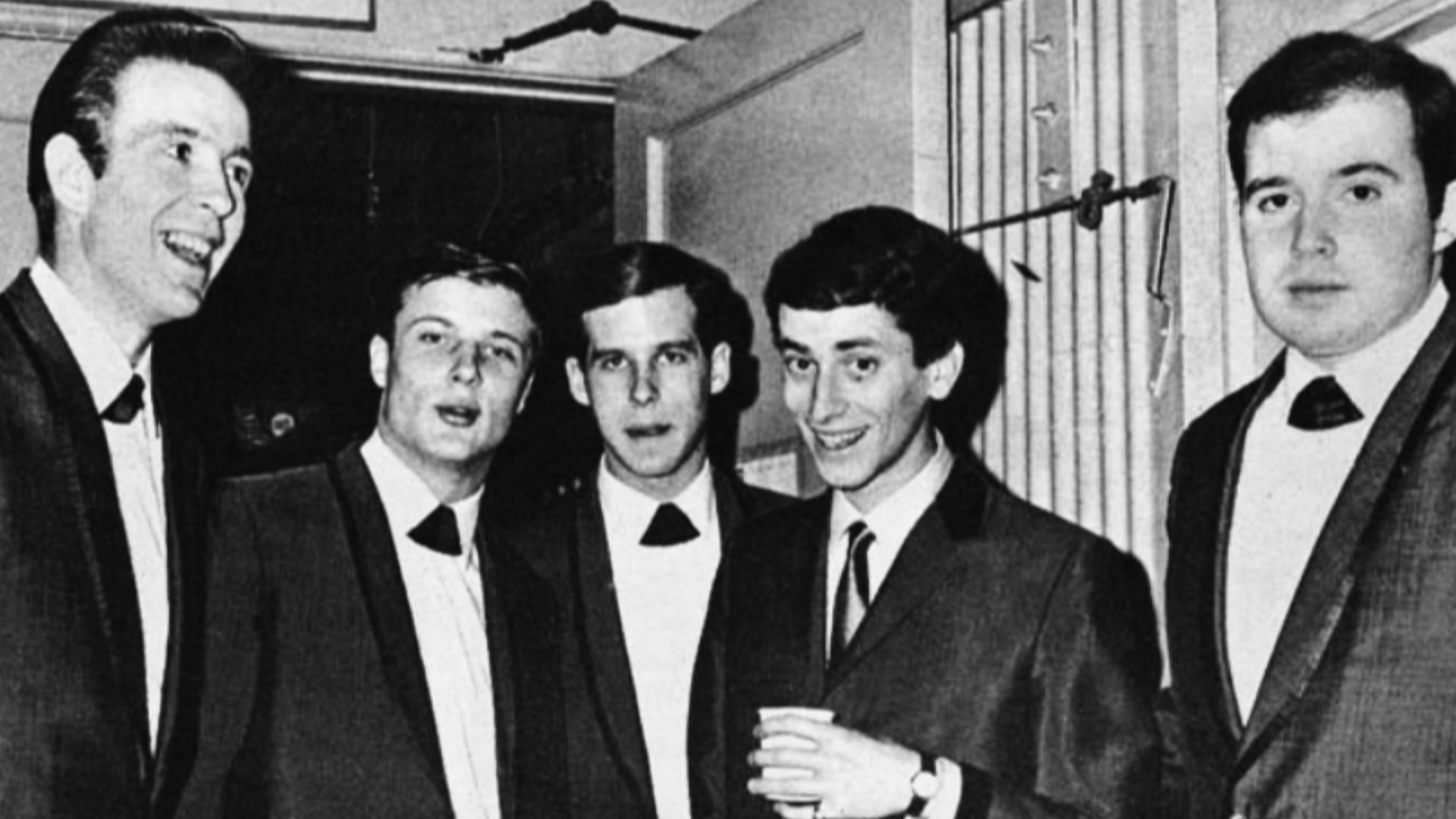
Tommy Roe
Tommy Roe is best remembered for 1960s hits like “Sheila,” “Sweet Pea,” and “Dizzy.” The bubblegum-friendly style that made him ubiquitous also made his fame easy to file away once trends shifted.
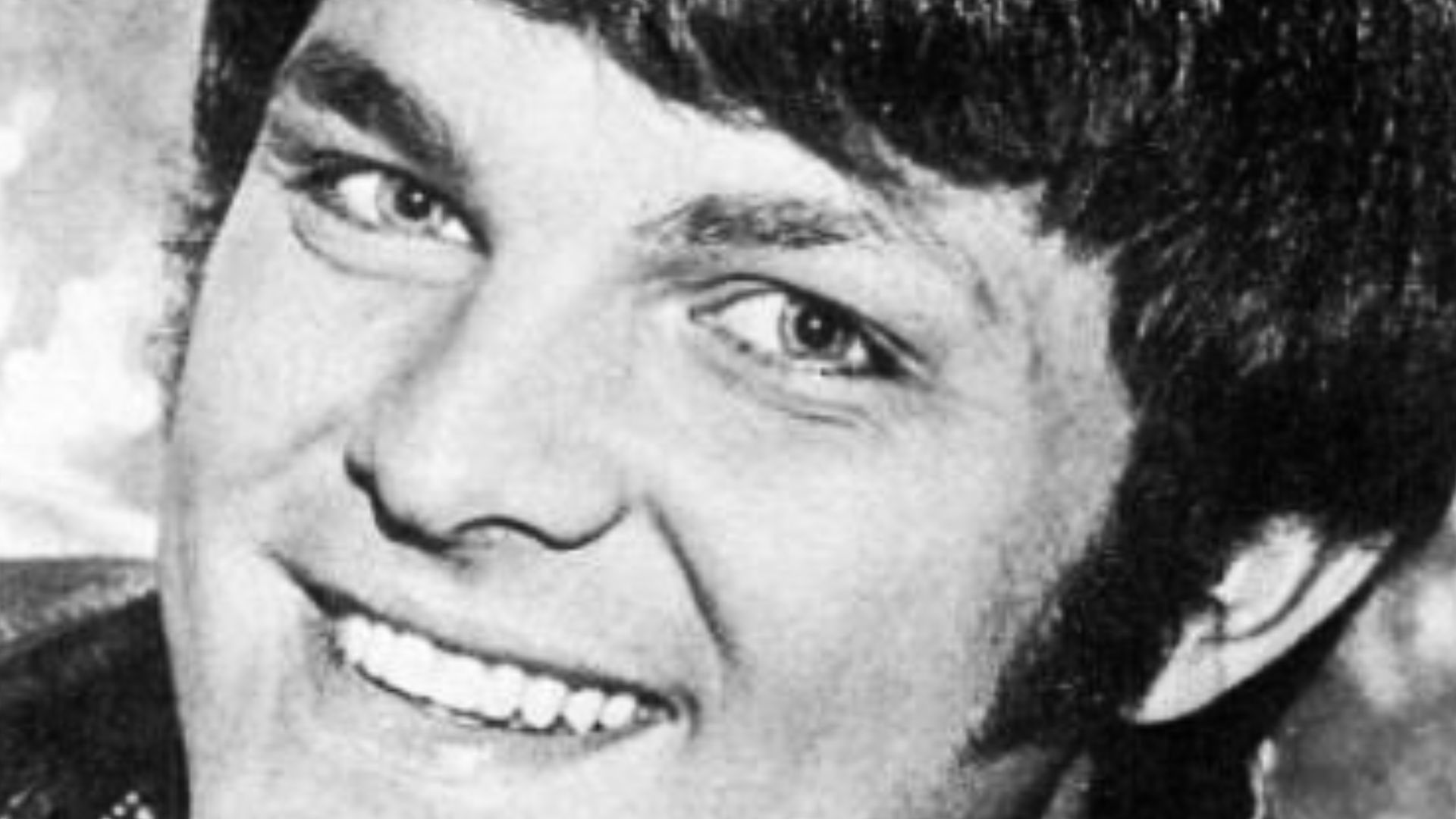 ABC / Dunhill Records, Wikimedia Commons
Brian Hyland
Brian Hyland scored a No. 1 smash in 1960 with “Itsy Bitsy Teenie Weenie Yellow Polkadot Bikini.” He followed it with other major hits, but his name gradually became a deep-cut reference rather than a constant mainstream presence.
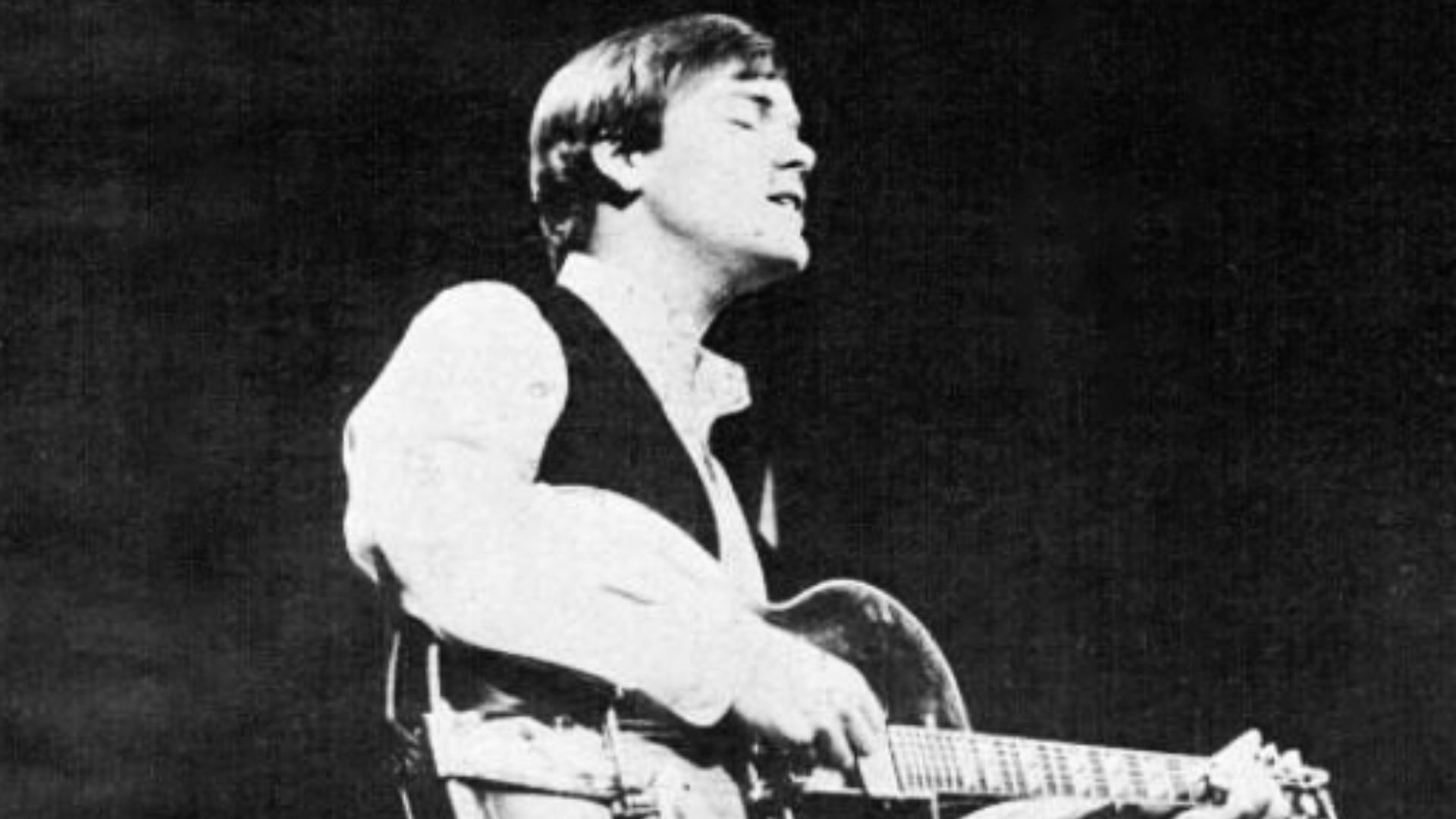 Philips Records, Wikimedia Commons
Trini Lopez
Trini Lopez broke out in the early 1960s with a live-hit version of “If I Had a Hammer.” He also became a notable figure for guitar fans through his signature instruments, but broader pop fame did not stay as loud for long.
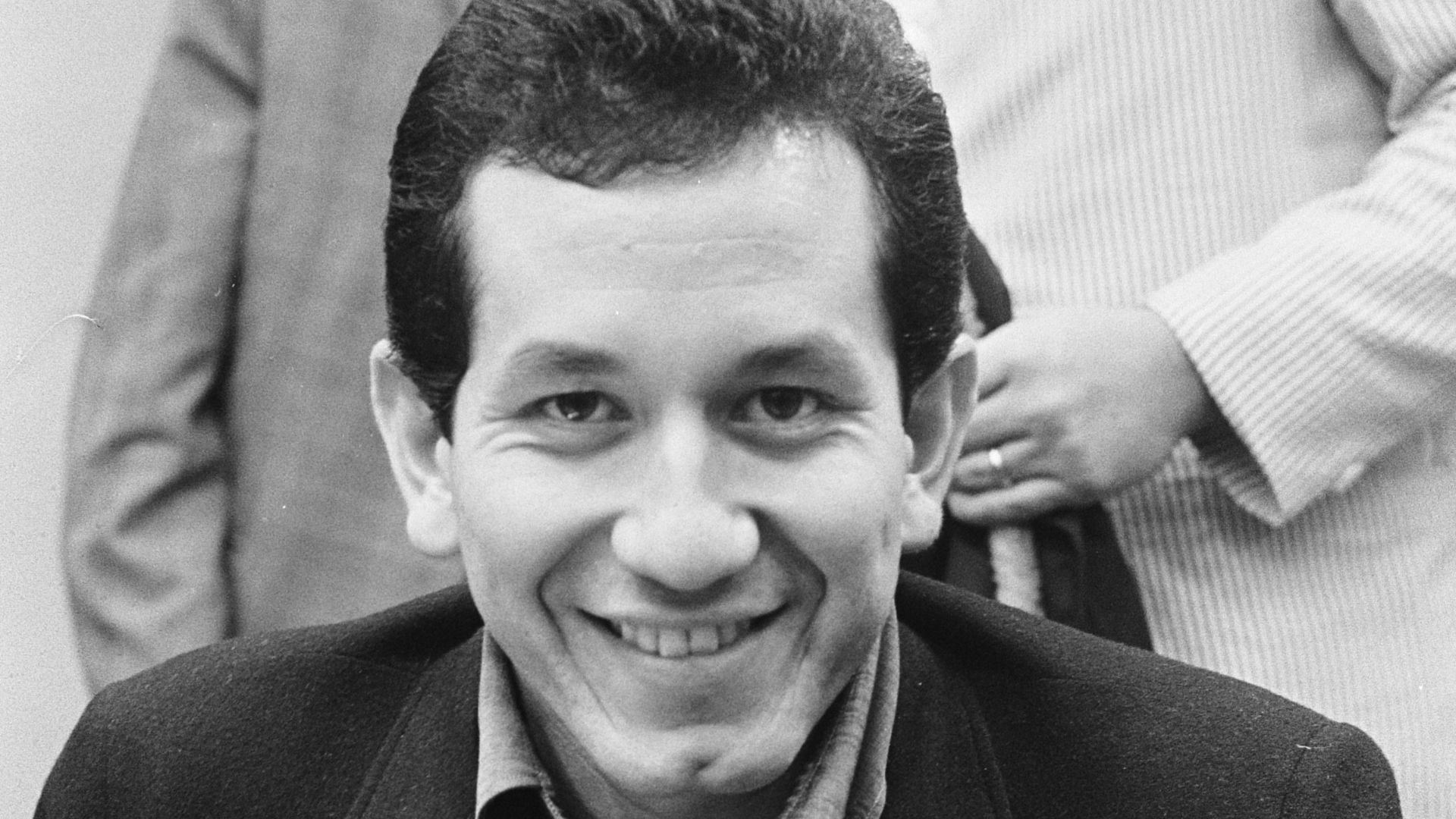 Hugo van Gelderen / Anefo, Wikimedia Commons
Bobby Vee
Bobby Vee became an early-60s pop mainstay, including a Billboard No. 1 with “Take Good Care of My Baby” in 1961. After the British Invasion rewired radio, his chart dominance eased into nostalgia rather than constant front-page fame.
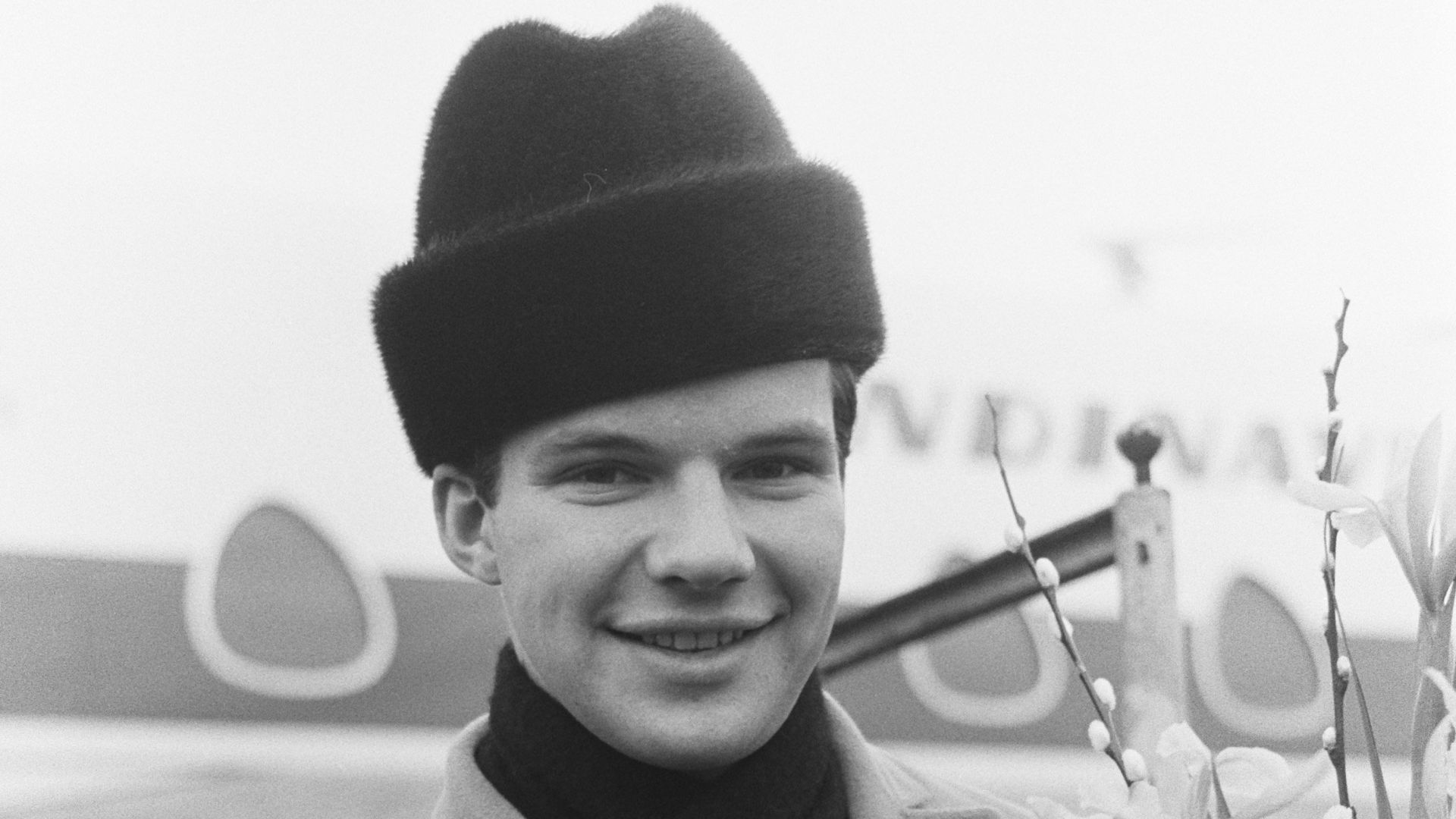 Harry Pot / Anefo, Wikimedia Commons
Bobby Goldsboro
Bobby Goldsboro turned “Honey” into a massive 1968 hit, and it became his signature song. He later hosted a TV show and created children’s projects, but his name rarely occupies modern pop conversation outside that late-60s smash.
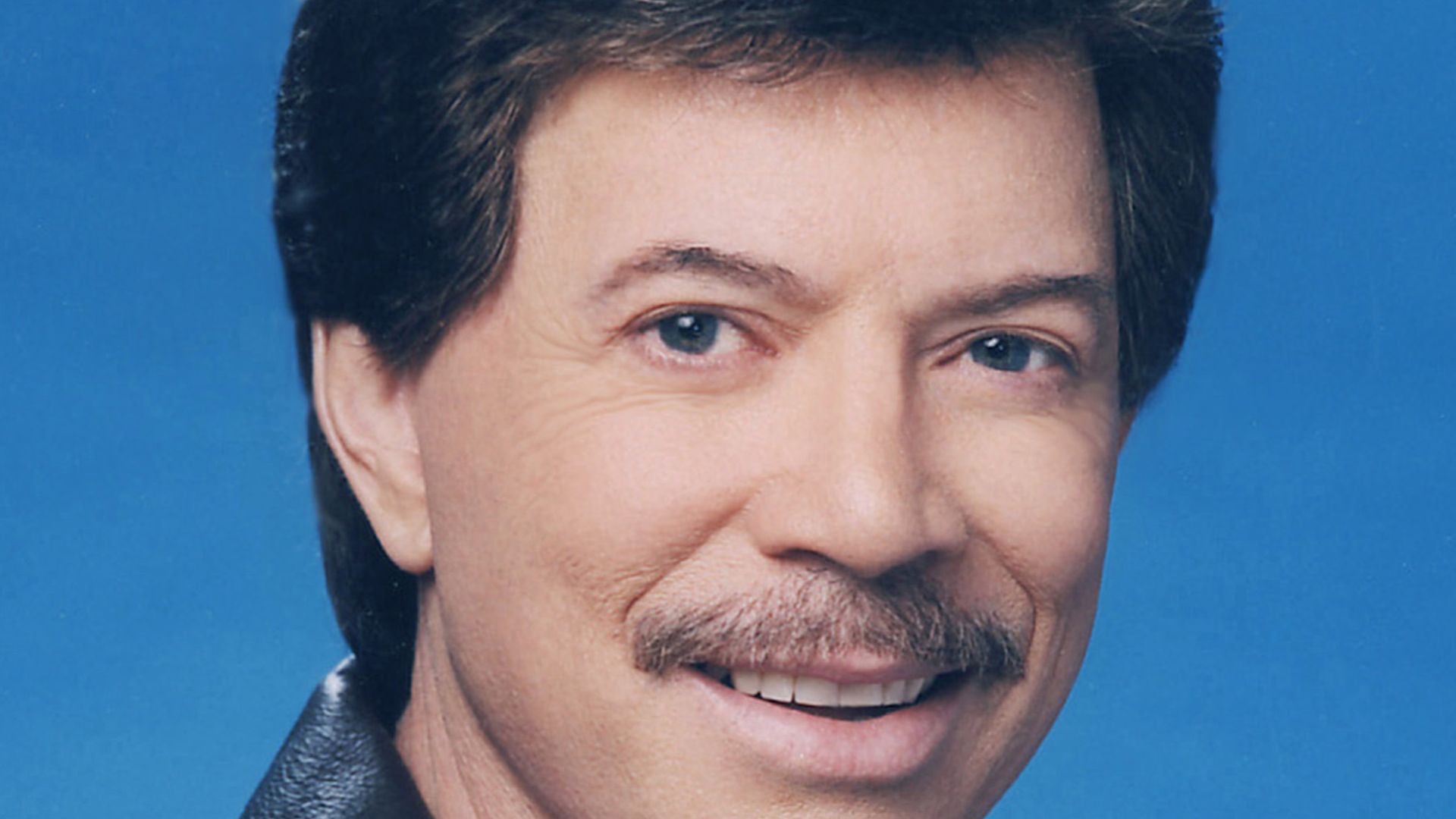 Fernstachit, Wikimedia Commons
Dave Clark
As leader of the Dave Clark Five, Dave Clark helped define the early British Invasion in 1964. The band’s moment in the cultural center was intense but brief, and Clark later focused more on production and business than front-line stardom.
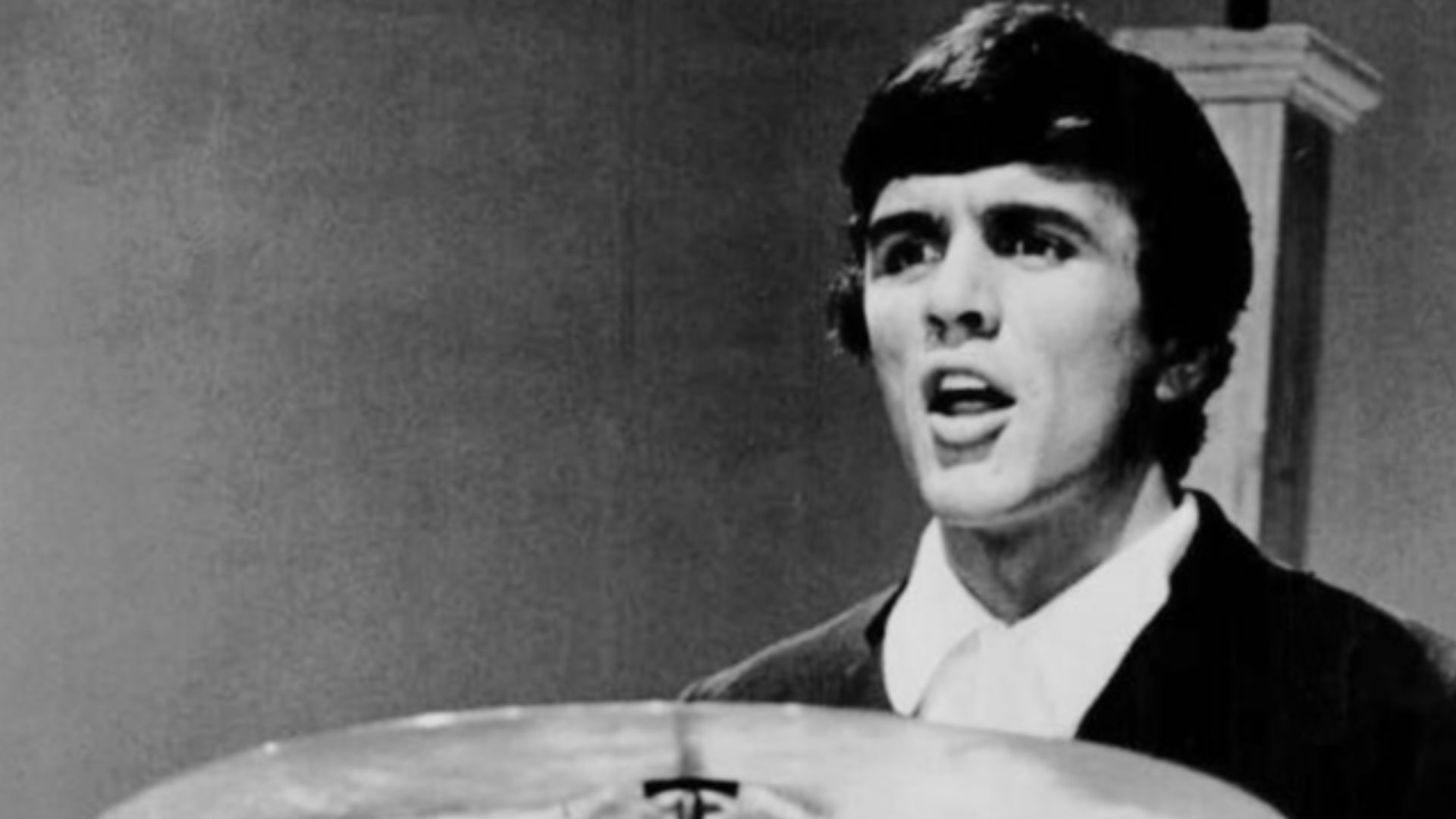 ABC Television, Wikimedia Commons
You Might Also Like:
The Most Iconic MTV Music Videos
Cancelled TV Shows That The Networks Might Have Actually Been Right To Pull The Plug On