They Didn’t Even Get A Chance
The 60s gave us some of the most iconic TV ever—but not everything got I Love Lucy or Bonanza-level longevity. Some shows barely had time to find an audience before they were pulled. And looking back now, a lot of them feel like they could’ve gone much further. Let’s see how many of these you actually remember.
 Silver Screen Collection, Getty Images
“The Prisoner” (1967–1968)
This one had a cult following almost immediately, but it still only lasted 17 episodes. Patrick McGoohan’s surreal, paranoid spy series was way ahead of its time, blending espionage with psychological weirdness. It didn’t play by normal TV rules, which probably didn’t help its chances back then. Now? It feels like something that would thrive on streaming.
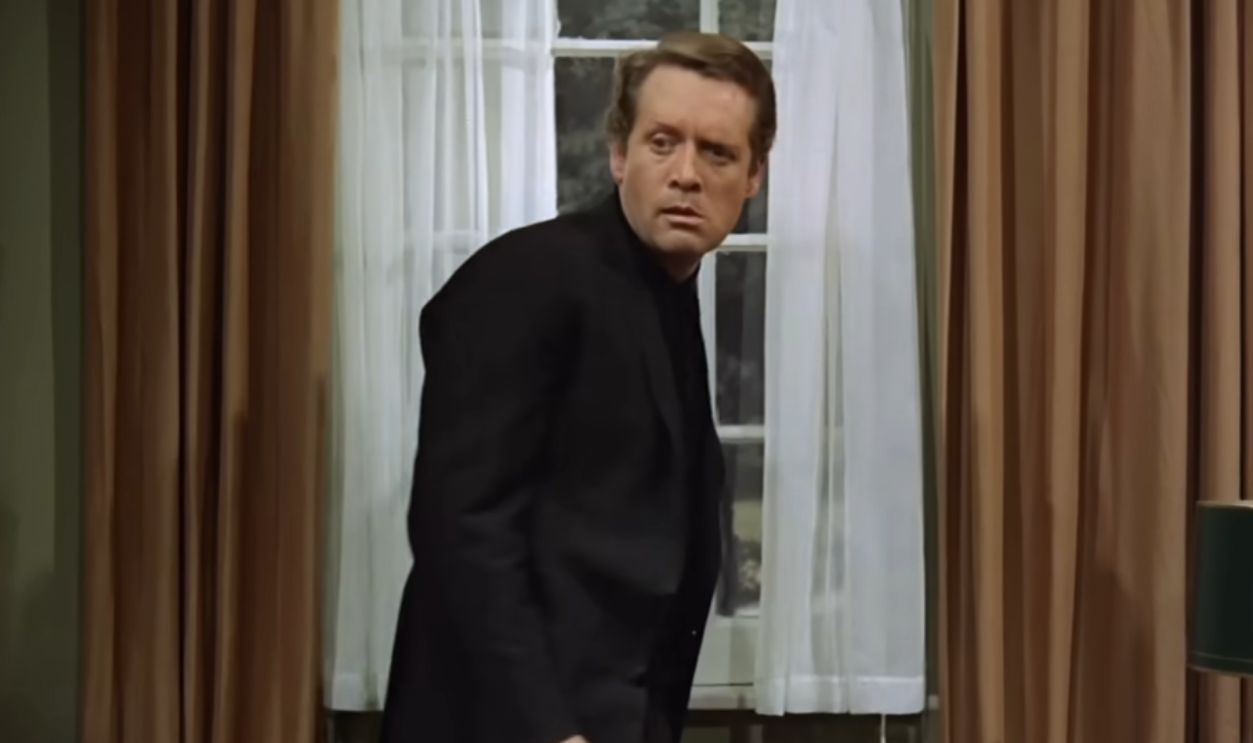 Screenshot from The Prisoner, ITV Entertainment (1967–1968)
“East Side/West Side” (1963–1964)
This one had real substance. It tackled poverty, racism, and social issues in a way that most TV just wasn’t doing yet. Critics respected it, but it made sponsors uncomfortable—and that’s what ultimately killed it. Only one season, but it’s often brought up as a show that was way ahead of its time.
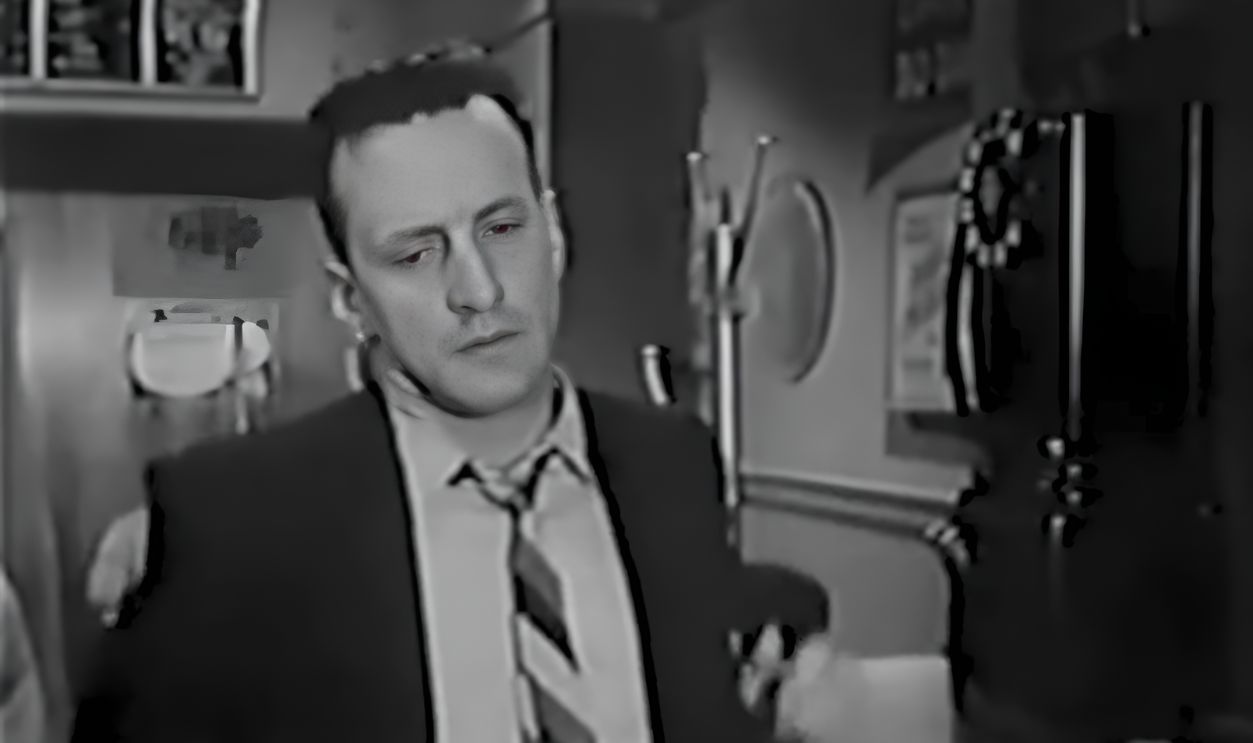 Screenshot from East Side/West Side, CBS (1963–1964), Modified
“The Smothers Brothers Comedy Hour” (1967–1969)
This wasn’t cancelled because people stopped watching. It was pulled because it pushed too many buttons. The show got increasingly political, taking shots at the Vietnam War and censorship itself. CBS got nervous and eventually pulled the plug. Ratings were strong the whole time, which makes the cancellation even more telling.
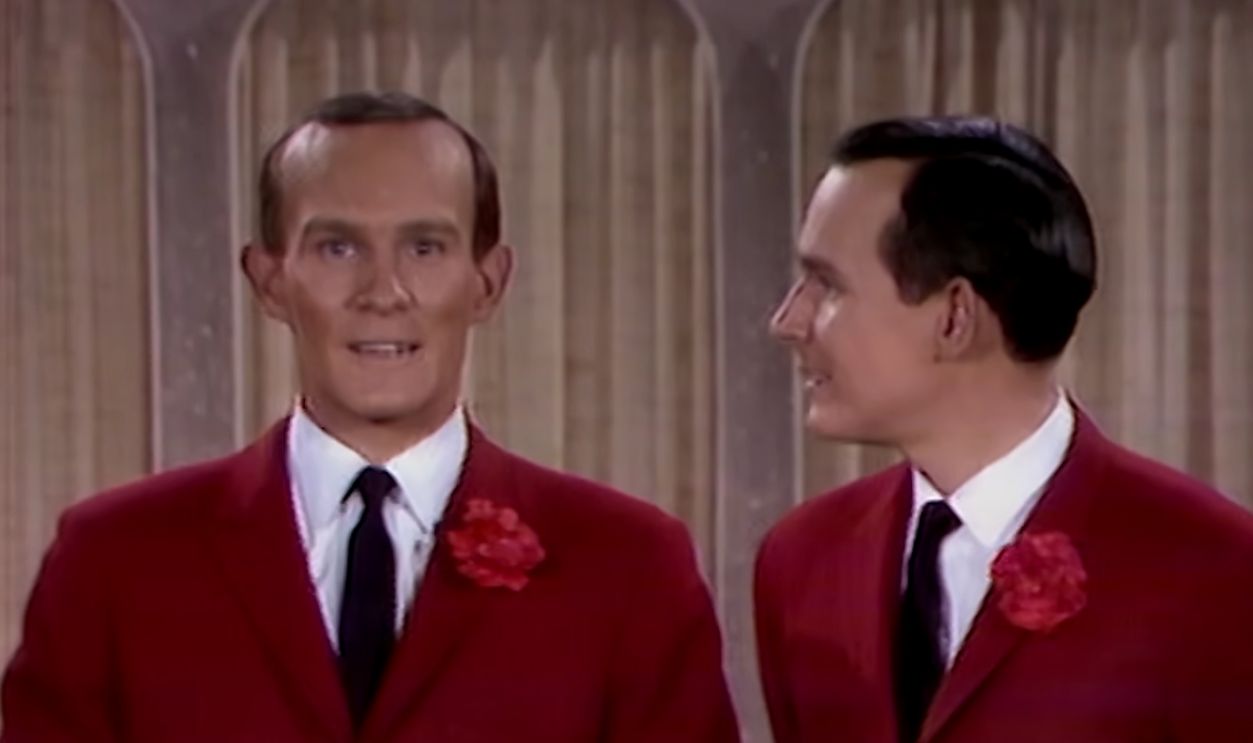 Screenshot from The Smothers Brothers Comedy Hour, CBS (1967–1969)
“The Wild Wild West” (1965–1969)
A western with gadgets, spies, and basically a proto-James Bond vibe. It actually ran four seasons, which isn’t nothing, but it was cancelled abruptly at its peak due to concerns about TV violence. It had a loyal audience and a totally unique tone. Ending it when they did felt more forced than natural.
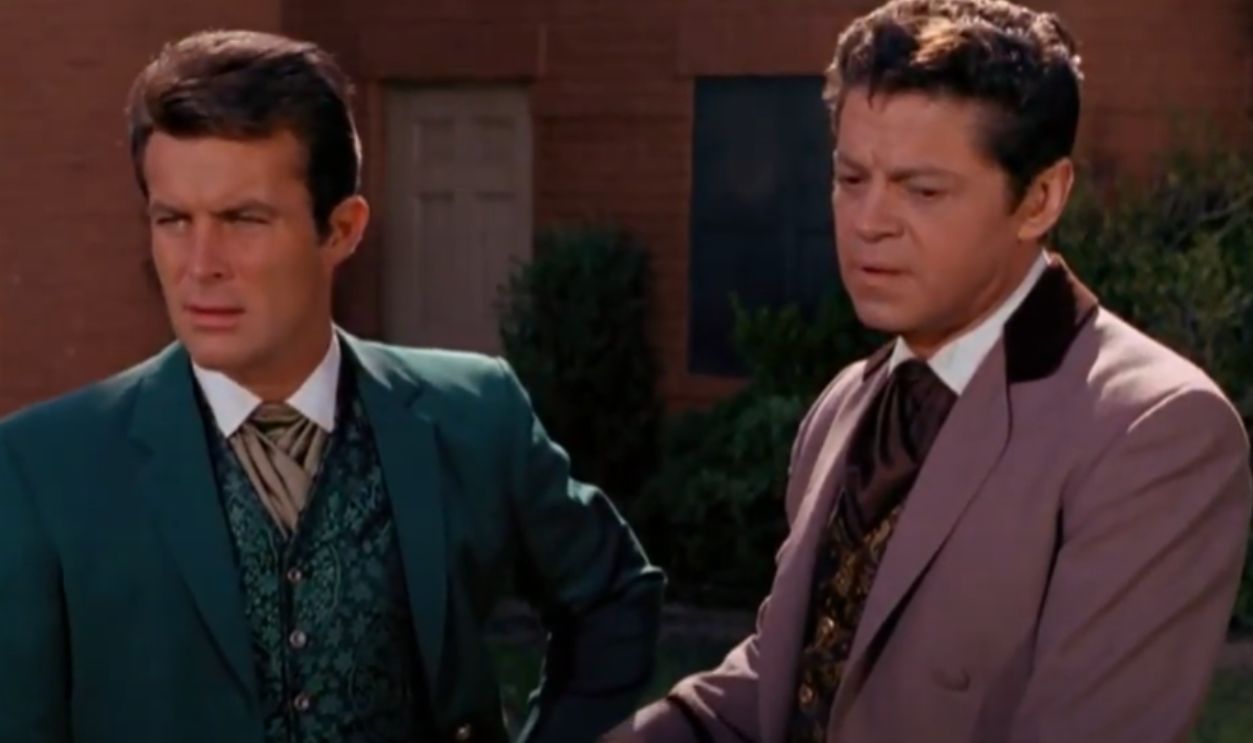 Screenshot from The Wild Wild West, CBS (1965–1969)
“Coronet Blue” (1965–1967)
This one barely had time to get going…and it shows. A mysterious man wakes up with no memory except the phrase “Coronet Blue.” That’s it. That’s the hook. And then it just ends without resolving anything. It became one of those shows people remember mostly because it never got to finish its own story.
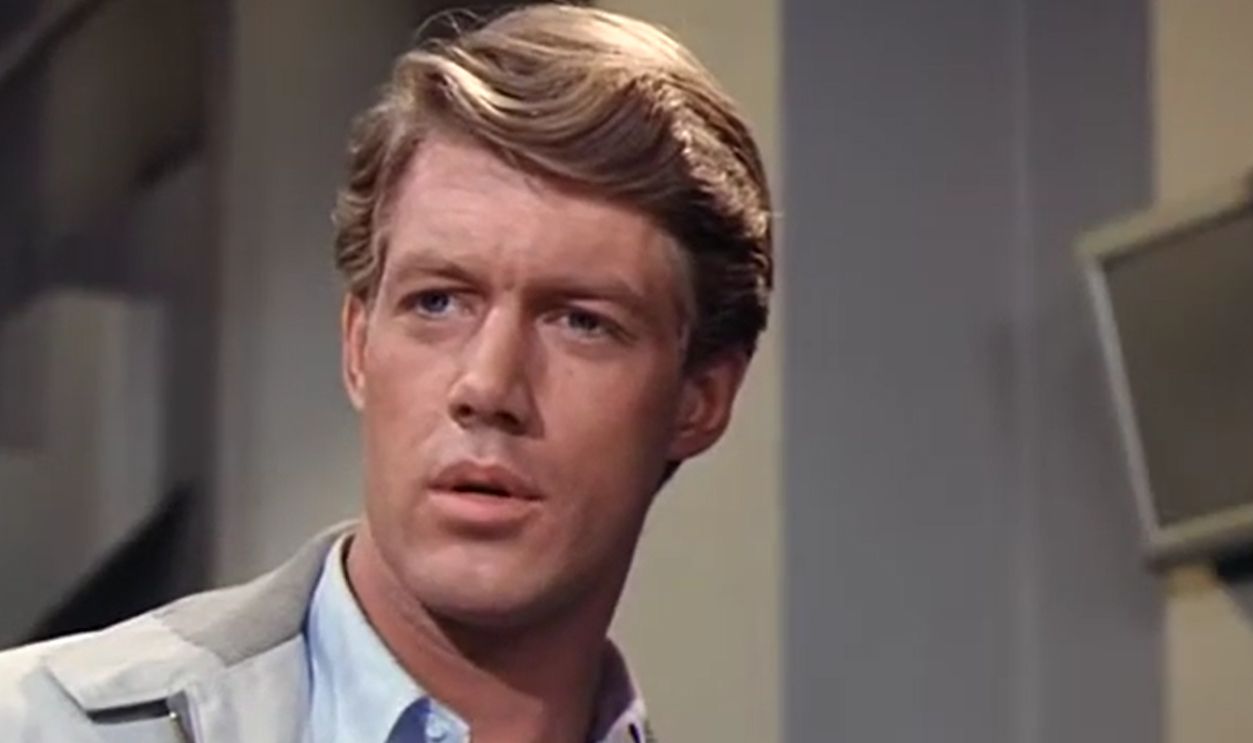 Screenshot from Coronet Blue, CBS (1965–1967)
“The Invaders” (1967–1968)
Aliens secretly infiltrating Earth, and one guy trying to prove it while nobody believes him. Sound familiar? This was doing that long before The X-Files. It built a tense, paranoid atmosphere and had a strong following, but still only got two seasons. Definitely feels like one that could’ve kept going.
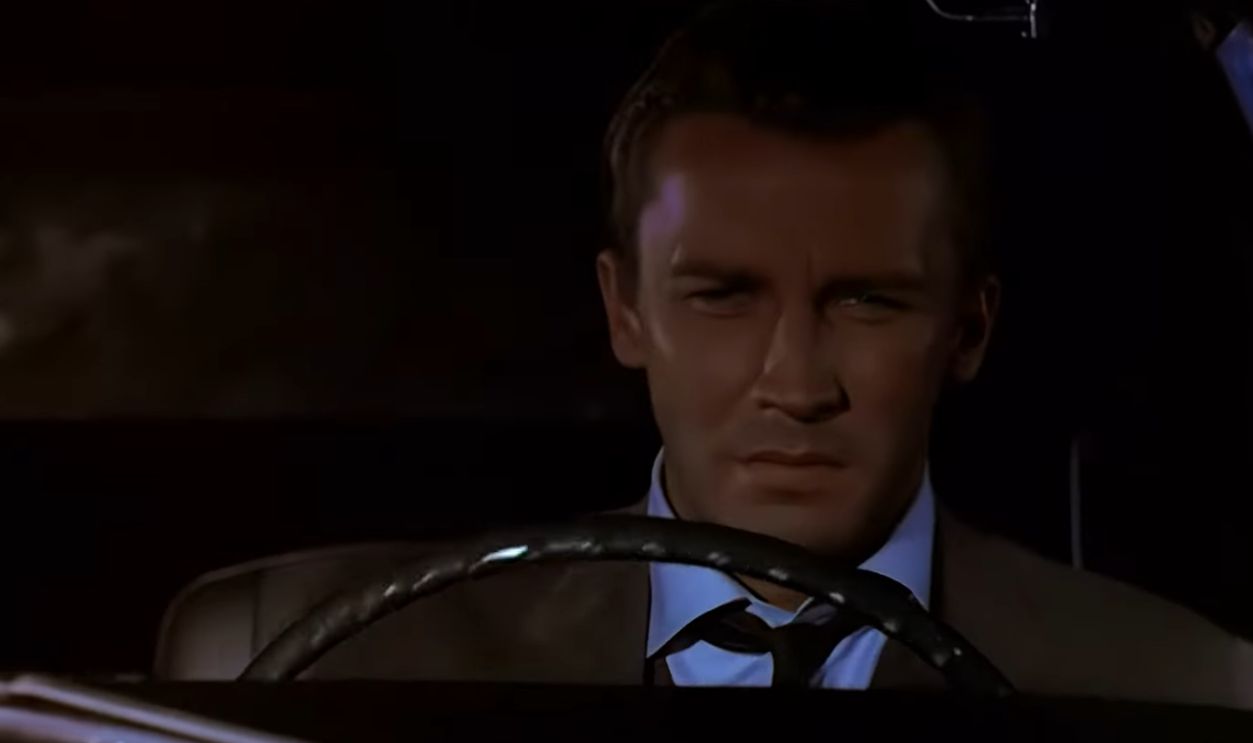 Screenshot from The Invaders, ABC (1967–1968)
“The Addams Family” (1964–1966)
This one’s almost shocking. It’s so iconic now that it feels like it must have run forever, but nope, just two seasons. It struggled in ratings against The Munsters, of all things. But the style, the humor, and the characters clearly stuck around long after the show didn’t.
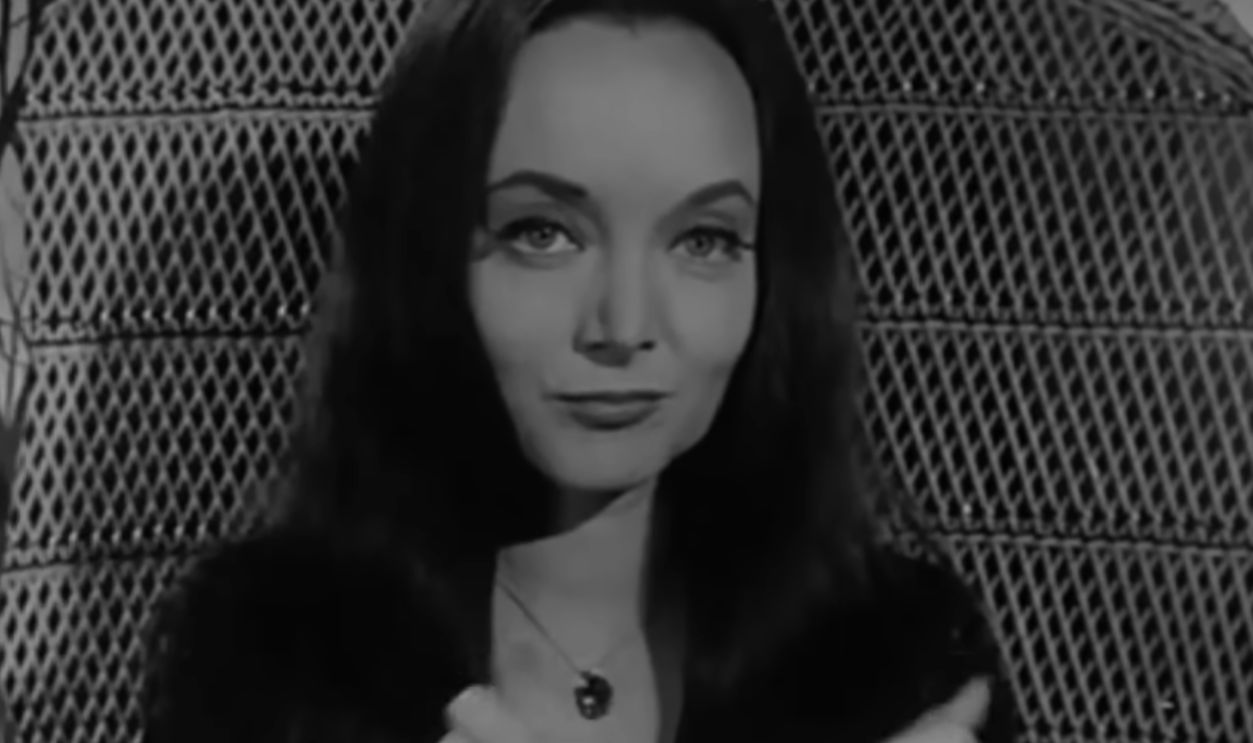 Screenshot from The Addams Family, ABC (1964–1966)
“The Munsters” (1964–1966)
Speaking of The Munsters—same story, basically. Huge pop culture impact, short actual run. It leaned more into broad comedy, and audiences loved it. But ratings dropped quickly, and it was gone after two seasons. Somehow still feels like it was on for a decade.
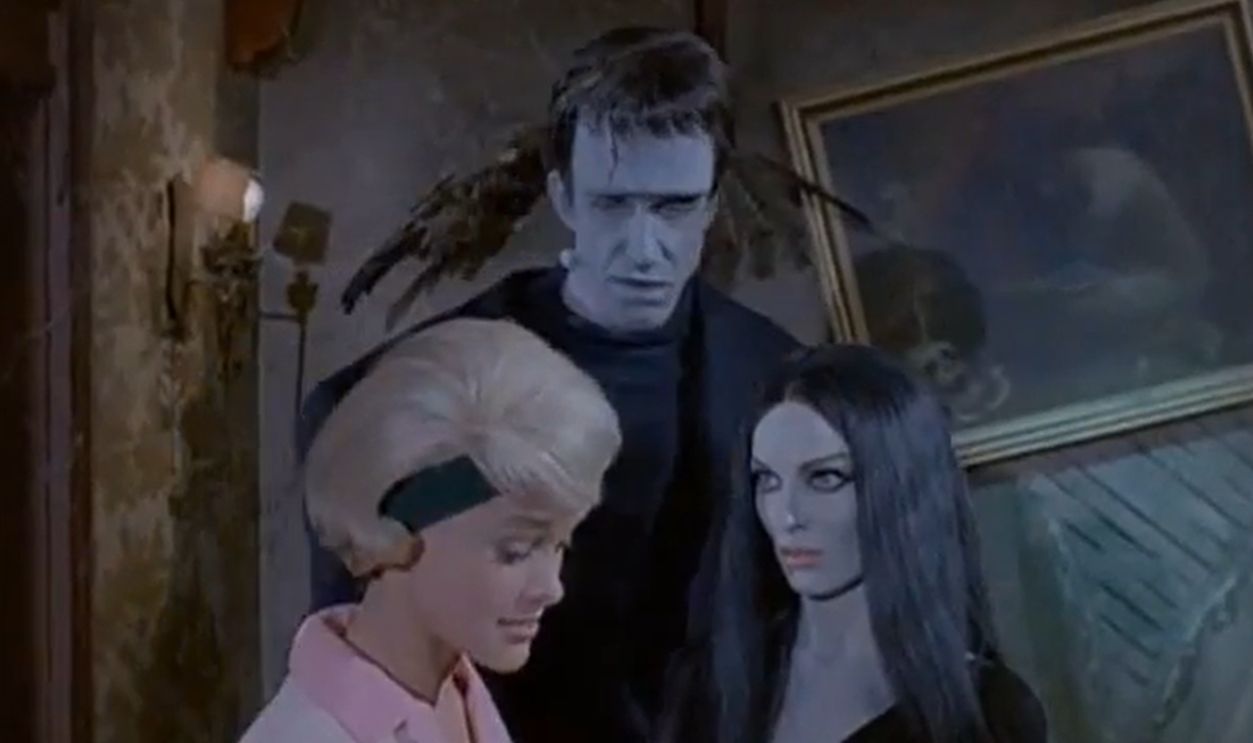 Screenshot from The Munsters, CBS (1964–1966)
“Honey West” (1965–1966)
A female private detective in the 60s was already ahead of its time. Anne Francis played Honey West as smart, capable, and completely in control. It only lasted one season, but it pushed boundaries in ways that TV wasn’t totally ready for yet. Today, it would probably be a hit.
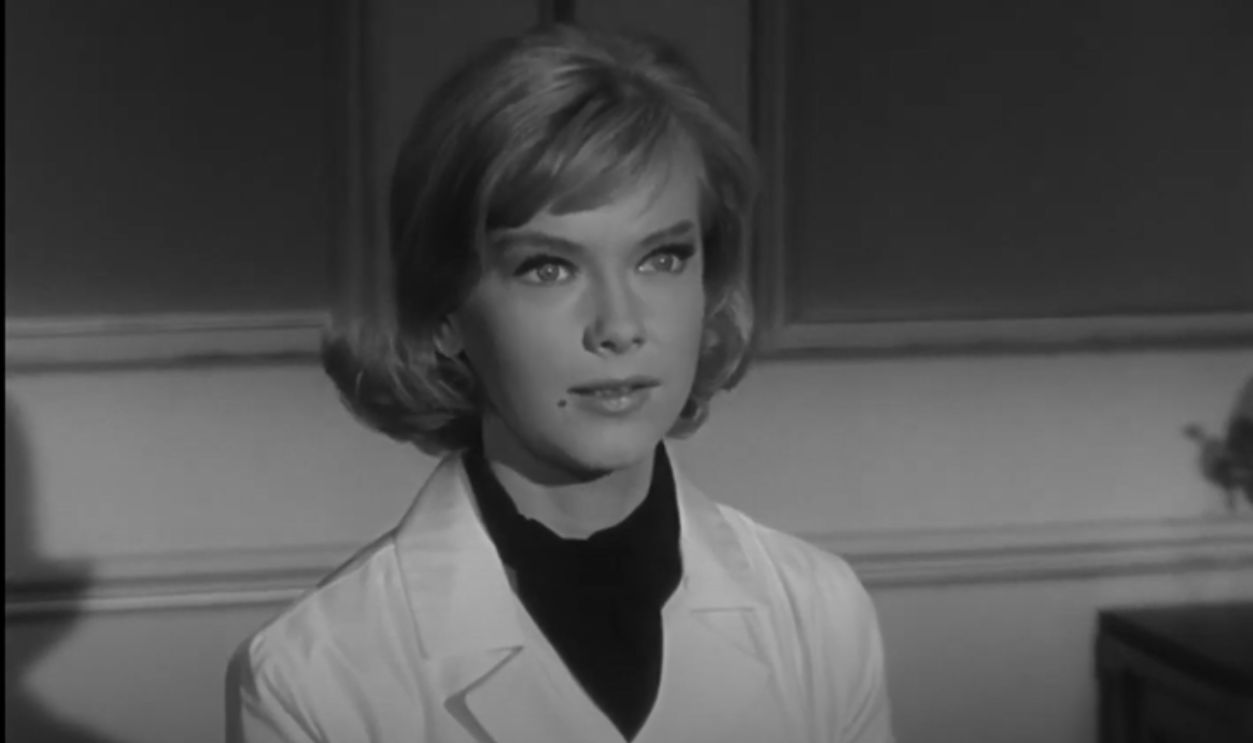 Screenshot from Honey West, ABC (1965–1966)
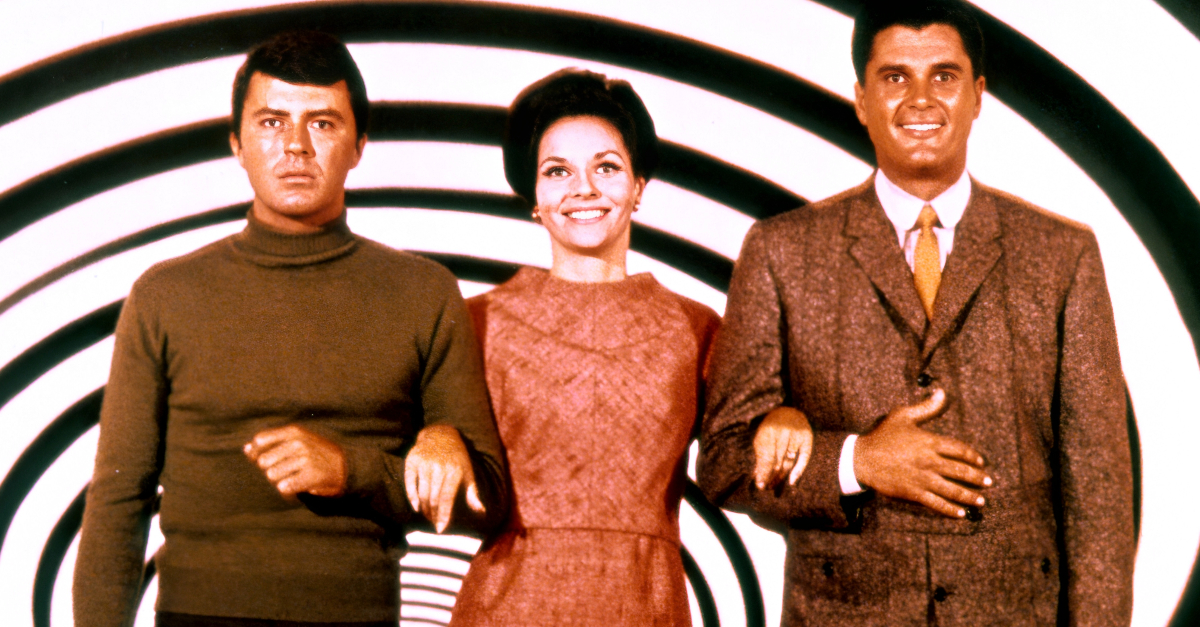
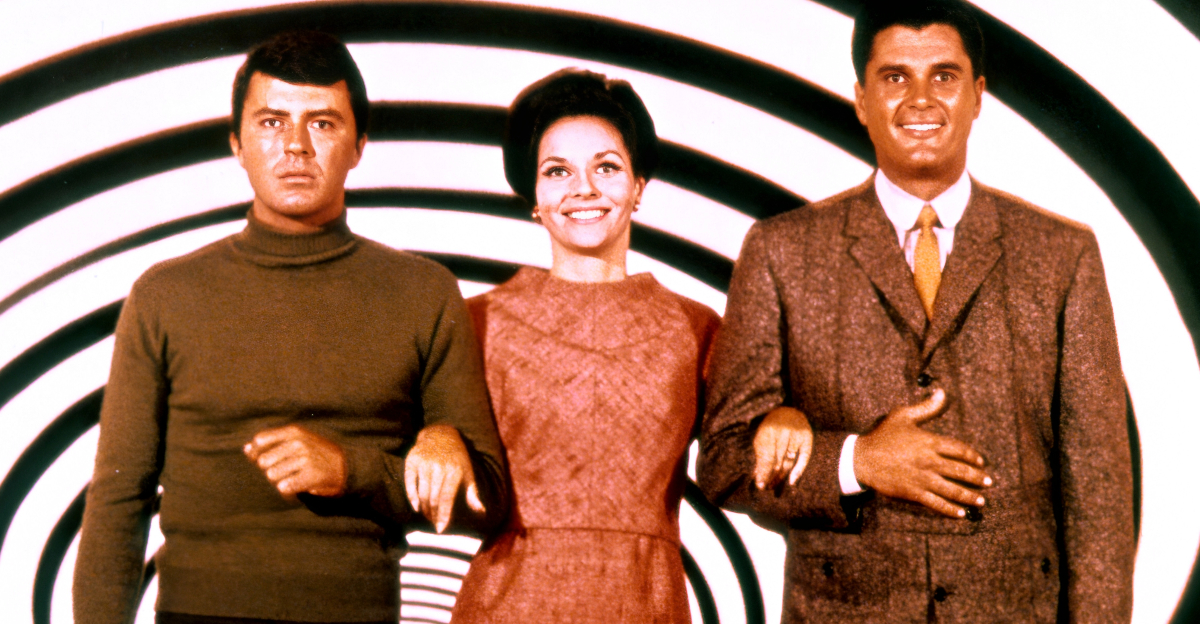
“The Time Tunnel” (1966–1967)
Time travel, big historical events, and a constantly moving storyline. The concept was ambitious—and also expensive. That’s what ultimately killed it. It had solid viewership but couldn’t justify the production costs. It ended without wrapping things up, which still bugs people who watched it.
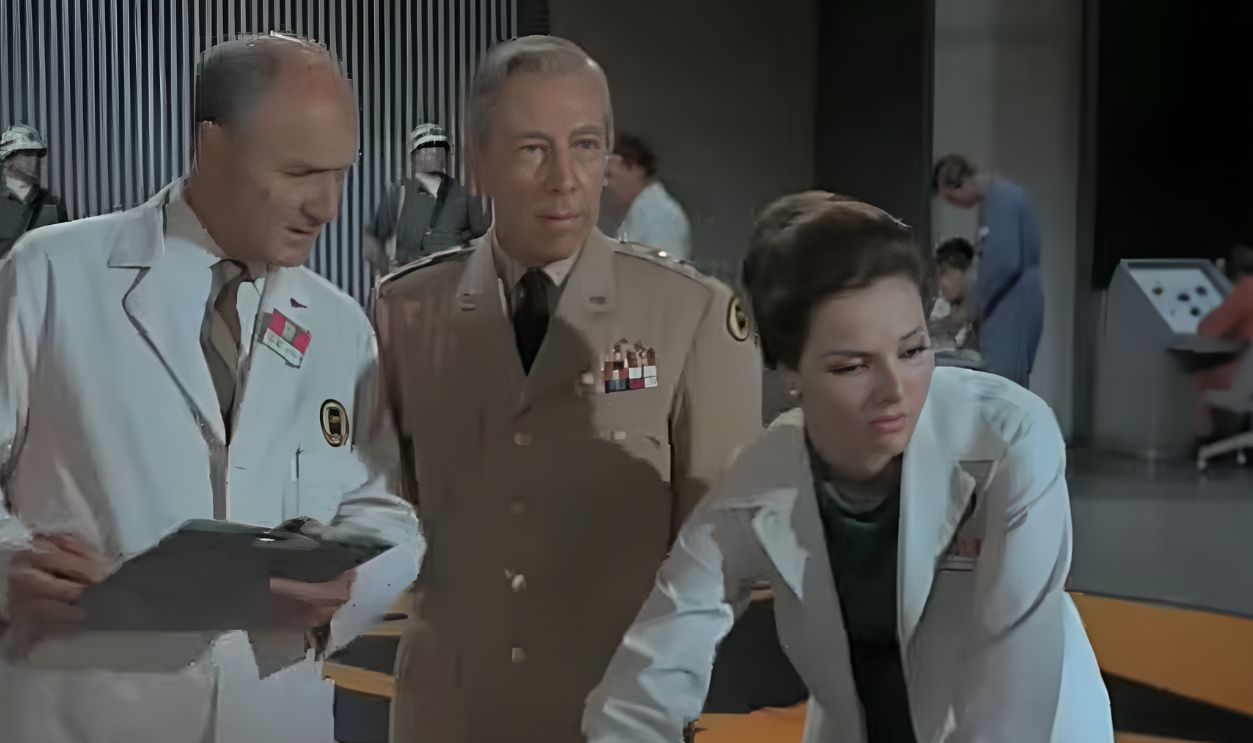 Screenshot from The Time Tunnel, ABC (1966–1967), Modified
“Voyage to the Bottom of the Sea” (1964–1968)
This one actually had a decent run, but it shifted tone hard, from serious sci-fi to full-on monster-of-the-week chaos. By the end, it was getting a little too wild for its own good. Still, it had a strong following, and the cancellation felt like it came just as it was leaning fully into its weirdness.
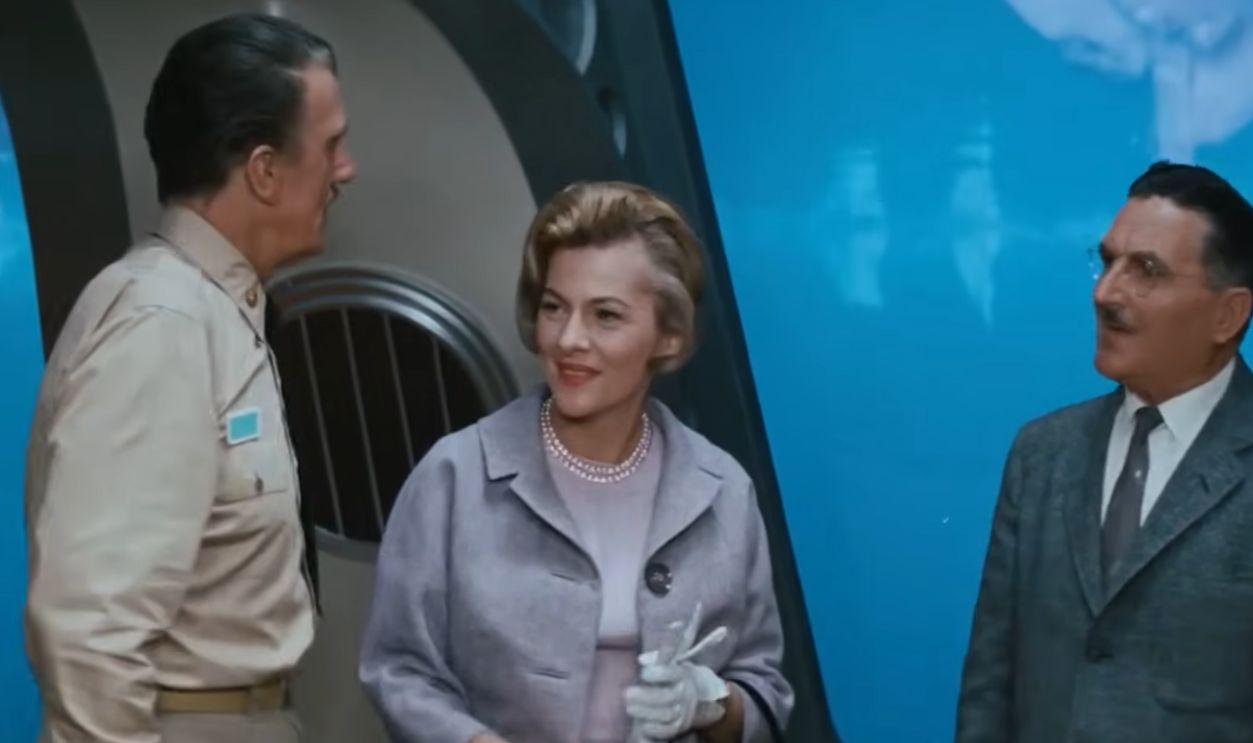 Screenshot from Voyage to the Bottom of the Sea, ABC (1964–1968)
“The Outer Limits” (1963–1965)
This show walked so a lot of modern sci-fi could run. Dark, serious, and often genuinely unsettling, it didn’t sugarcoat its ideas. Despite critical praise, it only lasted two seasons. It was revived later, but the original run feels like it ended way earlier than it should have.
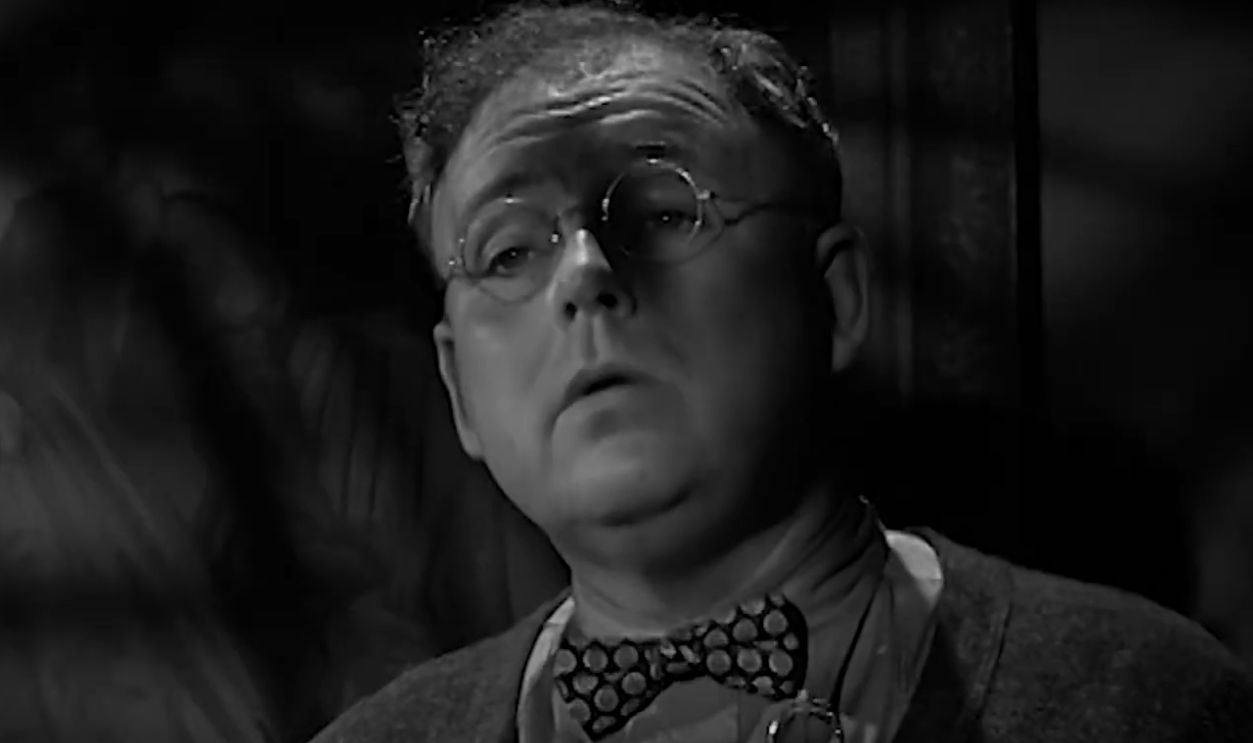 Screenshot from The Outer Limits, ABC (1963–1965)
“The Rogues” (1964–1965)
A group of charming con artists pulling elaborate schemes—that’s the whole appeal. It had style, humor, and a great cast. It even won a Golden Globe. And still, one season. This is one of those cancellations that doesn’t really make sense even now.
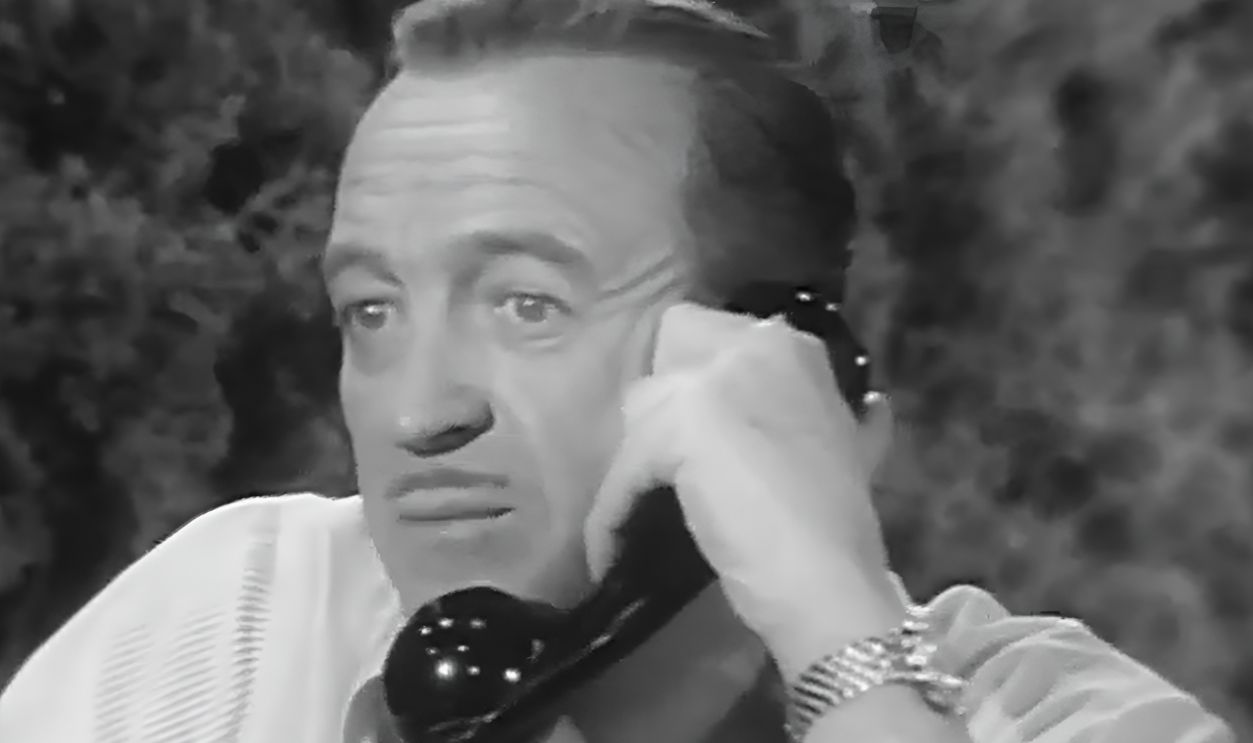 Screenshot from The Rogues, NBC (1964–1965), Modified
“Run for Your Life” (1965–1968)
A man told he has only a few years to live decides to experience everything he can before time runs out. That’s a strong premise, and it worked. The show had emotional weight and a steady audience, but it still wrapped after three seasons. It feels like it could’ve explored a lot more.
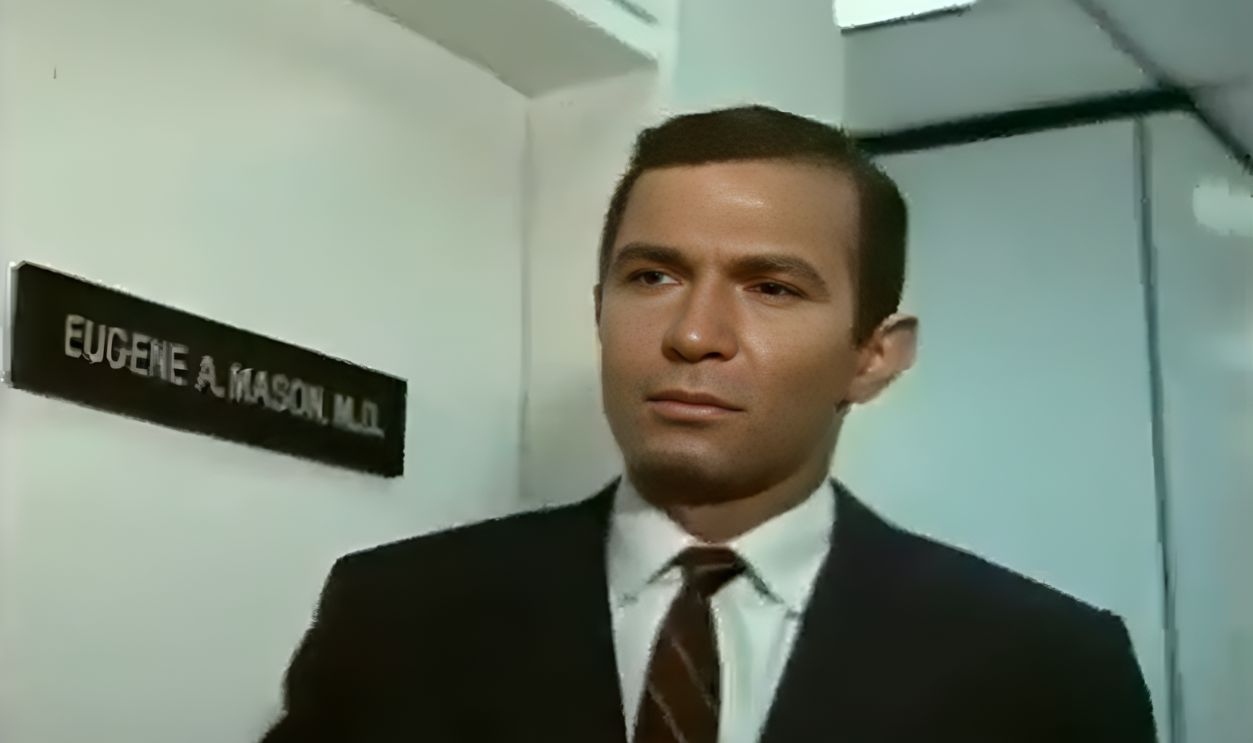 Screenshot from Run for Your Life, NBC (1965–1968), Modified
“The Baron” (1966–1967)
A British import with a polished, international crime-solving vibe. It had that slick 60s style and a lead who fit the role perfectly. It never really broke through in the U.S., though, and ended after one season. Another case of a show that might’ve just needed more time.
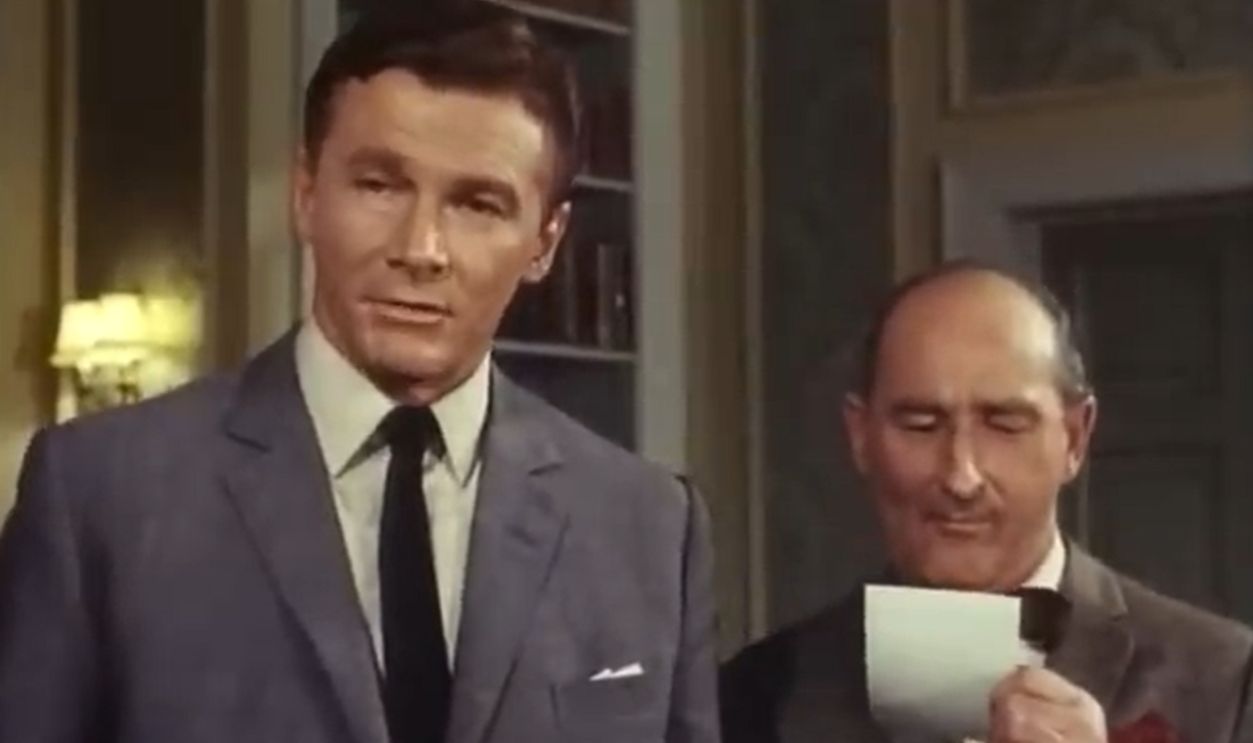 Screenshot from The Baron, ITV Studios (1966–1967)
“Mr. Terrific” (1967–1968)
A superhero comedy where the powers come from a pill. That alone should tell you the tone. It was light, goofy, and didn’t take itself seriously at all. Audiences didn’t quite connect with it, and it was gone quickly. But it’s the kind of odd concept people rediscover later.
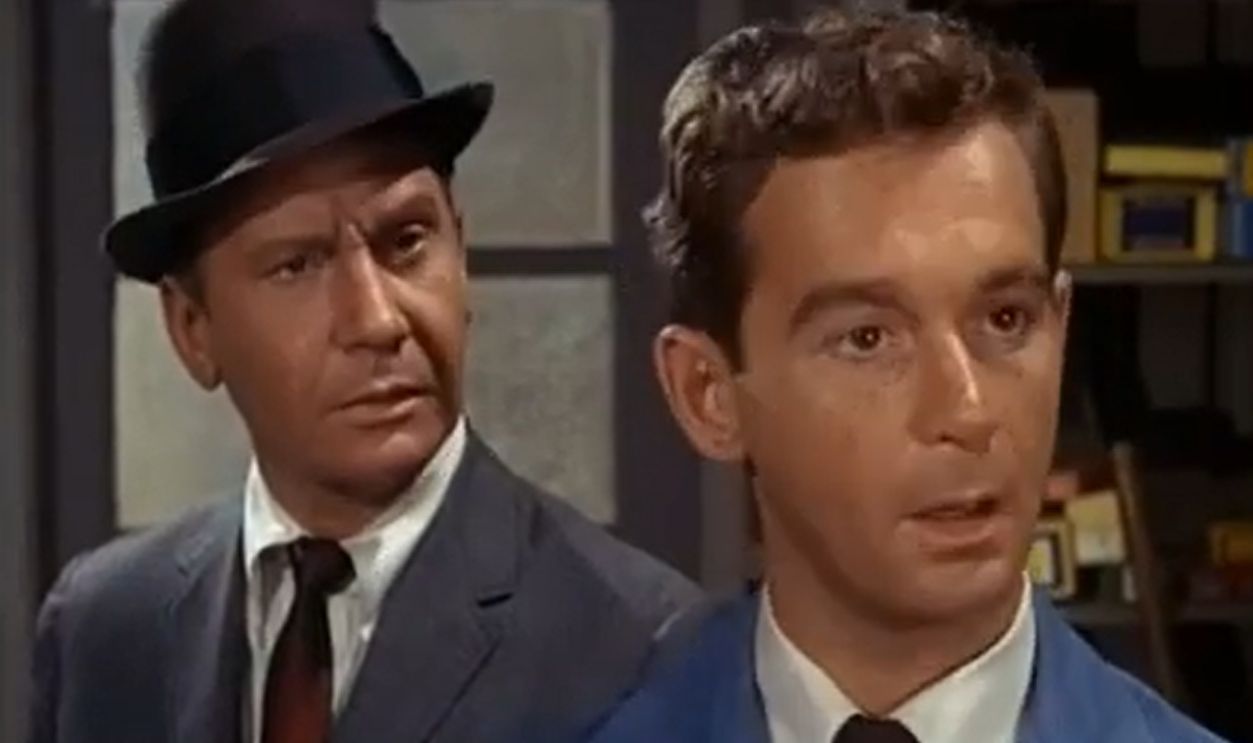 Screenshot from Mr. Terrific, CBS (1967–1968)
“The Second Hundred Years” (1967–1968)
Monte Markham playing both a man and his own grandson after being frozen for decades (this show went all-in on a weird premise). It had some charm, but it never fully clicked with audiences. One season and done, even though it had a concept you’d think could stretch further.
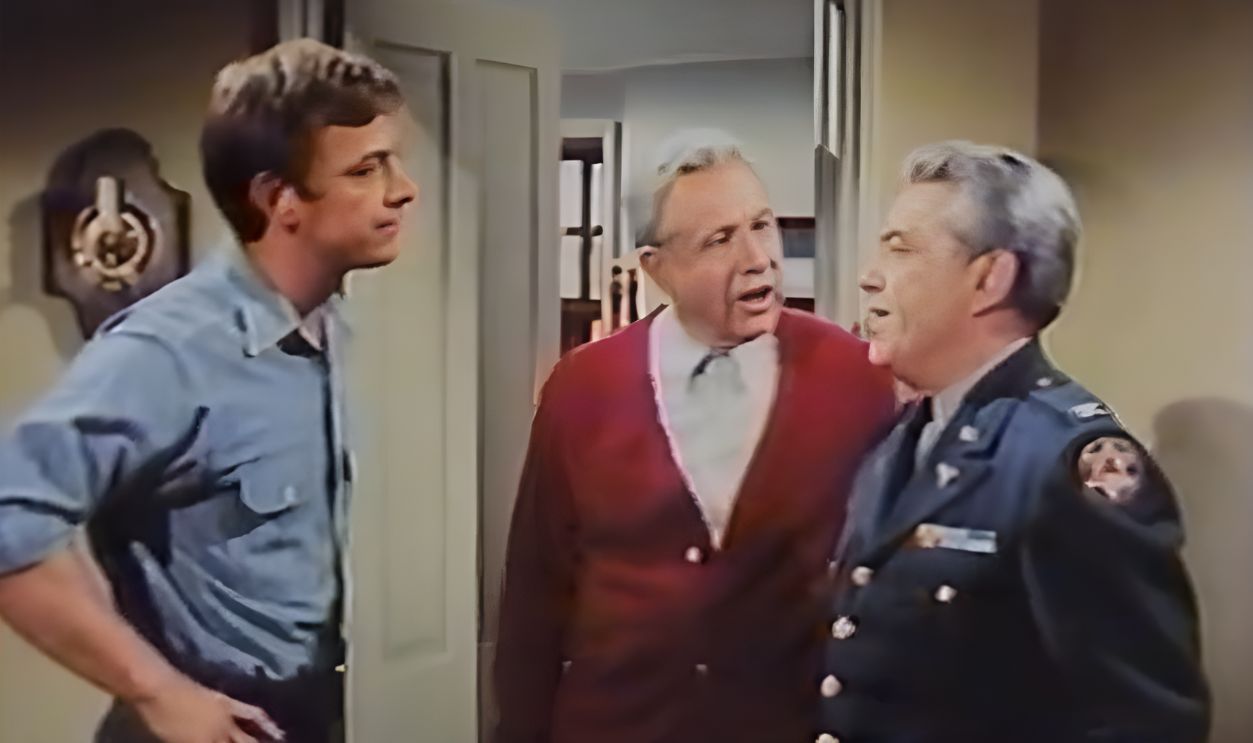 Screenshot from The Second Hundred Years, ABC (1967–1968), Modified
“He & She” (1967–1968)
Critics loved this one. Smart writing, great performances, and a more modern sitcom style. But ratings didn’t follow the praise. It lasted just one season, which feels like a classic case of a show being a little too ahead of its time.
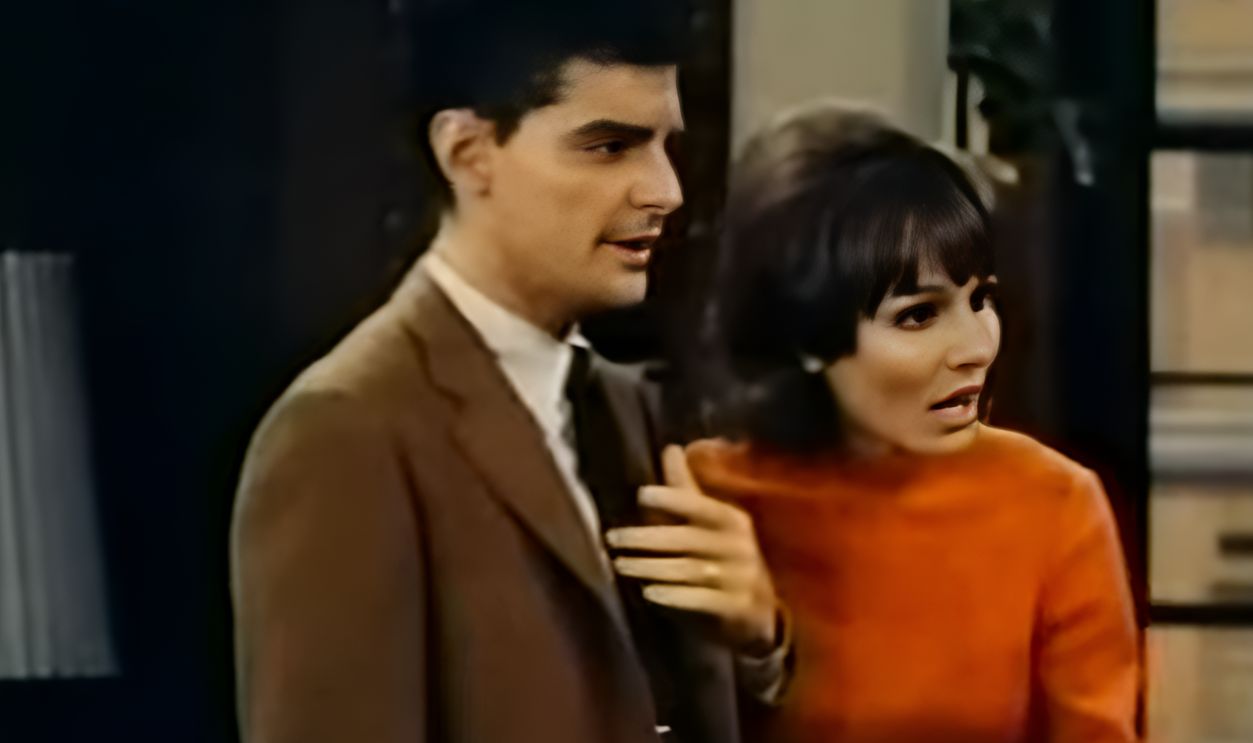 Screenshot from He & She, CBS (1967–1968), Modified
“The Mothers-In-Law” (1967–1969)
Two sets of parents meddling in their married kids’ lives. It sounds like a formula that should run forever. And it kind of worked. But behind-the-scenes issues hurt the show. It made it two seasons before ending, even though the premise still had legs.
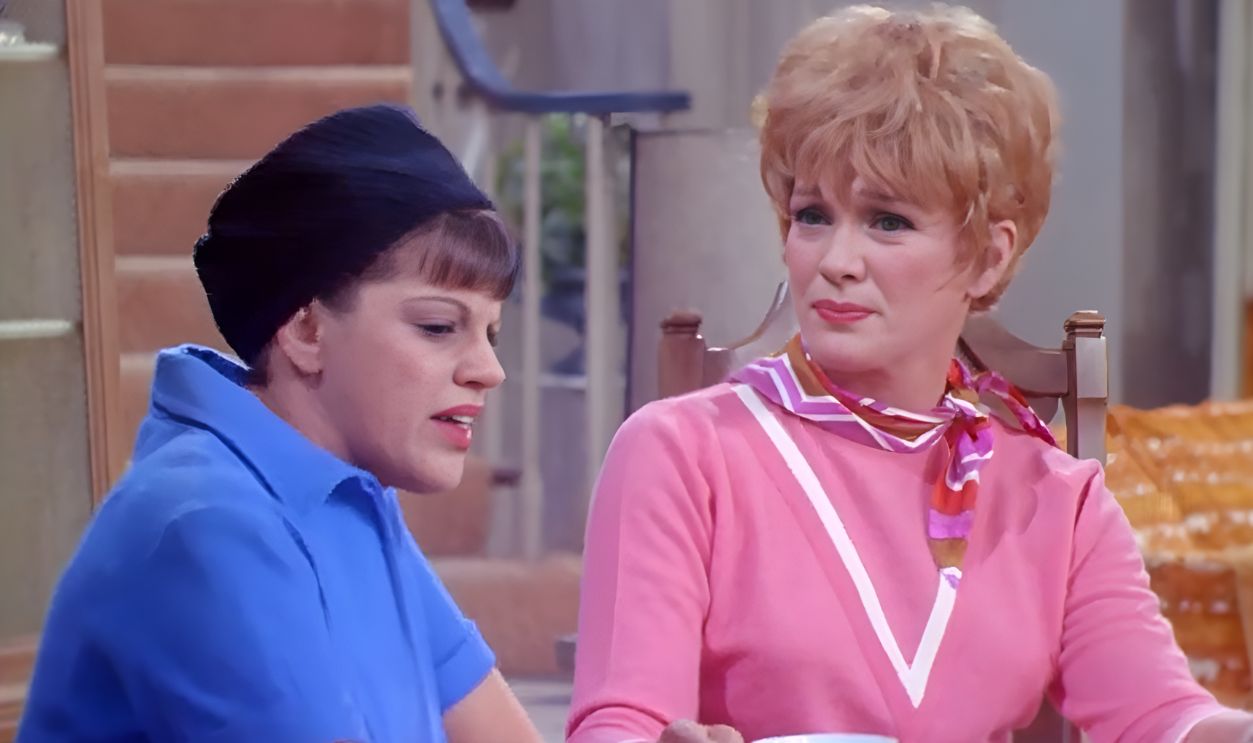 Screenshot from The Mothers-In-Law, NBC (1967–1969), Modified
“Land of the Giants” (1968–1970)
People crash on a planet where everything, and everyone, is giant. The scale alone made it stand out. It actually ran two seasons, but the cost of production was always an issue. Like a lot of ambitious 60s sci-fi, it didn’t quite get the time it probably deserved.
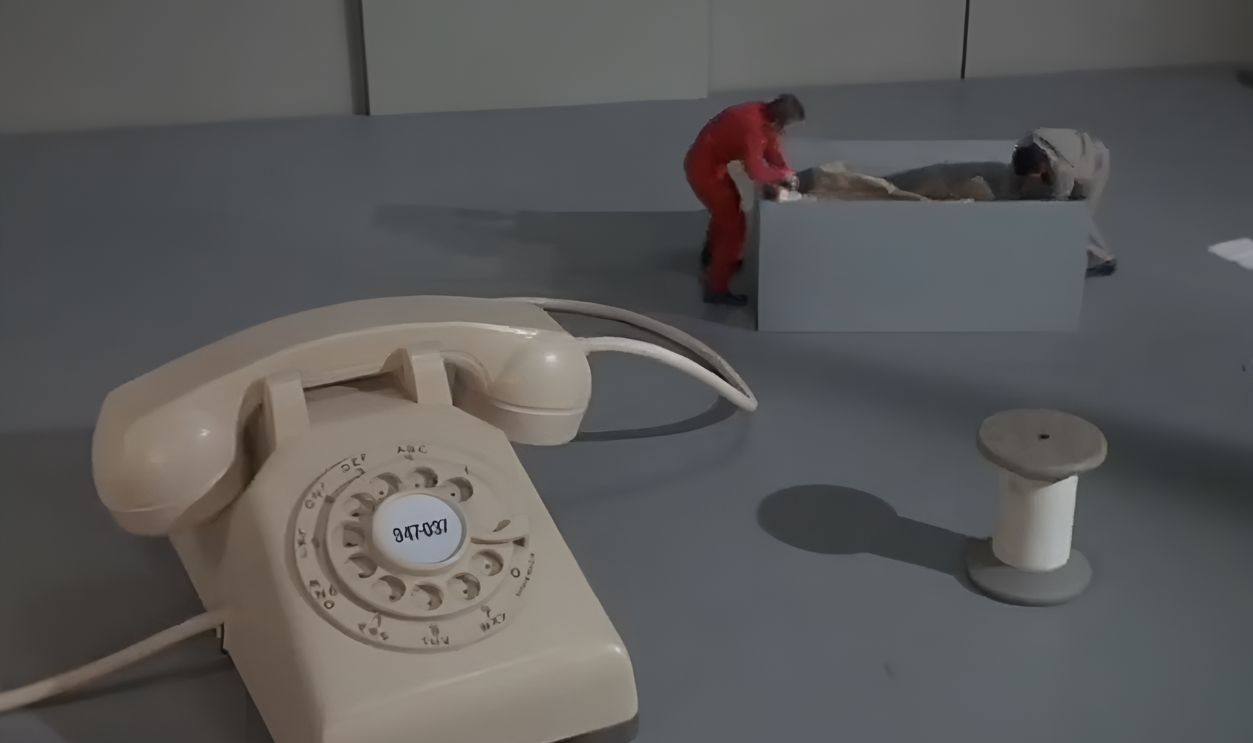 Screenshot from Land of the Giants, ABC (1968–1970), Modified
“The Ghost & Mrs. Muir” (1968–1970)
A widow moves into a haunted house and ends up forming a bond with the ghost. It sounds simple, but it had a lot of charm and a surprisingly emotional core. It developed a loyal audience but still ended after two seasons.
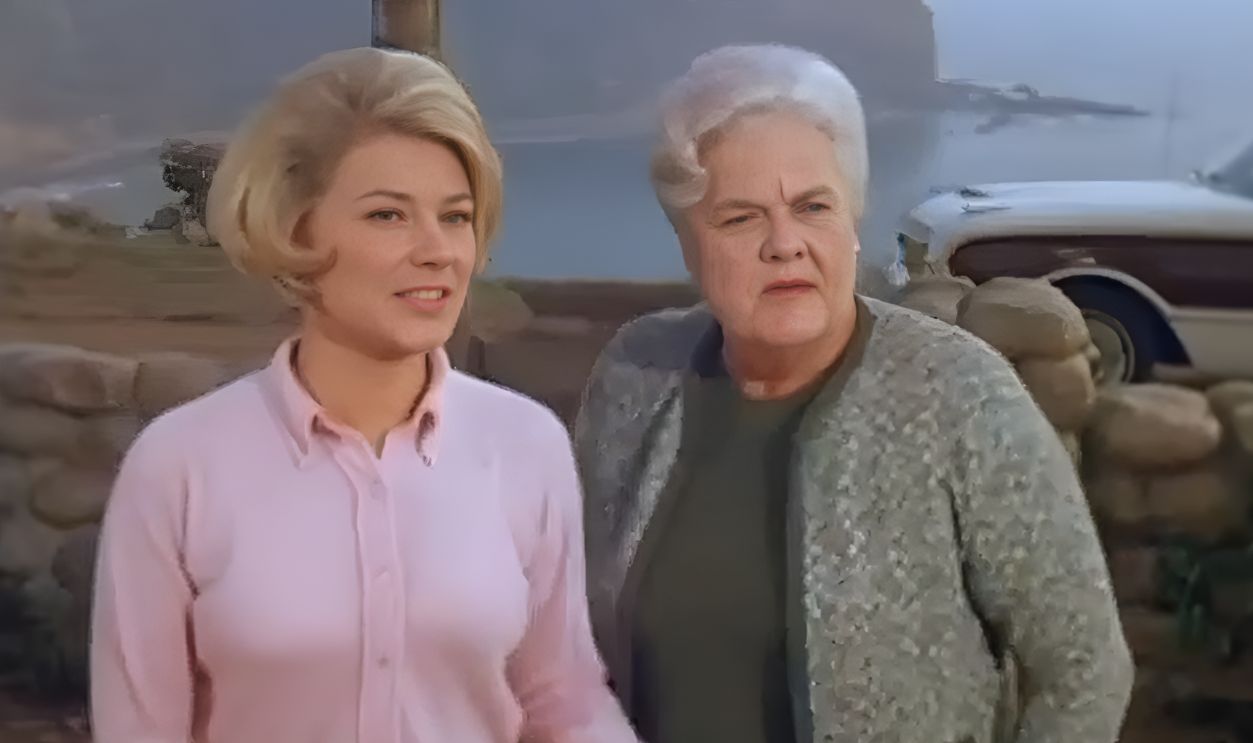 Screenshot from The Ghost & Mrs. Muir, NBC (1968–1970), Modified
“Arrest and Trial” (1963–1964)
A crime show that split its format between police investigation and courtroom drama—basically a blueprint for what Law & Order would later perfect. It had a strong concept but was expensive and complicated to produce. One season and gone.
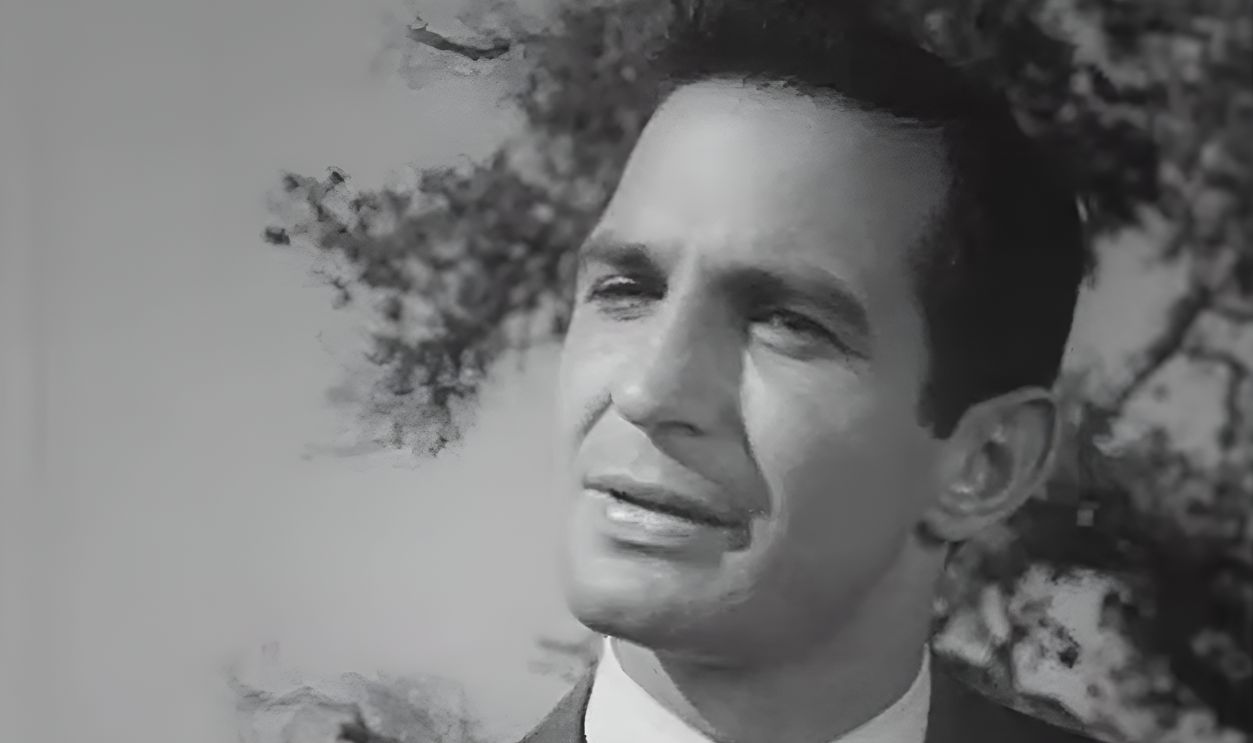 Screenshot from Arrest and Trial, ABC (1963–1964), Modified
“The Lieutenant” (1963–1964)
Created by Gene Roddenberry before Star Trek, this military drama focused on a young Marine officer dealing with leadership and moral issues. It even tackled racism in one episode. Despite decent reception, it only lasted one season.
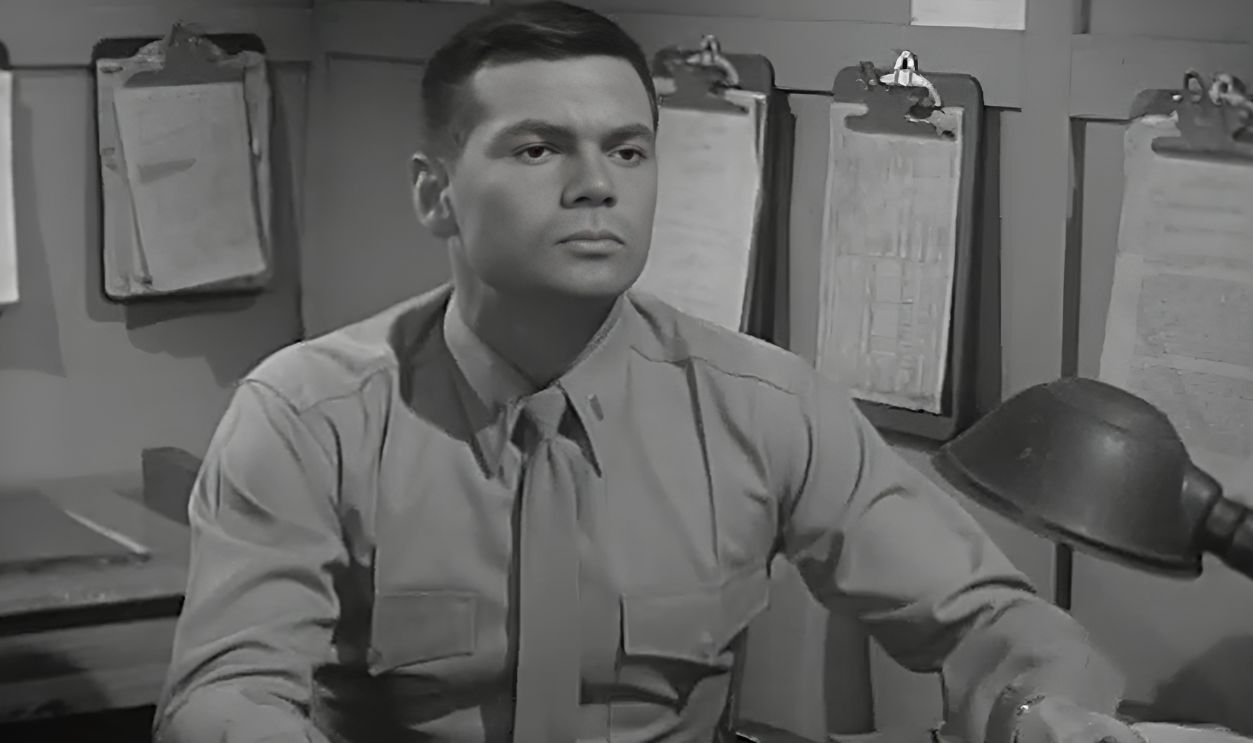 Screenshot from The Lieutenant, NBC (1963–1964), Modified
“Breaking Point” (1963–1964)
An anthology drama that dealt with psychological and social issues—often pretty heavy stuff for the time. It wasn’t light or easy viewing, which probably worked against it with broader audiences. Still, it had strong writing and ambition.
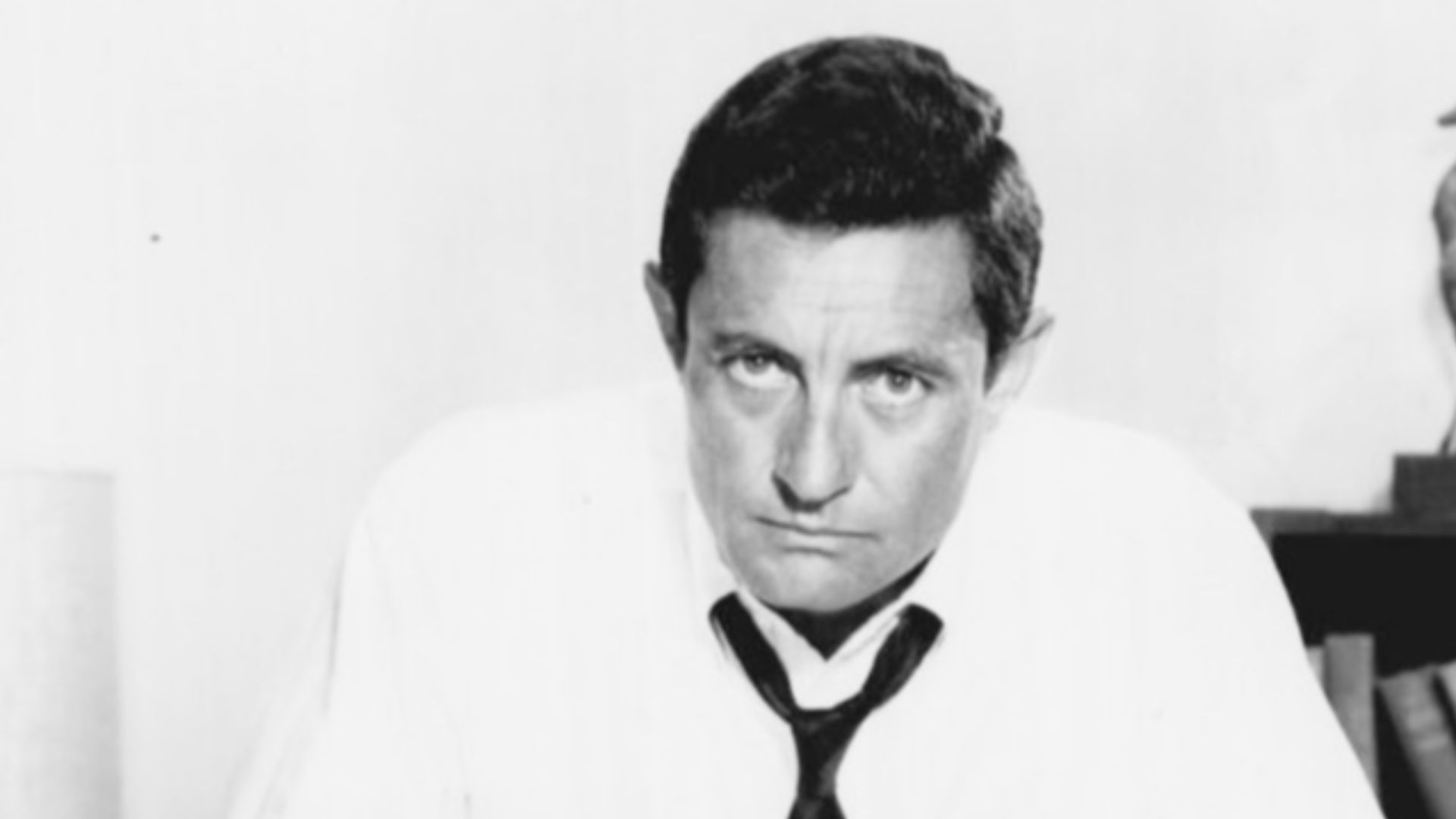 ABC Television, Wikimedia Commons
“The Felony Squad” (1966–1969)
This one actually ran a few seasons, but it still feels like it got cut off early. A gritty police drama that leaned more serious than flashy. It had a loyal audience but never quite broke through, and its ending felt more like a fade-out than a proper finish.
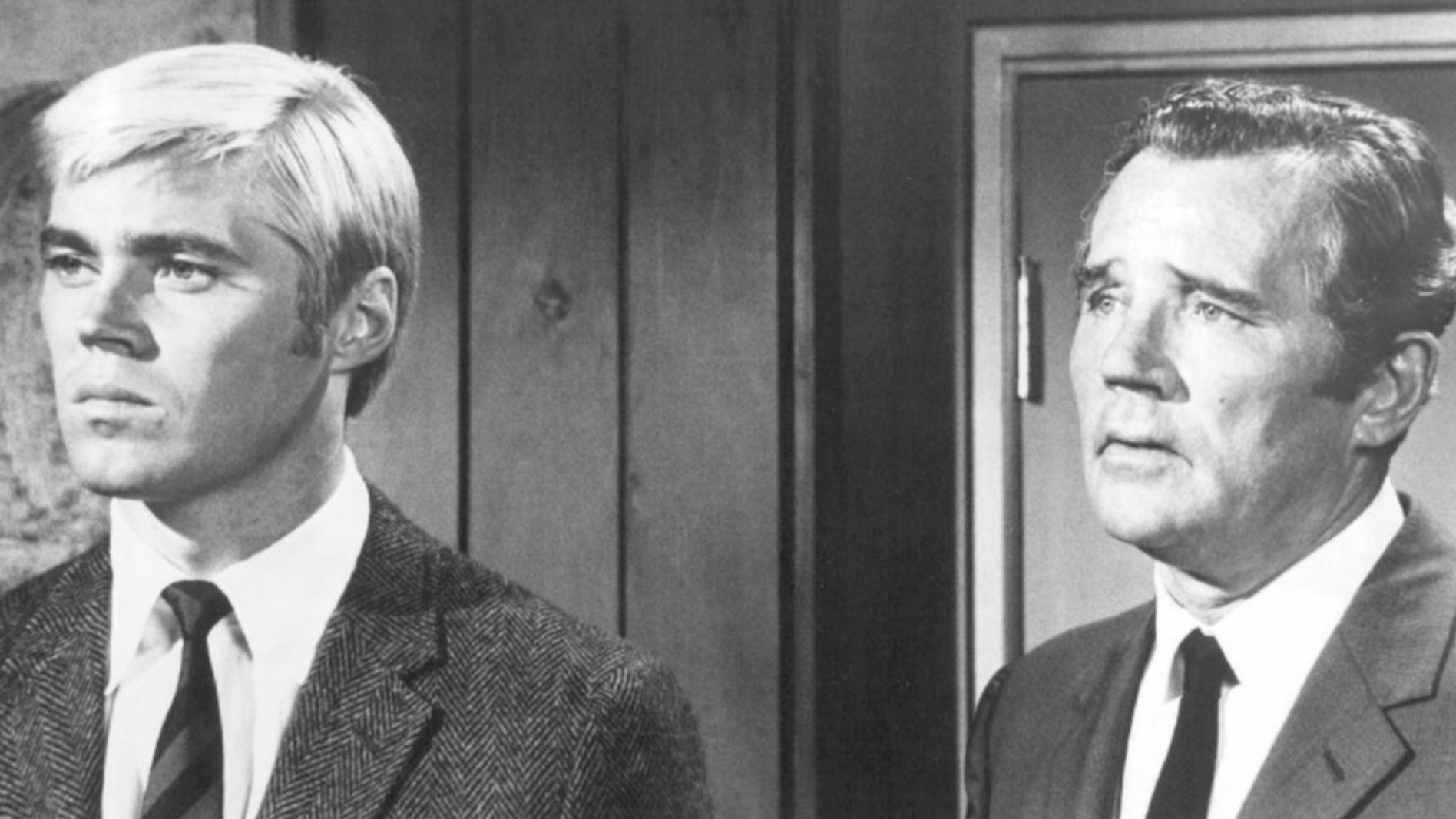 ABC Television, Wikimedia Commons
Some Of These Feel Way More Modern Now
That’s the thing—you look at a lot of these concepts, and they don’t feel outdated. If anything, they feel like they just showed up too early. Different timing, different era, and some of these probably run for years instead of disappearing this quickly.
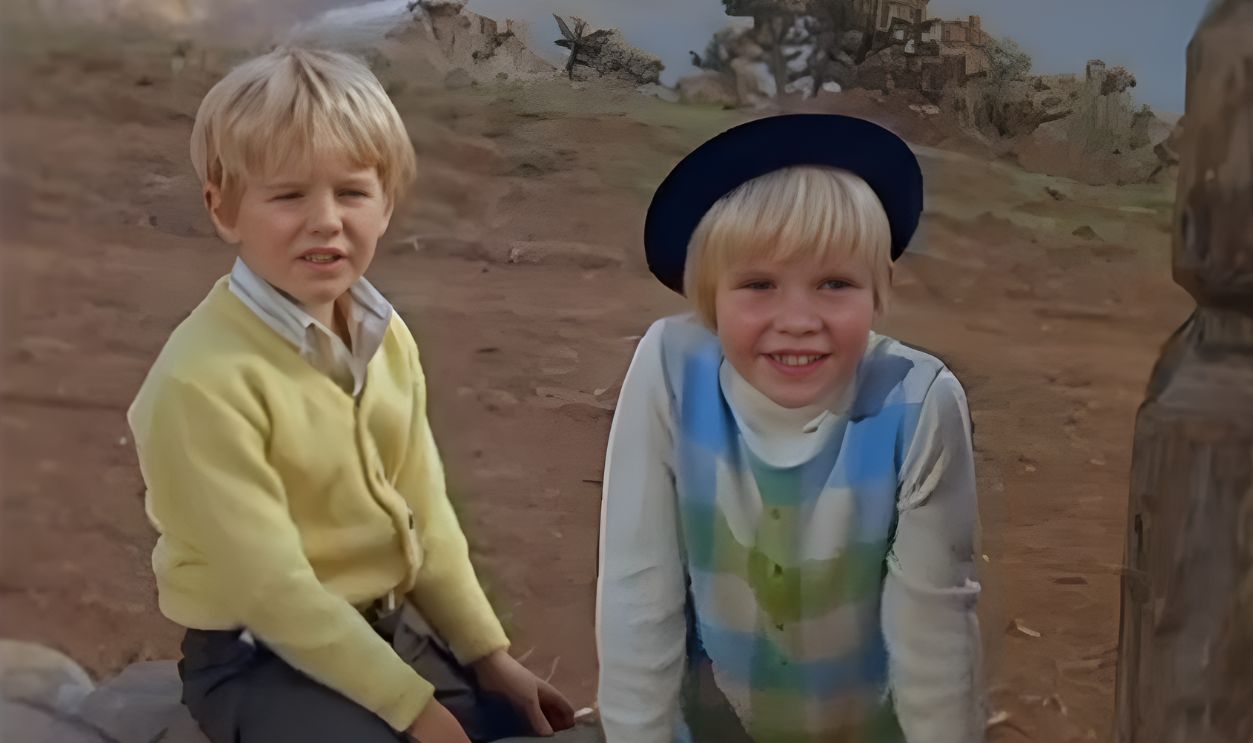 Screenshot from The Ghost & Mrs. Muir, NBC (1968–1970), Modified
And You Probably Remember More Than You Think
Even if you didn’t watch them when they aired, bits of these shows stuck around. Reruns, references, revivals—it all adds up. The names, the ideas, the weird premises...So yeah, how many did you actually recognize?
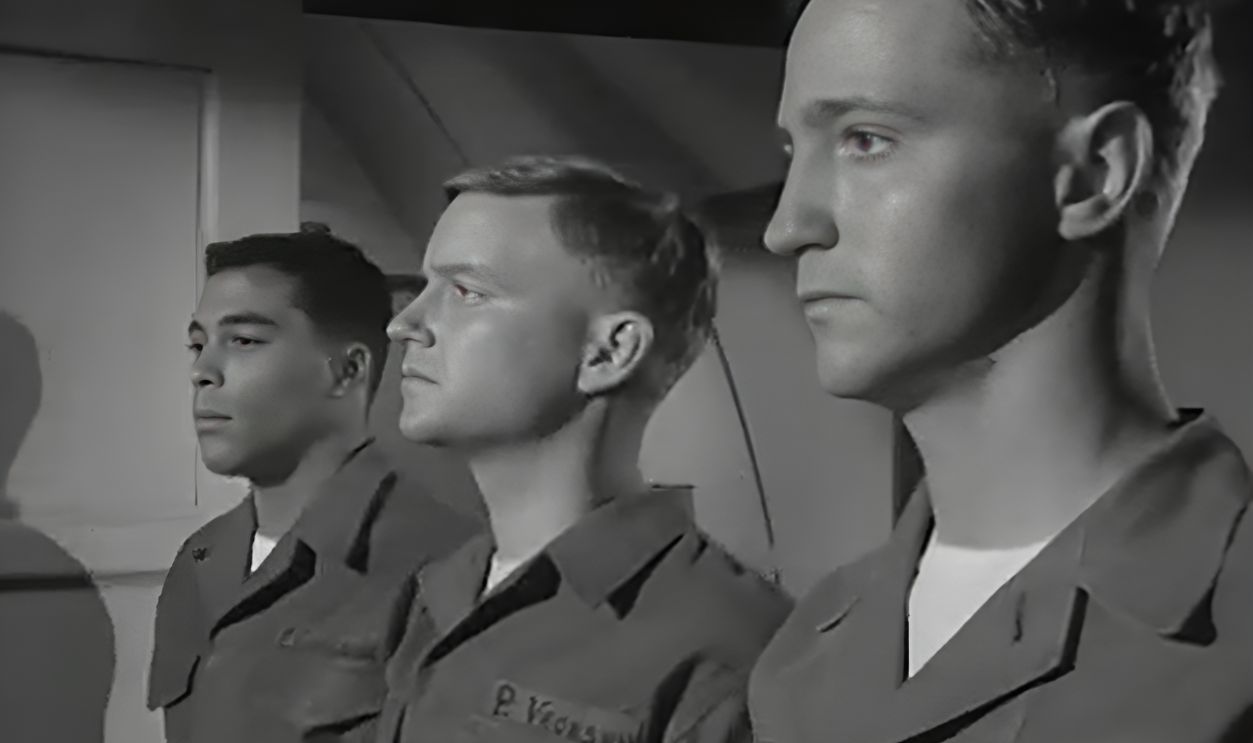 Screenshot from The Lieutenant, NBC (1963–1964), Modified
You Might Also Like:
TV Shows From The 1990s That No One Remembers—Seriously, Do You Remember Even 5 Of These Shows?
The Most Oscar Winning Movies Ever—That You’ve Probably Never Even Heard Of