The Woman Behind Miss Kitty
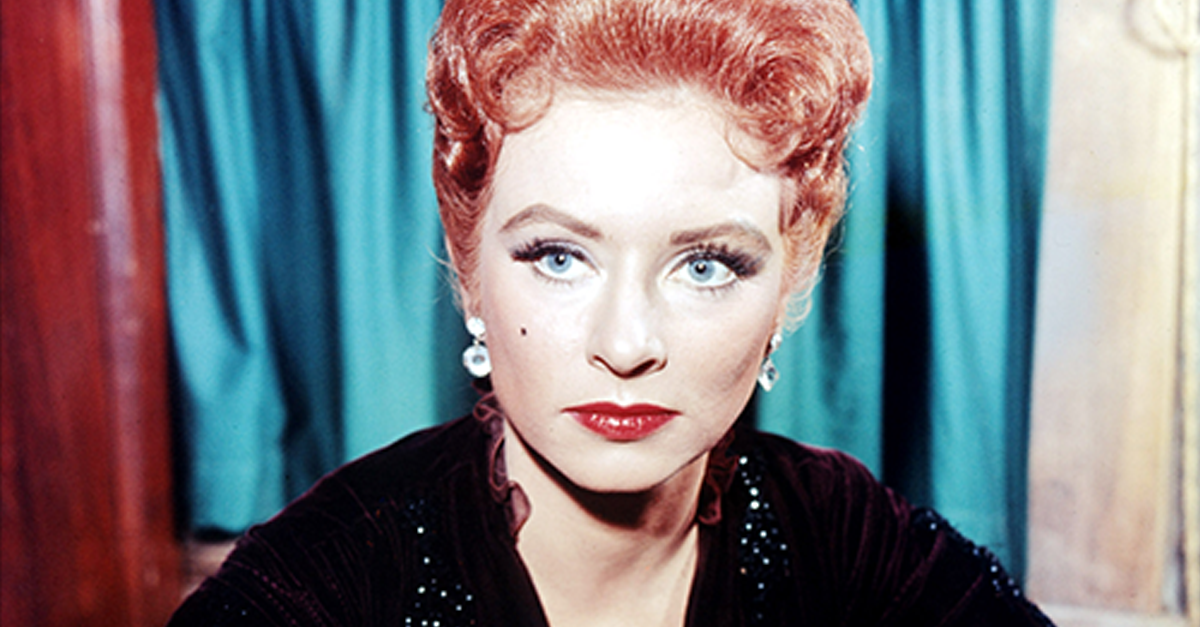
Amanda Blake became a television legend as Miss Kitty on Gunsmoke. Away from the spotlight, she dedicated herself to animal welfare, helping rescue, protect, and advocate for animals in need. That lifelong commitment became one of the most meaningful parts of her legacy.
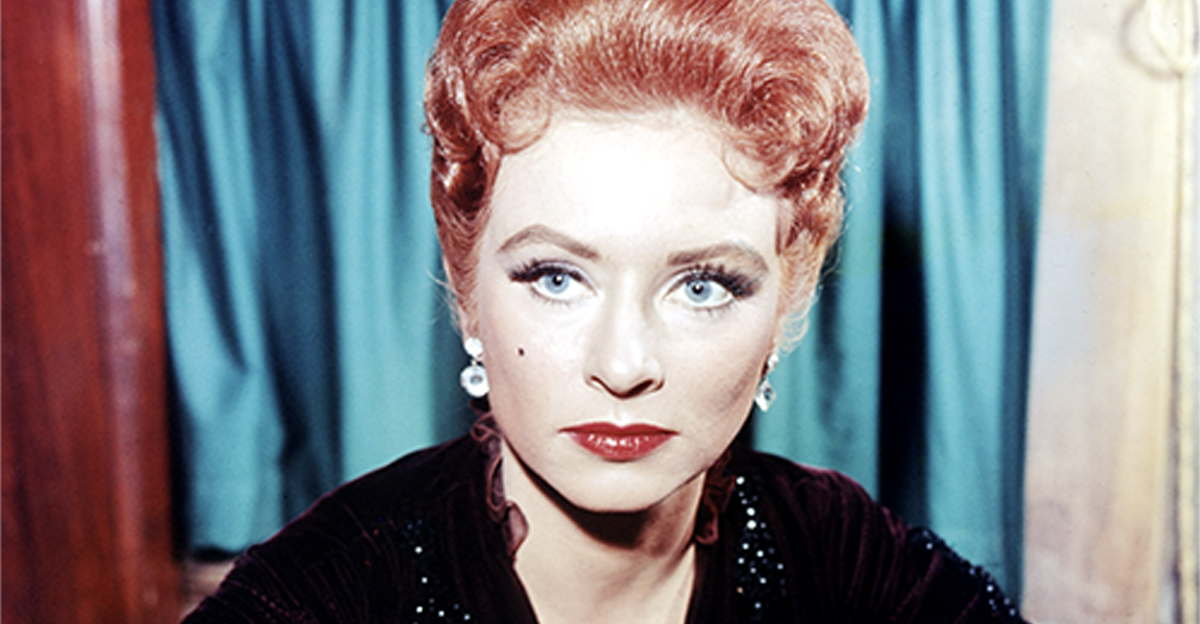 Silver Screen Collection, Getty Images
The Star Behind Miss Kitty
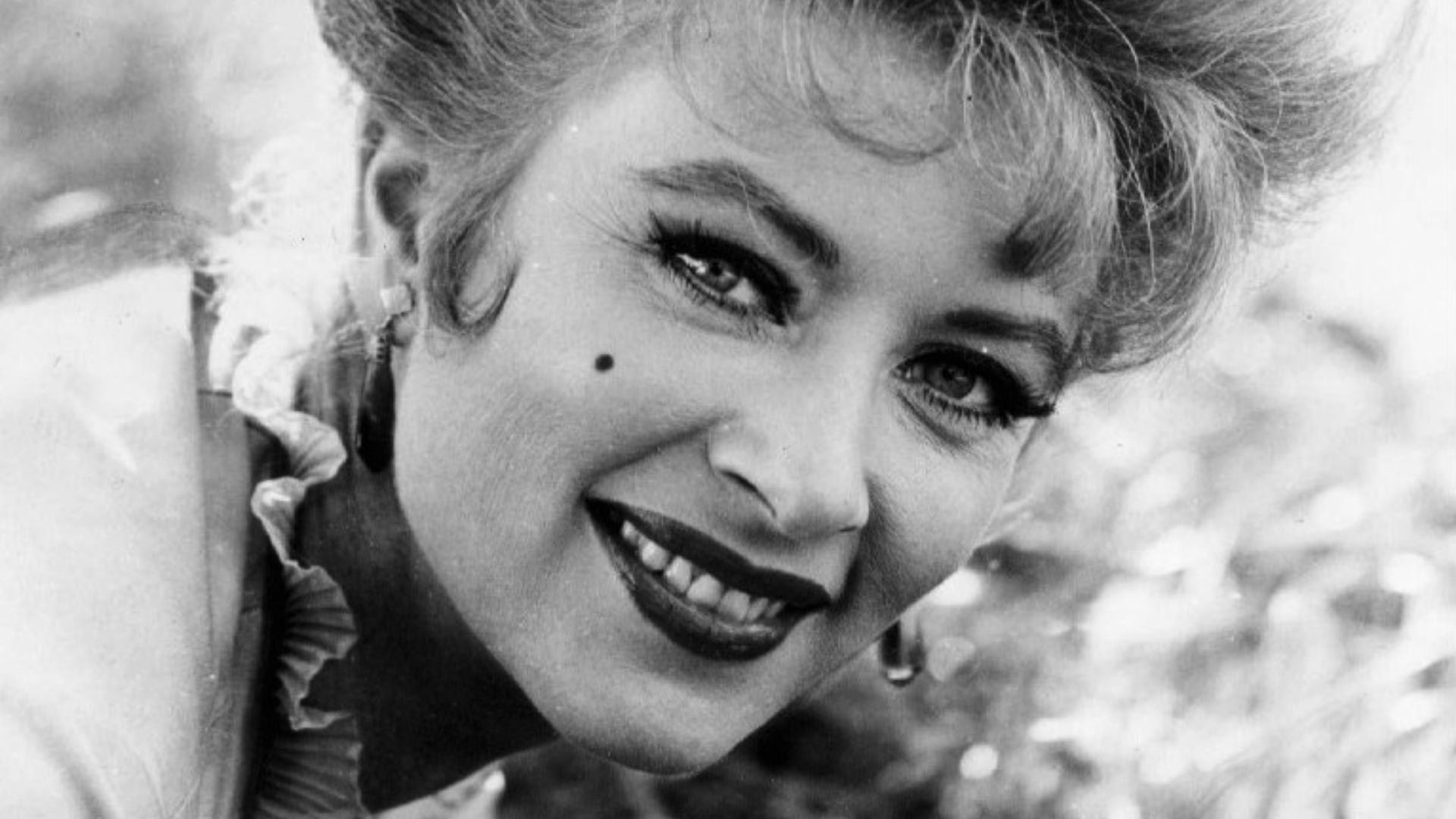
That passion for animals existed alongside a remarkable television career. Amanda Blake starred as Miss Kitty Russell on Gunsmoke for 20 seasons between 1955 and 1975. As the owner of the Long Branch Saloon, she became one of the show's most beloved and enduring characters.
 CBS Television, Wikimedia Commons
A Groundbreaking Television Character
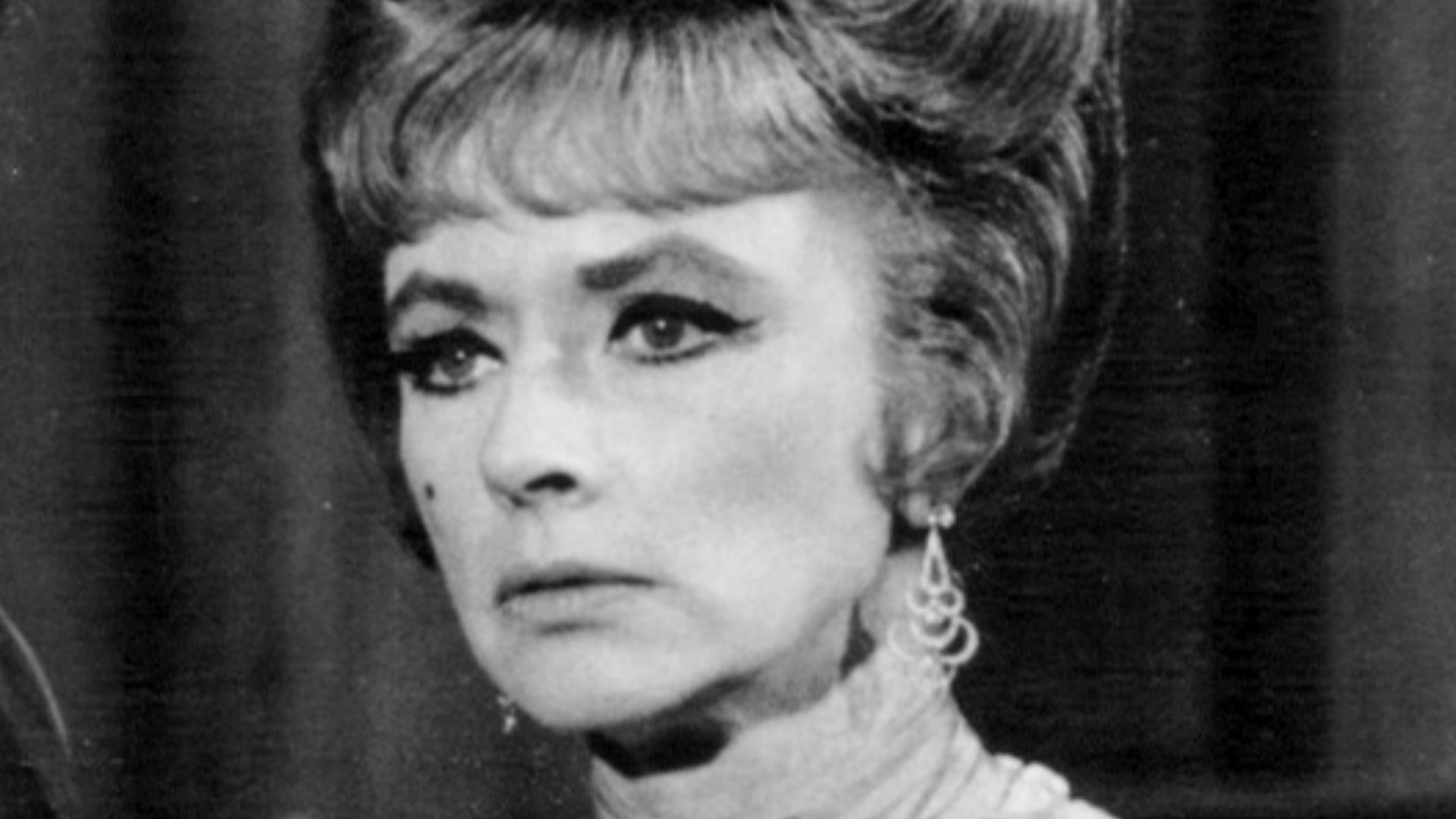
Miss Kitty was far more than a background figure in the world of television Westerns. She was independent, intelligent, and often served as one of the strongest voices in Dodge City. Blake helped turn the character into one of the most recognizable women in television history.
 CBS Television, Wikimedia Commons
Twenty Years On Television
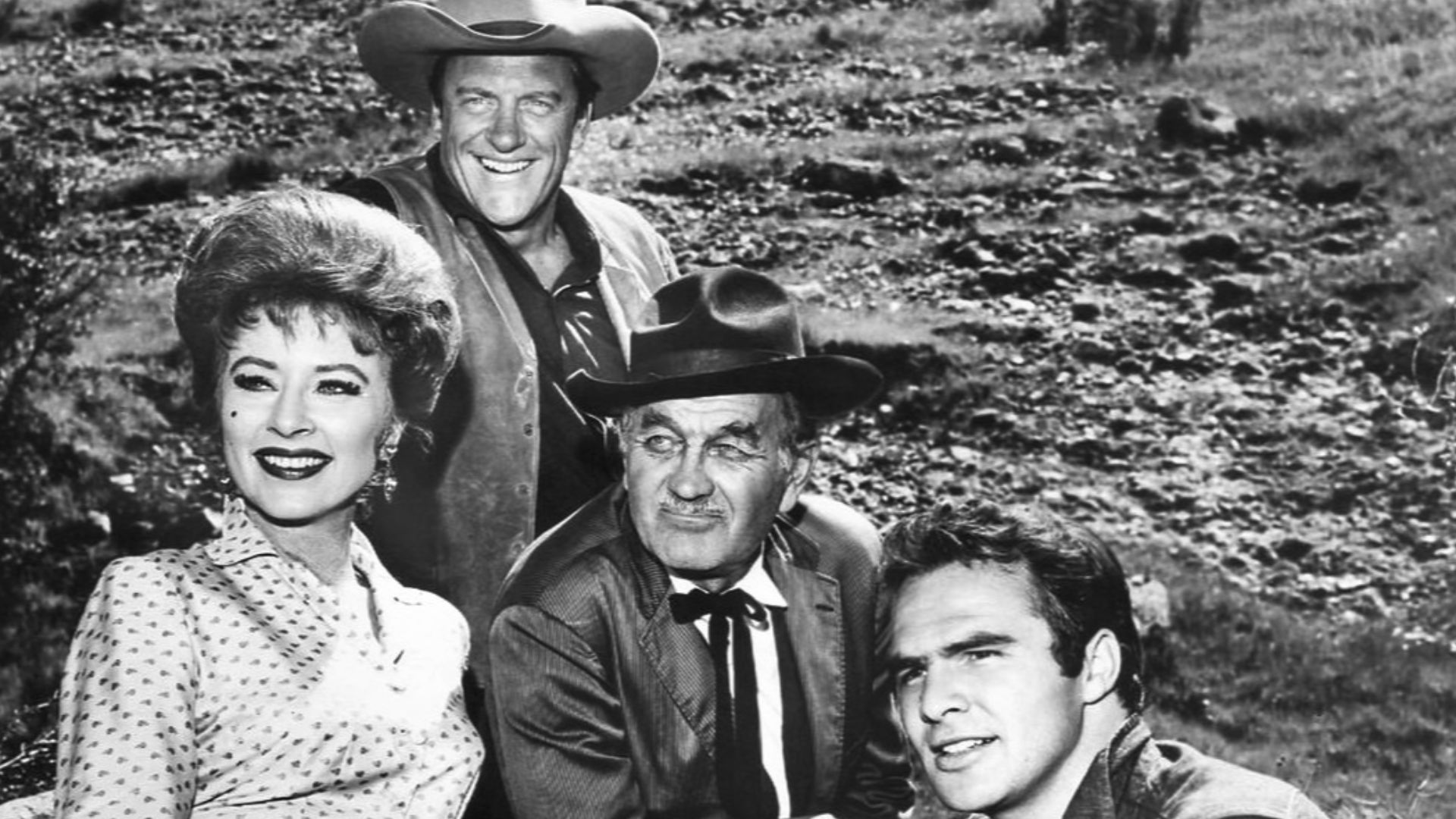
Very few actors remain with a hit series for two decades. Blake appeared throughout nearly the entire run of Gunsmoke, helping it become one of the longest-running primetime dramas ever produced. The show's success made her a household name across America.
 CBS Television, Wikimedia Commons
Hollywood Before Gunsmoke
Long before she became Miss Kitty, Blake was building a career in Hollywood films. She appeared in productions such as Cattle Town and A Star Is Born during the early 1950s. Those roles helped establish her as a promising young actress.
 Screenshot from A Star Is Born, Warner Bros. Pictures (1954)
More Than A Western Star
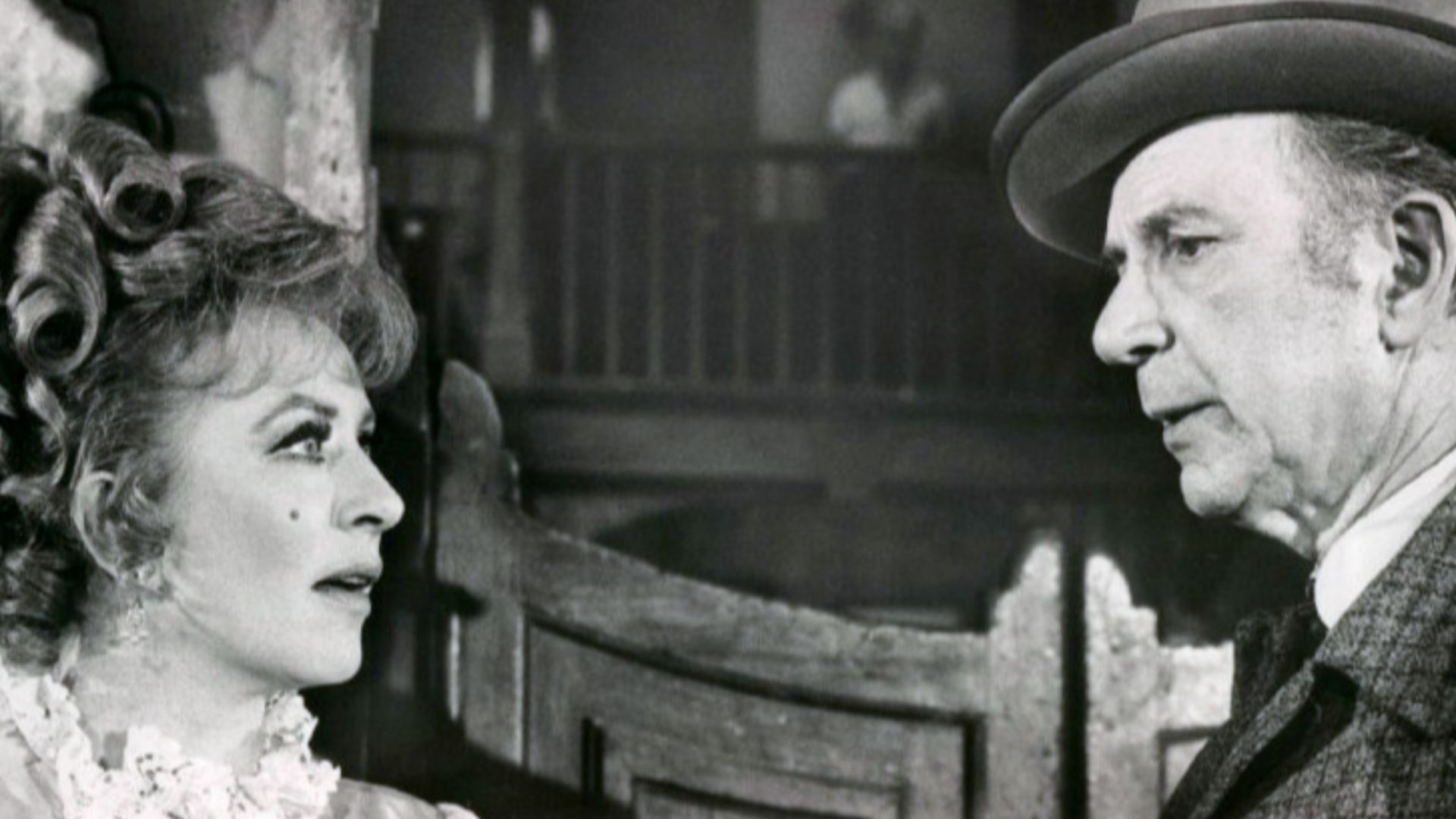
Although Westerns became her specialty, Blake worked on a variety of television projects throughout her career. She made guest appearances on several popular programs, including recurring comedy routine on The Red Skelton Show, and remained a familiar face to audiences beyond Gunsmoke. Her versatility helped sustain a career that lasted decades.
 CBS Television, Wikimedia Commons
Fame Opened New Doors
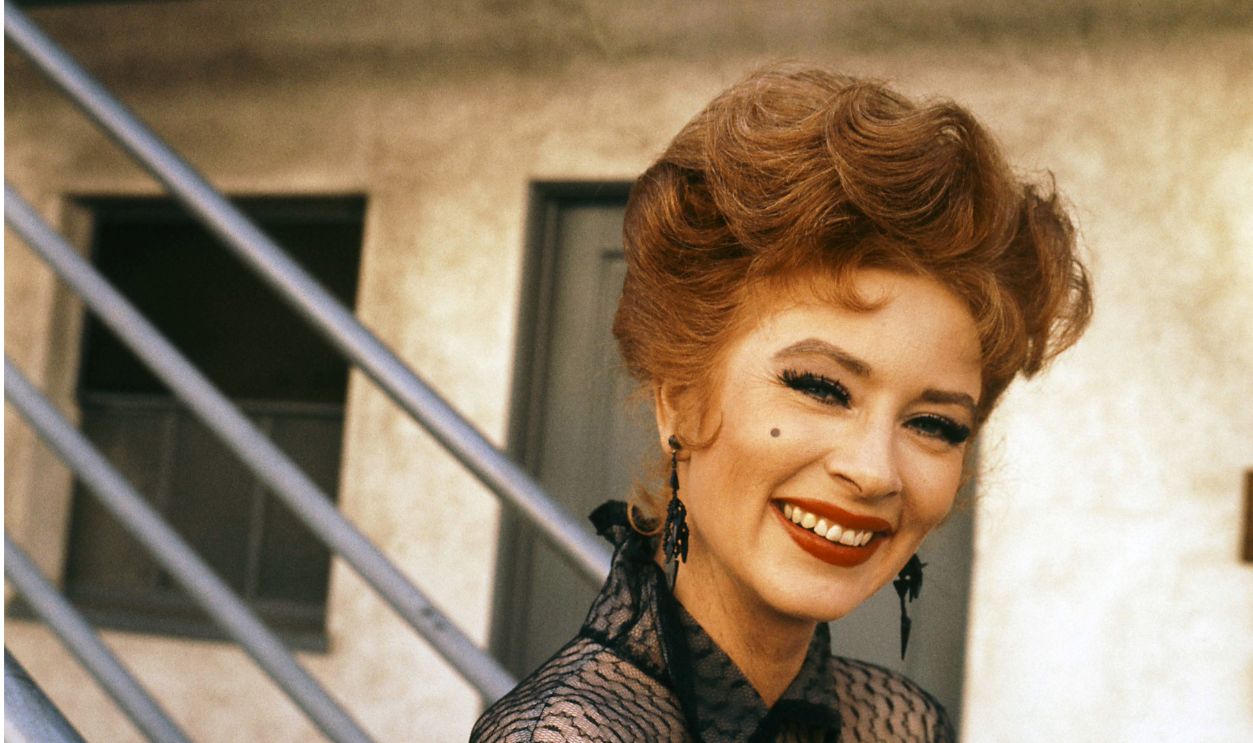
Success brought Blake financial security and public recognition. It also gave her opportunities to pursue causes that mattered deeply to her. Over time, animals became one of the most important parts of her life.
 Michael Ochs Archives, Getty Images
Animals Were Always Part Of Her Life
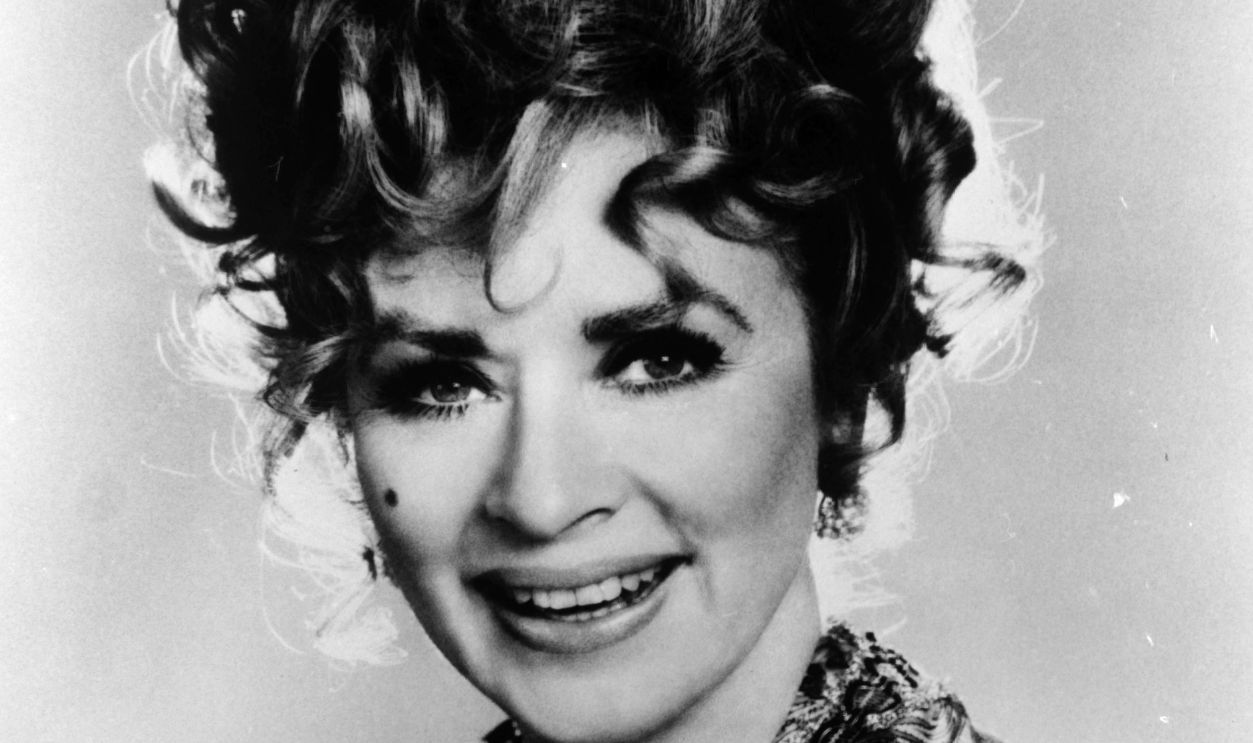
Blake's affection for animals existed long before she became a well-known advocate. Friends and colleagues often noted her deep interest in animal care and conservation. That passion only grew stronger as the years passed.
Miss Kitty Had A Wild Side
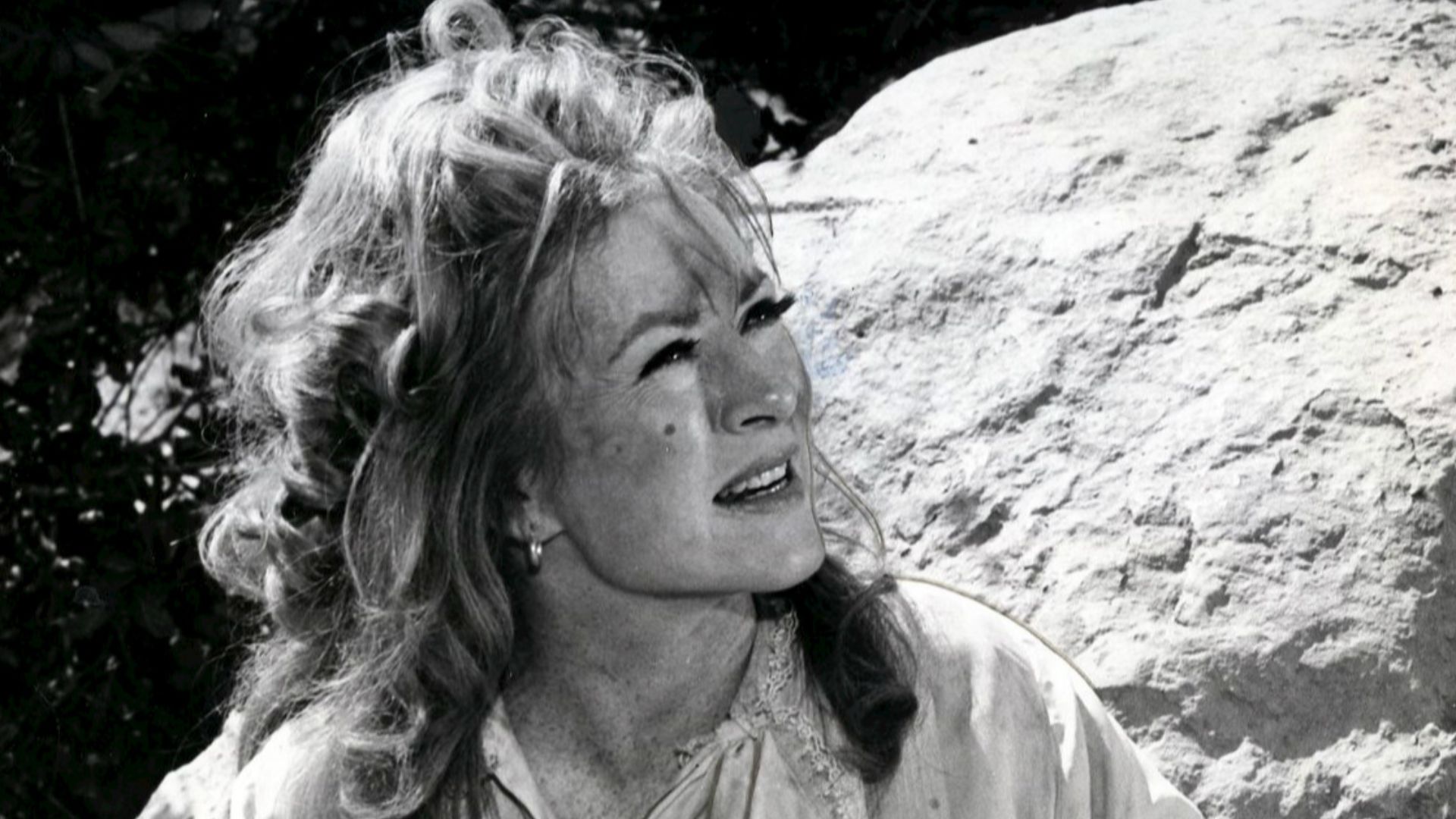
One of the most famous stories about Blake involved her pet lion, Kemo. In 1974, she brought the lion to the Gunsmoke set, creating memorable moments for cast and crew members. The story reflected her lifelong comfort around animals.
 CBS Television, Wikimedia Commons
The Phoenix Years Changed Everything
After spending years in Hollywood, Blake devoted more time to life in Arizona. The move allowed her to focus more heavily on animals and conservation work. What had once been a personal interest gradually became a major commitment.
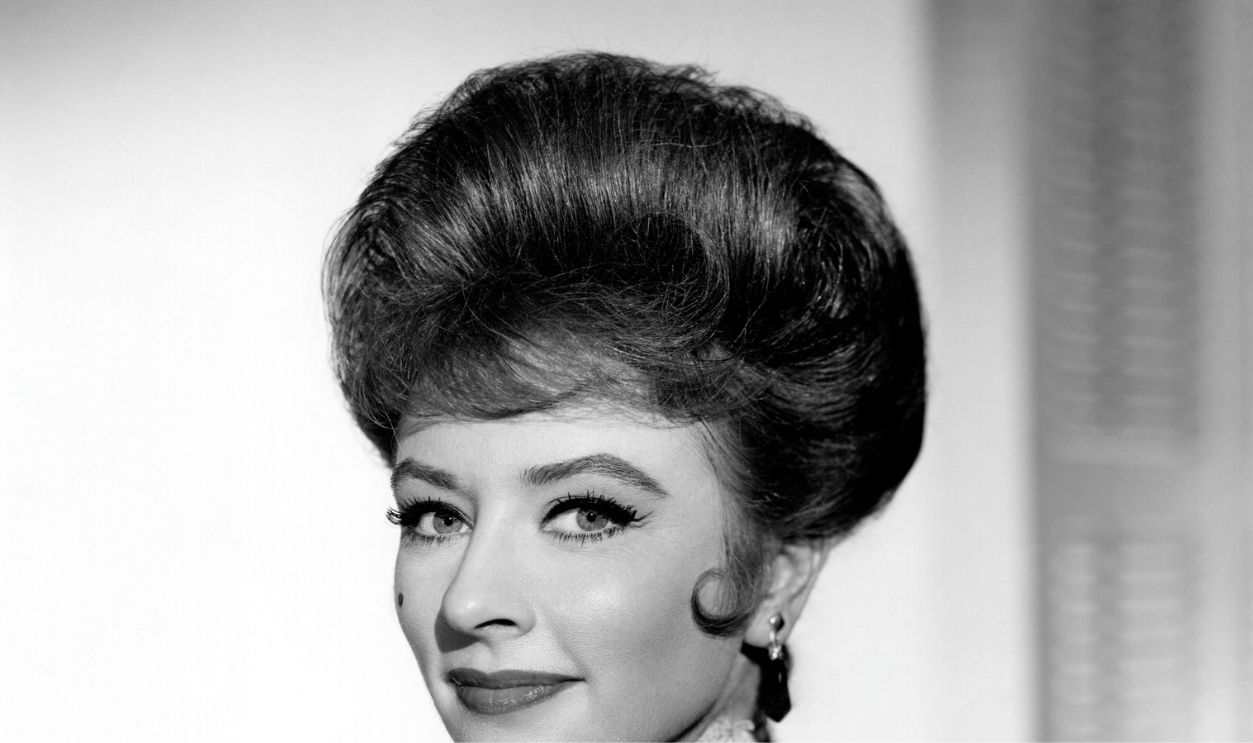 De Carvalho Collection, Getty Images
Cheetahs Became A Personal Mission
Blake and her husband Frank Gilbert became closely associated with cheetah breeding. Gilbert said they had watched cheetahs in Africa, knew the species was endangered, and believed they could help breed them in captivity. In 1975, their cheetahs birthed a litter of five cubs, some of the first bread in captivity.
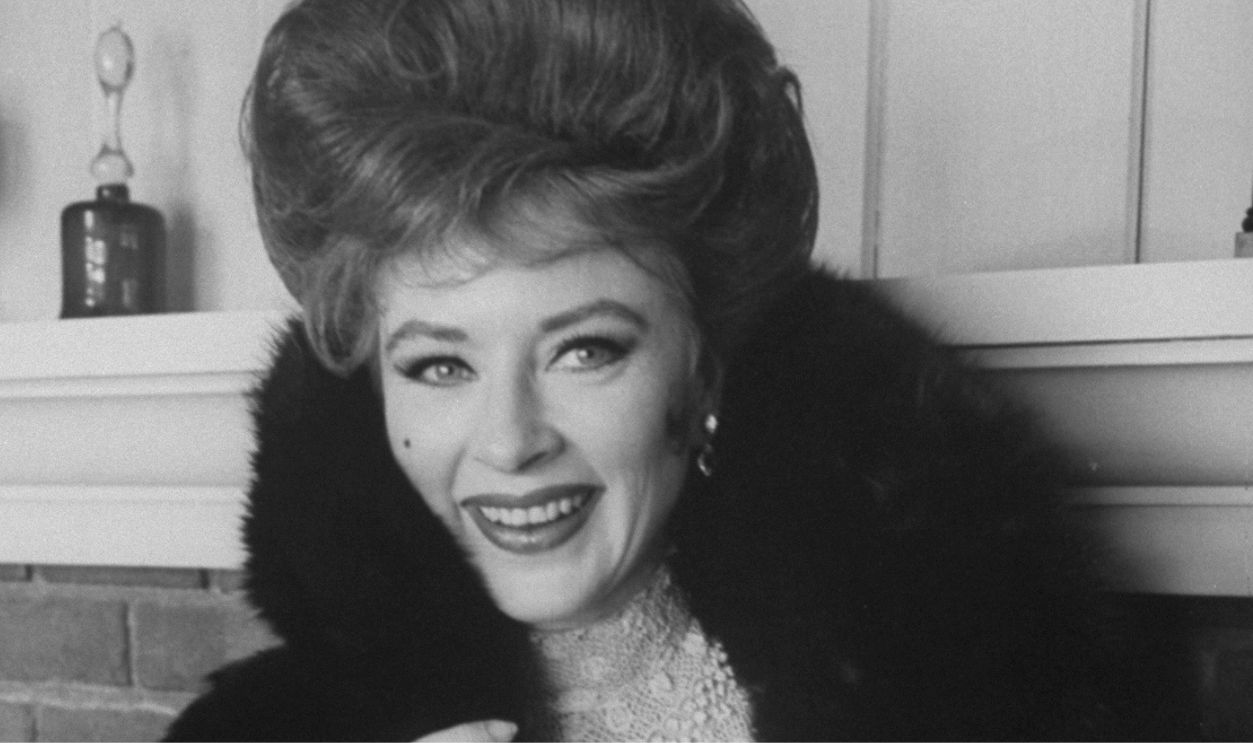
Conservation Felt Urgent To Her
Blake viewed cheetahs as more than fascinating animals. She understood that the species faced significant threats in the wild. Her involvement reflected a broader concern for endangered wildlife and conservation.
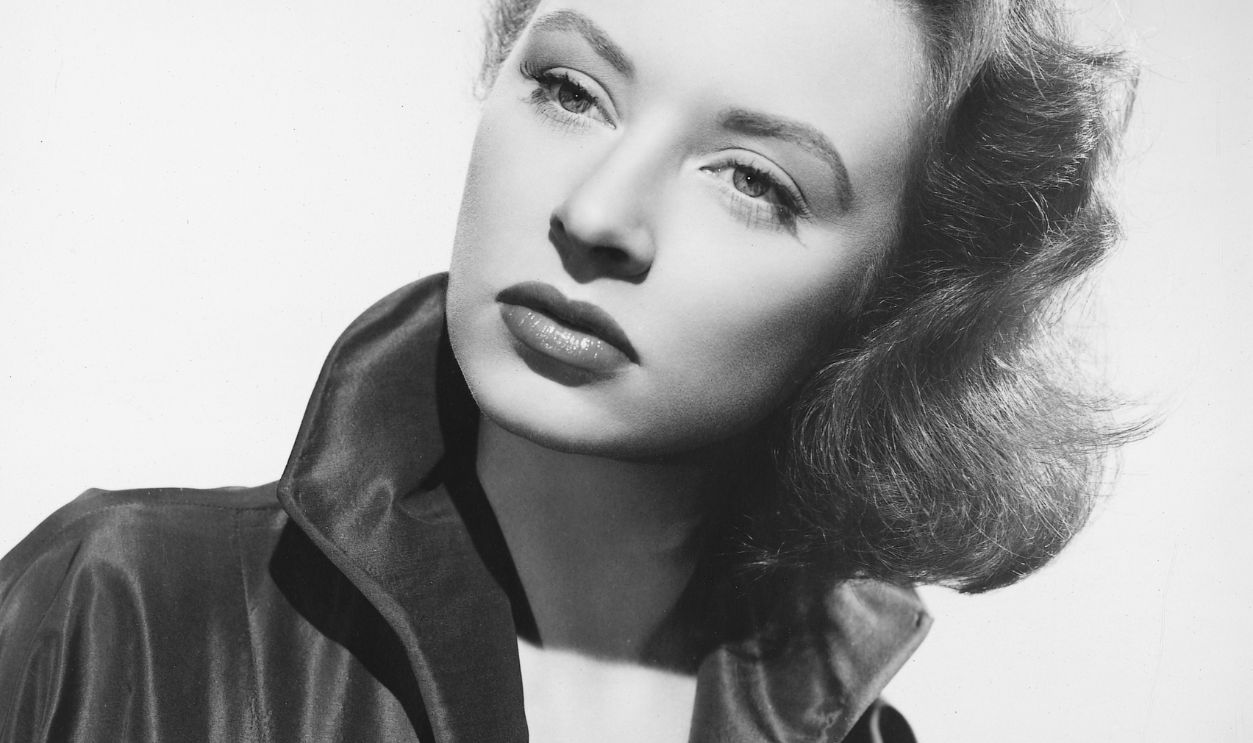 Silver Screen Collection, Getty Images
She Learned By Doing
Rather than simply donating money, Blake took an active role in animal care. She and Gilbert were directly involved with cheetahs and other conservation efforts. That hands-on approach became a hallmark of her advocacy.
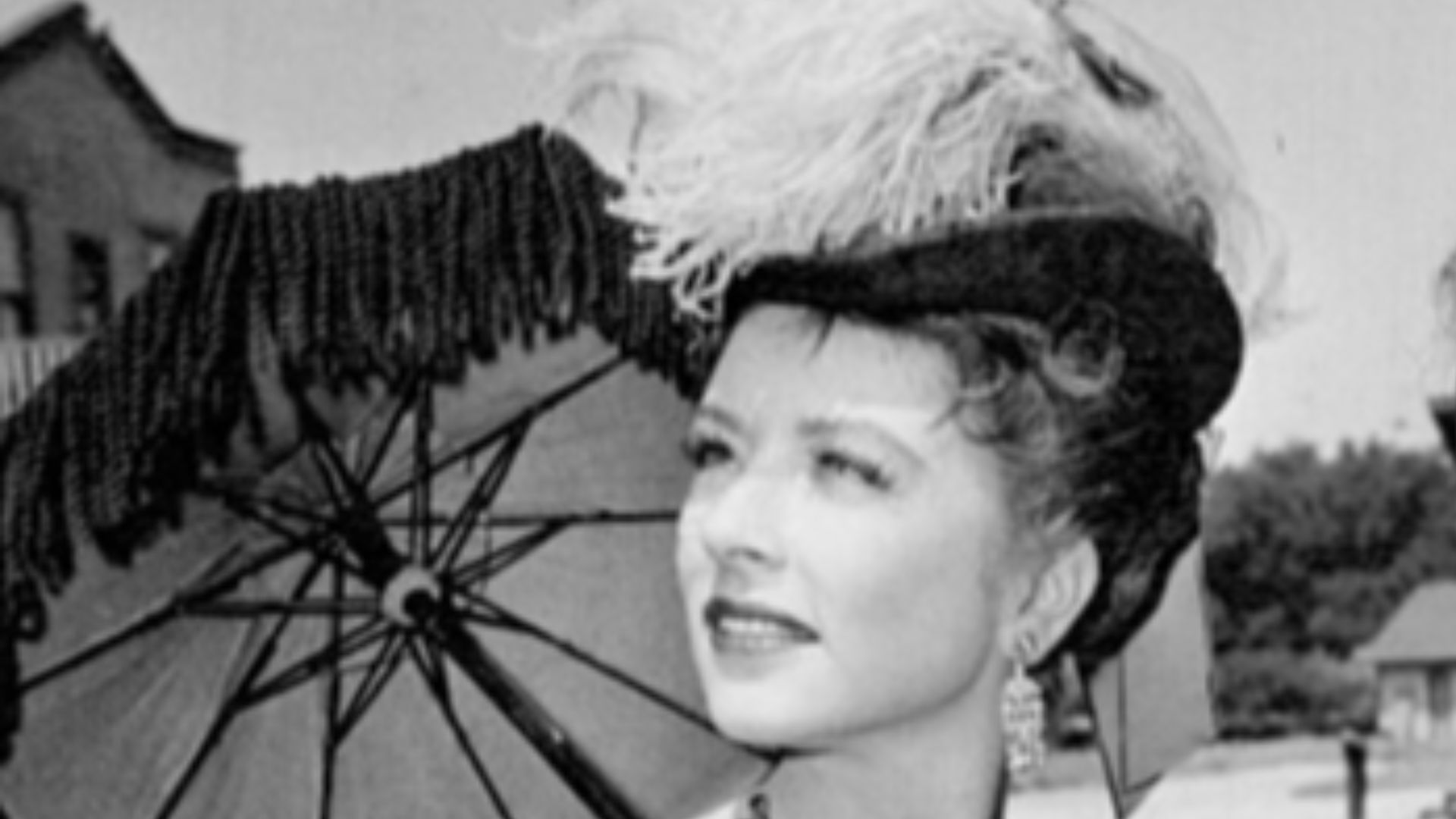 CBS Television, Wikimedia Commons
A Shelter Movement Takes Shape
In 1971, Blake helped lead a group of concerned animal lovers who founded the Arizona Animal Welfare League. The organization began as a grassroots effort focused on helping homeless animals. It would eventually become one of Arizona's most influential animal welfare groups.
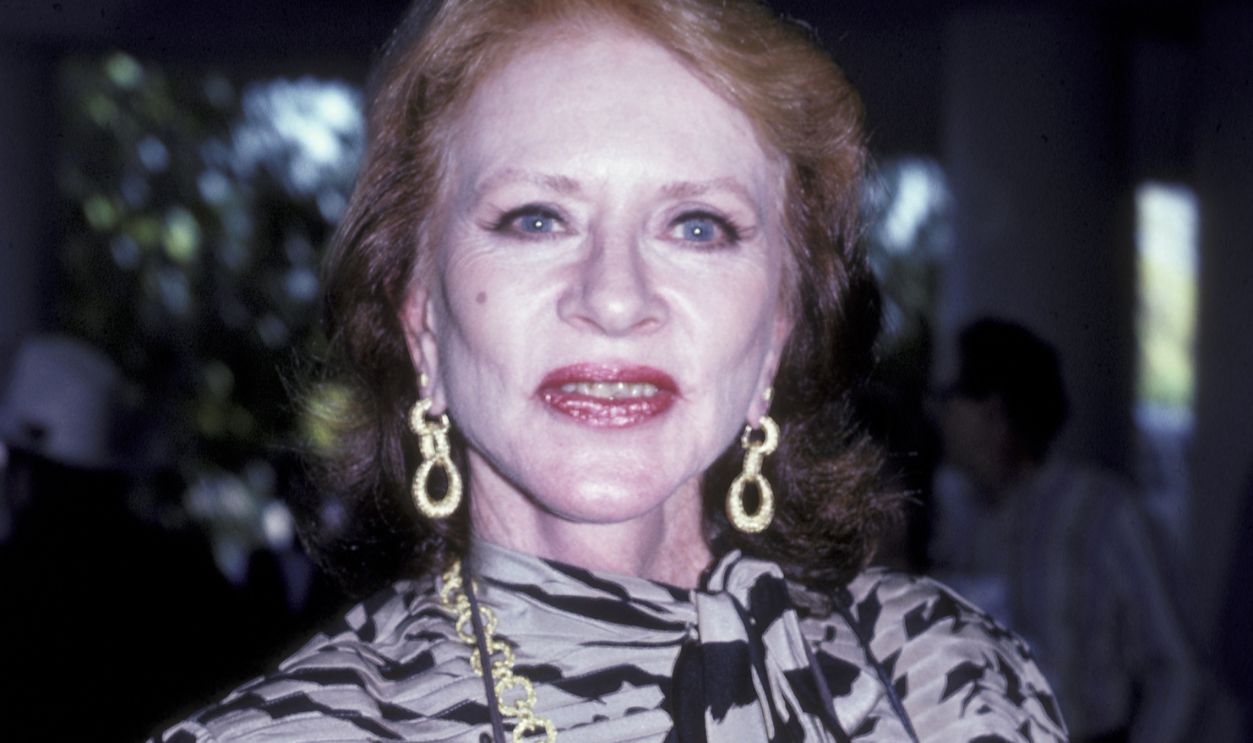
Arizona Gained A Lasting Shelter
The AAWL grew far beyond its humble beginnings. Today, it remains one of the largest and oldest no-kill animal welfare organizations in the state. Blake's role in its founding remains an important part of its history.
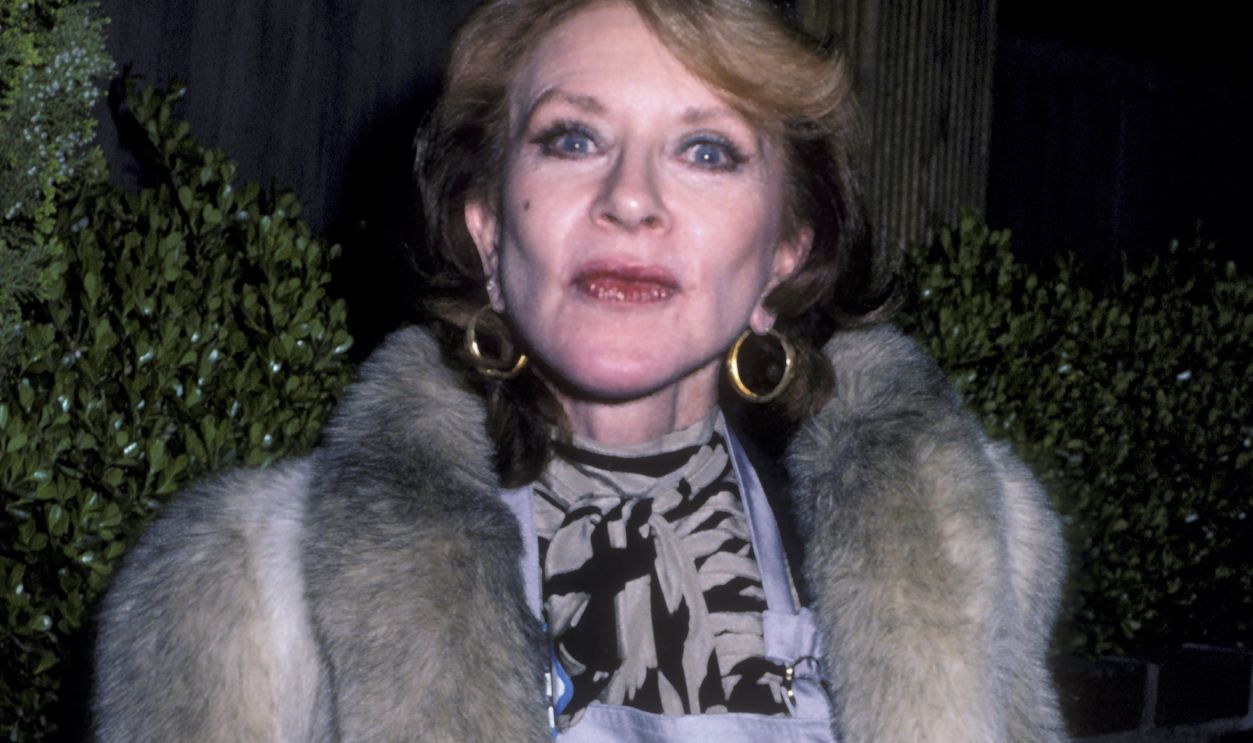
She Wanted Practical Results
Blake believed animal welfare required more than good intentions. The organization focused on adoption services, medical care, education, and community outreach. Those efforts created lasting benefits for both animals and adopters.
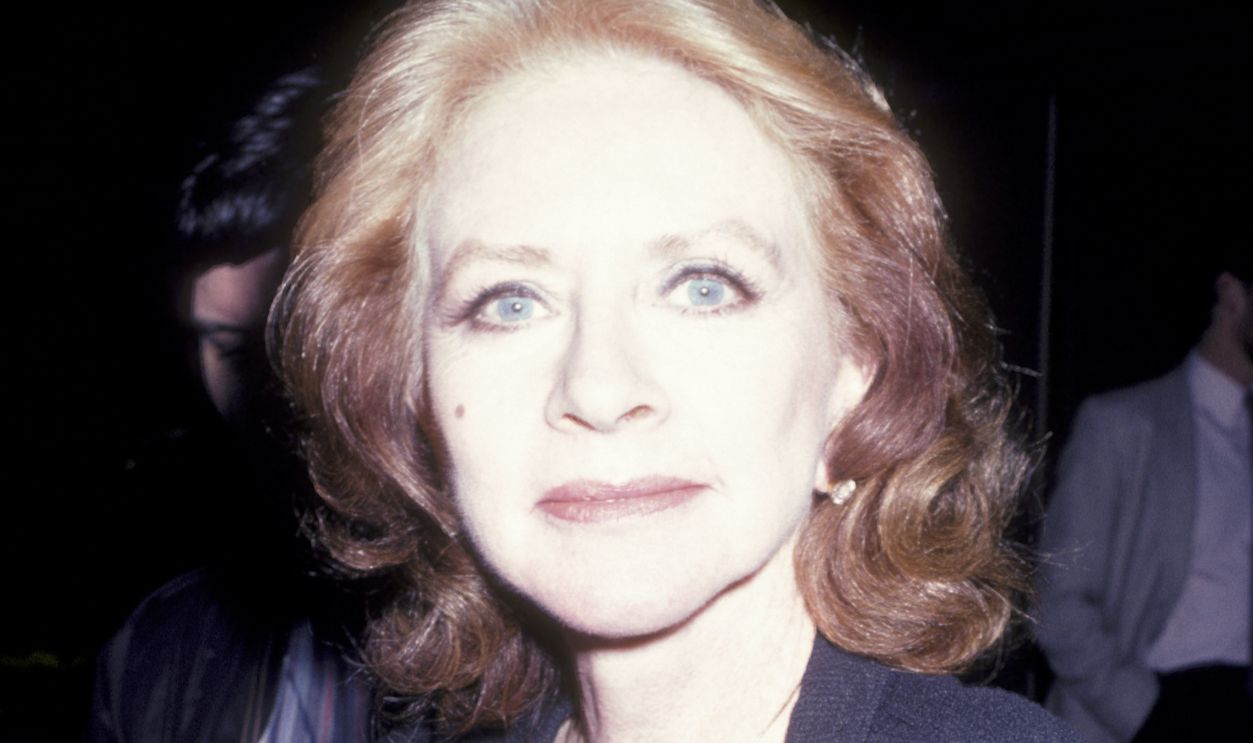
Hollywood Animals Needed Help Too
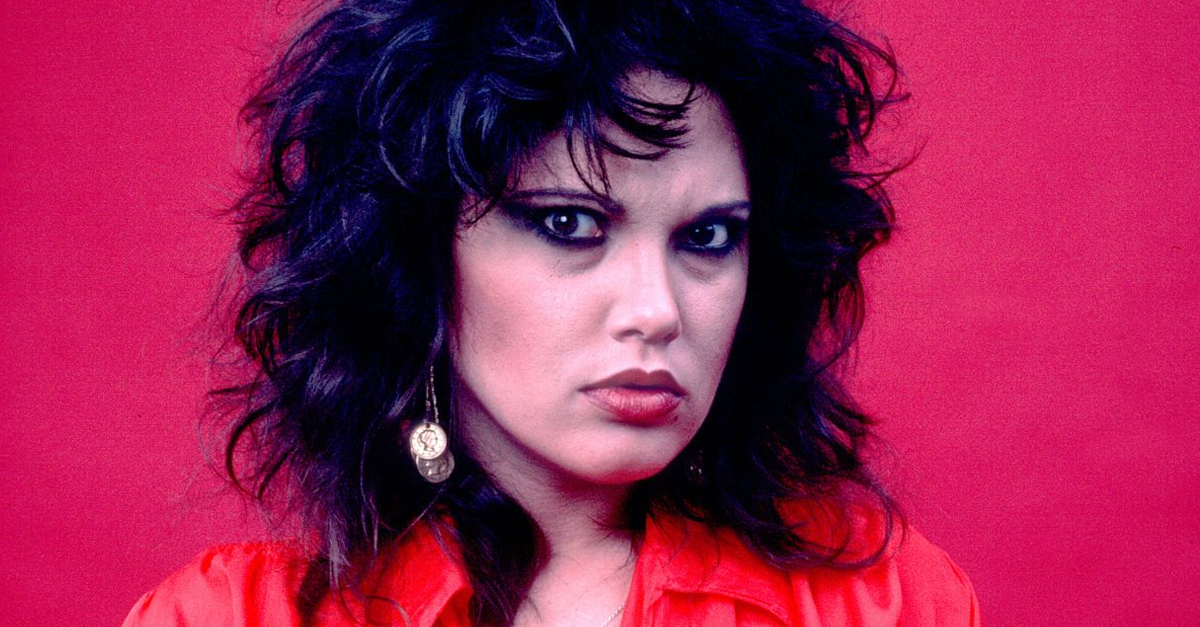
Blake's advocacy eventually extended into the entertainment industry. She became involved with the Performing Animal Welfare Society, better known as PAWS, founded by Pat Derby and Ed Stewart in 1984. The organization works to rescue and care for animals previously used in entertainment.
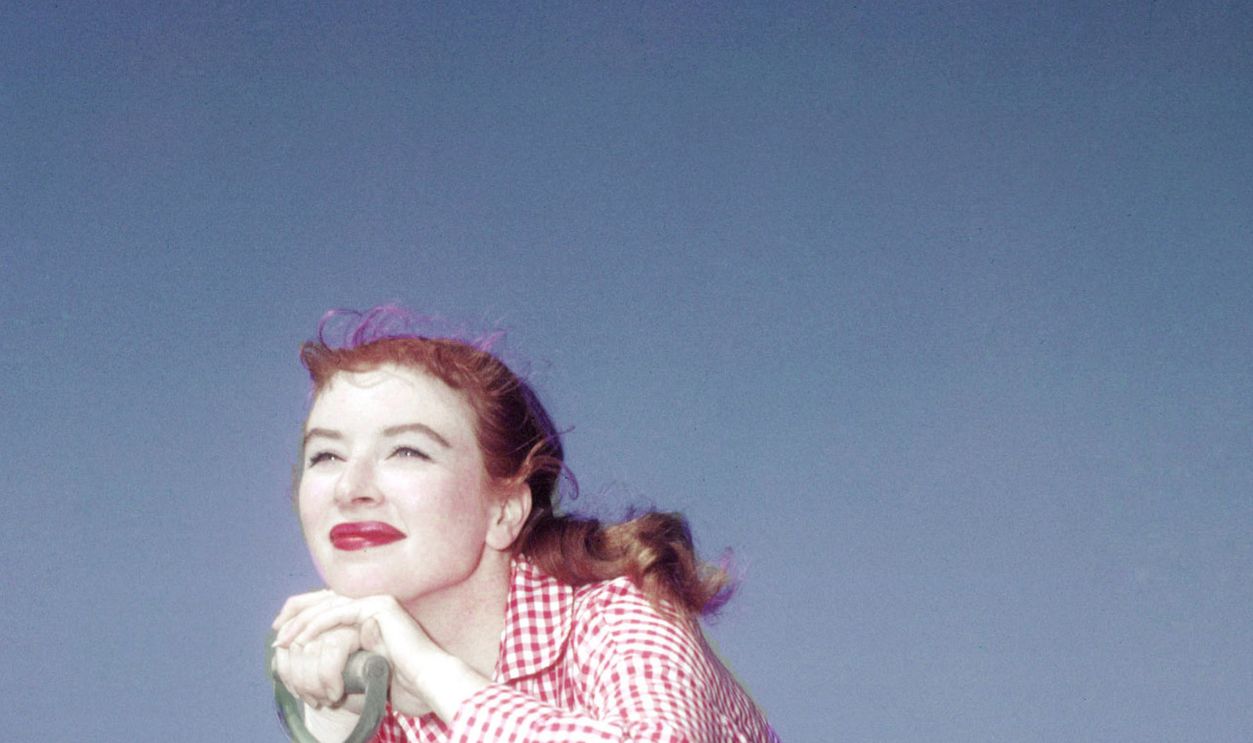 Silver Screen Collection, Getty Images
Pat Derby Was A Key Link
PAWS co-founder Pat Derby had extensive experience as a Hollywood animal trainer. Derby also worked with exotic animals on productions including Gunsmoke. That connection made the organization's mission especially meaningful to Blake.
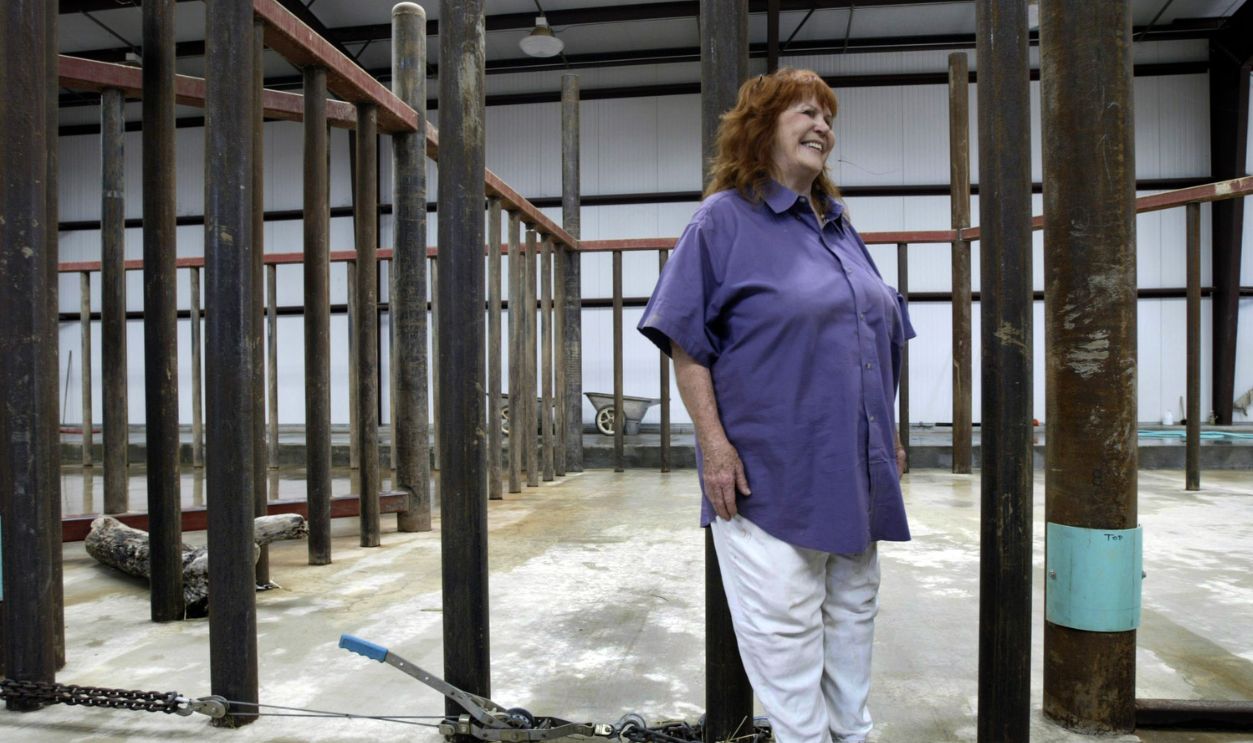 San Francisco Chronicle, Getty Images
Blake Used Her Resources
Blake spent her final years supporting PAWS and its work. She later left her estate to the organization, ensuring her commitment would continue after her death. The decision reflected how deeply she believed in the cause.
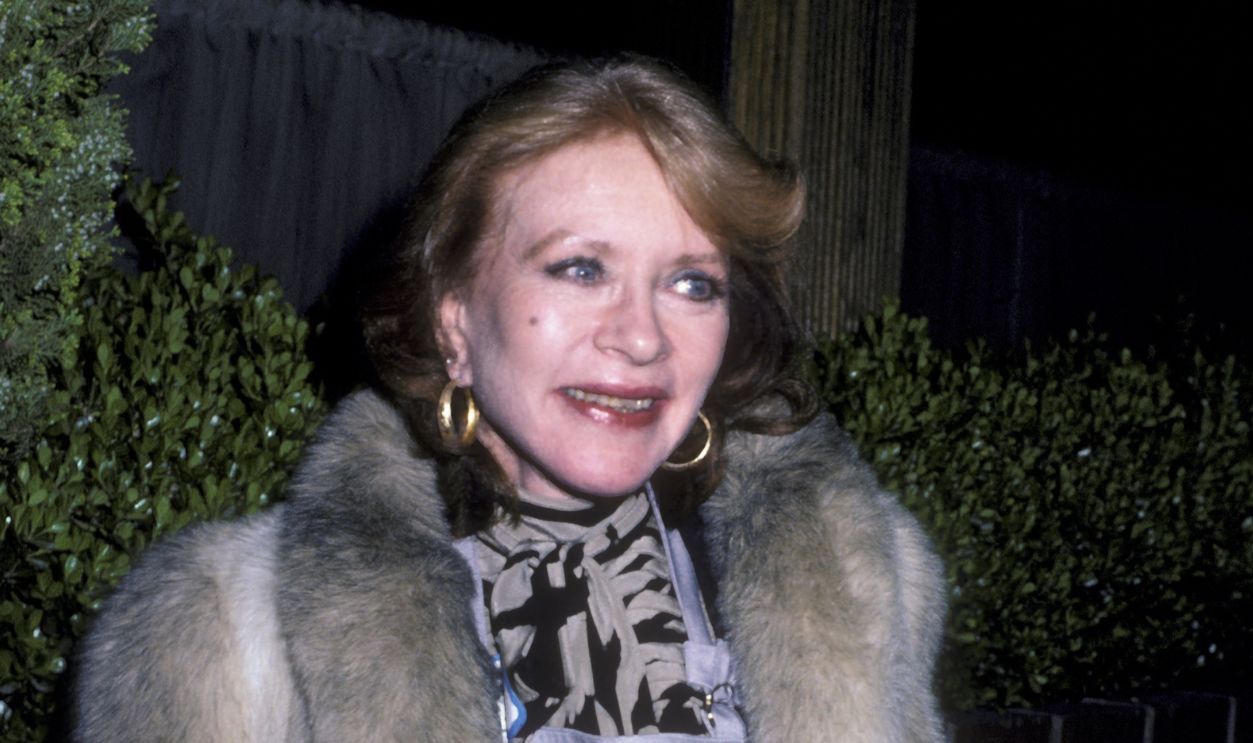
Her Advocacy Reached Far Beyond Pets
Blake's interests extended beyond cats and dogs. She supported efforts involving wildlife conservation, sanctuary care, and the humane treatment of animals used in entertainment. Her advocacy touched multiple areas of animal welfare.
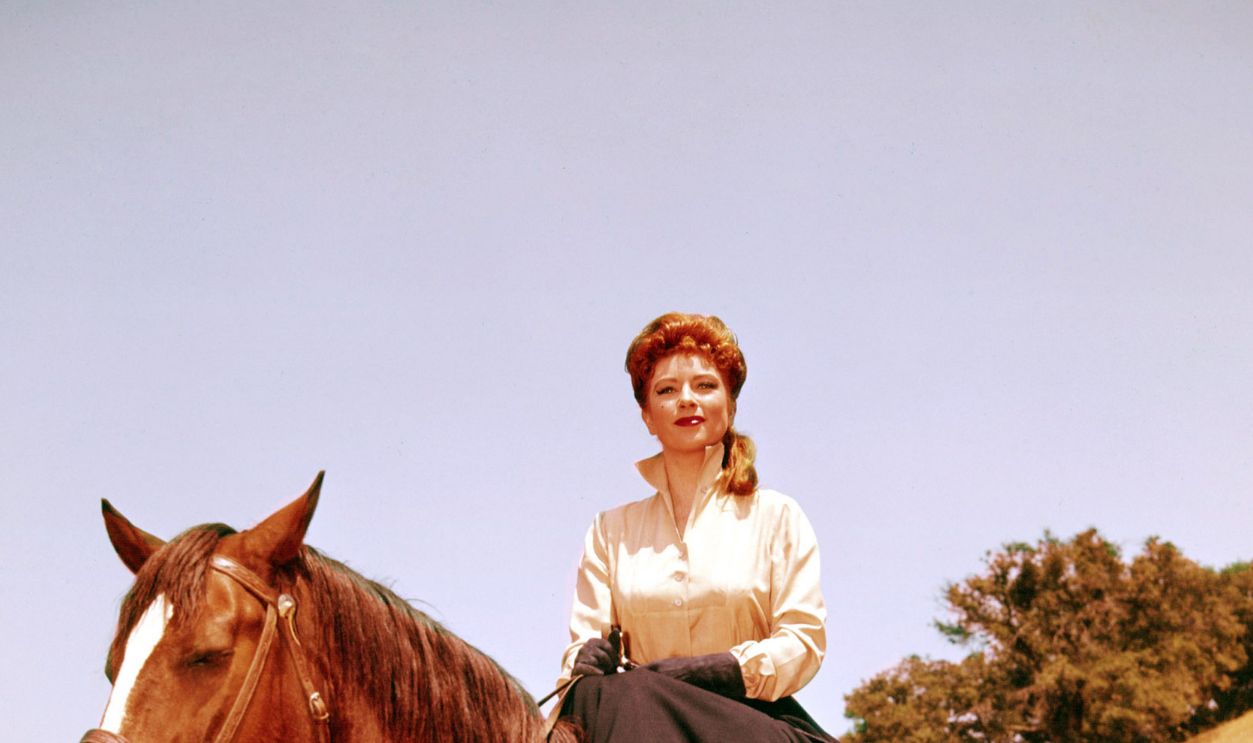 Silver Screen Collection, Getty Images
The Refuge Continued Her Legacy
In 1997, PAWS opened the Amanda Blake Memorial Wildlife Refuge. PAWS described it as a 75-acre refuge in Northern California. It became a sanctuary for rescued animals including scimitar-horned oryx, emu, fallow deer, and African eland.
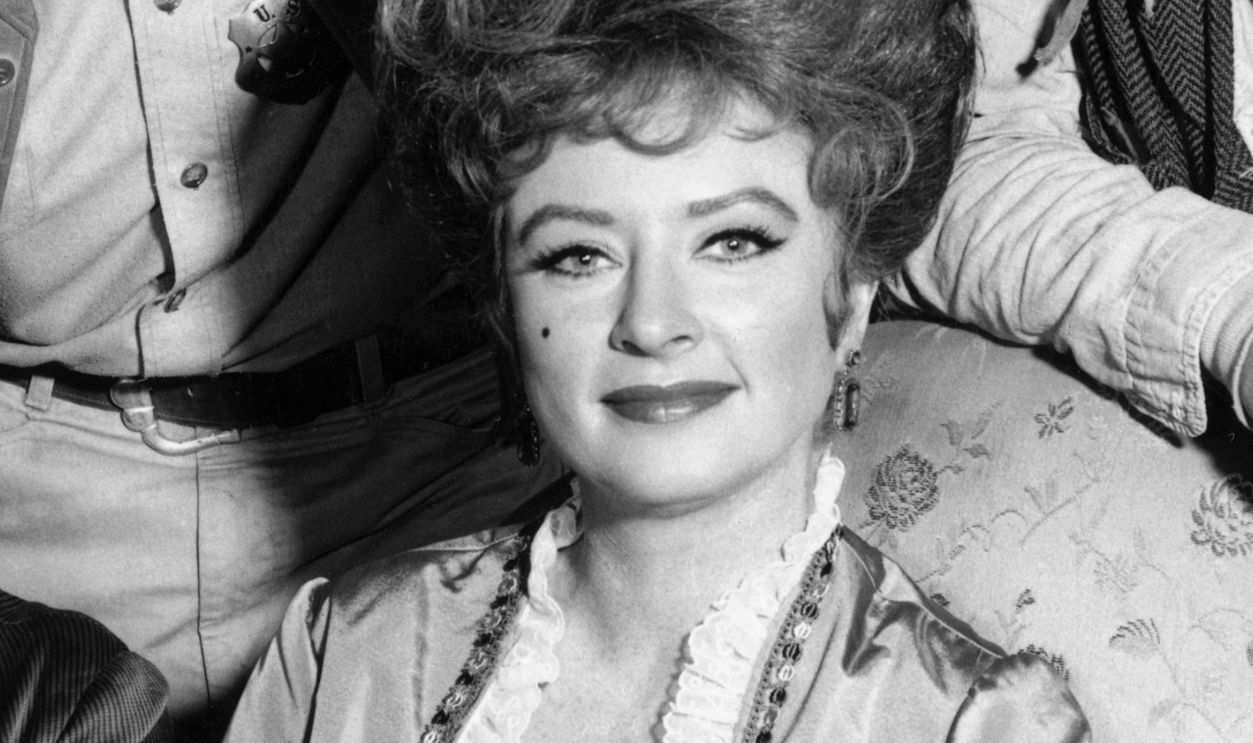
The First Residents Had A Close Call
The refuge’s first residents included oryx and an African eland from a private ranch in Nevada. The animals had been at risk of being sent to auction. PAWS said many animals from that ranch could have ended up at hunting ranches. The sanctuary provided them with permanent protection and care.
Health Challenges Tested Her Resolve
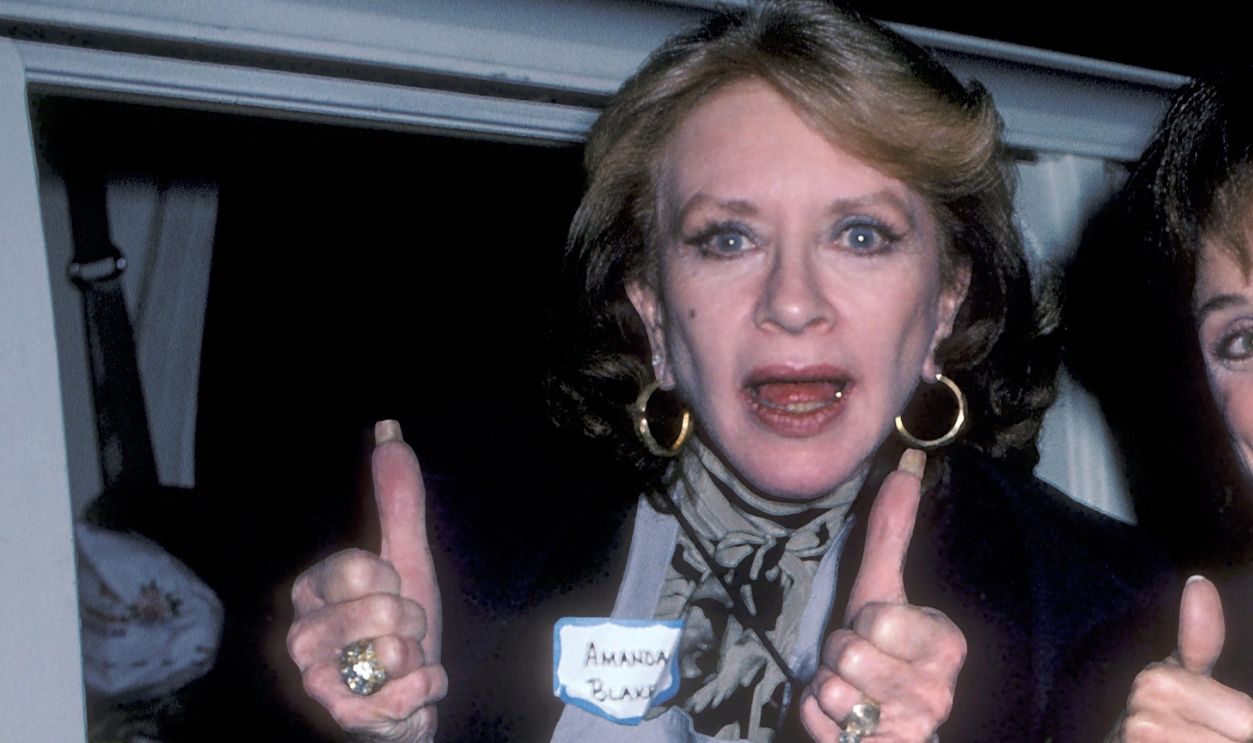
Blake faced serious health challenges later in life, including treatment for oral cancer. In 1984, she received the American Cancer Society's Courage Award in recognition of her resilience and advocacy. Even during difficult times, she remained committed to helping others.
The Ending Was Complicated
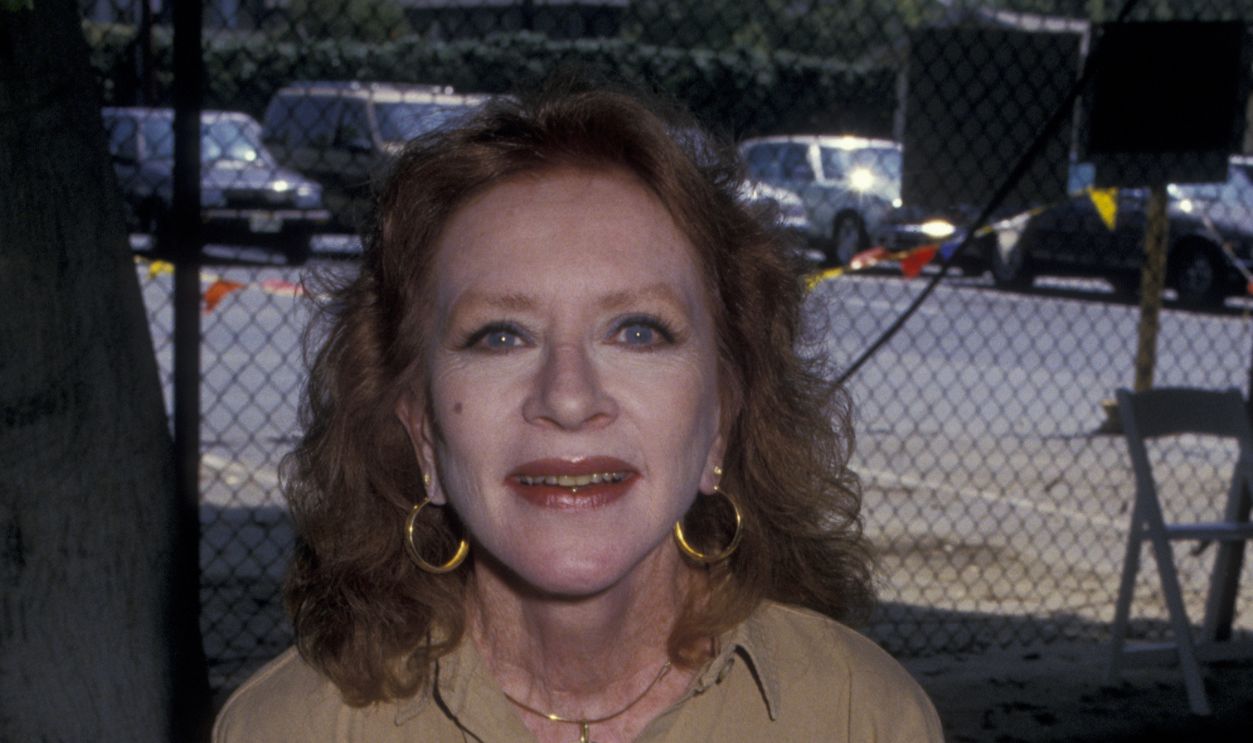
Blake died in 1989 at age 60. Initial reports described cancer, but later reporting said her doctor attributed her death to AIDS-related complications. The important point for her animal welfare story is that she kept supporting animal causes through her final years.
 Silver Screen Collection, Getty Images
Why Animals Meant So Much To Her
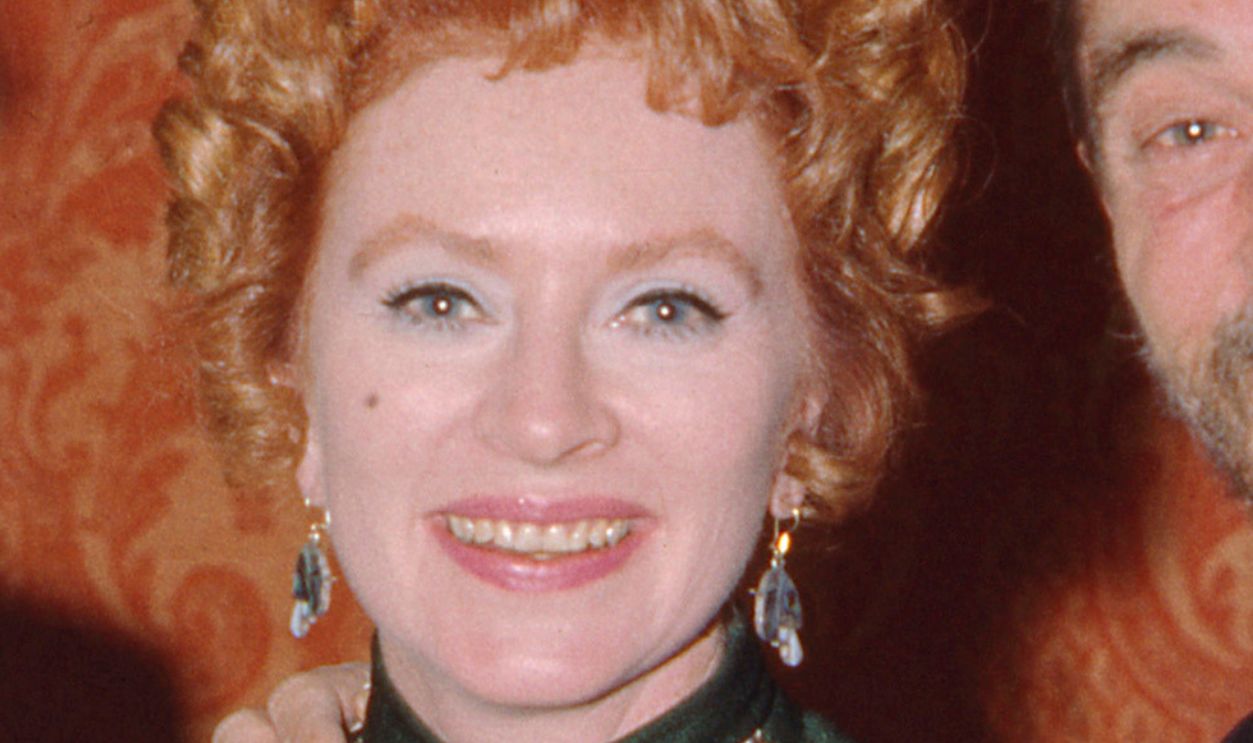
Blake's dedication to animal welfare appeared to stem from both compassion and responsibility. She recognized that many animals depended on people for protection and care. Rather than simply speaking about the issue, she devoted time, money, and effort to making a difference.
Miss Kitty Left More Than Memories
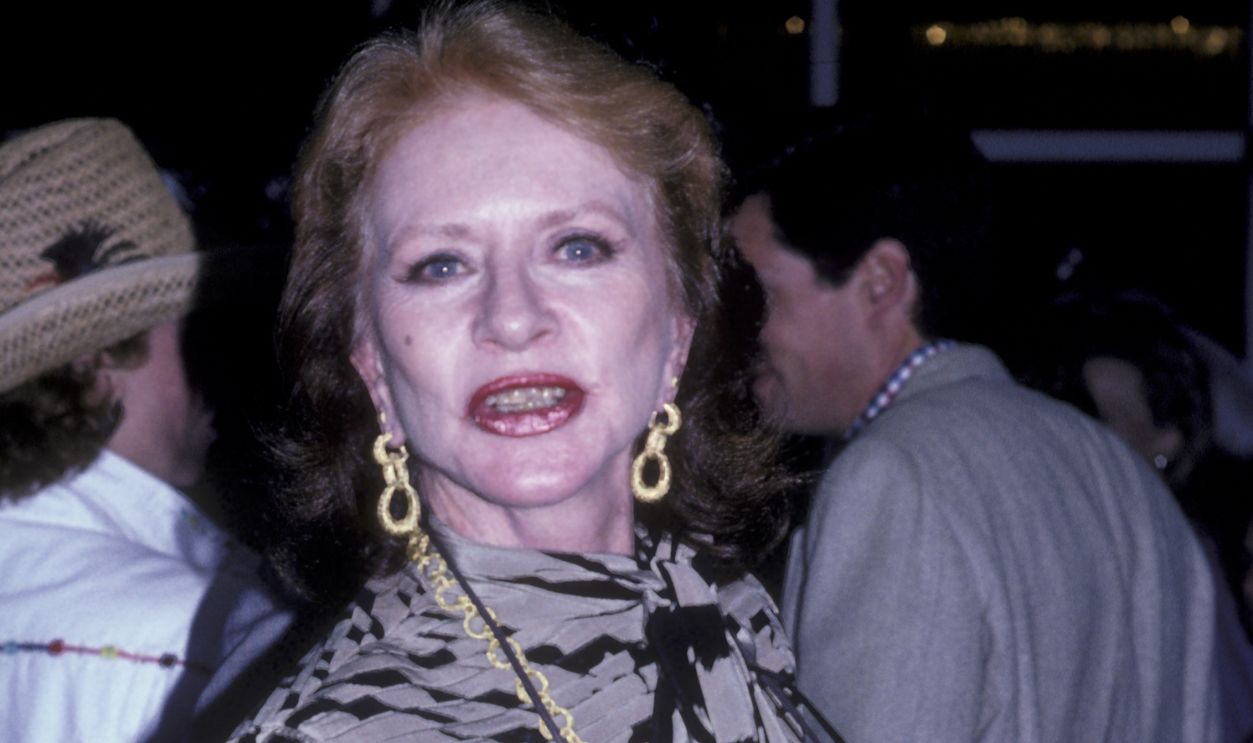
Amanda Blake will always be remembered for her unforgettable role on Gunsmoke. Yet her work on behalf of animals may be just as significant as her television career. Behind the famous character was a woman who spent decades turning compassion into action.
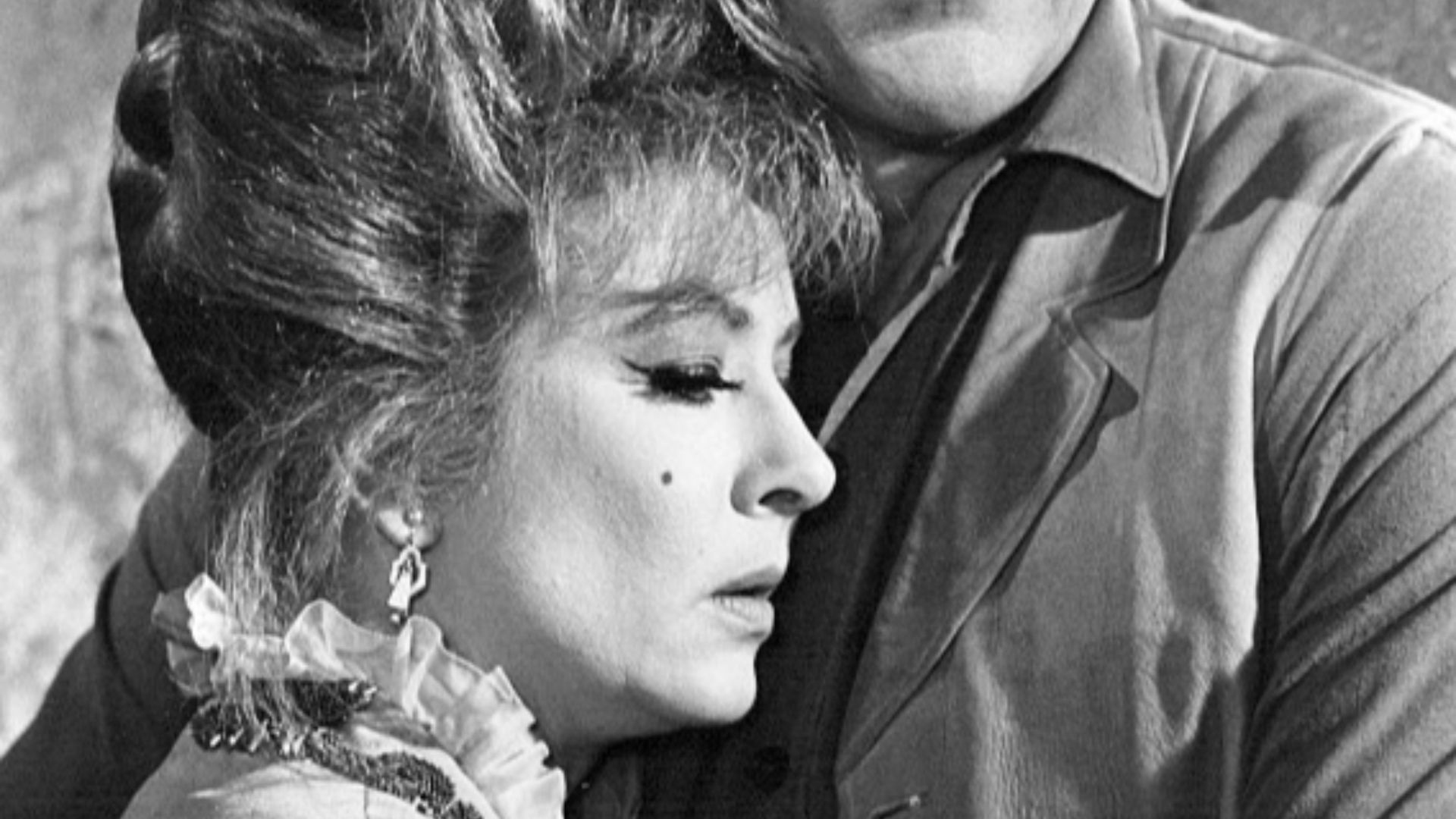 CBS Television, Wikimedia Commons
You May Also Like:
TV Westerns That Ruled The 1960s That No One Watches Today — Have You Seen Any Of These Shows?
TV Westerns Wrote The Blueprint For Great Television. Here’s The Proof
America crowned Burt Reynolds a box office king—but fame became the shadow he could never outrun.