The Price of Being Burt
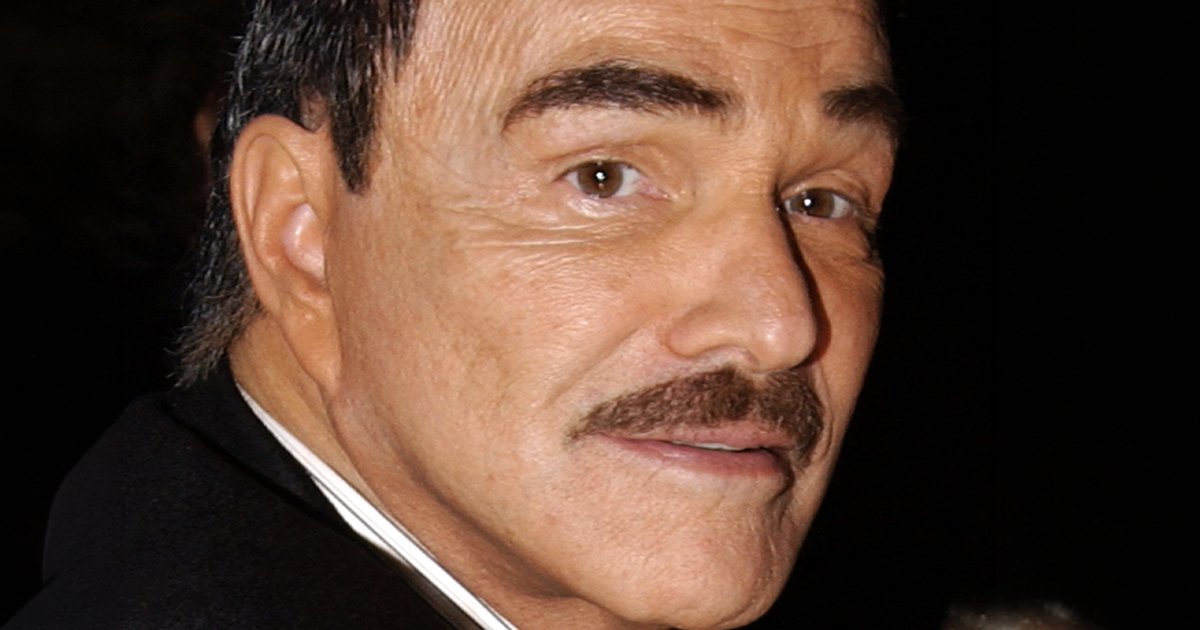
By the 1970s, Burt Reynolds was everywhere. He was charming, funny, rugged, and undeniably magnetic. He had the mustache, the swagger, and the box office numbers to prove it. But behind the confident grin was a complicated relationship with television fame — one that shaped his triumphs, bruised his ego, and fueled some of Hollywood’s juiciest headlines.
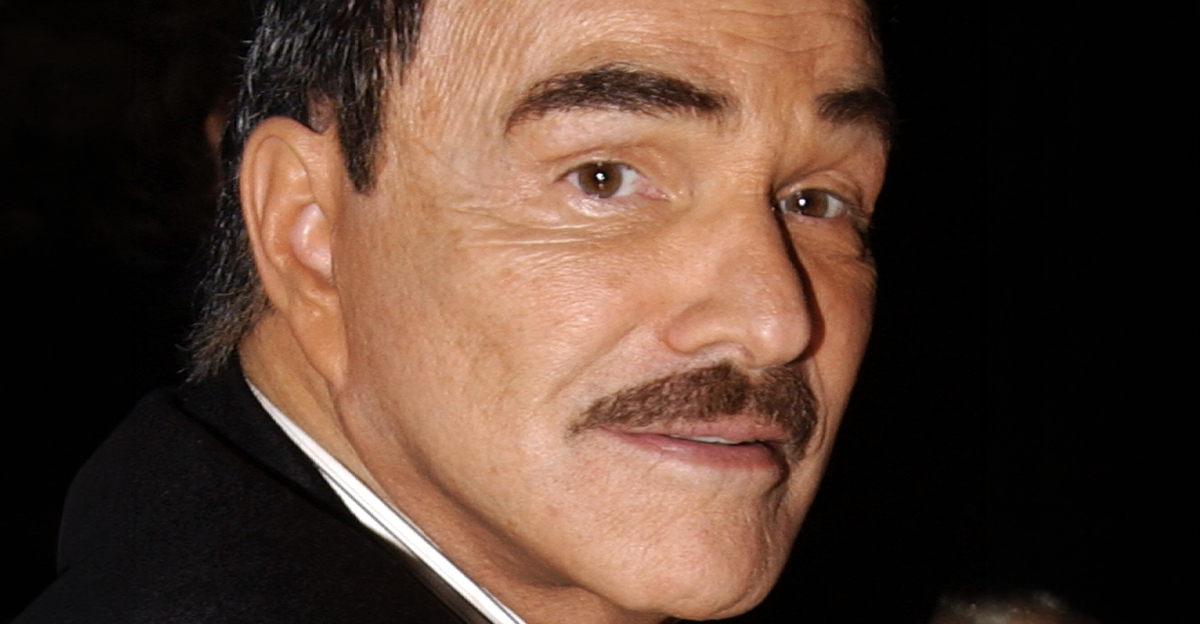
From Florida to the Football Field
Burton Leon Reynolds Jr. was born February 11, 1936, in Lansing, Michigan, but raised in Riviera Beach, Florida. His father, Burton Reynolds Sr., was a police chief, strict and disciplined. Burt initially dreamed of playing professional football and earned a scholarship to Florida State University before a knee injury ended that path.
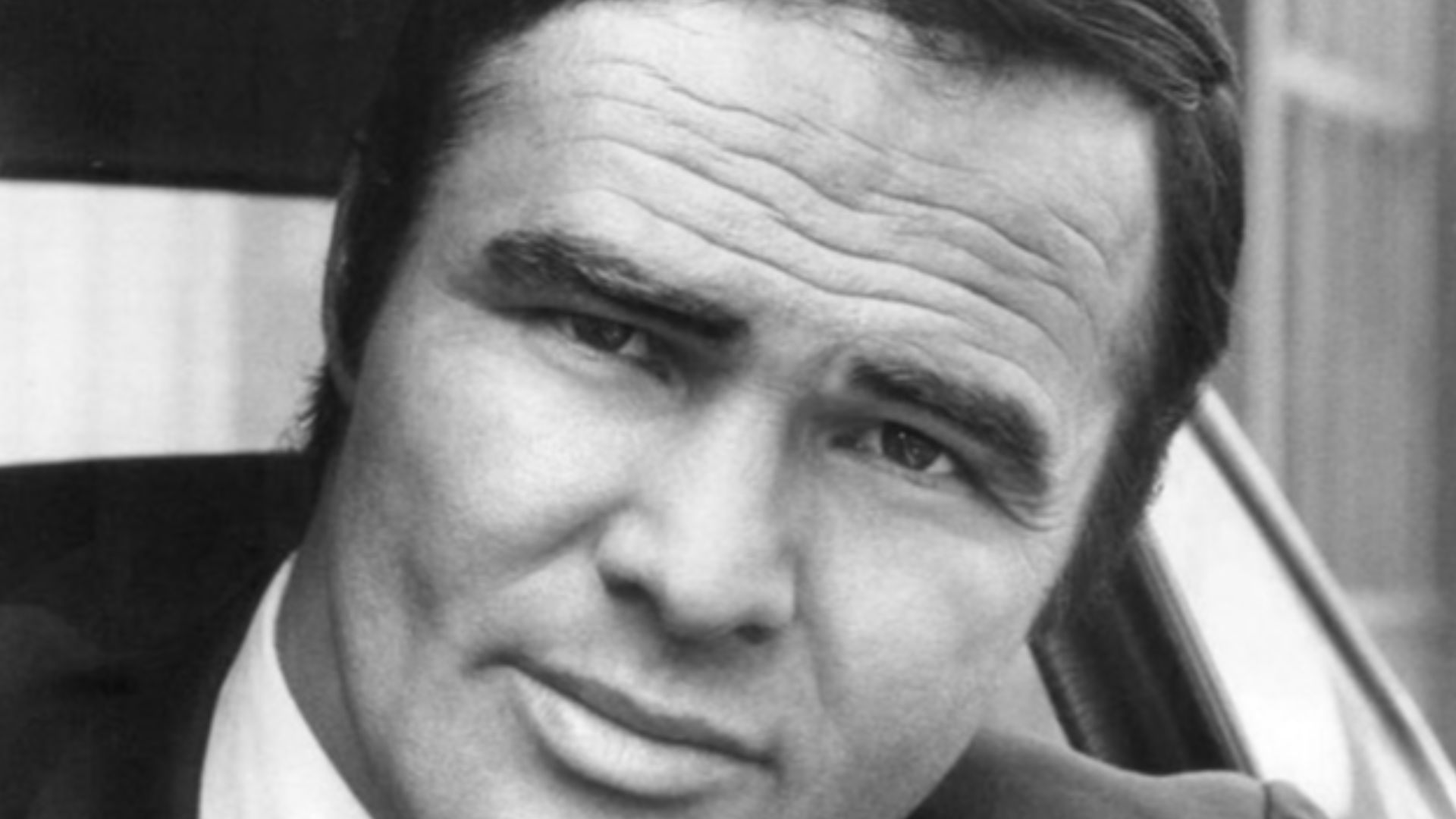 ABC Television, Wikimedia Commons
An Accidental Actor
After his football career collapsed, Reynolds turned to acting almost by accident. A professor encouraged him to audition for a play. He eventually moved to New York and studied at the Actors Studio alongside contemporaries like Joanne Woodward and Paul Newman.
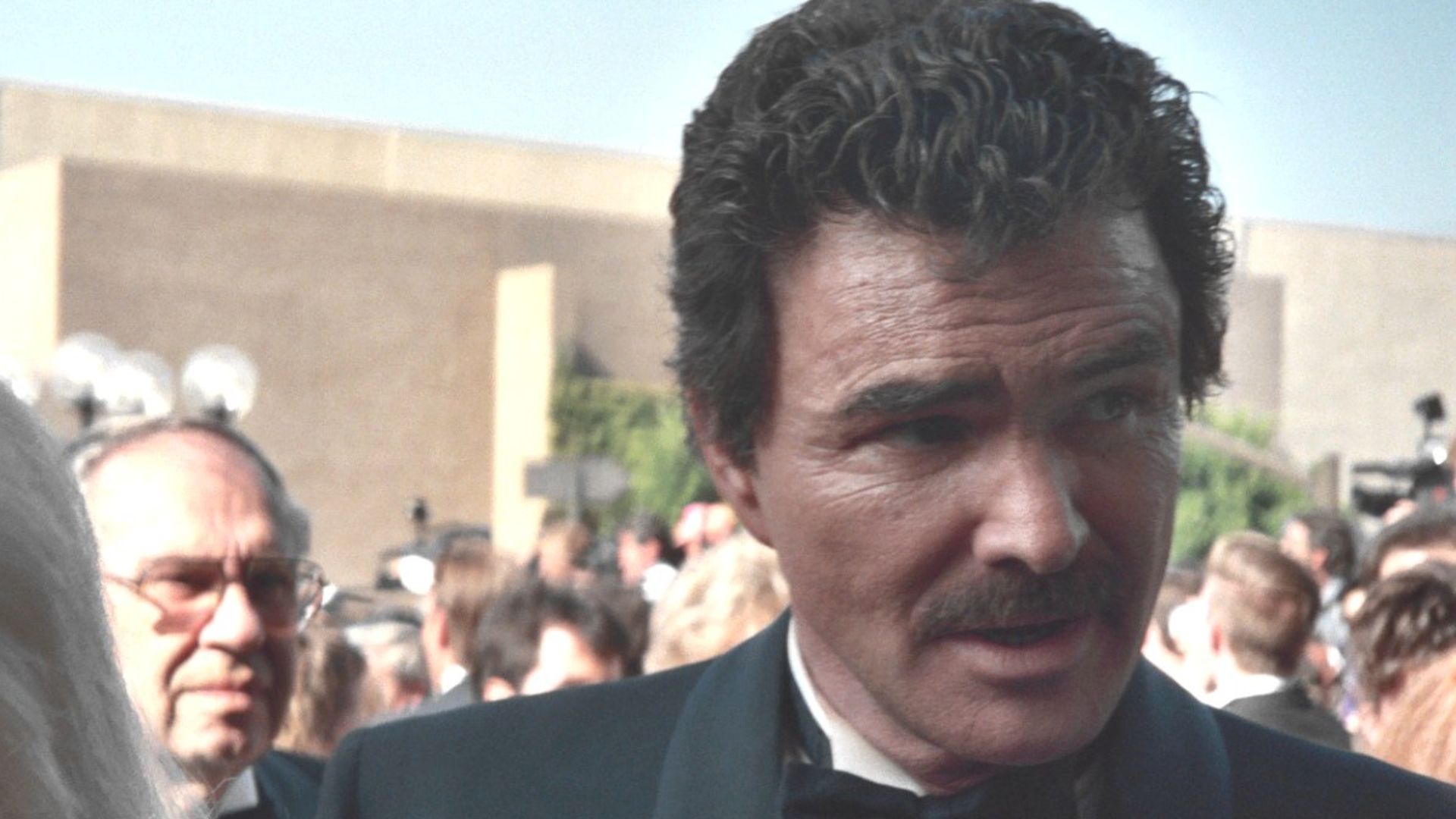
Early Television Work
In the late 1950s and early 1960s, Reynolds found steady work in television westerns. He appeared in series like Gunsmoke (1962–1965), where he played blacksmith Quint Asper. While it gave him exposure, Reynolds later admitted he felt boxed in.
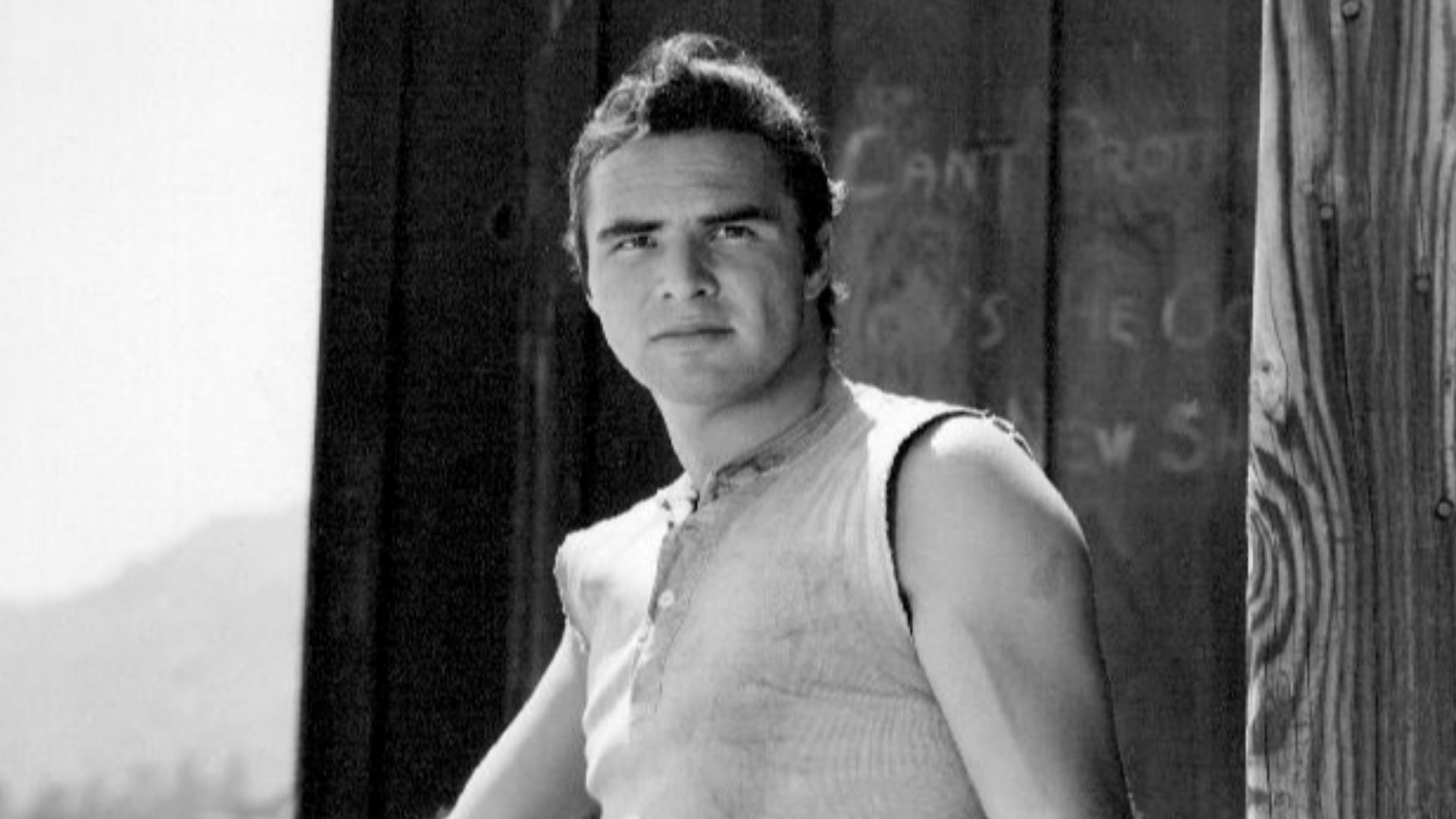 CBS Television, Wikimedia Commons
Resenting the Small Screen
Reynolds believed television limited his career. He once called it “a graveyard for leading men.” He worried that starring in weekly series would prevent him from becoming a major film star. Ironically, television would both launch and complicate his fame.
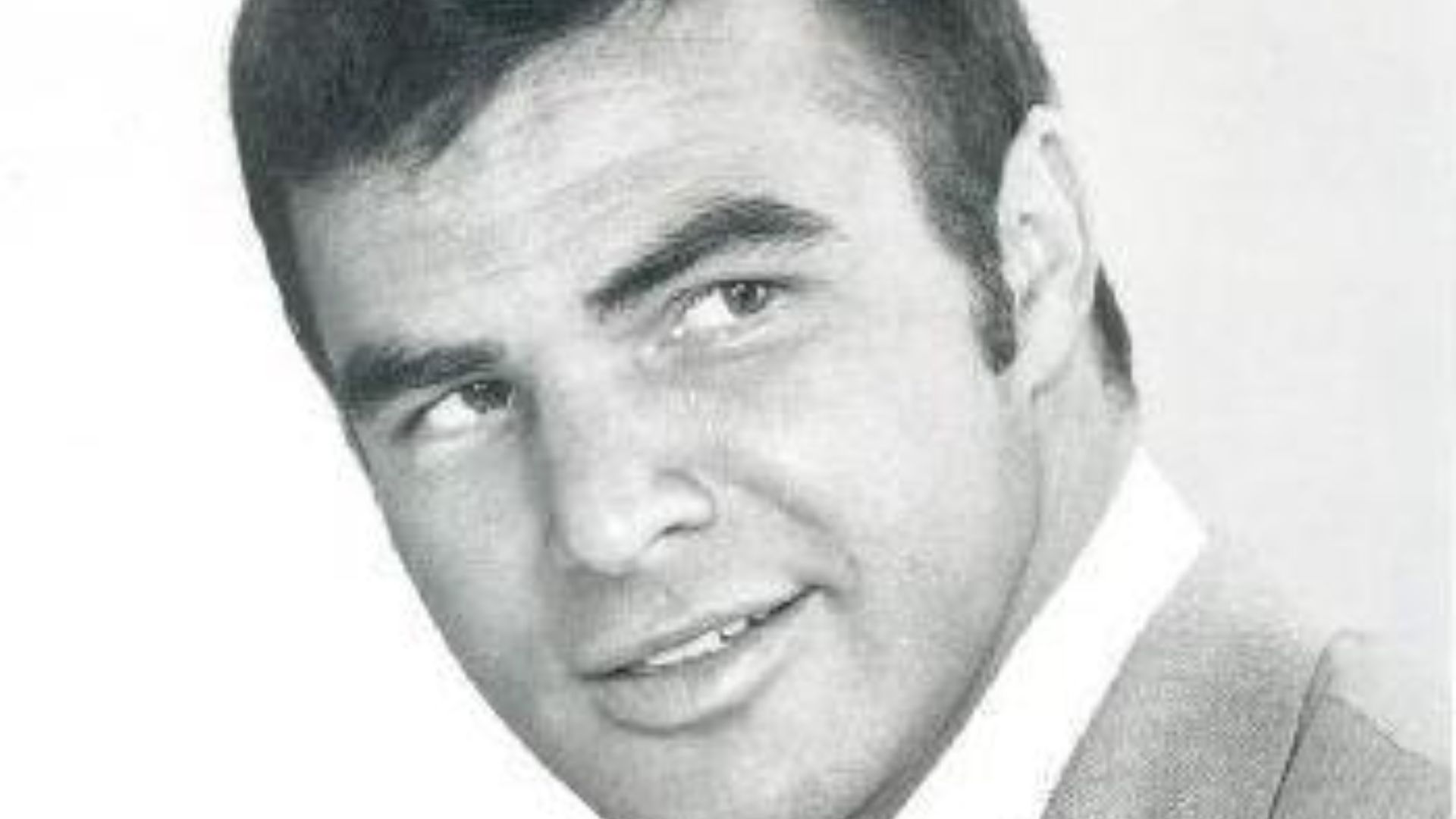 ABC Television, Wikimedia Commons
The Breakthrough with Deliverance
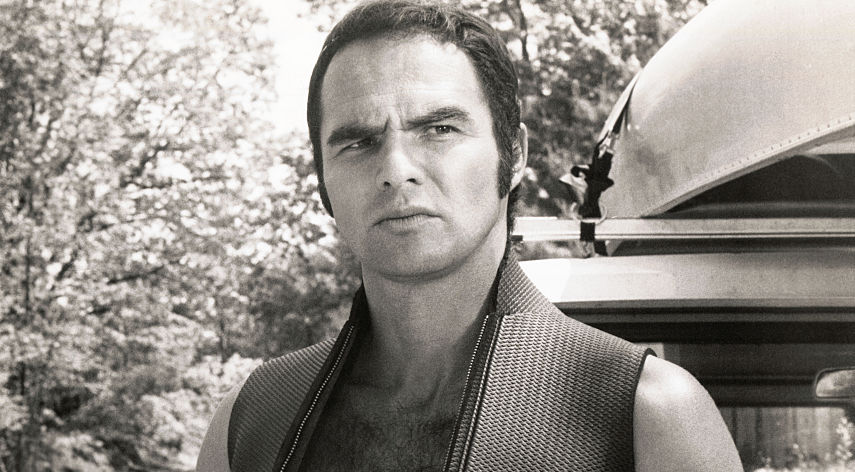
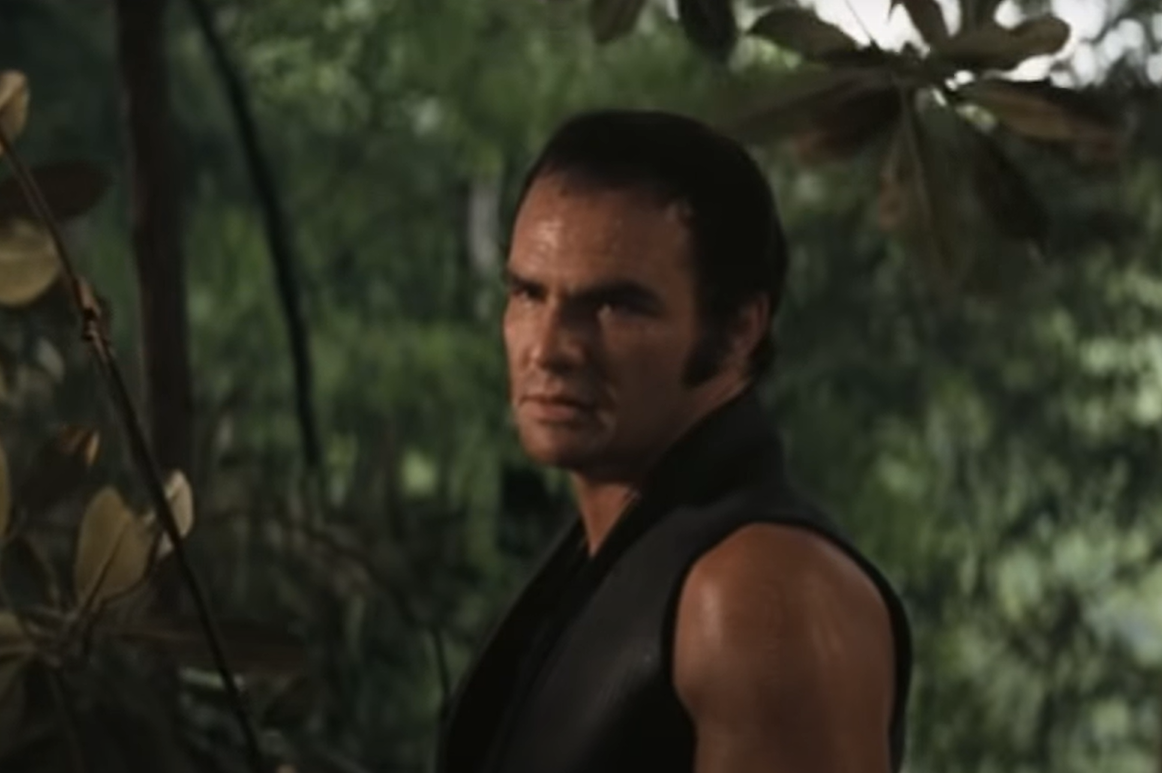
In 1972, Reynolds starred in Deliverance, directed by John Boorman. The gritty survival thriller proved he had serious dramatic range. Critics praised him, and Hollywood suddenly saw him as more than a television actor.
The Box Office King
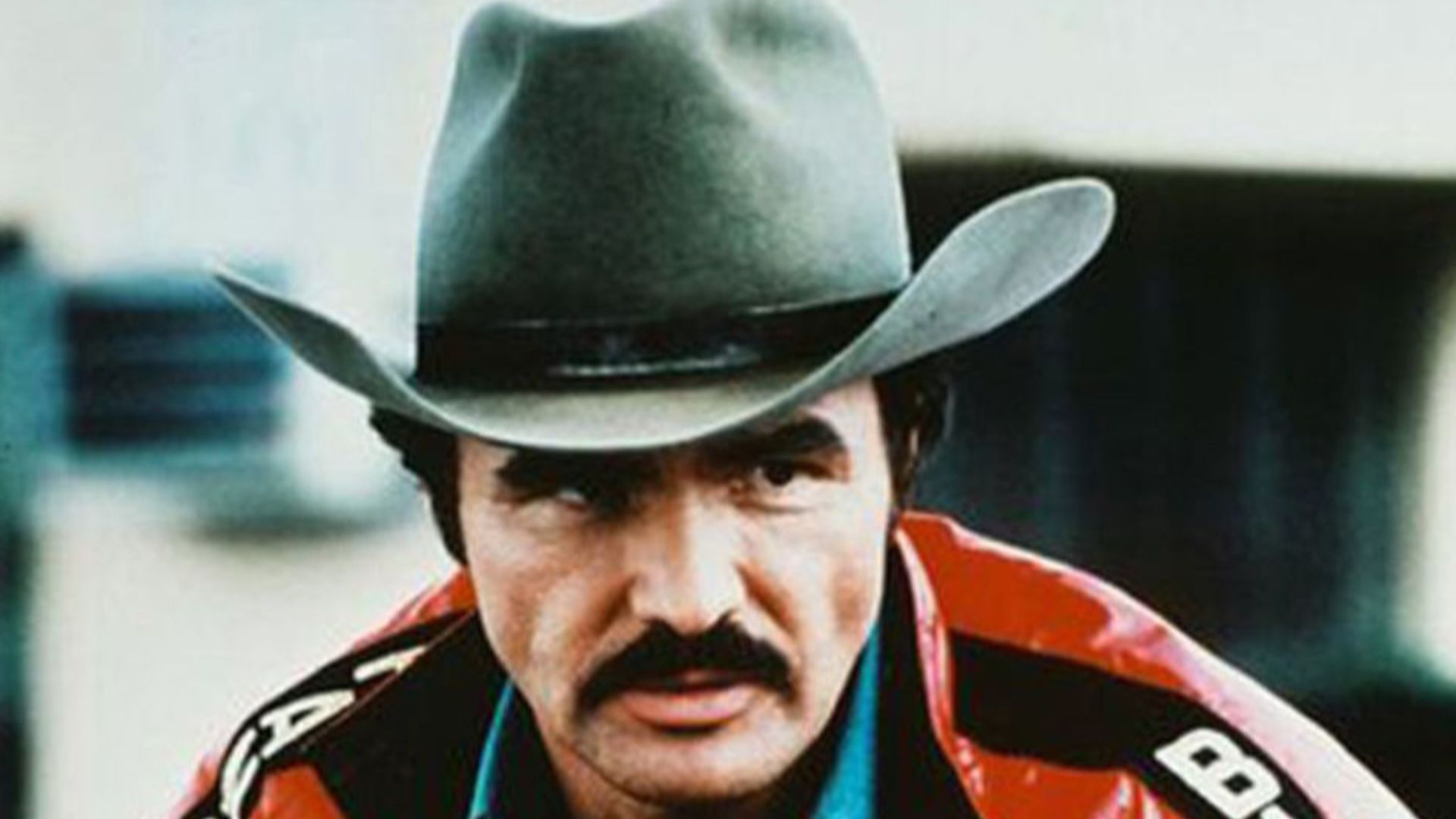
Throughout the 1970s, Reynolds became one of the biggest box office draws in the world. Films like Smokey and the Bandit (1977) and The Longest Yard (1974) cemented his image as a charismatic outlaw. He was voted the No. 1 box office star for five consecutive years from 1978 to 1982.
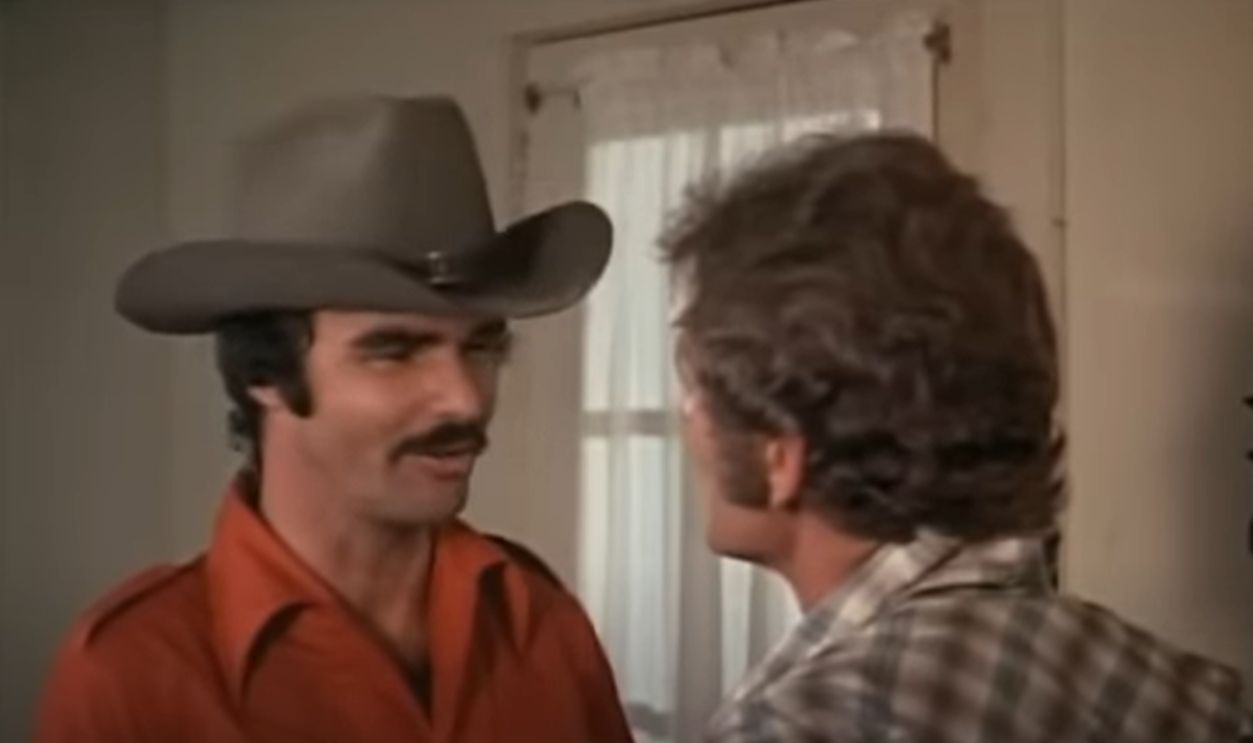 Screenshot from Smokey and the Bandit, Universal Pictures (1977)
The Cosmopolitan Scandal
In April 1972, Reynolds posed in the buff for Cosmopolitan magazine, sprawled across a bearskin rug. It was cheeky, bold, and wildly controversial. Some saw humor. Others saw ego. Reynolds later admitted it may have hurt his credibility.

Sally Field and a Public Romance
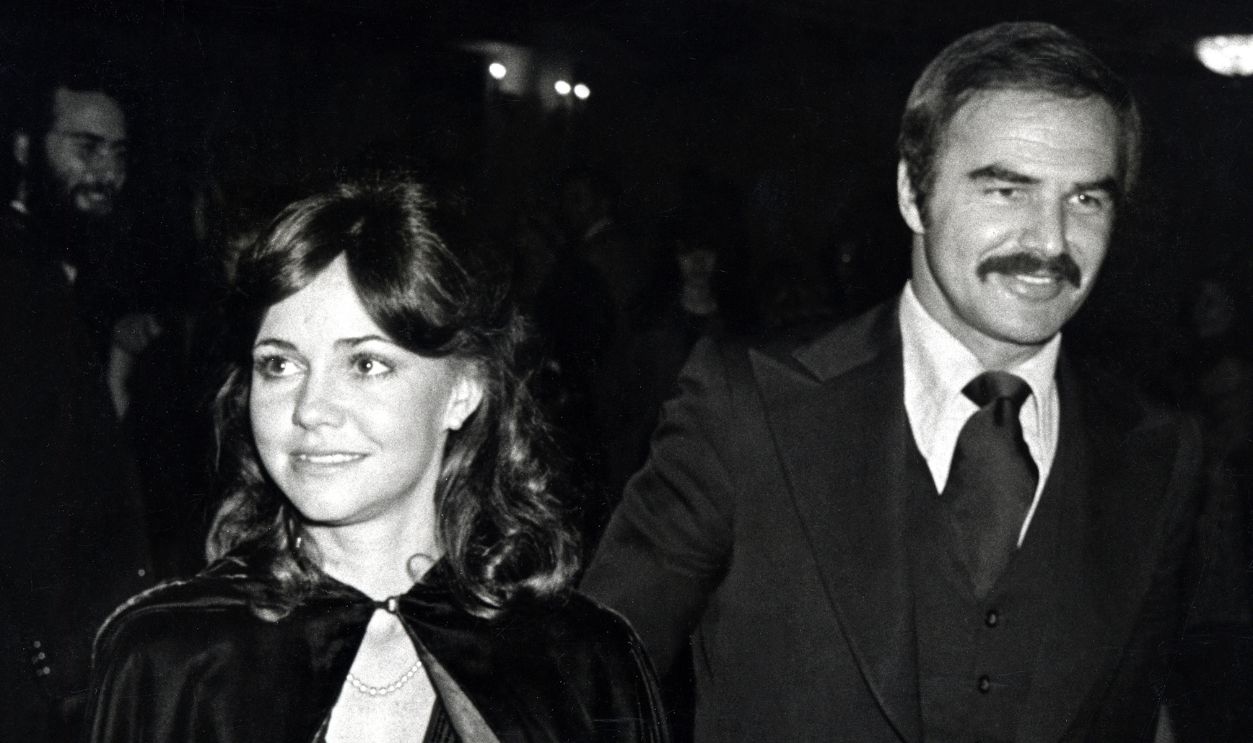
One of the most talked-about chapters of Reynolds’ life was his relationship with Sally Field. They met filming Smokey and the Bandit in 1977. Their romance lasted five years and was constantly under tabloid scrutiny. Field later described him as complicated and intense.
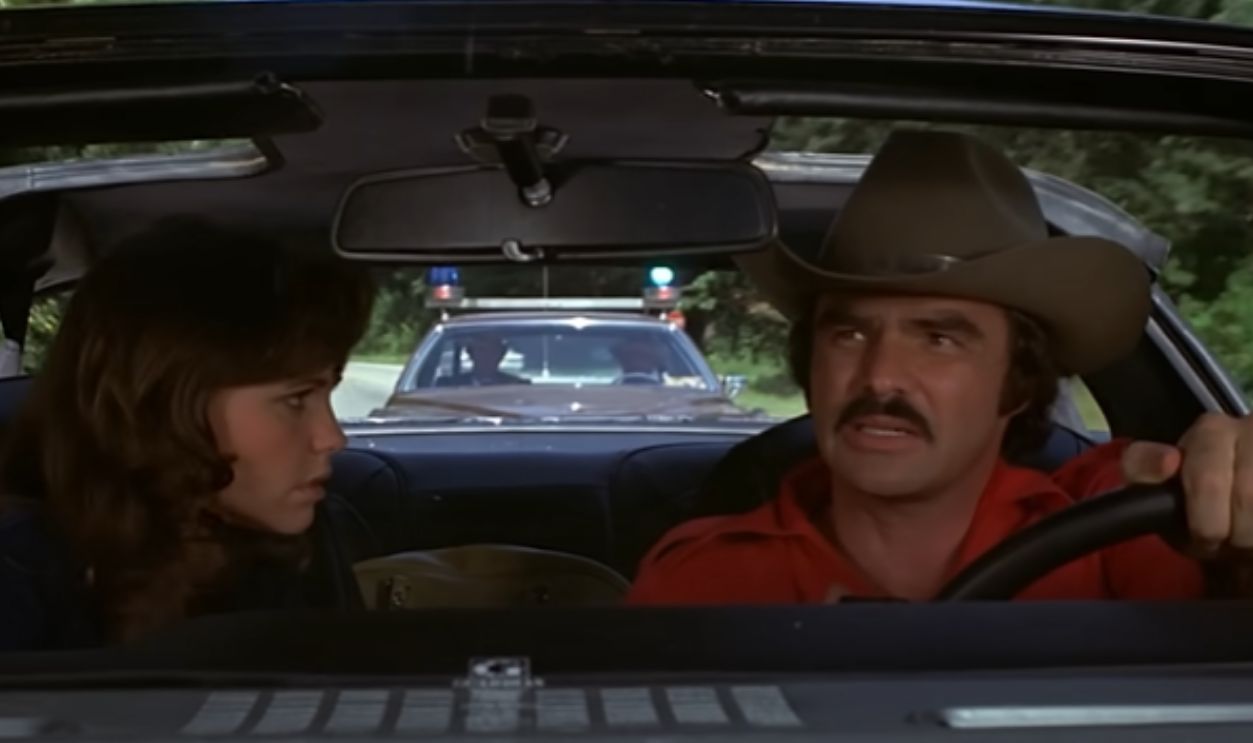 Screenshot from Smokey and the Bandit, Universal Pictures (1977)
Ego and Control
Reynolds had a reputation for being charming but controlling. In interviews years later, Sally Field suggested he was not always easy to love. Reynolds himself later admitted, “I was not good at relationships.”
 Screenshot from Smokey and the Bandit, Universal Pictures (1977)
Turning Down Career-Changing Roles
In a decision he would later regret, Reynolds turned down roles in Star Wars, Pretty Woman, and even Terms of Endearment. He later called some of those decisions “stupid.” His instincts were bold — but not always right.
 Screenshot from Deliverance, Warner Bros. (1972)
The Marriage to Loni Anderson
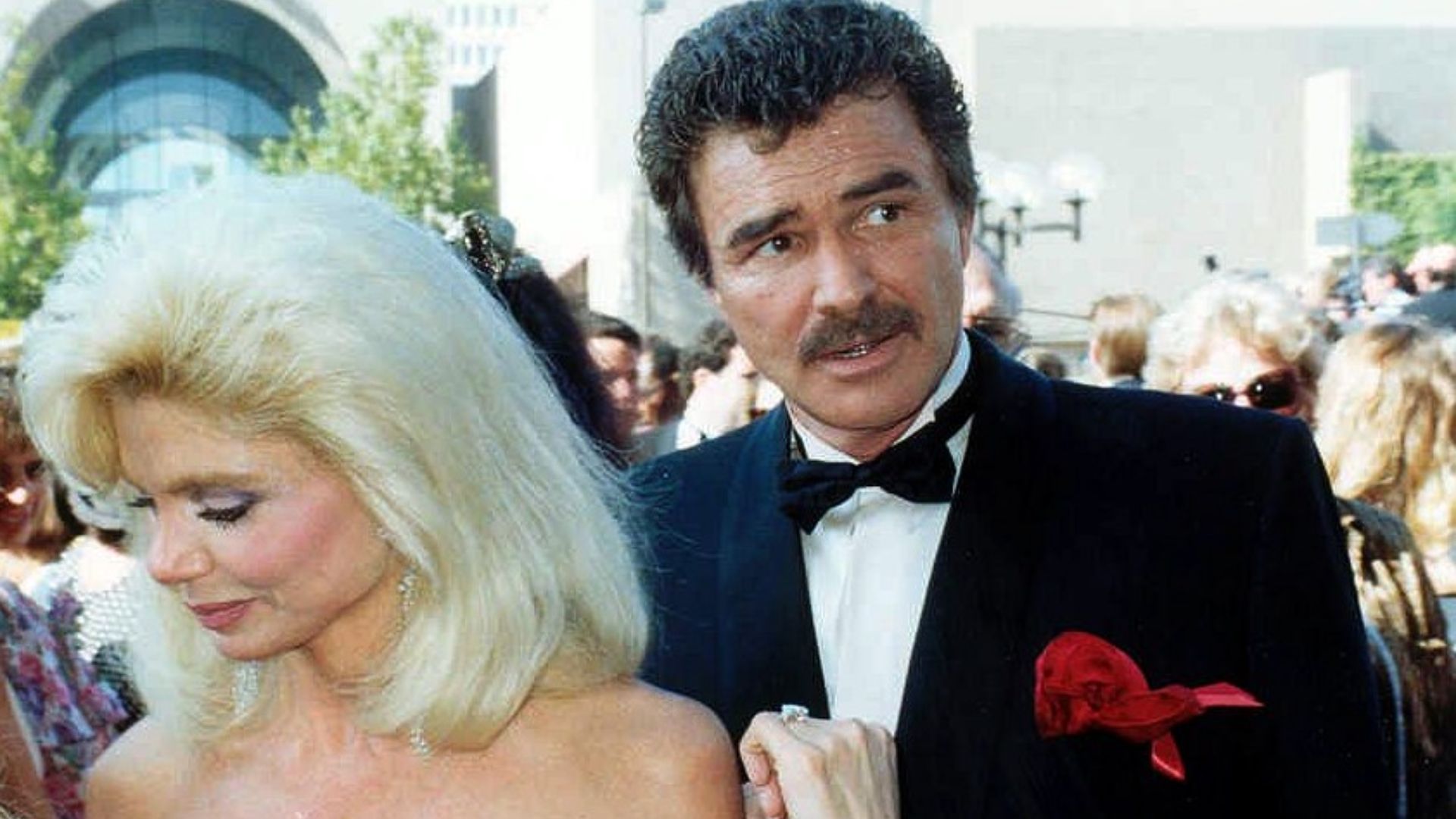
In 1988, Reynolds married actress Loni Anderson. Their relationship quickly became tabloid gold. By the early 1990s, the marriage had deteriorated publicly and bitterly.
A Divorce That Turned Ugly
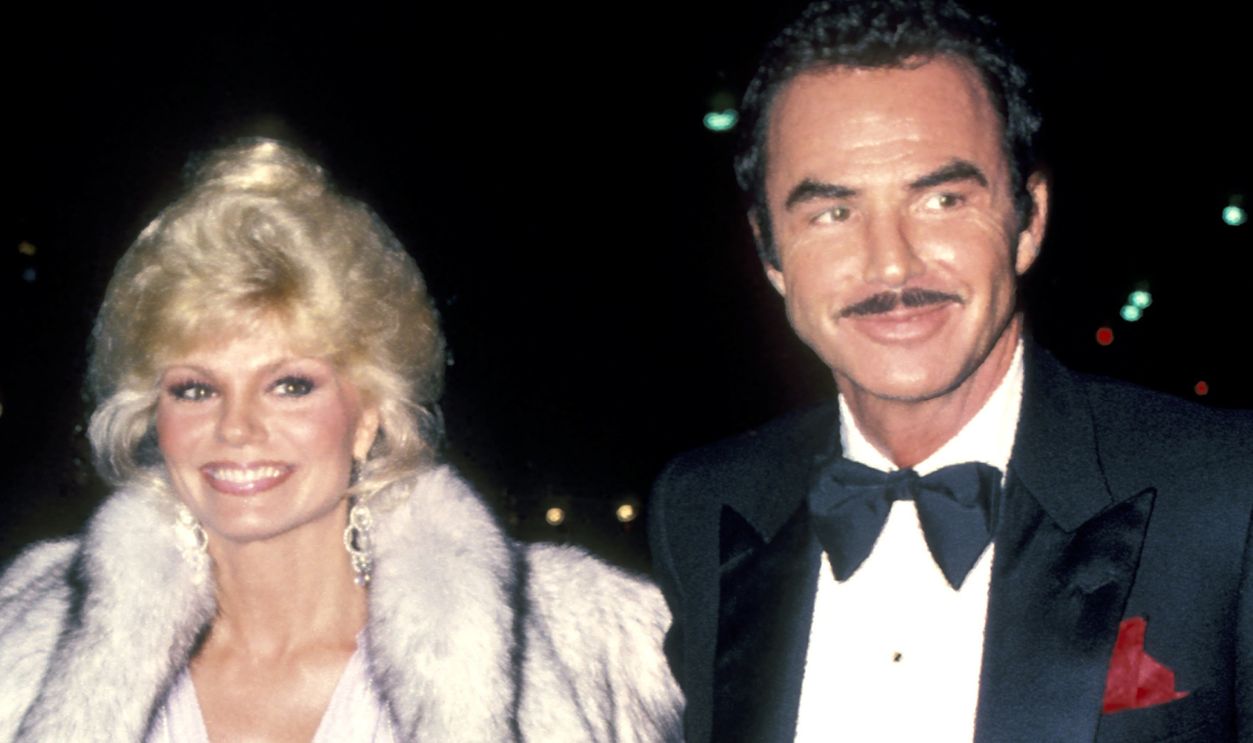
Their divorce in 1993 was explosive. There were allegations, lawsuits, and financial disputes. Reynolds later admitted the split was one of the darkest times of his life. The legal battles were relentless and very public.
Financial Collapse
At the height of his career, Reynolds earned millions. But by the mid-1990s, he filed for bankruptcy. Lavish spending, failed investments, and legal costs drained his fortune. It shocked fans who assumed he was untouchable.
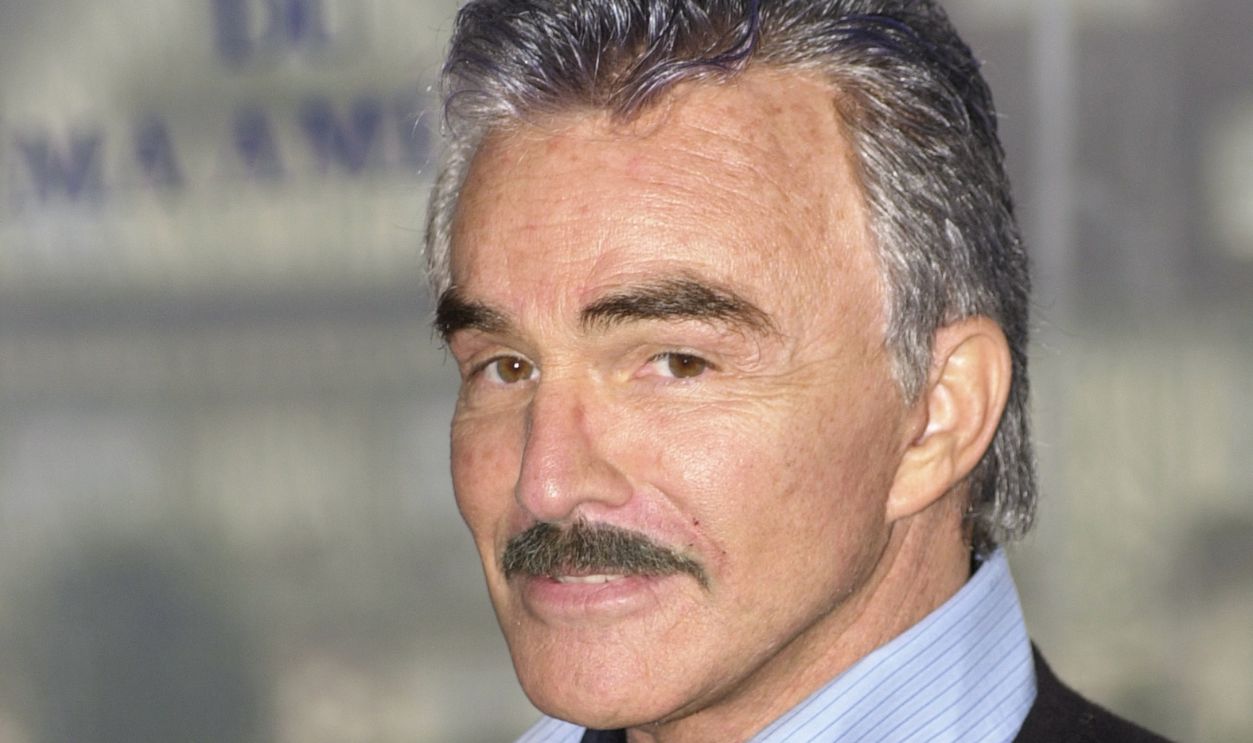 Toni Anne Barson Archive, Getty Images
Television Comes Calling Again
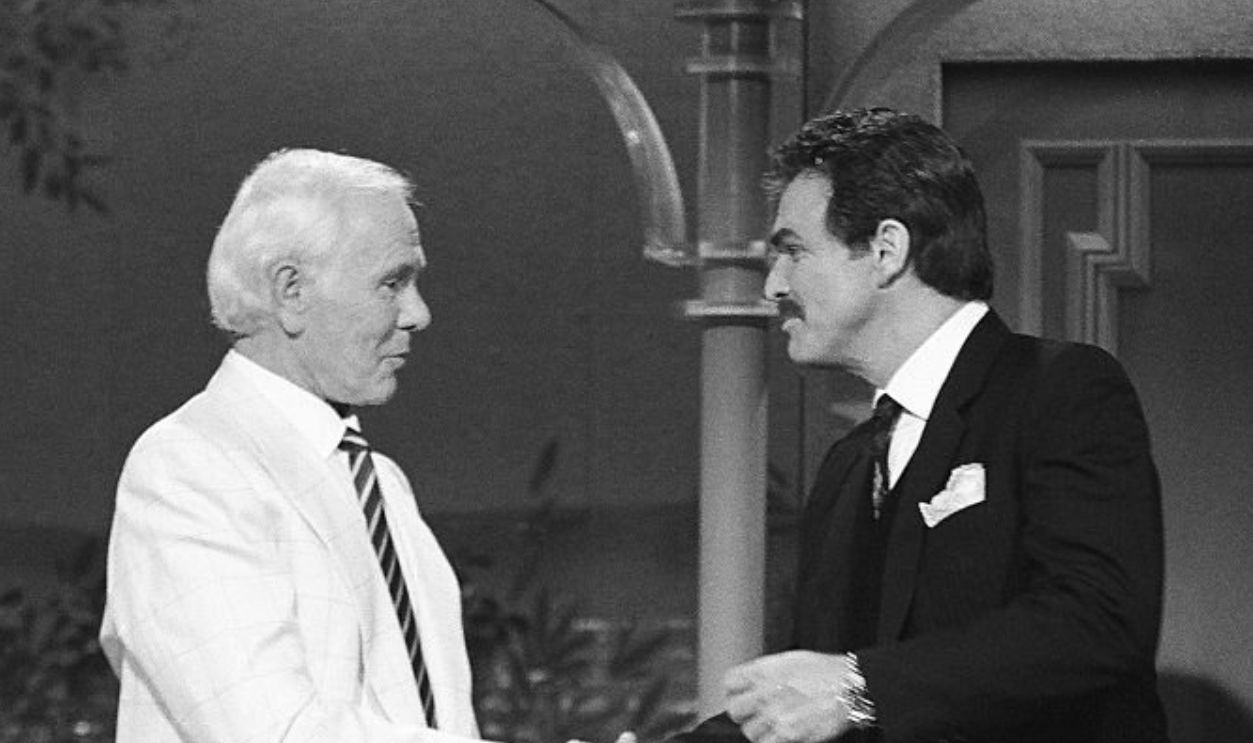
In 1990, Reynolds starred in the sitcom Evening Shade. The role won him an Emmy Award in 1991. It was a return to television — the very medium he once resented. This time, he embraced it.
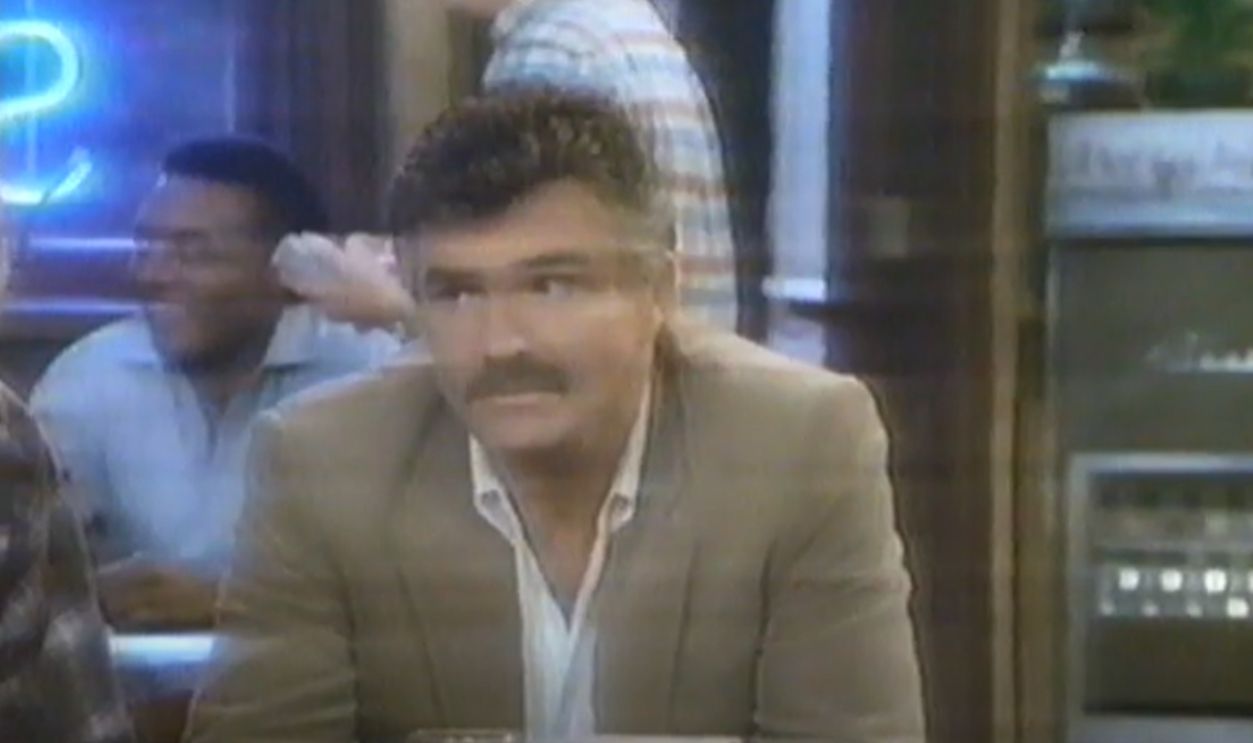 Screenshot from Evening Shade, MTM Enterprises (1990–1994)
A Different Perspective on Fame
Reynolds later admitted he had misjudged television. He told interviewers that television provided stability and loyal audiences. It had given him his start — and ultimately offered redemption.
Health Struggles
In 1980, Reynolds was injured performing his own stunt during City Heat. The injury led to painkiller use and significant weight loss. Rumors swirled about illness. The truth was less glamorous and more human: he was struggling.
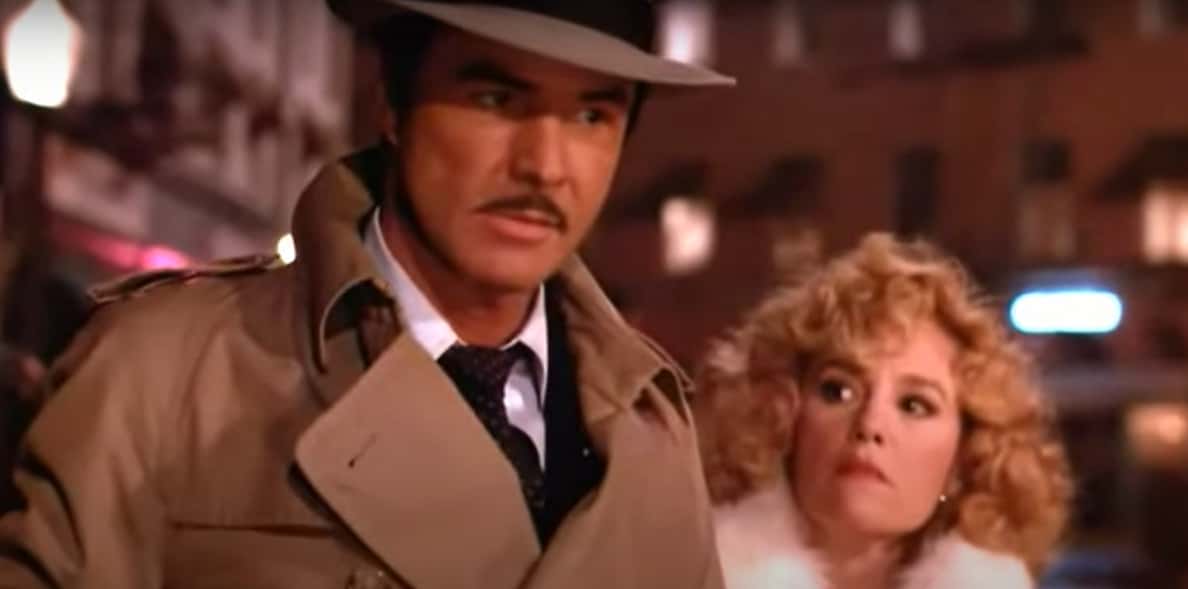 Screenshot from City Heat, Warner Bros. Pictures. (1984)
Addiction Rumors and Denials
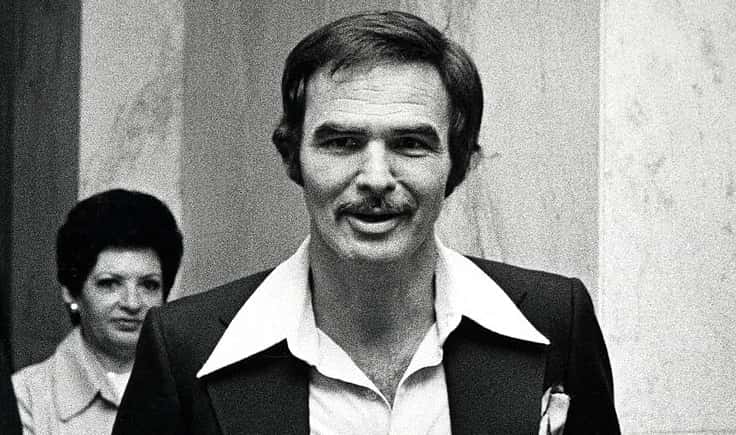
Reynolds publicly denied substance misuse rumors but later acknowledged that pain management had complicated periods of his life. The press speculated constantly, adding pressure to an already fragile career.
Career Revival with Boogie Nights
In 1997, Reynolds shocked critics with his performance in Boogie Nights, directed by Paul Thomas Anderson. The role earned him an Academy Award nomination for Best Supporting Actor. Ironically, Reynolds reportedly disliked the film and clashed with the director.
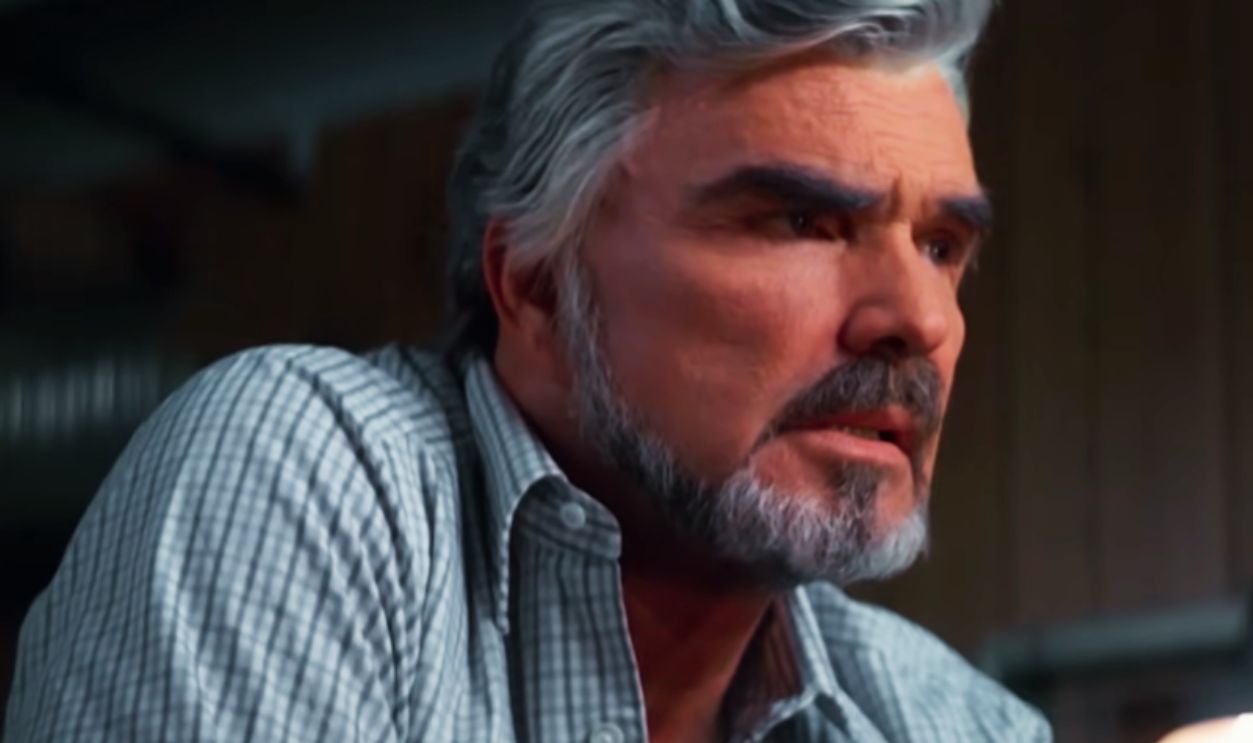 Screenshot from Boogie Nights, Warner Bros. Discovery (1997)
Pride and Regret
Despite the nomination, Reynolds’ career never fully returned to 1970s heights. He later admitted that pride and ego had cost him opportunities. In interviews, he spoke candidly about mistakes.
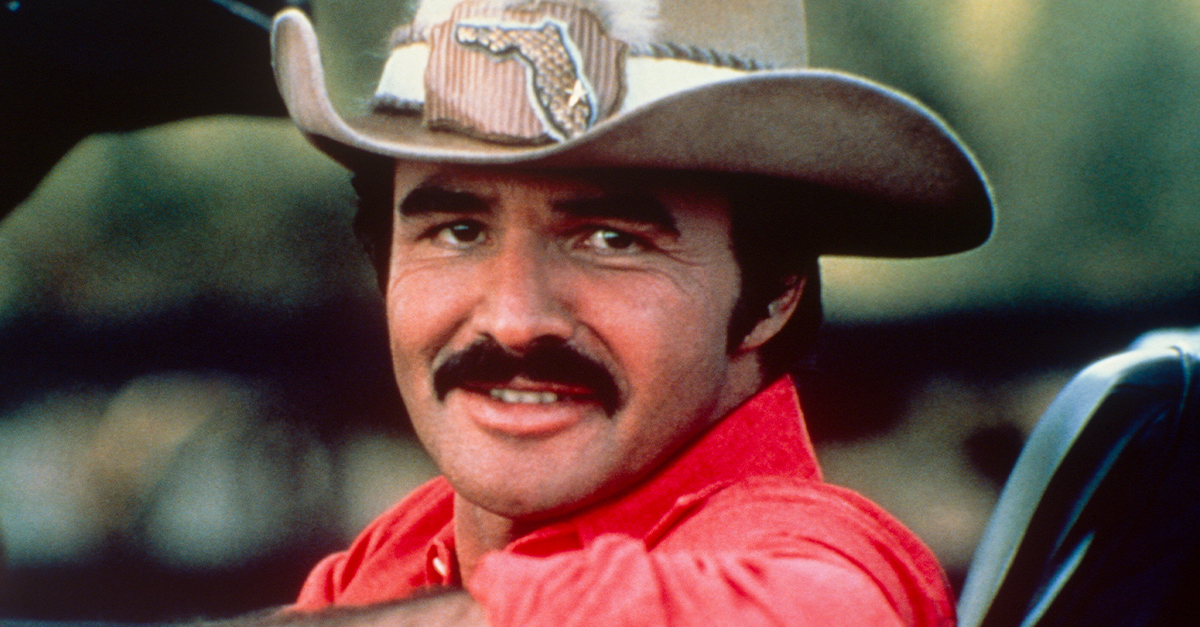
The Most Complicated Relationship of All
Burt Reynolds’ most complicated relationship was not with a co-star or spouse — it was with fame itself. He loved the applause but resisted the structures that sustained it.
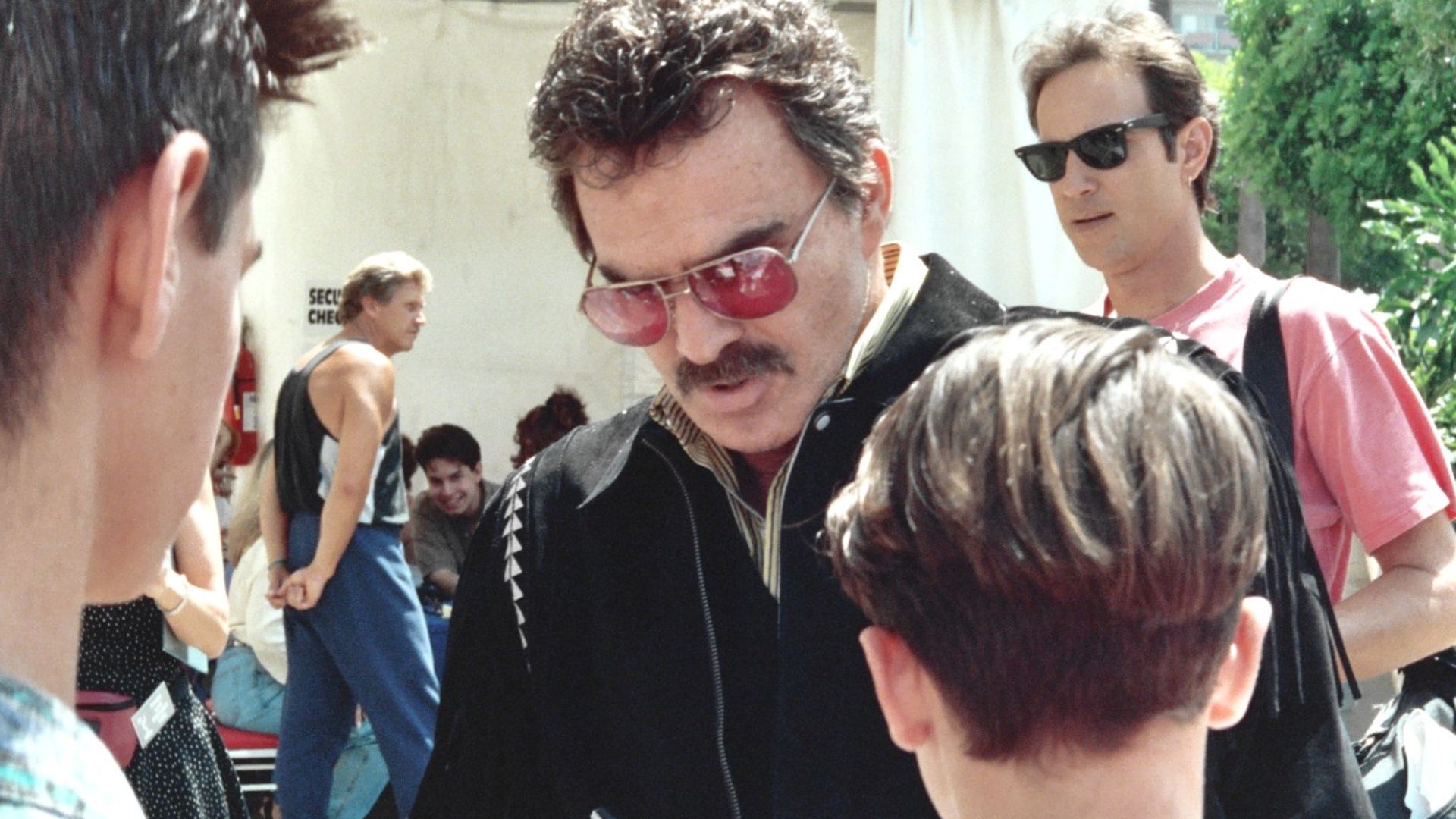
Television: The Launch and the Lesson
Television made him visible through Gunsmoke and later revived him through Evening Shade. Yet for years, he dismissed it as lesser. That tension followed him throughout his life.
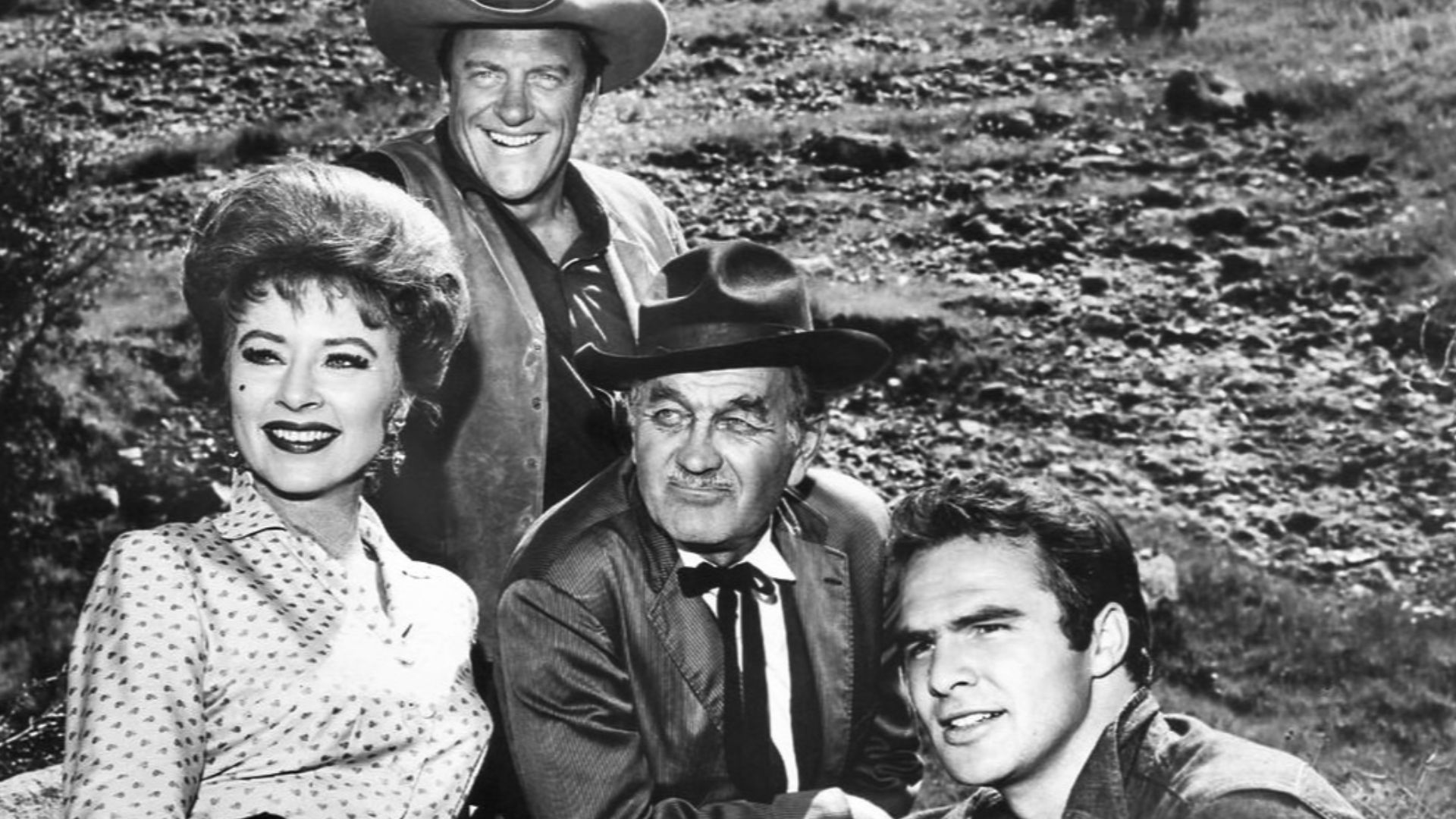 CBS Television, Wikimedia Commons
Late-Life Reflections
In later interviews, Reynolds softened. He called Sally Field “the love of my life.” He admitted turning down roles out of arrogance. He seemed more reflective than rebellious.
The Final Years
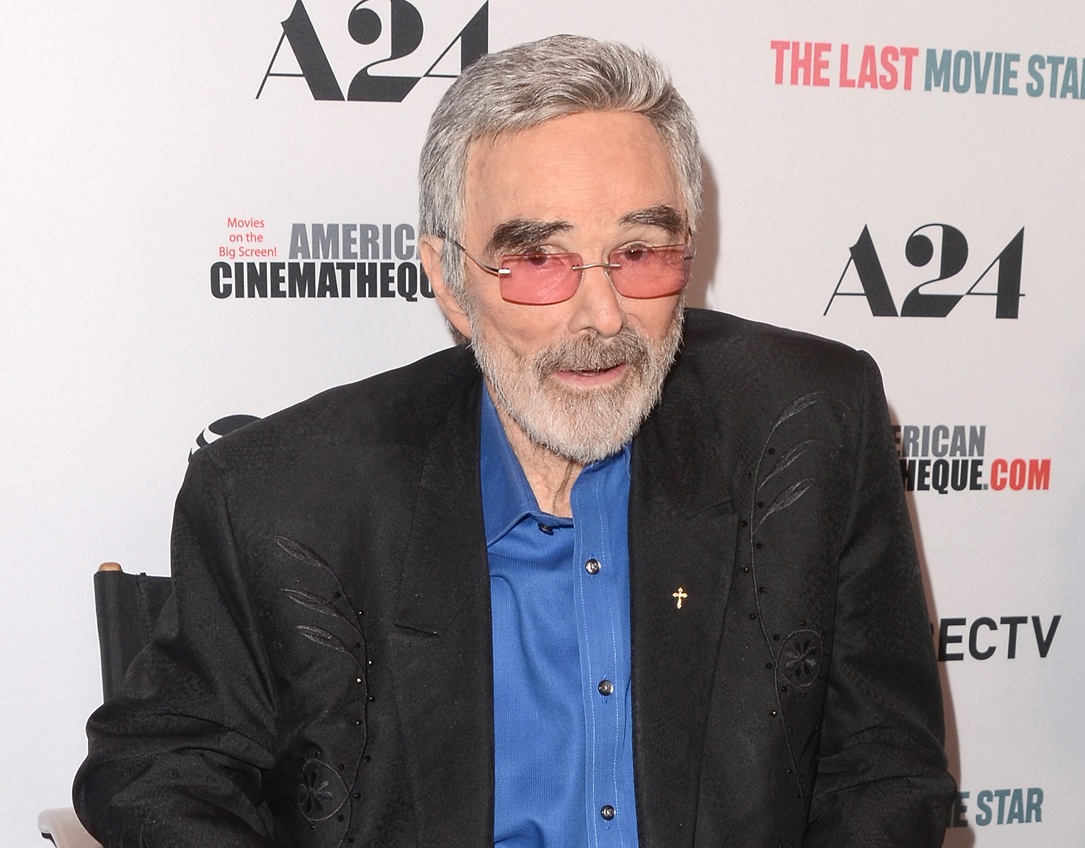
Reynolds continued acting in smaller projects and teaching at the Burt Reynolds Institute for Film & Theatre in Florida. He seemed content mentoring younger performers.
 Craig Talbert , Wikimedia Commons
His Death in 2018
Burt Reynolds died on September 6, 2018, in Jupiter, Florida, from cardiac arrest. Tributes poured in from Hollywood. Sally Field said she would carry him in her heart.
A Complicated Legacy
Burt Reynolds was charming, flawed, wildly talented, and sometimes self-sabotaging. His relationship with television fame was messy, proud, resentful, and ultimately redemptive. And that tension made his story unforgettable.
 Watkinssportswear, Wikimedia Commons
You May Also Like:
While famous across America for his role as Uncle Jesse on The Dukes of Hazzard—Denver Pyle never truly lived like a Hollywood star.
Behind his wholesome television persona, Bob Crane led a double life that shocked even the darkest corners of Hollywood.