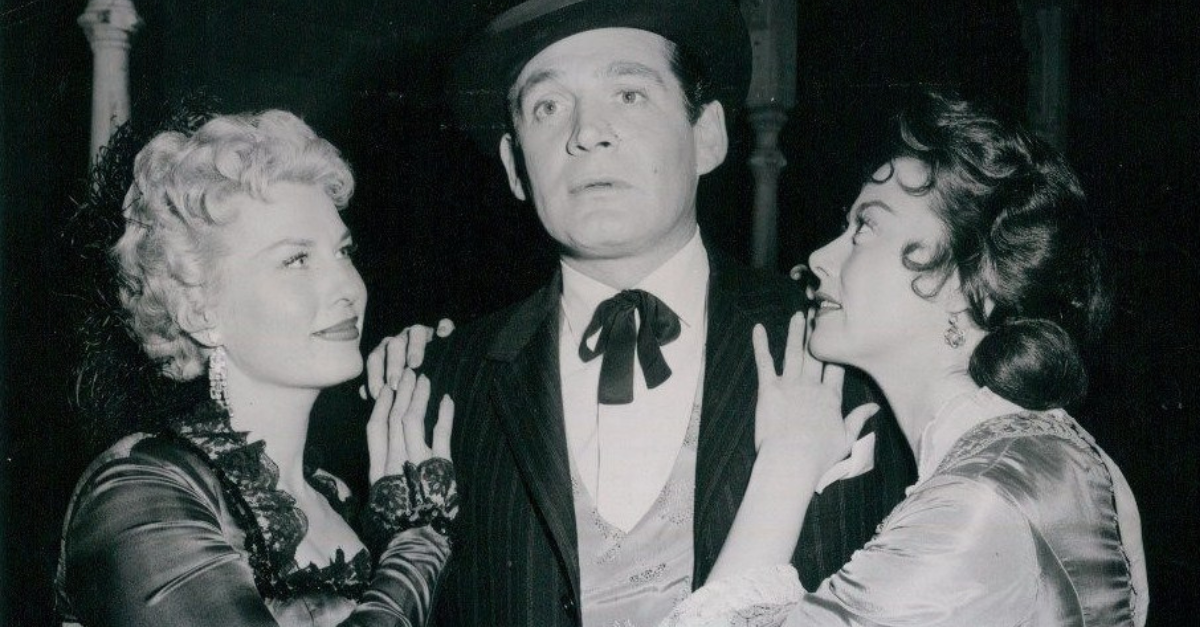
Where Prestige TV Really Got Its Start
Before antiheroes became trendy and before “prestige TV” turned into a buzzword, Westerns were already out here doing the work. These shows weren’t just about horses and shootouts—they were quietly building the DNA of modern television.
Here are 21 TV Westerns that didn’t just define a genre—they helped define television itself.
 unknown (NBC), Wikimedia Commons
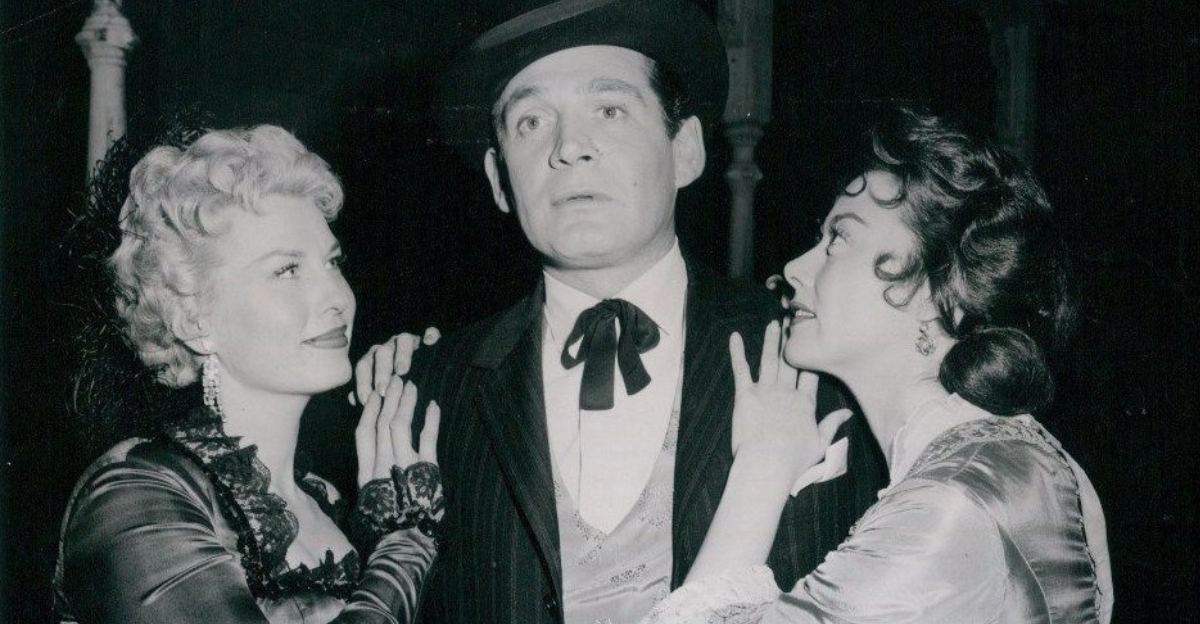
Gunsmoke
If there’s one show that proves Westerns could carry television, it’s Gunsmoke. Running for an incredible stretch, it turned Dodge City into a living, breathing world full of complicated people and tough choices. It wasn’t just about law and order—it was about what justice actually looked like when things got messy.
 CBS Television, Wikimedia Commons
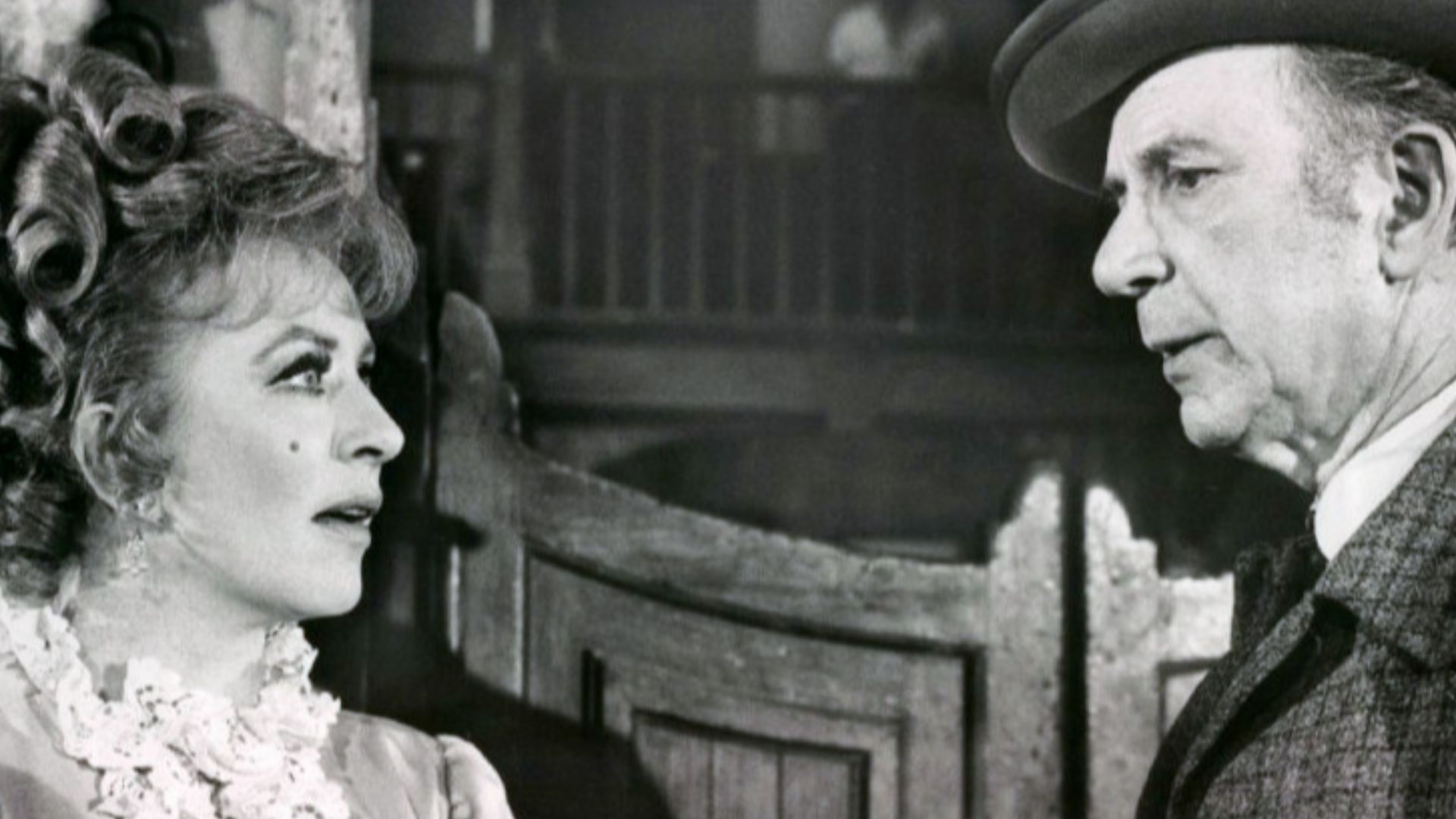
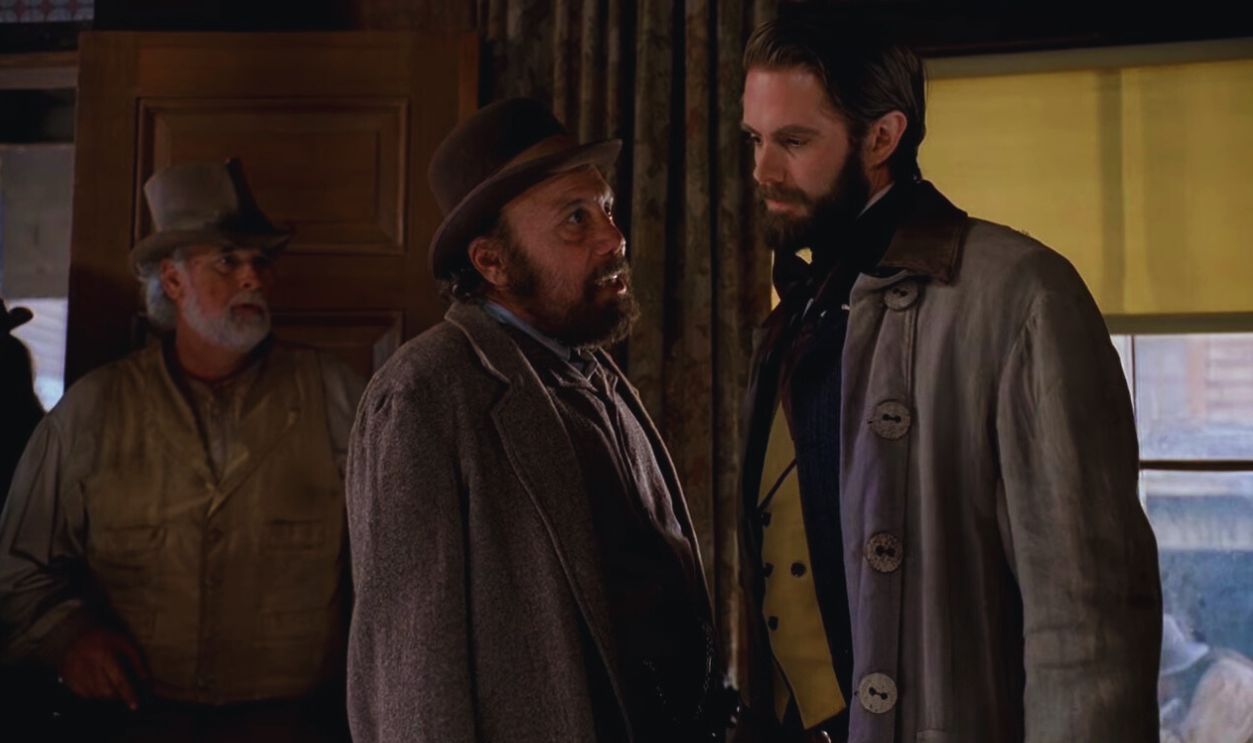
Deadwood
Deadwood feels like it accidentally time-traveled from the prestige era. Its raw dialogue, morally tangled characters, and unflinching realism made it stand out immediately. This is the kind of show that reminds you Westerns didn’t just age well—they evolved ahead of everyone else.
 Screenshot from Deadwood, HBO (2004-2006)
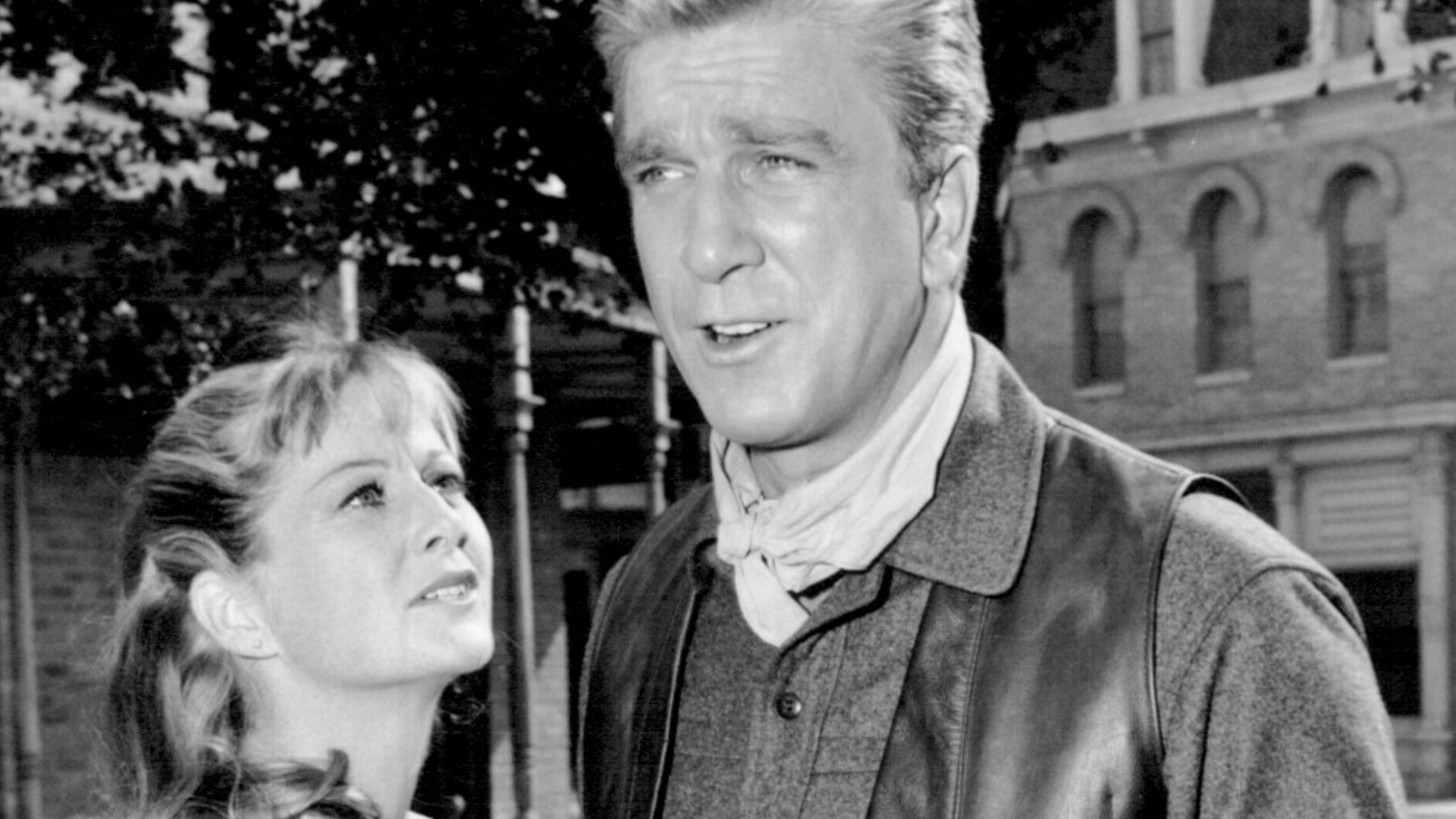
Bonanza
Bonanza took the Western and gave it heart. By focusing on the Cartwright family, it made emotional storytelling just as important as action. That balance is something modern TV still chases.
 NBC Television, Wikimedia Commons
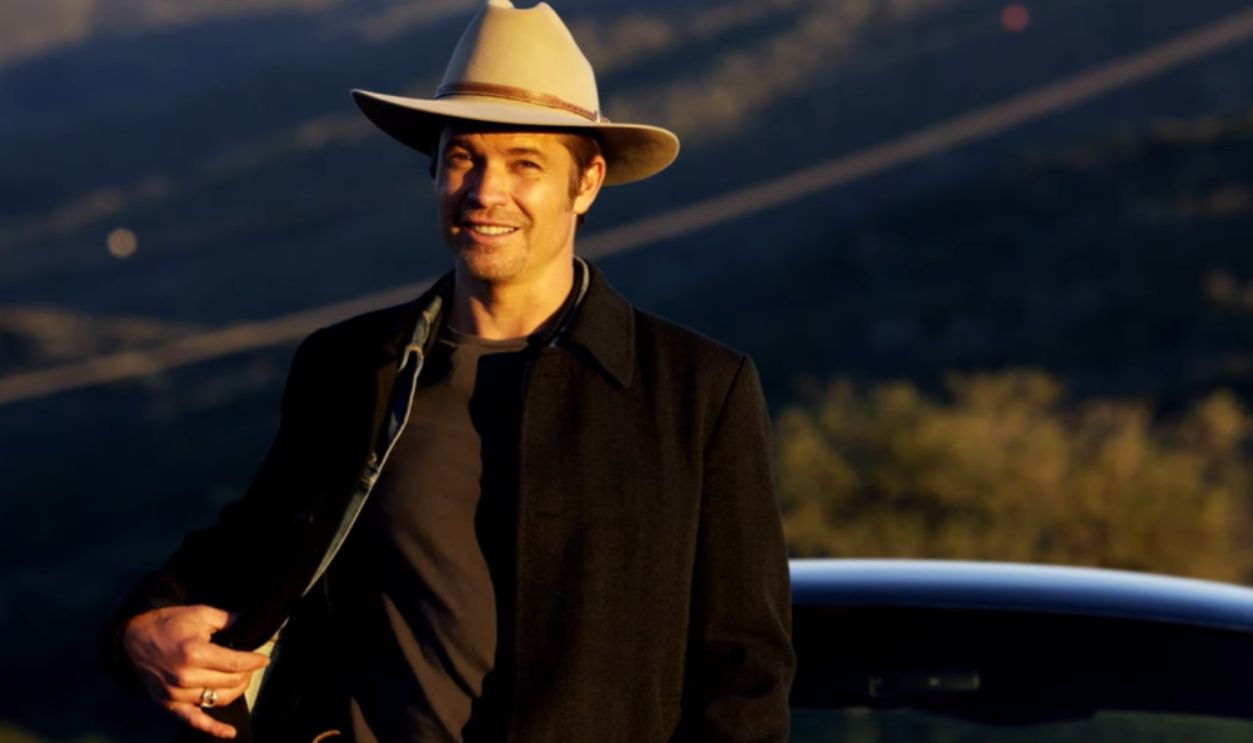
Justified
Set in a more modern version of the frontier, Justified proves the Western spirit never really disappeared. Its sharp dialogue and morally flexible characters feel like a direct descendant of classic Western storytelling. It’s basically a cowboy show in a suit and tie.
 Screenshot from Justified, Sony Pictures Television (2010-2015)
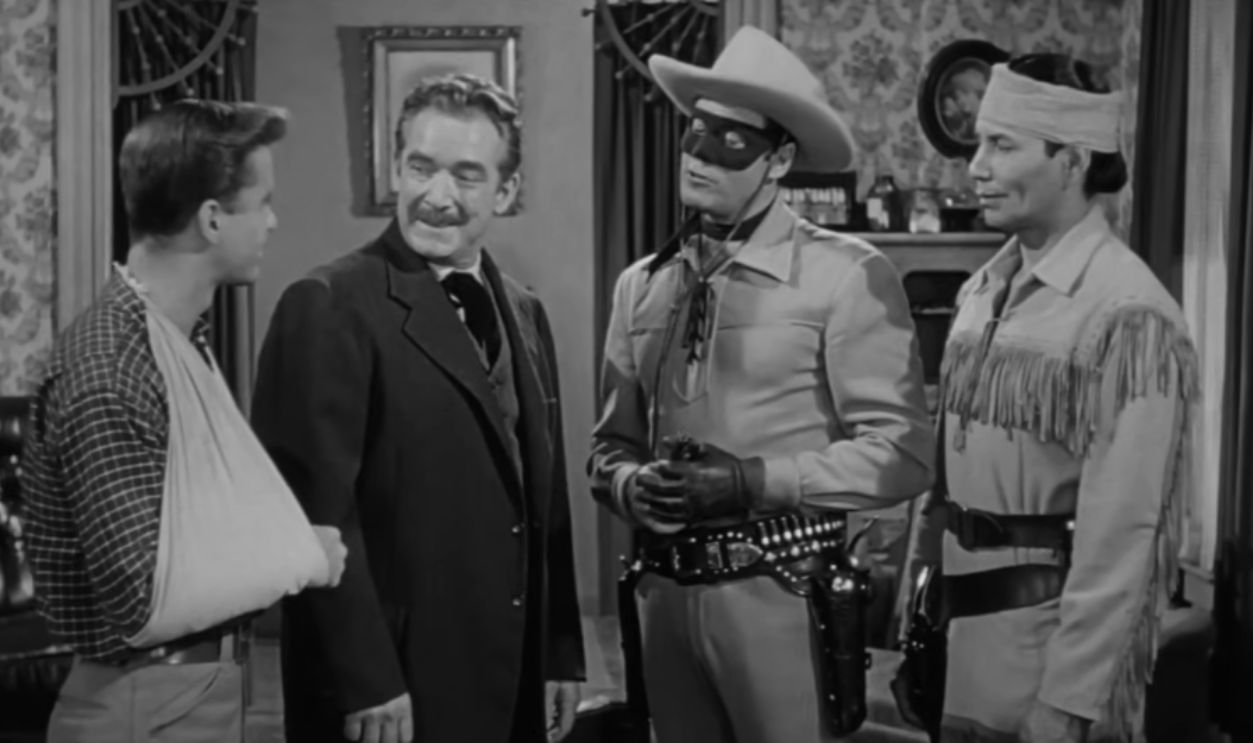
The Lone Ranger
This show helped define what a TV hero looked like for generations. With its clear sense of right and wrong, it built a foundation that countless series would later tweak and complicate. Simple? Sure—but incredibly influential.
 Screenshot from The Lone Ranger, NBCUniversal (1949-1957)
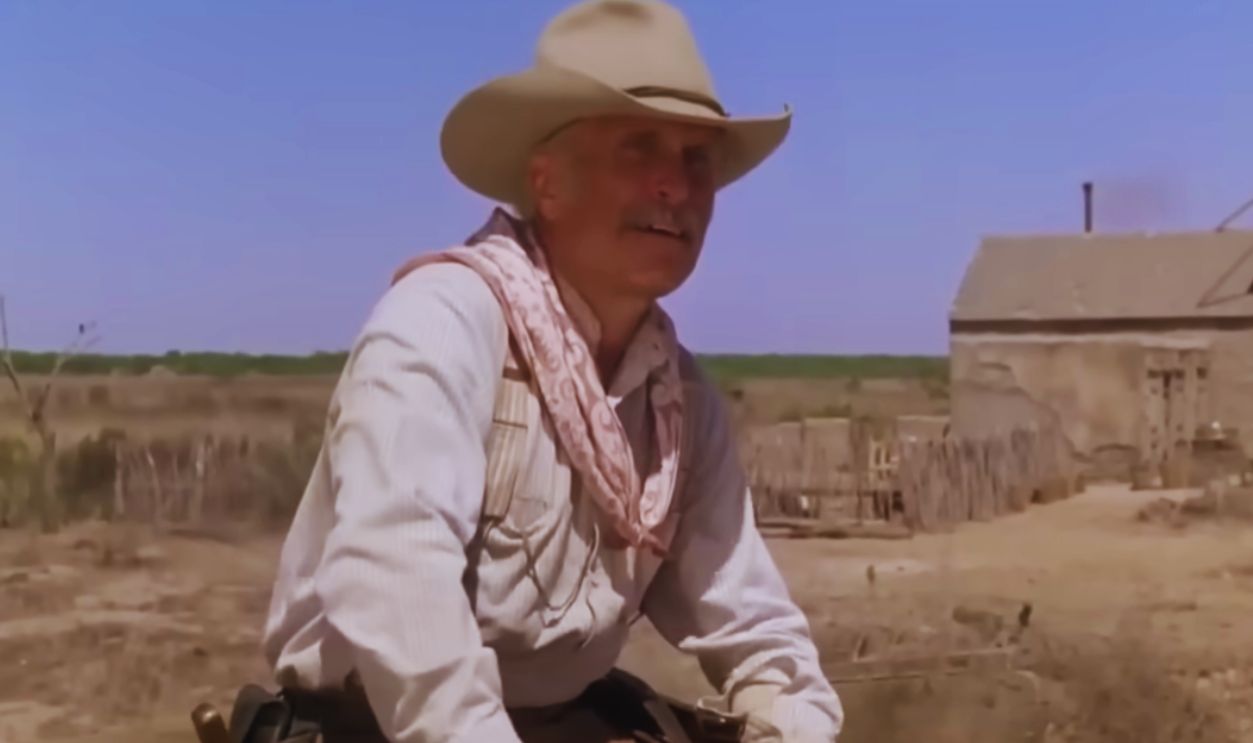
Lonesome Dove
Lonesome Dove didn’t just tell a story—it unfolded like a novel. Its emotional weight and character depth made it feel bigger than television at the time. It’s still one of the clearest examples of how powerful long-form storytelling can be.
 Screenshot from Lonesome Dove, Halcyon Studios (1989)
Maverick
Maverick added something unexpected to the genre: personality. Its humor and charm made it feel fresh and unpredictable, proving Westerns didn’t have to play everything straight. That tonal flexibility is something TV leans on constantly now.
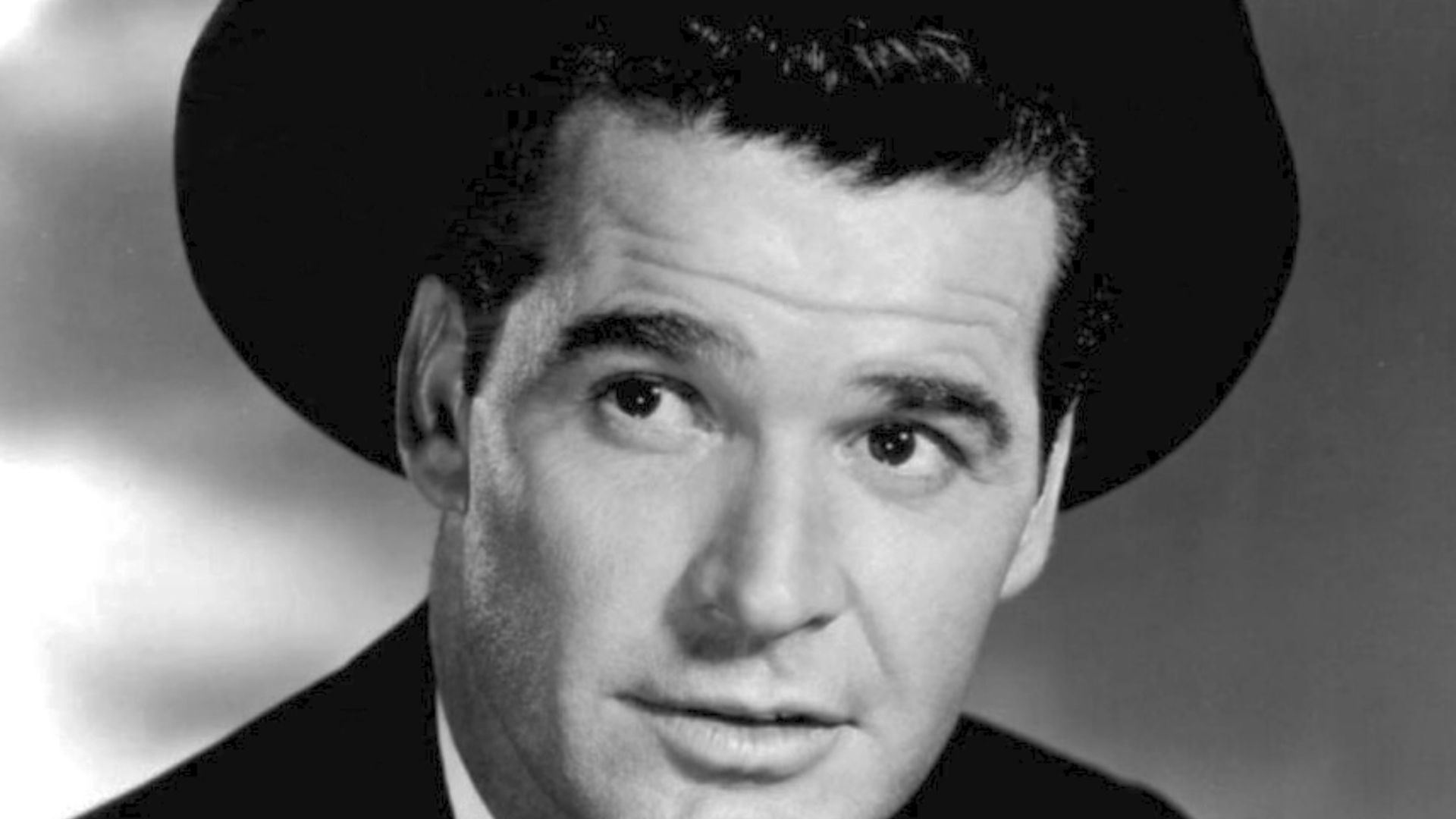 Warner Brothers Television, Wikimedia Commons
Rawhide
Before Clint Eastwood became a legend, Rawhide showed how character-driven storytelling could thrive in a Western setting. The cattle drive format created a natural rhythm for episodic stories. It’s a subtle blueprint for ensemble-driven TV.
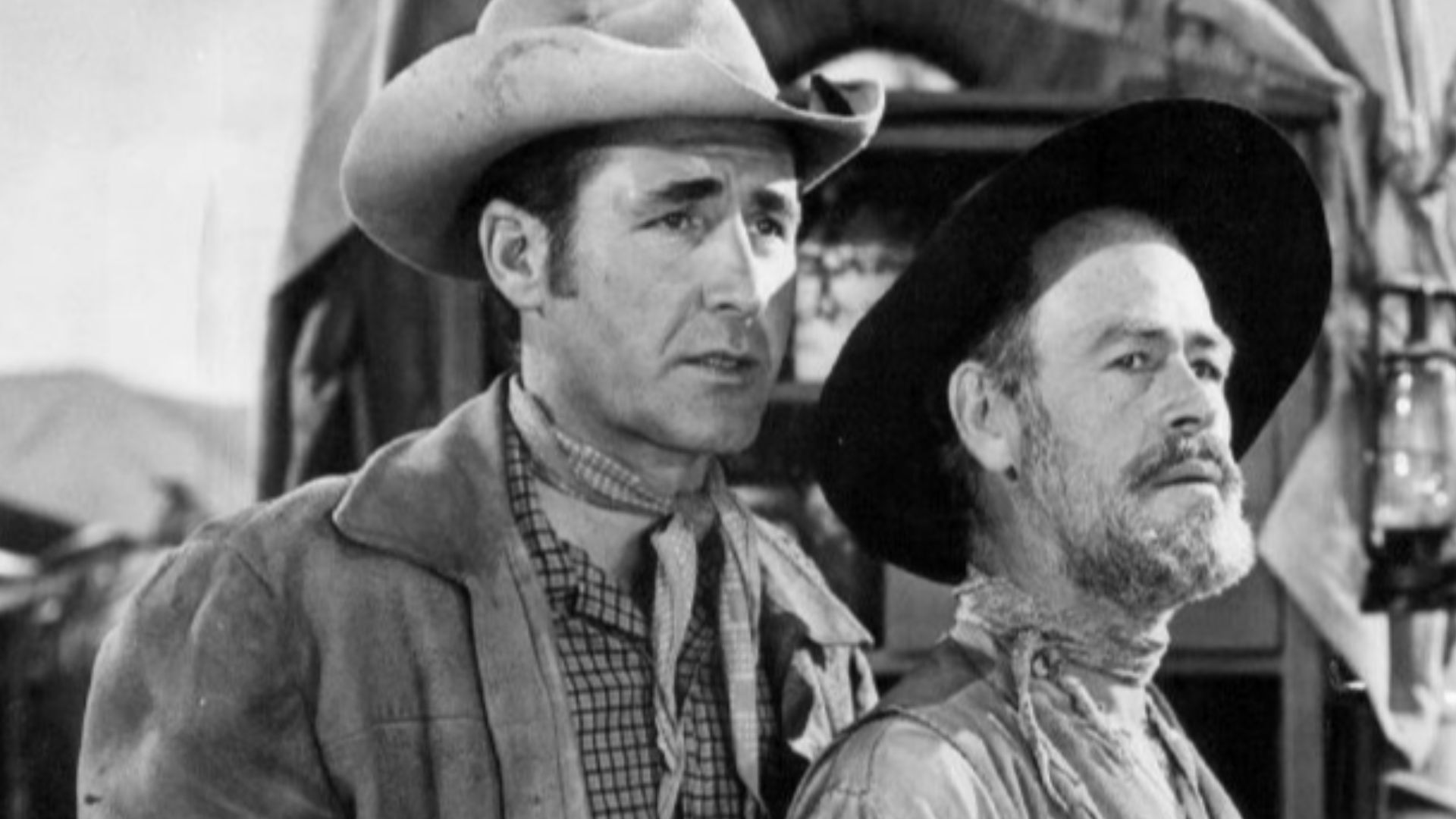 CBS Television, Wikimedia Commons
Have Gun—Will Travel
This series brought a more thoughtful edge to the genre. Its lead wasn’t just tough—he was reflective, often questioning the world around him. That kind of layered protagonist would later become the norm.
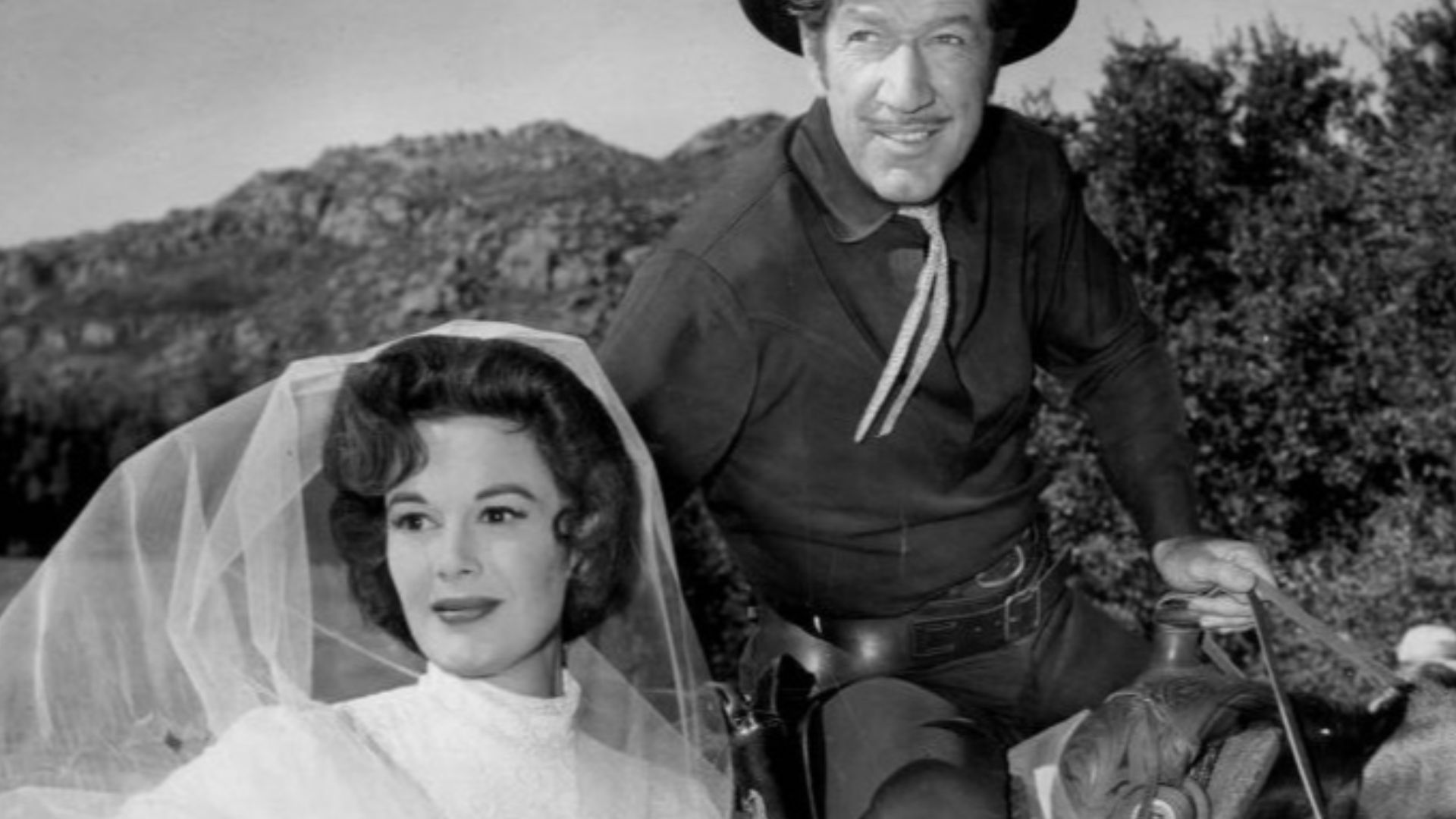 CBS Television, Wikimedia Commons
The Virginian
Longer episodes gave The Virginian room to breathe. It leaned into slower, more deliberate storytelling, allowing characters to develop in meaningful ways. That patience feels surprisingly modern.
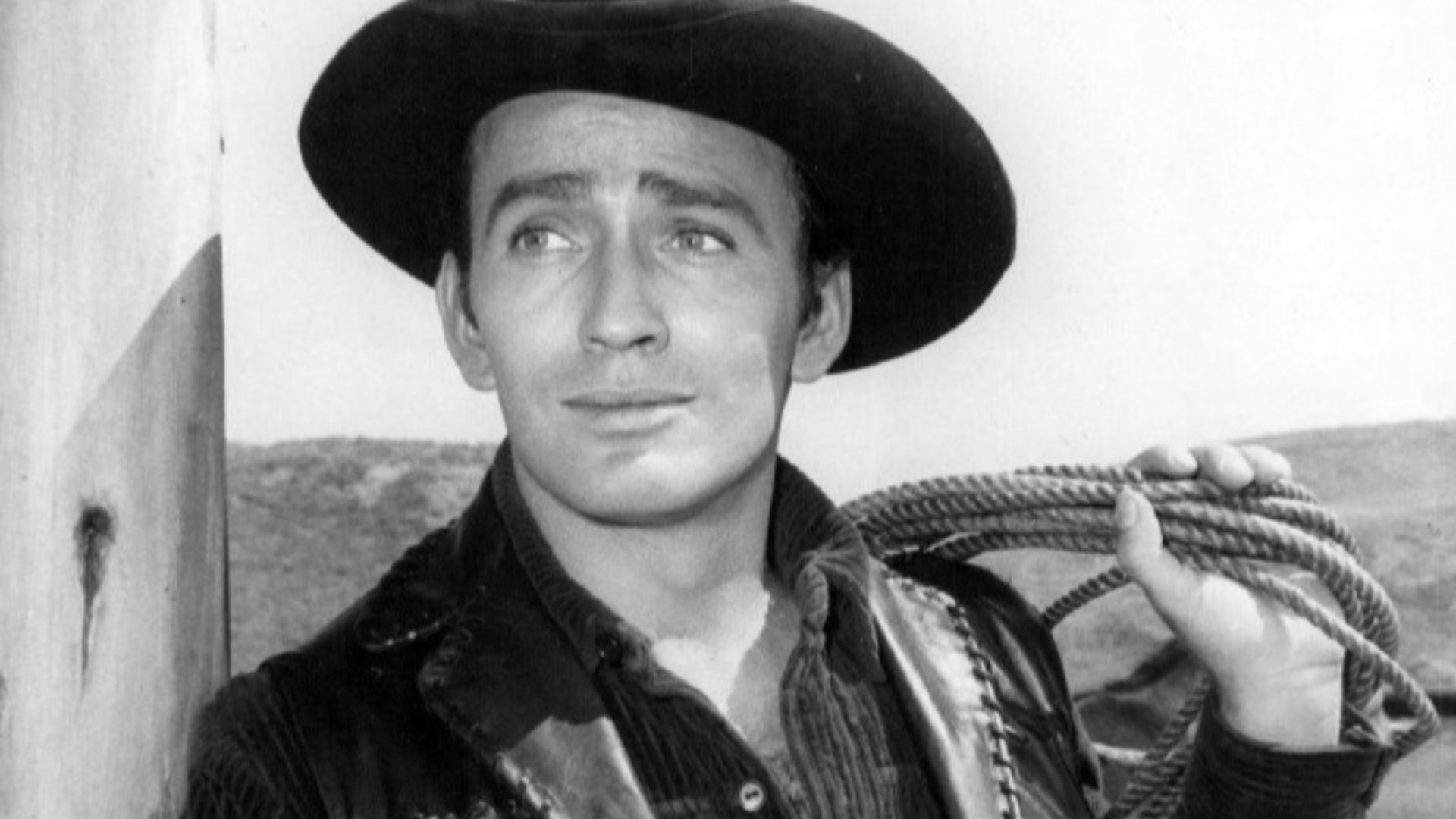 NBC Television, Wikimedia Commons
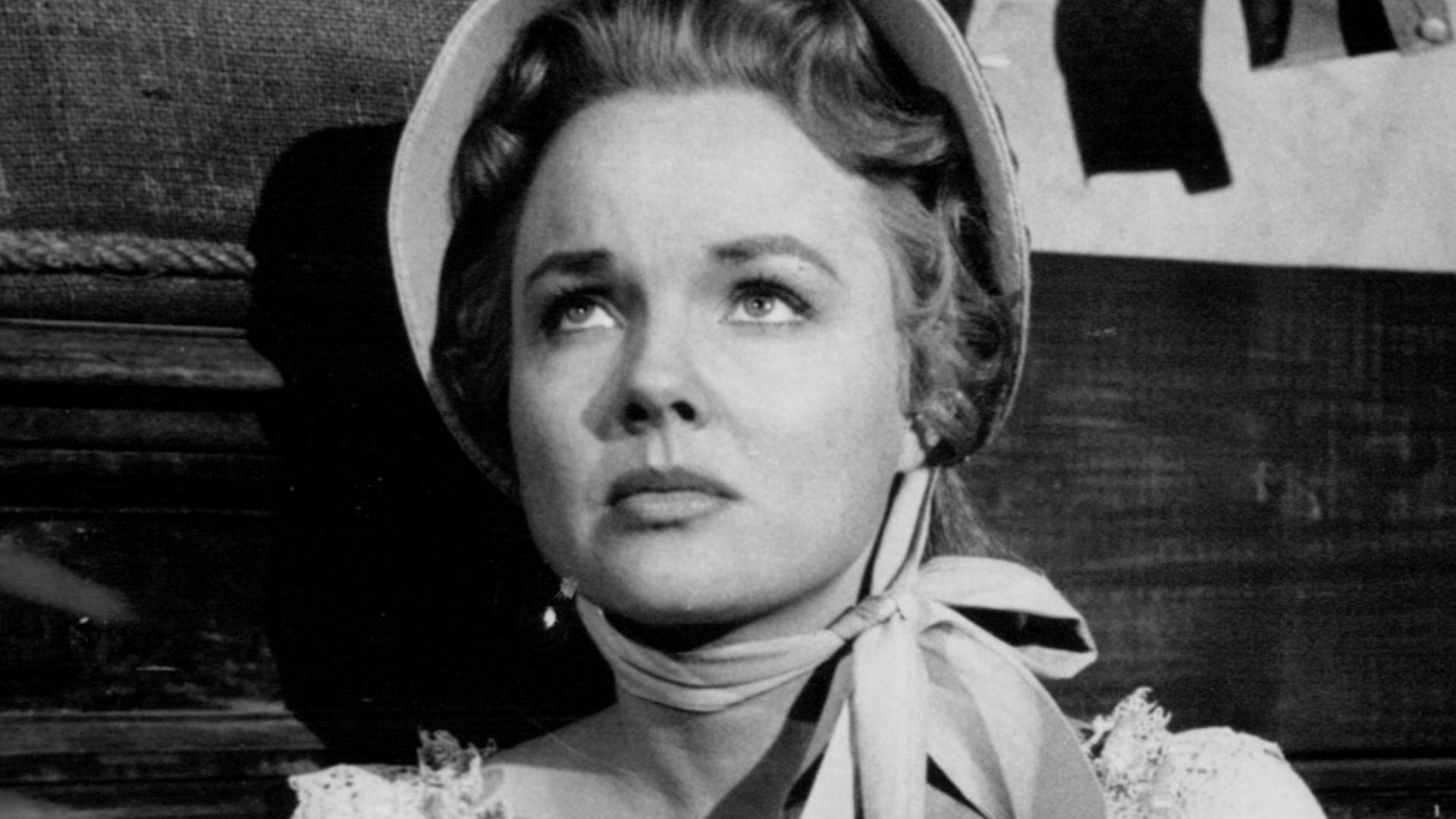
Wagon Train
Wagon Train perfected the rotating spotlight approach. Each episode introduced new characters while maintaining a consistent world. It’s basically an early version of the “guest star-driven” storytelling model.
 NBC Television, Wikimedia Commons
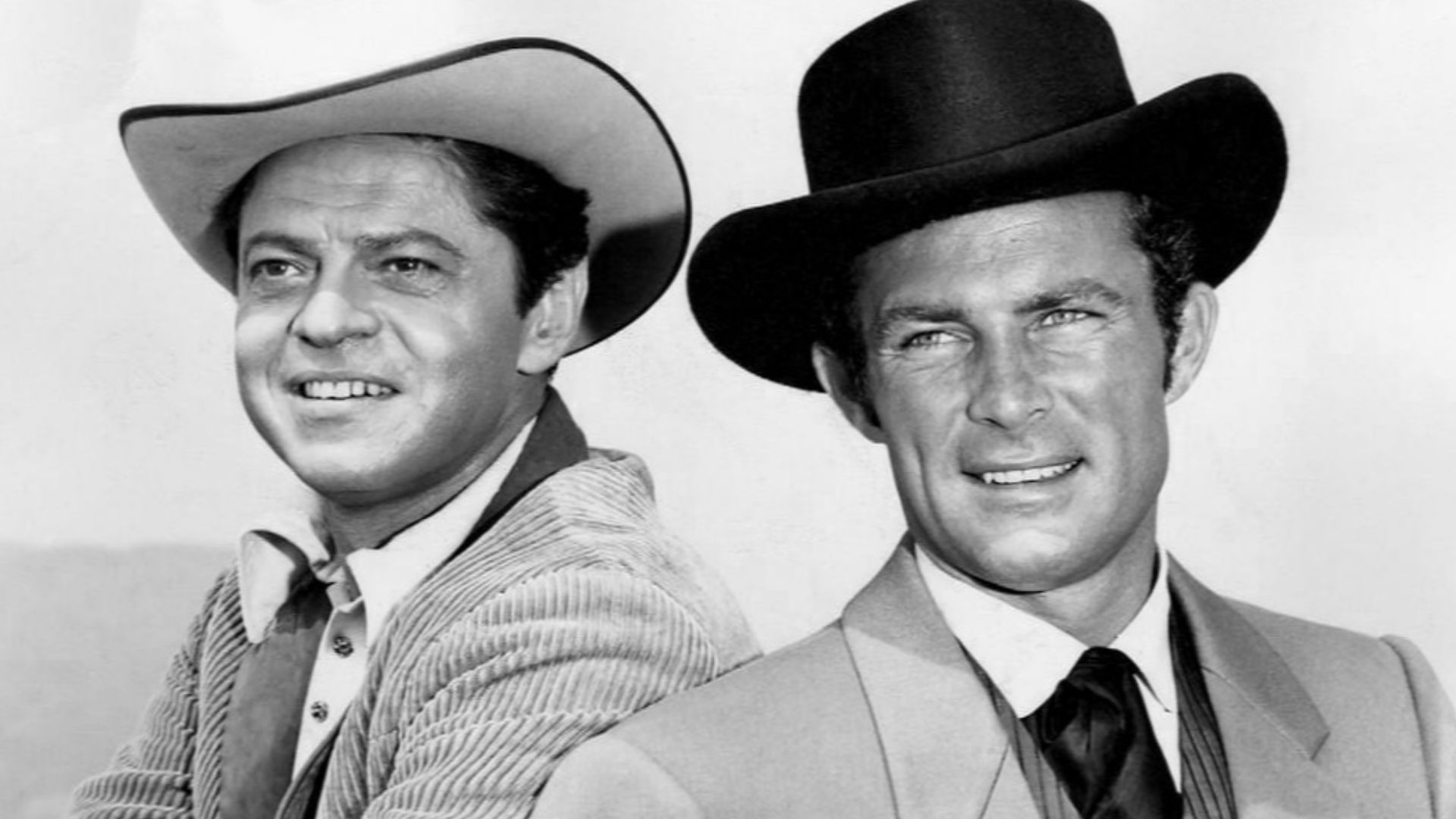
The Wild Wild West
This show didn’t just bend genre rules—it ignored them entirely. Mixing Western themes with sci-fi and espionage, it proved audiences were open to experimentation. That kind of creative risk-taking is now a staple of great TV.
 CBS Television, Wikimedia Commons
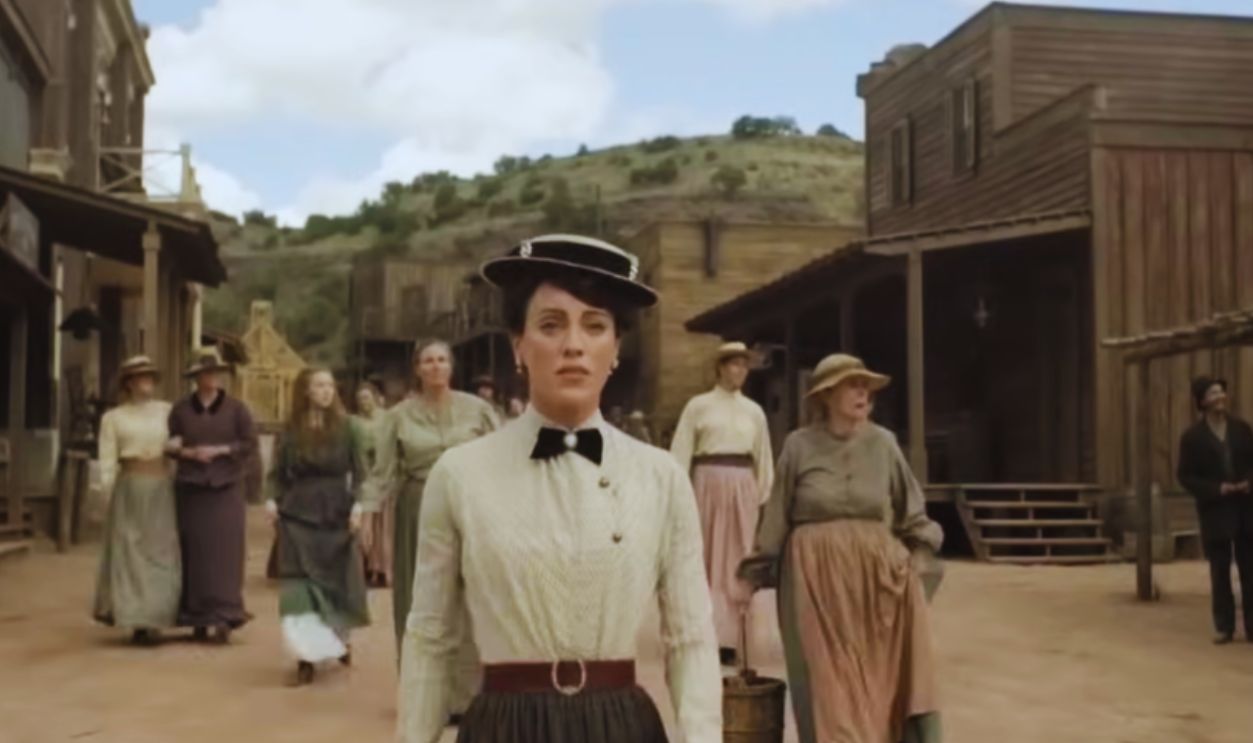
Godless
Godless feels like a modern Western that fully understands its roots. It combines cinematic storytelling with deep character work, creating something that feels both classic and new. It’s the kind of show that quietly proves Westerns never lost their storytelling edge.
 Screenshot from Godless, Netflix (2017)
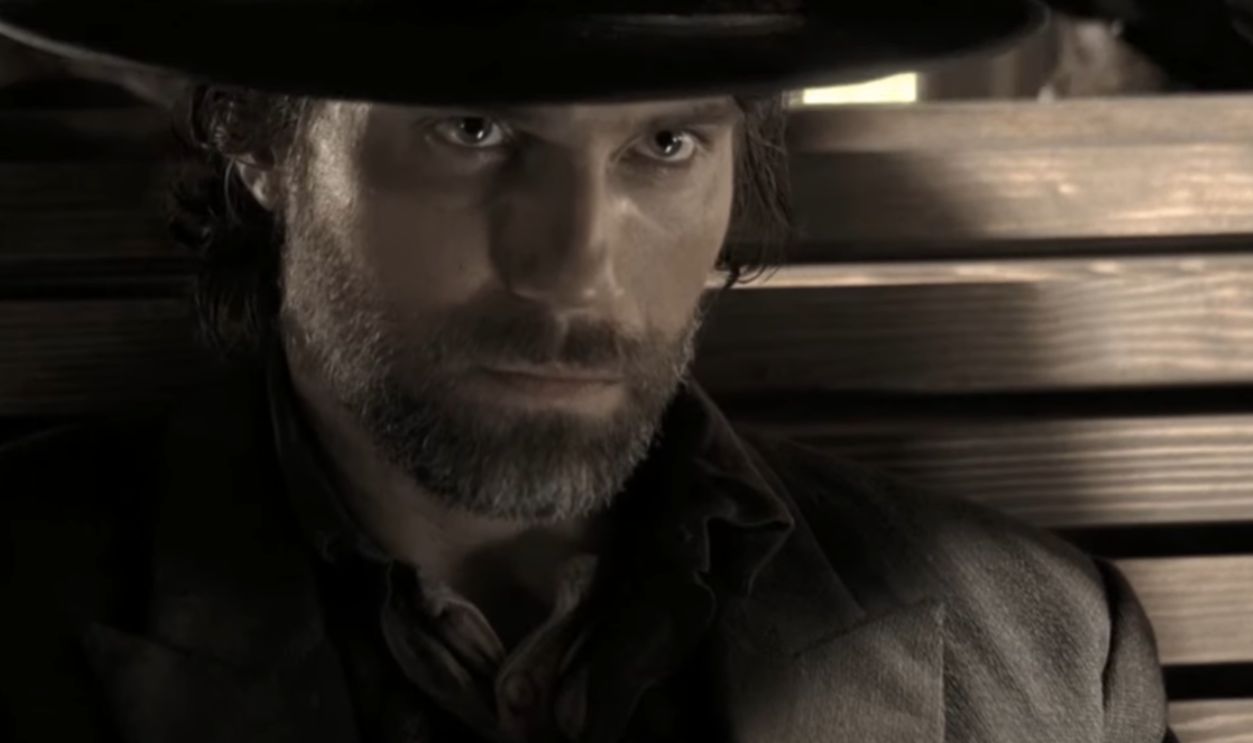
Hell on Wheels
Set during the construction of the transcontinental railroad, this series leans heavily into ambition and survival. Its characters are messy, driven, and often at odds with each other. That tension gives it a distinctly modern feel.
 Screenshot from Hell on Wheels, Lionsgate Entertainment (2011-2016)
The Rifleman
At its core, The Rifleman is about family. The relationship between father and son grounds the show in something deeply human. That emotional anchor is something countless dramas still rely on.
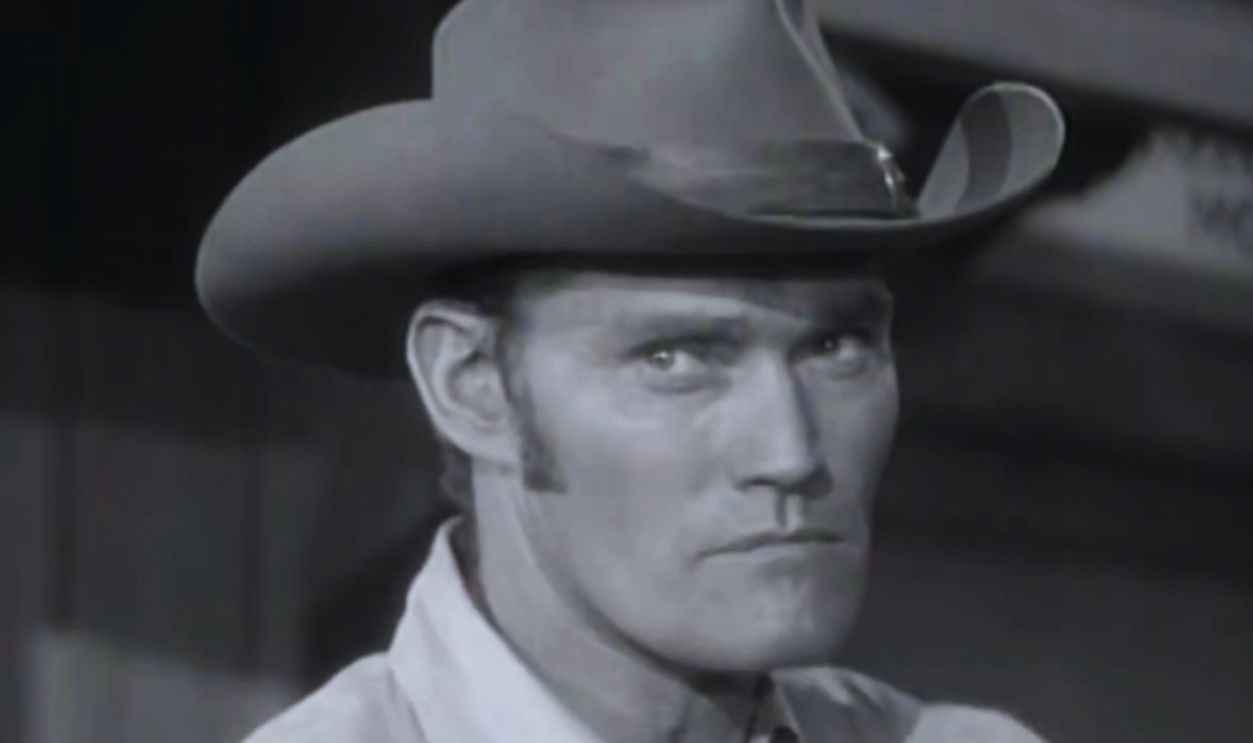 Screenshot from The Rifleman, Levy-Gardner-Laven Productions (1958-1963)
Cheyenne
As one of the first hour-long Westerns, Cheyenne helped expand what TV storytelling could look like. It moved beyond quick, contained plots and into something more expansive. That shift was a big deal at the time.
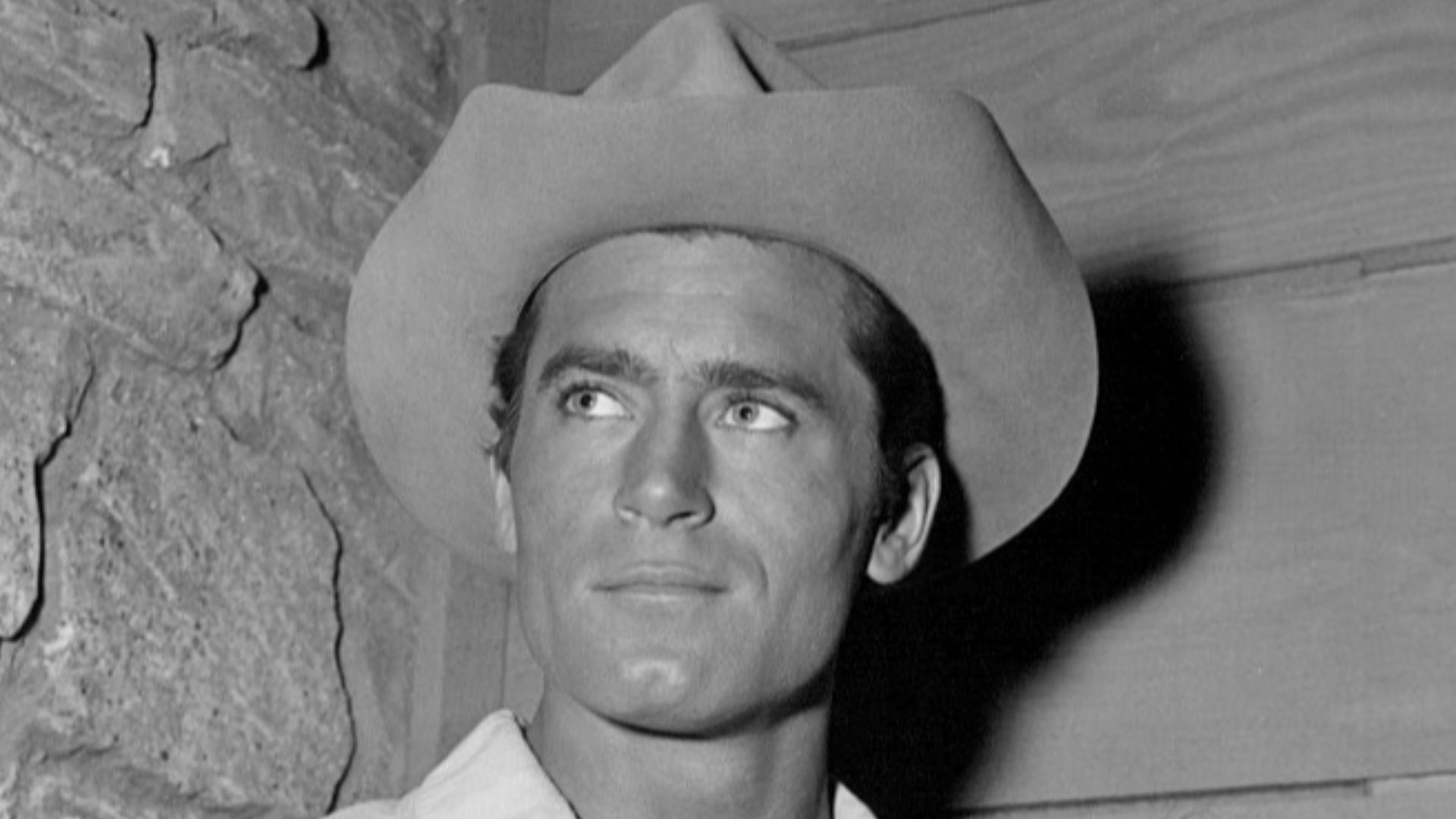 Warner Bros., Wikimedia Commons
Wanted: Dead or Alive
This show introduced a lead who didn’t fit the traditional hero mold. A bounty hunter operating in gray areas made every story feel unpredictable. That kind of morally complex lead is now everywhere.
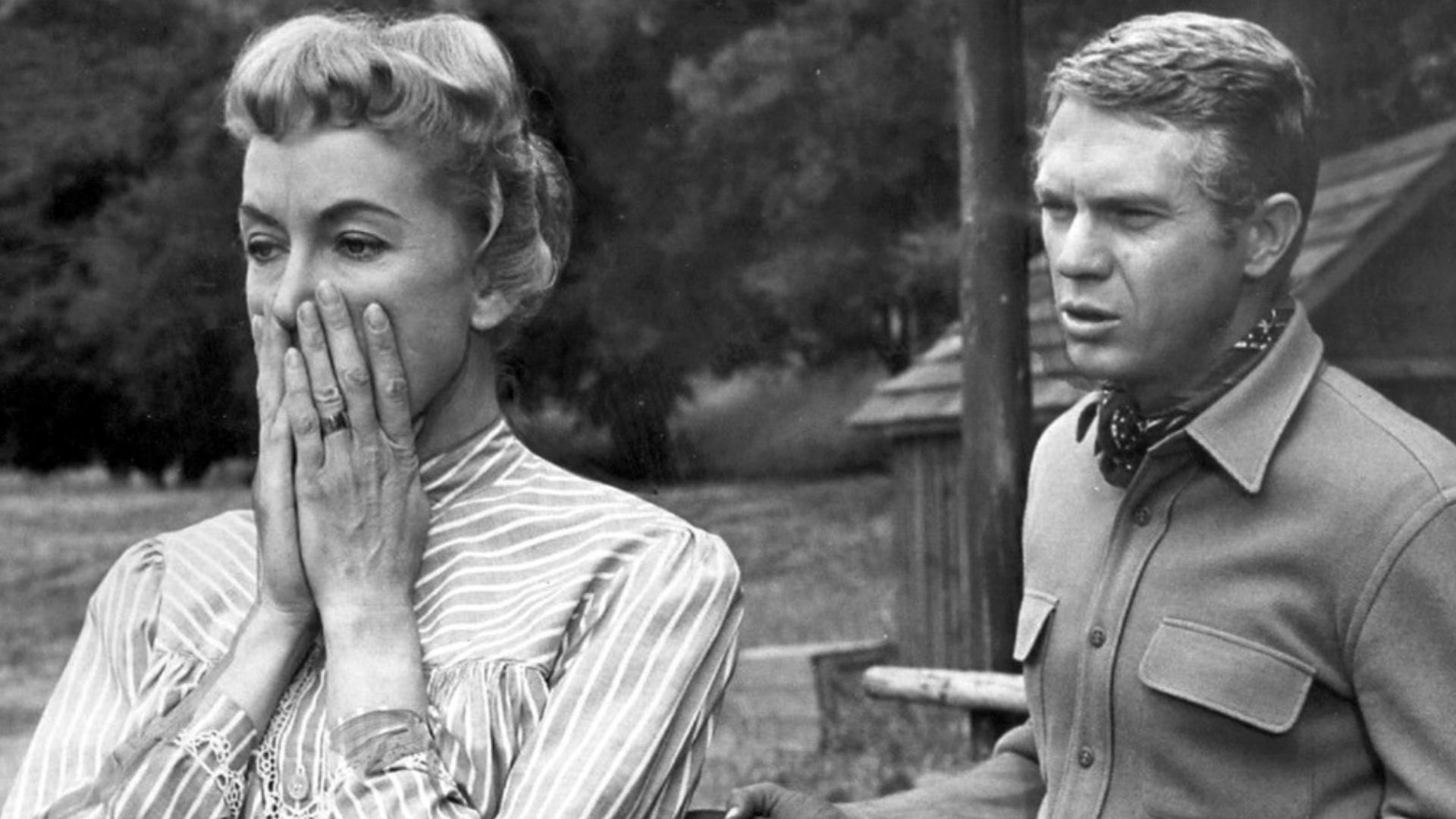 CBS Television, Wikimedia Commons
The Big Valley
The Big Valley thrived on strong characters and shifting power dynamics. Its focus on family and survival gave it both scale and intimacy. It’s proof that Westerns could handle layered ensemble storytelling.
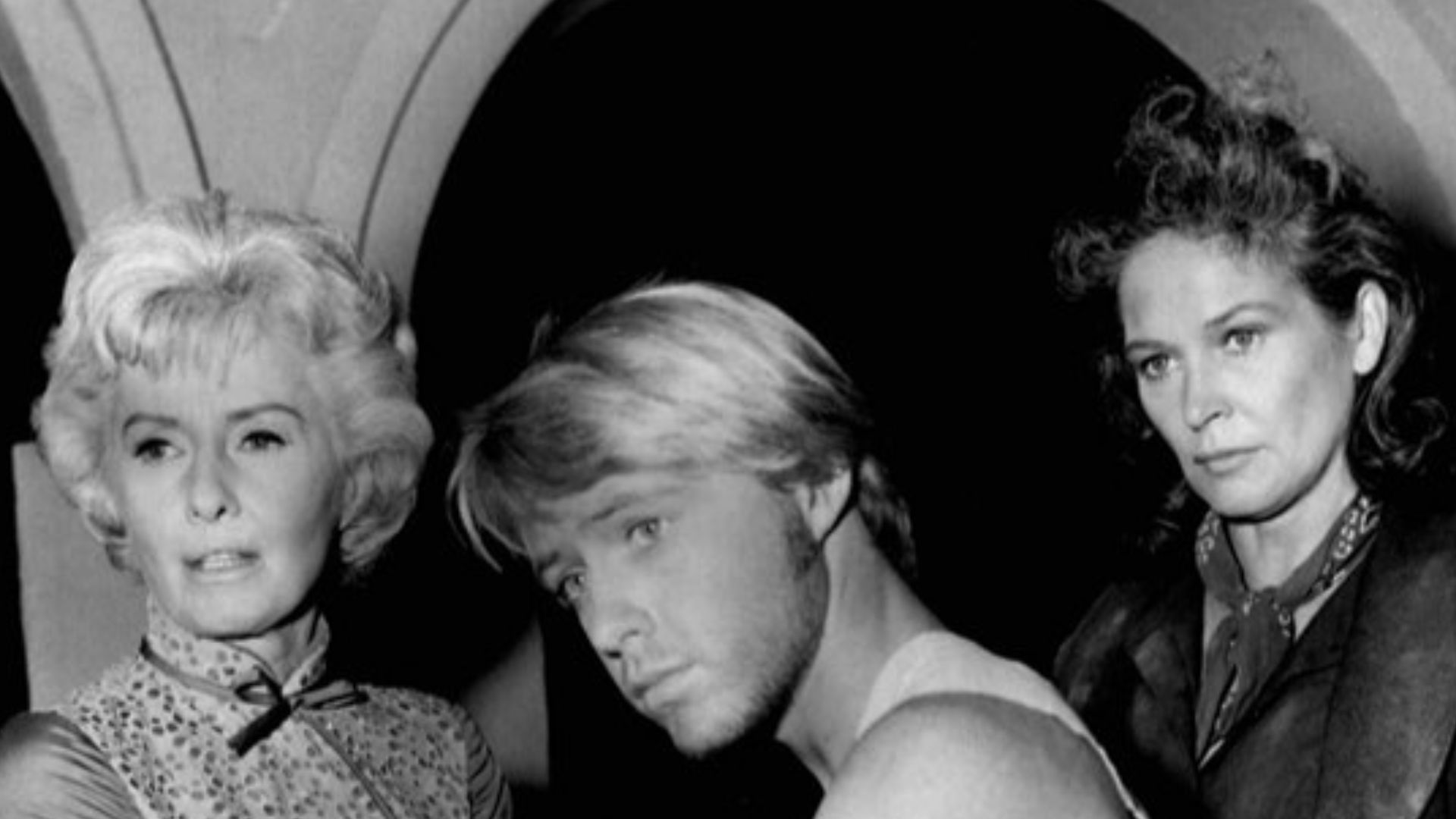 ABC Television, Wikimedia Commons
Longmire
Longmire brings the Western into a more contemporary space without losing its identity. Its slower pacing and character focus feel like a direct callback to classic shows. It’s a reminder that the formula still works.
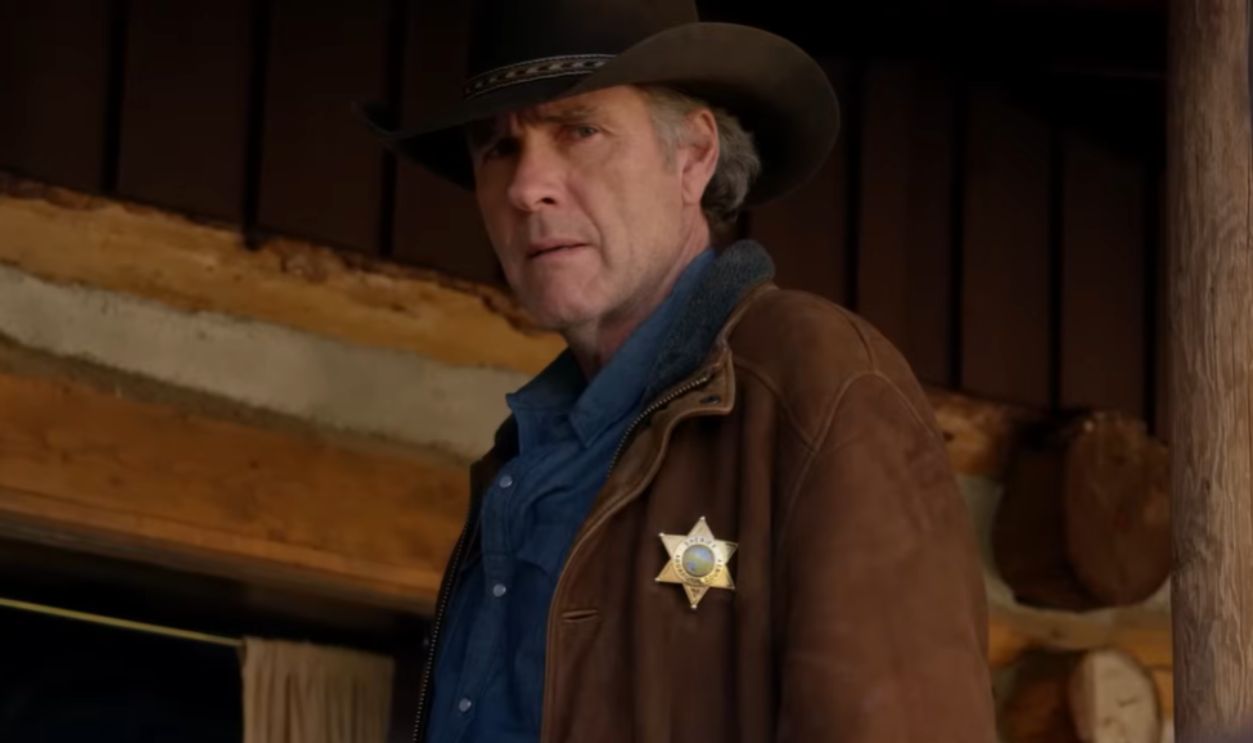 Screenshot from Longmire, Warner Bros. Television (2012-2017)
Dr. Quinn, Medicine Woman
This series approached the Western from a different angle, focusing on community and personal growth. It brought a softer, more introspective tone to the genre. That variety helped expand what Westerns could be.
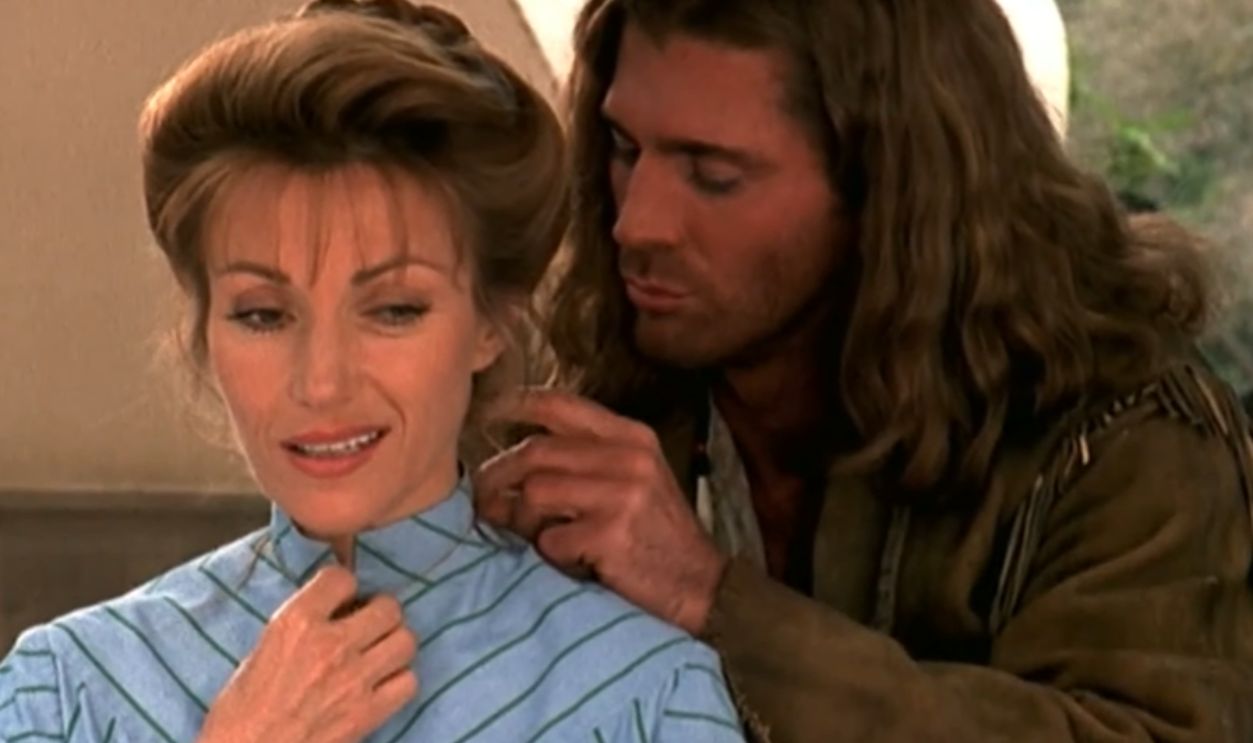 Screenshot from Dr. Quinn, Medicine Woman, Paramount Global (1993-1998)
Bat Masterson
Stylish and charismatic, Bat Masterson leaned into personality-driven storytelling. Its lead carried the show with charm rather than brute force. It’s an early example of how much a strong central character can shape a series.
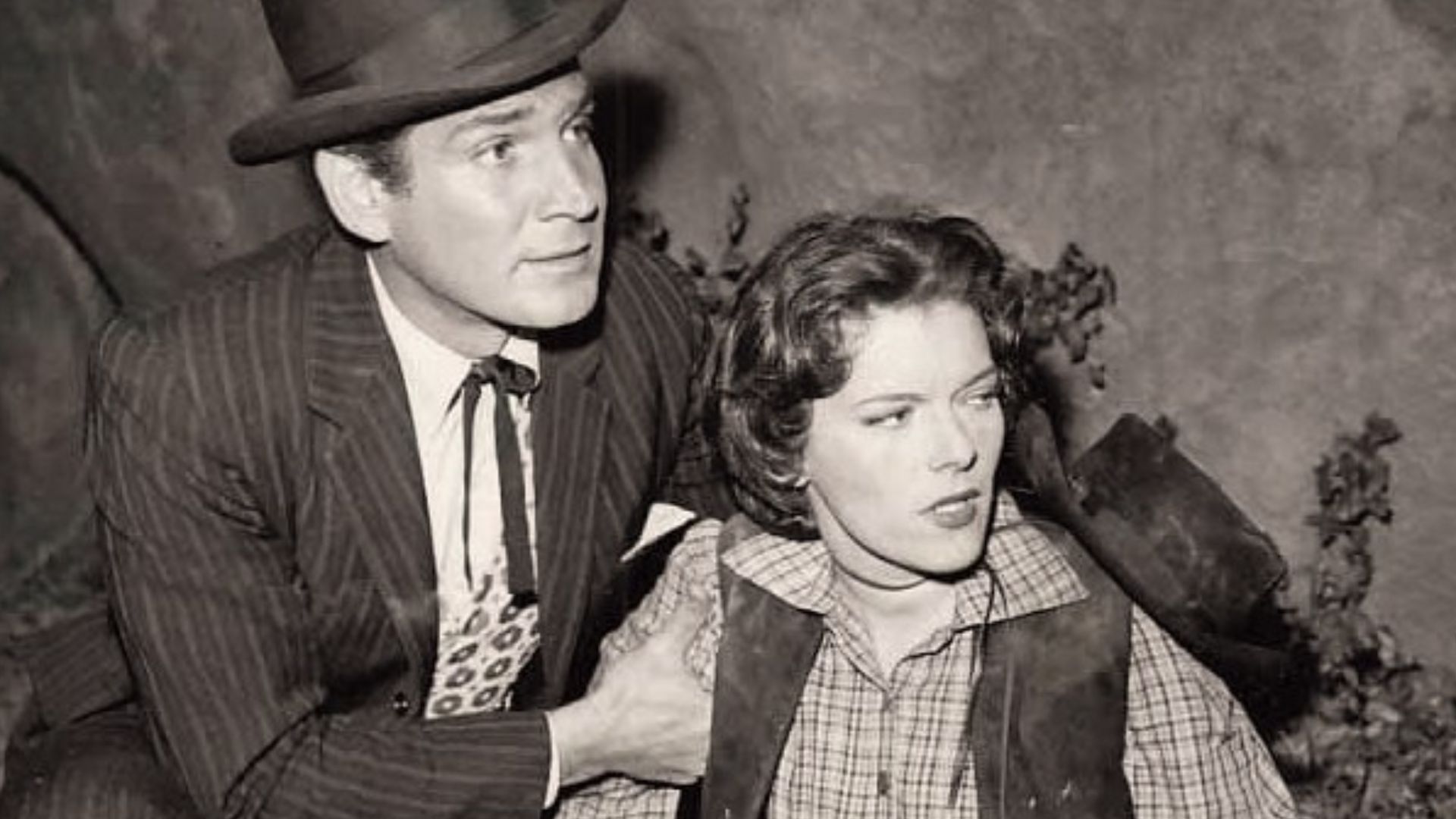 unknown (NBC), Wikimedia Commons
You May Also Like:
These 44 Shows Let Their Main Characters Slip Out Of Focus
Source: 1