The Most Famous Number In Rock
Seven digits were all it took to turn an obscure California rock band into a national sensation. When Tommy Tutone released “867-5309/Jenny” in 1981, nobody could have predicted what would happen next. The song became an enormous hit, but its unforgettable chorus created an unexpected nightmare for ordinary Americans who happened to have the same telephone number.
A Band Looking For Success
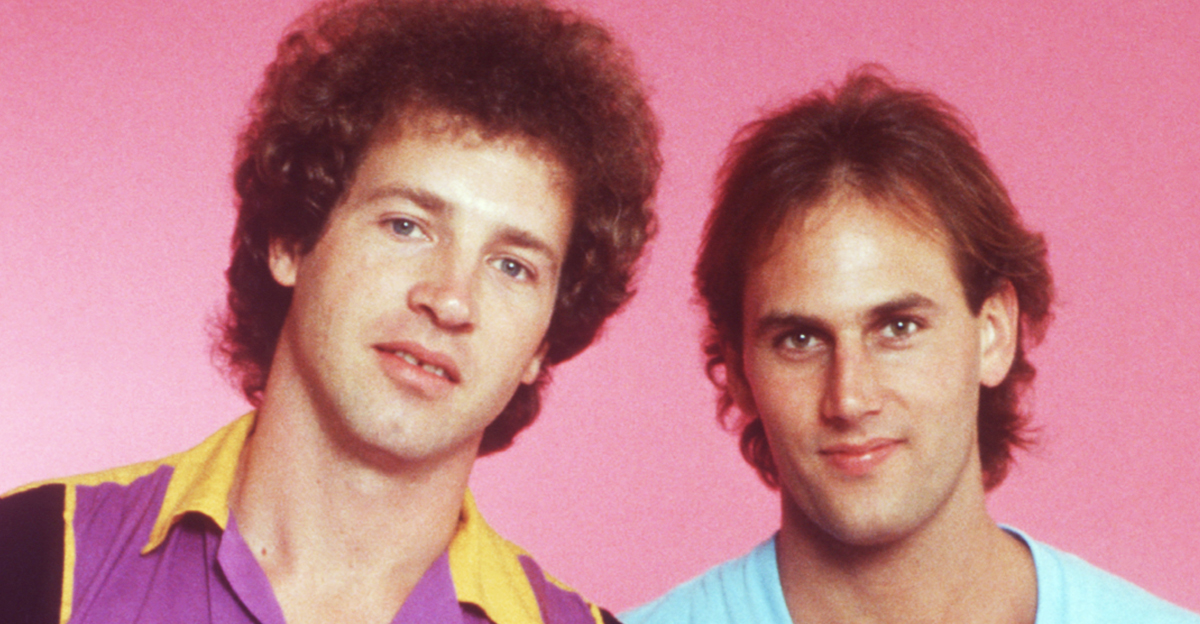
Tommy Tutone emerged from the San Francisco Bay Area music scene in the late 1970s, led by singer Tommy Heath and guitarist Jim Keller. Their sound combined straightforward rock and roll with the catchy melodies of power pop, a style that was finding a growing audience.
Their self-titled debut album appeared in 1980, producing a modest hit with “Angel Say No,” which reached No. 38 on the Billboard Hot 100. It was an encouraging beginning, but nothing prepared the band for what came next.
 Michael Ochs Archives/Getty Images
A Songwriter Named Alex Call
The song that changed everything originated with Alex Call, a California musician who had previously played in Clover, a band whose members included future Huey Lewis and the News musicians.
Call later recalled coming up with the memorable guitar riff, the name Jenny, and the telephone number while sitting in his backyard in Mill Valley, California. He was simply trying to write a catchy, four-chord rock song.
When his friend Jim Keller heard the unfinished composition, he immediately recognized its potential.
The Inspiration
Keller suggested that the mysterious telephone number could belong to a woman whose name had been scrawled on a bathroom wall. The two musicians quickly developed the idea into a complete song about a lonely man contemplating calling a stranger.
For years, conflicting stories circulated about whether Jenny was a real woman. Keller once claimed that the song was inspired by someone he had actually dated.
Call, however, has consistently maintained that he invented the name and number. According to his account, there was no real Jenny behind the original composition.

Seven Digits Of Pure Gold
Tommy Tutone recorded “867-5309/Jenny” for their second album, Tommy Tutone 2, released in 1981. The recording featured Keller's instantly recognizable guitar riff and Heath's energetic lead vocal.
The song initially climbed the charts gradually, but by the spring of 1982, it had become a sensation.
It eventually reached No. 4 on the Billboard Hot 100 and topped Billboard's rock chart. The accompanying album reached No. 20, making Tommy Tutone one of the most recognizable new rock acts in America.
Then The Phones Started Ringing
There was just one problem. Unlike the fictional 555 telephone numbers commonly used in movies and television, 867-5309 was a perfectly plausible real telephone number.
Because different area codes could contain the same seven-digit number, households across America suddenly found themselves receiving calls from strangers asking for Jenny.
Some callers were simply curious. Others sang the song into the telephone. Still others called repeatedly, sometimes in the middle of the night.
For the people answering those calls, the novelty quickly wore thin.

Some Families Had Enough
In 1982, Alabama resident Lorene Burns complained about the constant interruptions caused by the song. Her home had the unfortunate distinction of possessing the now-famous number, and callers repeatedly asked for Jenny.
In Akron, Ohio, Charles and Maurine Shambarger experienced similar problems. Their telephone company reportedly struggled to explain what could be done about calls arriving from numerous locations.
Eventually, some frustrated subscribers simply changed or disconnected their numbers. A catchy pop song had become a genuine nuisance for people who had never heard of Tommy Tutone.
The Number Became Valuable
Remarkably, the phenomenon continued long after the song disappeared from the charts. By the 2000s, some people were deliberately acquiring versions of 867-5309 because of their promotional value.
In 2009, New Jersey DJ Spencer Potter attracted national attention when he offered his business, including its famous telephone number, for sale on eBay. He claimed the number still received nearly 10,000 calls annually.
That same year, fitness chain Retro Fitness acquired a New Jersey version of the number for its franchise sales operation.

Fame Proved Difficult To Repeat
For Tommy Tutone, the song proved impossible to follow. Although the band continued recording, subsequent releases failed to approach the enormous popularity of “867-5309/Jenny.”
The group eventually faded from the mainstream spotlight, while Heath and Keller pursued other musical activities. Keller later continued performing and releasing music, and Heath also maintained a musical career.
Yet the song itself never really went away. Decades after its release, it remained a staple of classic-rock radio, nostalgic playlists, and live performances.
Jenny Never Stopped Ringing
More than four decades later, “867-5309/Jenny” remains one of the most instantly recognizable songs of the early 80s. Its combination of a memorable guitar riff and an irresistible numerical chorus gave Tommy Tutone something few bands ever achieve: a hit that became part of everyday popular culture.
But its strangest legacy belongs to the people who answered their telephones and discovered that complete strangers were looking for a woman who, according to the songwriters, never existed.
For them, the biggest hit of Tommy Tutone's career was one they probably wished had never been recorded.
You May Also Like:
Forgotten Female Rock Singers From The 1980s Who Deserved Careers As Big As The Men
1980s Rock Albums You Definitely Never Owned—Are We Wrong?