When A Few Guitar Notes Could Change Everything
The golden age of rock produced guitar riffs so distinctive that listeners only need a second or two to recognize the song. Some introduced entirely new sounds, while others were simple ideas played with exactly the right tone and attitude. From Hendrix and Clapton to Tony Iommi and Eddie Van Halen, these are the riffs that helped make the electric guitar the defining instrument of an era.
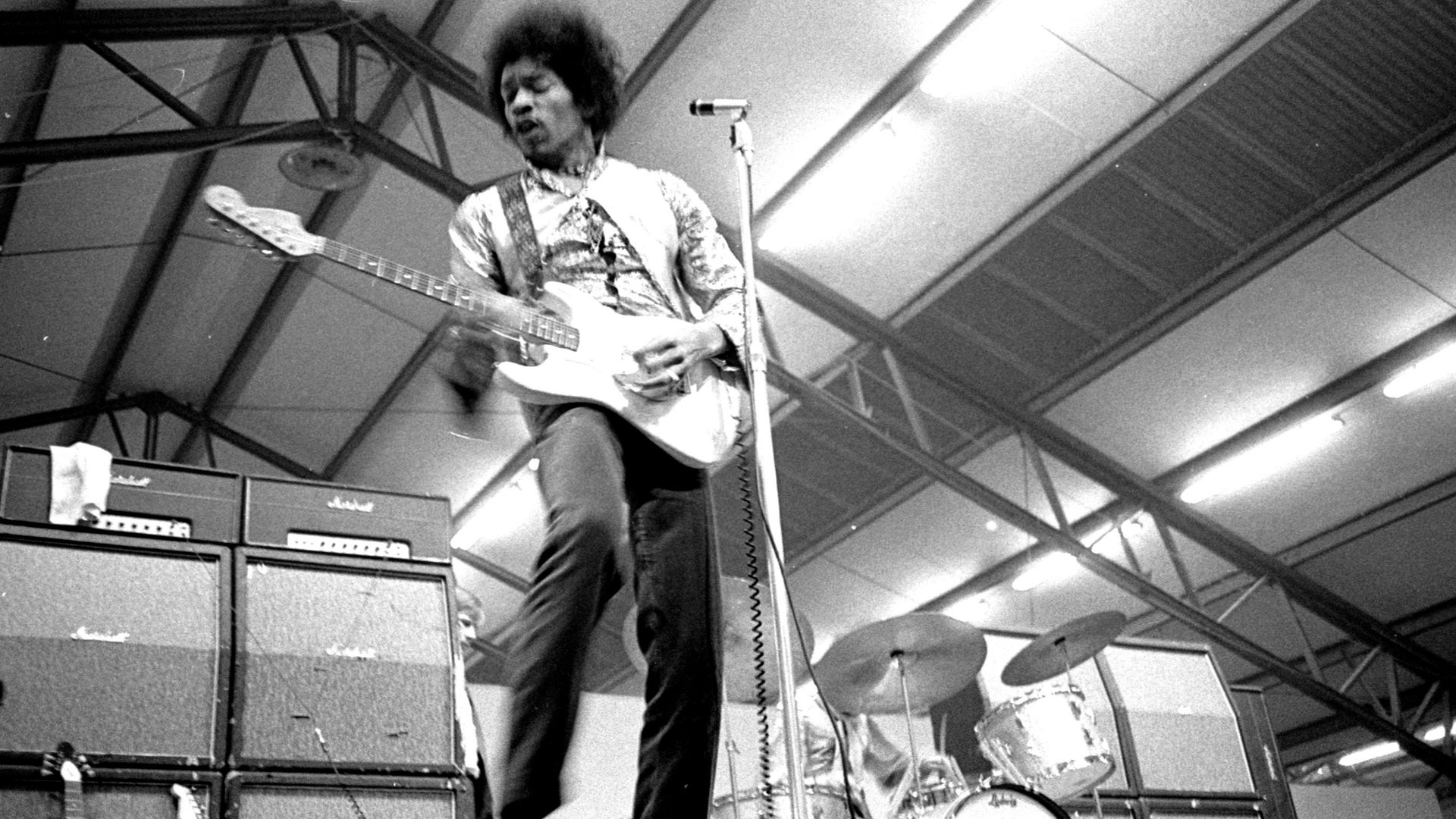
The Jimi Hendrix Experience - “Purple Haze” (1967)
Jimi Hendrix didn't ease listeners into his revolutionary approach to guitar. “Purple Haze” opens with two striking notes before crashing into a descending riff and the famously dissonant E7#9 chord that became so closely associated with Hendrix. His combination of distortion, rhythm, blues phrasing, and sheer swagger made the guitar sound almost alien compared with much of what rock audiences had heard before.
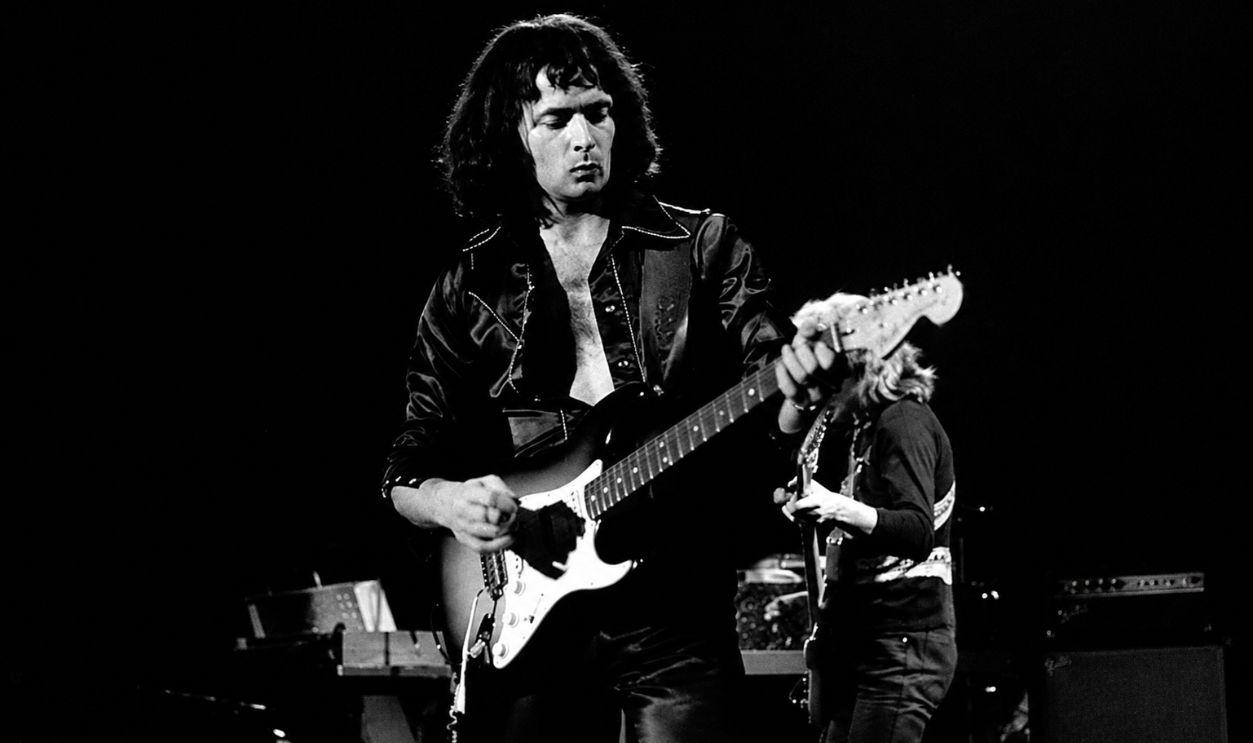
Deep Purple - “Smoke On The Water” (1972)
Ask a beginner guitarist to play one classic-rock riff and there's a good chance this is what you'll hear. Ritchie Blackmore built “Smoke on the Water” from a deceptively simple figure played in parallel fourths, while Jon Lord reinforced it with distorted Hammond organ. The song itself recounts the real fire at the Montreux Casino, but that enormous riff quickly became even more famous than the story behind it.
 Helge Overas, Wikimedia Commons, Modified
The Rolling Stones - “(I Can't Get No) Satisfaction” (1965)
Keith Richards originally imagined the riff from “Satisfaction” as something that would eventually be played by horns. Instead, he used a Gibson Fuzz-Tone pedal to approximate the sound, and the supposed placeholder became the heart of the finished record. That buzzing little phrase helped push fuzz guitar into mainstream pop and established Richards as one of rock's great riff writers.
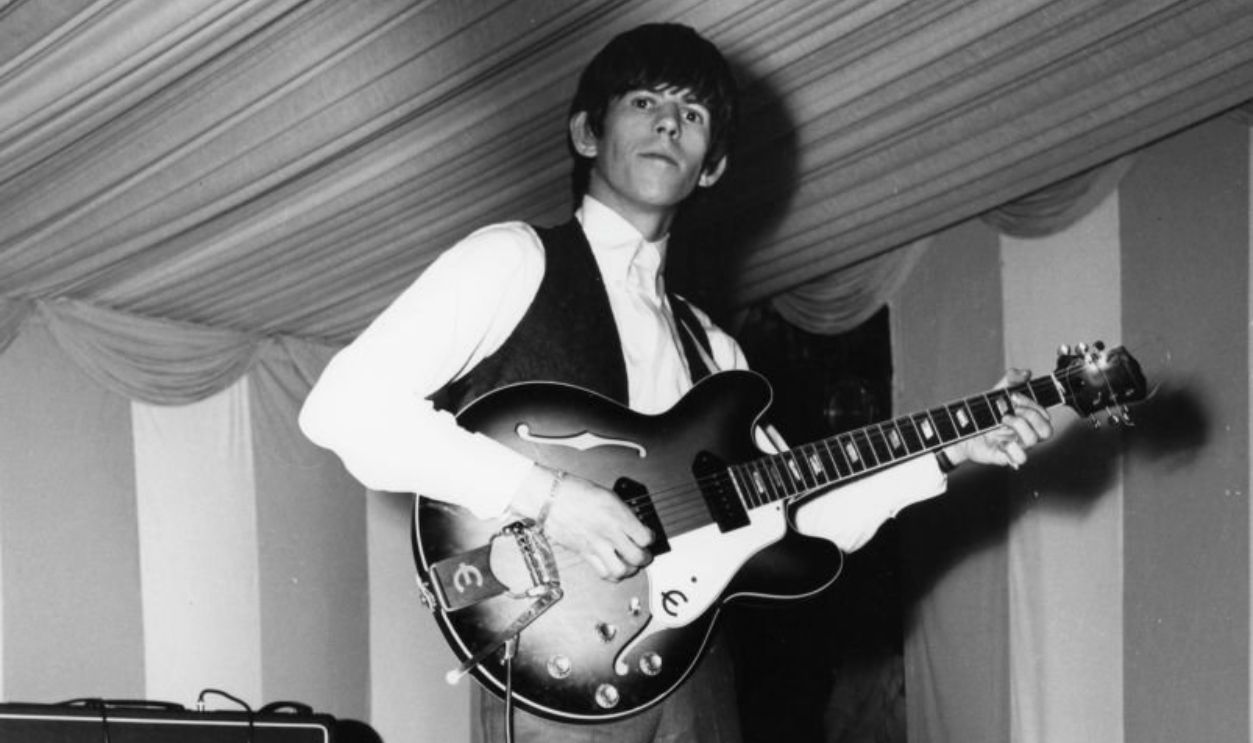
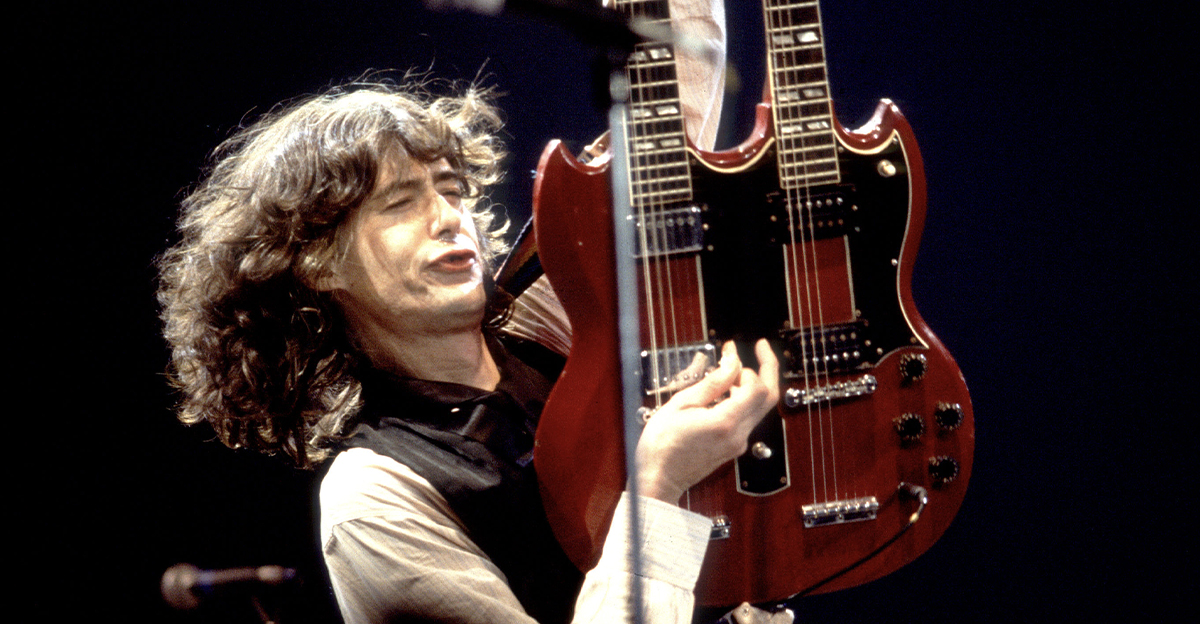
Led Zeppelin - “Whole Lotta Love” (1969)
Jimmy Page's riff on “Whole Lotta Love” is almost ridiculously economical, yet its rhythm and enormous guitar tone make it feel massive. Page came up with the figure before Led Zeppelin recorded their second album, and John Paul Jones reinforces it from below on bass. Once Robert Plant enters, the riff keeps returning like an engine, giving the entire song its unmistakable swagger.
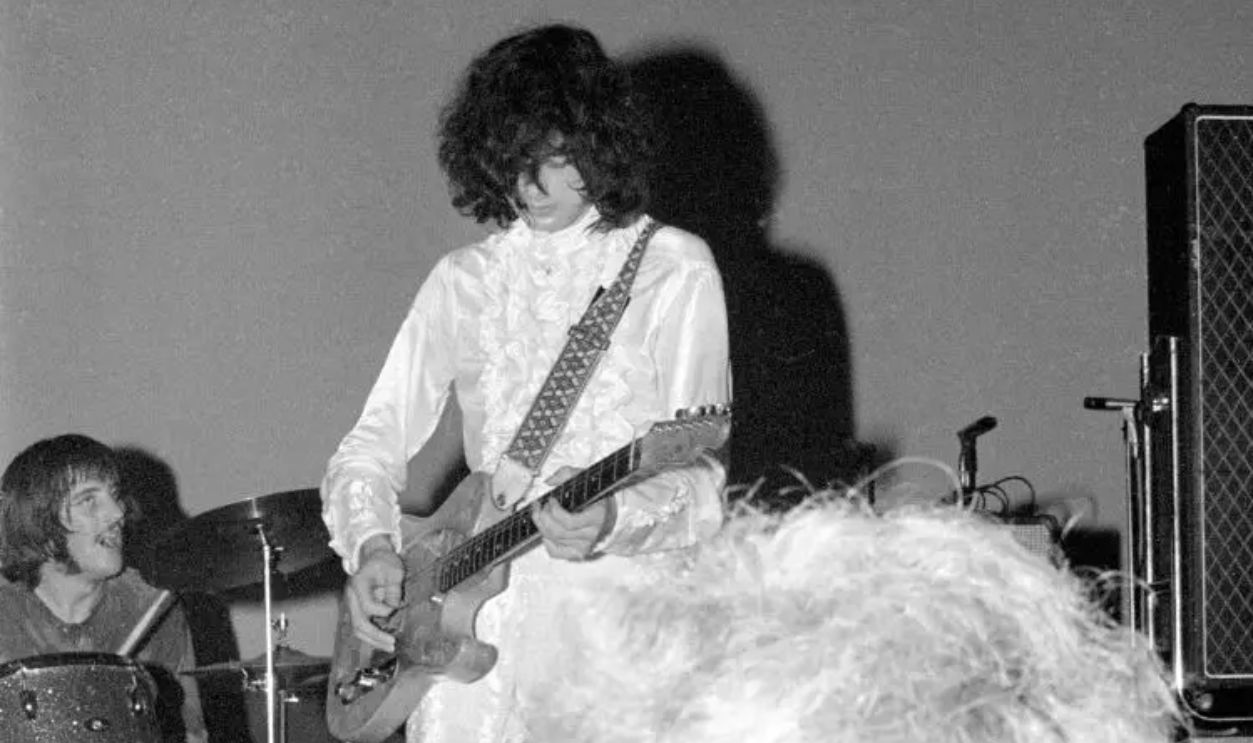
Black Sabbath - “Iron Man” (1970)
Tony Iommi had already filled Black Sabbath's early records with sinister riffs, but “Iron Man” might be the most instantly recognizable of them all. The lumbering guitar melody mirrors Ozzy Osbourne's vocal and sounds exactly like the giant mechanical creature the song describes. Iommi has recalled hearing something monstrous in his head while the band jammed, and that slow-moving idea became heavy-metal bedrock.
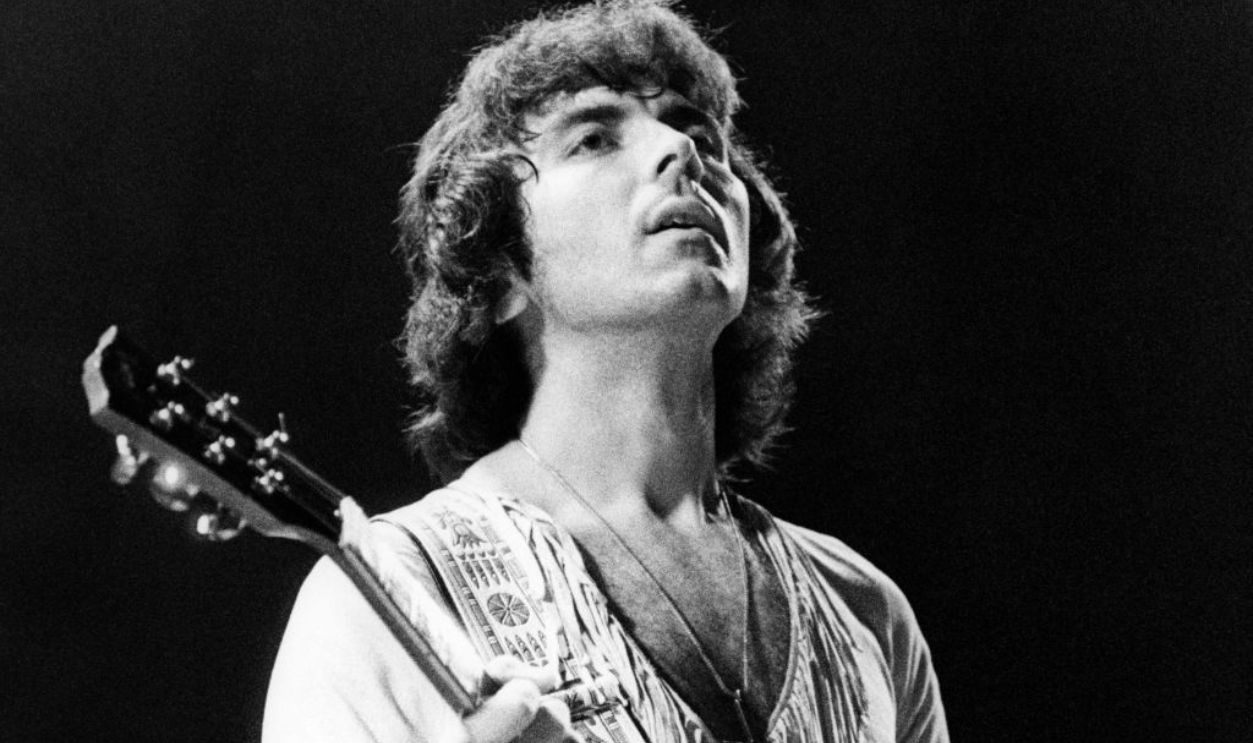 David Warner Ellis, Getty Images
Derek And The Dominos - “Layla” (1970)
“Layla” contains enough legendary guitar work for several songs. Eric Clapton brought the emotional obsession behind the composition, while Duane Allman became an essential partner during the sessions. Allman helped develop the famous opening figure, which the two guitarists doubled and layered together. That frantic riff immediately communicates the desperation at the center of one of rock's most famous unrequited-love songs.
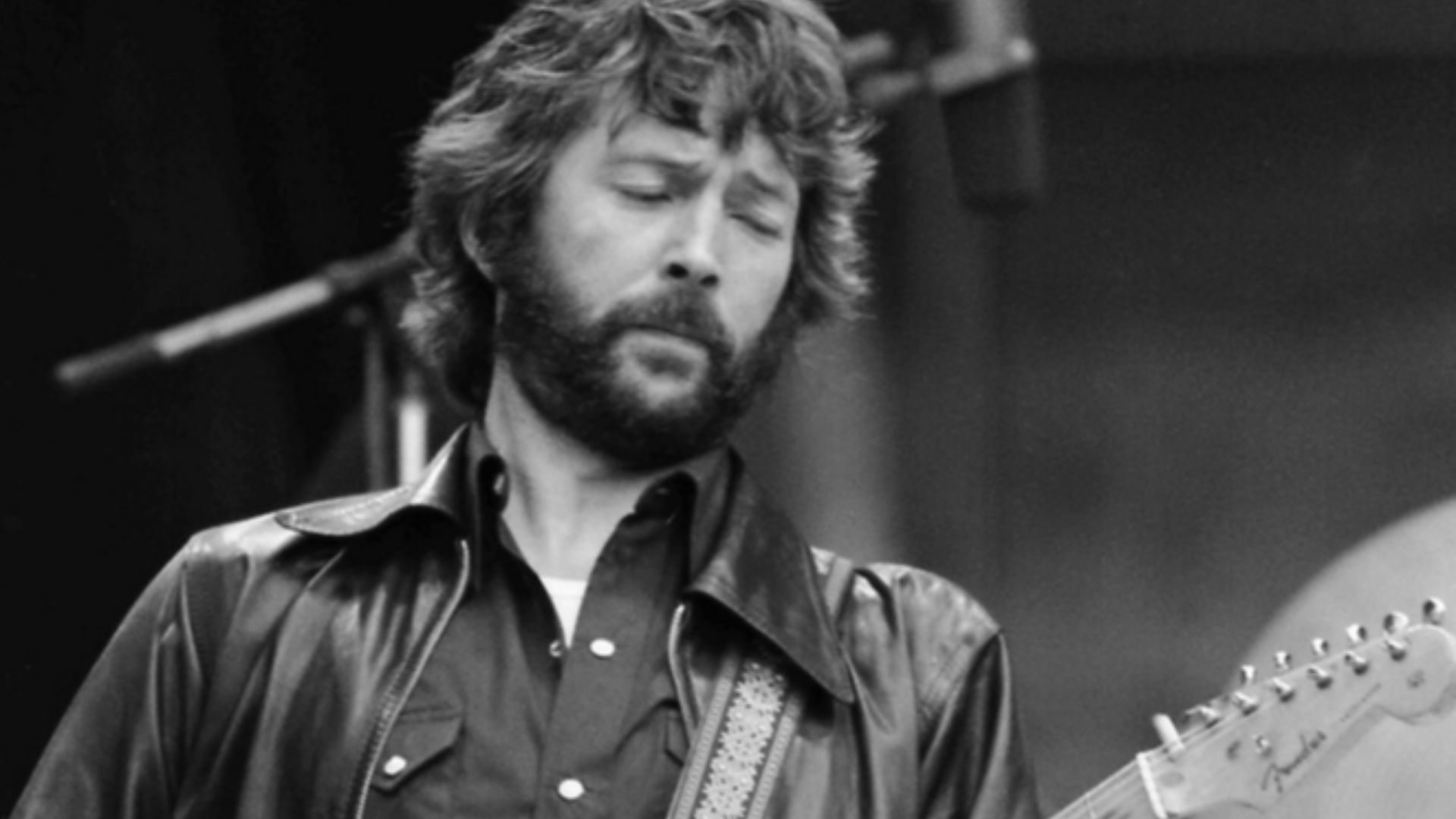 Chris Hakkens, Wikimedia Commons
Cream - “Sunshine Of Your Love” (1967)
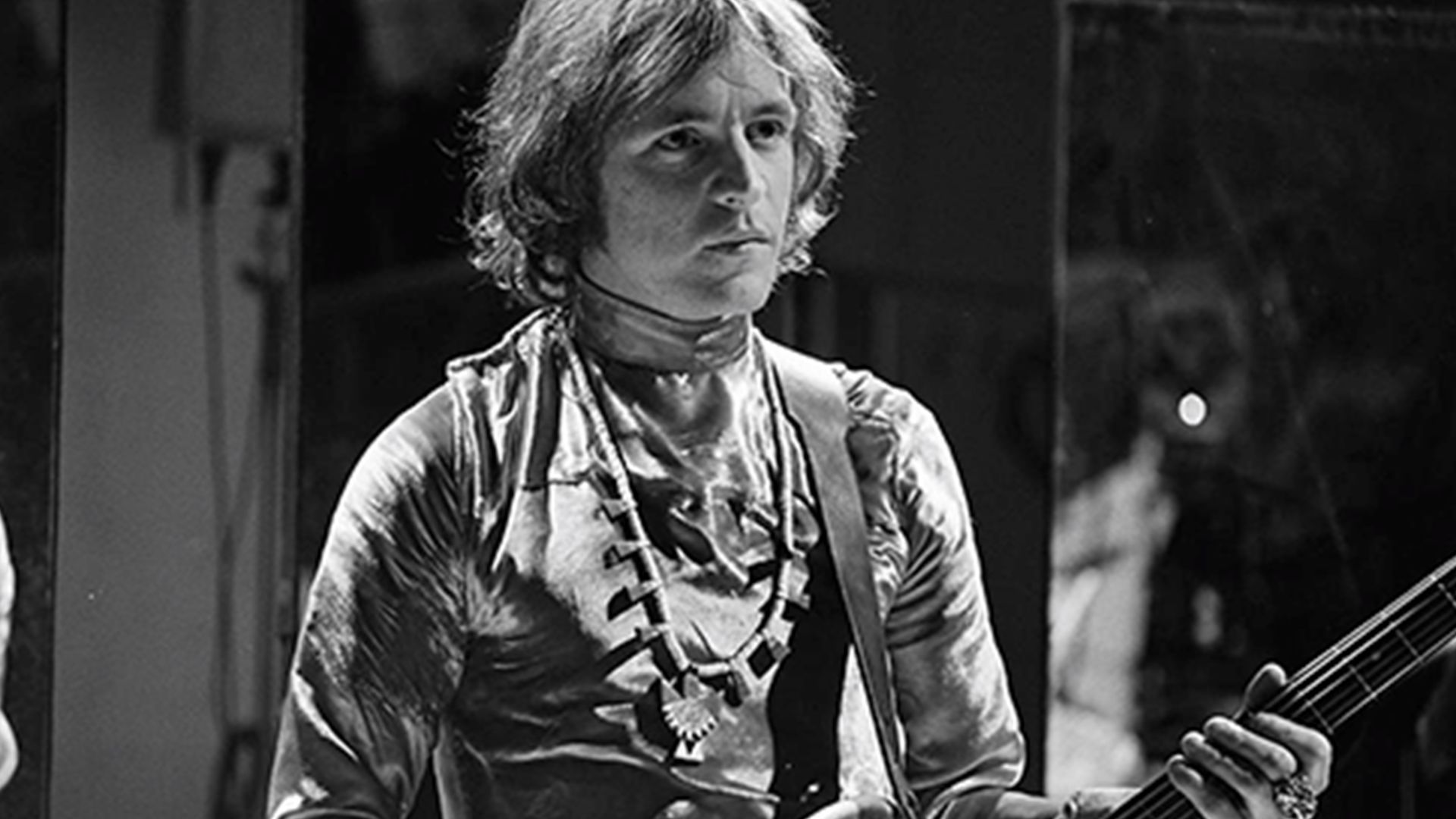
One of Eric Clapton's best-known guitar riffs actually began with bassist Jack Bruce. After seeing Jimi Hendrix perform, Bruce came up with the descending blues figure that became the foundation of “Sunshine of Your Love". Clapton doubled it on guitar, using his famously thick “woman tone,” and Ginger Baker's unusual drum feel helped keep the song from sounding like ordinary blues-rock.
 F. van Geelen, Omroepvereniging VARA, Wikimedia Commons
The Beatles - “I Feel Fine” (1964)
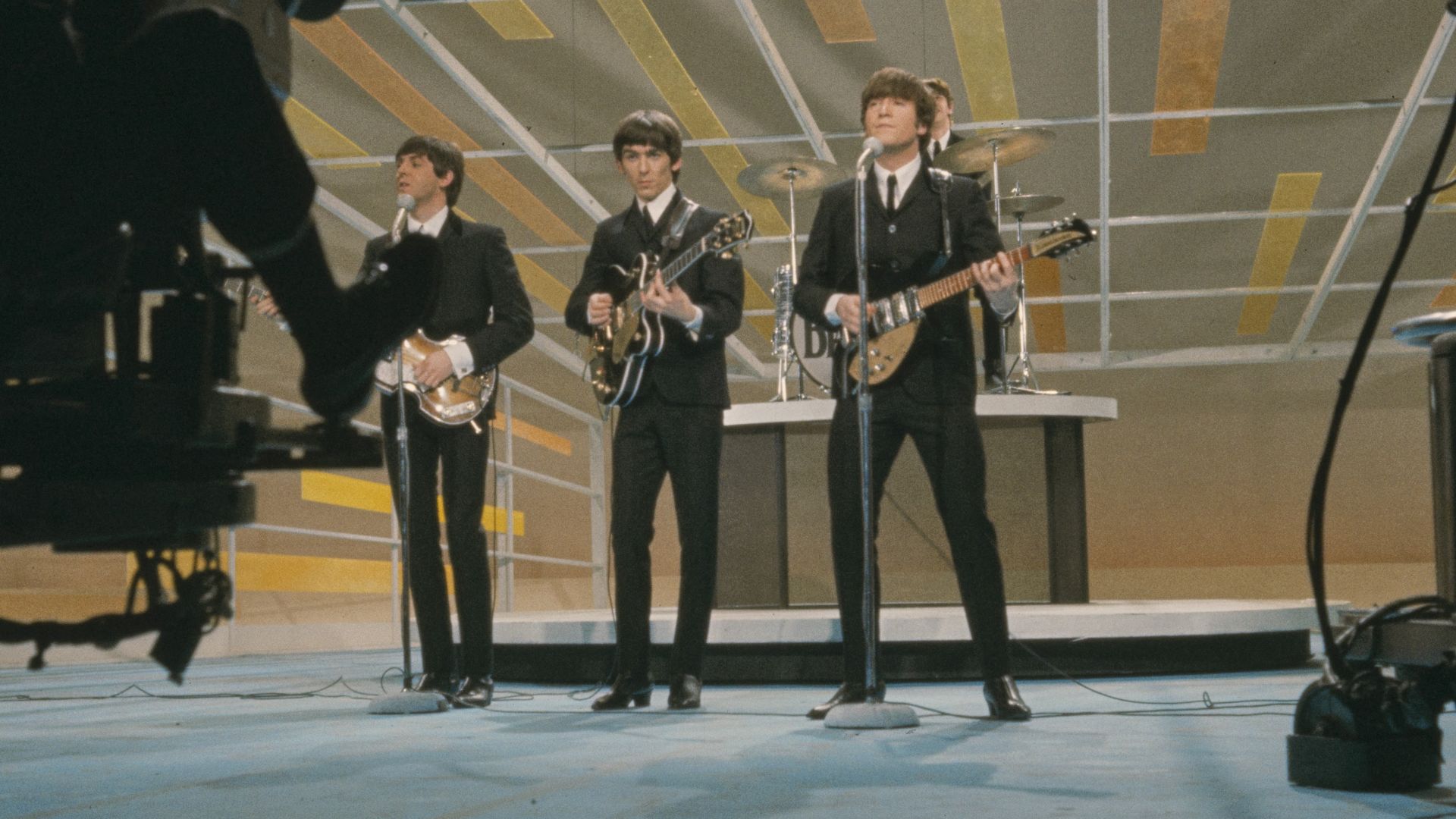
Before the main riff even begins, “I Feel Fine” announces itself with a burst of guitar feedback, one of the earliest deliberate uses of the sound on a major pop record. John Lennon then launches into the song's intricate riff, with George Harrison helping reinforce the guitar arrangement. It was another sign that the Beatles were already stretching the sonic possibilities of rock well before their psychedelic period.
 Bernard Gotfryd, Wikimedia Commons
Heart - “Magic Man” (1976)
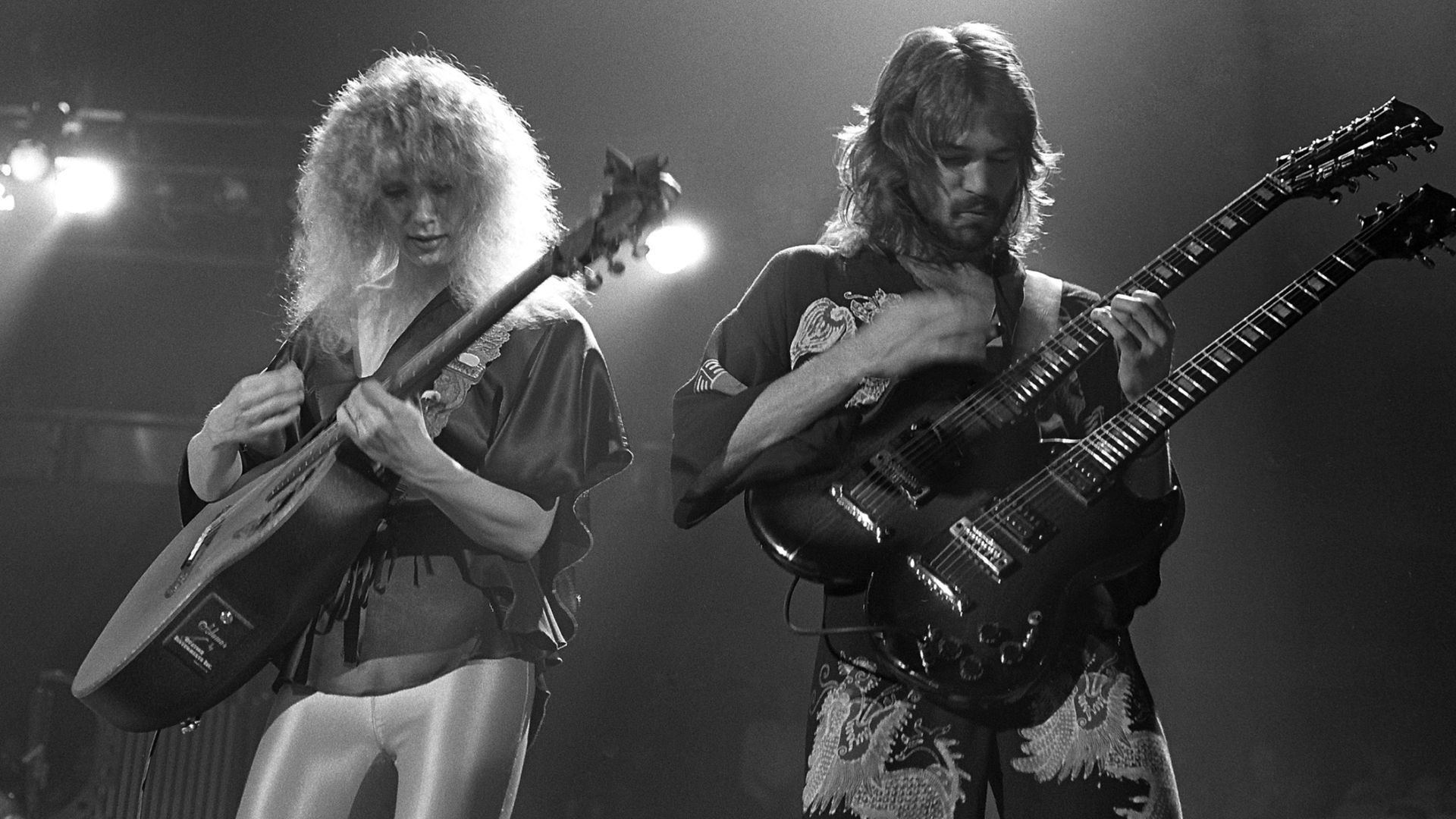
Heart had no shortage of memorable guitar openings, and “Magic Man” immediately showed what guitarist Roger Fisher brought to the band. His sleek, slightly mysterious riff provides the perfect entrance for Ann Wilson's vocal, giving the song a seductive but uneasy atmosphere. Combined with the synthesizers and heavier guitar passages that follow, it helped establish Heart as far more adventurous than a straightforward hard-rock group.
 Jim Summaria, http://jimsummariaphoto.com, Wikimedia Commons
Faces - “Stay With Me” (1971)
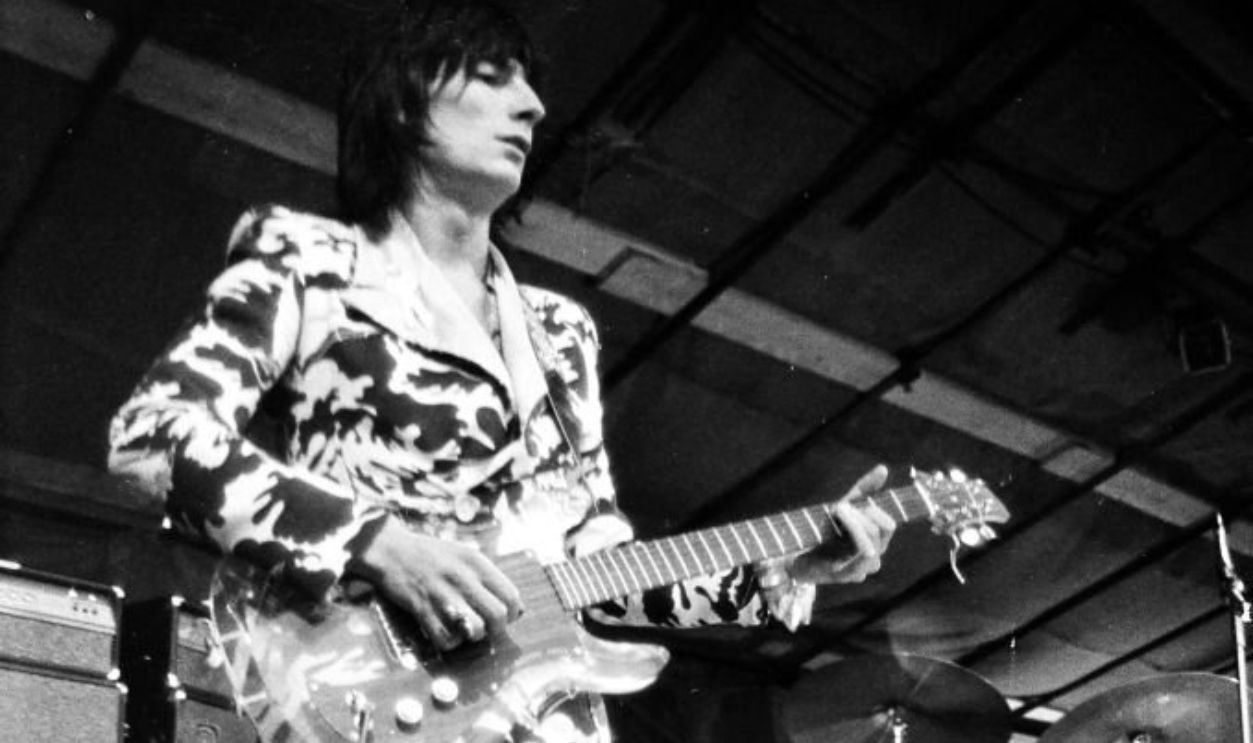
Ronnie Wood wastes almost no time turning “Stay with Me” into one of the loosest, dirtiest rock songs of the early 1970s. His guitar work has the ragged energy Faces were famous for, while Ian McLagan's piano and Rod Stewart's rasp make the whole performance sound like a party on the verge of falling apart. Wood would soon take that riff-driven approach with him to the Rolling Stones.
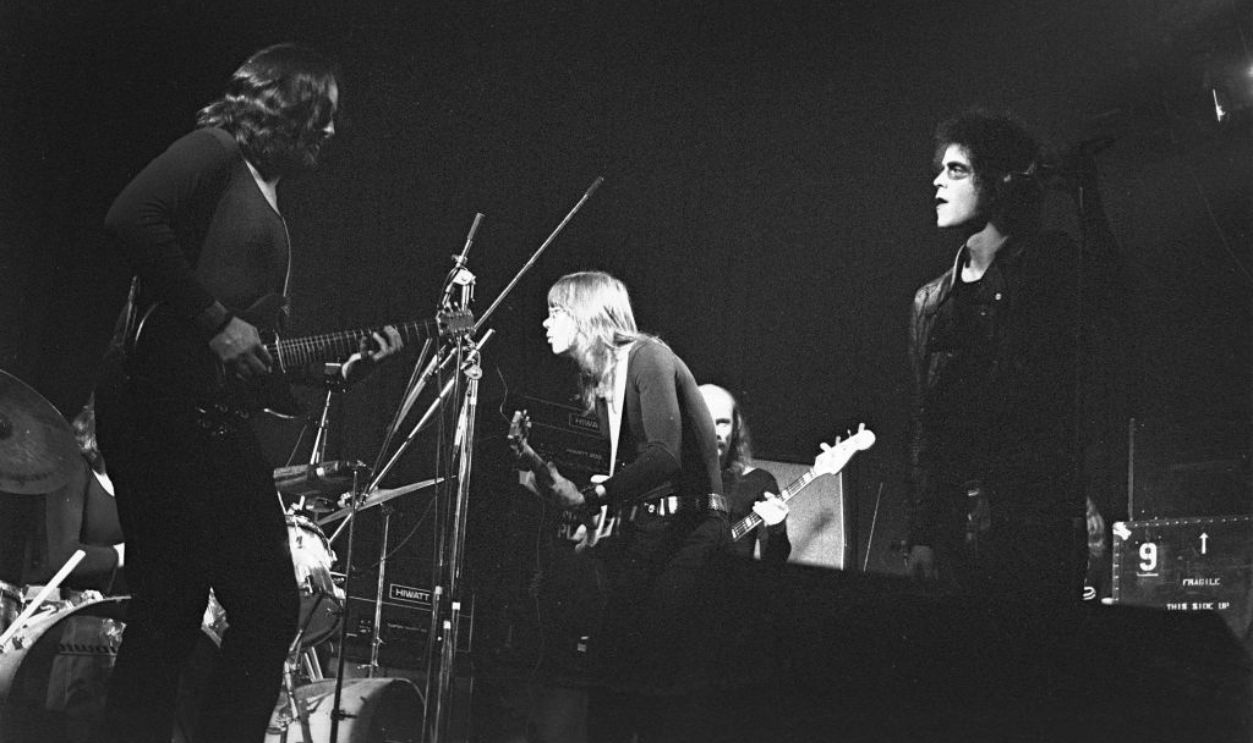
Lou Reed - “Rock ‘N’ Roll” (1974)
Lou Reed originally recorded “Rock ‘n’ Roll” with the Velvet Underground, but the 1974 Rock ‘n’ Roll Animal version completely reinvented it. Guitarists Steve Hunter and Dick Wagner open the live performance with an extended twin-guitar introduction before tearing into Reed's familiar song. Their dramatic interplay turned a scrappy Velvet Underground number into something closer to arena rock, and it's the 1974 arrangement that earns its place here.
The Kinks - “You Really Got Me” (1964)
Dave Davies helped make distorted guitar sound genuinely dangerous on “You Really Got Me". Frustrated with the clean tone coming from his little amplifier, he famously damaged its speaker cone to create something rougher. The resulting power-chord riff was brutally simple but enormously influential, pointing toward hard rock, punk, and heavy metal years before those genres had fully taken shape.
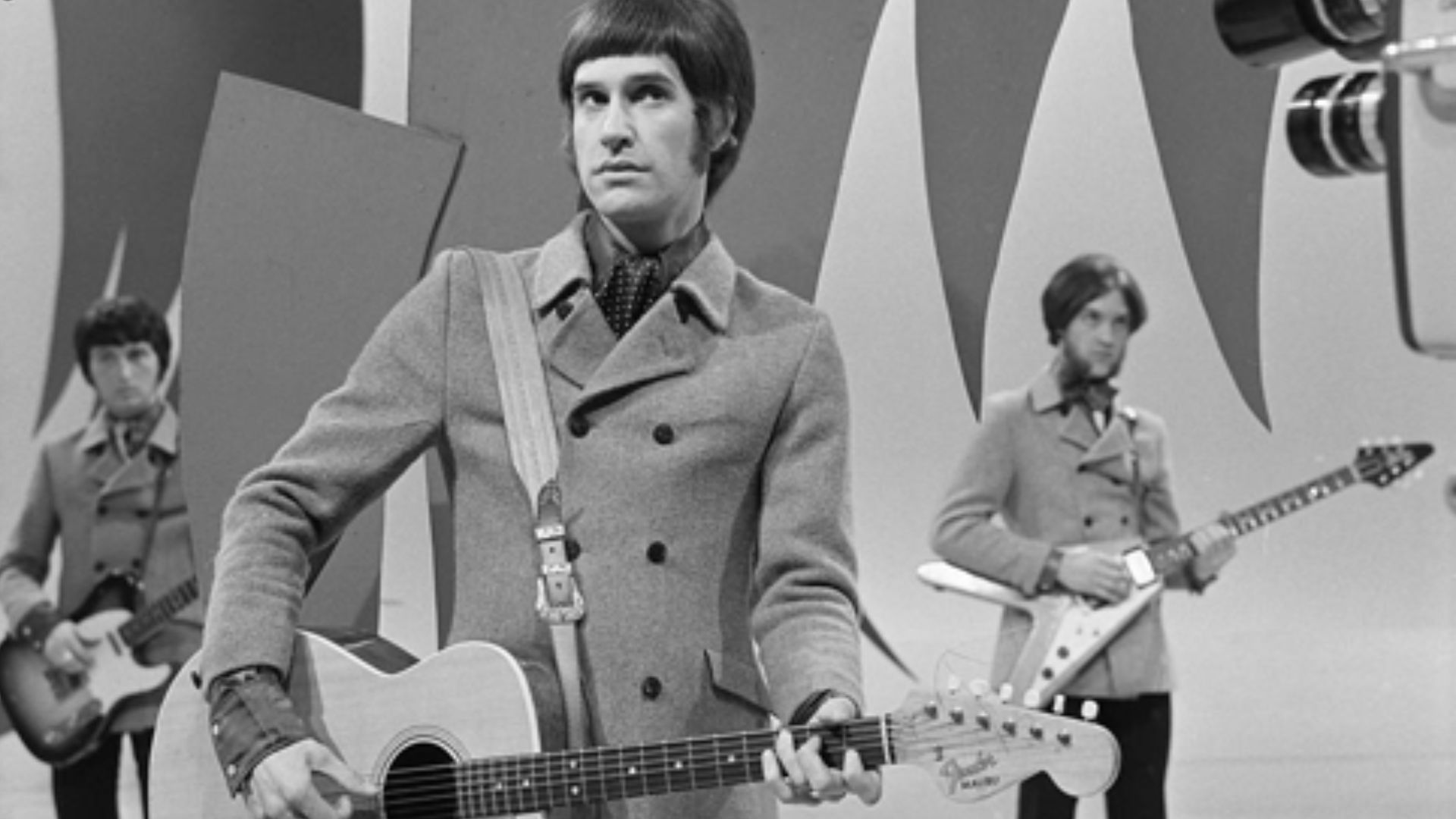 Photographer: W. Veenman, Wikimedia Commons
Steppenwolf - “Born To Be Wild” (1968)
“Born to Be Wild” is remembered as the ultimate motorcycle anthem, but its grinding guitar riff deserves just as much credit for the song's impact. Teenage guitarist Michael Monarch helped give the recording its aggressive edge, while the lyrics famously included the phrase “heavy metal thunder". Its appearance in Easy Rider only strengthened the connection between loud guitars, open highways, and countercultural freedom.
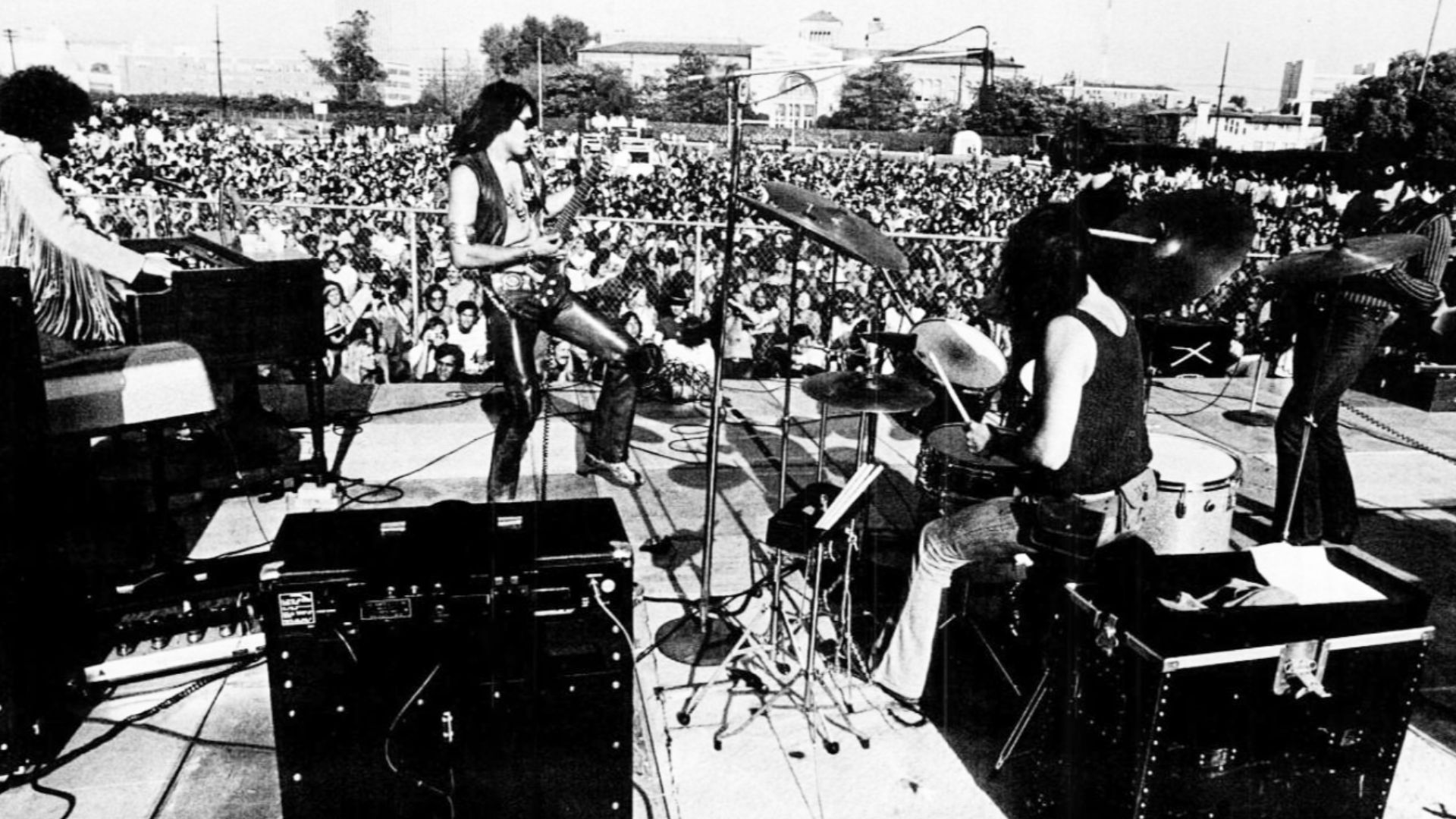 ABC / Dunhill Records, Wikimedia Commons
James Gang - “Funk #49” (1970)
Before Joe Walsh joined the Eagles, he was already showing exactly how much groove a hard-rock guitar riff could carry. “Funk #49” combines a lean, gritty guitar sound with the rhythmic looseness its title promises. The riff doesn't need mountains of distortion to hit hard. Walsh leaves space between the notes, allowing the drums and bass to turn the entire track into a remarkably funky power-trio workout.
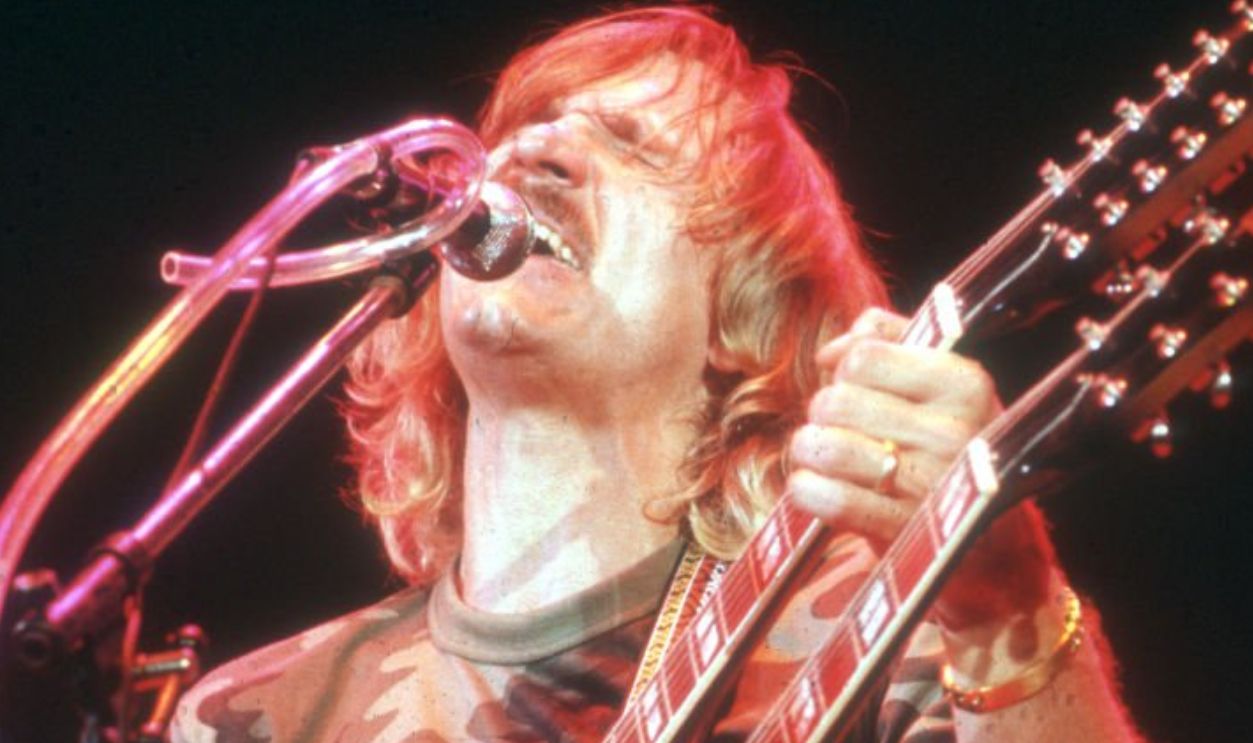 Michael Ochs Archives, Getty Images
Mountain - “Mississippi Queen” (1970)
Leslie West understood that a huge guitar sound didn't require a complicated riff. “Mississippi Queen” is built around thick, blunt phrases delivered with massive tone and West's famously expressive vibrato. Using a Les Paul Junior and loud amplification, he helped establish a heavier style of riff-based rock that would influence metal and stoner rock long after Mountain's commercial peak had passed.
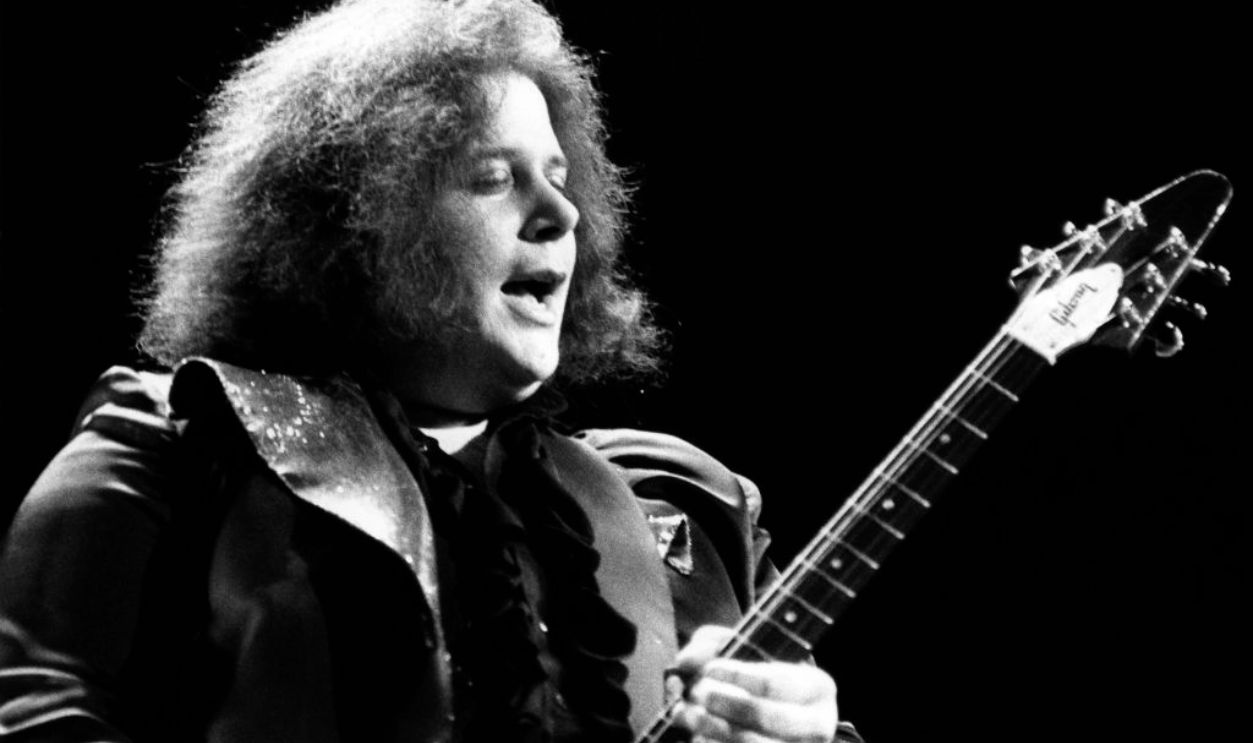
Steely Dan - “Reelin' In The Years” (1972)
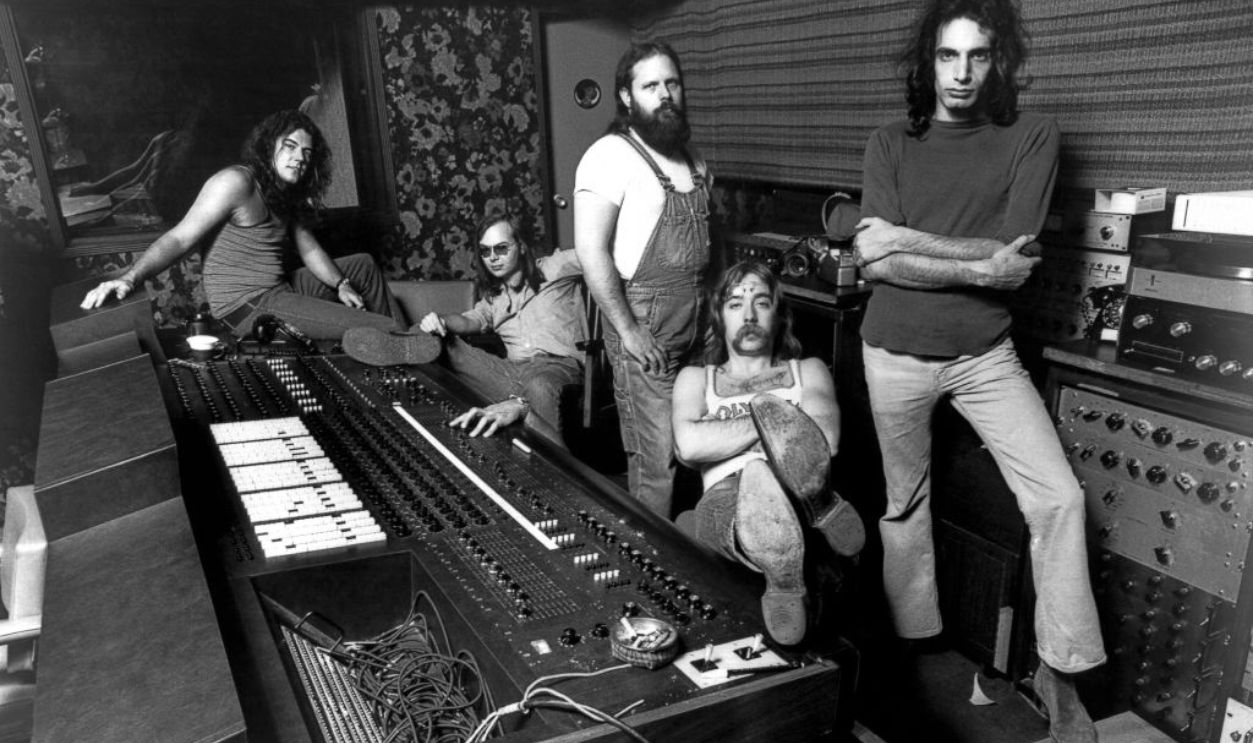
Steely Dan eventually became famous for meticulous studio perfection, but “Reelin' in the Years” has the excitement of musicians simply letting loose. Session guitarist Elliott Randall supplies the song's famous guitar work, including the opening figure and fiery soloing that immediately distinguished the band's debut era. The combination of sophisticated songwriting and muscular guitars showed that technically ambitious rock didn't have to sacrifice hooks.
 Michael Ochs Archives, Getty Images
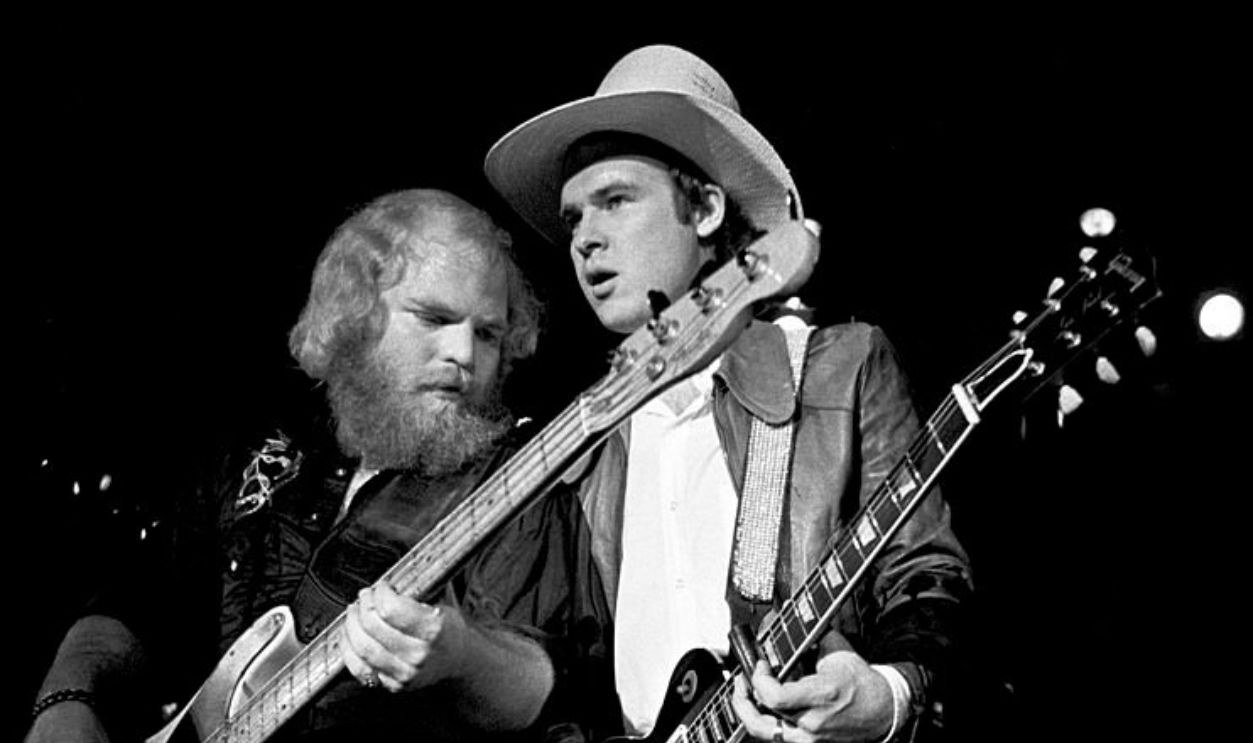
ZZ Top - “La Grange” (1973)
Billy Gibbons took a familiar blues-boogie tradition and turned it into something unmistakably ZZ Top on “La Grange". The groove drew inspiration from John Lee Hooker's style, but Gibbons' tone and rhythmic precision gave it a personality of its own. The track became ZZ Top's first significant pop-chart breakthrough and helped establish the stripped-down Texas boogie sound that would remain central to the band's identity.
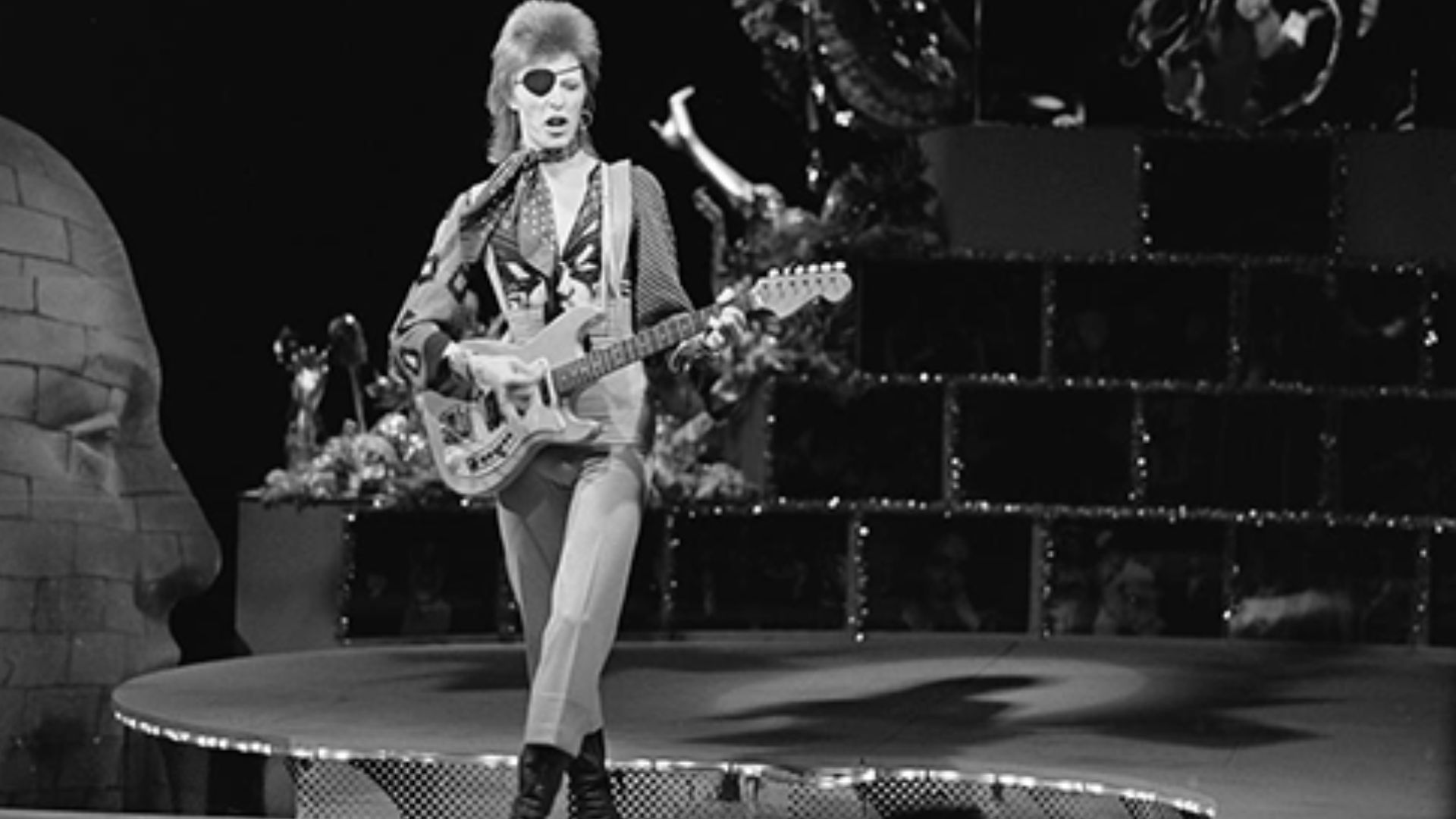
David Bowie - “Rebel Rebel” (1974)
David Bowie wasn't usually discussed alongside the era's guitar heroes, which makes the riff on “Rebel Rebel” even more interesting. With longtime guitarist Mick Ronson no longer beside him, Bowie helped create and play the song's dirty, Stones-inspired hook himself, with session guitarist Alan Parker contributing to its final shape. The repeating figure became the perfect soundtrack for Bowie's last great glam-rock anthem.
Lynyrd Skynyrd - “Sweet Home Alabama” (1974)
That sparkling opening guitar line became synonymous with Southern rock almost immediately. Ed King developed the famous main part while working from an idea Gary Rossington had been playing during rehearsal, and King later recalled knowing they had something special. The interplay between Skynyrd's multiple guitarists makes the recording richer than the familiar opening alone suggests, but that first riff remains its unmistakable calling card.
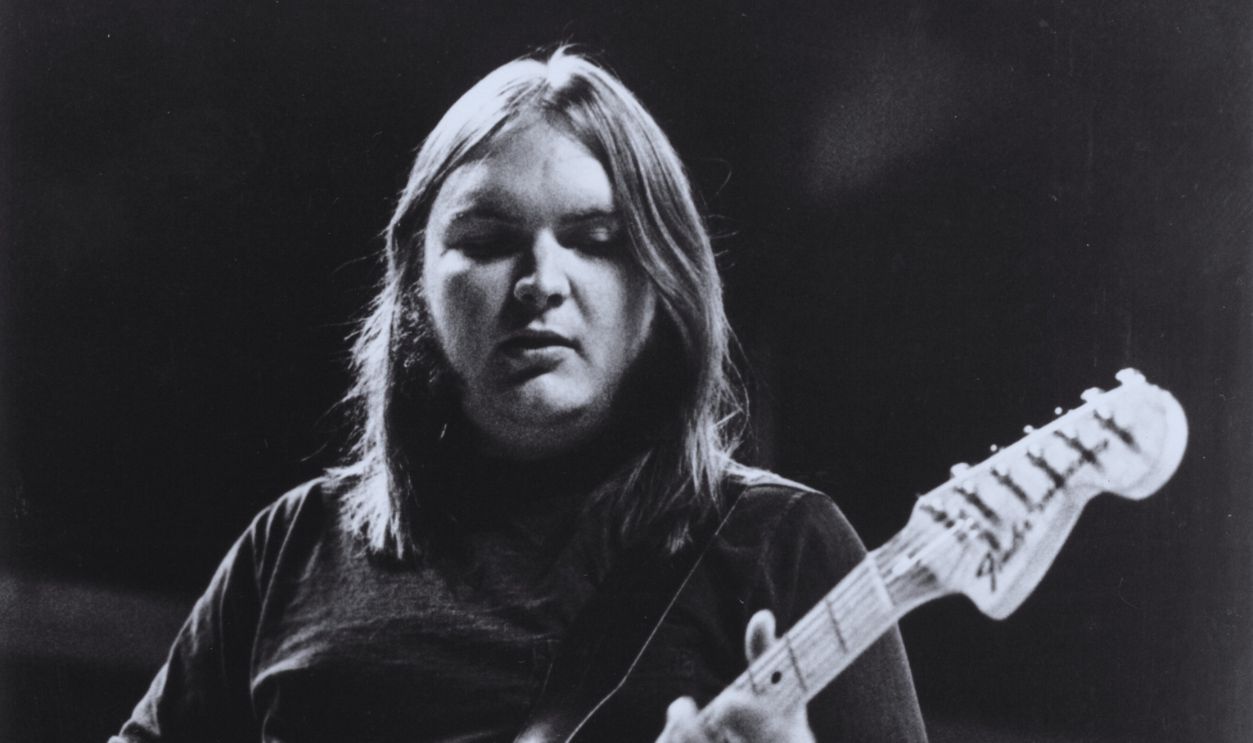 Michael Ochs Archives, Getty Images
Aerosmith - “Walk This Way” (1975)
Joe Perry came up with the “Walk This Way” riff during a soundcheck while thinking about funk groups like the Meters. That influence explains why the guitar part grooves as much as it rocks. Aerosmith made it a hit in the 1970s, then the same riff returned in the Run-DMC remake a decade later, helping connect hard rock and hip-hop for a new generation.
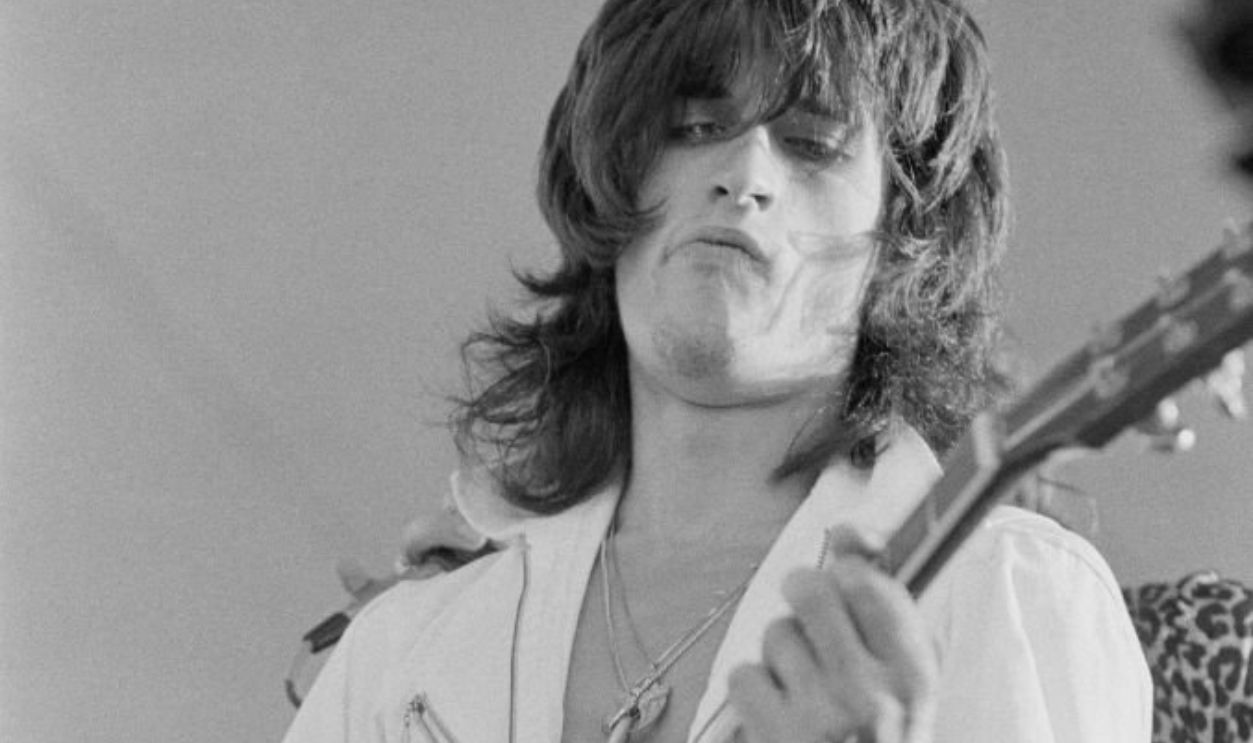
Blue Öyster Cult - “(Don't Fear) The Reaper” (1976)
Buck Dharma's riff on “(Don't Fear) The Reaper” isn't heavy in the usual sense. Its clean, arpeggiated chords have an eerie calm that perfectly suits a song about mortality and love beyond death. The guitar figure came first, and its haunting quality helped give Blue Öyster Cult the crossover hit they'd been missing. The cowbell became the joke, but the guitar is what holds the song together.
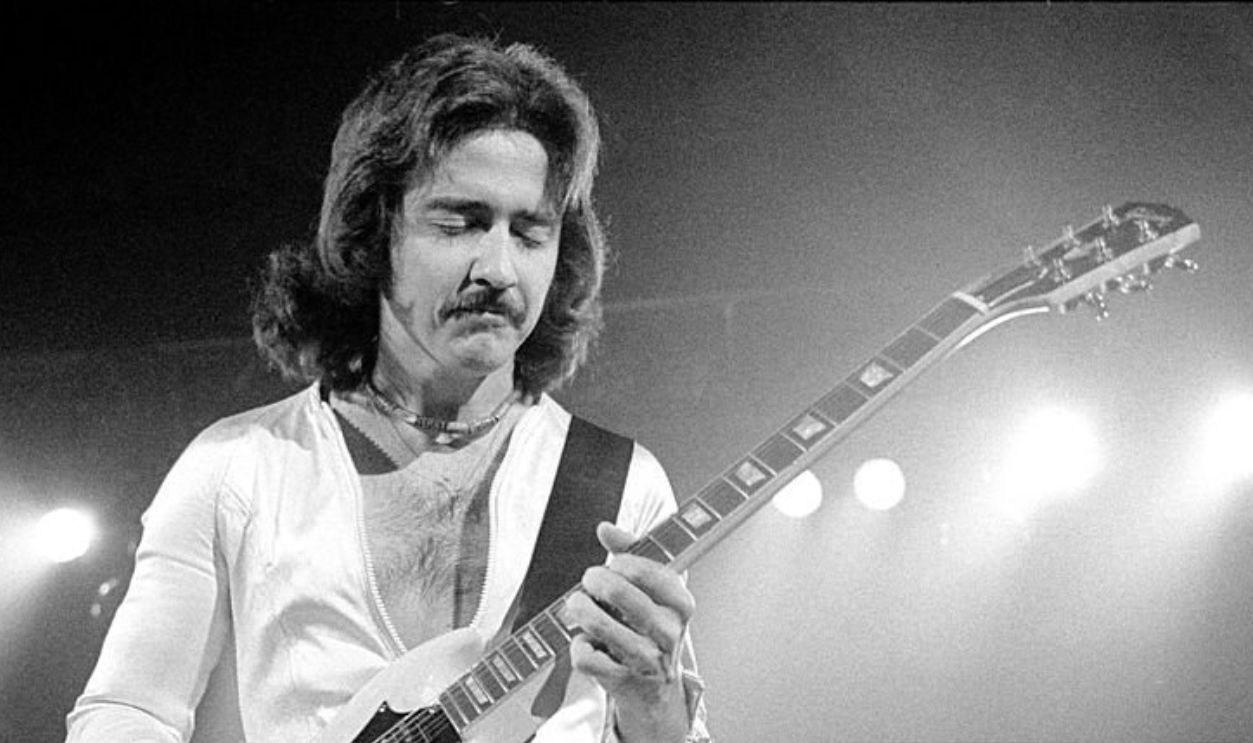
Boston - “More Than A Feeling” (1976)
Tom Scholz's meticulous approach made Boston's debut sound enormous without sacrificing melody. “More Than a Feeling” starts softly before those layered guitars burst into the main riff, creating one of arena rock's quintessential moments. Scholz developed much of Boston's signature sound through home recording and technological experimentation, and the polished wall of guitars here became a template countless rock bands tried to match.
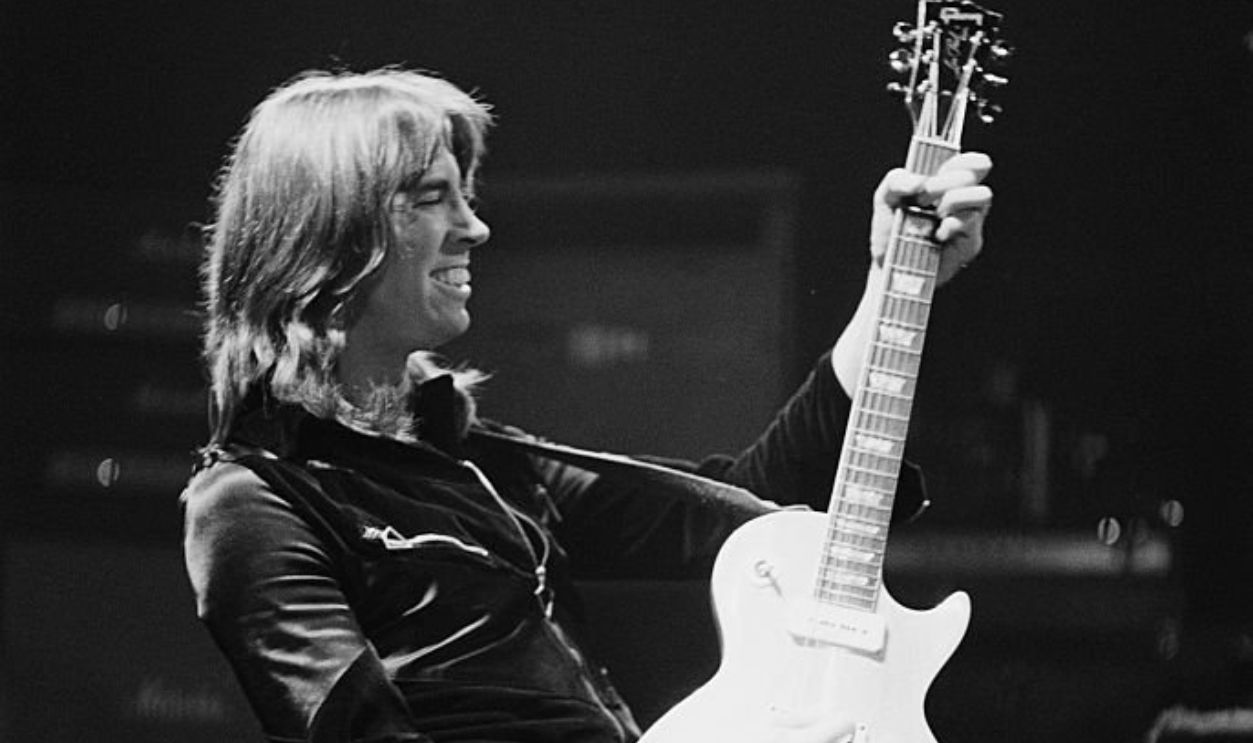
Kansas - “Carry On Wayward Son” (1976)
“Carry On Wayward Son” begins with stacked a cappella harmonies, but the guitars quickly take control. Kerry Livgren's writing packs several distinct sections into the song, while the main riff gives all that progressive-rock complexity an immediate hook. Multiple guitar parts reinforce and answer one another throughout the arrangement, helping Kansas turn an unusually intricate track into a classic-rock radio staple.
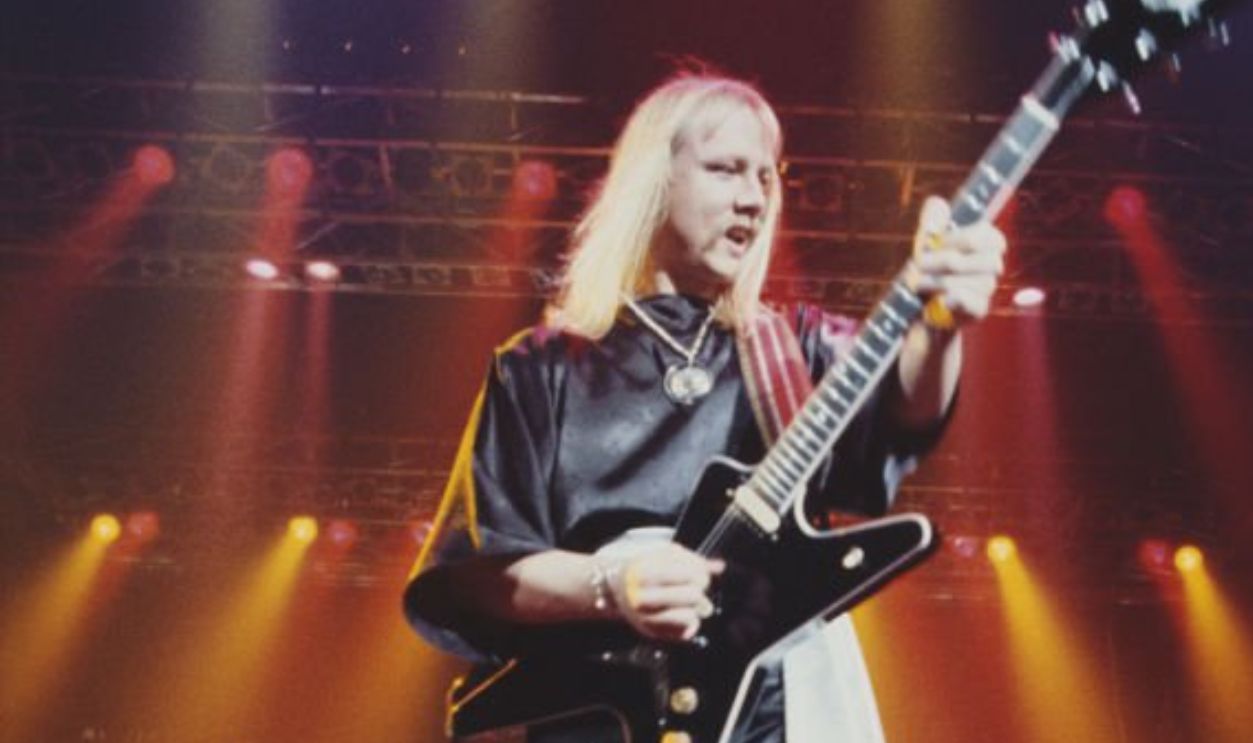
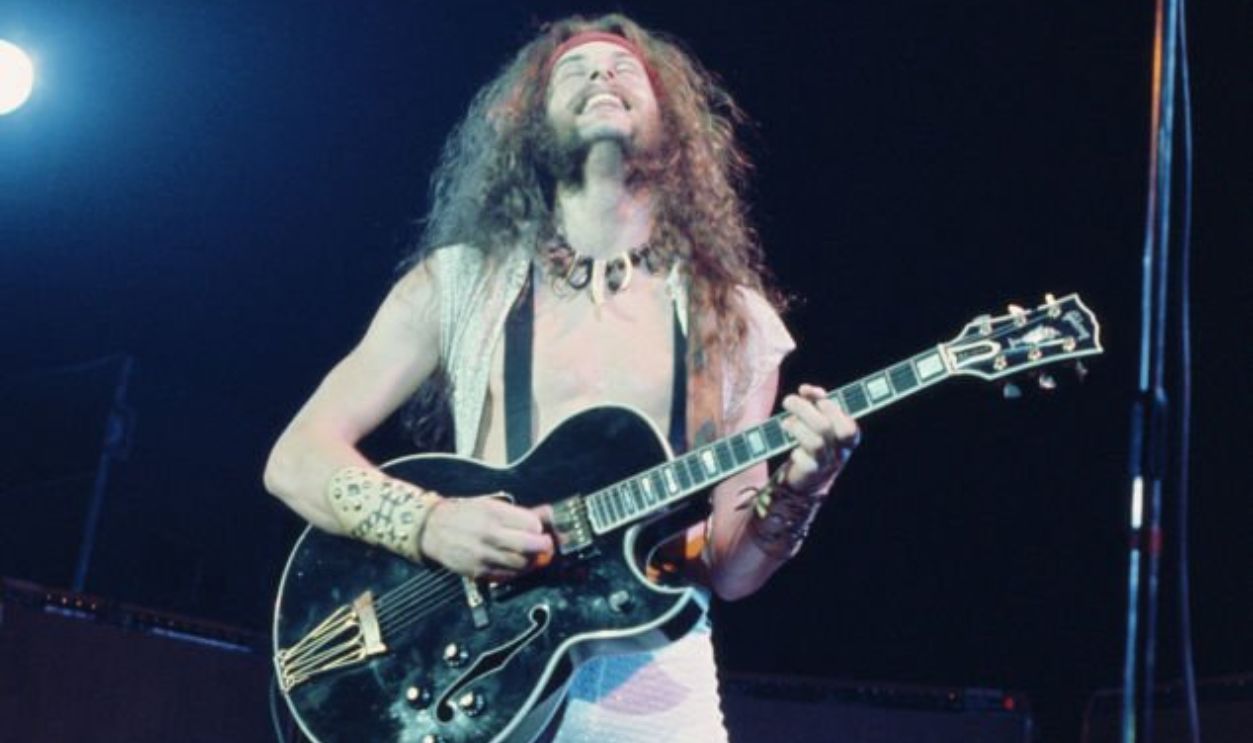
Ted Nugent - “Cat Scratch Fever” (1977)
Whatever listeners think of Ted Nugent himself, the main riff from “Cat Scratch Fever” became one of the most recognizable hard-rock guitar figures of the late 1970s. Its compact, repeating pattern is simple enough for developing guitarists to tackle but aggressive enough to drive the entire track. That combination of accessibility and attitude helped make it Nugent's signature recording.
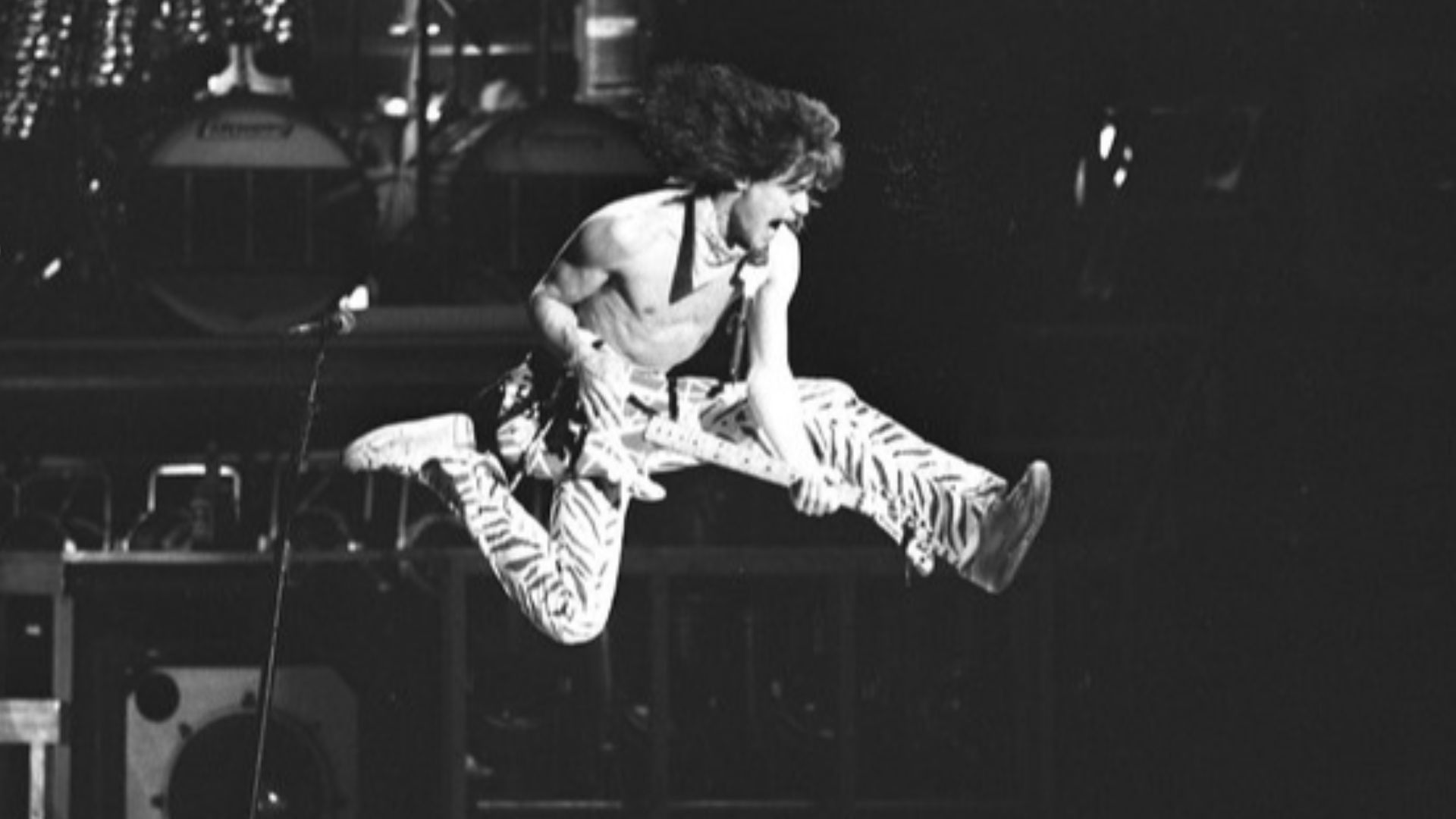
Van Halen - “Ain't Talkin' ‘Bout Love” (1978)
Eddie Van Halen's debut album was filled with guitar moments that made other players reconsider what the instrument could do. The opening riff to “Ain't Talkin' ‘Bout Love” shows that he didn't need blistering speed to make an impression. The part combines palm-muted notes, open chords, and a slightly menacing tone, proving Eddie could write unforgettable riffs just as easily as he could deliver jaw-dropping solos.
 UCLA Library Special Collections, Wikimedia Commons
You May Also Like:
Epic Guitar Solos That Took Rock To A Whole New Level
Songs With Face-Melting Guitar Solos