Who Was That Again?
You know the songs. You've heard them on the radio, in movies, and at countless parties. You might even know every word. But can you remember who actually sang them? The 1970s produced some unforgettable hits by artists whose names haven't always remained as famous as their music. From soft-rock classics to disco favorites, here are 29 songs that just might have you saying, "Oh, that's who sang it!"
 Michael Ochs Archives/Getty Images
"Baby Come Back" — Player (1977)
Few songs capture the smooth, polished sound of late-1970s soft rock better than "Baby Come Back." Released in 1977 by the L.A. band Player, it reached number one on the Billboard Hot 100 in January 1978. Lead singer Peter Beckett co-wrote the song with bandmate J.C. Crowley. Although Player had another hit with "This Time I'm in It for Love," the group's name is far less recognizable today than the irresistible chorus of its biggest success.
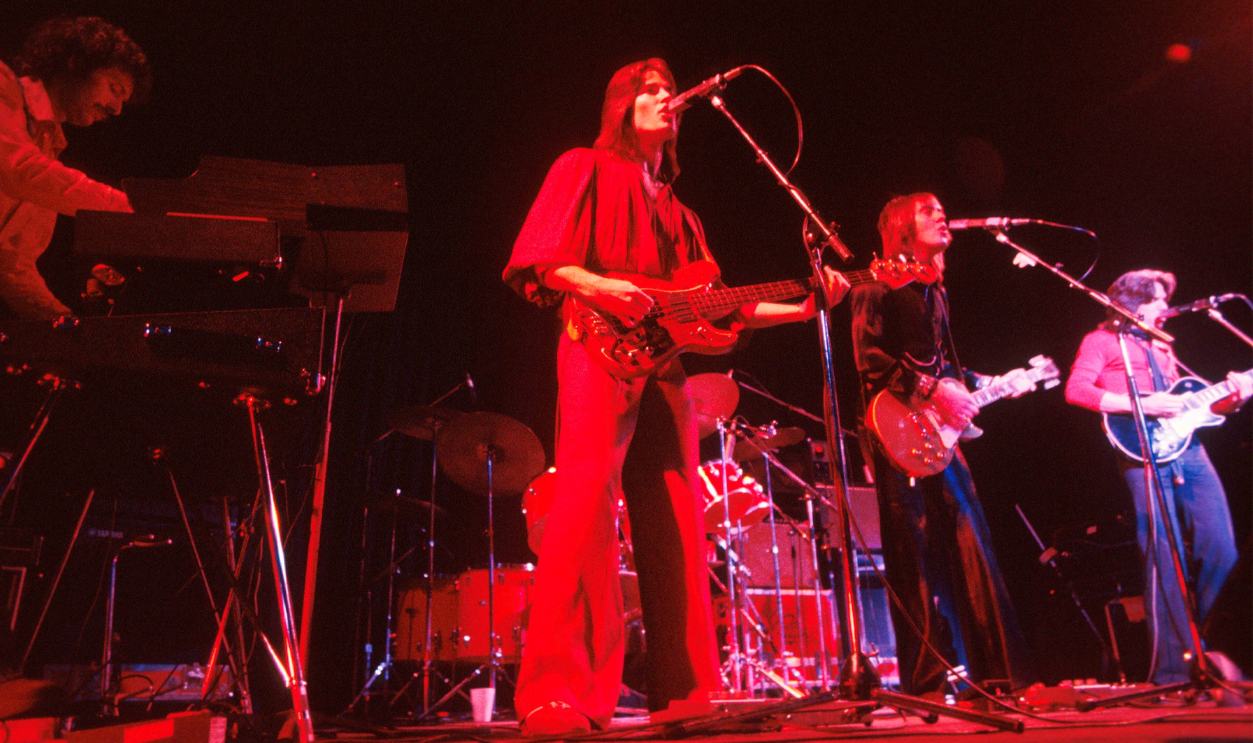
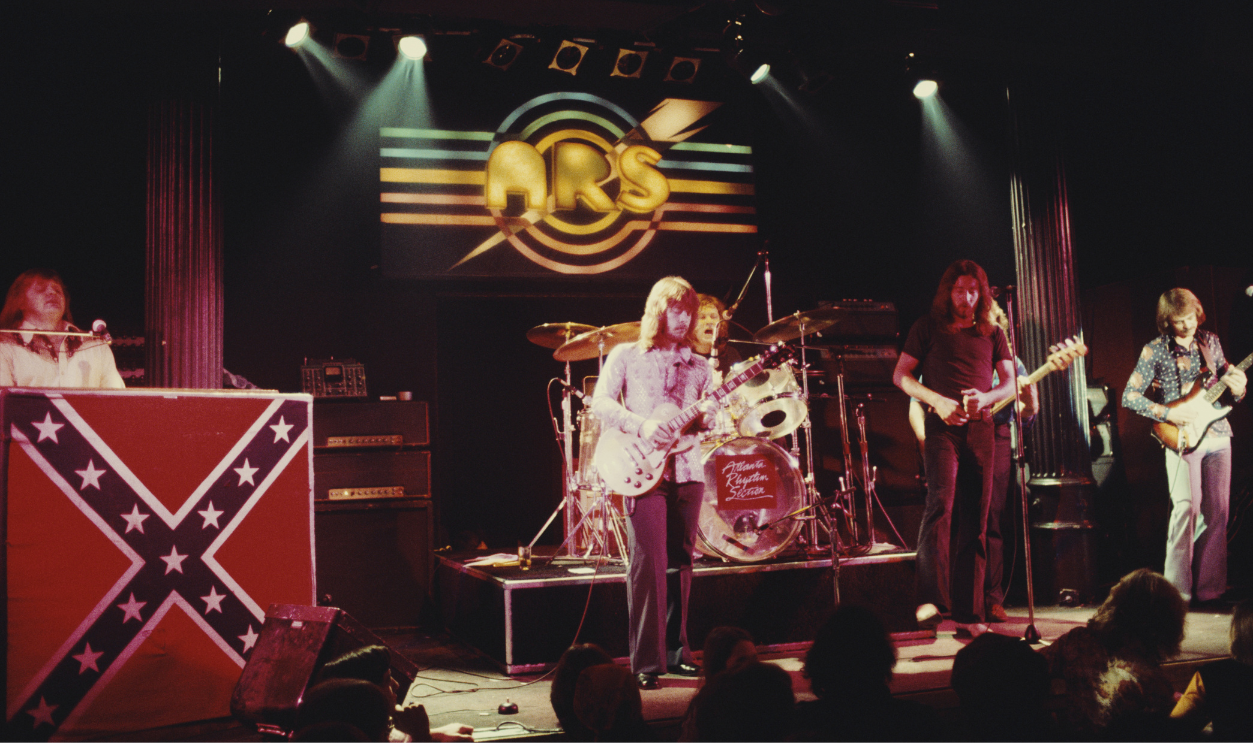
"So Into You" — Atlanta Rhythm Section (1976)
The Atlanta Rhythm Section blended Southern rock with smooth pop production, creating one of the decade's most recognizable radio hits with "So Into You." Released in 1976, the song reached number seven on the Billboard Hot 100 in 1977. Singer Ronnie Hammond delivered its relaxed, soulful vocal over a distinctive guitar groove. The band also enjoyed success with "Imaginary Lover" in 1978, but many listeners who recognize "So Into You" might struggle to identify the group responsible.
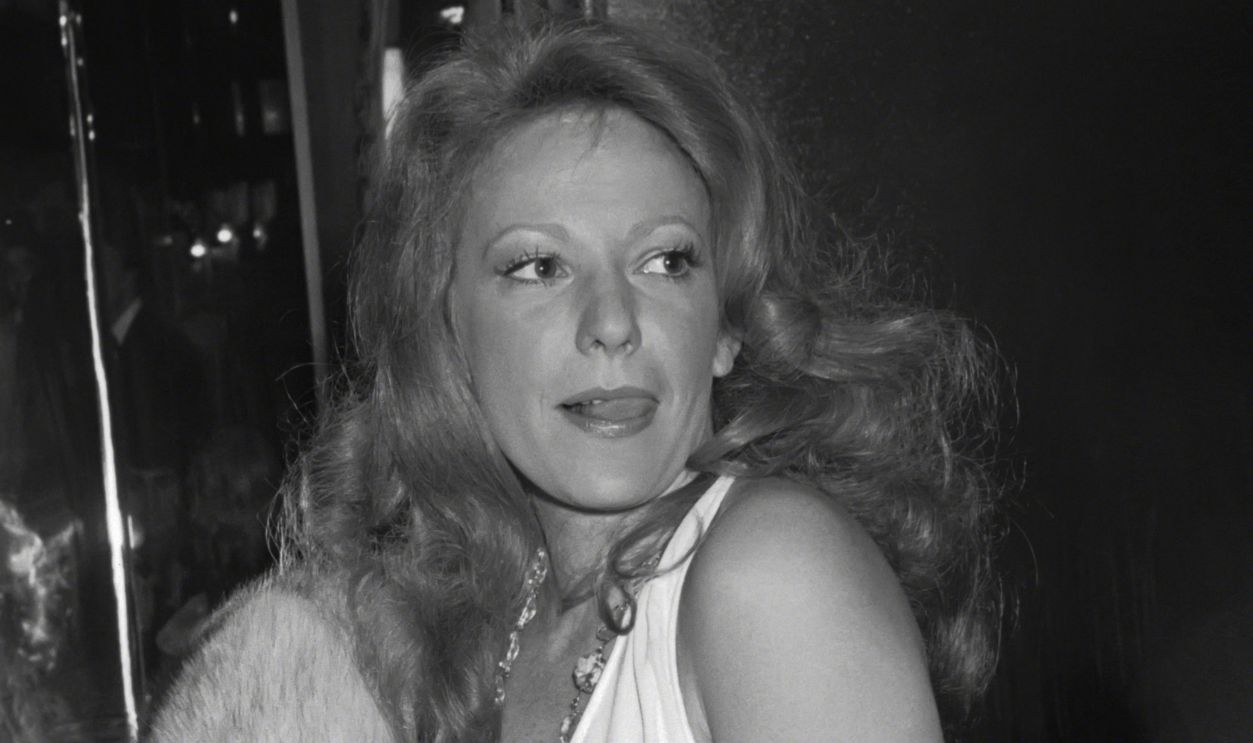
"More, More, More" — Andrea True Connection (1976)
Andrea True found disco stardom with "More, More, More." Recorded in Jamaica and released internationally in 1976, the song reached number four on the Billboard Hot 100. Its infectious rhythm and instantly recognizable chorus made it a disco staple. True continued recording, but never duplicated the success of her breakthrough hit. Decades later, the song found another audience when its instrumental hook was sampled in Len's 1999 hit "Steal My Sunshine."
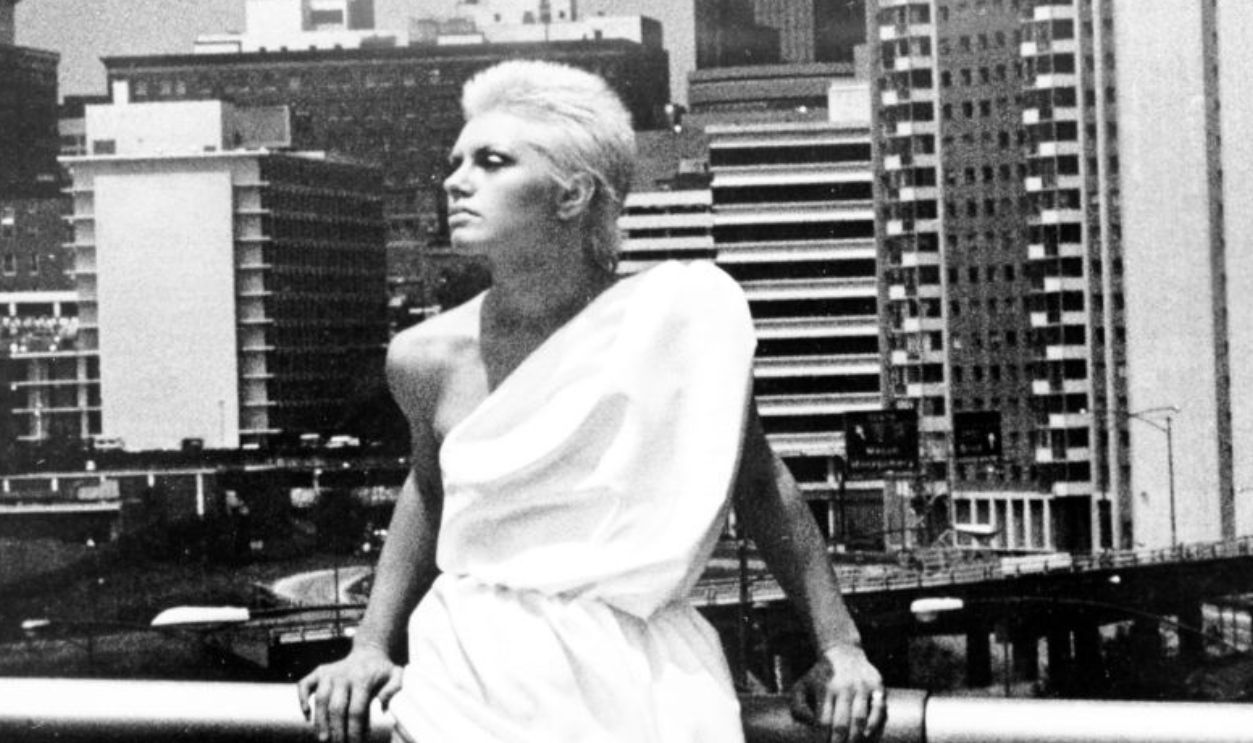
"I Love The Nightlife (Disco 'Round)" — Alicia Bridges (1978)
Alicia Bridges scored one of disco's most enduring hits with "I Love the Nightlife (Disco 'Round)," released in 1978. Co-written with Susan Hutcheson, the song climbed to number five on the Billboard Hot 100 and became a dance-floor favorite. Bridges' powerful voice and the record's irresistible groove made it sound like the work of an established disco superstar. Despite continuing to perform and record, she never achieved another American pop hit approaching its enormous success.
 Michael Ochs Archives, Getty Images
"Play That Funky Music" — Wild Cherry (1976)
The opening guitar riff of "Play That Funky Music" remains instantly recognizable nearly half a century later. Released by the Ohio rock band Wild Cherry in 1976, the song topped the Billboard Hot 100 and became a defining example of funk-rock crossover success. Lead singer Rob Parissi wrote the song after the band began incorporating more dance music into its performances. Wild Cherry released several albums, but nothing came close to matching this unforgettable number-one hit.
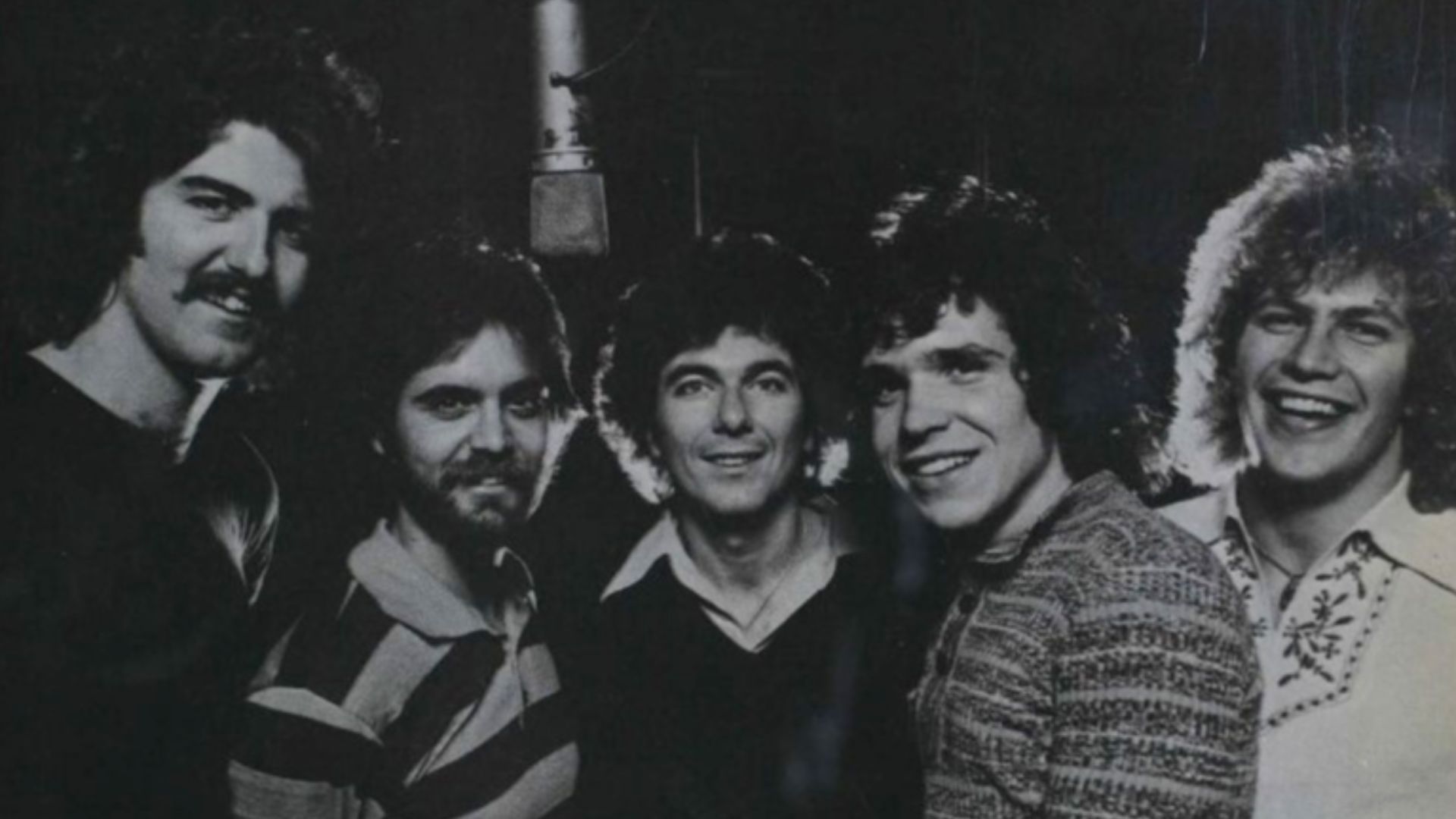
"Brandy (You're A Fine Girl)" — Looking Glass (1972)
Looking Glass achieved an enormous breakthrough in 1972 with "Brandy (You're a Fine Girl)," a melodic tale about a bartender who falls for a sailor devoted to the sea. Written and sung by guitarist Elliot Lurie, the song reached number one on the Billboard Hot 100. Its storytelling and memorable chorus made it a lasting radio favorite. The band scored another hit with "Jimmy Loves Mary-Anne," but Lurie eventually departed, and Looking Glass never regained its original momentum.
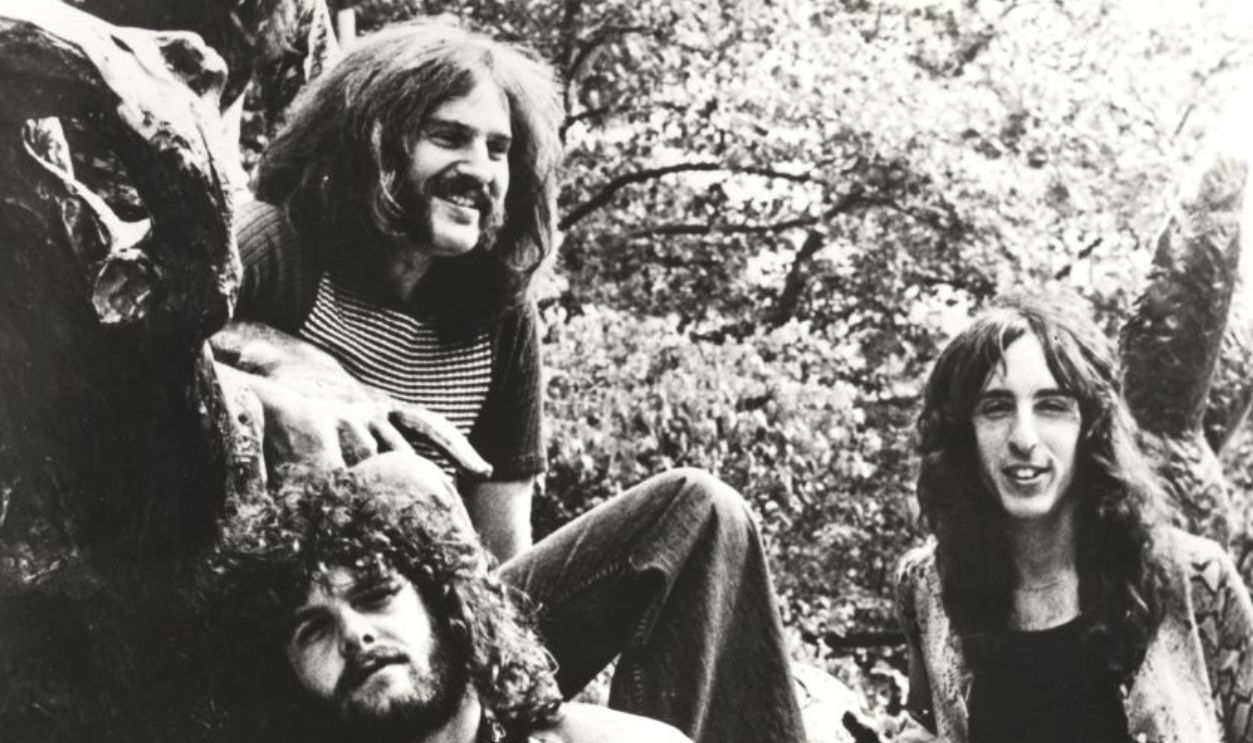
"Afternoon Delight" — Starland Vocal Band (1976)
The Starland Vocal Band turned a seemingly innocent phrase into one of the most suggestive pop hits of 1976. Written by Bill Danoff, “Afternoon Delight” reached number one on the Billboard Hot 100. The quartet subsequently won two Grammy Awards in 1977, for Best New Artist and Best Arrangement for Voices. Although the group briefly hosted its own television variety series, subsequent recordings failed to reproduce the success of its unforgettable breakthrough.
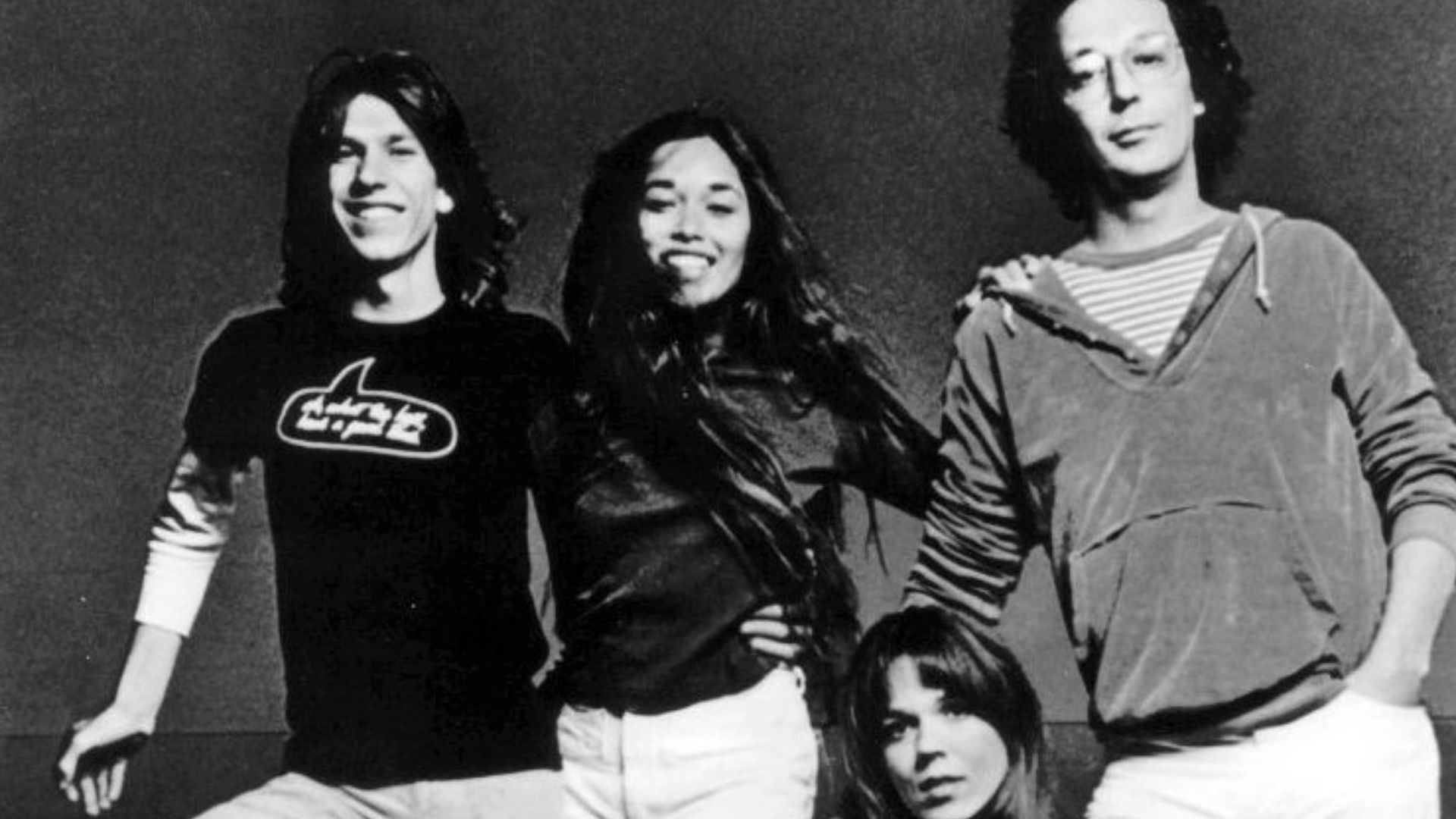 Windsong/RCA Records, Wikimedia Commons
"The Night Chicago Died" — Paper Lace (1974)
British band Paper Lace scored an American number-one hit in 1974 with "The Night Chicago Died," a dramatic fictional account of a confrontation between Chicago police and Al Capone. Its theatrical storytelling and pounding chorus made it impossible to ignore. Paper Lace also recorded "Billy Don't Be a Hero," which became a major American hit for Bo Donaldson and the Heywoods. Despite their success, Paper Lace's name has largely faded from popular memory.
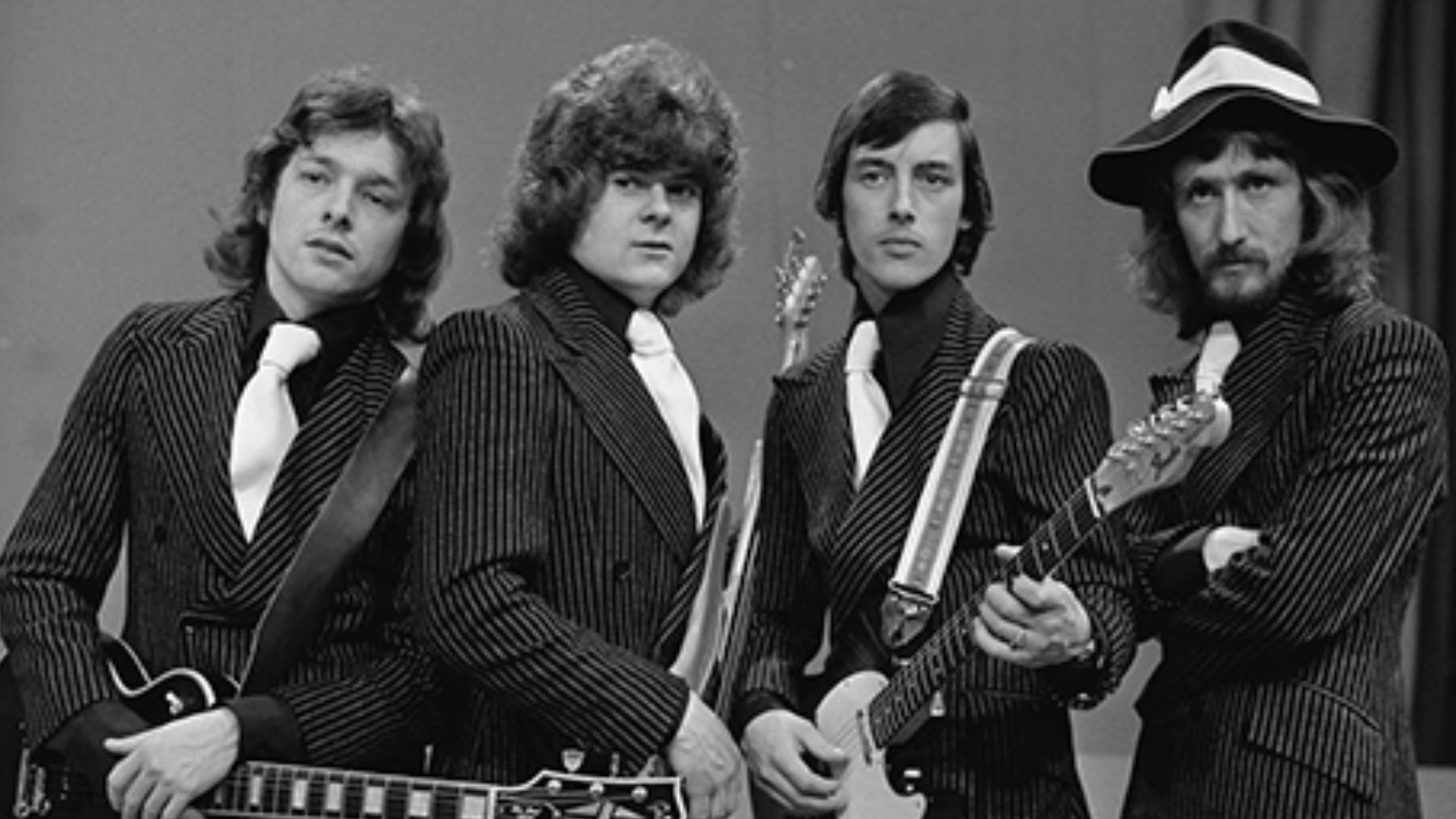
"Dancing In The Moonlight" — King Harvest (1972)
With its cheerful piano melody and relaxed vocals, "Dancing in the Moonlight" sounds like the perfect celebration of carefree summer evenings. The song was written by Sherman Kelly and became a hit for King Harvest, reaching number 13 on the Billboard Hot 100 in 1973. Despite its enduring popularity, King Harvest never enjoyed another comparable success. The song later returned to the charts through a 2000 cover by British band Toploader.
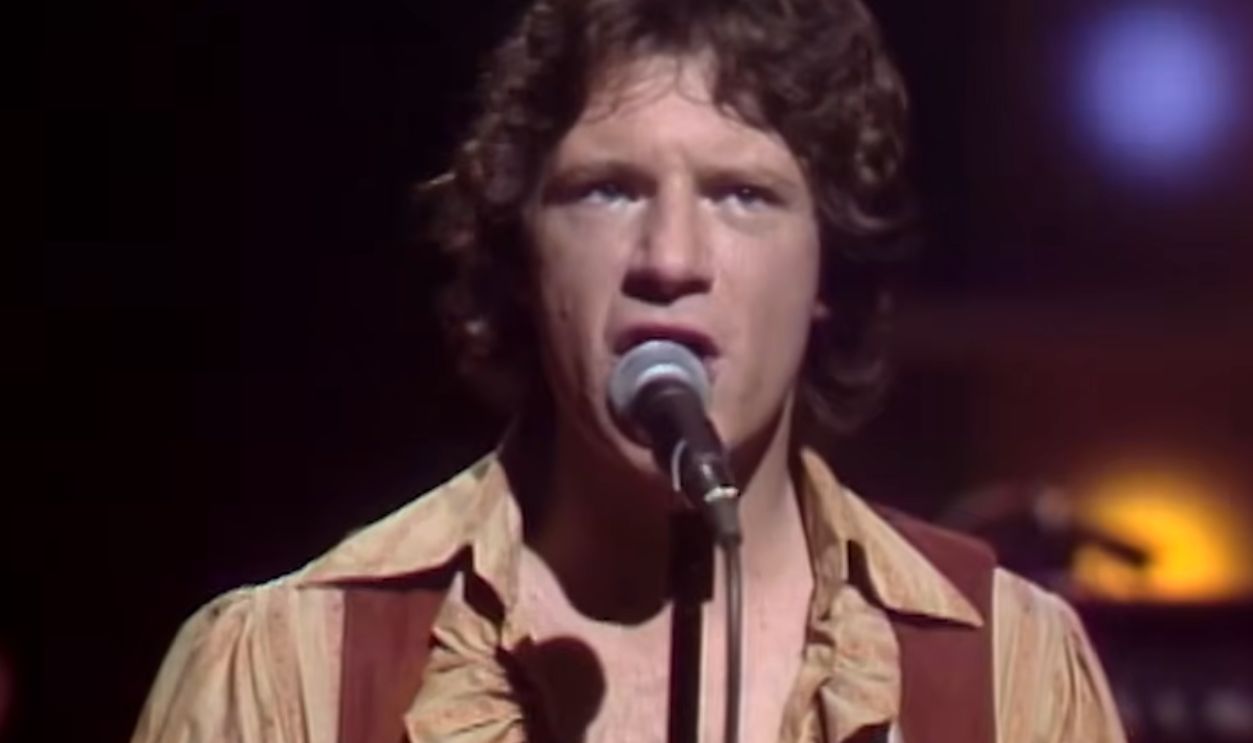 Screenshot from Dancing in the Moonlight, Perception Records (1972)
"Dream Weaver" — Gary Wright (1975)
With its floating synthesizers and hypnotic melody, "Dream Weaver" became one of the defining soft-rock songs of the decade. Gary Wright, formerly of the British band Spooky Tooth, released it on his 1975 album The Dream Weaver. The single climbed to number two on the Billboard Hot 100 in 1976, introducing millions of listeners to his keyboard-driven sound. Wright also scored another major hit with "Love Is Alive," although "Dream Weaver" remains his signature recording.
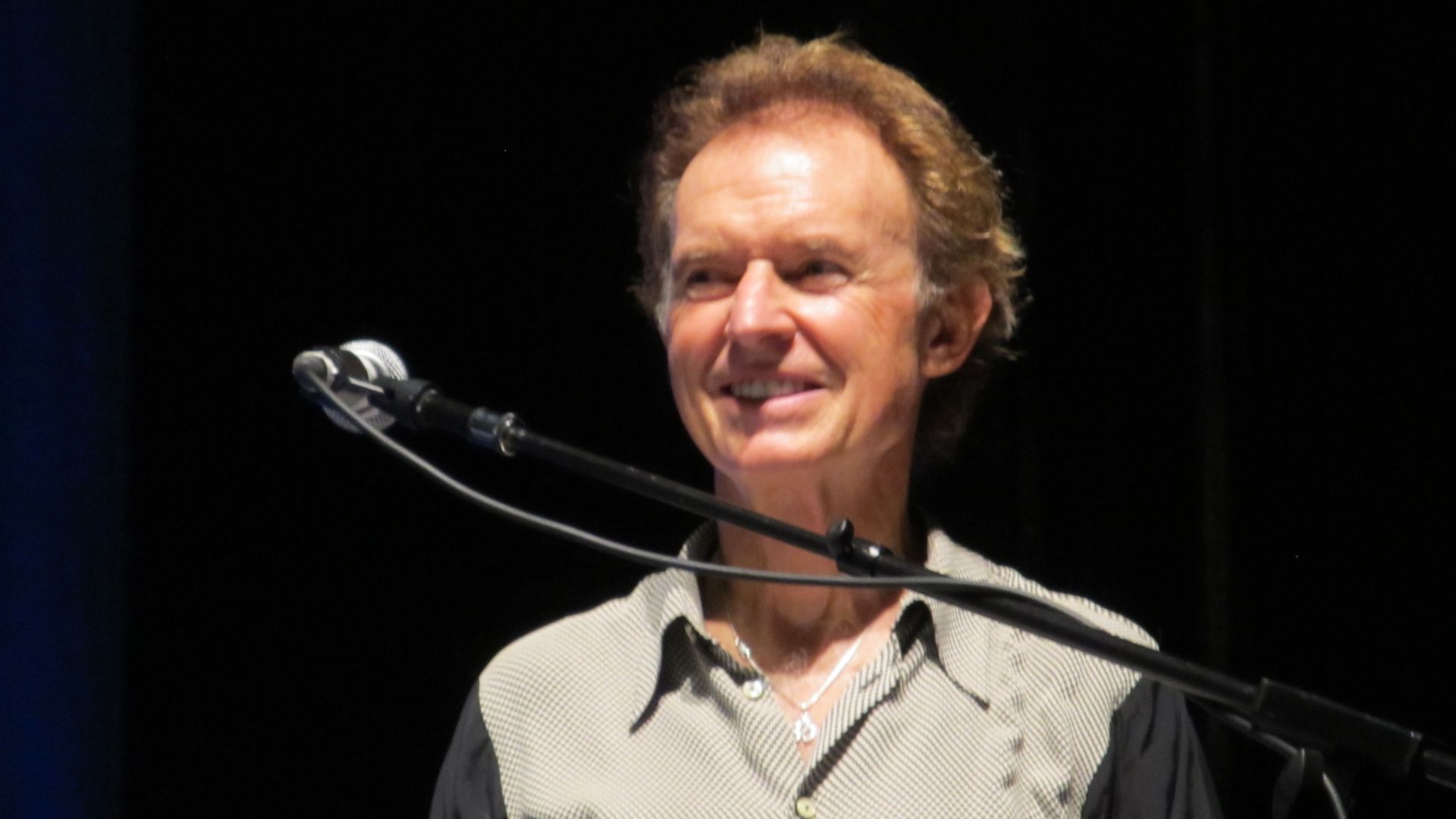 Dr Jean Fortunet, Wikimedia Commons
"Moonlight Feels Right" — Starbuck (1976)
Few songs capture the peculiar charm of mid-1970s soft rock quite like "Moonlight Feels Right." Recorded by the Atlanta-based band Starbuck, it reached number three on the Billboard Hot 100 in 1976. Lead singer Bruce Blackman wrote the song, while Bo Wagner contributed its unforgettable marimba solo. Starbuck released several more singles, but none approached the success of this breezy summer favorite, which remains much better known than the group that recorded it.
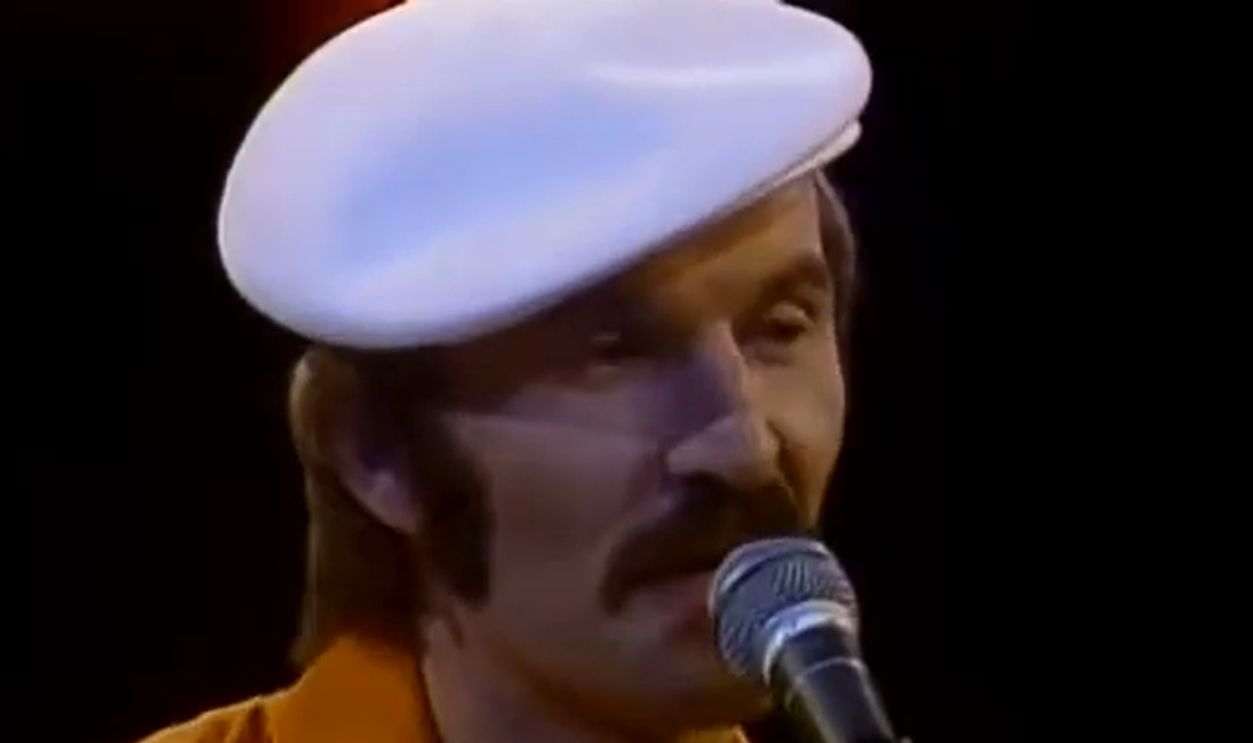 Screenshot from Moonlight Feels Right, Private Stock Records (1976)
"Tighter, Tighter" — Alive 'N Kickin' (1970)
Brooklyn pop-rock group Alive 'N Kickin' scored one of 1970's catchiest hits with "Tighter, Tighter," written and produced by Tommy James of the Shondells and his collaborator Bob King. Featuring the vocals of Pepe Cardona and Sandy Toder, the infectious single reached number seven on the Billboard Hot 100. The group never managed another Top 40 hit, although keyboardist Bruce Sudano later became a successful songwriter and married disco superstar Donna Summer. More than half a century later, "Tighter, Tighter" remains far more recognizable than the band that recorded it
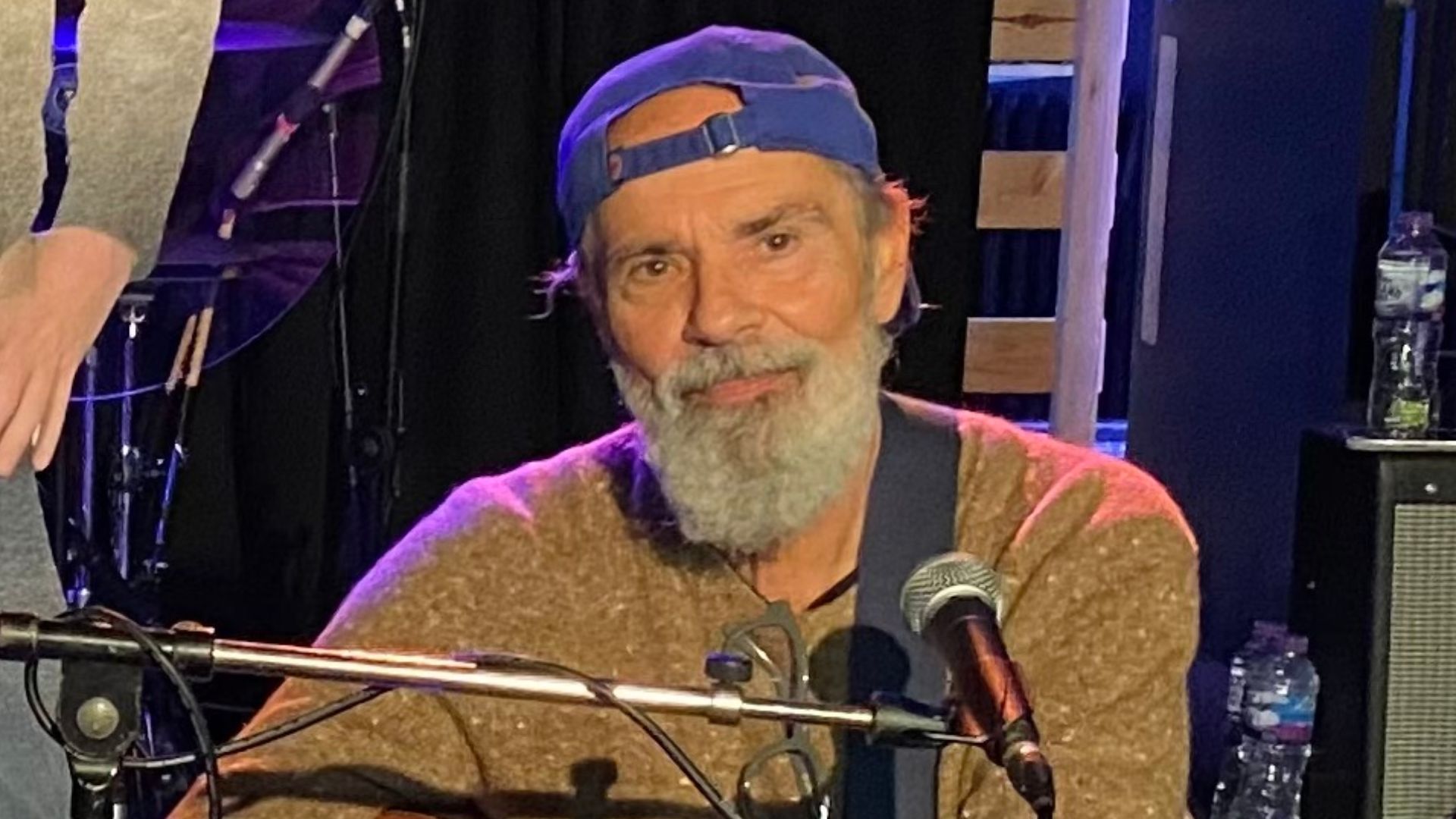 TheRocksMGMT, Wikimedia Commons
"Magic" — Pilot (1974)
The opening piano notes of "Magic" are instantly recognizable, even to listeners who have never heard of the Scottish band Pilot. Released in 1974, the song became an international hit, reaching number five on the American charts in 1975. Singer David Paton and keyboardist Billy Lyall wrote the infectious tune, which later appeared in numerous films and commercials. Pilot enjoyed additional success in Britain, but "Magic" remains the song most Americans associate with the group.
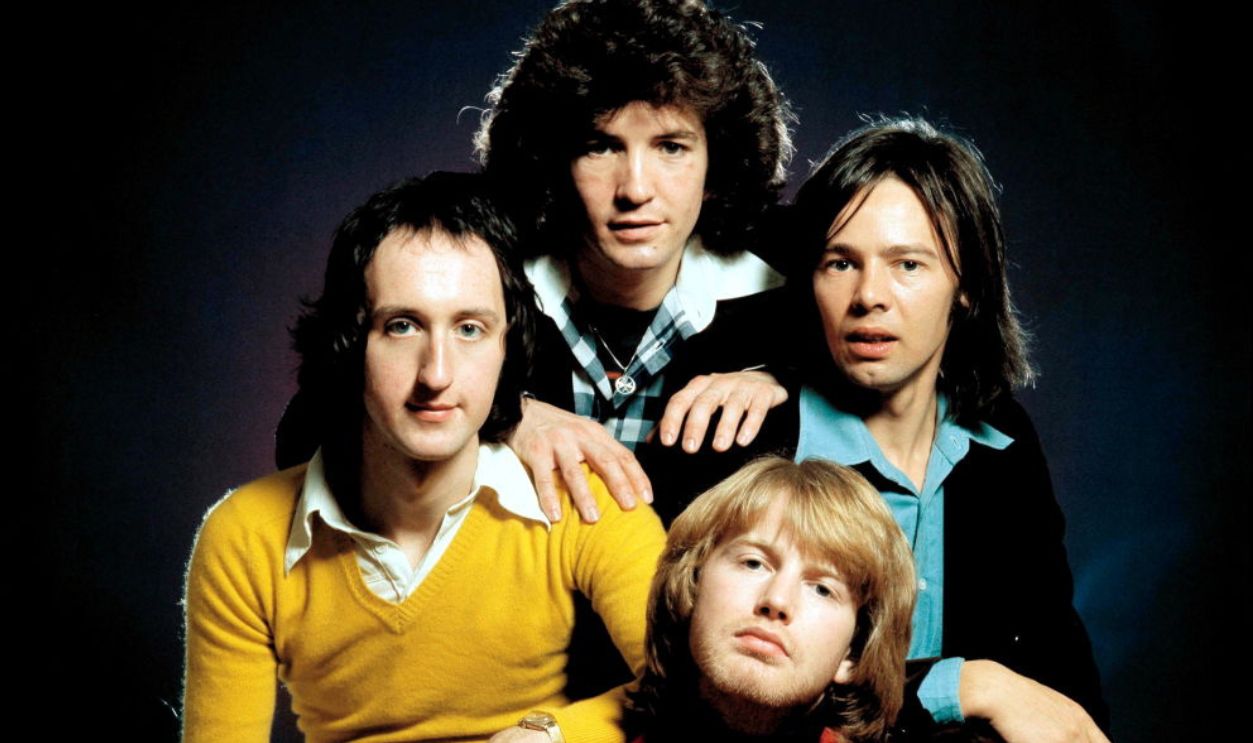
"How Long" — Ace (1974)
British band Ace scored a transatlantic hit with "How Long," a deceptively smooth song about betrayal. Written and sung by Paul Carrack, it reached number three on the Billboard Hot 100 in 1975. Although listeners frequently interpret the lyrics as describing romantic infidelity, Carrack actually wrote them after discovering that a bandmate had secretly been playing with another group. Carrack later enjoyed success with Squeeze, Mike + the Mechanics, and as a solo artist, but Ace never matched this breakthrough.
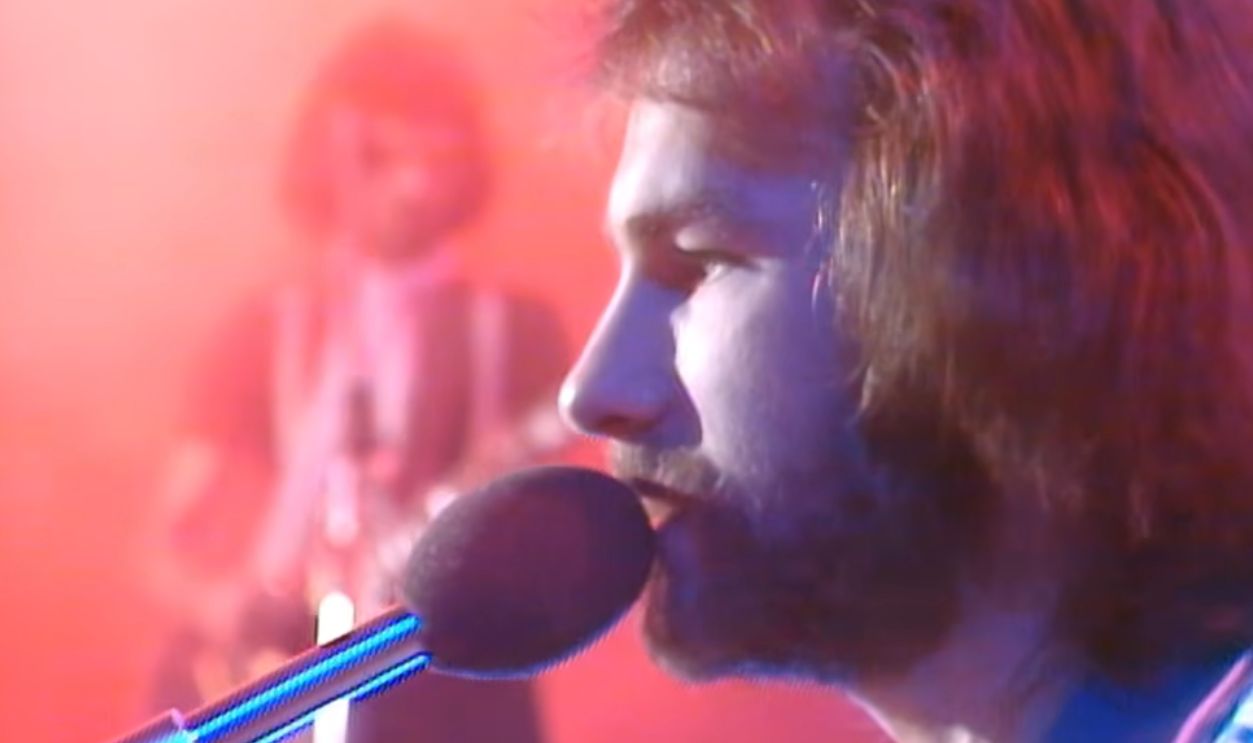 Screenshot from How Long, Anchor Records (1974)
"Rock Your Baby" — George McCrae (1974)
George McCrae helped usher disco into the mainstream with "Rock Your Baby," a groundbreaking dance record that topped the Billboard Hot 100 in 1974. Written and produced by Harry Wayne Casey and Richard Finch, the song combined a hypnotic rhythm with McCrae's distinctive falsetto. It became an international sensation and influenced the emerging disco sound. McCrae continued recording and enjoyed additional hits overseas, but his name never became as universally recognizable as his signature song.
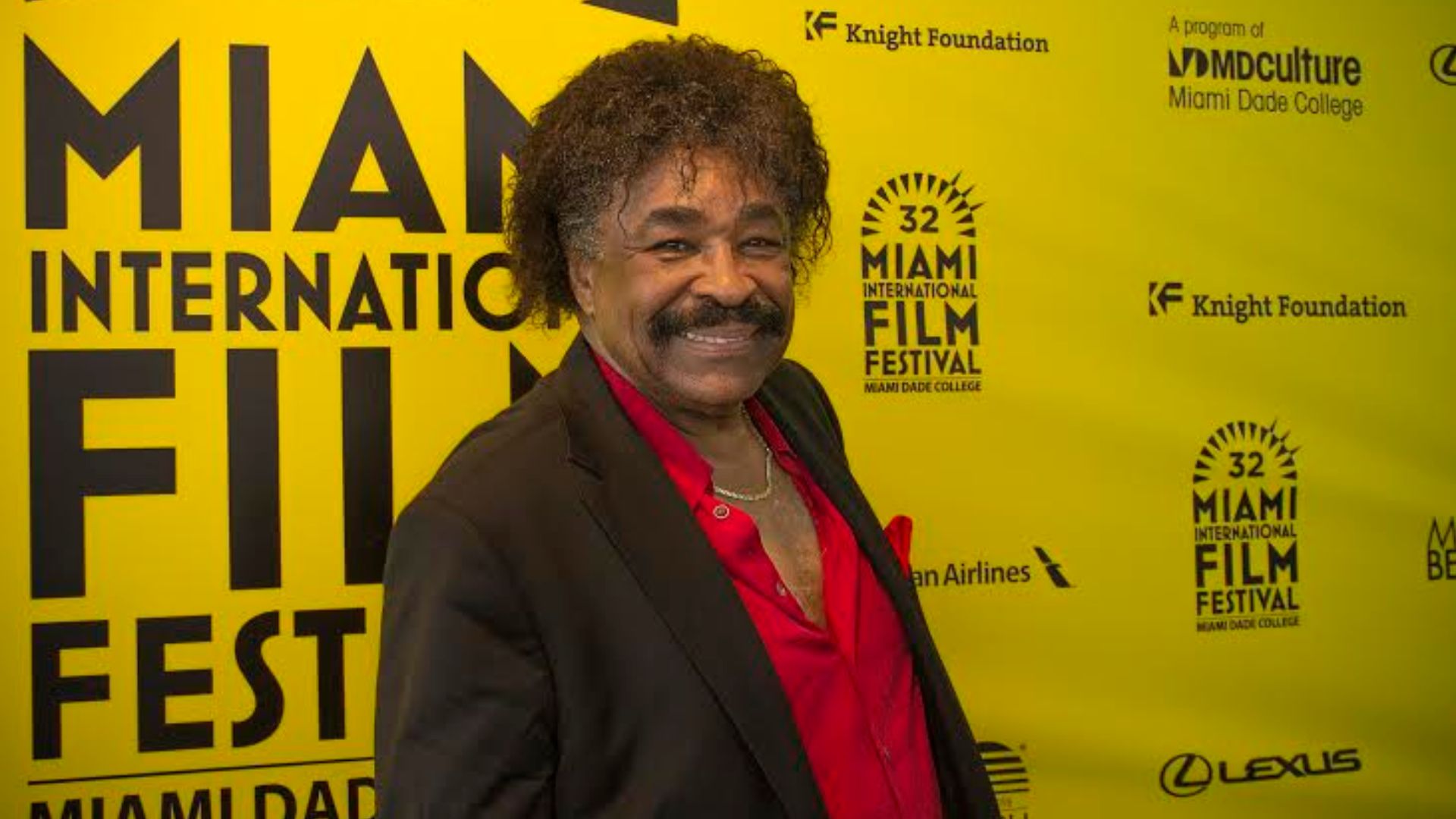 MiamiFilmFestival, Wikimedia Commons
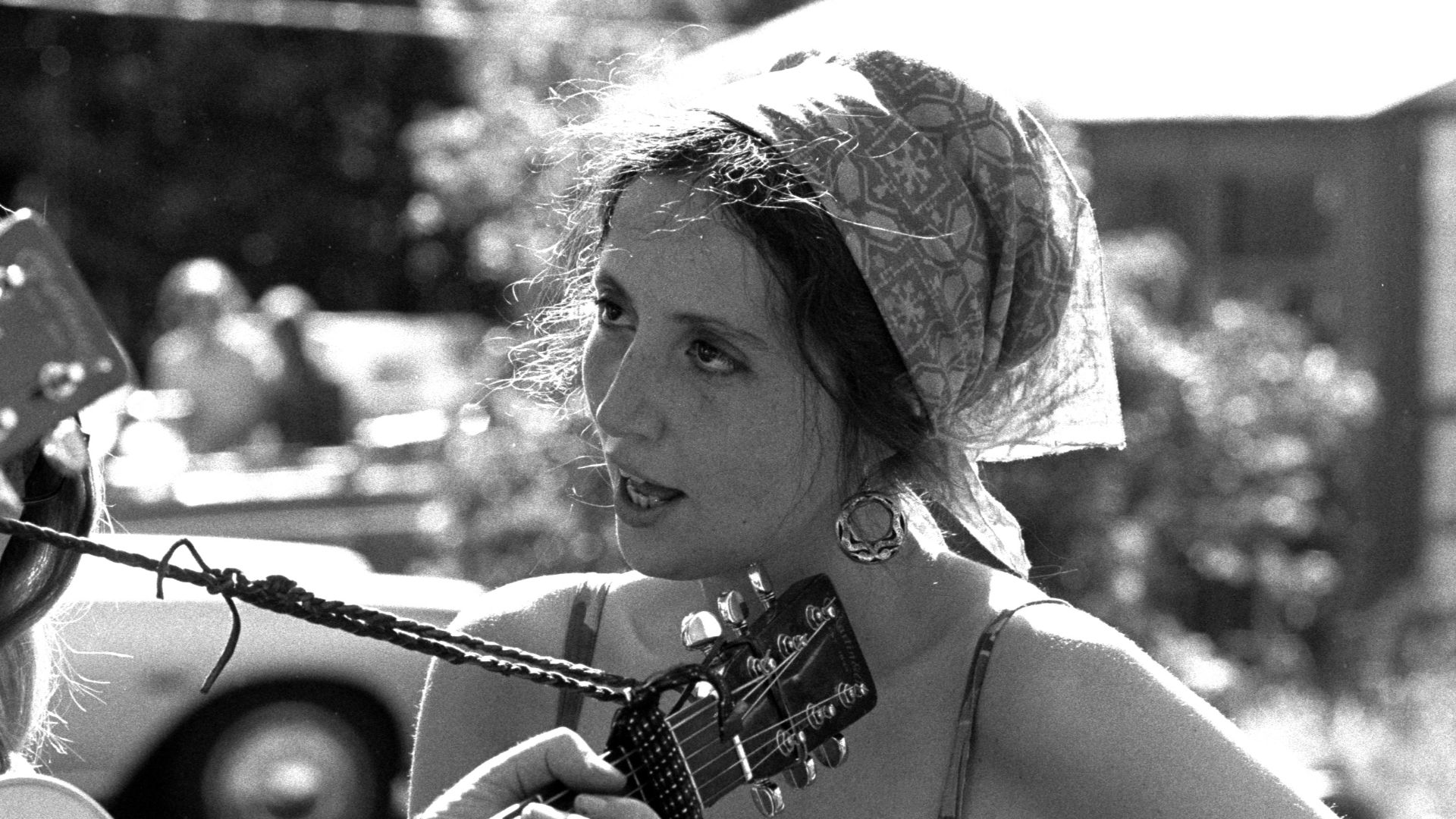
"Midnight At The Oasis" — Maria Muldaur (1974)
Folk and blues singer Maria Muldaur scored an unexpected smash with "Midnight at the Oasis," a sultry, playful song from her self-titled debut album Maria Muldaur (1973). Written by guitarist David Nichtern and featuring a memorable guitar solo by Amos Garrett, the single reached number six on the Billboard Hot 100 in 1974 and earned two Grammy nominations. Although Muldaur enjoyed another Top 20 hit with "I'm a Woman," she never repeated that level of commercial success. She continued a respected career in blues, jazz, and roots music, but "Midnight at the Oasis" remains her signature recording.
"You Are The Woman" — Firefall (1976)
Colorado-based soft-rock band Firefall scored its biggest American hit with "You Are the Woman," which reached number nine on the Billboard Hot 100 in 1976. Written by guitarist Rick Roberts, the song featured gentle harmonies and a memorable flute melody that made it a fixture of adult contemporary radio. Firefall enjoyed further success with songs including "Just Remember I Love You" and "Strange Way," but many listeners still recognize this romantic classic more readily than the band's name.
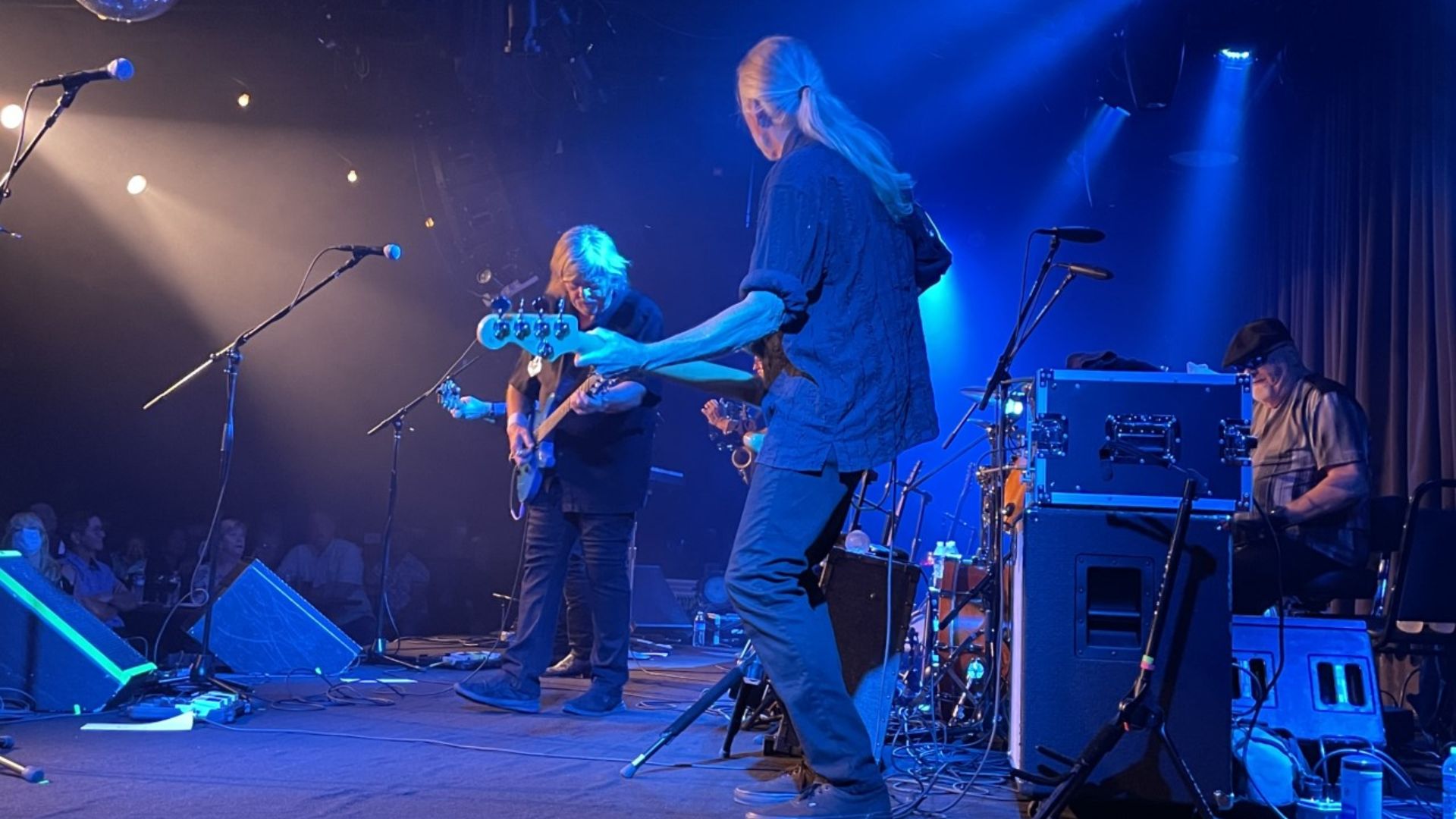
"I'd Really Love To See You Tonight" — England Dan & John Ford Coley (1976)
One of the quintessential soft-rock hits of the 1970s, "I'd Really Love to See You Tonight" reached number two on the Billboard Hot 100 in 1976. Performed by England Dan Seals and John Ford Coley, the song was written by Parker McGee and became the duo's breakthrough success. They followed it with several more hits, including "Nights Are Forever Without You." Seals later became a successful country singer, but the duo's unusually long name has faded more than their music.
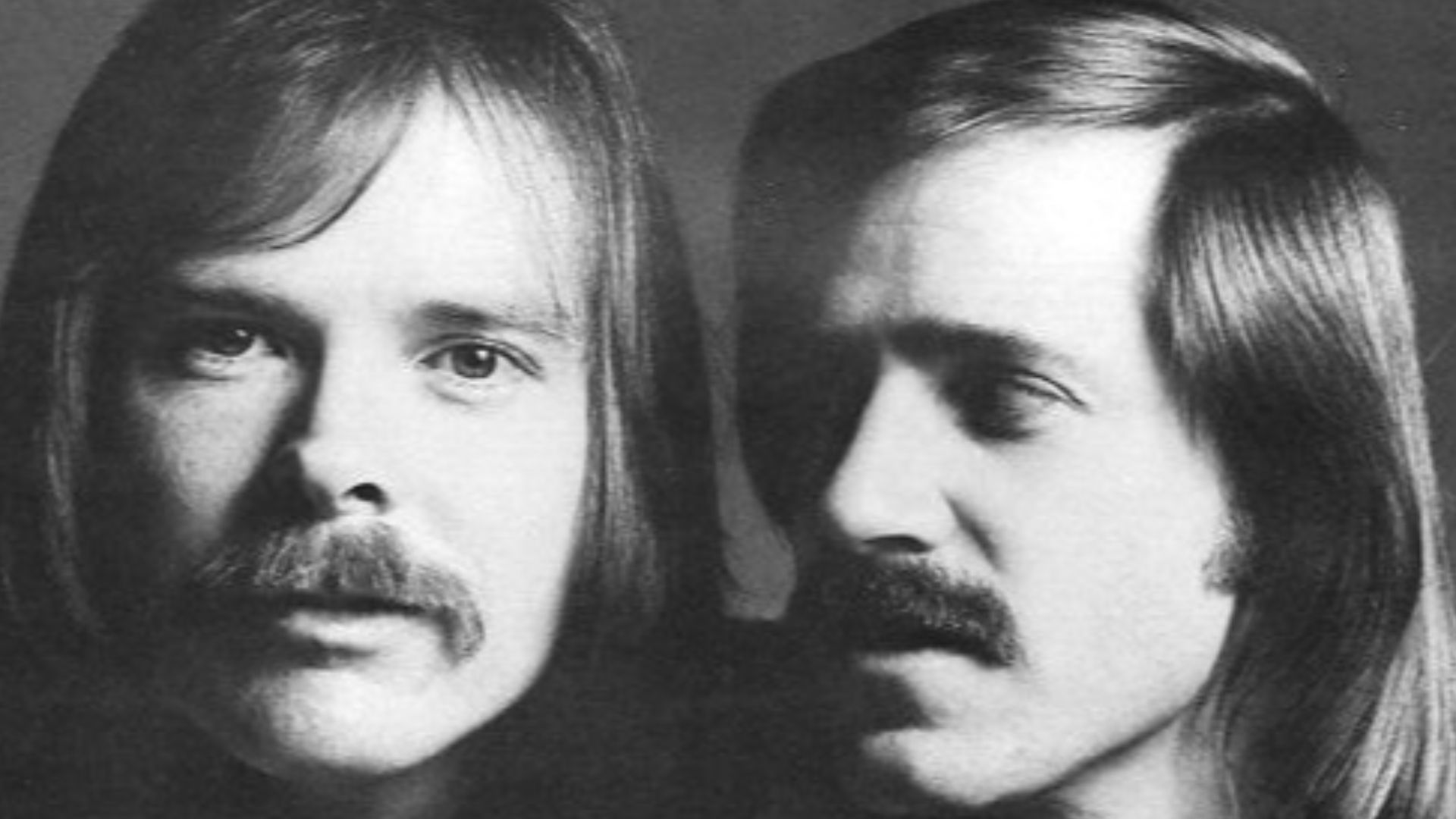
"Never Been Any Reason" — Head East (1975)
Illinois rock band Head East scored an enduring classic-rock favorite with "Never Been Any Reason," from their debut album Flat as a Pancake (1975). Written by guitarist Mike Somerville, the song featured John Schlitt's powerful vocals and Roger Boyd's distinctive Minimoog synthesizer solos. Although it only reached number 68 on the Billboard Hot 100, the song became a staple of American FM rock radio. Its appearance in the movie Dazed and Confused (1993) helped introduce it to another generation, even as Head East remained relatively obscure outside classic-rock circles.
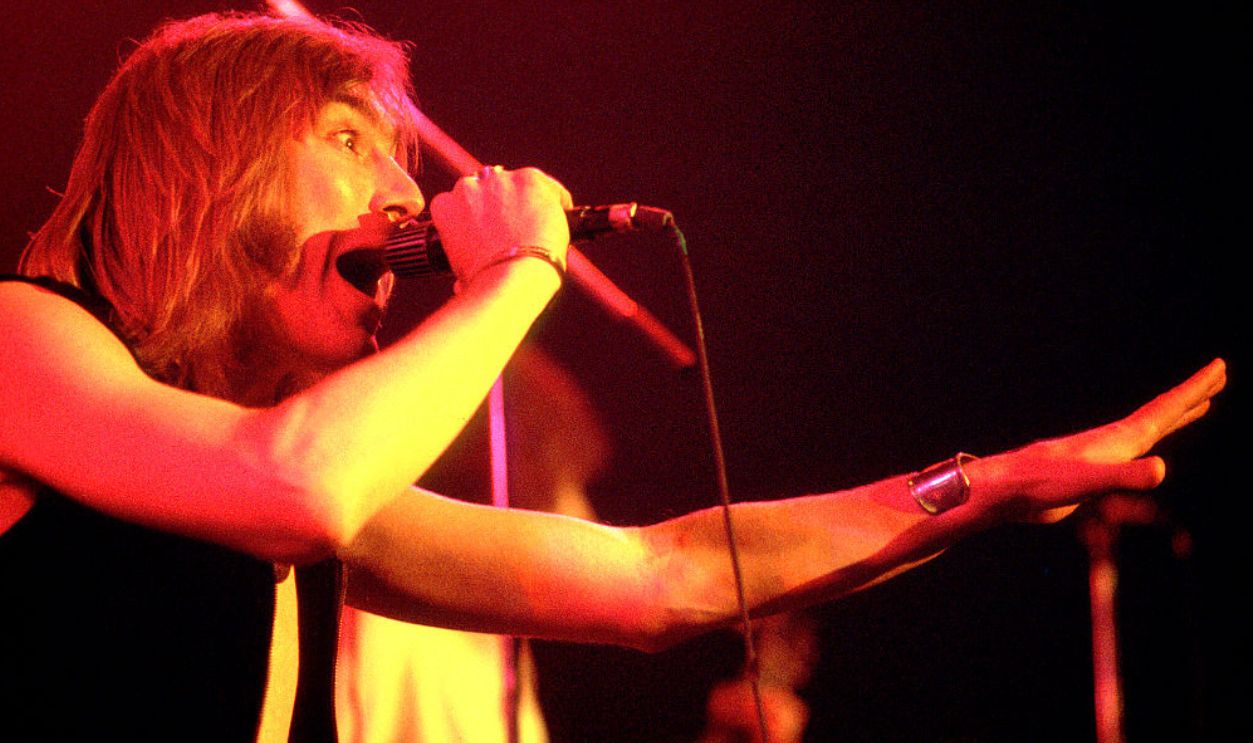
"Sometimes When We Touch" — Dan Hill (1977)
Canadian singer-songwriter Dan Hill achieved international success with "Sometimes When We Touch," a deeply emotional ballad released in 1977. Co-written with Barry Mann, the song reached number three on the Billboard Hot 100 in 1978. Hill's vulnerable vocal performance made it a favorite on soft-rock radio, while its dramatic lyrics also attracted occasional parody. Hill continued recording and later scored another major hit with "Can't We Try," but this remains his most recognizable recording.
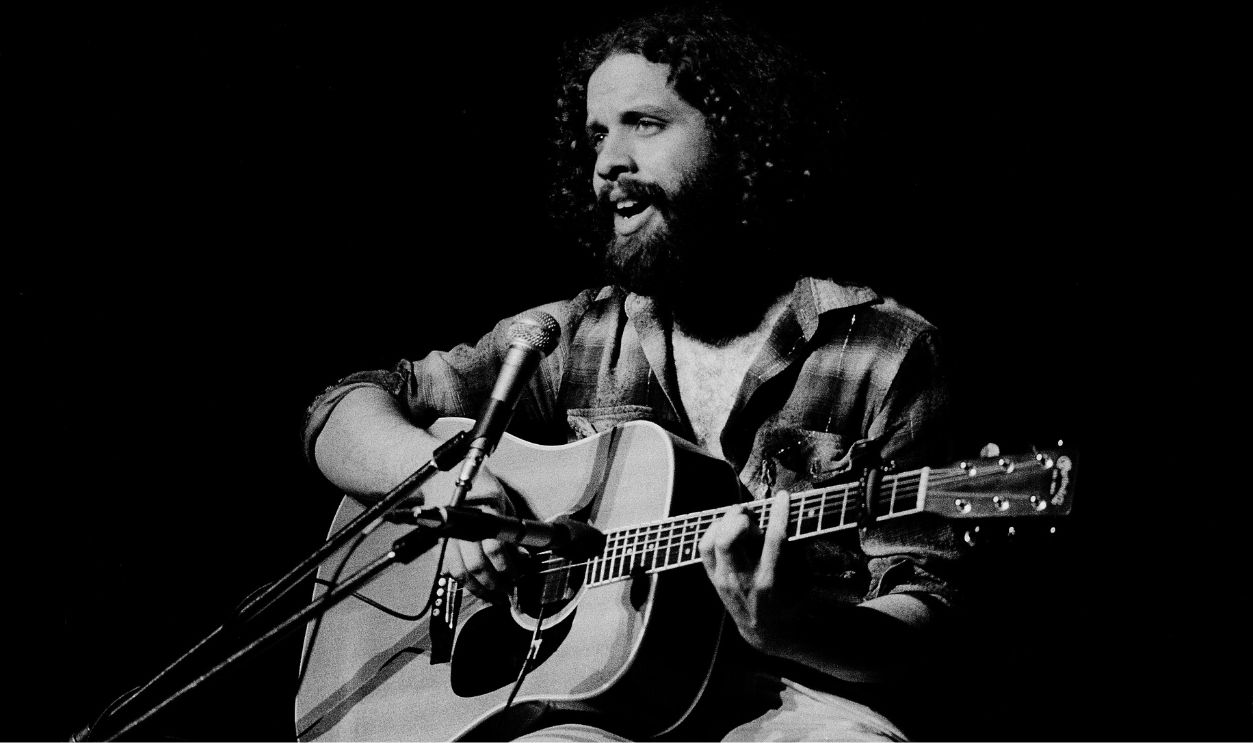
"Magnet And Steel" — Walter Egan (1978)
Walter Egan scored his biggest hit with "Magnet and Steel," a dreamy soft-rock single that reached number eight on the Billboard Hot 100 in 1978. Produced by Lindsey Buckingham and Richard Dashut, the recording featured backing vocals from Buckingham and Stevie Nicks. Egan reportedly drew inspiration from his feelings for Nicks, giving the song an intriguing Fleetwood Mac connection. Despite releasing several albums, Egan never repeated its commercial success, leaving "Magnet and Steel" as his enduring signature song.
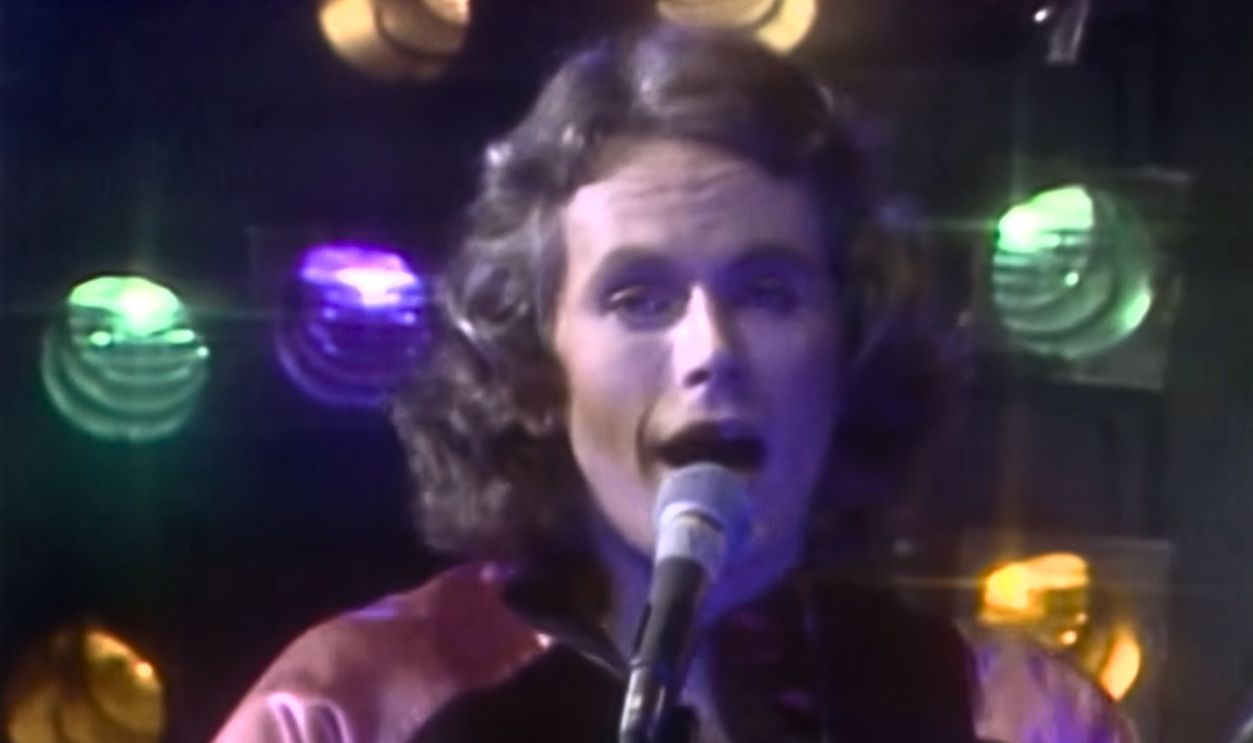 Screenshot from Magnet and Steel, Columbia Records (1978)
"Love Is In The Air" — John Paul Young (1977)
Australian singer John Paul Young recorded "Love Is in the Air" in 1977, creating one of the decade's most recognizable romantic dance songs. Written by Harry Vanda and George Young, it reached number seven on the Billboard Hot 100 in 1978. Young was already a successful performer in Australia, but the song introduced him to a much wider international audience. Its popularity surged again when it appeared prominently in the 1992 Australian film Strictly Ballroom.
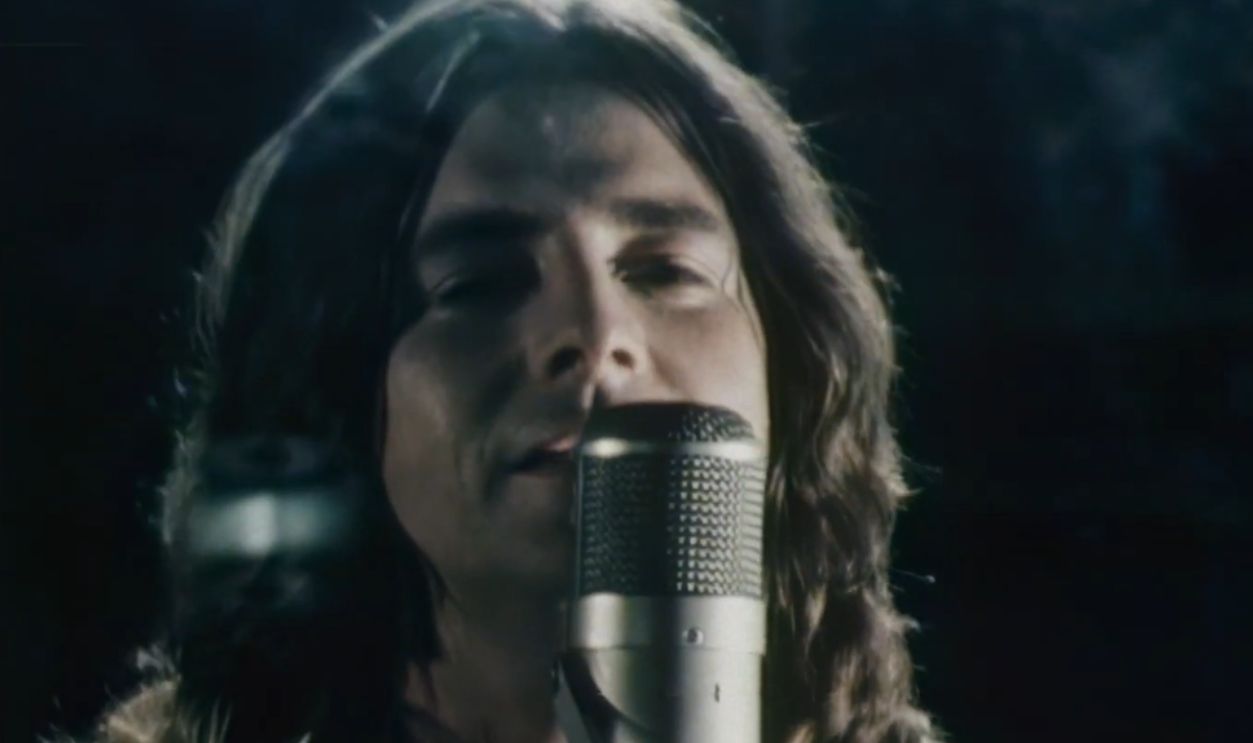 Screenshot from Love Is in the Air, Albert Productions (1977)
"Don't Give Up On Us" — David Soul (1976)
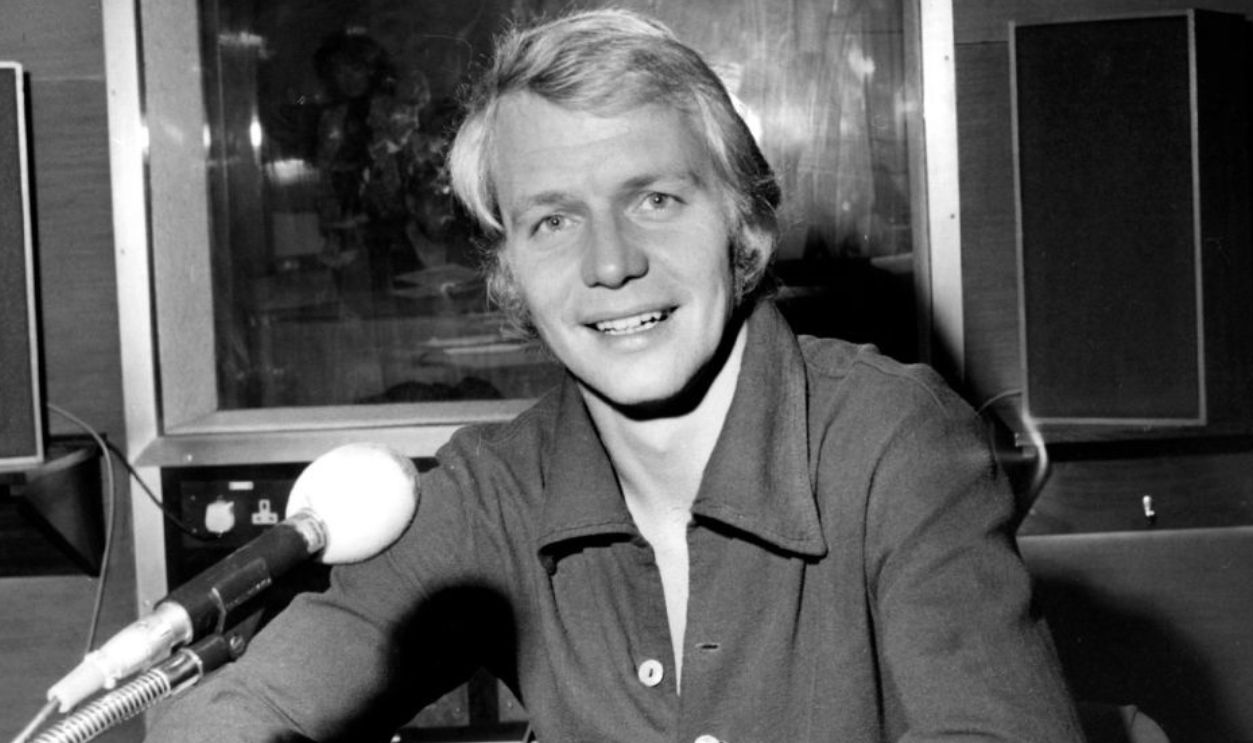
Television audiences knew David Soul as Detective Ken Hutchinson on Starsky & Hutch, but he also enjoyed a surprisingly successful recording career. His sentimental ballad "Don't Give Up on Us" reached number one on the Billboard Hot 100 in 1977. Written and produced by Tony Macaulay, the song also topped the British charts. Soul subsequently scored additional hits in Britain, although American audiences continued to associate him primarily with his television career rather than his music.
"How Much I Feel" — Ambrosia (1978)
Ambrosia began as a progressive rock band before finding major commercial success with smooth, romantic pop. Their 1978 single "How Much I Feel," written and sung by David Pack, reached number three on the Billboard Hot 100. Its polished production and soulful melody helped establish the band as a soft-rock favorite. Ambrosia followed it with other successful recordings, including "Biggest Part of Me" and "You're the Only Woman," but their name isn't always immediately recalled by casual listeners.
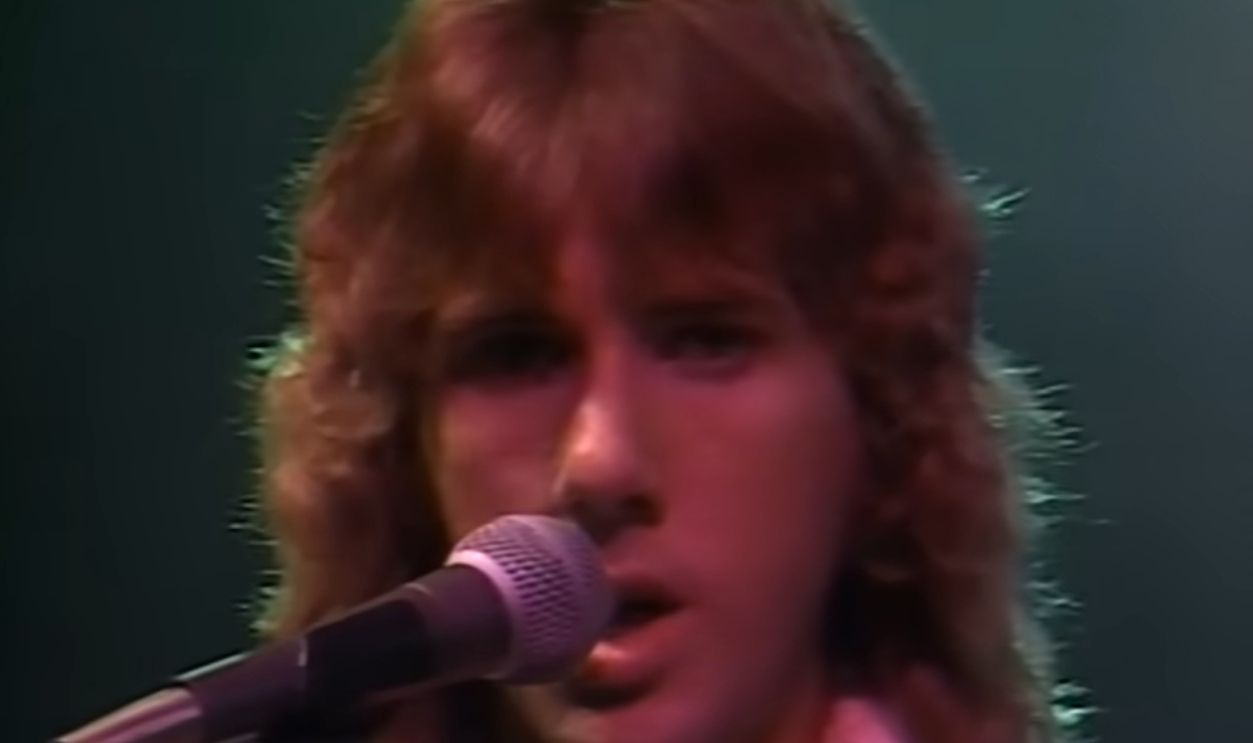 Screenshot from How Much I Feel, Warner Bros. Records (1978)
"I'm Not In Love" — 10cc (1975)
British band 10cc created one of the decade's most unusual recordings with "I'm Not in Love." Written by Eric Stewart and Graham Gouldman, the song featured an extraordinary layered vocal arrangement that gave it an almost otherworldly sound. It topped the British singles chart and reached number two in America in 1975. Although 10cc enjoyed numerous other hits, including "The Things We Do for Love," the band's peculiar name is arguably less familiar to younger listeners than this haunting recording.
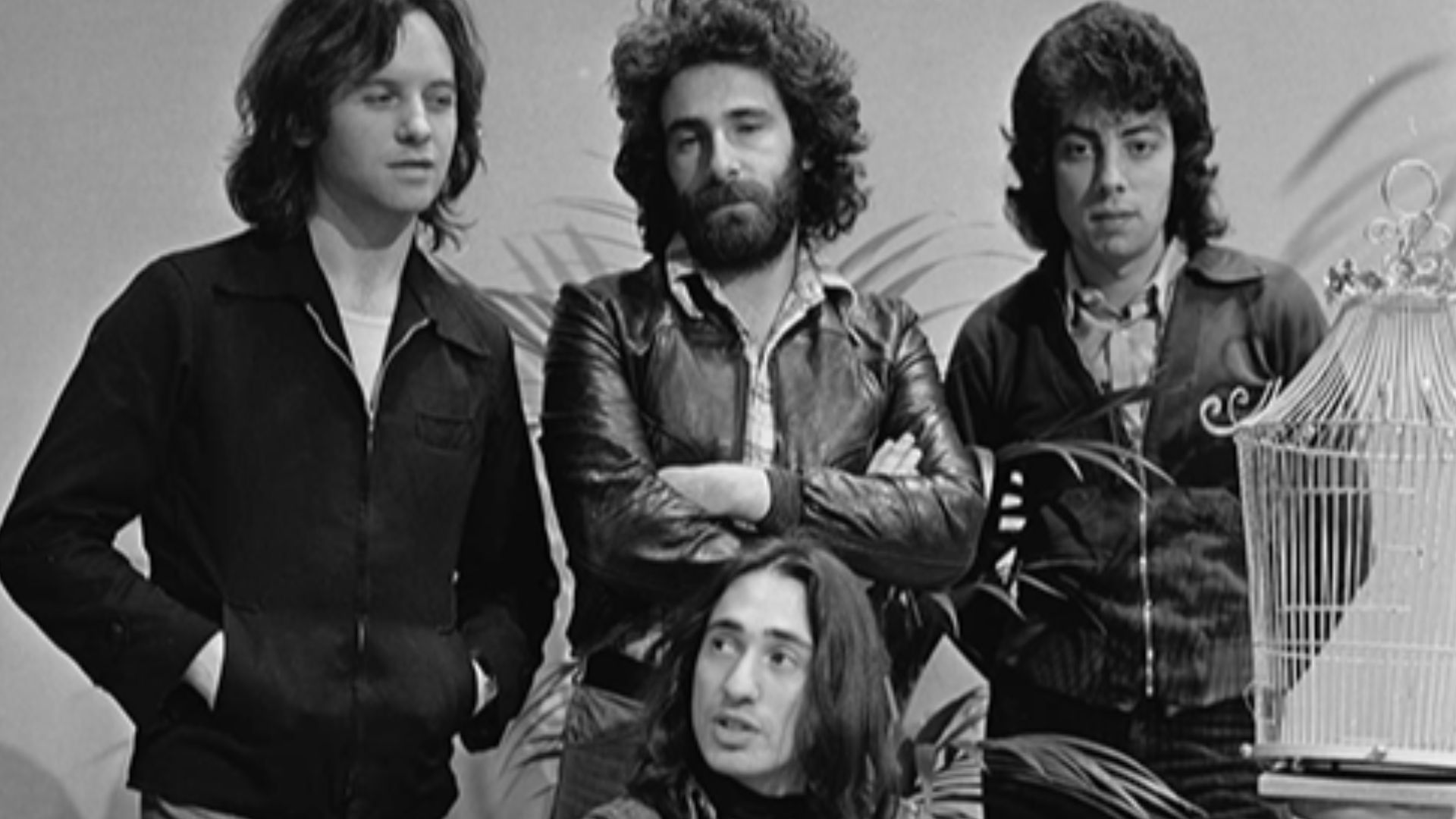
"Seasons In The Sun" — Terry Jacks (1973)
Canadian singer Terry Jacks scored an enormous international hit with "Seasons in the Sun," a melancholy farewell song adapted from Jacques Brel's "Le Moribond." Released in late 1973, it spent three weeks at number one on the Billboard Hot 100 in 1974. Jacks had previously enjoyed success with the Poppy Family, alongside Susan Jacks, but his solo career never produced another American hit of comparable magnitude. The song's sentimental lyrics and instantly recognizable melody have kept it alive for generations.
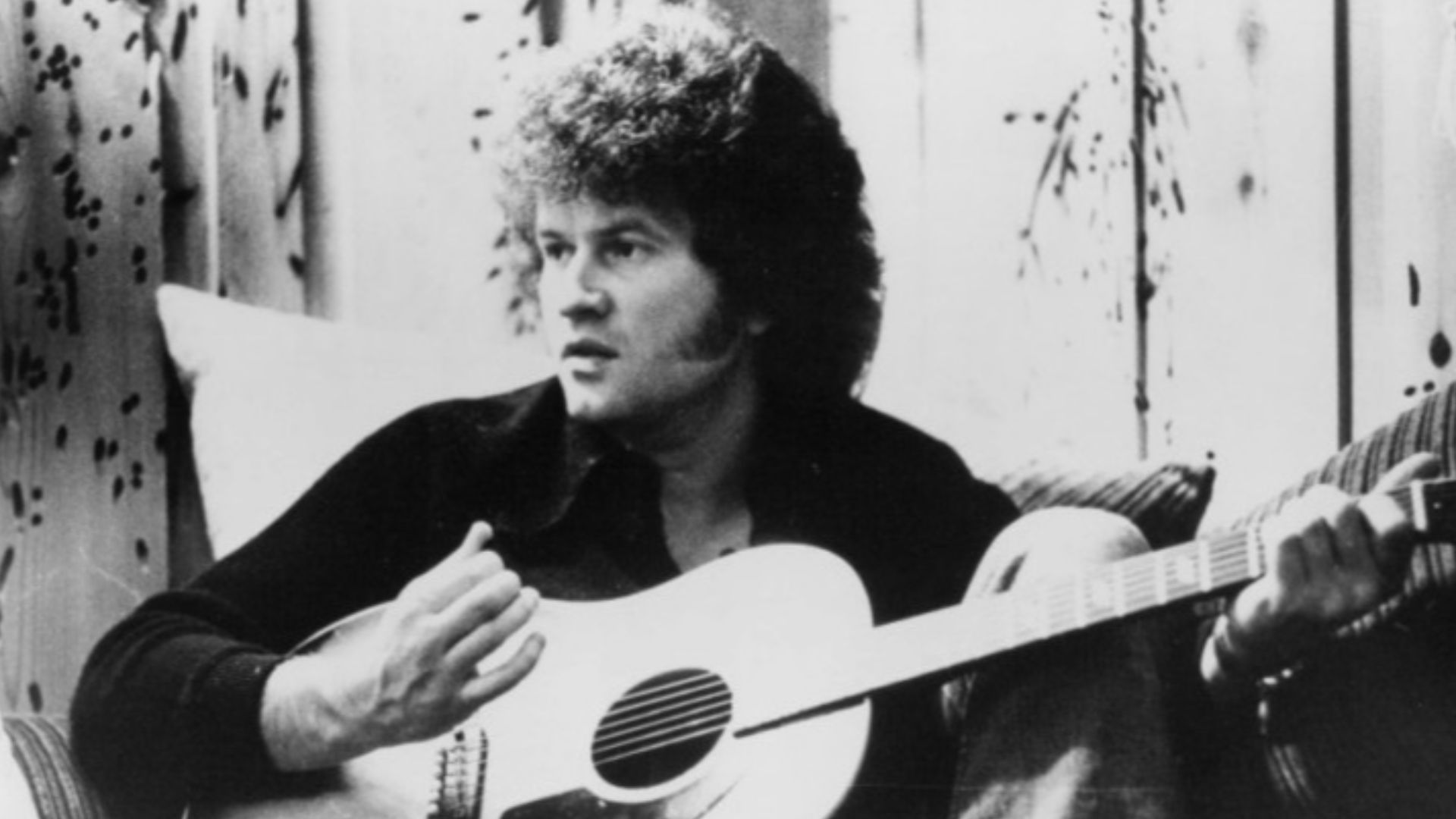 Bell Records, Wikimedia Commons
"Love Grows (Where My Rosemary Goes)" — Edison Lighthouse (1970)
Edison Lighthouse reached number five on the Billboard Hot 100 in 1970 with the irresistibly catchy "Love Grows (Where My Rosemary Goes)." The British studio group featured lead vocalist Tony Burrows, whose voice appeared on several other hits of the period, including recordings by White Plains and the Brotherhood of Man. Edison Lighthouse was assembled primarily as a recording project rather than an established touring band. The song remains a familiar oldies-radio favorite, even though the group's name is easily forgotten.
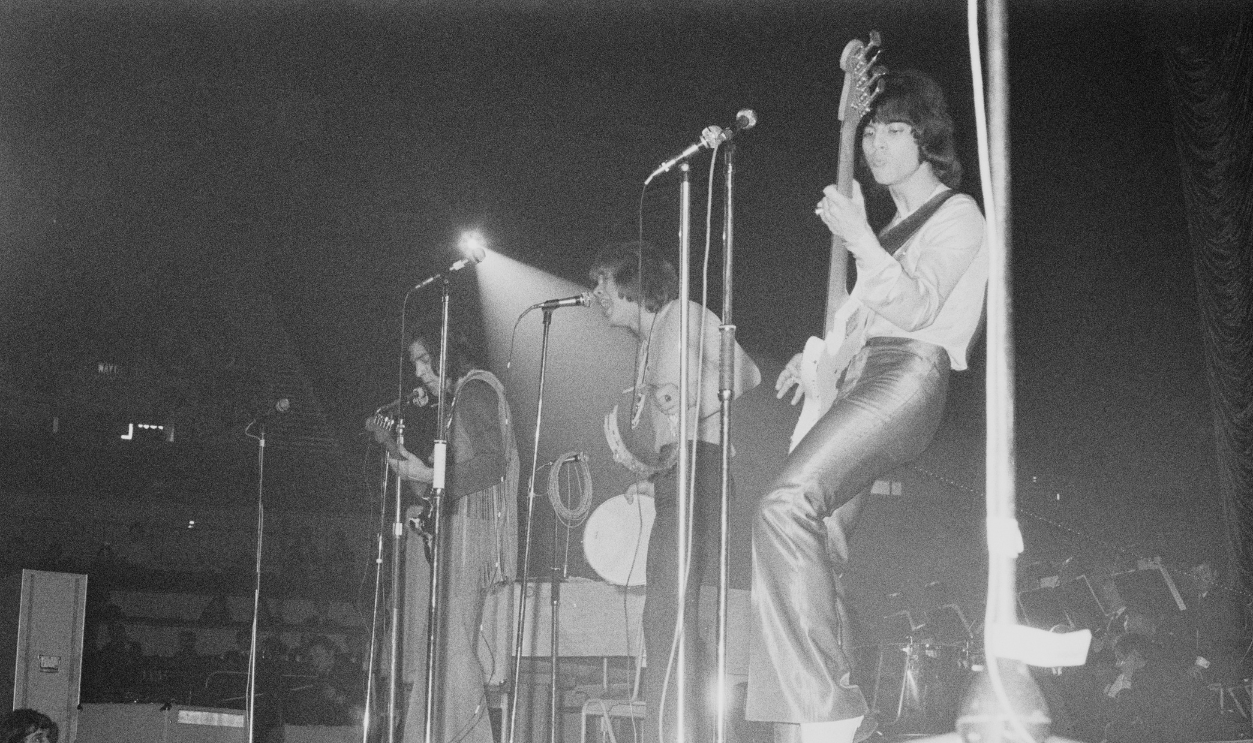 Evening Standard, Getty Images
"Beach Baby" — The First Class (1974)
British studio group the First Class captured the nostalgia of California surf culture with "Beach Baby," a lush pop single that reached number four on the Billboard Hot 100 in 1974. Written by John Carter and his wife Gillian Shakespeare, the song featured Carter's production and lead vocals by Tony Burrows. Despite sounding unmistakably American, the record was created in Britain. Its soaring harmonies and nostalgic atmosphere made it a lasting favorite, although the First Class never achieved comparable success again.
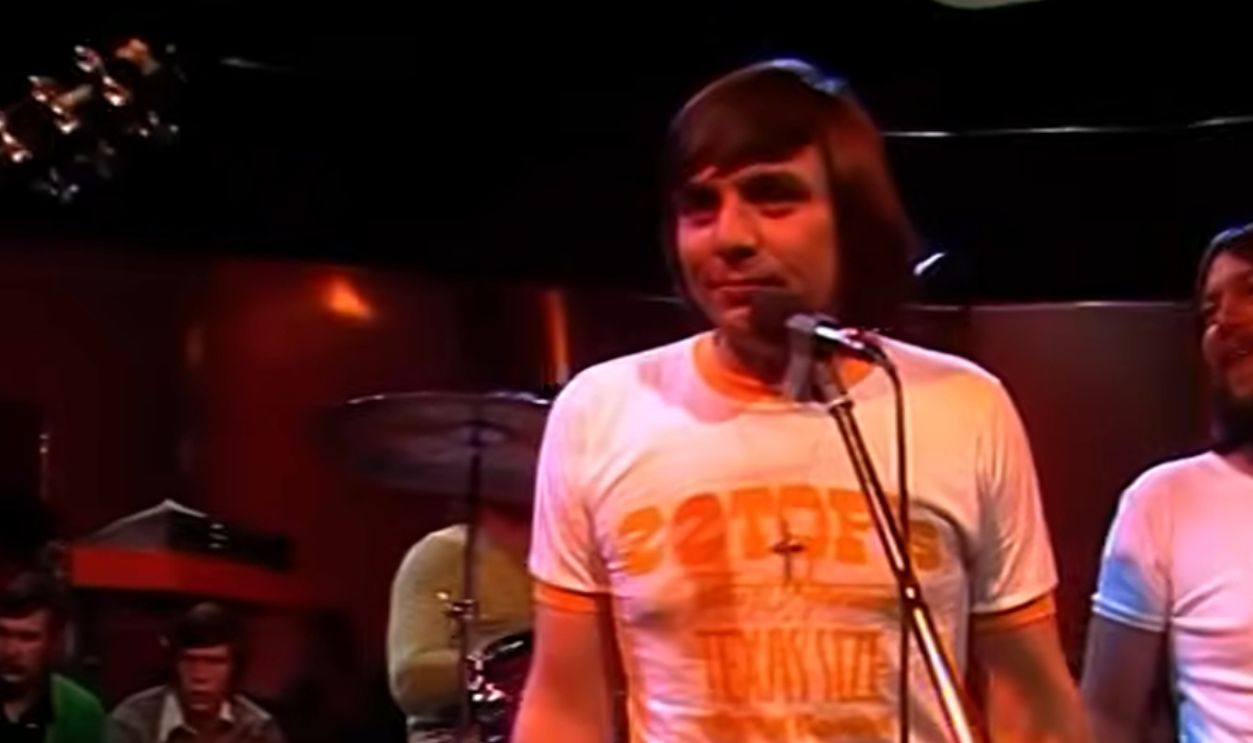 Screenshot from Beach Baby, UK Records (1974)
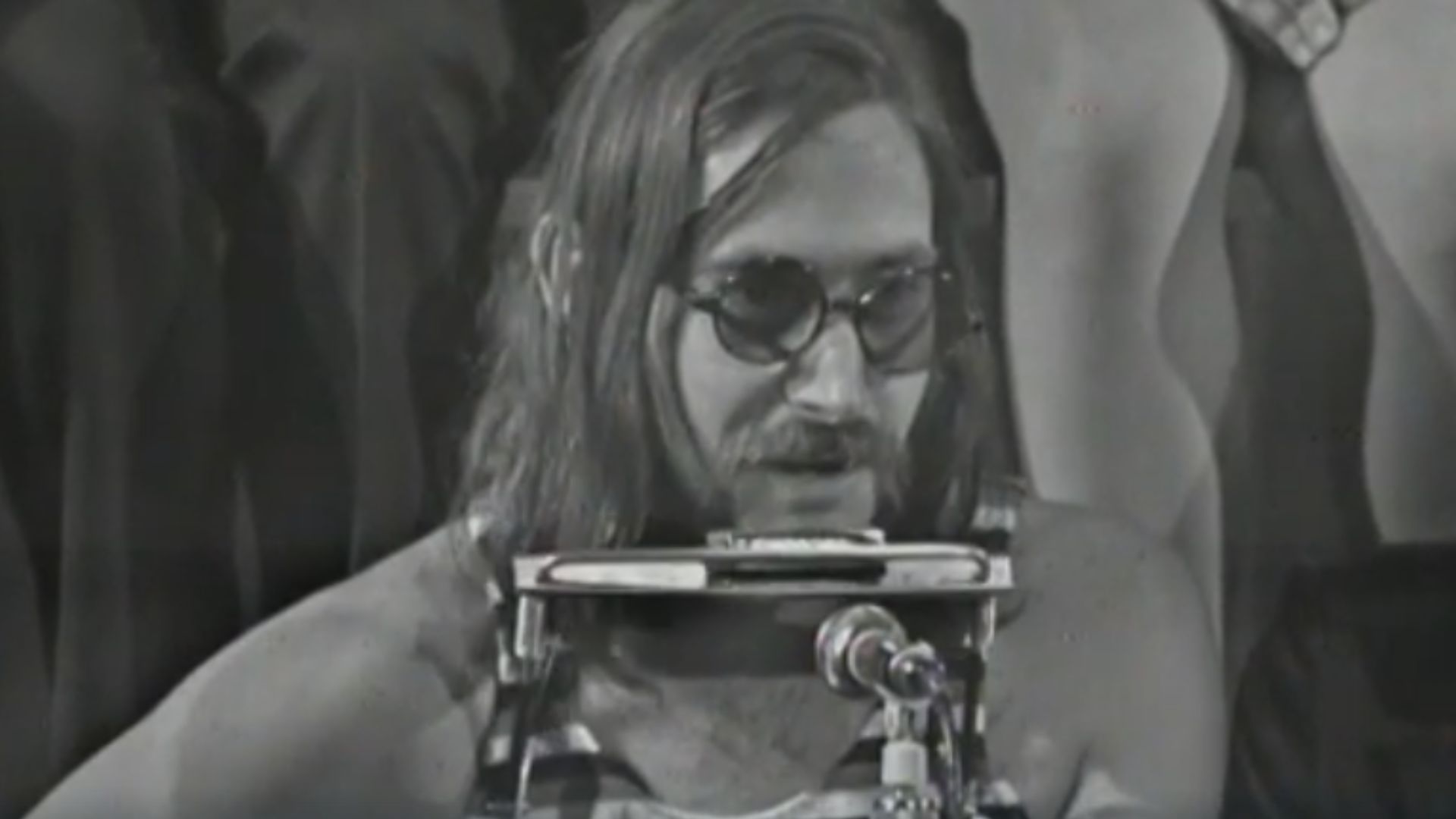
"Spirit In The Sky" — Norman Greenbaum (1969/1970)
Norman Greenbaum's "Spirit in the Sky" was recorded and released in 1969 but became an enormous American hit in 1970, reaching number three on the Billboard Hot 100. Its distorted guitar riff, handclaps, and gospel-inspired lyrics created one of rock's most distinctive recordings. Greenbaum wrote the song despite coming from a Jewish background, drawing inspiration from gospel music. Although he released additional recordings, none approached its success, and the song has remained a fixture of film soundtracks and classic-rock radio.
 Romolo Siena, Wikimedia Commons
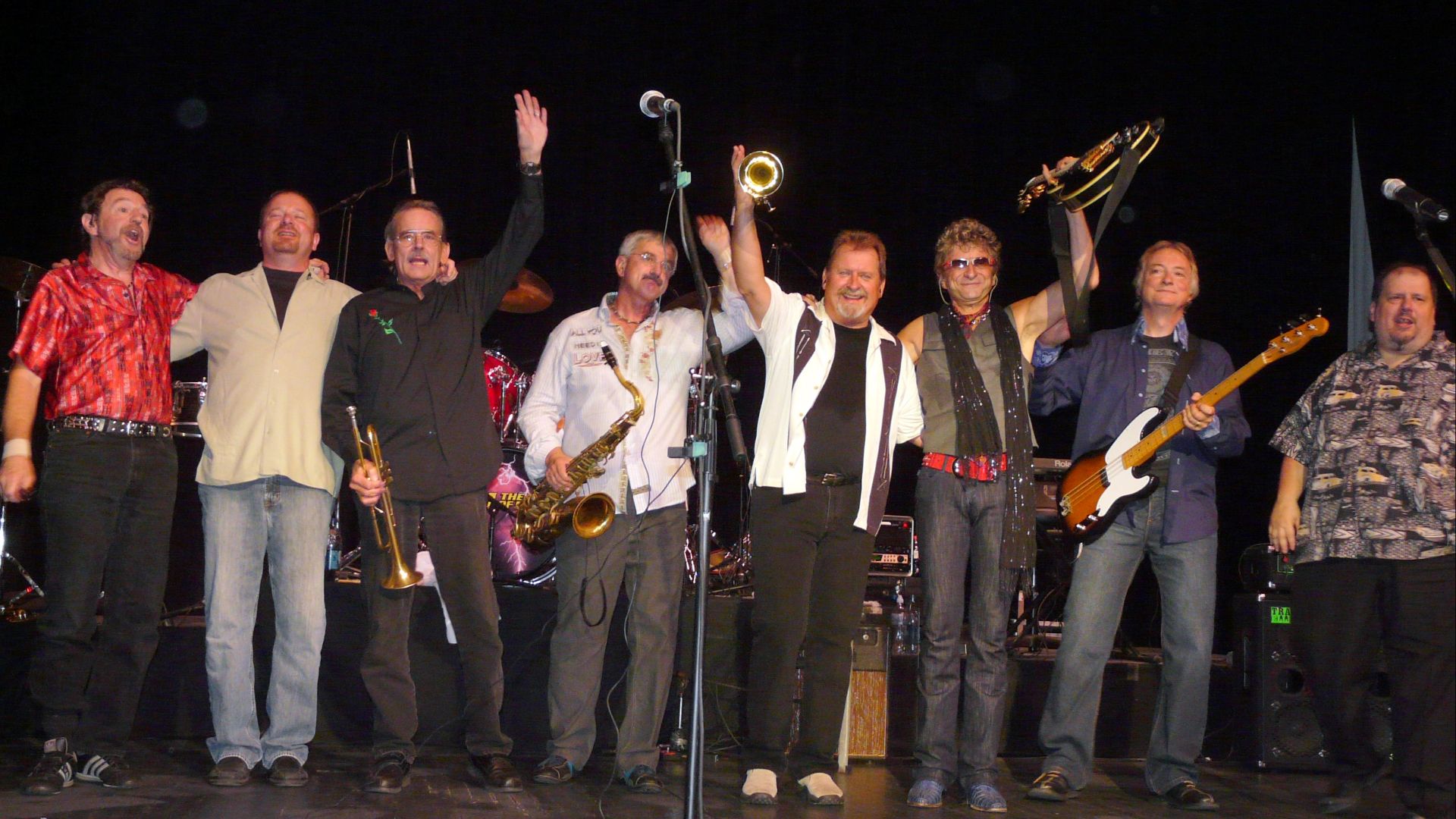
"Vehicle" — The Ides Of March (1970)
The explosive brass introduction to "Vehicle" helped make it one of the most recognizable horn-driven rock songs of 1970. Recorded by the Illinois band the Ides of March, it reached number two on the Billboard Hot 100. Singer and songwriter Jim Peterik later became a founding member of Survivor, co-writing hits including "Eye of the Tiger." Although Peterik went on to enjoy enormous success, many listeners who recognize "Vehicle" might not remember the band that originally recorded it.
 MATT BECKER, Wikimedia Commons
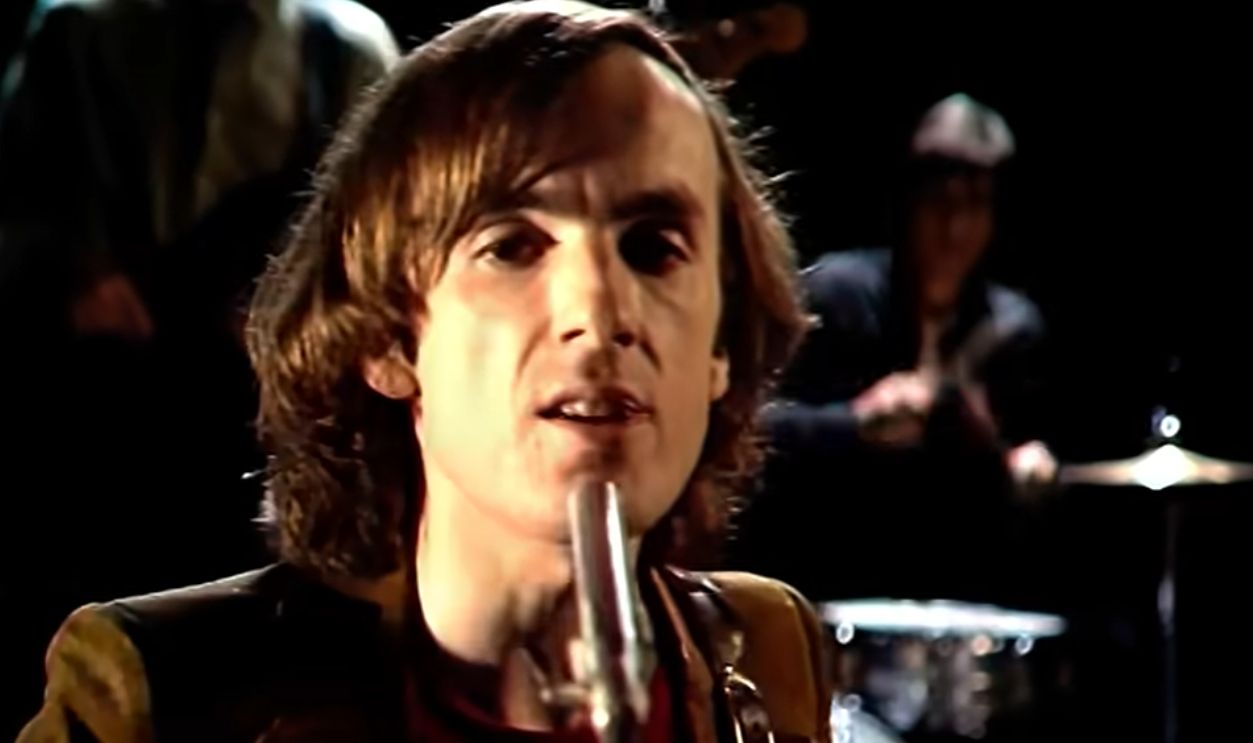
"Driver's Seat" — Sniff 'N' The Tears (1978)
British rock band Sniff 'n' the Tears released "Driver's Seat" in 1978, with the song becoming an American hit in 1979. Written and sung by Paul Roberts, it reached number 15 on the Billboard Hot 100. Its driving rhythm, atmospheric keyboards, and memorable guitar work made it a favorite of album-oriented rock radio. The group continued recording, but never achieved another comparable American hit. "Driver's Seat" later gained renewed attention through its use in films and television.
 Screenshot from Driver's Seat, Chiswick Records (1978)
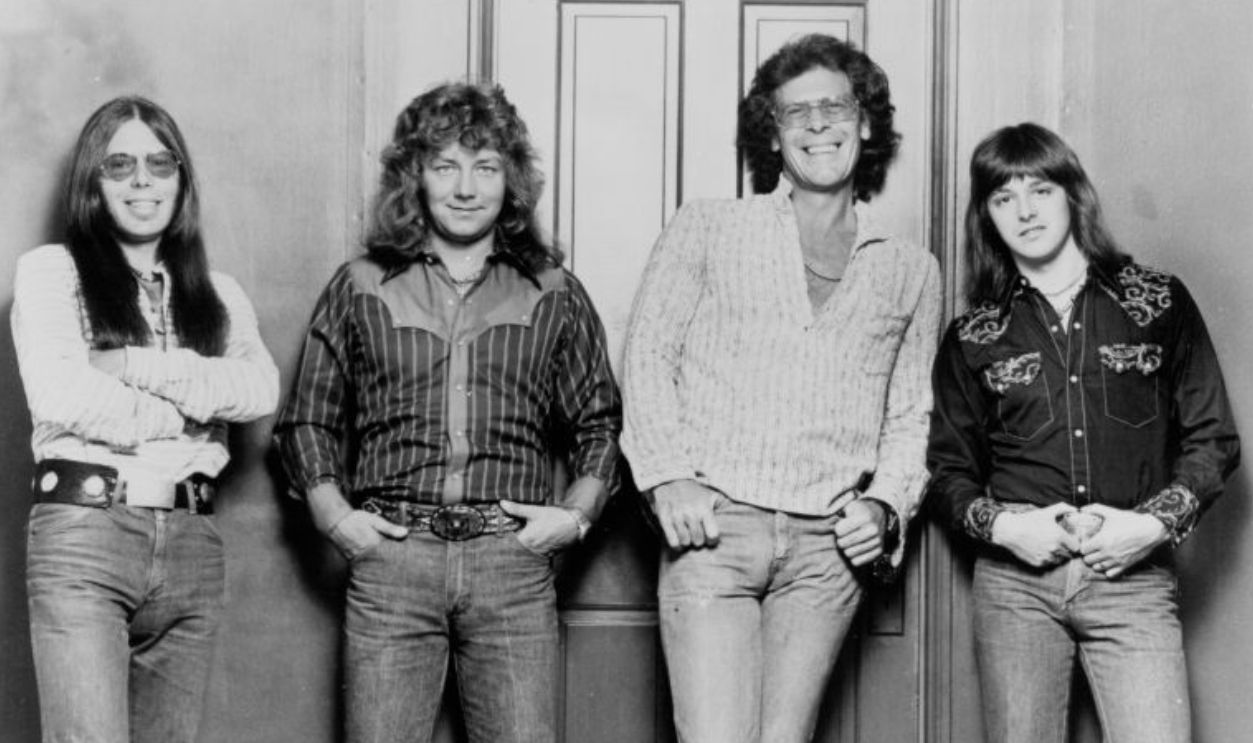
"Precious And Few" — Climax (1971)
The California band Climax scored its defining hit with "Precious and Few," a romantic ballad that reached number three on the Billboard Hot 100 in 1972. Lead singer Sonny Geraci had previously fronted the Outsiders, whose 1966 hit "Time Won't Let Me" made him a familiar voice on American radio. Climax never duplicated the success of "Precious and Few," leaving behind a recording that remained popular on oldies stations long after the group's brief moment in the spotlight.
 Michael Ochs Archives, Getty Images
You May Also Like:
1970s Singers Who Had One Big Hit And Then Seemed To Disappear
Hit Songs From The 70s That Were Originally Written For Completely Different Singers