The Hits That Almost Belonged To Someone Else
Some of the most recognizable songs of the 1970s sound inseparable from the artists who made them famous. Yet behind the scenes, writers, producers, managers, and record executives were constantly moving songs from one singer to another. These hits could have sounded dramatically different if the original plans had worked out.
“Don’t It Make My Brown Eyes Blue” Was Headed To Shirley Bassey
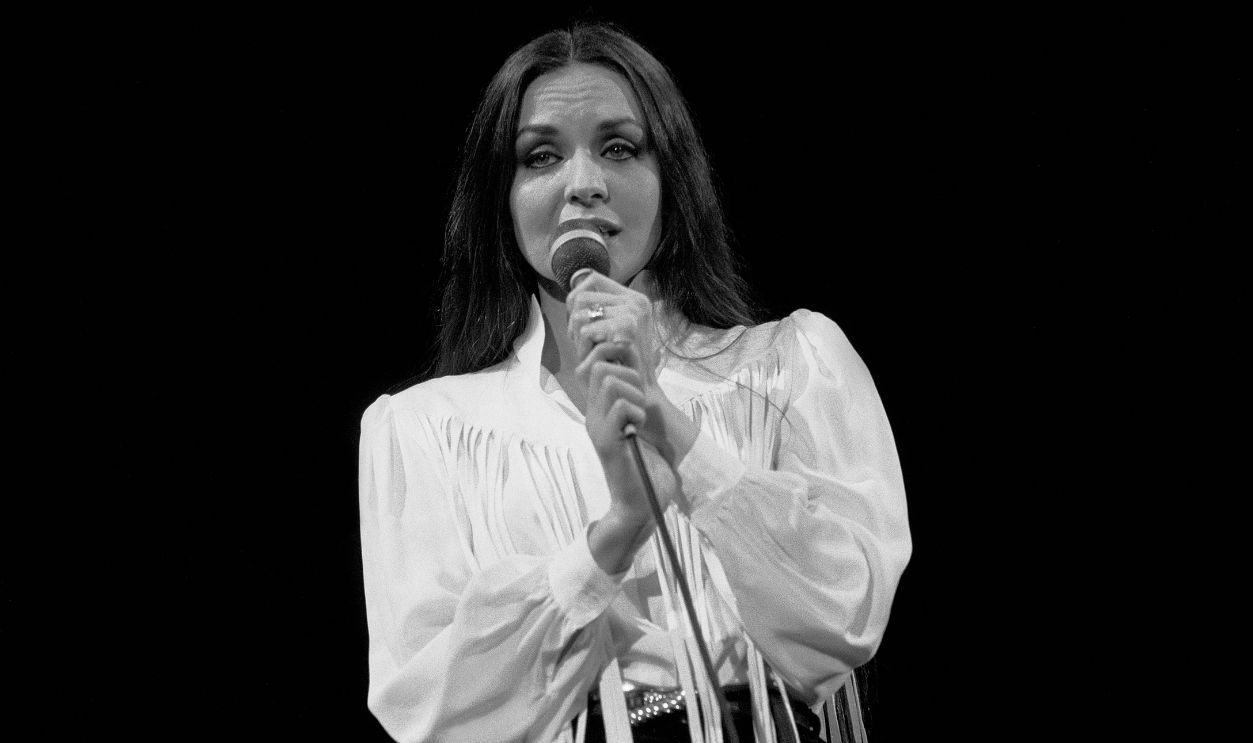
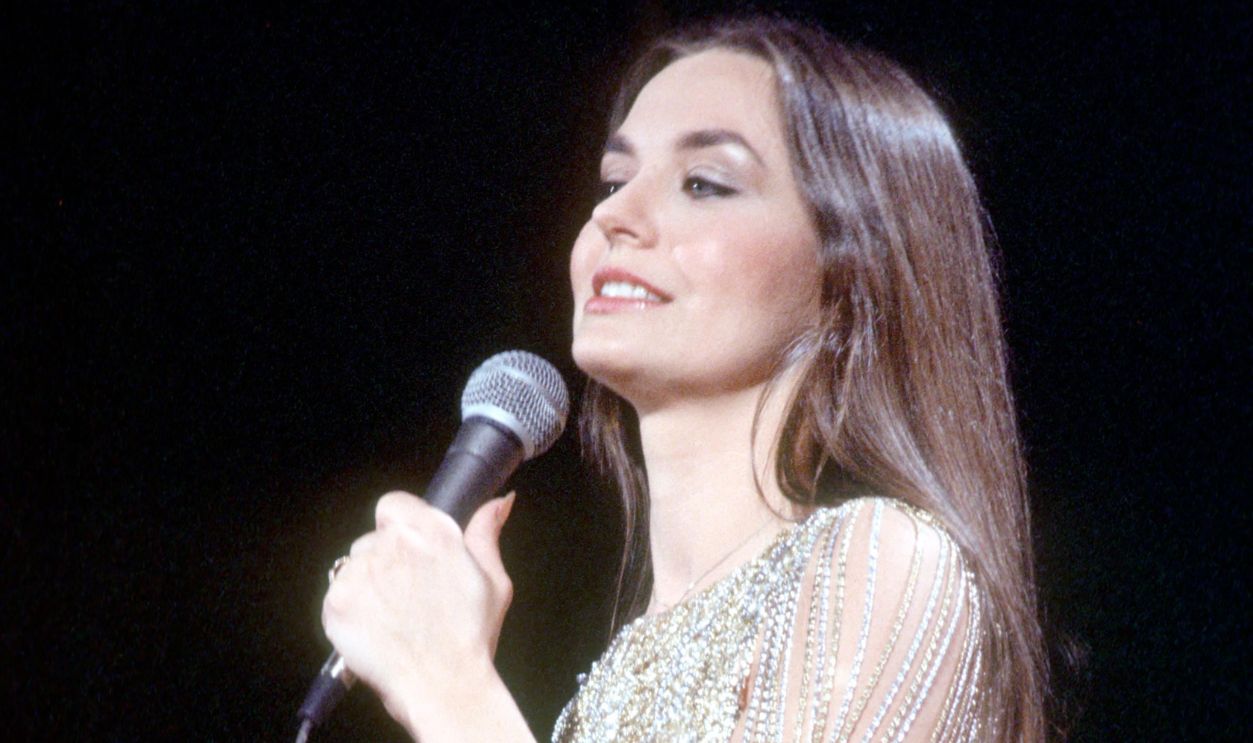
Richard Leigh’s “Don’t It Make My Brown Eyes Blue” was not initially earmarked for Crystal Gayle. Producer Allen Reynolds later recalled that Leigh mentioned his publisher planned to get the song to powerhouse Welsh vocalist Shirley Bassey. Reynolds immediately decided he wanted it for Gayle instead.
Crystal Gayle Got The Song At Exactly The Right Time
Reynolds was looking for material capable of pushing Gayle beyond country radio and into the pop mainstream. “Don’t It Make My Brown Eyes Blue” proved ideal, topping Billboard’s country chart and reaching No. 2 on the Hot 100. It became Gayle’s signature crossover recording.
Even The Famous Vocal Happened Almost Instantly
Gayle’s performance had another fortunate twist. Reynolds recalled that the recording came together quickly and that Gayle later attempted additional vocals because she wondered whether she could improve on her first performance. They ultimately returned to the original vocal.
 Michael Ochs Archives, Getty Images
“The Night The Lights Went Out In Georgia” Wasn’t Meant For Vicki Lawrence
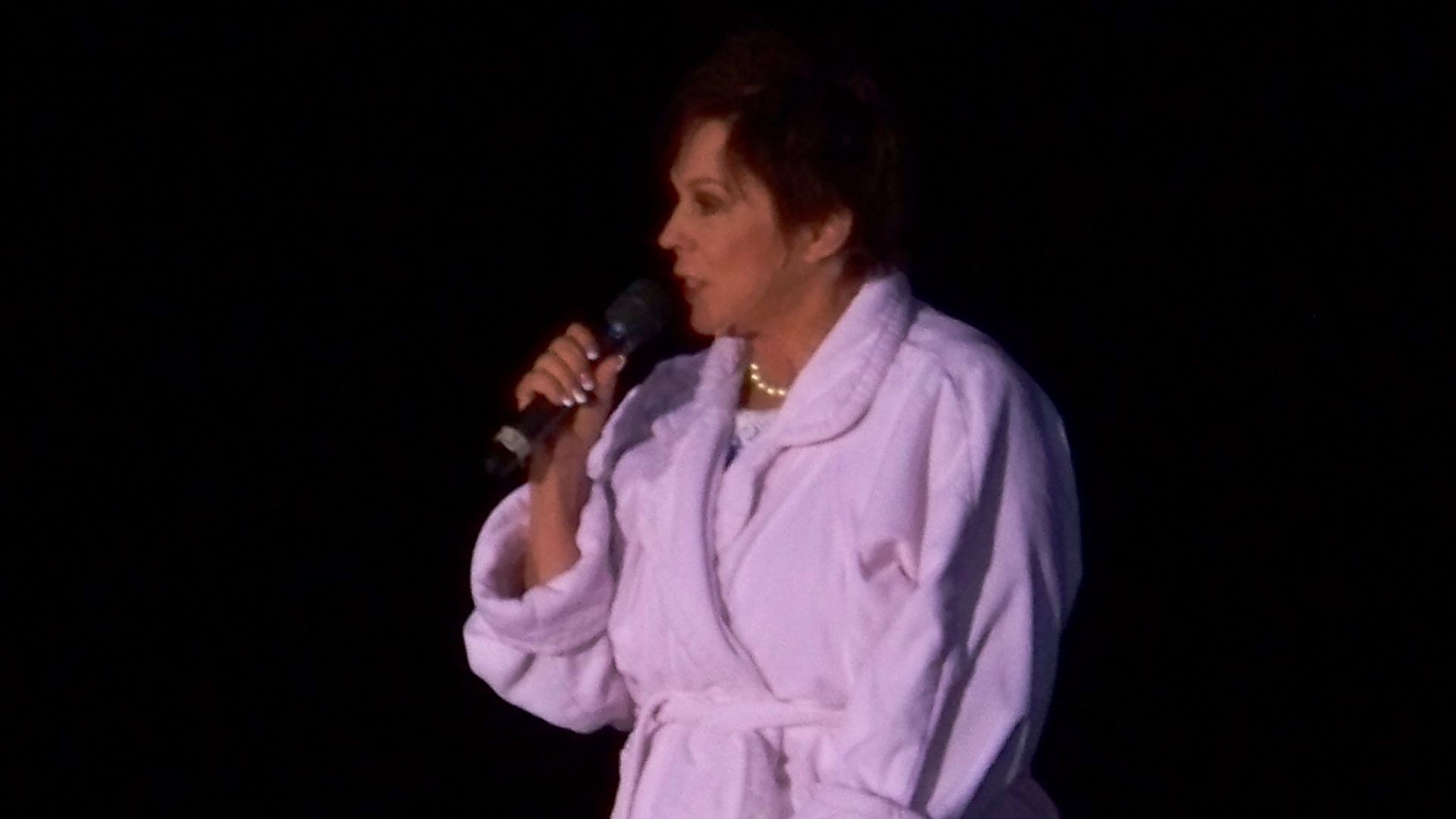
Bobby Russell wrote “The Night the Lights Went Out in Georgia,” but his then-wife Vicki Lawrence was initially more enthusiastic about the song than he was. Lawrence recorded a demonstration, yet she wasn’t necessarily supposed to become the artist associated with it. Other stars were considered first.
 Rob Stinnett, Wikimedia Commons
Liza Minnelli Was An Early Possibility
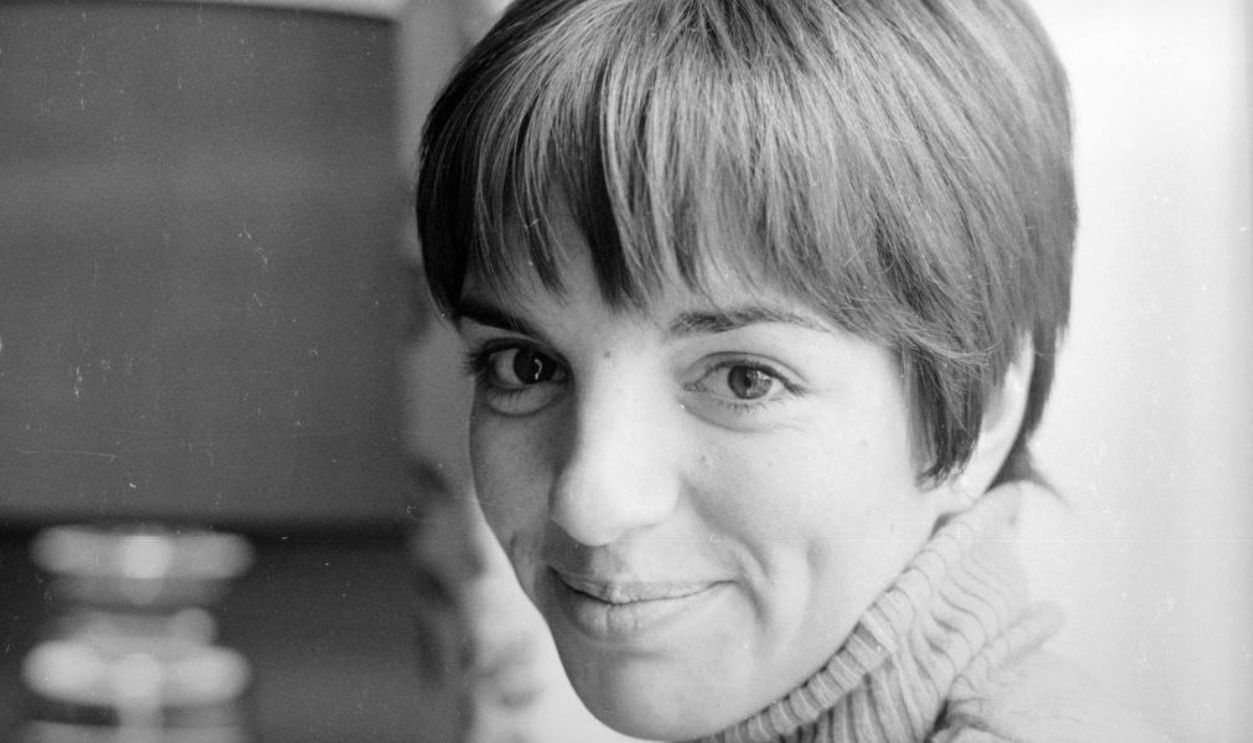
Lawrence has recalled that producer Snuff Garrett initially considered Liza Minnelli for the unusual story song. Minnelli ultimately didn’t record it. That left Garrett searching for another established star who might turn Russell’s composition into a commercial single.
Then Cher Passed On It Too
Cher was another possibility, but Lawrence recalled that Sonny Bono declined the song. Garrett eventually decided Lawrence herself should record it professionally. That unlikely chain of events ended with Lawrence scoring a No. 1 hit on the Billboard Hot 100 in 1973.
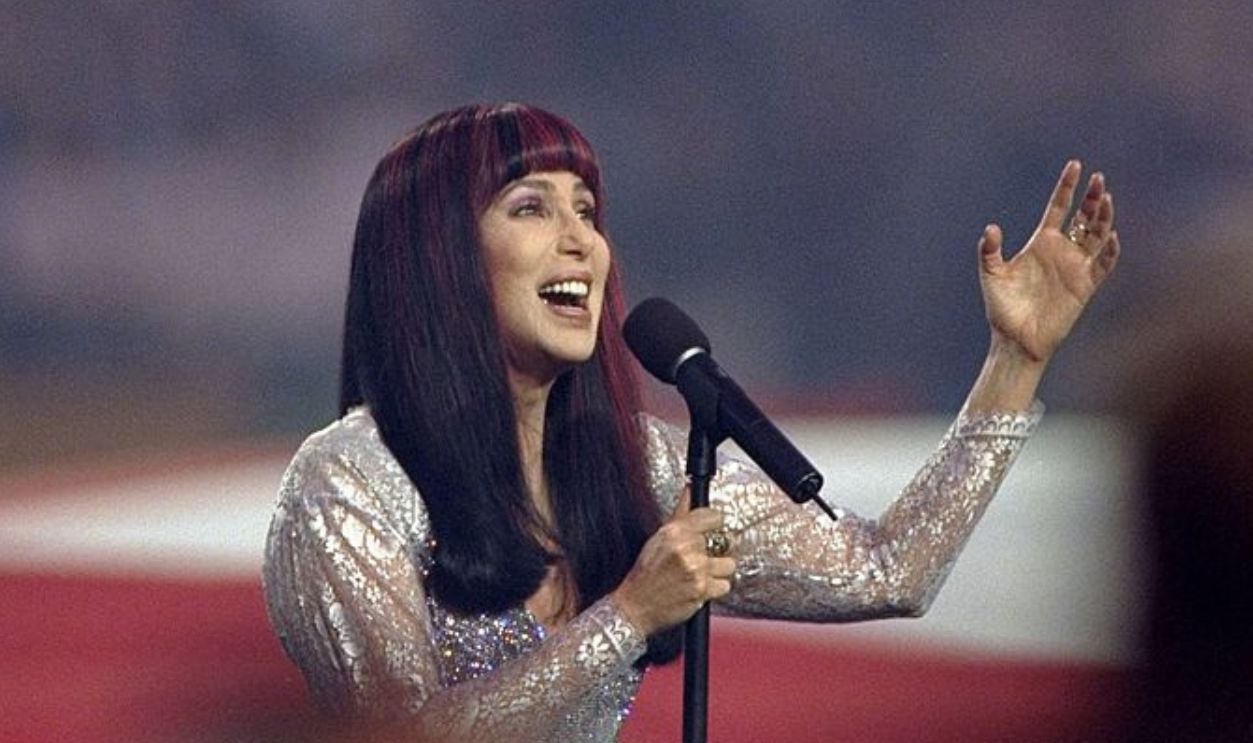
“How Deep Is Your Love” Nearly Belonged To Yvonne Elliman
The Bee Gees’ “How Deep Is Your Love” sounds tailor-made for their harmonies, but Yvonne Elliman was originally expected to perform the ballad for Saturday Night Fever. The plans changed during the creation of the soundtrack, leaving the Bee Gees with one of their defining recordings.
![Collectie / Archief : Fotocollectie Anefo
Reportage / Serie : [ onbekend ]
Beschrijving : Yvonne Elliman (zangeres) en producer Robert Stigwood
Datum : 18 mei 1977
Trefwoorden : producers, zangeressen
Persoonsnaam : Elliman, Yvonne, Stigwood, Robert
Fotog](https://www.factinate.com/storage/app/media/theshot/2026/10/8/1791457099610d29cd635ddd9ba96a2ff025f4df431db03d64.jpg) Rob Bogaerts for Anefo, Wikimedia Commons
Rob Bogaerts for Anefo, Wikimedia Commons
Robert Stigwood Changed The Plan
Producer and RSO chief Robert Stigwood decided that “How Deep Is Your Love” should stay with the Bee Gees. Elliman would receive another Gibb composition instead. It turned out to be a remarkable switch because both sides of the musical reshuffle produced major hits.
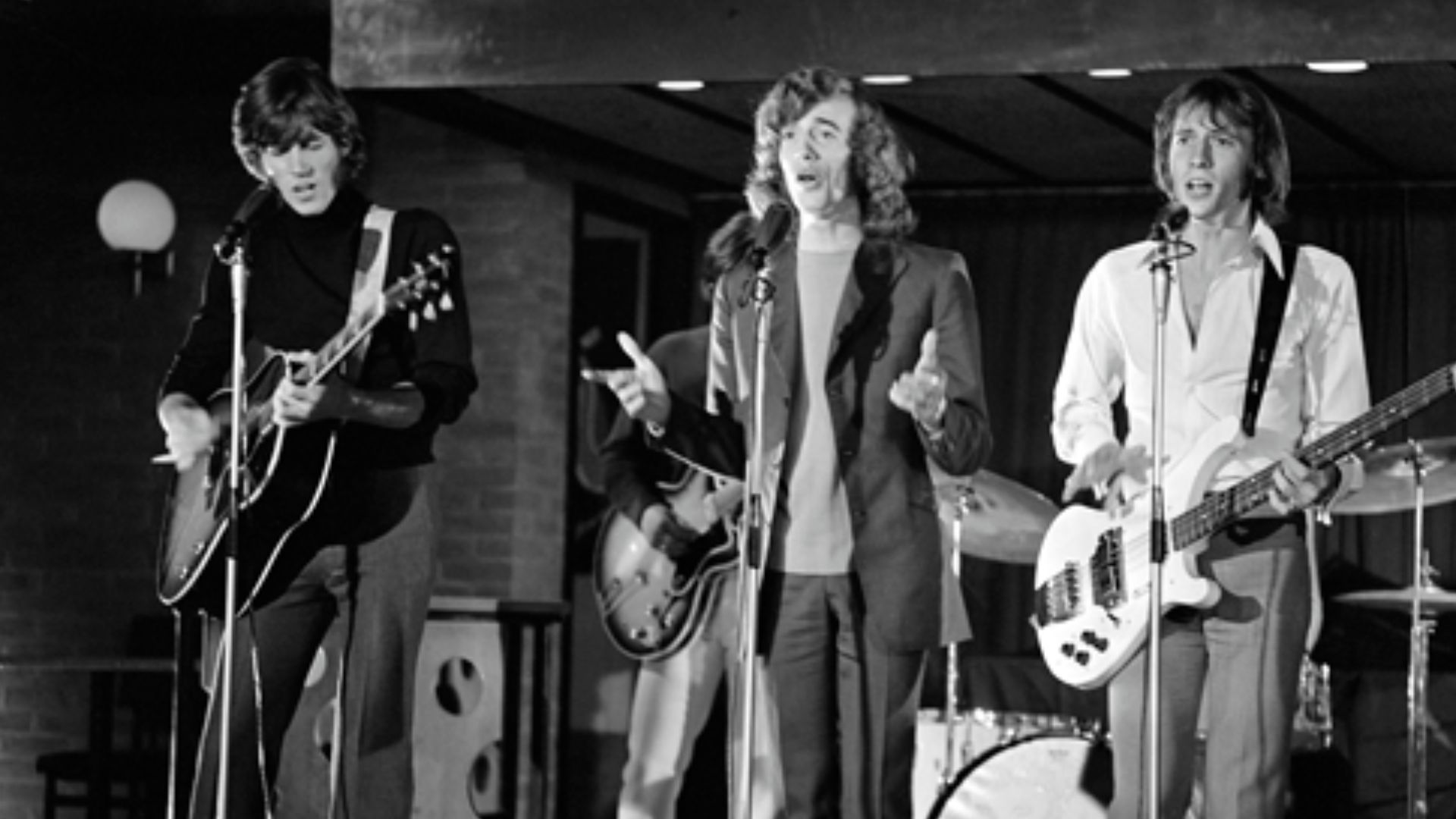
The Bee Gees Took It Straight To No. 1
Released in 1977, “How Deep Is Your Love” reached No. 1 on the Billboard Hot 100. The ballad became part of the extraordinary run surrounding Saturday Night Fever. Imagining the soundtrack without the Bee Gees singing it now requires rewriting a significant piece of disco-era history.
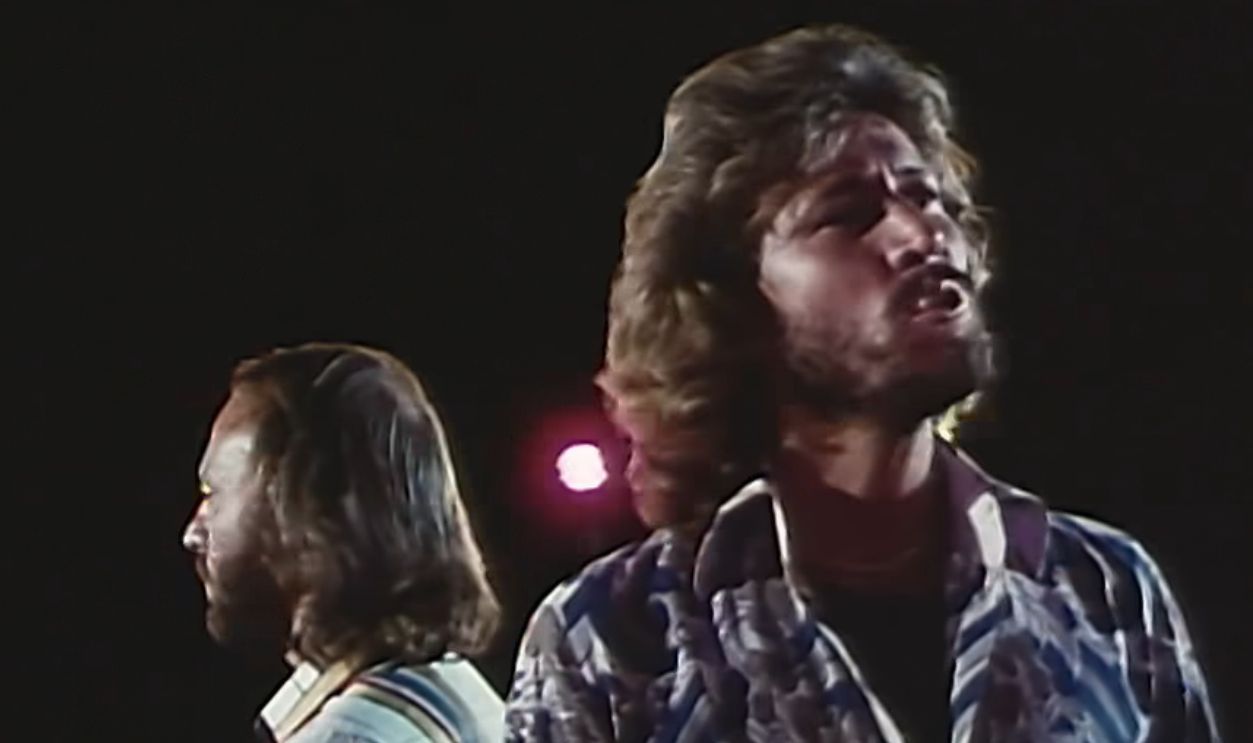 Screenshot from How Deep Is Your Love, Universal Music Group (1977)
“If I Can’t Have You” Was Going The Other Way
The song Elliman received was “If I Can’t Have You,” which the Bee Gees had recorded themselves. In other words, the two songs effectively traded performers: Elliman lost “How Deep Is Your Love,” while the brothers surrendered “If I Can’t Have You.”

Elliman Turned The Replacement Into Gold
Getting the other song certainly didn’t hurt Elliman. Her version of “If I Can’t Have You” became another enormous Saturday Night Fever success and reached No. 1 on the Billboard Hot 100. The Bee Gees’ own recording was instead issued as the B-side of “Stayin’ Alive.”
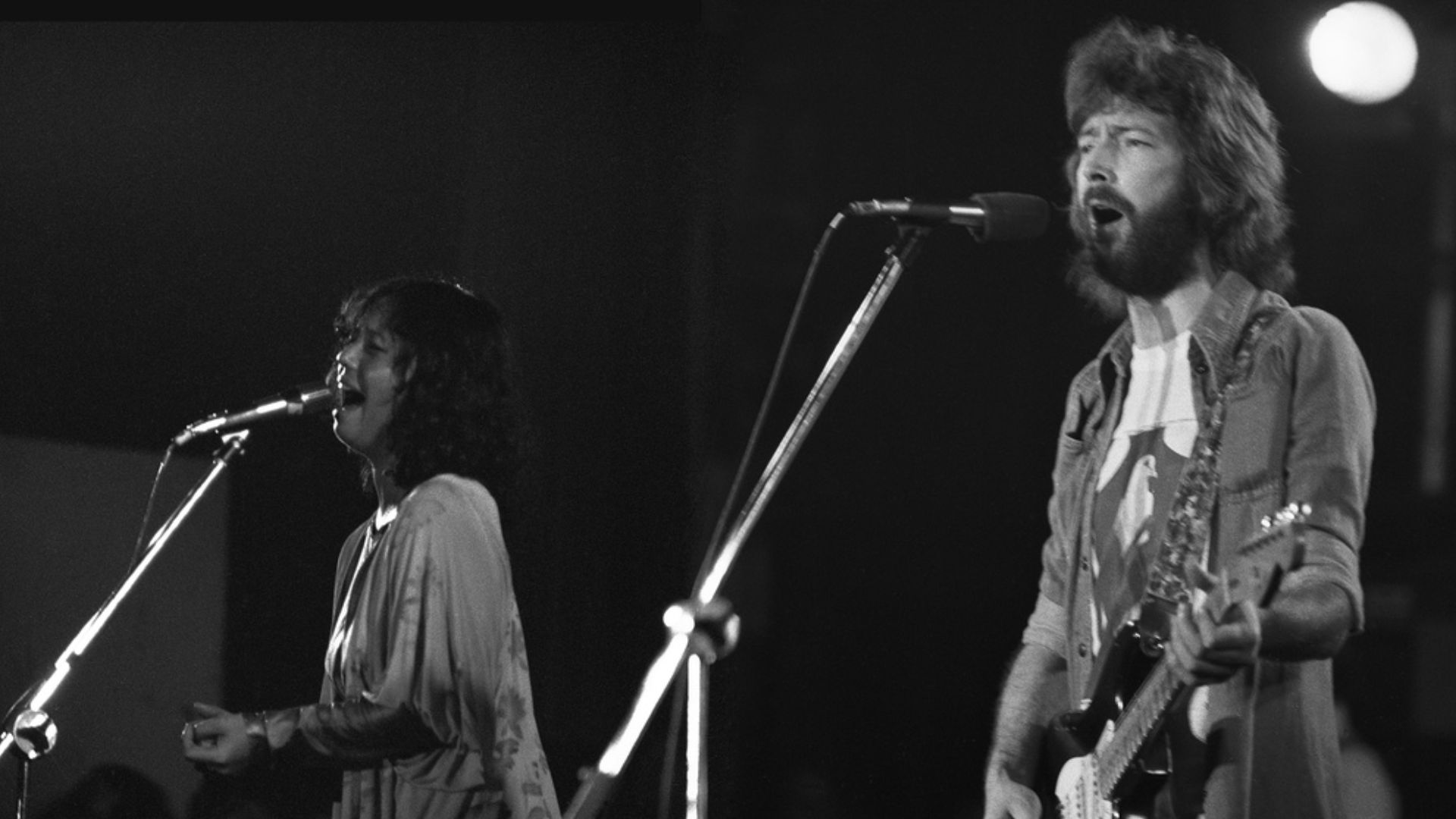 Matt Gibbons, Wikimedia Commons
One Decision Produced Two Classics
The switch is one of the decade’s best examples of record-business instincts working spectacularly well. “How Deep Is Your Love” showcased the Bee Gees’ harmonies, while Elliman brought a different vocal character to “If I Can’t Have You.” Both became essential pieces of the soundtrack.
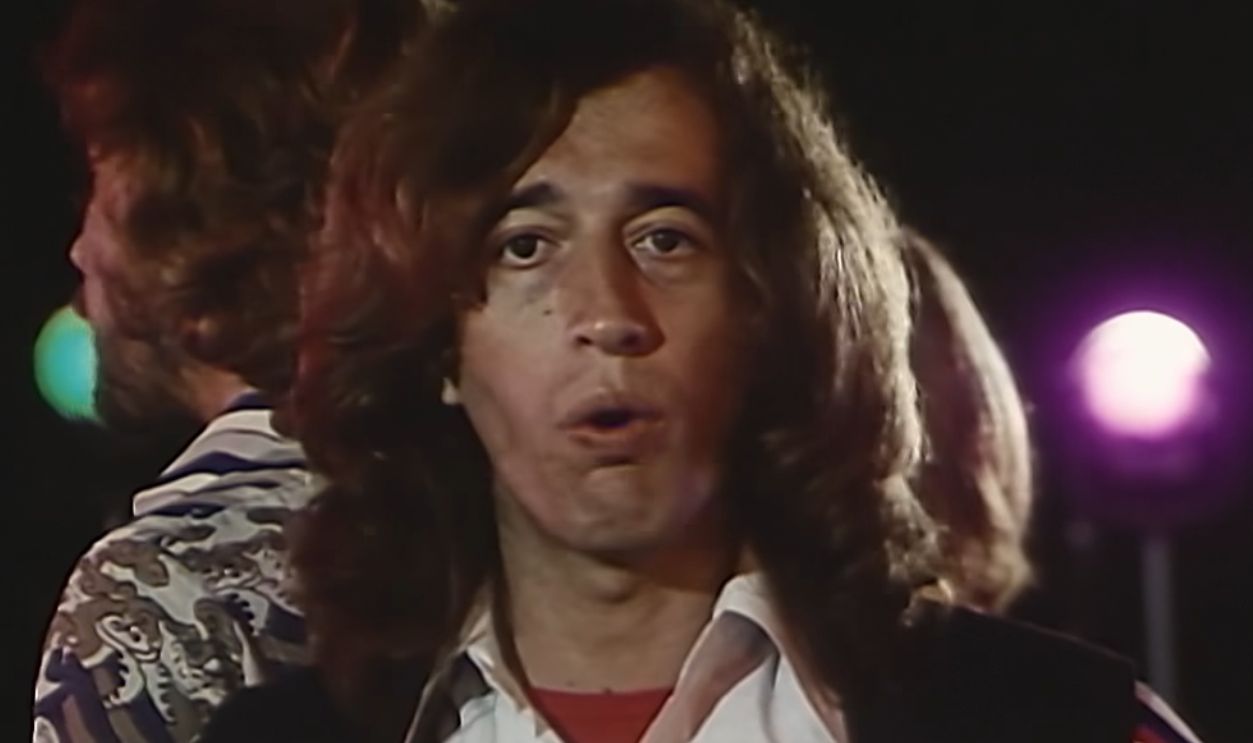 Screenshot from How Deep Is Your Love, Universal Music Group (1977)
“Don’t Go Breaking My Heart” Could Have Featured Dusty Springfield
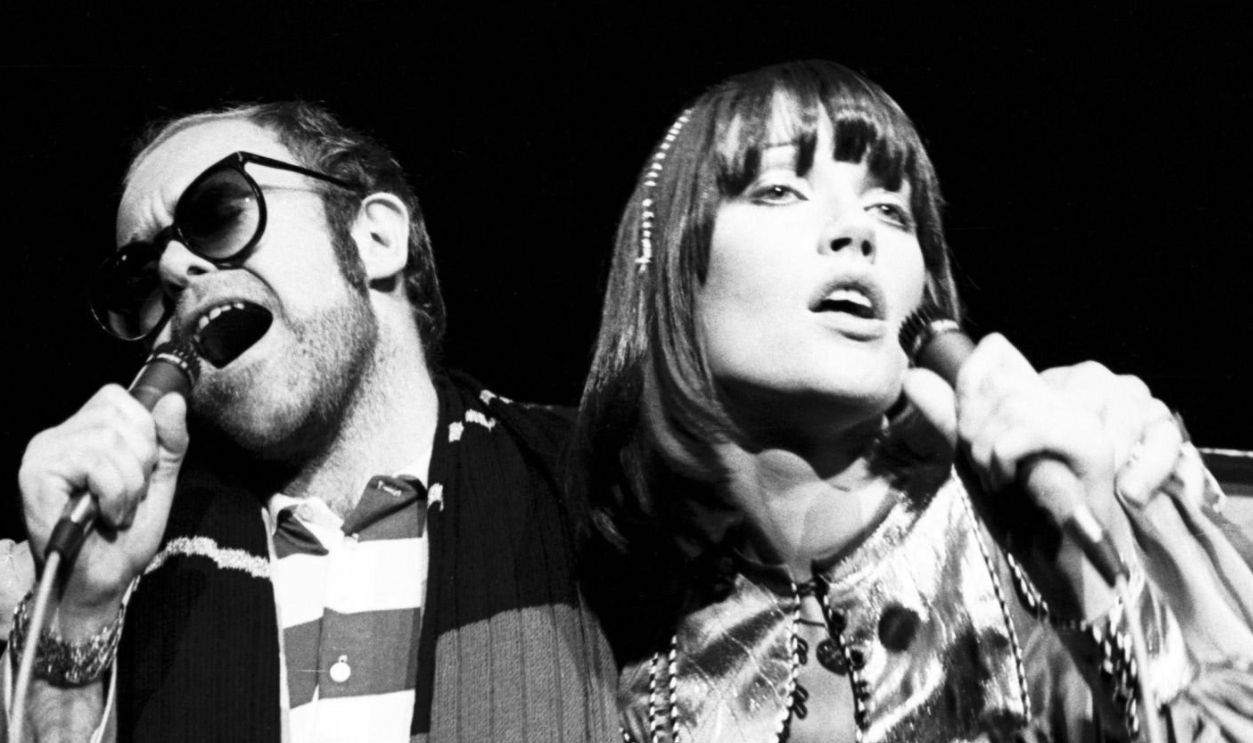
Elton John and Bernie Taupin wrote “Don’t Go Breaking My Heart” as an affectionate salute to classic Motown duets. Before Kiki Dee became John’s partner on the record, however, Dusty Springfield was reportedly the intended female vocalist.
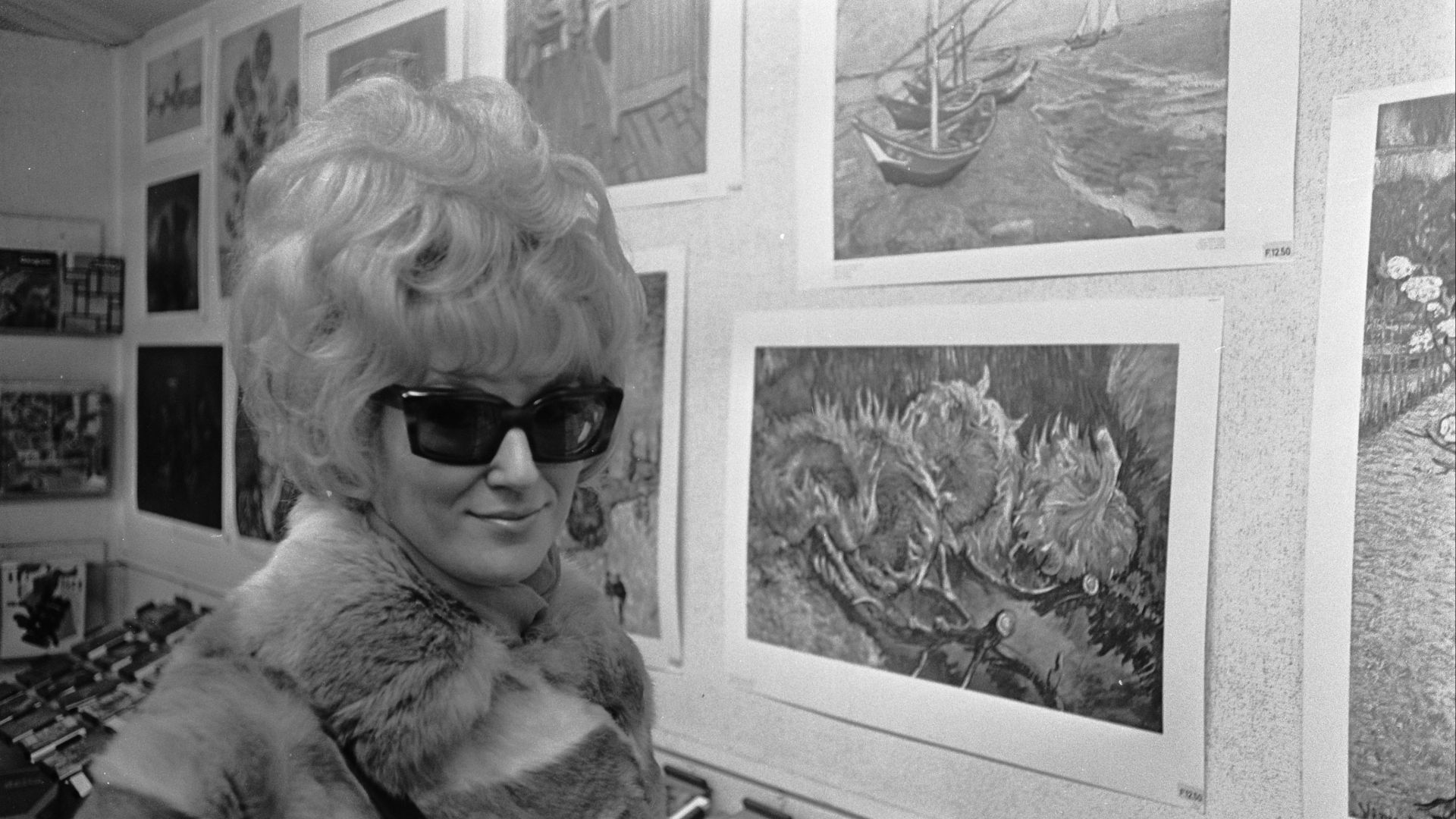
Springfield Was Unable To Take The Part
Springfield’s partner Sue Cameron later said Springfield was too ill at the time, and the proposed collaboration did not happen. Kiki Dee ultimately stepped into the duet. John recorded his vocal in Toronto, while Dee added hers separately in London.
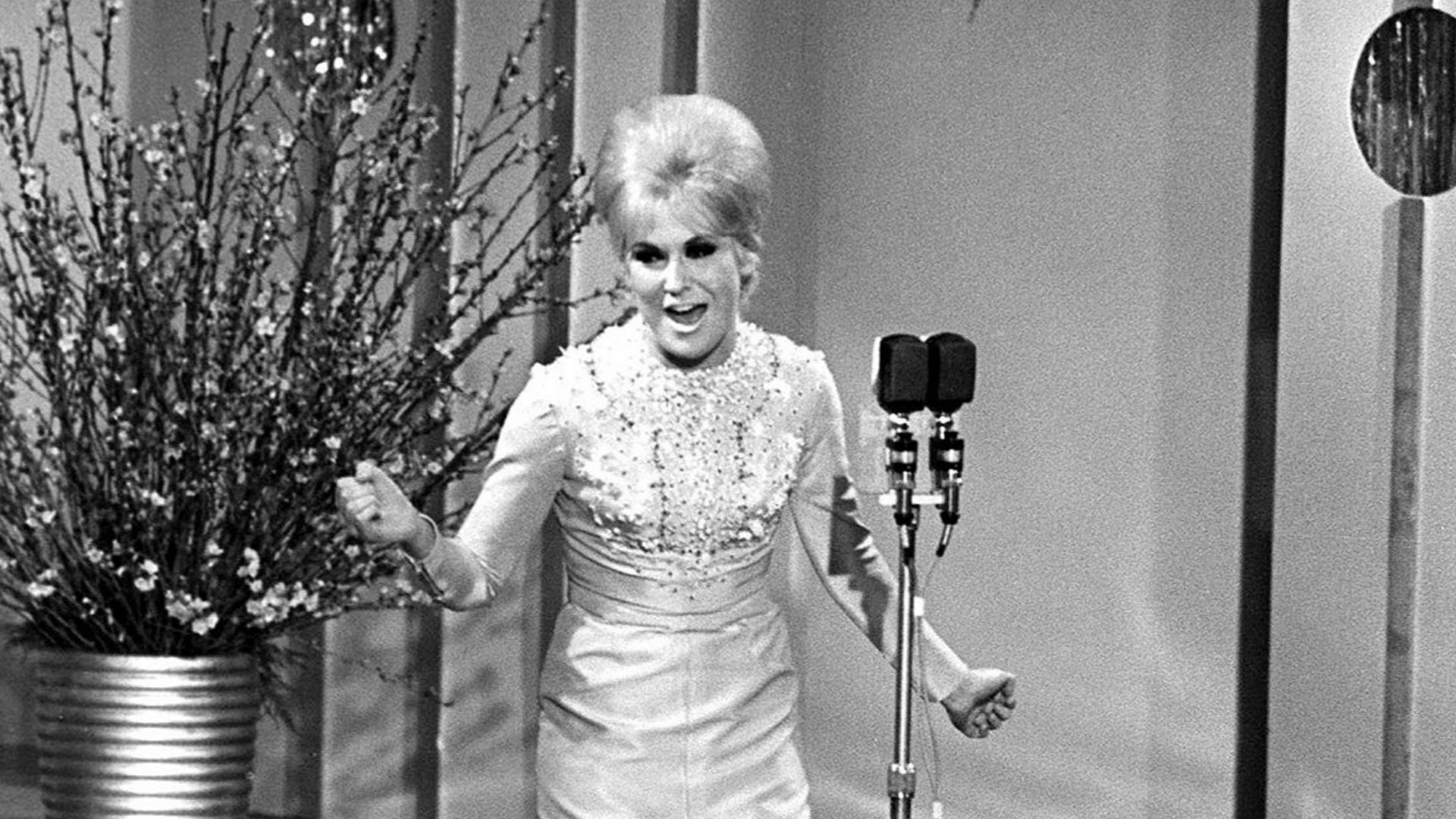 Dezo Hoffman, Wikimedia Commons
Kiki Dee Helped Turn It Into A Blockbuster
The change certainly didn’t diminish the song’s prospects. Released in 1976, the John-Dee recording became a No. 1 hit and remains one of the decade’s most recognizable pop duets. Their vocal chemistry made the alternate Springfield version one of pop’s intriguing what-ifs.
“Wishing On A Star” Had Barbra Streisand In Mind
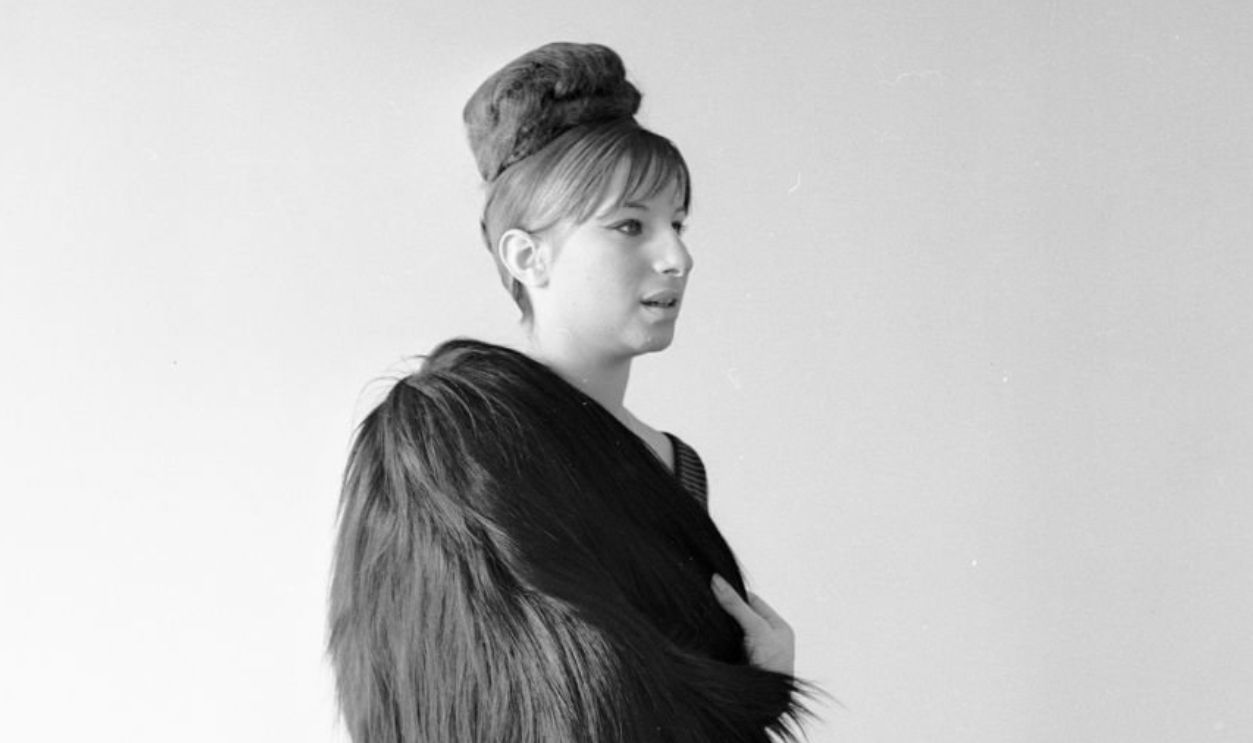
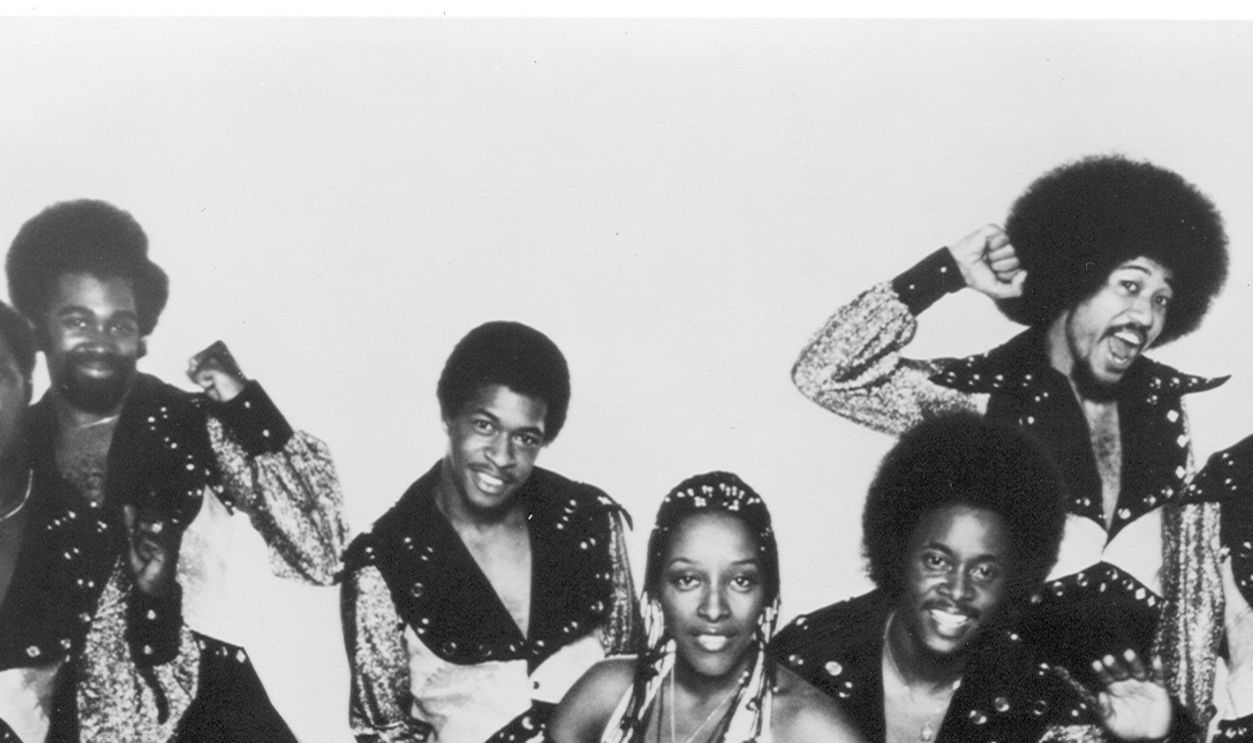
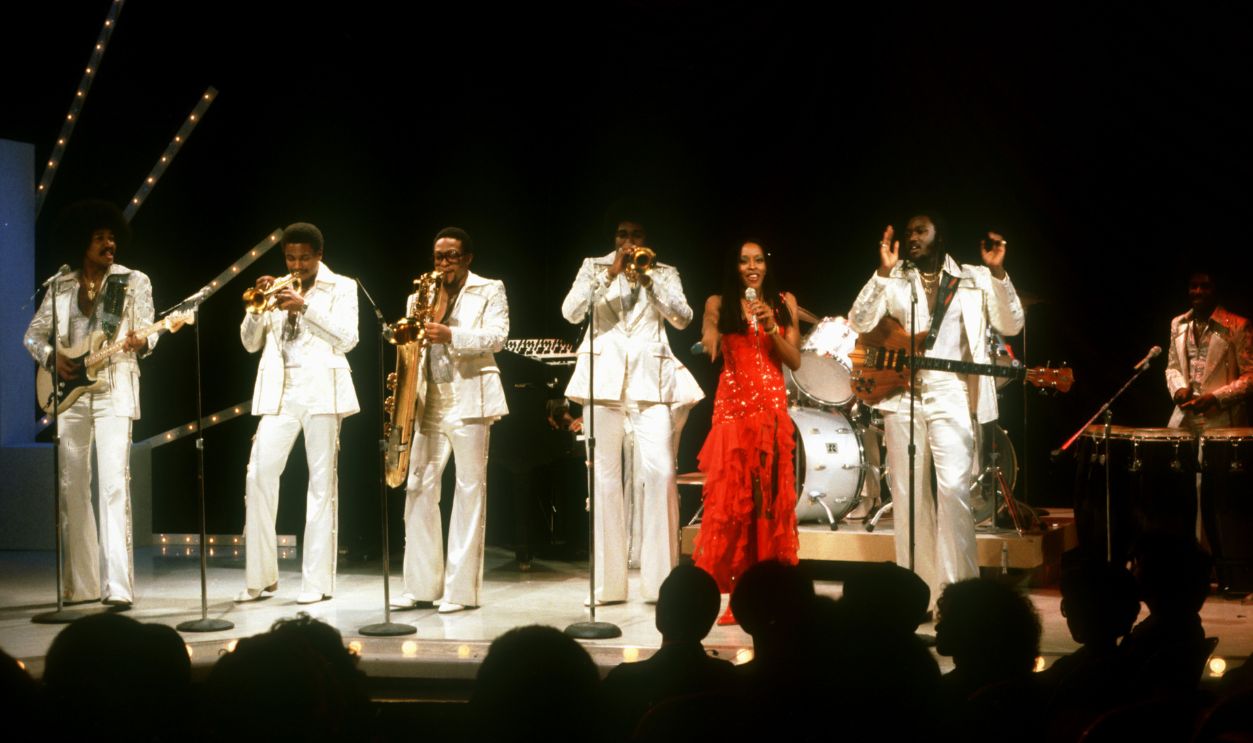
Songwriter Billie Rae Calvin wrote “Wishing on a Star” with Barbra Streisand in mind, according to Rhino’s history of Rose Royce. That potential pairing never materialized. Producer Norman Whitfield instead brought the song to Rose Royce, with Gwen Dickey handling the memorable lead vocal.
 Fairchild Archive, Getty Images
Rose Royce Gave It A Different Identity
Streisand’s dramatic vocal style might have produced an entirely different recording. Rose Royce instead delivered a restrained soul performance that became especially successful in Britain, where “Wishing on a Star” reached the Top 10 and developed a long afterlife through later covers.
 Michael Ochs Archives, Getty Images
The Song Outgrew Its Original Plan
“Wishing on a Star” subsequently attracted numerous reinterpretations, proving how adaptable Calvin’s composition was. Yet its beginnings as material conceived with Streisand in mind make Rose Royce’s familiar version feel almost accidental. One production decision permanently redirected the song.
 Michael Ochs Archives, Getty Images
Bruce Springsteen Wrote “Fire” With Elvis Presley In Mind
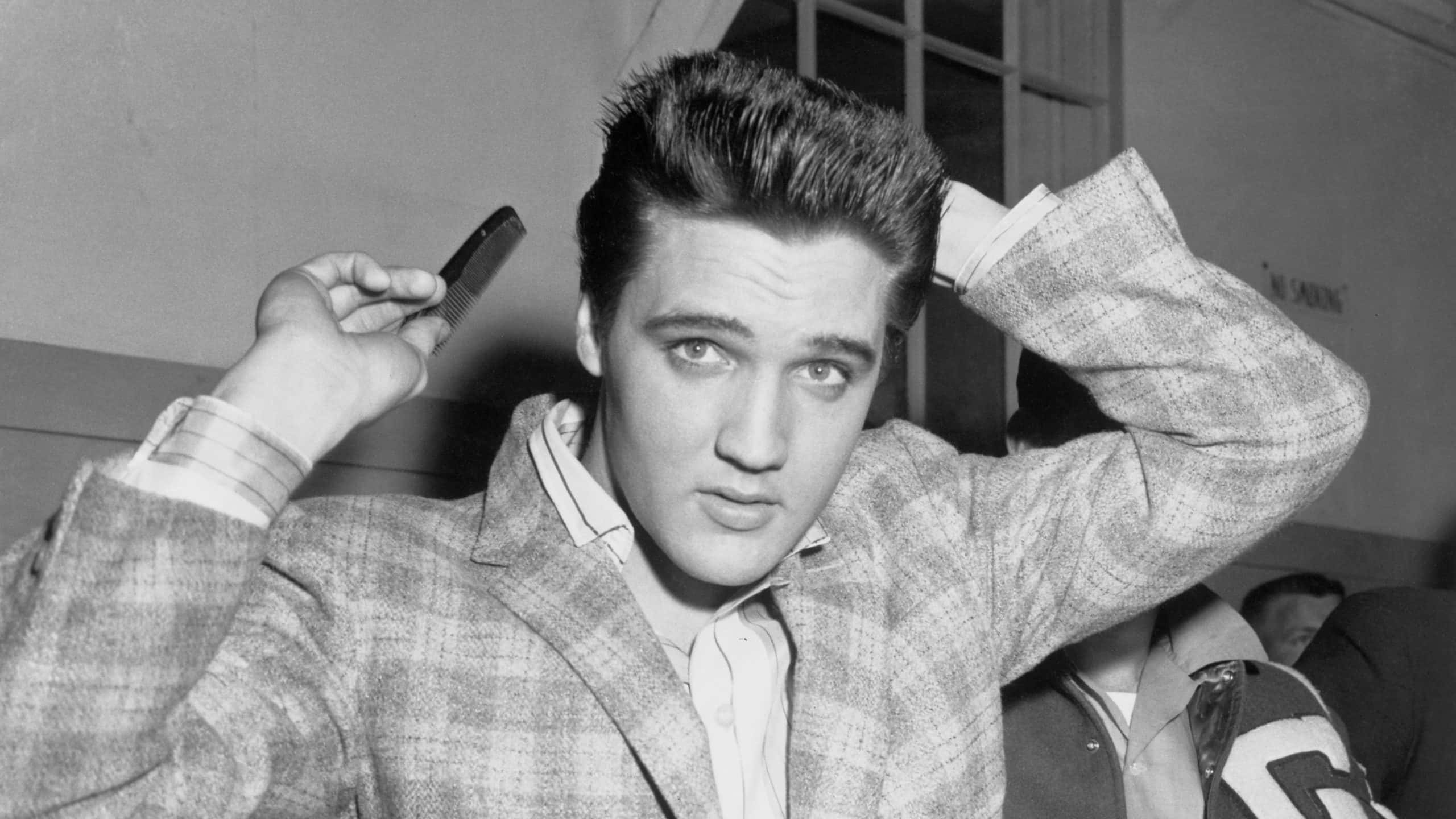
Bruce Springsteen had one particularly famous singer in mind when he wrote “Fire”: Elvis Presley. The Bruce Springsteen Center for American Music notes that Springsteen wrote it shortly after seeing Presley perform in Philadelphia in 1977. Presley died that August.

The Song Eventually Reached The Pointer Sisters
Rockabilly singer Robert Gordon released “Fire” first, but its biggest commercial breakthrough came with the Pointer Sisters. Their 1978 recording transformed Springsteen’s composition into a sleek, smoldering pop-soul hit. It climbed to No. 2 on the Billboard Hot 100.
![Collectie / Archief : Fotocollectie Anefo
Reportage / Serie : [ onbekend ]
Beschrijving : Pointer Sisters aangekomen op Schiphol voor optreden in Nederland; de Pointer Sisters (3) na aankomst
Datum : 27 september 1974
Locatie : Noord-Holland, Schiphol
Tre](https://www.factinate.com/storage/app/media/theshot/2026/9/21/1789998639fd6ab2d5360fb43d5fc0267f470dc6db1ed753e2.jpg) Rob Mieremet / Anefo, Wikimedia Commons
Rob Mieremet / Anefo, Wikimedia Commons
Elvis Never Got To Make It His Own
Springsteen later said he had wanted Presley to record the song, making “Fire” one of rock’s great unrealized pairings. Instead, the Pointer Sisters made it a crucial part of their career. Their version became far more commercially successful than Springsteen’s singles had been up to that point.
“Rock Your Baby” Was Too High For KC
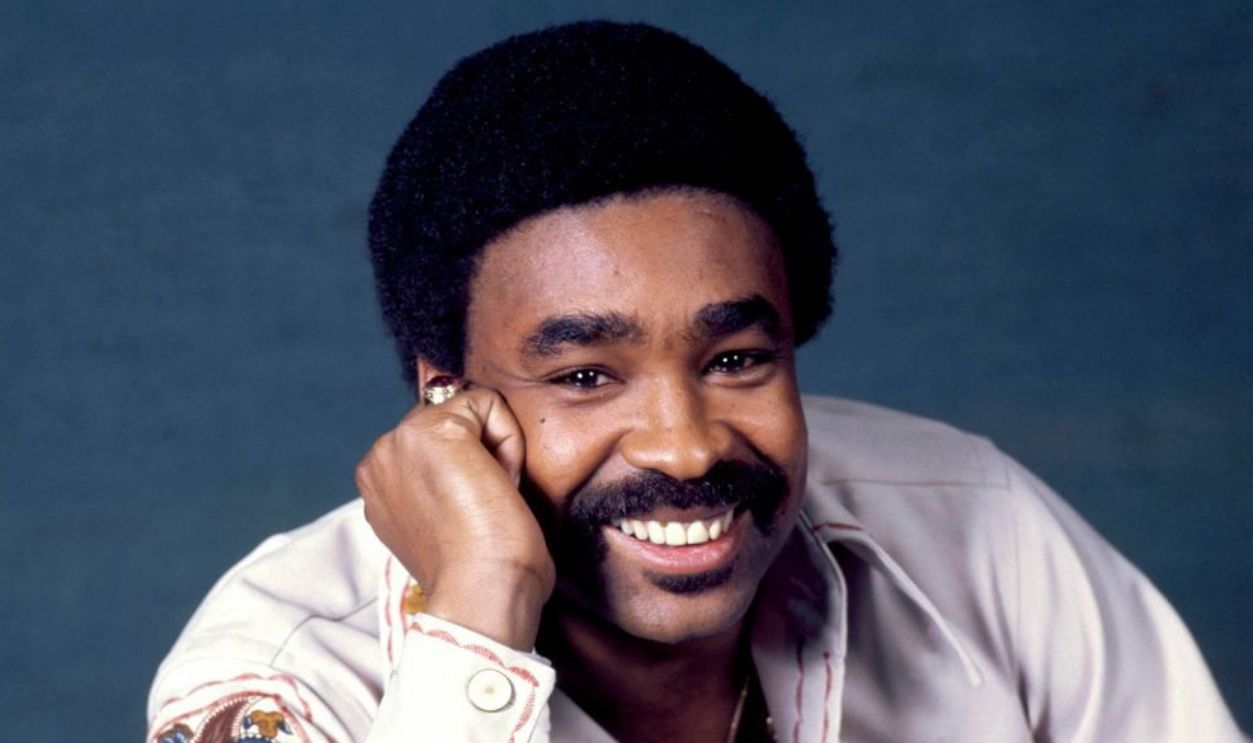
Harry Wayne Casey and Richard Finch created “Rock Your Baby” while developing the sound that would become associated with KC and the Sunshine Band. There was a practical problem: the song sat too high for Casey’s voice. George McCrae was brought in to sing it instead.
 Cornstalker, Wikimedia Commons
George McCrae Walked Away With A No. 1
That vocal-range problem became McCrae’s opportunity. Released in 1974, “Rock Your Baby” topped both Billboard’s pop and R&B charts and became an early international disco landmark. Casey and Finch soon became major hitmakers with KC and the Sunshine Band themselves.
“New York Groove” Was Written For A British Band
Ace Frehley’s “New York Groove” feels autobiographical for the Bronx-born KISS guitarist, but Russ Ballard didn’t write it for him. Ballard has explained that he created the song for the young British band Hello, which recorded it years before Frehley and scored a European hit with it.
 Sven Mandel, Wikimedia Commons
David Bowie’s “Golden Years” May Have Been An Elvis Song
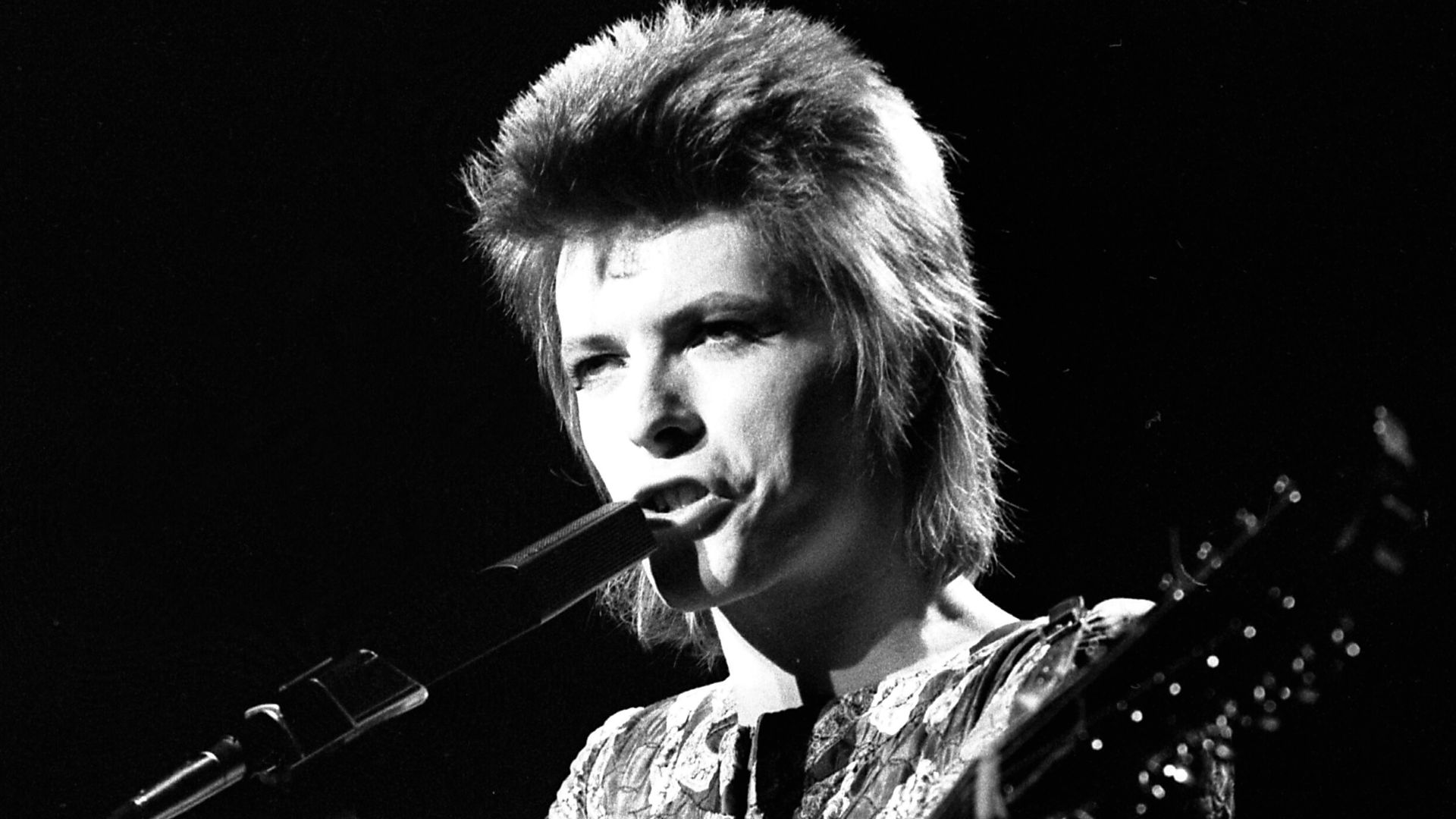
One famous case comes with an important qualification. Bowie biographers have reported that “Golden Years” was intended or considered for Elvis Presley, although accounts differ over whether it was formally presented to him. Bowie recorded it himself, releasing the song in 1975 and turning the would-be Presley vehicle into one of his own major hits.
You May Also Like:
Musicians Who Appeared In Famous Songs Without Most Listeners Ever Knowing
Songs From 1979 That Boomers Can Still Sing Word For Word—But Gen Z Probably Never Heard
Flamboyant Facts About Brian Jones, The First Rolling Stone
Sources: 1, 2, 3, 4, 5, 6, 7, 8, 9, 10, 11, 12, 13, 14, 15, 16