When Turning Up the Stereo Became an Act of Rebellion
The 1980s turned rock music into a family battleground. Parents heard dangerous lyrics, rebellious messages, and frightening imagery, while teenagers mostly heard a terrific guitar solo. These 30 songs sparked arguments, censorship campaigns, television bans, and plenty of bedroom doors being slammed.
#30: Bon Jovi — “You Give Love a Bad Name”
Released in 1986, “You Give Love a Bad Name” turned romantic betrayal into an enormous singalong anthem. Many parents disliked its aggressive sound, suggestive attitude, and glamorous image of rock-star excess. Teenagers heard heartbreak and empowerment. Adults heard their children shouting about being “shot through the heart” from behind a locked bedroom door.
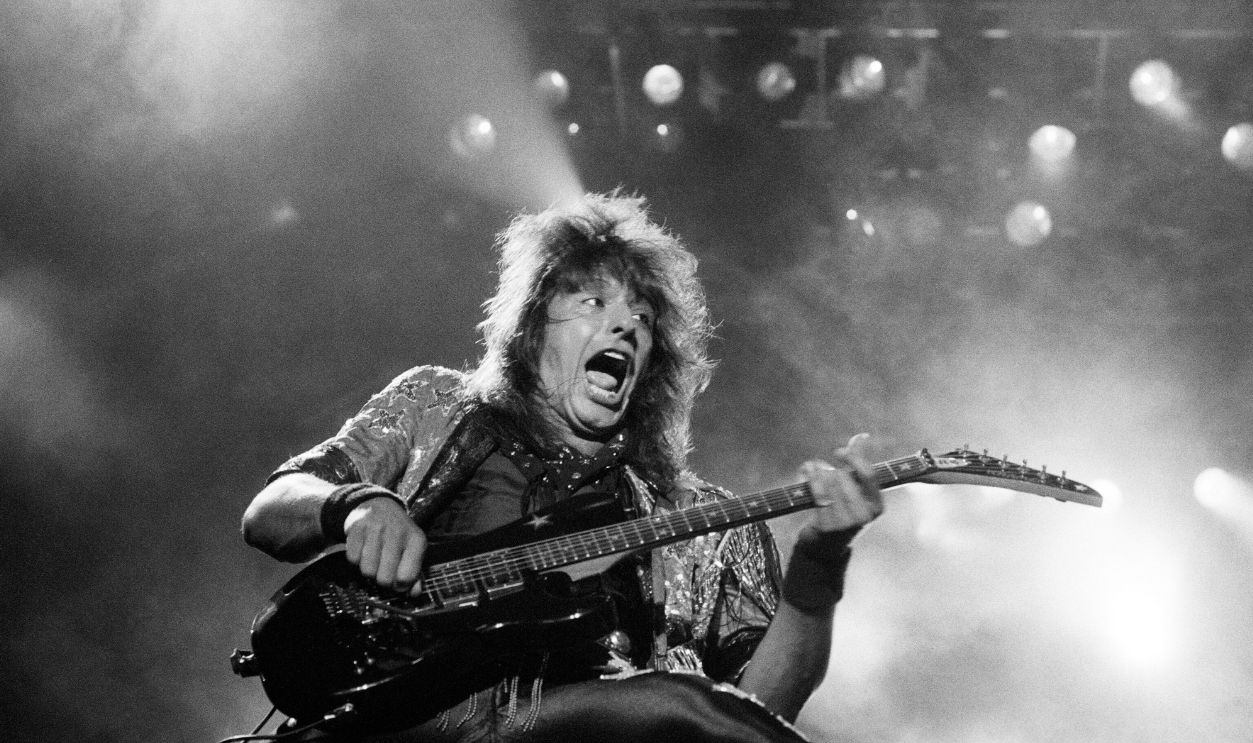
#29: Billy Idol — “Rebel Yell”
Billy Idol’s 1983 hit combined a pounding rock arrangement with lyrics filled with desire and late-night demands. His sneering image, spiked hair, leather clothing, and rebellious persona made matters worse for cautious parents. Even the title sounded like an invitation for teenagers to become louder and considerably less cooperative.
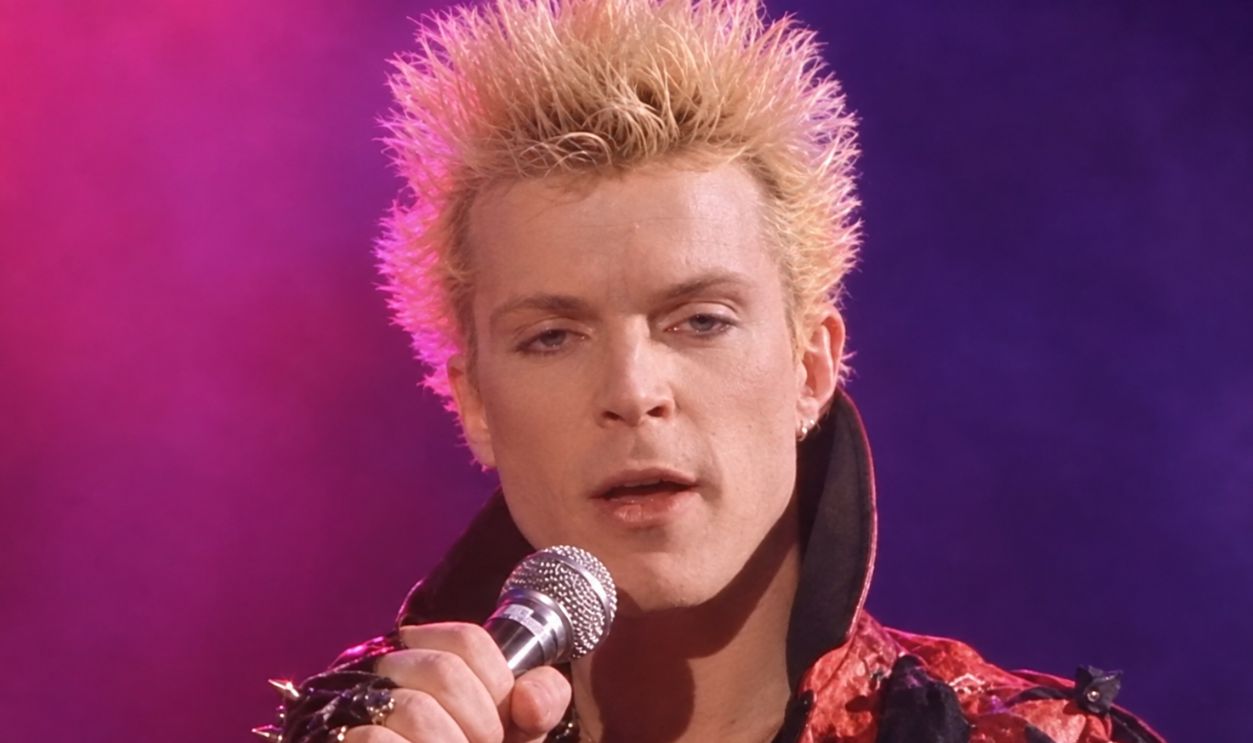 Screenshot from Rebel Yell, Chrysalis Records (1983), Enhanced
#28: Scorpions — “Rock You Like a Hurricane”
The Scorpions filled their 1984 anthem with barely disguised intimate innuendo, while the music video added cages, leather, and scantily dressed performers. Parents did not need to study the lyrics very closely to understand the message. Teenagers, naturally, insisted they only appreciated the exceptional guitar playing.
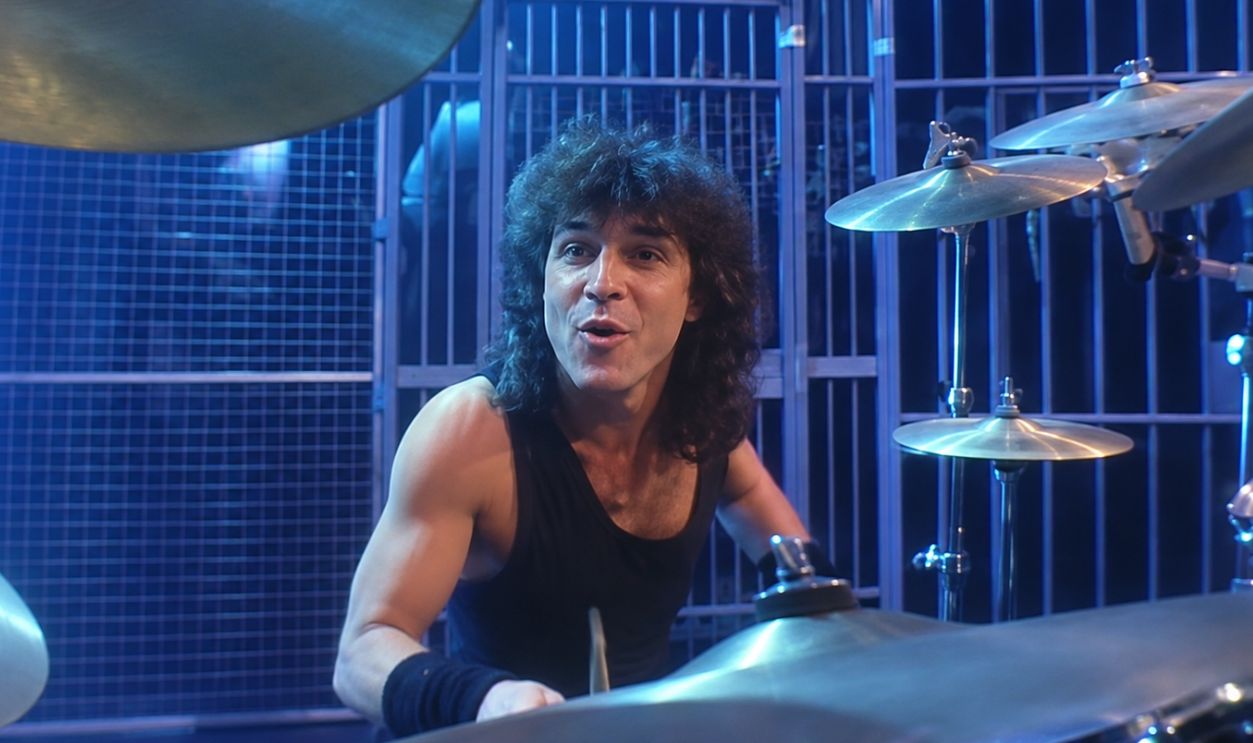 Screenshot from Rock You Like a Hurricane, Harvest Records (1984), Enhanced
#27: Kiss — “Lick It Up”
Kiss removed its famous makeup in 1983, but the band did not suddenly become more reassuring to parents. “Lick It Up” paired an unmistakably suggestive title with a post-apocalyptic music video and the group’s familiar appetite for excess. Taking off the face paint somehow made the band look more dangerous, not less.
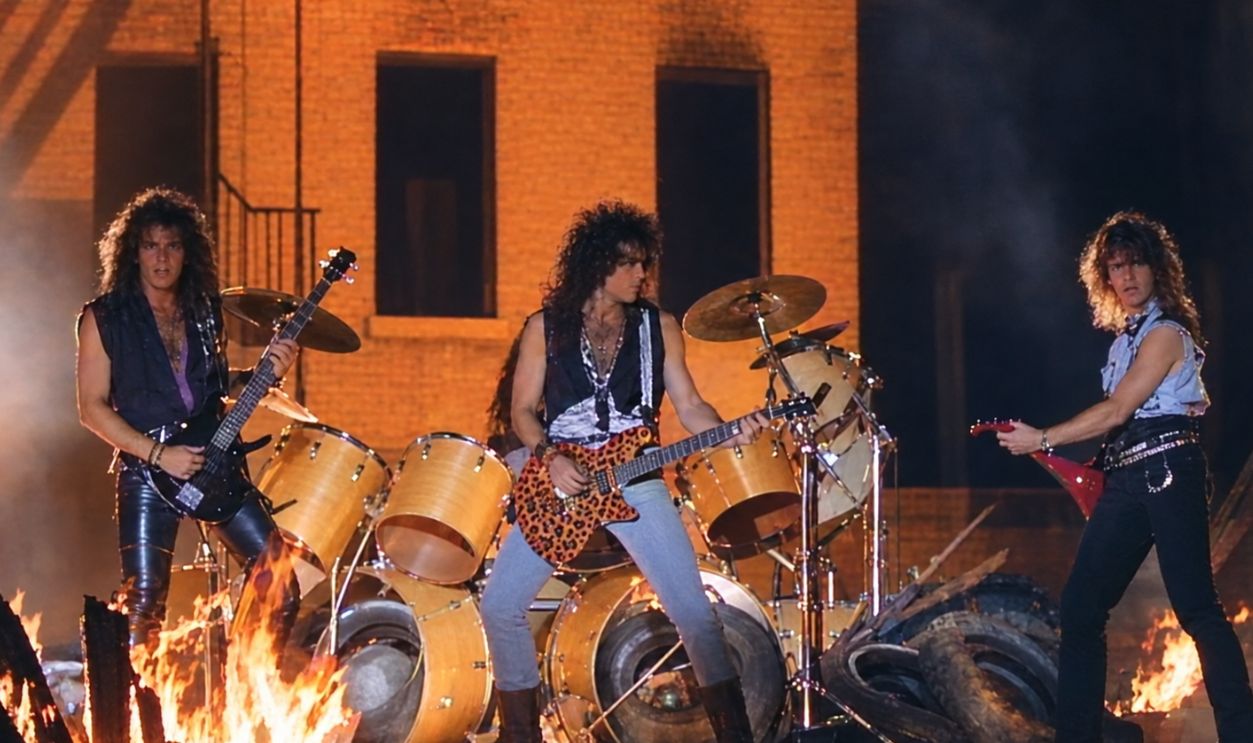 Screenshot from Lick It Up, Mercury Records (1983), Enhanced
#26: Poison — “Talk Dirty to Me”
Poison’s 1986 breakthrough celebrated flirtation with all the subtlety of a neon sign. The title alone was enough to worry parents, while the band’s teased hair, makeup, tight clothing, and suggestive performances confused adults who preferred rock stars to look slightly less prepared for prom night.
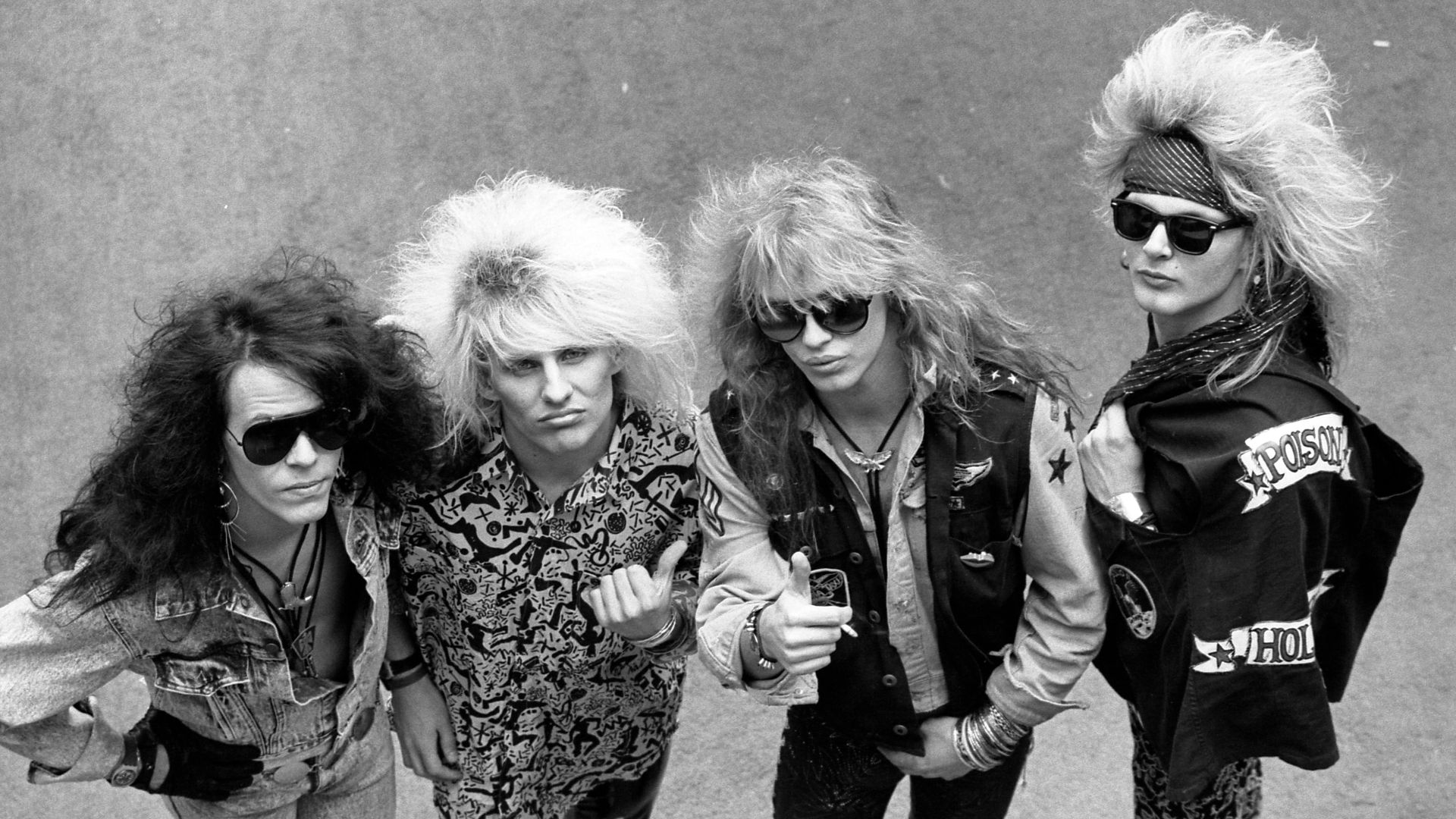 Patrick Downs, Los Angeles Times, Wikimedia Commons
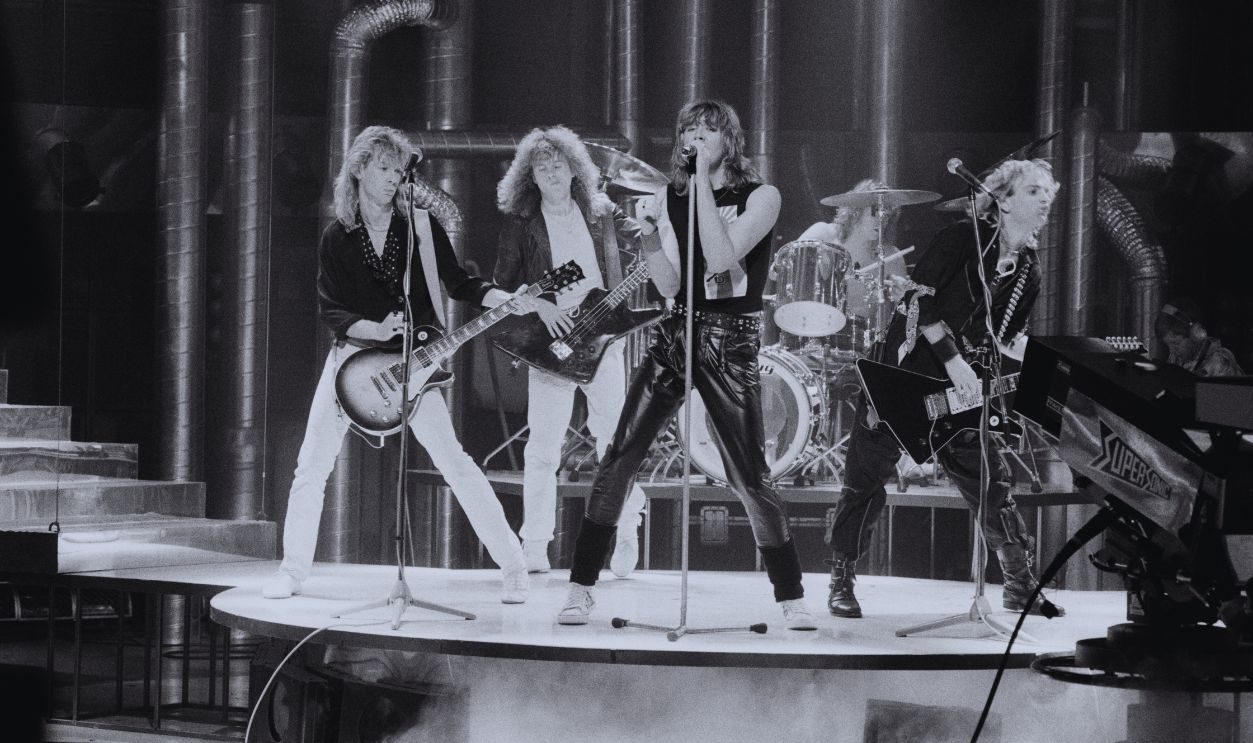
#25: Def Leppard — “Pour Some Sugar on Me”
Released in 1987, “Pour Some Sugar on Me” became one of Def Leppard’s biggest hits despite lyrics built almost entirely from suggestive metaphors. Parents recognized that the song was not really discussing baking. Teenagers turned up the chorus anyway, perhaps hoping that sheer volume would prevent further questions.
#24: Whitesnake — “Here I Go Again”
The lyrics of “Here I Go Again” were not especially scandalous, but its famous 1987 video became a different story. Tawny Kitaen danced across two Jaguars in a revealing white outfit, giving parents another reason to distrust MTV. Many teenagers remembered the cars only after being specifically reminded that cars were present.
 MarieLopezPhotographer, Wikimedia Commons
#23: Mötley Crüe — “Girls, Girls, Girls”
Mötley Crüe released “Girls, Girls, Girls” in 1987 as a celebration of nightlife and adult clubs. The accompanying video was too provocative for normal MTV rotation without substantial editing. Parents saw the band as a walking advertisement for bad decisions, while teenagers saw four musicians having an improbably exciting evening.
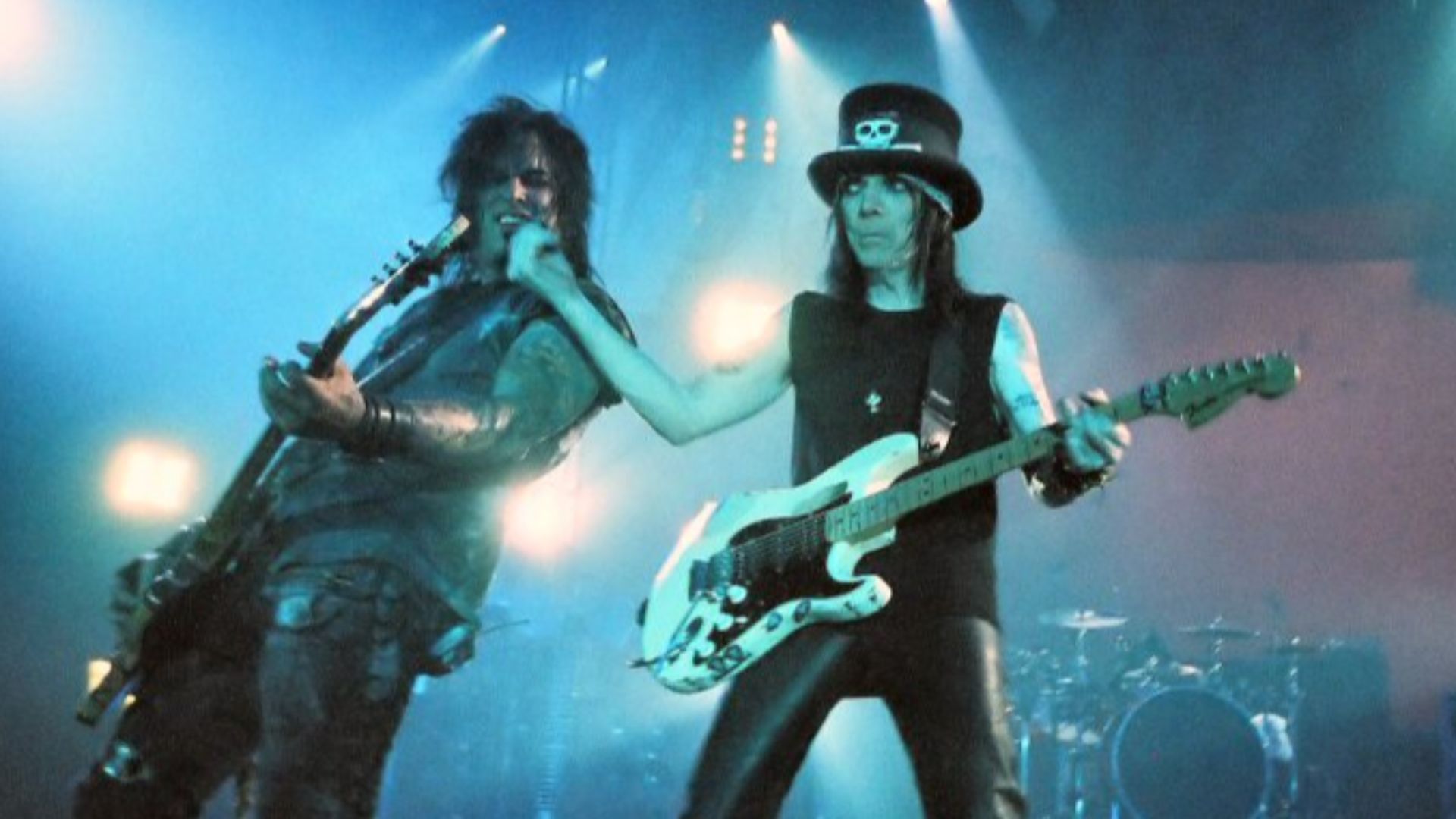 Alec MacKellaig, Wikimedia Commons
#22: The J. Geils Band — “Centerfold”
“Centerfold” told the story of a man discovering that a girl he knew in school had appeared in an adult magazine. Although catchy and playful, its subject made plenty of parents uncomfortable. The brightly colored video, cheerleaders, and schoolroom setting ensured that children understood the song was about something they were not supposed to discuss.
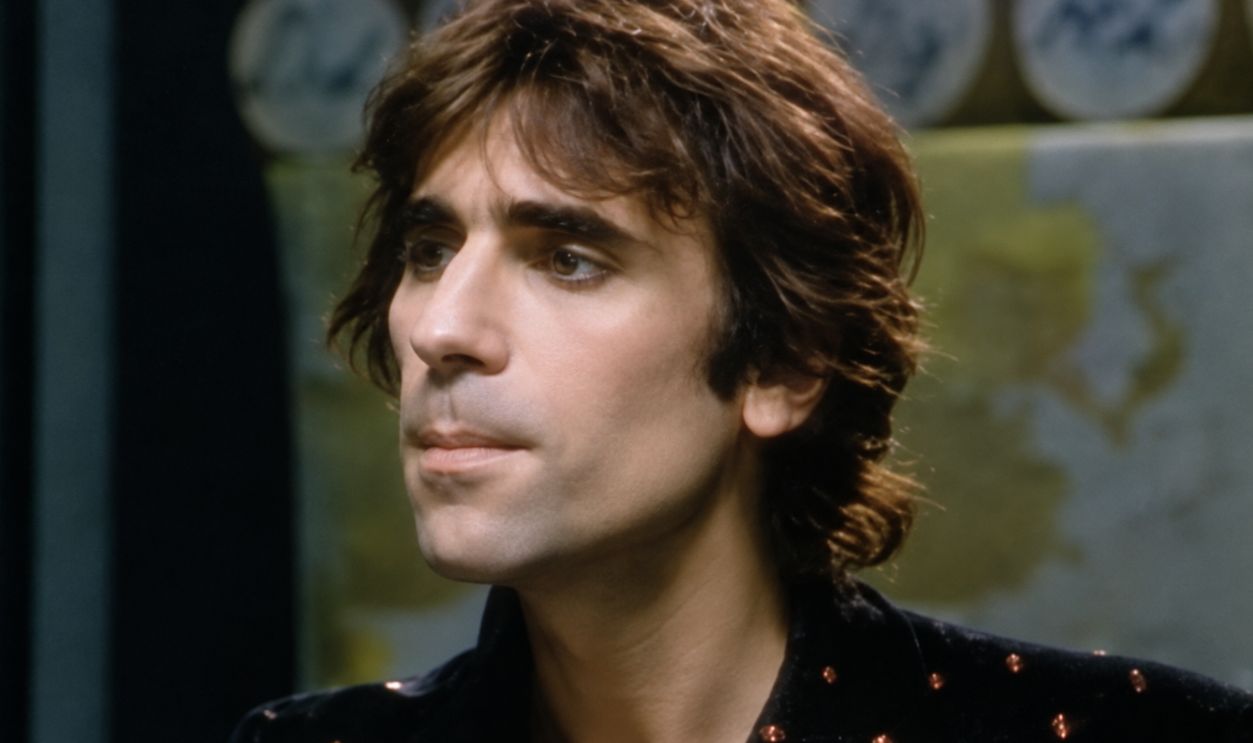 Screenshot from Centerfold, EMI America Records (1981), Enhanced
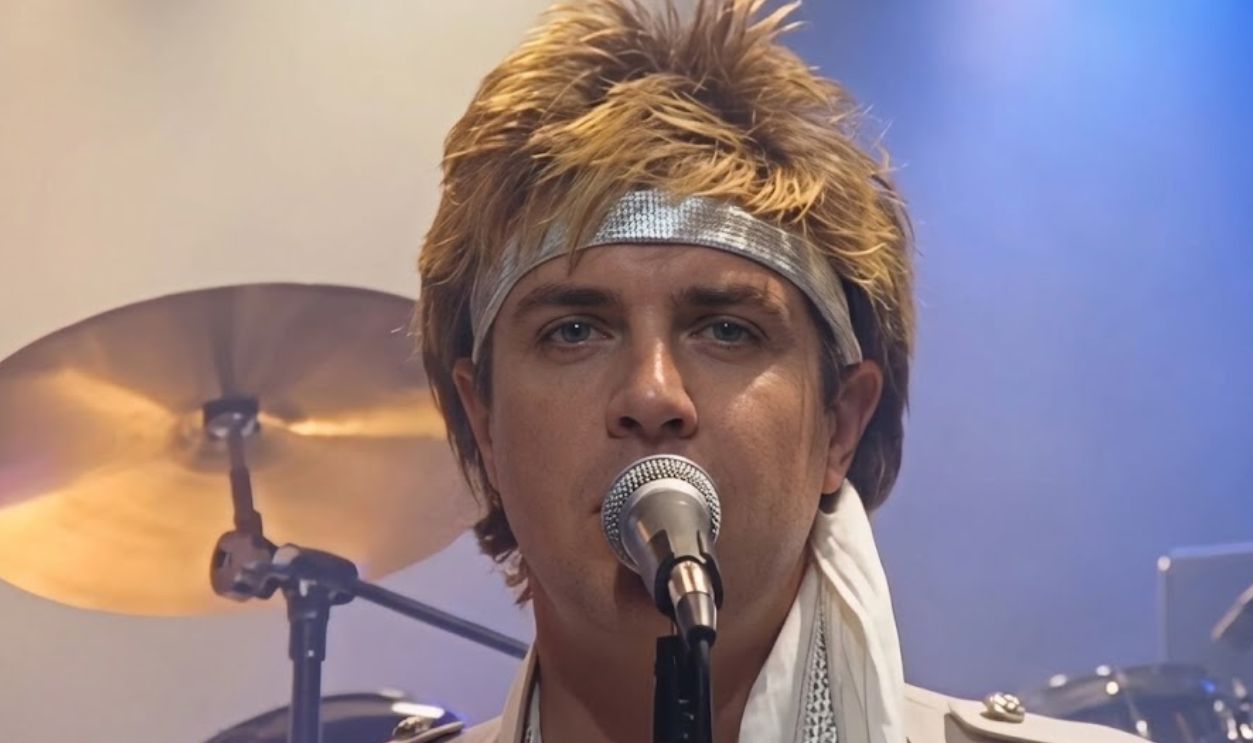
#21: Duran Duran — “Girls on Film”
Duran Duran’s 1981 song became controversial largely because of its music video, which featured provocative staged scenes and required heavy editing for television. The uncensored version was created for clubs and video outlets. Parents blamed MTV, while MTV quietly showed the version that removed the most objectionable material.
 Screenshot from Girls on Film, EMI Records (1981), Enhanced
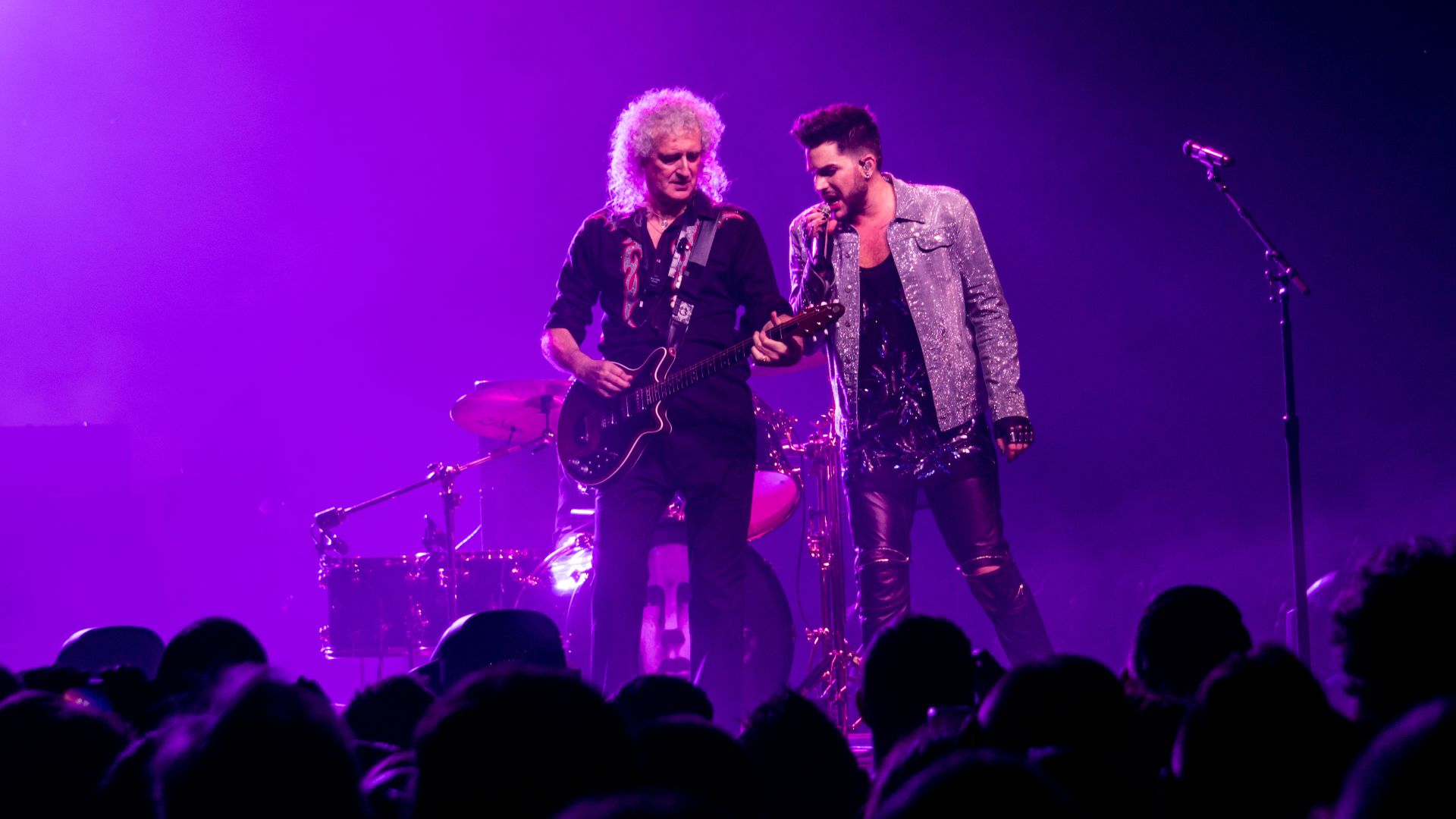
#20: Queen — “Body Language”
Queen’s 1982 single was built around desire, physical attraction, and very few attempts at subtlety. Its steamy music video featured partially dressed models and was rejected by MTV in the United States. For parents already suspicious of music television, the ban felt like confirmation that the new channel was broadcasting trouble.
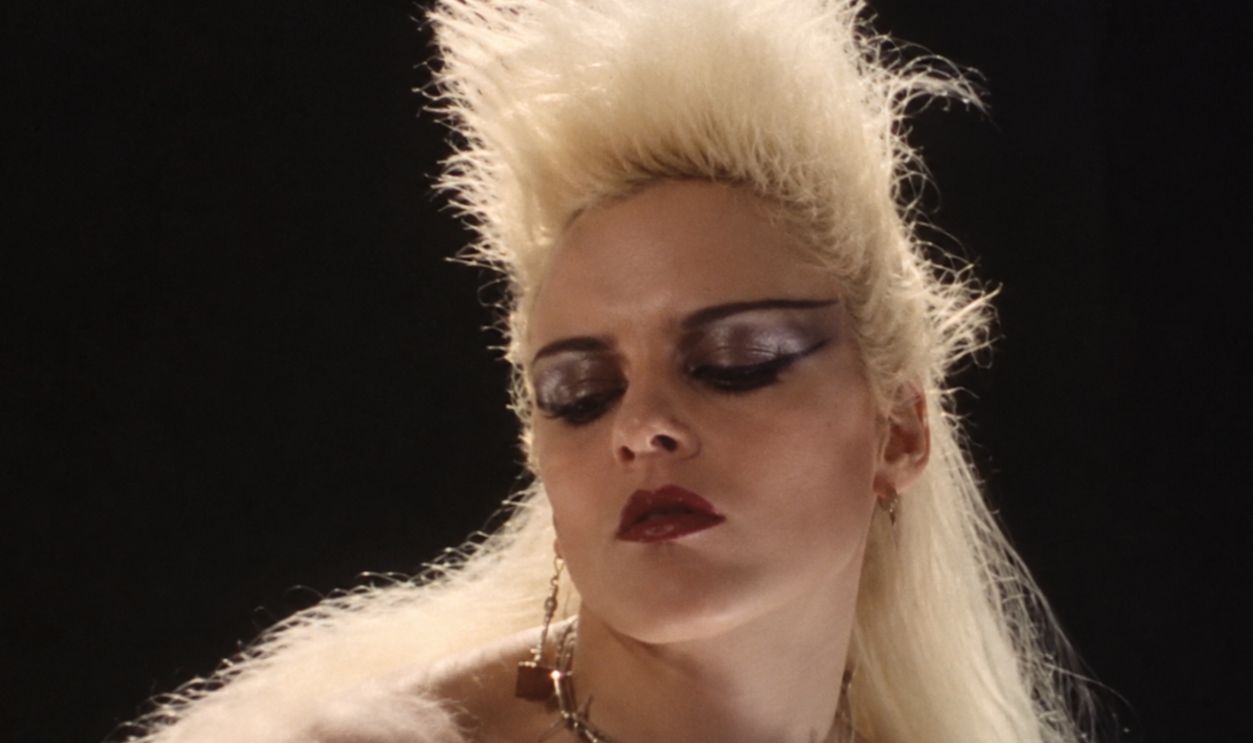
#19: Frankie Goes to Hollywood — “Relax”
“Relax” became notorious after BBC Radio 1 declined to play it because of its intimate content. The original video was also considered too provocative for regular television. The attempted censorship only increased public curiosity, teaching teenagers an important lesson: If adults ban a record, everyone immediately wants to hear it.
 Screenshot from Relax, ZTT Records (1983), Enhanced
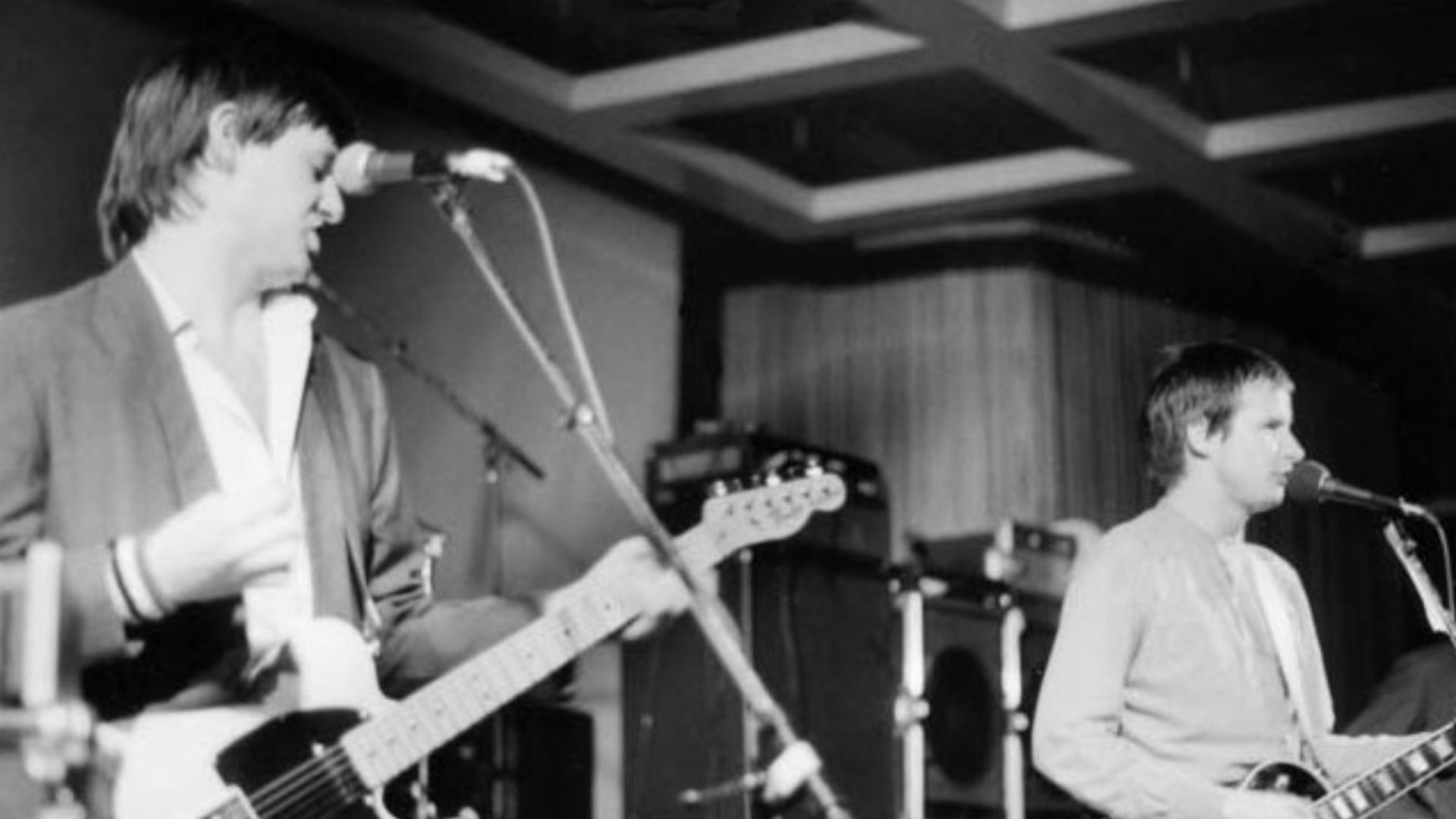
#18: XTC — “Dear God”
XTC’s 1986 song directly questioned organized religion, suffering, and the existence of God. Some radio stations refused to play it, and religious listeners protested its message. A Florida station that aired the track even received a bomb threat. Parents who expected pop music to reinforce faith found its blunt skepticism deeply alarming.
 porcupiny from Buena Park, United States, Wikimedia Commons
#17: Beastie Boys — “Fight for Your Right”
The Beastie Boys’ 1986 hit was intended partly as a parody of thoughtless party culture, but many listeners took it literally. The video included drinking, smoking, food fights, and property destruction. Parents heard an anthem encouraging chaos, while teenagers conveniently ignored any suggestion that the joke might be on them.
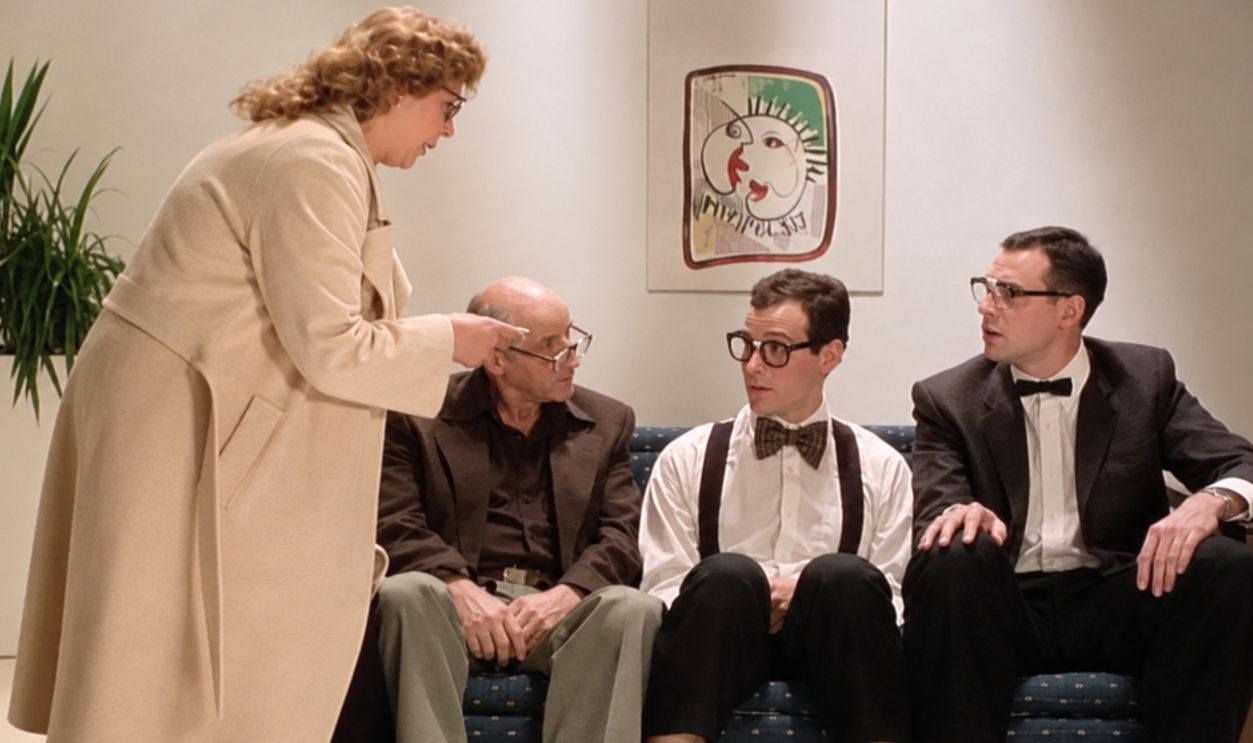 Screenshot from Fight for Your Right, Def Jam Recordings (1986)
#16: Skid Row — “Youth Gone Wild”
Released in 1989, “Youth Gone Wild” encouraged young listeners to reject the expectations placed on them by adults. Its aggressive chorus and defiant message made it a natural teenage anthem. Parents were less enthusiastic about hearing an entire generation announce that rules, authority, and respectable career planning were no longer priorities.
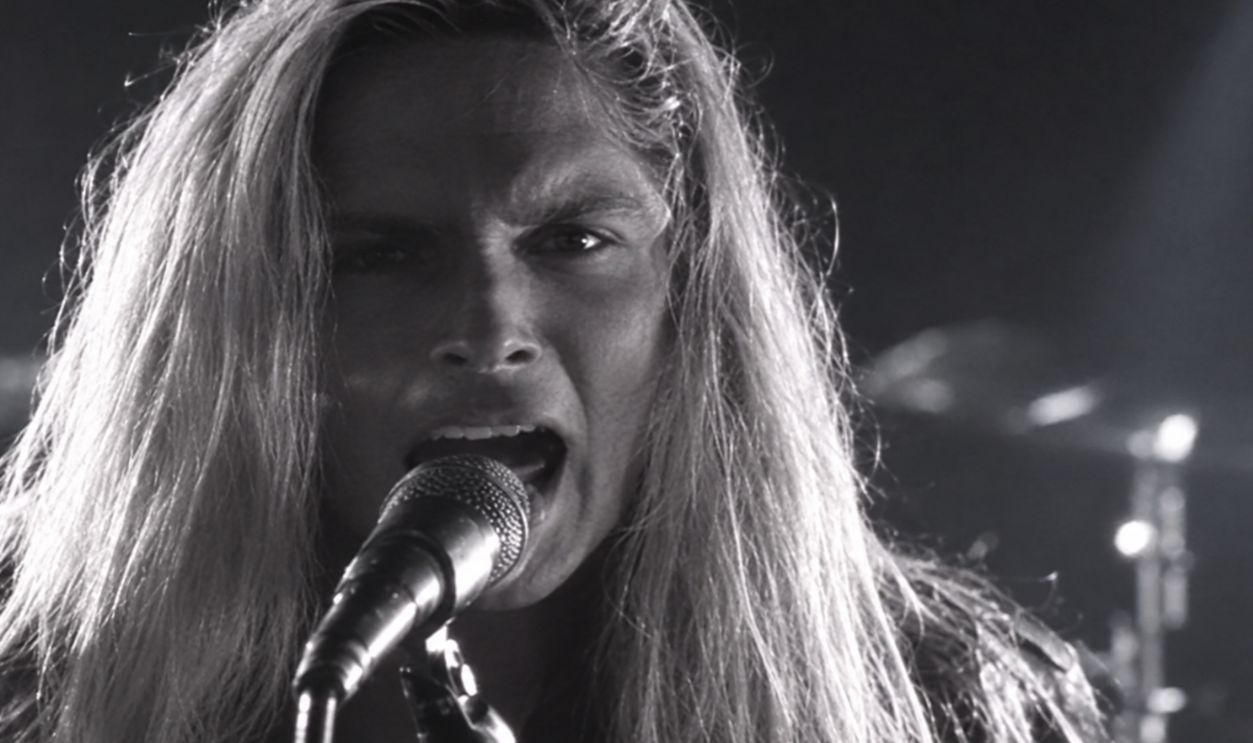 Screenshot from Youth Gone Wild, Atlantic Records (1989), Enhanced
#15: Twisted Sister — “We’re Not Gonna Take It”
Twisted Sister’s 1984 anthem became a symbol of youthful defiance, helped by a slapstick video in which an angry father was repeatedly thrown through walls. The Parents Music Resource Center later included it on its list of objectionable songs for perceived violence. Dee Snider argued that its message was deliberately broad and nonviolent.
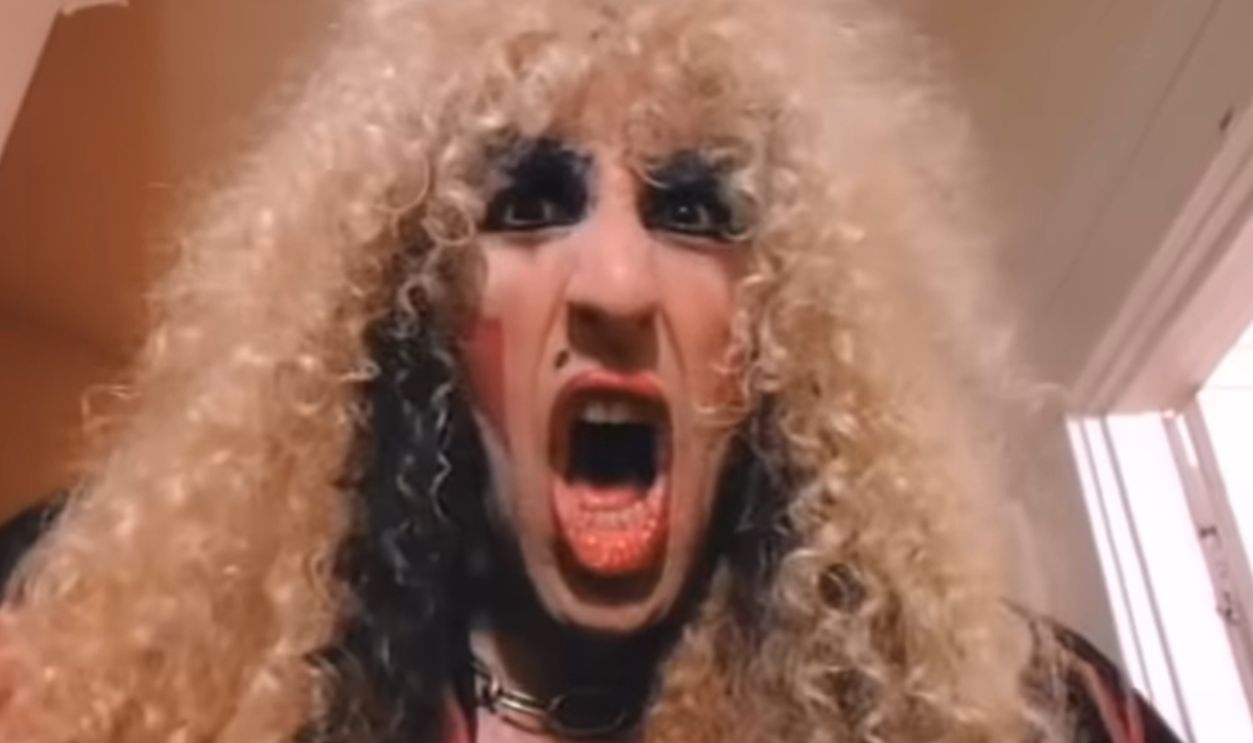 Screenshot from We’re Not Gonna Take It, Warner Music Group (1984)
#14: Winger — “Seventeen”
Winger’s 1988 song became controversial because its lyrics focused on attraction to a 17-year-old girl. The catchy chorus received heavy rock-radio play, but the subject made many parents understandably uncomfortable. What some listeners dismissed as standard hair-metal fantasy sounds far more troubling when the age in the title is considered carefully.
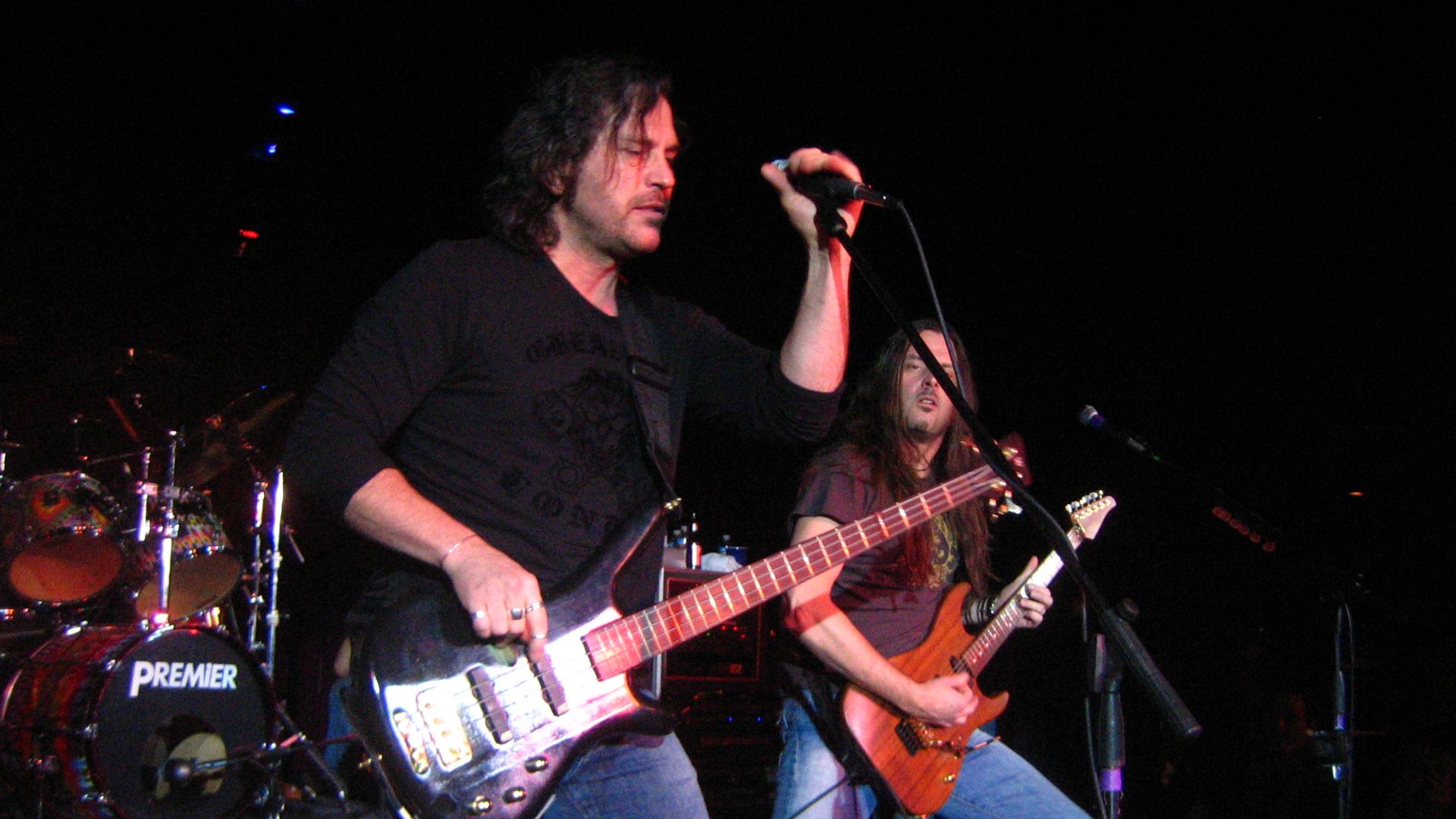
#13: Van Halen — “Hot for Teacher”
Van Halen combined an obvious schoolroom fantasy with one of the decade’s most provocative videos. The clip featured students, models portraying teachers, and a classroom that bore little resemblance to actual education. Parents objected to its intimate imagery, while teenage viewers suddenly demonstrated an unprecedented willingness to discuss school.
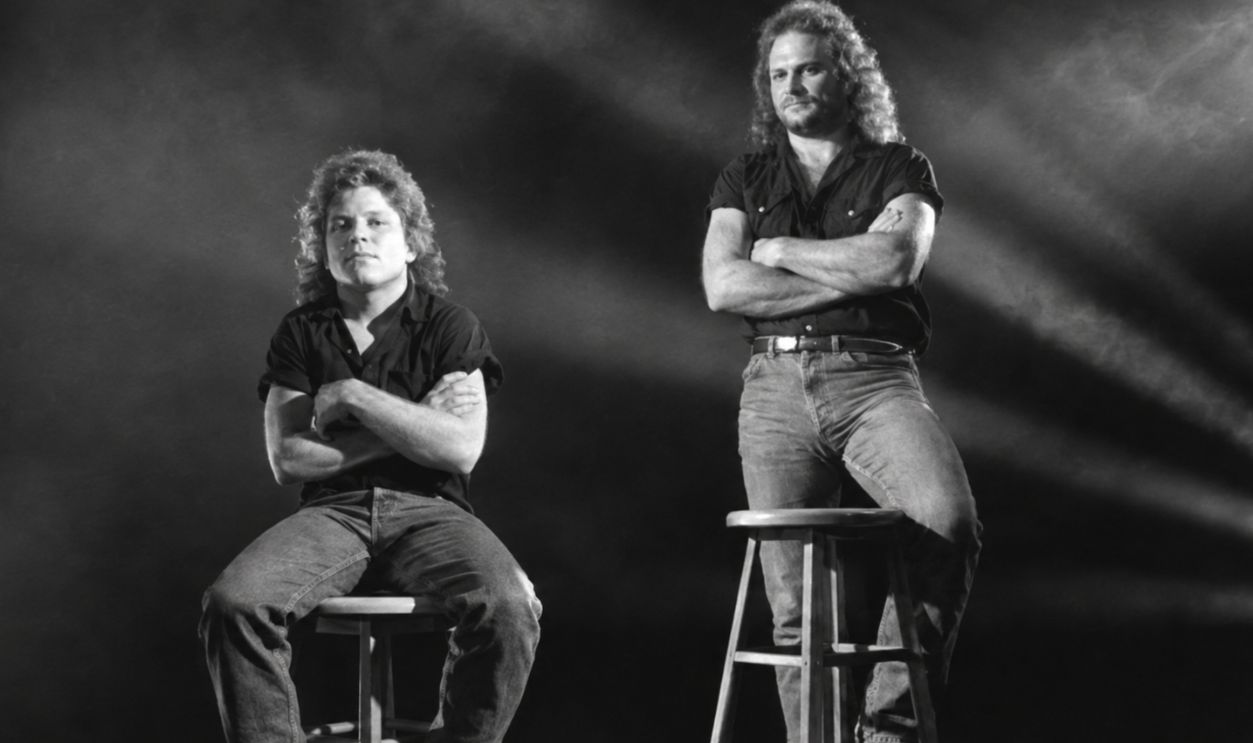 Screenshot from Hot for Teacher, Warner Bros. Records (1984), Enhanced
#12: Plasmatics — “Butcher Baby”
Wendy O. Williams and the Plasmatics built their reputation through confrontational performances involving smashed televisions, explosions, chainsaws, and destroyed cars. “Butcher Baby” matched that violent theatrical image with abrasive punk-metal energy. To worried parents, the band looked less like musicians and more like people who had escaped from an unusually loud demolition site.

#11: Black Sabbath — “Trashed”
“Trashed,” released in 1983, described Ian Gillan’s alcohol-fueled crash involving drummer Bill Ward’s car. The Parents Music Resource Center later singled out the song for its references to drinking and reckless behavior. Although the story hardly made intoxicated driving sound sensible, parents feared that the wild tale still glamorized it.
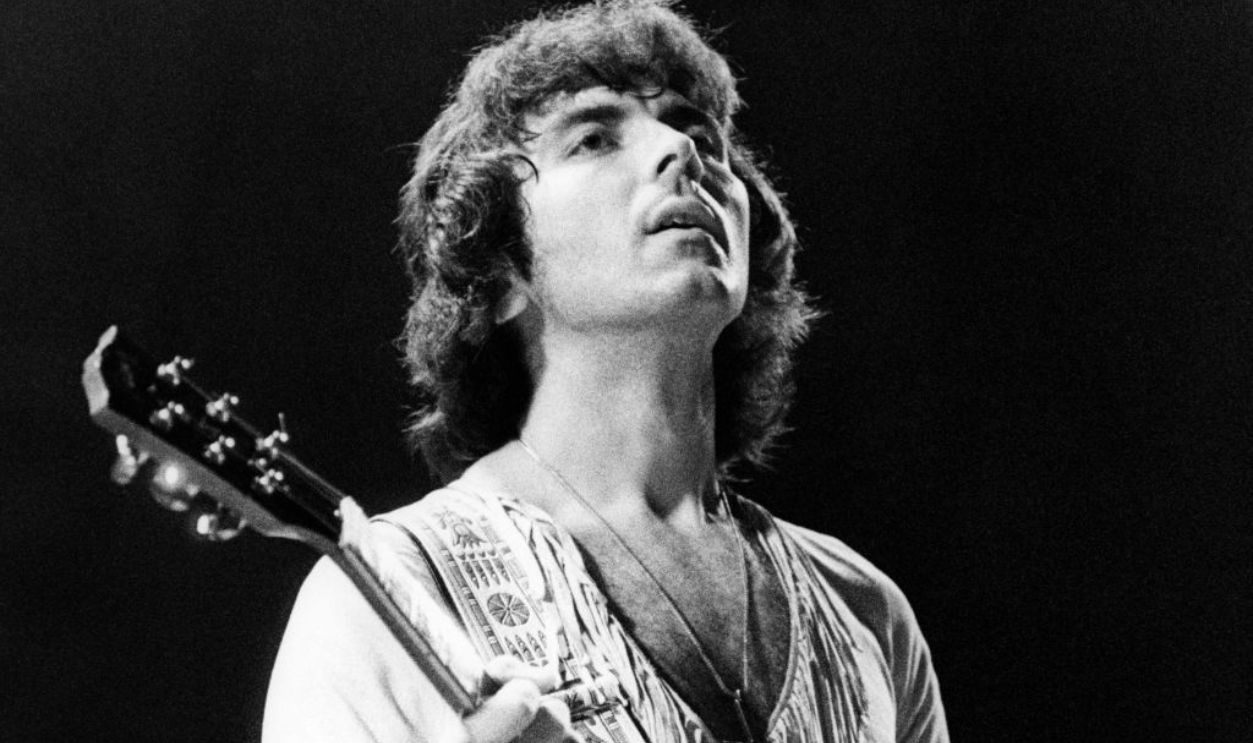 David Warner Ellis, Getty Images
#10: AC/DC — “Let Me Put My Love into You”
AC/DC rarely hid its interest in suggestive wordplay, and this 1980 track was particularly direct. The Parents Music Resource Center included it among its most objectionable songs because of its intimate content. Parents heard something entirely unsuitable for children, while fans claimed the band had never promised sophisticated poetry.
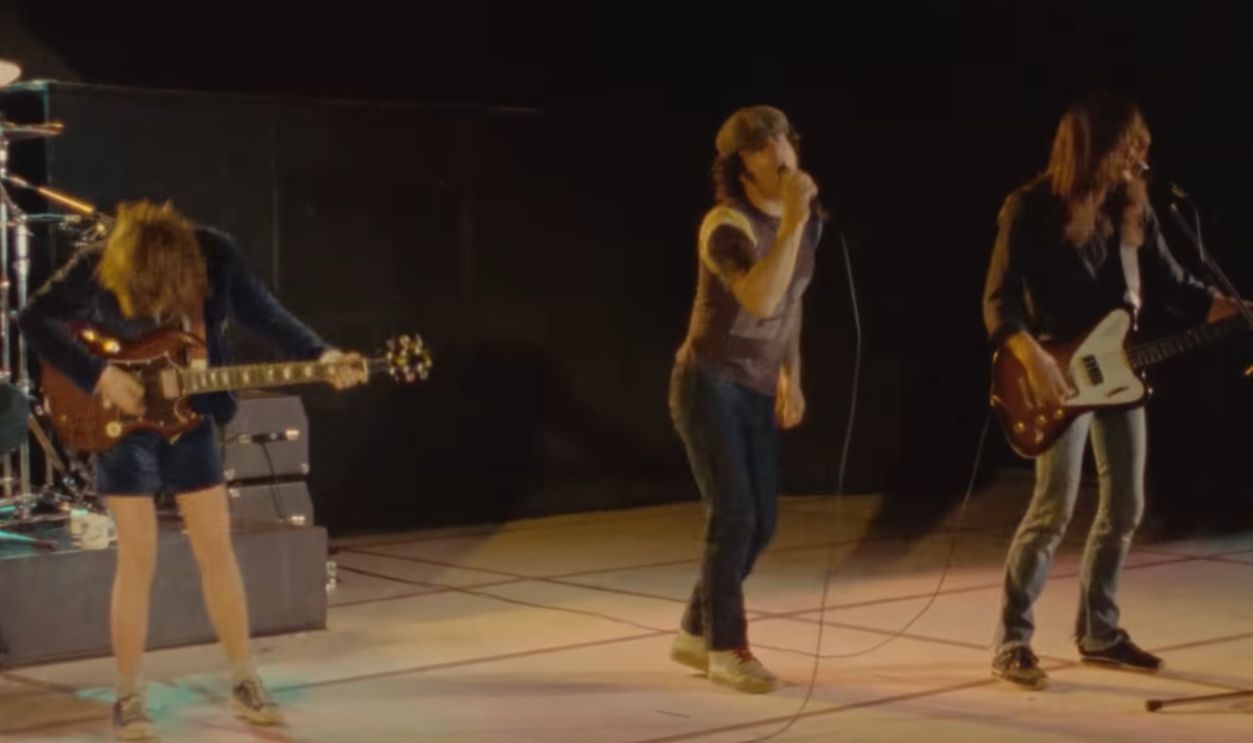 Screenshot from Let Me Put My Love into You, Atlantic Records (1980)
#9: Accept — “Balls to the Wall”
Accept intended “Balls to the Wall” as a song about oppression, exploitation, and people rising against those who control them. However, its provocative title, leather-heavy imagery, and forceful video invited other interpretations. The song appeared on the Parents Music Resource Center’s objectionable list, categorized for violent content despite its political theme.
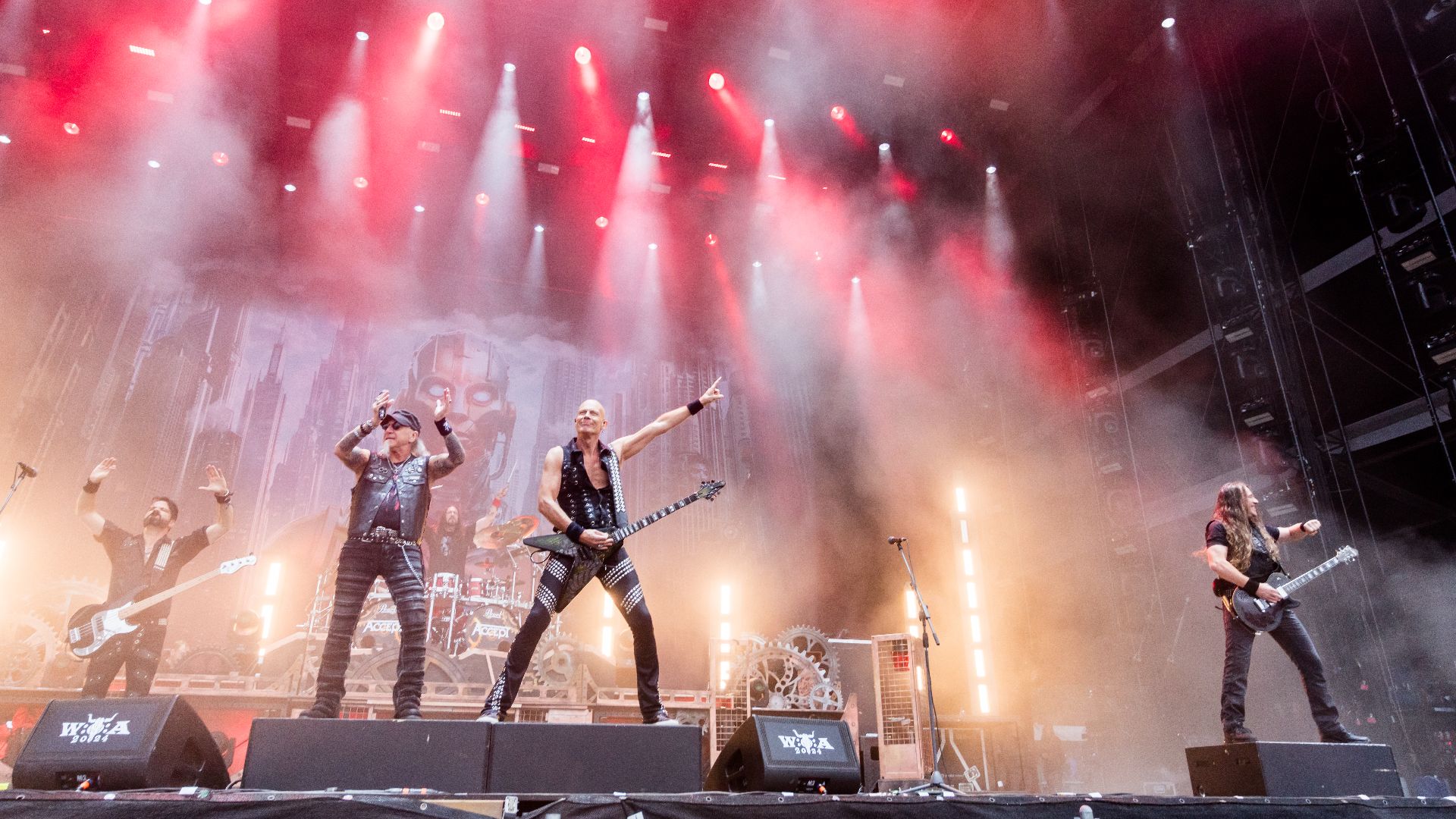 Sven Mandel, Wikimedia Commons
#8: Mercyful Fate — “Into the Coven”
Mercyful Fate’s “Into the Coven” used occult storytelling, ritual imagery, and King Diamond’s eerie falsetto to create theatrical horror. The Parents Music Resource Center included it on its list over concerns about occult content. During the decade’s broader moral panic, many adults treated such fantasy imagery as a genuine threat rather than stagecraft.
 Sven Mandel, Wikimedia Commons
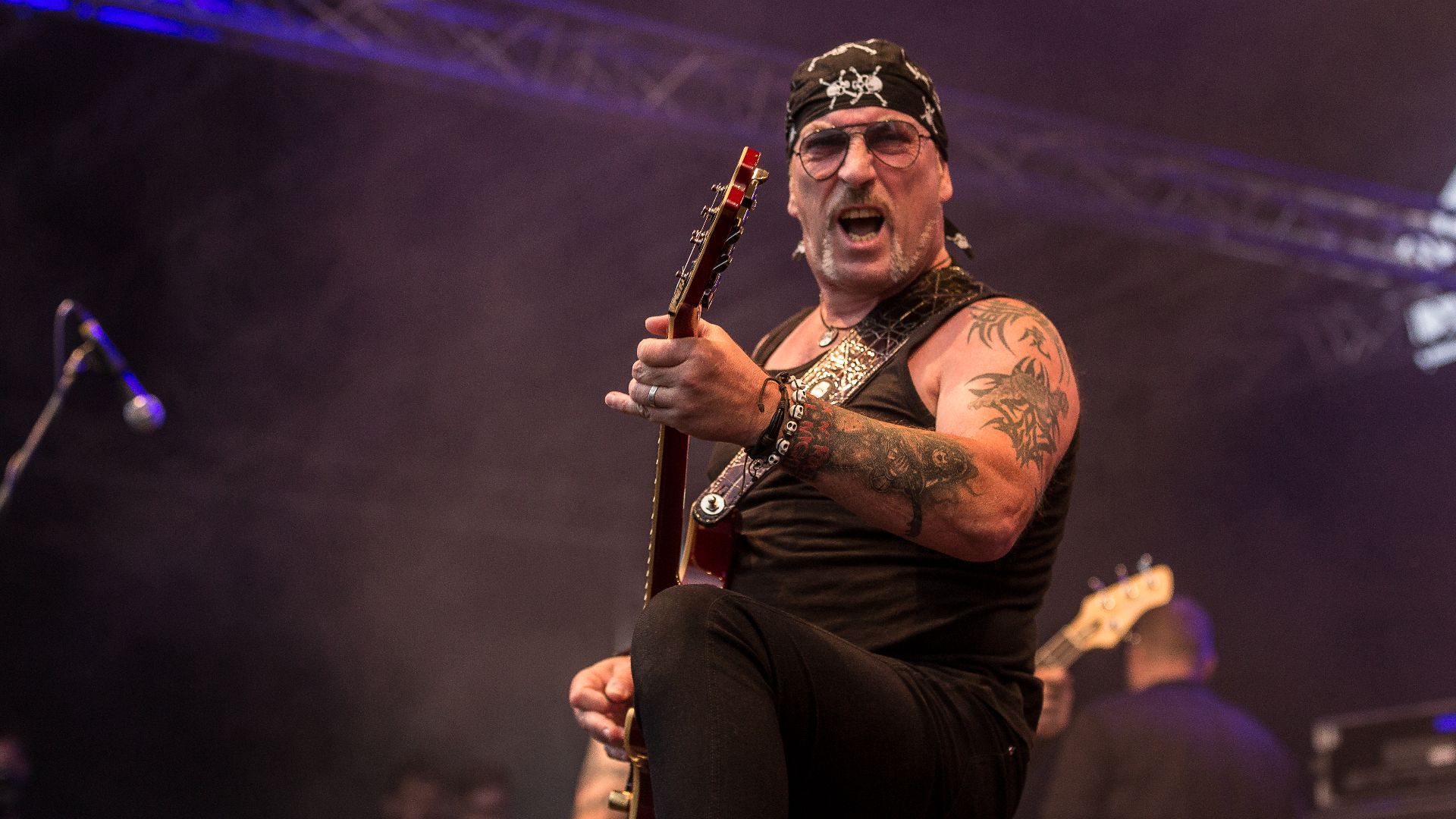
#7: Venom — “Possessed”
Venom deliberately filled its music with demonic imagery, shocking titles, and performances designed to offend polite society. “Possessed” gave worried parents exactly the kind of record they feared teenagers might discover. Whether the band was serious or theatrical mattered little once adults saw the artwork and heard the growling vocals.
 S. Bollmann, Wikimedia Commons
#6: Iron Maiden — “The Number of the Beast”
Iron Maiden’s 1982 single drew protests from religious groups who interpreted its title and horror-inspired lyrics as evidence of genuine occult beliefs. The band explained that the song was inspired partly by a nightmare and the film Damien: Omen II. Record burnings followed anyway, which undoubtedly made the album more interesting to teenagers.

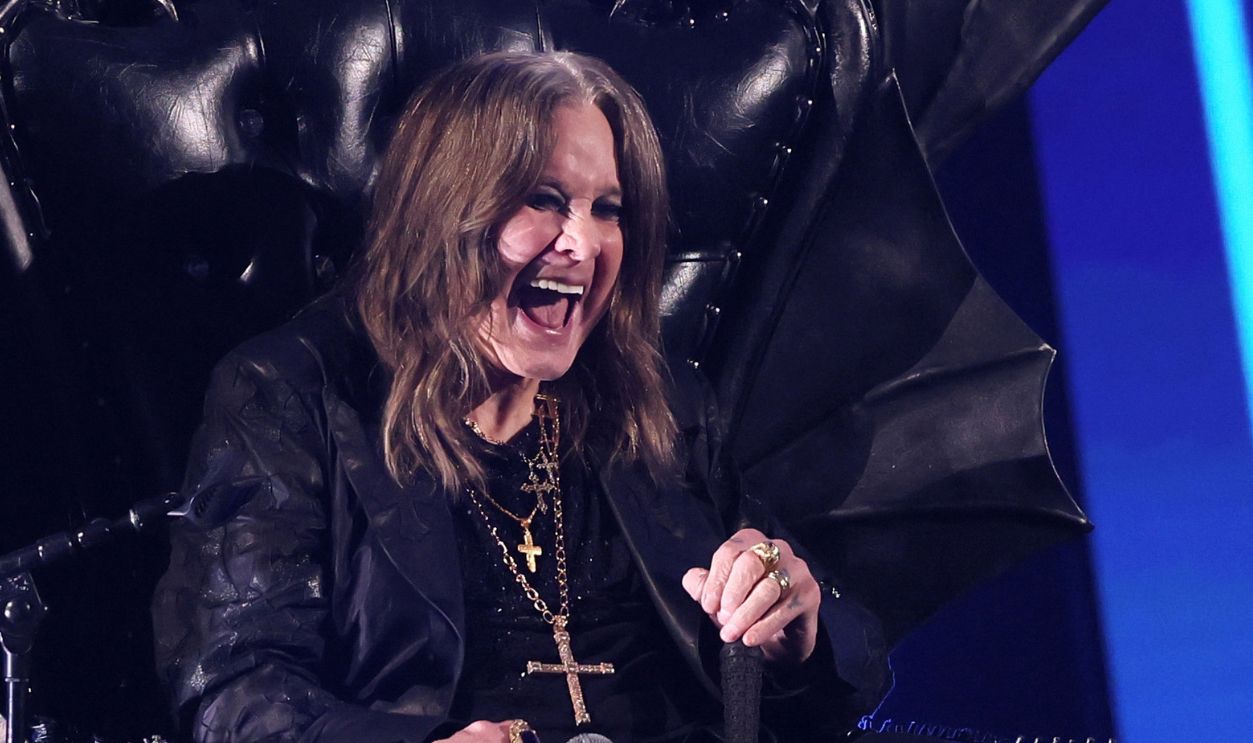
#5: Ozzy Osbourne — “Mr. Crowley”
Ozzy Osbourne’s “Mr. Crowley” examined the life and reputation of British occultist Aleister Crowley. Its ominous keyboards, dark lyrics, and Ozzy’s already notorious public image alarmed religious parents. For teenagers, the controversy enhanced the song’s appeal. Nothing improved an album’s reputation quite like an adult declaring it forbidden.
#4: Slayer — “Angel of Death”
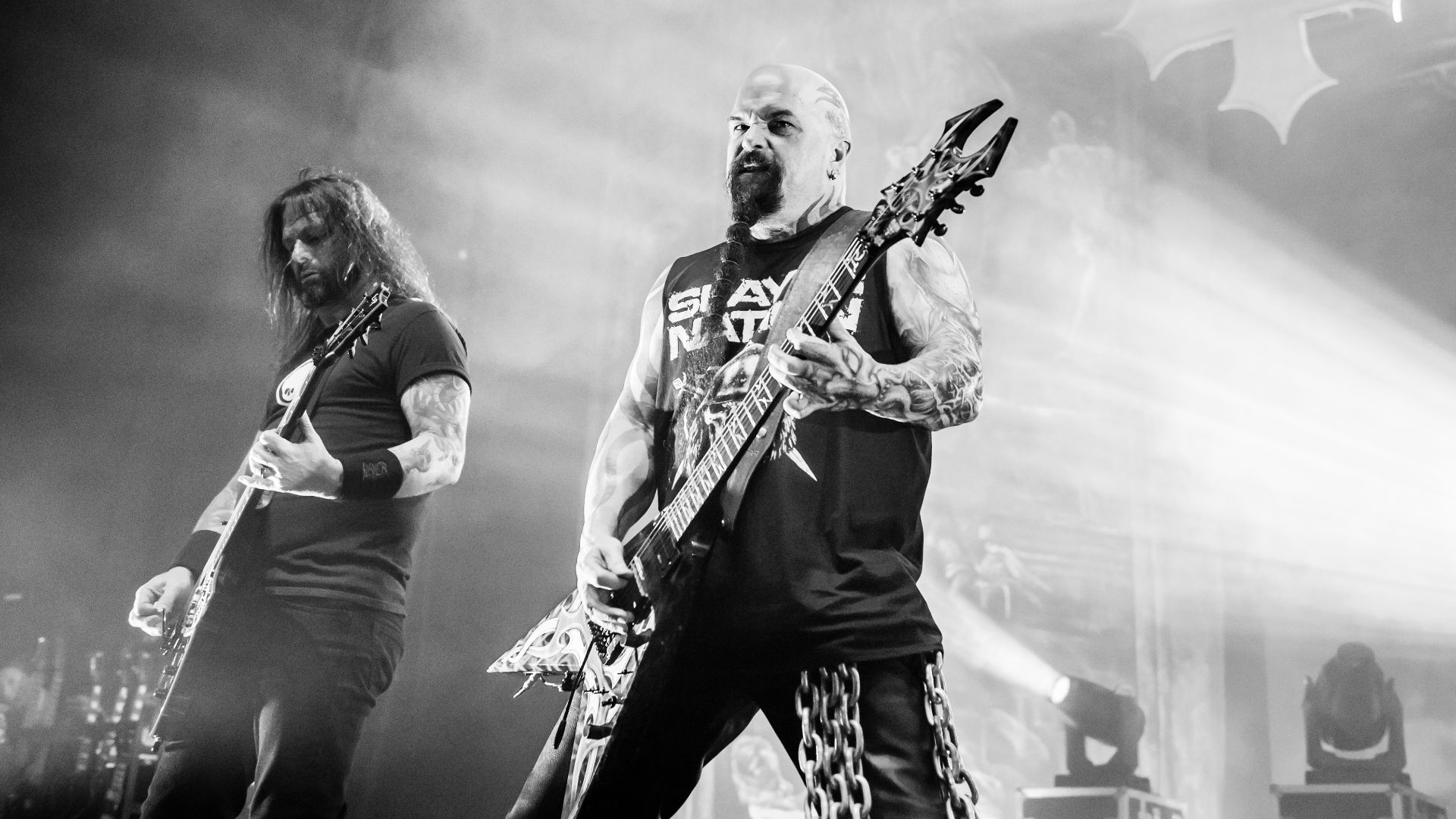
Slayer’s 1986 song described the atrocities committed by Nazi doctor Josef Mengele at Auschwitz. Its detached narrative style led critics to accuse the band of glorifying its subject, an interpretation the musicians denied. Parents were horrified by the brutal historical imagery, even though the song’s central figure was responsible for real crimes.
 © Markus Felix (talk to me), Wikimedia Commons
#3: Guns N’ Roses — “One in a Million”
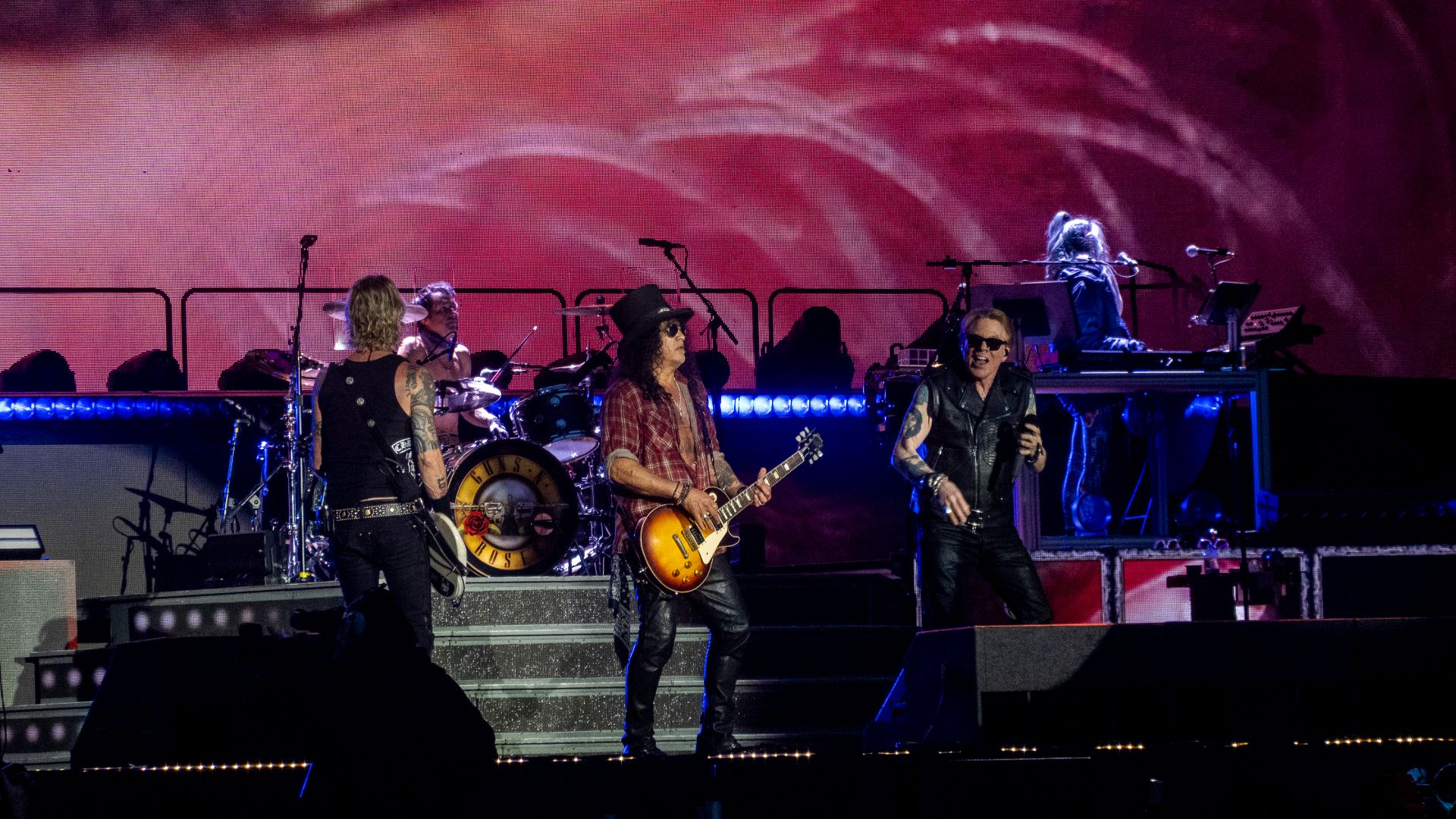
Released in 1988, “One in a Million” caused immediate outrage because it included various slurs along with hostility toward immigrants. Axl Rose offered explanations for the lyrics, but the backlash never disappeared. Many parents objected not because the band merely looked dangerous, but because the words themselves were plainly offensive.
#2: Judas Priest — “Eat Me Alive”
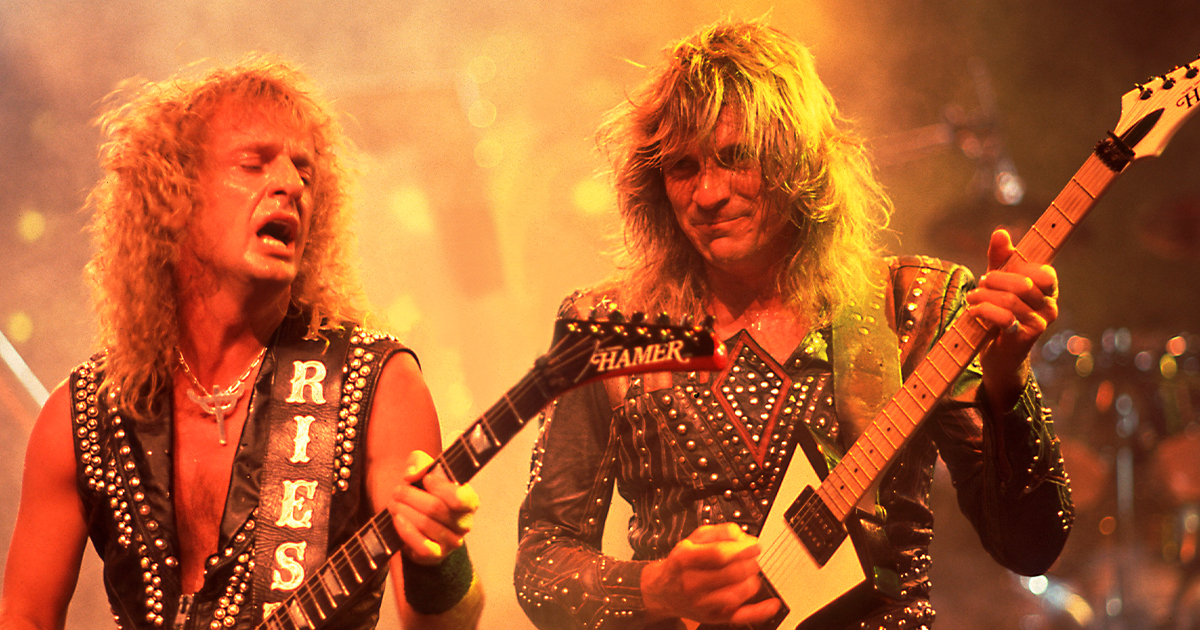
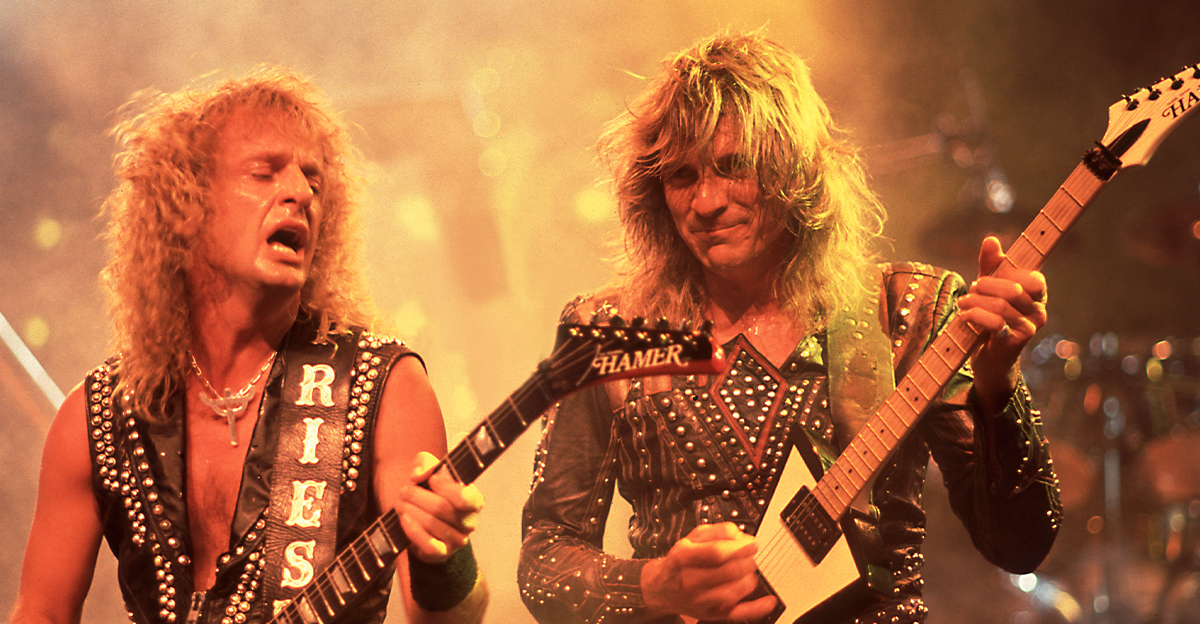
The Parents Music Resource Center ranked “Eat Me Alive” among its most objectionable songs, citing a combination of intimate and violent content. Judas Priest later responded to the censorship battle with “Parental Guidance.” For concerned adults, the original track represented everything they believed heavy metal was placing within easy reach of children.
 Judas_Priest_2799.jpg: Dori
derivative work: Алый Король (talk), Wikimedia Commons
Judas_Priest_2799.jpg: Dori
derivative work: Алый Король (talk), Wikimedia Commons
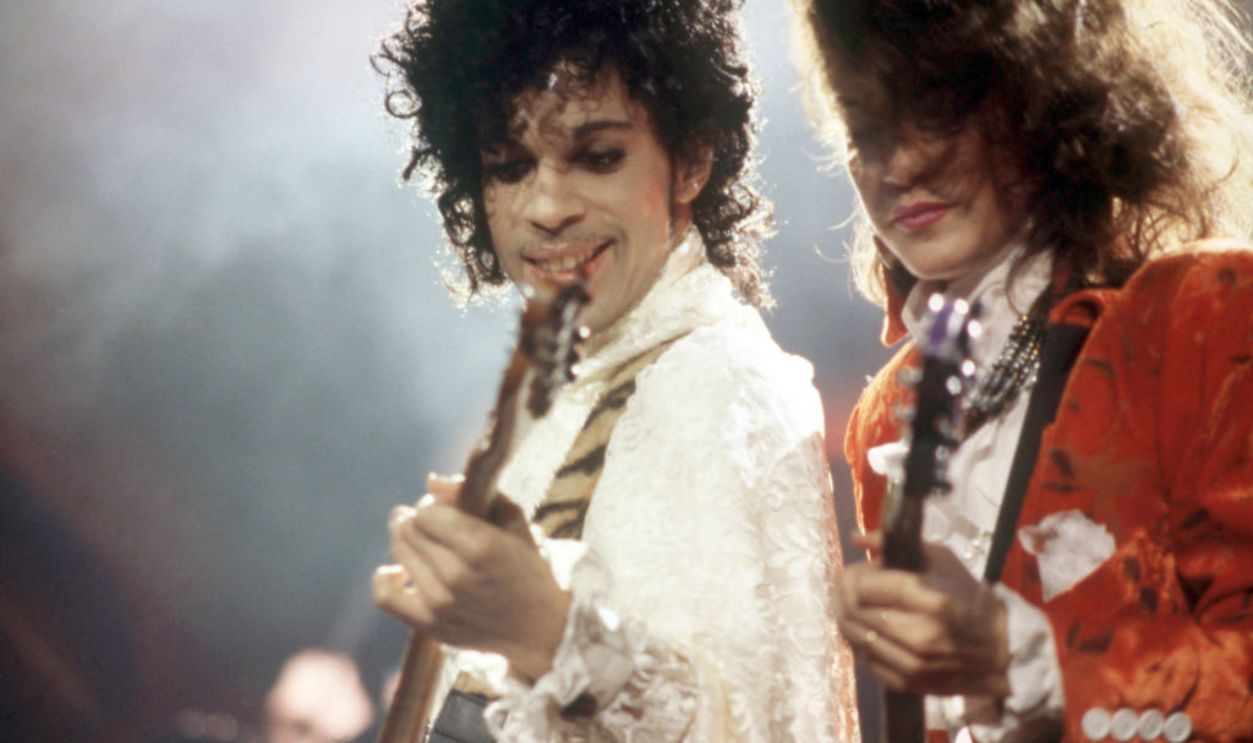
#1: Prince — “Darling Nikki”
“Darling Nikki” became the central spark behind the Parents Music Resource Center after Tipper Gore heard her young daughter playing Purple Rain. Its explicit intimate reference shocked Gore and helped inspire a national campaign for record-label warnings. One album track ultimately contributed to Senate hearings and changed music packaging for decades.
You May Also Like:
Albums That Capture The Hangover Of The 1980s
David Bowie dropped an album two days before his death—filled with clues he was dying. He passed in 2016, but his visionary legacy lives on.