When Every Car Radio Had The Same Playlist
Turn on a radio in 1979 and you could bounce from disco to power pop to soft rock without touching the dial. The year produced huge singles, unforgettable choruses, and songs that spent decades surviving on classic-rock stations and oldies playlists. For listeners who were there, some of these tunes barely need an introduction.
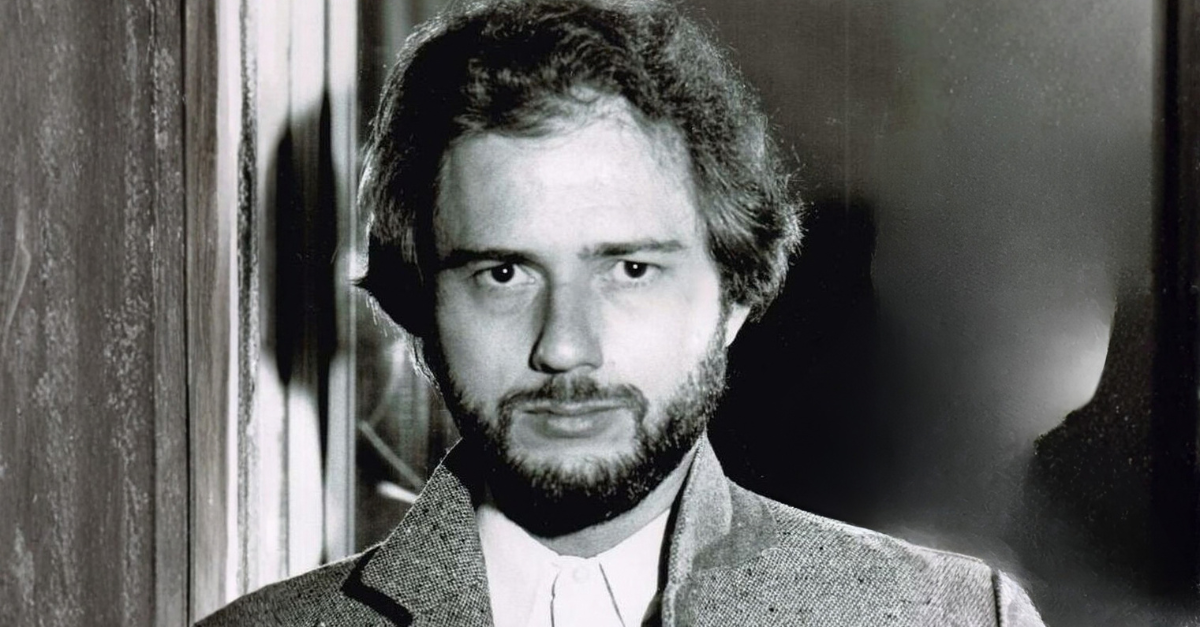
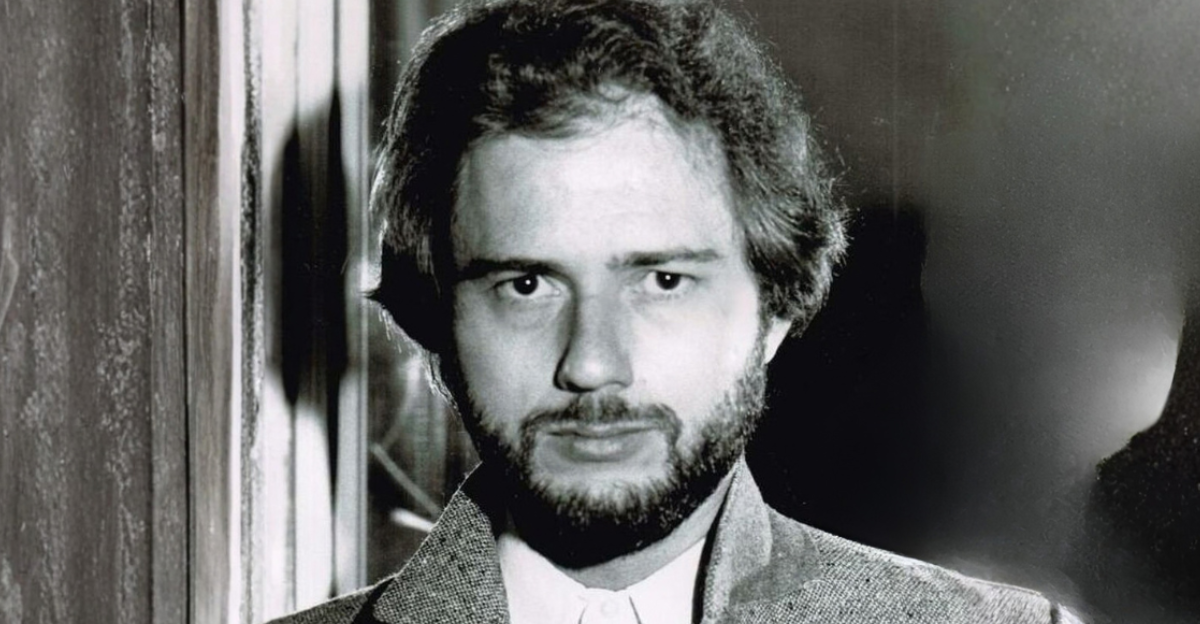 Infinity Records, Wikimedia Commons
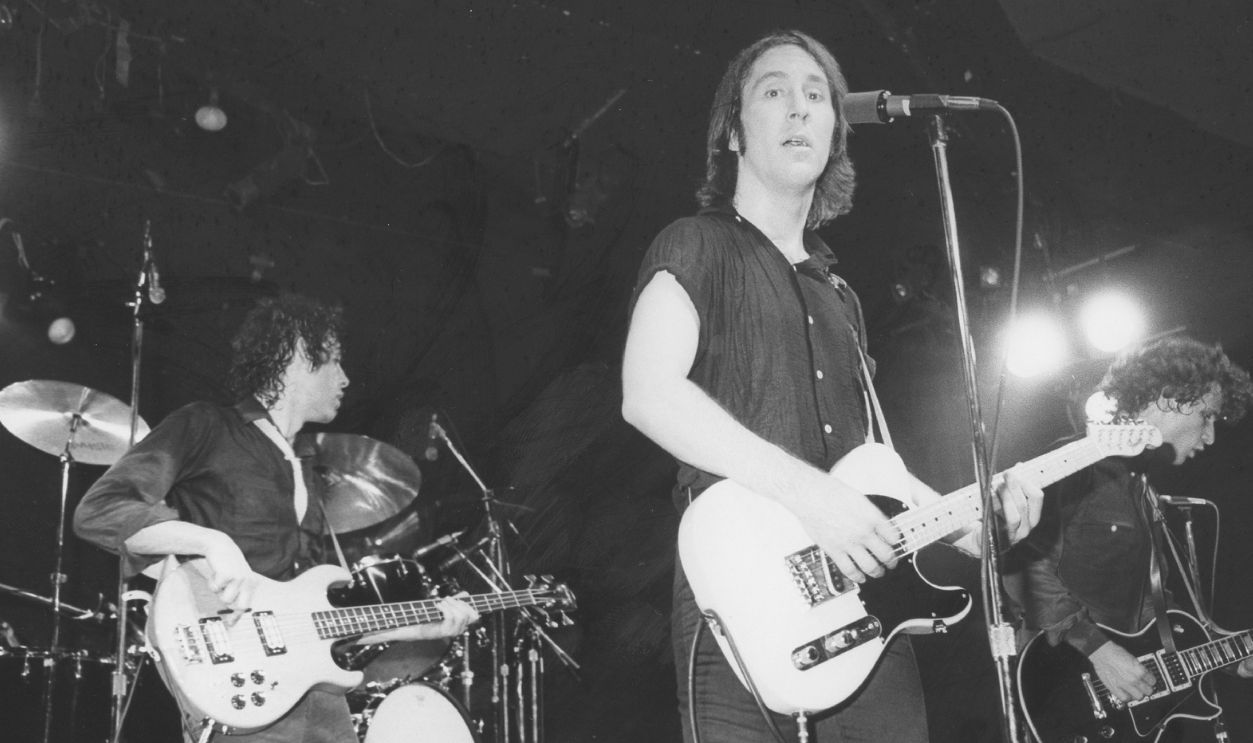
My Sharona—The Knack
Few opening riffs announce themselves as quickly as “My Sharona.” Released as the Knack’s debut single in June 1979, the power-pop smash became a phenomenon, spending six weeks atop the Billboard Hot 100. Billboard ultimately ranked it as the year’s biggest pop single.
 Michael Ochs Archives, Getty Images
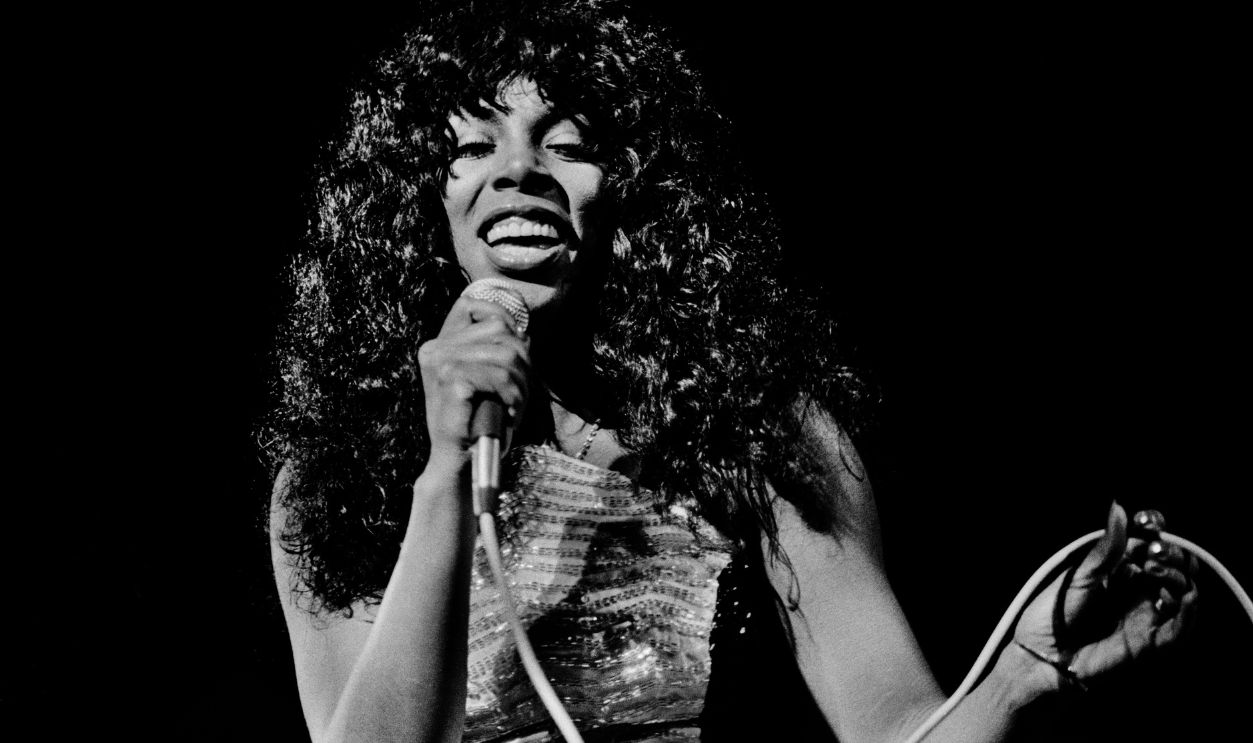
Bad Girls—Donna Summer
Donna Summer was already disco royalty when “Bad Girls” pushed her even higher. Released in 1979, the song became a major crossover success and spent five weeks at No. 1 on the Billboard Hot 100. Its parent album also earned an Album of the Year Grammy nomination.
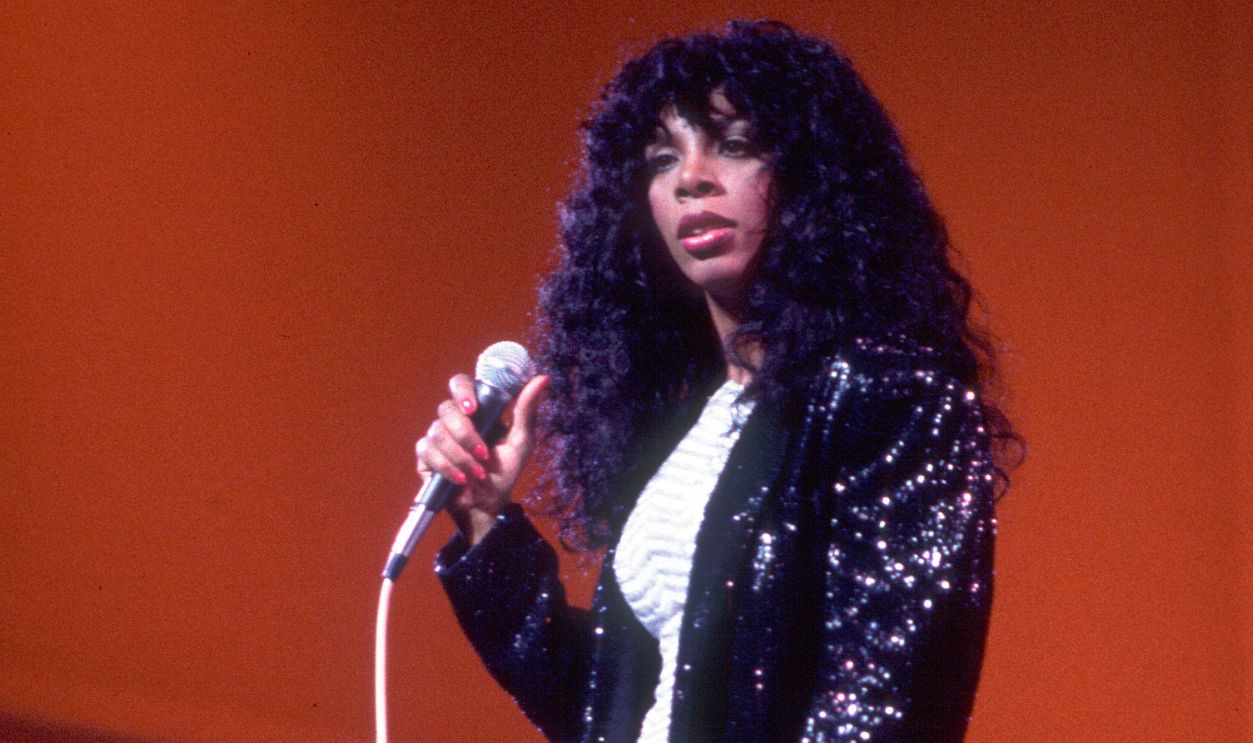
Hot Stuff—Donna Summer
Summer essentially competed with herself in 1979. “Hot Stuff” reached No. 1 on the Billboard Hot 100 and added prominent rock guitar to her dance-floor sound. The performance earned Summer the Grammy for Best Rock Vocal Performance, Female, at the 1980 ceremony.
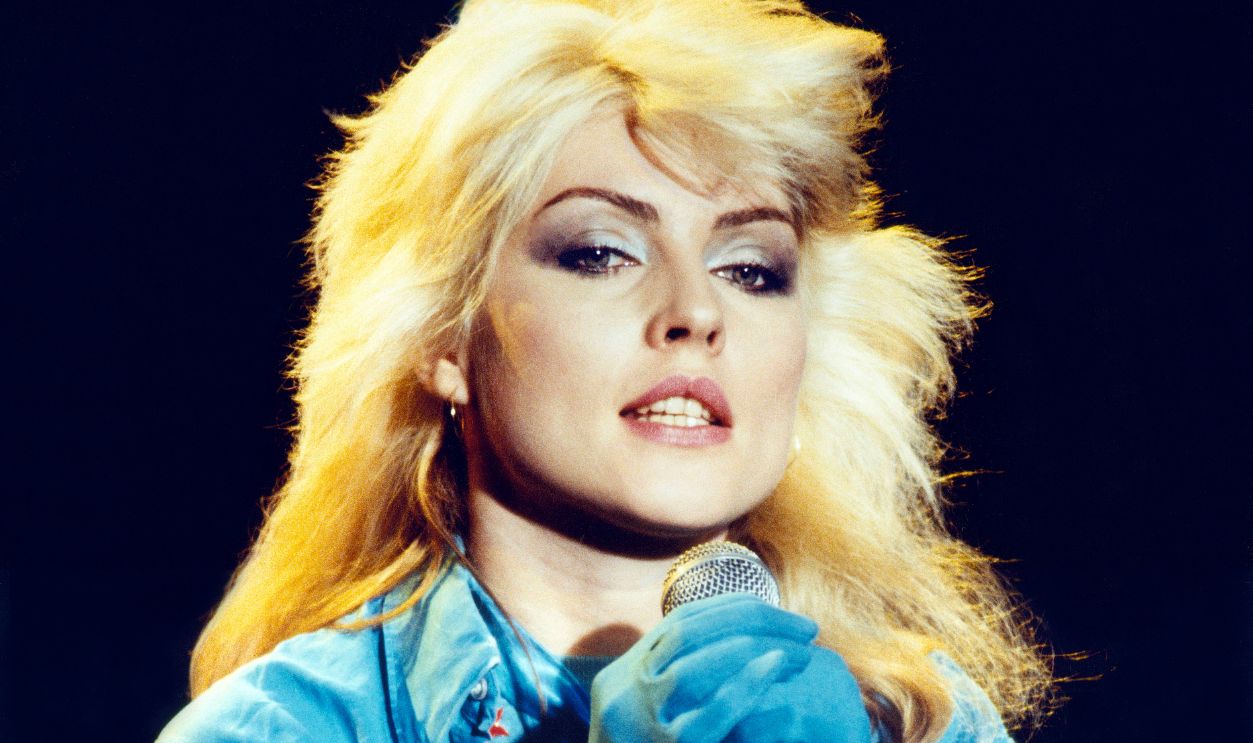
Heart Of Glass—Blondie
Blondie’s leap from New York’s punk and new-wave scene into disco territory proved spectacularly successful. “Heart of Glass,” from Parallel Lines, reached No. 1 on the Billboard Hot 100 in 1979. It also topped the British singles chart, turning Blondie into international pop stars.
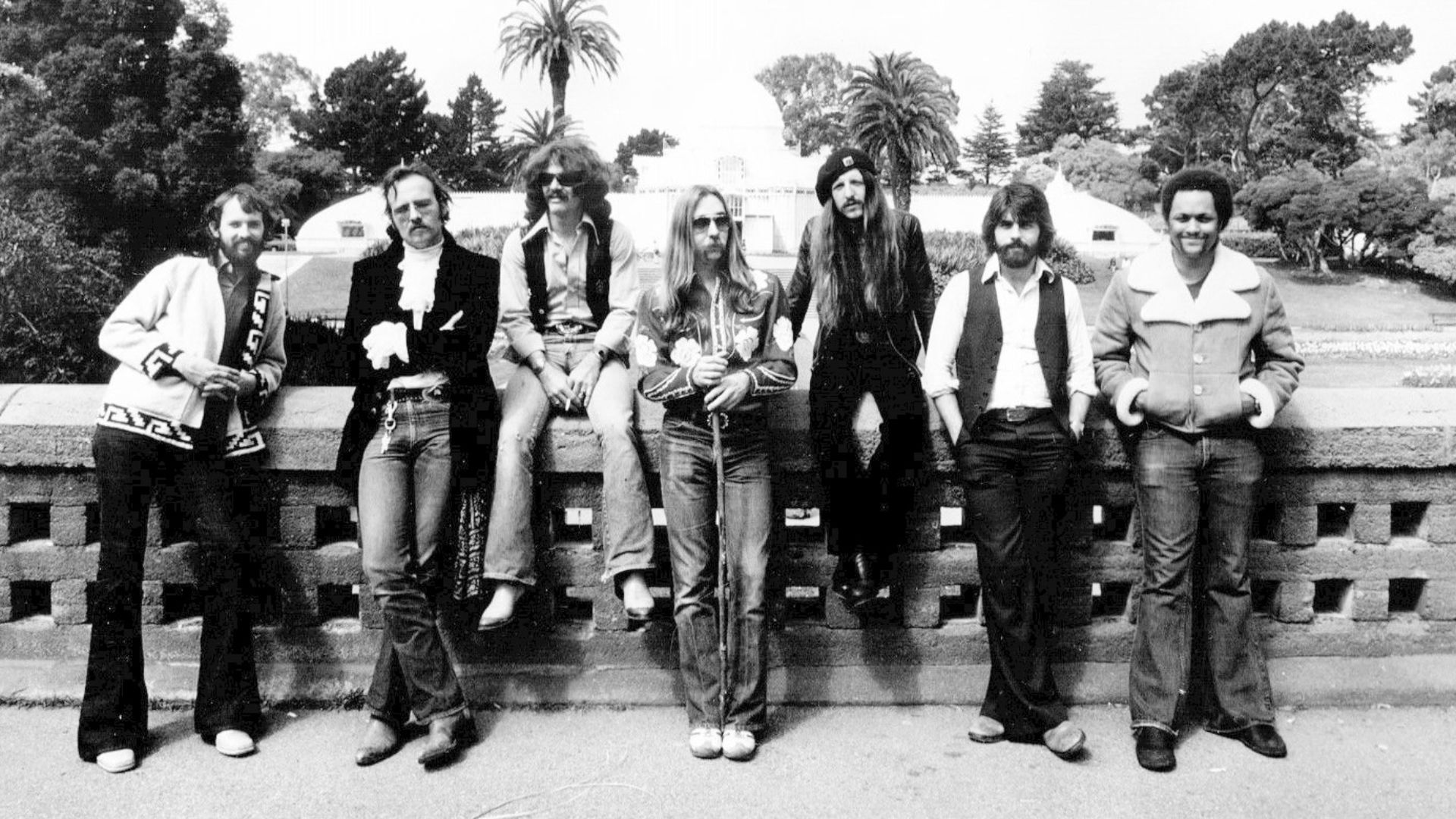
What A Fool Believes—The Doobie Brothers
Michael McDonald and Kenny Loggins co-wrote a song that became one of the Doobie Brothers’ defining recordings. The single reached No. 1 on the Billboard Hot 100 in April 1979. It later won both Record of the Year and Song of the Year at the Grammys.
 Warner/Reprise Records, Wikimedia Commons
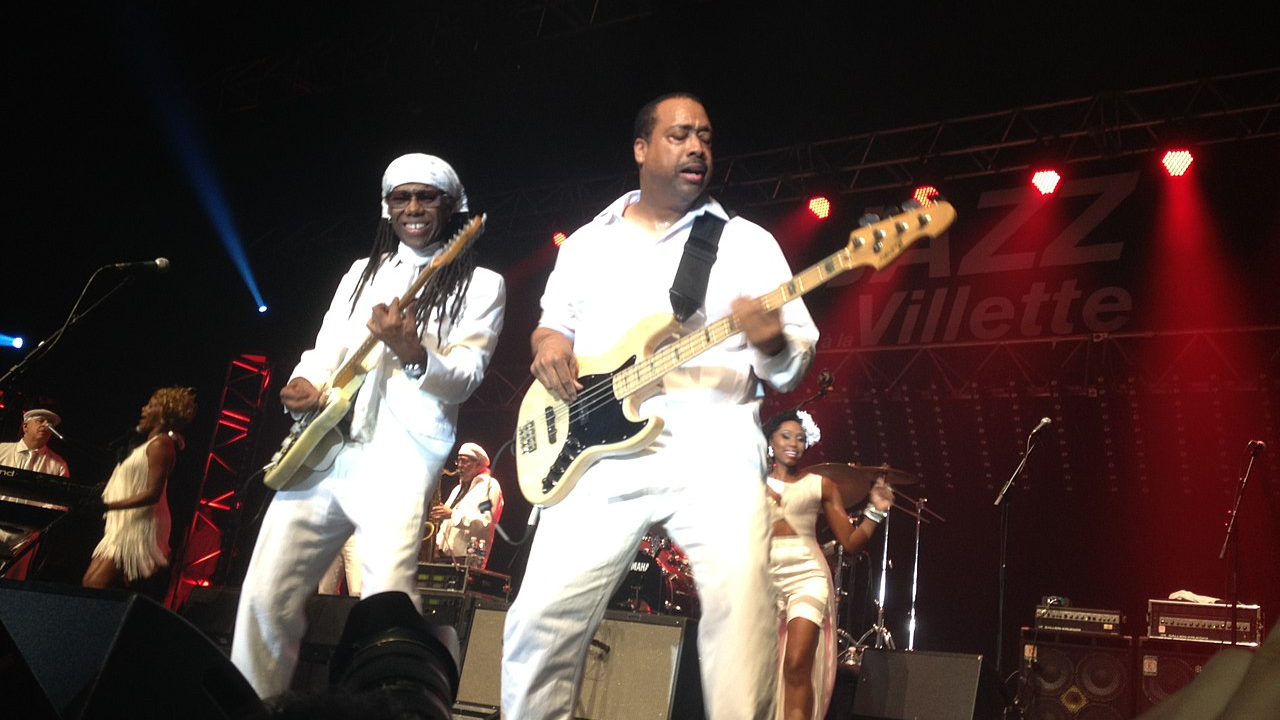
Good Times—Chic
Nile Rodgers and Bernard Edwards created one of disco’s most influential bass-driven grooves with “Good Times.” The song topped the Billboard Hot 100 in August 1979. Its instantly recognizable bass line would soon become an important building block in the emerging sound of hip-hop.
 Jmex, CC BY-SA 3.0, Wikimedia Commons
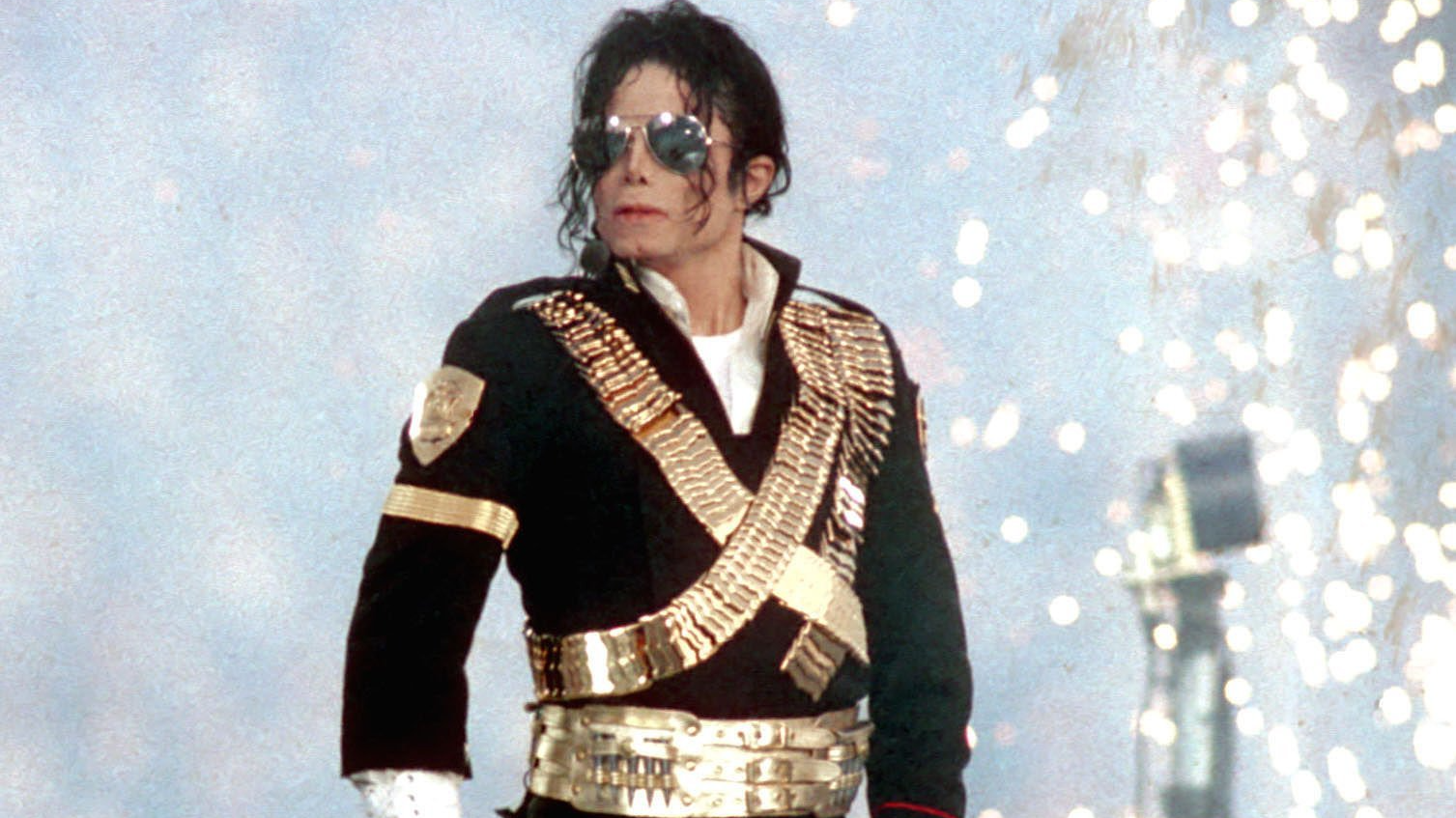
Don’t Stop ’Til You Get Enough—Michael Jackson
Before Thriller, Michael Jackson made his adult solo breakthrough with Off the Wall. Jackson wrote “Don’t Stop ’Til You Get Enough,” which topped the Billboard Hot 100 in 1979. The performance also brought him his first Grammy, for Best Male R&B Vocal Performance.
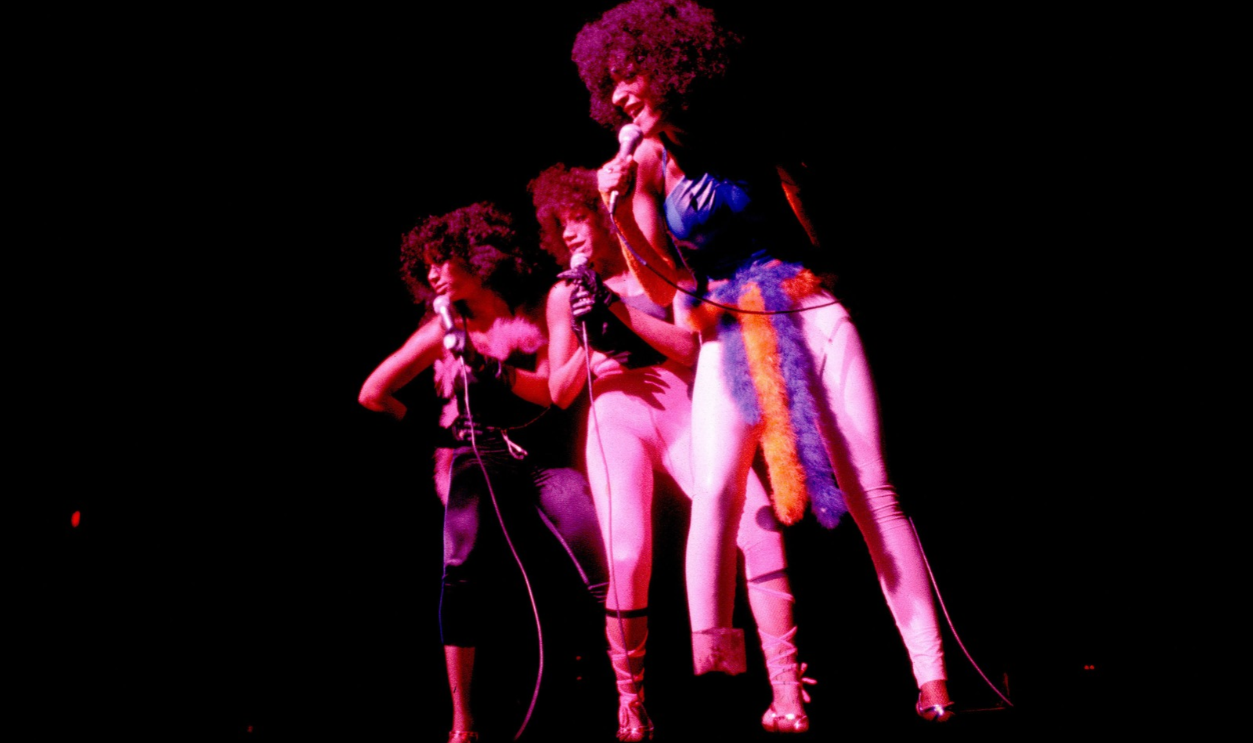
We Are Family—Sister Sledge
Sister Sledge found its signature anthem with some considerable help from Chic’s Nile Rodgers and Bernard Edwards, who wrote and produced the song. “We Are Family” reached No. 2 in the United States. The 1979 World Series-winning Pittsburgh Pirates also famously adopted it as an anthem.
The Logical Song—Supertramp
Supertramp’s Breakfast in America became one of 1979’s defining albums, and “The Logical Song” helped lead the charge. Roger Hodgson’s distinctive vocal carried the song to No. 7 on Britain’s singles chart. The album itself received an Album of the Year Grammy nomination.
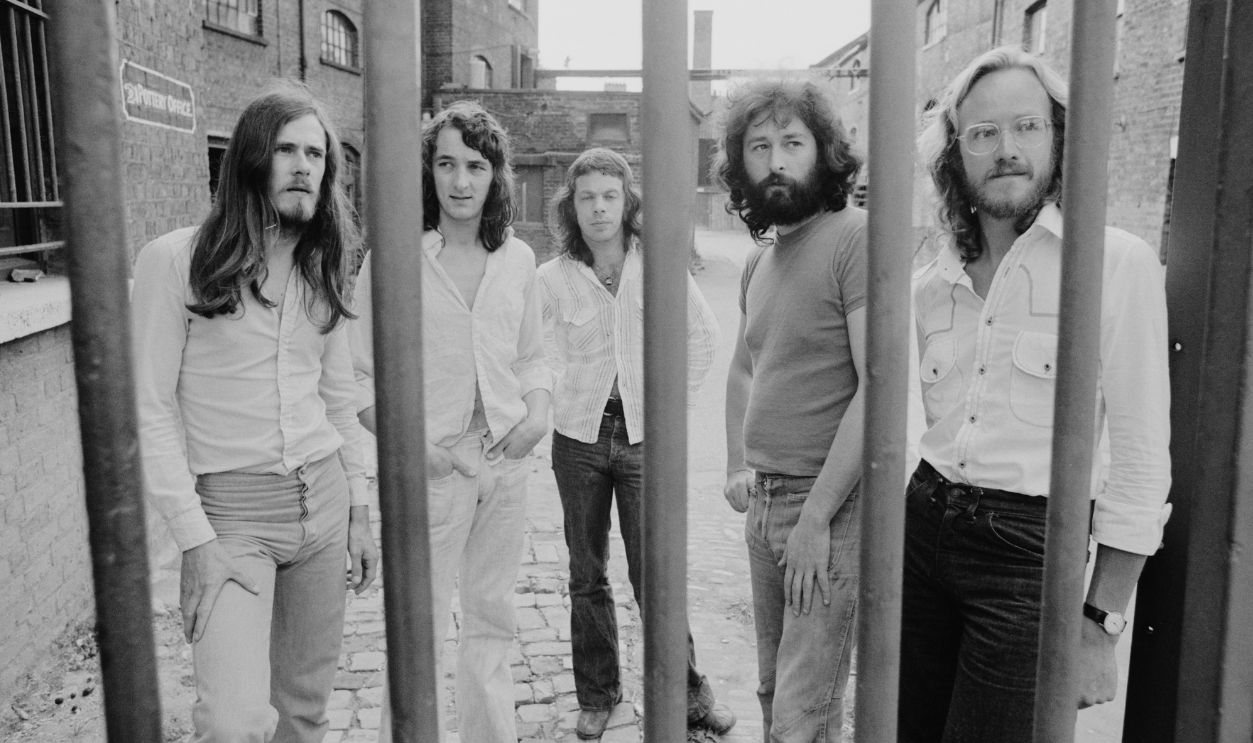
Cruel To Be Kind—Nick Lowe
Nick Lowe and Ian Gomm wrote “Cruel to Be Kind,” a compact slice of late-1970s pop that became Lowe’s signature American hit. Released as a single in 1979, it climbed to No. 12 in both the United States and Britain, giving Lowe a genuine international crossover success.
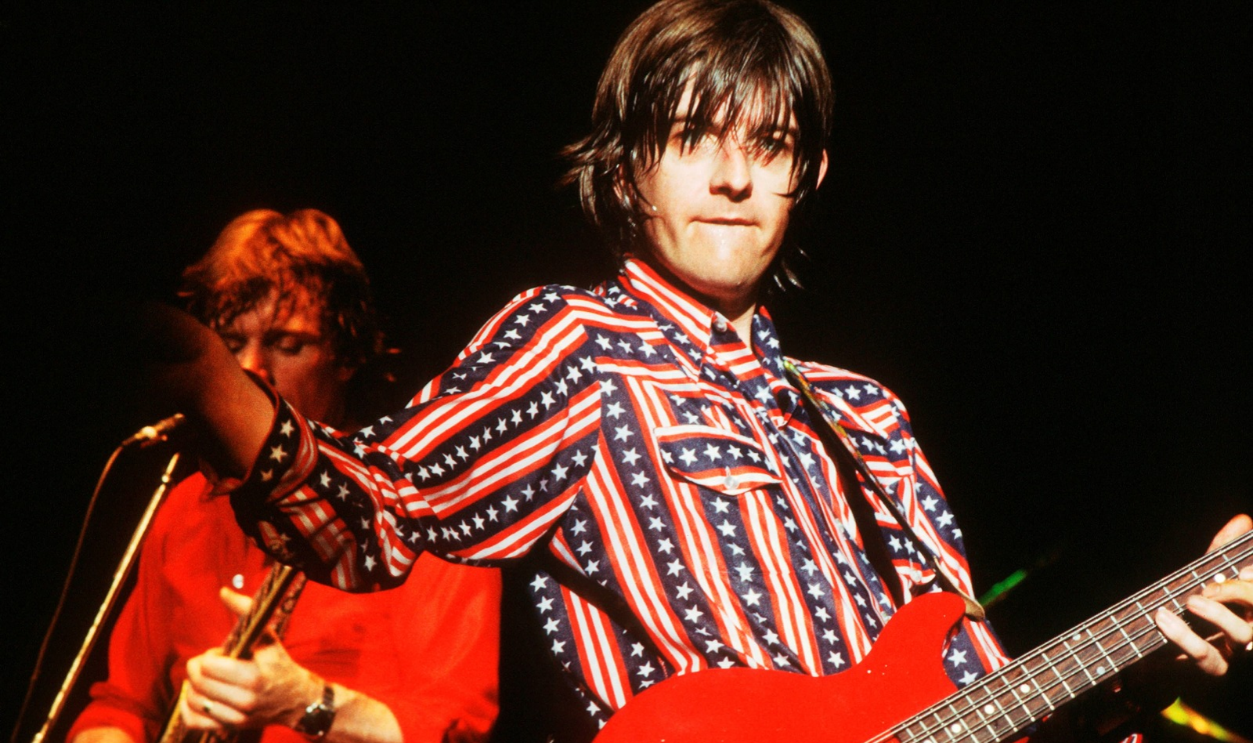
Chuck E.’s In Love—Rickie Lee Jones
Rickie Lee Jones arrived sounding unlike almost anyone else on pop radio. “Chuck E.’s in Love,” from her 1979 debut album, reached No. 4 on the Billboard Hot 100. Jones followed that breakthrough by winning the Grammy for Best New Artist in 1980.
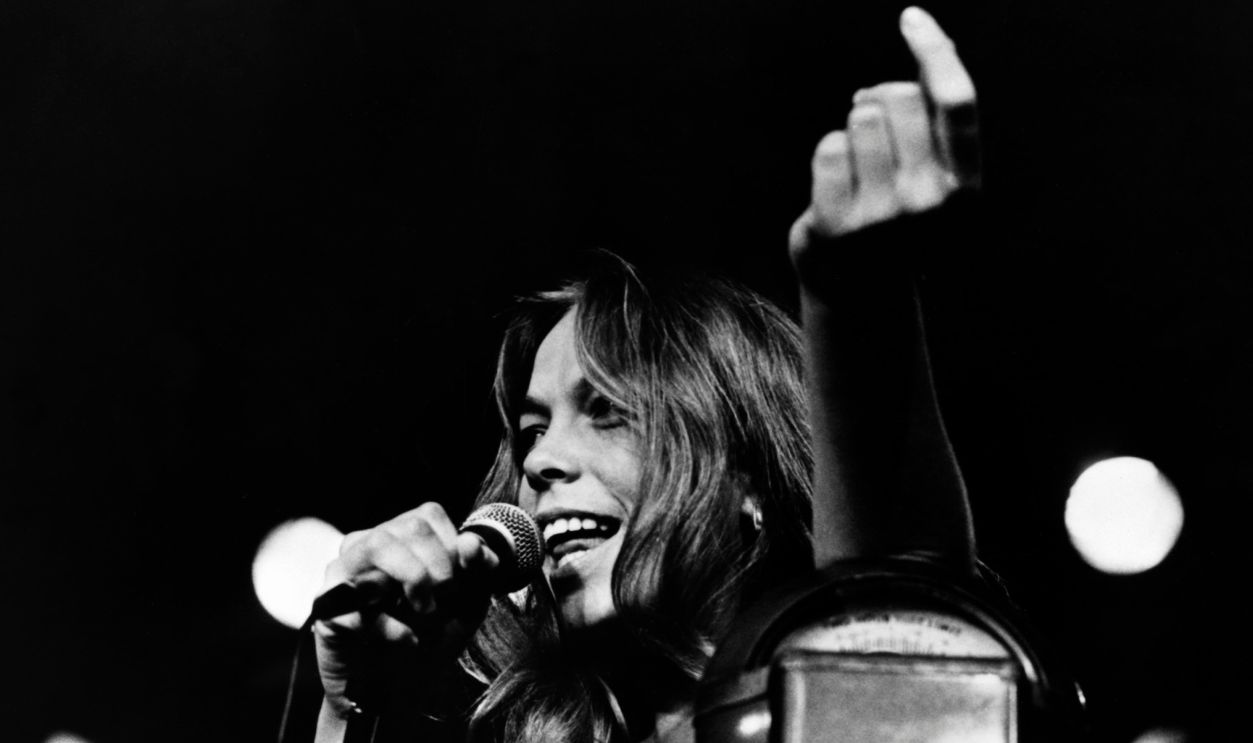
Rock ’N’ Roll Fantasy—Bad Company
Bad Company entered 1979 with plenty of arena-rock credentials, and “Rock ’N’ Roll Fantasy” gave the band another enduring radio staple. Paul Rodgers wrote the song, which appeared on Desolation Angels. The single was released in March 1979 and became one of the group’s best-known tracks.
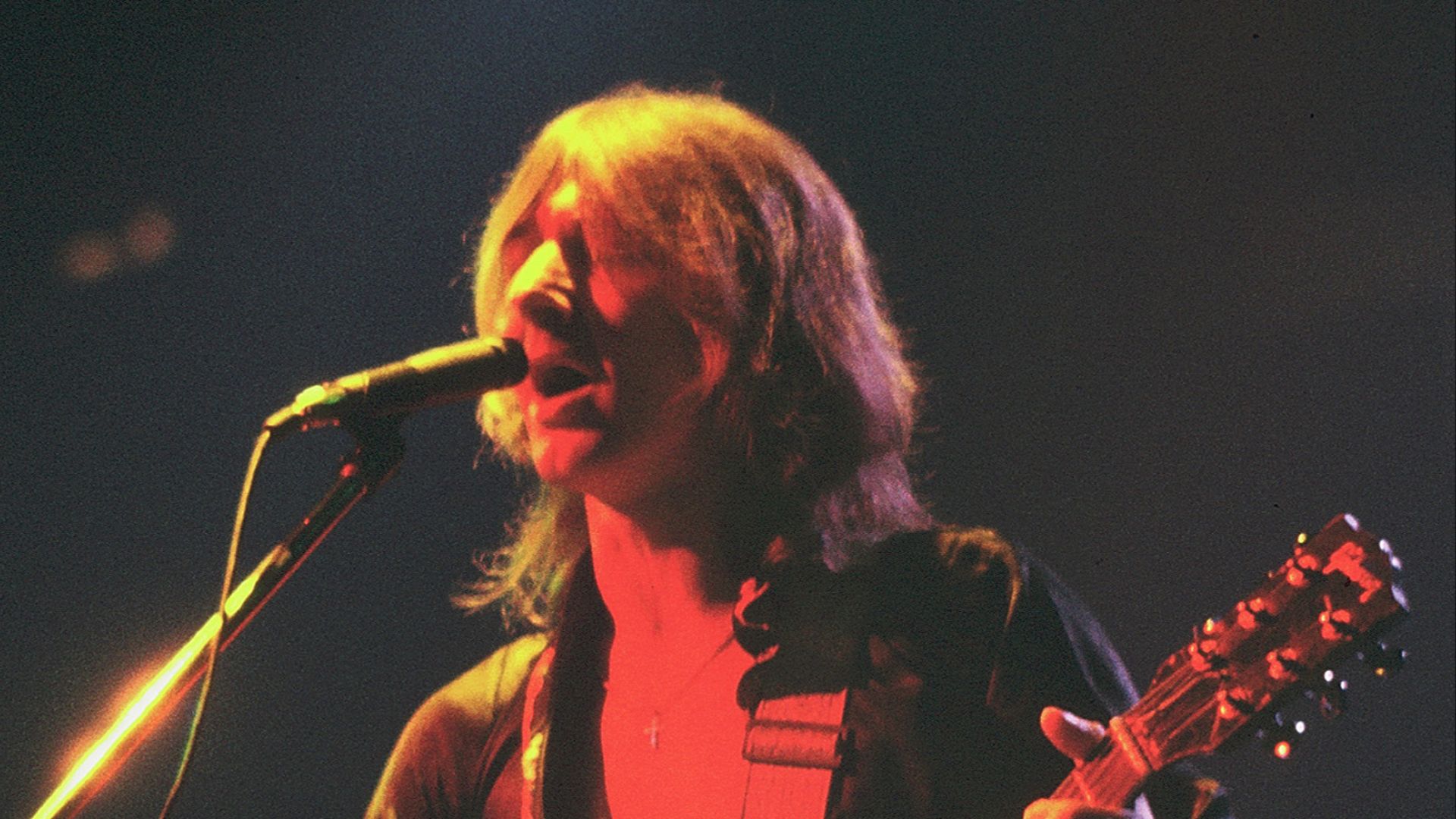 Jim Summaria, Wikimedia Commons
Pop Muzik—M
British musician Robin Scott, recording as M, turned the phrase “Pop Muzik” into a quirky electronic hit. The record reached No. 2 on the UK Singles Chart during 1979. In the United States, it went even further, reaching No. 1 on the Billboard Hot 100 in November.
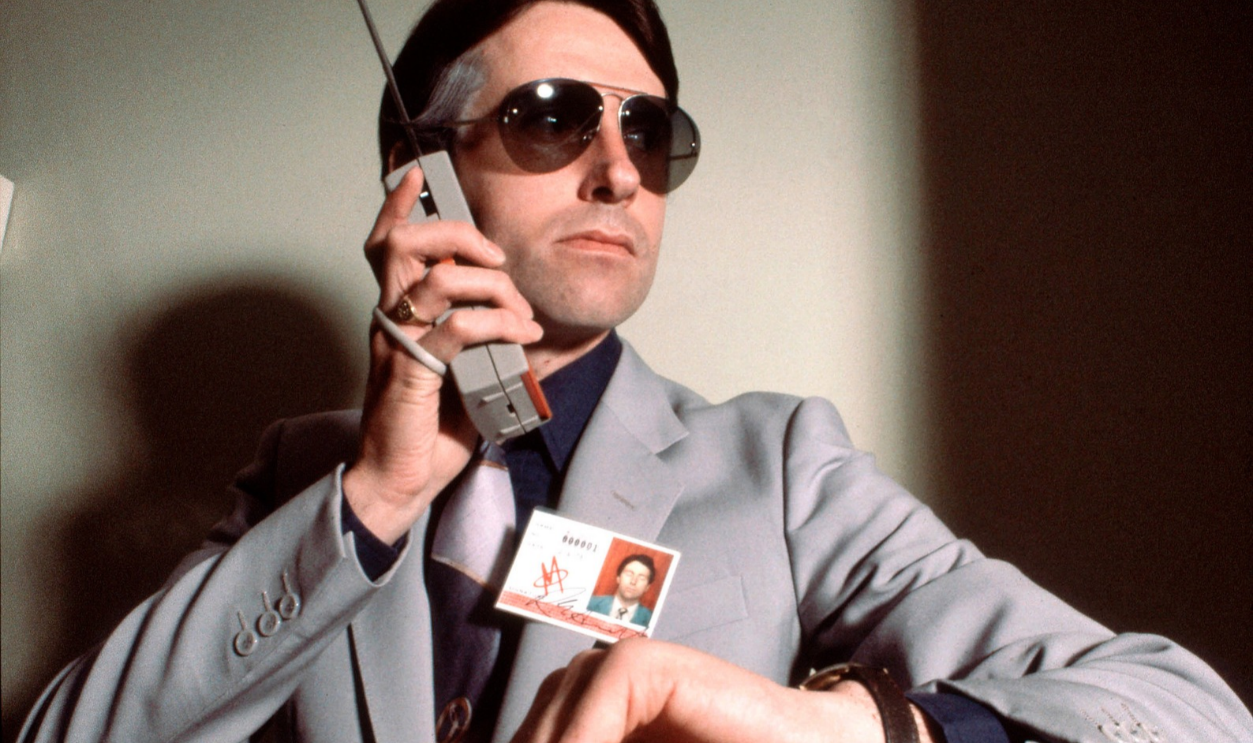
Don’t Bring Me Down—Electric Light Orchestra
Jeff Lynne gave ELO one of its hardest-hitting singles with “Don’t Bring Me Down.” Released from the 1979 album Discovery, it climbed to No. 3 in Britain. The song’s pounding rhythm and enormous chorus made it an obvious candidate for arenas, car stereos, and very loud singalongs.
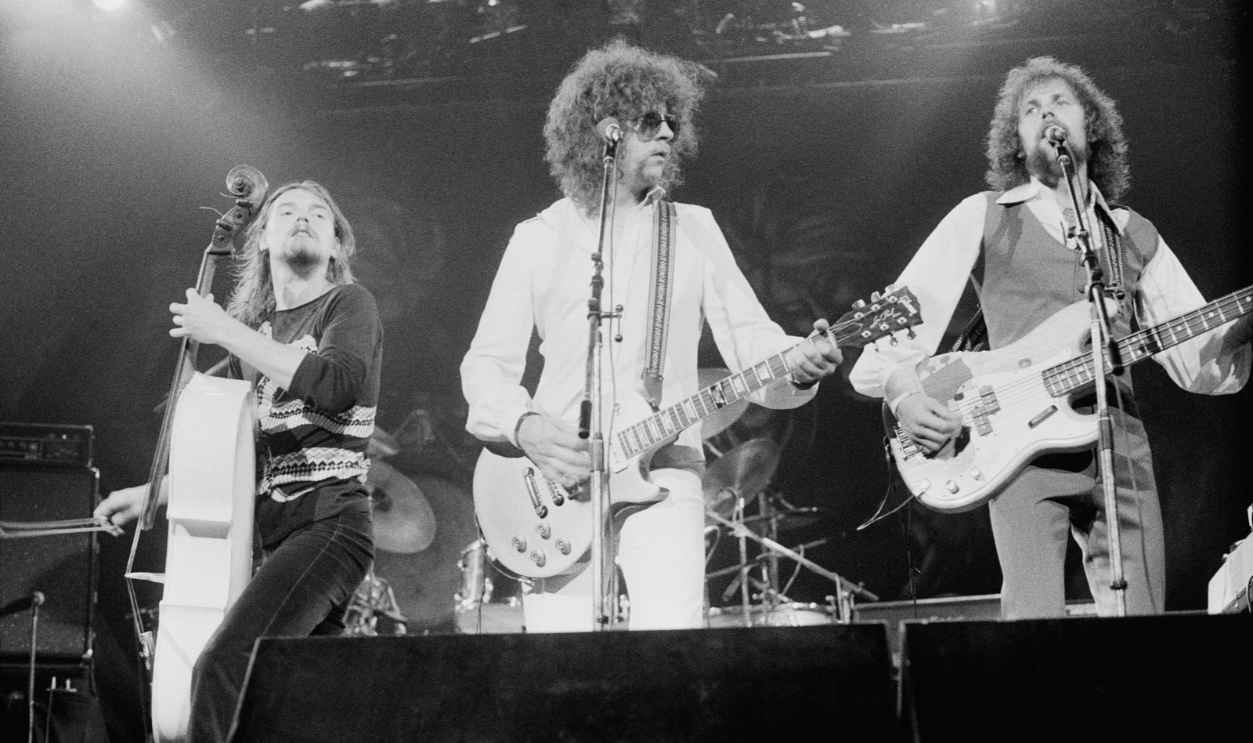
Take The Long Way Home—Supertramp
Supertramp had enough material in 1979 to earn a second appearance here. “Take the Long Way Home,” written by Roger Hodgson, appeared on Breakfast in America and was released as a U.S. single in October. It ultimately reached the Billboard Hot 100’s Top 10.
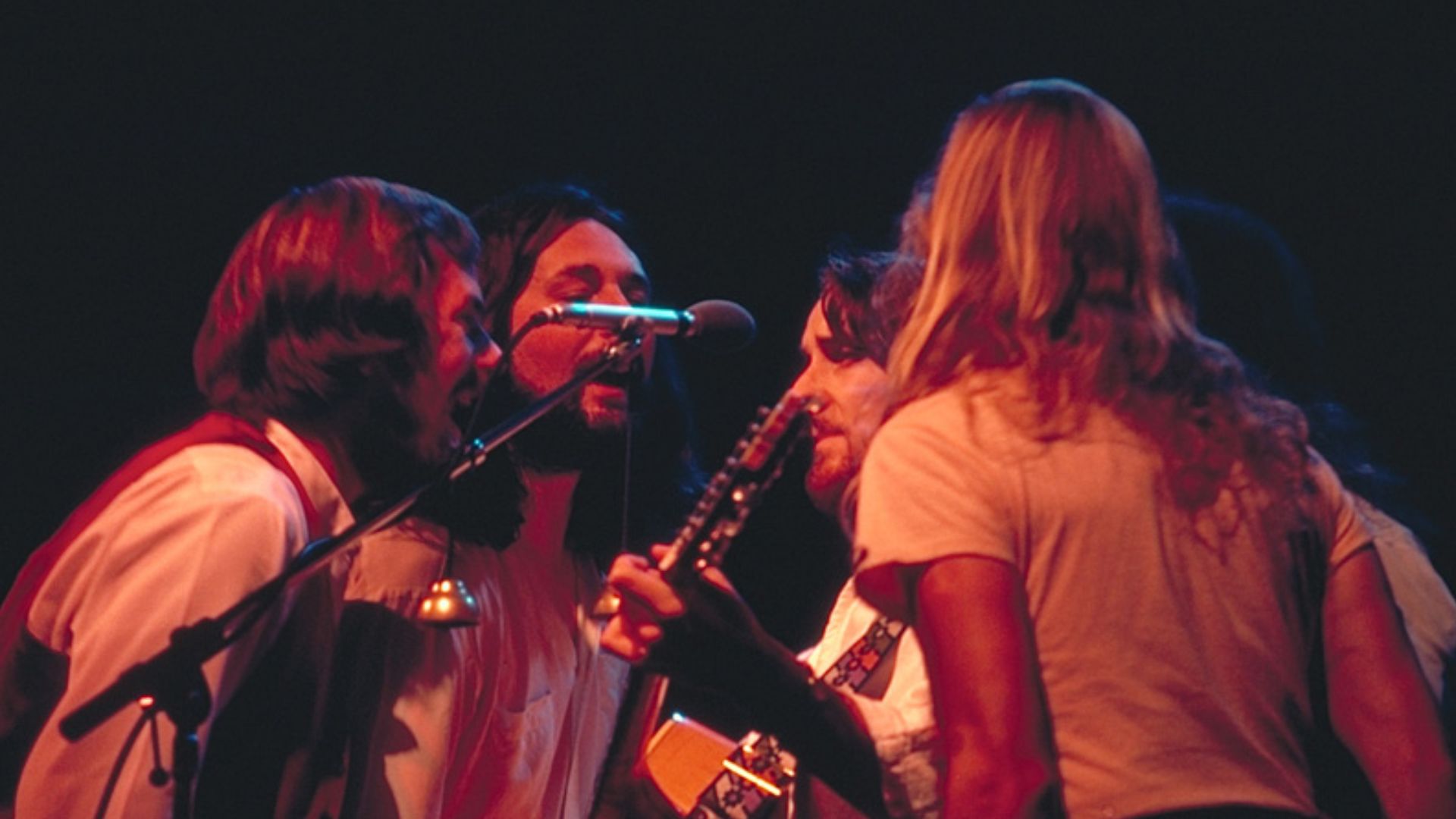
Babe—Styx
Dennis DeYoung wrote “Babe,” and the ballad gave Styx something the band had never achieved before. Released from Cornerstone in 1979, it reached No. 1 on the Billboard Hot 100. It remains the only Styx single ever to top that chart.
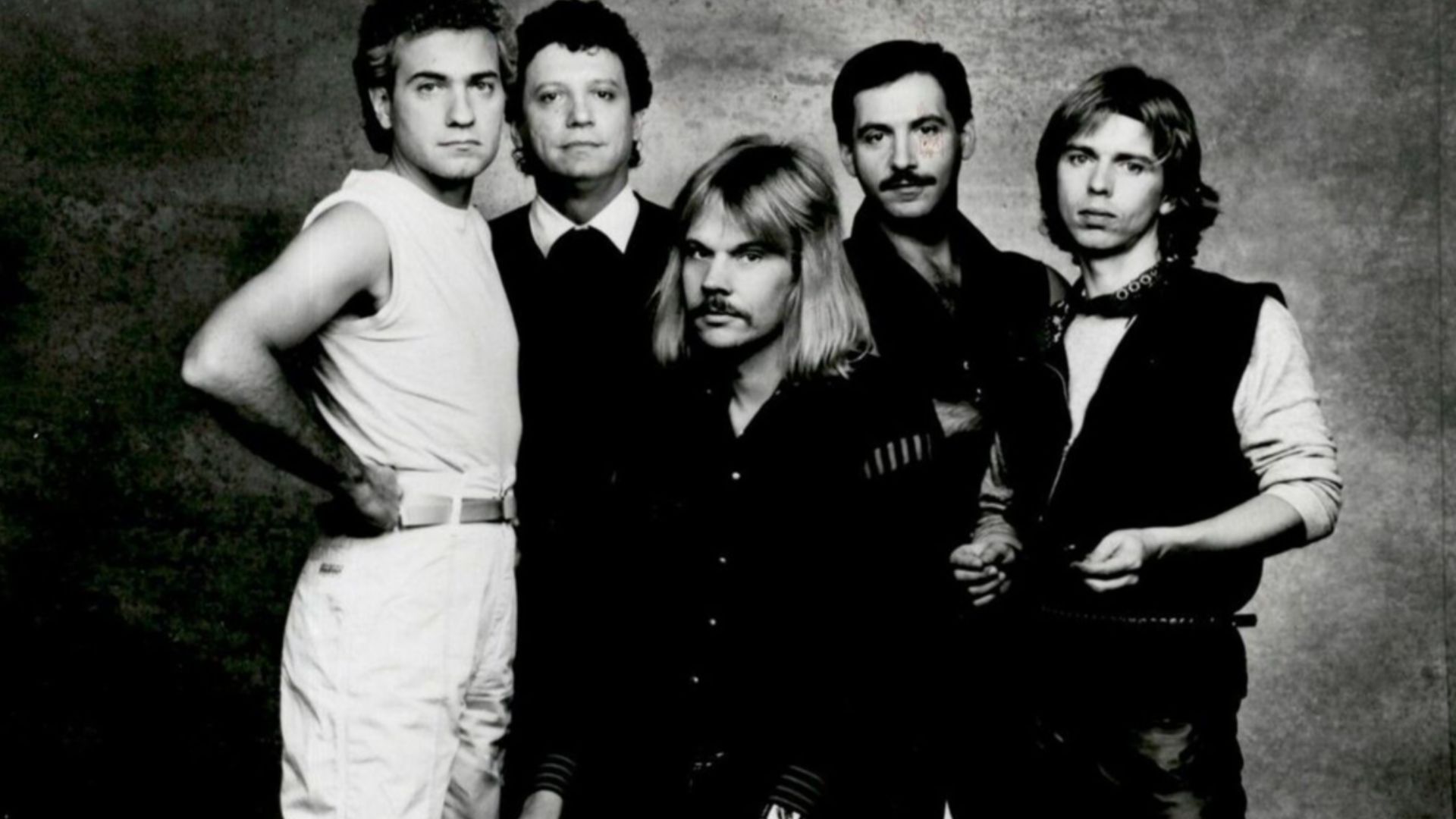 Front Line Management Company; Distributed by A&M Records, Wikimedia Commons
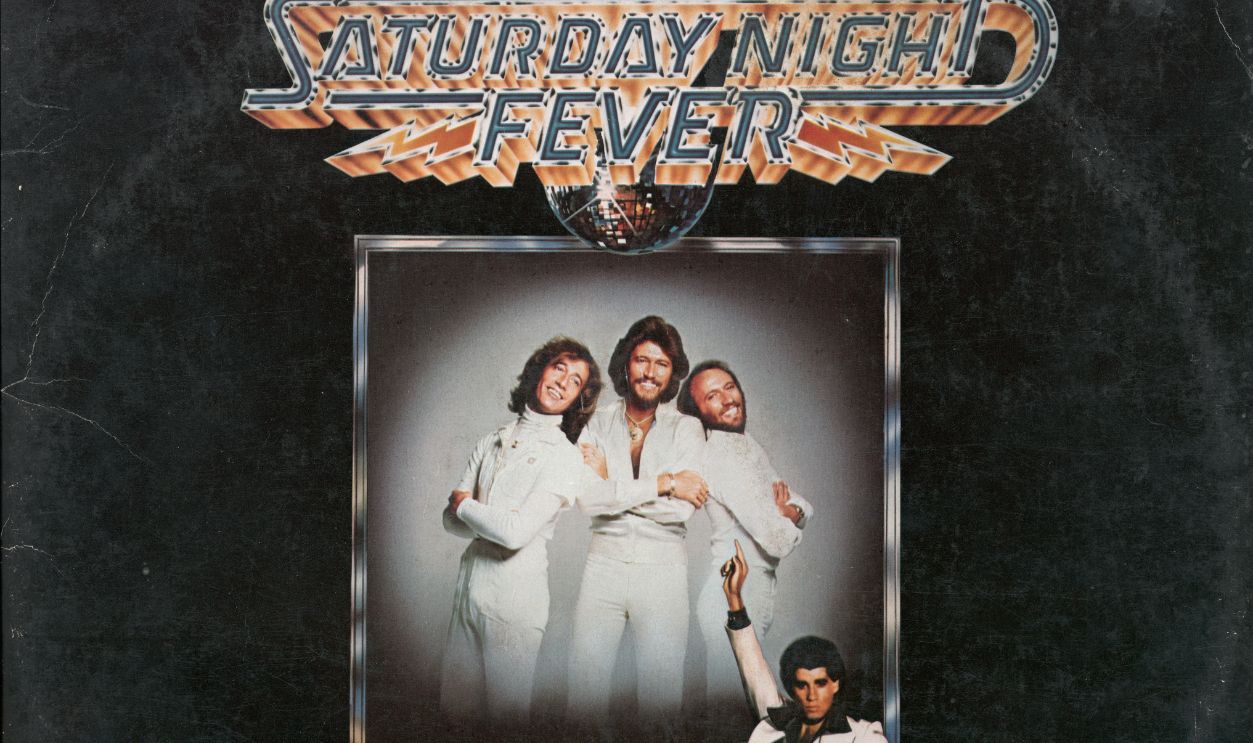
Tragedy—Bee Gees
The Bee Gees’ astonishing late-1970s run continued with “Tragedy.” The dramatic single reached No. 1 in Britain, spending two weeks at the top, and also topped the Billboard Hot 100. It proved the Gibb brothers’ hitmaking streak had plenty of life after Saturday Night Fever.
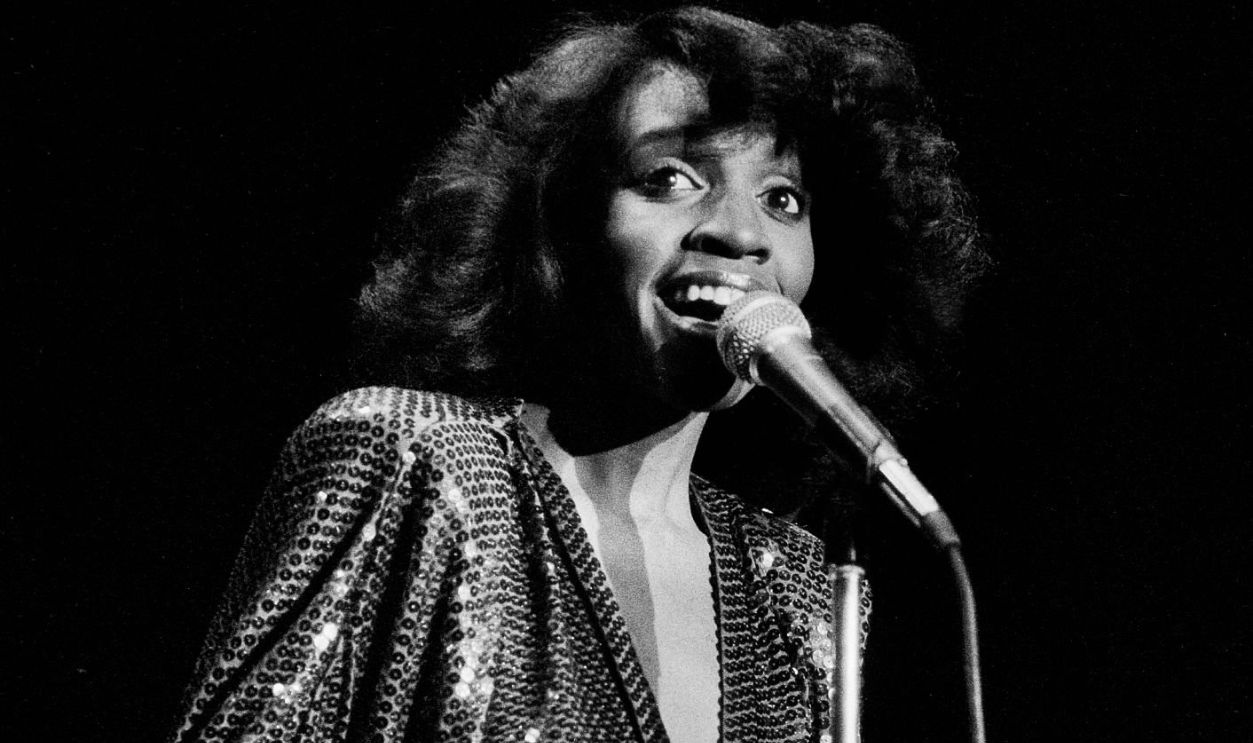
Ring My Bell—Anita Ward
Anita Ward needed only one enormous record to become permanently associated with the disco era. Written and produced by Frederick Knight, “Ring My Bell” reached No. 1 on the Billboard Hot 100, the U.S. soul chart, and the UK singles chart during 1979.
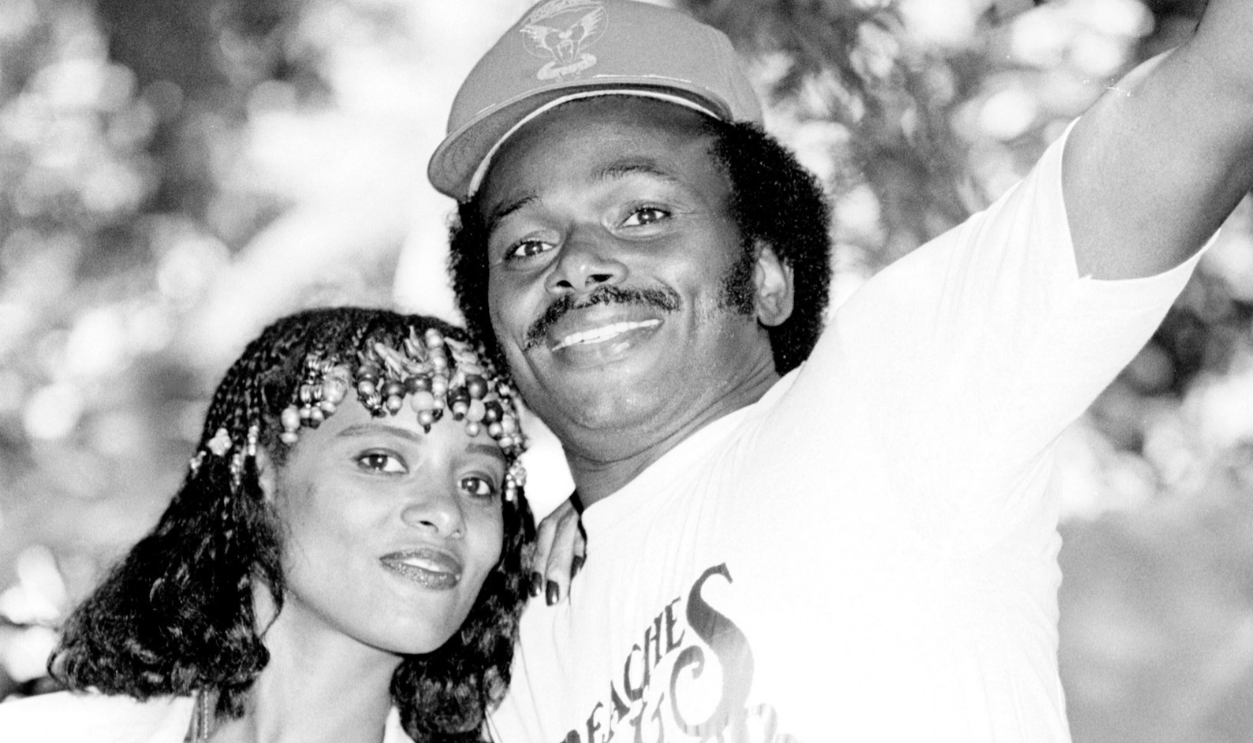
Reunited—Peaches & Herb
Peaches & Herb slowed things down with one of 1979’s biggest romantic ballads. Written by Dino Fekaris and Freddie Perren, “Reunited” spent four weeks at No. 1 on the Billboard Hot 100. The single also received a platinum certification in Canada that year.
 Michael Ochs Archives, Getty Images
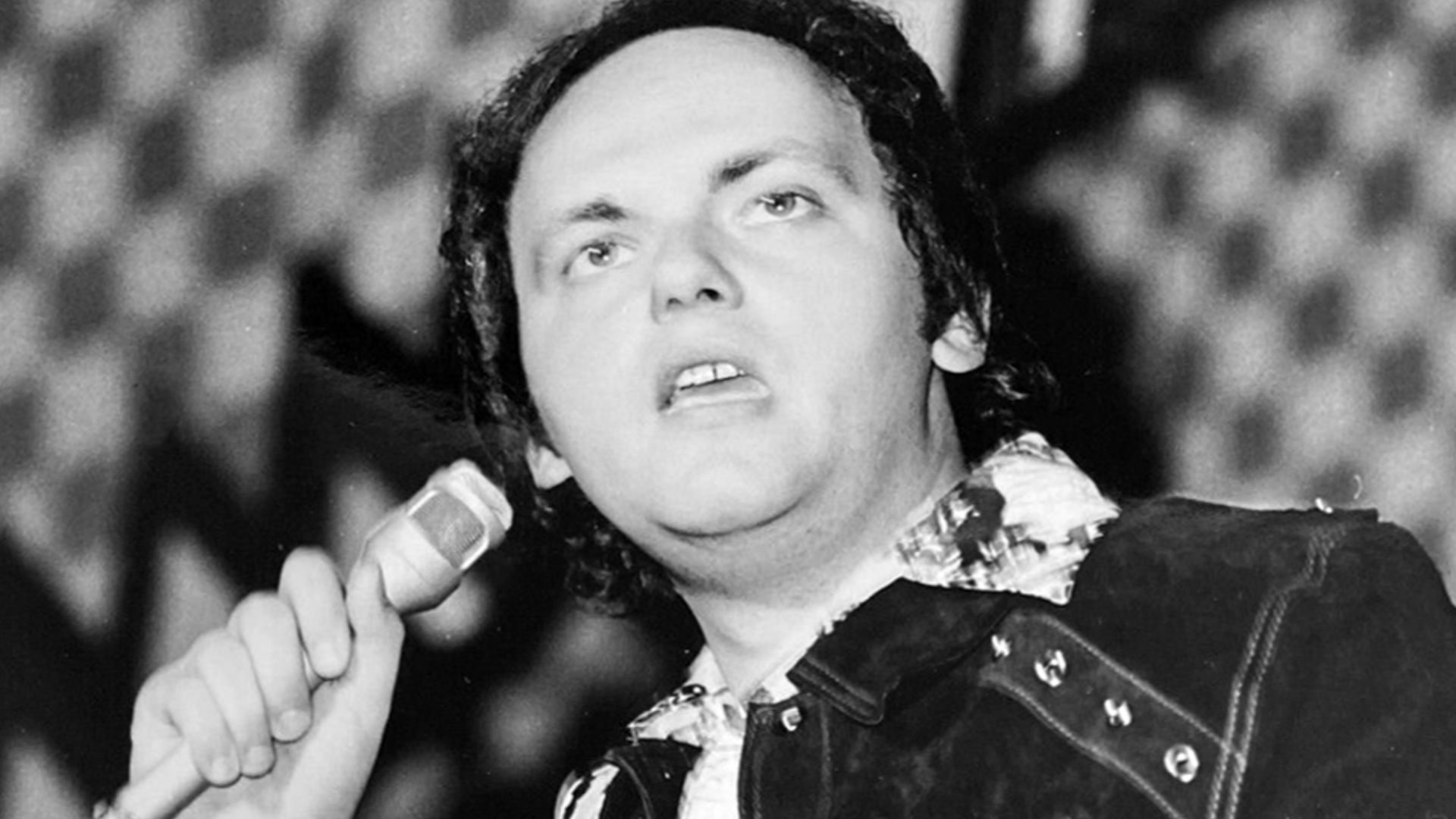
Sad Eyes—Robert John
Robert John scored the biggest hit of his career with the aching “Sad Eyes.” The song reached No. 1 on the Billboard Hot 100 in October 1979, temporarily interrupting a chart landscape filled with disco and dance records. Its throwback falsetto gave it an intentionally older pop flavor.
 Walt Disney Productions, Wikimedia Commons
Renegade—Styx
Before “Babe” transformed Styx into chart-topping balladeers, “Renegade” showed the group in full rock mode. Written by Tommy Shaw, the song appeared on Pieces of Eight and became a major 1979 single. Billboard ranked it among the year’s Top Pop Singles.
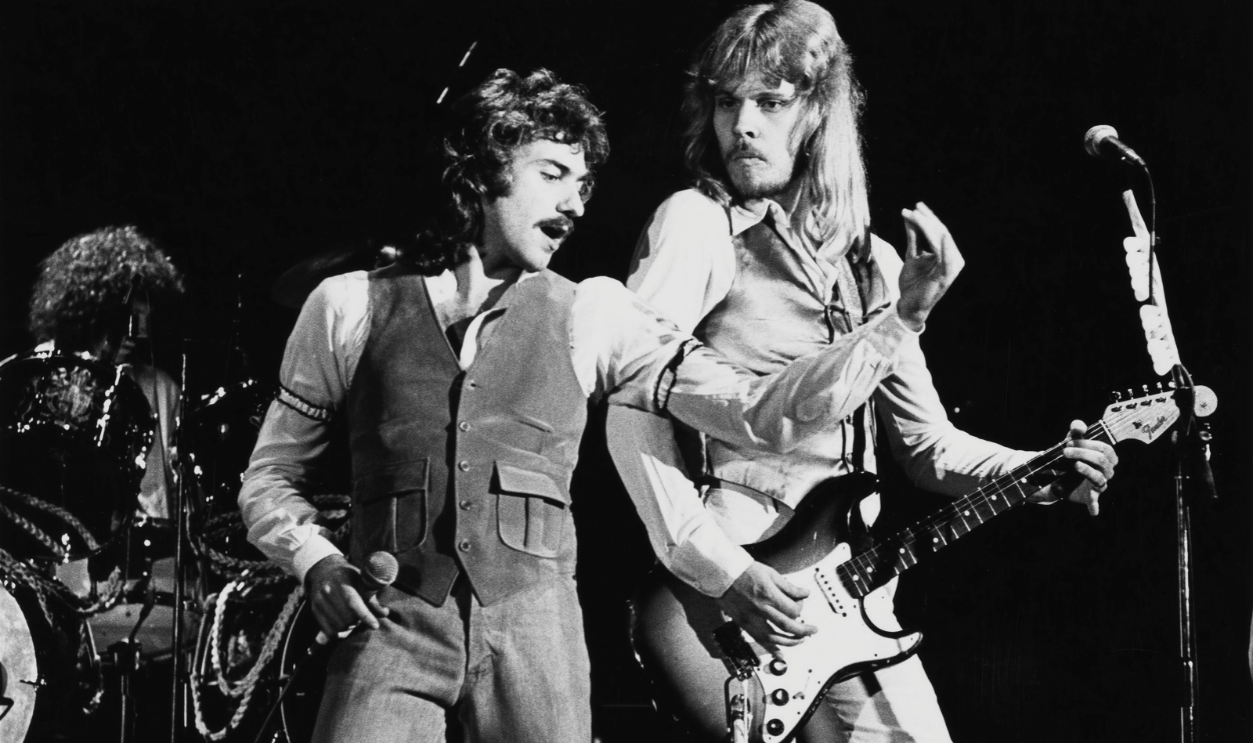
Driver’s Seat—Sniff ’N’ The Tears
Sniff ’n’ the Tears formed in 1978 and quickly landed an international hit with “Driver’s Seat.” According to the band’s official history, the single reached No. 15 on the Billboard chart in 1979. Its success sent the British group on an extensive American tour.
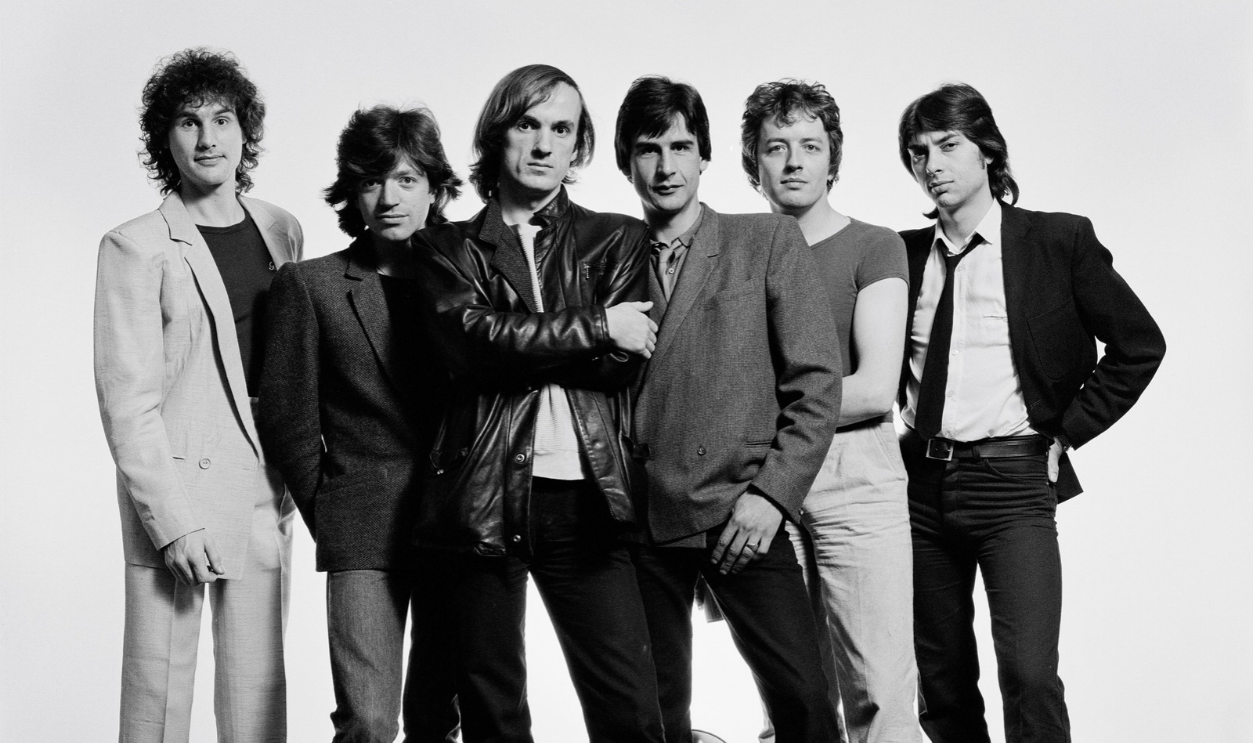
I Want You To Want Me—Cheap Trick
Cheap Trick had recorded “I Want You to Want Me” earlier, but the roaring live version from Cheap Trick at Budokan changed everything. Recorded in Tokyo in 1978 and released in the United States in 1979, the live single reached No. 7 on the Billboard Hot 100.
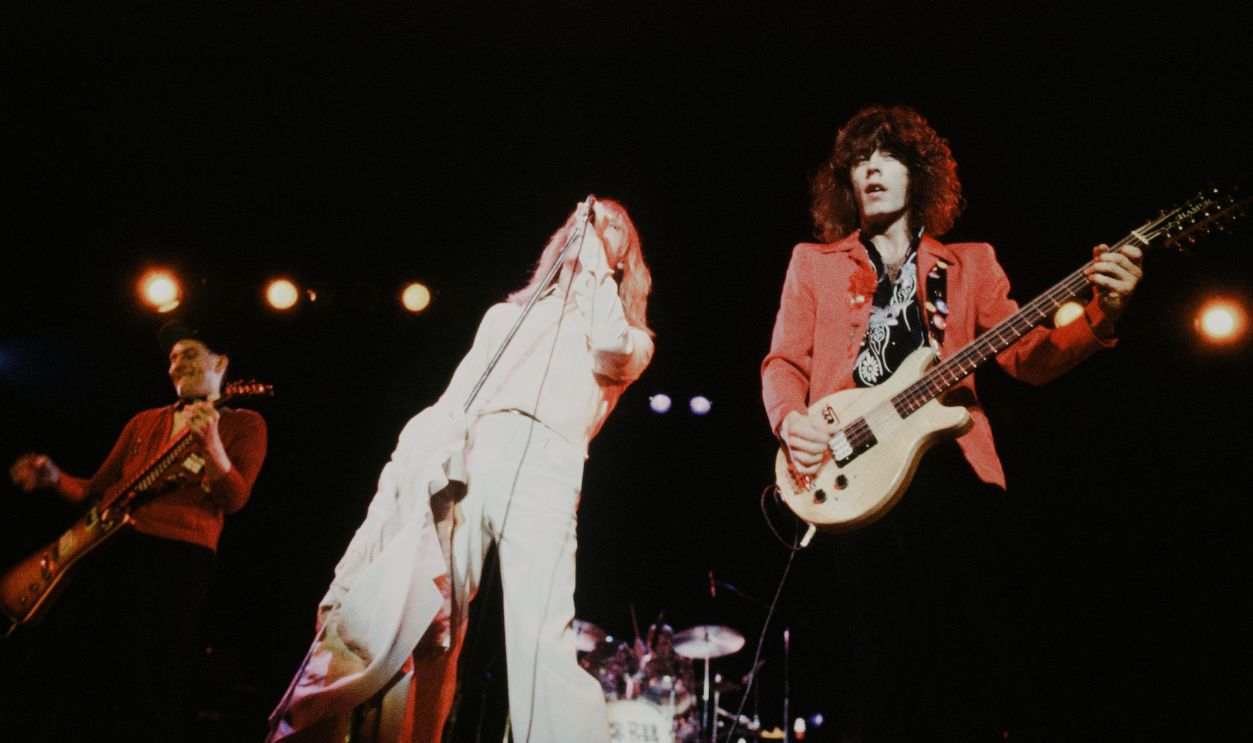 Koh Hasebe/Shinko Music, Getty Images
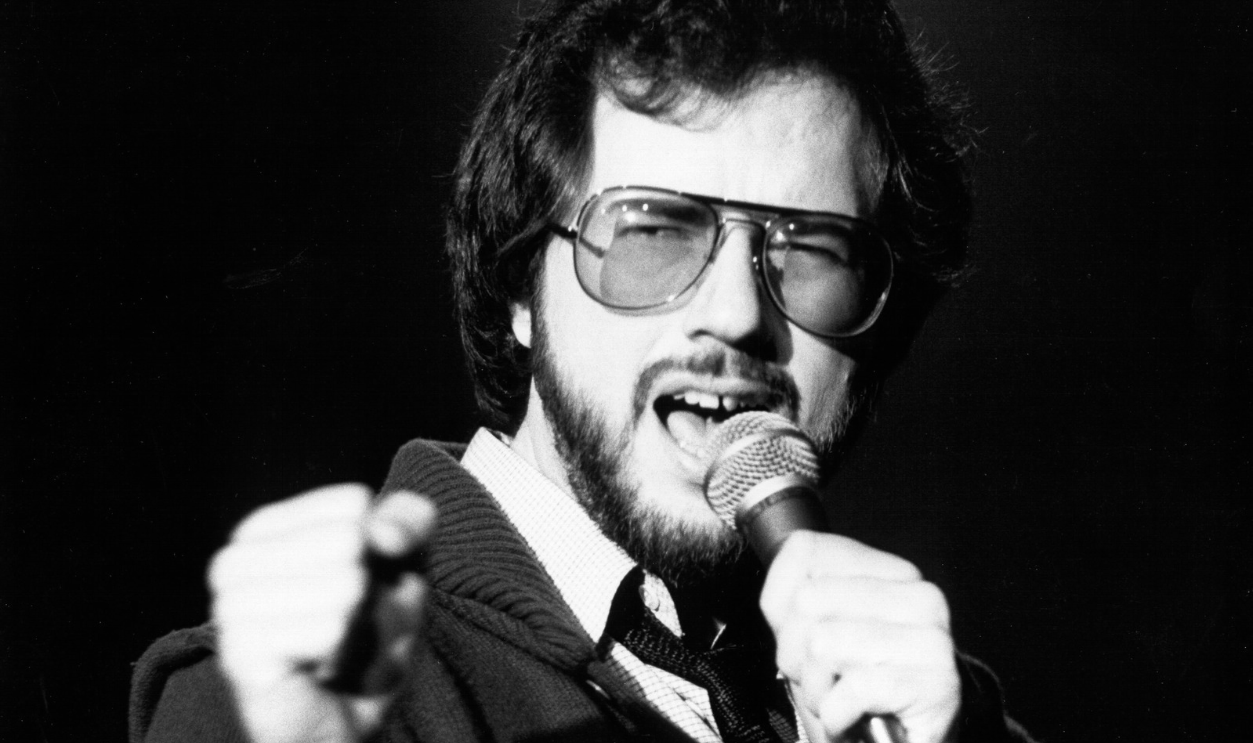
Escape (The Piña Colada Song)—Rupert Holmes
Rupert Holmes released “Escape” in 1979, and its story about two partners unknowingly answering each other’s personal ads proved irresistible. Better remembered as “The Piña Colada Song,” it reached No. 1 at the end of December, becoming America’s final chart-topper of the 1970s.
 Michael Ochs Archives, Getty Images
You May Also Like:
Rock Albums From The 1980s That Fans Say Have No Weak Tracks, Even If They Weren't Popular Back Then