Nobody Could Understand What He Was Singing
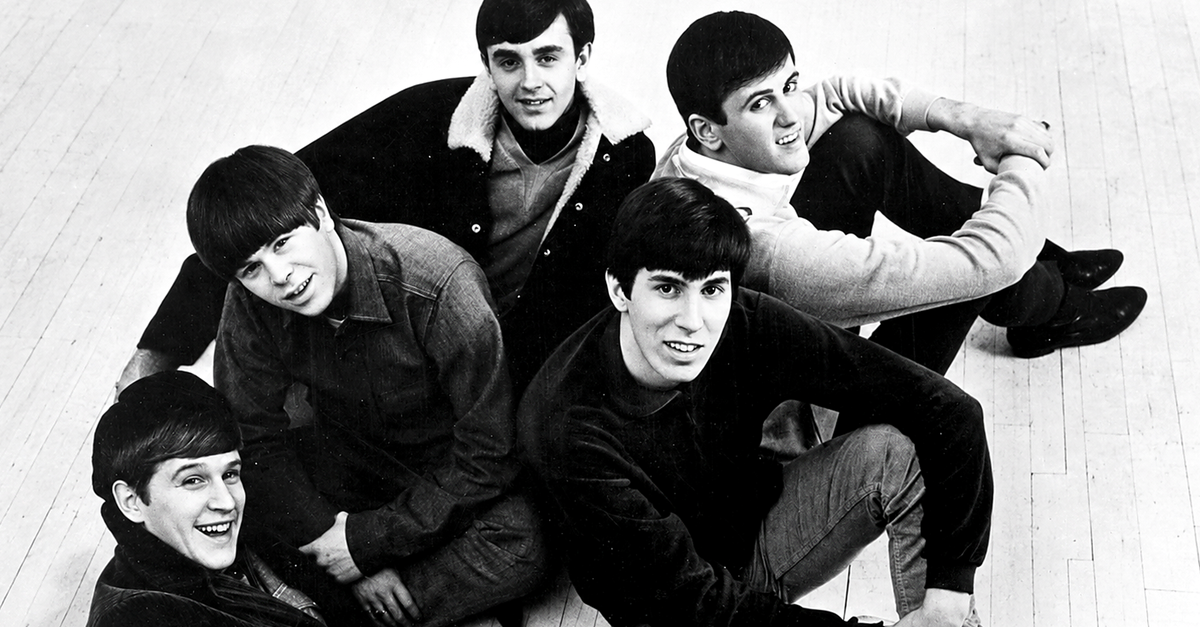
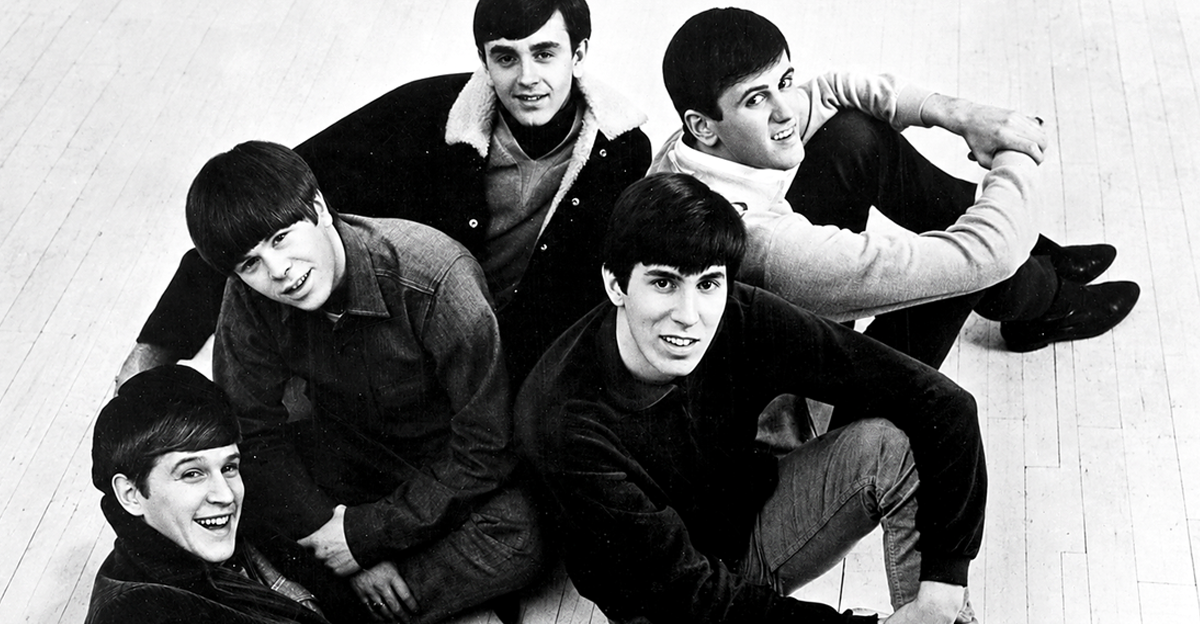
In 1963, the Kingsmen released a rough, frantic version of “Louie Louie” that became a massive hit. Lead singer Jack Ely’s vocals were so difficult to make out that teenagers began whispering that the song contained filthy hidden lyrics. Parents panicked, officials took notice, and the FBI launched an investigation. There was just one problem: even federal agents could barely figure out what Ely was actually singing.
 Michael Ochs Archives, Getty Images
It Started With Richard Berry
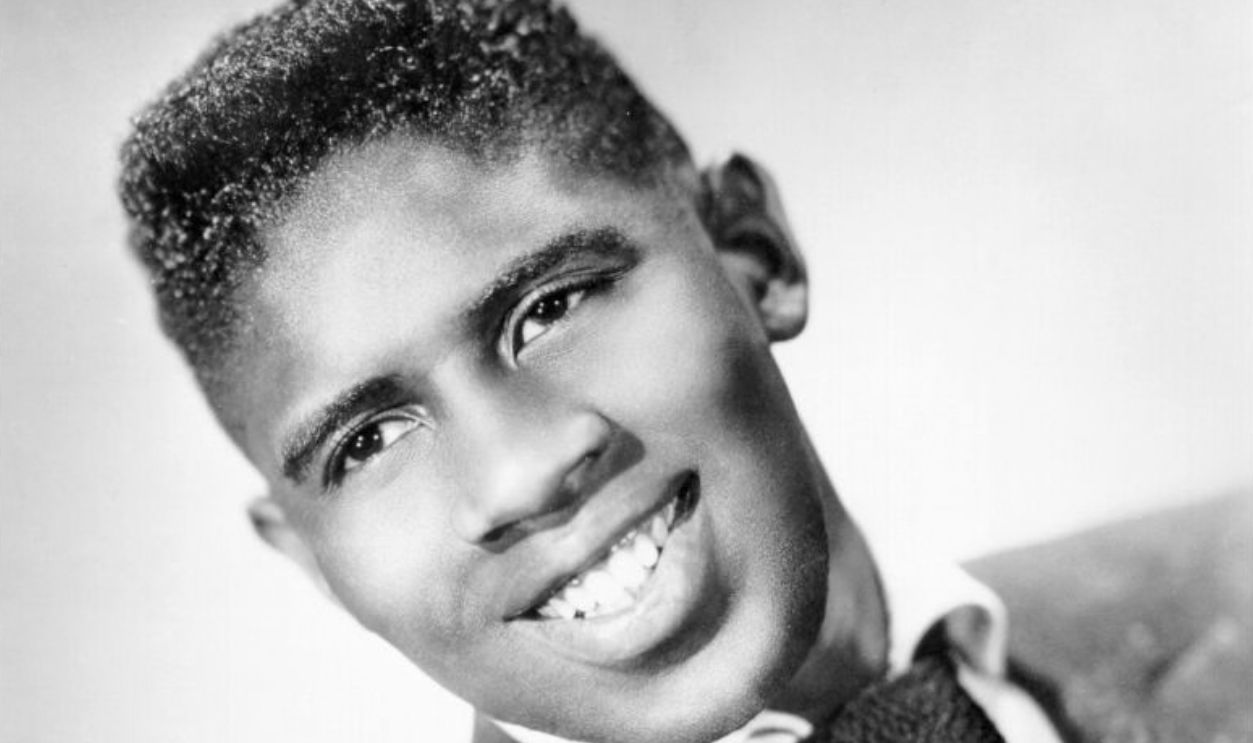
The Kingsmen did not write “Louie Louie.” Los Angeles R&B singer and songwriter Richard Berry created the song in the mid-1950s and released his own recording with the Pharaohs in 1957. Berry’s version sounded far smoother than the garage-rock recording that would later become famous. At that point, there was nothing particularly scandalous about it.
 Michael Ochs Archives, Getty Images
The Lyrics Were Actually Pretty Innocent
Berry’s song tells a simple story about a sailor separated from the woman he loves. He is essentially telling a bartender named Louie how badly he wants to get back to her. The lyrics were written in a stylized Caribbean dialect that reflected the calypso craze of the era. There was no hidden story of the kind that would later alarm parents.
 Robert Alexander, Getty Images
The Famous Riff Had Another Inspiration
Even the song’s instantly recognizable musical foundation had a history before “Louie Louie.” Berry drew inspiration from the rhythmic pattern of “El Loco Cha Cha,” recorded by Cuban-born bandleader René Touzet. He transformed that Latin-influenced groove into a simple, repeating rock-and-roll framework. That simplicity would eventually make the song remarkably easy for young bands to learn.
 Robert Alexander, Getty Images
The Pacific Northwest Fell In Love With It
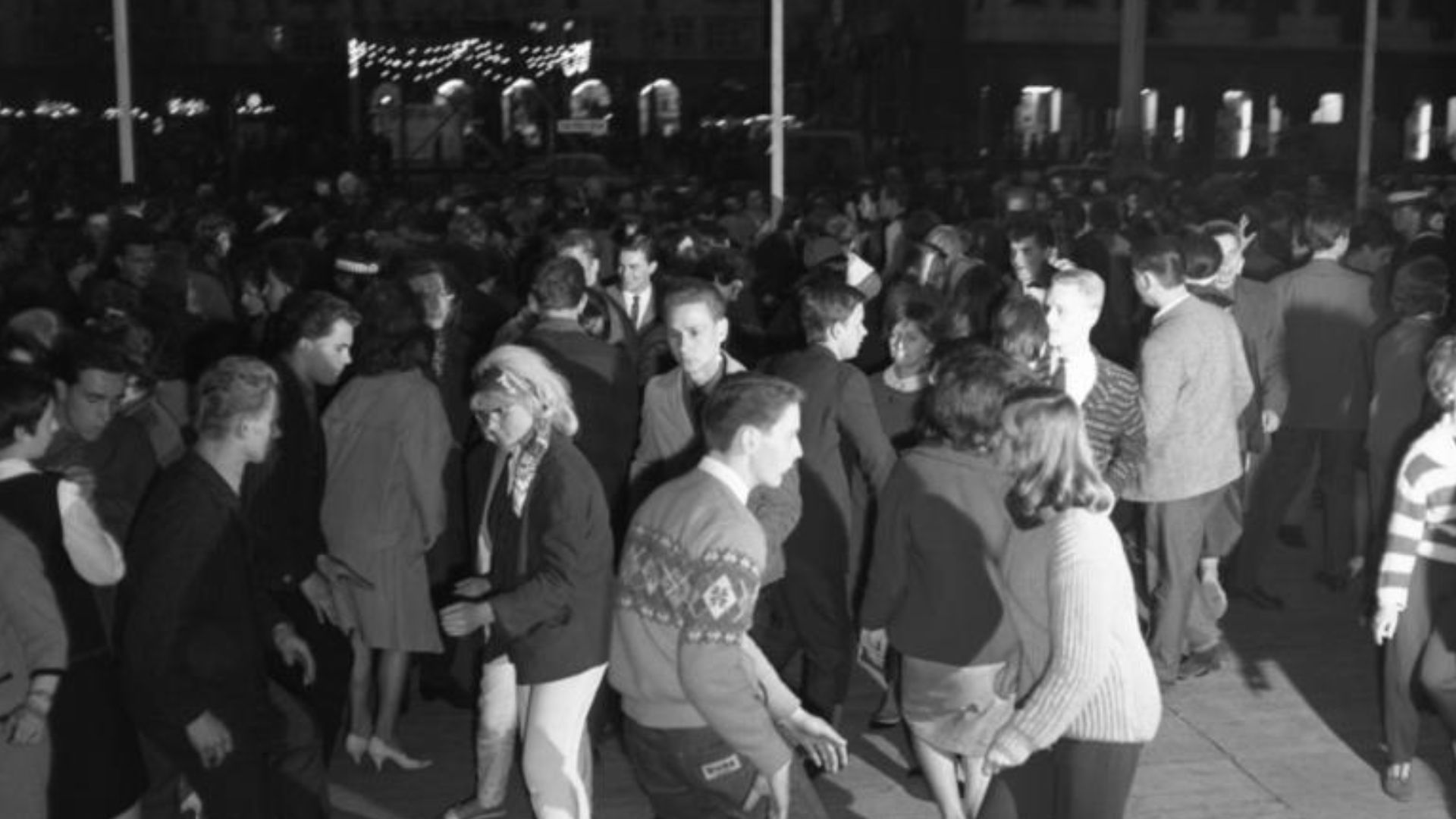
“Louie Louie” gradually traveled north from California and became a favorite among musicians in the Pacific Northwest. Rockin’ Robin Roberts and the Wailers recorded their own version around 1960, releasing it in 1961 and turning it into a regional hit. Before long, teenage bands around Washington and Oregon were expected to know the song. The Kingsmen were among them.
 Hochneder, Christa, Wikimedia Commons
The Kingsmen Made It Their Own
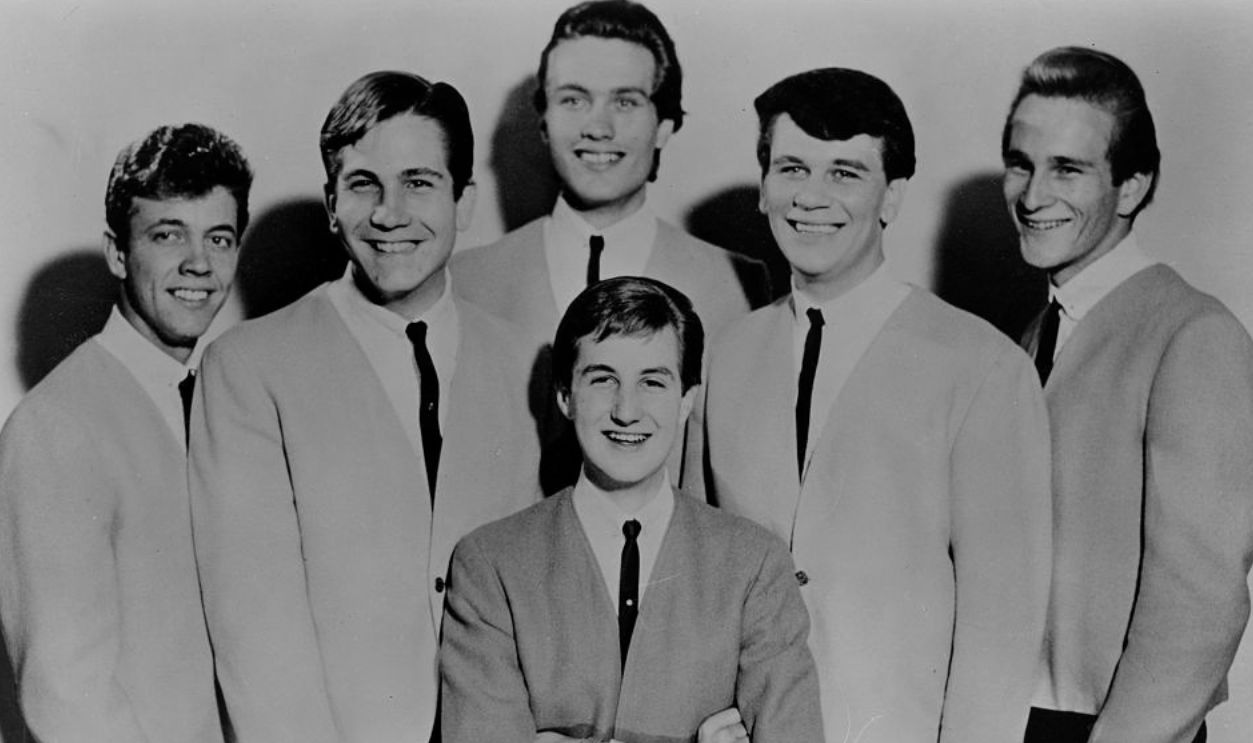
The Kingsmen had formed in Portland, Oregon, around teenage musicians Lynn Easton and Jack Ely. By the early 1960s, “Louie Louie” had become one of the dependable crowd-pleasers in their live set. Their arrangement was heavily influenced by the Northwest version popularized by Rockin’ Robin Roberts and the Wailers. Eventually, the group decided to record it.
 Michael Ochs Archives, Getty Images
The Recording Session Was Bare-Bones
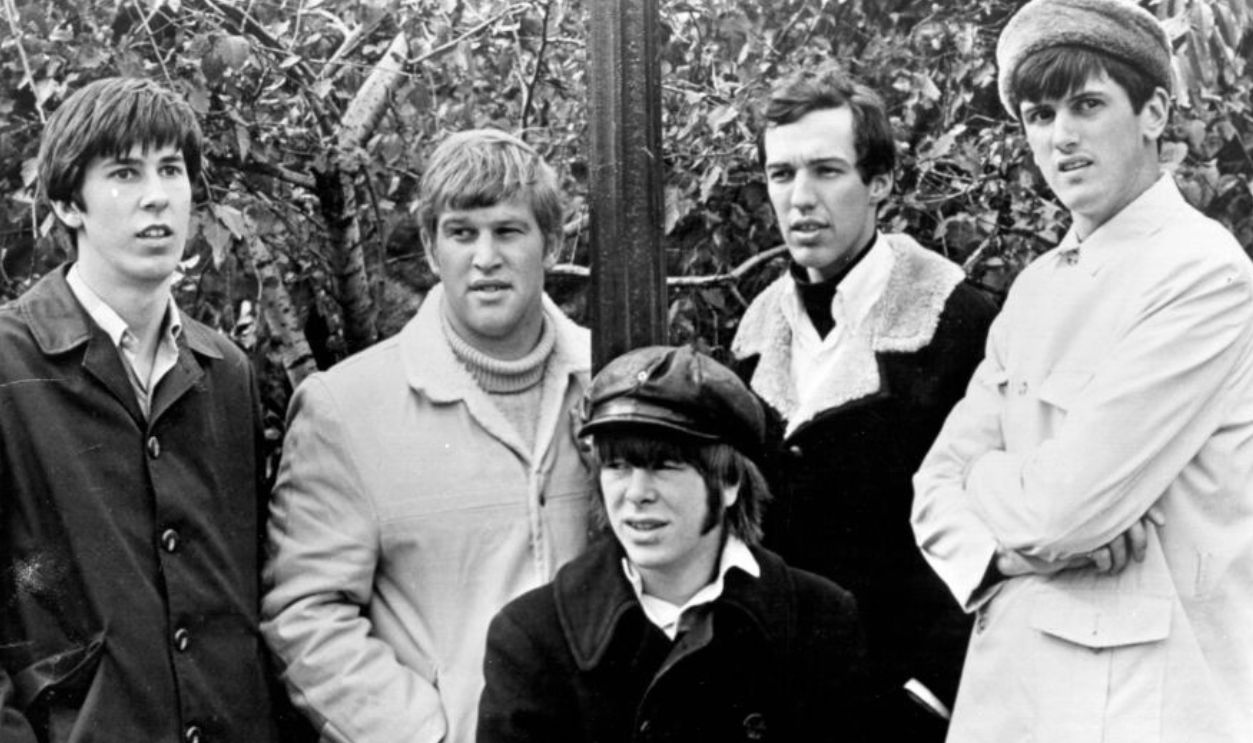
On April 6, 1963, the Kingsmen entered a Portland studio to record “Louie Louie.” Jack Ely later recalled that the musicians arranged themselves in a circle and played live rather than building the recording piece by piece. The entire session took less than an hour and also produced the B-side, “Haunted Castle.” Nothing about it suggested they were creating a record that would be dissected by federal investigators.
 Michael Ochs Archives, Getty Images
Jack Ely Had To Shout Upward
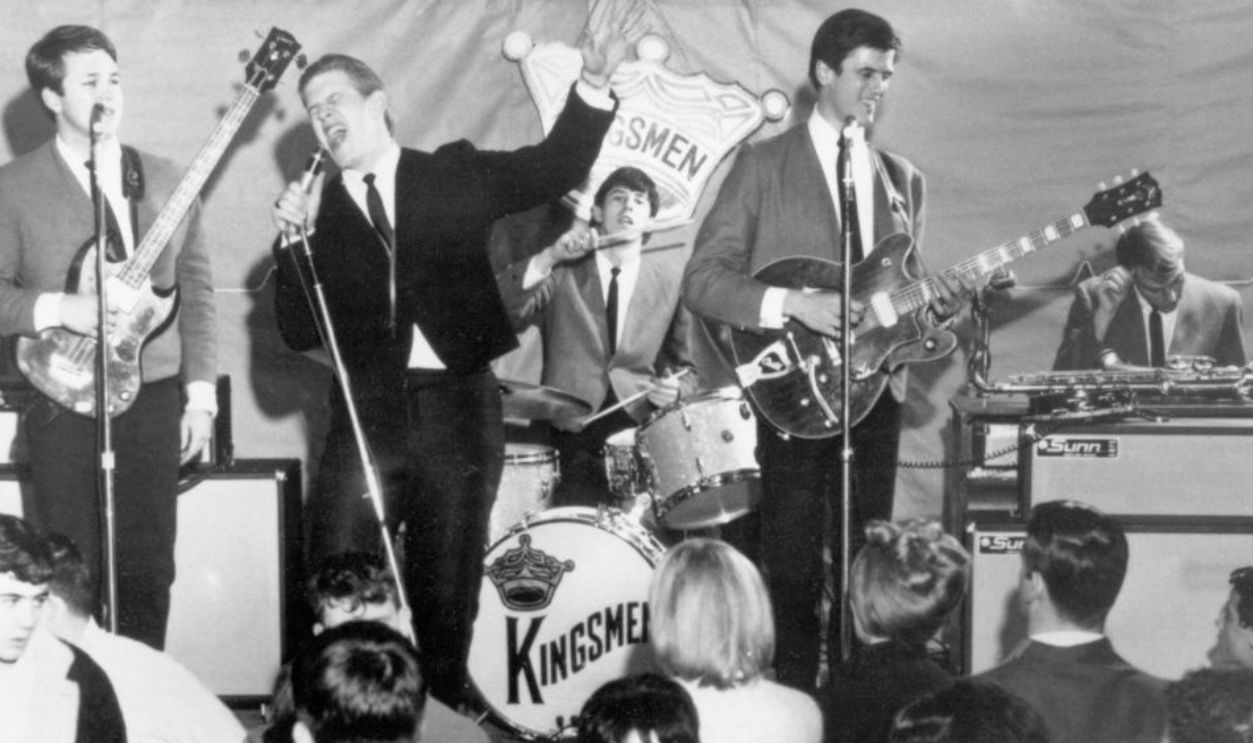
One reason the lyrics sounded so strange was the recording setup itself. Ely said he sang toward a microphone suspended well above him, forcing him to tilt his head upward and essentially shout. Contemporary accounts also note that he was wearing braces, which did not help his enunciation. The resulting vocal sounded muffled even before anyone started searching for hidden meanings.
 Michael Ochs Archives, Getty Images
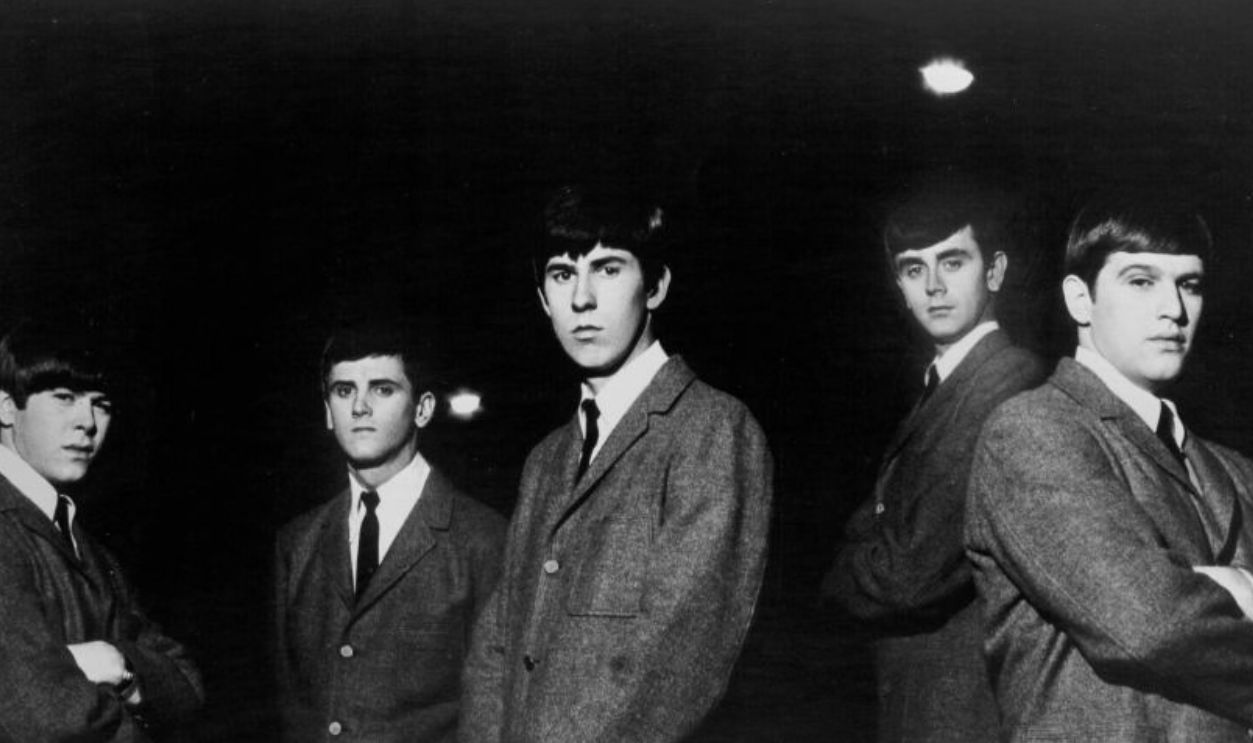
The Band Thought The Record Sounded Terrible
The rough sound was not some carefully planned aesthetic choice. Ely later recalled that the Kingsmen disliked the recording and thought the vocals were a mess. The performance also contains the kind of loose timing and mistakes that a more polished studio production might have corrected. Instead, that raw quality became one of the record’s defining characteristics.
 Michael Ochs Archives, Getty Images
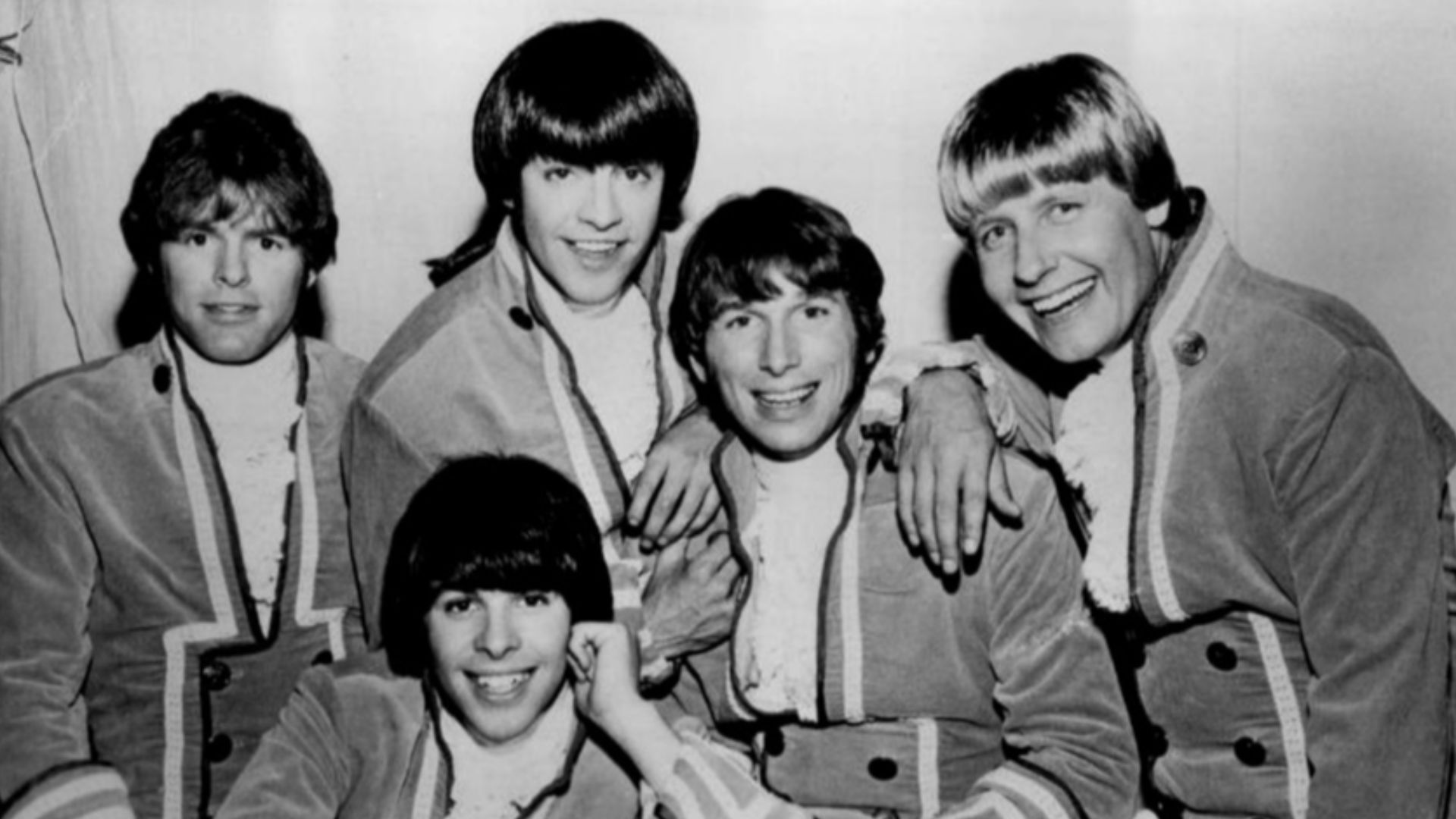
Another Oregon Band Recorded It Too
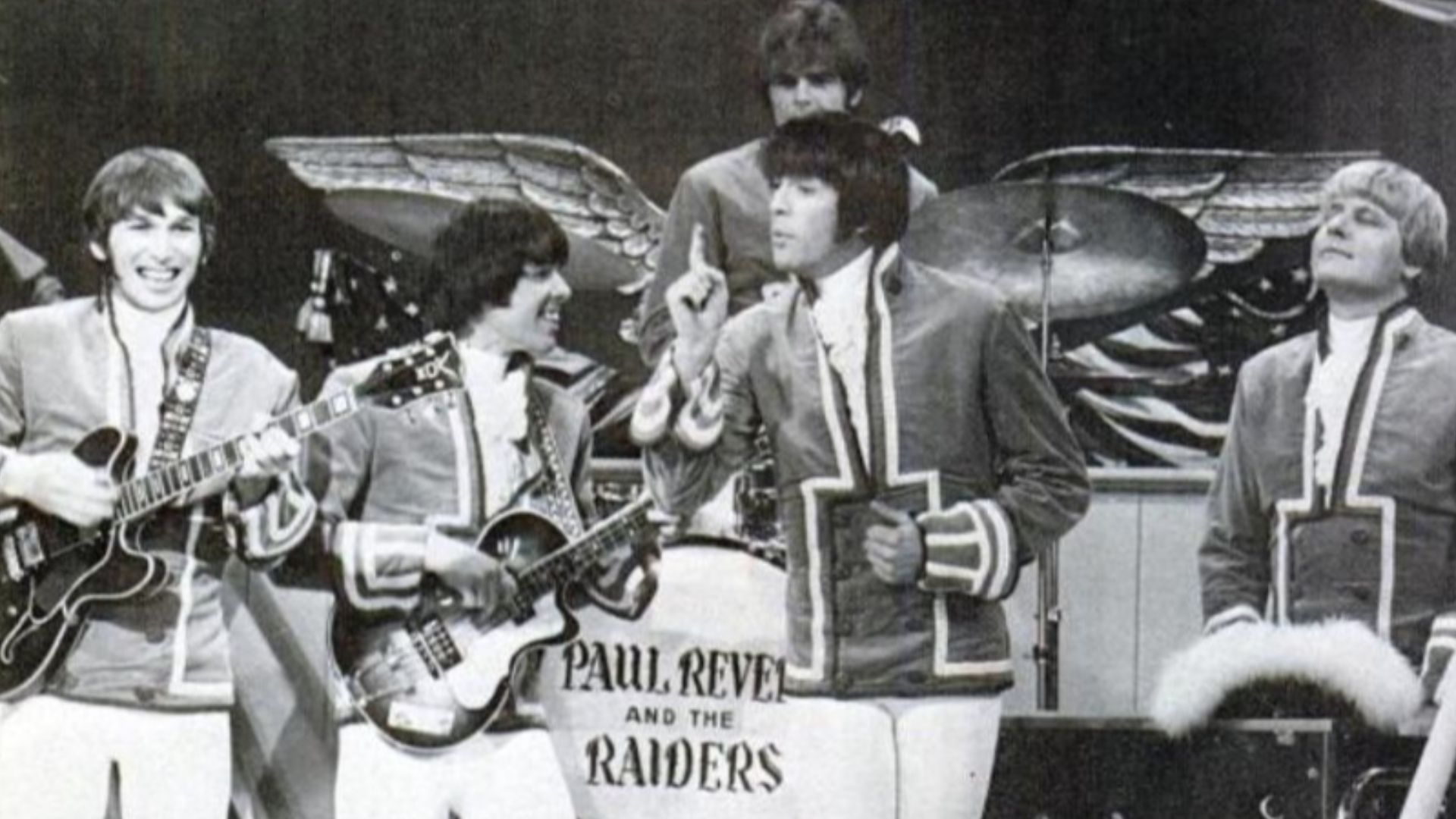
The Kingsmen were not alone in recognizing the song’s potential. Paul Revere and the Raiders recorded their own version of “Louie Louie” at the same Portland studio around the same period. Their recording initially competed with the Kingsmen’s version in the Northwest. The two records briefly looked like rival regional interpretations of the same local favorite.
 Perenchio Artists (management), Wikimedia Commons
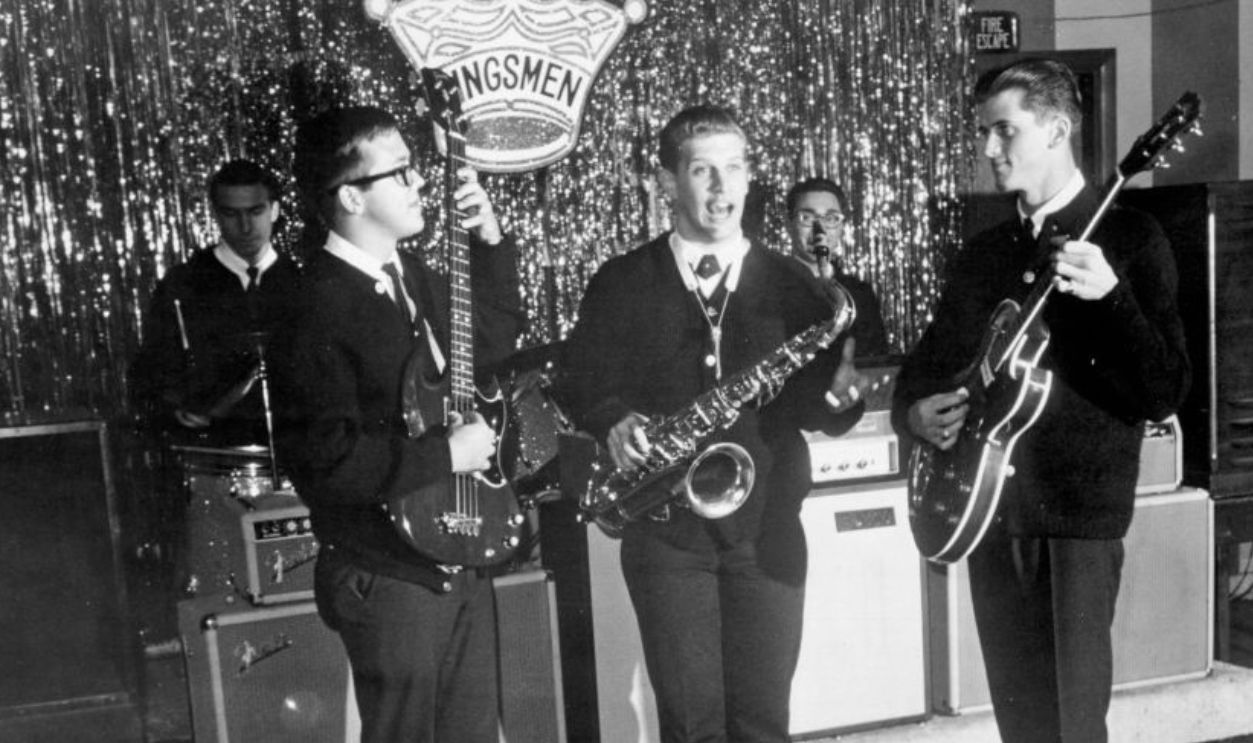
The Kingsmen Nearly Missed Their Own Success
At first, the Kingsmen’s record did not become the national sensation anyone might expect in hindsight. The group actually came apart in August 1963, with Ely and bassist Bob Nordby leaving after disagreements with Lynn Easton. That meant the unmistakable voice on the recording was no longer in the Kingsmen when the song finally exploded. Easton subsequently became the group’s lead singer.
 Michael Ochs Archives, Getty Images
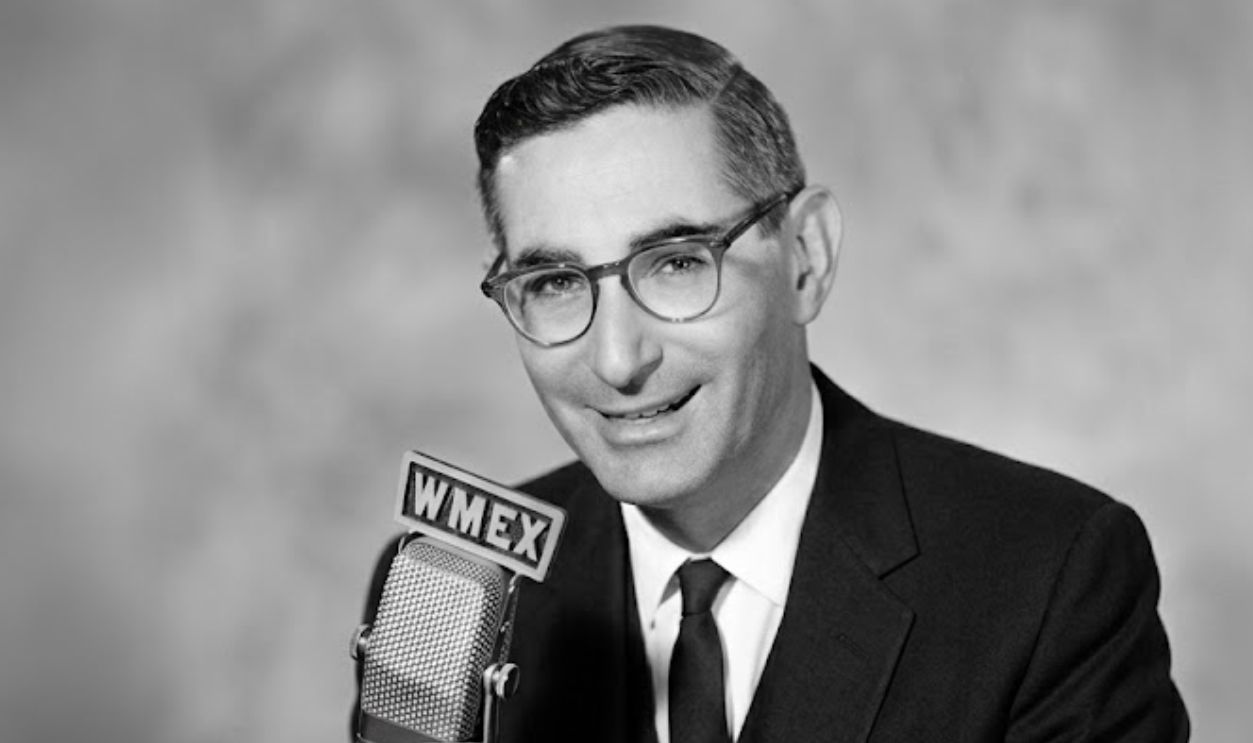
A Boston DJ Changed Everything
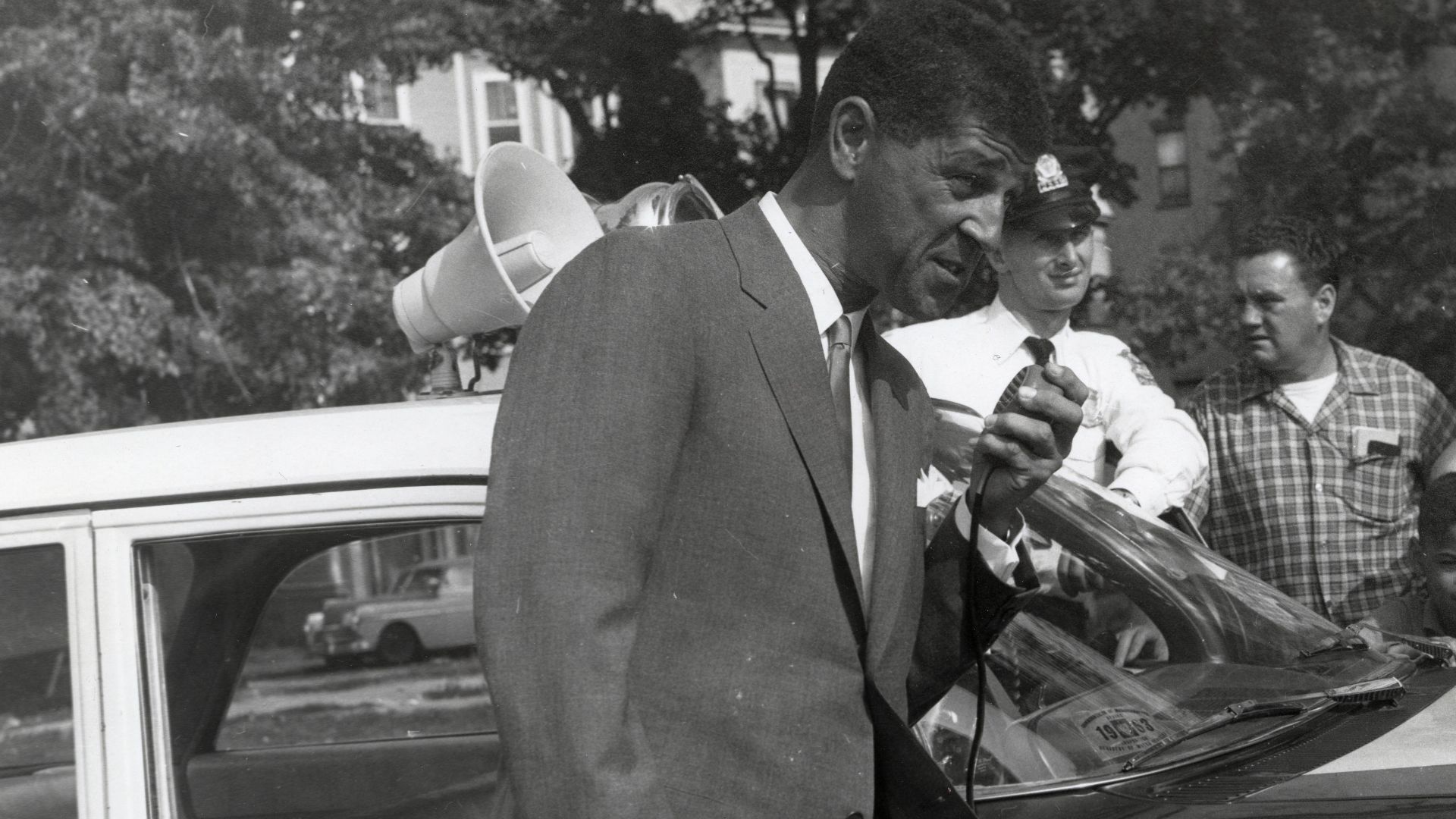
Months after the recording session, Boston radio personality Arnie “Woo Woo” Ginsburg gave the Kingsmen an unexpected boost. He featured “Louie Louie” as a deliberately bad record, effectively inviting listeners to react to it. Instead of rejecting the song, callers wanted to know where they could buy it. The supposedly terrible record suddenly had momentum on the East Coast.
 Michael Ochs Archives, Getty Images
Suddenly It Was A Massive Hit
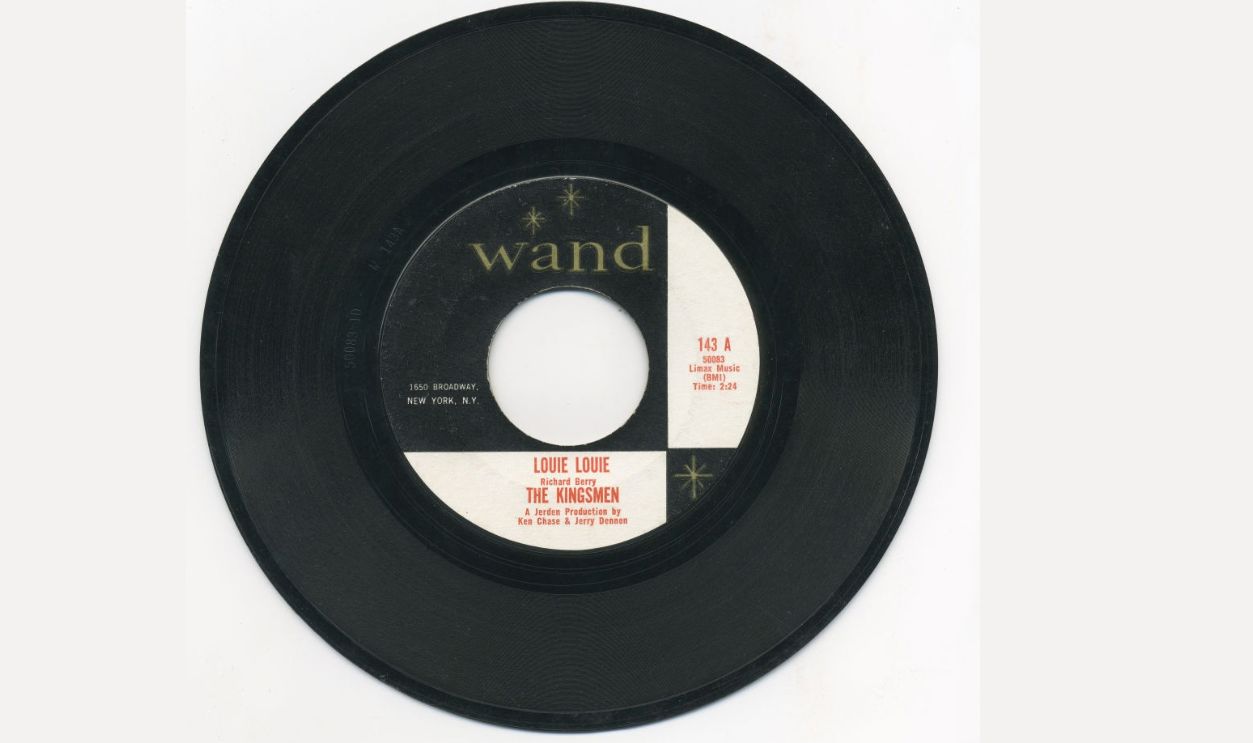
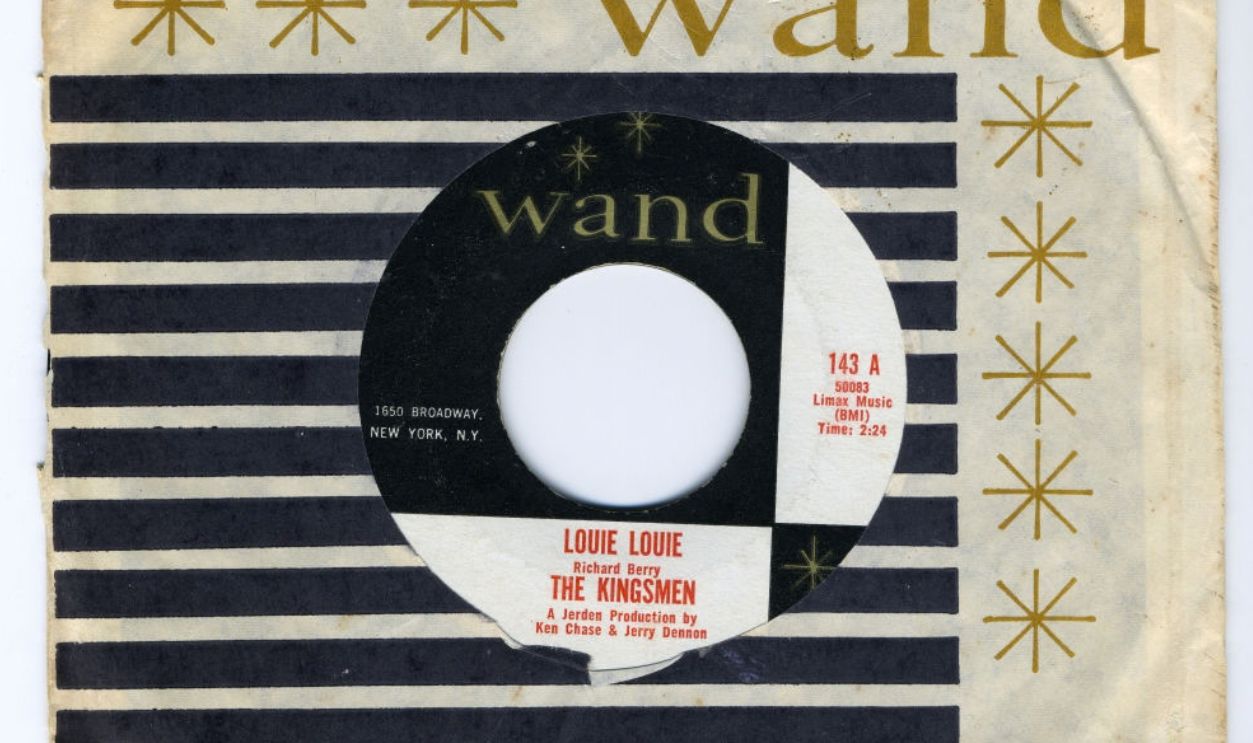
The record was reissued nationally on the Wand label and began climbing the charts. By December 14, 1963, “Louie Louie” had reached No. 2 on the Billboard chart. It remained in that position for six weeks. An inexpensive Portland recording that its own performers disliked had become one of the biggest singles in America.
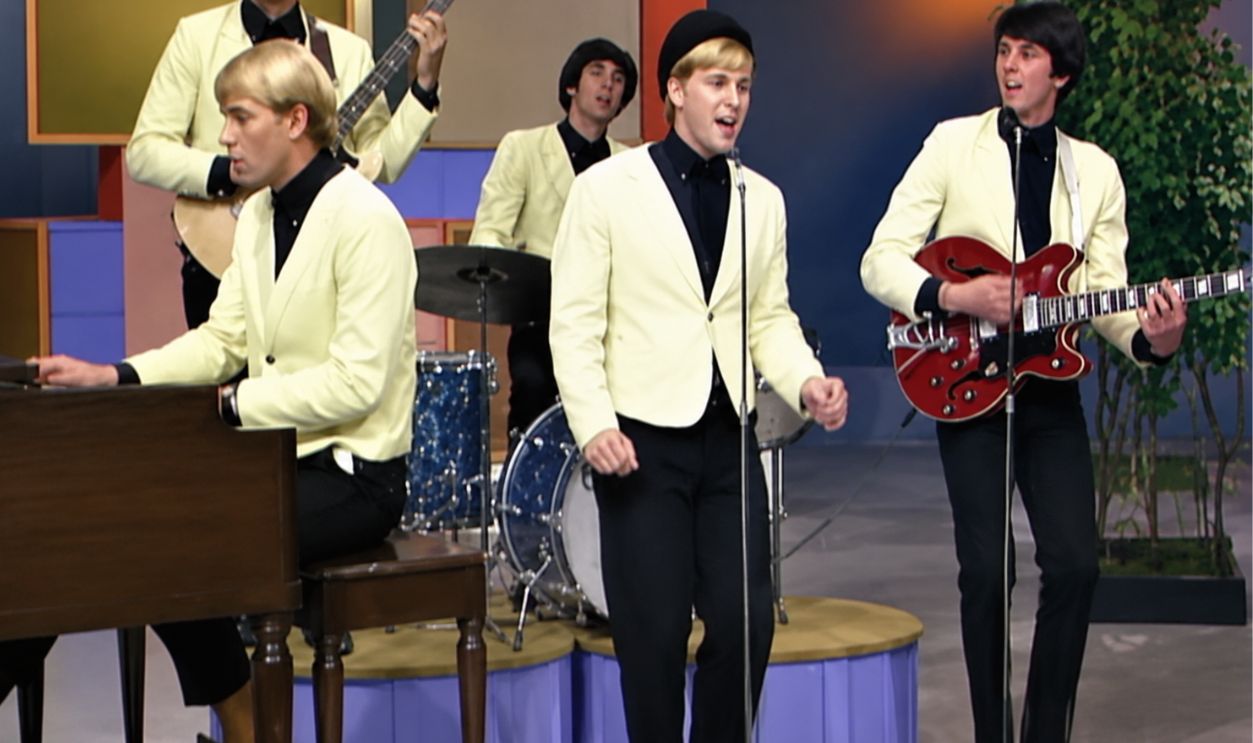 Screenshot from Louie Louie, Wand Records (1963), Enhanced
The Confusing Vocals Became Part Of The Fun
Success brought more people into contact with Ely’s nearly indecipherable performance. Teenagers naturally tried to work out what he was saying, and the muddy recording allowed listeners to hear all kinds of possibilities. Some began supplying their own words where they could not understand the originals. Those alternate lyrics would soon cause far more trouble than the song itself.
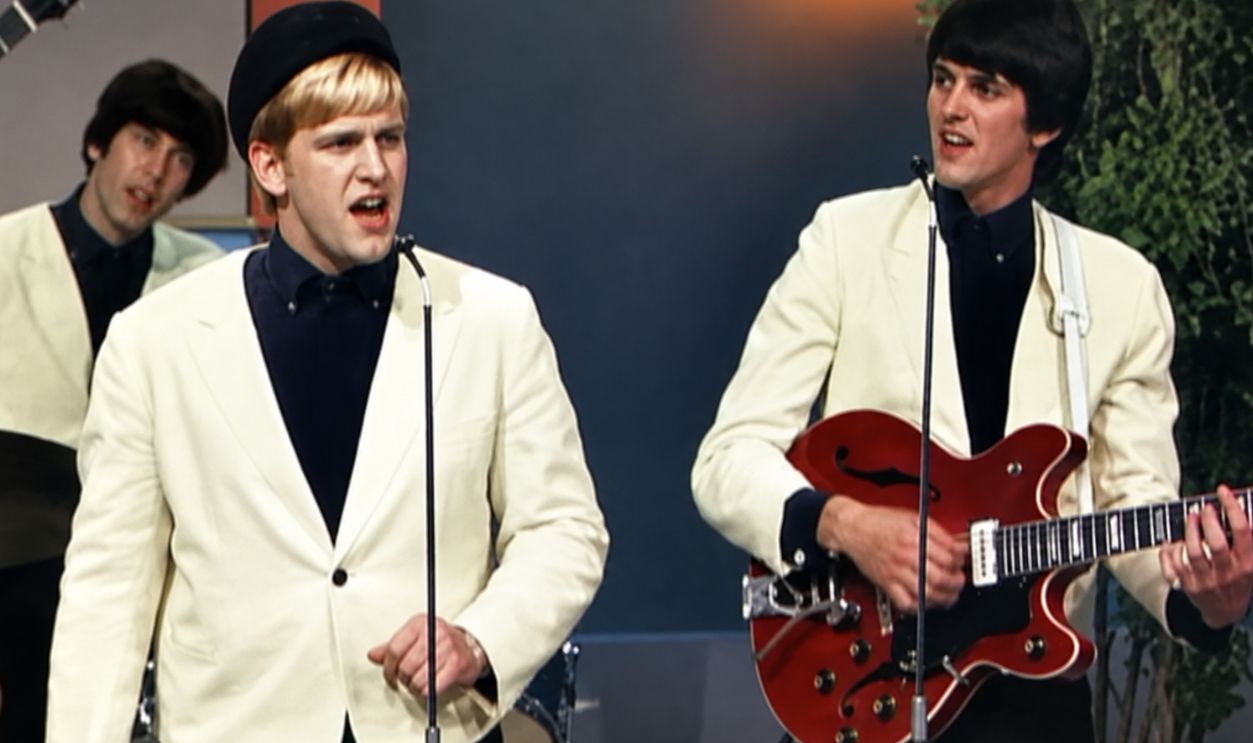 Screenshot from Louie Louie, Wand Records (1963), Enhanced
Dirty Versions Started Circulating
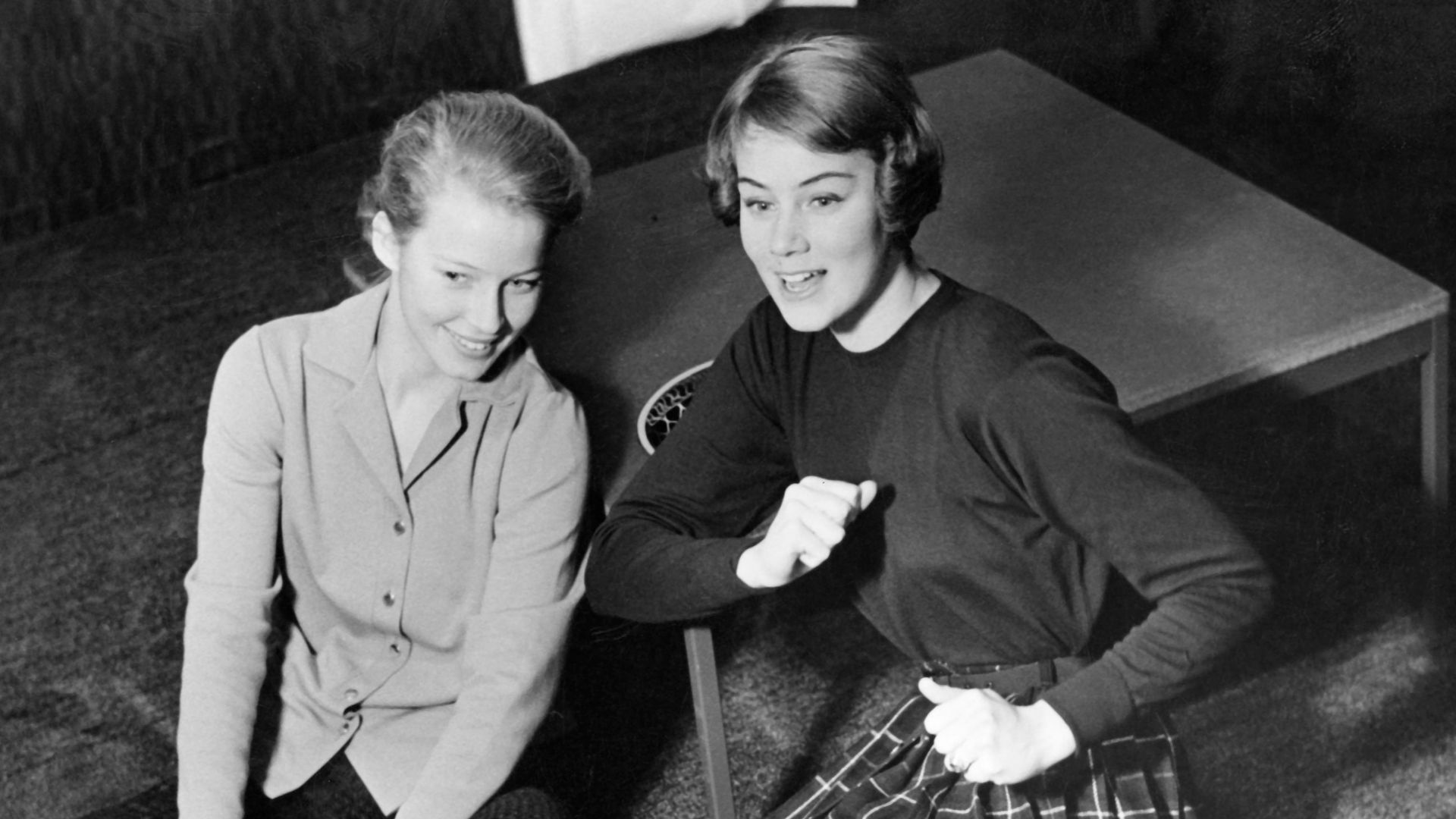
Supposed transcriptions of obscene “Louie Louie” lyrics began moving between teenagers. FBI documents later recorded reports that such versions were being passed from student to student verbally and in handwritten form. Investigators found no evidence that these dirty lyrics had been commercially distributed with the record. They appeared to be a rumor spreading alongside the hit.
 Erik Holmén, Wikimedia Commons
Indiana’s Governor Got Involved
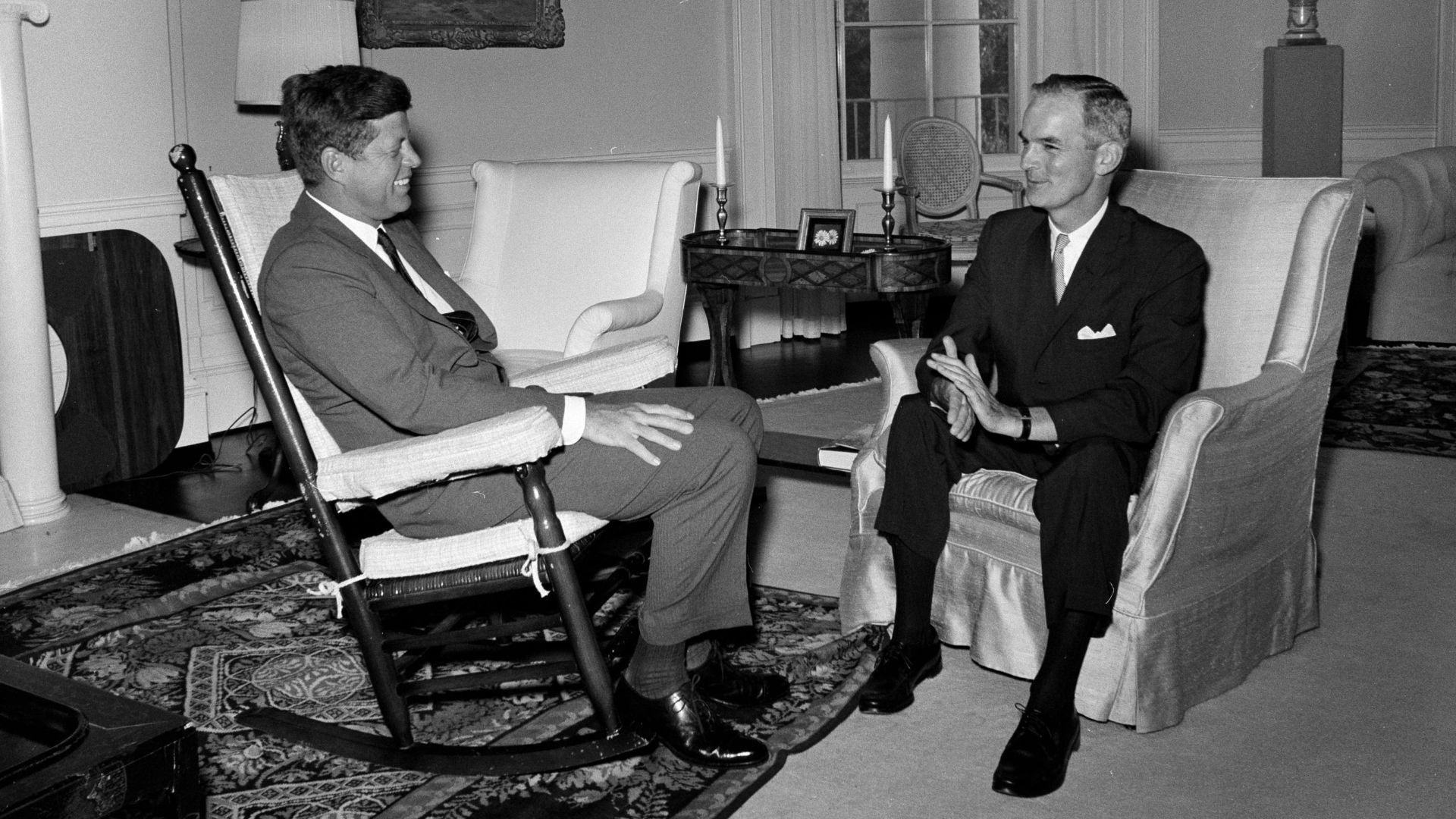
The controversy eventually reached Indiana Governor Matthew Welsh. After receiving a complaint, Welsh and his staff listened to the song and concluded that the disputed words deserved attention. Welsh asked broadcasters in the state not to play the record while the matter was examined. What began as teenage gossip had now become a government issue.
The FBI Faced A Surprisingly Serious Question
Federal authorities were not simply being asked whether the record was in bad taste. The issue was whether anyone connected to it might have violated federal laws involving the interstate transportation of obscene material. That gave investigators a legal reason to look into a noisy rock-and-roll single. “Louie Louie” had somehow moved from teenage dances into an FBI file.

Agents Received Both Sets Of Lyrics
A February 1964 FBI memorandum shows exactly what investigators were dealing with. The Tampa office sent the FBI Laboratory a copy of the record, the lyrics published by the music company, and a separate set of supposedly obscene lyrics. The memo acknowledged that the words on the record were difficult to recognize. Investigators were effectively being asked to determine which version listeners were really hearing.
 National Archives and Records Administration. 4/1/1985, Wikimedia Commons
Slowing The Record Down Was Supposed To Reveal Everything
One persistent claim held that the hidden obscenities became obvious when the 45 rpm single was played at 33 rpm. That theory appears repeatedly in the FBI file. Authorities listened to the recording at different speeds while attempting to match it with the alleged dirty transcription. In some cases, listeners still reported that both versions were extremely difficult to understand.

The FBI Laboratory Still Couldn’t Settle It
The Bureau’s technical examination did not uncover a clear secret message. An FBI laboratory report stated that the lyrics could not be definitely determined from the recording. Because investigators could not reliably establish what was being sung, they could not determine from the recording whether it was obscene. The record remained too garbled to prove the accusation.
 Unknown authorUnknown author, Wikimedia Commons
The Inquiry Kept Growing
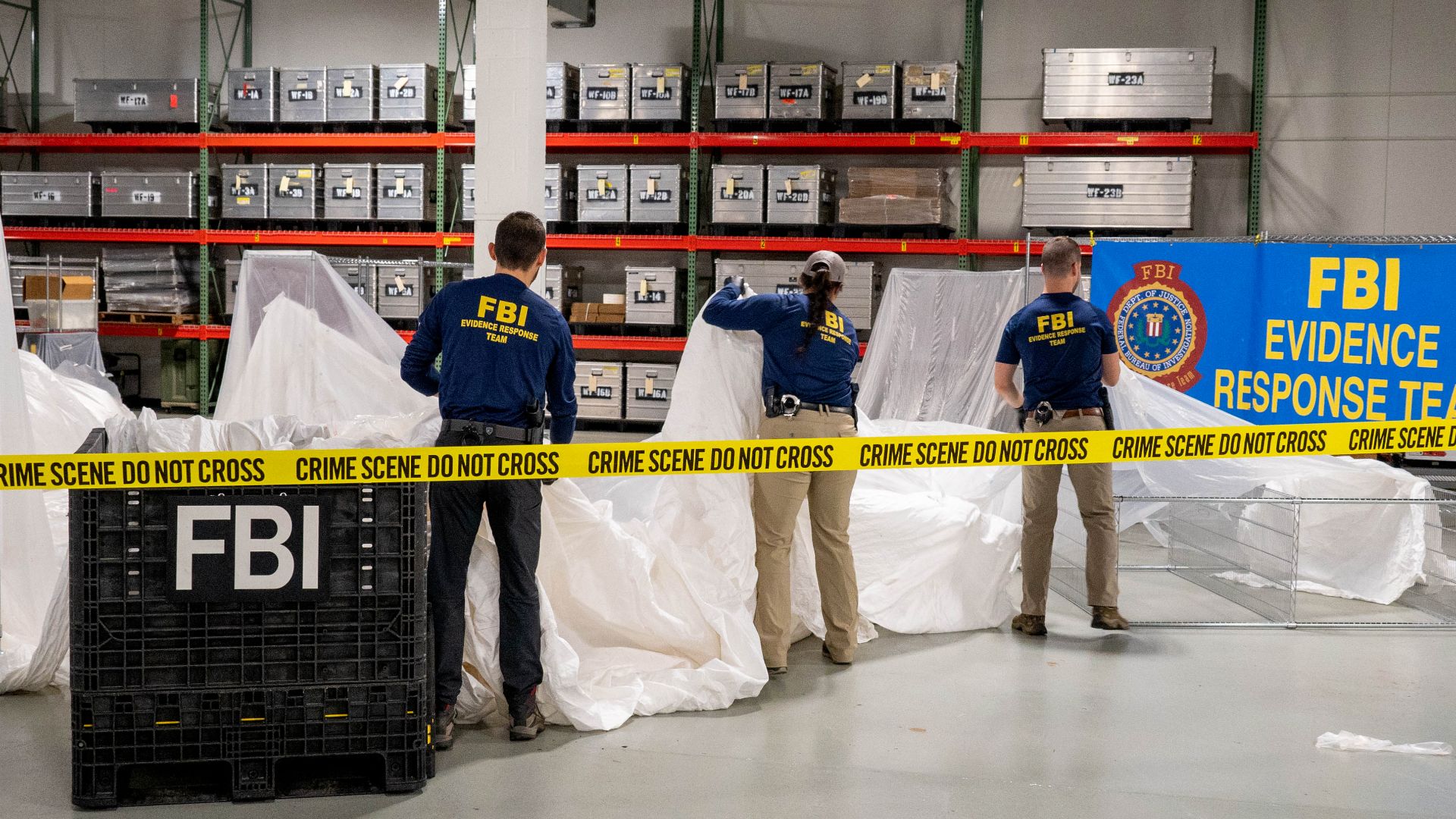
The surviving FBI file contains material involving offices and officials in several parts of the country. Complaints, records, lyric sheets, correspondence, and interviews accumulated as authorities continued examining the controversy. Investigators also spoke with people connected to the song and its production. An extremely simple rock record was generating an extraordinarily complicated paper trail.
 U.S. Federal Bureau of Investigation, Wikimedia Commons
Even The Investigation’s Timeline Is Complicated
The FBI Vault currently describes the main inquiry as a limited investigation running from February to May 1964. However, the Bureau’s released file also contains substantial follow-up activity from 1965. That includes laboratory work, interviews, and a December 1965 recommendation that no further investigation be conducted. This helps explain why many histories describe the “Louie Louie” affair as lasting roughly two years.
In The End, There Was No Federal Case
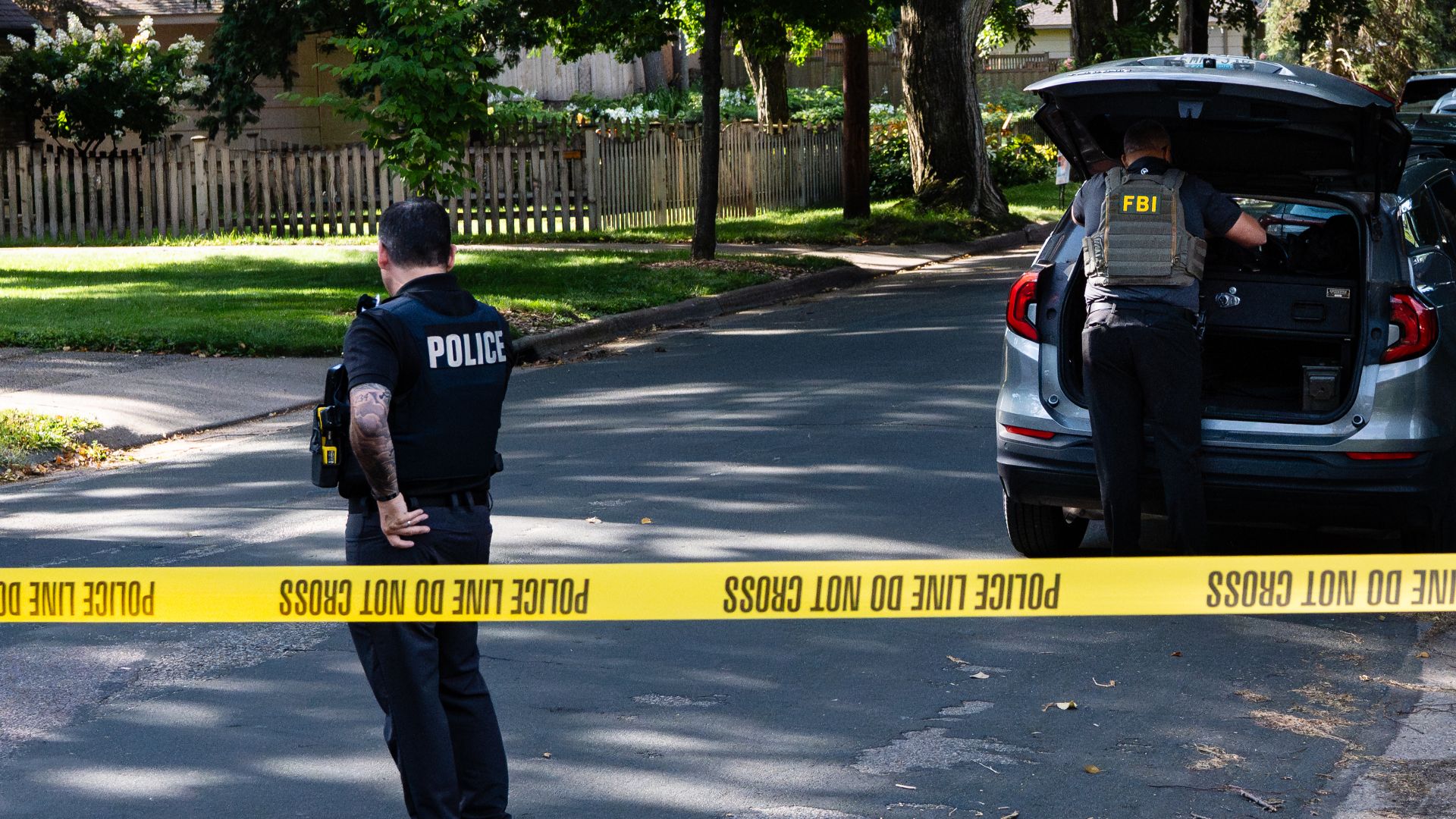
By December 1965, an Assistant United States Attorney reviewing the investigation concluded that there was no evidence of a violation of the federal interstate obscenity statutes. He recommended that no further investigation take place. After all of the complaints, listening sessions, paperwork, and technical examination, the supposed obscene recording produced no prosecution. The mystery had generated far more evidence of confusion than of wrongdoing.
 TTPI(Trust Territory of the Pacific Islands) Headquarters, Wikimedia Commons
The Real Lyrics Never Needed Censoring
The strangest part was that Richard Berry’s genuine song was straightforward. Its narrator misses his girlfriend while traveling by sea and looks forward to returning to her. The music publisher’s legitimate lyrics contained nothing comparable to the explicit versions being passed around by teenagers. Much of the scandal existed because Ely’s delivery left enough empty space for listeners’ imaginations.
 Mojmir Churavy, Wikimedia Commons
The Scandal Only Made The Song More Famous
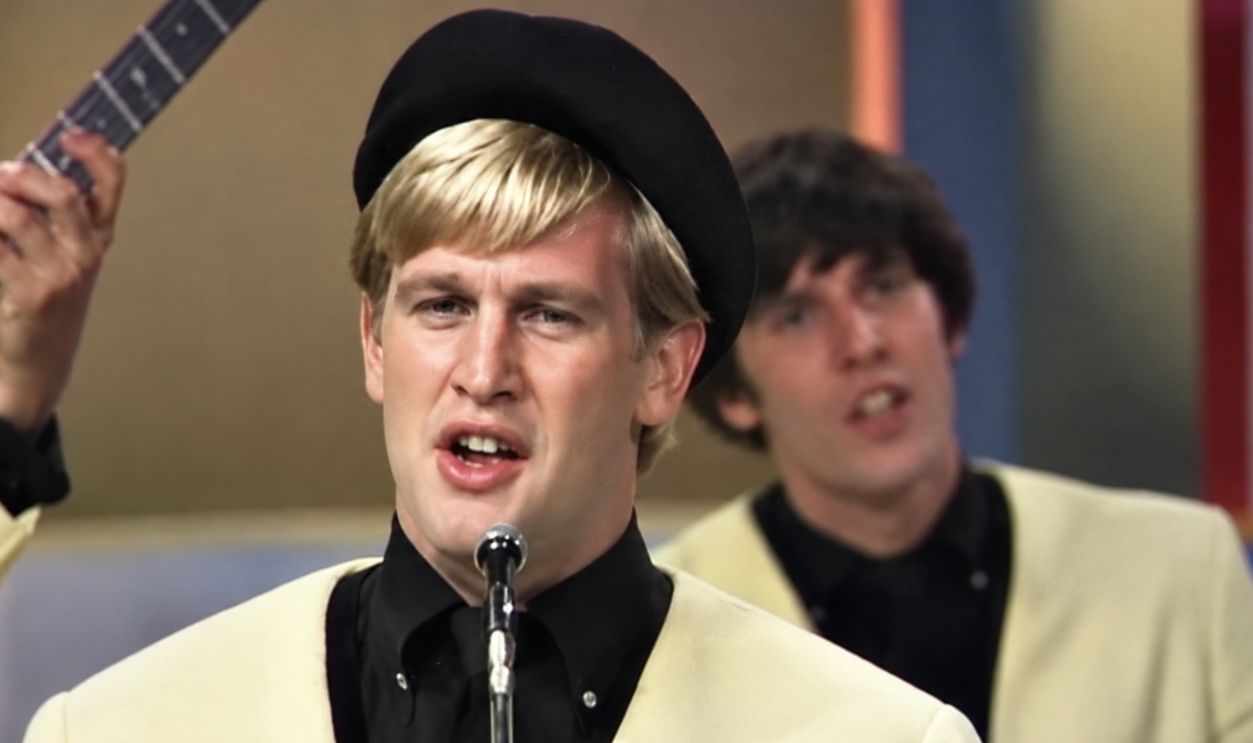
Trying to suppress “Louie Louie” did little to make it disappear. Historical accounts note that the controversy helped keep teenagers fascinated with the record and strengthened its rebellious reputation. For young listeners, a song that adults and government officials considered dangerous was naturally more intriguing. The investigation became part of the song’s mythology rather than its downfall.
 Screenshot from Louie Louie, Wand Records (1963), Enhanced
Hollywood Gave It Another Life
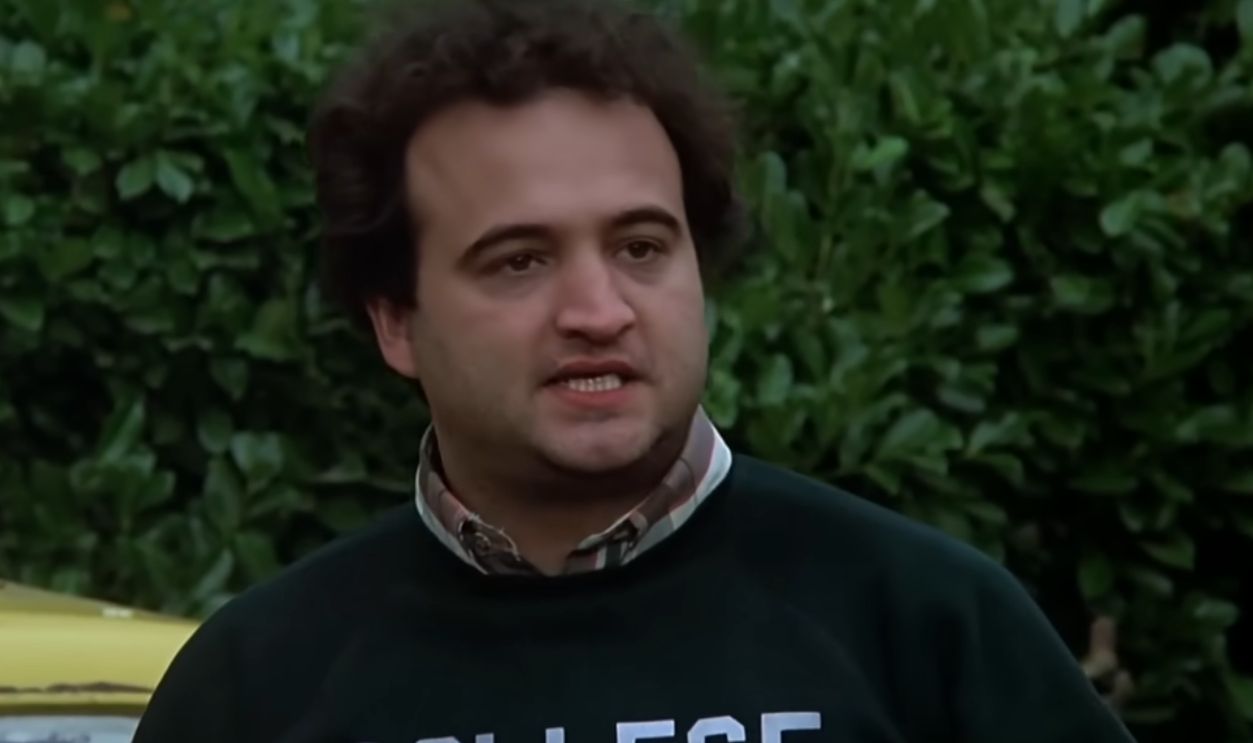
“Louie Louie” remained famous long after the original scandal faded. Its appearance in 1978’s National Lampoon’s Animal House introduced the song to another generation and reinforced its association with rowdy parties. The Kingsmen recording once again sounded perfectly at home amid youthful chaos. By then, its supposedly dangerous reputation had become part of the joke.
 Screenshot from National Lampoon’s Animal House, Universal Pictures (1978)
Richard Berry Finally Benefited From His Song
The story had a less amusing side for songwriter Richard Berry. Early in his career, Berry sold the rights to a group of songs, including “Louie Louie,” for $750 and watched other performers turn his composition into a phenomenon. Decades later, efforts on his behalf helped him regain valuable rights and receive substantial income from the song. The man who created the supposedly scandalous hit finally shared more fully in its success.
 Billboard Magazine, Wikimedia Commons
The FBI Couldn’t Decode It, But Everyone Remembered It
“Louie Louie” endured because its imperfections became inseparable from its appeal. The crude recording, simple riff, shouted vocal, invented dirty lyrics, government scrutiny, and endless cover versions all became pieces of the same legend. More than six decades later, listeners still recognize the song almost immediately, even if Jack Ely’s words remain difficult to decipher. Few rock records have ever accomplished so much by being so gloriously hard to understand.
 City of Boston Archives from West Roxbury, United States, Wikimedia Commons
You May Also Like:
Forgotten Soft-Rock Duos That Were Everywhere In The 1970s, Then Quietly Faded Away
Decades After Bob Dylan And Joan Baez’s Tragic Fallout, He Finally Apologized To Her