The Love Story Hidden Inside Folk History
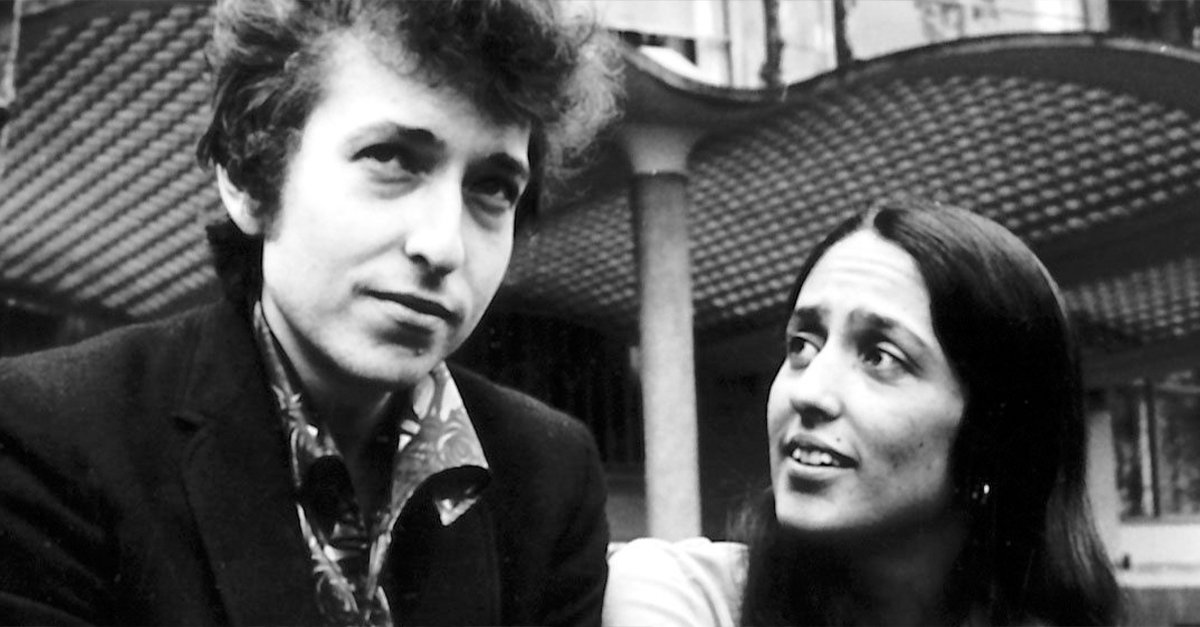
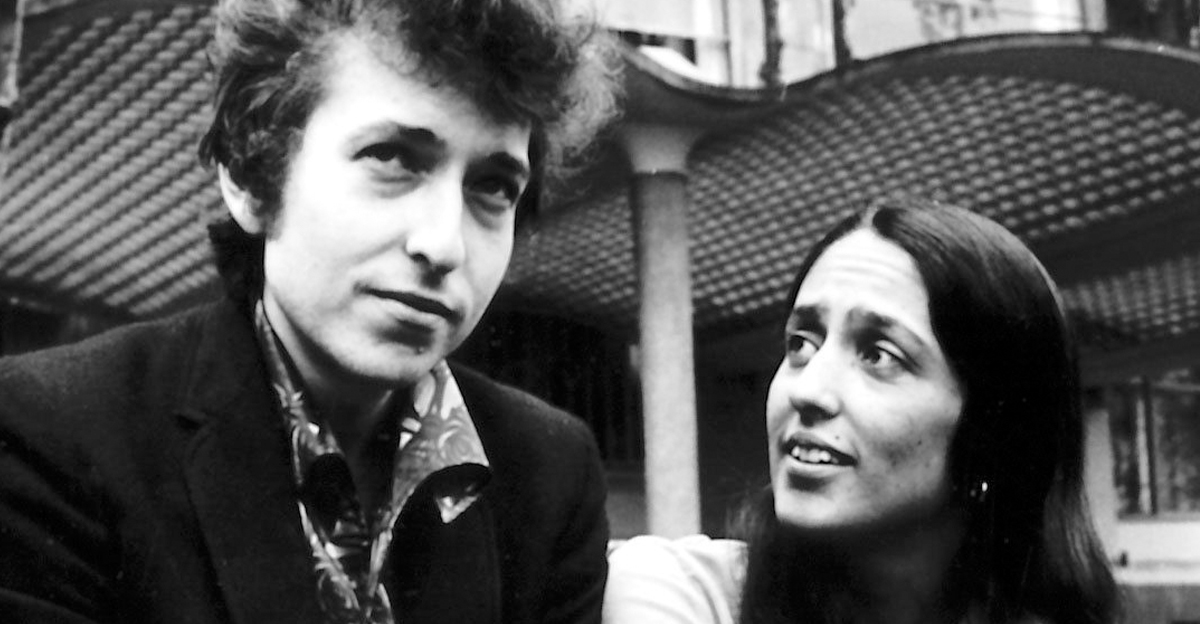
Bob Dylan and Joan Baez are usually remembered as two towering voices of the 1960s folk revival. They sang together, marched through history together, and helped give protest music a public face. But behind the harmonies was a painful romantic fallout that stayed with Baez for decades, until Dylan finally offered something that sounded like an apology.
Joan Baez Was Already A Star
When Dylan first entered Baez’s orbit, she was not waiting to be discovered. She was already one of folk music’s brightest young figures, with a voice that could silence a room and a public image tied to moral clarity, pacifism, and civil rights. Dylan arrived as the scruffy newcomer.
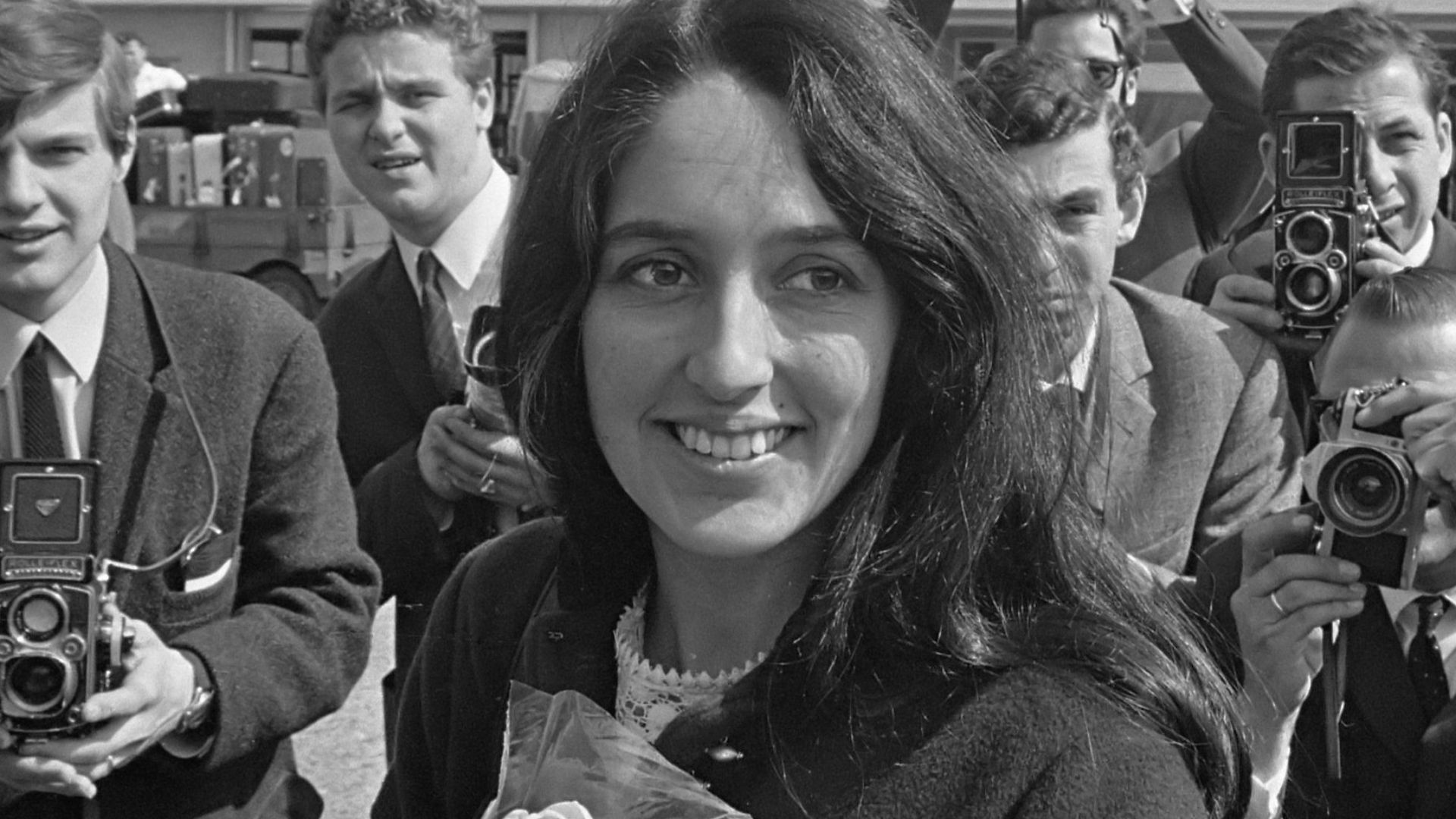 Ron Kroon / Anefo, Wikimedia Commons
Dylan Was The Rough New Genius
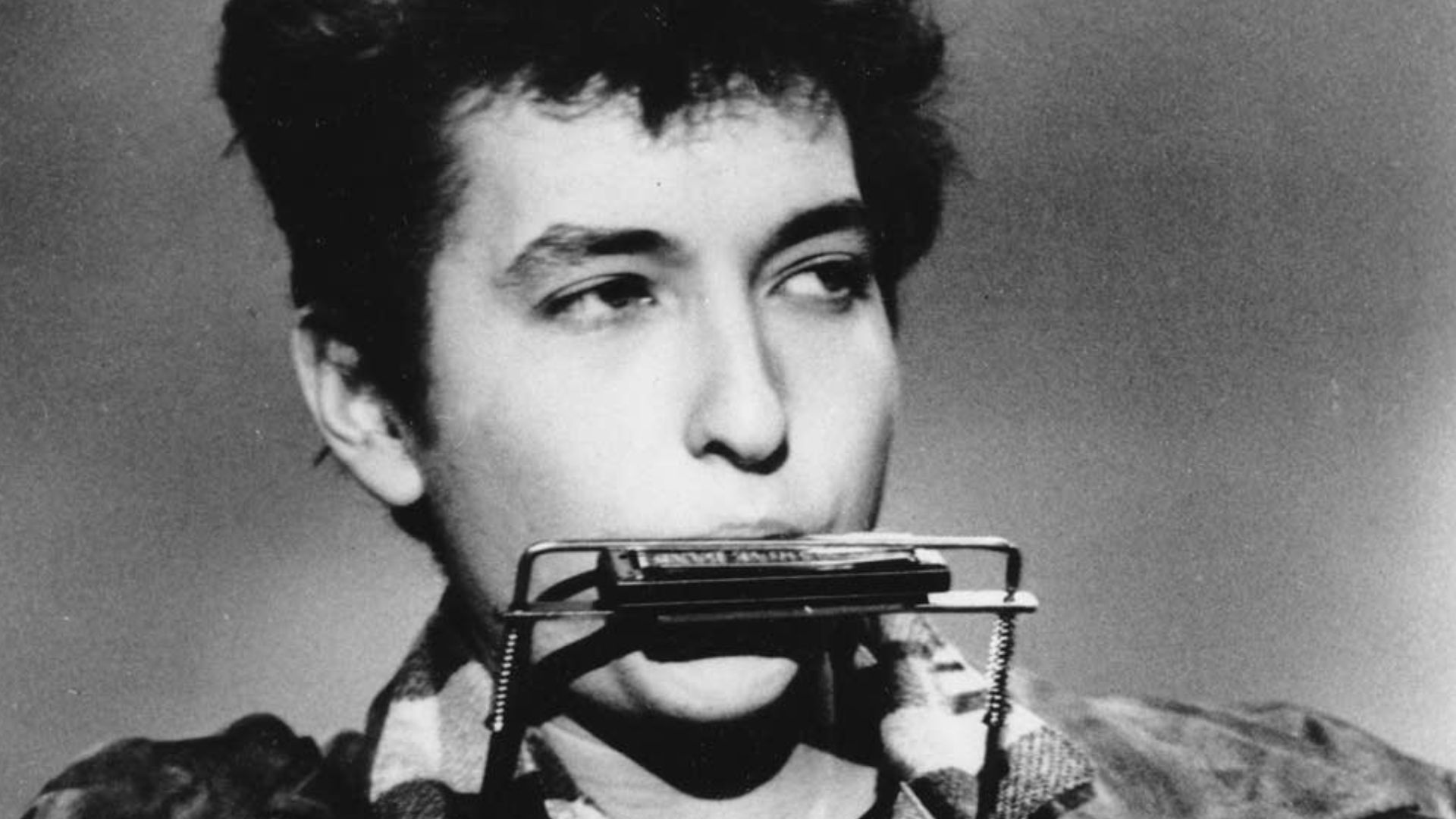
Bob Dylan did not look or sound like Joan Baez. Her soprano was pure and formal; his voice was nasal, ragged, and strange. But his songwriting had a force that caught her attention. Baez later helped introduce him to larger audiences by bringing him onstage and recording his songs.
 Unknown author, Wikimedia Commons
Their Chemistry Became Part Of The Movement
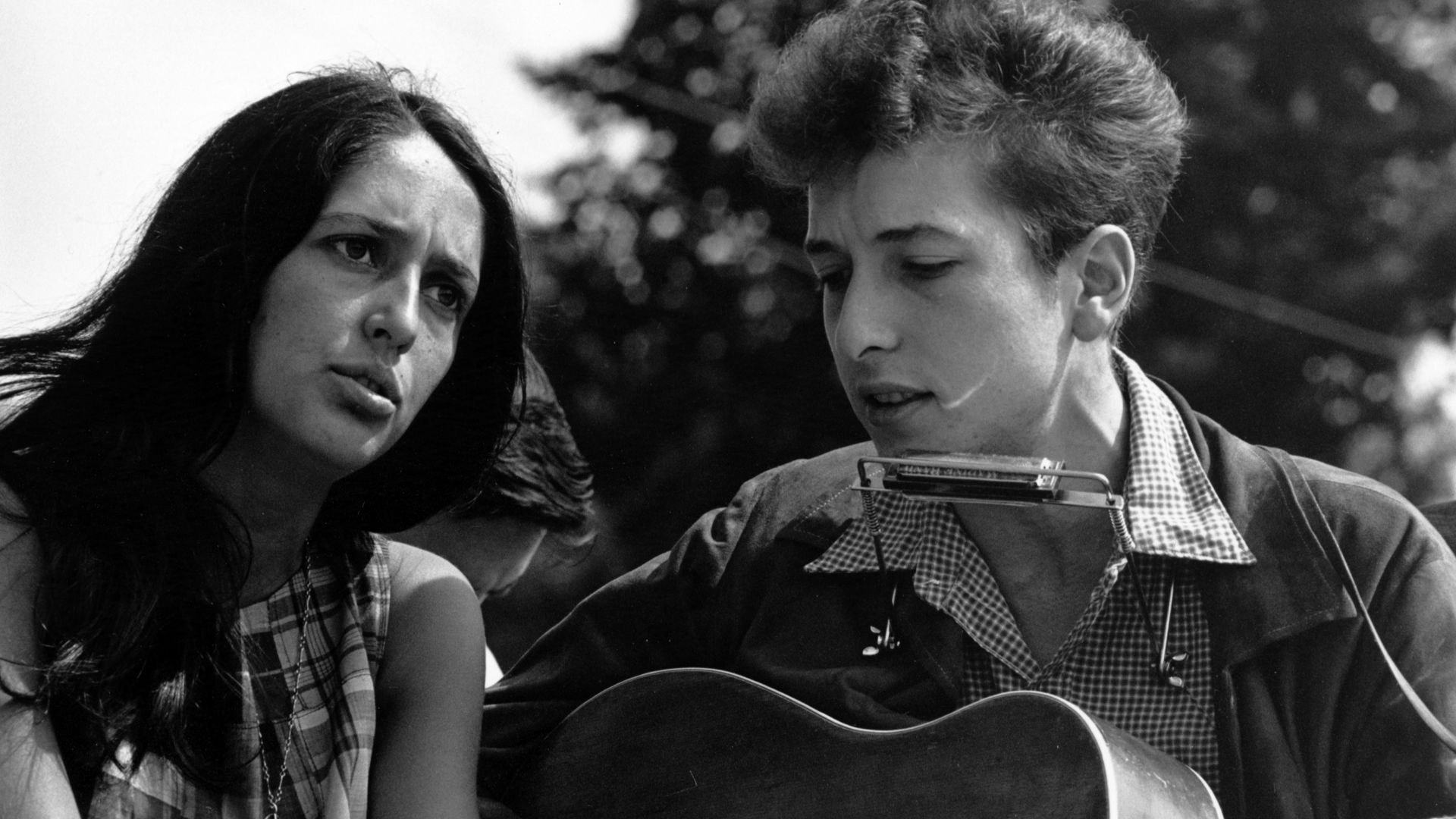
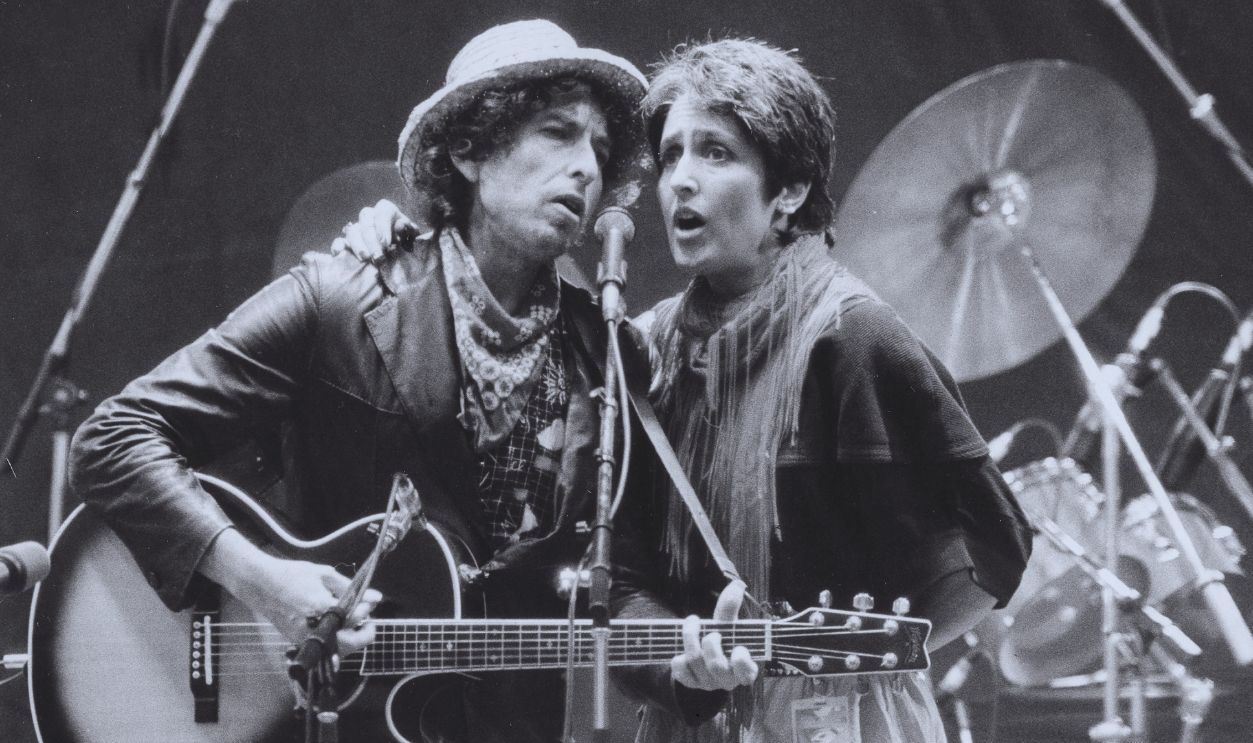
Together, Dylan and Baez looked like the romantic face of protest music. They performed during a period when folk songs were tied to civil rights, antiwar activism, and generational rebellion. Their closeness made them seem like artistic partners, political allies, and lovers all at once.
In the beginning, they seemed like a folk fairy tale—but little did they know, they were destined to crash upon the rocks.
 Rowland Scherman, Wikimedia Commons
She Helped Make Him Visible
Baez’s support mattered enormously. She was established, admired, and taken seriously by folk audiences. When she championed Dylan, she helped legitimize him for listeners who might otherwise have dismissed his strange voice and rough edges. Their partnership was personal, but it was also professionally powerful.
 Ron Kroon / Anefo, Wikimedia Commons
Their Romance Was Never Simple
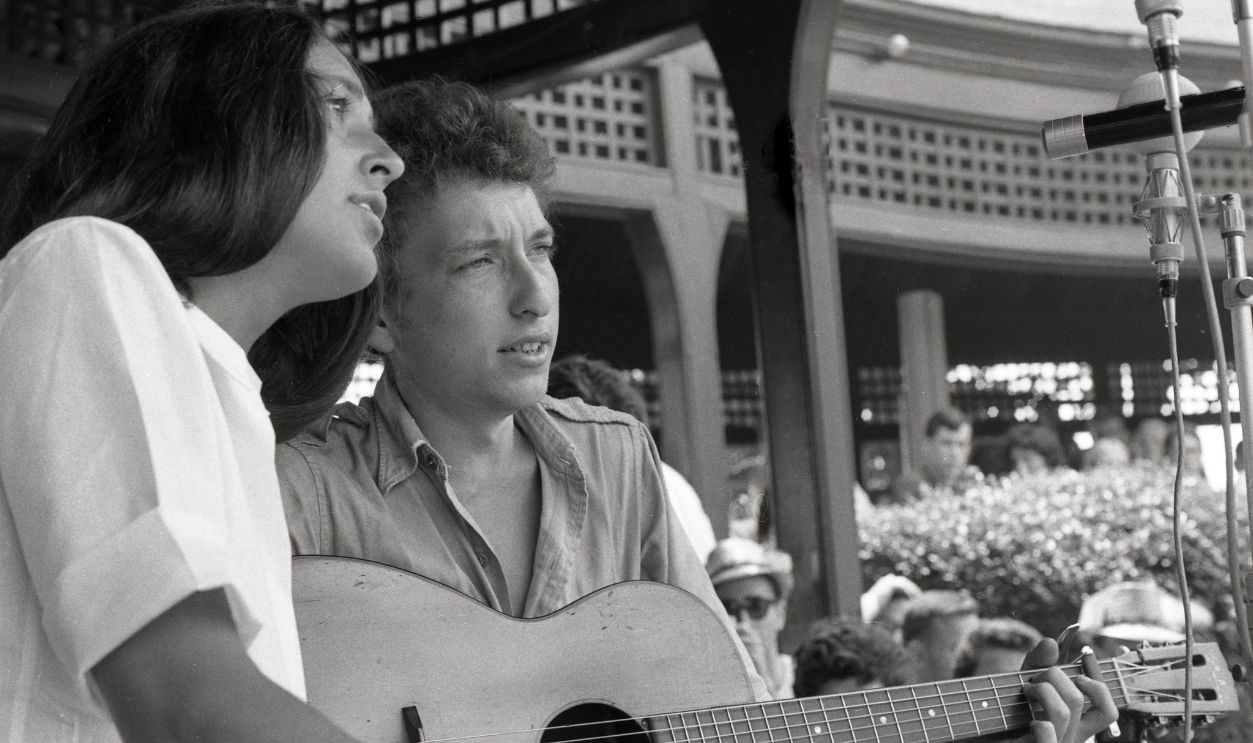
The relationship between Dylan and Baez unfolded under public pressure and artistic ambition. They were young, famous, intense, and moving at different speeds. Baez was politically committed and emotionally direct. Dylan was restless, elusive, and increasingly determined not to be trapped by anyone else’s expectations.
 Rowland Scherman, Getty Images
Dylan Started Pulling Away
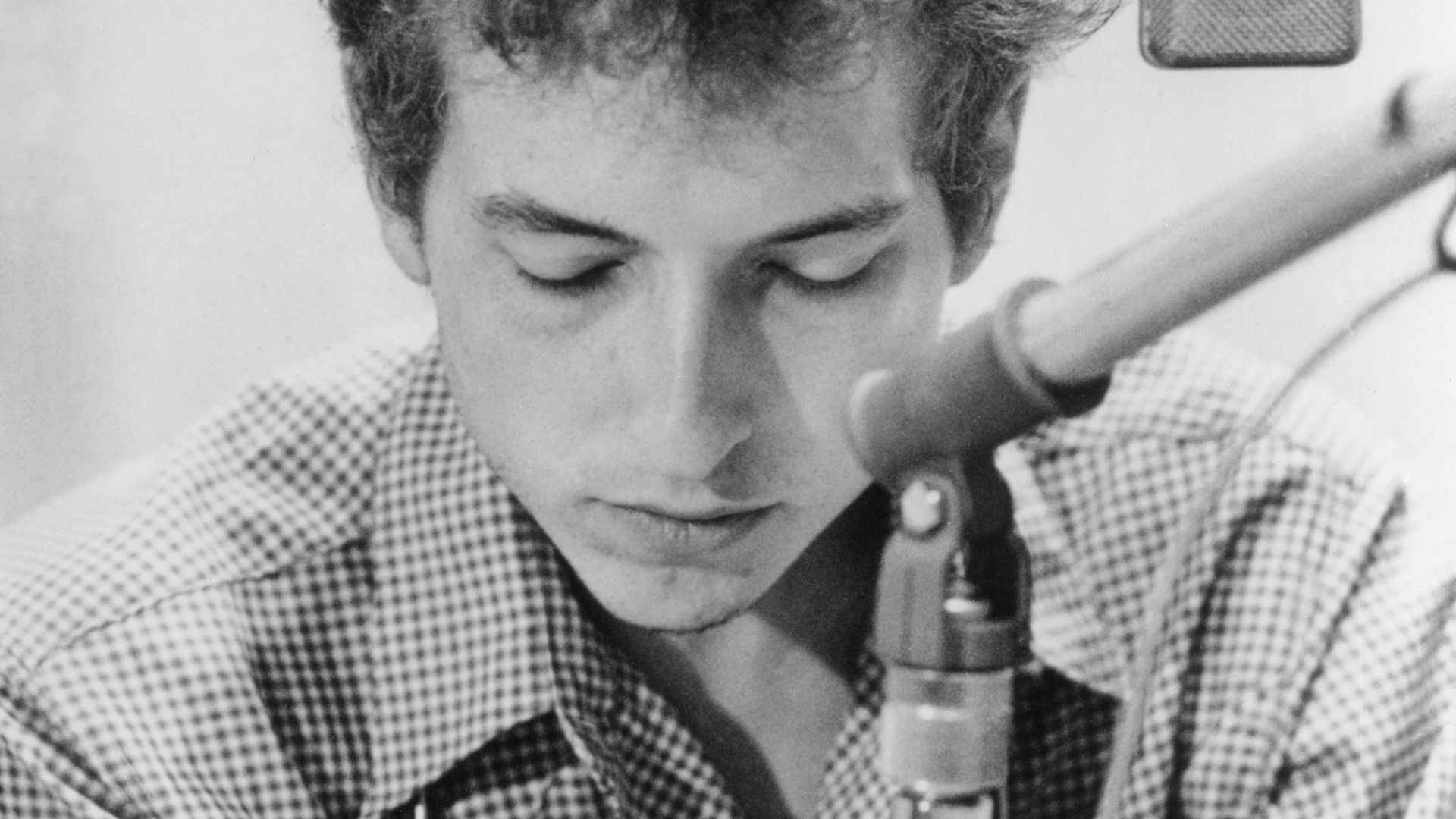
By the mid-1960s, Dylan was changing fast. He was moving beyond the protest-folk role that had helped define him, writing more surreal and personal songs, and preparing to go electric. Baez, who had invested in both the man and the movement, felt the distance opening.
 Don Hunstein, Wikimedia Commons
The 1965 Tour Became Painful
The fallout is often linked to Dylan’s 1965 tour of England, captured in Dont Look Back. Baez was there, but she was not treated like an equal partner. The footage and later recollections helped build the image of Baez waiting on the edges while Dylan became more absorbed in his own mythology.
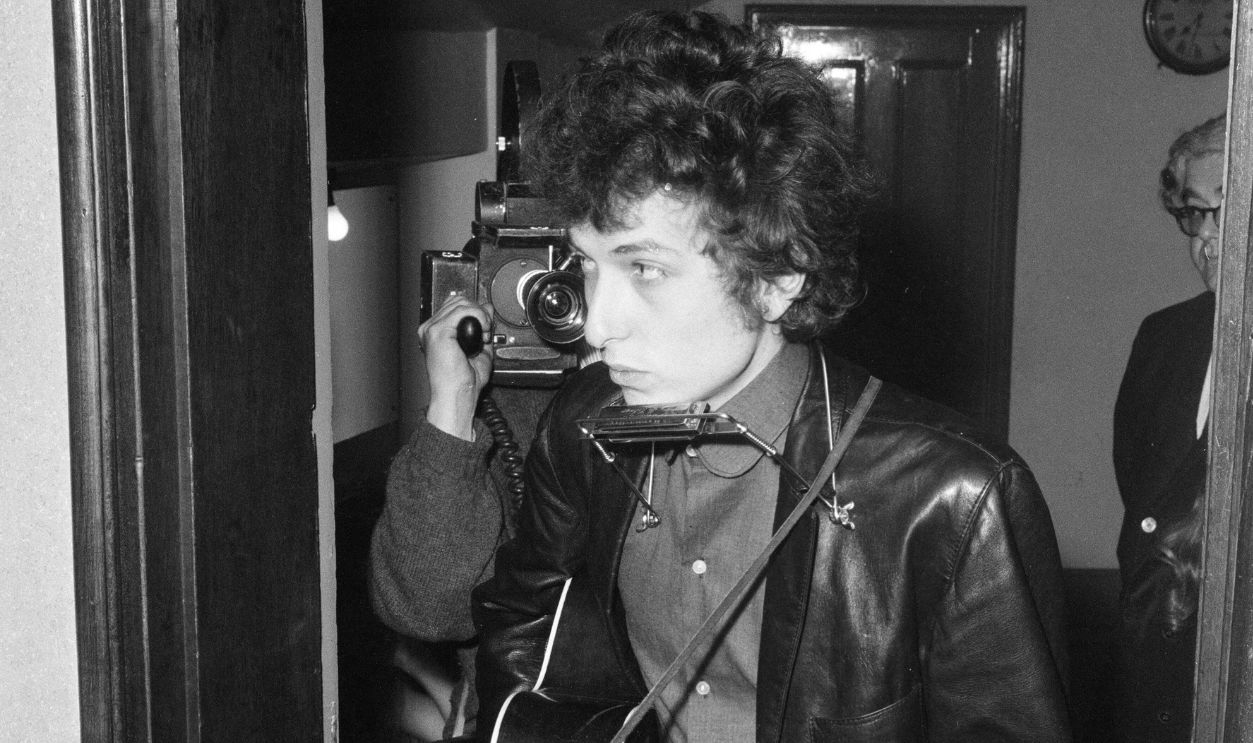
Baez Felt Humiliated
In later interviews, Baez described the experience as deeply shattering. She said Dylan broke her heart, not simply because a romance ended, but because the music, politics, closeness, and shared purpose had all felt enormous. Losing that bond left a wound that lasted for years.
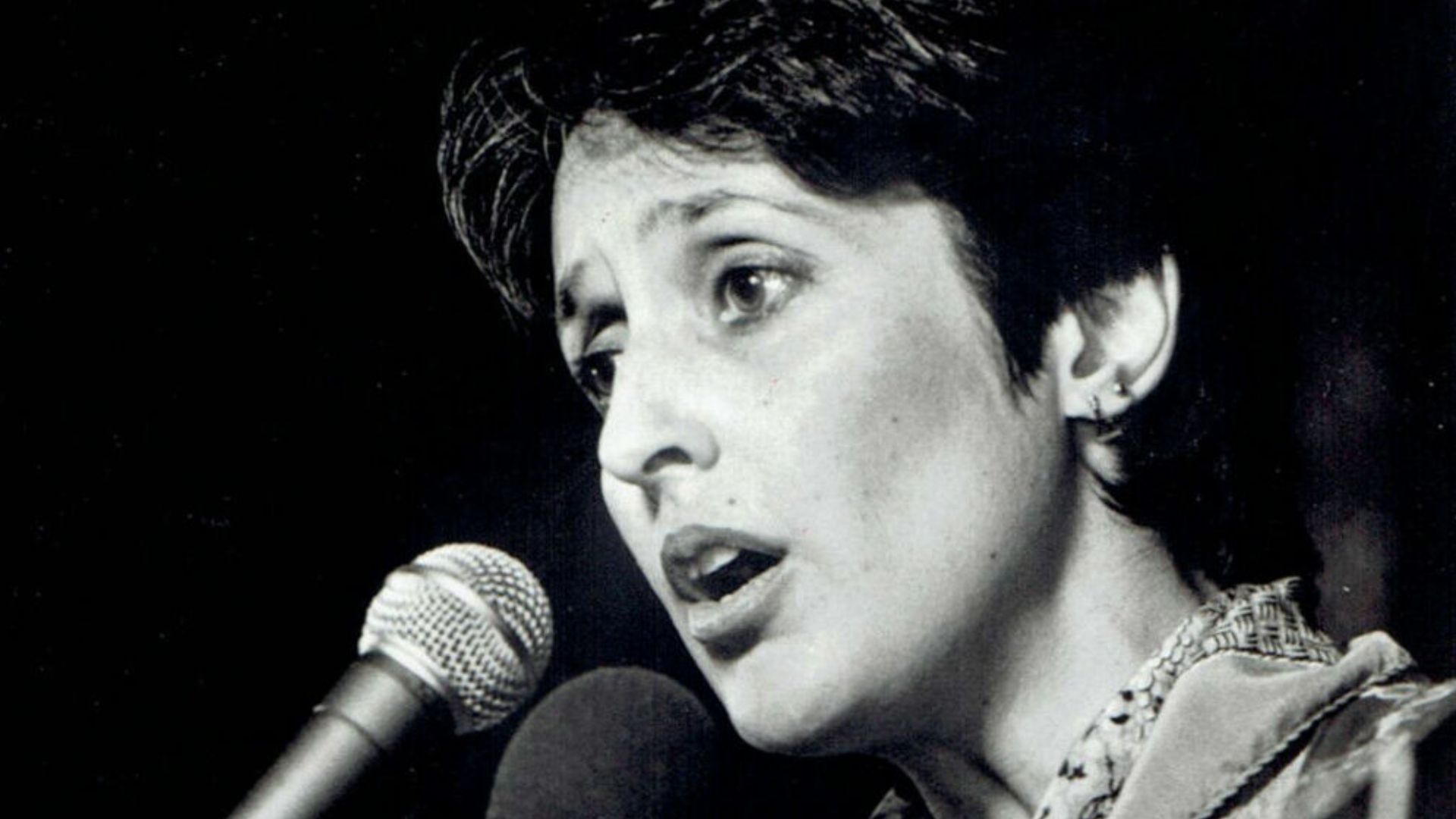
Their Break Was Personal And Artistic
What made the fallout so painful was that it was not only a breakup. It was also a split in artistic direction. Baez remained tied to activism and moral witness. Dylan resisted being treated as a political spokesman. Their romance collapsed at the same time their public roles began to diverge.
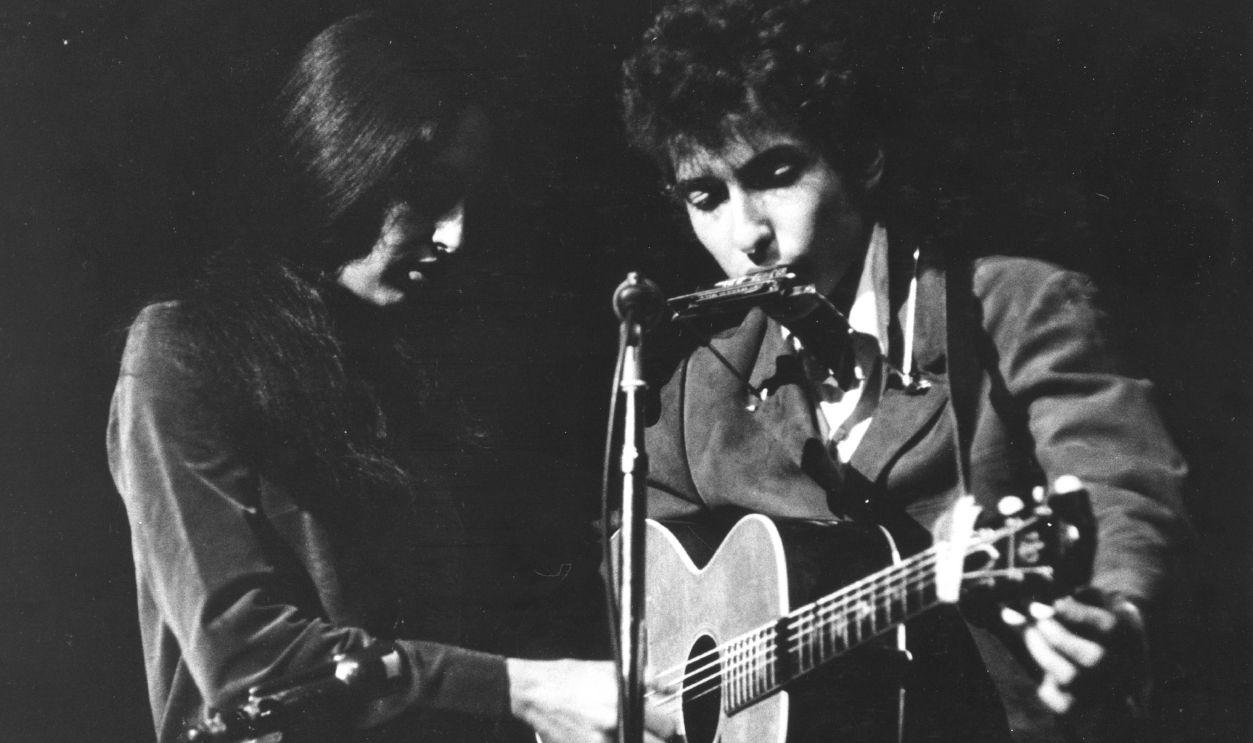 Michael Ochs Archives, Getty Images
Baez Answered Him In Song
Baez processed the relationship through music. Over the years, she wrote several songs connected to Dylan, including “To Bobby,” “Diamonds & Rust,” and “Winds of the Old Days". These were not simple revenge songs. They were grief, admiration, disappointment, memory, and accusation woven together.
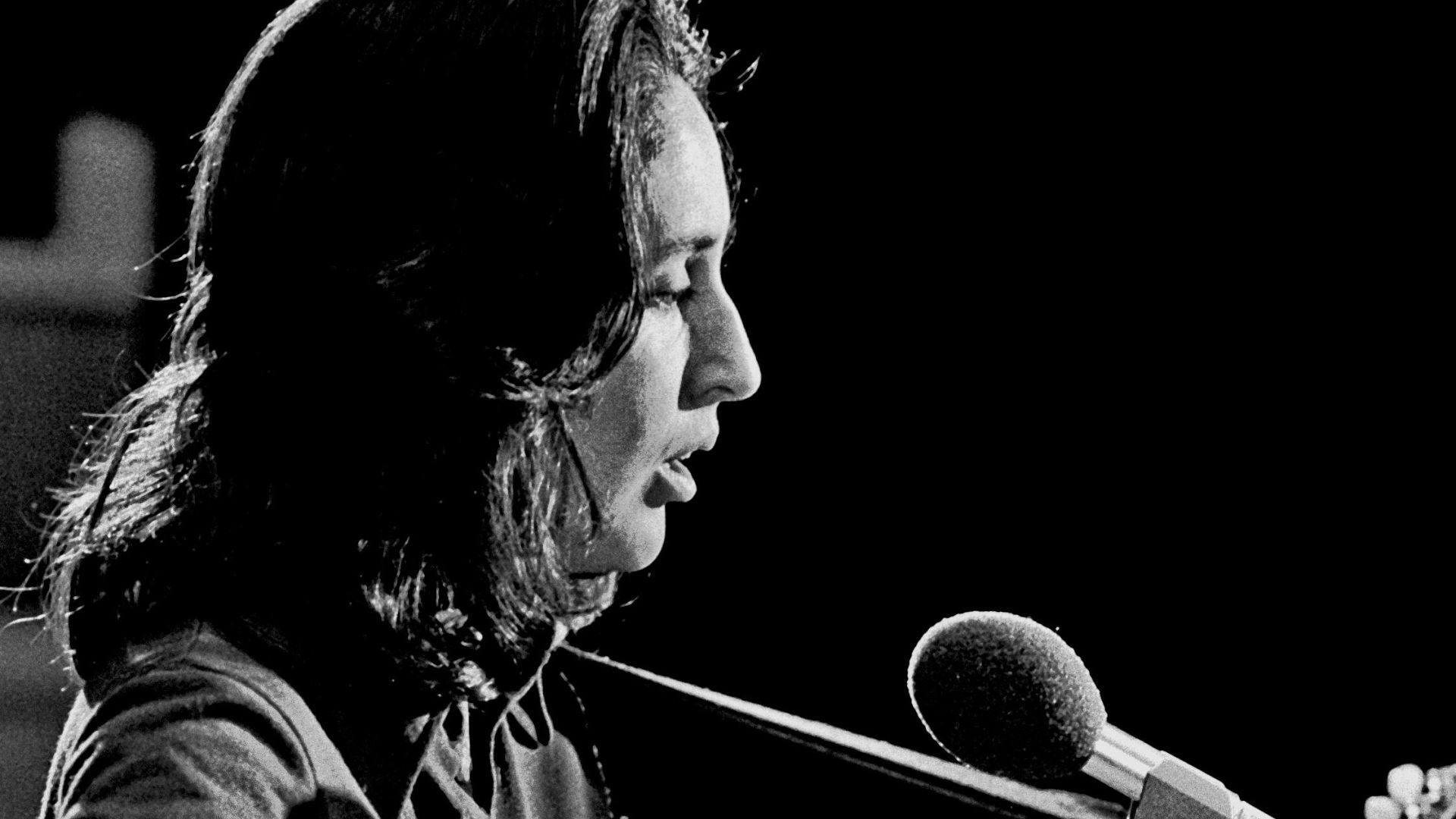 Heinrich Klaffs, Wikimedia Commons
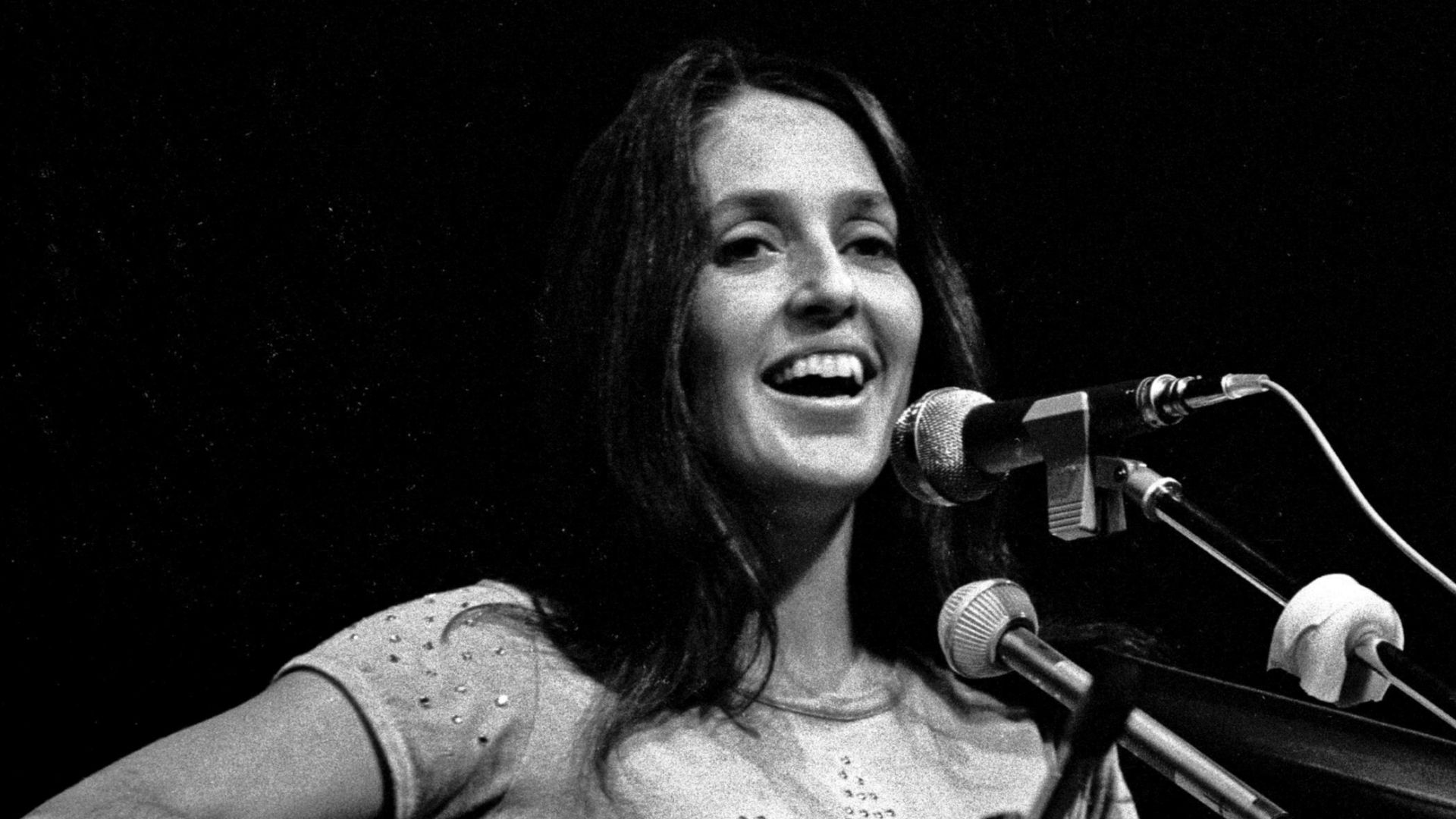
“To Bobby” Was A Political Plea
In 1972, Baez released “To Bobby,” a song widely understood as an appeal for Dylan to return to public protest music. It came from someone who remembered what his early songs had meant to movements and people in pain. She was not just calling out an ex-lover. She was calling out a symbol.
 Heinrich Klaffs, Wikimedia Commons
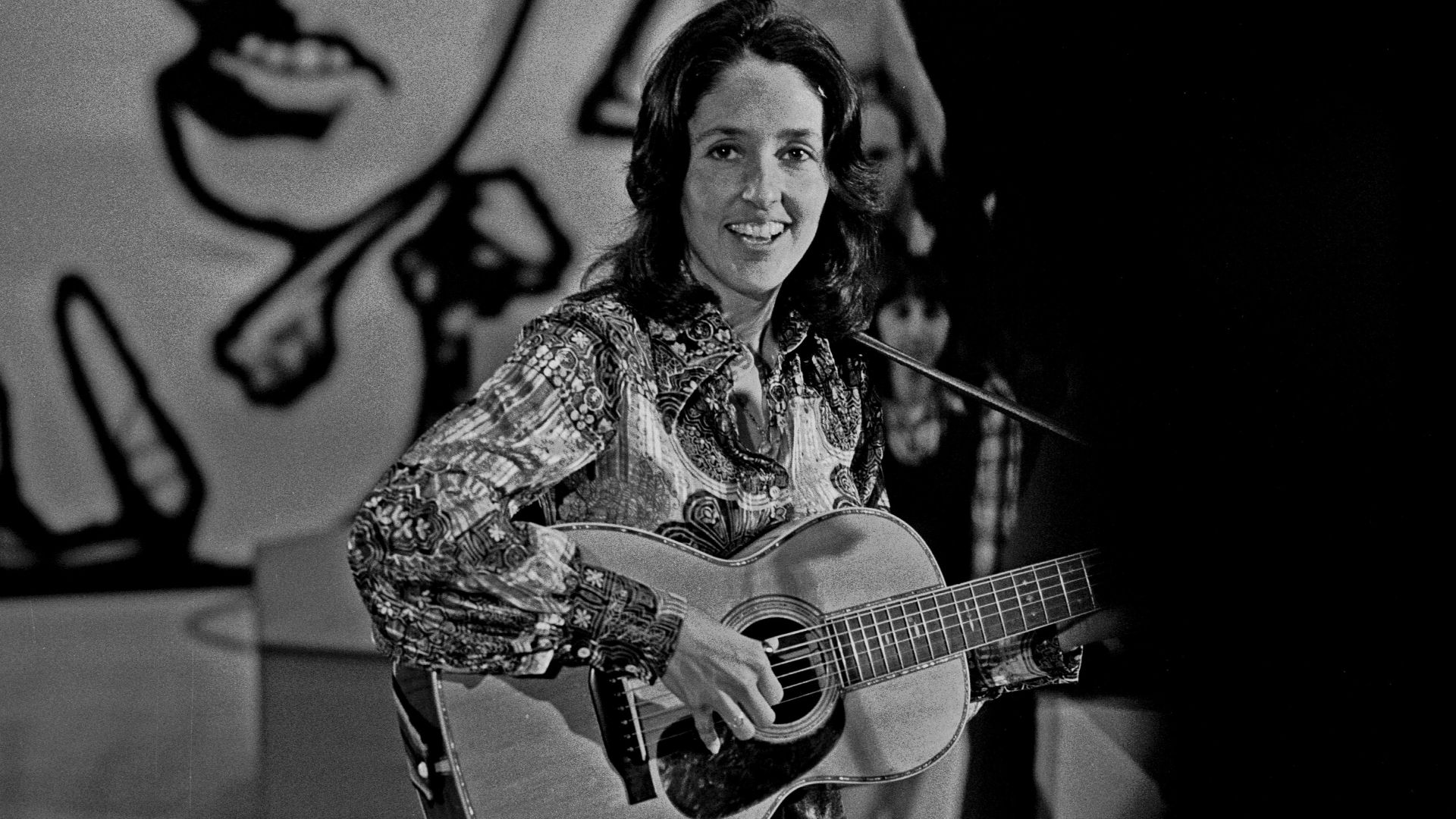
“Diamonds & Rust” Became The Masterpiece
Her most famous Dylan-related song was “Diamonds & Rust,” released in 1975. The song looks back at their relationship with a mix of tenderness and fury. It turns an old phone call into a flood of memory: hotel rooms, youth, poetry, betrayal, beauty, and emotional debt.
 Heinrich Klaffs, Wikimedia Commons
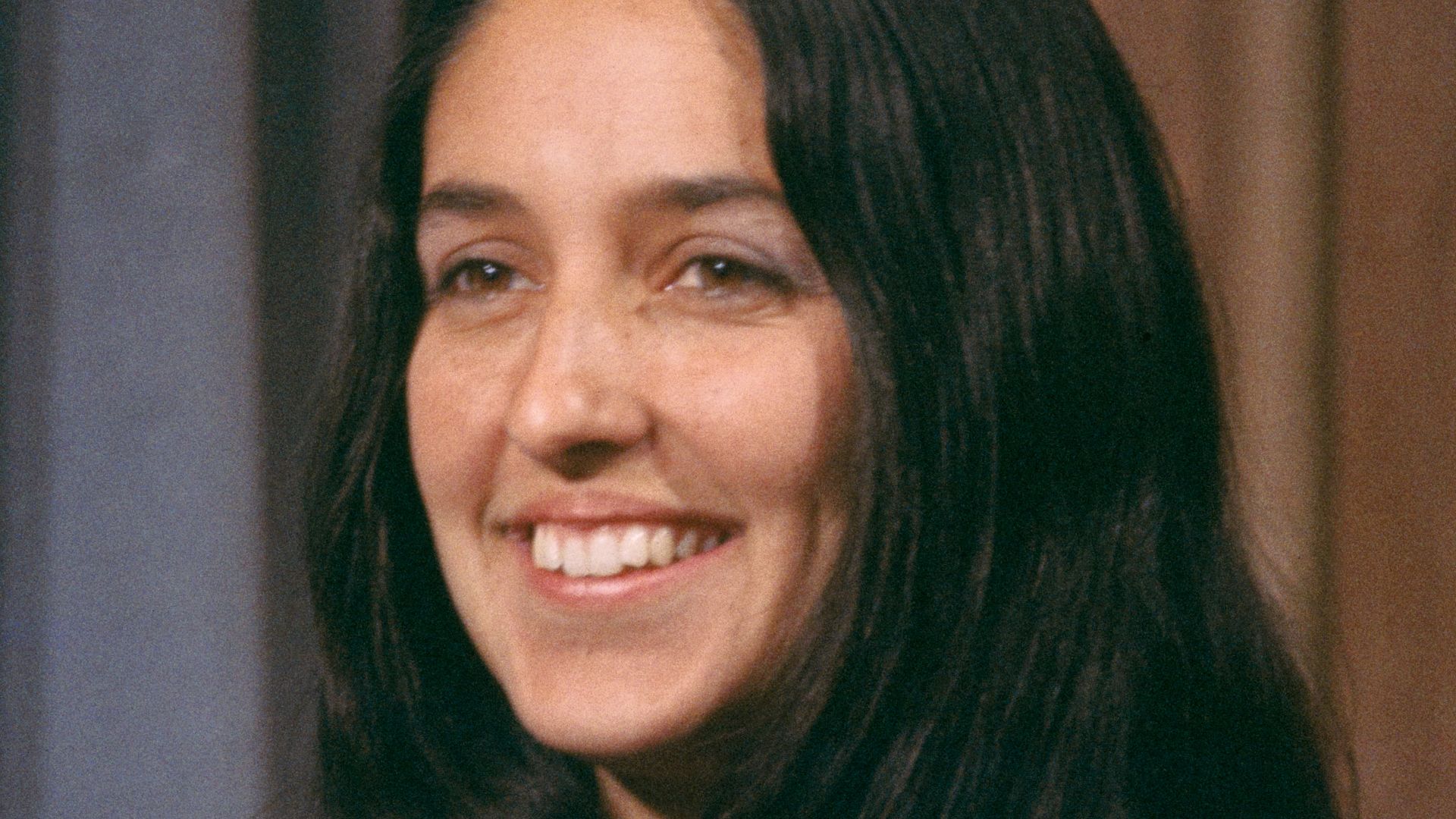
She Tried To Hide The Subject At First
Baez was not always eager to reduce “Diamonds & Rust” to celebrity gossip. But over time, the Dylan connection became unavoidable. The song’s references to the folk years, the old lover, and the emotional wreckage made it one of the clearest musical reckonings with their relationship.
 Bernard Gotfryd, Wikimedia Commons
Dylan Admired The Song
One of the strange twists in the story is that Dylan himself admired “Diamonds & Rust". In coverage of the 2009 Baez documentary How Sweet the Sound, Dylan was quoted praising the song. He said, "I love that song 'Diamonds & Rust'. I mean, to be included in something that Joan had written, whew, I mean, to this day it still impresses me".
That mattered because it showed he recognized the artistry in her memory, even when he was part of the pain behind it.
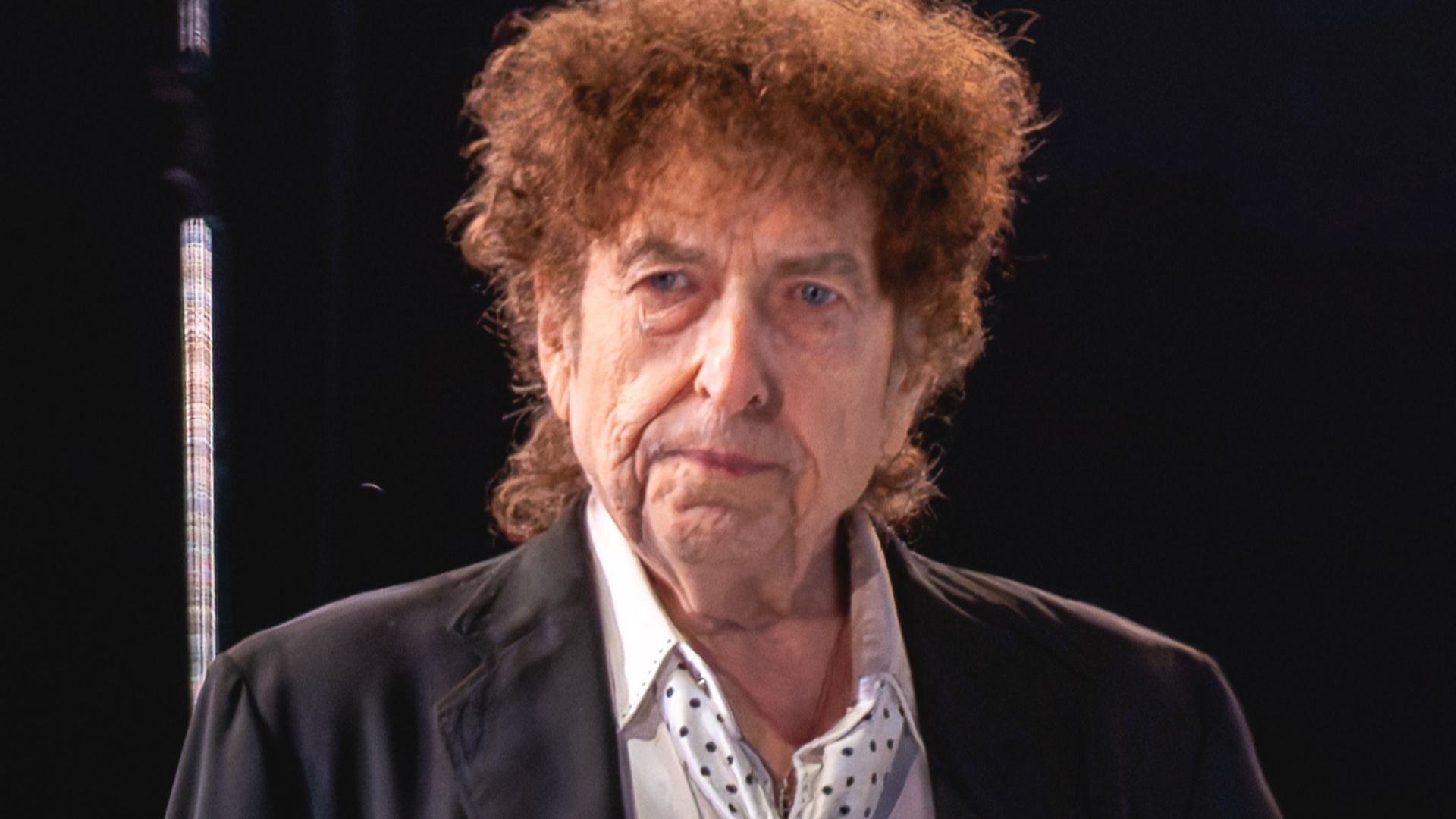
“Winds Of The Old Days” Looked Back Again
Baez also wrote “Winds of the Old Days,” another reflective song from the Diamonds & Rust period. It returned to the ghost of “Bobby” and the era they shared. Where “Diamonds & Rust” feels sharp and intimate, “Winds of the Old Days” feels more elegiac, as if she were mourning a whole vanished world.
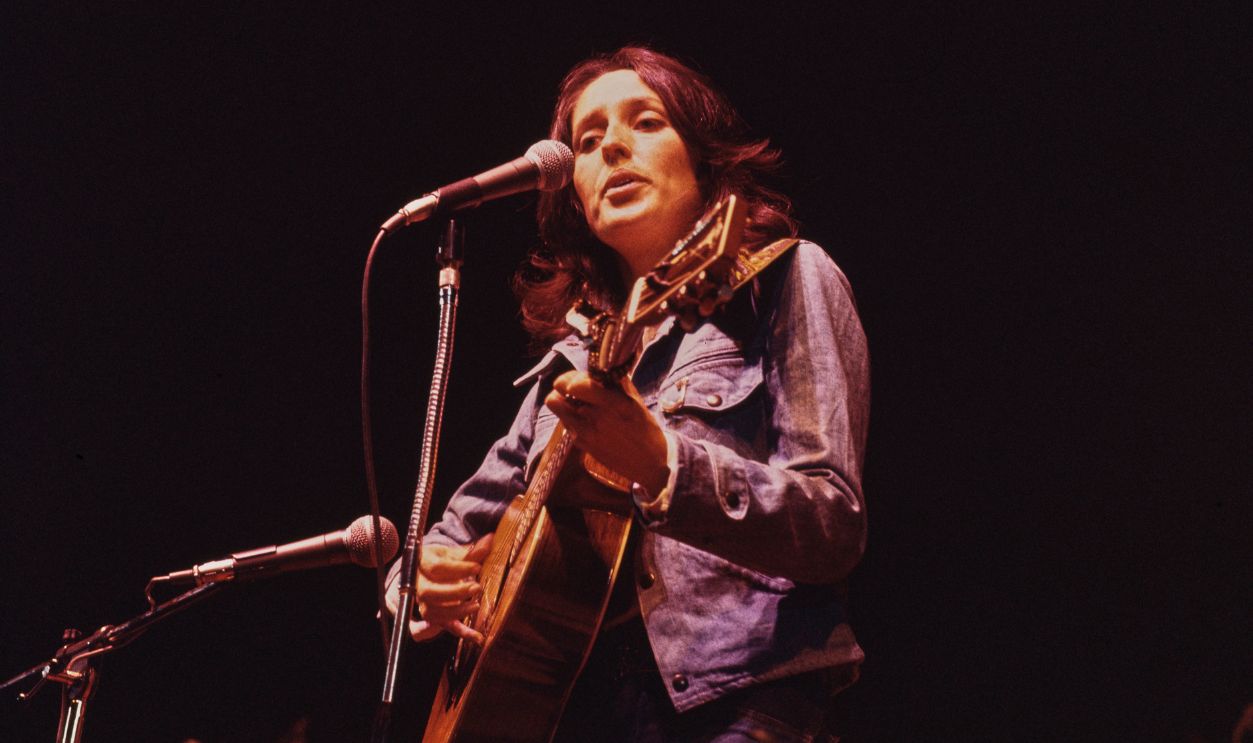
Dylan’s Songs Were Harder To Pin Down
Dylan’s side of the musical conversation is more difficult because he rarely explained his songs cleanly. Fans and writers have linked several songs to Baez, including “To Ramona,” “She Belongs to Me,” “Visions of Johanna,” and “Farewell, Angelina,” but many of those connections remain debated.
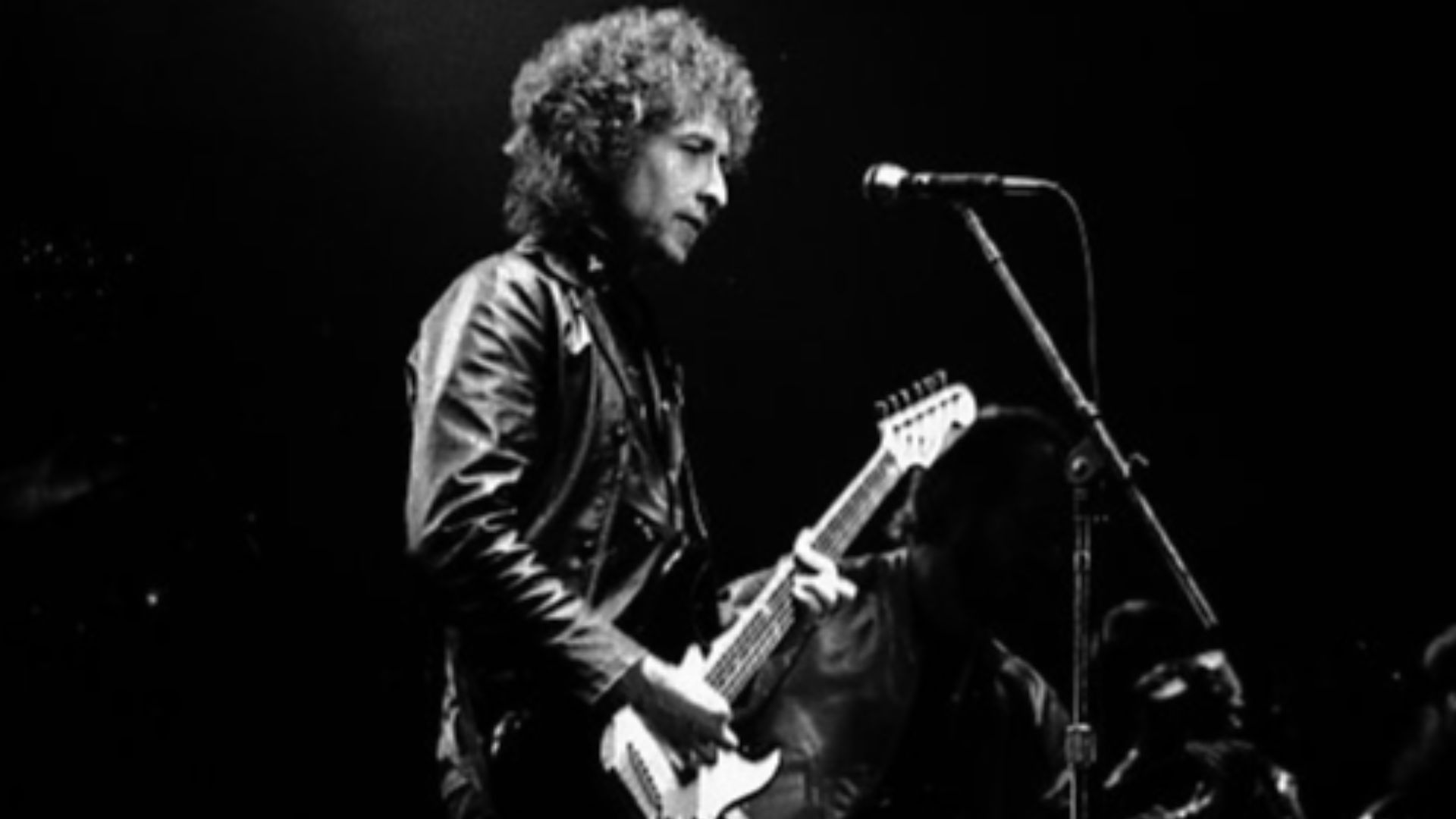
“To Ramona” Has The Strongest Thread
“To Ramona” is one of the Dylan songs most often connected to Baez. Dylan later called the song “pretty literal,” though he did not turn it into a full public confession. Baez also wrote that Dylan called her “Ramona,” which gave listeners a reason to hear the song through their relationship.
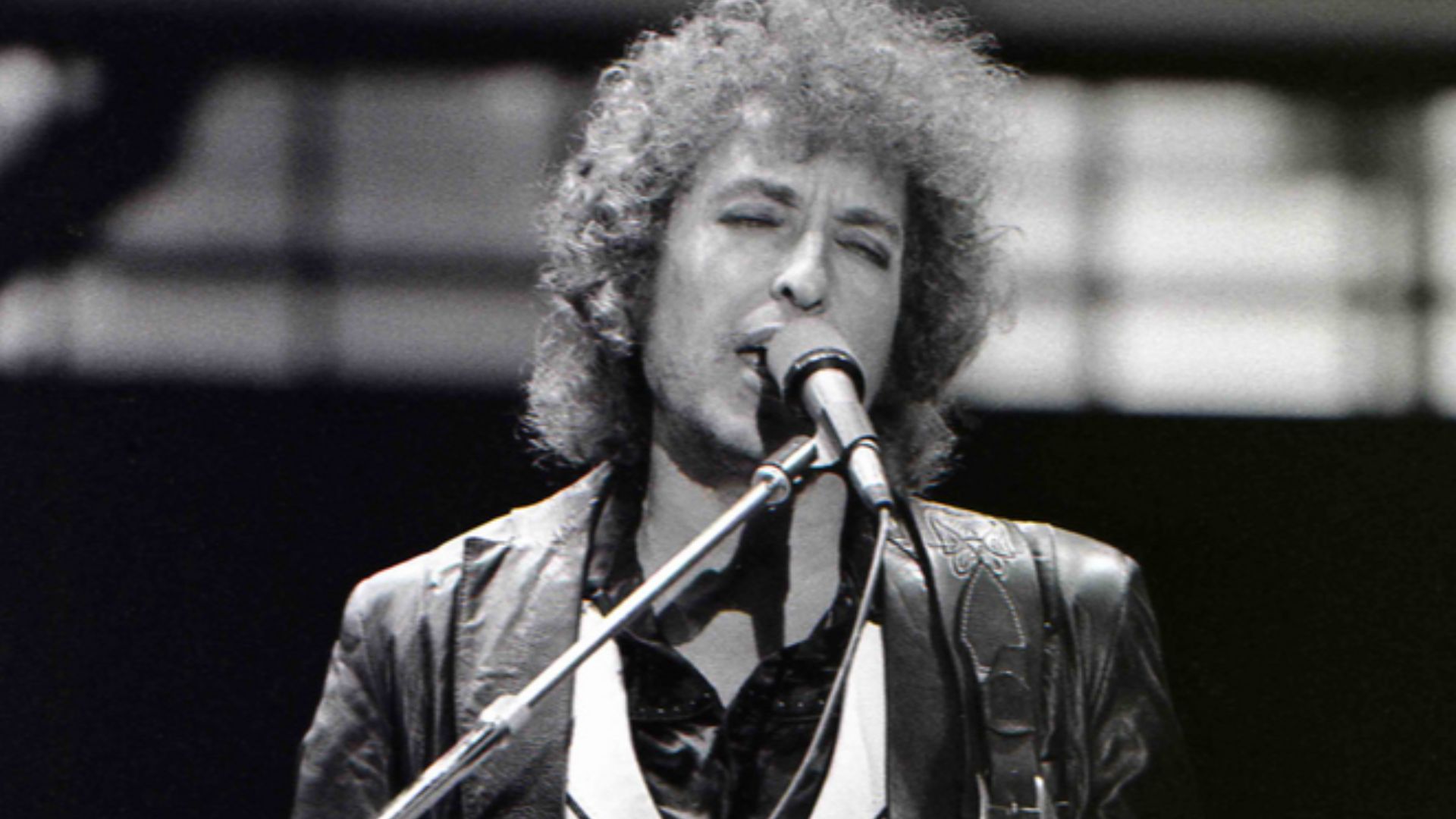 Chris Hakkens, Wikimedia Commons
“Love Is Just A Four-Letter Word” Went To Baez
Dylan also wrote “Love Is Just a Four-Letter Word,” a song he never officially released on his own albums but that Baez recorded and performed. It was not simply a song about Baez, but it became part of their musical entanglement: Dylan’s words passing through Baez’s voice after the romance had fractured.
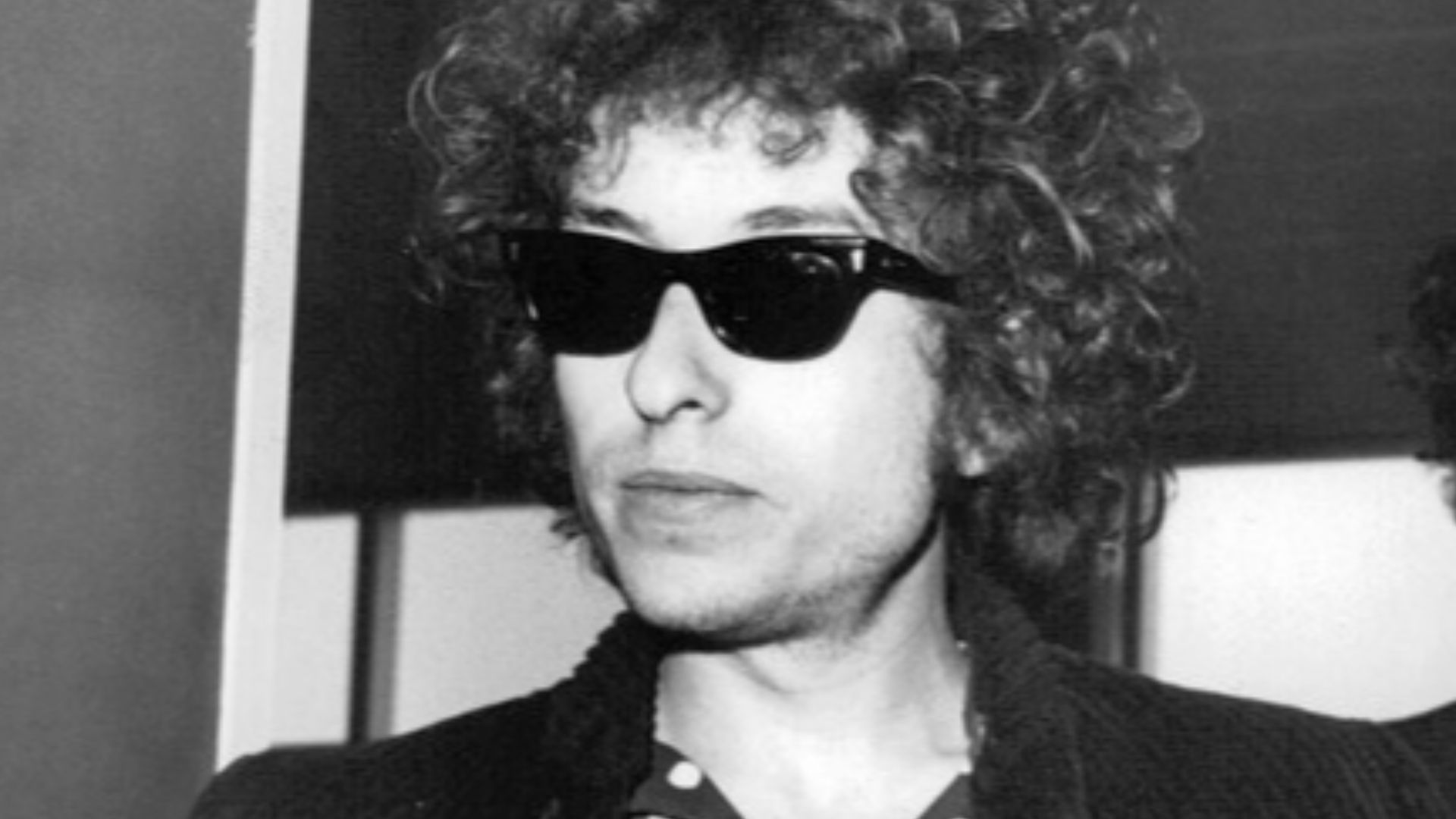 Unknown photographer, Wikimedia Commons
Baez Kept Singing Dylan Anyway
Even after the heartbreak, Baez continued to sing Dylan’s songs. Her 1968 album Any Day Now was devoted to Dylan material, recorded during a period when their personal connection was strained. That choice says a lot. The man had hurt her, but the songs still mattered.
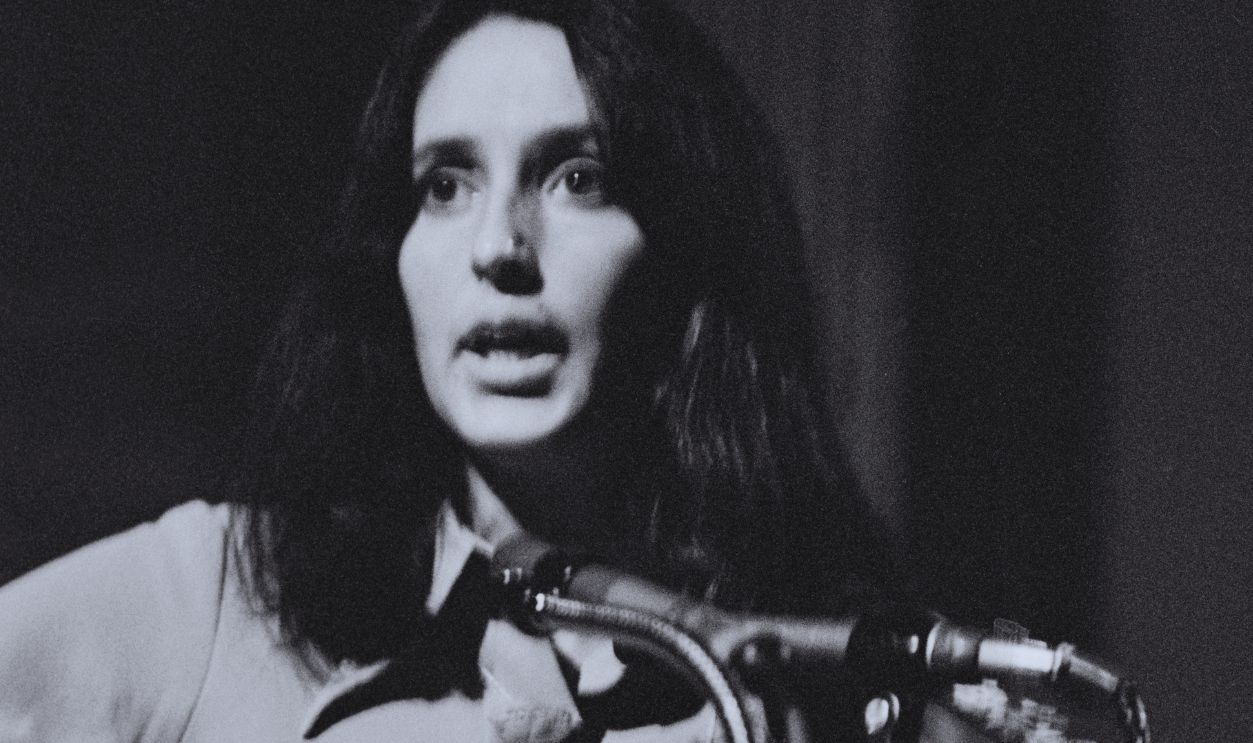
Their Reunions Were Never Simple
Dylan and Baez crossed paths again, including during the Rolling Thunder Revue in the 1970s. They could still share stages and songs, but the old wound did not vanish. Their public collaborations kept the legend alive, while the emotional reality remained much more complicated.
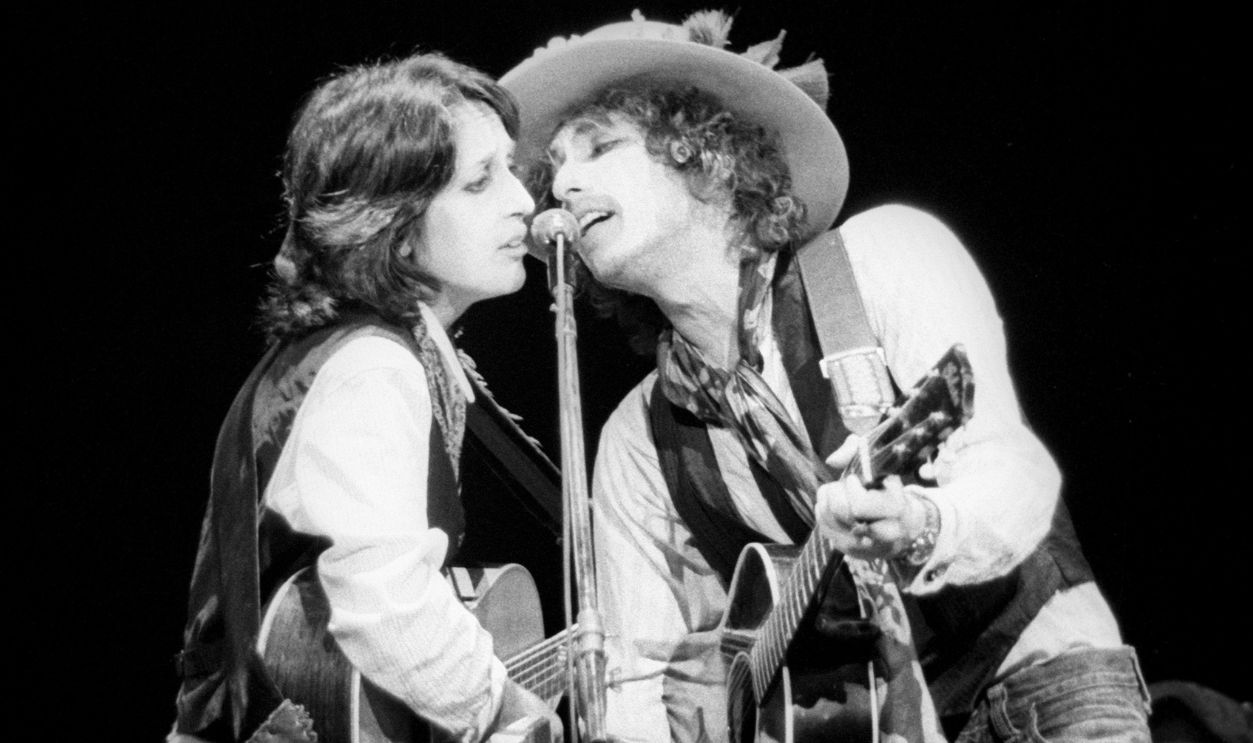
The Apology Finally Came Publicly
Decades later, Dylan addressed the hurt in the 2009 PBS documentary Joan Baez: How Sweet the Sound. Press coverage at the time described it as Baez finally getting an apology. He said, “I feel very bad about it. I was sorry to see our relationship end".
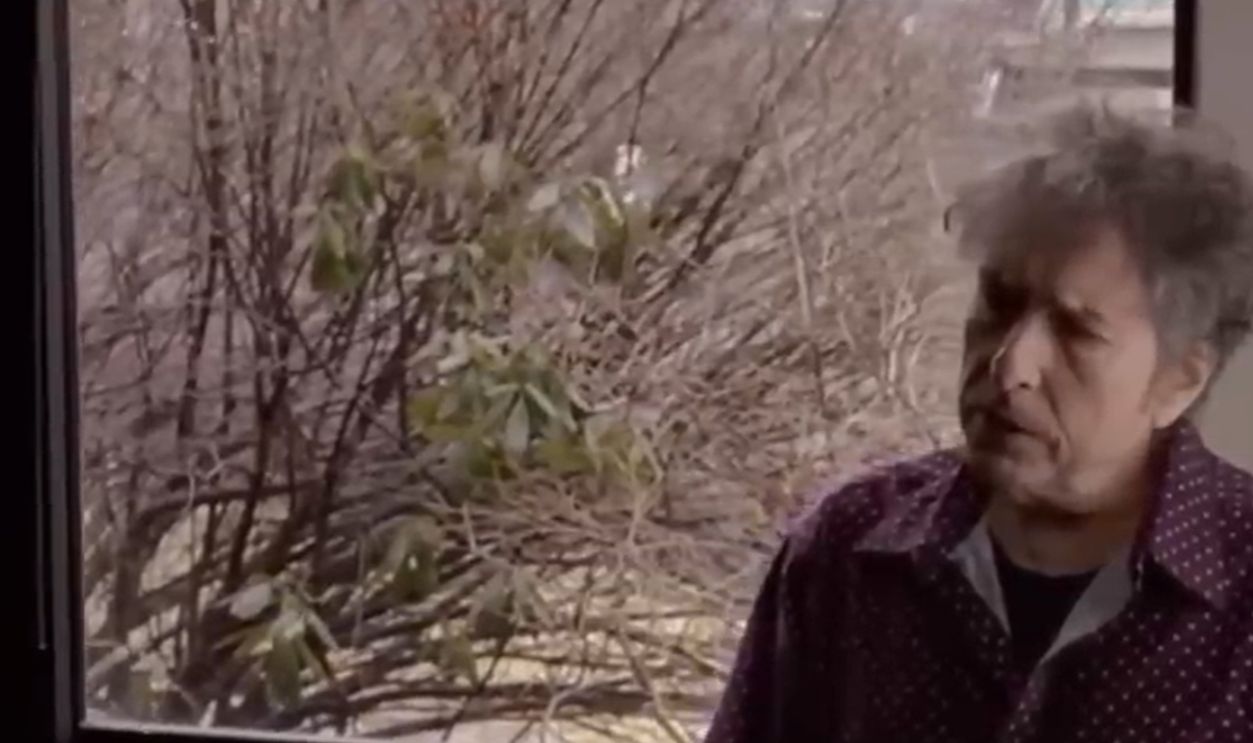 Screenshot from Joan Baez: How Sweet the Sound, Razor & Tie Entertainment (2009)
It Was Not A Grand Romantic Reunion
The apology did not turn them back into close companions. It was not a fairy-tale ending or a late-life reconciliation tour. It was more modest than that: a public acknowledgment that something painful had happened, and that Dylan understood he had hurt her.
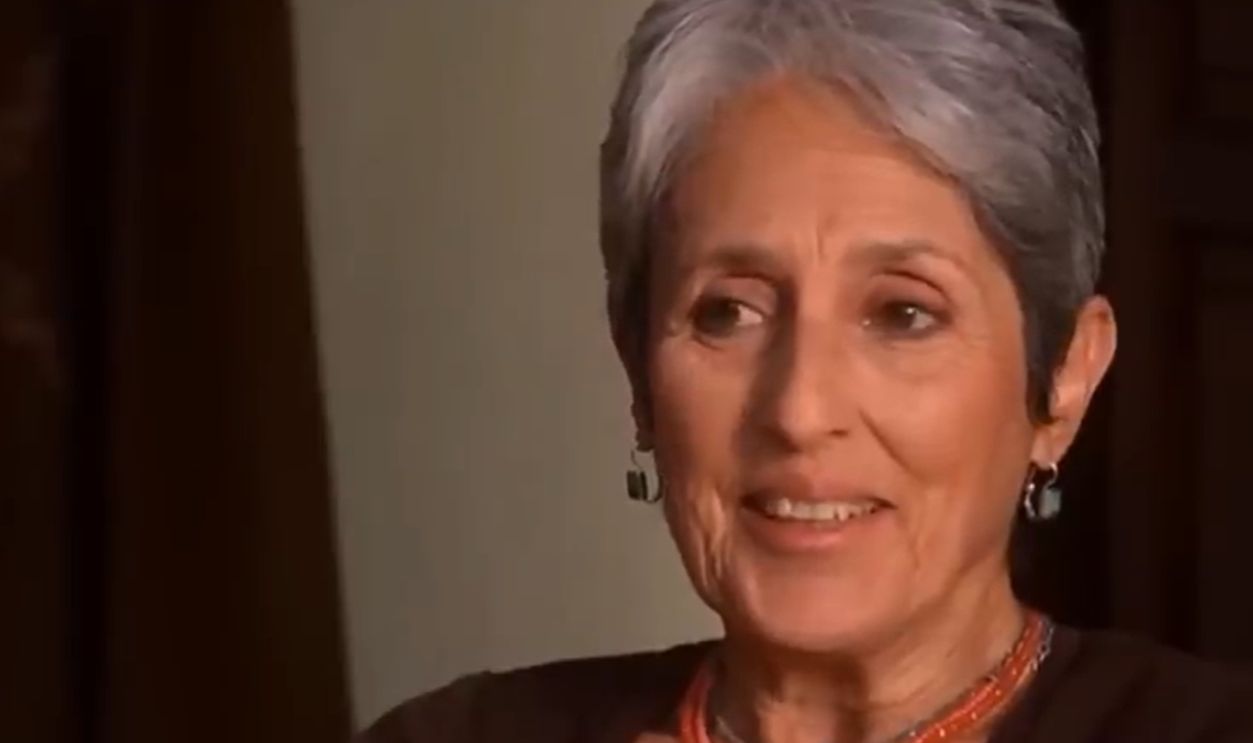 Screenshot from Joan Baez: How Sweet the Sound, Razor & Tie Entertainment (2009)
Baez Eventually Found Forgiveness On Her Own
In later interviews around Joan Baez: I Am a Noise, Baez said she spent many years feeling anger and resentment toward Dylan. Then, while painting a portrait of him and listening to his music, she felt the bitterness drain away. She wrote him a letter, not asking for anything: "I just wanted him to know how much he meant to me. How much his music had meant to me. And I may never see him again, and that's OK too".
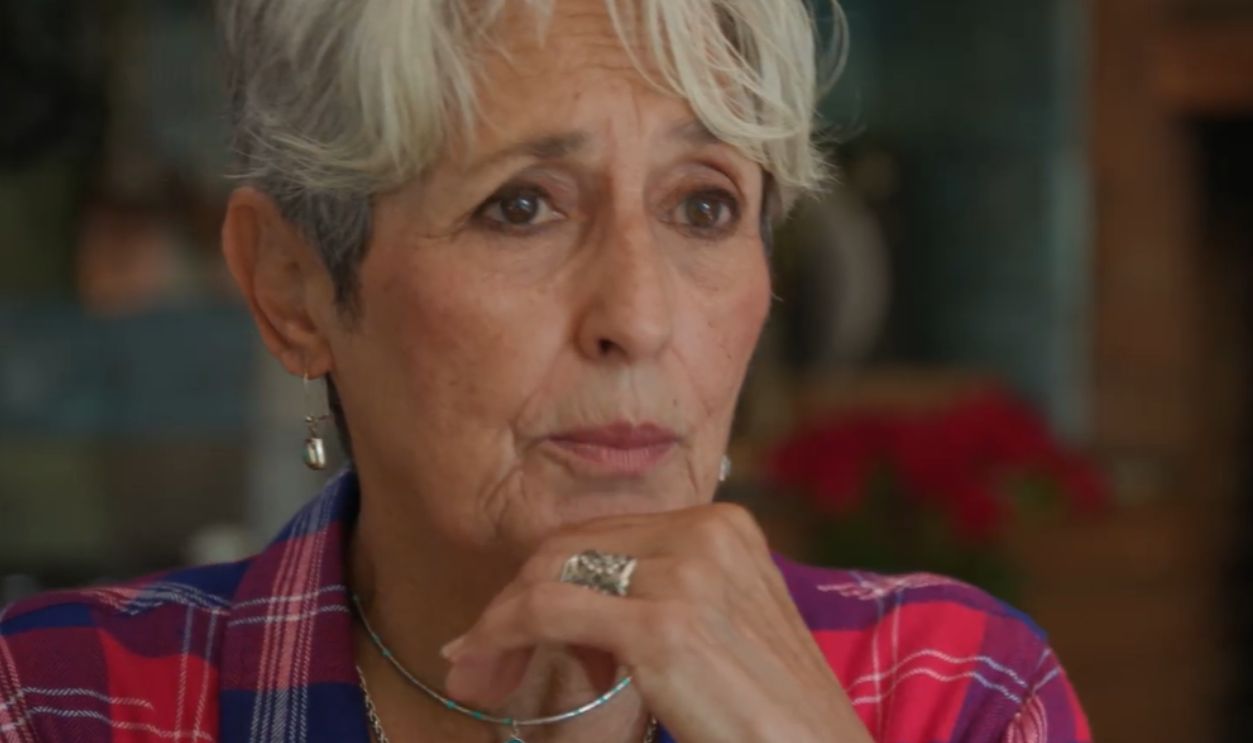 Screenshot from Joan Baez: I Am a Noise, Magnolia Pictures (2023)
She Says They Are Not Really In Touch
Baez has been clear that she and Dylan are not especially close today. When asked whether they remain in contact, she said not really, but also said it no longer matters much. The point was not that they had revived the old bond. The point was that she had released the resentment.
She Can See The Hurt And The Gift
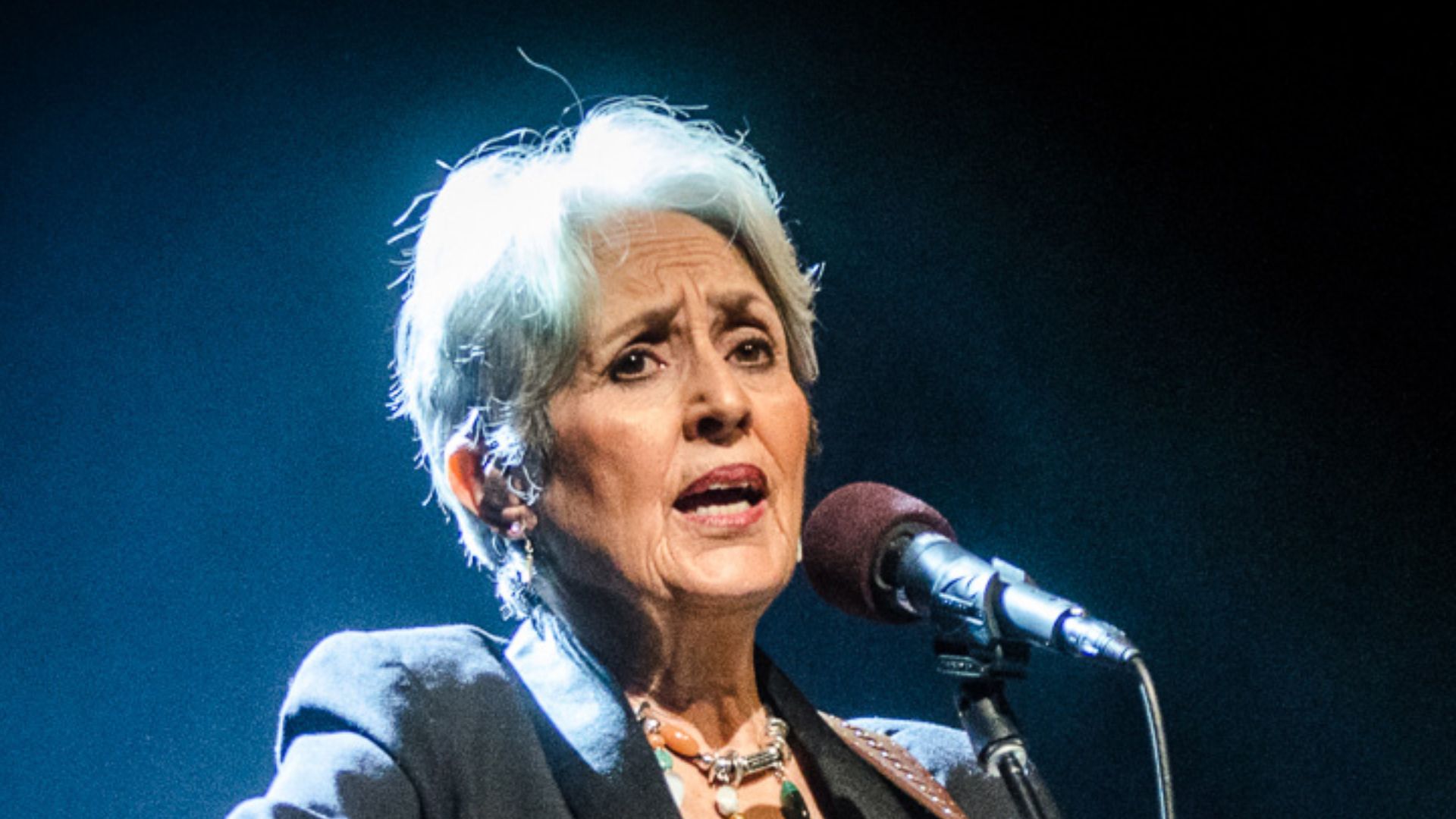
Today, Baez seems able to hold two truths at once. Dylan broke her heart, and he also gave her extraordinary songs, creative electricity, and a chapter of life that helped define an era. Her forgiveness does not erase the pain. It simply means the pain no longer controls the story.
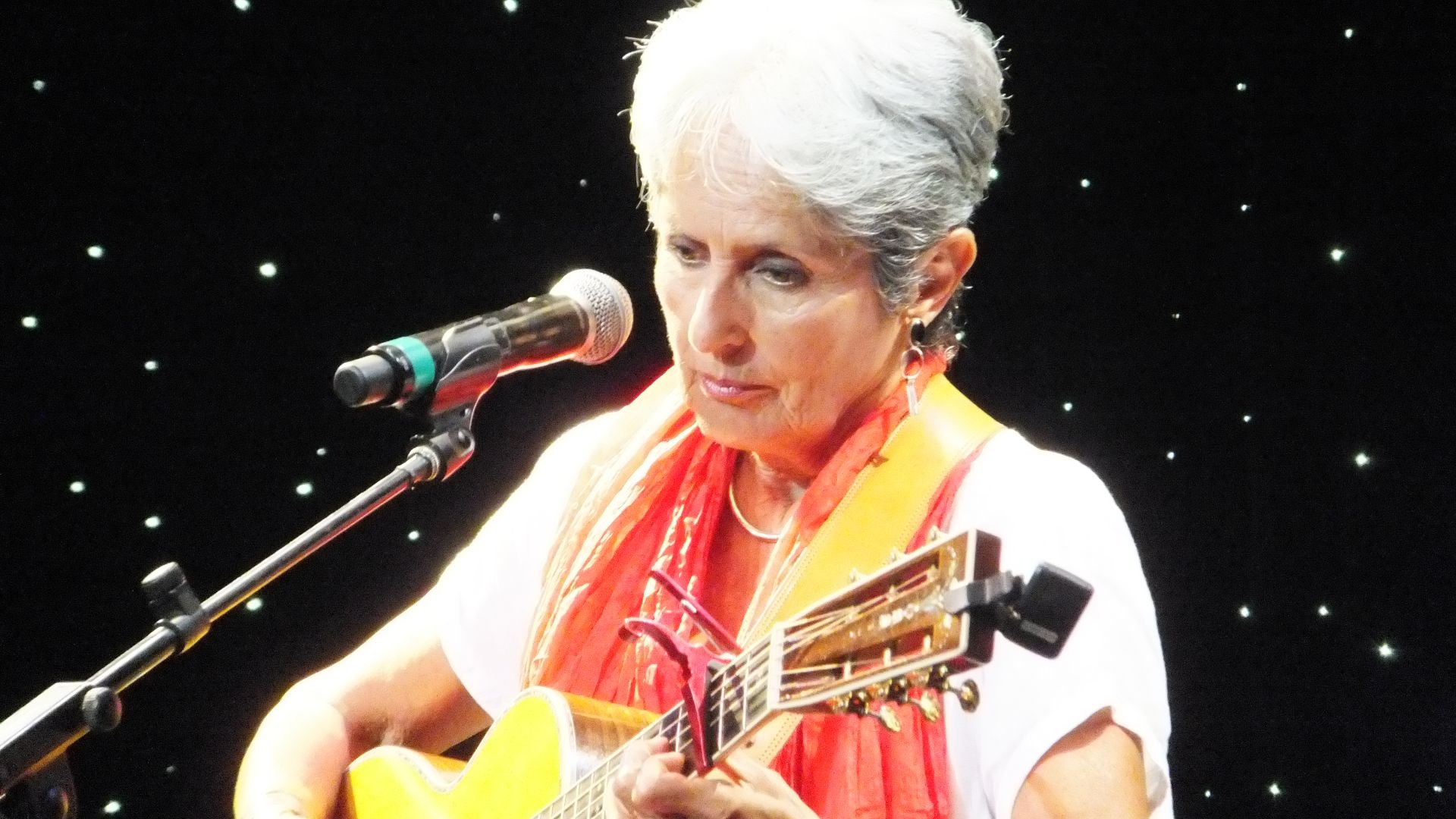 Steve Jozefczyk, Wikimedia Commons
Dylan’s Silence Made The Story Bigger
Part of why the fallout fascinated people for so long is that Dylan rarely explained himself directly. Baez spoke more openly, sang more plainly, and carried the emotional record in public. Dylan’s silence left listeners searching his songs for clues, trying to hear whether he ever answered her.
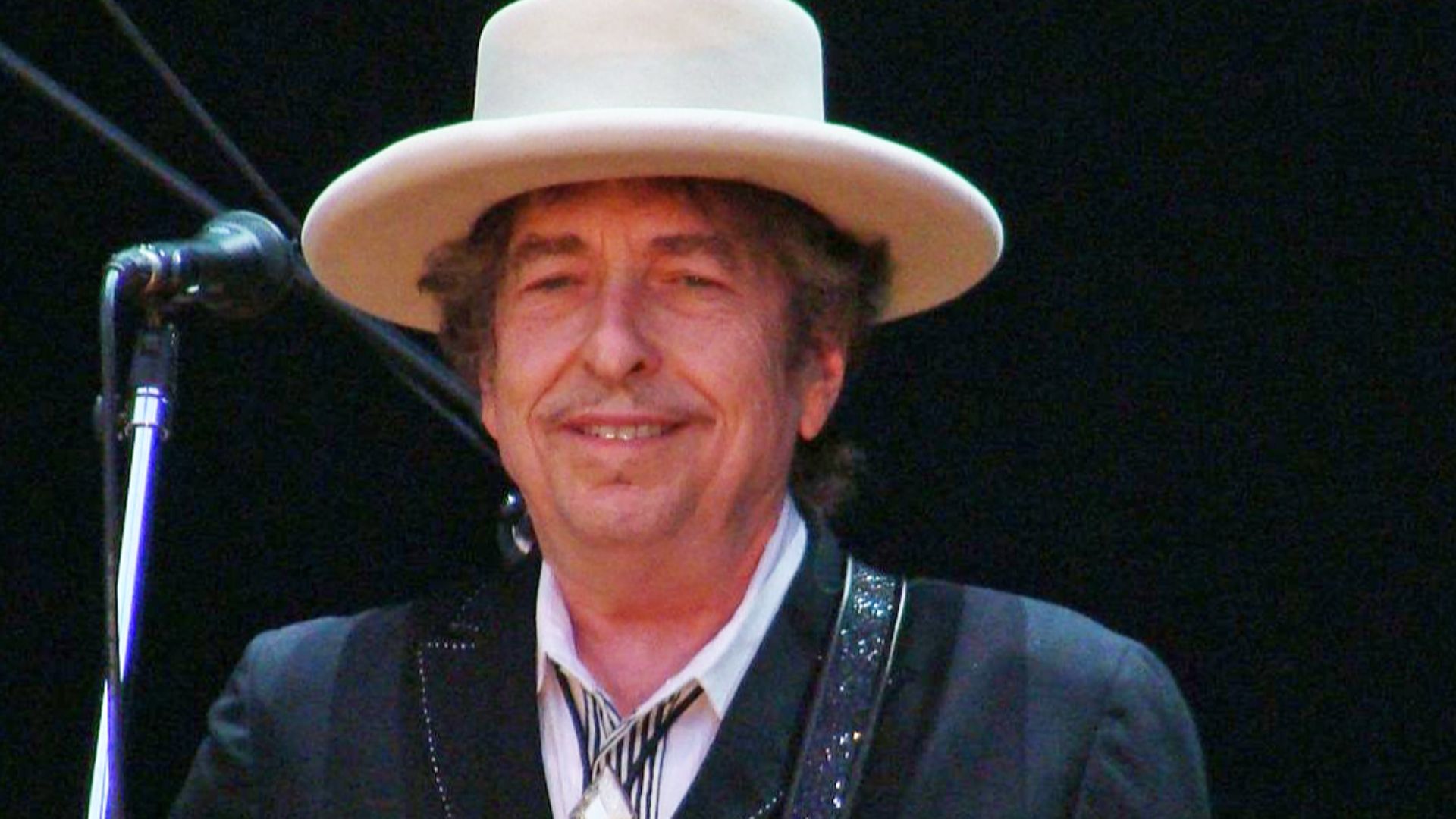 Alberto Cabello from Vitoria Gasteiz, Wikimedia Commons
Their Songs Became The Real Conversation
In the end, the most honest exchange between Dylan and Baez may not have happened in interviews. It happened in songs: Baez’s “Diamonds & Rust,” her plea in “To Bobby,” her mournful “Winds of the Old Days,” Dylan’s ambiguous “To Ramona,” and the Dylan songs she kept singing long after he hurt her.
You May Also Like:
The Glam Rock Icons Who Turned The 1970s Into A Spectacle
Why Peggy Lee Took Disney To Court And Won
Bands From The 1960s That No One Remembers—Seriously, Do You Remember Even 5 Of These Groups?
Sources: 1, 2, 3, 4, 5, 6, 7, 8, 9, 10, 11, 12, 13, 14, 15, 16, 17, 18, 19