
Lost In The Shadow Of The Beatles And The Stones
The 1960s produced some of the most famous bands in music history: The Beatles, The Rolling Stones, The Who, and The Beach Boys, just to name a few. But for every legendary group that became a household name, dozens of others slowly faded into obscurity. Many of these forgotten bands were genuinely great, yet if you ask the average music fan about them today, you'll probably get a blank stare.
 Elektra Records, Wikimedia Commons
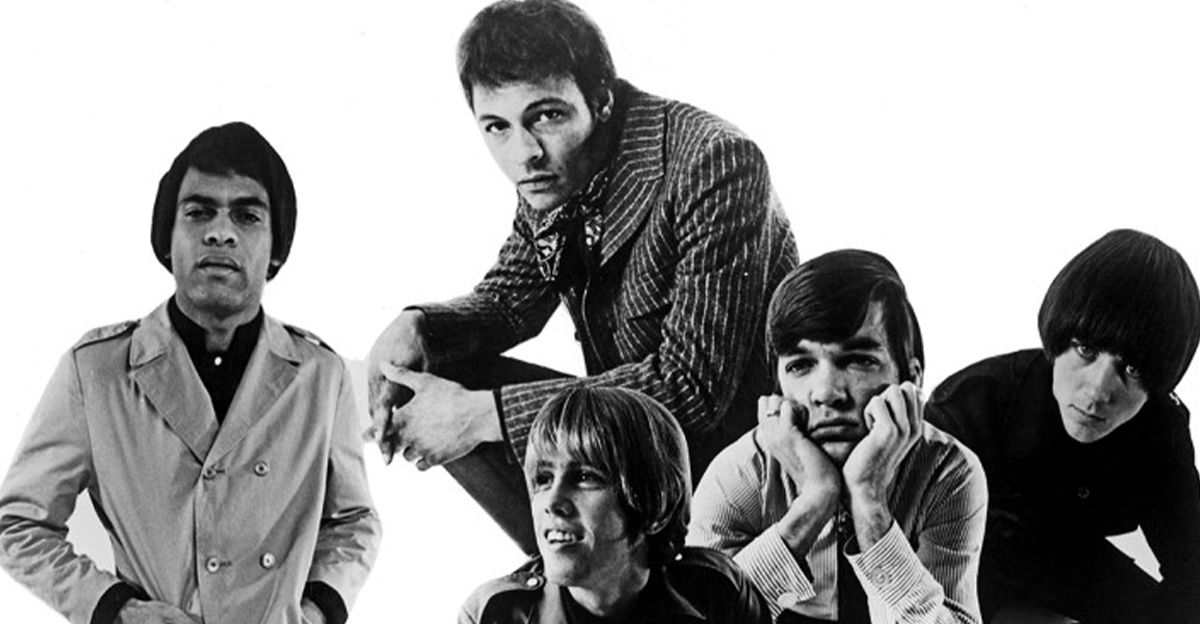
The Blues Magoos
The Blues Magoos were among the first bands to embrace psychedelic rock before it became a mainstream phenomenon. Their 1966 hit "We Ain't Got Nothin' Yet" blended garage rock with fuzzed-out guitars and psychedelic experimentation. For a brief moment, they looked like future stars, but they were quickly overshadowed by bigger names as the psychedelic movement exploded.
 KLRA/Beat Publications-page 1, Wikimedia Commons, Modified
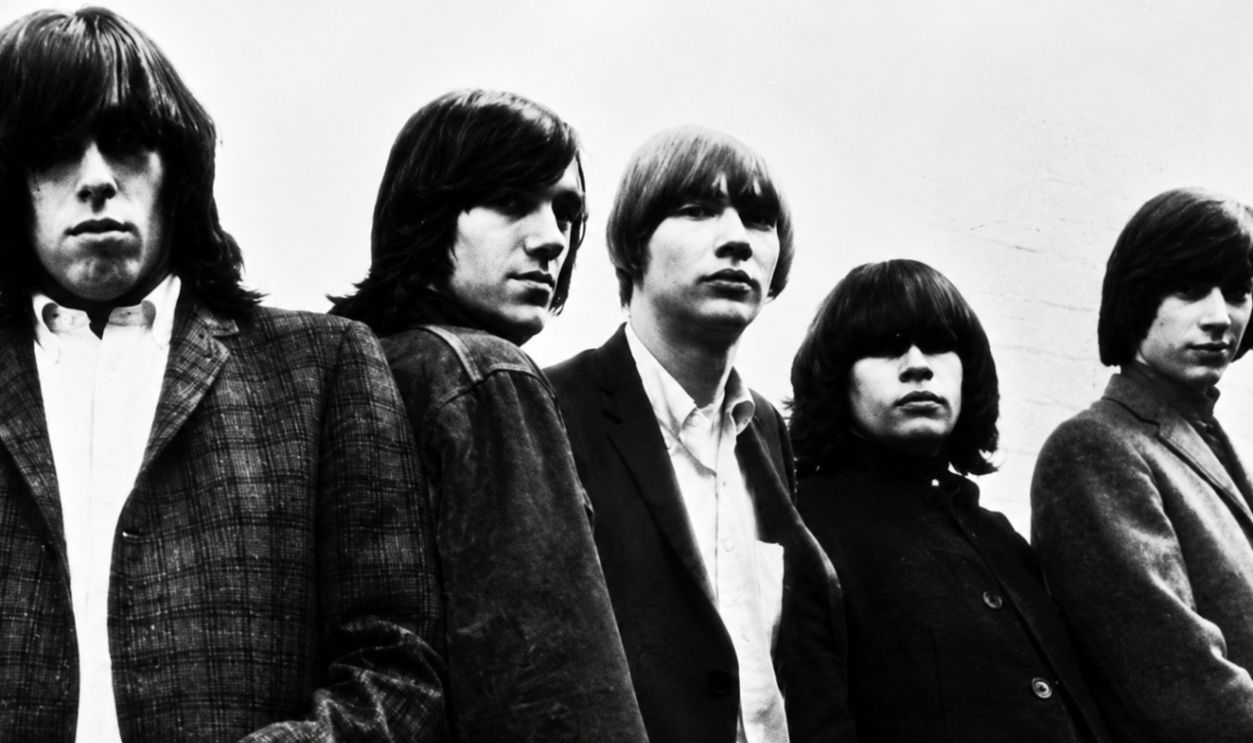
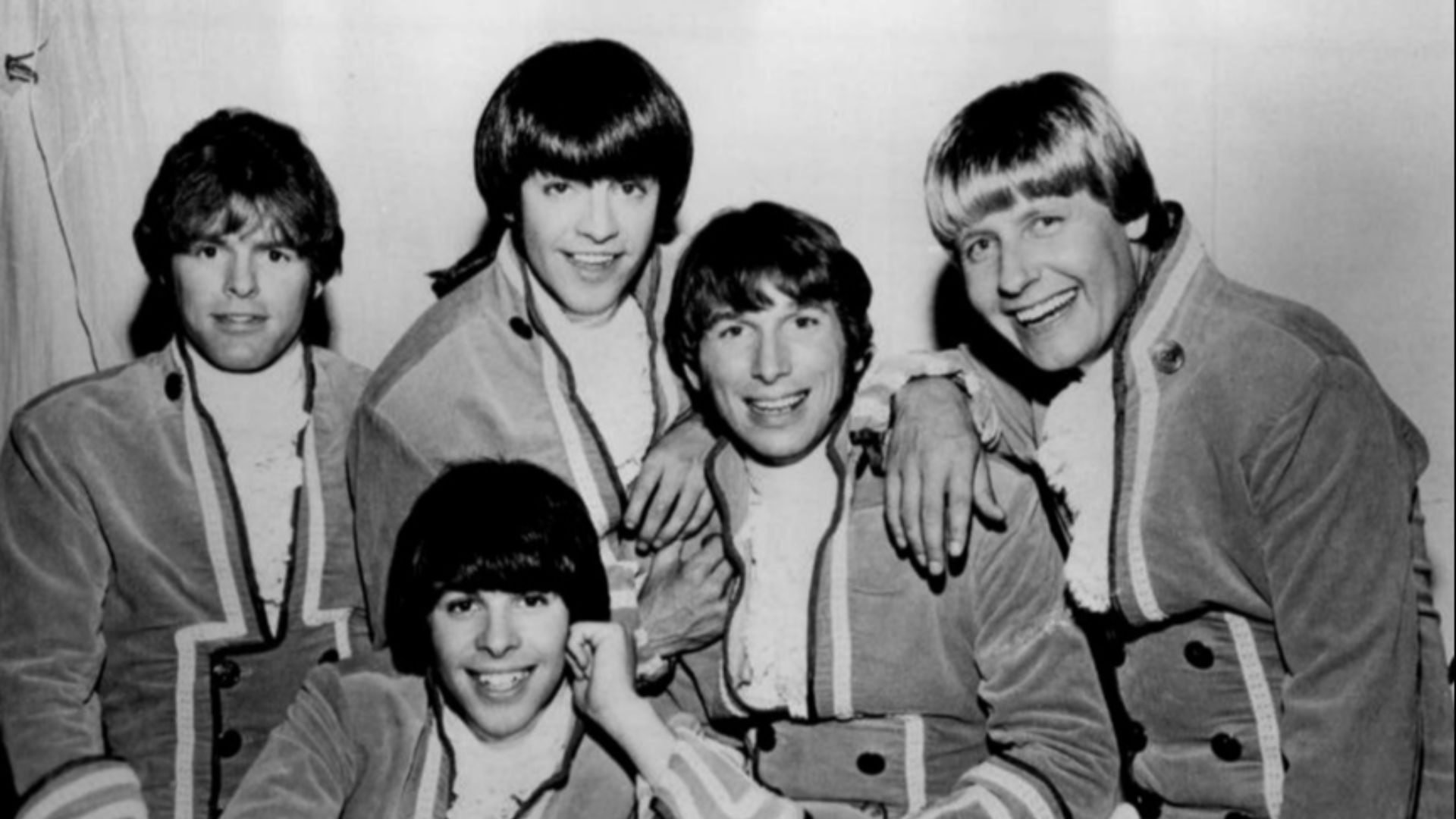
Paul Revere & The Raiders
It's easy to forget how huge Paul Revere & the Raiders were during the mid-1960s. The band racked up hits like "Kicks," "Hungry," and "Good Thing" while wearing Revolutionary War-inspired costumes on television. They were regulars on Where the Action Is and often outsold bands that are much better remembered today.
 Perenchio Artists (management), Wikimedia Commons
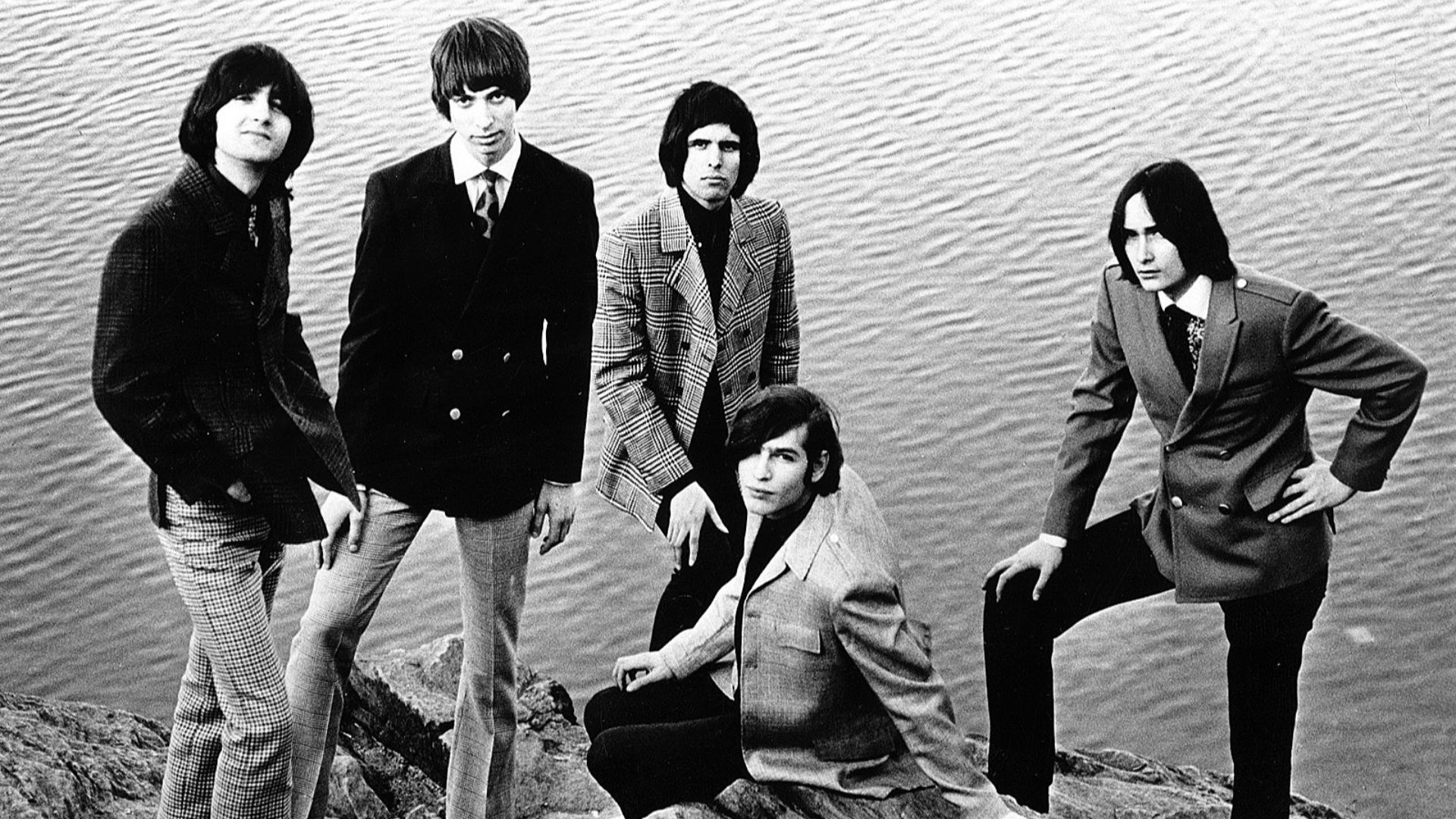
The Left Banke
The Left Banke helped pioneer what would later become known as baroque pop. Their biggest hit, "Walk Away Renée," combined rock instrumentation with classical influences, creating a sound that felt remarkably sophisticated for the time. Despite their influence on later artists, internal conflicts and lineup changes prevented them from achieving lasting commercial success.
 KRLA/Beat Publications-page 1, Wikimedia Commons
The Pretty Things
The Pretty Things were often mentioned alongside The Rolling Stones during the early British Invasion years. In fact, they were arguably even rougher and more rebellious than the Stones. Albums like S.F. Sorrow helped lay the groundwork for future concept albums, yet the band's influence has often been overshadowed by their more famous contemporaries.
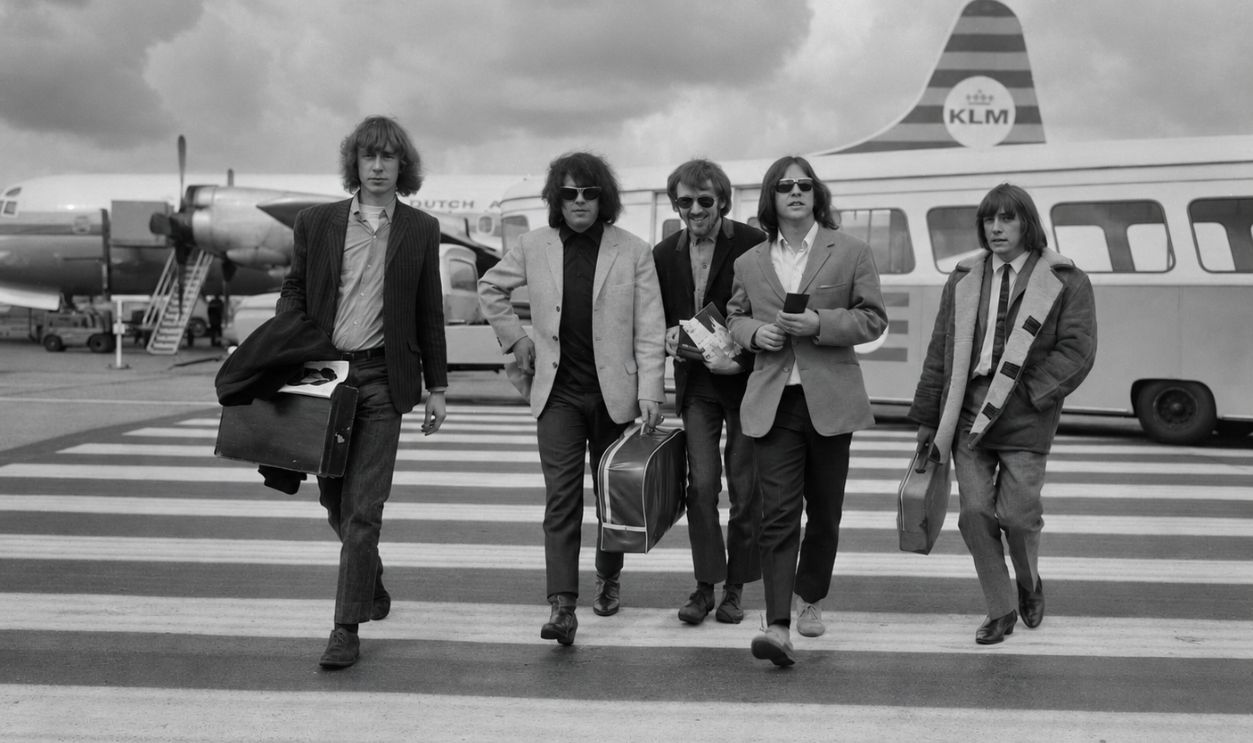 Joop van Bilsen (ANEFO), CC0, Wikimedia Commons, Modified
Small Faces
Before Rod Stewart joined and the group became Faces, there was Small Faces. Led by Steve Marriott and Ronnie Lane, the band produced classics like "Itchycoo Park" and "Tin Soldier." Their mix of mod culture, psychedelic influences, and soulful songwriting made them one of Britain's finest bands, even if their name doesn't come up as often today.
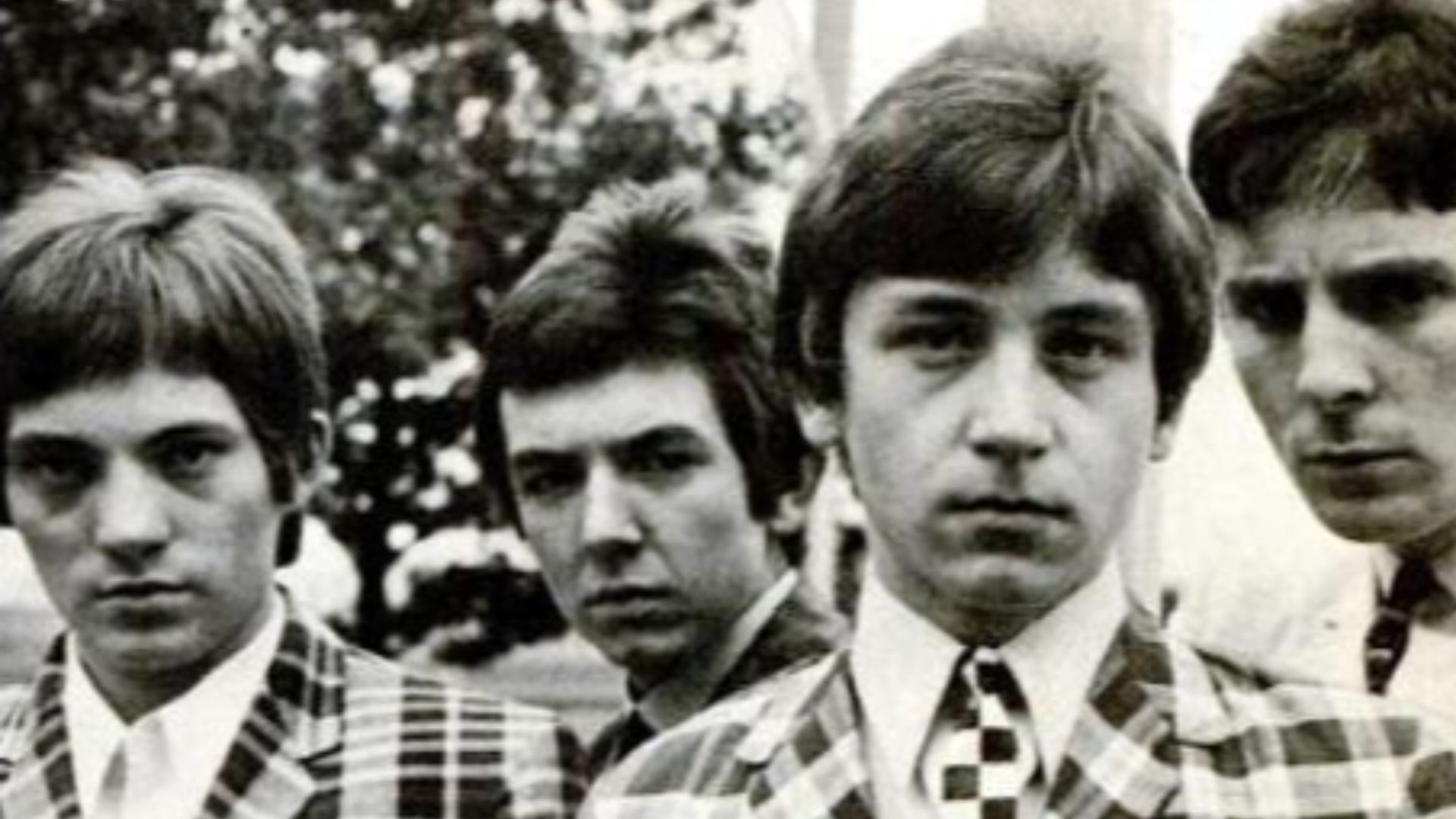 Press Records, Wikimedia Commons
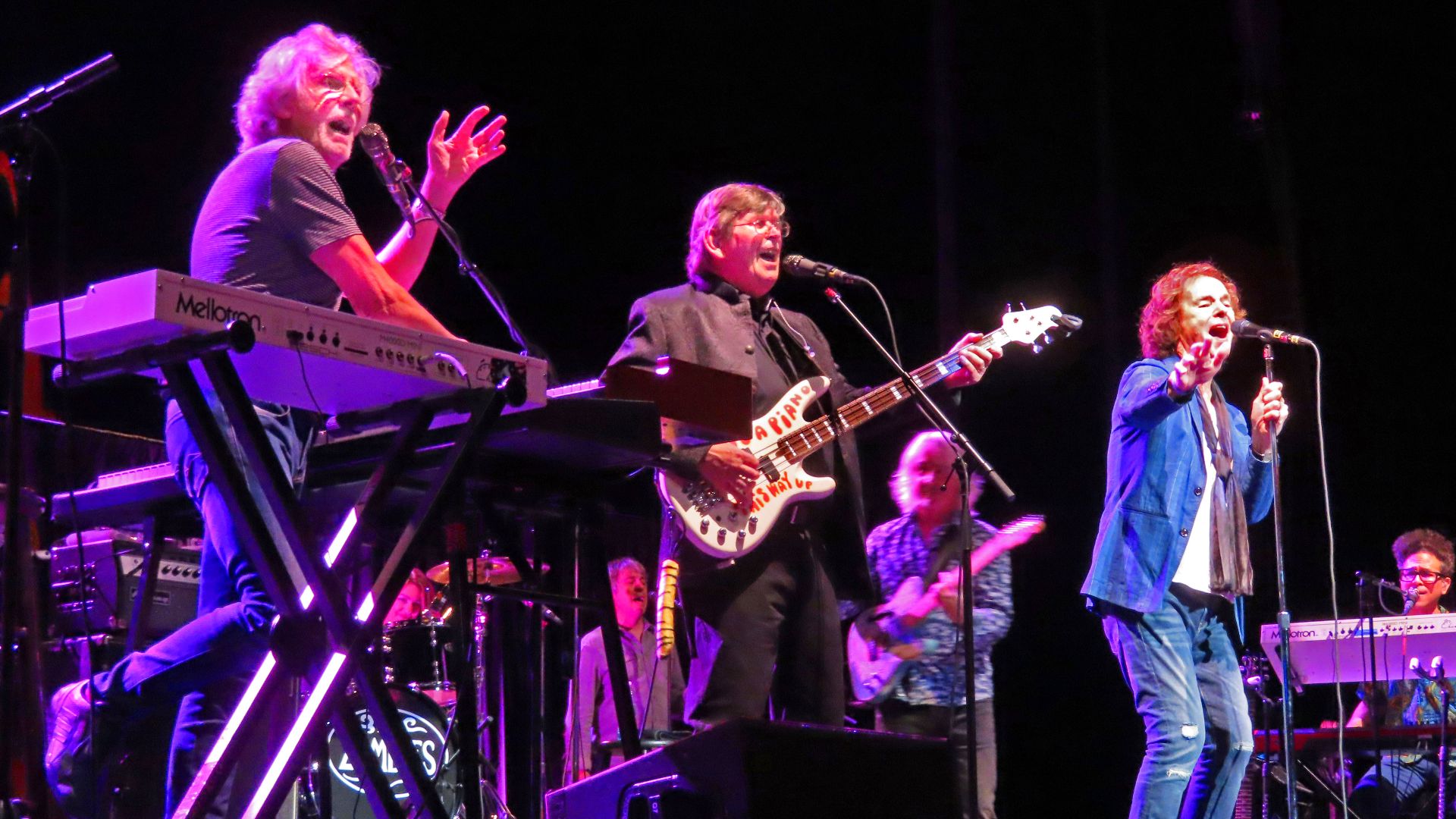
The Zombies
For years, The Zombies seemed destined to be remembered as a one-hit wonder thanks to "She's Not There." Then people rediscovered Odessey and Oracle, now widely considered one of the greatest albums of the 1960s. Songs like "Time of the Season" eventually earned the band a much larger audience, though they remain less famous than many of their peers.
The Vogues
The Vogues specialized in polished vocal harmonies and easy-listening pop. Songs like "Five O'Clock World" and "Turn Around, Look at Me" were substantial hits during the decade. While they enjoyed impressive chart success, changing musical tastes eventually pushed their style out of the spotlight as rock music became heavier and more experimental.
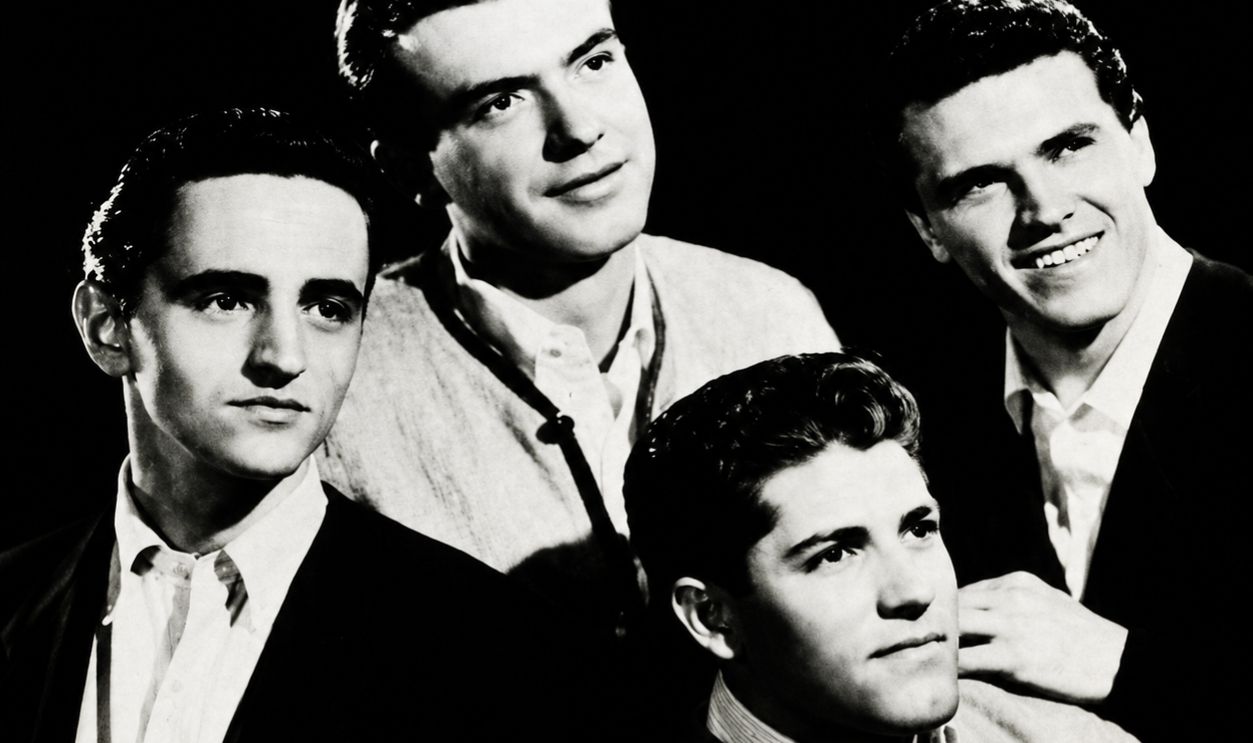 Reprise Records, Wikimedia Commons, Modified
The Hollies
The Hollies actually had a remarkable run of hits, including "Bus Stop," "Carrie Anne," and "Long Cool Woman in a Black Dress." The problem is that they were competing against the Beatles, Stones, and Kinks for attention. Their catchy songwriting and vocal harmonies influenced countless artists, but they rarely receive the same recognition today.
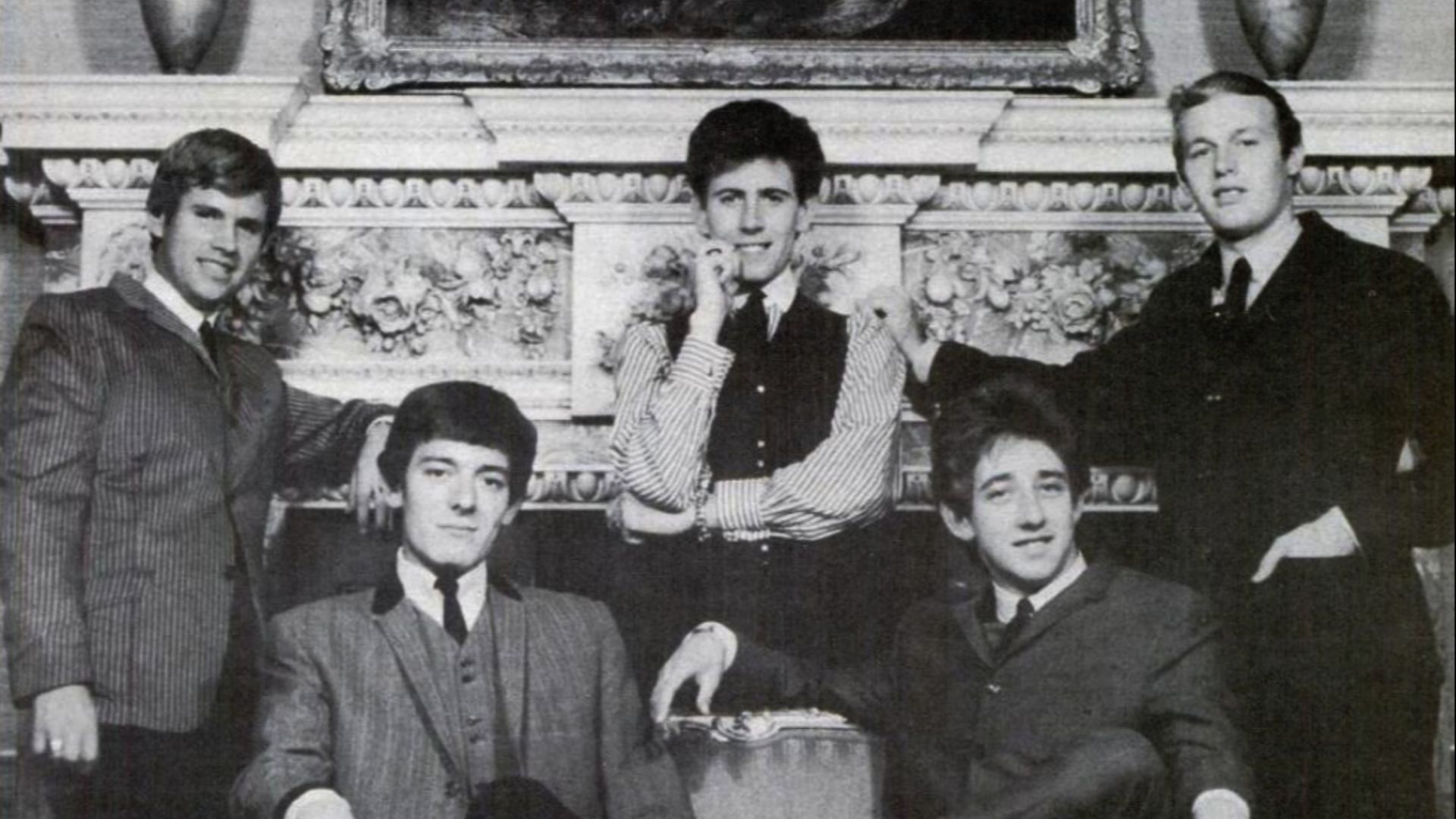 Imperial Records, Wikimedia Commons
Vanilla Fudge
Vanilla Fudge specialized in dramatically slowed-down versions of popular songs, transforming simple pop tunes into massive psychedelic productions. Their cover of "You Keep Me Hangin' On" became a major hit and influenced future hard rock and heavy metal bands. Members of Deep Purple, Uriah Heep, and other groups have frequently cited them as an important inspiration.
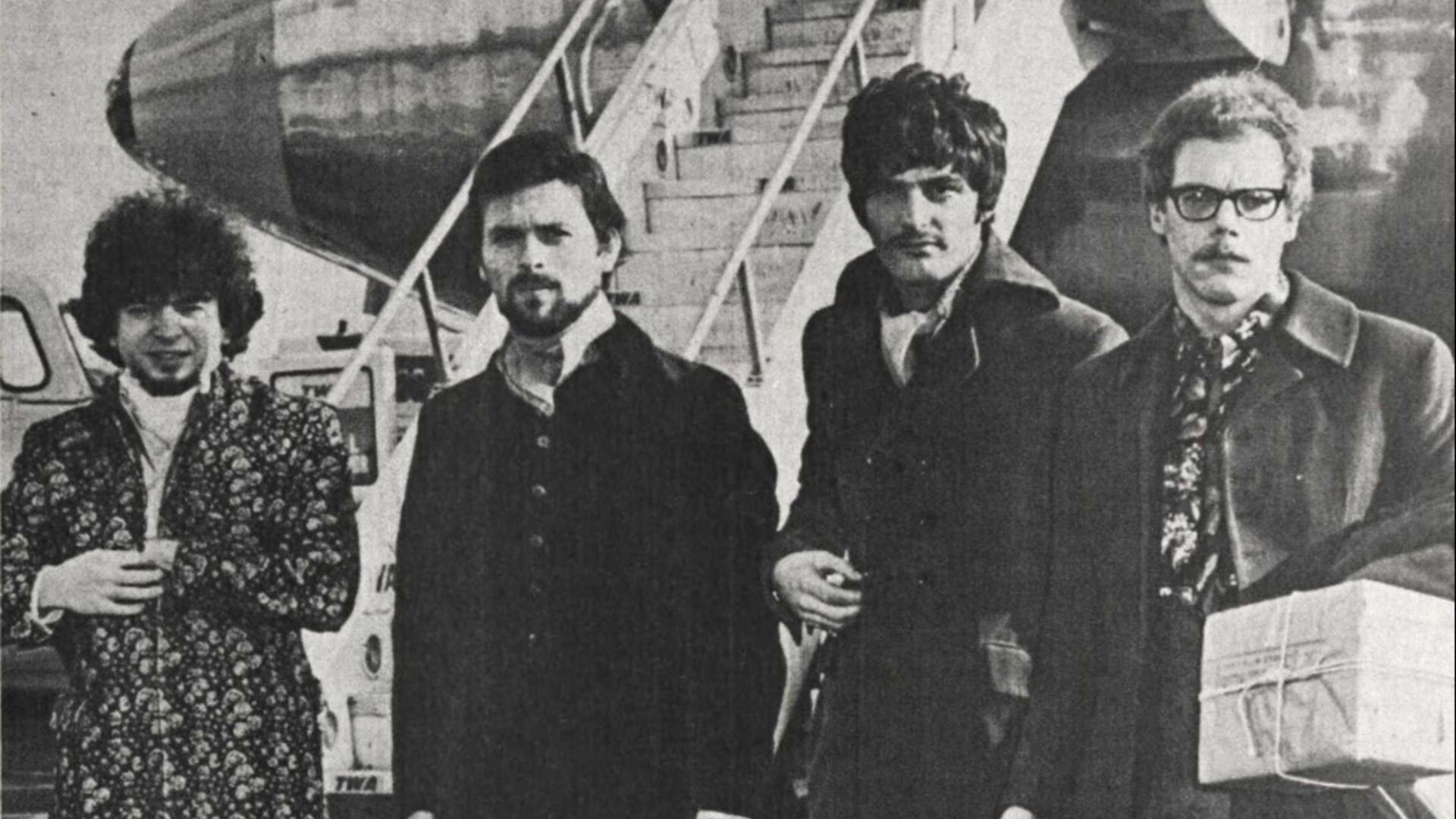
The 13th Floor Elevators
Few bands embraced psychedelia as completely as the 13th Floor Elevators. Led by the charismatic and troubled Roky Erickson, the group's music was strange, intense, and far ahead of its time. Their debut album, The Psychedelic Sounds of the 13th Floor Elevators, is now considered one of the genre's foundational recordings.
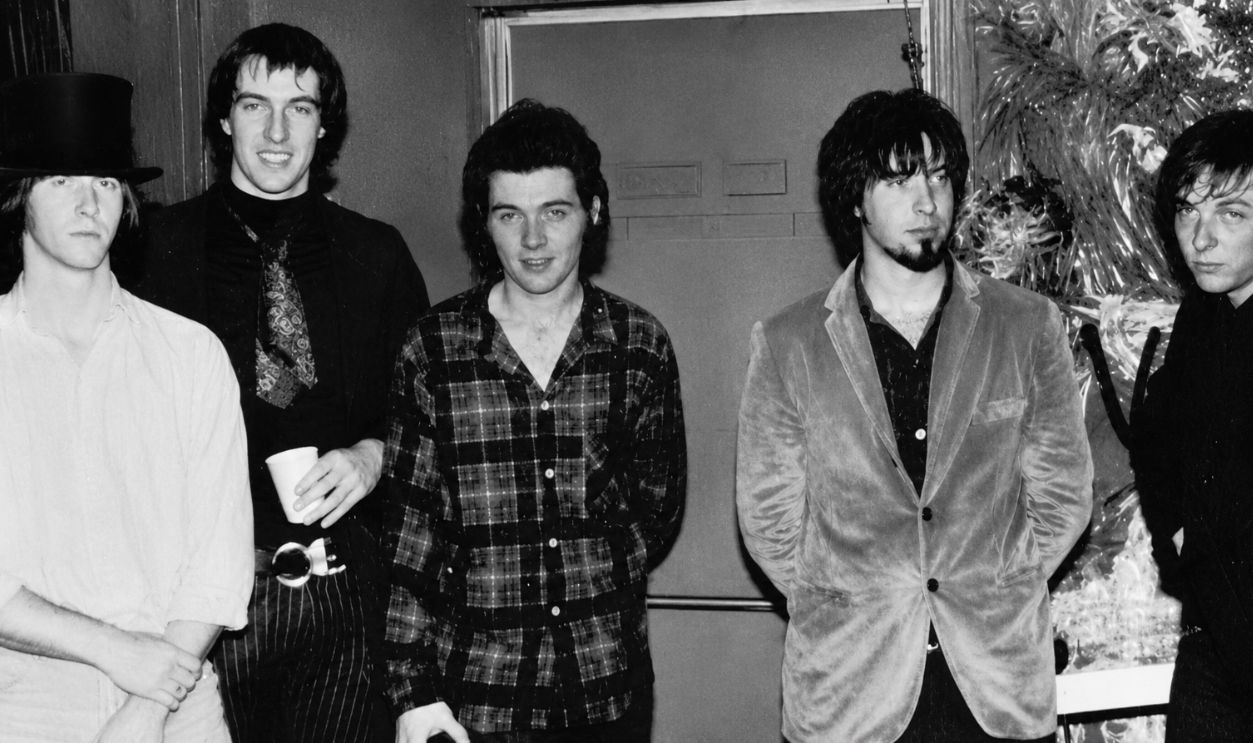 Not Fade Away by Doug Hanners, Wikimedia Commons, Modified
Ultimate Spinach
No band name screams "1968" quite like Ultimate Spinach. The Boston-based psychedelic group emerged during the height of the counterculture era and quickly gained attention for their experimental sound. While their career was brief, their music became a cult favorite among collectors and fans of underground psychedelic rock.
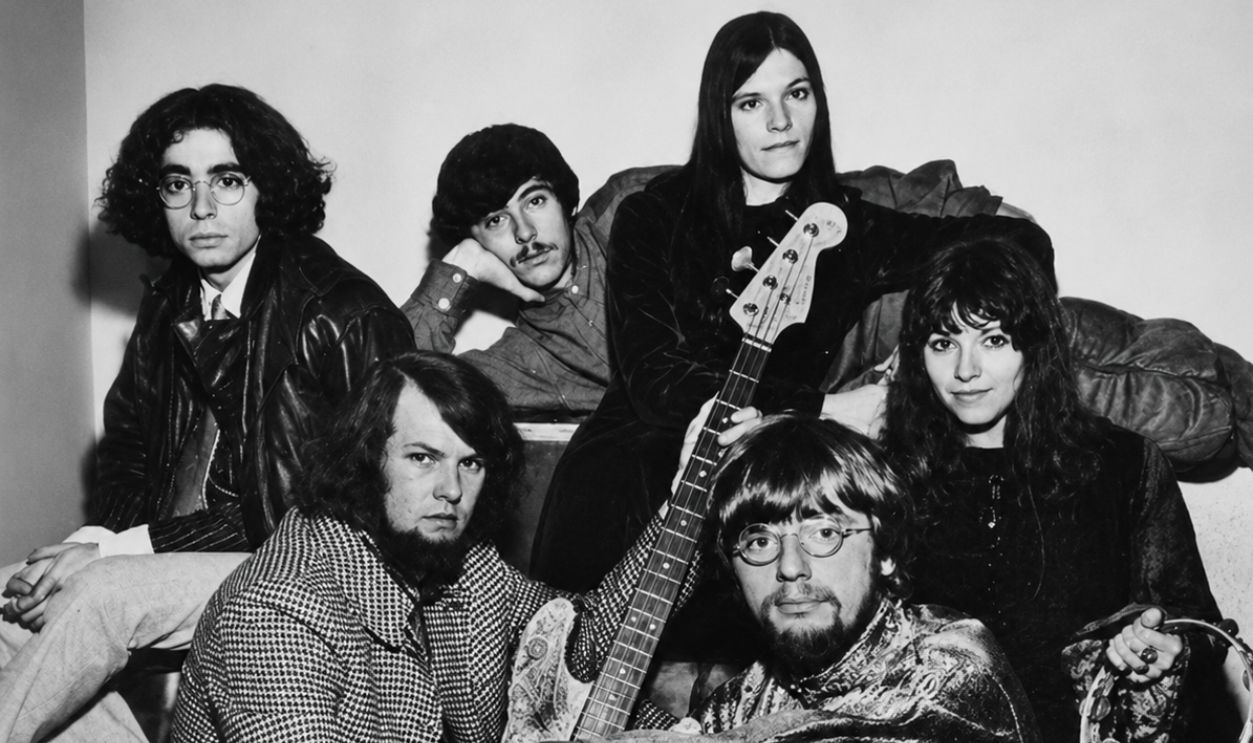 Unknown Author, Wikimedia Commons, Modified
The Music Machine
The Music Machine scored a major hit with "Talk Talk," one of the toughest and most aggressive garage-rock songs of the decade. Dressed entirely in black and sporting matching gloves, the band developed a distinctive image that matched their hard-edged sound. Their influence can still be heard in punk and garage-rock revival bands today.
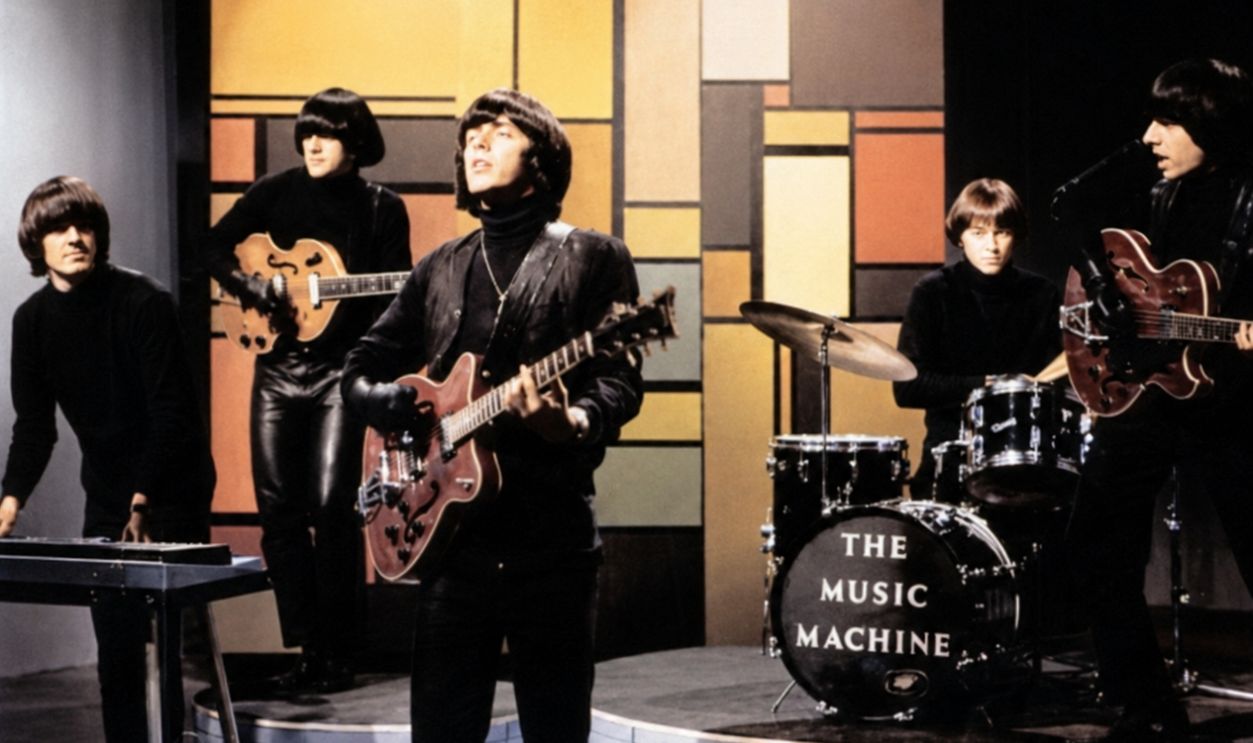 Original Sound Records, Wikimedia Commons, Modified
The Electric Prunes
The Electric Prunes achieved success with "I Had Too Much to Dream (Last Night)," one of the defining songs of the psychedelic era. Their strange, dreamlike sound helped make them favorites among fans of experimental rock. Although their commercial success was short-lived, they remain a staple of countless psychedelic-rock compilations.
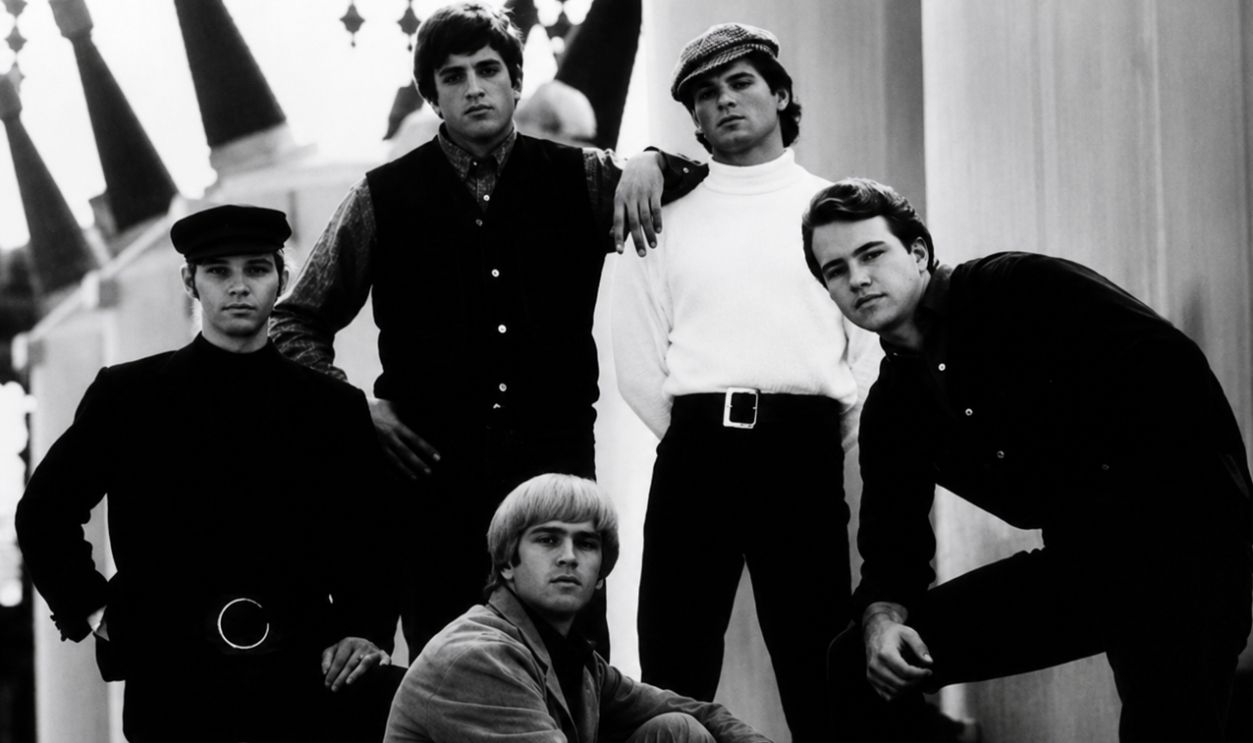 Reprise Records, Wikimedia Commons, Modified
Strawberry Alarm Clock
With a name that sounds like it came directly from a 1967 acid trip, Strawberry Alarm Clock became famous for "Incense and Peppermints." The song reached number one and became one of the era's signature psychedelic hits. Despite that success, the band struggled to replicate it and gradually slipped into one-hit-wonder territory.
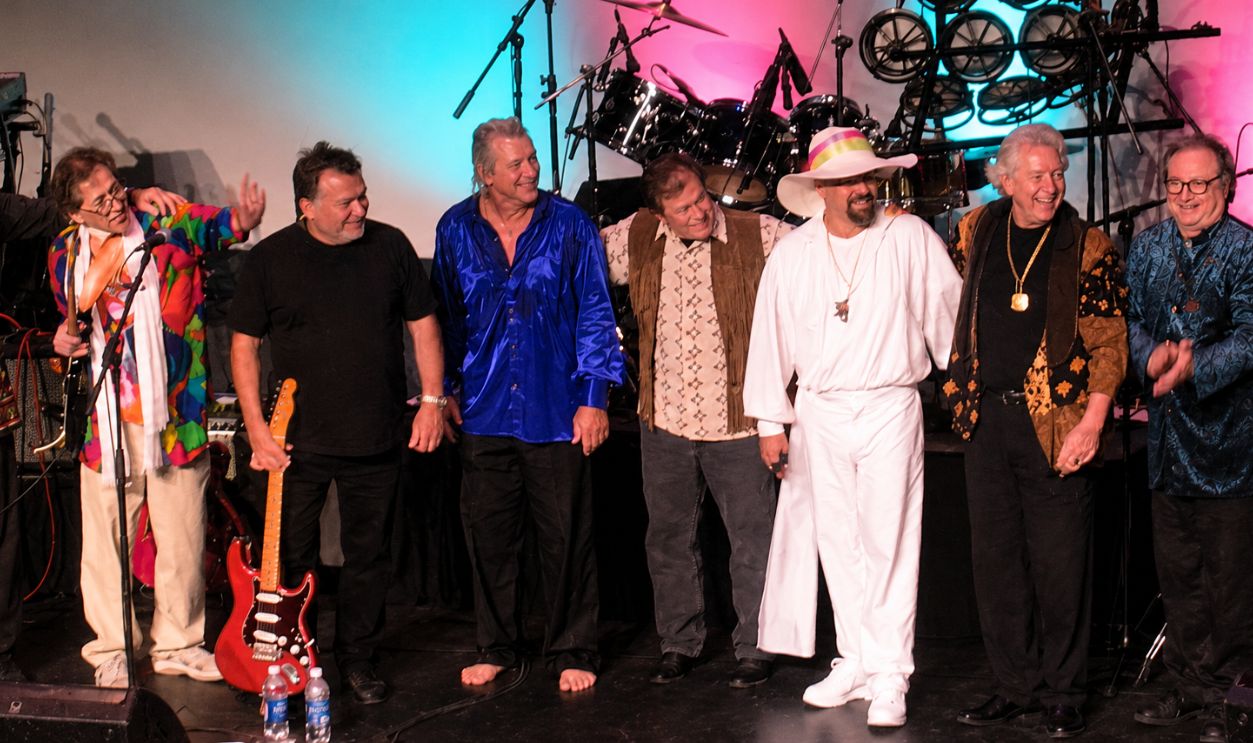 Rhinowing, Wikimedia Commons, Modified
Love
Love may be the most critically acclaimed band on this list. Led by Arthur Lee, the Los Angeles group blended folk, rock, psychedelia, and orchestral arrangements into something entirely unique. Their album Forever Changes is now considered a masterpiece, though commercial success never matched the critical praise.
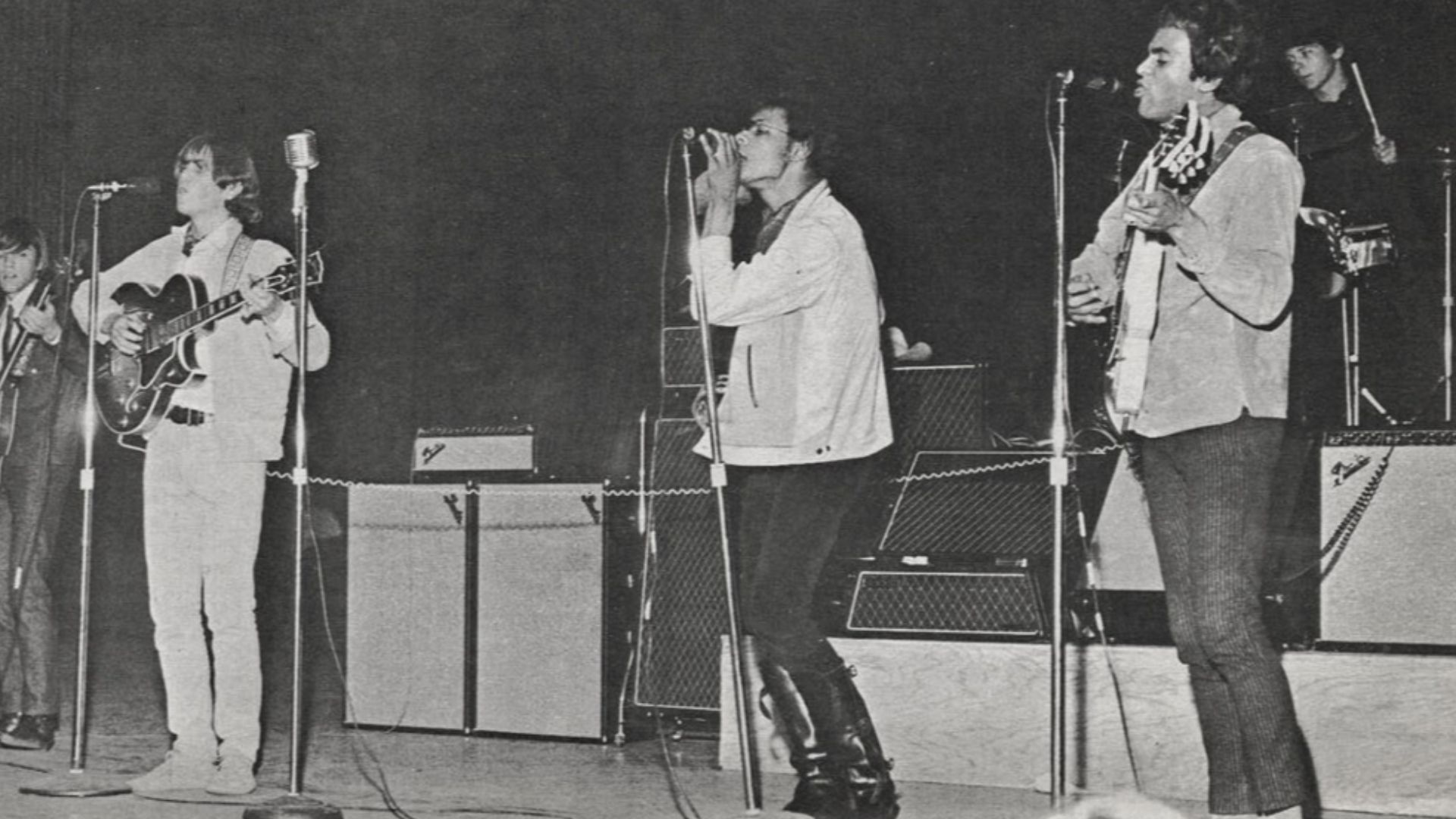
The Animals
Most people remember "House of the Rising Sun," but The Animals were much more than a single song. Eric Burdon's powerful vocals helped fuel a string of hits that blended British rock with American blues influences. They played a crucial role in the British Invasion, yet often get overlooked when discussing the era's biggest bands.
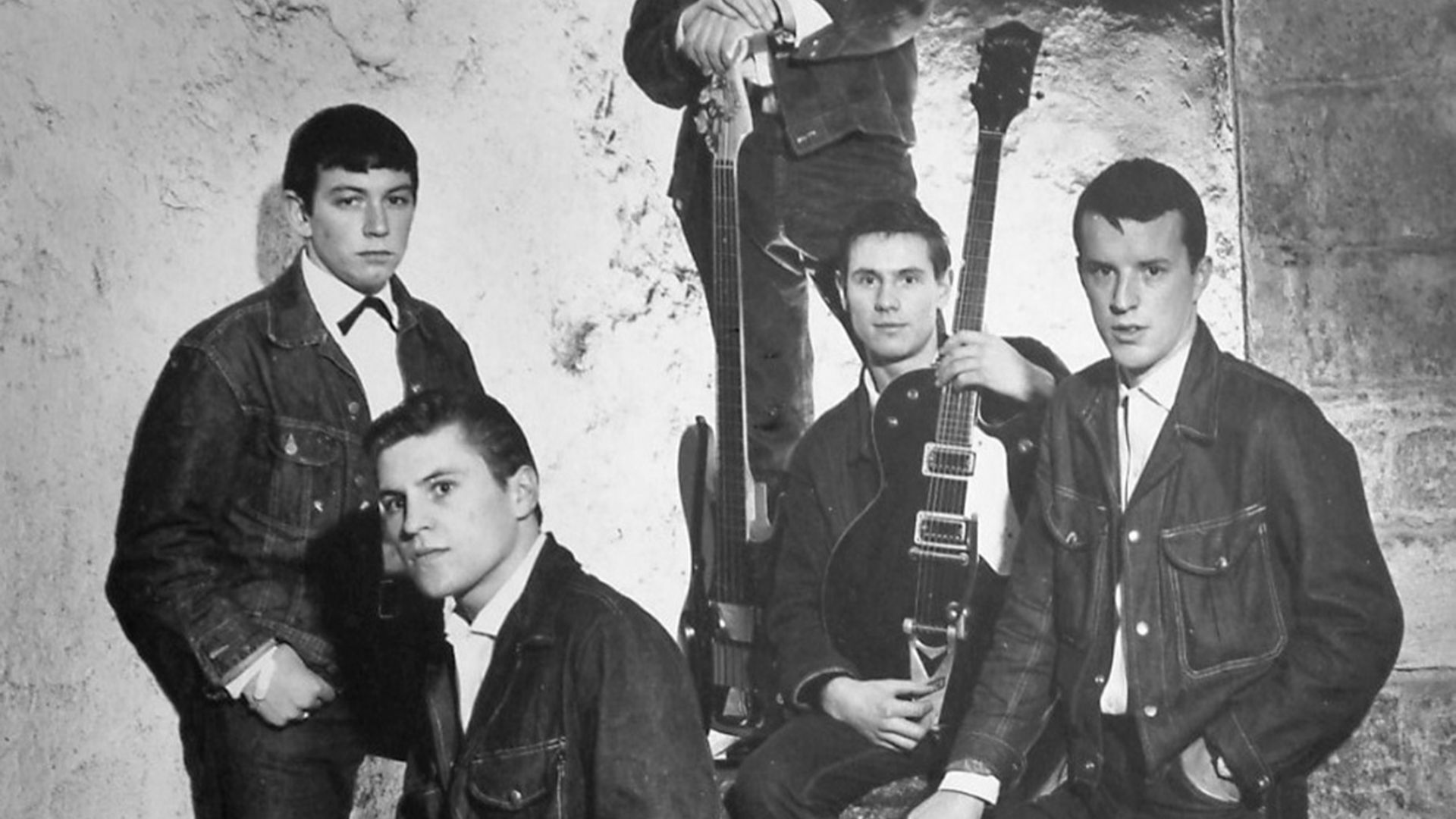 Richard William Laws, Wikimedia Commons
The Moody Blues
The Moody Blues helped bridge the gap between traditional rock and progressive rock. Albums like Days of Future Passed incorporated orchestral arrangements and ambitious concepts years before prog became a dominant force. Songs like "Nights in White Satin" remain classics, though the band's broader legacy often gets overshadowed by later progressive acts.
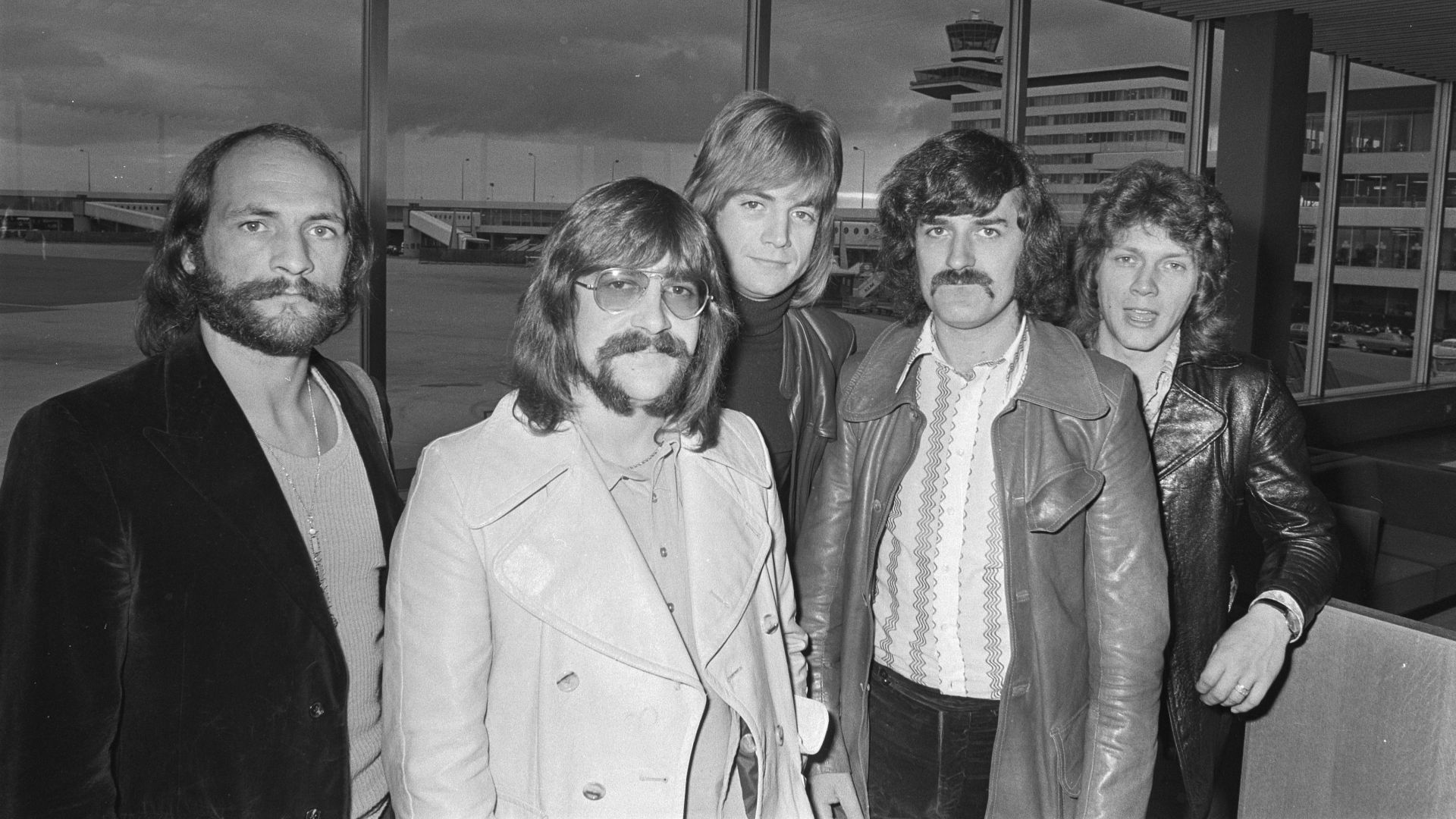
The Box Tops
Fronted by future solo star Alex Chilton, The Box Tops scored a huge hit with "The Letter" in 1967. Chilton was only a teenager at the time, yet his voice sounded decades older. The band's blend of blue-eyed soul and pop made them a major presence on the charts before fading from public memory.
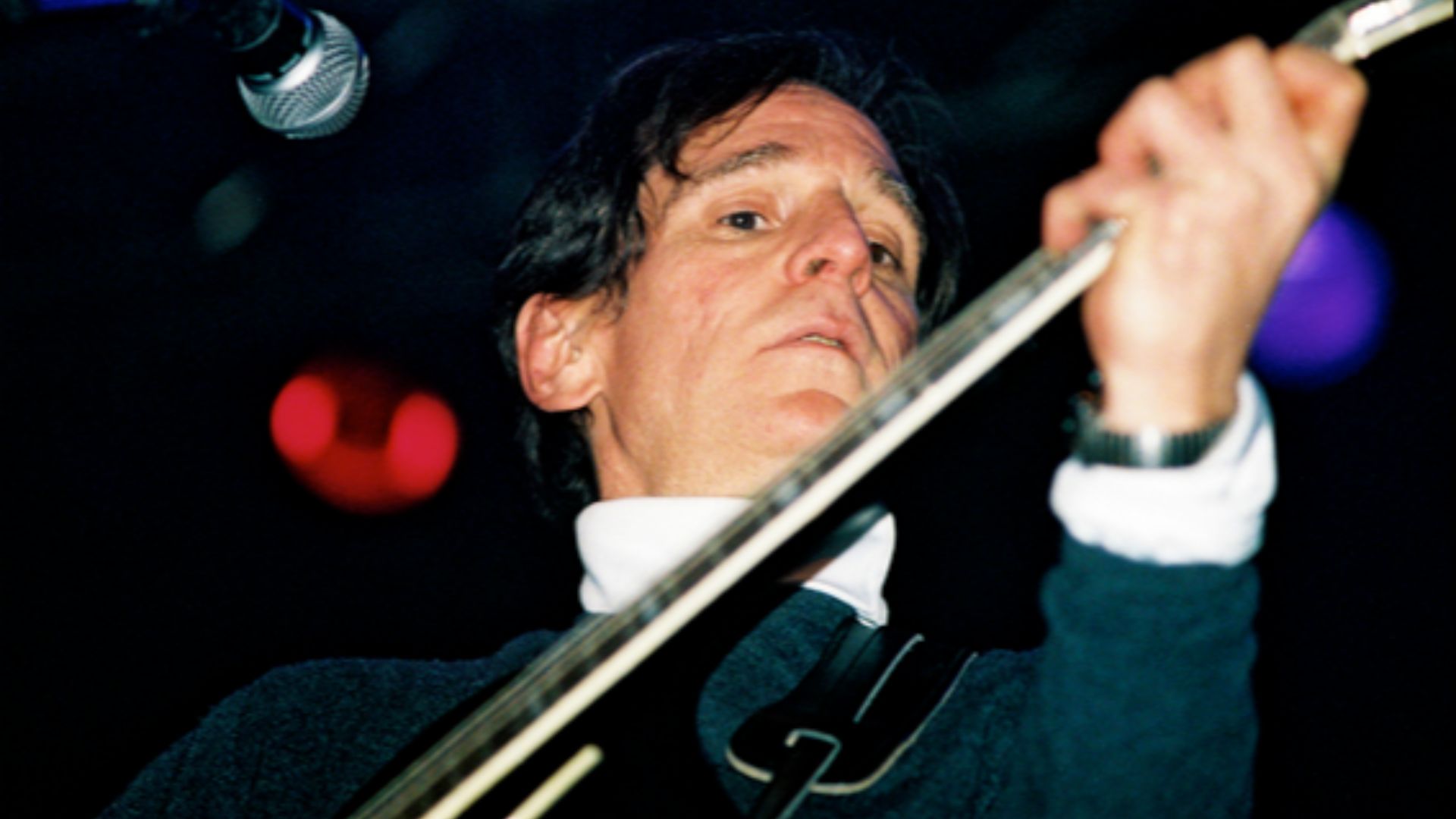 Philippe Brizard, Wikimedia Commons
The Rascals
Originally known as The Young Rascals, the group combined rock, soul, and R&B into a highly successful formula. Hits like "Good Lovin'," "Groovin'," and "People Got to Be Free" made them one of the biggest American bands of the decade. Despite their success, they rarely receive the same attention as many British Invasion acts.
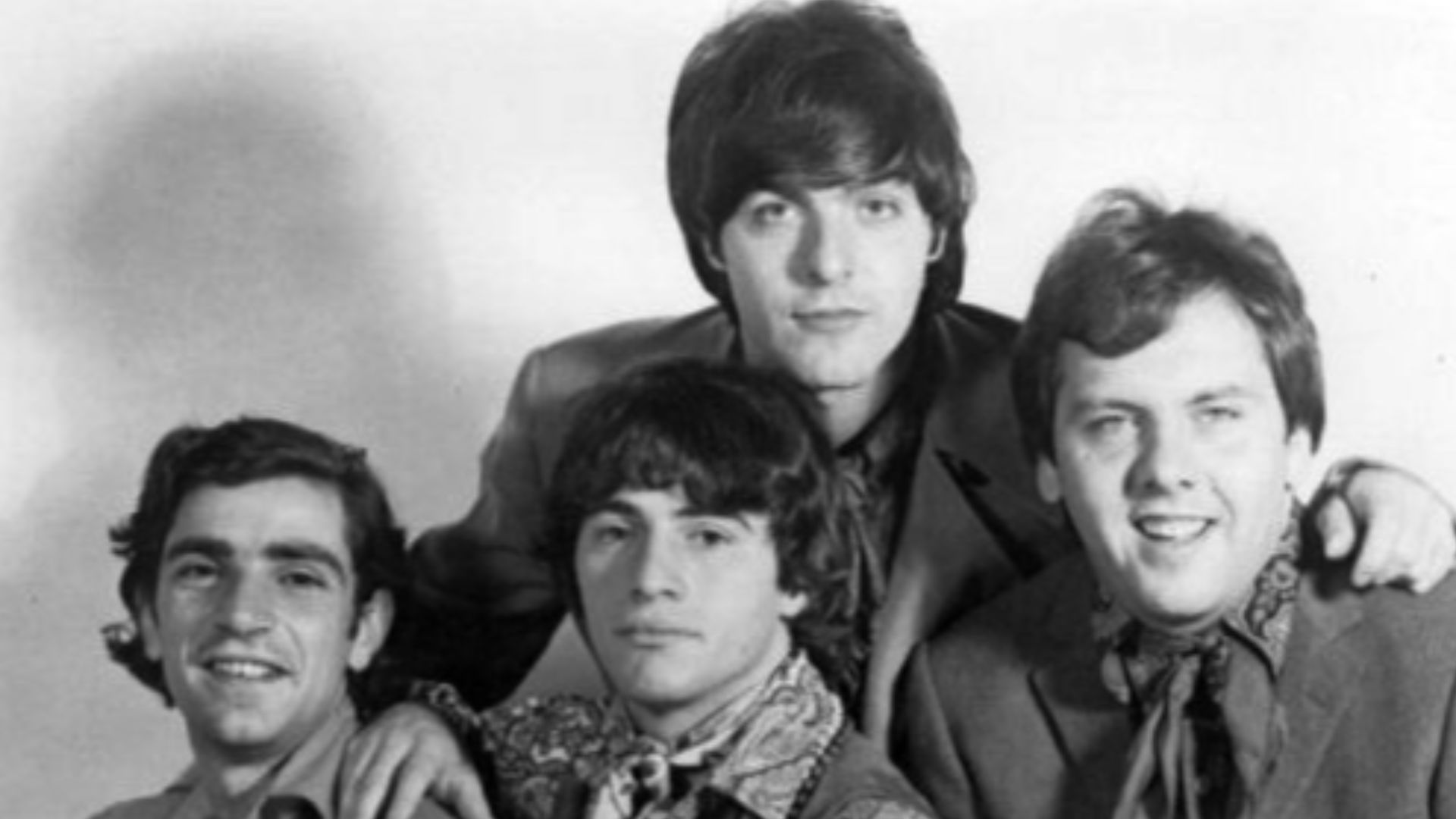 Associated Booking Corporation, Wikimedia Commons
Procol Harum
Most people know Procol Harum for "A Whiter Shade of Pale," one of the most recognizable songs ever recorded. The band's classical influences and ambitious songwriting helped distinguish them from many of their peers. While they continued making strong music throughout the 1970s, that one iconic song often overshadows everything else they accomplished.
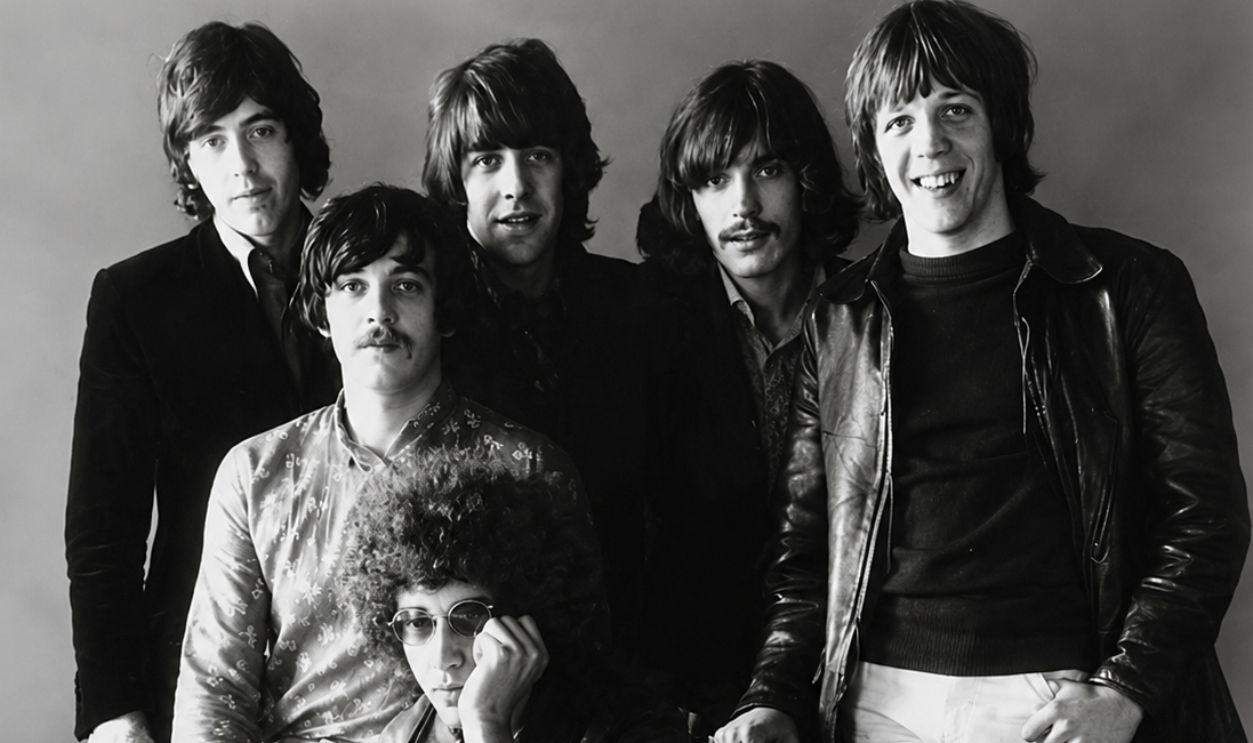 A&M Records, Wikimedia Commons, Modified
You May Also Like:
TV Comedies From The 1960s That Are Being Slowly Forgotten—Do You Remember Any Of These Classics?
Great Bands Baby Boomers Loved In The 1970s—And Guess What...Millennials Still Listen To Them Today



.jpg)


