
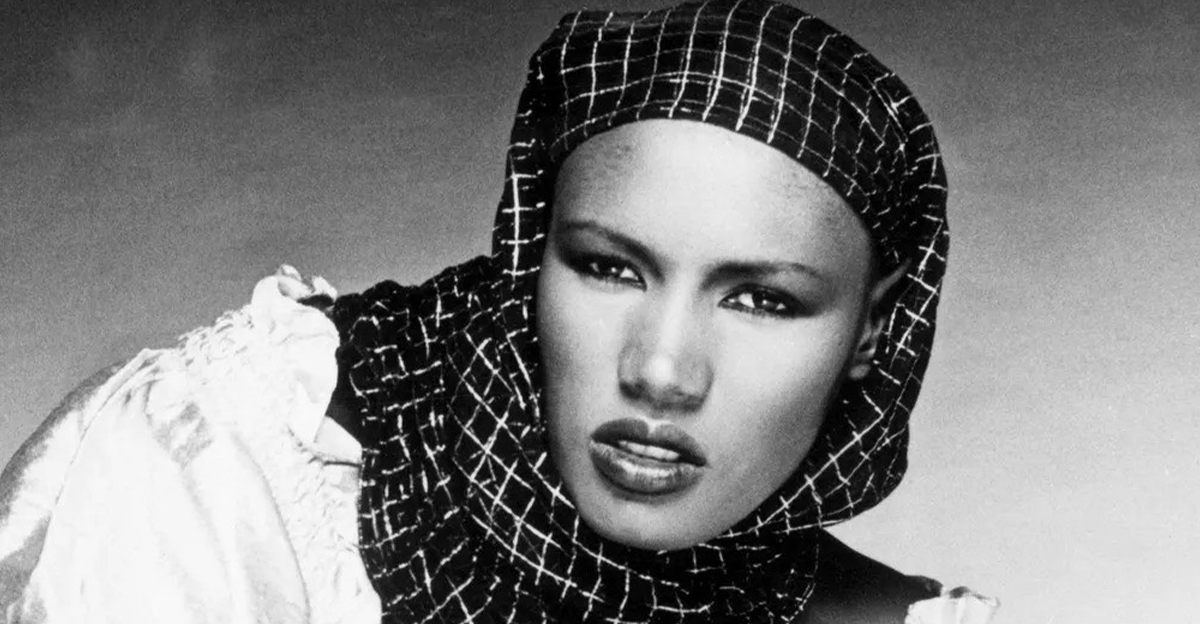
No Number One? No Problem
Chart success and musical greatness don't always go hand in hand. These artists became icons, inspired countless musicians, and created some of the most beloved music ever recorded—all without scoring a number one hit.
 Island Records, Wikimedia Commons
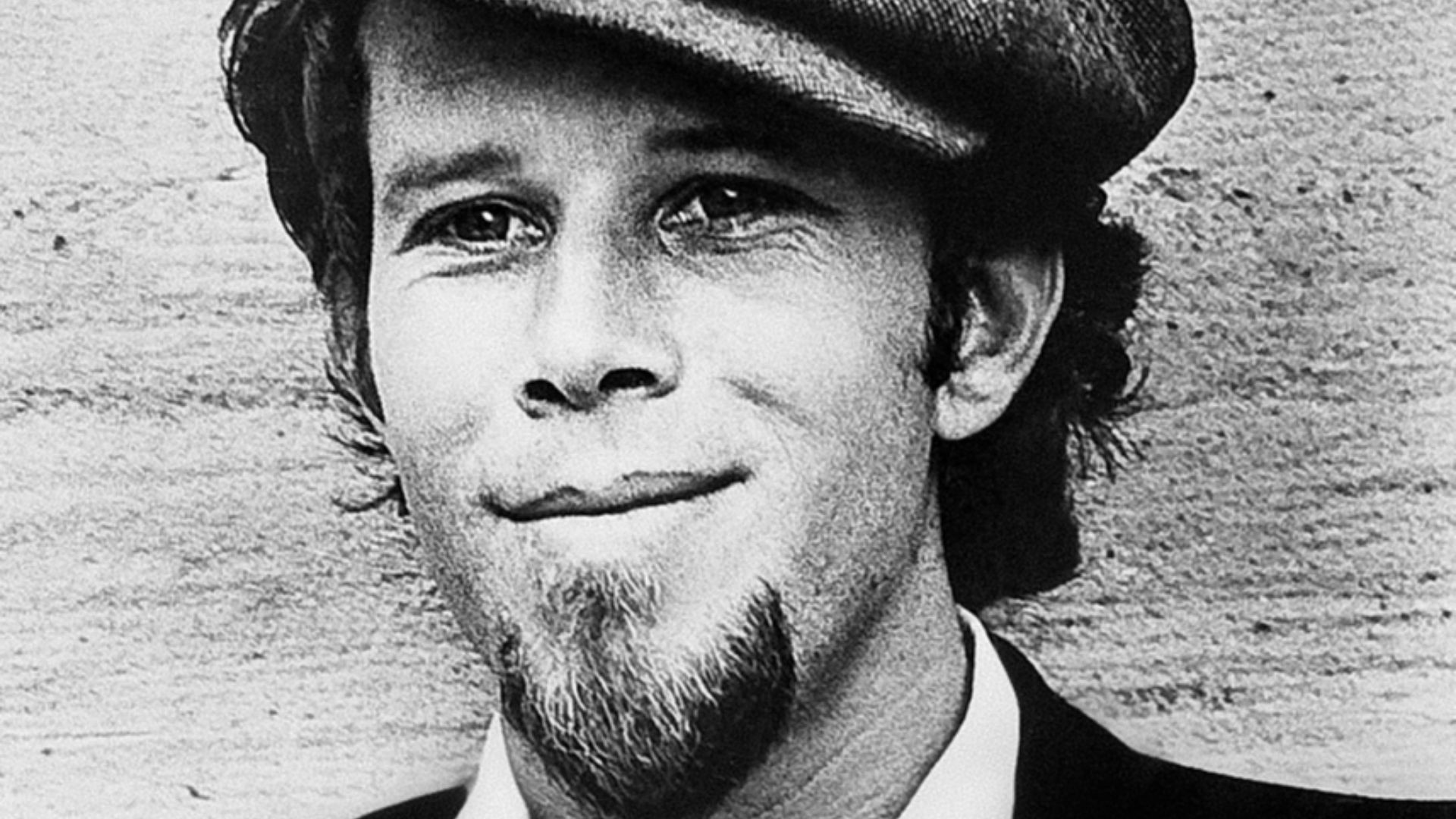
Tom Waits
Tom Waits built one of the most distinctive careers in music history without ever chasing radio success. His gravelly voice, oddball storytelling, and genre-hopping approach made him a critical favorite rather than a chart regular. Songs like "Ol' 55," "Downtown Train," and "Jersey Girl" became famous through other artists, while Waits himself remained one of music's most respected cult figures.
 Published by Asylum Records. Photographer uncredited and unknown., Wikimedia Commons
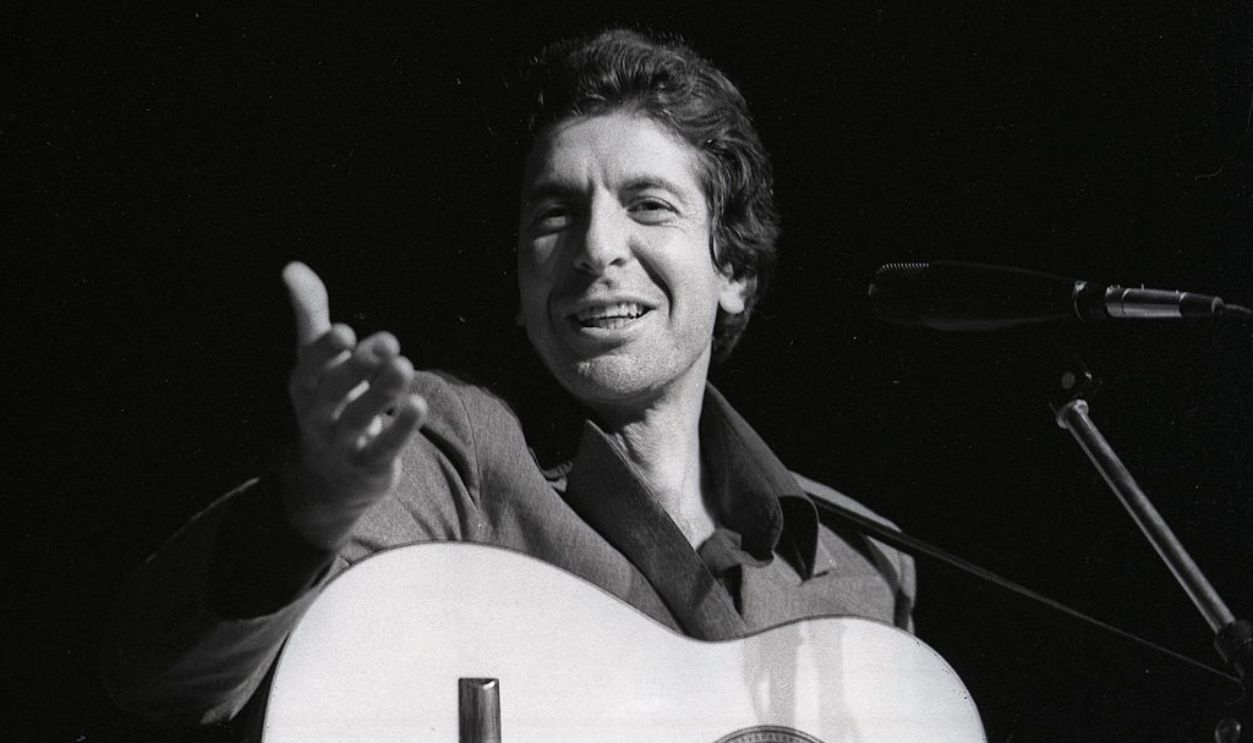
Leonard Cohen
Leonard Cohen's songwriting influenced countless artists, yet chart dominance was never part of his story. Songs like "Suzanne," "Bird on the Wire," and especially "Hallelujah" became classics, but often through cover versions. By the time "Hallelujah" became one of the most beloved songs ever written, Cohen's reputation had long surpassed anything a number one single could have added.
 Ellen Poppinga - K & K, Getty Images
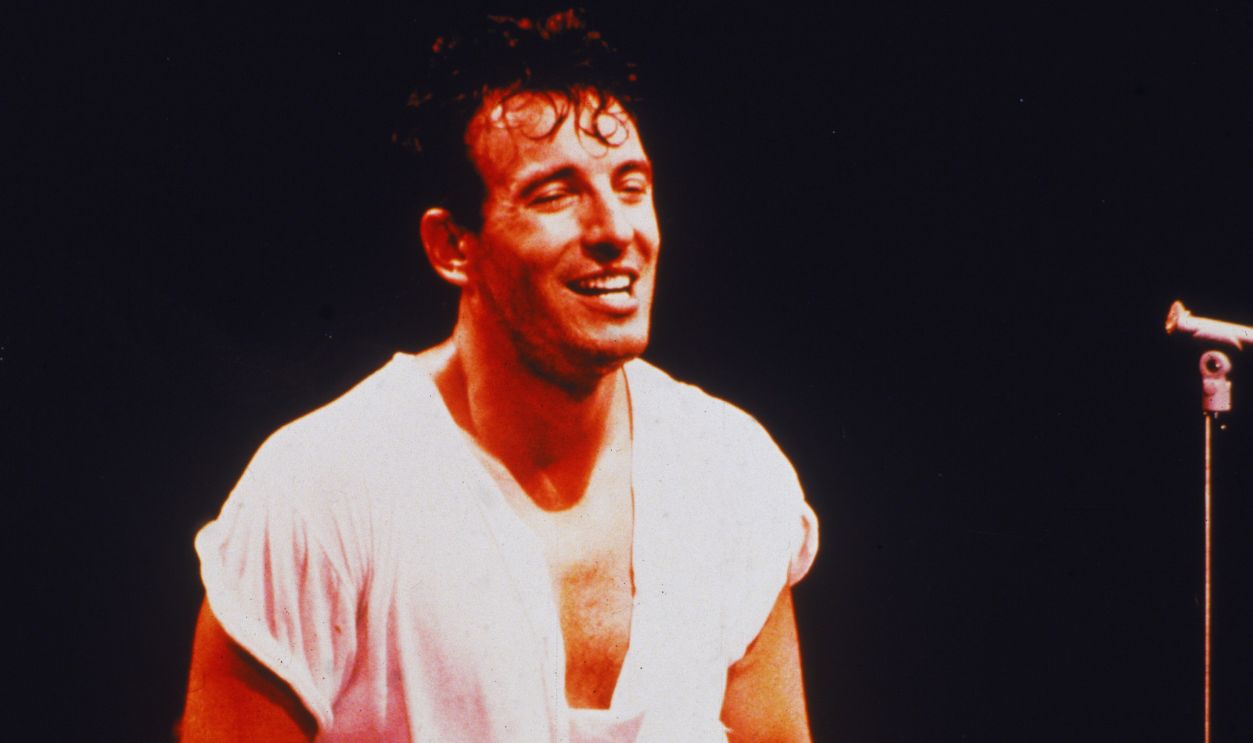
Bruce Springsteen
This one surprises a lot of people. Bruce Springsteen sold millions of albums, packed stadiums for decades, and became one of America's defining rock stars, yet he never scored a number one Billboard Hot 100 single. Songs like "Born to Run," "Dancing in the Dark," and "Born in the USA" became cultural landmarks anyway, proving that chart peaks aren't always the best measure of impact.
Björk
Few artists have reinvented themselves as successfully as Björk. From her early work with The Sugarcubes to groundbreaking solo albums like Post, Homogenic, and Vespertine, she constantly pushed musical boundaries. While her songs rarely dominated mainstream radio, her influence spread through alternative pop, electronic music, and art-pop circles, making her one of the most important artists of the past several decades.
 Koichi Kamoshida, Getty Images
Fugazi
Fugazi practically built a blueprint for independent music. The Washington, DC post-hardcore legends refused major-label deals, kept ticket prices low, and maintained complete control over their career. Their influence on punk, alternative rock, and DIY culture remains enormous. Commercial success was never the goal, which makes their lasting impact even more remarkable.
 Tim Trentham from Austin, USA, Wikimedia Commons
The Ramones
The Ramones helped invent punk rock, yet mainstream chart success largely escaped them. Their songs were short, fast, catchy, and hugely influential, but radio never fully embraced them during their prime. Over time, classics like "Blitzkrieg Bop," "I Wanna Be Sedated," and "Rockaway Beach" became essential pieces of rock history despite their modest chart performances.
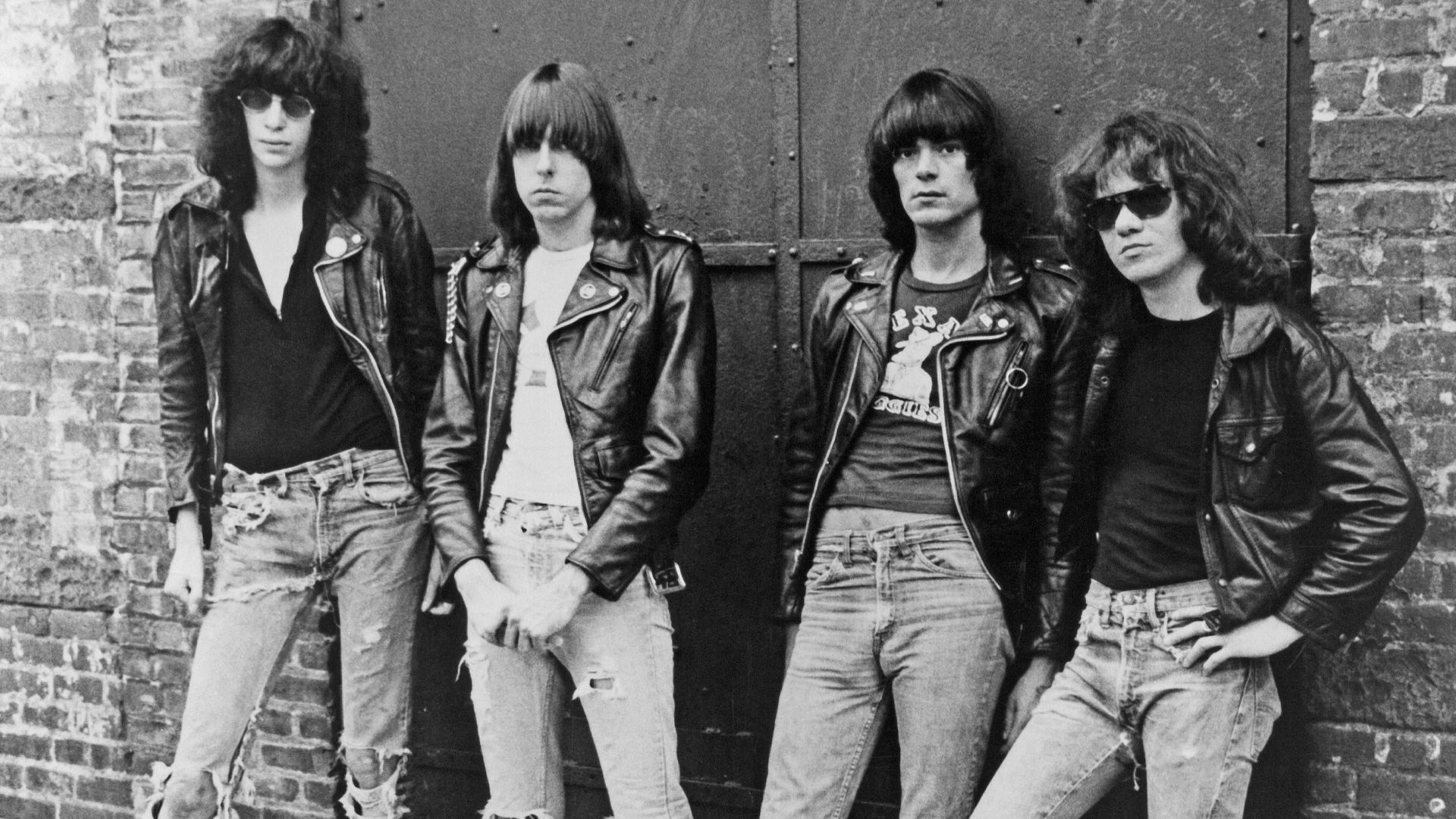 Danny Fields, Wikimedia Commons
Loretta Lynn
Loretta Lynn scored numerous country hits and became one of the genre's most important voices, but a mainstream pop number one never arrived. Songs like "Coal Miner's Daughter," "The Pill," and "You Ain't Woman Enough" helped transform country music by addressing topics many artists avoided. Her legacy as a pioneer far outweighs any chart milestone.
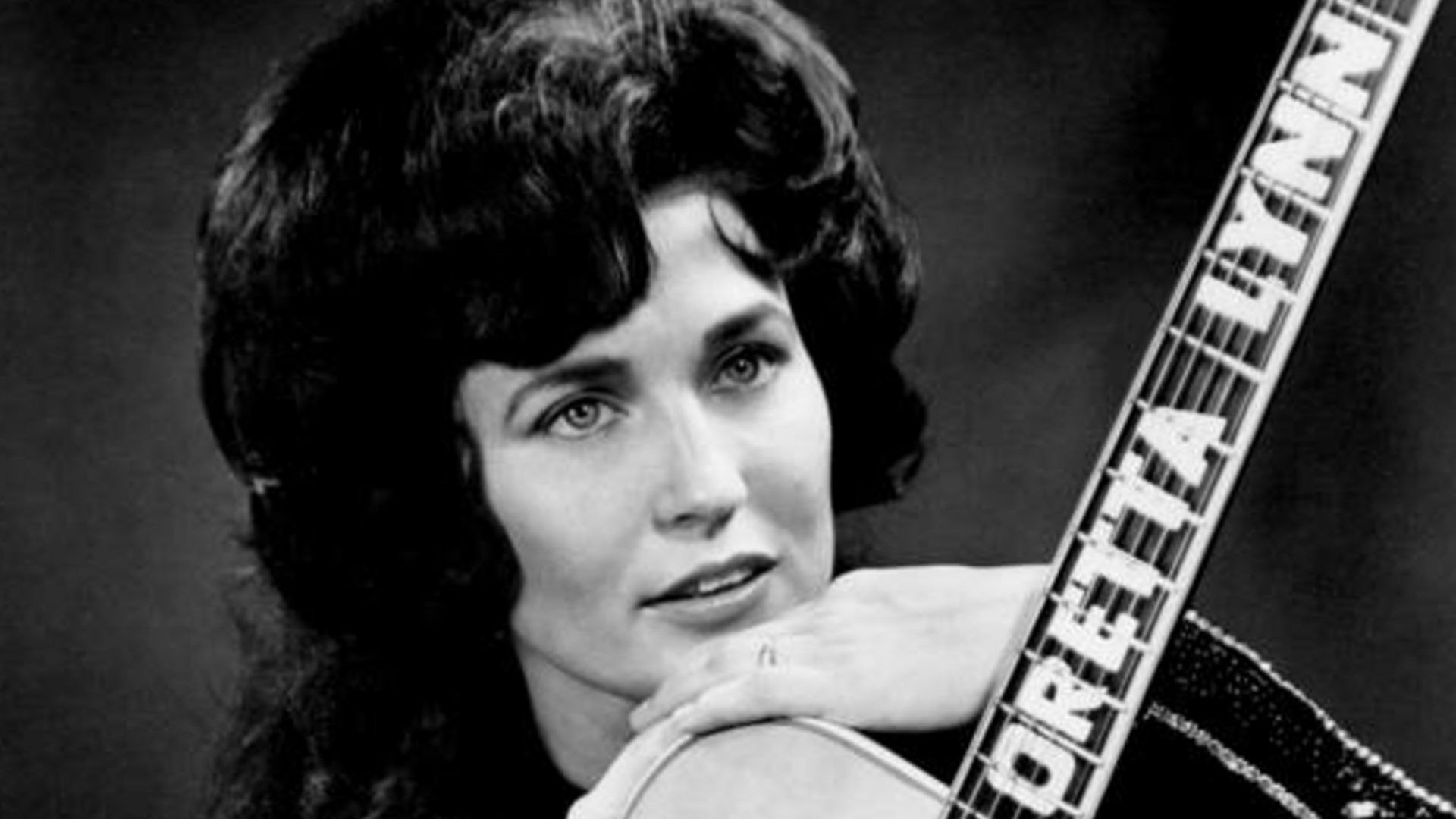 Les Leverett, Wikimedia Commons
The Grateful Dead
The Grateful Dead spent decades building one of the most devoted fan communities in music. Their live shows became legendary, and fans often followed entire tours across the country. Yet traditional hit singles were never central to their appeal. The band's cultural footprint ended up being vastly larger than their chart statistics would suggest.

Ani DiFranco
Ani DiFranco became one of the most successful independent artists ever by doing things her own way. She founded her own label, controlled her releases, and built a loyal audience through relentless touring. While she never came close to pop-chart dominance, her influence on independent music and artist-owned careers remains substantial.
 Erinc Salor, Wikimedia Commons
Rage Against The Machine
Rage Against the Machine became one of the defining rock bands of the 1990s while delivering some of the least radio-friendly messages imaginable. Their combination of rap, metal, funk, and political activism helped create a completely unique identity. Even without traditional chart success, songs like "Killing in the Name" remain instantly recognizable decades later.
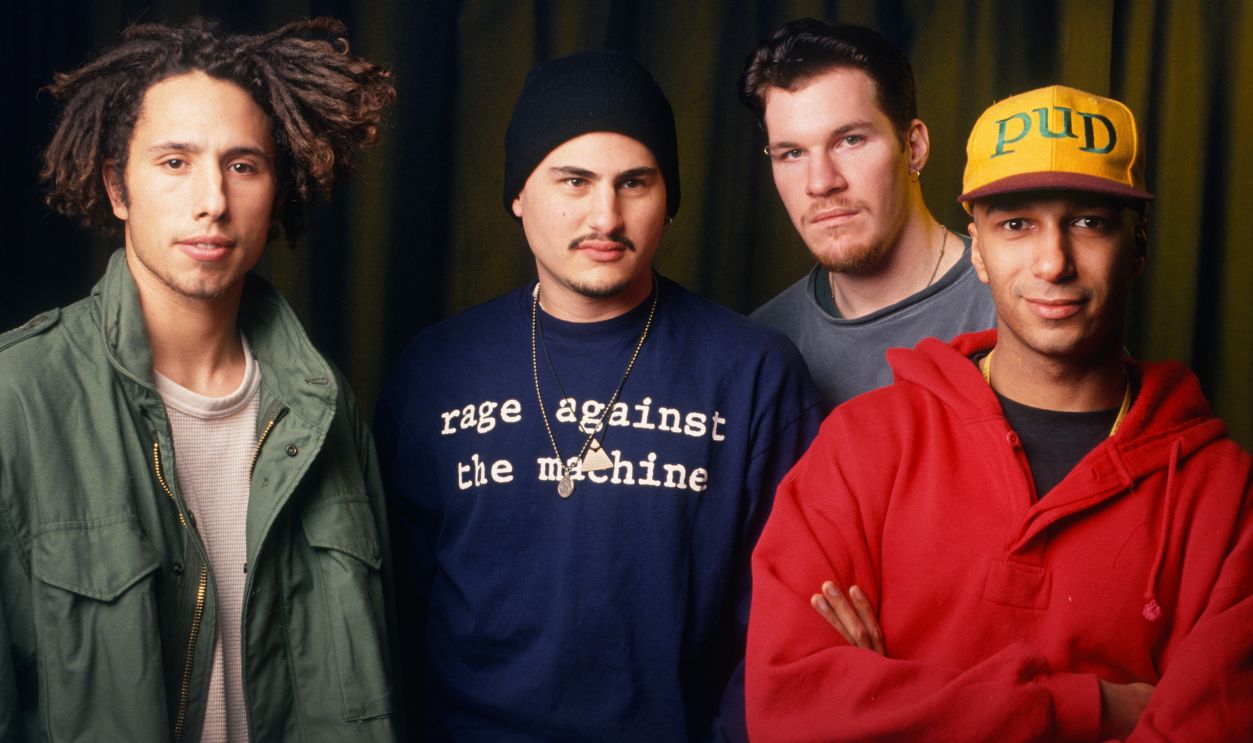
Joy Division
Joy Division's career lasted only a few years before Ian Curtis's tragic death, but their influence continues to grow. Albums like Unknown Pleasures and Closer helped shape post-punk, alternative rock, and countless other genres. Their music never dominated the charts, yet their sound became one of the most copied and admired in modern music.
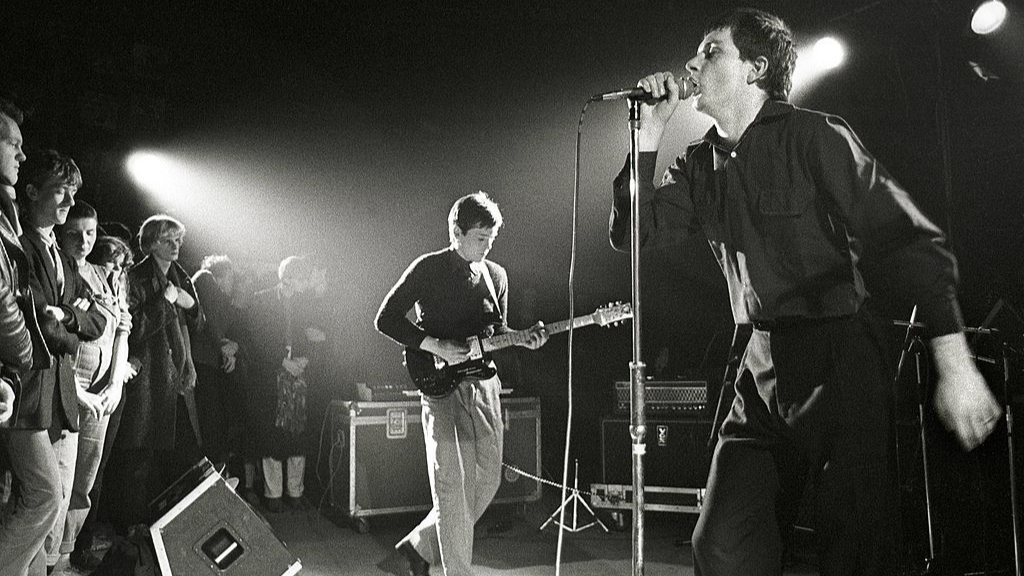
Mazzy Star
Mazzy Star's dreamy blend of folk, psychedelia, and alternative rock made them one of the most distinctive bands of the 1990s. "Fade Into You" became a beloved alternative-radio staple, but it never approached number one. Over the years, the song's popularity only grew, eventually becoming one of the decade's most enduring tracks.

Blur
Blur dominated Britpop alongside Oasis and produced classics like "Girls & Boys," "Parklife," and "Song 2." While they achieved tremendous success in the UK, a major U.S. number one remained elusive. Their influence on British music and alternative rock remains enormous, and "Song 2" may be more recognizable today than many actual chart-toppers.

Bob Marley
Bob Marley is one of the most famous musicians who ever lived, which makes his absence from the number-one club especially surprising. Songs like "No Woman, No Cry," "Three Little Birds," and "One Love" became global anthems. More importantly, Marley helped bring reggae music to worldwide audiences, fundamentally changing popular music in the process.
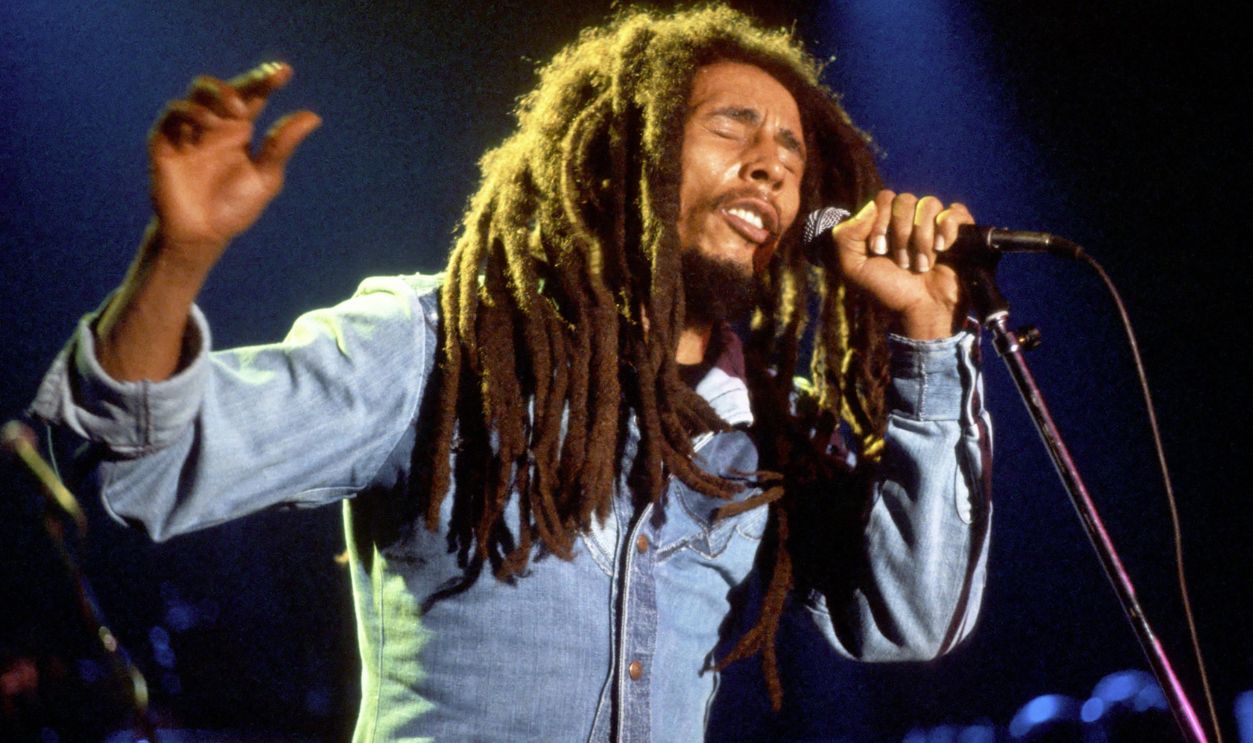 Michael Ochs Archives, Getty Images
Grace Jones
Grace Jones spent her career operating several steps ahead of the mainstream. Her fusion of disco, new wave, reggae, fashion, and performance art made her a cultural icon. While she never became a chart-dominating pop star, her influence can be seen in artists ranging from Lady Gaga to Rihanna and countless others.

The Velvet Underground
The old joke says only a few thousand people bought Velvet Underground records when they were released, but every one of them started a band. Whether or not that's true, the influence is undeniable. Lou Reed, John Cale, and company helped lay the groundwork for punk, alternative rock, indie music, and experimental rock without ever enjoying major chart success.
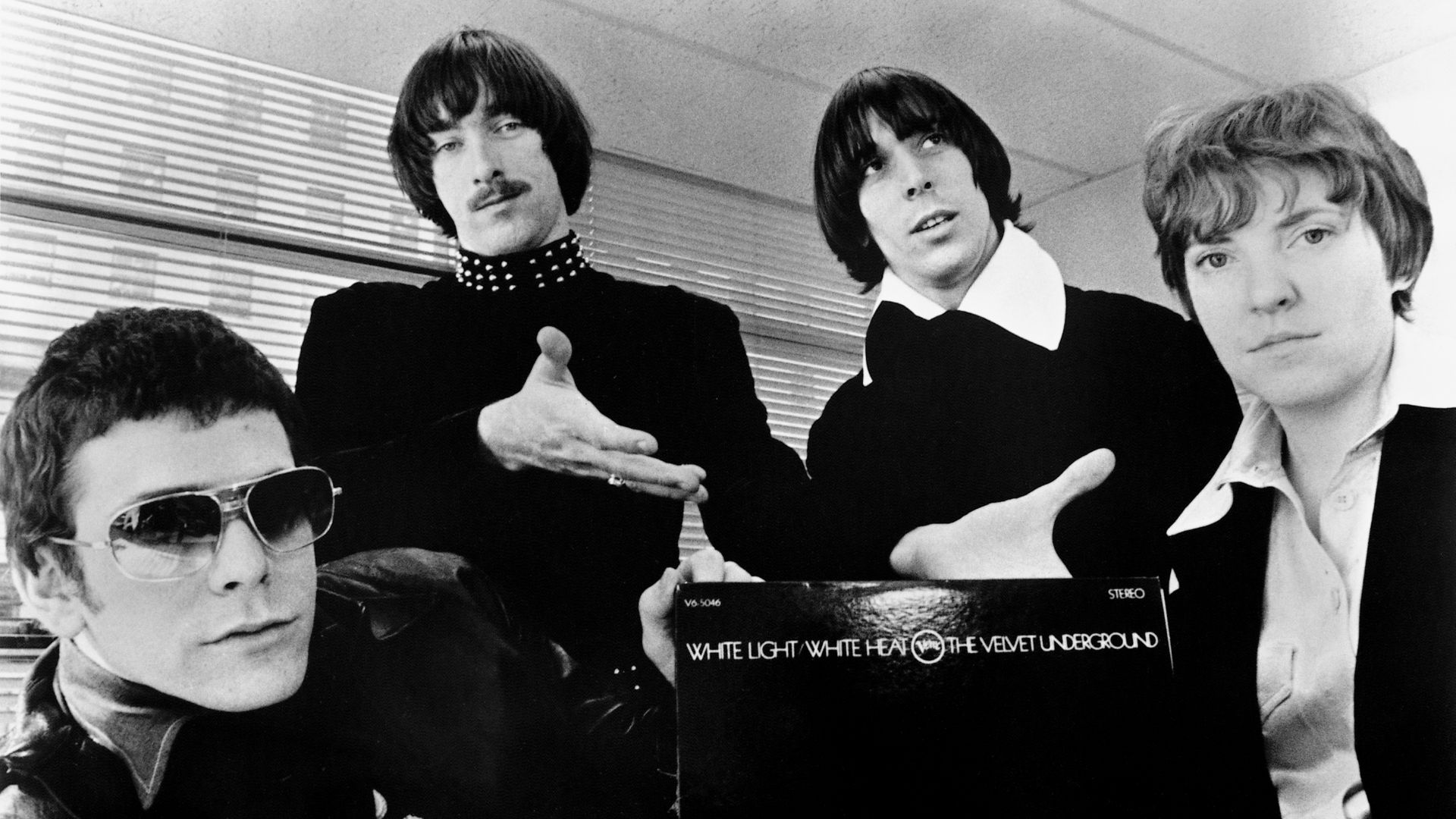
Morrissey
Both with The Smiths and as a solo artist, Morrissey became one of alternative music's most distinctive voices. His sharp lyrics, dramatic personality, and devoted fanbase helped sustain a career spanning decades. Songs like "Suedehead" and "Everyday Is Like Sunday" became beloved by fans even if mainstream chart dominance never followed.

Garth Brooks
Garth Brooks sold more albums in the United States than almost any artist in history, yet a Billboard Hot 100 number one never materialized. His success came through country radio, touring, and album sales rather than crossover pop singles. That hardly slowed him down, as he became one of the biggest-selling artists of all time.
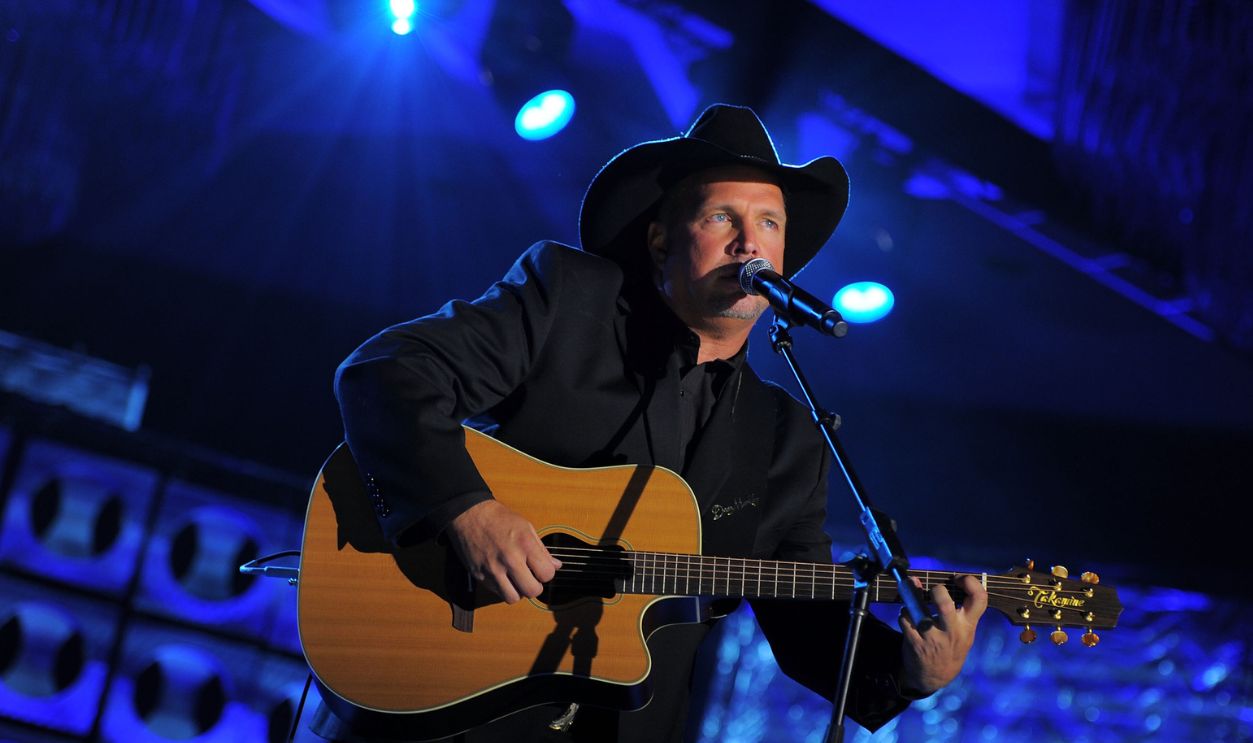
George Strait
George Strait's career is built on consistency. He accumulated dozens of country number-one hits and became one of the most successful artists in Nashville history. However, mainstream pop chart supremacy remained out of reach. His influence within country music alone was enough to secure his place among the genre's true legends.
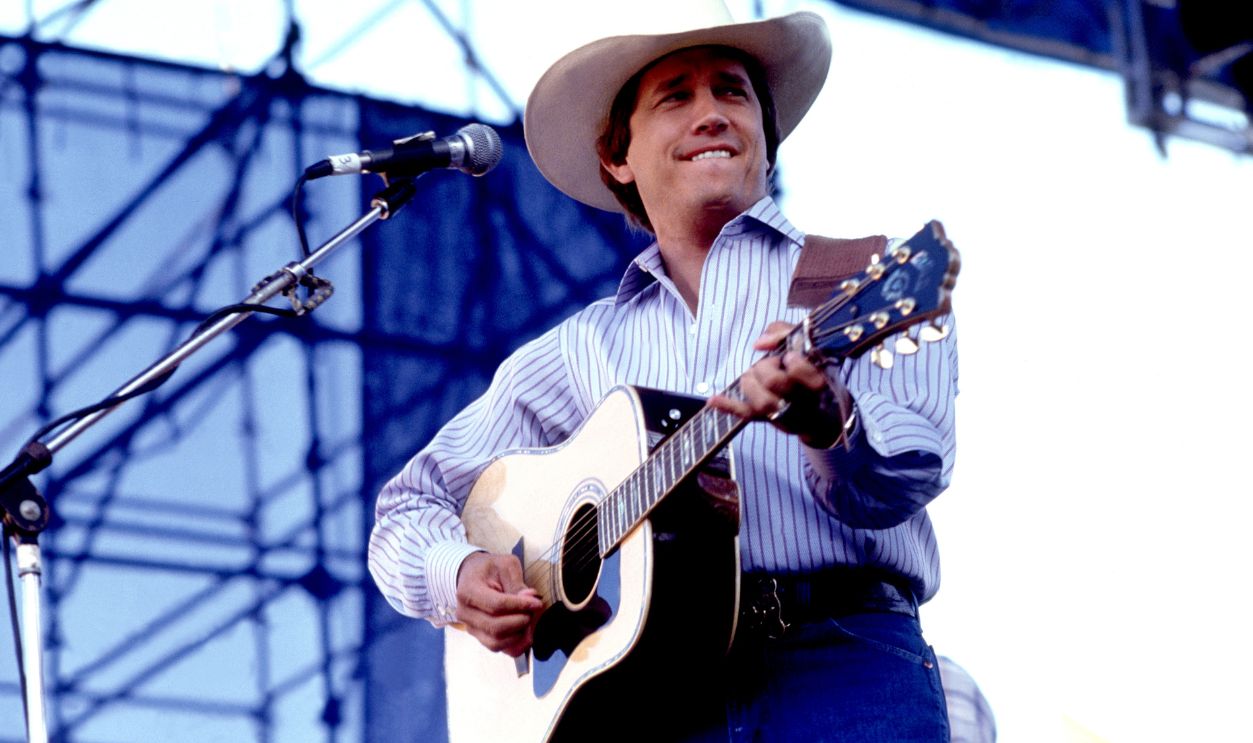
James Brown
The "Godfather of Soul" transformed popular music through funk, soul, and rhythm and blues. His grooves influenced everyone from Prince to Michael Jackson to countless hip-hop producers. Surprisingly, despite his immense cultural importance, Brown never managed a Billboard Hot 100 number one. His musical fingerprints, however, are practically everywhere.
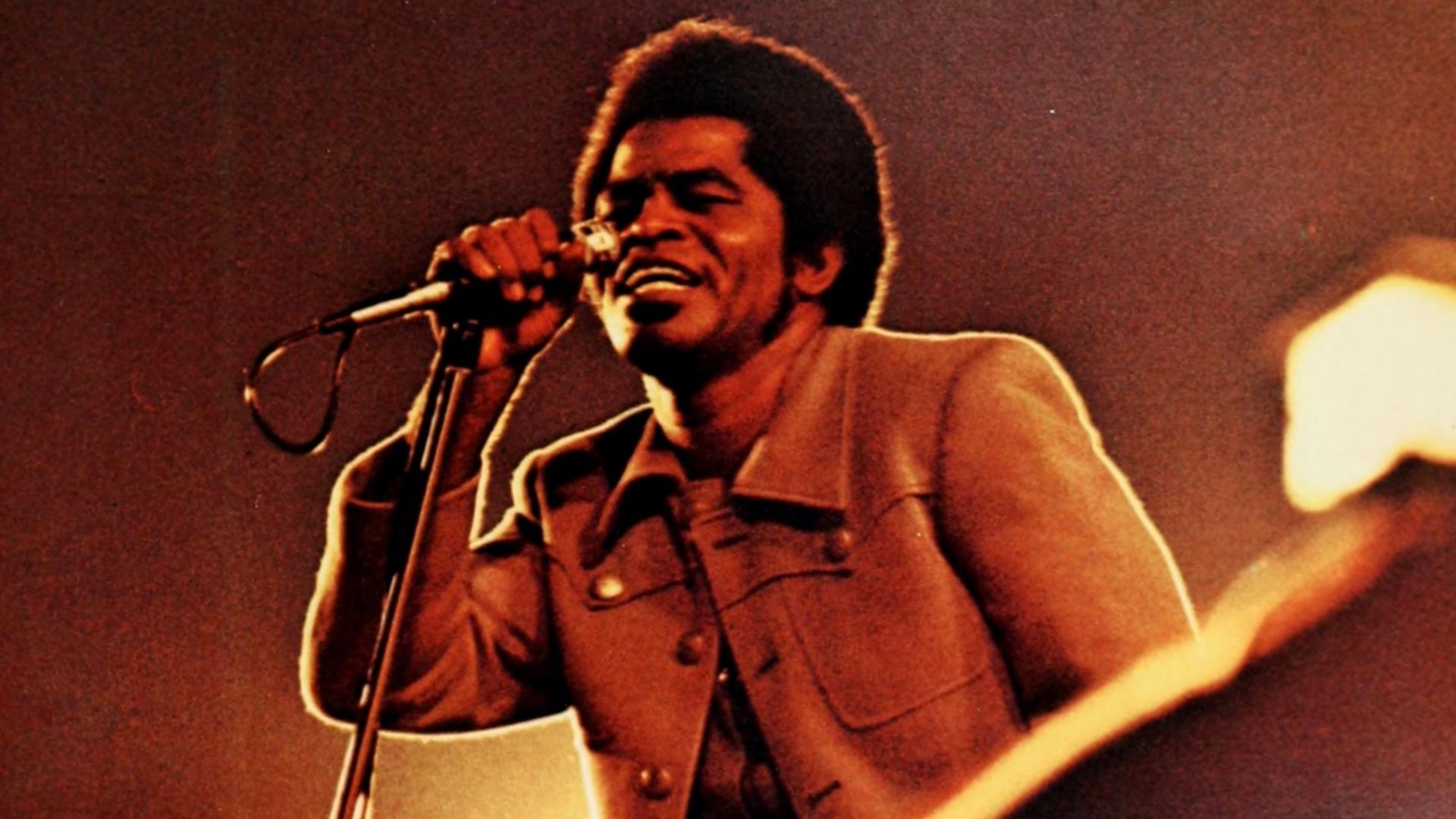 Uncredited photographer for the Jambalaya, Wikimedia Commons
Massive Attack
Massive Attack helped invent trip-hop and forever changed electronic music. Albums like Blue Lines and Mezzanine influenced producers, DJs, and bands across multiple genres. While chart-topping singles were never their specialty, their atmospheric sound became one of the defining musical innovations of the 1990s.
 Platonova Alina, Wikimedia Commons
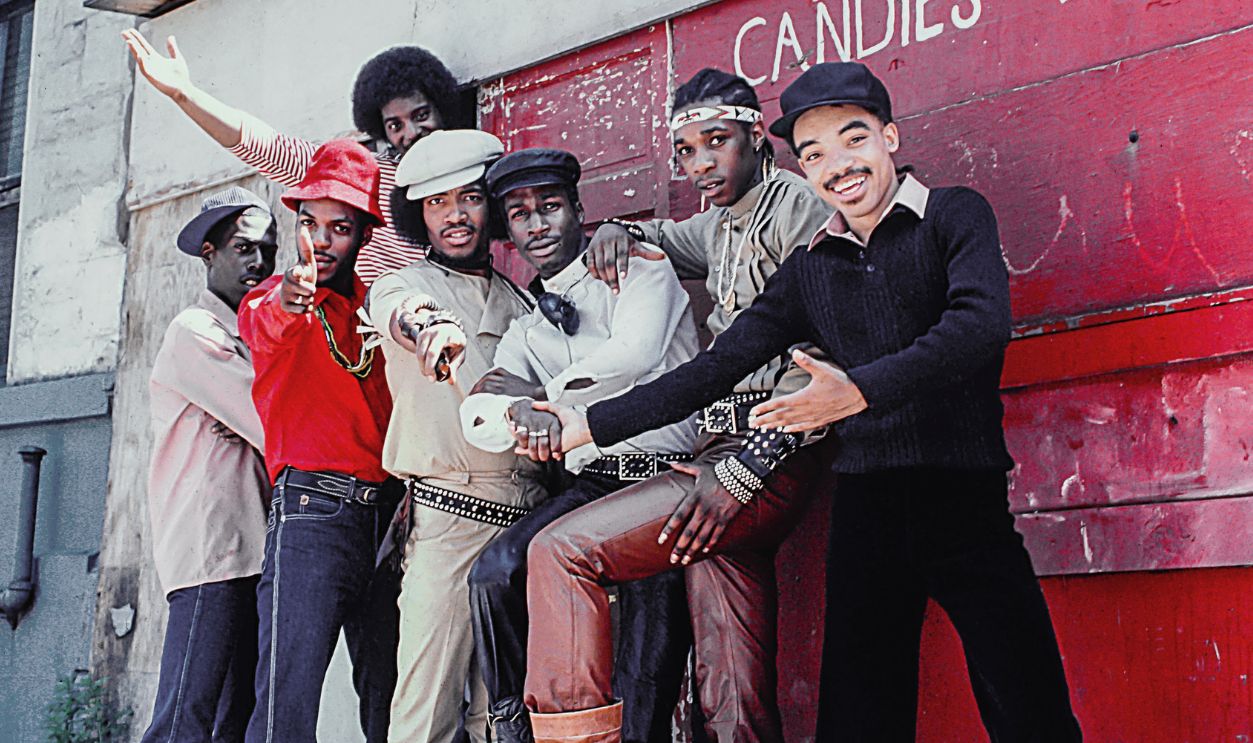
Grandmaster Flash And The Furious Five
Hip-hop would look very different without Grandmaster Flash and the Furious Five. Tracks like "The Message" demonstrated that rap could tackle serious social issues while remaining musically innovative. Their influence on the genre is impossible to overstate, even if mainstream chart success never fully reflected their historical importance.
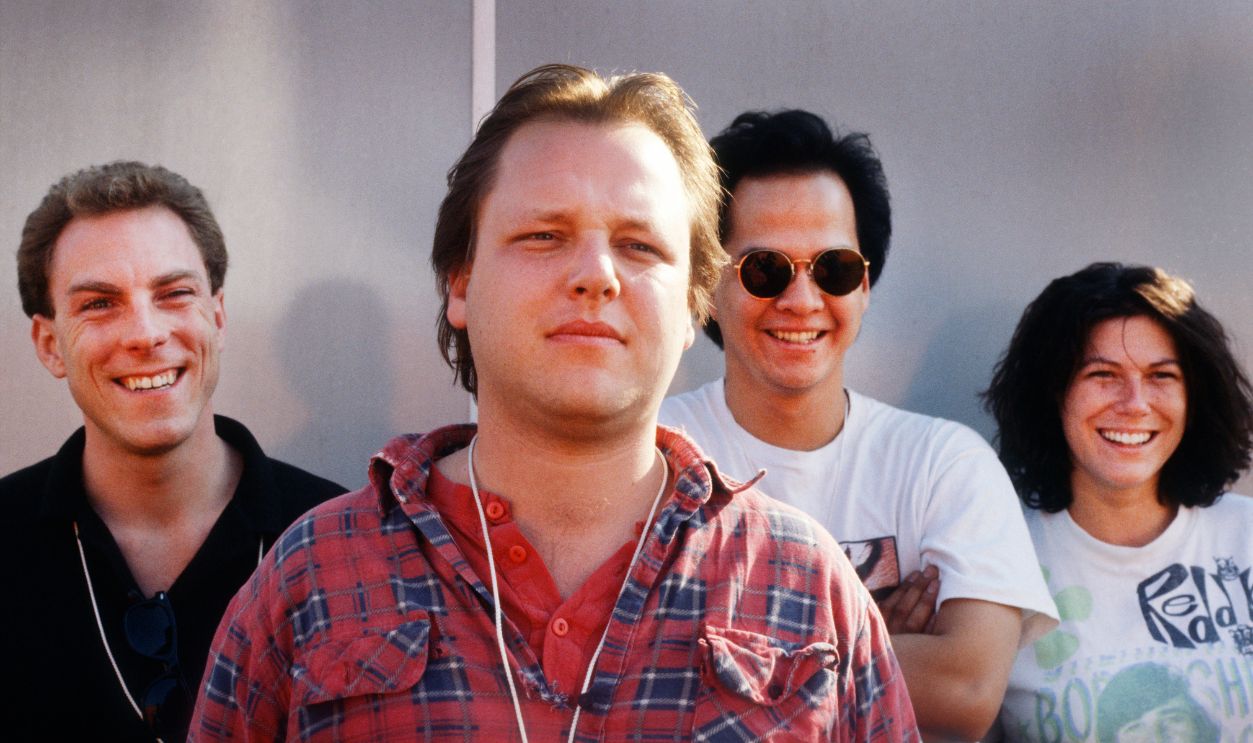
The Pixies
The Pixies spent years as a musicians' favorite band before mainstream audiences fully caught up. Their loud-quiet-loud dynamics helped inspire Nirvana, while albums like Doolittle became alternative-rock touchstones. Their influence on the sound of the 1990s may have been greater than many artists who actually topped the charts.
King Crimson
King Crimson's influence on progressive rock remains staggering. Robert Fripp and company constantly reinvented themselves, releasing challenging, ambitious music that prioritized experimentation over commercial appeal. Albums like In the Court of the Crimson King became genre-defining works, helping establish prog rock as a major creative force despite limited chart success.
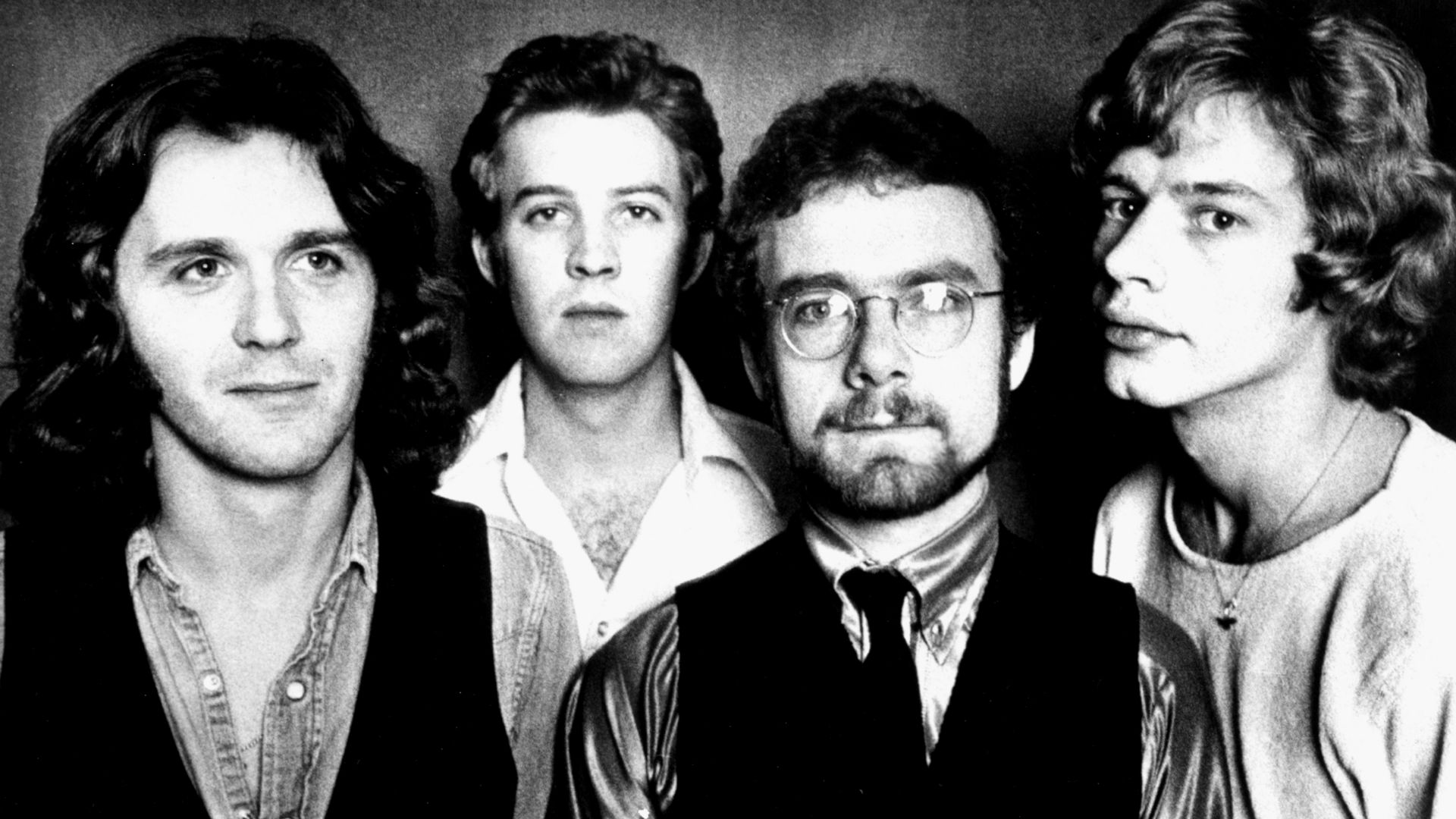 Distributed by Atlantic Records, Wikimedia Commons
The Replacements
The Replacements never quite achieved the commercial breakthrough many expected, but their impact on alternative rock was enormous. Paul Westerberg's songwriting balanced humor, vulnerability, and reckless energy in ways that influenced countless bands. Their records became essential listening for future generations of indie and alternative musicians.
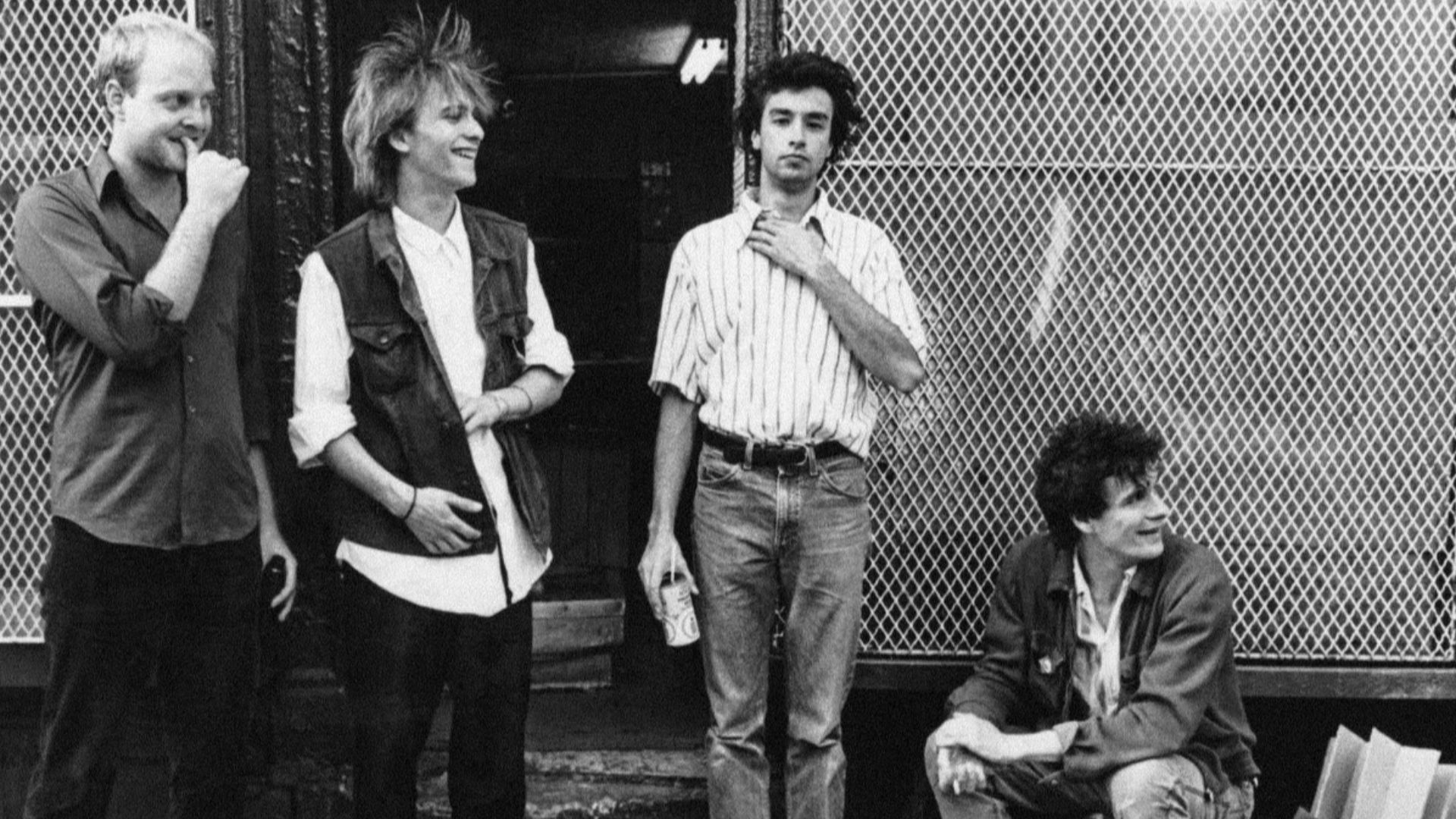 Laura Levine, Wikimedia Commons
You May Also Like:
The Strangest Songs To Hit Number One On The Billboard Hot 100
Number 1 Hits That Are Already Totally Forgotten
Number 1 Hit Songs Boomers Love That Most Millennials Haven’t Even Heard Of
.jpg)